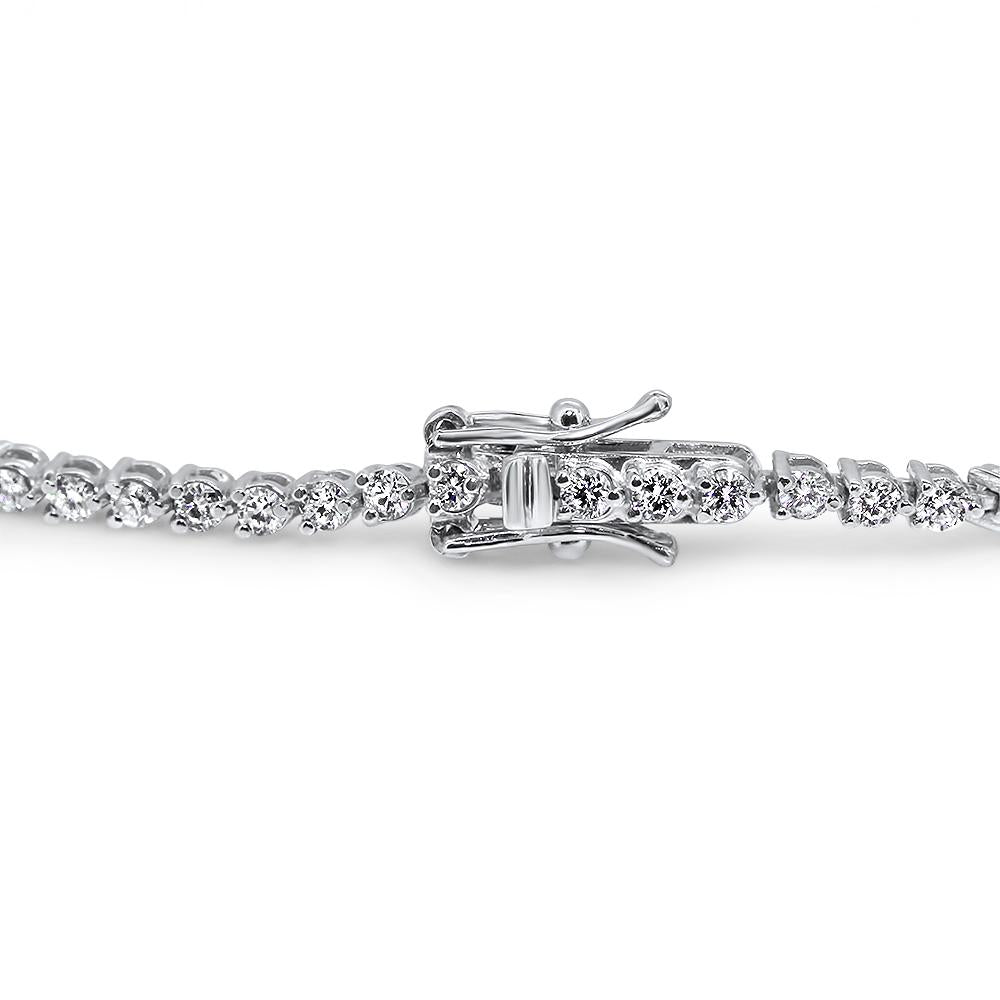
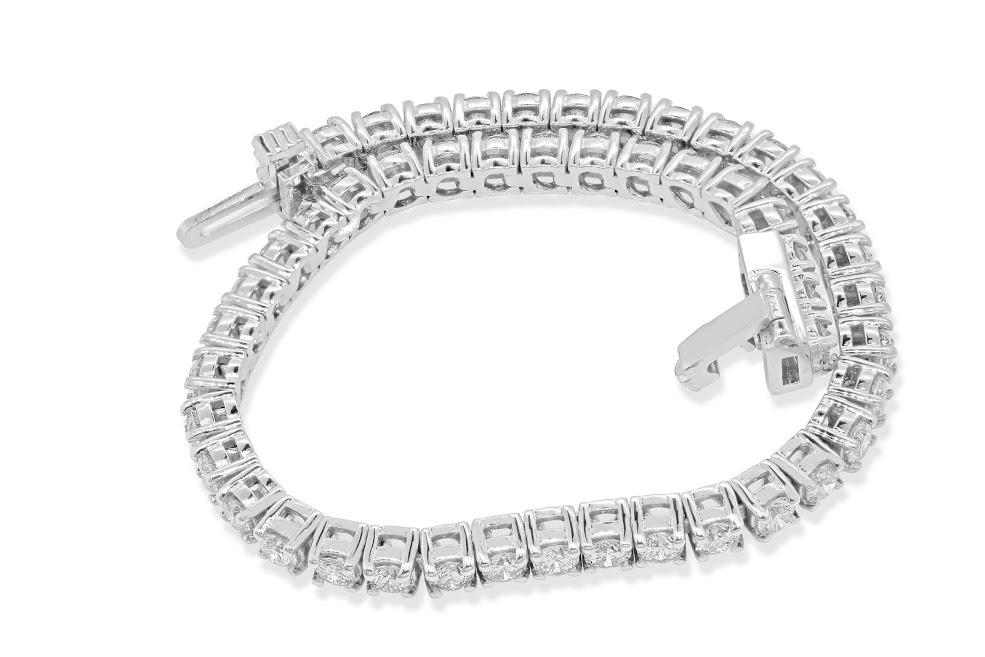
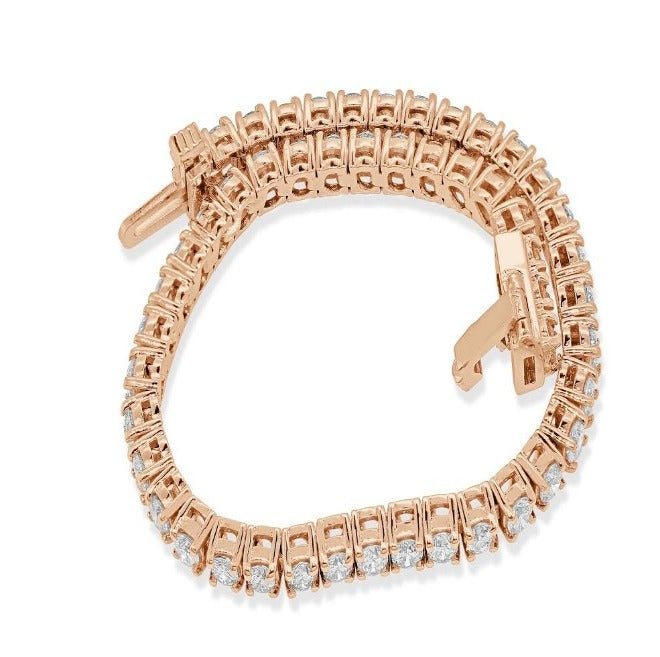
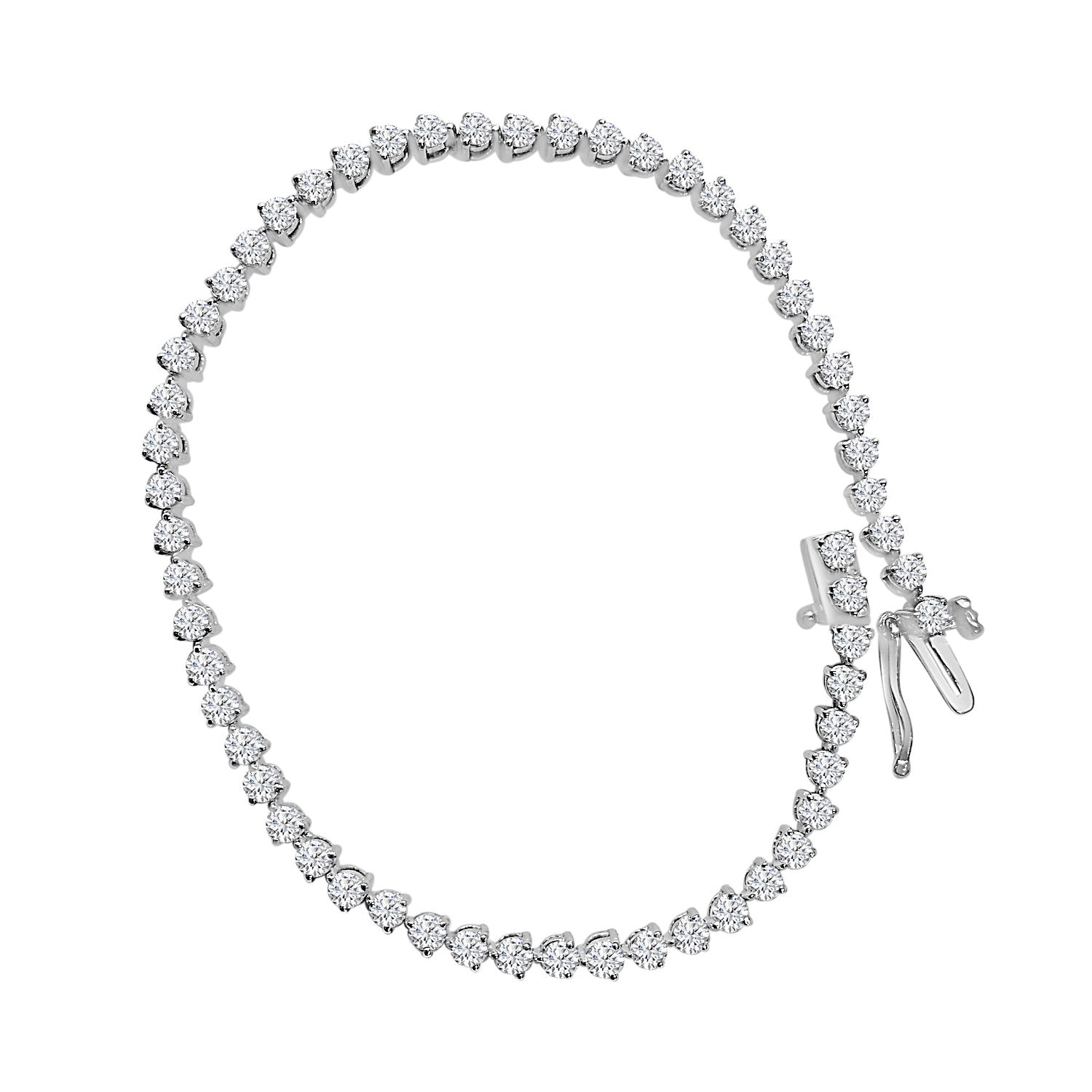
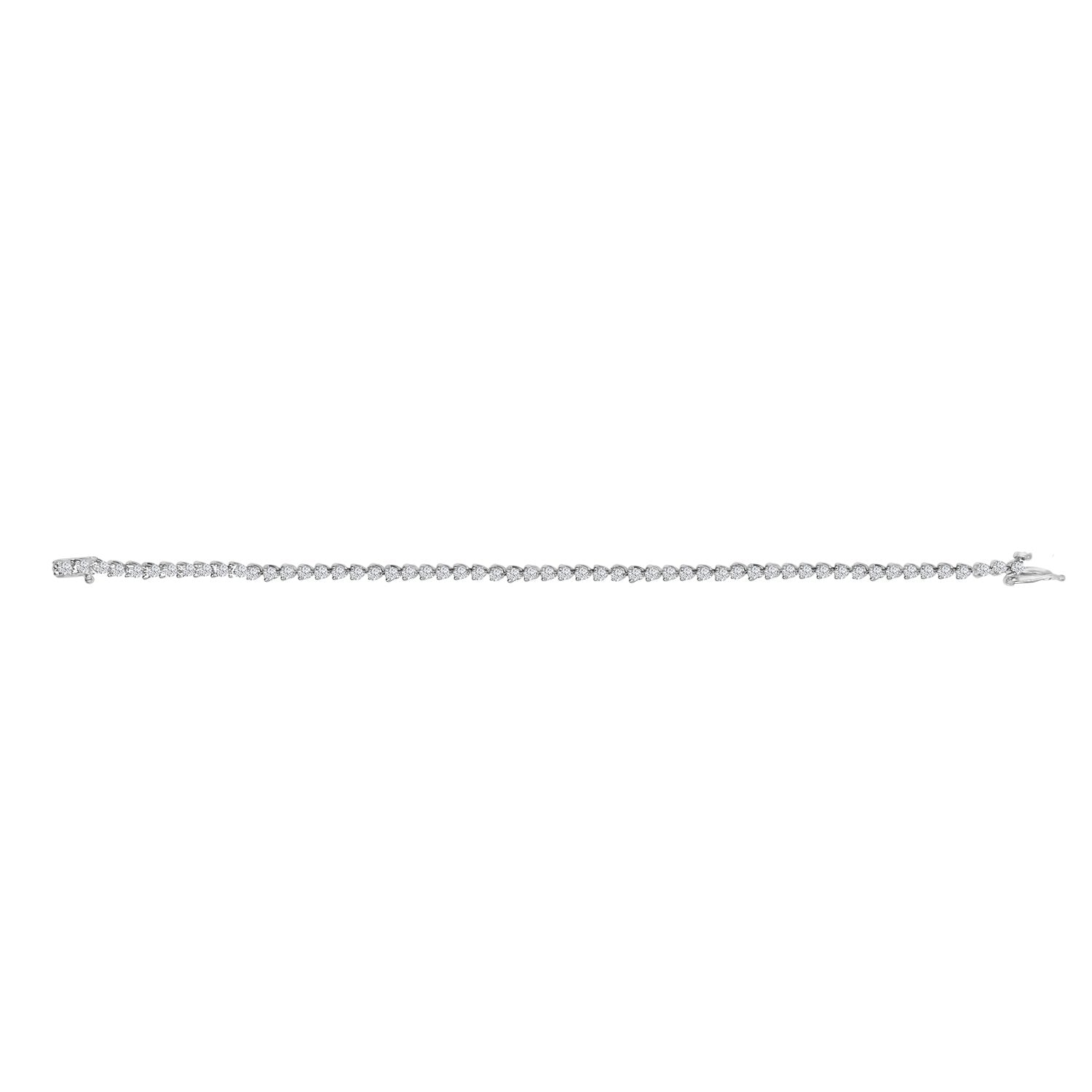
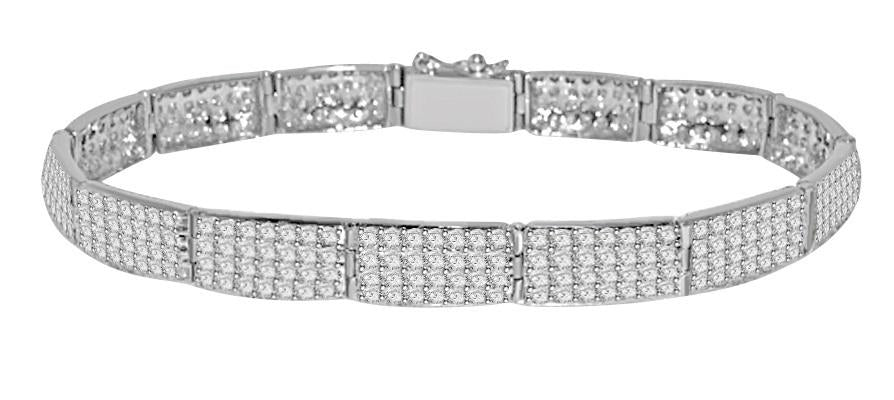
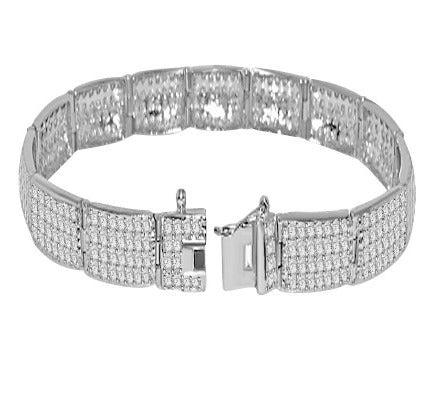
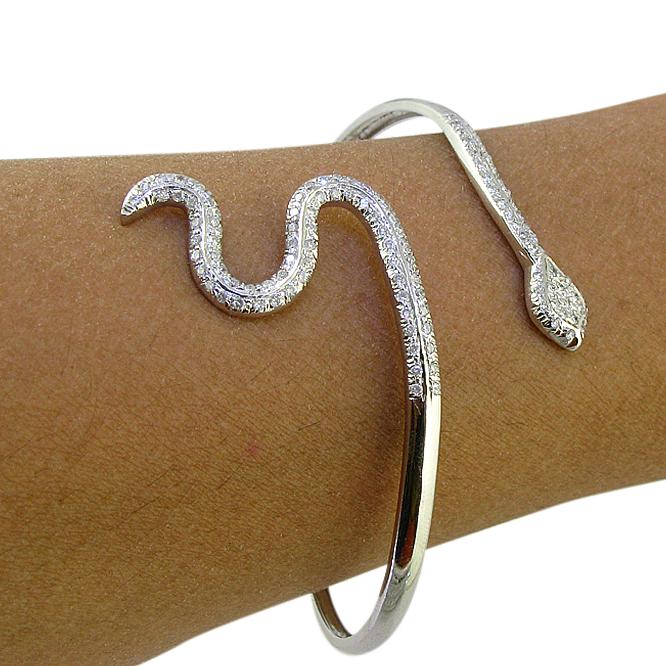
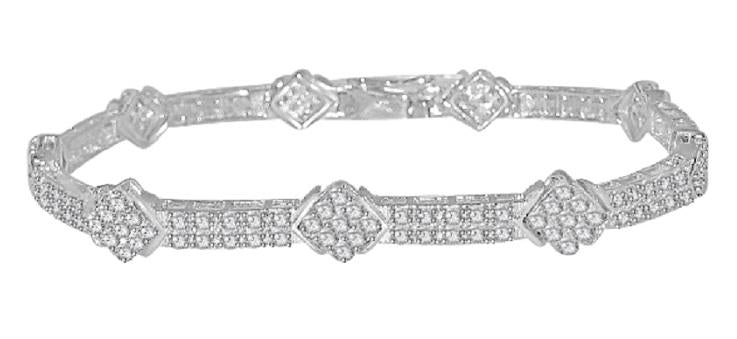
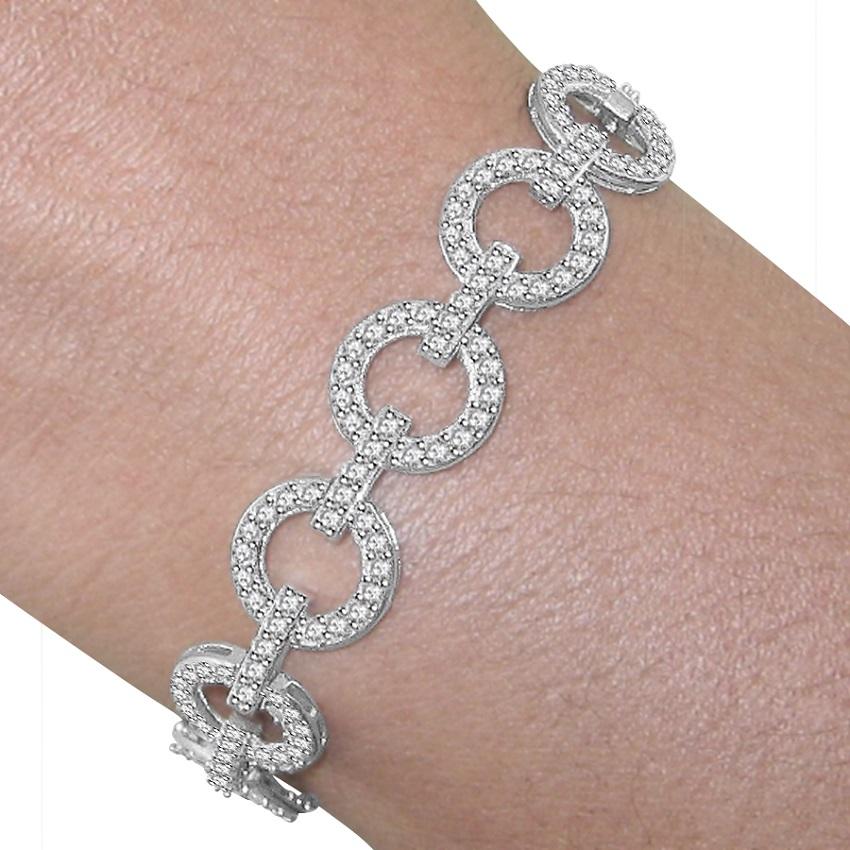
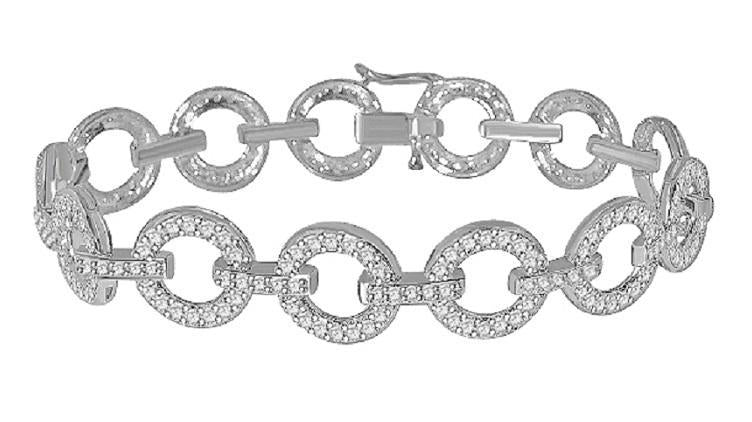
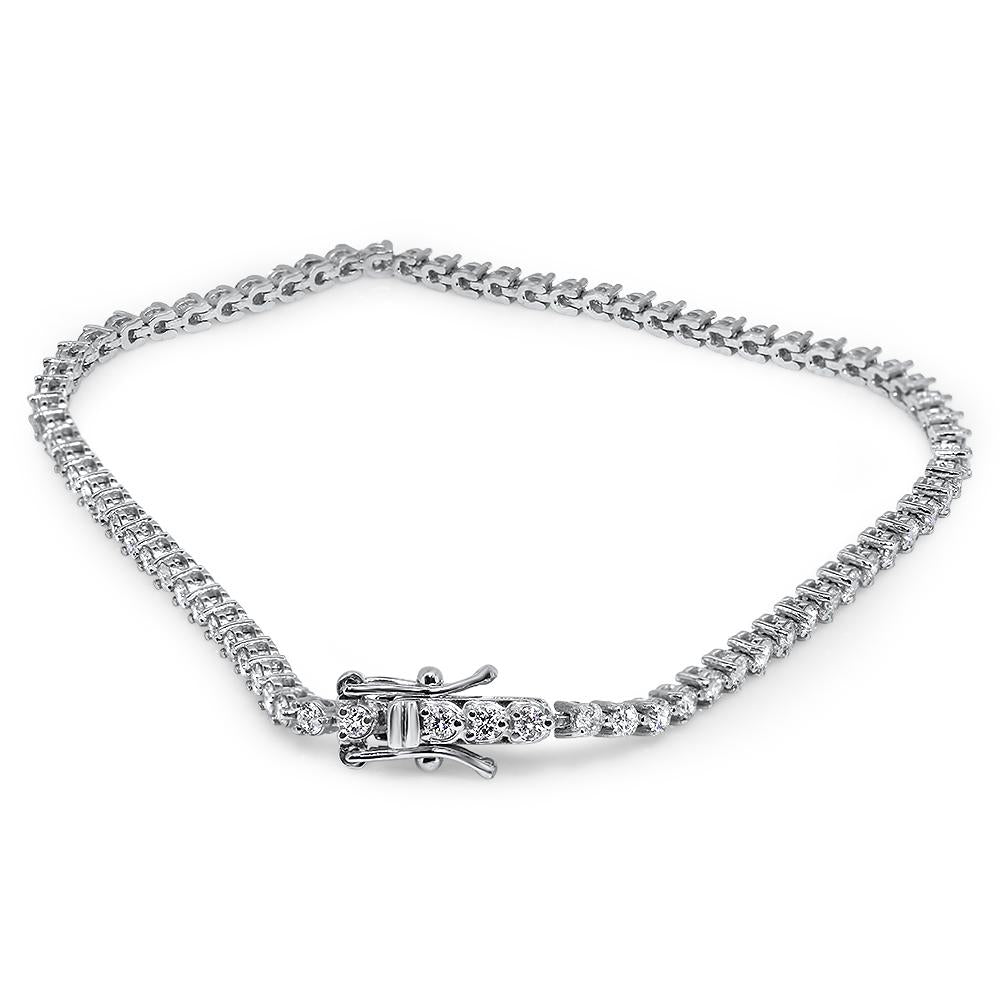
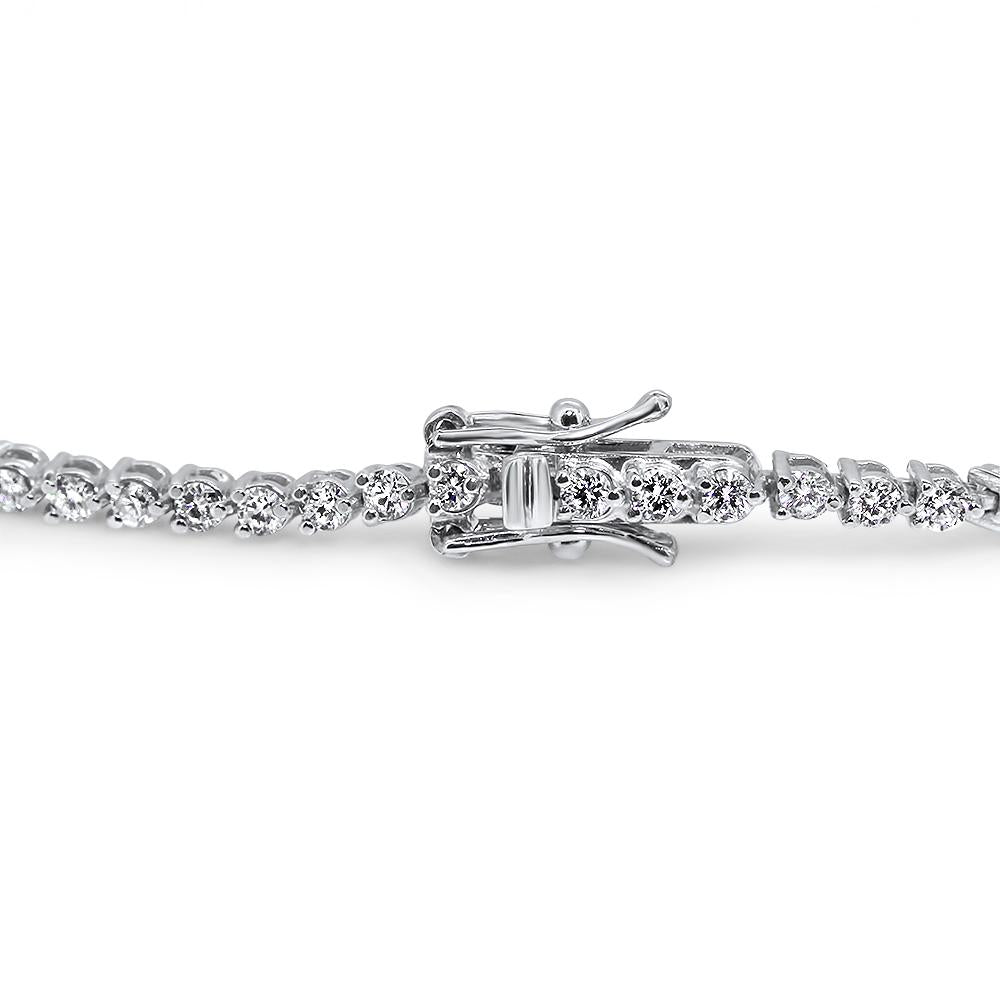
Diamond Bangles and Bracelets
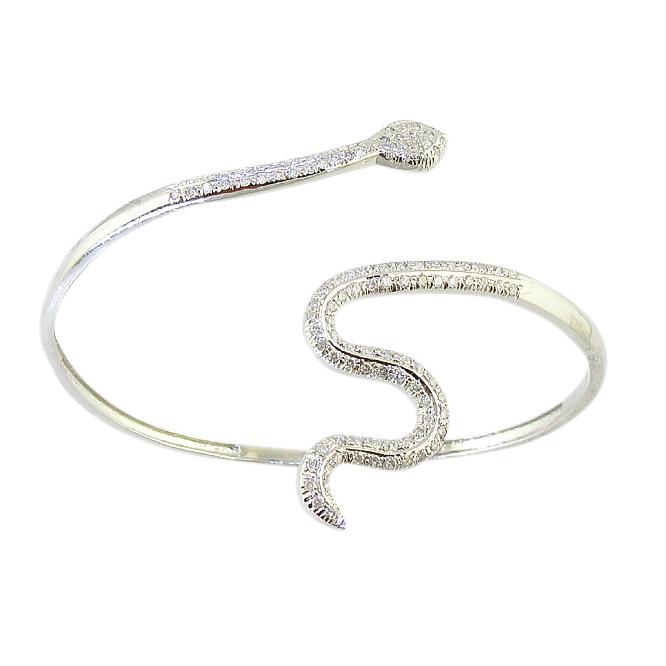
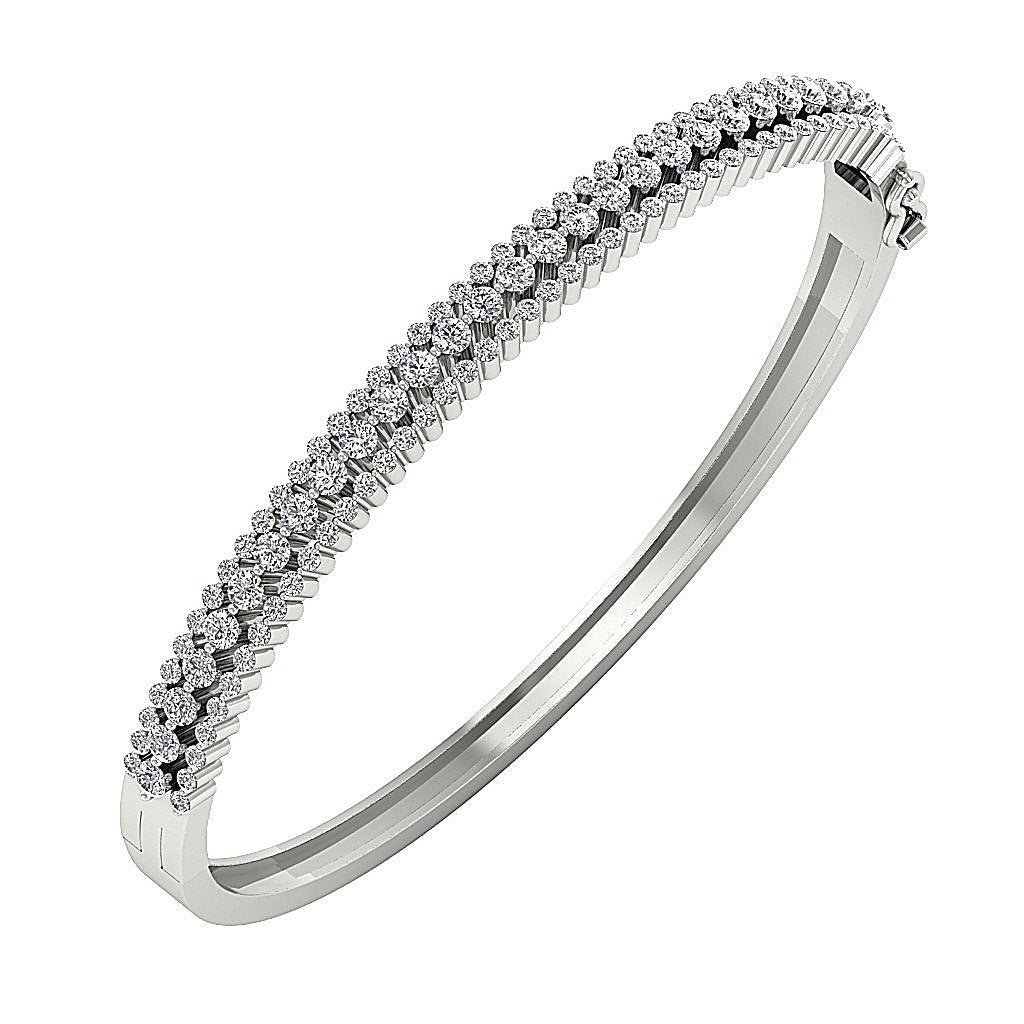
Diamond bangles and bracelets bring together the structure of gold with the light of diamonds, creating jewelry that can range from understated everyday pieces to more noticeable wristwear. Bangles and structured bracelets place greater emphasis on the form of the metal itself.
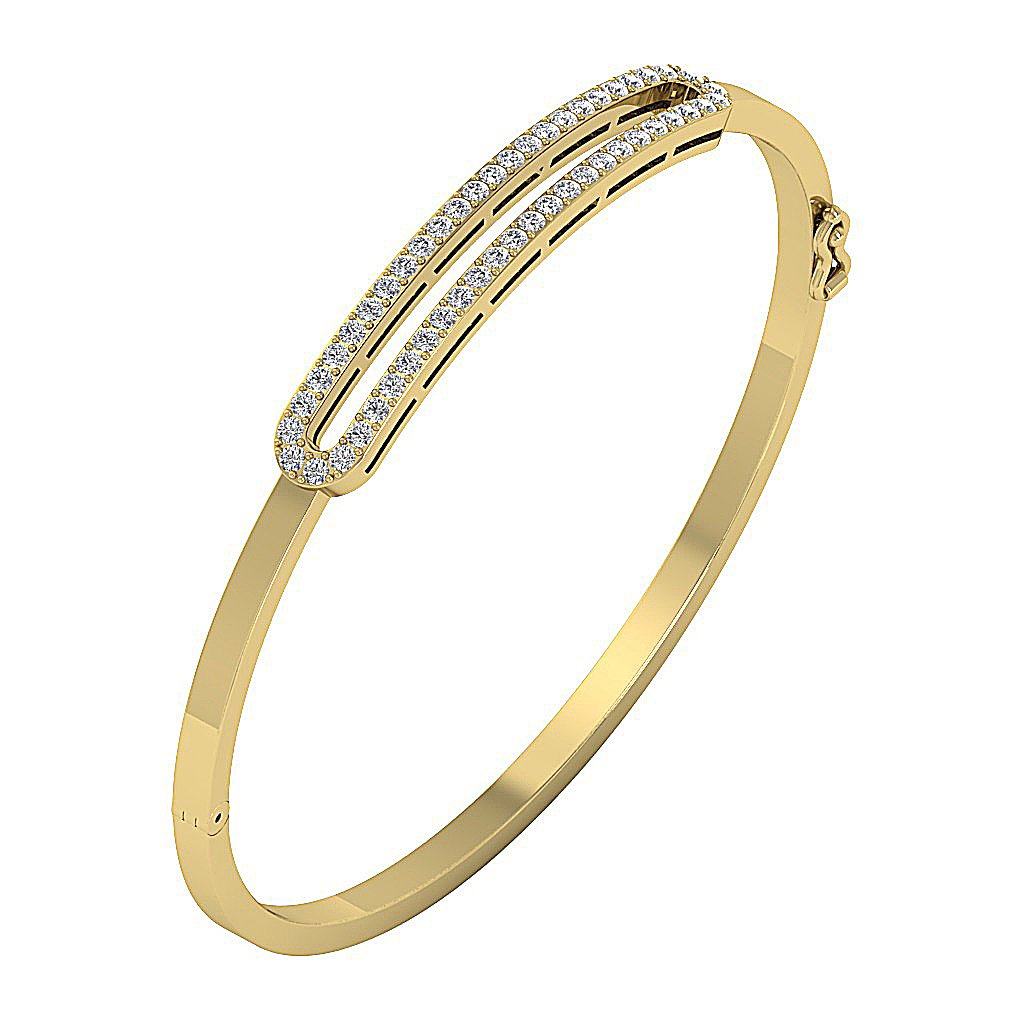
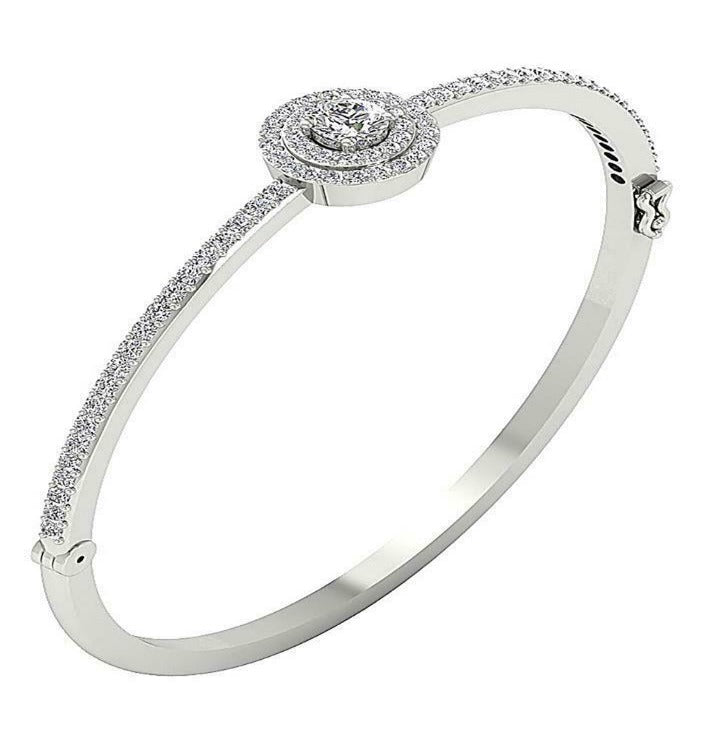
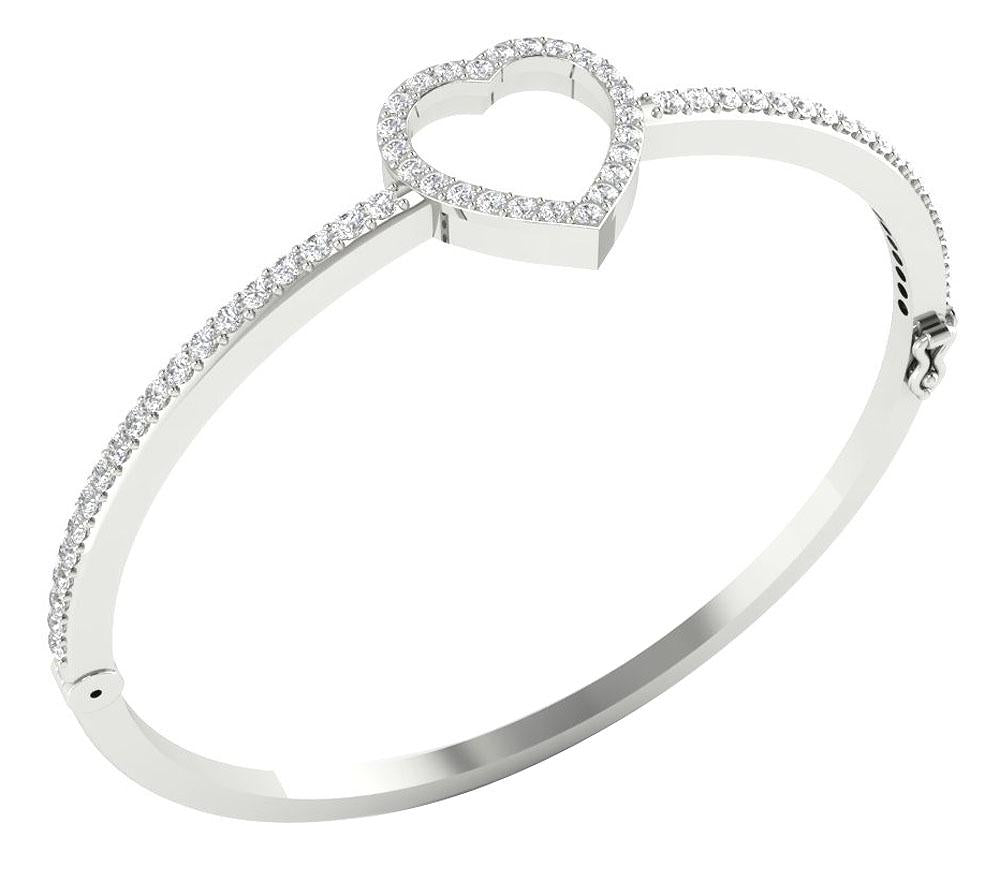
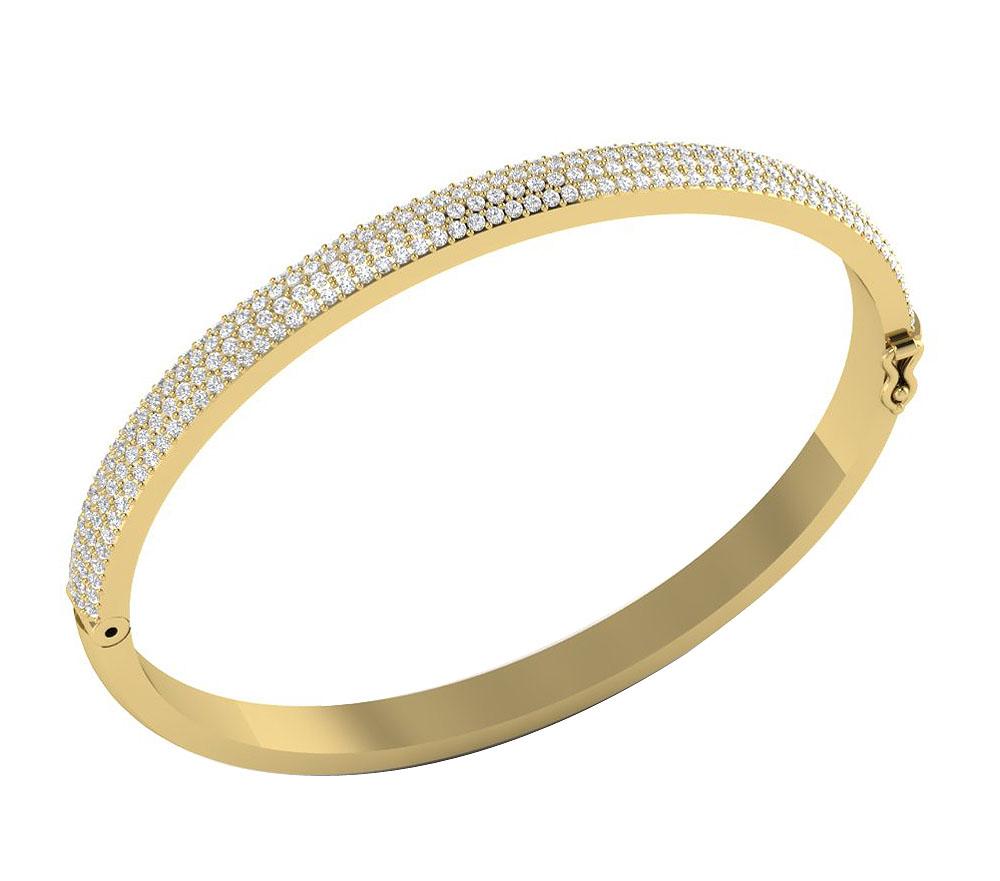
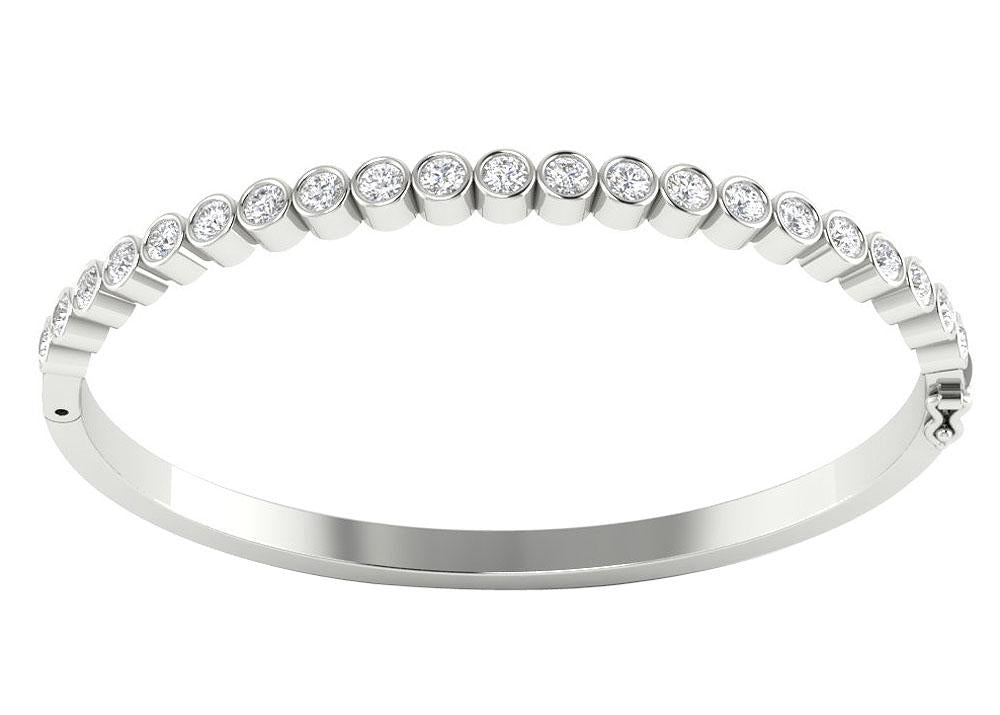
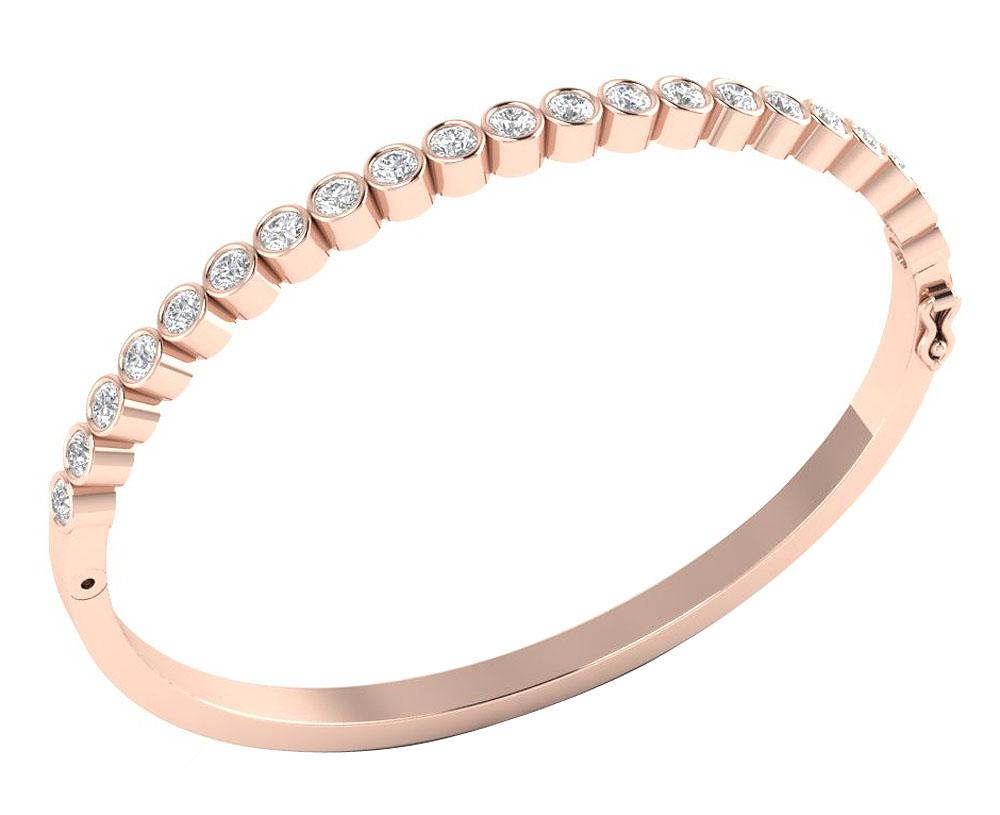
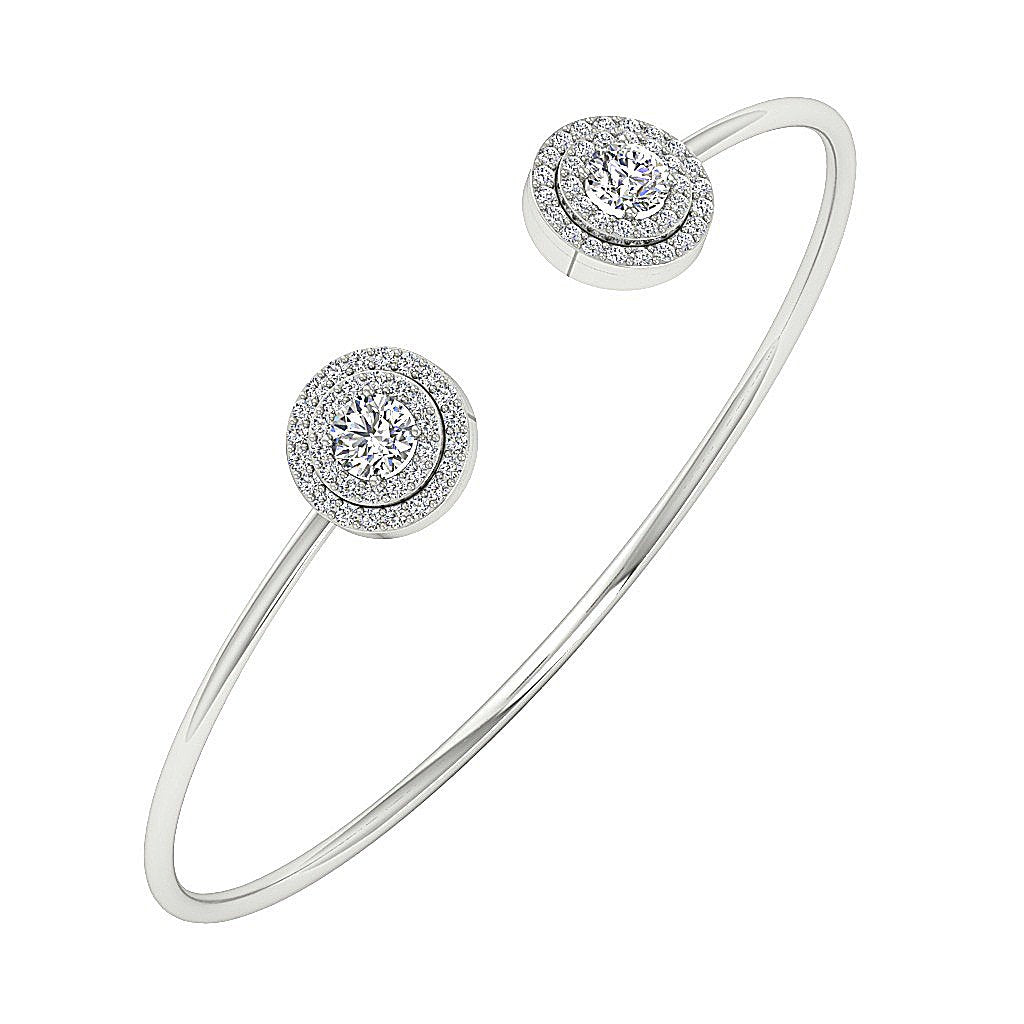
Some designs are slim and understated, allowing a small amount of diamond detail to provide the focal point. Others use more substantial diamond coverage, contrasting polished gold with areas of sparkle.
What Makes a Diamond Bangle Different?
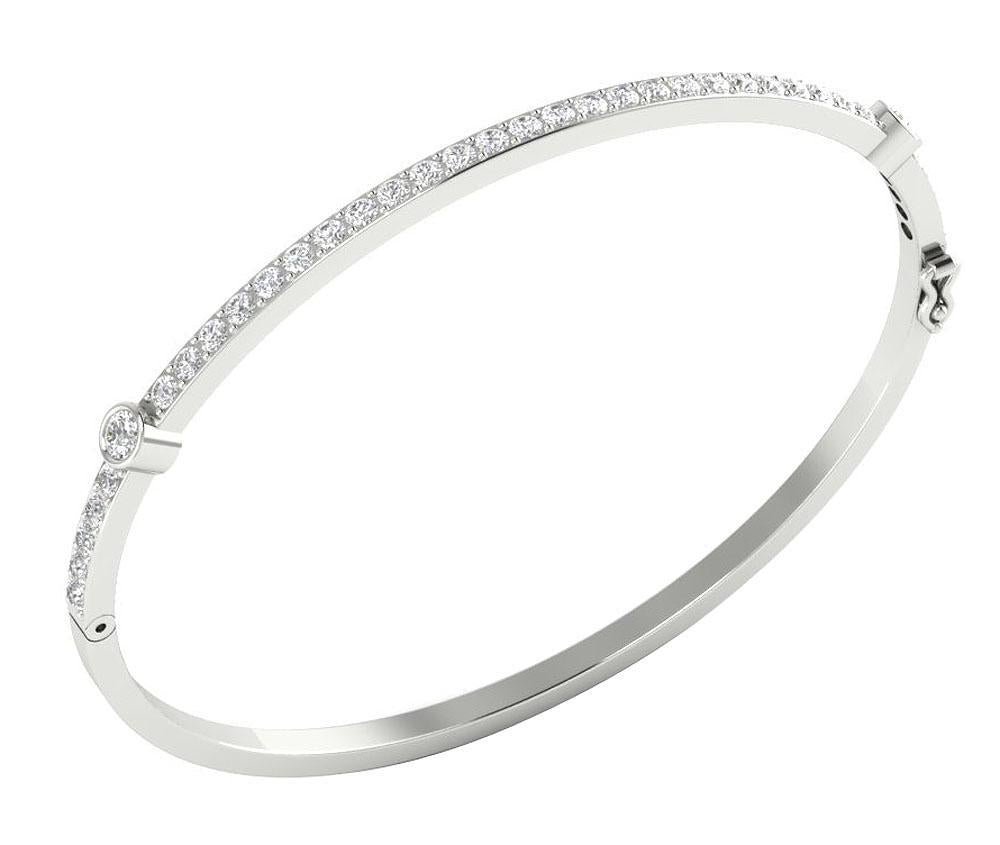
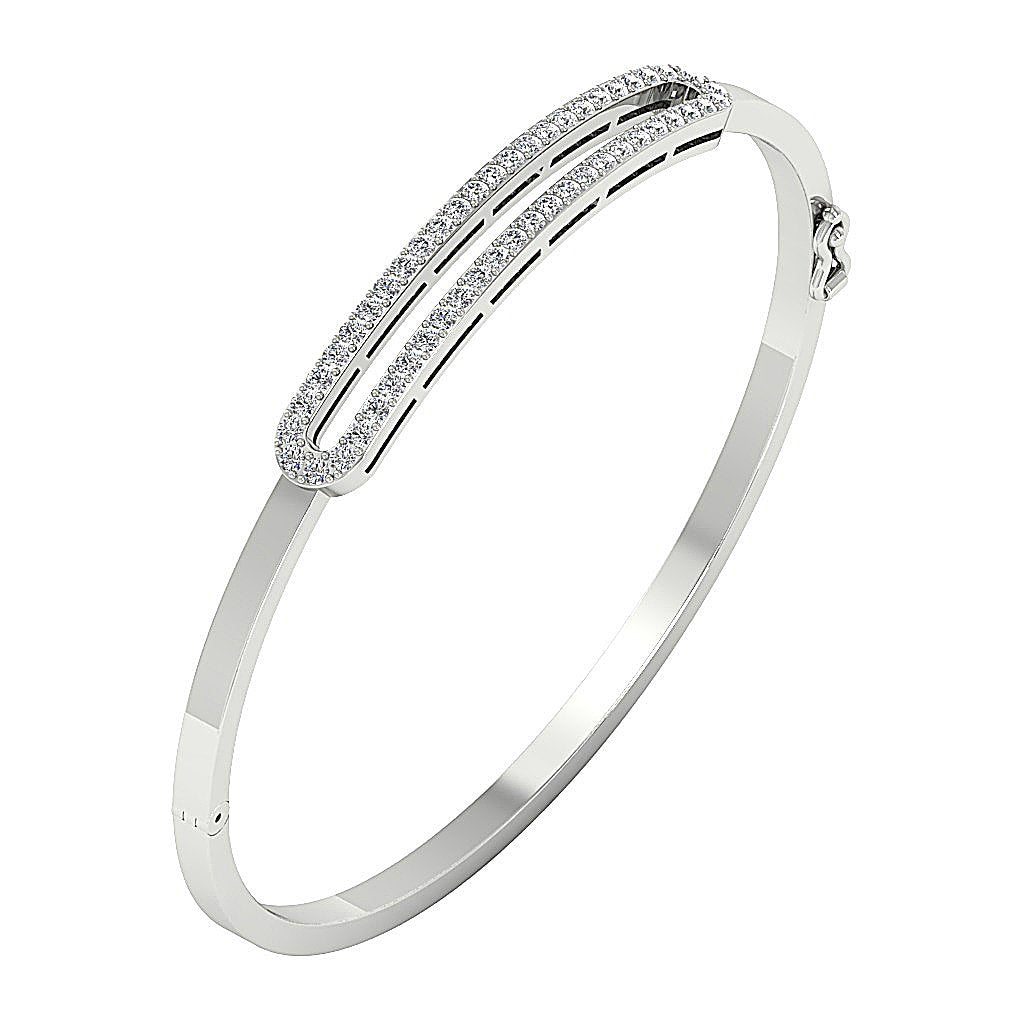
A bangle's defining feature is its structure. Rather than depending on individual links to create the bracelet's shape, a bangle generally maintains a continuous circular or oval form around the wrist. This creates a clean silhouette and allows diamonds to be positioned as accents, focal details or continuous sections across the metal.
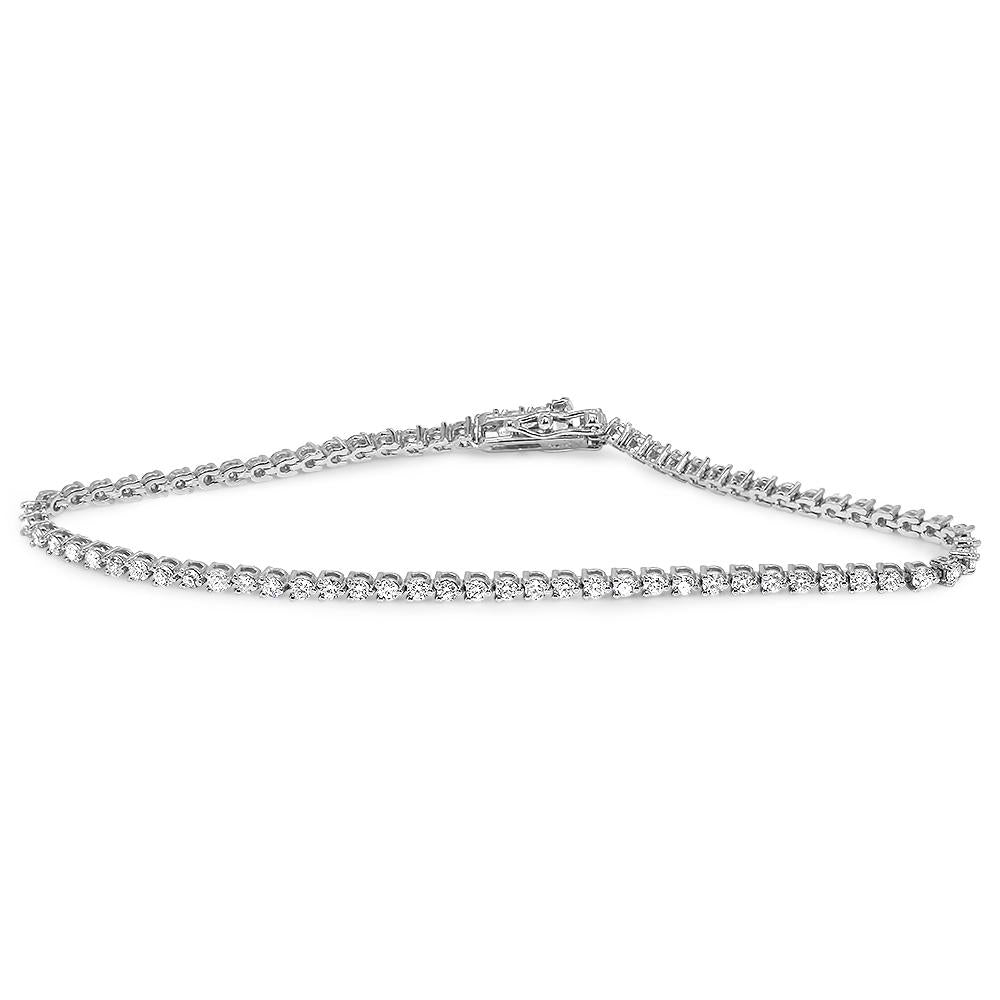
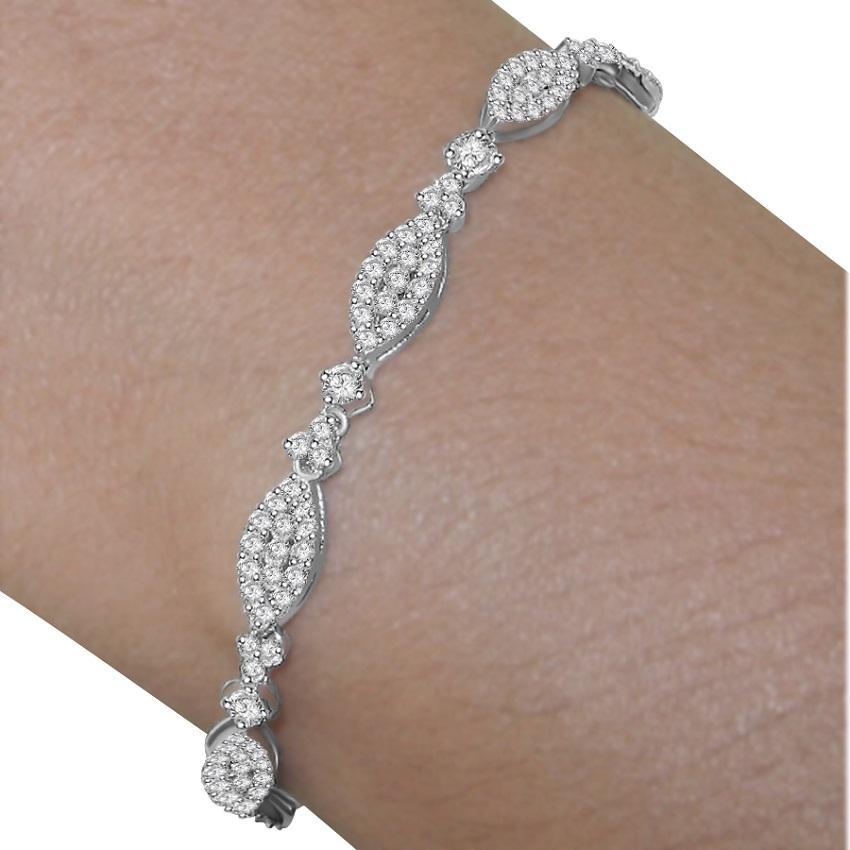
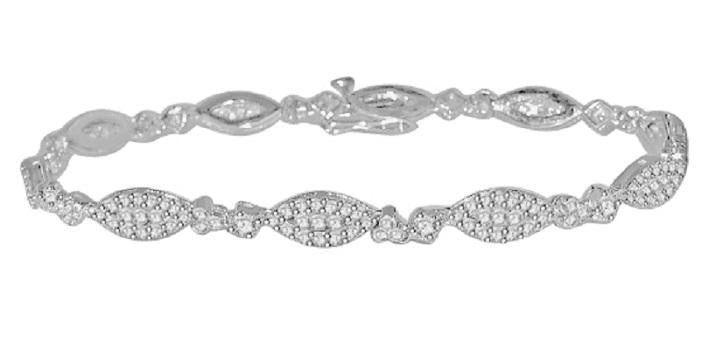
The choice between bangles and bracelets comes down to more than appearance. Consider whether you prefer the defined profile of a bangle or the movement and flexibility of a traditional bracelet.
Diamond For Good's collection includes diamond bangles and bracelets in gold, with variations in diamond placement, proportions and overall construction.
Choosing the Right Diamond Placement, Size, and Fit
Diamond placement can significantly change the character of a bangle or bracelet.
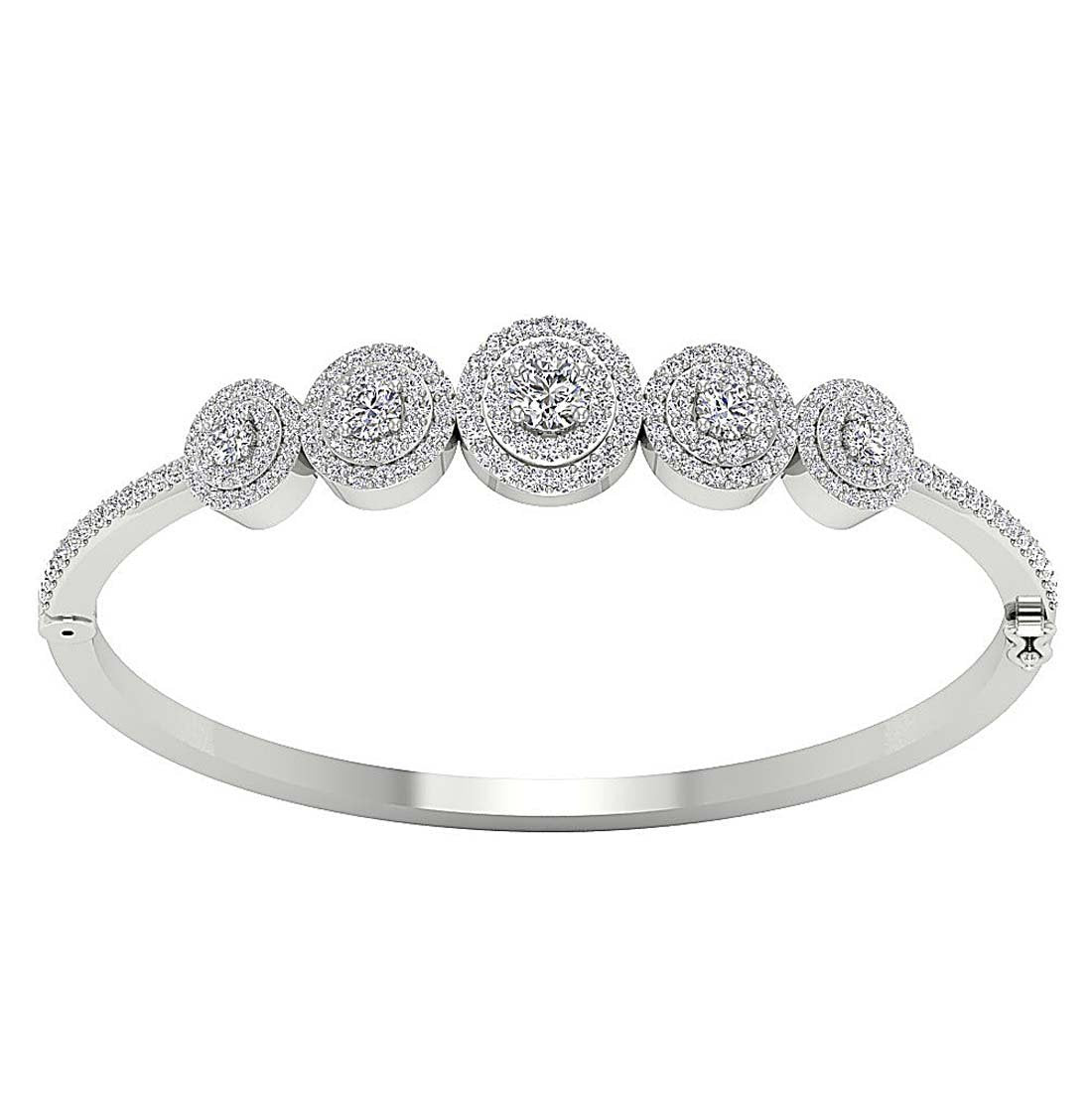
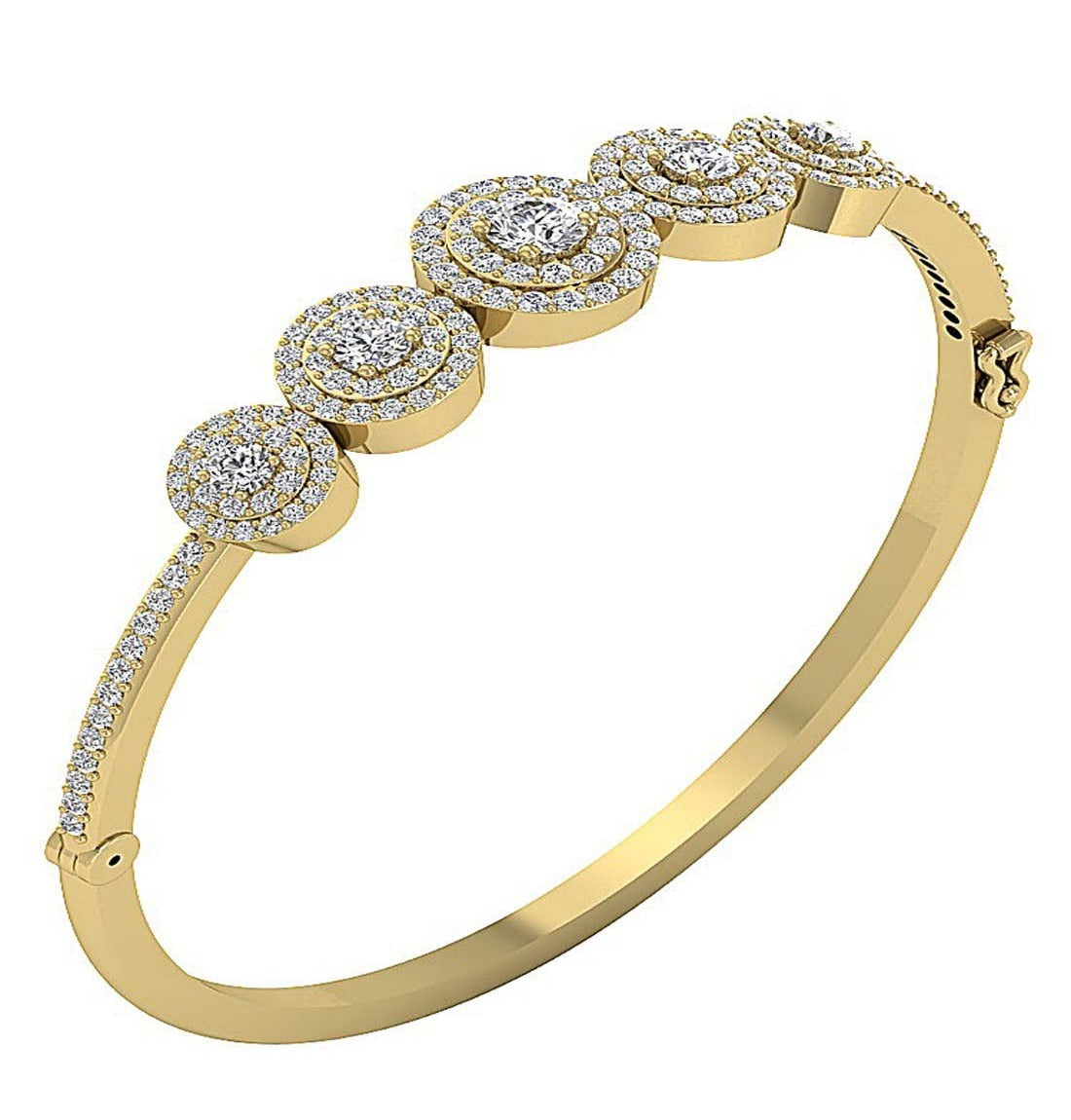
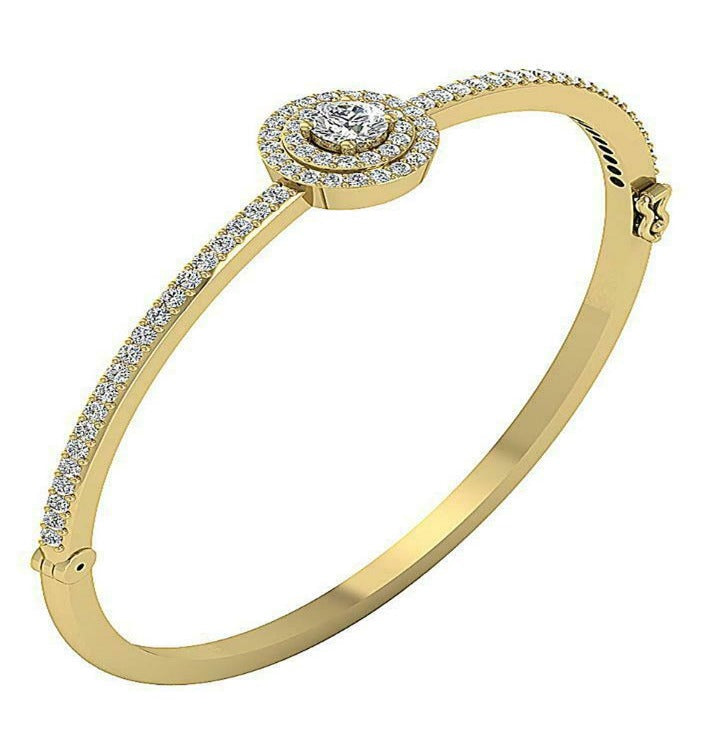
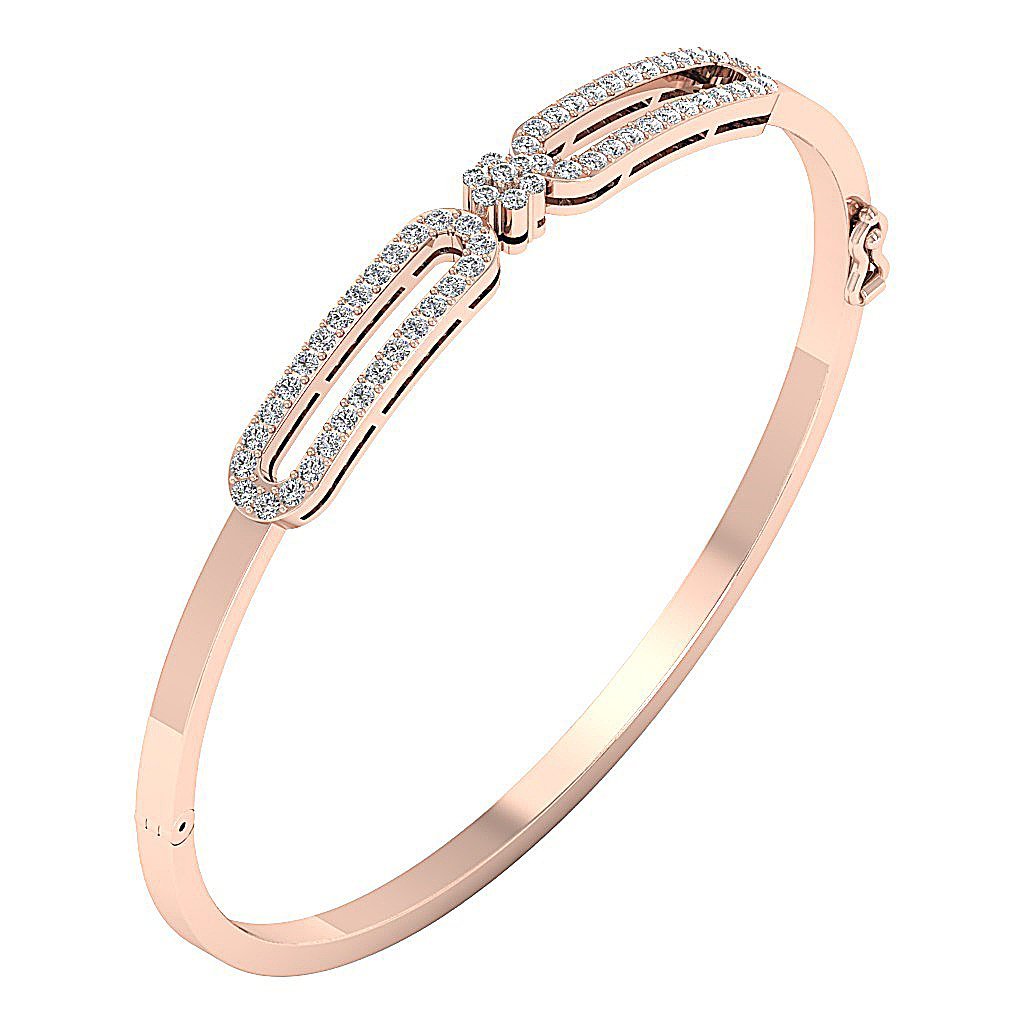
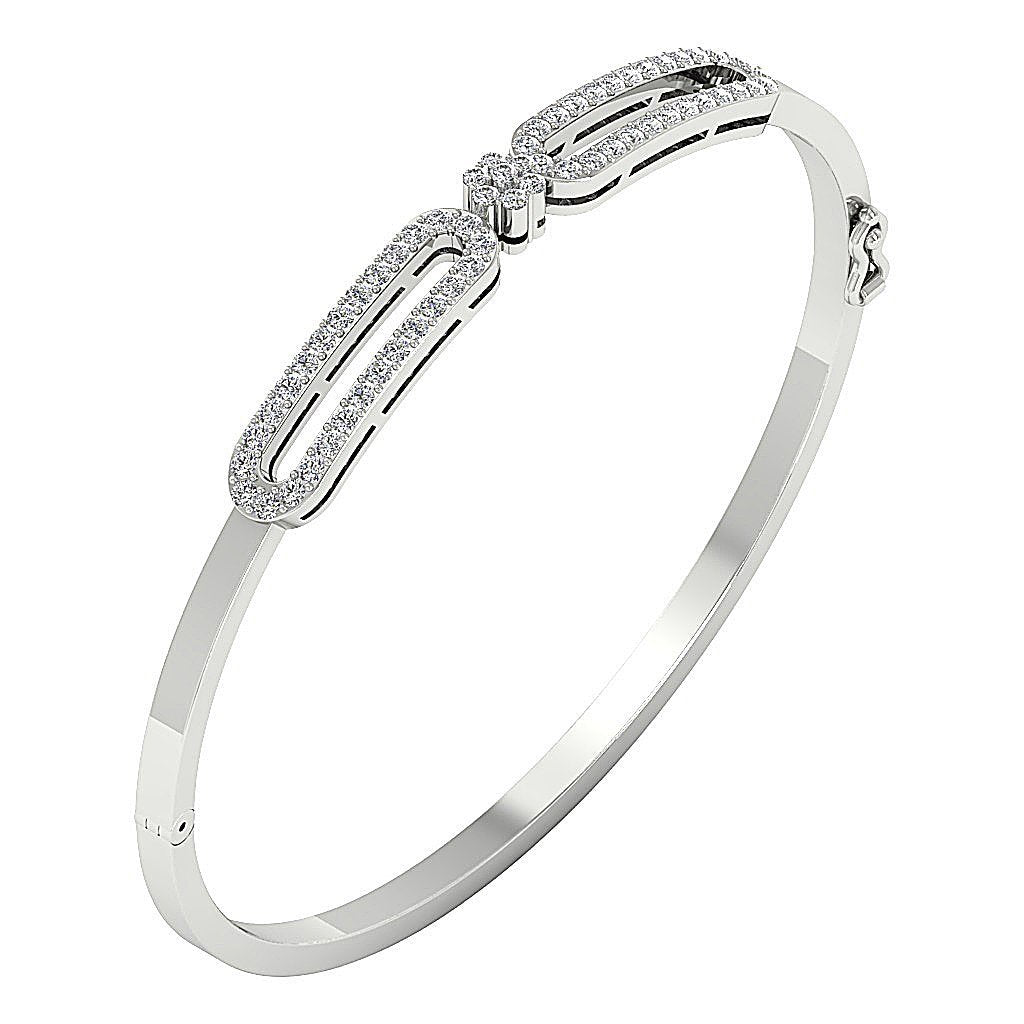
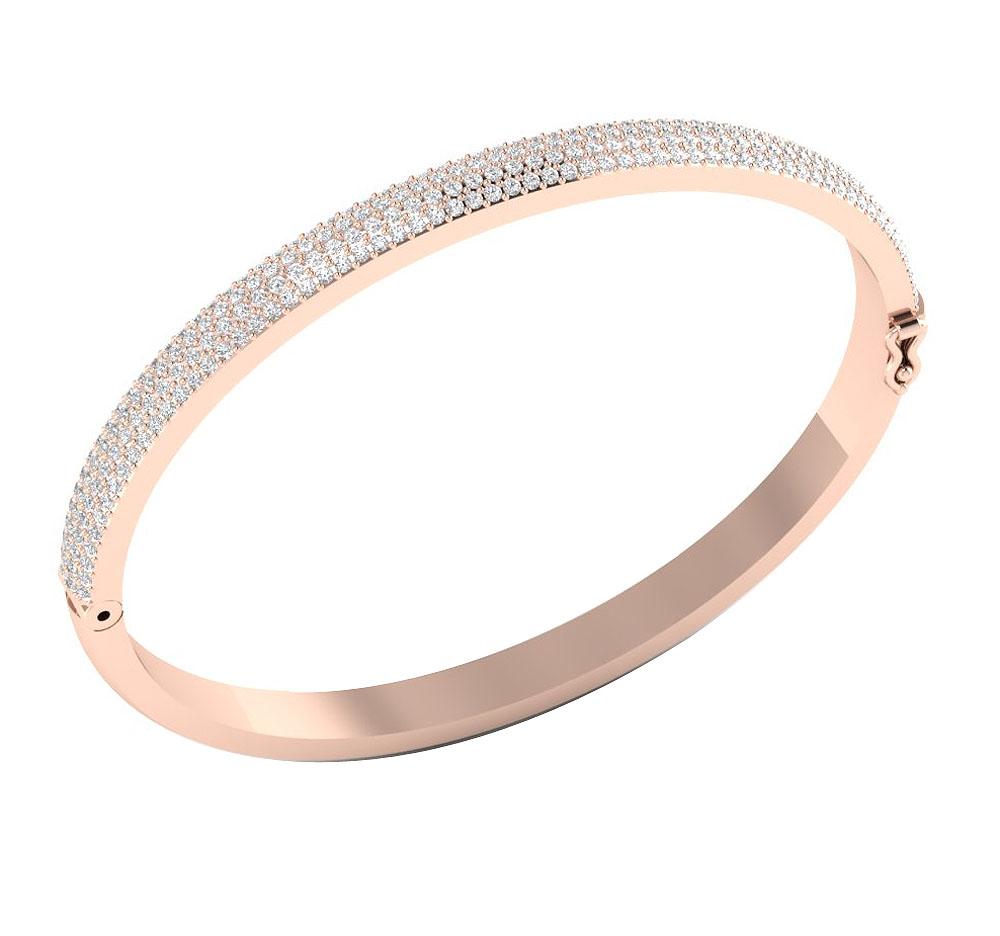
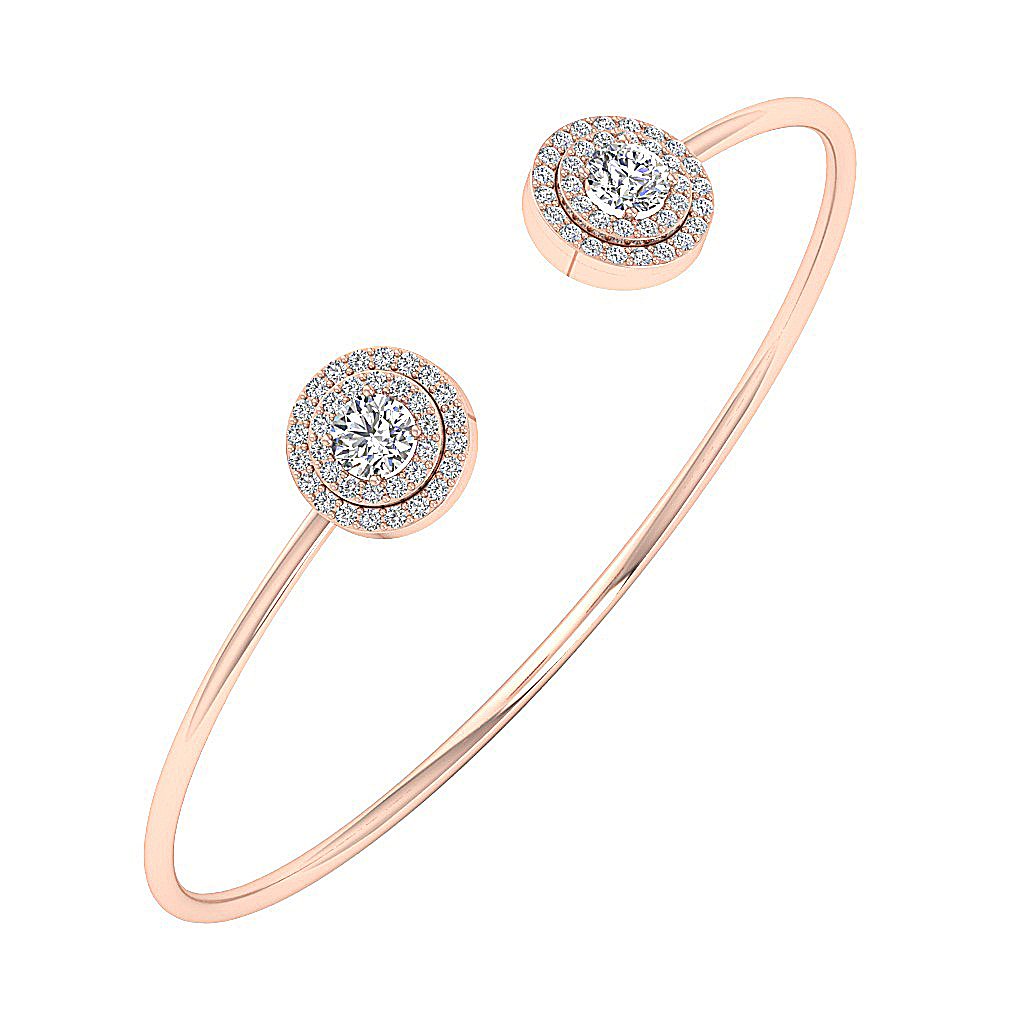
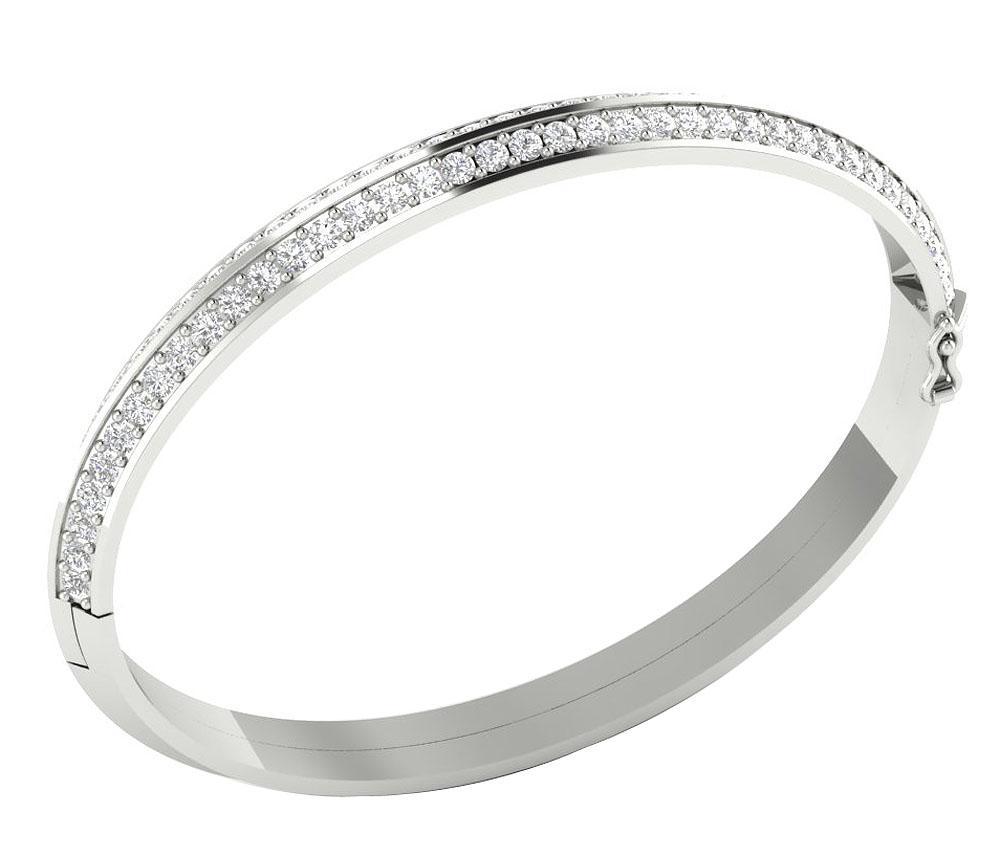
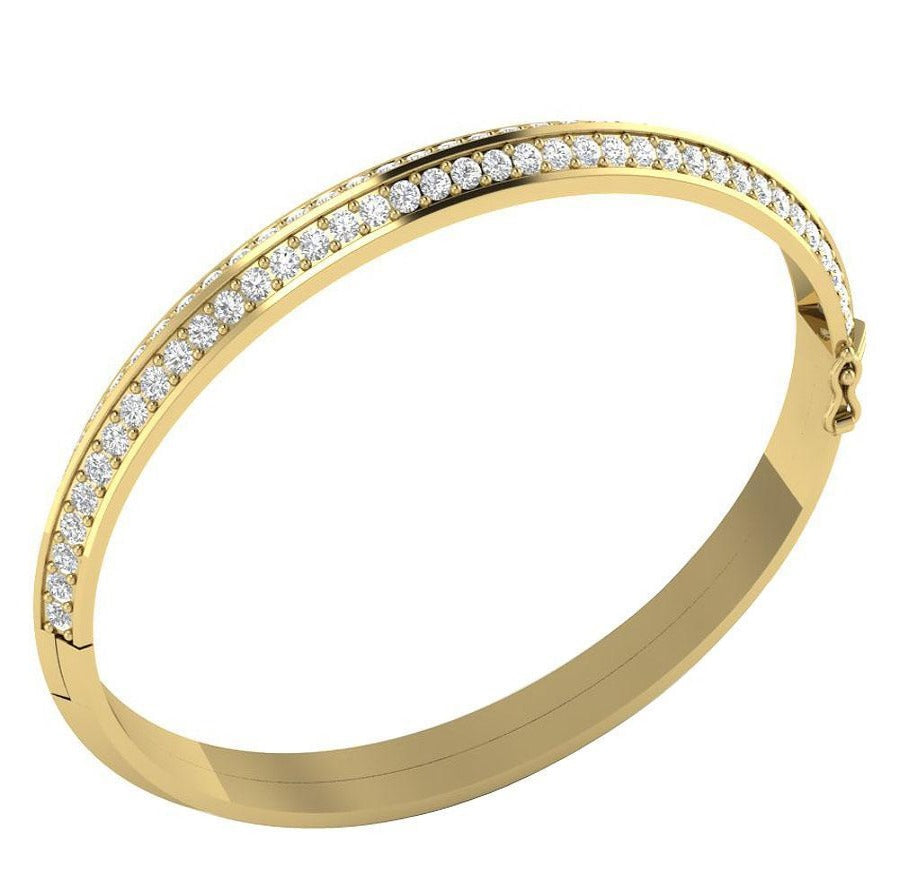
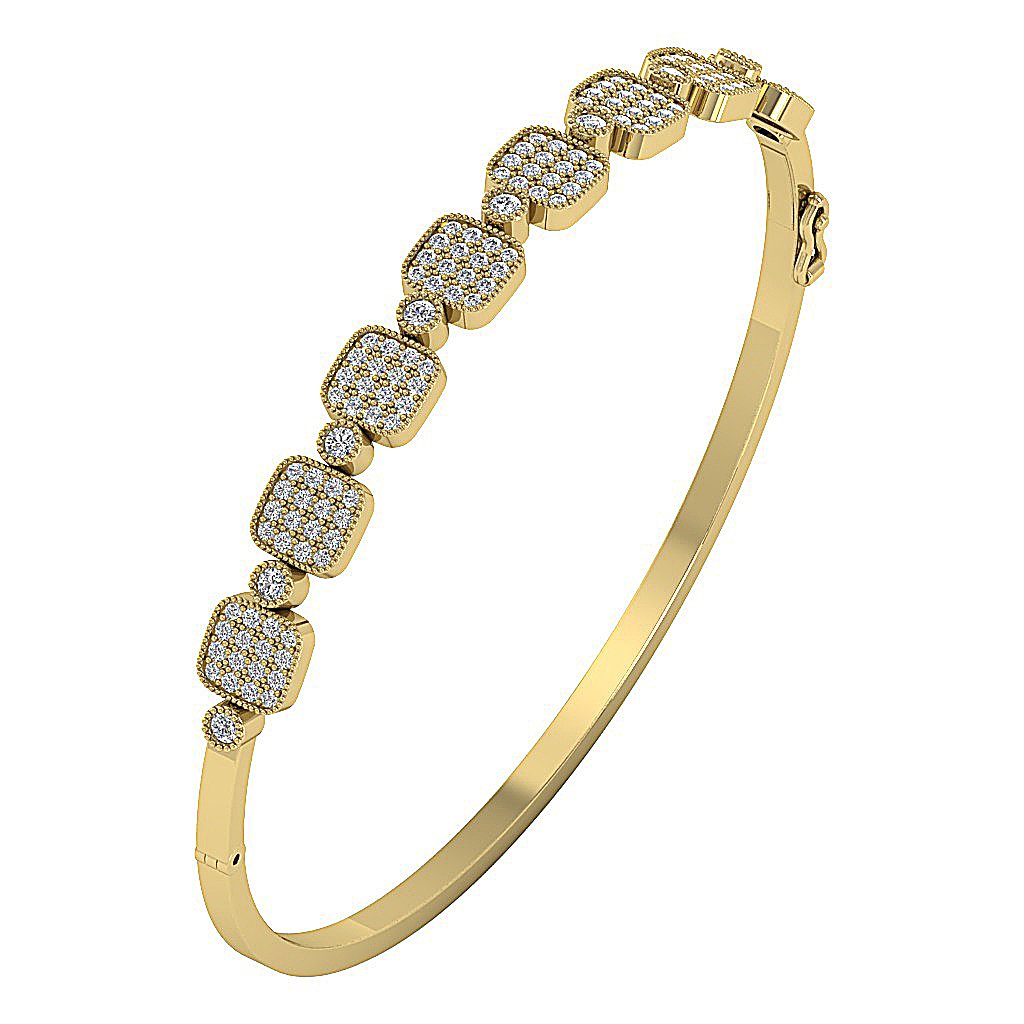
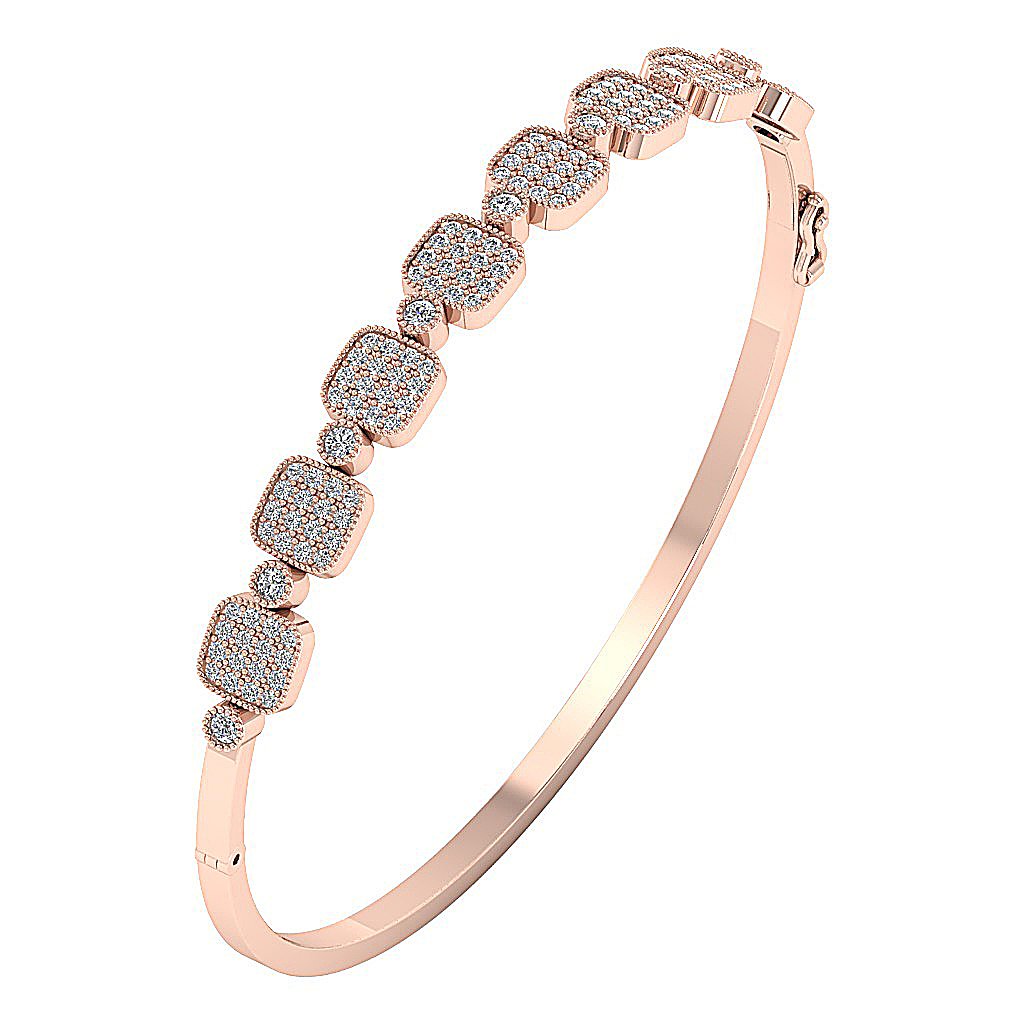
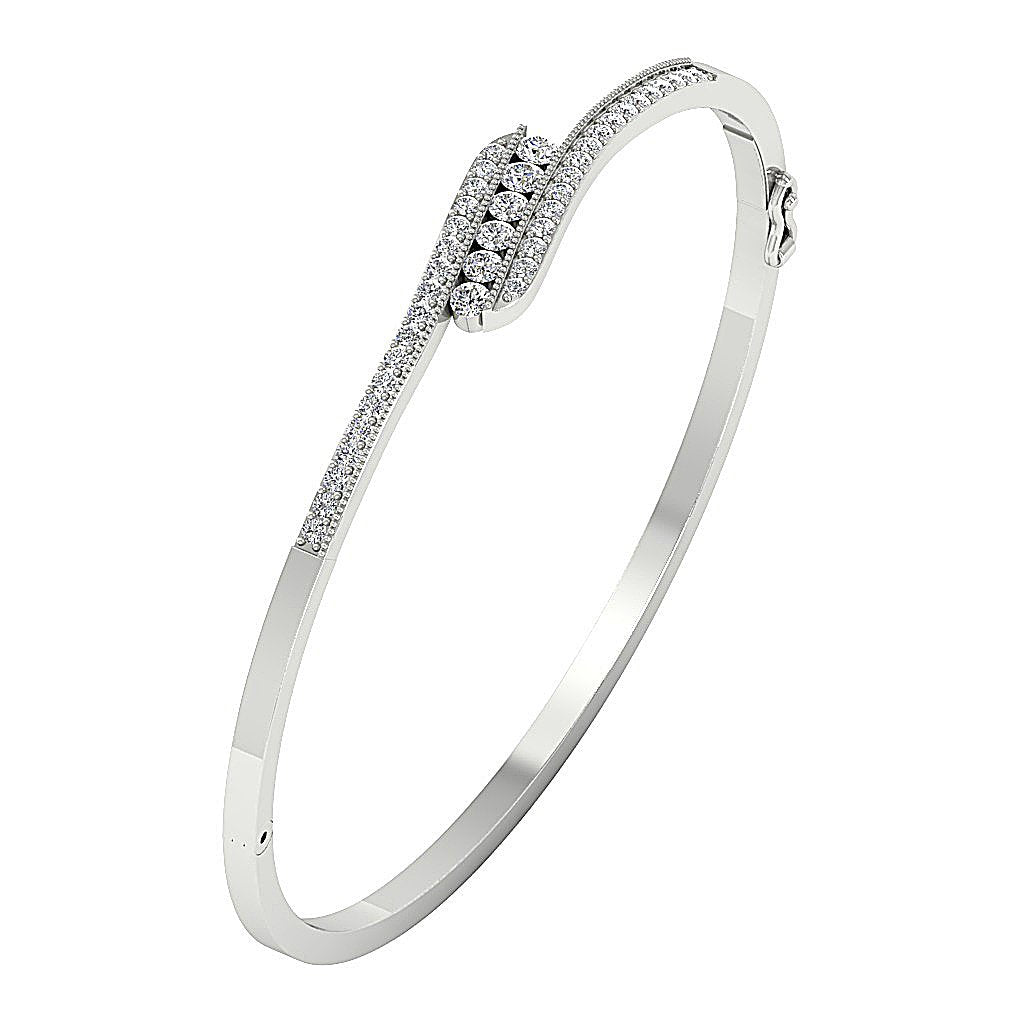
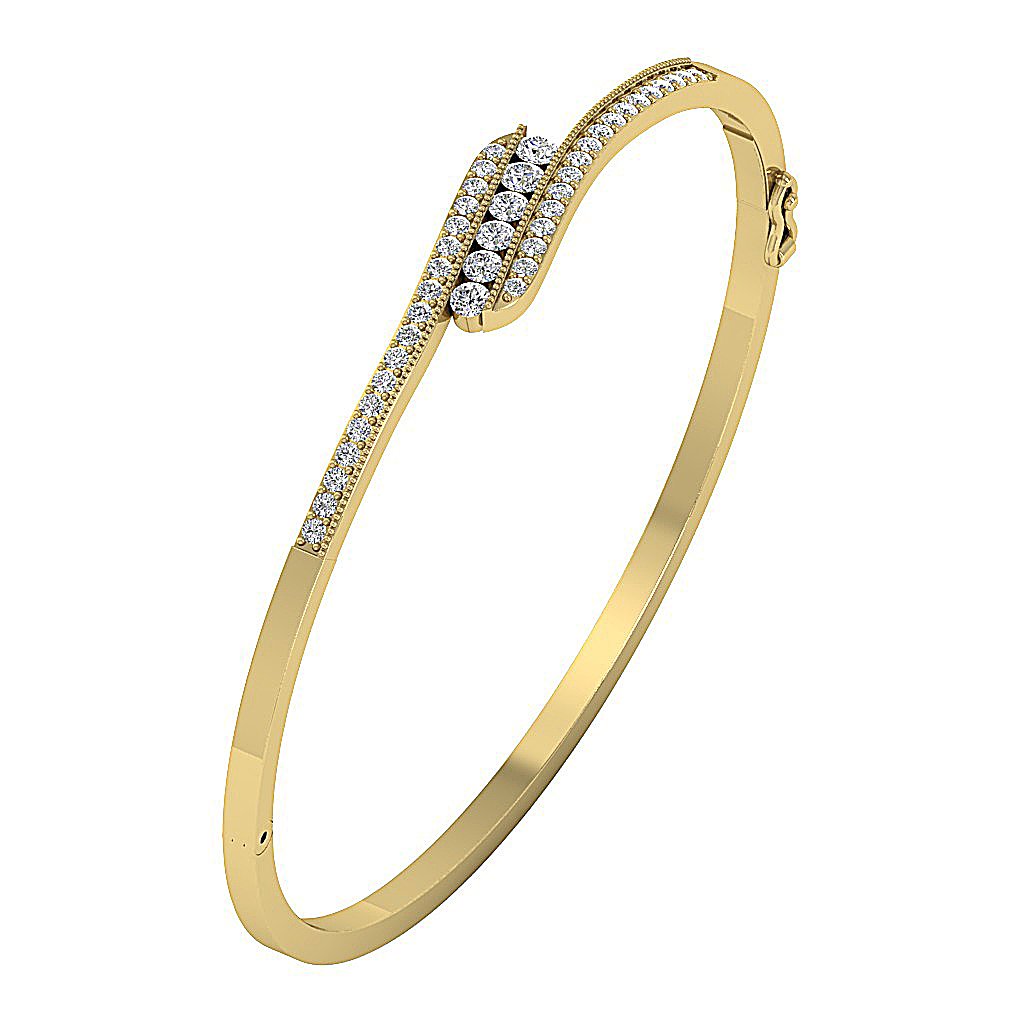
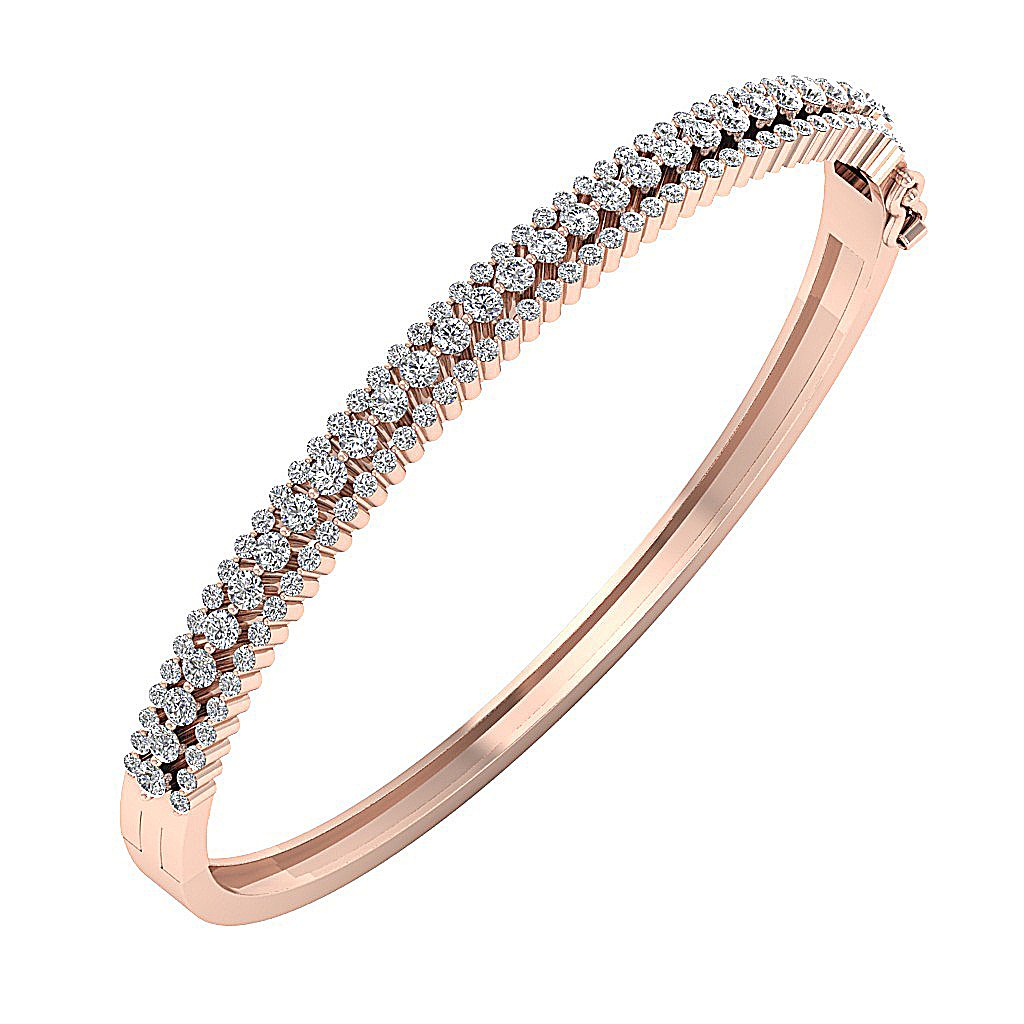
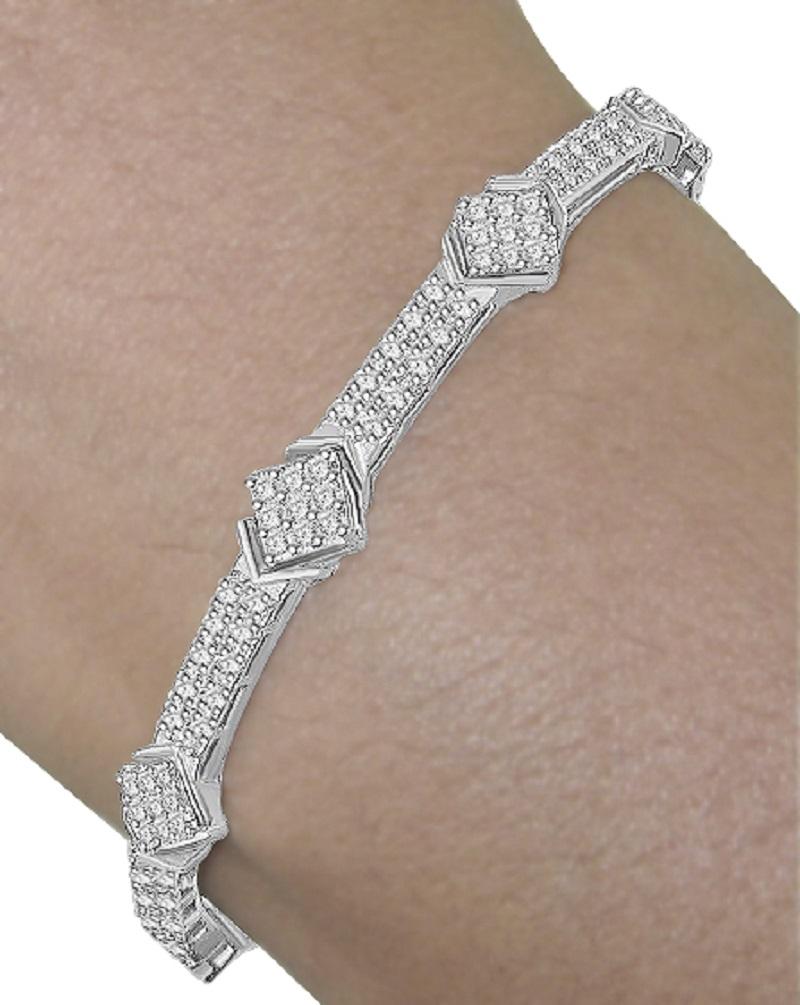
A single diamond-set section creates a focal point while allowing much of the gold to remain visible. Diamonds distributed across a larger section of the design create greater sparkle without necessarily covering the entire piece. A fully diamond-set surface provides the strongest brilliance and makes the stones the dominant feature.
The relationship between diamonds and gold is worth considering carefully. More diamonds do not always mean a more versatile piece; the right balance depends on how and when the jewelry will be worn.
Fit is particularly important with bangles because the piece generally needs to pass over the hand before resting around the wrist. A bangle that is too small may be difficult to put on or remove, while one that is too large can move excessively and may feel less secure.
Measure carefully before purchasing, especially when selecting a rigid bangle. Wrist measurement alone may not be sufficient because the bangle must also accommodate the widest part of the hand.
Choosing the Gold Color for Diamond Bracelets
Gold forms a substantial part of the visual identity of a bangle or bracelet, particularly when the diamond coverage is restrained.
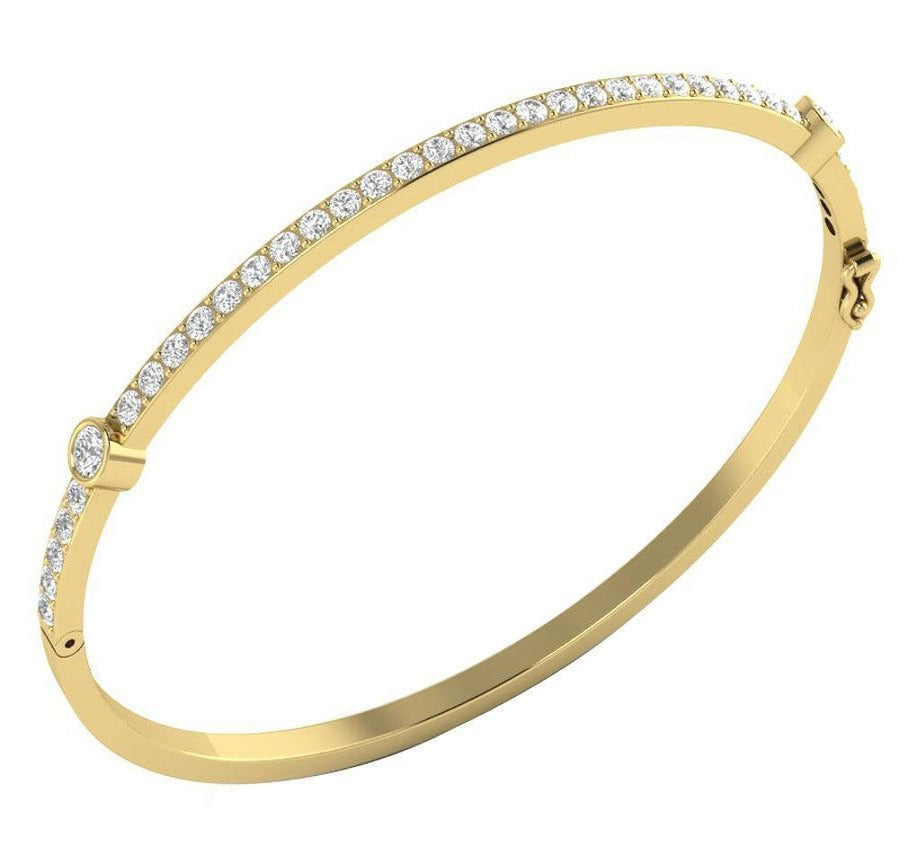
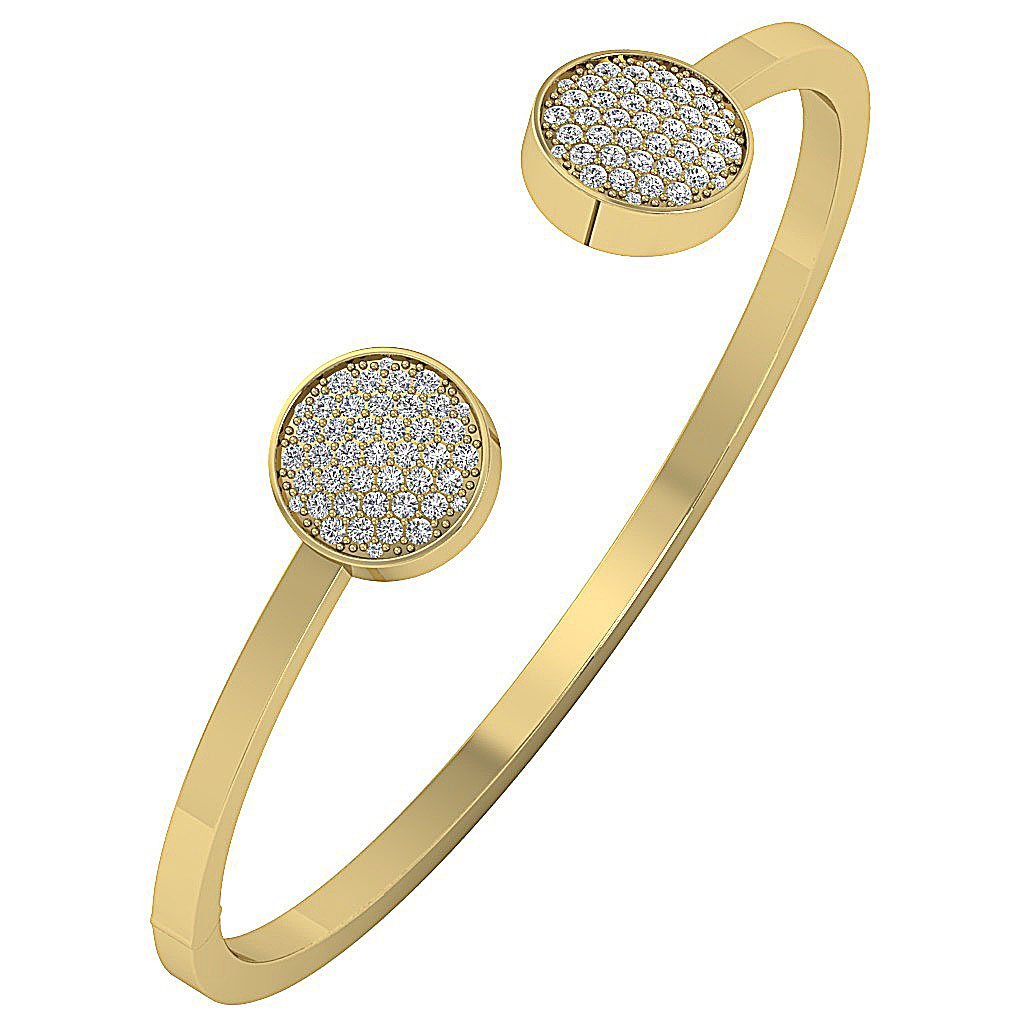
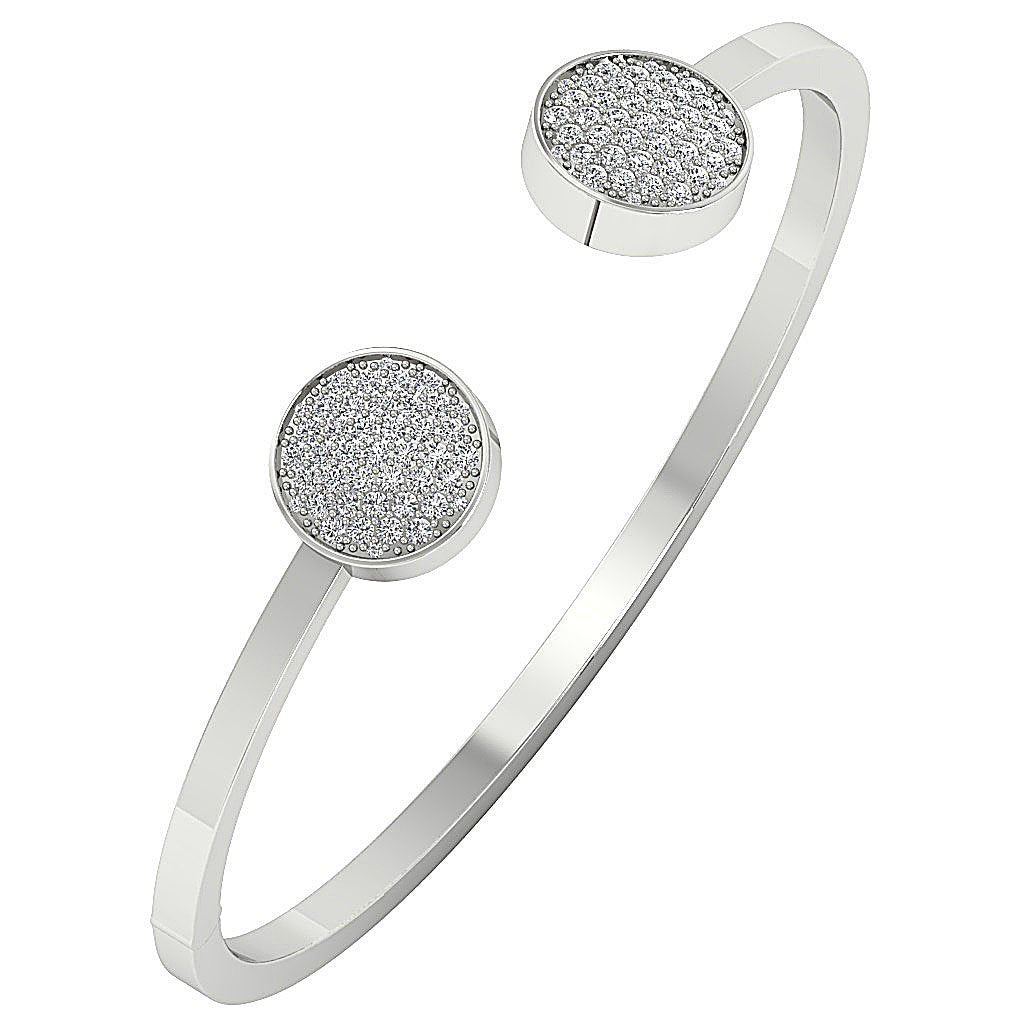
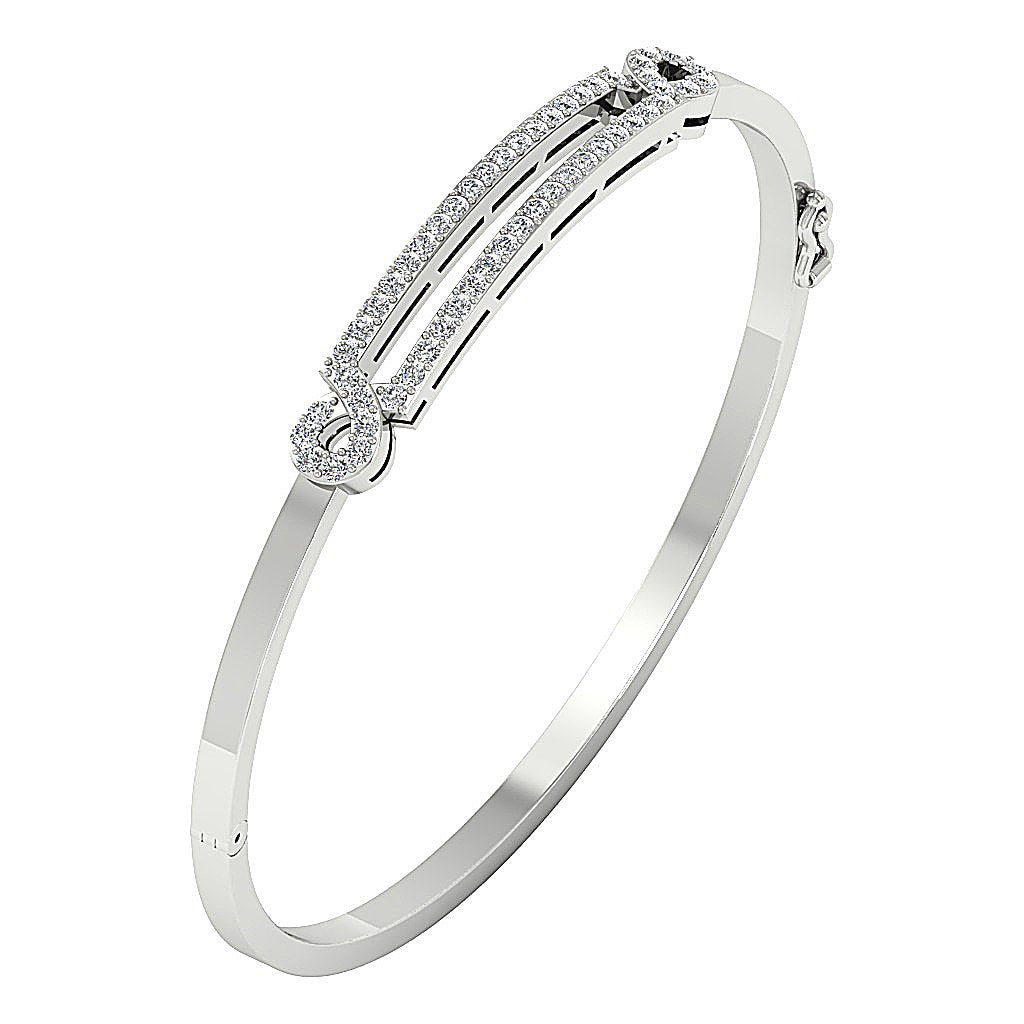
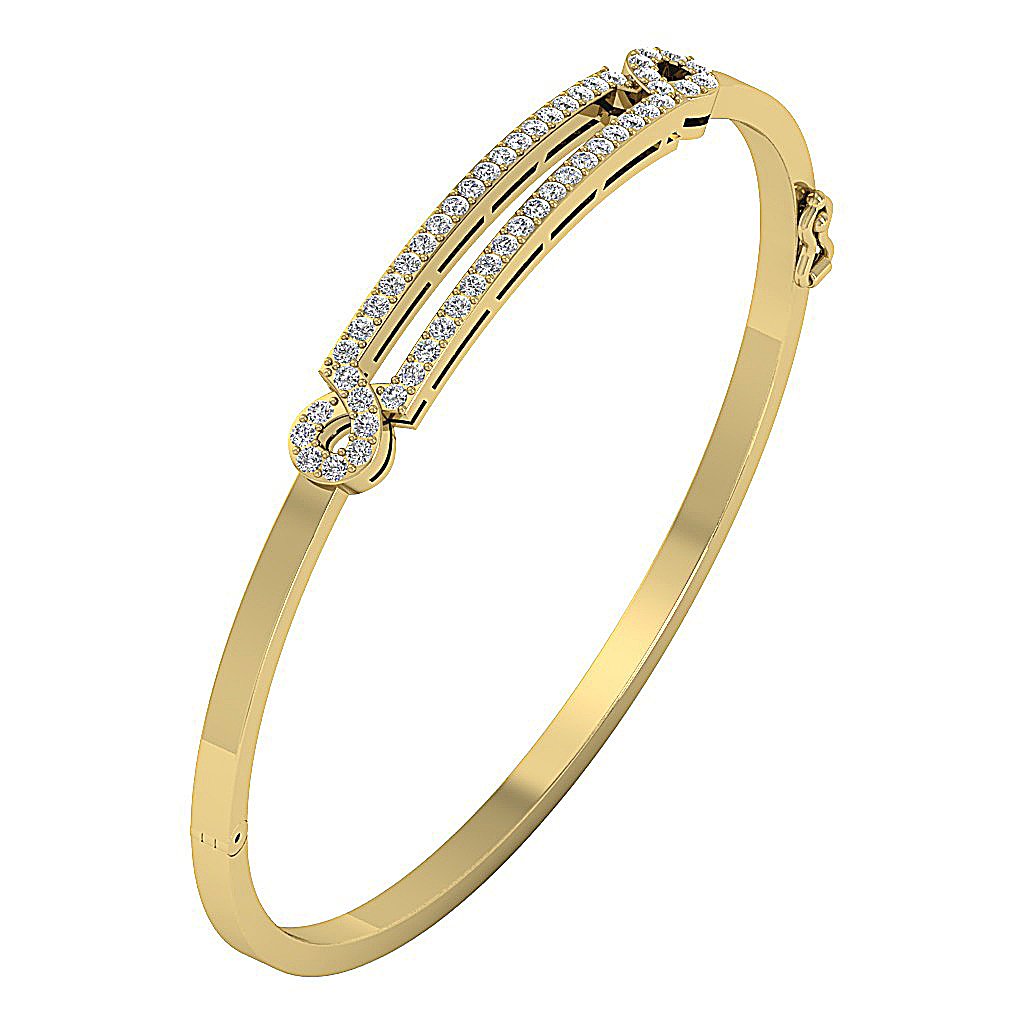
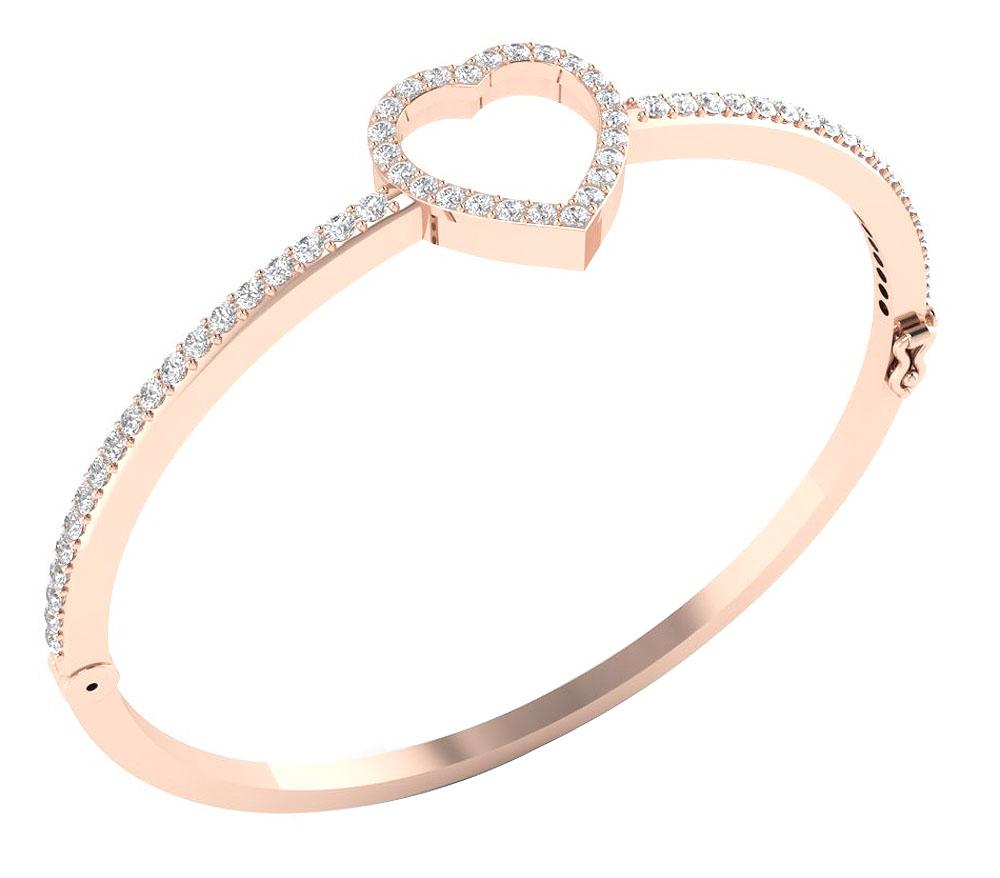
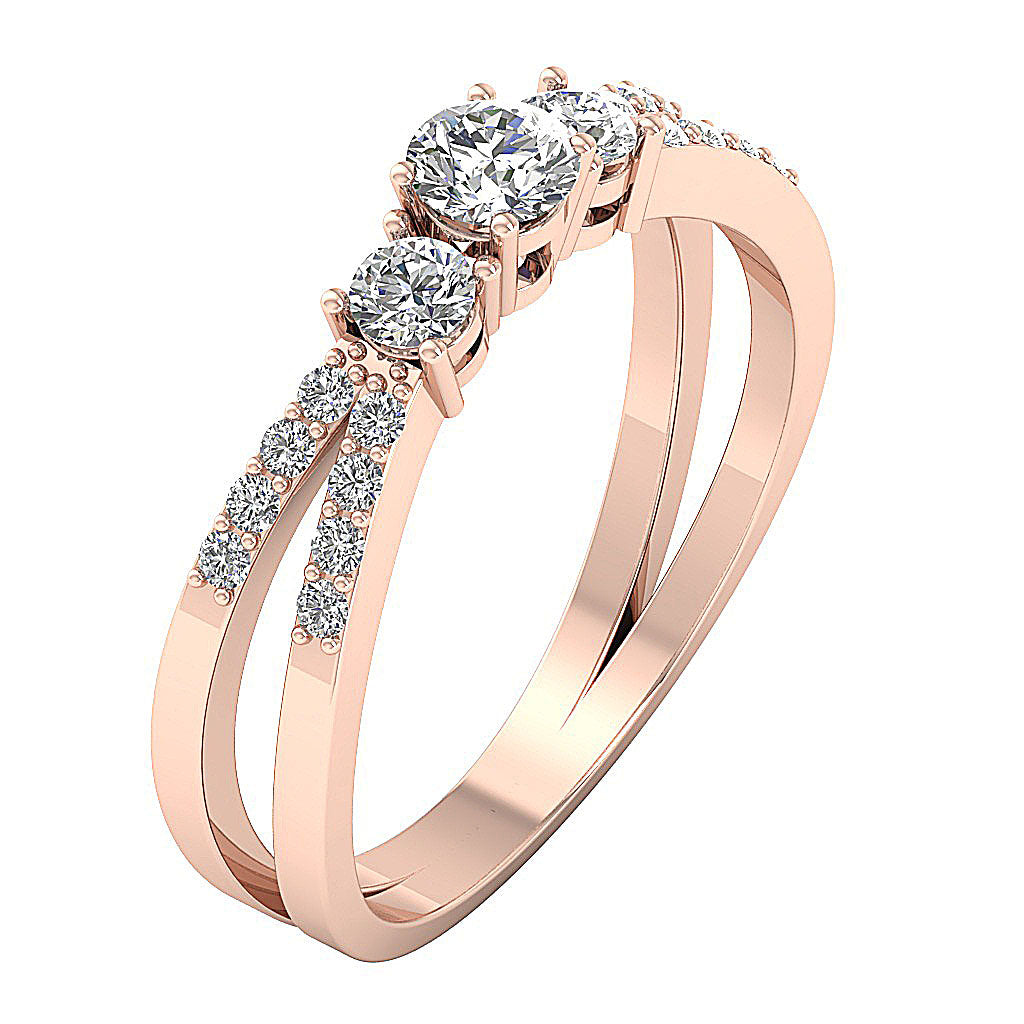
White gold paired with white diamonds creates a cool, polished appearance. Yellow gold makes the contrast between the diamonds and metal more pronounced. Rose gold adds a softer tone and gives a traditional bangle a more contemporary appearance.
The choice can be coordinated with existing jewelry or deliberately contrasted. A mixed-metal stack can make a collection of bangles and bracelets feel more individual.
Choosing Natural or Lab-Grown Diamonds for Diamond Bangles
Diamond bangles and bracelets can feature either natural or lab-grown diamonds, giving buyers flexibility when considering origin and budget.
Natural diamonds appeal to those who value geological origin and rarity. Lab-grown diamonds provide another option for buyers who want to direct more of their budget toward diamond size, total carat weight or other characteristics.
When multiple diamonds are used, consistency matters. Similar color and brightness help the stones create a cohesive appearance, particularly when they are arranged across a continuous section of the bracelet.
Styling Diamond Bangles for Daily Wear and Occasions
A slim diamond bangle can become one of the easiest pieces in a jewelry wardrobe to wear regularly. Its structured form works with casual clothing, workwear and evening outfits, while a restrained amount of diamond detail prevents it from feeling overly formal.
More heavily diamond-set bangles can serve as statement pieces. These may be better suited to occasions where their additional visual weight can become part of the overall look.
When stacking several pieces, vary their widths and textures. A slim diamond bangle can sit alongside a plain gold bangle, while a more detailed bracelet can provide contrast.
Watches can also be incorporated into the arrangement. Matching the gold color creates a coordinated appearance, while mixing metals introduces contrast. If the wrist stack is already substantial, simpler rings can help maintain balance across the overall jewelry look.
Choosing Between a Delicate and Statement Design for Diamond Bangles
The visual weight of a diamond bangle or bracelet depends on its width, diamond coverage and gold profile.
A delicate design can provide a small amount of sparkle without overwhelming other jewelry. It is particularly useful for everyday wear and layering.
A broader design creates a stronger focal point. When combined with substantial diamond coverage, it can become the defining element of an evening jewelry look.
Think about the role the piece is intended to play. A signature everyday bracelet benefits from versatility, while an occasional statement piece can be chosen for its visual impact alone.
Living With It: Caring for Diamond Bangles and Bracelets
Clean diamond bangles and bracelets with warm water, mild soap and a soft-bristled brush. Work carefully around the diamond settings and along the inner surface of the piece.
Pay attention to areas where the bracelet contacts the skin. Oils, lotion and other residue can collect against the metal and beneath exposed diamonds.
For bangles, inspect the structure for signs of distortion or damage. A rigid piece can lose its intended shape if subjected to significant impact. For flexible bracelets, check the clasp, links and connecting sections regularly. If a diamond feels loose or the metal appears damaged, have the piece inspected before continuing to wear it.
Store bangles and bracelets separately where possible to prevent scratching and unnecessary contact with other jewelry.
A structured line of gold, touched with diamond light and designed to move between quiet everyday elegance and more considered occasions.