Diamond Engagement Rings
An engagement ring gets chosen once, often by someone guessing at what their partner will love. It then has to earn its place on that hand for decades. That is the real brief behind every ring in this collection. Designs that read well from across a room, and hold up just as well up close.
The Collection
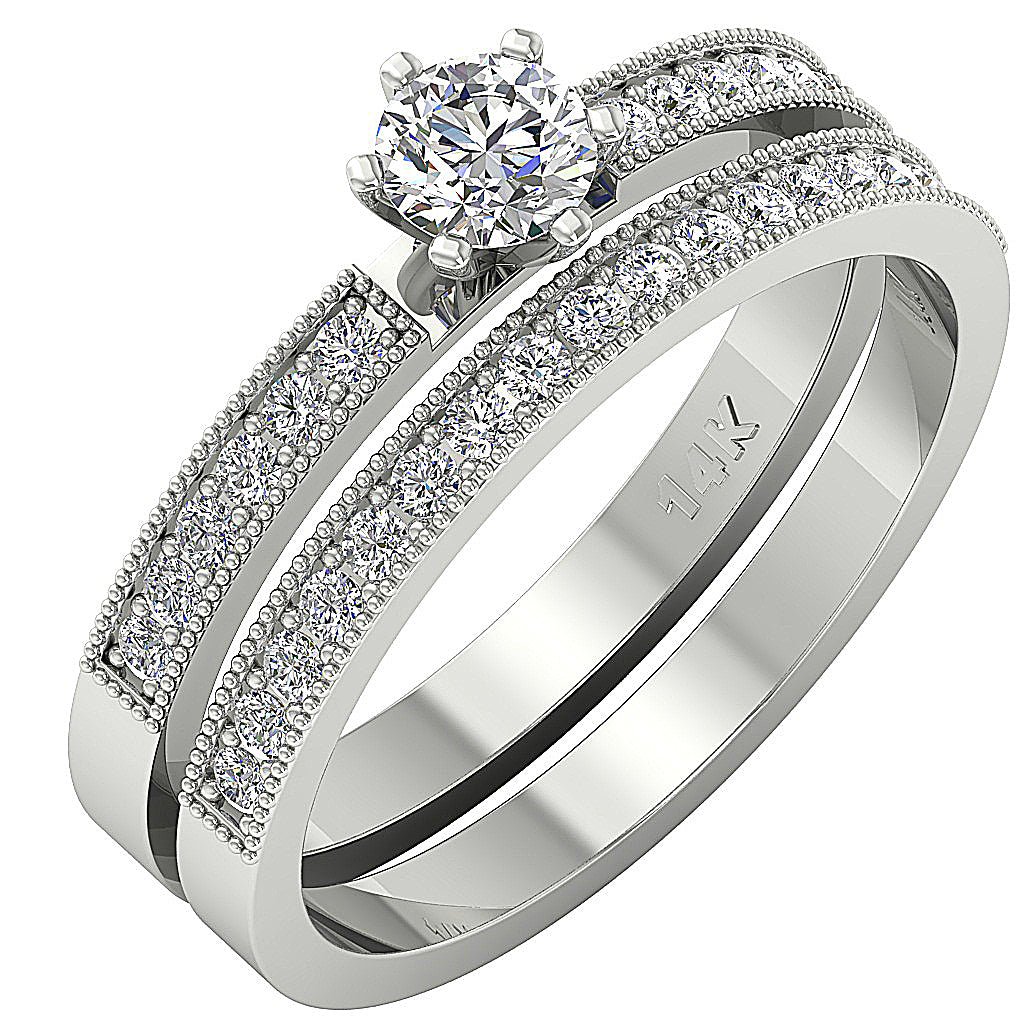
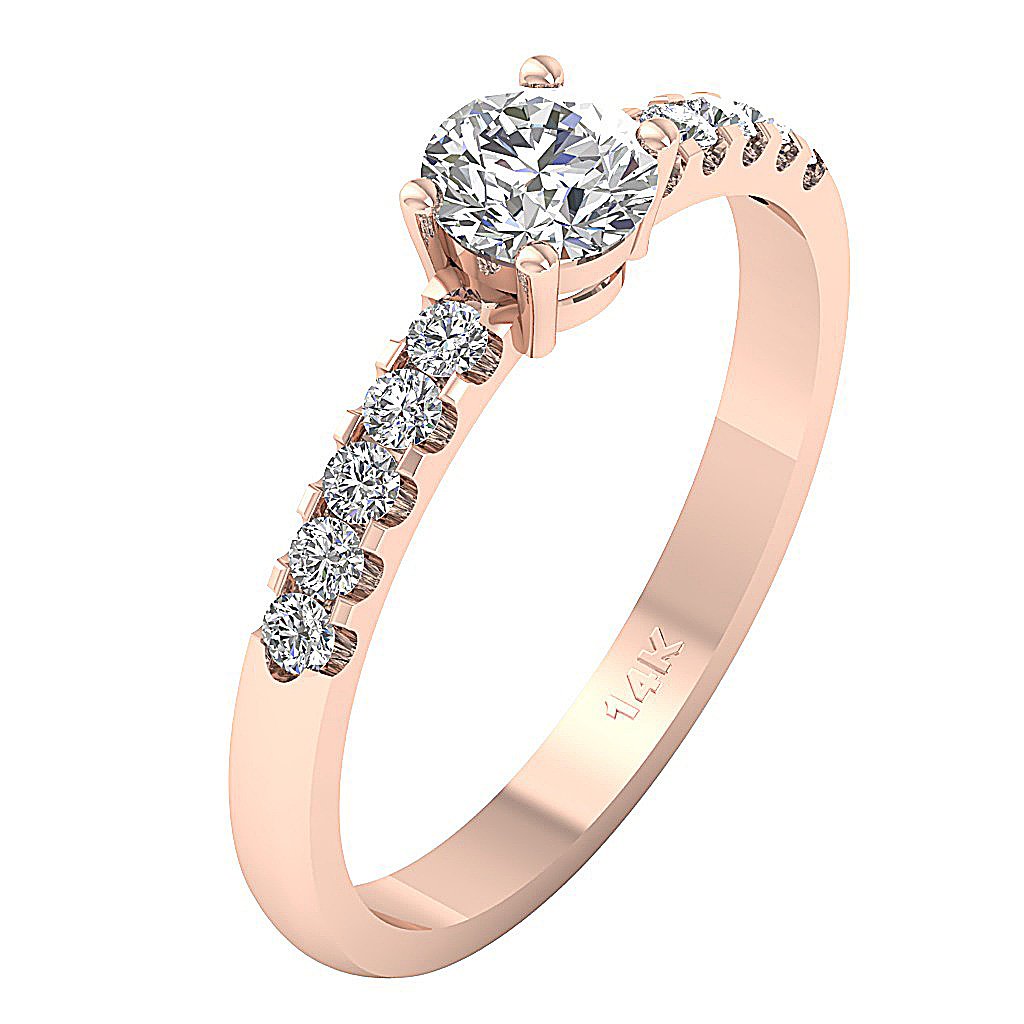
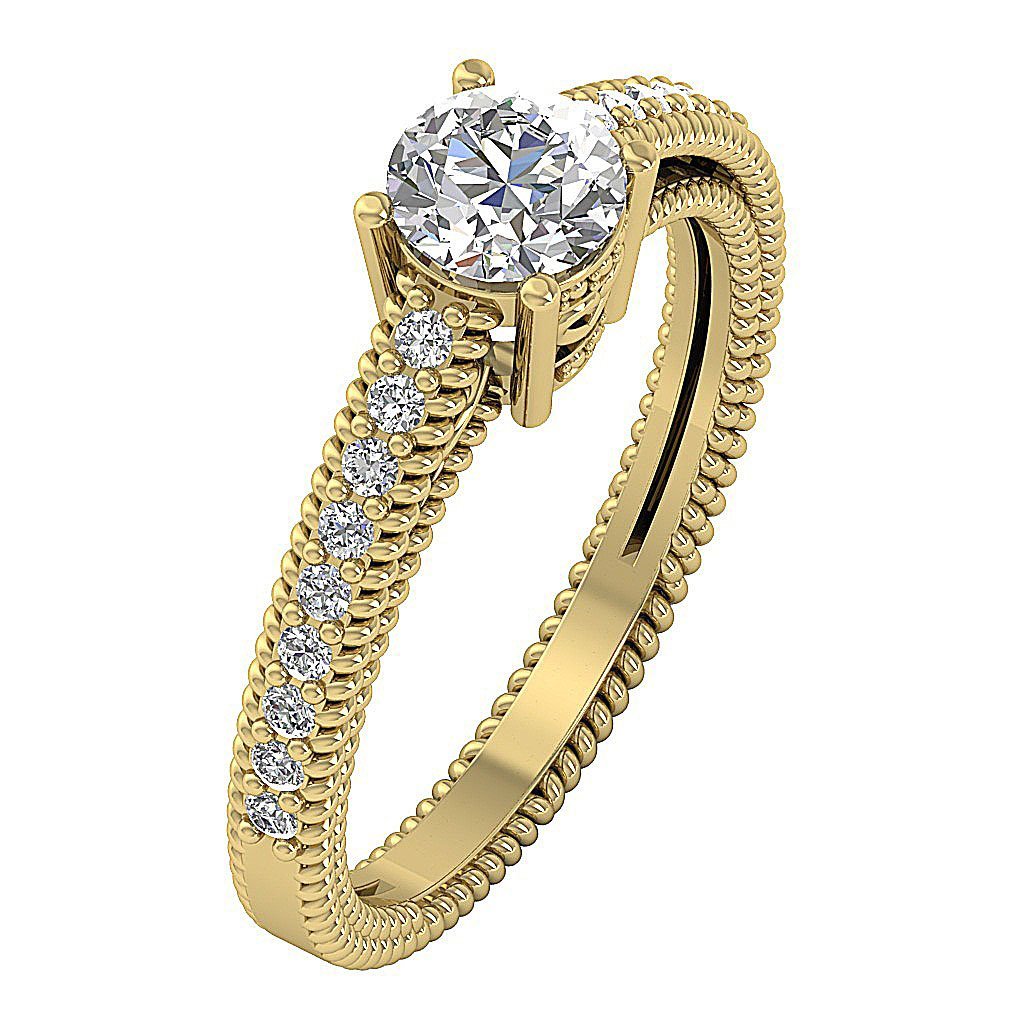
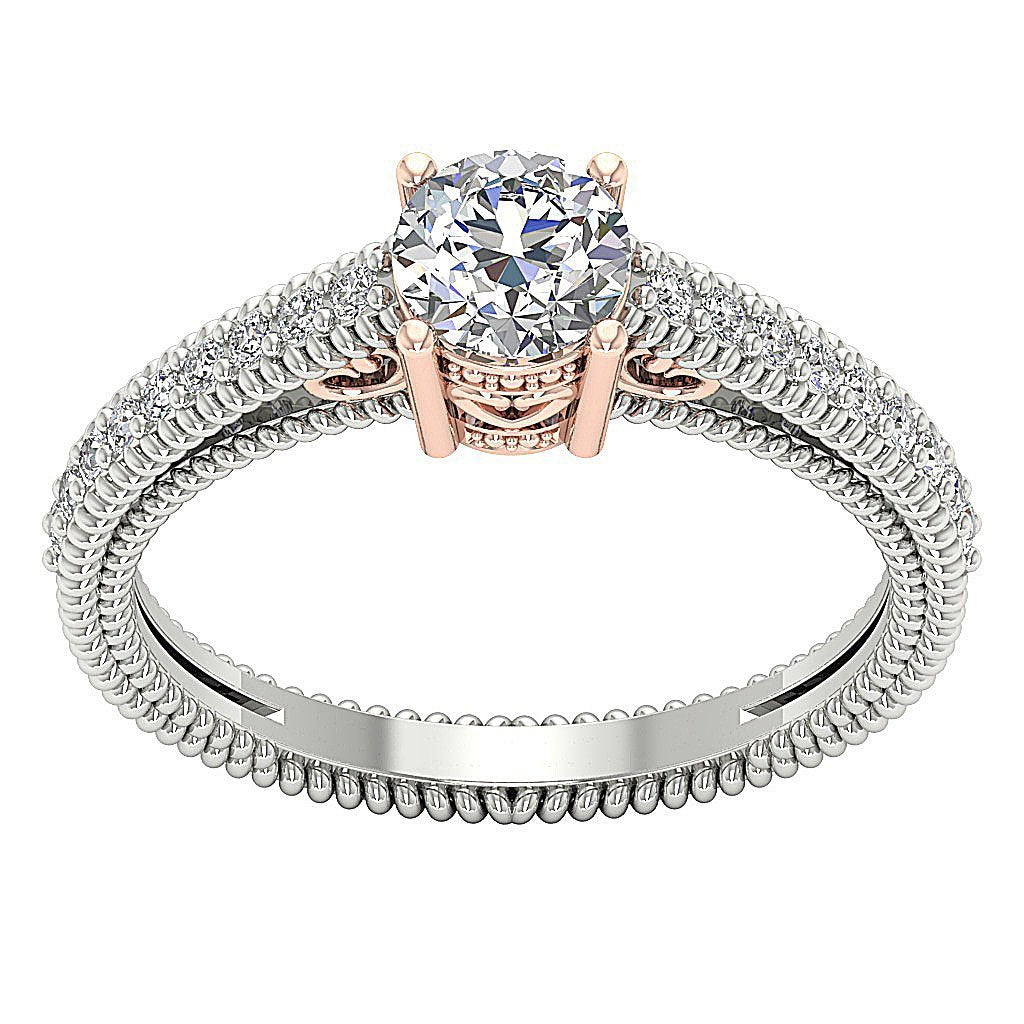
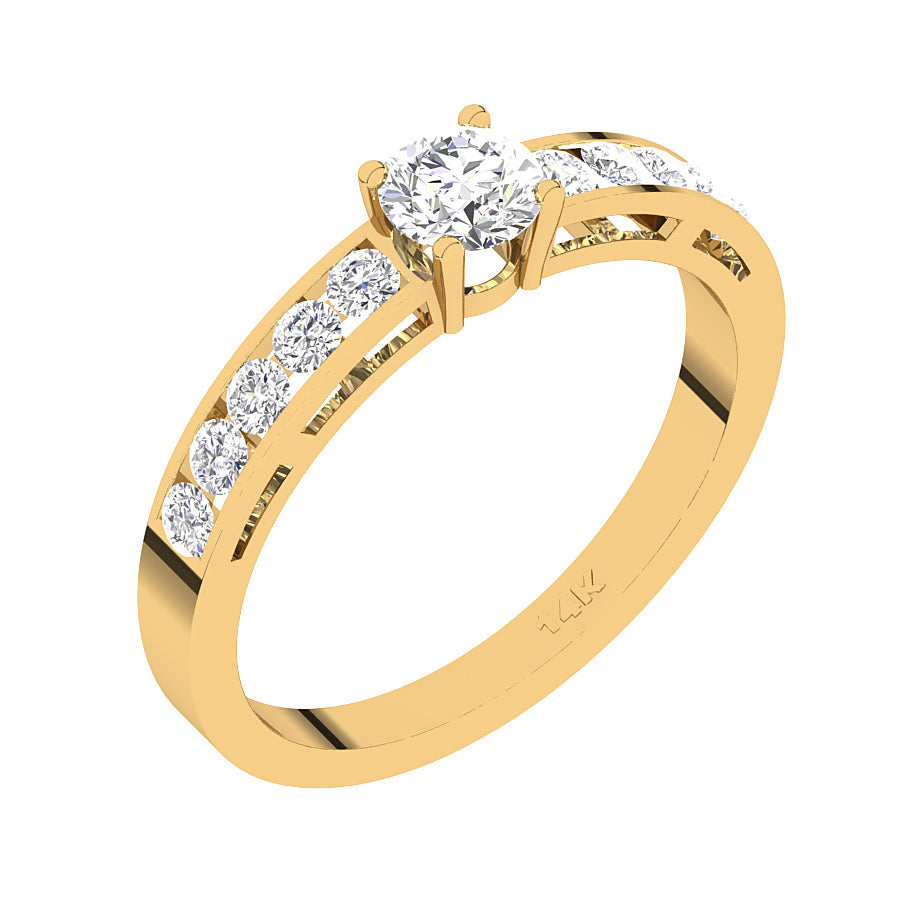
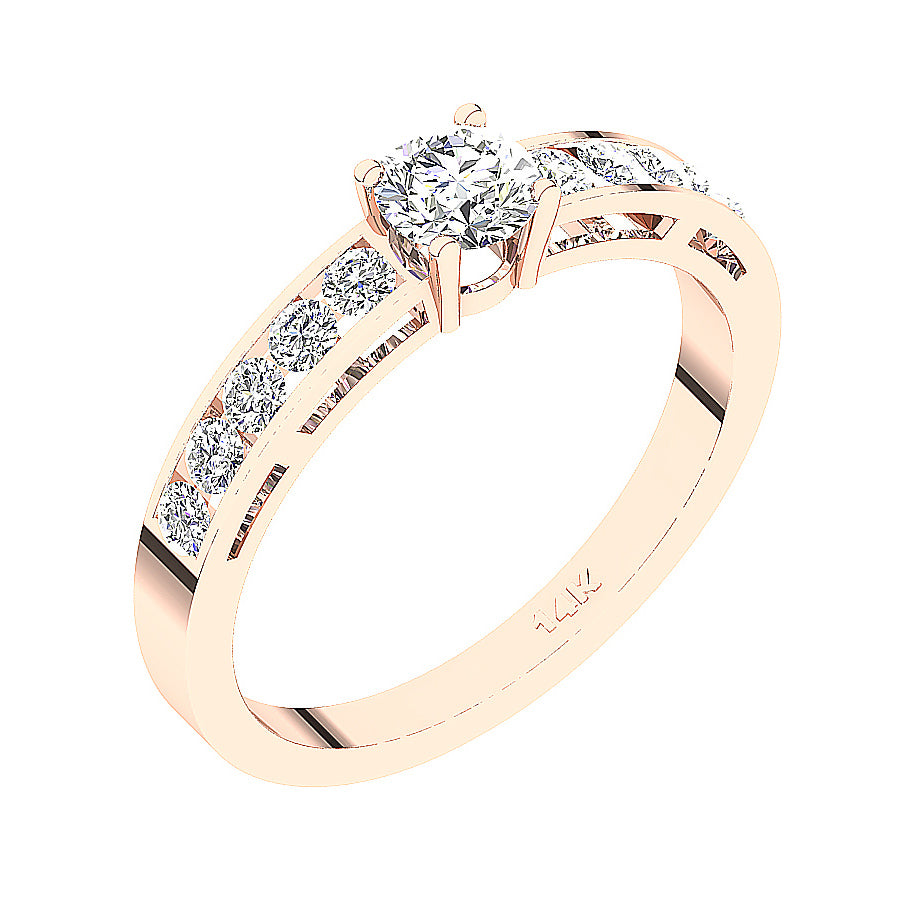
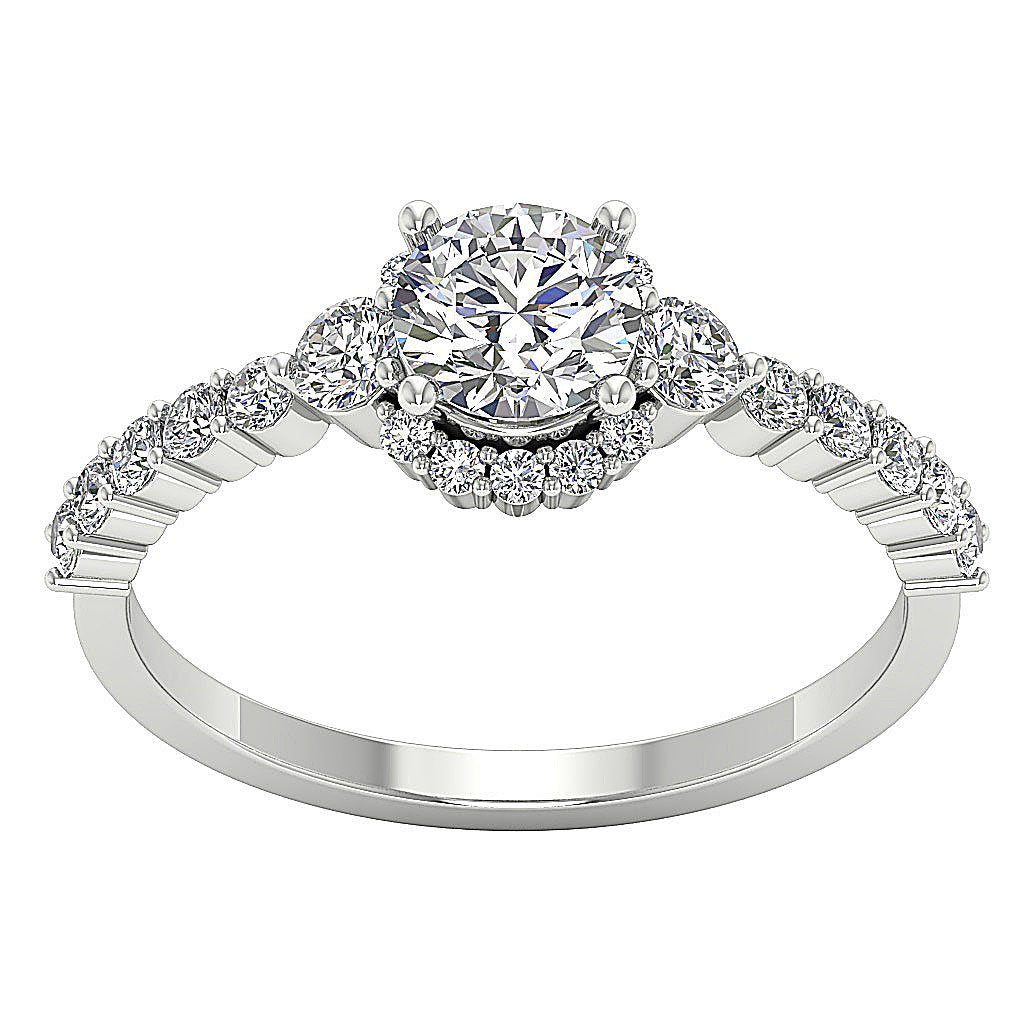
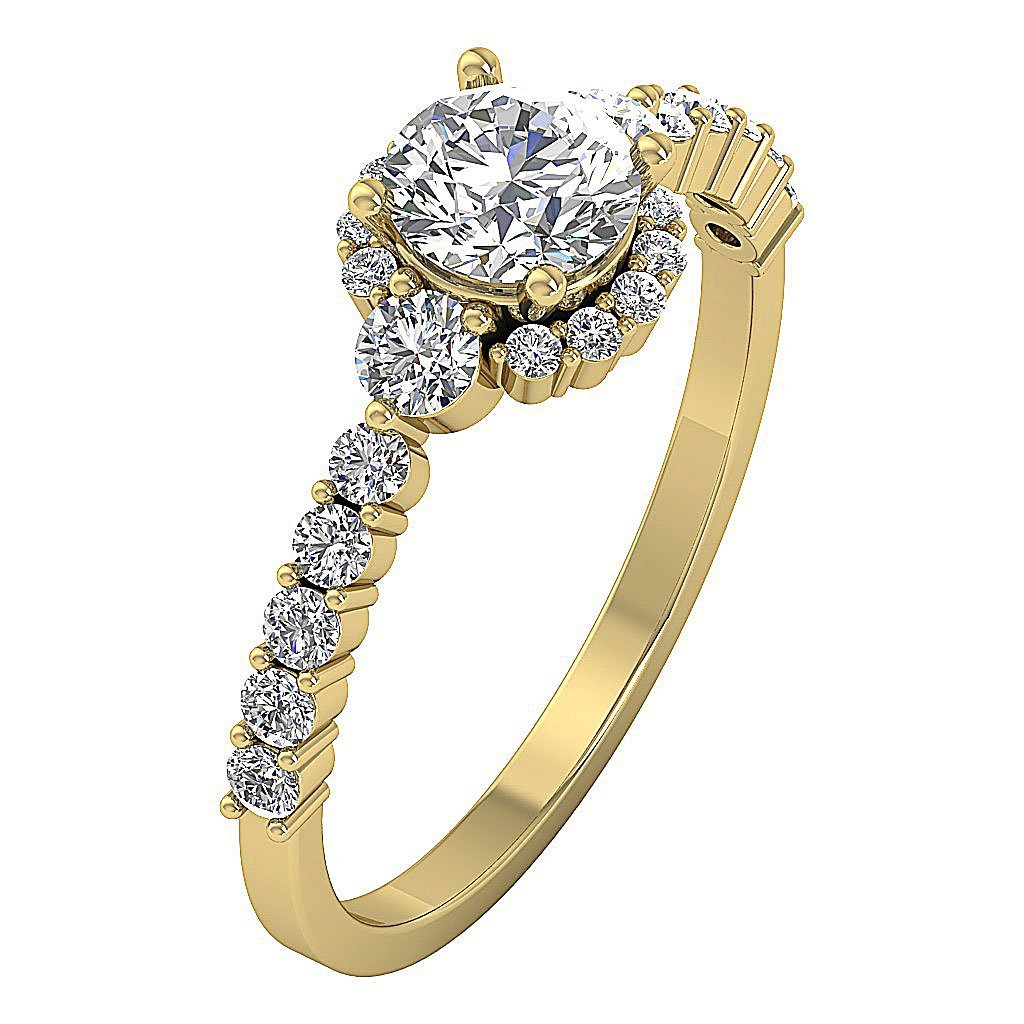
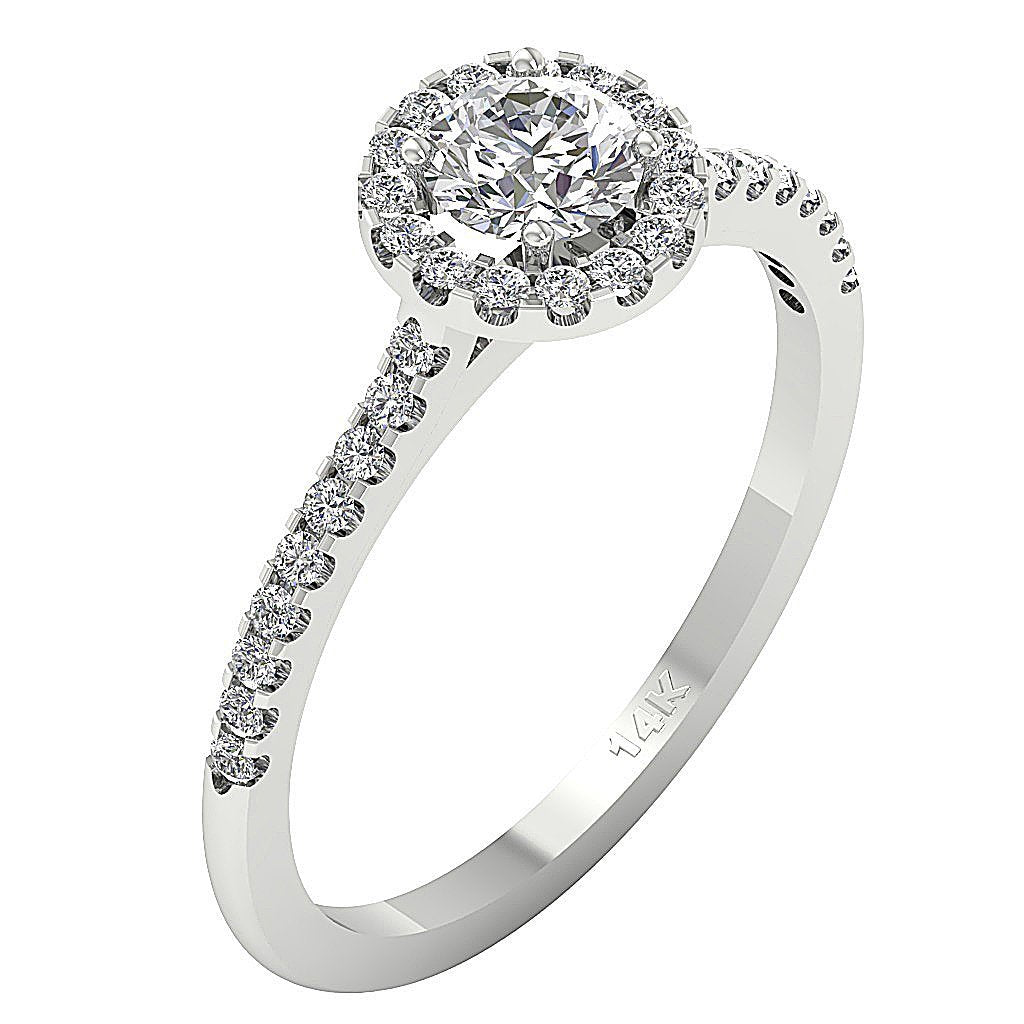
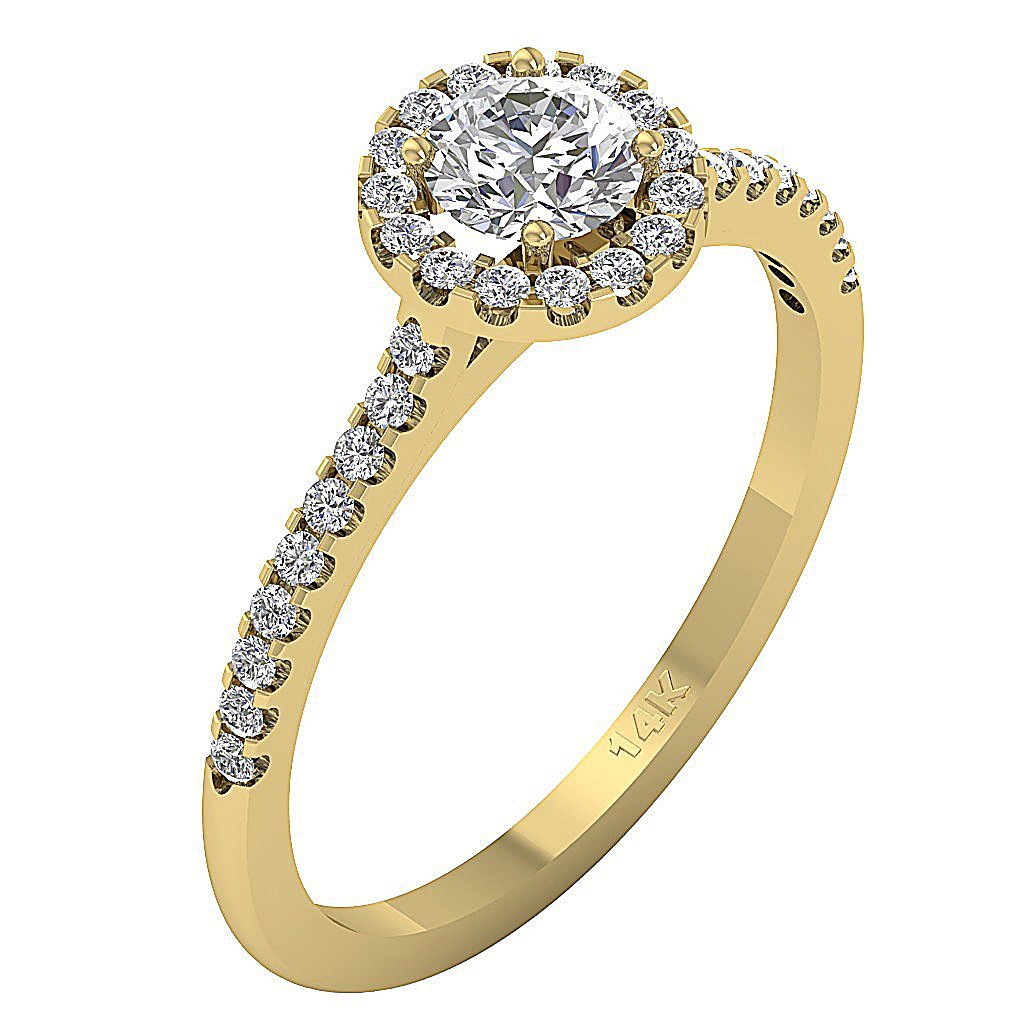
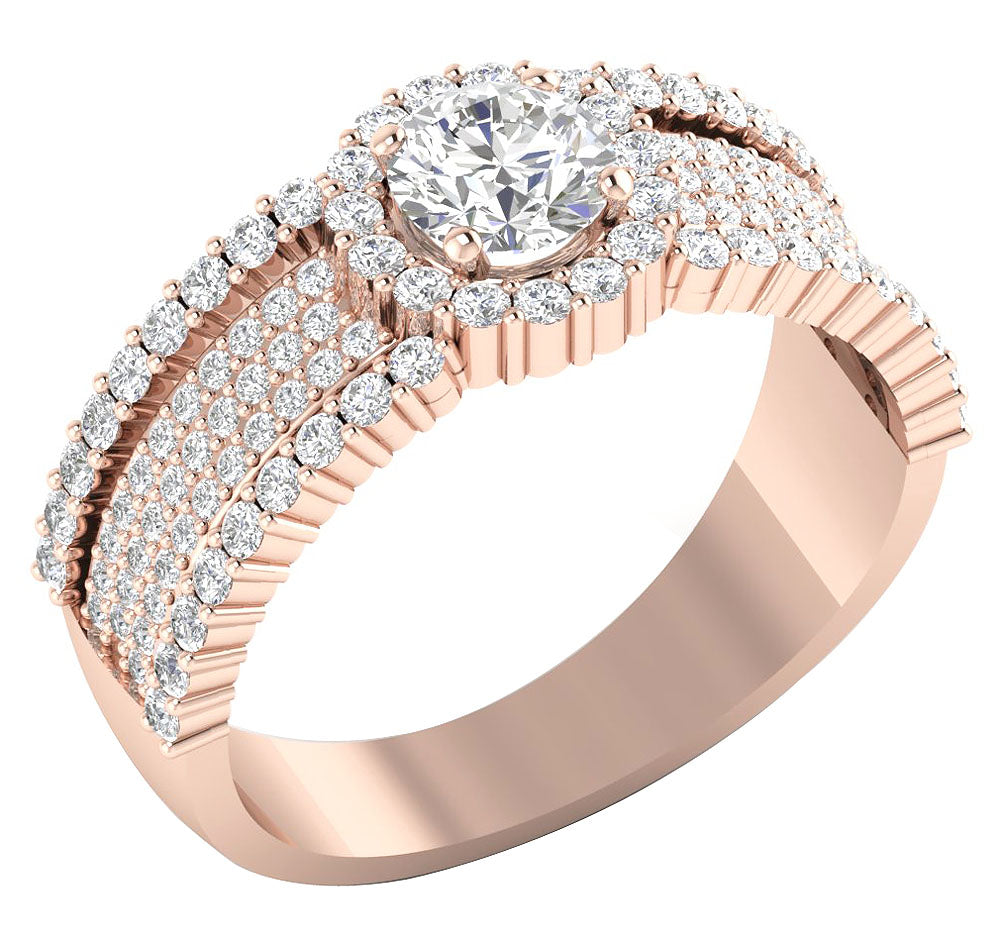
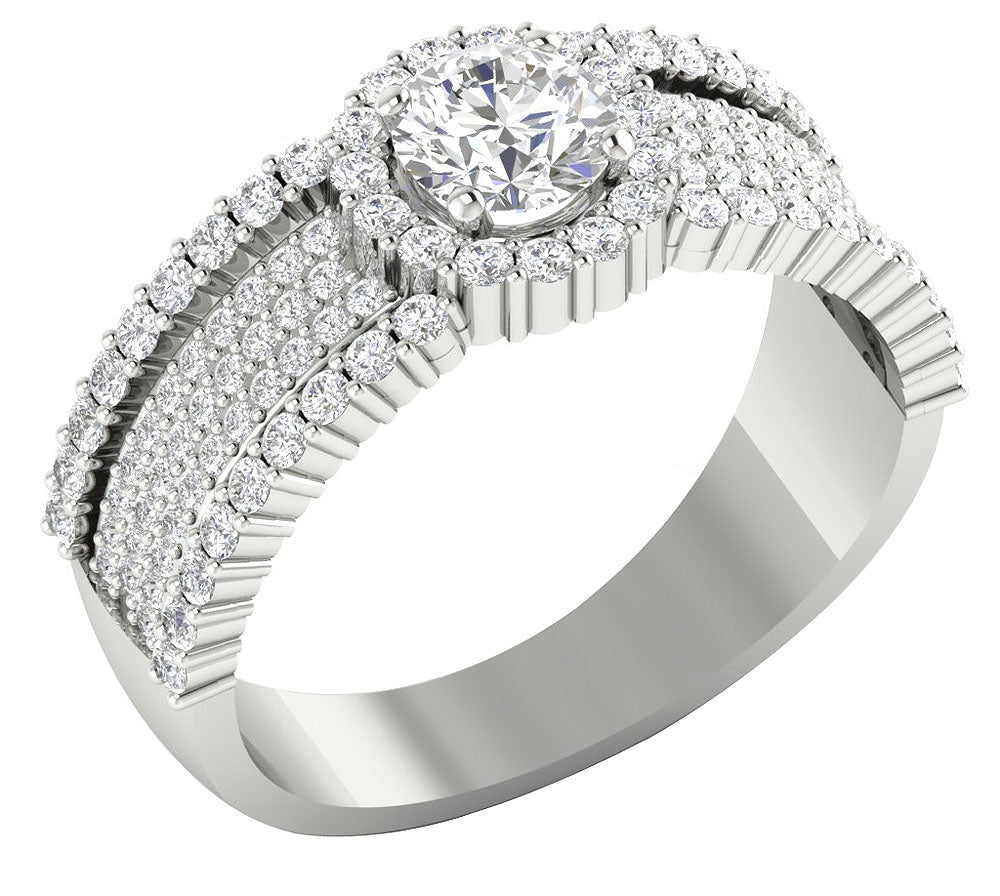
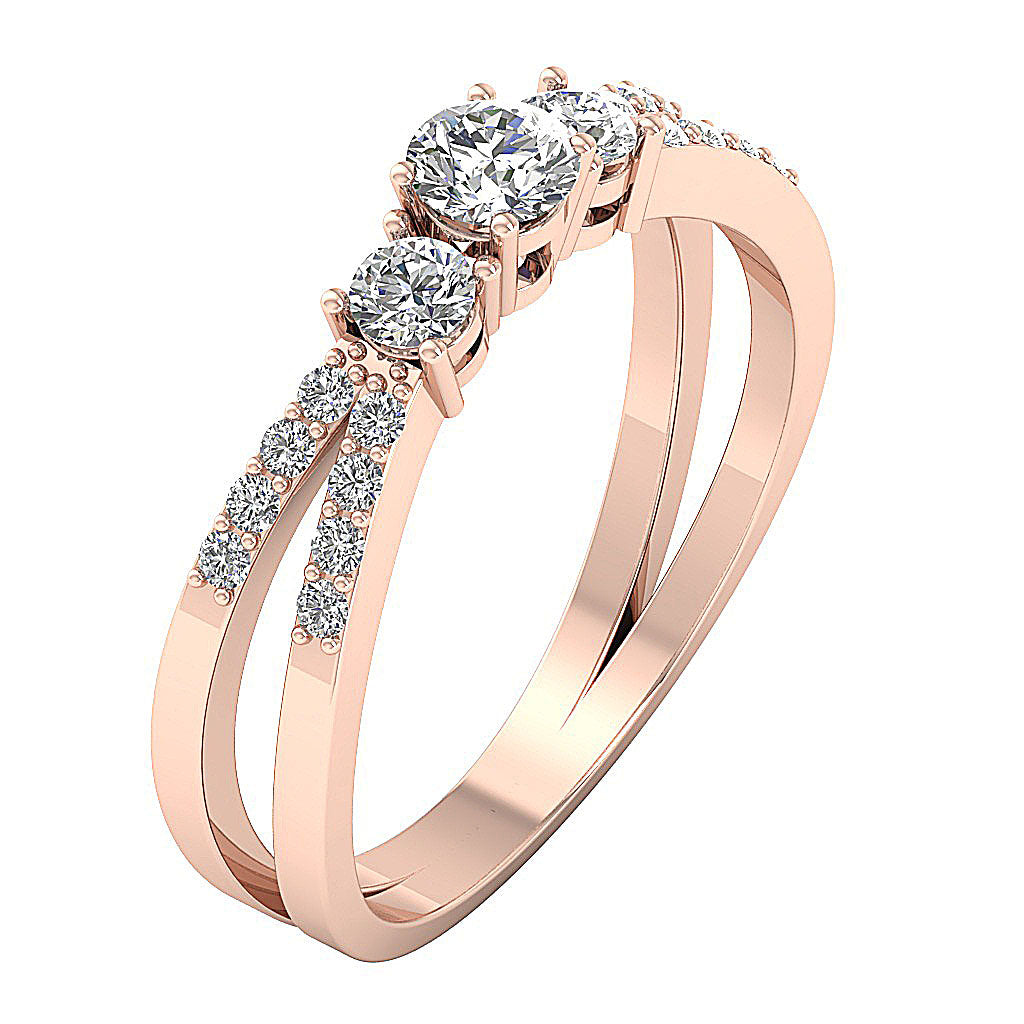
Diamond for Good's engagement rings come in four core styles: solitaire, halo, three-stone, and bridal sets. Each answers a different version of the same question. How much presence should come from the center stone, and how much from what surrounds it?
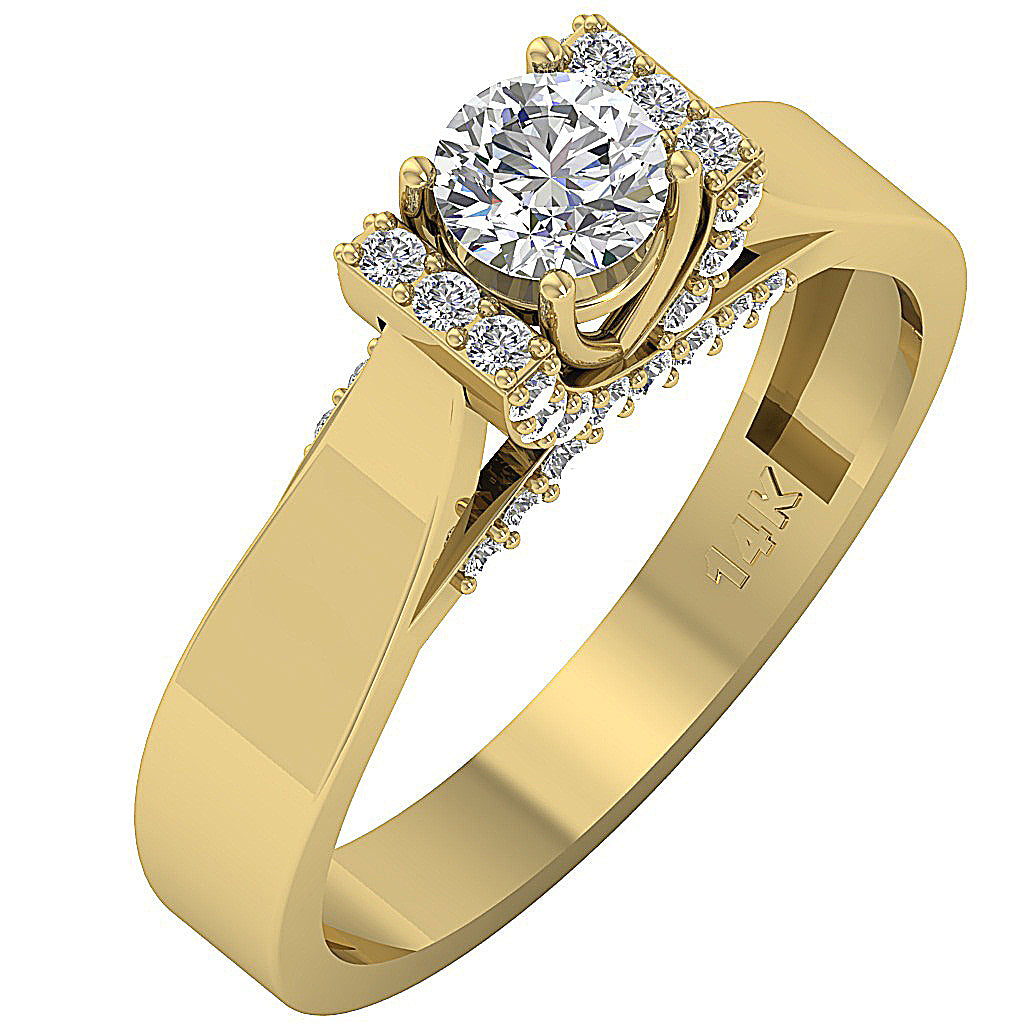
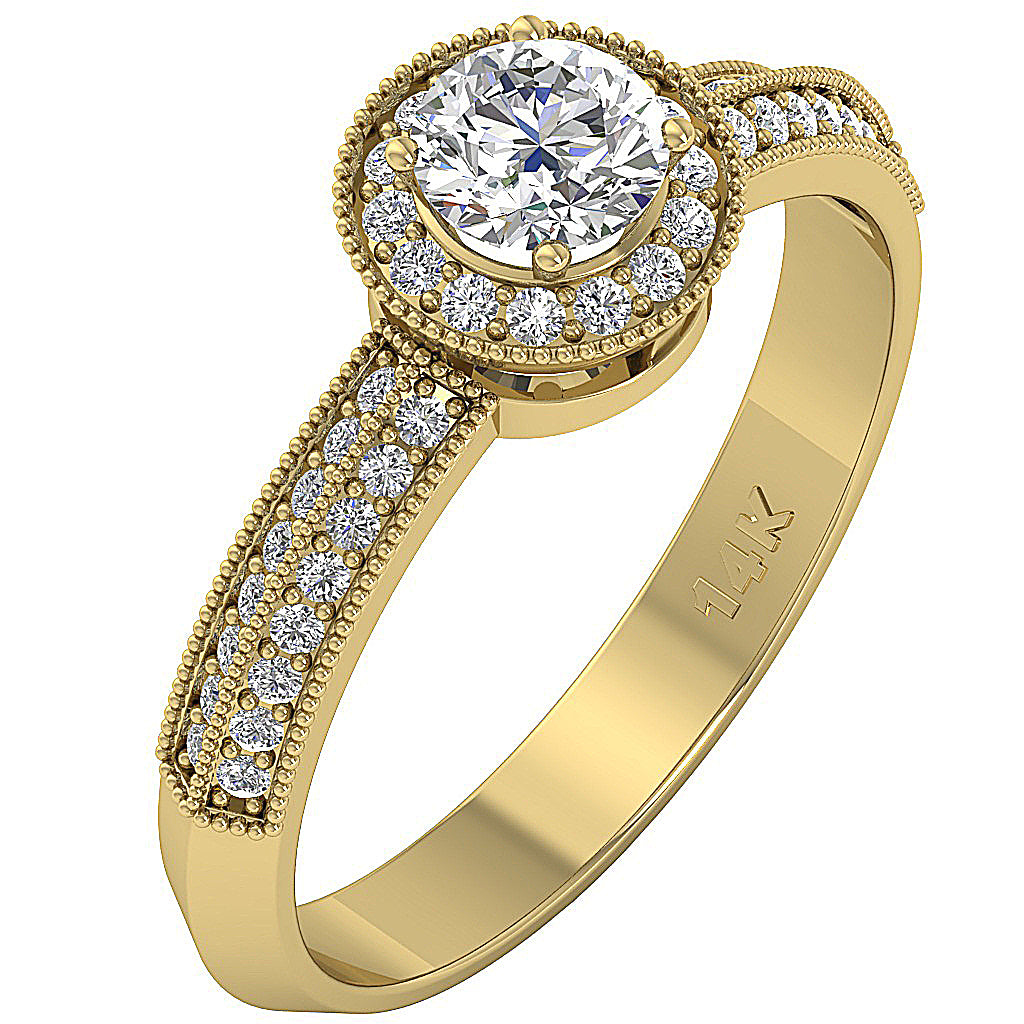
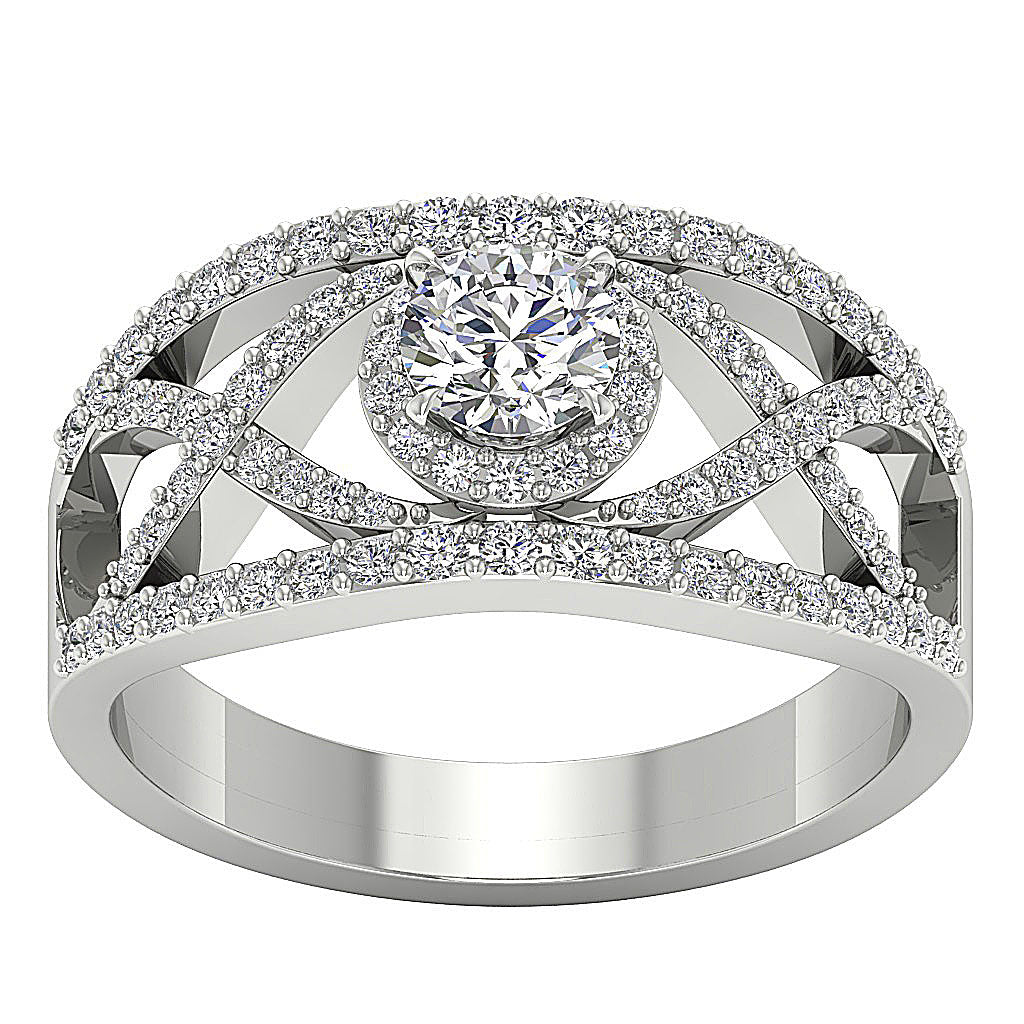
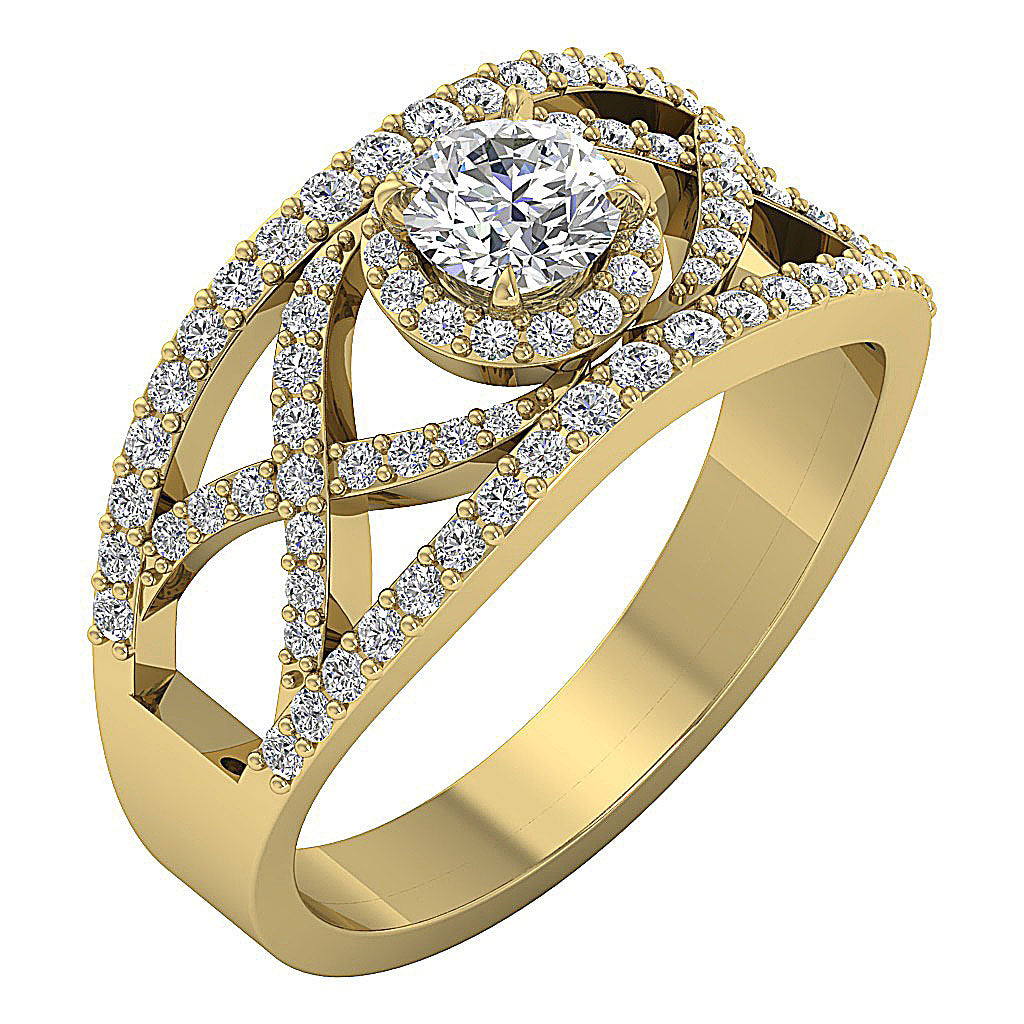
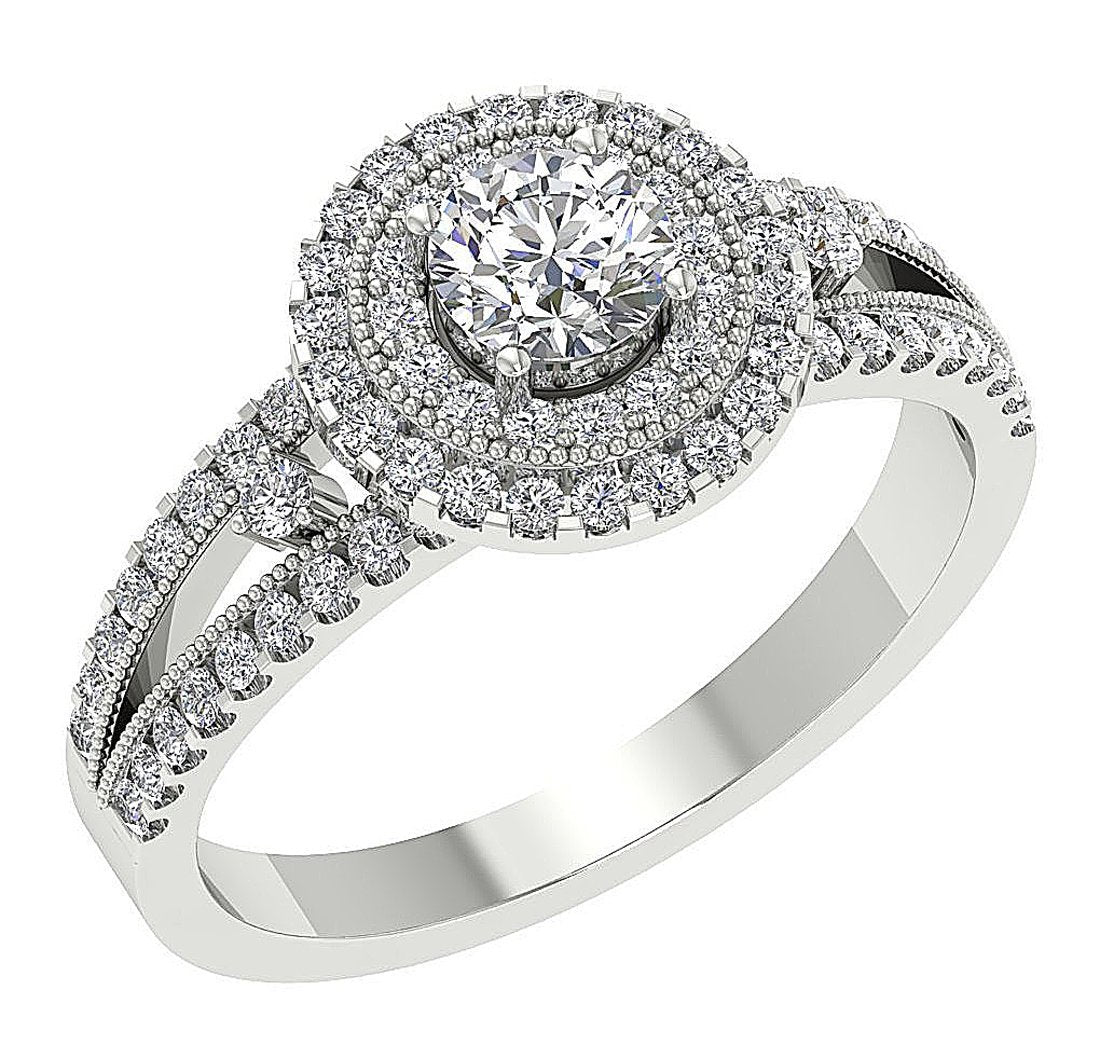
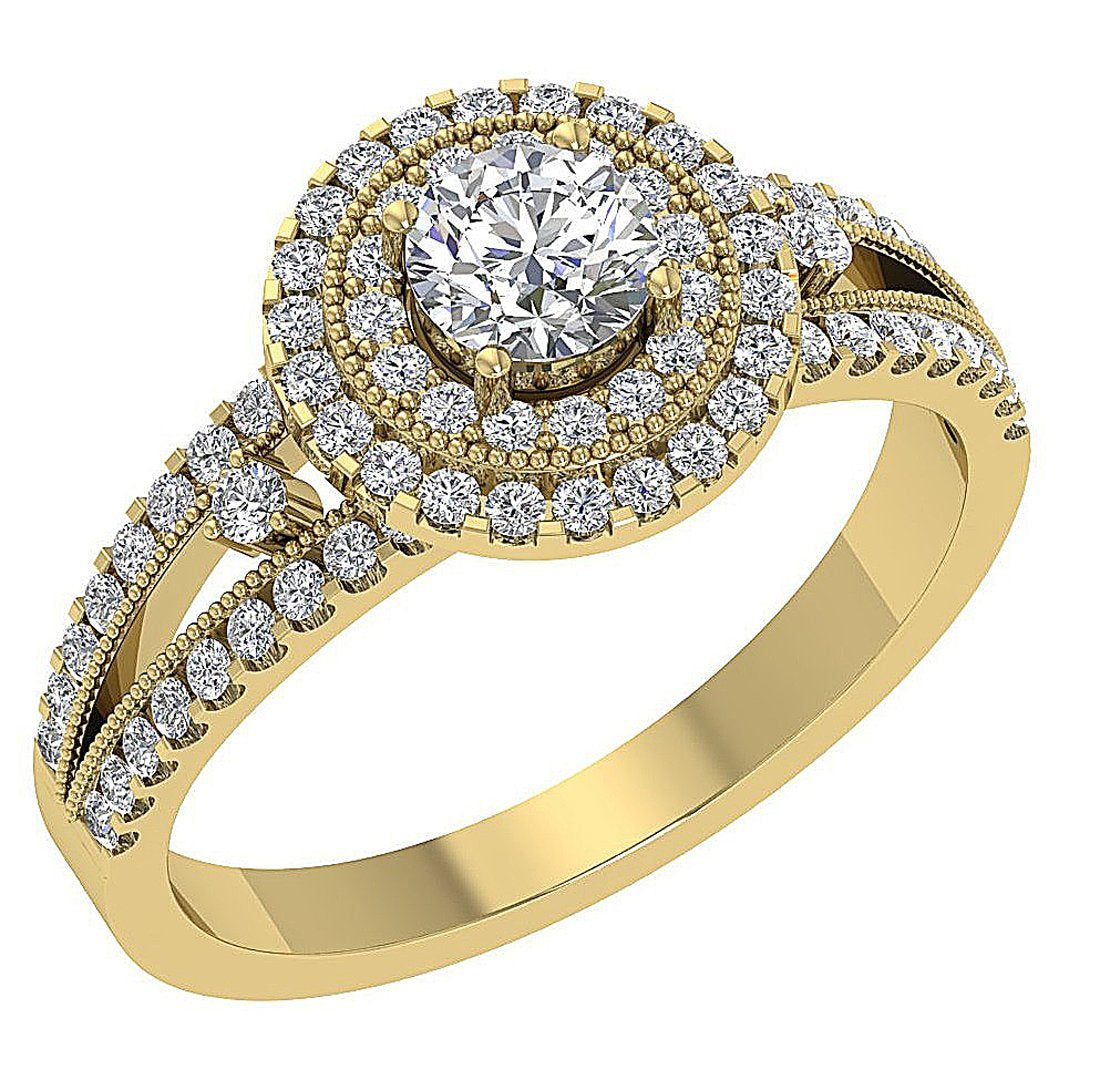
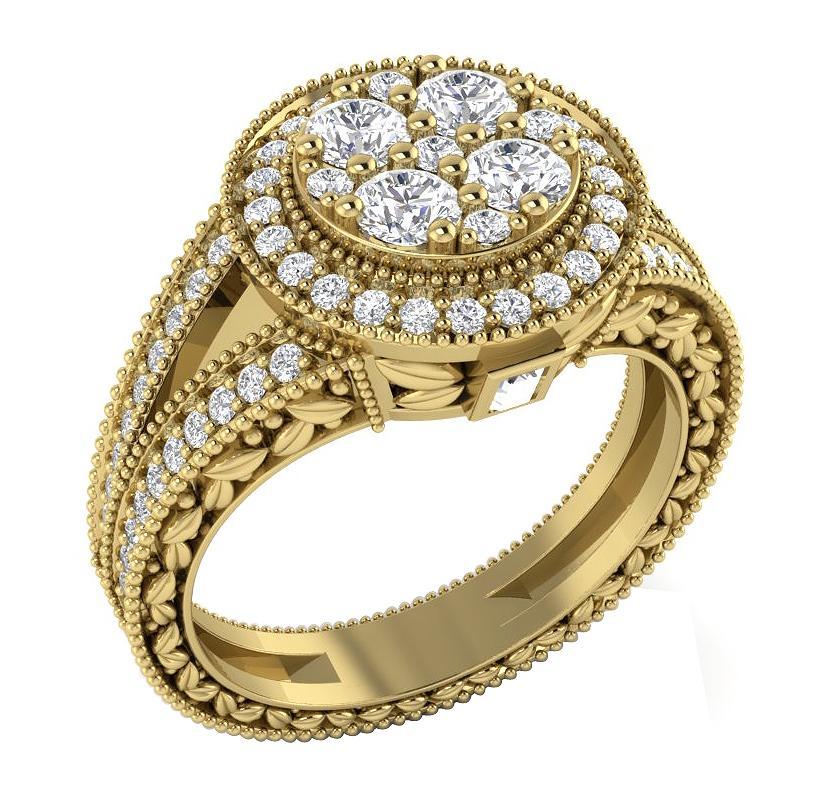
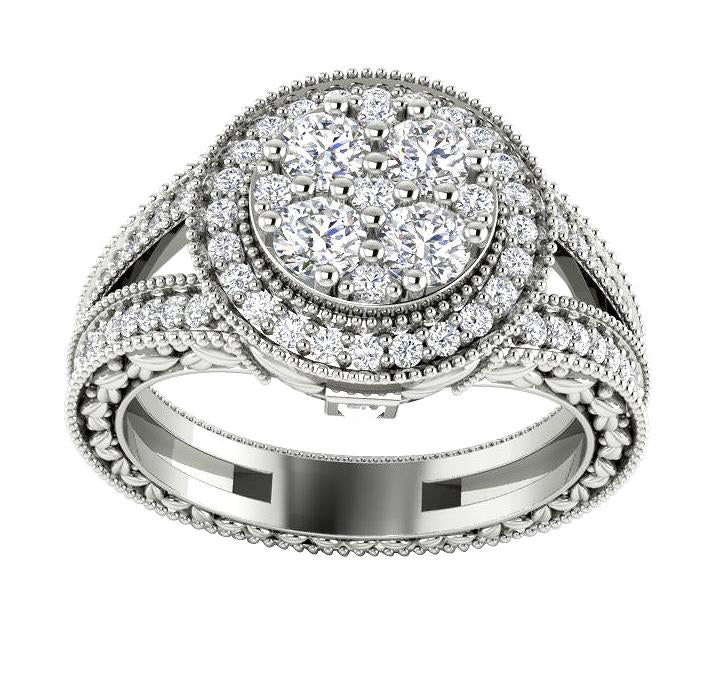
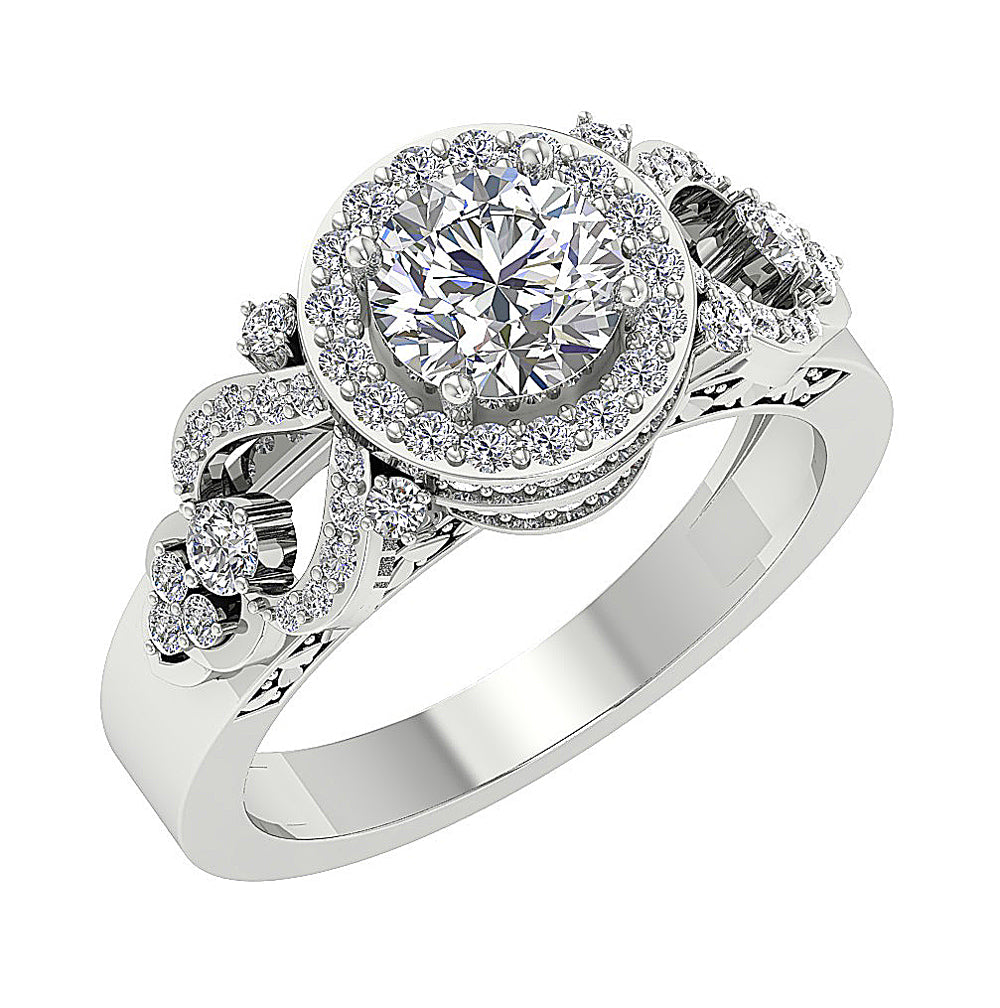
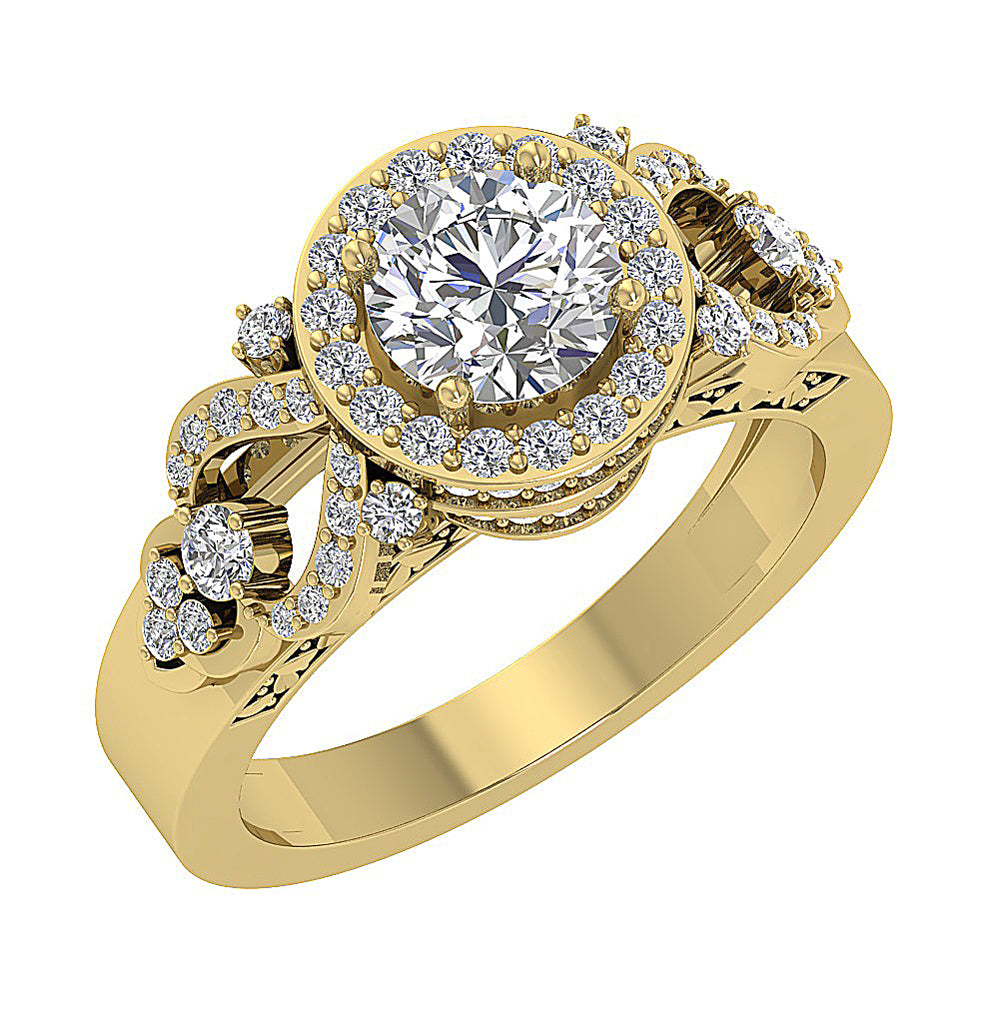
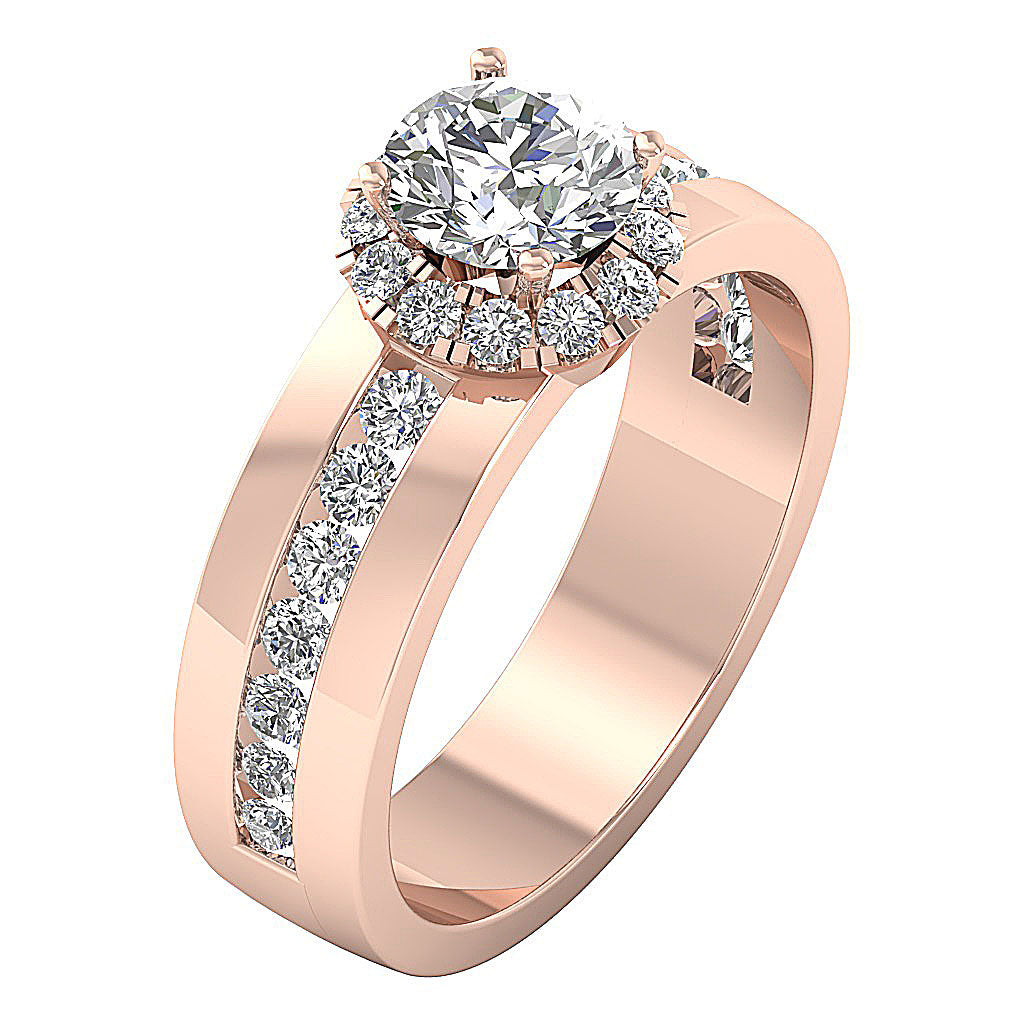
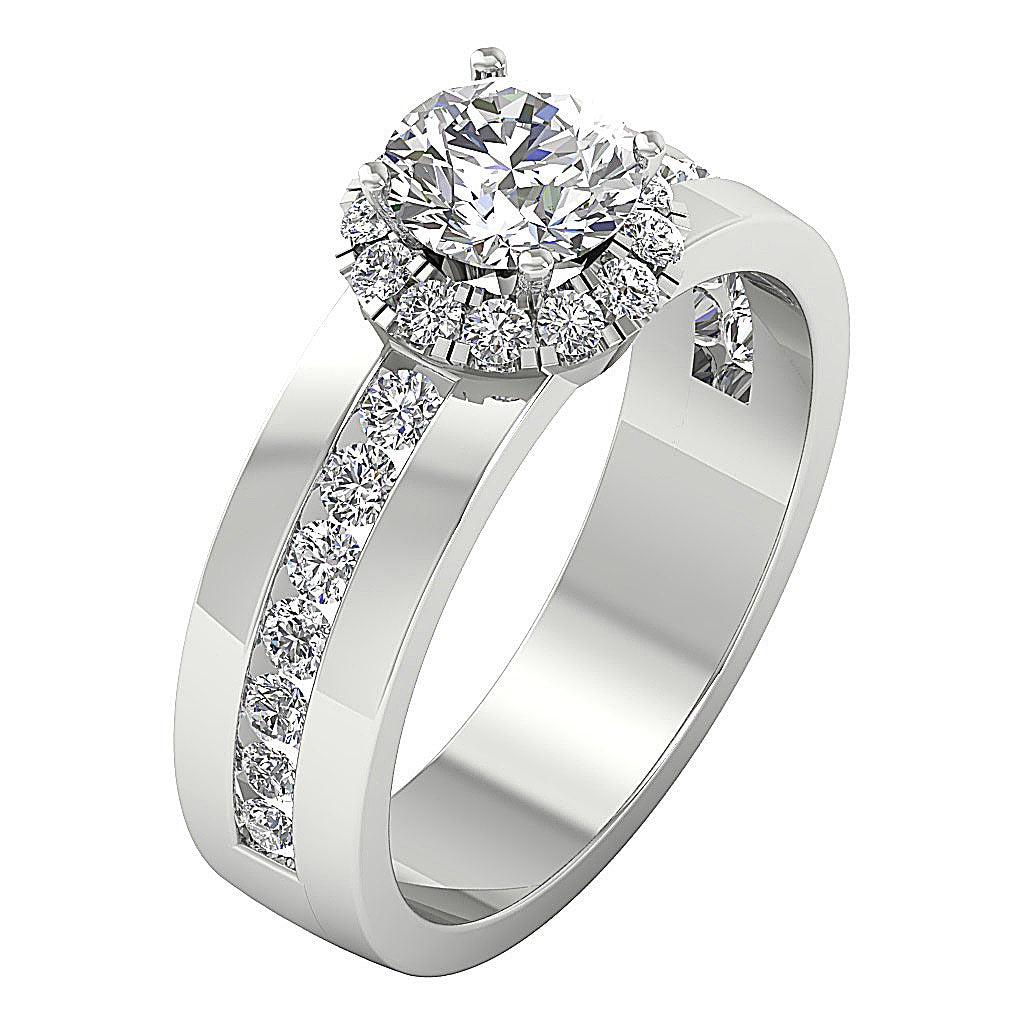
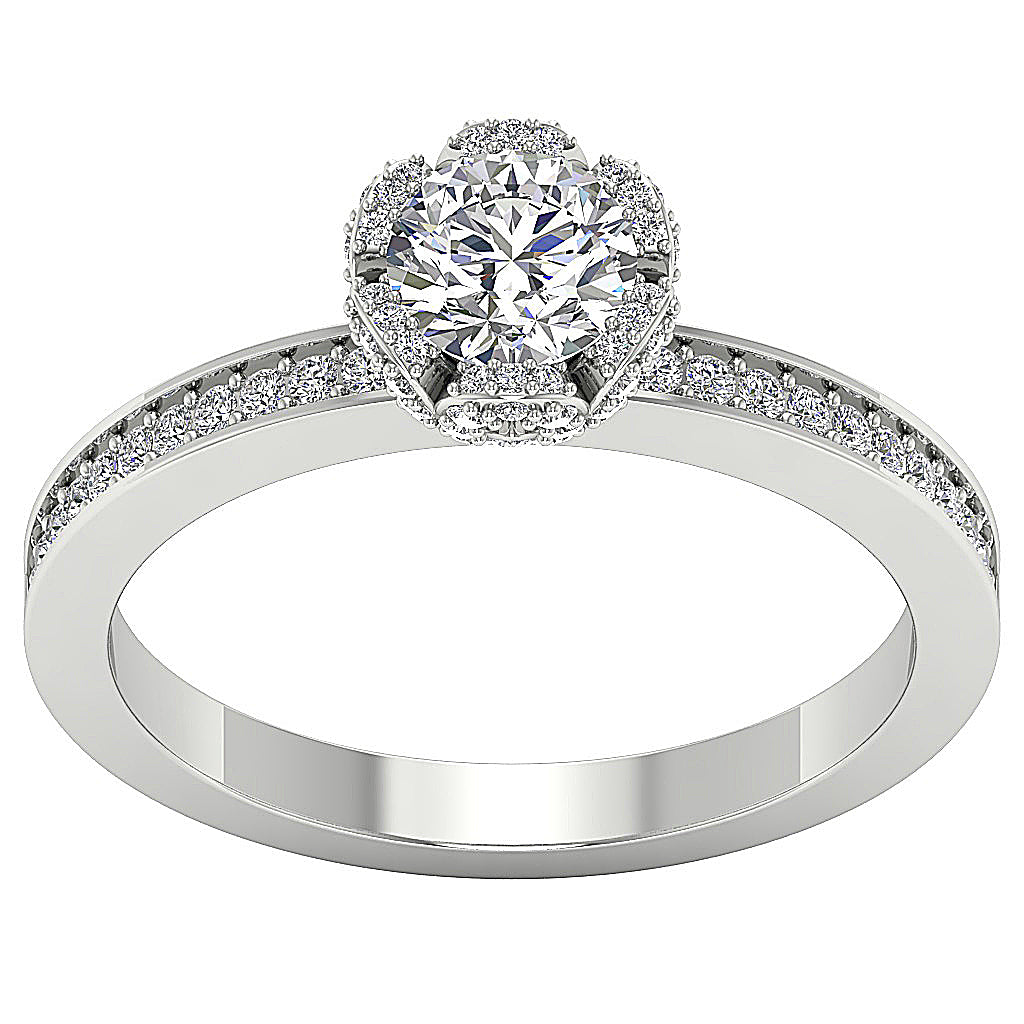
A halo rings the center diamond in smaller stones, adding visual size without the cost of a larger carat. A three-stone setting spreads the weight across three diamonds instead of one, a structure some read as past, present, and future, though it appeals either way.
Budget tends to impact this decision more than most people admit. The collection is built to work across price points, rather than nudge every buyer toward the largest stone a budget can just barely stretch to cover.
Engagement Rings Built Around the Stone
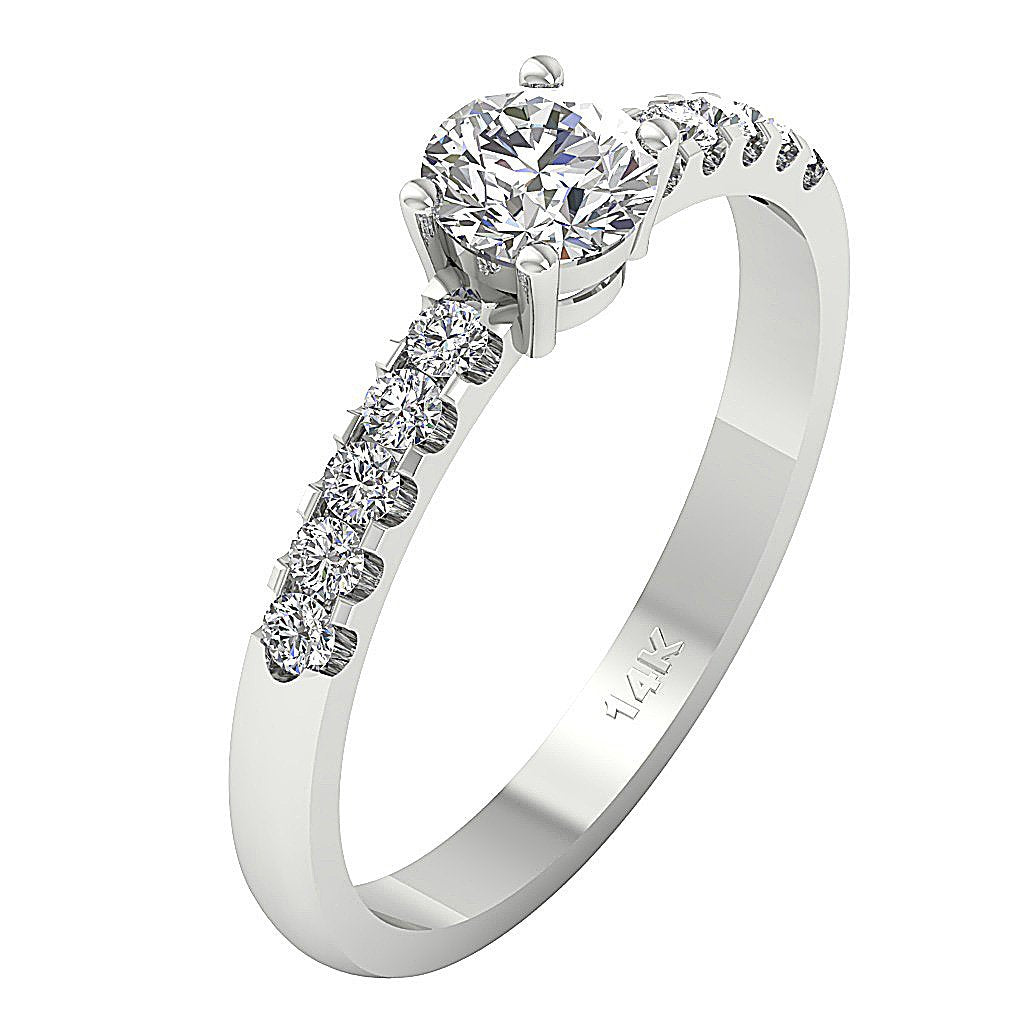
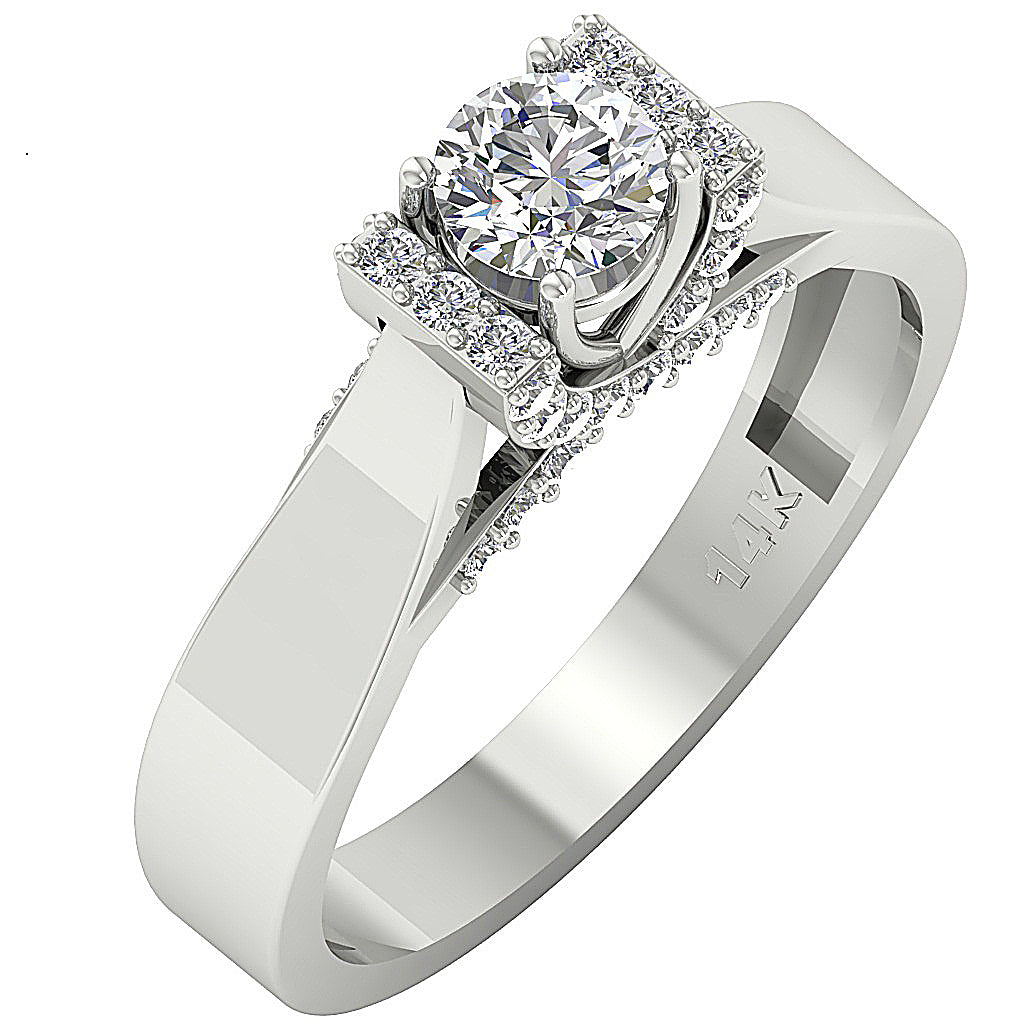
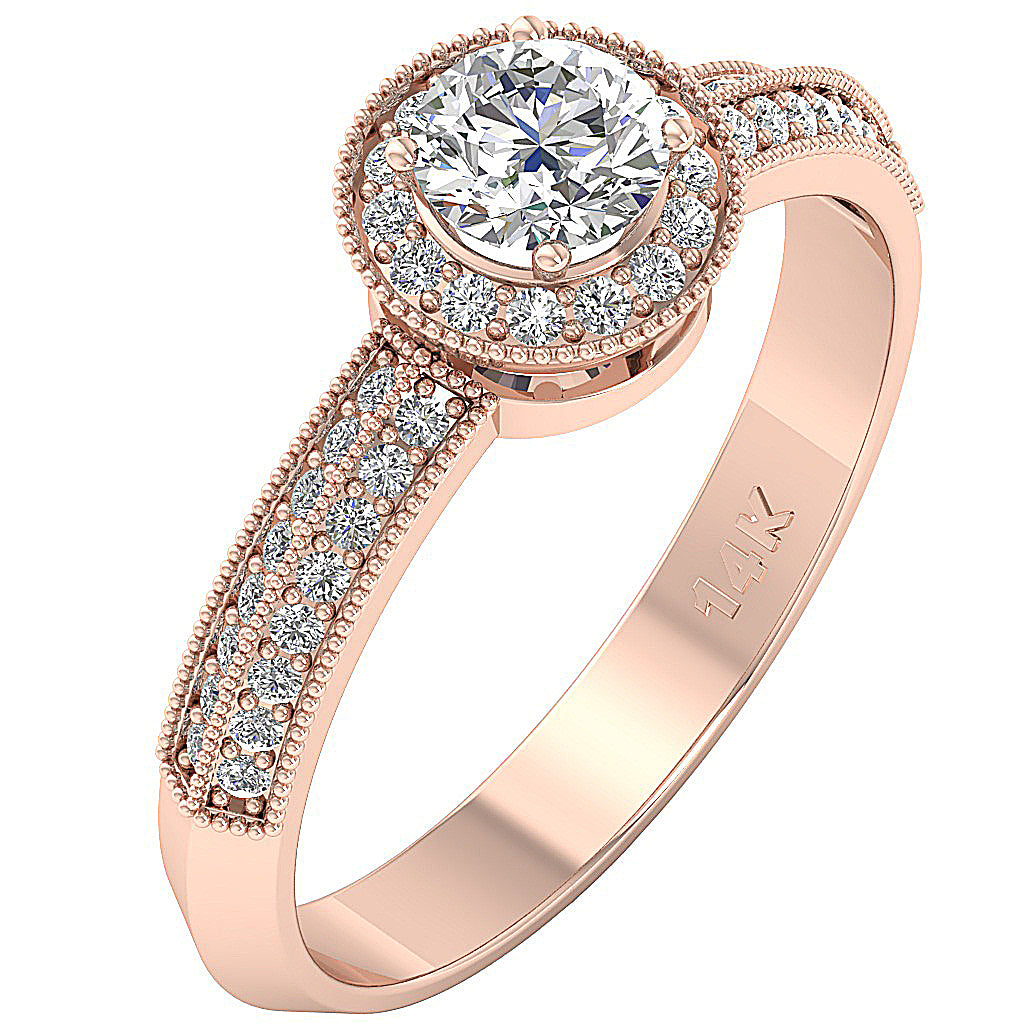
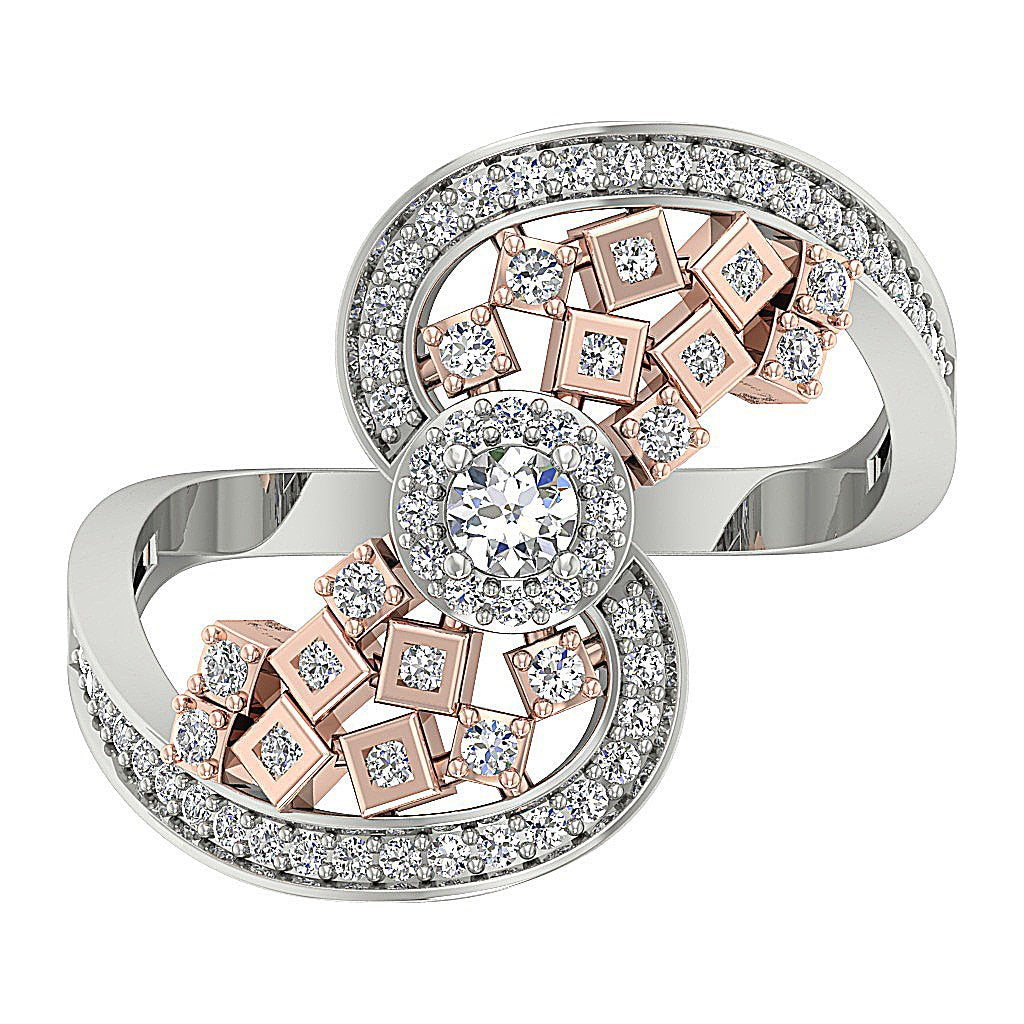
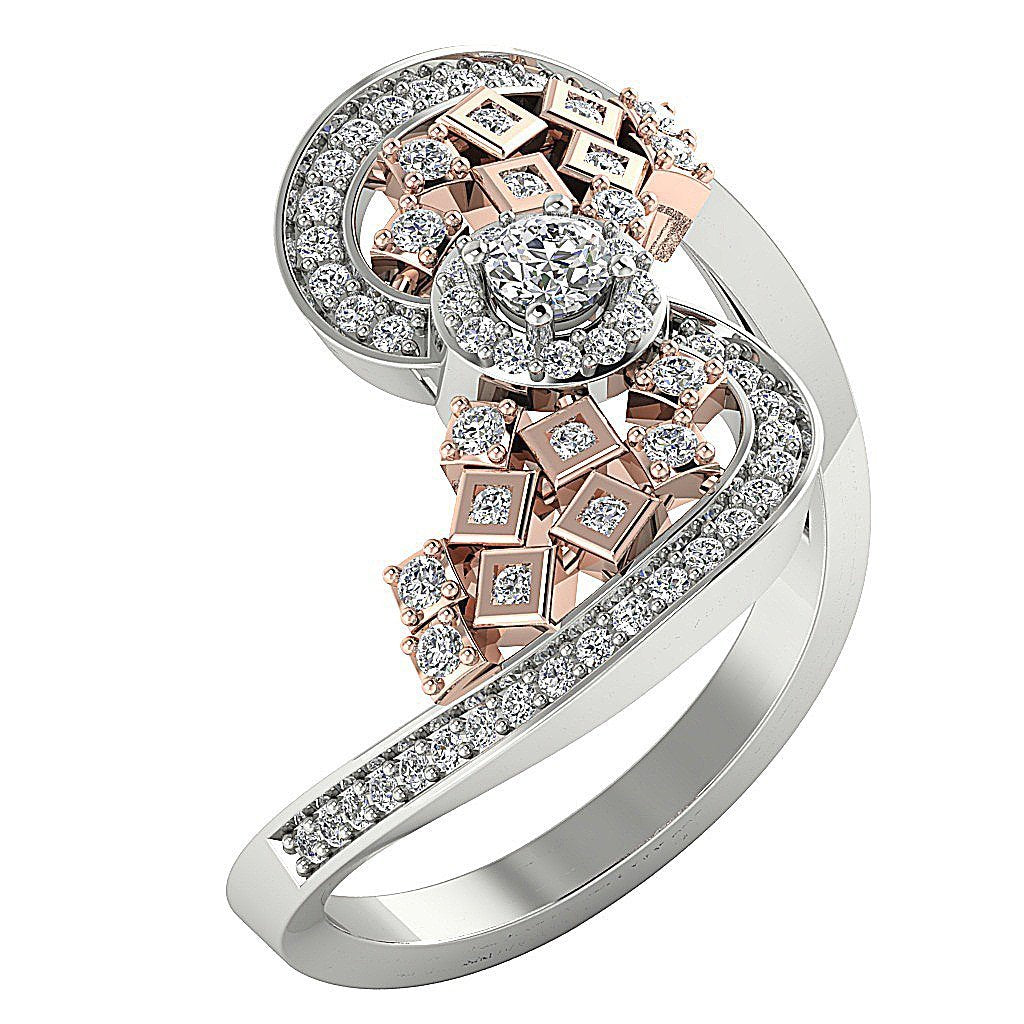
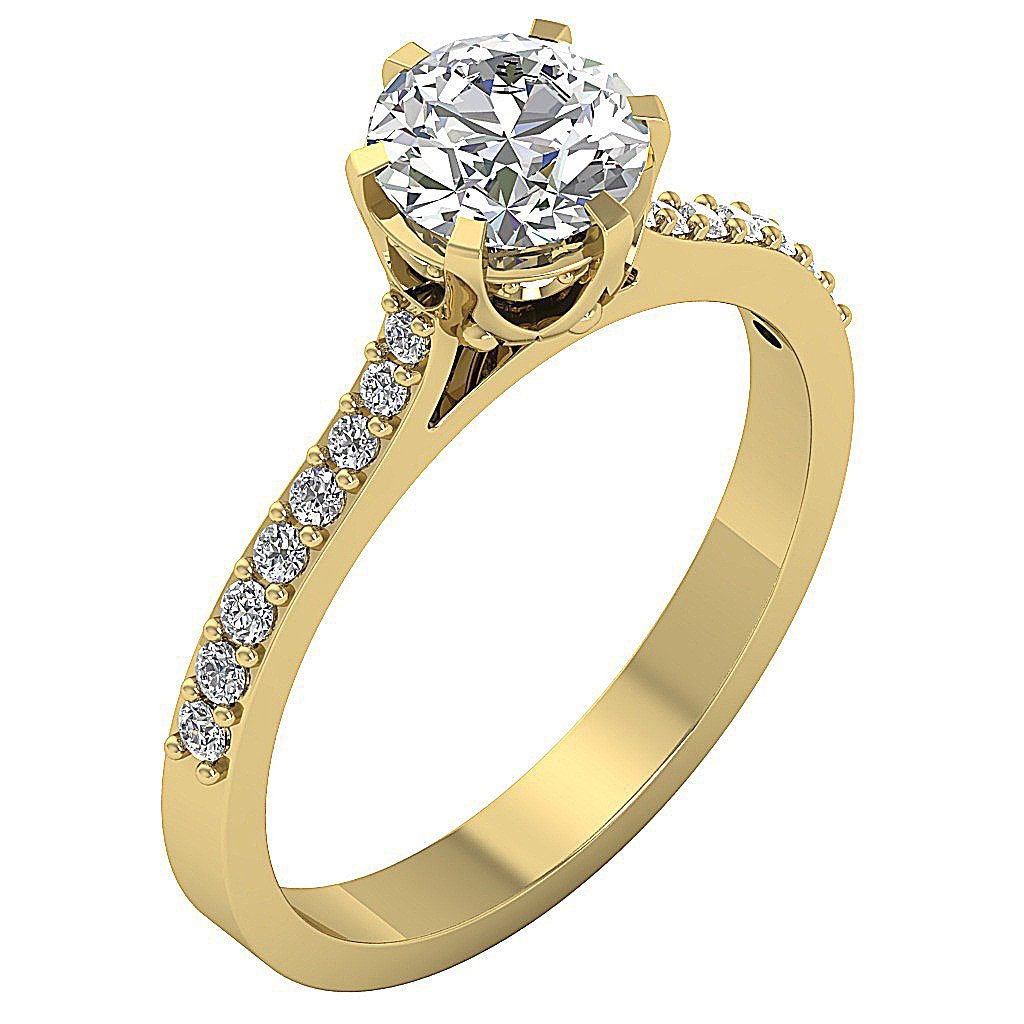
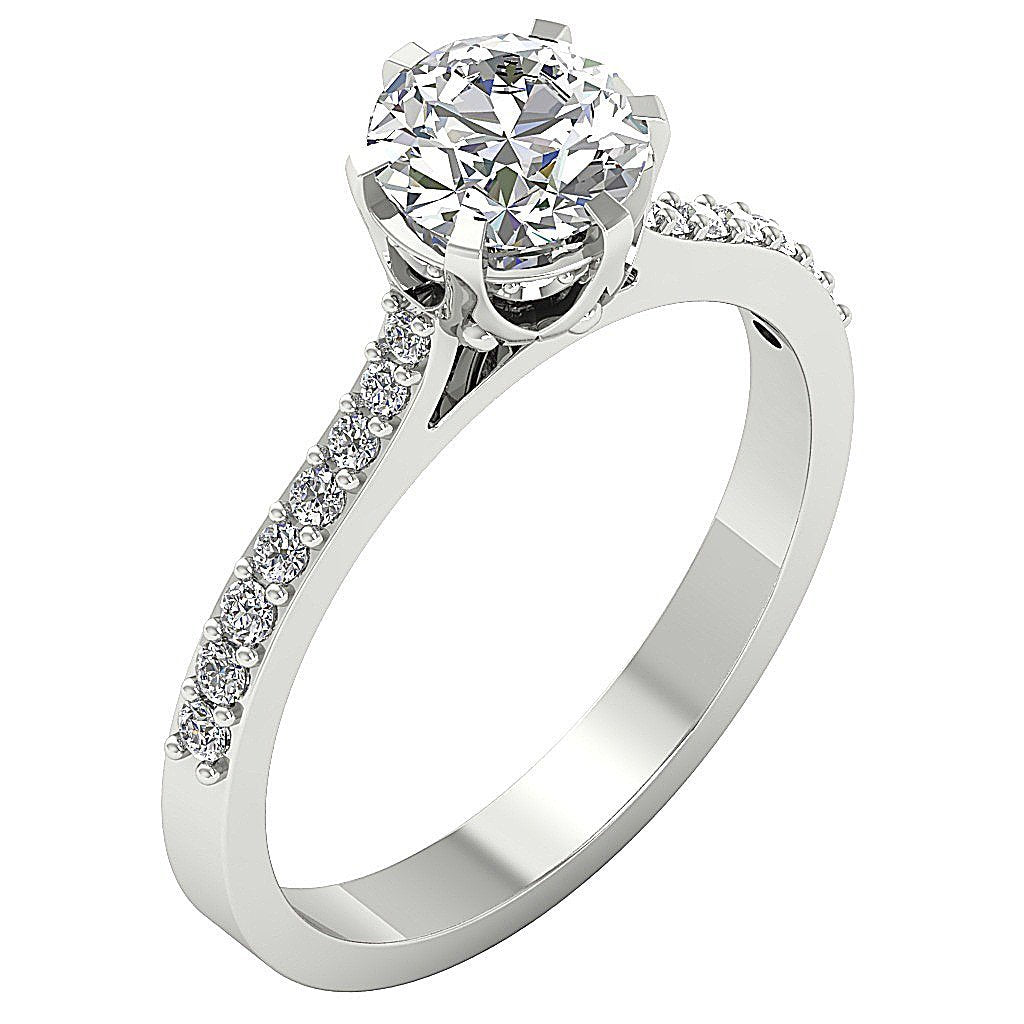
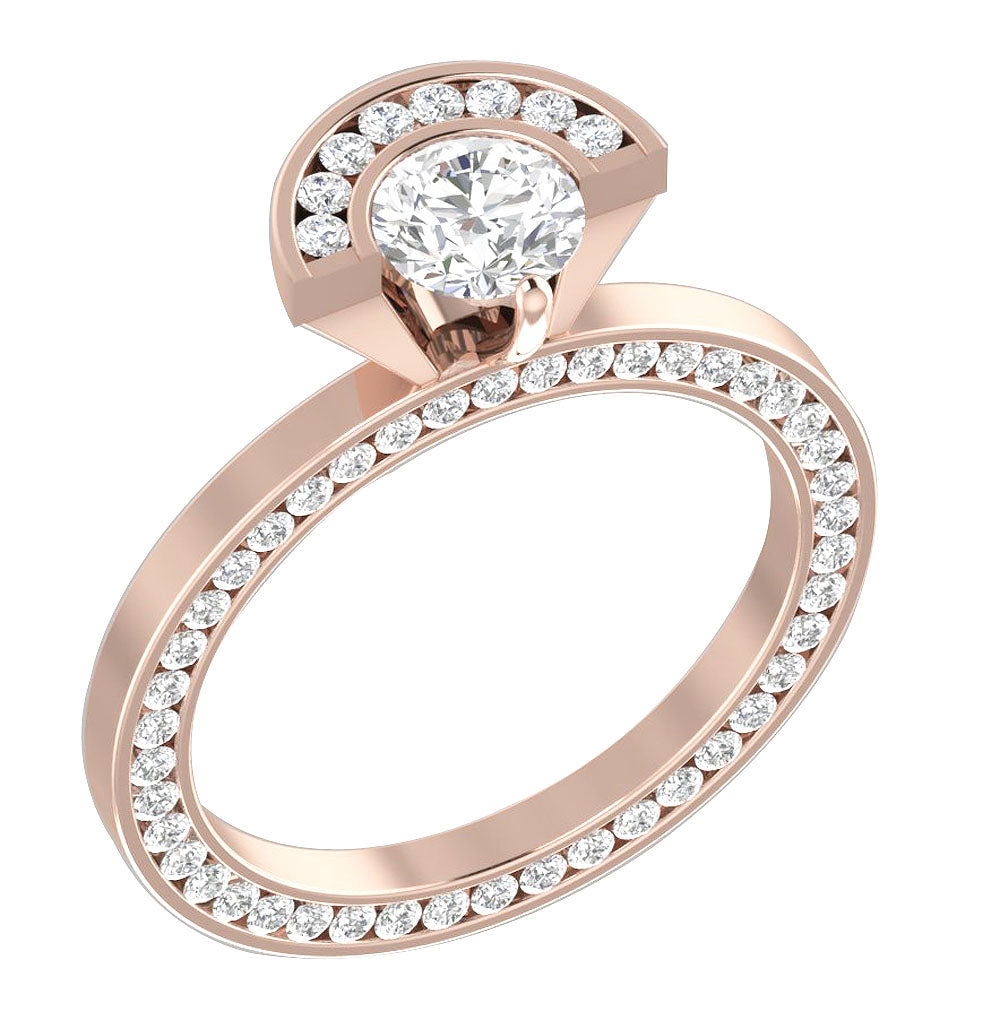
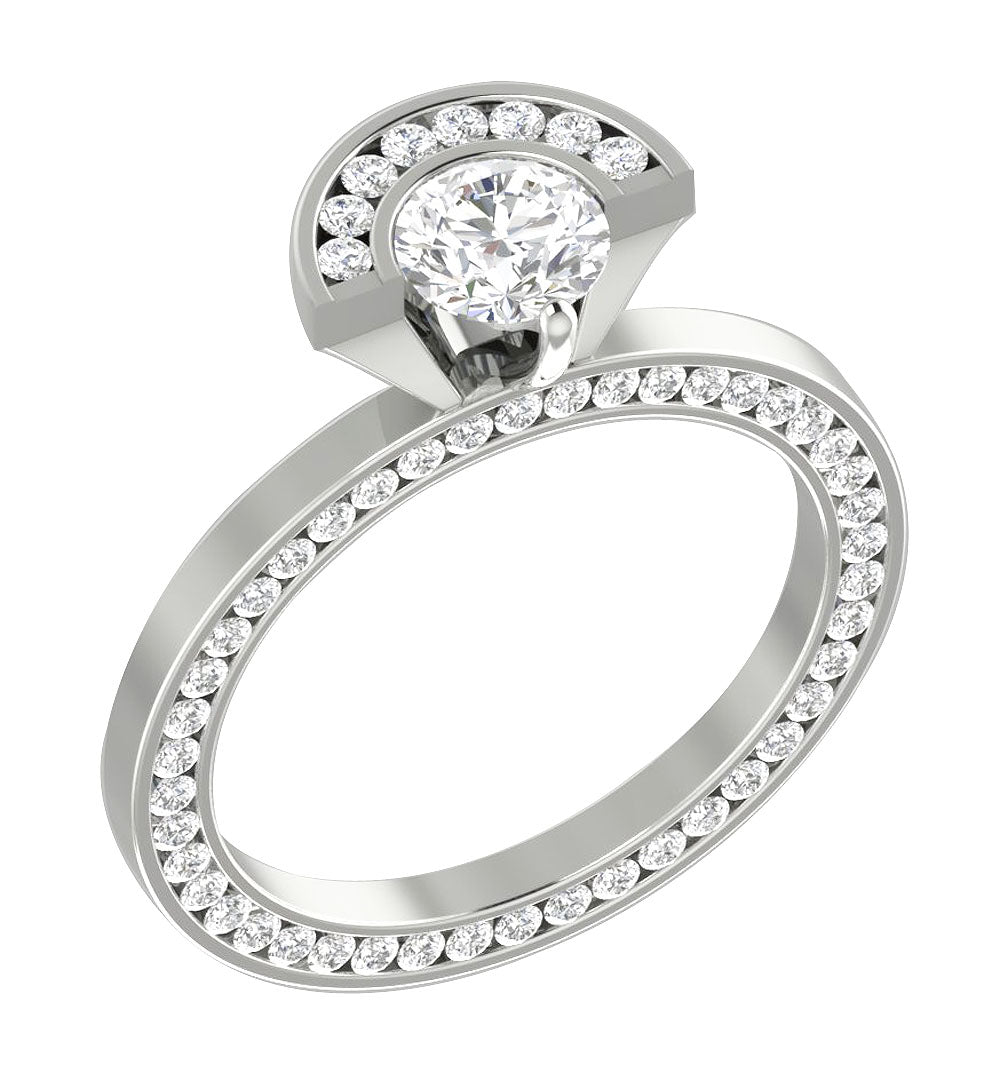
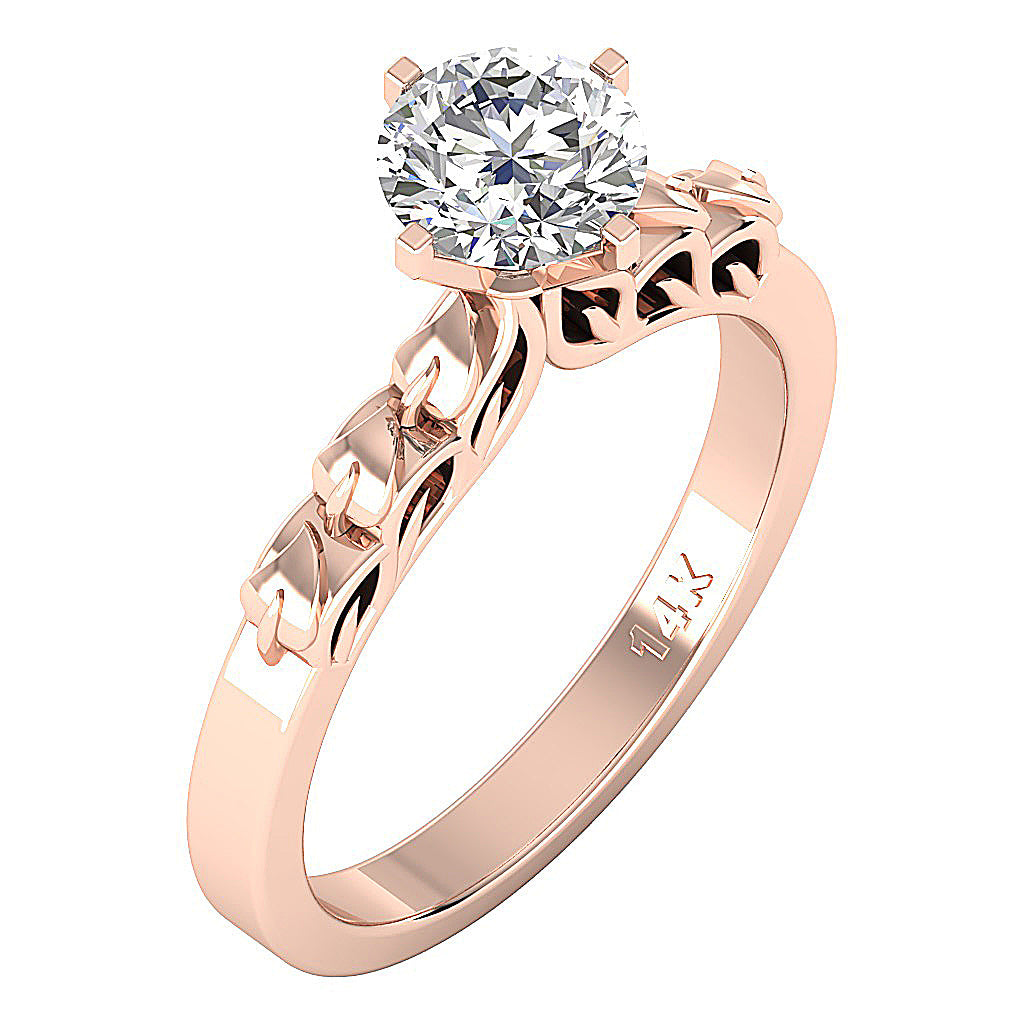
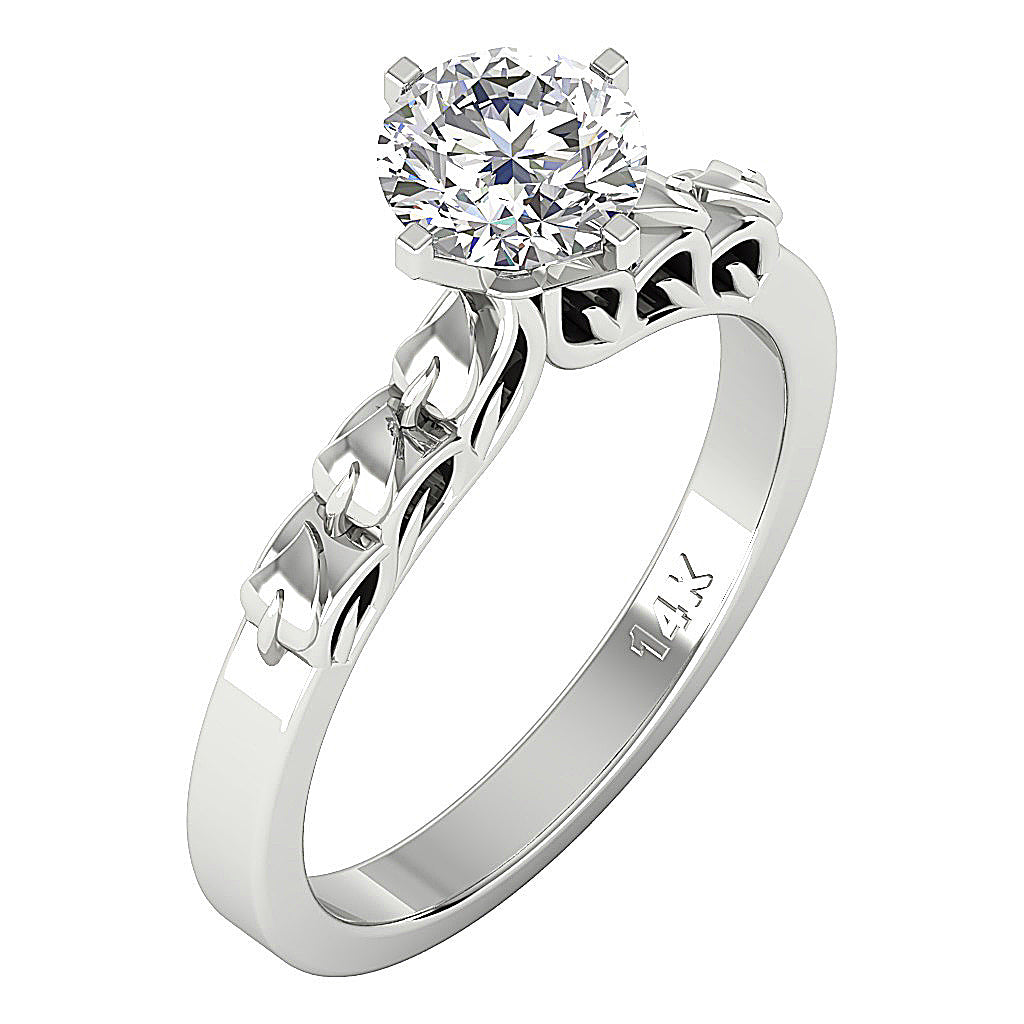
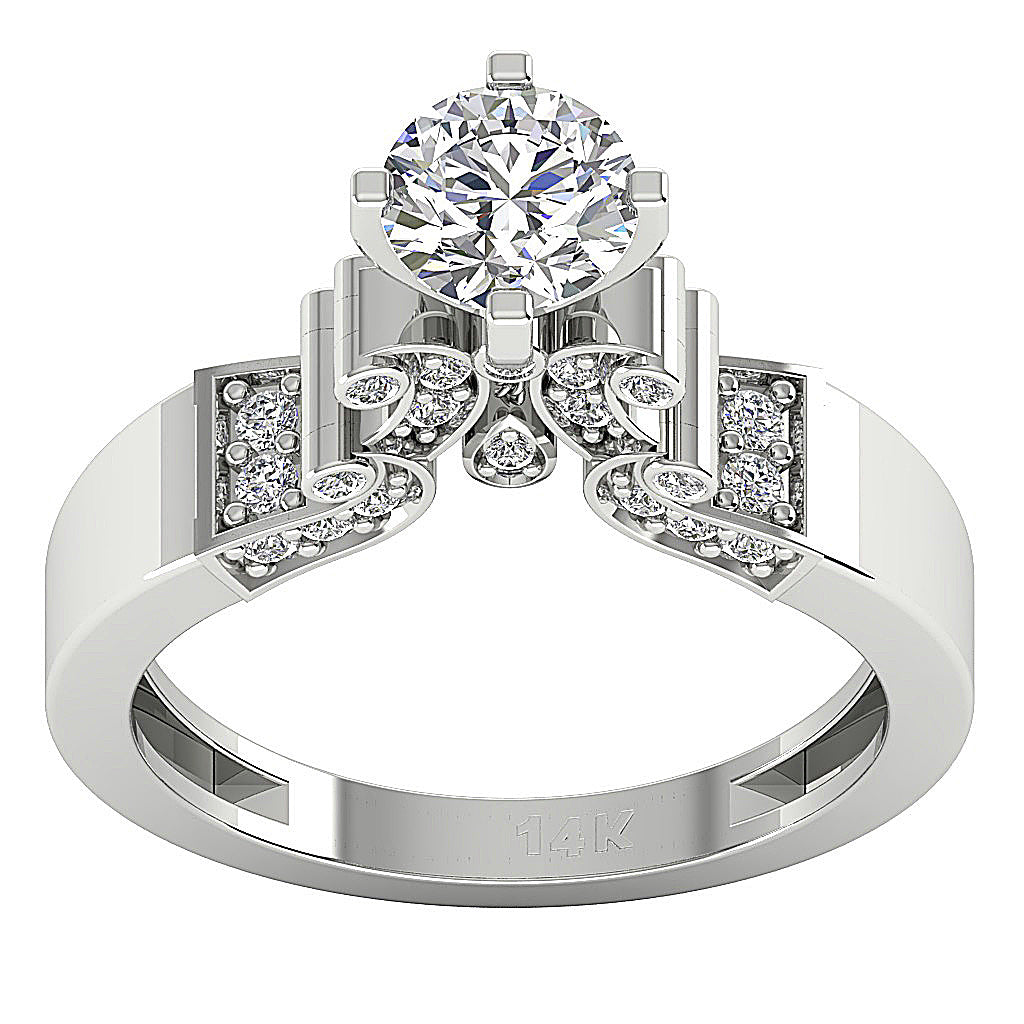
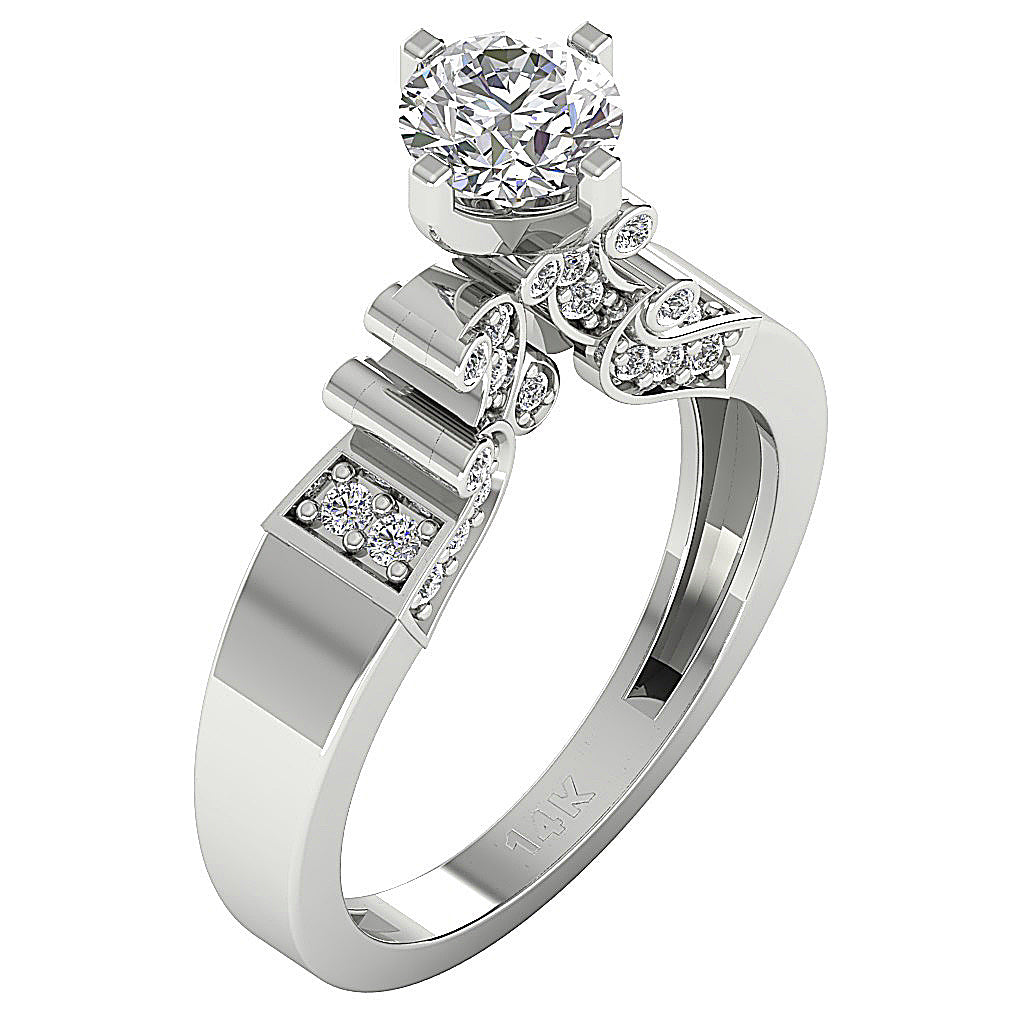
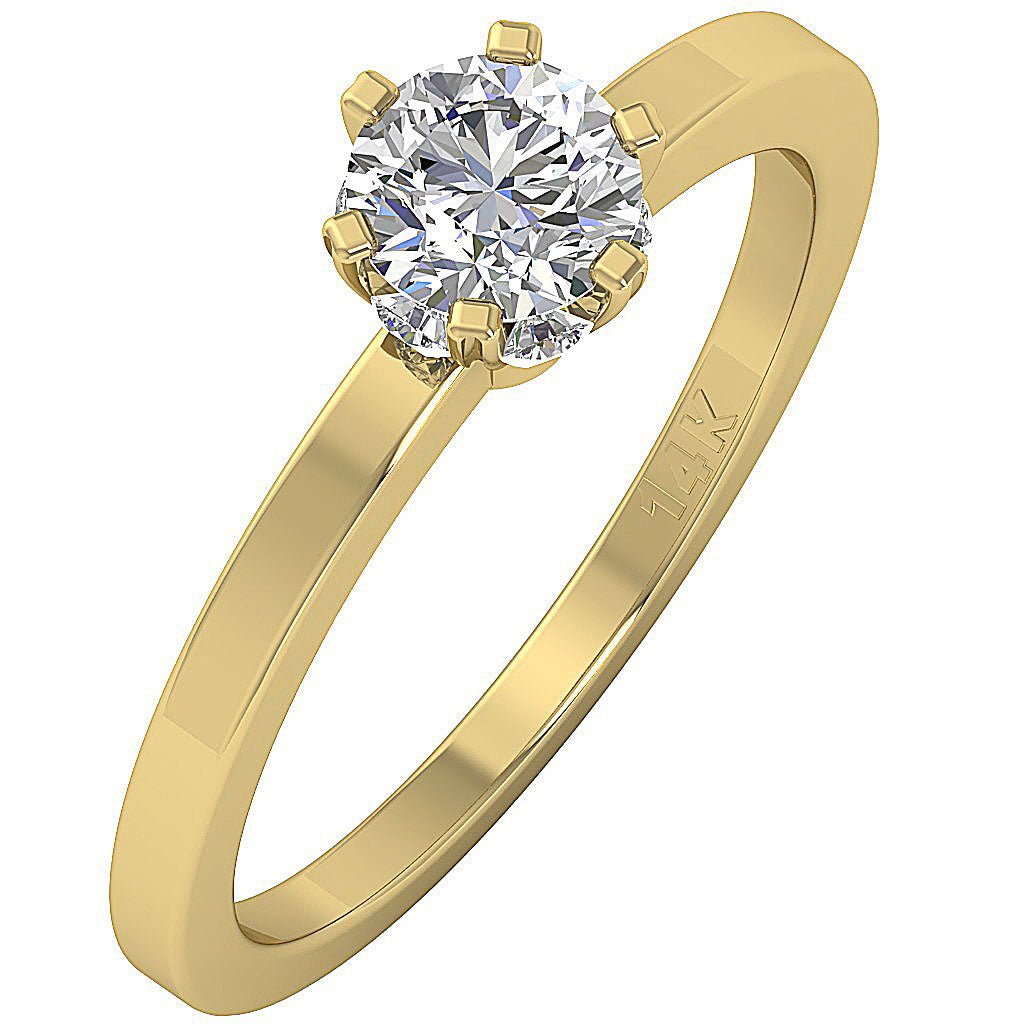
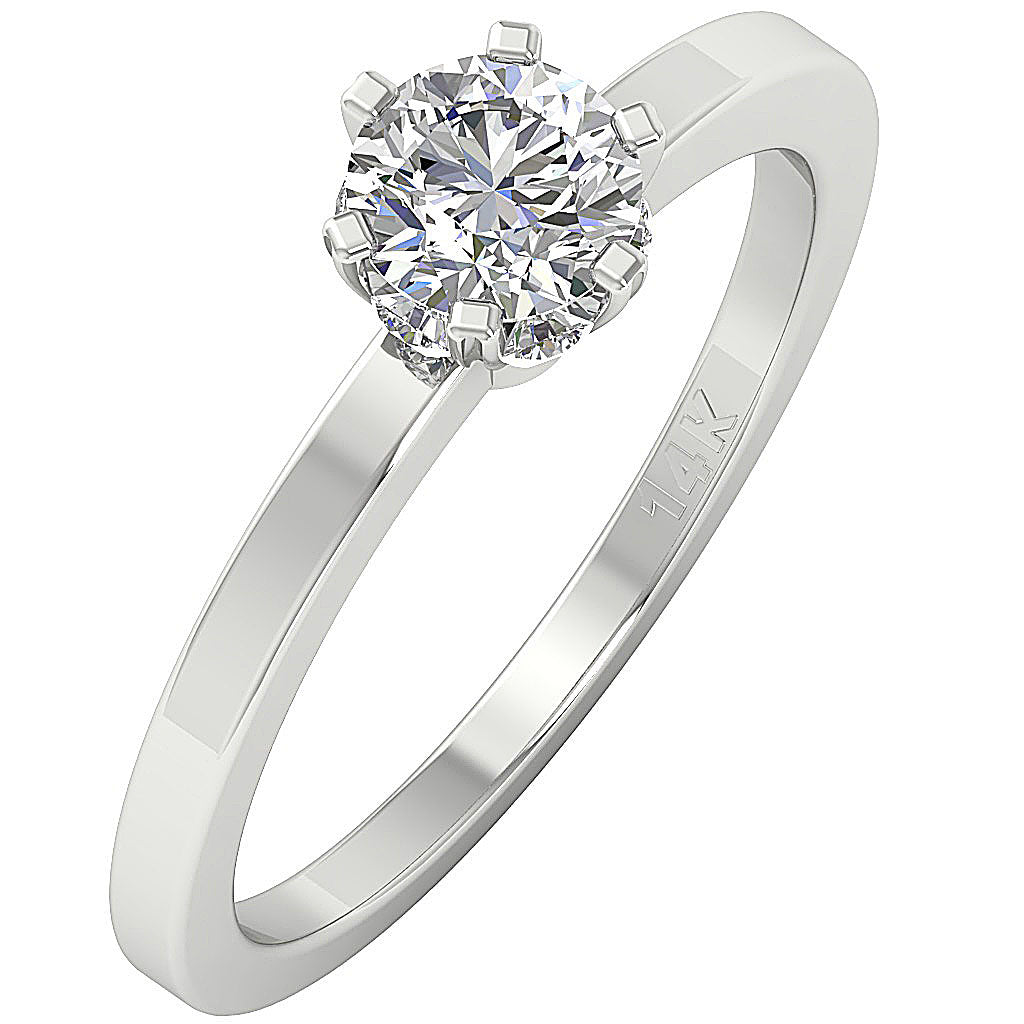
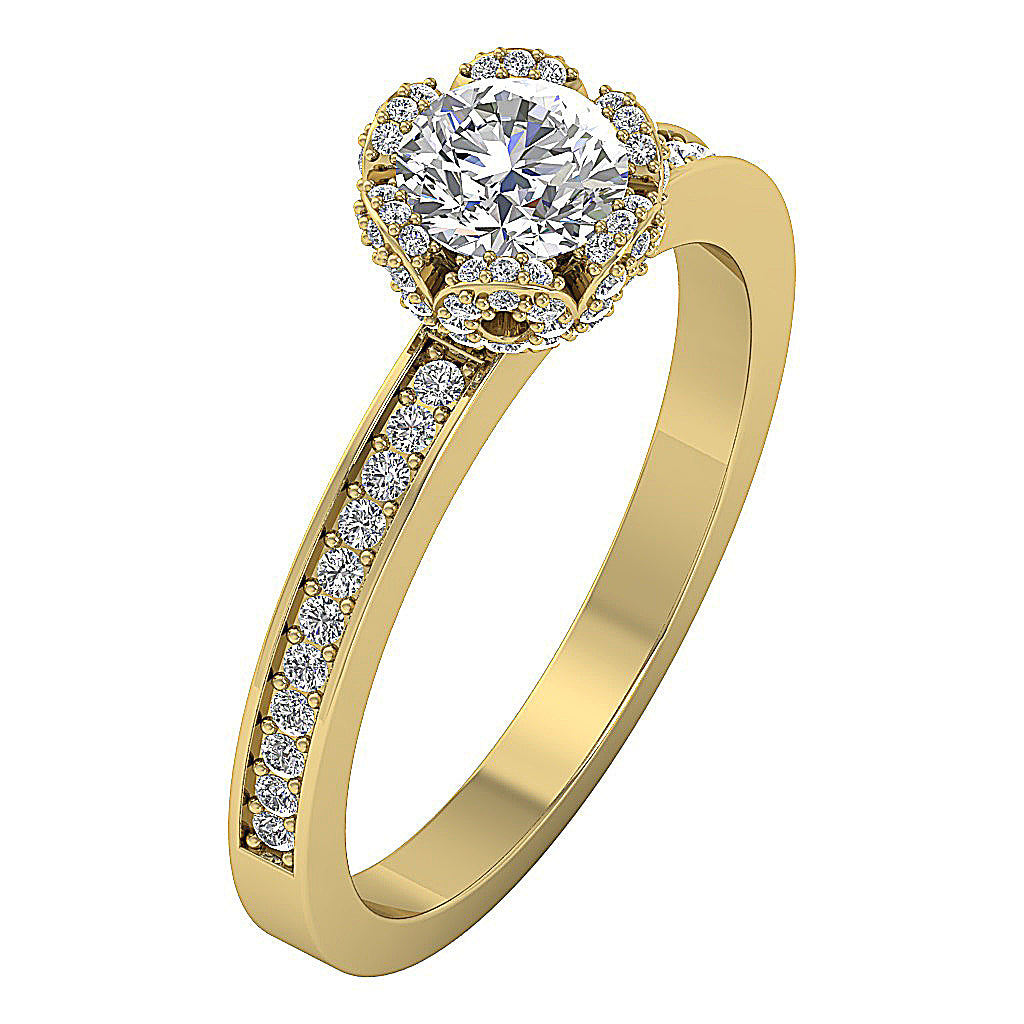
Every engagement ring begins with a diamond chosen because of its appeal to the couple. Center stones for engagement rings are available in round, oval, cushion, emerald, princess, marquise, and heart cuts. Each is set into 14K or 18K gold in yellow, rose, or white. Natural, earth-mined diamonds and lab-grown diamonds sit side by side in the collection, sharing identical hardness, brilliance, and carbon structure.
Cut proportions, color, and clarity of the diamond are matched to the setting it will sit in. This way, the finished ring reflects light the way that particular diamond can, instead of a generic mold. Gold purity and prong construction of our engagement rings are built for decades of wear, not a single set of photographs. Every ring is checked prong by prong before it ships, against the exact stone it holds.
Pairing Your Engagement Ring With a Band
Decide on the wedding band before finalizing the engagement ring's profile, not after. A high-set halo or three-stone ring often needs a curved or contoured band to sit flush beside it. A low-profile solitaire pairs well with a straight band.
Think about how the diamond's shape will hold up to daily life. Round and cushion cut diamonds tolerate more movement without showing wear at the edge of the stone. This makes these cuts a practical choice for hands that stay busy. Emerald and radiant cuts show wear sooner at their sharp corners and reward gentler handling as they age.
Keep gold tone consistent with whatever already lives on the hand. One dominant metal, worn every day, tends to age better and photograph more evenly than several competing metal tones side by side.
Living With It: How to Care for Your Diamond Engagement Ring
An engagement ring works through washing dishes, typing, exercise, and sleep, every single day. Clean it every one to two weeks in warm water with a drop of mild soap. Brush gently beneath the stone and around the prongs, where lotion and soap residue build up unseen. Dry it with a soft, lint-free cloth, since paper towels can leave fine scratches on polished gold.
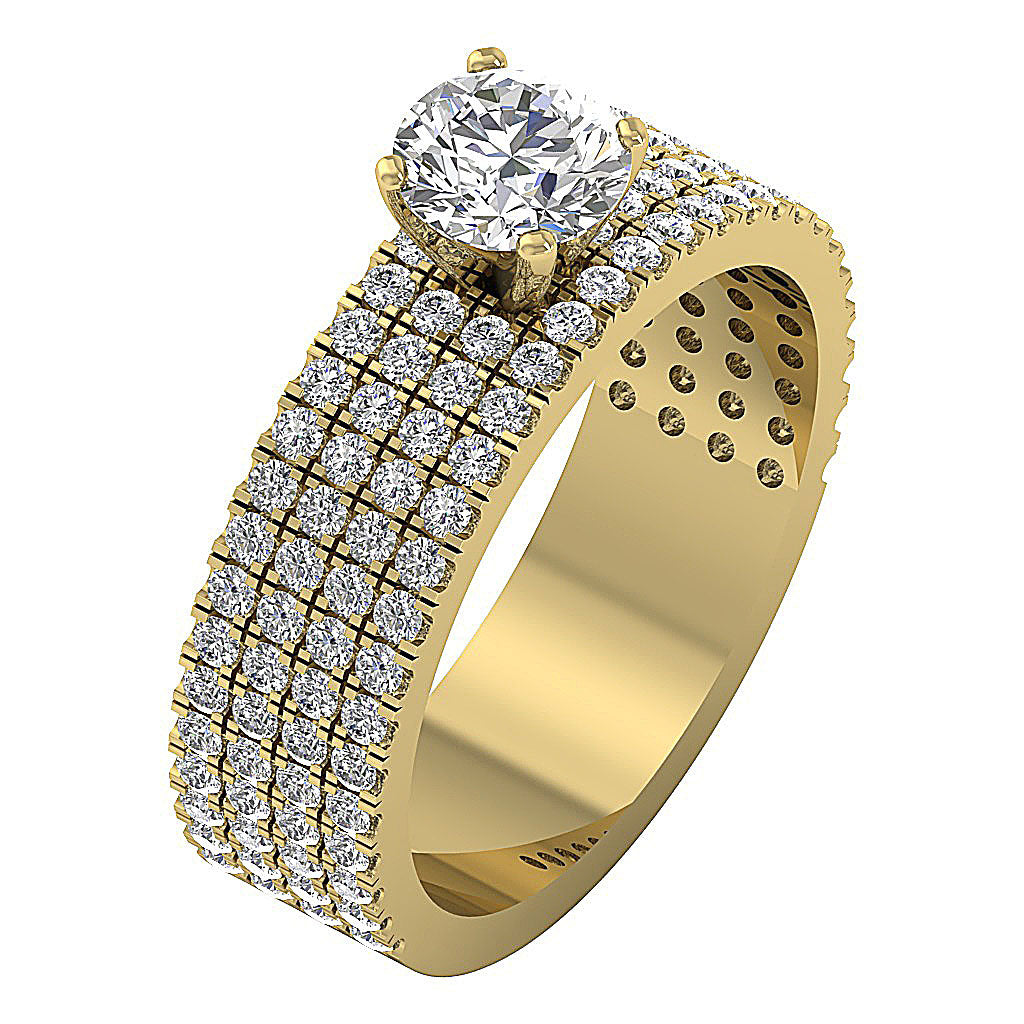
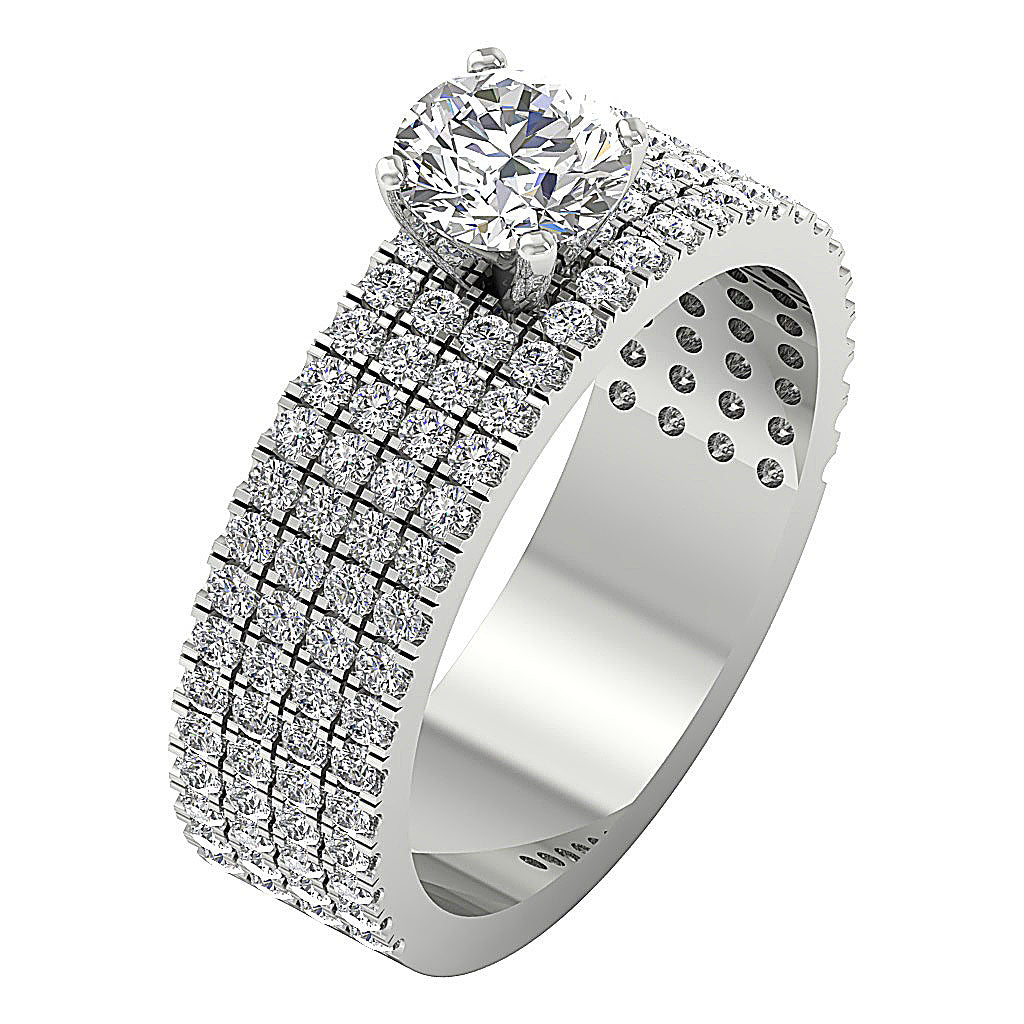
Skip ultrasonic cleaners on rings with pavé accents or older settings. The vibration can loosen stones gradually, without warning. Have a jeweler inspect the prongs once a year, or every six months if the ring rarely comes off. Take the ring off before the gym, gardening, or the ocean, since chlorine and repeated impact wear down a setting faster than daily use alone. Store it in a lined box, away from other jewelry, since a diamond will mark softer metals it rests against.
One ring, worn for decades, chosen in a single moment that has to get it right the first time.