
Diamond Unique Bracelets for Women
Filters
3 products
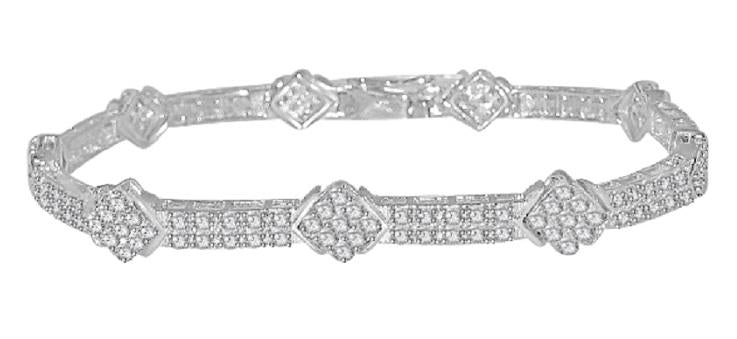
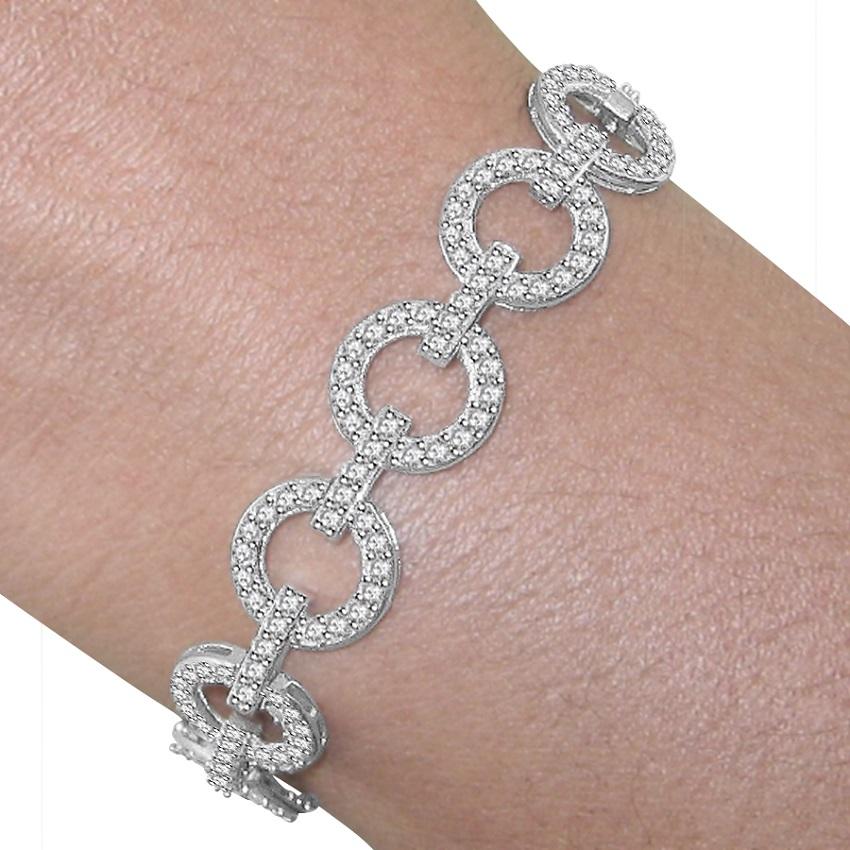
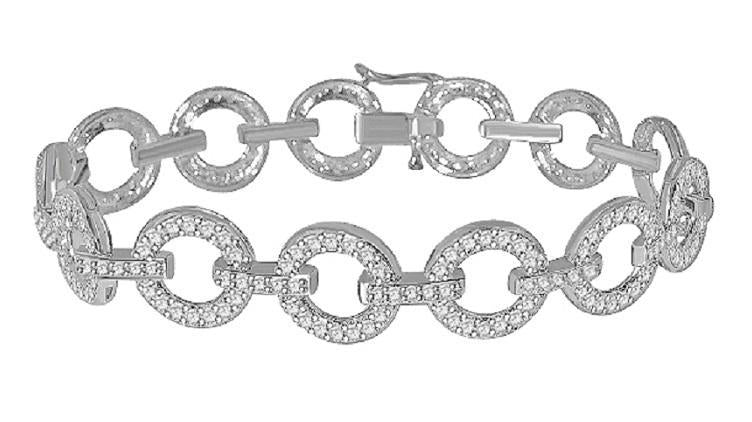
Unique Diamond Bracelets for Women
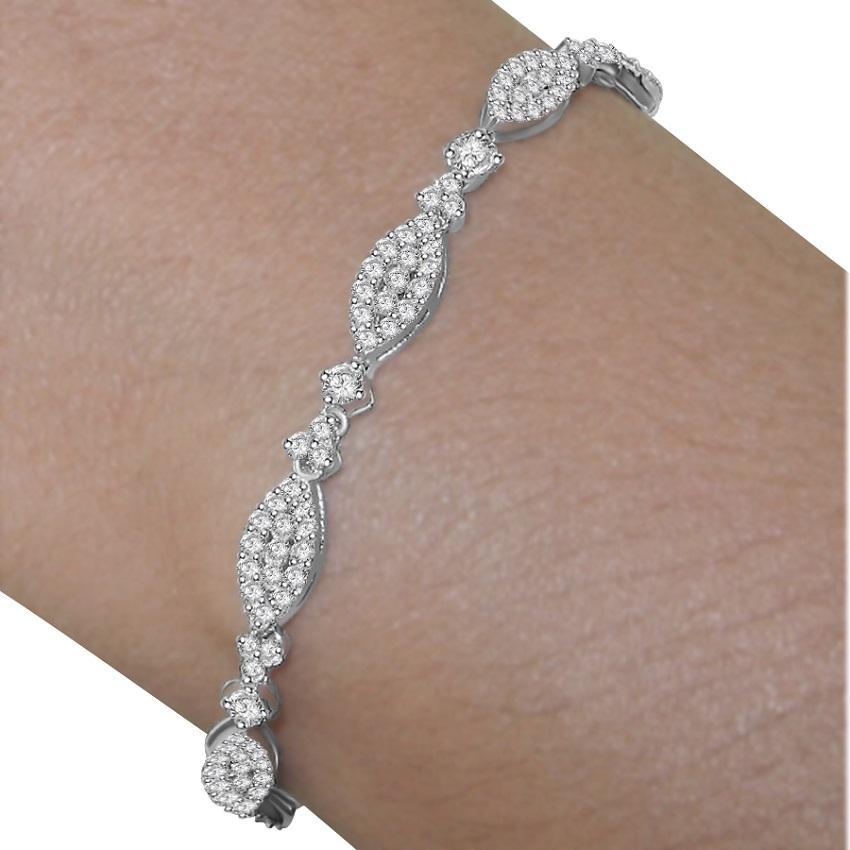
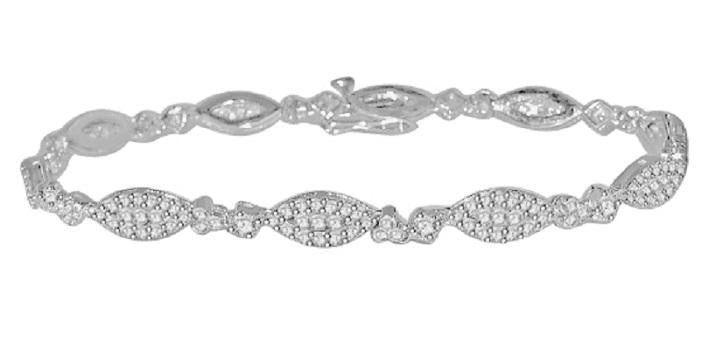
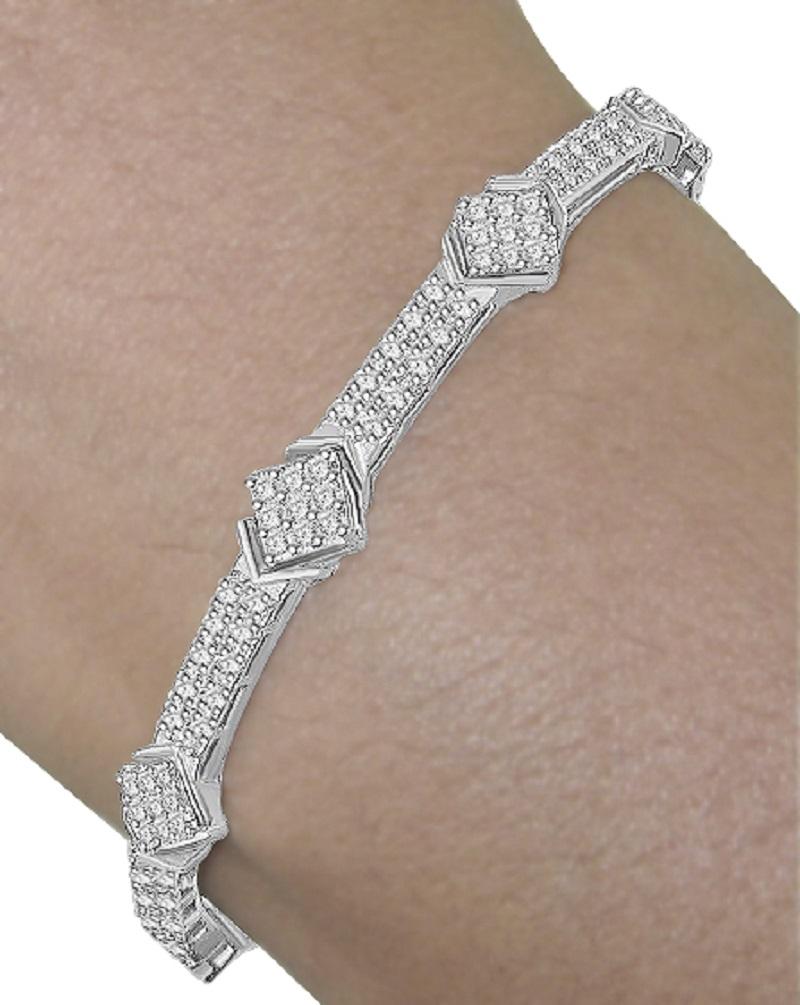
A unique diamond bracelet does not depend on a traditional silhouette to make an impression. Its character can come from an unexpected arrangement of diamonds, an unusual shape, contrasting textures or a detail that gives the bracelet a personality of its own.
For women looking beyond a conventional tennis bracelet or simple gold bangle, a unique diamond bracelet offers another way to bring individuality to the wrist without sacrificing the refinement associated with fine jewelry.
What Makes a Diamond Bracelet Unique?
Uniqueness can come from many parts of a bracelet. An asymmetrical arrangement can create movement, while geometric forms can give the piece a more contemporary character. Curved elements, unusual links or unexpected combinations of gold and diamonds can also distinguish one design from another.
The most distinctive bracelets do not necessarily need to be elaborate. A restrained bracelet with one unusual structural detail can feel just as individual as a more decorative design.
Diamond For Good's collection of unique diamond bracelets brings together different silhouettes, diamond arrangements and gold finishes, allowing the bracelet itself to become an expression of individual style.
Choosing the Right Bracelet Silhouette, Diamond Arrangement, and Scale
The silhouette determines how a bracelet sits on the wrist and how noticeable its design becomes.
Slim bracelets create a more delicate appearance and allow unusual design details to remain subtle. Broader designs have greater visual presence and can become the main focus of a wrist stack. They also provide more space for diamond arrangements, geometric shapes or decorative gold elements. Open designs leave intentional space around the wrist and give the jewelry a lighter appearance.
Diamonds can be used as the primary structure of a bracelet or as smaller accents within a larger gold design.
A concentrated cluster can create one clear focal point, while diamonds distributed across different sections can create a more balanced effect. Pavé arrangements can cover a curved or geometric section with closely set stones, creating a continuous surface of sparkle. Individual prong-set diamonds can instead remain visually distinct, allowing the gold framework to play a larger role.
The scale of a unique bracelet should reflect both personal style and how the piece will be worn.
A delicate bracelet can become an everyday signature. Its distinctive detail remains visible without creating too much visual weight around the wrist. A more substantial bracelet serves as a statement piece, particularly for evening dressing or occasions.
There is no universally right answer for any of the three. The choice depends on the wearer’s taste, personal aesthetic, and occasion.
Choosing the Gold Color for Diamond Bracelets
Gold is often more visible in a unique bracelet than in a fully diamond-set design, making the choice of metal particularly important.
White gold allows white diamonds to blend smoothly into the design, working especially well for clean, contemporary silhouettes. Yellow gold emphasizes unusual shapes and structural details while giving the bracelet a more traditional fine-jewelry character. Rose gold makes an unconventional design feel more distinctive.
The choice can be based on personal preference or existing jewelry. Matching the gold color creates continuity across the wrist, while mixing metals can make a unique bracelet stand out further.
Choosing Between Different Bracelet Constructions
The way a bracelet is constructed affects both its appearance and how it moves.
Linked designs allow individual sections to move against one another, creating flexibility around the wrist. Rigid or semi-rigid constructions hold their shape more firmly and make geometric designs easier to define with a cleaner visual outline. Open bracelets have ends or decorative elements positioned around the wrist without forming a completely enclosed circle.
The construction should suit the design as well as the intended frequency of wear. A visually delicate bracelet may require more careful handling than a simpler, more substantial design.
Styling Unique Diamond Bracelets for Daily Use and Occasions
A distinctive bracelet can be worn alone or used as the focal point of a larger wrist arrangement. They become an everyday piece when their size, weight and construction are suited to regular wear.
Slim designs are particularly easy to incorporate into casual clothing and workwear. Their distinctive character can provide a small point of interest without dominating the rest of the jewelry.
More elaborate bracelets can still be worn regularly, but their weight and construction should be considered. Designs with delicate or articulated elements may benefit from being reserved for occasions where they can be worn with greater care.
Worn alone, it has the greatest opportunity to show its silhouette and unusual design details. For stacking, pair it with simpler gold or diamond bracelets. This creates contrast while preventing several elaborate designs from competing for attention.
Choosing Between Natural and Lab-Grown Diamonds
Unique diamond bracelets can incorporate both natural and lab-grown diamonds. The choice can therefore be based on diamond origin, budget and the characteristics that matter most to the buyer.
Natural diamonds appeal to those who value geological origin and rarity. Lab-grown diamonds offer another option for buyers who want to allocate more of their budget toward diamond size, total carat weight or other characteristics.
If a bracelet contains multiple diamonds, consistency remains important. Similar color and brightness allow the stones to work together even when the arrangement itself is unconventional.
Balancing Distinctiveness With Wearability in Diamond Bracelets
The most unusual bracelet is not necessarily the most practical one.
Before choosing a design, consider whether it sits comfortably on the wrist, whether it catches easily on clothing and whether its construction suits the way the recipient normally wears jewelry.
Movement is also important. A bracelet with several articulated components may create beautiful visual movement but require more care than a simpler construction.
If the goal is an everyday signature piece, look for a design that has one or two distinctive elements rather than so many competing details that it becomes difficult to style.
Living With It: Caring for a Unique Diamond Bracelet
Clean a diamond bracelet with warm water, mild soap and a soft-bristled brush. Work carefully around the diamond settings and any recessed areas where lotion, oils and everyday residue can accumulate.
Pay attention to links, joints and other connecting components. These areas can experience repeated movement and may gradually develop wear.
Check the clasp or closure before wearing the bracelet, particularly if it contains substantial diamond weight. Open or articulated designs should also be checked for signs of loosening.
Store the bracelet separately where possible. Unusual shapes and moving components can catch on other jewelry, so individual storage helps reduce unnecessary strain.
If a diamond feels loose or a component appears damaged, have the bracelet inspected by a jeweller before wearing it again.
A unique bracelet does not need to follow a familiar formula. Sometimes one unexpected detail is enough to turn diamonds and gold into something distinctly your own.
Frequently Asked Questions
Can a unique diamond bracelet be worn with a tennis bracelet?
Are unique diamond bracelets suitable for formal occasions?
How do I know if a bracelet design will suit my wrist?
Can I mix white, yellow and rose gold bracelets?
ETHICAL BRILLIANCE
Our diamonds are not just stunning; they are symbols of integrity. Each diamond at Diamond For Good safeguards human rights throughout its journey. Choose a gem that's as conscientious as it is captivating.
EXEMPLARY CUSTOMER CARE
You are our top priority. Our customer service is not just advanced. It's exemplary. We are here for you, always. Enjoy peace of mind with free delivery and hassle-free returns*.
SECURE SHIPPING
Indulge in a seamless shopping experience. We ensure your precious Diamonds are delivered safely to your doorstep with free insured shipping. Plus, should you change your mind, we offer free returns on all our products within the USA*.