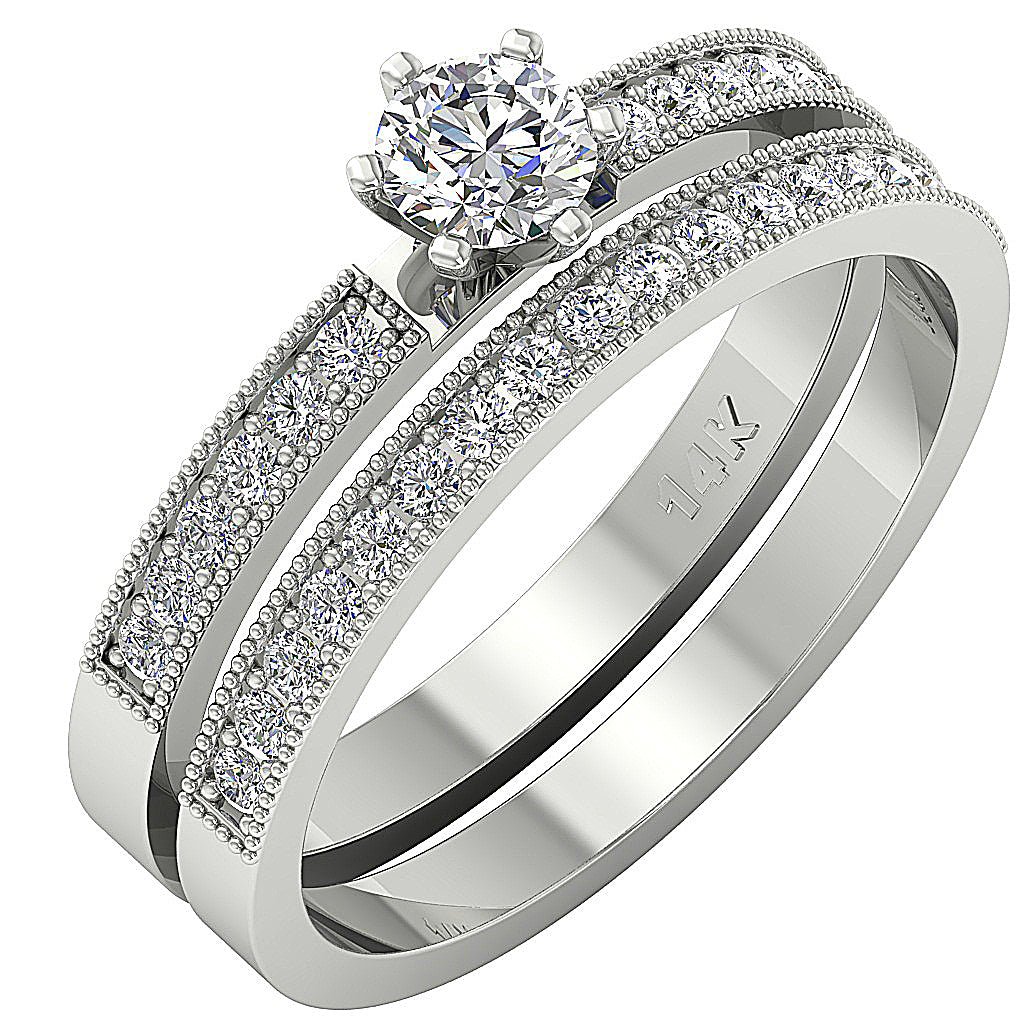
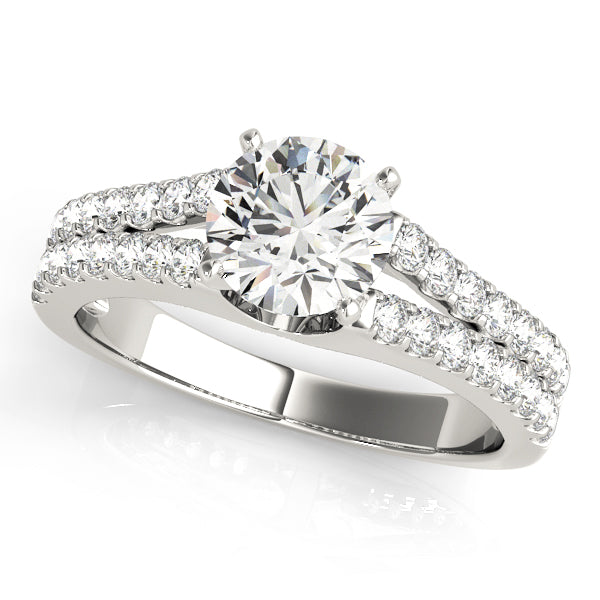
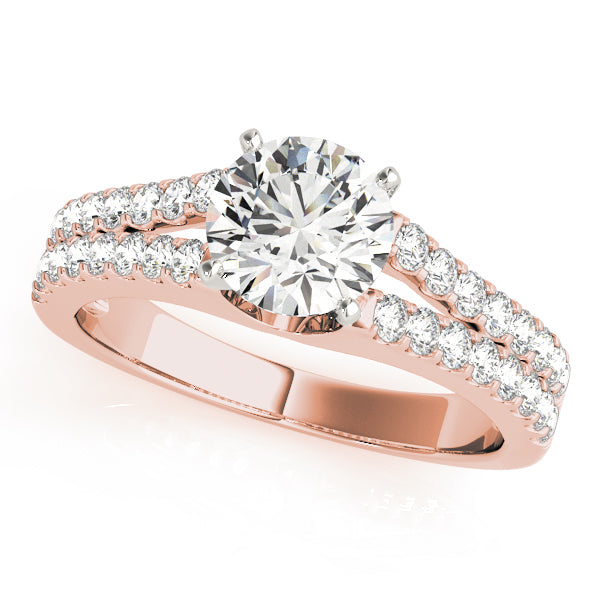
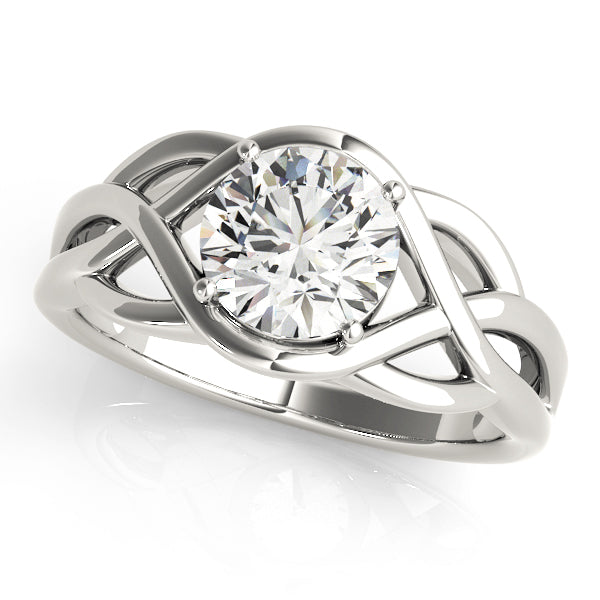
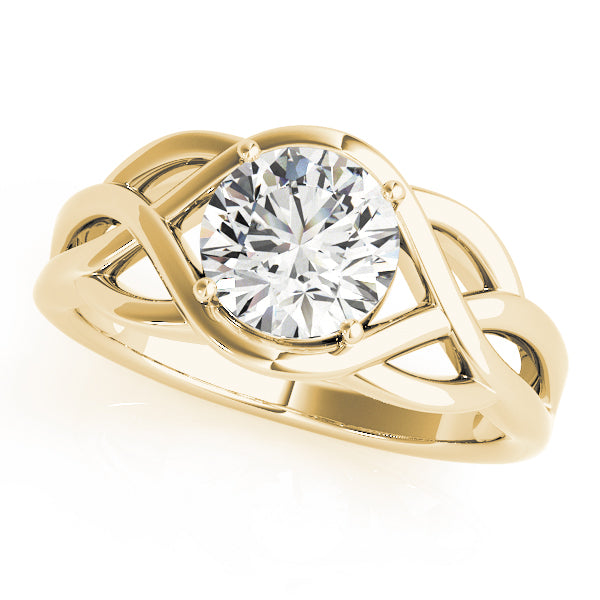
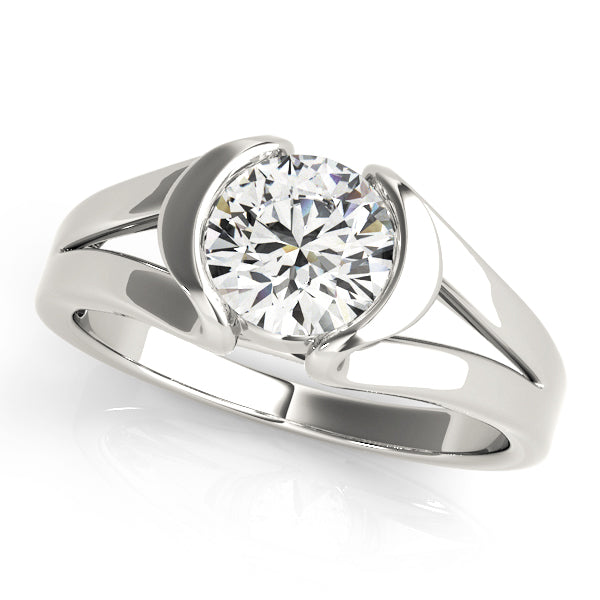
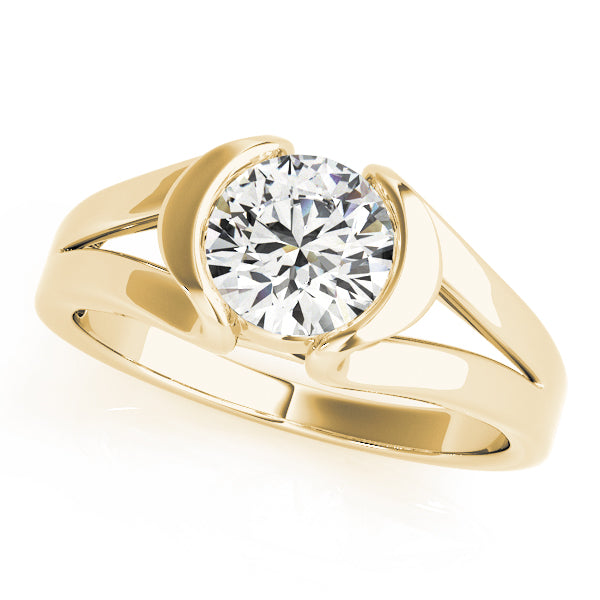
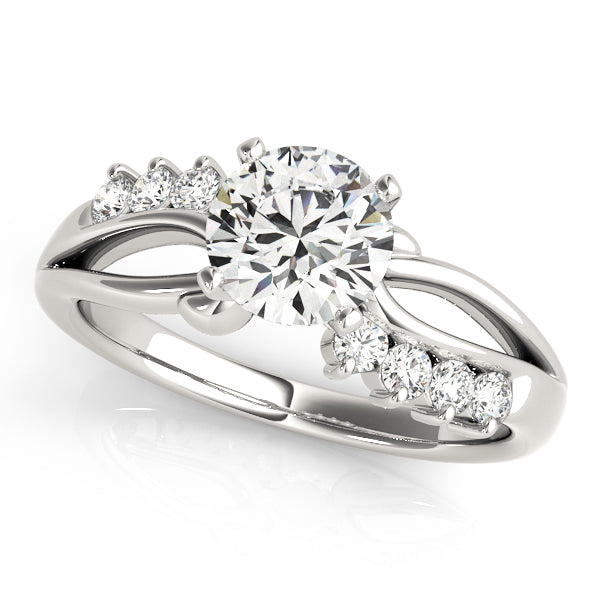
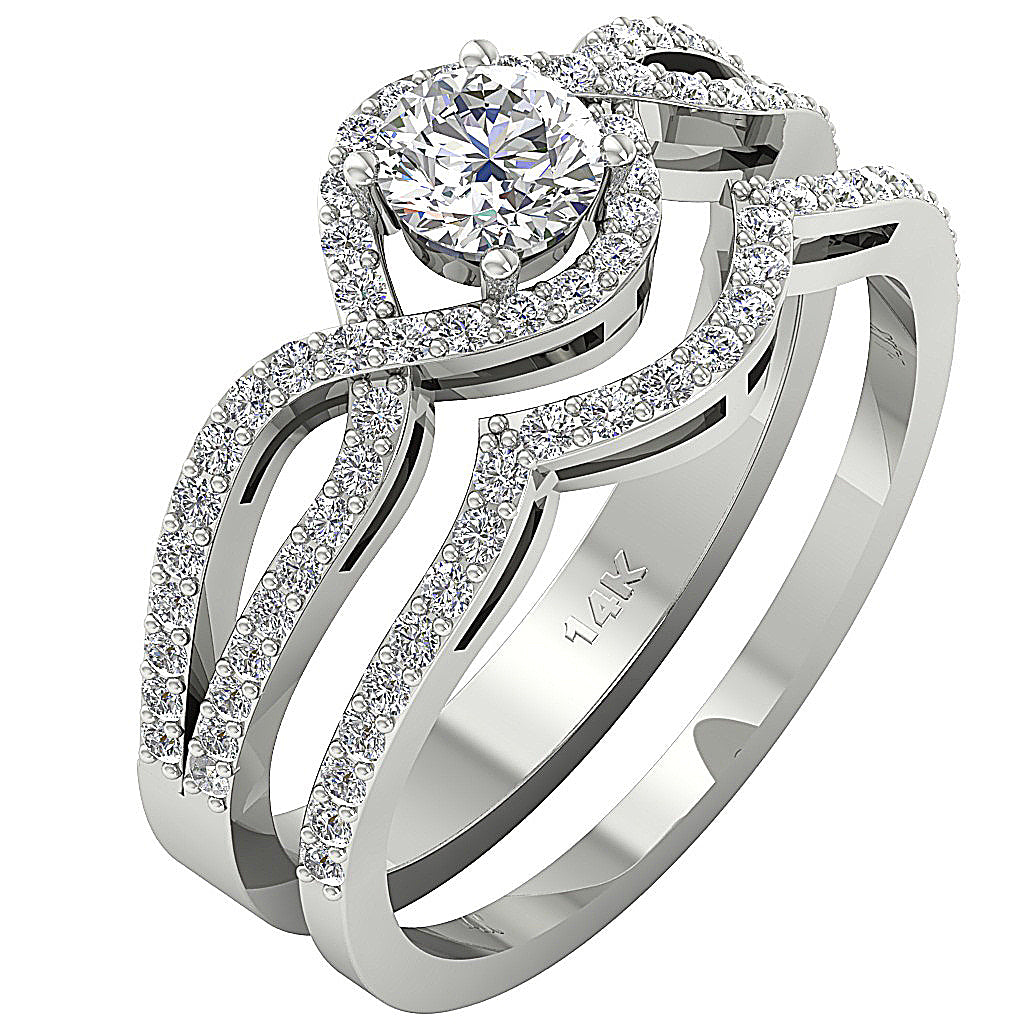
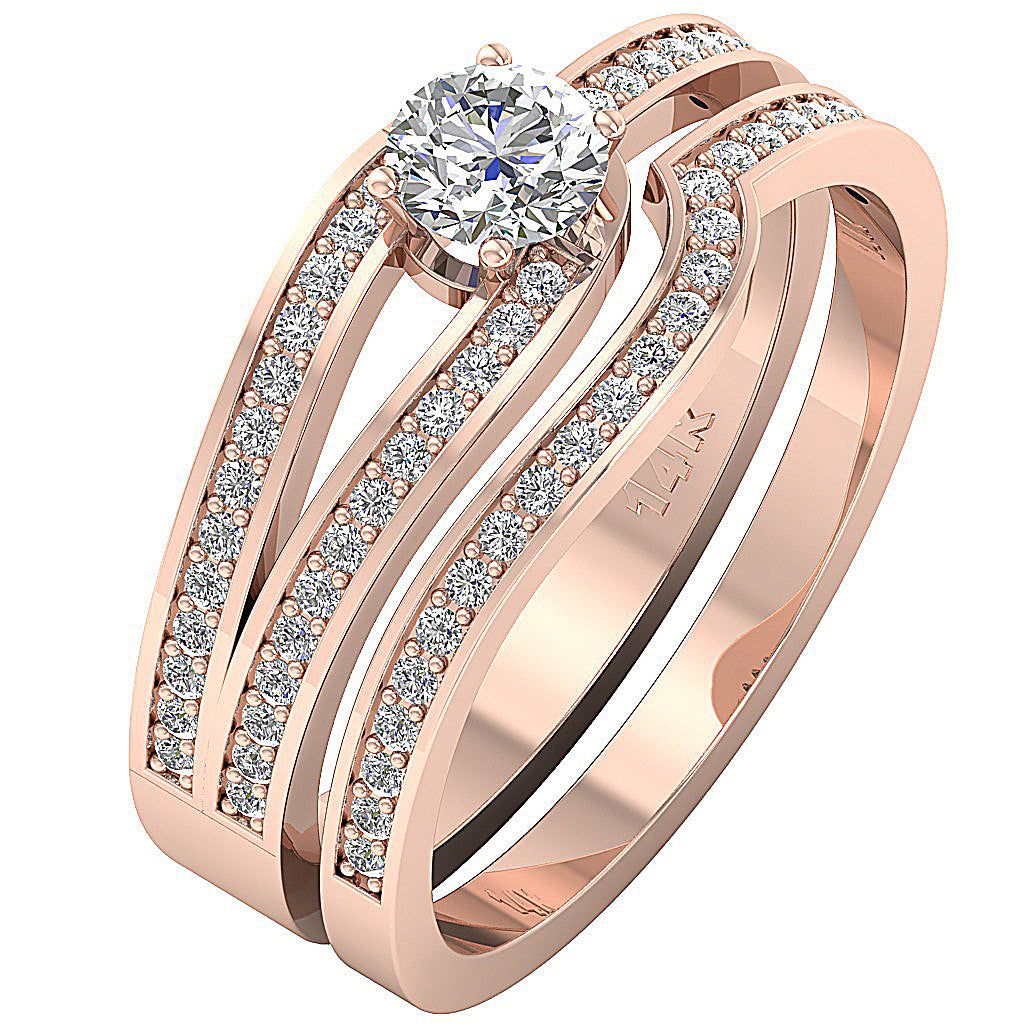
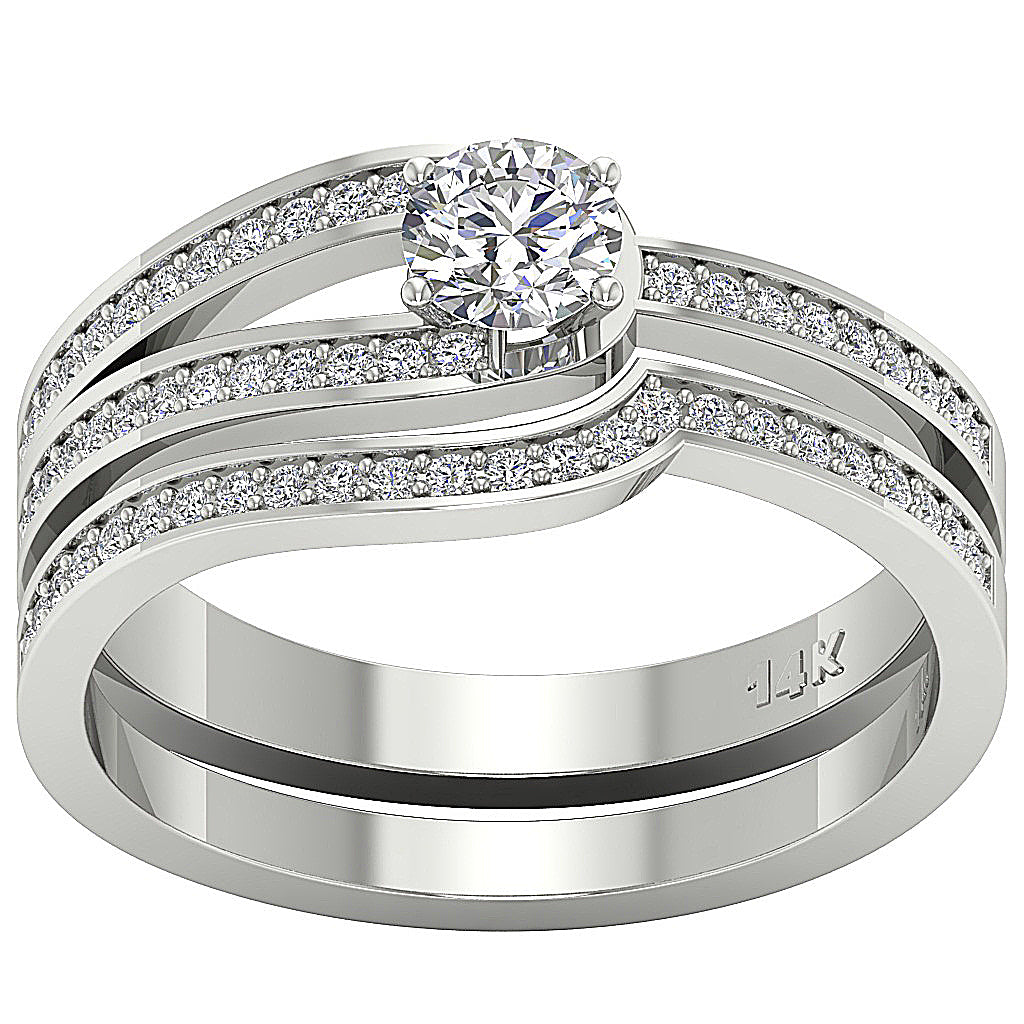
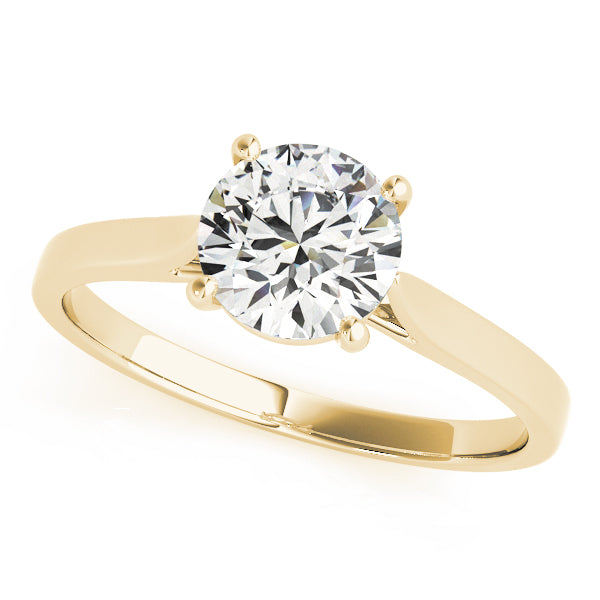
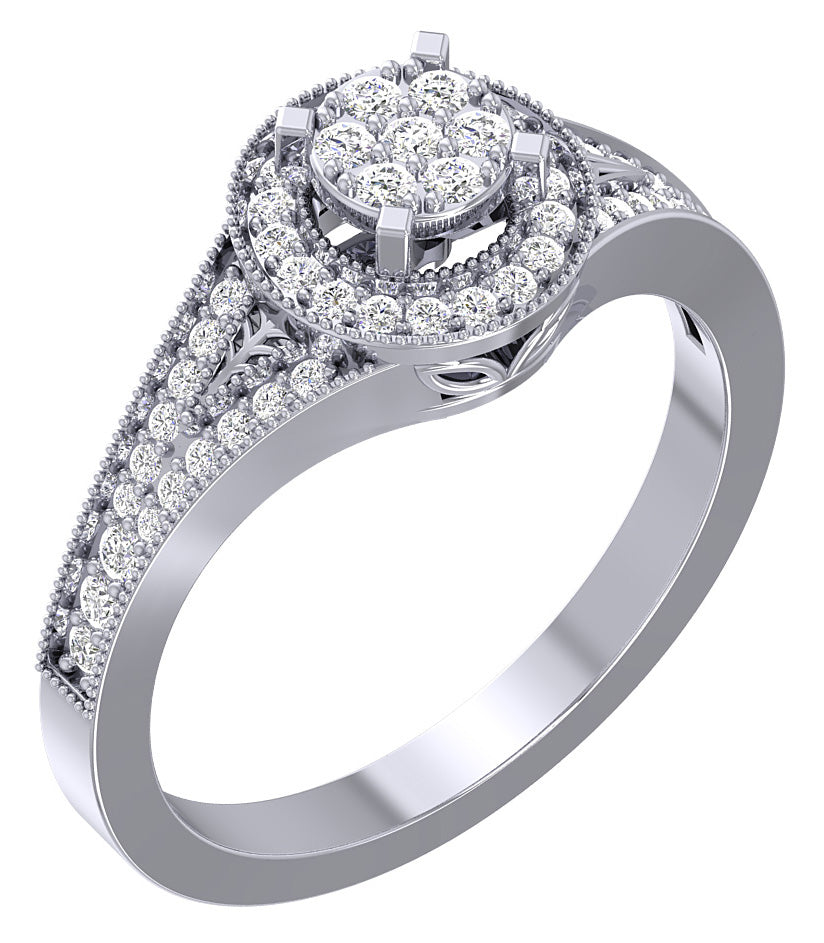
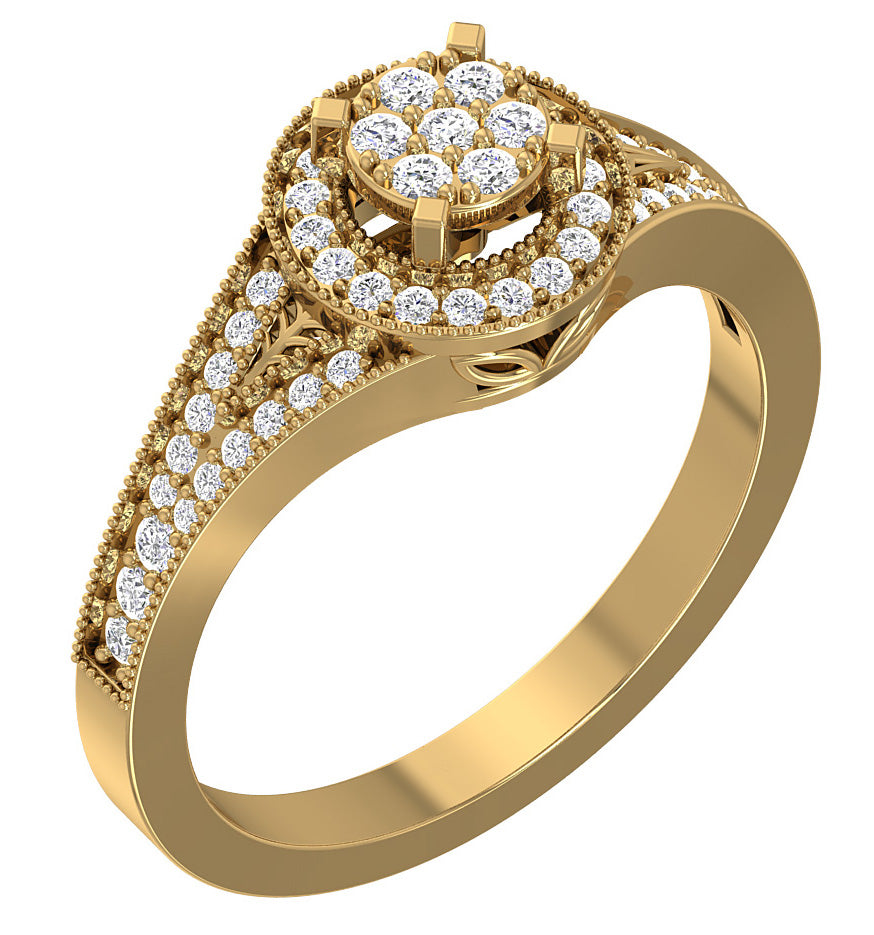
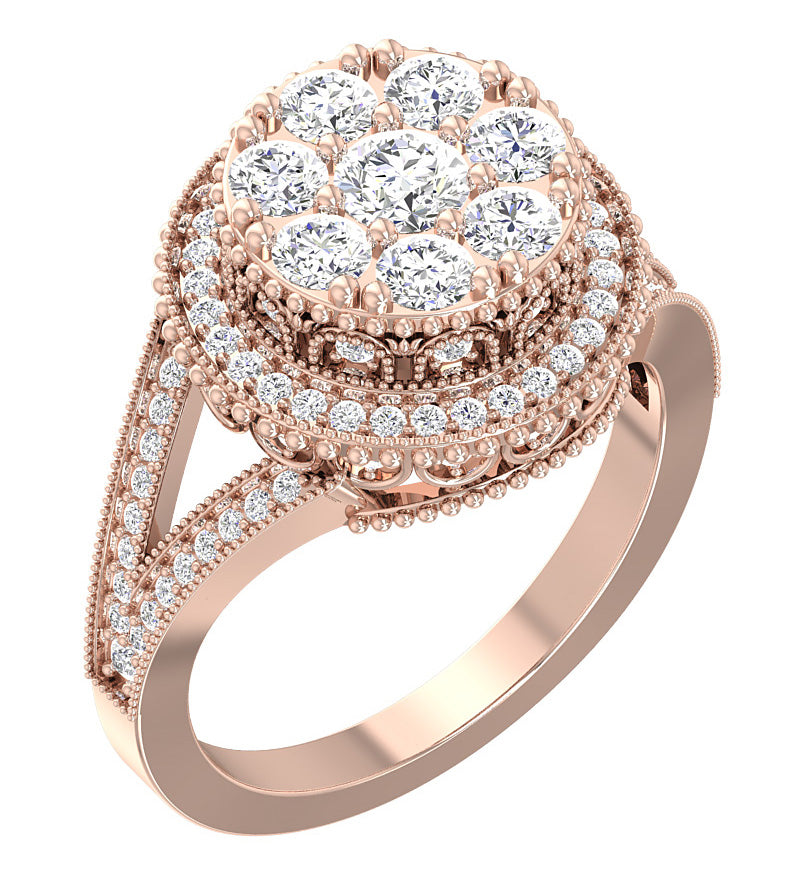
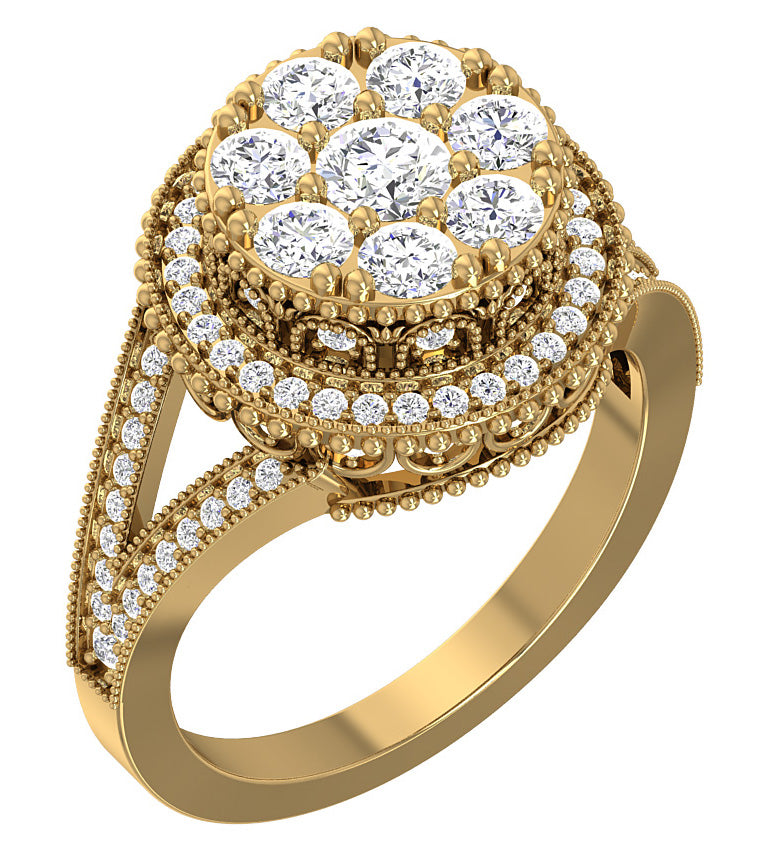
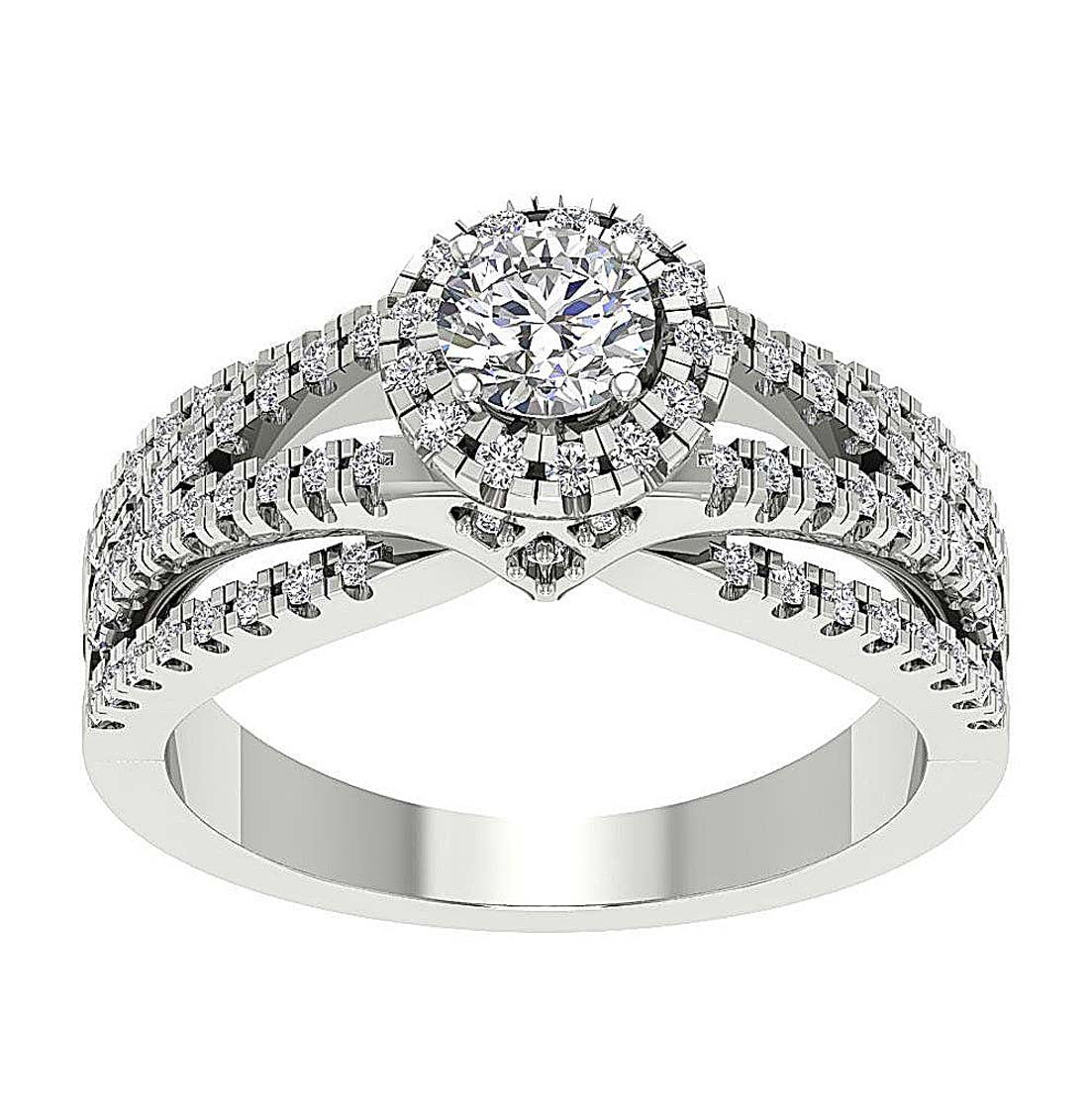
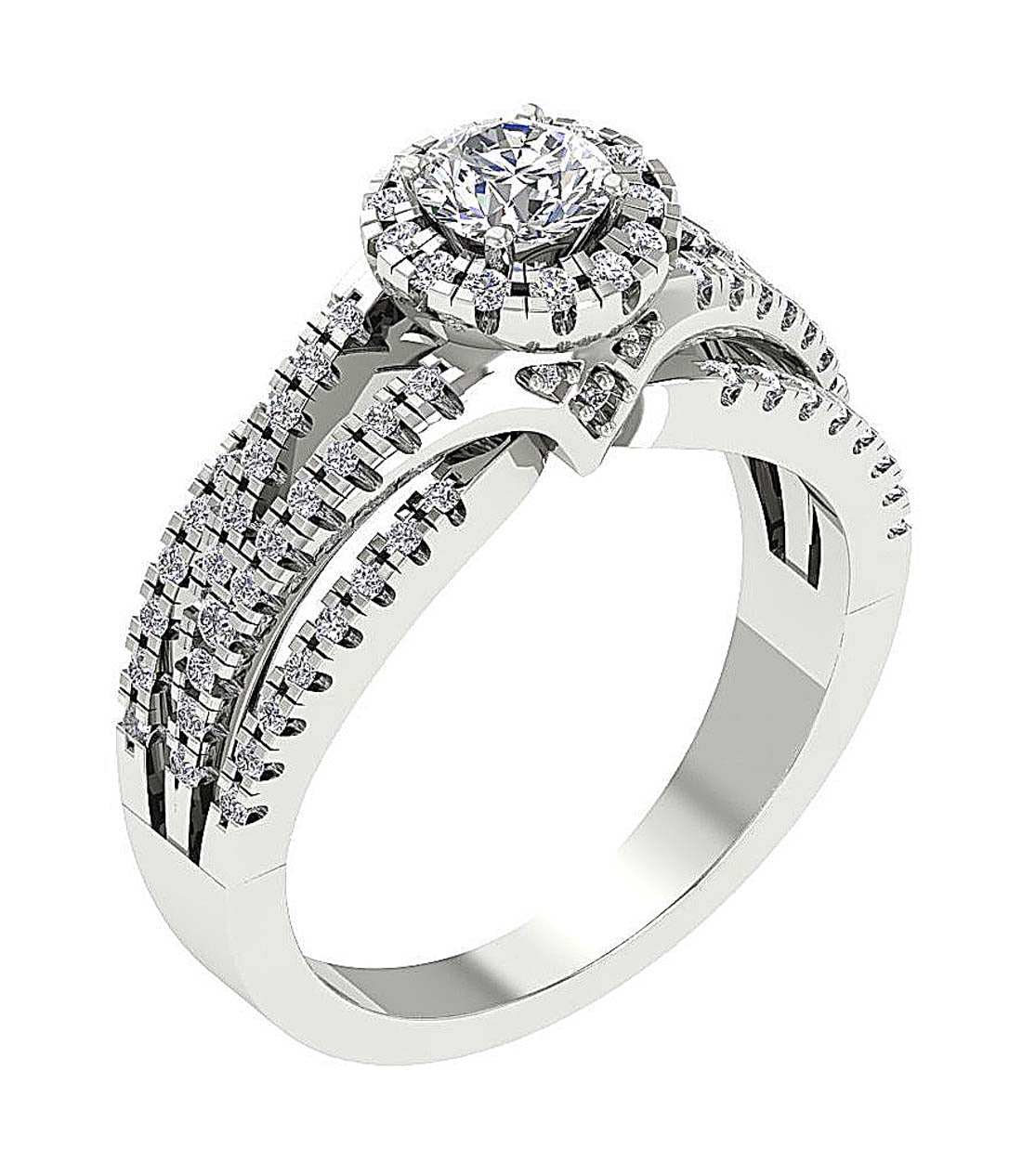
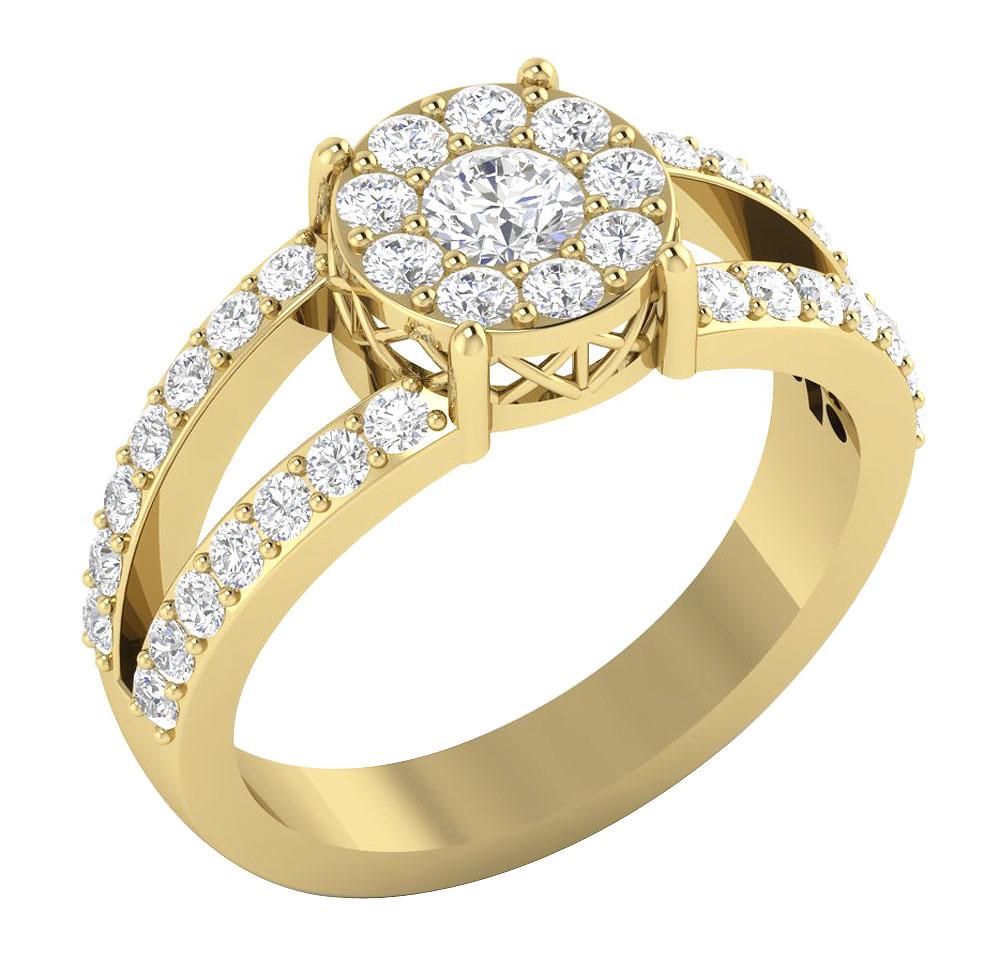
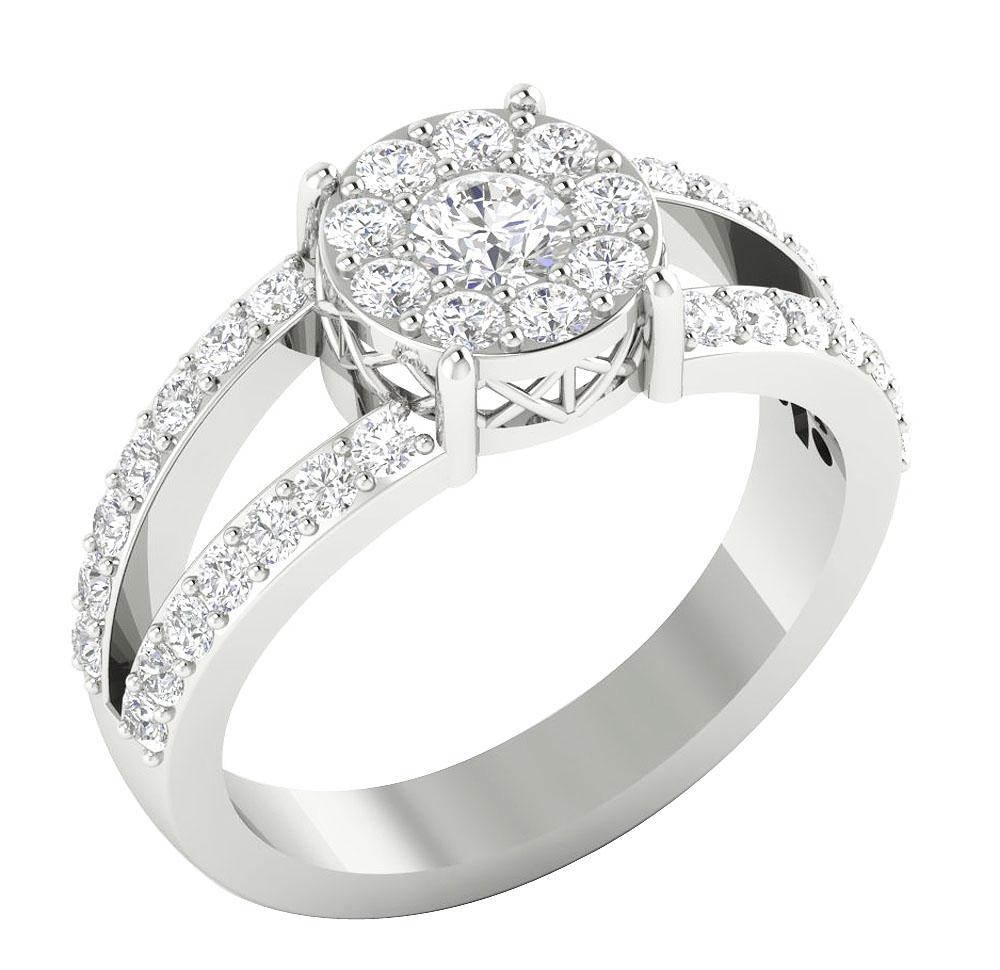
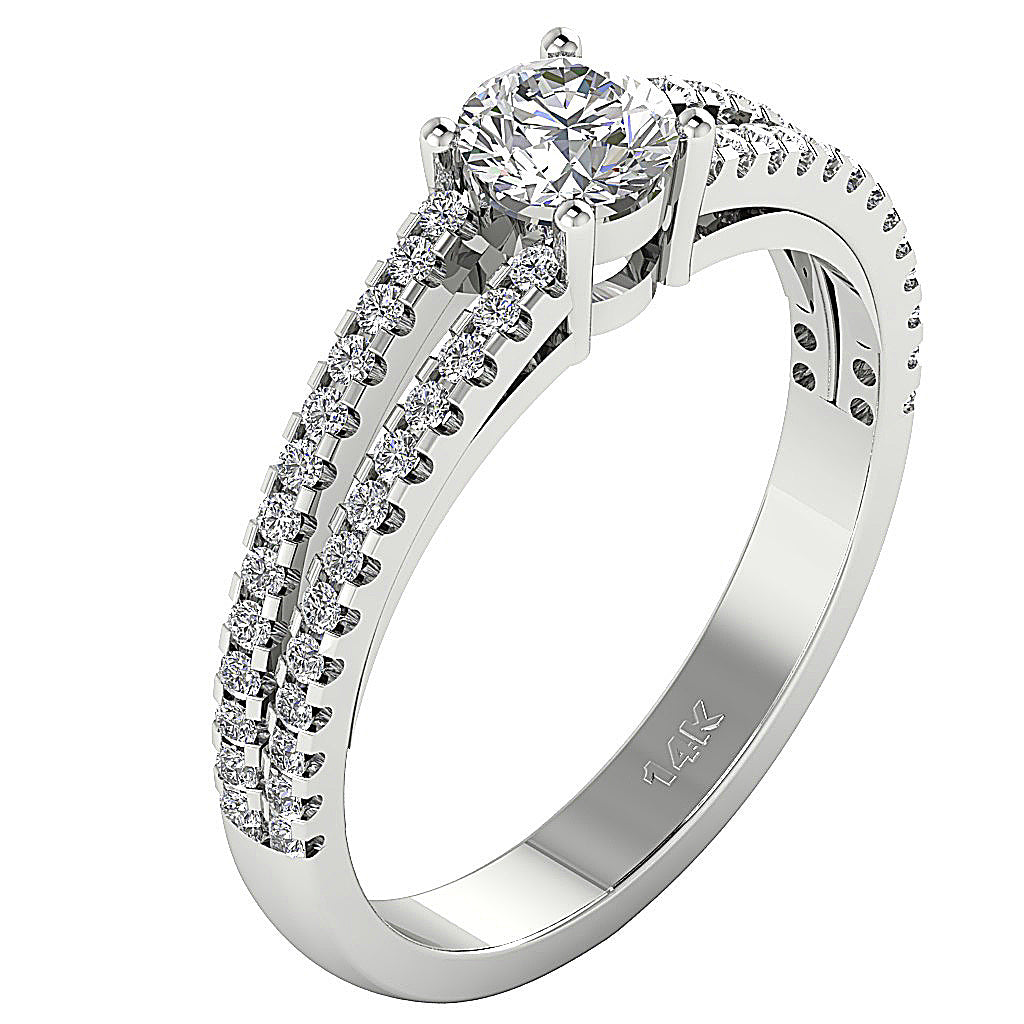
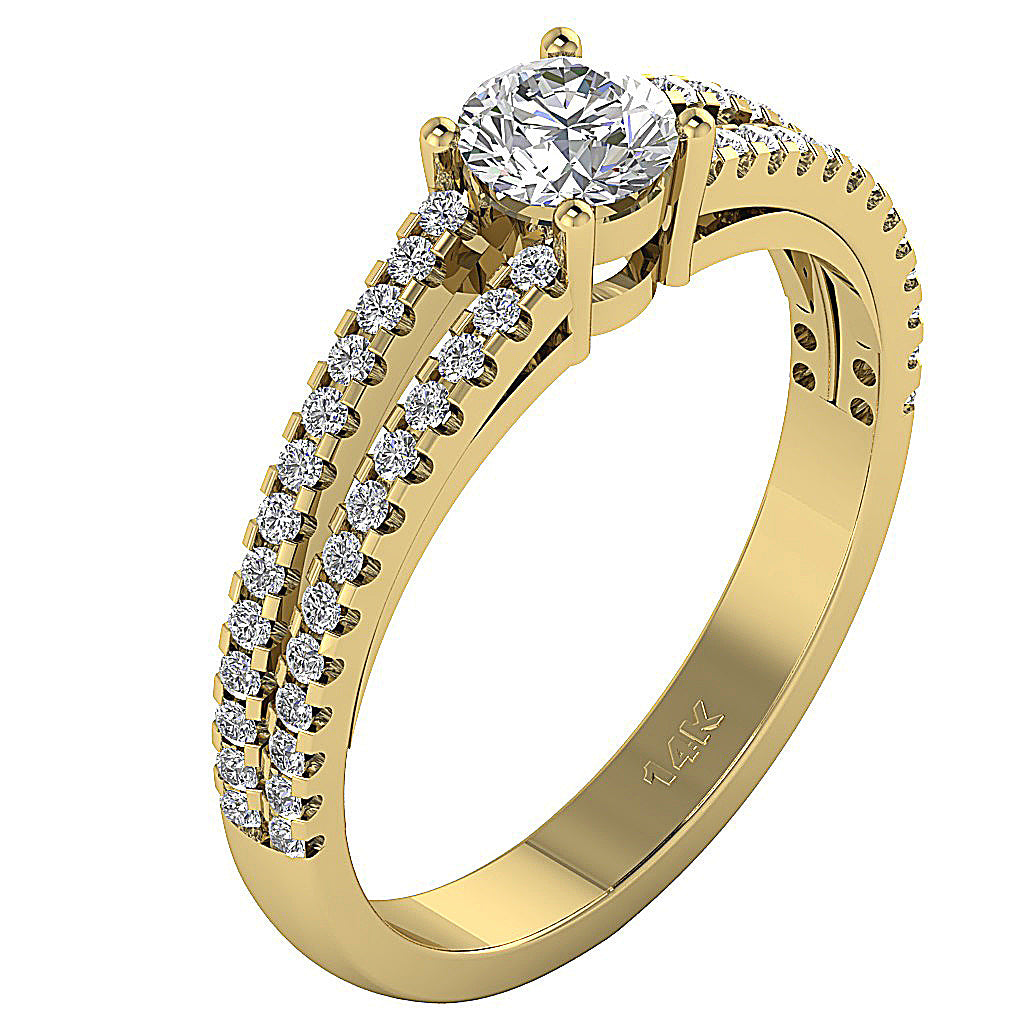
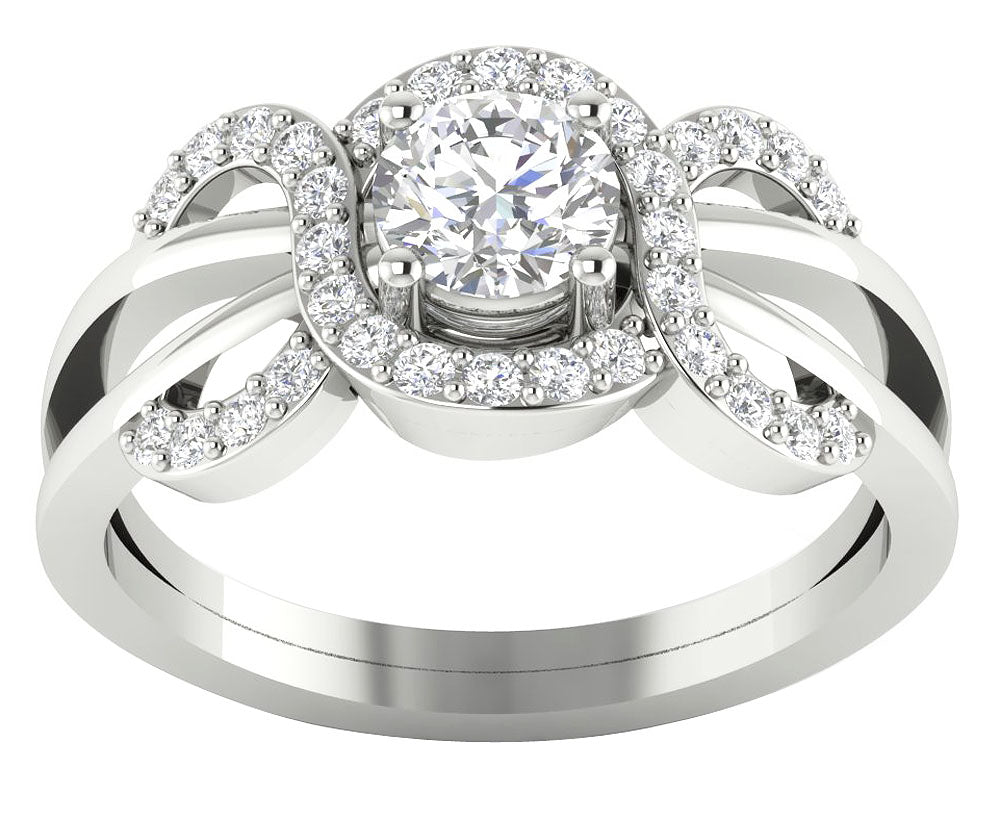
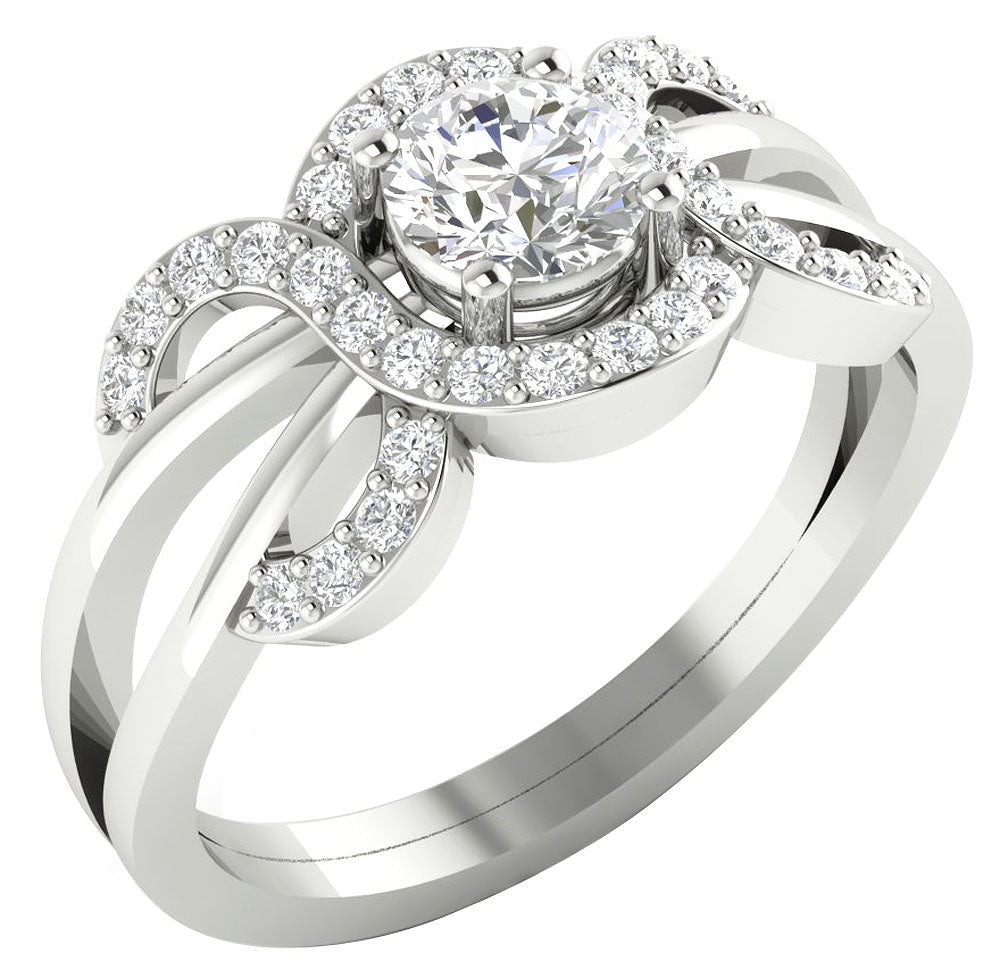
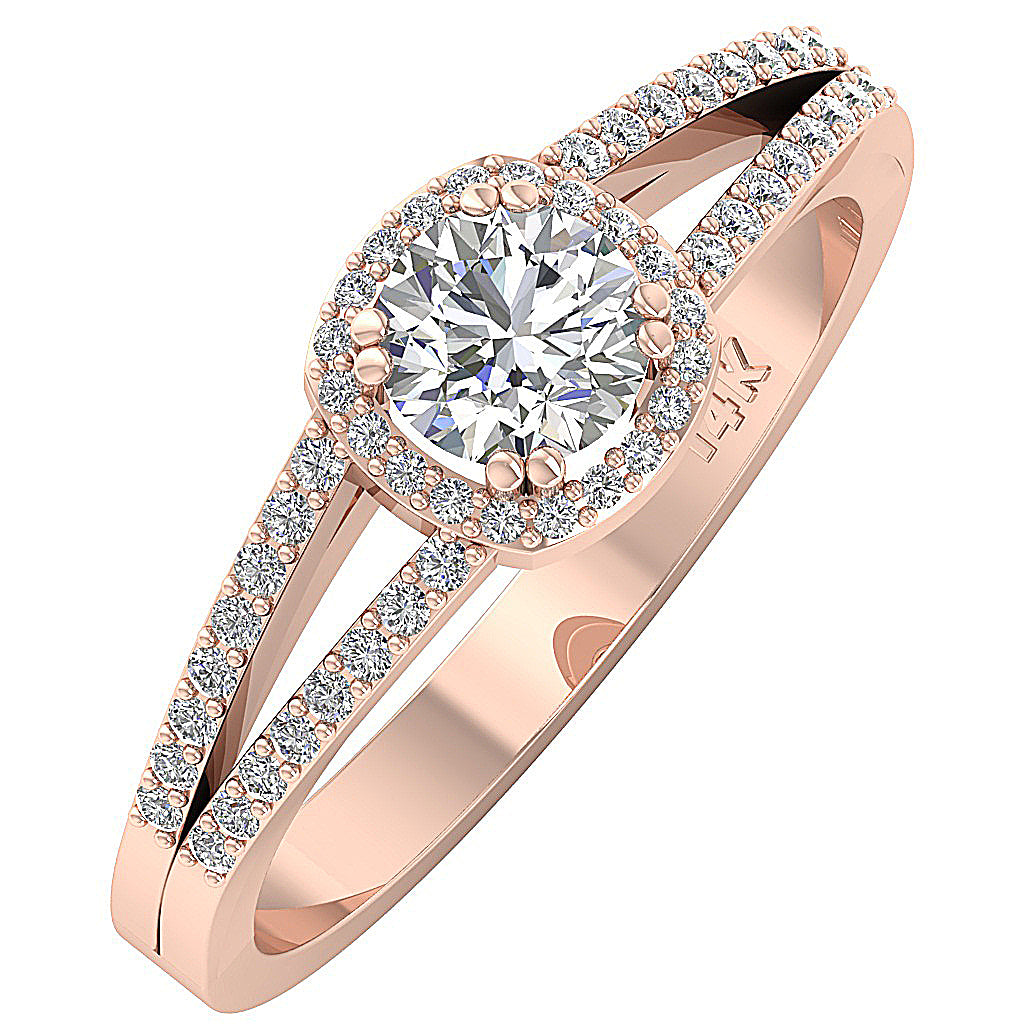
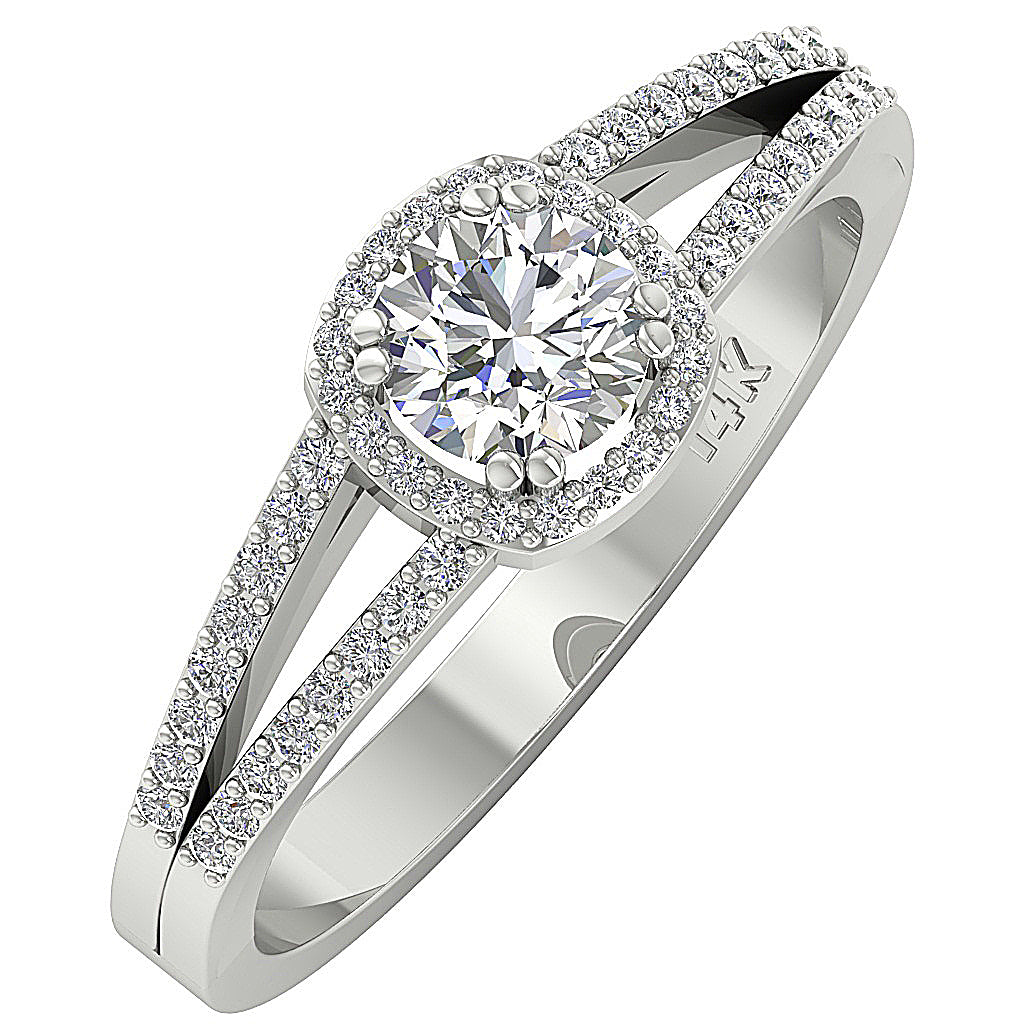
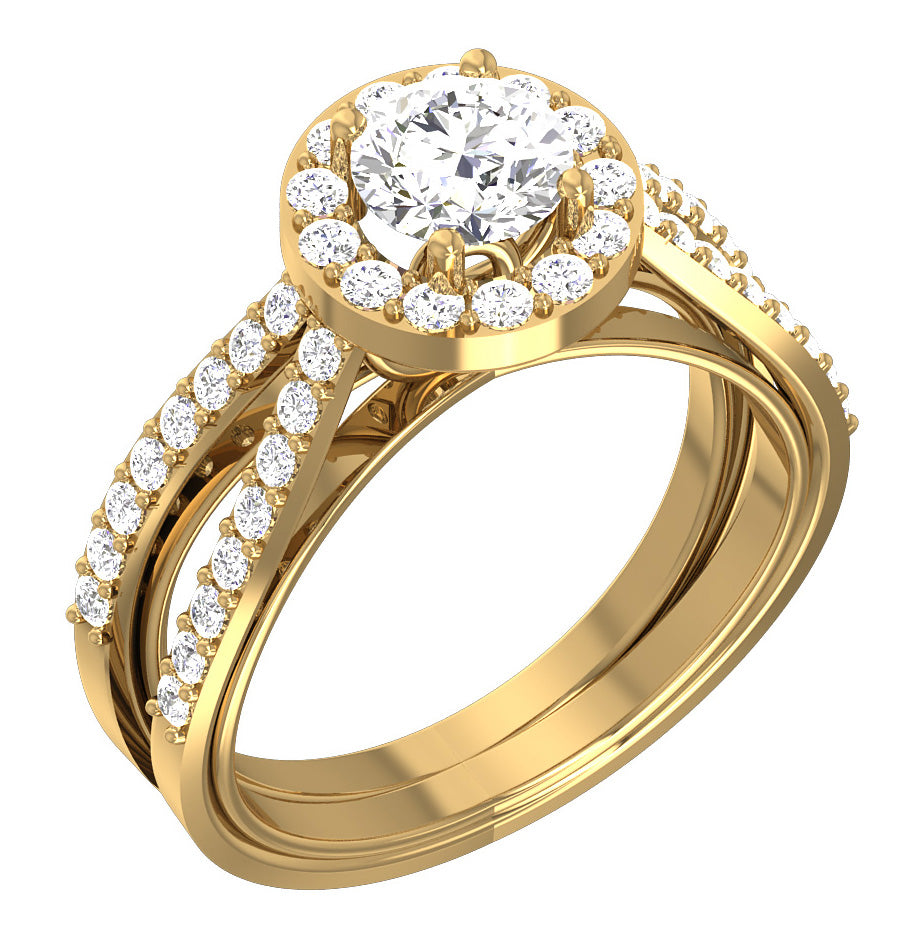
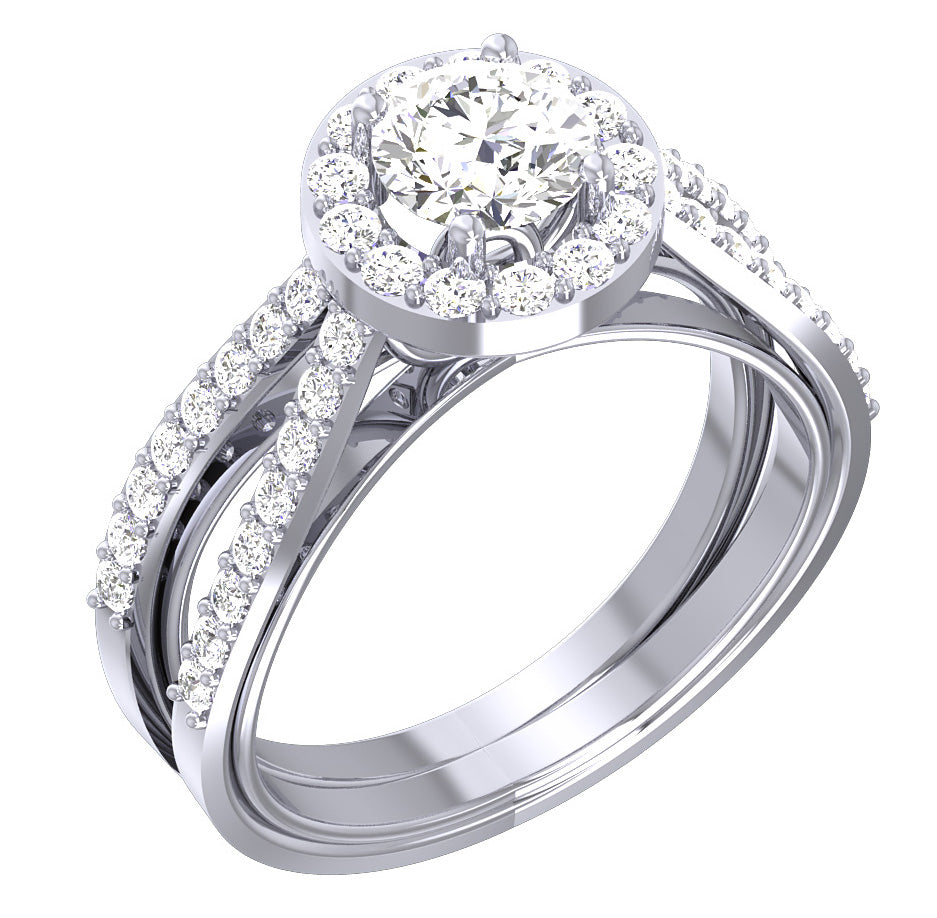
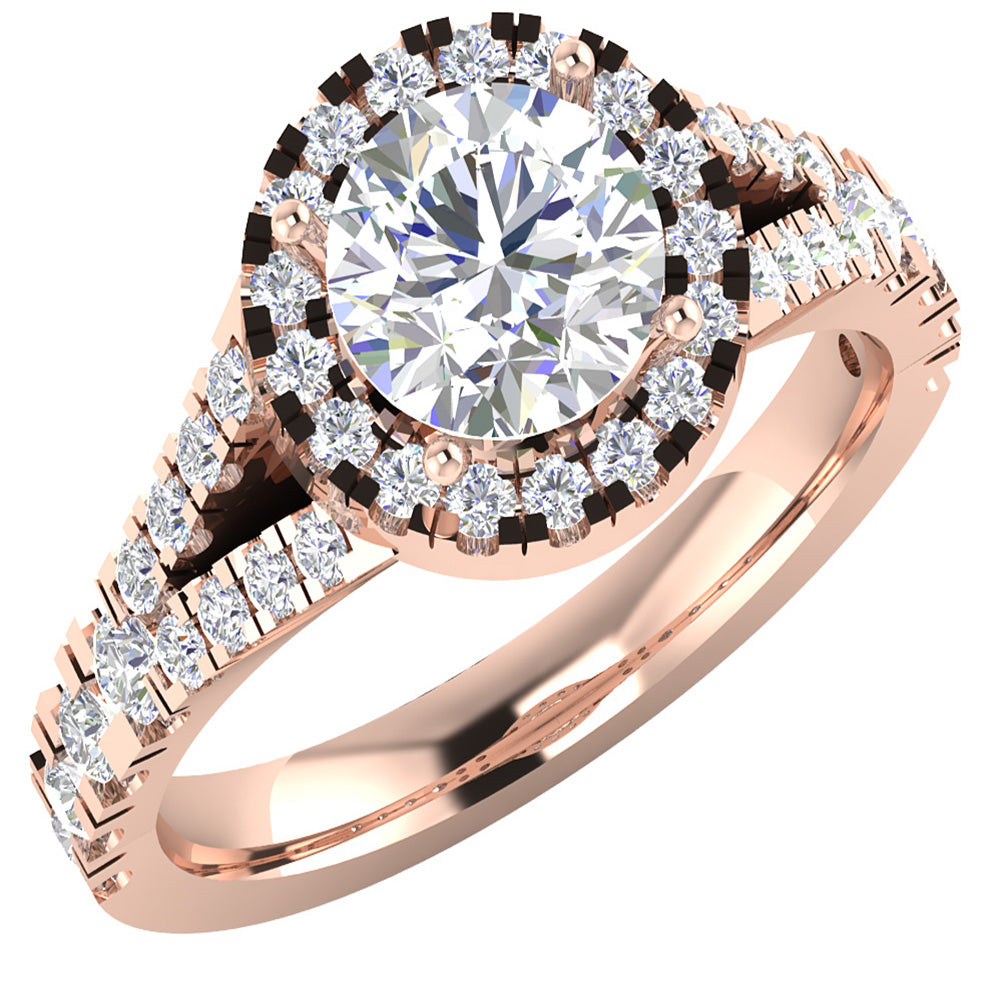
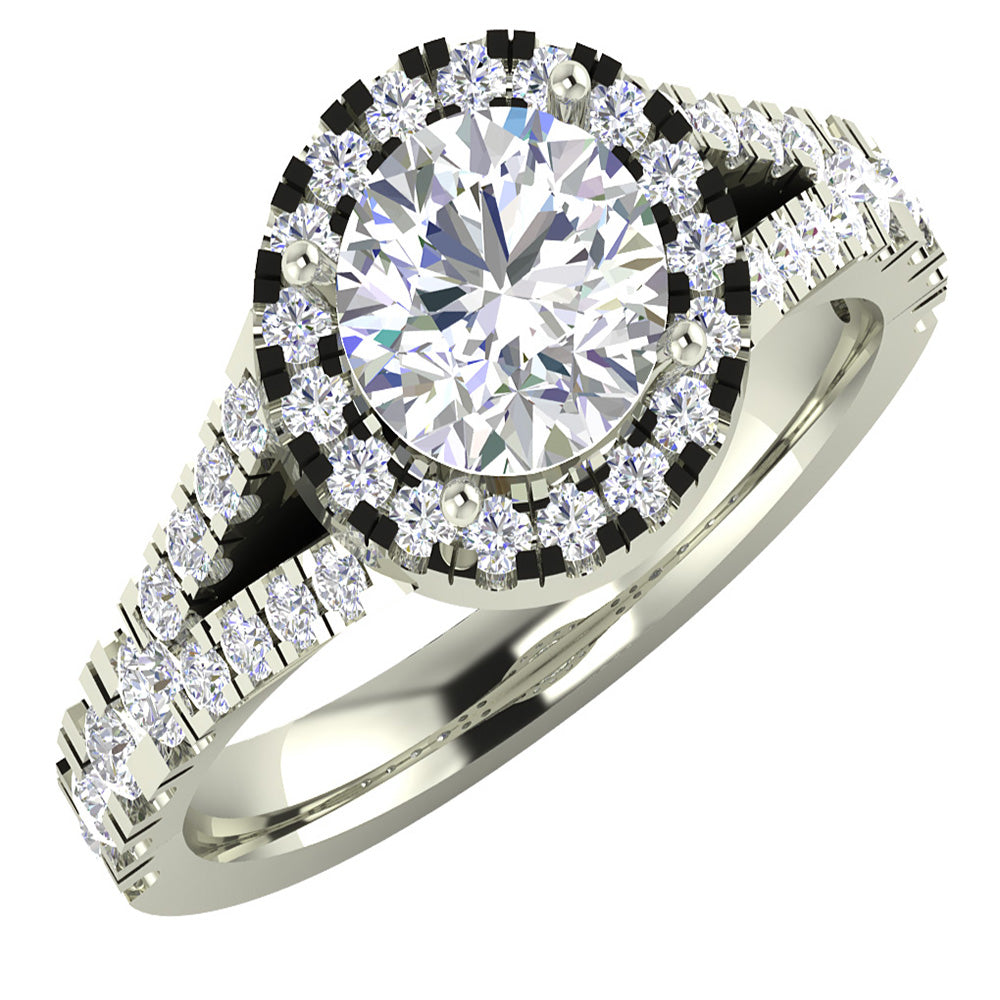
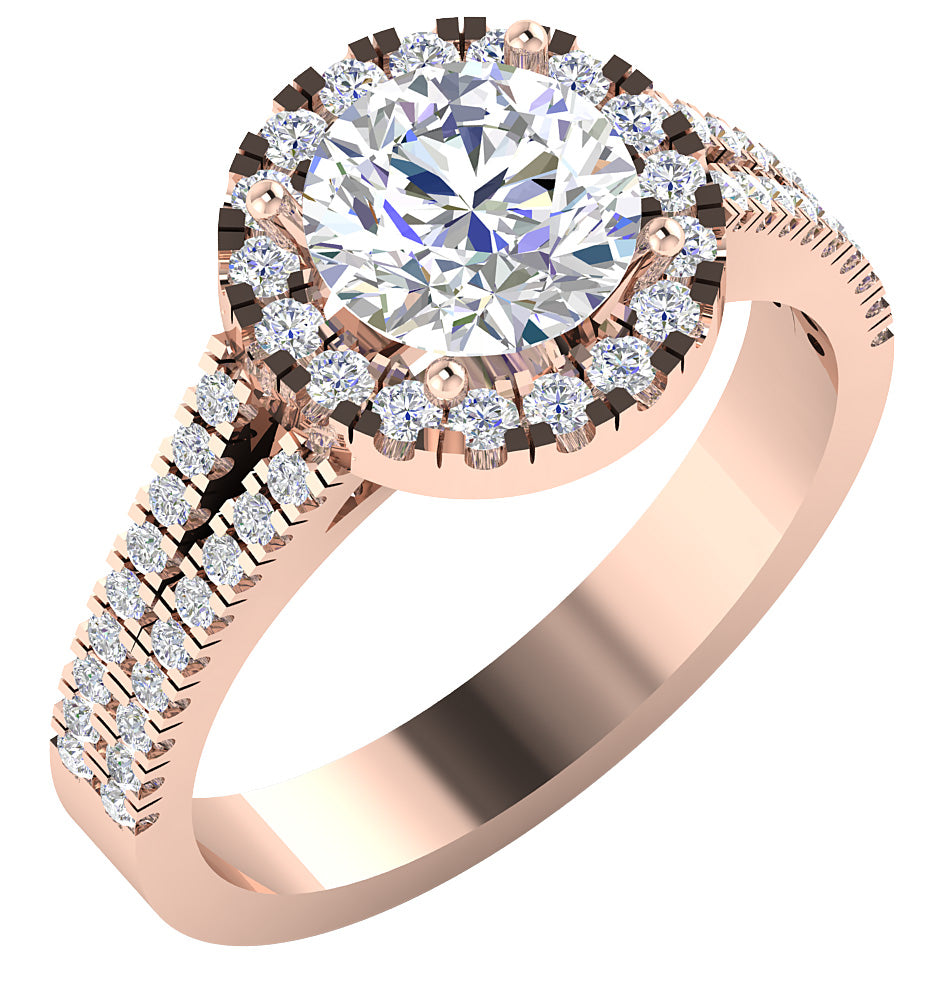
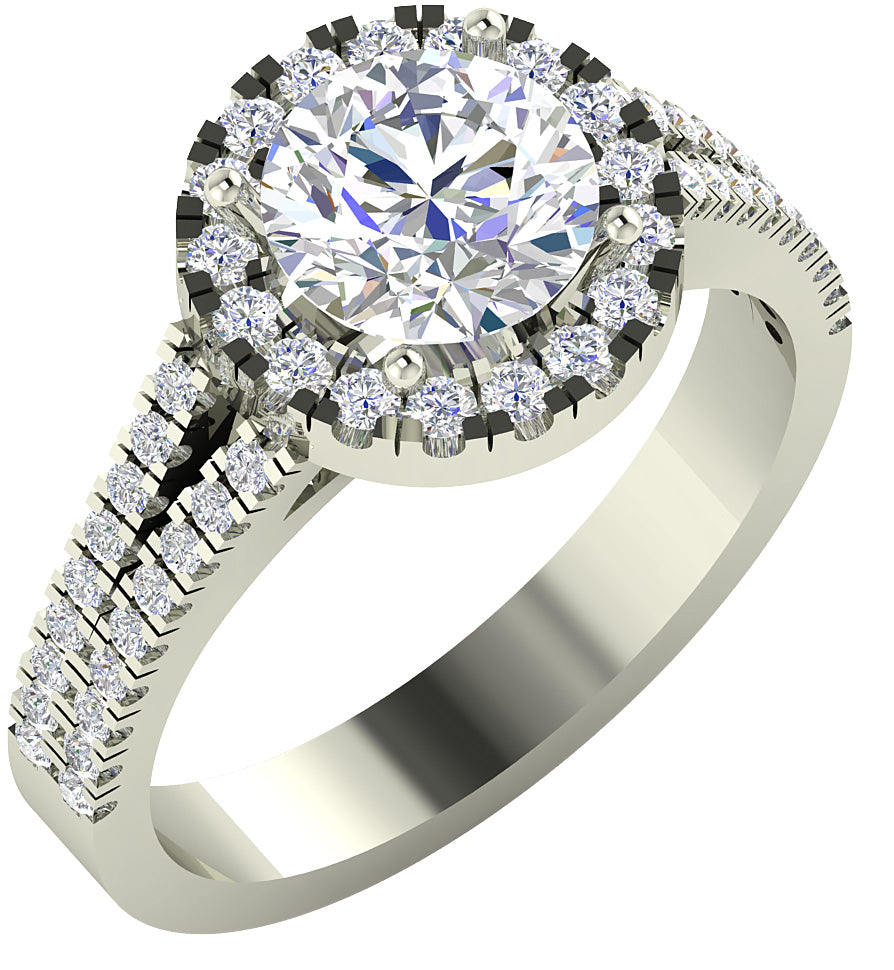
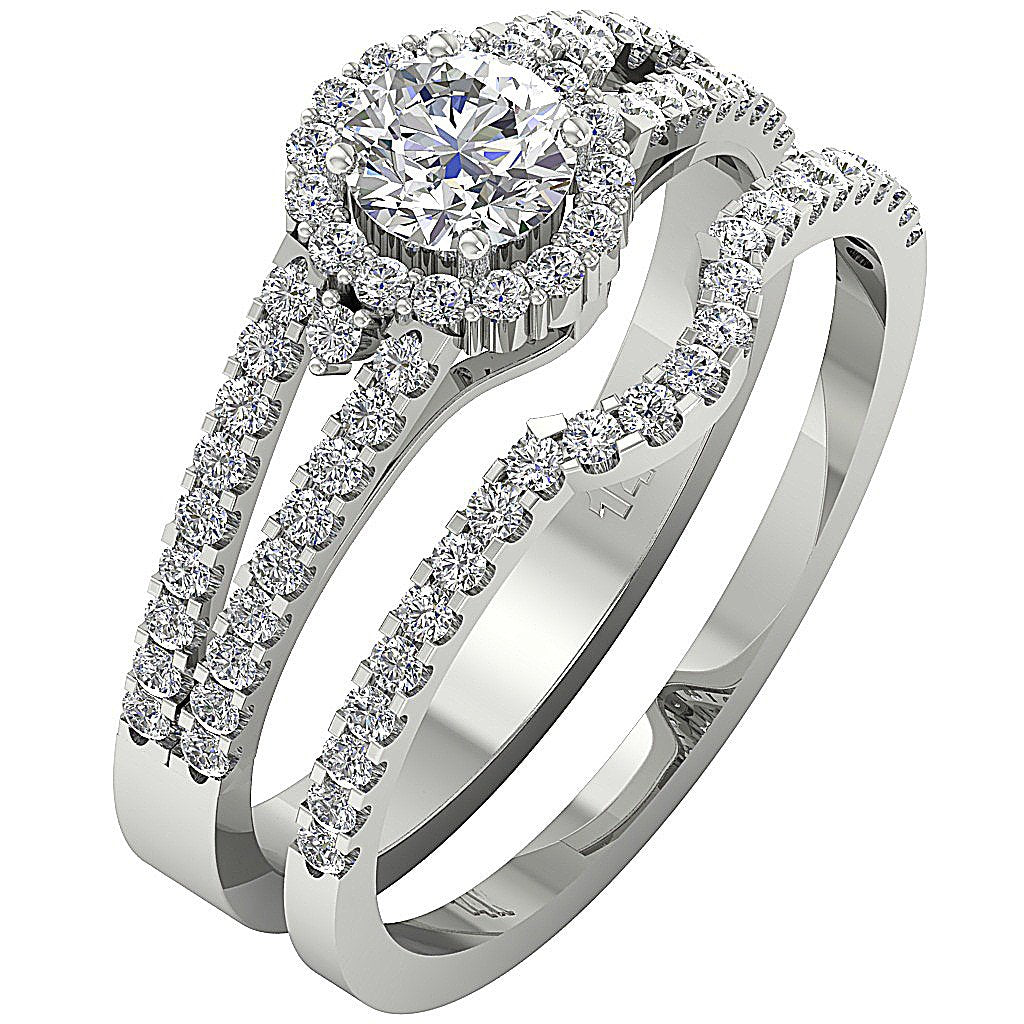
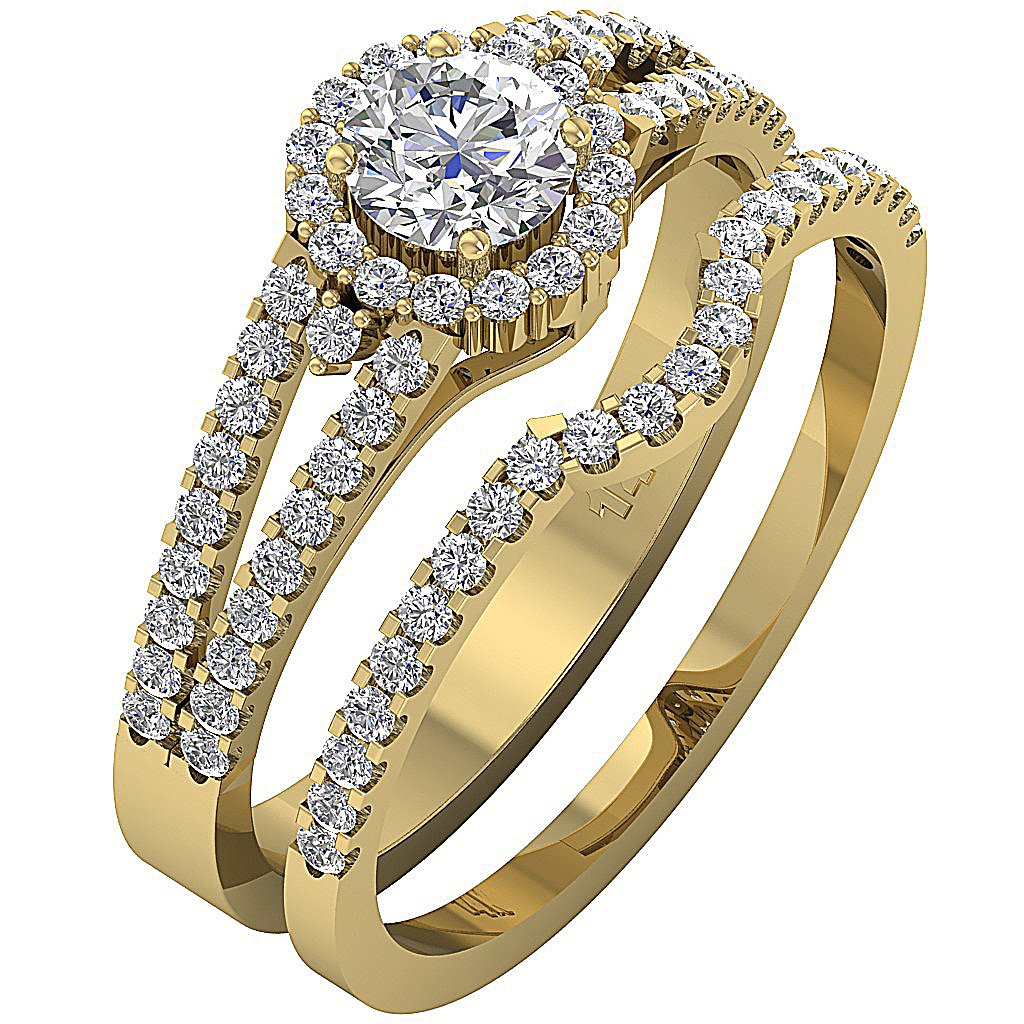
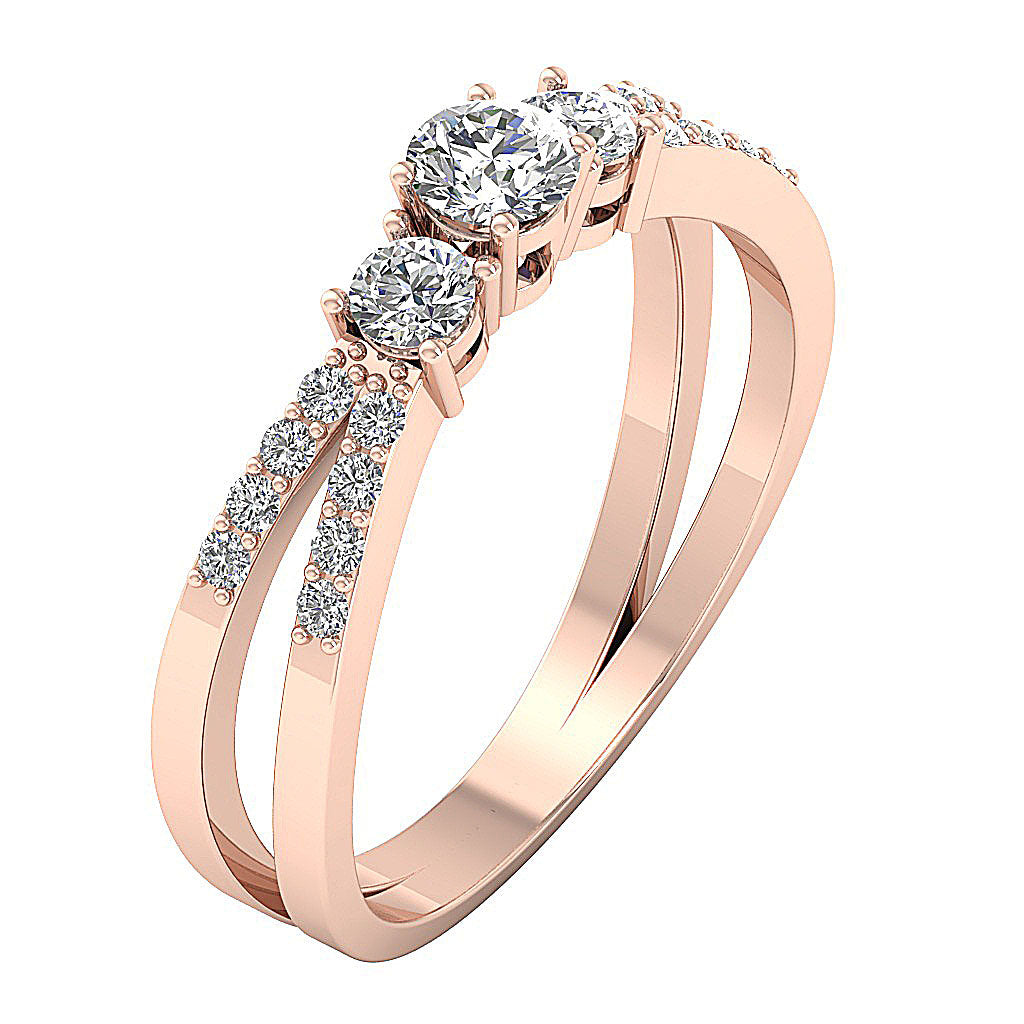
Twisted Diamond Ring
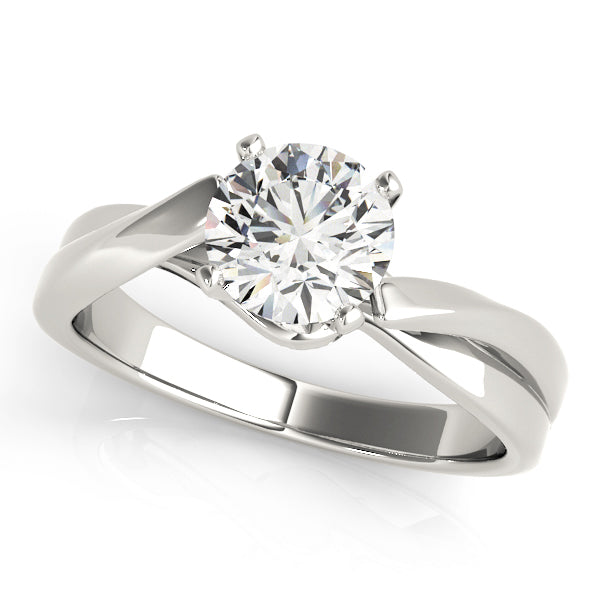
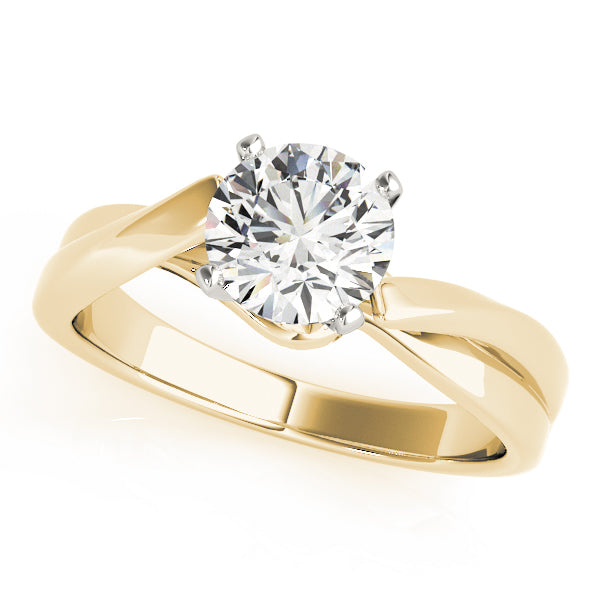
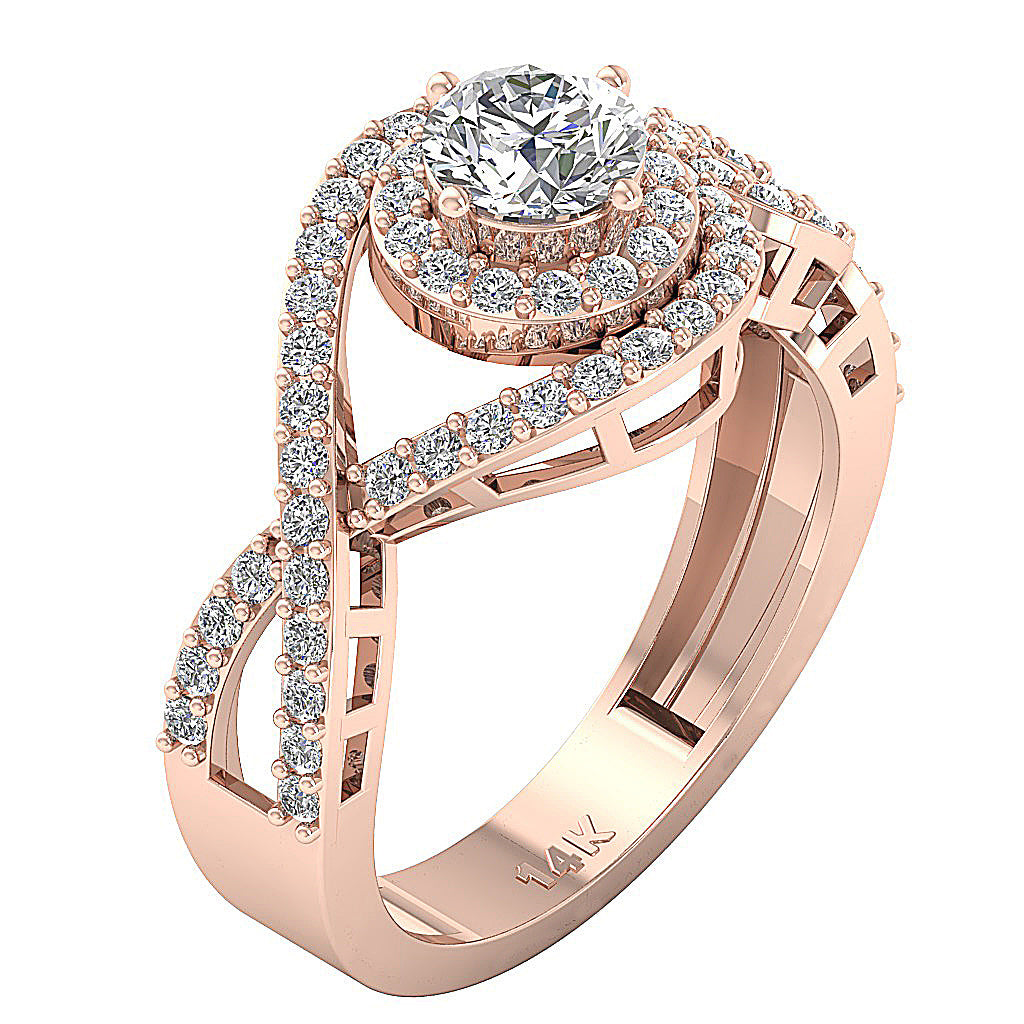
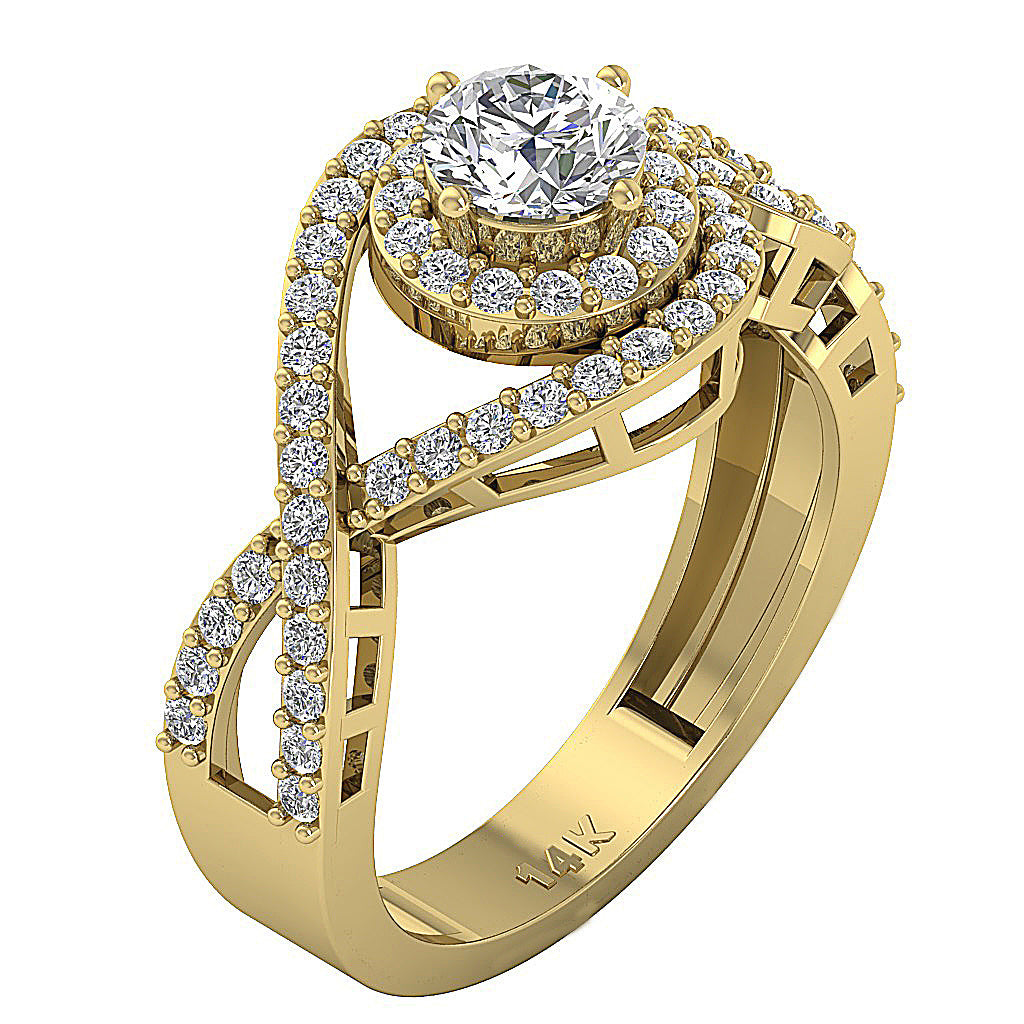
A twisted band transforms two slender strands of metal, whether traced with diamonds or left beautifully bare, into an elegant spiral that winds effortlessly around the finger. Rather than following the quiet simplicity of a traditional, uninterrupted band, its sculptural form introduces movement and dimension. With every turn of the hand, the intertwined surfaces catch and release the light, revealing a changing play of brilliance, shadow, and texture.
How the Twist Rings Are Built
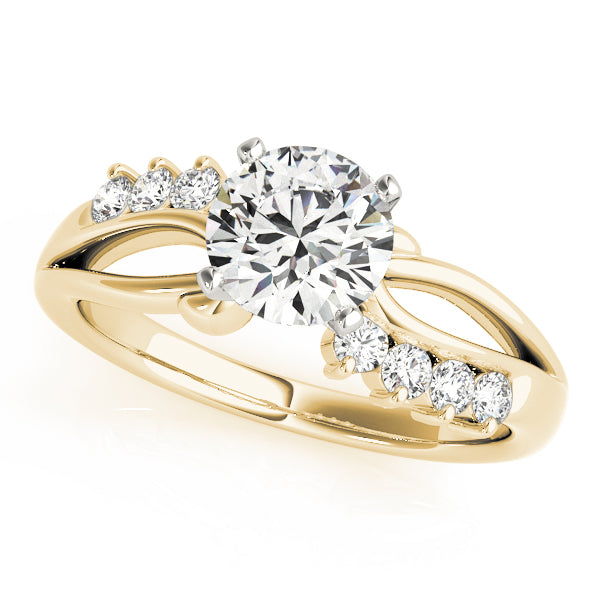
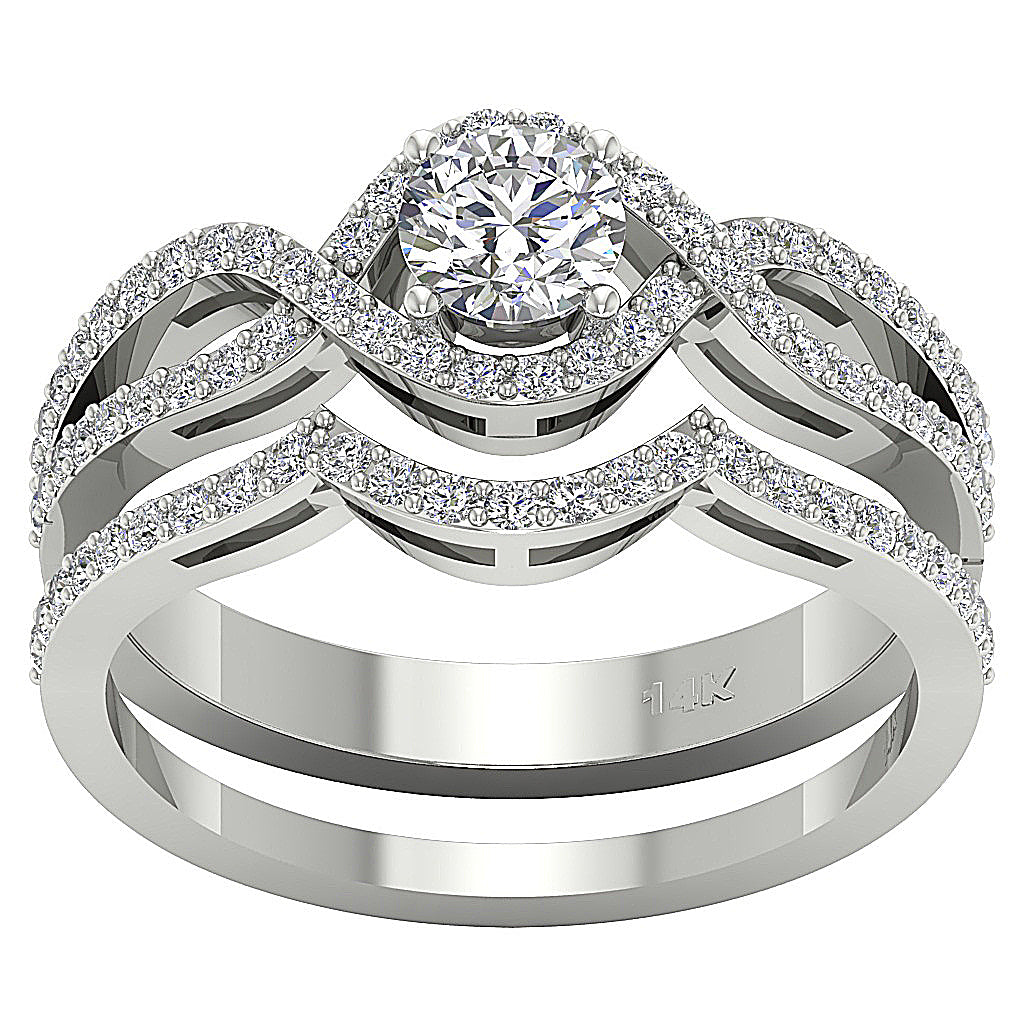
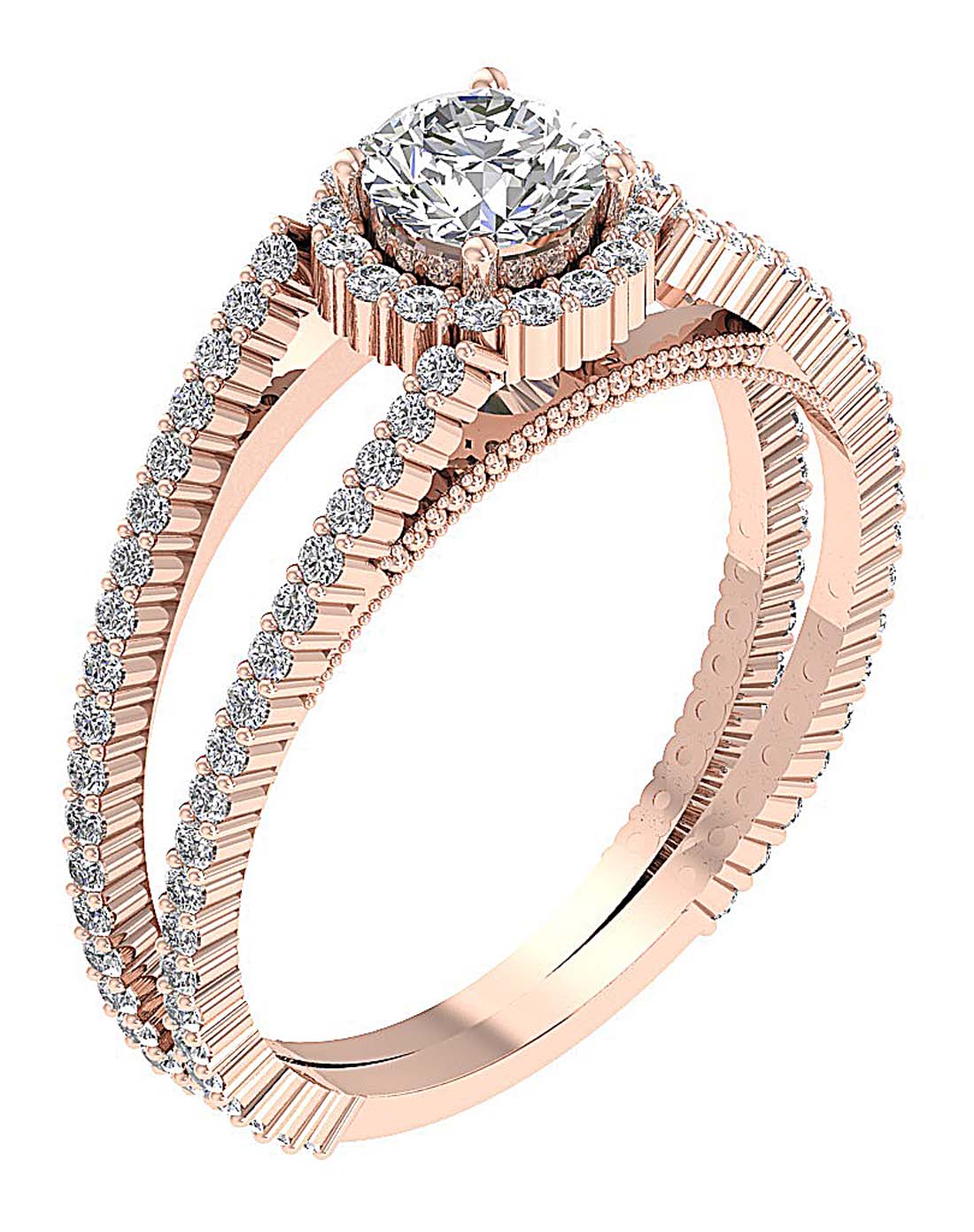
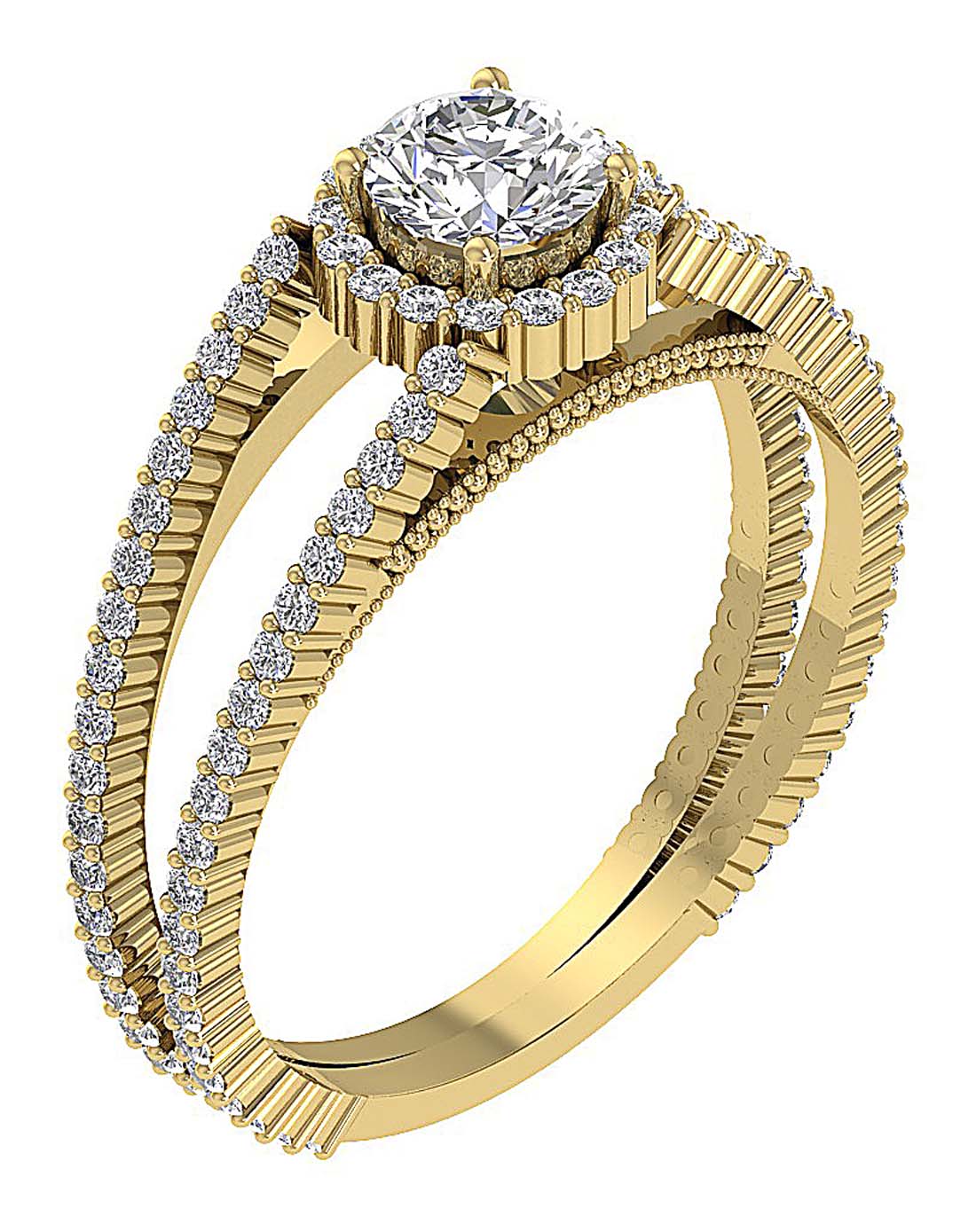
Diamond for Good typically pairs a central diamond, most often a round or princess cut, with a band formed from two graceful strands of gold woven around one another. One or both strands may be traced with delicate pavé diamonds, while some designs bring a diamond-set strand together with a polished gold one, creating a striking interplay between brilliance and warmth. For a more opulent effect, two diamond-lined strands can be intertwined, carrying an almost uninterrupted ribbon of light around the finger.
Creating this effect demands considerably more precision than a conventional band. Each strand must be carefully shaped, twisted, and soldered while preserving the precise placement of the diamonds already set within it. The finished ring must also rest naturally on the finger, without rotating or sitting unevenly. It is this attention to balance and proportion that gives a twisted band its sense of intention, ensuring its sculptural character feels refined rather than irregular.
The interwoven form naturally evokes the idea of two lives coming together in one continuous design, giving the silhouette a quiet sense of symbolism. Yet its appeal extends well beyond that meaning.
For those drawn simply to movement and dimension, a twisted band offers a more dynamic alternative to a traditional straight setting. The pavé or channel-set bands create a consistent plane of sparkle; the intertwined design shifts with the hand, allowing different surfaces to catch the light with every movement.
The Craft Behind Twisted Diamond Rings
Each twist of the twisted ring is meticulously shaped and soldered to rest securely and evenly on the finger by expert craftsmen. This ensures the ring retains its intended orientation rather than shifting out of alignment with wear. The diamond-set strands are individually inspected before the twist is finalized, ensuring every stone remains precisely in place through the shaping process.
The junction between the strands is then hand-finished and polished, leaving a seamless surface that moves smoothly against the skin and catches gently on neither fabric nor fingertips.
Wearing It Well: Styling Your Twisted Diamond Ring
Pair a twisted band with a simpler center stone setting. The band already carries visual movement and texture on its own, so a highly ornate setting on top of it tends to compete rather than complement.
Wear it alone, or with minimal stacking. The twist's dimensional shape doesn't sit flush against a flat band the way a straight ring does, so additional rings beside it can read as crowded rather than layered. A single slim band, worn on a different finger entirely, preserves the twist's presence without directly competing for space.
Let the twist's metal tone lead everything else. If one strand is plain gold and the other diamond-set, choose accompanying jewelry that matches the plain strand's tone, since that is the metal doing most of the visual work.
Living With It: How to Care For Your Twisted Diamond Ring
The grooves where the two strands wind around each other trap residue more readily than a flat band's surface, simply because there is more surface area for soap and lotion to settle into unnoticed. Clean the twist ring weekly with a soft-bristled brush. Be sure to work the brush into the grooves, instead of running it across the raised surface of the twist. Opting for a slightly stiffer bristle helps reach tighter grooves without disturbing nearby diamonds.
Have a jeweler inspect the soldered joins along the twist once a year, since these connection points take more stress during daily wear than a single-cast band does. Avoid ultrasonic cleaning if any pave diamonds sit in the strands, and remove the ring before activities involving repeated grip or impact, since the twisted profile catches on fabric and equipment more easily than a smooth band would.
One shape, always shifting in the light, never quite the same twice.