
Diamond Glossary


Diamond Glossary: The Language of Diamonds
Diamonds have a vocabulary all their own. A few familiar words (carat, cut, clarity, colour) can open the door to an extraordinary amount of detail.
The beauty lies in the distinctions. A fraction of a millimetre can change the way a stone catches the light. A single letter on a grading report can influence its character and price. Even two diamonds of the same weight can appear entirely different once they are placed side by side.
This glossary brings that language into focus. Explore it from beginning to end, or dip into a particular term as you would a jeweller's reference book. Either way, the aim is the same: to make the details behind a diamond as fascinating as the diamond itself.
Diamond Size & Carat Weight
Carat is perhaps the most familiar word in the diamond lexicon, but it is only the beginning.
Weight, proportion and shape are intimately connected, and the relationship between them determines much of what the eye sees. A diamond can carry considerable weight without looking especially large, while another may have remarkable presence for its carat.
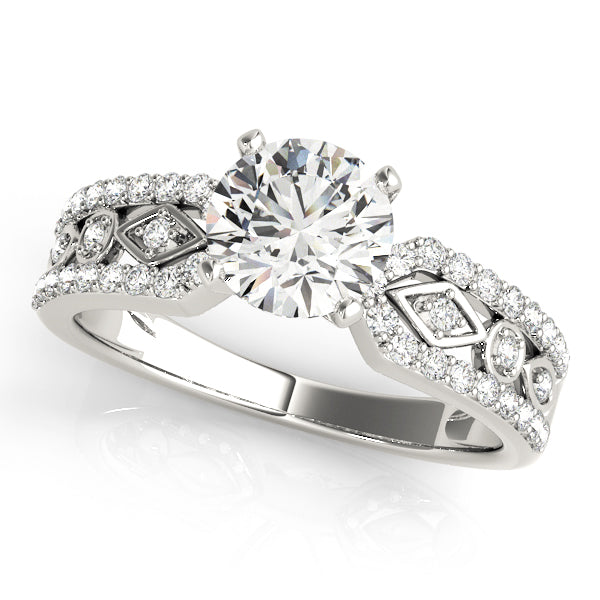
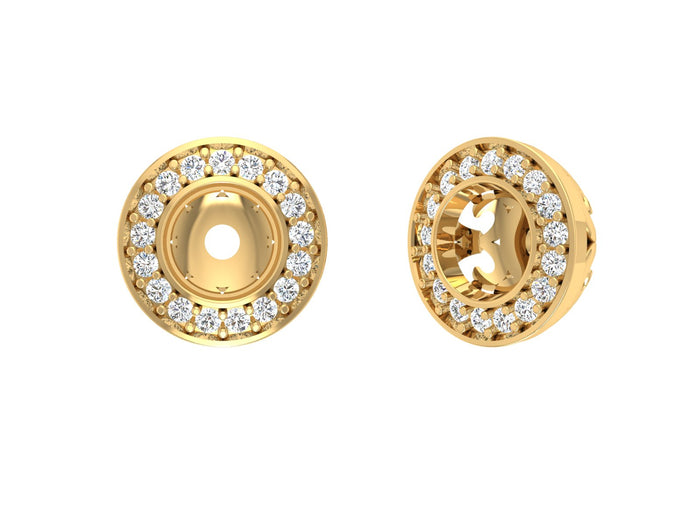
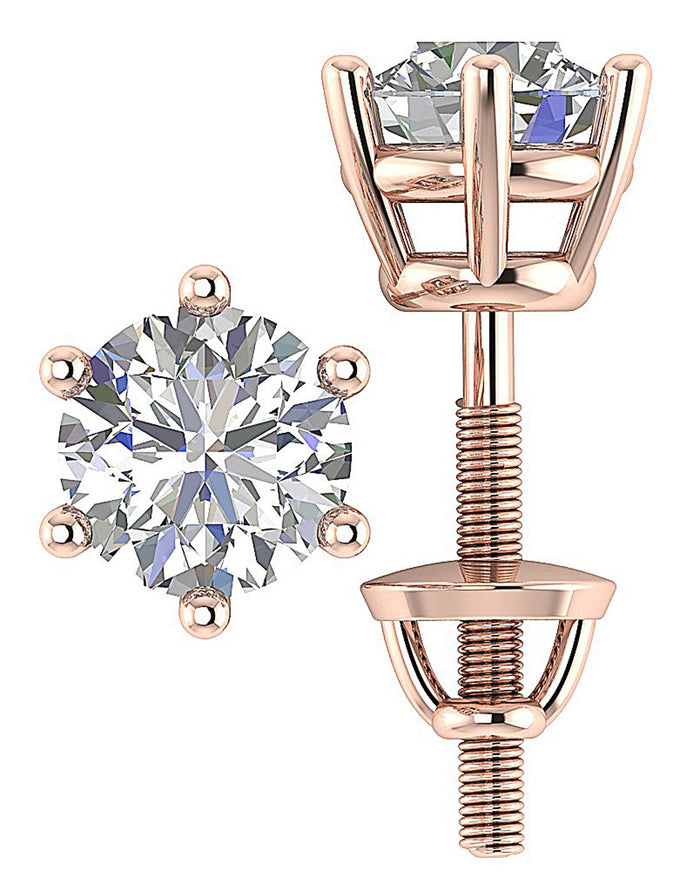
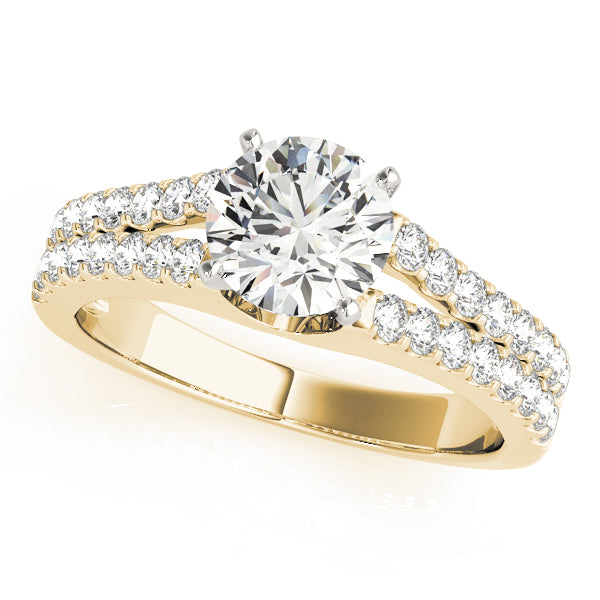
Diamond Price & Value
There is no single number that tells the story of a diamond's value.
Two stones can share the same carat weight and even the same grades, yet arrive at very different prices. Understanding why means looking beyond the certificate and into the way diamonds are actually priced.
Price Per Carat
Price per carat is one of the trade's fundamental ways of comparing diamonds. It is calculated by dividing the total price of a stone by its carat weight.
The figure tends to rise with size and quality, although rarely in a straight line. Origin matters too, with natural and laboratory-grown diamonds occupying different pricing landscapes.
Diamond prices are market-sensitive, so any quoted figure should always be read alongside its date.
Magic Sizes & Diamond Pricing
Round-number weights carry particular significance in the diamond market.
A stone just above a threshold such as 1.00 carat can command a higher price per carat than a comparable 0.99 carat diamond. For some buyers, choosing just below a magic size offers a meaningful difference in price with very little difference visible to the eye.
The Rapaport List
The Rapaport list is a weekly benchmark used throughout the diamond trade as a reference for wholesale pricing. It provides a starting point rather than a fixed retail price. Individual diamonds are ultimately priced according to their particular combination of cut, clarity, colour, size, and current market demand.
Appraisal Value & Resale Value
An appraisal and a resale price tell two very different stories. An appraisal estimates the retail cost of replacing a piece and is commonly used when arranging insurance. Resale value reflects what another buyer may actually pay for the piece on the secondary market.
The two figures should therefore never be treated as interchangeable.
Value Retention of Diamonds
Value retention describes how a diamond's worth changes relative to its original purchase price over time.
Natural diamonds, particularly larger and higher-quality stones, have historically behaved differently in this respect from laboratory-grown diamonds. As laboratory-grown production has scaled, their prices have declined.
For anyone considering future resale, value retention is one consideration among many, alongside the character of the stone, the design and the reason for buying it in the first place.
Diamond Quality: The 4Cs
Four words form the foundation of modern diamond grading: cut, clarity, colour and carat.
Together, the 4Cs give the industry a shared language. But they are not four equal measures of beauty. A diamond's appearance emerges from the way these characteristics meet, with cut playing a particularly important role in its relationship with light.

Cut
Cut is where proportion becomes brilliance. It describes how precisely a diamond's facets are shaped and positioned to interact with light. A well-cut stone can return white light as brilliance, reveal flashes of spectral colour as fire, and create the lively sparkle known as scintillation.
Cut should not be confused with shape. Shape describes the diamond's outline and visual character; cut describes the precision behind its performance.

Clarity
Clarity is the study of a diamond's natural interior and surface characteristics. The grading scale moves from Flawless and Internally Flawless through VVS, VS, and SI grades to I1, I2, and I3. These grades describe the presence, size, and visibility of inclusions and blemishes.
Interestingly, a diamond does not need to be flawless to appear so to the eye. Many VS and some SI stones can be eye-clean, making clarity one of the areas where visual beauty and a laboratory grade need not tell precisely the same story.

Colour
Diamond colour is graded on a scale from D to Z. D represents completely colourless, while Z indicates a more visible yellow or brown tint. D through F are considered colourless, G through J near-colourless, and K through M faint.
The distinction between neighbouring grades can be remarkably subtle, particularly once a diamond is mounted and viewed at a natural distance.

Polish & Symmetry
Two quieter details on a diamond report are polish and symmetry. Polish describes the smoothness of the diamond's facet surfaces. Symmetry describes how accurately those facets align with one another.
Both are graded from Excellent to Poor and influence the way light travels through the stone, although cut remains the broader measure of overall light performance.

Fluorescence
Some diamonds respond to ultraviolet light with fluorescence, most commonly appearing blue. In everyday lighting, fluorescence has little visible effect in most stones. In unusually strong examples, however, it can occasionally contribute to a slightly hazy appearance.

The 4Cs of Diamonds
Cut, clarity, colour, and carat form the four-part language known as the 4Cs.
The system was developed by the Gemological Institute of America in the mid-twentieth century to create a shared standard for describing diamonds. It remains the foundation of modern diamond grading and certification.

Reading a Grade Such as VS/F
A shorthand such as VS/F brings together two separate qualities: VS clarity and F colour.
The complete grading report is always more revealing. A movement from VS1 to VS2, or F to G, can affect both appearance and price, even when the difference between the letters may seem almost imperceptible.
Diamond Shapes
This is where the technical language of diamonds becomes a matter of personal style. A shape changes not only the outline of a stone, but also the way it catches light, occupies the finger and expresses the personality of the jewellery around it.

Round Brilliant
The round brilliant is the classic against which other diamond shapes are often considered. With 58 facets engineered for brilliance and fire, its symmetry gives it exceptional light return. Its abundance of sparkle can also soften the visibility of minor inclusions and subtle colour differences.
Radiant
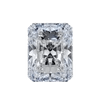
The radiant sits between two worlds: the clean geometry of a rectangular silhouette and the liveliness of brilliant faceting. It offers considerable sparkle while retaining a more angular character than a round or oval.
Oval
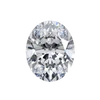
The oval brings the luminosity of a brilliant cut into a longer, more graceful silhouette. Its proportions can create a lengthening effect on the finger and often give it greater visible spread per carat than a round diamond. A well-cut oval should be assessed carefully for bow-tie.
Emerald
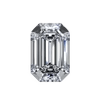
The emerald cut is defined by clean geometry and long, open facets. Its rectangular outline and cropped corners create the characteristic hall-of-mirrors effect. Because those broad facets can reveal inclusions more readily, clarity takes on particular importance.
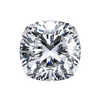
Cushion
Softly squared and gently rounded, the cushion takes its name from its pillow-like outline. Its larger facets can create a softer, more romantic form of sparkle, with a character that often feels reminiscent of earlier eras.

Princess
The princess cut brings brilliant-style sparkle into a sharp, square silhouette. Its crisp corners and efficient use of rough material have helped make it a distinctive choice for both classic and contemporary jewellery.
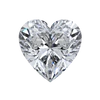
Heart
Few diamond shapes carry symbolism quite so directly as the heart. Its cleft and pointed silhouette are created through brilliant faceting, with symmetry particularly important because even small variations can be immediately apparent.
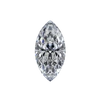
Marquise
The marquise is unmistakable: elongated, elegant and pointed at both ends. Its proportions were designed to maximise visible surface area, giving it an especially generous face-up appearance for its carat weight.
Diamond Types & Origin
Not every diamond begins beneath the earth. Today, origin is part of the conversation surrounding the stone itself. The distinction between natural, laboratory-grown and simulant diamonds is fundamental, yet each belongs to a different part of the jewellery vocabulary.
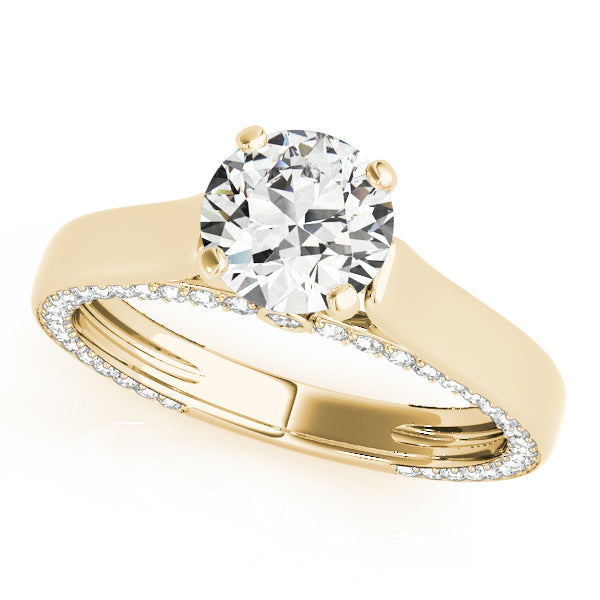
Difference Between Natural & Laboratory-Grown Diamonds
Natural diamonds form deep within the earth over one to three billion years, under extraordinary heat and pressure.
Laboratory-grown diamonds are created in controlled environments over a matter of weeks, using chemical vapour deposition (CVD) or high pressure, high temperature (HPHT).
The two are chemically, physically, and optically the same as diamond. Their distinction is one of origin, with origin influencing rarity, pricing, and value retention rather than the fundamental nature of the material itself.
Diamond Simulants
A simulant is not a diamond at all, but a different material chosen for its resemblance to one. Moissanite and cubic zirconia are familiar examples. Unlike a laboratory-grown diamond, which has the chemical composition of diamond, a simulant belongs to an entirely different mineral category.
Salt & Pepper Diamonds
Some diamonds are prized precisely because they refuse perfection in the traditional sense.
Salt and pepper diamonds contain visible inclusions scattered throughout the stone, creating a distinctive, almost painterly pattern. Their individuality comes from the characteristics that conventional grading often seeks to minimise.
Fancy Colour Diamonds
With fancy colour diamonds, colour becomes the defining feature.
Yellow, pink and blue diamonds can derive their hues from trace elements or structural characteristics formed within the stone. Their appeal lies in the rarity and intensity of that colour.
Conflict-Free & Ethical Sourcing for Diamonds
The language of responsible sourcing contains important distinctions.
Conflict-free refers specifically to diamonds verified not to have funded armed conflict, most commonly through the Kimberley Process. Ethically sourced is broader, encompassing considerations such as labour practices and environmental impact throughout the supply chain.
Certification & Grading
Every diamond has a story on paper as well as in the stone. A grading report records the characteristics of an individual diamond, providing an independent reference for the qualities that can otherwise be difficult to judge by eye alone.
GIA & IGI
GIA, the Gemological Institute of America, and IGI, the International Gemological Institute, are two widely recognised independent laboratories that grade diamonds against the 4Cs. A grading report documents a stone's assessed characteristics. An appraisal serves another purpose entirely, estimating monetary value for matters such as insurance.
Laser Inscription
A laser inscription is a microscopic marking placed on the diamond's girdle. Usually invisible without magnification, it commonly corresponds to the number on the diamond's grading report. It provides a discreet link between the stone and its documentation.
Ring Settings & Styles
A diamond's setting is more than a means of holding it securely. It changes the way the stone is framed, how it catches the eye and, ultimately, the character of the ring.
Solitaire
A solitaire places a single diamond at the heart of the design, allowing its shape, cut and proportions to command attention without the presence of accent stones.
Halo
A halo surrounds the centre diamond with smaller stones. The arrangement brings another layer of sparkle to the composition and can give the centre stone greater perceived size, without adding to its own carat weight.

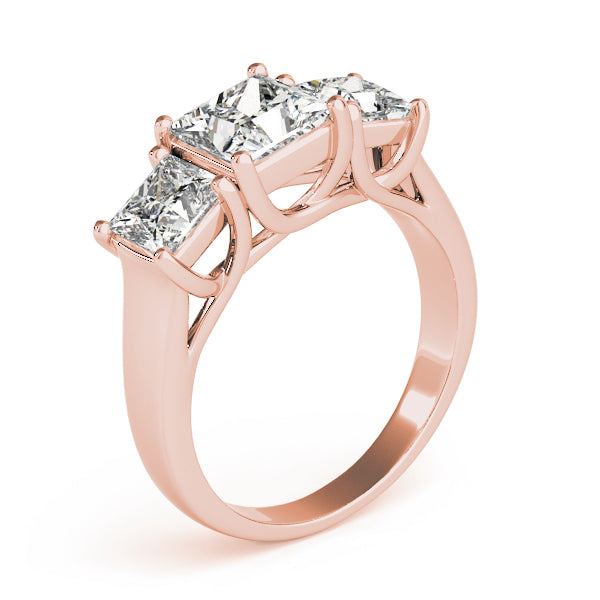
Three-Stone
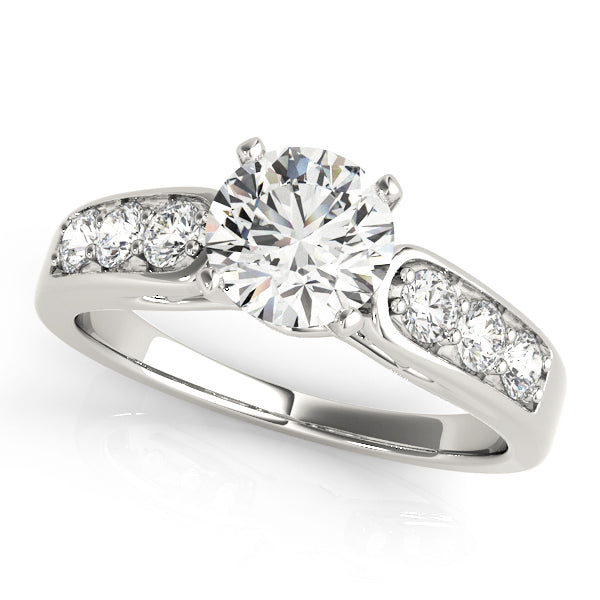
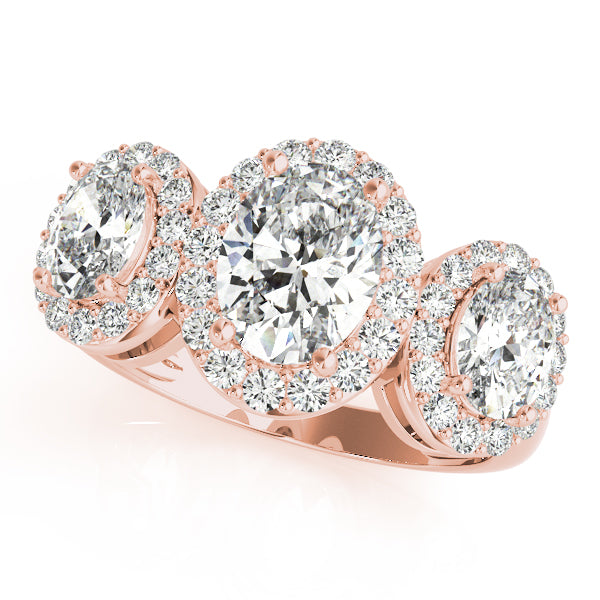
A three-stone setting places a centre diamond between two flanking stones. Traditionally associated with a couple's past, present and future, it combines symbolism with a balanced, enduring silhouette.
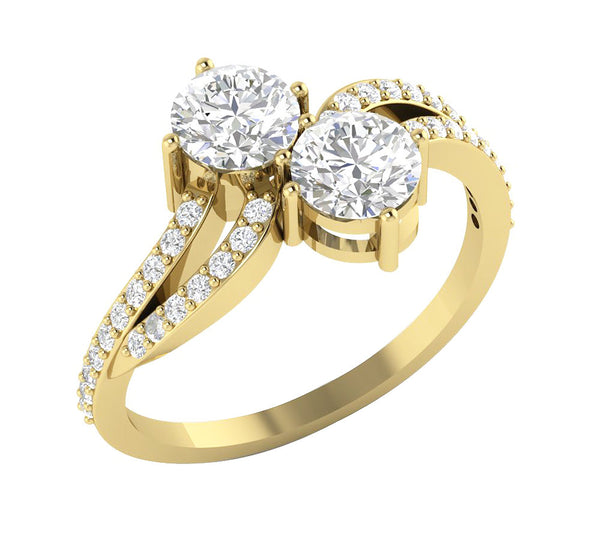
Two-Stone & Toi et Moi
The toi et moi setting has an intimacy all its own. Two diamonds sit side by side rather than beneath a single central point. The French phrase means “you and me”, an apt description for a design built around two stones meeting as one.

Accent Diamonds
Accent diamonds provide the supporting cast. Smaller stones may line a band, frame a centre stone or form a halo, adding light and detail while allowing the principal diamond to remain the visual focus.
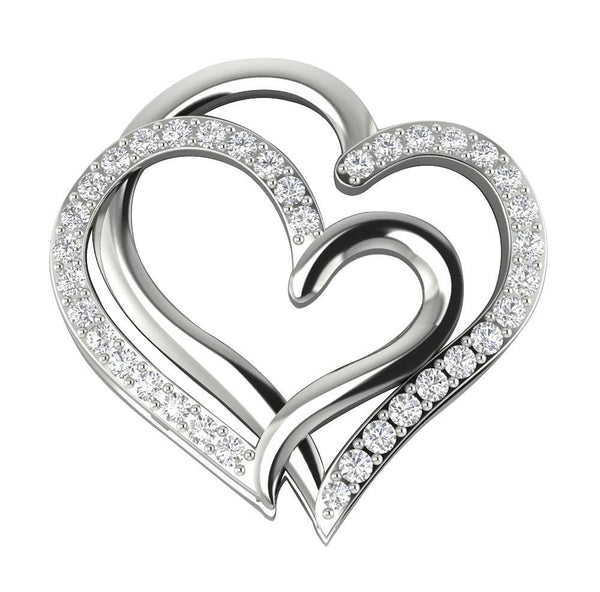
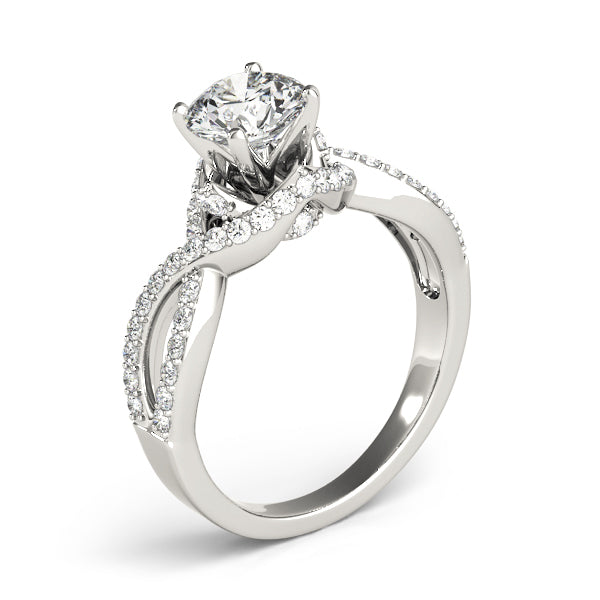
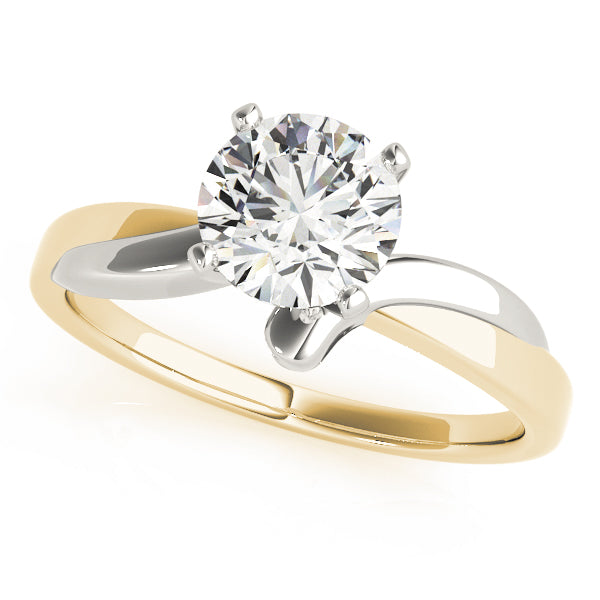
Twist Setting
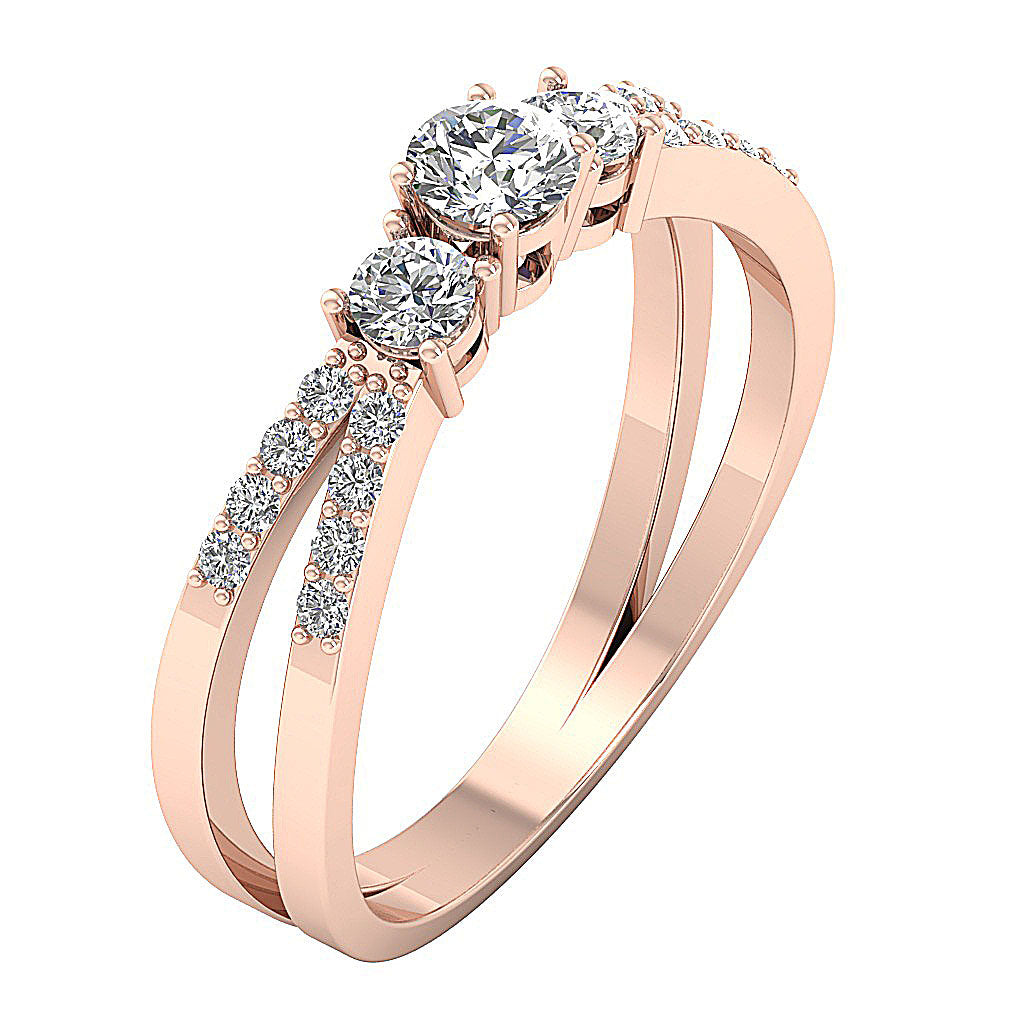
A twist setting introduces movement into the architecture of a ring. Two bands intertwine around the centre stone, creating a sense of fluidity and dimension while retaining the familiarity of a classic silhouette.

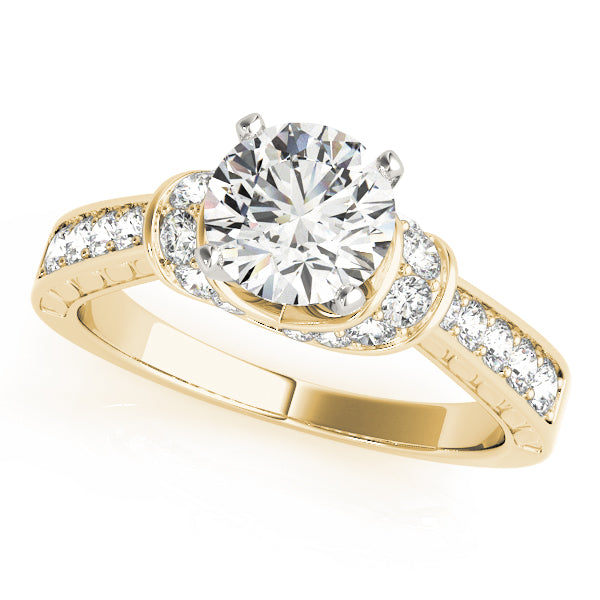
Vintage Setting
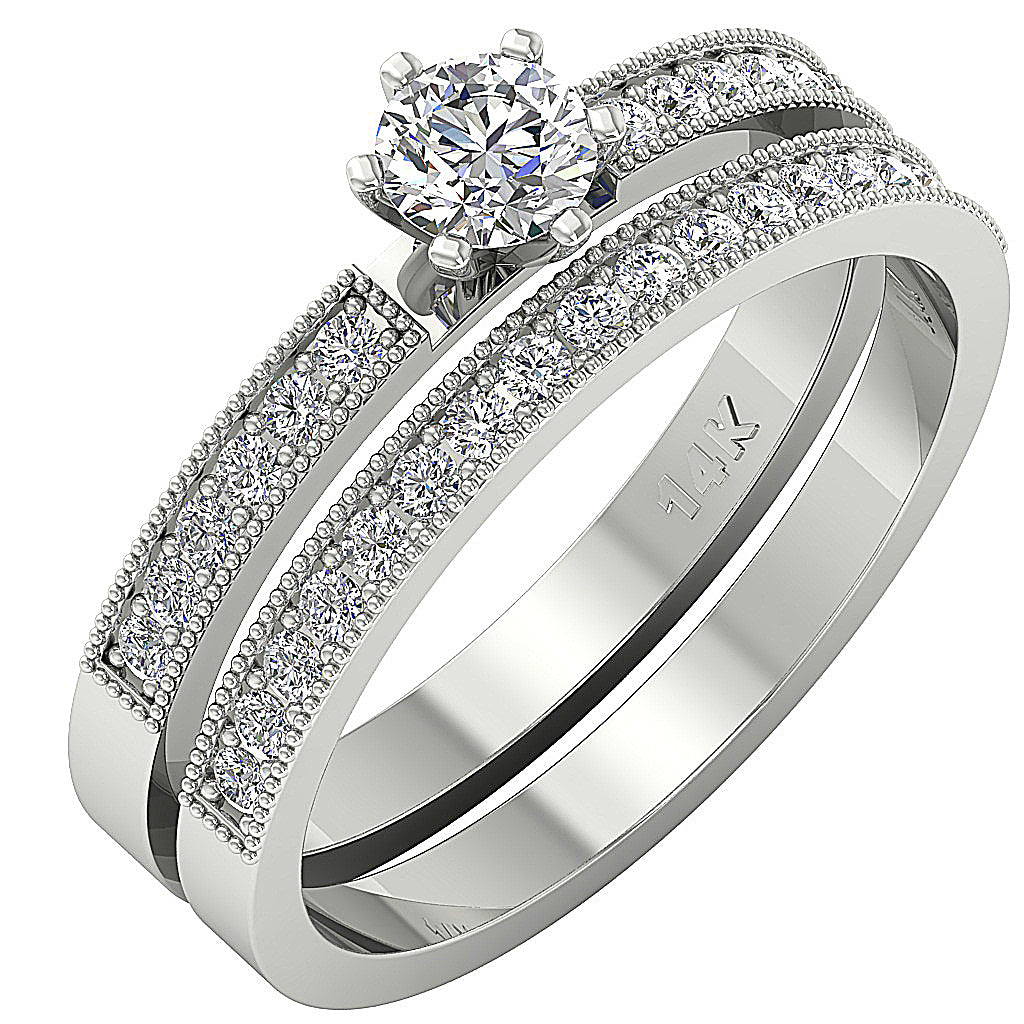
Vintage-inspired settings borrow details from earlier eras, from delicate milgrain edging to intricate filigree and engraving. The result can feel less like a new piece and more like an heirloom with a history waiting to be written.
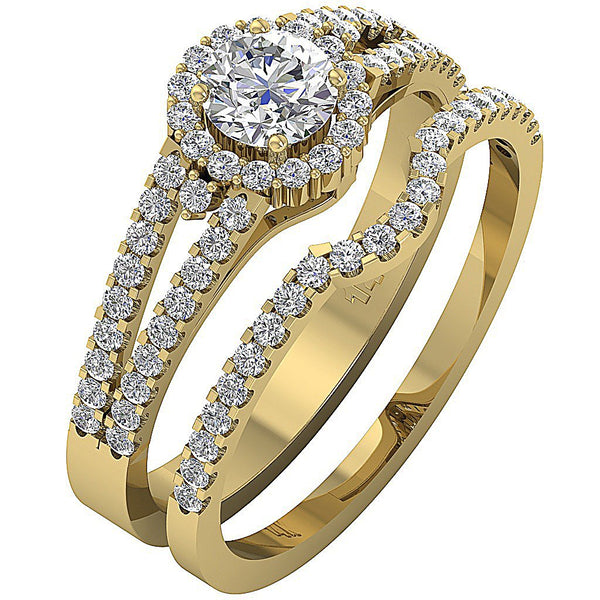
Bridal Set
A bridal set brings an engagement ring and wedding band together as a considered pair. Each piece is designed to complement the other, creating a cohesive silhouette when worn together.
Prong, Bezel, Pavé & Other Setting Terms
The language of setting is really the language of a ring's architecture. It describes the fine framework that holds a diamond, frames its silhouette, and determines how it meets the light. Sometimes barely visible, sometimes deliberately sculptural, the setting can change the character of a stone entirely.
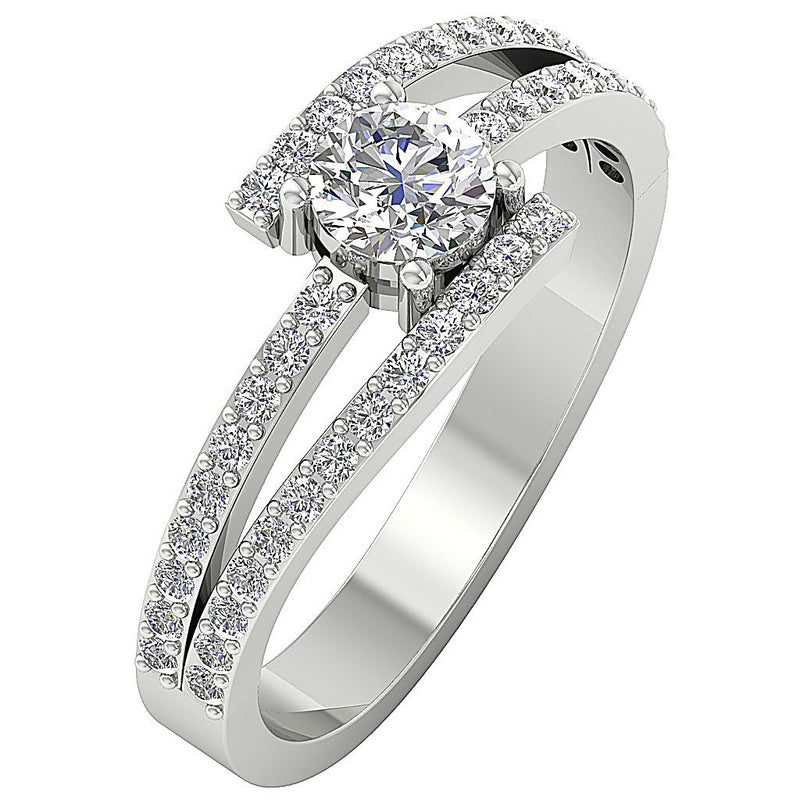
Prong Setting
The prong setting is perhaps the most familiar of all. Fine claws of metal rise around the diamond, holding it securely while leaving much of the stone exposed. Four prongs create a clean, open impression, while six offer a more traditional sense of symmetry and security. Eight-prong and double-prong variations introduce further structure, particularly around larger or more intricate centre stones.
There is also a quiet elegance to the shared-prong setting, where neighbouring diamonds are held between the same pair of prongs. With less metal between the stones, the diamonds appear to flow into one another, creating the uninterrupted sparkle associated with many eternity and diamond bands.
The U-prong setting follows a similar principle, with curved metal wrapping around the sides of each diamond. It offers protection while keeping the setting visually light.
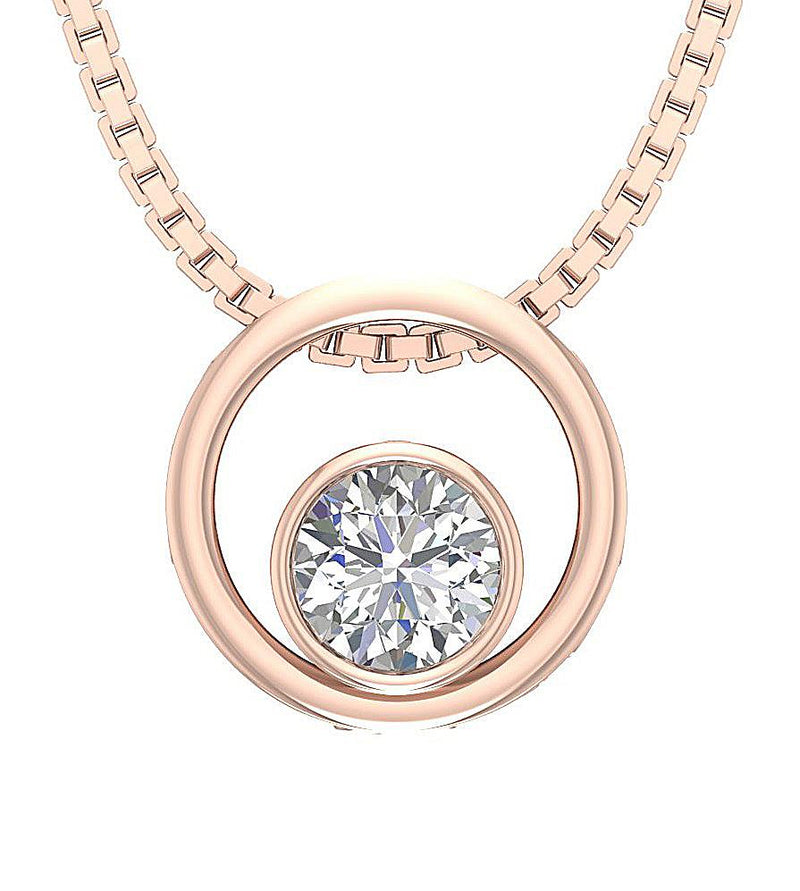
Bezel Setting
A bezel setting frames the diamond with a continuous rim of metal. Rather than appearing held by individual claws, the stone seems almost encased within the ring, giving the design a smooth, composed quality.
A full bezel surrounds the stone completely. A partial bezel or half-bezel leaves sections of the diamond exposed, bringing a little more lightness and movement to the design.
The appeal of a bezel lies in its restraint. Its clean outline feels distinctly modern, while its close-fitting construction gives the diamond a beautifully contained presence.
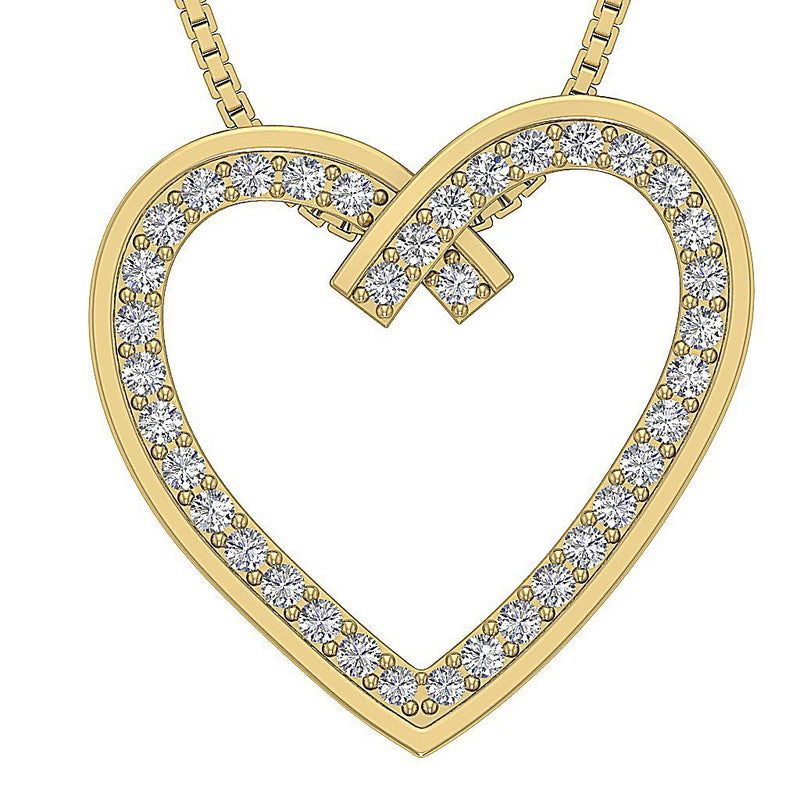
Pavé Setting
The French word pavé means "paved", an apt description for a surface scattered with diamonds so closely set that the metal beneath almost disappears.
In a pavé setting, small diamonds are secured with tiny beads or grains of metal, creating a continuous field of light. Micro-pavé takes this delicacy further, using exceptionally small diamonds and fine metalwork to create an almost seamless shimmer.
A French pavé setting introduces V-shaped grooves between the stones, allowing more of each diamond to be seen. Bright-cut pavé uses precisely cut channels beside the stones, giving the surface a crisp, defined finish.
The result can be understated or intensely luminous, depending on the scale of the diamonds and the expanse of metal they cover.
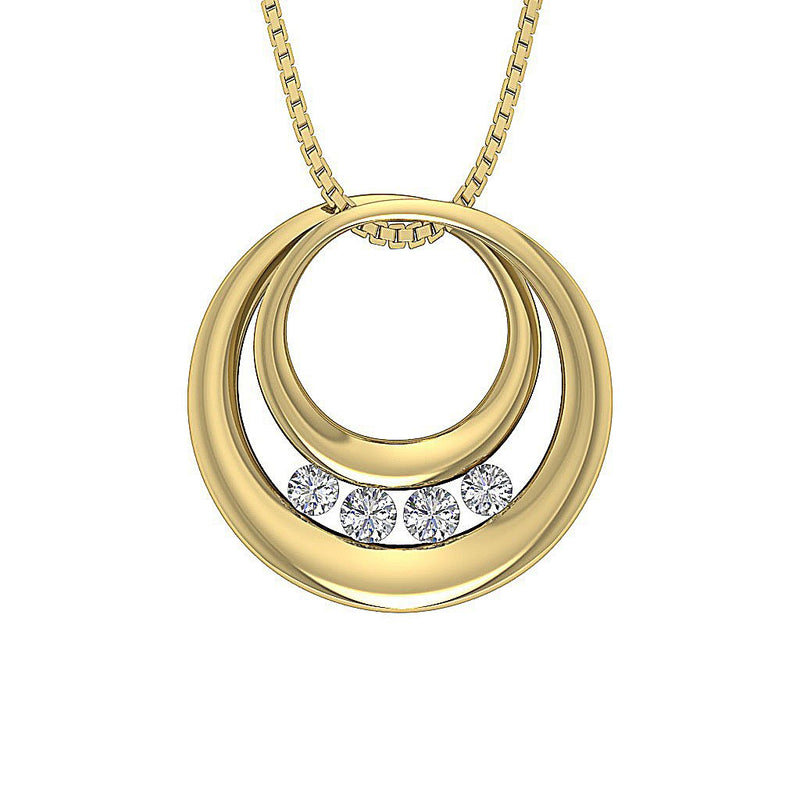
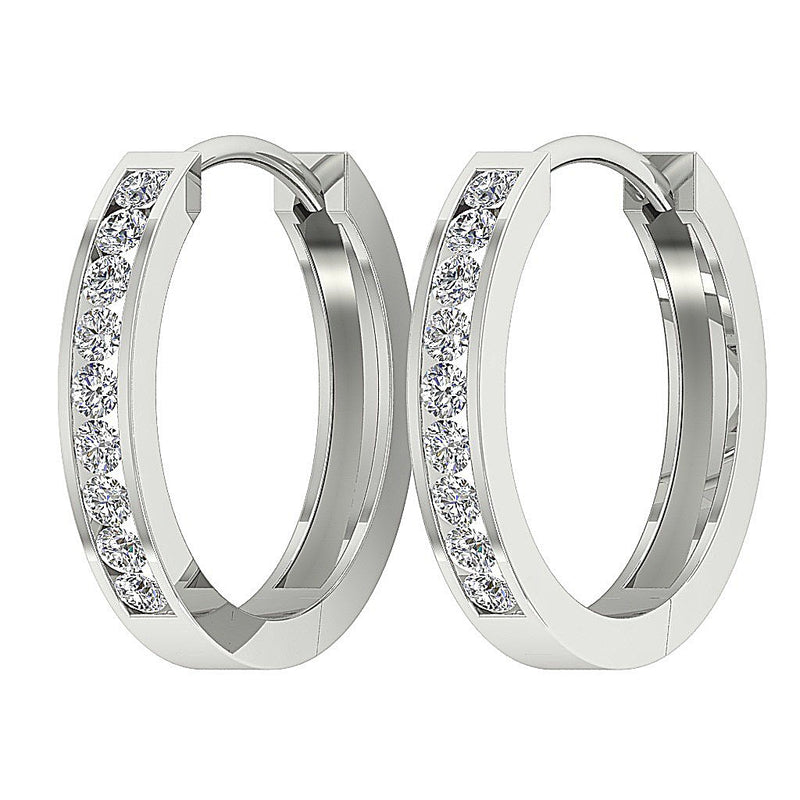
Channel Setting
A channel setting places diamonds within a continuous groove in the band. Each stone sits closely beside the next, with the surrounding metal creating a smooth border rather than individual prongs.
It has a particularly polished quality, making it a natural choice for wedding bands and eternity rings. The uninterrupted surface feels refined and considered, with the diamonds revealing themselves as a continuous line of light.
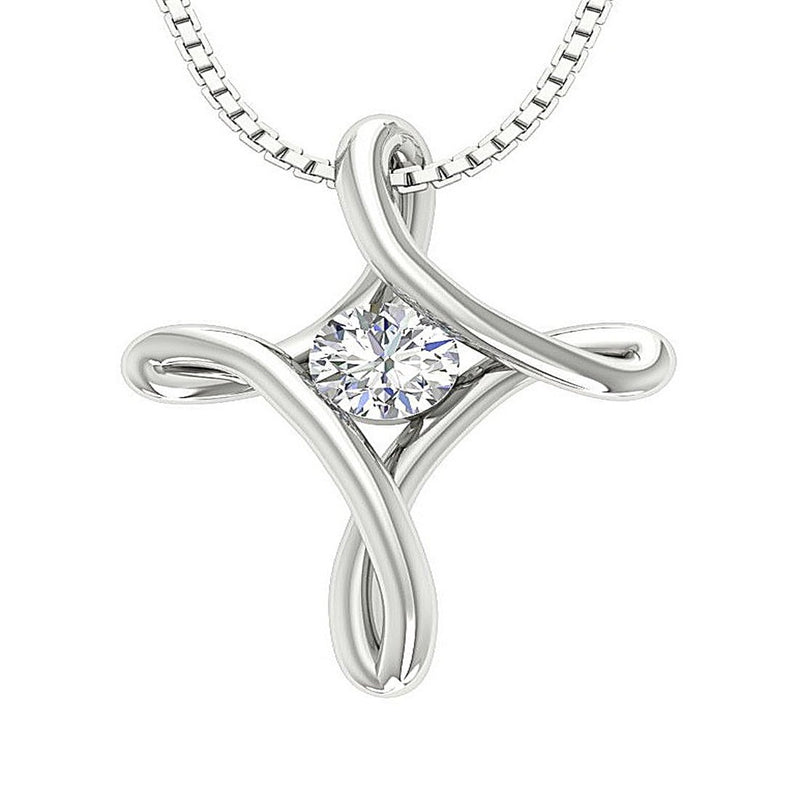
Bar Setting
A bar setting separates diamonds with slim vertical bars of metal. The stones remain closely arranged, but the narrow divisions create a more graphic rhythm.
In a shared-bar setting, adjacent stones make use of the same bar, reducing the amount of visible metal and allowing the diamonds to sit closer together
Flush Setting
A flush setting, also known as a gypsy setting, places the diamond directly into the surface of the metal. The stone sits almost level with the band rather than rising above it.
There is something quietly modern about this treatment. Nothing protrudes or interrupts the line of the ring. The result is discreet, tactile and particularly suited to pieces designed to become part of everyday life.
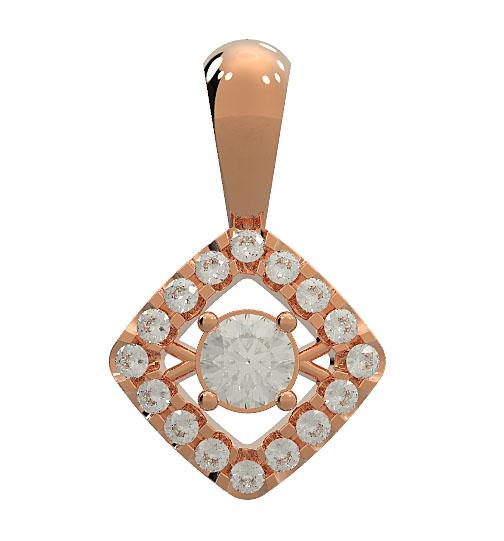
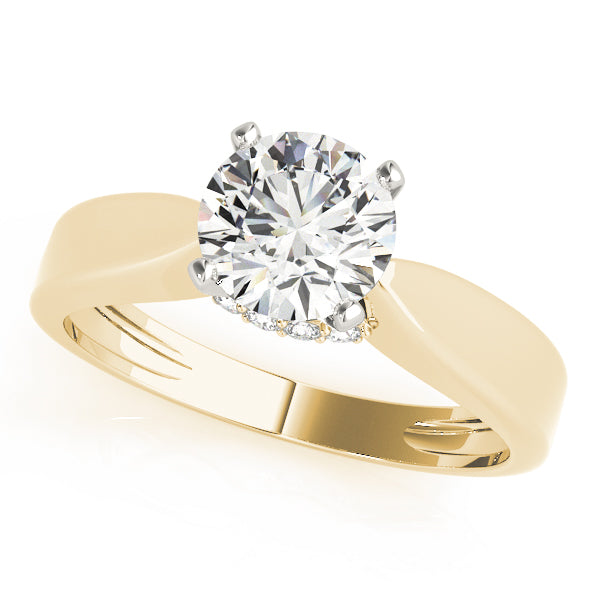
Halo Setting
A halo setting surrounds the centre diamond with a circle of smaller stones, creating a luminous frame around the centre. It can lend a greater sense of scale to the central stone while introducing another layer of brilliance.
A double halo adds a second circle of diamonds; a triple halo builds the composition further still. The effect moves from delicate radiance to something distinctly more dramatic.
For those who prefer details that reveal themselves gradually, the hidden halo is more discreet. The surrounding diamonds sit beneath the centre stone, visible from the side rather than dominating the face of the ring. It is an intimate detail, discovered in movement rather than immediately announced.
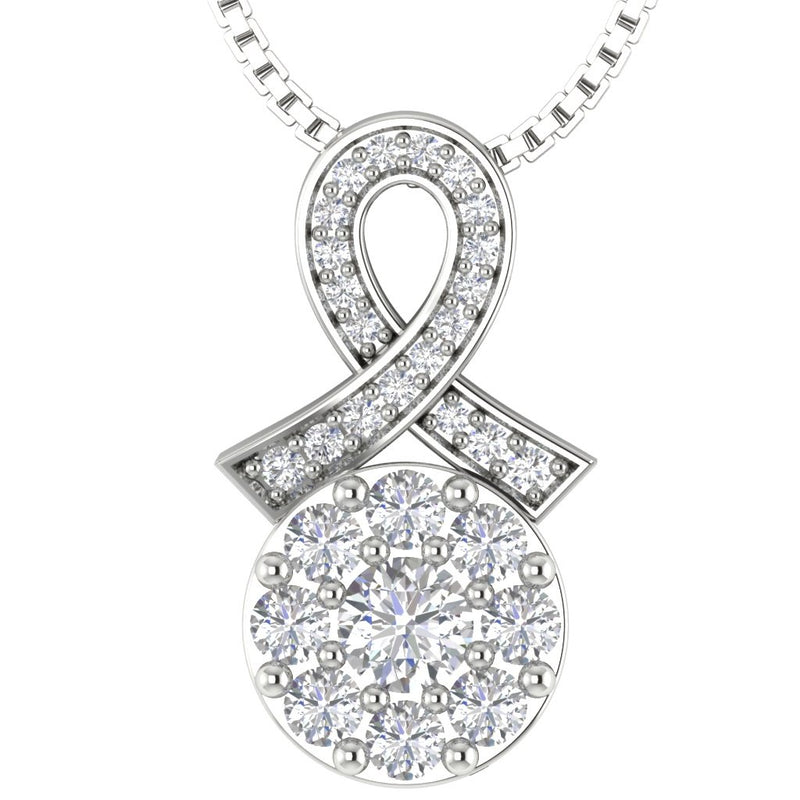
Cluster Setting
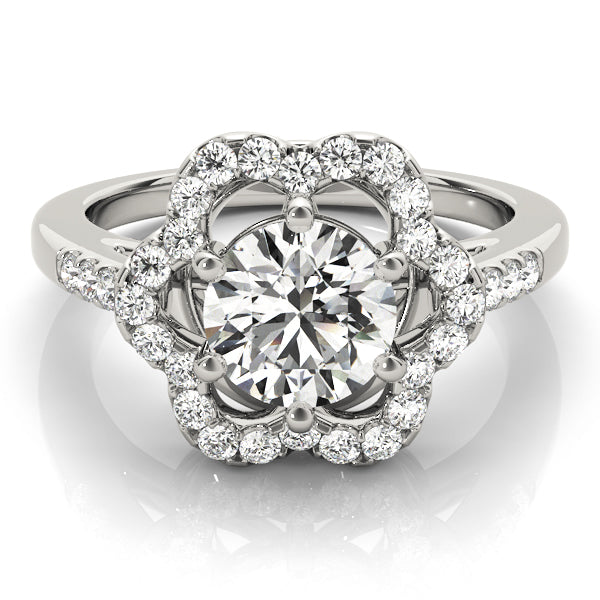
A cluster setting brings several diamonds together in a single composition. The stones may be arranged to suggest a flower, star, rosette, or other organic form, with the individual diamonds working collectively rather than relying on one dominant centre stone.
Cluster rings have a certain romance to them. Their beauty comes from abundance, with several stones creating one expressive silhouette.
Tension Setting
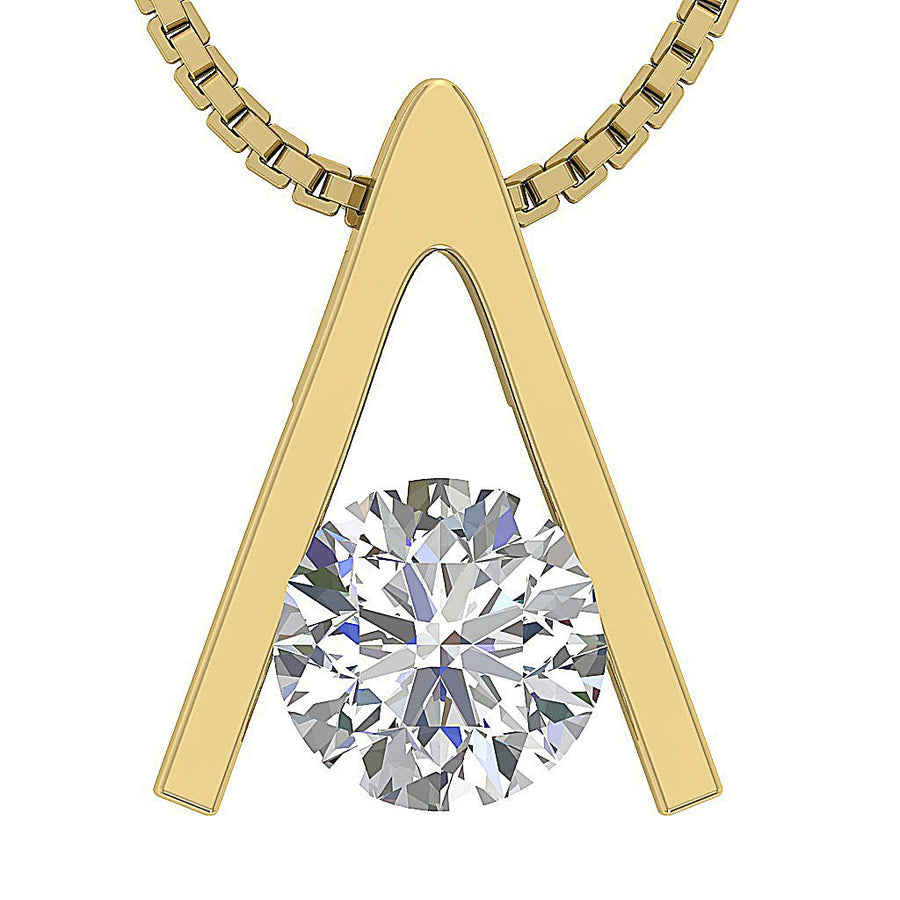
A tension setting creates the illusion that the diamond is suspended between two sides of the band. Carefully engineered pressure holds the stone in place, leaving much of its pavilion visible.
The visual effect is wonderfully pared back. With little metal surrounding the diamond, the stone appears almost weightless, as though floating within the ring.
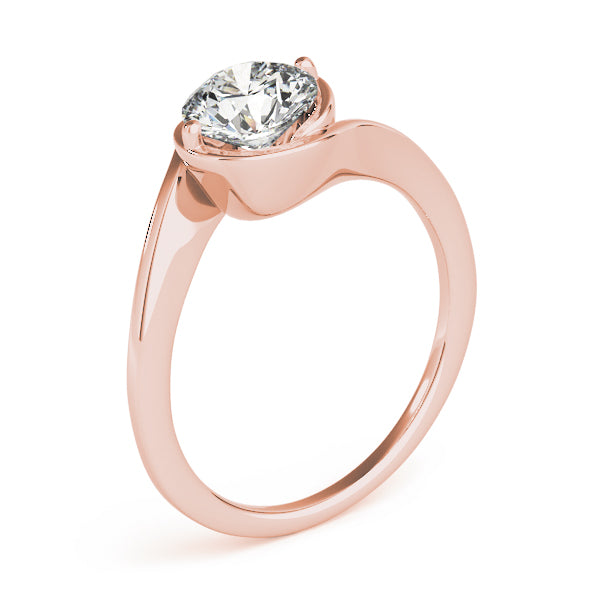
Basket Setting
A basket setting creates a delicate framework beneath the centre diamond, usually formed from intersecting bars of metal. Beyond providing structural support, it gives the underside of the ring its own sense of detail.
From above, the setting may appear almost invisible. From the side, the architectural workmanship comes into view.
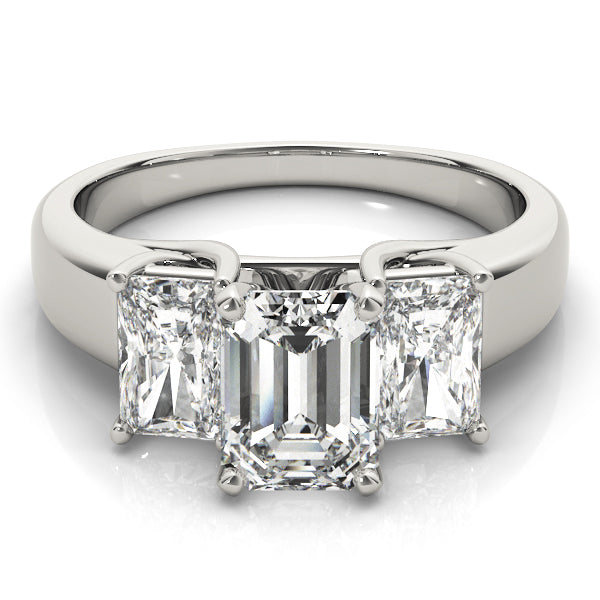
Trellis Setting
A trellis setting takes this framework and gives it movement. Strands of metal cross and weave as they rise towards the centre stone, creating an open structure beneath the diamond.
The name is borrowed from the garden structure that supports climbing plants, and the resemblance is fitting. There is a sense of intertwining lines and carefully balanced space.
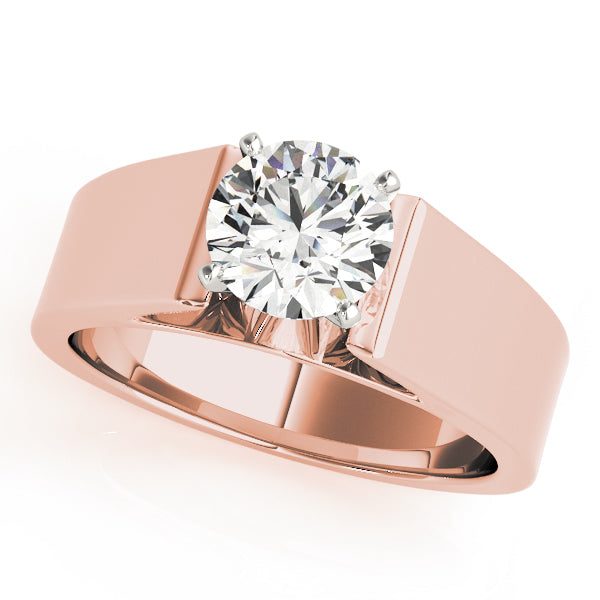
Cathedral Setting
A cathedral setting raises the centre diamond on graceful arches that emerge from the shoulders of the band. The stone sits higher on the hand, giving it a pronounced presence while allowing the metalwork beneath to become part of the design.
Seen in profile, the arches create an elegant sense of height. Seen from above, they can make the centre diamond feel beautifully framed without overwhelming it.
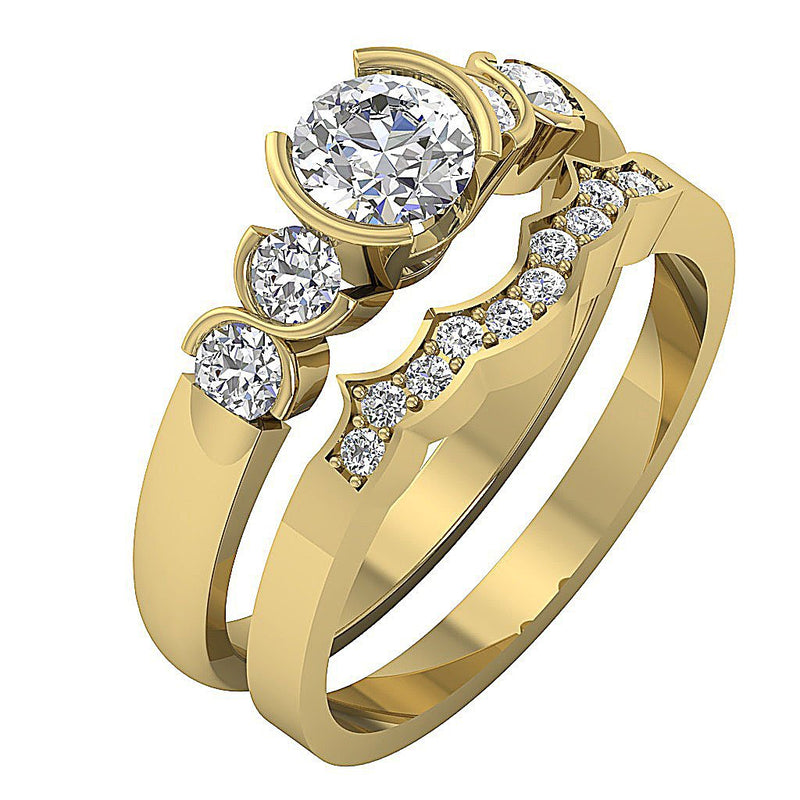
Semi-Bezel Setting
A semi-bezel setting occupies the space between a bezel and a prong. Instead of surrounding the entire stone, sections of metal hold it securely while leaving other edges open.
It offers the clean geometry of a bezel with a little more openness around the diamond. The result is contemporary without feeling severe.
The Architecture Around the Stone
The setting extends beyond the element that directly holds the diamond. Every part of the ring contributes to its final silhouette.
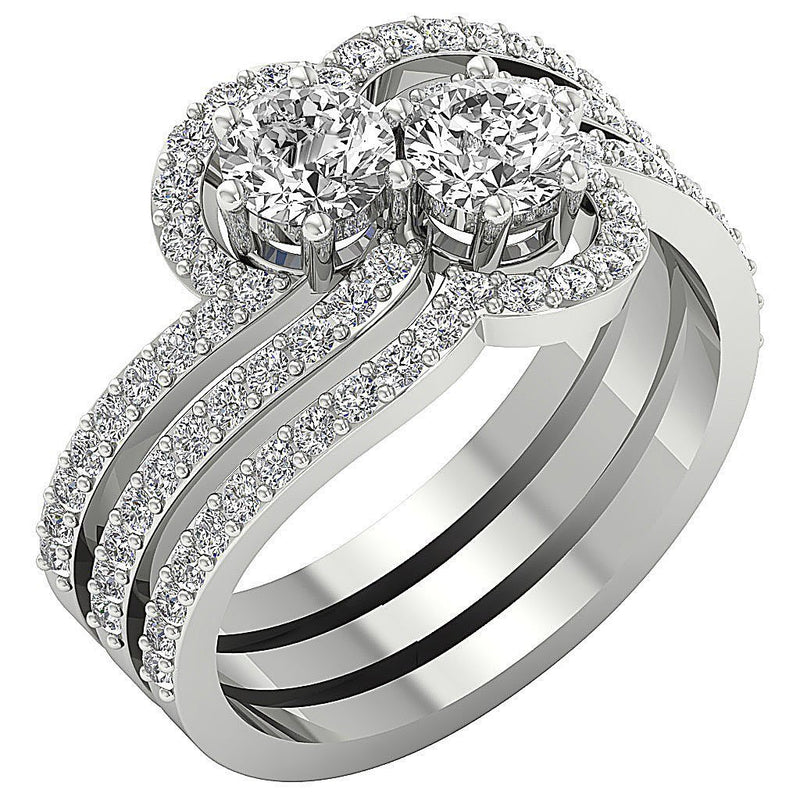
The shank is the main body of the band. The shoulders are the sections that rise from the shank towards the centre setting. Beneath the diamond sits the gallery, the intricate framework that supports and shapes its profile. The gallery rail provides additional structure around the lower edge of the stone.
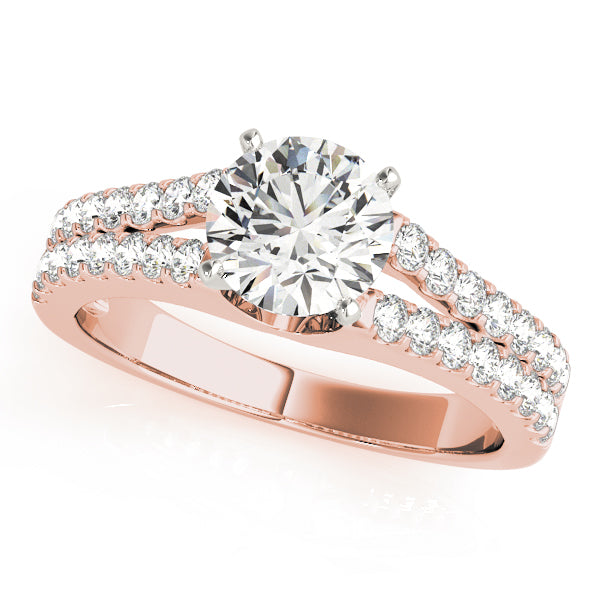
A split shank divides the band into two or more strands as it approaches the centre, creating negative space and a more sculptural silhouette. A knife-edge shank narrows towards a raised central ridge, giving the band a crisp, almost architectural profile. A twisted shank introduces movement, with the shoulders gently turning as they meet the centre stone.
Together, these details determine far more than how securely a diamond is held. They shape the way a ring catches the light, the amount of stone visible to the eye and the way the piece sits against the hand.
The setting is, in many ways, the quiet architecture of the jewel. The diamond may command the first glance, but it is the setting that gives it its posture, proportion and personality.
Wedding & Anniversary Bands
Some pieces are designed to become part of everyday life for decades. Wedding and anniversary bands carry their own vocabulary of proportion, setting and symbolism, with details that become increasingly meaningful through wear.
Wedding Band
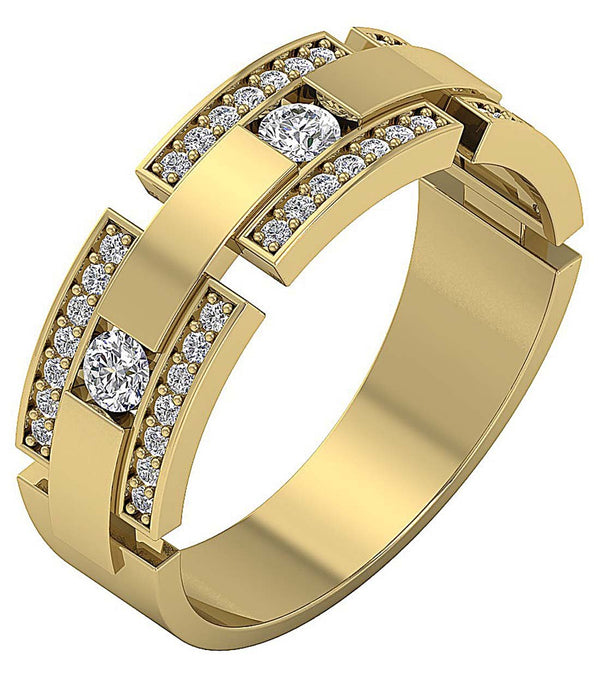
A wedding band is traditionally exchanged during a wedding ceremony and worn as a lasting companion to an engagement ring. It may be completely unadorned or finished with diamonds, depending on the character of the piece.
Petite Band
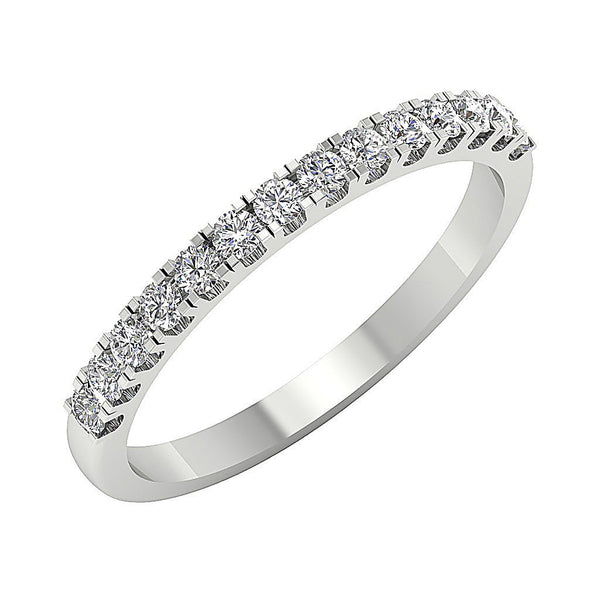
A petite band is a slimmer interpretation of the traditional wedding band. Its delicate proportions allow it to sit closely against the finger and pair subtly beneath a more substantial engagement ring.
Full & Half Eternity
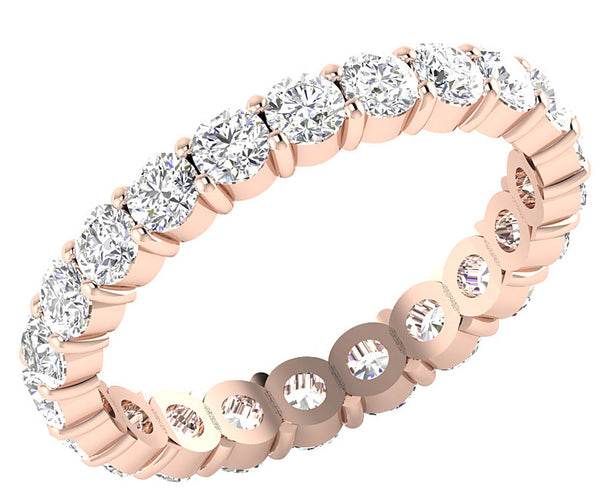
An eternity band carries diamonds continuously around the ring. A full eternity is set with stones around the entire circumference, while a half eternity places diamonds across the upper half and leaves the underside plain.
The distinction matters practically as well as visually. Full eternity bands generally cannot be resized without removing and resetting stones.
Stackable Rings
Stacking turns individual rings into a composition. Slim bands can be combined across different widths, metals, and diamond details, allowing the arrangement to evolve with the wearer.
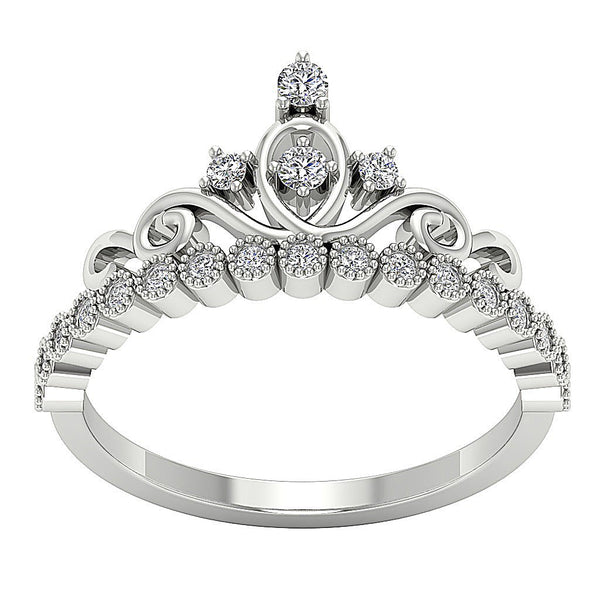
Anniversary Ring
An anniversary ring marks a particular moment in a relationship. Its design may carry a personal significance, from a particular number of diamonds to details that reference the years being celebrated.

Five-Stone Ring
The five-stone ring expands on the familiar three-stone silhouette with two additional diamonds. For some, the five stones carry their own symbolism, representing five meaningful years, memories,s or moments.
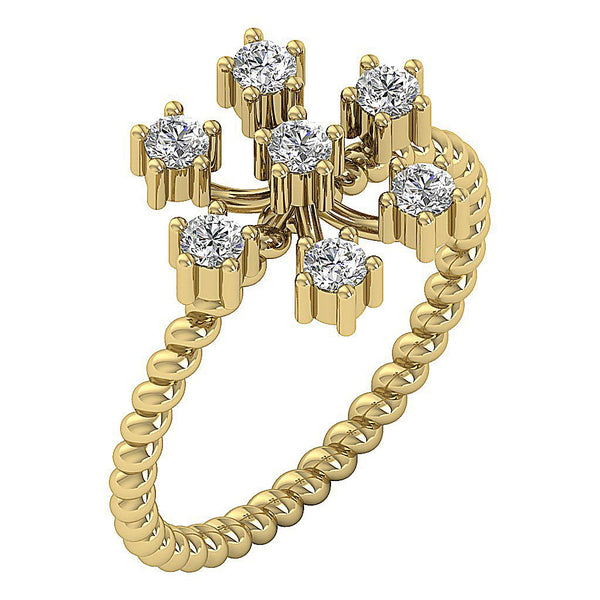
Right-Hand Ring
Not every diamond ring needs a milestone attached to it. A right-hand ring is simply worn on the right hand and can be chosen entirely for personal expression.
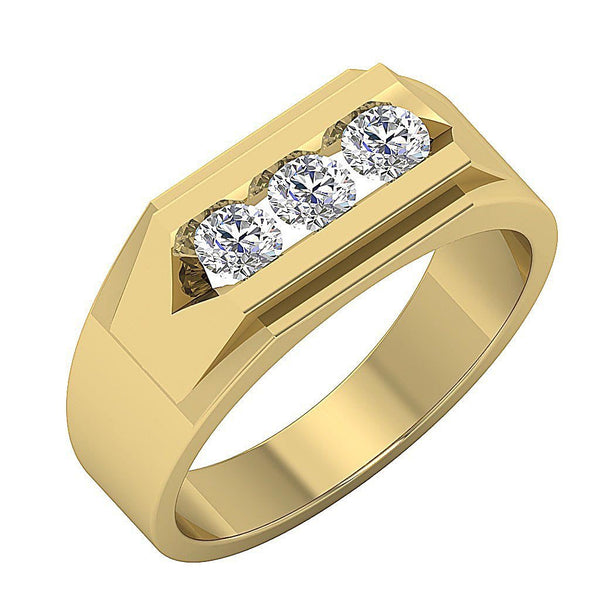
Men's Wedding Band
Men's wedding bands range from quiet, polished metal to diamond-set designs. Their proportions and finishes are generally considered with a more substantial silhouette in mind, while the choice of detail remains entirely personal.
Earrings, Pendants & Bracelets
Diamonds take on a different rhythm when they leave the hand.
At the ear, neckline or wrist, proportion and movement become part of the design, giving familiar diamond shapes an entirely new expression.
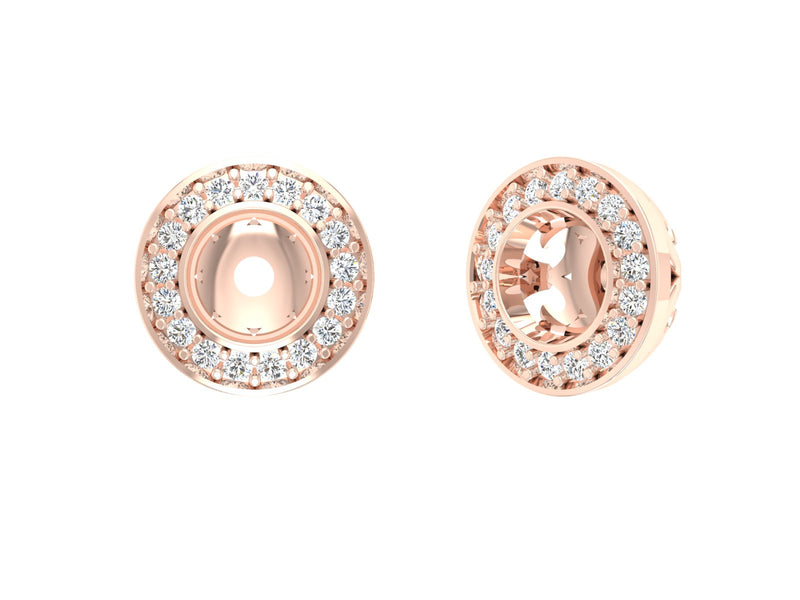
Diamond Stud
A single diamond set onto a simple post is perhaps the most enduring expression of diamond earrings. The stud's simplicity makes it remarkably versatile, equally at home worn alone or layered with other pieces.
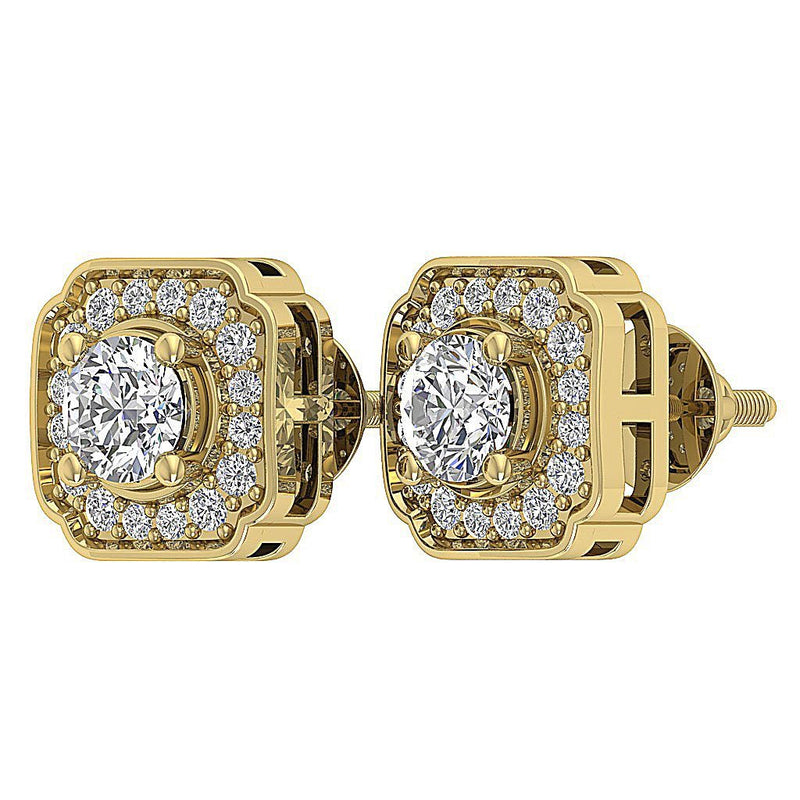
Halo Stud
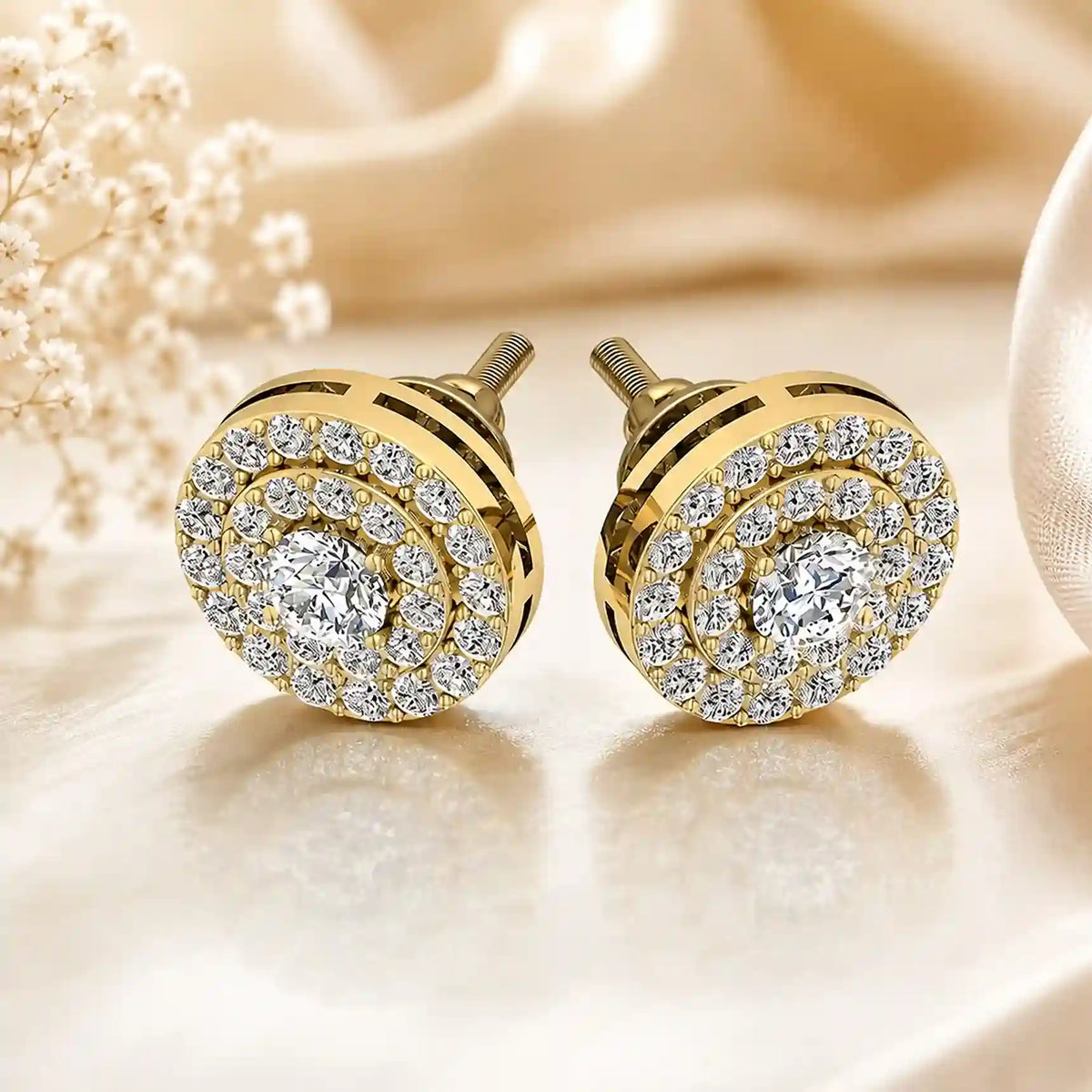
A halo stud frames a centre diamond with a circle of smaller stones. It brings the proportions and sparkle of a halo ring to the ear.
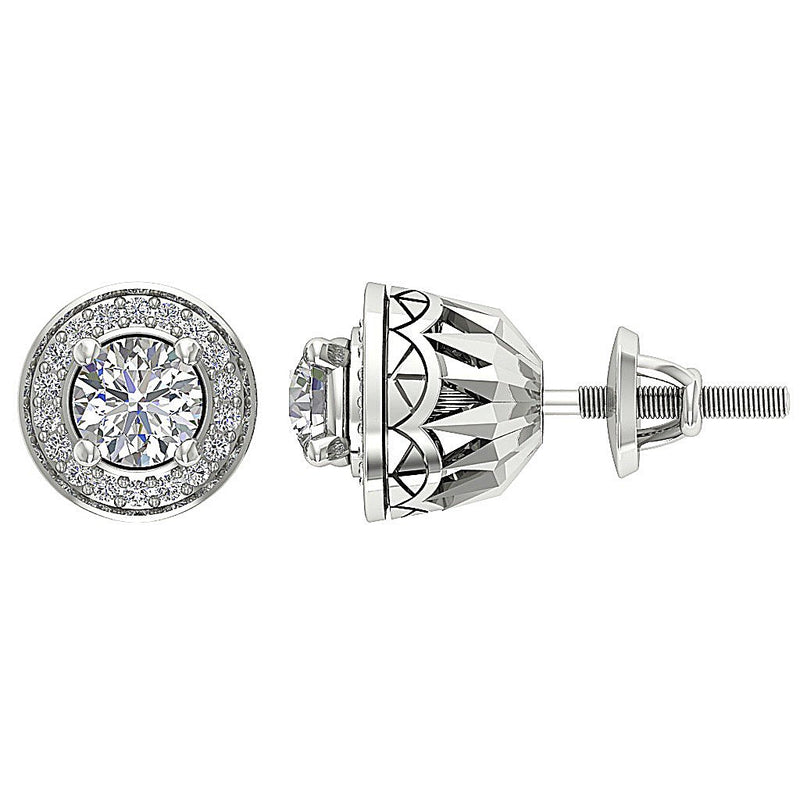
Earring Jacket
An earring jacket sits behind a stud and can be added or removed as desired. It offers a way to change the scale and character of an earring without replacing the original diamond.
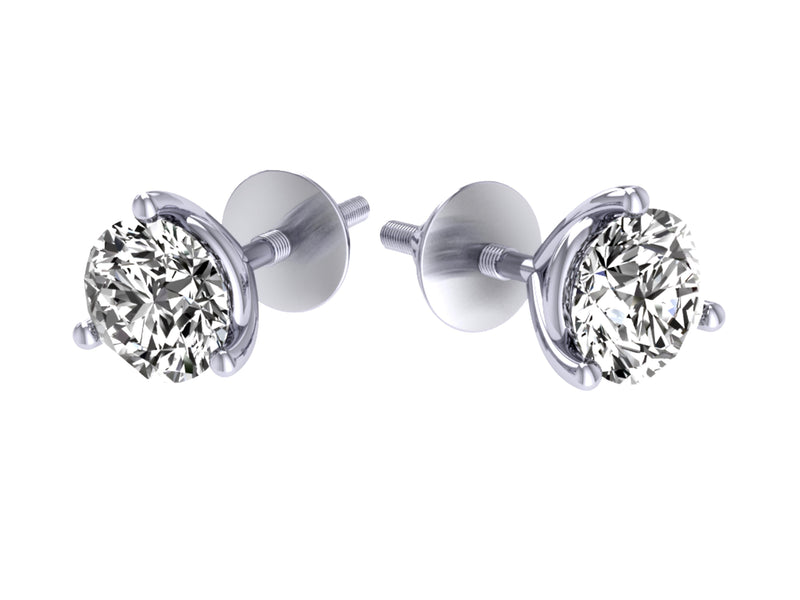
Martini Setting
Named for its resemblance to the base of a martini glass, this setting uses three prongs to hold the diamond. Its low profile makes it a particularly clean choice for diamond studs.
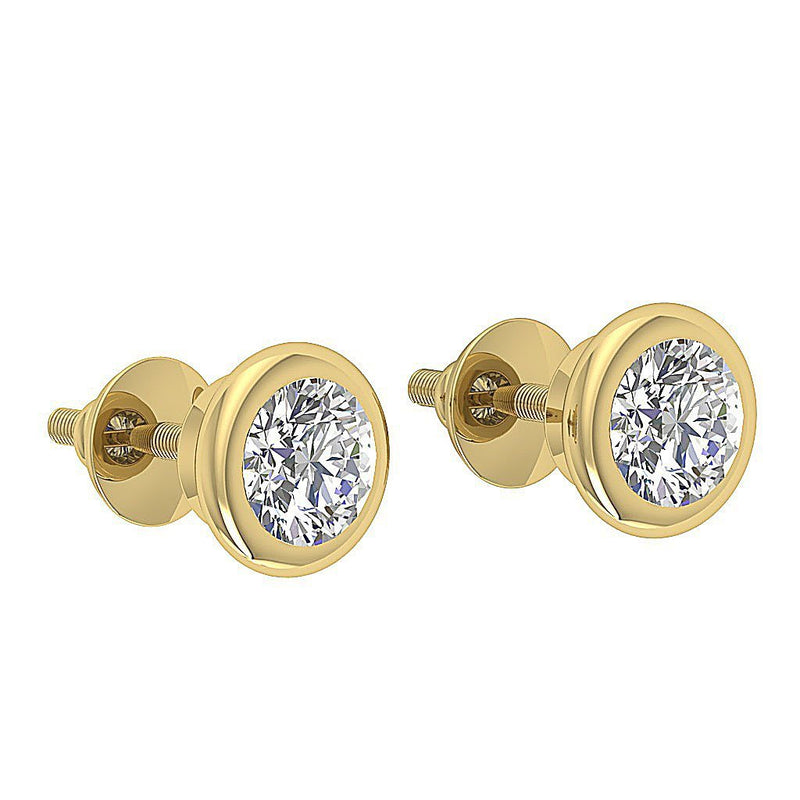
Bezel Stud
A bezel stud surrounds the diamond with a rim of metal. The effect is streamlined and contemporary, while the surrounding metal provides additional protection for the stone.
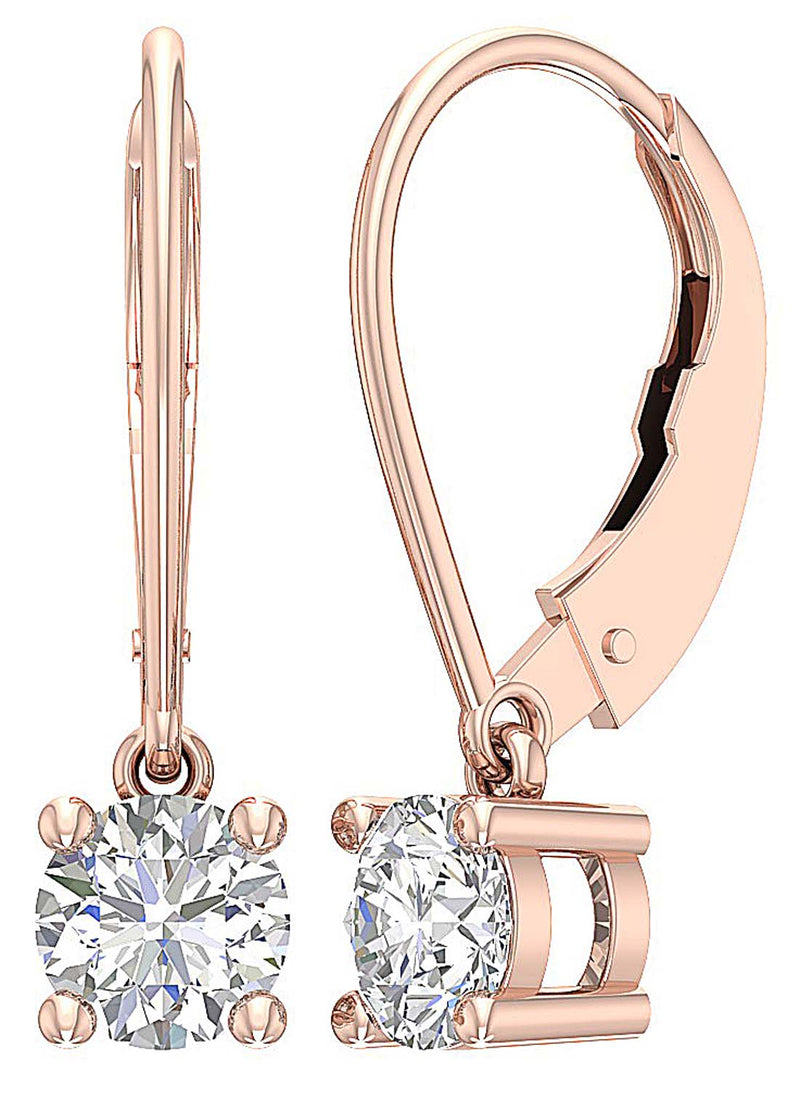
Leverback
A leverback closure uses a hinged lever that locks securely behind the ear. It is particularly common on dangle and drop earrings.
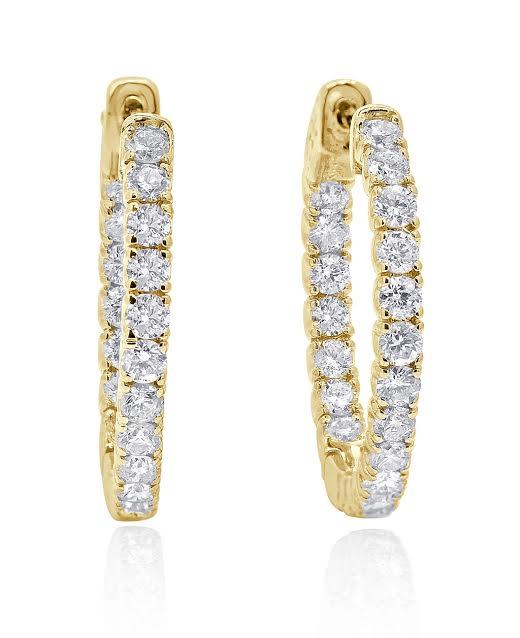
Inside-Out Hoop
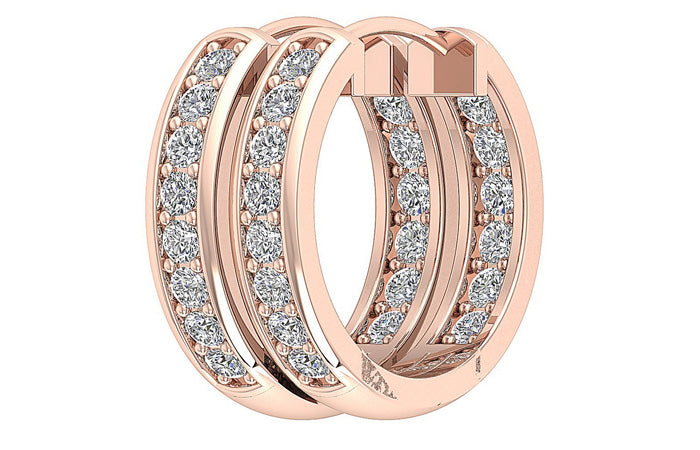
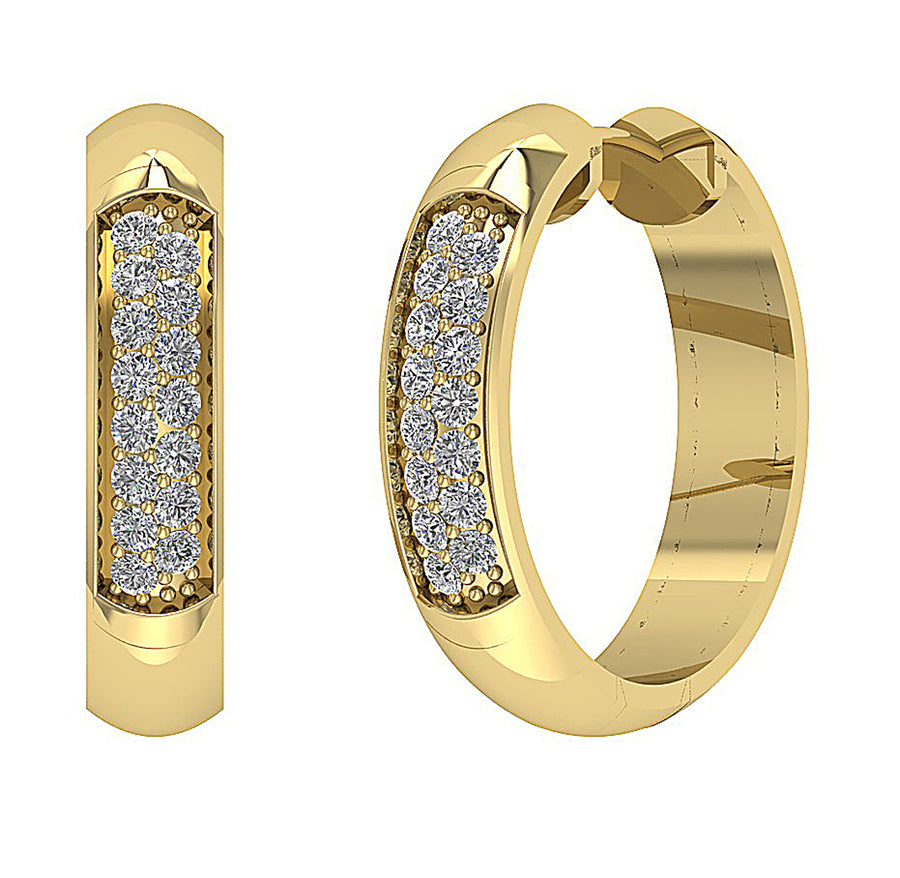
An inside-out hoop places diamonds along both its inner and outer edges. The result is continuous sparkle that remains visible as the wearer moves.
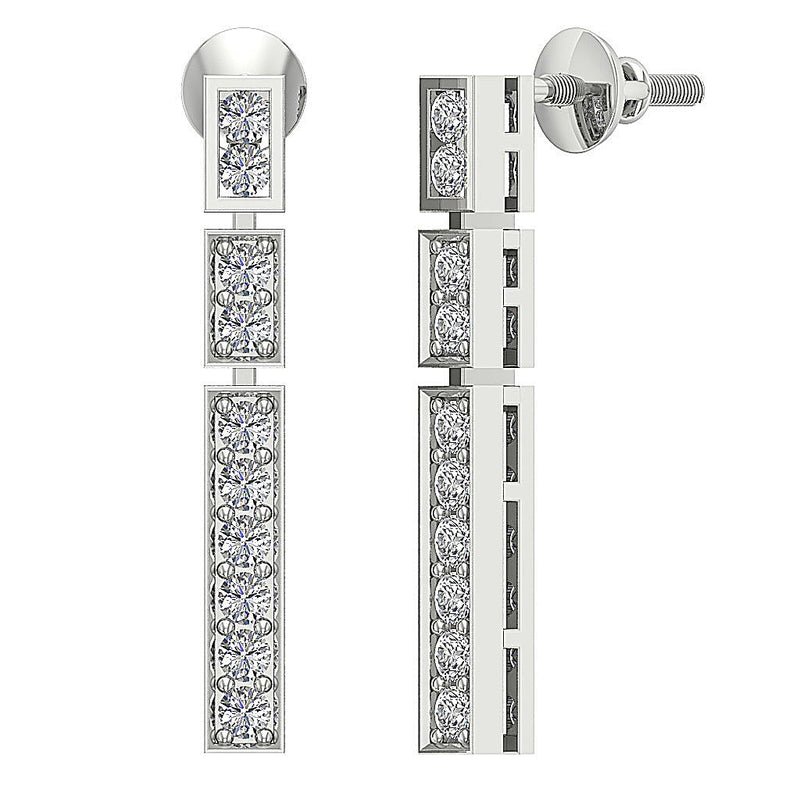
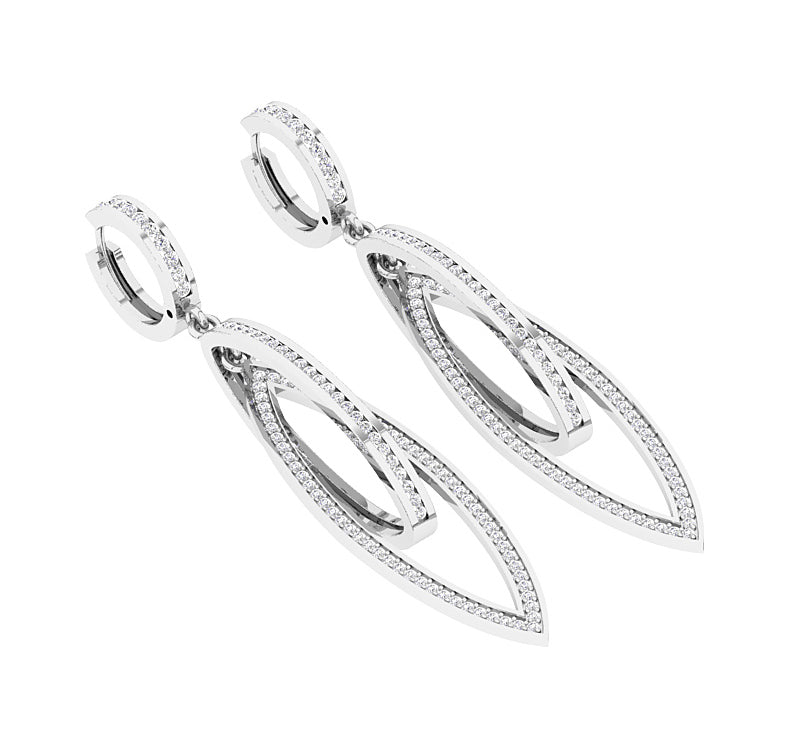
Chandelier Earring
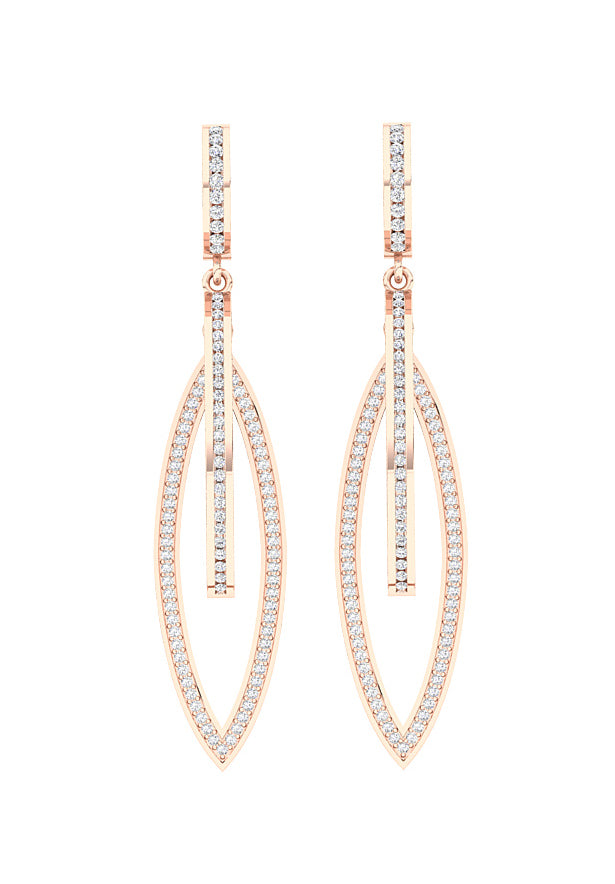
Chandelier earrings descend below the earlobe in multiple tiers. Their layered construction creates one of the most dramatic silhouettes in diamond earrings.
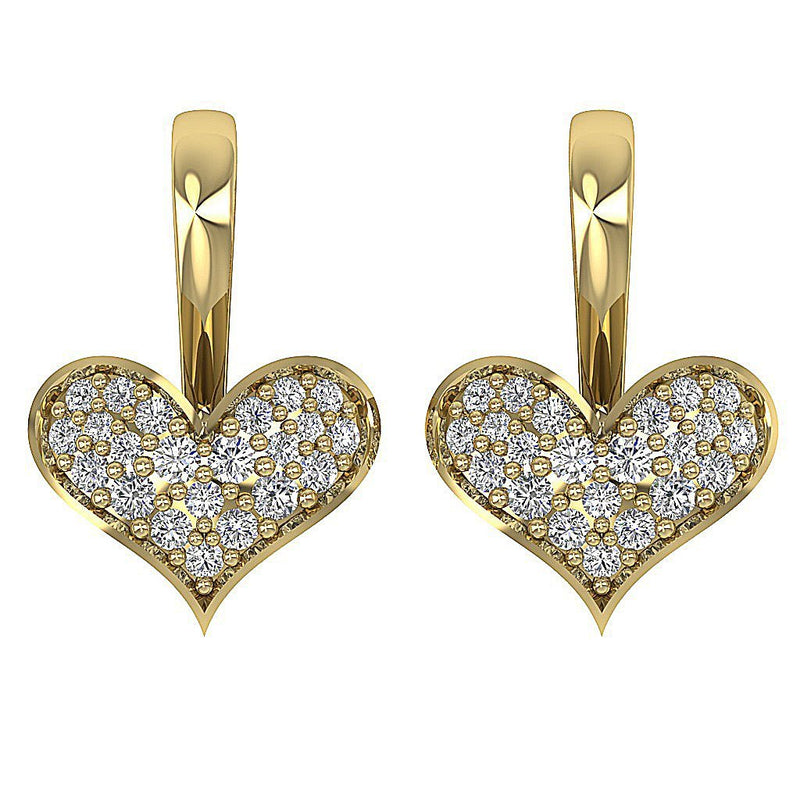
Dangle Earring
A dangle earring falls below the earlobe from a chain, setting, or drop. Movement becomes part of the design, giving the diamond a different presence with every turn of the head.
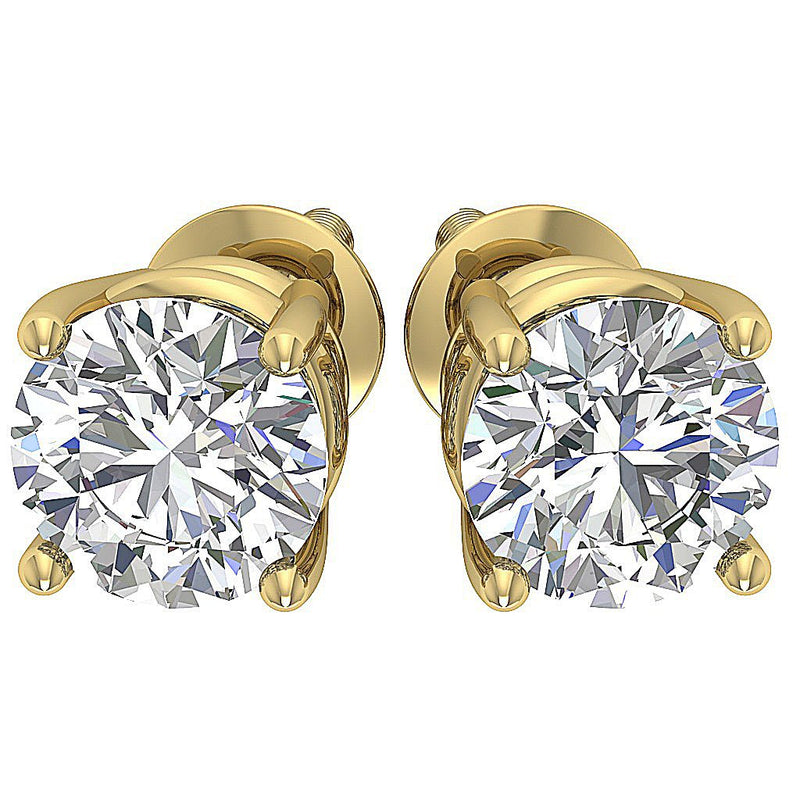
Screw Back & Push Back
Both closures are designed to secure stud earrings. A screw back twists into place for additional security, while a push back clicks into position for easier everyday wear.
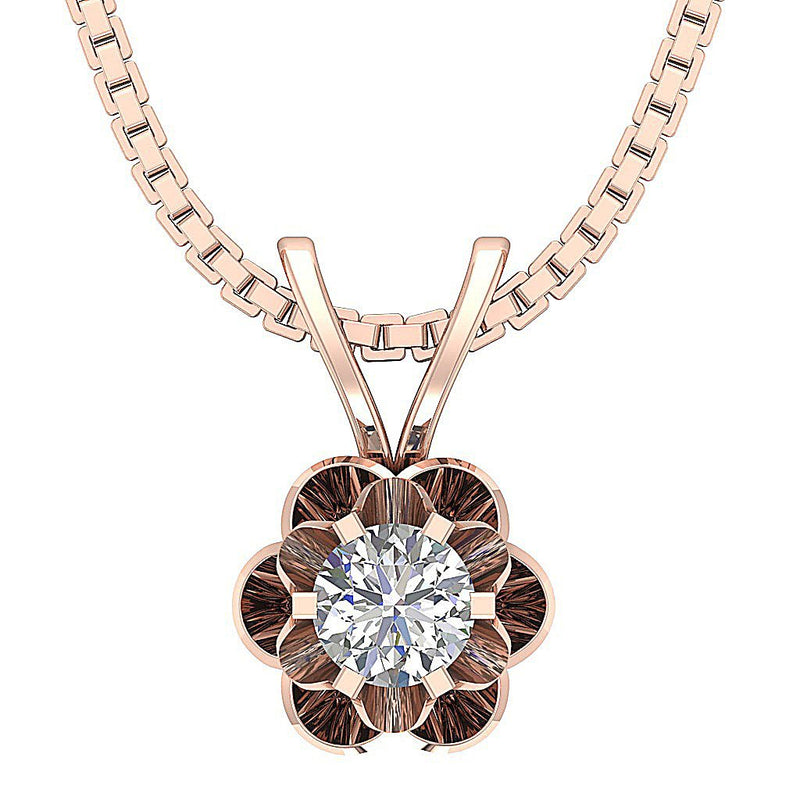
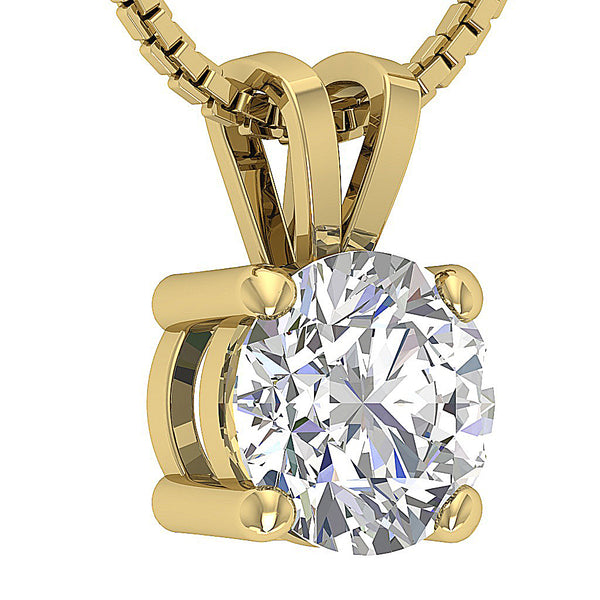
Solitaire Pendant
A solitaire pendant suspends one diamond from a chain. Simple in concept, it carries the same quiet focus as a solitaire ring, bringing a single stone to the neckline.
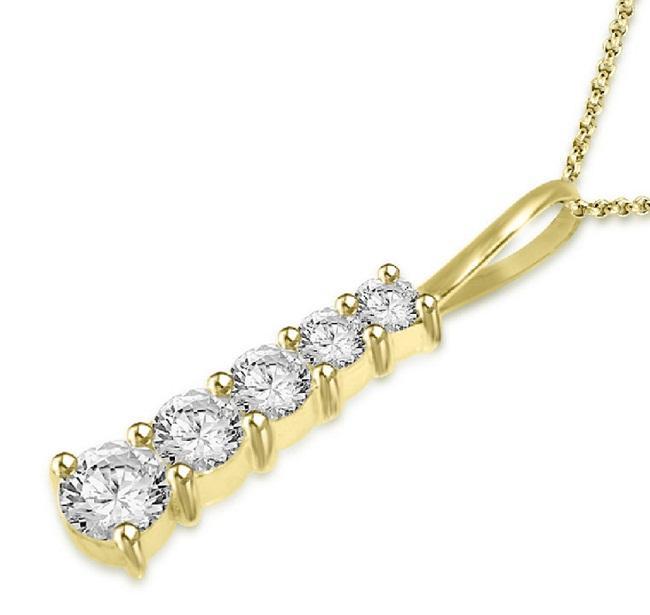
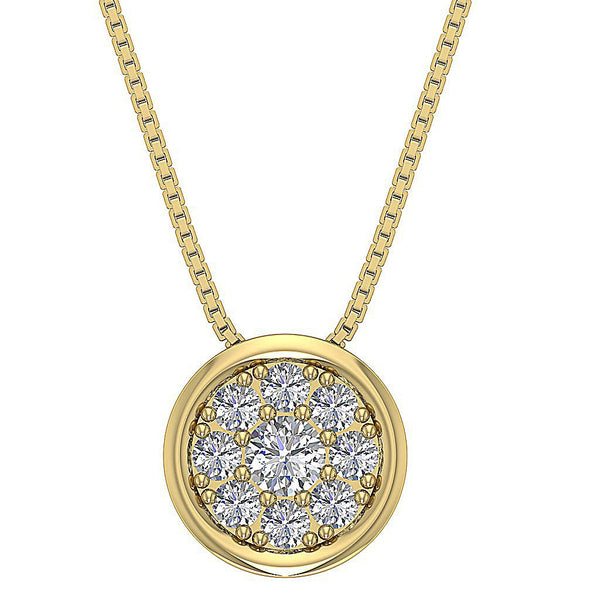
Journey Pendant
A journey pendant arranges diamonds in graduated sizes, moving from smaller to larger along the design. The progression is often interpreted as a visual expression of growth over time.
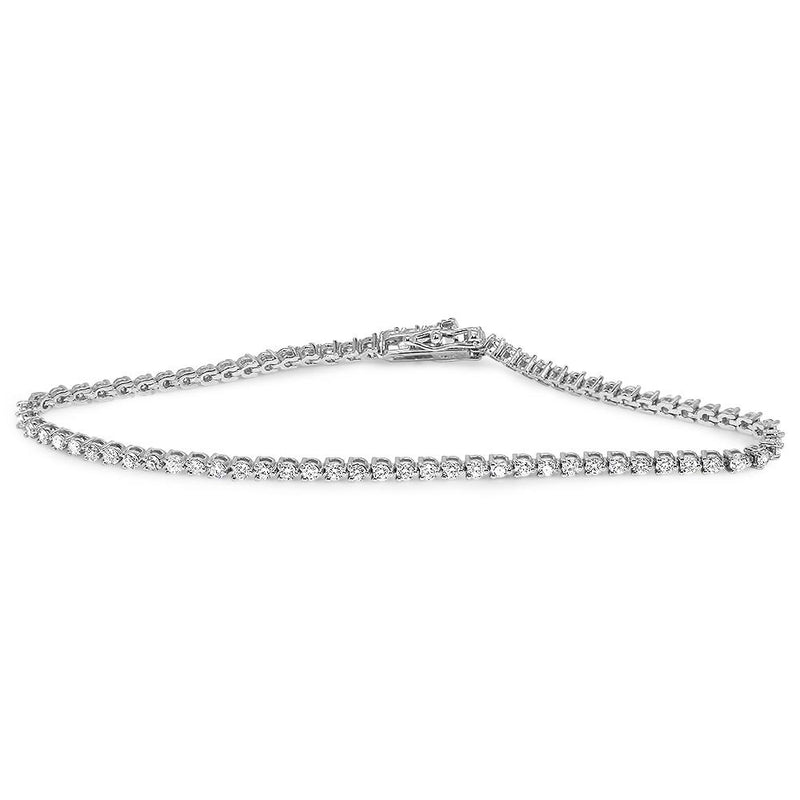
Tennis Bracelet
A tennis bracelet carries a continuous line of diamonds around the wrist. Its now-famous name dates to a moment on the tennis court when a diamond bracelet became part of the match itself, giving an established jewellery style a new identity.
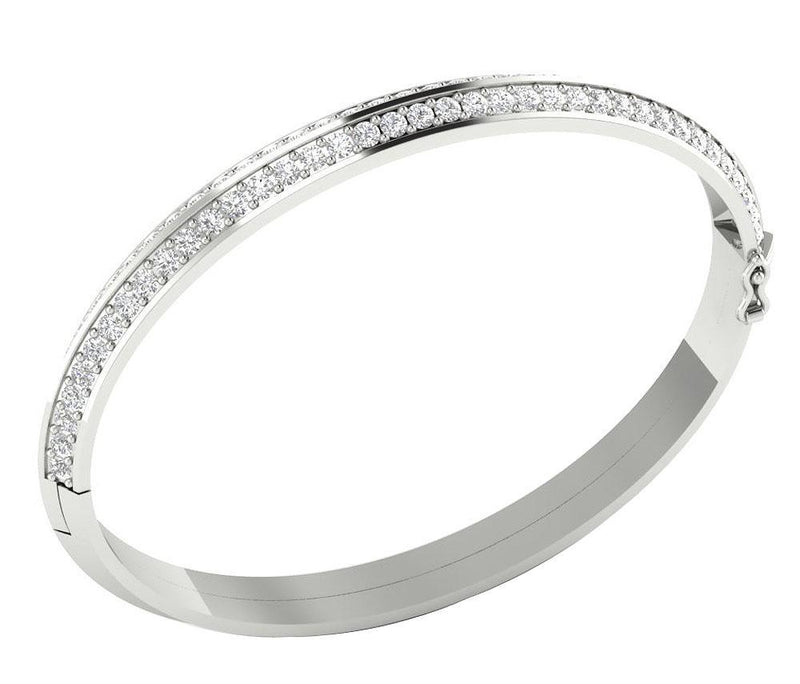
Diamond Bangle
A diamond bangle is a rigid bracelet, generally without the flexibility of a chain construction. Diamonds may be set along part or all of its circumference, depending on the design.
Metals, Buying & Care
The stone may command attention, but the metal around it determines much of how a piece feels against the skin and how it changes with time.
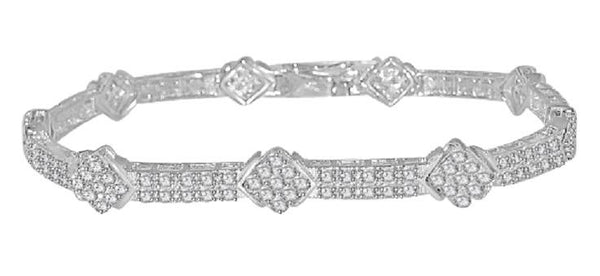
14K & 18K Gold
Karat measures gold purity out of 24 parts. 18K gold contains 75 per cent pure gold, giving it a higher gold content and a slightly softer character. 14K gold contains approximately 58 per cent pure gold and offers greater durability for everyday wear.
Two-tone gold combines different gold colours in a single piece. White gold is commonly finished with rhodium plating, which creates its bright white surface and gradually wears with use.
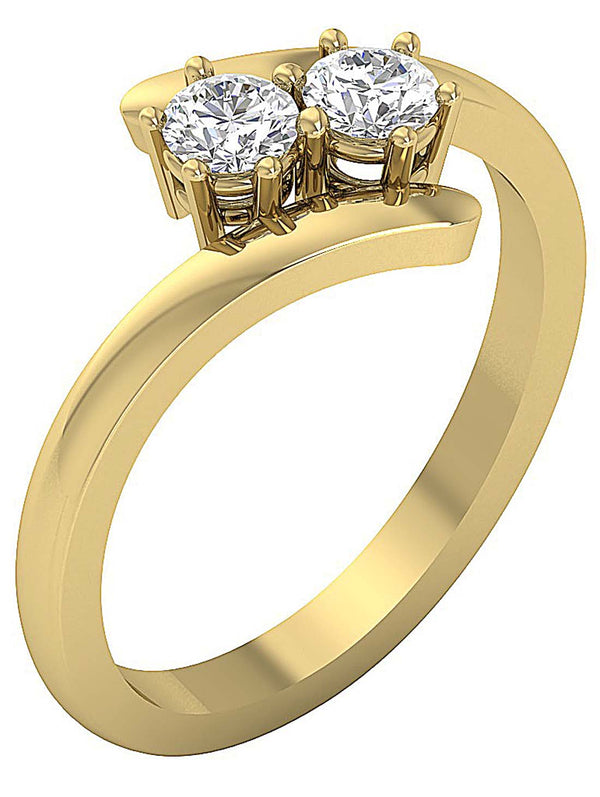
Yellow Gold
Yellow gold retains the warm hue traditionally associated with the precious metal. It is alloyed with metals such as copper and zinc to give it greater strength while preserving its characteristic colour.
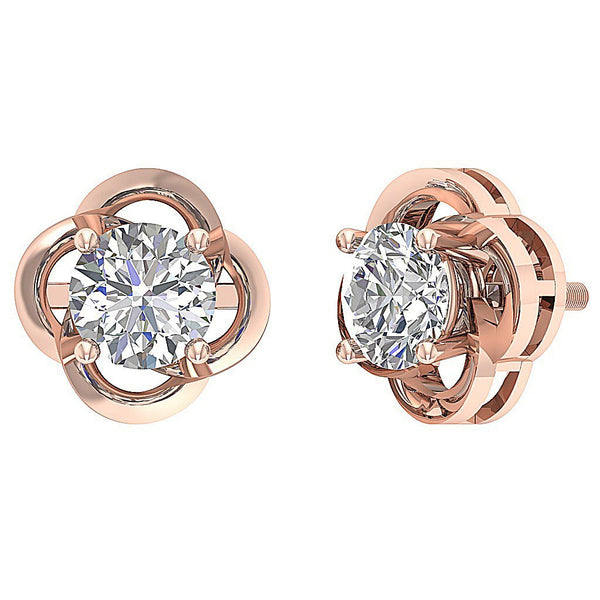
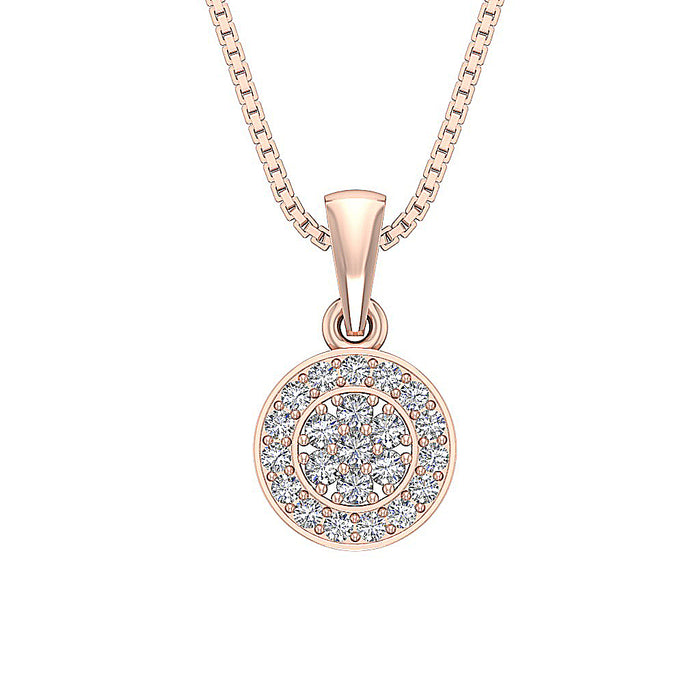
Rose Gold
Rose gold owes its blush-toned warmth to a higher proportion of copper within the alloy. The result is a softer, romantic interpretation of gold that brings a contemporary note to both classic and modern diamond designs.
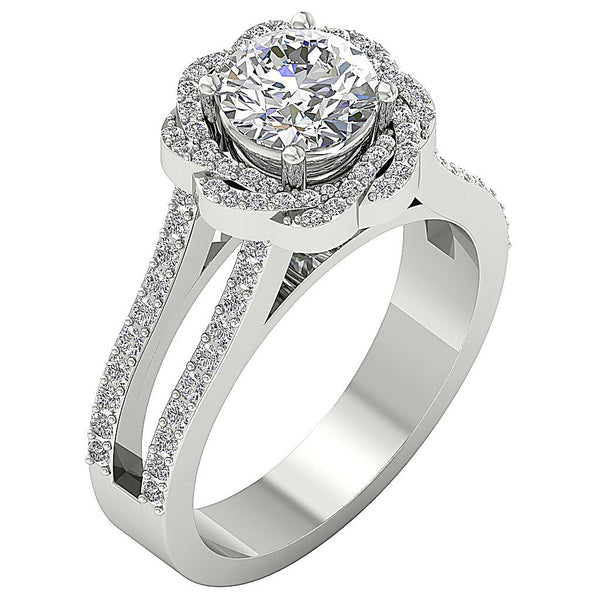
White Gold
White gold is created by alloying gold with metals such as palladium or nickel and is typically finished with rhodium plating. Its bright, cool appearance offers an alternative to yellow gold and a look reminiscent of platinum.
Sizing, Cleaning & Insurance
The smallest practical details can make the greatest difference to how jewellery lives with you.
Ring size refers to the band's interior circumference. Most styles can be resized within a limited range, although full eternity bands are more difficult to alter because diamonds extend around the entire shank.
For routine cleaning, mild soap and warm water can help remove everyday oil and residue. Fine diamond jewellery may also warrant separate insurance, as standard homeowners' or renters' policies can limit jewellery coverage.

Returns
Diamond For Good offers a 60-day return window on eligible purchases, giving you time to experience a piece in person before making a final decision.

Shipping
Shipping arrangements, including insured and discreet delivery options, vary by piece and are outlined at checkout.
Frequently Asked Questions
What does carat mean?
A carat is a unit of weight equal to 200 milligrams, not a measure of size. It divides into 100 points, so a 0.75 carat diamond can also be called seventy-five points. Two stones of equal carat weight can still look different in size depending on their cut.
How big is a 1 carat diamond in mm?
A 1 carat round brilliant diamond measures about 6.4 millimeters across, though the exact spread varies slightly with cut quality. Elongated shapes such as oval or marquise typically look larger than a round of the same weight. The full comparison appears in the diamond carat sizes guide.
Is carat the same as karat?
No. Carat weighs a diamond or other gemstone, while karat measures the purity of gold, as in 14K or 18K. The two spellings sound alike but describe entirely different properties, even within the same ring.
What's the difference between lab-grown and natural diamonds?
A natural diamond forms over billions of years underground; a laboratory-grown diamond is created in weeks using processes that recreate those same conditions. Chemically and visually, the two are identical diamonds, differing mainly in origin, rarity, and long-term value retention.
What does VS1 clarity mean?
VS1 stands for Very Slightly Included, the higher of the two VS clarity grades. Diamonds at this grade contain minor inclusions that are difficult to see even under 10x magnification and are virtually always eye-clean to the naked eye.
Can eternity rings be resized?
Full eternity rings, set with diamonds around their entire circumference, generally cannot be resized without removing and resetting stones, since no plain metal remains to work with. Half eternity rings, which leave the underside plain, can typically be resized within a size or two.