Marquise Cut Engagement Ring
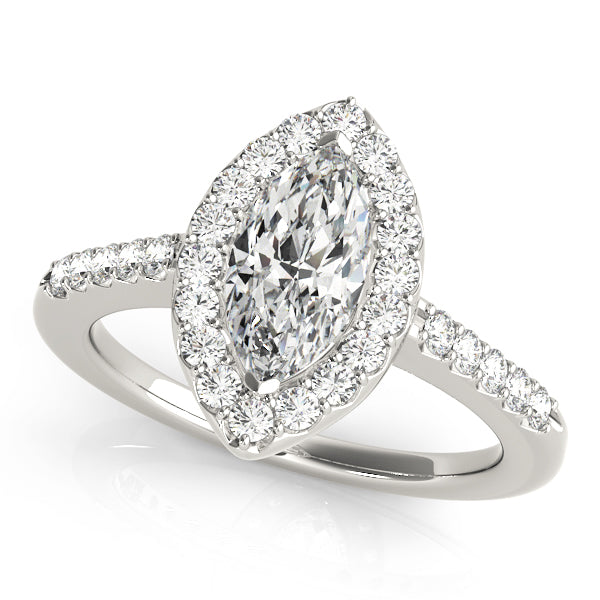
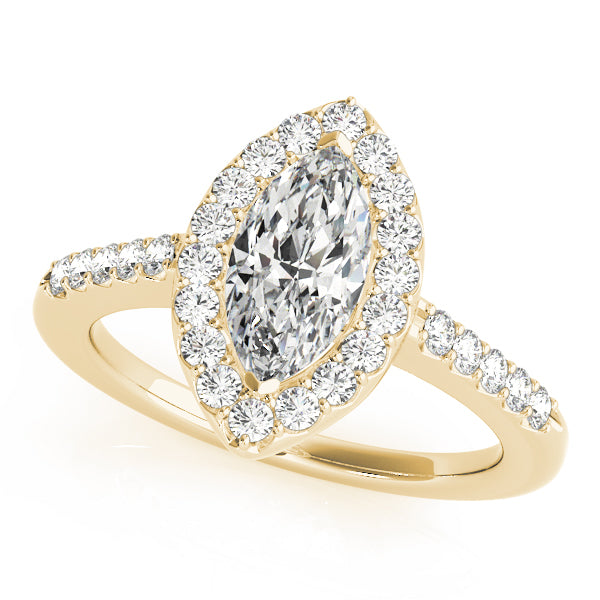
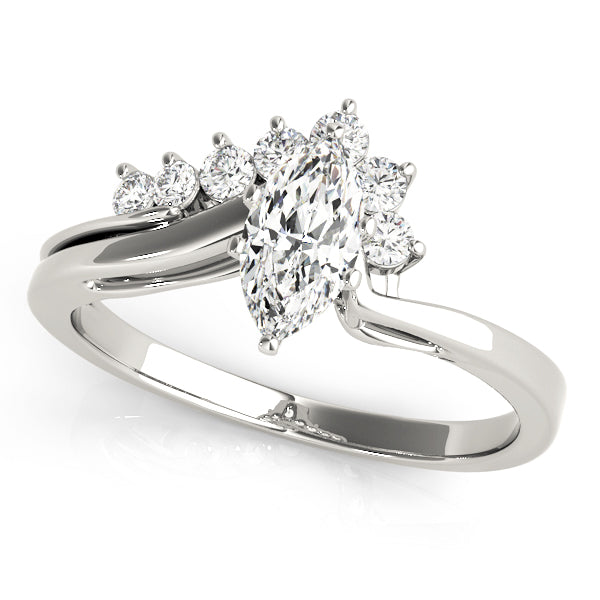
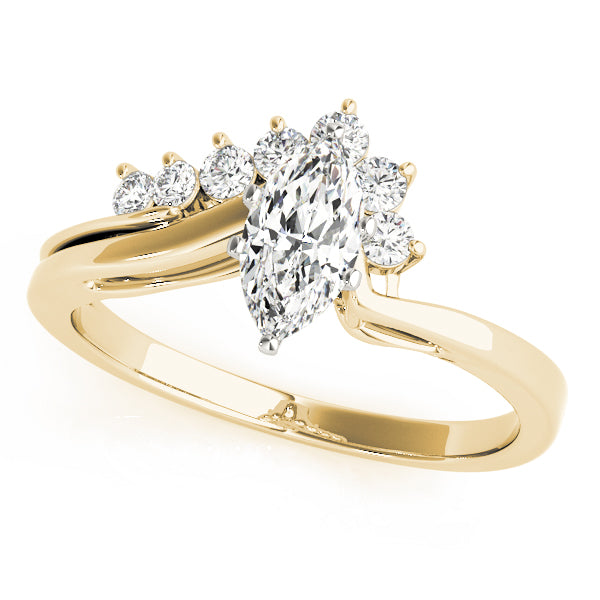
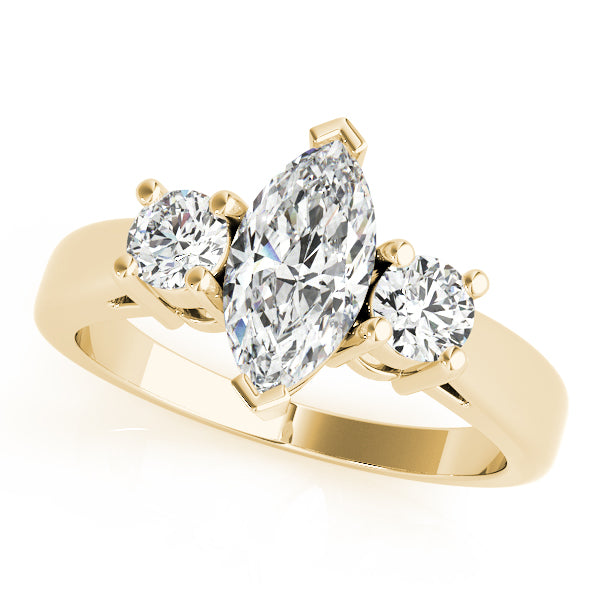
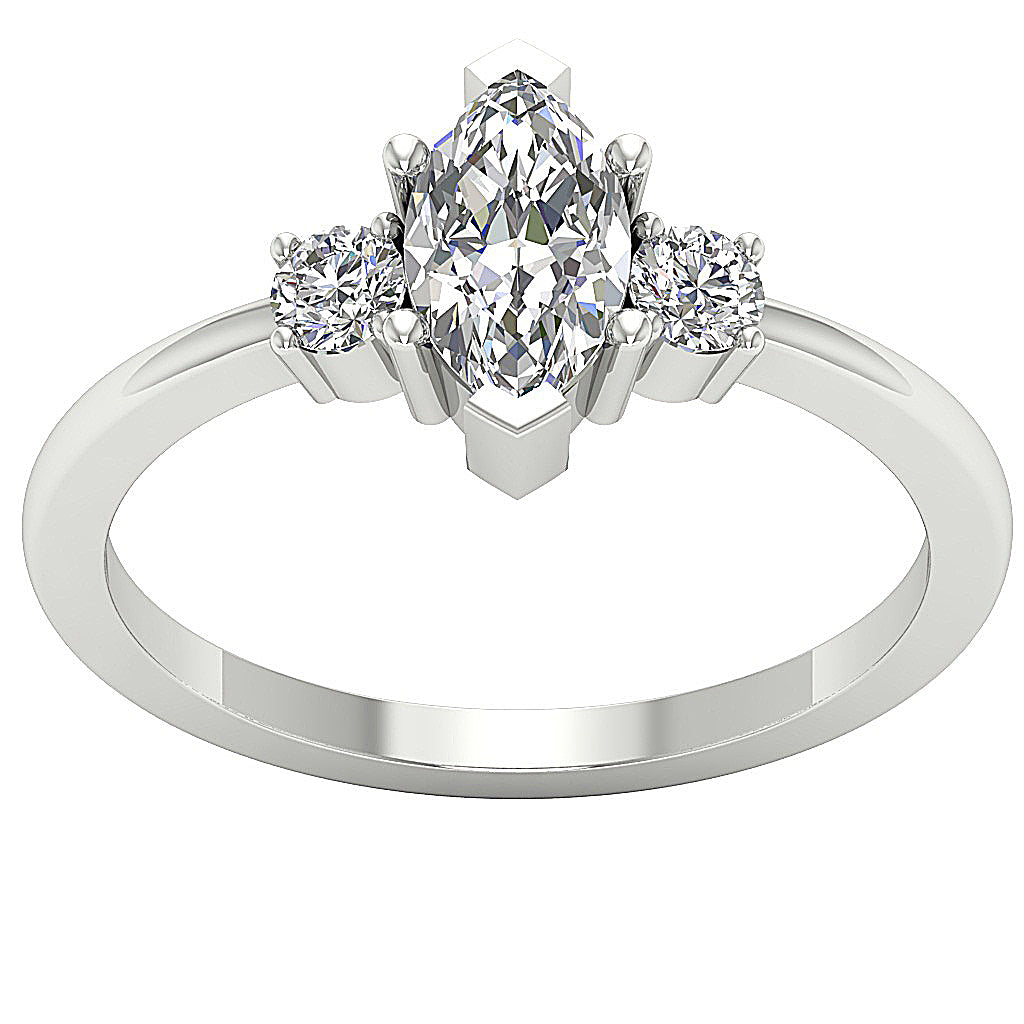
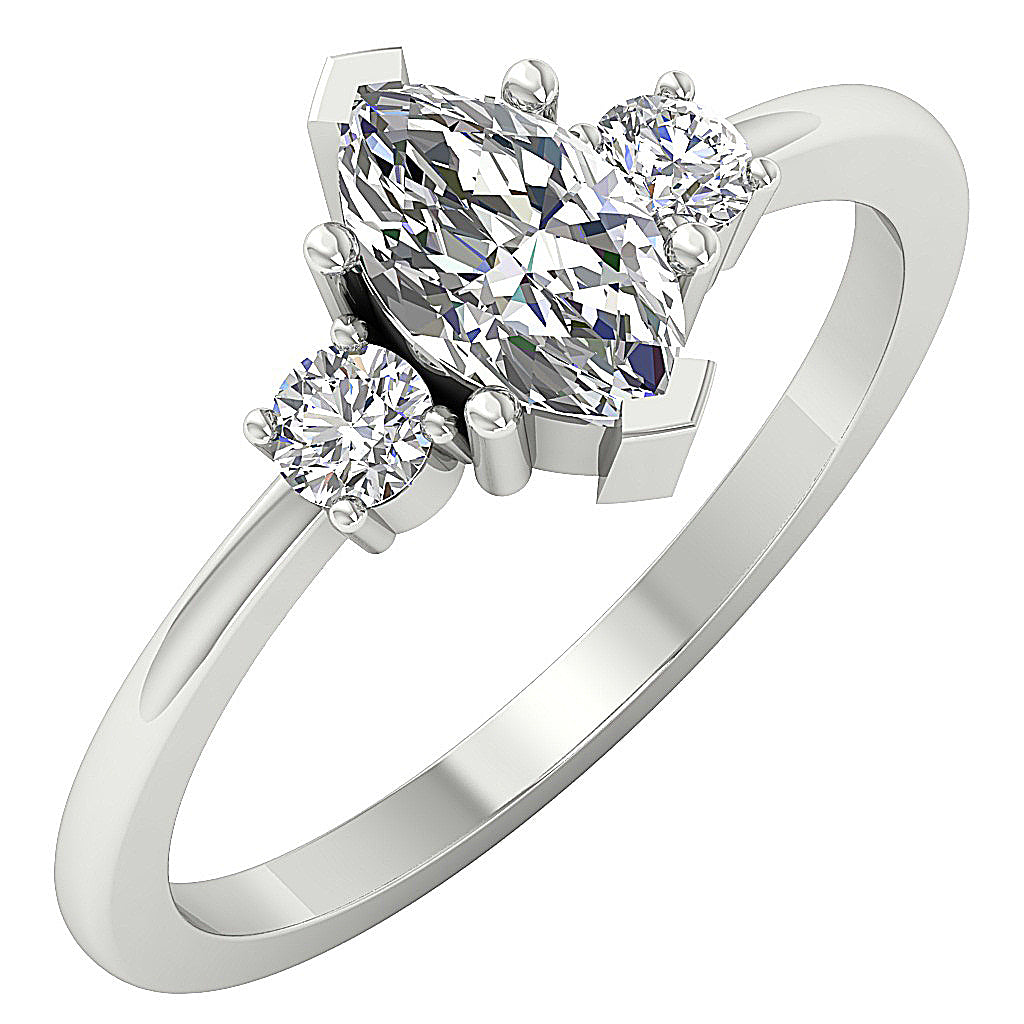
A marquise cut diamond commands attention with its elongated silhouette, gently curving sides, and precise pointed ends. Its length creates a graceful presence on the finger, while proportions can shift its character from slender and dramatic to fuller and more softly oval.
Long associated with the romantic legacy of the Marquise de Pompadour, the shape carries an unmistakable sense of history and theatre. Its elongated outline can also create strong face-up presence relative to carat weight. Distinctive and assured, the marquise makes the silhouette itself the defining expression of the ring.
How Marquise-Cut Diamond Engagement Rings Are Built
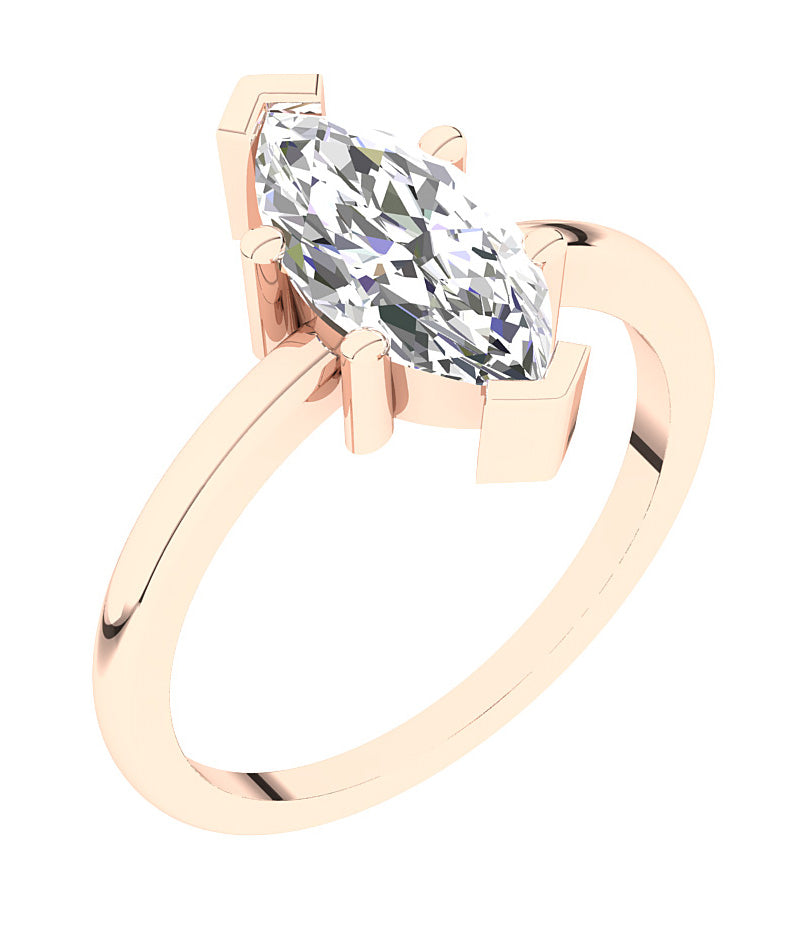
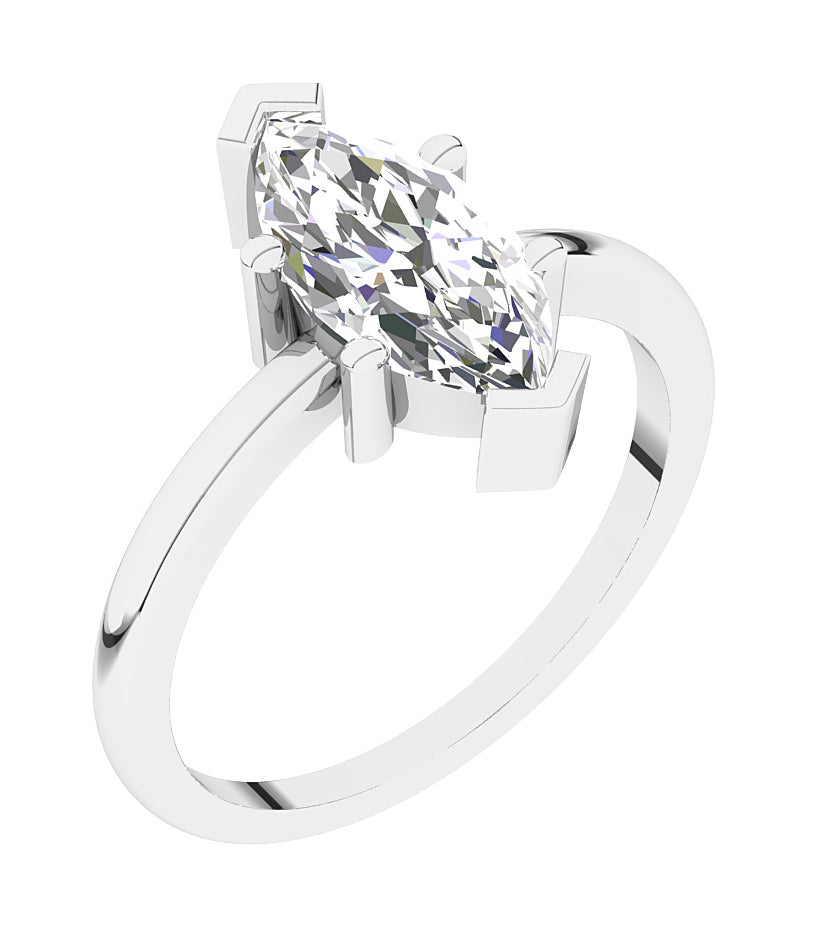
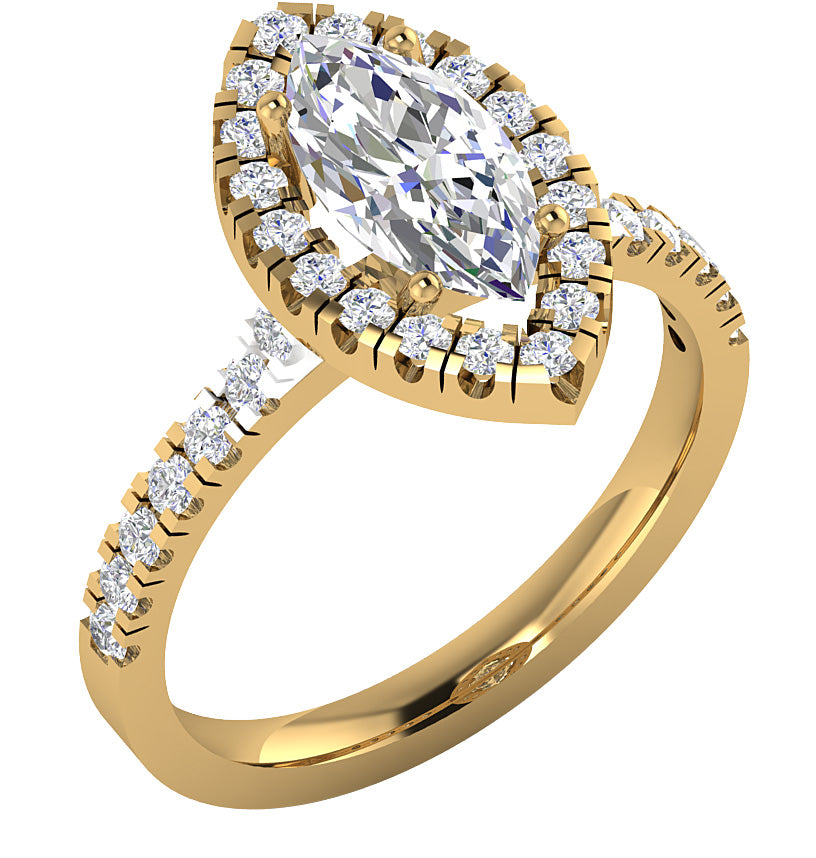
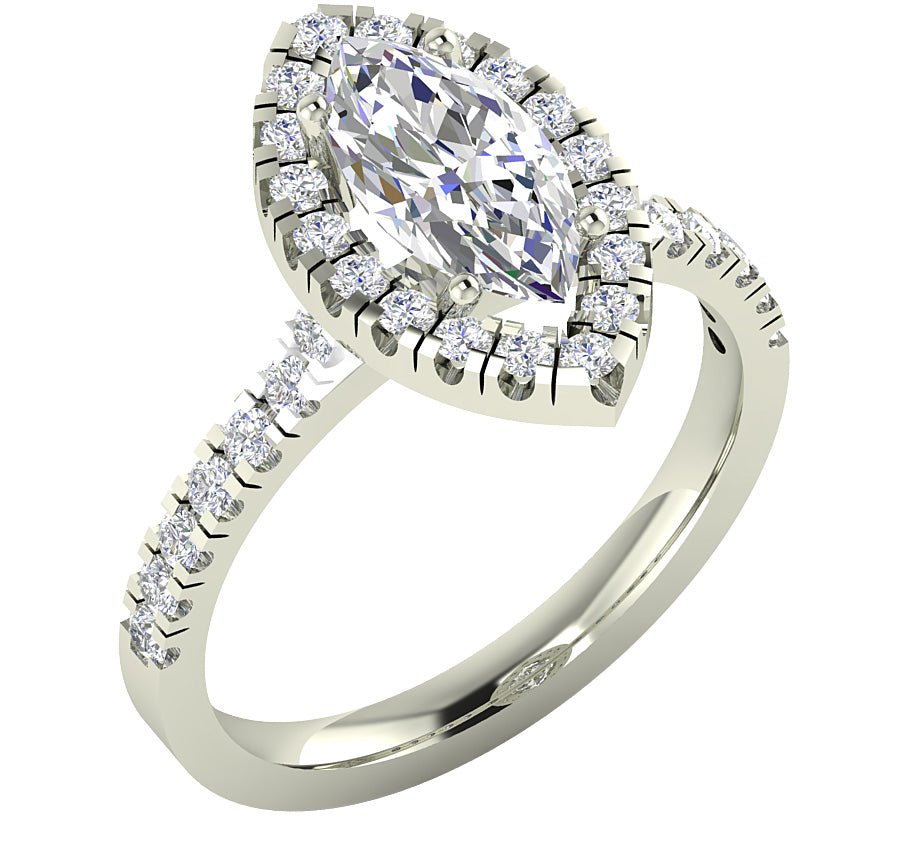
The marquise's two pointed ends are its defining structural consideration. Unlike the rounded sides of the stone, these tips are more exposed to impact and require deliberate protection. V-shaped prongs are commonly placed at each point, cradling the tips while distributing pressure around rather than directly onto the most vulnerable edges.
Diamond for Good sets marquise center stones with particular attention to the symmetry of the two ends. Because the silhouette is based on bilateral balance, even a subtle difference between the points or curves can affect how the finished stone appears.
Length-to-width ratio also determines how the diamond sits visually on the hand. A narrower stone creates a more elongated, directional effect, while a wider marquise produces a fuller appearance. Neither proportion is inherently better; the choice depends on whether the finished ring should feel slender and dramatic or broader and softer.
The Craft Behind Marquise-Cut Engagement Rings
A marquise cut leaves little room for imbalance. Its long outline draws the eye along the entire length of the stone, making differences between the two ends, curves, or central axis particularly noticeable.
Each center stone is assessed for symmetry before setting, with the two points and corresponding side curves compared against one another. The objective is not simply to achieve the basic marquise outline, but to ensure that both halves create a convincing visual mirror.
The V-prongs are then positioned according to the individual stone. Their role is especially important at the pointed ends, where the setting needs to provide protection without making the tips appear heavy or obscuring the silhouette.
The finished ring is checked at both points once the stone has been set, confirming that the setting remains balanced and secure. For a marquise, precision is not an invisible technical detail; it is part of what makes the shape feel graceful.
Wearing It Well: Styling Your Marquise-Cut Diamond Engagement Ring
Let the length of the stone lead the composition. A slim, understated band allows the marquise's elongated silhouette to remain the dominant visual element, while a wide or heavily detailed band can compete with its proportions.
Orient the stone along the length of the finger for its most traditional presentation. This direction emphasises the marquise's natural elongation and creates a strong visual line across the hand.
When pairing it with a wedding band, a gently contoured profile can follow the shape of the engagement ring more naturally than a rigid straight band. This creates a smoother relationship between the two pieces without taking attention away from the center stone.
Keep surrounding jewellery considered rather than overly elaborate. The marquise has a distinctive outline that already commands attention, so simpler pieces can allow its proportions to remain clear.
Living With It: How to Care For Your Marquise-Cut Diamond Engagement Ring
The two pointed ends deserve particular attention during everyday wear. Because they are more exposed than the curved sides of the diamond, direct impact can create a greater risk of damage. Regularly checking the security of the point prongs is therefore especially important.
Clean the ring weekly with warm water, mild soap, and a soft-bristled brush. Work carefully around both points and the setting beneath them, where residue can collect close to the stone's most delicate edges.
Have a jeweller inspect the setting regularly, paying particular attention to both V-prongs and their contact with the tips. Remove the ring before manual work, heavy gripping, or activities involving direct impact, since the elongated profile can catch more readily than a compact round or cushion shape.
Store the ring separately from other jewellery, ideally in its own compartment. Keeping the pointed ends away from harder gemstones and other pieces reduces the chance of accidental contact or pressure against the tips.
A silhouette built on two points, balanced perfectly between drama and grace.