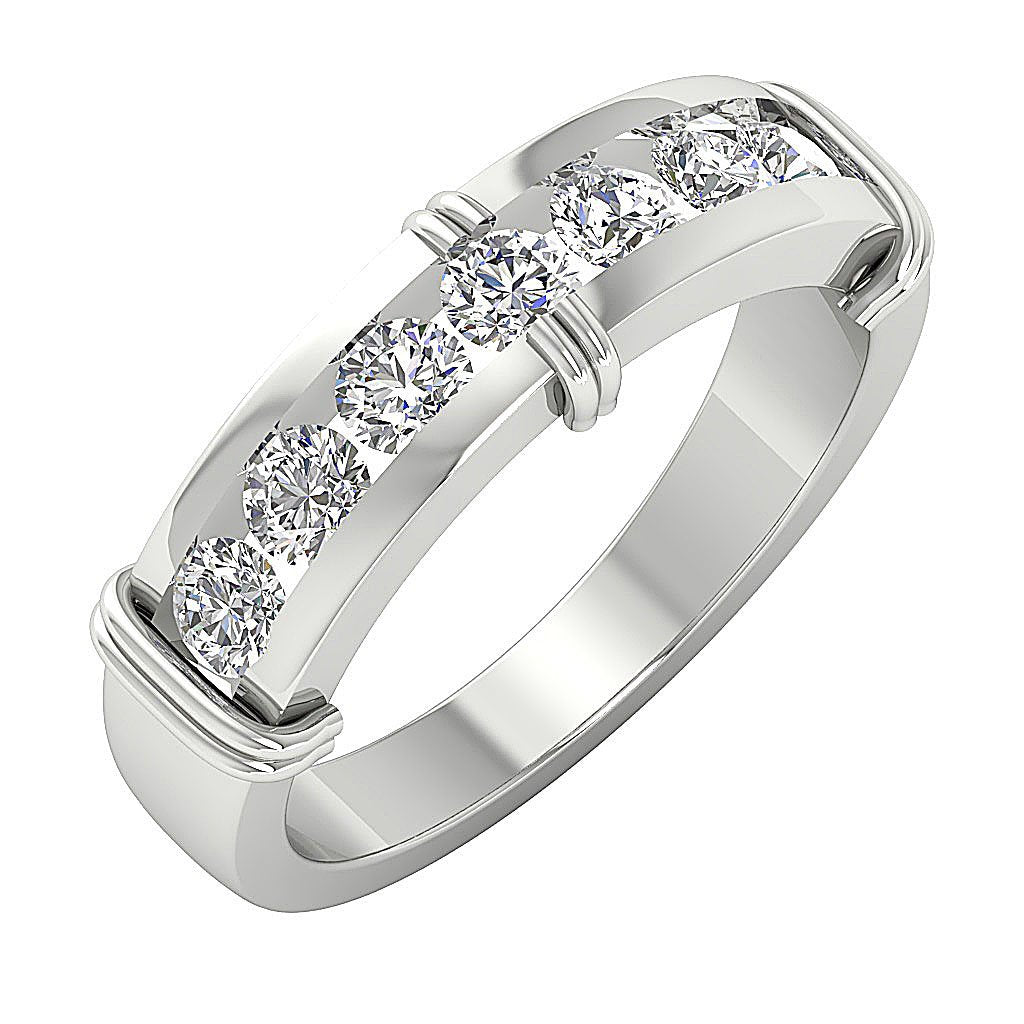
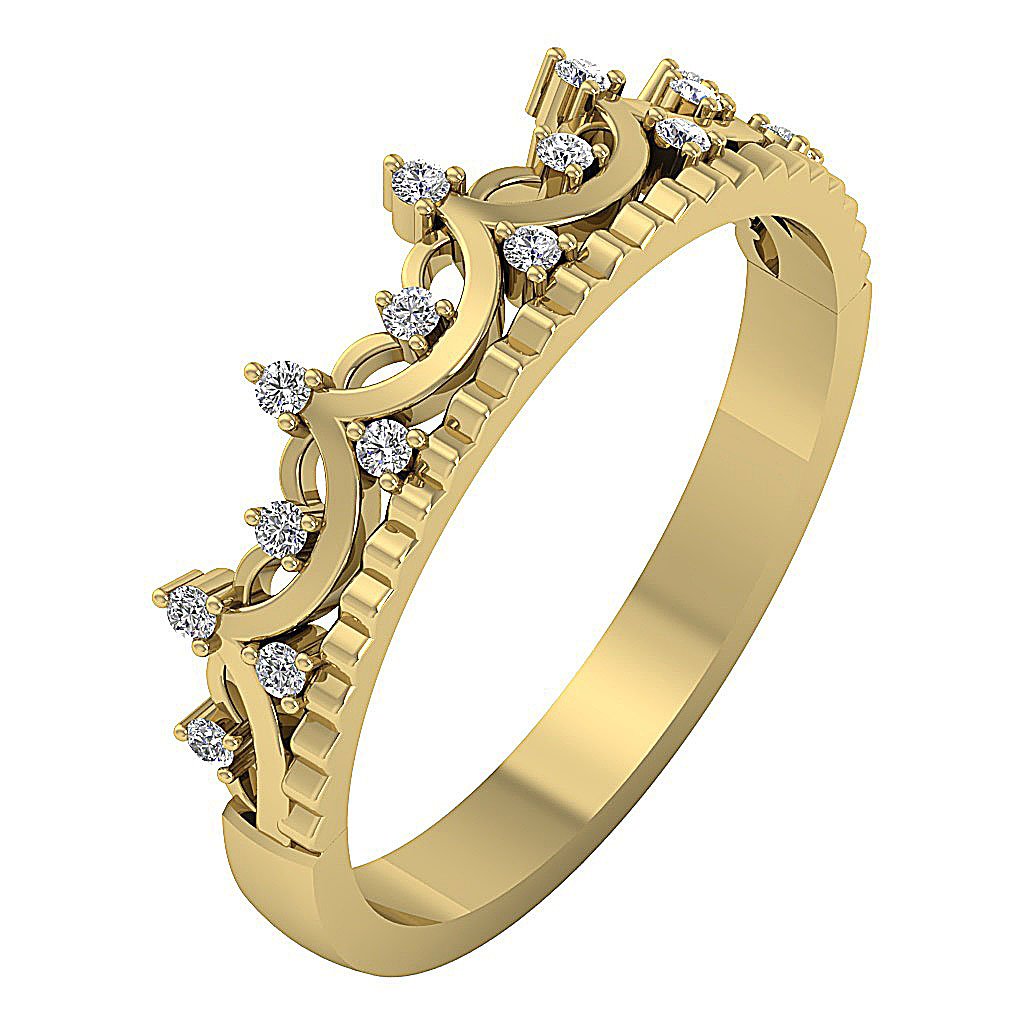
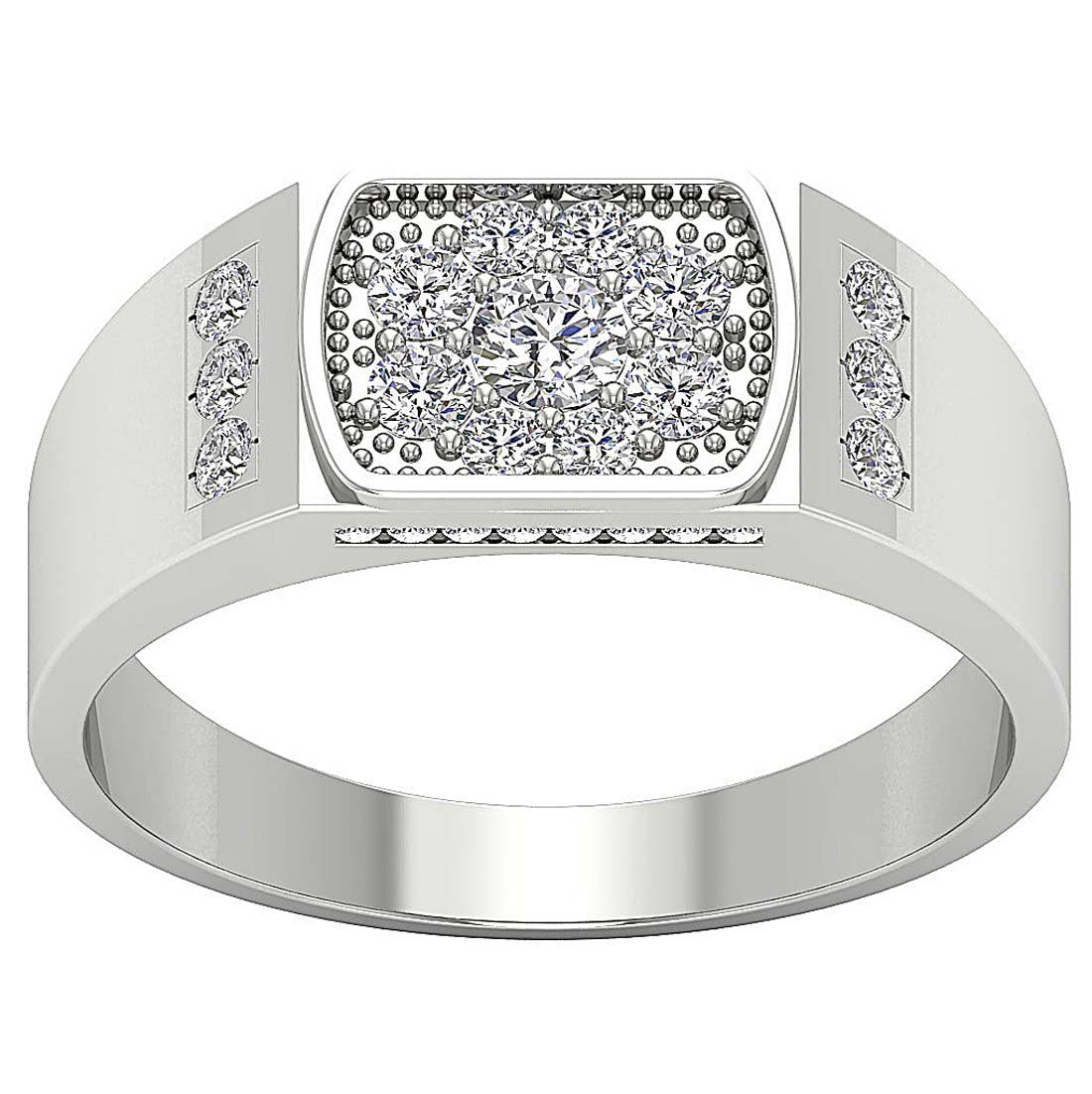
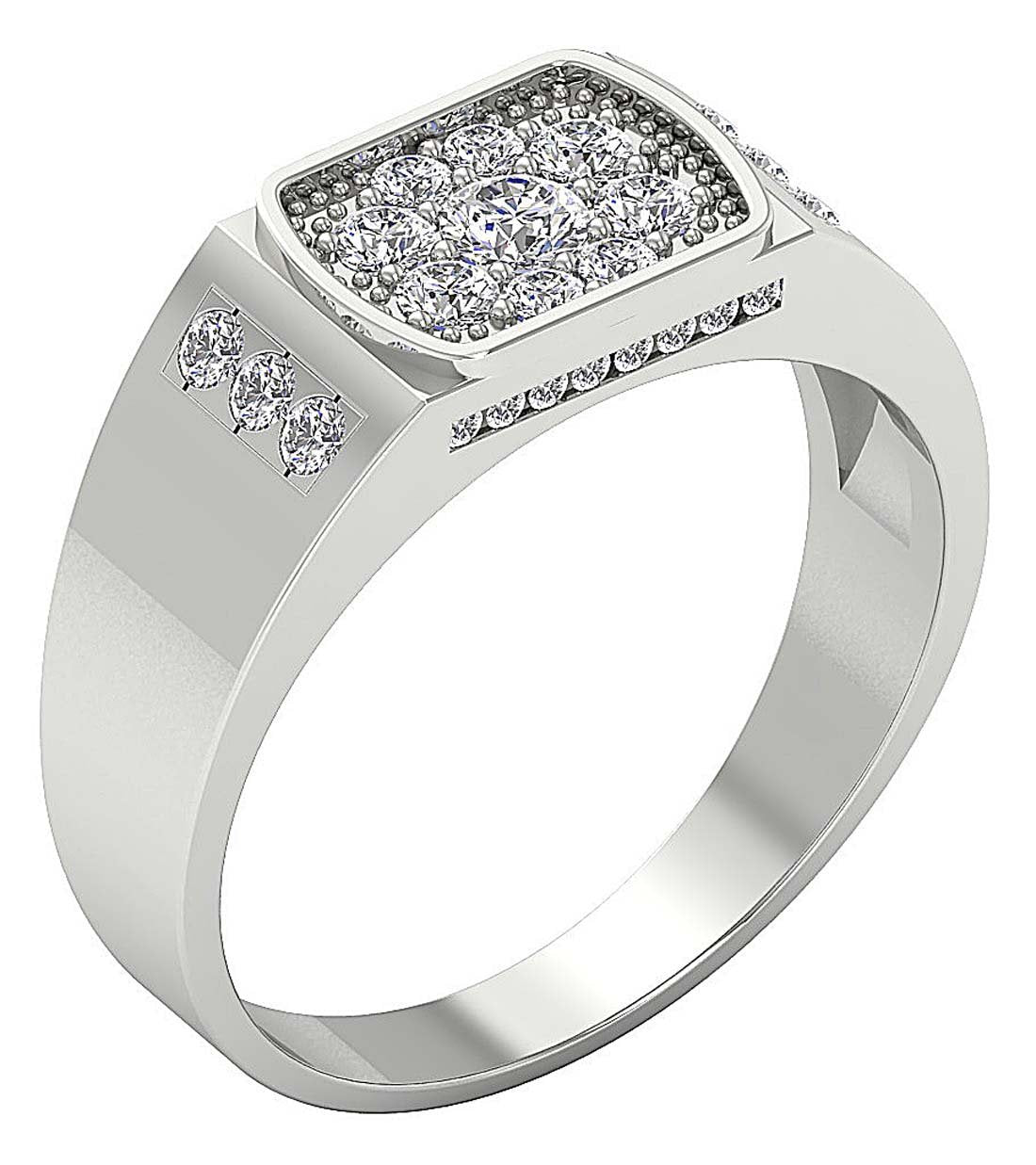
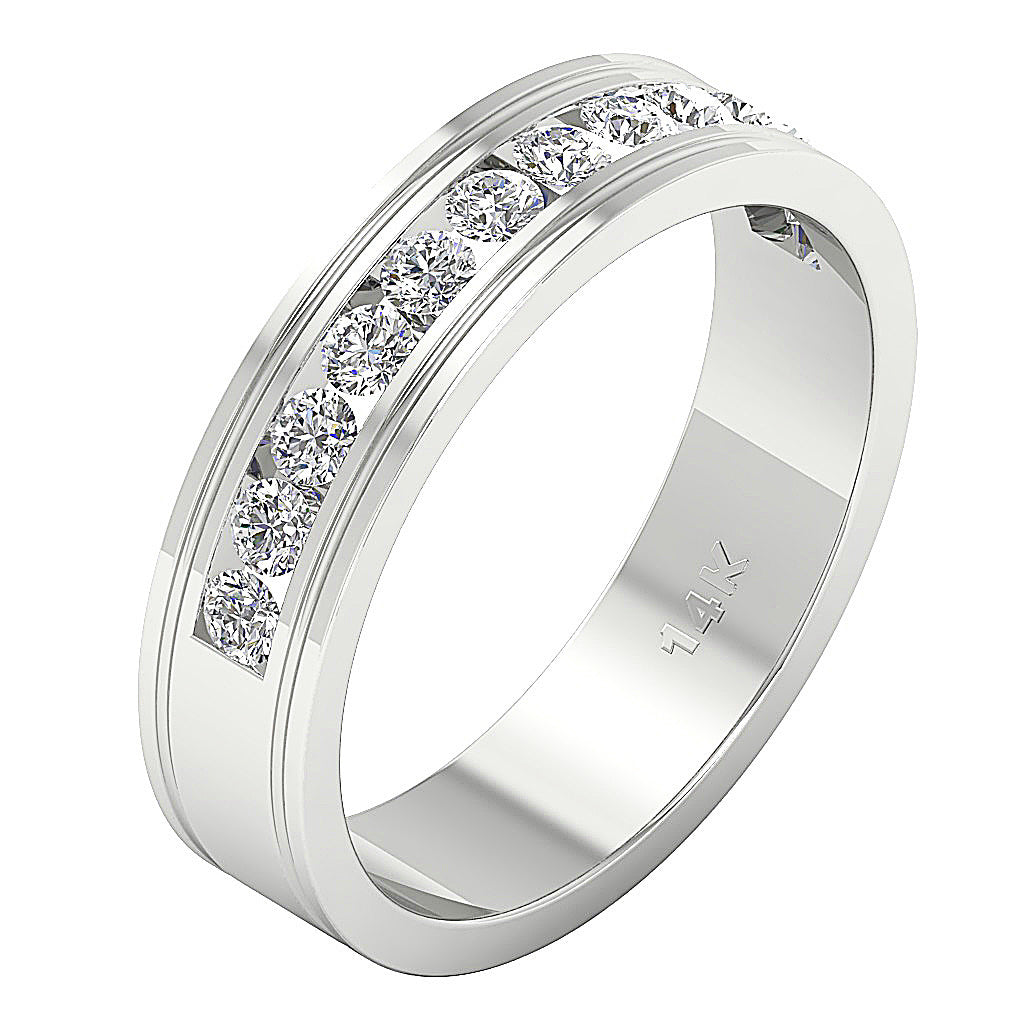
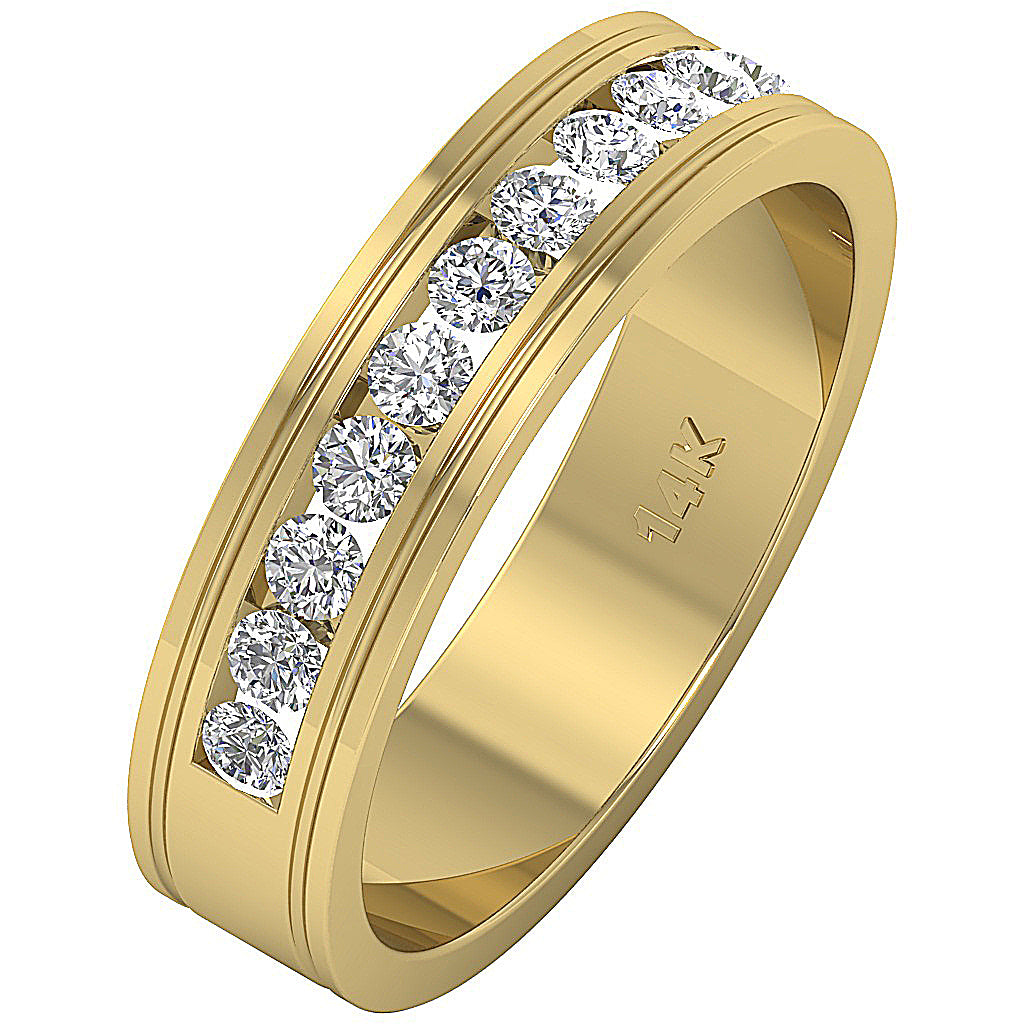
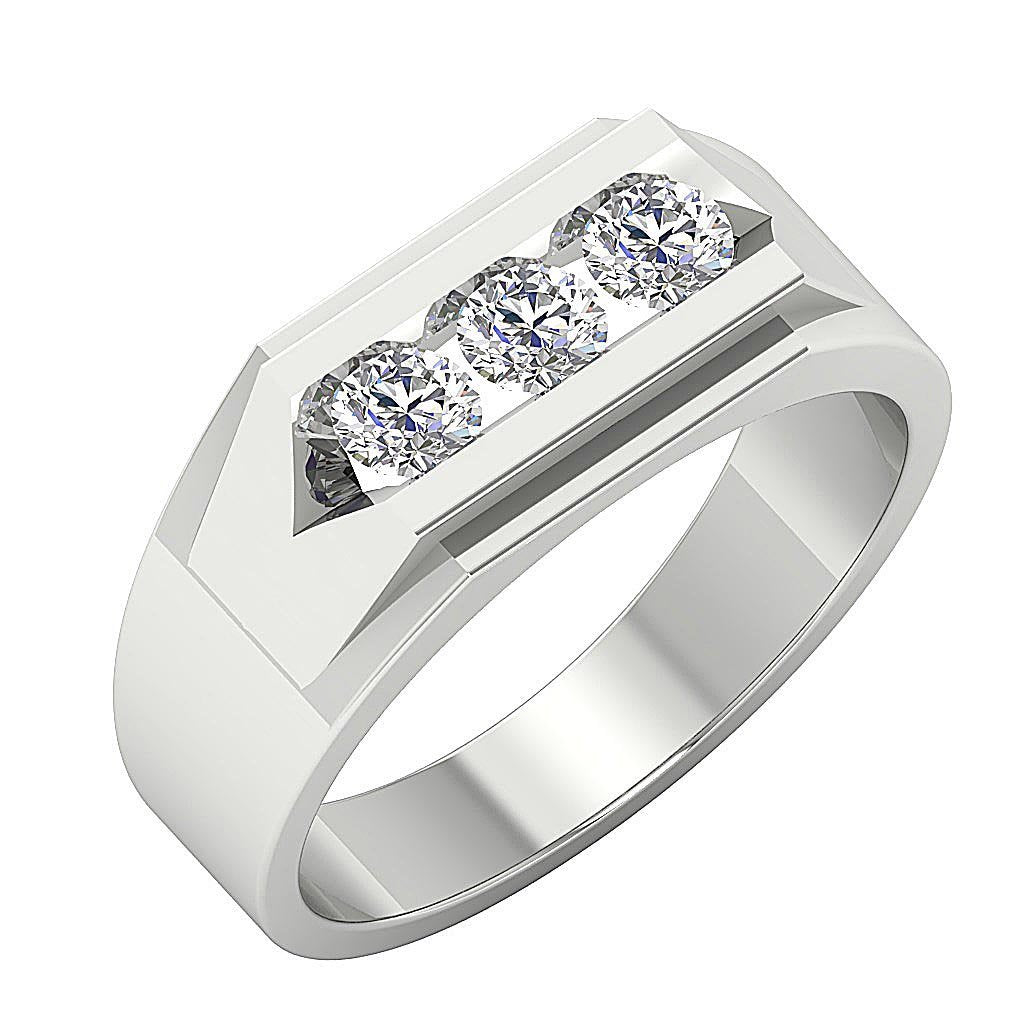
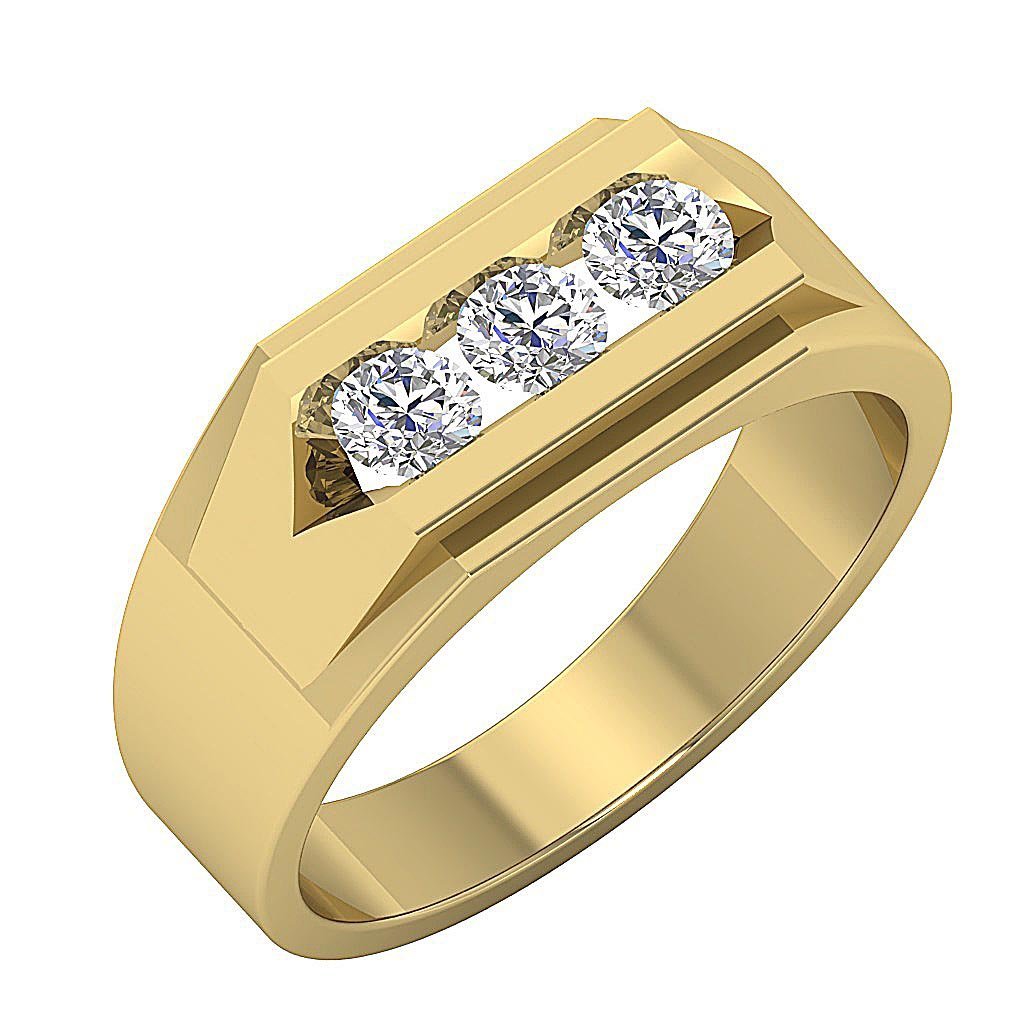
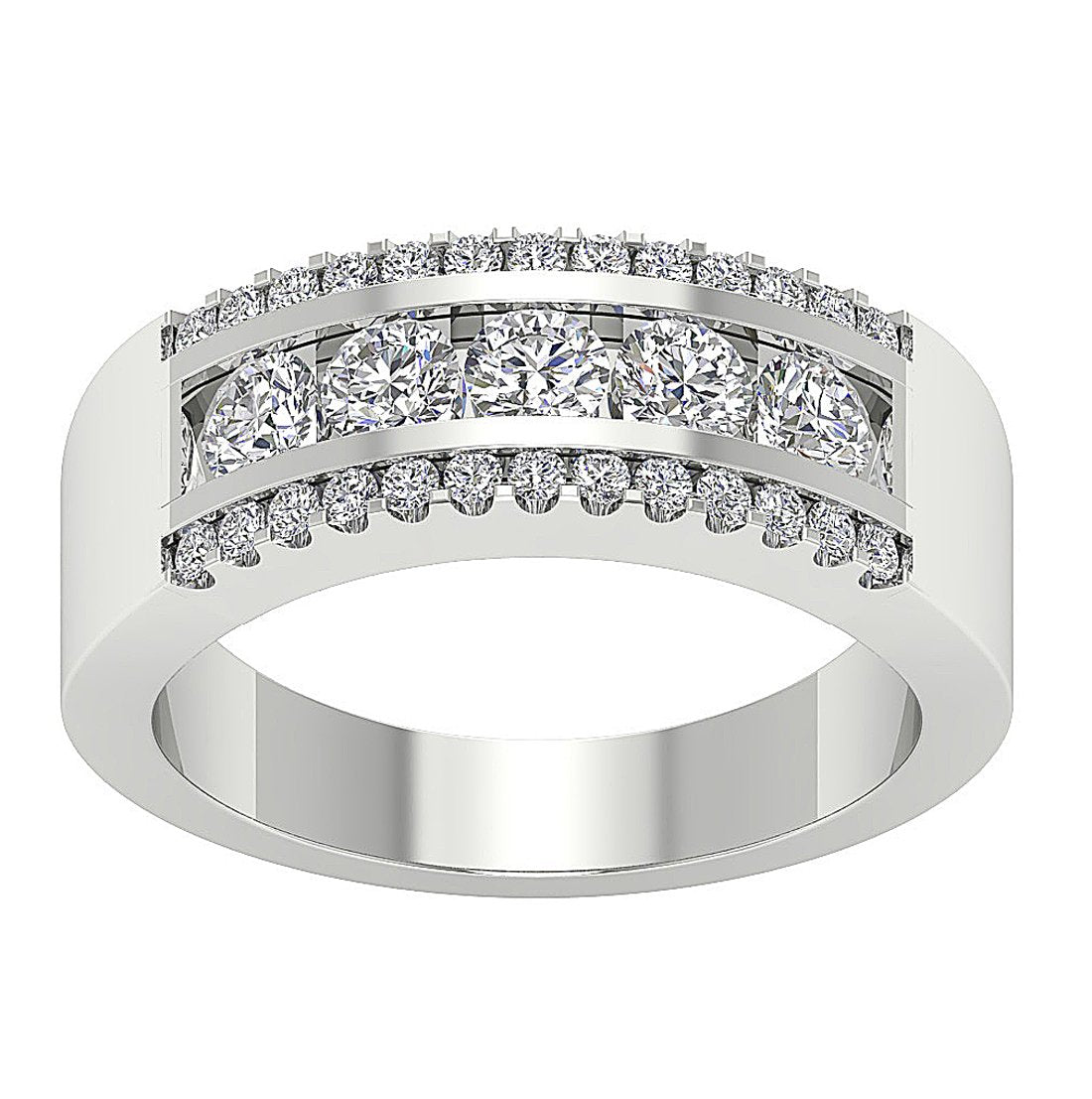
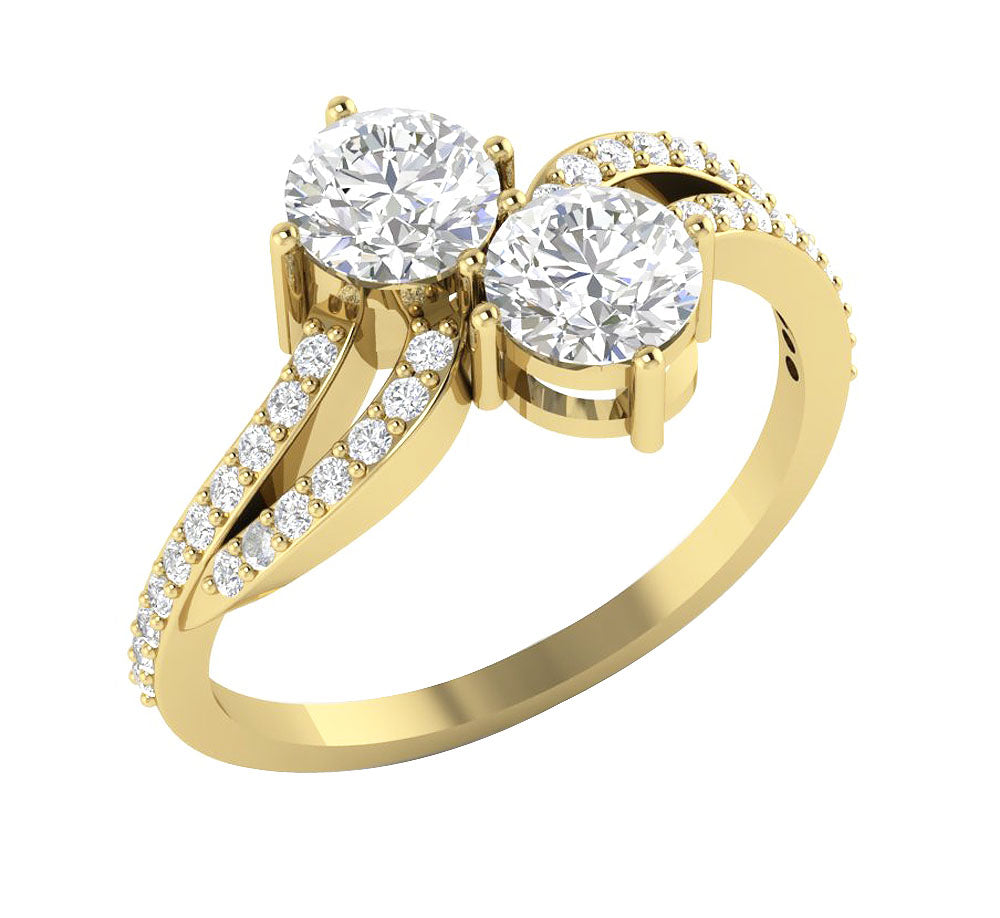
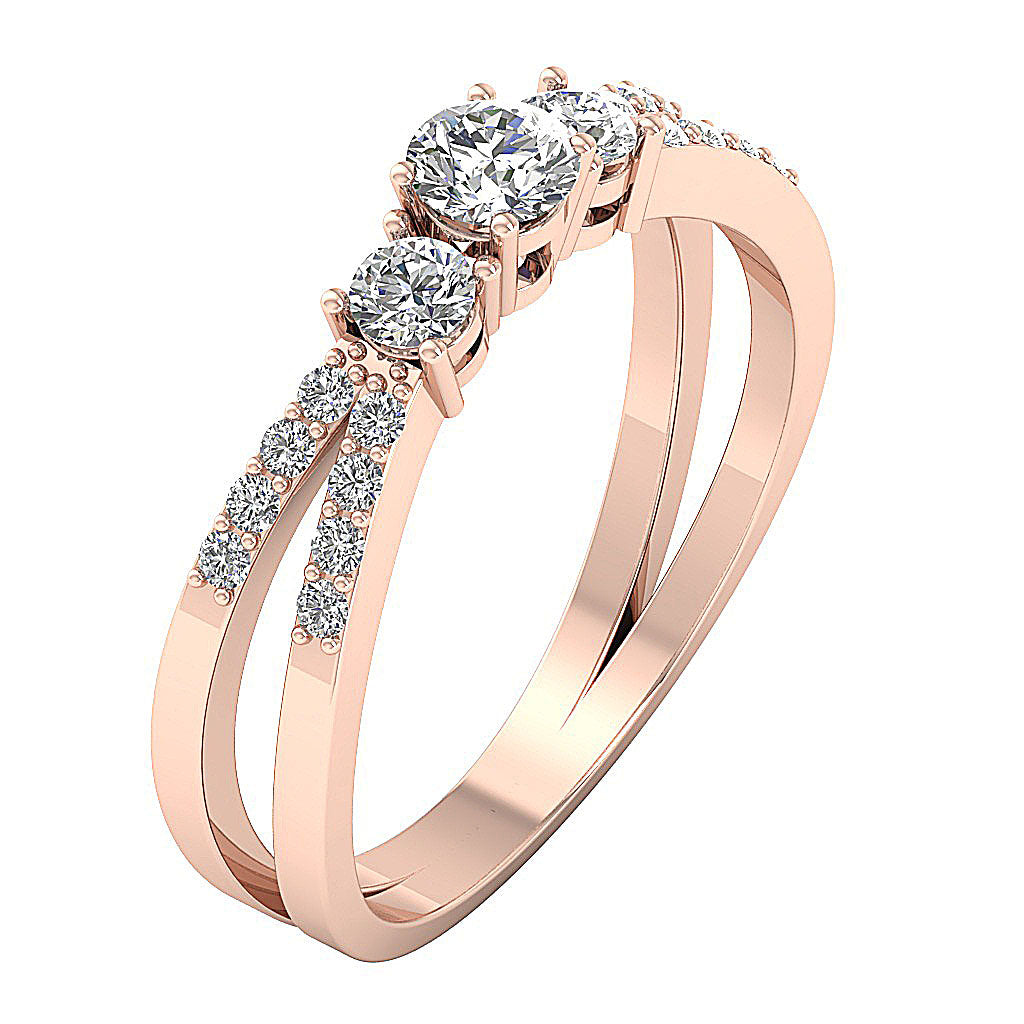
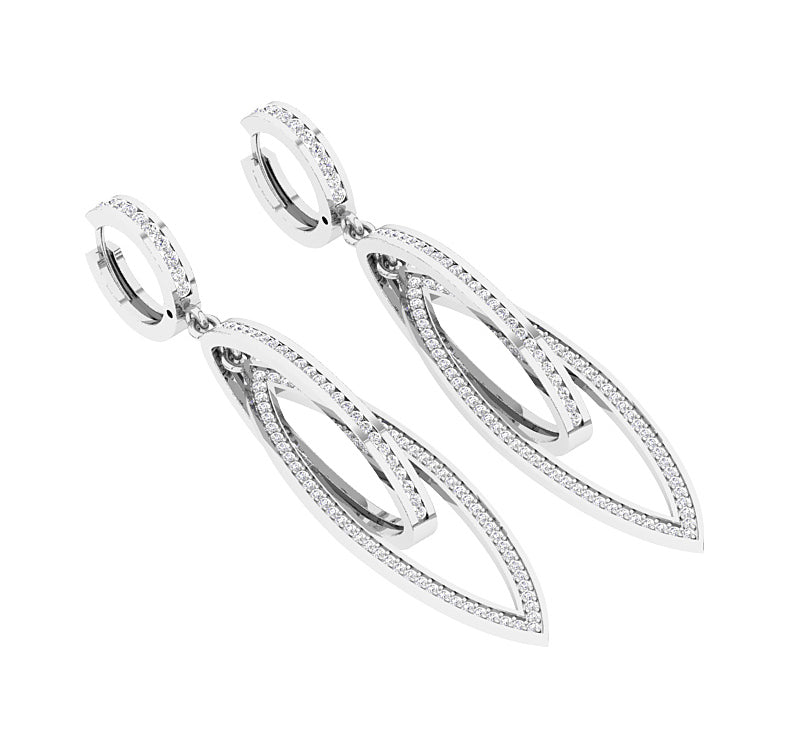
White Gold Diamond Rings
White gold transforms naturally yellow gold into a cool, silvery metal through alloying with metals such as palladium or nickel, followed by rhodium plating. The result offers a refined, neutral frame that lets a diamond’s brilliance and fire remain the focal point, particularly in solitaires and halos.
Its understated versatility suits almost any shape or setting and pairs effortlessly with other jewellery. Unlike yellow or rose gold, however, its appearance depends partly on its rhodium surface. As that layer wears, the warmer alloy beneath gradually emerges, making periodic replating an important consideration for long-term wear.
How White Gold Diamond Rings Are Built
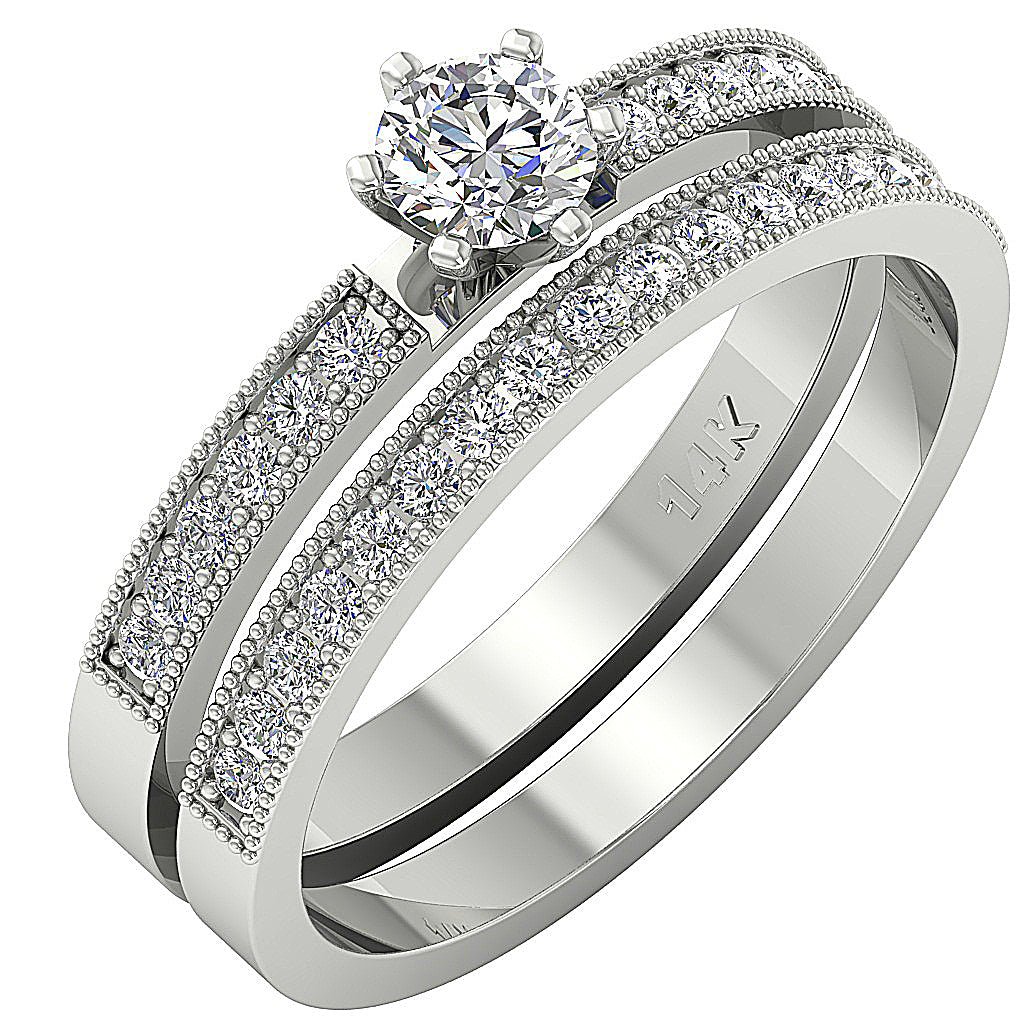
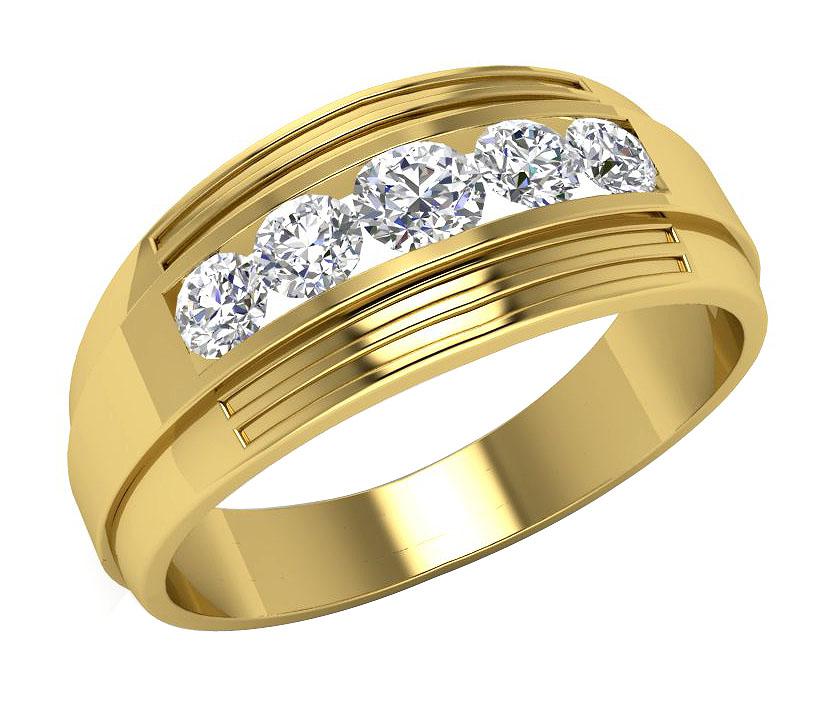
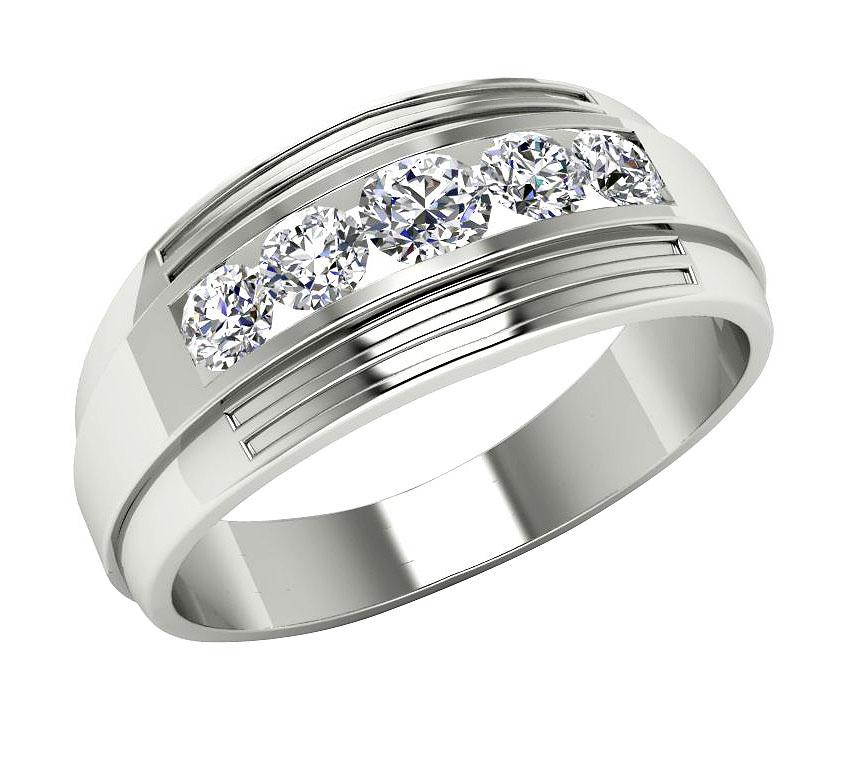
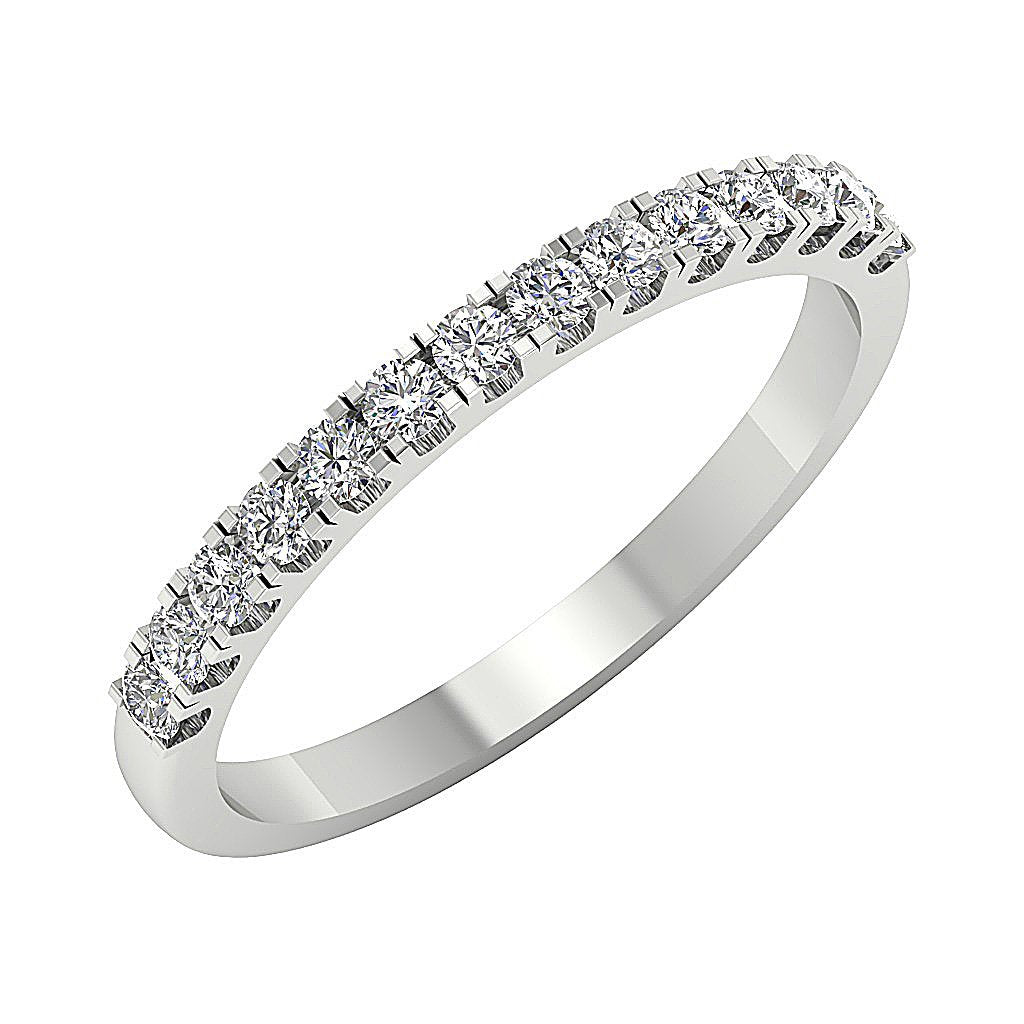
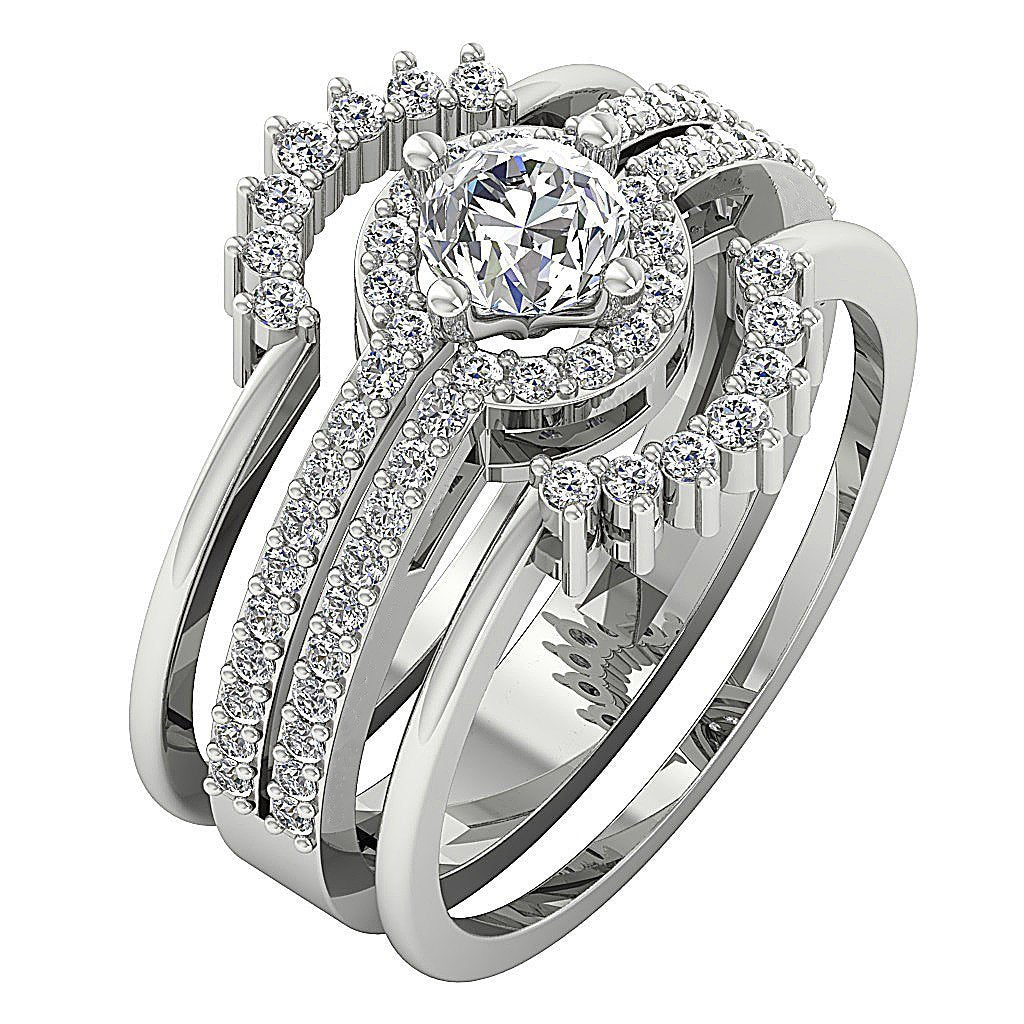
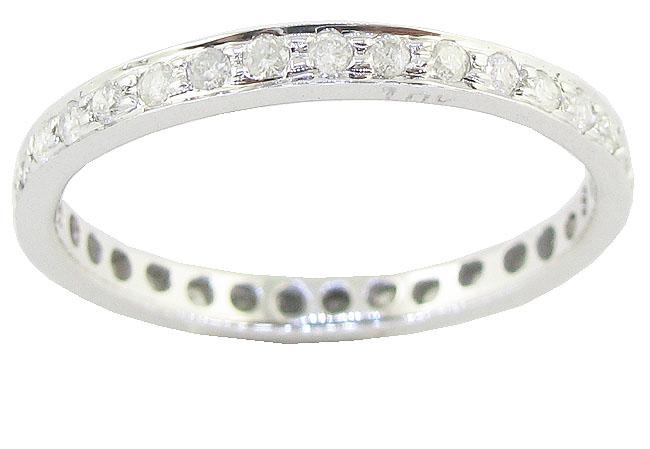
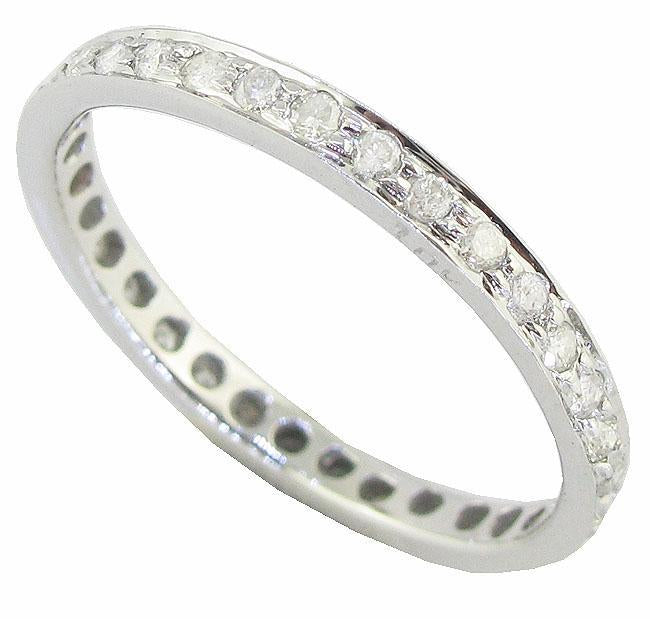
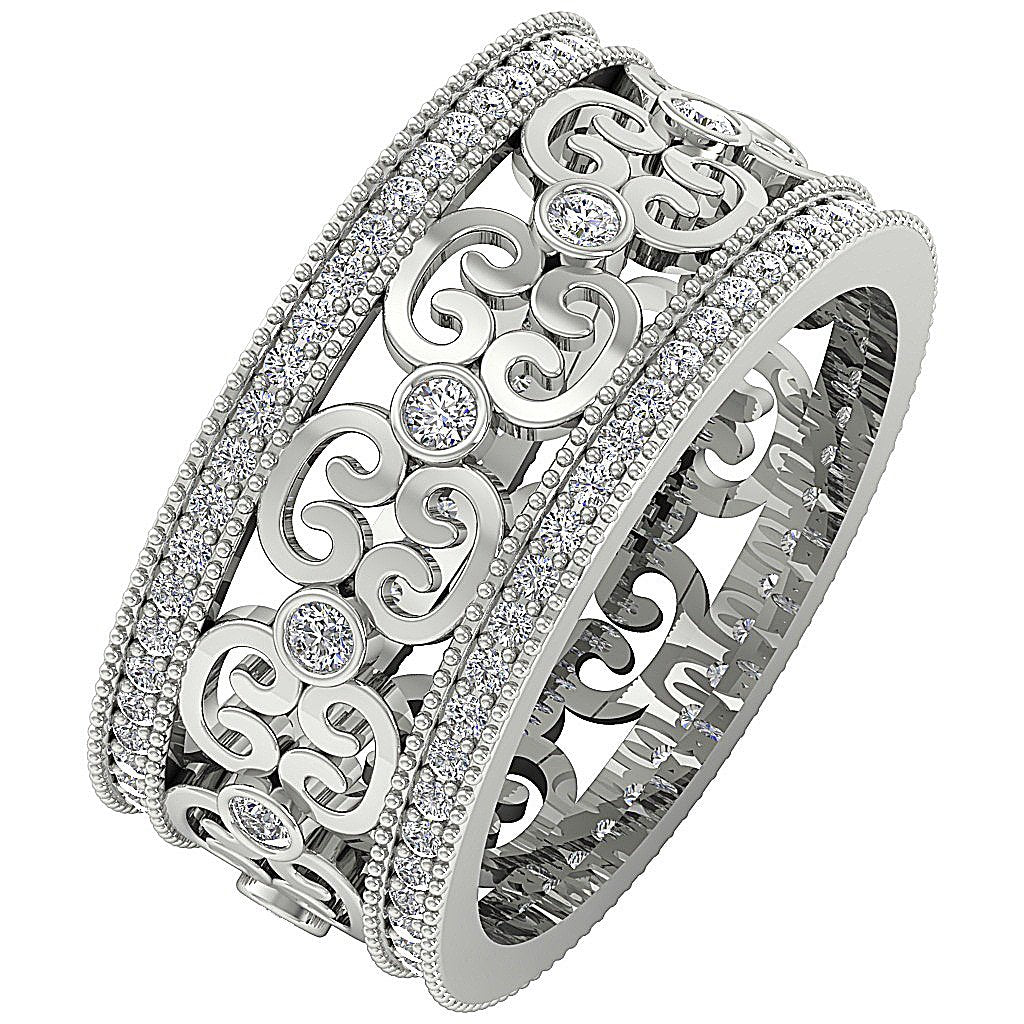
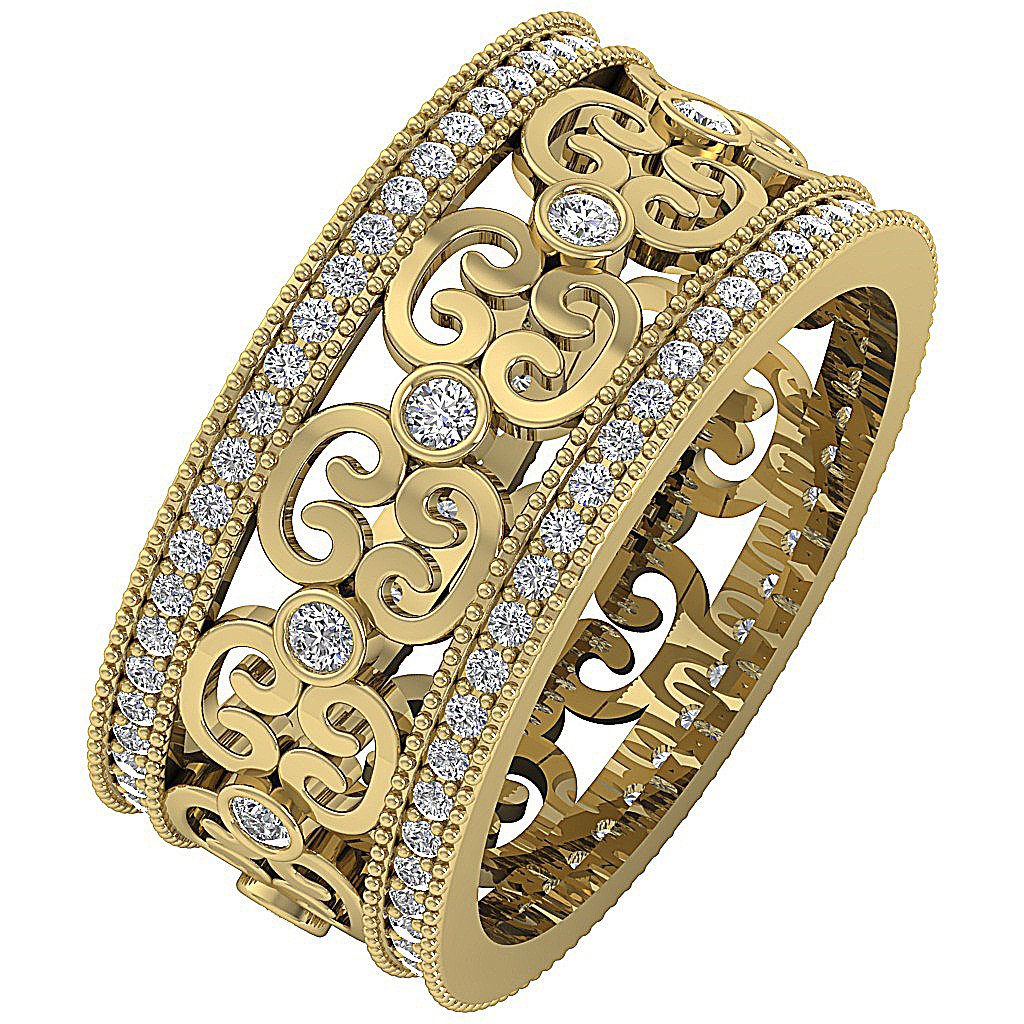
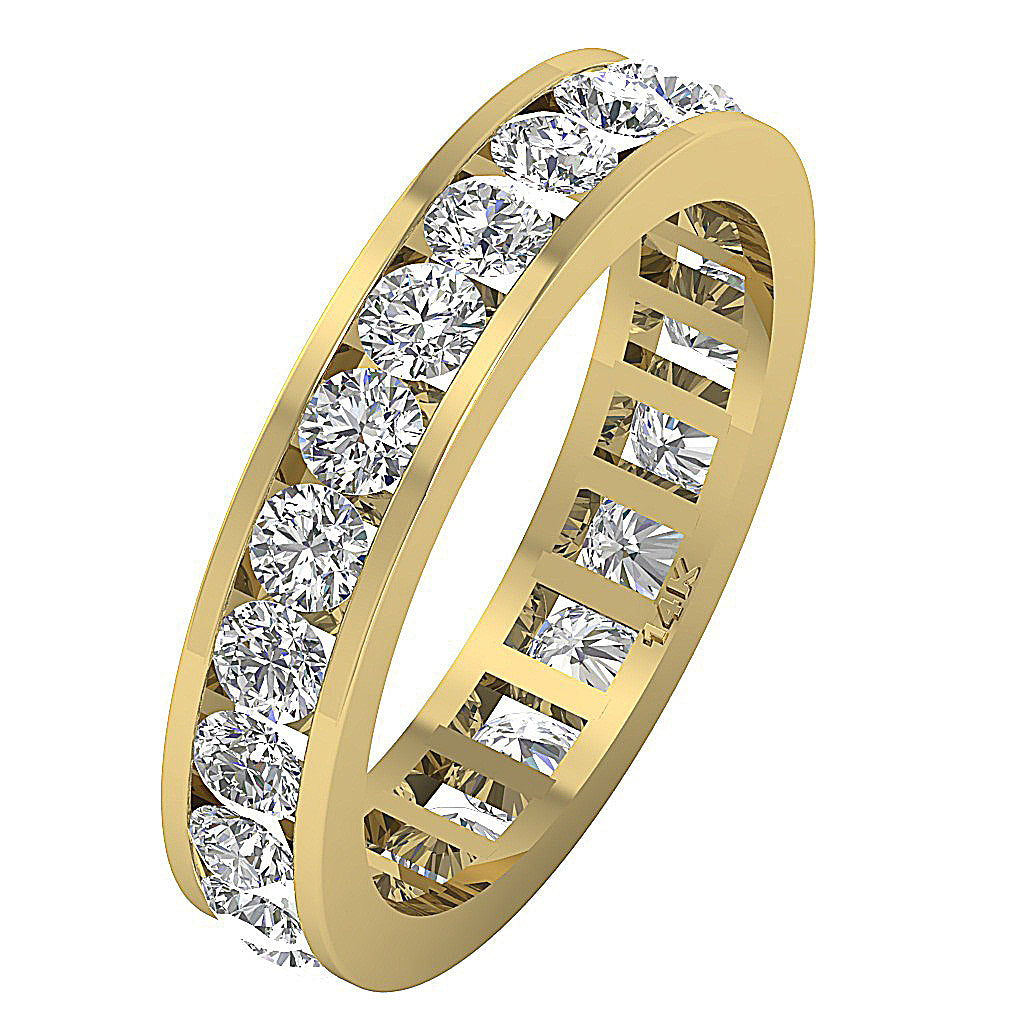
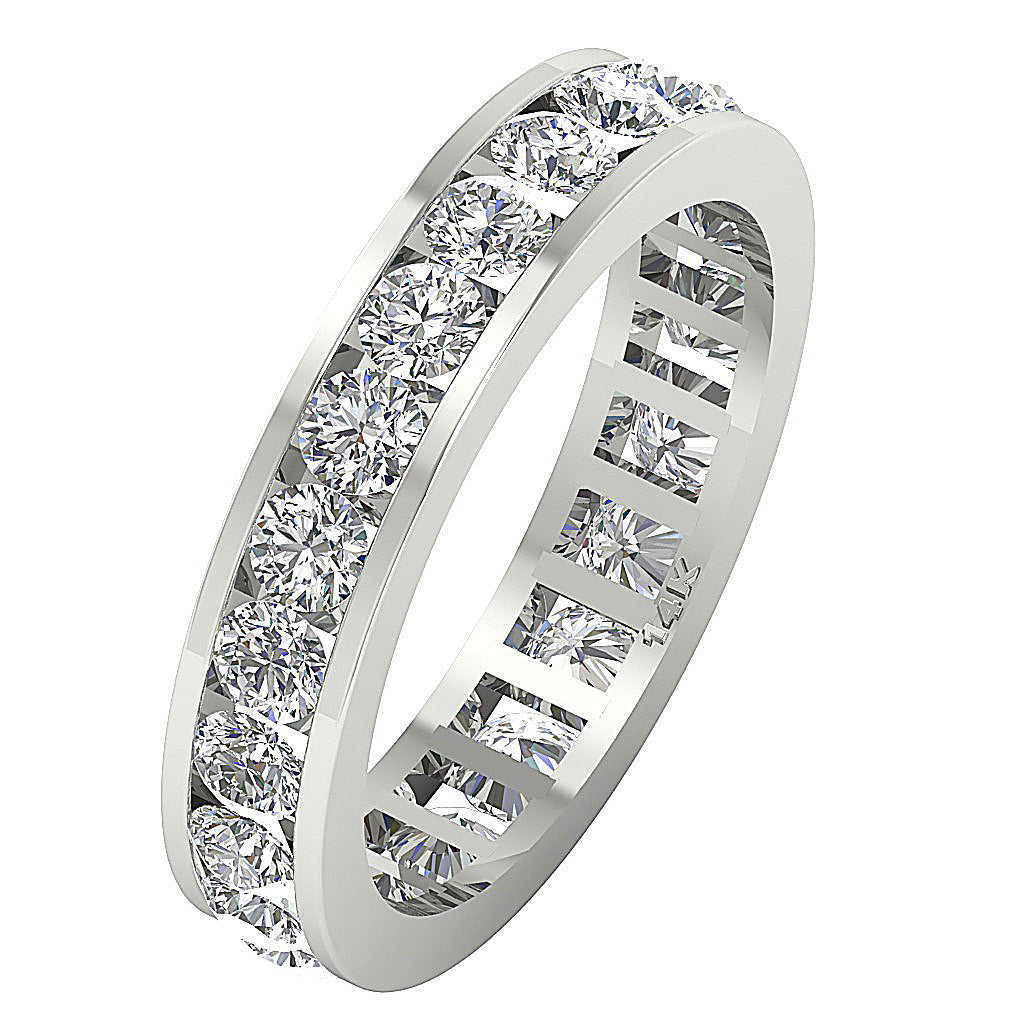
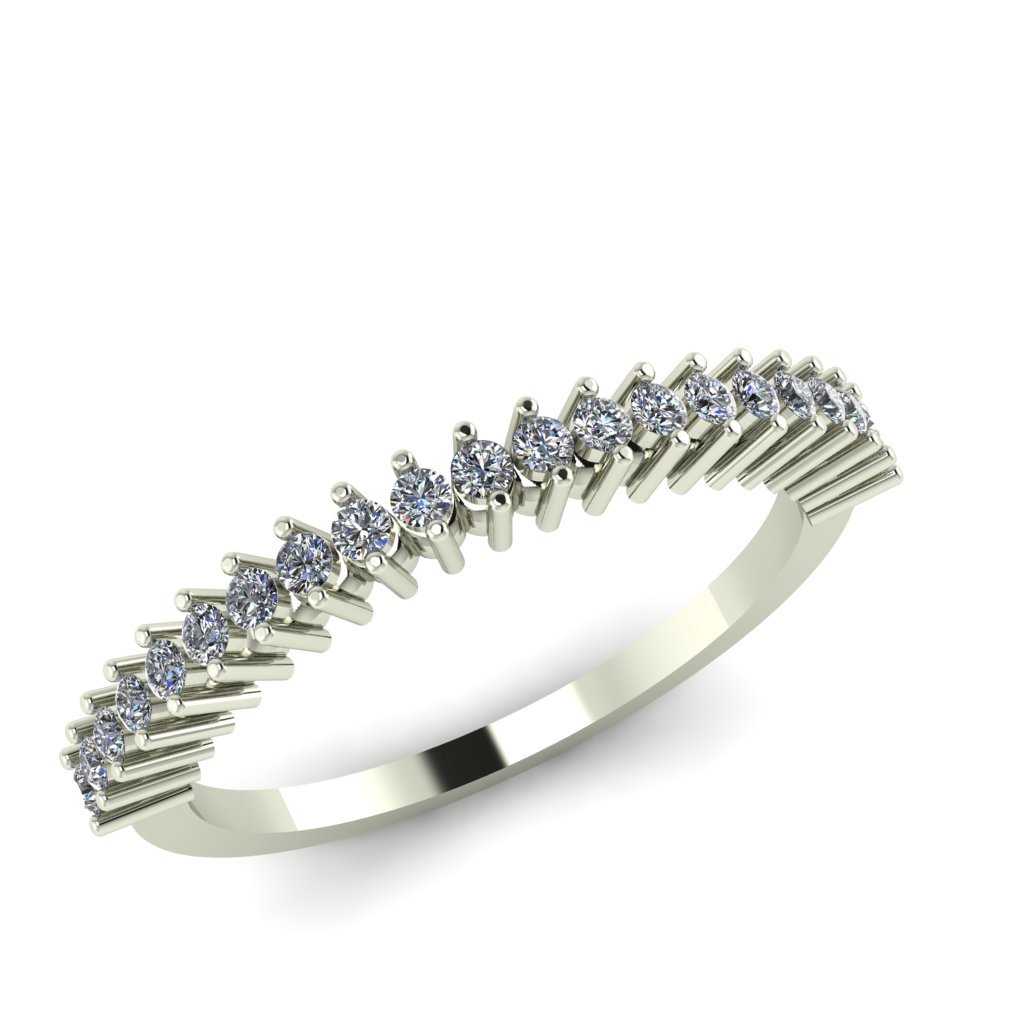
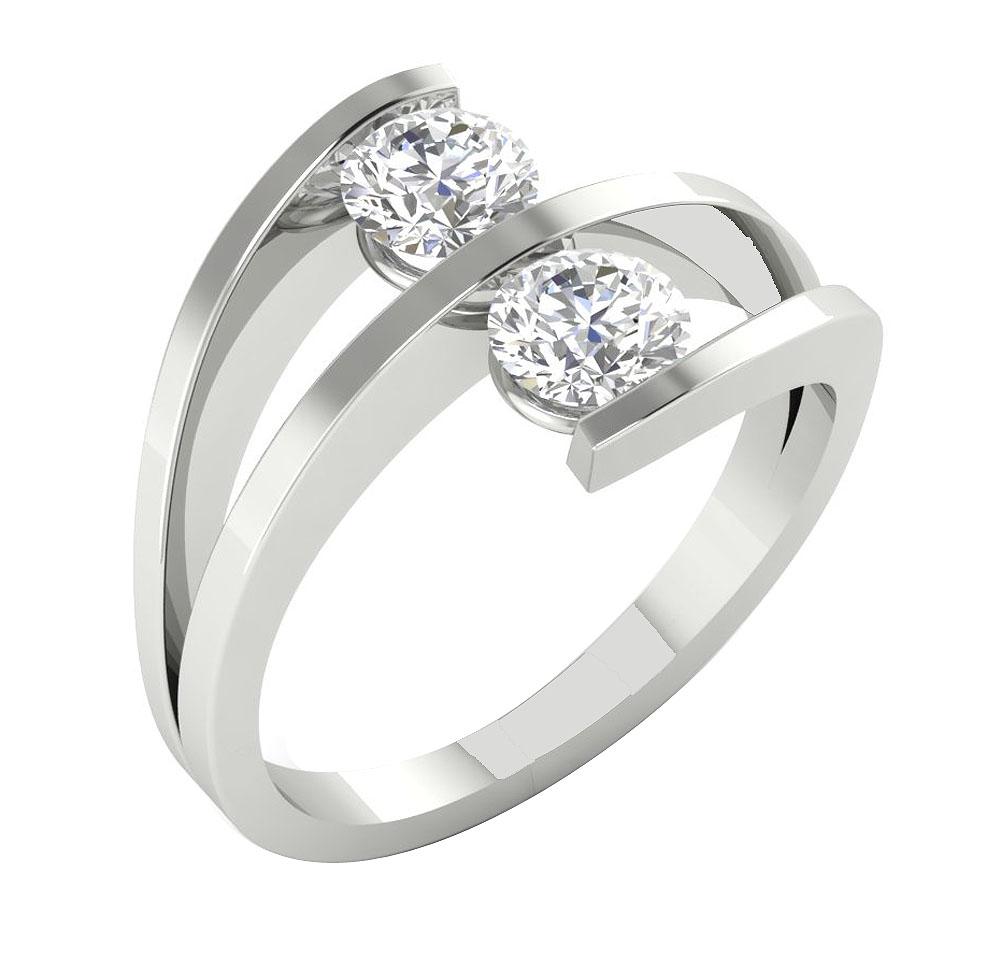
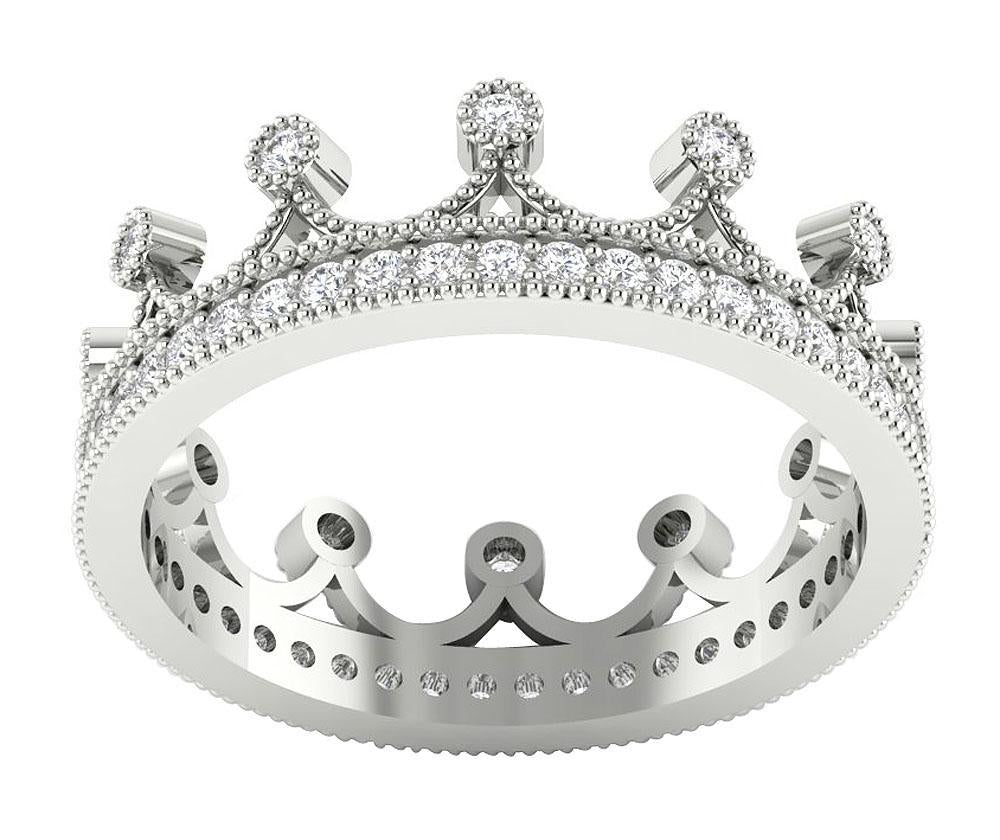
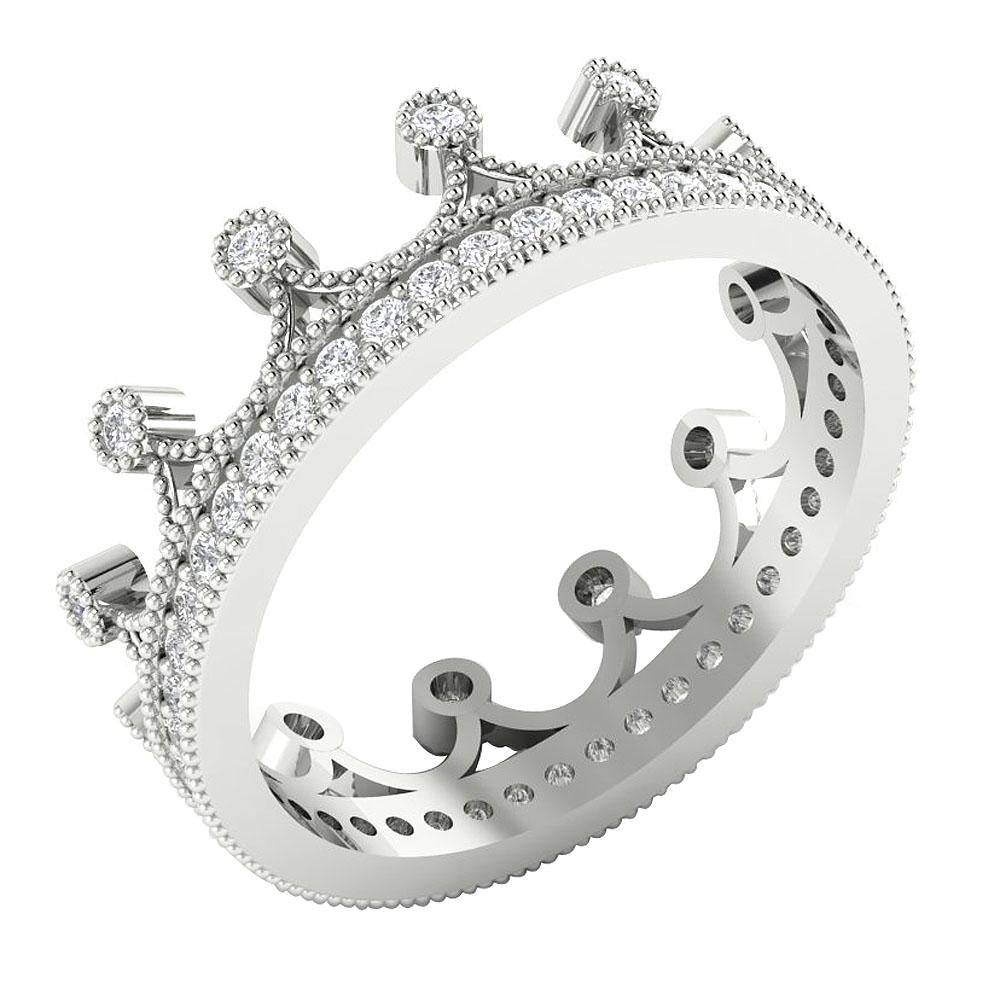
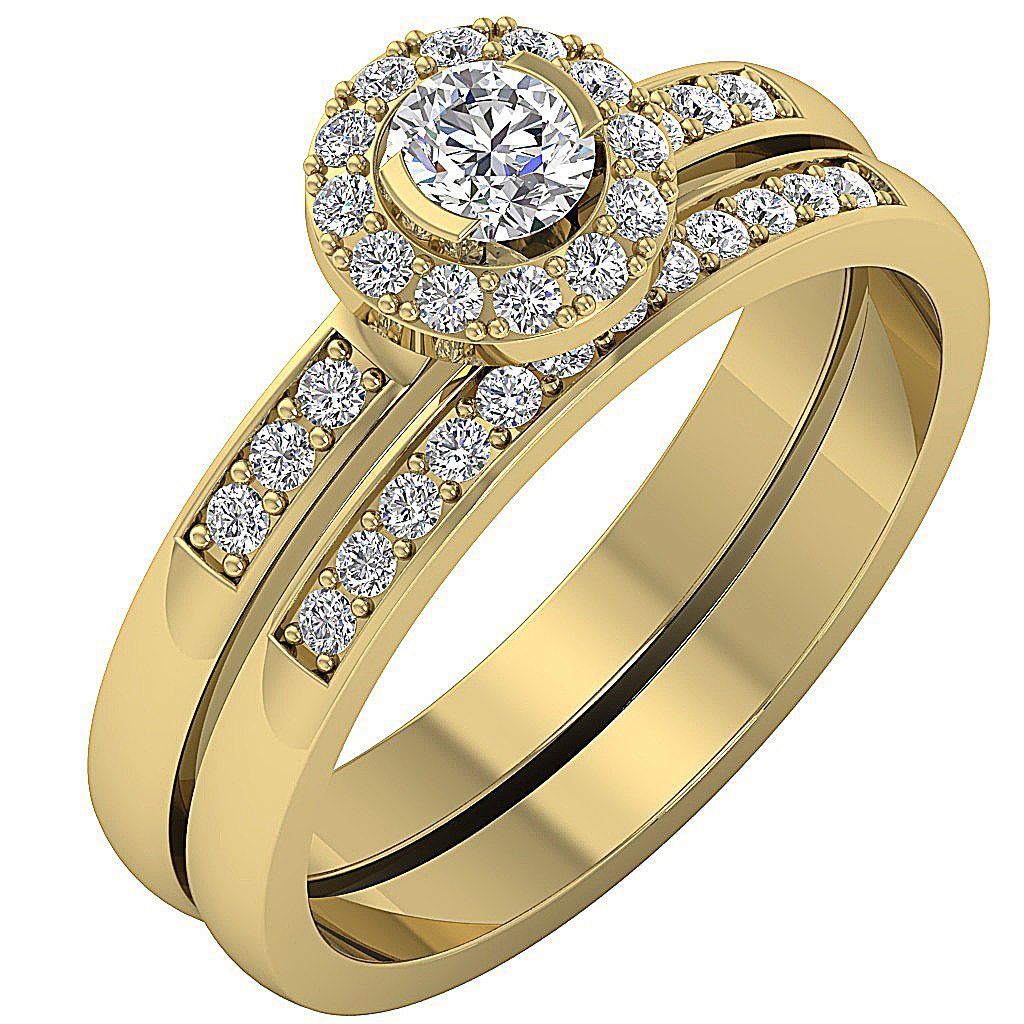
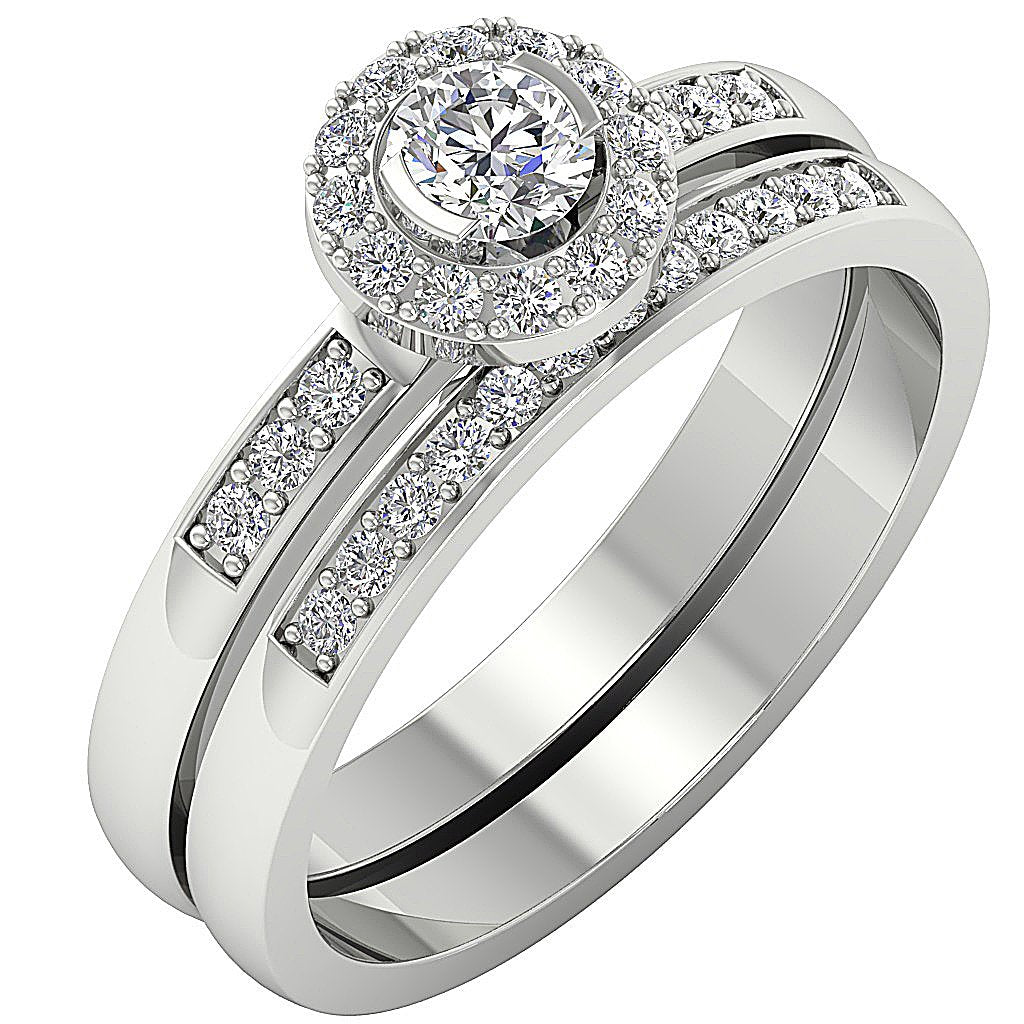
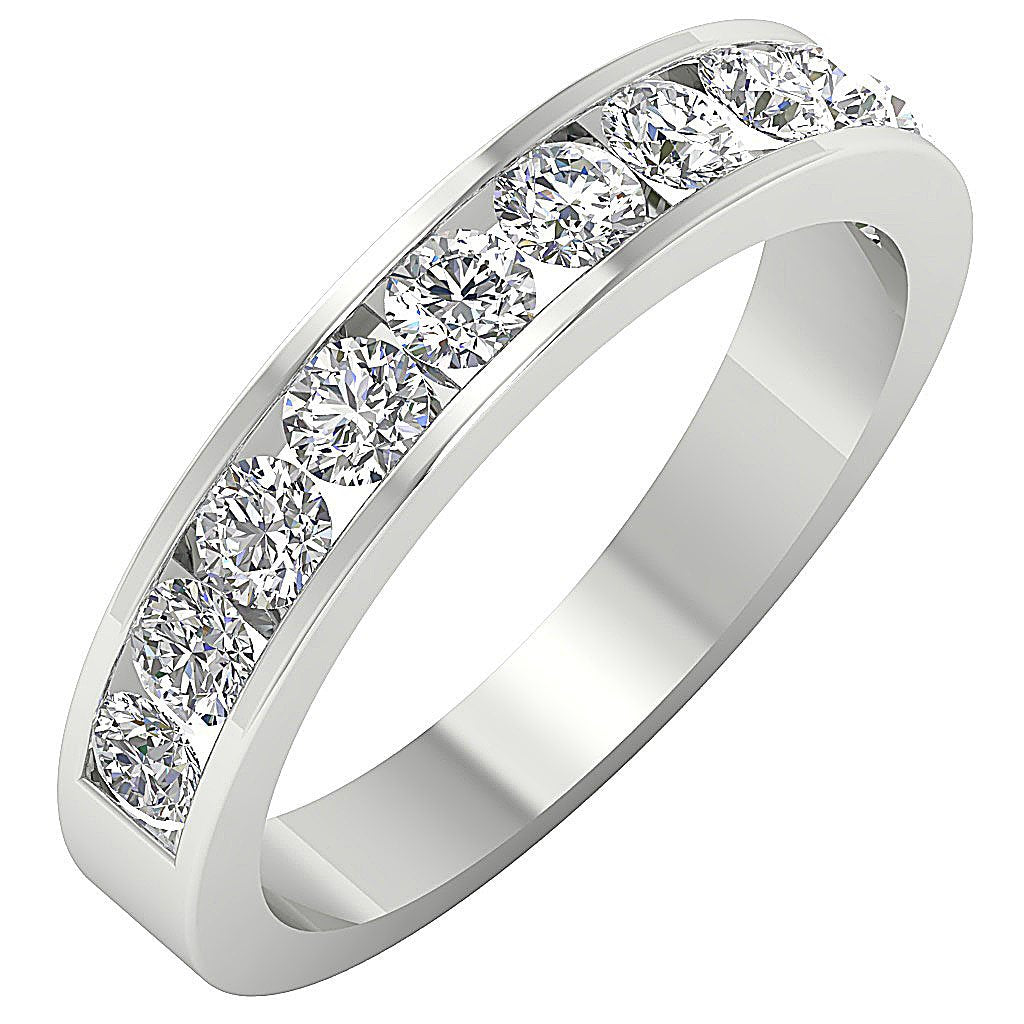
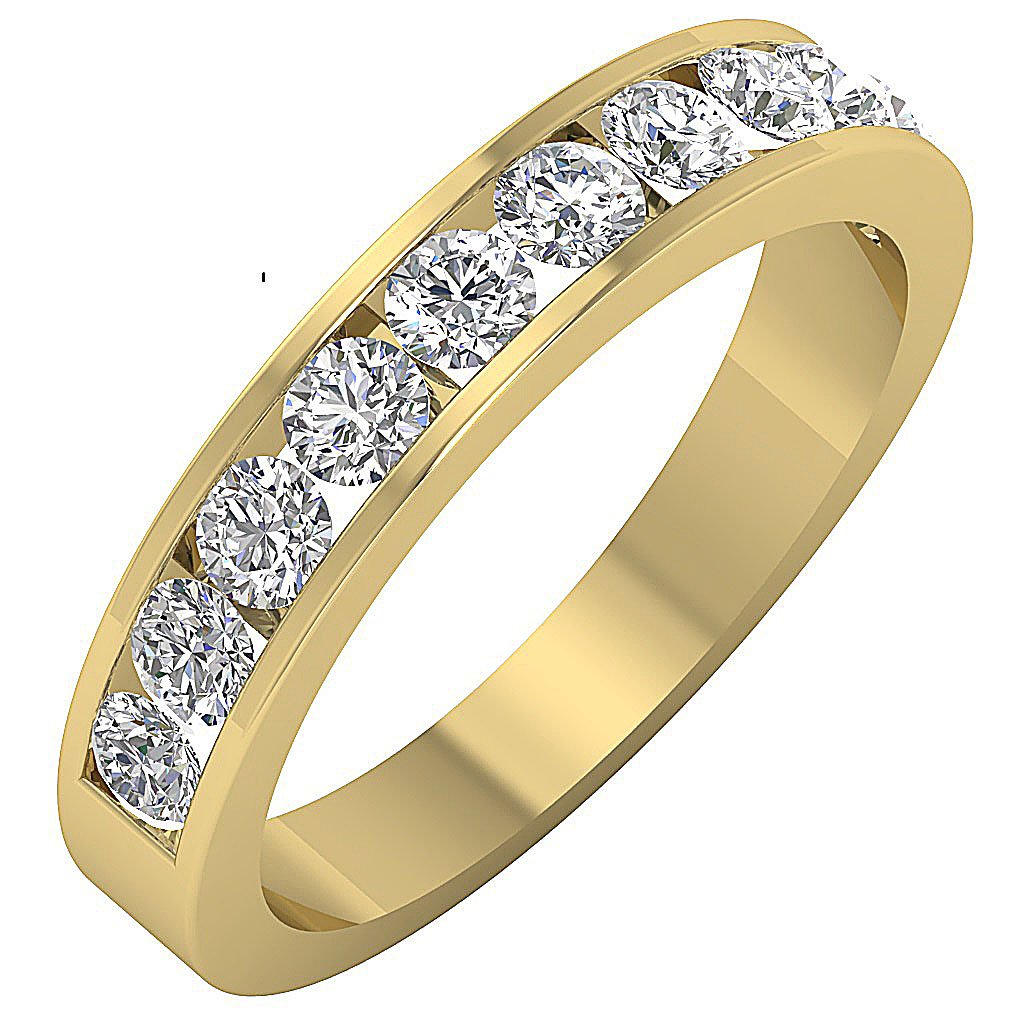
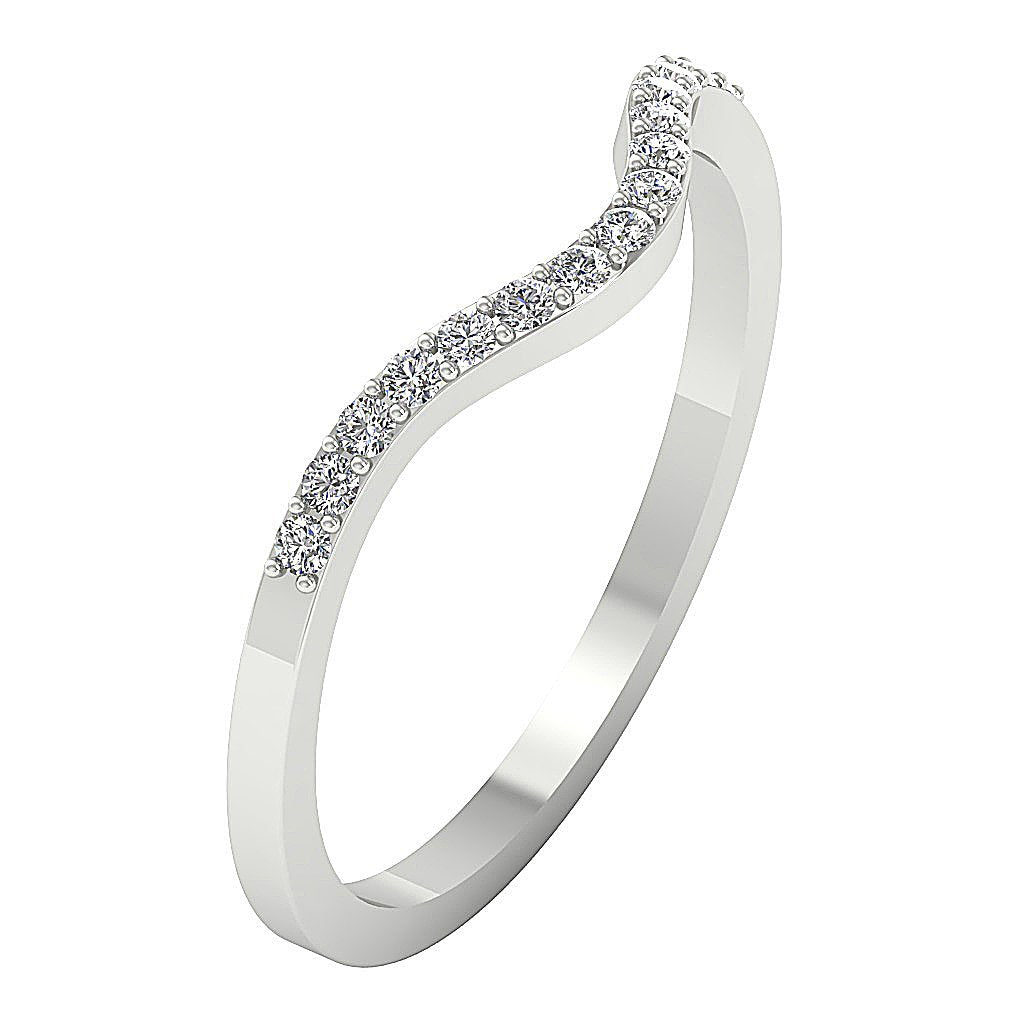
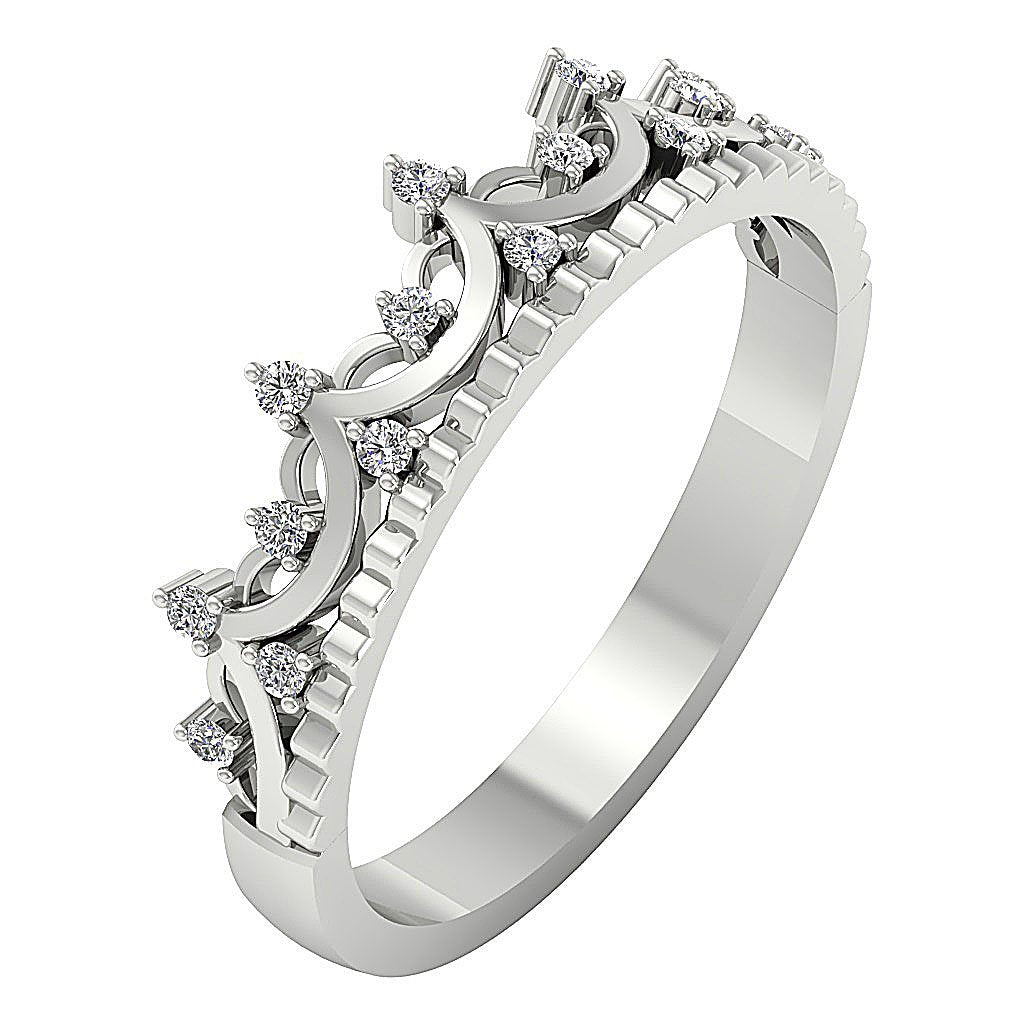
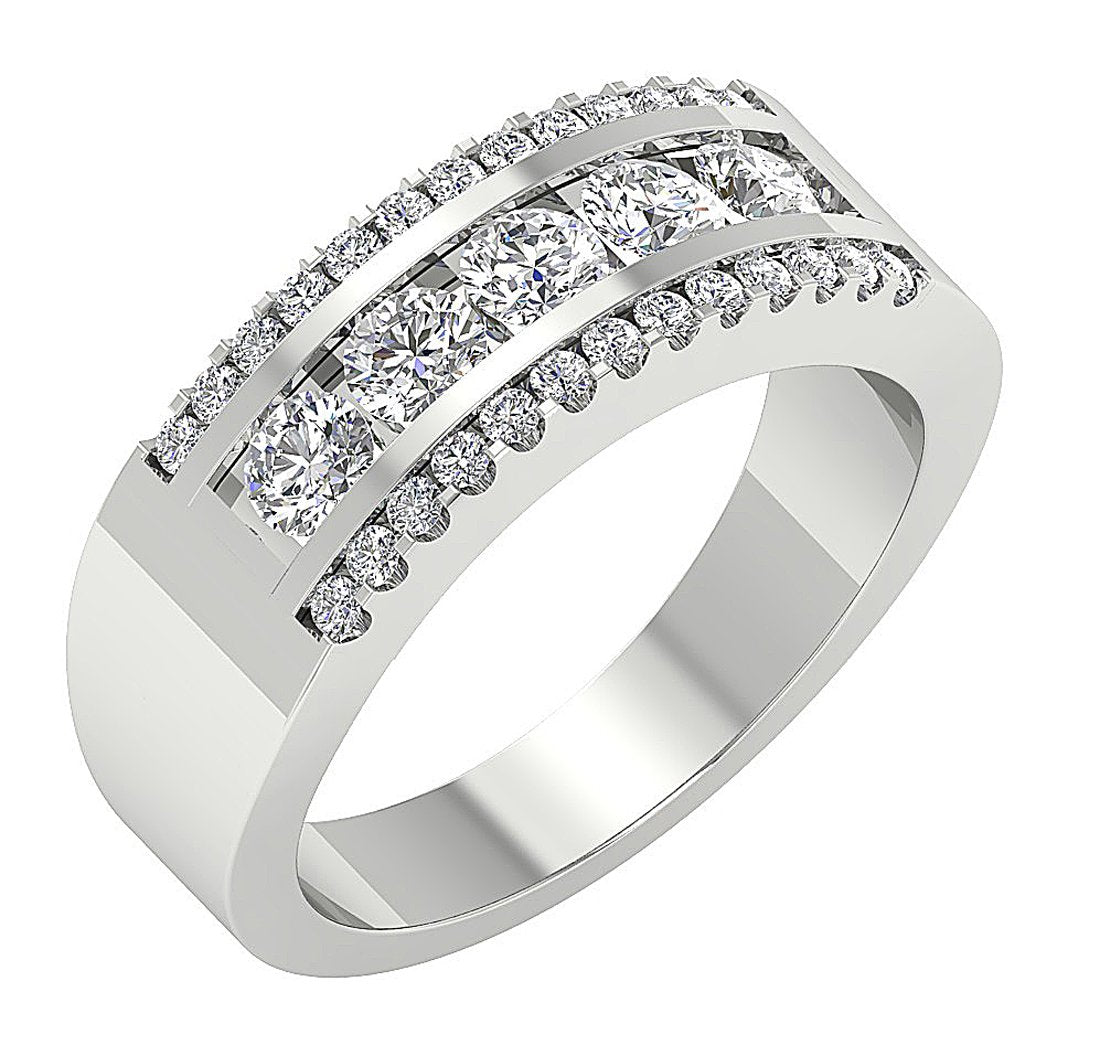
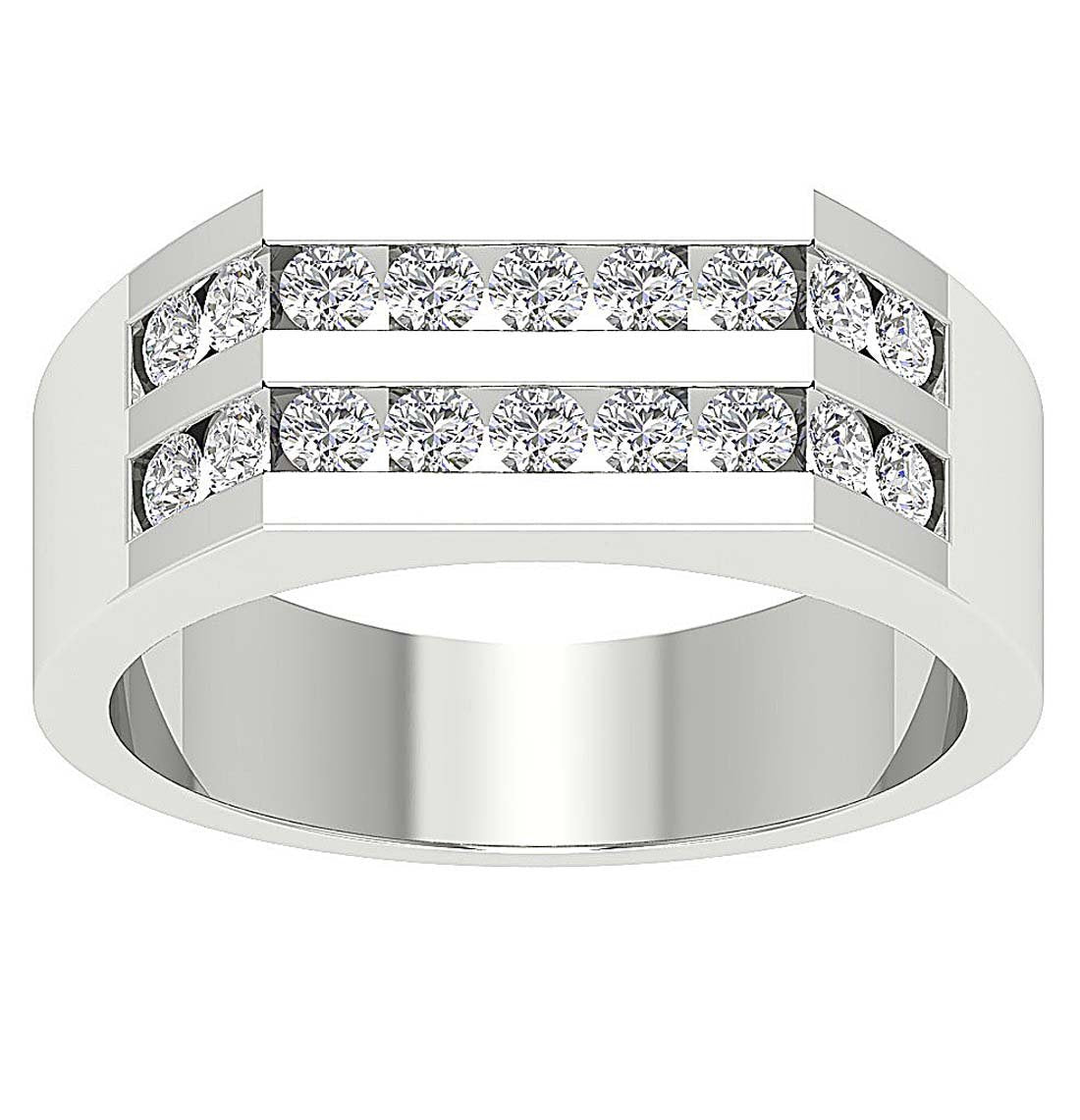
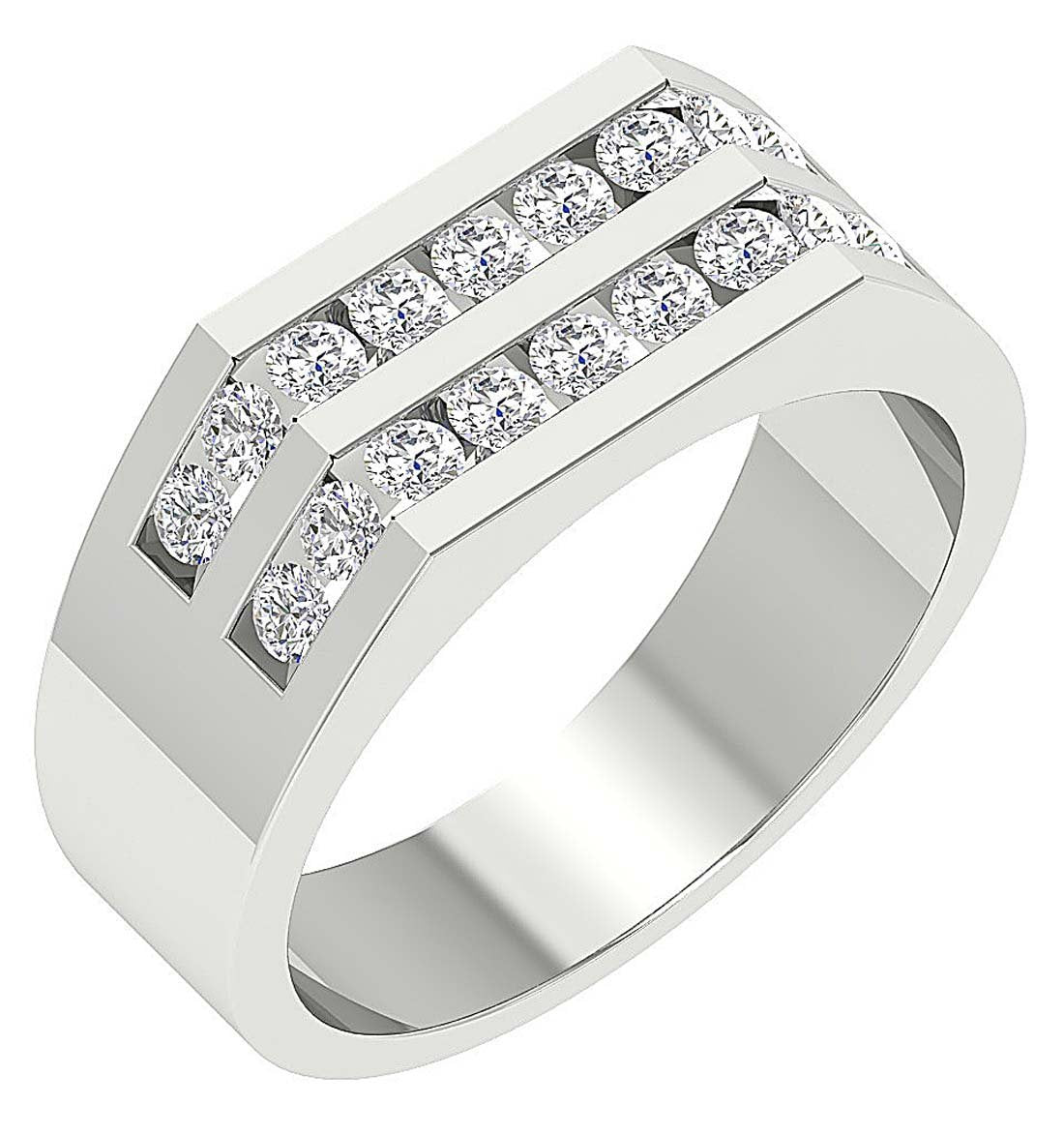
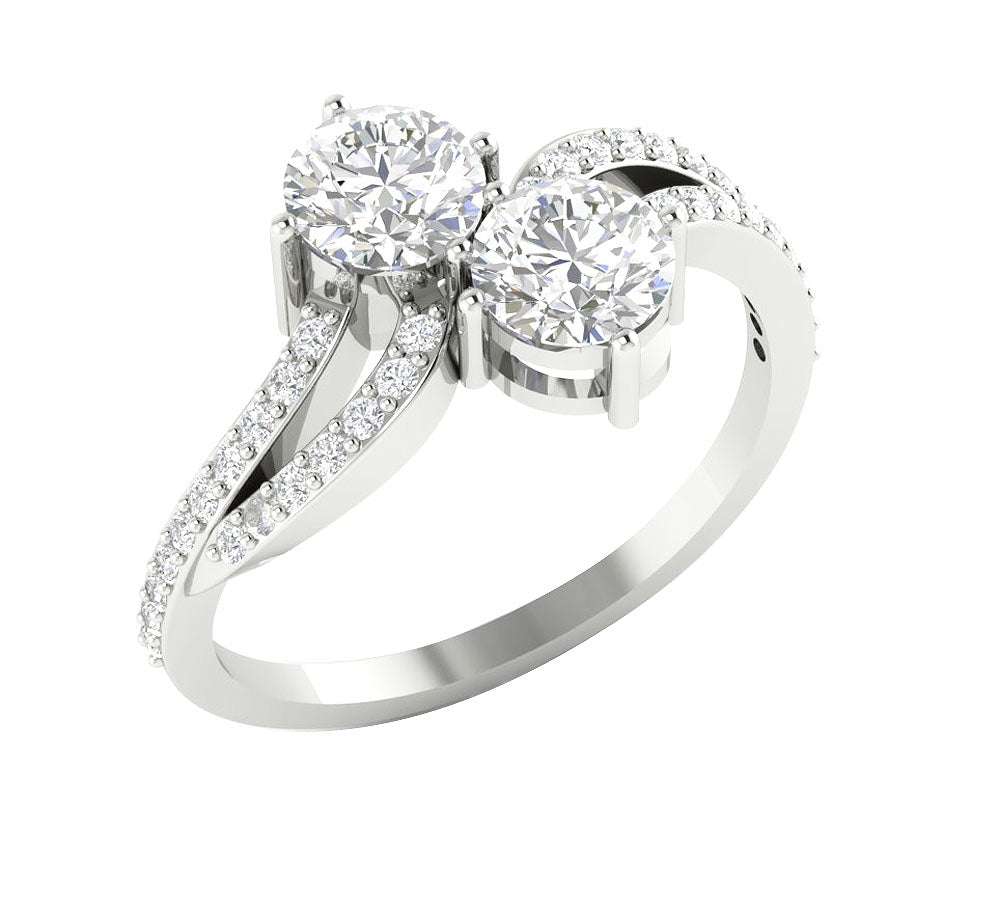
Diamond for Good uses white gold across a broad range of designs, including solitaire and halo engagement rings, bridal sets, eternity bands, promise rings, and men's wedding rings. Both 14K and 18K options are available, with natural and lab-grown diamonds offered across a variety of cuts.
The underlying white-gold alloy determines the metal's composition, while rhodium plating creates the bright white finish visible on the surface. This plating provides the crisp, reflective appearance commonly associated with white gold and also offers an additional layer of protection to the underlying alloy.
The setting can influence how prominently the white gold appears around the diamond. Minimal prongs allow more of the stone to dominate visually, while bezels and halos create a stronger metal outline around its perimeter.
The Craft Behind White Gold Diamond Rings
White gold requires consideration beyond the shape and construction of the ring itself because its appearance changes according to the condition of the rhodium surface.
Rhodium plating creates the bright outer finish but gradually wears with friction. Areas that encounter frequent contact, such as the underside of a ring and the edges of the shank, may show the underlying warmer alloy before less exposed areas do. This is normal wear rather than a flaw in the metal.
When the rhodium becomes noticeably thin, professional replating can restore the original bright white appearance. The process is a surface treatment rather than a change to the underlying gold alloy, which means the ring's structure and diamond remain fundamentally unchanged.
The choice of karat will affect the underlying metal. 14K white gold contains approximately 58.5% pure gold and a greater proportion of other alloying metals, generally making it harder than 18K. 18K contains 75% pure gold and is somewhat softer. The rhodium surface can make both appear similarly white, even though their underlying compositions differ.
How to Choose Your Karat
14K white gold is often well suited to rings intended for frequent daily wear. Its greater proportion of alloying metals generally makes it harder and more resistant to everyday scratches and deformation than 18K.
18K white gold contains a higher proportion of pure gold, giving it greater gold content and a somewhat softer structure. Because both can receive rhodium plating, the visible colour difference between 14K and 18K white gold may be relatively subtle while the rings are freshly plated.
The choice therefore comes down less to visible whiteness and more to the balance between gold content, hardness, budget, and how the ring will be worn.
Wearing It Well: Styling Your White Gold Diamond Ring
White gold's neutral appearance makes it one of the easiest metals to combine with other jewellery. It works naturally alongside platinum and other cool-toned pieces, while selective combinations with yellow or rose gold can create deliberate contrast.
For an engagement ring, consider how much metal should remain visible around the diamond. A slim solitaire setting allows the stone to dominate, while a halo or more substantial setting introduces additional white-gold structure around it.
The metal also adapts easily to different diamond shapes. Angular cuts such as princess and emerald can reinforce the cool, architectural quality of white gold, while round, oval, and heart-shaped stones create a softer contrast against the same neutral setting.
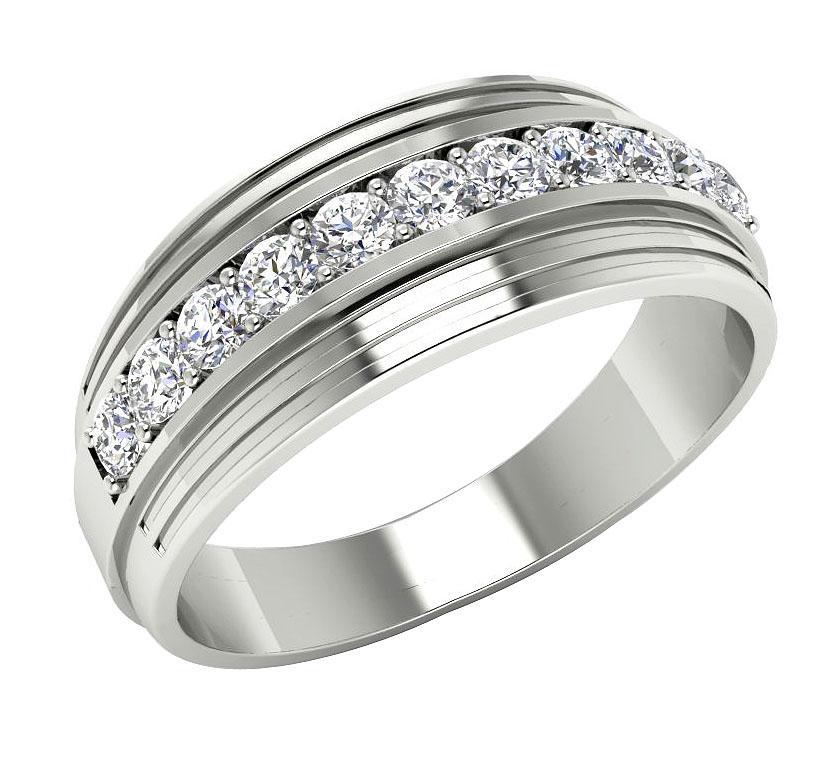
For men's wedding rings, the understated finish can move easily between formal and everyday styles. A polished band creates a brighter appearance, while brushed or textured finishing gives the same metal a more subdued character.
Living With It: How to Care For Your White Gold Diamond Ring
Clean your white gold ring weekly with warm water, mild soap, and a soft-bristled brush. Work gently around the prongs and beneath the setting, where soap, lotion, and skin oils can collect.
Avoid harsh chemicals and prolonged exposure to chlorine, which can be particularly hard on jewellery alloys and may accelerate wear to the rhodium finish. Remove the ring during activities involving chemicals, heavy manual work, or repeated friction whenever practical.
Have a jeweller inspect the setting annually, particularly if the ring is worn every day. Prongs can loosen gradually regardless of metal type, and identifying movement early helps protect the diamond.
Watch for areas where the surface begins to look warmer or slightly yellow. This usually indicates that the rhodium layer has worn thin rather than that the gold itself has changed colour. Replating can restore the bright white finish when needed, with the interval depending largely on how frequently the ring is worn.
A cool, reflective finish that lets the diamond take centre stage, with a little care keeping it that way.