Oval Engagement Rings
An oval diamond is, geometrically, a round brilliant stretched along one axis, the same fifty-eight-facet arrangement, elongated rather than rebuilt. This change in the shape of the stone changes more than just the outline of the ring. Elongating the stone increases its face-up surface area relative to its actual carat weight. As a result, the oval center stone looks much larger on the hand than a round diamond of identical weight typically does. It is brilliance reimagined for a longer line.
How Proportion Shapes the Stone in Oval Engagement Rings
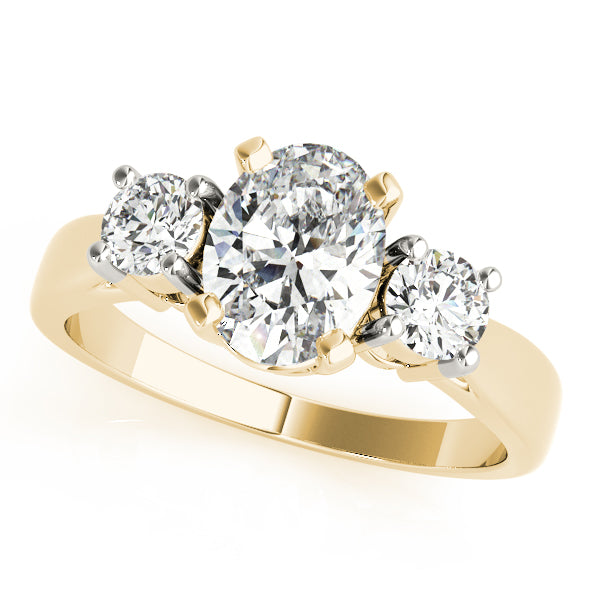
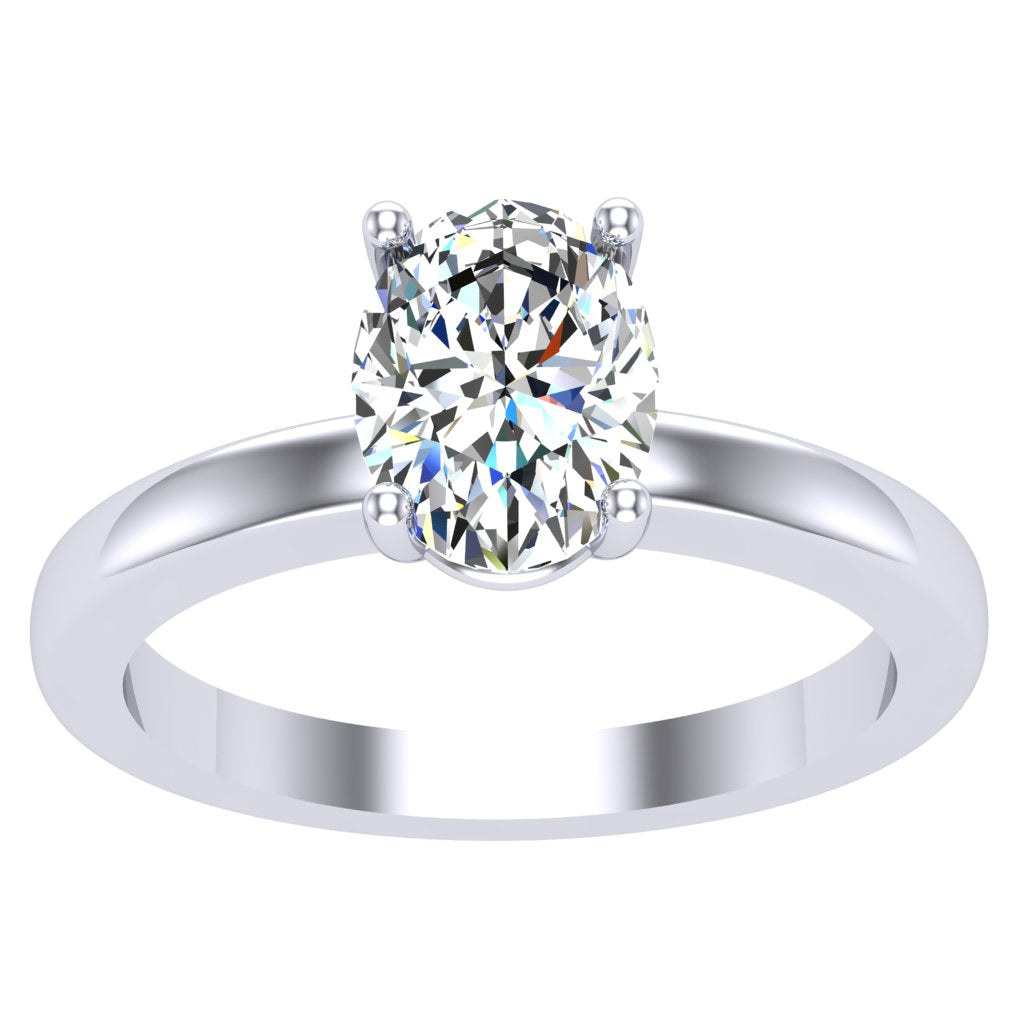
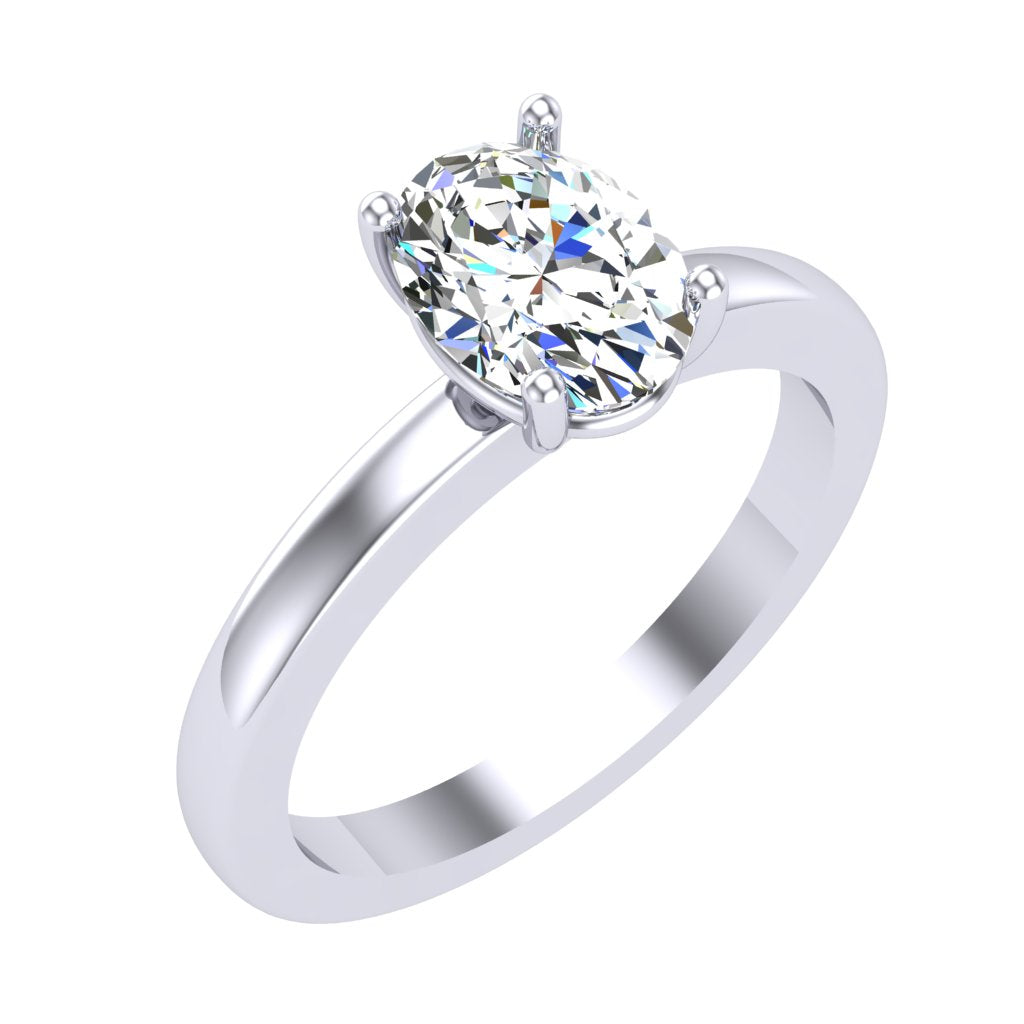
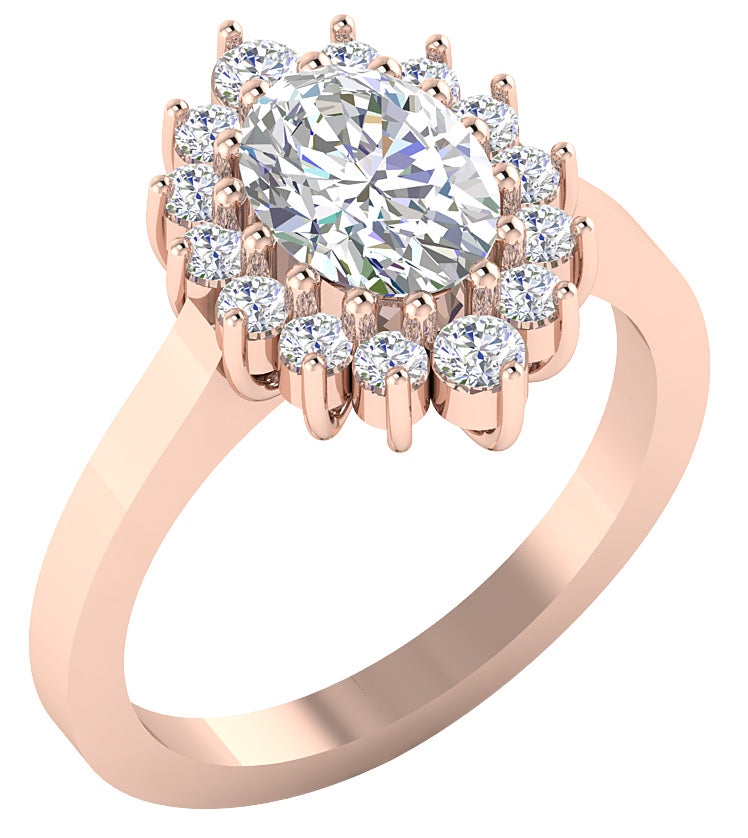
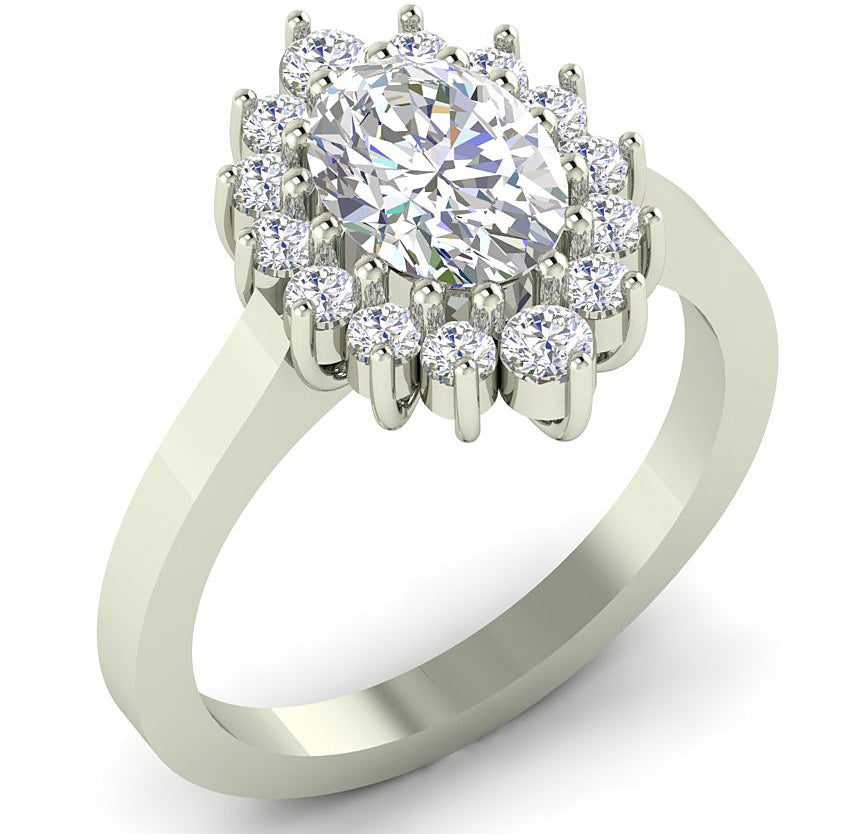
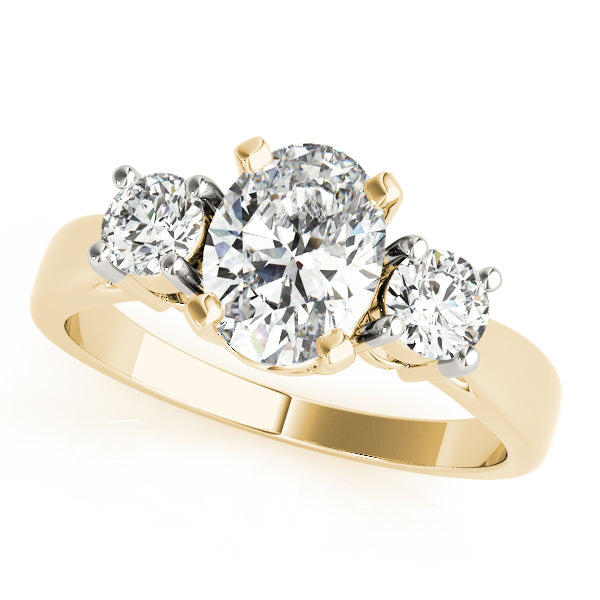
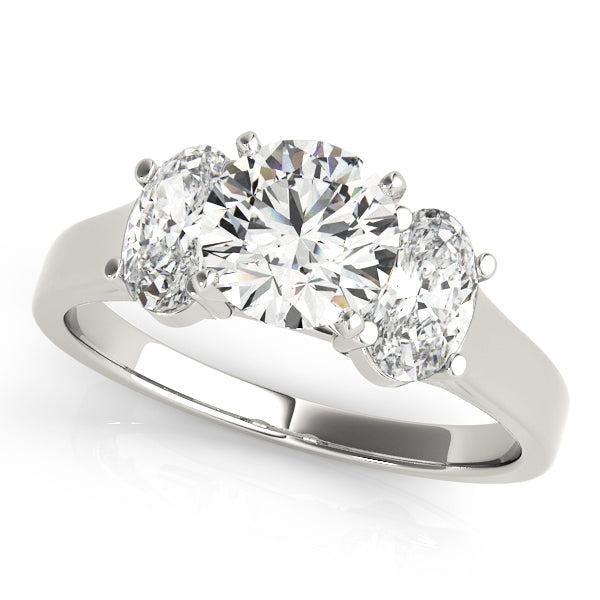
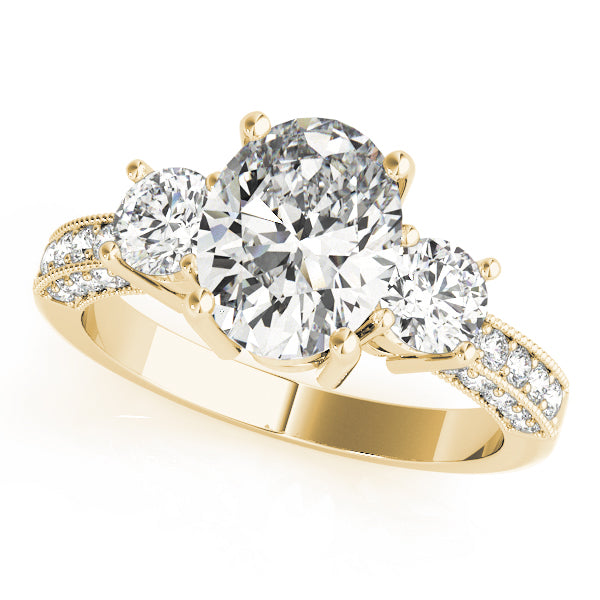
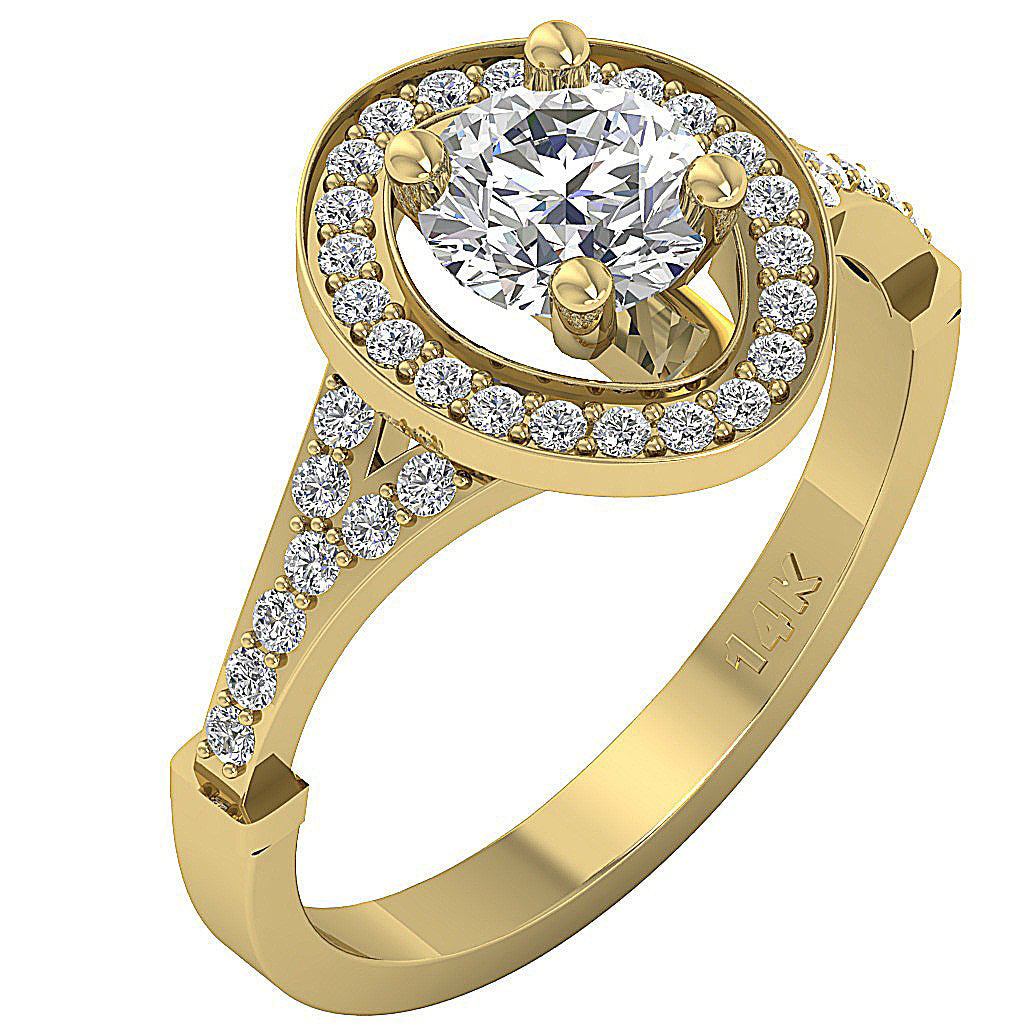
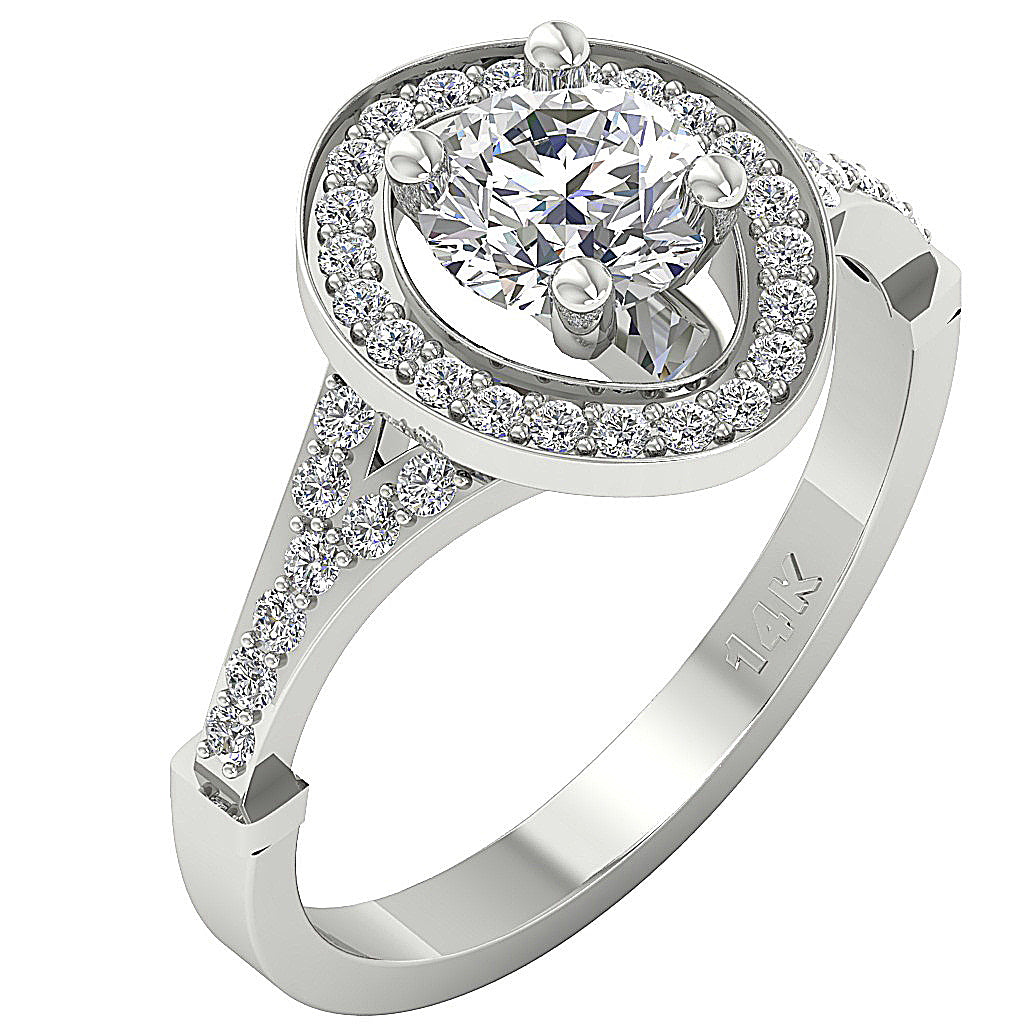
Diamond for Good places oval center stones in solitaire, halo, and three-stone settings, embracing proportions that range from softly rounded ratios near 1.3 to elongated silhouettes above 1.5. Each proportion carries its own character: fuller ovals feel timeless and softly reminiscent of the round brilliant, while longer forms appear graceful, contemporary, and distinctly sculptural. The stone is considered in harmony with the finished ring, rather than selected for carat weight alone.
One of the most important details to consider is the bow-tie effect, a darker area that can appear across an oval's centre when light fails to return evenly. A finely cut oval minimizes this shadow, preserving a more graceful and luminous appearance. Proportion and cut quality therefore play a defining role in the stone's visual performance.
Beyond its brilliance, the oval's elongated silhouette creates an elegant lengthening effect on the finger. Its adaptable proportions also pair beautifully with a wide range of settings, from understated solitaires to elaborate halos and vintage-inspired designs.
The Craft Behind It: How Every Oval Engagement Ring is Created
Every oval center stone is assessed for bow-tie visibility before it's set, not only for the standard measures of cut, color, and clarity, since this shape-specific effect can undermine an otherwise well-graded diamond's appearance.
Settings chosen are proportioned to each stone's individual length and width, rather than a generic oval template. The result is a finished ring that highlights the elongation without exaggerating or interrupting it. Every stone is viewed under changing light before it ships, confirming the bow-tie stays subtle, and prong height is calibrated to the stone's specific curvature at each end.
Wearing It Well: Styling Your Oval Engagement Ring
Let the elongation lead the hand's overall look. An oval already lengthens the finger dramatically, so a similarly elongated wedding band, slim and straight, tends to extend that effect rather than interrupt it.
Choose a halo for extra apparent size, or a solitaire for a cleaner architectural line. Both flatter an oval equally well. The decision rests more on how much brilliance the wearer wants concentrated at the ring's center. Mind the orientation when stacking other rings, too. An oval's long axis draws the eye vertically along the finger, which can make an adjacent horizontally set ring look at odds with it.
Weigh cut quality over carat weight when comparing two ovals of similar size. A well-proportioned smaller oval, free of a distracting bow-tie, consistently reads better on the hand than a larger one with visible shadowing.
Living With It: How to Care for Your Oval Engagement Ring
An oval's elongated shape places more of the stone's edge in contact with daily wear than a compact round cut does, particularly at the pointed ends of its length. Clean weekly with warm water, mild soap, and a soft-bristled brush, giving extra attention to the narrower ends where the prongs sit closest to the stone's most exposed edge.
Have a jeweler check if the prongs are secure at both ends of the oval during any annual visit, since these points bear slightly more risk than the broader sides. Remove the ring before activities involving grip or impact, since an oval's length makes it marginally more prone to snagging than a rounder profile. Cleaning the ring with a soft cloth, rather than a paper towel, prevents fine surface scratches when drying the stone after cleaning.
One shape, stretched just enough to catch light differently, and the eye, differently too.