Solitaire Diamond Pendants
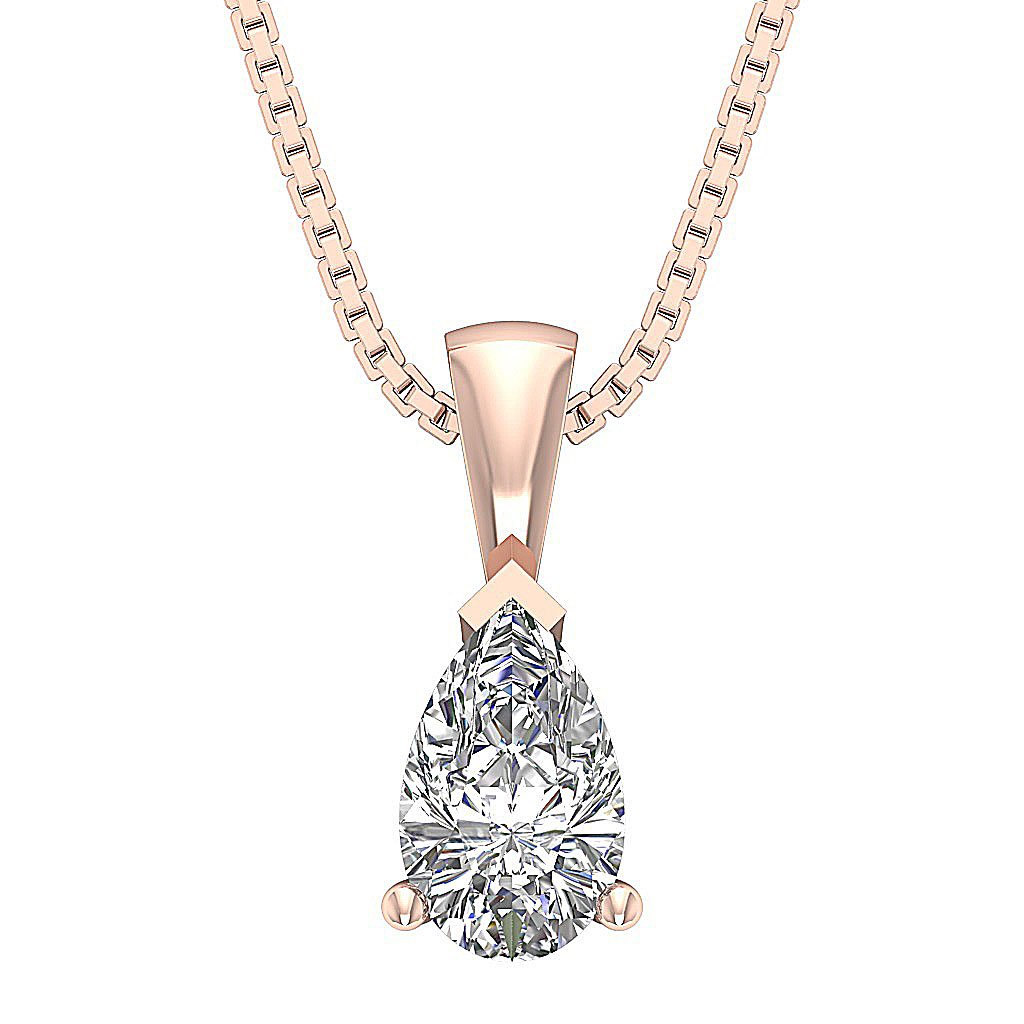
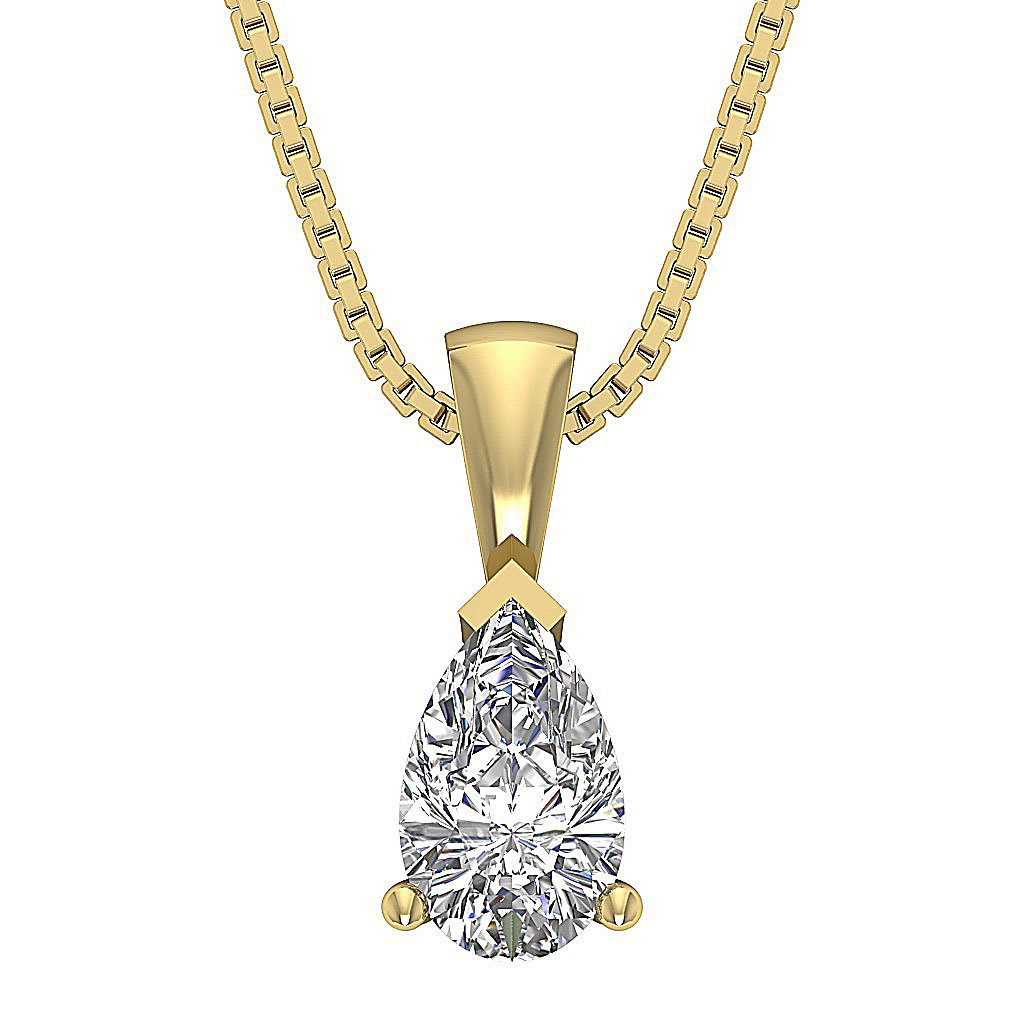
A solitaire diamond pendant keeps the design deliberately simple: one diamond, one setting and a chain that allows the stone to sit naturally against the neckline. With no surrounding row or cluster of diamonds, the single stone becomes the entire focus of the necklace.
That simplicity gives a solitaire pendant a lasting quality. The character of the piece depends largely on the diamond's proportions, the setting, the gold and the way the pendant sits on the wearer.
What Makes Solitaire Diamond Pendants Popular
A solitaire pendant places visual emphasis on one diamond rather than distributing attention across several stones. This gives the necklace a clean appearance and makes the quality and proportions of the individual diamond particularly important.
The absence of additional stones also makes the silhouette relatively easy to style. A solitaire can sit quietly against a casual outfit or provide a small, concentrated point of brilliance with evening clothing.
Its simplicity also makes it suitable for different stages of a jewelry wardrobe. It can be an everyday necklace, a meaningful gift or a piece chosen to mark a personal occasion without relying on a highly specific design trend.
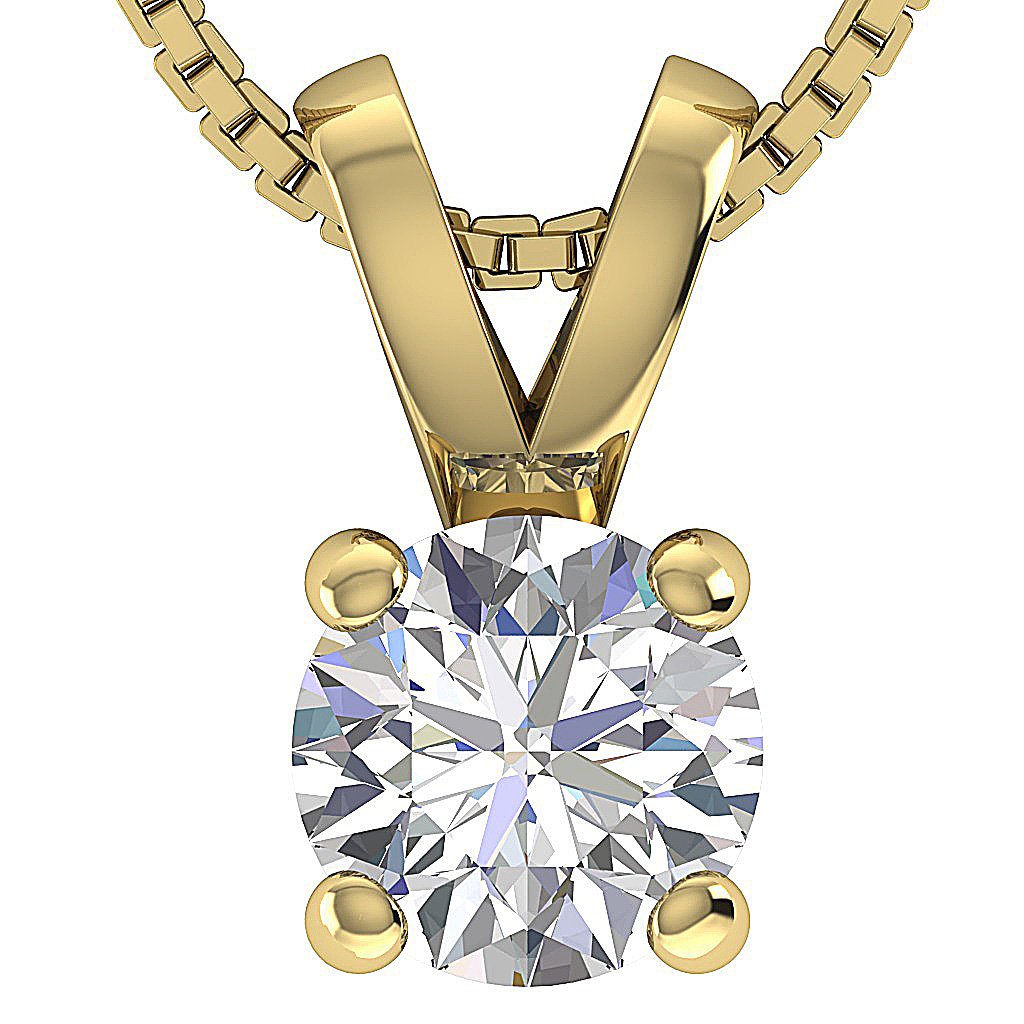
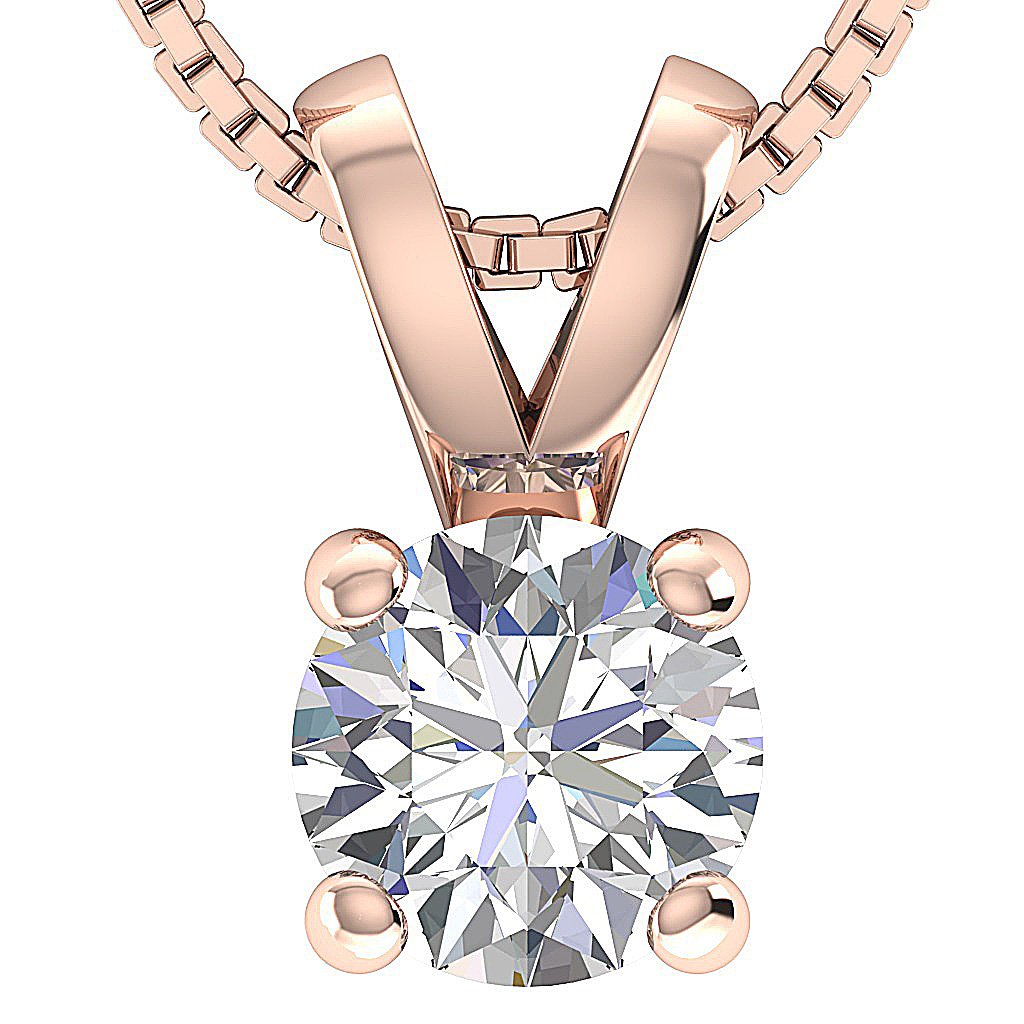
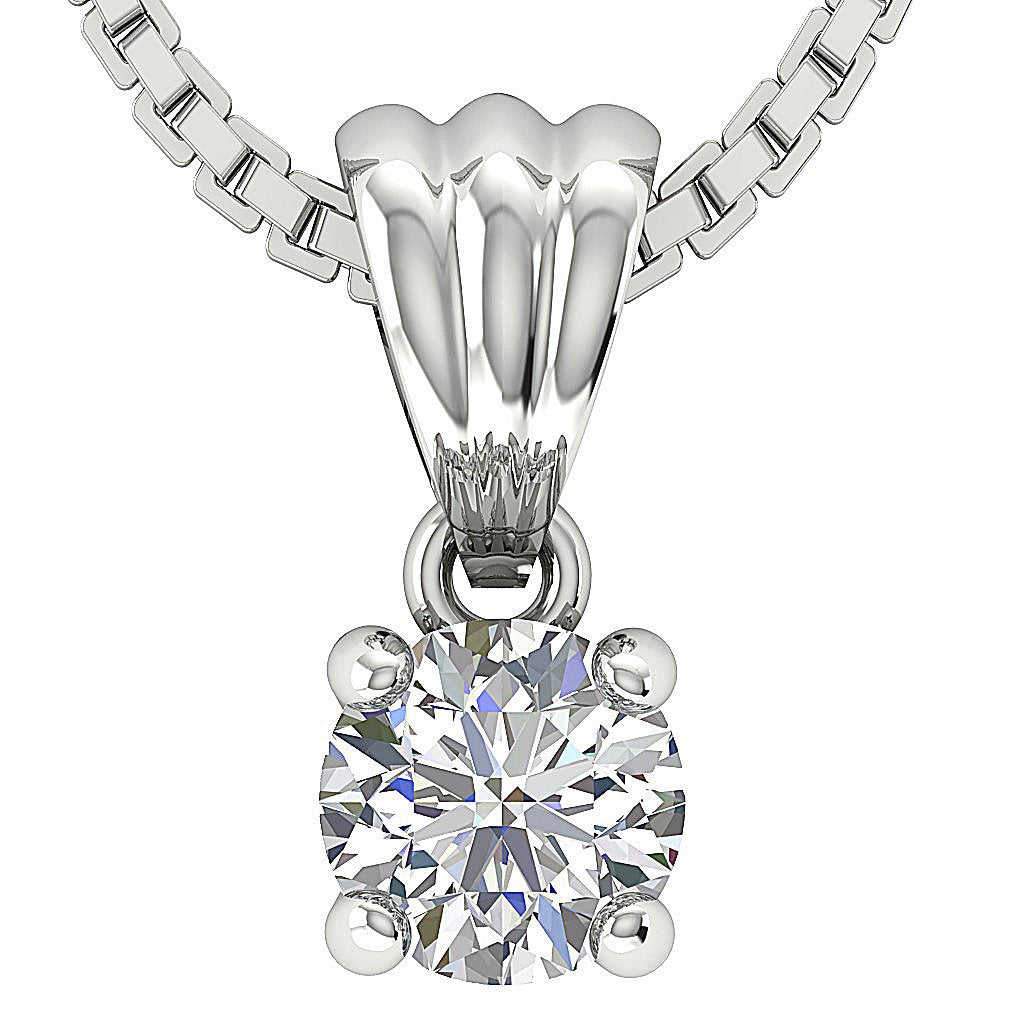
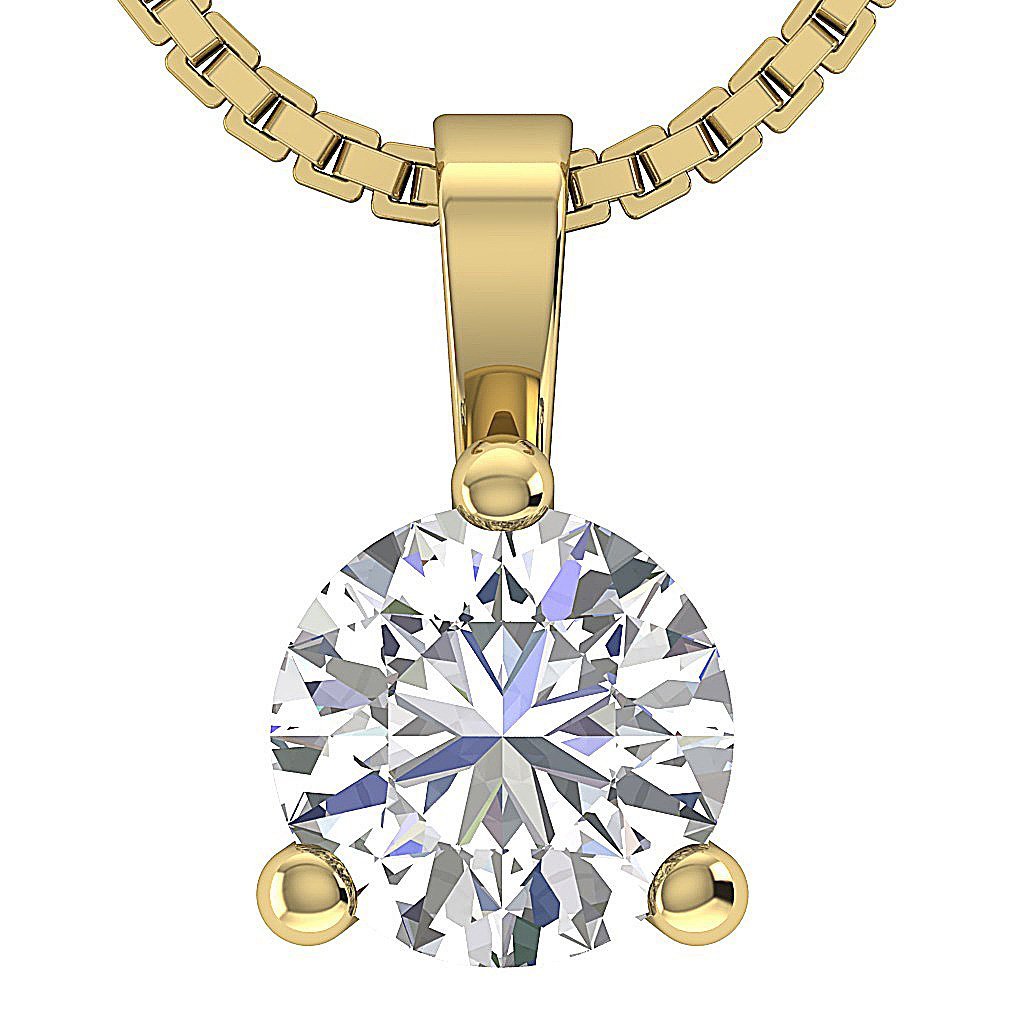
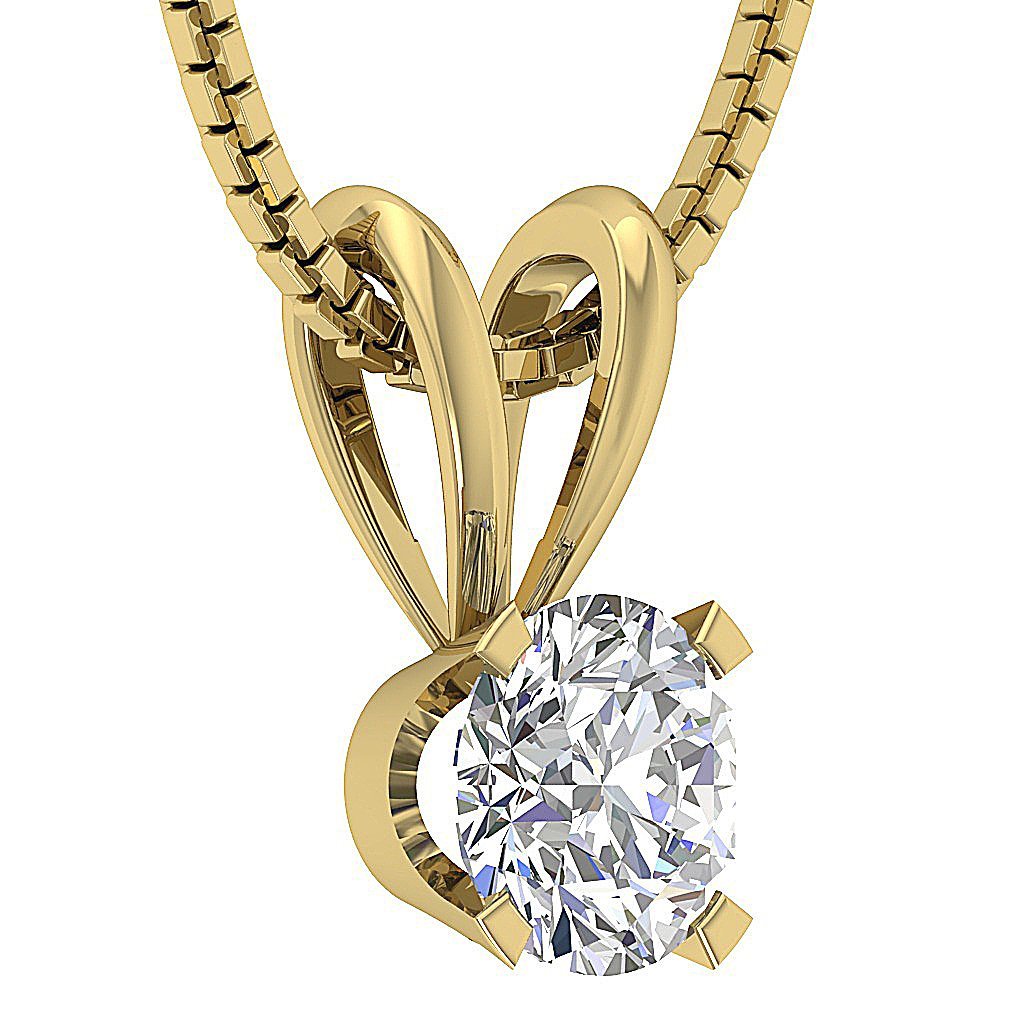
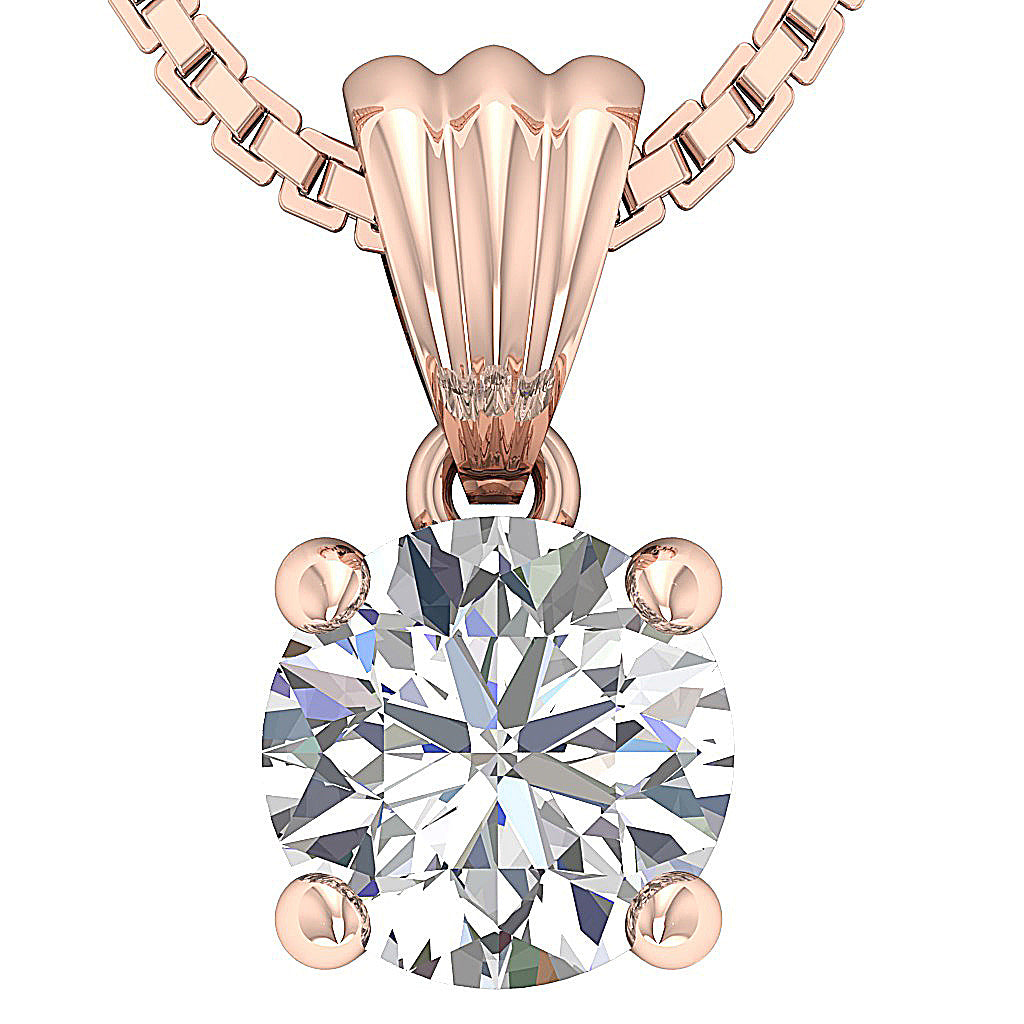
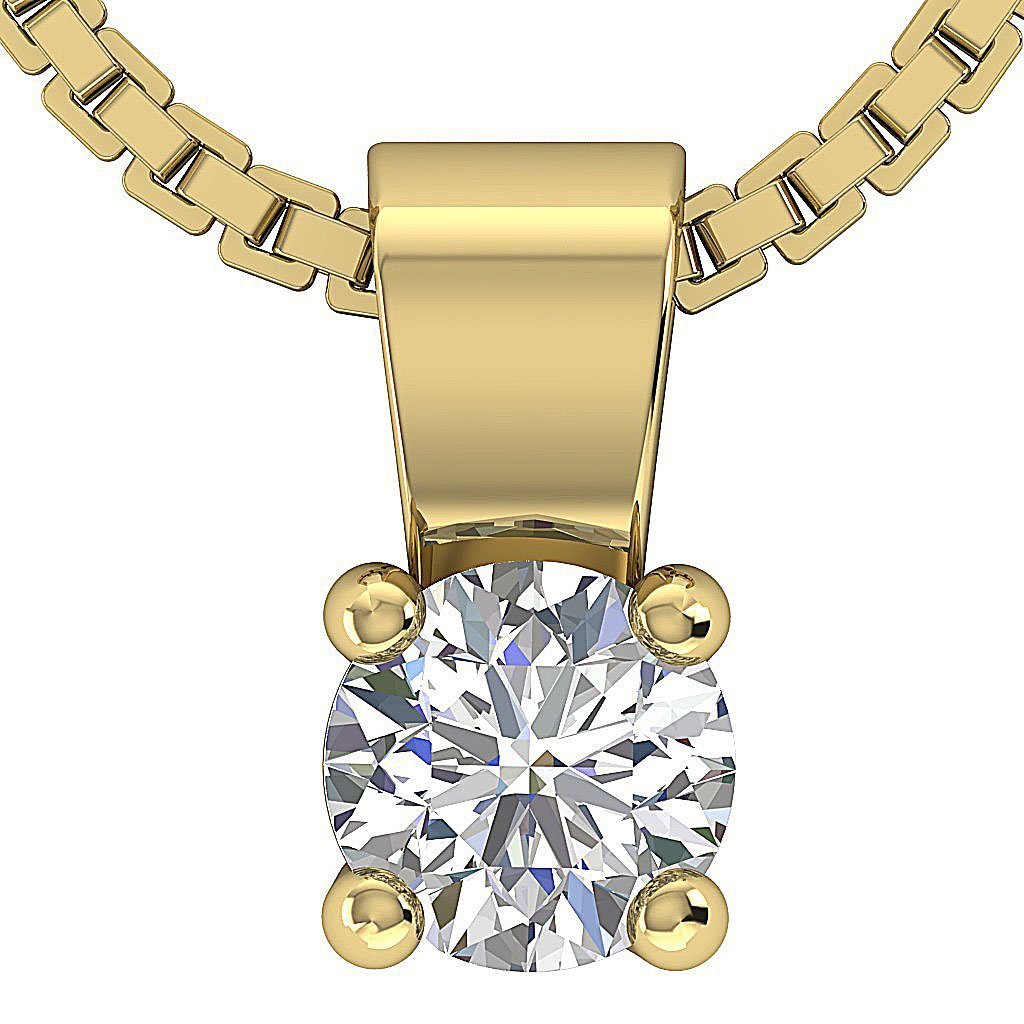
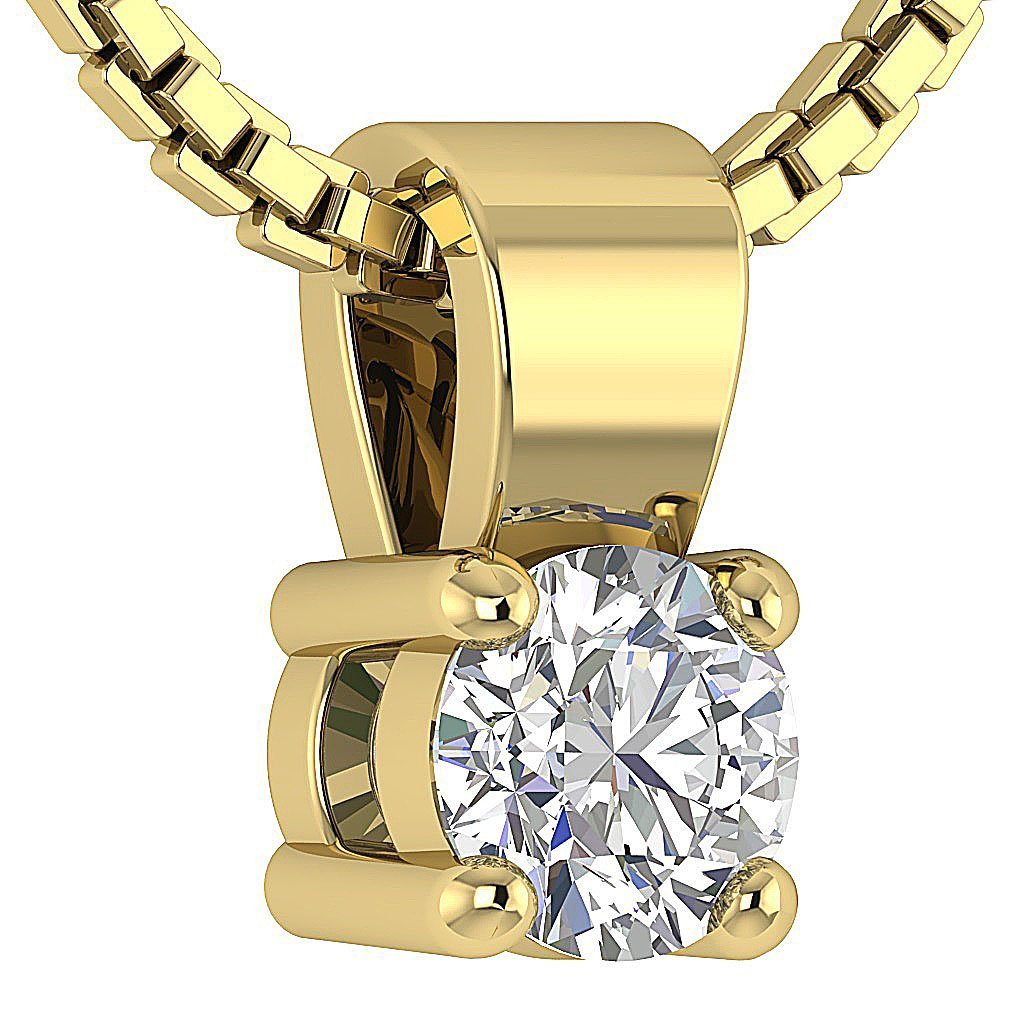
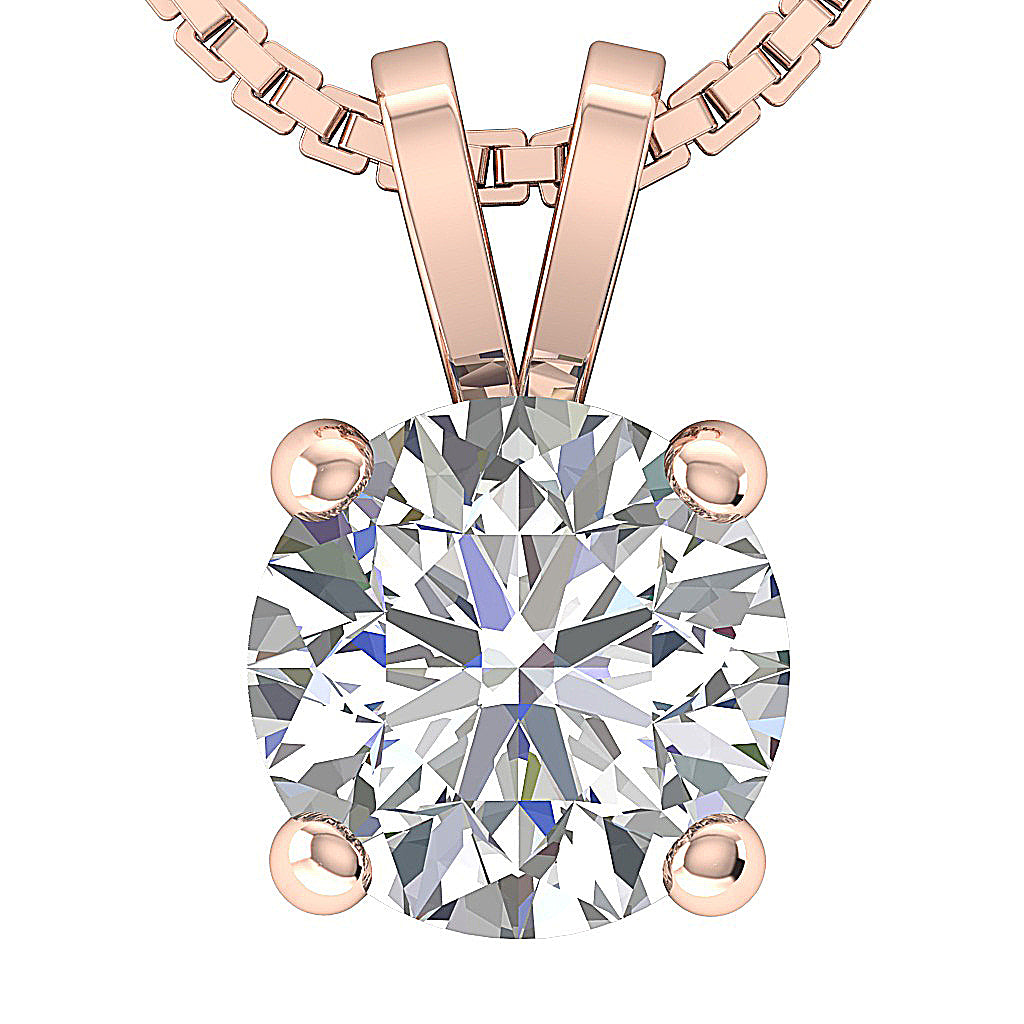
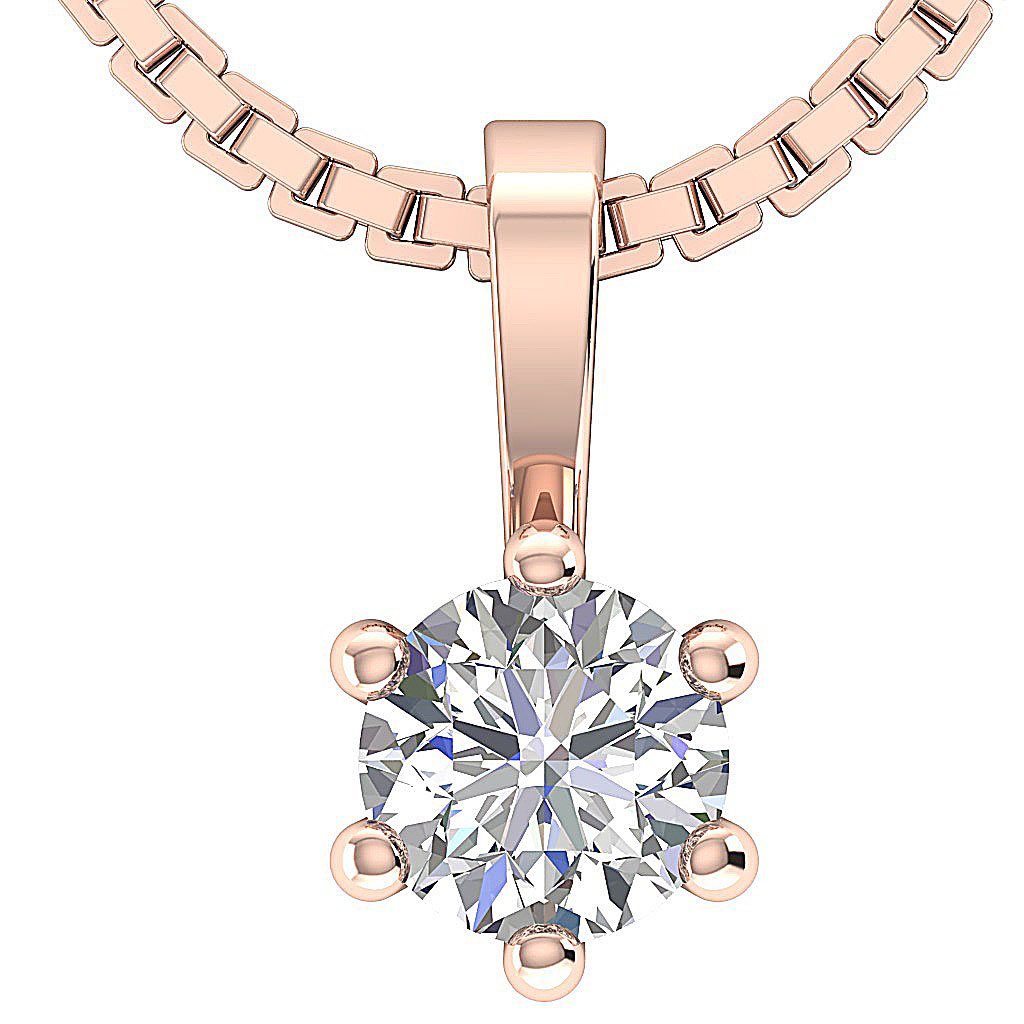
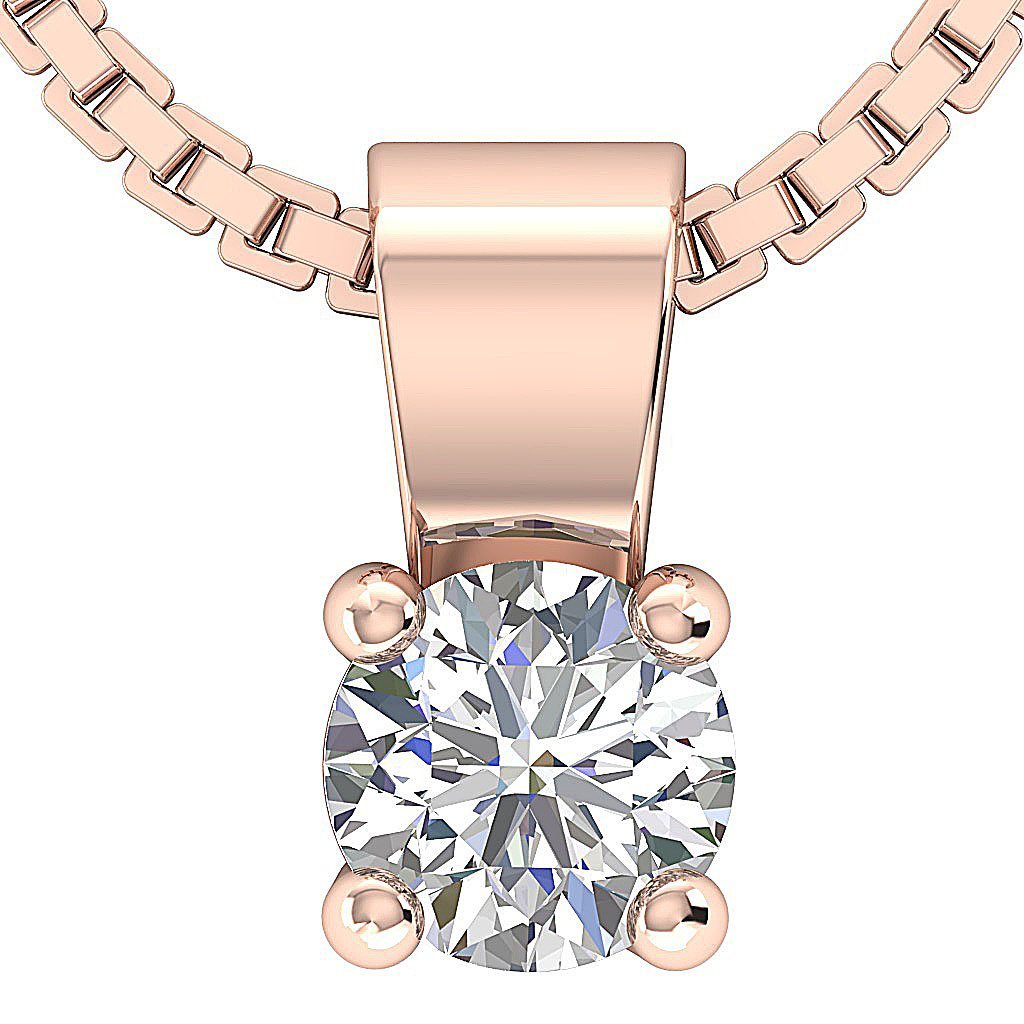
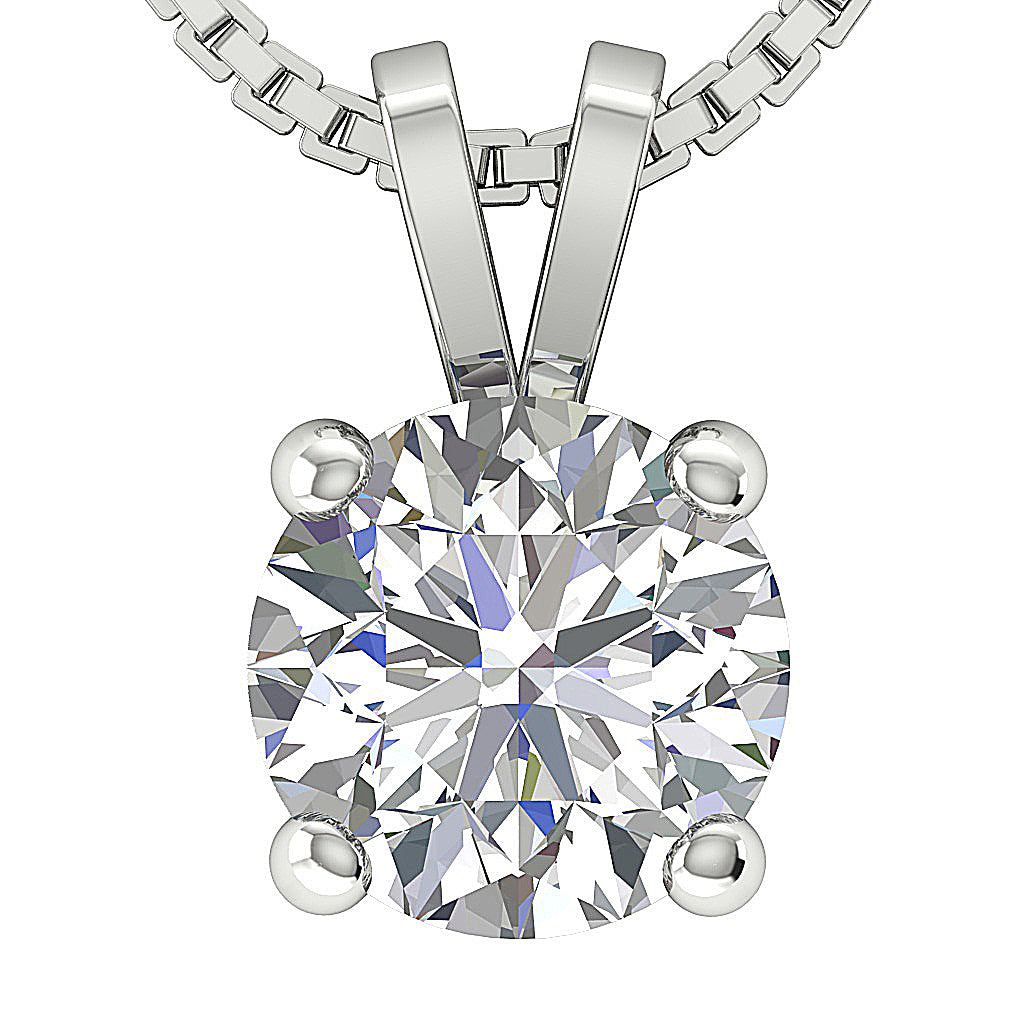
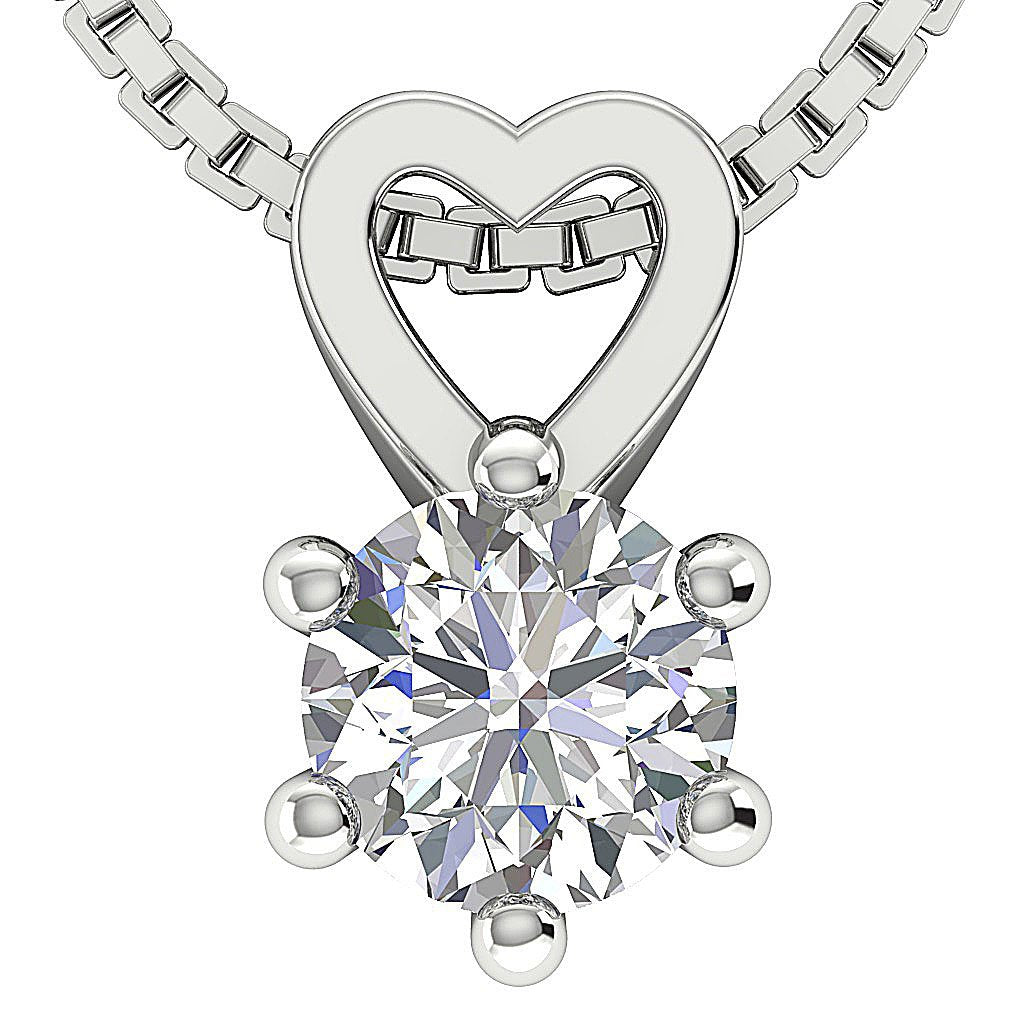
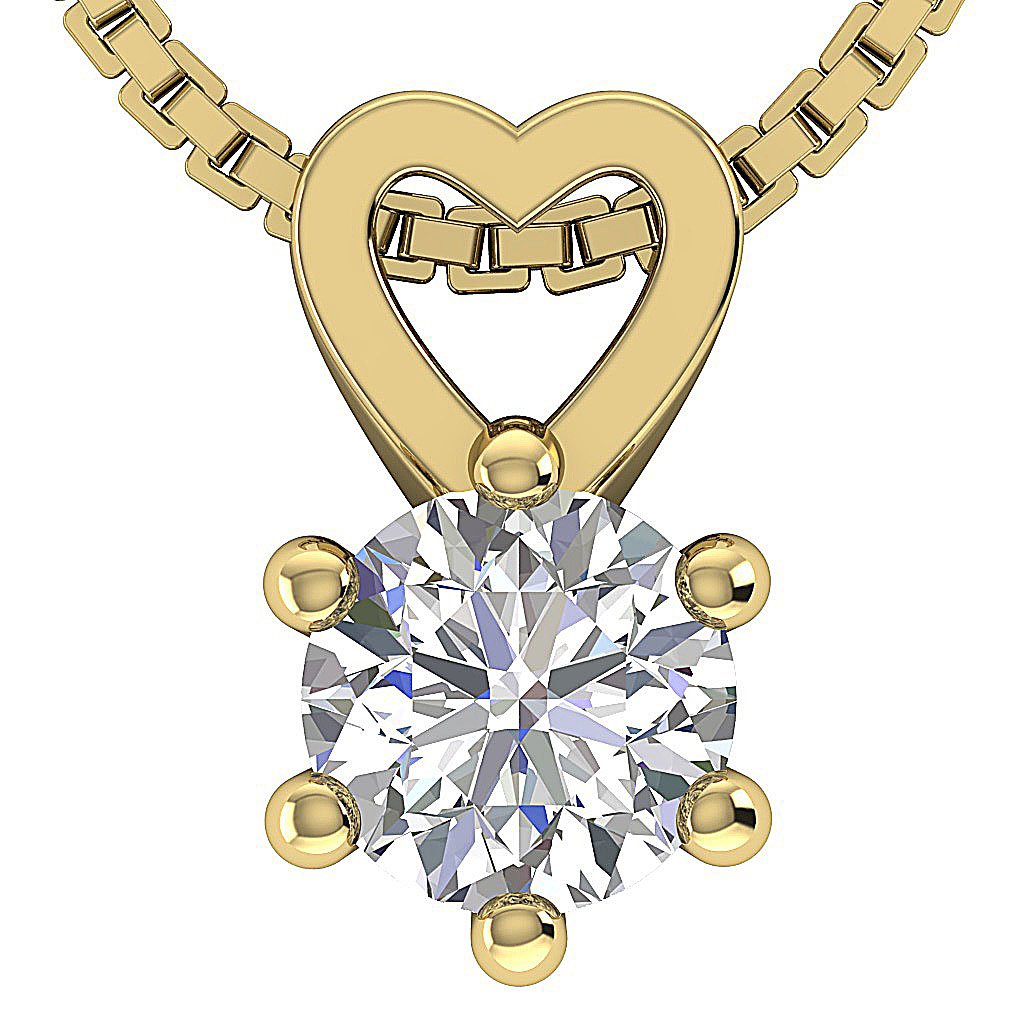
Diamond for Good's natural diamond solitaire pendants feature individual natural diamonds set in gold, with designs available across different proportions and gold colours. The collection is centred on the single-diamond format, allowing the stone to remain the defining element of each necklace.
Choosing the Right Diamond Size for Solitaire Pendants
With only one diamond in the pendant, its size has a direct influence on the overall appearance.
A smaller solitaire can feel delicate and understated, making it particularly easy to wear every day or combine with other necklaces. A larger stone creates a stronger focal point and can hold its own when worn as a standalone piece.
Carat weight should not be considered in isolation. Two diamonds with the same carat weight can appear different depending on their cut proportions and how efficiently the weight is distributed across the stone.
Choosing the Right Setting for the Solitaire Pendant
The setting determines how the diamond is held and how much of it remains visible.
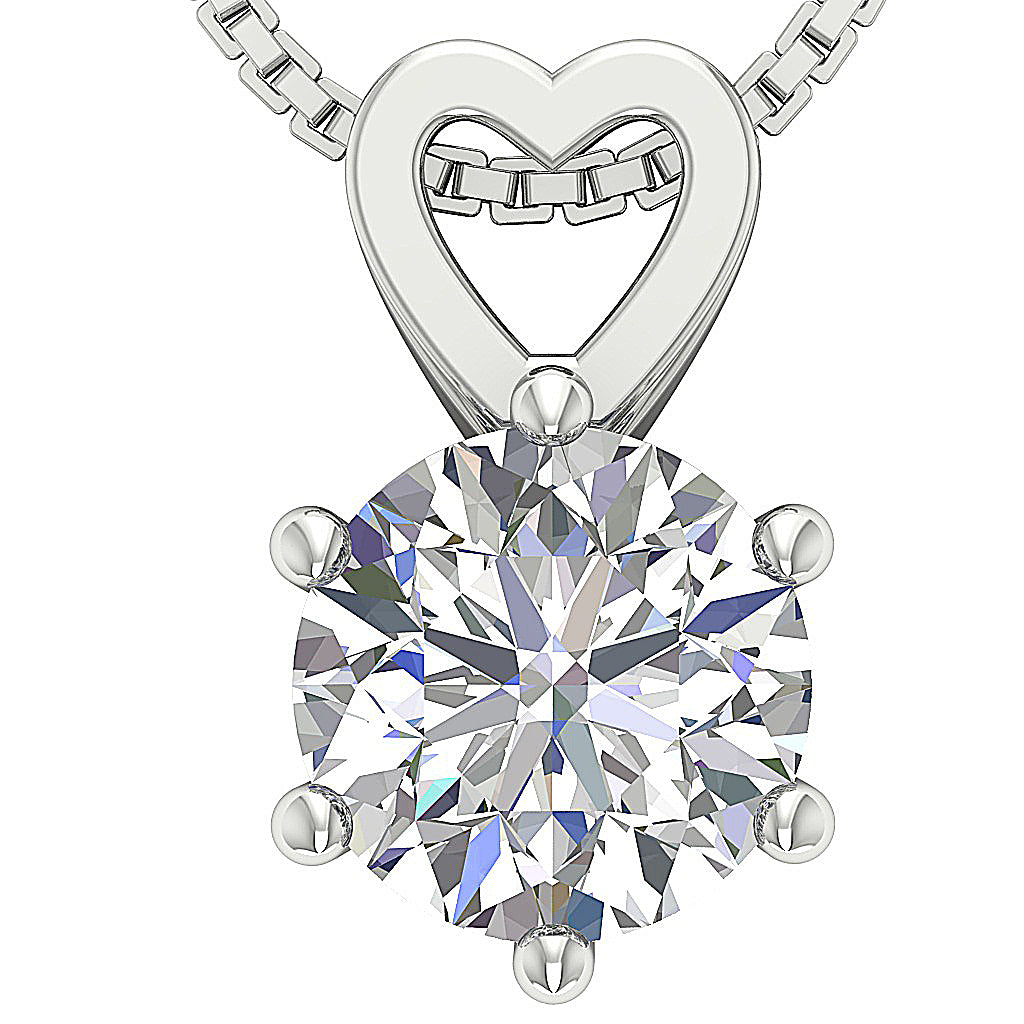
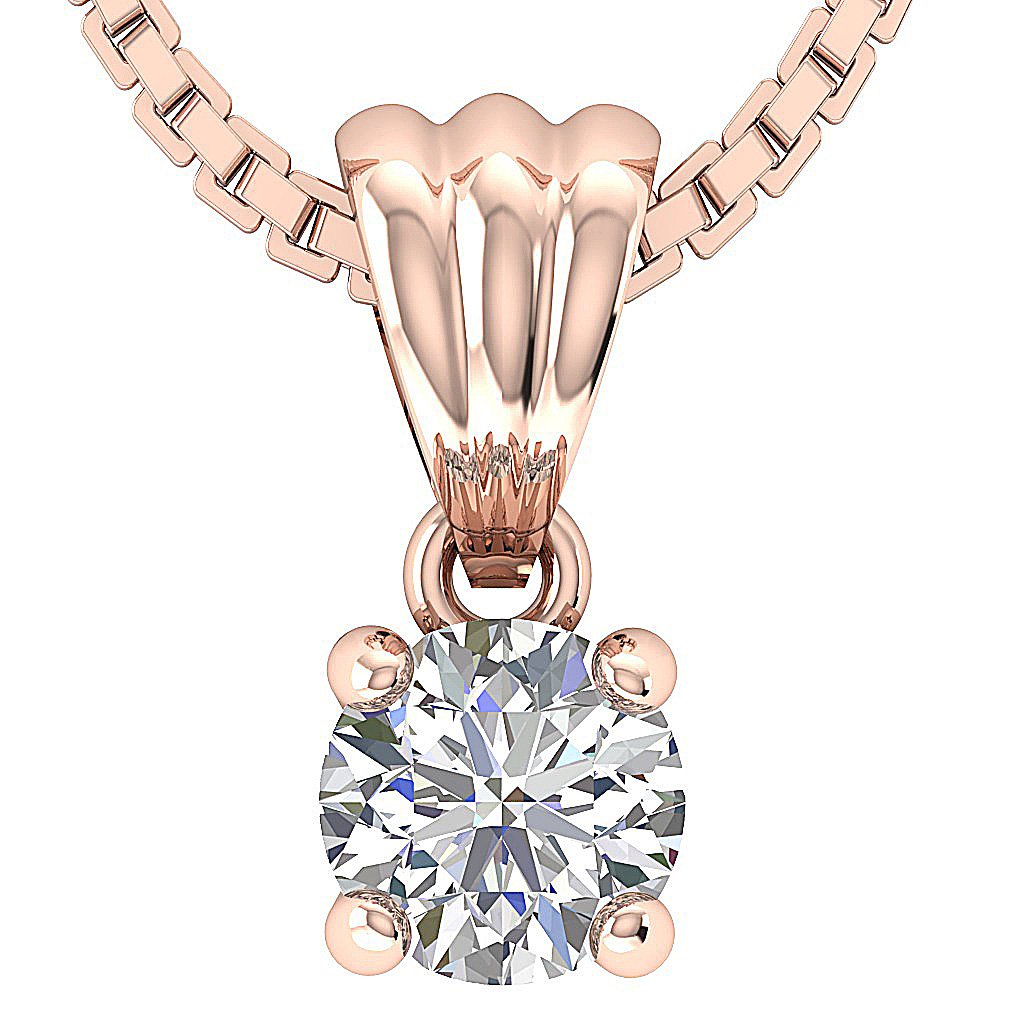
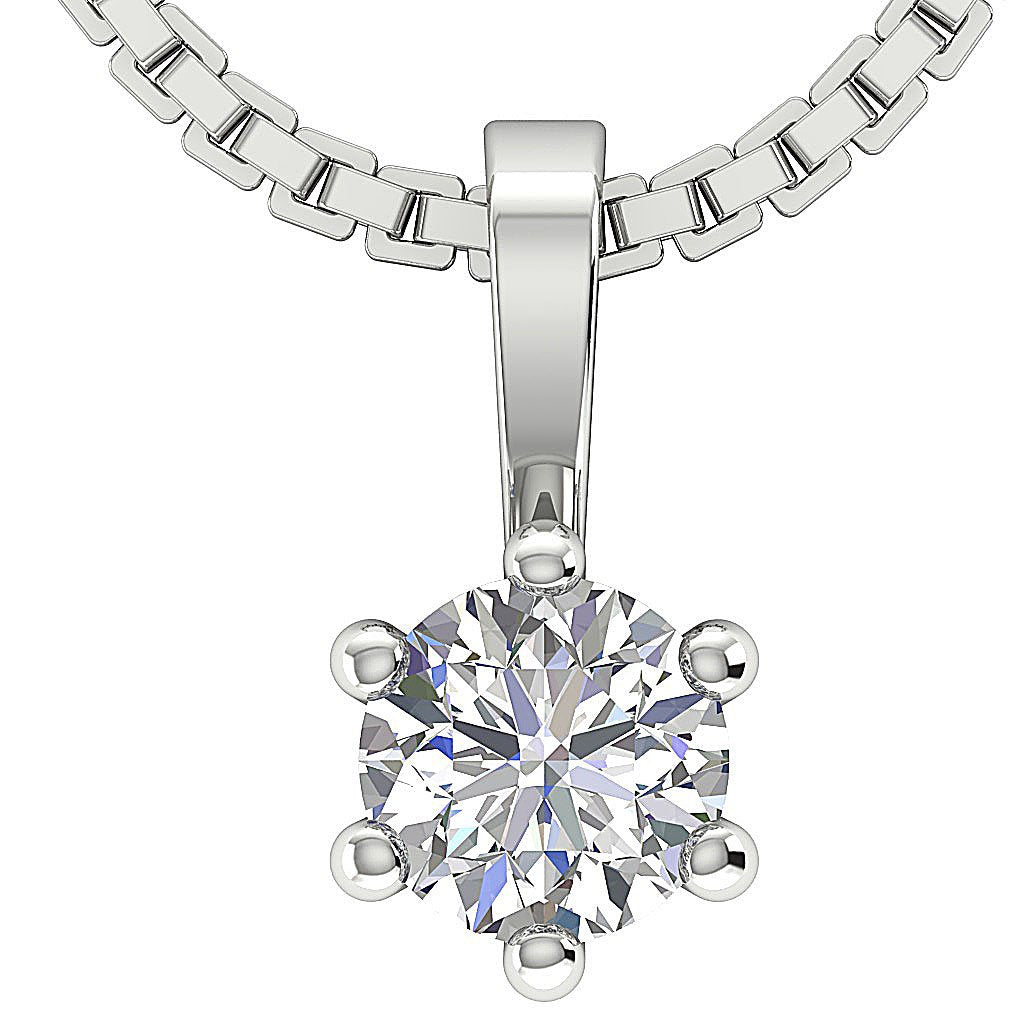
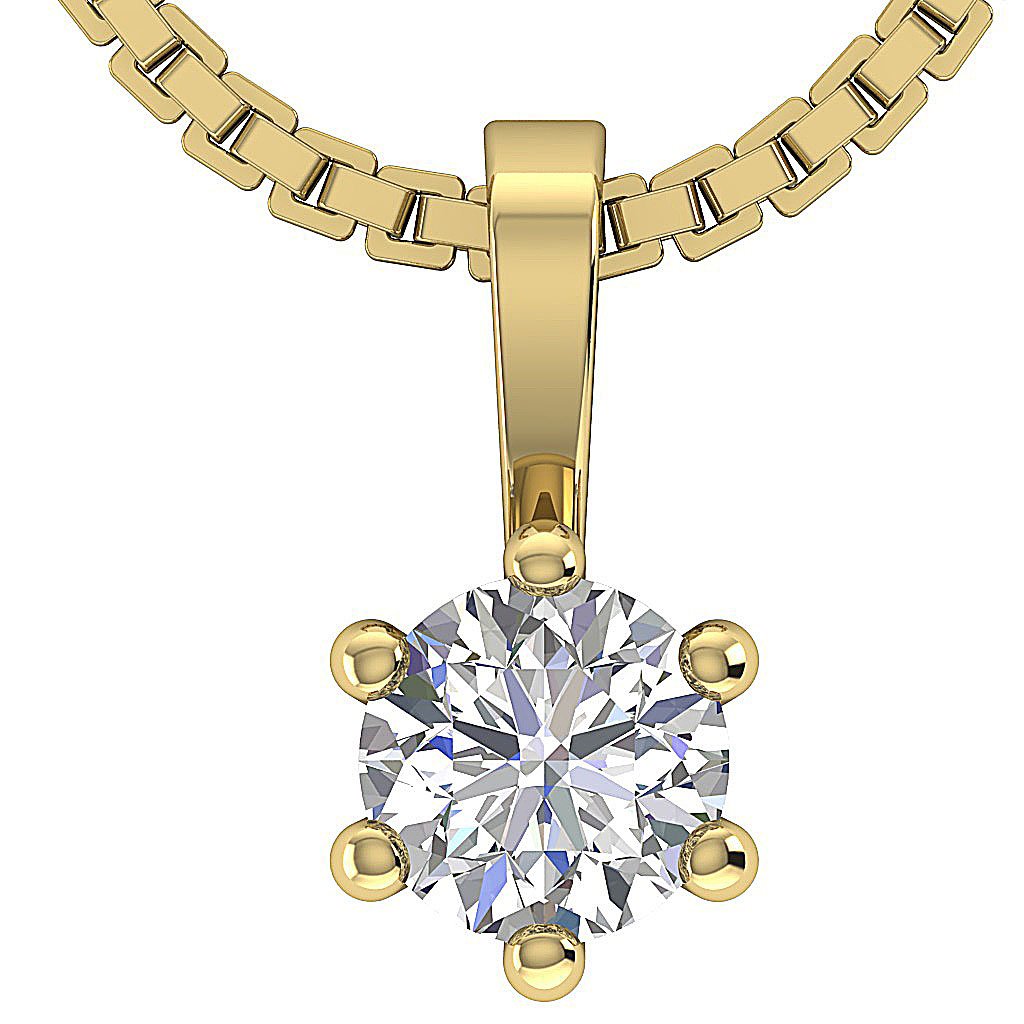
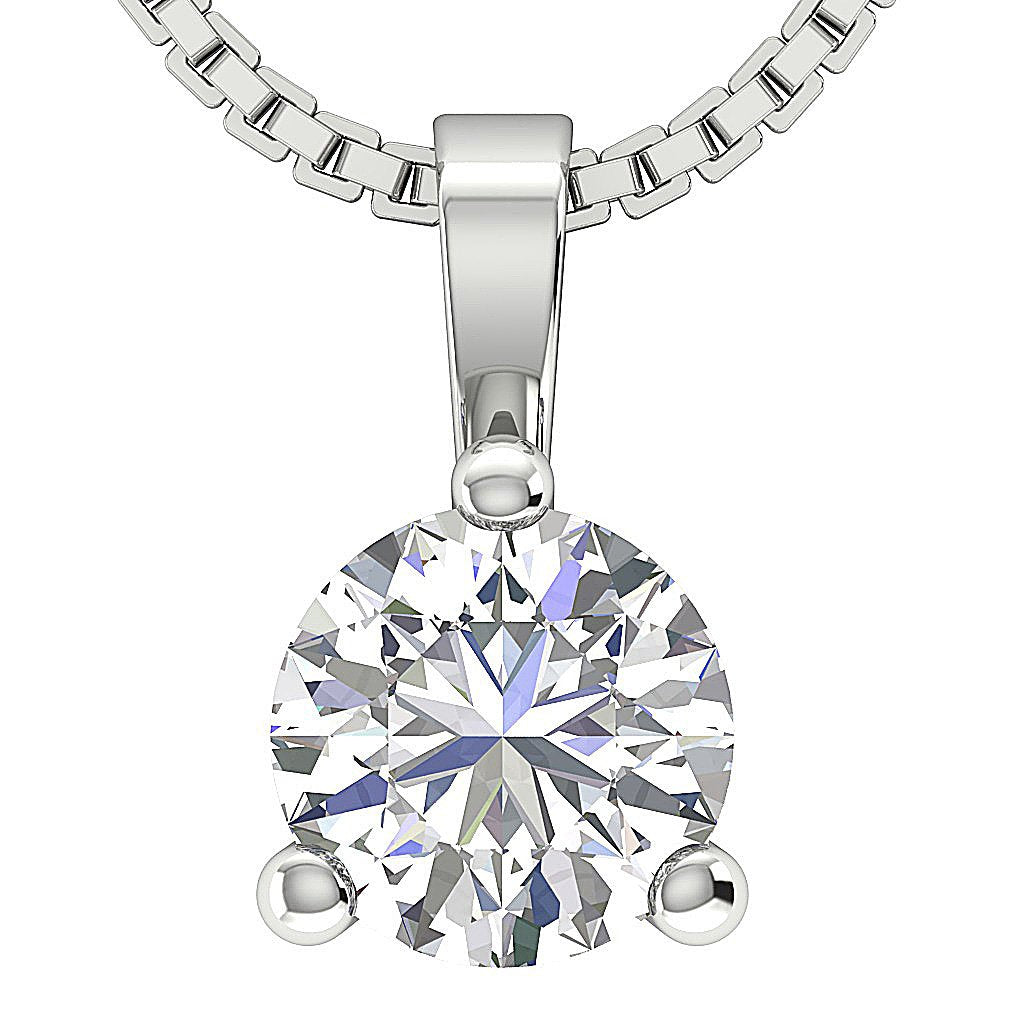
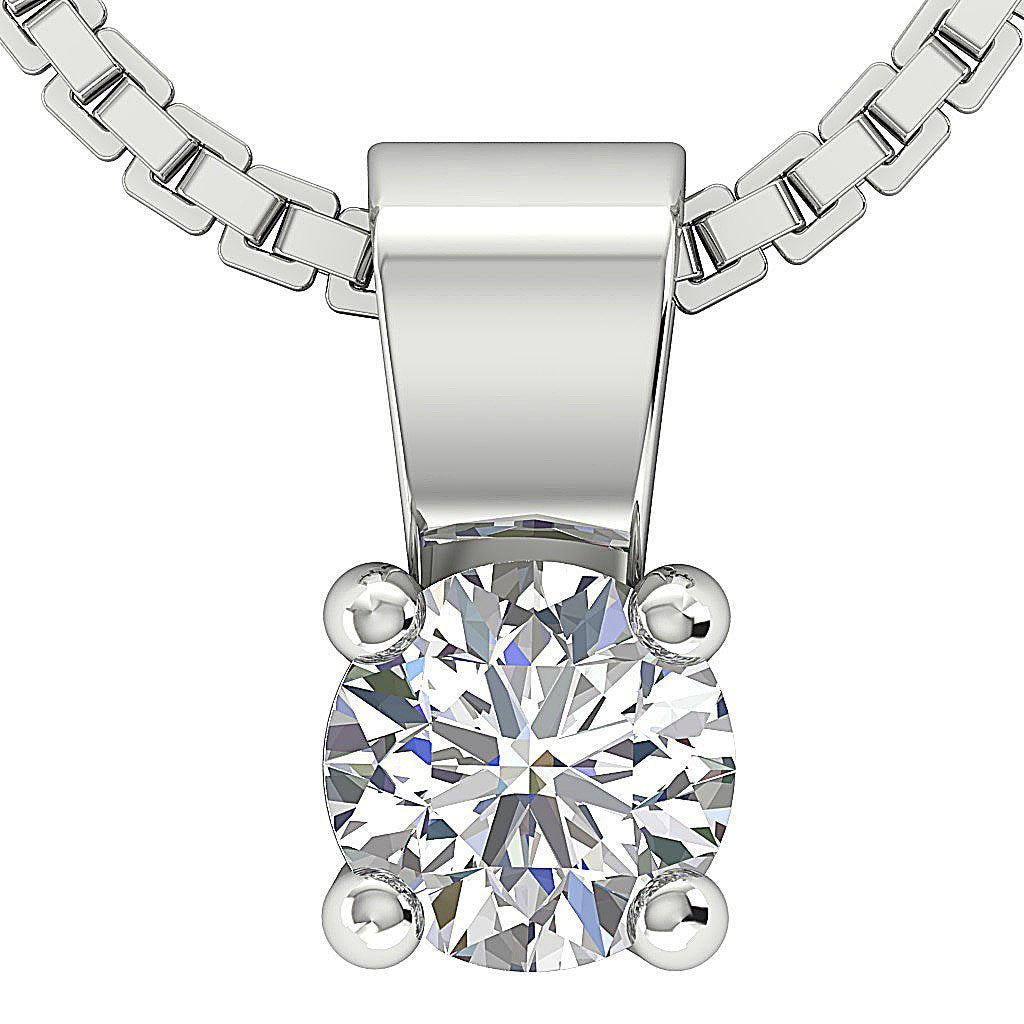
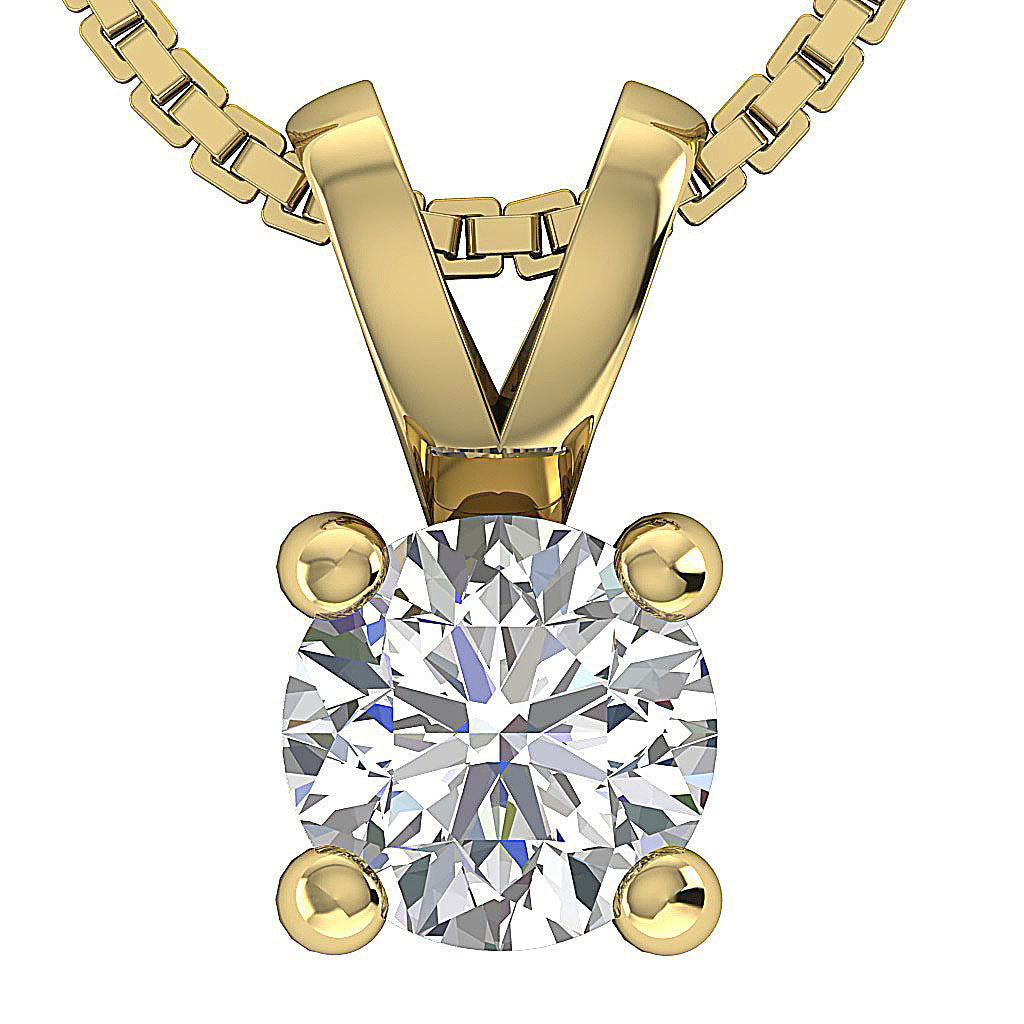
Prong settings use small points of metal to secure the diamond while leaving much of its surface exposed. This can create a light, open appearance and allow the stone to remain the clear focal point.
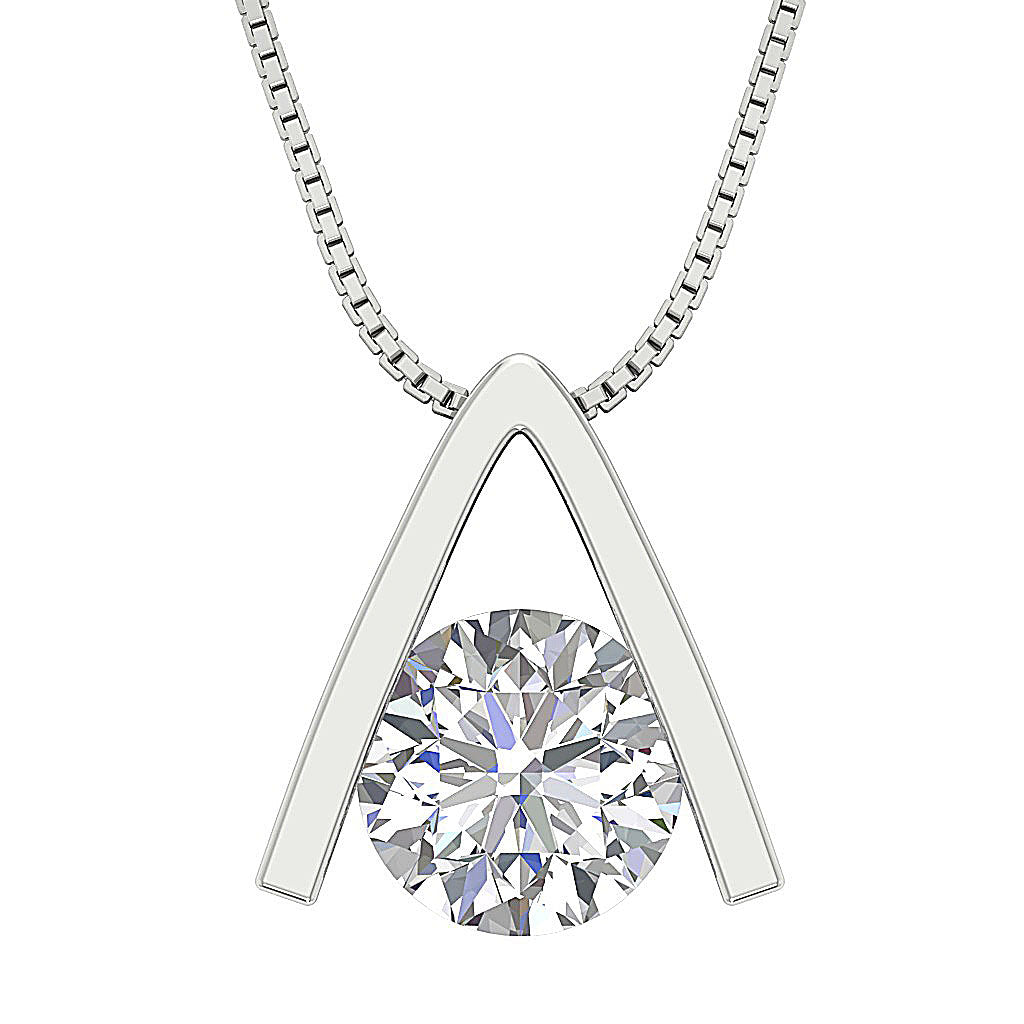
Bezel settings surround the diamond's edge with metal, creating a smooth outline and additional protection around the stone. The enclosed edge can also give the pendant a more contemporary or structured appearance.
The setting should always complement the proportions of the diamond rather than overwhelm it. With a solitaire, excessive metal can become more noticeable because there are no surrounding stones to balance the design.
Choosing the Gold Colour to Complement the Solitaire Pendant
The gold surrounding a solitaire diamond can subtly change the overall appearance of the pendant.
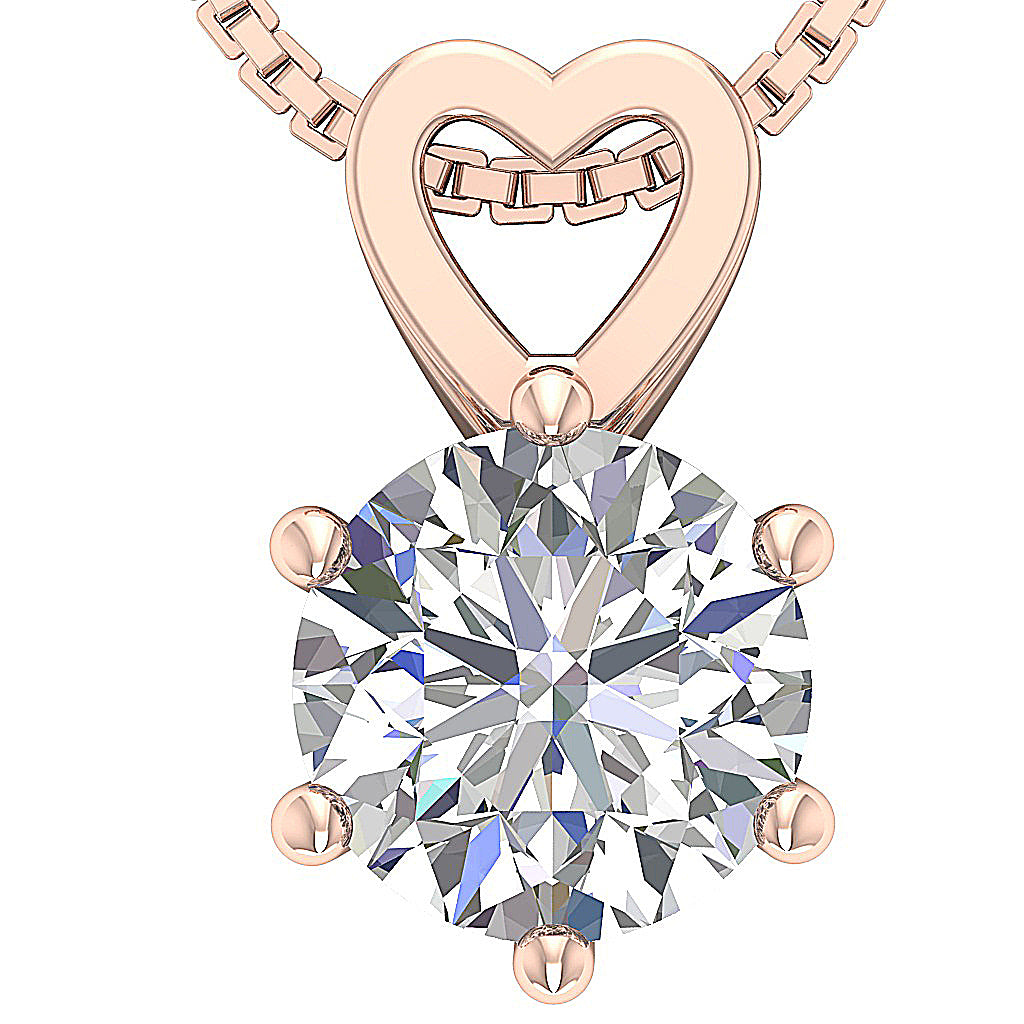
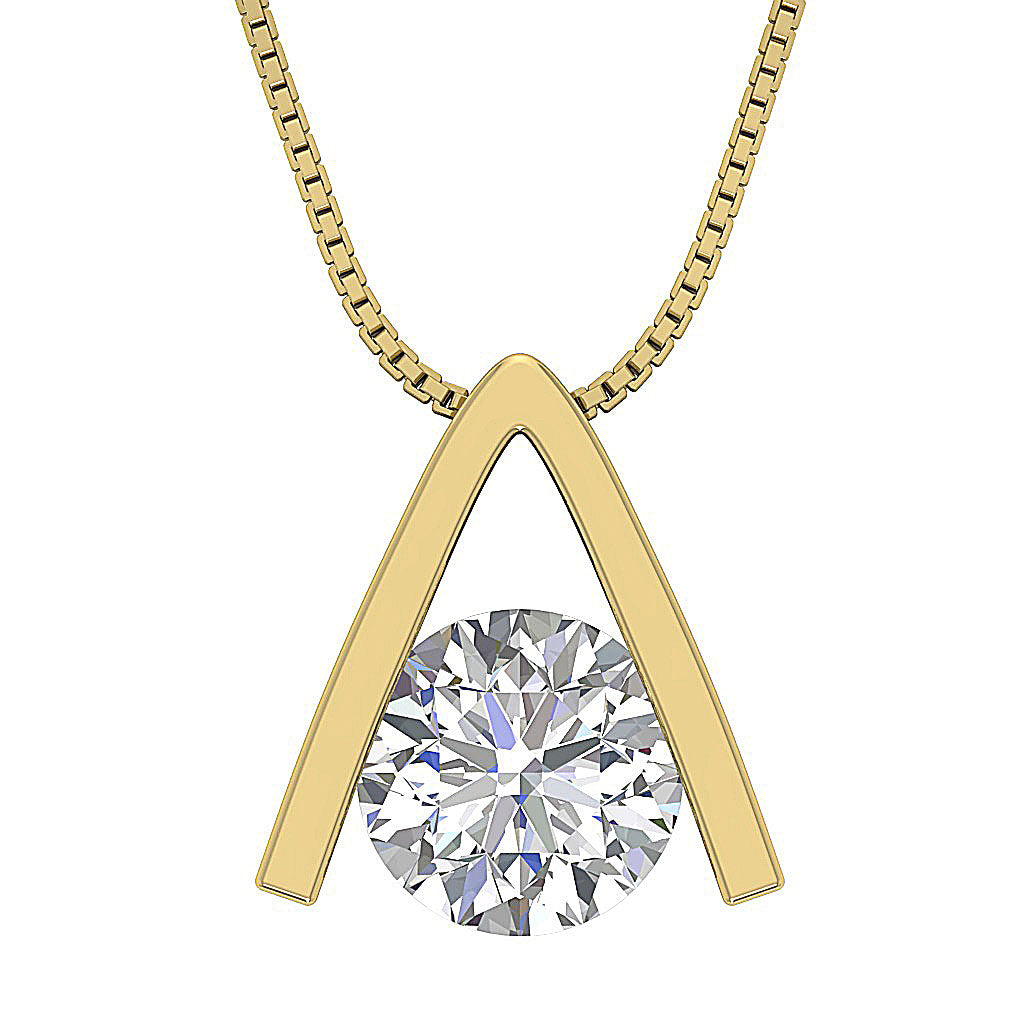
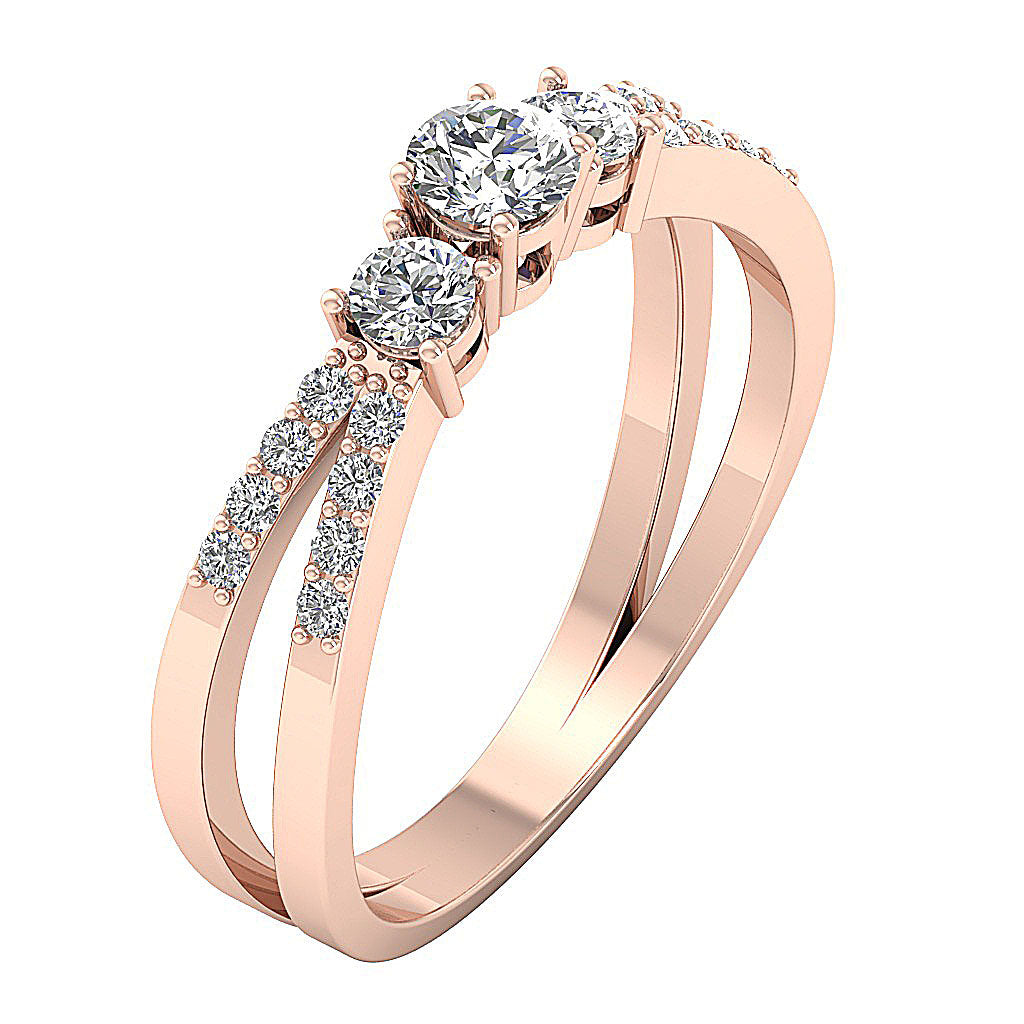
White gold keeps the visual focus on the stone and maintaining a cooler appearance. Yellow gold provides greater contrast between the diamond and its setting. Rose gold gives a solitaire pendant a more contemporary character and warmth.
The choice can be based on personal preference or the jewelry already in your collection. Matching the metal with existing rings and earrings creates continuity, while contrasting gold colours can make the pendant more distinctive.
Comparing Natural and Lab-Made Diamonds for Solitaire Pendants
Natural diamonds are formed naturally within the Earth over geological timescales. Lab-made diamonds offer much of same properties; however, they are made under controlled conditions.
Because there is only one diamond, characteristics such as cut, colour and clarity become especially visible. Cut deserves particular attention because it influences how the diamond interacts with light and therefore how much brightness and sparkle the pendant produces.
Clarity should be considered in relation to the actual appearance of the stone rather than simply the grade. Likewise, colour can influence the visual relationship between the diamond and the chosen gold.
Styling a Diamond Solitaire Pendant
A solitaire pendant can be worn alone or incorporated into a layered necklace arrangement.
When worn by itself, the single diamond creates a clean focal point that works particularly well with open necklines and simple clothing. It can also add a small amount of brilliance to higher necklines without becoming overly decorative.
For layering, consider varying chain lengths so each necklace remains visually distinct. A solitaire can provide a central point of light while longer or shorter chains introduce additional texture.
The simplicity of the pendant makes it particularly useful in a mixed jewelry wardrobe. It can sit alongside diamond earrings or rings without creating too many competing focal points.
Living With It: Caring for a Solitaire Diamond Pendant
Clean a solitaire pendant regularly with warm water, mild soap and a soft-bristled brush. Gently clean around the setting and the underside of the diamond, where skincare products and everyday residue can collect.
Check the setting periodically, particularly if the necklace is worn frequently. Prongs can experience gradual wear, while a bezel should remain evenly positioned around the stone.
The chain and clasp deserve attention as well. Look for kinks, weakened links or changes in the way the clasp closes.
When the necklace is not being worn, store it separately from other jewelry to reduce the chance of the chain tangling or the diamond scratching another piece.
One diamond, one quiet point of light, and a design that leaves almost nothing between the stone and the person wearing it.