Stackable Eternity Rings
A stack is rarely created all at once. More often, it grows gradually, one ring marking an anniversary, a milestone, a new chapter, or simply the desire for another line of brilliance. Stackable eternity rings are designed for exactly this kind of collecting. Slim, versatile, and easy to layer, they are made to sit comfortably beside the rings already on your hand while leaving room for whatever comes next.
Starting a Stack with Eternity Rings
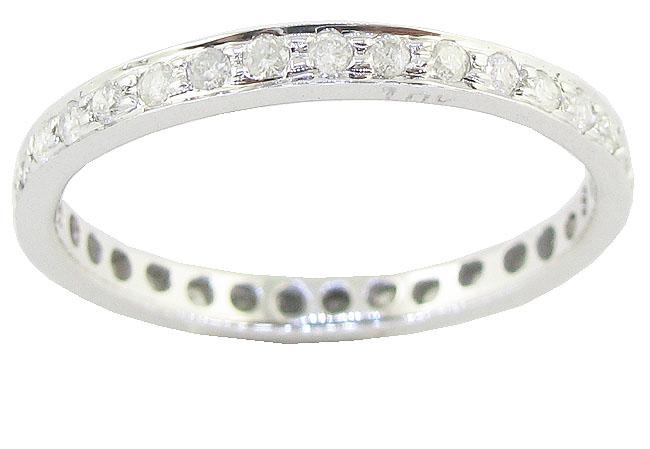
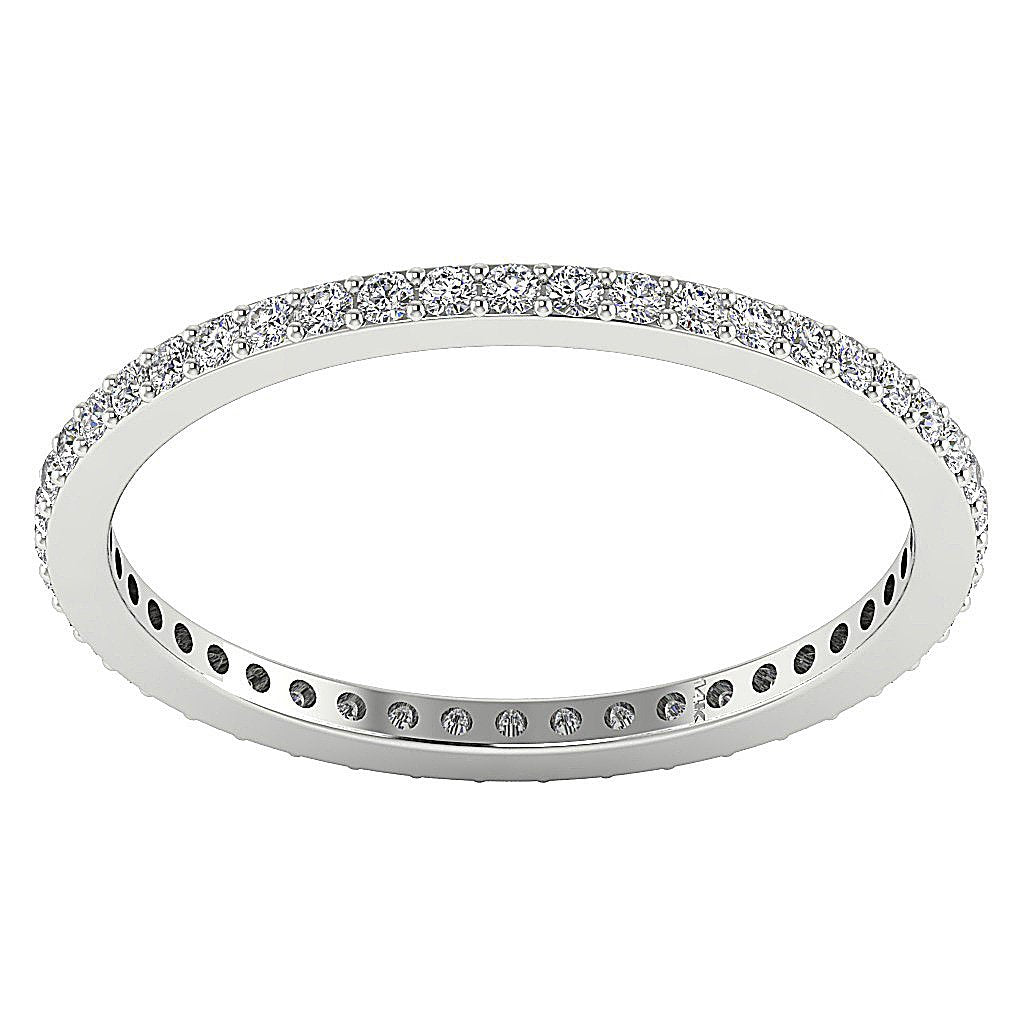
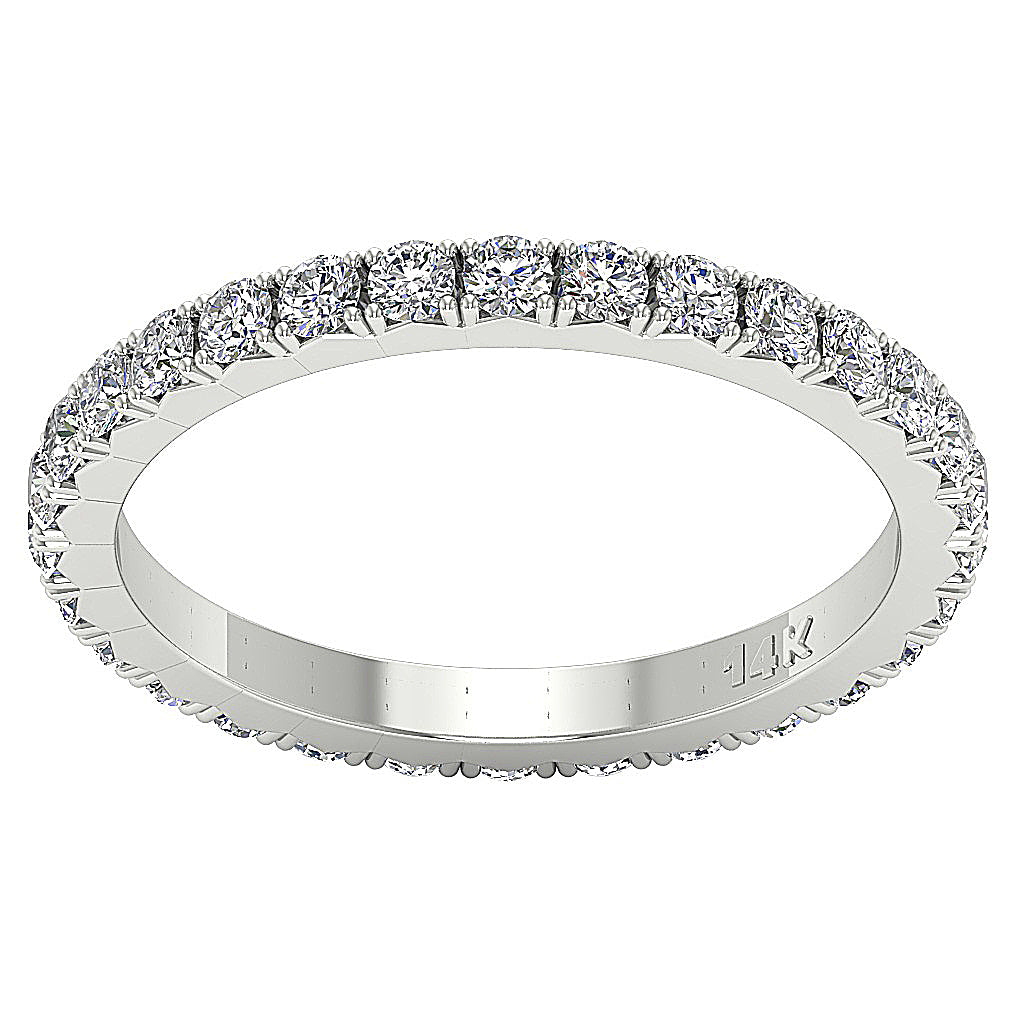
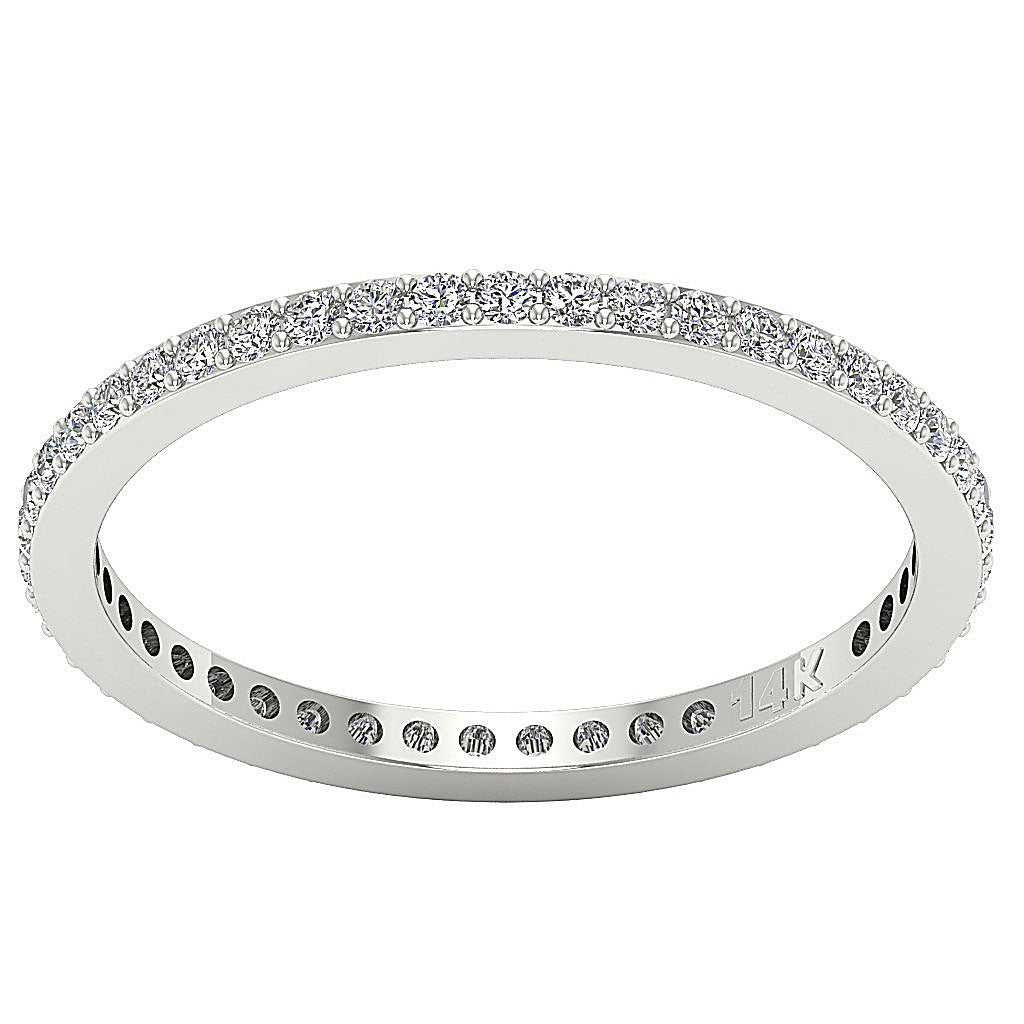
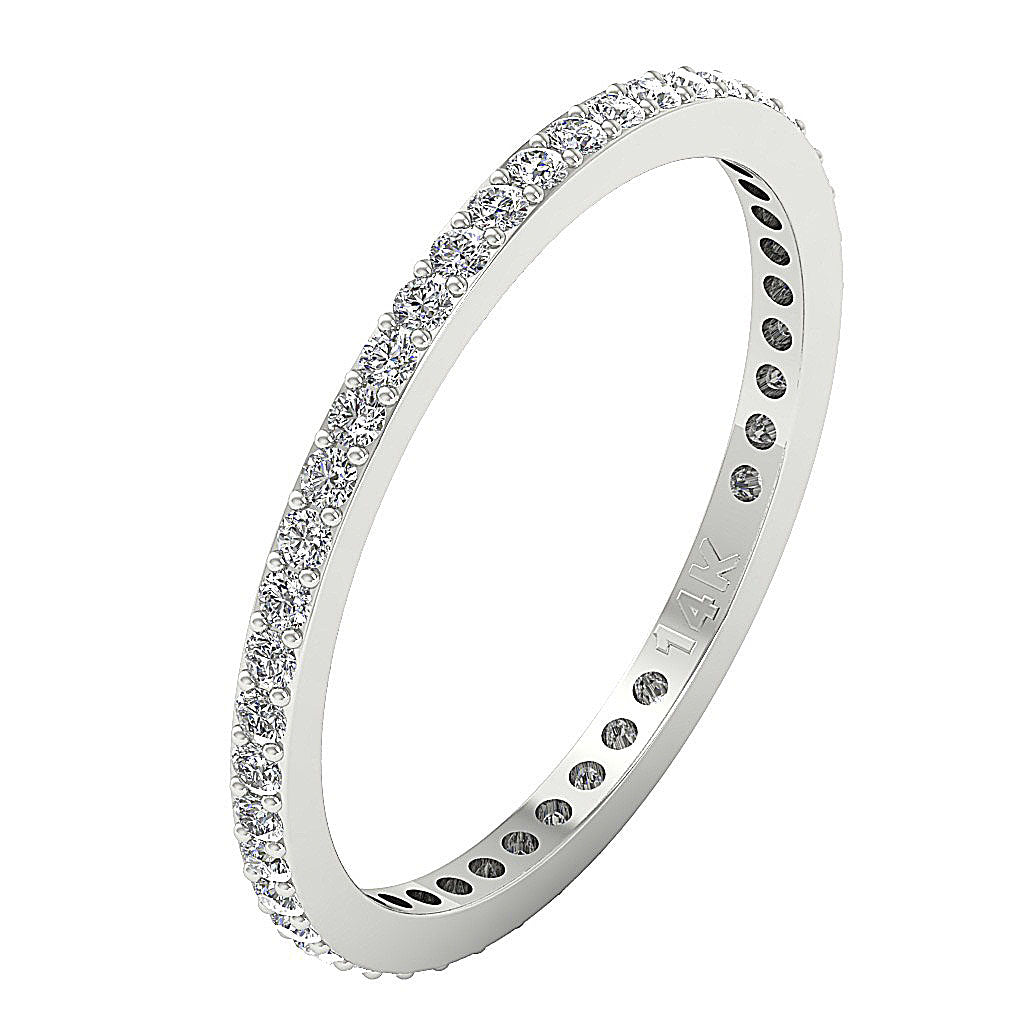
The first ring establishes the visual language for everything that follows. A classic pavé band in a versatile metal tone is often the most adaptable starting point, since its continuous sparkle works naturally with different widths, settings, and silhouettes. A more distinctive first ring can be equally striking, but an unusual profile or elaborate setting may limit the combinations that work with it later.
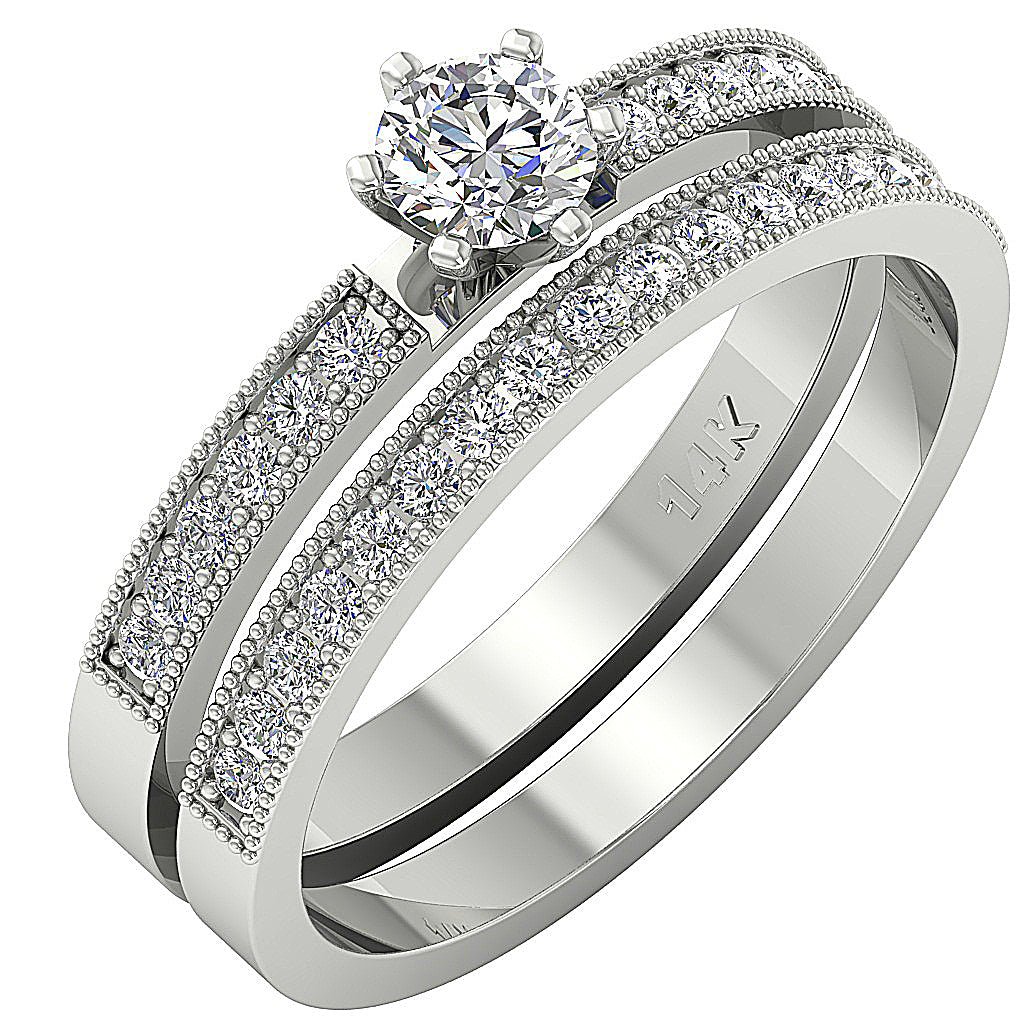
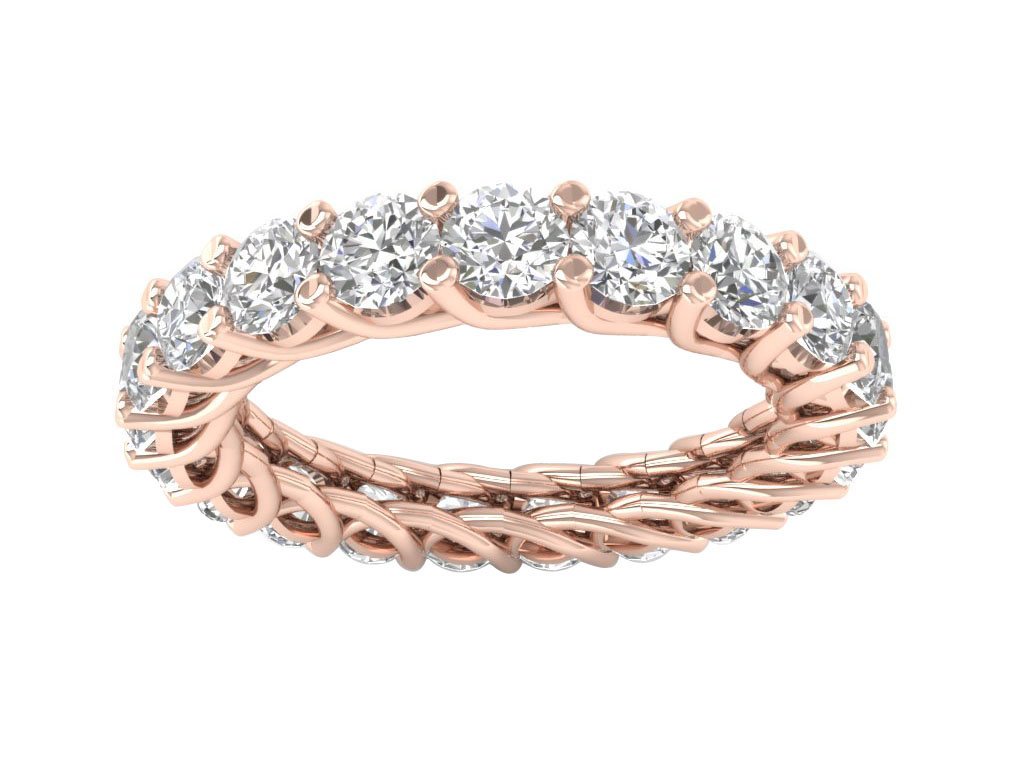
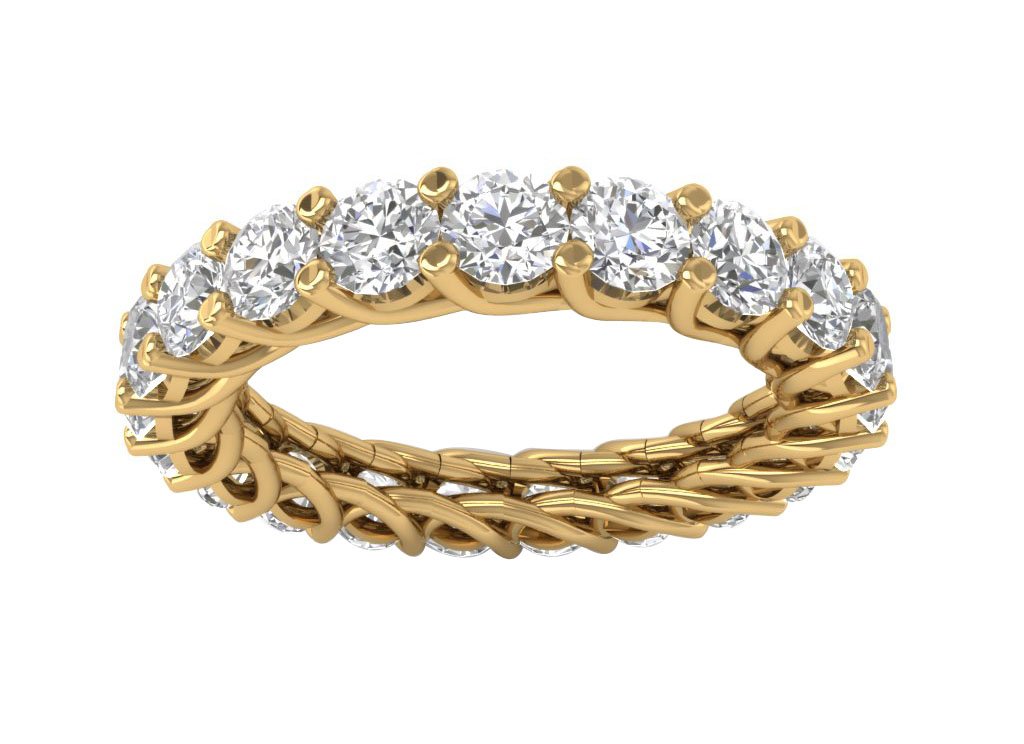
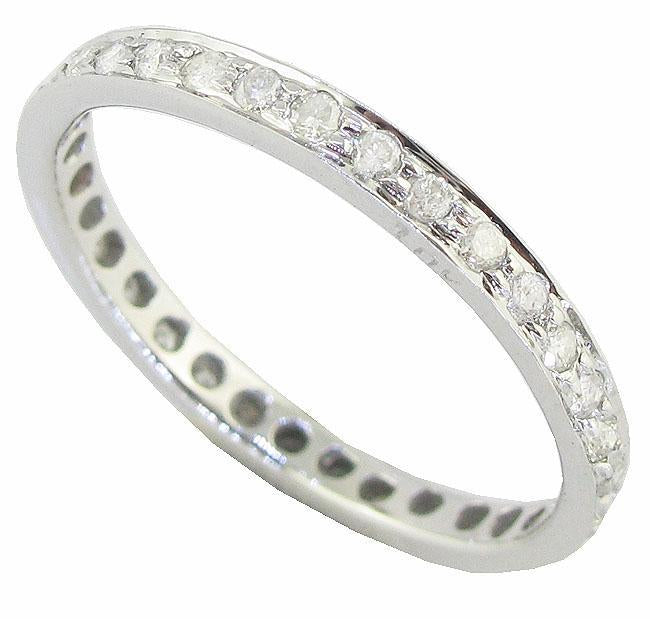
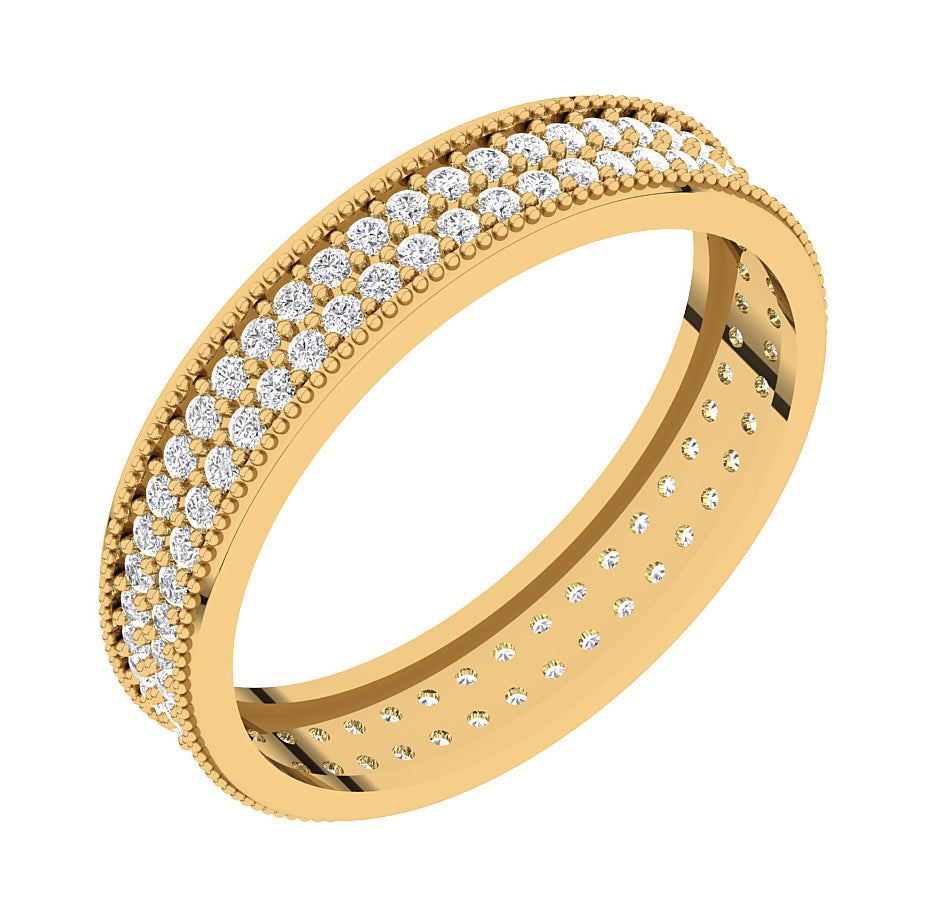
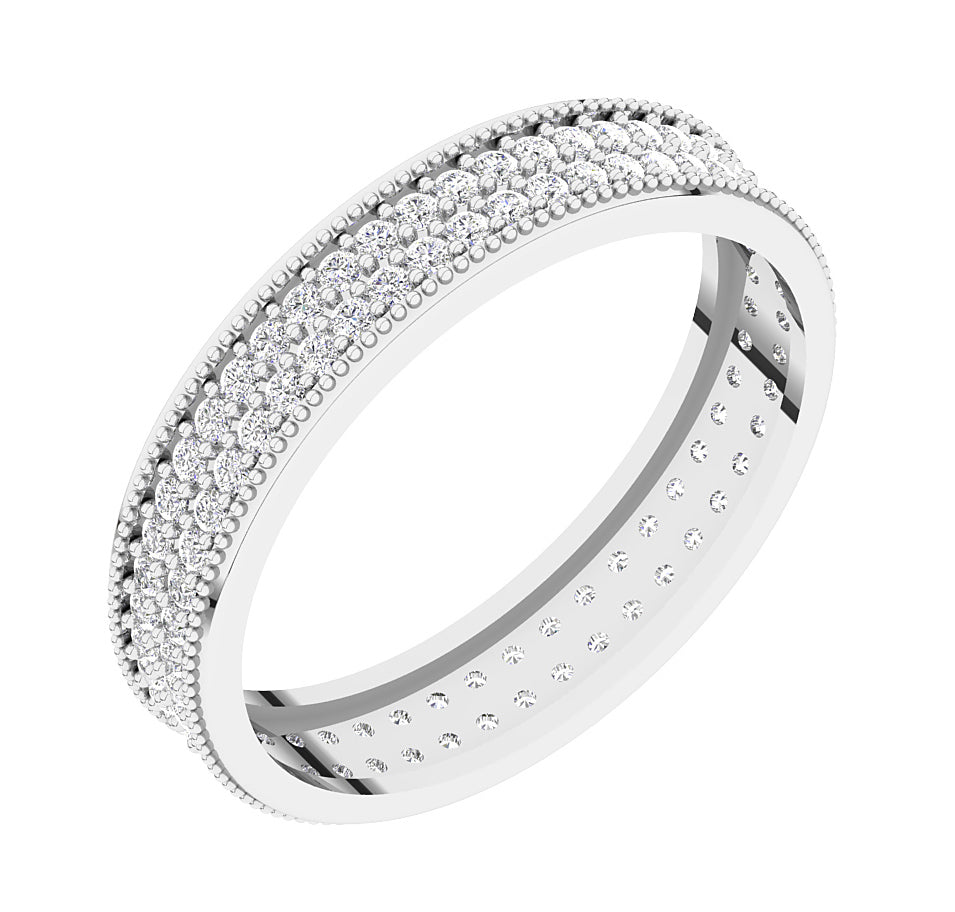
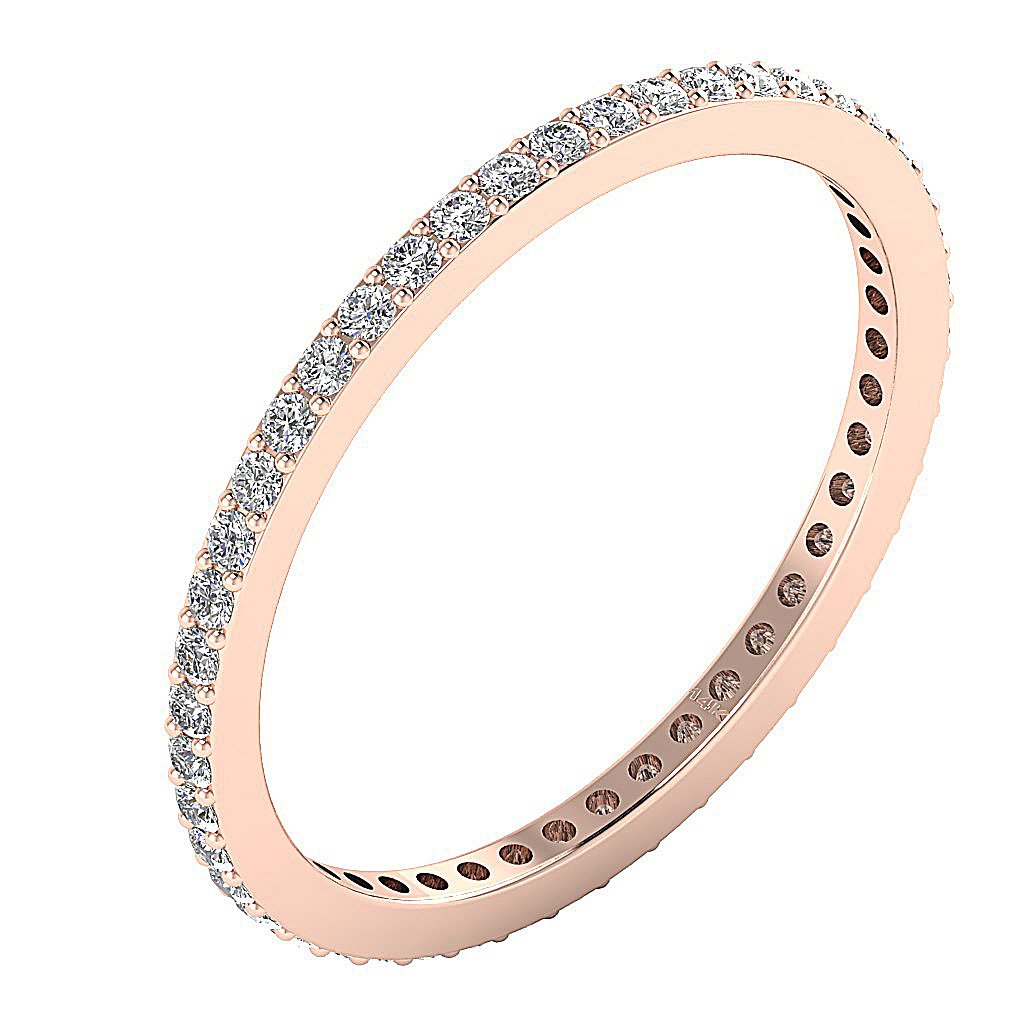
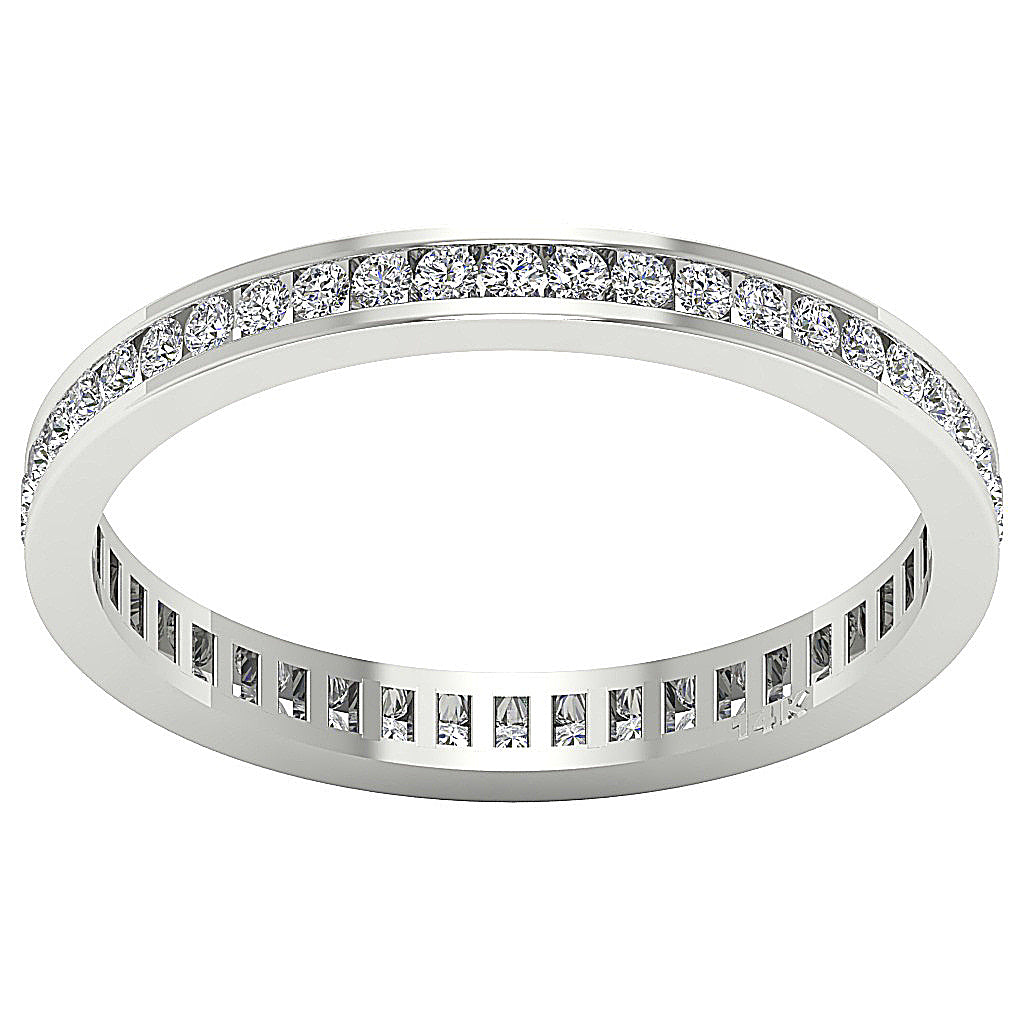
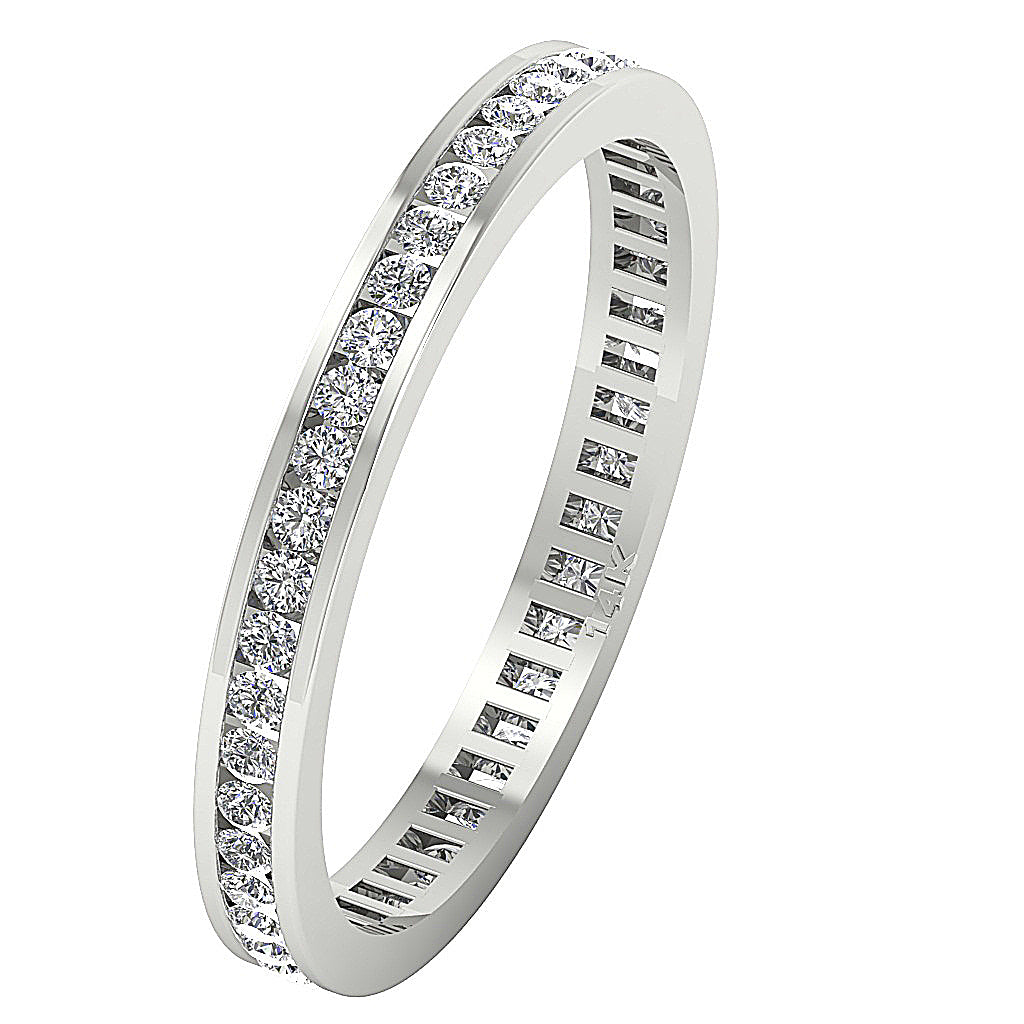
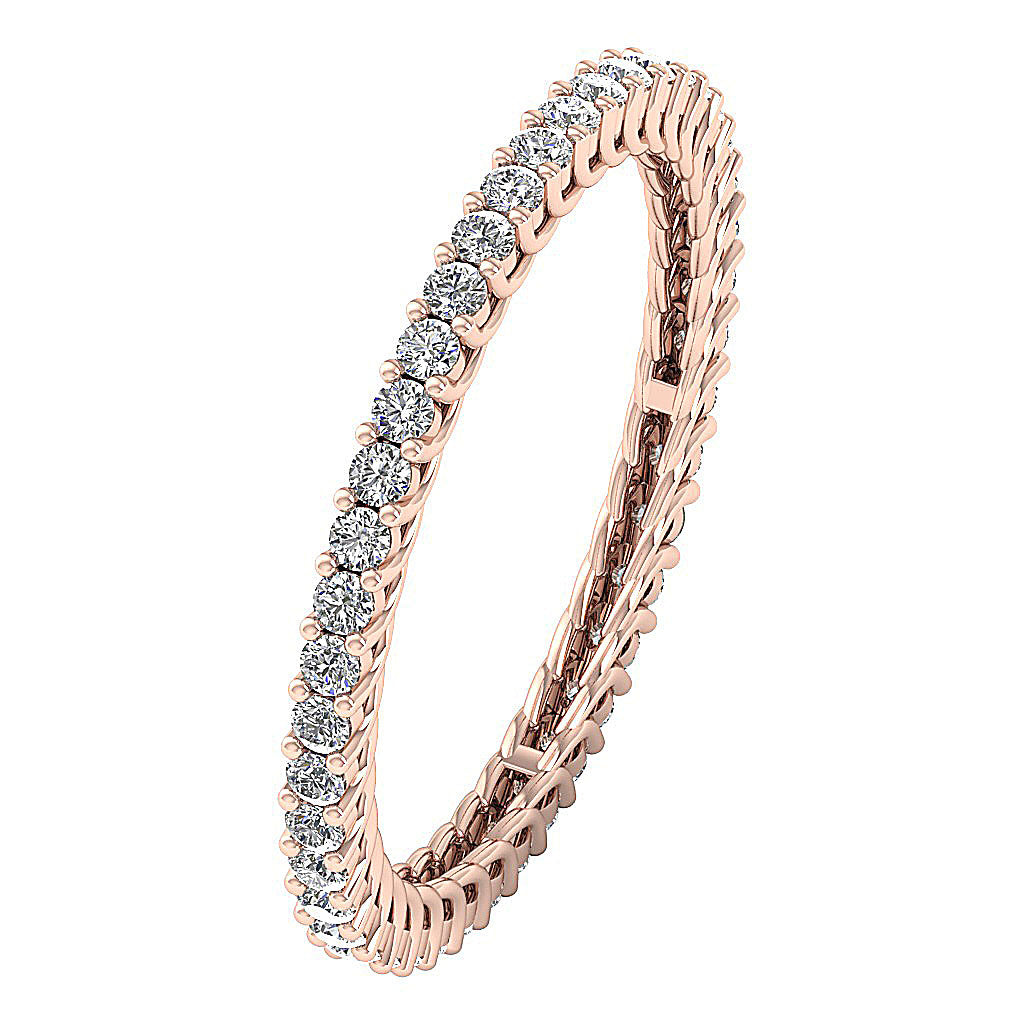
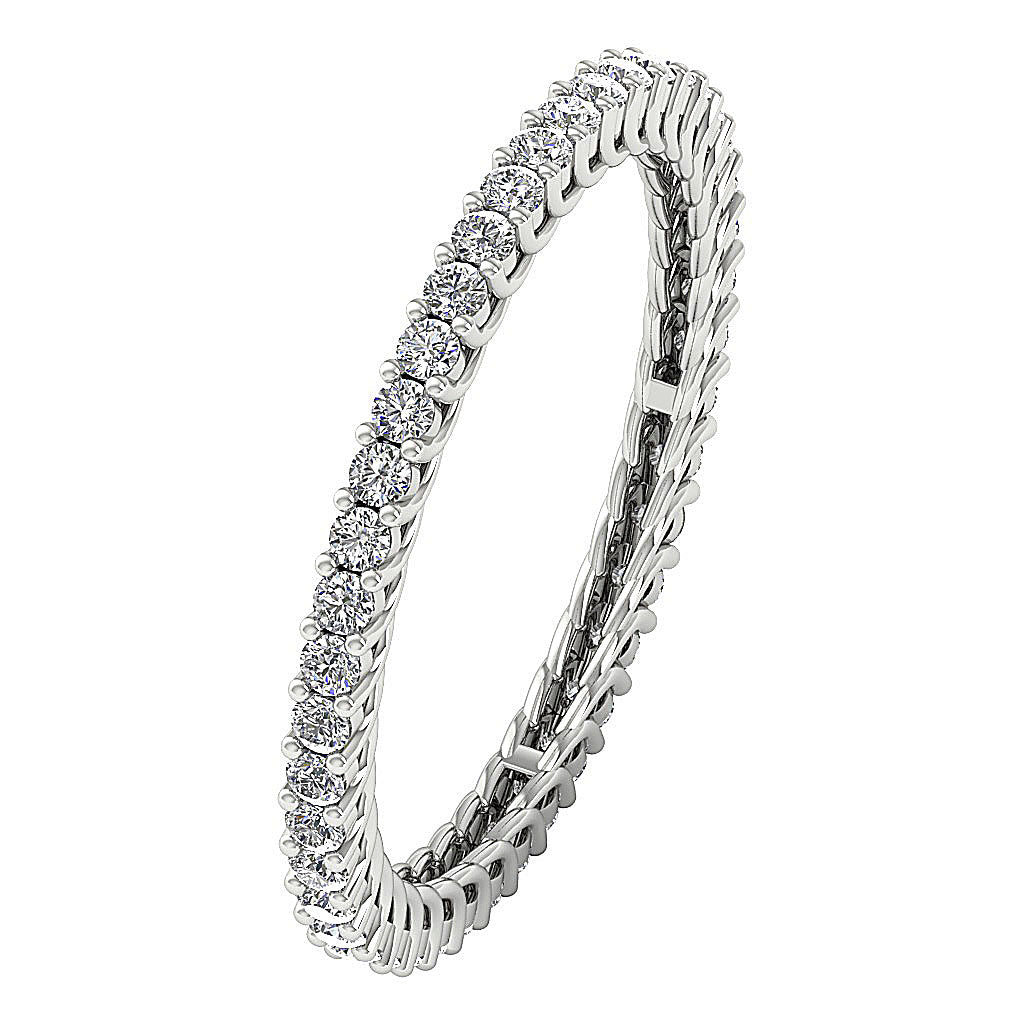
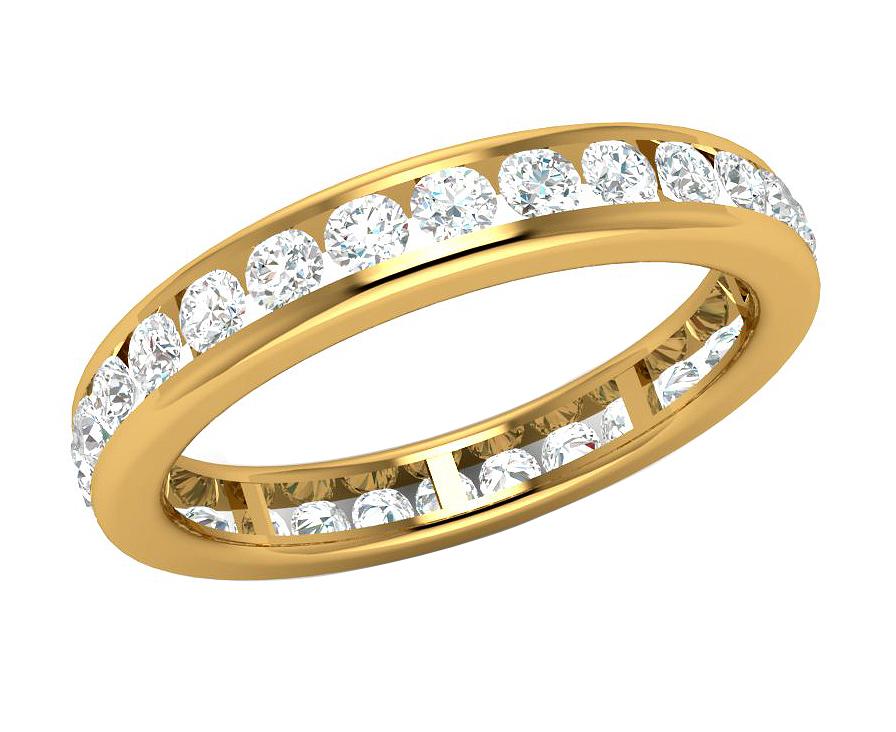
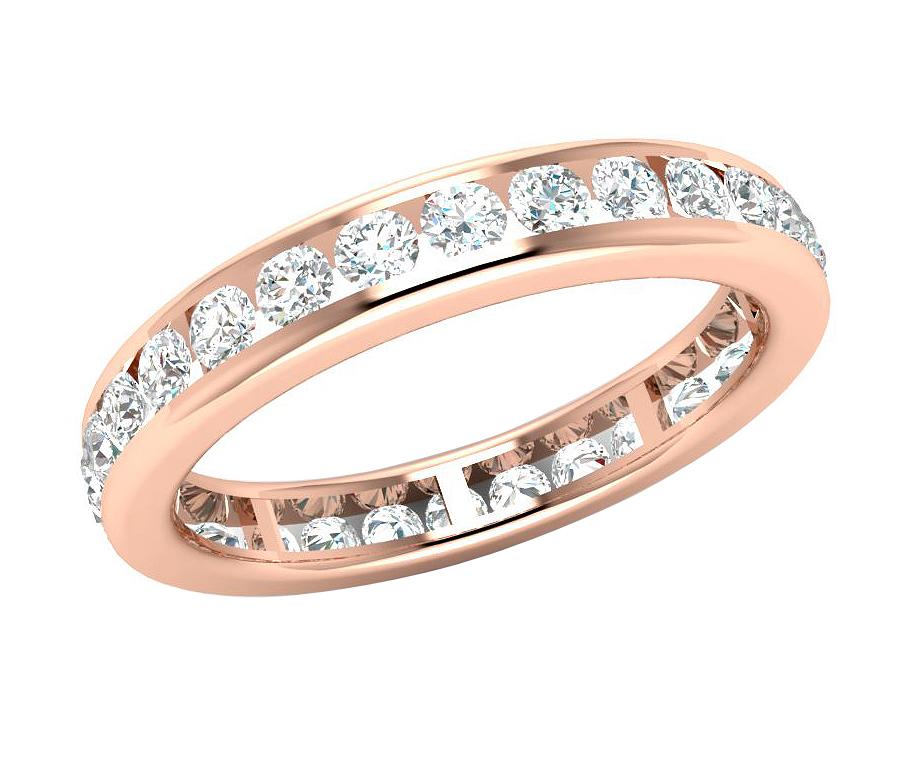
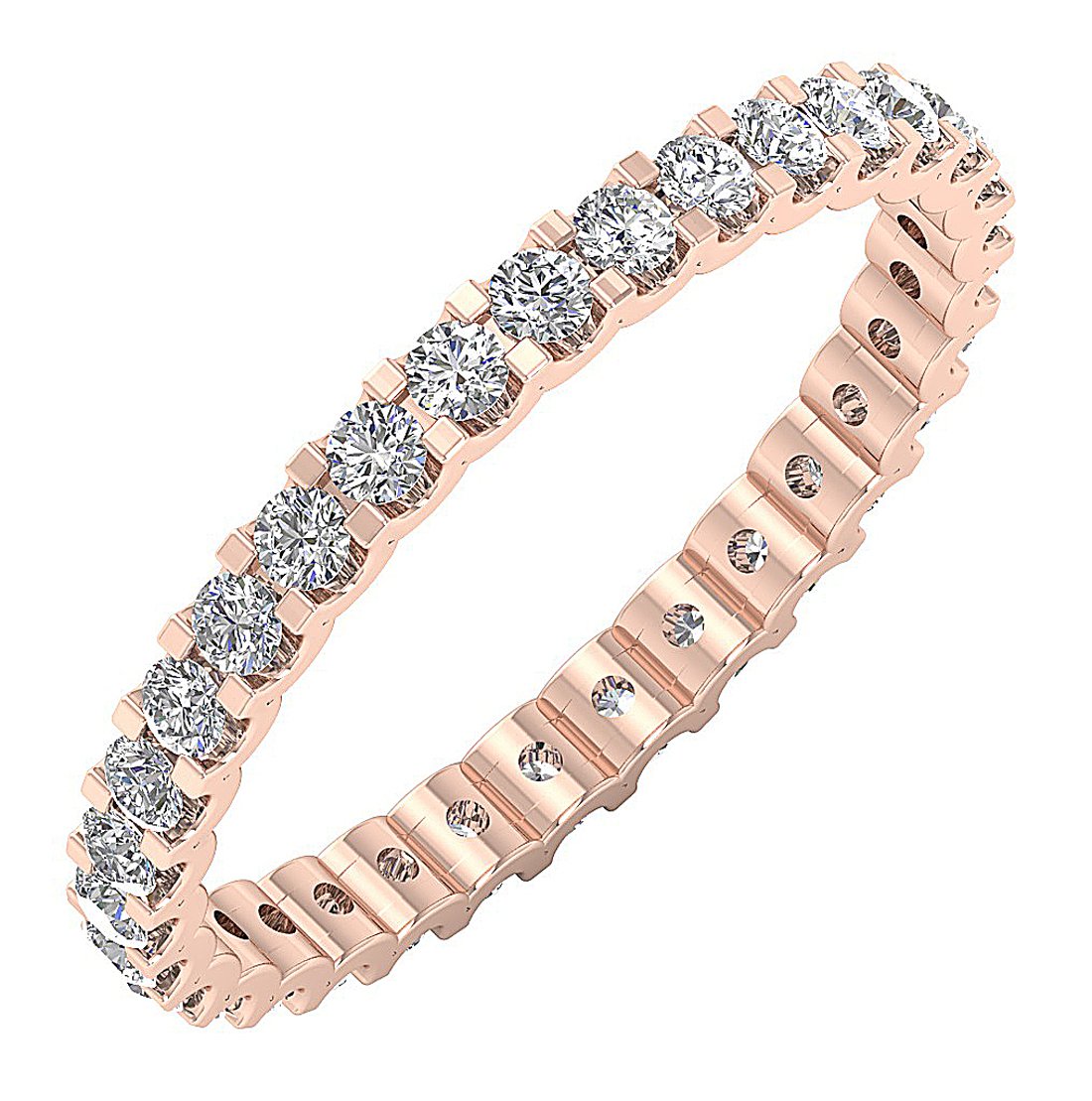
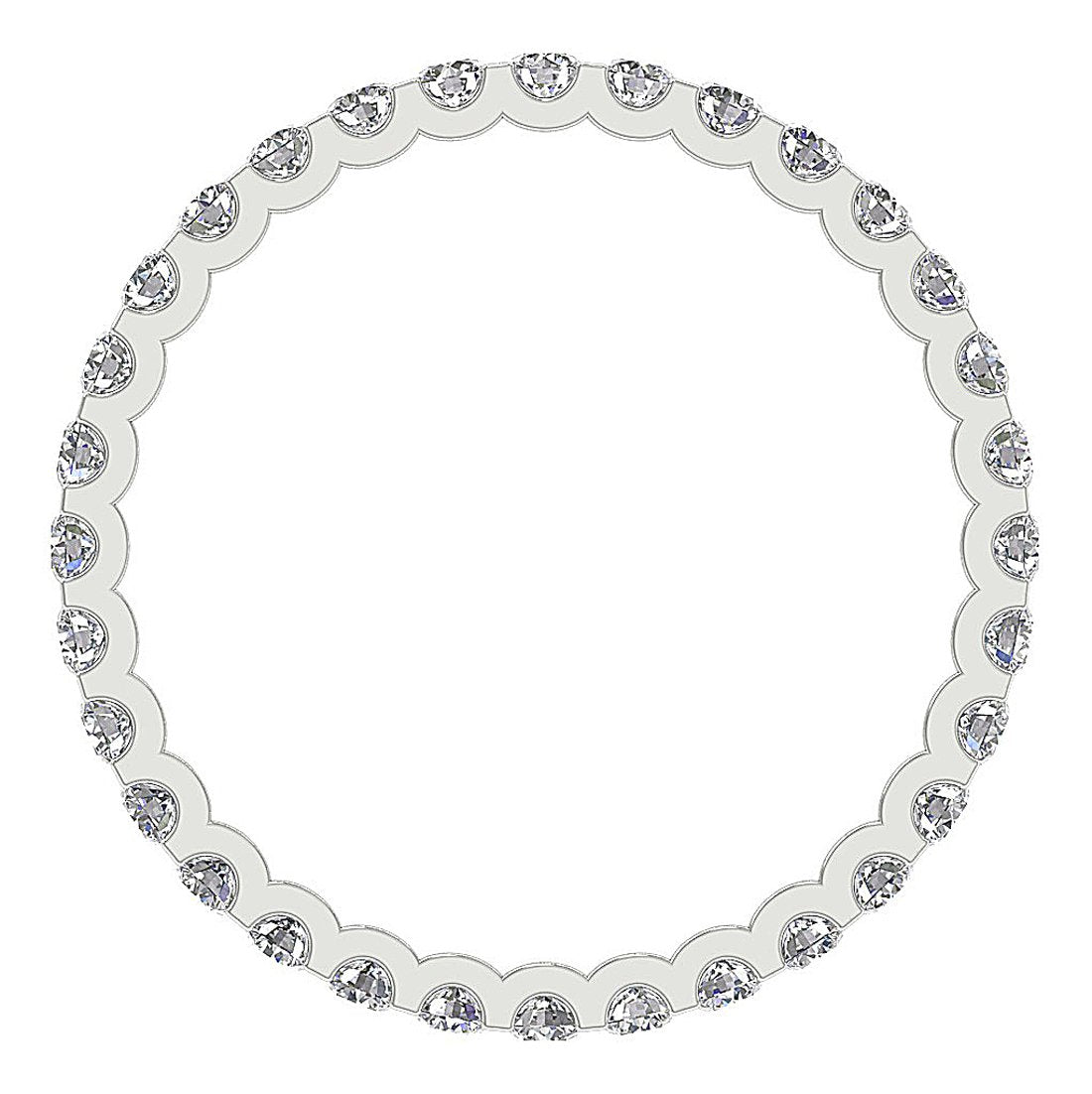
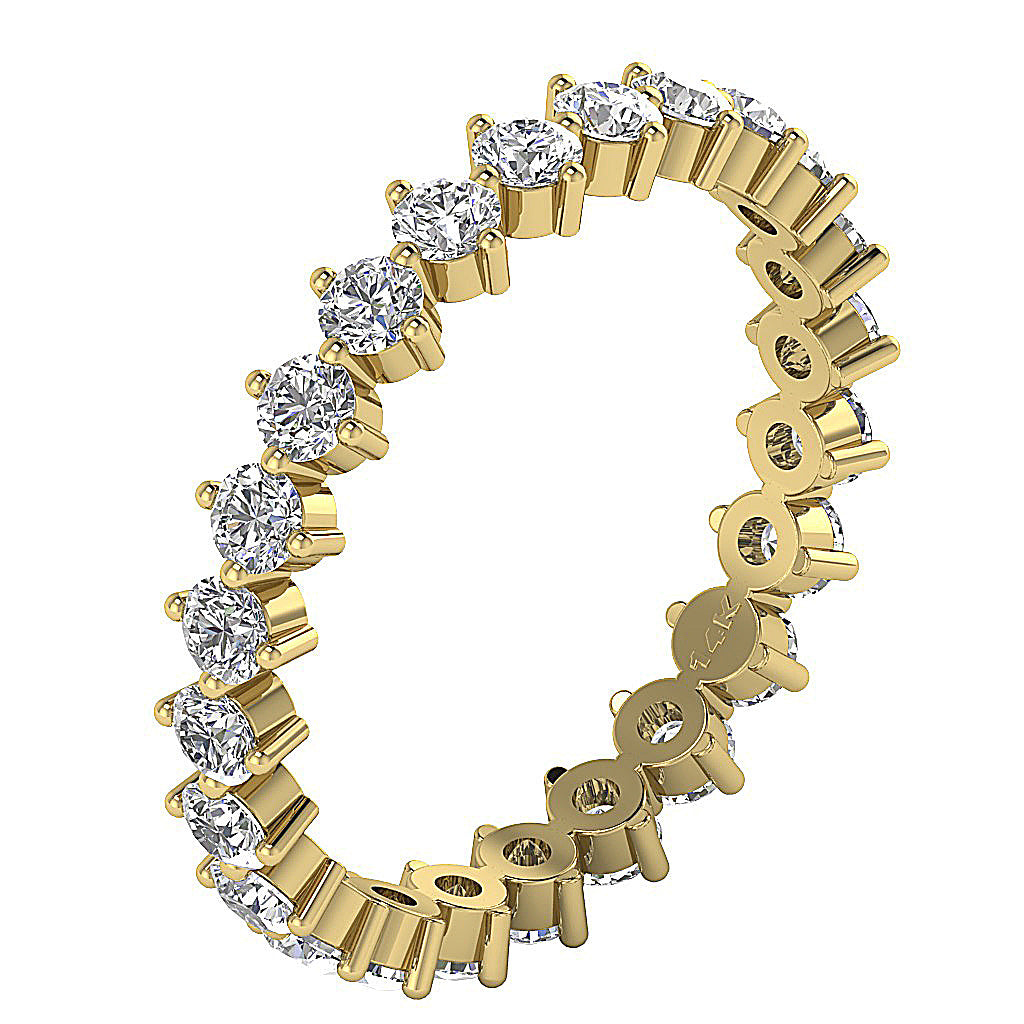
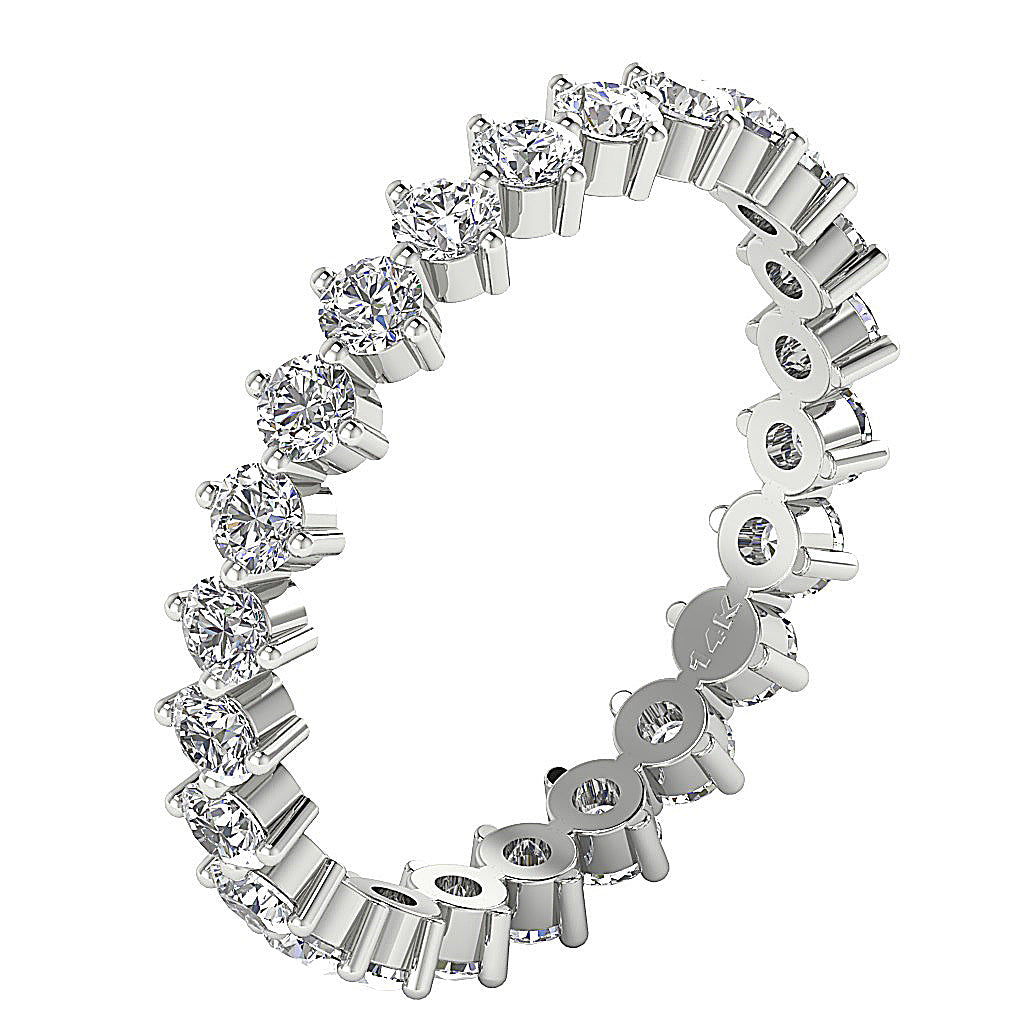
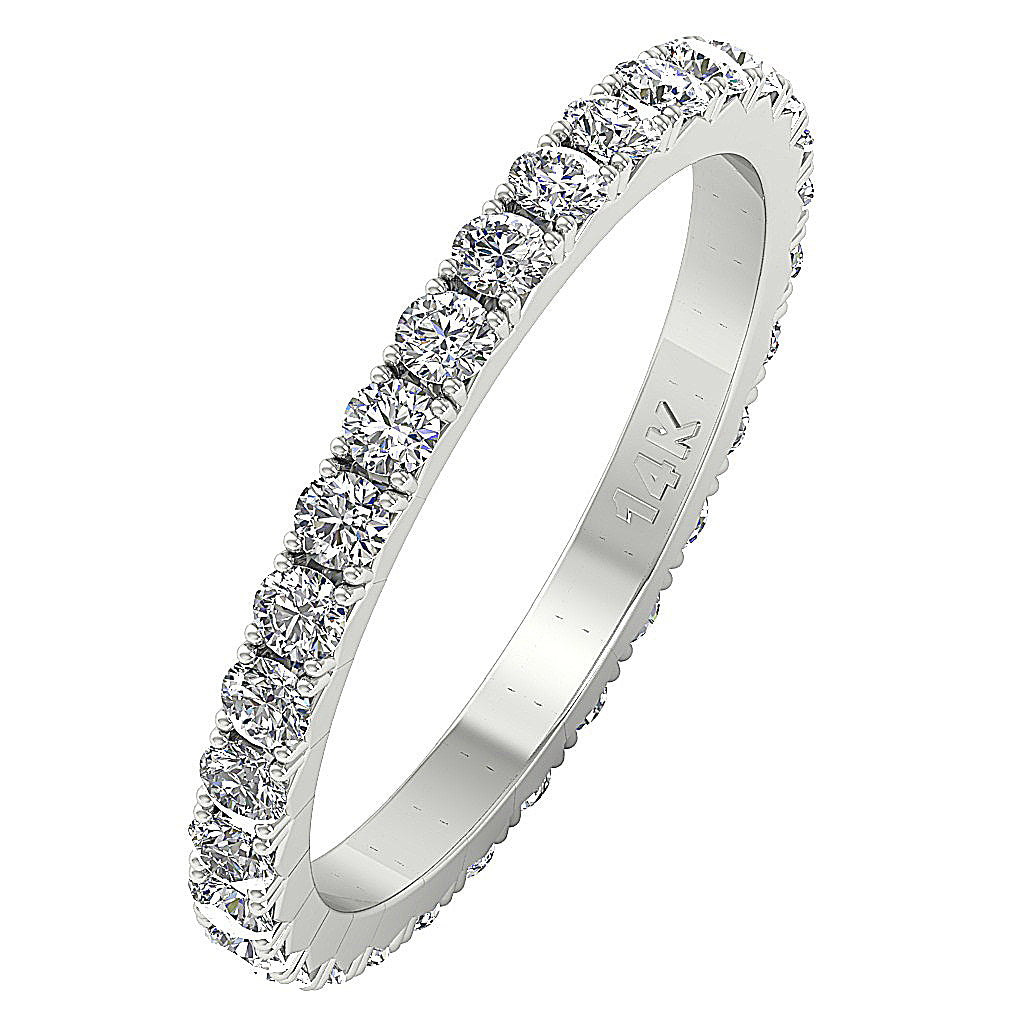
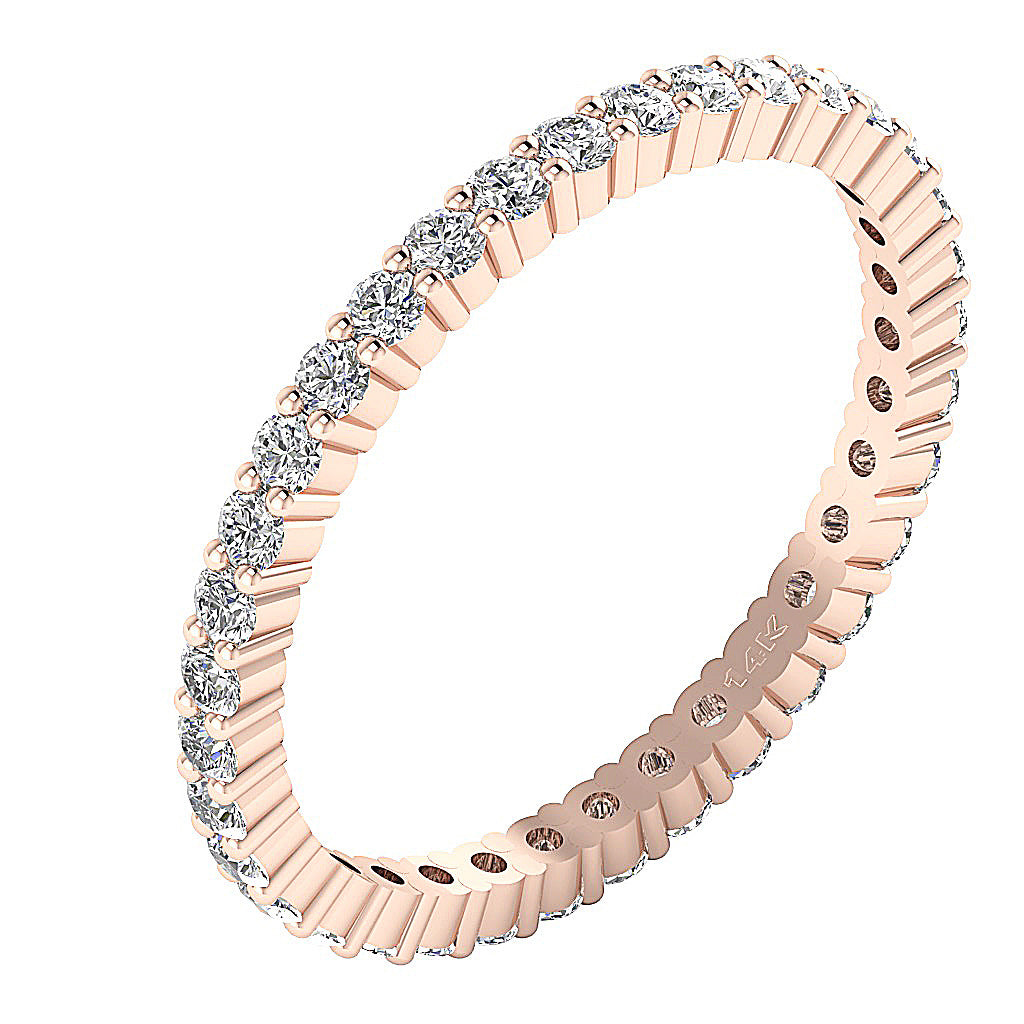
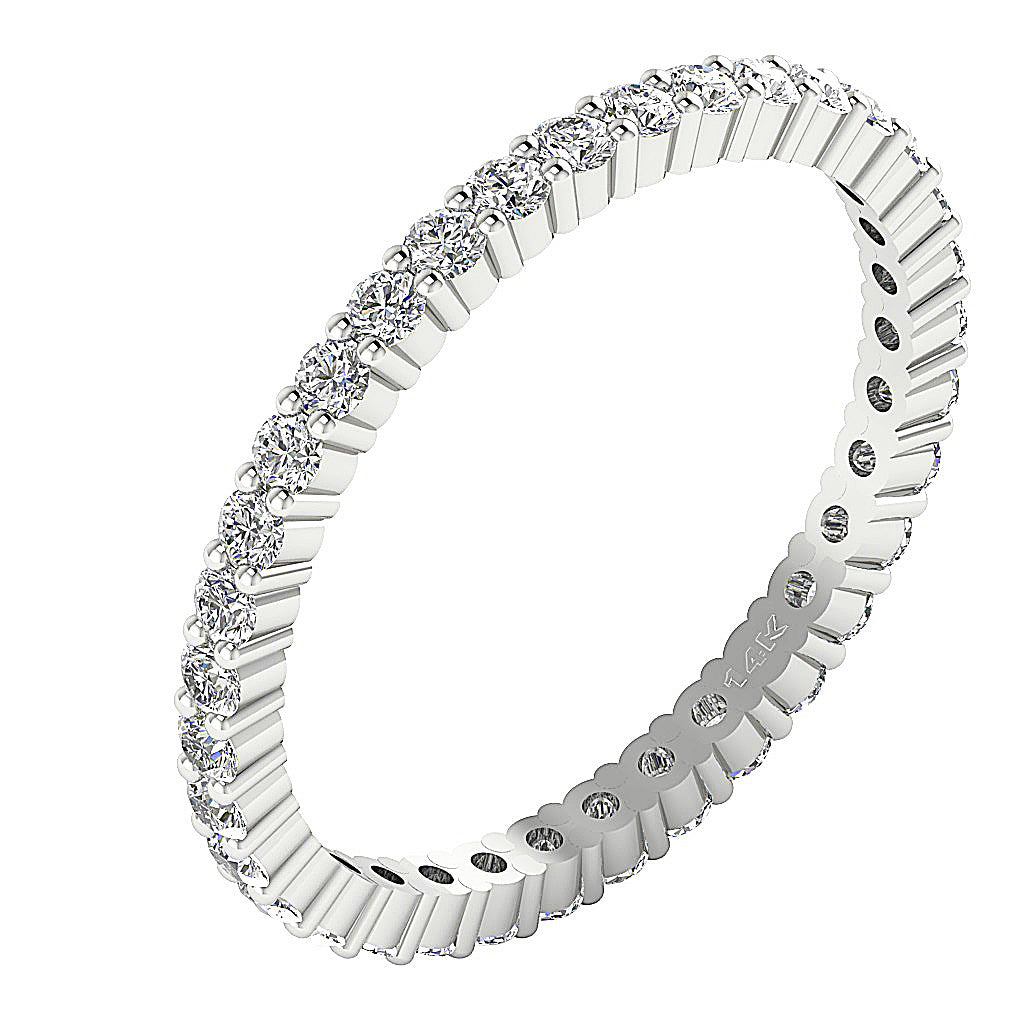
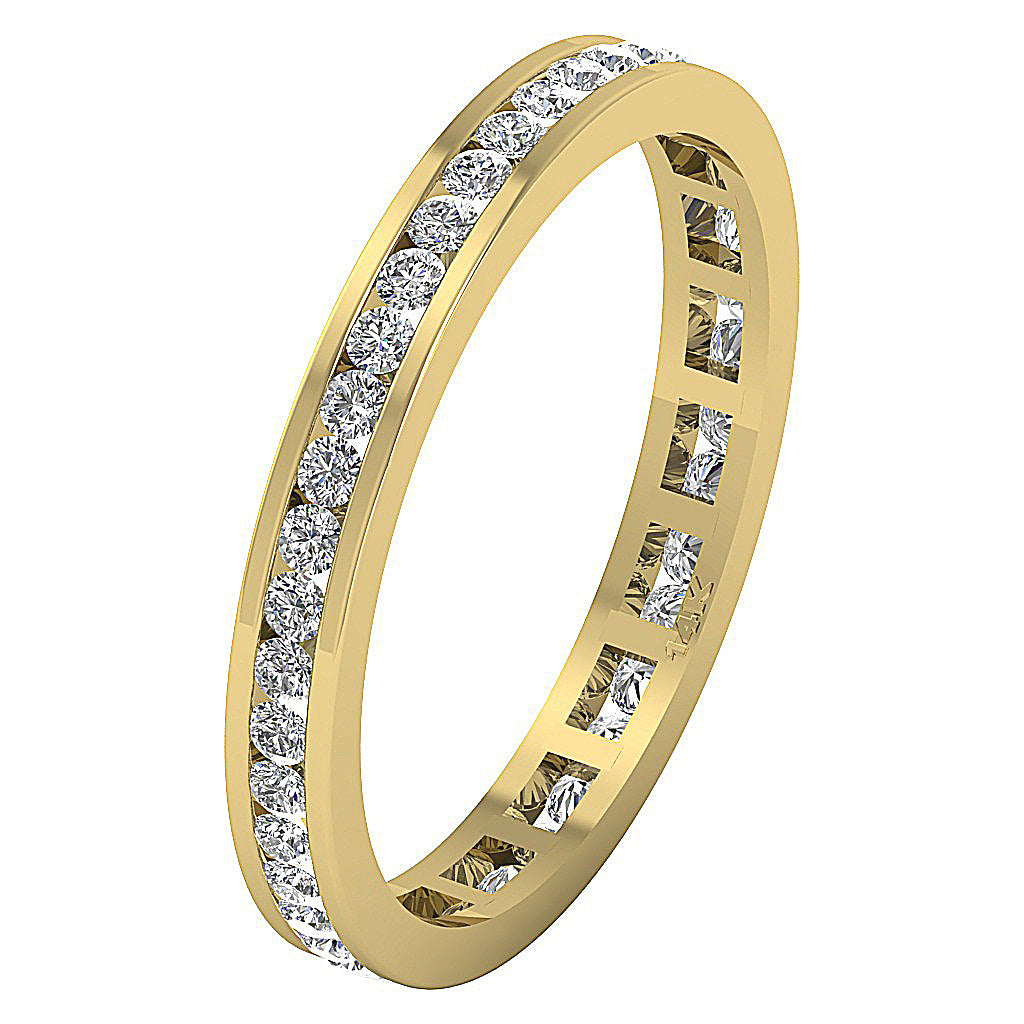
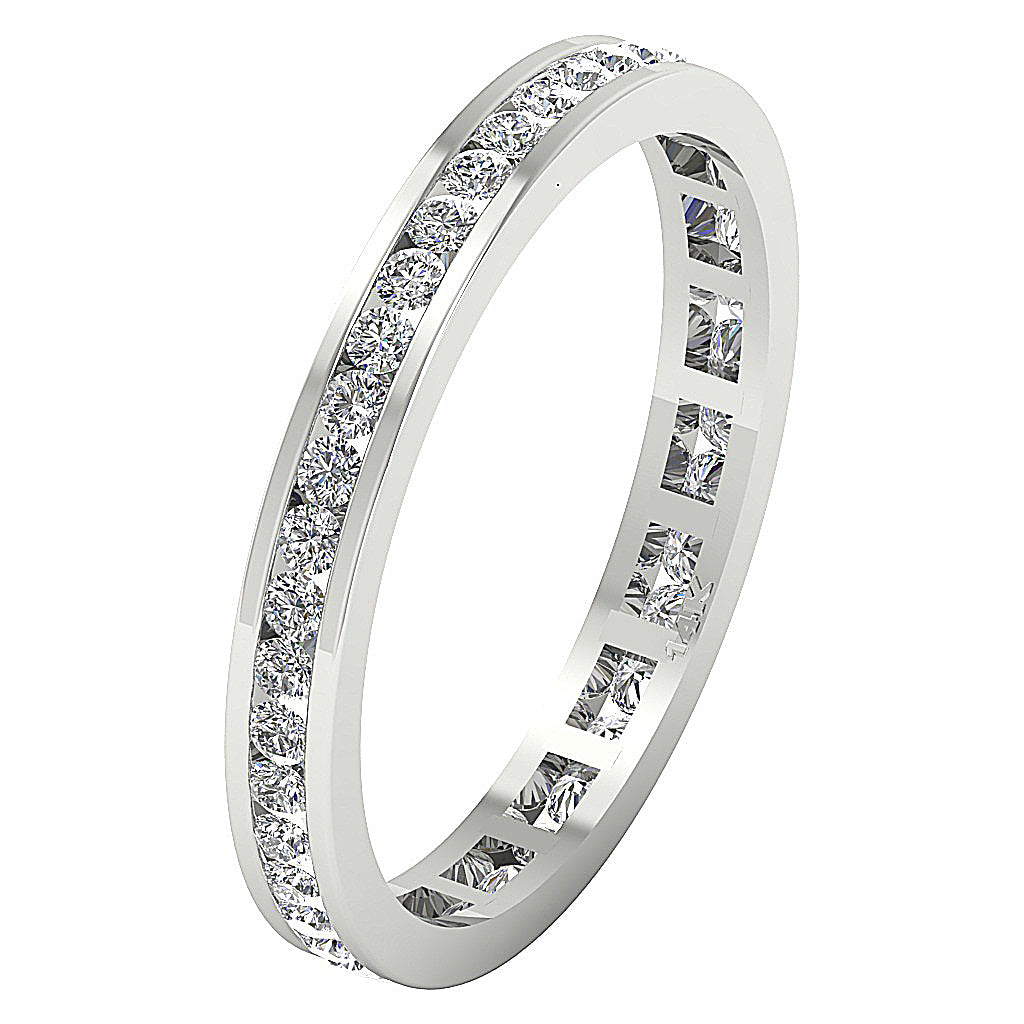
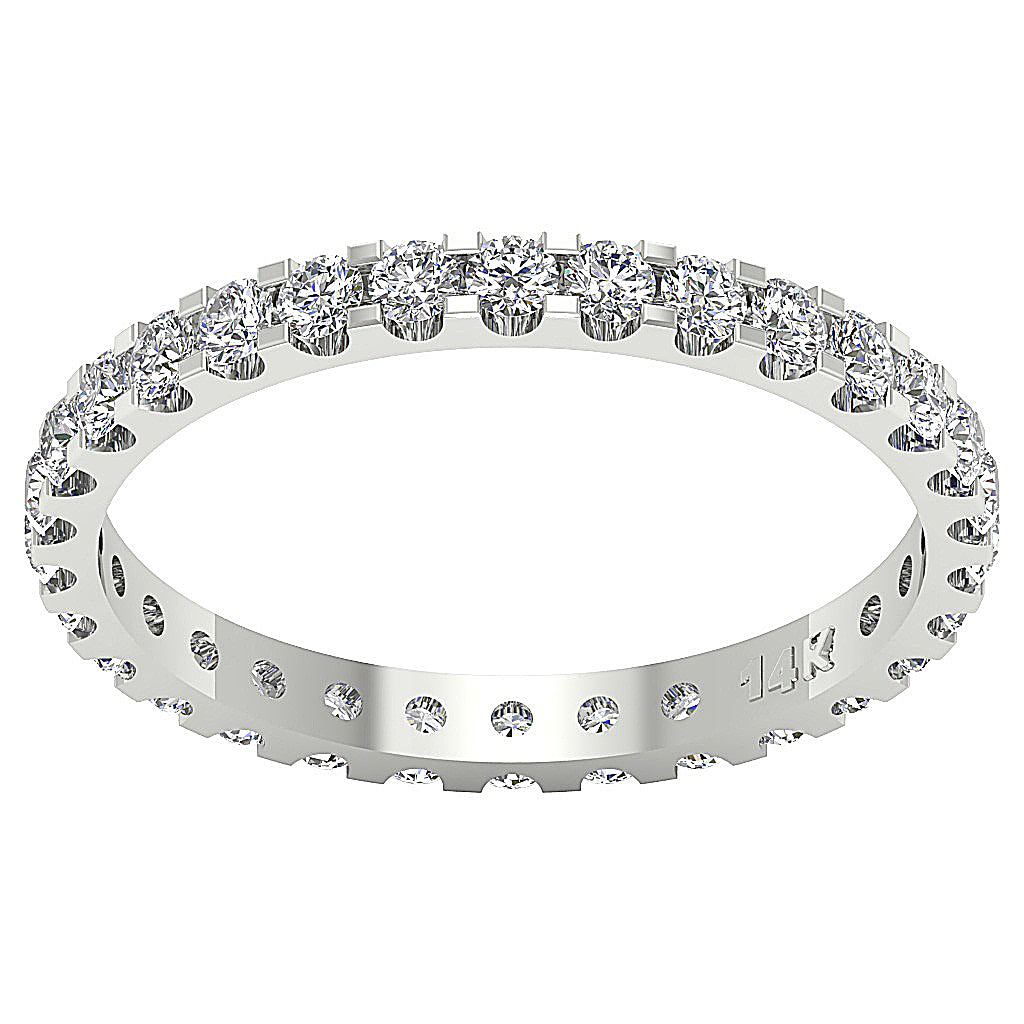
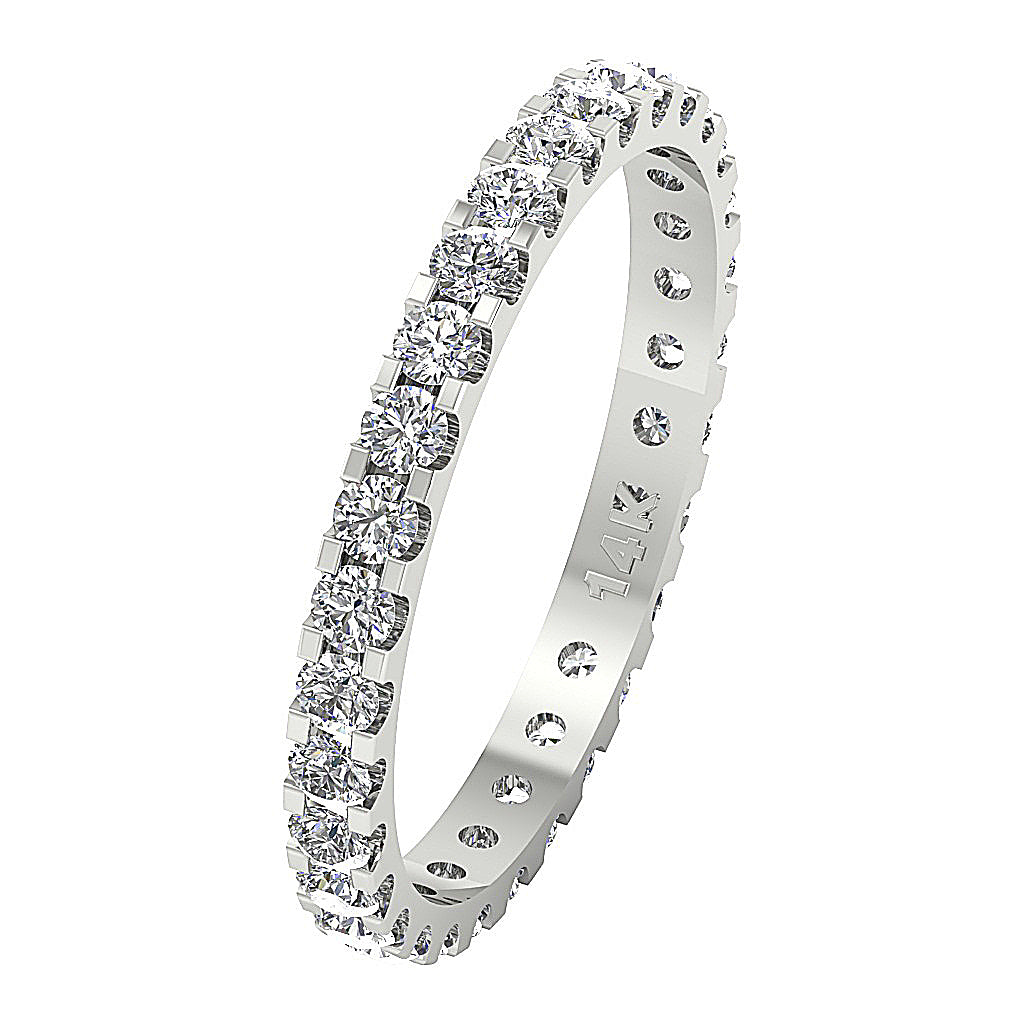
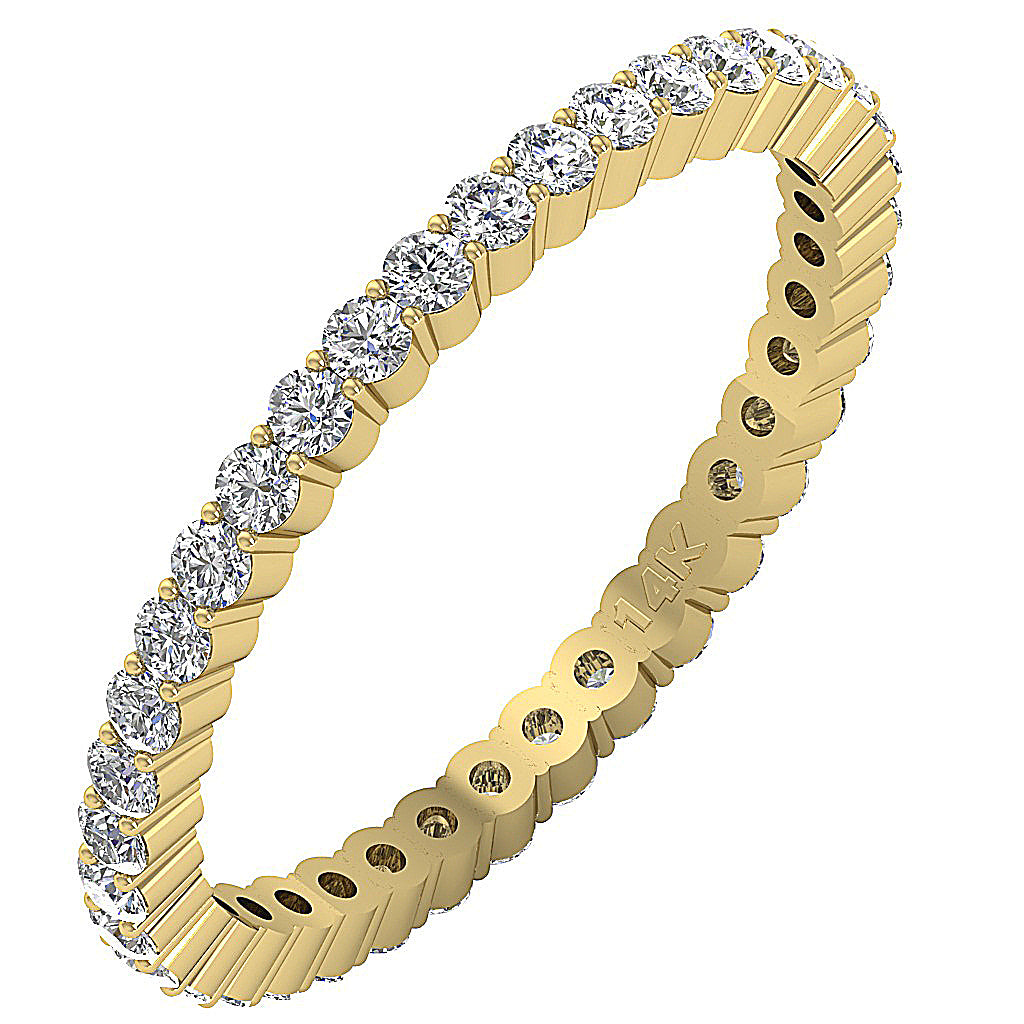
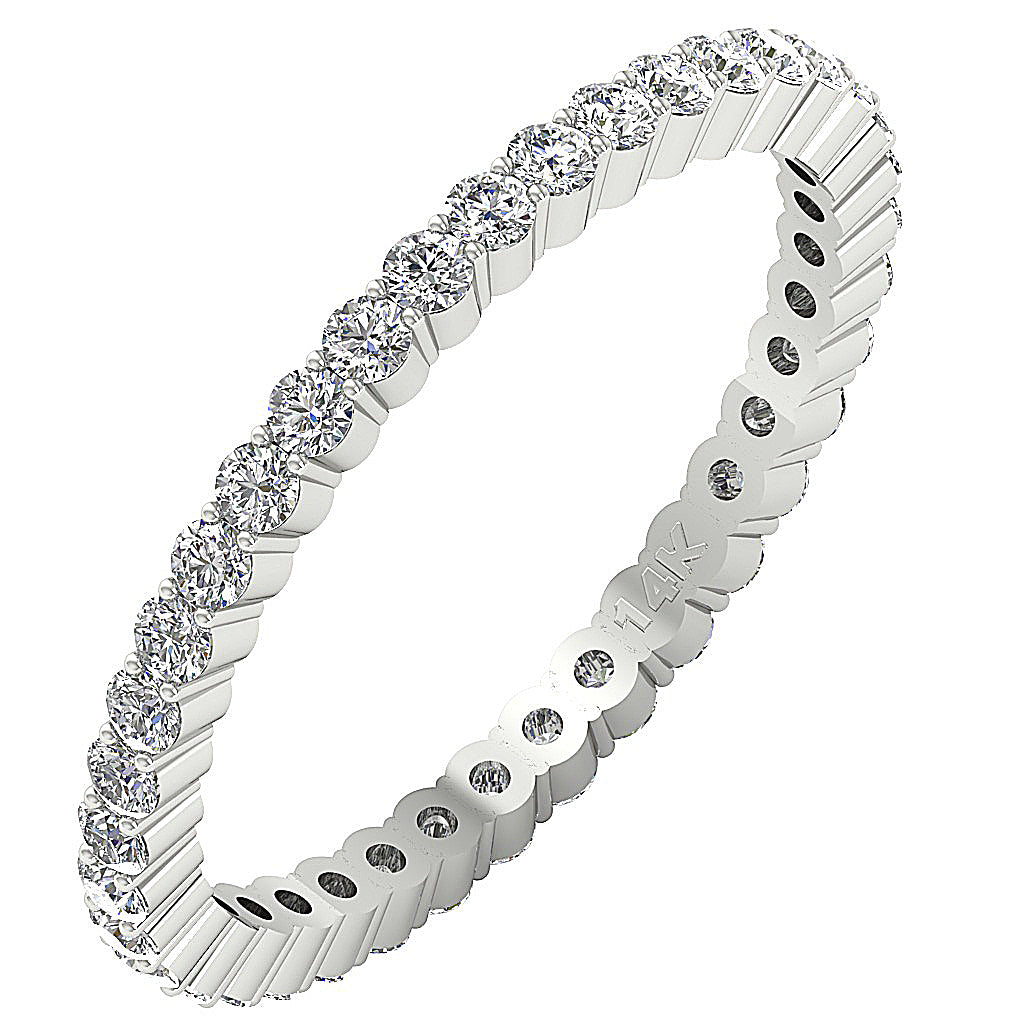
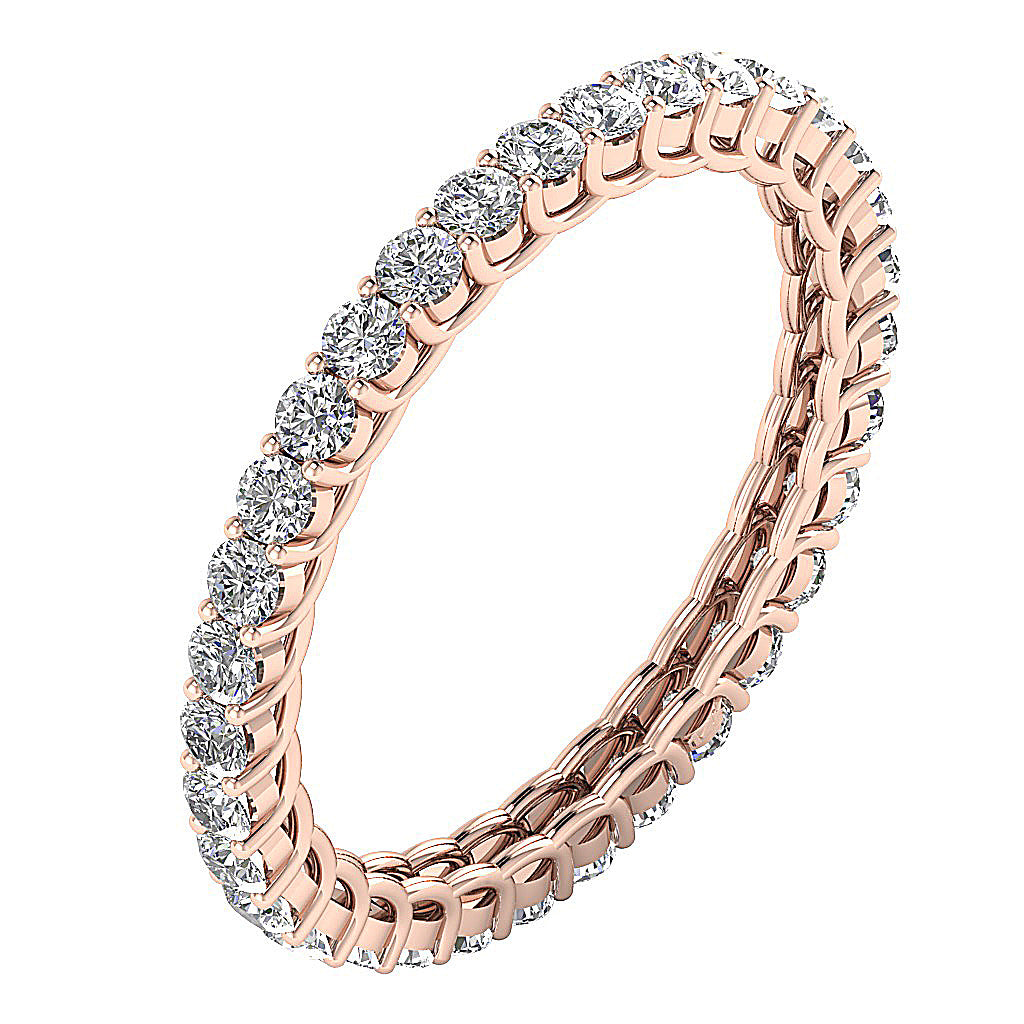
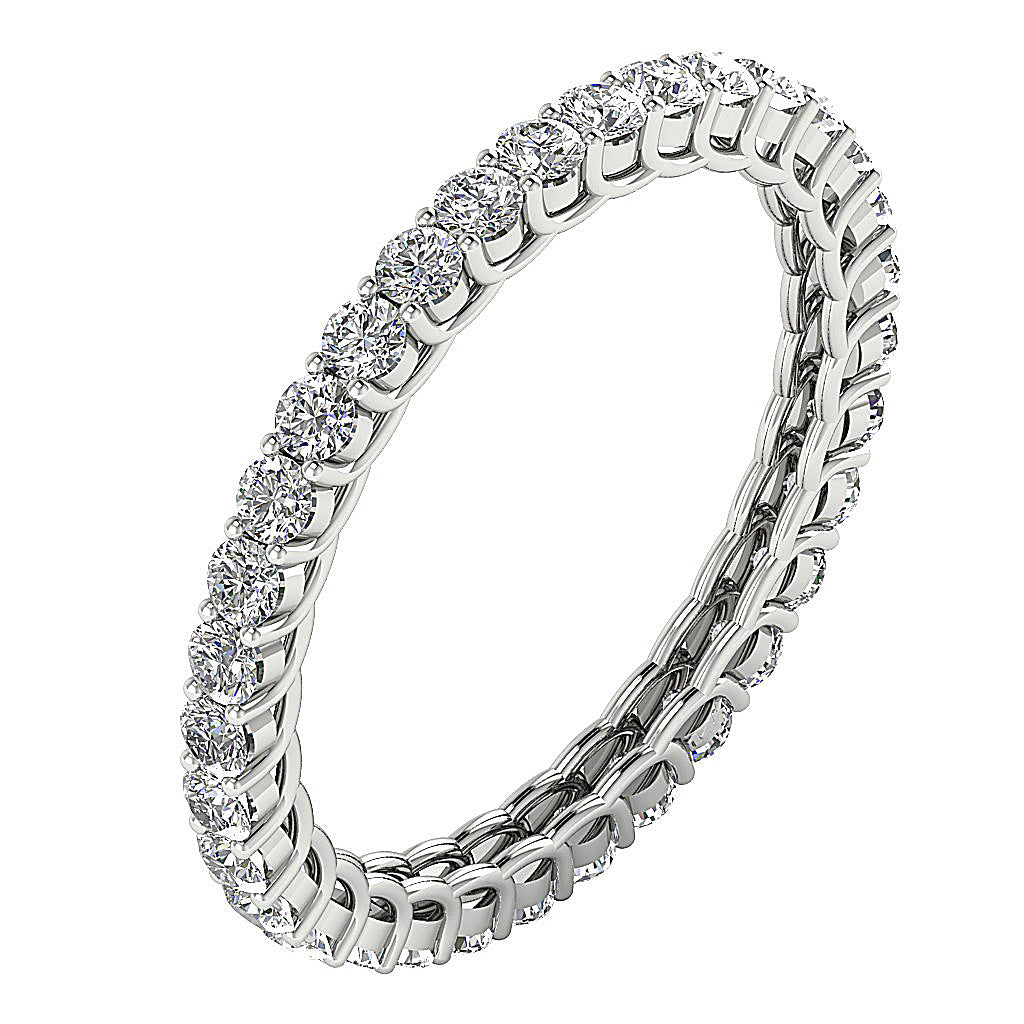
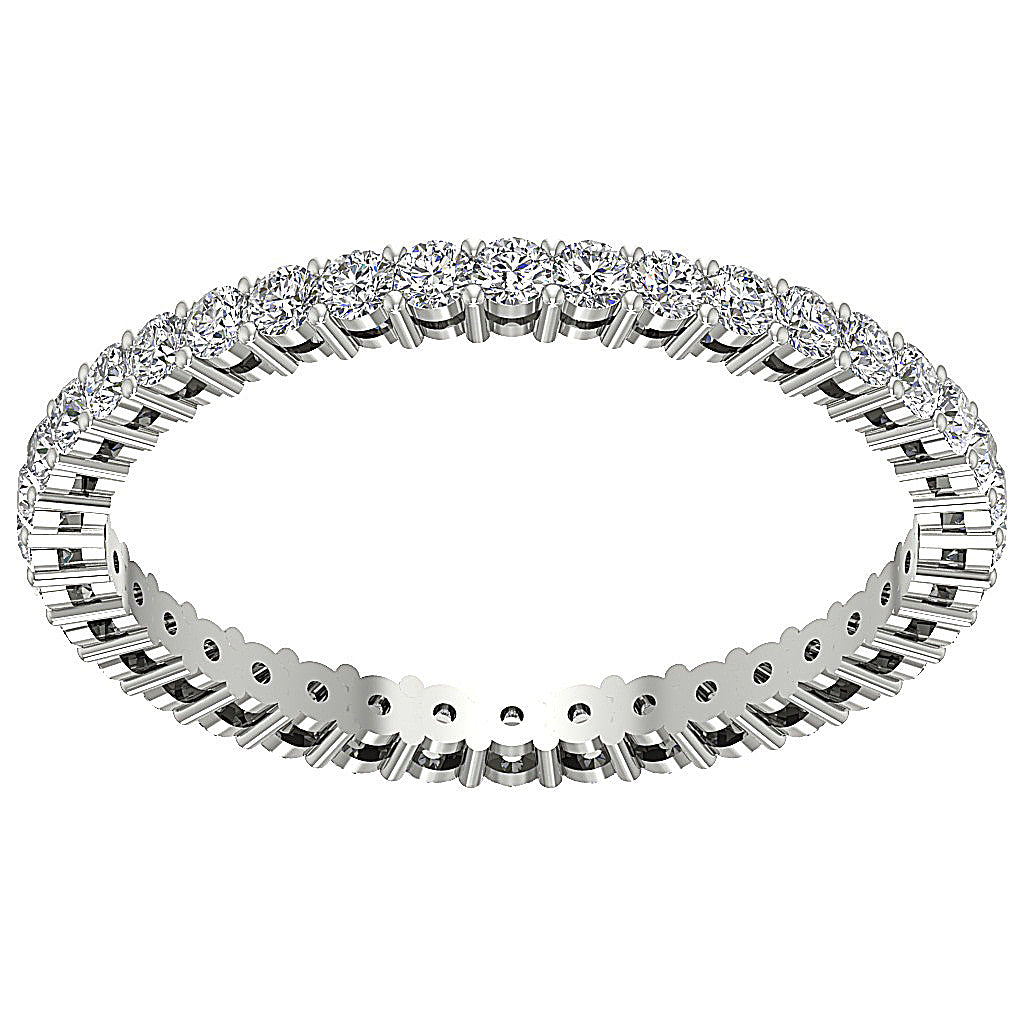
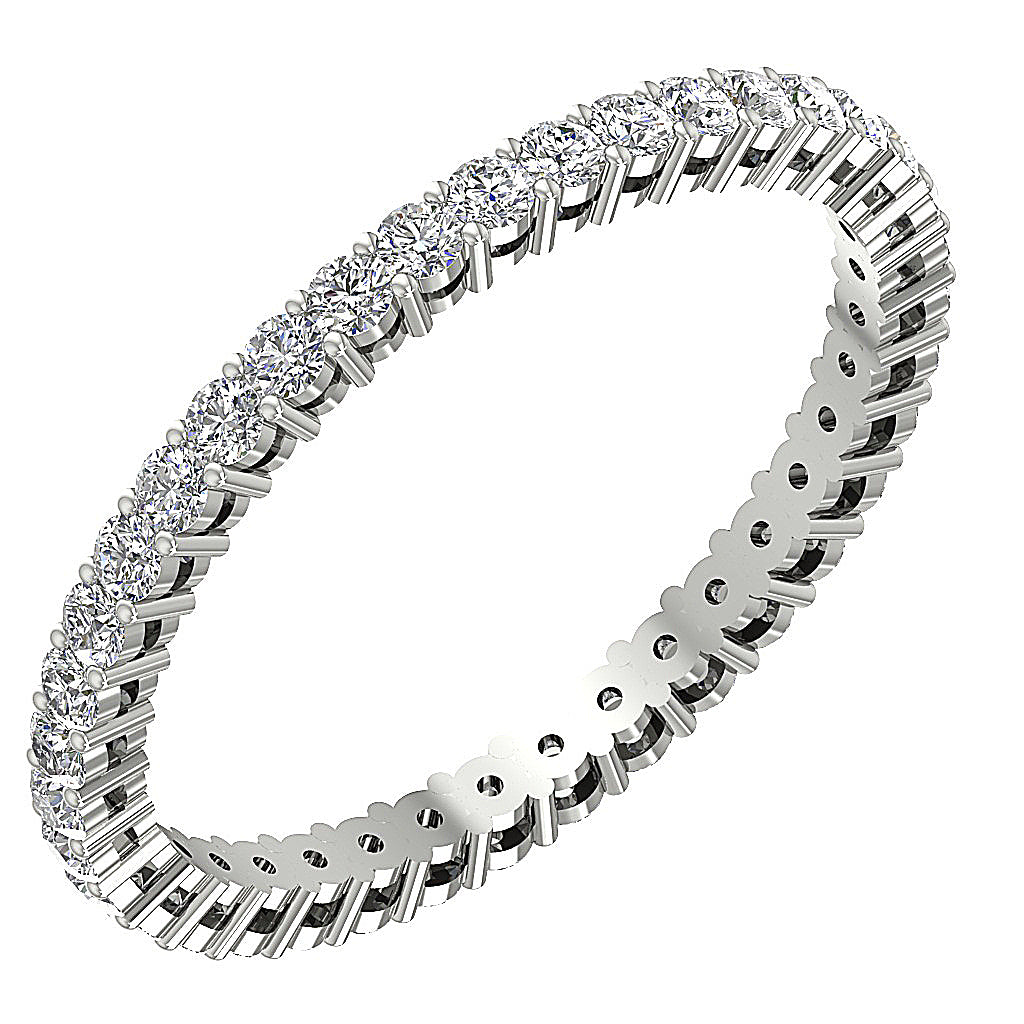
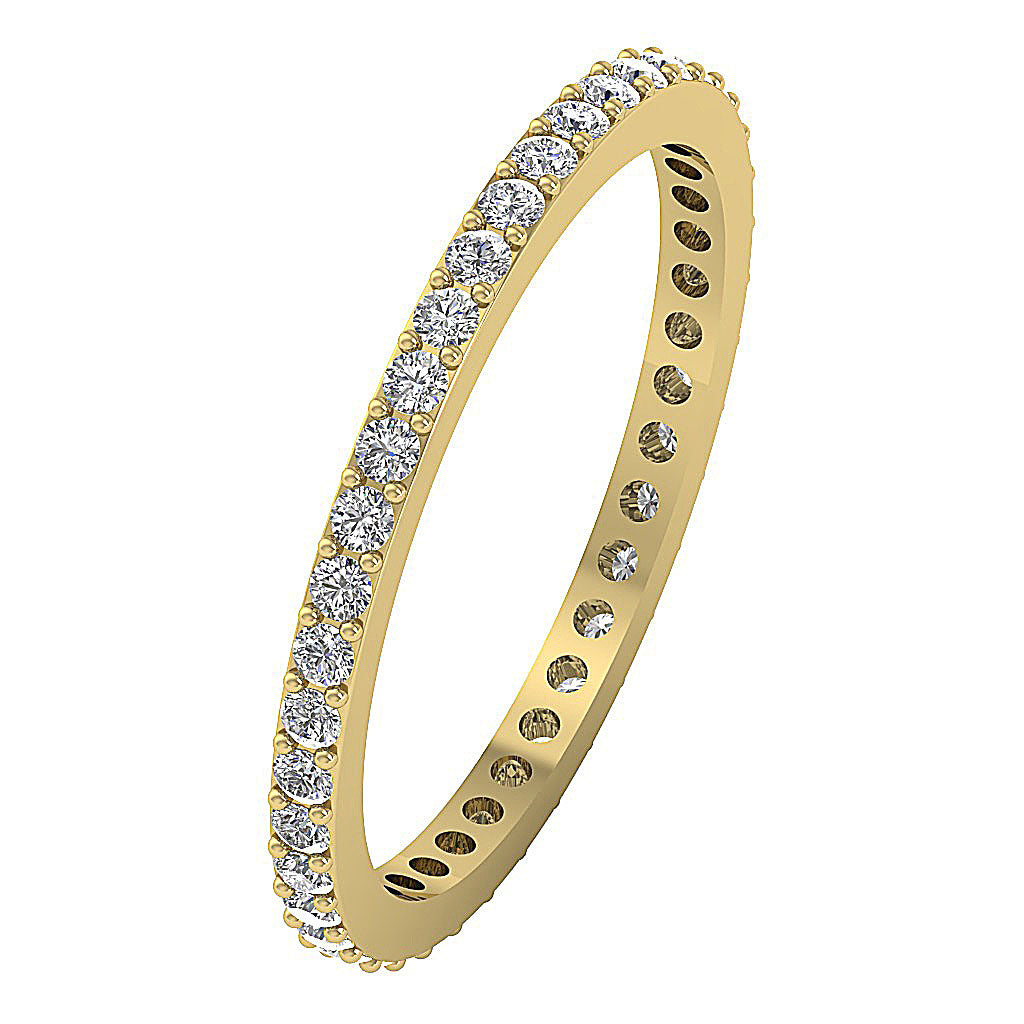
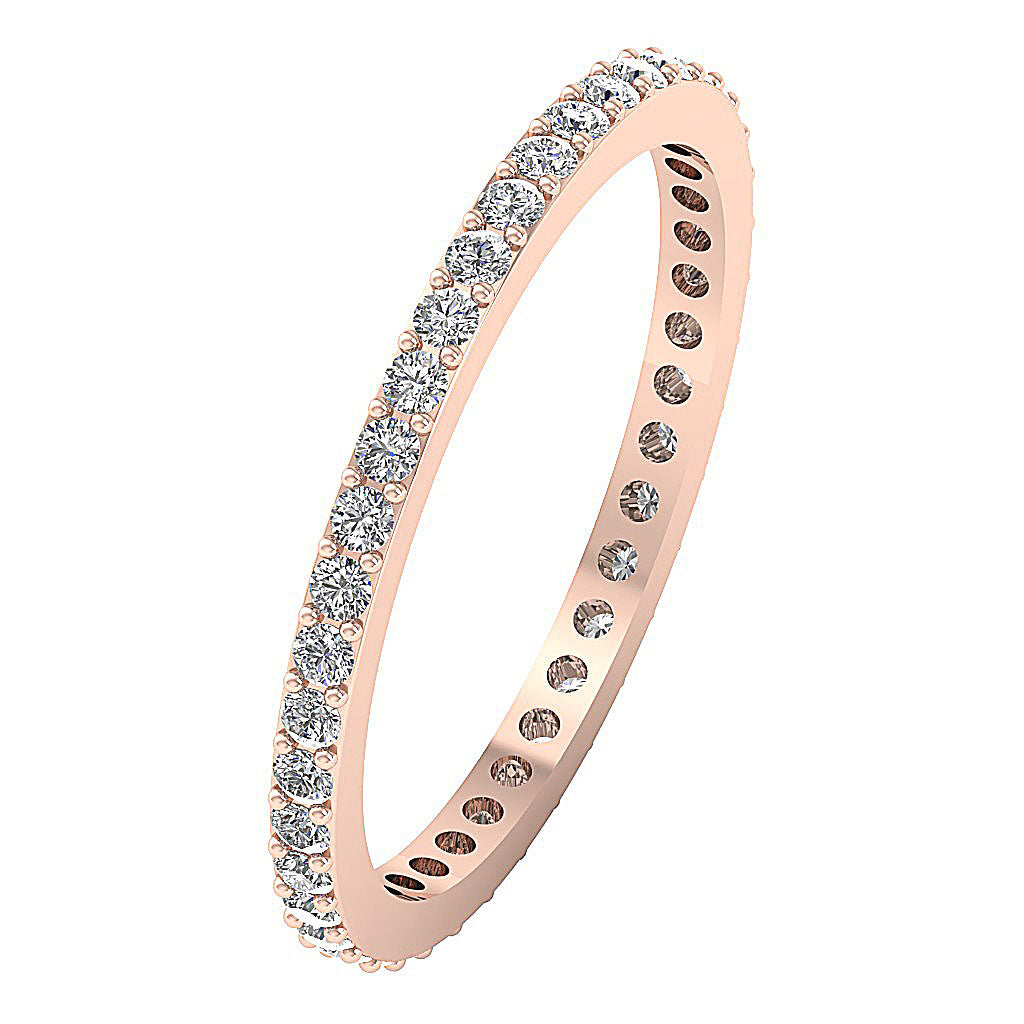
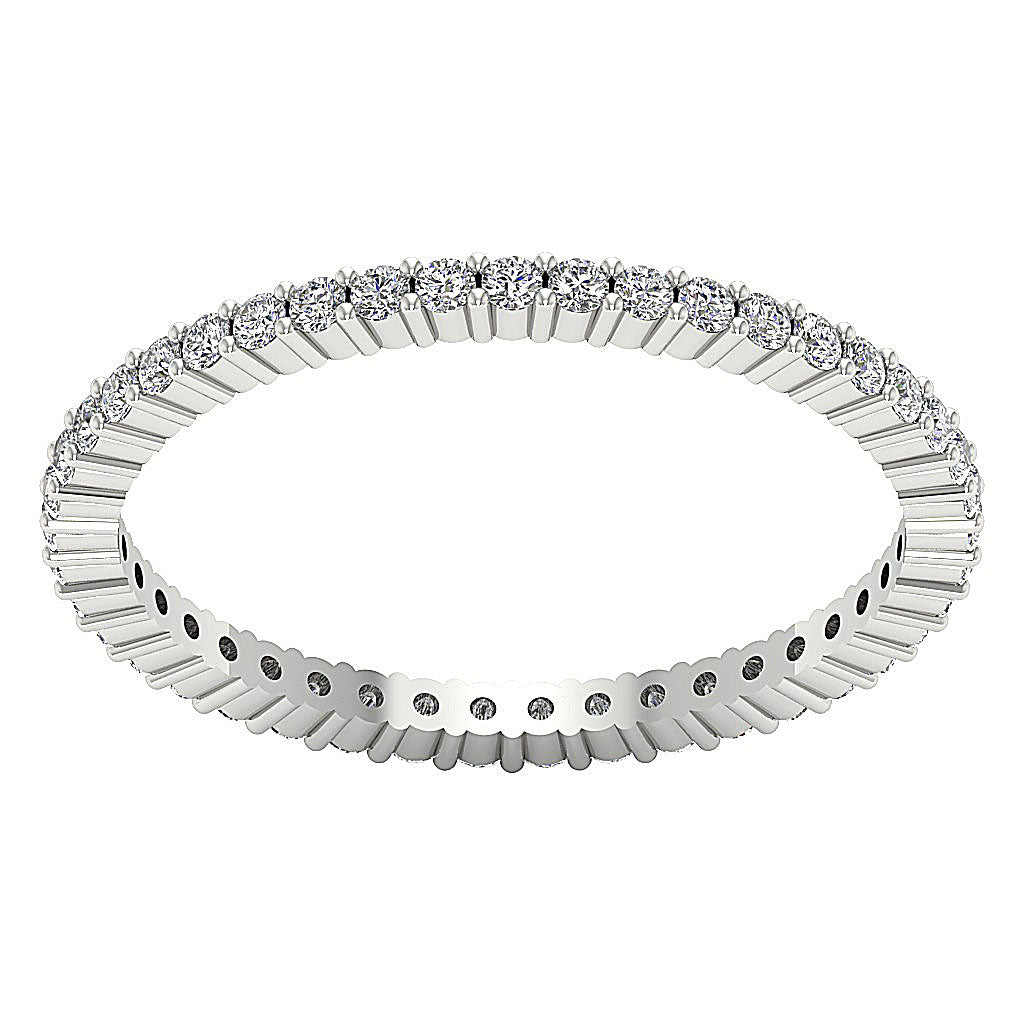
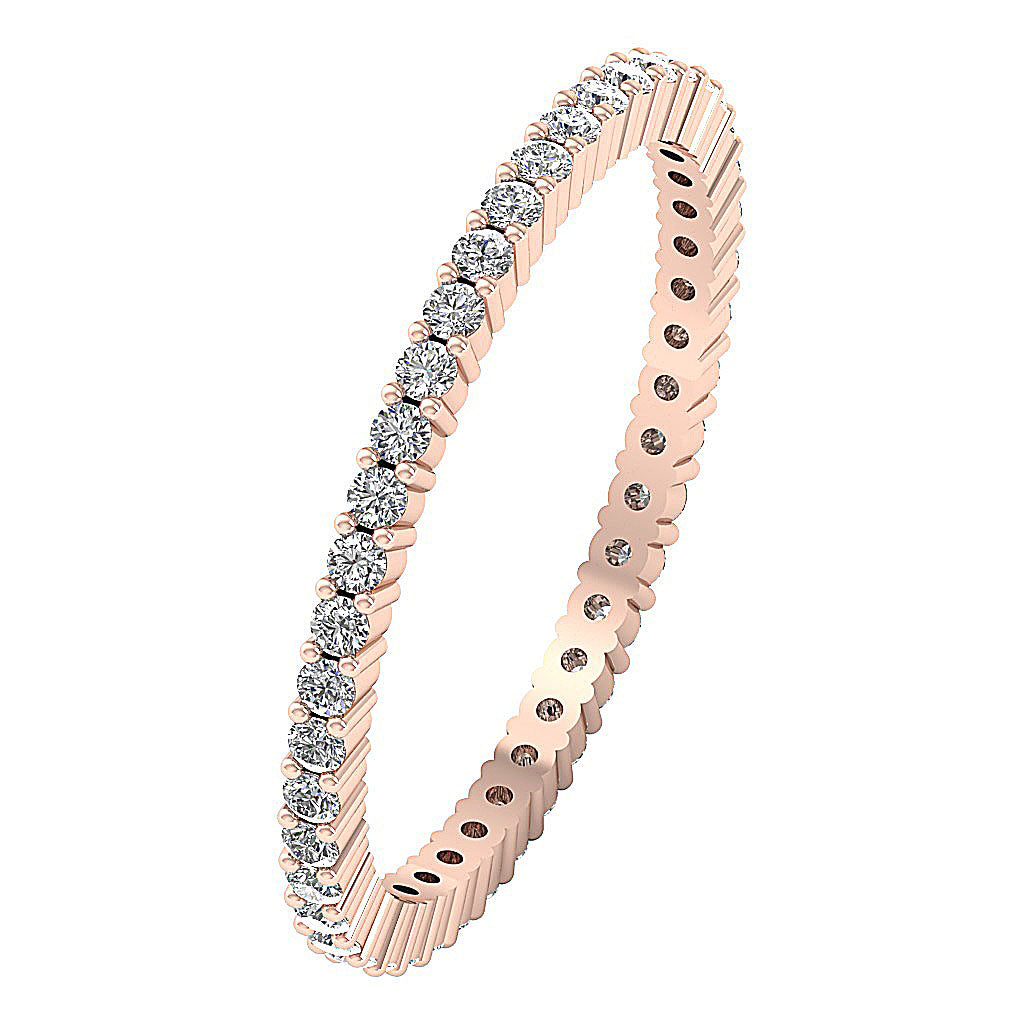
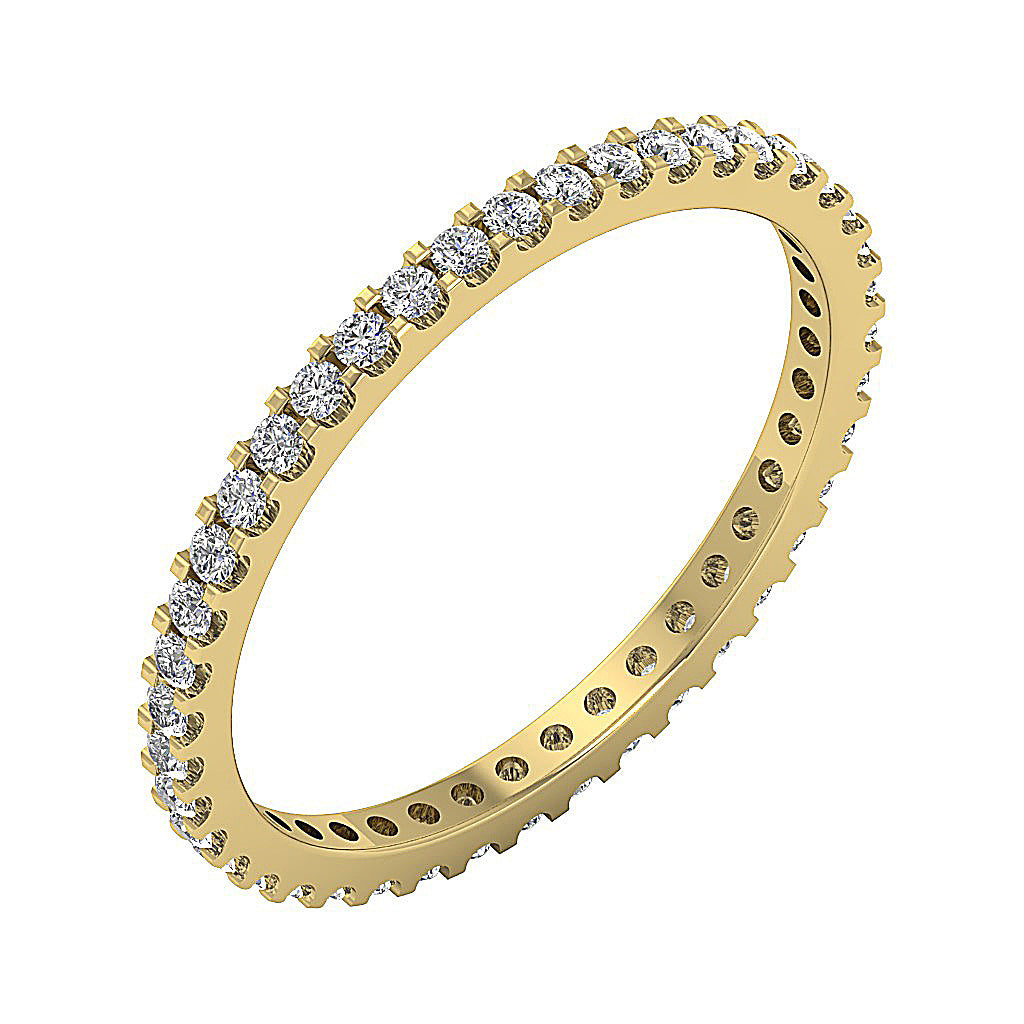
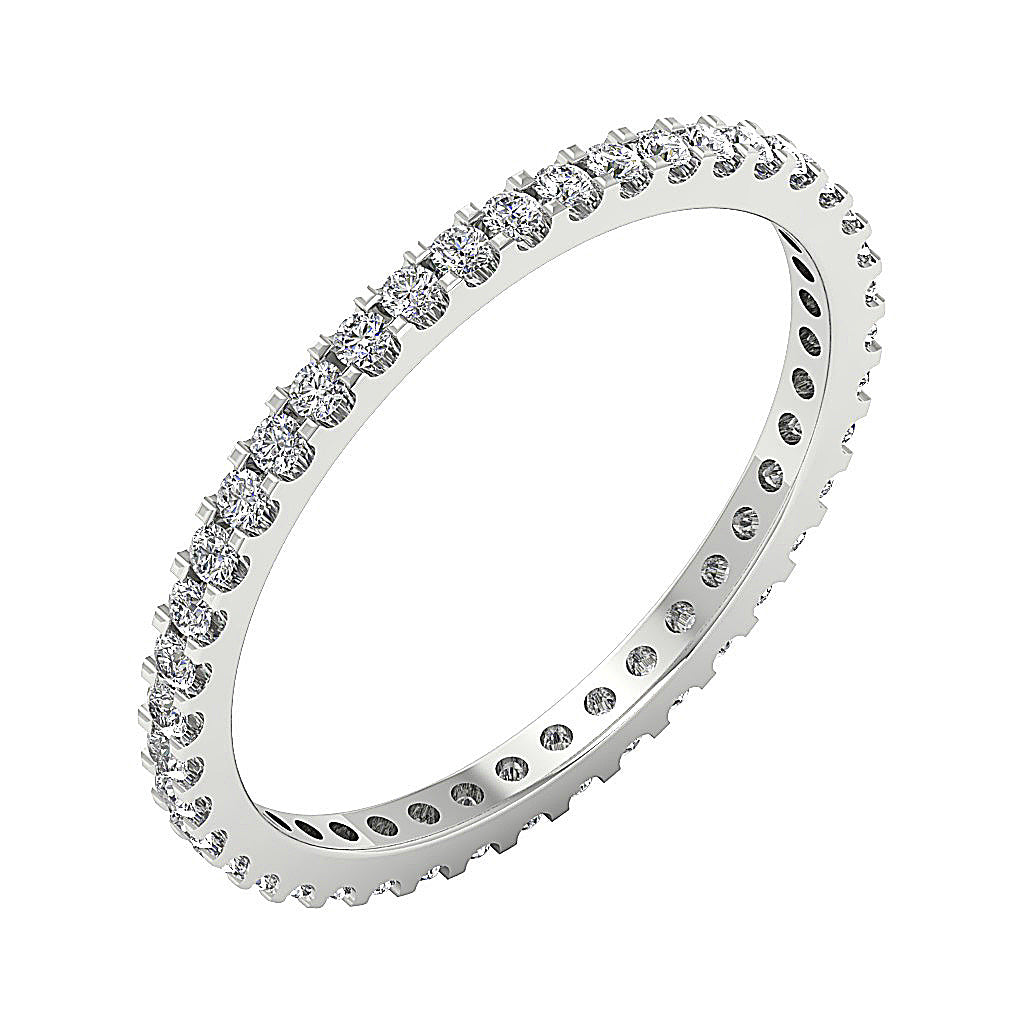
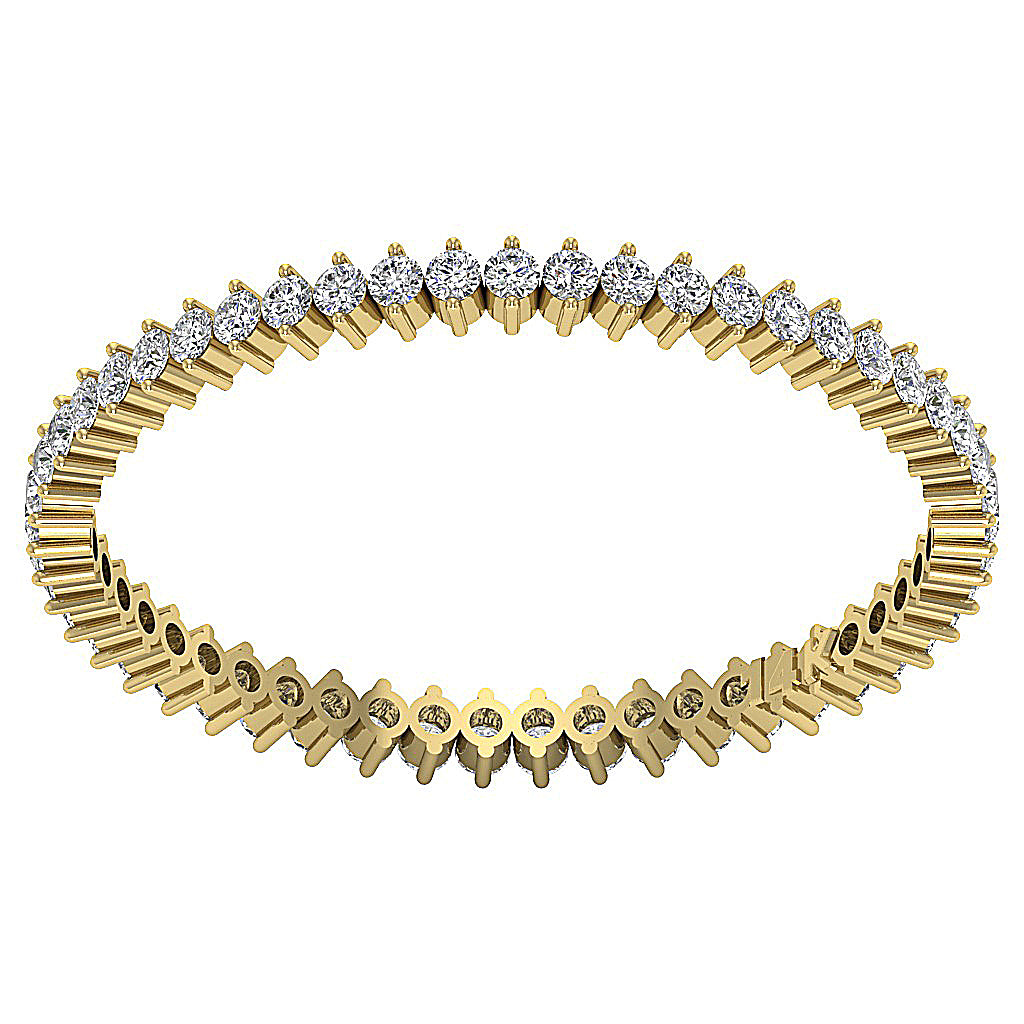
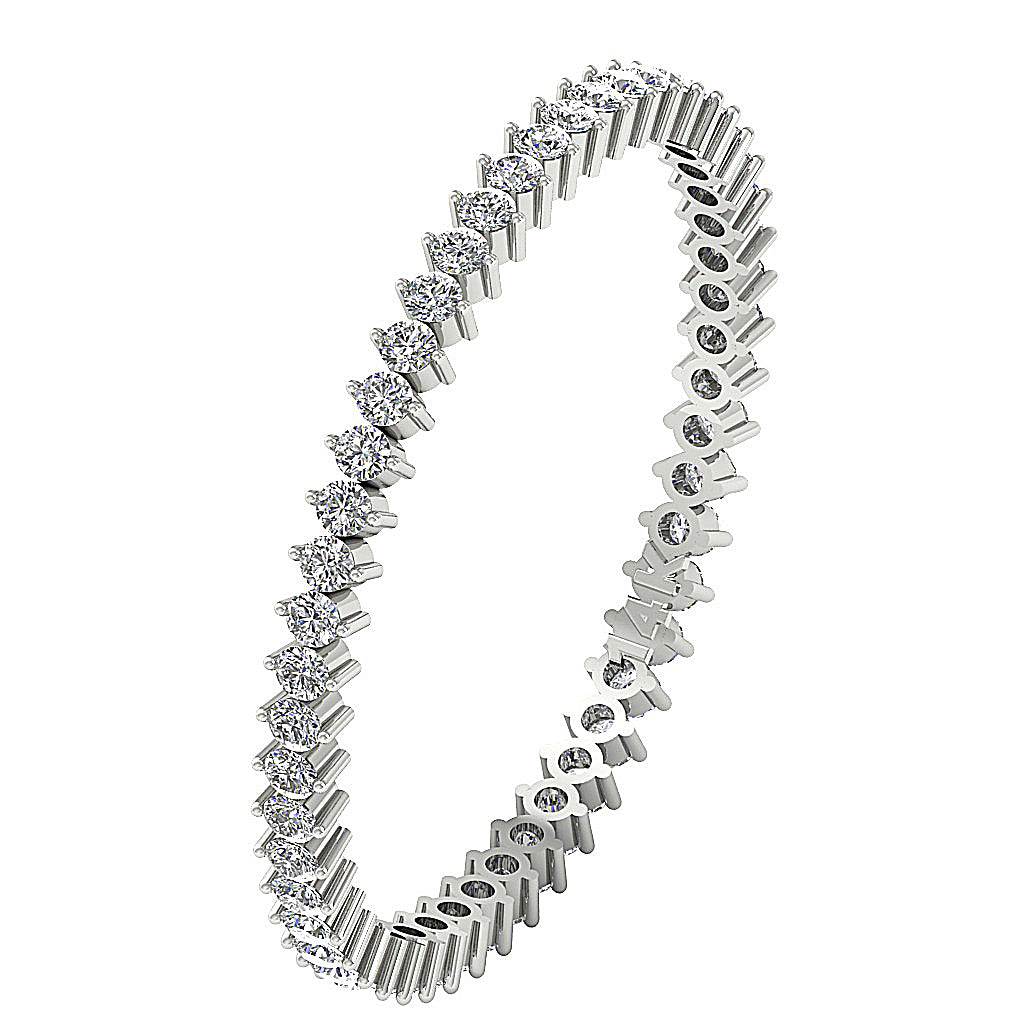
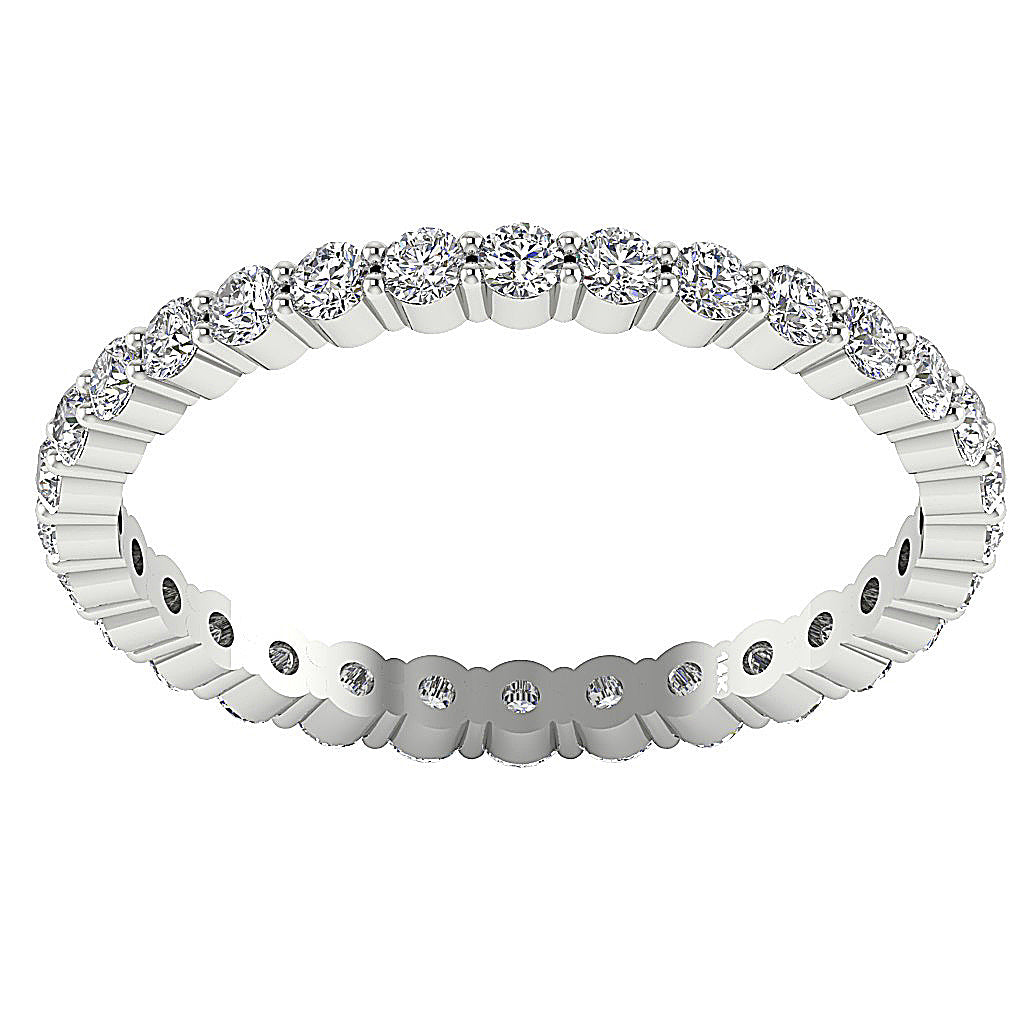
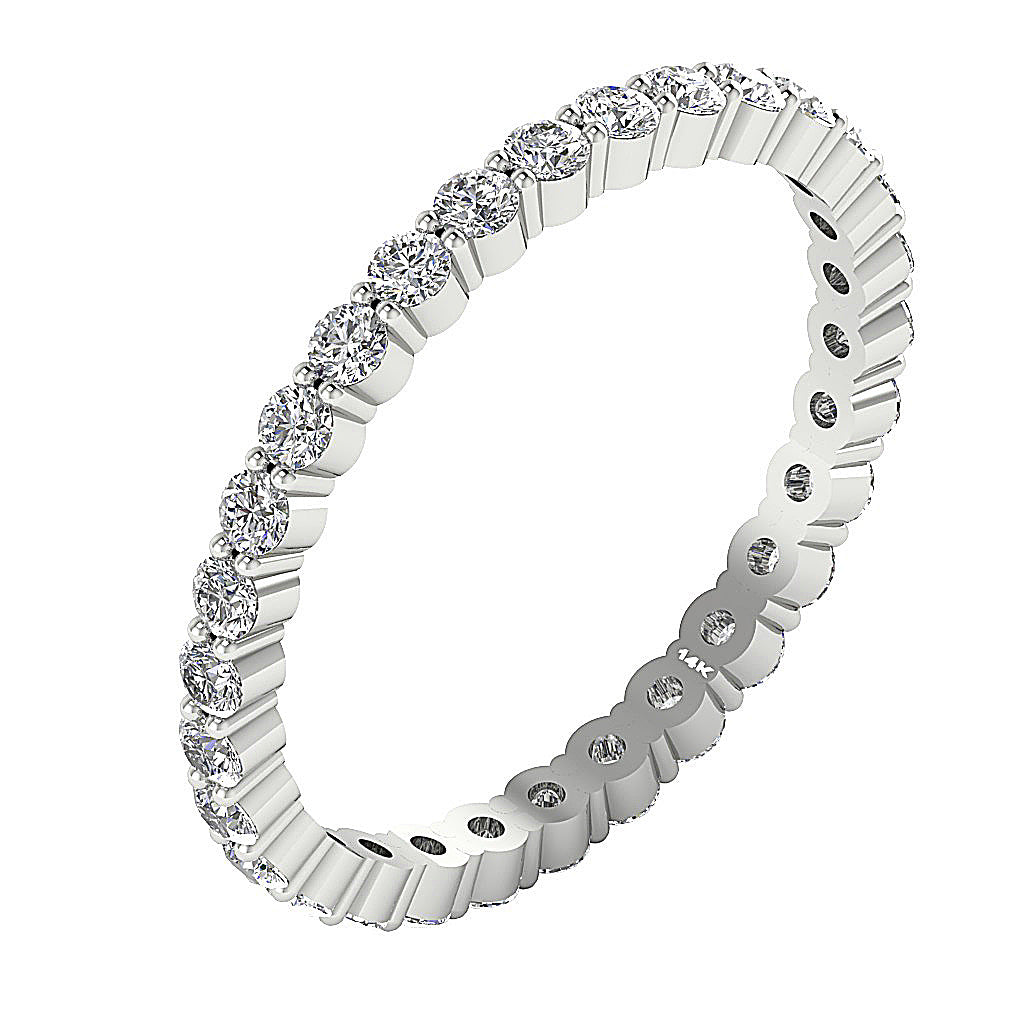
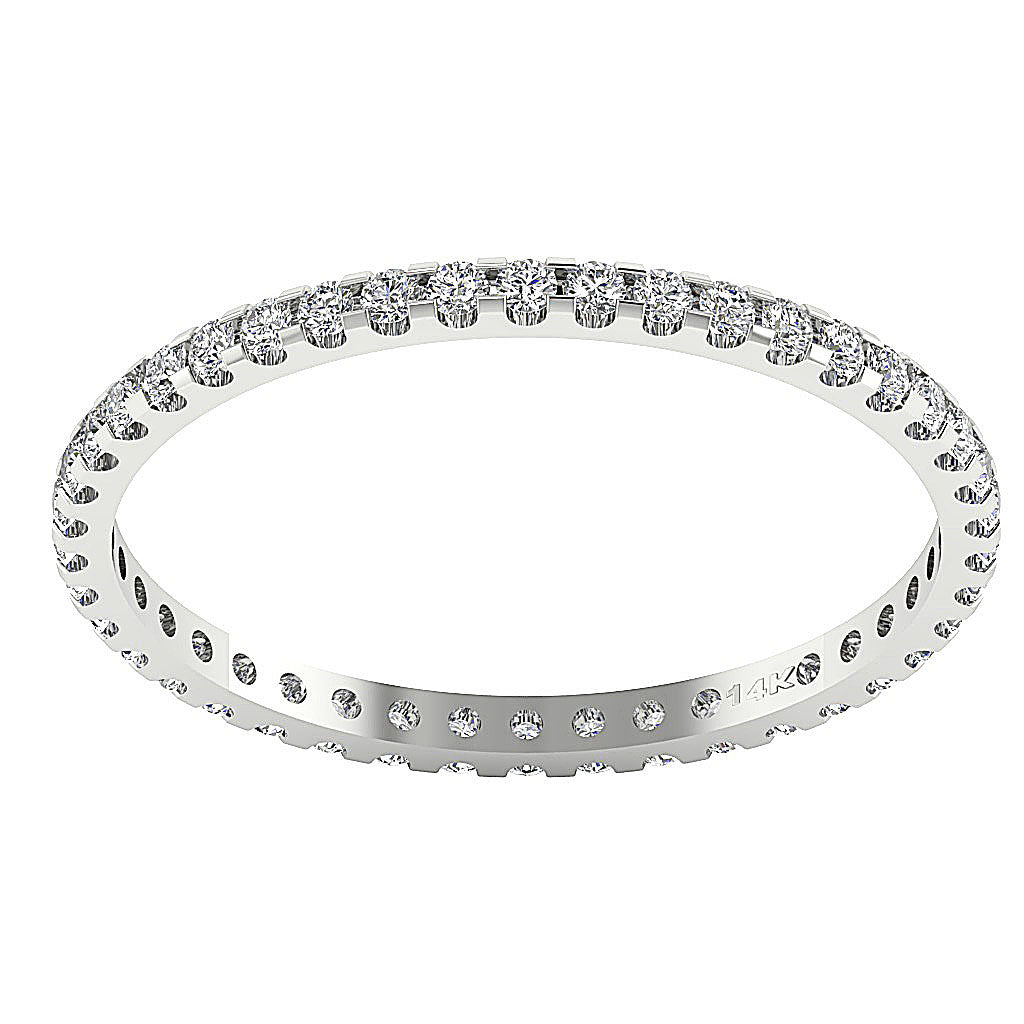
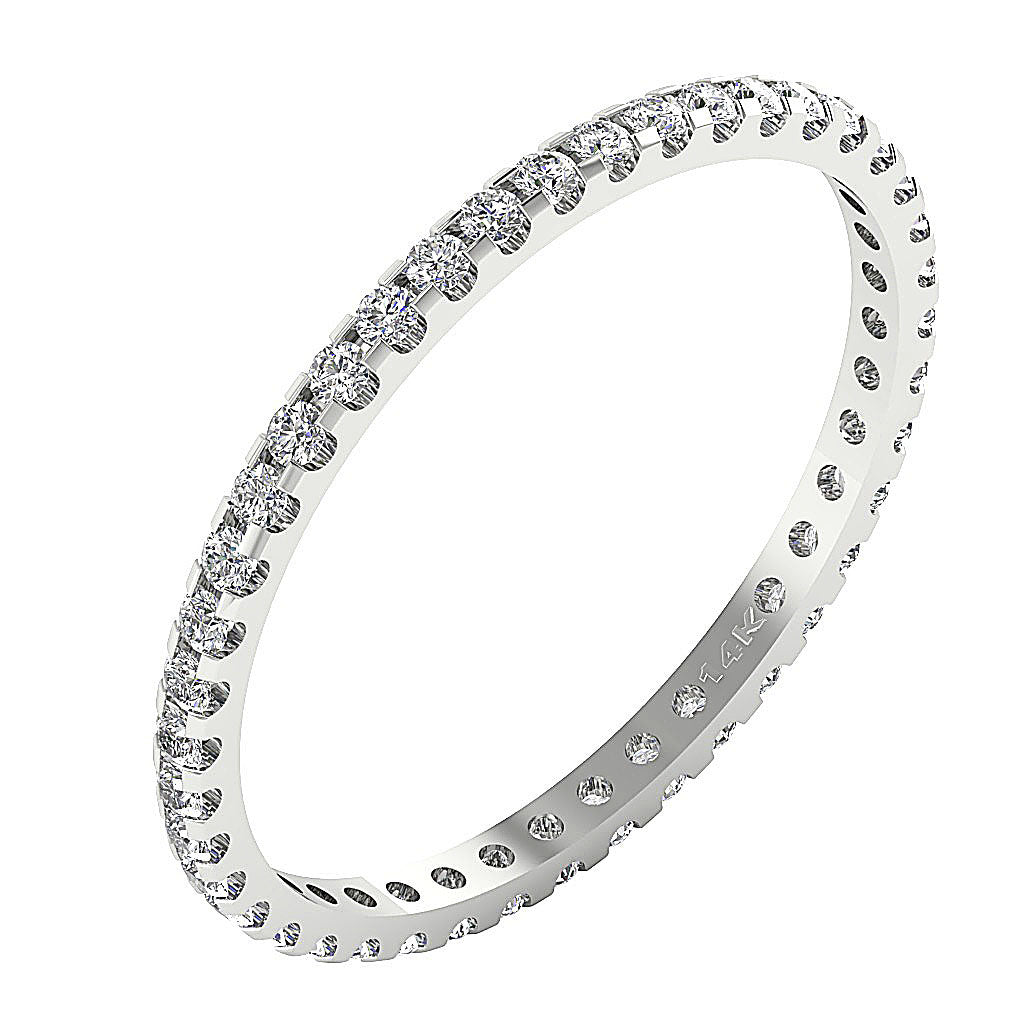
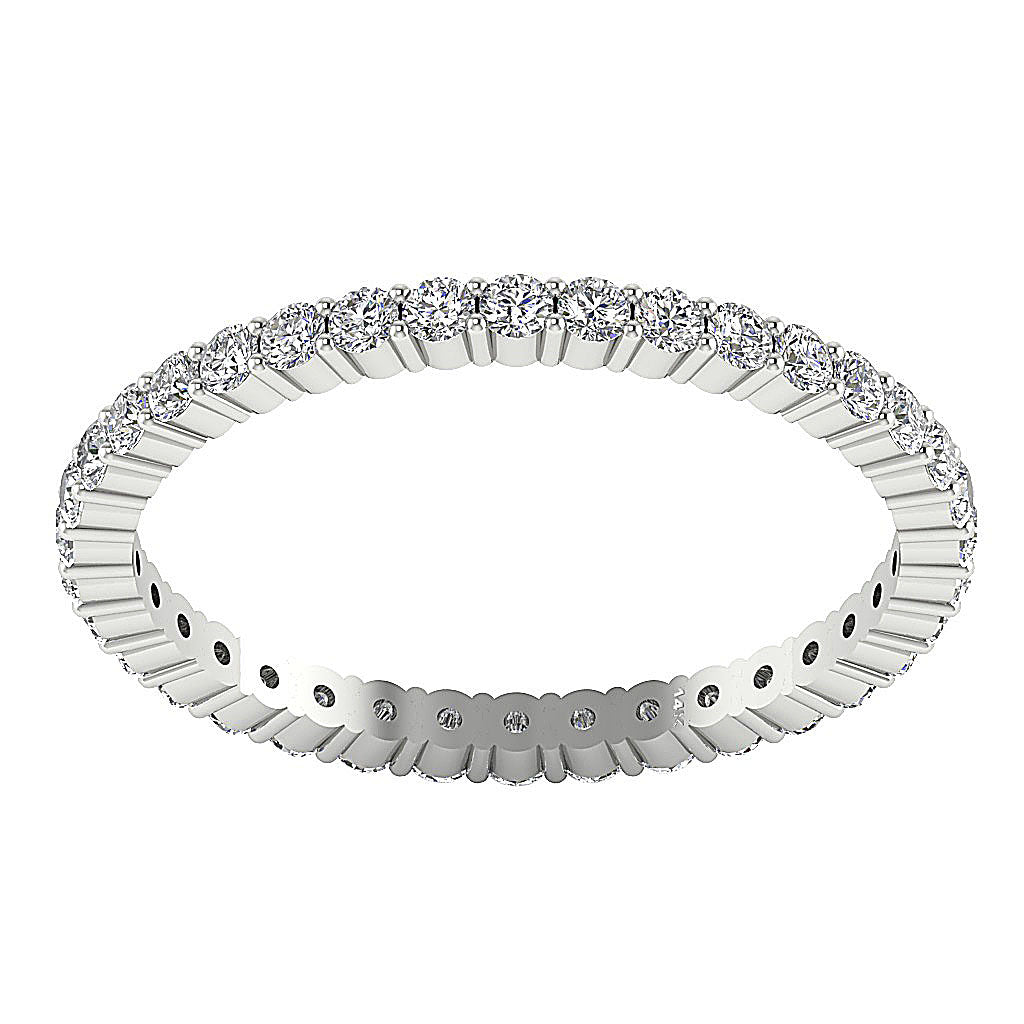
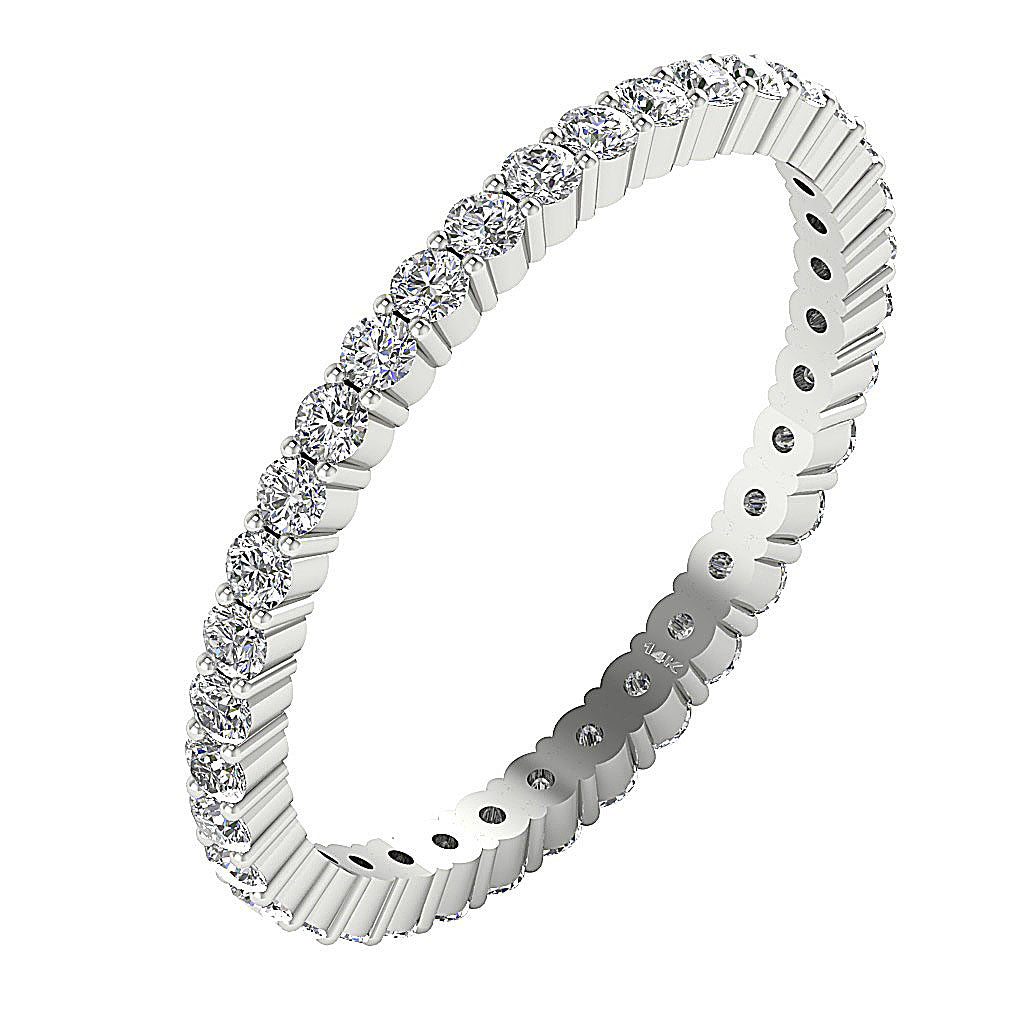
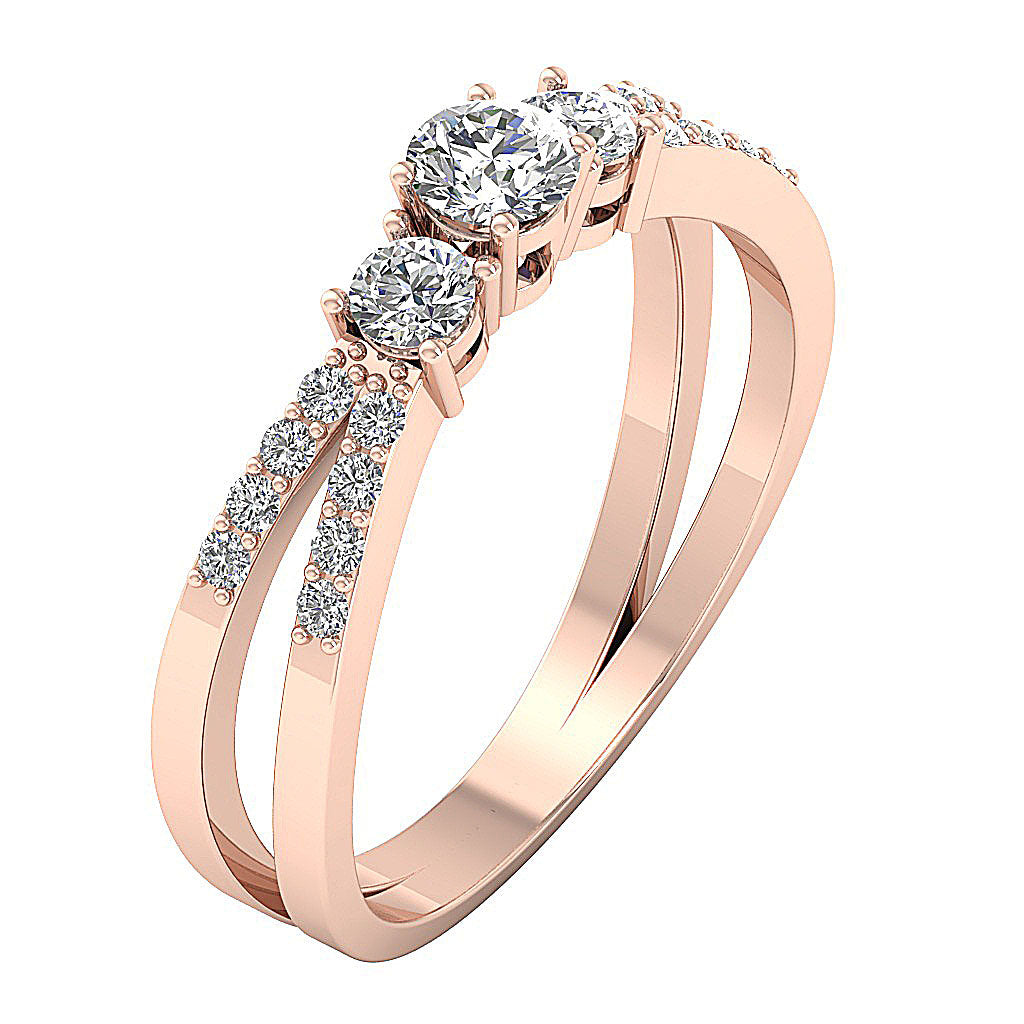
Diamond for Good's stackable eternity ring collection features natural round diamonds set in 14K or 18K gold, available in white, yellow, and rose gold. Prong, channel, and pavé settings appear across single- and double-row designs, giving buyers the freedom to build a stack around texture and proportion rather than committing to one aesthetic from the beginning.
Mixing Stackable Eternity Ring Settings and Widths
The most thoughtful ring stacks introduce variation with intention. A slim pavé eternity band beside a slightly wider channel-set ring creates contrast in both texture and scale. Adding a prong-set eternity band brings another dimension, with exposed stones producing a more open, light-catching effect than the denser appearance of pavé.
Rings that share almost exactly the same width and setting can merge visually into a single band. Introducing even a modest difference in width, texture, or metal tone gives each piece enough definition to be appreciated individually while keeping the overall stack cohesive.
Choosing Metal Tones for Stackable Diamond Eternity Rings
A dominant metal tone generally gives a stack its strongest sense of continuity. White, yellow, or rose gold can serve as the foundation, while a second tone can be introduced as an accent. This approach creates contrast without making the eternity ring stack feel visually divided between competing colors.
Two-tone eternity rings offer another way to introduce variation. A ring combining two gold tones can bridge pieces that might otherwise feel disconnected, making it easier to incorporate a rose gold band into a predominantly white-gold stack, for example.
Wearing It Well: Pairing Stackable Eternity Rings
There is no universal rule for arranging a ring stack, although many wearers place the engagement or wedding ring closest to the base of the finger and add eternity bands above it. This can also keep the ring with the greatest sentimental or structural importance from receiving unnecessary contact.
The number of rings matters less than how comfortably they work together. Two slim bands may feel effortless on one hand, while another may comfortably accommodate four or five. Finger length, ring width, setting height, and personal preference all influence the ideal combination. A well-built stack should feel natural rather than like a target number has been reached.
Building Toward a Complete Look: Styling Stackable Diamond Eternity Rings
Part of the appeal of a stackable ring collection is that it does not need to be finished on the day the first ring is purchased. A band chosen today can become the foundation for an anniversary ring several years later, followed by another piece for a milestone further down the line.
It still helps to establish a loose direction. Deciding whether the eternity ring stack will remain predominantly one metal tone, combine several textures, or gradually increase in width makes future purchases easier to assess. The goal is not perfect uniformity, but a sense that every addition belongs.
Living With It: How to Care for Stackable Eternity Rings
Clean a complete eternity ring stack with warm water, mild soap, and a soft-bristled brush, working between the bands as well as across the diamond-set surfaces. The narrow spaces between stacked rings can collect lotion, soap, and everyday residue, making them easy to overlook during a quick cleaning.
Have a jeweler inspect every ring in the stack once a year, paying particular attention to prongs, channels, and any areas where the rings regularly rub against one another. If the arrangement eventually feels permanent, soldering the rings together may be an option. Consider this carefully, however, since soldering makes future rearrangement or additions considerably more difficult.
One ring begins the story. The next makes it richer.