Heart-Shaped Engagement Ring
A heart-shaped diamond makes its character immediately apparent, with two rounded lobes, a defined cleft, and a single point. Because its outline is so visible, proportion and symmetry are especially important. Well-executed hearts feature evenly matched lobes, a centred cleft, and a point aligned with the stone’s vertical axis, creating a balanced silhouette.
Its symbolism is unmistakable, yet its appeal extends beyond romance. The heart offers a distinctive alternative to familiar cuts, chosen as much for its unusual outline as the precision required to achieve it. It rewards an eye for proportion, symmetry, and considered craftsmanship.
How Heart-Shaped Rings Are Built
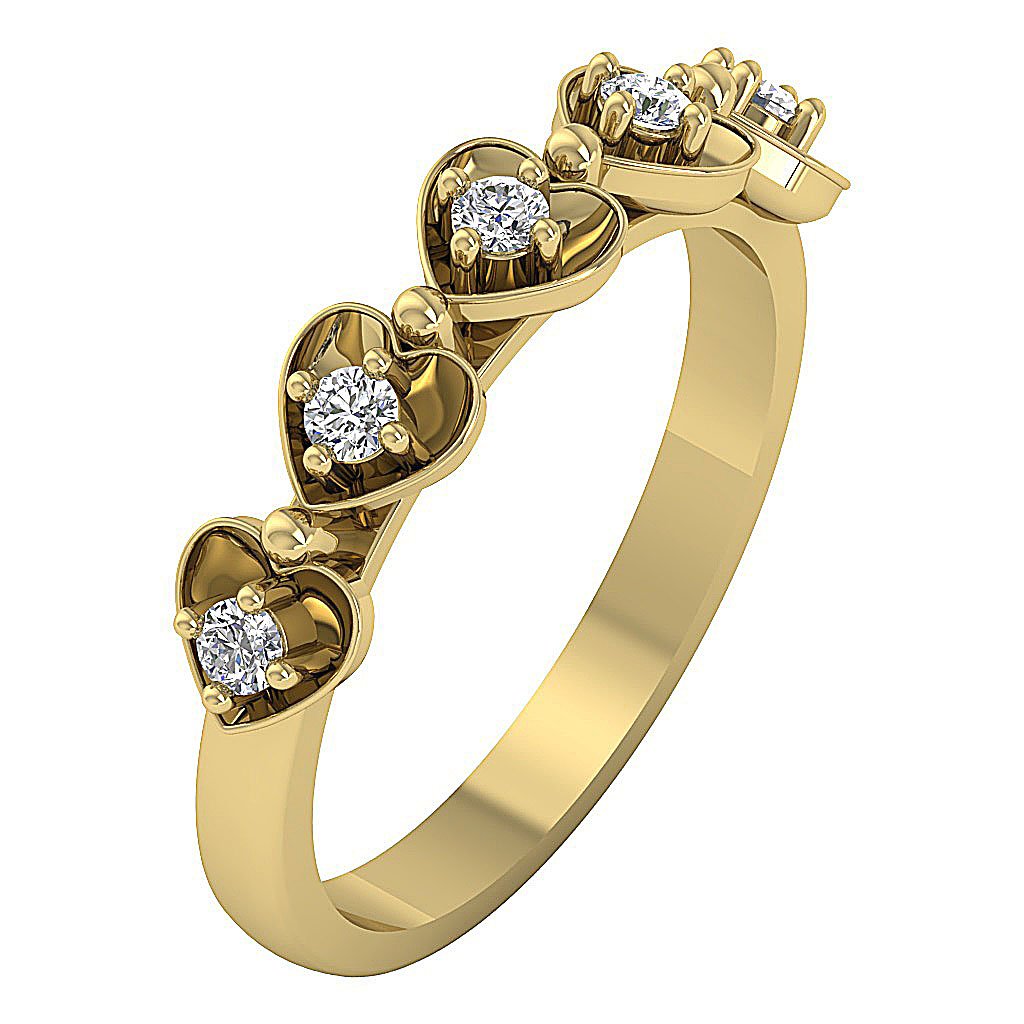
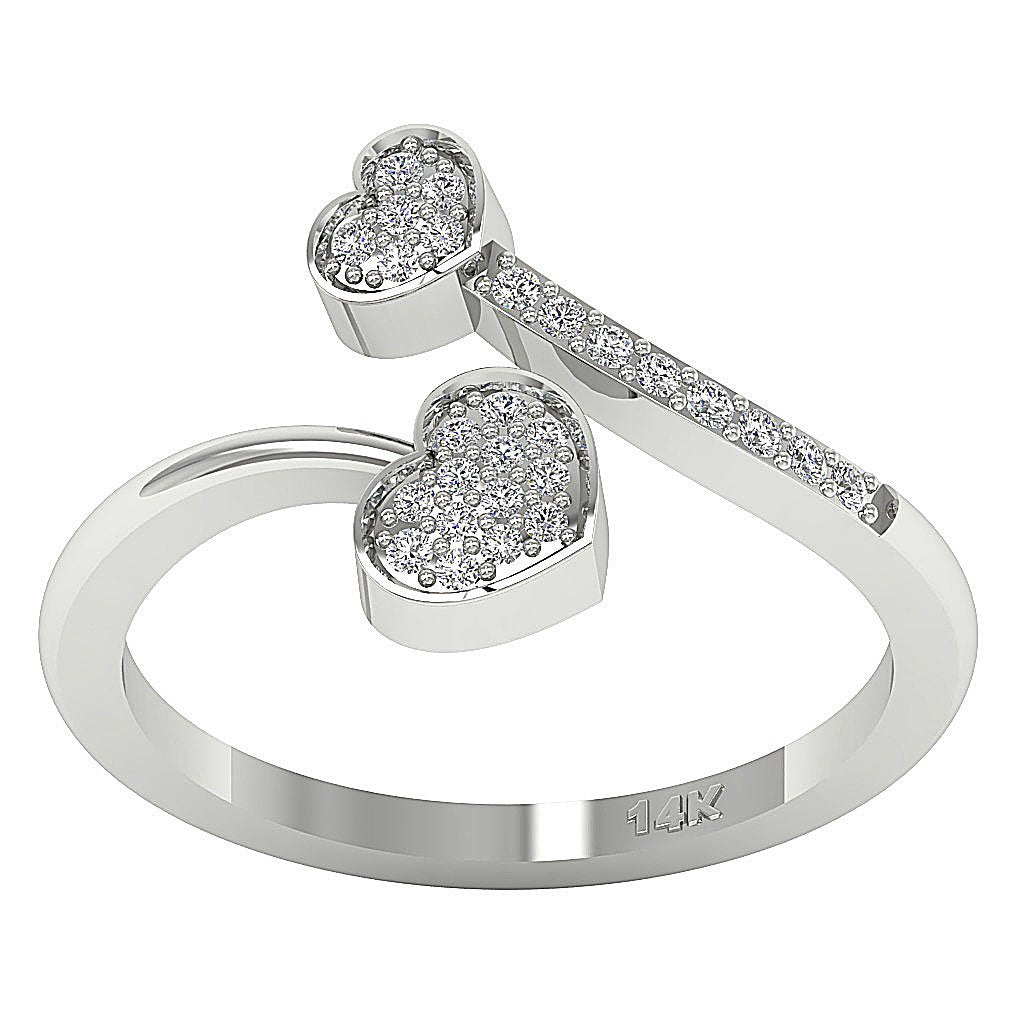
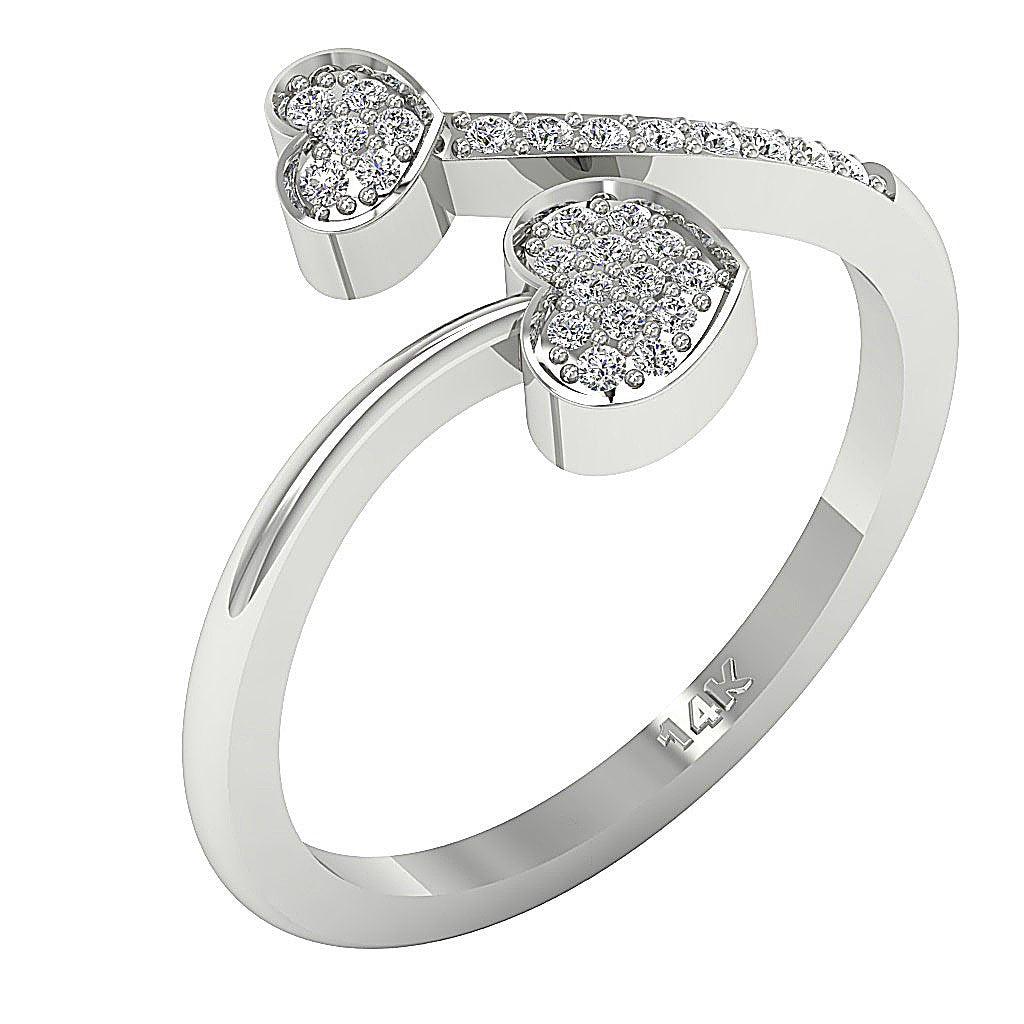
Heart-shaped centre stones require settings that respond to their more complex outline. Five- or six-prong arrangements are commonly used, with support positioned around the cleft, point, and wider sections of the lobes. These points need careful protection while remaining visually balanced around the stone.
Diamond for Good sources heart-shaped centre stones with particular attention to their proportions and symmetry. Cut quality is especially apparent in this shape, since an uneven lobe or poorly centred cleft can change the entire stone.
The proportions of the heart matter as much as its overall size. A clearly defined cleft helps separate the two lobes, while balanced width and length keep the silhouette from appearing either overly broad or unusually narrow. The point should align cleanly beneath the centre of the cleft, completing the shape without making one side appear heavier than the other.
The setting should preserve these relationships rather than obscure them. A carefully proportioned mount supports the stone's more delicate points while allowing the heart to remain immediately visible from above.
The Craft Behind Heart-Shaped Engagement Rings
Heart-shaped diamonds leave little room for imprecision. Because the outline itself carries so much of the design, symmetry between the two lobes, the position of the cleft, and the alignment of the point all need to work together.
Each centre stone is assessed specifically for lobe symmetry and cleft definition alongside its standard grading characteristics. The stone is examined as a whole to ensure that both sides create a balanced visual relationship rather than simply meeting the basic requirements of the shape.
Prong placement is then considered against the individual outline. The cleft and point receive particular attention because they are both visually defining and structurally exposed. Rather than relying on a fixed arrangement, the setting needs to follow the stone's proportions closely.
The finished ring is checked again once the stone has been set, confirming that the setting has not altered its visual balance. With a heart cut, craftsmanship is ultimately about preserving a shape that depends on precision from every angle.
Wearing It Well: Styling Your Heart-Shaped Engagement Ring
Let the heart remain the focal point. Its outline already introduces a strong visual identity, so a clean setting allows the silhouette to remain clear rather than competing with elaborate decorative details.
A halo can add additional brilliance around the centre stone, but a restrained design often works best when the heart itself is well proportioned. A heavily detailed halo may soften the definition of the outline, particularly around the lobes and cleft.
When choosing a wedding band, look for a profile that complements the heart's softer curves. A gently contoured band can echo the rounded lobes and sit naturally beneath the setting, while a rigid straight band creates a more deliberate contrast.
The orientation also matters. Traditionally, the point faces toward the hand, leaving the rounded lobes at the top of the finger. This presents the heart in its most recognisable form and allows the shape to remain legible from a natural viewing angle.
Living With It: How to Care For Your Heart Shaped Engagement Ring
The cleft and point deserve particular attention during everyday wear. Both are exposed parts of the outline, and direct impact can create a greater risk of damage than it would with a rounded shape. Regular inspection is therefore especially useful for maintaining the security of the setting.
Clean the ring weekly with warm water, mild soap, and a soft-bristled brush. Work gently around the cleft, where its narrow indentation can collect soap, lotion, and other residue that is easy to miss during a quick rinse.
Have a jeweller inspect the setting annually, paying particular attention to the prongs supporting the cleft and point. Remove the ring before manual work or activities involving direct impact, and store it separately from harder gemstones to avoid unnecessary contact.
A quick visual check under good light can also reveal changes in the setting or the appearance of the stone before they become more noticeable. With a heart cut, preserving the original balance is part of preserving its character.
A shape with nothing to hide, where precision becomes part of the romance.