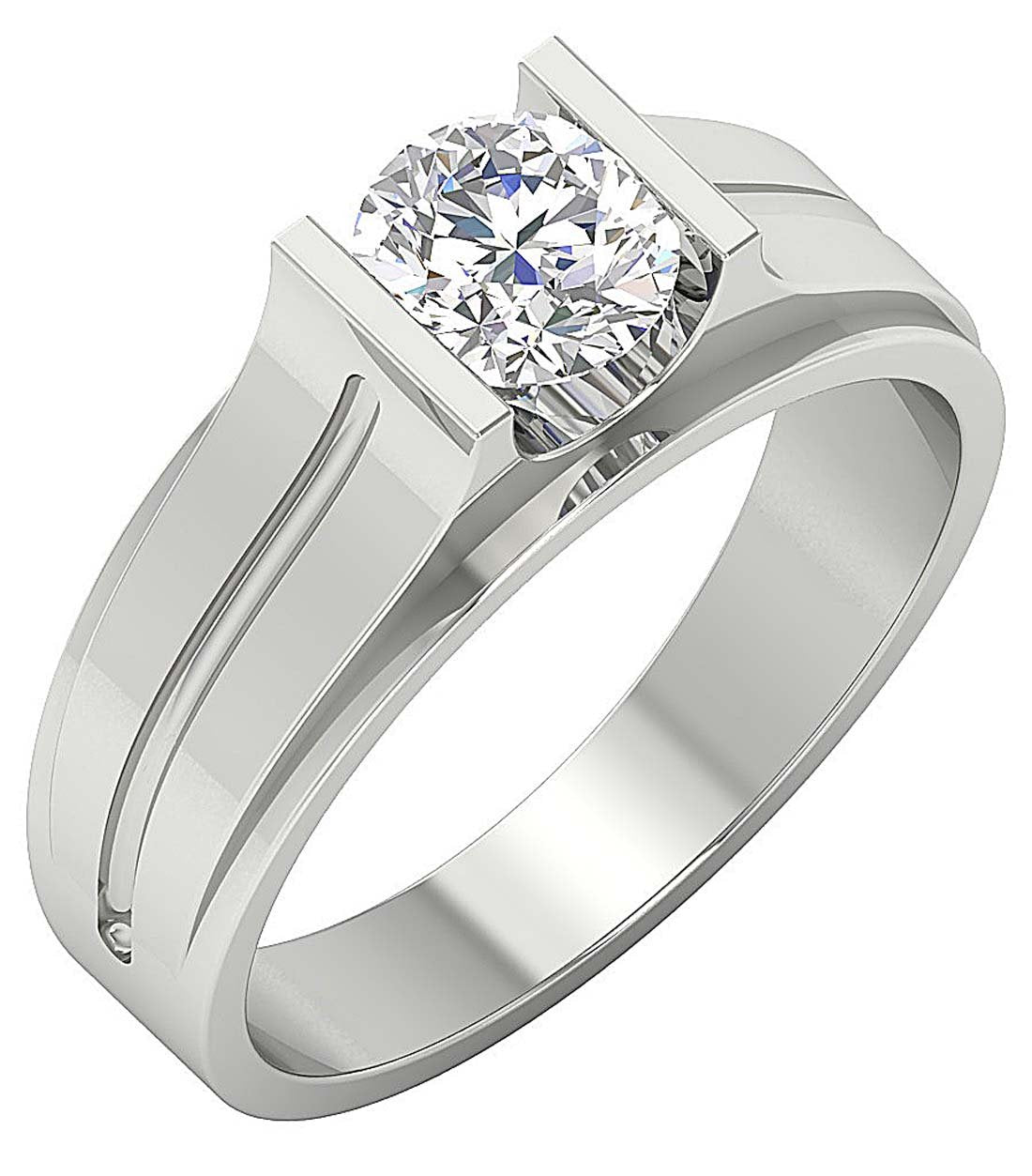
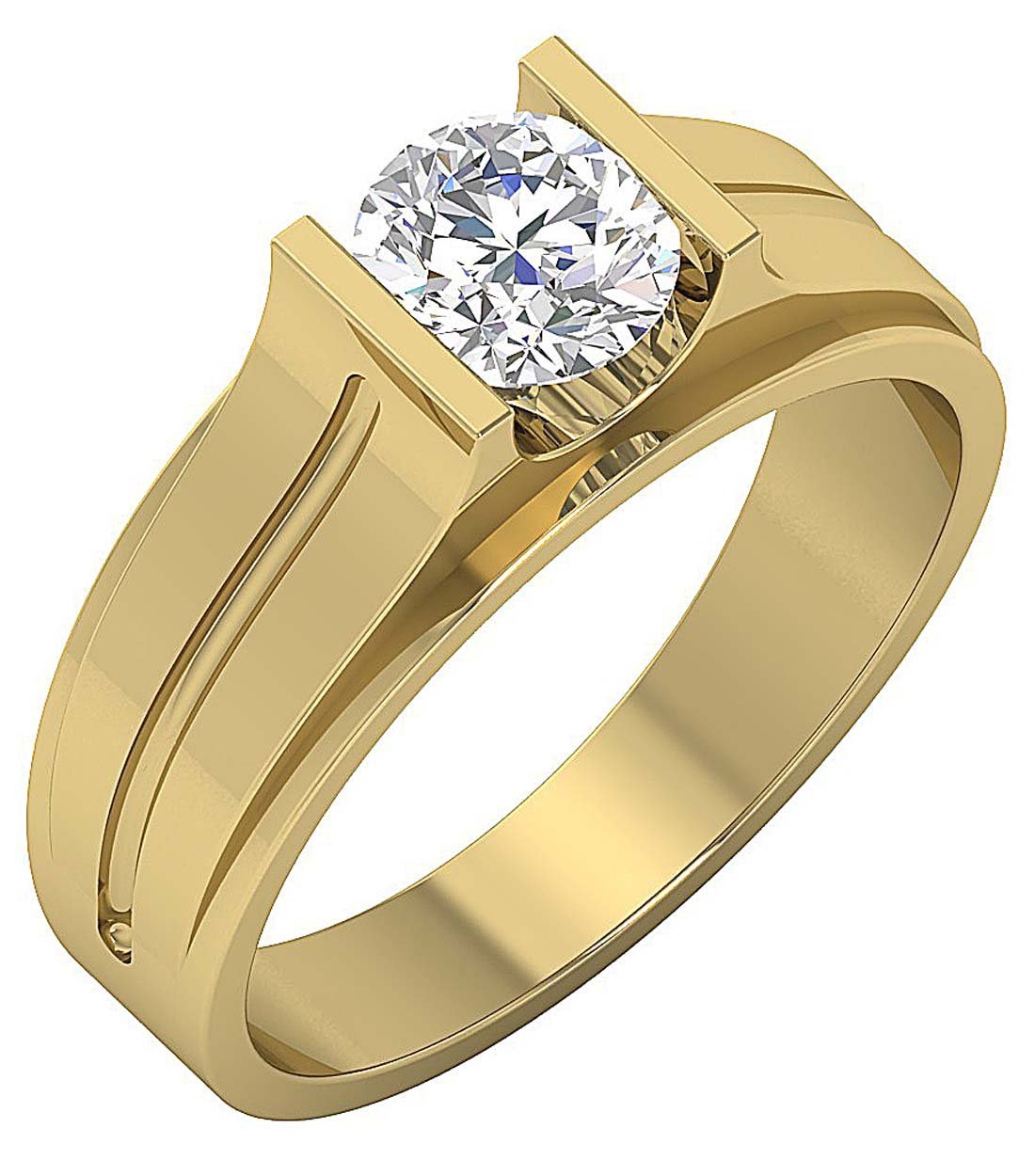
Round Engagement Rings
The round brilliant cut is defined by its 58 precisely arranged facets, with proportions refined over the twentieth century to draw light deep into the stone and return it to the eye with exceptional brilliance. Few diamond shapes have been studied and refined with such mathematical precision.
The round cut offers a considered balance of proportion, symmetry, and light performance. This is a defining reason why the round brilliant has remained the enduring choice for engagement rings, transcending shifting fashions and changing design eras.
Why the Round Engagement Ring Shape Works Everywhere
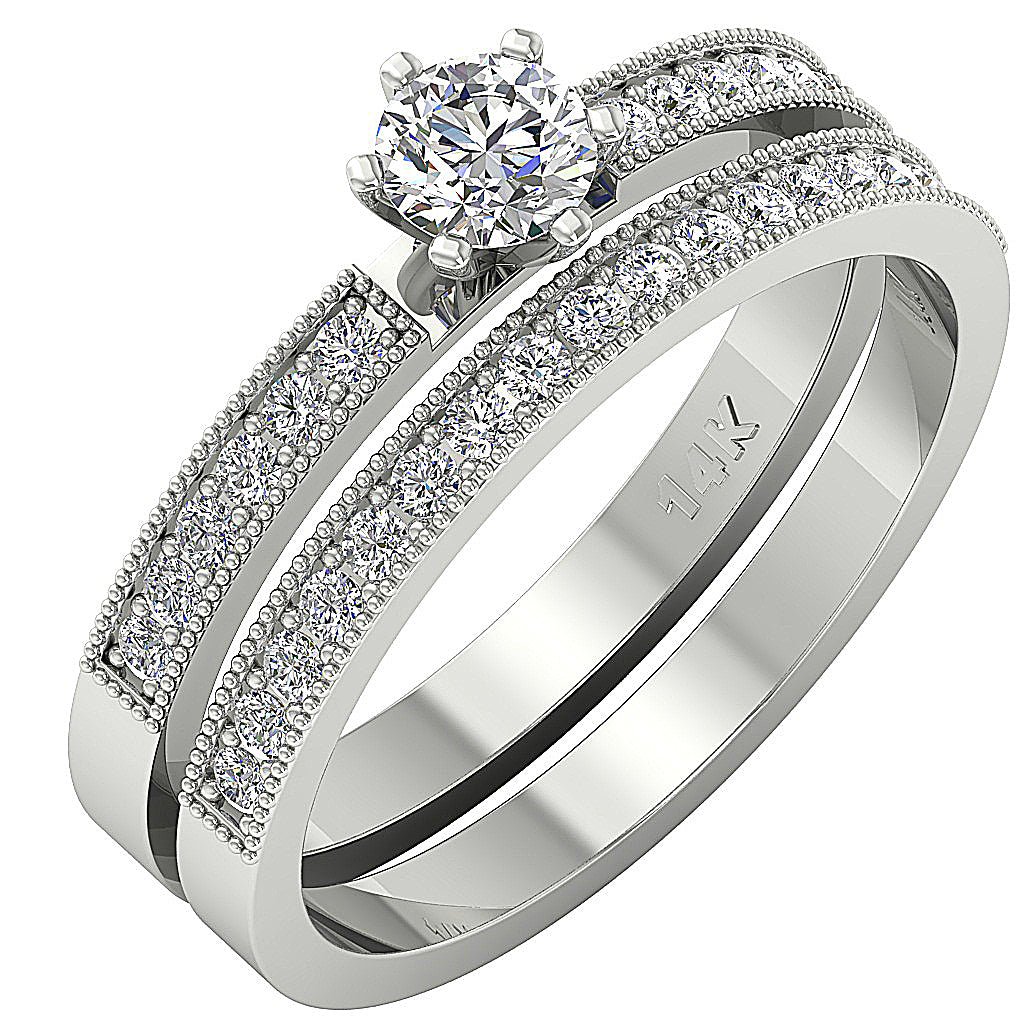
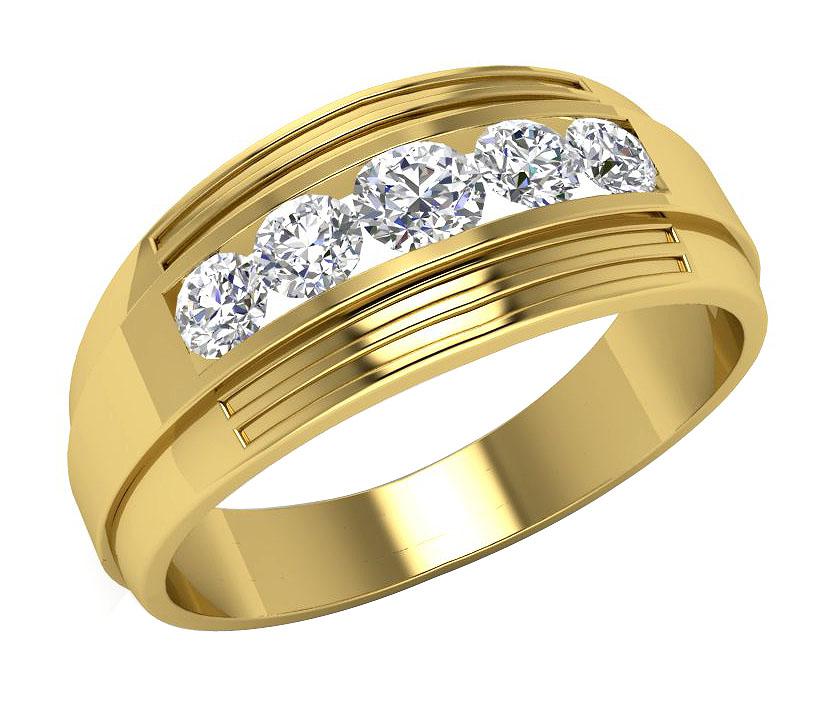
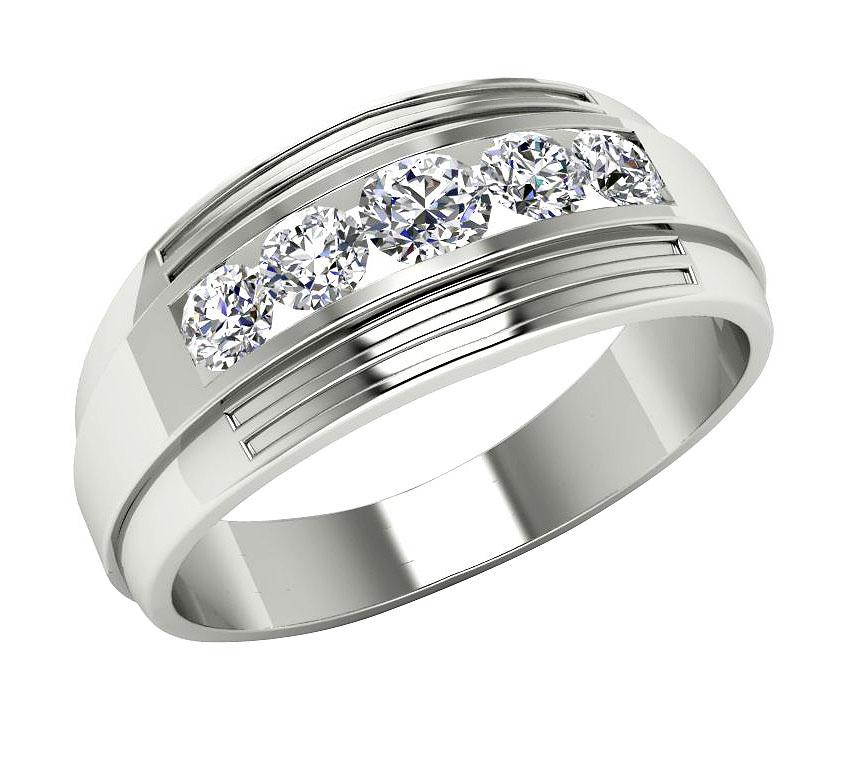
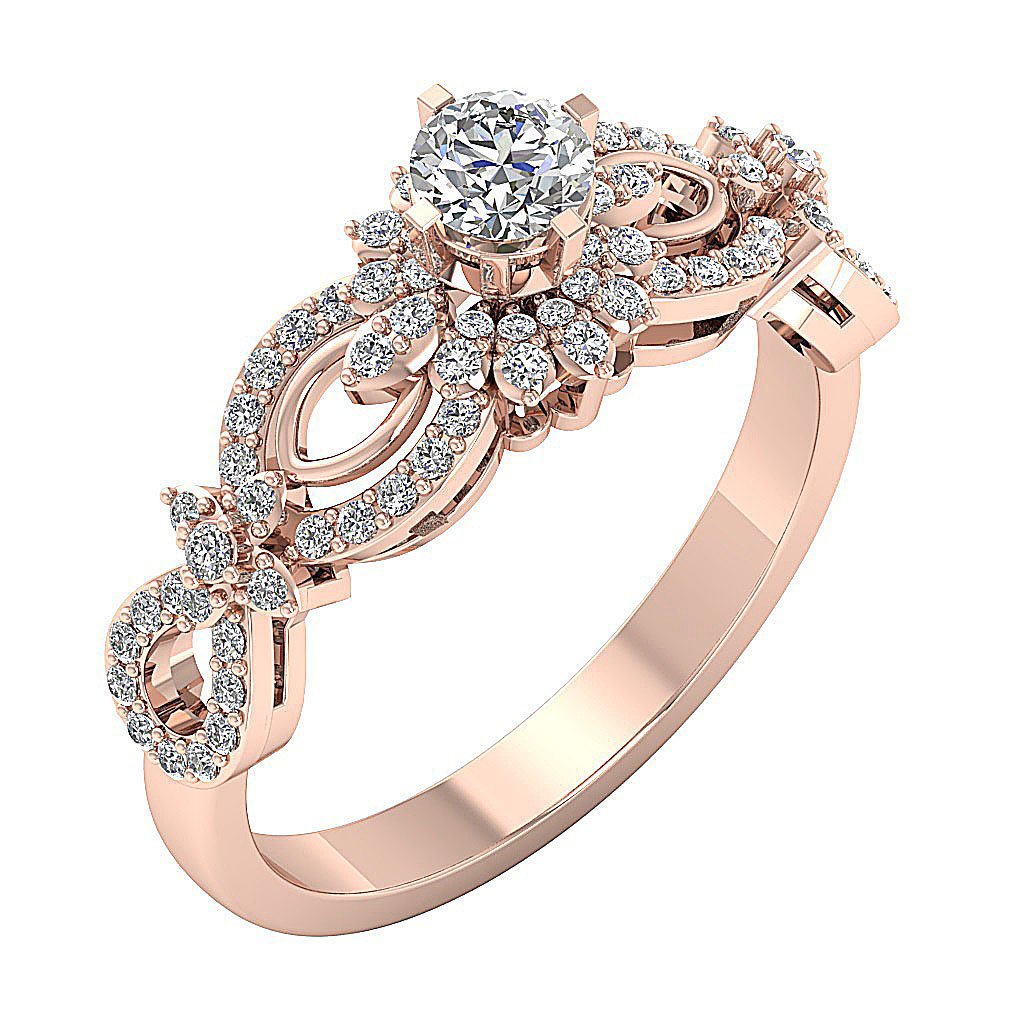
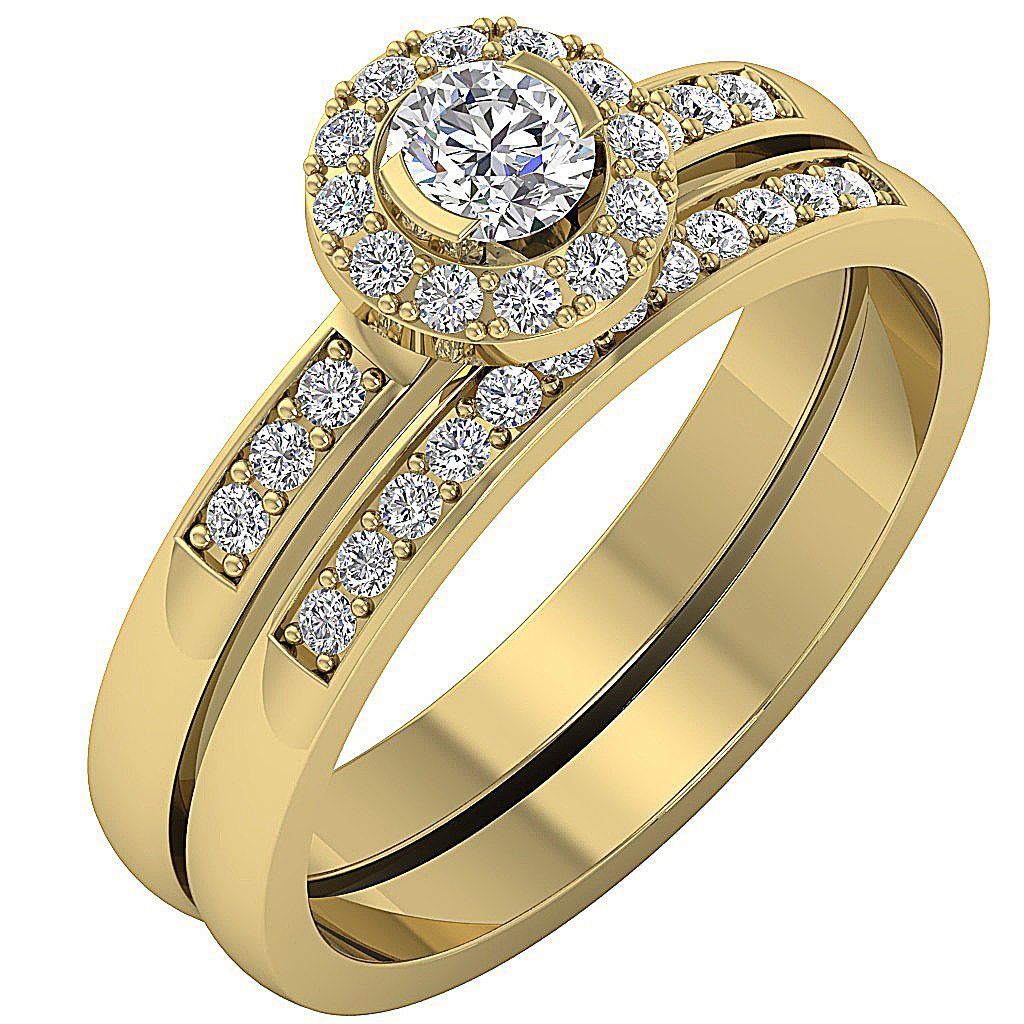
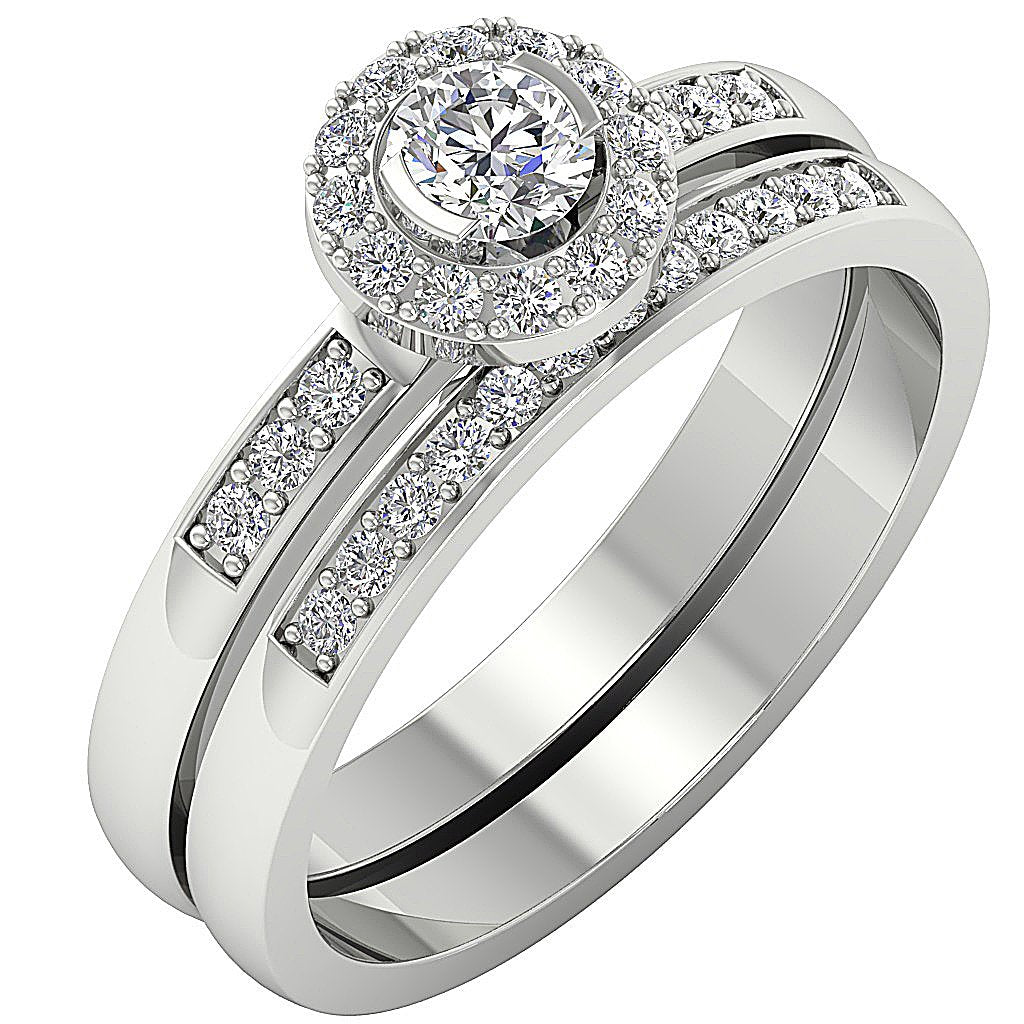
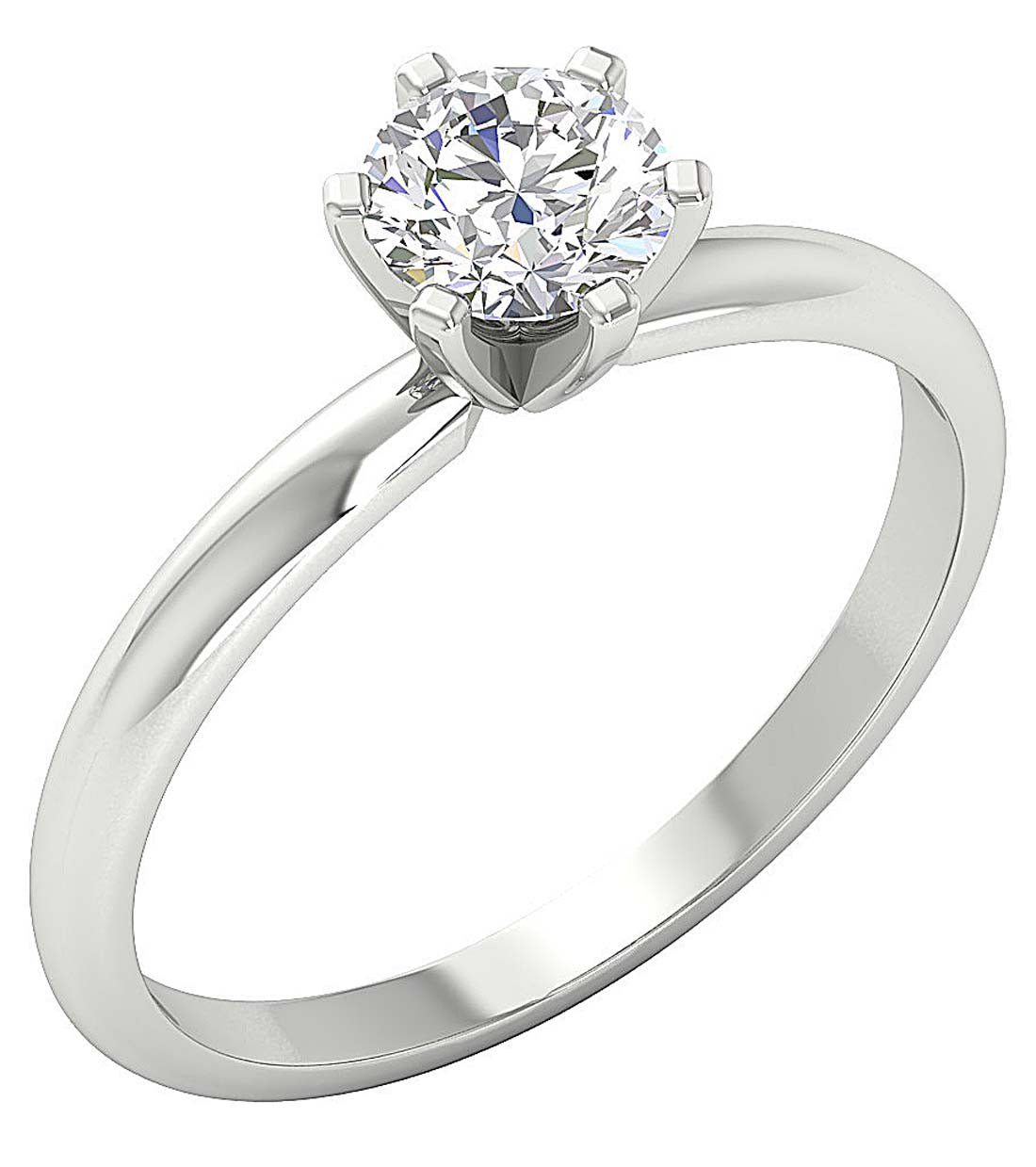
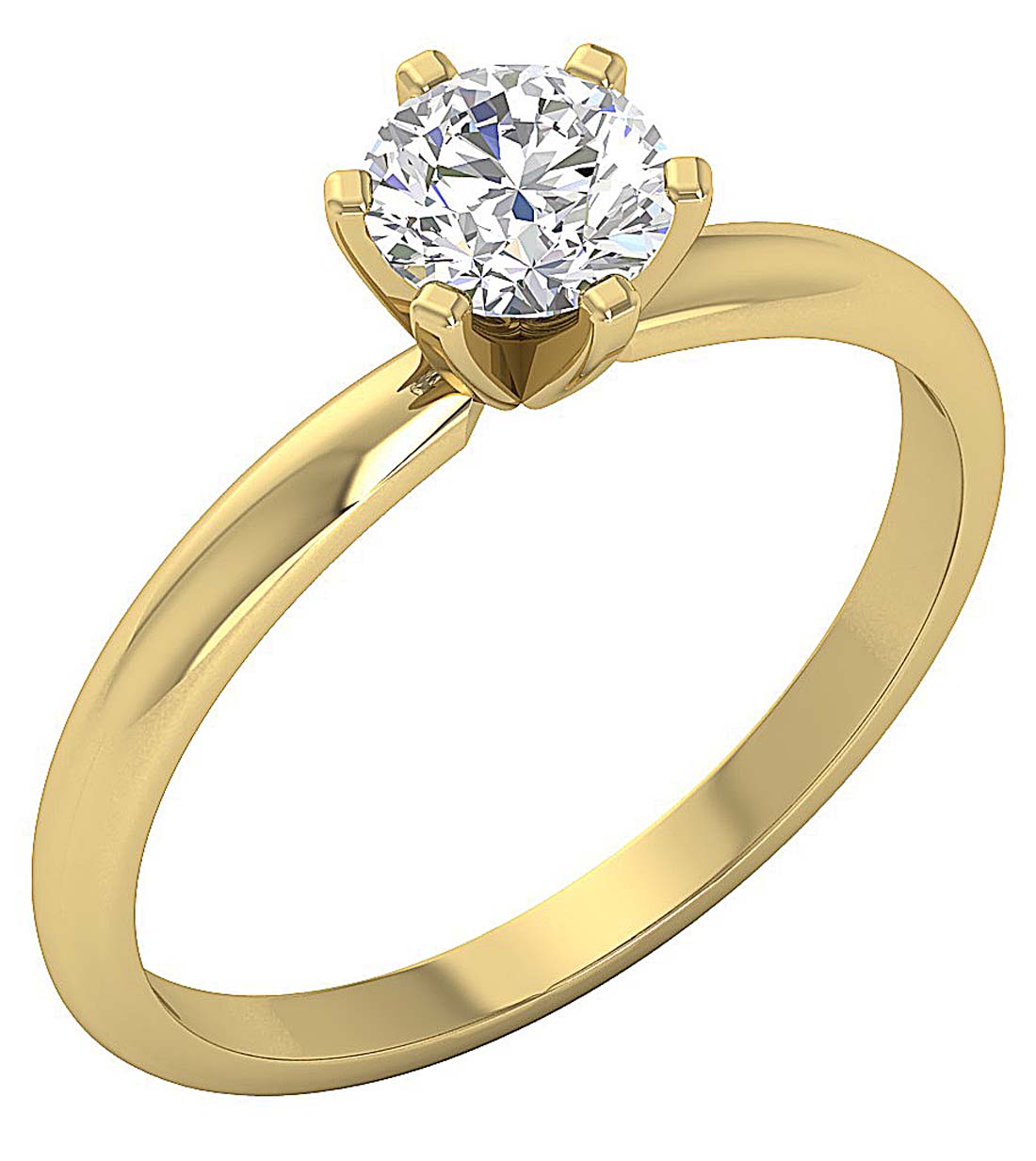
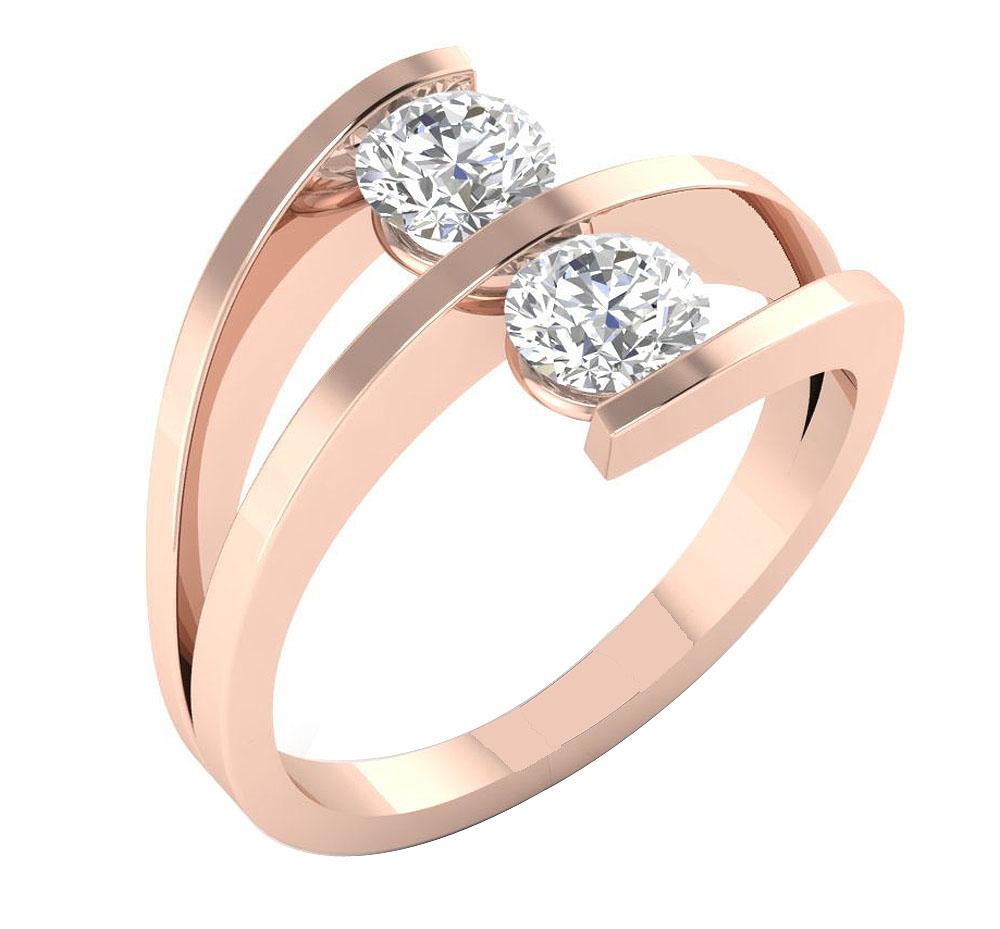
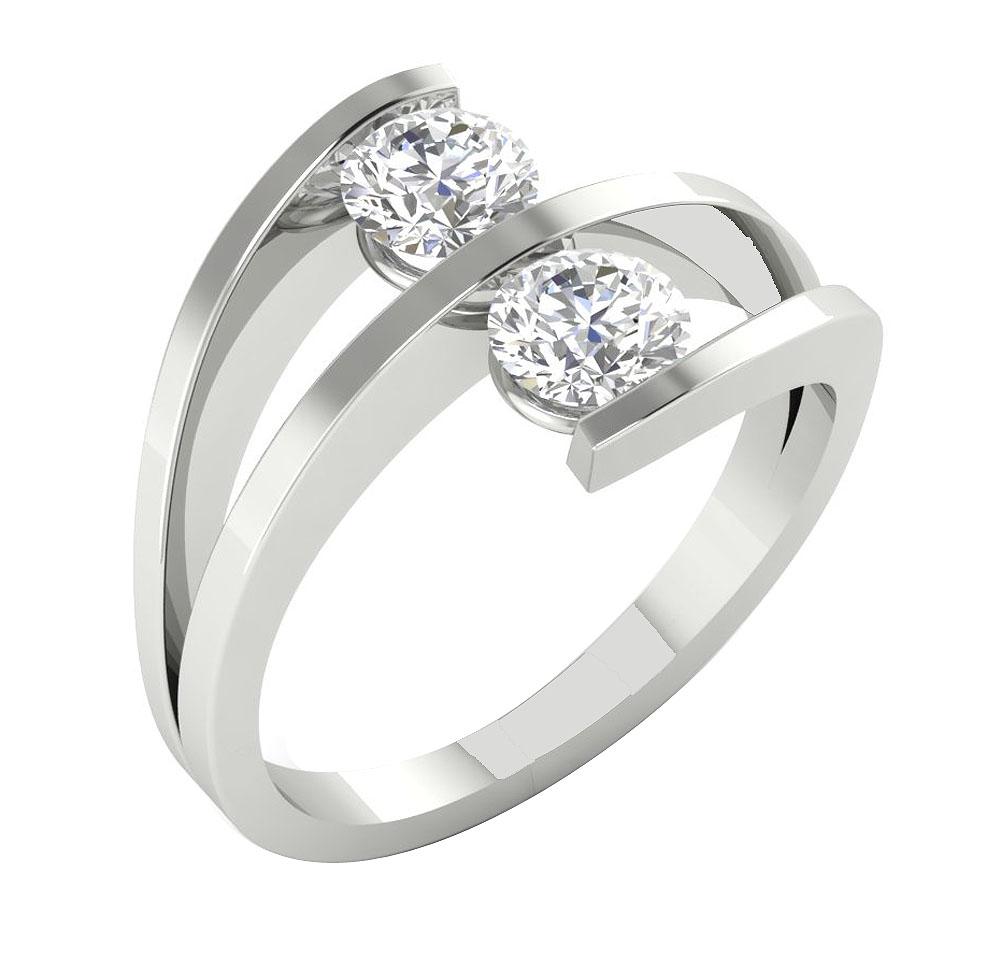
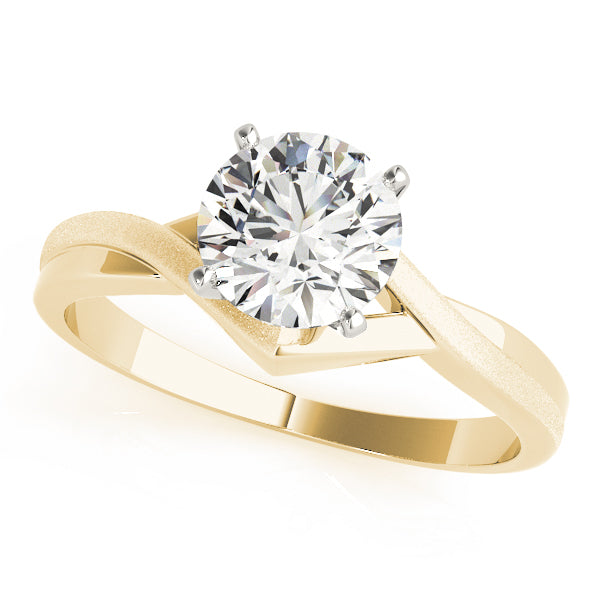
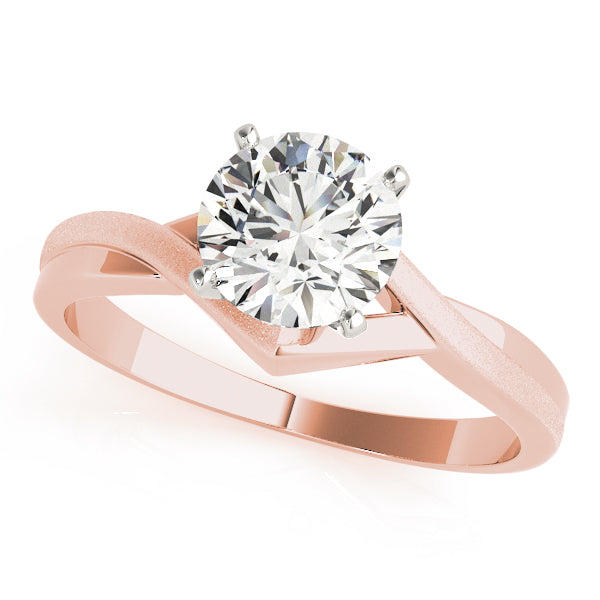
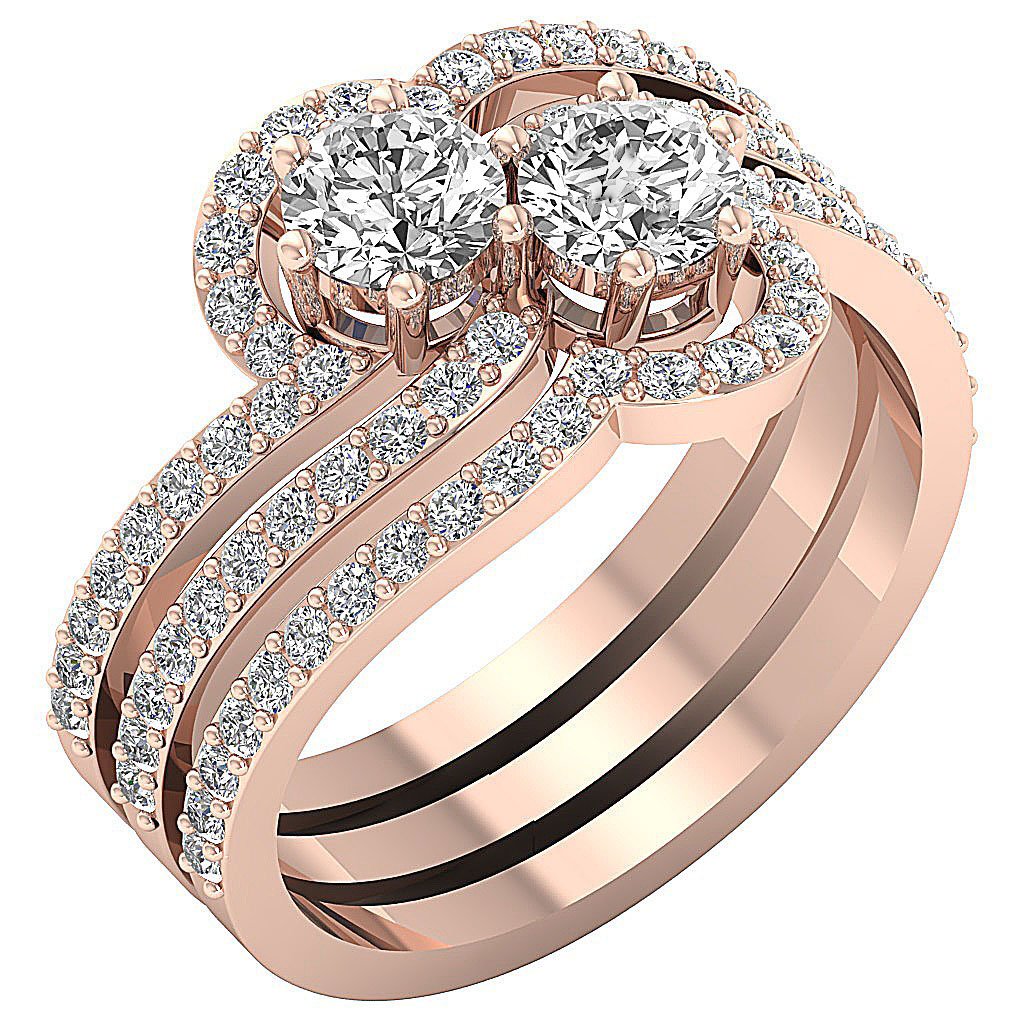
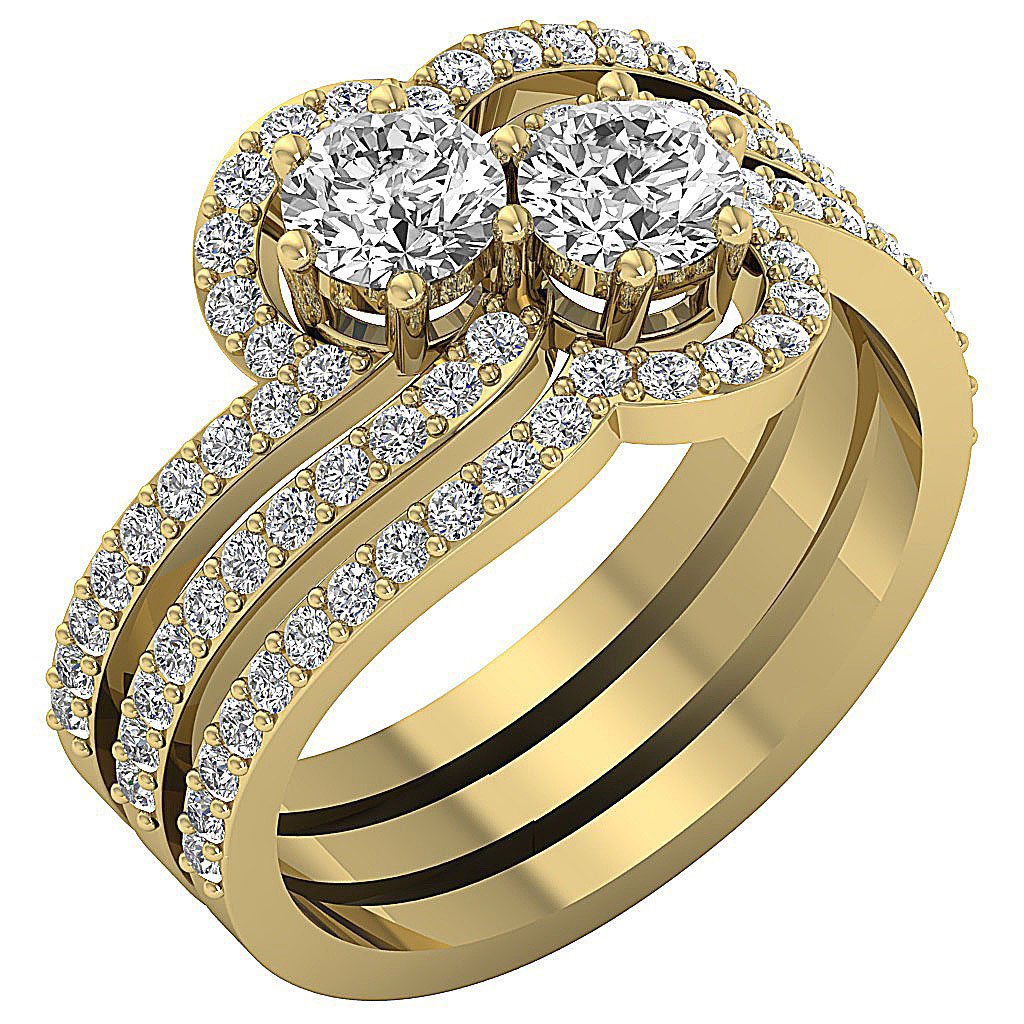
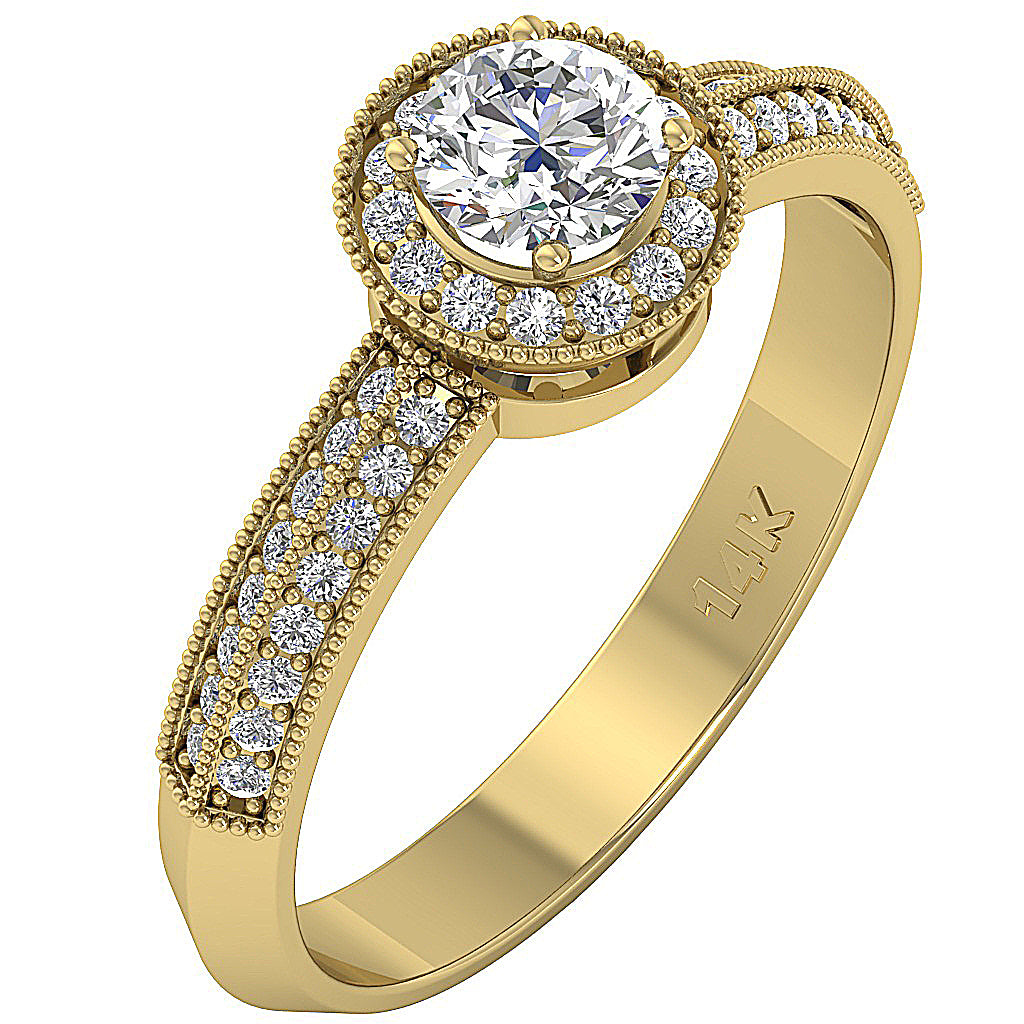
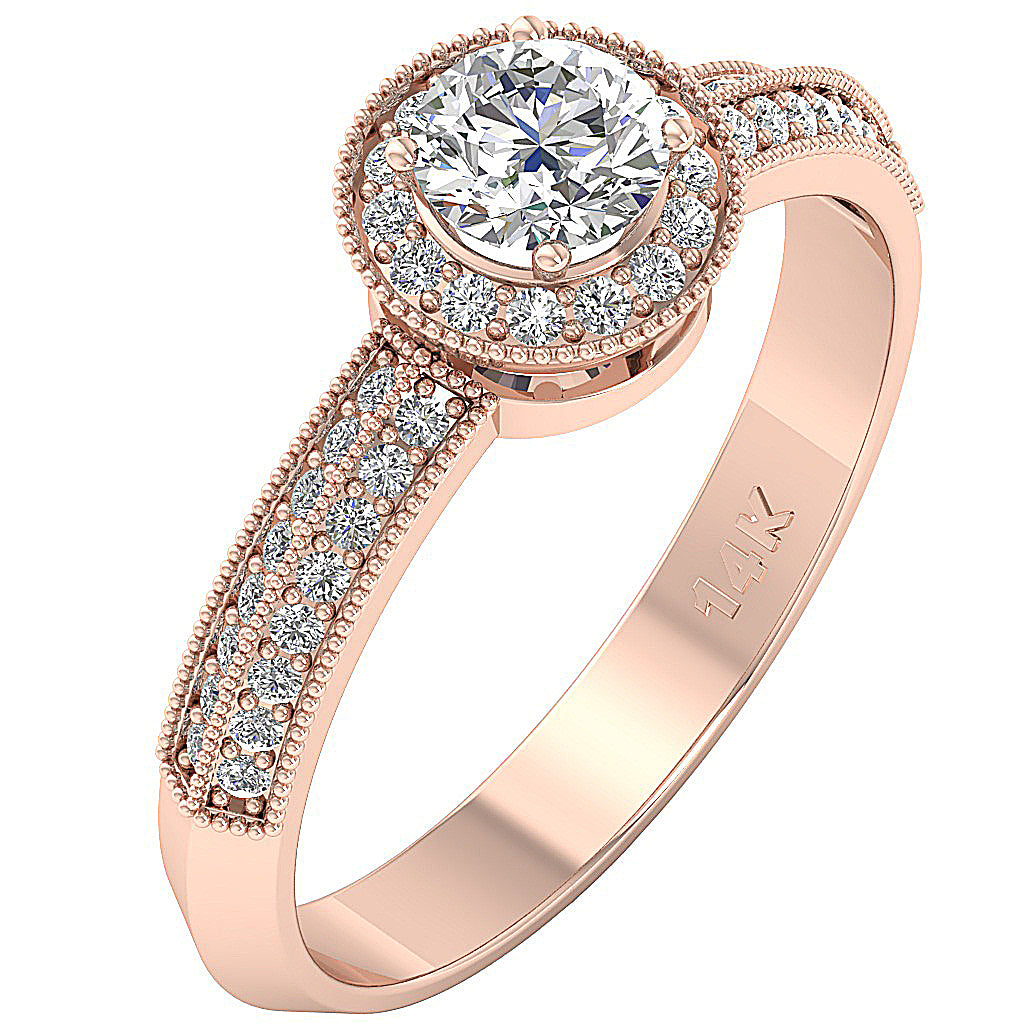
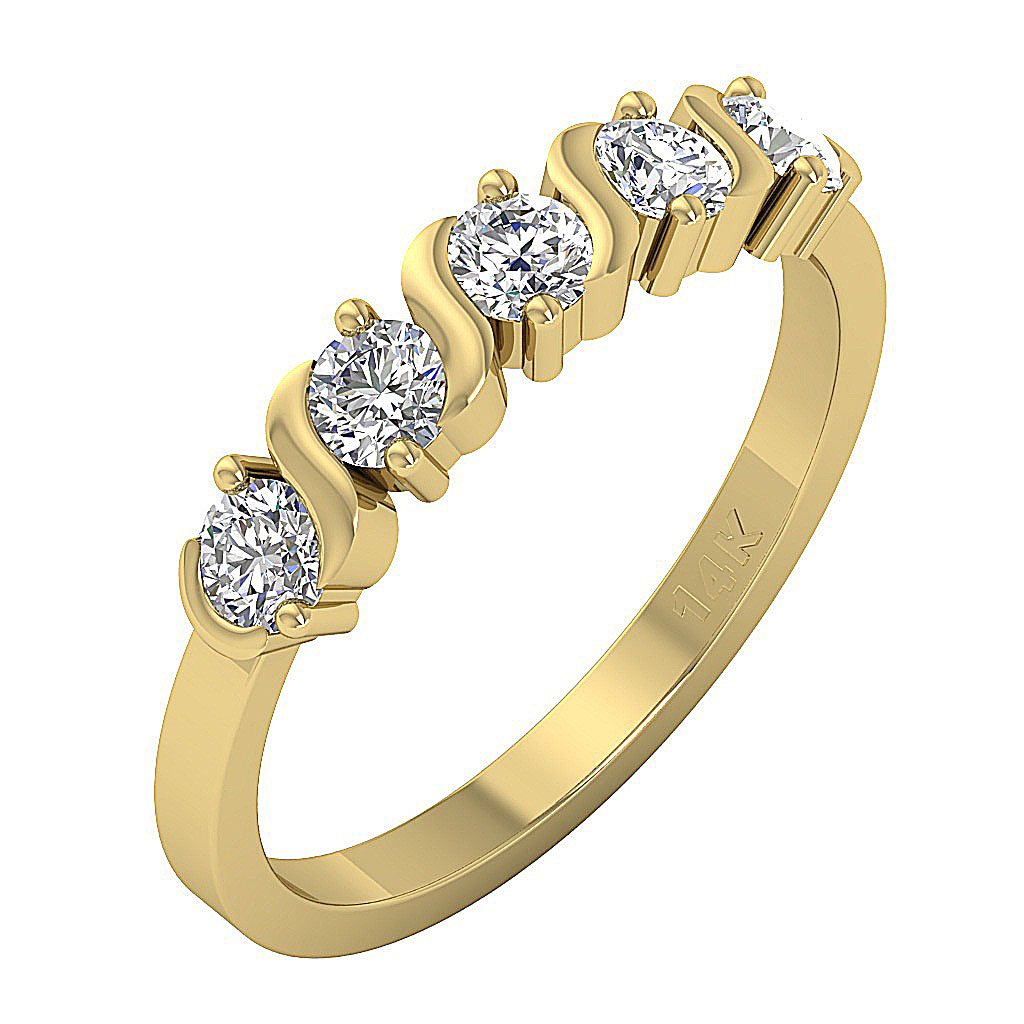
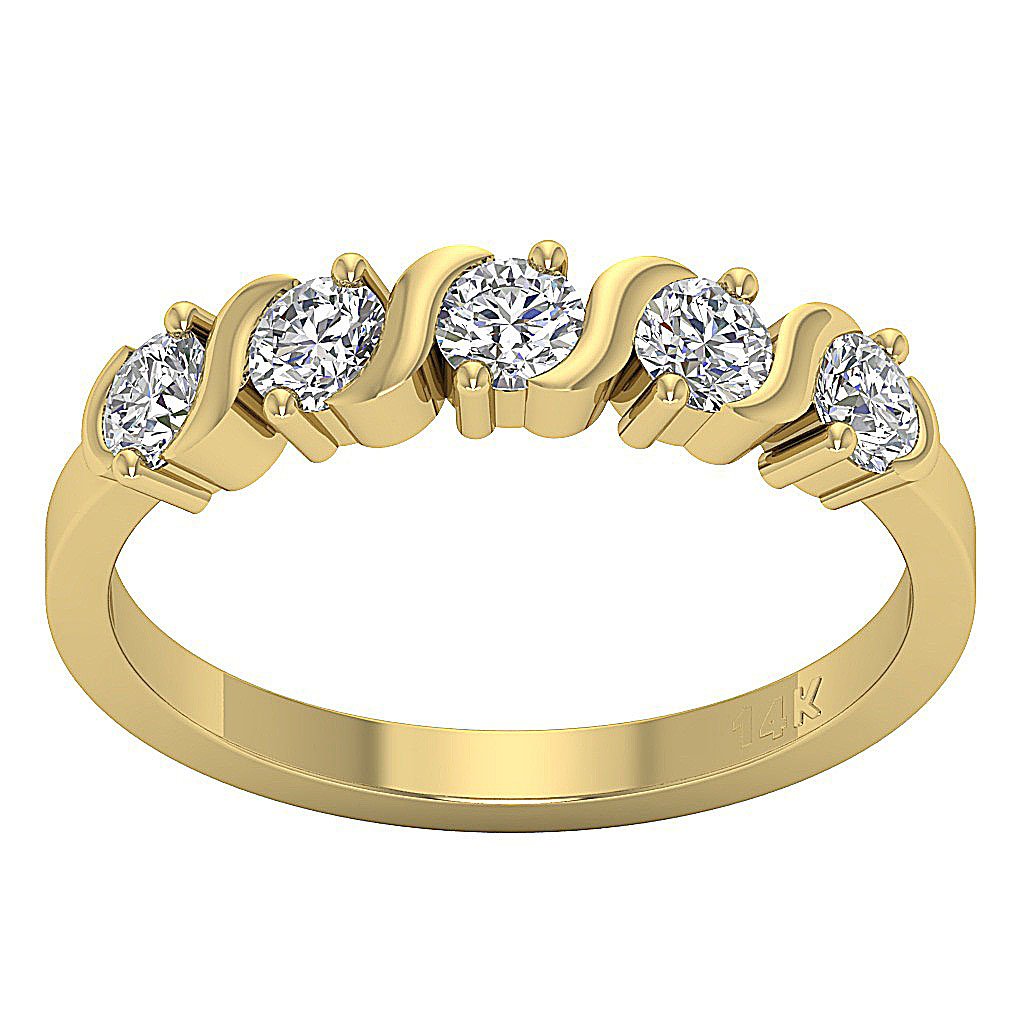
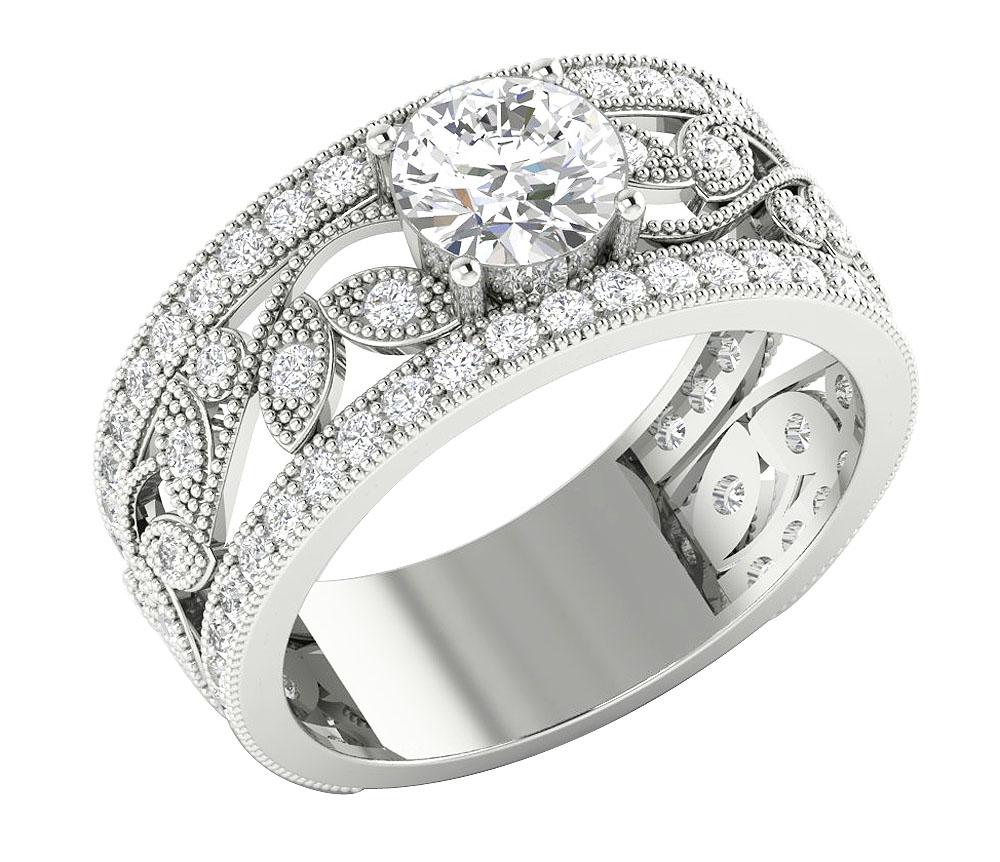
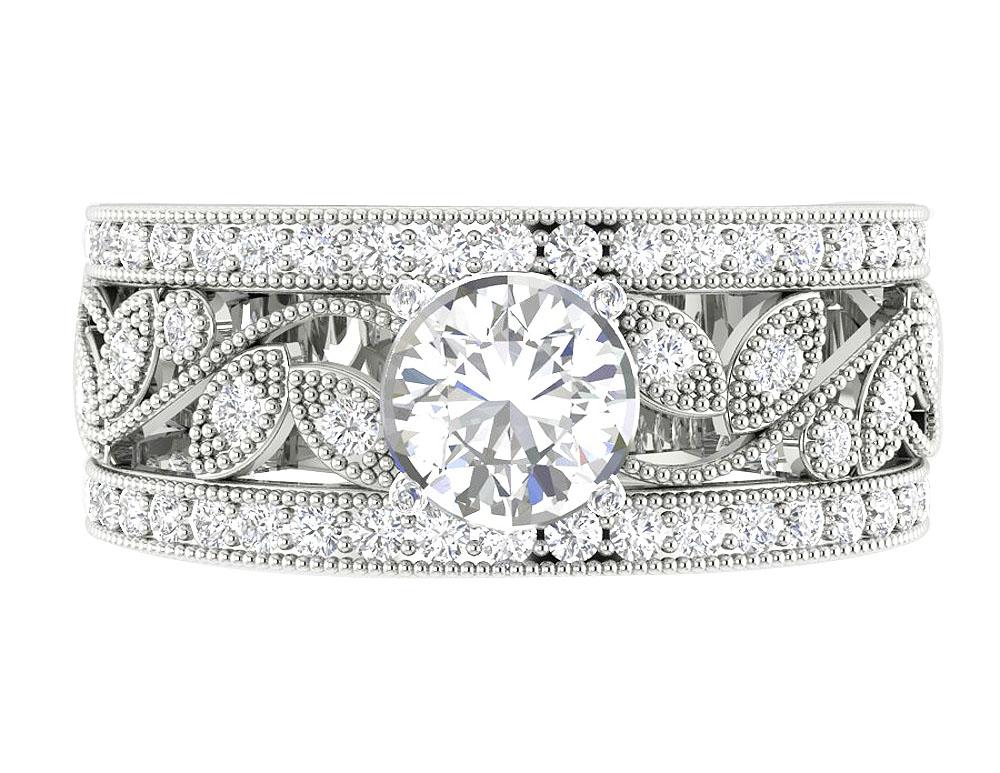
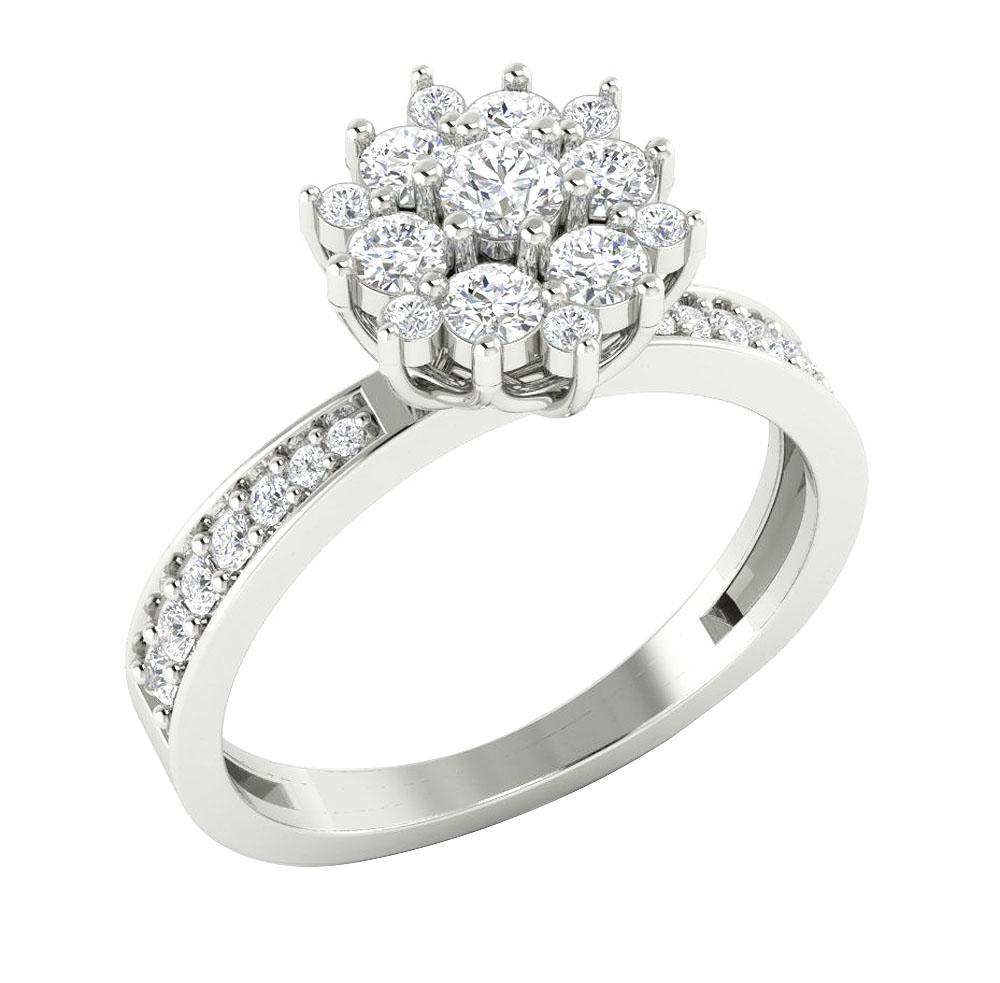
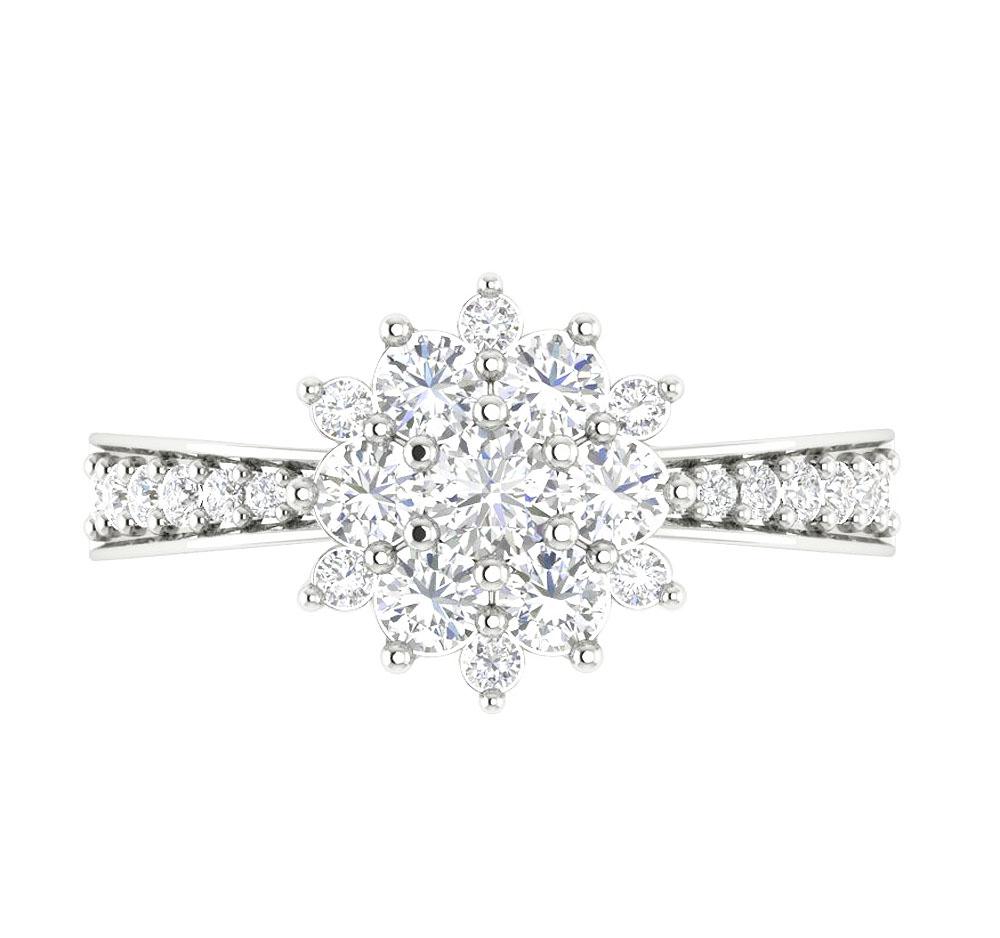
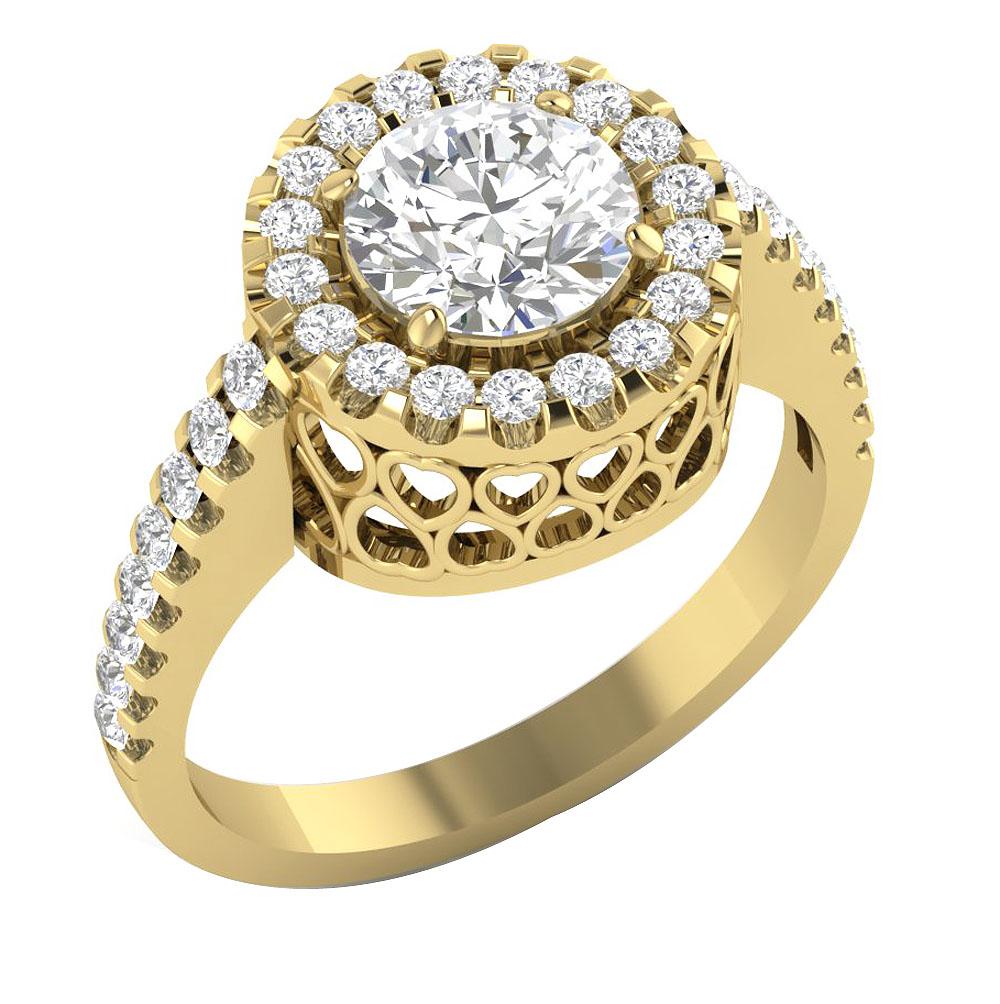
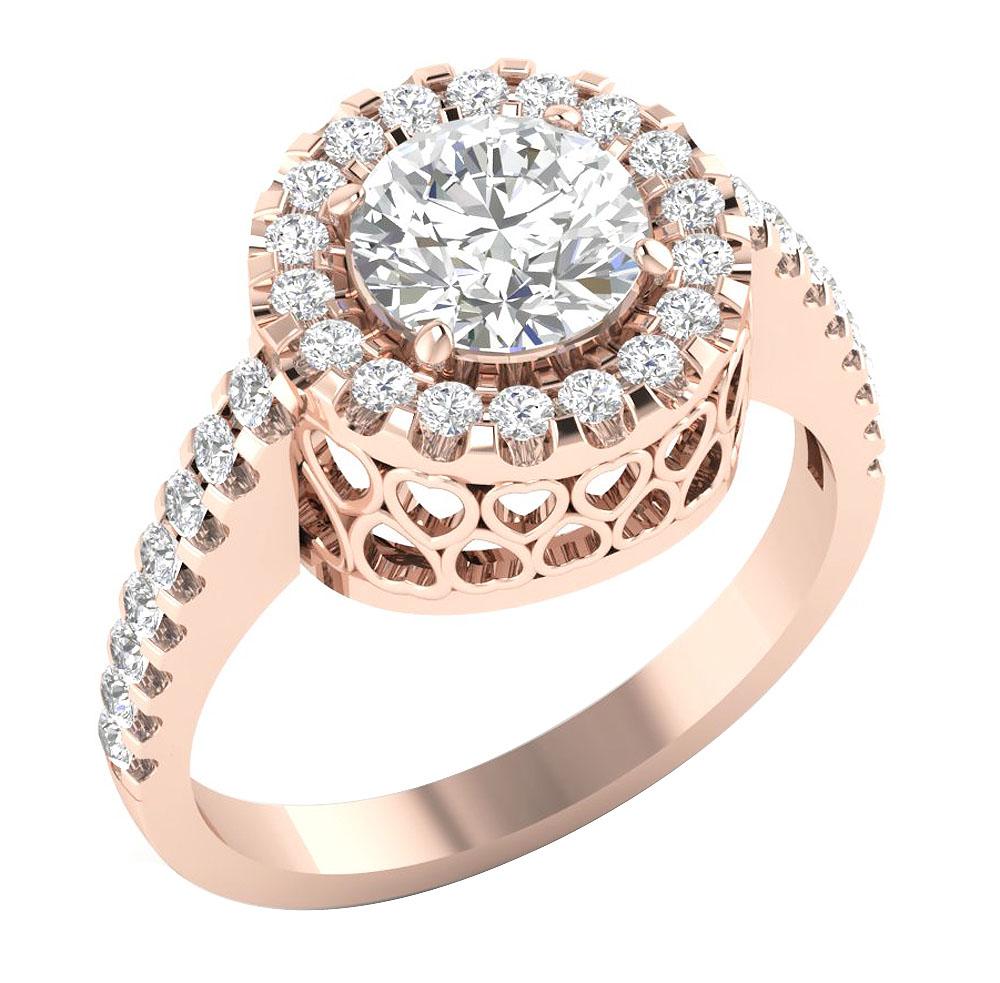
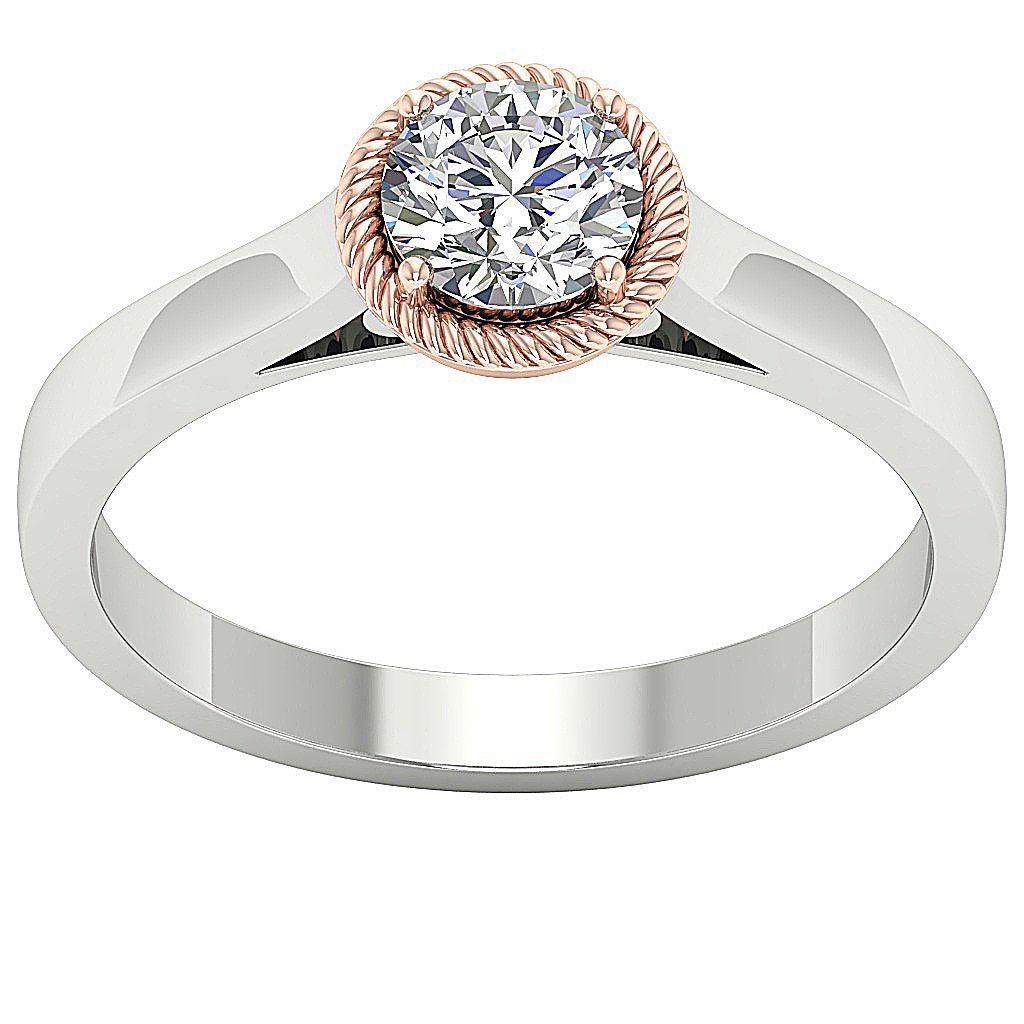
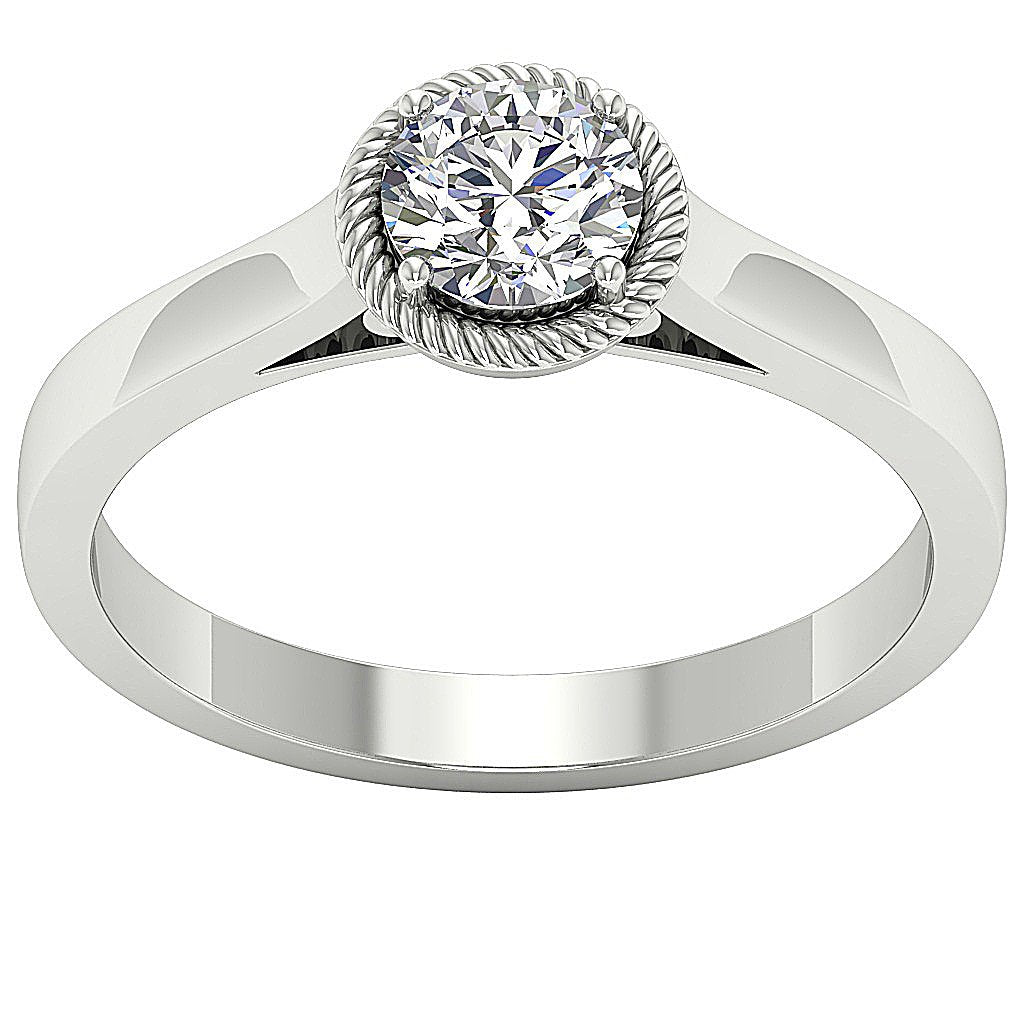
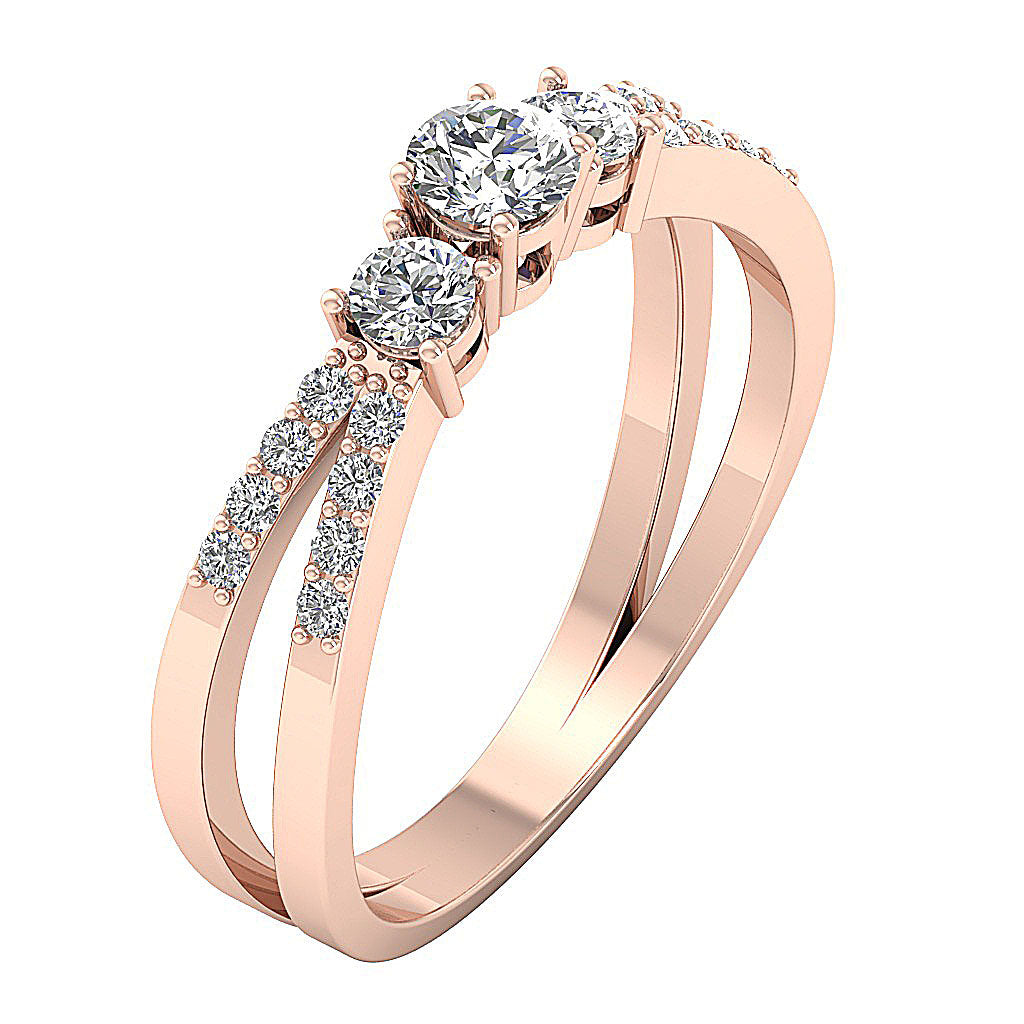
Diamond for Good offers round center diamonds across solitaires, halos, three-stone, vintage-inspired, and twisted-band designs. Their balanced, symmetrical silhouette complements almost any setting, giving the round brilliant an enduring advantage over directional cuts such as emerald or marquise.
Its carefully calibrated facet structure also delivers remarkably consistent light performance across changing environments, from warm indoor lighting to natural daylight. For an engagement ring designed for everyday wear, this dependable brilliance makes the round brilliant as practical as it is beautiful.
There is a considered trade-off: cutting a round brilliant from rough diamond typically sacrifices more material than many fancy shapes, which can follow the contours of the rough more efficiently. This lower yield contributes to the premium round diamonds often command at comparable carat weights.
Many buyers are ready to cover this premium since it reflects the enduring combination of brilliance, symmetry, and versatility that defines the round brilliant.
The Craft Behind Every Round Engagement Ring
Each round center diamond is assessed on cut grade specifically, not only carat weight and color, since proportions have an outsized effect on how much brilliance a round stone actually returns to the eye. Settings are matched to the stone's individual measurements rather than a generic round-diamond template.
As a result, the finished ring displays the cut's full light performance rather than a compromised version of it. Two round diamonds of identical carat weight can perform very differently depending on cut precision alone, which is why that grade gets particular attention here.
Wearing It Well: How to Style Your Round Engagement Ring
Let the setting carry the personality, since the stone shape itself is classic and largely neutral. A round diamond adapts equally well to a minimal solitaire or an elaborately detailed vintage-inspired mount, so styling decisions rest more on the setting than the stone.
Pair with a wedding band that follows the same curvature. Round center stones sit symmetrically, which makes them compatible with both straight and gently curved bands, offering more flexibility than an asymmetrical fancy-shaped stone allows.
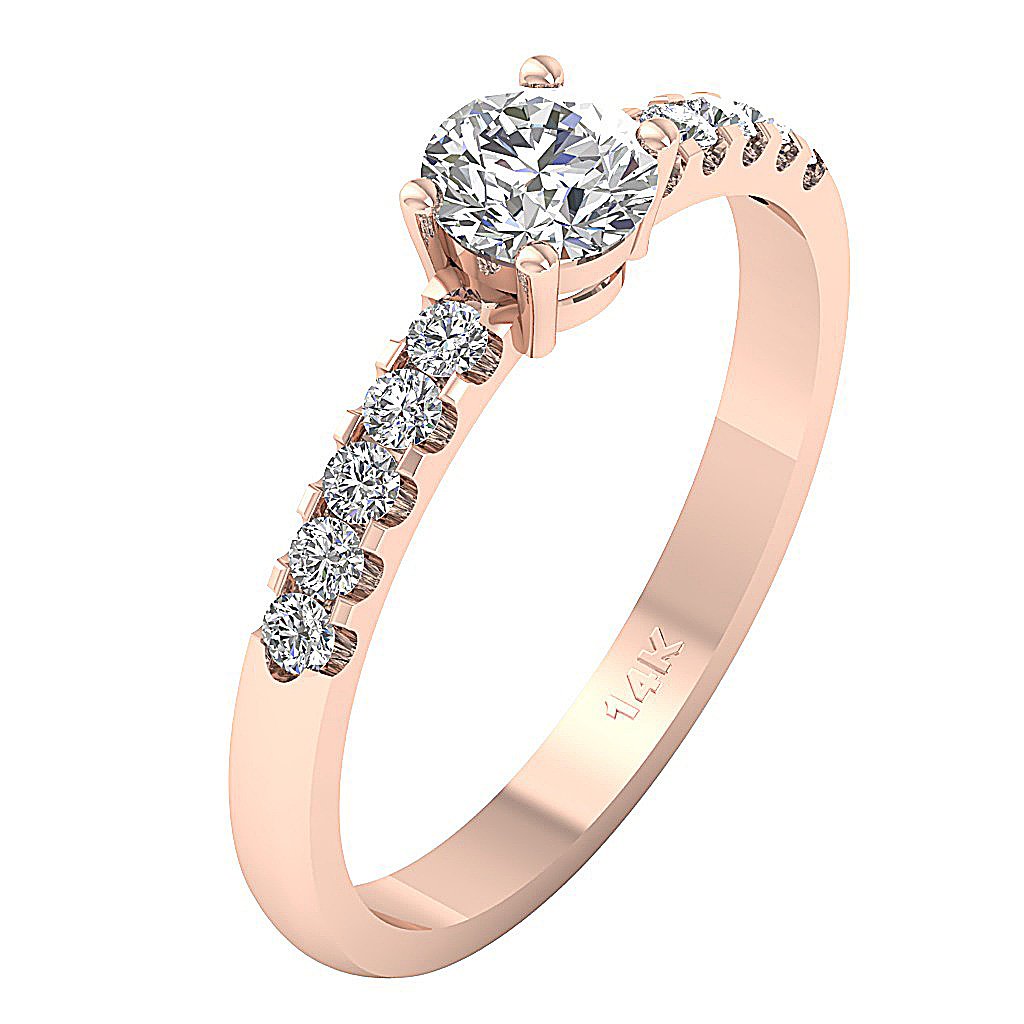
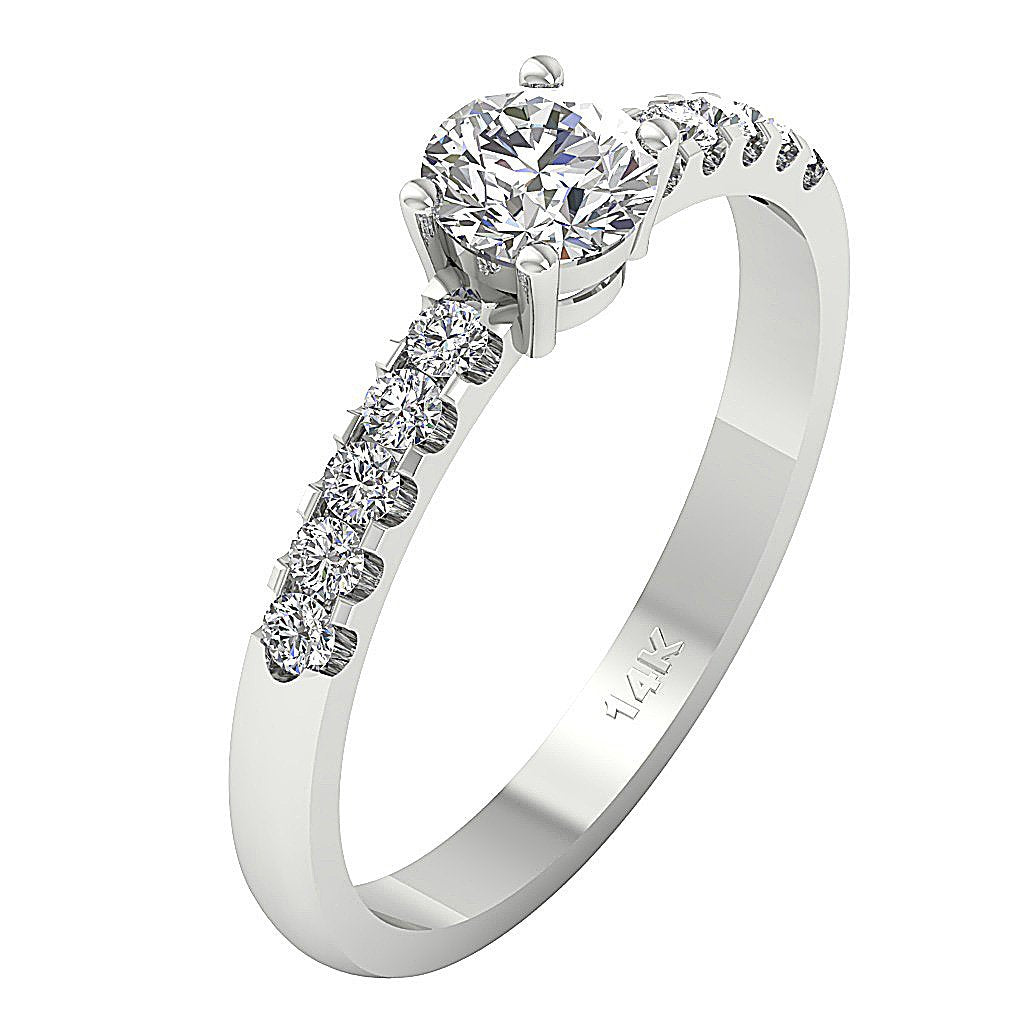
Consider the prong count if you want to wear your round diamond ring every day. A round stone in a four-prong setting shows more of the diamond, while a six-prong setting offers additional security, a meaningful consideration for a ring worn without exception.
Living With It: Caring For Your Round Engagement Ring
A round brilliant's many small facets mean many edges where residue can catch, particularly near the girdle, the narrow band running around the stone's widest point. Clean weekly with warm water, a drop of mild soap, and a soft-bristled brush, working around the girdle specifically rather than only across the table, the large flat facet on top.
Facet edges, while hard, can chip on sharp impact against a countertop or a doorframe more easily than most people assume given the diamond's overall hardness. Remove the ring before manual work, and have a jeweler check the prongs annually, since a chip near the girdle is often invisible to the naked eye until it is pointed out under magnification. Rotating a ring back to its correct orientation right after any noticeable knock reduces the odds of repeated stress on the same facet edge.
One shape, endlessly reworked, still the clearest expression of what a diamond can do.