Journey Diamond Pendant Necklaces
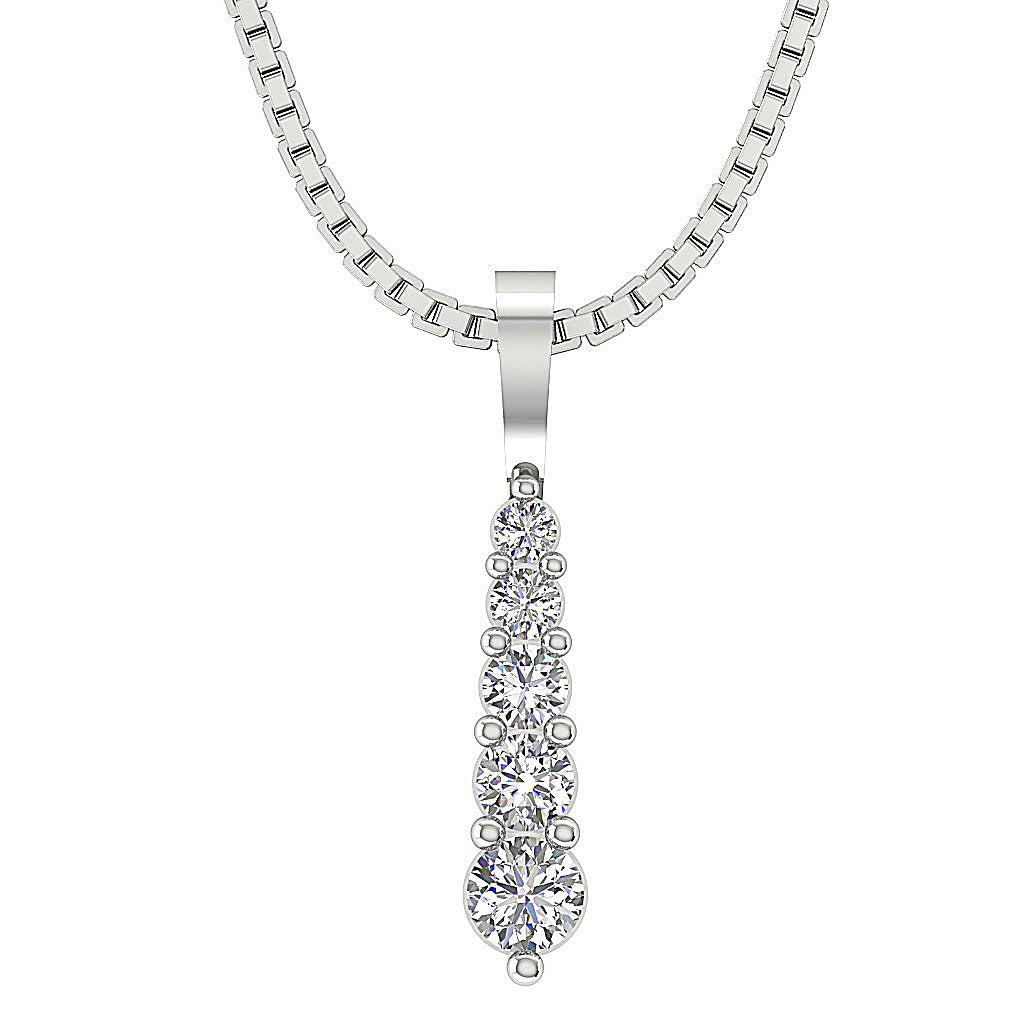
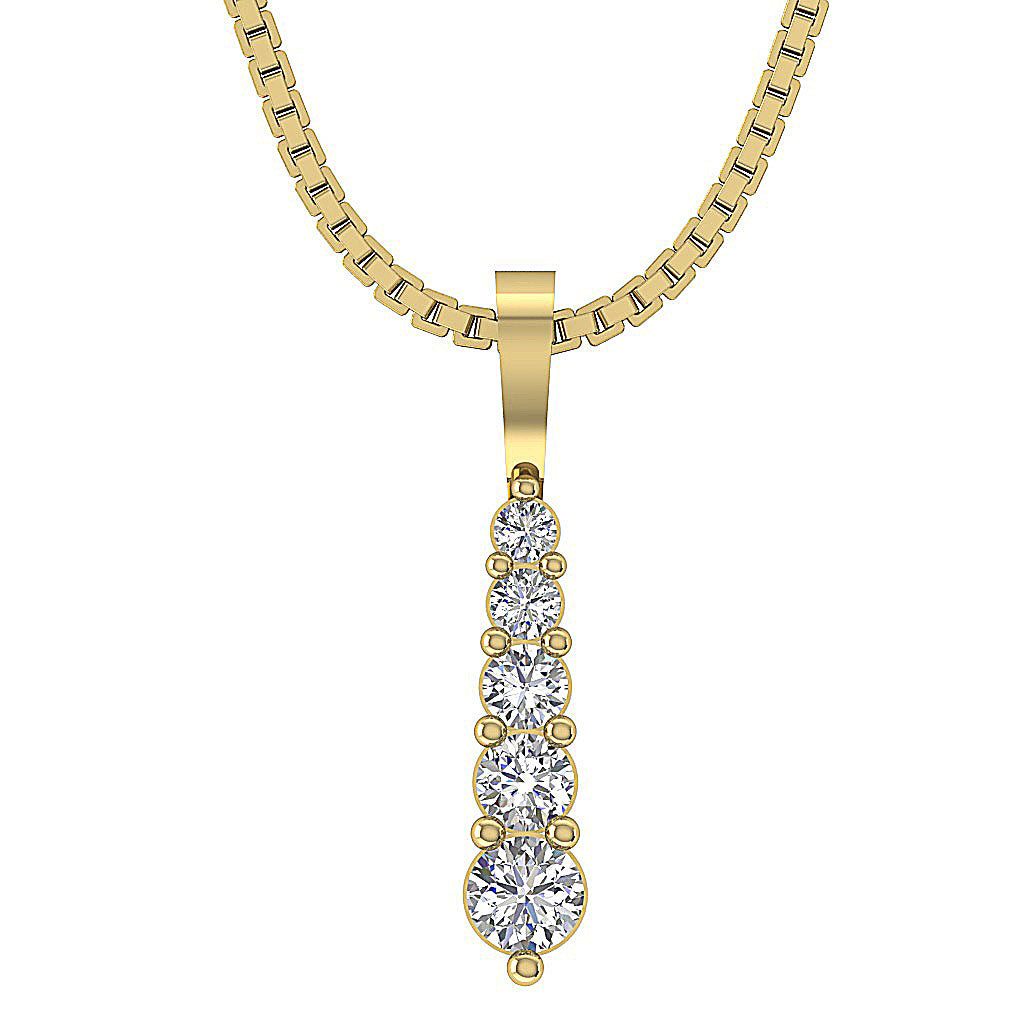
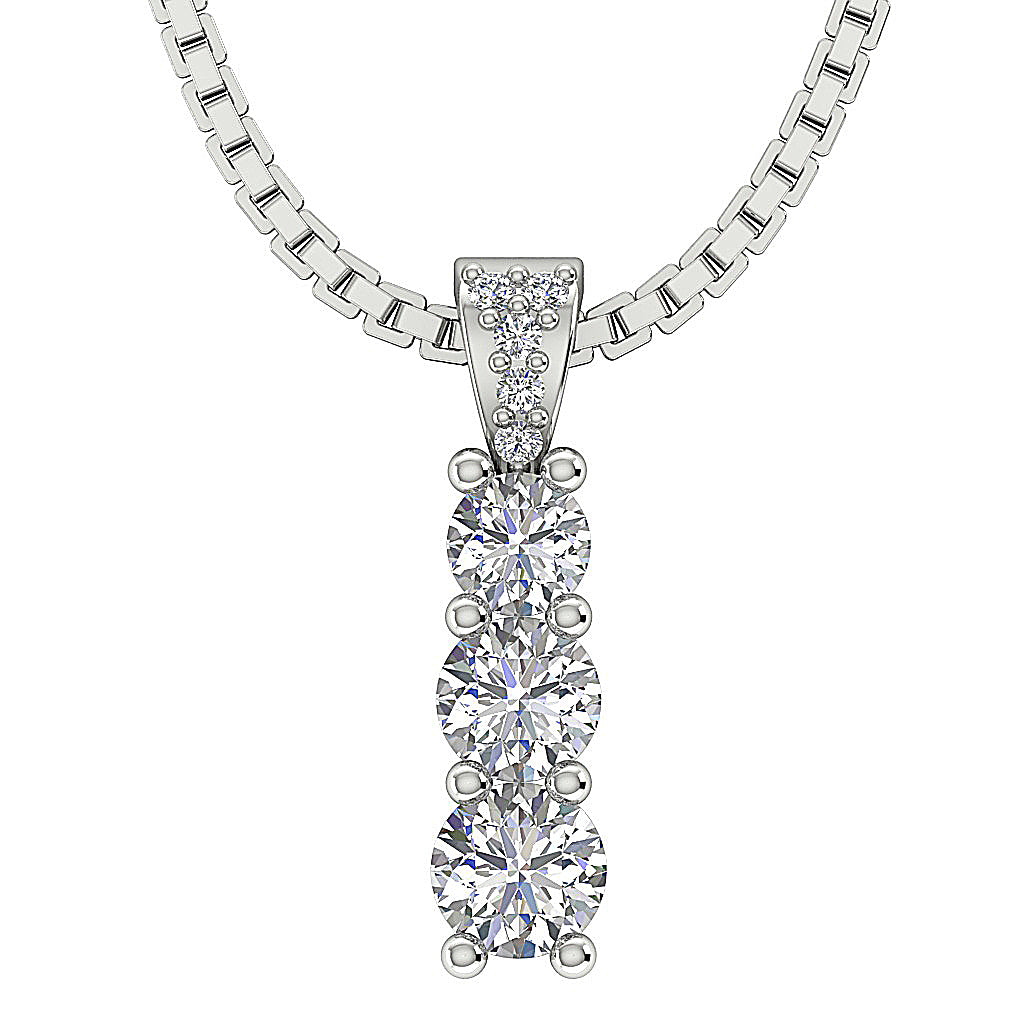
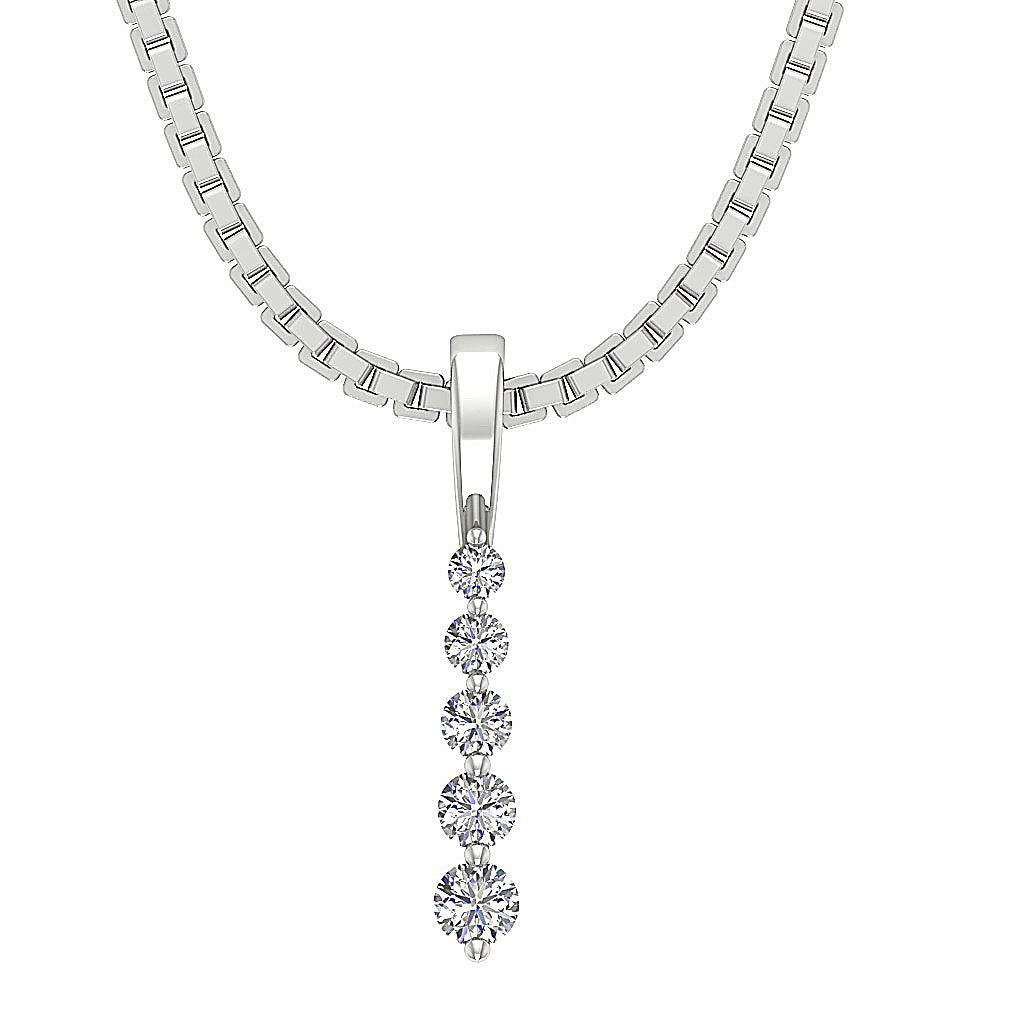
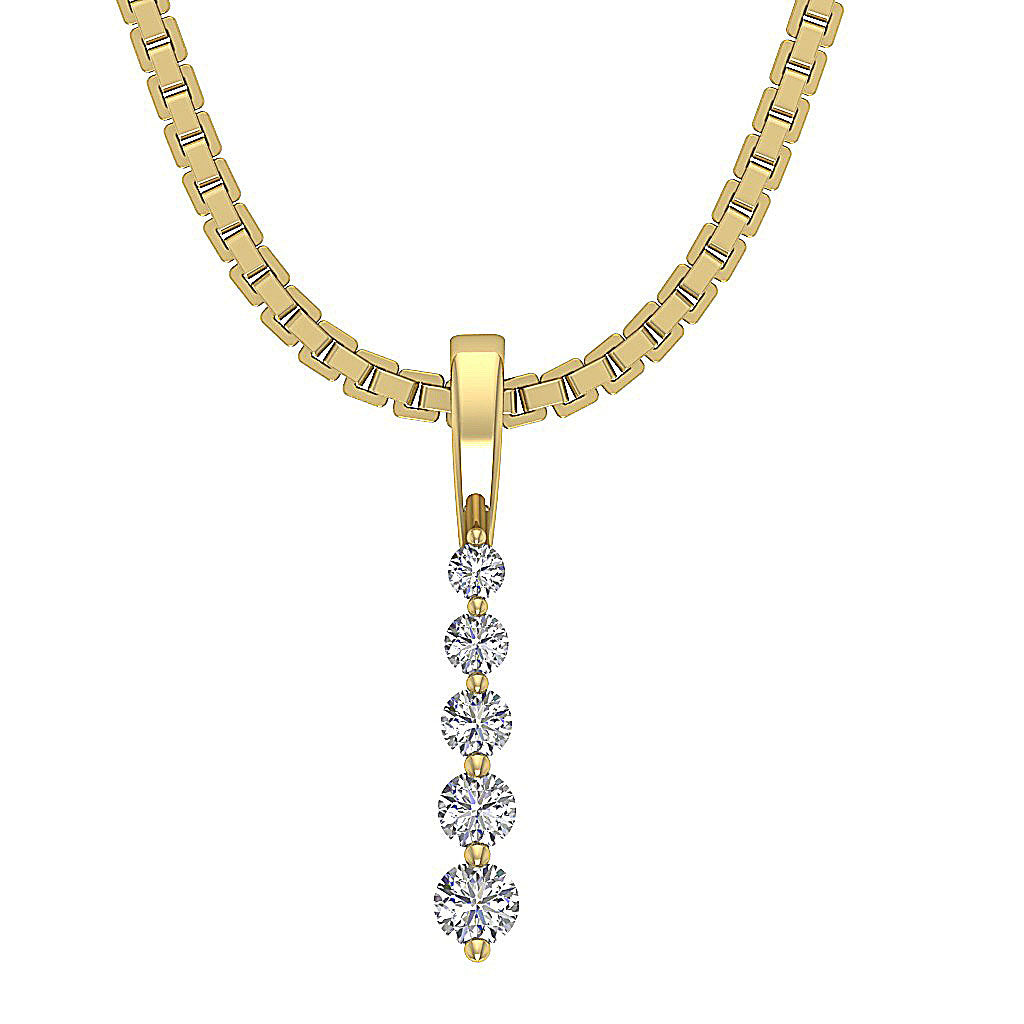
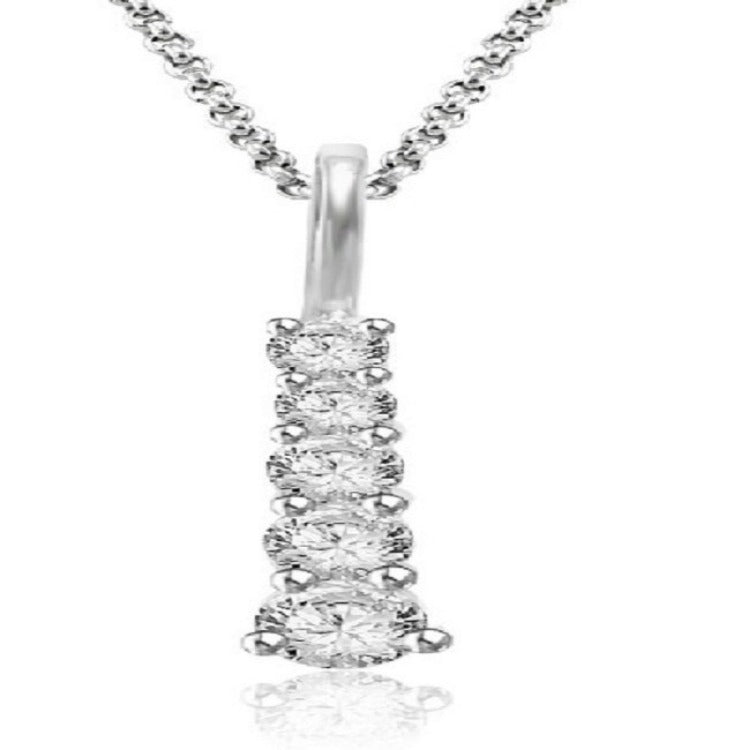
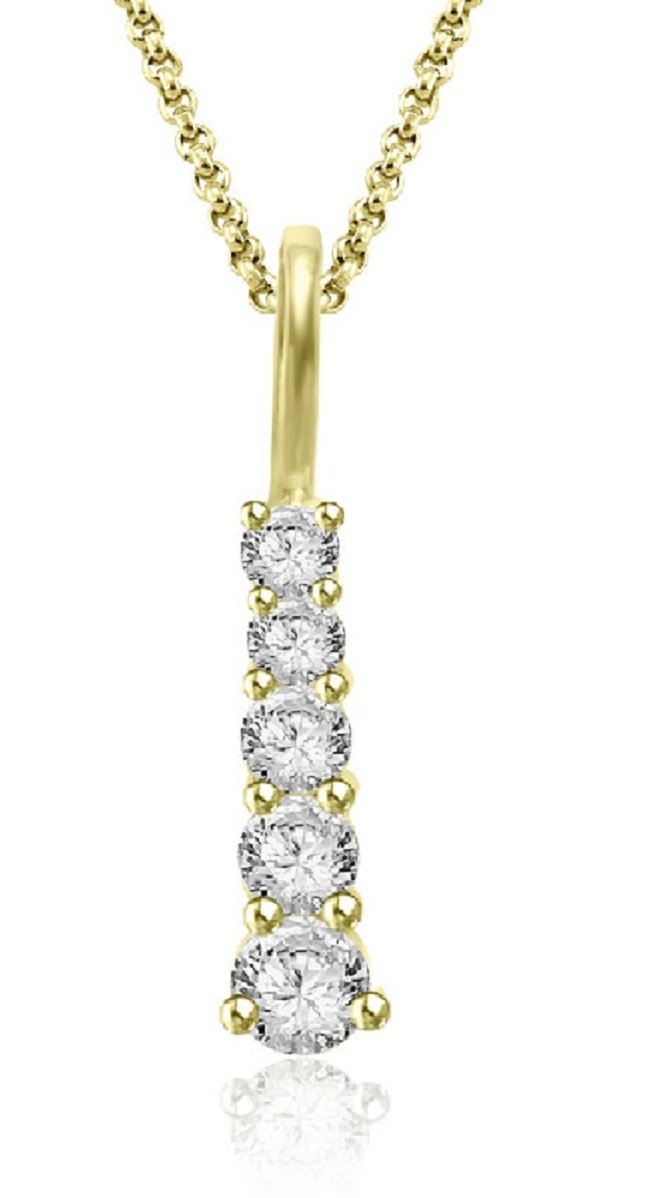
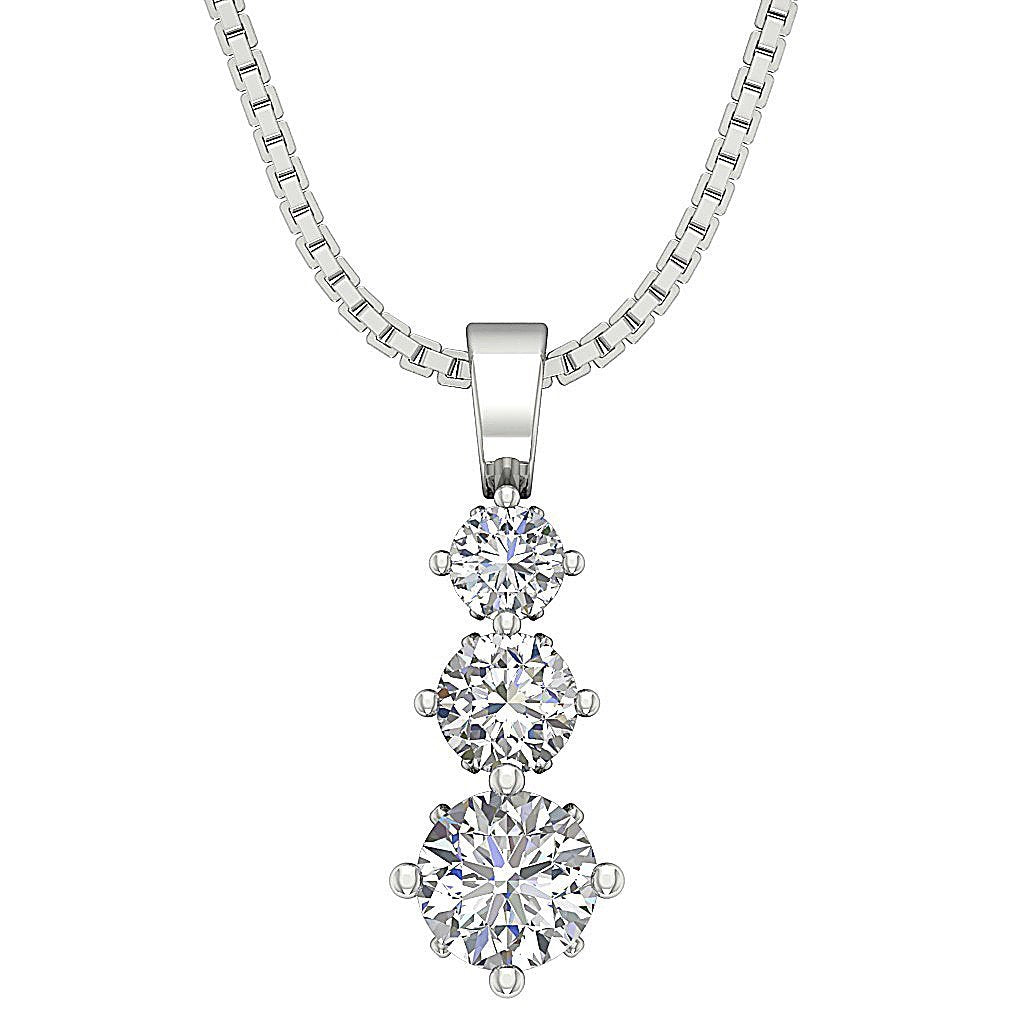
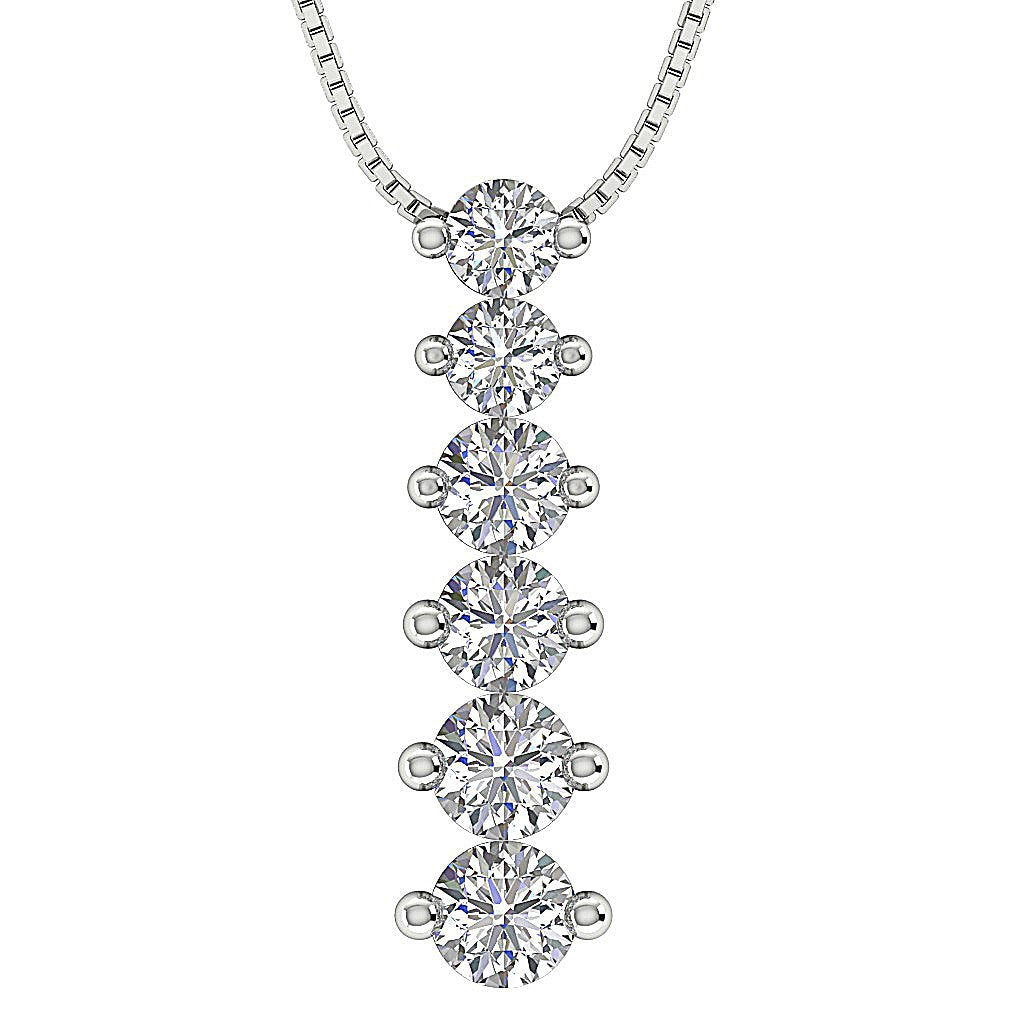
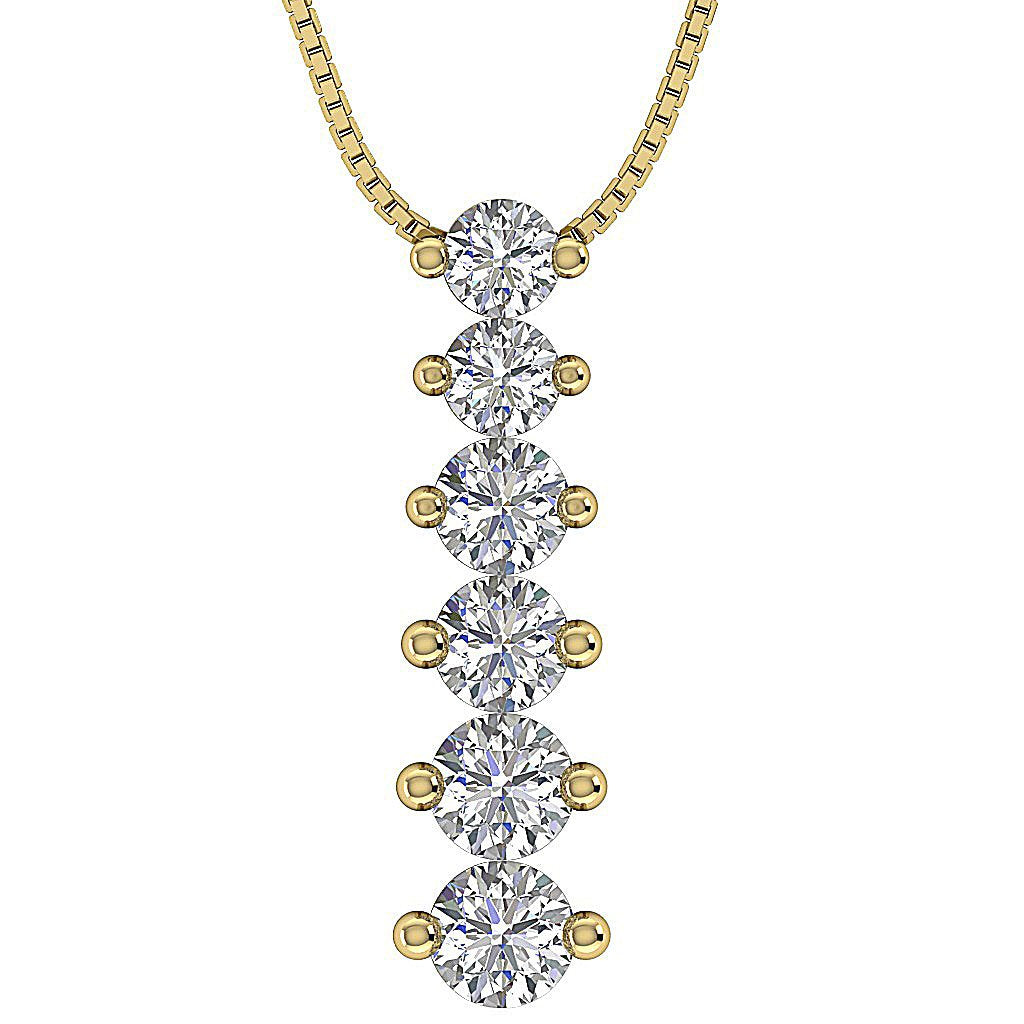
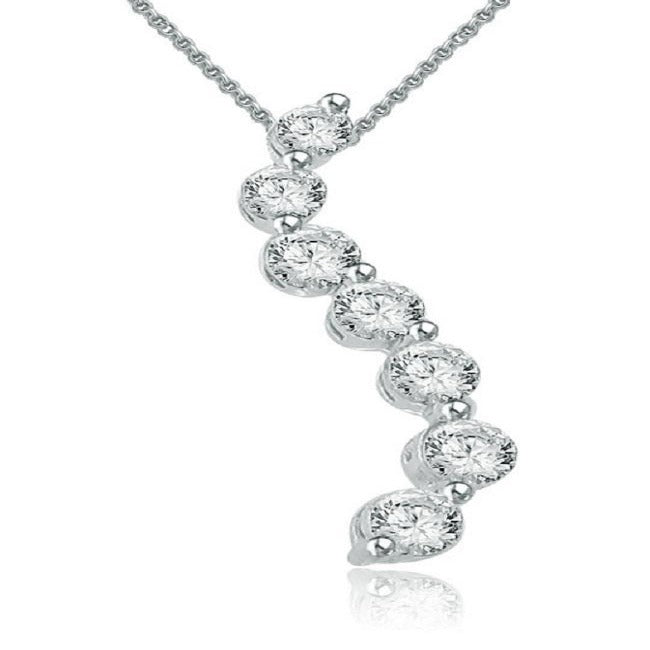
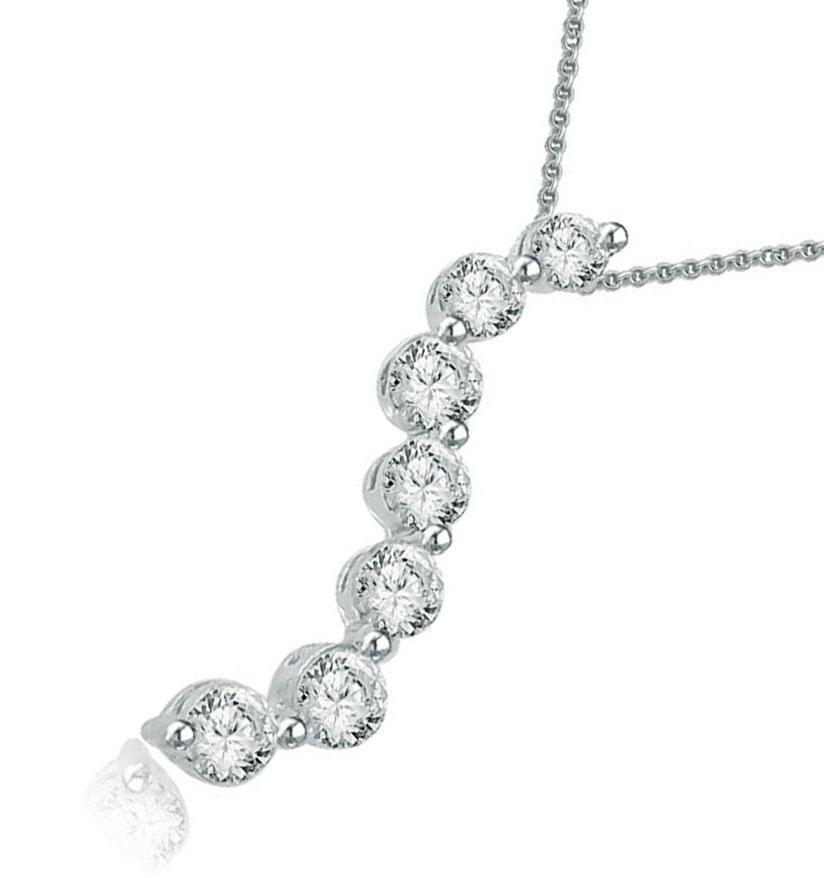
A journey diamond pendant follows a simple idea: diamonds increase or change in size along the design, creating a visual progression from one point to another. Rather than placing all the stones at the same scale, the graduated arrangement gives the pendant a sense of movement and direction.
That progression is also what gives the style its name. A journey necklace can represent growth, shared experiences and the stages of a relationship, making it particularly meaningful as a gift.
What a Journey Diamond Pendant Represents
The journey design is commonly associated with the idea of a relationship developing over time. The diamonds can be interpreted as different stages of a shared experience, with their increasing size suggesting growth, progress or an evolving connection.
There is no single meaning that every journey necklace must carry. Some buyers choose the design to mark an anniversary or milestone, while others are drawn to the gradual progression of the diamonds itself.
That flexibility makes the style suitable for both sentimental and purely aesthetic reasons. The design can hold personal meaning without requiring the wearer to follow a prescribed tradition.
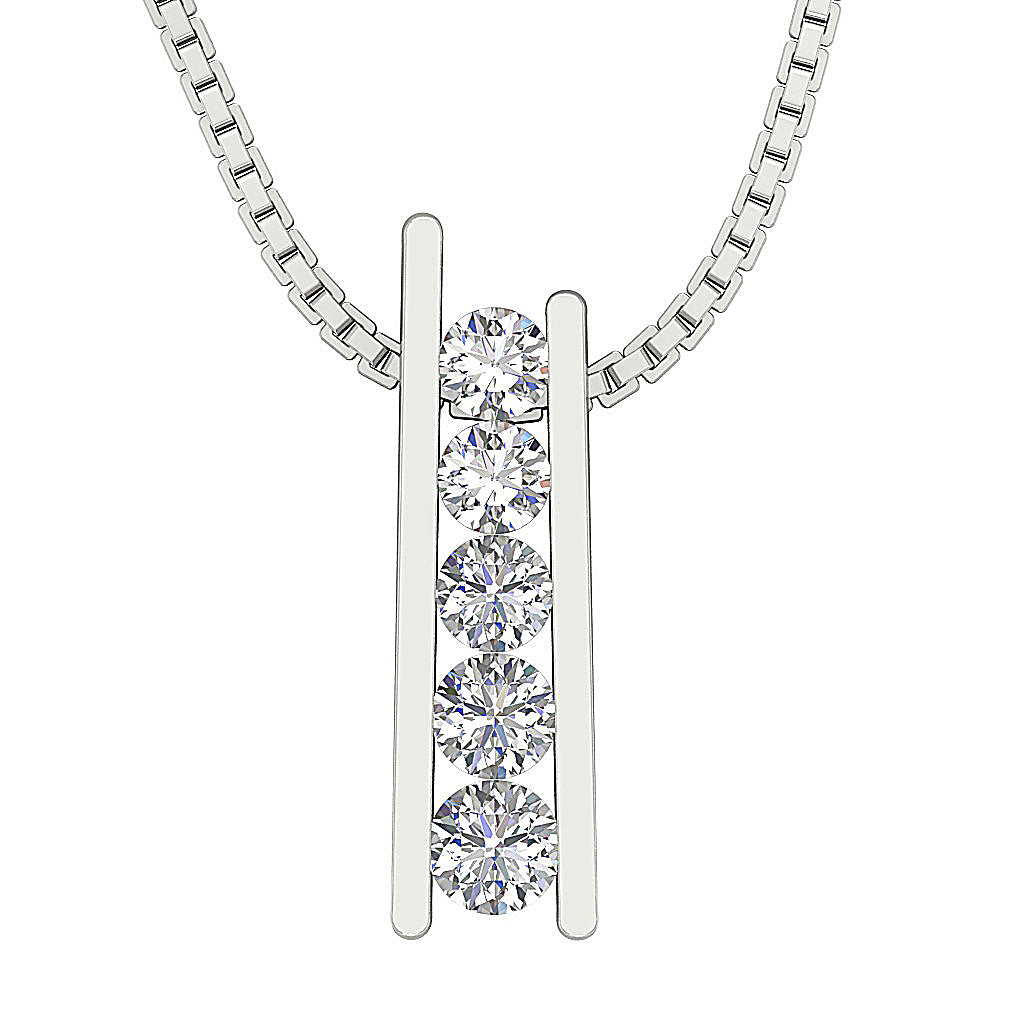
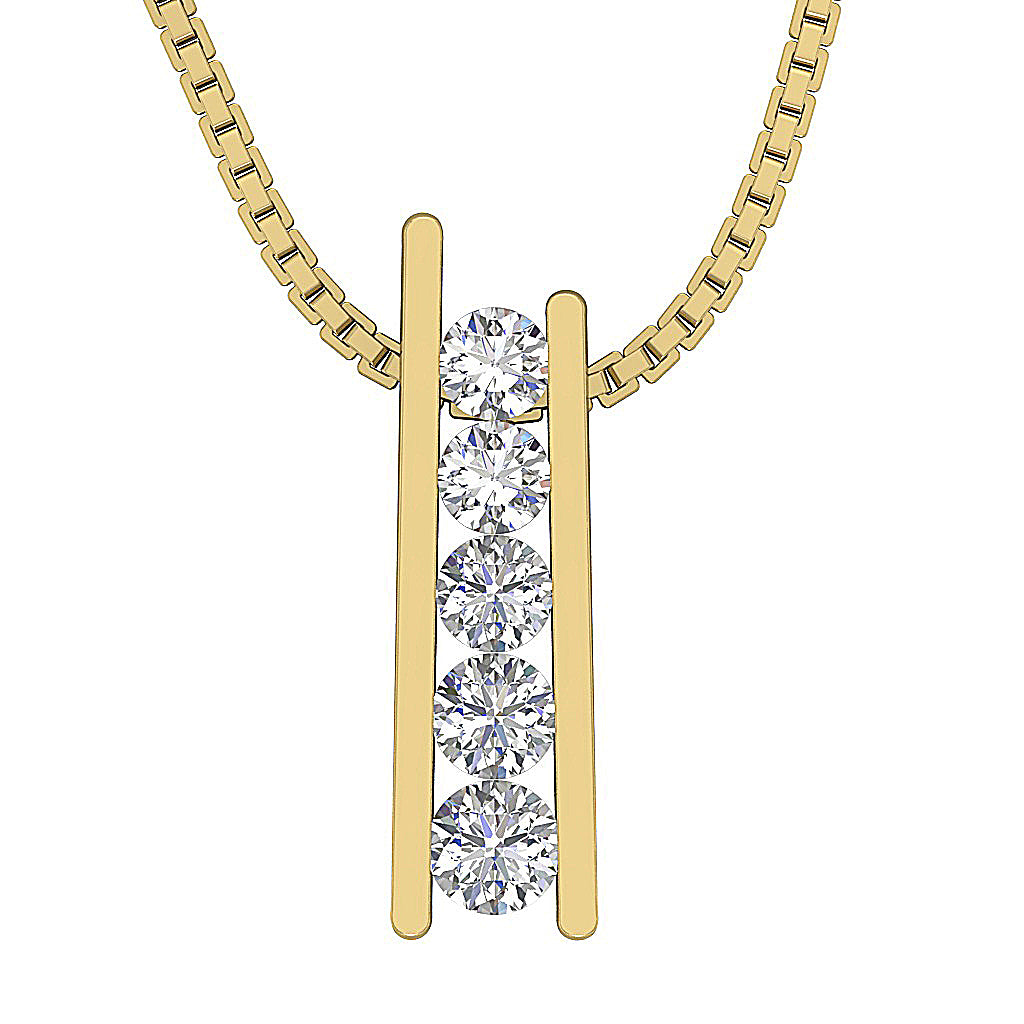
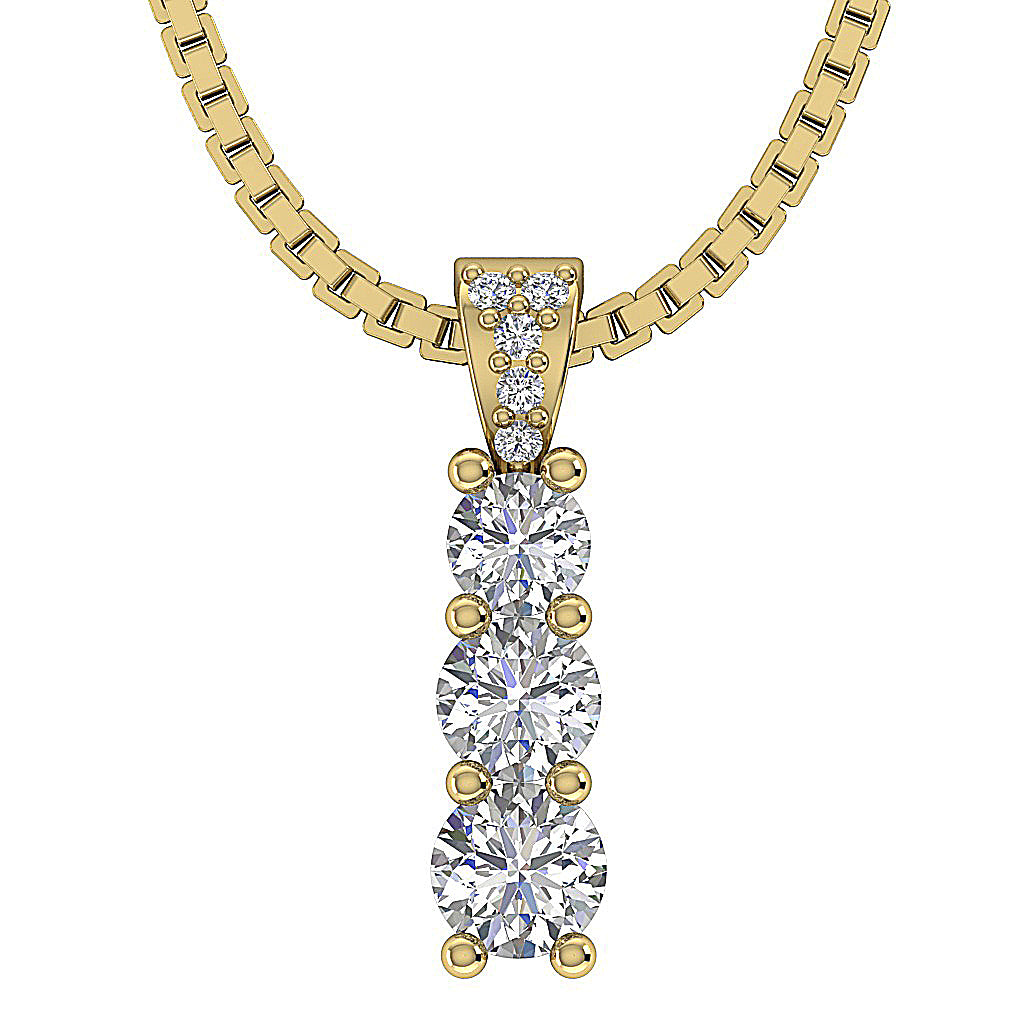
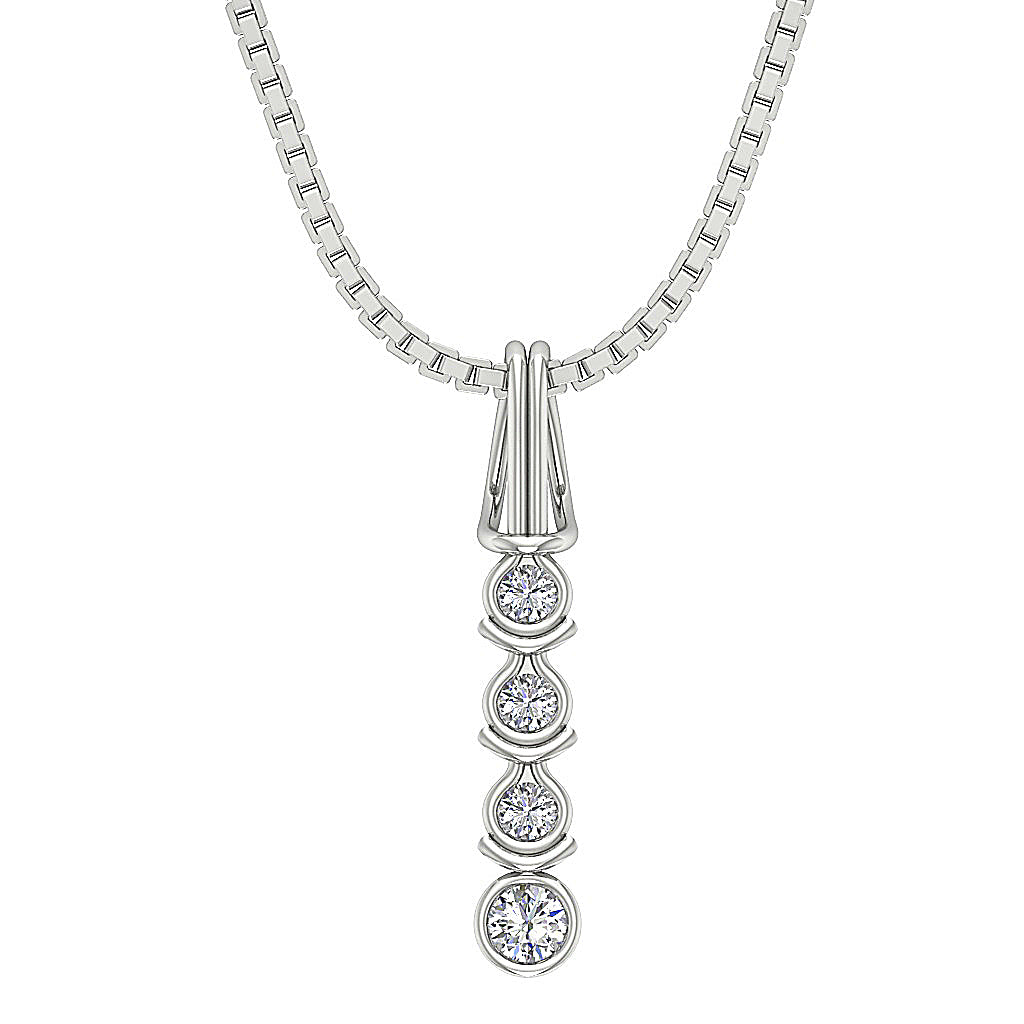
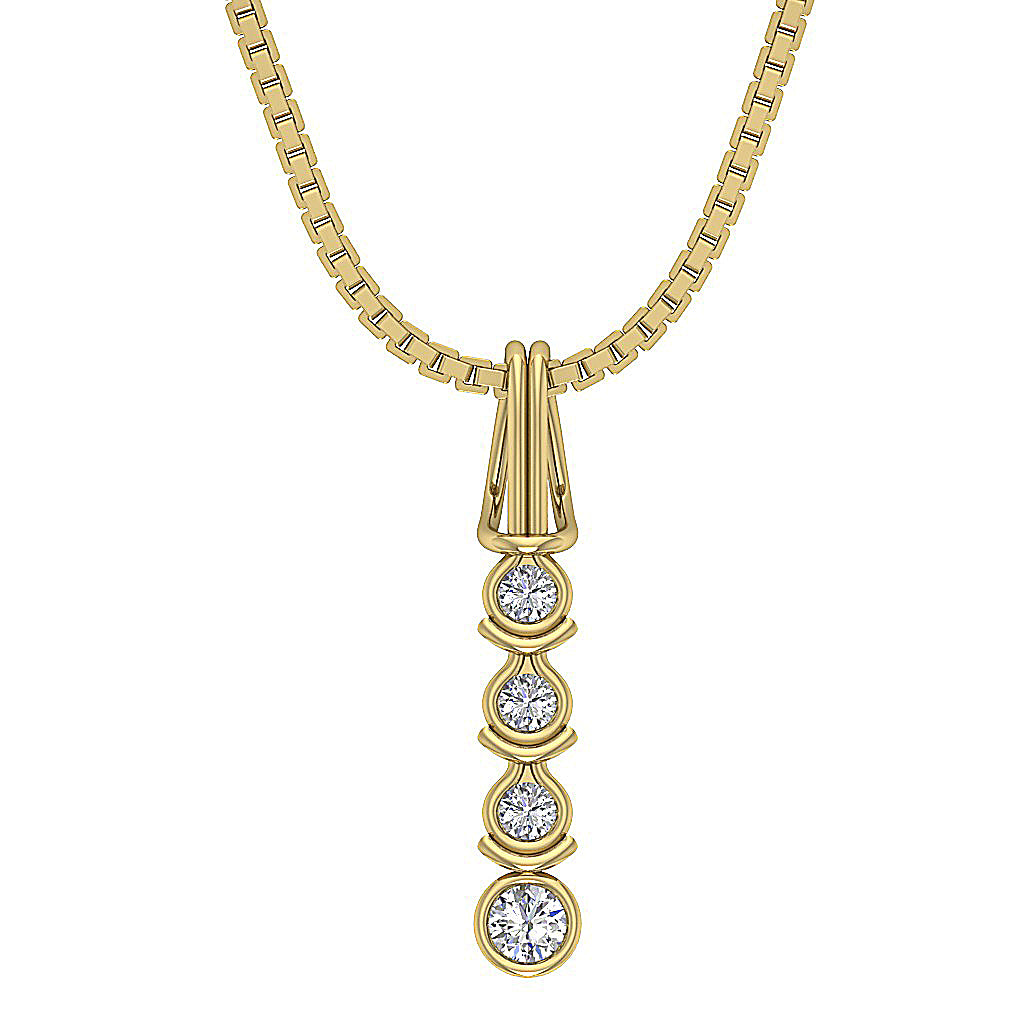
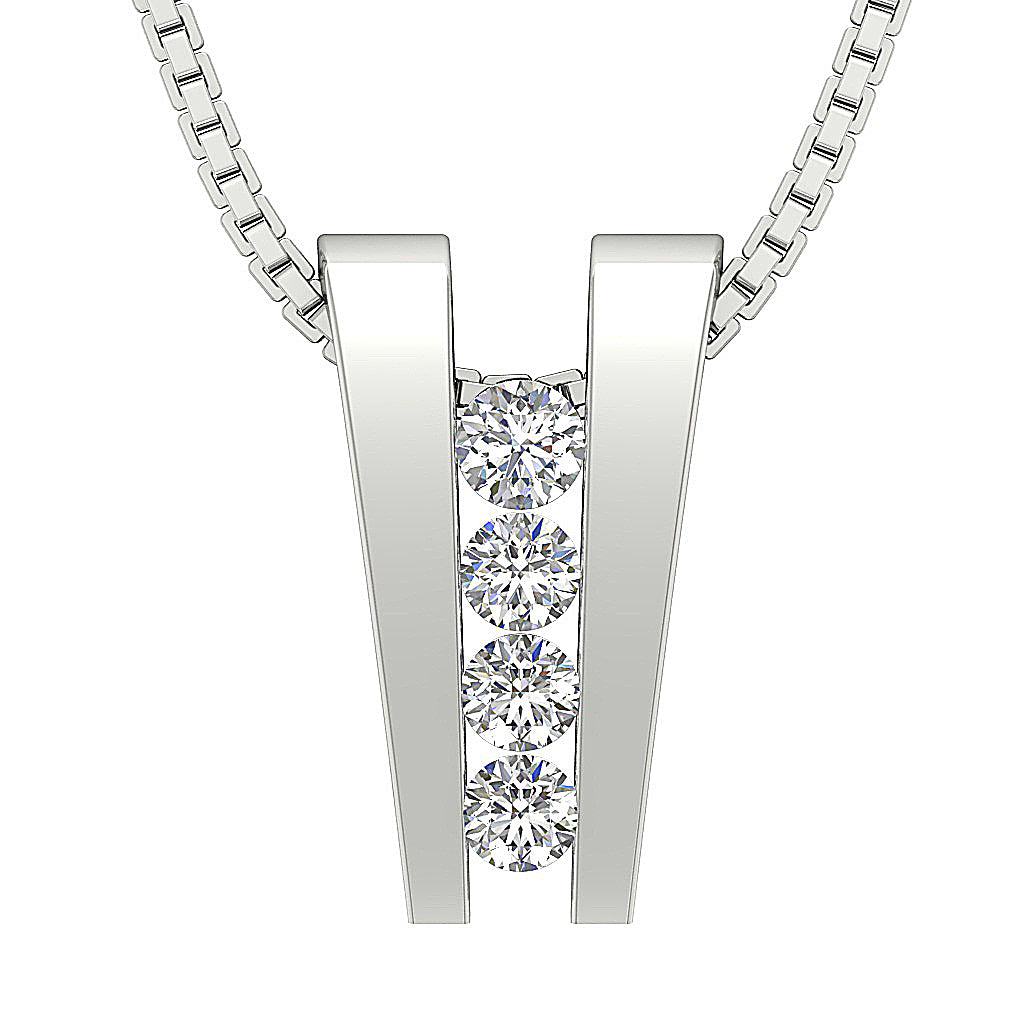
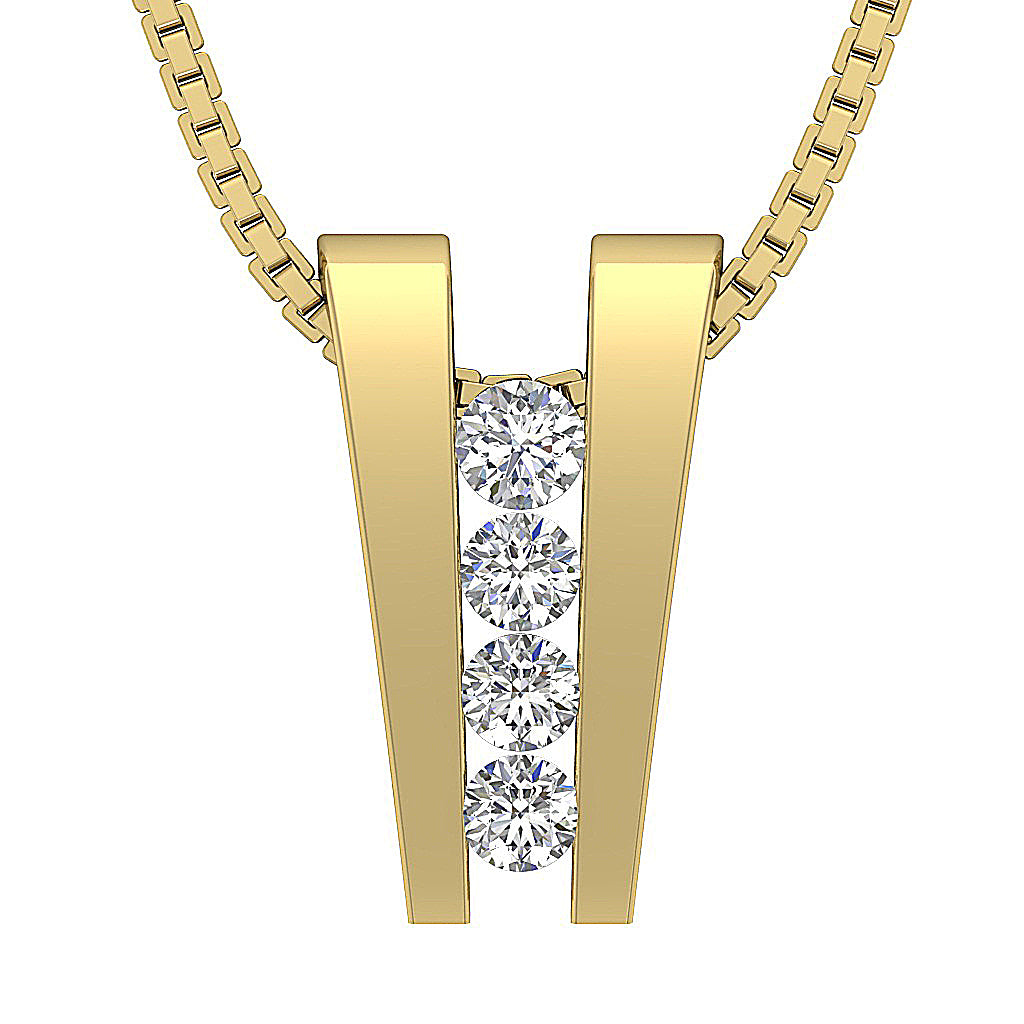
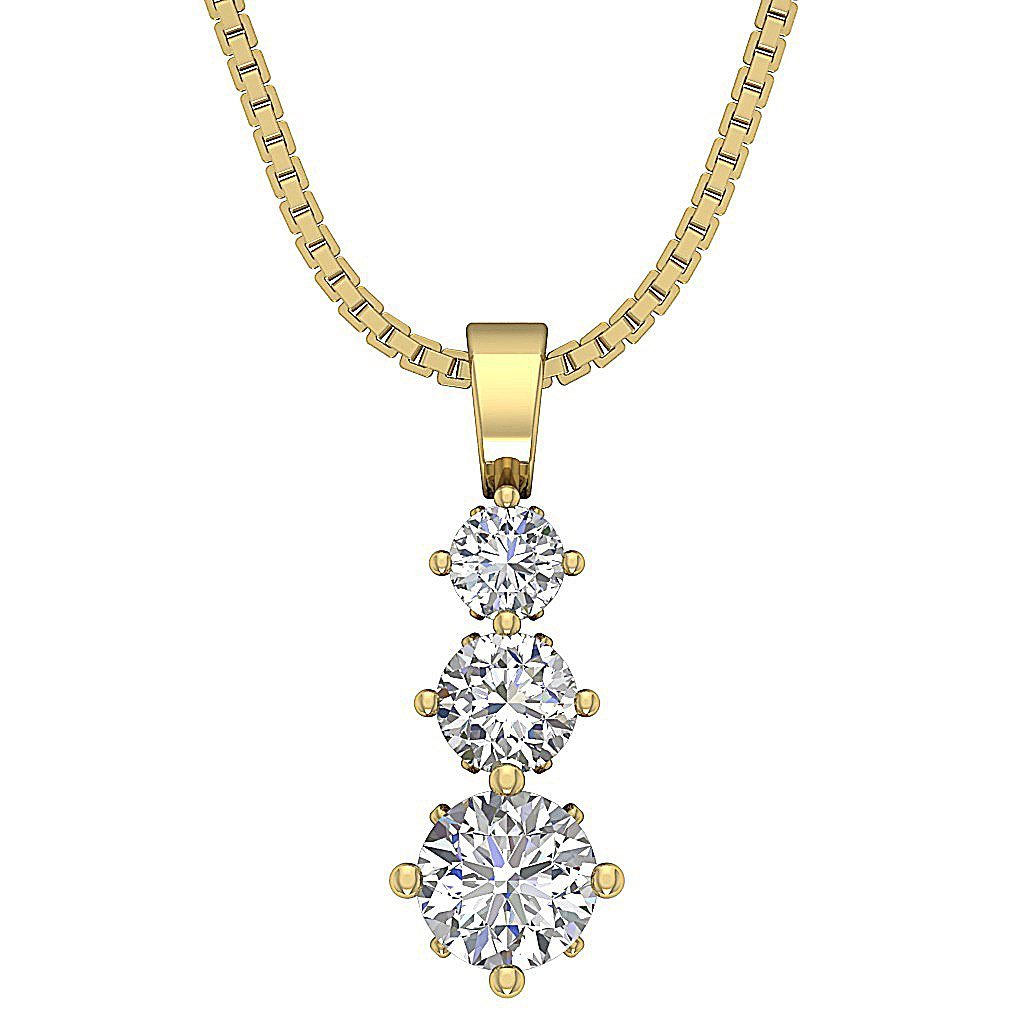
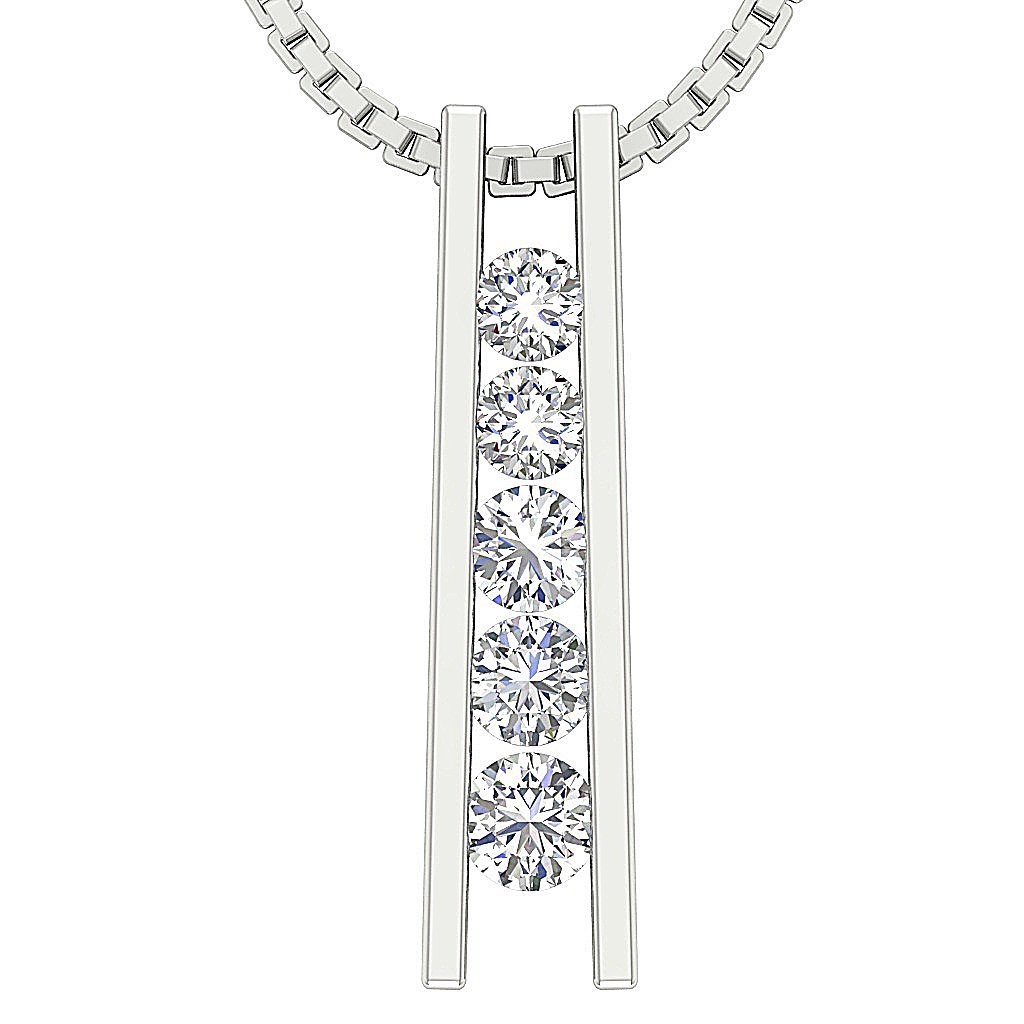
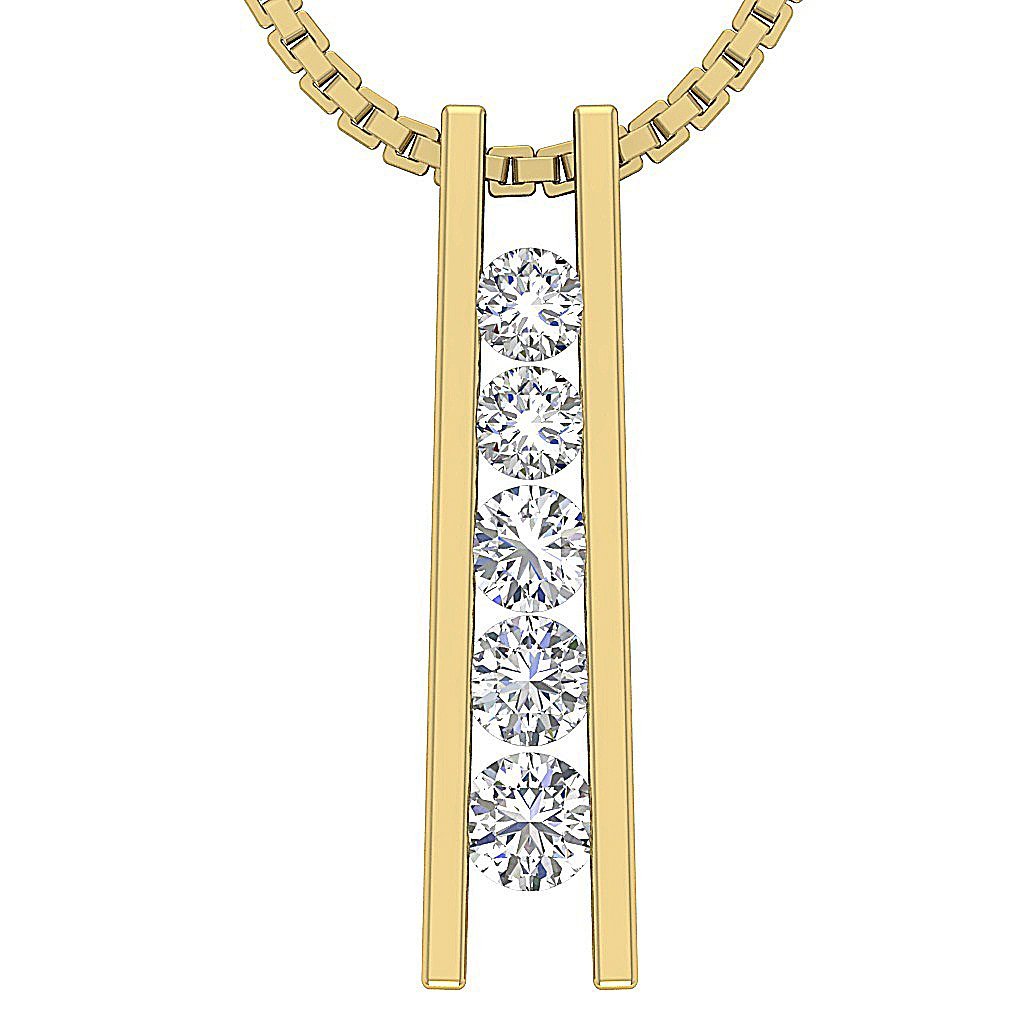
Diamond For Good's journey diamond pendants feature graduated diamond arrangements in gold, with designs available in different proportions and diamond weights. The collection allows the progression from smaller to larger stones to remain the defining feature of the pendant.
Understanding the Graduated Diamond Design of Journey Diamond Pendants
The relationship between the individual diamonds determines how clearly the journey effect is expressed.
A gradual increase in stone size creates a smooth visual progression. If the difference between neighbouring diamonds is more pronounced, the centre or larger end of the design becomes more immediately noticeable.
The direction of the progression can also affect the character of the necklace. A design that builds toward the centre creates a clear focal point, while one that progresses toward one end can create a more directional appearance.
Spacing matters as well. Diamonds positioned closely together can create a more continuous flow of sparkle, while greater separation allows the individual stones and their changing sizes to remain more distinct.
The most balanced designs allow the eye to move naturally across the diamonds without one transition feeling disproportionately abrupt.
Choosing the Right Size and Scale for Journey Pendants
A journey pendant can range from a delicate necklace with small graduated stones to a more substantial design with greater overall diamond weight.
A smaller pendant can be particularly versatile for everyday wear. Its symbolism remains present without making the necklace feel overly formal or visually dominant.
Larger designs create greater presence and can become the focal point of an evening jewellery arrangement. The larger stones also make the progression easier to see from a distance.
Chain length contributes to the overall scale. A shorter chain positions the pendant closer to the collarbone, while a longer chain can give the graduated design more space against the neckline.
When comparing pieces, consider the complete silhouette rather than looking only at the largest diamond.
How to Choose a Setting for a Journey Pendant
The pendant’s setting influences how the graduated diamonds interact with light.
Prong settings expose more of each diamond, allowing light to enter around the stones and keeping the metal visually restrained. Bezel settings surround the diamond edges with metal, creating a smoother and more enclosed outline. Pavé-style arrangements can bring the individual stones closer visually, creating a more continuous line of sparkle across the progression.
The setting should work with the scale of the stones. Smaller diamonds may benefit from a setting that keeps the surrounding metal unobtrusive, while larger stones require appropriate support without allowing the mounting to dominate the design.
Choosing the Gold Colour for the Journey Diamond Pendants
The gold colour affects the relationship between the diamonds and the framework connecting them.
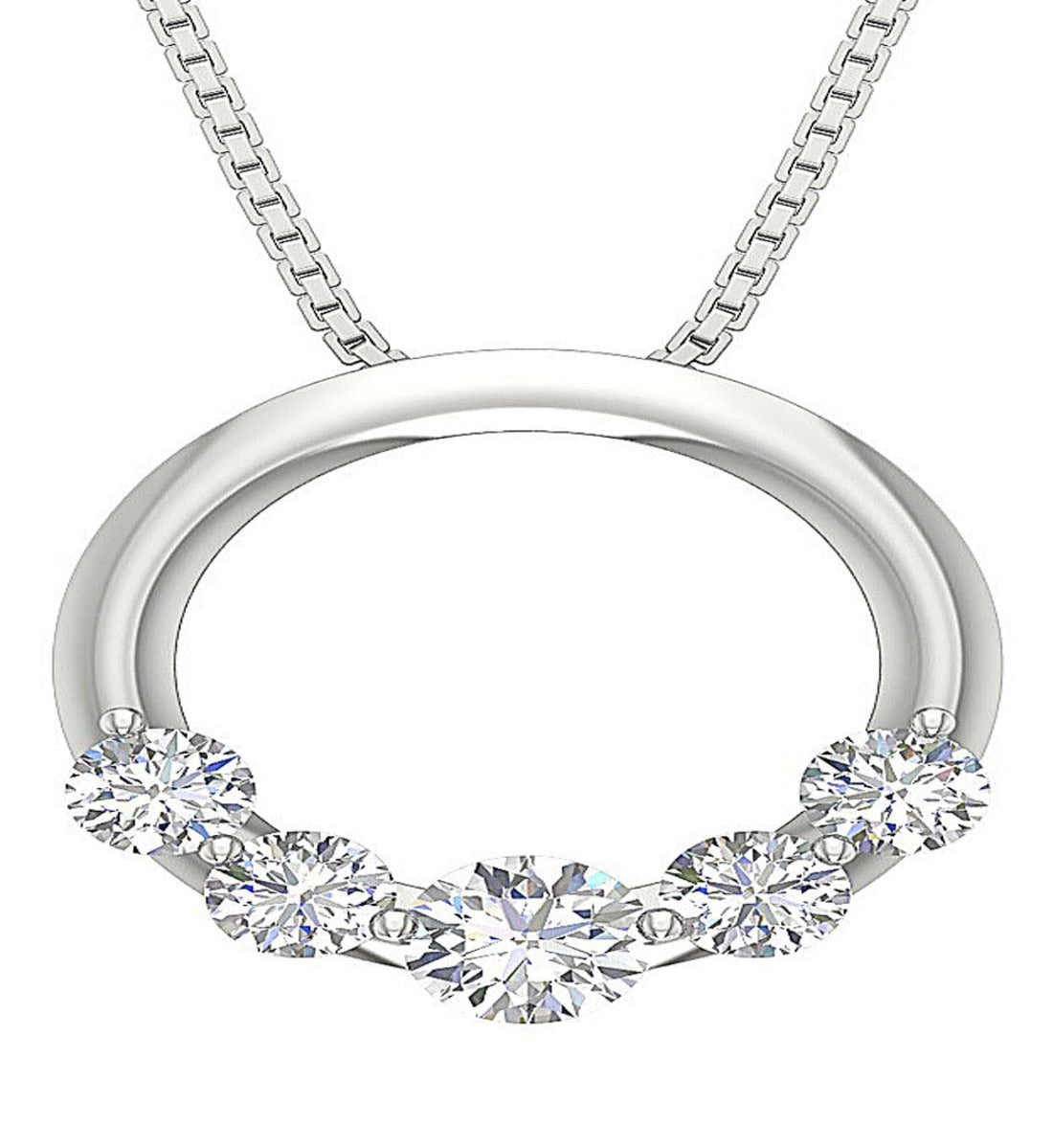
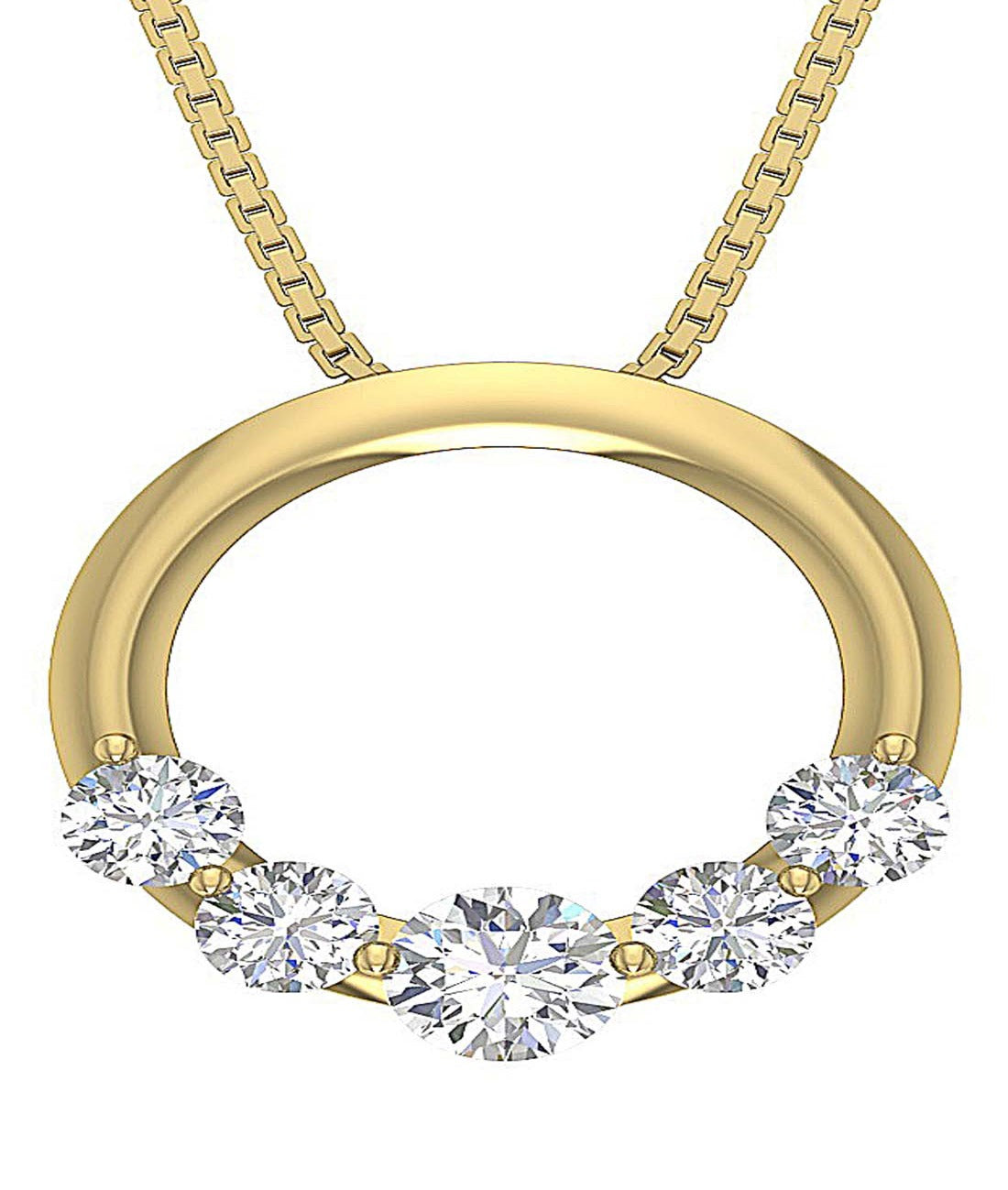
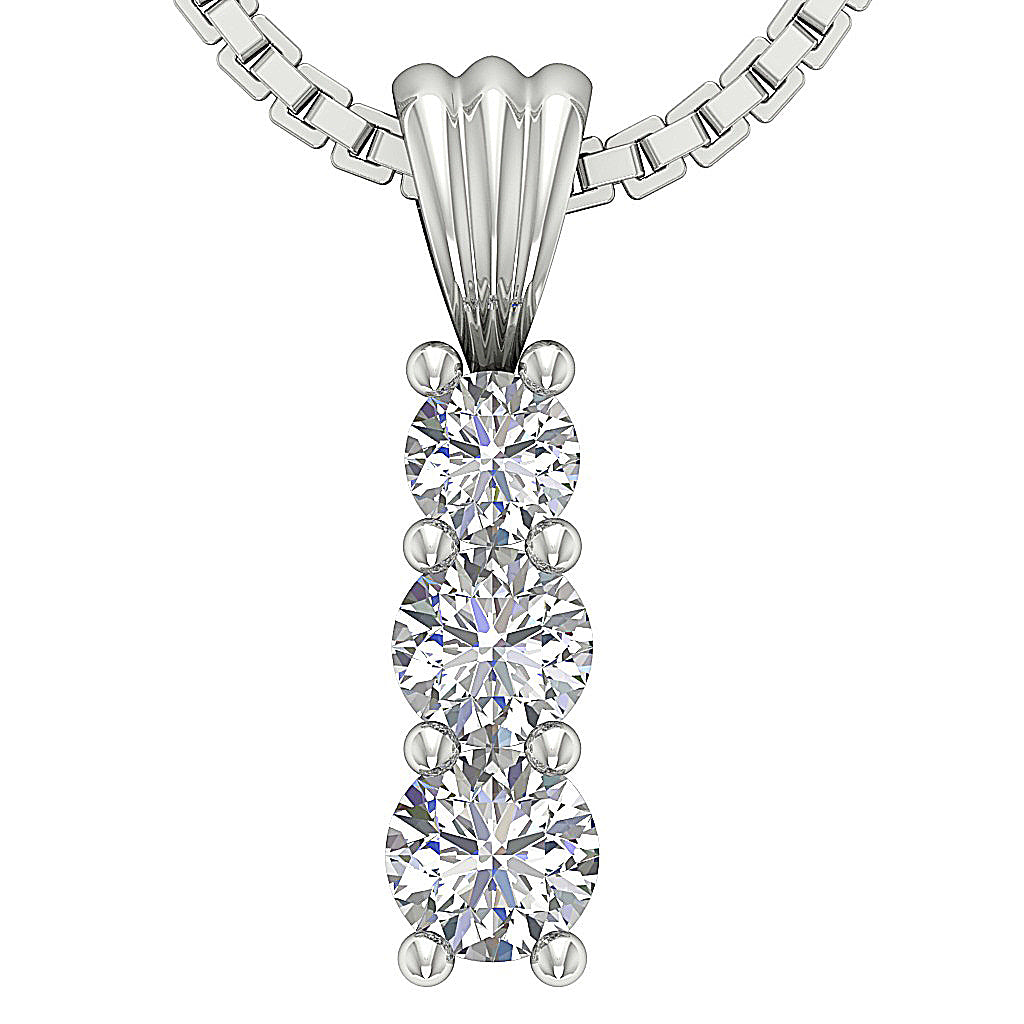
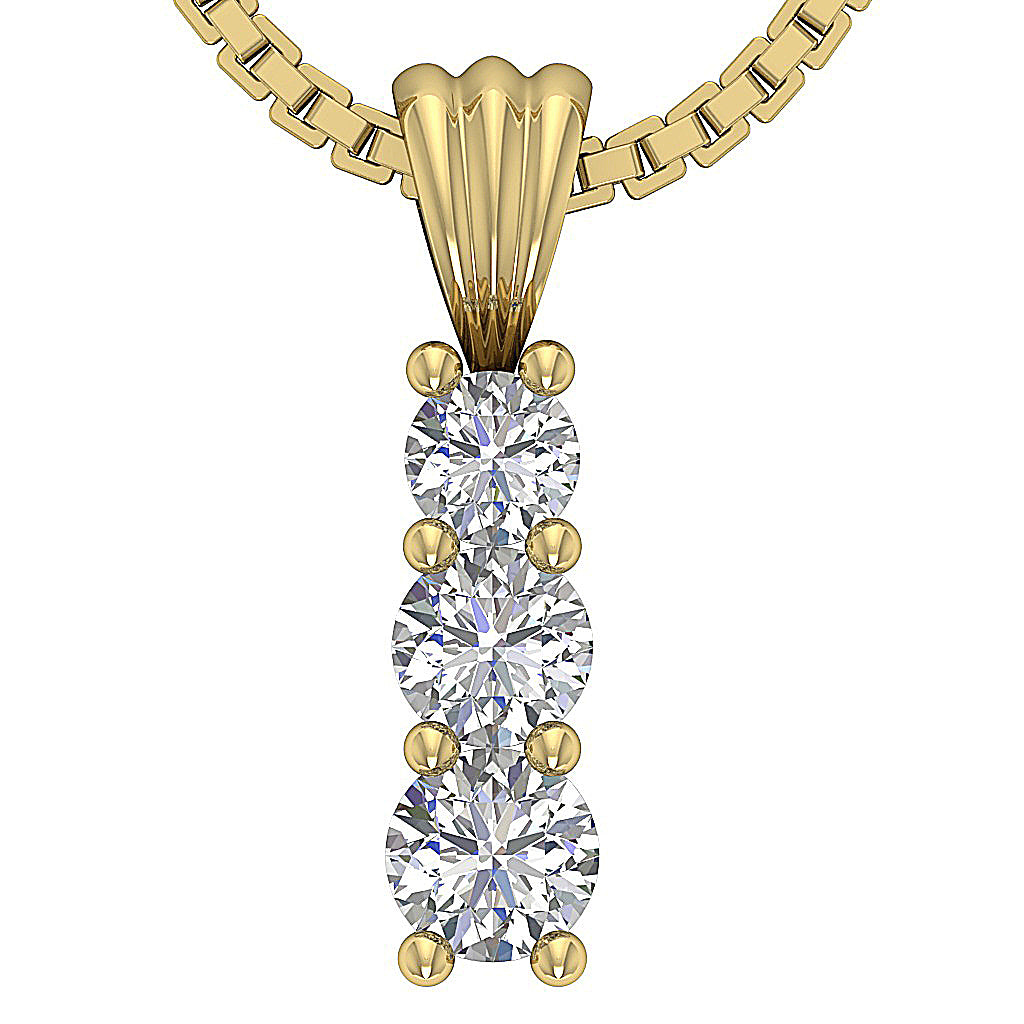
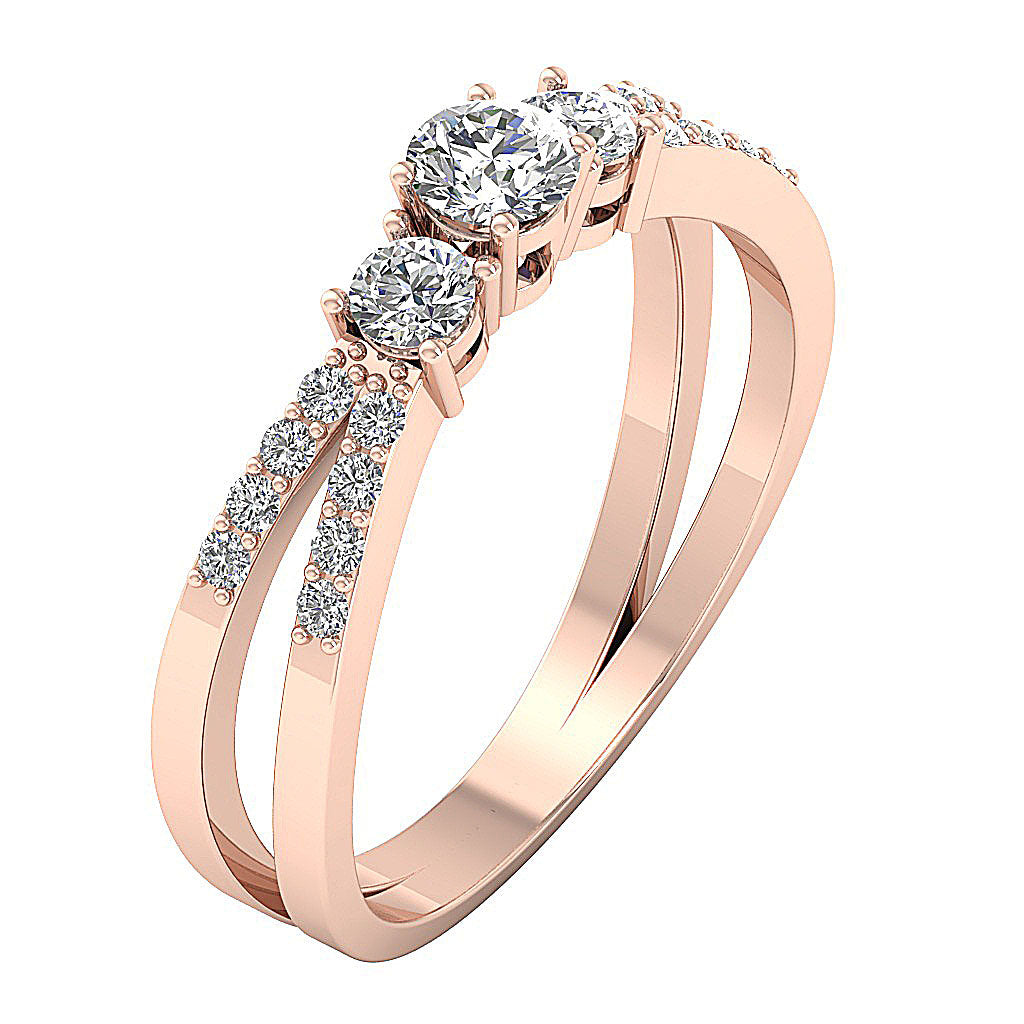
White gold allows the progression of the stones to remain the primary visual feature and gives the pendant a cooler appearance. Yellow gold creates greater contrast, making the gold structure more visible. Rose gold provides a contemporary interpretation of the journey silhouette.
Consider the jewellery already in the collection when choosing a metal. A matching gold colour can create continuity across necklaces, earrings and rings, while a contrasting metal can make the journey pendant more distinctive.
Buying Journey Diamond Pendants as Milestone Jewellery
The symbolism of a journey pendant makes it particularly suited to occasions where jewellery carries personal meaning.
An anniversary is an obvious setting for the design, as the progression of the diamonds can reflect the passage of time and experiences shared together. It can also mark an engagement, birthday, family milestone or another moment that represents personal growth.
The meaning does not need to be communicated literally. The graduated diamonds provide a subtle visual metaphor that can remain personal to the wearer.
How to Style a Journey Diamond Necklace
A journey pendant has a natural direction, so its position against the neckline can influence how clearly the progression is seen. Worn alone, it can provide a subtle focal point that works with open or relatively simple necklines.
For layering, choose chains at different lengths so the journey pendant remains unobstructed. The necklace can also be paired with diamond earrings or a bracelet. Keeping those pieces relatively controlled allows the graduated pendant to remain the central detail.
Choosing Natural or Lab-Grown Diamonds for the Journey Pendant
Journey pendants can feature natural or lab-grown diamonds, giving buyers flexibility in how they approach the diamond selection.
Natural diamonds appeal to buyers who value geological origin and rarity. Lab-grown diamonds provide another option for those who want to allocate more of their budget toward diamond size, total carat weight or other characteristics.
Because a journey design relies on several diamonds working together, consistency is important. The stones should have a cohesive appearance while maintaining enough difference in size to make the graduation visible.
Choosing the Right Diamond Progression
Not every graduated arrangement creates the same visual effect.
A subtle progression, where neighbouring stones differ only slightly in size, produces a refined and continuous appearance. A more pronounced progression makes the changing scale of the diamonds easier to see and gives the pendant a stronger sense of direction.
The largest diamond also deserves consideration. If it is significantly larger than the remaining stones, it becomes a clear focal point. A more gradual increase allows the entire line to remain equally important.
Think about whether you want the necklace to communicate its journey motif immediately or reveal the progression more subtly. Both approaches can work; the difference lies in the relationship between the individual stones.
Living With It: Caring for a Journey Diamond Pendant
Clean a journey diamond pendant regularly with warm water, mild soap and a soft-bristled brush. Work carefully around each diamond and the areas where the stones meet the gold framework.
Because the pendant contains several individual stones, inspect the settings periodically rather than treating the piece as one single element. Smaller diamonds can also be harder to notice if they become loose.
Check the chain, clasp and pendant connection as well. These components carry the necklace during everyday wear and should remain secure.
When not being worn, store the necklace separately or in a dedicated compartment. Keeping the chain away from other jewellery reduces tangling and unnecessary strain.
A line of diamonds that grows with the eye, a design that moves naturally from one stone to the next, and a meaning that can belong entirely to the person wearing it.