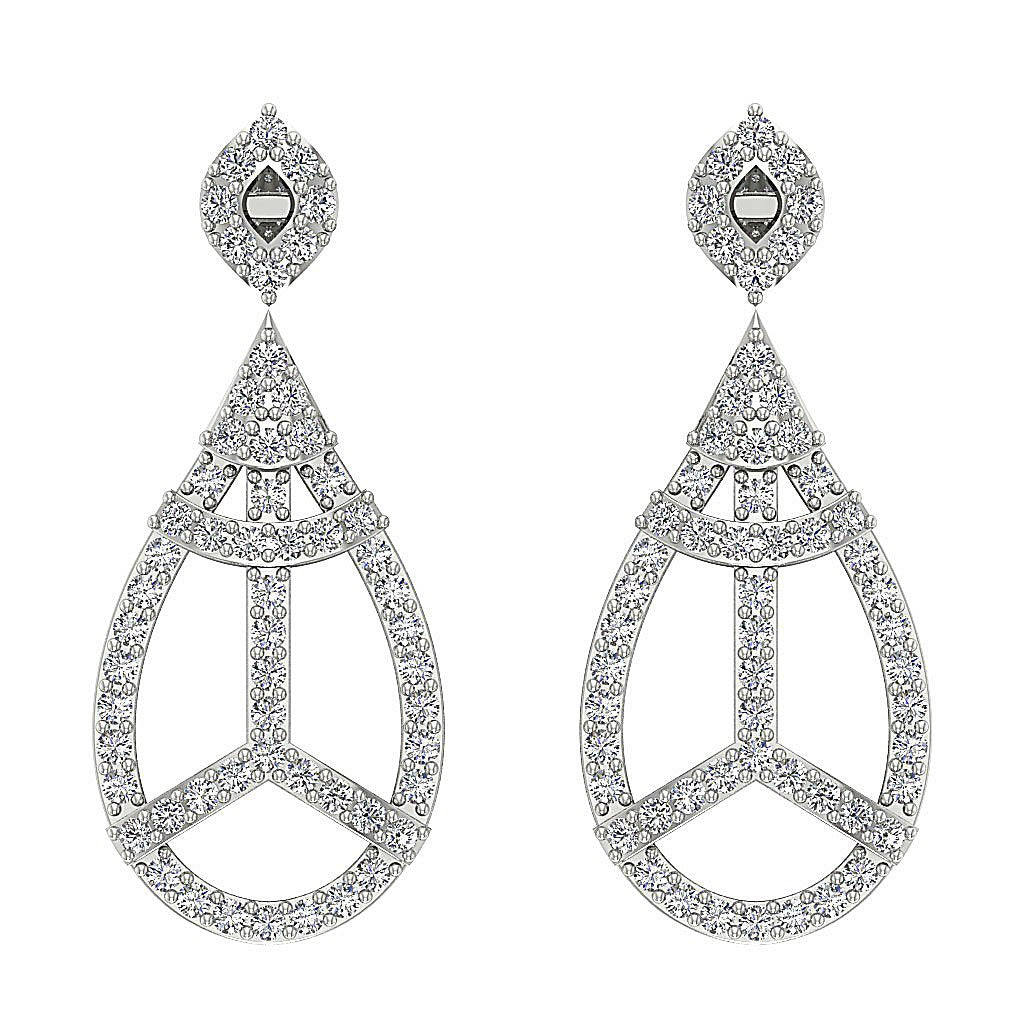
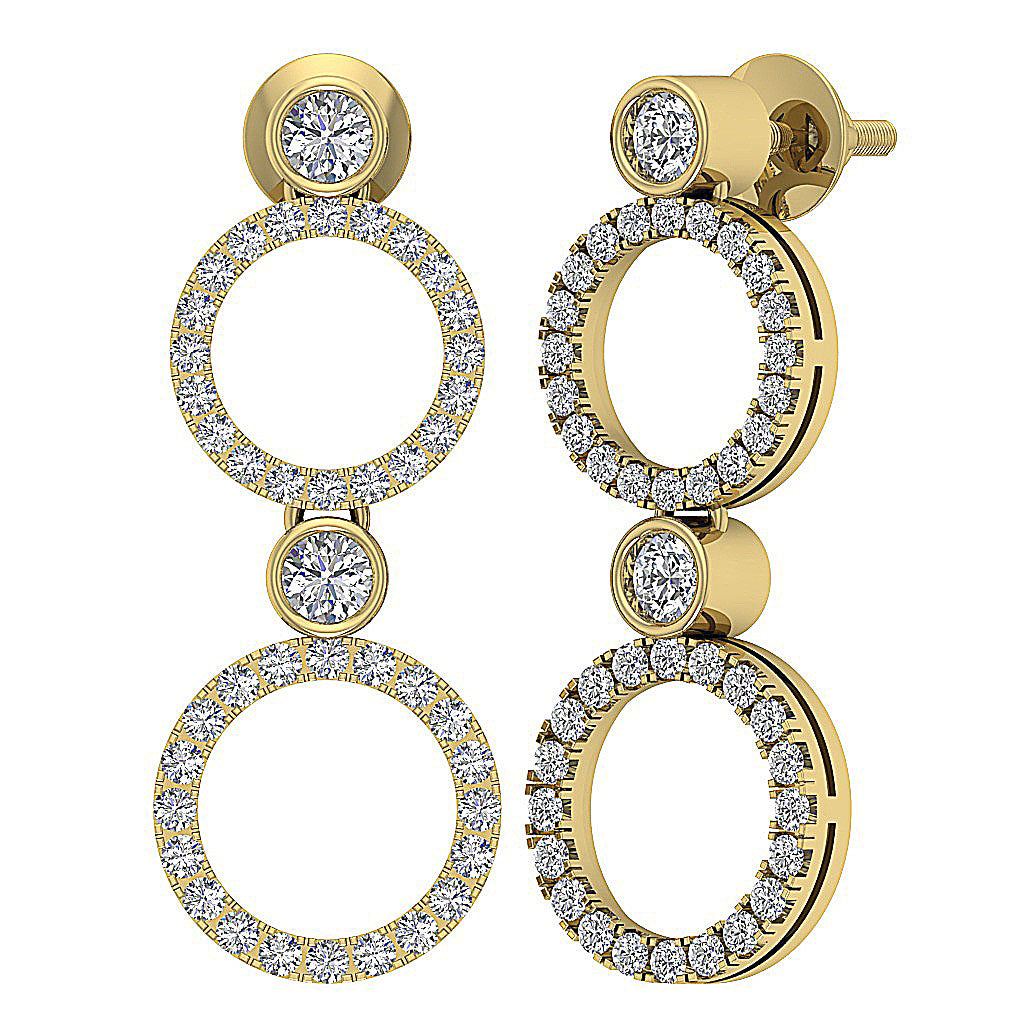
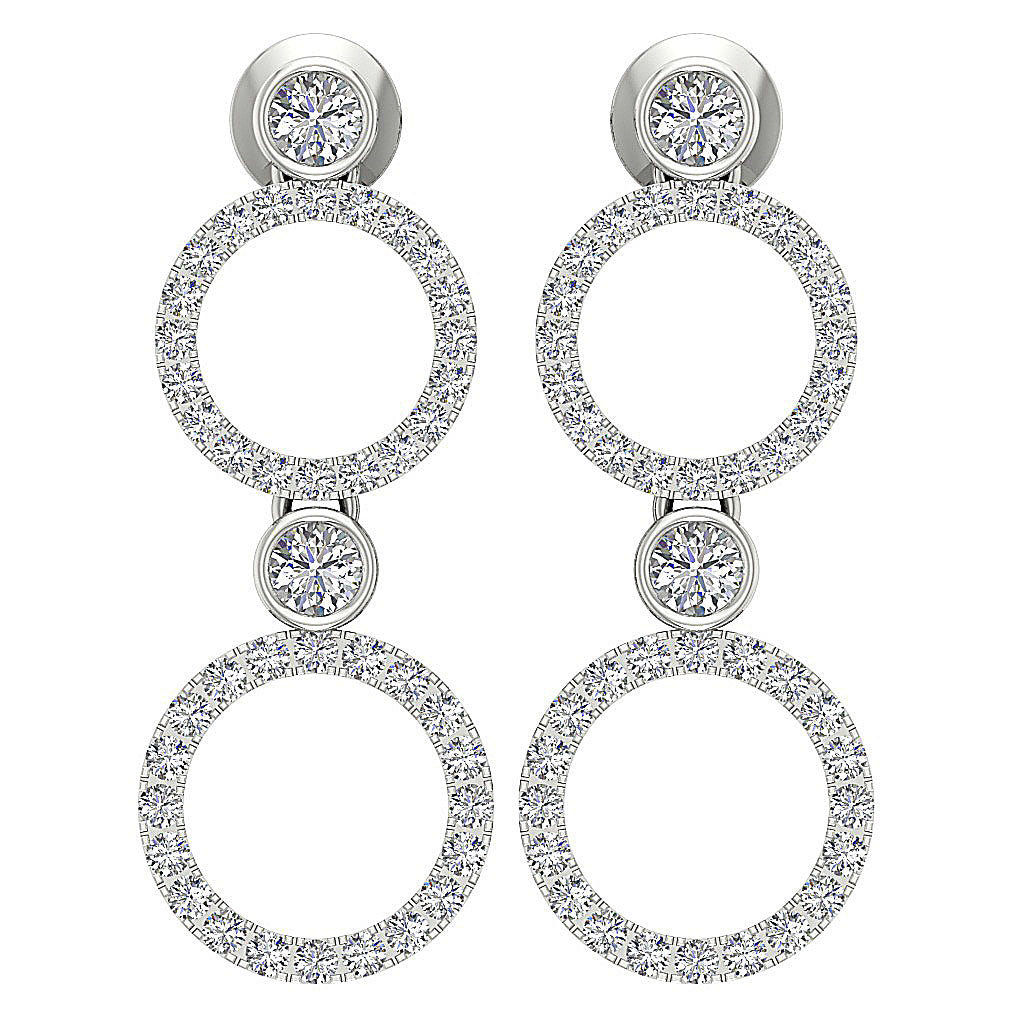
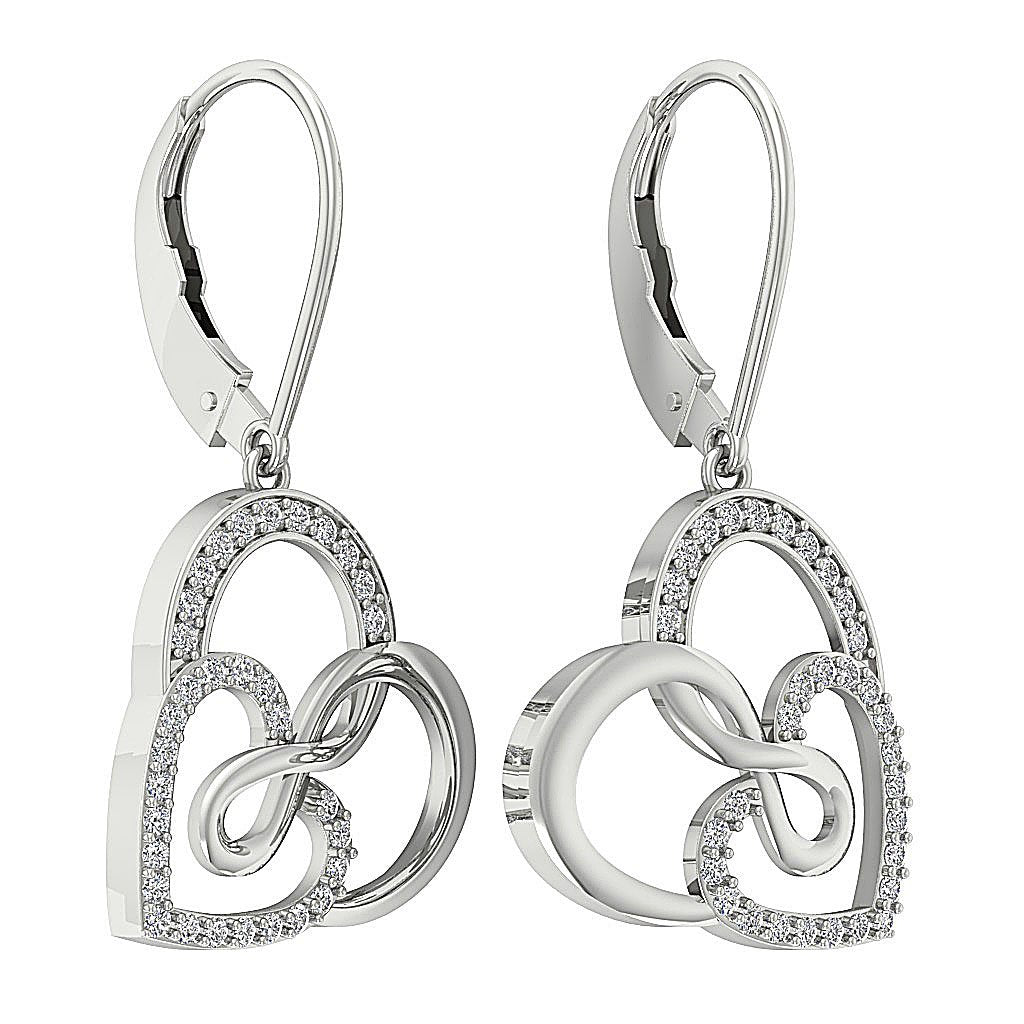
Dangle Diamond Earrings
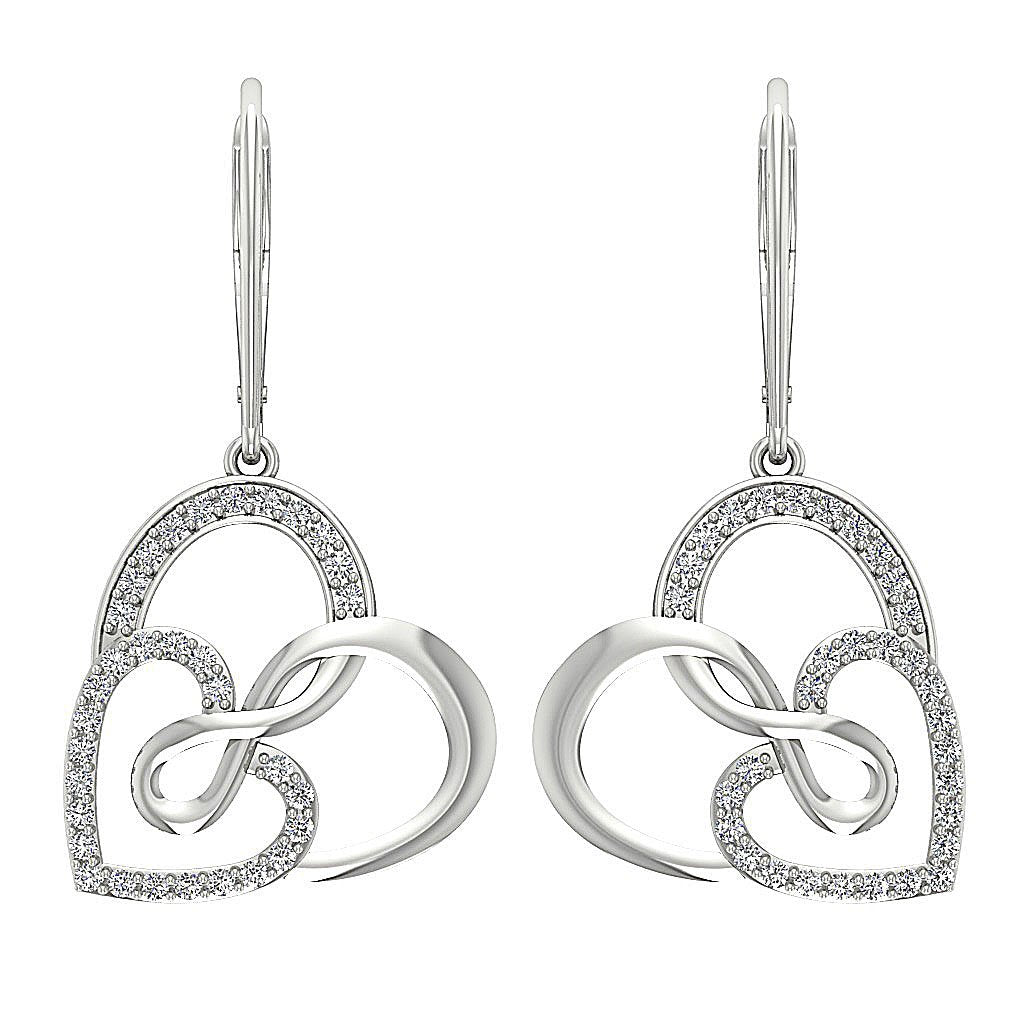
Dangle diamond earrings bring movement to the ear, with diamonds suspended below the earlobe rather than held in a fixed, close-fitting silhouette. That movement changes how the stones interact with light, creating flashes of brilliance as the wearer turns, walks or simply moves.
The versatility of dangle earrings lies in their range. A shorter design can add movement to an everyday jewelry look, while a longer or more elaborate pair can become the defining detail of an evening outfit.
Why Choose Dangle Diamond Earrings
The defining feature of a dangle earring is its suspended element. Rather than remaining directly against the earlobe, part or all of the design hangs below it, creating a sense of movement that a conventional stud cannot provide.
Dangle earrings can therefore provide visual interest without necessarily requiring very large diamonds. The relationship between the diamond arrangement, length and movement is just as important as the individual stone size.
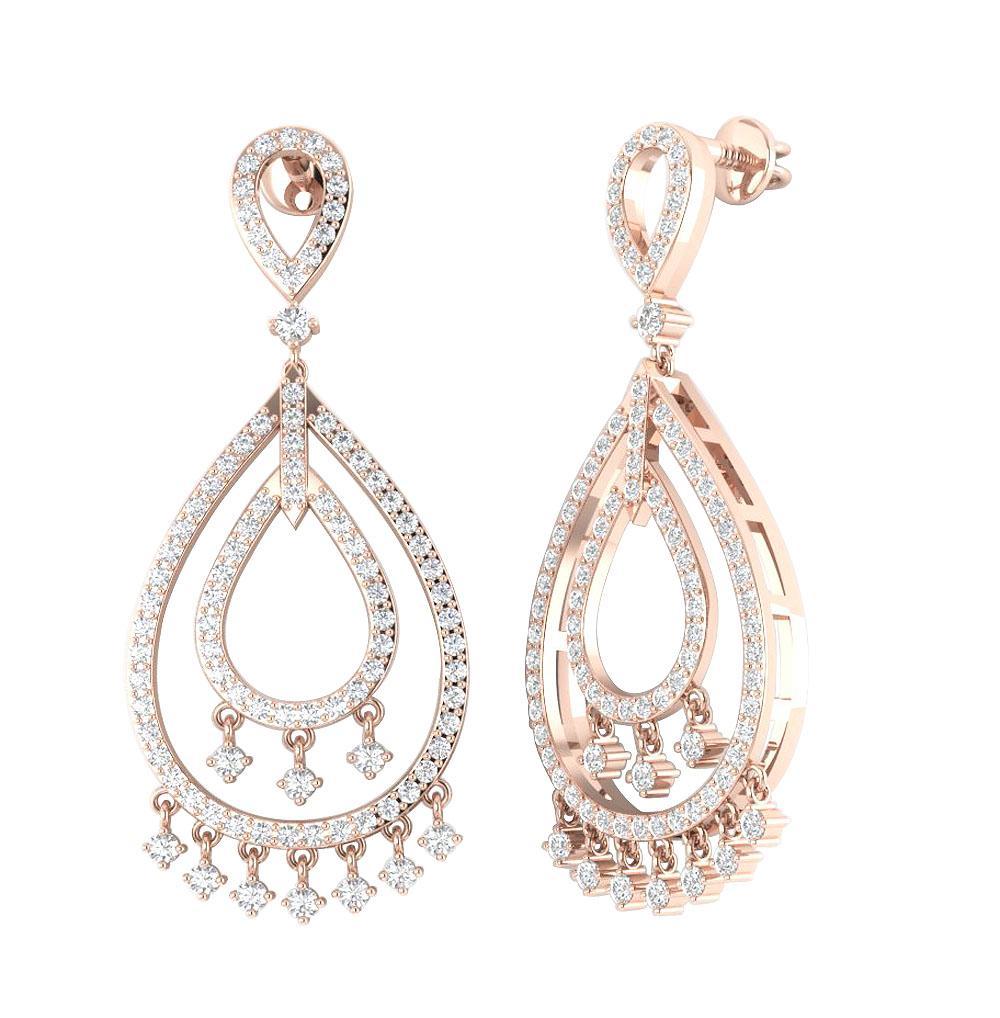
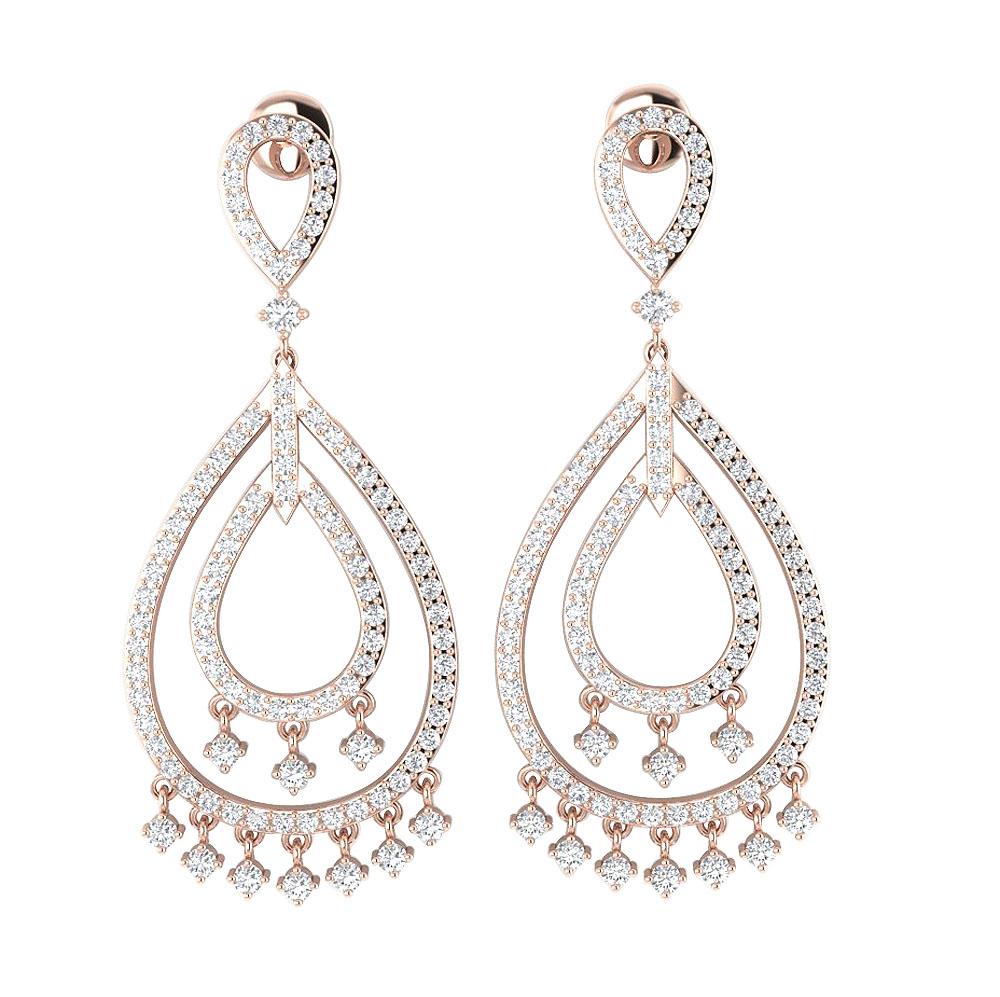
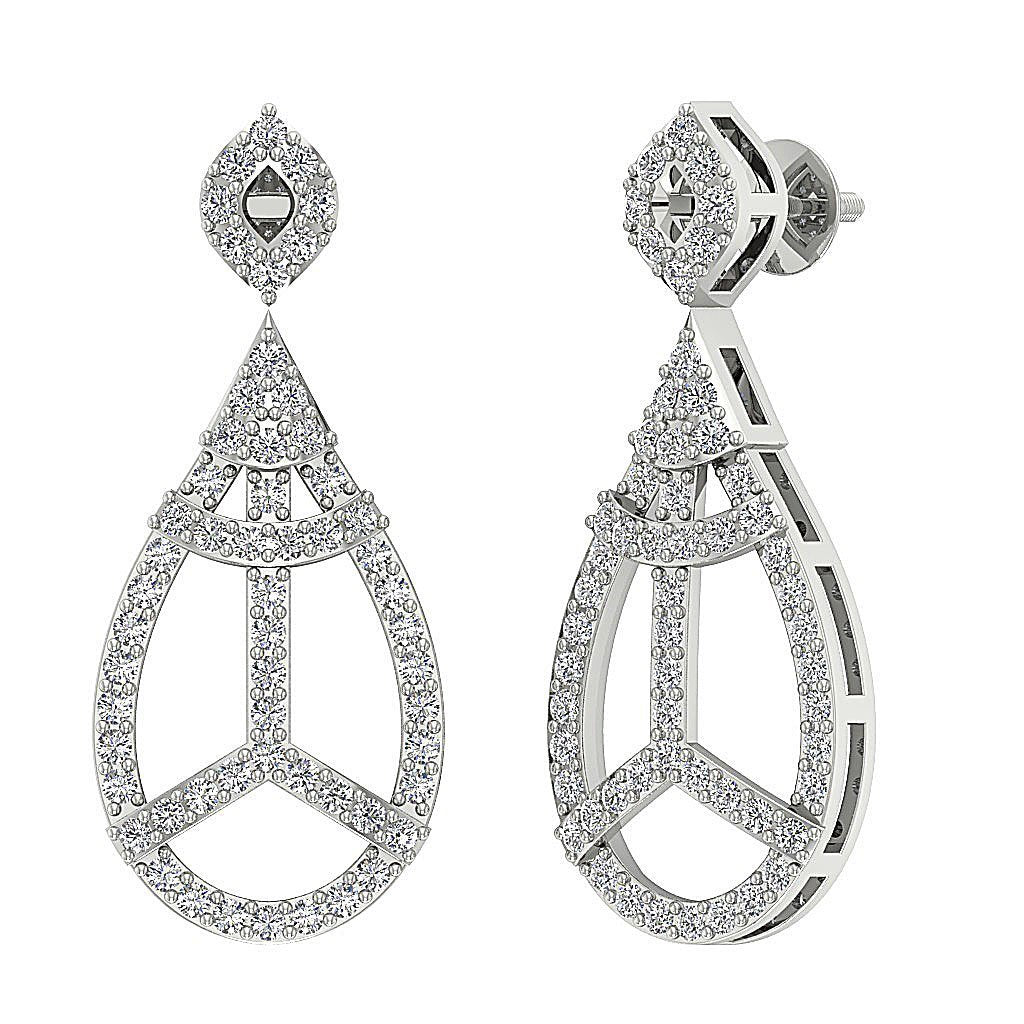
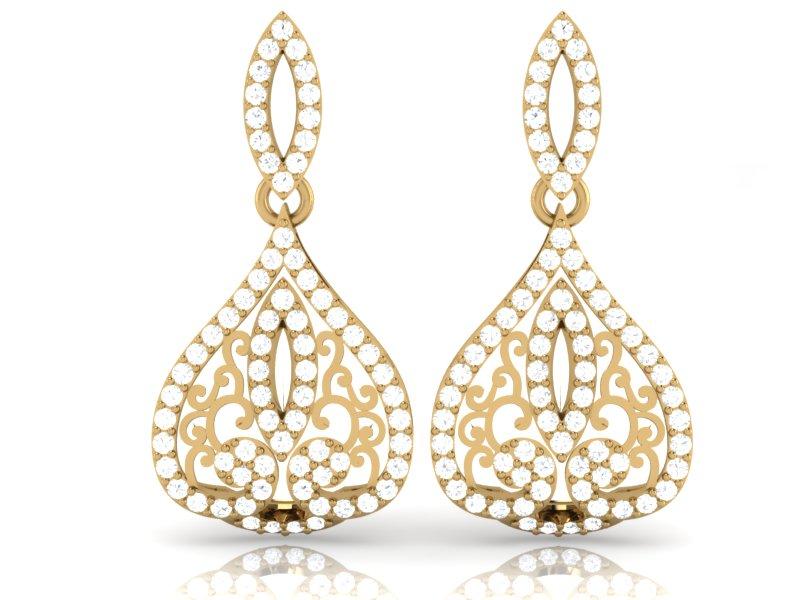
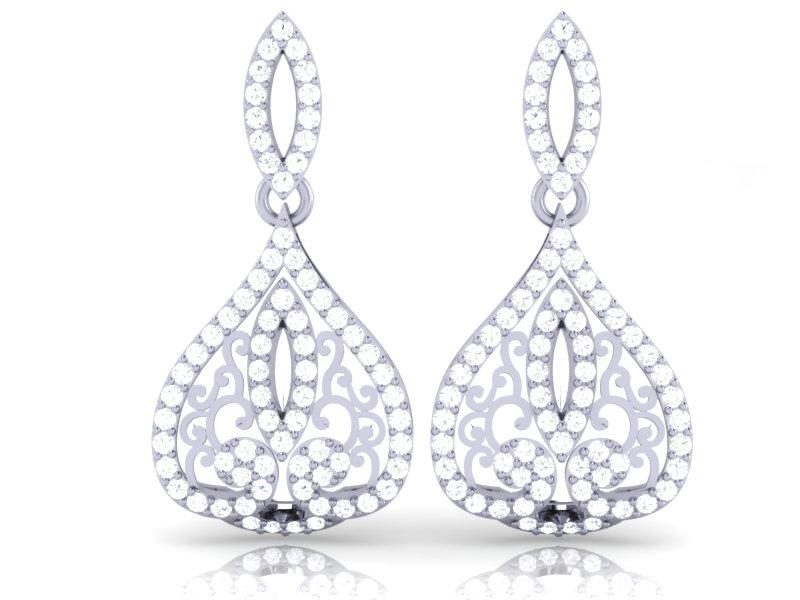
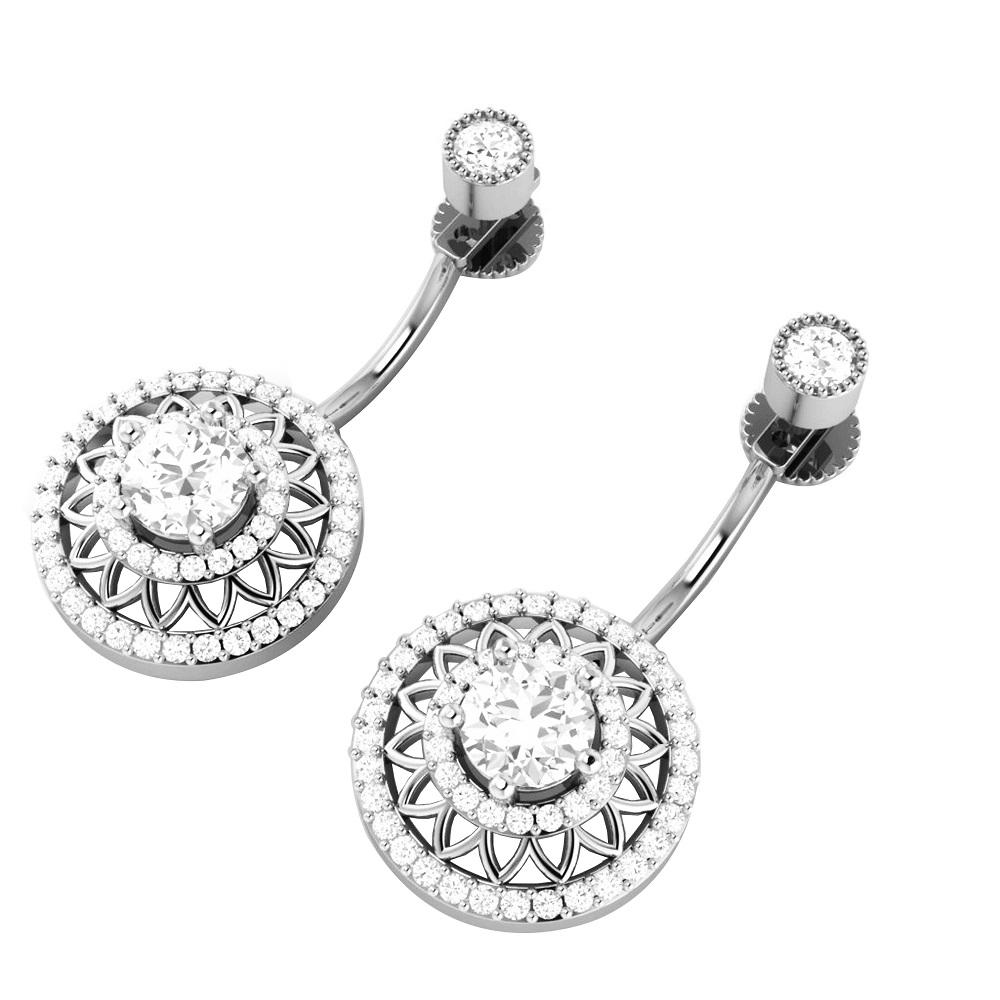
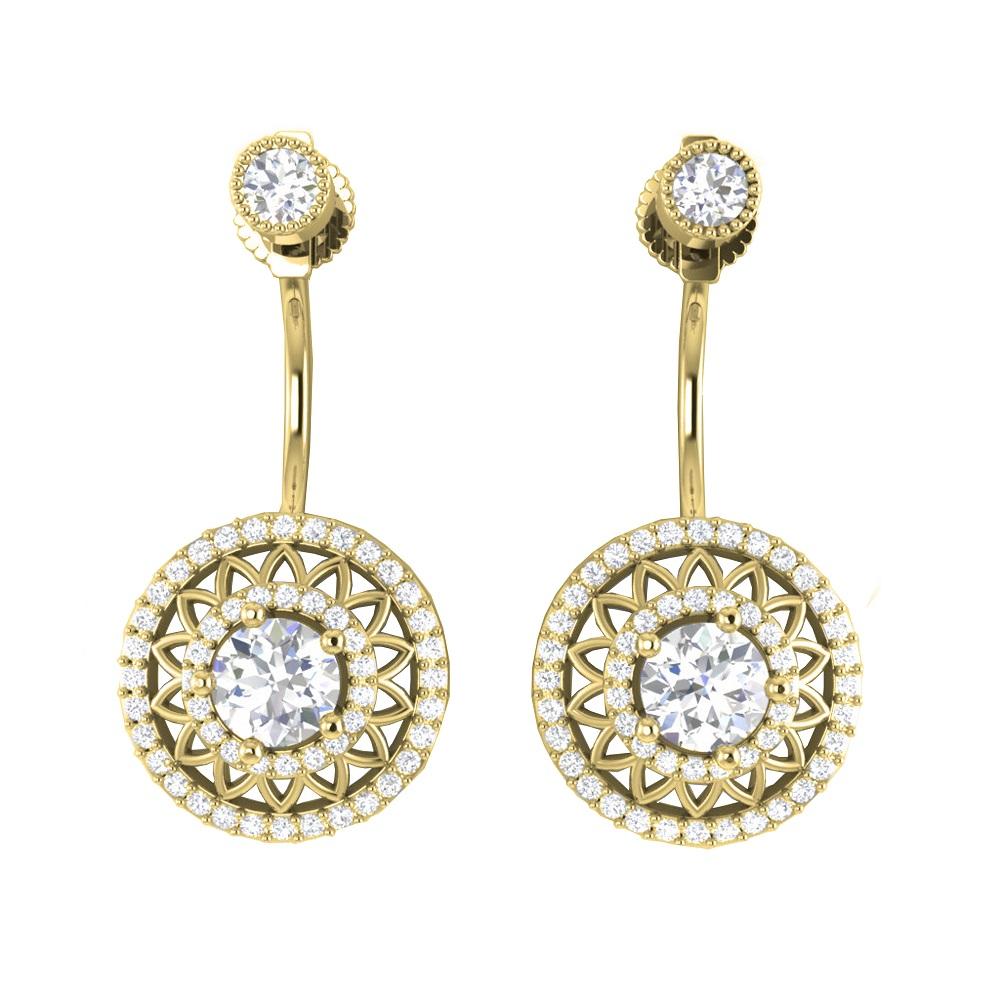
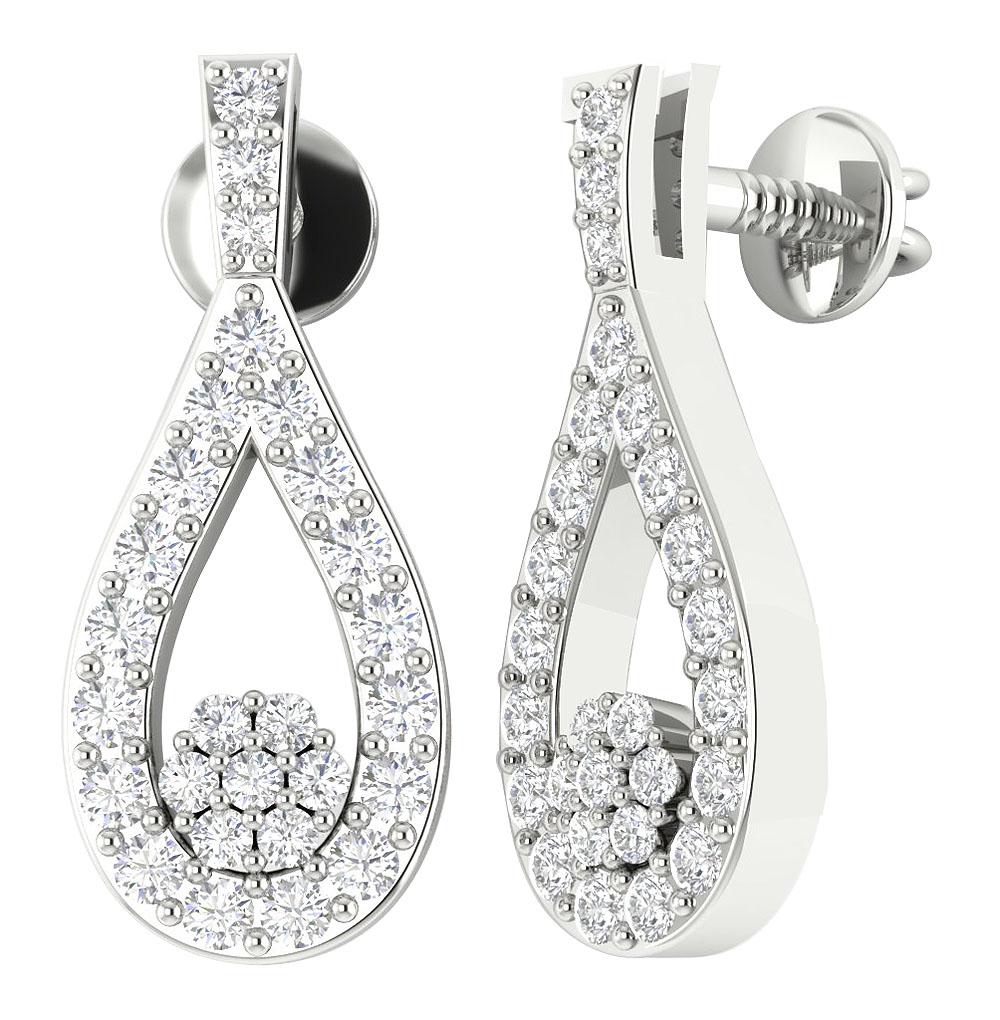
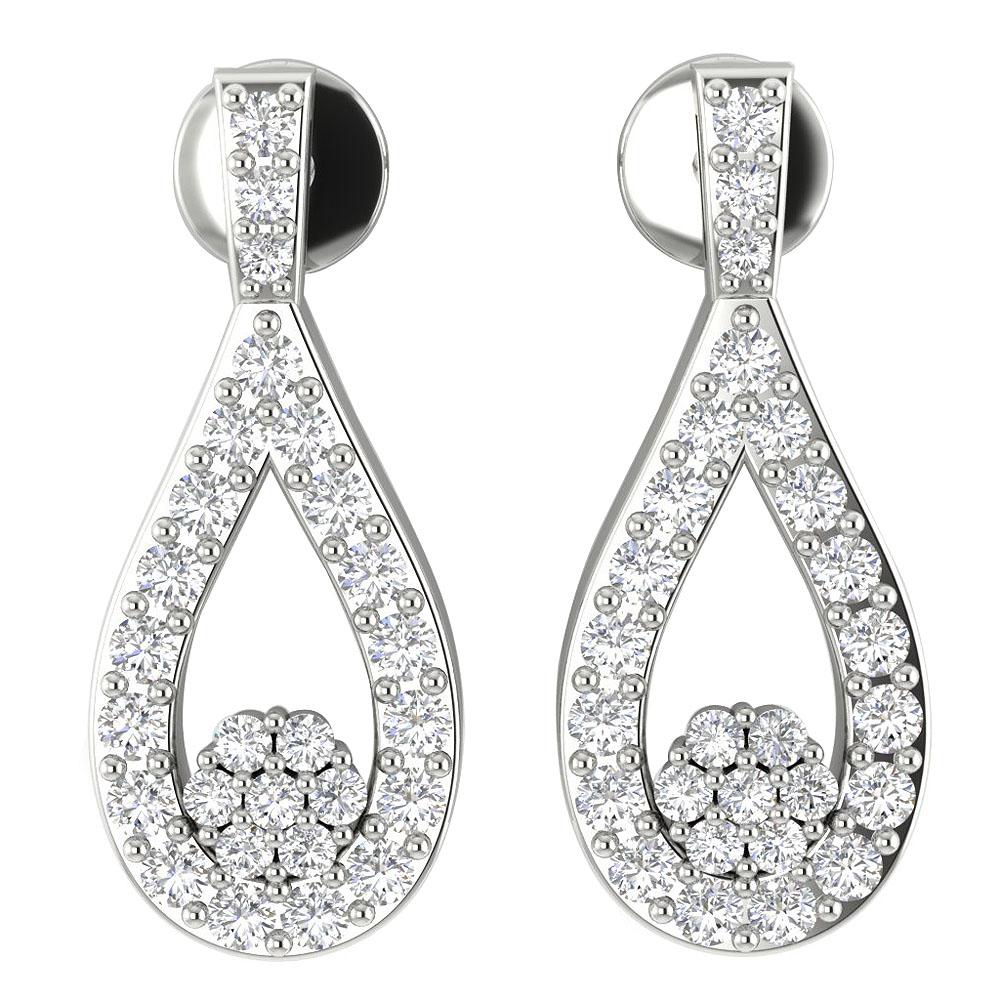
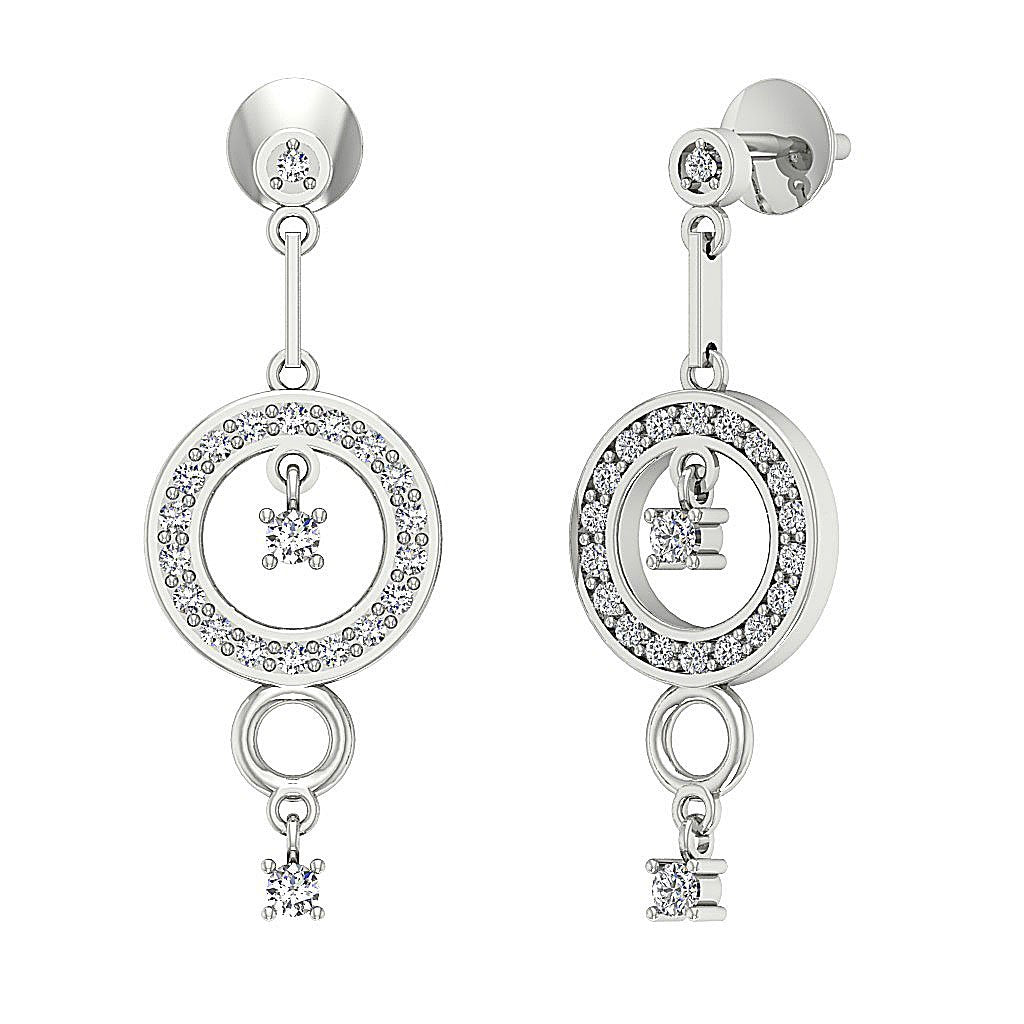
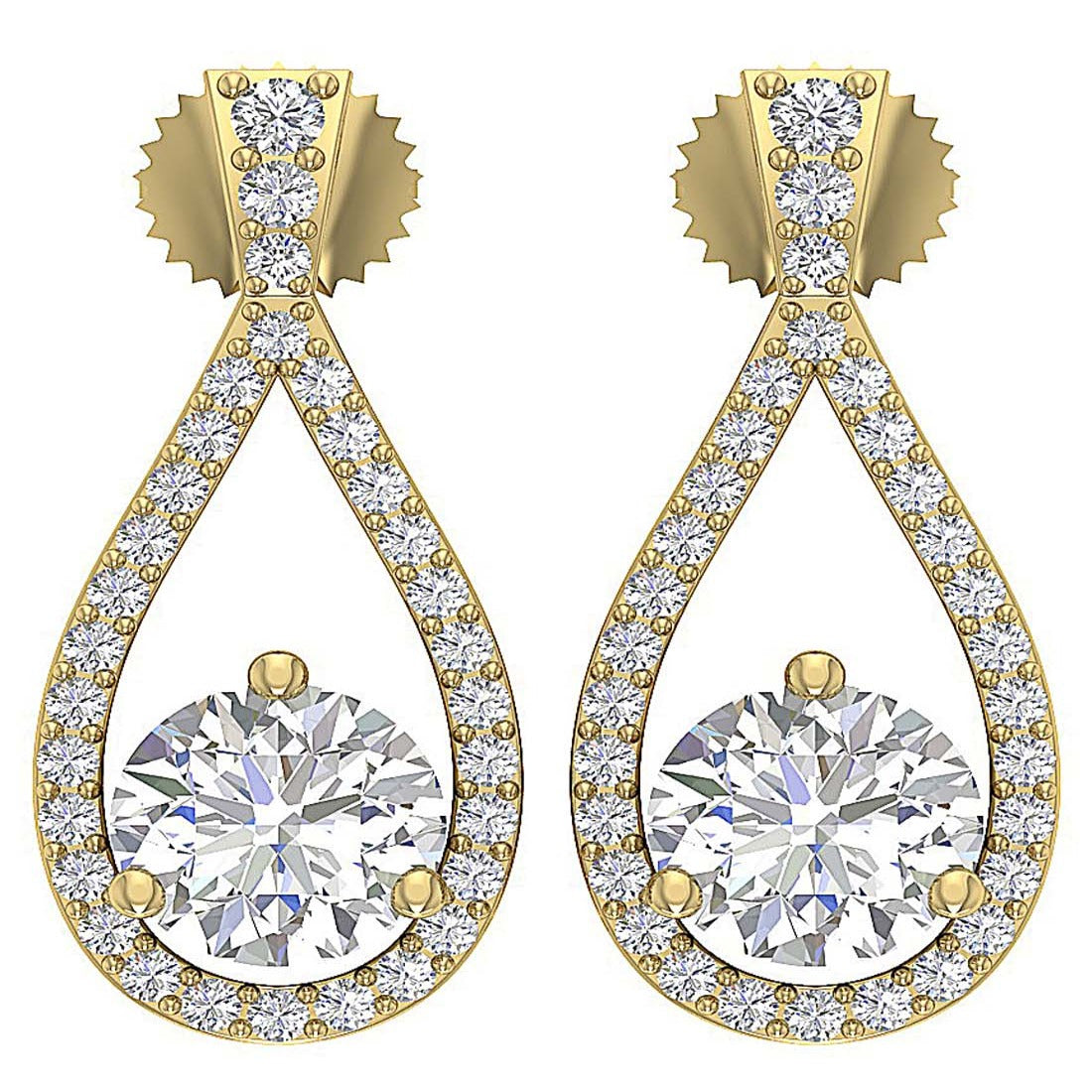
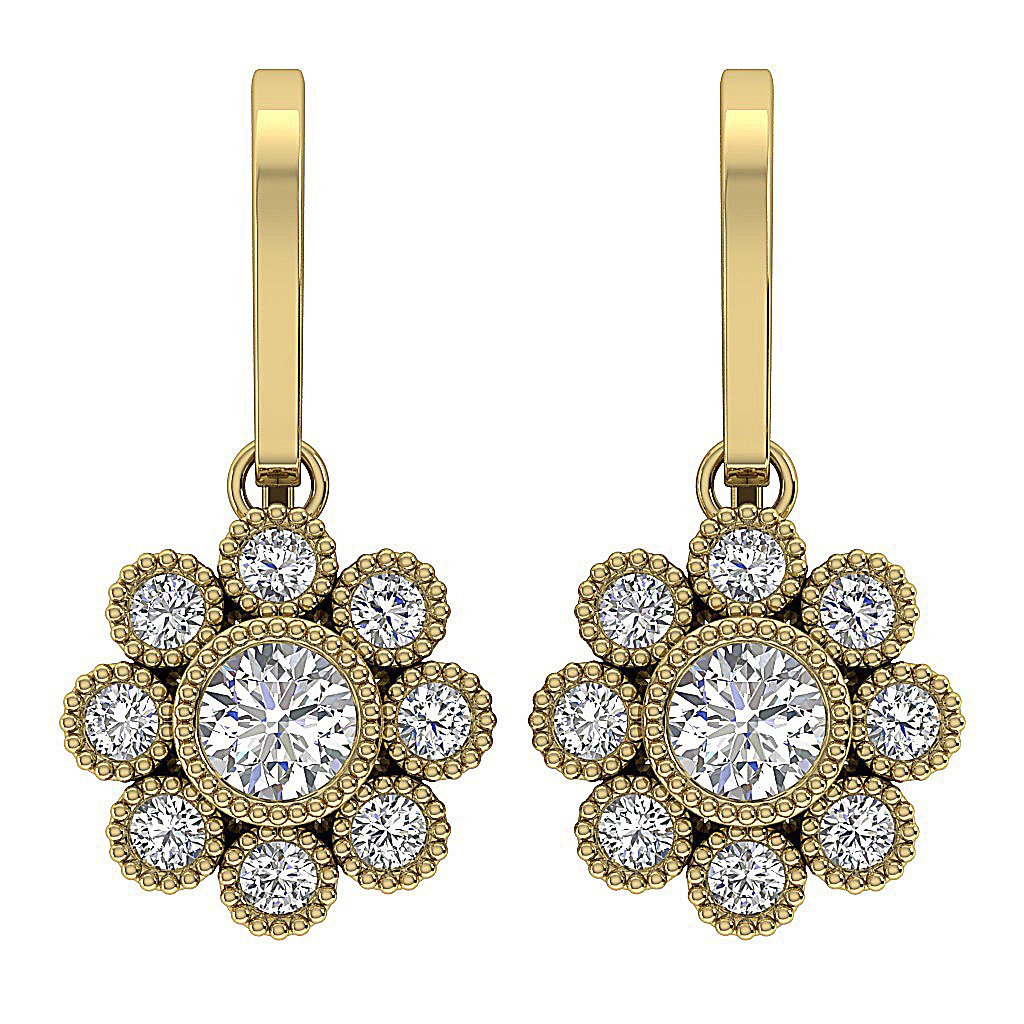
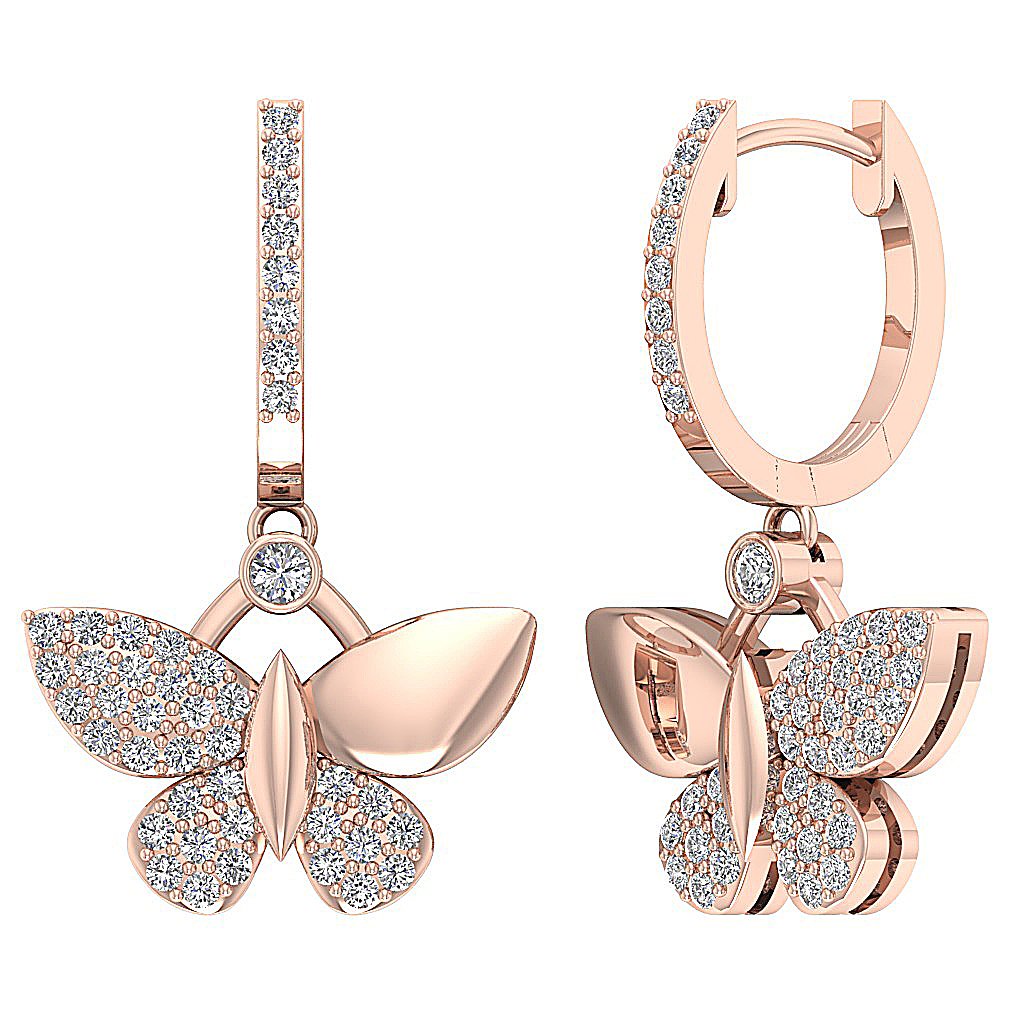
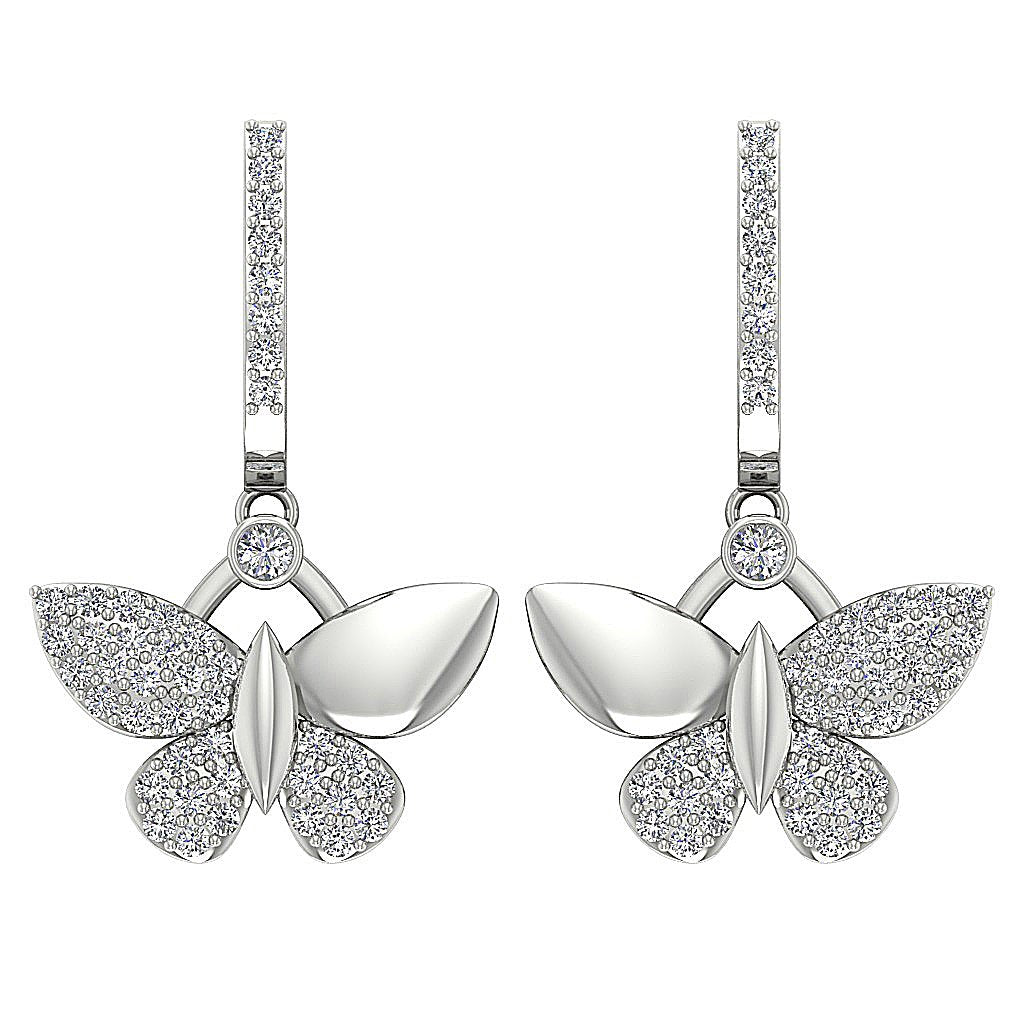
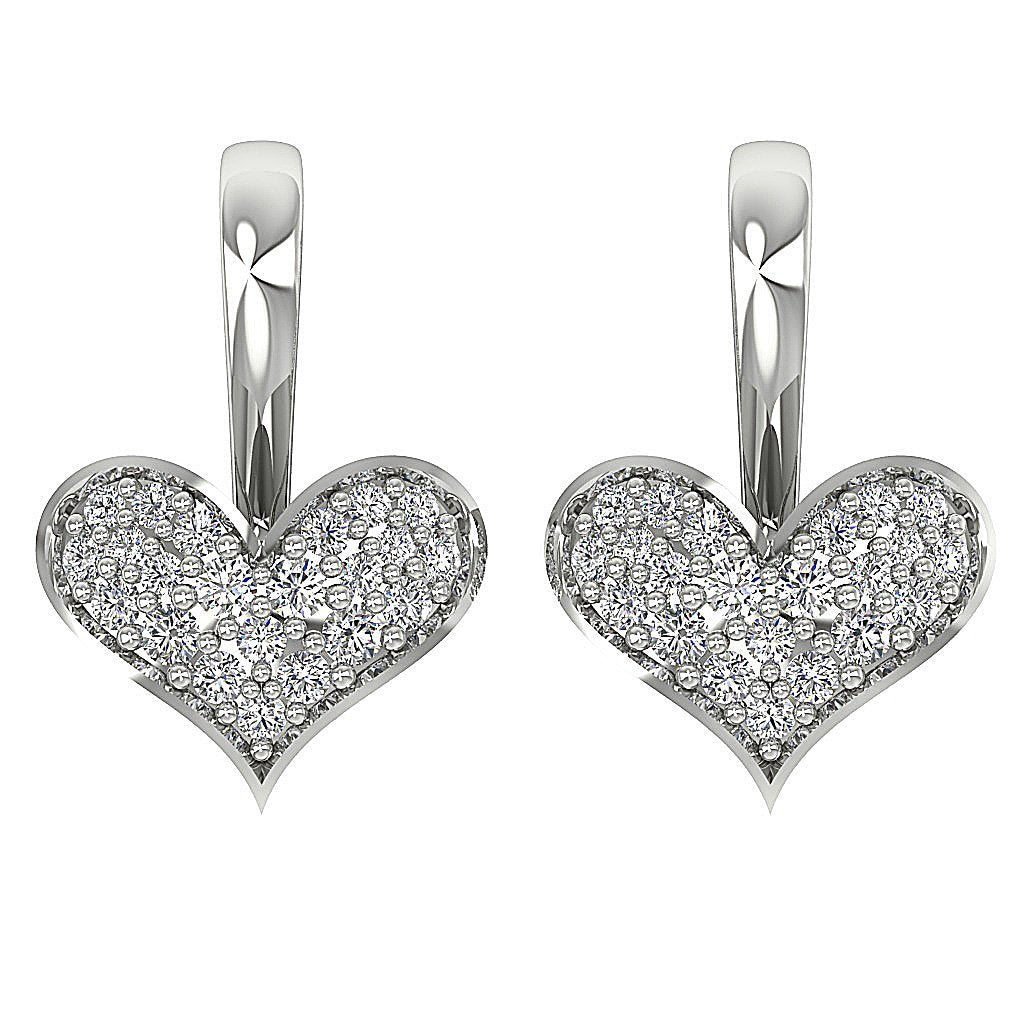
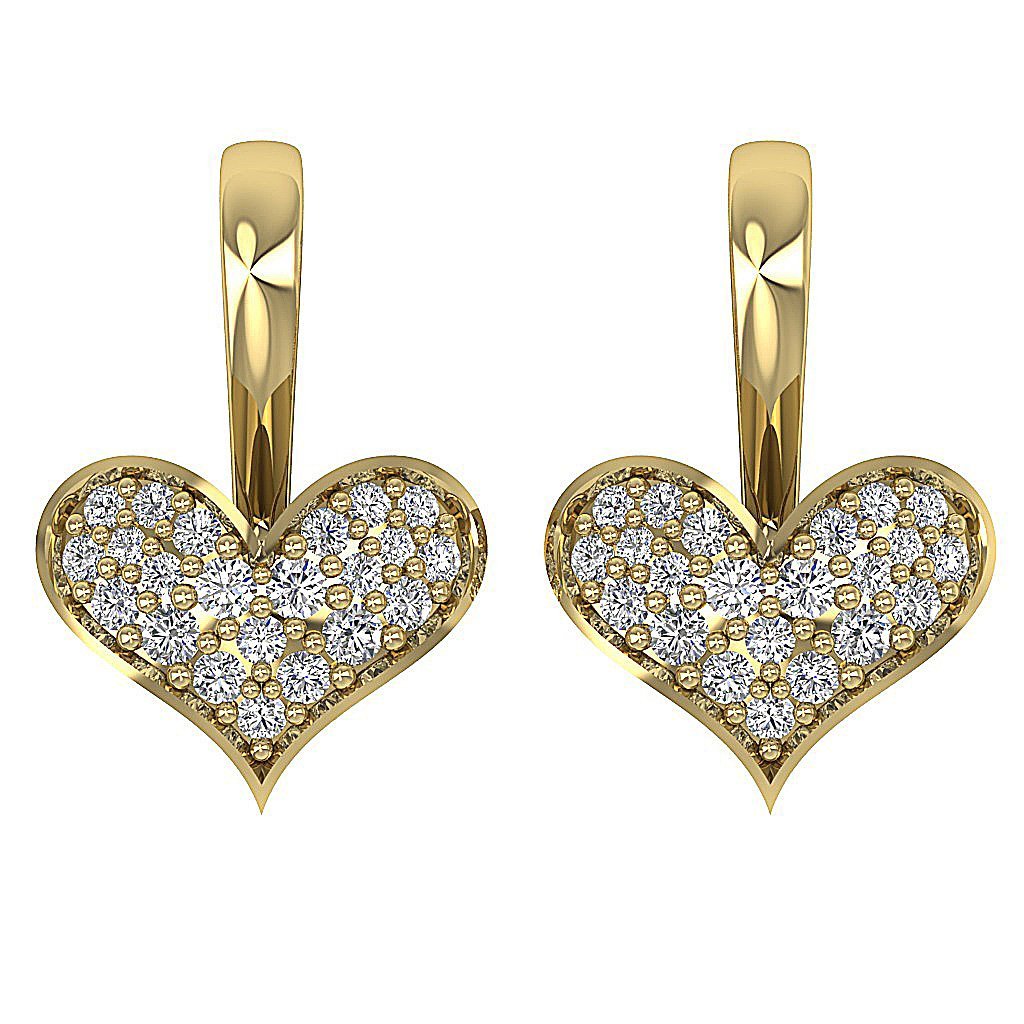
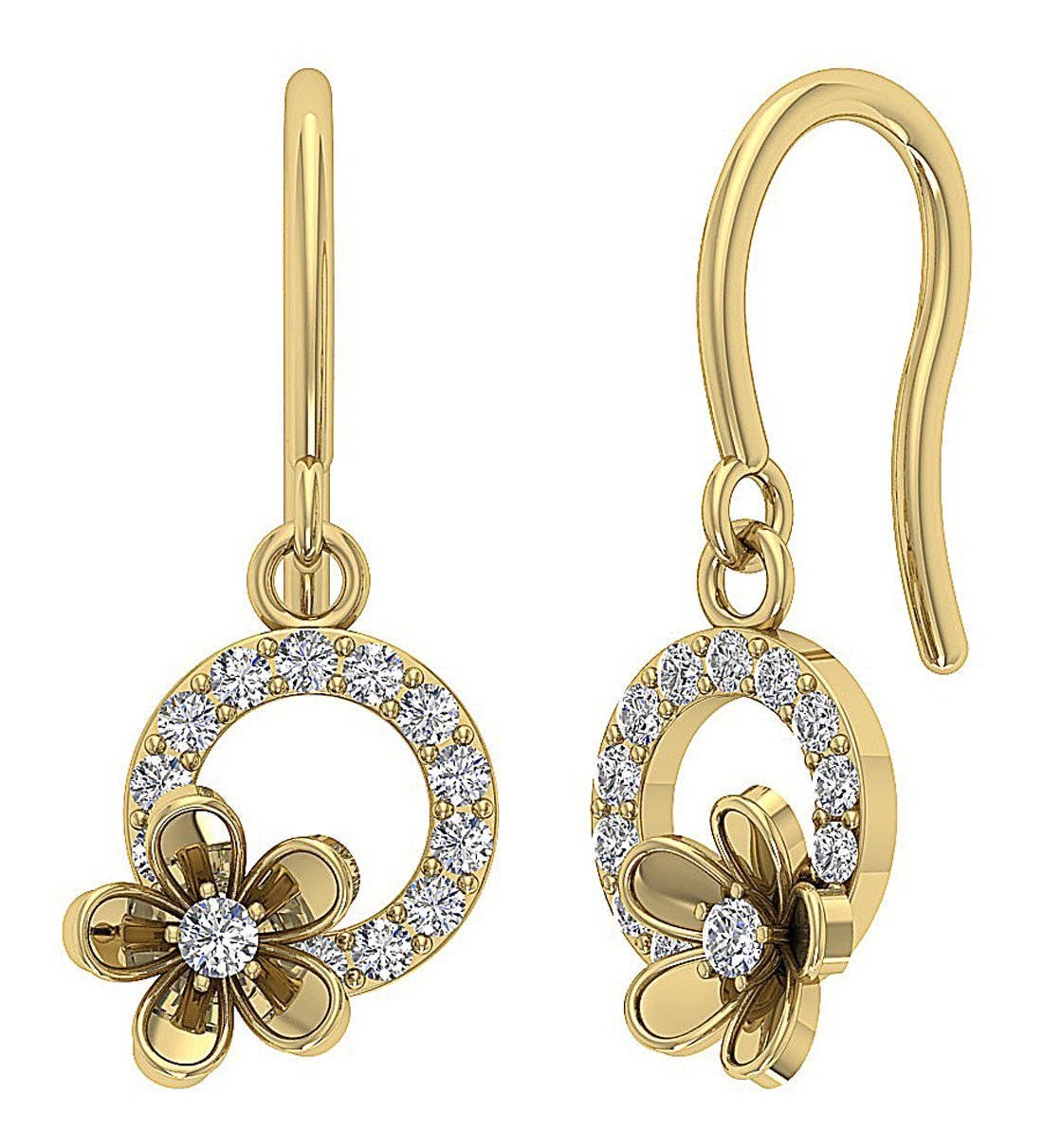
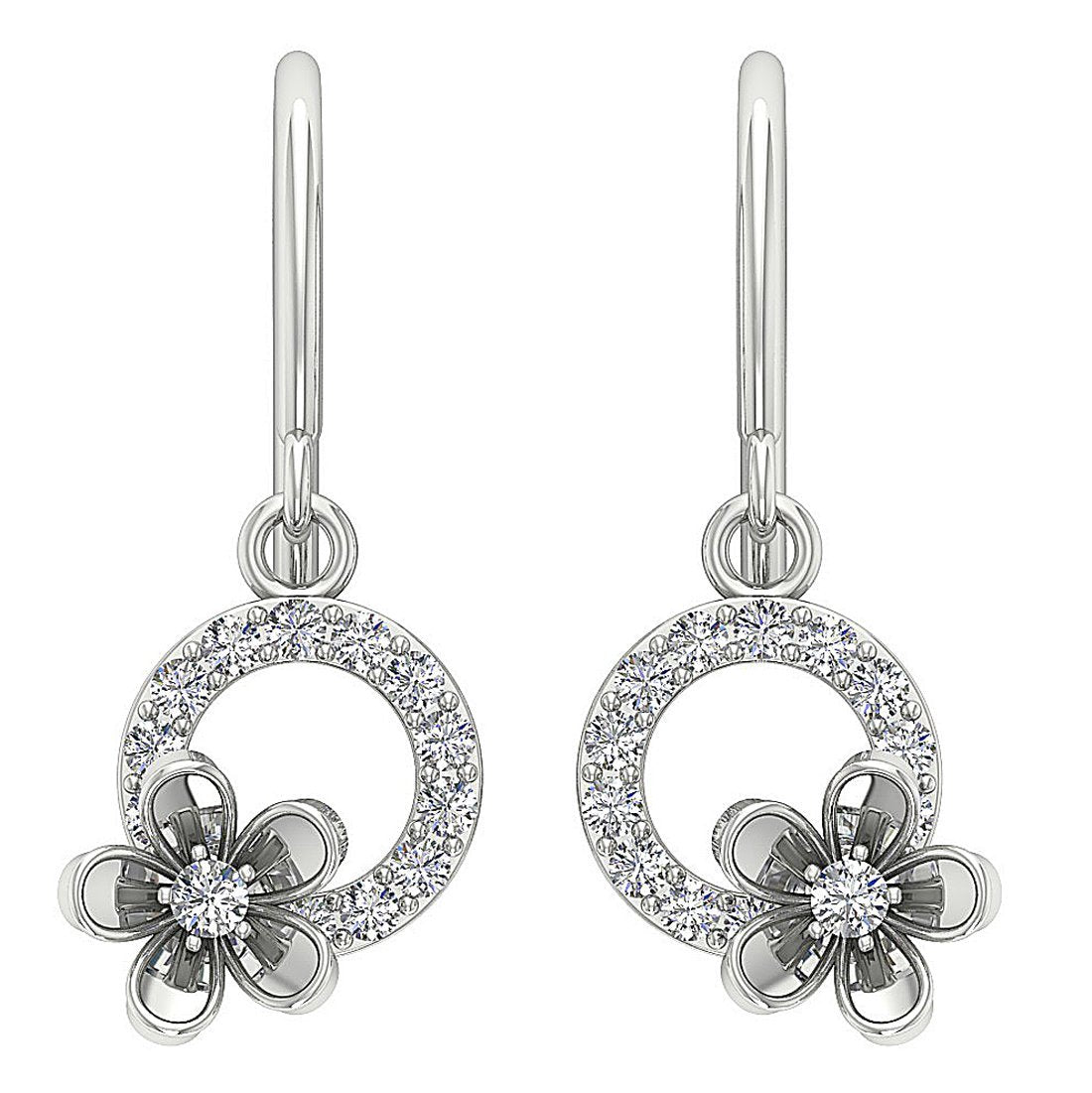
Diamond For Good's collection includes dangle diamond earrings in gold across different silhouettes and levels of detail, with natural and lab-grown diamond options represented in designs intended for different styles of wear.
Choosing the Right Length for Diamond Dangle Earrings
The length of the earring has a direct effect on how a dangle earring frames the face.
Shorter dangle earrings extend only slightly below the lobe. They retain some of the restraint of a traditional earring while introducing movement, making them useful for dinners, daytime occasions and regular rotation.
Medium-length designs create a more noticeable vertical line. They can frame the lower part of the face and become more prominent without necessarily reaching the statement scale of a long chandelier earring.
Longer dangles create greater movement and visual presence. They can work particularly well with evening clothing, open necklines and hairstyles that leave the ears and neck exposed.
Choosing the Diamond Arrangement for Dangle Earrings
The arrangement of diamonds determines whether a dangle earring feels delicate, structured or more substantial.
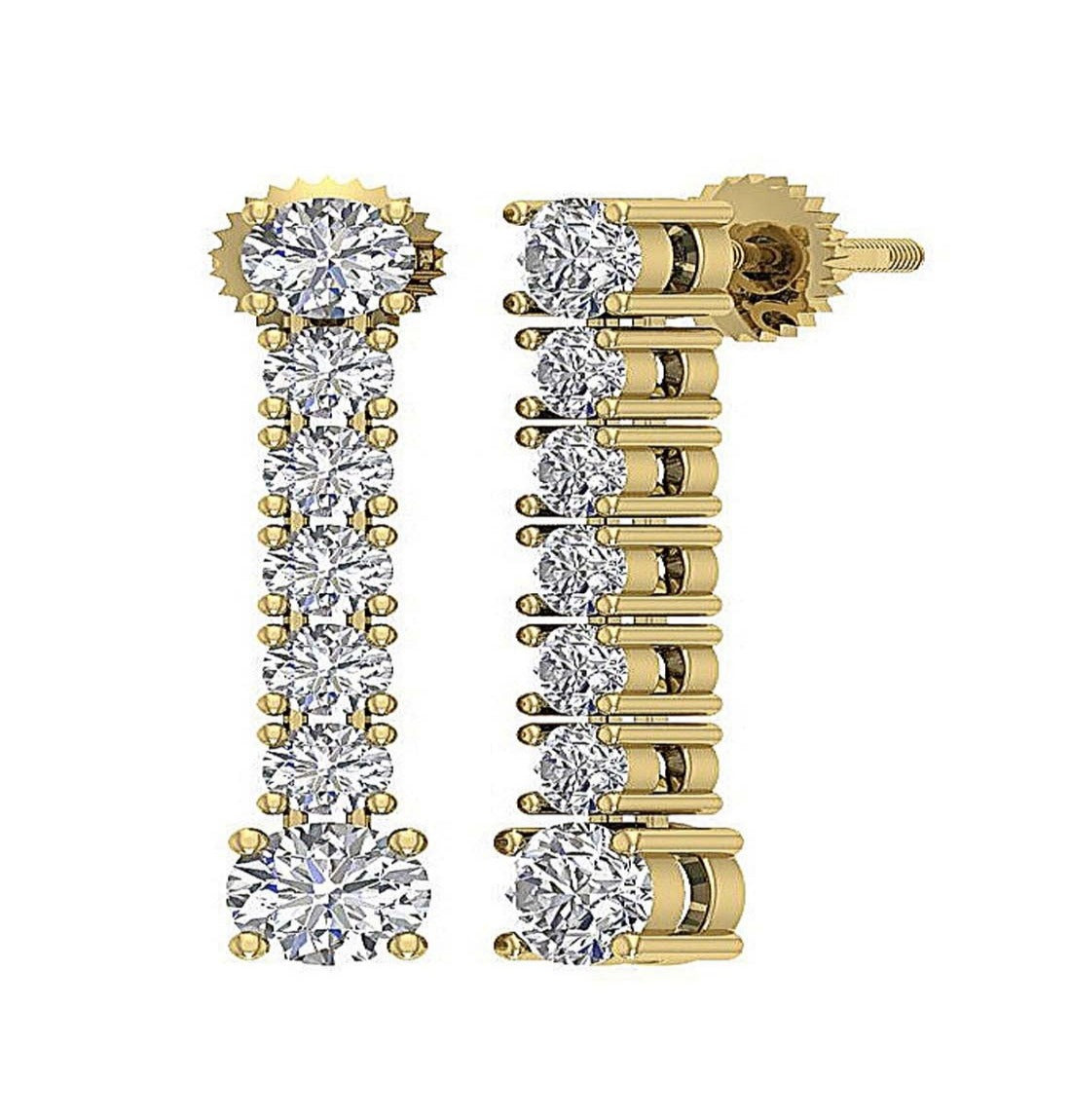
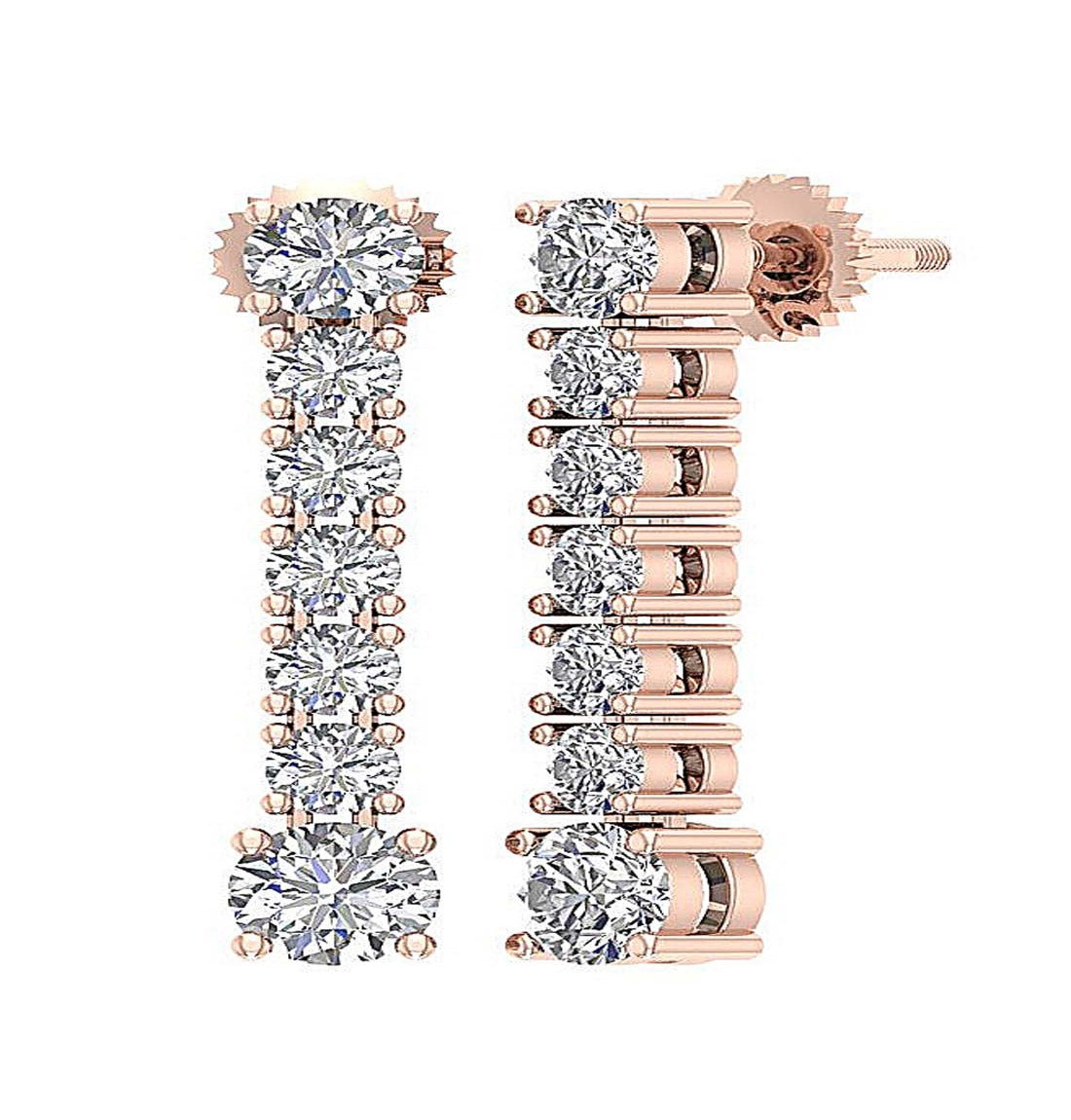
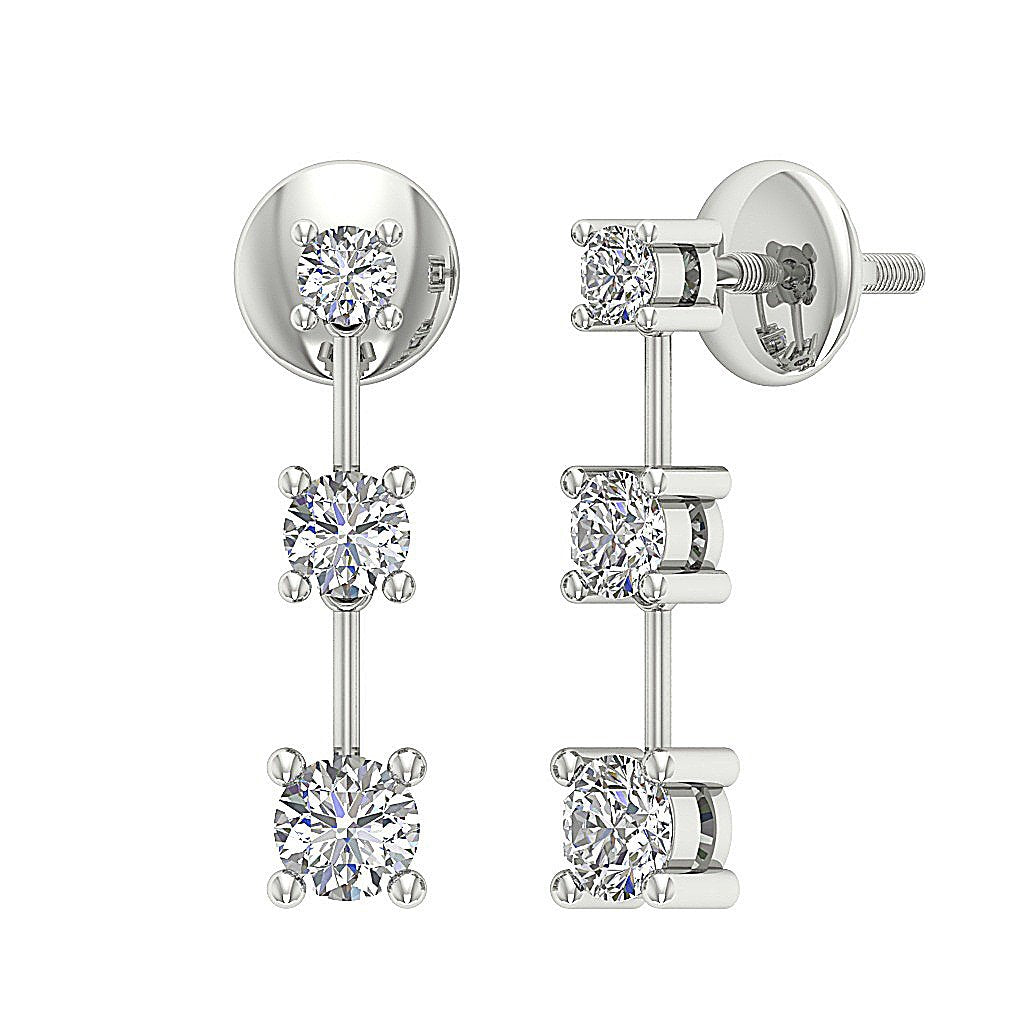
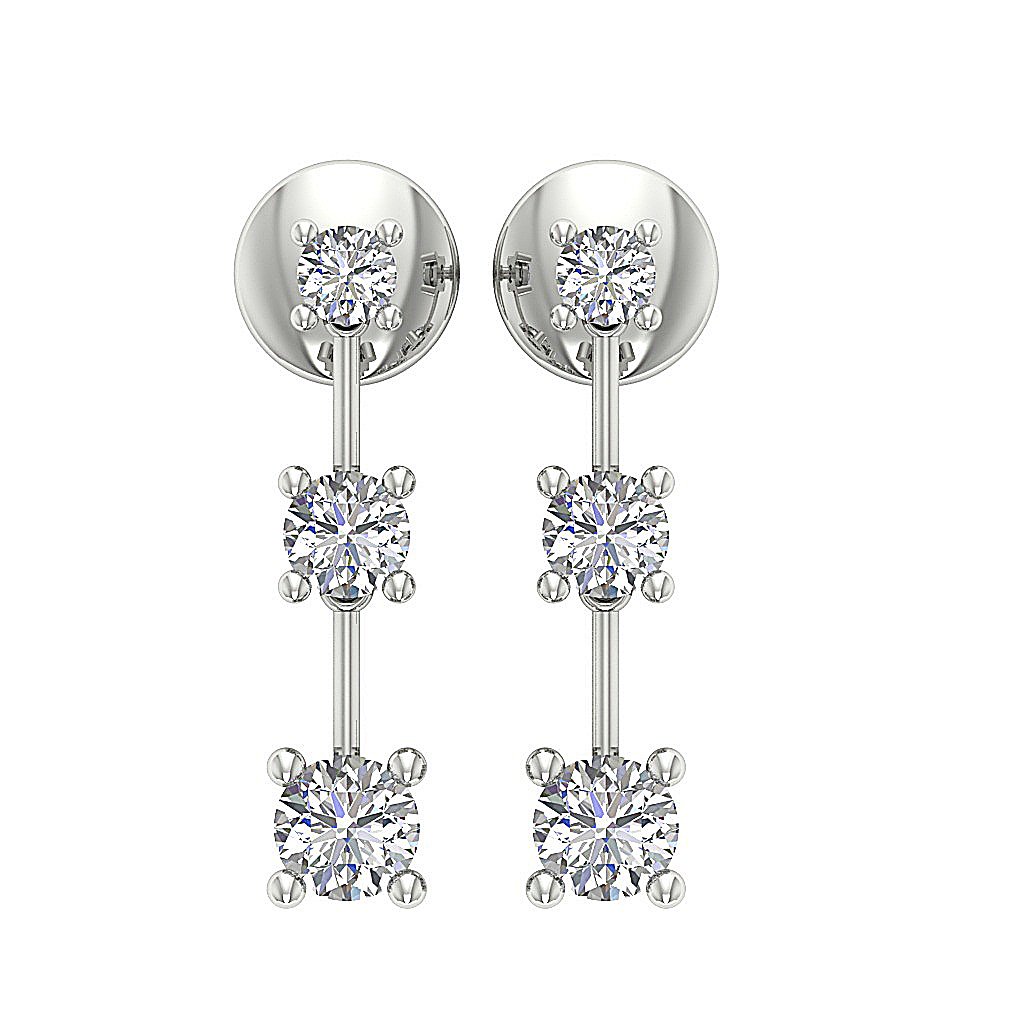
A single diamond or small cluster can create a restrained focal point, allowing the movement of the earring to remain the main feature. Multiple diamonds can create a sequence of light as the earring moves. Stones arranged vertically can reinforce the elongated silhouette, while clustered or graduated arrangements can introduce more variation.
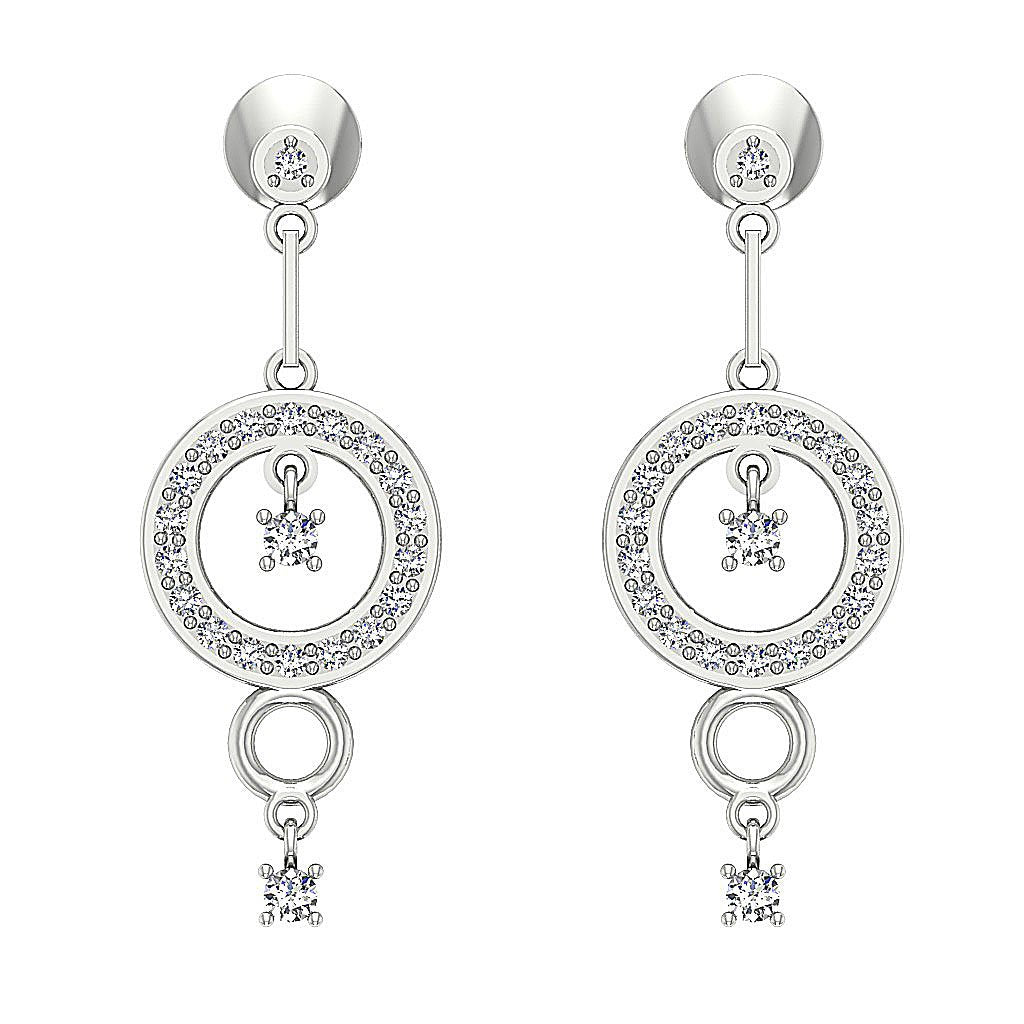
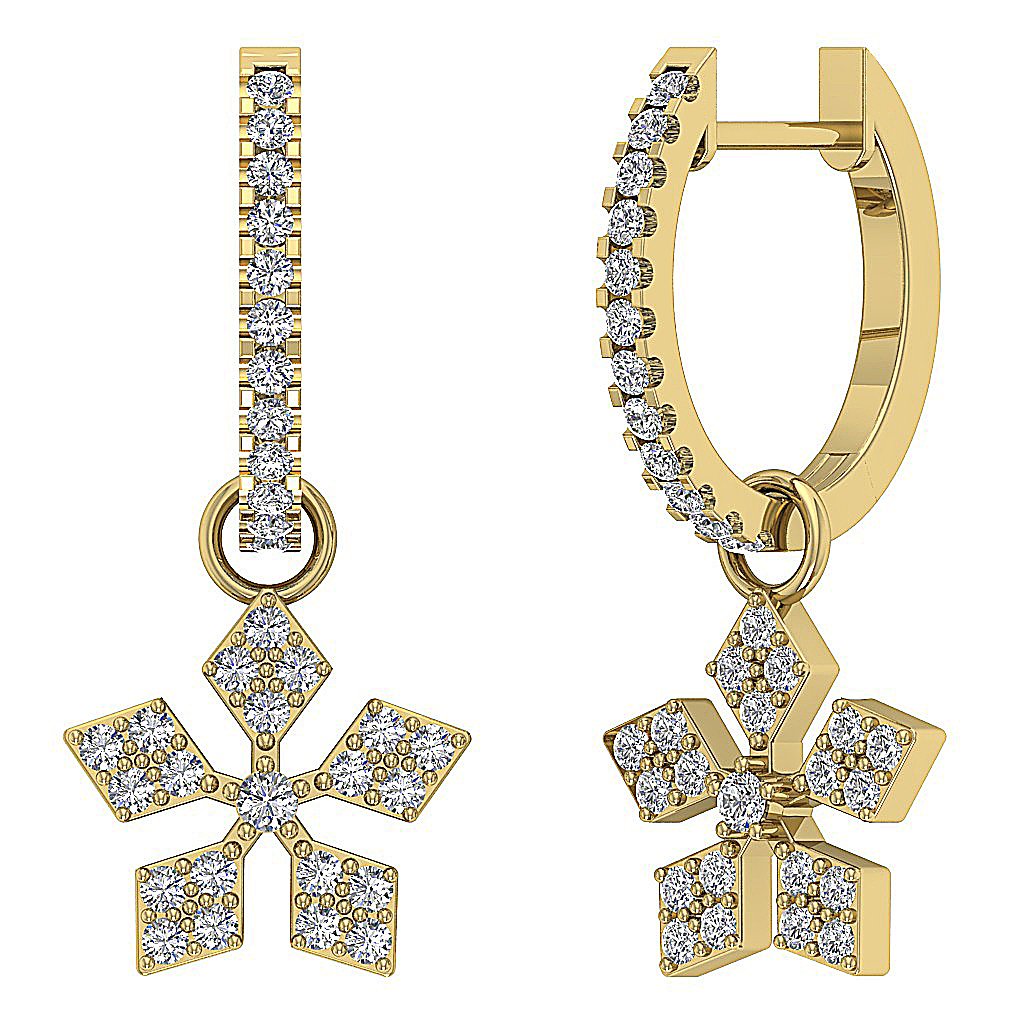
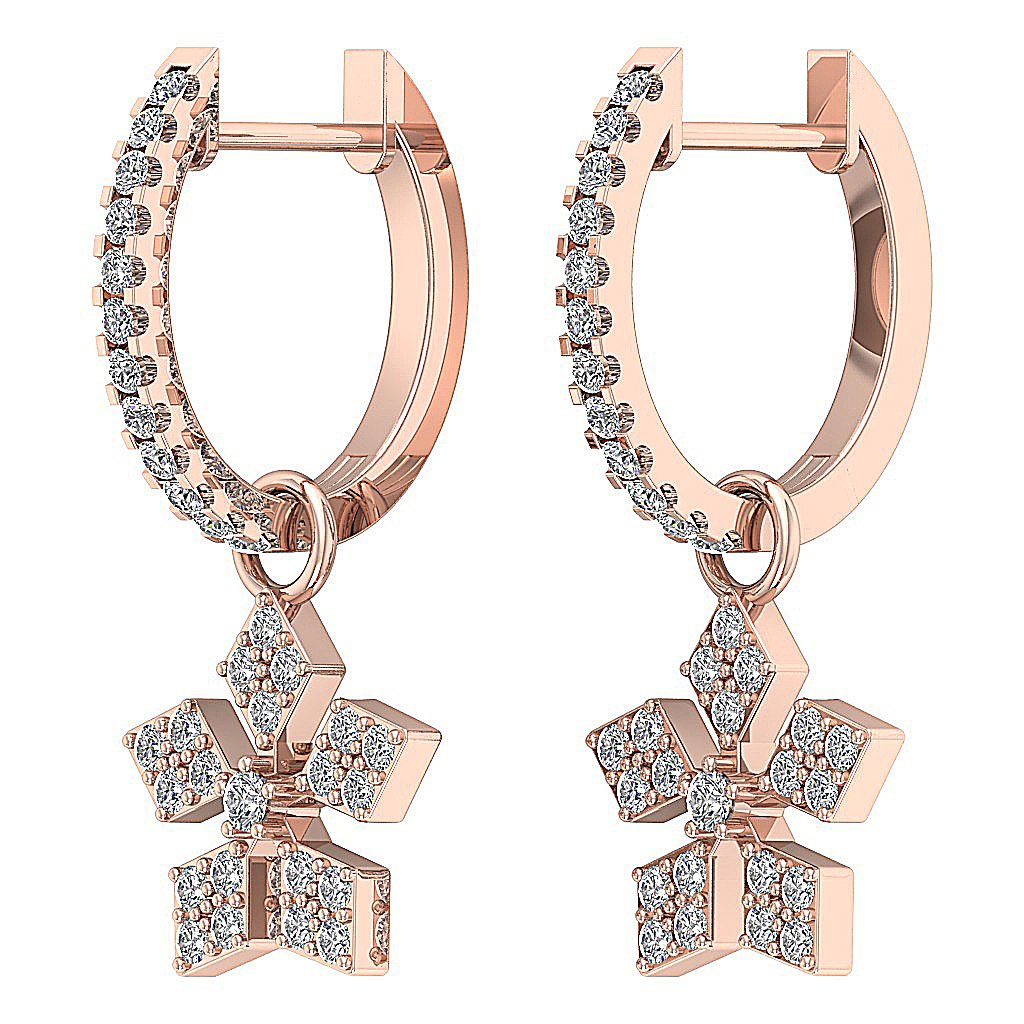
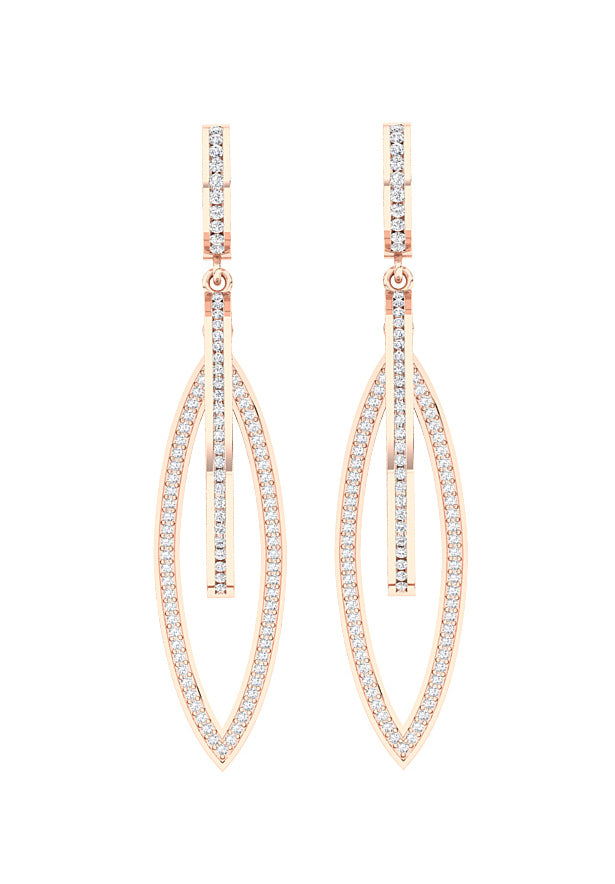
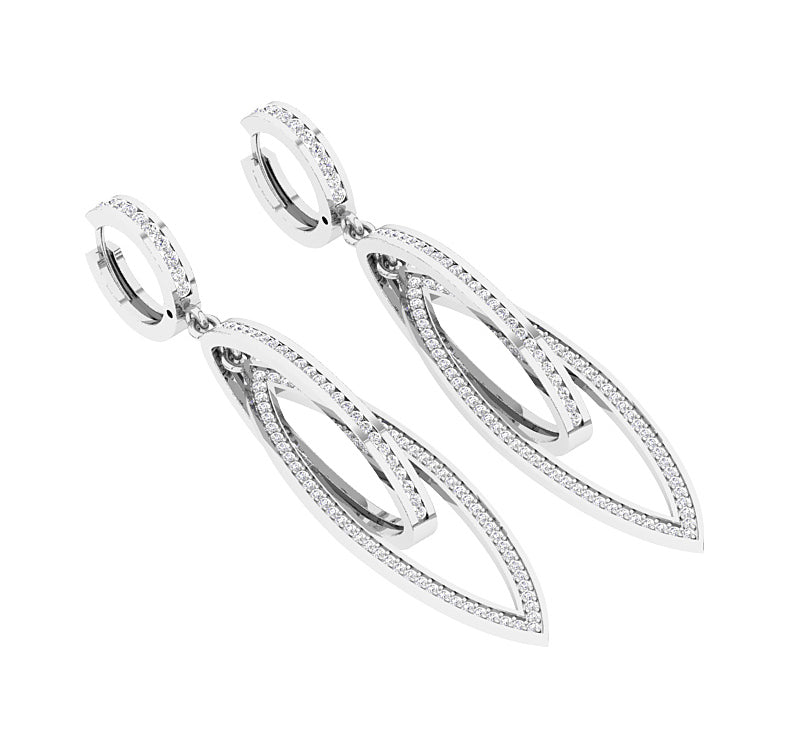
Some designs use connected sections that move independently. This creates several points of movement and can make the diamonds appear more dynamic as the wearer moves.
Choosing the Gold Colour for the Earrings
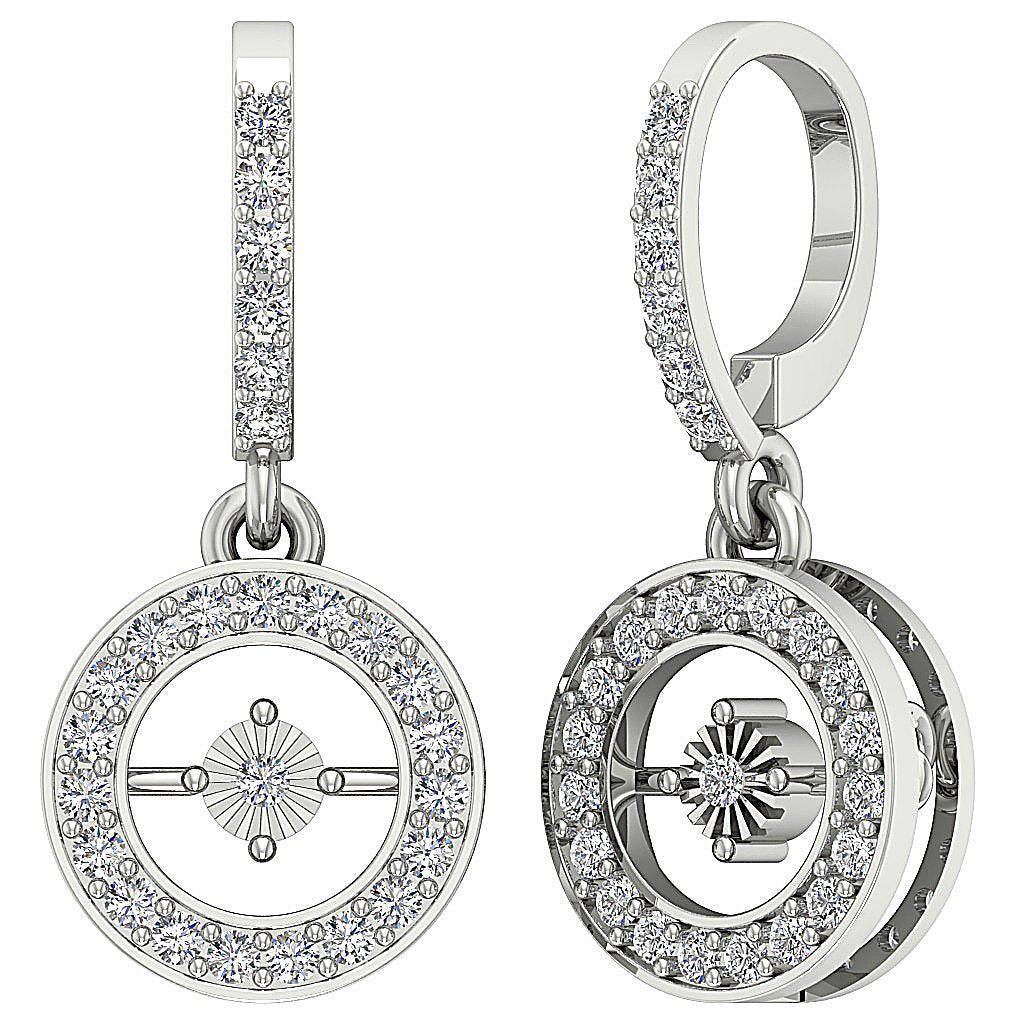
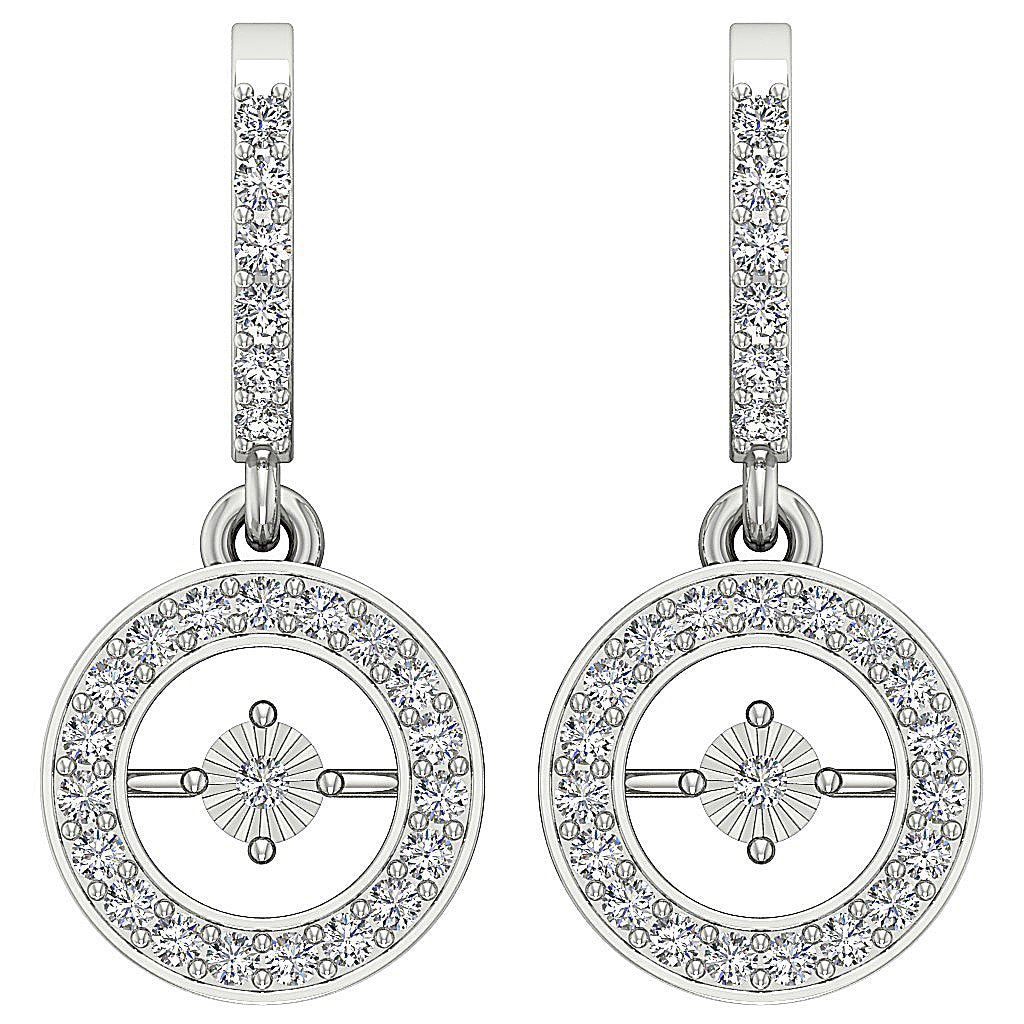
White gold creates a relatively seamless backdrop for white diamonds, allowing the stones to remain the dominant visual feature. Its cooler appearance can also suit more minimal or contemporary designs.
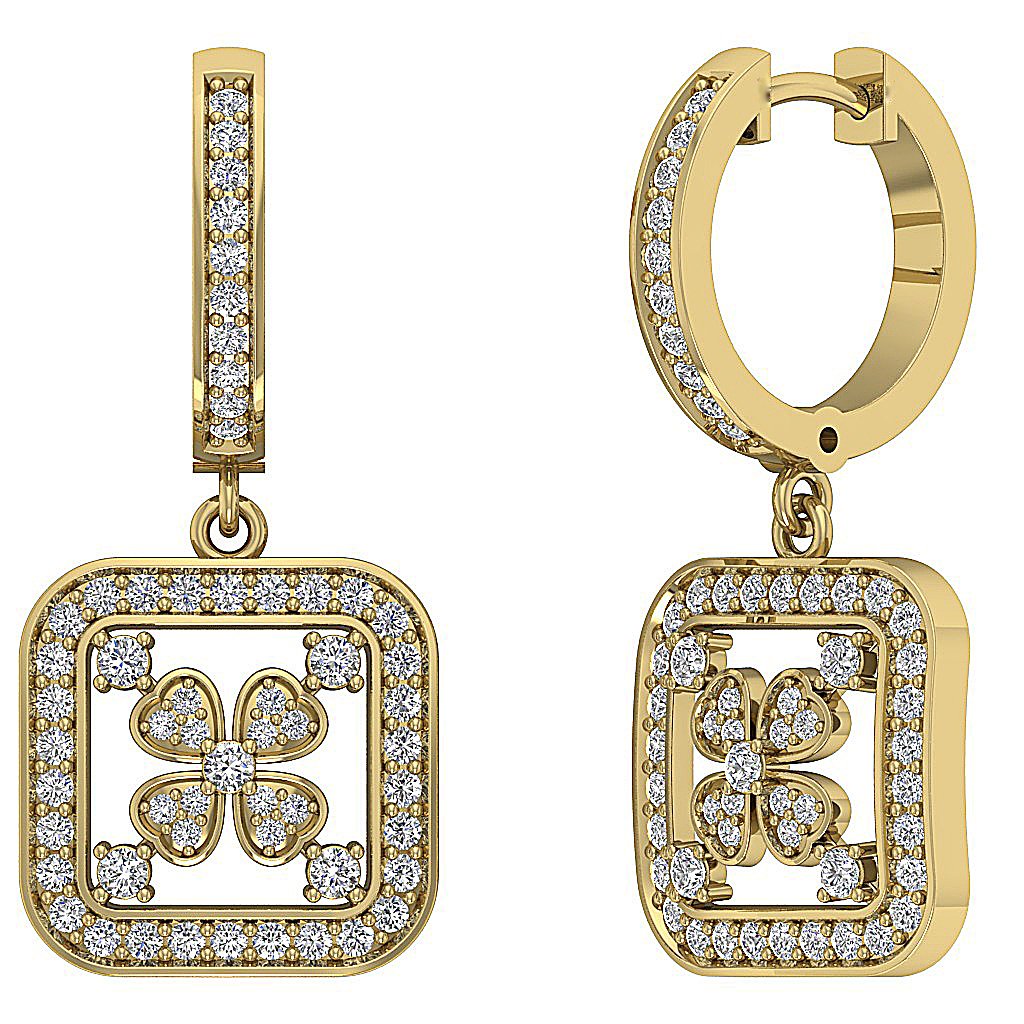
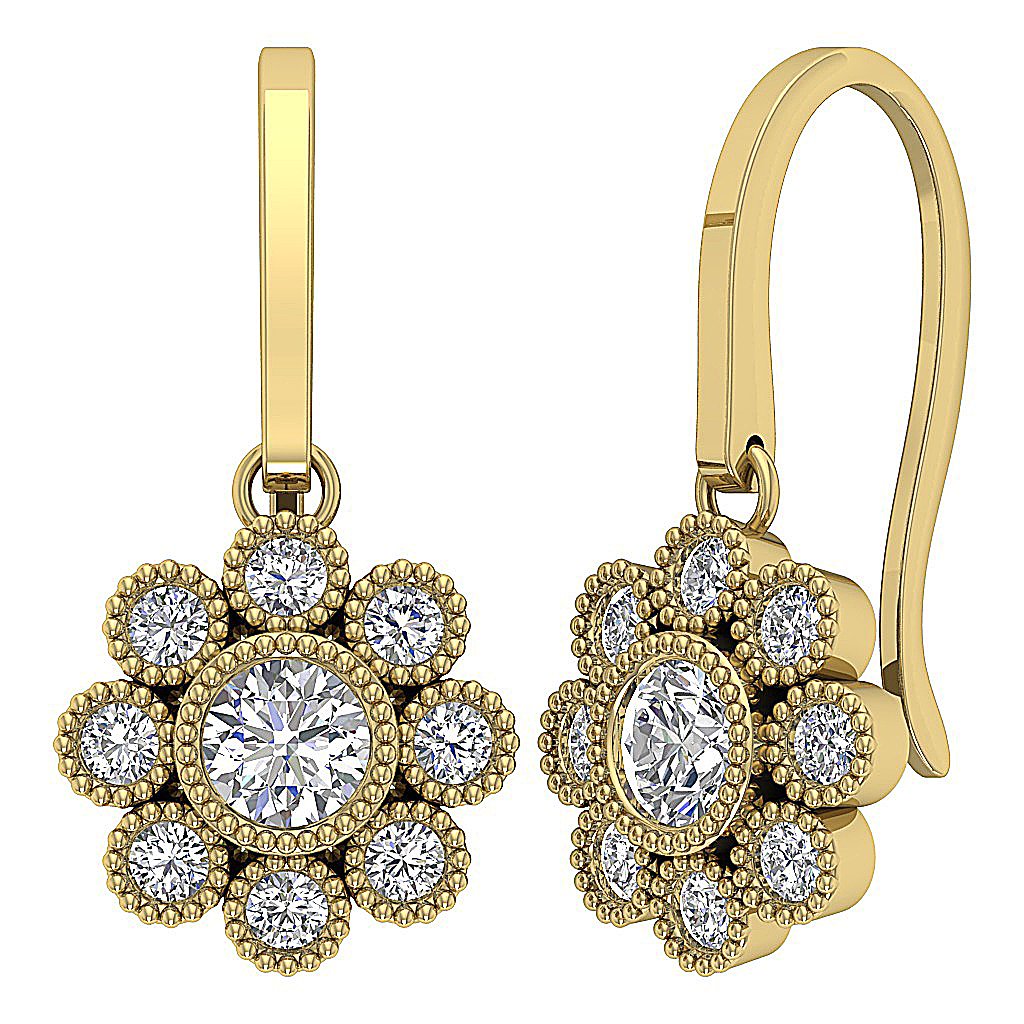
Yellow gold introduces stronger warmth and contrast. The distinction between the gold and diamonds can make the structure of the earring easier to see and gives the design a more traditional jewelry character.
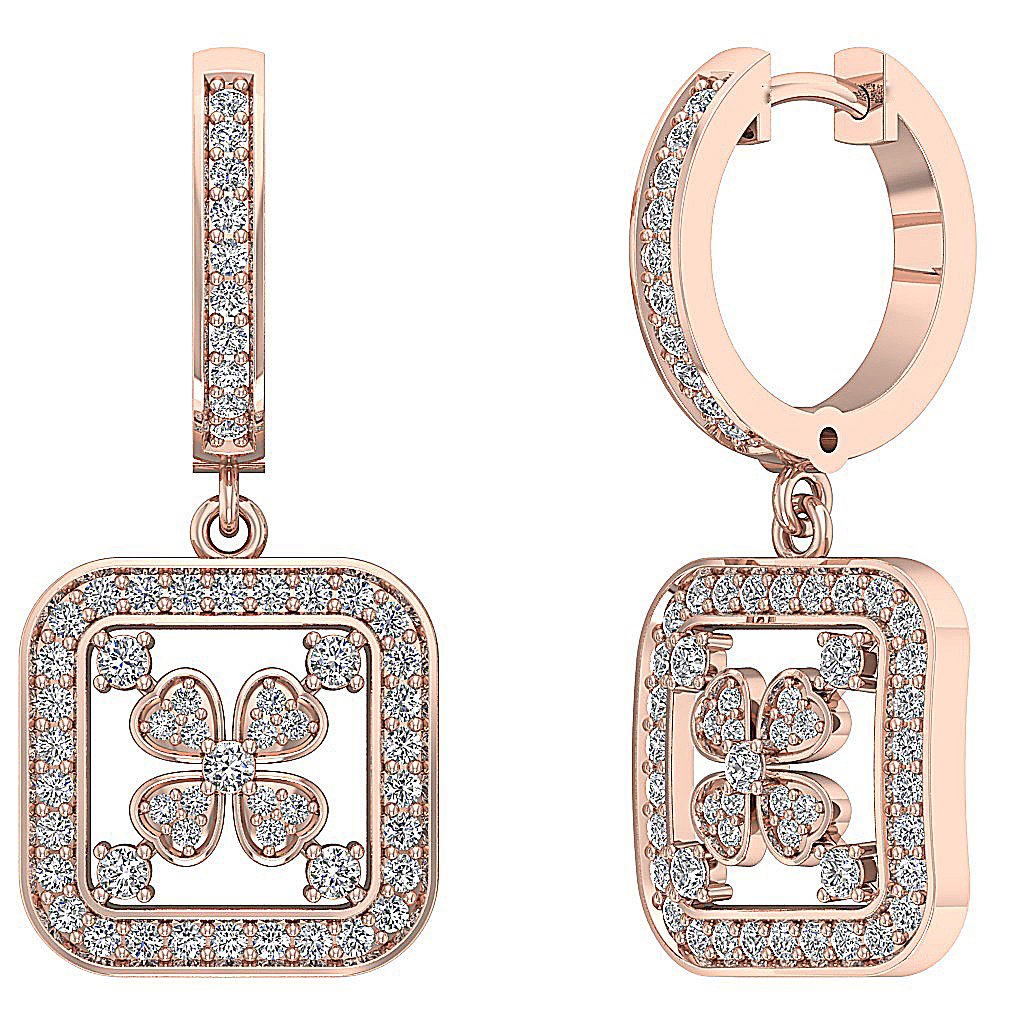
Rose gold adds a softer warmth and can make a contemporary dangle feel more distinctive without increasing its visual complexity.
When choosing between the three, consider both personal preference and the jewelry already being worn. Matching gold colours creates continuity, while mixing metals can create deliberate contrast.
Choosing a Setting for Dangle Diamond Earrings
Prong settings expose more of each diamond to light and minimise the amount of visible metal around the stone. This can be particularly effective when individual diamonds are intended to remain visually distinct.
Bezel settings surround the edge of a diamond with metal, providing greater enclosure and creating a smoother outline. They can work well for suspended elements where a more protected construction is preferred.
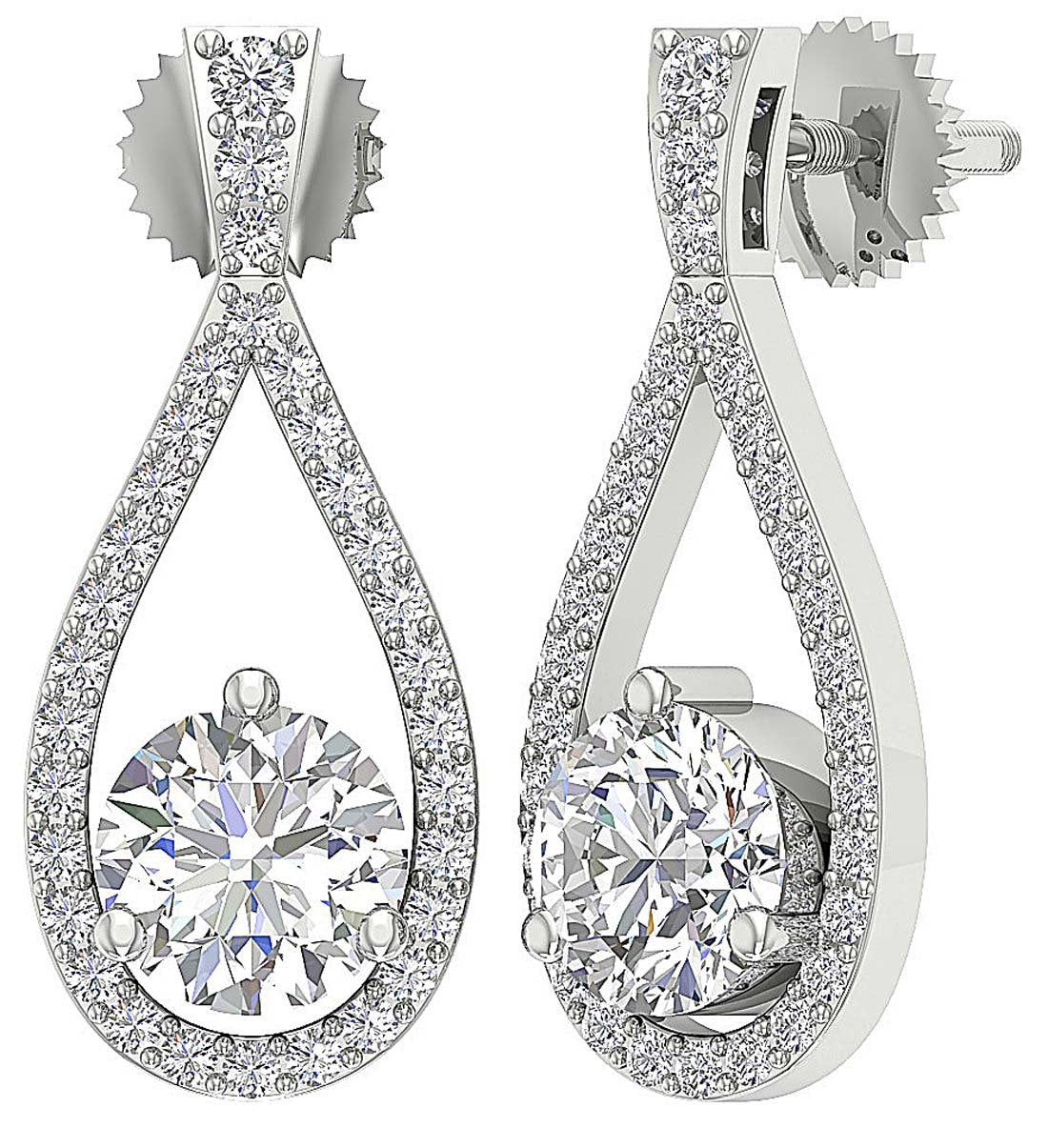
Pavé settings place smaller diamonds closely together to create a more continuous surface of sparkle. On a dangle earring, pavé can emphasize a particular shape or section without requiring larger individual stones.
The best setting depends on the design itself as well as how the earrings will be worn. A delicate, open construction often calls for a different balance of exposure and support than a more substantial suspended piece.
How to Style Dangle Diamond Earrings for Day and Evening
Shorter dangle earrings can transition naturally into daytime jewelry. Their movement gives them more character than a fixed stud while remaining relatively restrained around the face.
Medium-length designs can work across a wider range of occasions. They can add detail to workwear or casual clothing and become more noticeable when paired with evening outfits.
Longer dangle earrings tend to have greater impact and can be particularly effective for dinners, celebrations and formal occasions. An updo or swept-back hairstyle can expose the full length of the design, allowing the movement to become more apparent.
Because dangle earrings already introduce vertical movement, they often work best when other jewelry is kept relatively controlled. A simple necklace or understated bracelet can complement the earrings without competing with them.
Choosing Natural versus Lab-Grown Diamonds for Diamond Dangle Earrings
Both natural and lab-grown diamonds can be incorporated into gold dangle earrings. The choice can therefore be based on origin, budget and the diamond characteristics the buyer values rather than the type of earring.
Natural diamonds appeal to those who value geological origin and rarity. Lab-grown diamonds provide another option for buyers who want to allocate more of their budget toward size, total carat weight or other characteristics.
When a dangle design contains multiple stones, consistency is important. Matching the diamonds closely in colour and overall appearance helps the earring maintain a cohesive look.
Considering Weight and Balance of Dangle Earrings
The visual length of a dangle earring does not tell you how it will feel on the ear.
Gold weight, diamond weight, the number of suspended elements and the distance of those elements from the lobe can all affect comfort. A heavier component positioned farther below the ear may feel different from the same weight held close to the lobe. A well-constructed earring should hang naturally rather than continually tipping or twisting out of position.
If the earrings are intended for extended wear, be sure to consider their overall weight and construction instead of choosing solely on appearance. Secure fastening is equally important in dangle earrings, particularly for longer designs.
Living With It: Caring for Gold Dangle Diamond Earrings
Clean dangle diamond earrings regularly with warm water, mild soap and a soft-bristled brush. Work carefully around the settings and the connecting points between suspended elements.
Pay particular attention to hinges, links and small joints. These areas can experience repeated movement and may also collect lotion, hair products and everyday residue.
Check the fastening before wearing the earrings, especially when the design is long or contains several moving sections. If a connecting point appears weak, a diamond feels loose or the closure no longer functions correctly, have the earrings inspected by a jeweller.
Store dangle earrings separately where possible. Keeping the hanging elements from becoming tangled with other jewelry helps reduce unnecessary strain on the connections.
Gold gives the structure warmth; diamonds give it light; movement brings the two together in an earring that changes subtly with every turn.