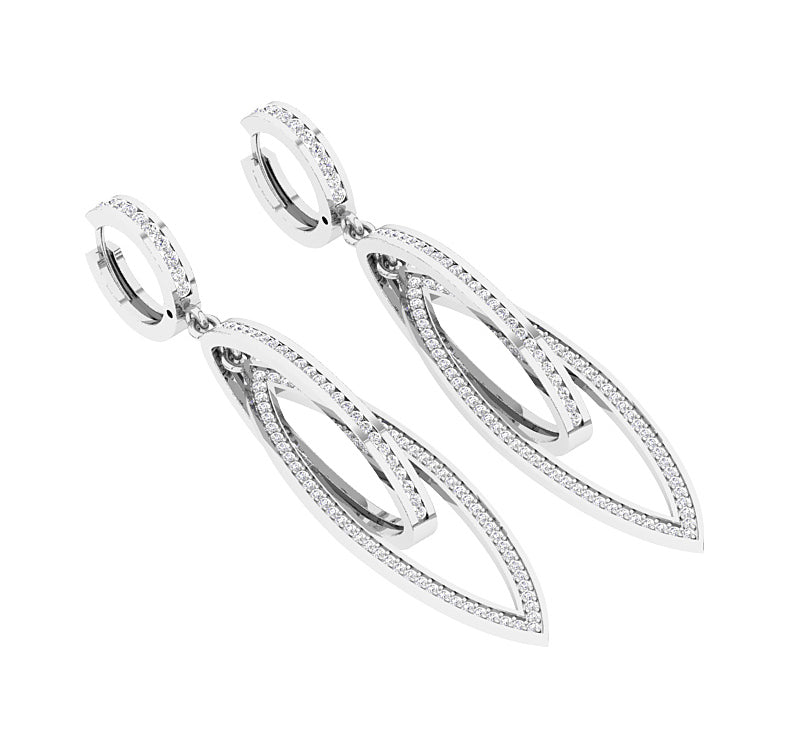

Cushion Cut Diamond Ring
Discover cushion cut diamond rings crafted to make every moment unforgettable
.Filters
2 products
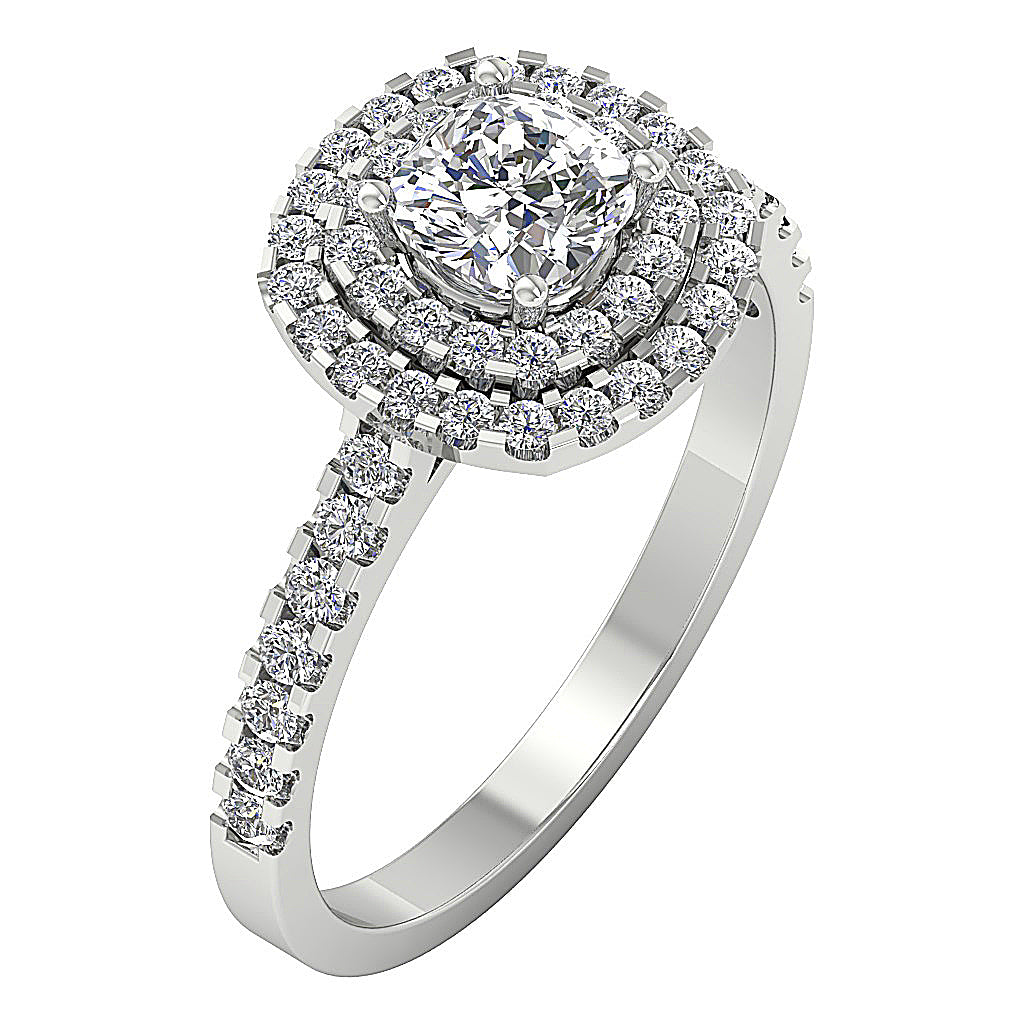
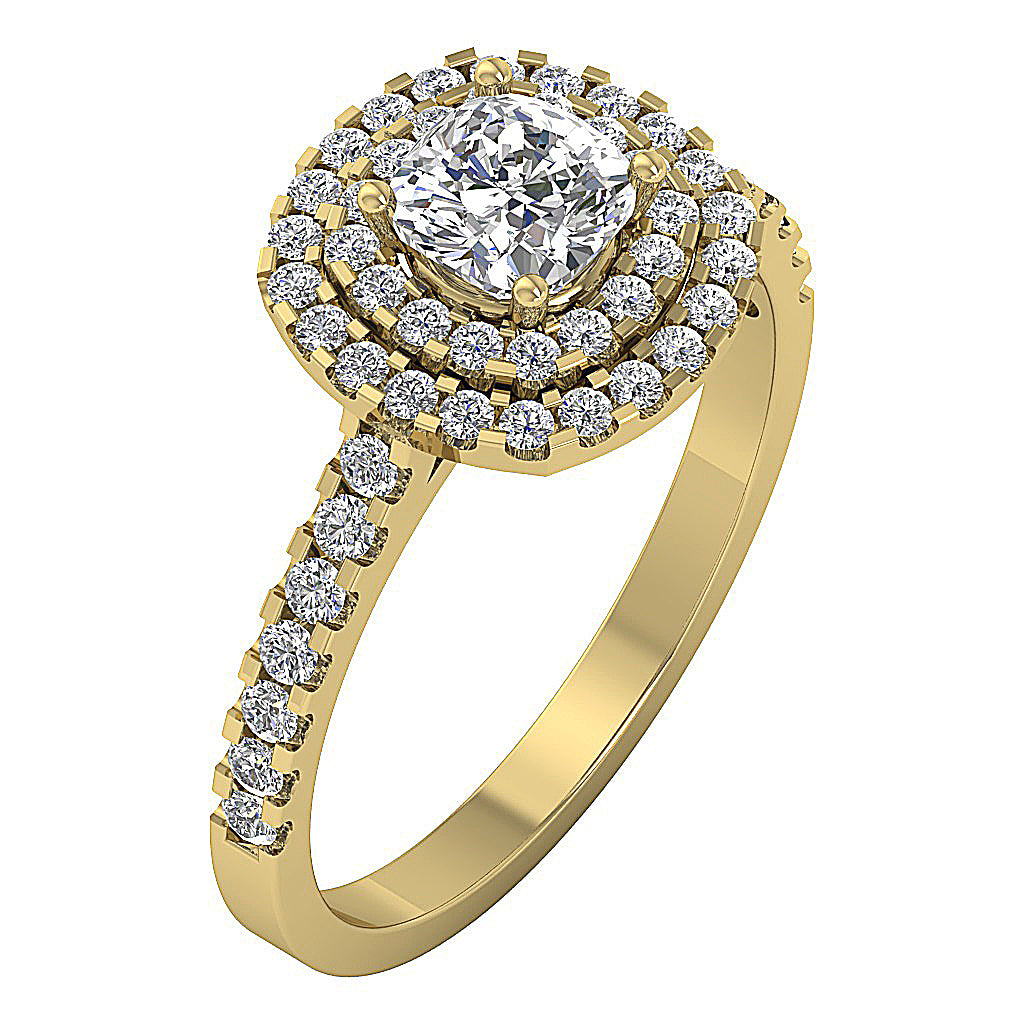
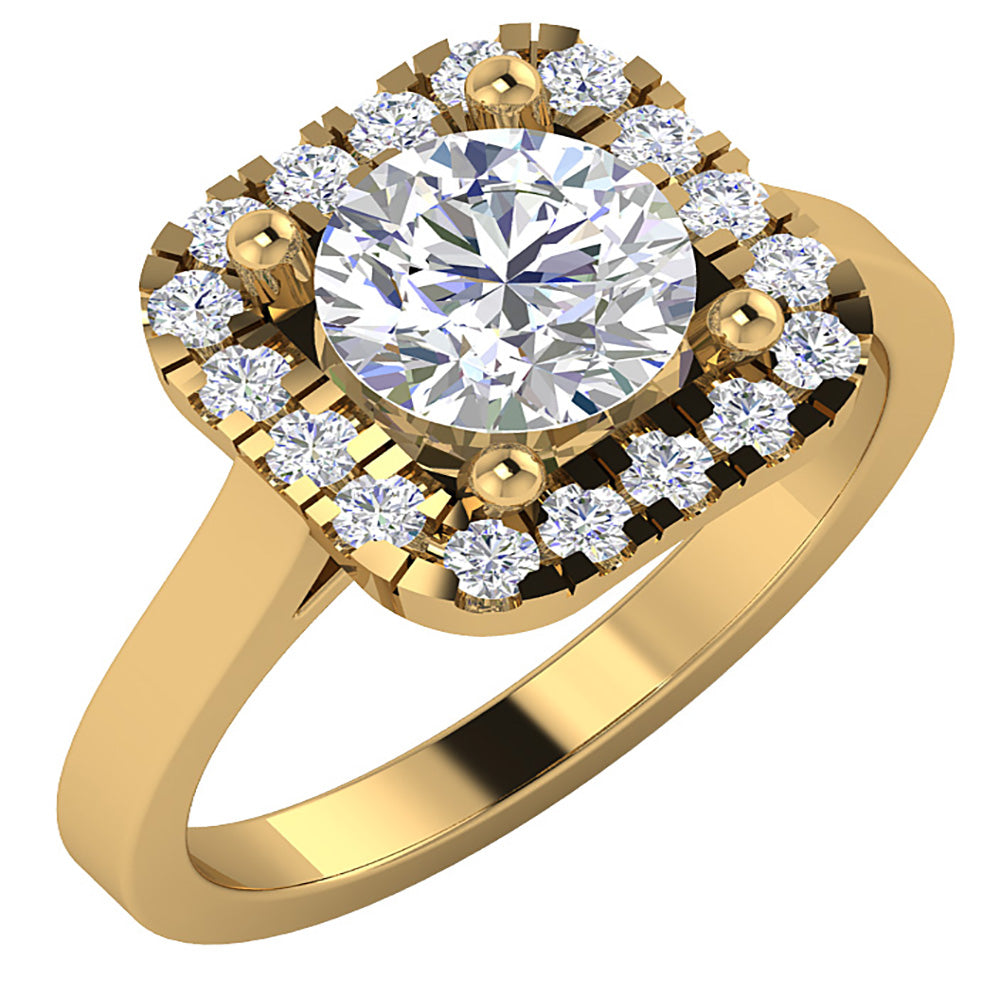
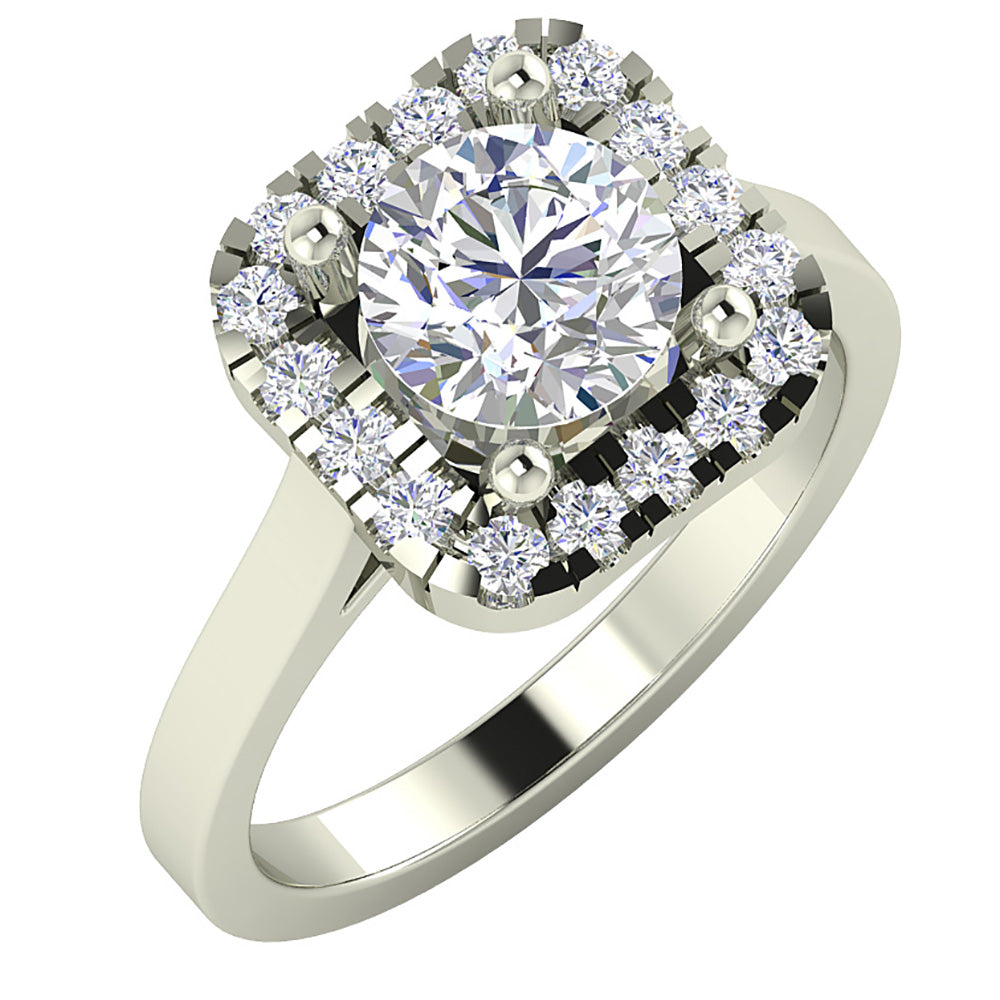
Cushion Cut Engagement Ring
A cushion cut diamond combines softness with substantial presence. Its square or rectangular outline, softened by rounded corners, creates a distinctive pillow-like silhouette, while broad facets produce warmer, wider flashes than the tighter sparkle of a round brilliant.
Its character traces back to old mine cuts, shaped largely by hand before modern technology brought greater precision. Contemporary cushions retain that heritage while offering classic or modified faceting, from softer flashes to more scintillating brilliance. Equally at home in vintage-inspired, Art Deco, or modern settings, the cushion cut’s versatility allows it to move effortlessly between old-world romance and contemporary restraint.
How Cushion Cut Rings Are Built
The proportions of a cushion determine much of how it appears on the hand. A length-to-width ratio close to 1.0 creates a square, compact outline, while a ratio above roughly 1.15 begins to produce a more elongated rectangular appearance.
The corners of a cushion cut diamond are another defining feature. Rather than meeting in sharp points, they curve gently into the sides of the stone. These echo one another closely in shape and curvature, and even subtle differences can affect the symmetry of the finished diamond when viewed against a setting.
Cushion cut diamonds are available with different faceting arrangements, each creating a distinct relationship with light. Classic cushions use fewer, larger facets for broader flashes, while modified or crushed-ice cushions use denser faceting to create a more intricate appearance.
The setting needs to respond to these differences rather than treat every cushion in the same way. Prong length, placement, and overall proportions should follow the individual stone, allowing the rounded outline and chosen facet pattern to remain visually balanced.
The Craft Behind Cushion Cut Engagement Rings
A cushion cut diamond's rounded corners, facet pattern, and proportions all need to work together. This is important since small differences in the cut become noticeable when the stone is viewed closely.
Each stone is evaluated for its facet pattern alongside its standard grading characteristics. Classic large-facet cushions and modified cushions create distinctly different types of brilliance, so the faceting needs to suit the intended character of the finished ring.
The corner rounding is also examined individually. Four corners with consistent curvature give the stone a deliberate, symmetrical appearance, while uneven rounding can make the outline feel slightly irregular once set.
The finished ring is checked for corner symmetry and proportion, with prong length matched to the specific cushion rather than treated as a fixed measurement. It is this attention to the individual stone that allows the setting to feel integrated rather than simply built around a standard shape.
Wearing It Well: Styling Your Cushion Cut Engagement Ring
A cushion cut gives you room to choose between two distinct directions. Lean into its history with a milgrain-edged halo, filigree details, or other vintage-inspired elements, or keep the setting deliberately minimal and allow the same stone to take on a thoroughly contemporary character.
Faceting can guide that choice, too. A classic cushion produces softer, broader flashes of light, while a crushed-ice variation creates denser scintillation. Neither is inherently superior; the difference is one of character and personal preference.
Consider the stone's proportions in relation to the wearer’s hand. A squarer cushion has a compact, substantial presence and works naturally within a layered ring combination. A more elongated cushion creates greater visual length and can carry a simpler setting comfortably on its own.
Look closely at the corners before choosing a stone. Evenly rounded corners create a sense of symmetry and intention, particularly when the diamond is viewed directly from above.
Living With It: How to Care For Your Cushion Cut Diamond Ring
The cushion's rounded corners make it less exposed to impact than angular shapes such as emerald or princess cuts. That softer outline makes it a practical choice for regular wear, while still benefiting from the same care expected of any diamond ring.
Clean the ring weekly with warm water, mild soap, and a soft-bristled brush. Pay particular attention to modified or crushed-ice cushions, whose denser faceting can provide more recessed areas for dust and residue to settle.
A gentle circular motion can help reach these areas more effectively than a straight back-and-forth stroke. Work carefully around the setting without applying unnecessary pressure to the stone or its prongs.
Have a jeweller inspect the setting once a year, checking prong security around the full perimeter rather than focusing only on the corners. Remove the ring before swimming, manual work, or activities involving repeated impact, and store it separately from harder gemstones to prevent unnecessary contact.
A familiar silhouette, softened by time and transformed by light.
Frequently Asked Questions
What's the difference between a classic and a modified cushion cut?
Is a cushion cut diamond suitable for vintage-style settings?
How does a cushion cut compare with a round brilliant in price?
Does a cushion cut diamond show colour more readily than a round brilliant?
ETHICAL BRILLIANCE
Our diamonds are not just stunning; they are symbols of integrity. Each diamond at Diamond For Good safeguards human rights throughout its journey. Choose a gem that's as conscientious as it is captivating.
EXEMPLARY CUSTOMER CARE
You are our top priority. Our customer service is not just advanced. It's exemplary. We are here for you, always. Enjoy peace of mind with free delivery and hassle-free returns*.
SECURE SHIPPING
Indulge in a seamless shopping experience. We ensure your precious Diamonds are delivered safely to your doorstep with free insured shipping. Plus, should you change your mind, we offer free returns on all our products within the USA*.