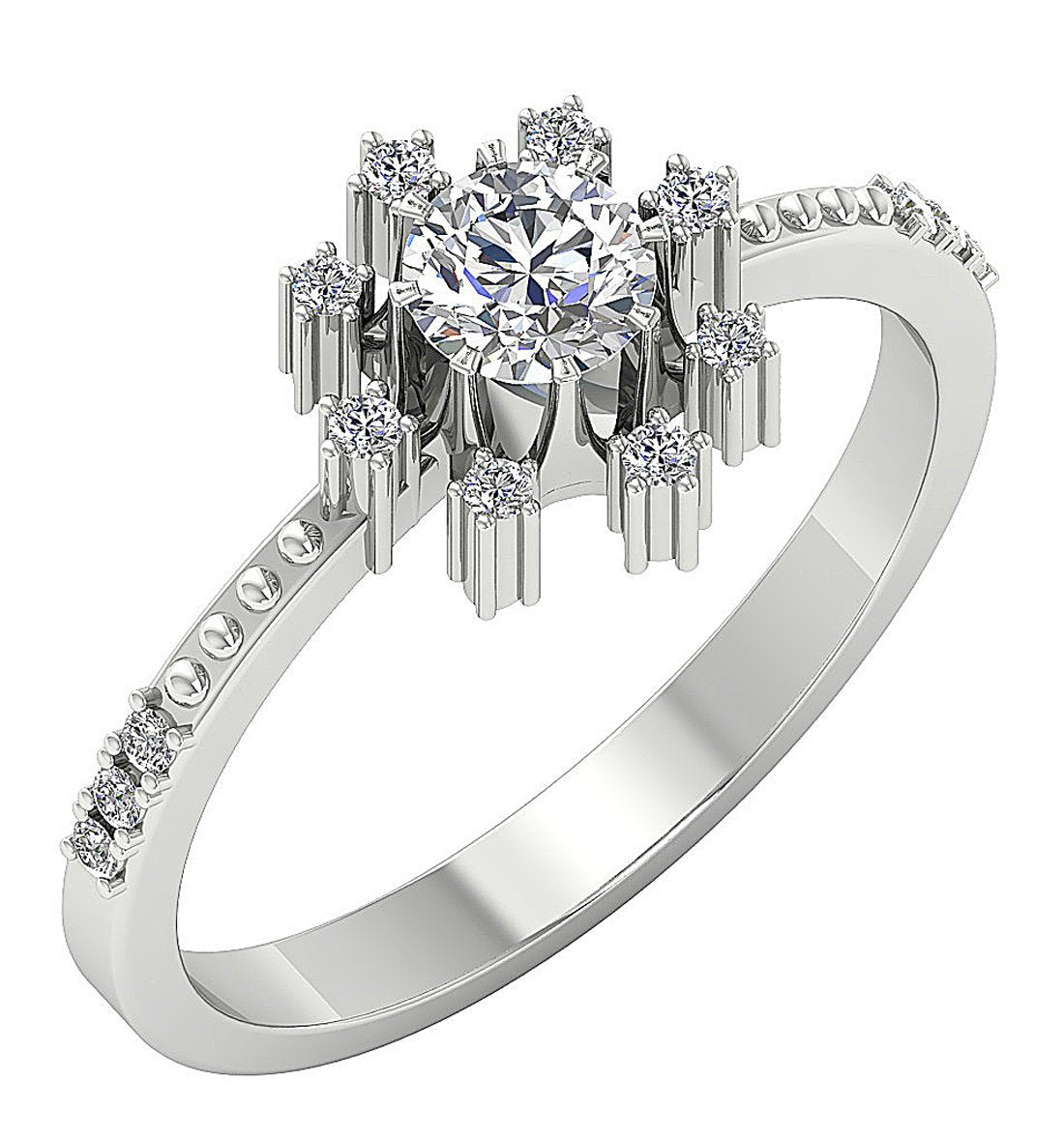
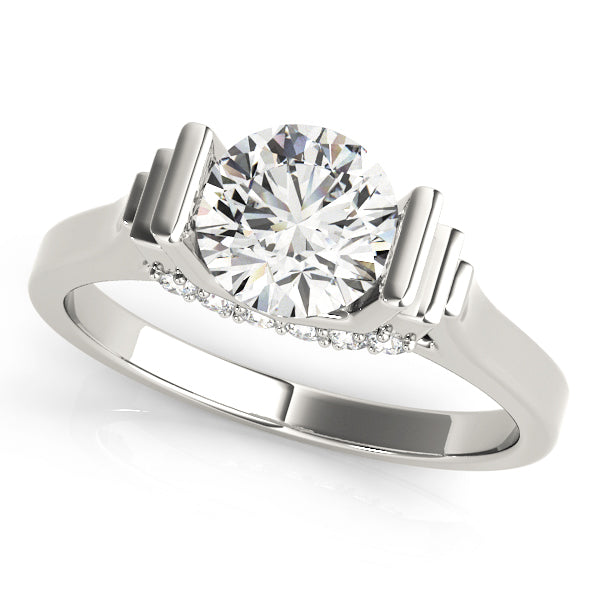
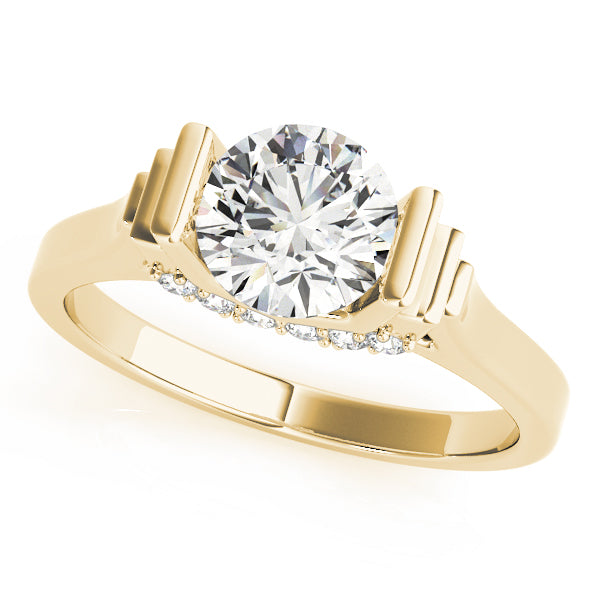
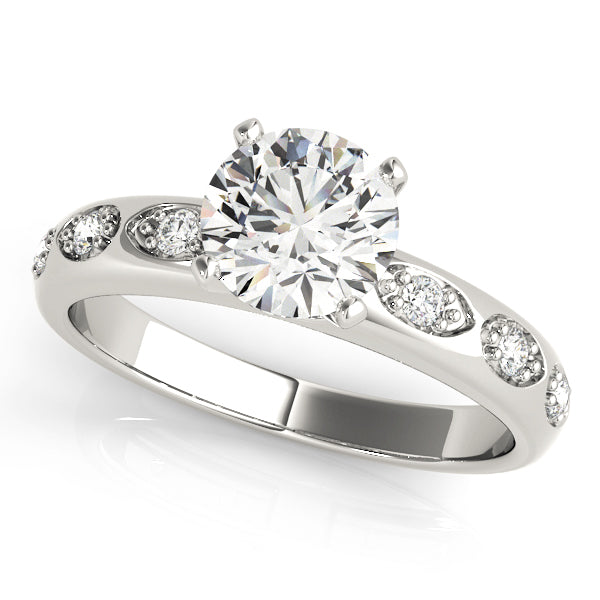
Accent Ring
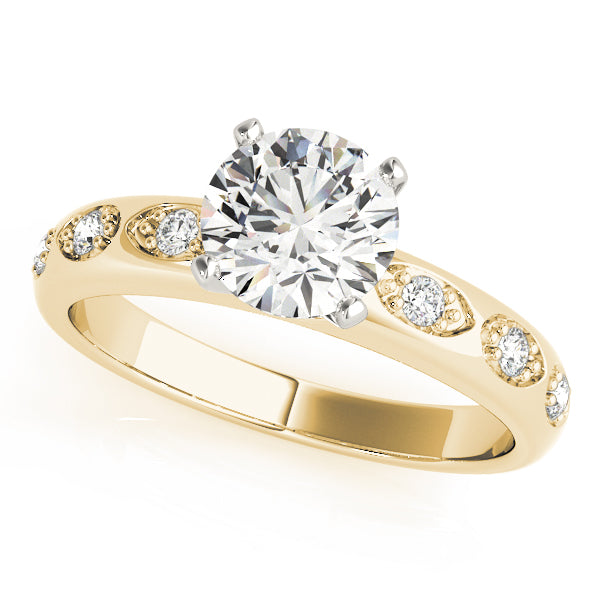
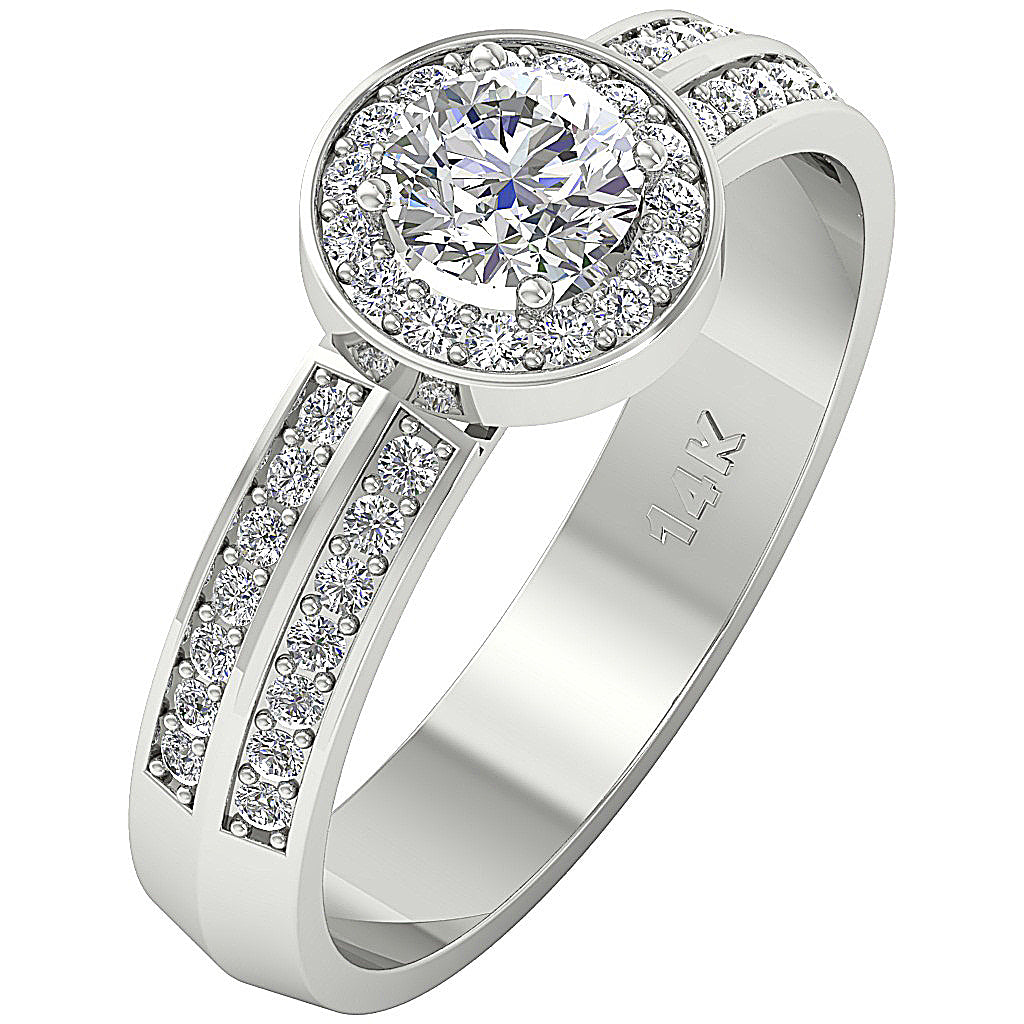
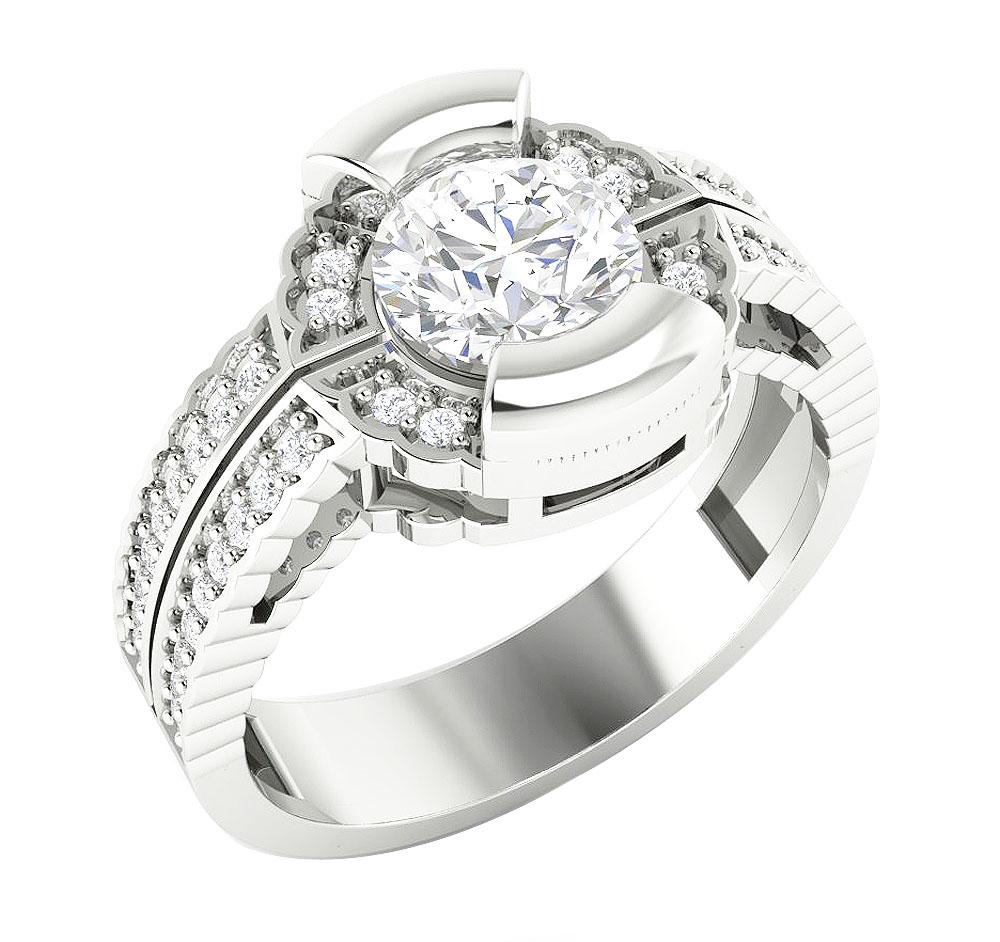
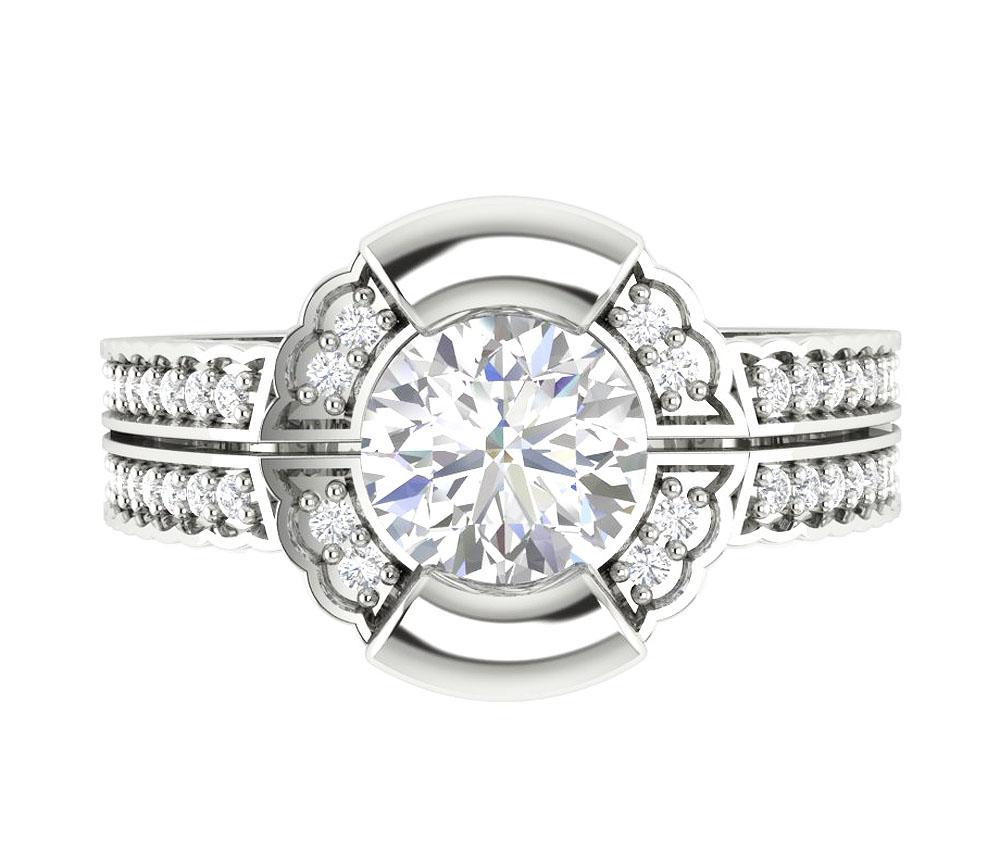
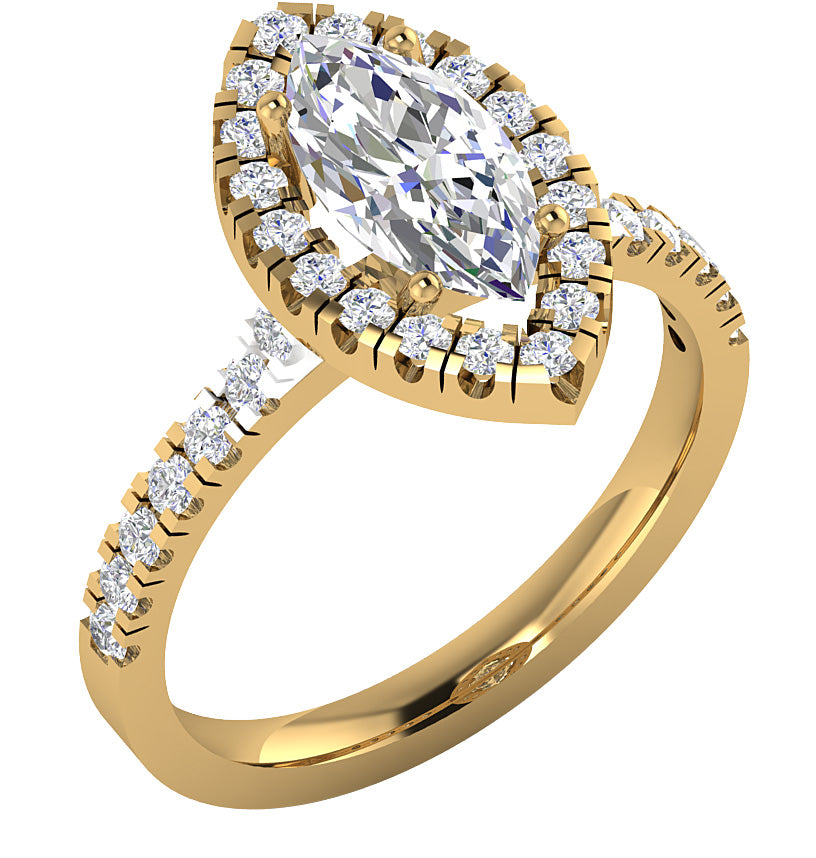
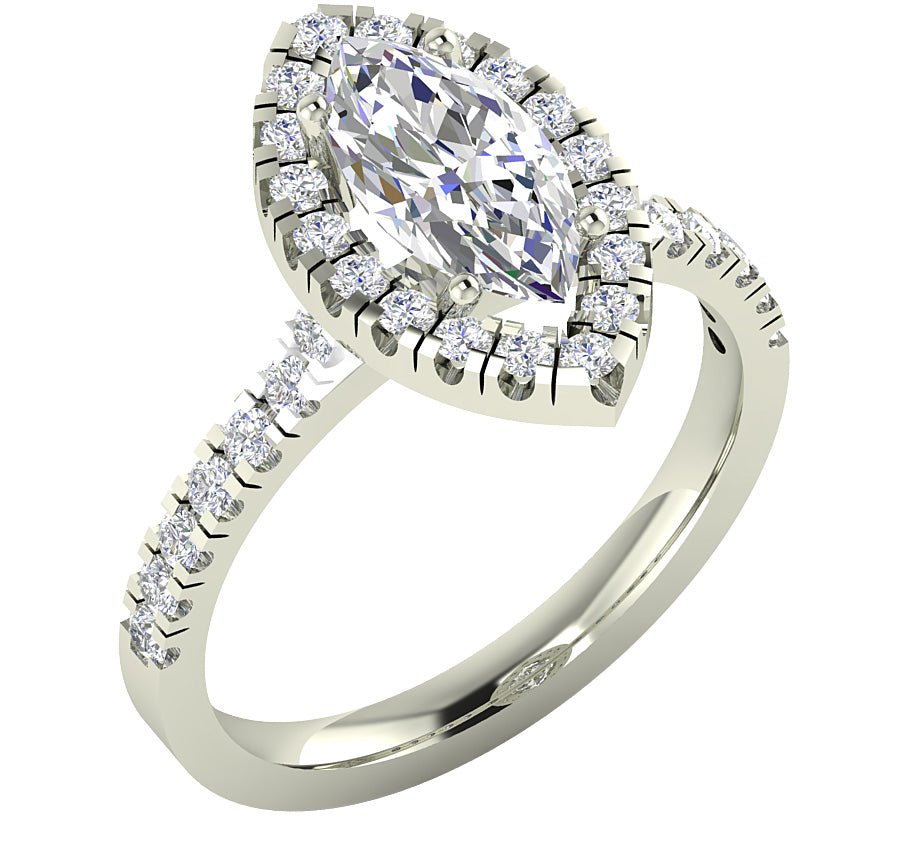
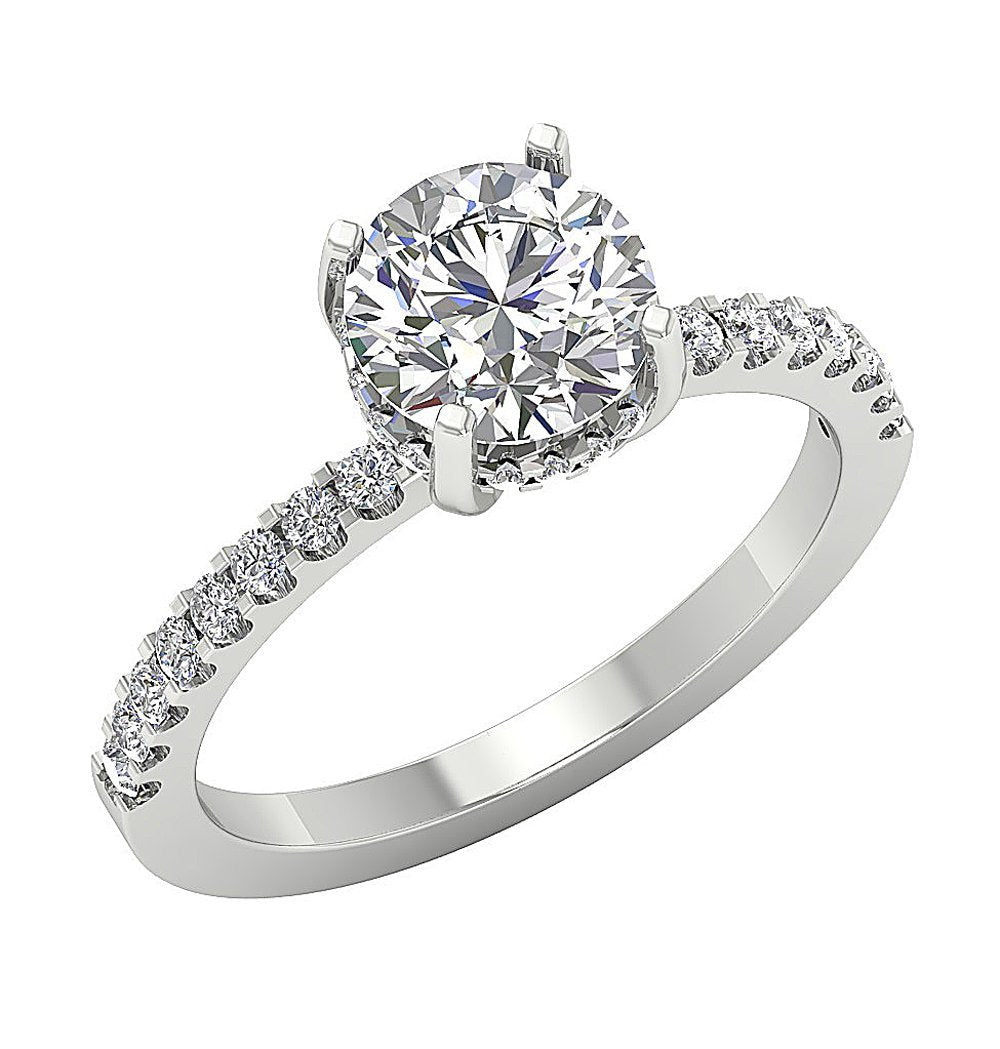
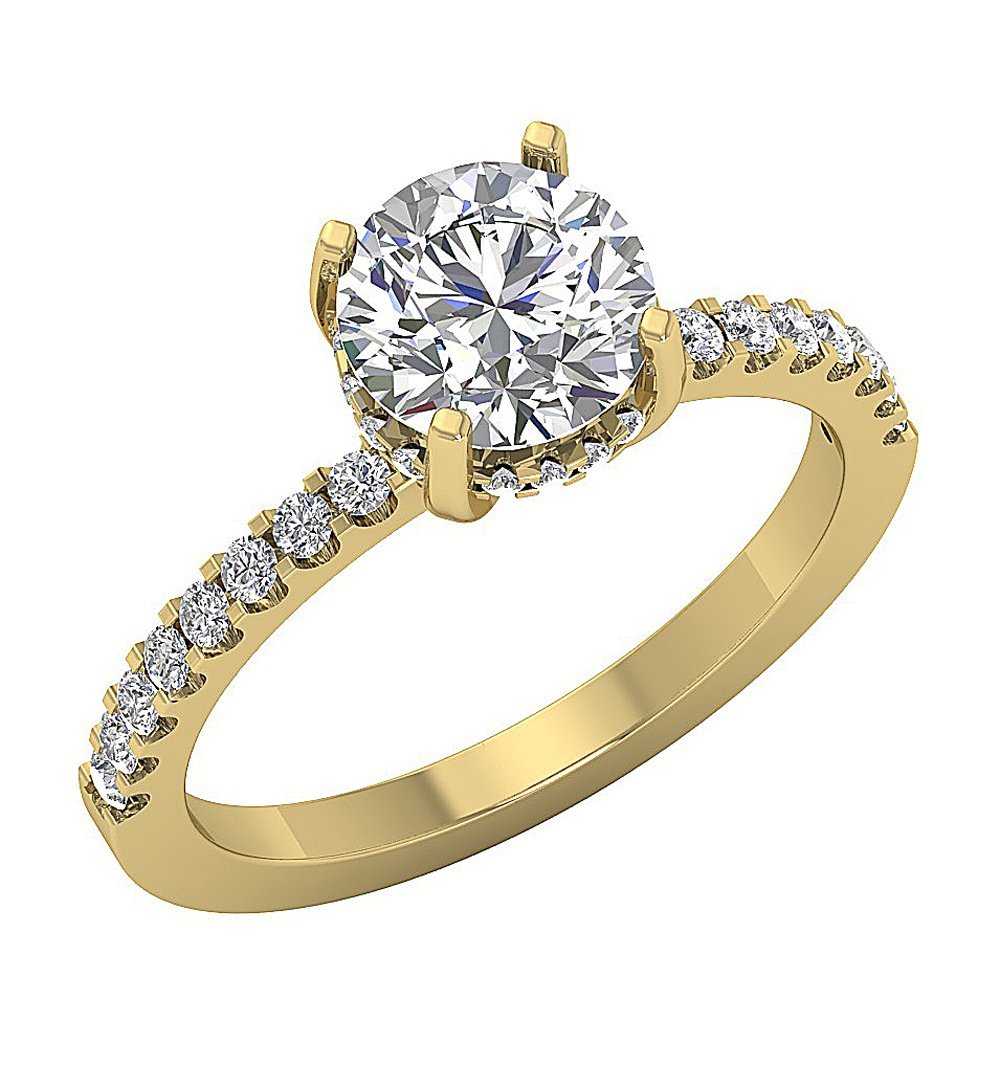
An accent ring adds brilliance along the band, the shoulders, or around a center stone, without ever competing with whatever the ring's actual focal point happens to be. The distinction from a halo is one of placement. A halo forms a defined ring immediately around the center diamond.
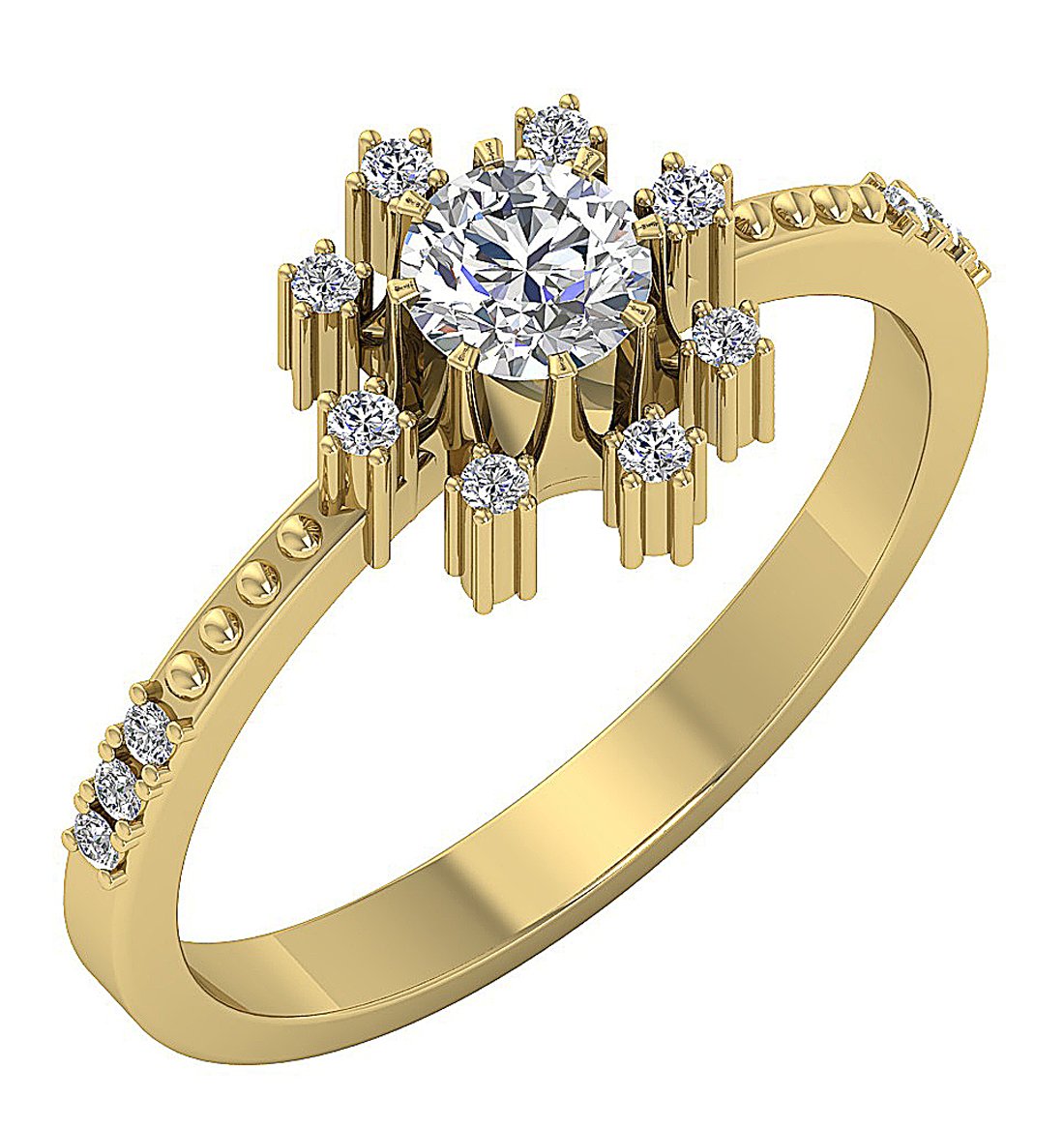
Accents scatter more broadly, sometimes running partway around the band, sometimes circling it completely. Some designs skip a dominant center stone altogether and let the cumulative sparkle across the band become the entire point.
Three Ways to Set an Accent Ring
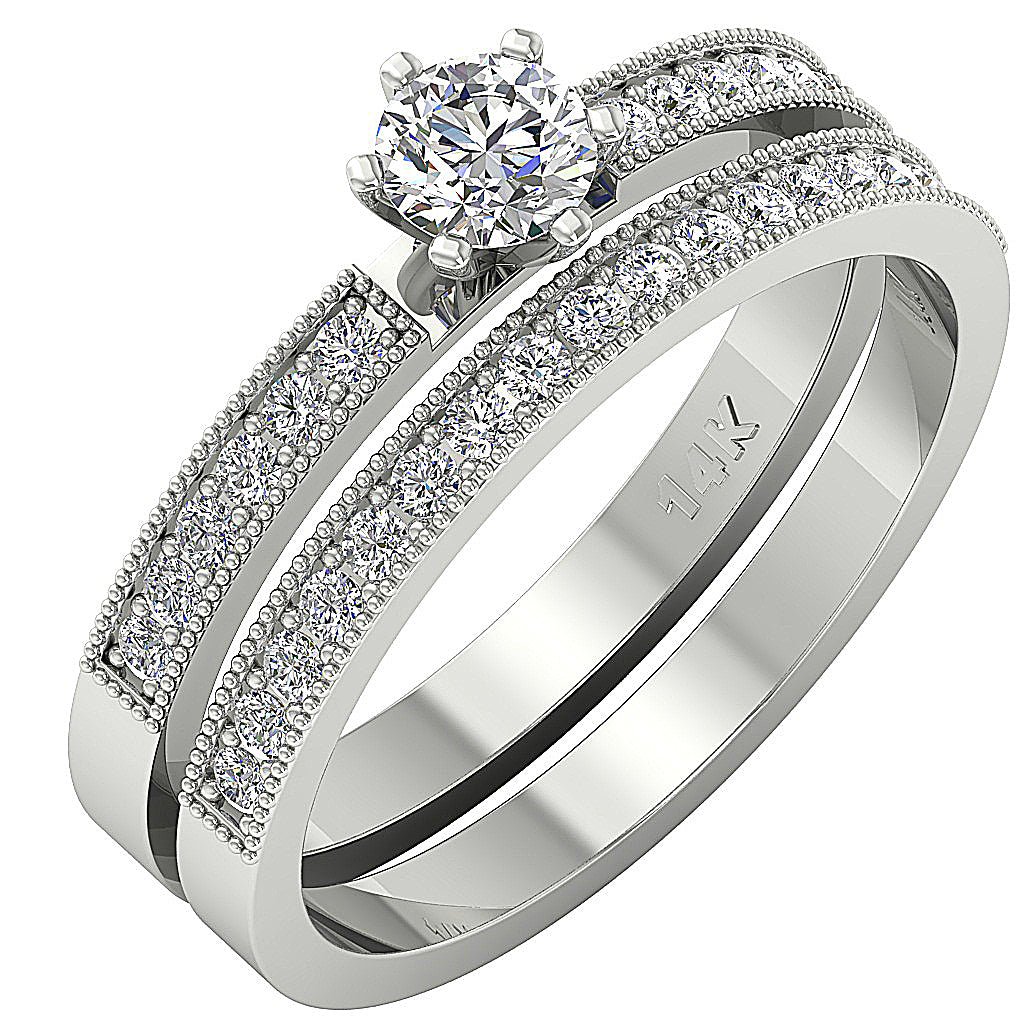
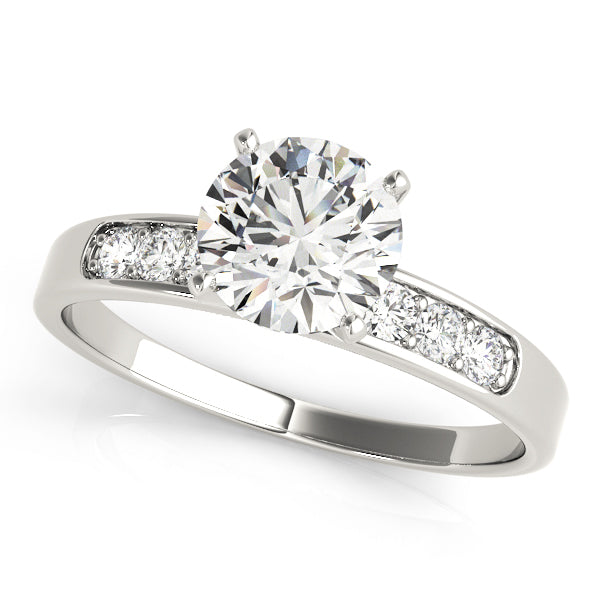
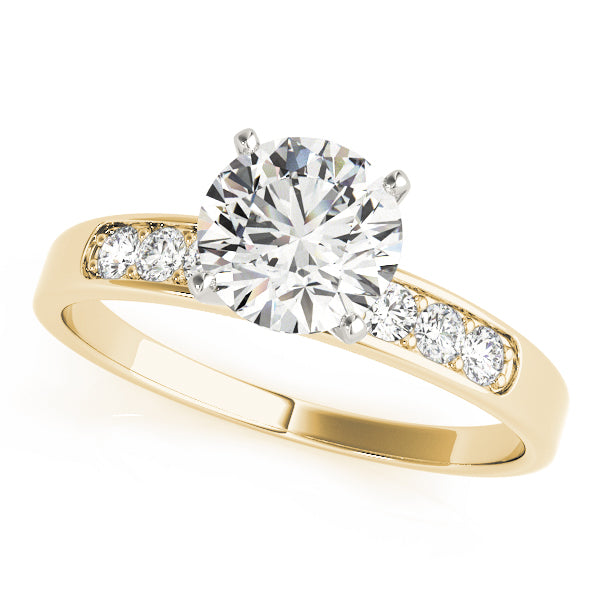
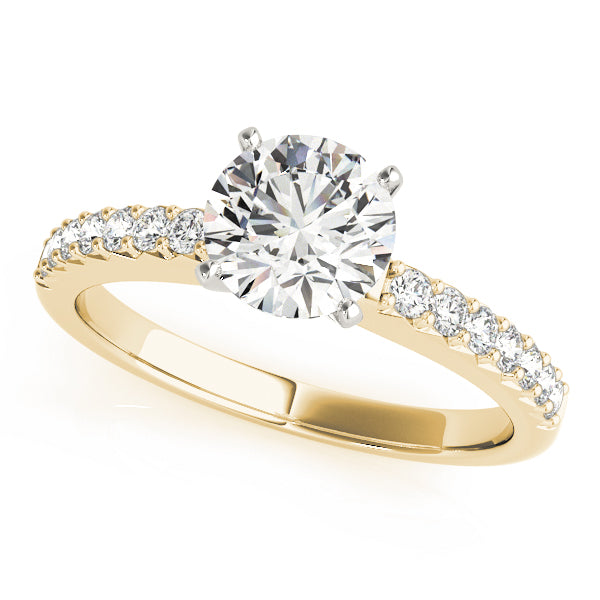
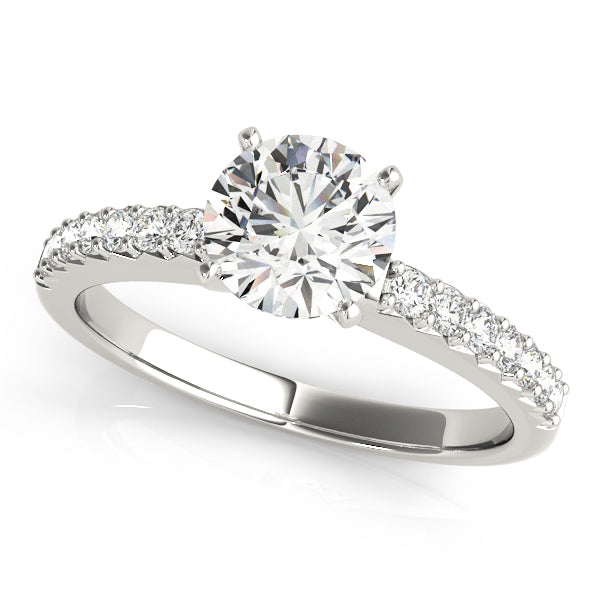
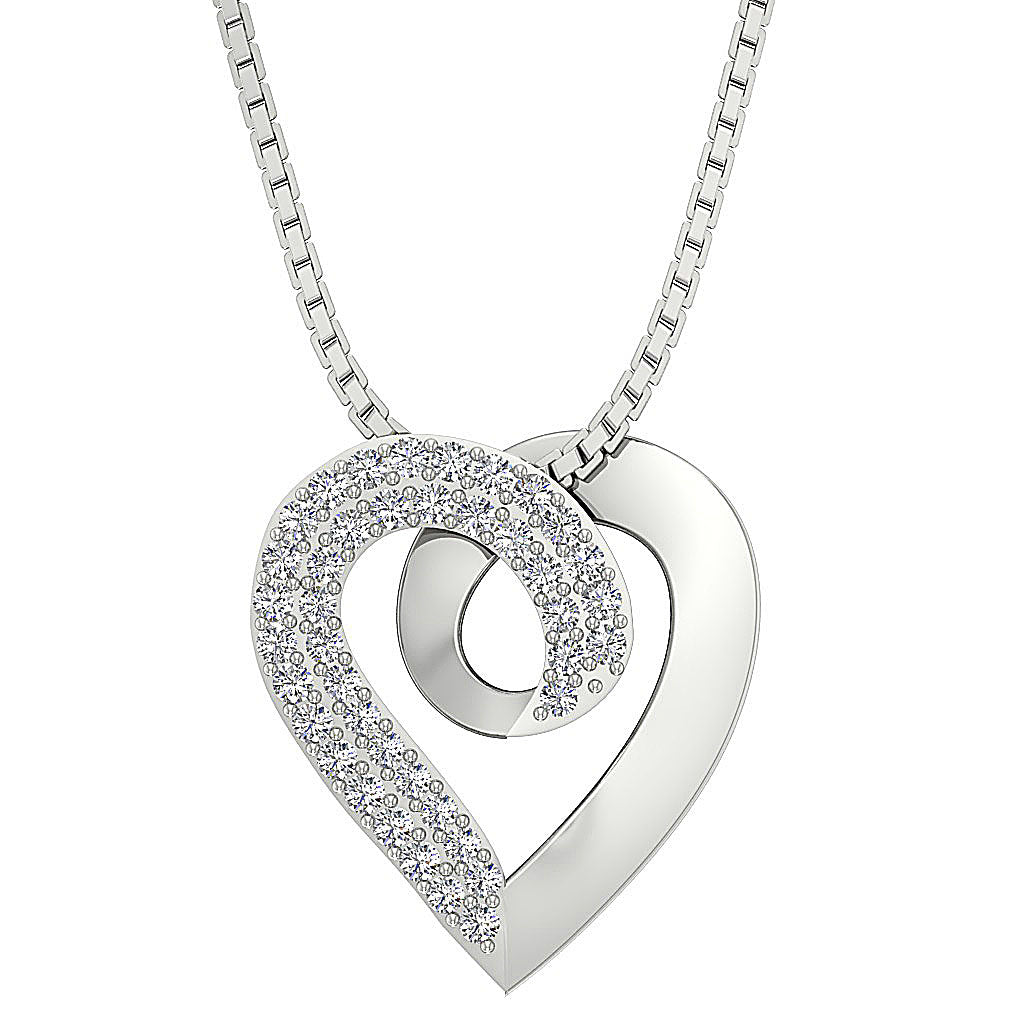
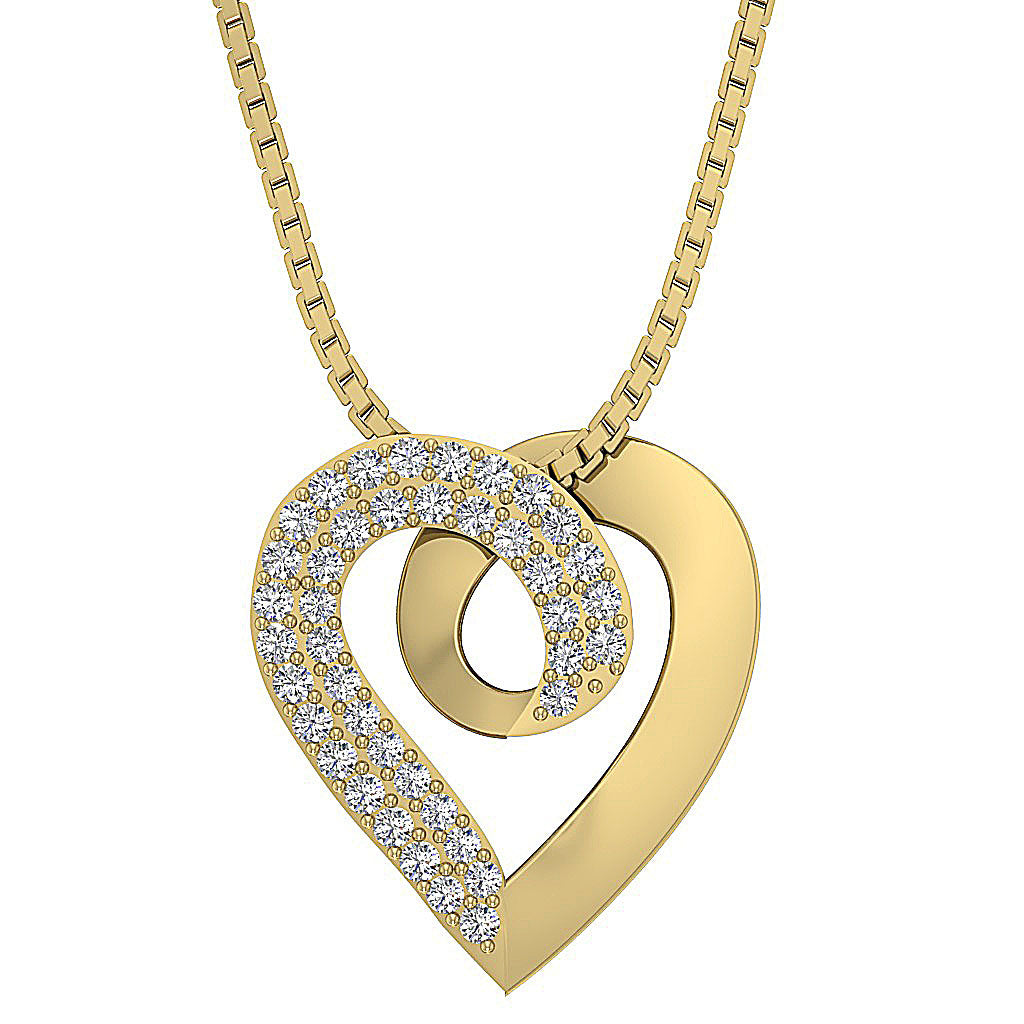
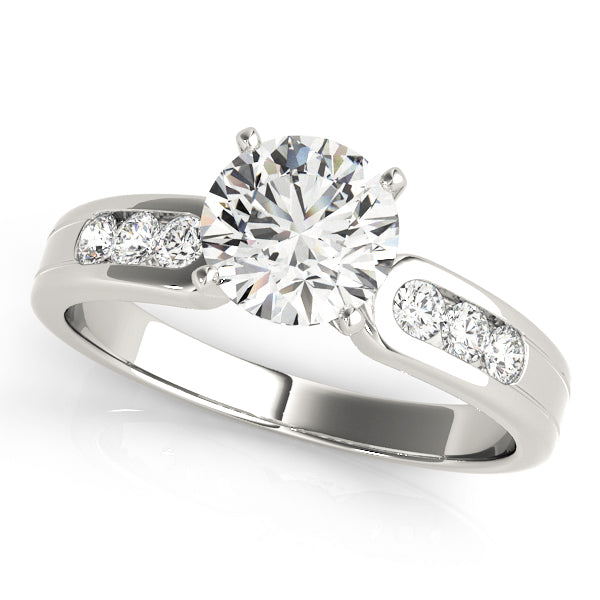
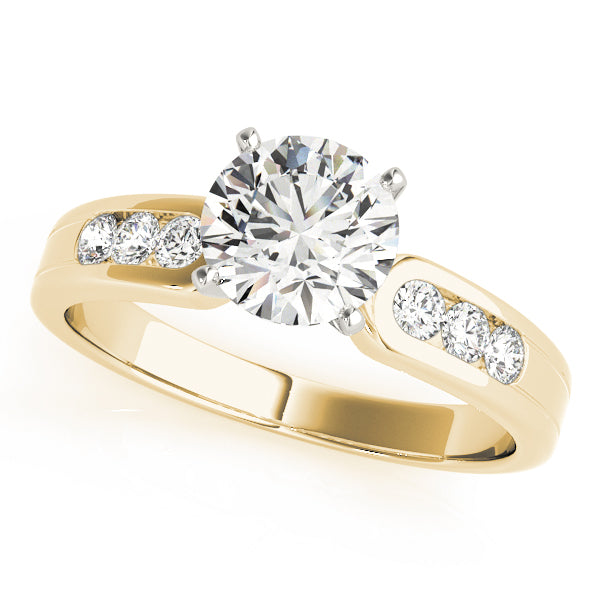
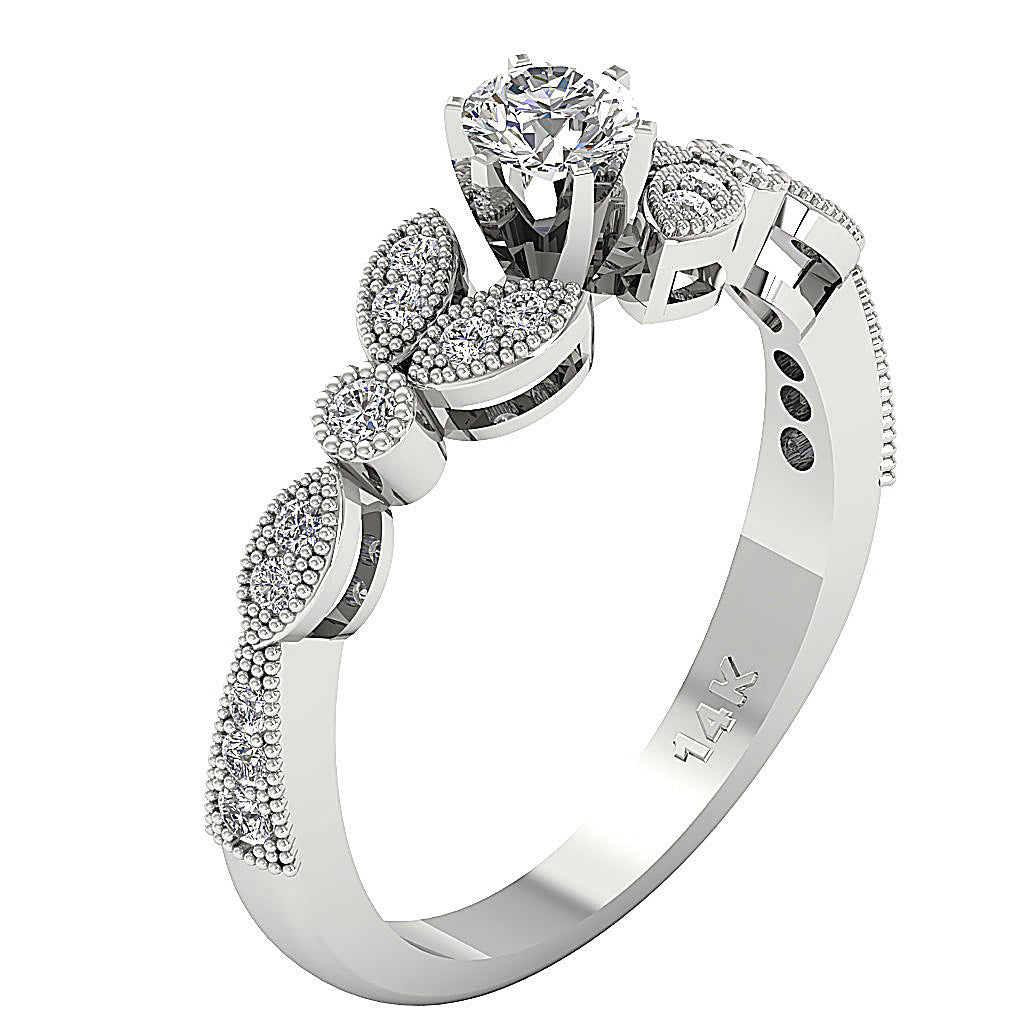
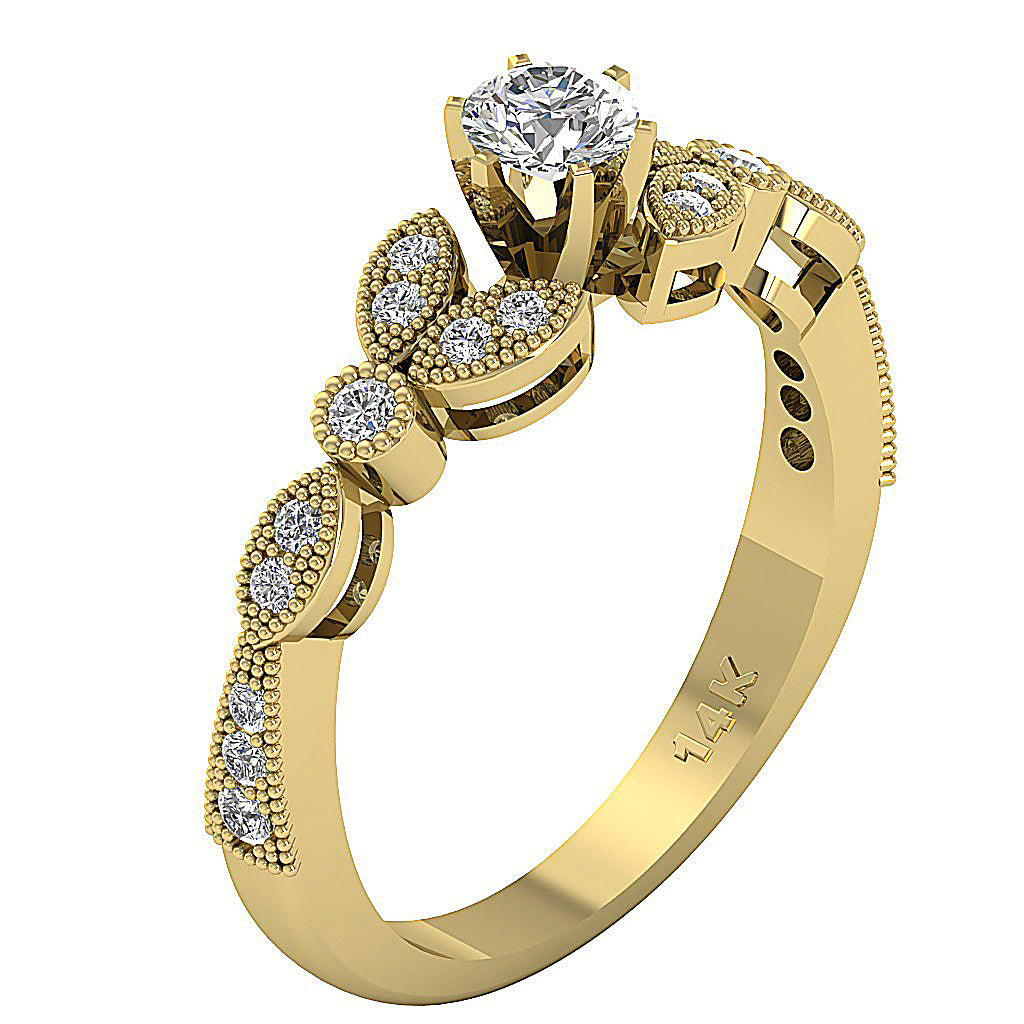
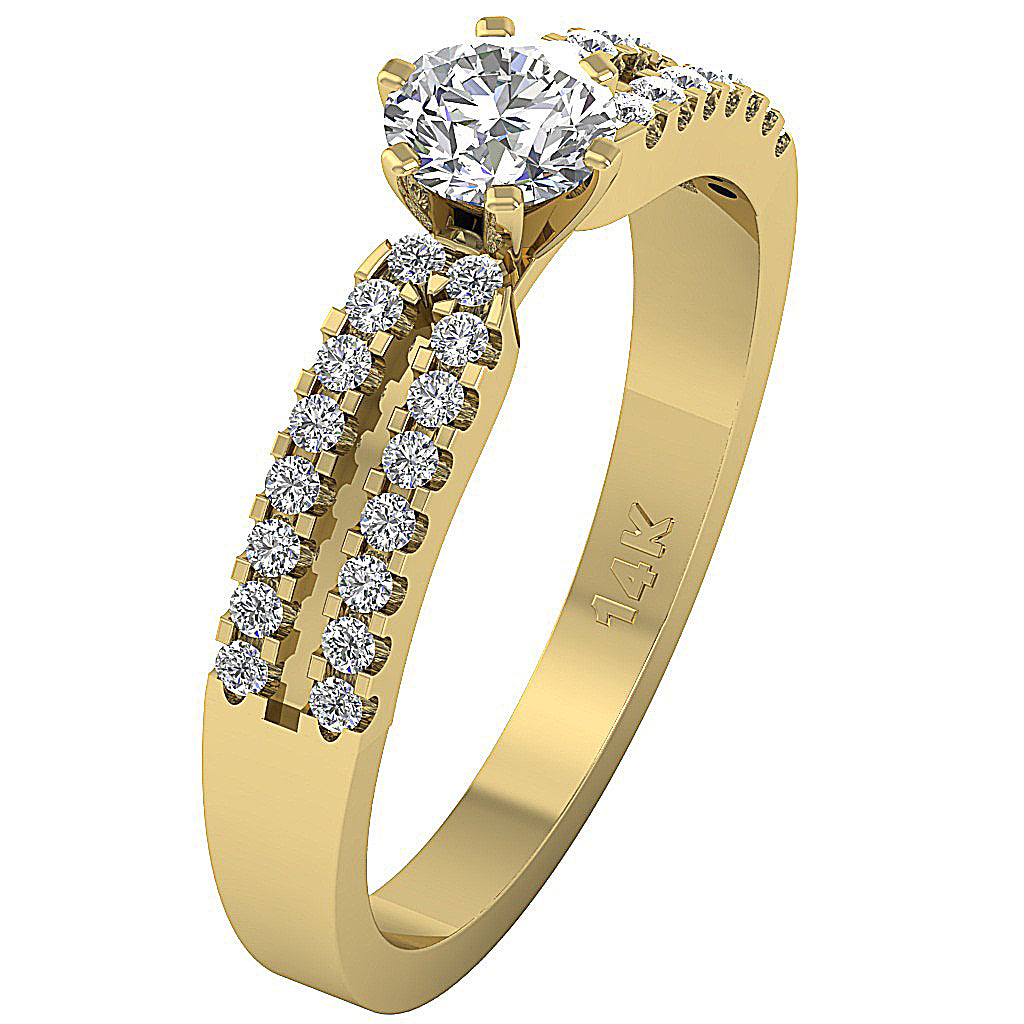
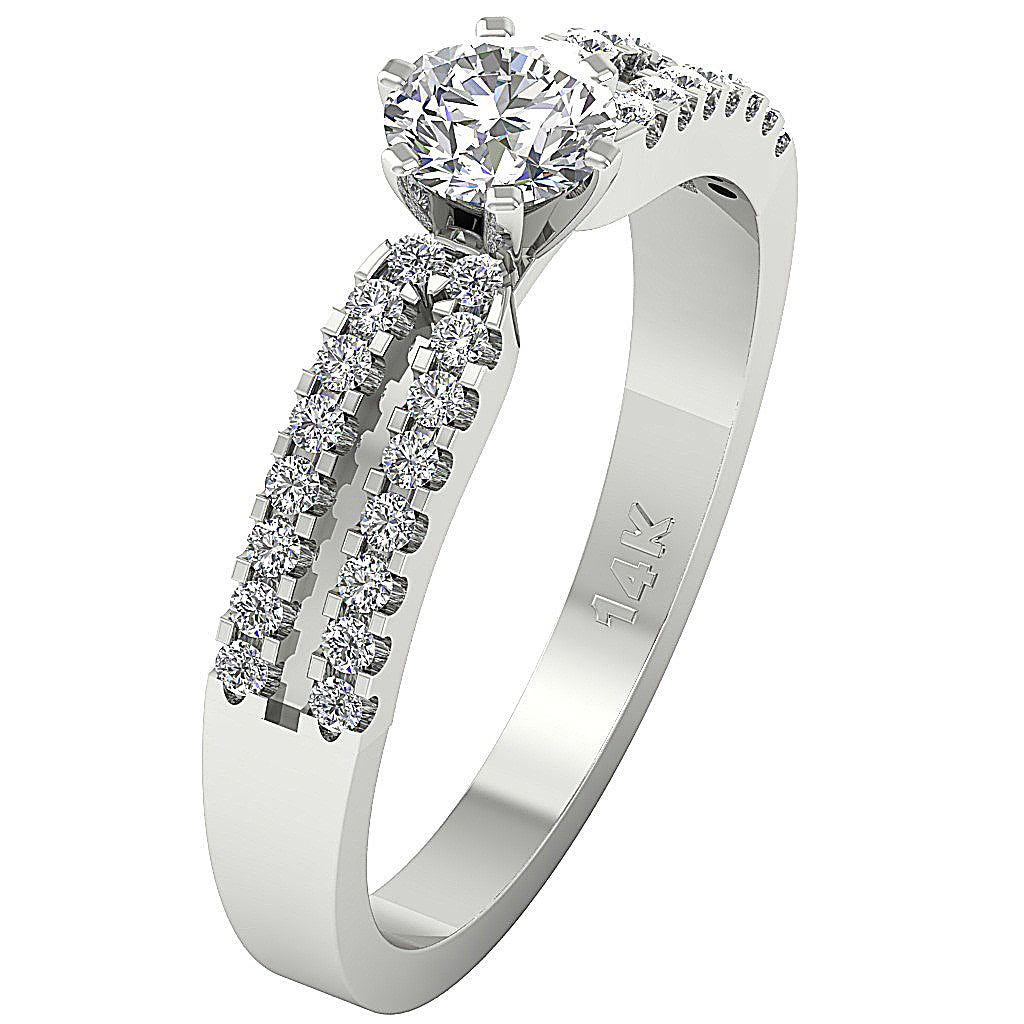
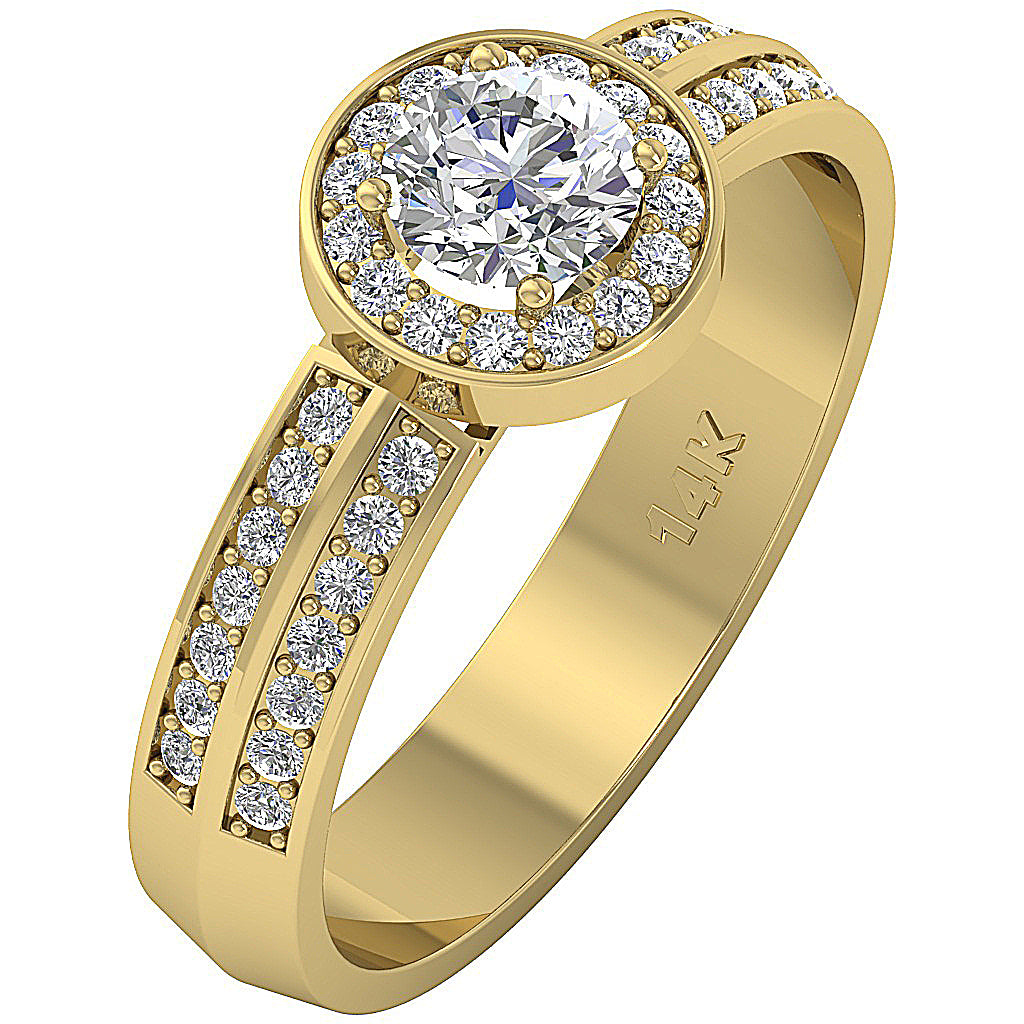
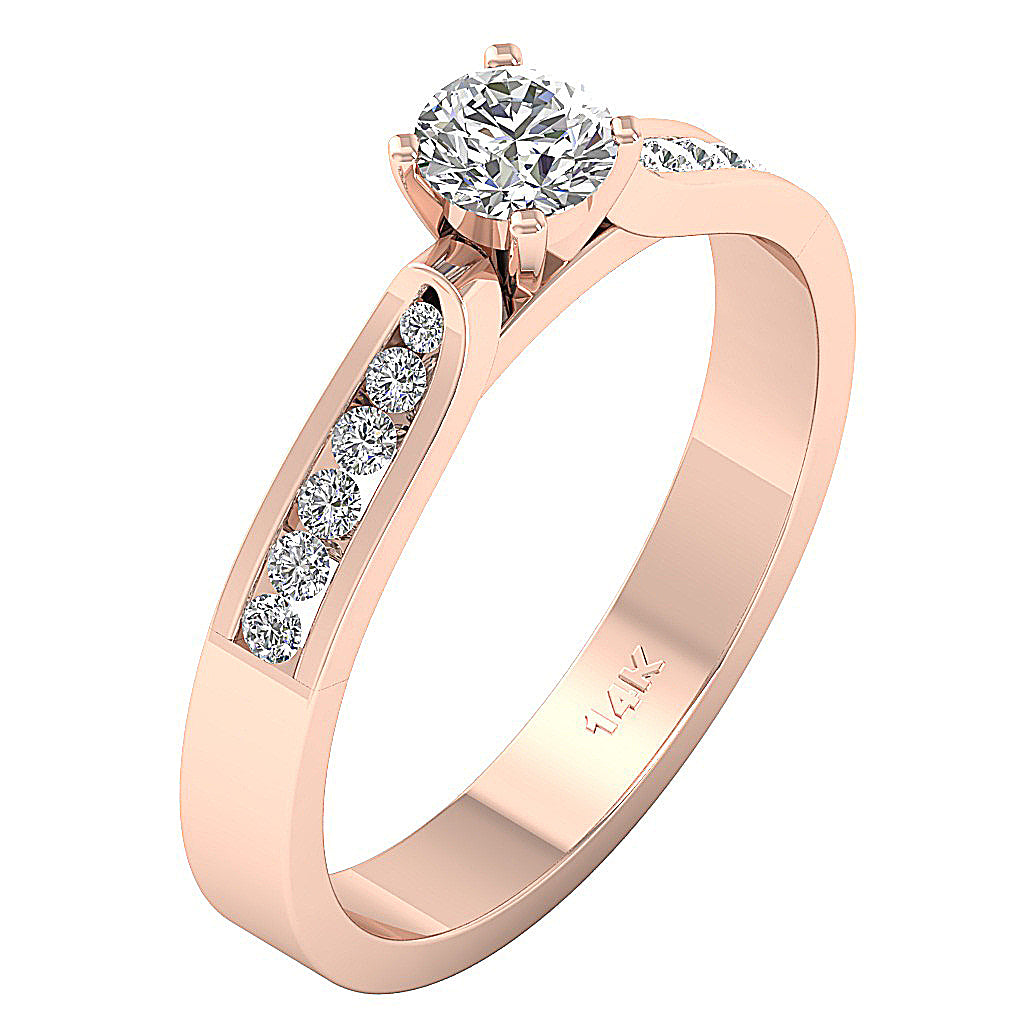
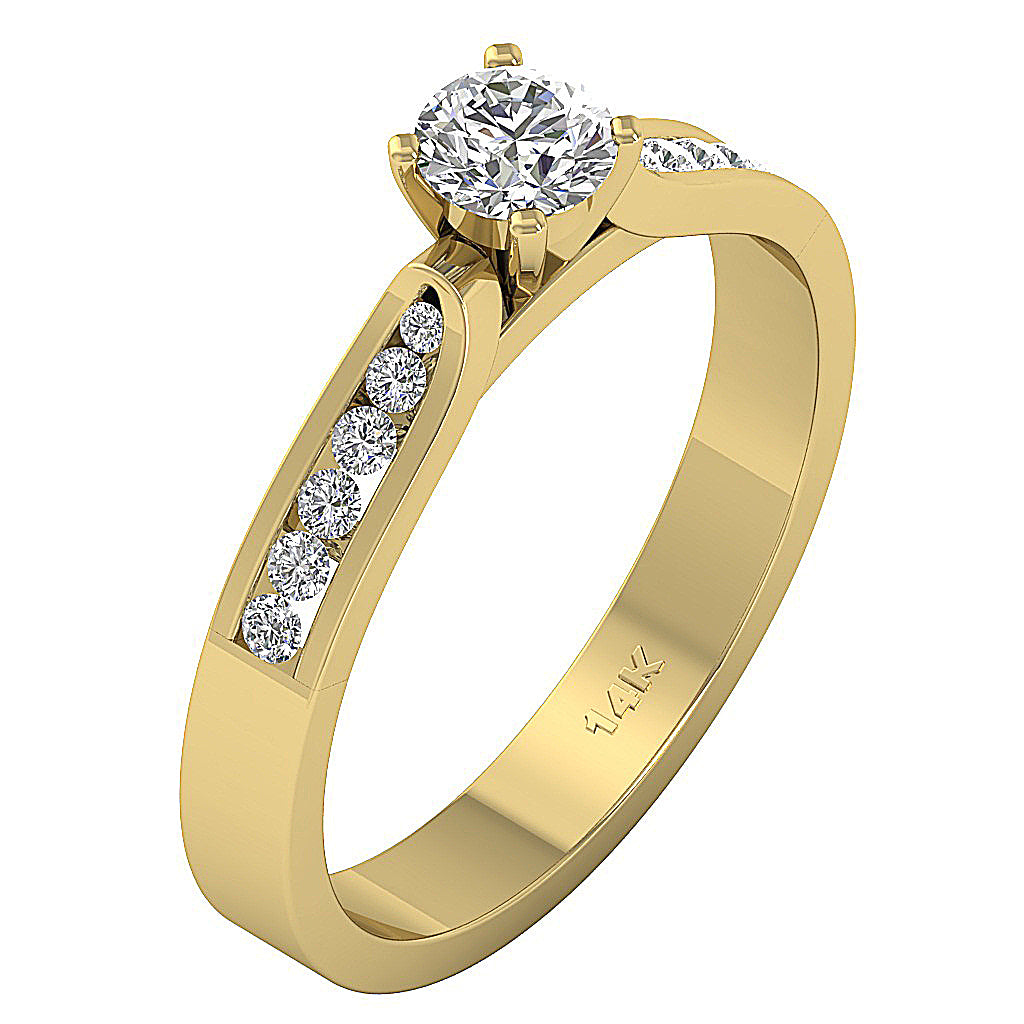
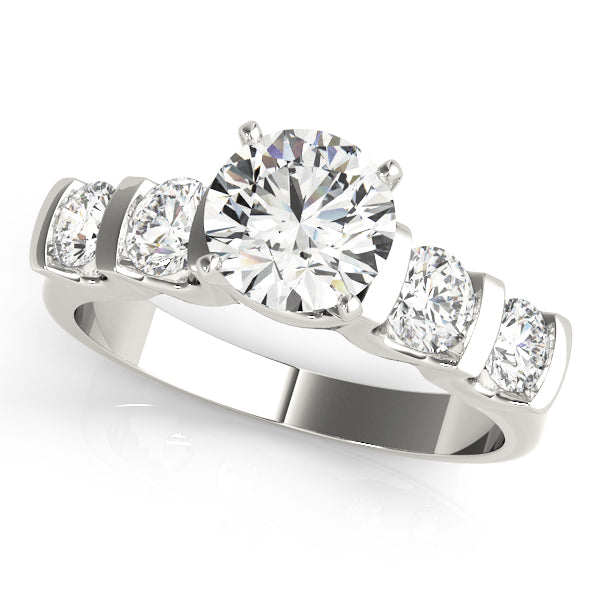
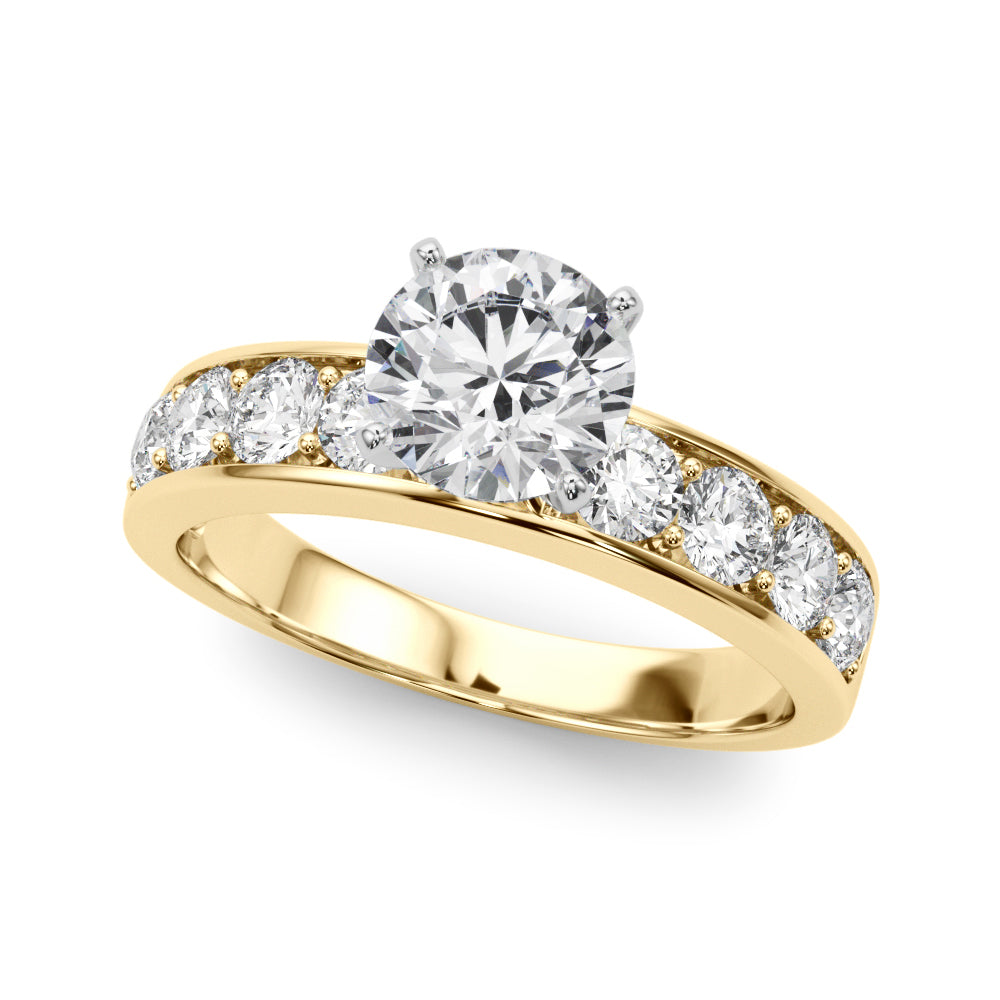
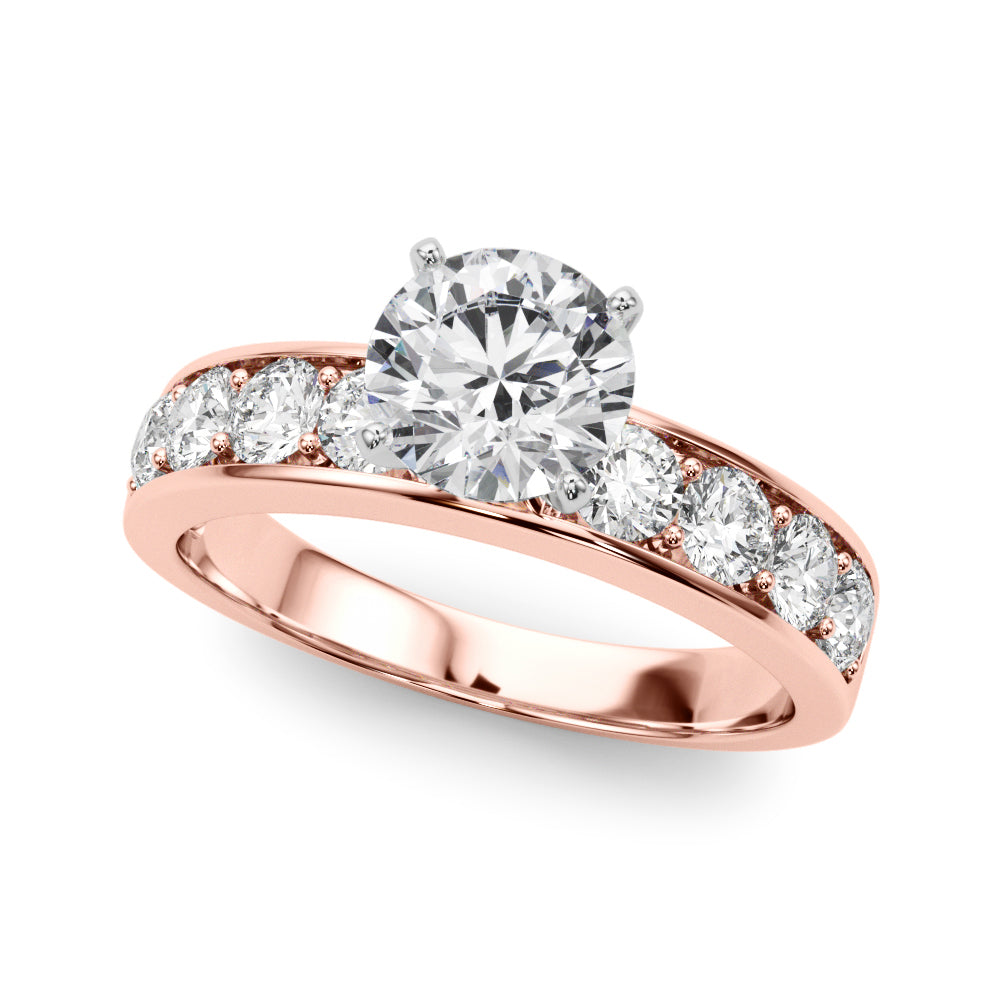
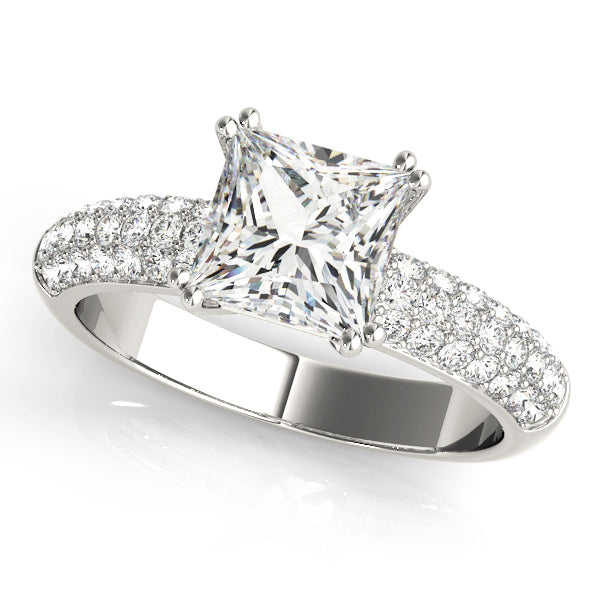
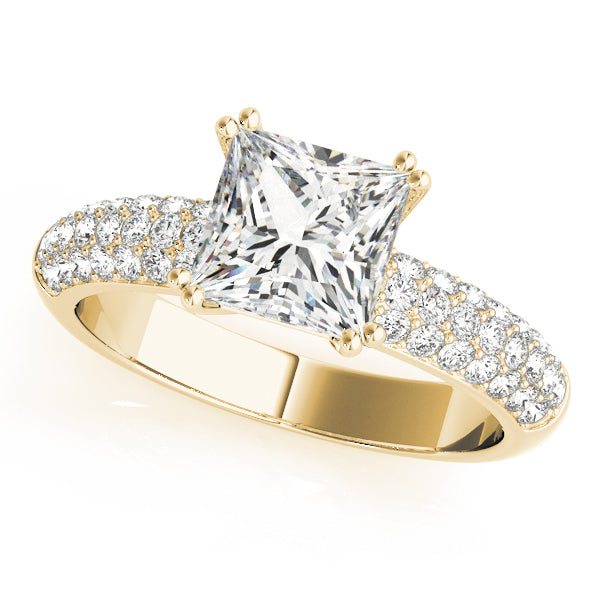
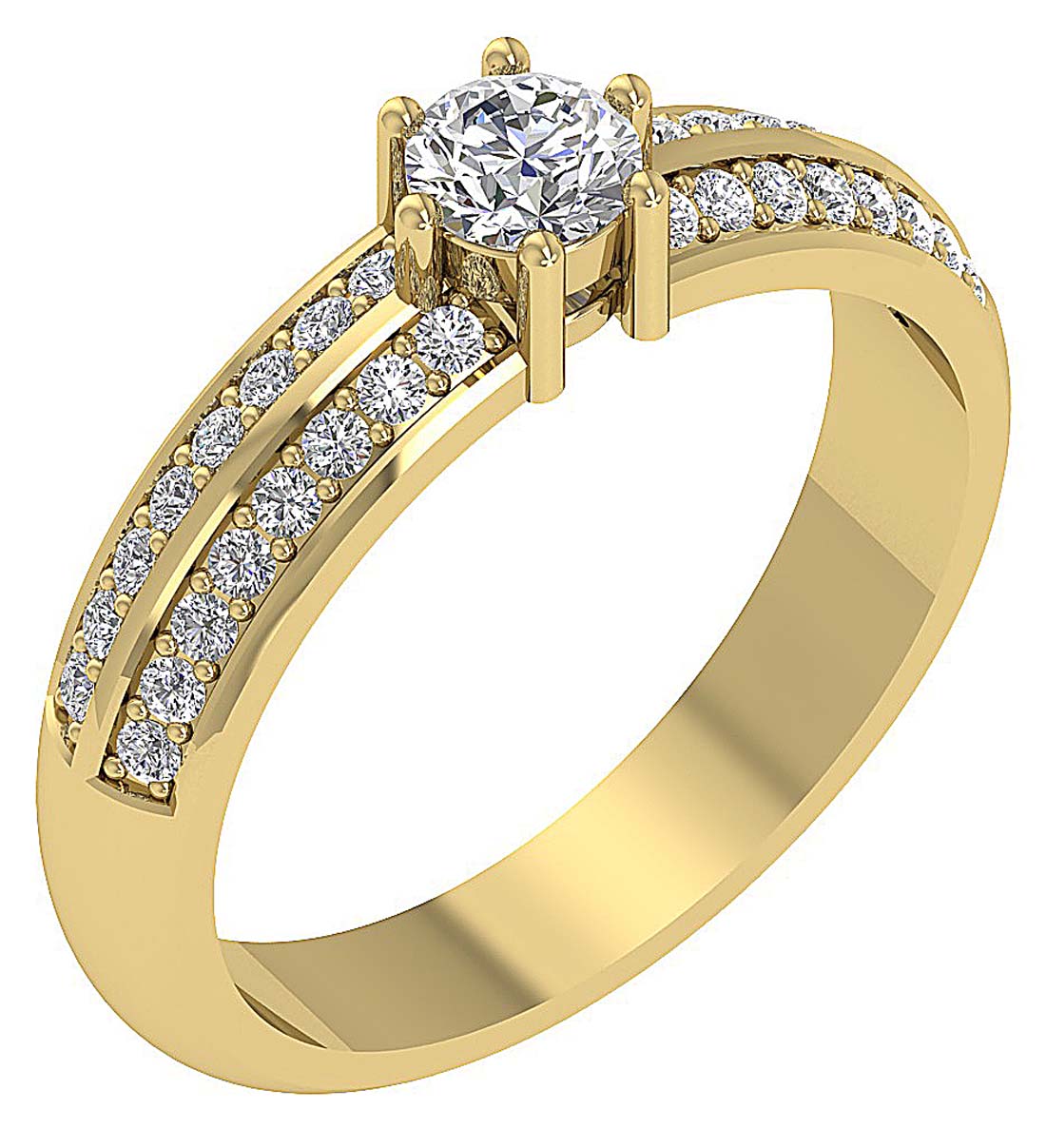
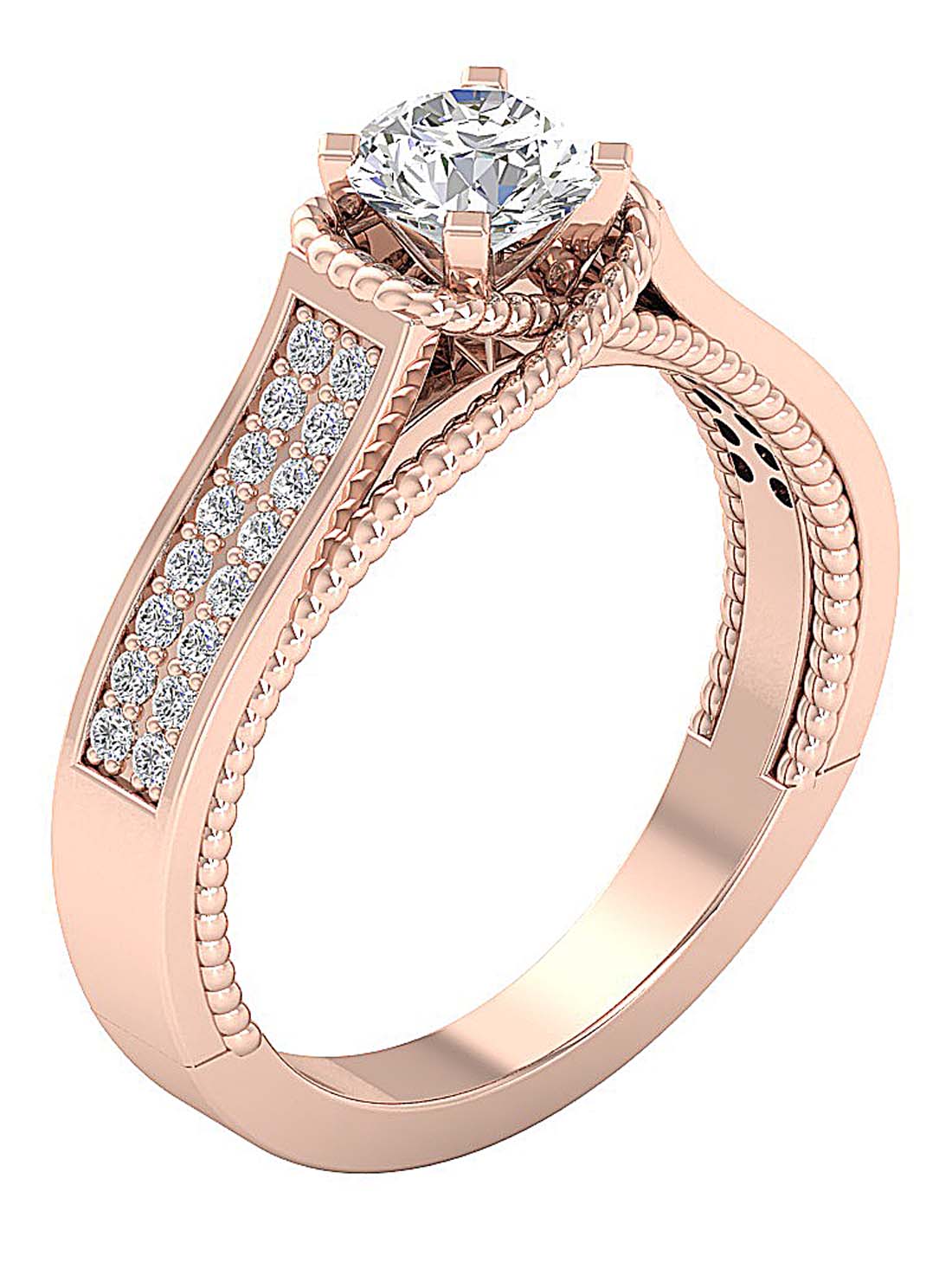
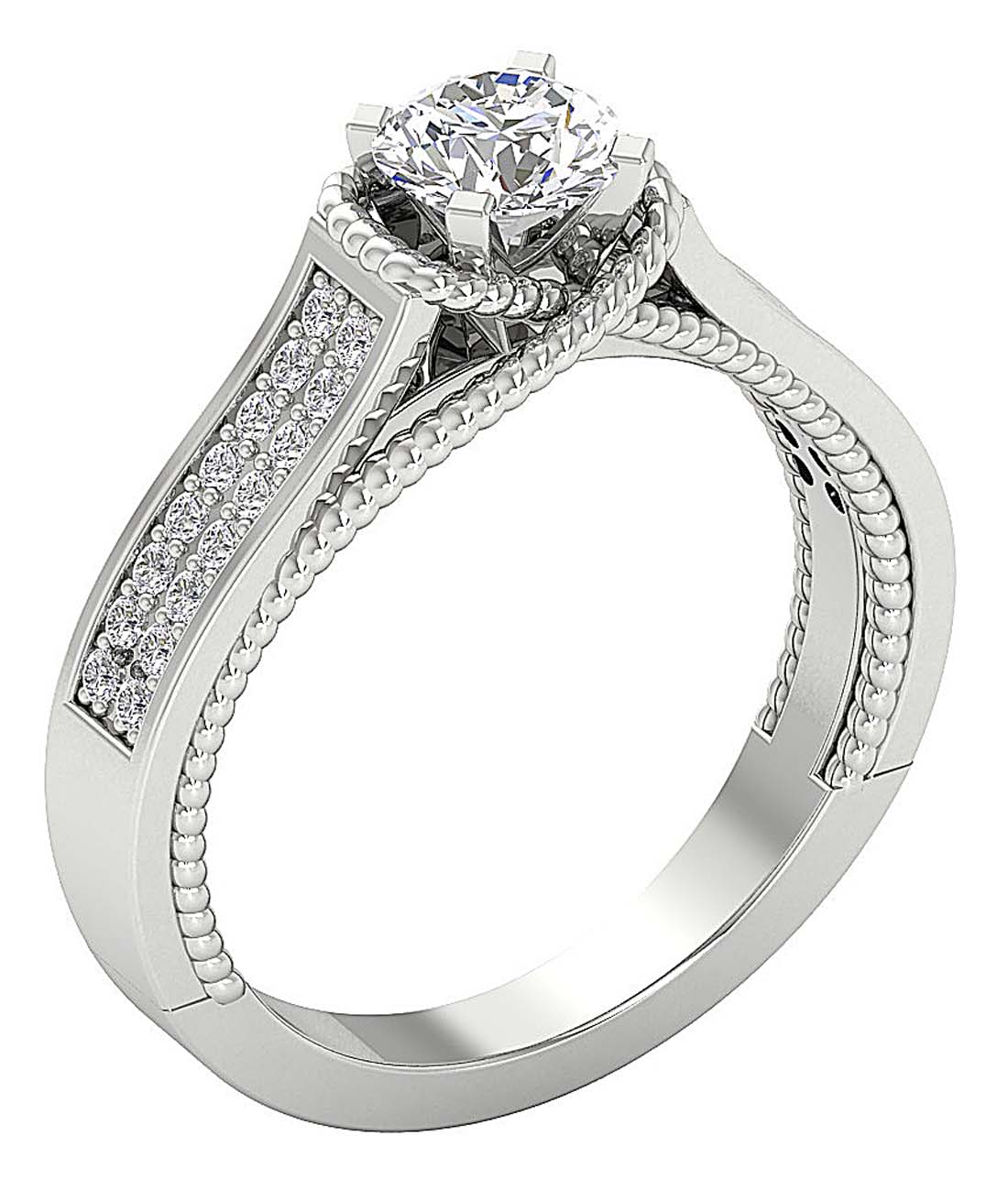
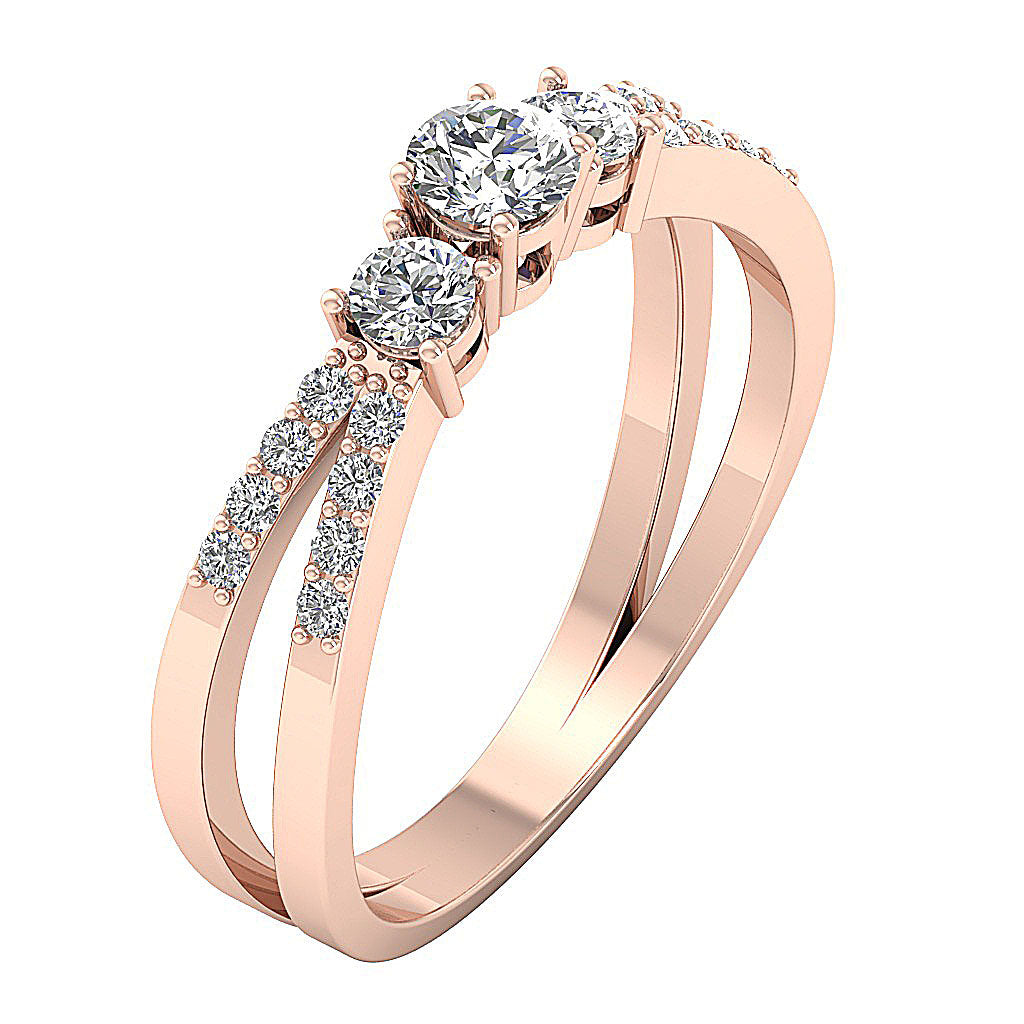
Pavé settings hold each small diamond with tiny shared prongs, maximizing visible stone and minimizing visible metal. It reads as continuous sparkle, almost like the band itself is lit from within. Channel settings run diamonds in a groove between two metal walls, protecting their edges and producing a cleaner, more architectural line instead. Prong-set accents split the difference: more individual sparkle per stone than pavé, but more visible metal than a channel typically allows.
The choice between them is a question of how much texture the ring should carry. Both pavé and channel settings add measurable brilliance to how a ring performs in changing light. Neither is more correct than the other. It depends on whether the hand is meant to read as dense and glittering or restrained and linear.
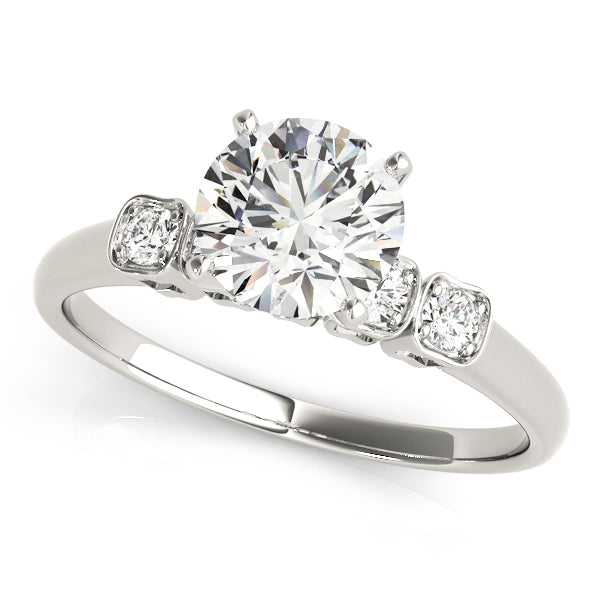
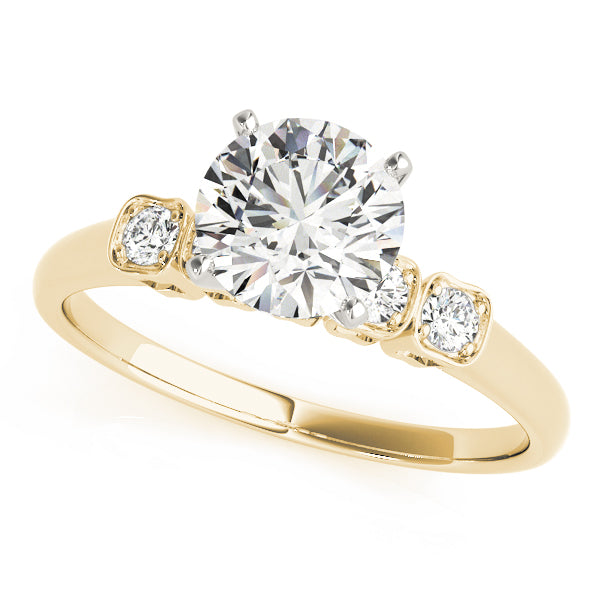
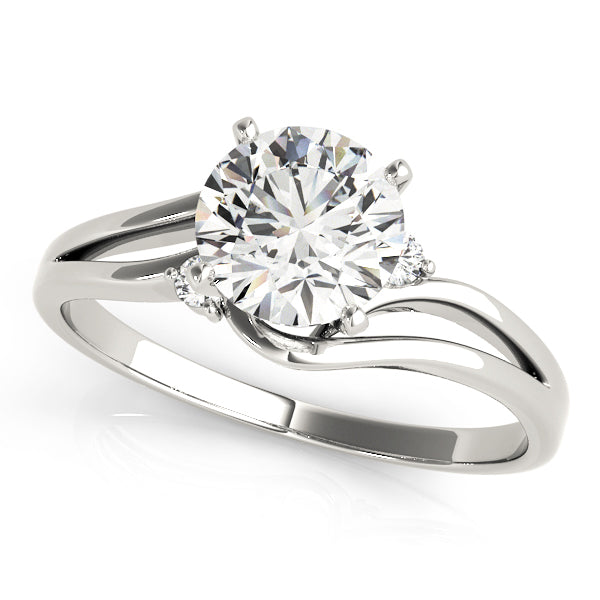
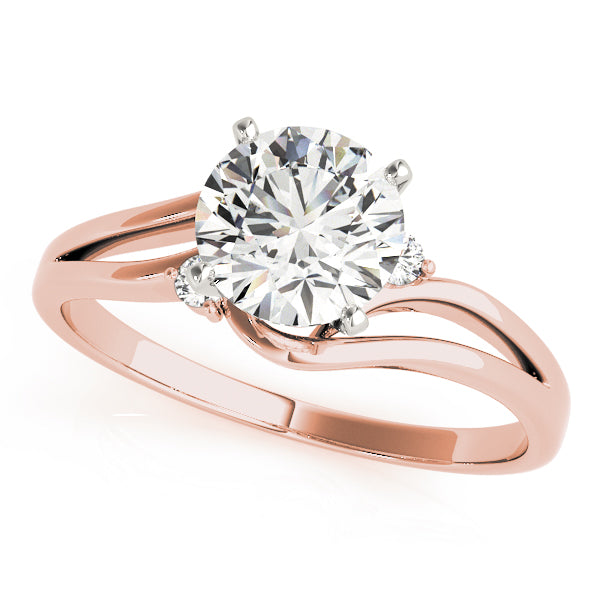
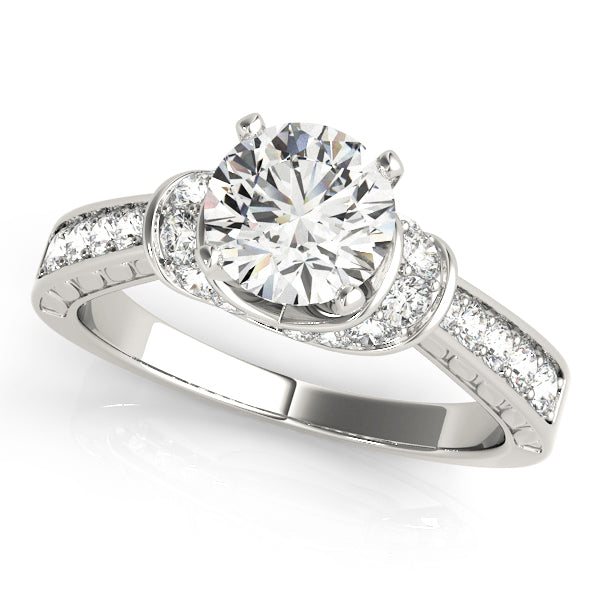
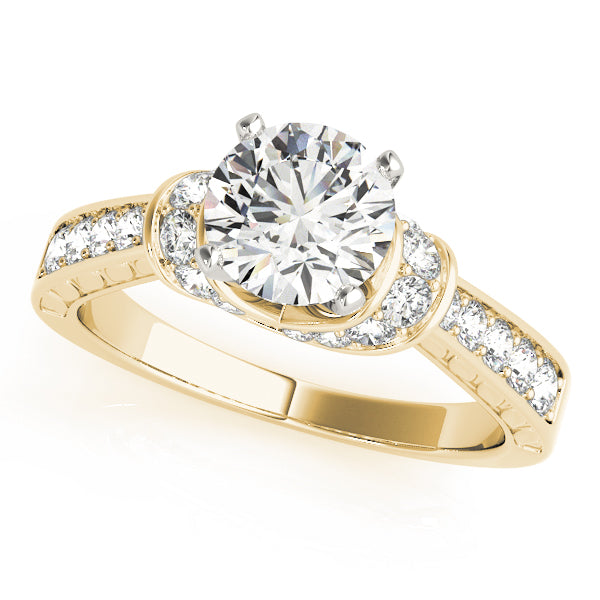
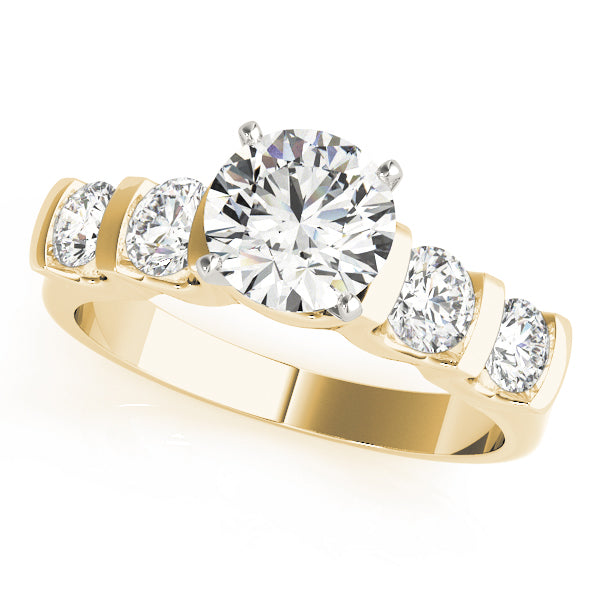
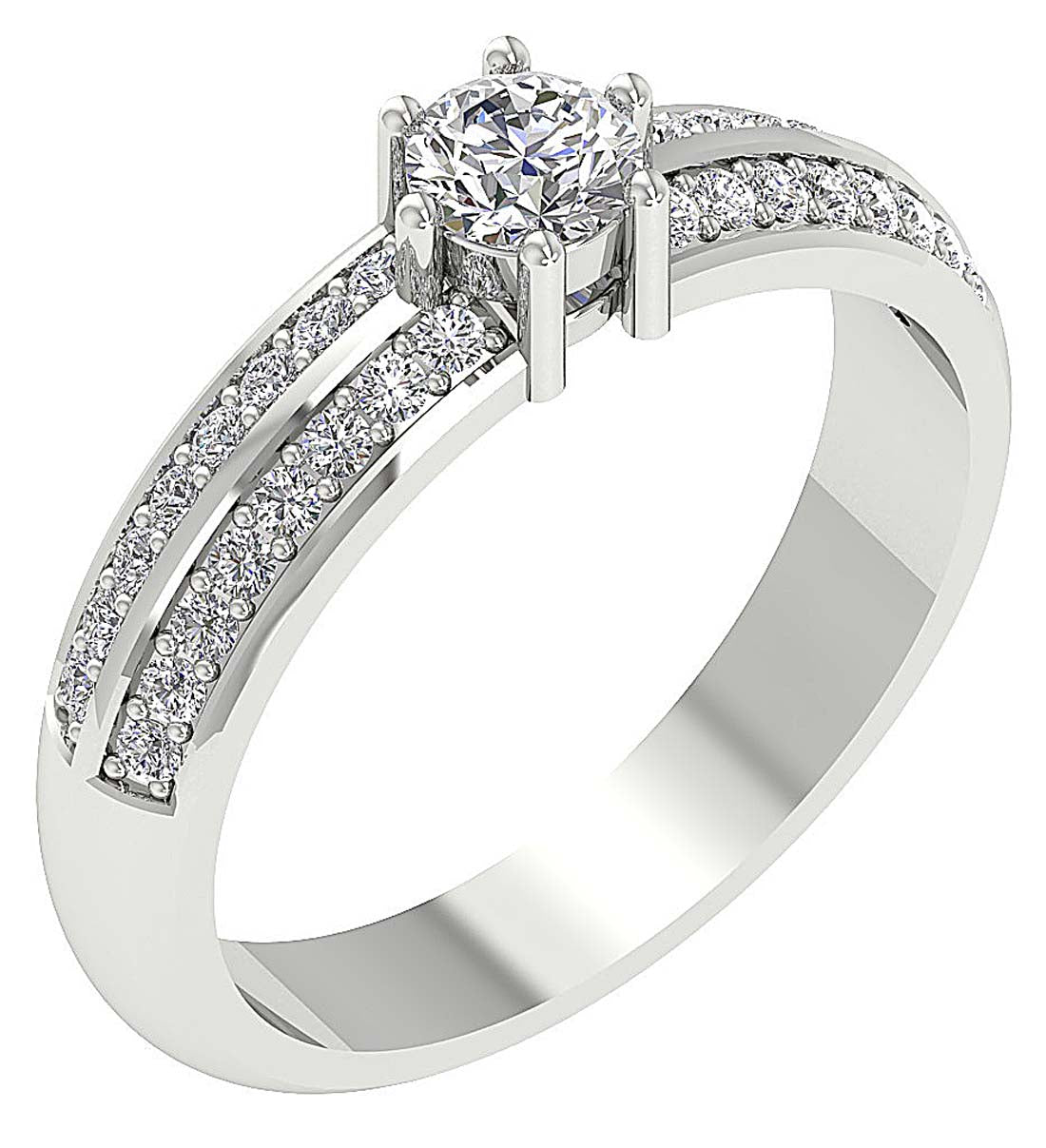
Diamond for Good pairs a center stone, a solitaire, a three-stone, or a design with no single dominant stone at all, with smaller pavé, channel-set, or prong-set diamonds worked into the band or shoulders. Gold comes in 14K or 18K, in yellow, rose, or white, and natural and lab-grown diamonds are both available across every accent style.
Why the Details Matter for Accent Rings
Because accent stones are smaller and set in far greater number, grading consistency across the full set is important. Each accent diamond is graded and matched for color and clarity before setting, not pulled loosely from mixed inventory. That matching is what makes the smaller stones read as one coherent field of sparkle instead of a visibly inconsistent scatter under close light.
Prong height and channel depth are calibrated to each accent stone's actual size, rather than relying on a single setting spec across different stone dimensions. The result holds up well over years of wear, since every stone sits exactly as deep or as high as its own dimensions require.
Wearing It Well: How to Style Your Accent Ring
Let the accent style set the tone for everything else worn on that hand. Pavé, with its dense sparkle, tolerates a busier overall look better than a channel-set ring, which reads best beside cleaner, simpler pieces instead.
Think about how the accents catch light against skin tone. Pavé diamonds set in white gold or platinum-toned finishes tend to read brightest against warmer skin tones, while yellow and rose gold settings soften that contrast for a more blended effect.
If the accent ring is the most detailed piece on the hand, let it anchor the look rather than sit beside an equally busy second ring.
Living With It: Taking Care of Your Accent Ring
Small accent stones pack more detailing per square inch than a single center diamond, which means more surface area where soap, lotion, and skin oil can build up unnoticed.
Clean your accent ring weekly or after use with a soft-bristled brush and warm, soapy water, working carefully along the channel or pavé line rather than just across the top, and don't skip the underside.
Skip ultrasonic cleaners on pavé-set rings specifically. The shared-prong construction that makes pavé look so continuous also makes it more sensitive to vibration than a single-stone mount.
Have a jeweler inspect the smallest stones at any annual check, since a missing accent diamond is easy to overlook beside a larger, more obviously important center stone. A magnifying loupe catches gaps that stay essentially invisible to the naked eye, especially along a full pavé band.
Small stones, real weight, a ring that reads considered from any distance.