Natural Diamond Engagement Rings
A natural diamond begins its story deep within the earth, formed through immense heat and pressure over geological timescales. Its significance lies not in different gemstone performance, but in that extraordinary origin.
Like a lab-grown diamond of comparable quality, it is crystallised carbon and can display the same hardness, brilliance, and fire when cut to equivalent standards. What distinguishes it is the journey rather than the behaviour.
For many buyers, that geological history adds an enduring sense of significance. Whether set in a classic solitaire, intricate halo, two-stone design, or vintage-inspired setting, a natural diamond carries a story that predates the ring itself.
The Four Things Worth Knowing
Natural diamonds are commonly evaluated through the Four Cs: cut, colour, clarity, and carat weight. Understanding how these characteristics interact is more useful than considering any one grade in isolation.
Cut describes how effectively the diamond's proportions, symmetry, and facets return light to the viewer. It has a major influence on visible brightness, fire, and scintillation, making it one of the most important characteristics to consider when comparing stones.
Colour measures the absence of colour in a diamond, with higher grades appearing more colourless. The effect can also depend on the shape and setting, since some cuts reveal warmth more readily than others.
Clarity describes the presence of internal characteristics and surface features. Higher clarity generally means fewer visible inclusions, although their size, position, and contrast matter just as much when judging how clean a diamond appears to the eye.
Carat measures weight rather than visual size. Two diamonds with the same carat weight can have different face-up dimensions because their proportions and depth vary. Carat therefore needs to be considered alongside cut and shape rather than treated as a measurement of size alone.
Diamond for Good gives particular attention to cut when sourcing natural center stones, recognising that a higher grade does not automatically produce the most attractive diamond. How the stone interacts with light remains central to its finished appearance.
How Natural Diamond Engagement Rings Are Built
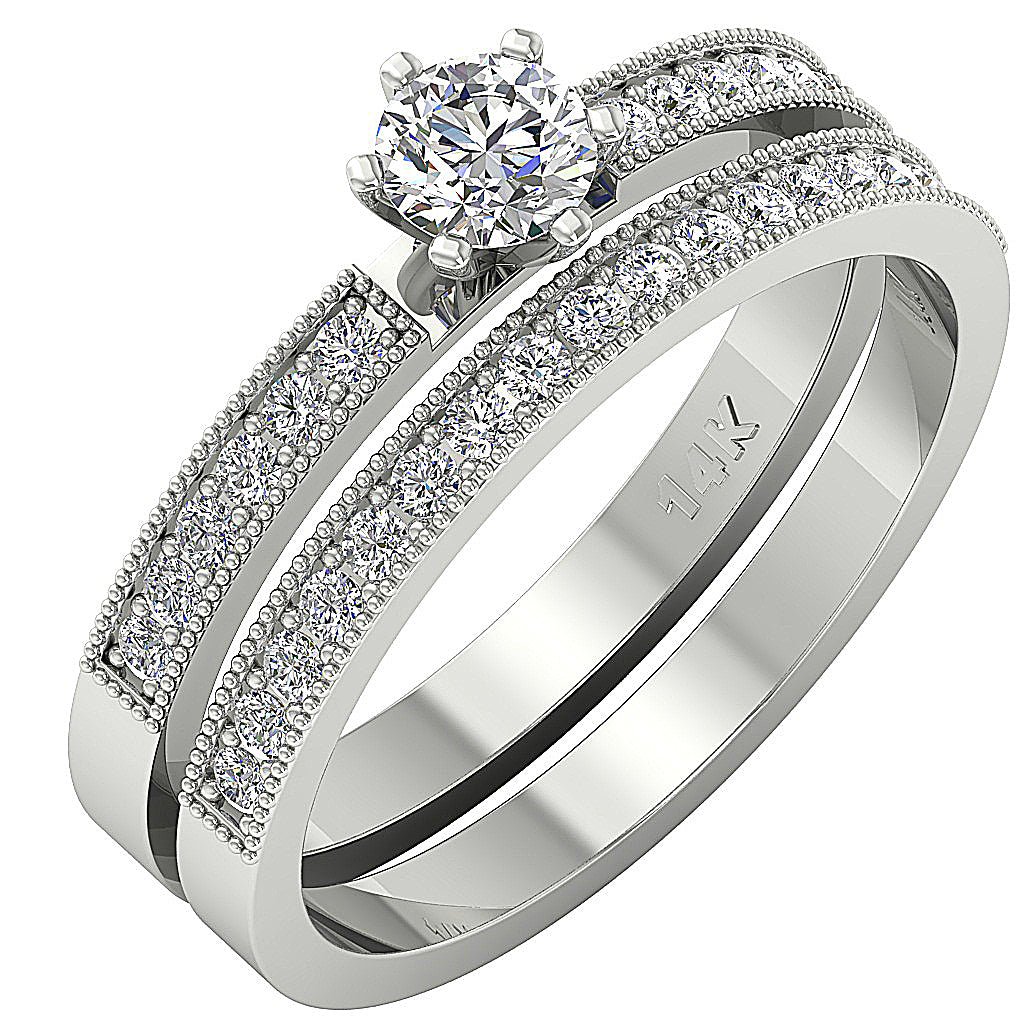
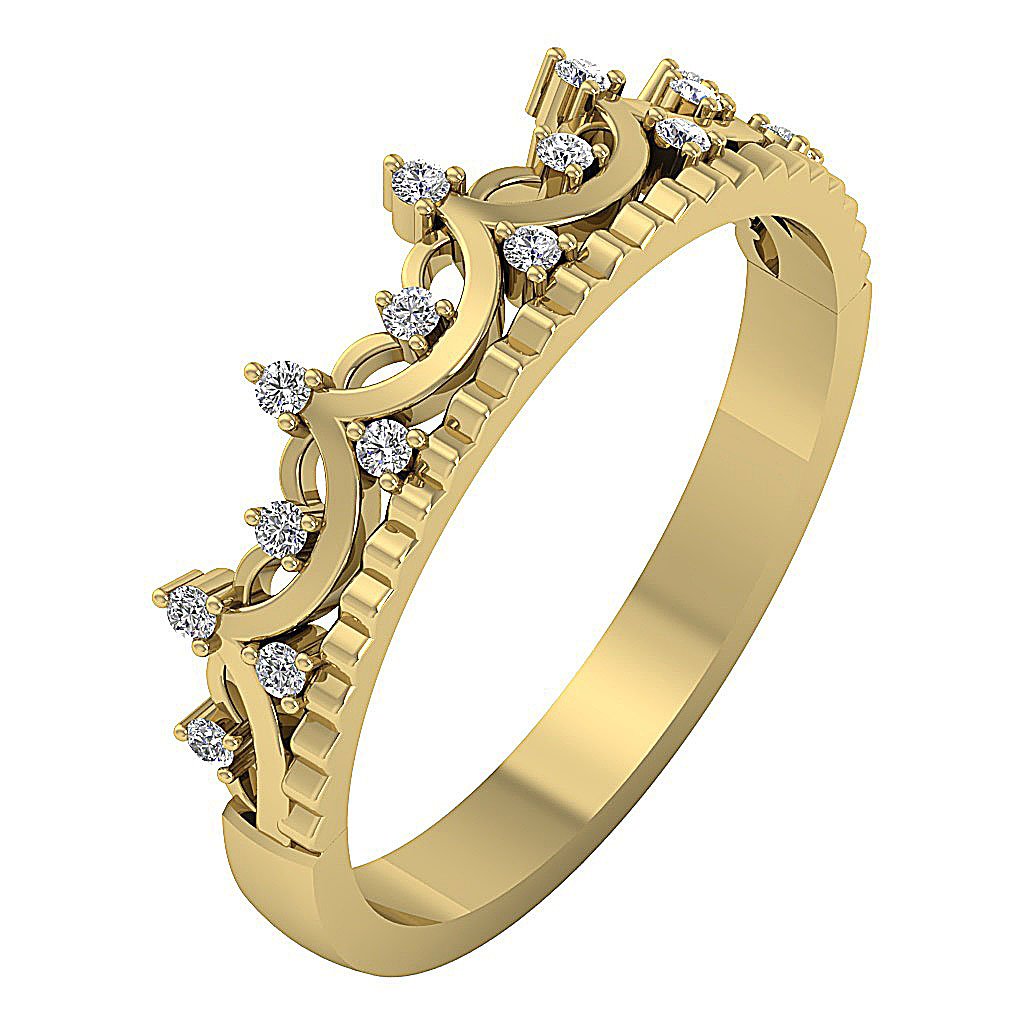
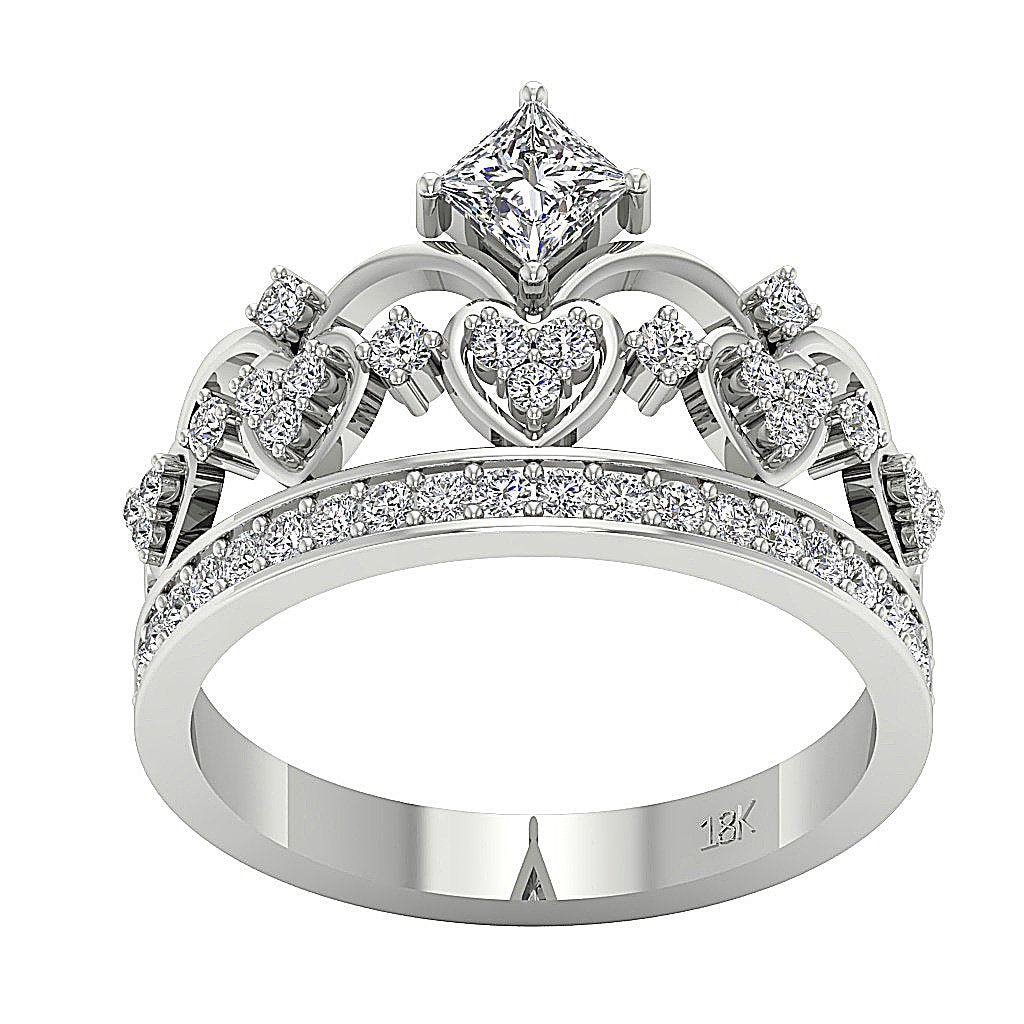
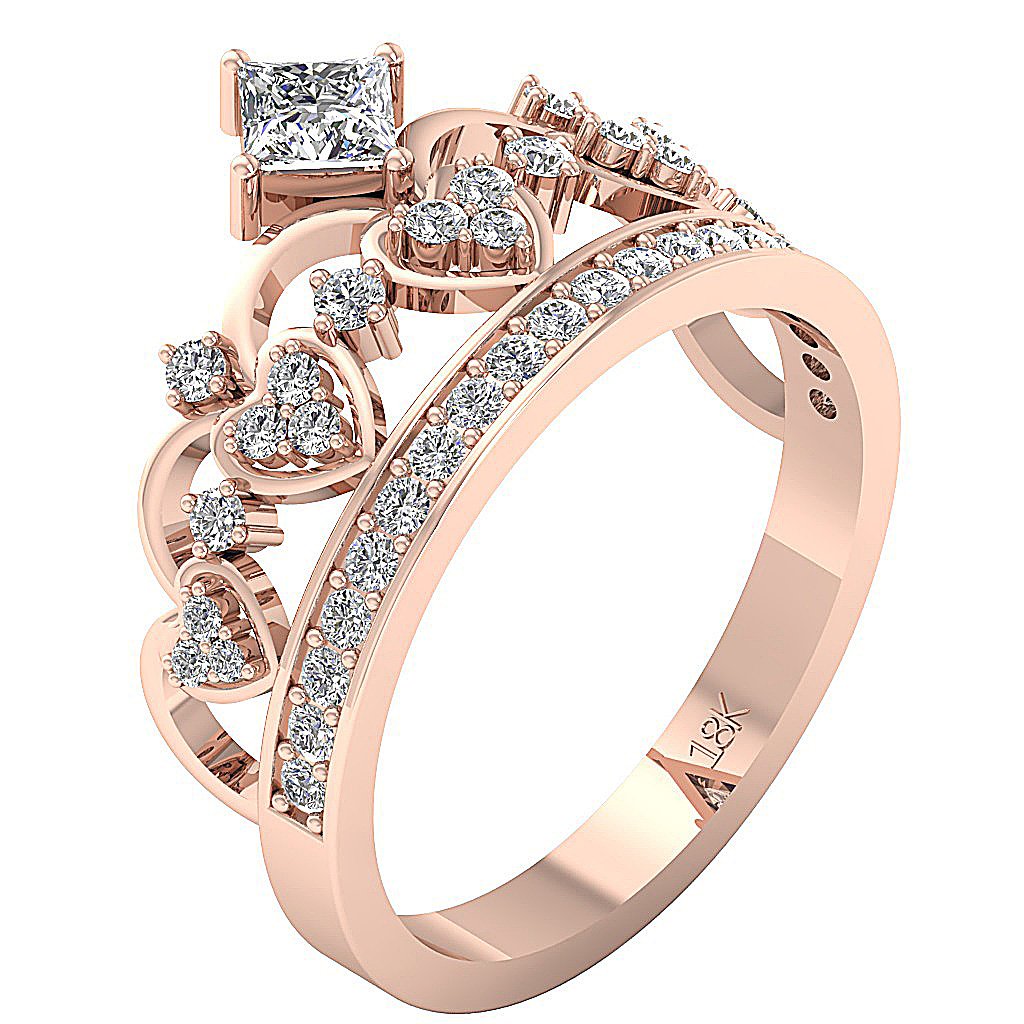
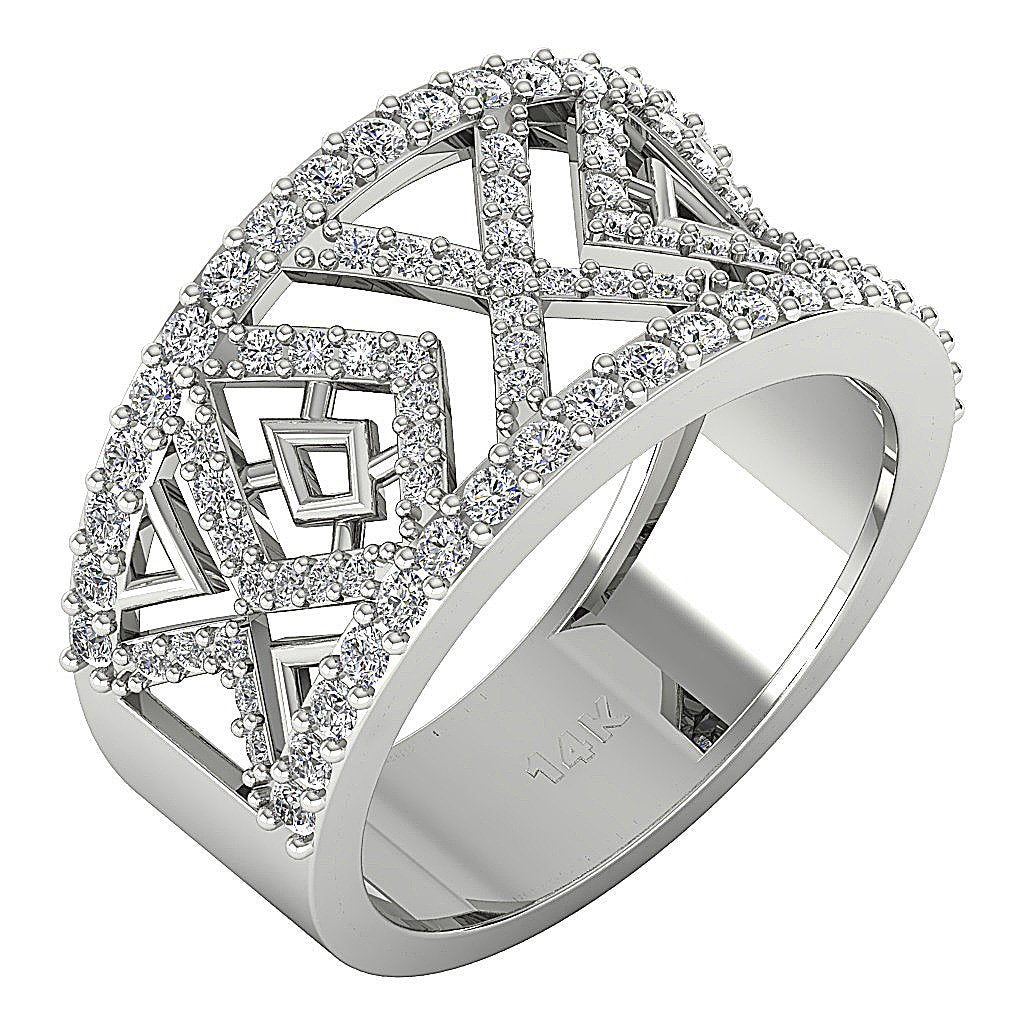
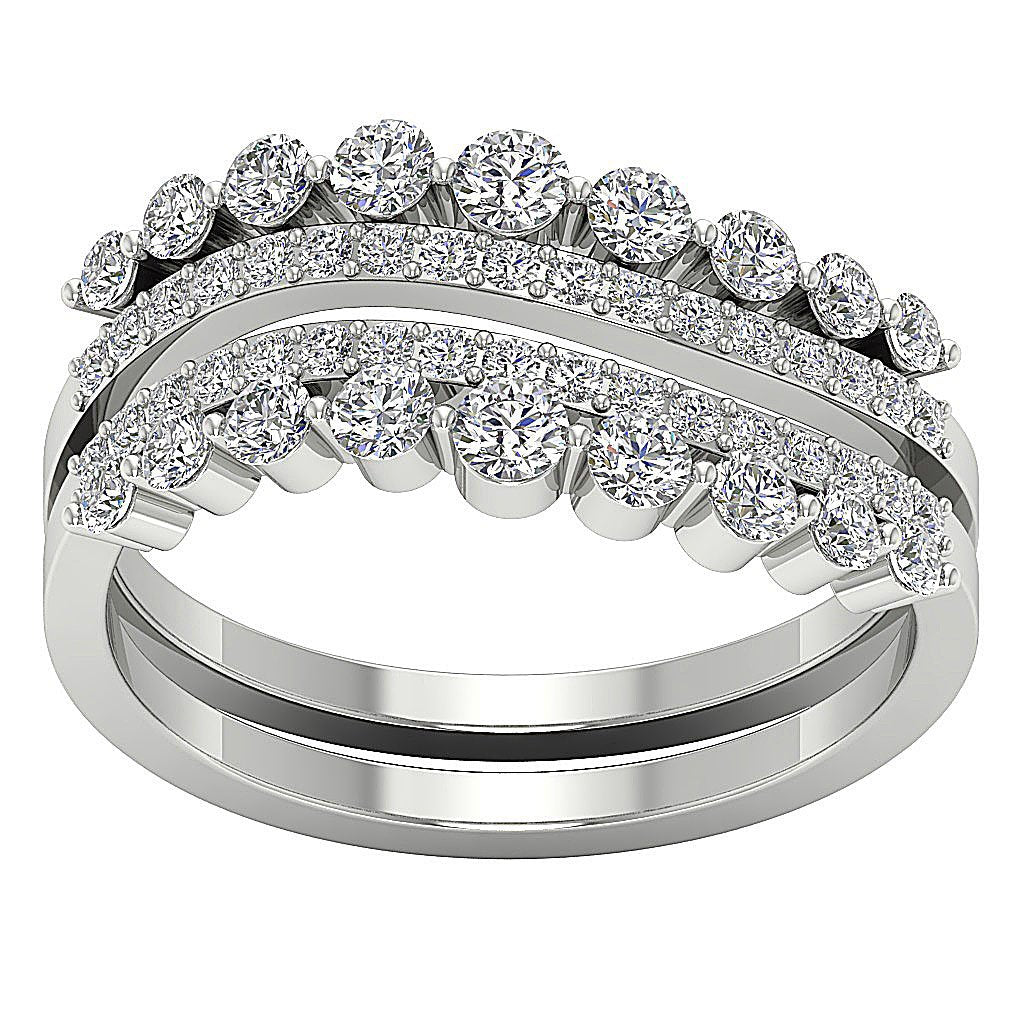
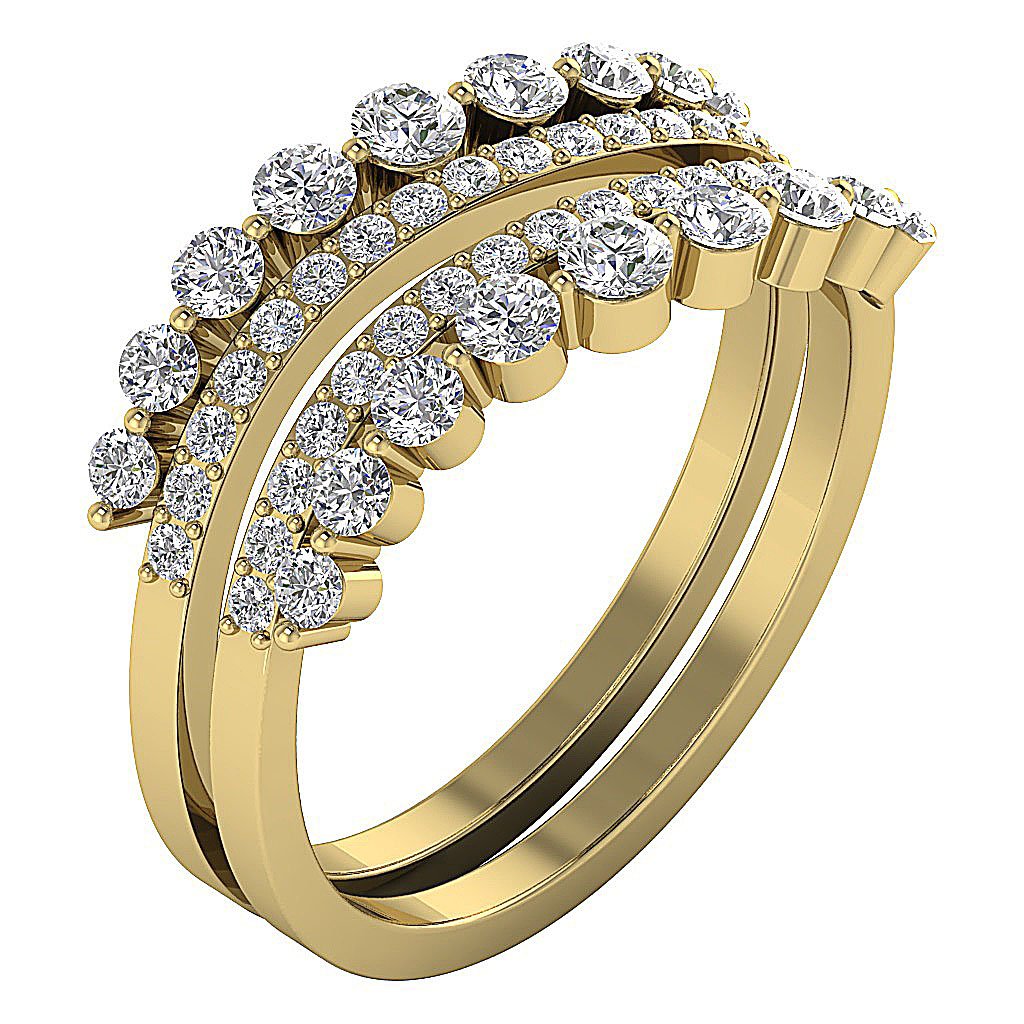
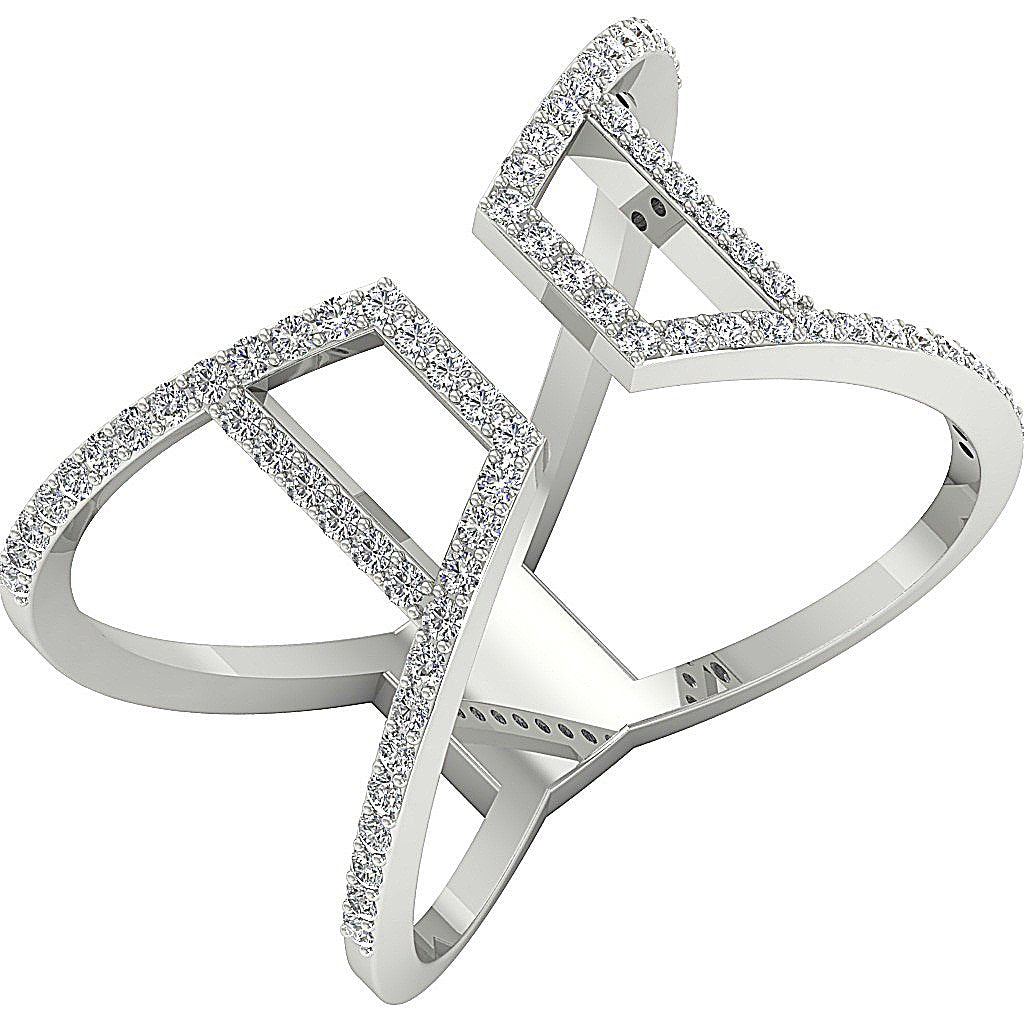
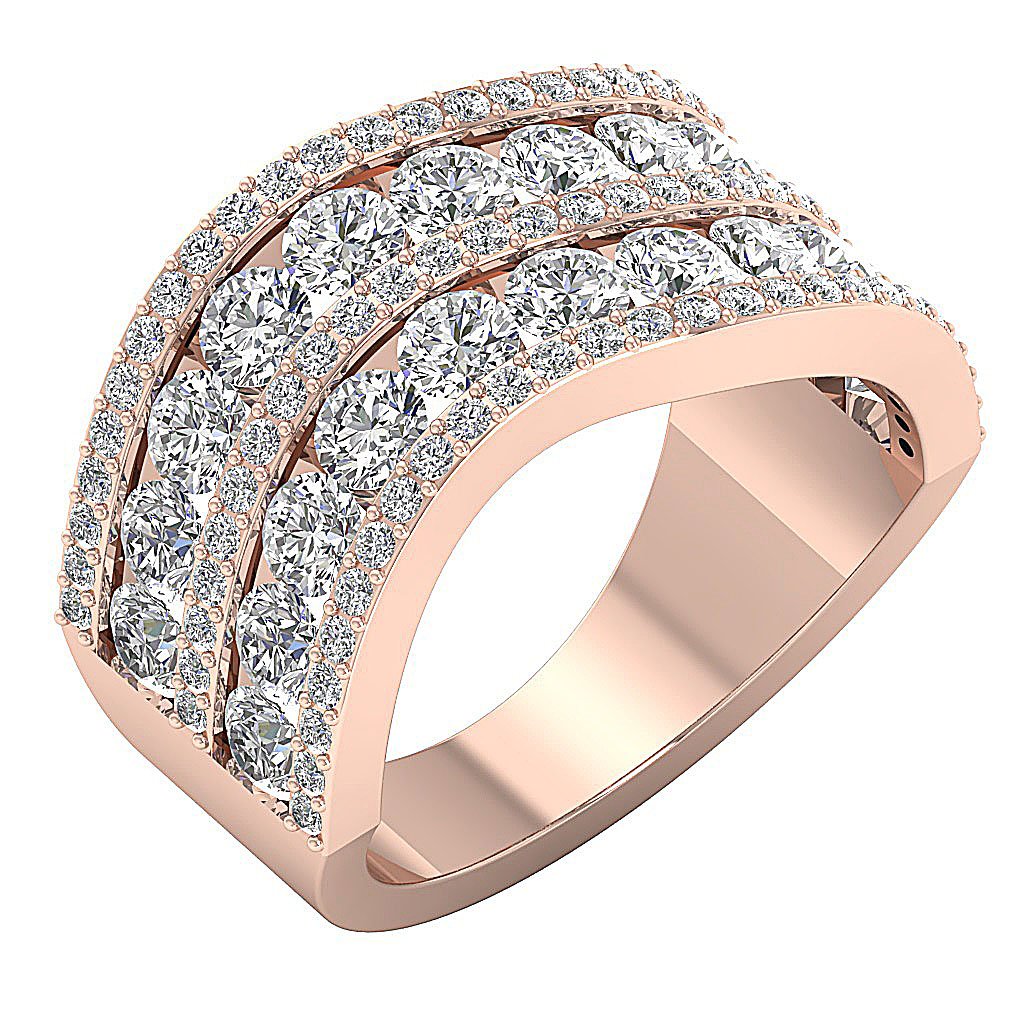
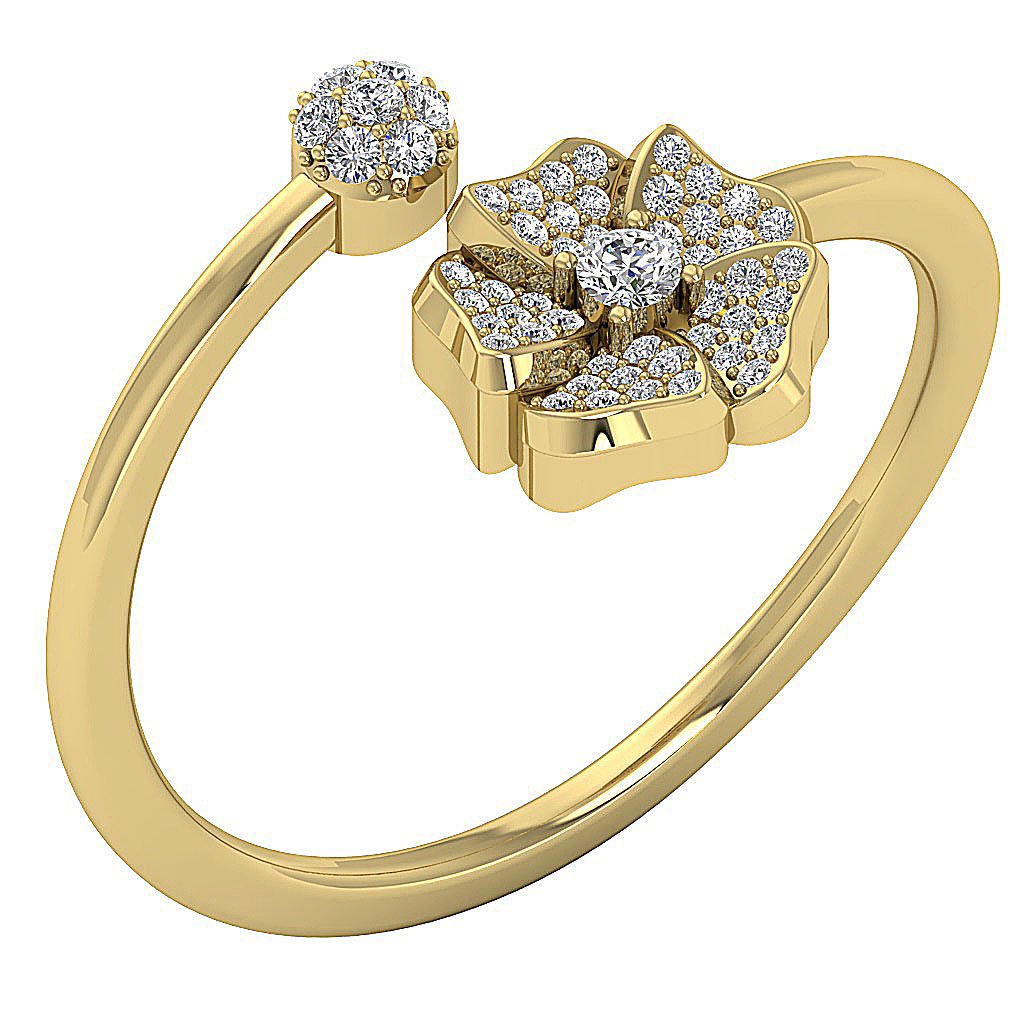
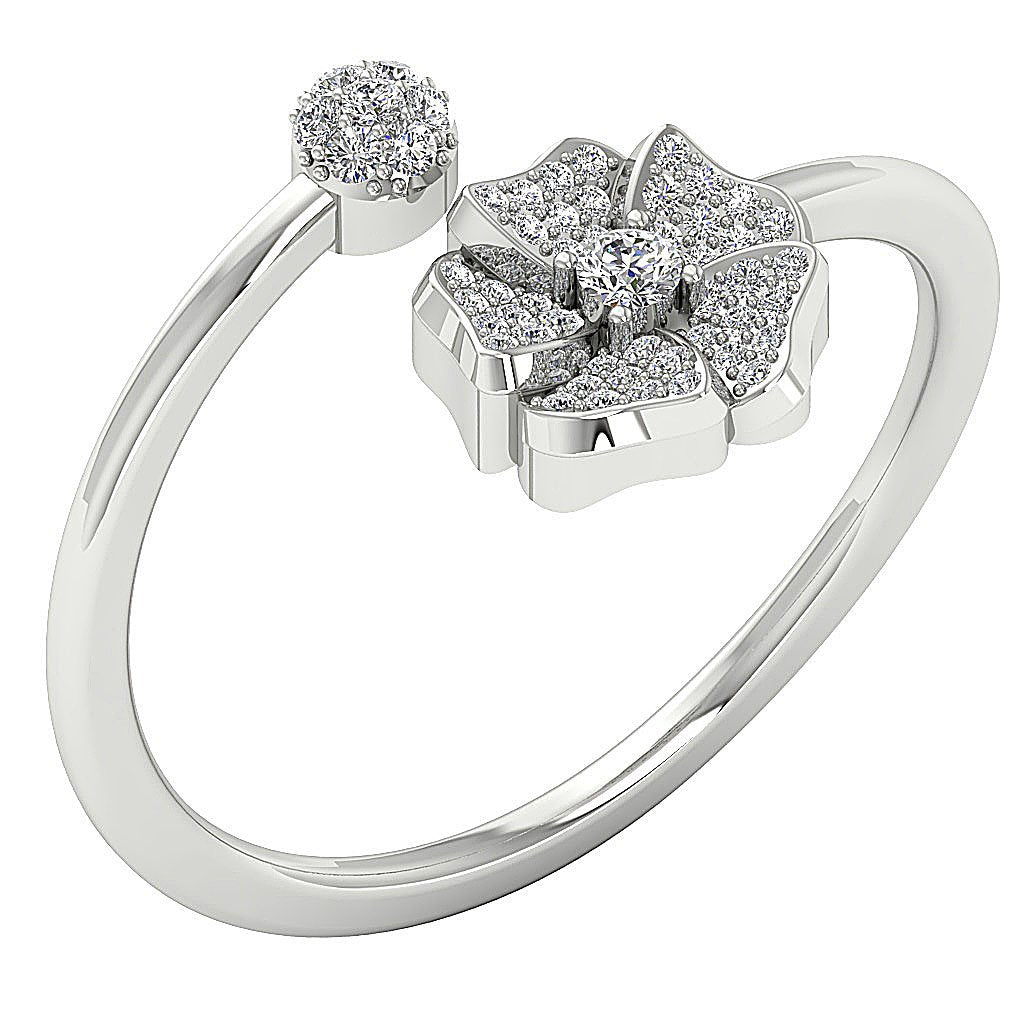
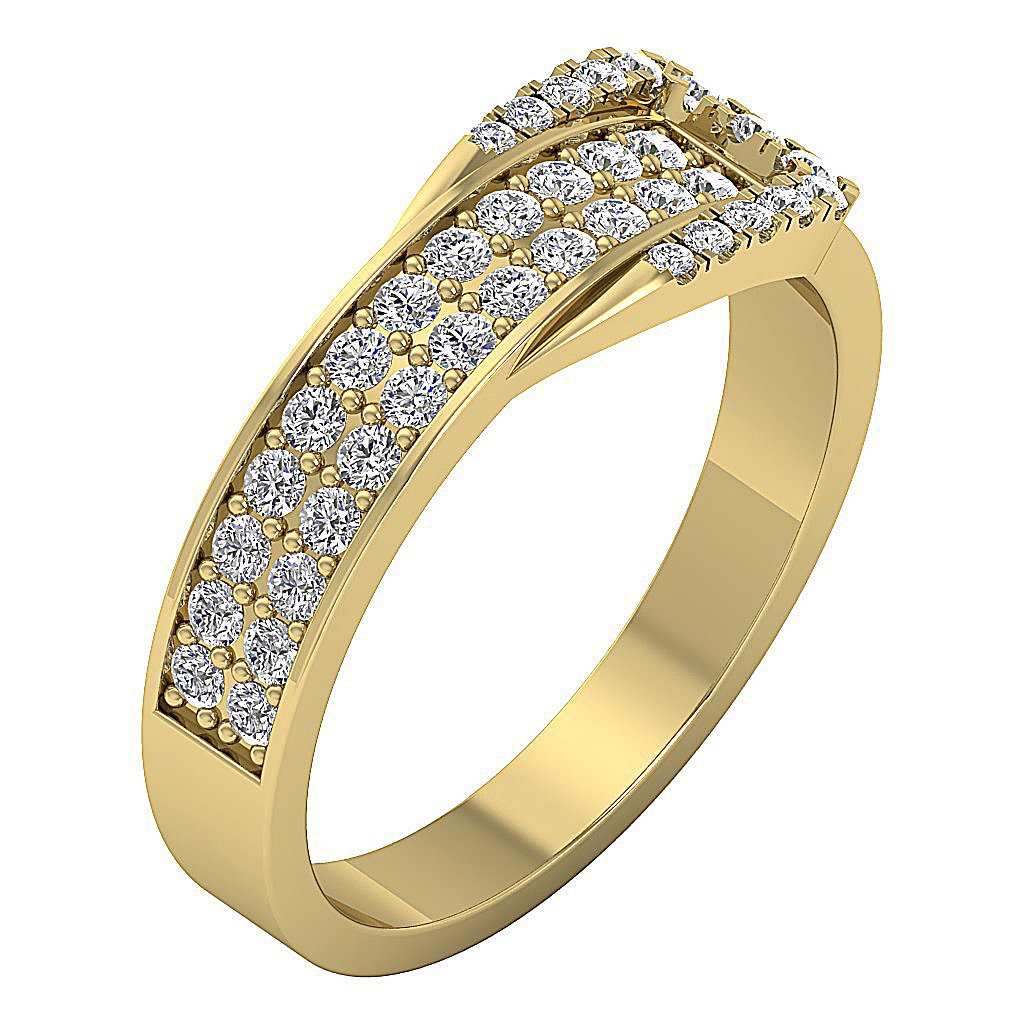
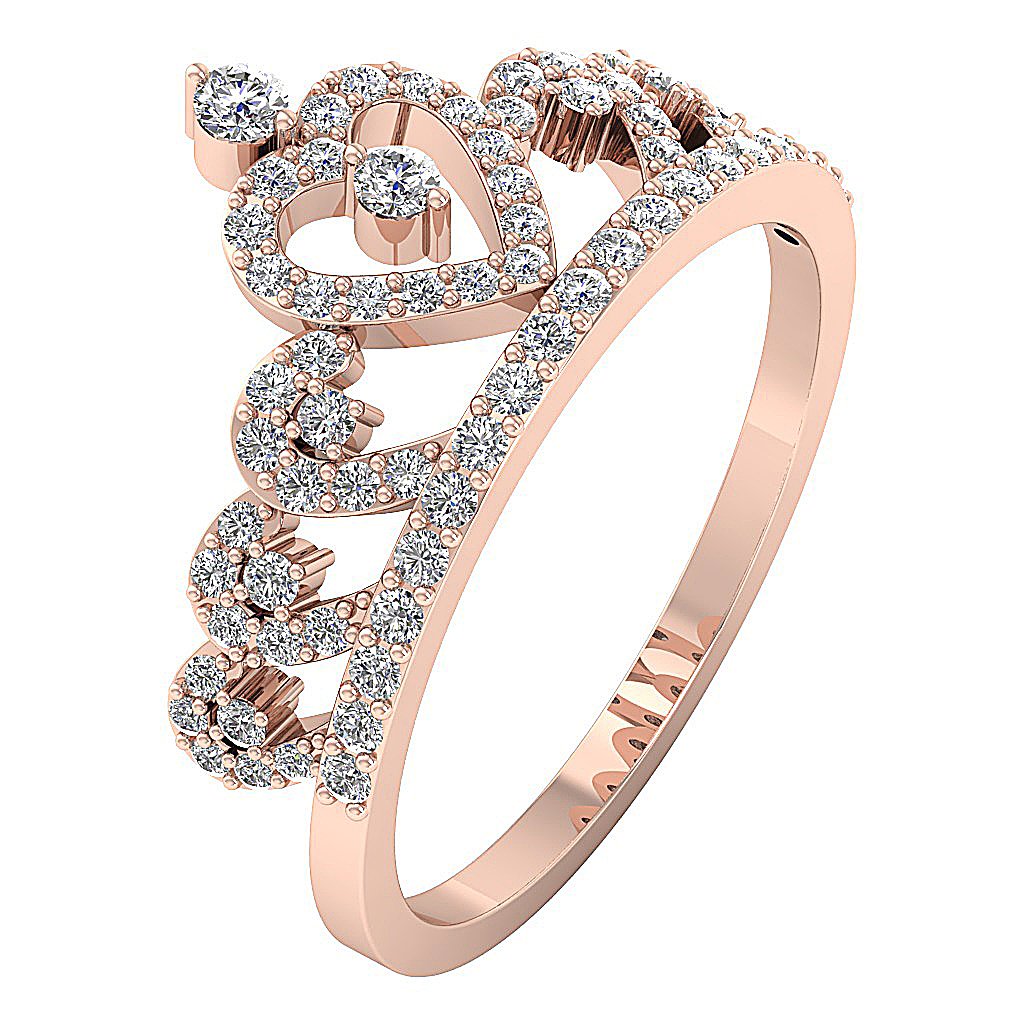
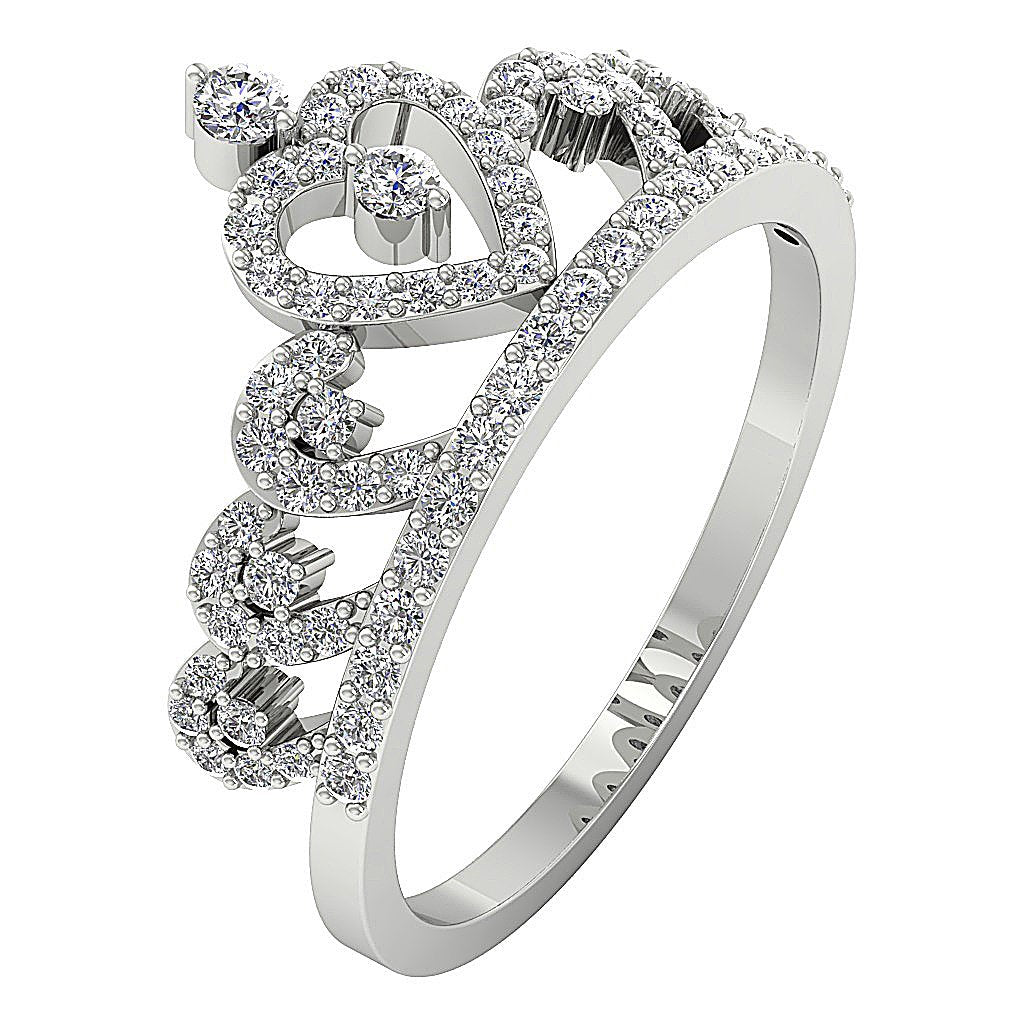
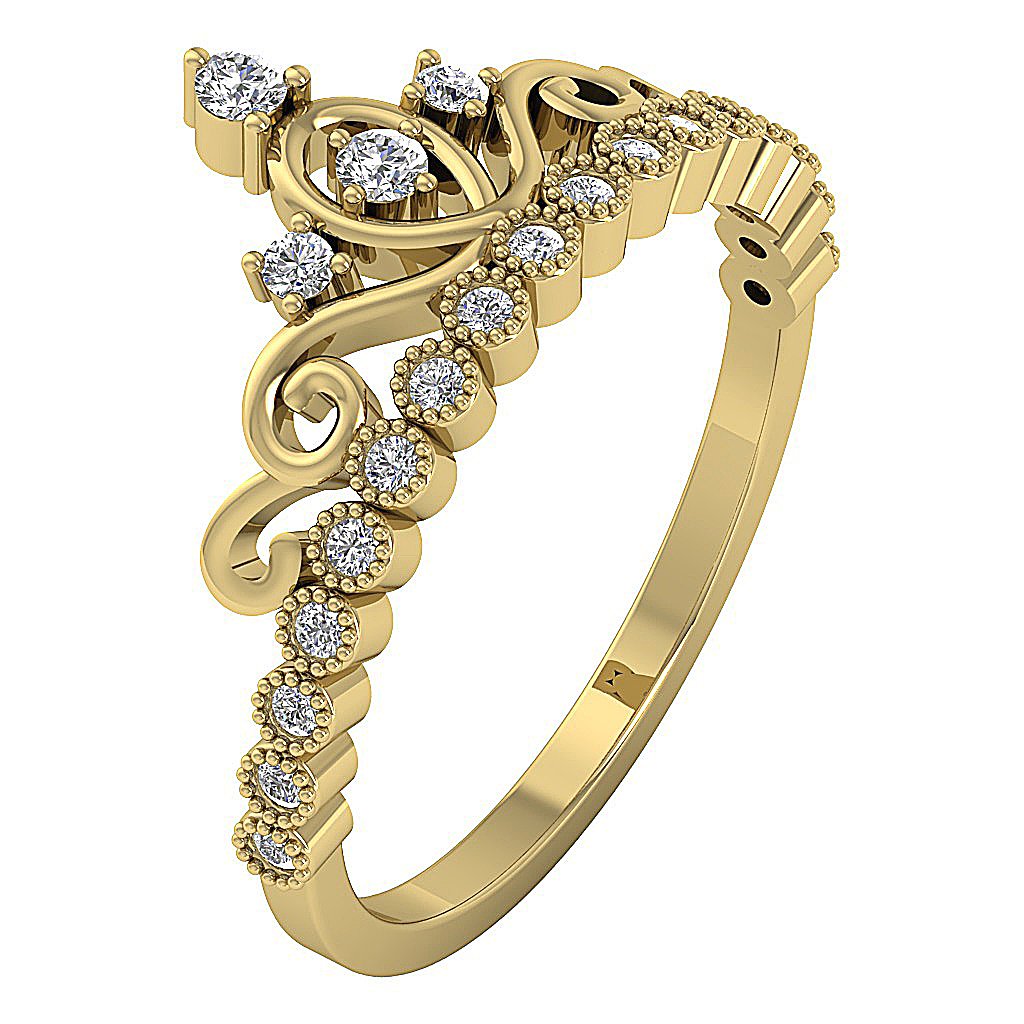
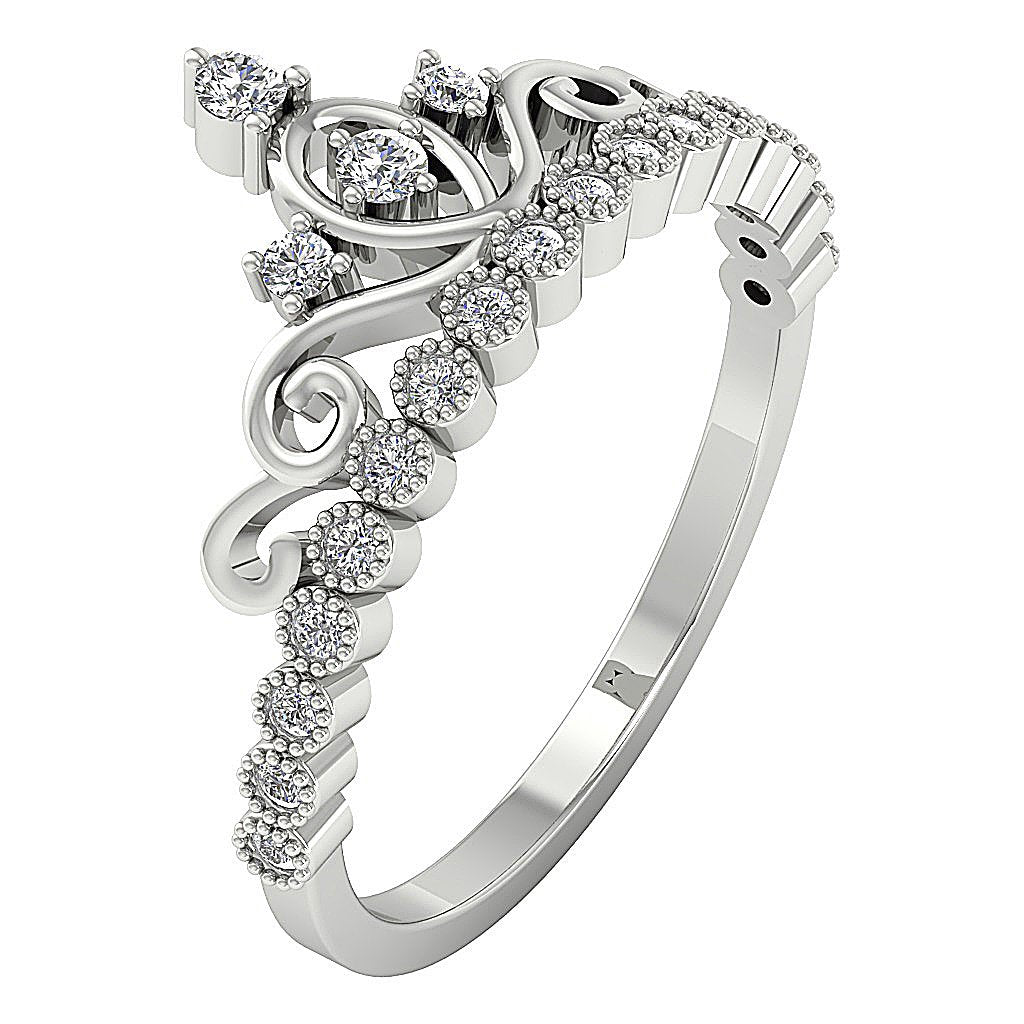
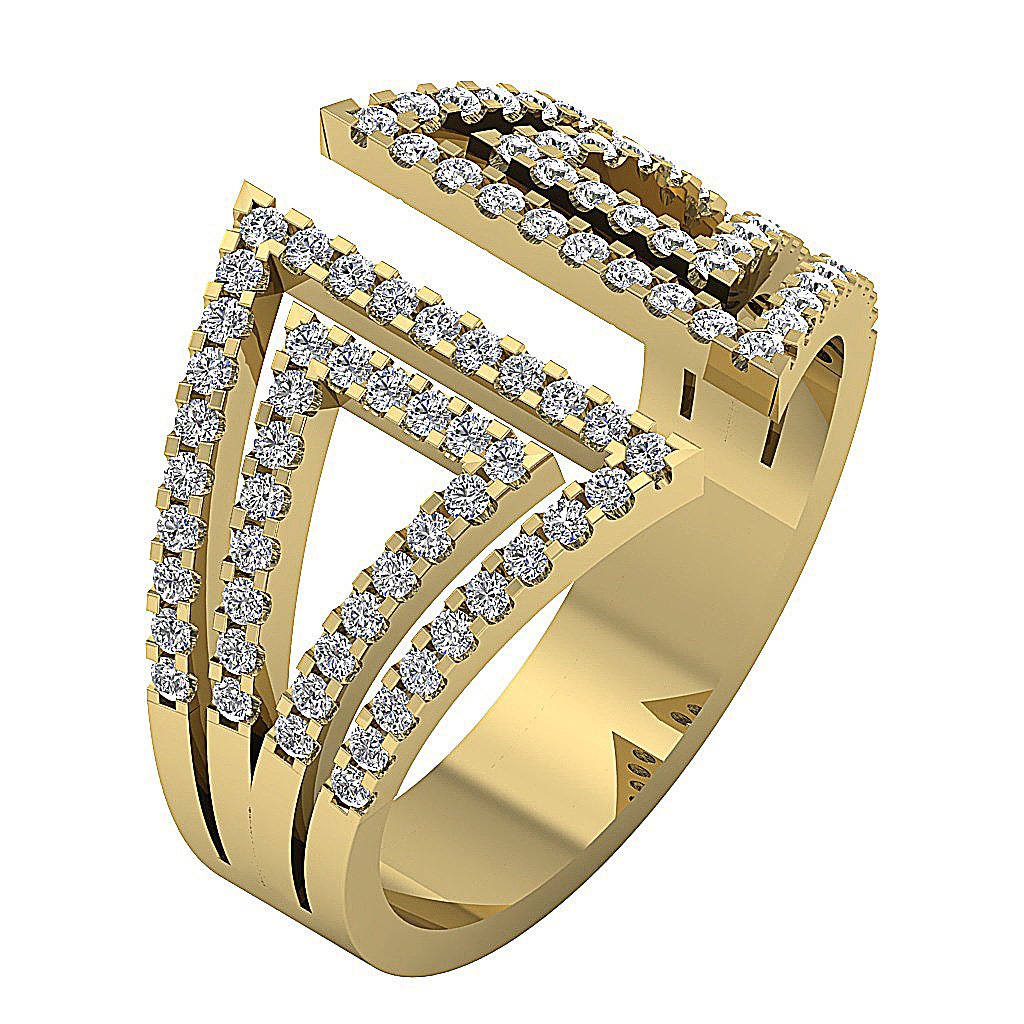
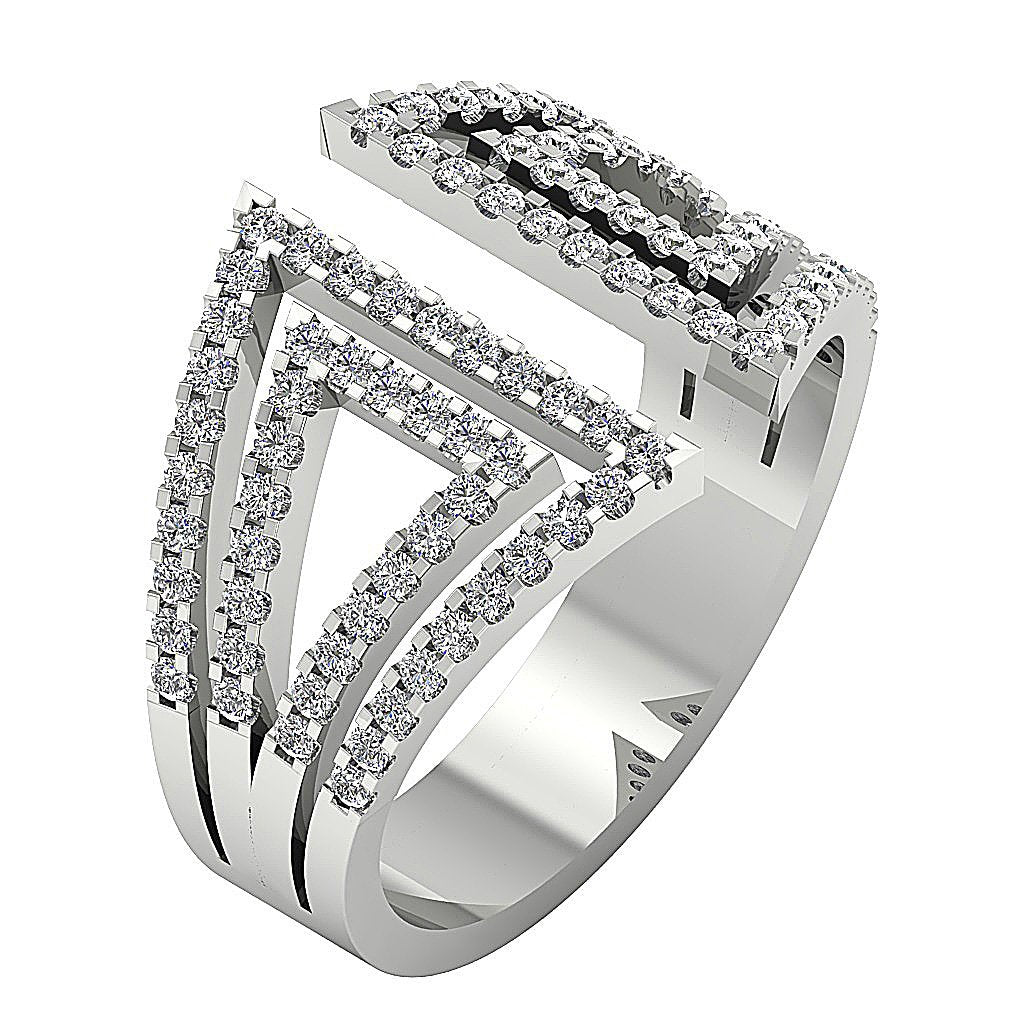
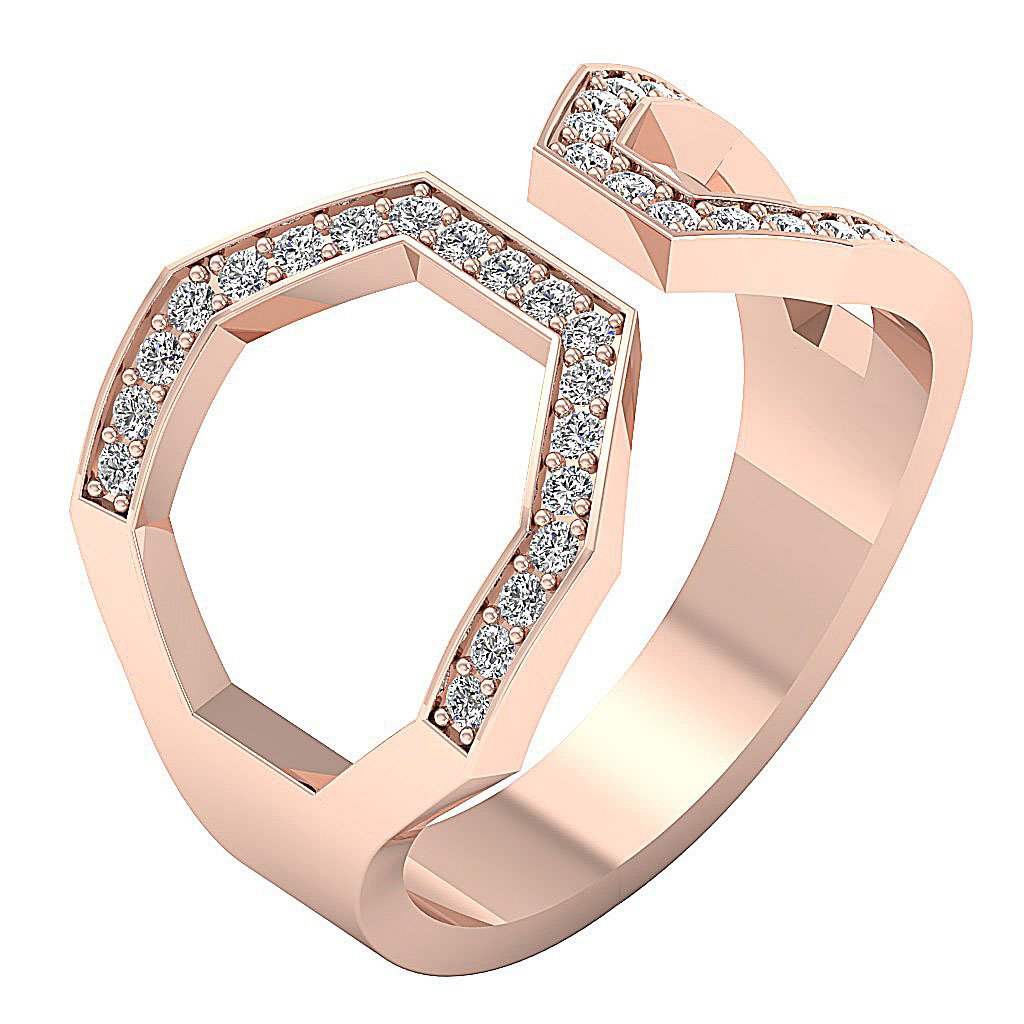
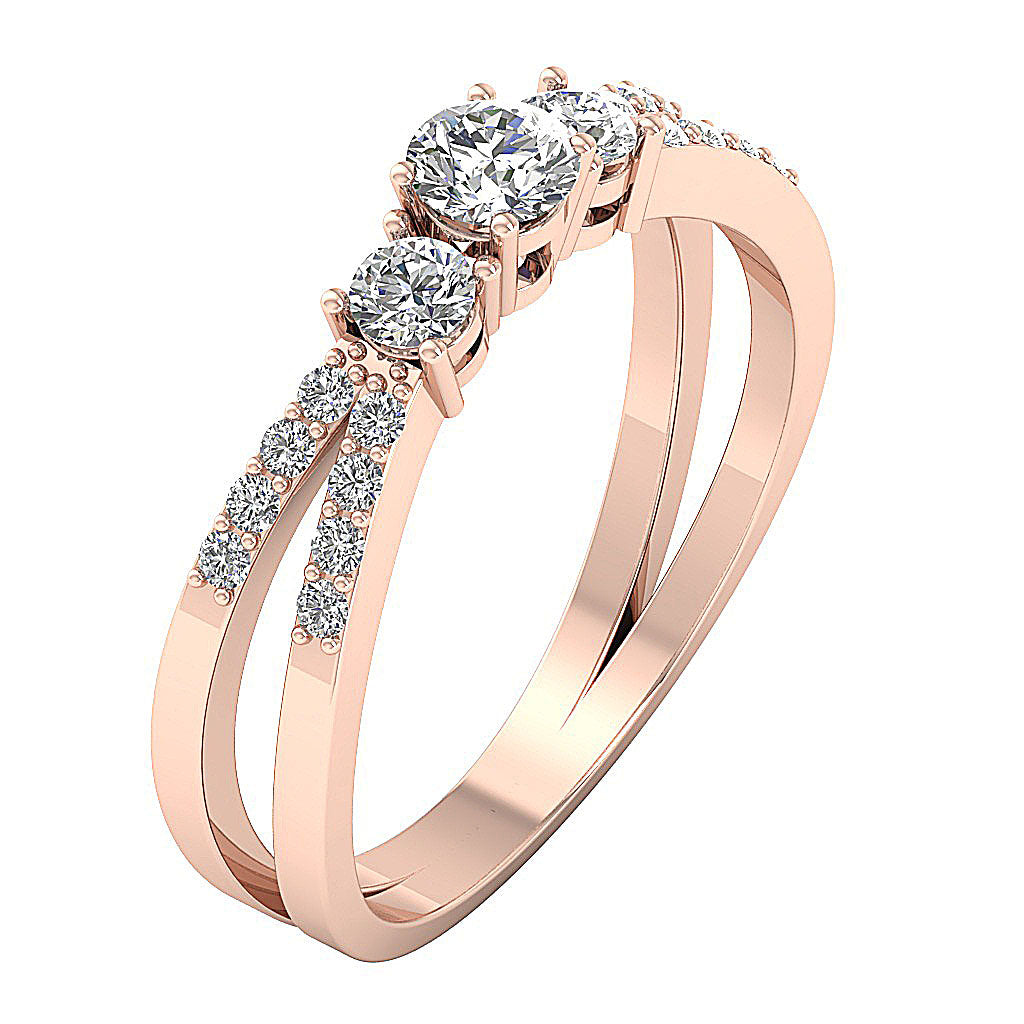
Diamond for Good's natural diamond engagement rings span solitaire, halo, Forever Us two-stone, and vintage-inspired designs. Settings are available in 14K and 18K yellow, rose, and white gold, allowing the same natural diamond to take on very different visual characters.
Center stones include round, cushion, oval, and other cuts, while settings range from clean, open designs to more detailed mounts incorporating milgrain, pavé accents, or additional gemstones.
An open setting can leave more of the diamond's pavilion and lower surfaces exposed, creating a lighter visual appearance and allowing the stone to remain prominent from different viewing angles. The actual brilliance of the diamond, however, is primarily determined by its cut rather than simply whether the setting is open or closed.
Accent stones offer another way to personalise the design. Sapphires, rubies, and smaller diamonds can flank or surround the center stone, adding colour or additional brilliance without necessarily competing with it. Proportion is important: supporting stones work best when they reinforce rather than overwhelm the center diamond.
The Craft Behind Natural Diamond Engagement Rings
The individuality of a natural diamond begins with the stone itself. Even diamonds sharing the same shape, carat weight, colour, and clarity grades can differ in proportions, facet pattern, and overall appearance.
This makes careful stone selection particularly important. A grading report provides an objective assessment of the diamond's characteristics, but viewing the stone as a whole reveals qualities that numbers alone cannot fully communicate.
The setting then needs to accommodate the specific center stone. Prong placement, stone height, metal choice, and surrounding details all influence how prominently the diamond appears and how comfortably the ring sits on the hand.
A natural diamond can also become more individual through the setting around it. A different metal tone, an unusual band profile, or a pair of coloured accent stones can change the character of the finished ring without altering the center stone itself.
The result is a piece whose history begins underground but whose final identity is shaped through cutting, setting, and design.
Choosing a Setting for Your Natural Diamond Ring
A solitaire offers the clearest presentation of a natural center diamond. With fewer surrounding details, the eye stays focused on the stone's shape, proportions, and light performance.
A halo introduces a surrounding frame of smaller diamonds, increasing the visual presence of the center stone while creating a denser overall impression. This works particularly well for buyers who want additional sparkle without moving to a substantially larger center diamond.
Two-stone settings create a different kind of symbolism and visual balance. A second gemstone can sit alongside the natural diamond, giving the ring a more distinctive profile while keeping the center stone central to the design.
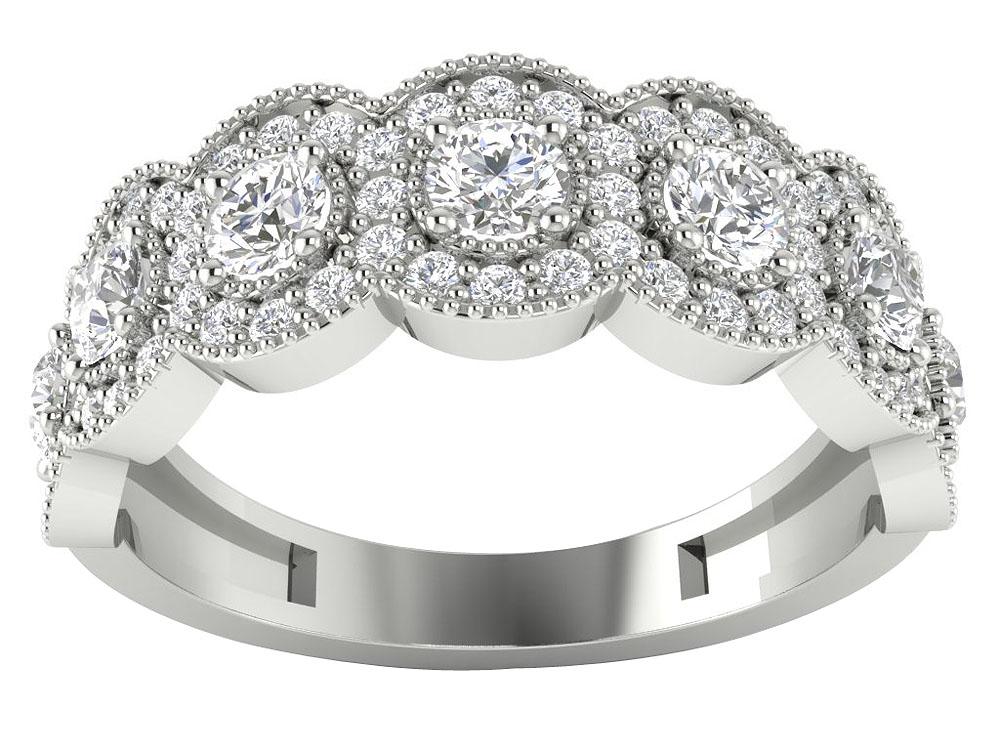
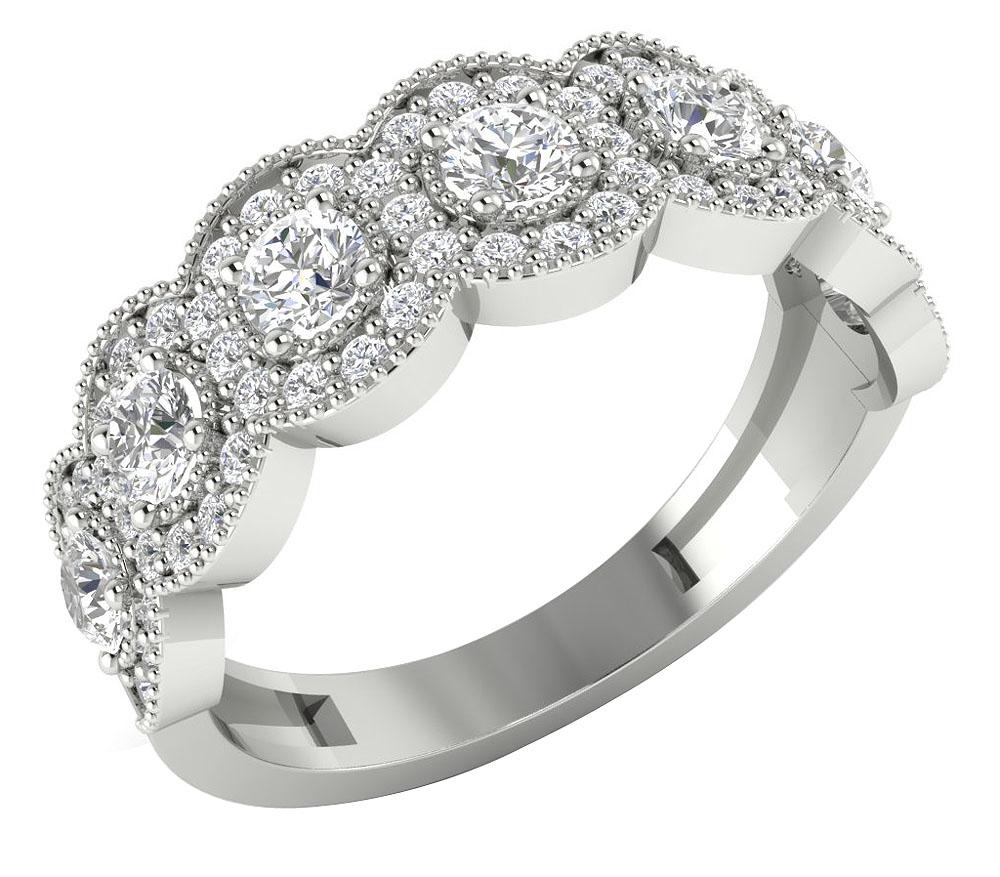
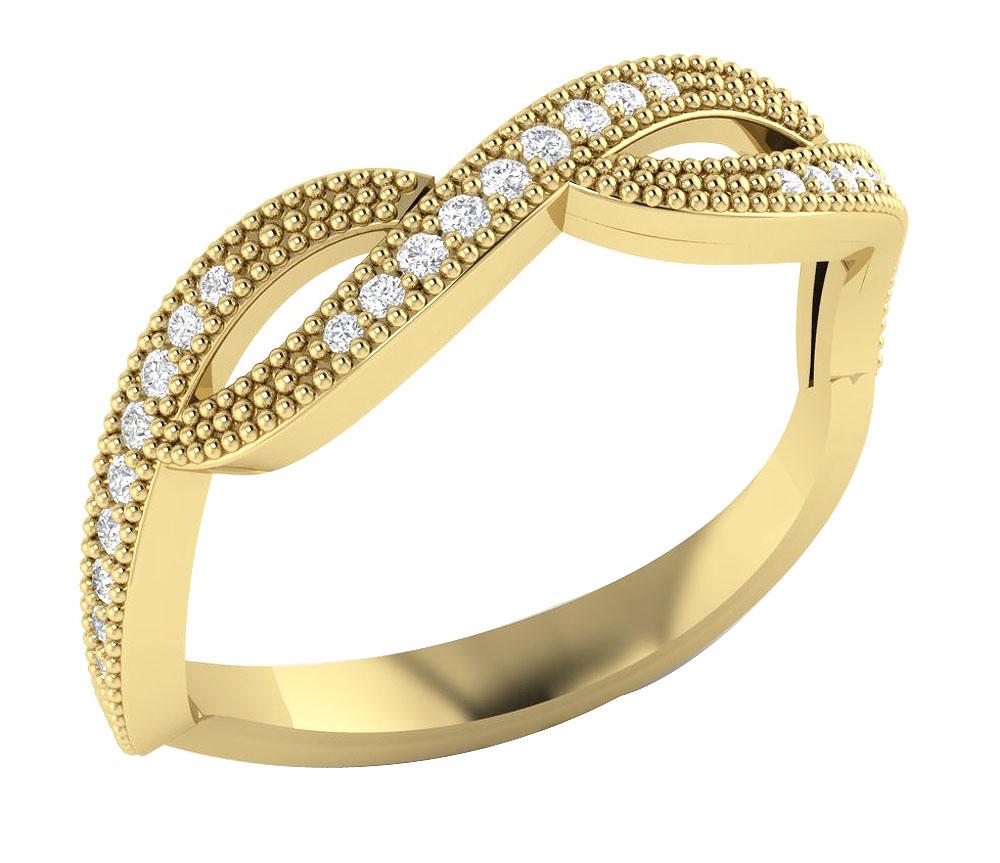
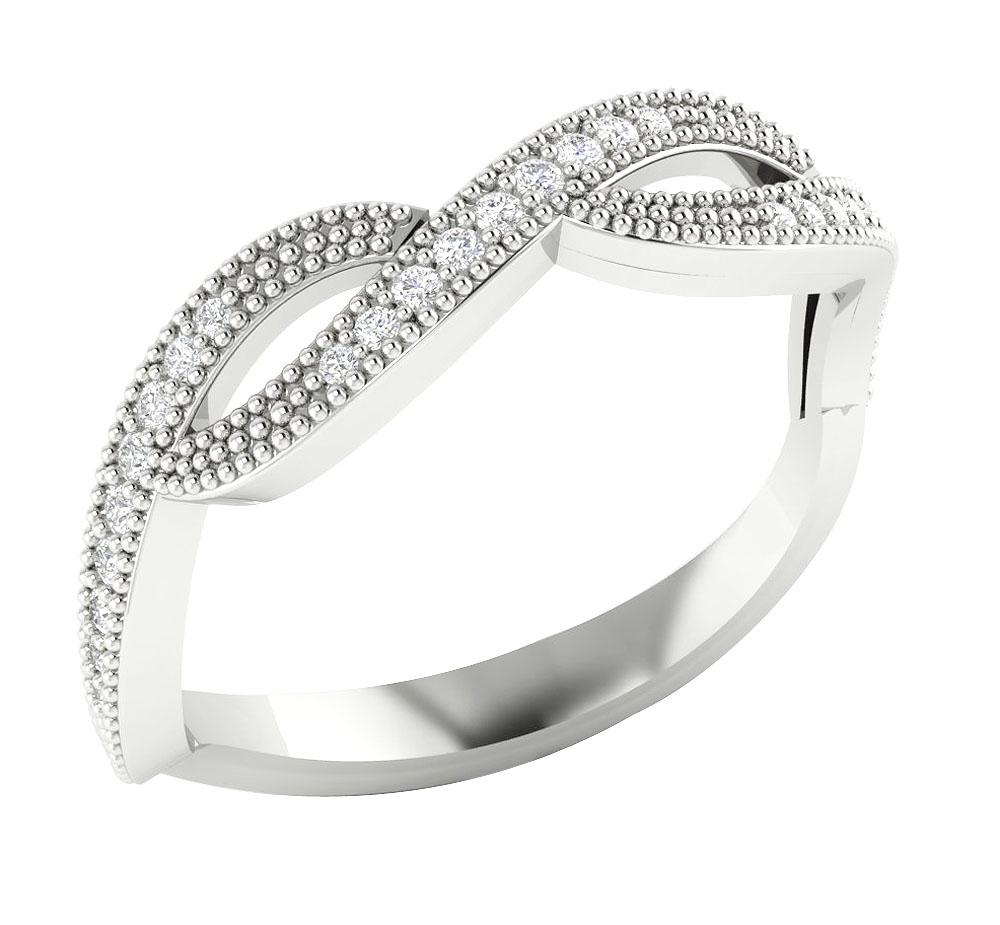
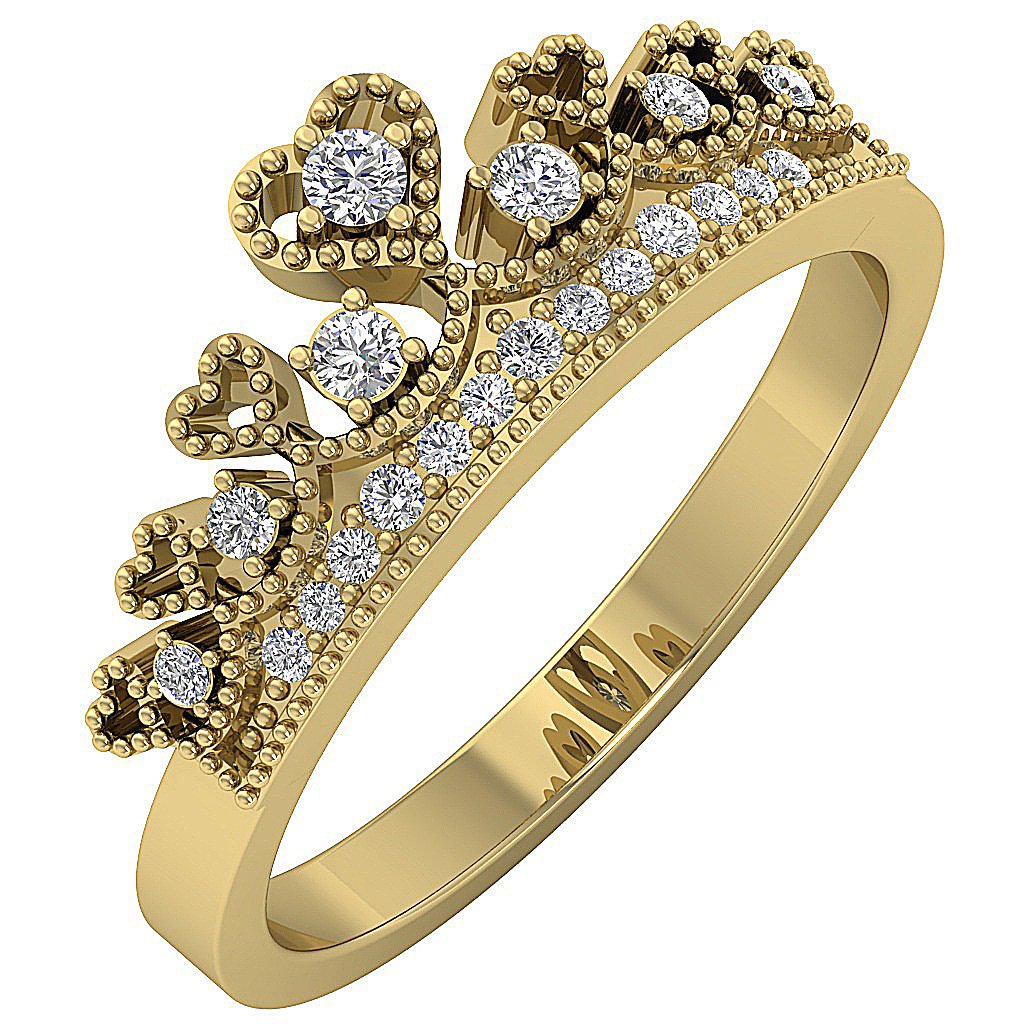
For a vintage-inspired look, details such as milgrain, filigree, and smaller pavé diamonds can introduce additional texture. The right setting ultimately depends on whether the natural diamond should read as a solitary statement or as part of a more elaborate composition.
Wearing It Well: Making the Natural Diamond Ring Your Own
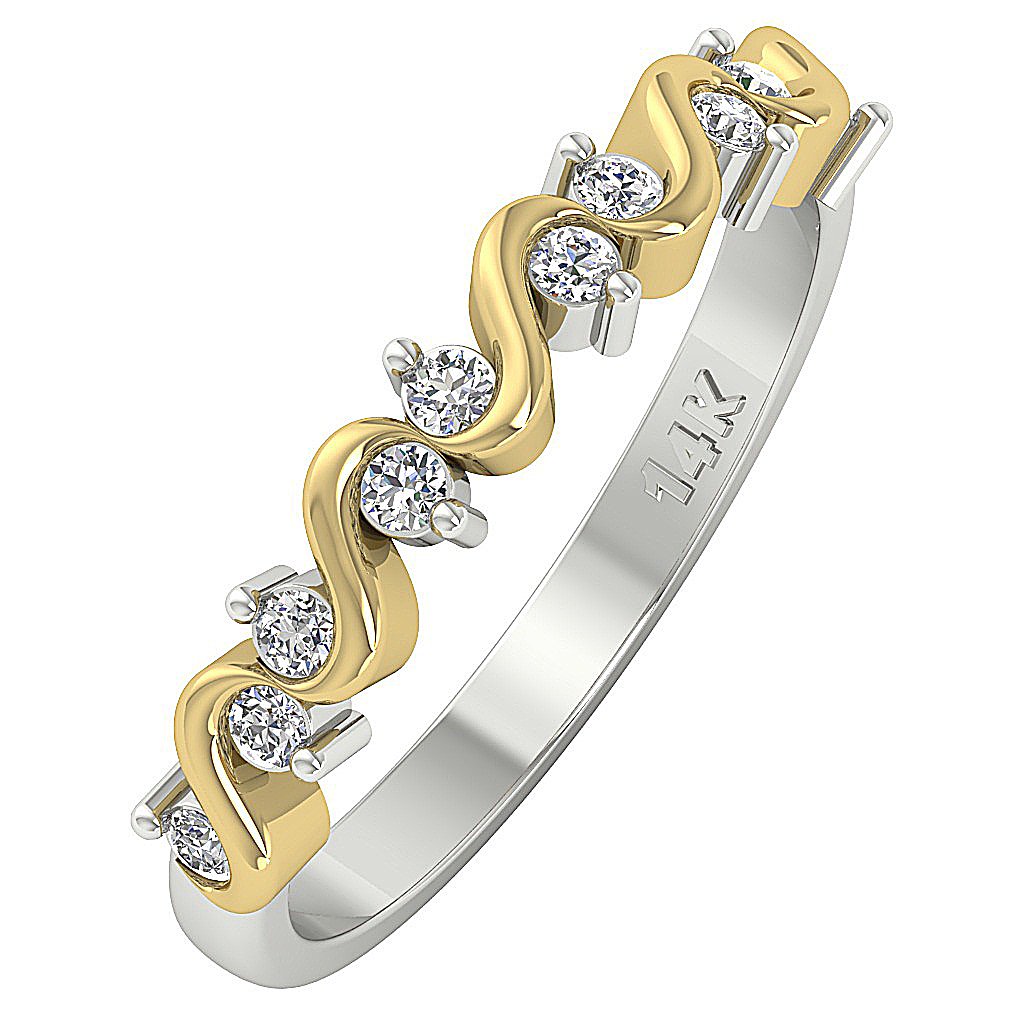
The setting is where a natural diamond becomes distinctly personal. Choosing between yellow, rose, and white gold can change the overall warmth of the ring without changing the stone itself.
For a more understated appearance, a simple solitaire allows the center diamond to remain the clear focal point. If the intention is to create something more decorative, a halo, pavé band, or coloured accent stones can add detail around it.
Think about proportion when adding secondary stones. Small sapphires, rubies, or diamonds can frame the center beautifully, while oversized accents may compete with the stone that the rest of the design is meant to support.
The most successful setting is not necessarily the most elaborate one. It is the one that makes the natural diamond look intentional on the hand while reflecting the character the wearer wants the ring to have.
Living With It: How to Care For Your Natural Diamond Engagement Ring
A natural diamond is exceptionally hard, but the setting still needs regular care. Clean the ring weekly with warm water, mild soap, and a soft-bristled brush, paying particular attention to the underside of the stone where lotion, soap, and skin oils can accumulate.
Have a jeweller inspect the setting annually, particularly if the ring is worn every day. Prongs can gradually loosen through repeated contact, and identifying movement early helps protect the center stone.
Store the ring separately from other jewellery. Diamond is extremely hard and can scratch other gemstones or jewellery materials when pieces come into direct contact, even though the diamond itself remains highly resistant to scratching.
Remove the ring during activities involving heavy impact, harsh chemicals, or manual work where practical. The diamond may be durable, but the surrounding gold and setting remain more susceptible to damage.
A stone with a history measured in geological time, given a new story every day it is worn.