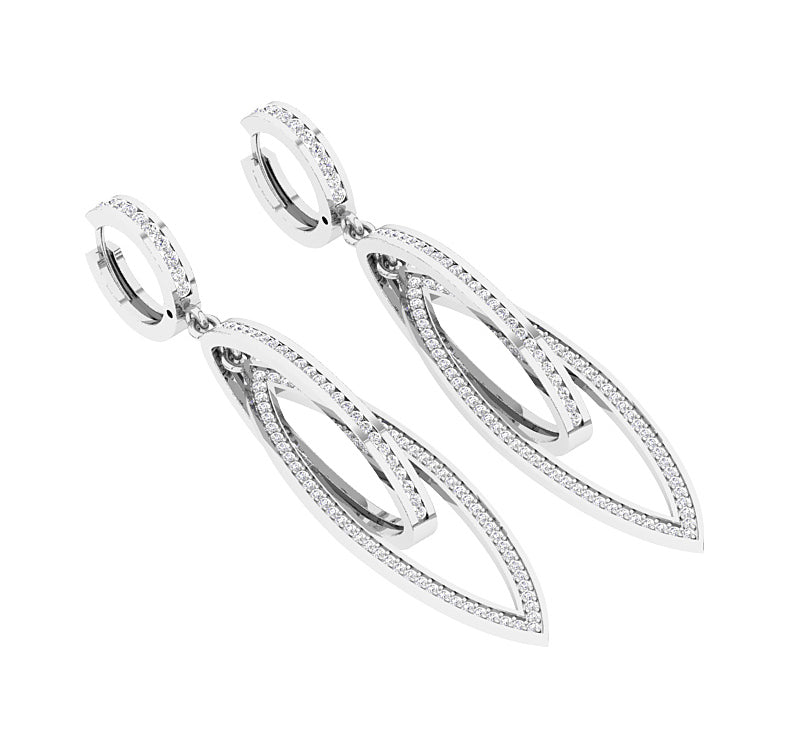
Vintage Designer Rings
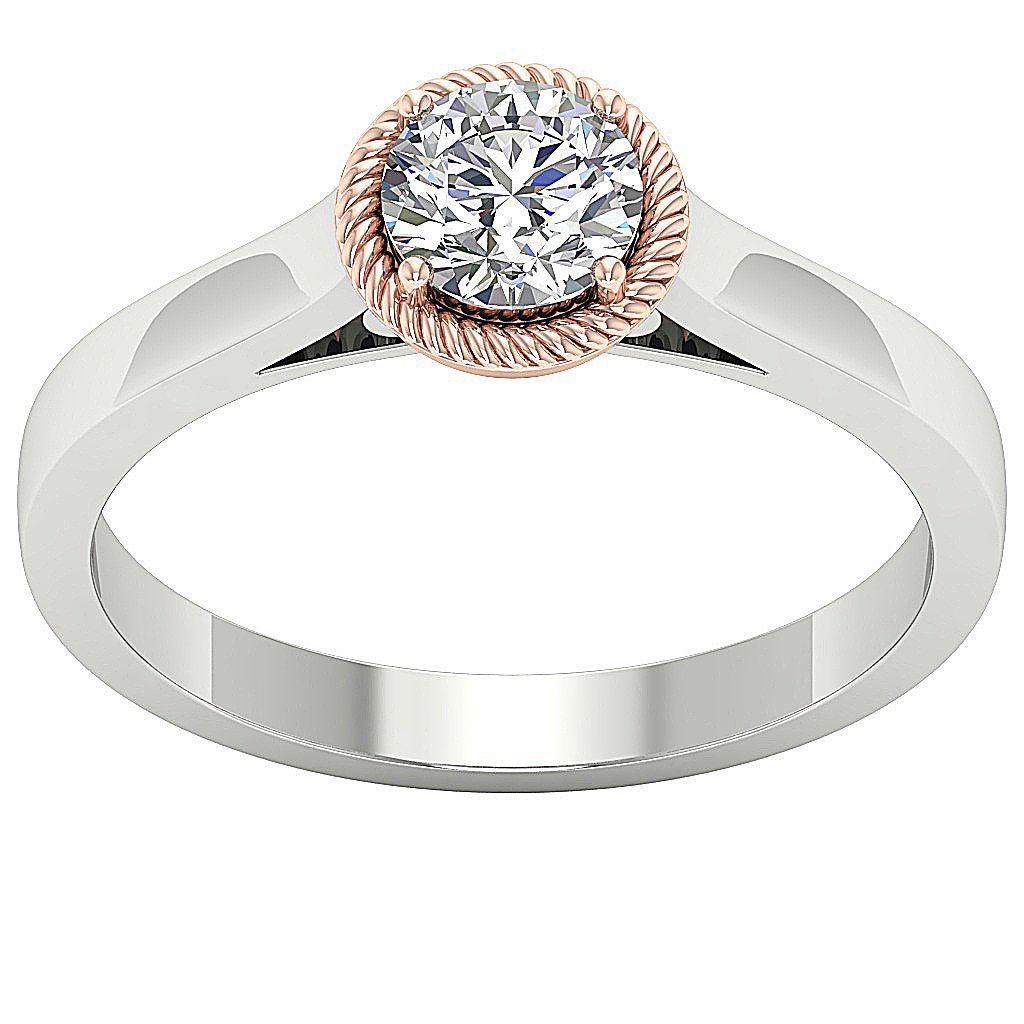
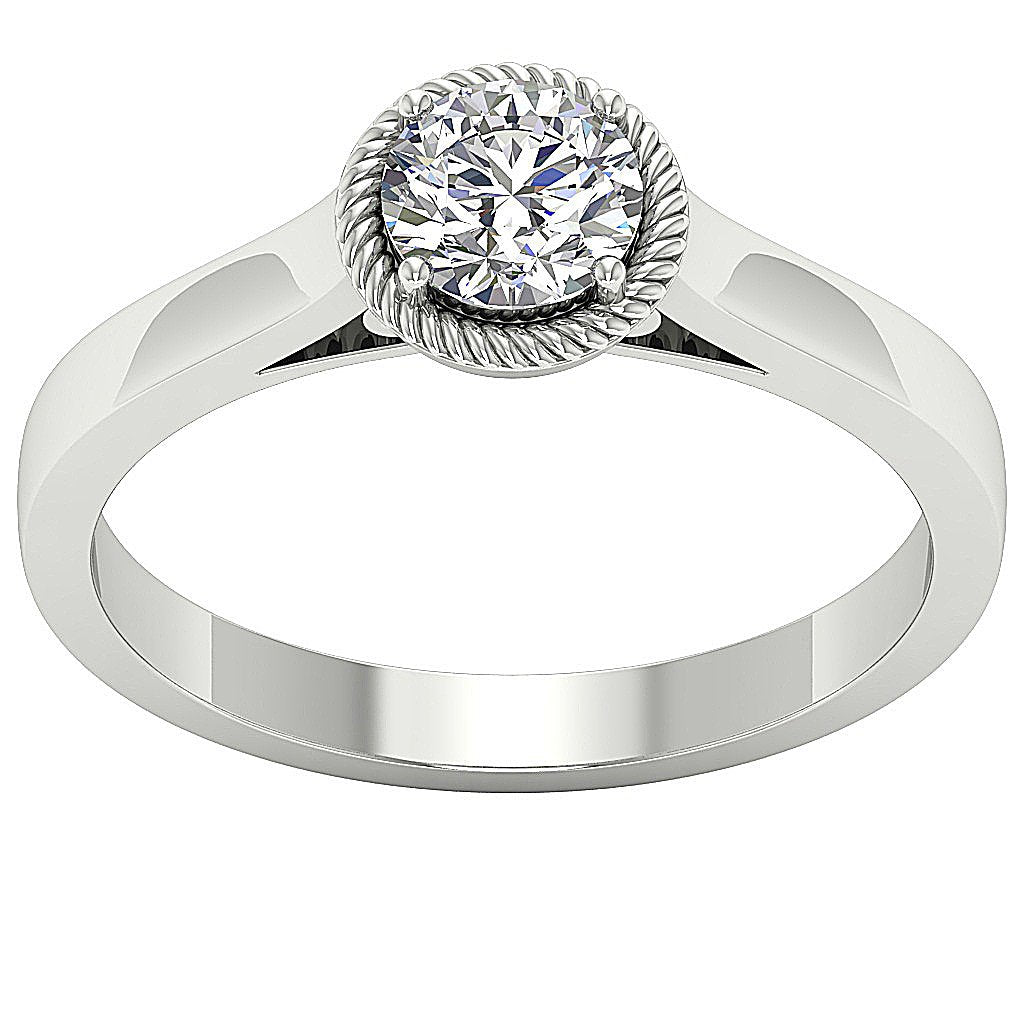
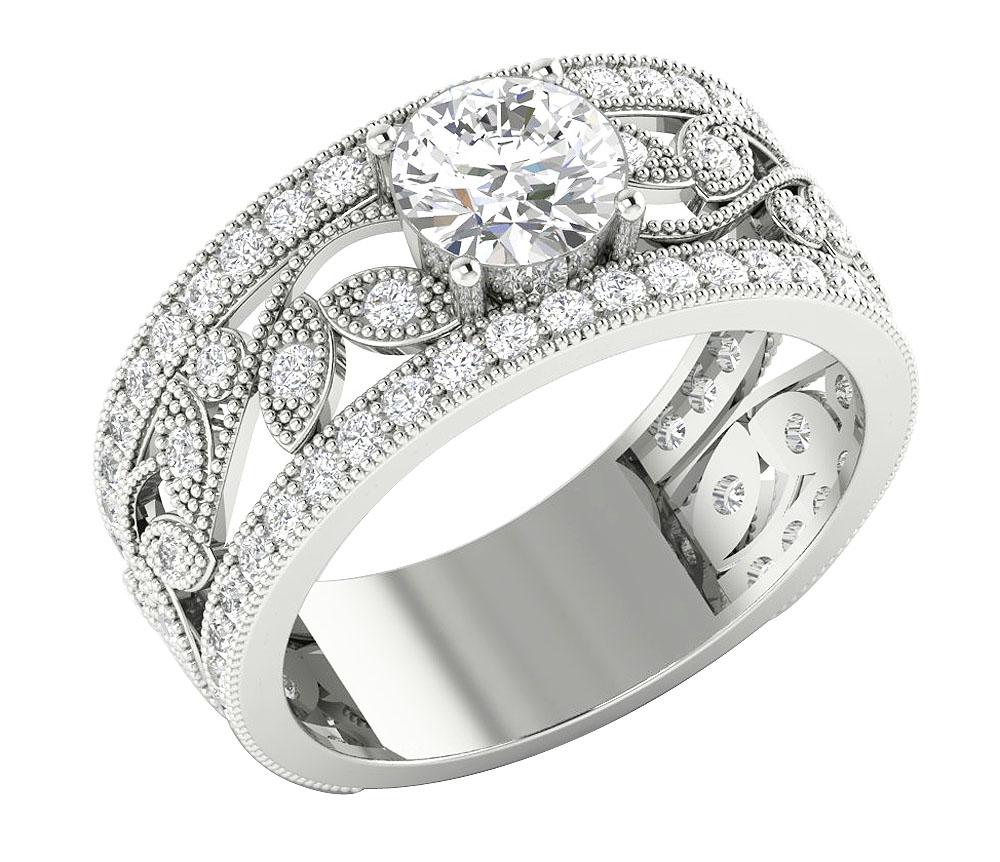
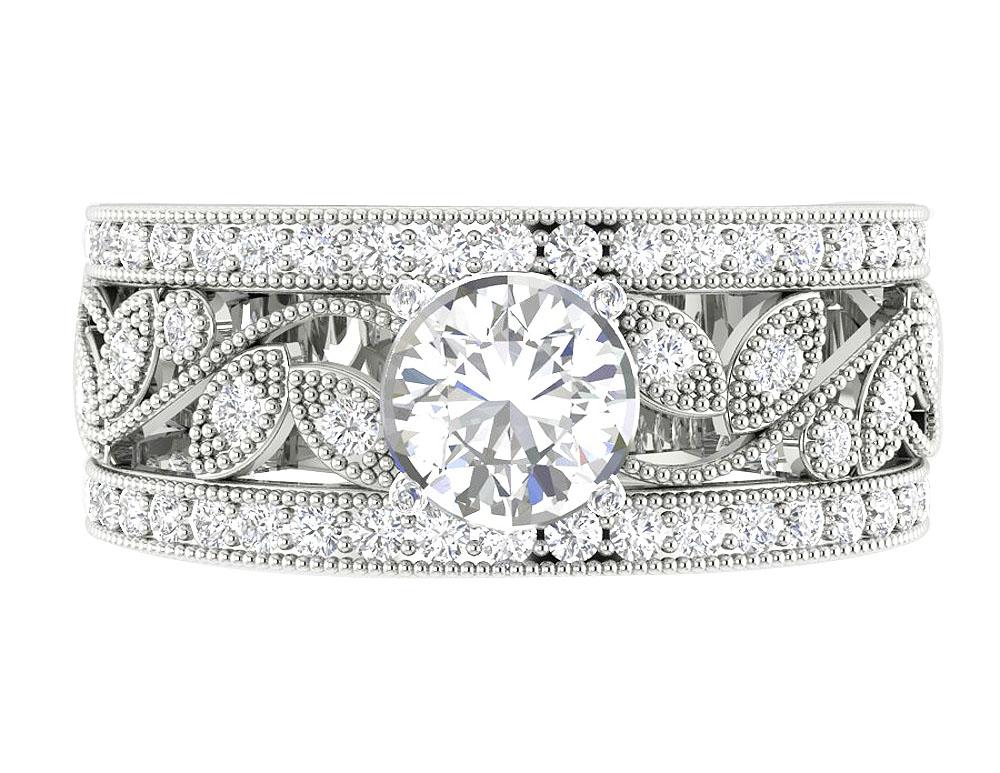
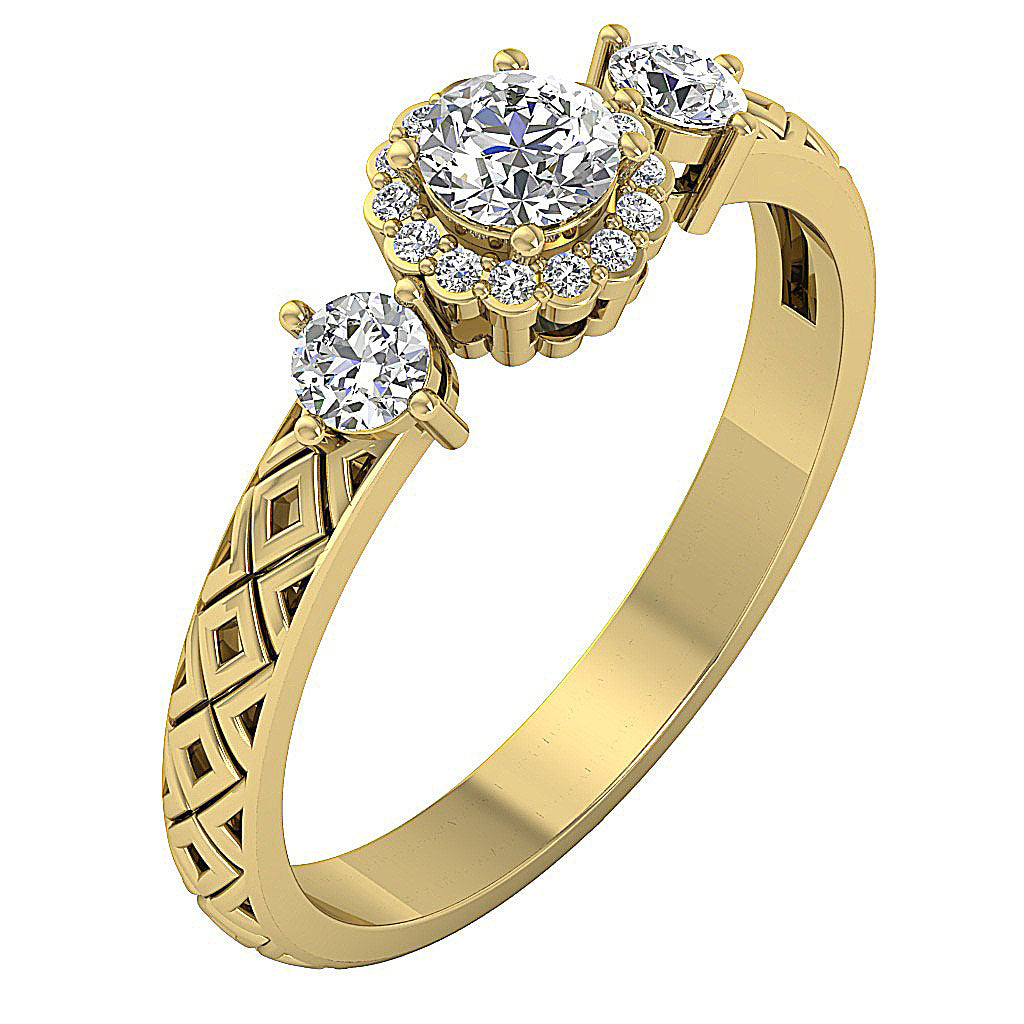
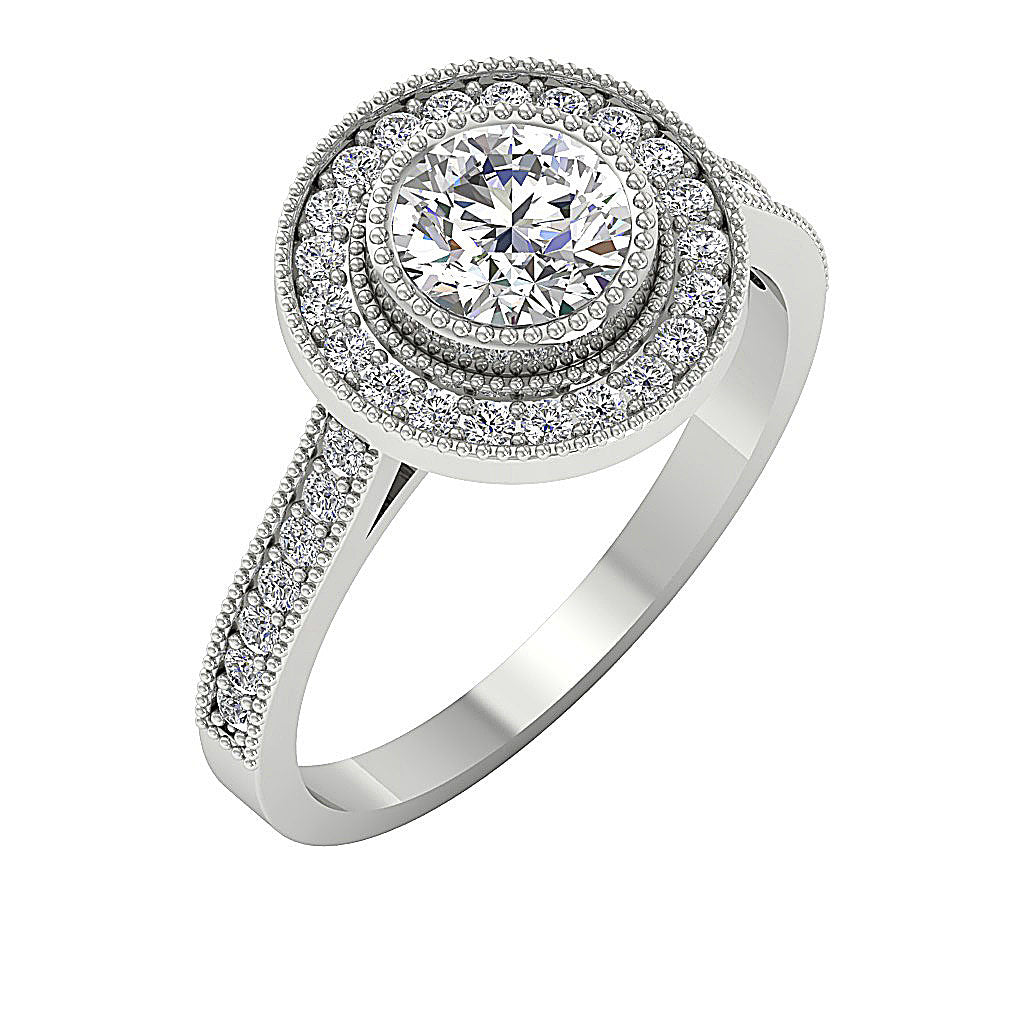
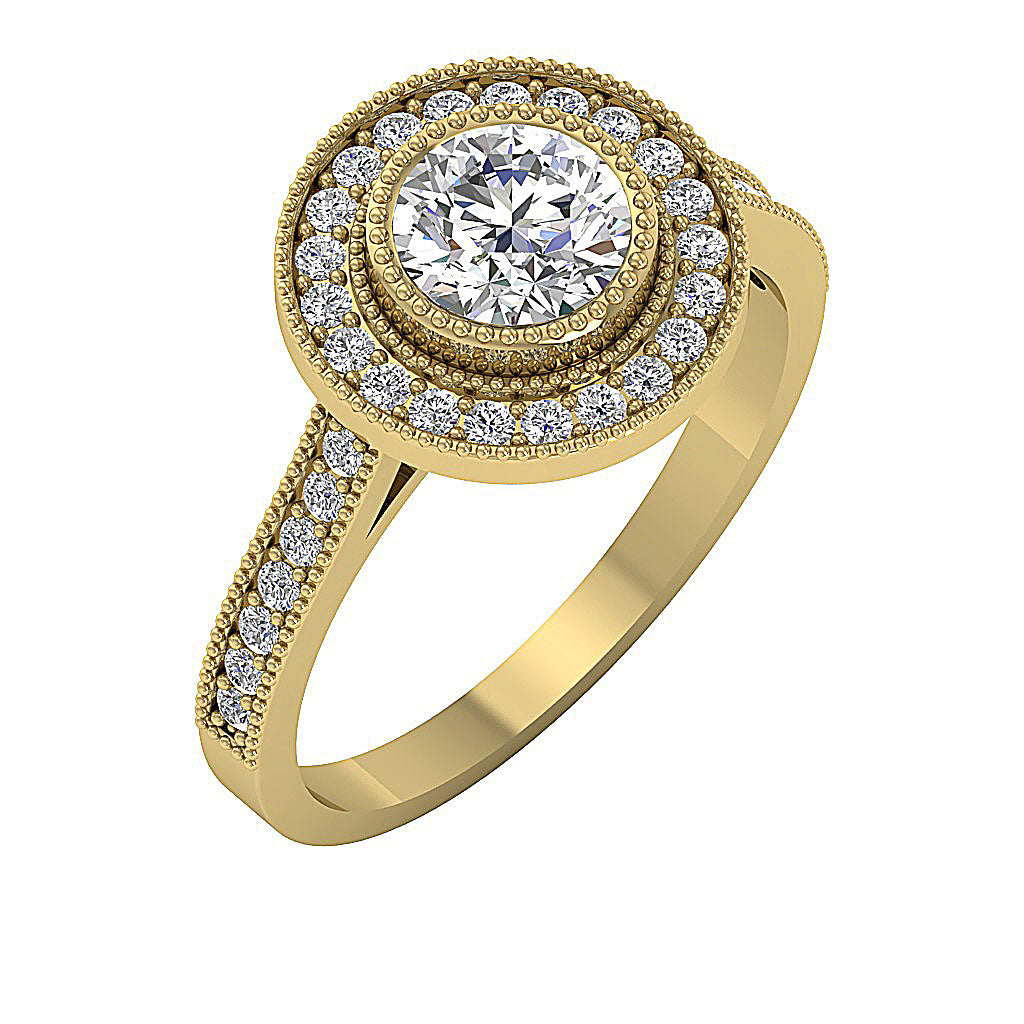
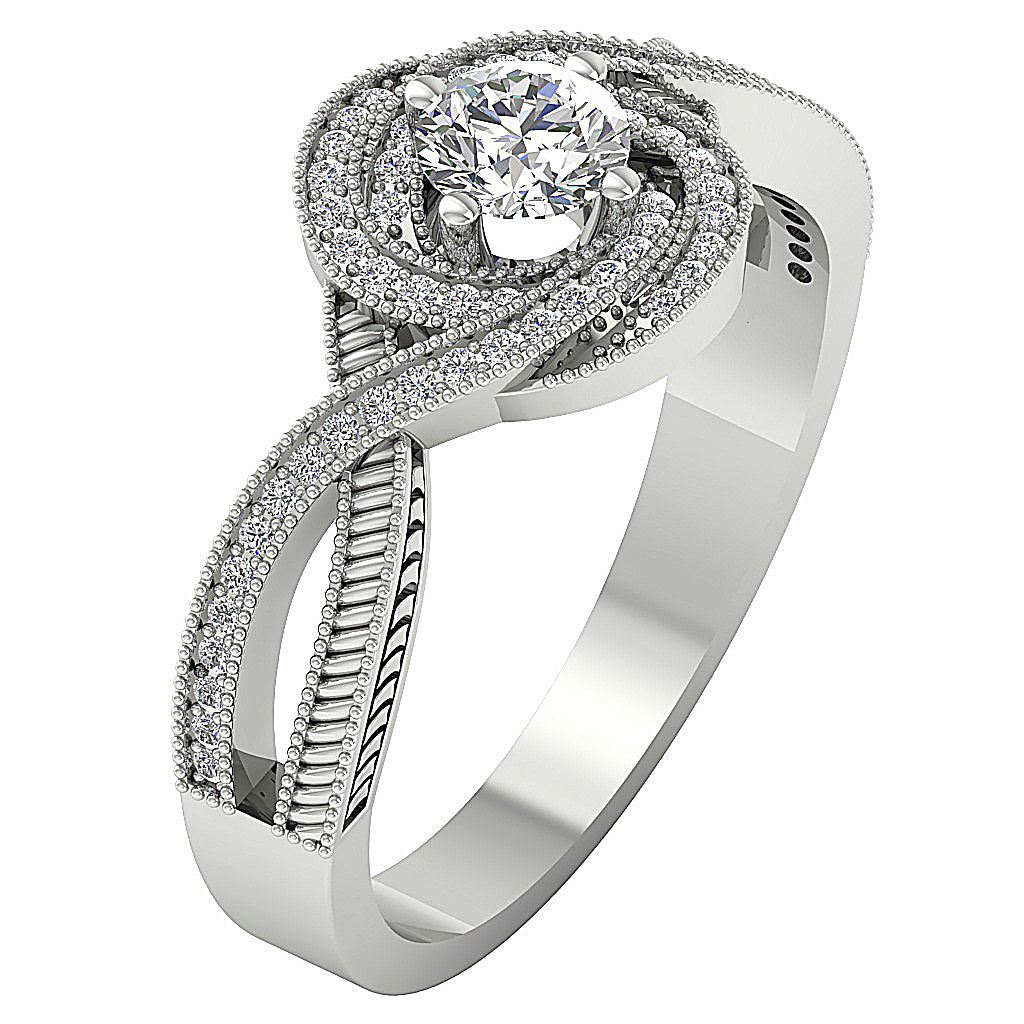
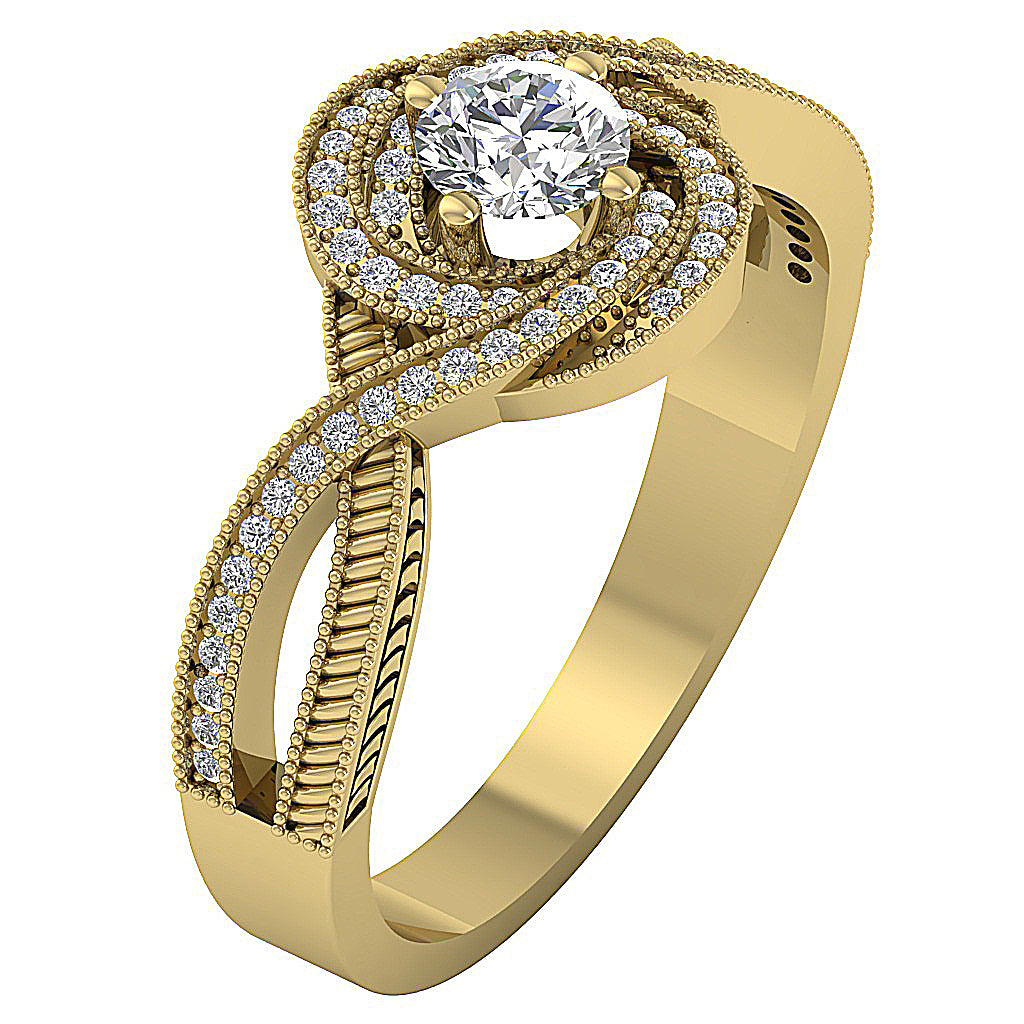
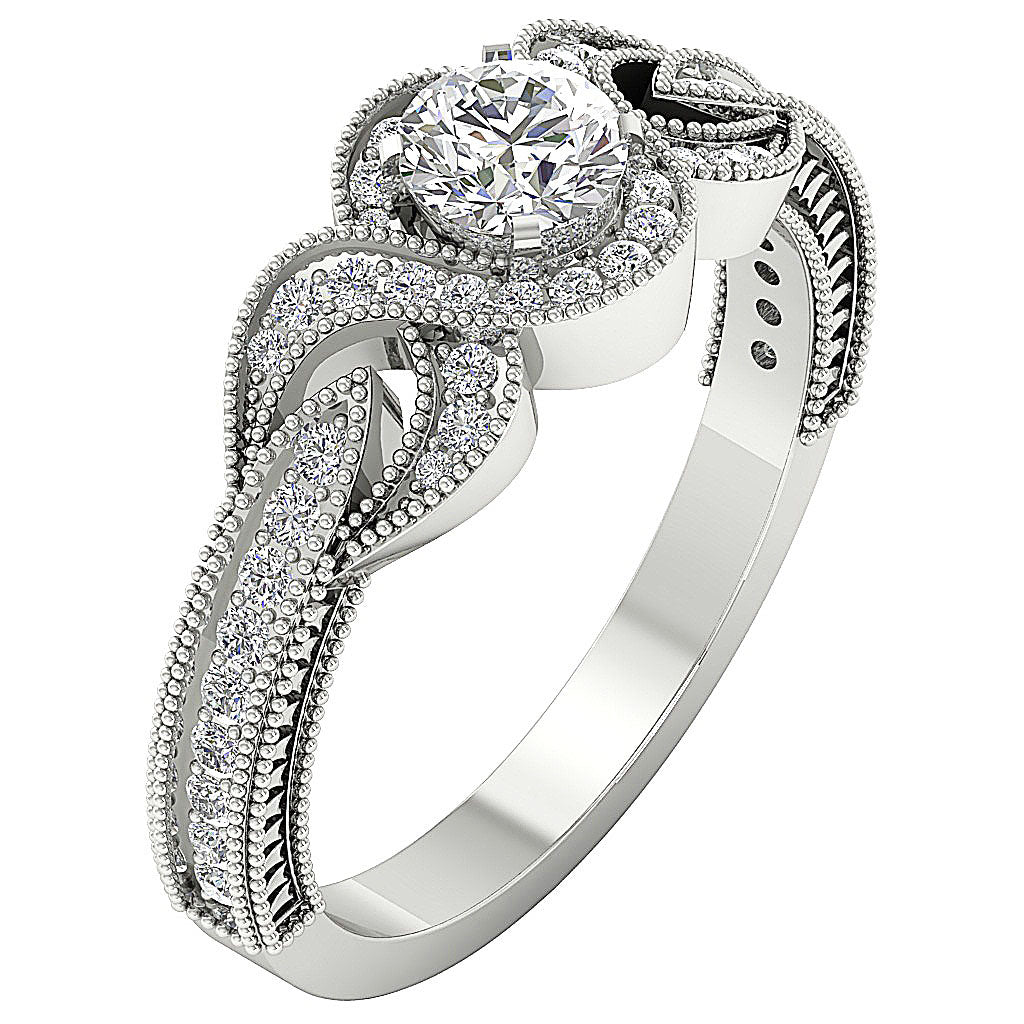
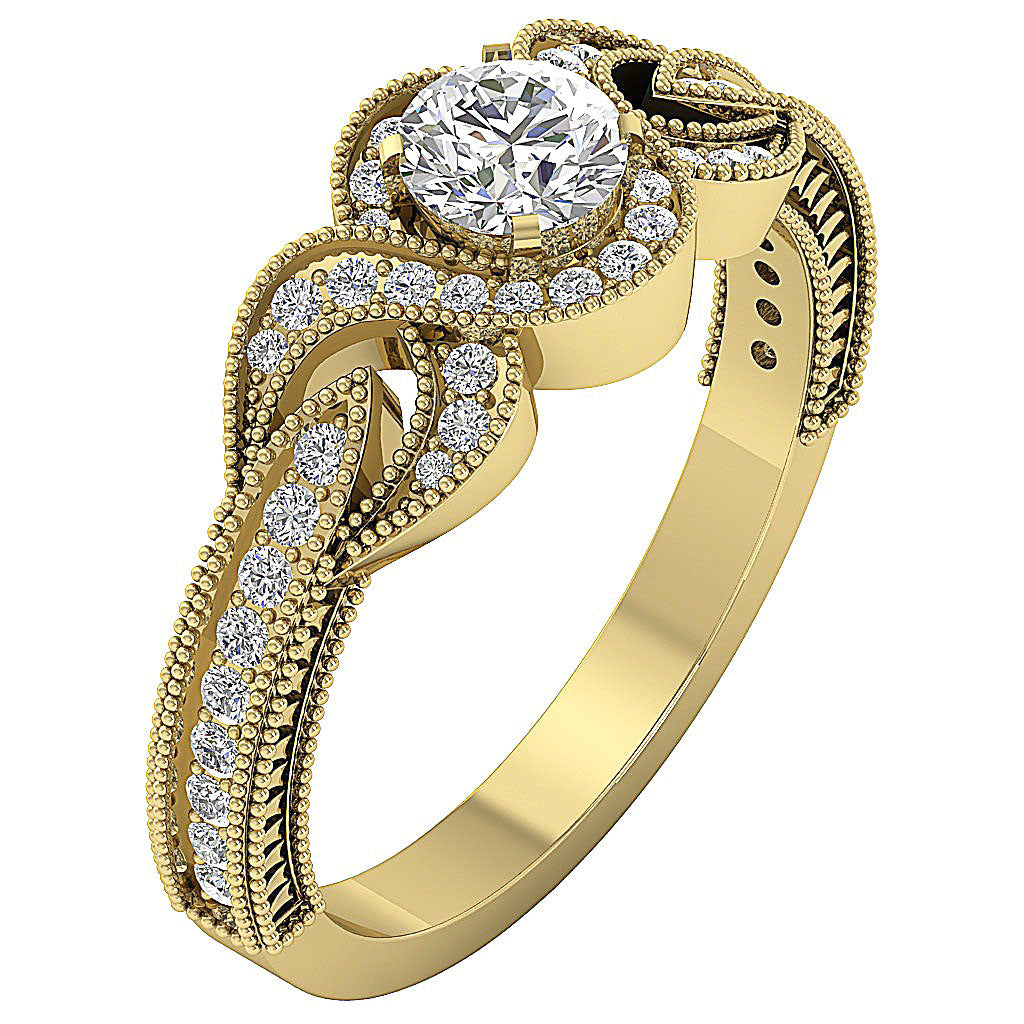
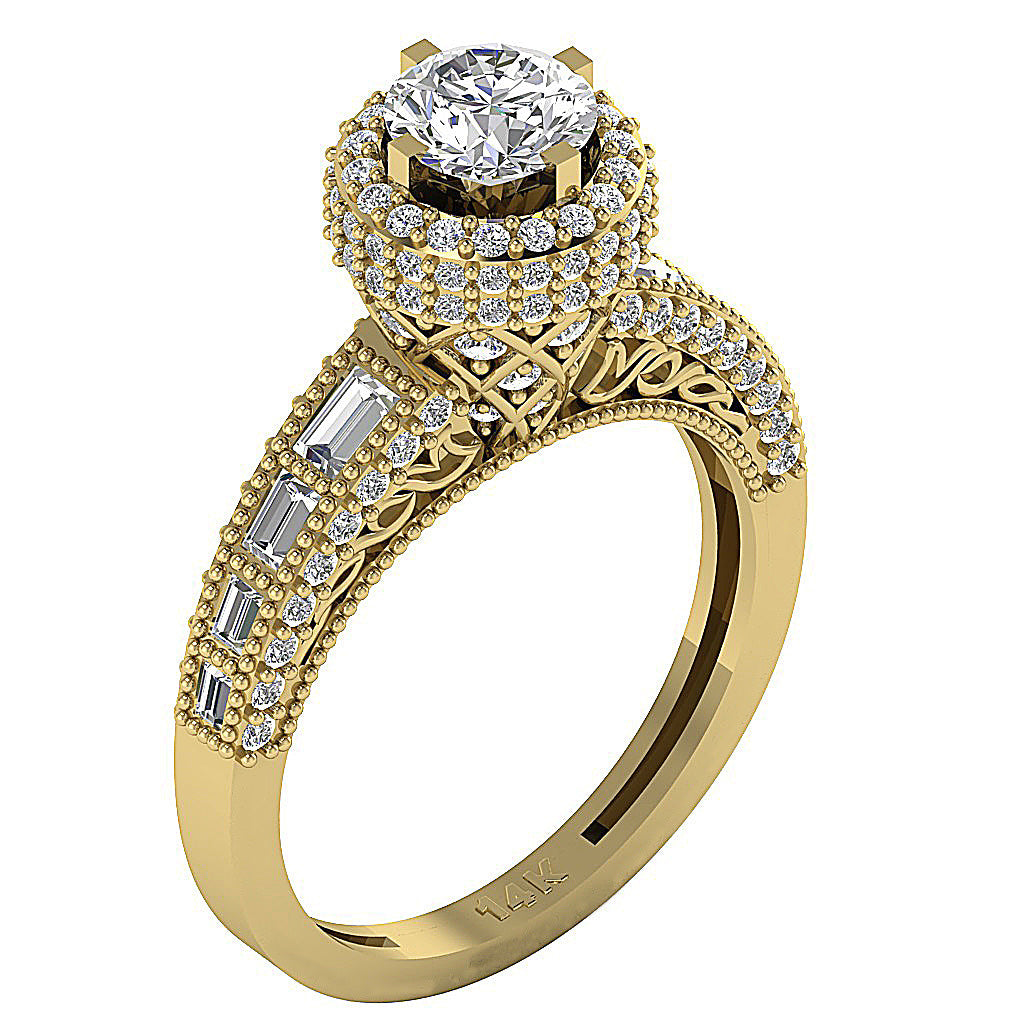
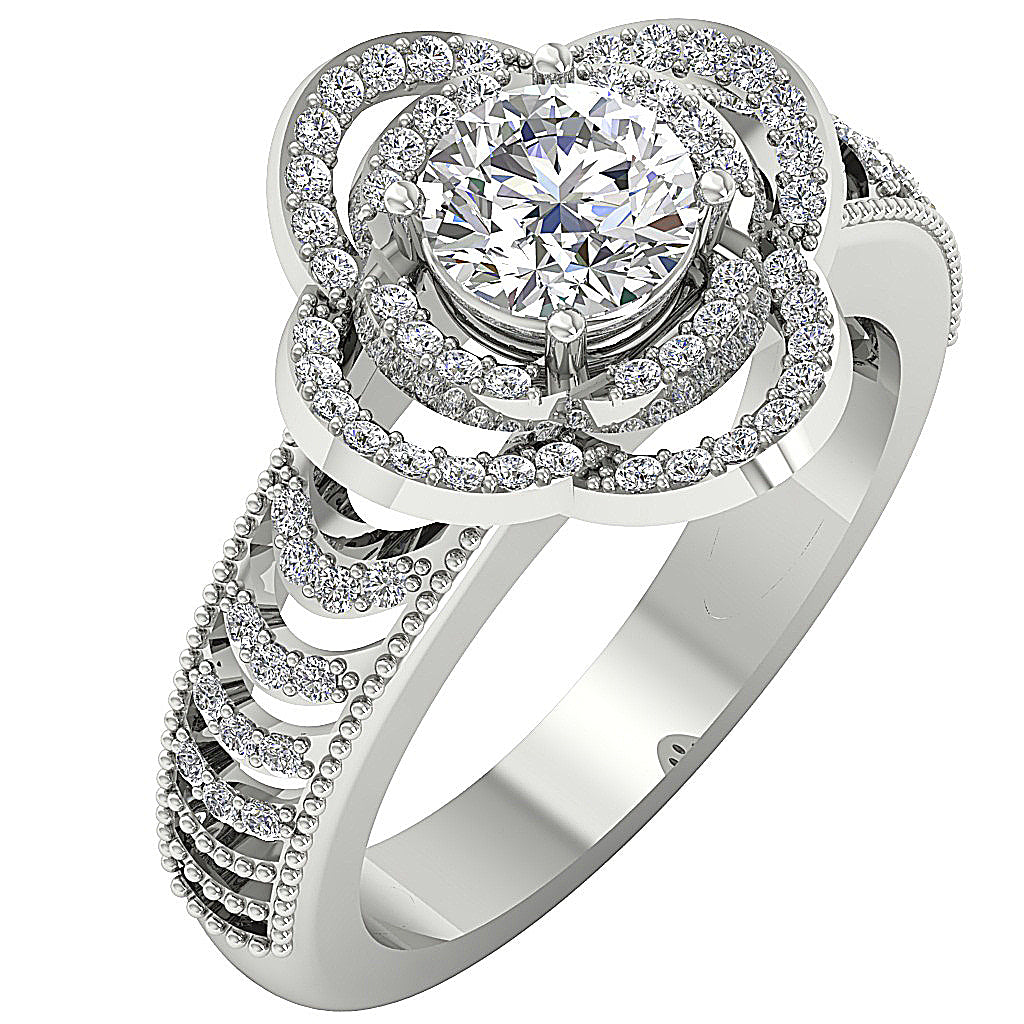
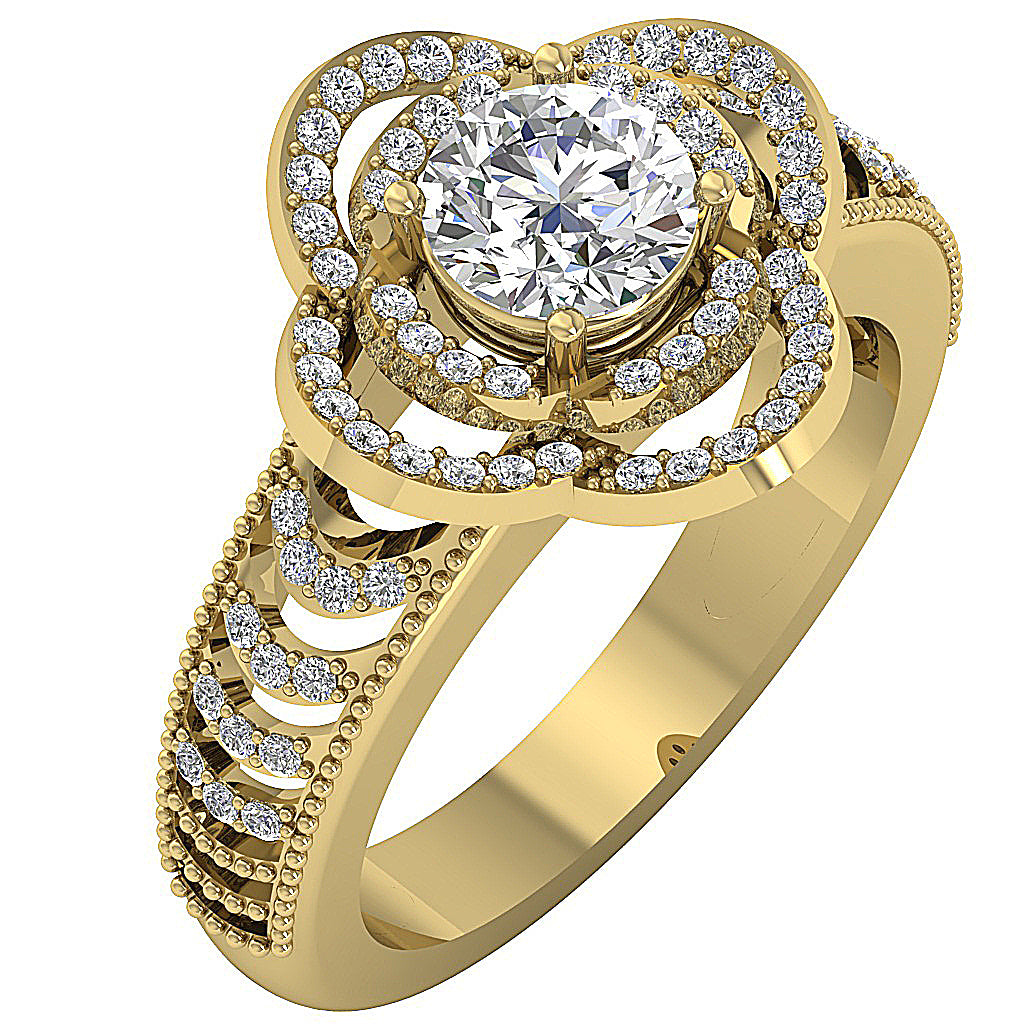
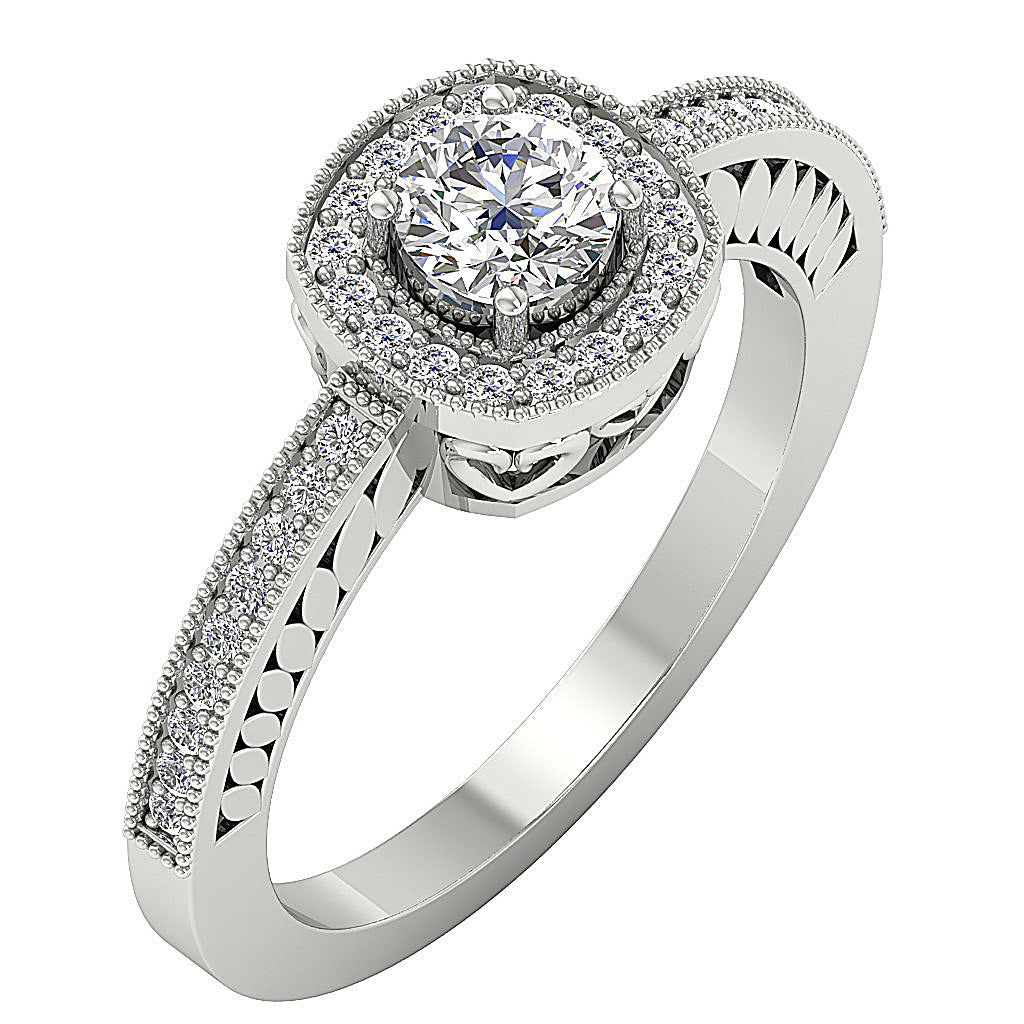
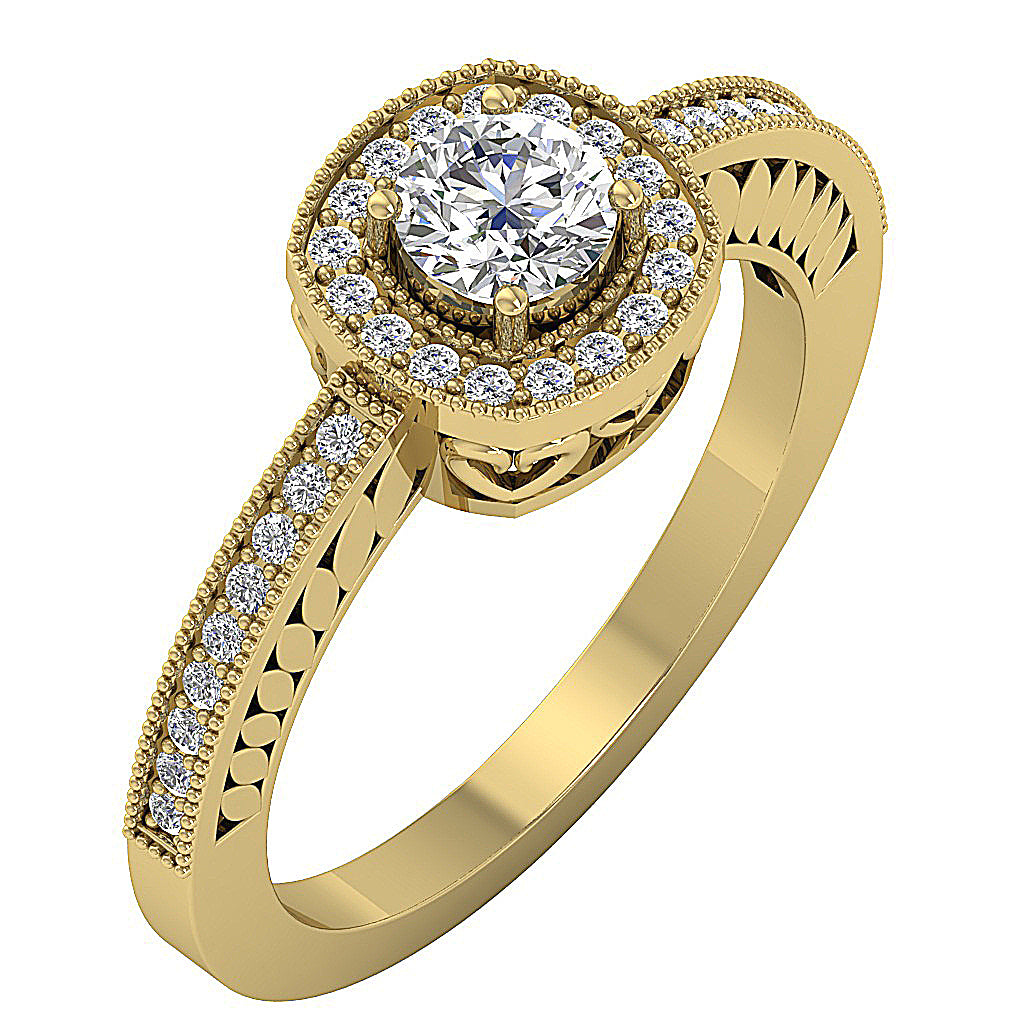
A vintage ring borrows methods that predate the mold and the machine. Milgrain edging, that fine beaded trim along a band's border, once disguised the join between two pieces of hand-worked gold. Filigree, the lace-like open metalwork on many older designs, cut weight from the setting. It also added pattern the eye could get lost in.
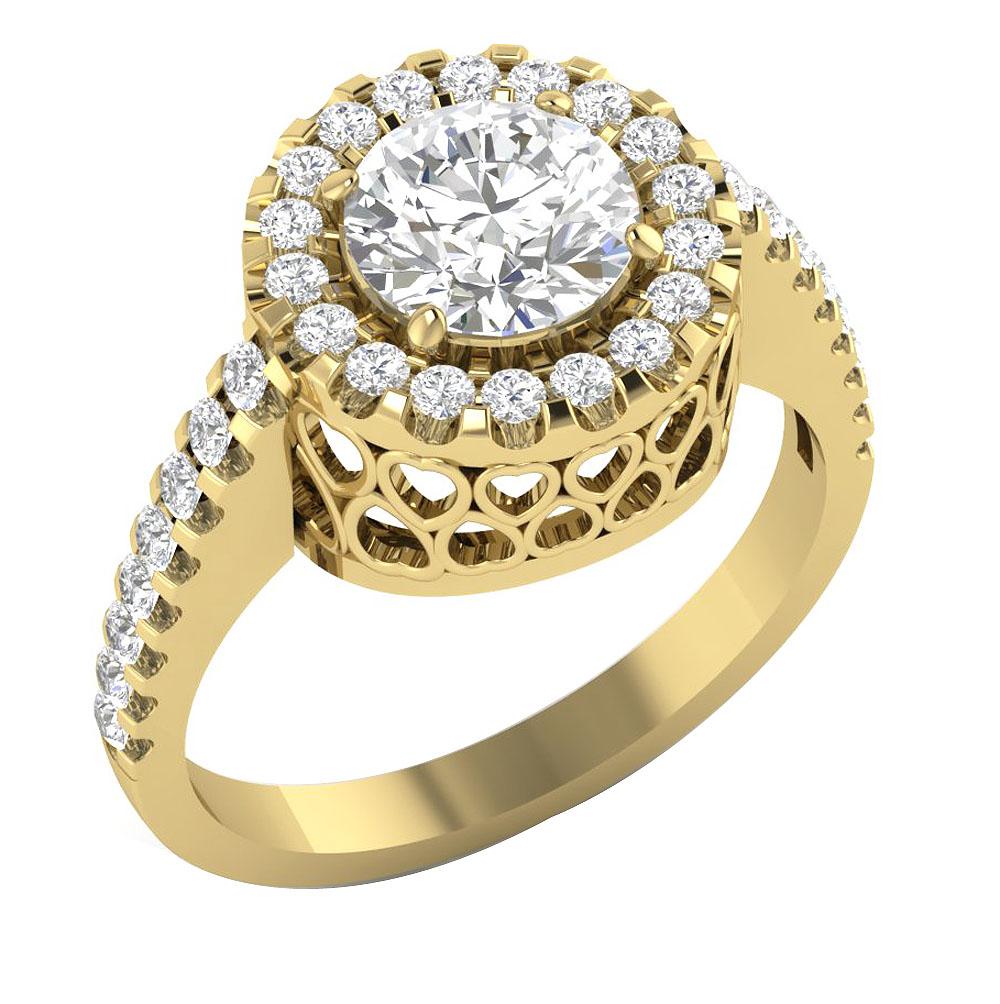
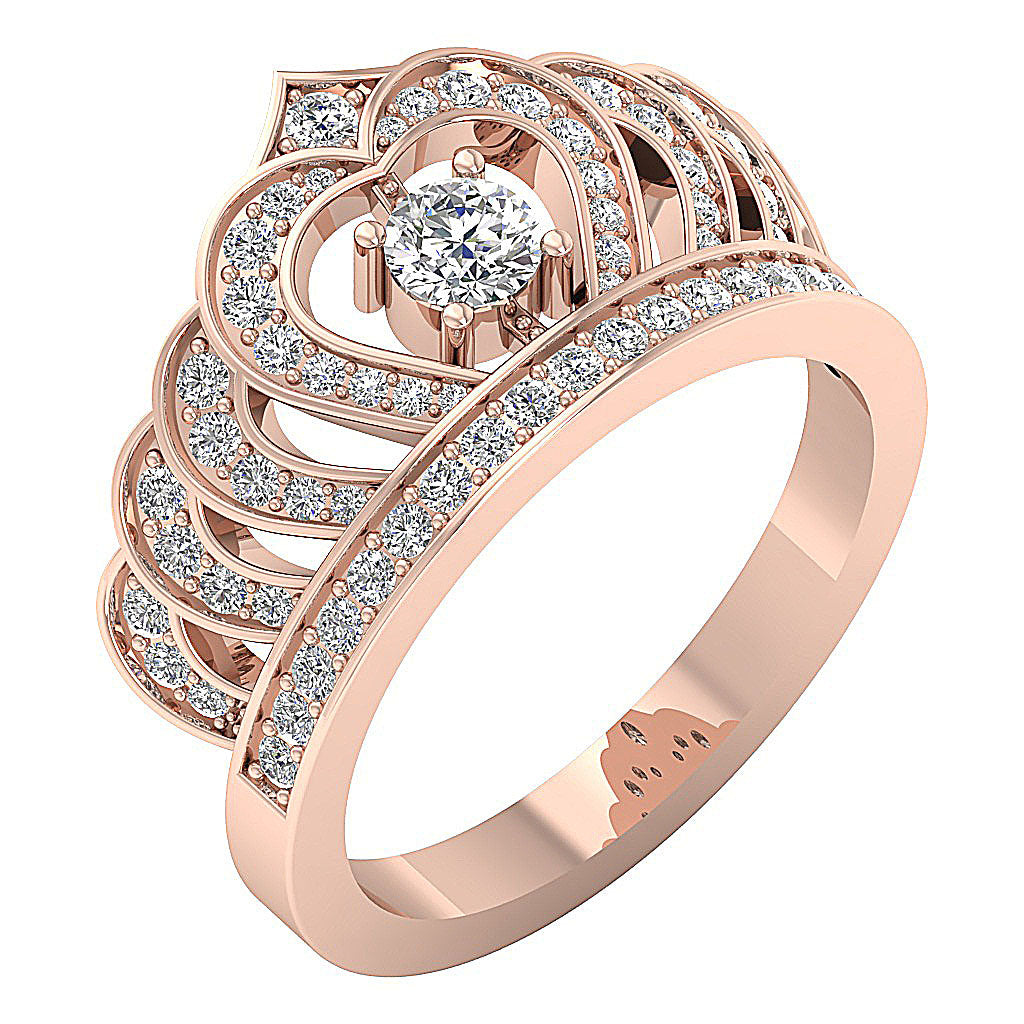
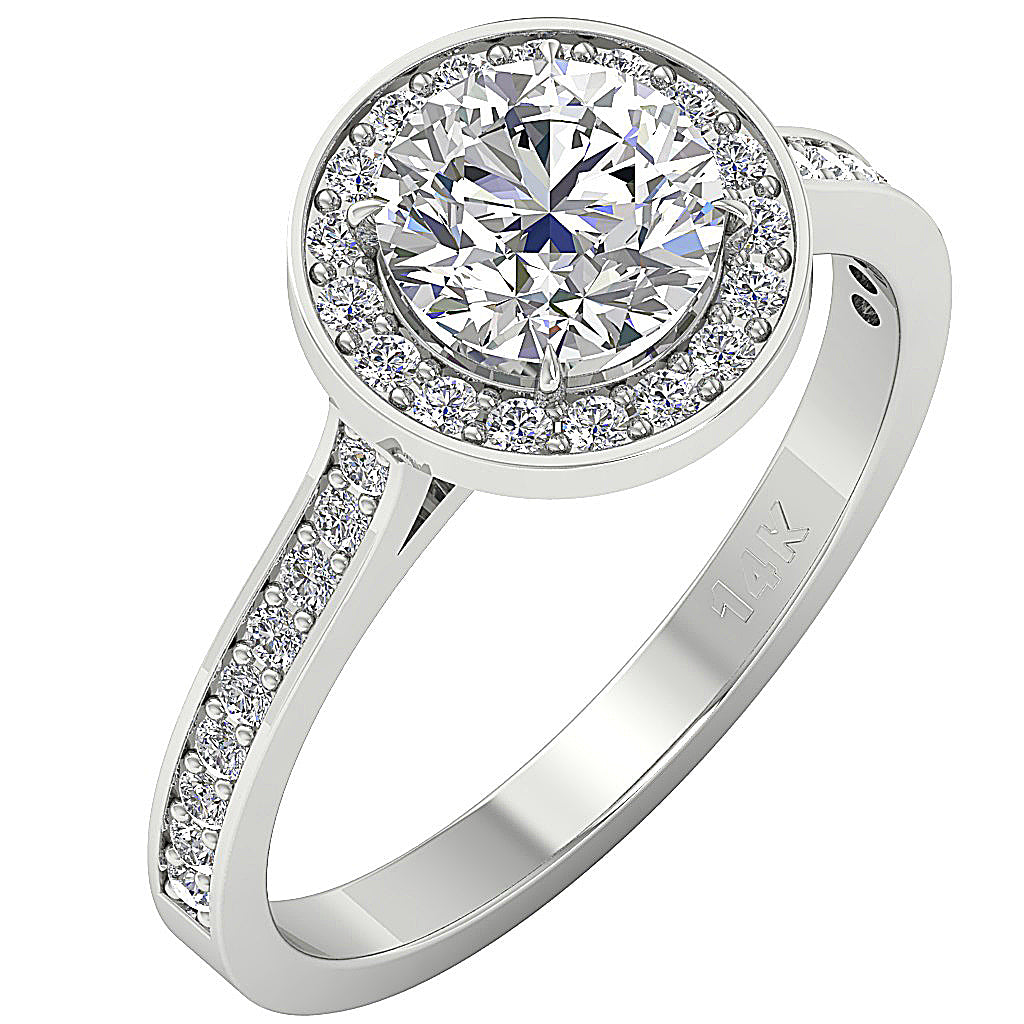
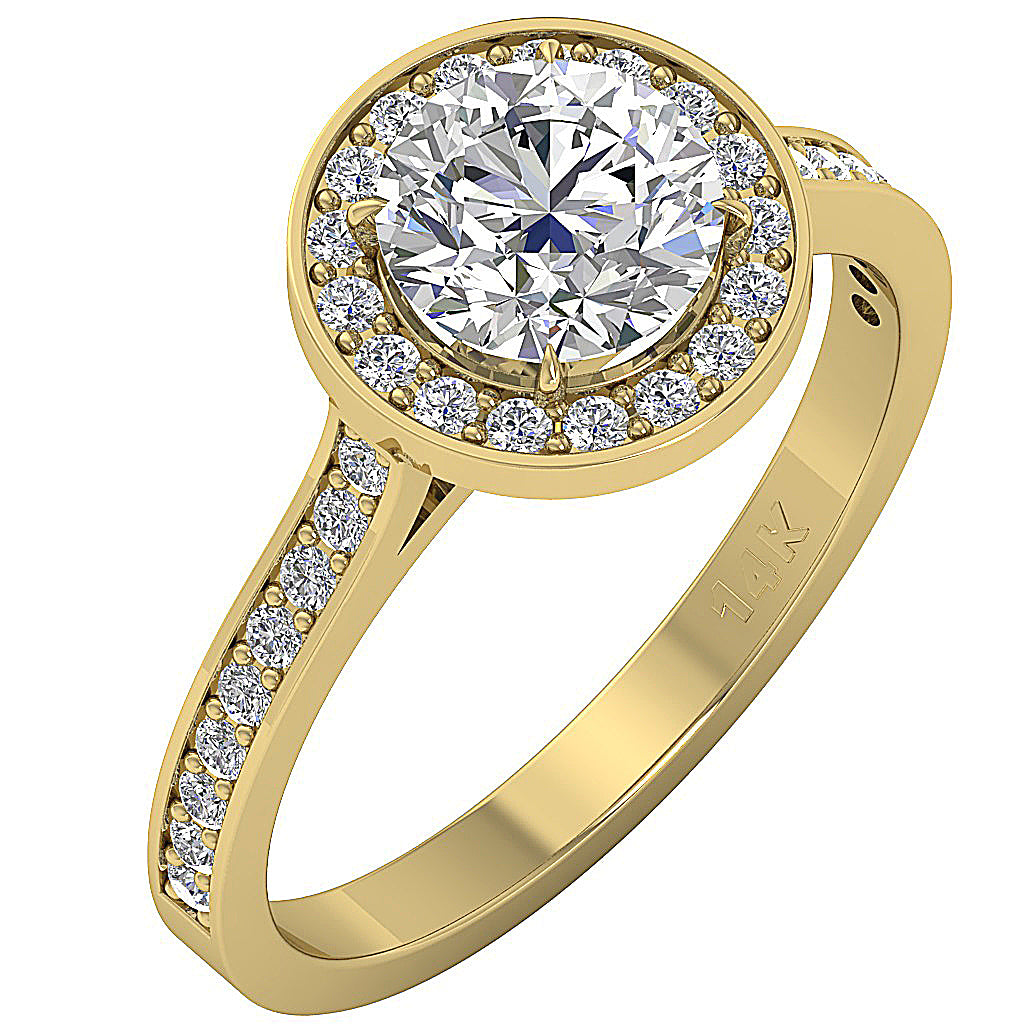
Diamond for Good rebuilds these intricate details in modern gold, offering unique vintage diamond rings. The casting is precise enough to match what hand-finishing alone once required.
The Details That Matter
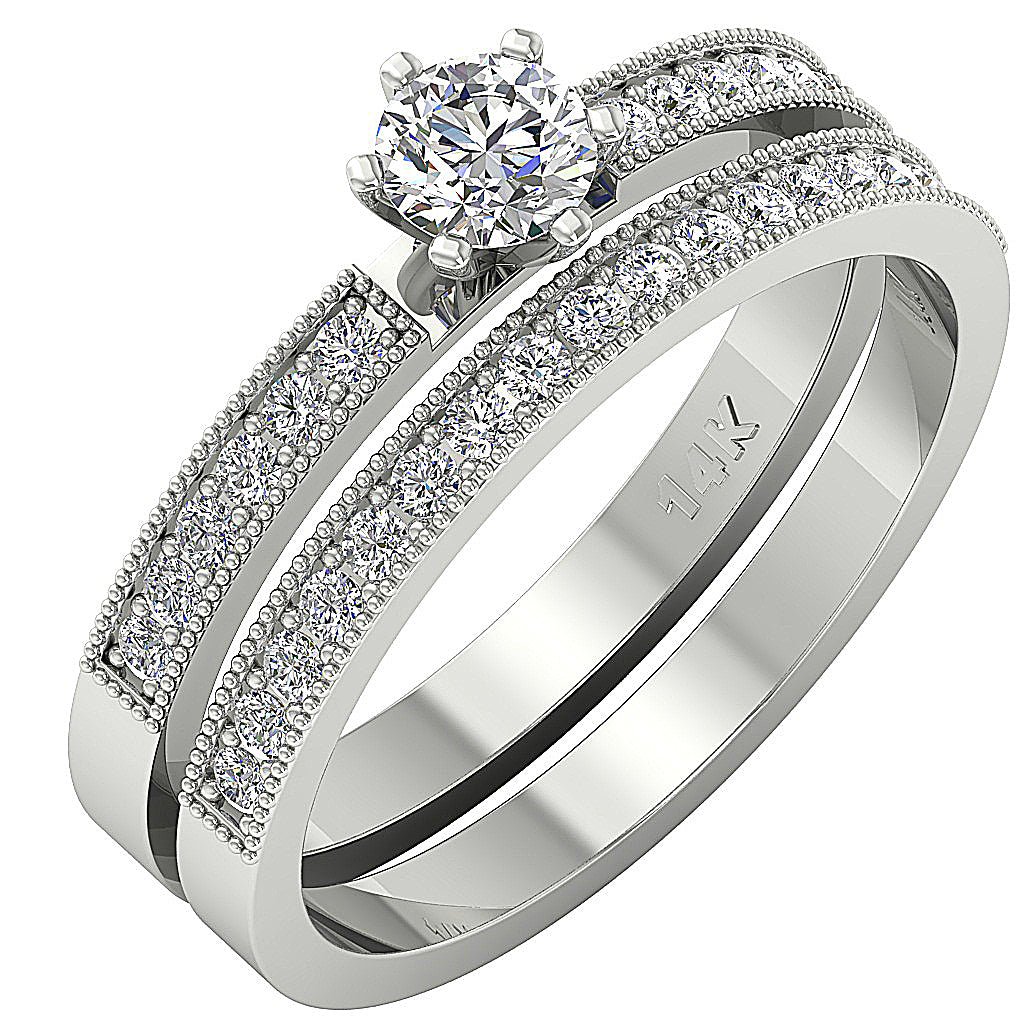
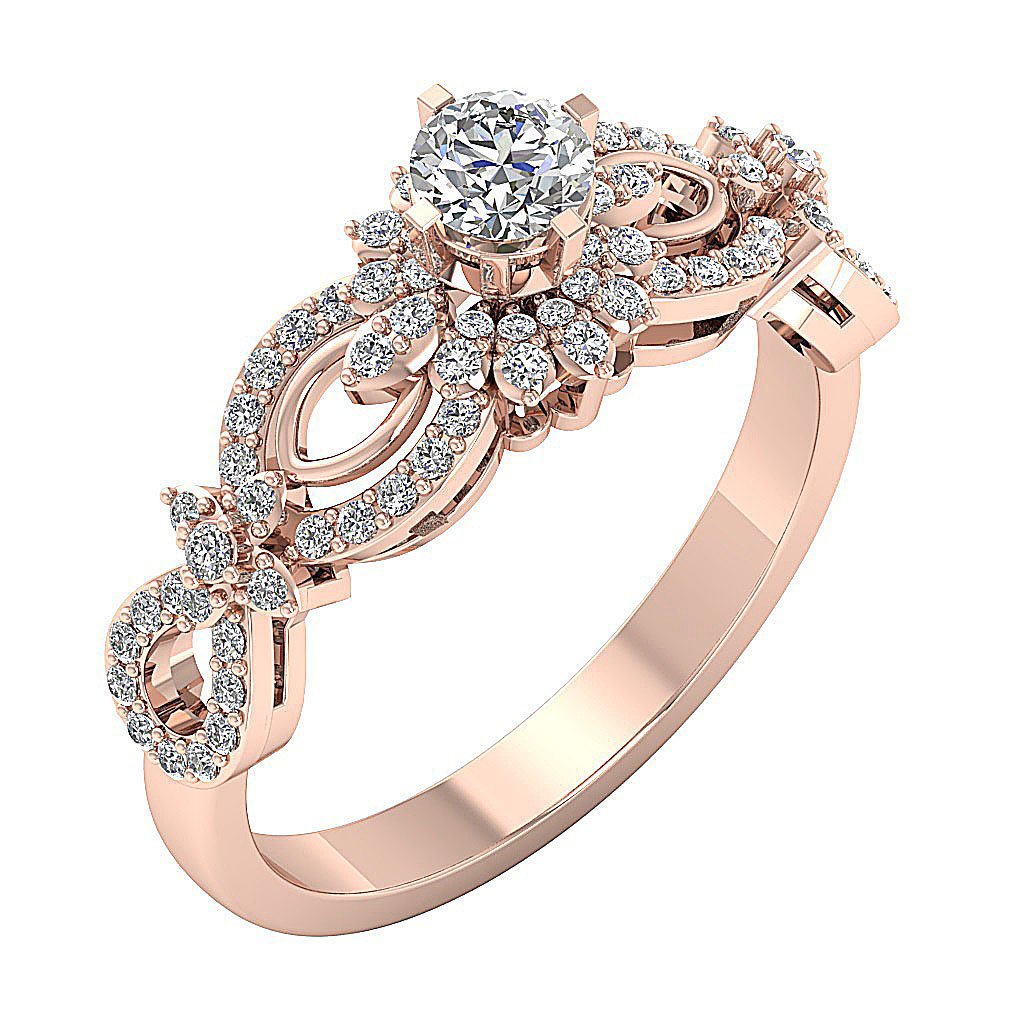
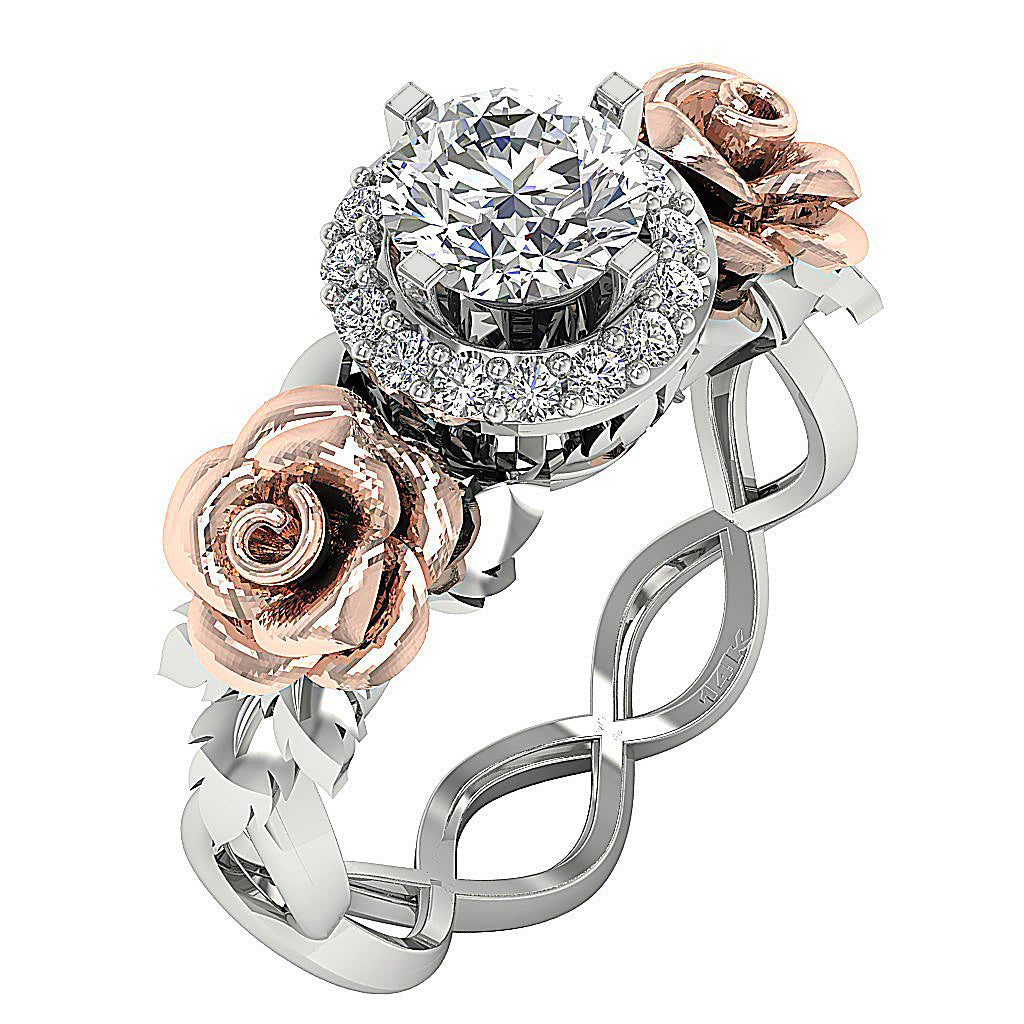
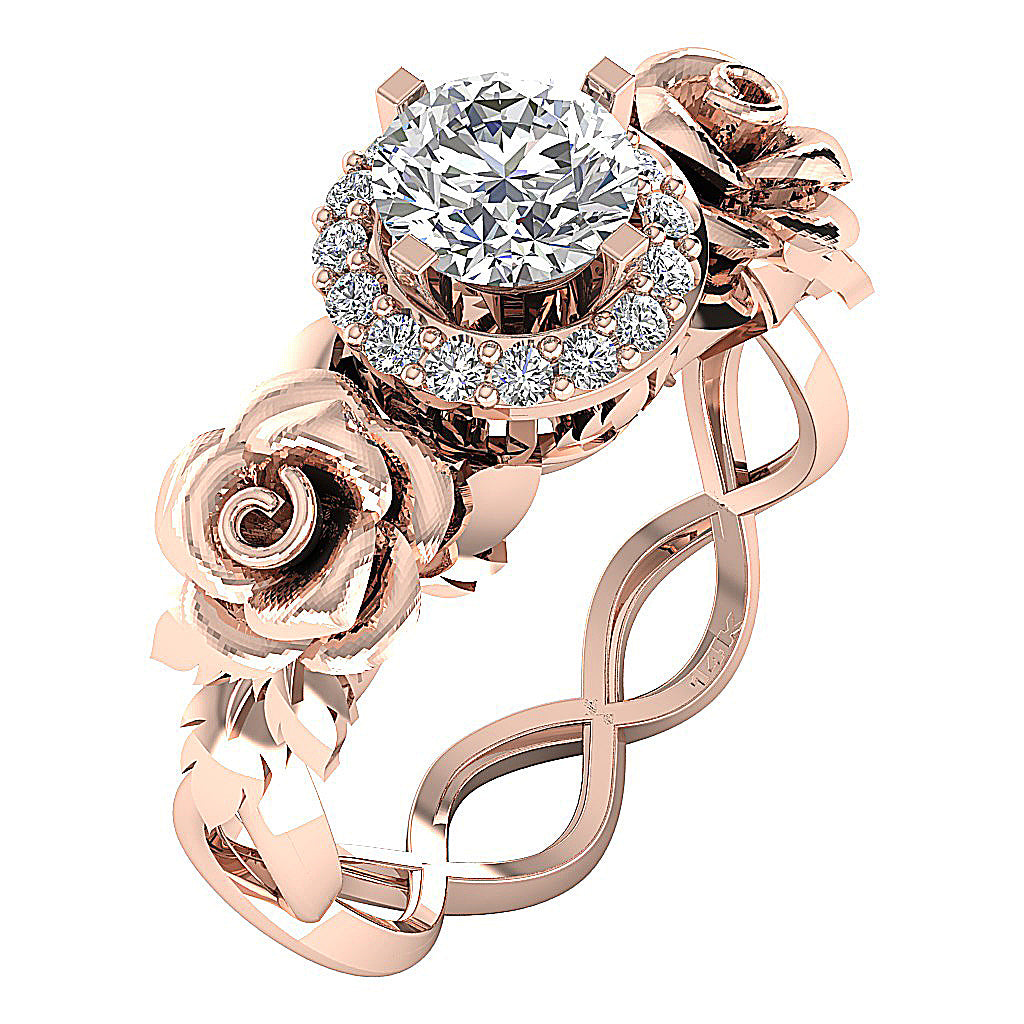
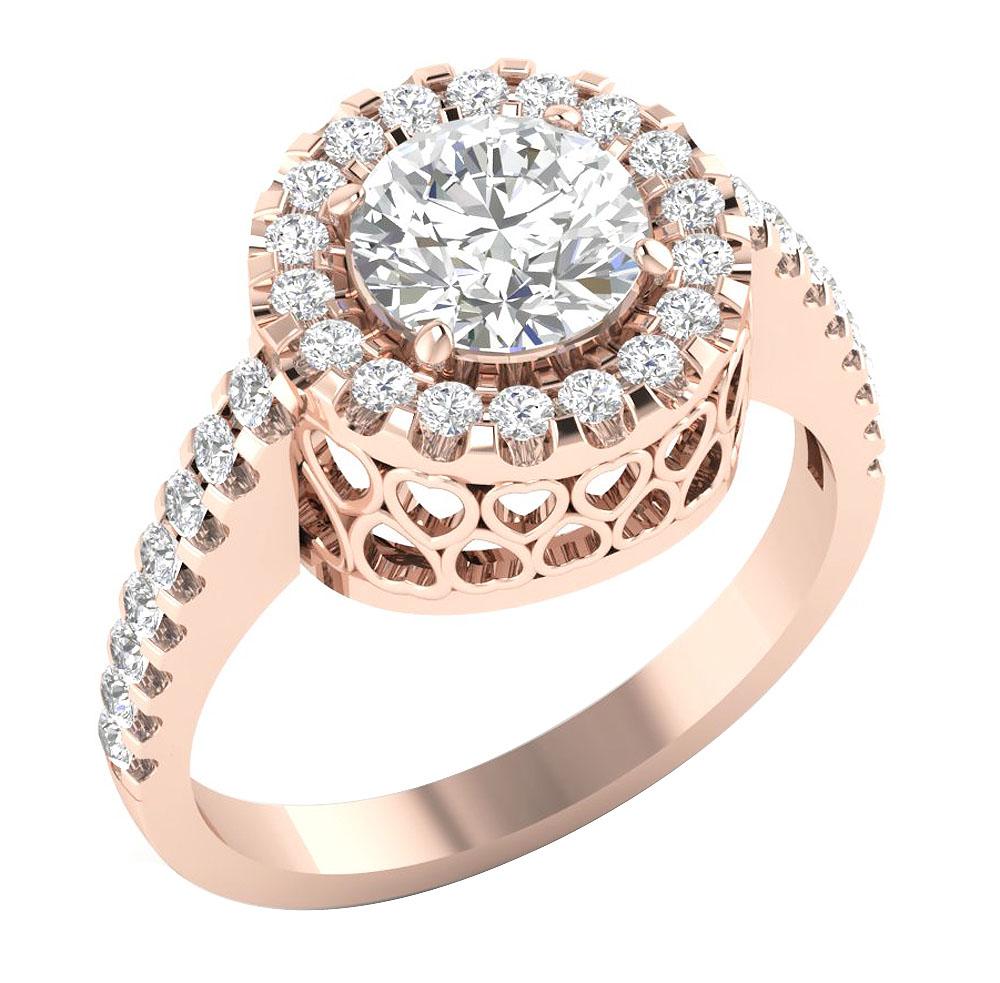
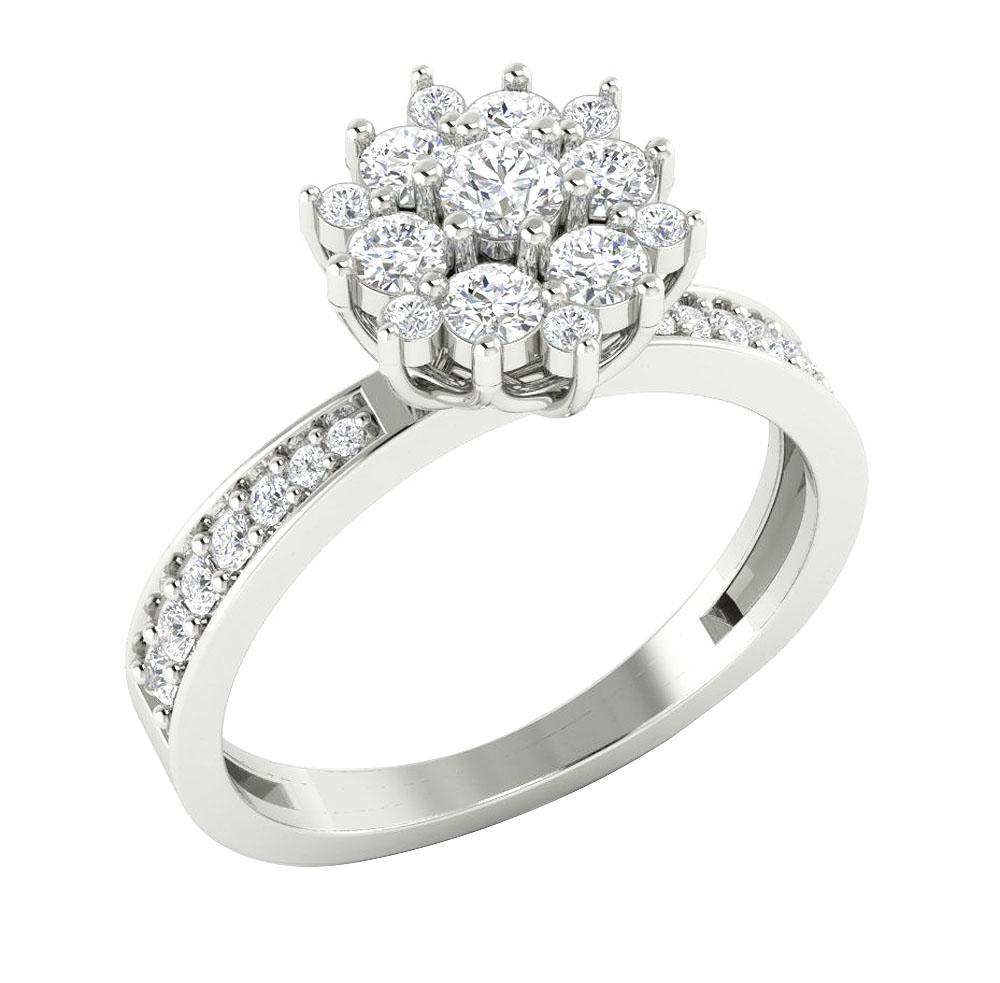
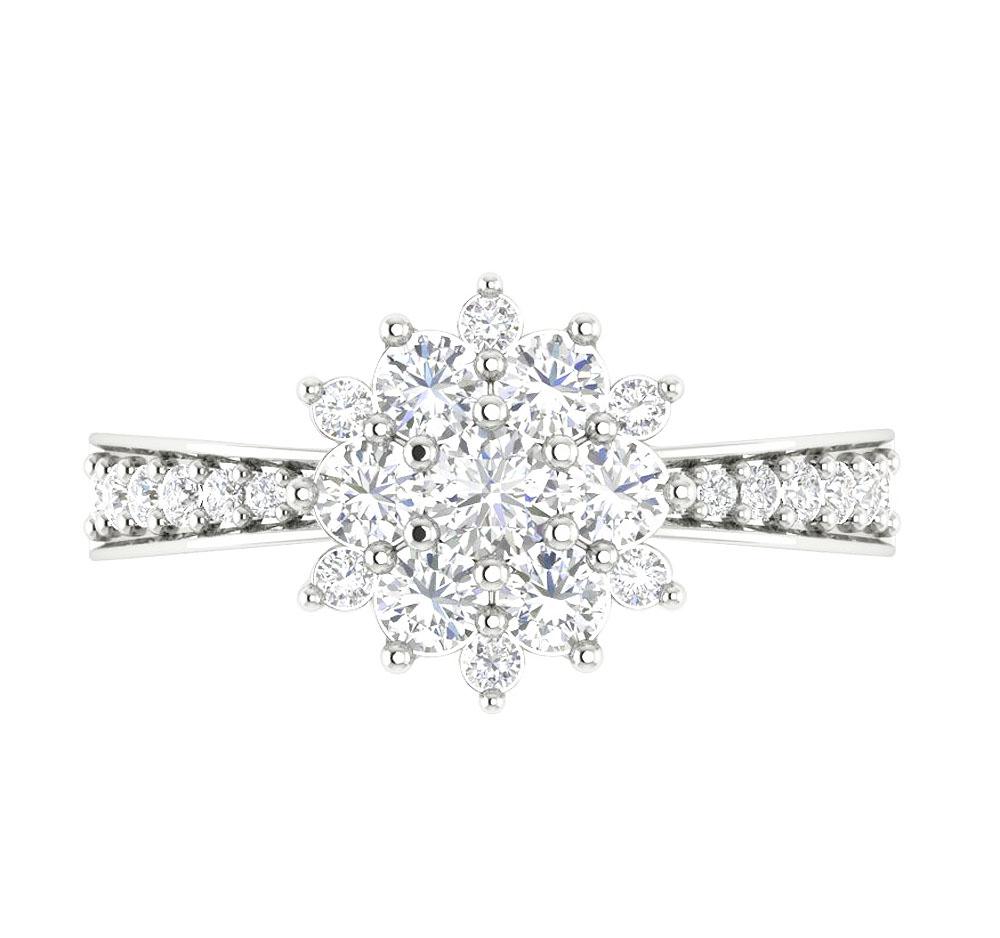
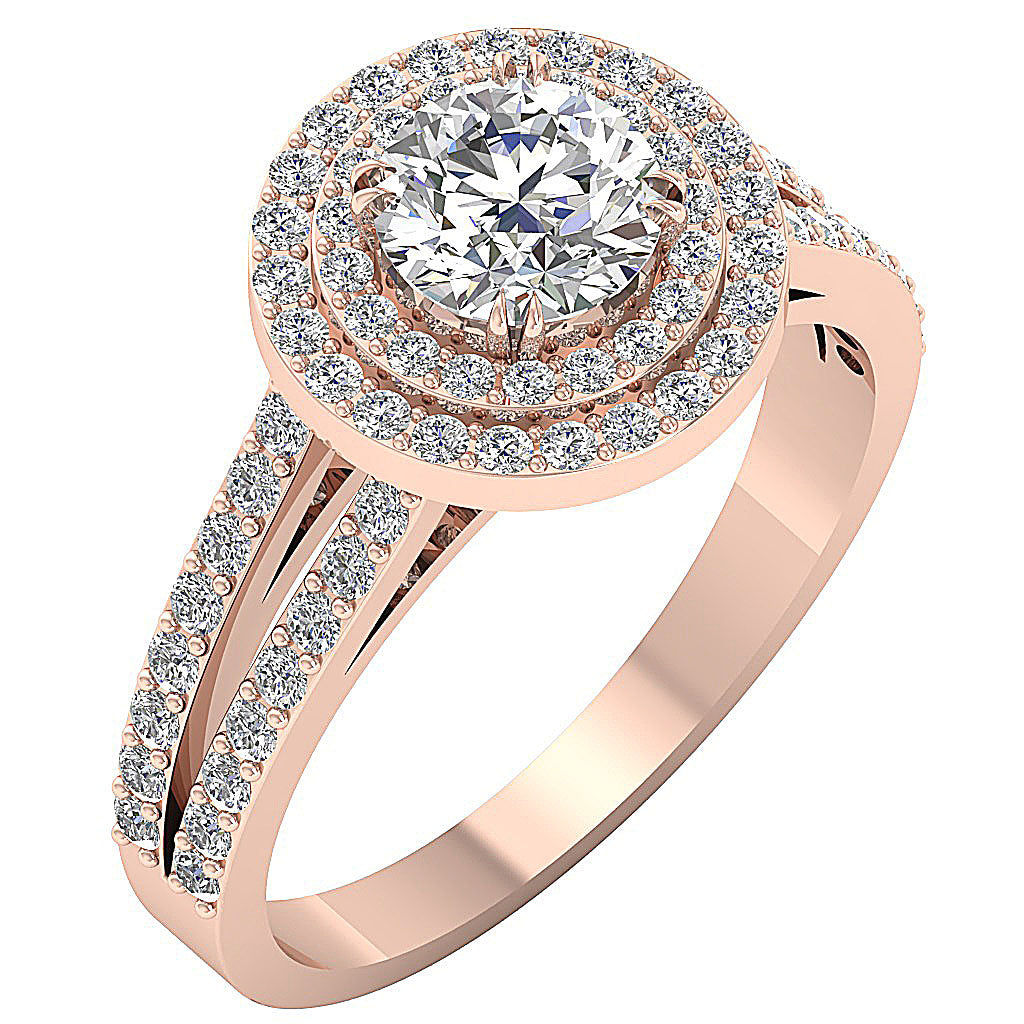
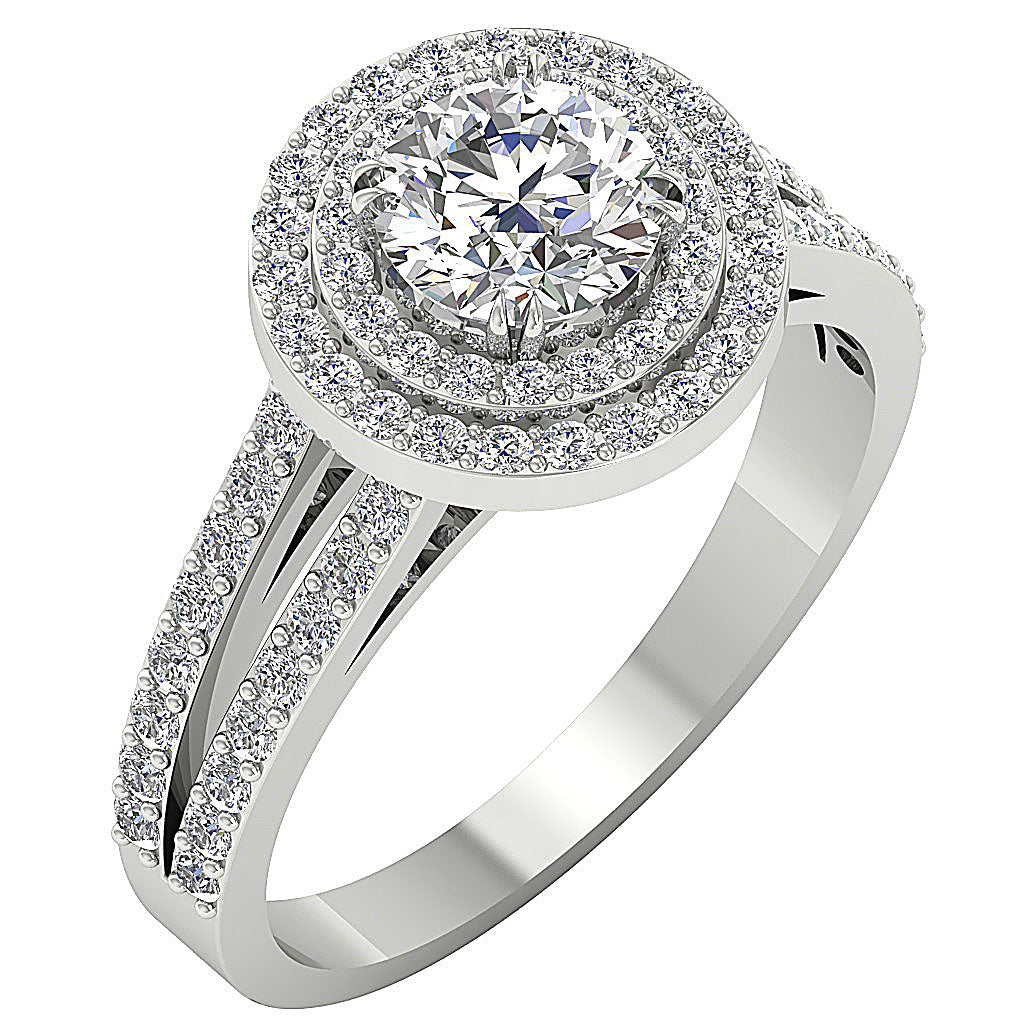
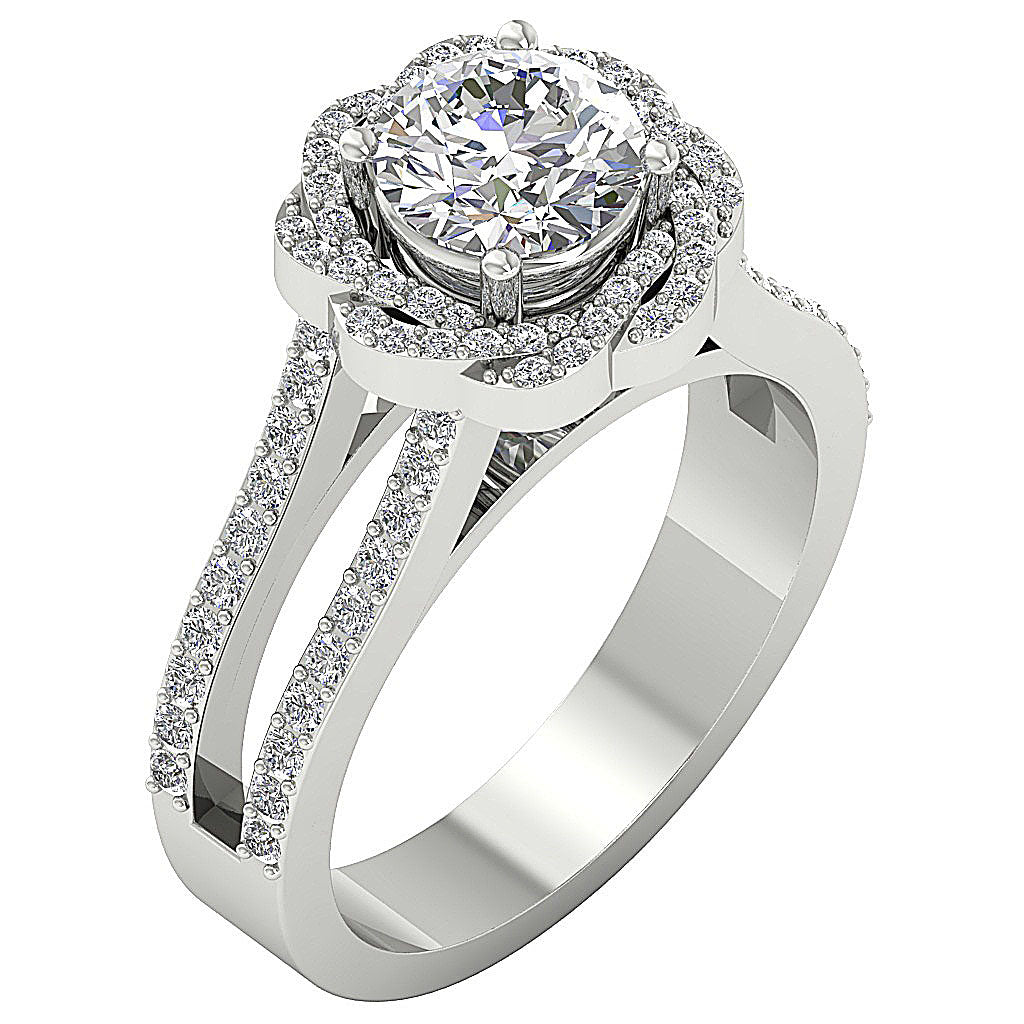
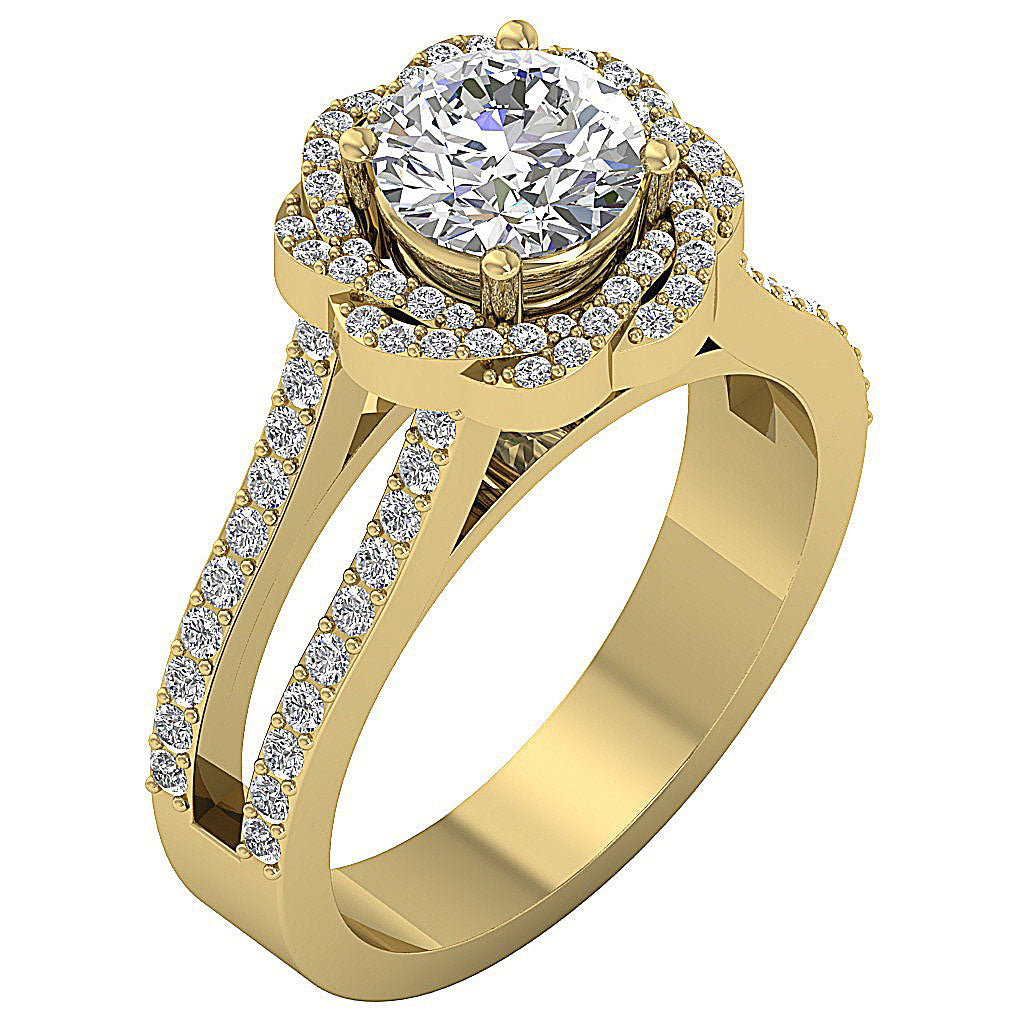
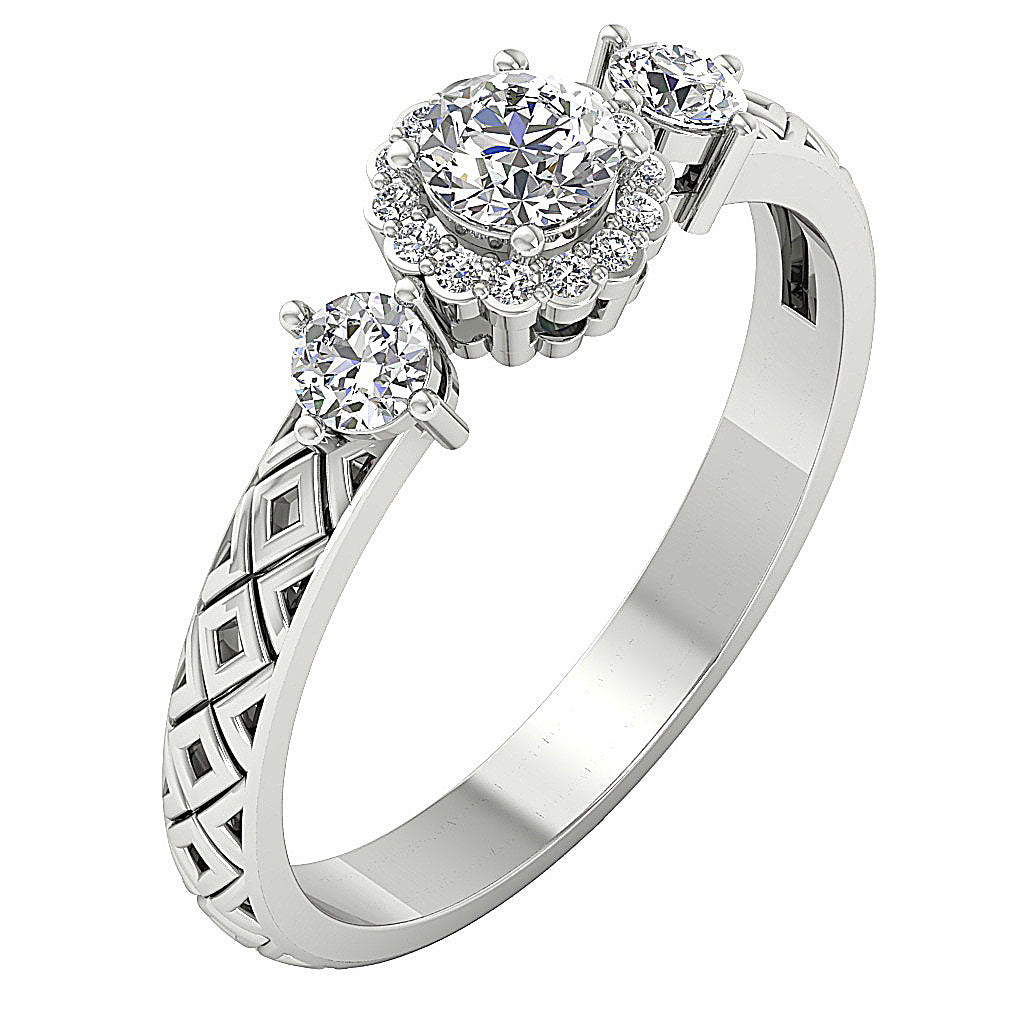
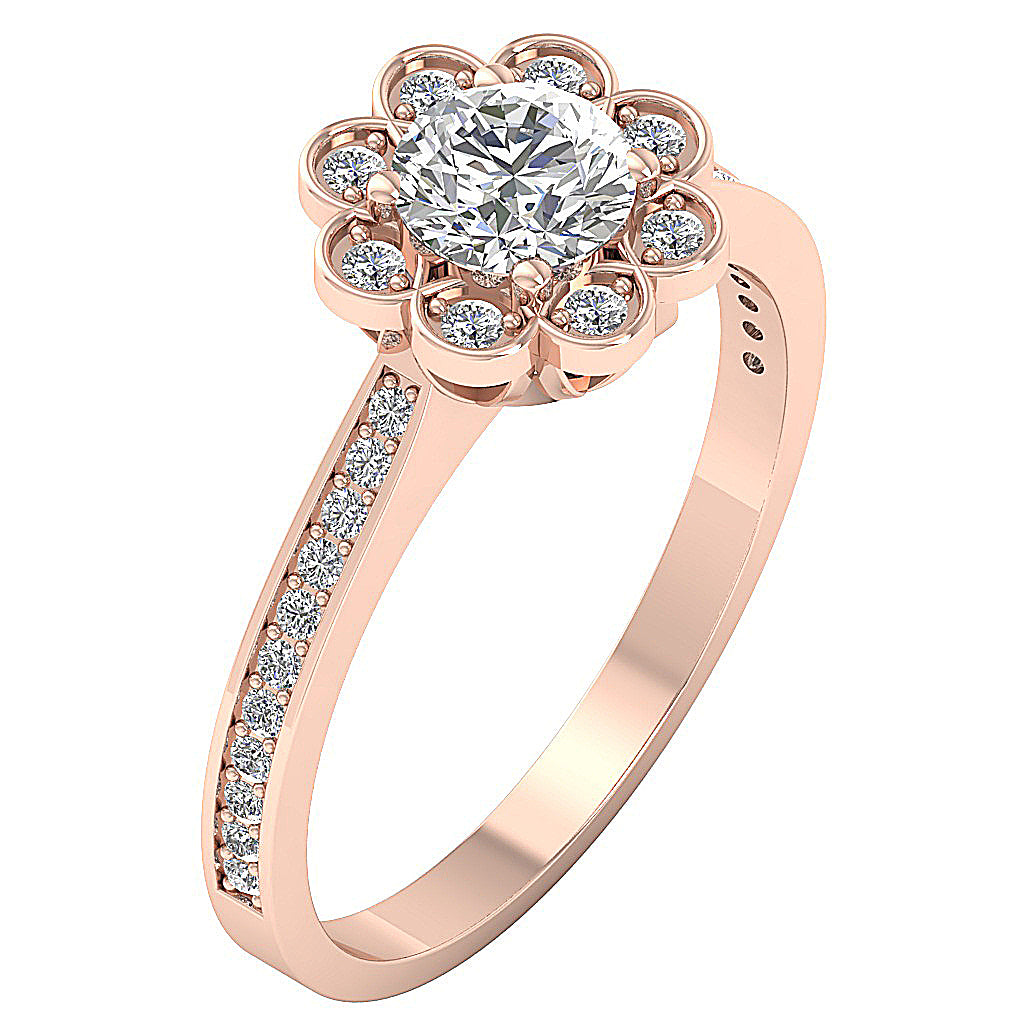
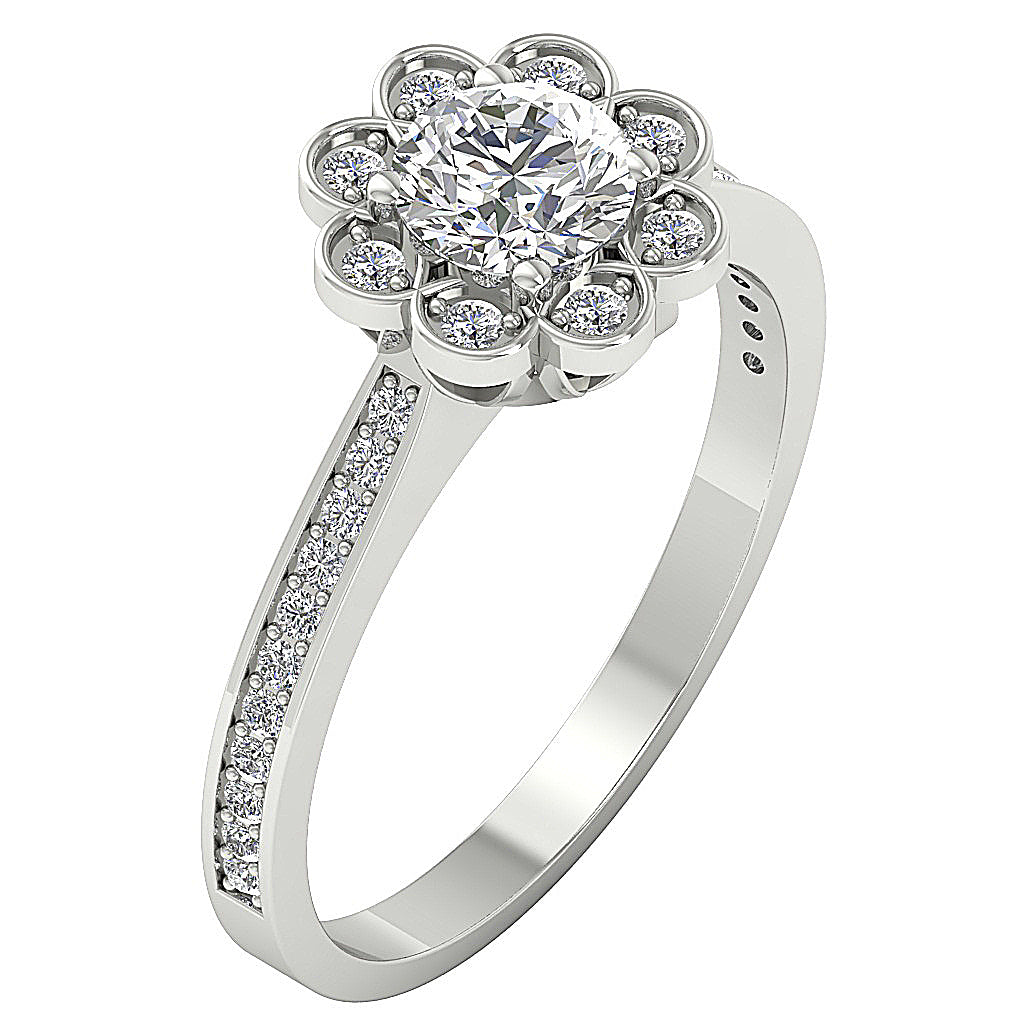
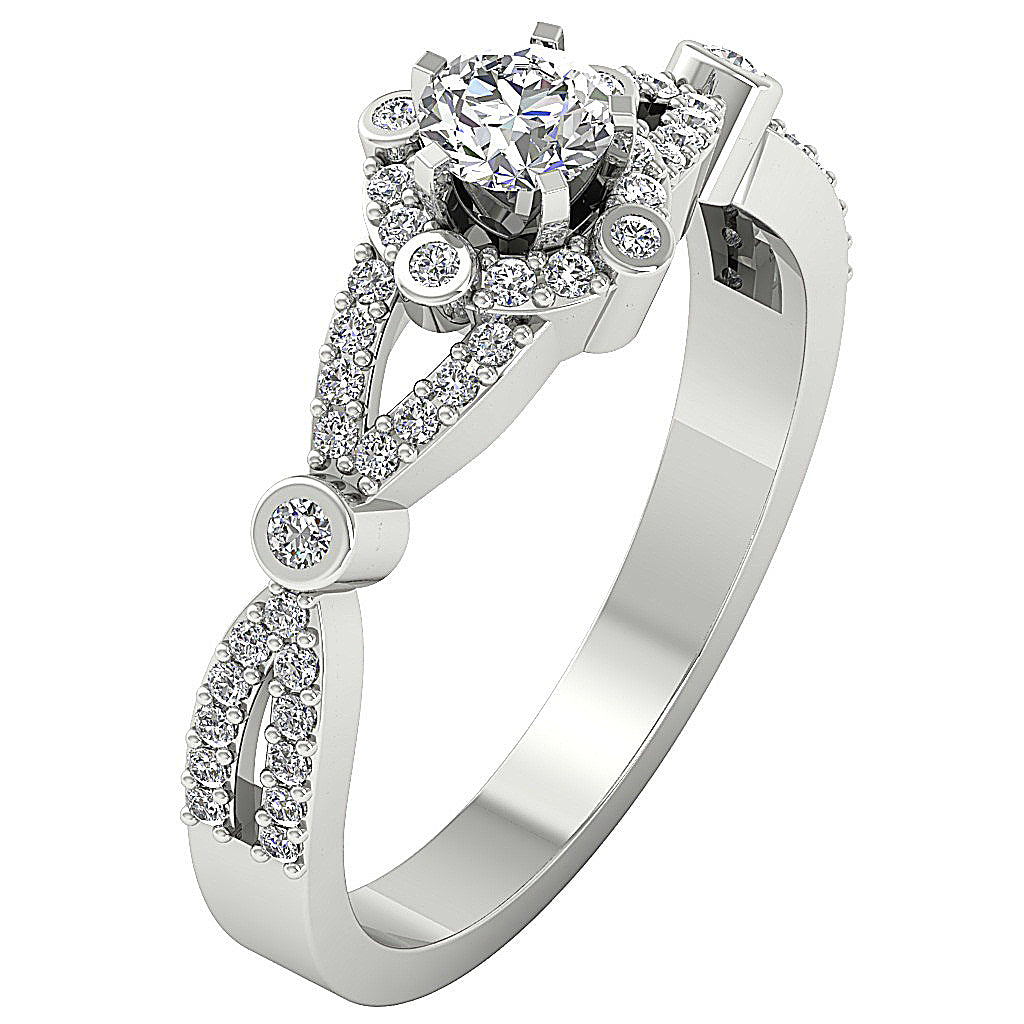
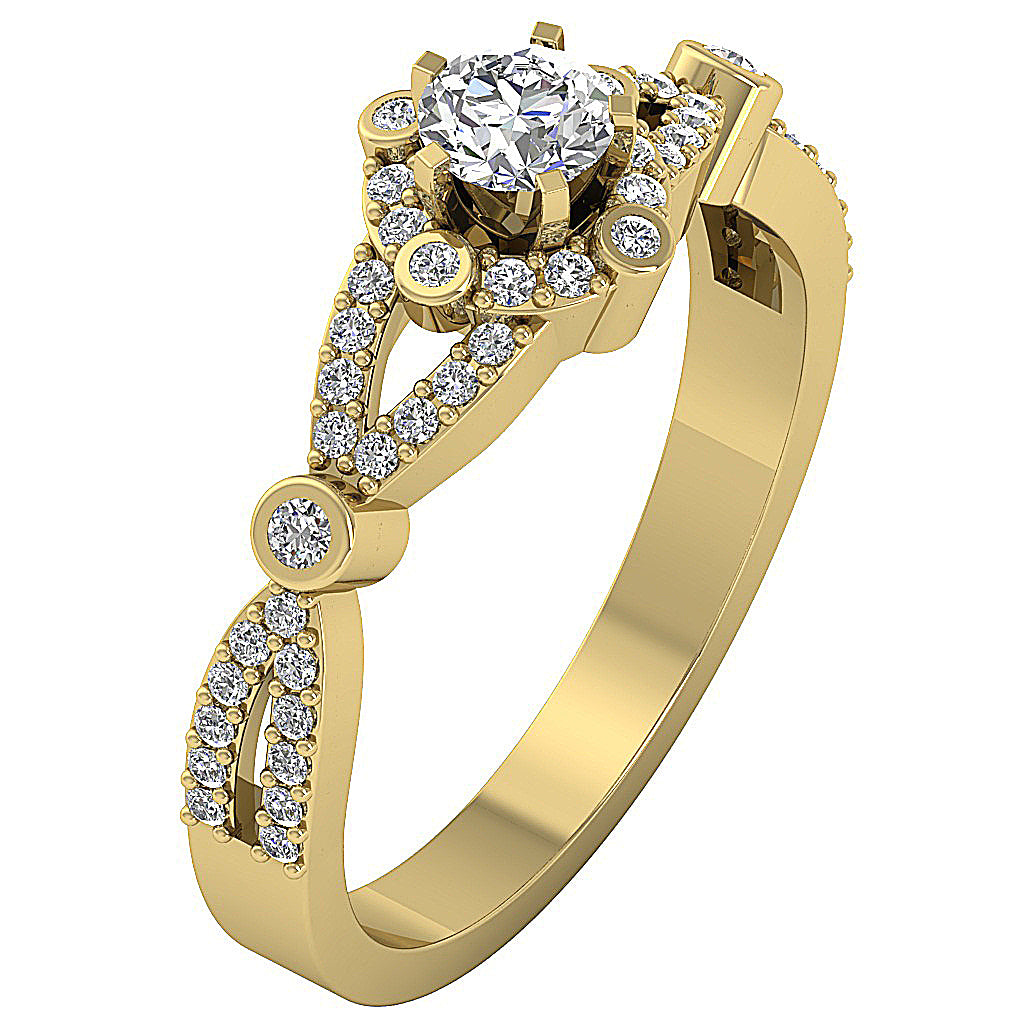
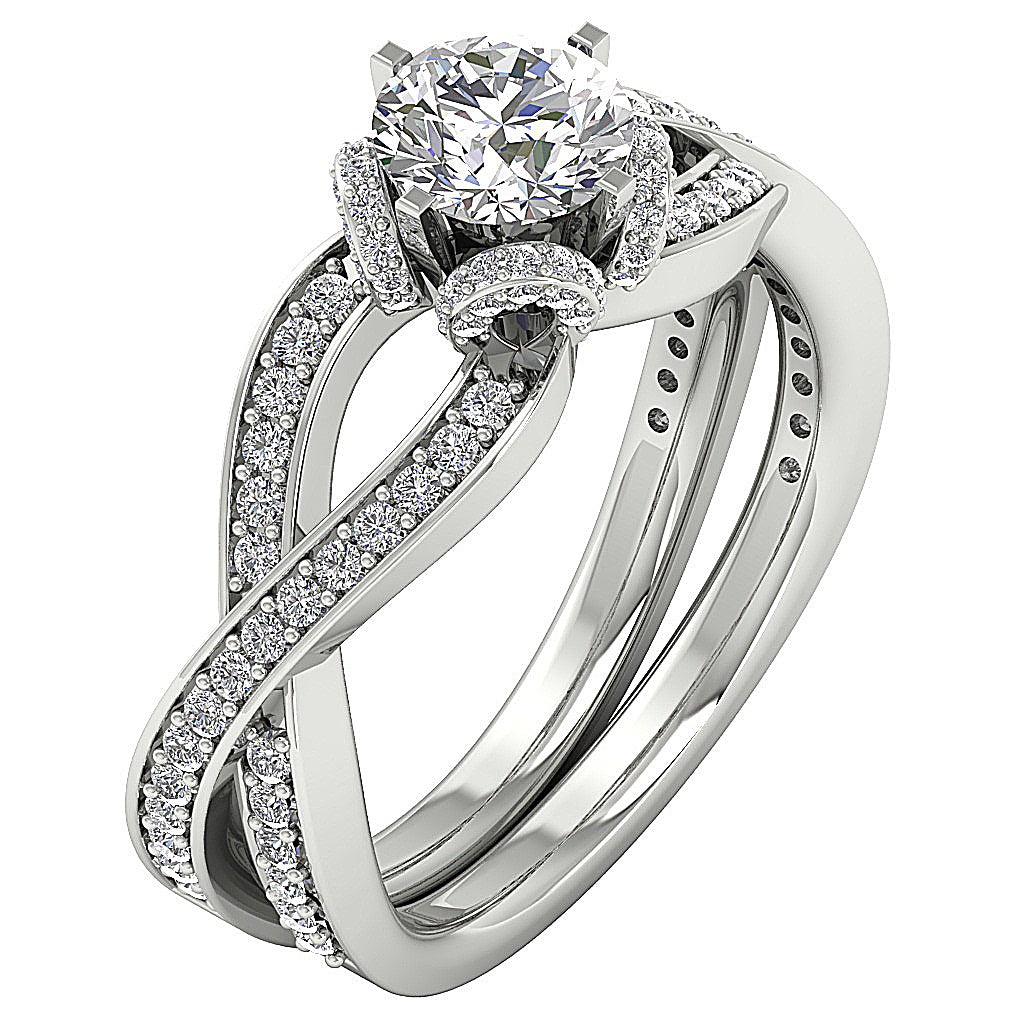
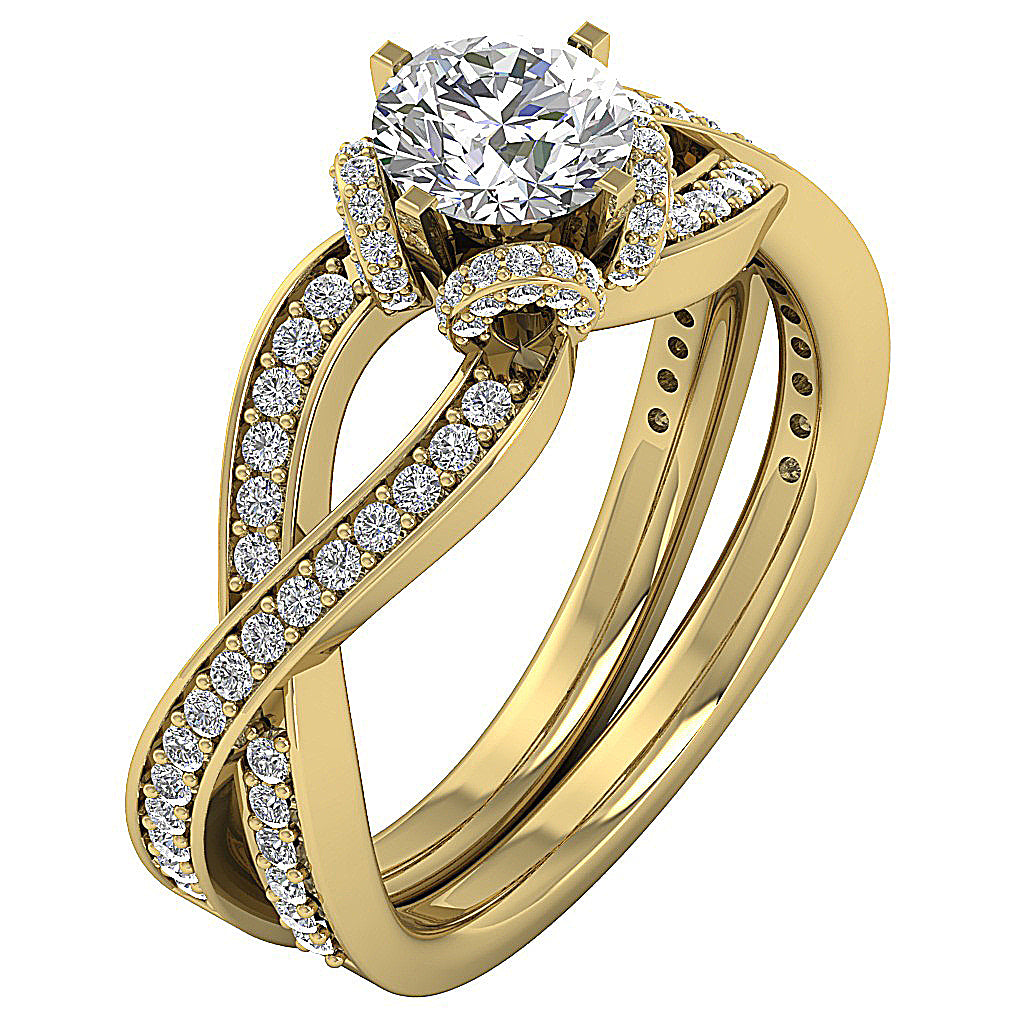
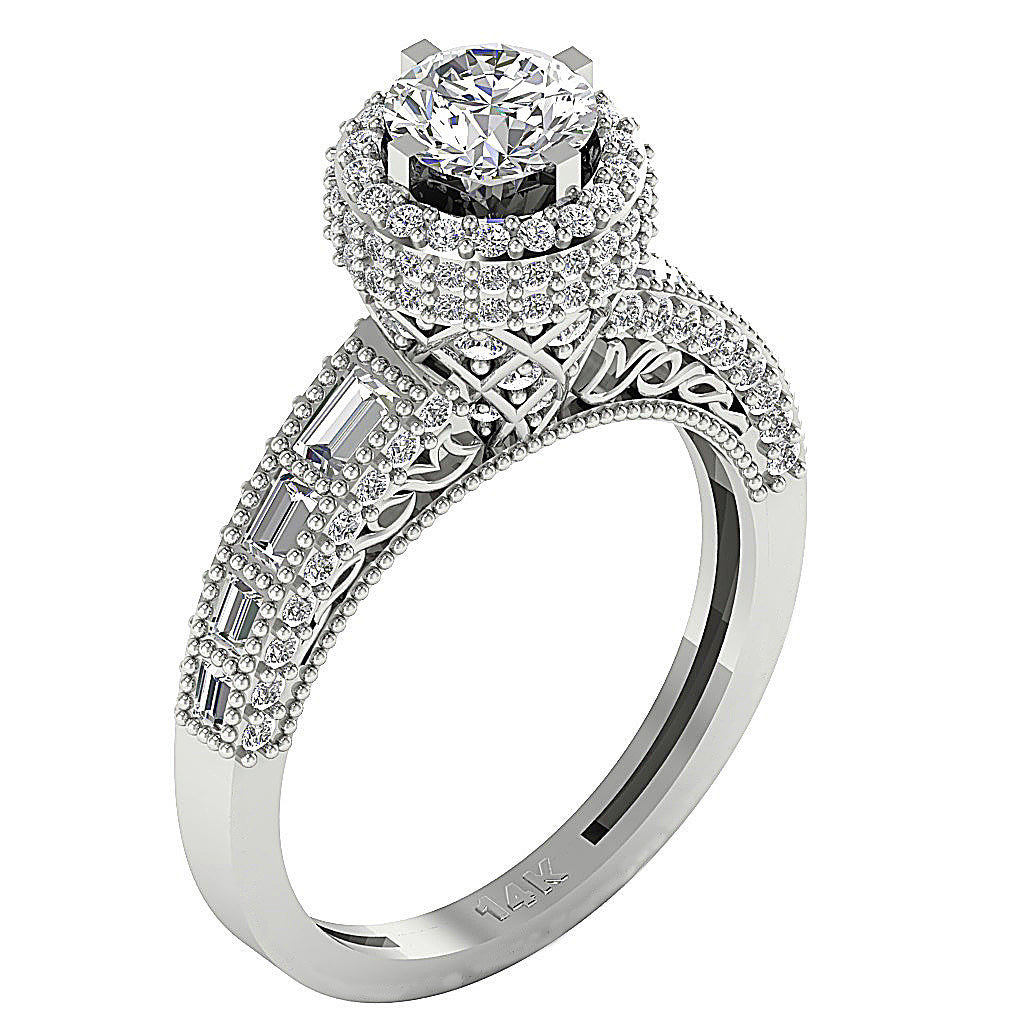
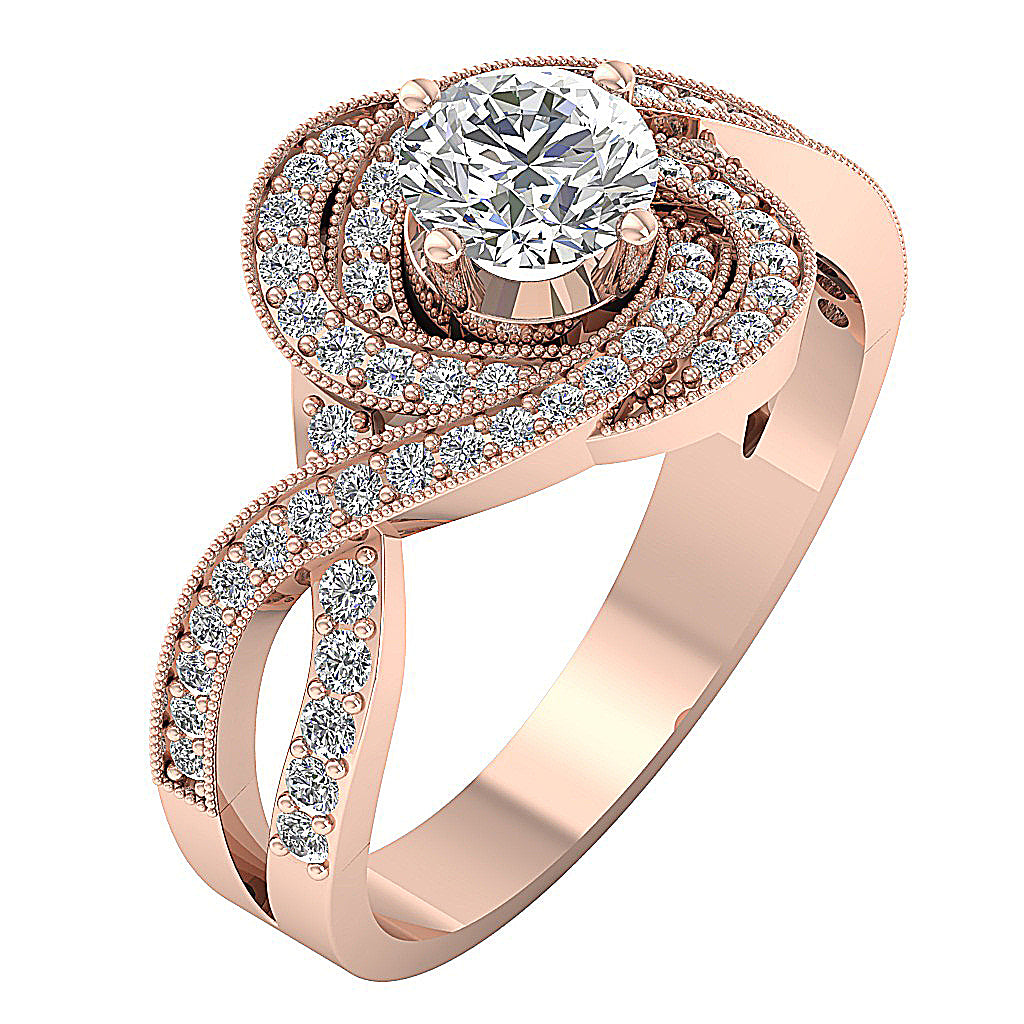
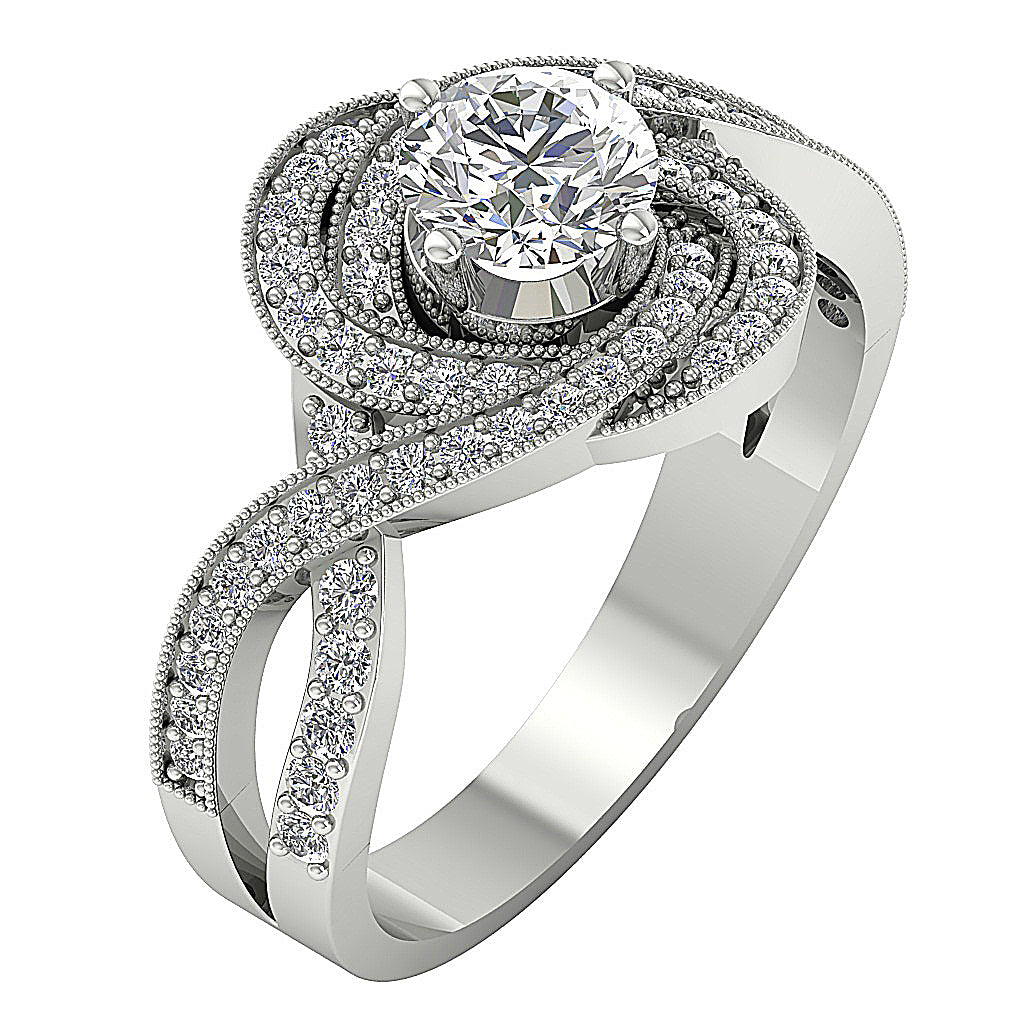
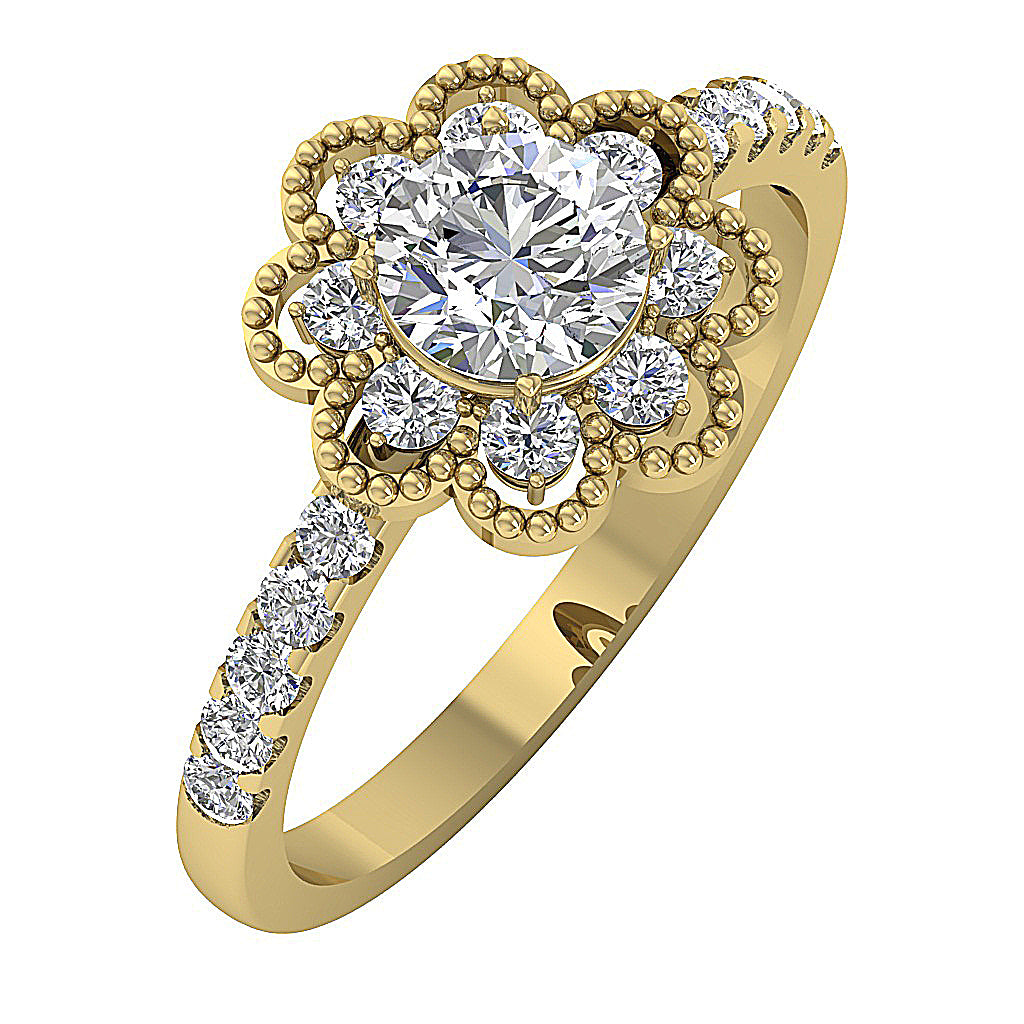
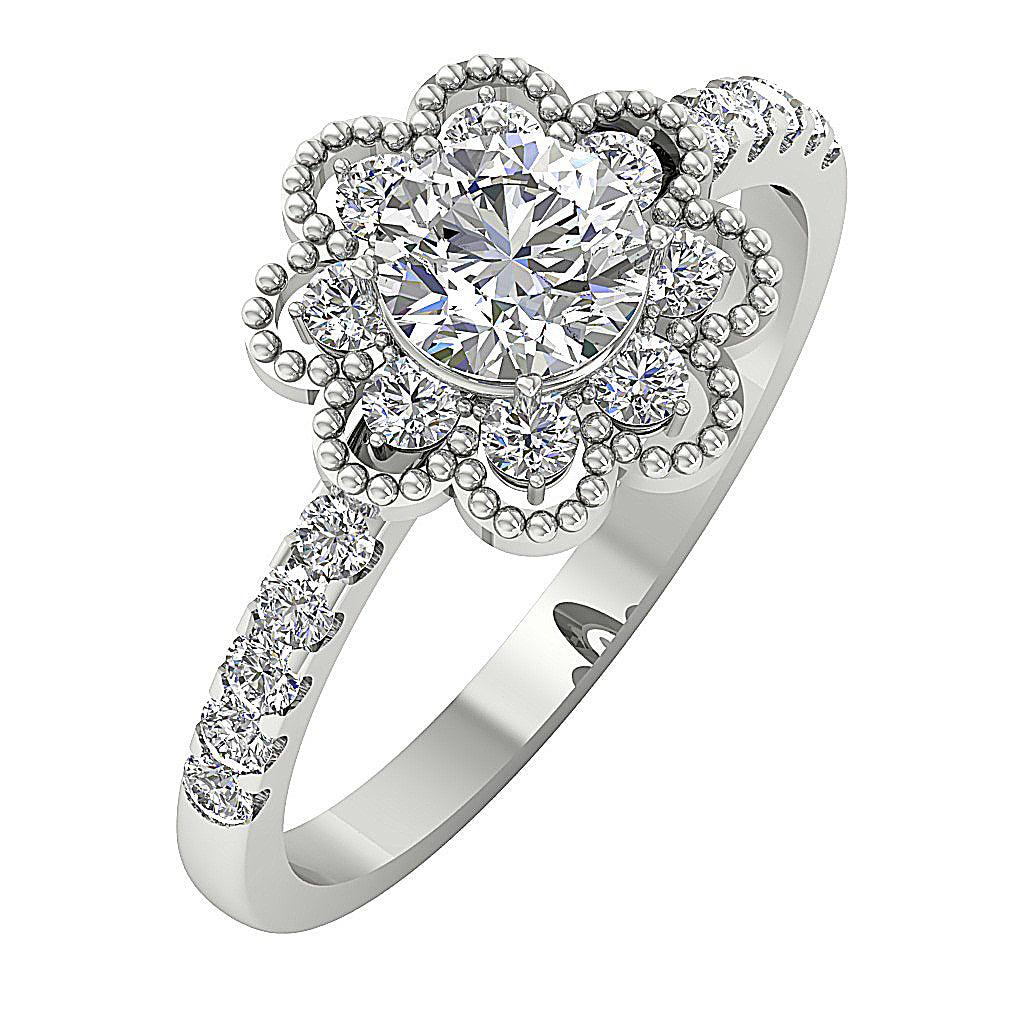
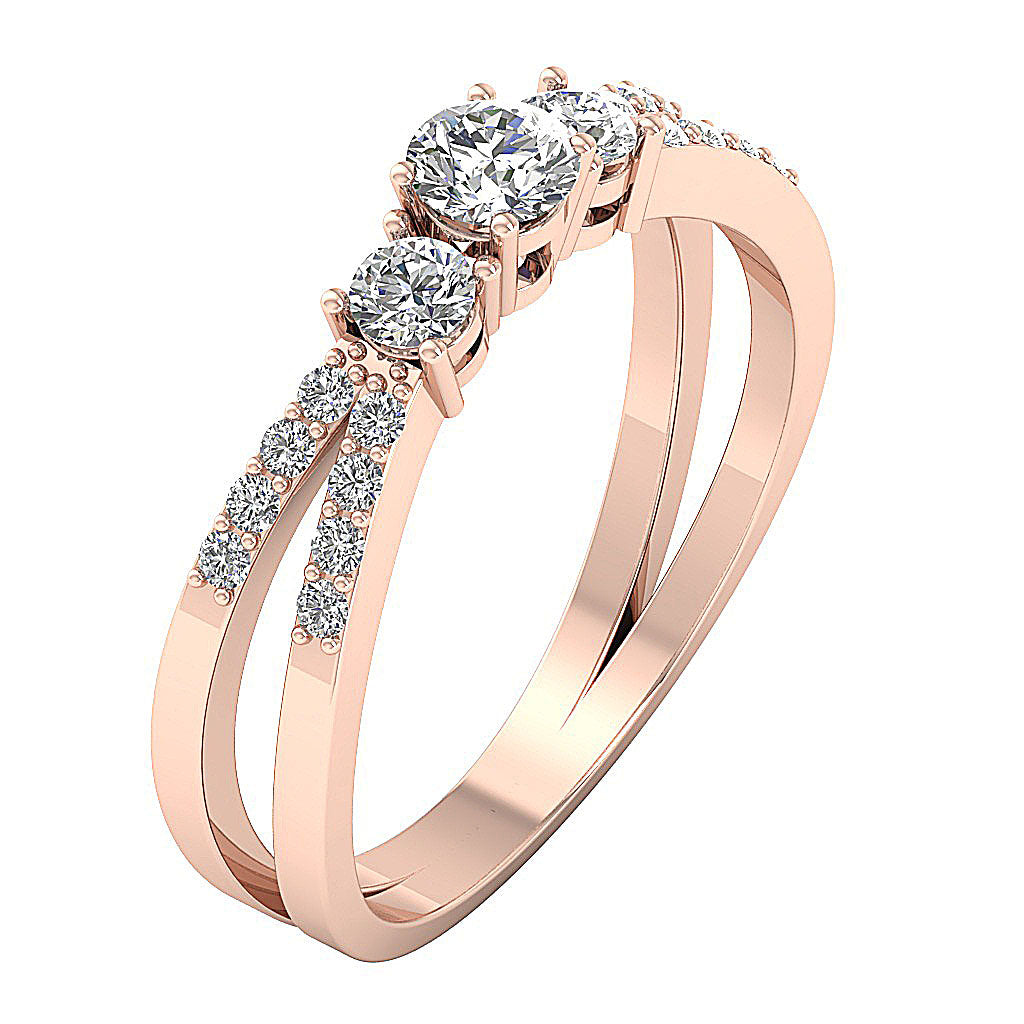
Center diamonds sit within milgrain-edged halos, pave-lined shoulders, or engraved bands. Cuts available include round, cushion, or oval, each set in 14K or 18K gold in yellow, rose, or white. People can choose from engraved patterns ranging from simple scrollwork to fuller botanical motifs. Old European and old mine cuts, the round brilliant's precursors, occasionally appear too, for anyone drawn to a softer, less exacting sparkle.
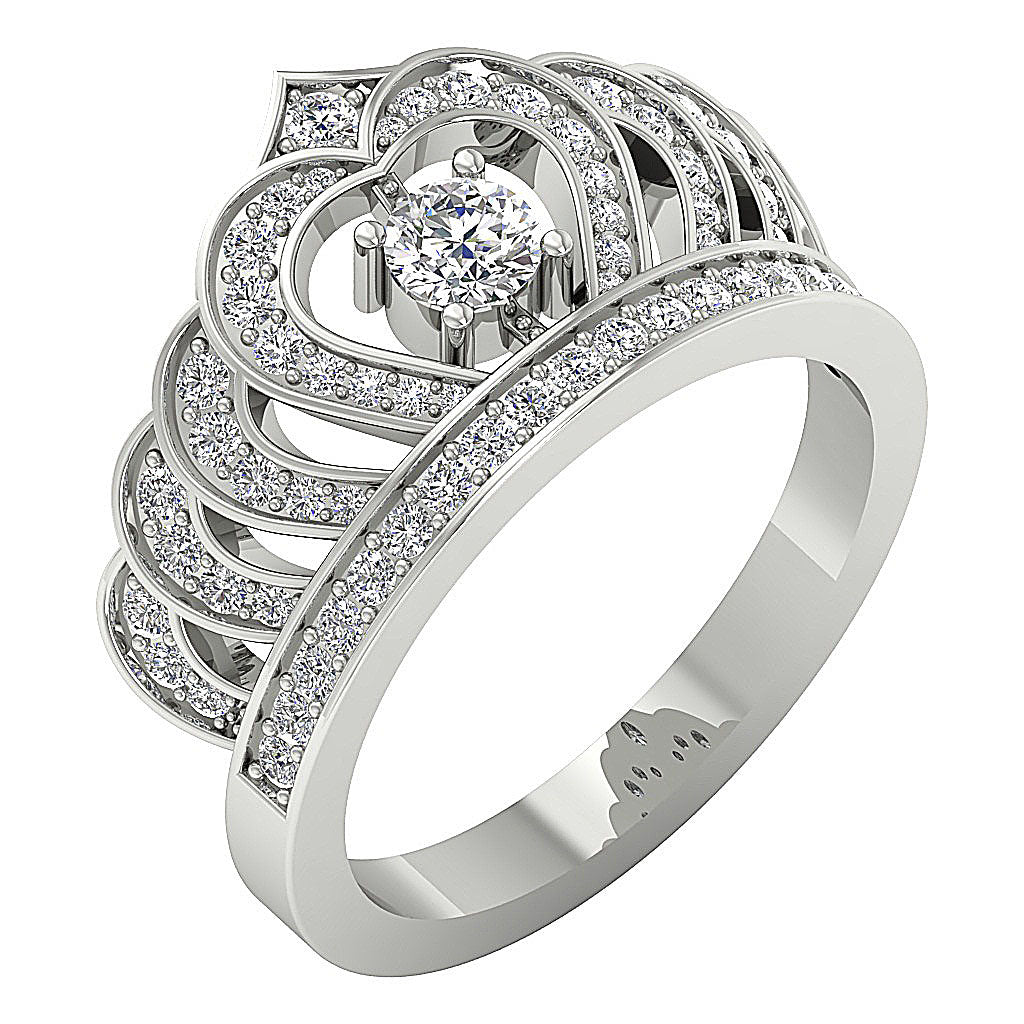
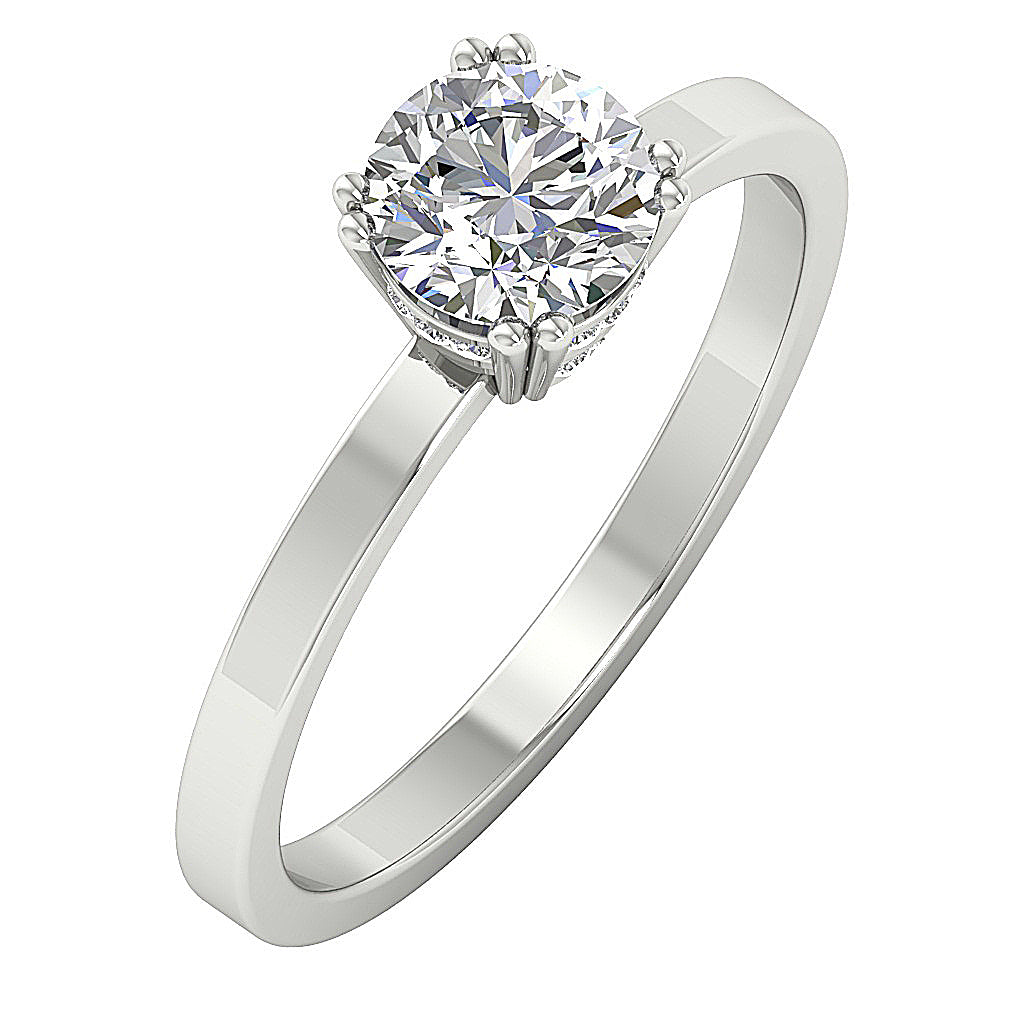
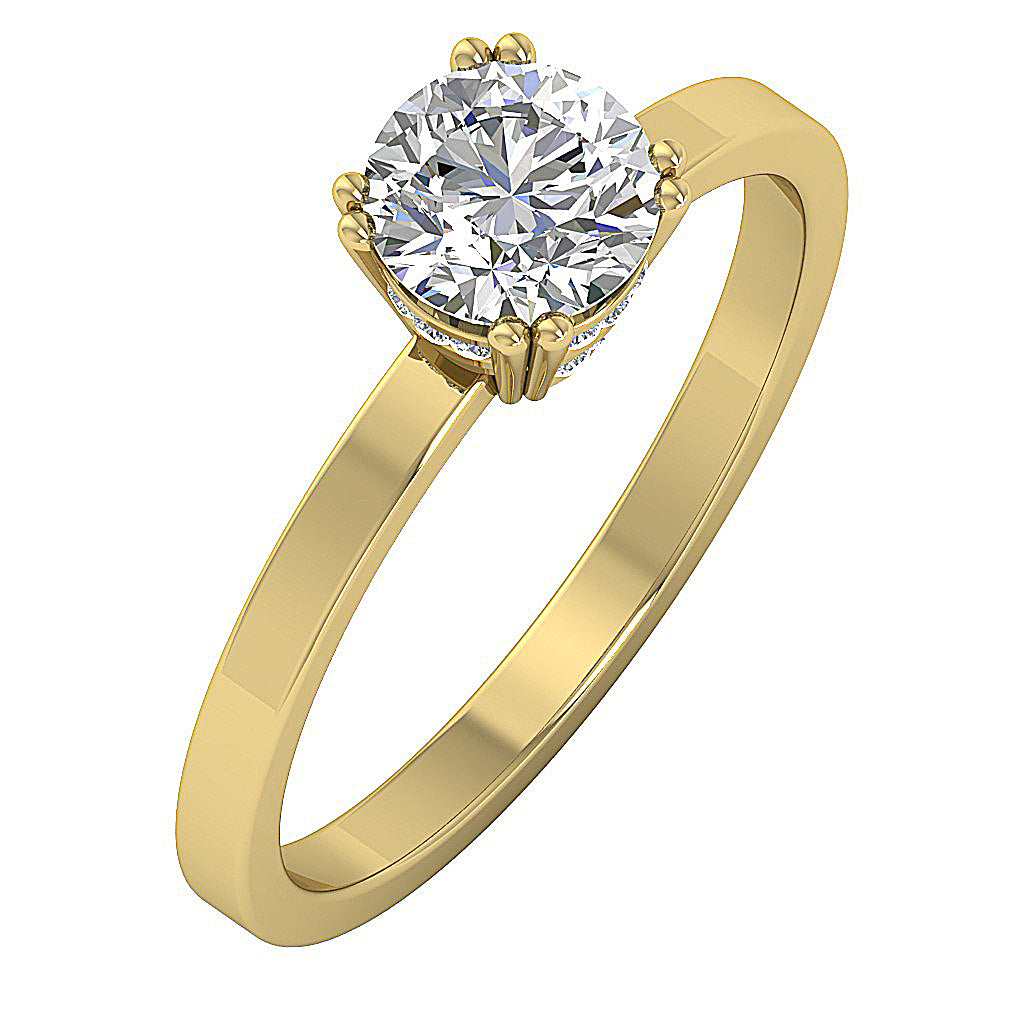
Rose gold has become the most requested metal in this category. Its warmth reads as distinctly romantic against a diamond's cooler light, and the tone traces back to early-twentieth-century design. White gold does the opposite job well. A crisp, high-shine surface lets intricate filigree read clearly, with no warm tone competing for attention. Yellow gold offers something closest to what most original vintage pieces would have actually used.
What separates a well-made vintage ring from a merely decorated one is depth of engraving and precision of the milgrain beading. Every piece here is inspected for both before it leaves the workshop. Diamonds are matched to settings built around proportions that differ, sometimes considerably, from a modern minimalist mount, so the finished ring is period-appropriate.
Choosing a Cut for the Vintage Diamond Ring
Round cuts sit at the center of most vintage designs, since their symmetry suits a halo or milgrain border especially well. Cushion cuts read softer, with rounded corners that echo the era's less rigid geometry. Oval cuts elongate the finger and tend to look larger than their carat weight suggests.
The rarer old mine and old European cuts trade some fire for a warmer, candlelit glow, a difference that shows up more in person than in any photograph.
Wearing It Well: Styling Your Vintage Diamond Ring
Pair rose gold vintage settings with warmer-toned jewelry elsewhere on the hand. The tones amplify each other rather than compete. White gold pieces sit more comfortably beside platinum-toned watches or silver accessories instead.
Resist stacking vintage rings with multiple accessories. A vintage setting is already visually dense between the filigree, the milgrain, and sometimes the pavé too. A slim, unadorned band beside it reads understated. A second ornate piece just competes for the same attention instead.
Let the era guide anything you wear alongside your vintage ring. Art Deco lines pair naturally with similarly angular pieces. Softer Edwardian filigree suits rounder, more organic shapes elsewhere on the hand.
Living With It: How to Care for Your Vintage Diamond Ring
Filigree and milgrain trap residue faster than a smooth band. There is simply more surface for soap, lotion, and skin oil to settle into.
Clean your ring weekly with a soft brush and warm, soapy water. Work the soap and water solution into the open metalwork itself, not just across the top. Rinse carefully and pat dry instead of wiping, since a cloth can catch on raised beading. Skip ultrasonic and steam cleaners. The vibration can weaken the thin metal bridges that hold a filigree pattern together, often without warning.
Have a jeweler inspect the piece once a year, checking the open metalwork itself for hairline stress, not just the prongs holding the stone. Store it in its own lined compartment, since raised detailing catches on other jewelry more easily than a smooth band would.
One ring built to look like it survived a century, made to actually survive the next one too.