Diamond Stud Earrings
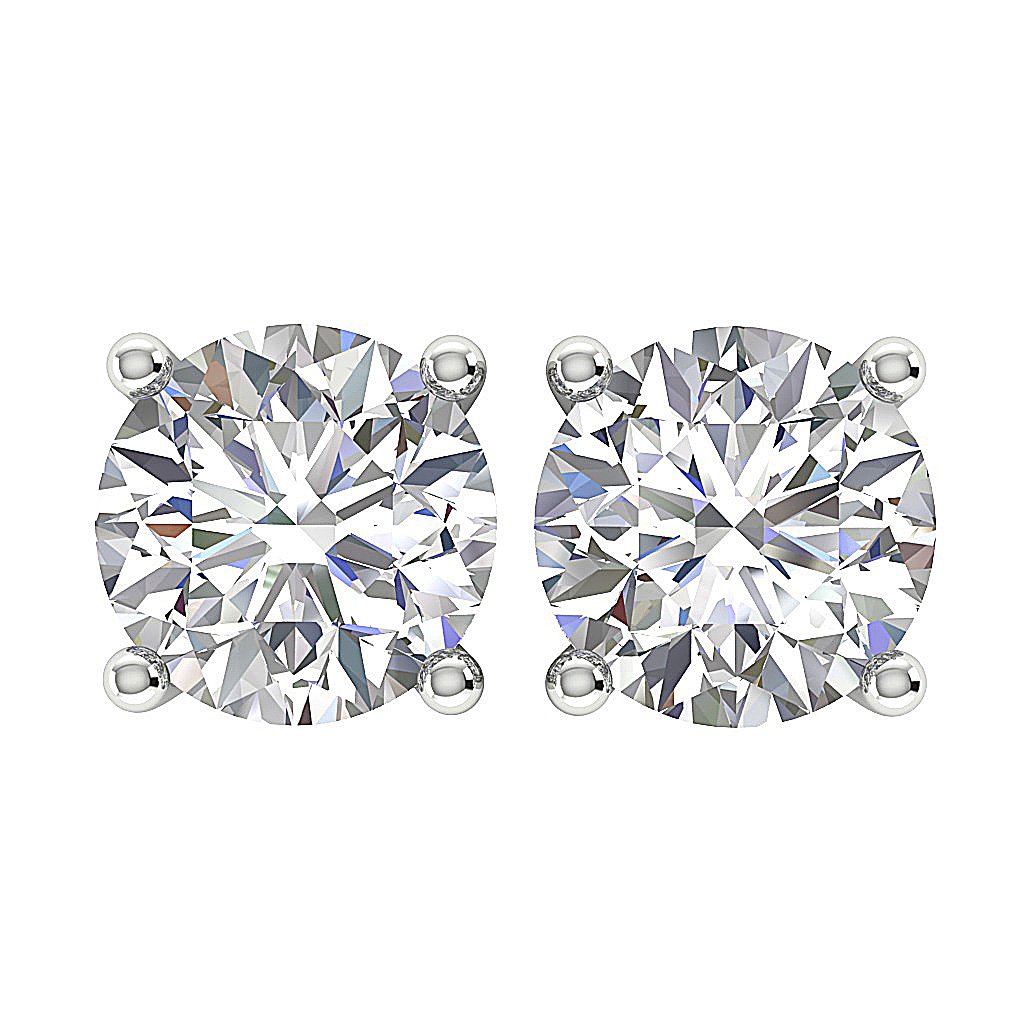
A diamond stud earns its place in a jewellery collection through sheer versatility. Two diamonds, one at each ear, with no unnecessary detail competing for attention. The silhouette has remained remarkably consistent since studs became popular in the nineteenth century, largely because few pieces transition so effortlessly from everyday dressing to evening wear. The right pair can be worn with a T-shirt, a tailored suit, or an evening gown and never feel out of place.
Choosing a Setting of Diamond Stud Earrings
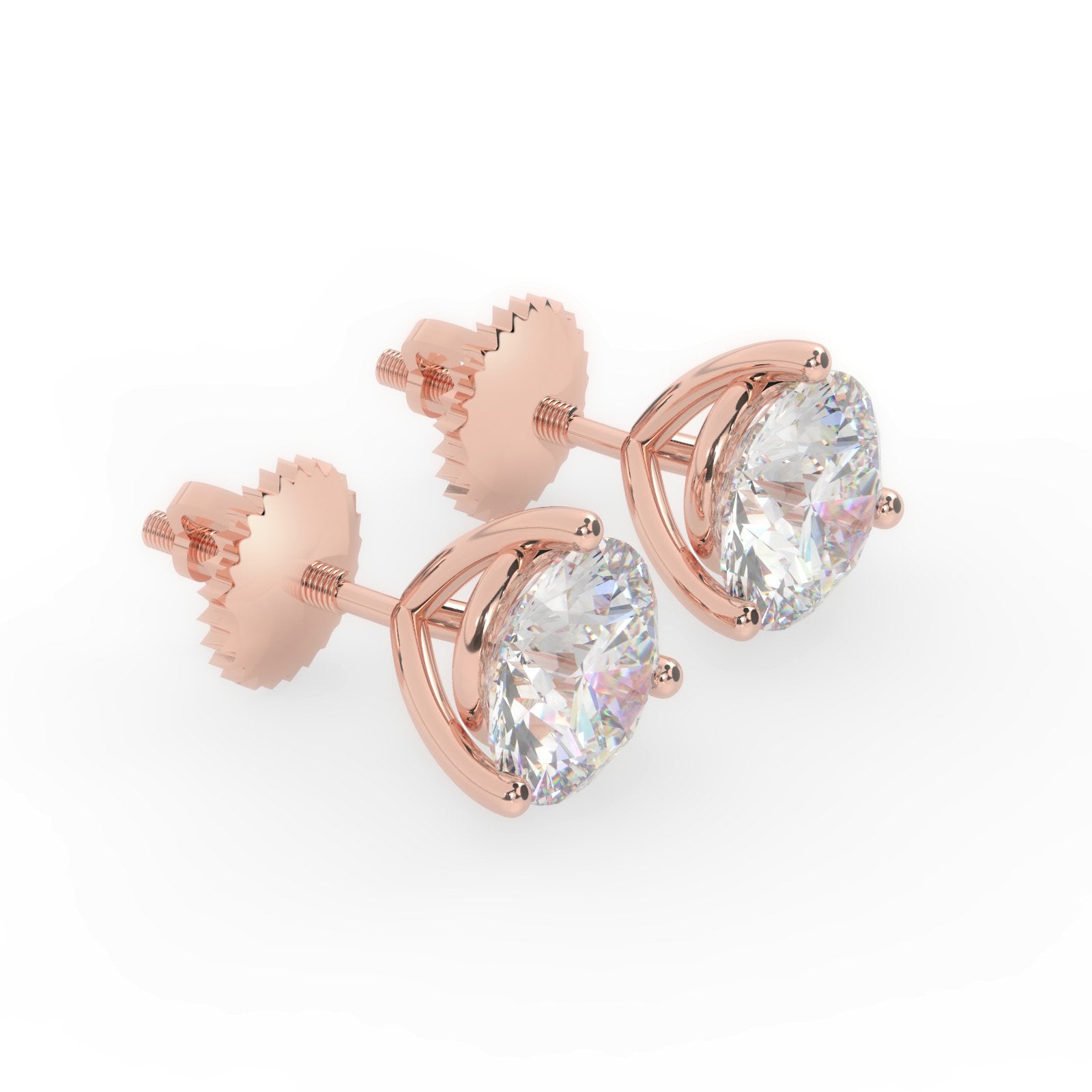
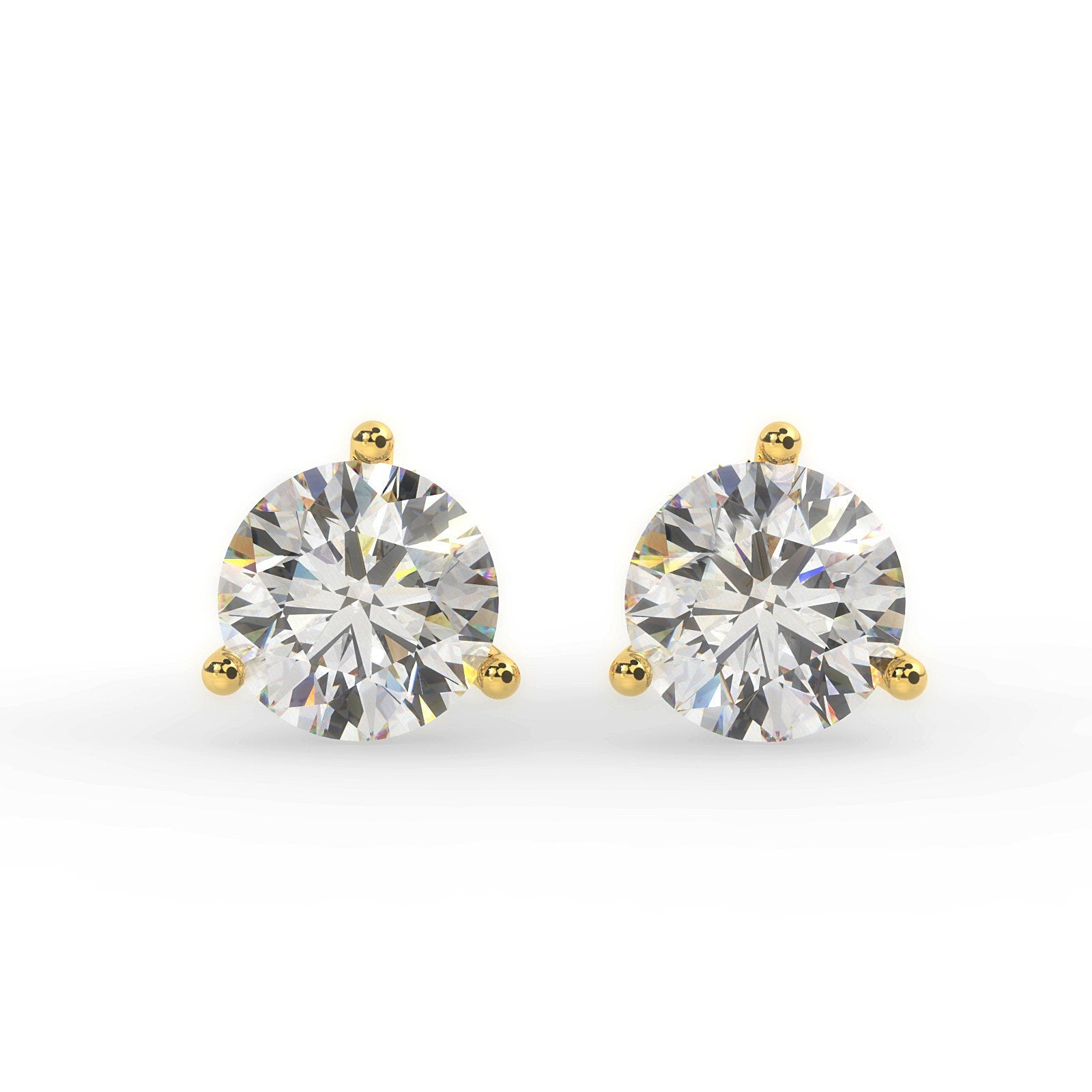
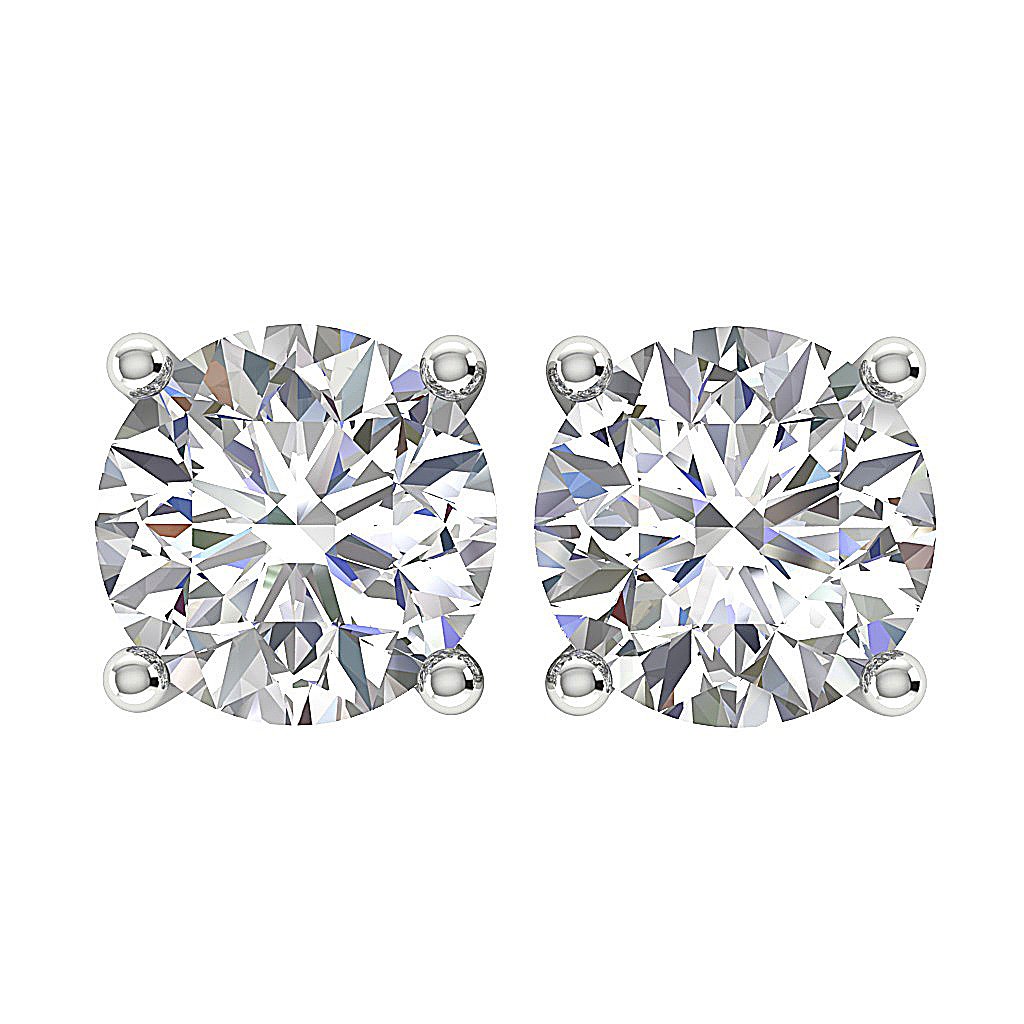
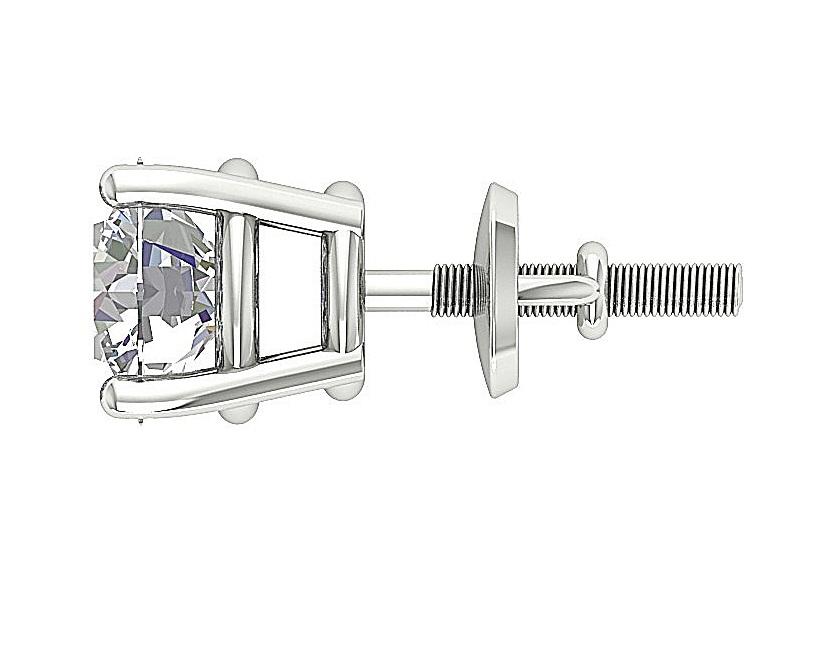
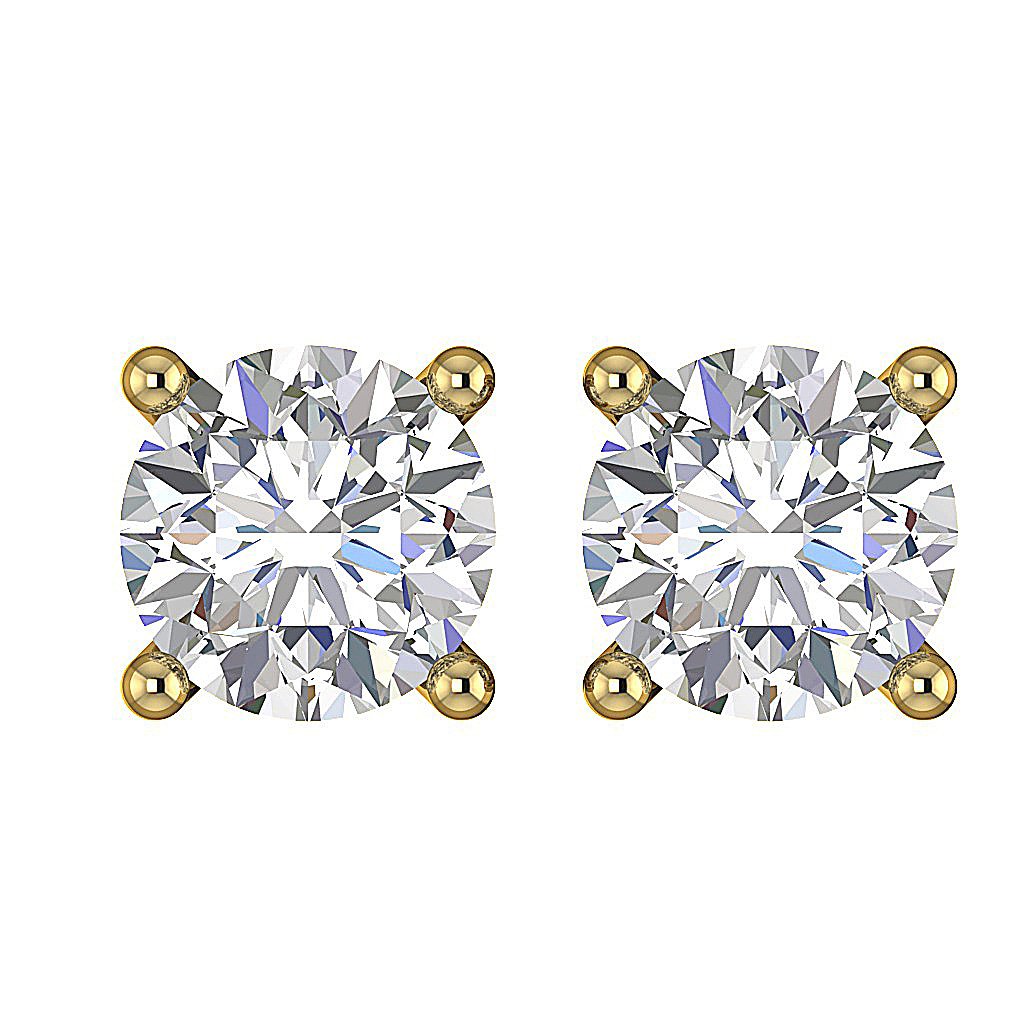
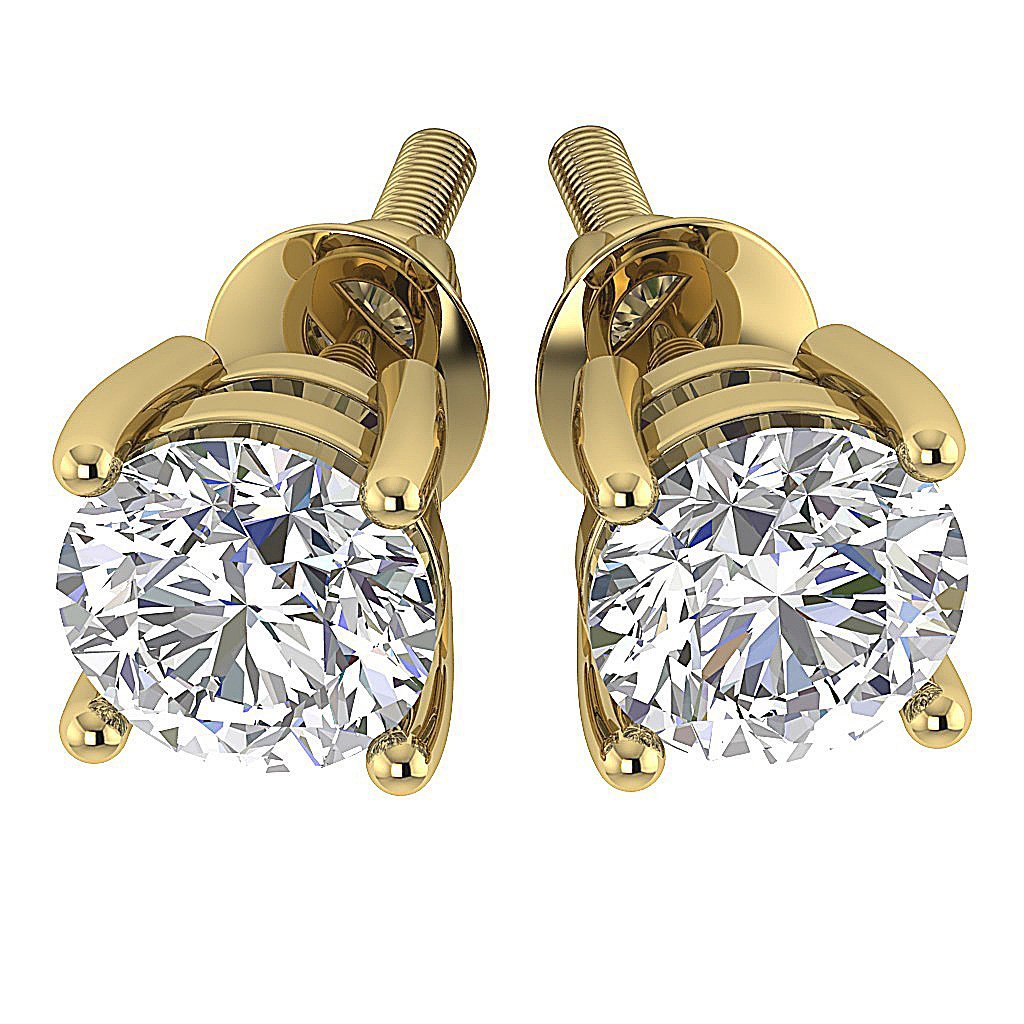
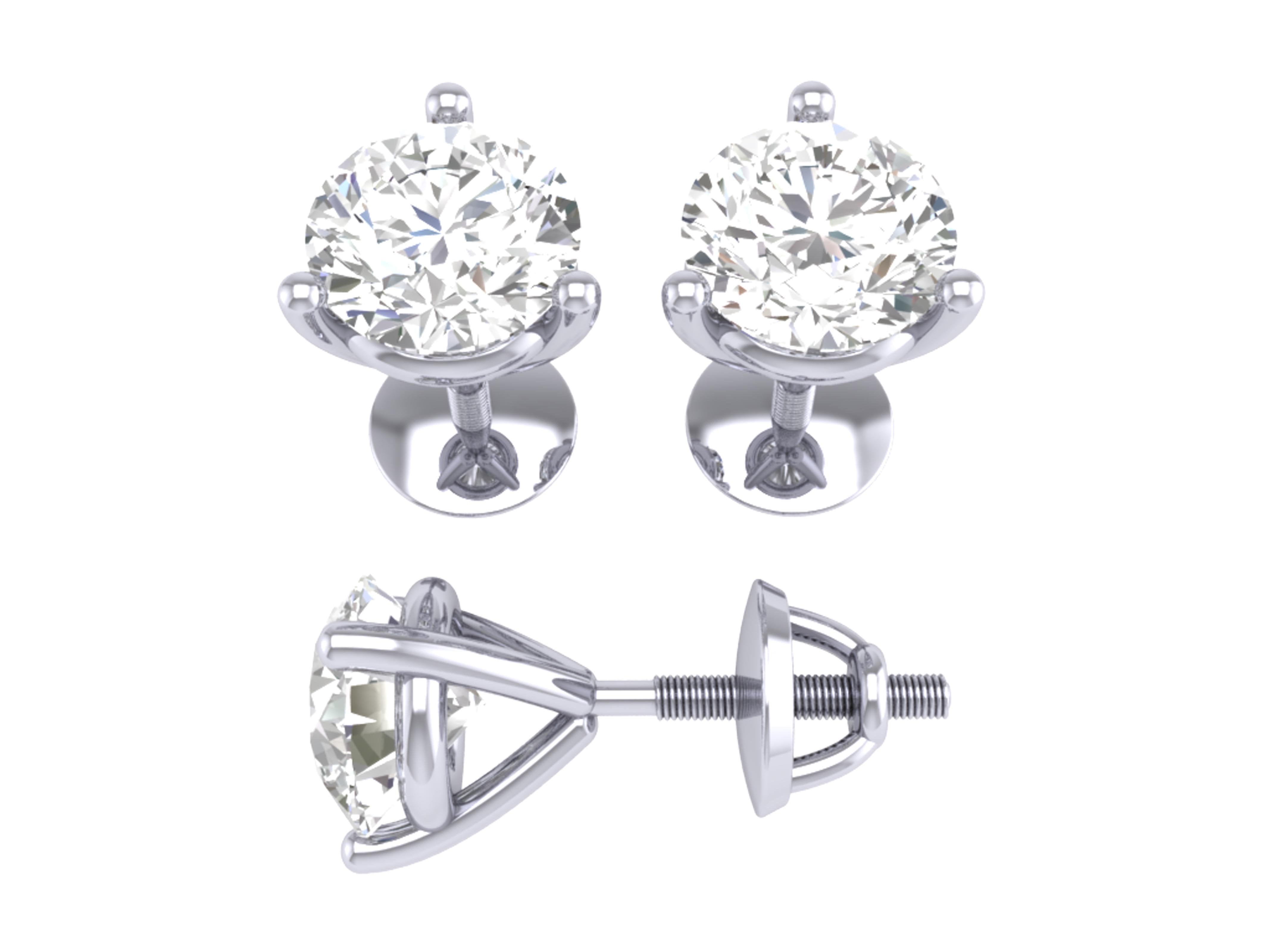
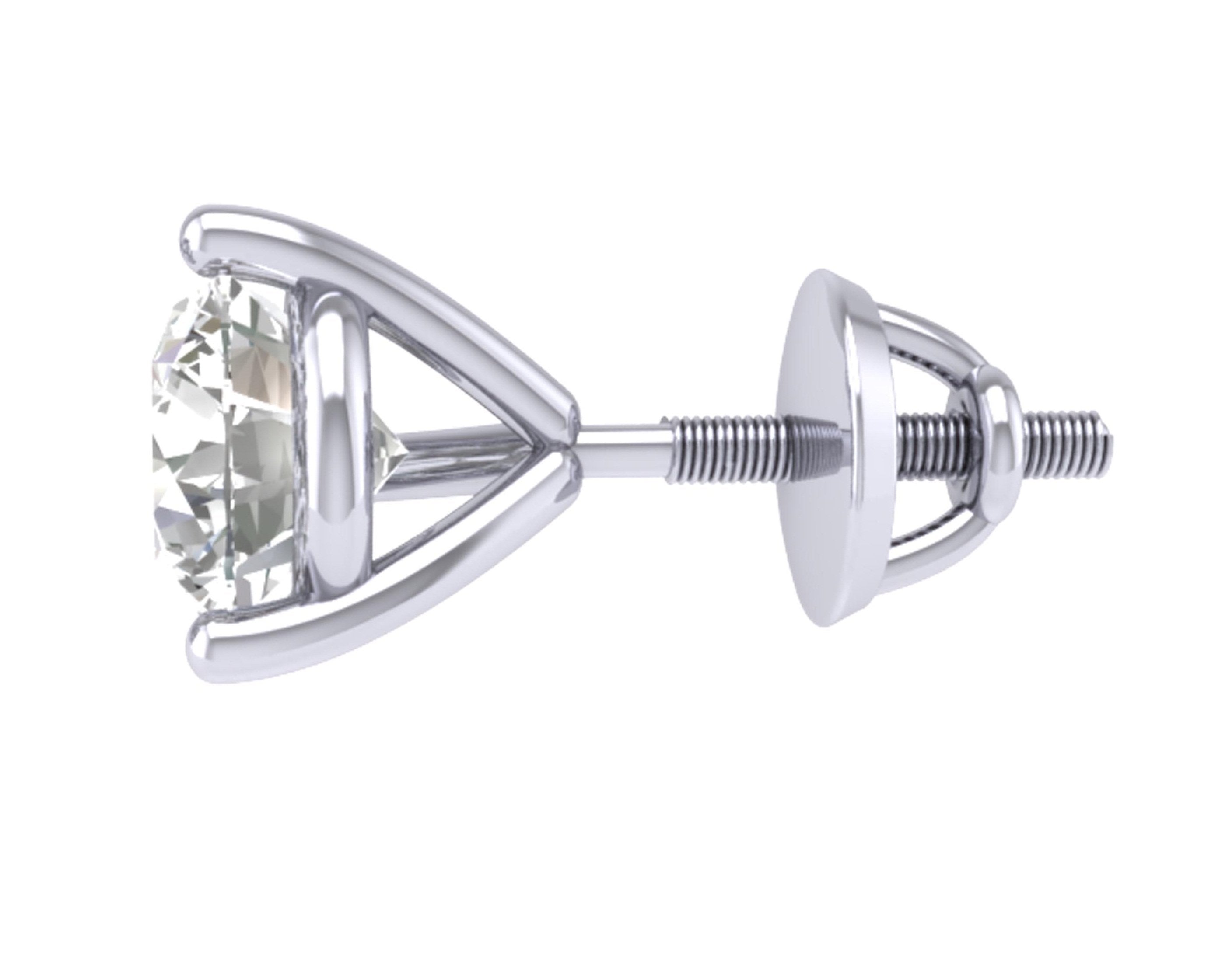
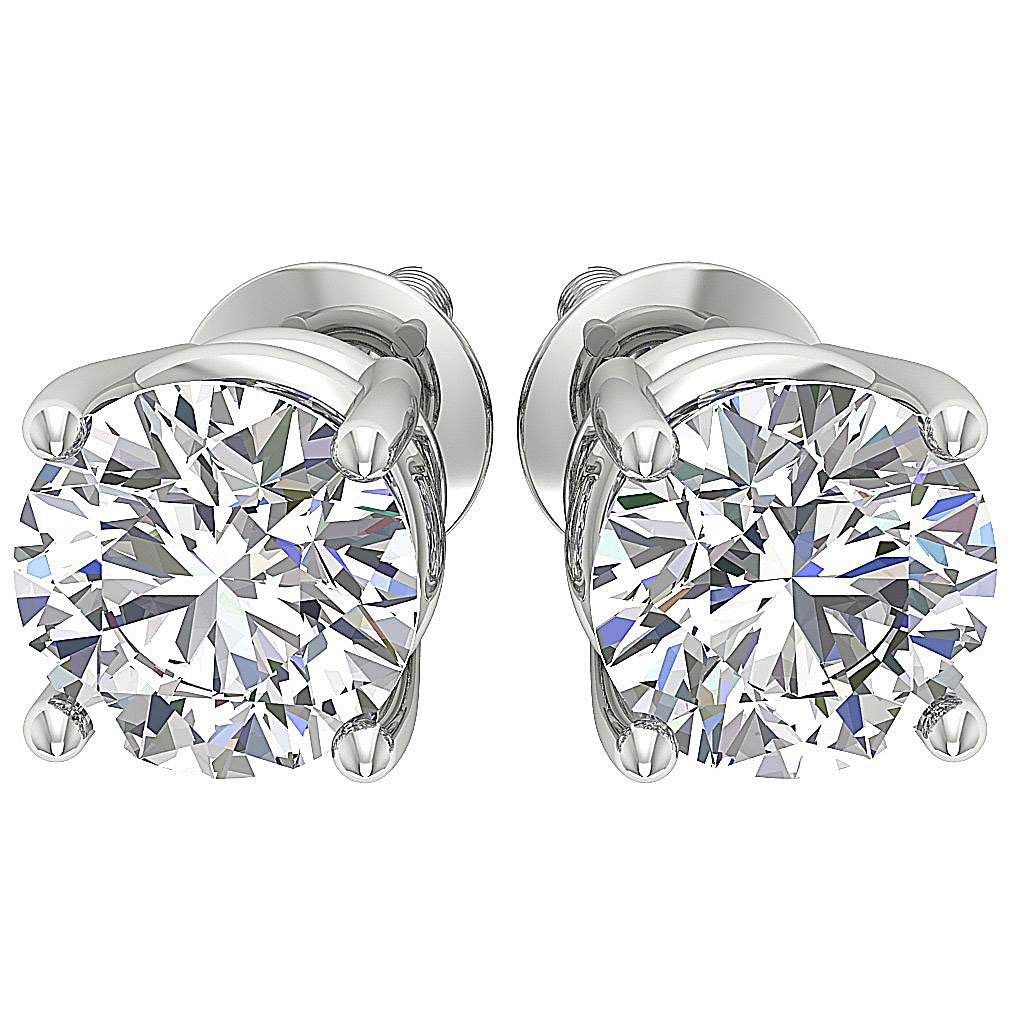
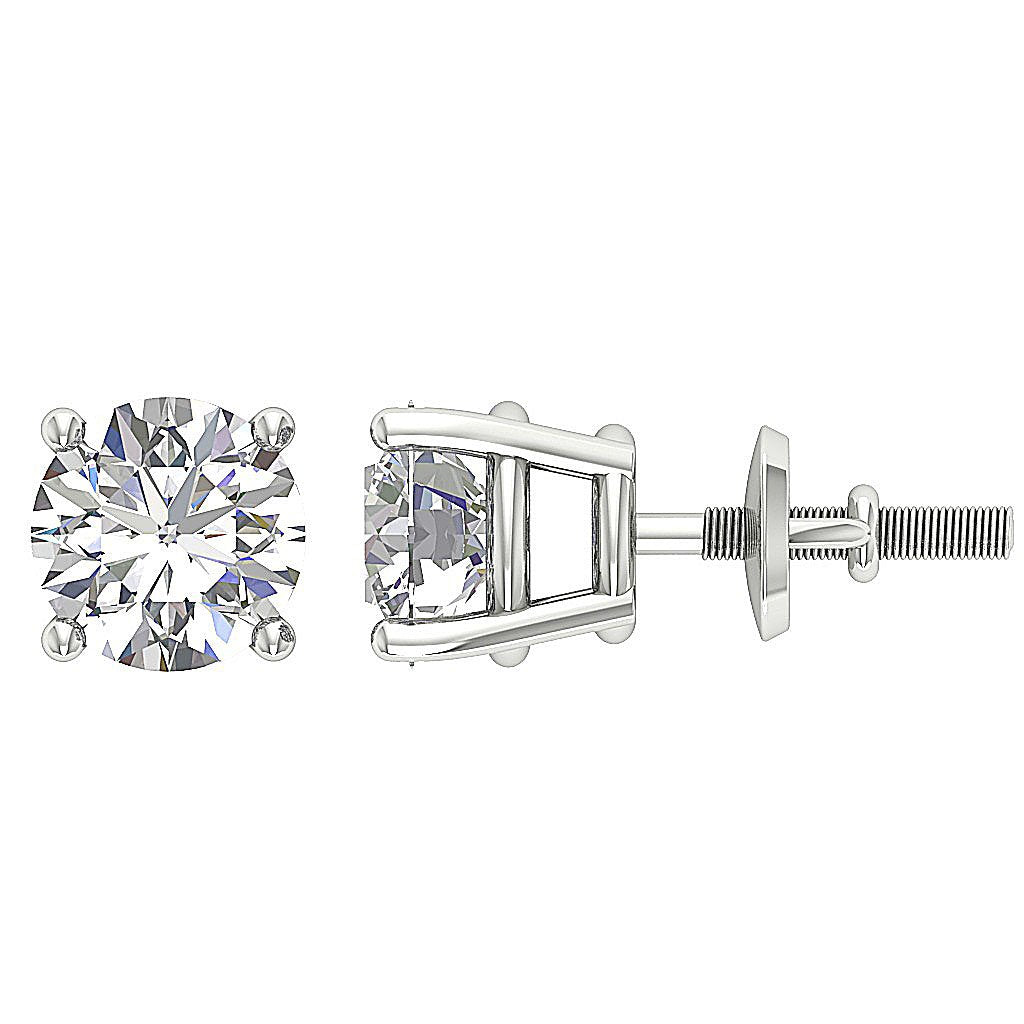
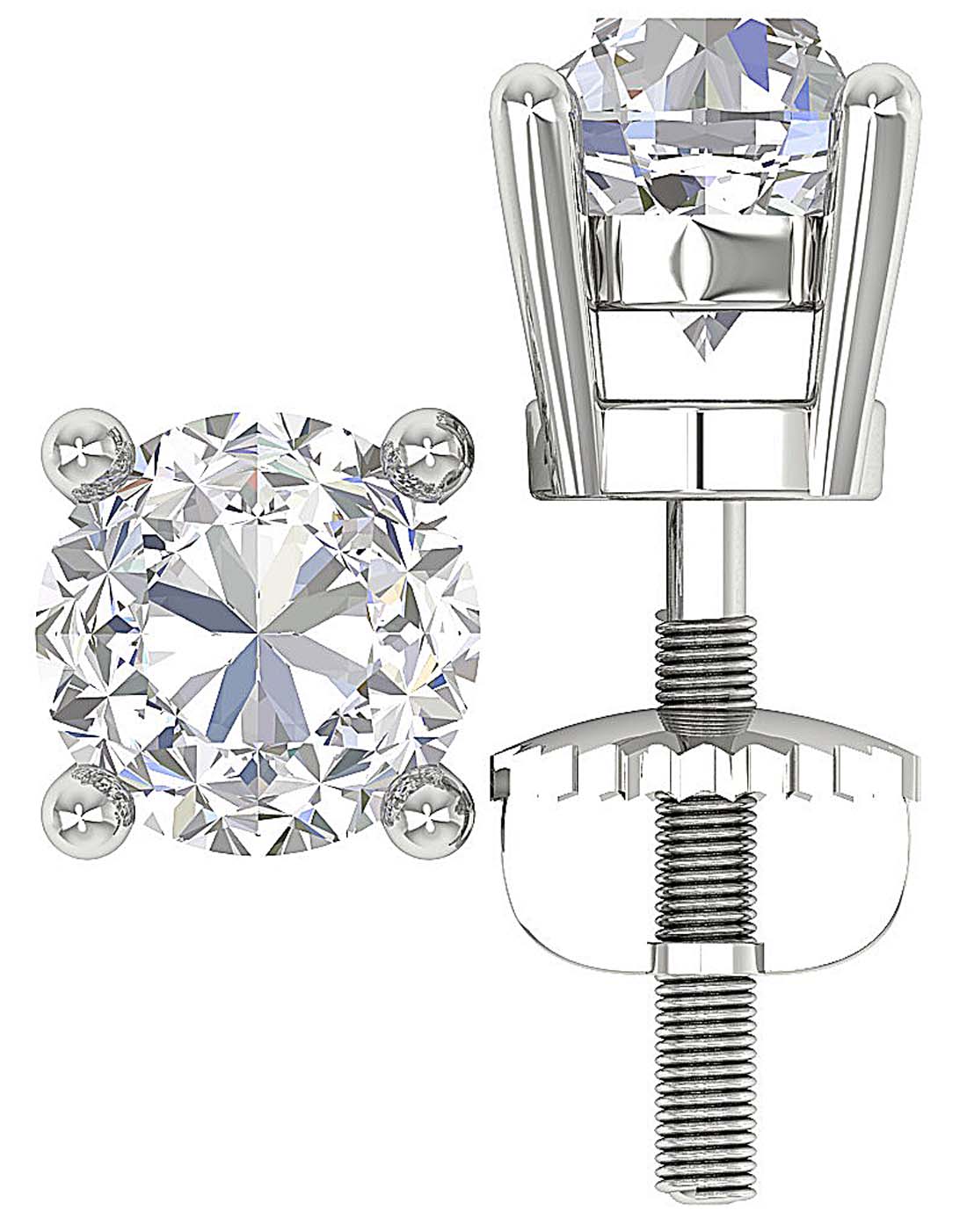
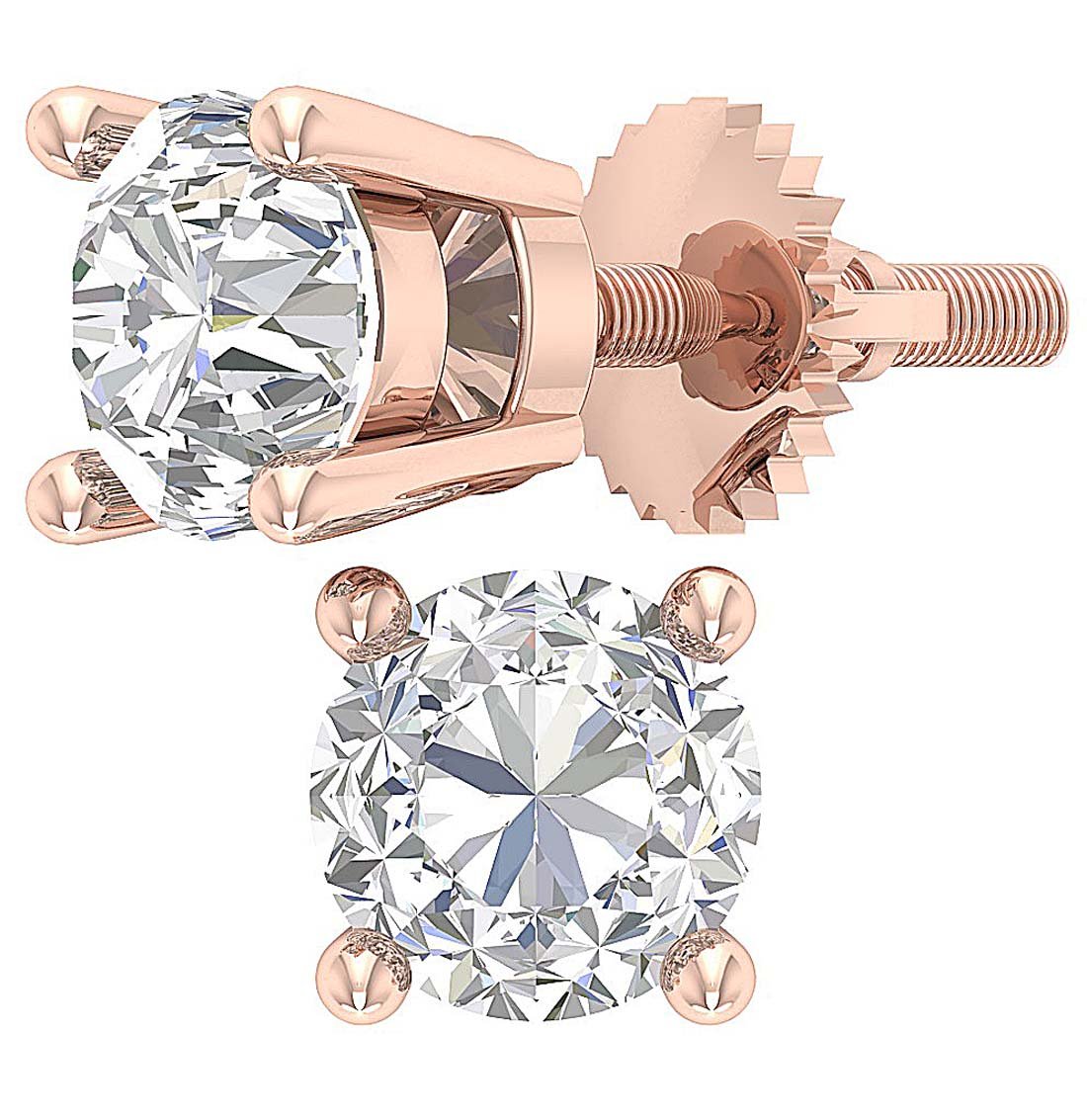
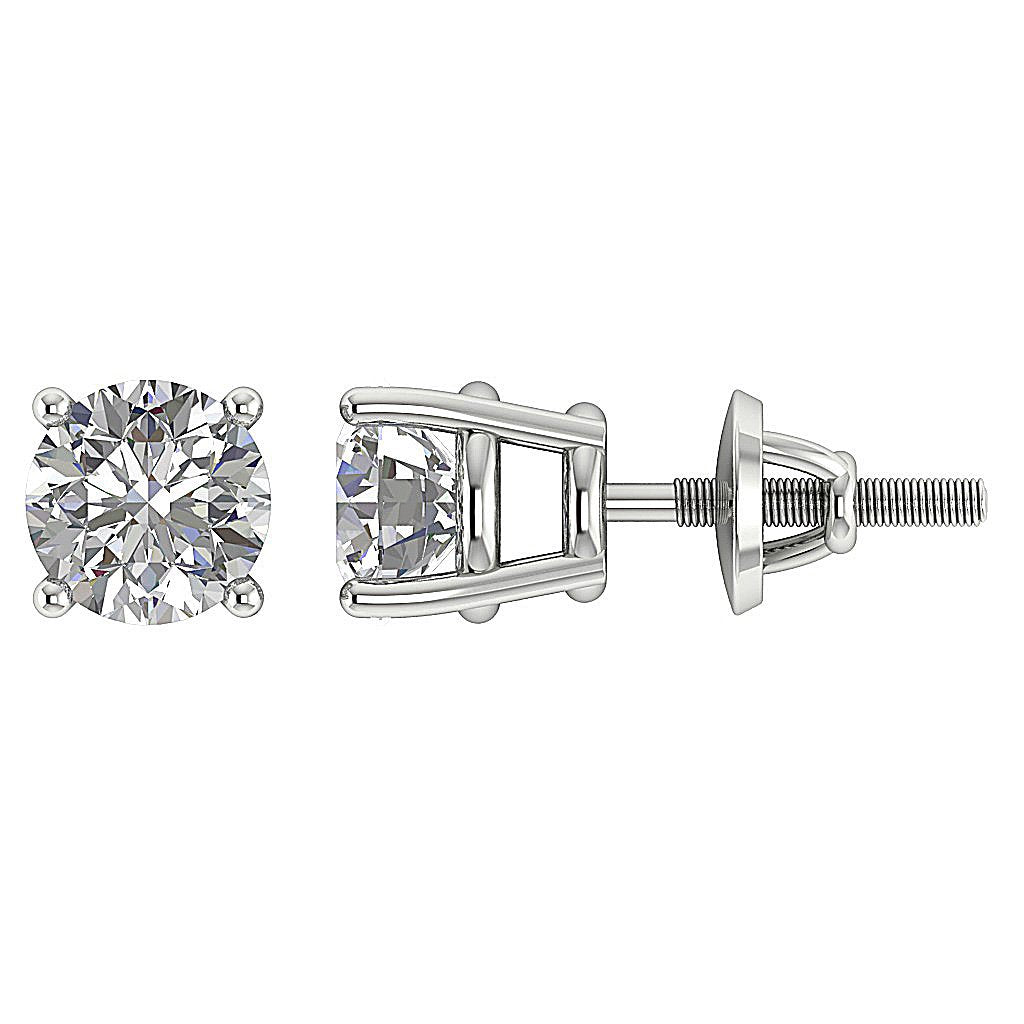
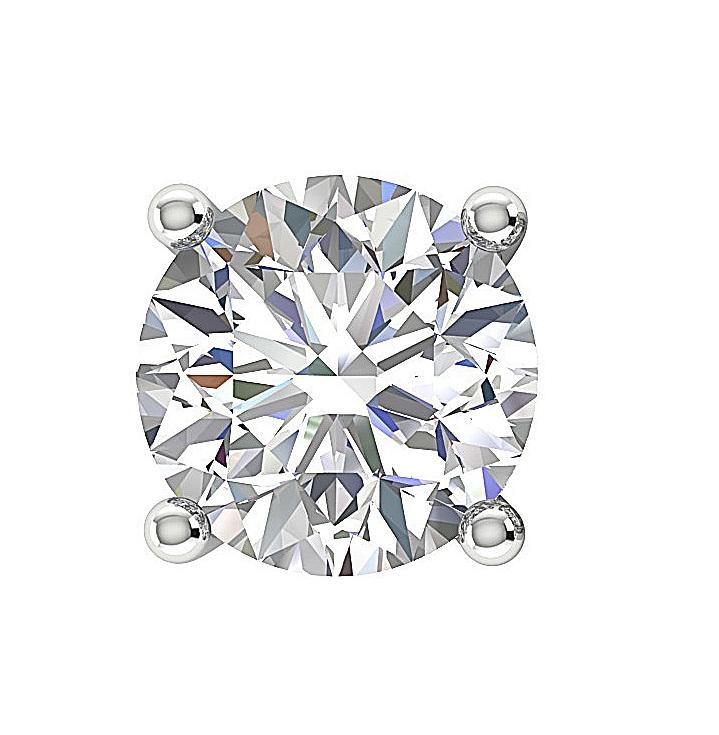
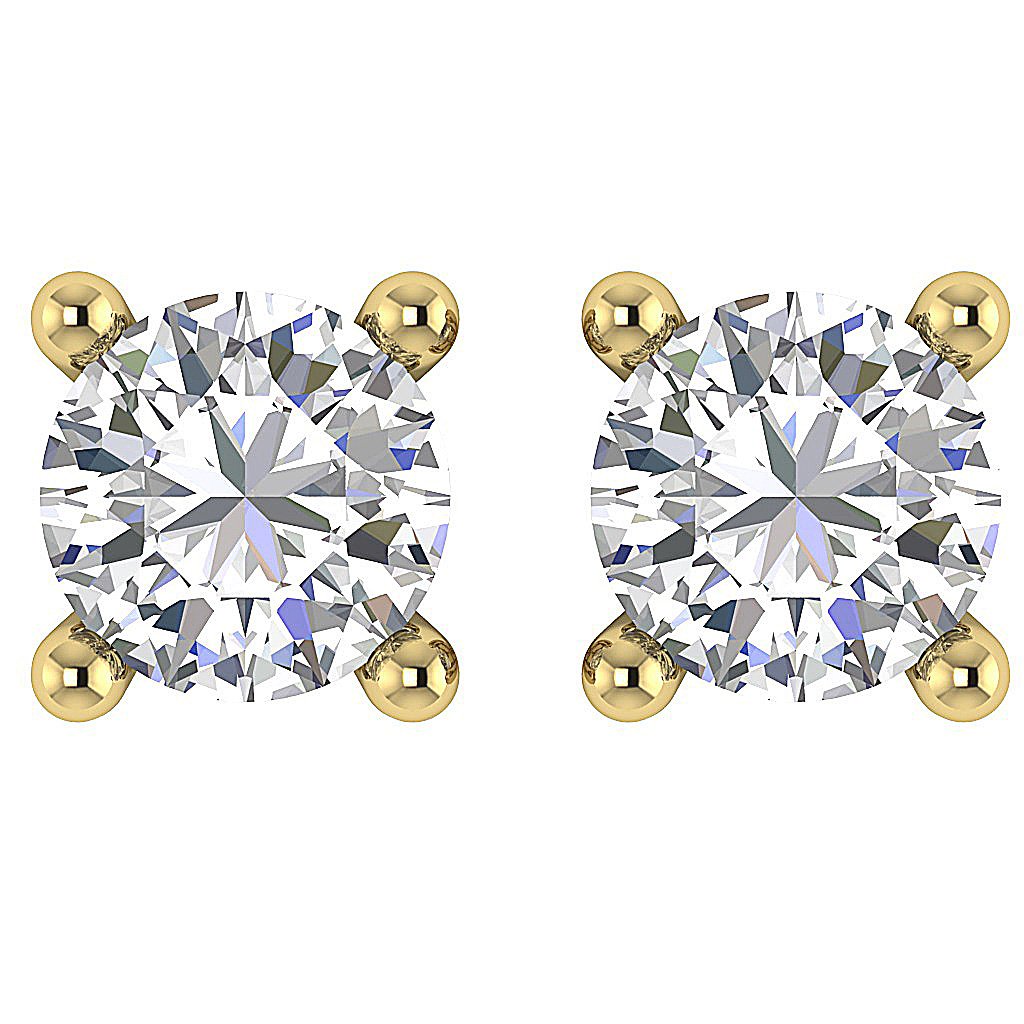
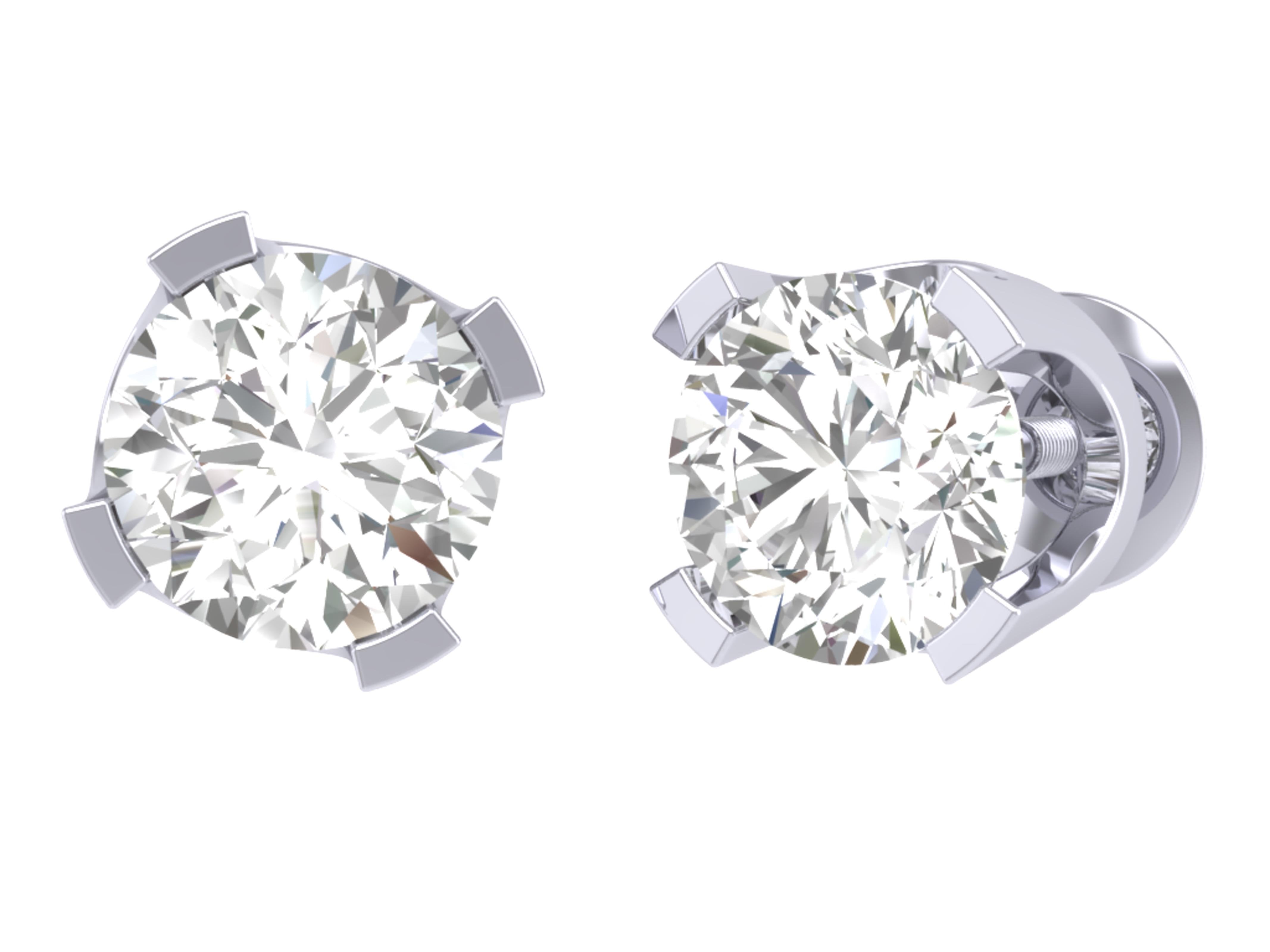
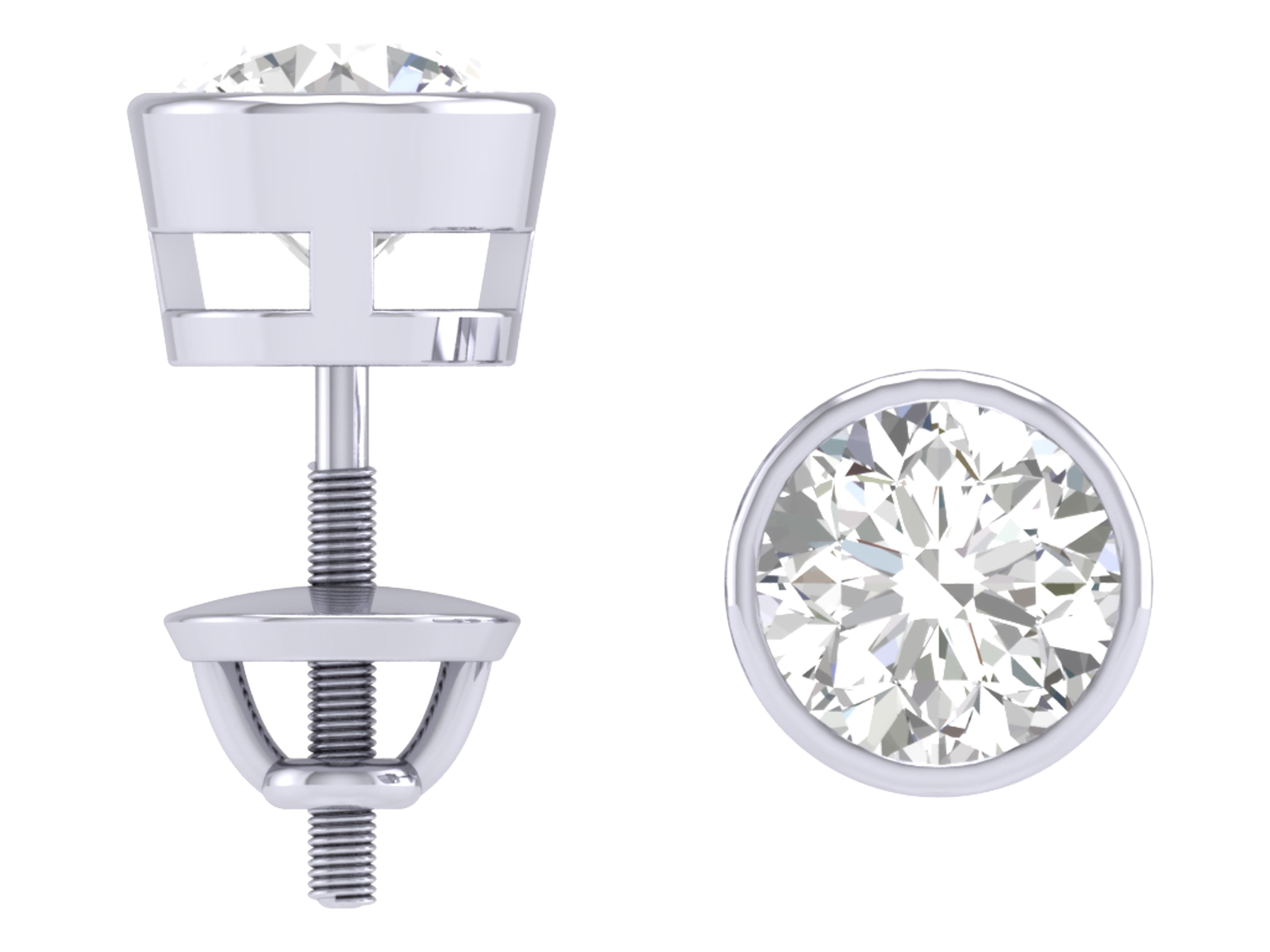
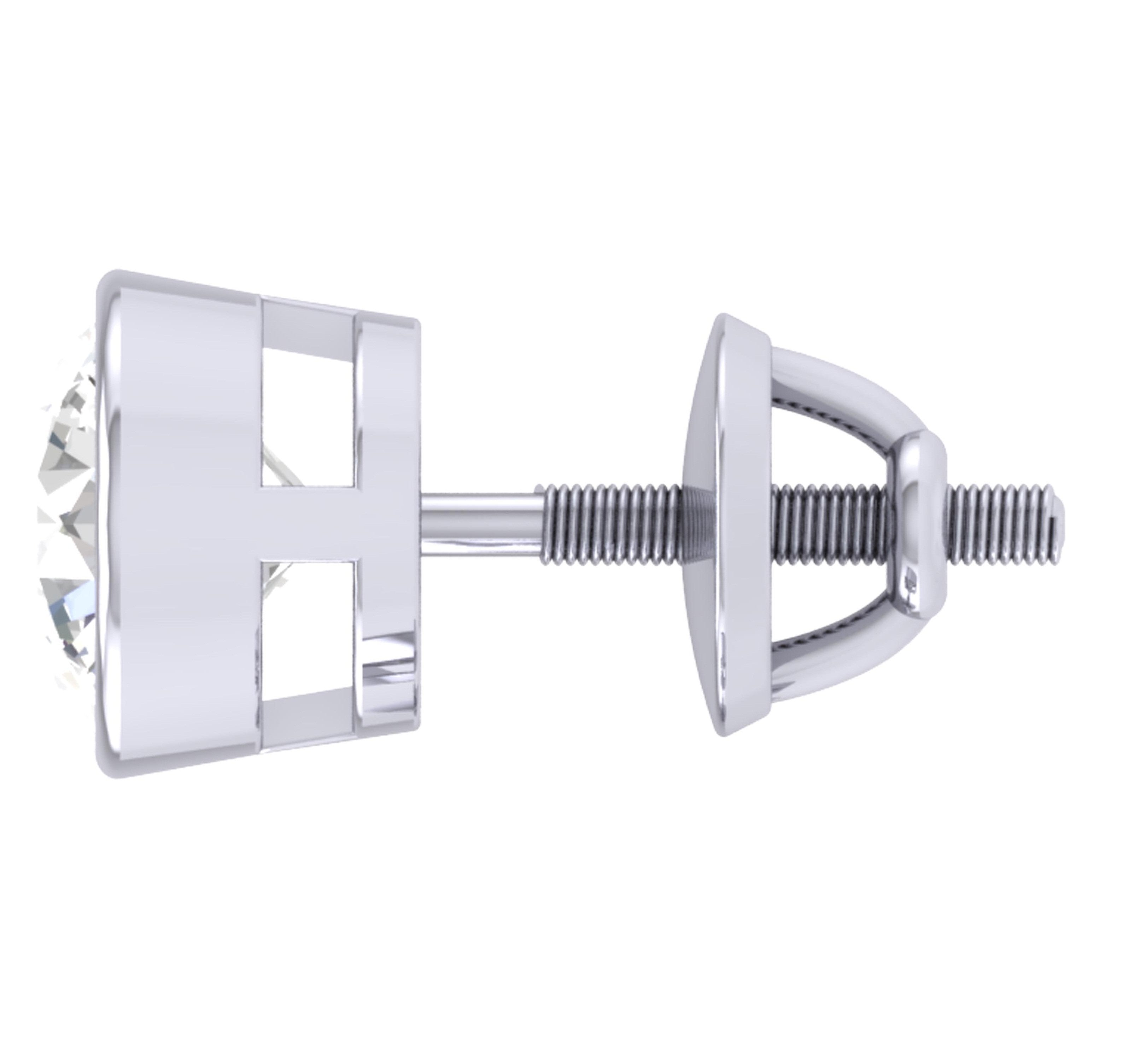
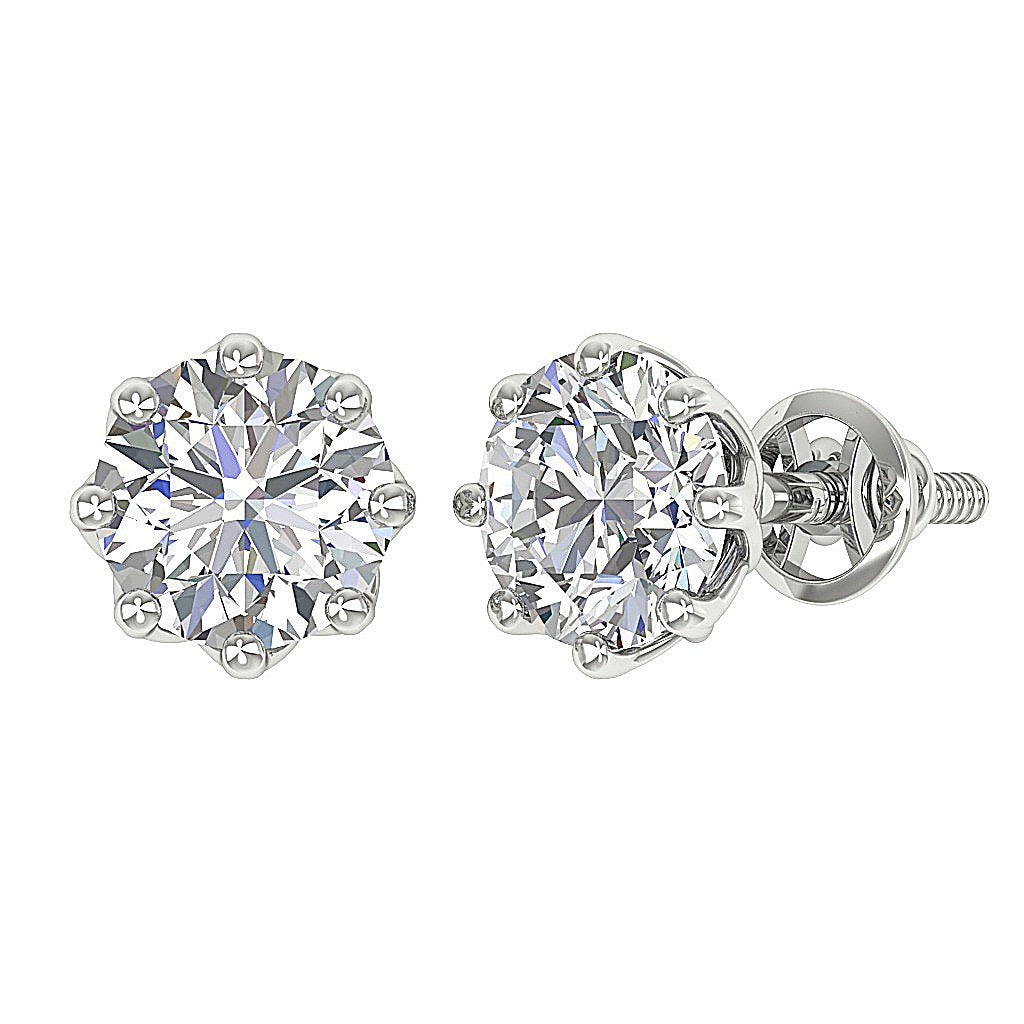
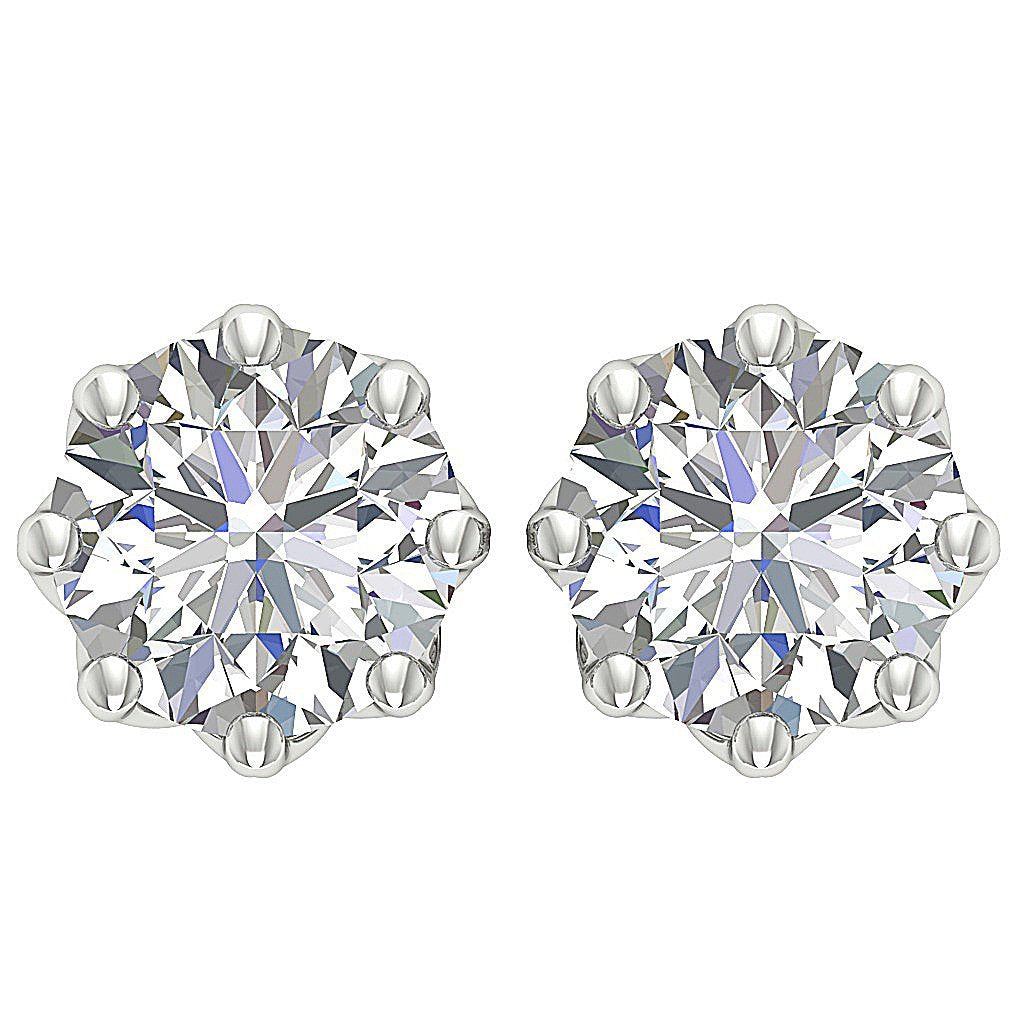
The setting determines how a diamond stud sits on the ear, how much of the stone is exposed to light, and how secure it feels throughout the day. Four- and six-prong settings lift the diamond slightly from the ear, leaving more of its surface visible and allowing plenty of light to enter the stone. A martini setting narrows into a tapered, cone-like base beneath the diamond, creating a close-to-the-ear profile while exposing more of the stone's lower edge.
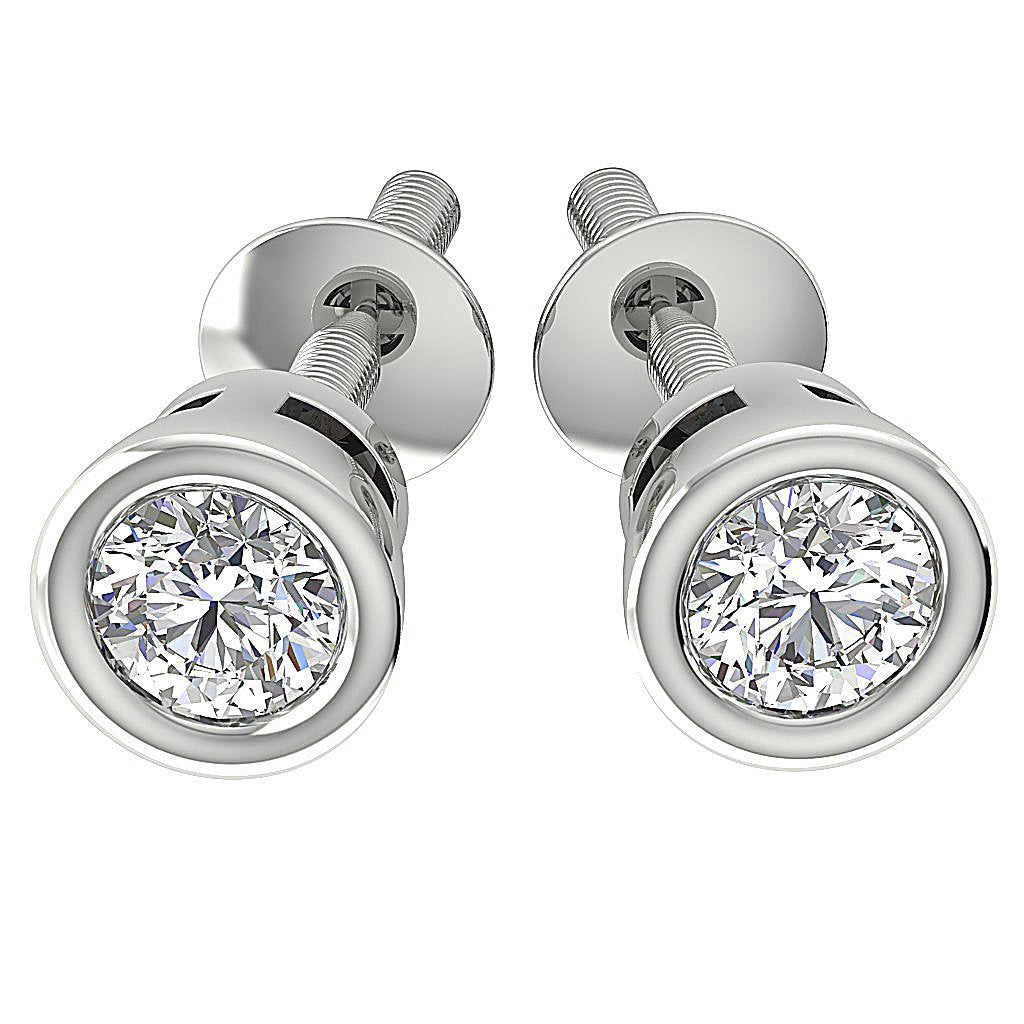
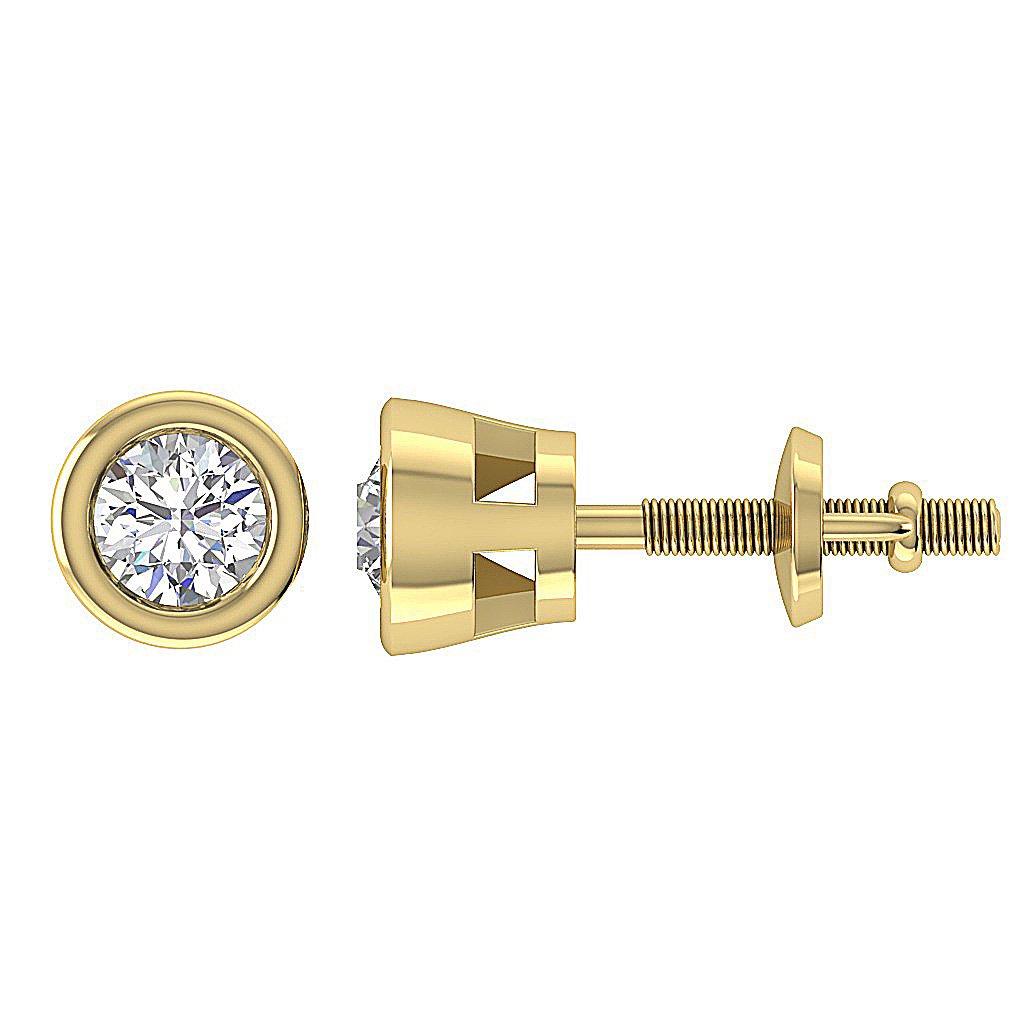
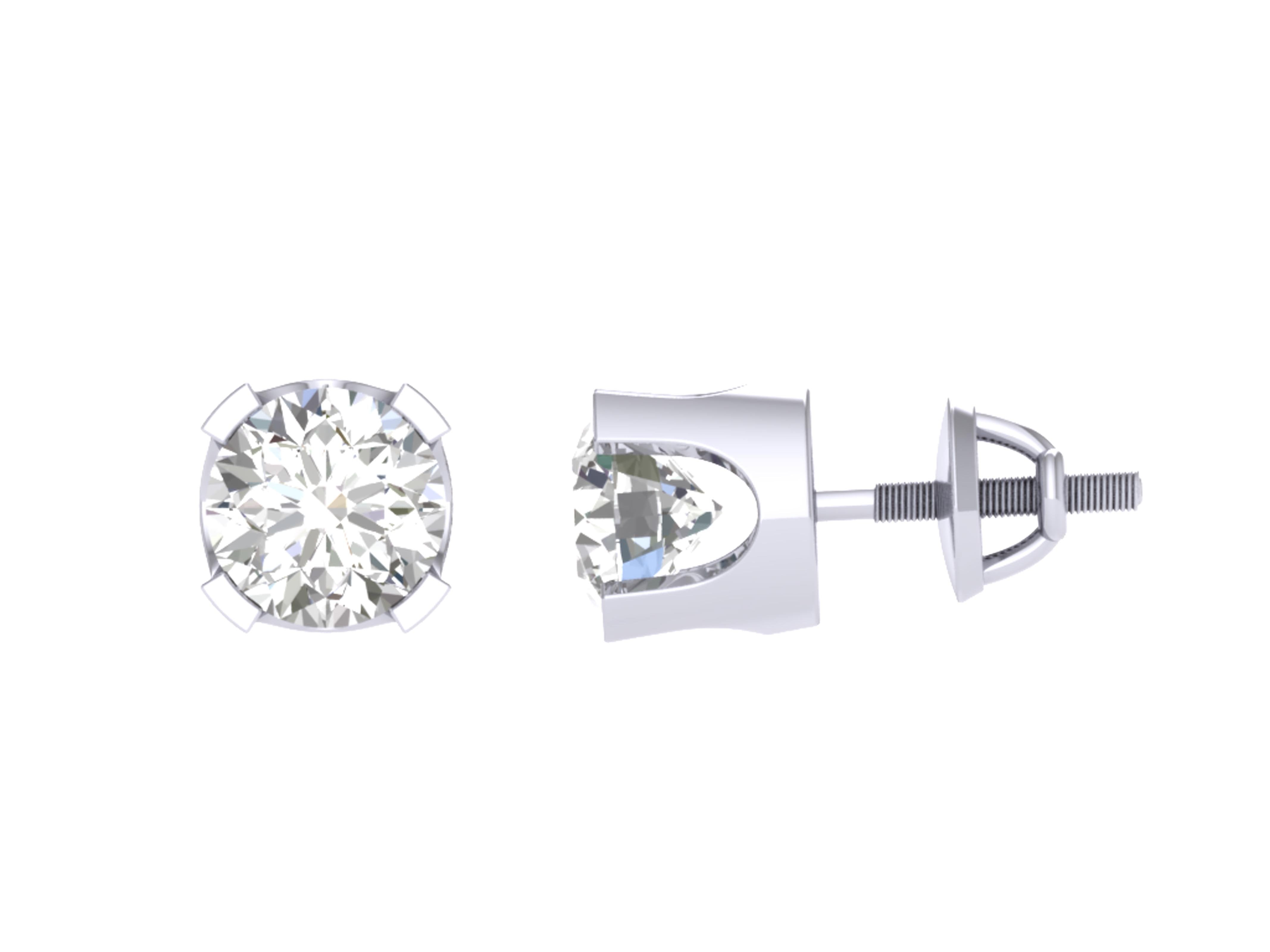
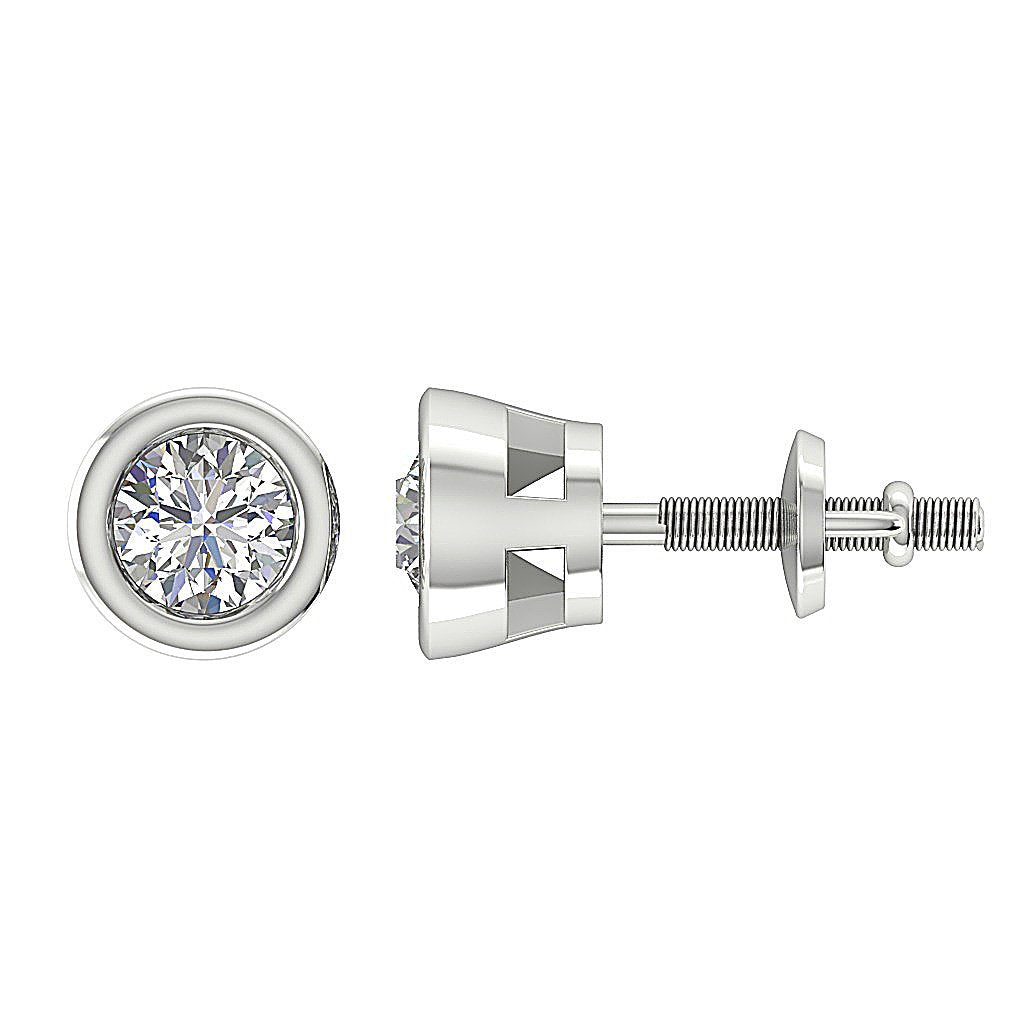
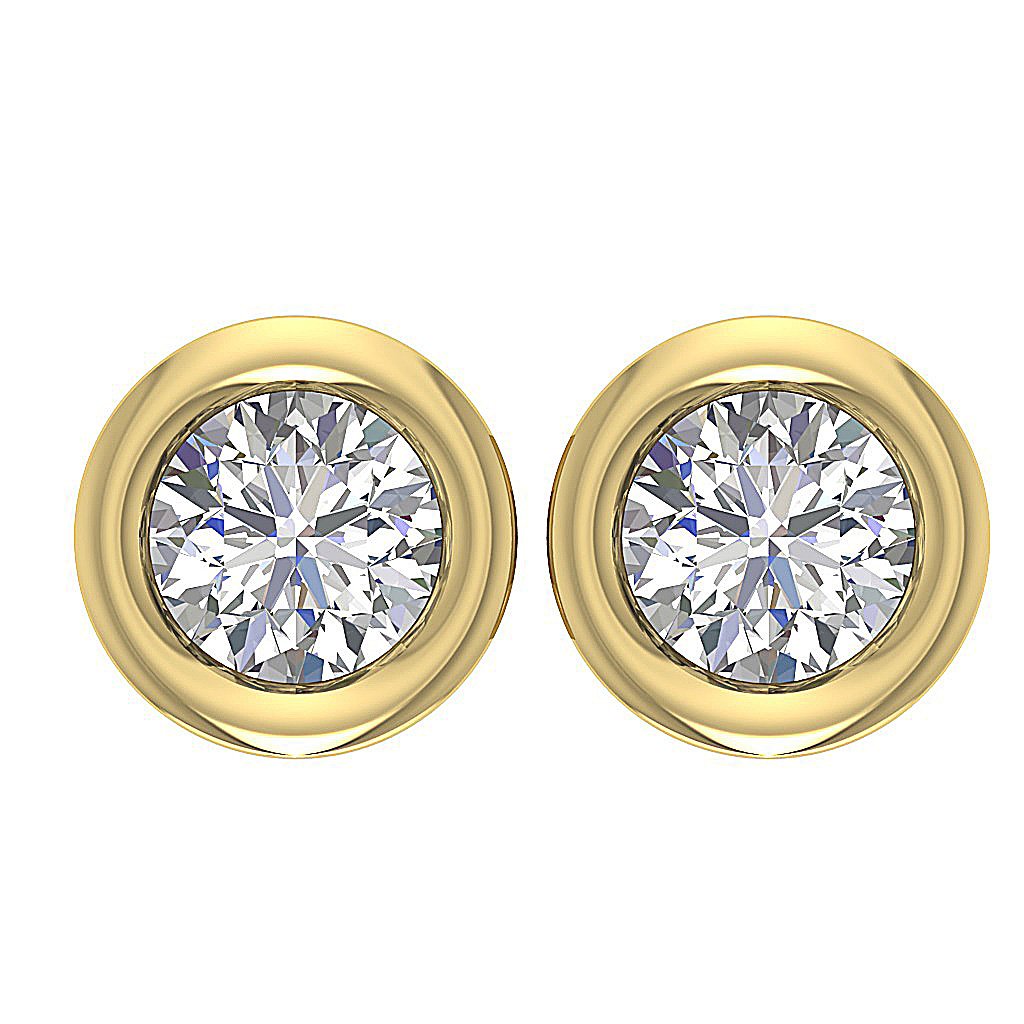
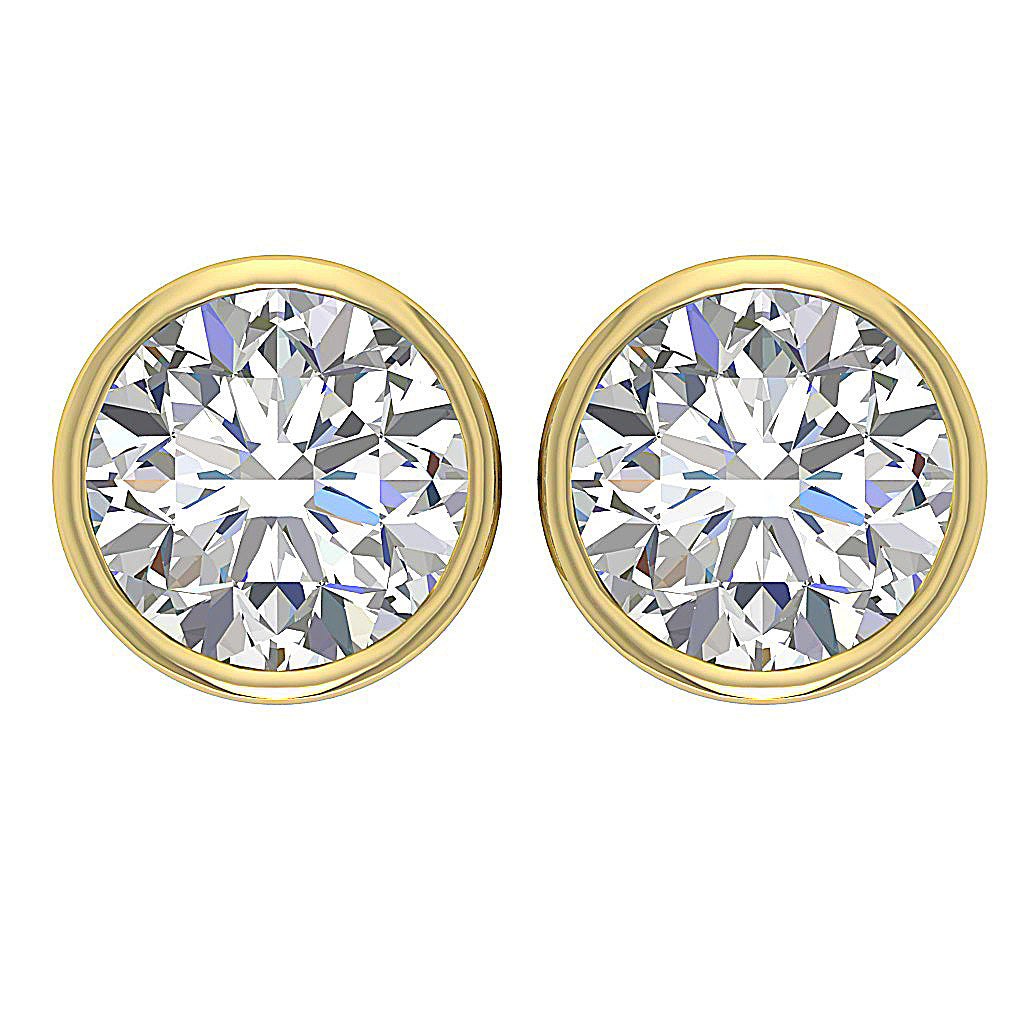
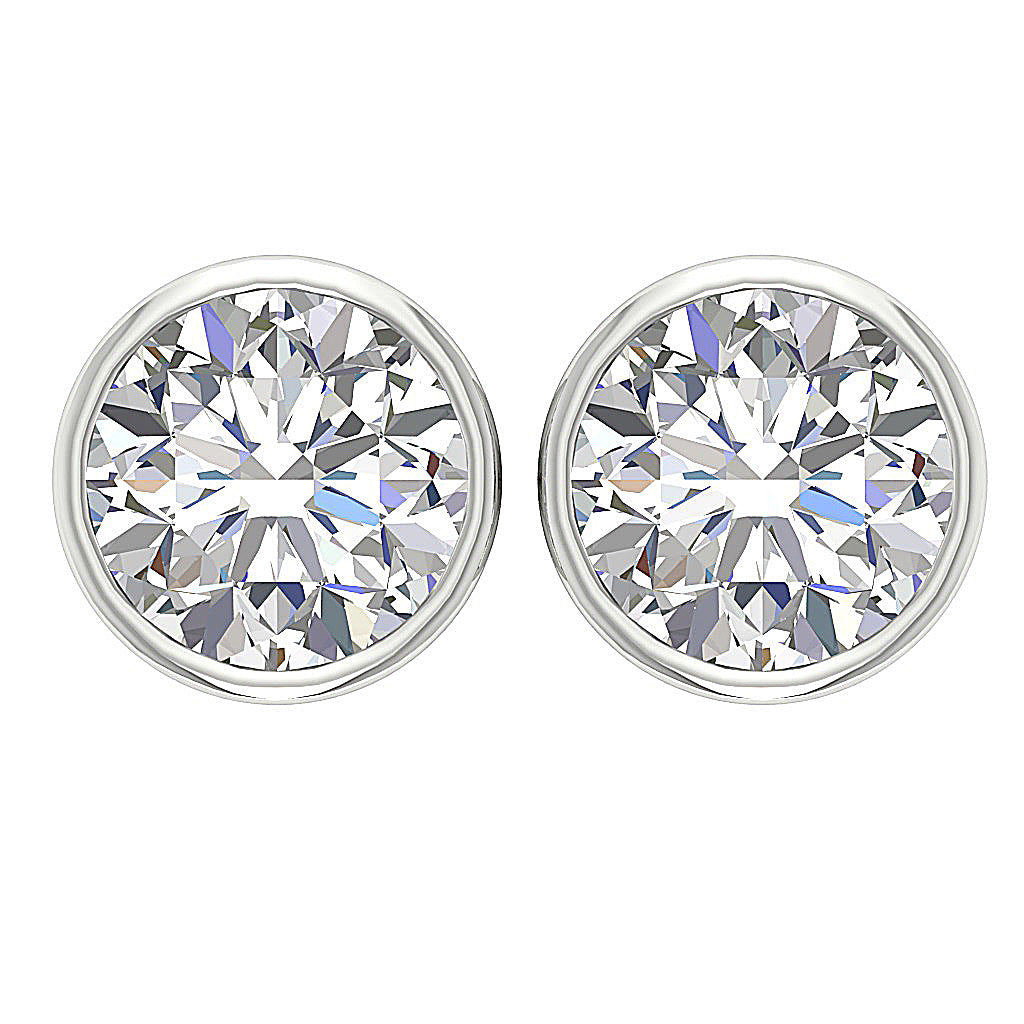
Bezel settings take a different approach, surrounding the diamond's edge with a fine rim of metal. This provides greater protection against snagging on hair, scarves, and clothing, making the style particularly practical for everyday wear.
Diamond for Good offers both natural and lab-grown diamond studs, predominantly in round cuts, with 14K and 18K gold available across white, yellow, and rose. The collection spans delicate everyday pairs through to larger designs intended to make more of a statement.
Understanding Carat Weight in a Pair of Diamond Stud Earrings
Carat weight becomes particularly important when comparing diamond studs because listings can describe the weight of the pair in two different ways. Total carat weight refers to the combined weight of both diamonds. A pair listed as 1.00 total carat weight therefore contains approximately 0.50 carat per ear.
By contrast, a listing stating 1.00 carat per stone represents two diamonds weighing approximately one carat each, giving the pair a total weight of 2.00 carats. The difference is substantial, both visually and in price.
When comparing diamond earrings, always establish whether the stated carat weight refers to each stone or the complete pair. This is one of the simplest ways to make an accurate comparison between otherwise similar-looking designs.
Choosing a Back Type for Diamond Stud Earrings
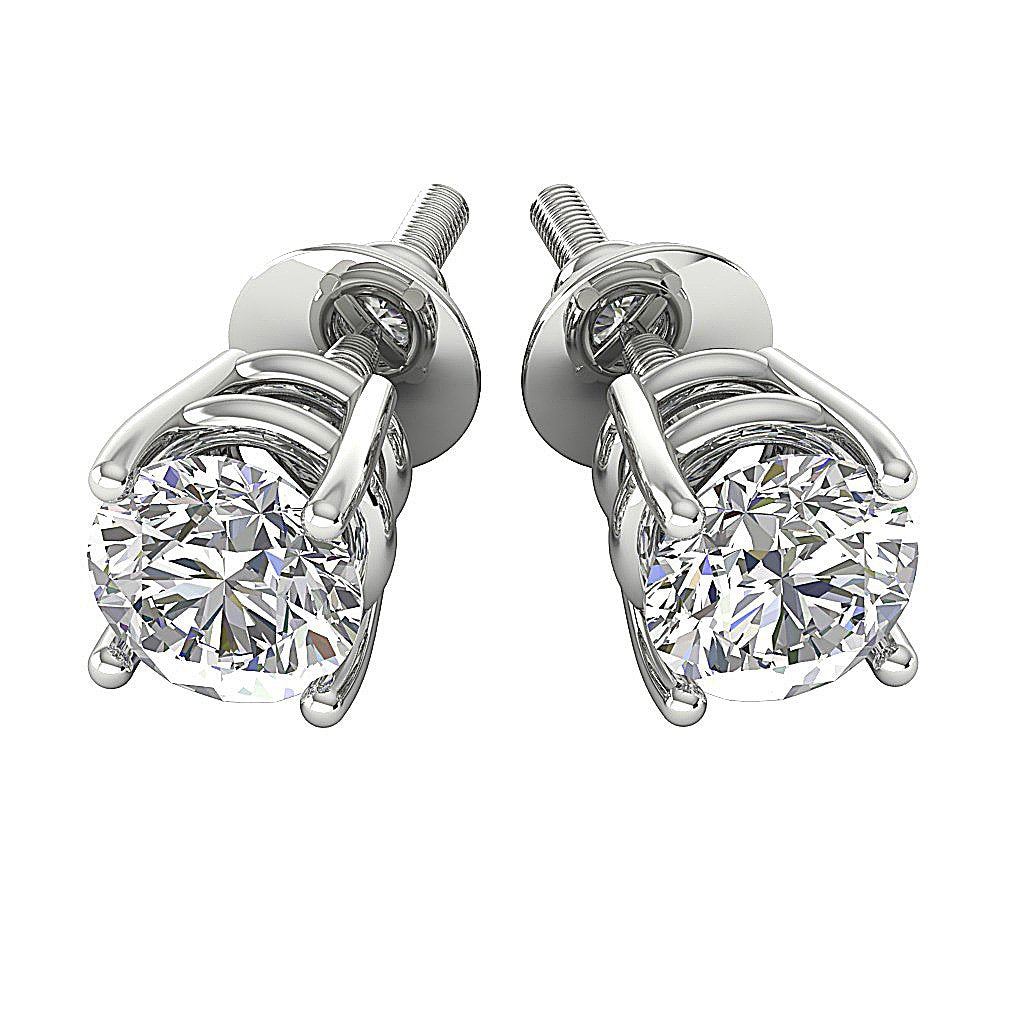
The back of a diamond stud deserves as much consideration as the setting itself, particularly when the earrings will be worn frequently. Push backs, also called friction backs, are the most straightforward option. They slide onto the post easily and are convenient for everyday use, although they provide less resistance against movement than threaded designs.
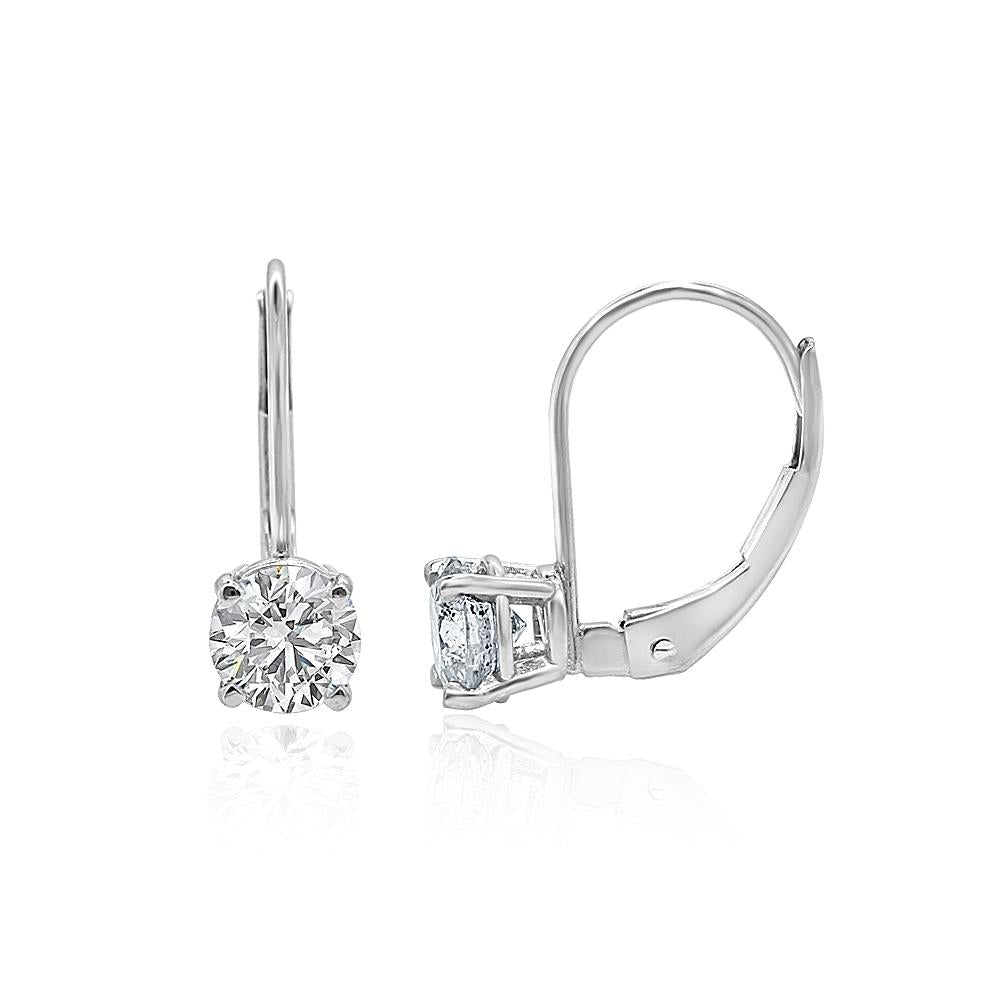
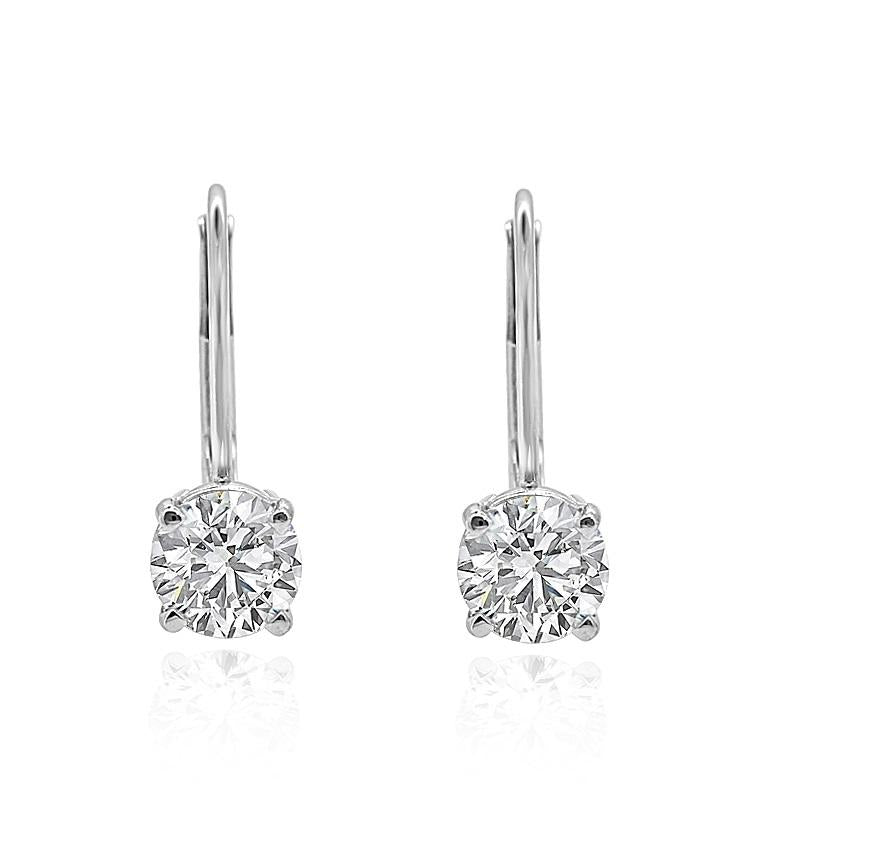
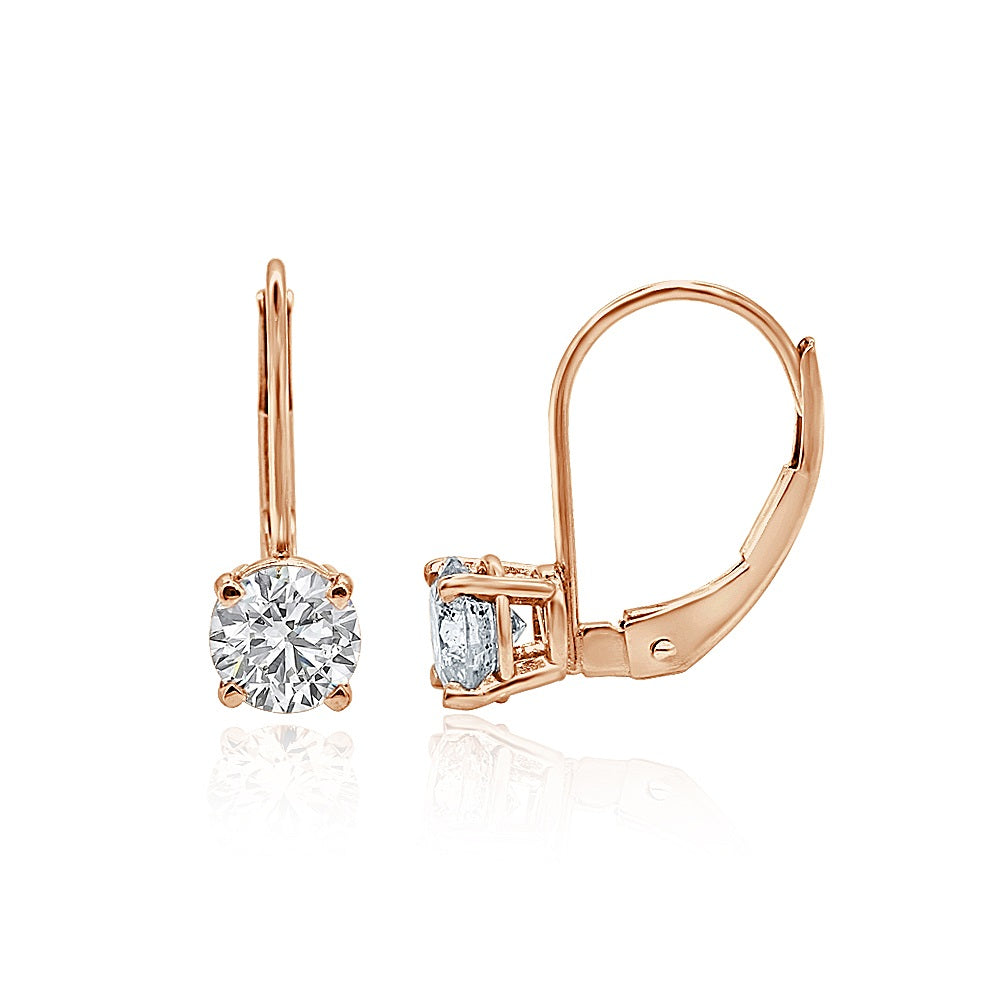
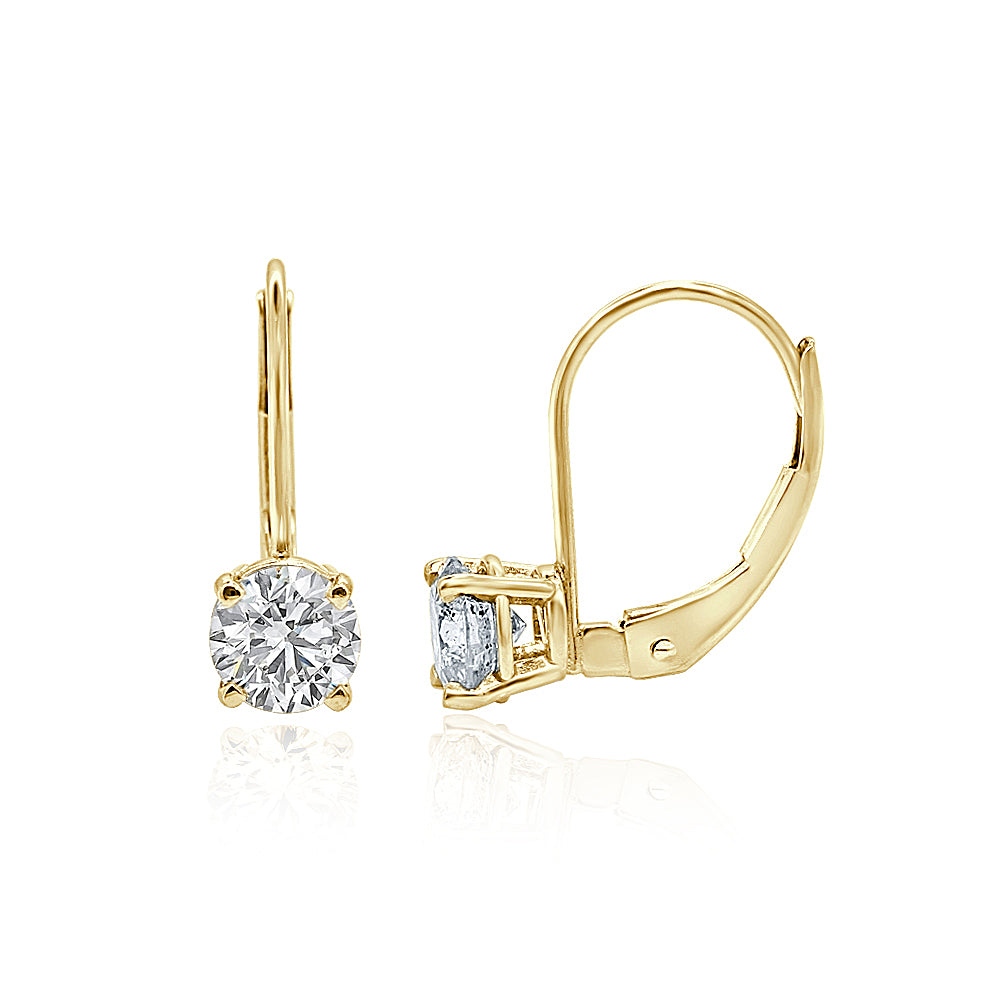
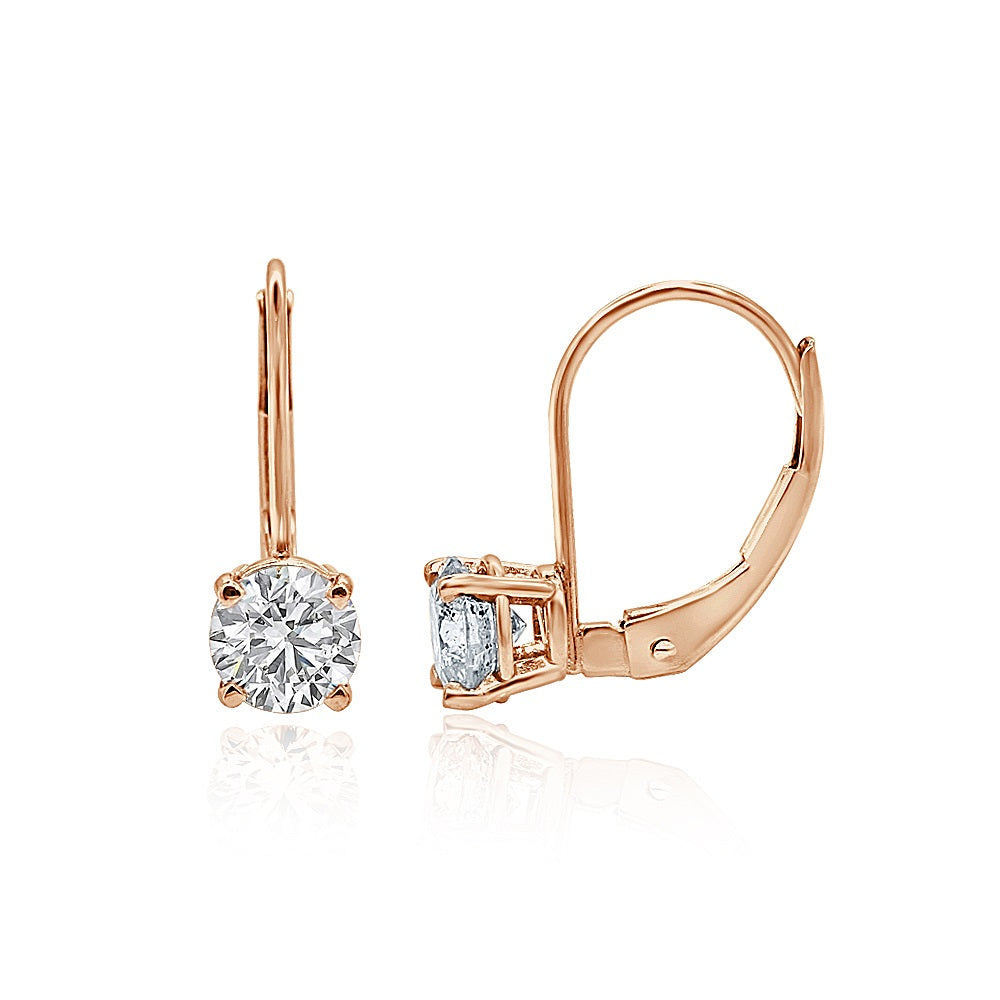
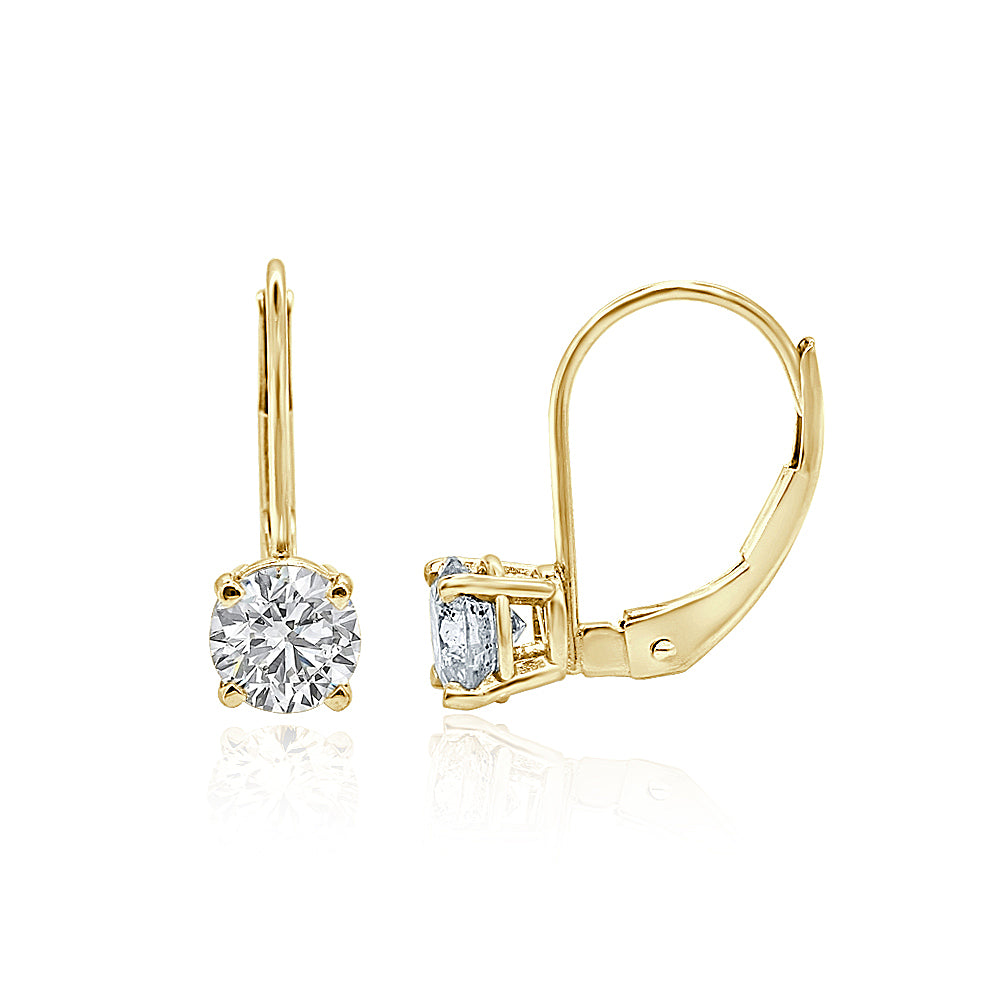
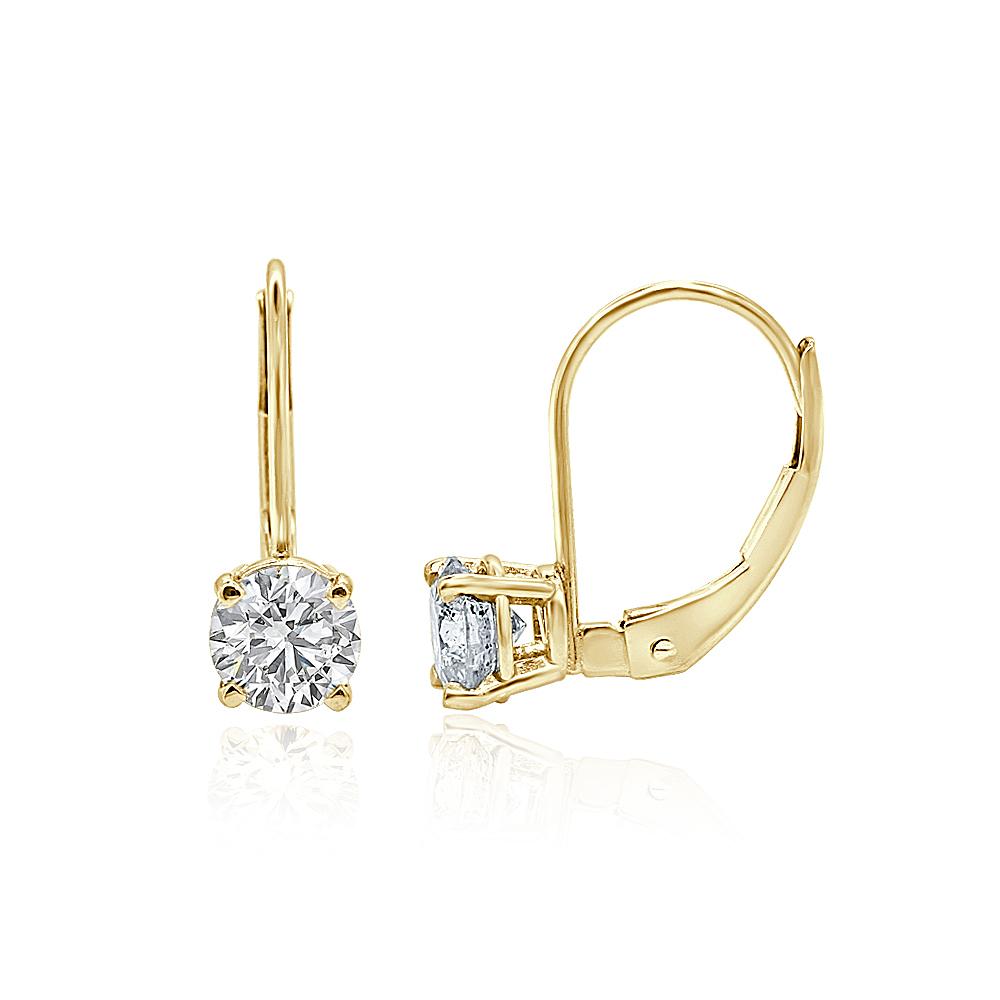
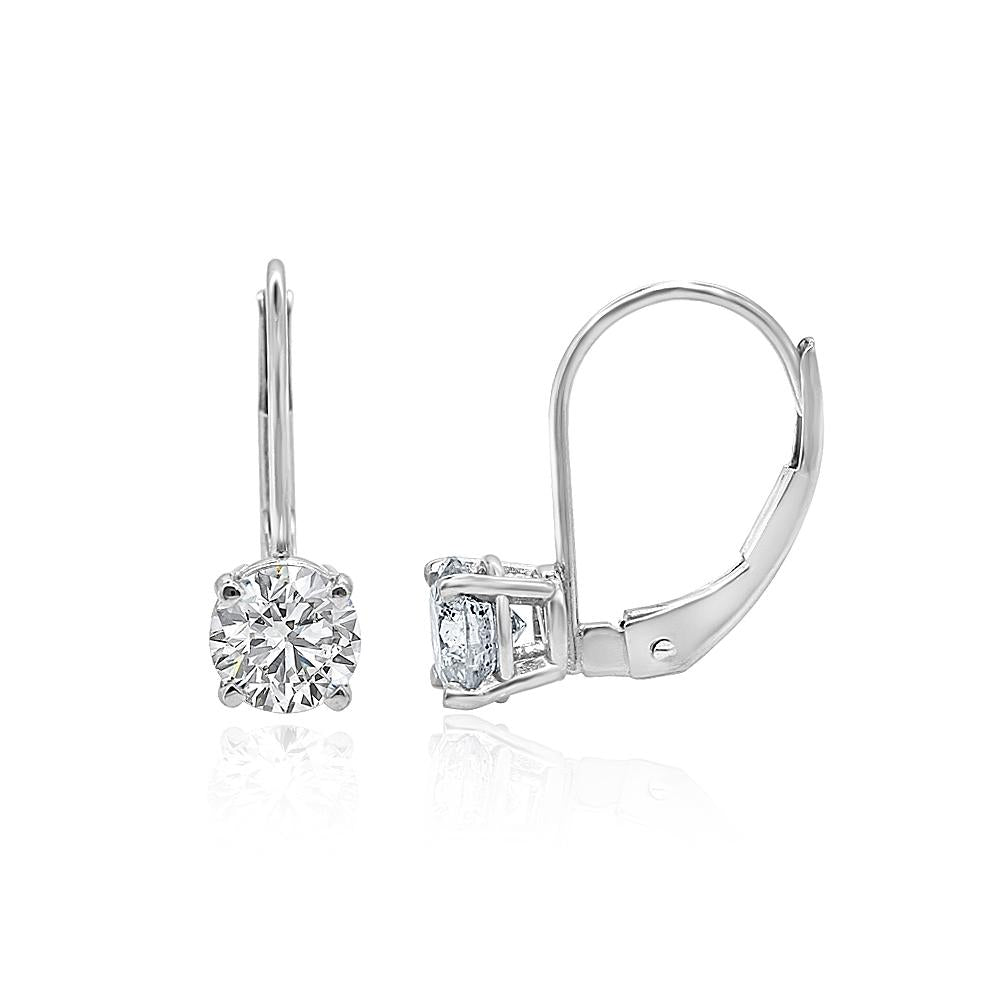
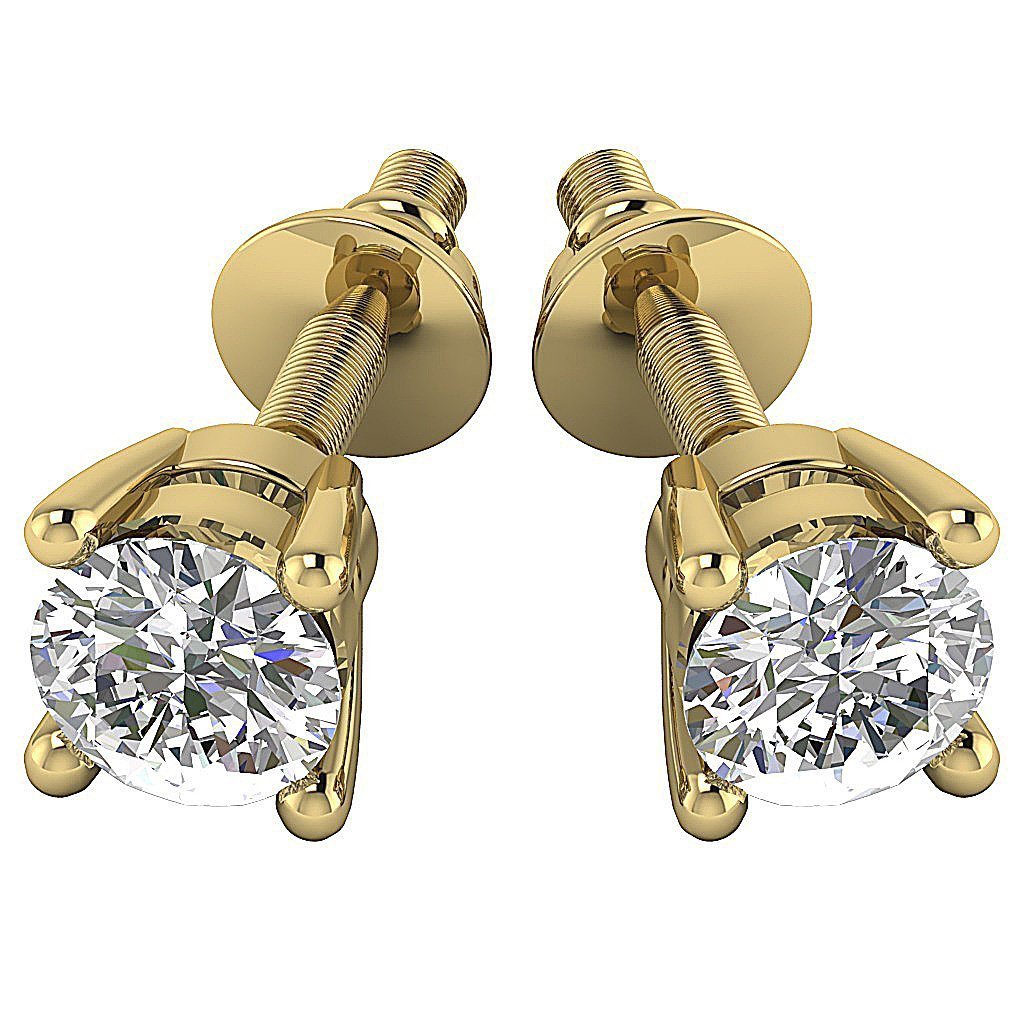
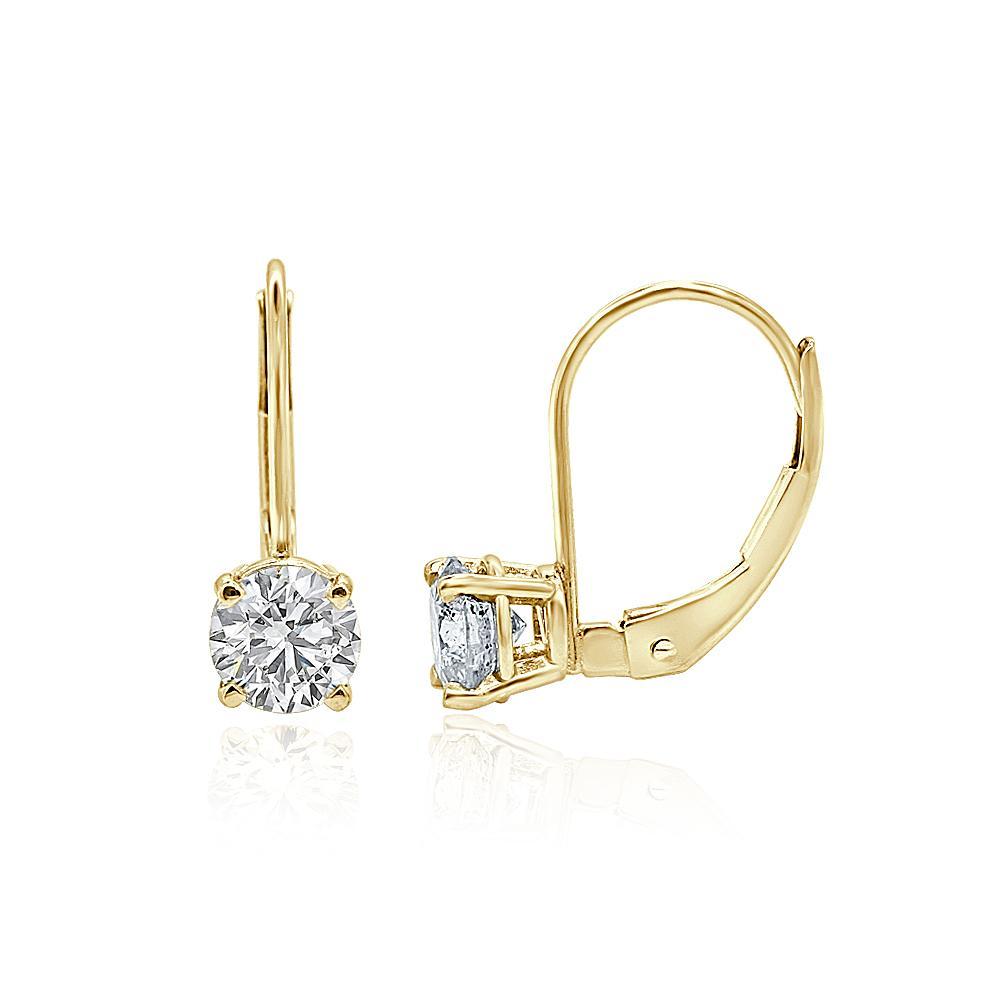
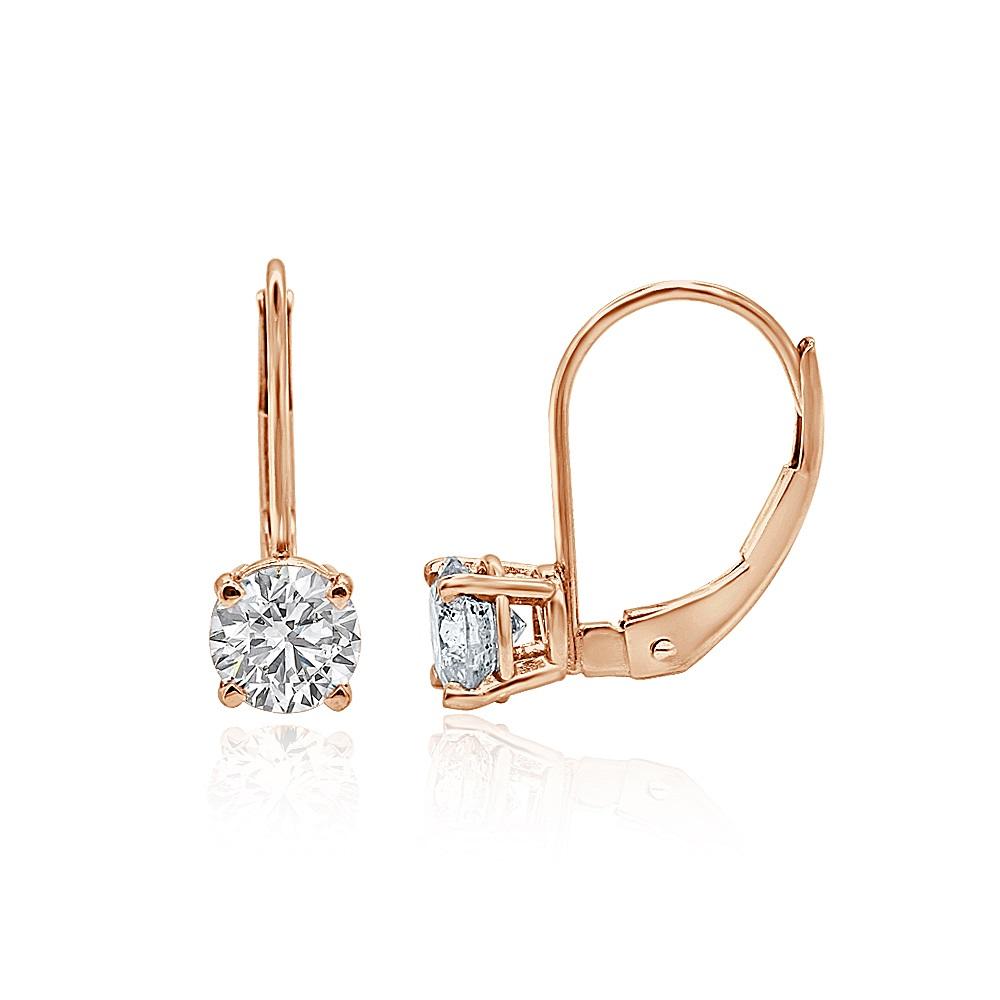
Screw backs secure the earring by threading onto the post, making them a strong choice for heavier studs that may otherwise shift during the day. Lever backs use a hinged mechanism that closes around the post and locks into place. They are more commonly associated with drop earrings but can also appear on certain stud styles.
For larger diamonds, particularly those weighing around a carat or more per ear, a screw back can offer useful additional security. The extra step of fastening it is a reasonable trade-off when the earrings represent a significant investment.
Wearing It Well: Styling Diamond Stud Earrings
Few diamond jewellery pieces adapt to different occasions as naturally as studs. Smaller diamonds, particularly those below half a carat per ear, tend to read as understated enough for everyday wear, including professional settings. As the stones increase in size, the same classic silhouette becomes more noticeable, making larger studs especially effective for evening occasions and formal dressing.
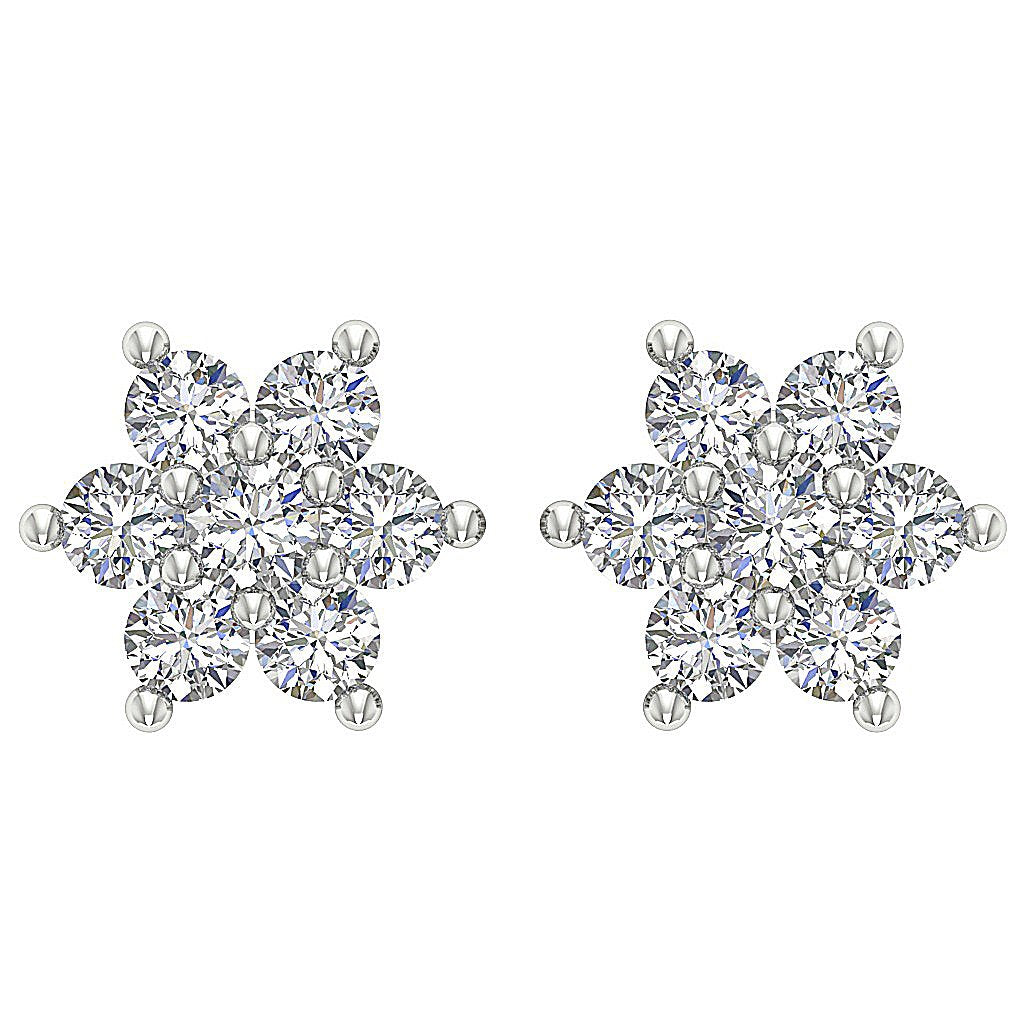
Metal choice also influences how easily a pair integrates with an existing jewellery collection. White gold offers a cool, understated finish that pairs naturally with platinum and other white metals. Yellow and rose gold bring greater warmth and can echo the tones of rings, watches, or other pieces worn regularly.
The most versatile pair is not necessarily the largest one. Proportion to the ear, lifestyle, and existing jewellery often matters more than carat weight alone.
Beyond the Solitaire of Diamond Stud Earrings
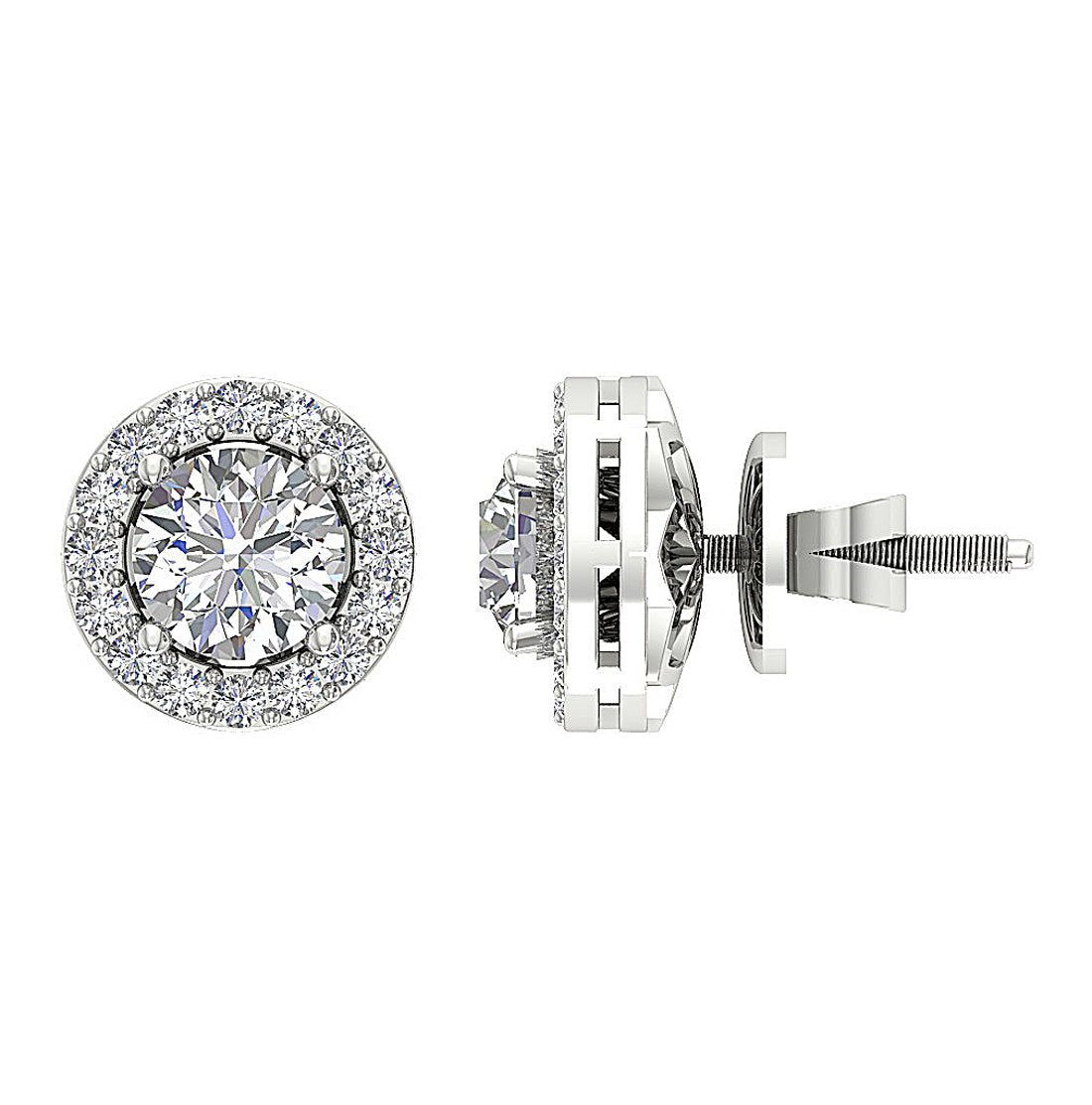
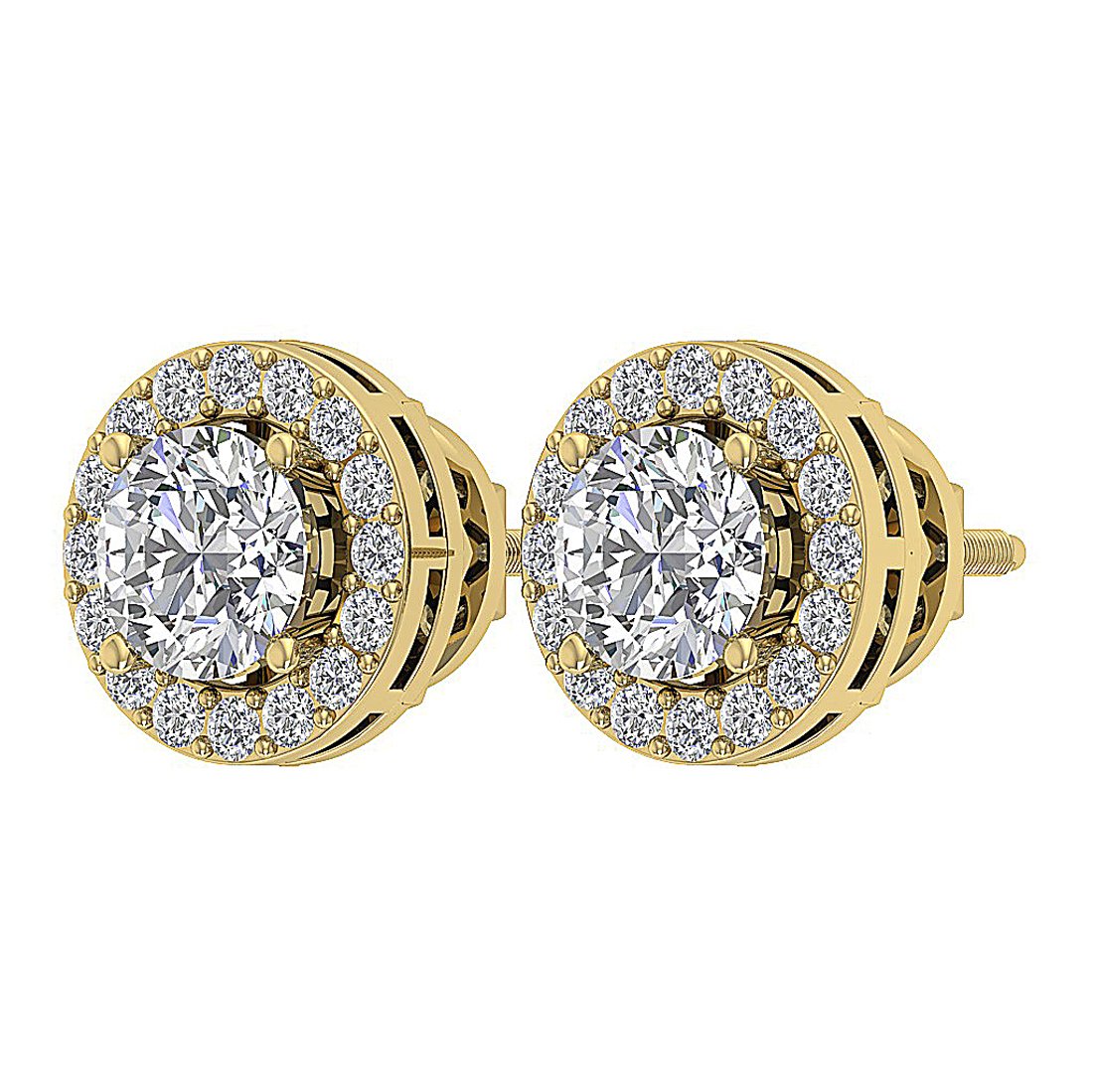
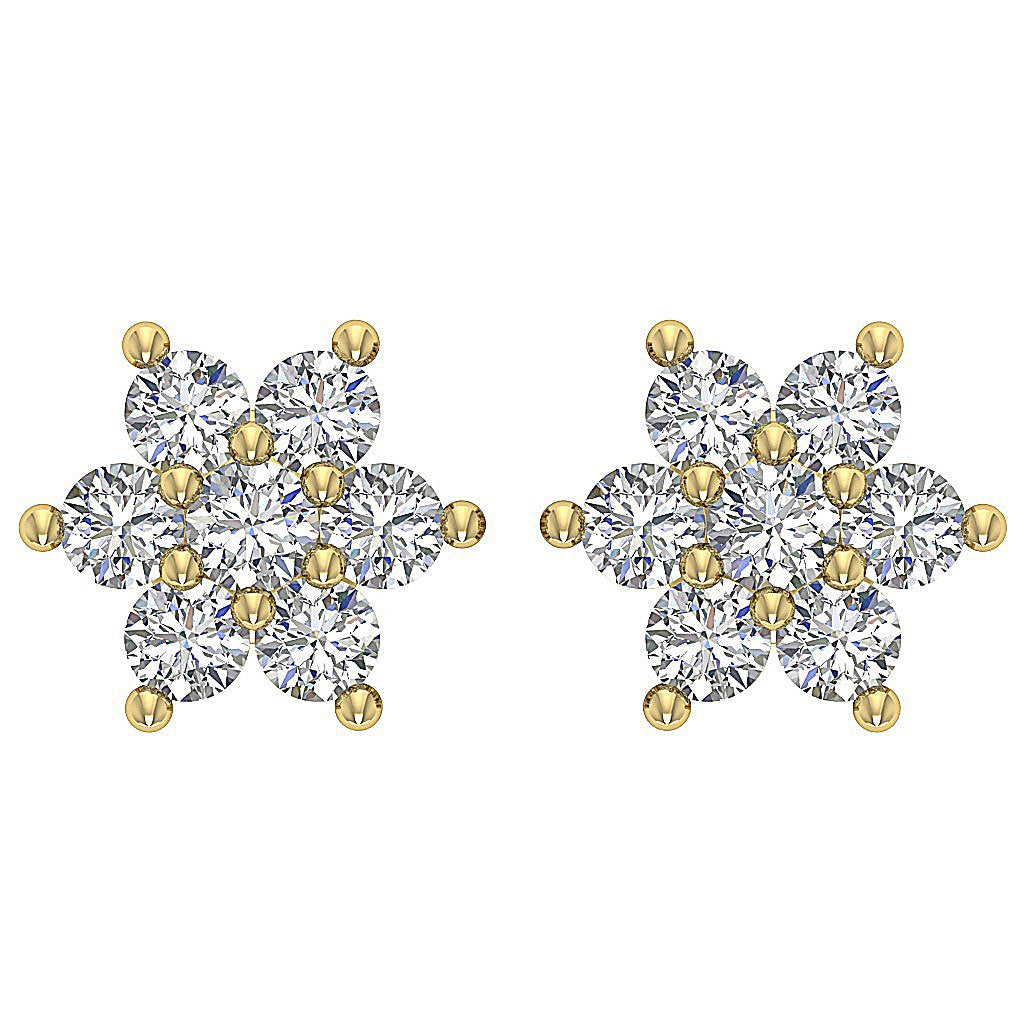
The traditional solitaire remains the defining diamond stud, but modern variations offer more ways to create presence without simply increasing the size of the centre stone. Halo studs surround a central diamond with smaller pavé-set stones, creating a broader visual footprint while using less total weight in the centre.
Removable jacket studs offer another level of versatility. A simple solitaire can be worn on its own for a quieter look, then paired with a detachable diamond jacket when more brilliance or visual volume is wanted. One pair can therefore move between understated daytime jewellery and a more pronounced evening style without requiring two separate purchases.
For anyone building a compact fine-jewellery collection, this adaptability can be particularly valuable. A well-proportioned pair with interchangeable elements can cover several occasions while maintaining the clean, timeless character that makes diamond studs so enduring.
Living With It: How to Care for Diamond Stud Earrings
Clean diamond studs every week or two with warm water, a drop of mild soap, and a soft-bristled brush. Pay particular attention to the underside of each stone, where skin oil, hair products, and skincare residue can accumulate without being immediately visible.
Remove studs before applying perfume, hairspray, or lotion directly around the ears. These products can leave a film over the diamond and reduce its brilliance over time.
Check screw backs periodically to ensure they remain properly secured, particularly on earrings worn every day. Store each pair in a divided jewellery case or its original box rather than loose with other pieces, since the posts and diamonds can scratch neighbouring jewellery.
Two diamonds, one timeless silhouette, and a versatility that makes them one of the most useful pieces in a fine-jewellery wardrobe.