Men's Solitaire Diamond Rings
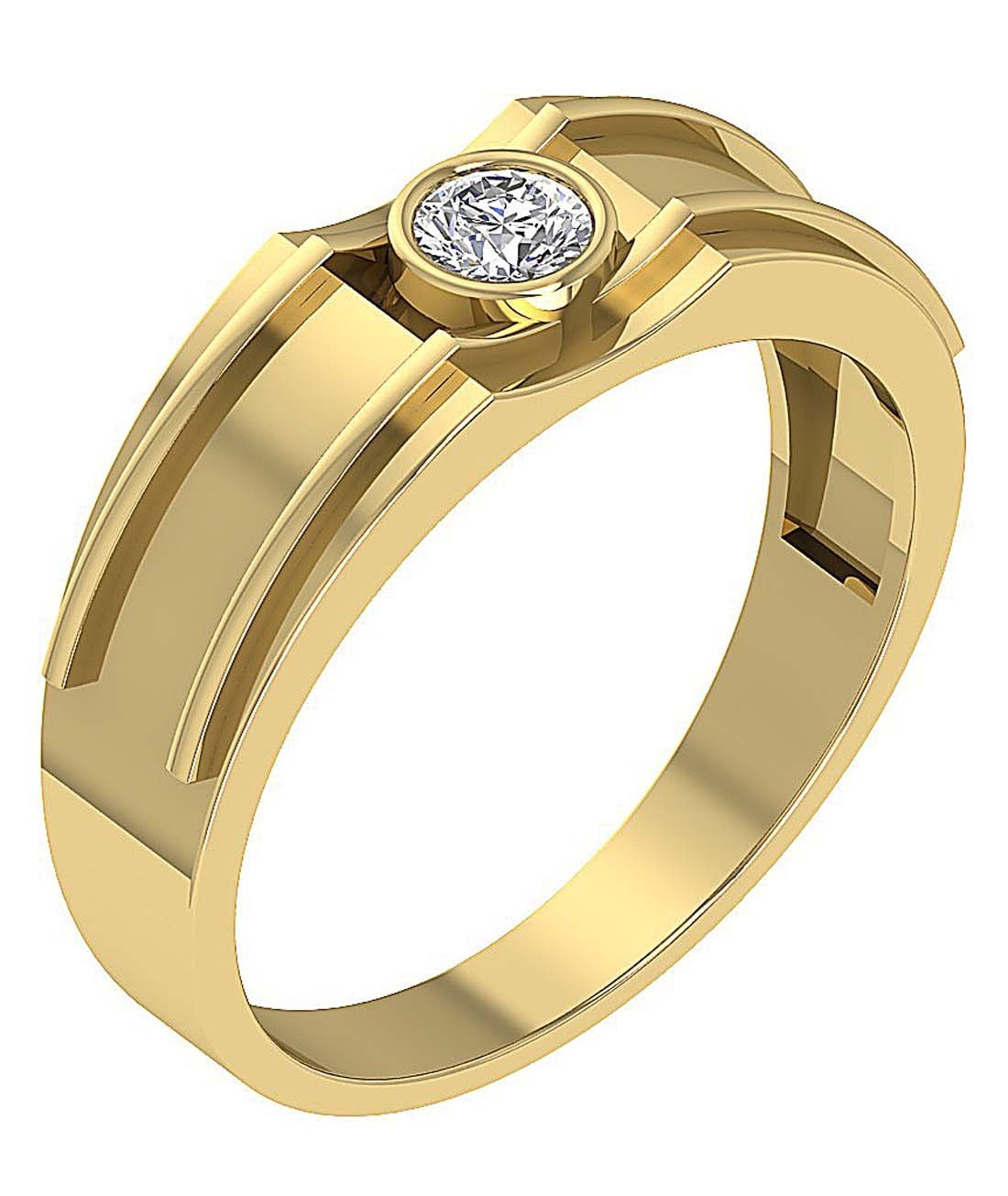
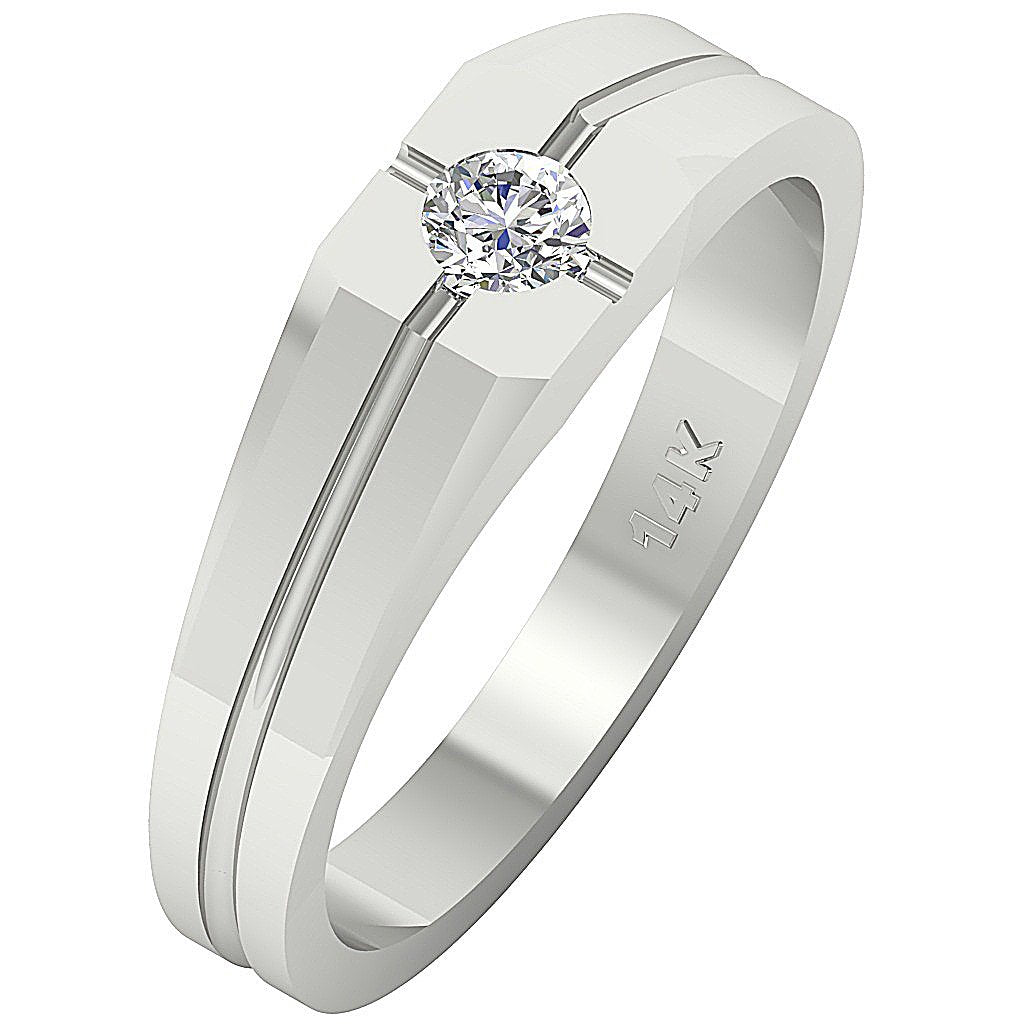
A solitaire diamond ring places one diamond at the centre of the design, allowing the stone to become the entire focal point. On a men's ring, that simplicity can take on a particularly strong character when combined with a substantial band, considered proportions and a distinctive gold finish.
Unlike a multi-stone design, a solitaire does not rely on several diamonds to create visual interest. Everything from the setting and band profile to the diamond's cut and size contributes to how the single stone appears.
What Makes a Men's Solitaire Ring Different?
The defining feature of a solitaire ring is its single centre diamond.
Because there are no surrounding stones competing for attention, the eye naturally moves toward the diamond. This makes the stone's proportions, cut and setting particularly important to the overall appearance of the ring.
The band provides the visual foundation. A slim band can make the diamond appear more prominent, while a broader band creates a stronger contrast and gives the ring a more substantial presence.
For men who prefer jewellery with a clear focal point rather than multiple decorative elements, the solitaire format offers a straightforward way to wear a diamond.
Choosing the Right Diamond Shape, Size, Setting, and Brand Profile
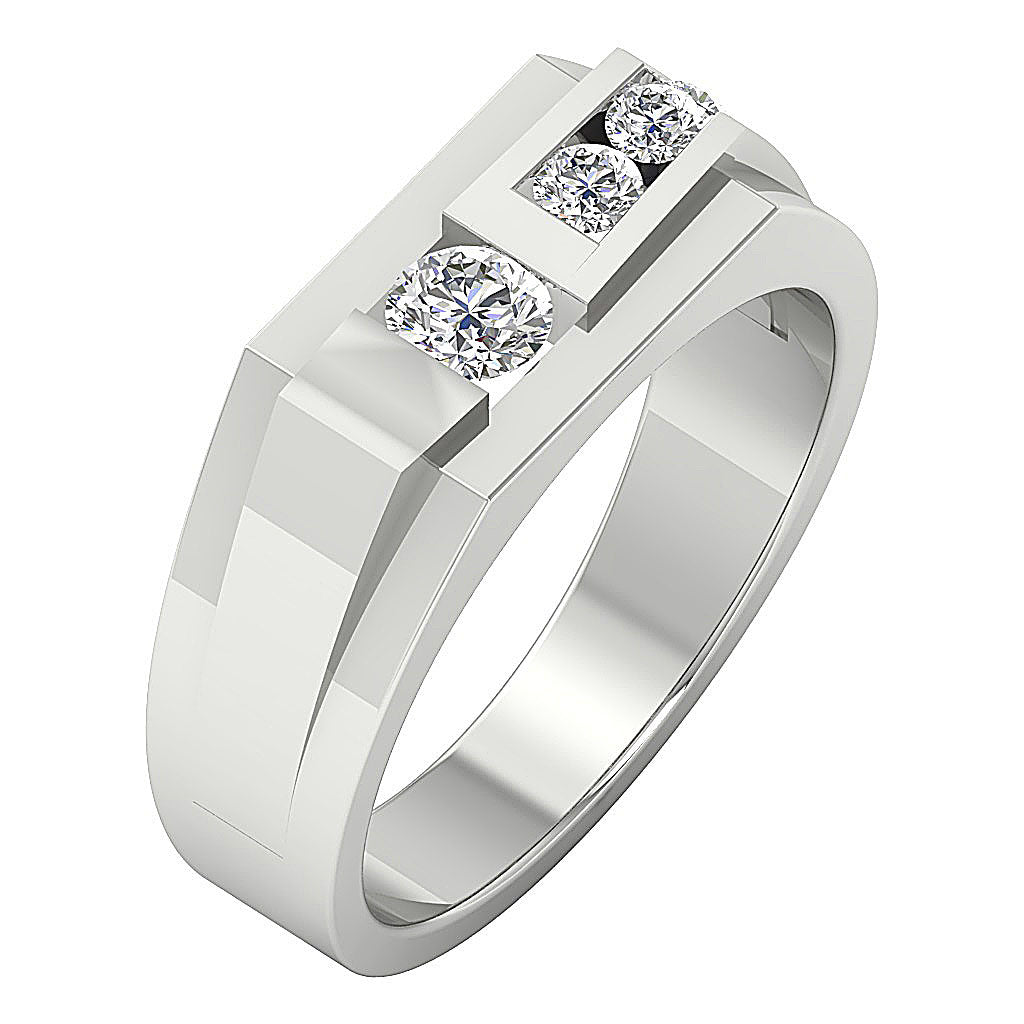
Round diamonds create a familiar, balanced appearance and allow the solitaire format to remain visually clean. Elongated diamonds can create greater visual length across the finger, while angular shapes can give the ring a more architectural appearance.
A smaller solitaire can create a refined, understated appearance. It can work well for someone who wants the presence of a diamond without making it the dominant feature of the hand. A larger diamond creates greater visual impact and becomes the unmistakable focal point of the ring.
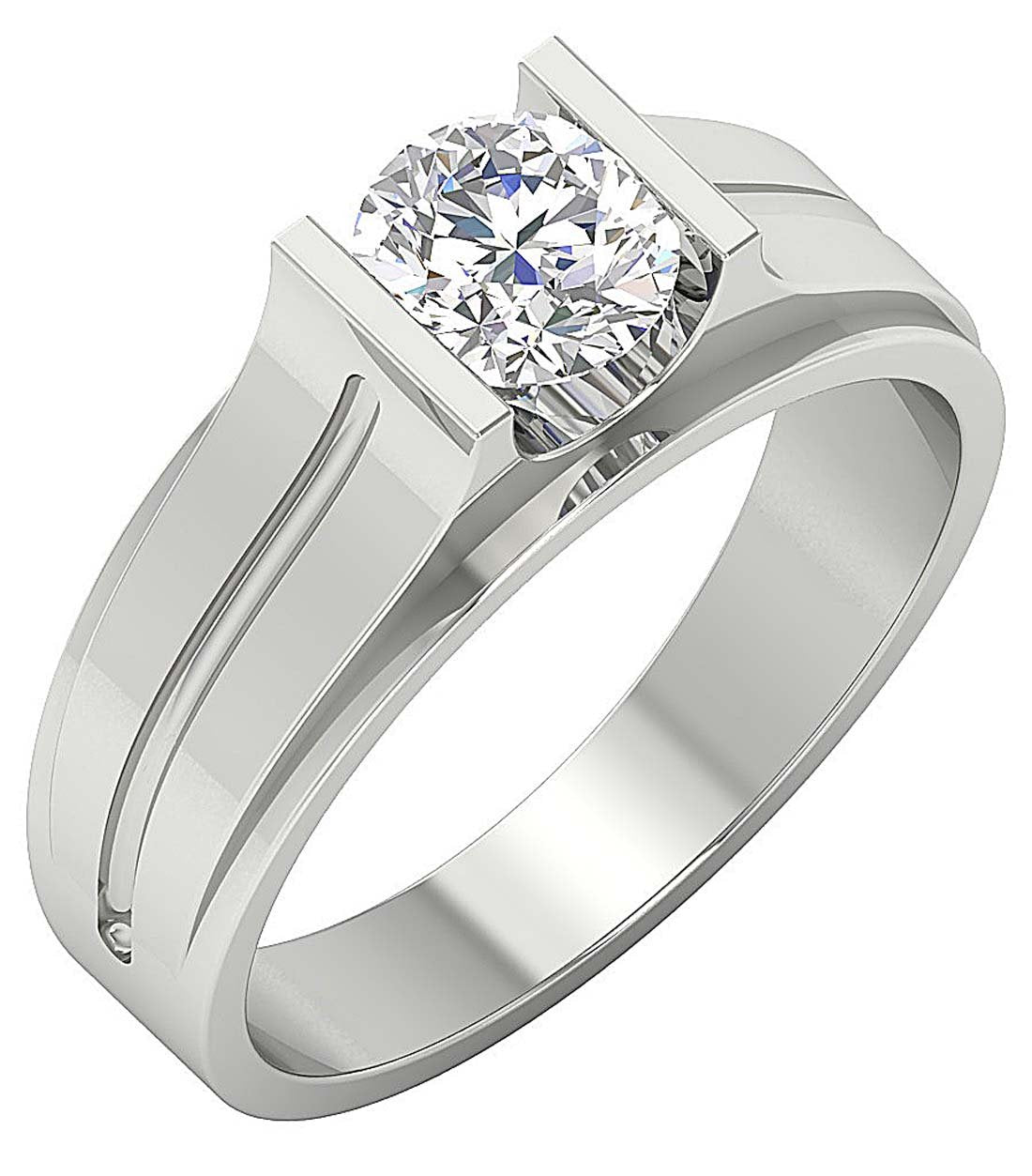
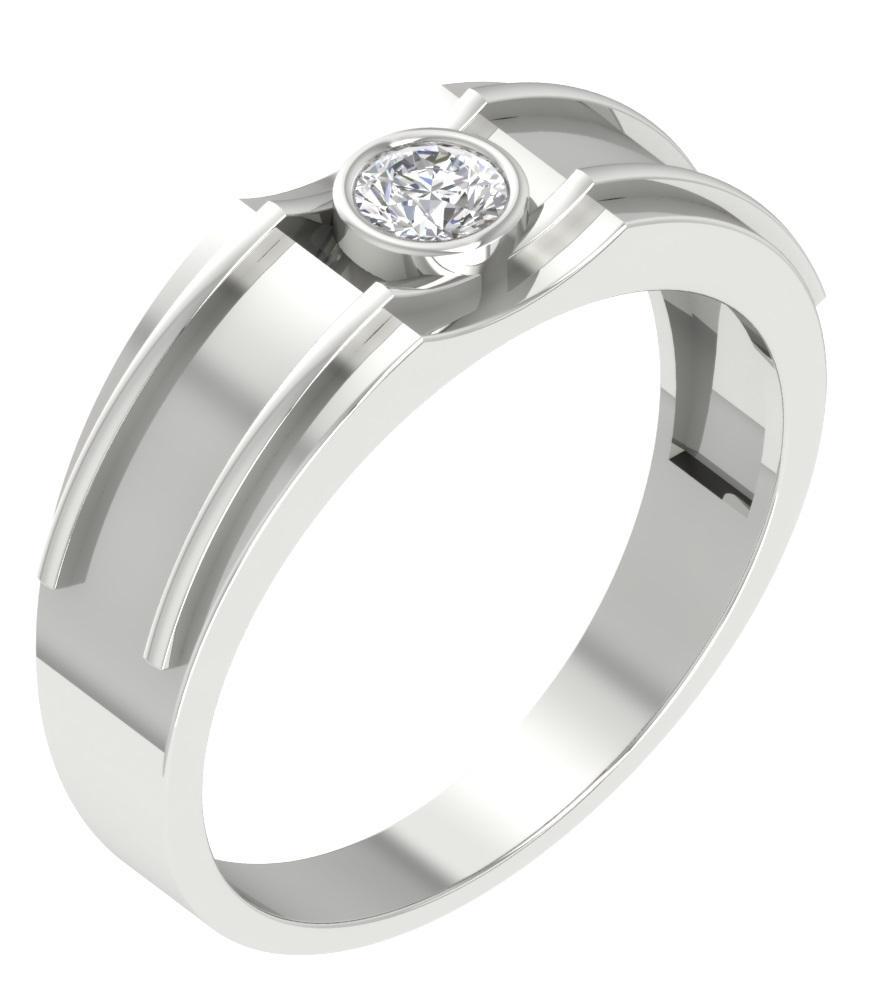
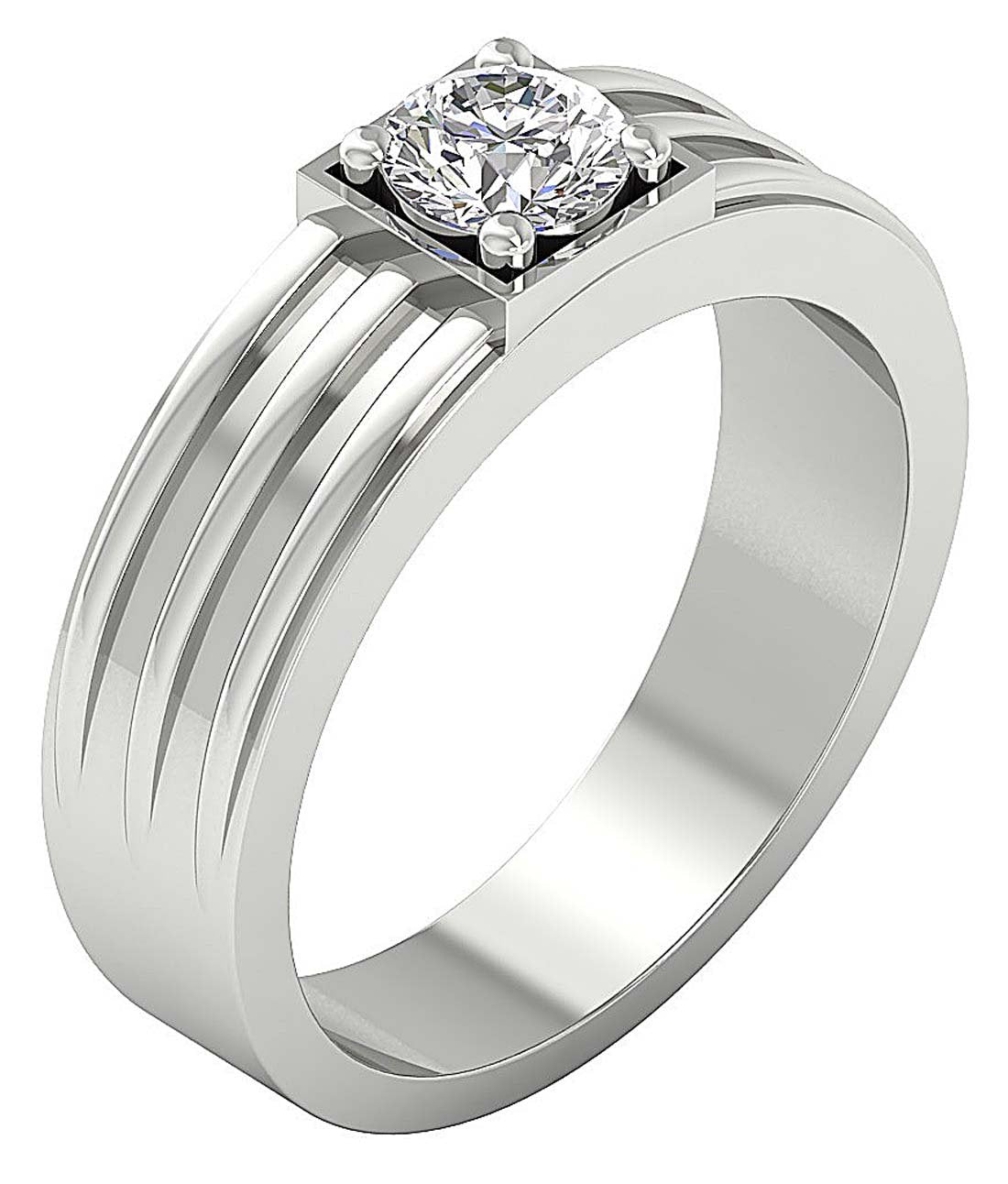
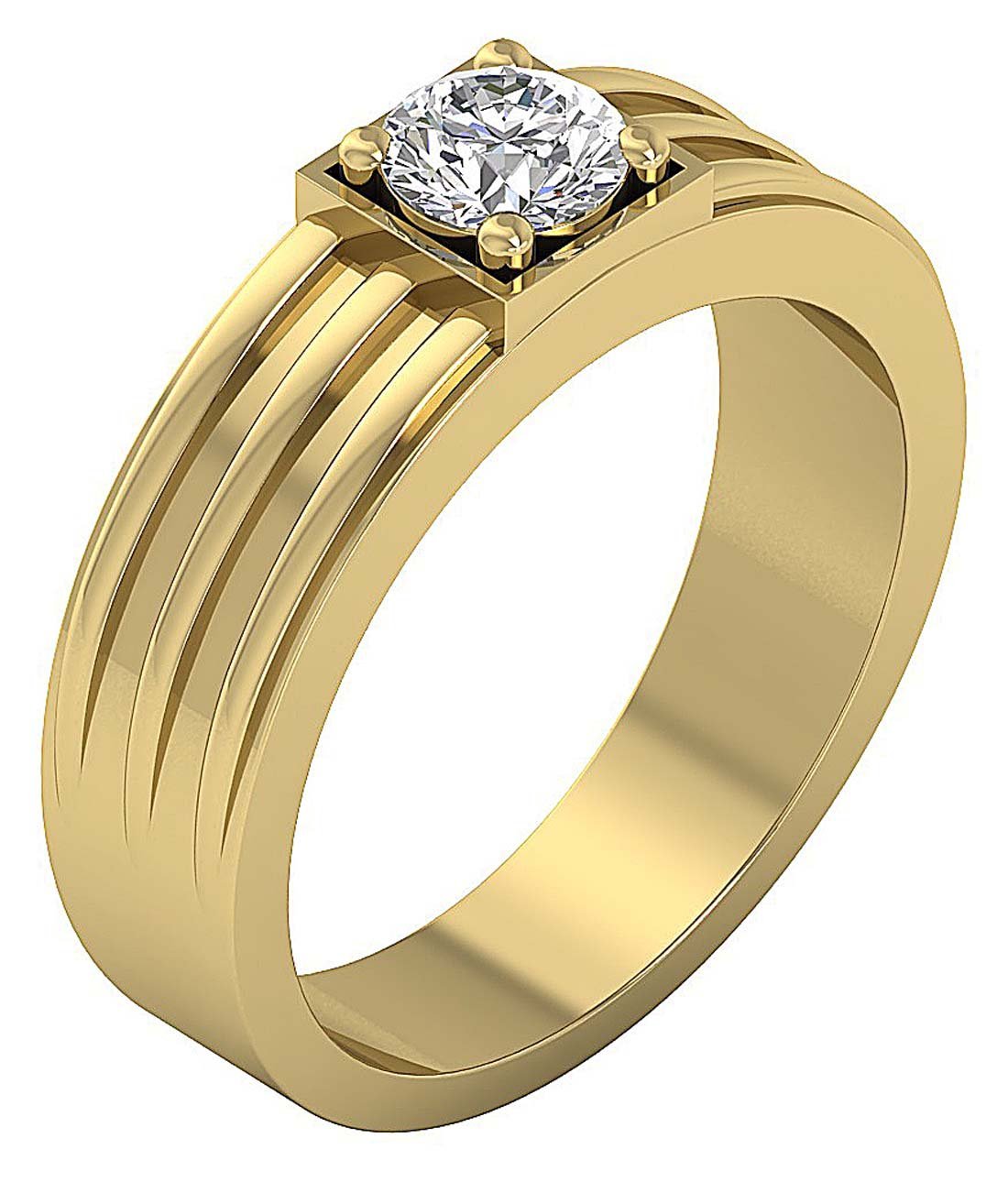
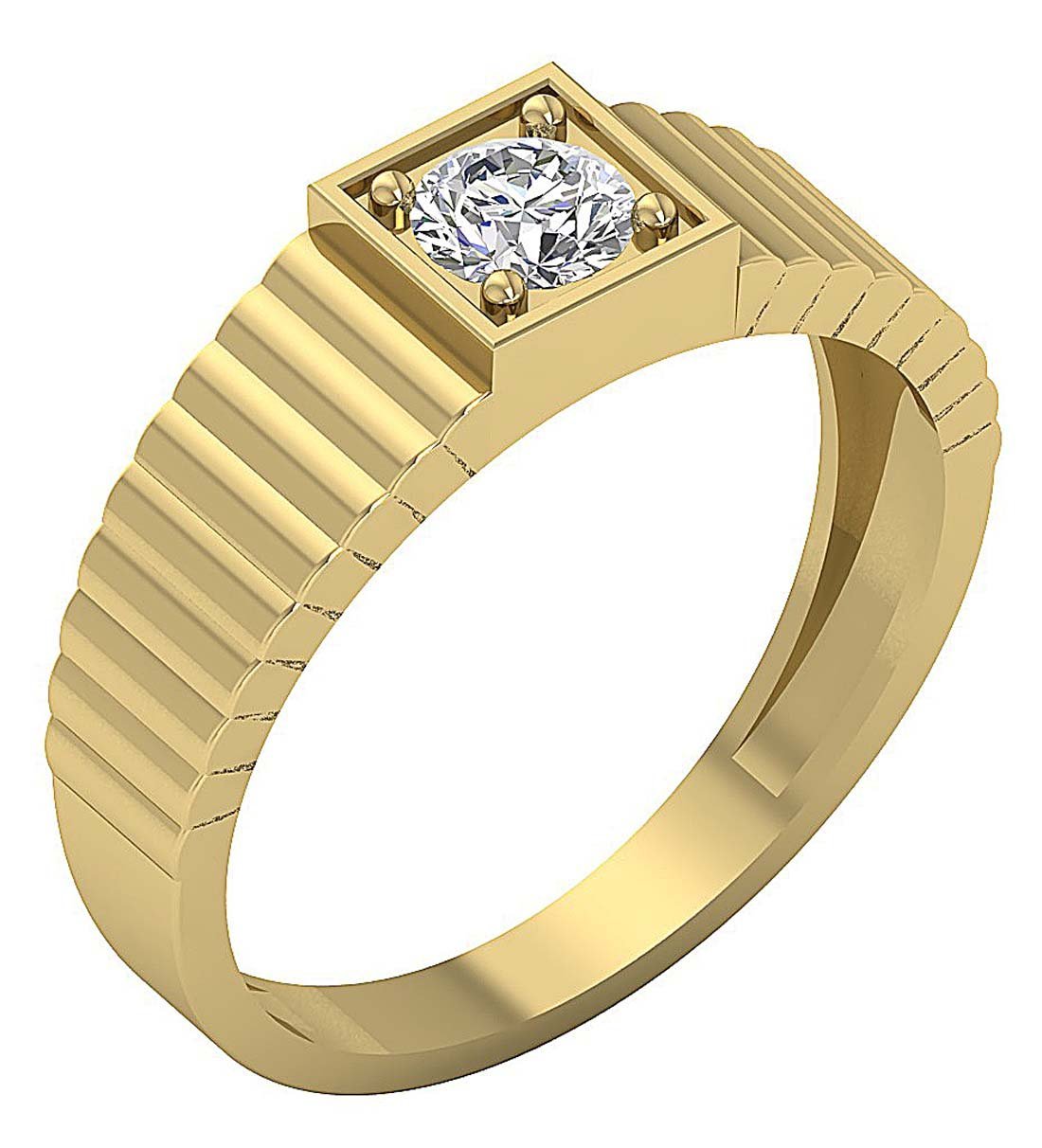
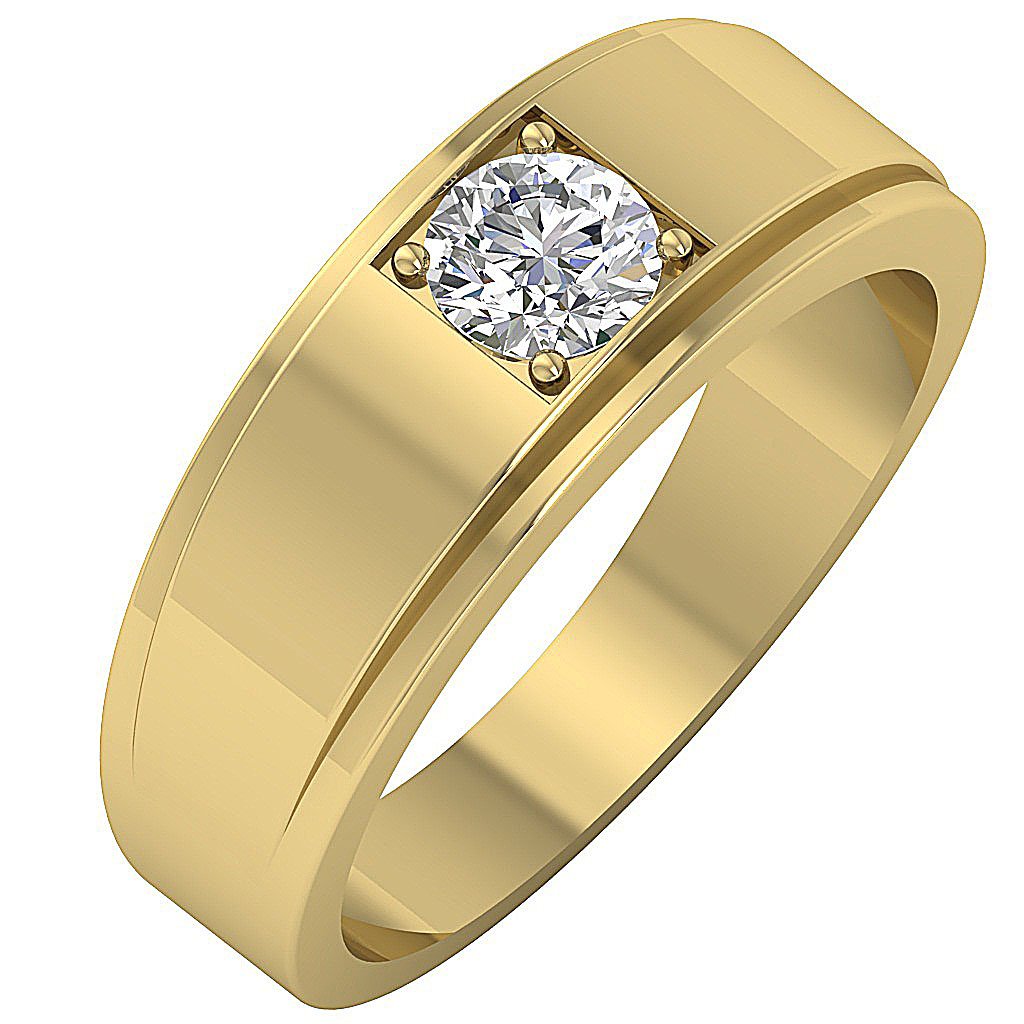
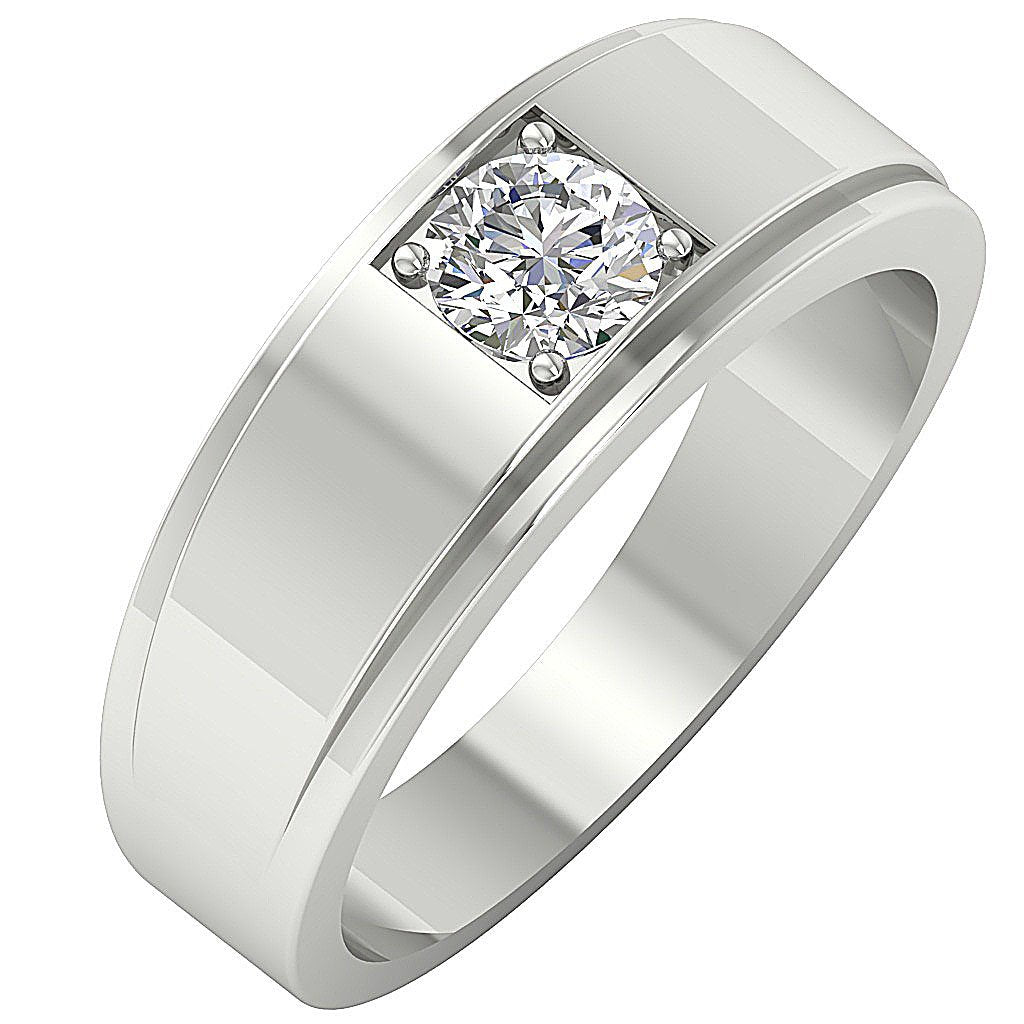
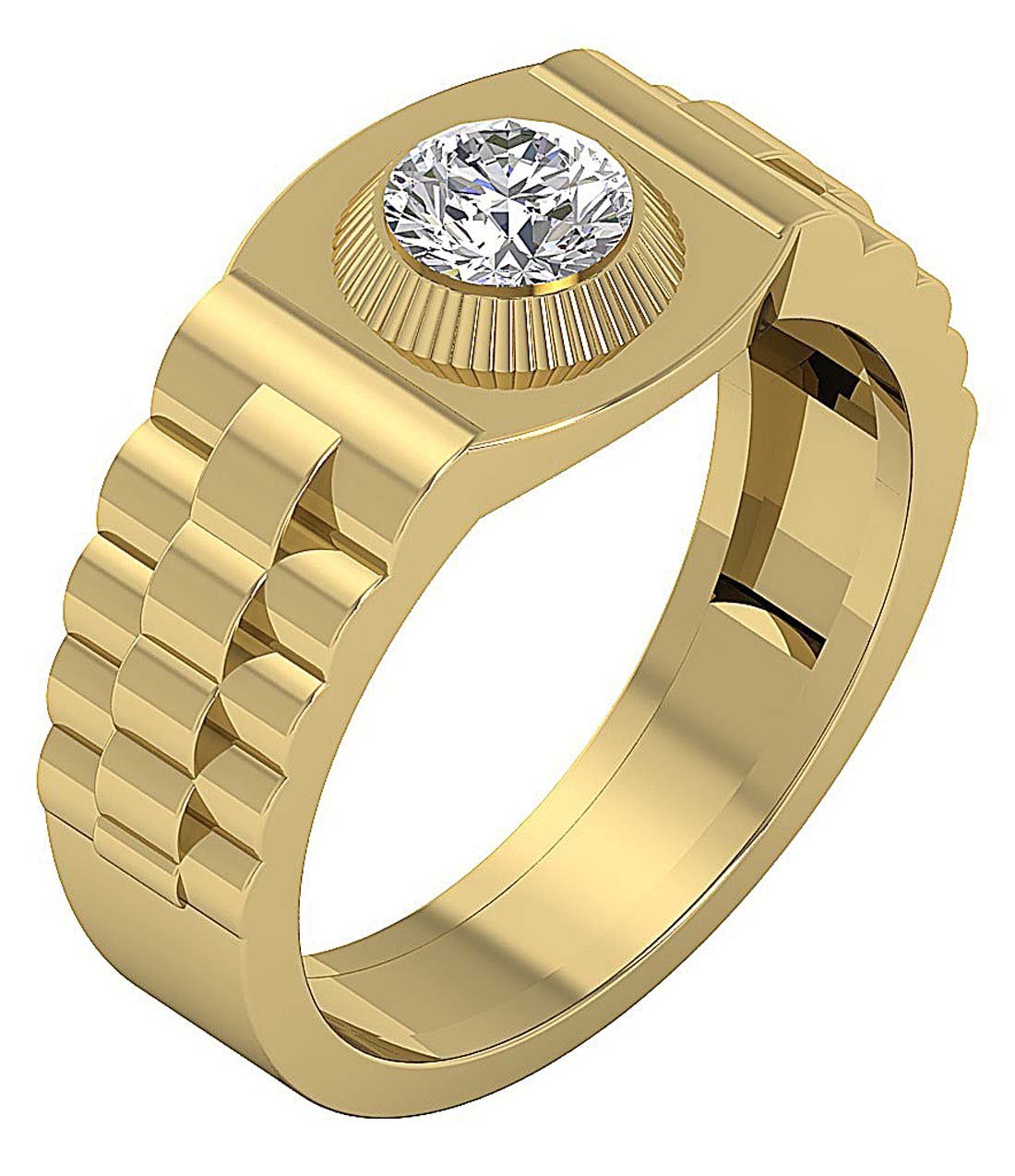
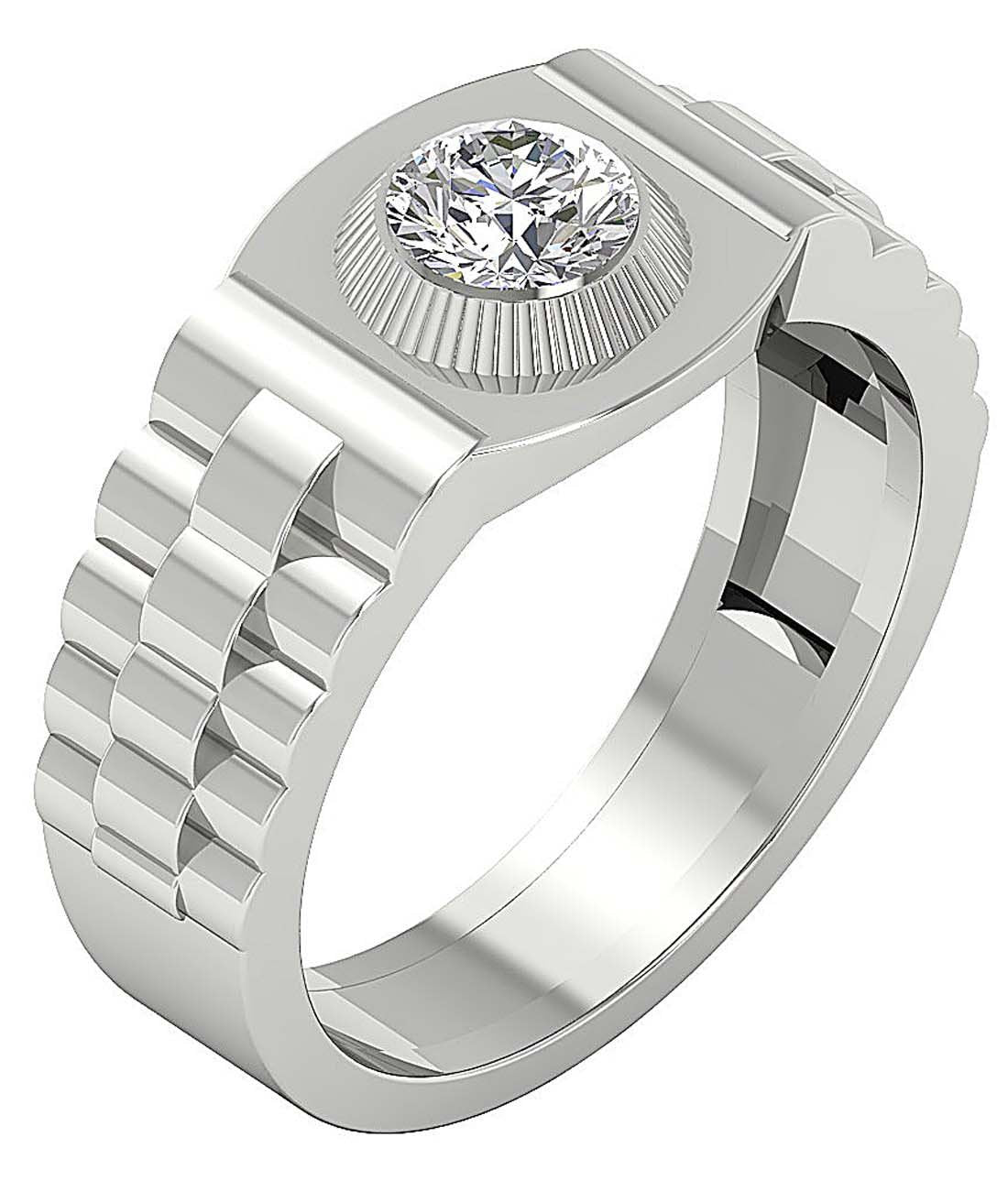
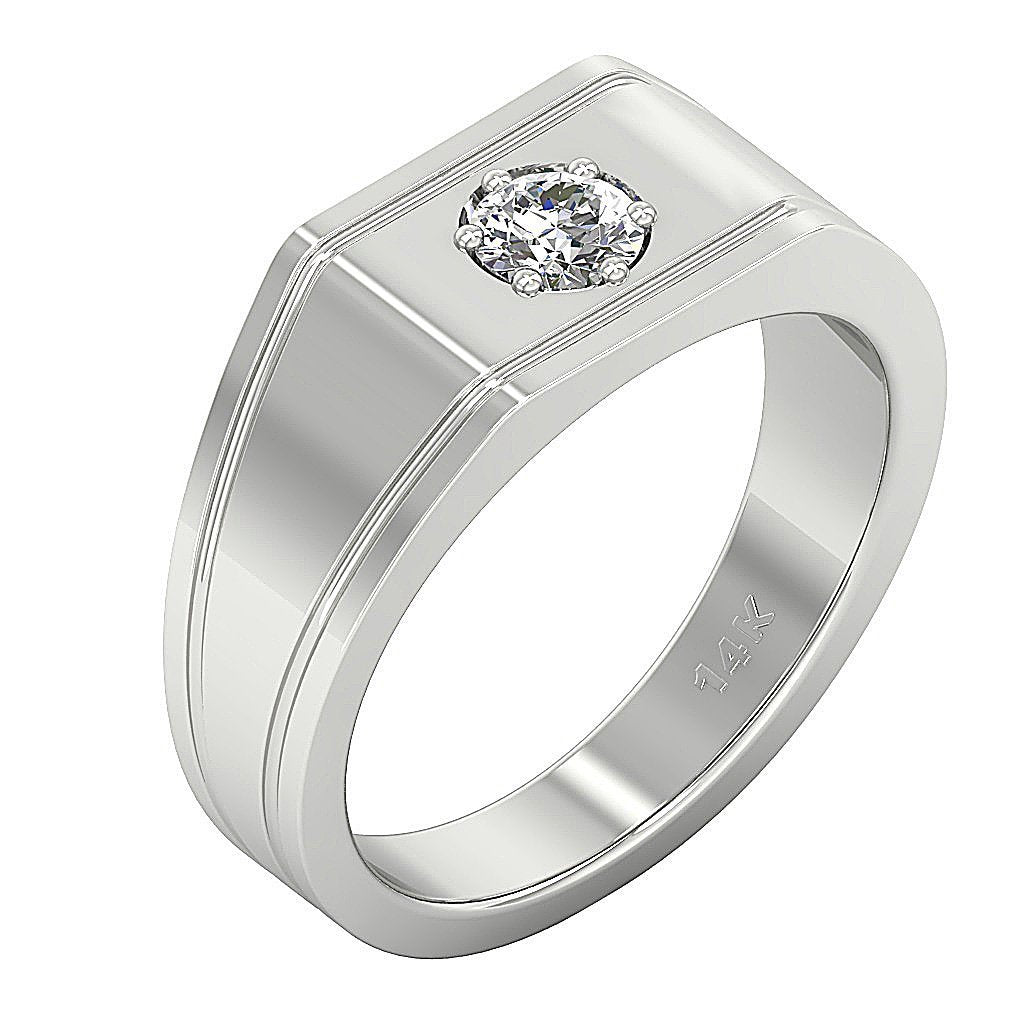
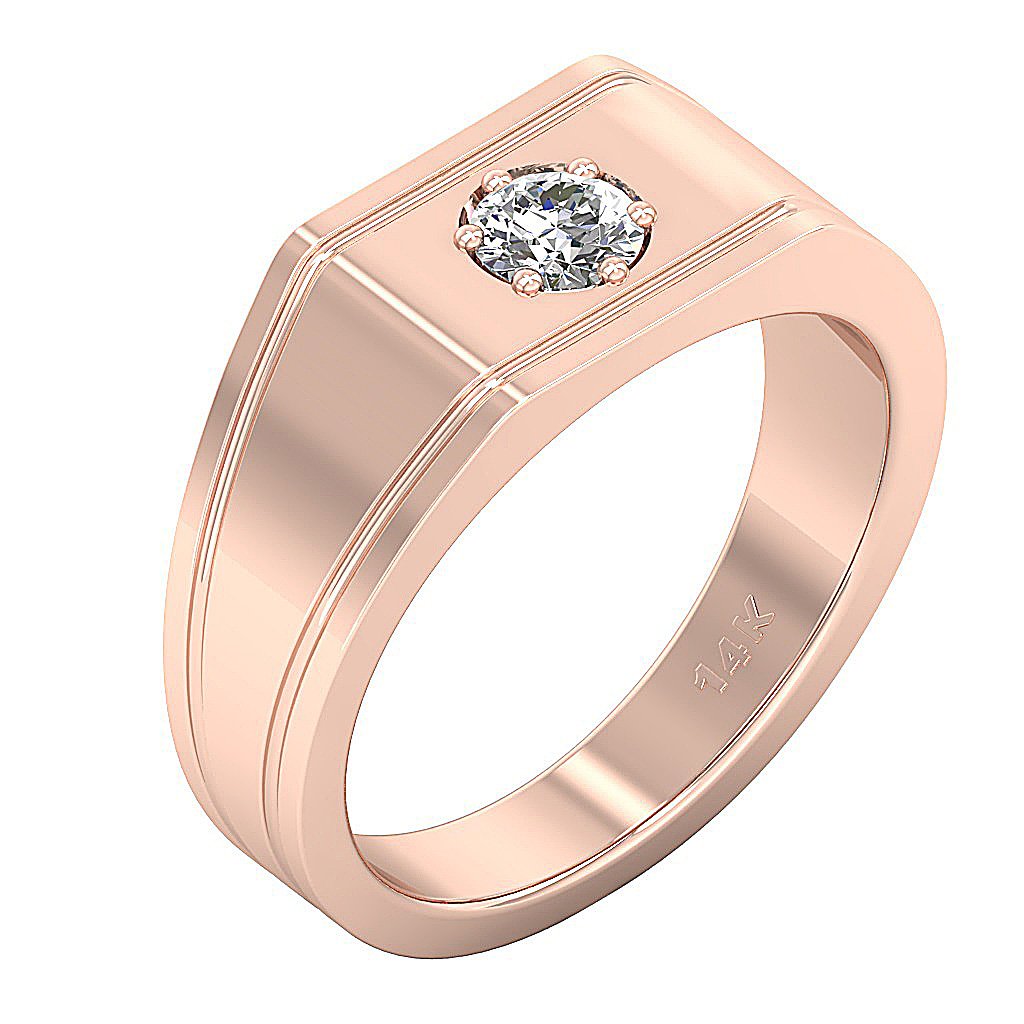
The setting determines how the diamond is held and how prominently it sits above the band. Prong settings create a classic solitaire appearance while keeping the metal around the stone relatively restrained. Bezel settings are particularly appealing for men who prefer a streamlined appearance suited to frequent wear.
A higher setting gives the diamond greater visual prominence but may also make it more exposed to everyday contact. A lower-profile setting can feel more practical while keeping the diamond closer to the finger.
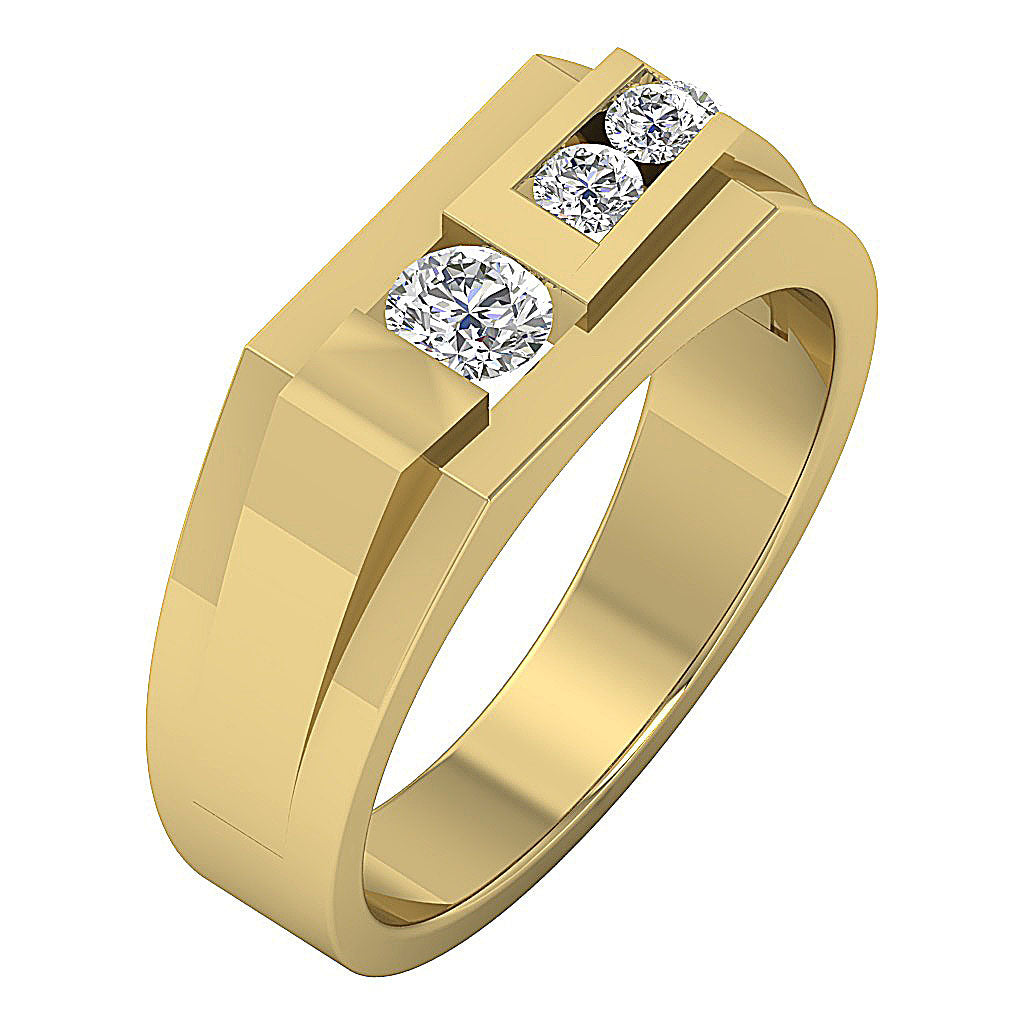
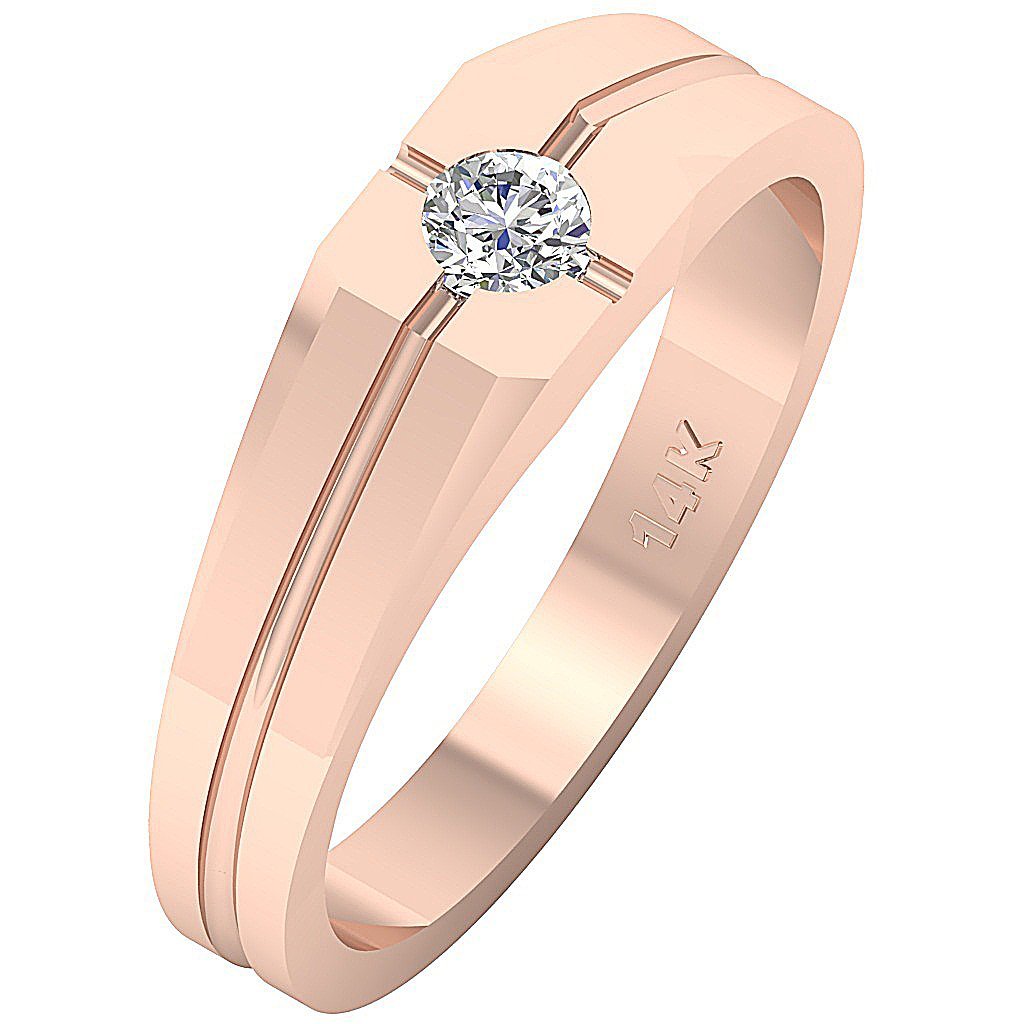
A rounded profile creates a softer and more traditional appearance, while a flat or angular profile can give the ring a more contemporary feel. A wider band provides greater visual weight and can balance a substantial centre diamond particularly well. A narrower band shifts more attention toward the stone itself.
The interior profile also matters for comfort. A comfort-fit design can create a smoother transition between the finger and the inside of the ring, which may be particularly useful for a ring intended for regular wear.
Choosing the Gold Colour for Men’s Solitaire Rings
Gold colour can change the relationship between the diamond and the band.
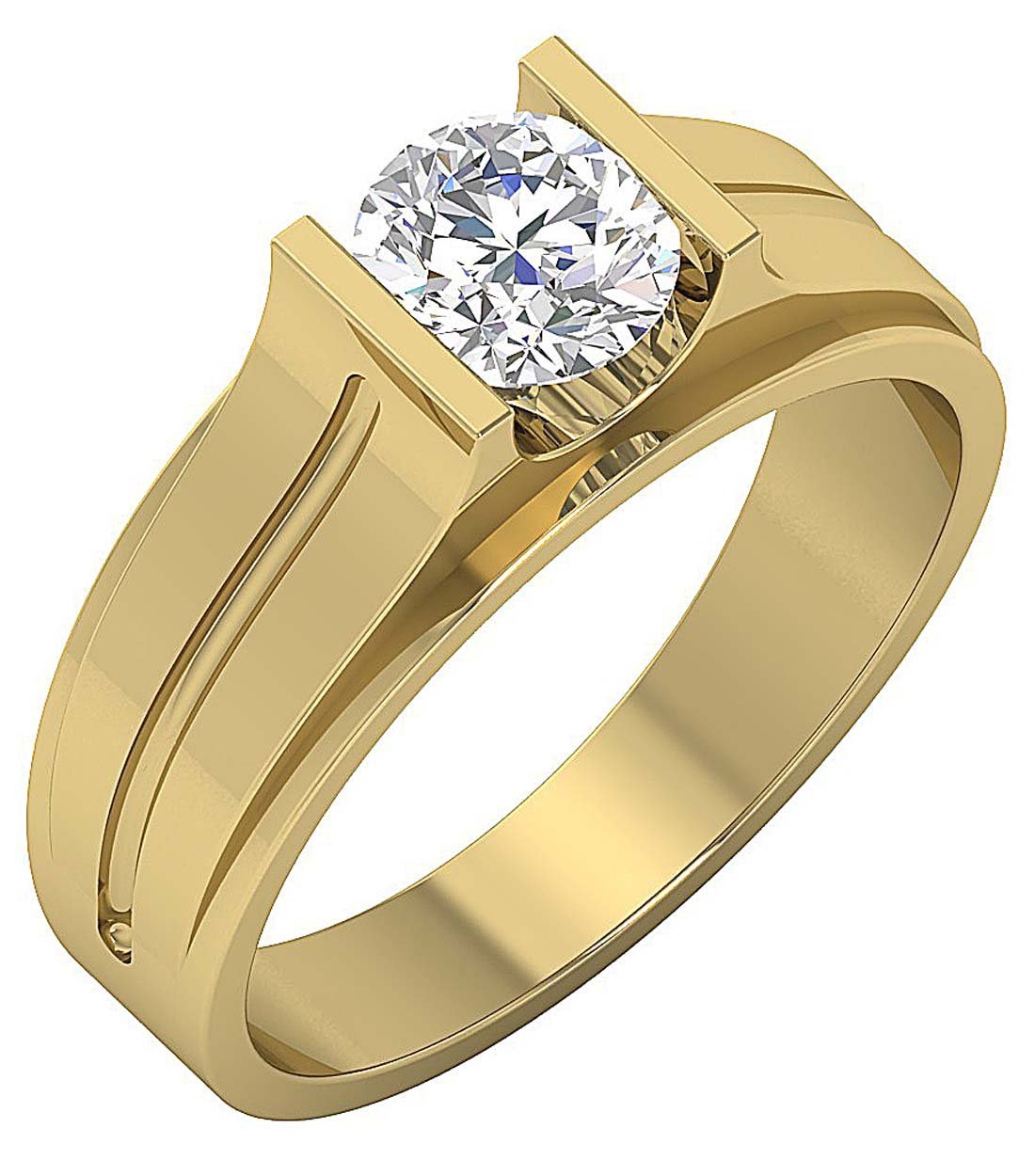
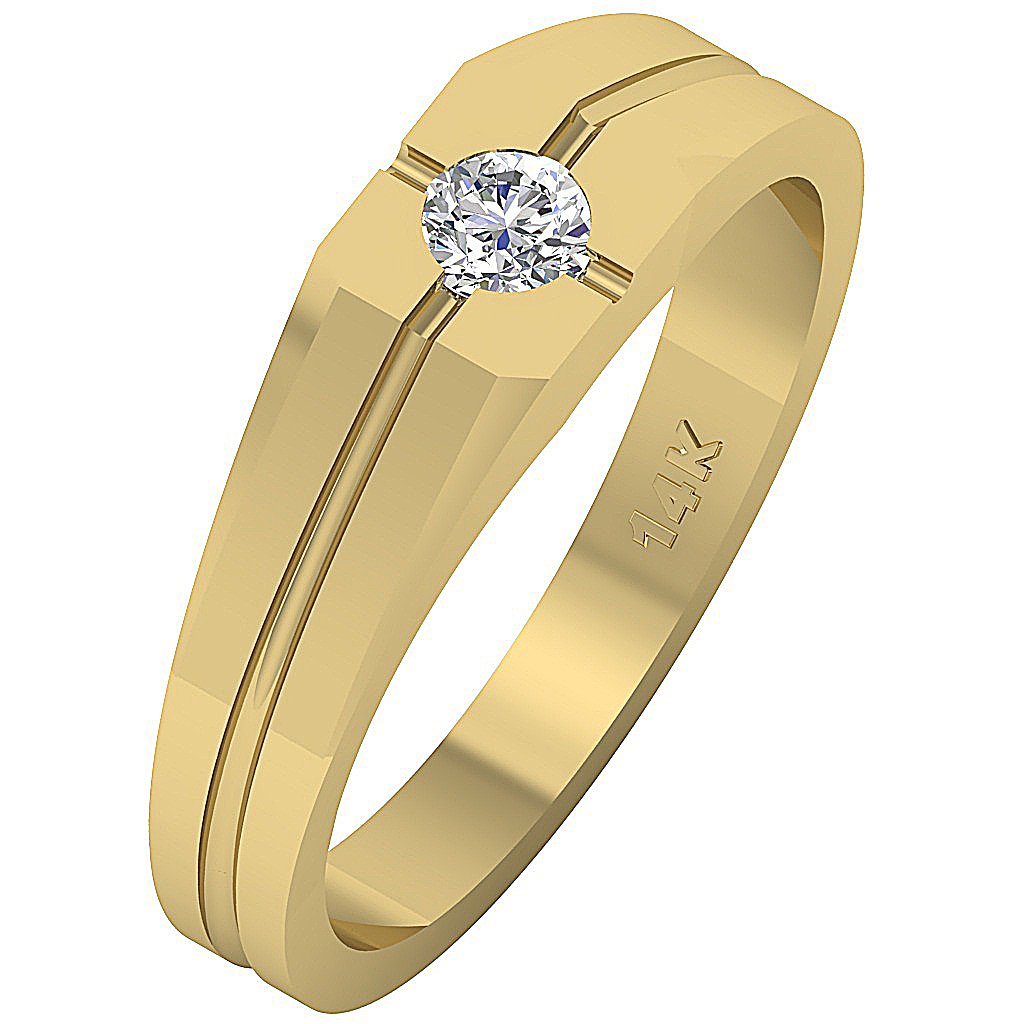
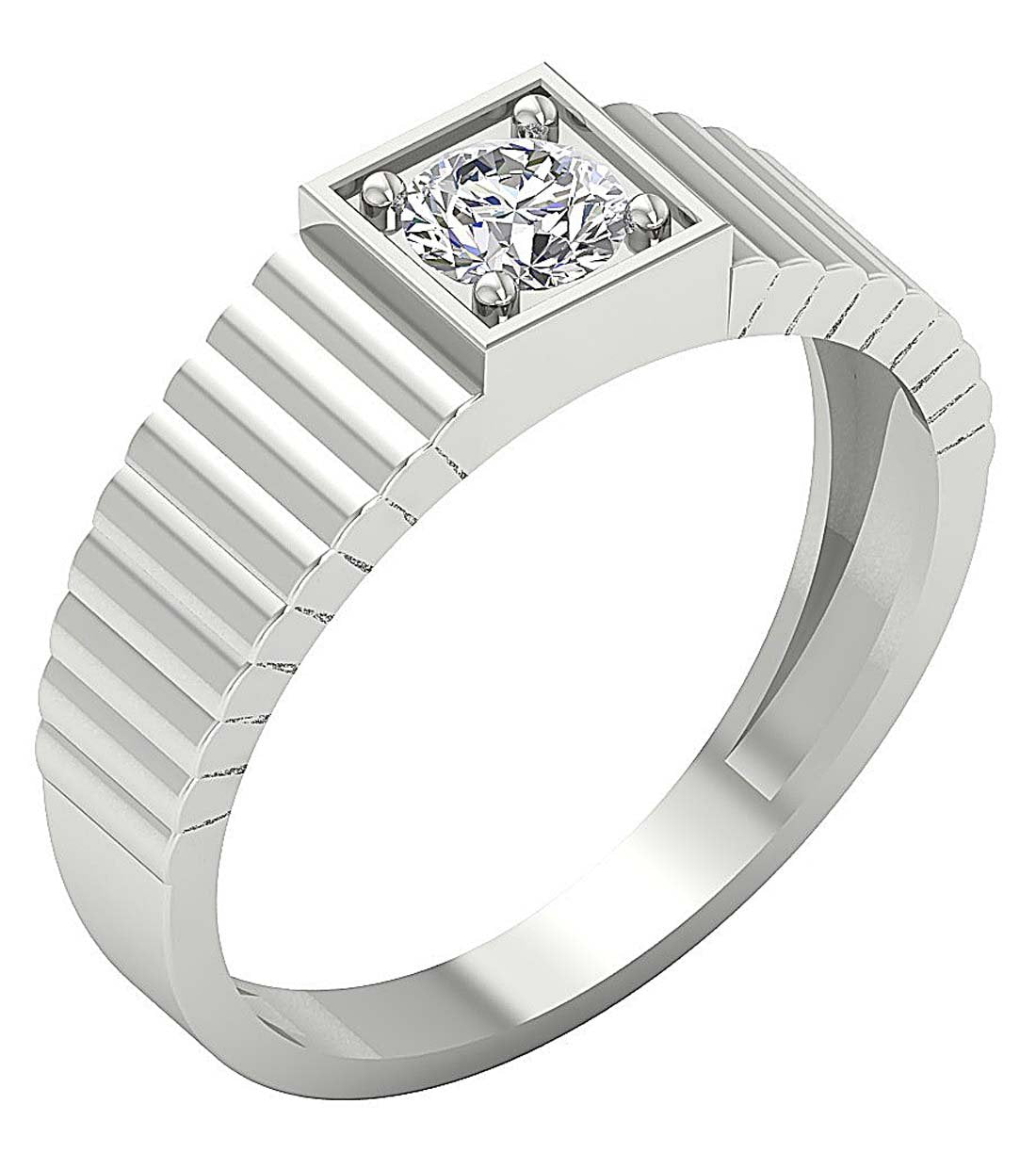
White gold provides a cooler backdrop and allows a white diamond to blend into the setting for a clean, contemporary appearance. Yellow gold creates stronger contrast, while giving the ring a classic fine-jewellery character. Rose gold introduces another layer of warmth and can make the solitaire feel less conventional.
Consider existing jewellery when making the choice. Matching the metal with a watch, bracelet or other rings can create continuity, while a contrasting metal can make the solitaire stand apart.
Choosing Between Natural and Lab-Grown Diamonds
Men's solitaire rings can feature either natural or lab-grown diamonds, allowing buyers to make the choice according to origin, budget and personal preference.
Natural diamonds appeal to those who value geological origin and rarity. Lab-grown diamonds offer another option for buyers who want to direct more of their budget toward diamond size, colour, clarity or other characteristics.
Because the solitaire has only one diamond, evaluating that individual stone becomes especially important.
Styling a Men's Solitaire Diamond Ring
The simplicity of a solitaire allows it to work with a wide range of personal styles.
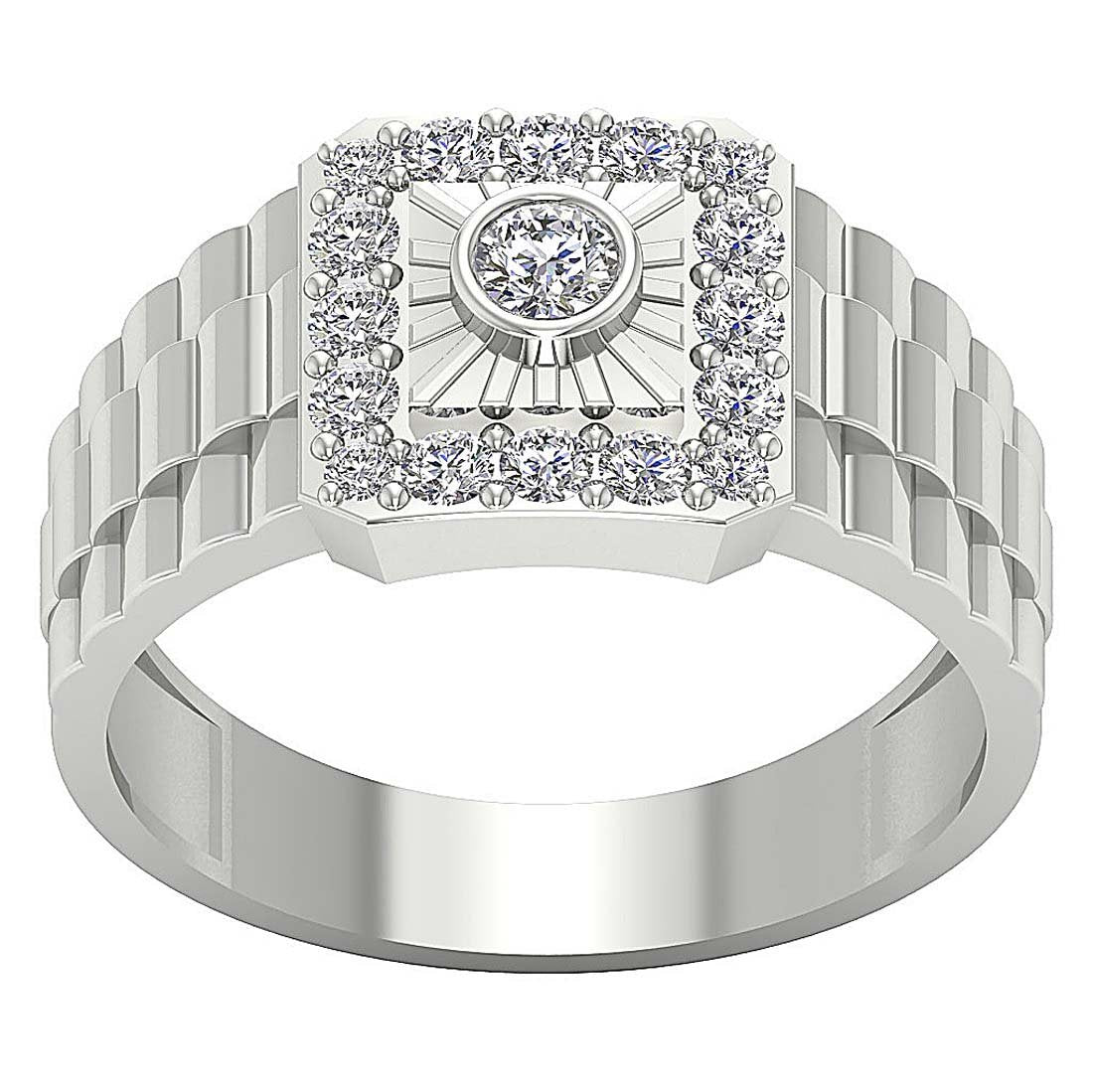
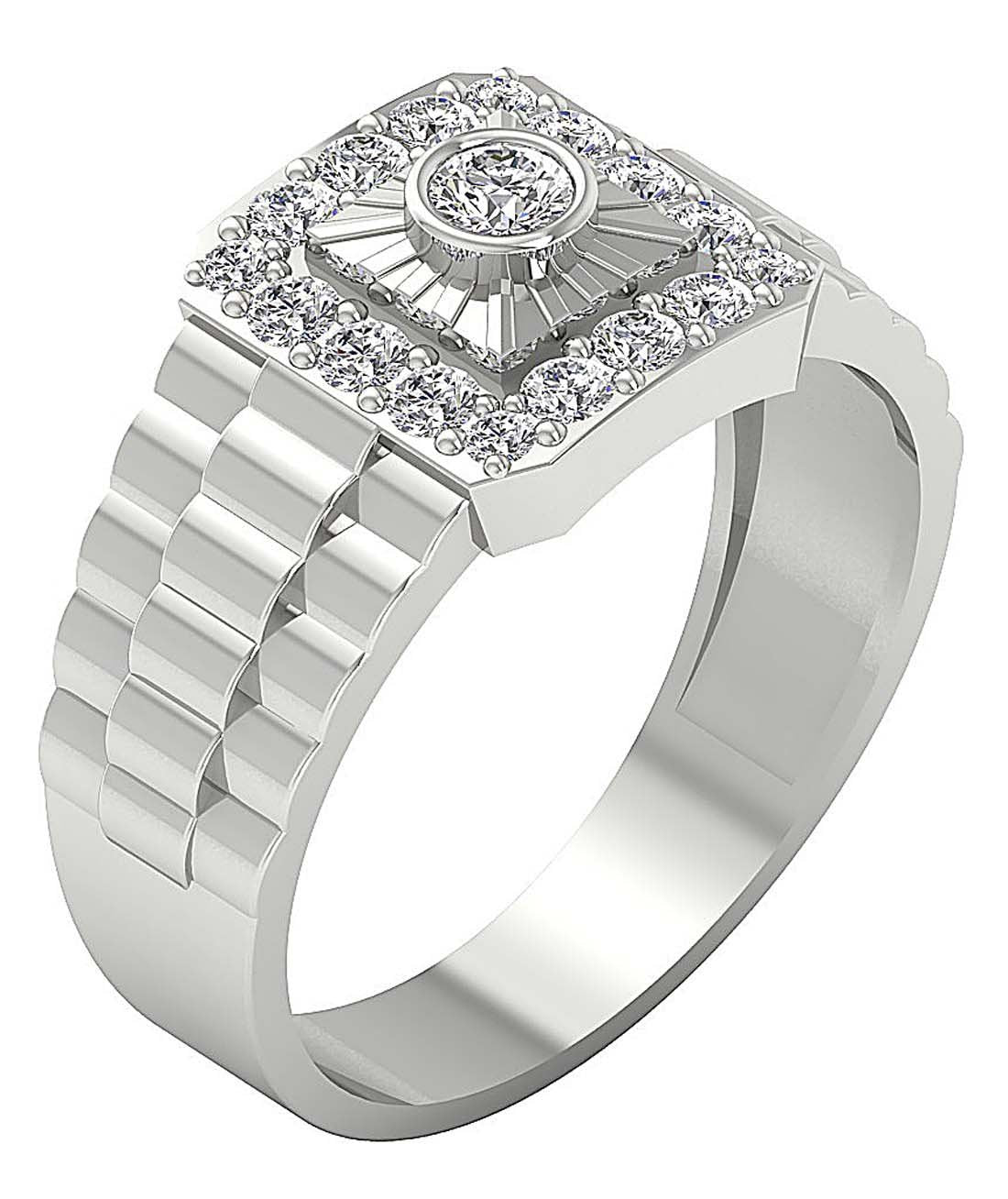
Worn alone, the single diamond becomes the clear focal point. This can create a particularly clean appearance when paired with understated clothing and minimal additional jewellery. The ring can also be worn alongside a wedding band. A plain gold band can provide contrast, while a subtly textured or diamond-accented band can create a more layered combination.
A watch or bracelet can complete the look without competing directly with the diamond. Matching the gold colour creates a coordinated appearance, while mixed metals offer a more contemporary approach.
For a ring worn daily, a lower-profile setting can reduce exposure to accidental knocks and catching, while a more elevated diamond creates greater visual prominence at the expense of some practicality. The band should also be comfortable enough for extended wear.
Balancing Diamond and Band Proportions
The relationship between the centre diamond and band is one of the most important considerations when choosing a men's solitaire.
A large diamond on a very narrow band can create a highly stone-focused appearance, while a substantial band can give the same diamond a more grounded and masculine presence.
The height of the setting matters as well. A prominent diamond may need sufficient structural support without appearing disproportionately elevated above the finger.
Think about the ring as a complete composition. Diamond size, band width, setting height and gold colour should work together rather than being selected independently.
Living With It: Caring for a Men's Solitaire Diamond Ring
Clean a solitaire ring with warm water, mild soap and a soft-bristled brush. Pay particular attention to the underside of the diamond, where oils and everyday residue can accumulate.
Inspect the prongs or bezel periodically for signs of wear. With only one centre diamond, any movement in the setting deserves attention rather than being overlooked.
Check the band for scratches, dents or changes in shape, particularly if the ring is worn during activities involving frequent contact with hard surfaces. A jeweller can inspect the diamond setting periodically and confirm that the stone remains secure.
When the ring is removed, store it separately from other jewellery to minimise scratching and accidental impact.
One diamond, one clear focal point and a band designed to give the stone the right amount of presence. A men's solitaire can be restrained, distinctive or substantial, but its appeal begins with simplicity.