Emerald Cut Engagement Ring
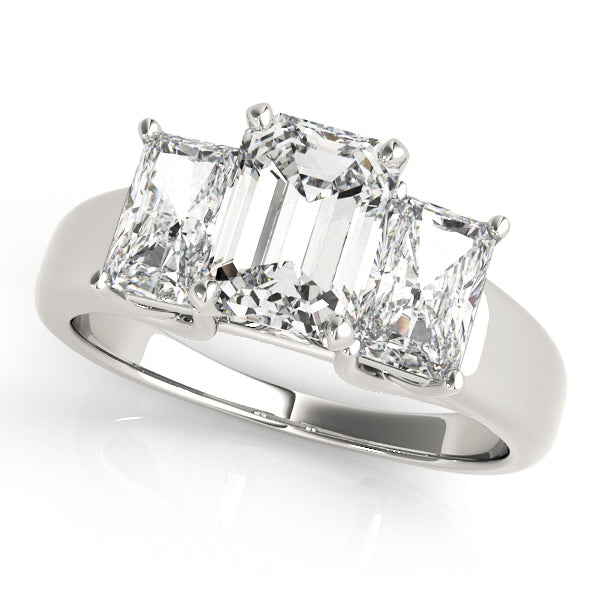
An emerald cut diamond has a quieter relationship with light, using long, parallel step facets to create broad reflections rather than brilliant flashes. The effect is architectural, often likened to a hall of mirrors, drawing the eye through the stone’s open table.
Its appeal lies in restraint: clarity, subtle flashes, and an elongated silhouette that lends graceful presence without excess ornament. Rooted in the geometric elegance of the Art Deco era, the emerald cut still feels precise, composed, and deliberately understated. It is a natural choice for those drawn to considered design over conventional brilliance.
How Emerald Cut Rings Are Designed
Diamond for Good's emerald cut centre stones are selected with clarity as a leading consideration. The shape's large, open facets reveal the interior of the diamond more readily than the smaller, more complex facets of a brilliant cut, making inclusions easier to see.
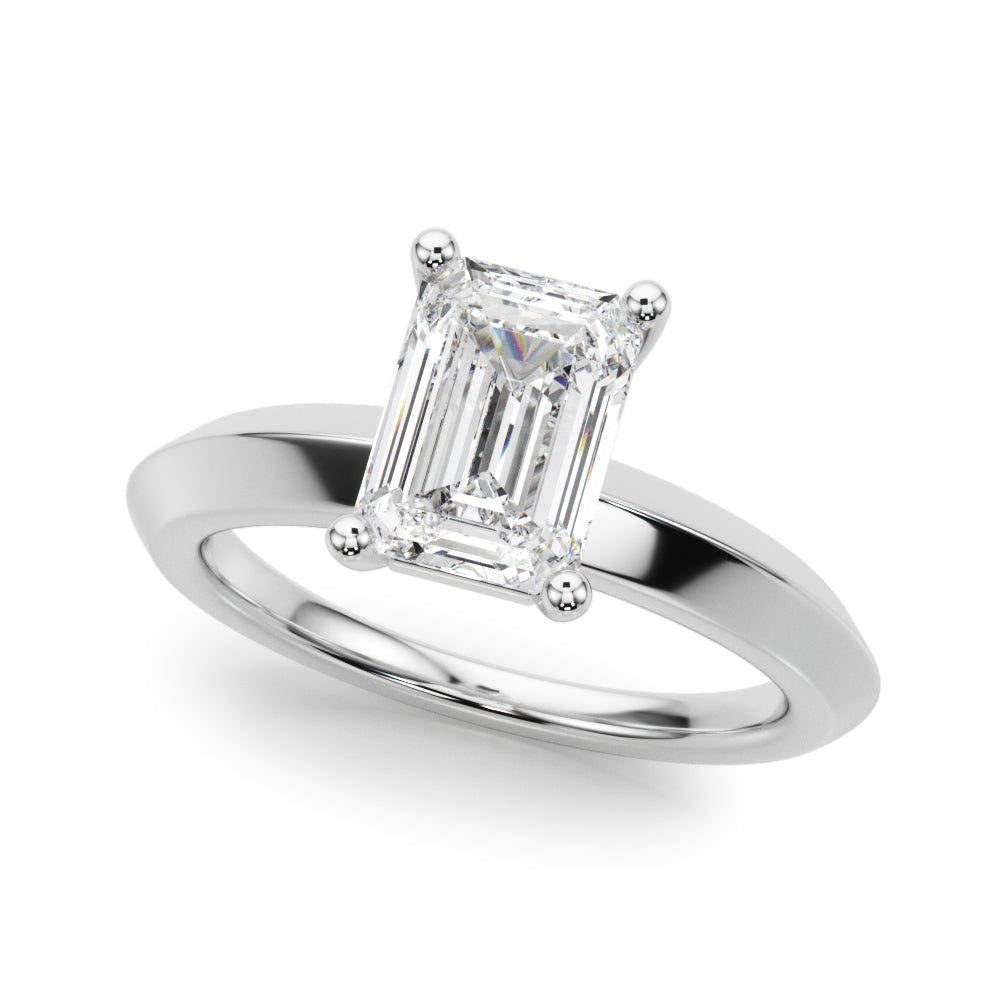
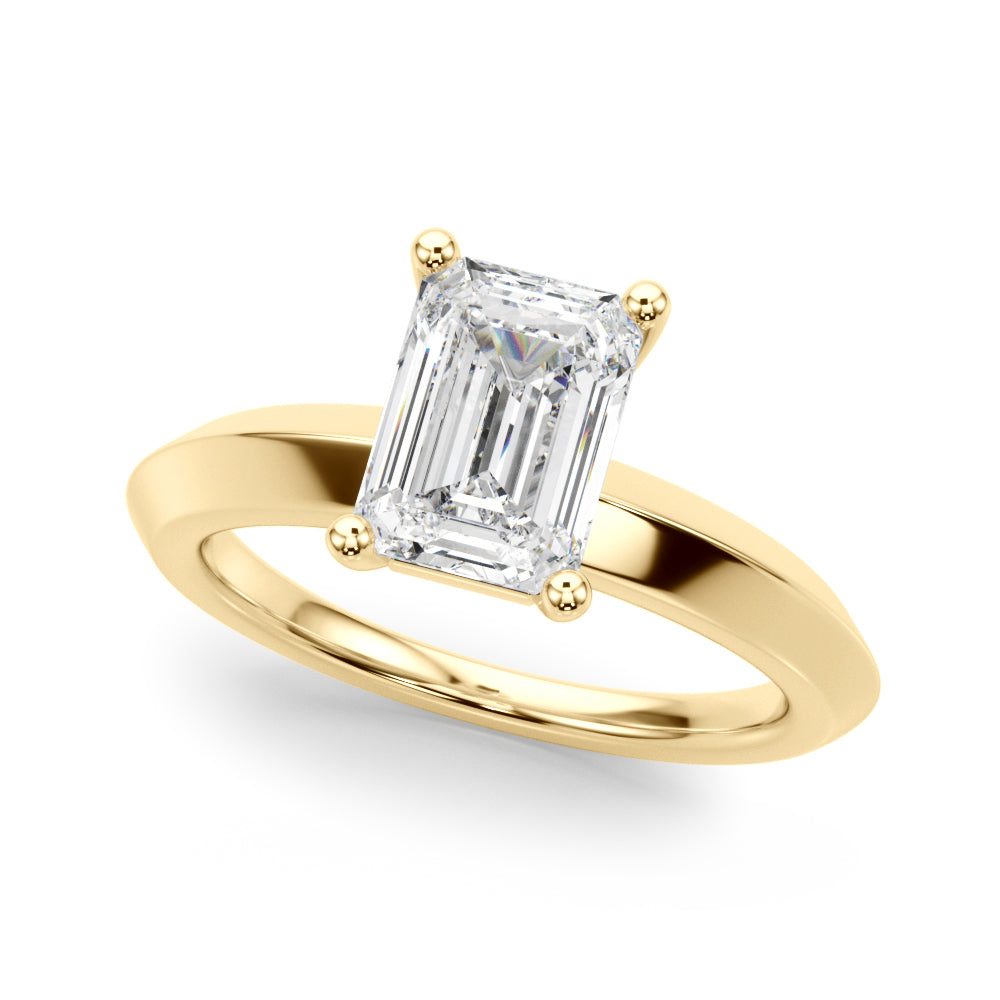
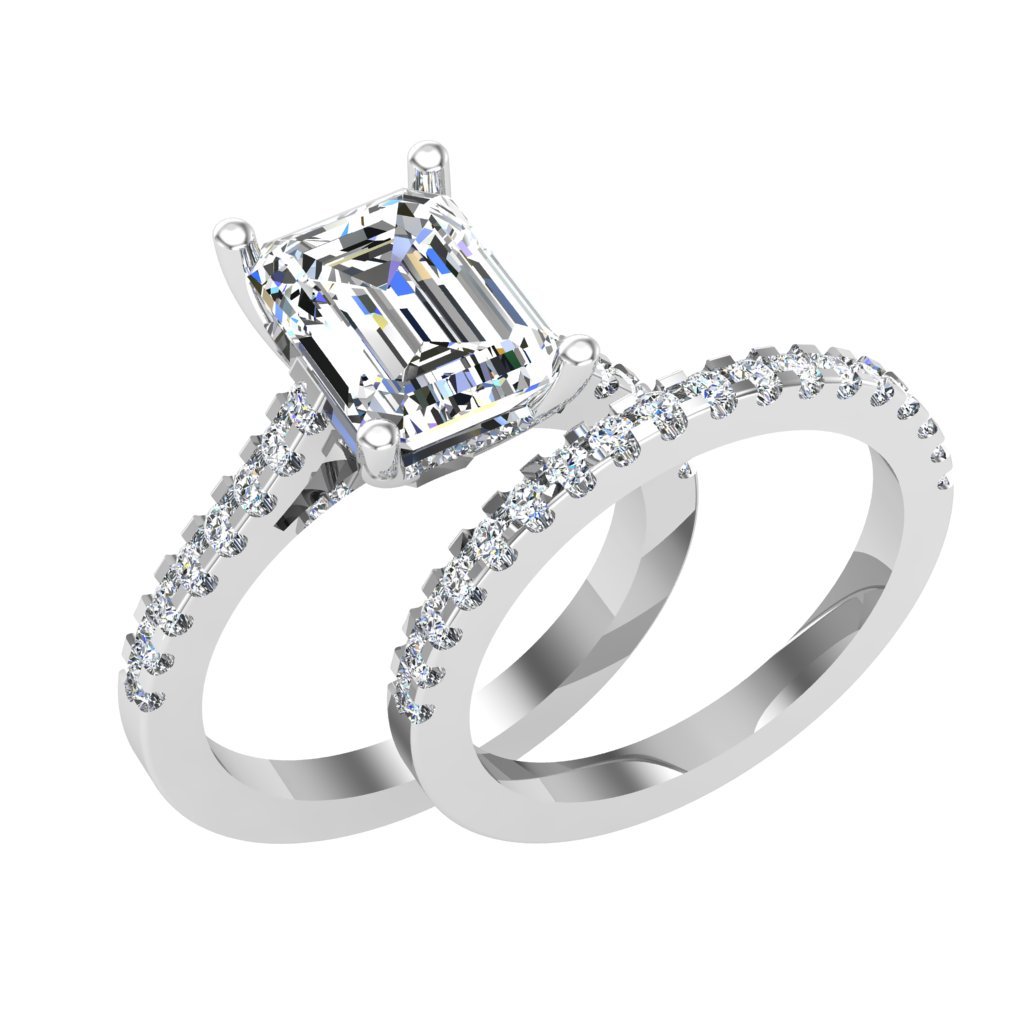
The elongated outline also introduces a structural consideration at its four corners. Unlike the rounded edges of a brilliant cut, these points are exposed to impact and require deliberate protection. Settings are generally crafted in 14K or 18K gold, with four elongated prongs positioned at the corners to secure the stone while preserving its clean outline.
The proportion in which the diamond is cut is also important. A longer emerald cut creates a more elongated, directional appearance, while a shorter outline feels broader and more substantial. In either case, the setting needs to complement the stone's geometry rather than interrupt it.
The Craft Behind Emerald Cut Diamond Engagement Rings
The broad, uninterrupted facets of an emerald cut leaves little room for imprecision. The cut makes the stone's proportions, clarity, symmetry, and finishing unusually visible.
Each centre stone is inspected under magnification before setting, with particular attention paid to clarity and the visibility of inclusions across the open facets. The four corner prongs are positioned to protect the exposed points while maintaining an even, balanced appearance around the stone.
Prong tension is also checked individually at each corner. This is important because the corners carry more structural vulnerability than the rounded outline of a brilliant cut. The finished setting must therefore provide protection without overwhelming the architectural character that makes an emerald cut distinctive.
The result is a ring where restraint becomes part of the craftsmanship. There are fewer facets competing for attention, so proportion, alignment, and finishing take on greater importance.
Wearing It Well: Styling Your Emerald Cut Engagement Ring
Let the geometry of the centre stone lead the design. An emerald cut already has a strong architectural presence, so a clean, understated band tends to complement it more naturally than an ornate setting filled with competing details.
A hidden halo can introduce additional brilliance without changing the view from above. Set beneath the edge of the centre stone, the surrounding pavé diamonds reveal themselves primarily from the side, allowing the emerald cut's clean rectangular outline to remain the focus.
When stacking, look for pieces that share the same sense of restraint. Slim, geometric bands sit naturally beside the straight edges of an emerald cut, while heavily rounded or intricate designs can create a less cohesive contrast.
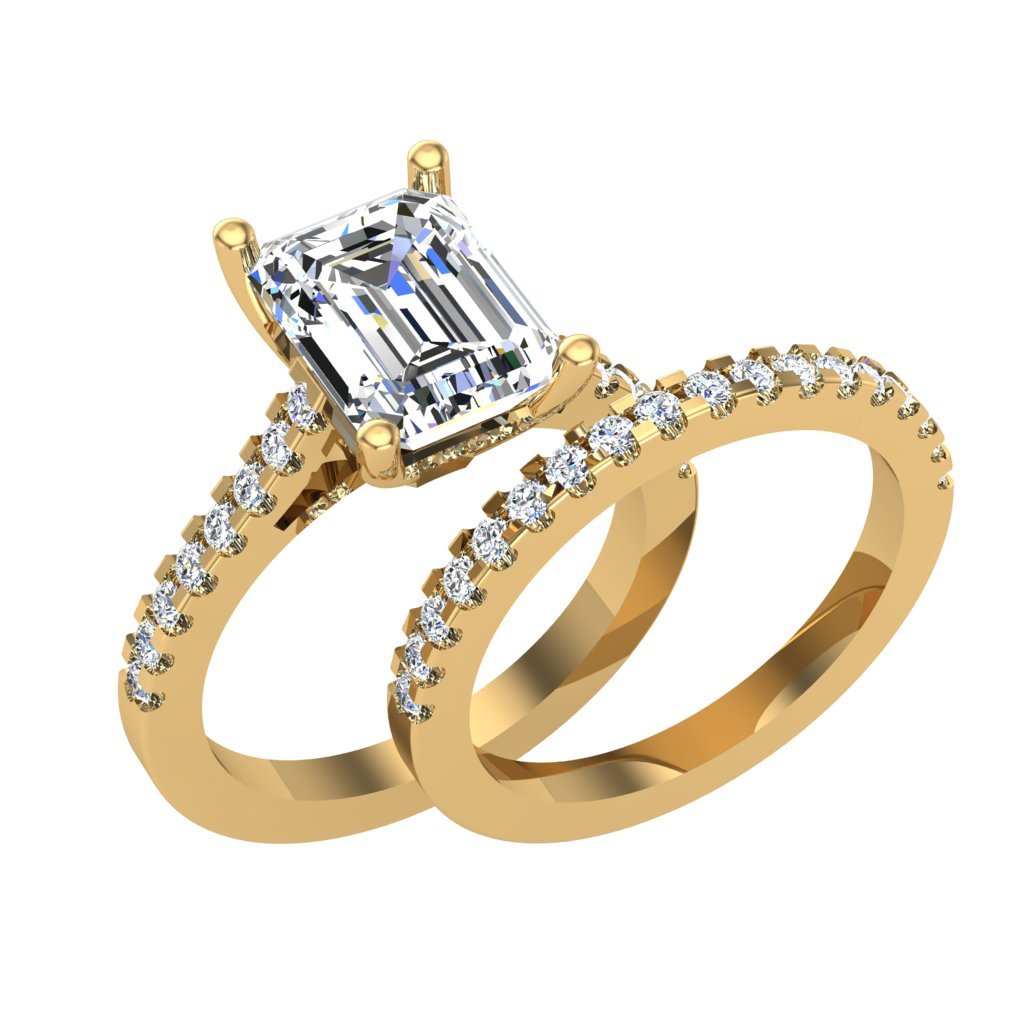
Metal tone can also change the character of the stone. White gold and similarly cool-toned settings emphasise its crisp, glass-like reflections, while yellow or rose gold introduce warmth and soften the more austere quality of the step-cut facets.
Living With It: How to Care For Your Emerald Cut Engagement Ring
The four corners are the areas that deserve the most attention during everyday wear. Because they are exposed rather than rounded, direct impact can cause greater damage than it would on a circular or oval outline. Have a jeweller check the corner prongs every six months to ensure they remain secure.
For routine cleaning, use warm water, a small amount of mild soap, and a soft-bristled brush. Work gently around the setting and along the edges of the stone, where dust and residue can collect without being immediately visible.
Remove the ring before activities involving direct impact, heavy gripping, or contact with hard surfaces. Store it separately from other jewellery, particularly pieces set with harder gemstones, since pressure against exposed corners can increase the risk of chipping.
An emerald cut rewards careful ownership. Its open facets make cleanliness especially important because dust and residue can interrupt the uninterrupted reflections that give the stone its characteristic hall-of-mirrors effect.
A quieter kind of brilliance, defined by clarity, geometry, and light.