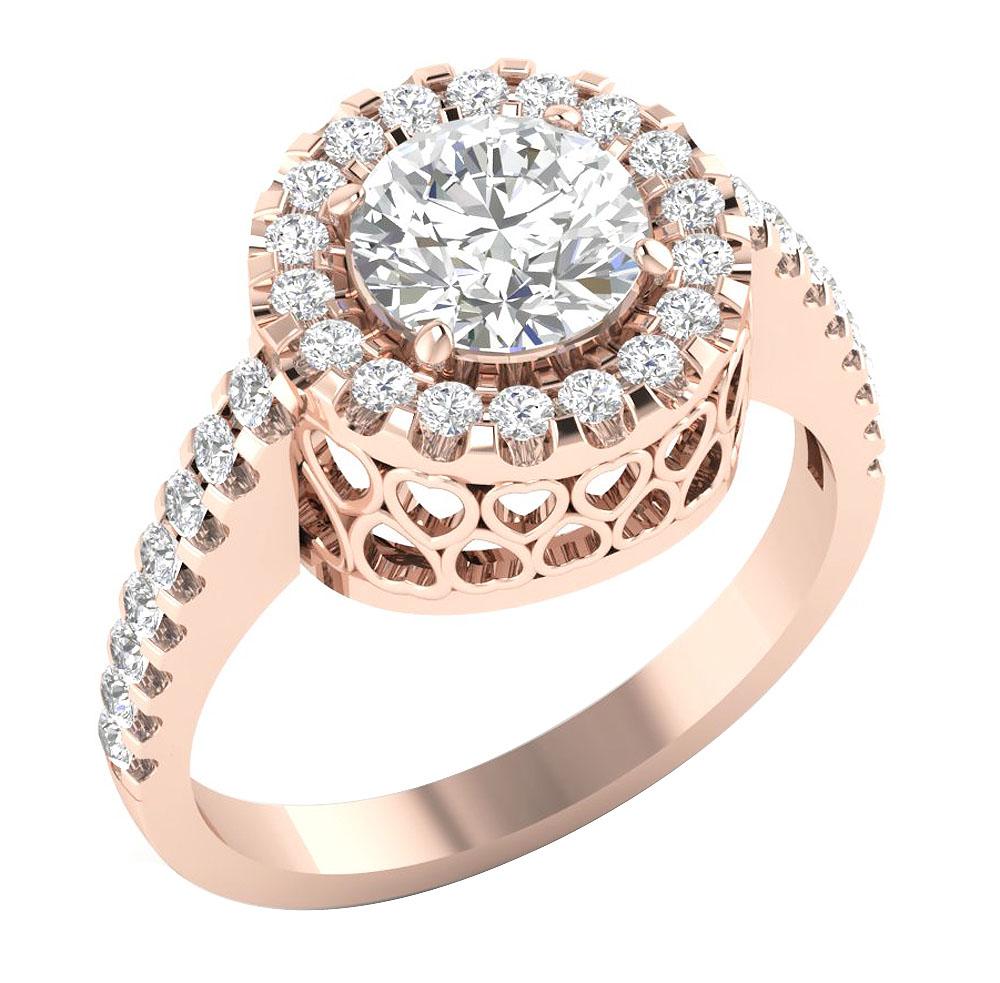
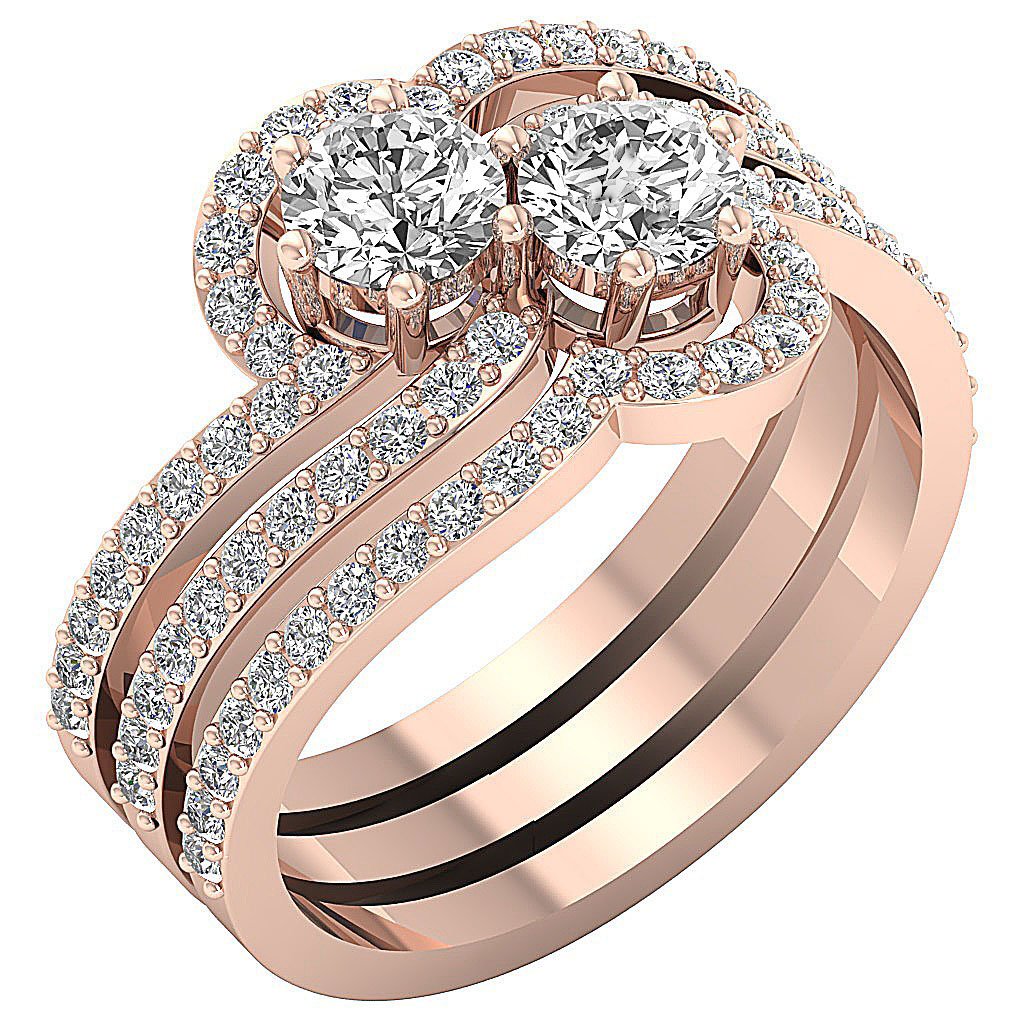
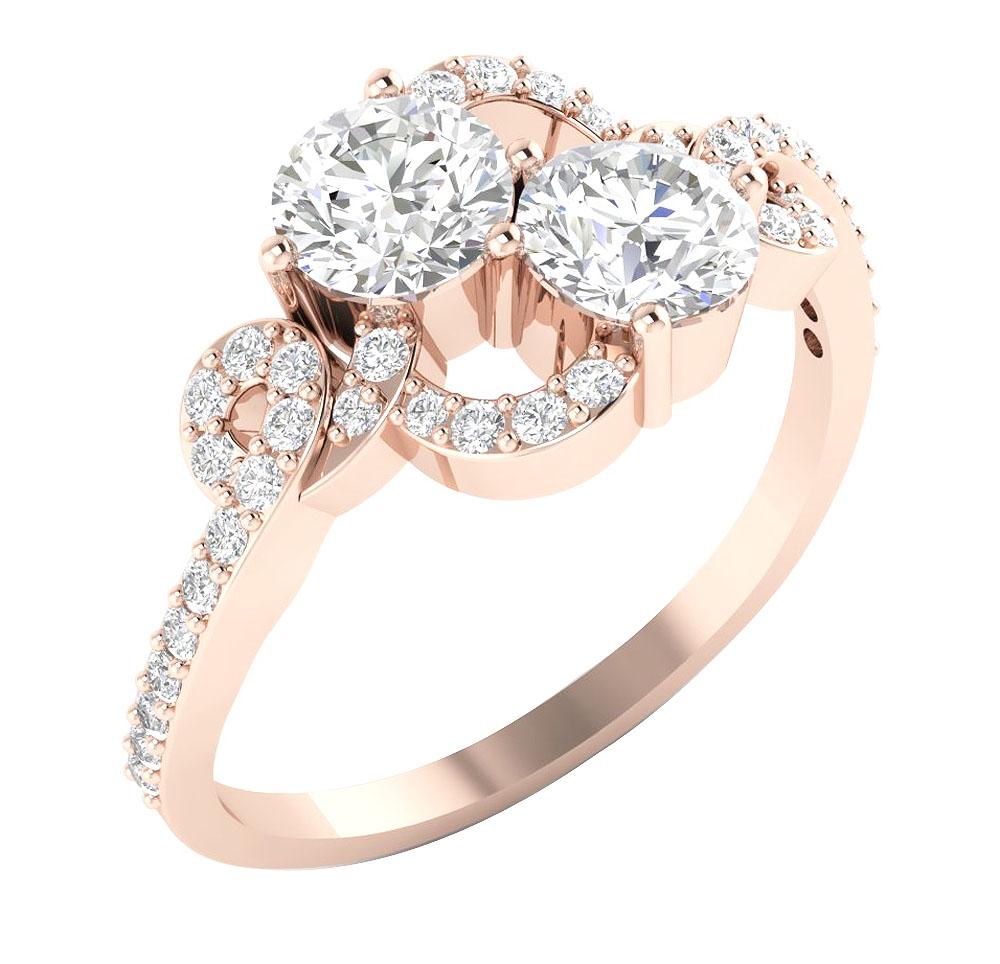
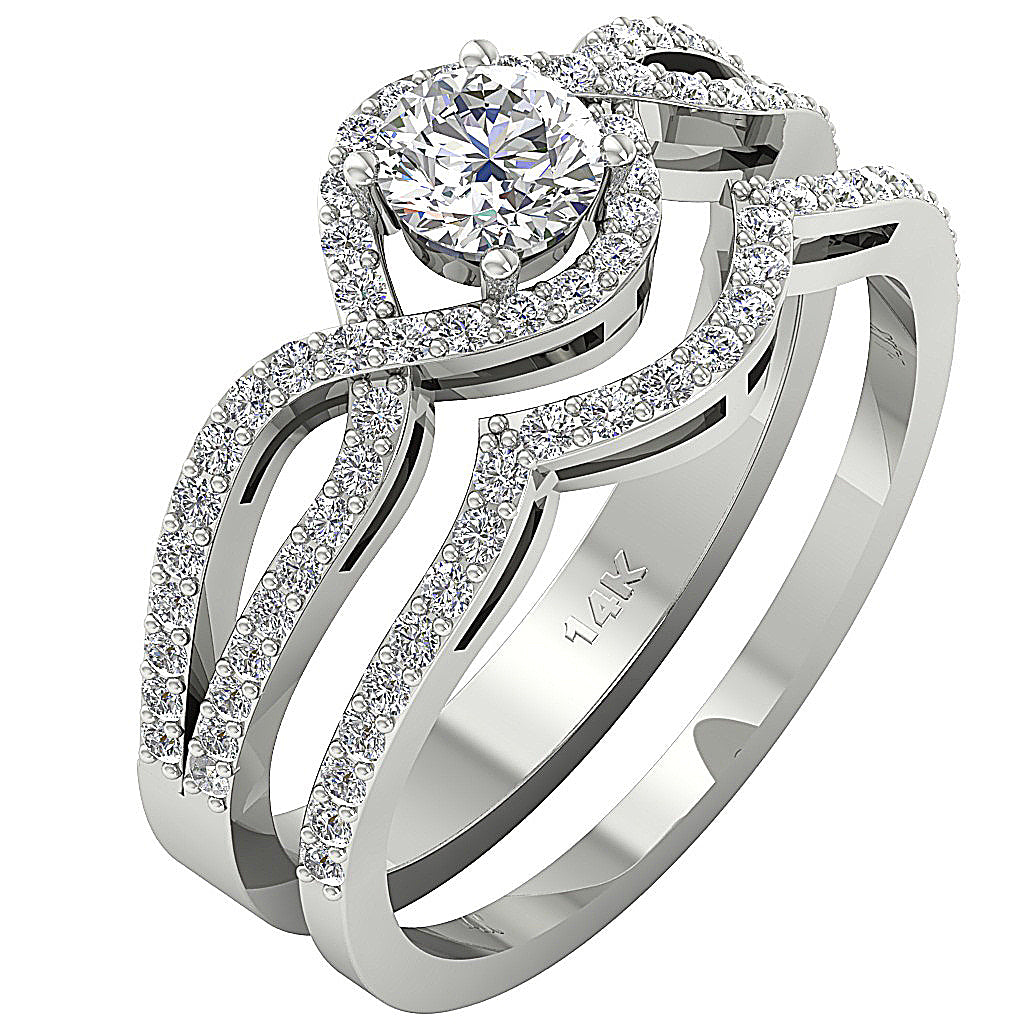
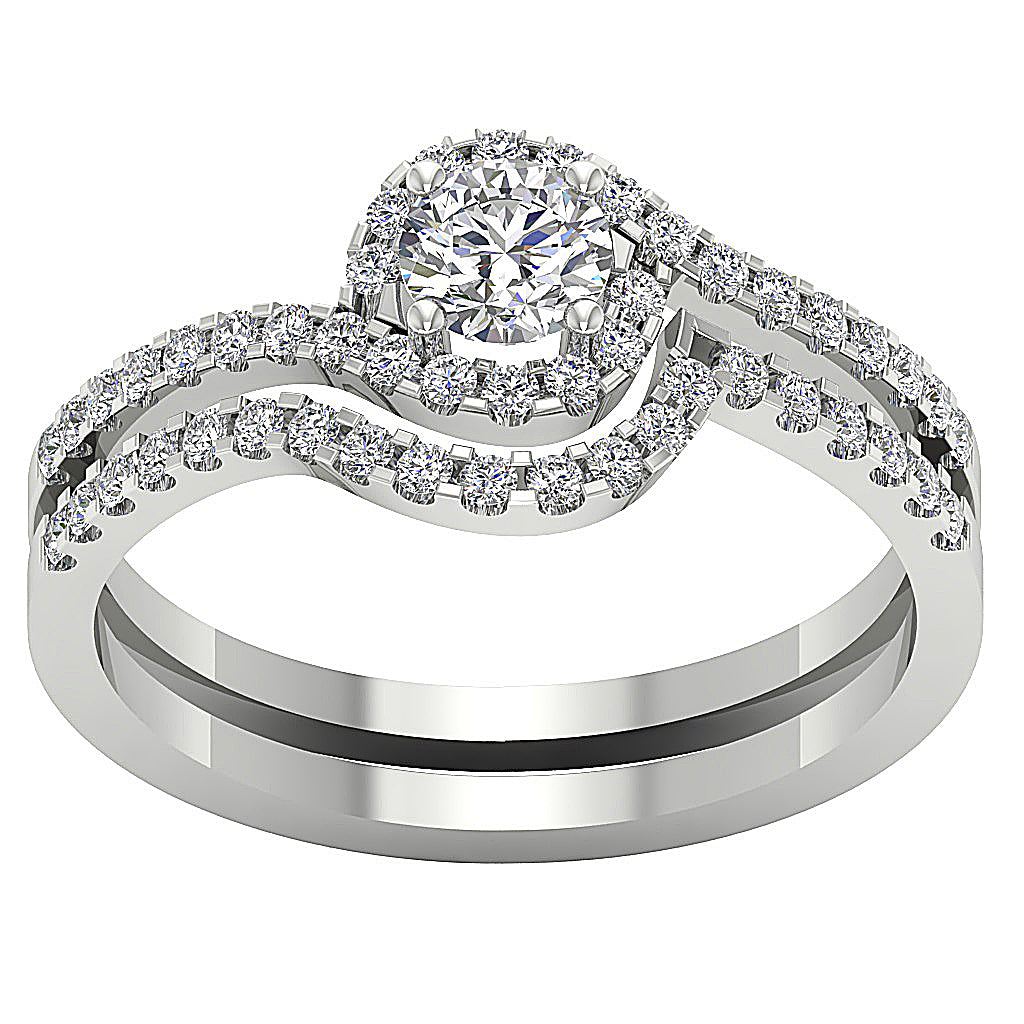
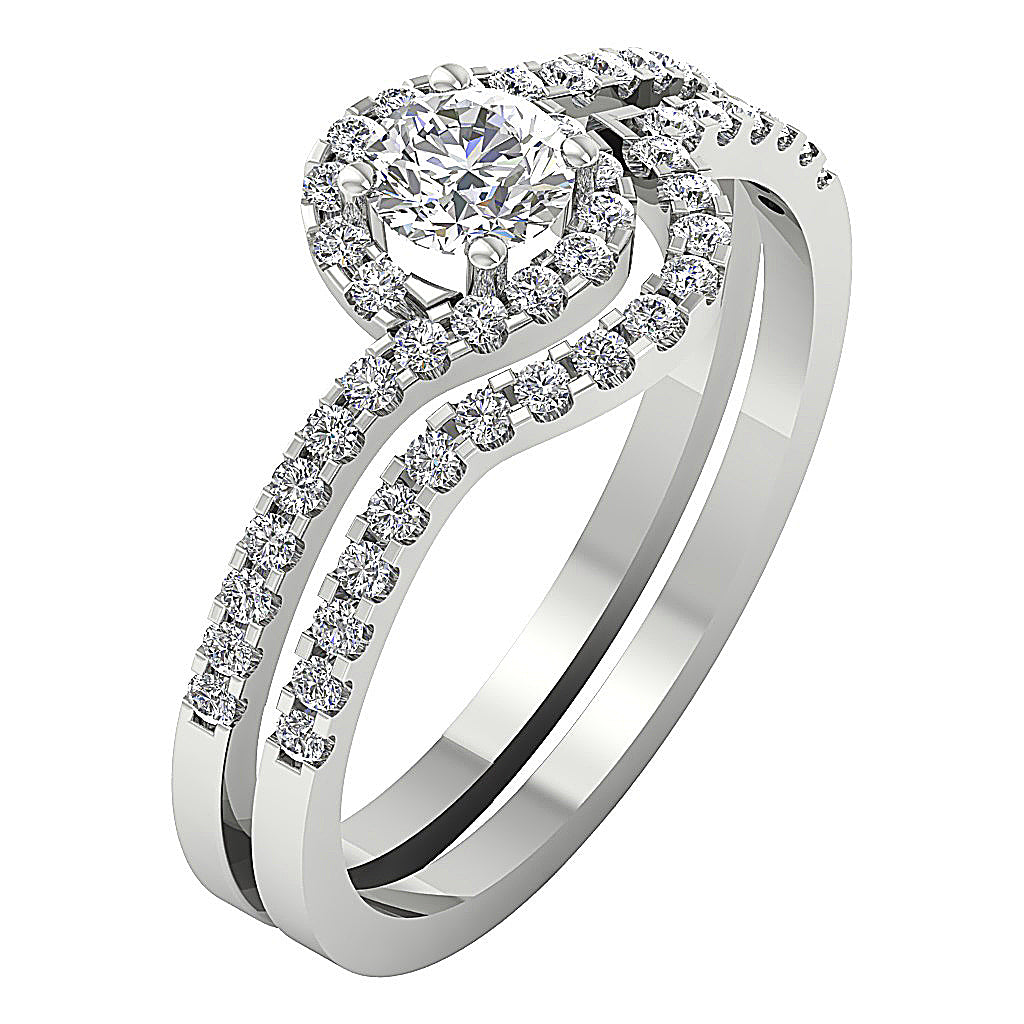
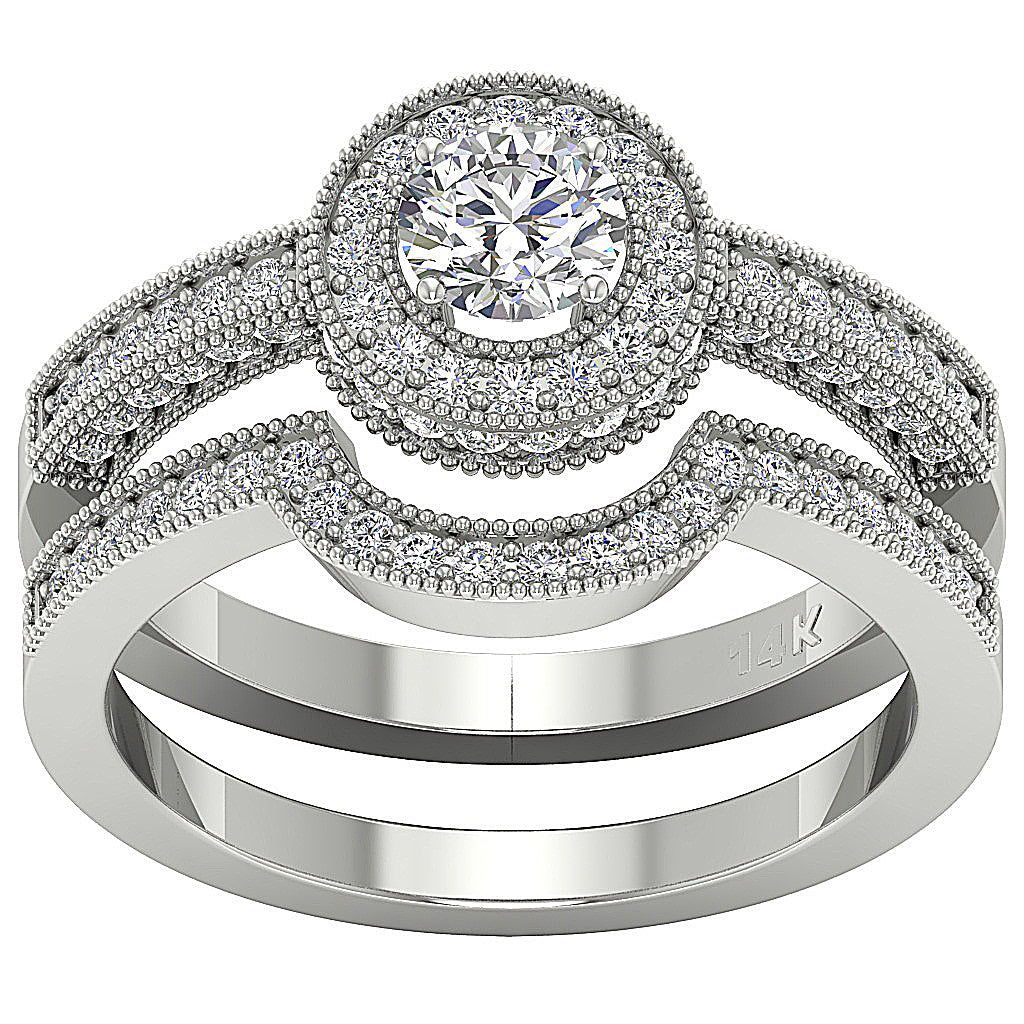
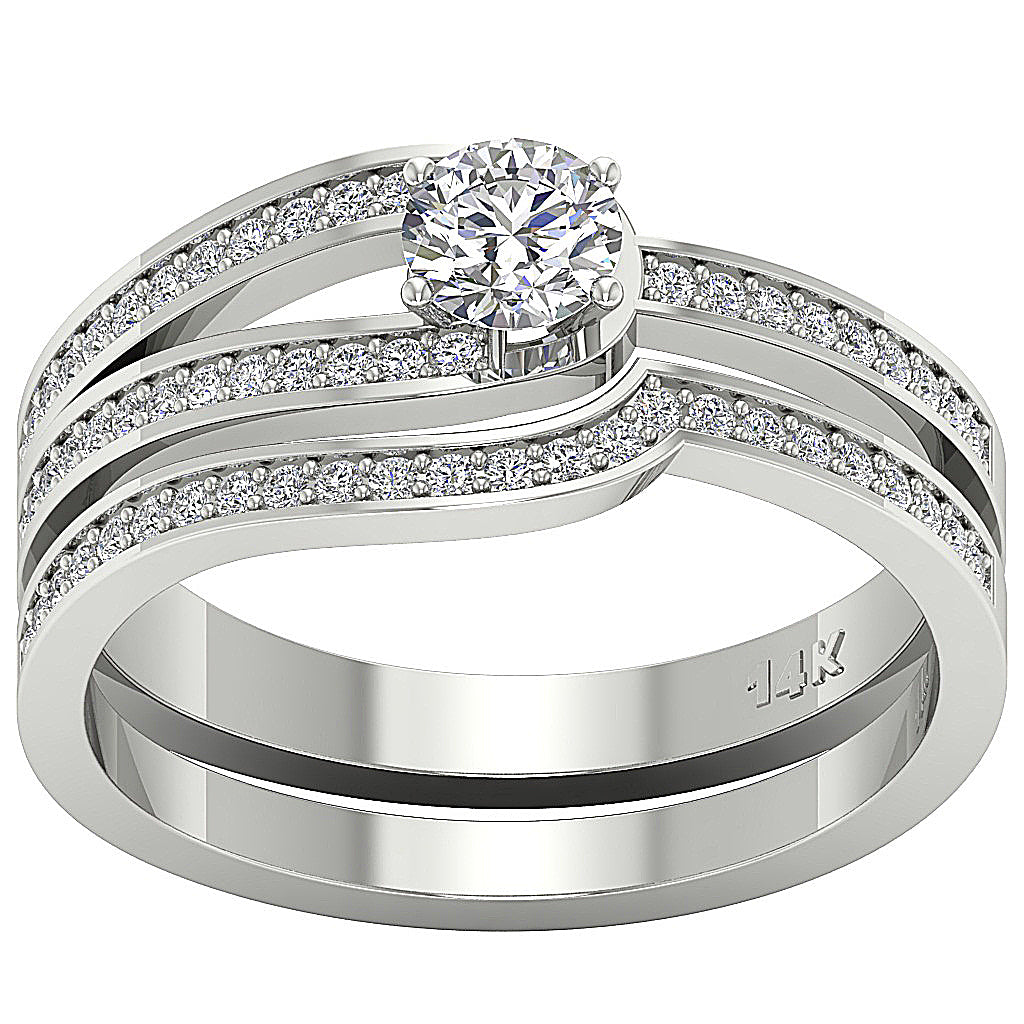
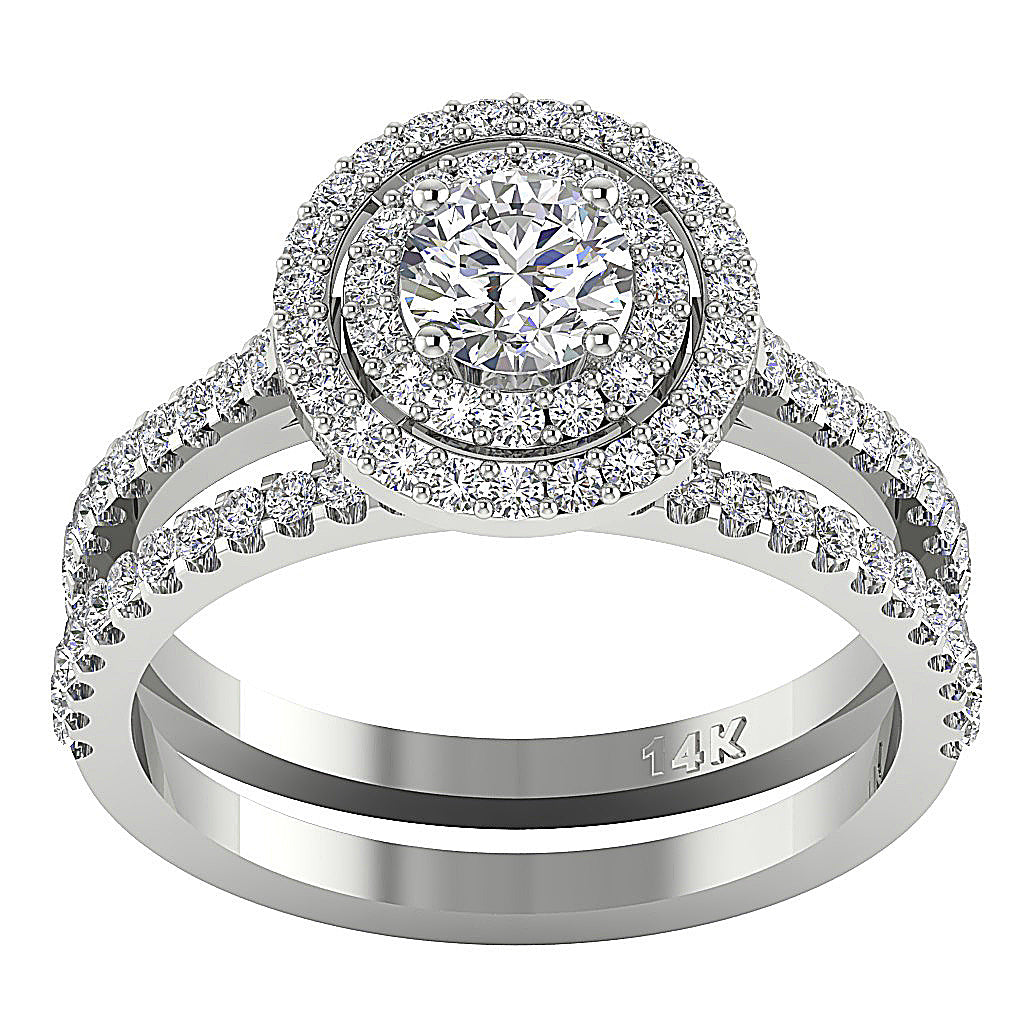
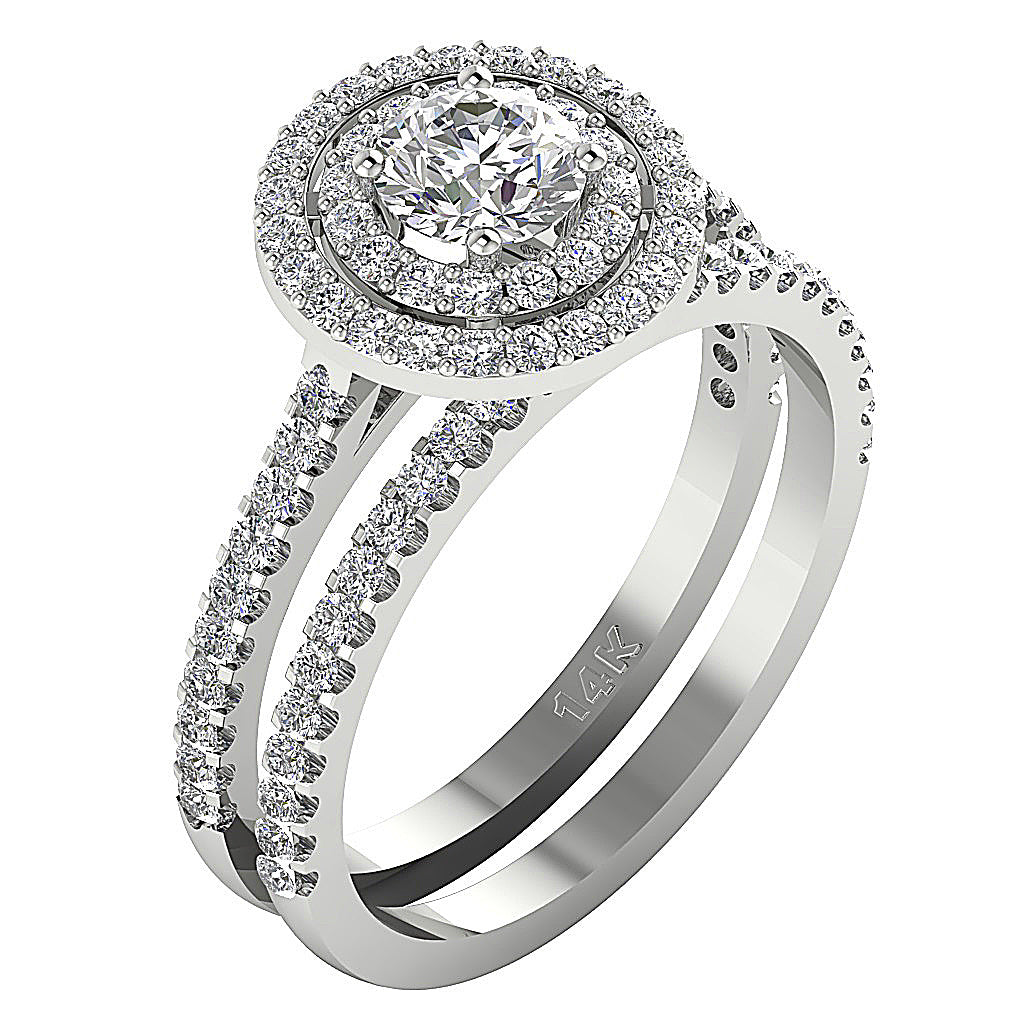
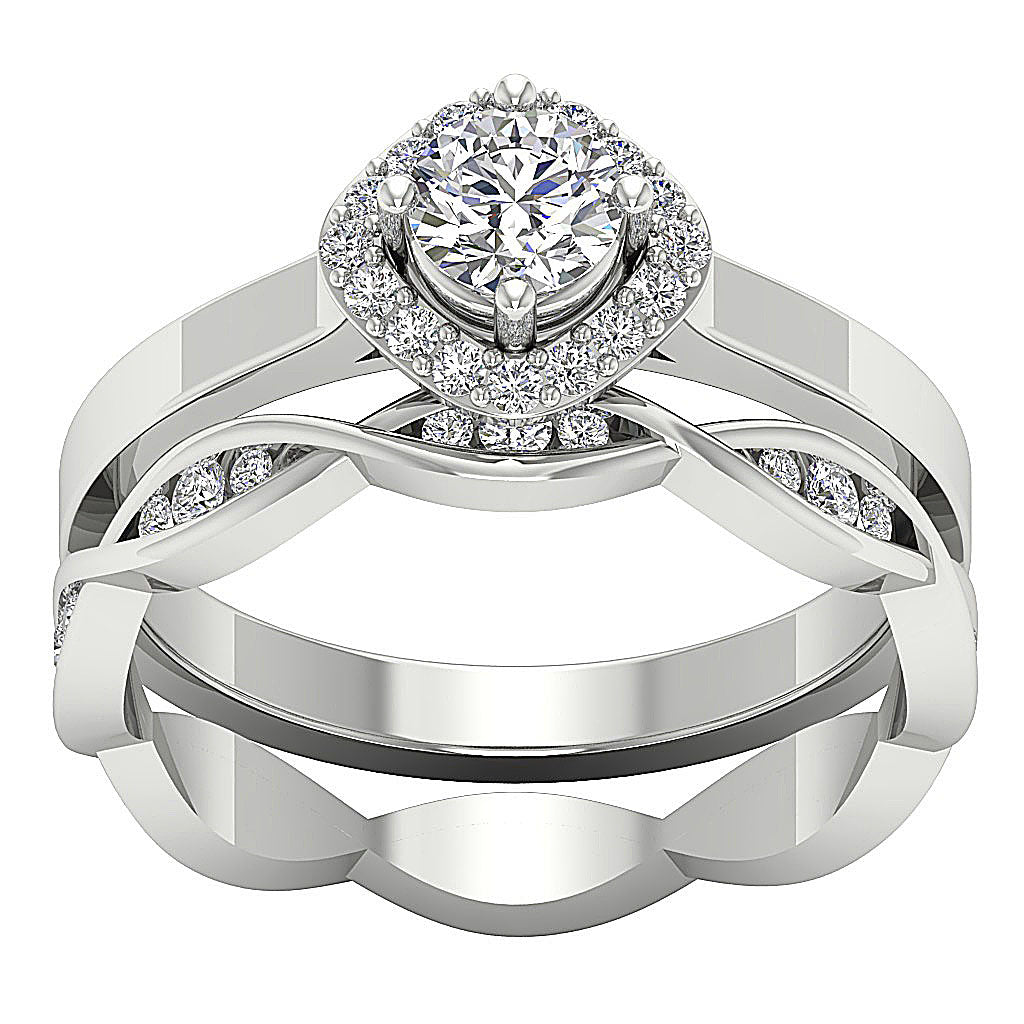
Rose Gold Diamond Rings
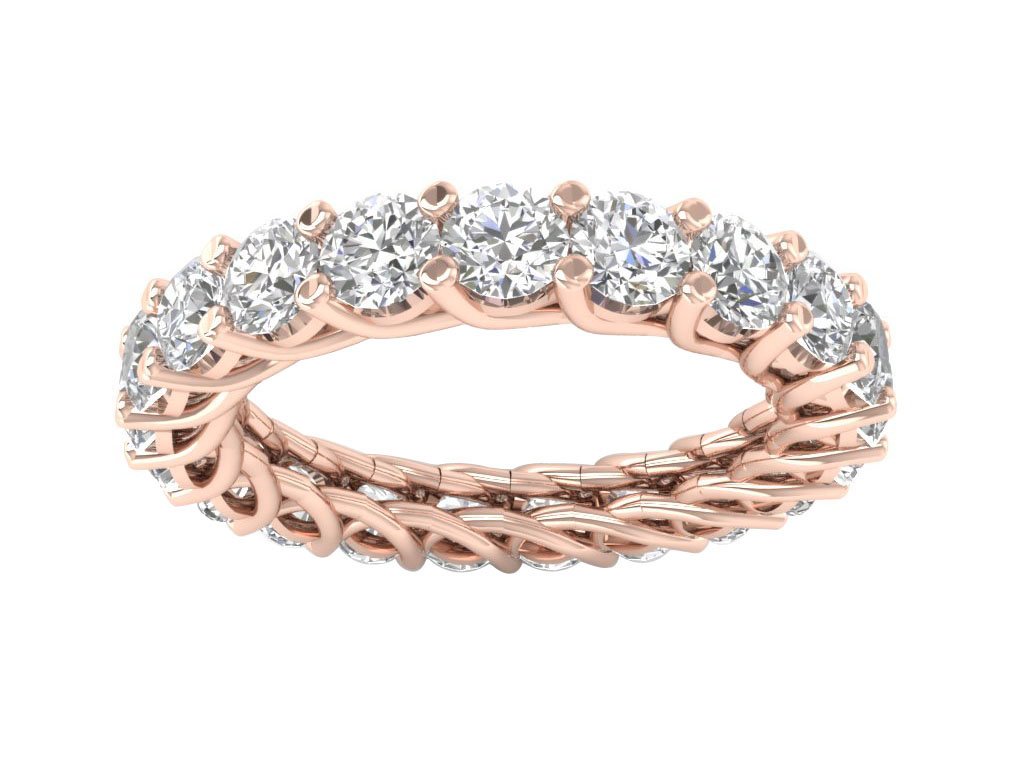
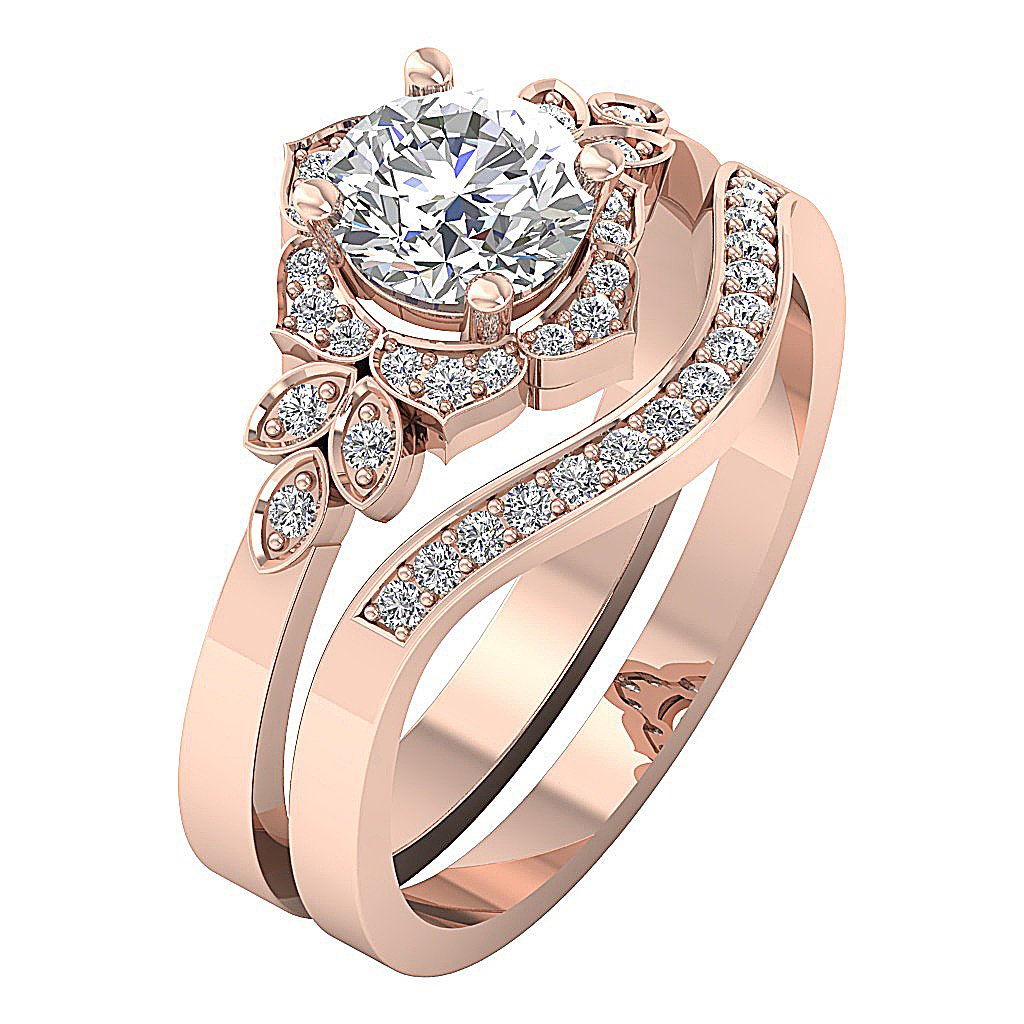
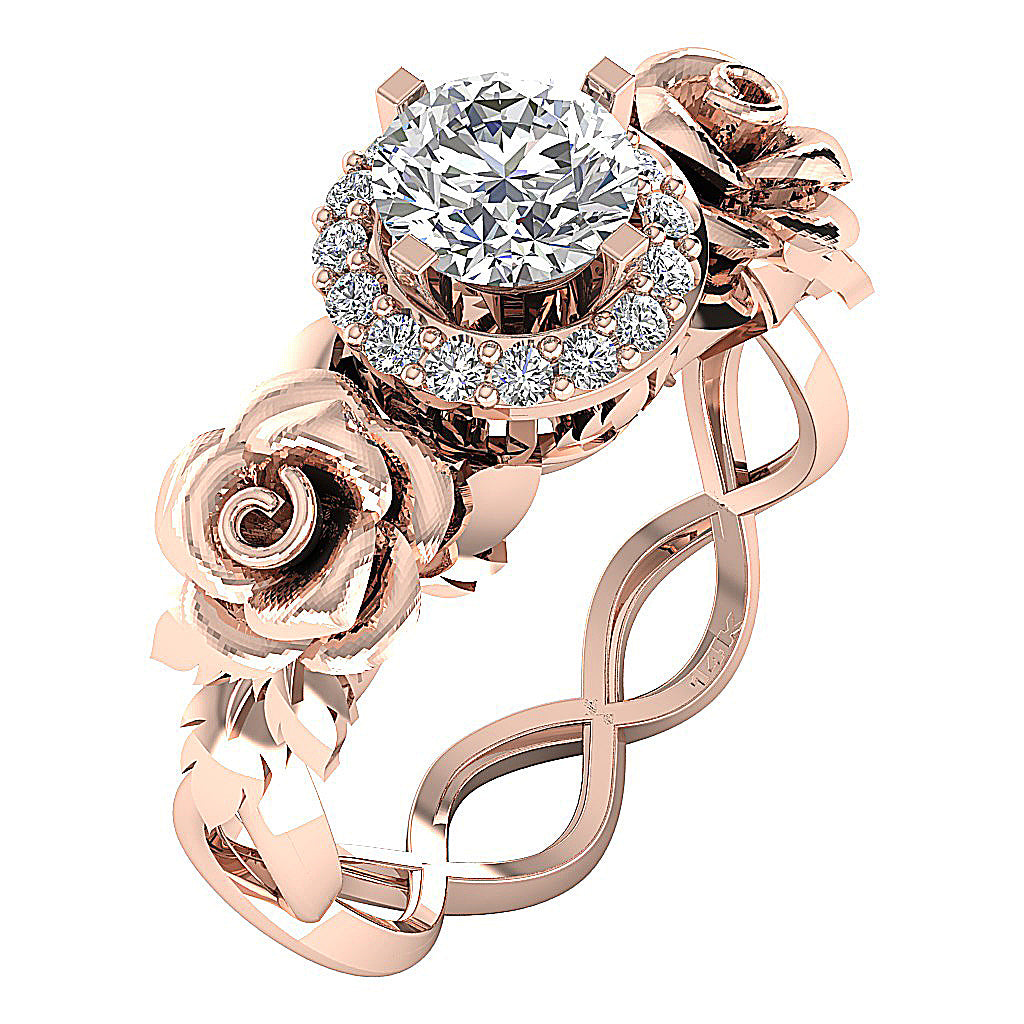
Rose gold draws its distinctive colour from the alloy itself, where copper creates a warm pink tone between the richness of yellow gold and the coolness of white gold. Against a diamond, that warmth lends the stone a softer, more romantic presence while gently tempering architectural shapes.
Its character varies subtly with karat and composition. 14K rose gold typically appears richer and more pronounced, while 18K carries a softer, less saturated blush. Across design languages, rose gold adapts effortlessly: vintage filigree gains old-world romance, while a minimalist solitaire feels quietly contemporary. Its enduring appeal lies in that versatility without sacrificing its signature warmth.
How Rose Gold Diamond Rings Are Built
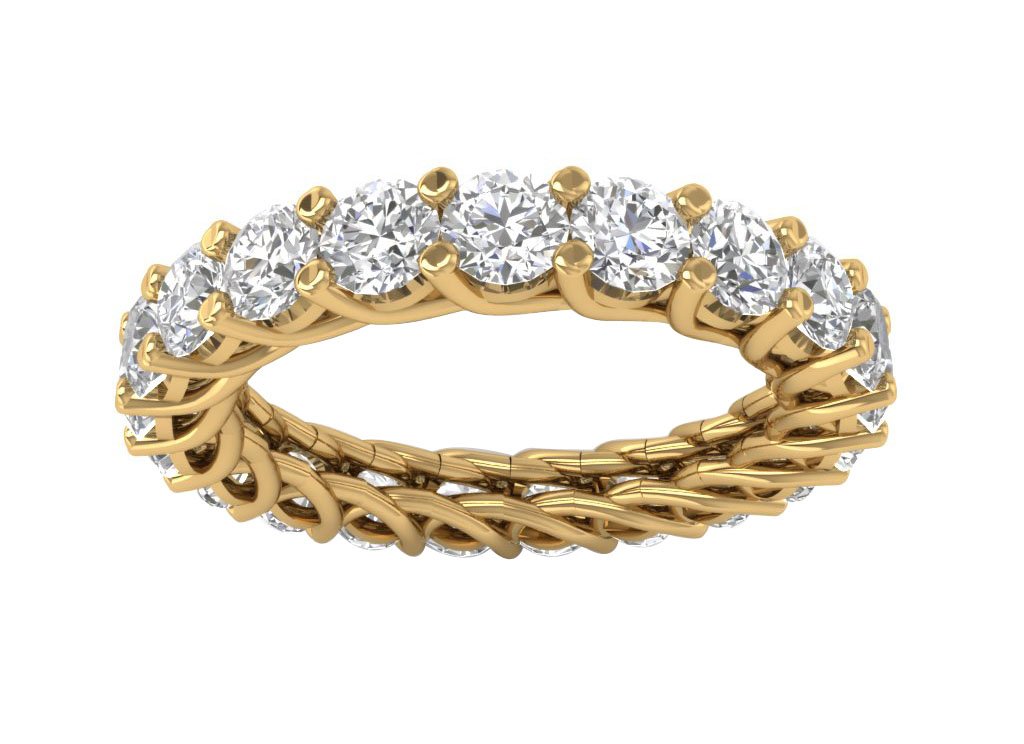
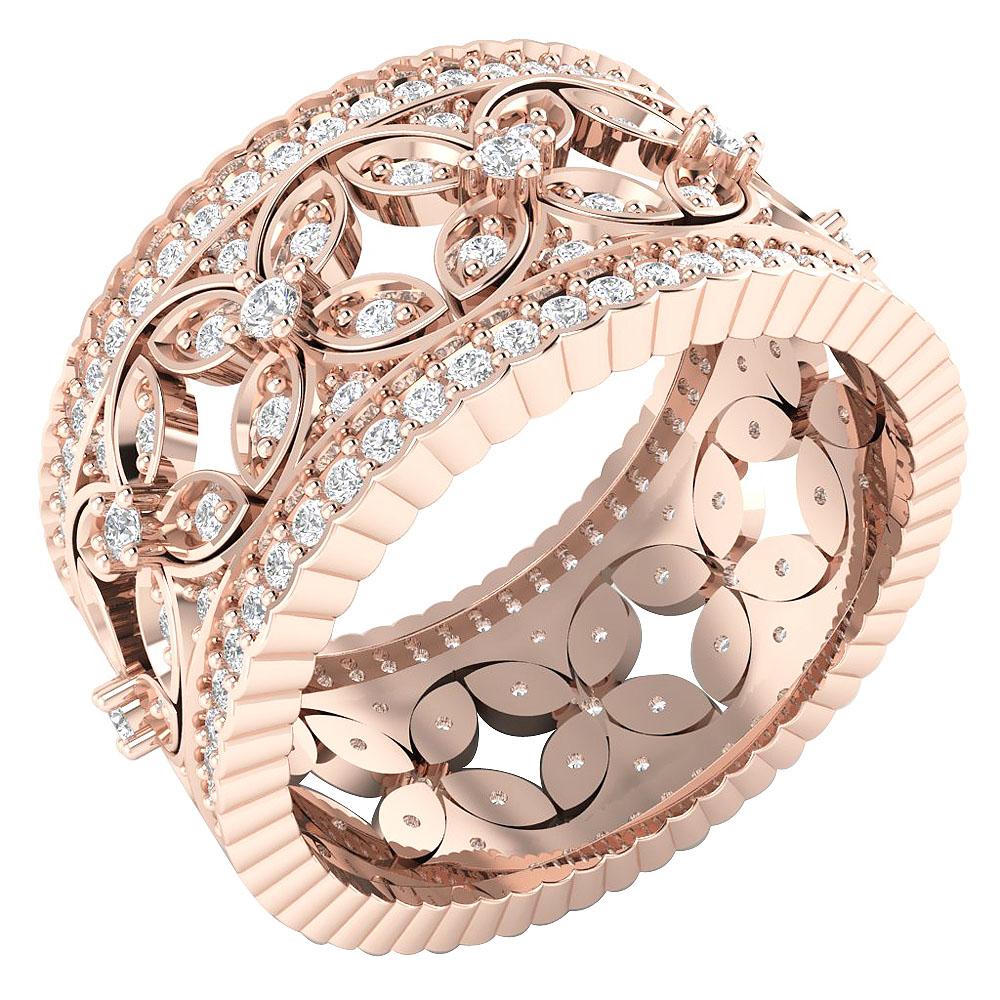
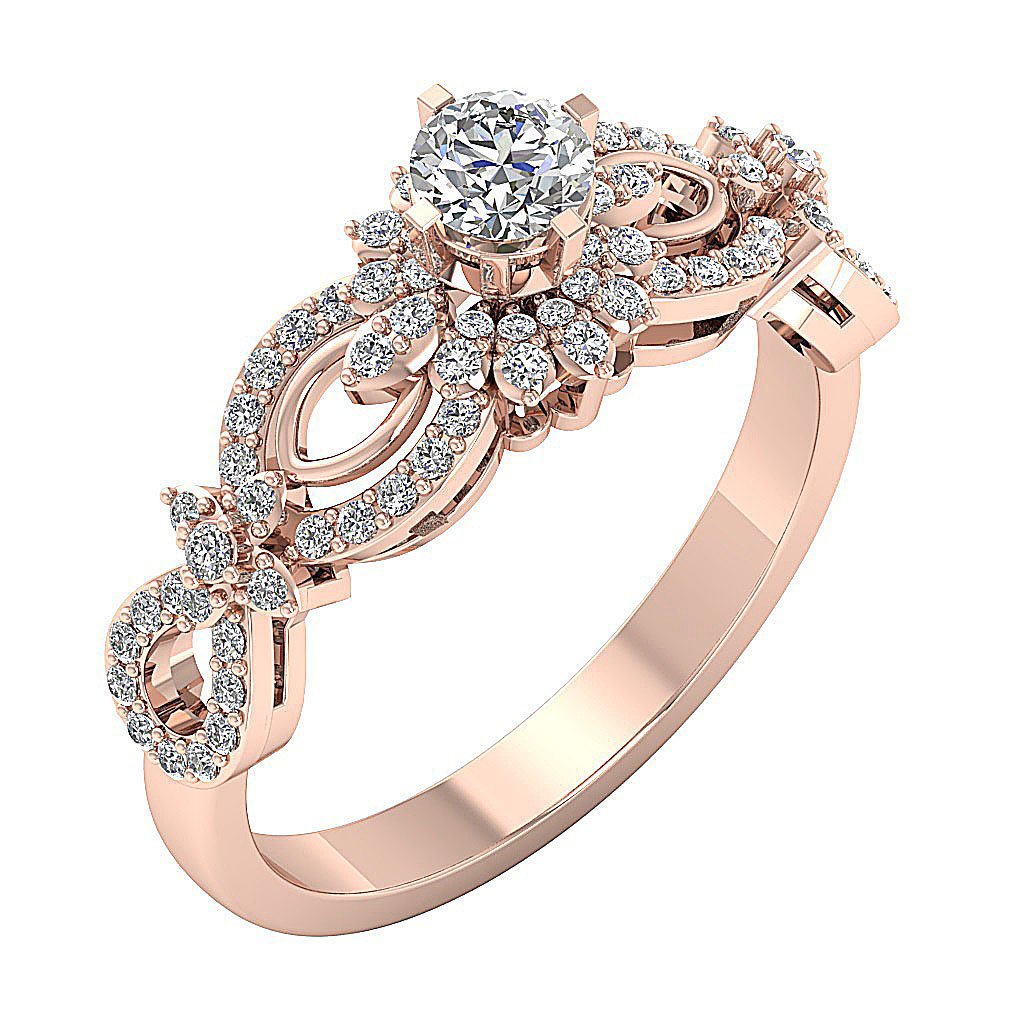
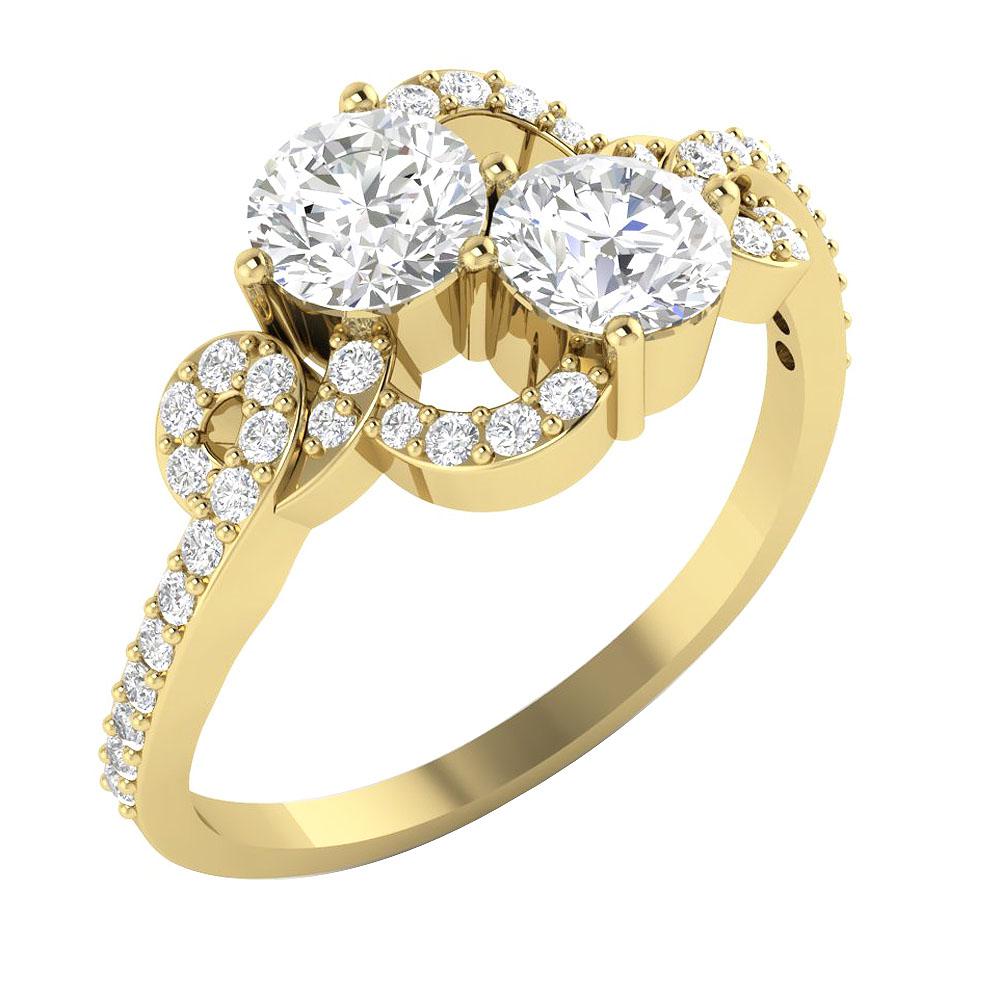
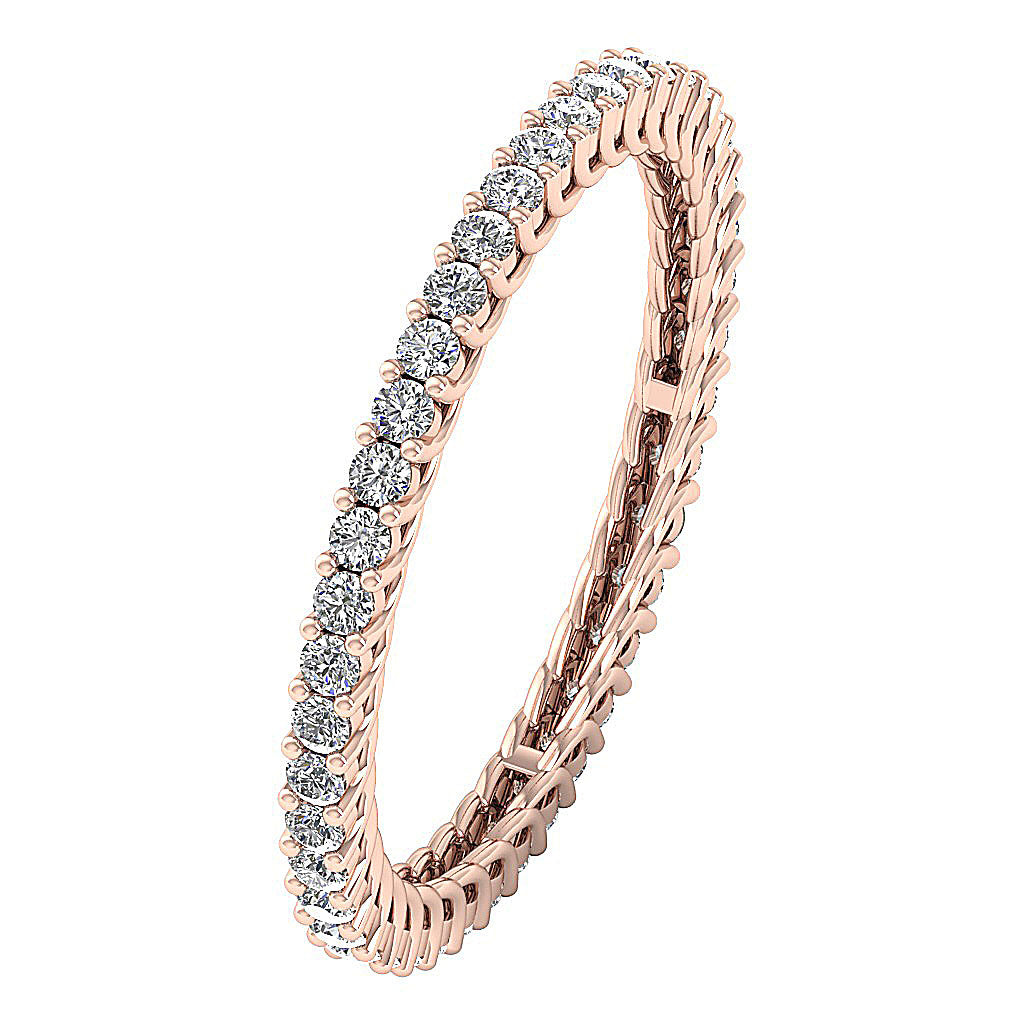
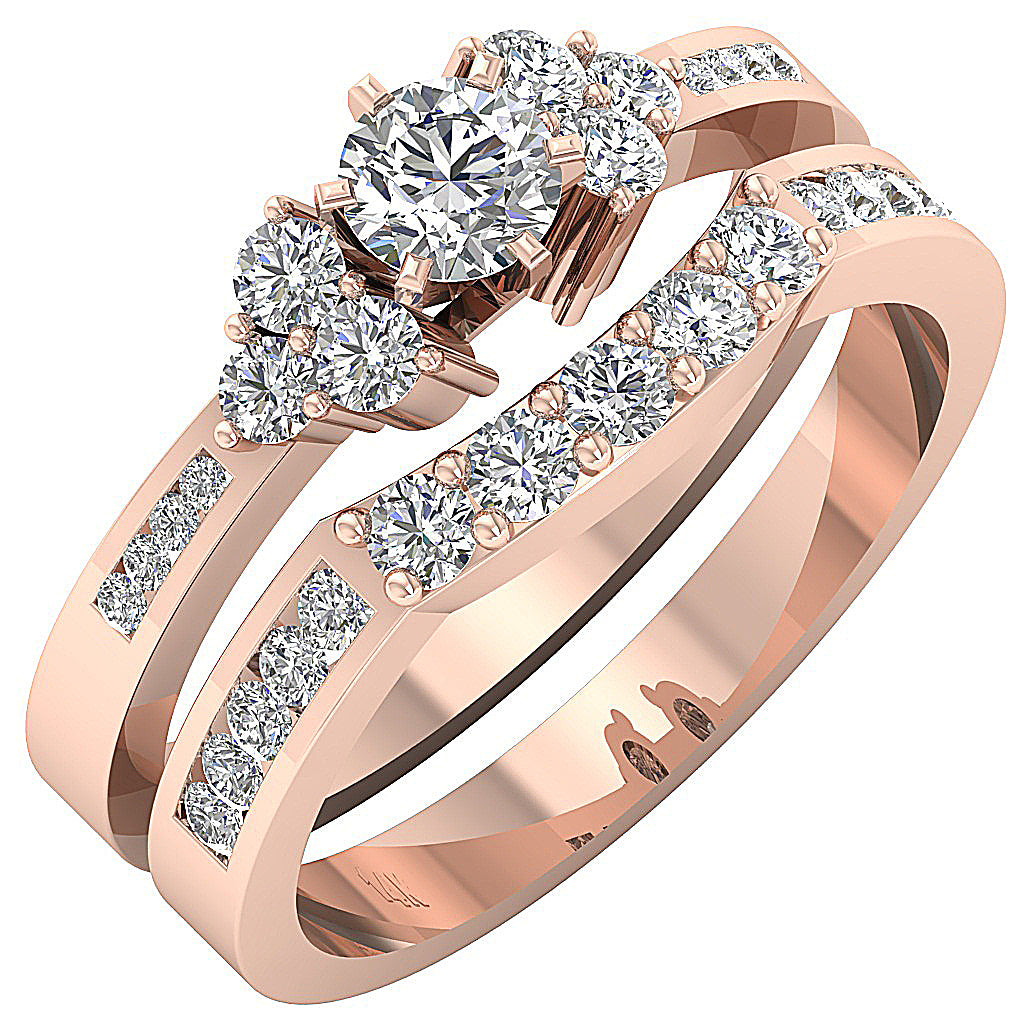
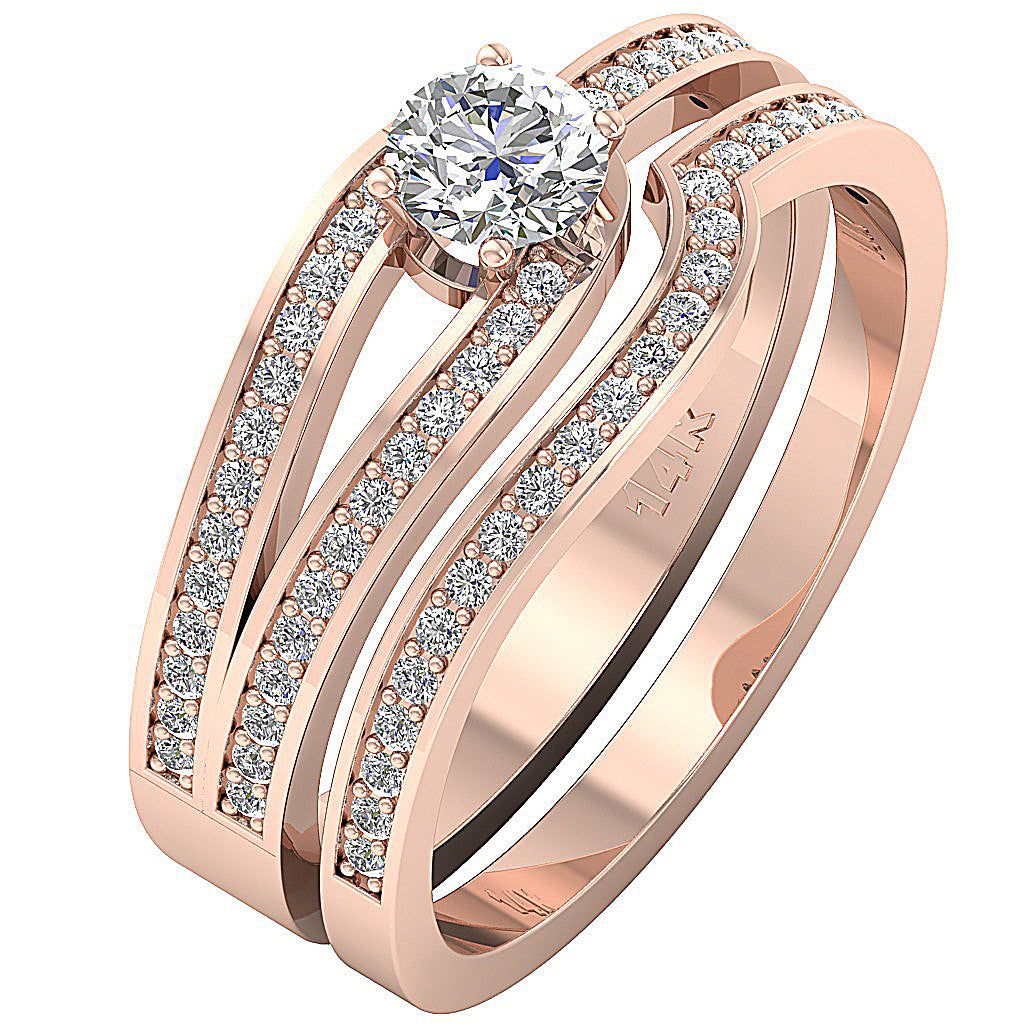
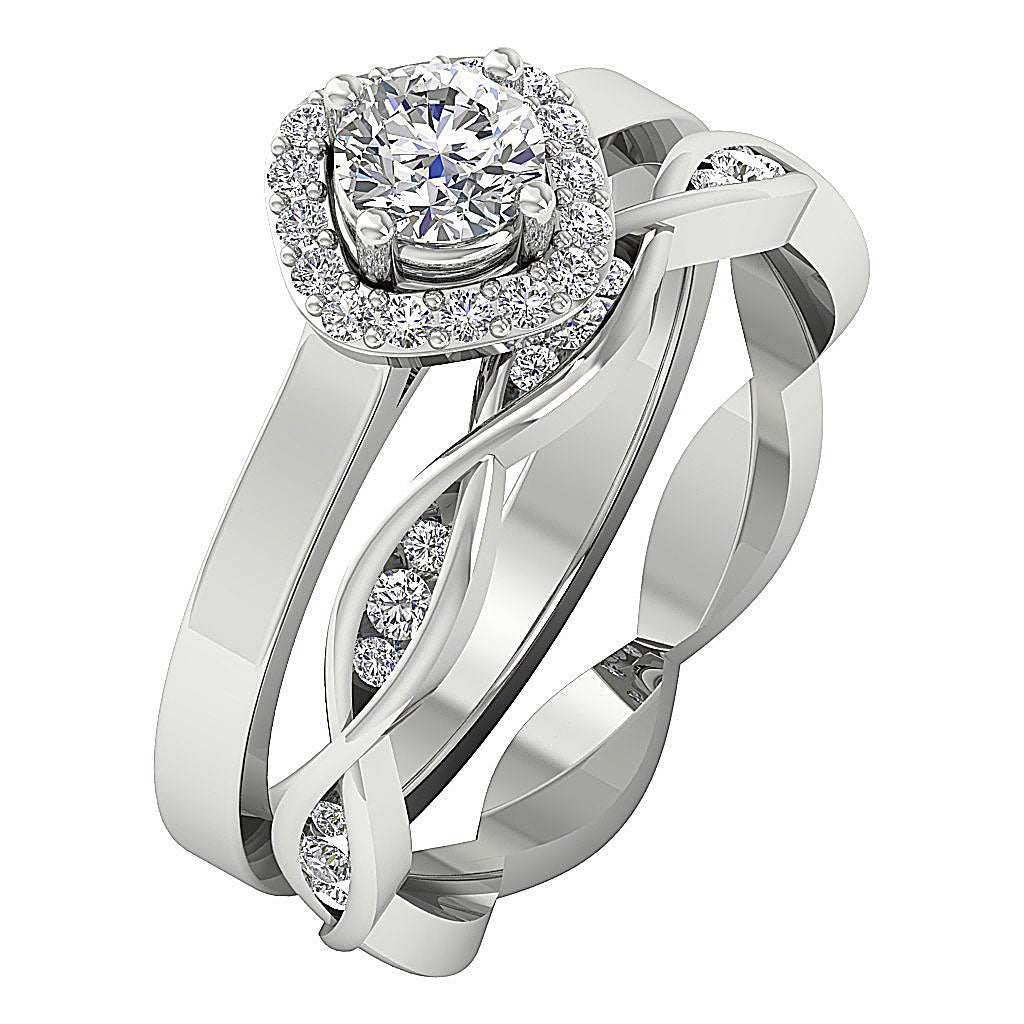
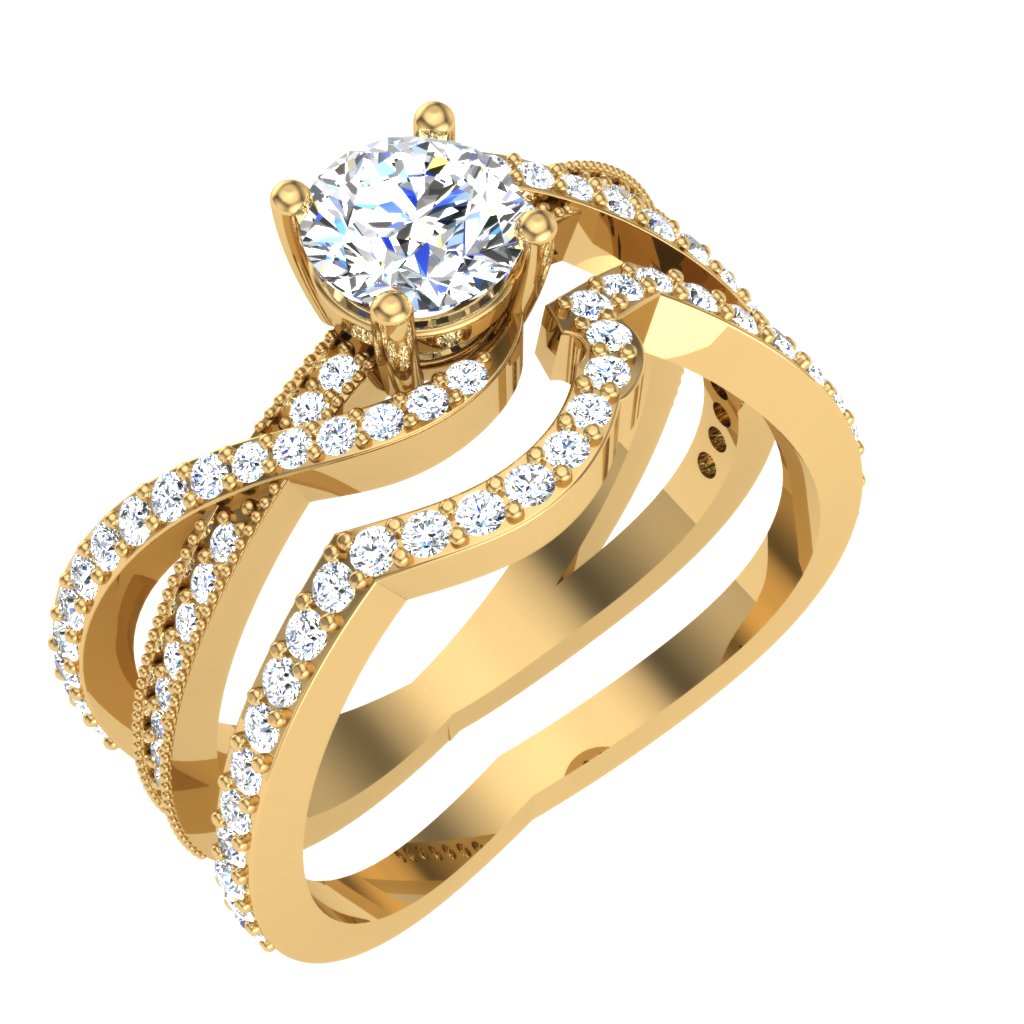
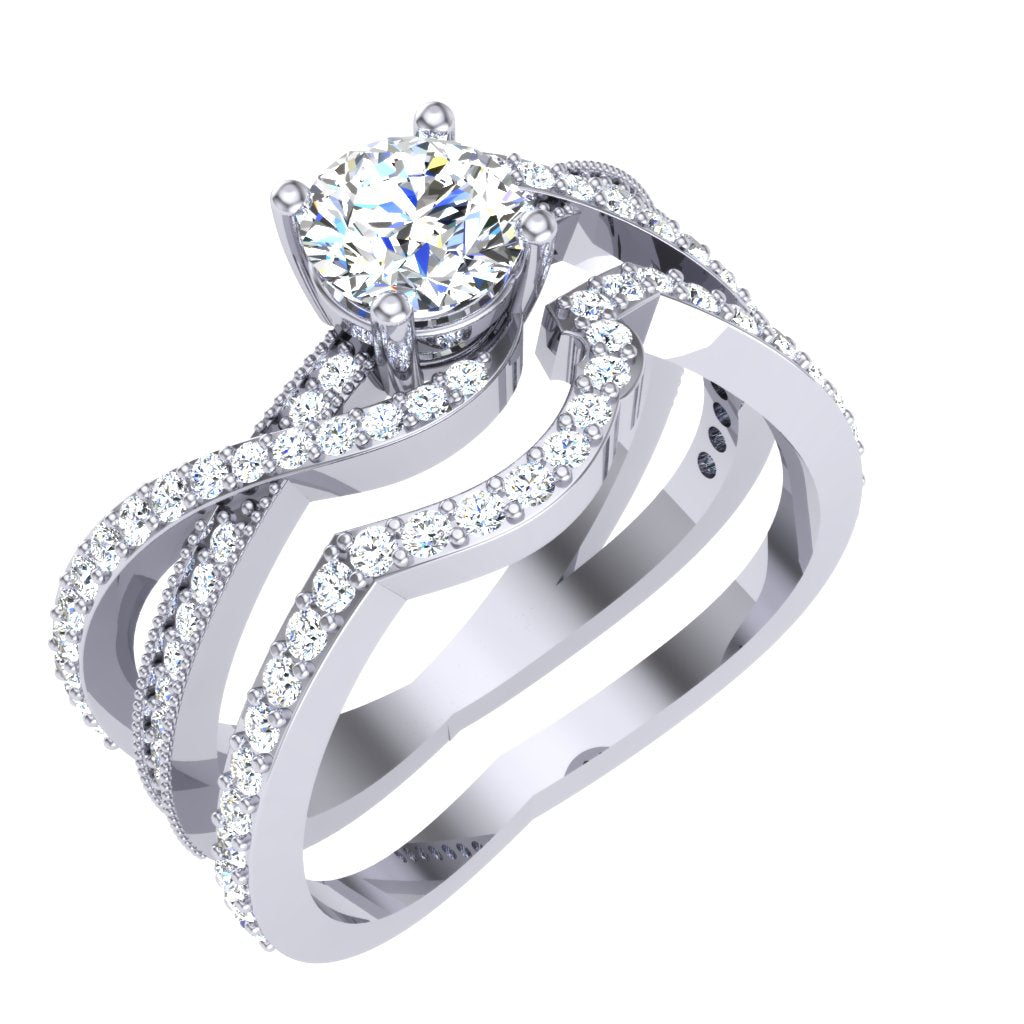
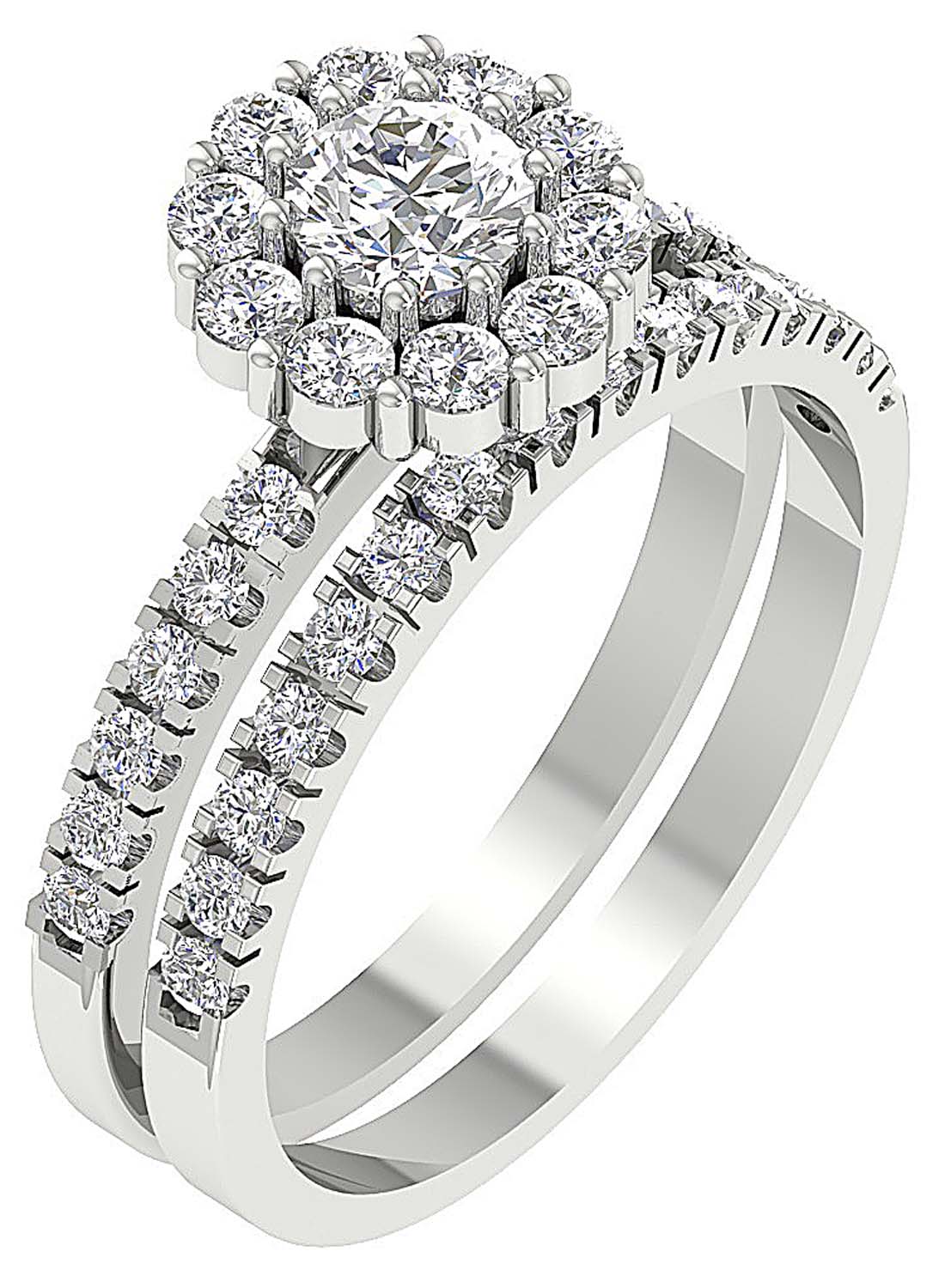
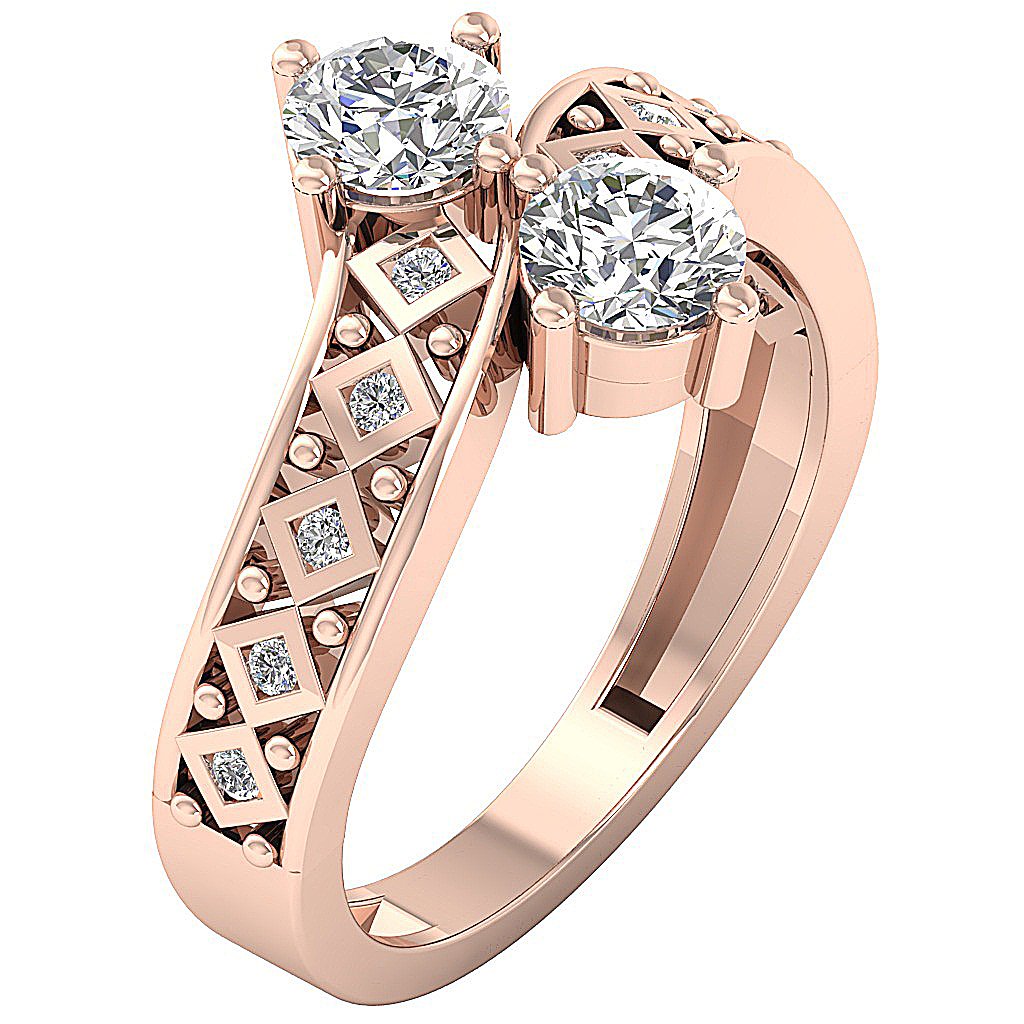
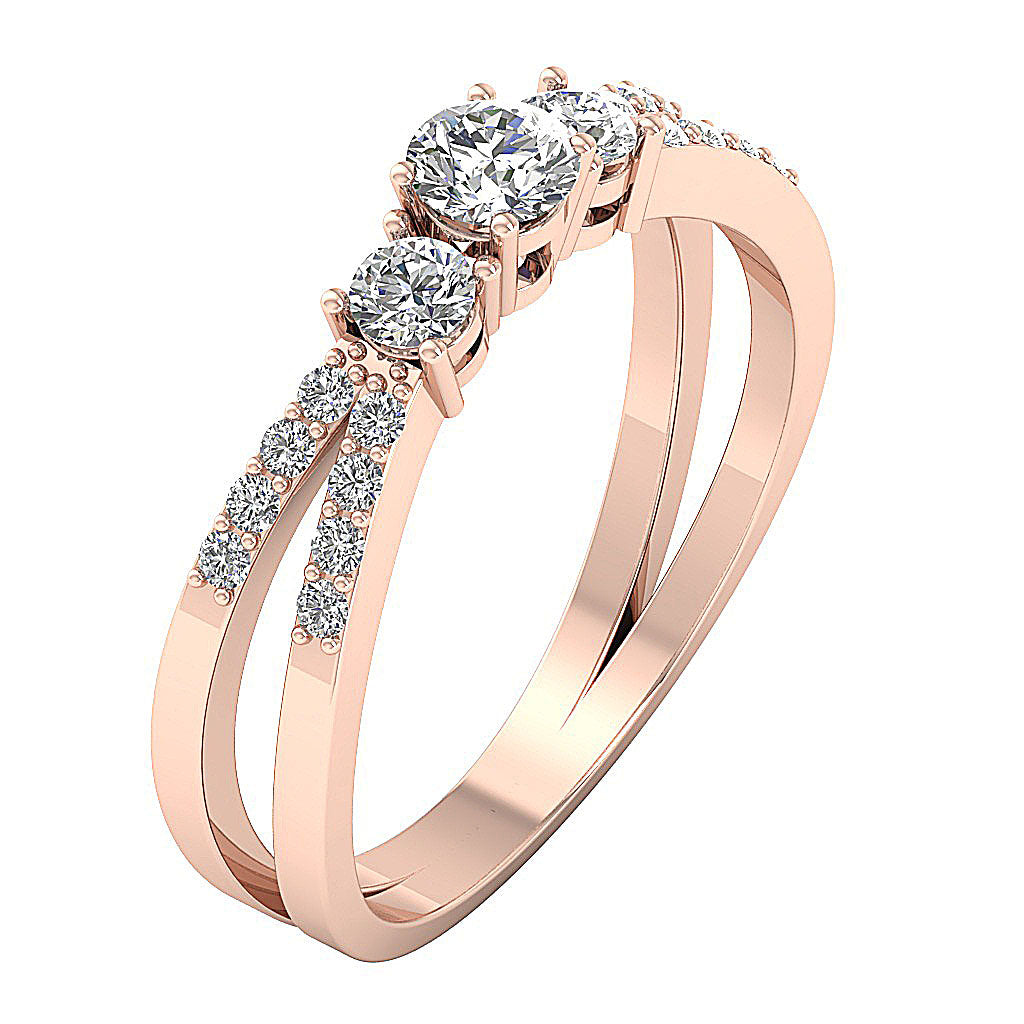
Diamond for Good uses rose gold across solitaire, halo, bridal, eternity, and two-stone designs, available in both 14K and 18K. Natural and lab-grown diamonds can be paired with the metal, with round, oval, and heart cuts among the shapes that complement its softer colour particularly well.
The copper within the alloy contributes to rose gold's hardness, although the exact durability of a ring depends on its karat, alloy composition, construction, and how it is worn. 14K rose gold contains approximately 58.5% pure gold, with the remaining alloy made up of metals including copper. 18K contains 75% pure gold, leaving a smaller proportion for the other alloying metals.
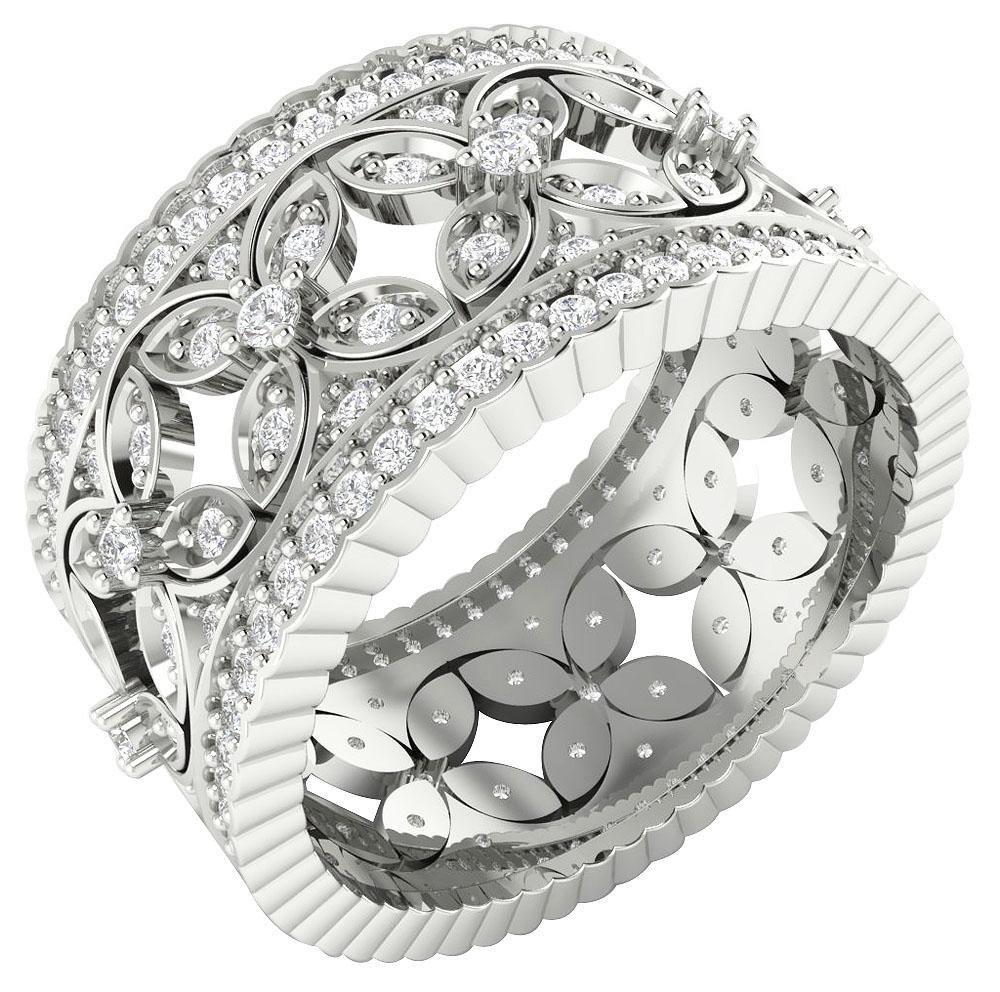
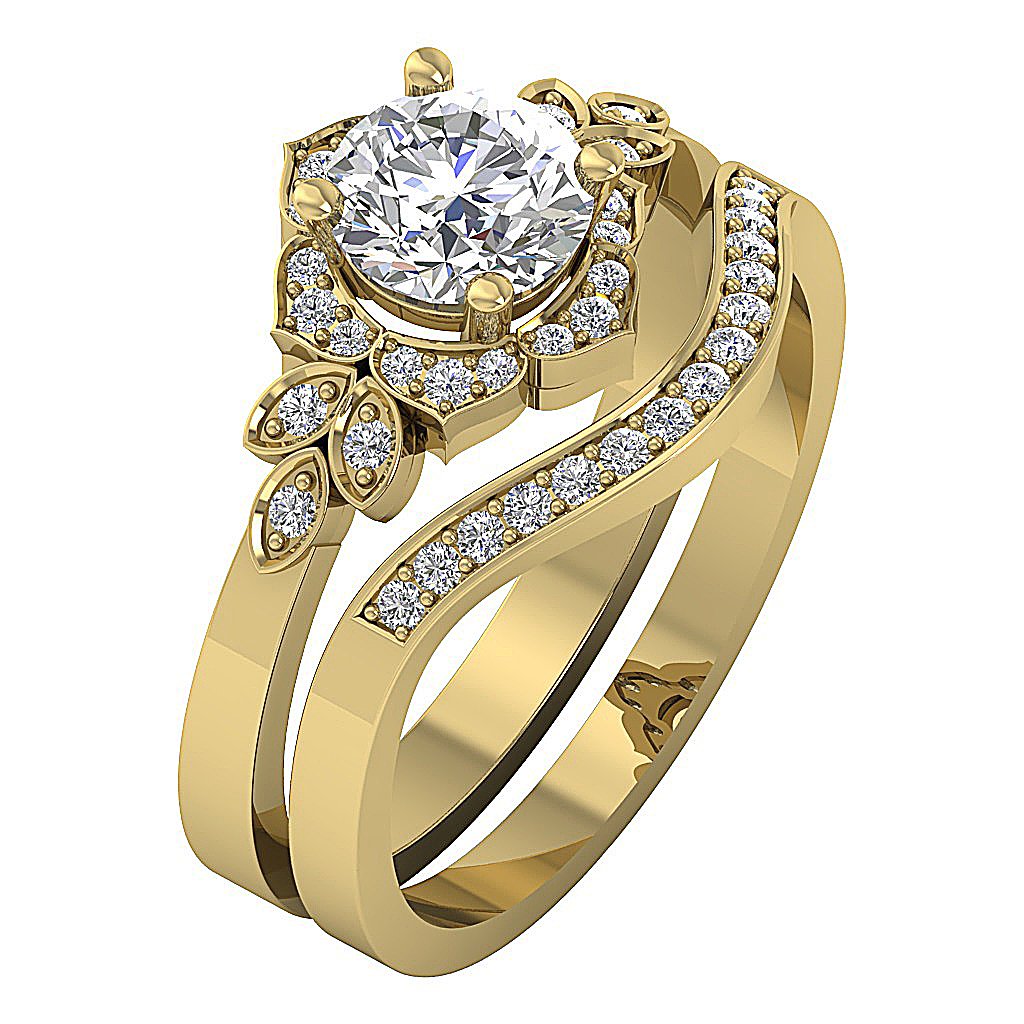
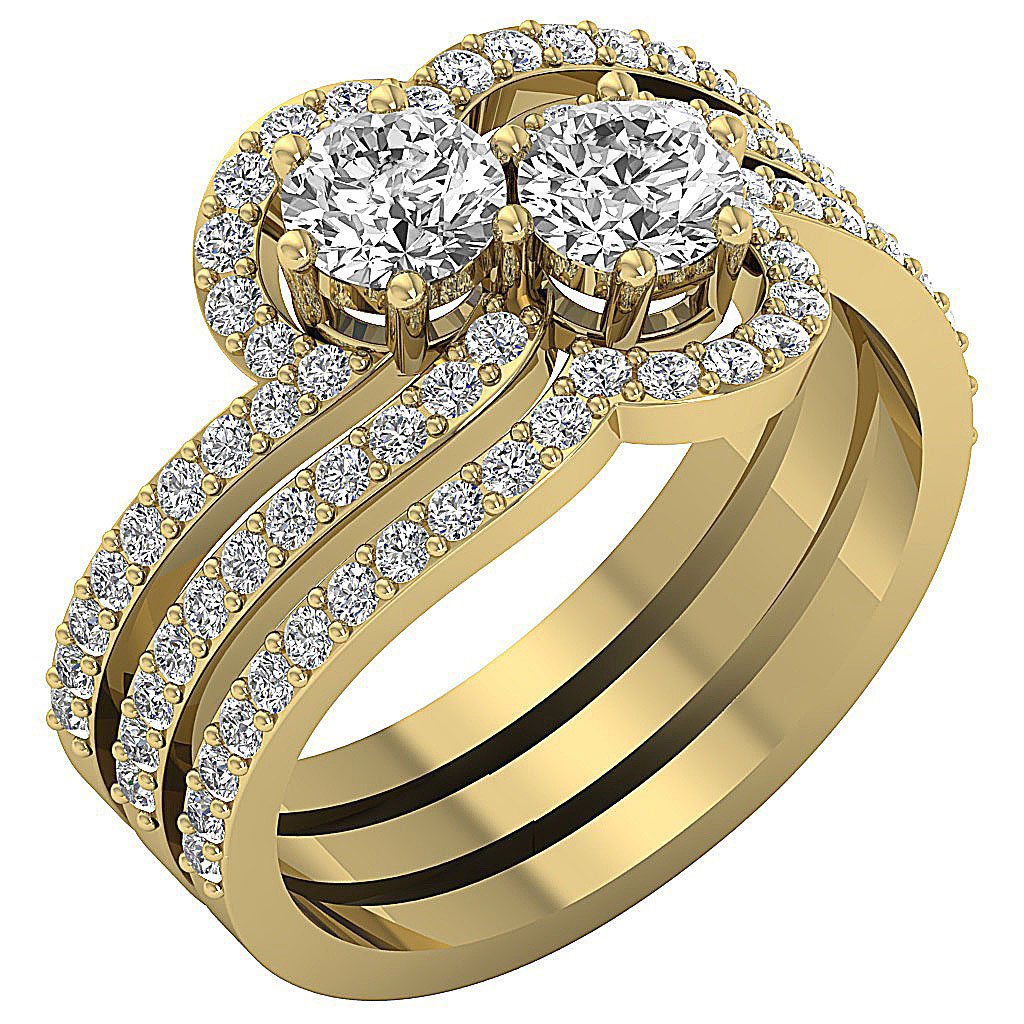
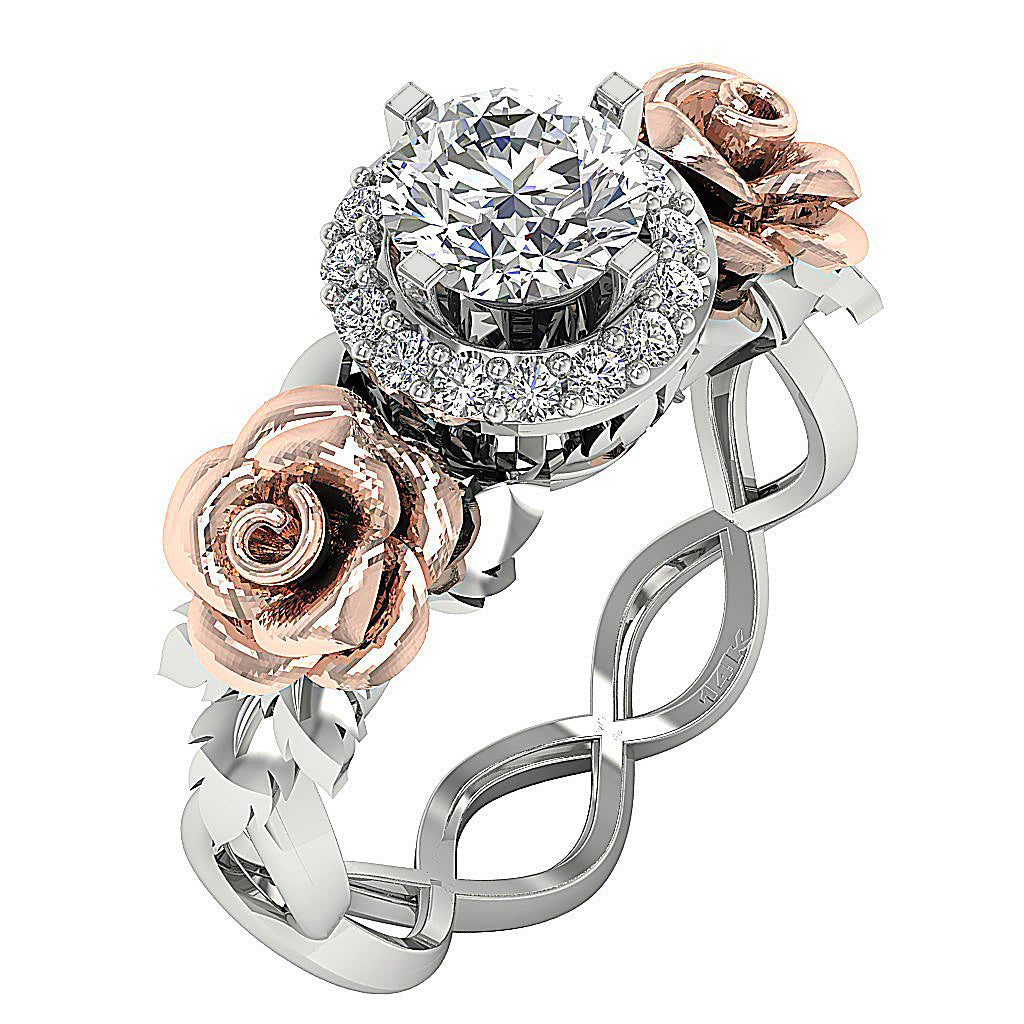
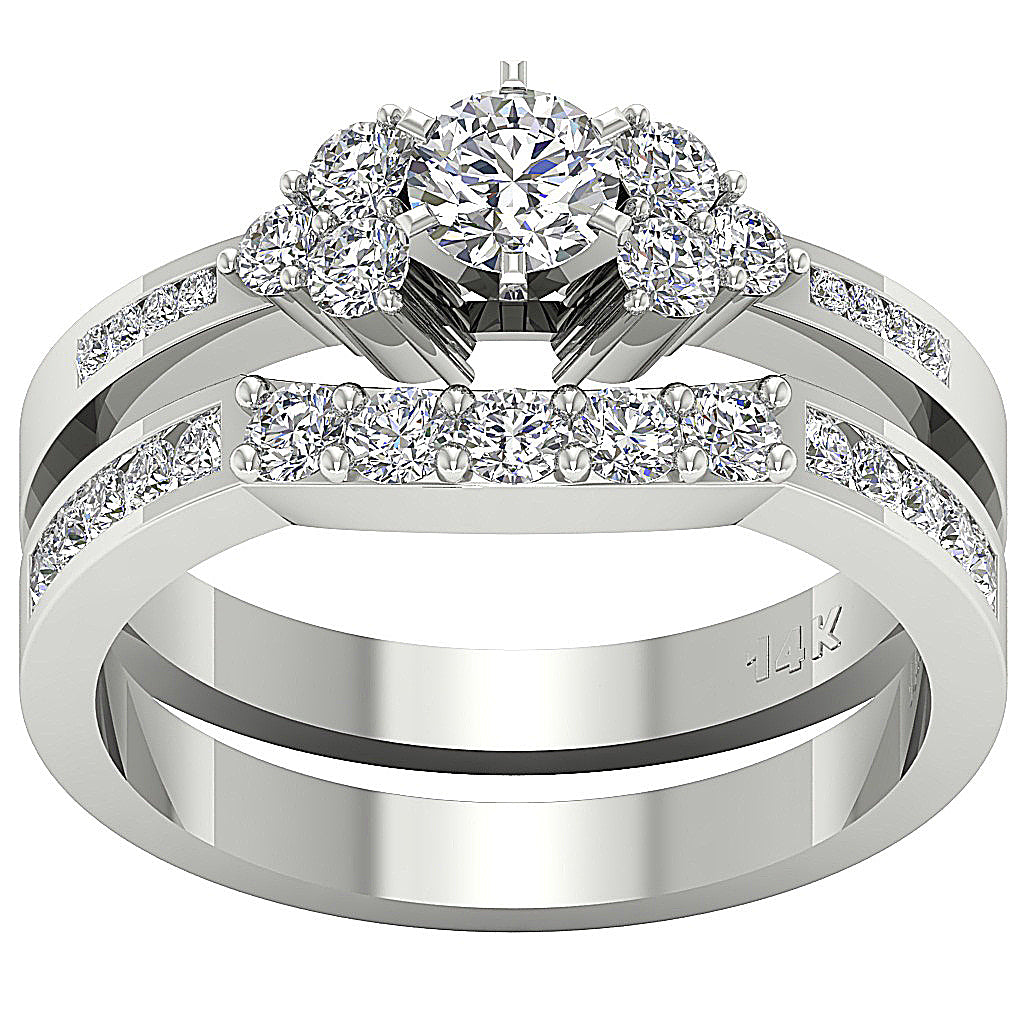
Some designs combine rose gold with yellow or white gold, creating contrast within the same piece. The additional metal tone can highlight particular sections of the setting while allowing rose gold to remain the dominant warmth of the design.
The Craft Behind Rose Gold Diamond Rings
The appeal of rose gold begins with its colour, but its construction determines how that colour performs over years of wear. Because the pink tone comes from the alloy rather than a surface treatment, it remains part of the metal rather than sitting as a finish over another colour.
14K provides a harder alloy suited to frequent daily wear, while 18K places a greater proportion of pure gold in the piece and offers a richer, more luxurious colour.
A highly polished rose gold surface creates a bright reflection around the diamond, while regular wear gradually introduces fine marks and a softer surface character. For many pieces, that gradual change becomes part of the ring's story rather than something that diminishes its appeal.
Wearing It Well: Styling Your Rose Gold Diamond Ring
Rose gold has a warmth that works comfortably across many skin tones, but the best indication is always how the actual metal looks against the hand it will be worn on. Its pink undertone can appear subtle on some complexions and more pronounced on others.
When stacking, begin with pieces that share a similar warmth. Rose gold worn alongside other rose or yellow gold creates a cohesive look, while white gold and platinum can introduce a deliberate contrast when used selectively.
Consider the diamond shape as well. Rounded cuts such as ovals and cushions reinforce the softness of rose gold, while emerald and princess cuts create a more striking balance between crisp geometry and warm metal.
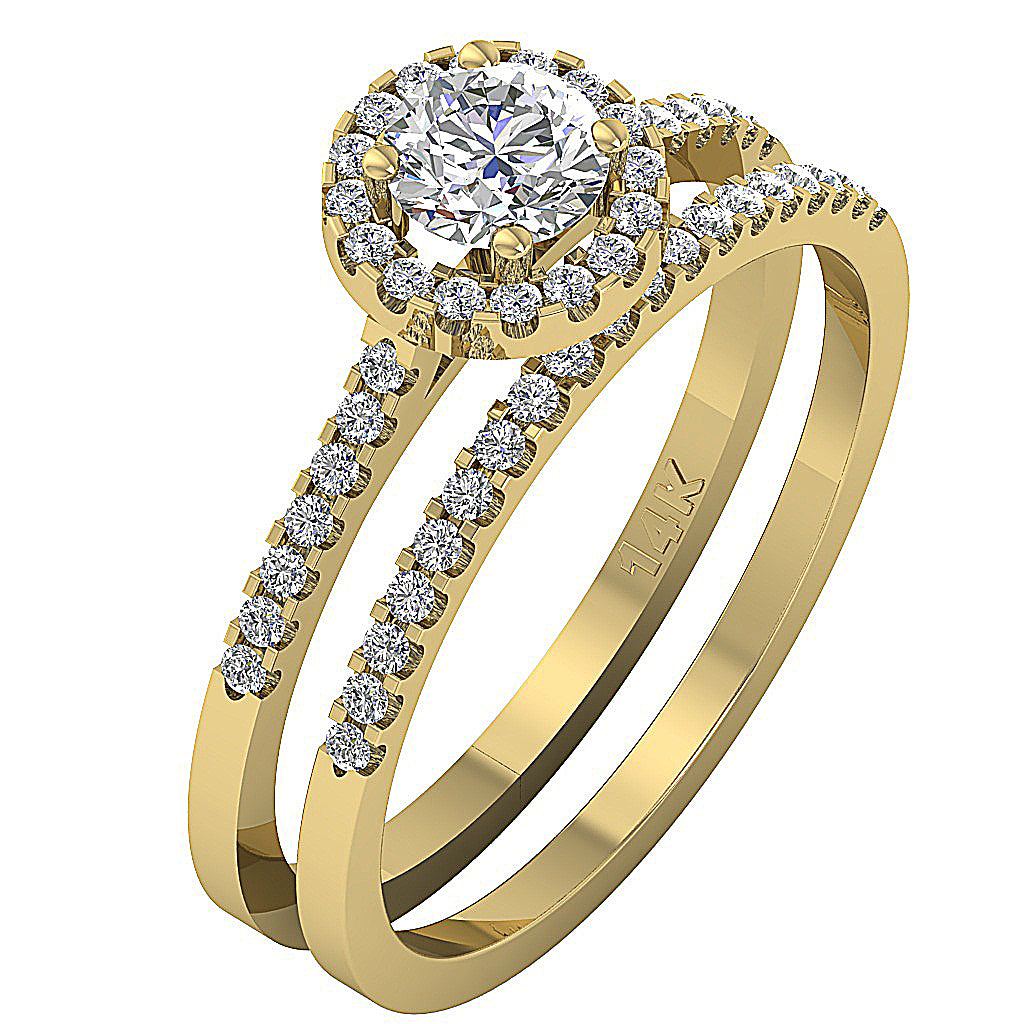
A two-tone ring offers another way to work with the colour. Pairing rose gold with white or yellow gold can define different sections of the design without losing its disinctive warmth.
A Colour Rooted in History
Rose gold has a long association with European jewellery, including nineteenth-century Russian designs that helped establish its early reputation. Its popularity resurfaced during later periods of jewellery design, particularly when designers embraced stronger metal and colour contrasts.
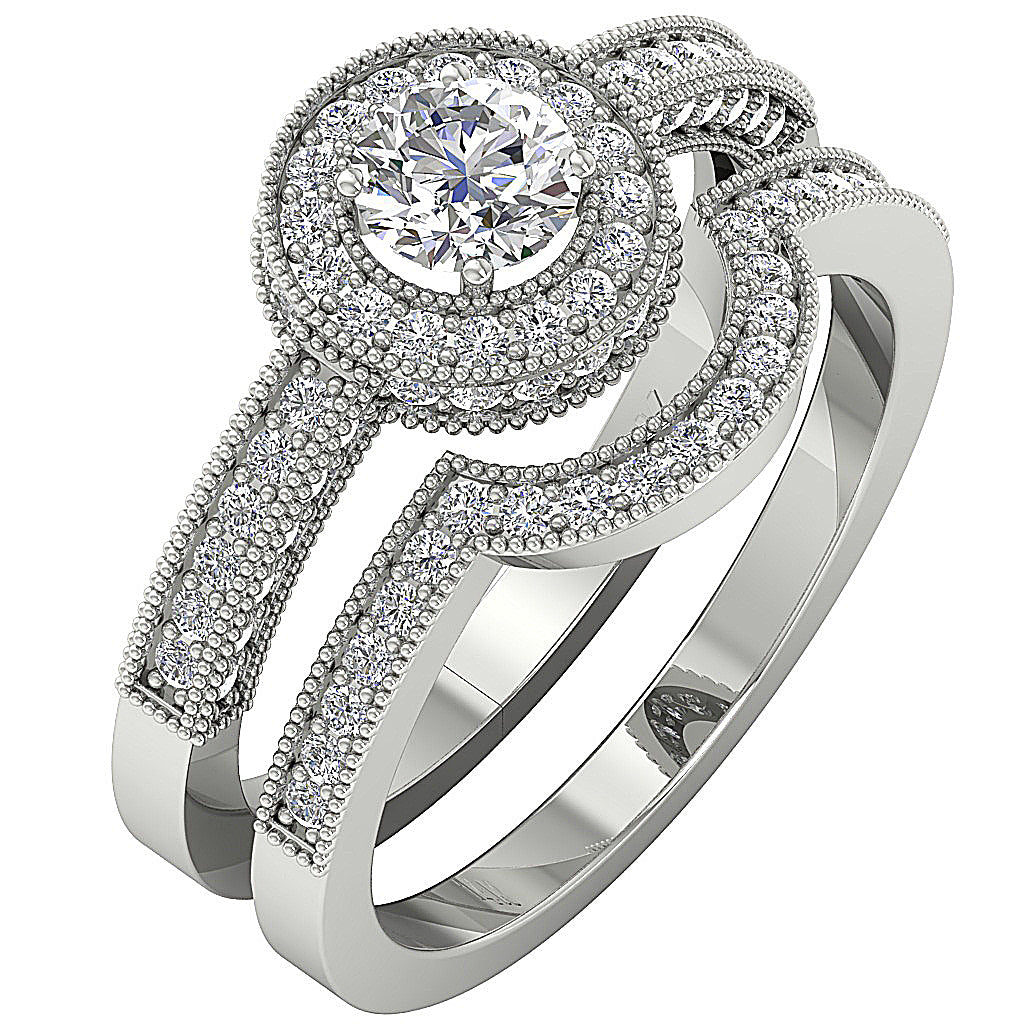
That history explains some of its natural affinity with vintage-inspired jewellery. Filigree, milgrain, engraved details, and other intricate treatments already carry a sense of another era, and rose gold reinforces that warmth without making the piece feel strictly historical.
Yet the metal does not belong exclusively to vintage design. Used in a pared-back solitaire or a simple modern setting, rose gold can feel remarkably current. Its ability to move between these aesthetics is what kept it relevant across changing jewellery trends.
Living With It: How to Care For Your Rose Gold Diamond Ring
Regular cleaning helps preserve the brightness of both the metal and the diamond. Clean weekly with warm water, mild soap, and a soft-bristled brush, paying particular attention to prongs and detailed areas where residue can collect.
The surface may develop fine scratches or a subtle patina over time, particularly with frequent wear. These changes are normal for gold jewellery and can be reduced through professional cleaning and polishing.
Have a jeweller inspect the setting annually, especially if the ring is worn daily. Prongs can loosen gradually regardless of metal colour, and checking them regularly helps identify problems before a diamond becomes loose.
Store the ring separately from harder gemstones and other jewellery when it is not being worn. Rose gold is durable, but no gold alloy is completely resistant to surface marks caused by repeated contact.
Warm in colour, quietly distinctive, and designed to let a diamond glow against something softer than tradition.