Right Hand Rings
A right hand ring carries no obligation to an engagement ring or wedding band, and that independence is central to its appeal. Worn on the hand traditionally left outside bridal jewelry, it can mark a personal achievement, a milestone, or simply a moment worth celebrating. The tradition reaches back to the self-purchased cocktail rings of the 1920s, when choosing fine jewelry for oneself carried a distinctly modern sense of independence.
A Century of Self-Purchase
The cocktail ring emerged during Prohibition-era America, its bold scale reflecting the newfound social and economic independence of women in the 1920s. It returned as glamorous evening jewelry in the 1950s and 1960s before becoming a more versatile statement piece by the 1980s.
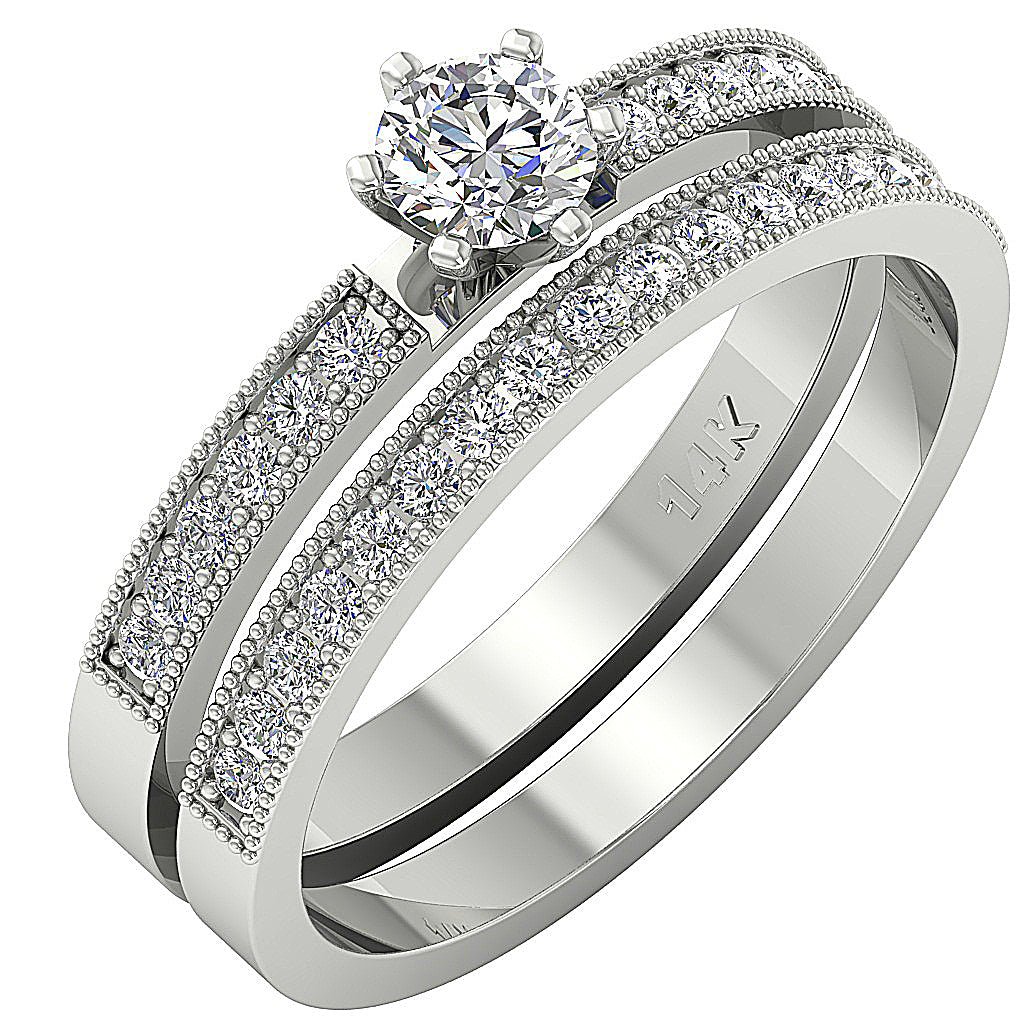
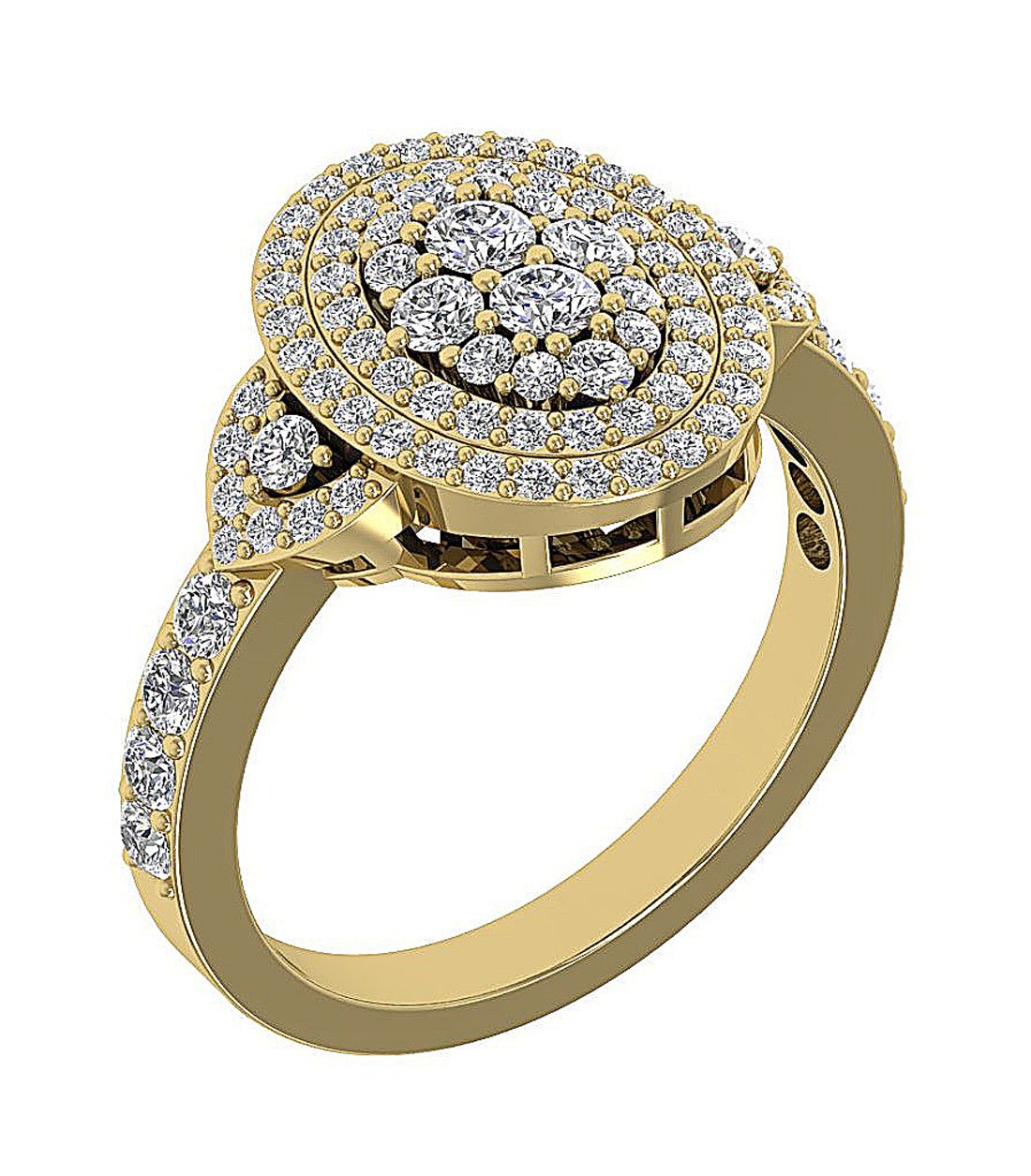
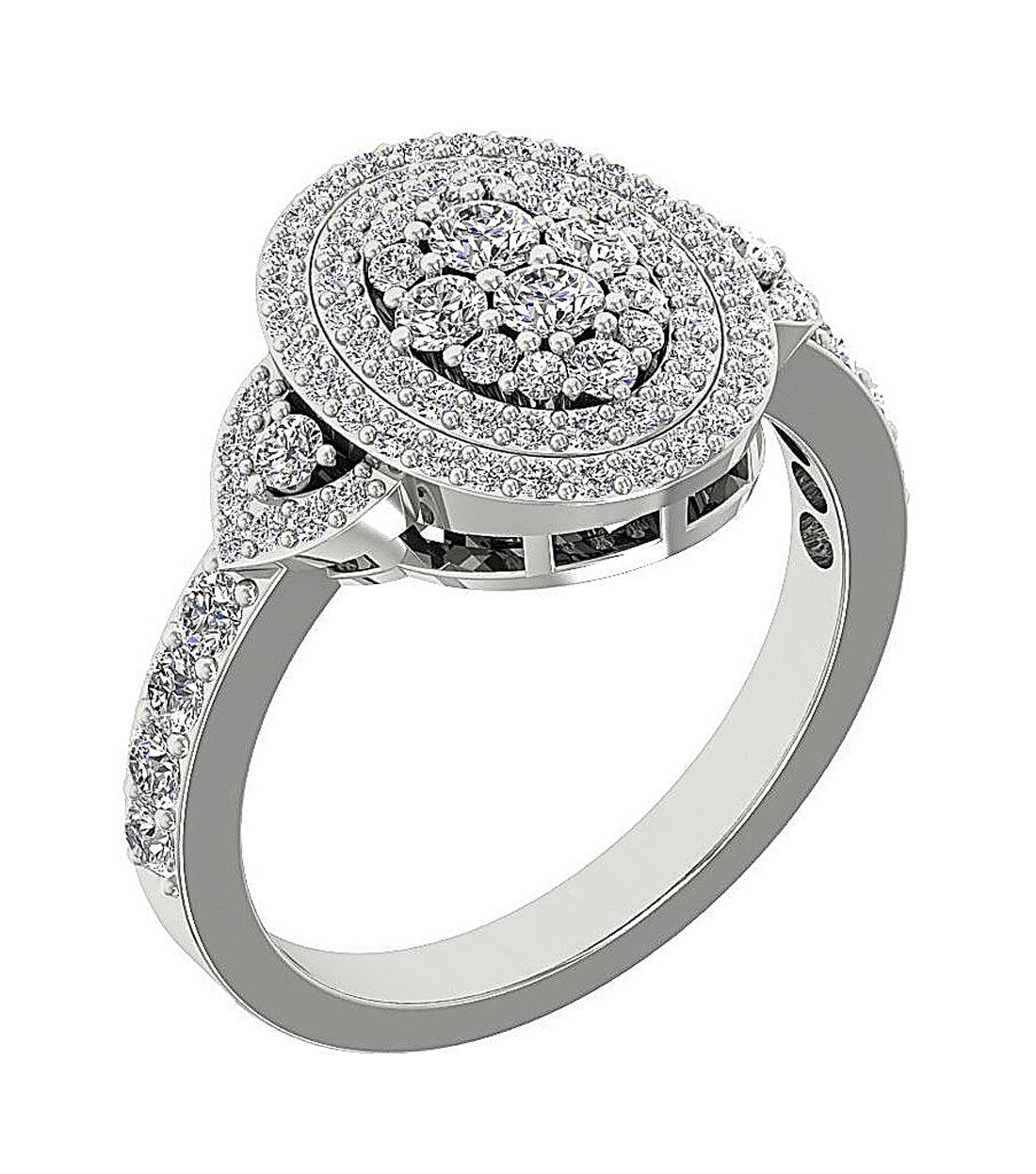
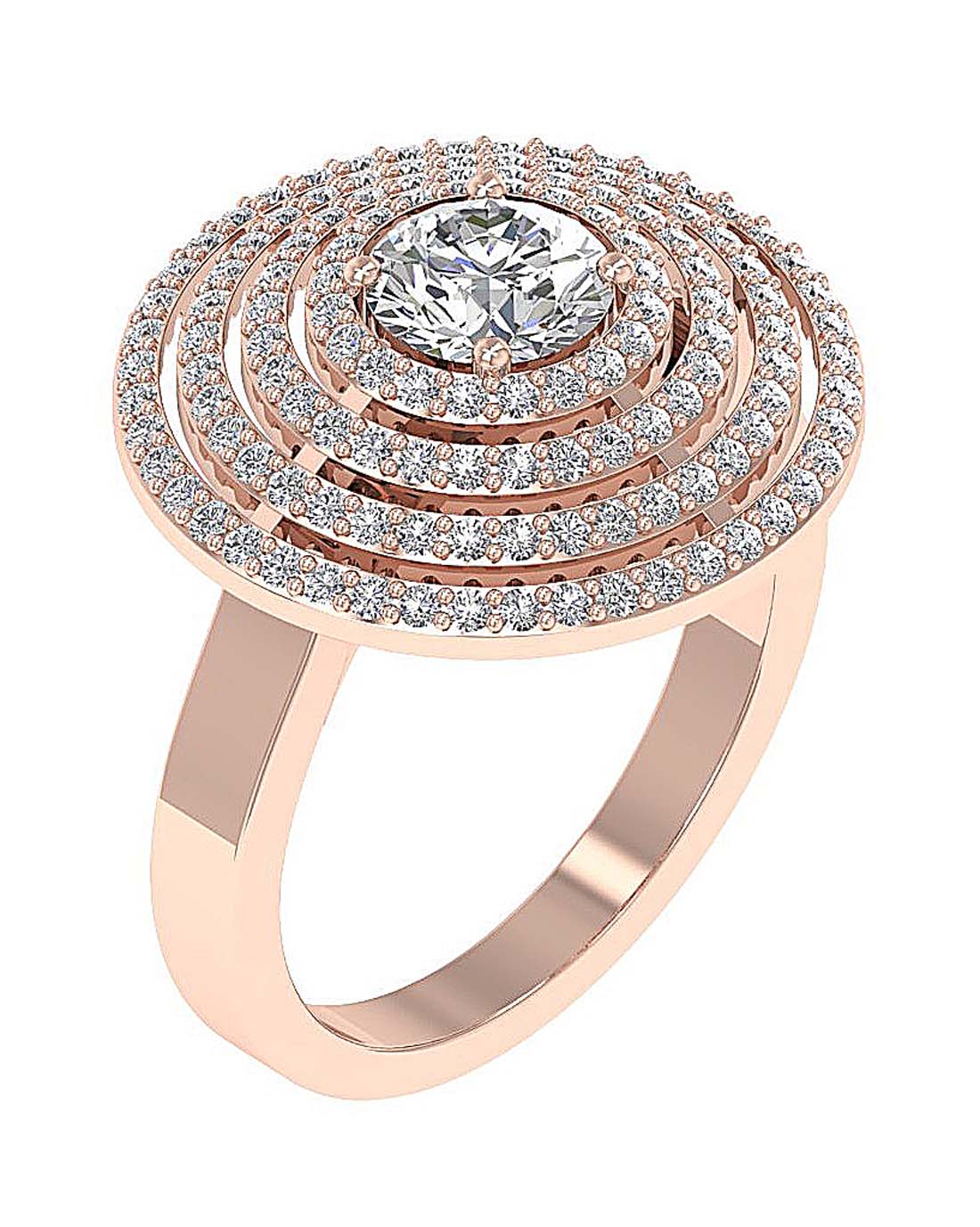
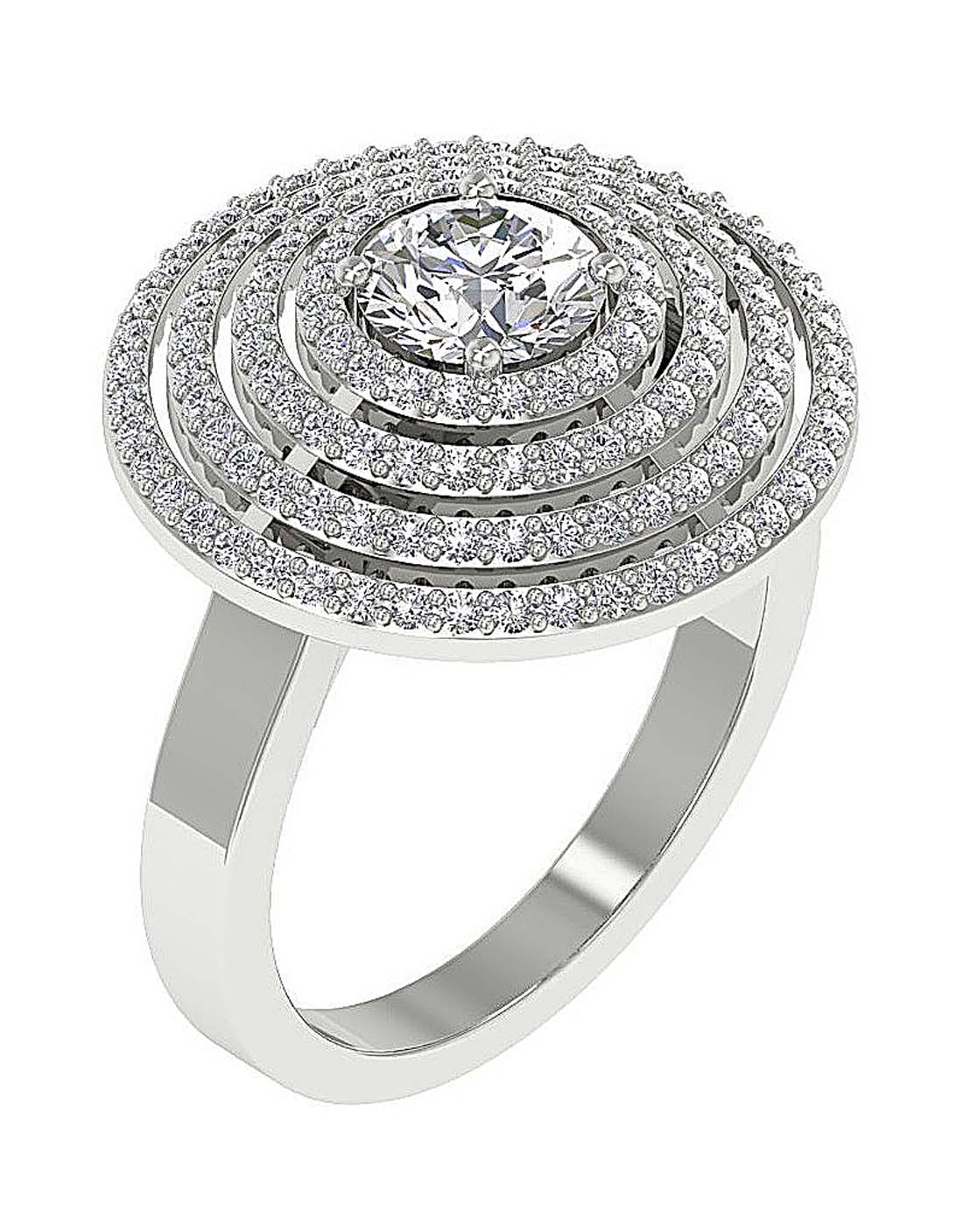
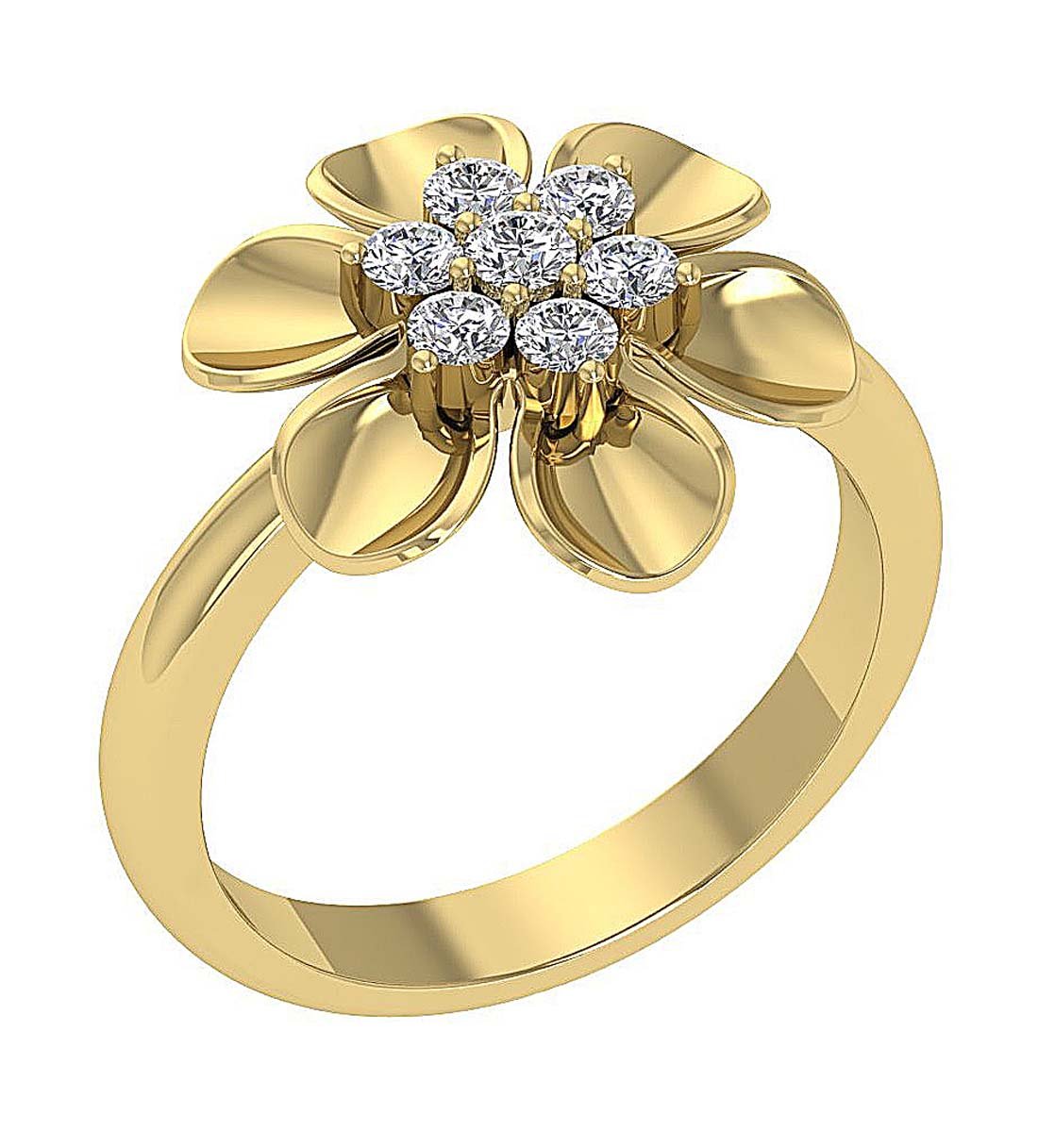
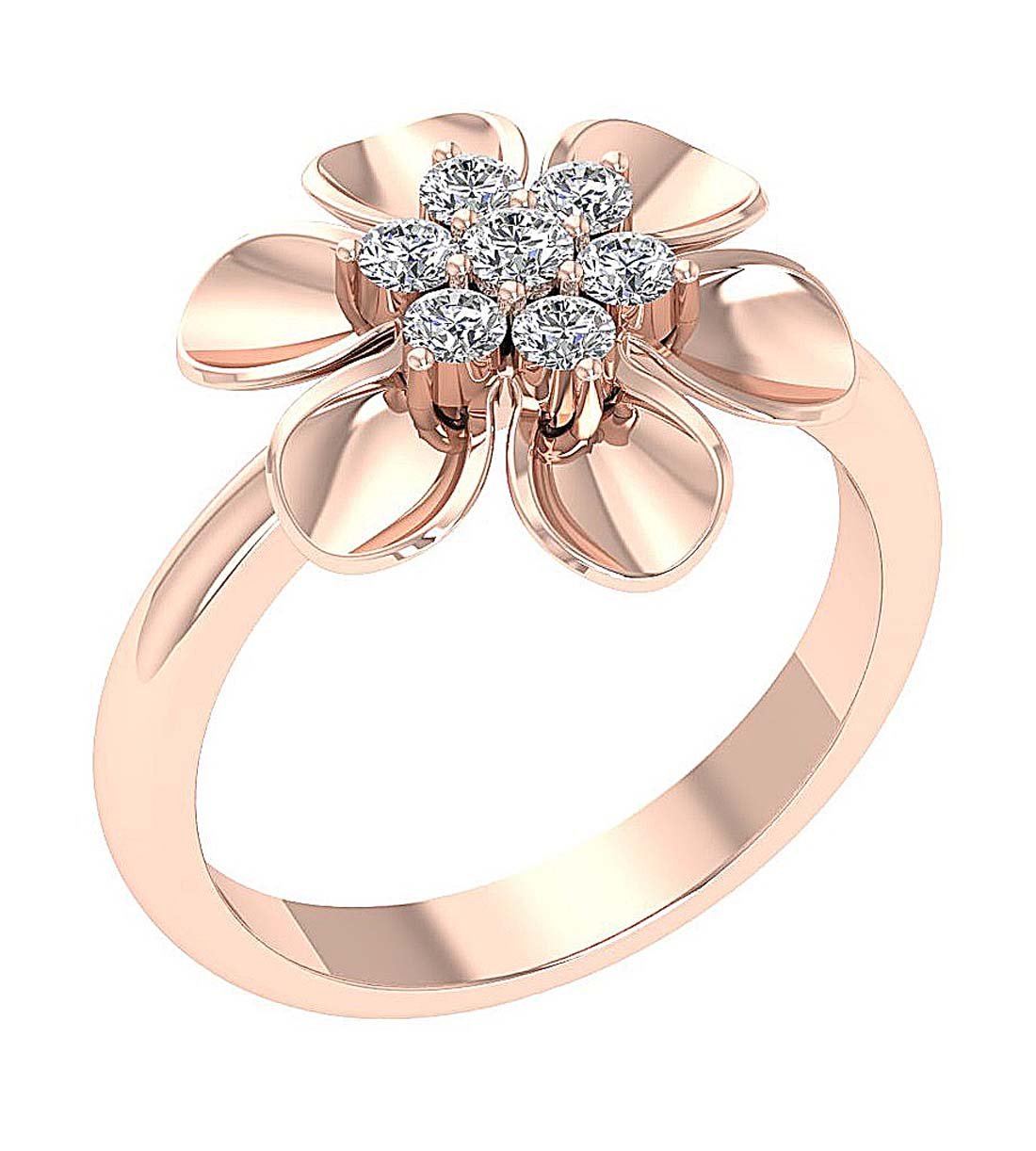
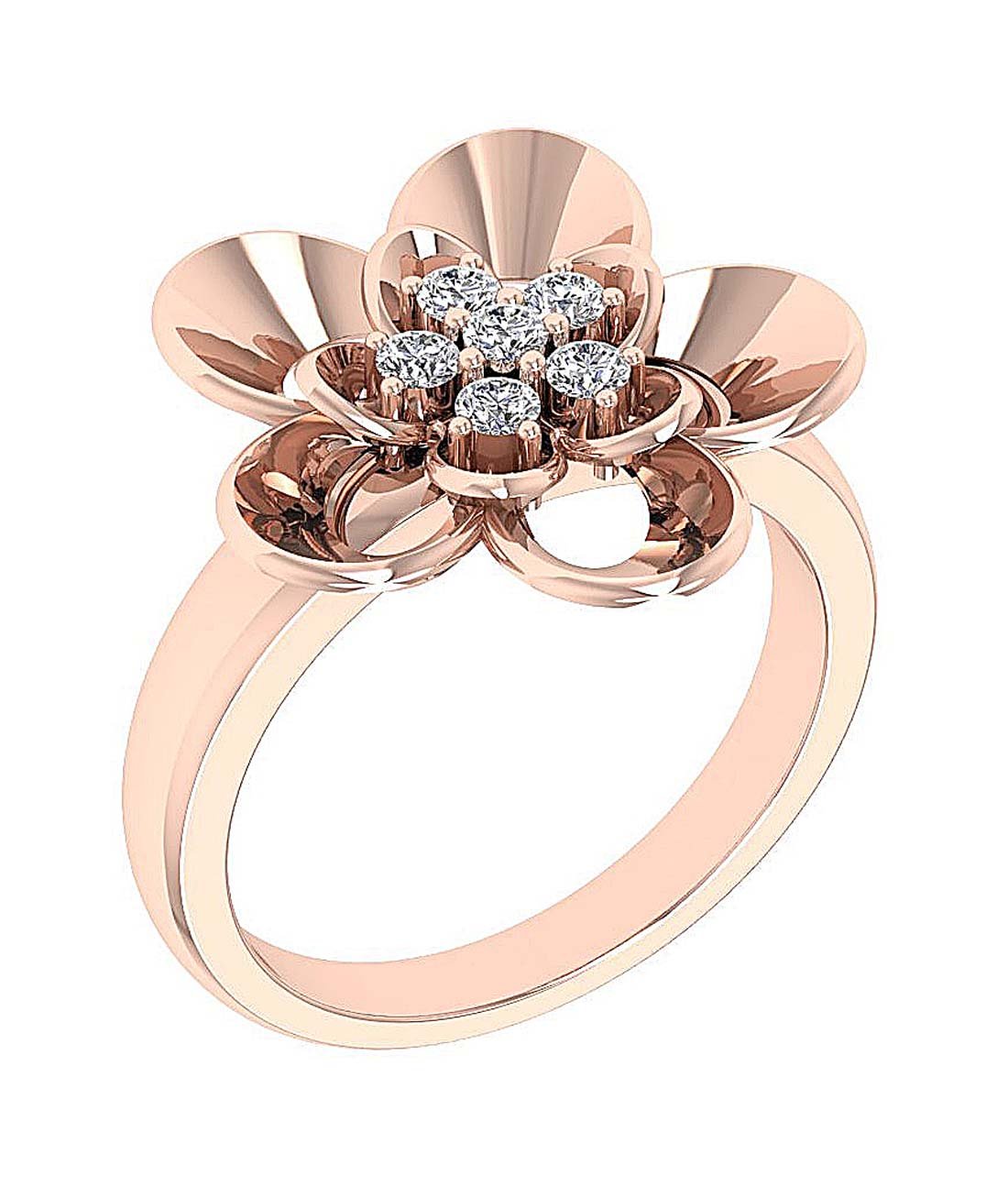
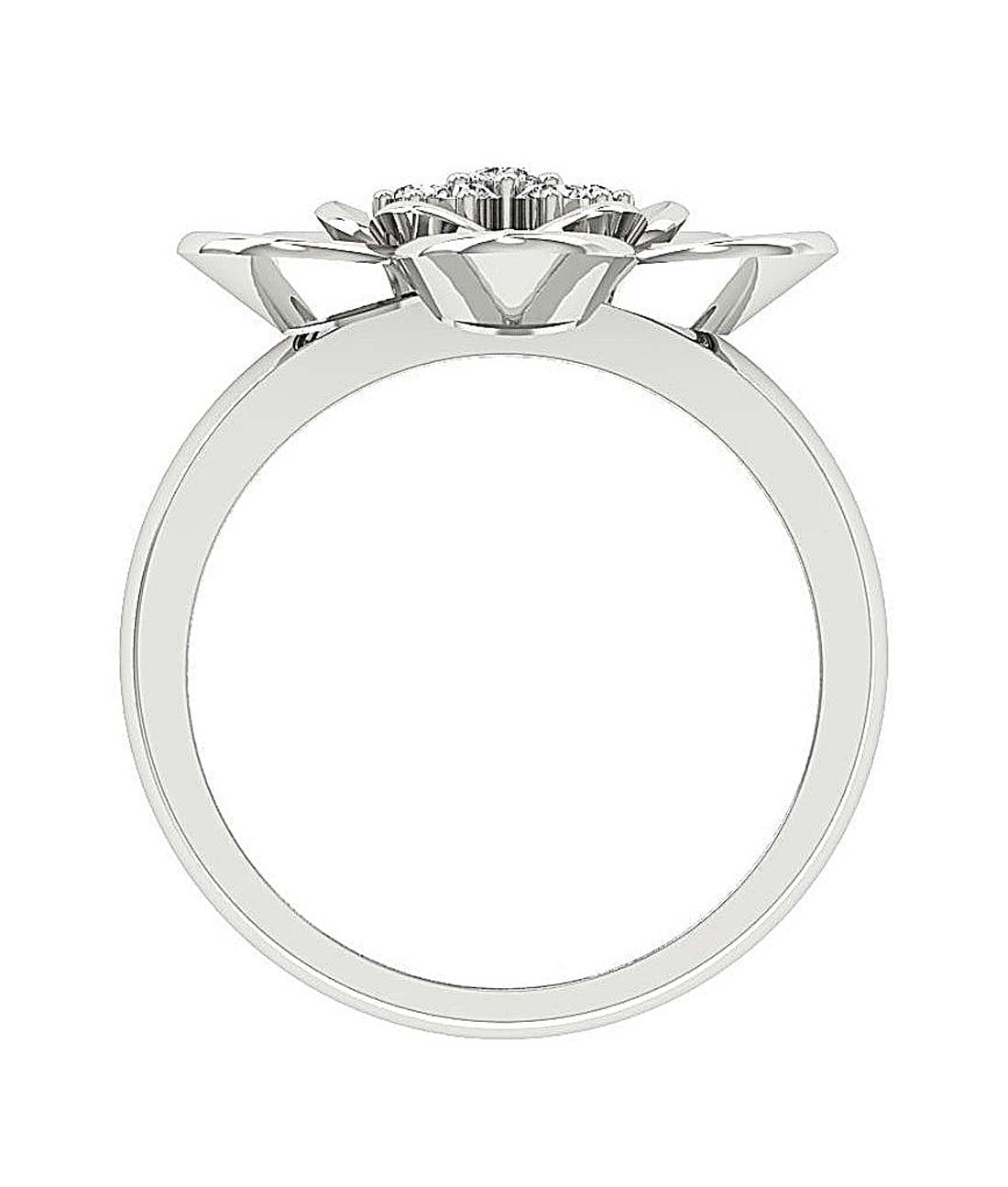
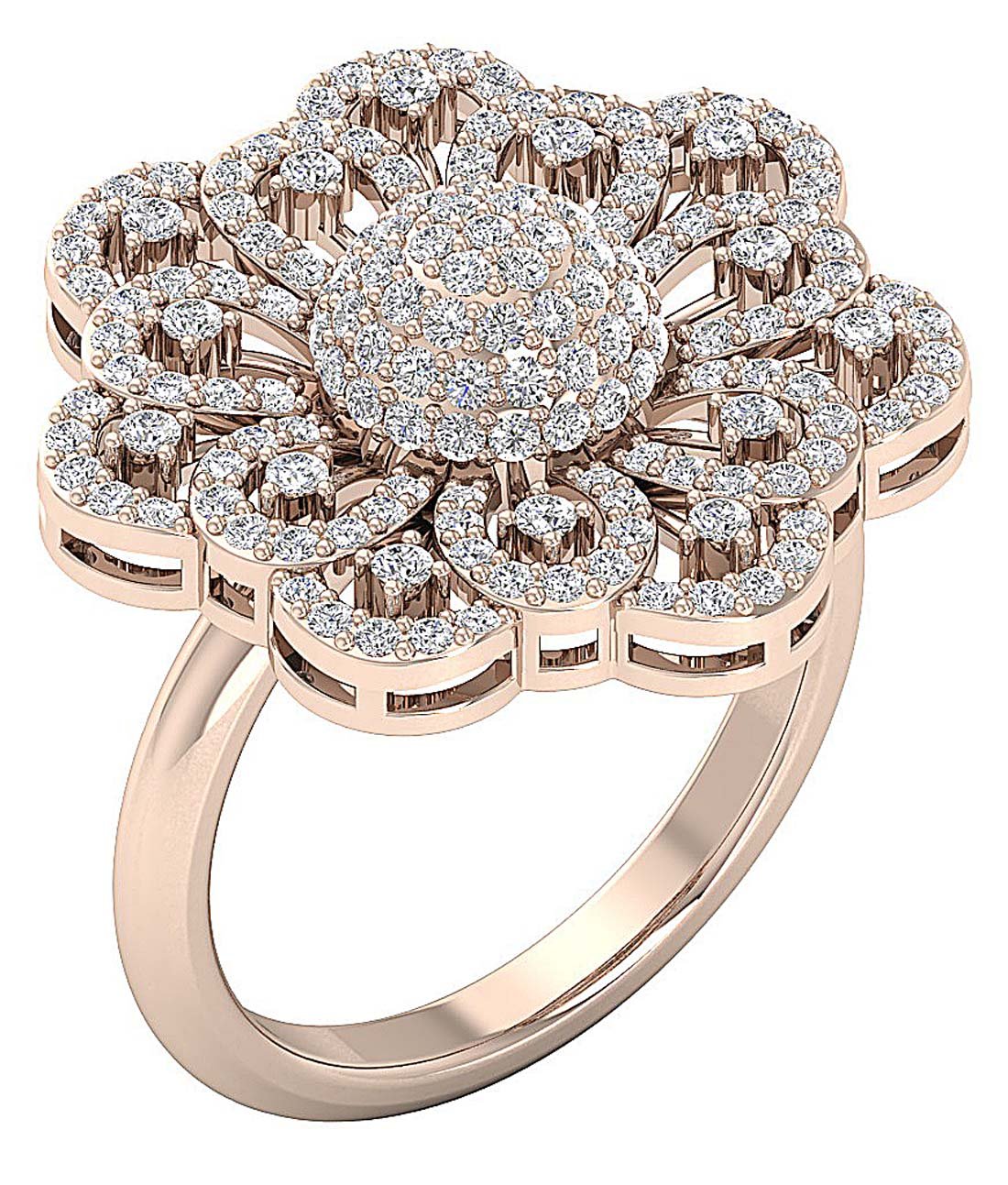
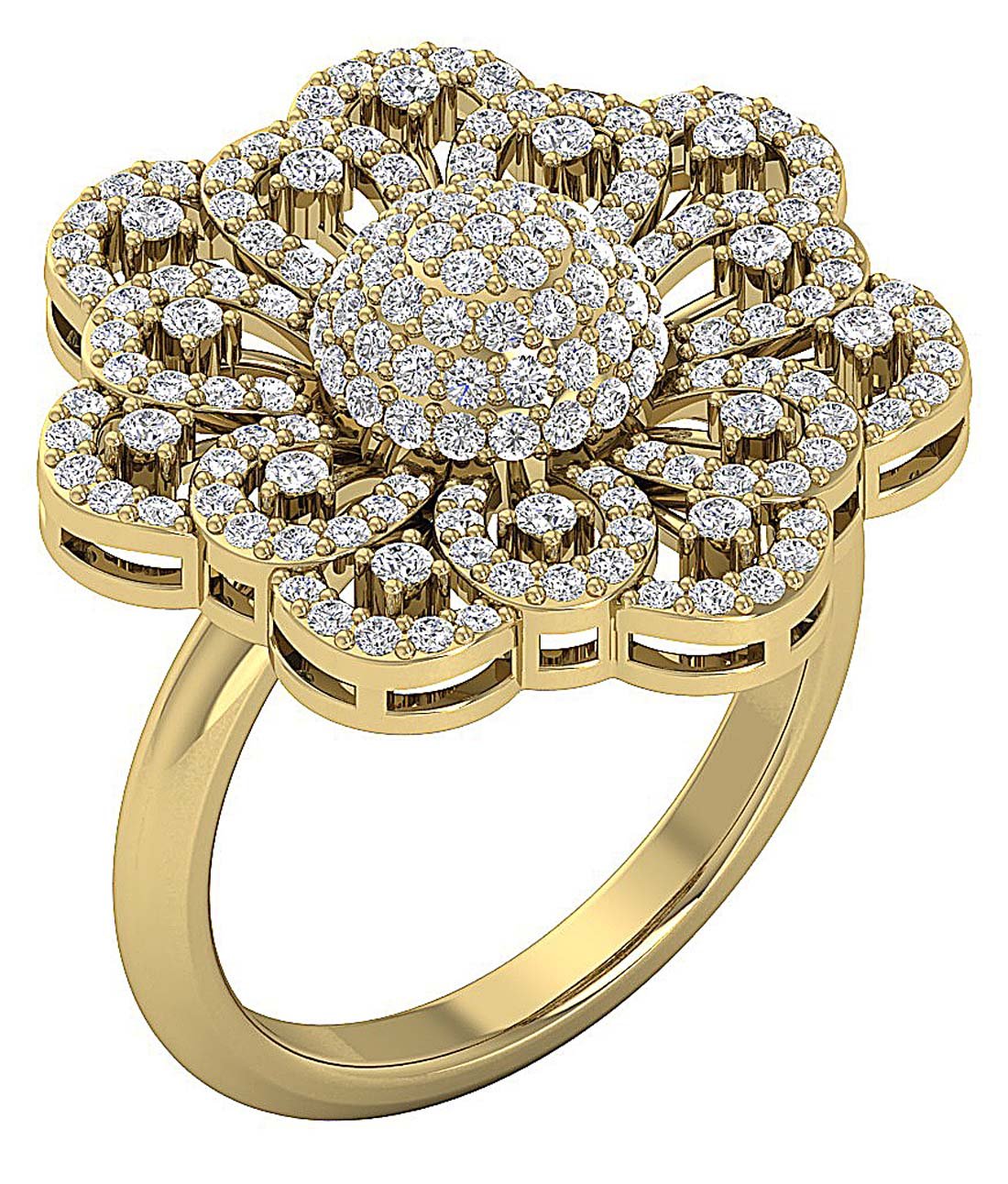
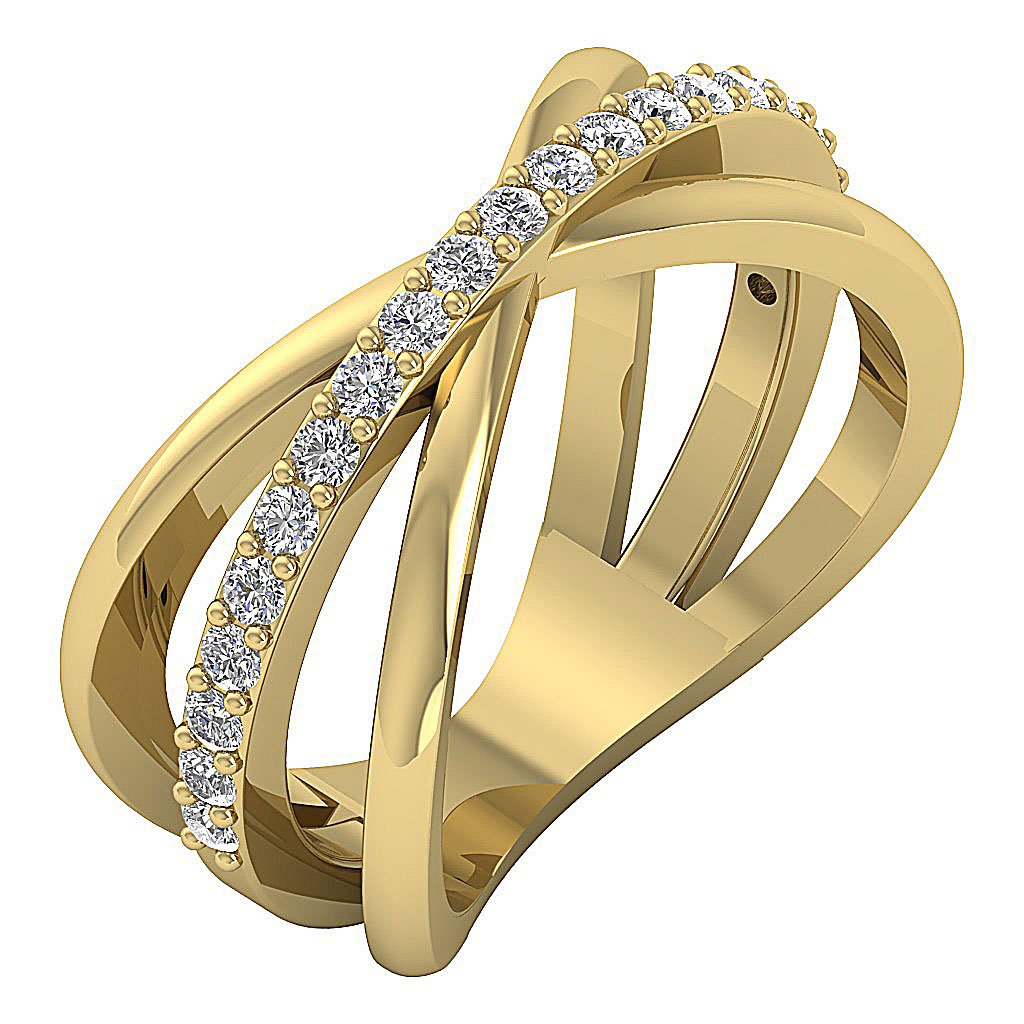
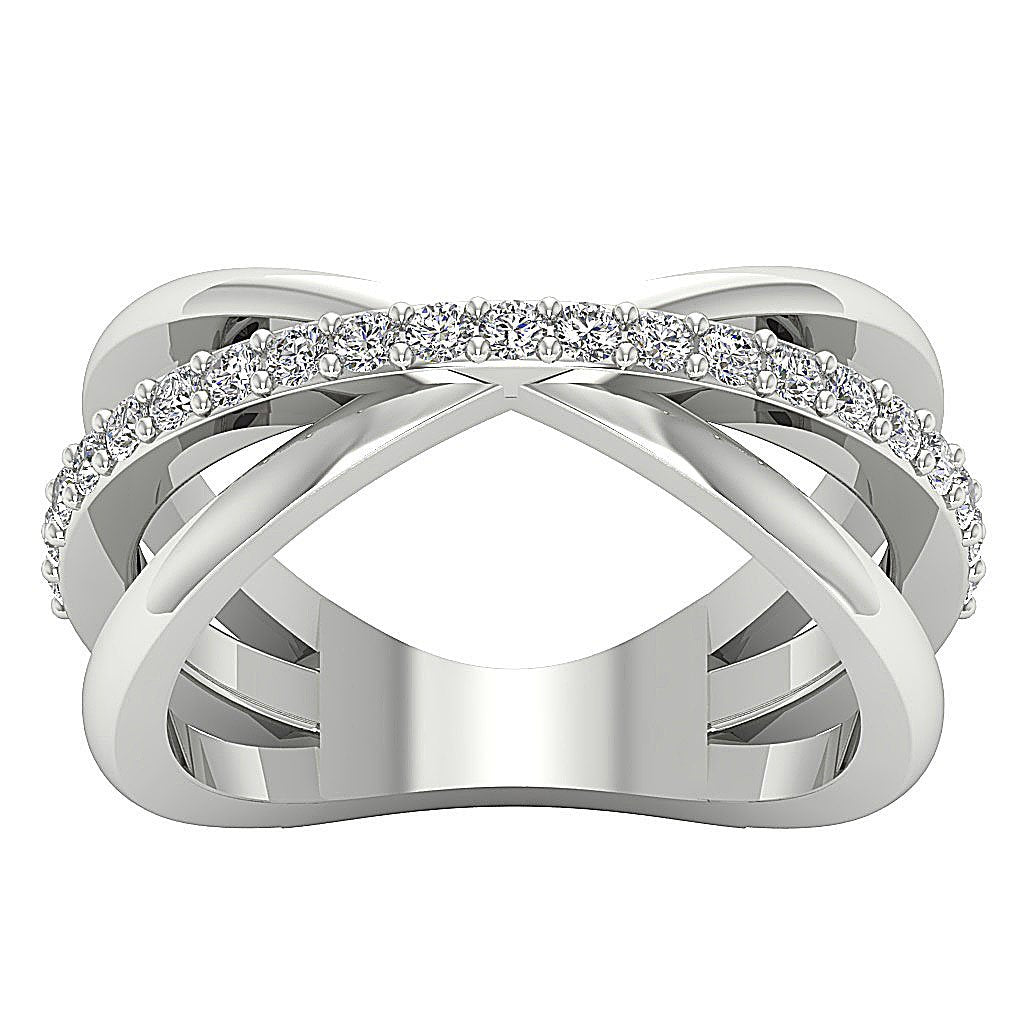
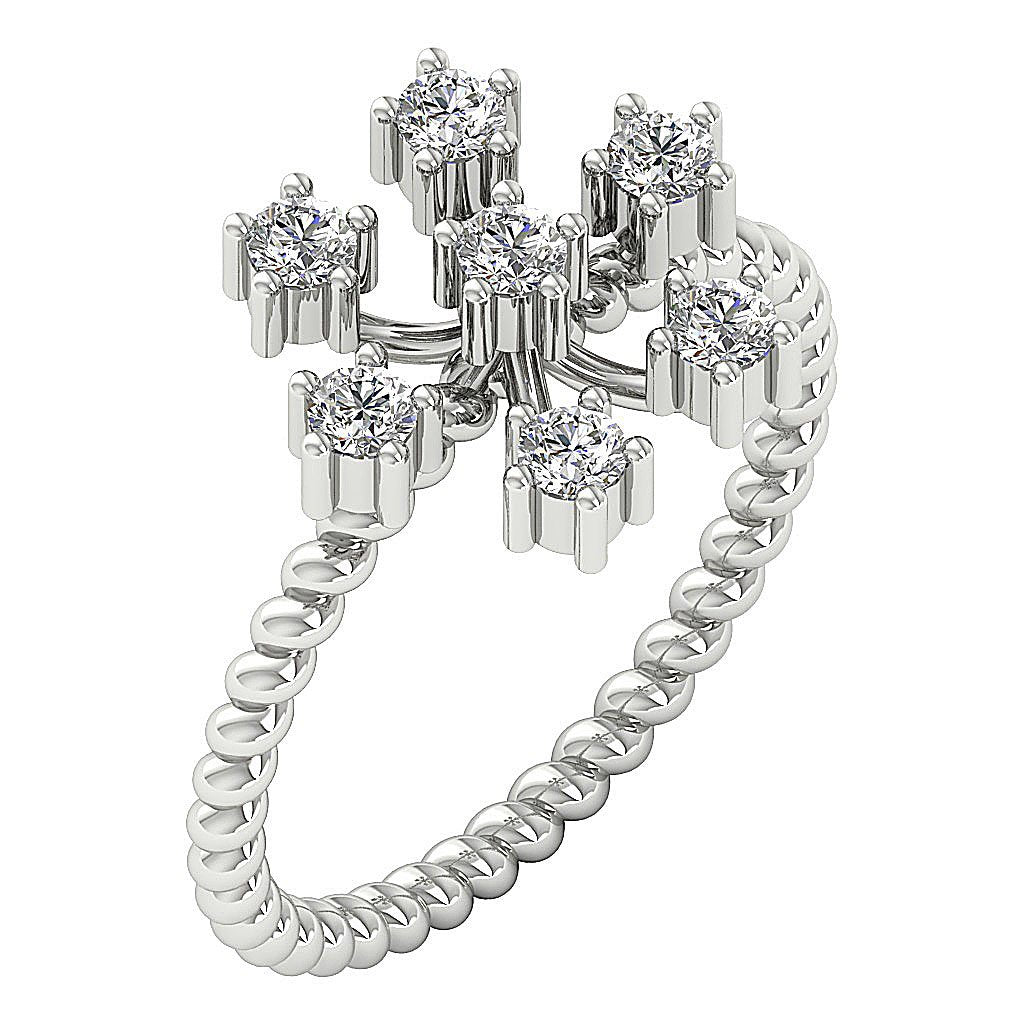
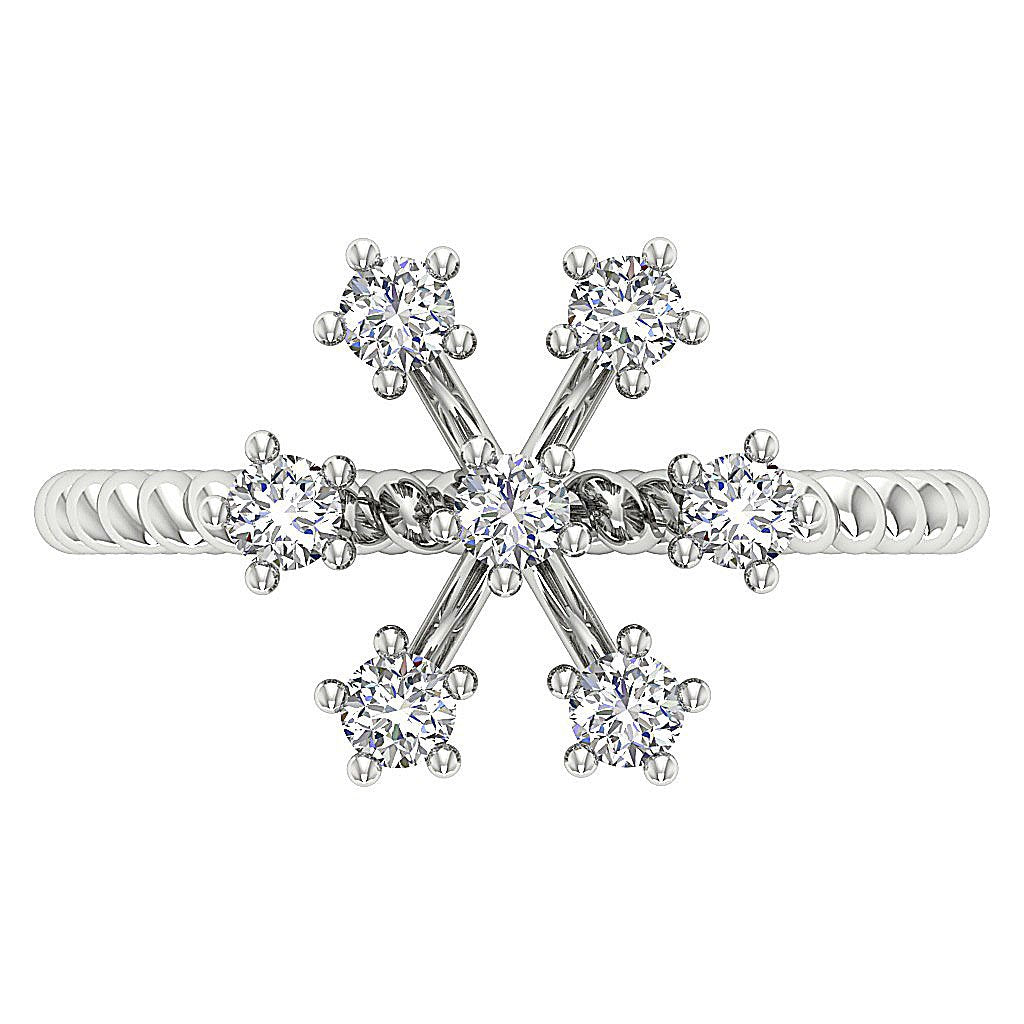
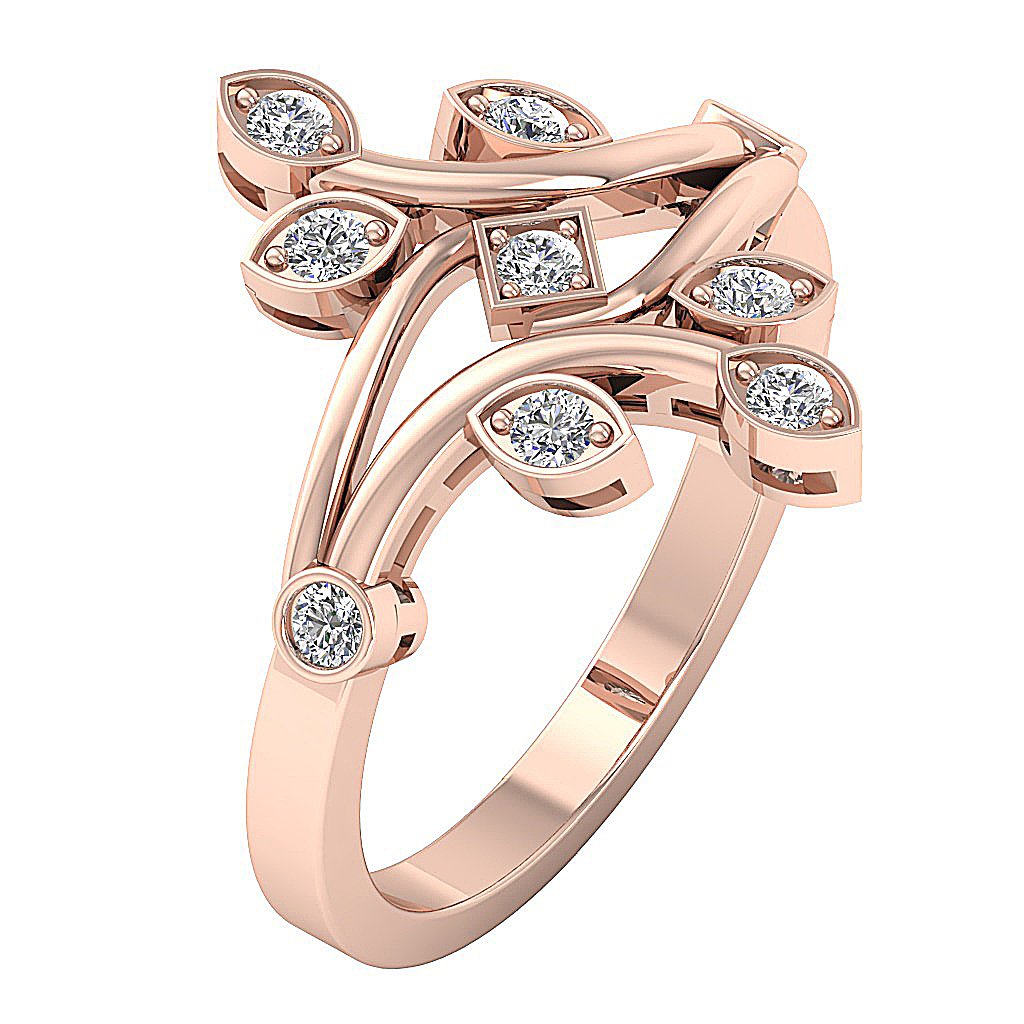
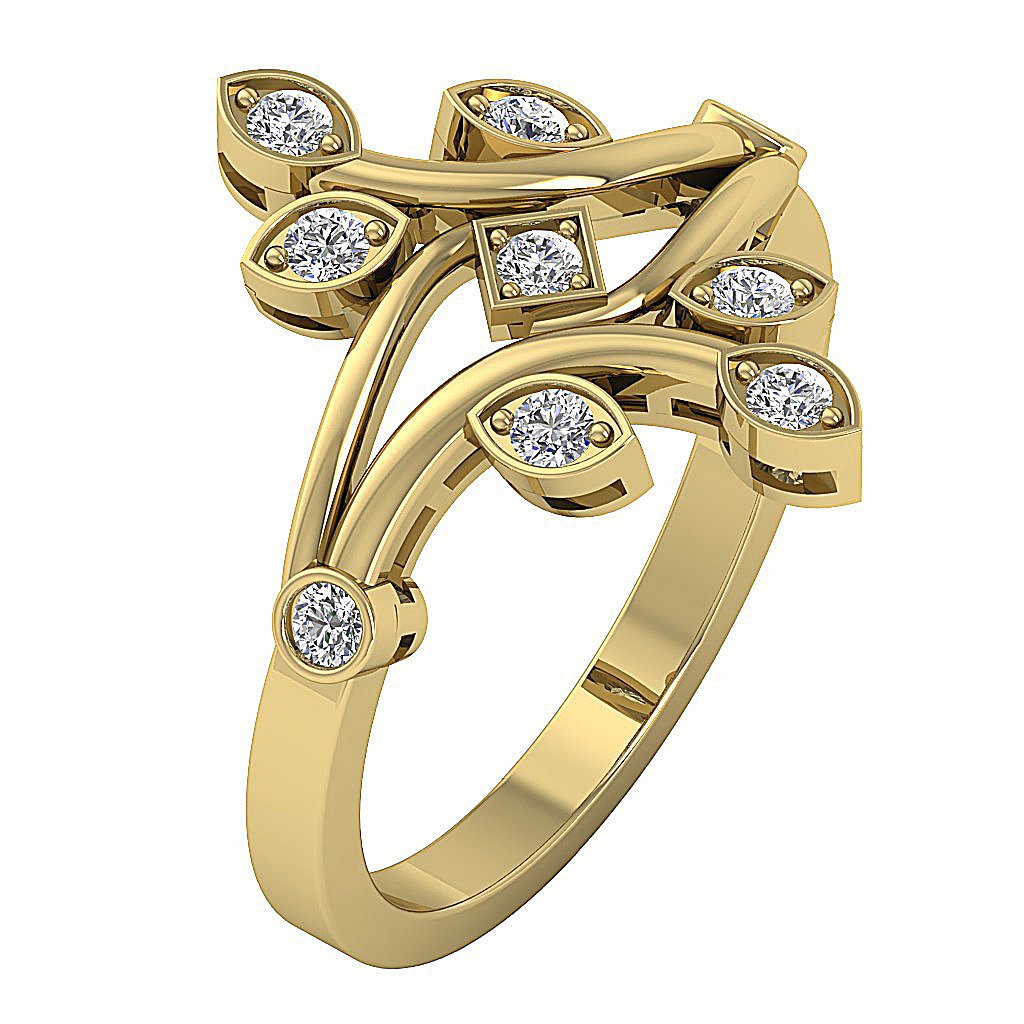
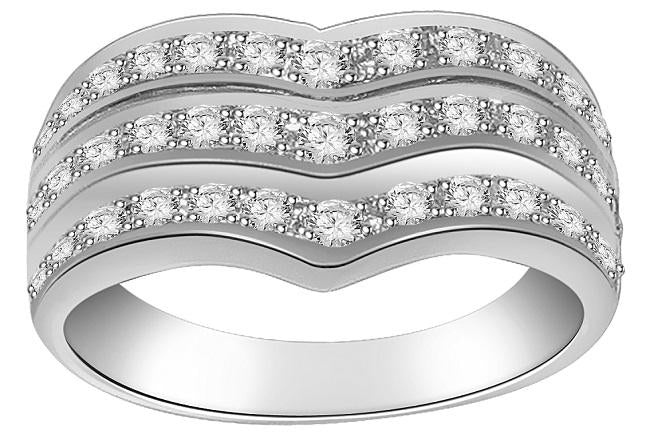
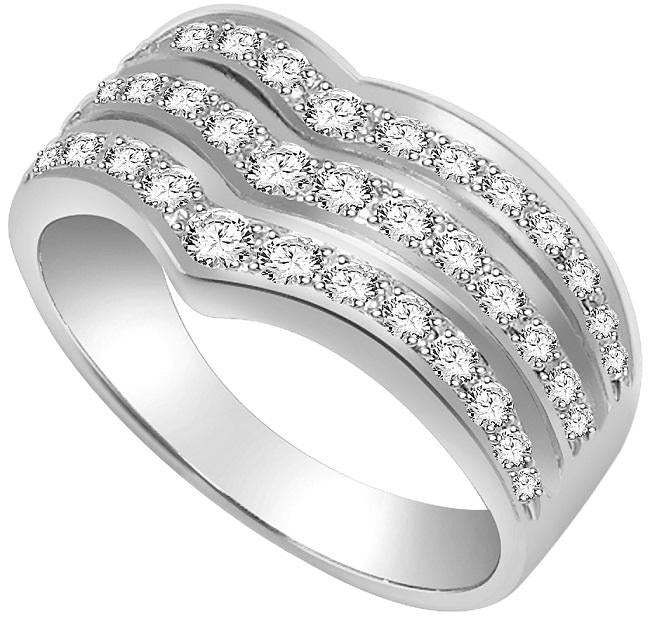
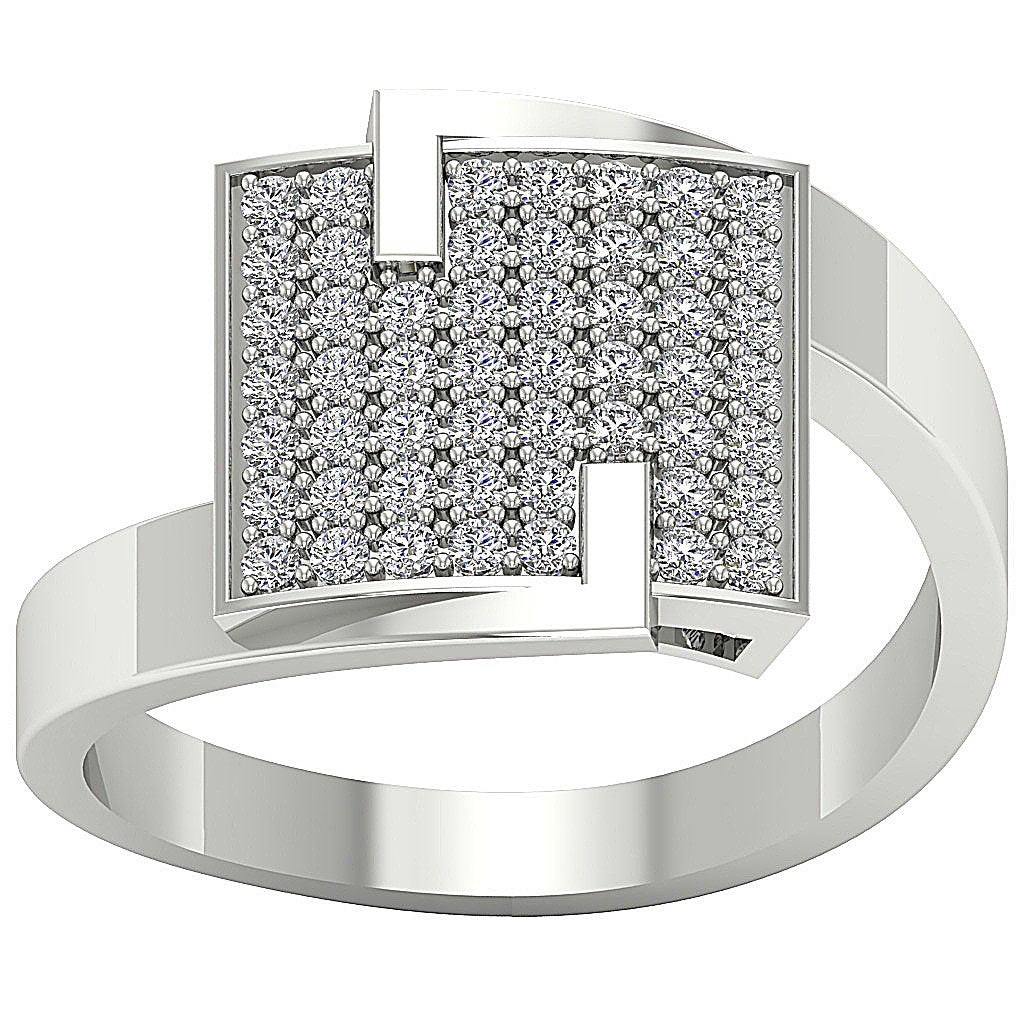
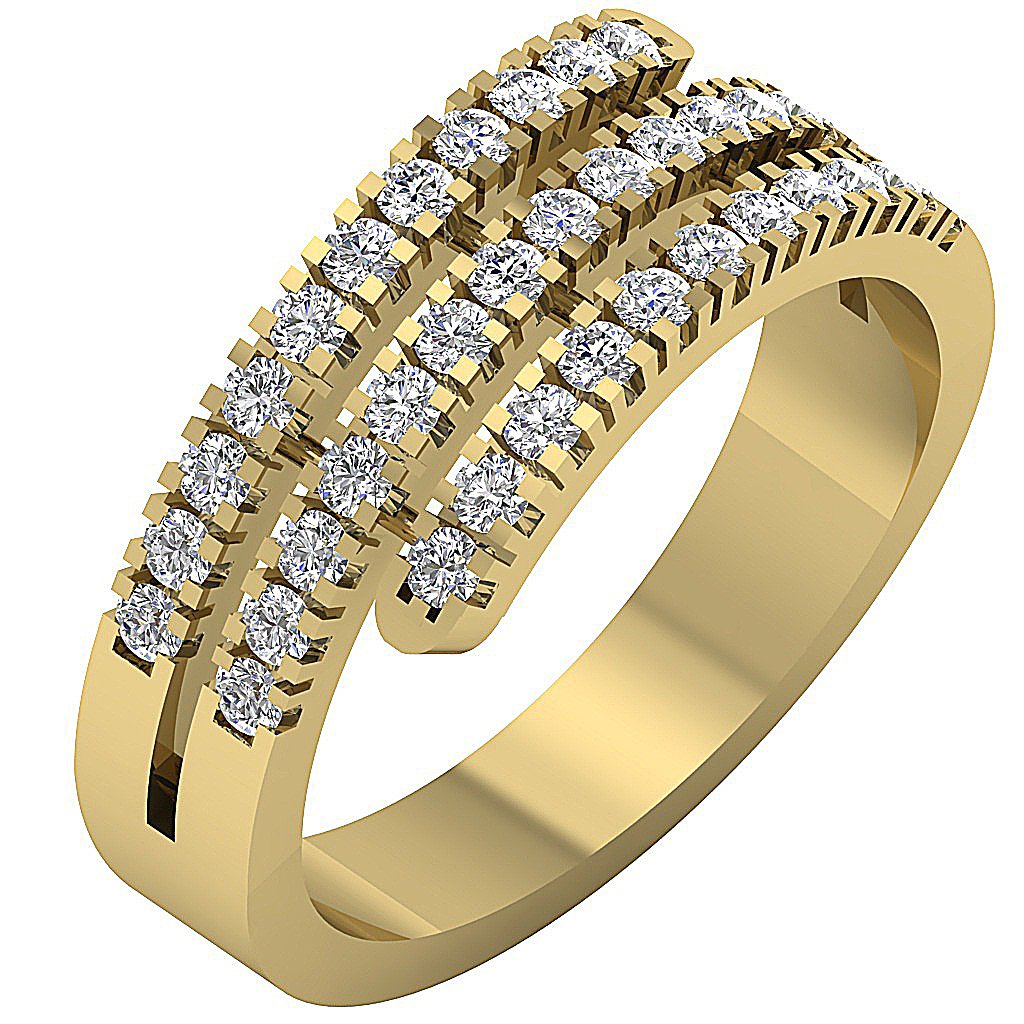
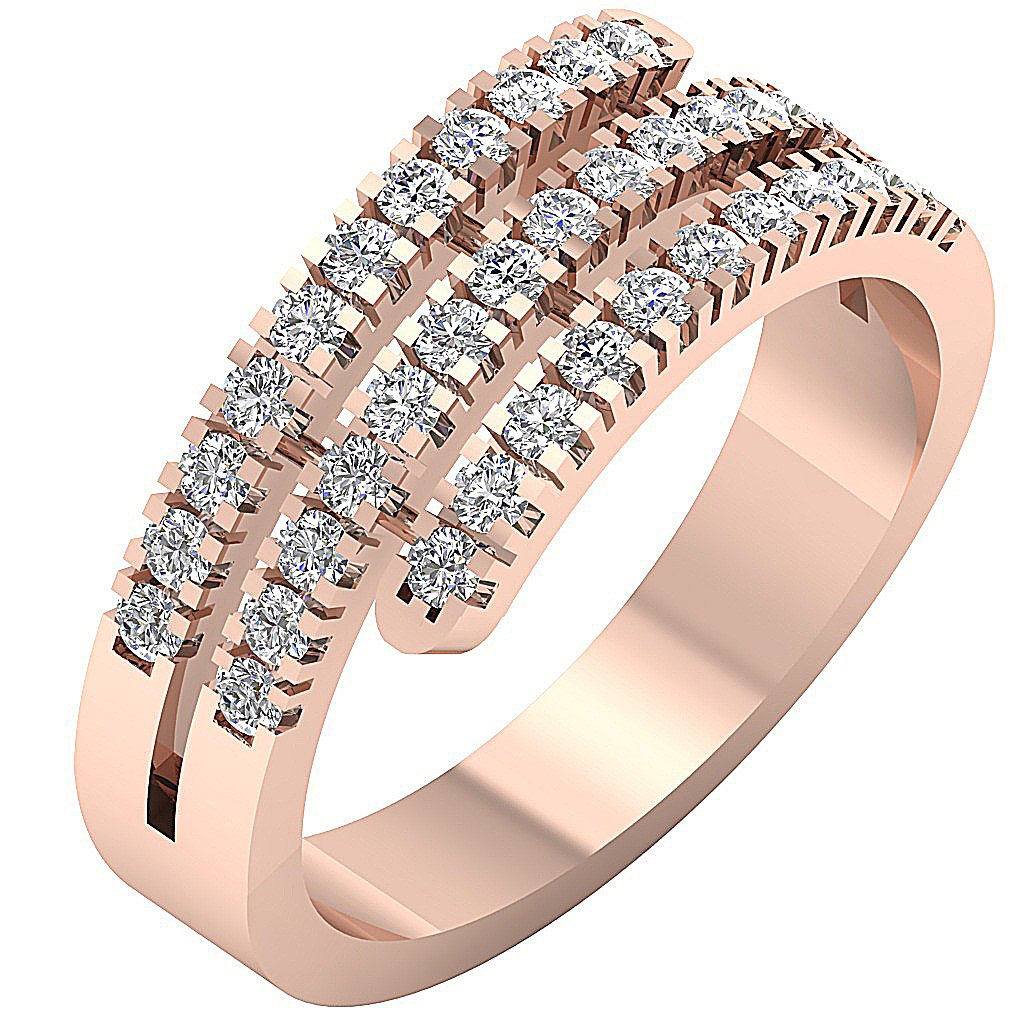
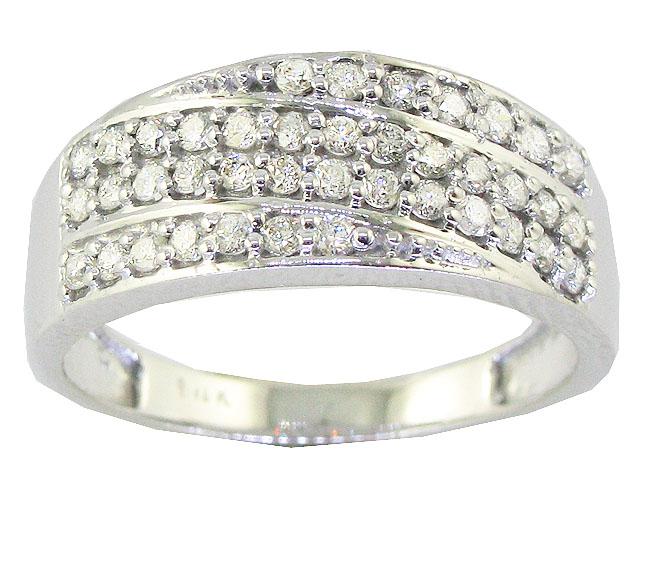
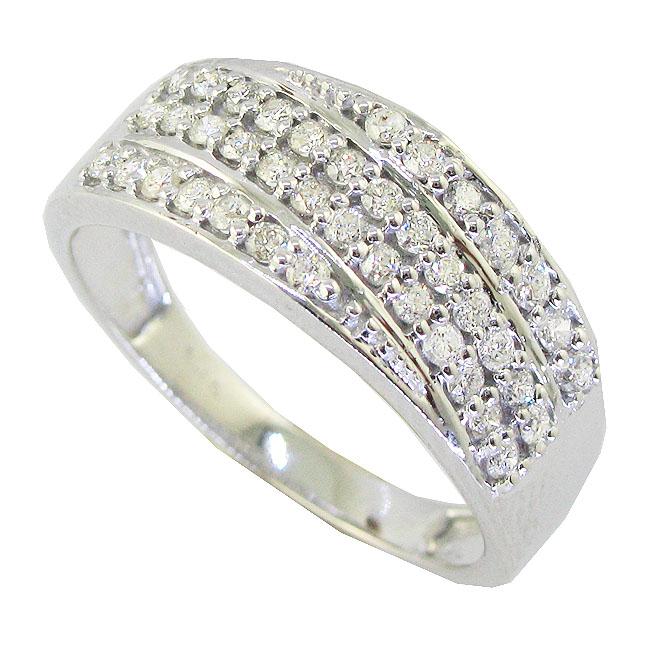
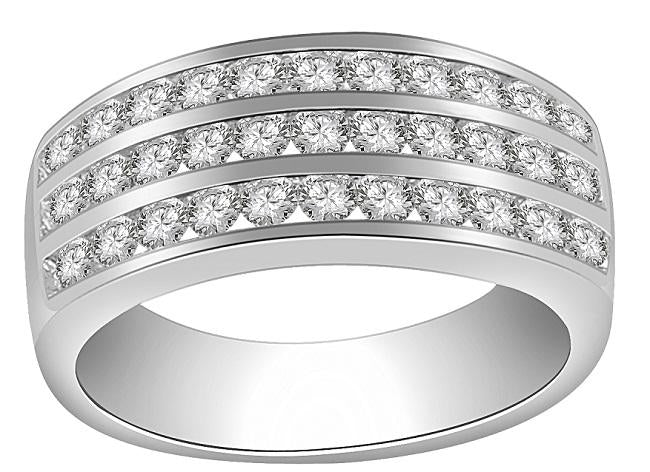
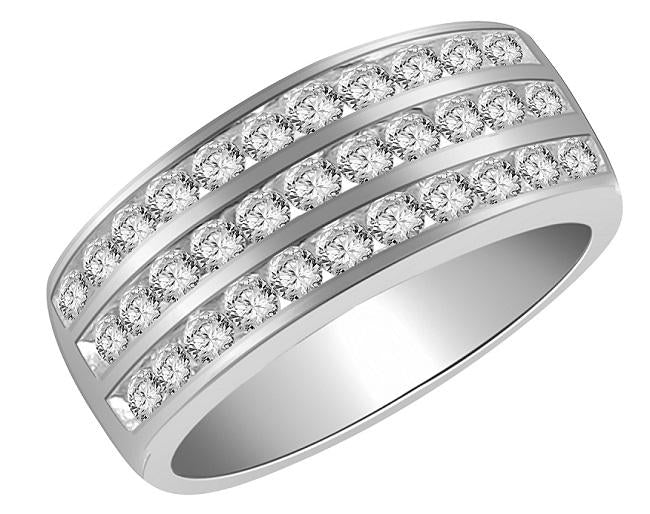
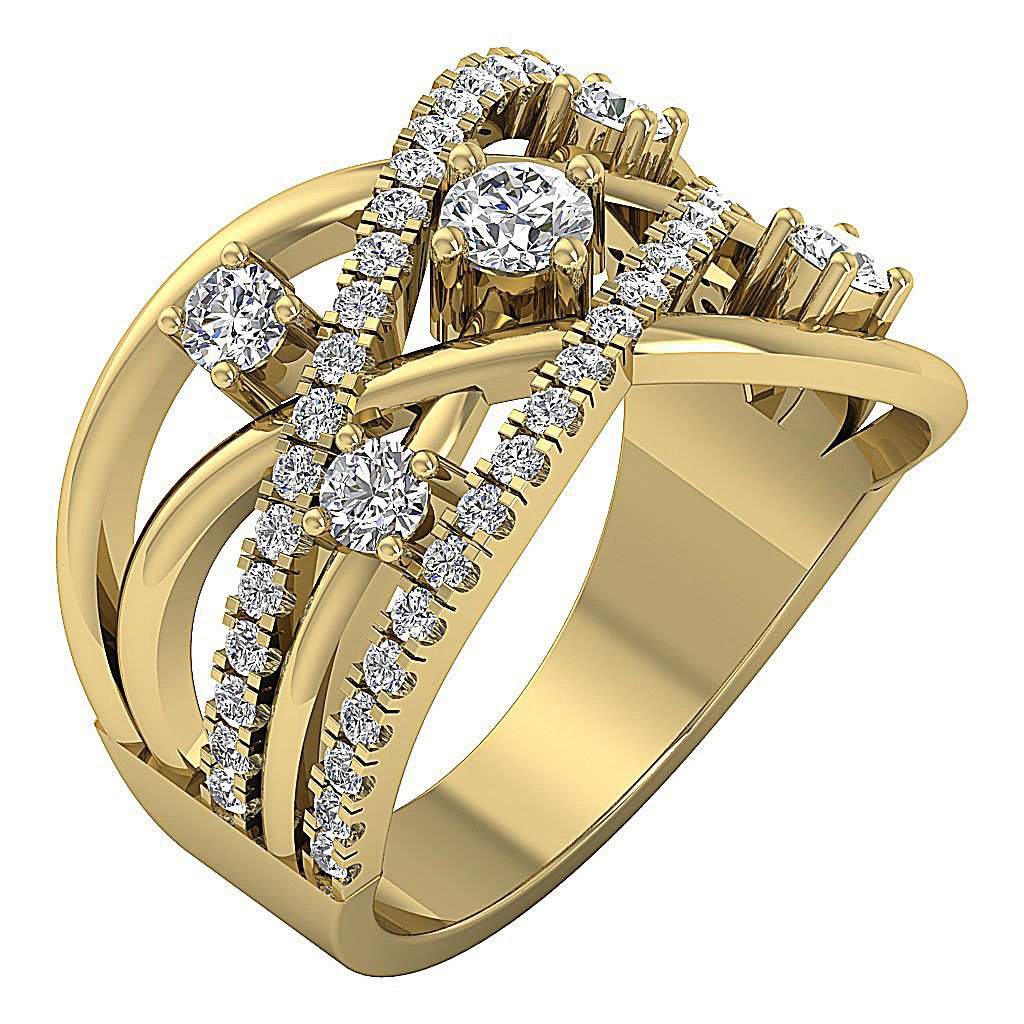
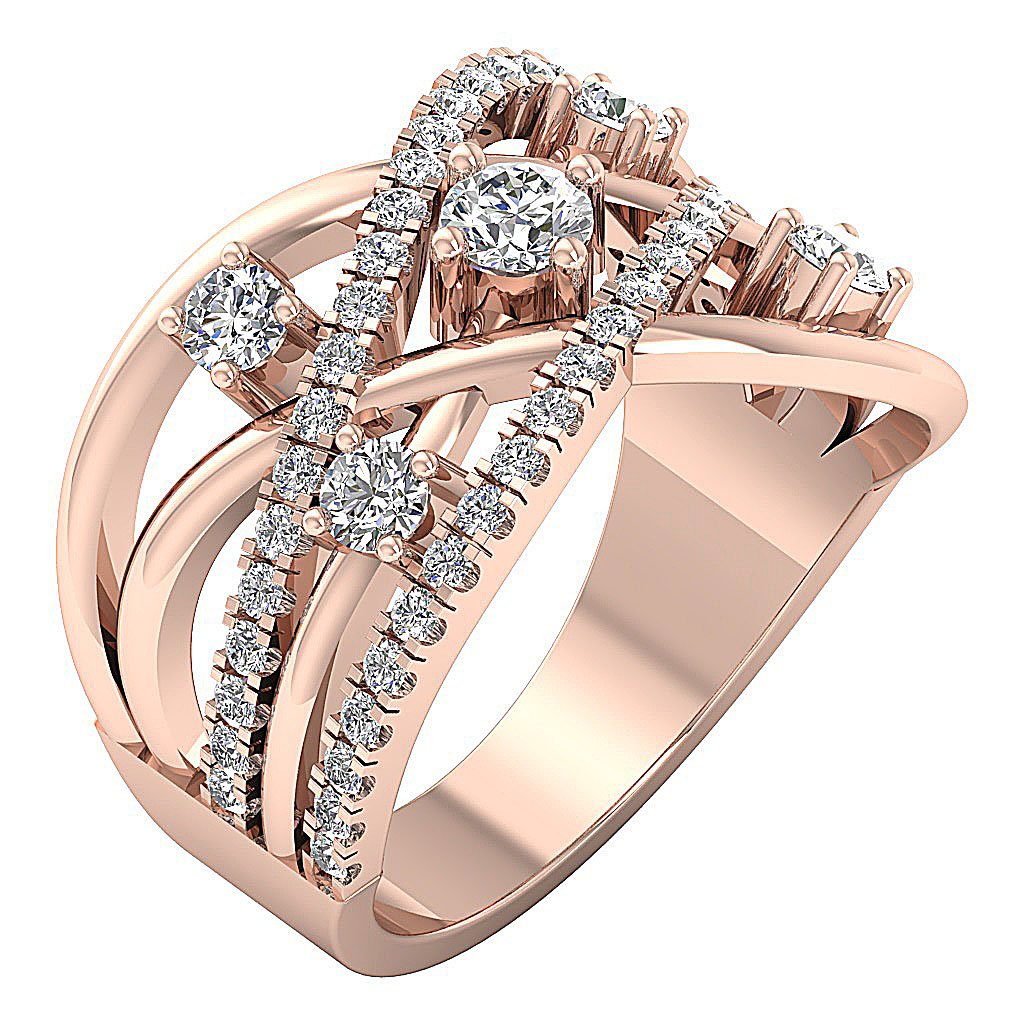
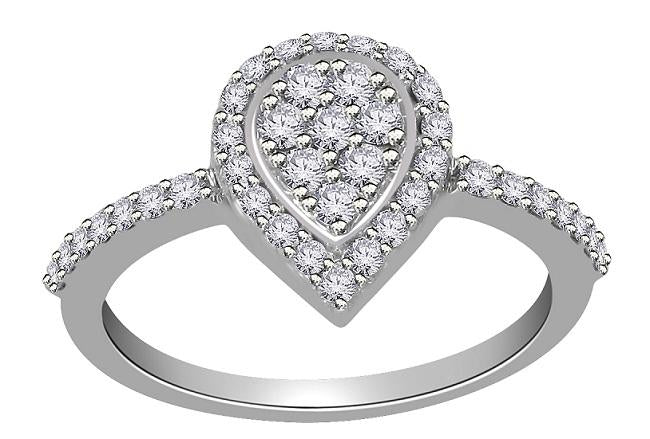
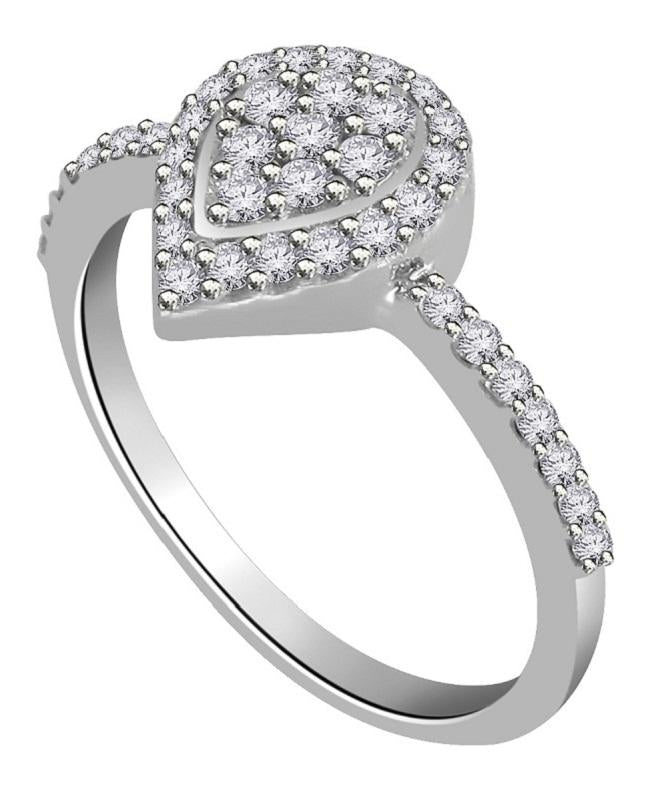
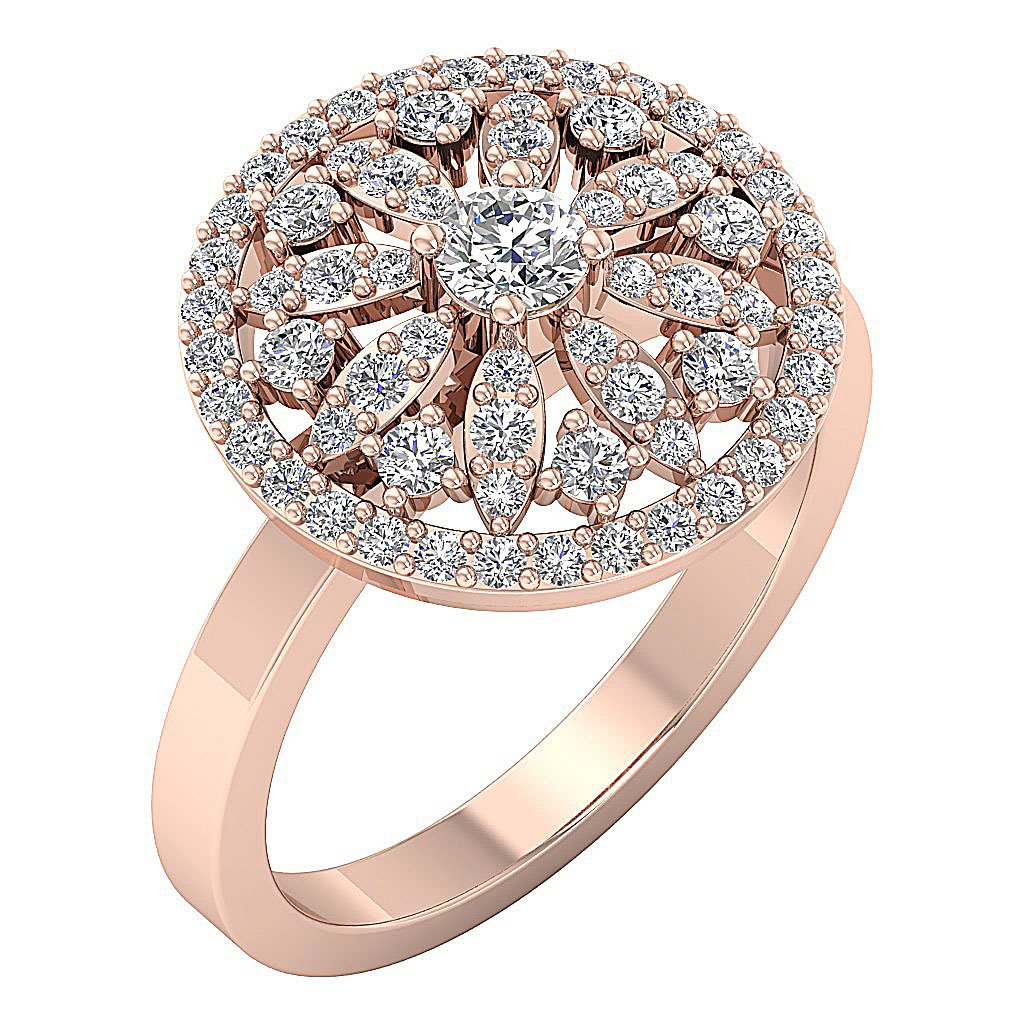
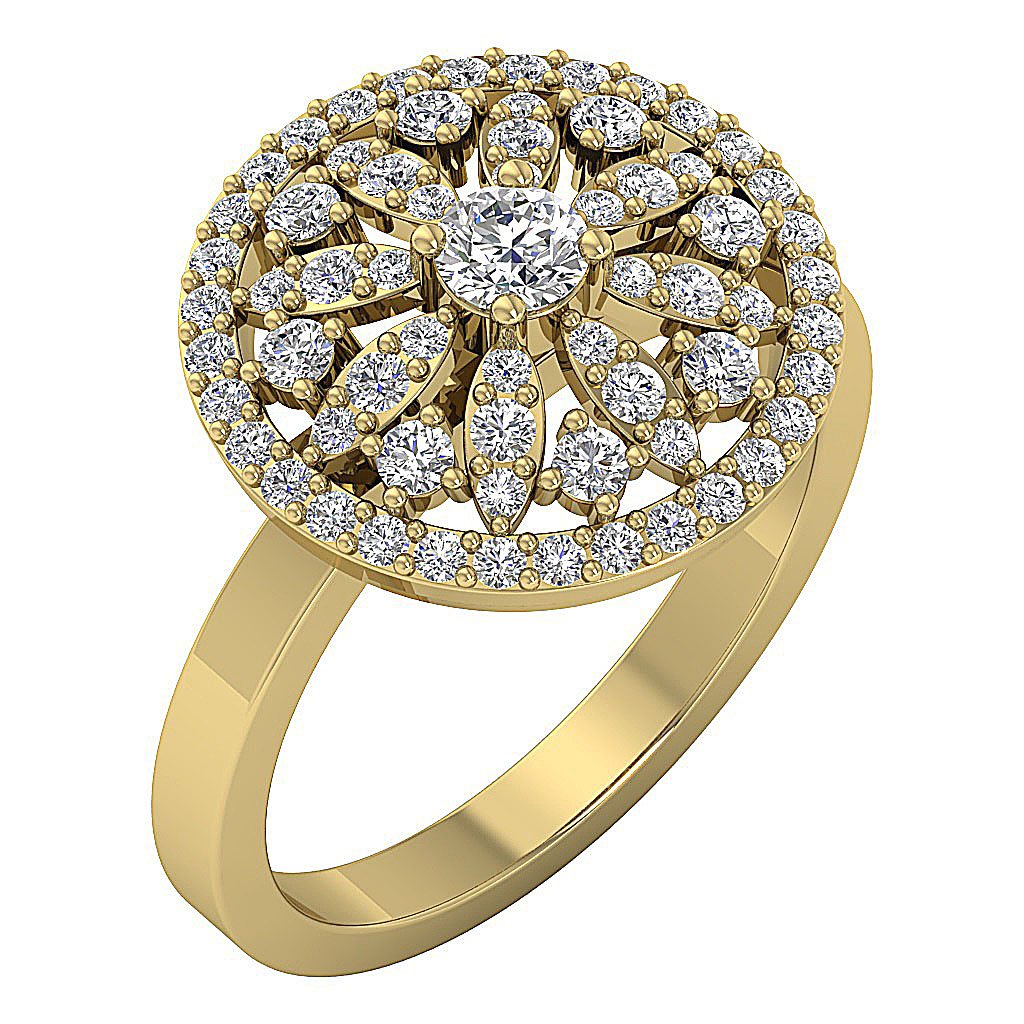
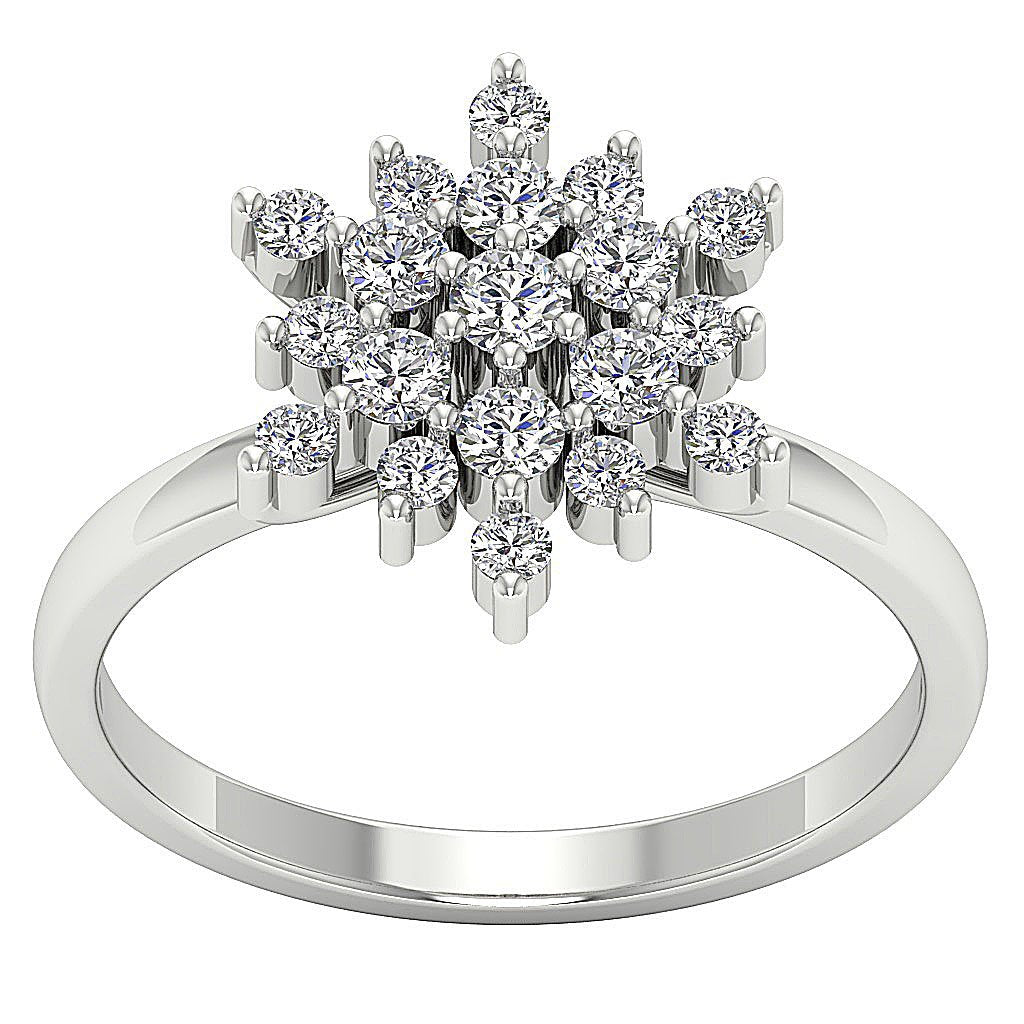
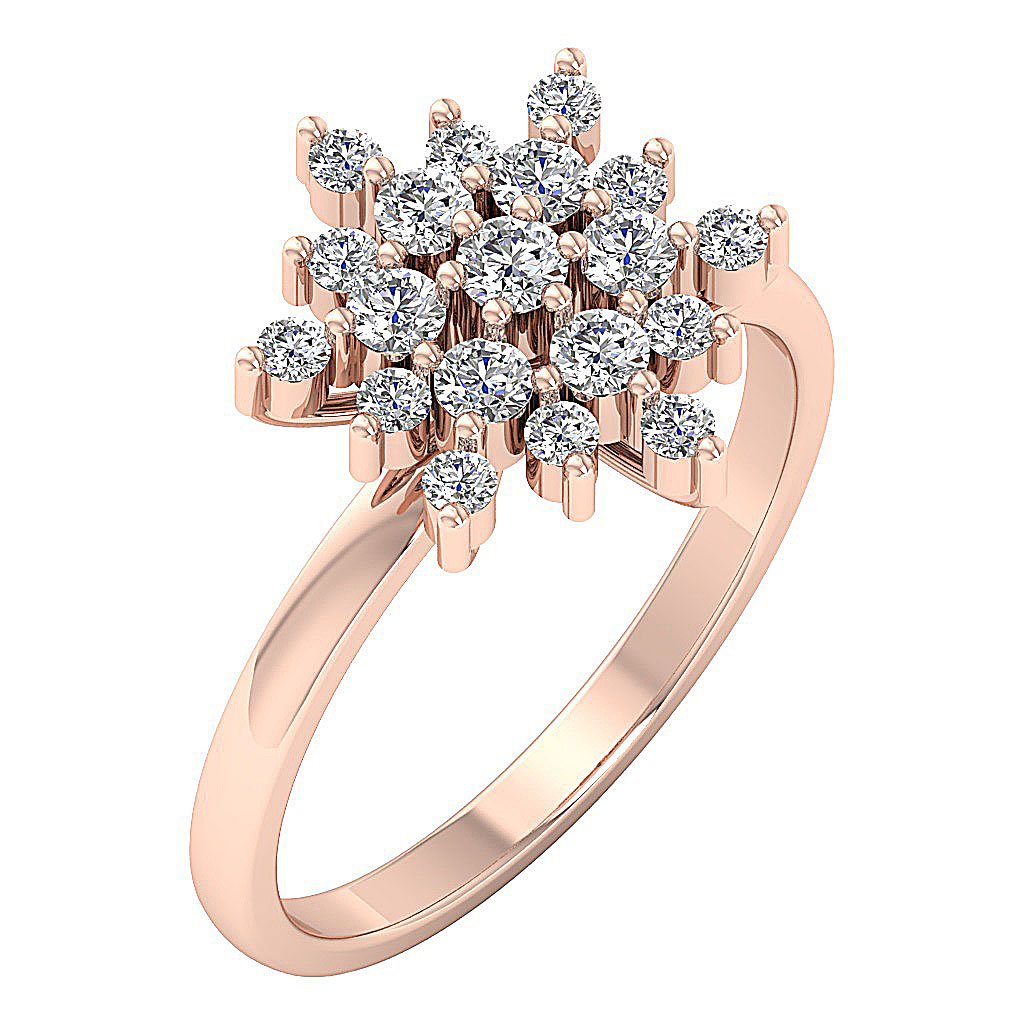
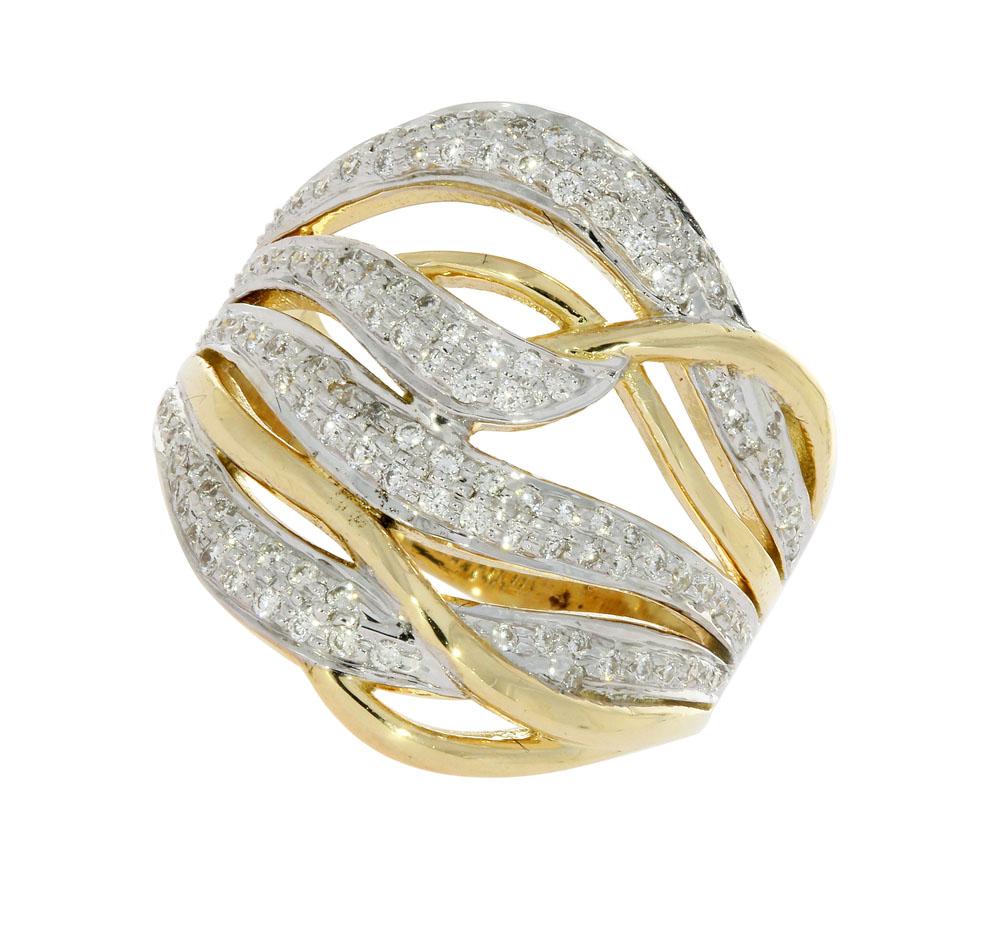
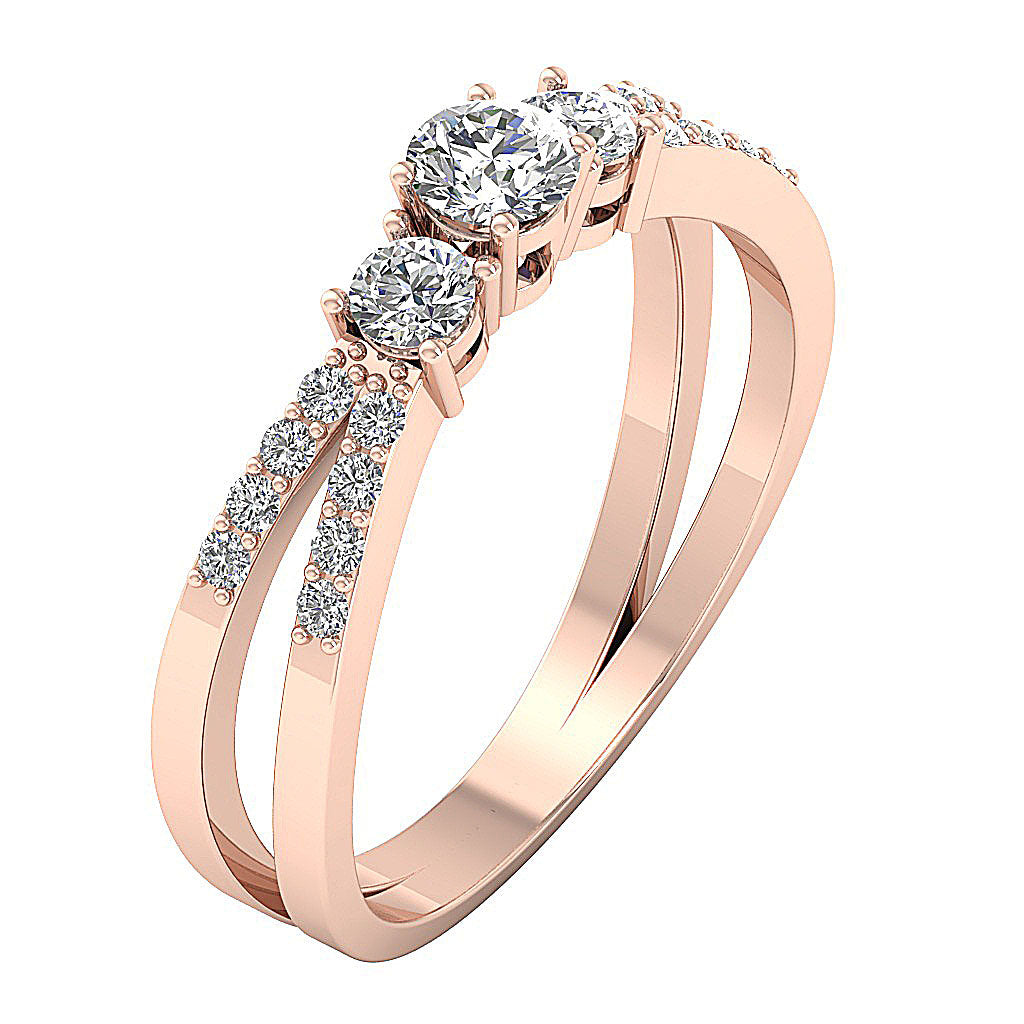
Diamond for Good carries that confident spirit into contemporary right-hand rings. Multi-row halos surround centre stones with layers of diamonds, while split shanks create architectural dimension. Predominantly featuring round centres, the collection also includes pear and vintage-inspired shapes, crafted in 14K white, yellow, and rose gold.
Choosing a Setting for a Right-Hand Ring
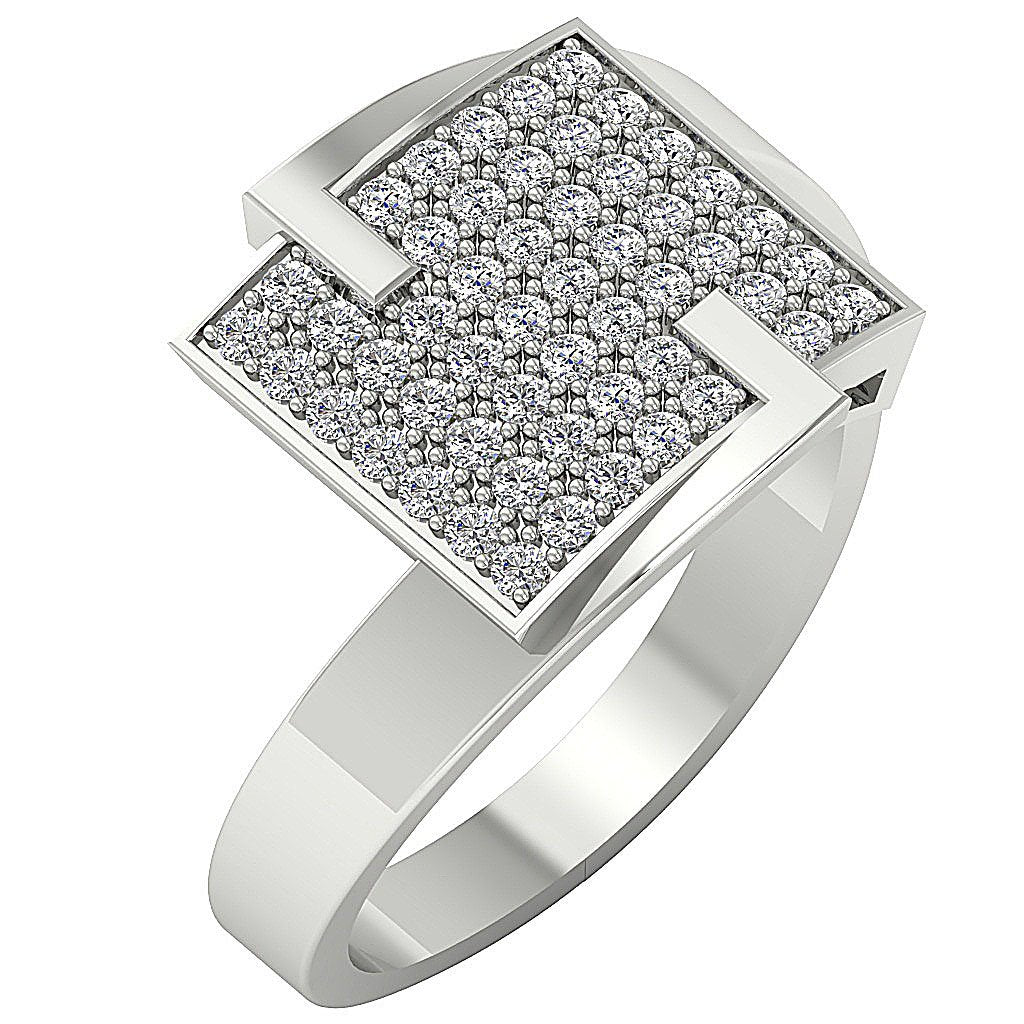
The setting plays a defining role in how a statement ring looks and wears. Prong settings expose more of each diamond to light, making them a strong choice when brilliance is the priority. Pavé settings extend that sparkle across the band with closely set smaller stones, creating a continuous shimmer around the centre. Bezel settings surround the centre diamond's edge with metal, offering greater protection and a more defined, sculptural appearance.
On a substantial right-hand ring, these differences become especially noticeable. A prong-set centre combined with a heavily pavé band creates a look centred on maximum brilliance. A bezel-set diamond paired with a split shank places greater emphasis on geometry and silhouette, giving the ring a more architectural character.
Wearing It Well: Styling a Right-Hand Ring
Right-hand rings have few conventions, which gives them considerably more freedom than bridal jewelry. A simple solitaire can offer an understated interpretation of the style, while a larger halo or multi-row design embraces the category's cocktail-ring heritage. Coloured gemstones and birthstones can also introduce a more personal dimension alongside or instead of diamonds.
The occasion can be equally personal. A right-hand ring may commemorate a birthday, promotion, graduation, career achievement, or another milestone that deserves recognition. It does not need to correspond to a relationship or anniversary. In fact, purchasing one for yourself continues the self-purchase tradition that helped establish the category in the first place.
There is also no requirement for the ring to match jewelry worn on the opposite hand. A rose or yellow gold right hand ring can sit comfortably alongside a white gold engagement ring without creating a mismatched look, because each piece belongs to its own visual story.
Choosing Metal and Gemstones
Because a right hand ring does not need to coordinate with a bridal set, metal choice can be guided almost entirely by personal taste. Yellow gold brings warmth and a traditional jewelry character, rose gold offers a softer, romantic tone, while white gold creates a cooler backdrop that places greater emphasis on diamond brilliance.
Gemstone choice offers another opportunity for individuality. Diamonds create the most classic interpretation, but coloured gemstones or birthstones can give a statement ring a stronger personal connection. For a piece intended to commemorate a particular achievement, the gemstone can become part of the story rather than simply an ornamental detail.
Living With It: Taking Care of the Right-Hand Ring
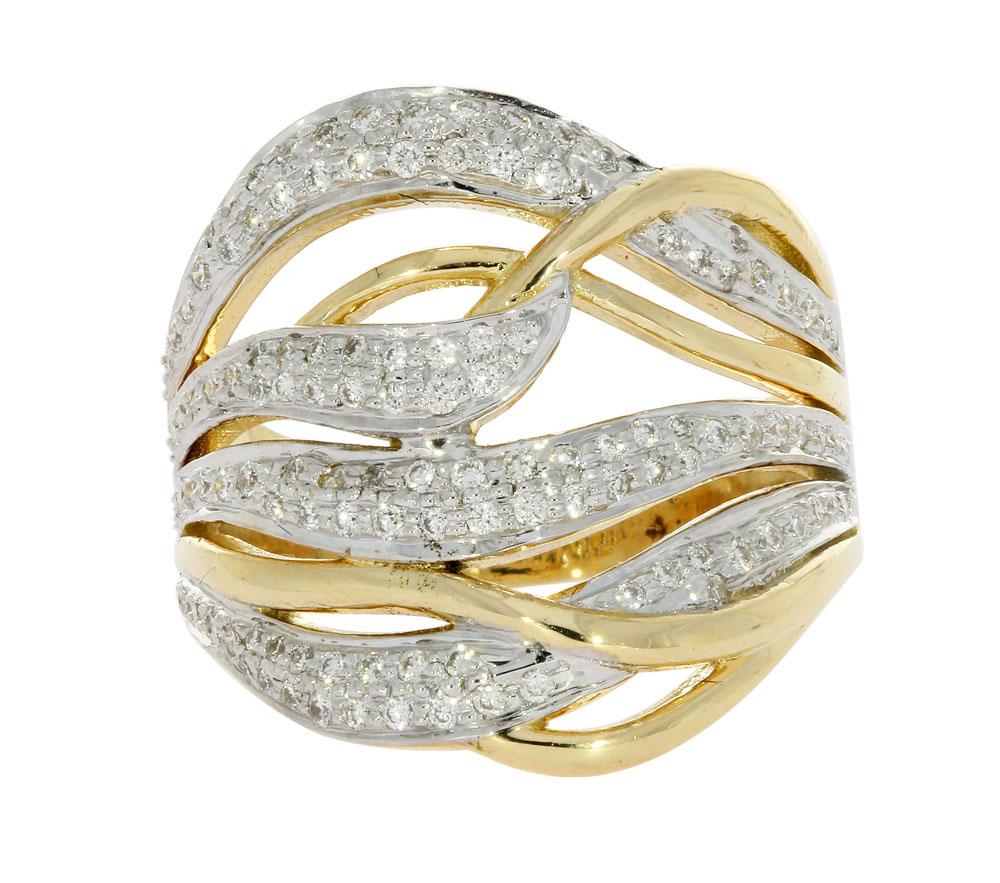
Multi-row and heavily pavé right-hand rings require more attention than a simple band because their numerous settings create additional places for lotion, soap, and everyday residue to collect. Clean the ring weekly with warm water, mild soap, and a soft-bristled brush, working carefully between the individual rows and around the centre stone.
Have a jeweller inspect the setting once a year, particularly on multi-row designs. Each section should be checked individually, since a loose stone in a lower row can be difficult to notice beside a larger centre diamond. Remove a statement ring before manual work or activities involving repeated impact, especially when the setting projects noticeably from the hand.
One ring, one achievement, one reason that belongs entirely to you.