Wedding and Anniversary Diamond Rings
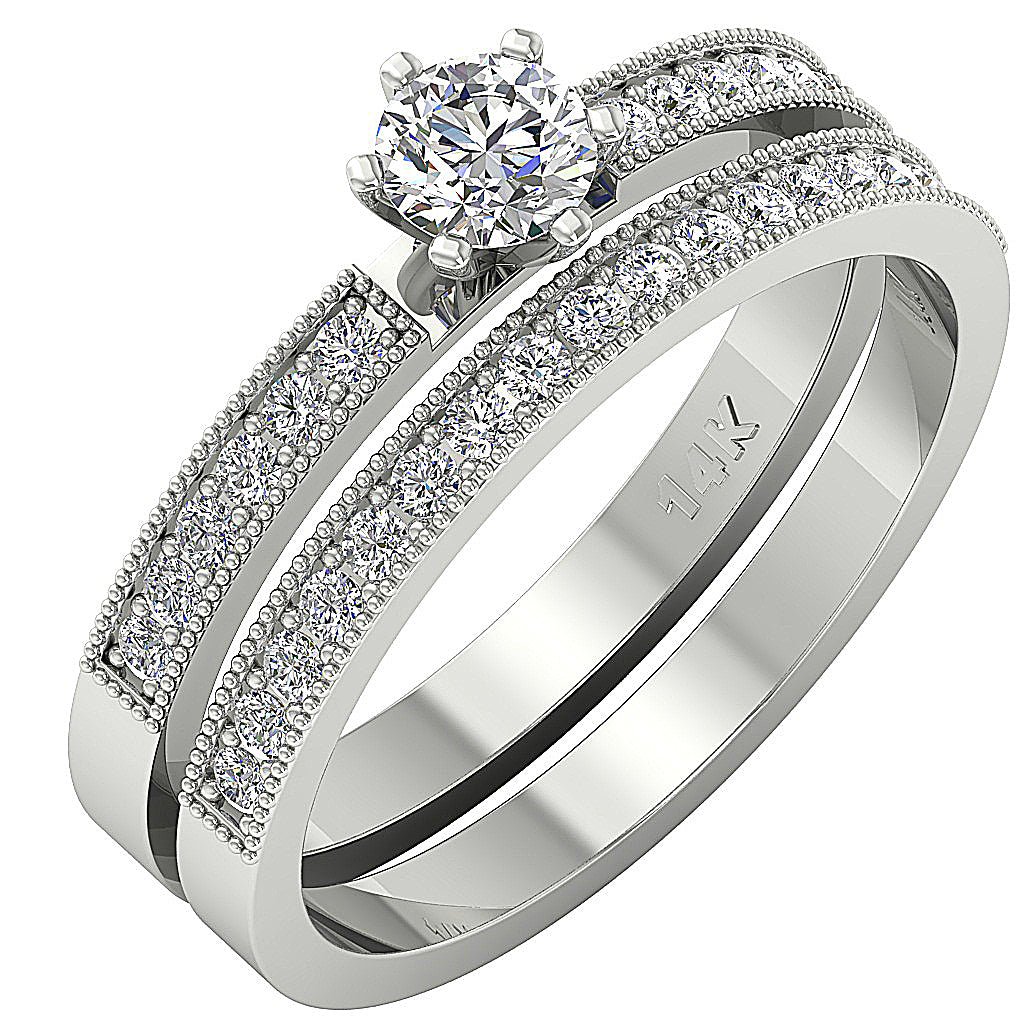
A wedding ring marks the beginning of a marriage; an anniversary ring celebrates everything that follows. While both share the language of diamonds and enduring design, their roles differ. A wedding band complements an engagement ring, while an anniversary ring offers more freedom to echo an existing set or make an independent statement.
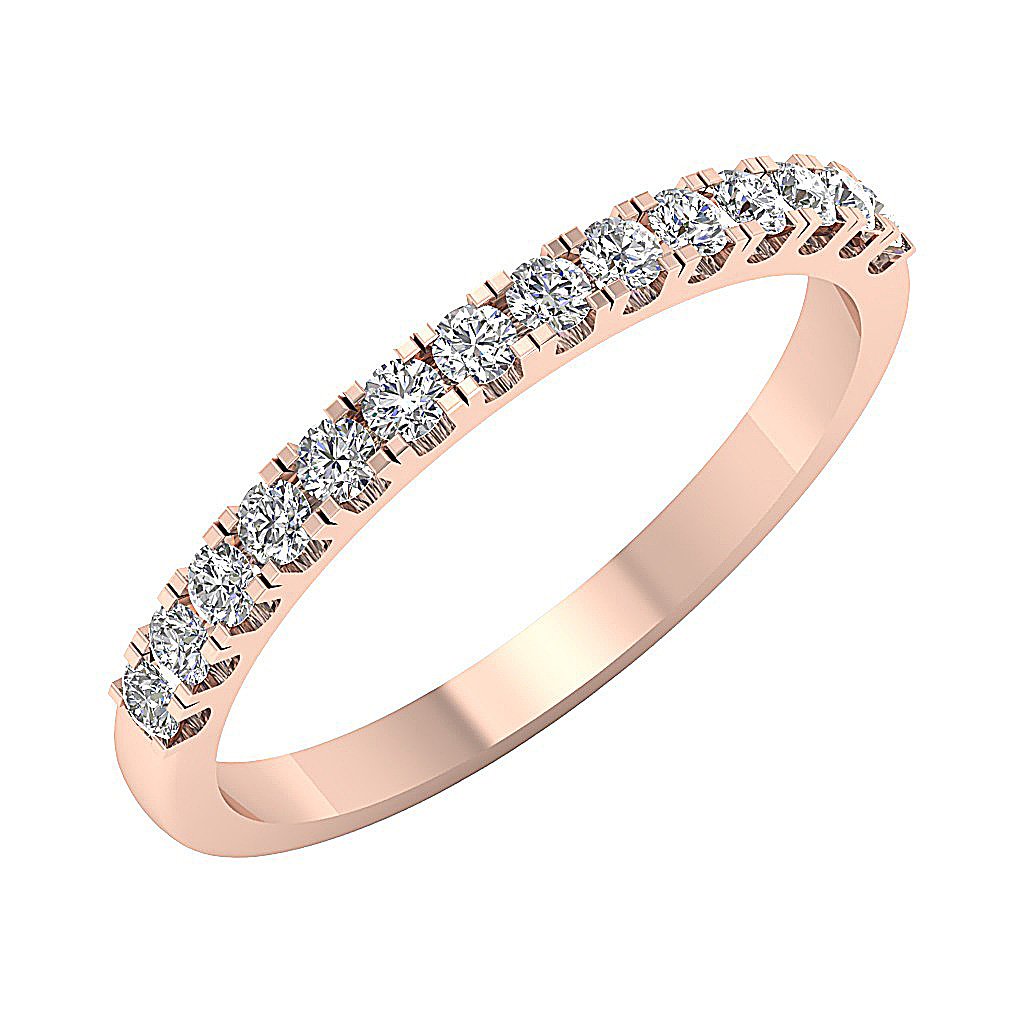
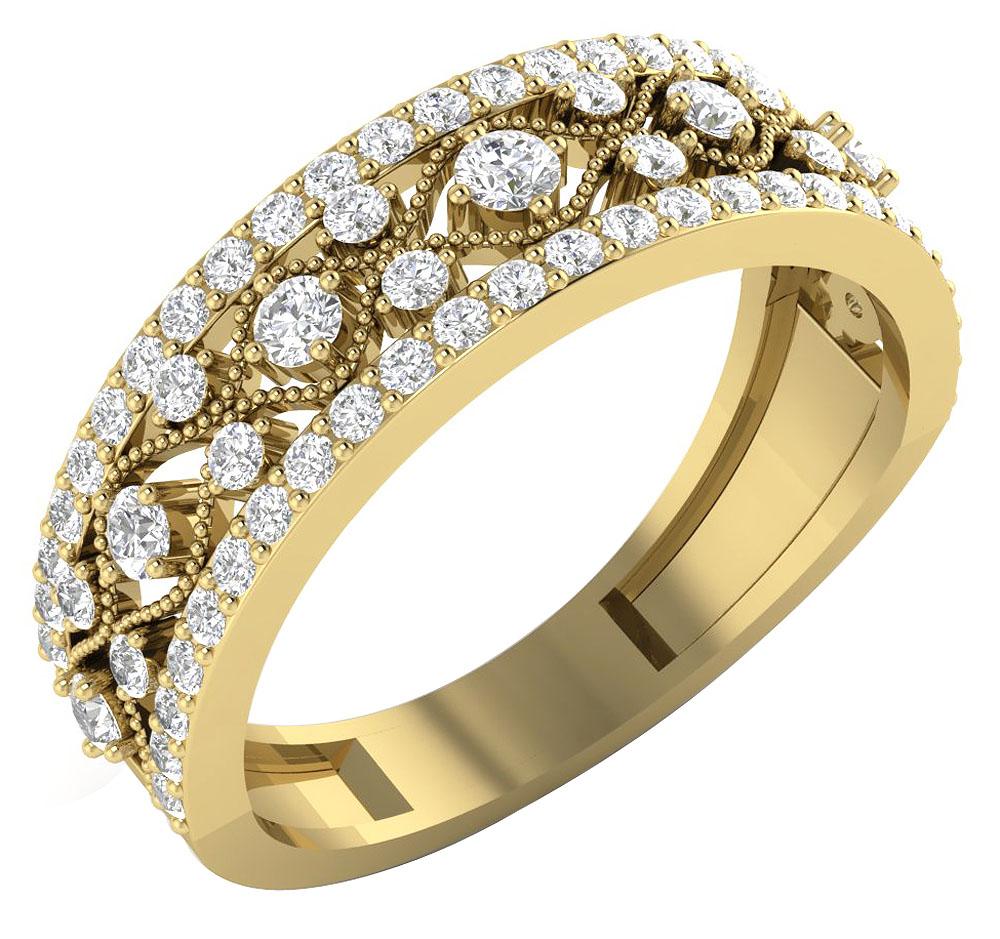
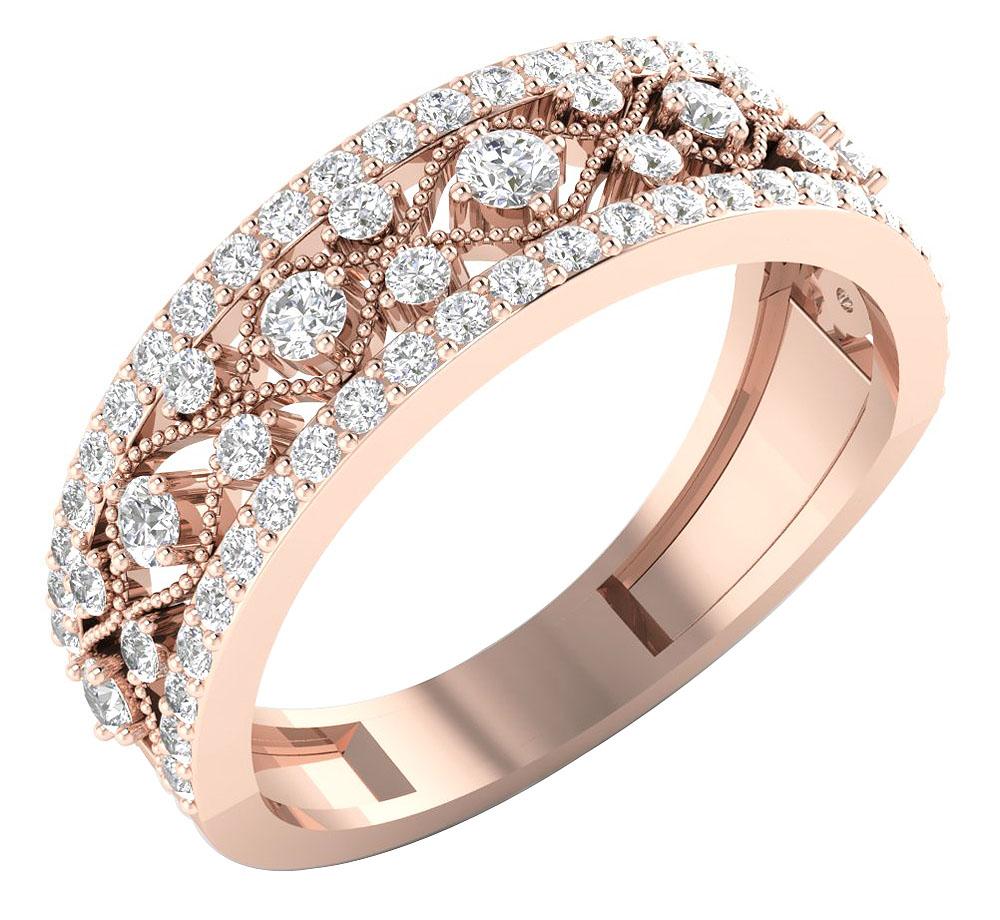
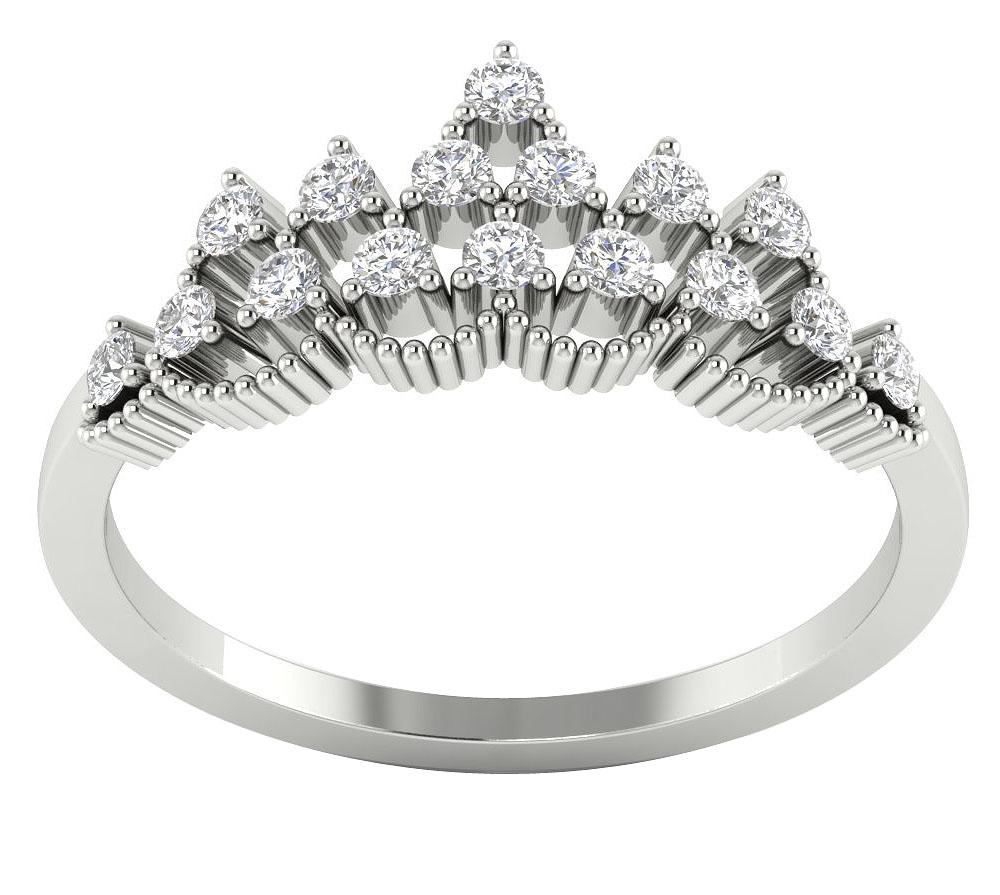
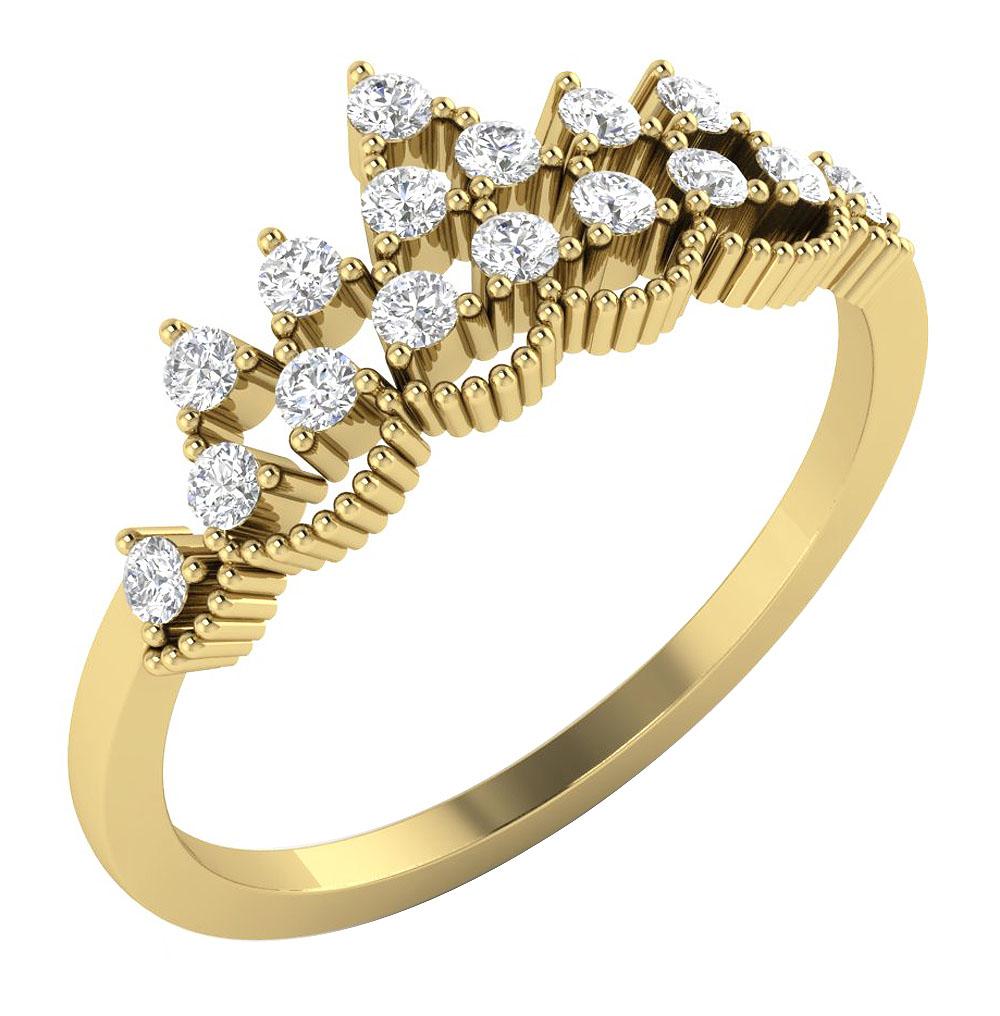
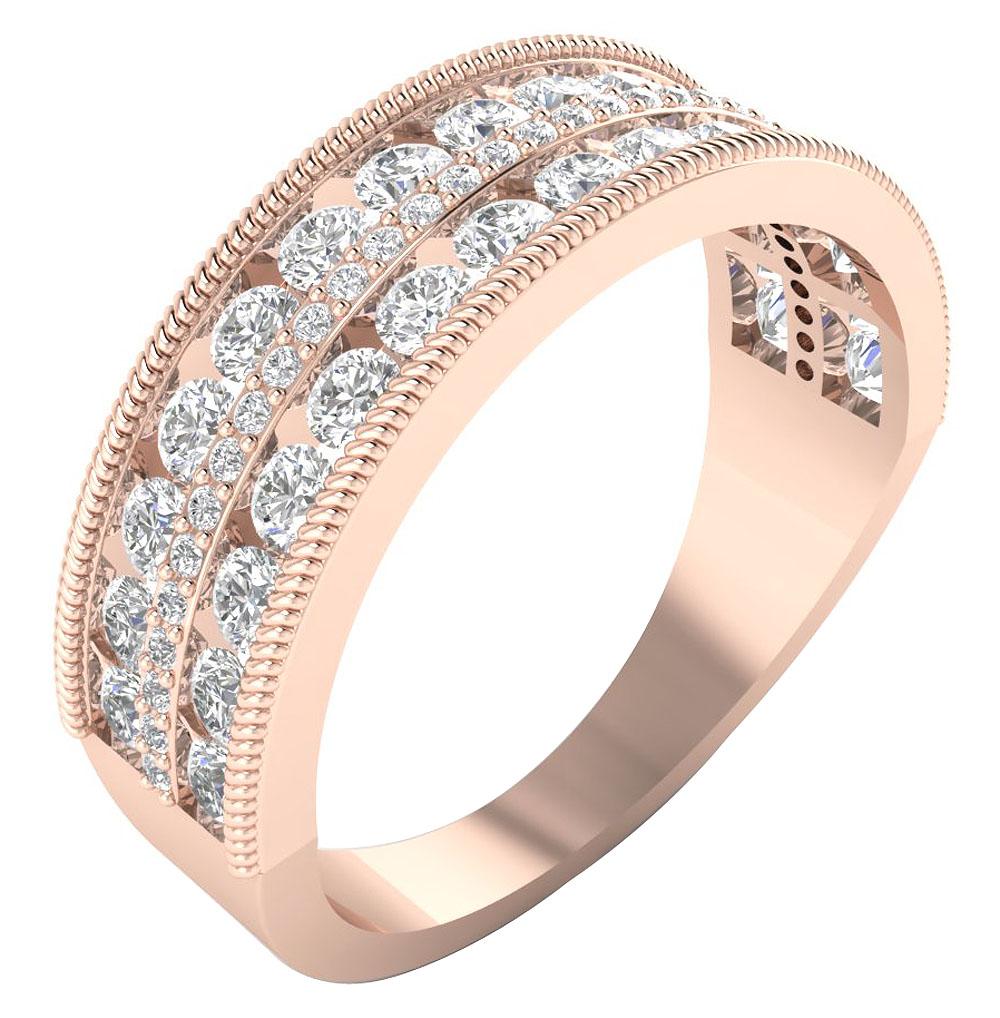
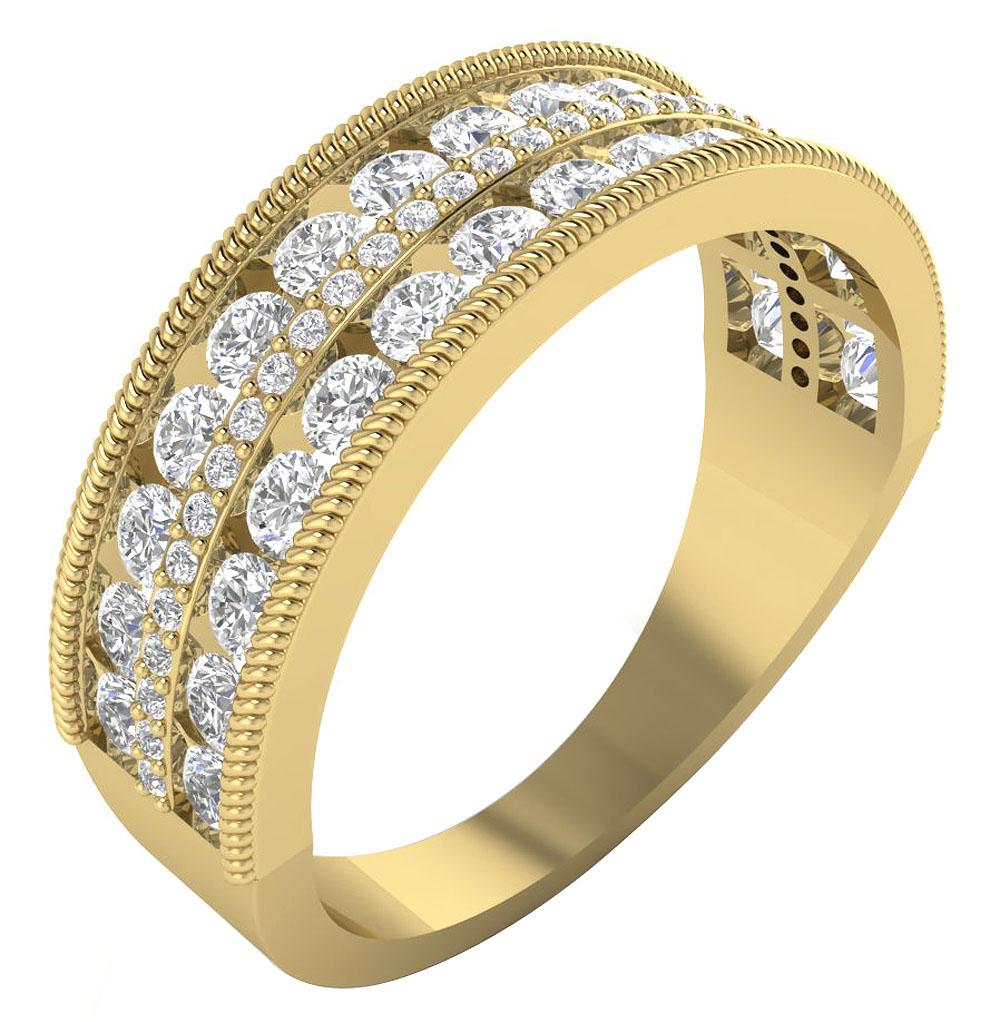
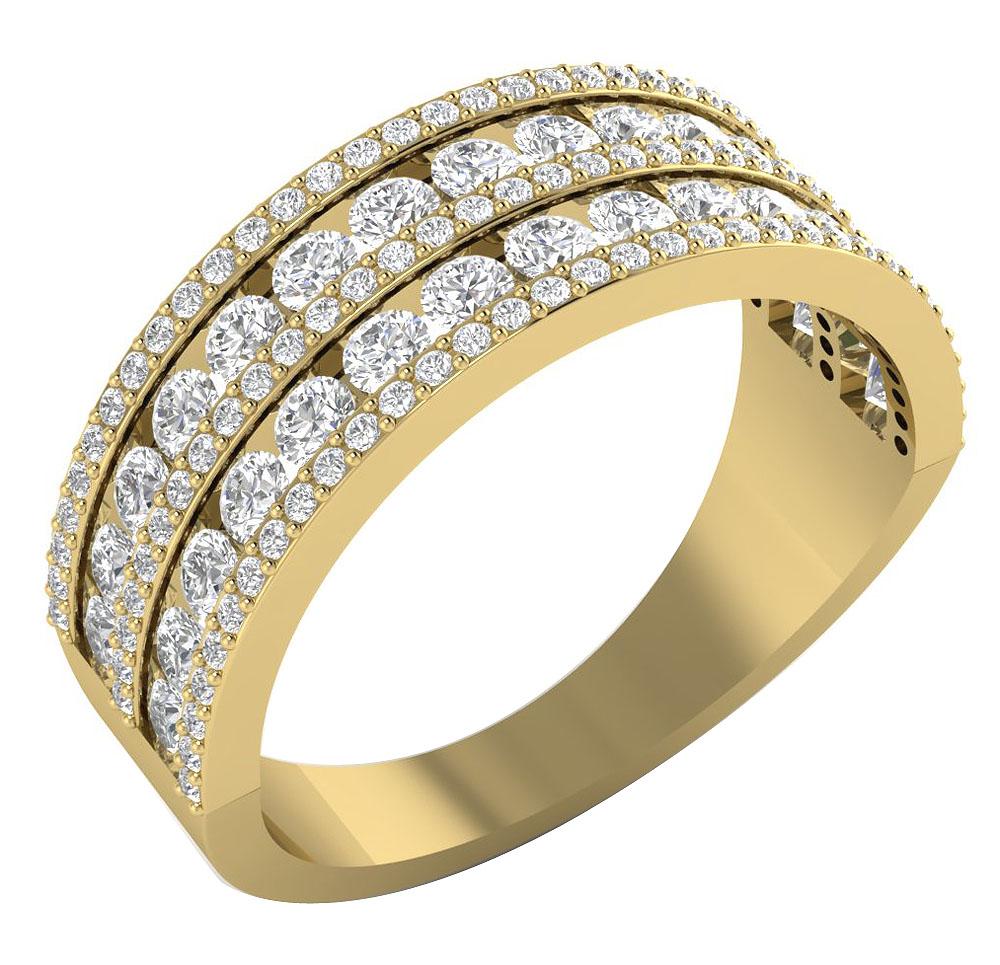
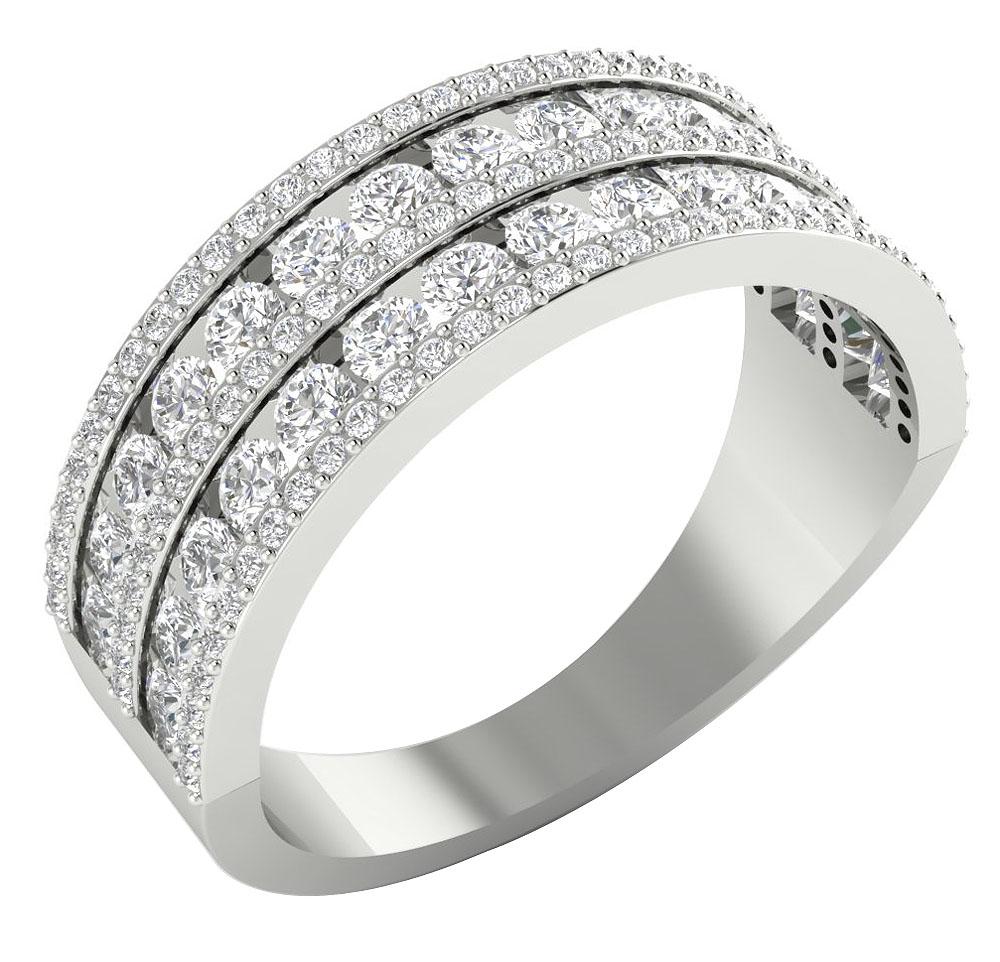
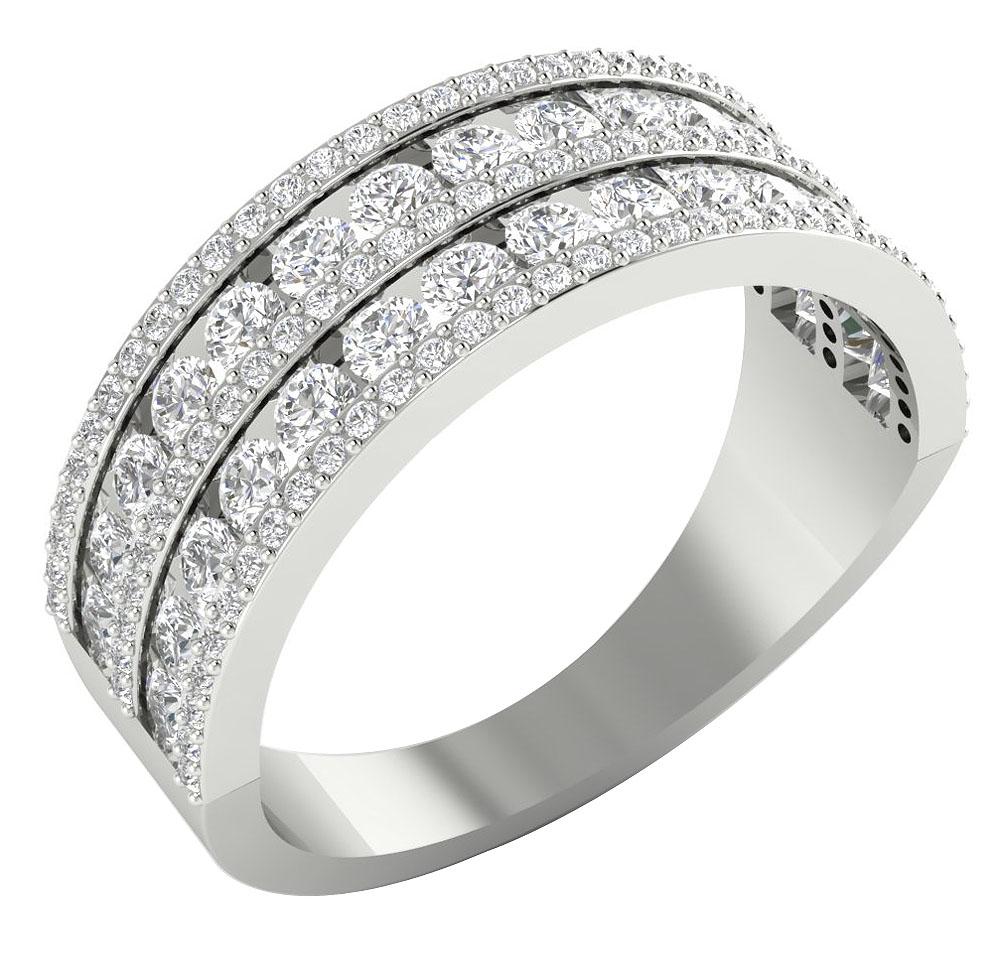
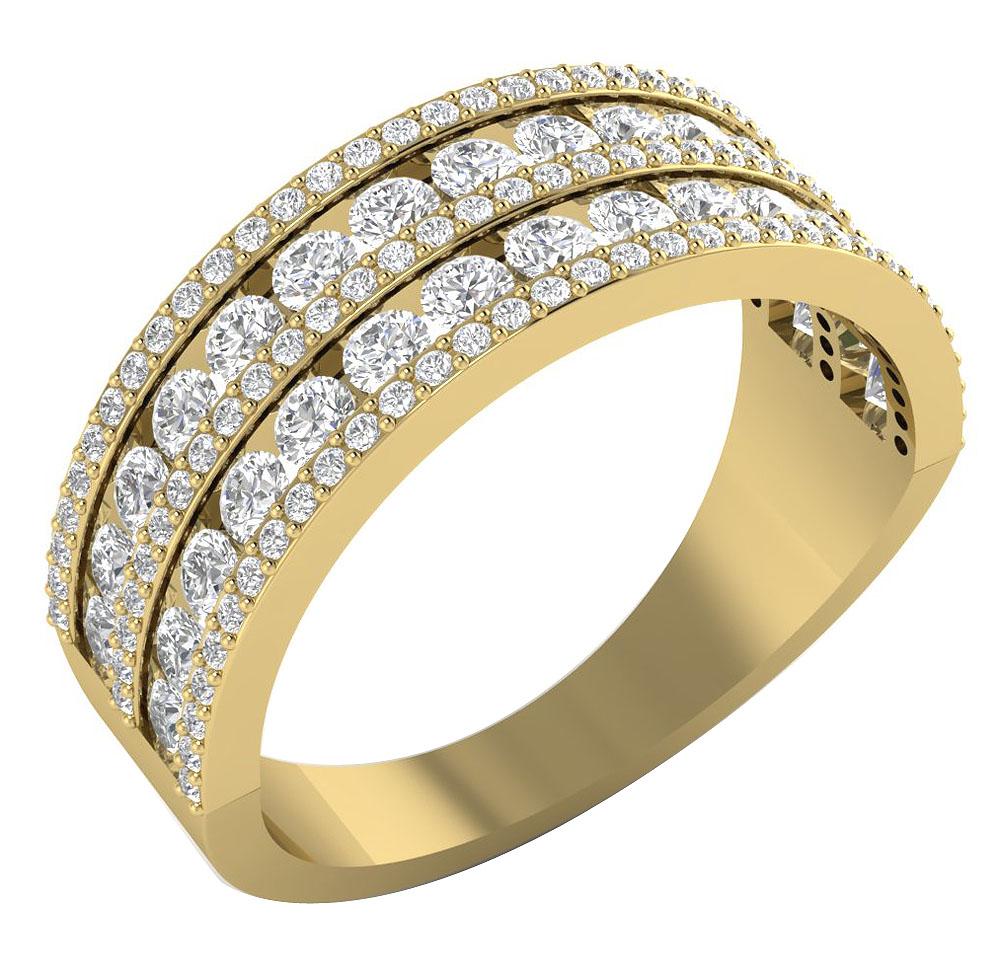
Diamond for Good’s collection spans understated bands, petite pavé, channel-set styles, and more elaborate designs in 14K and 18K yellow, rose, and white gold, with natural and lab-grown diamonds offering further flexibility.
How Diamond Rings for Weddings & Anniversaries Are Designed
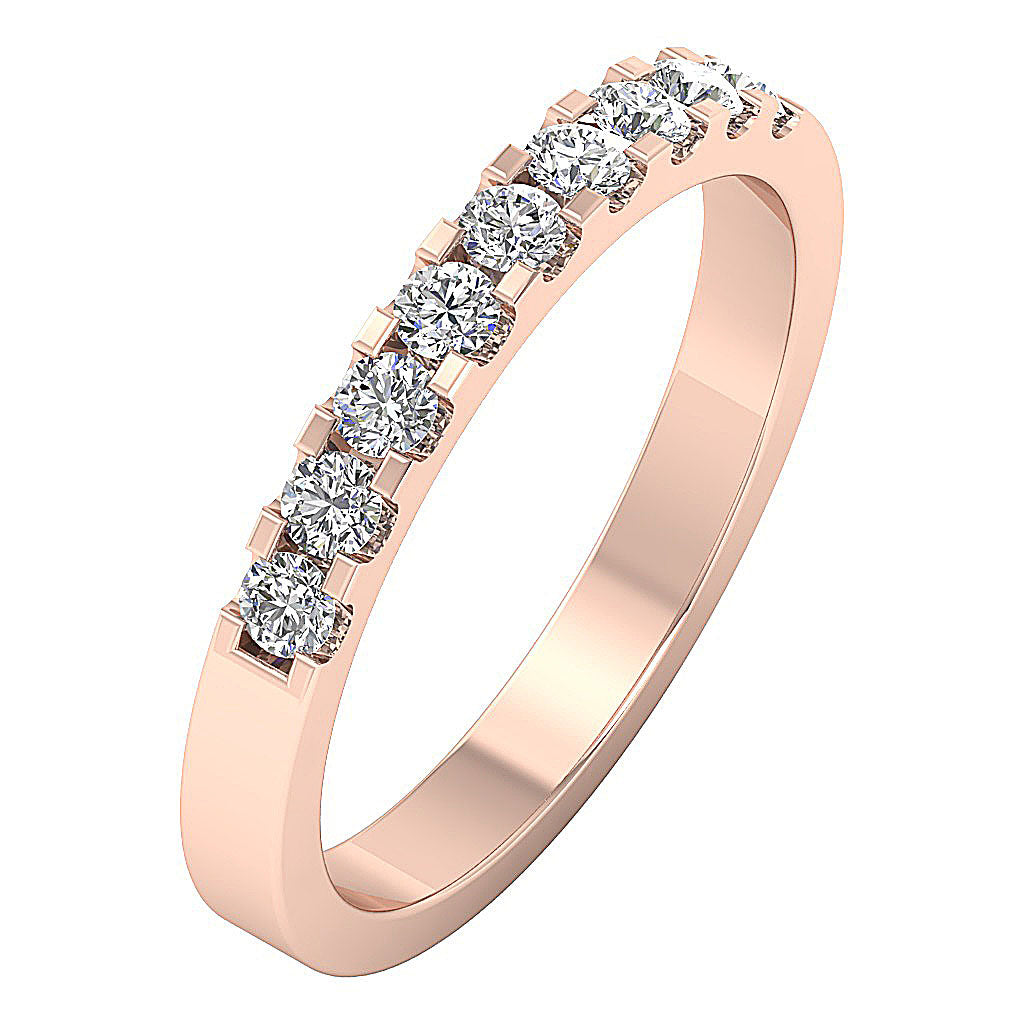
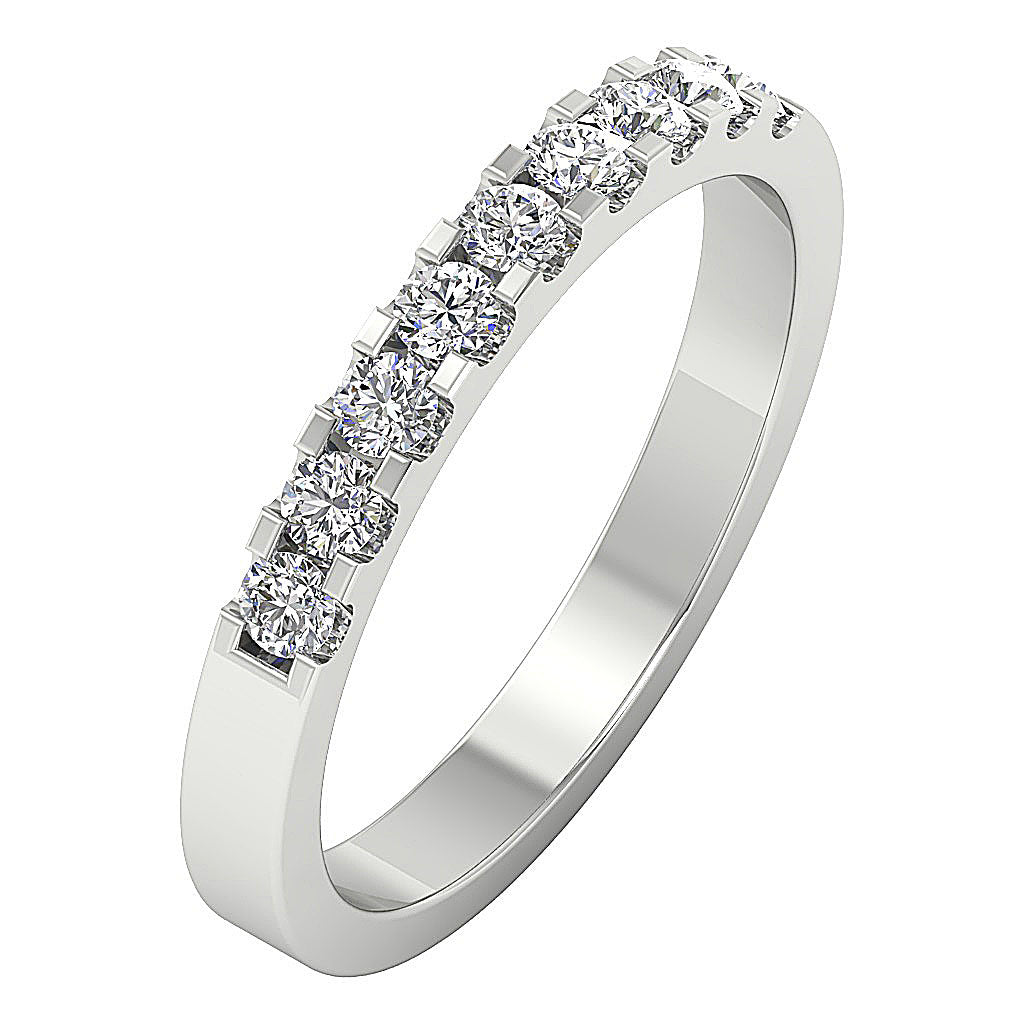
Unlike a solitaire engagement ring, wedding and anniversary bands distribute their brilliance along the shank rather than concentrating it in a single centre stone. Diamonds may cover only the upper portion of the band or continue around its full circumference, creating very different effects on the hand.
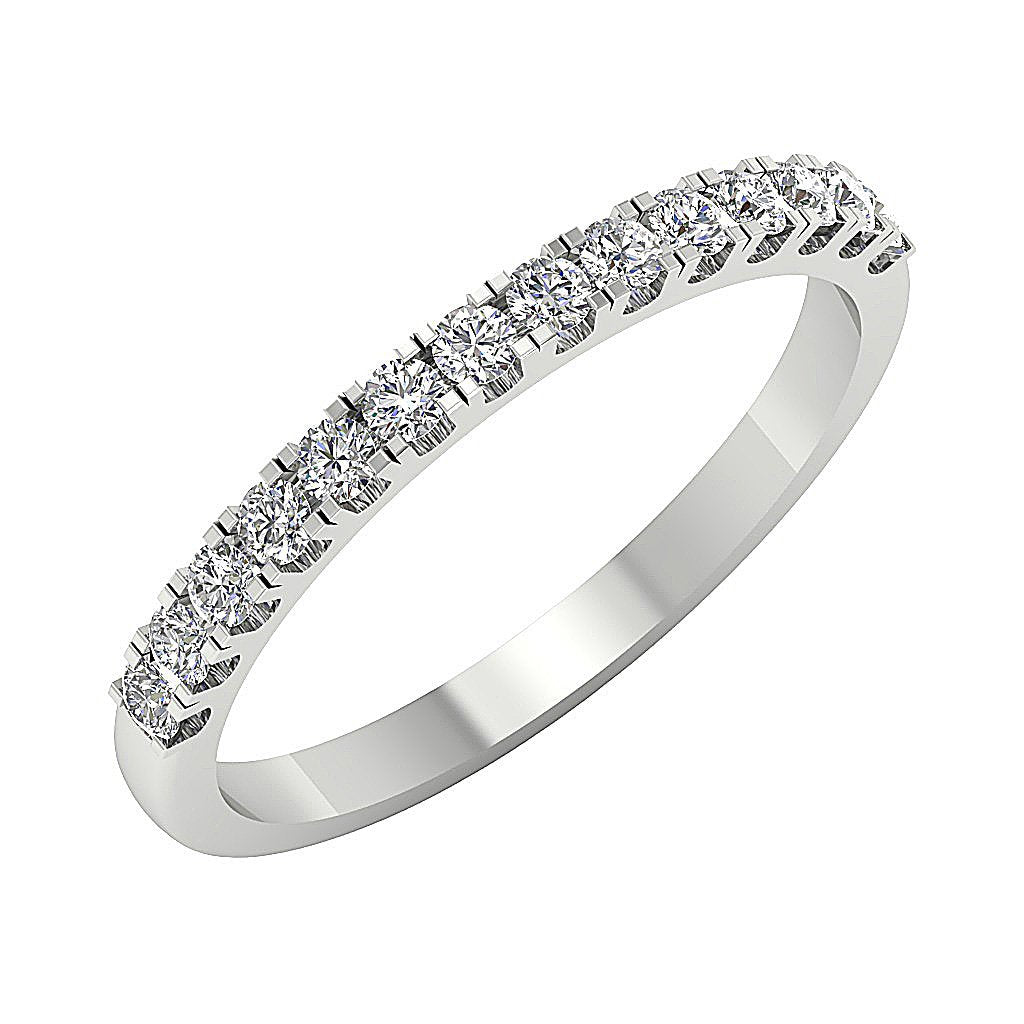
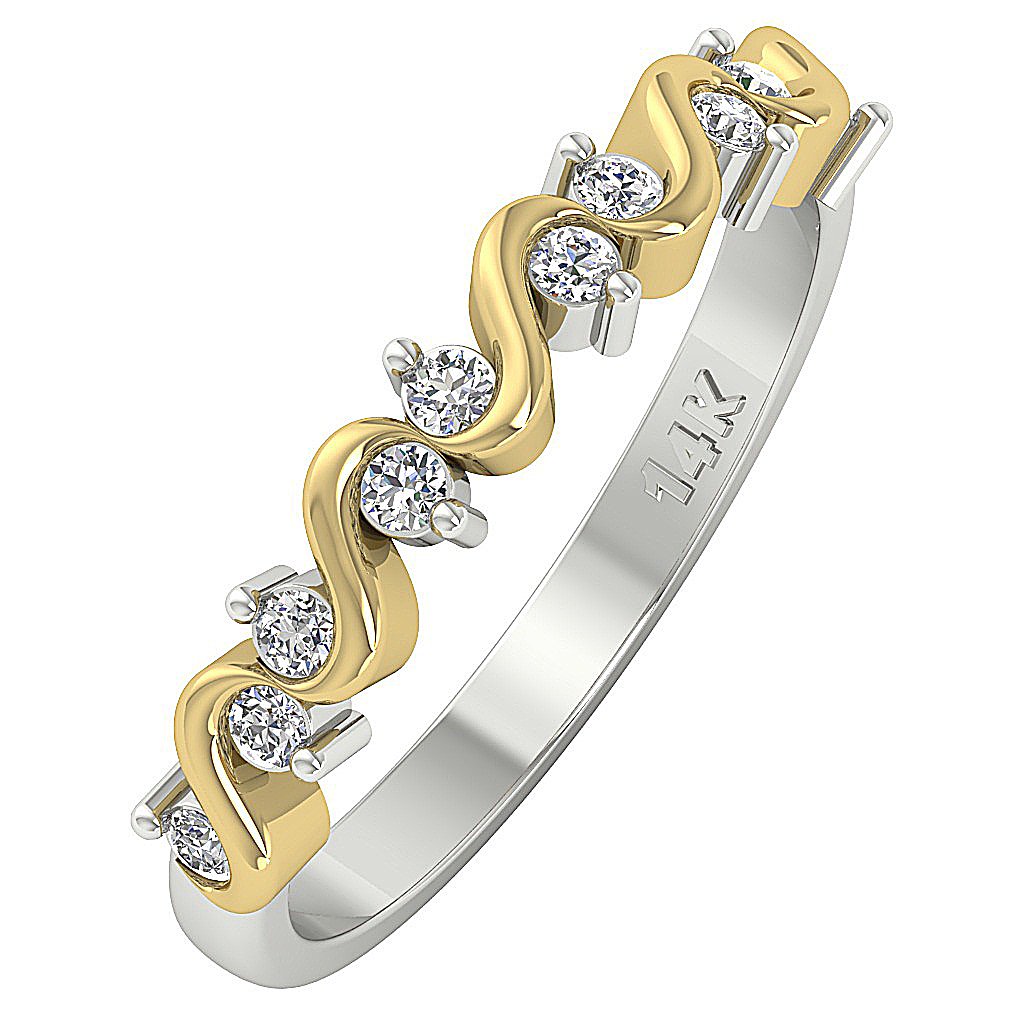
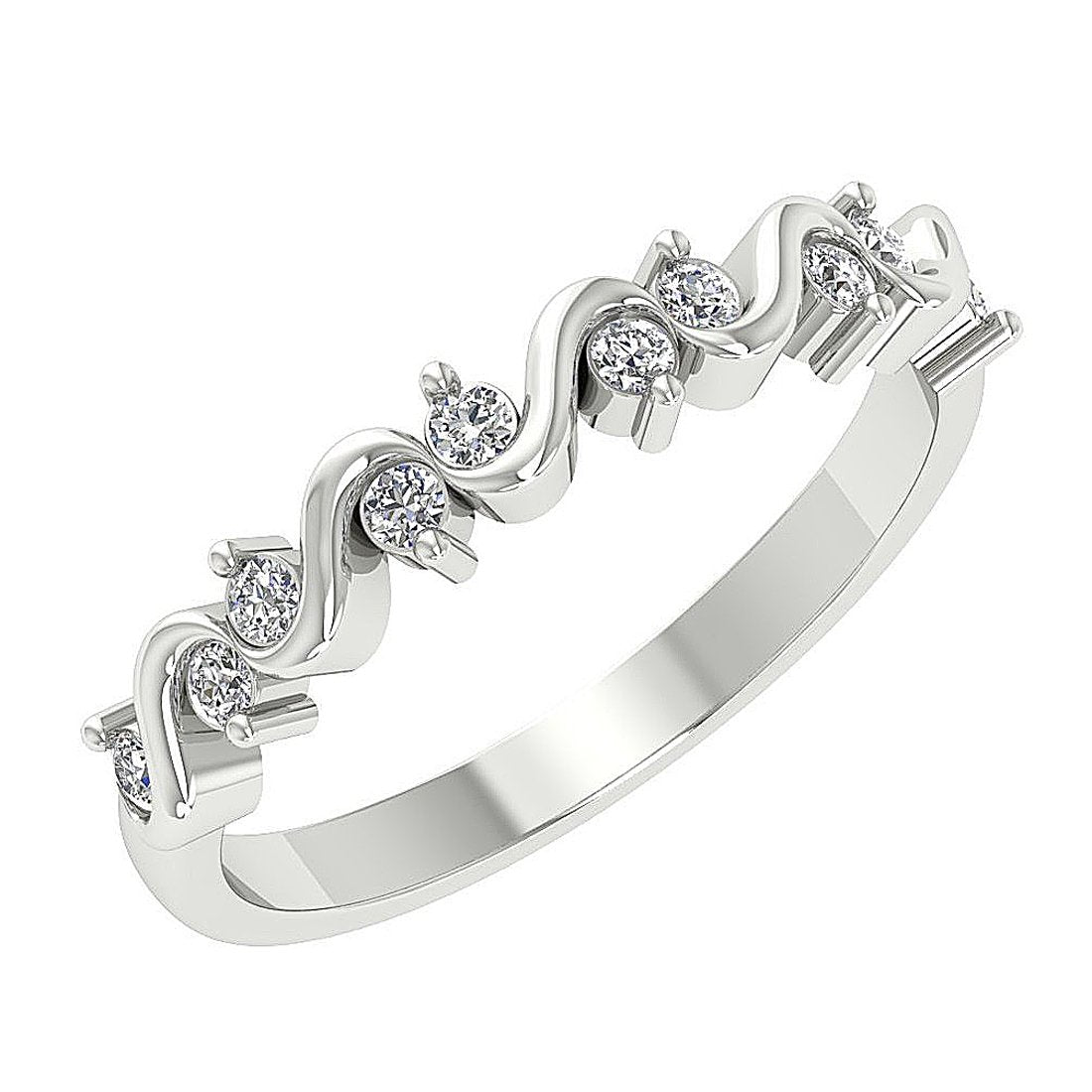
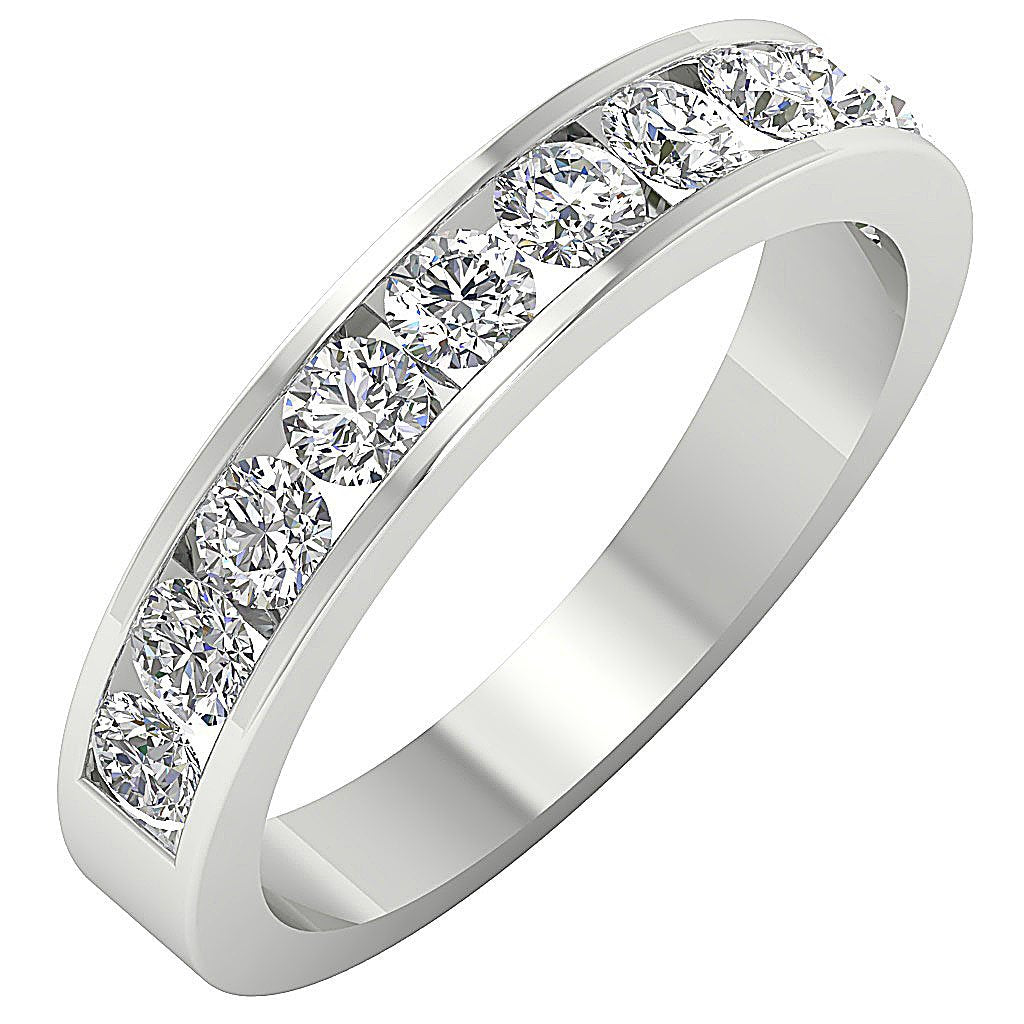
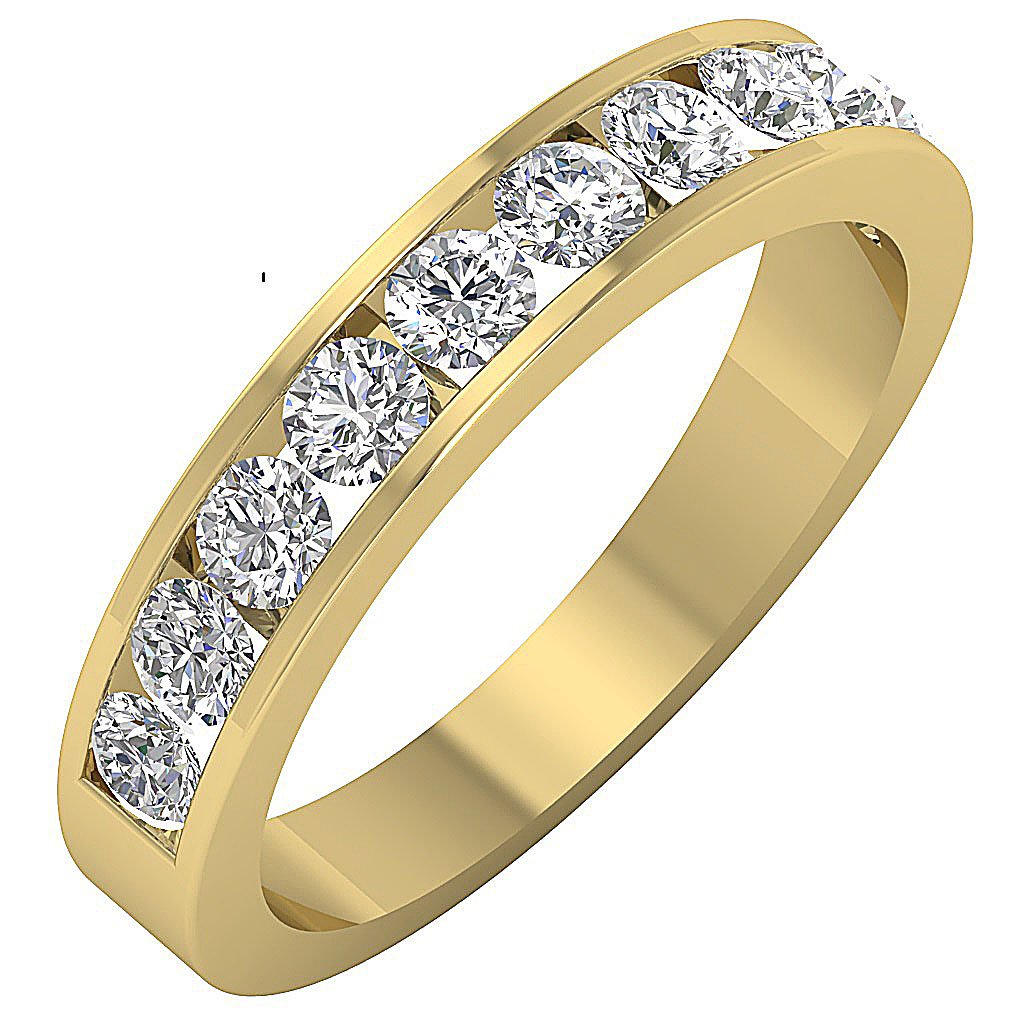
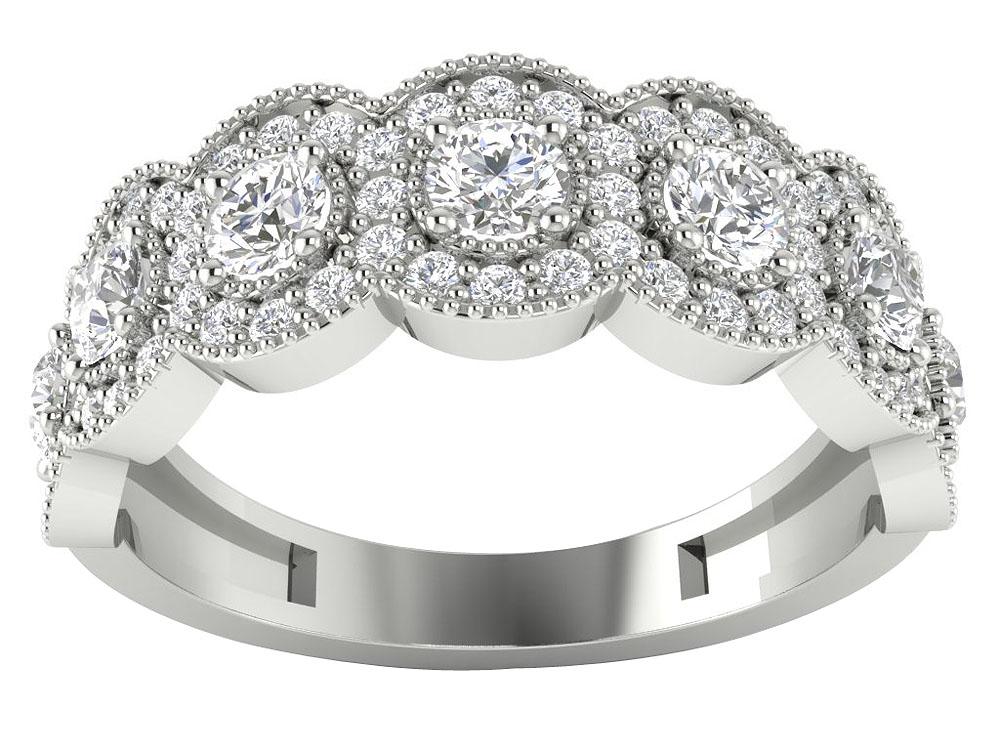
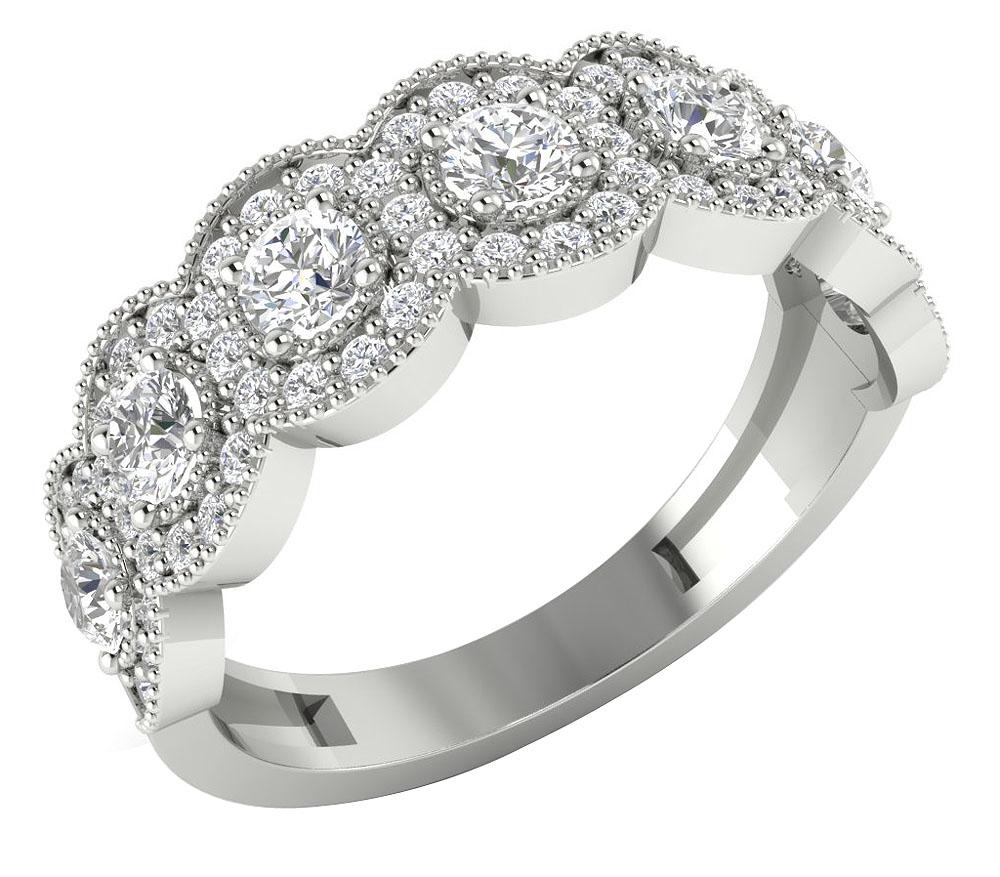
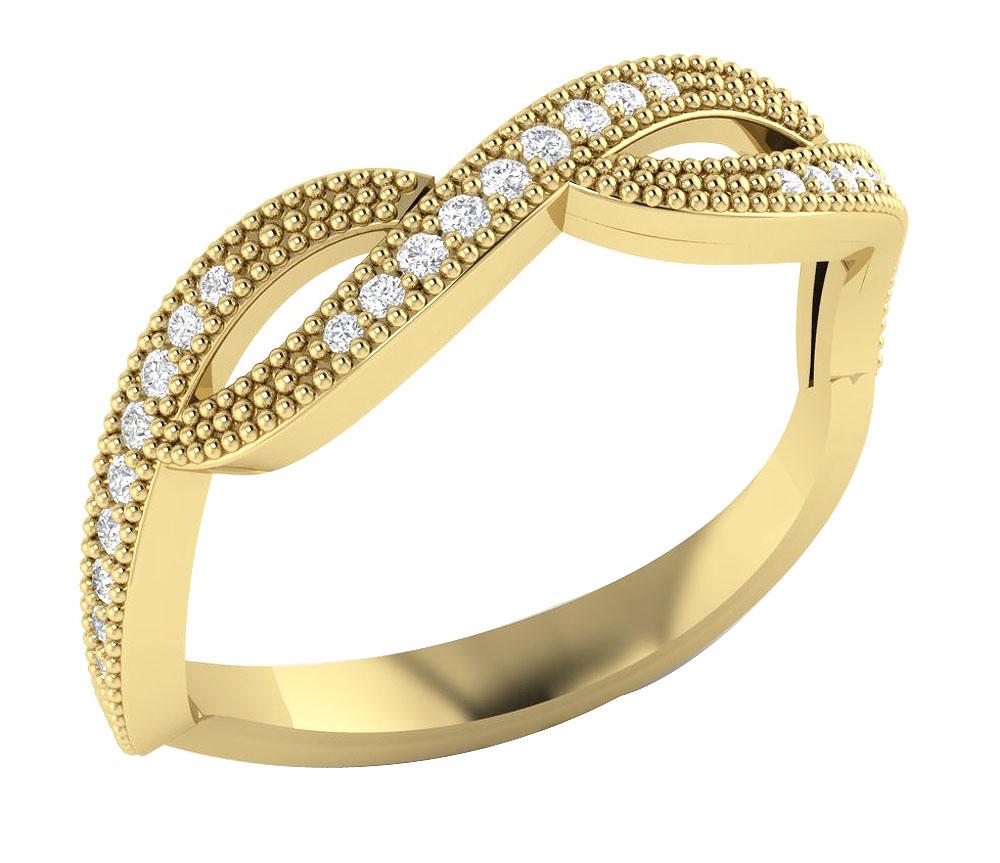
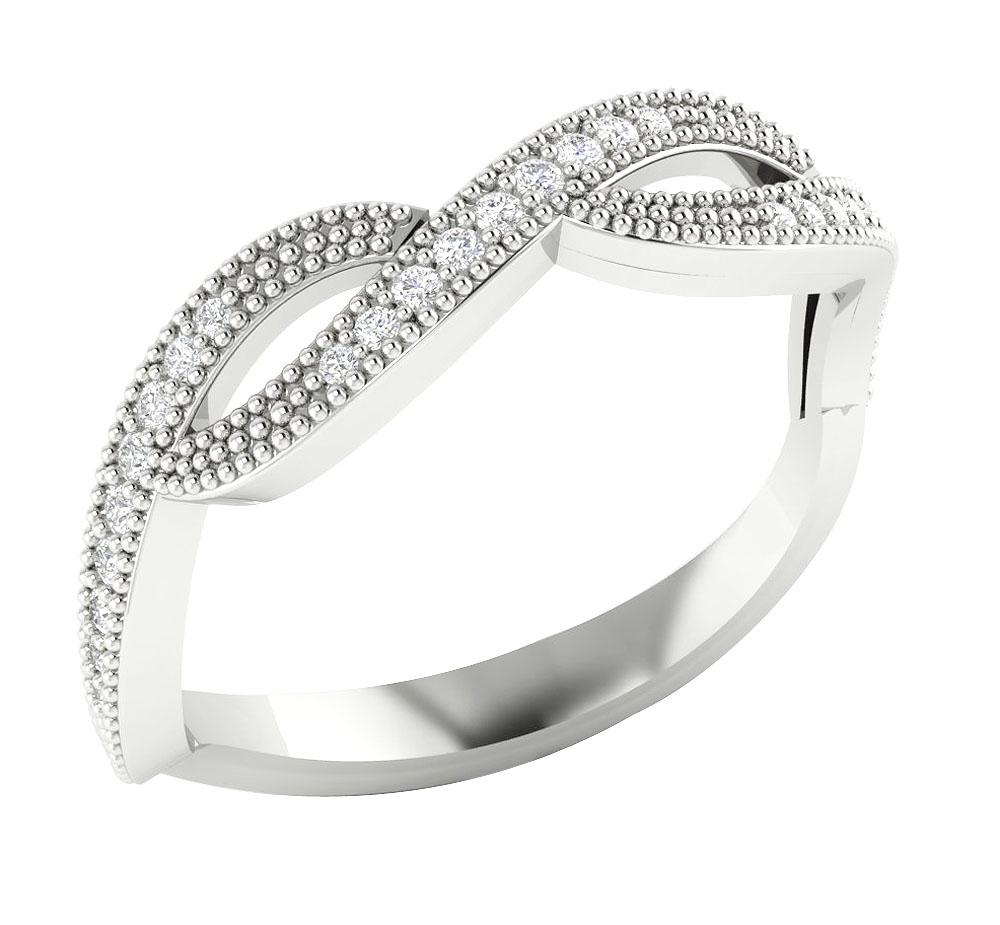
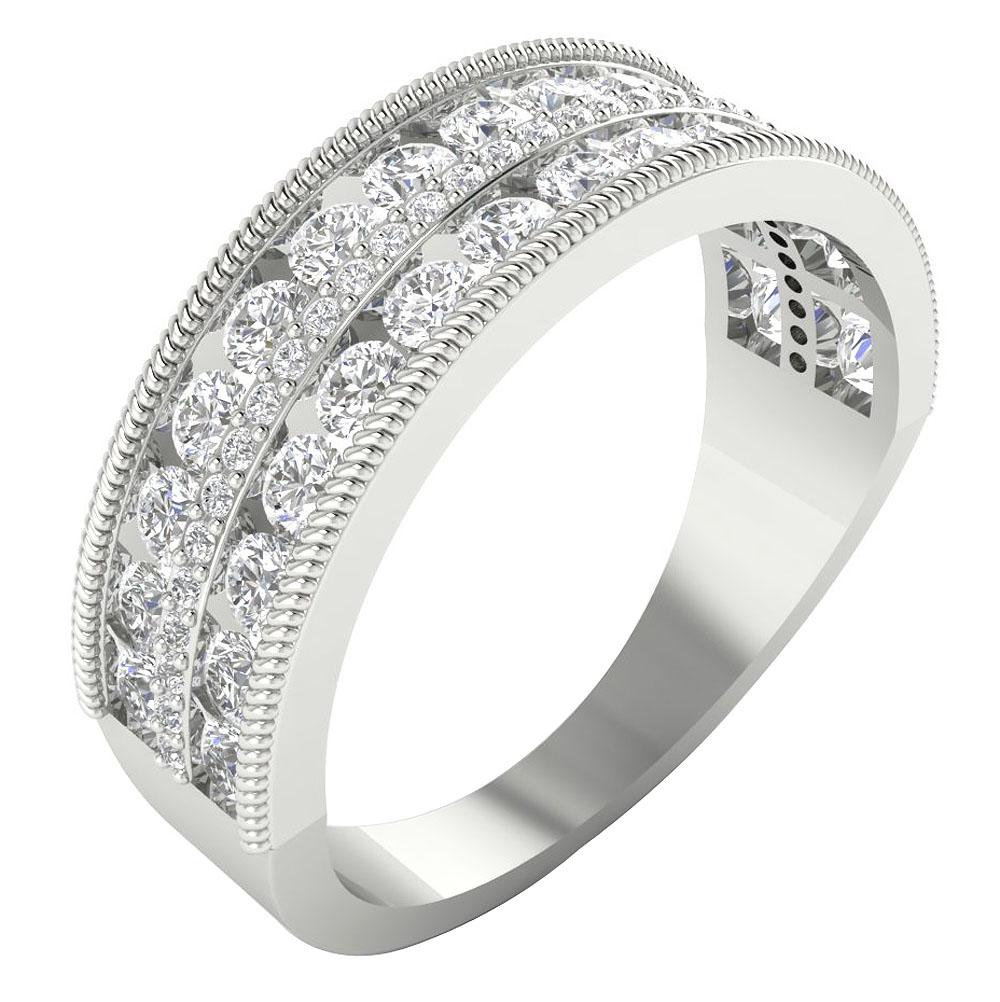
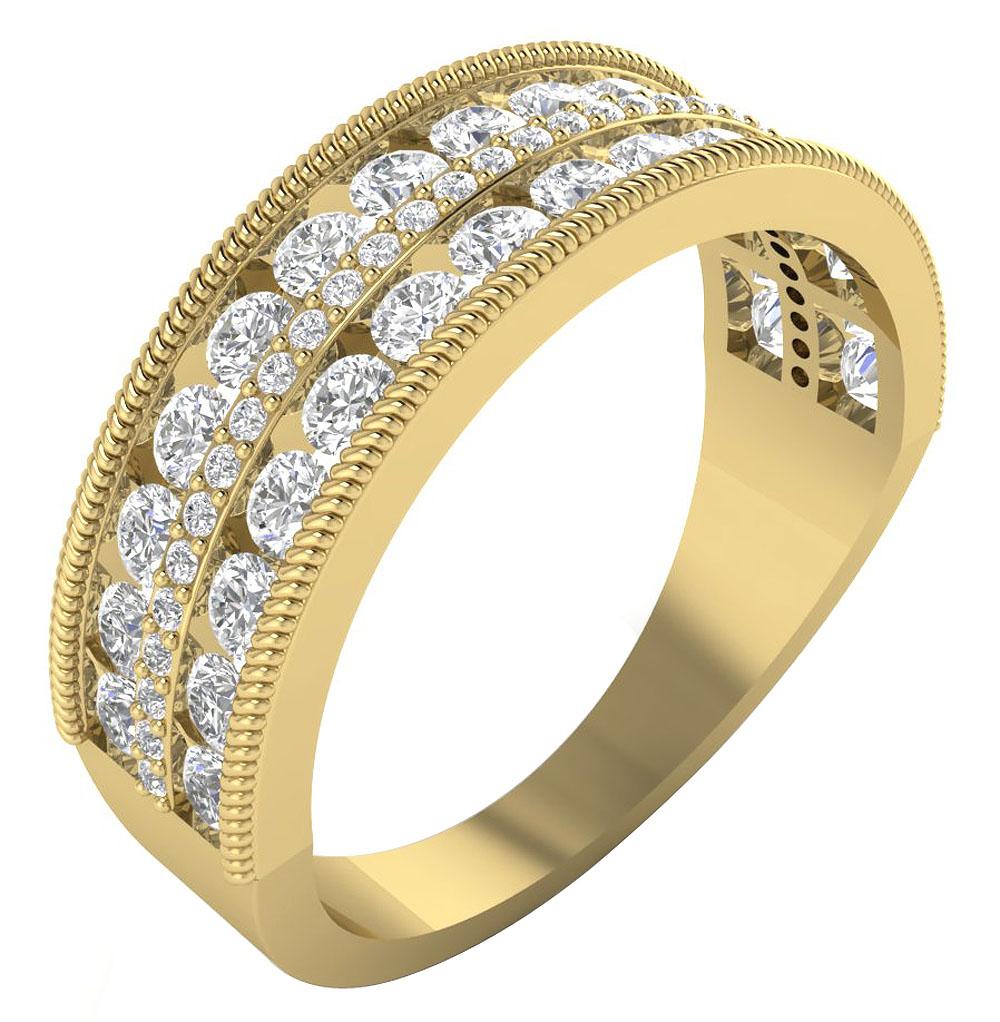
Channel-set diamonds sit within a groove between two walls of metal, giving the band a clean, architectural finish while protecting the edges of each stone. Prong-set designs expose more of each diamond, allowing individual stones to catch the light more distinctly. Pavé settings bring numerous smaller diamonds closely together for a finer, almost continuous surface of sparkle.
The setting also influences how well the ring lasts through years of wear. Channel settings offer greater protection around the stones, while pavé and prong-set designs reveal more diamond and therefore benefit from closer attention during cleaning and inspection.
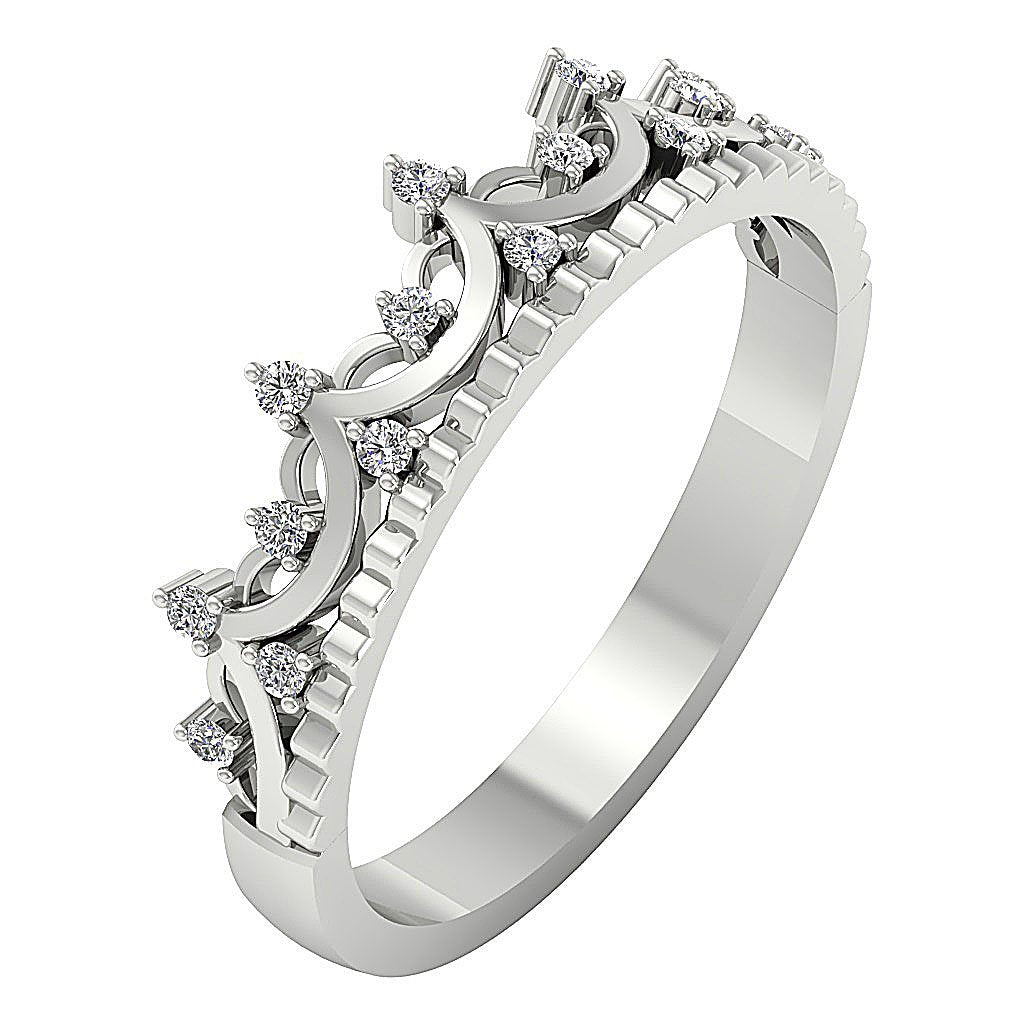
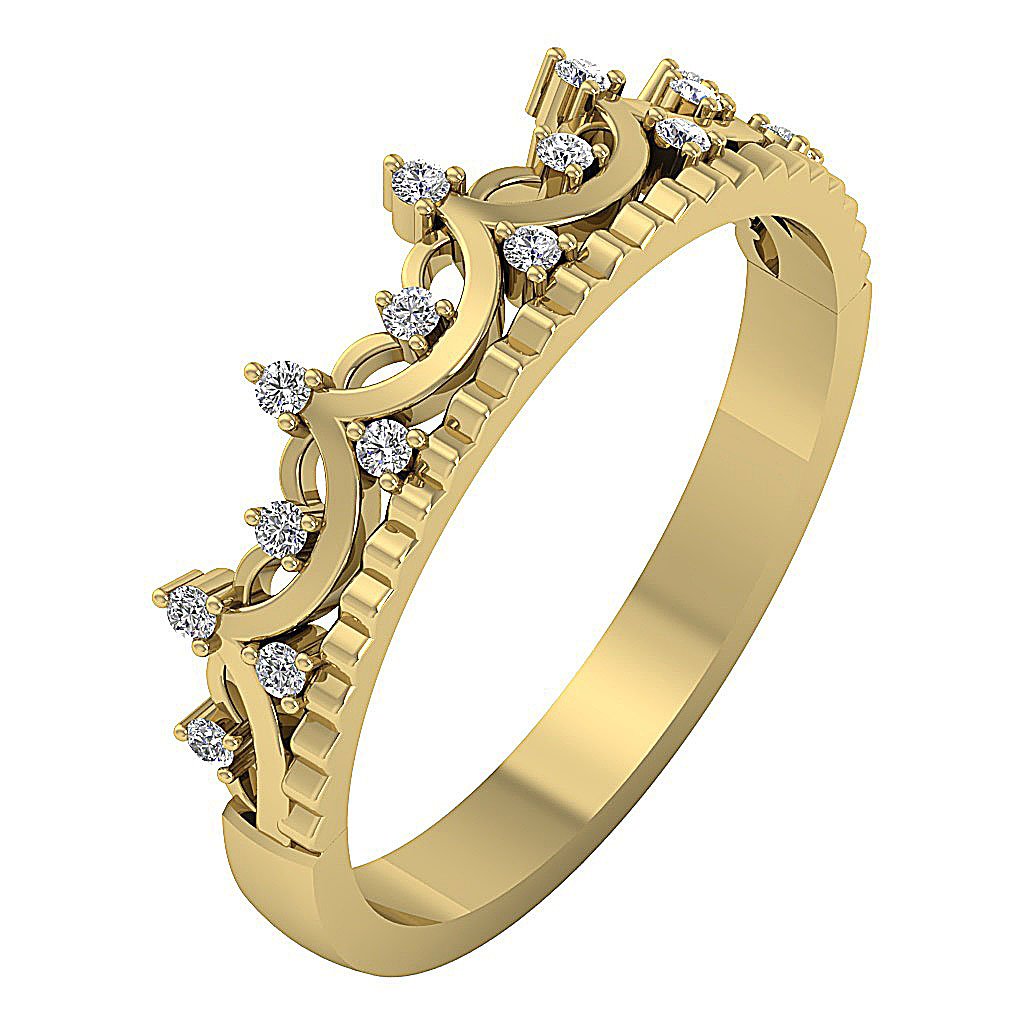
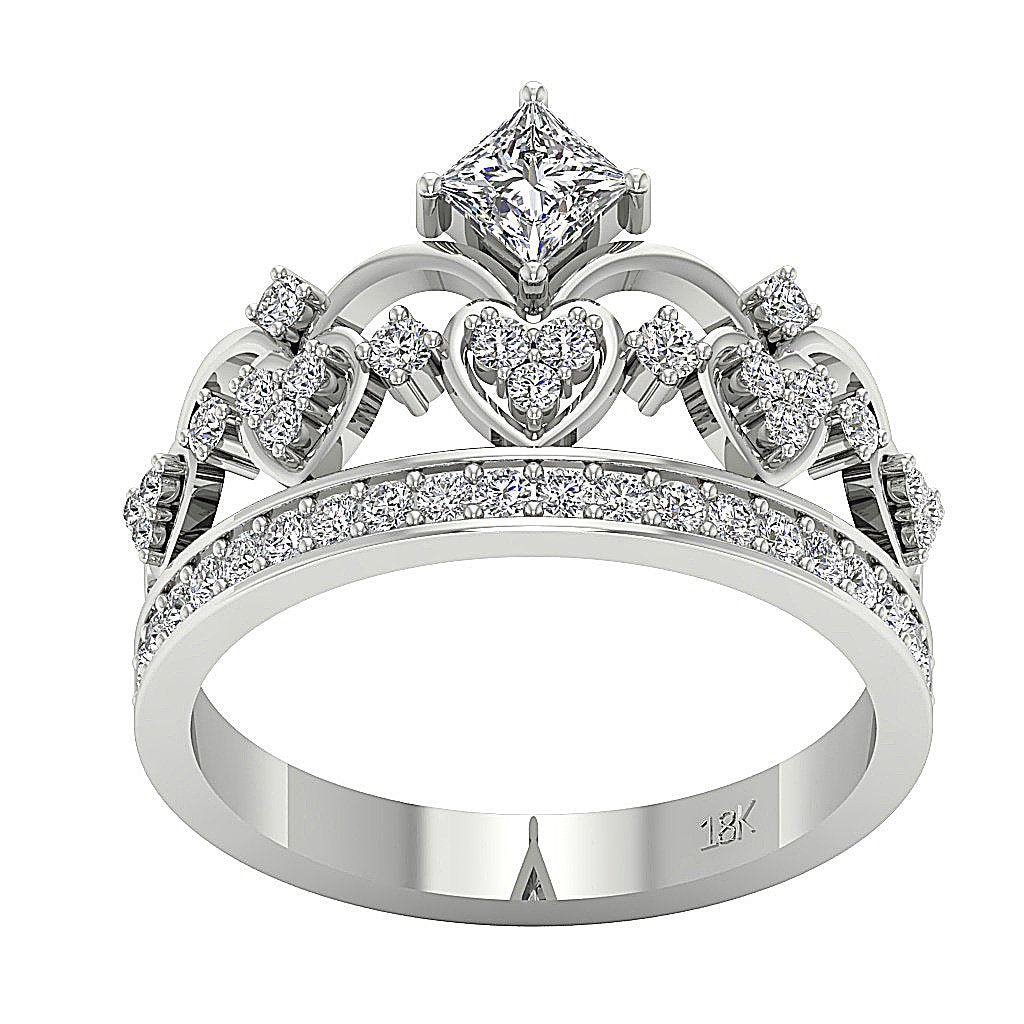
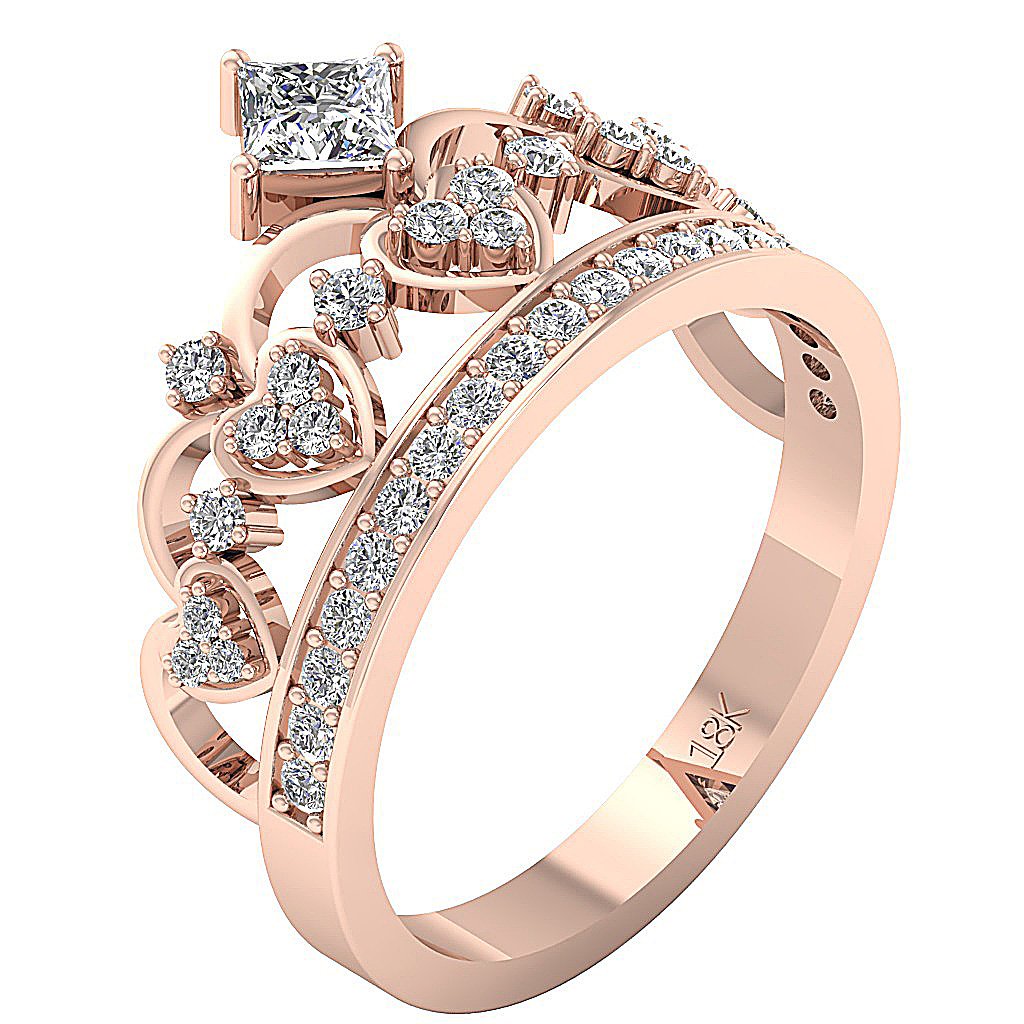
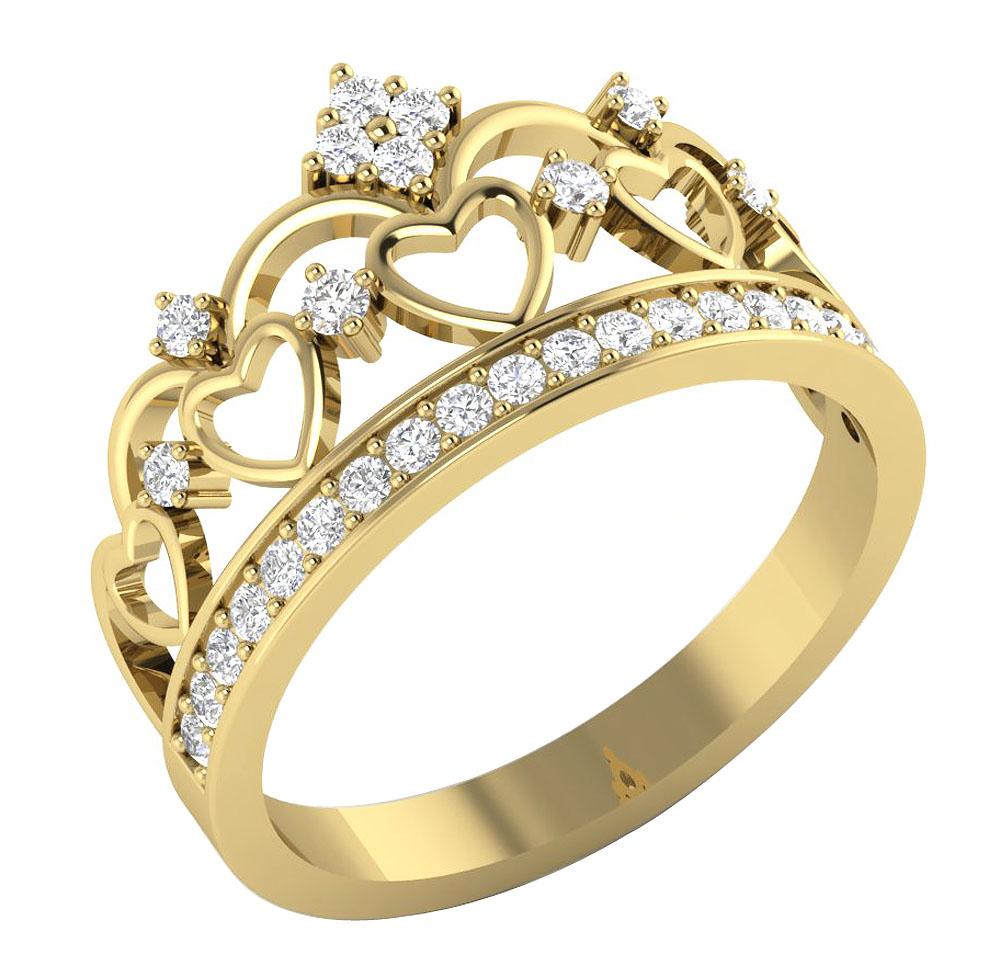
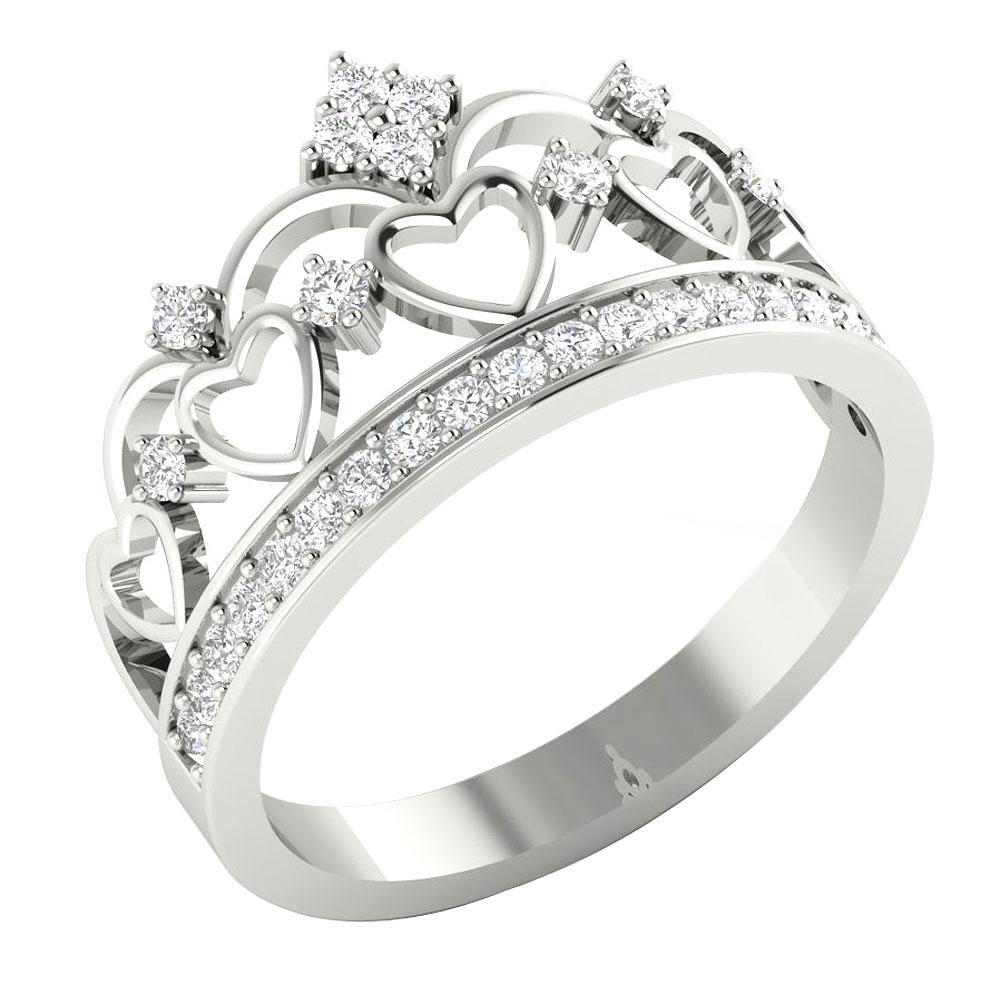
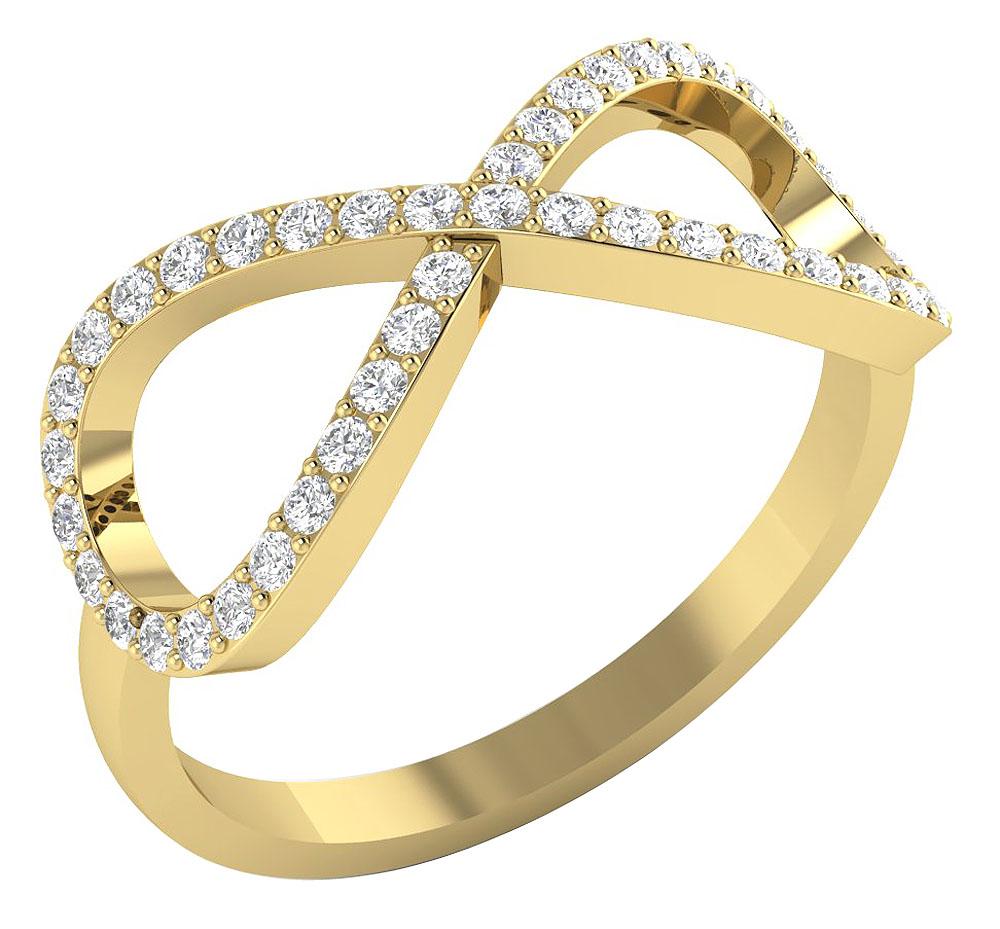
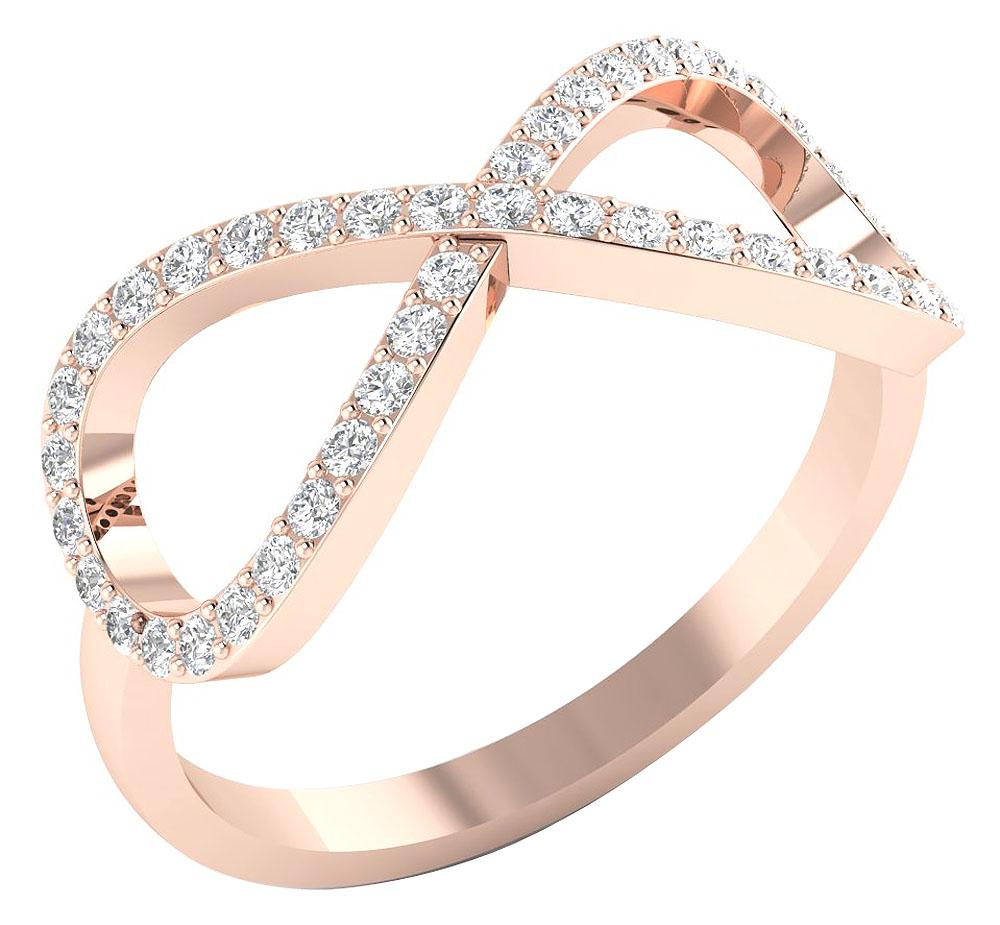
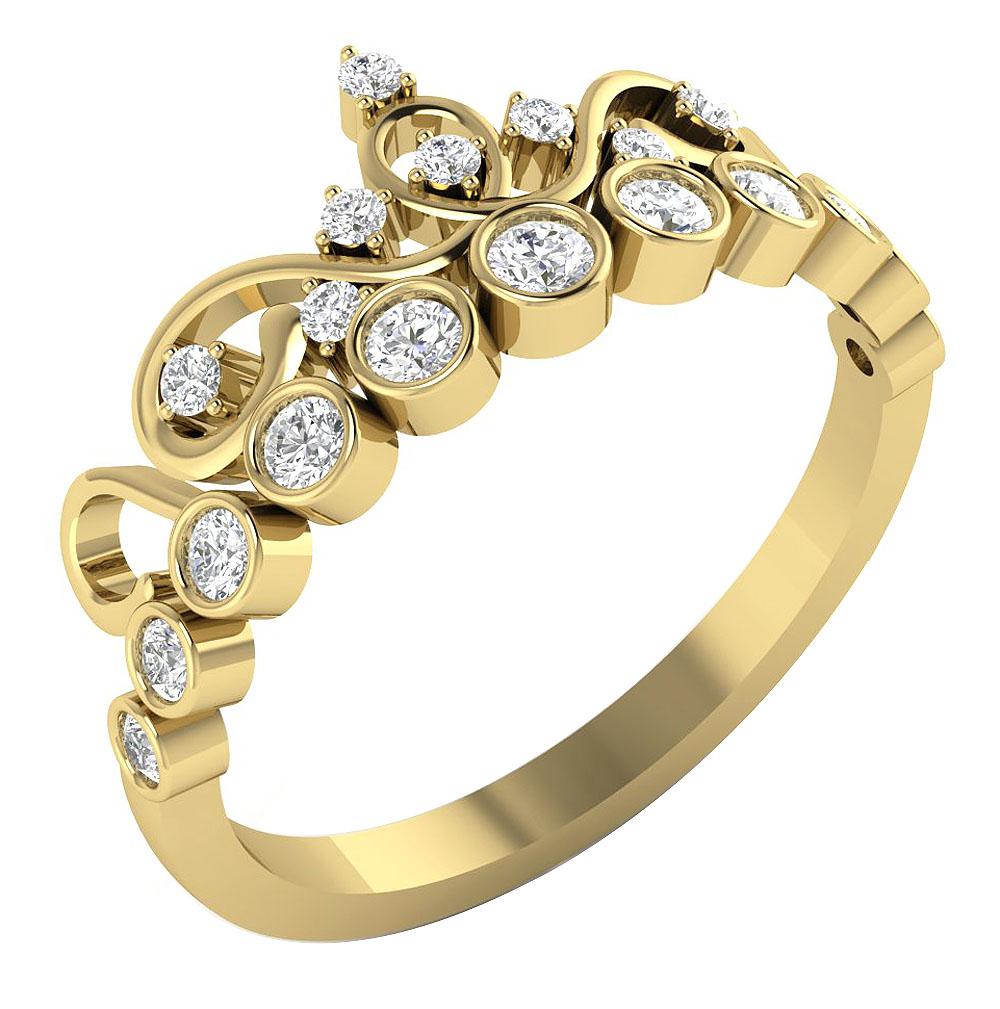
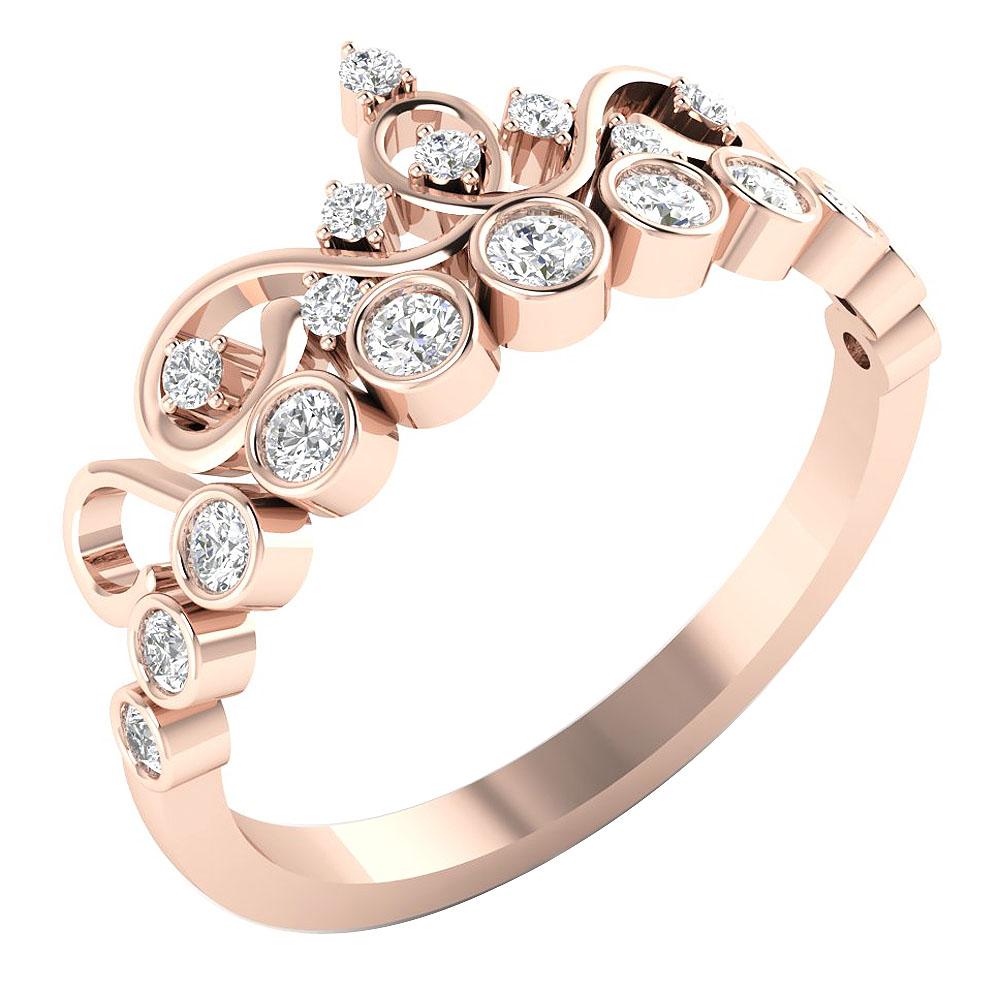
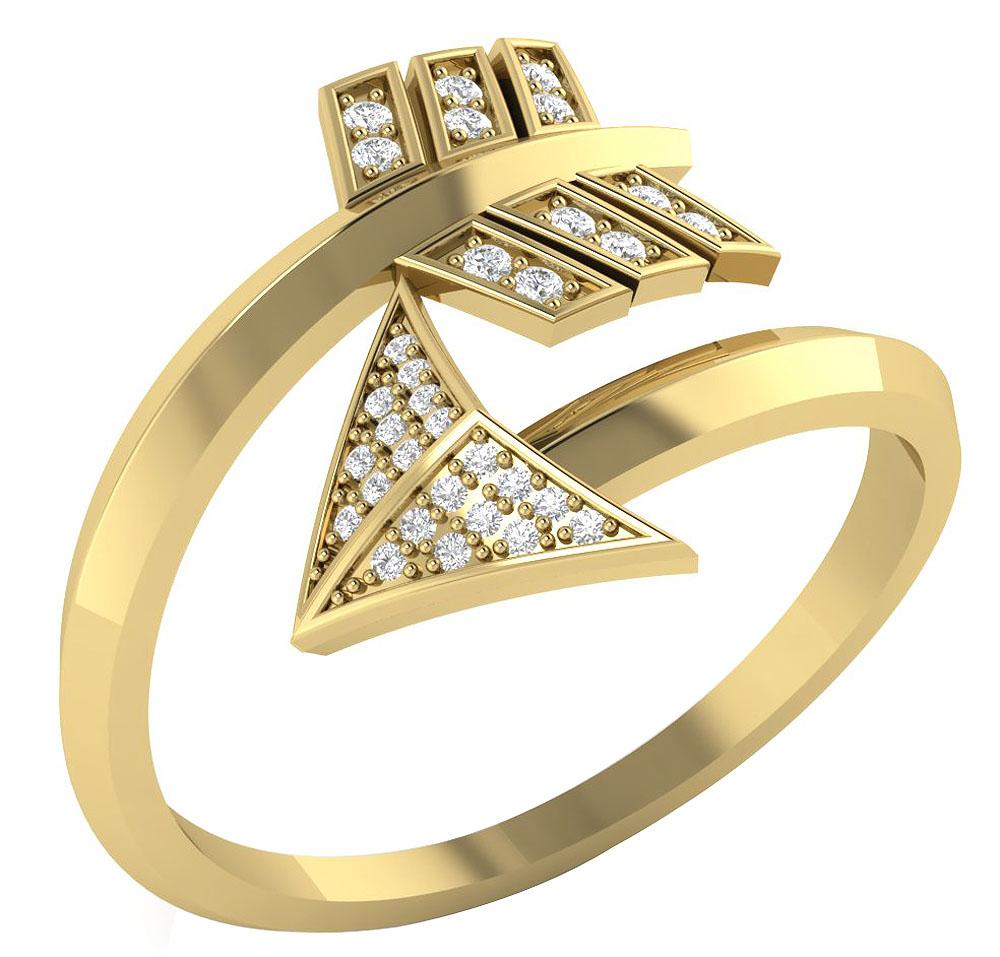
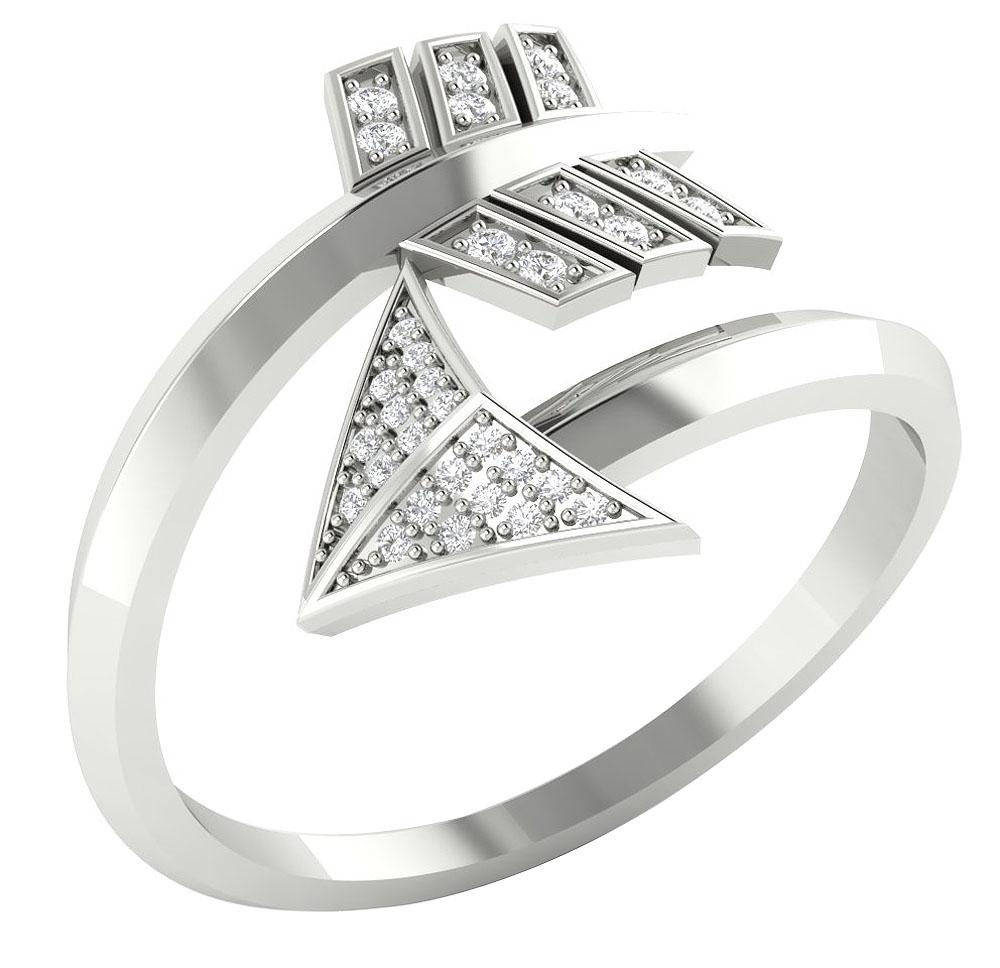
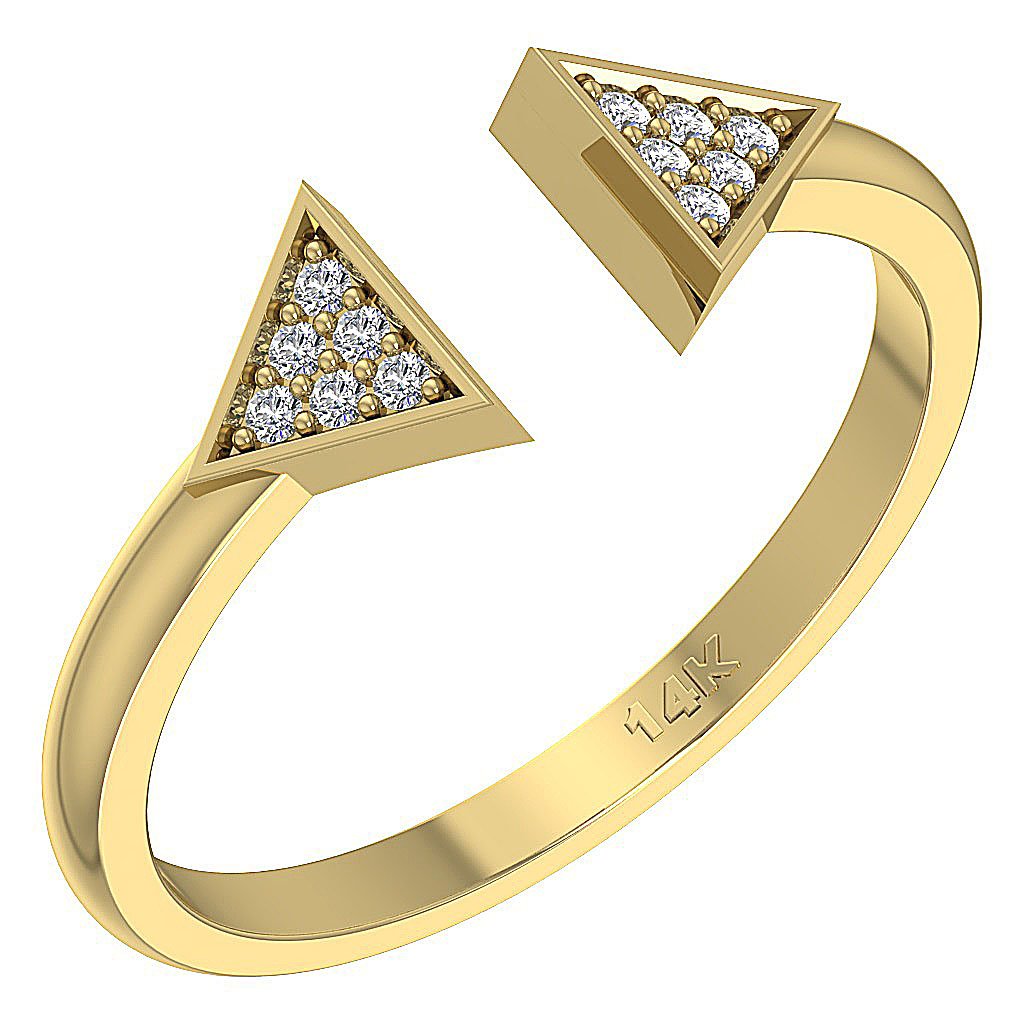
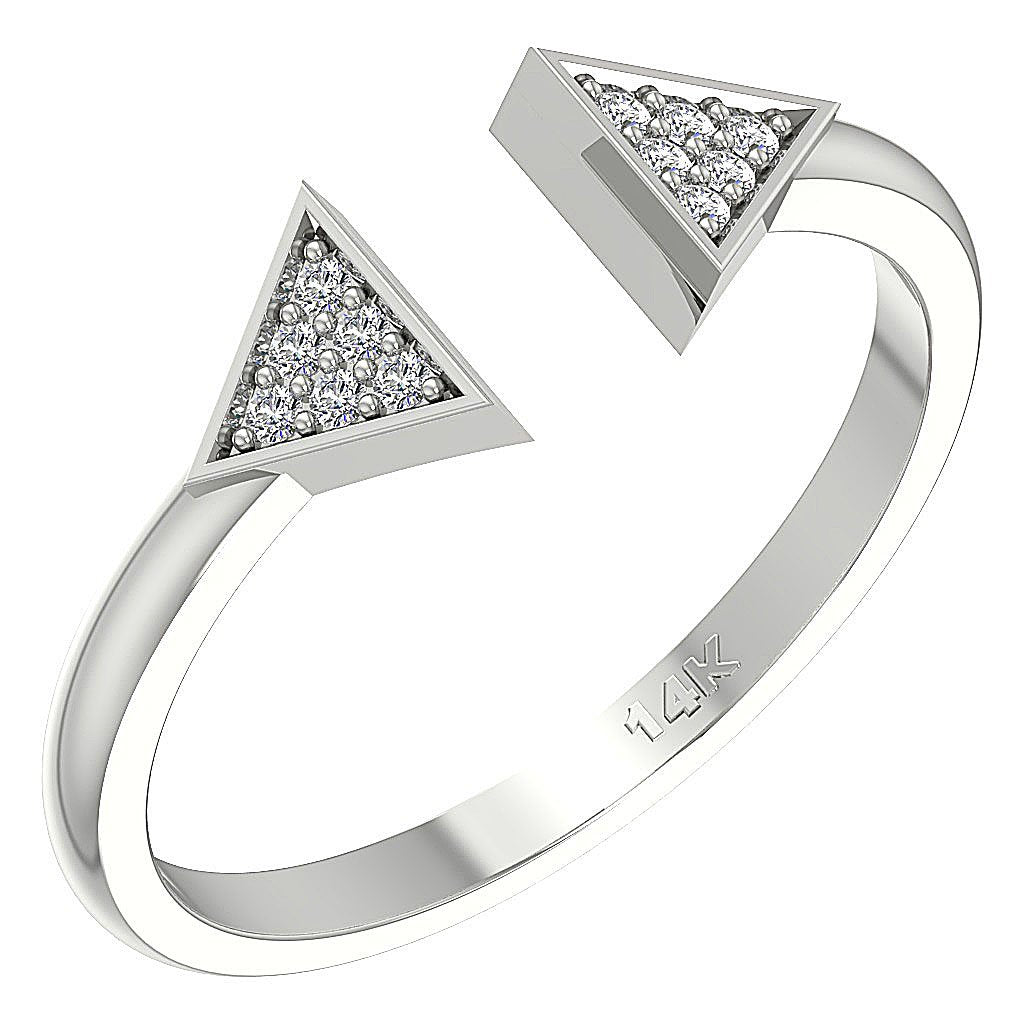
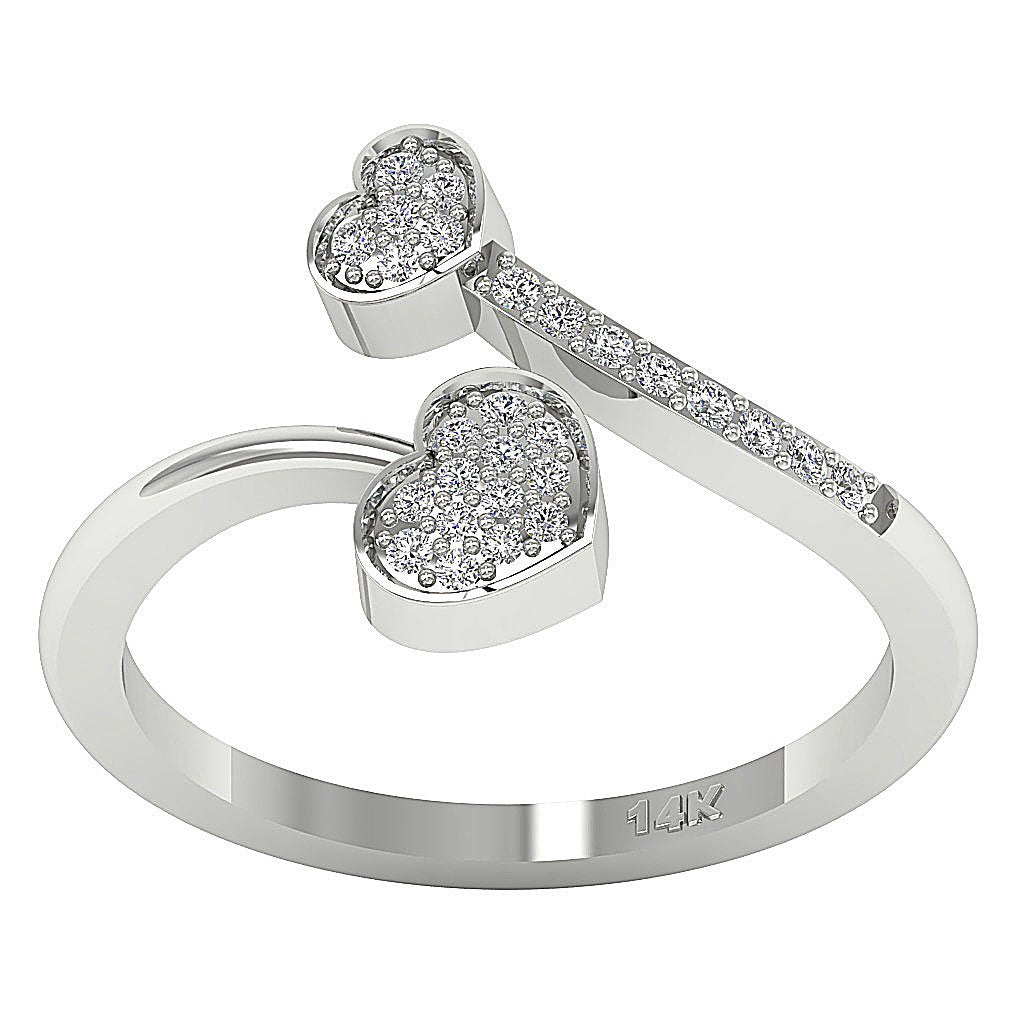
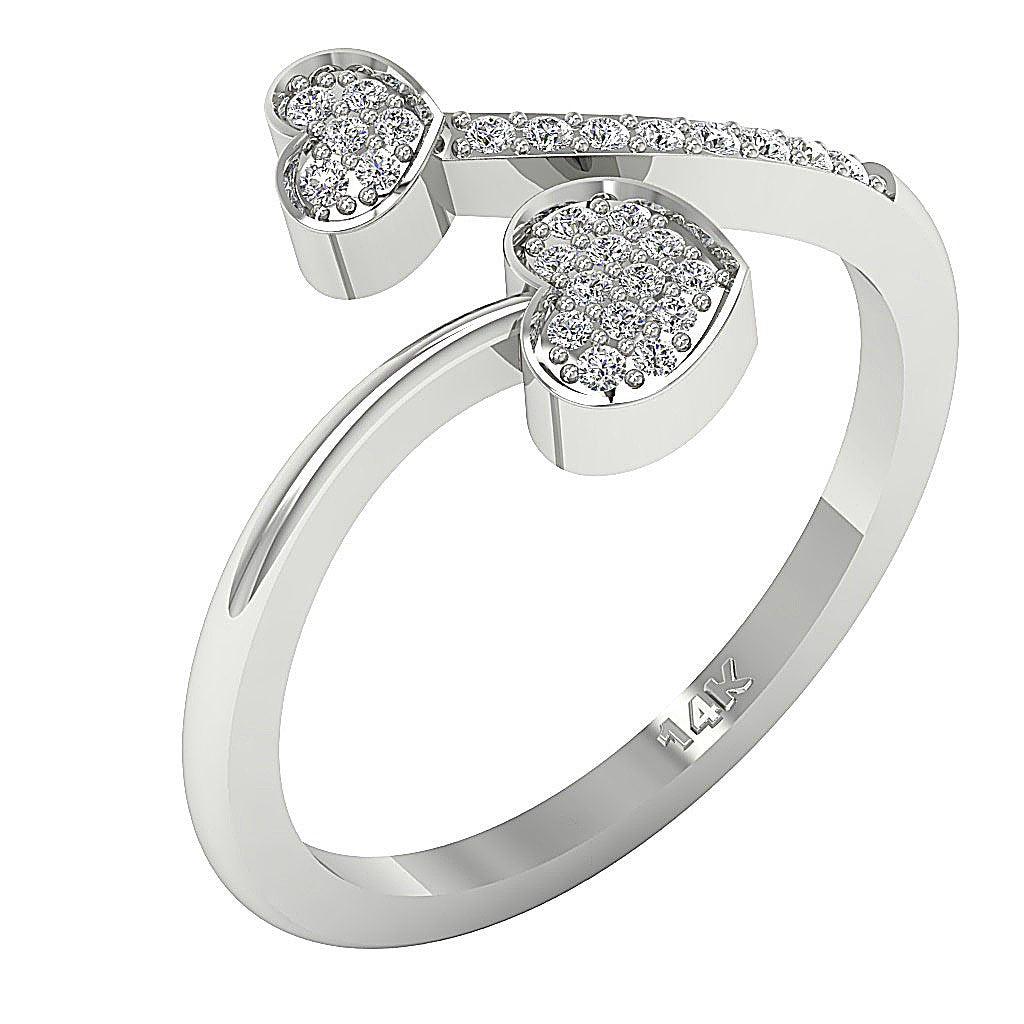
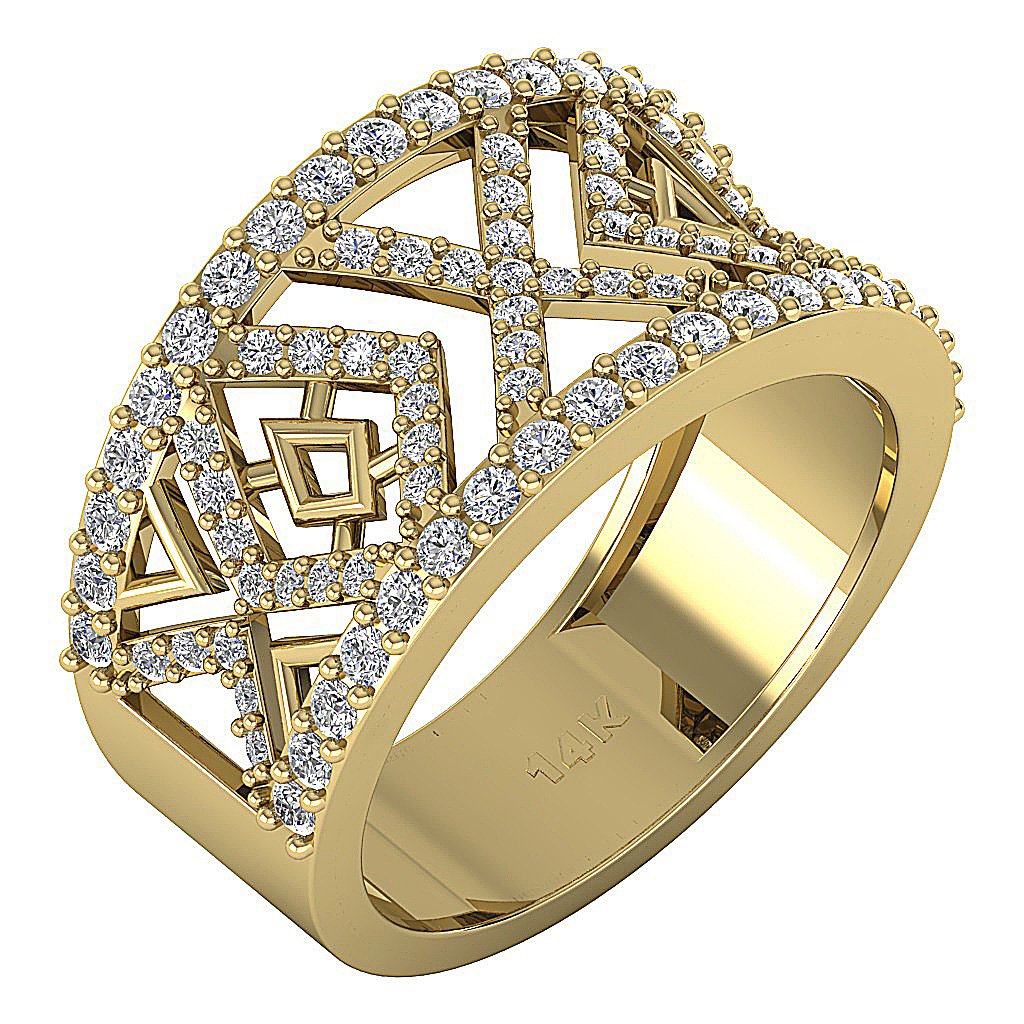
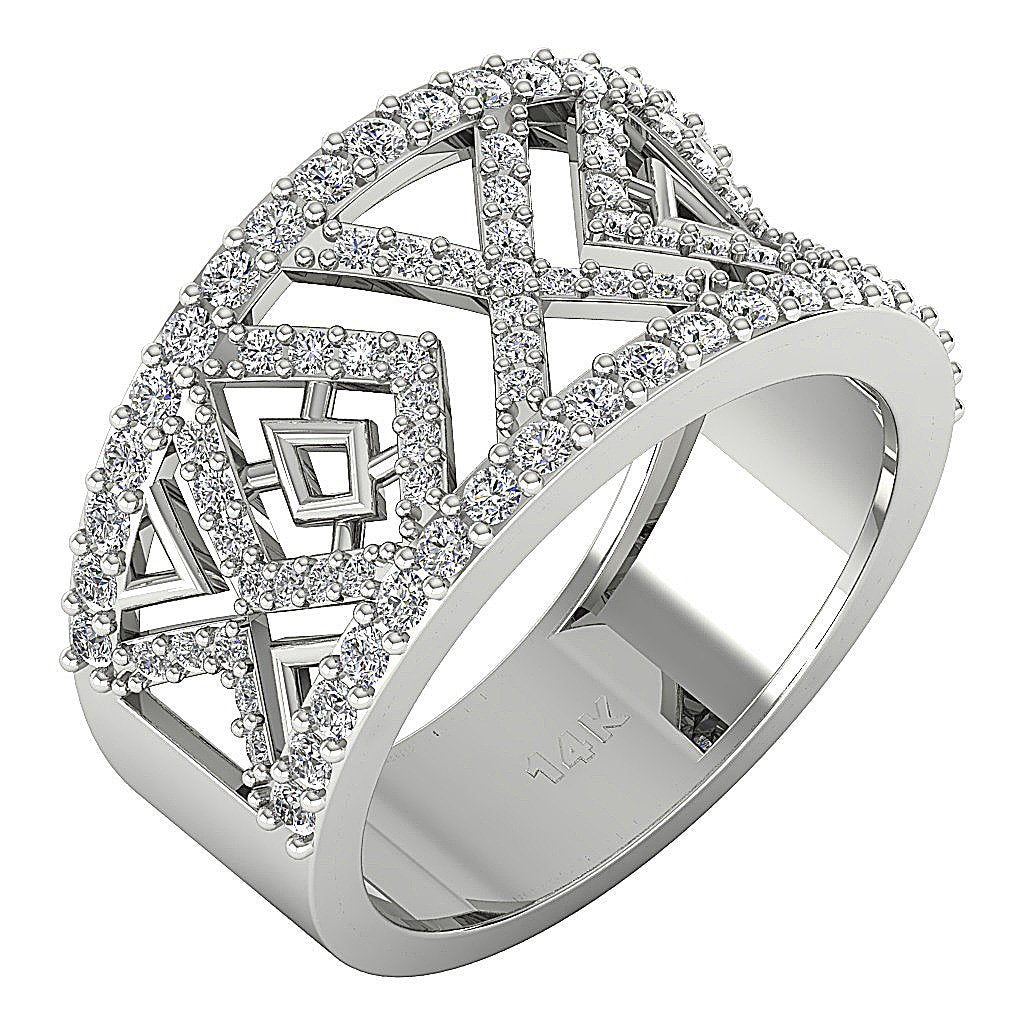
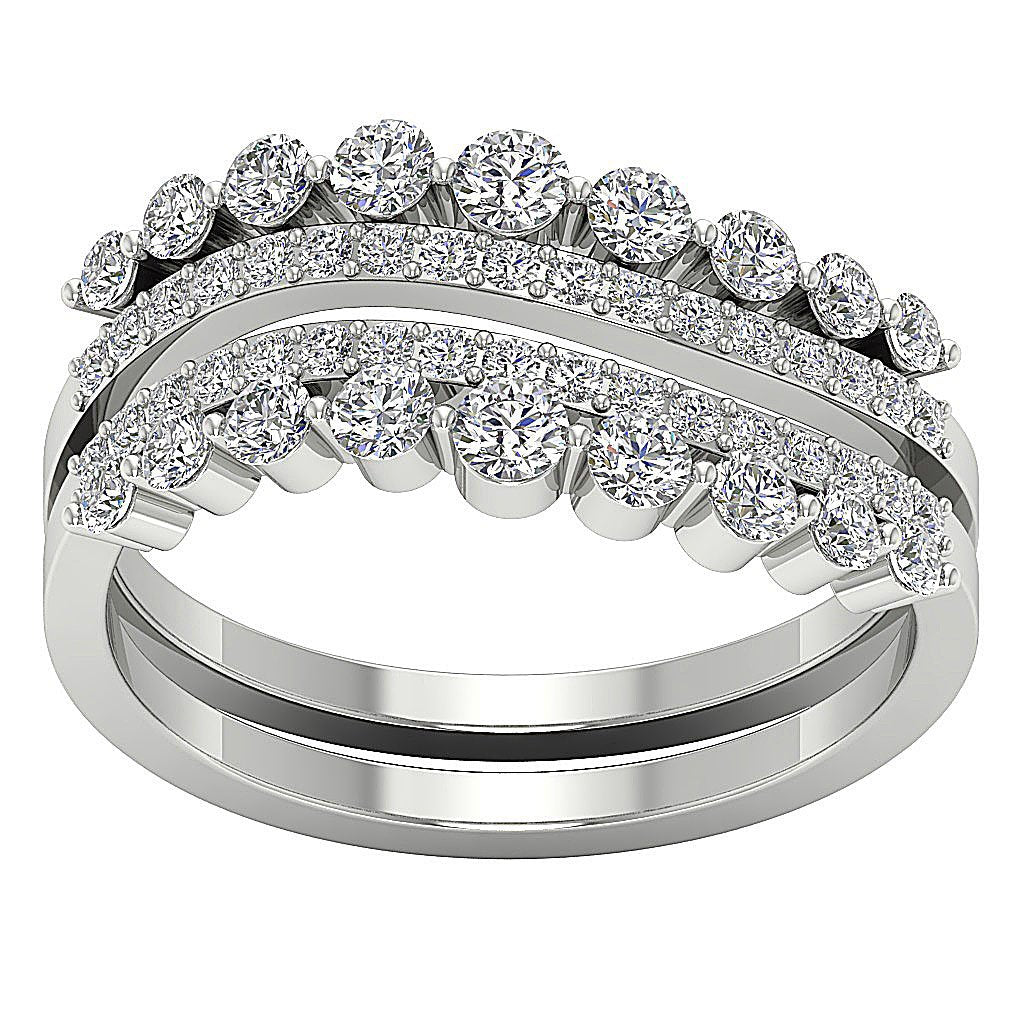
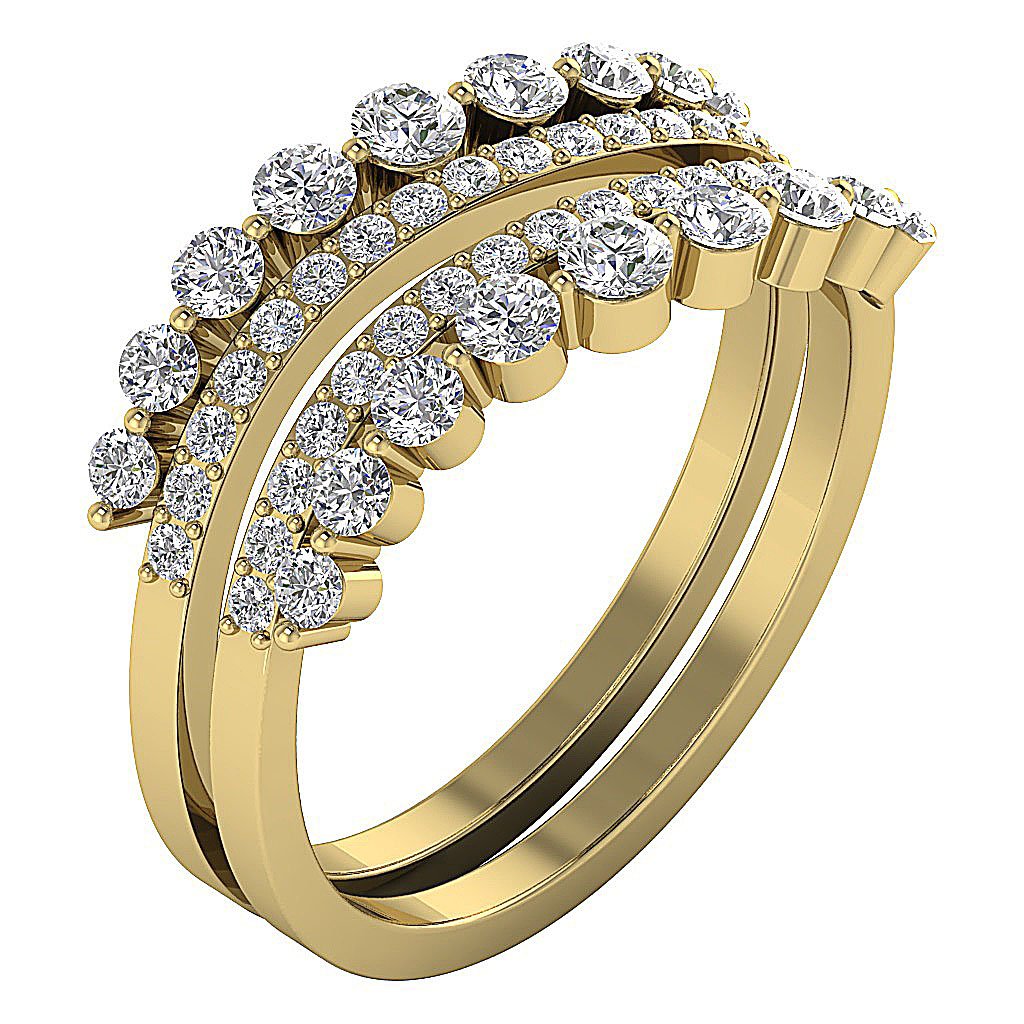
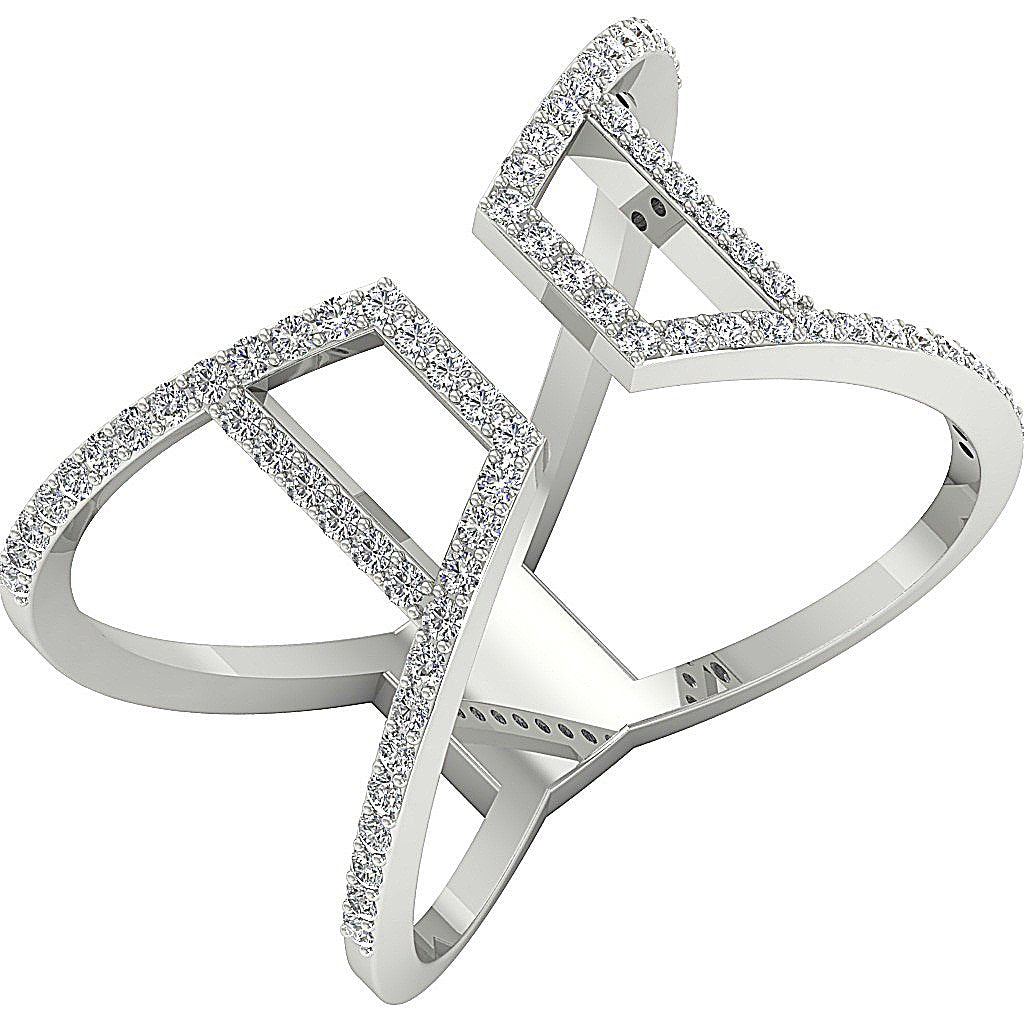
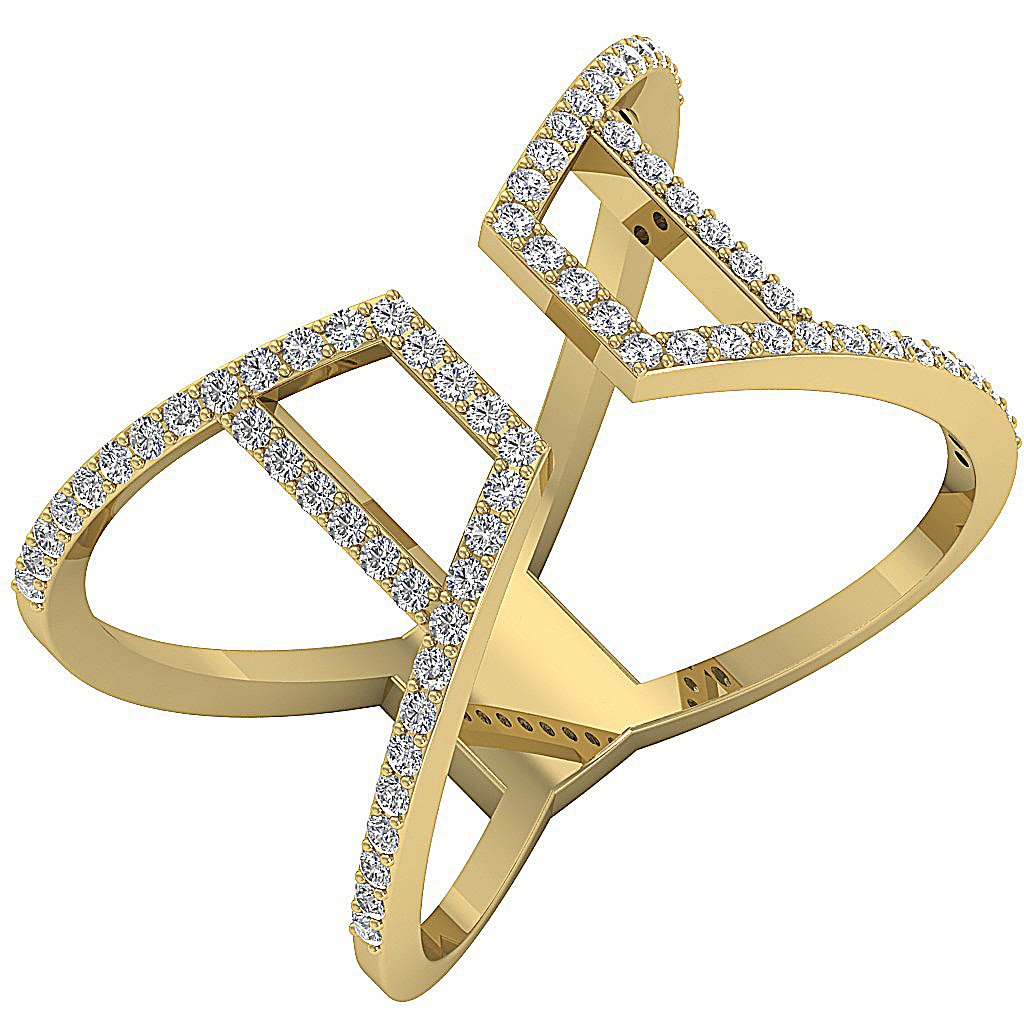
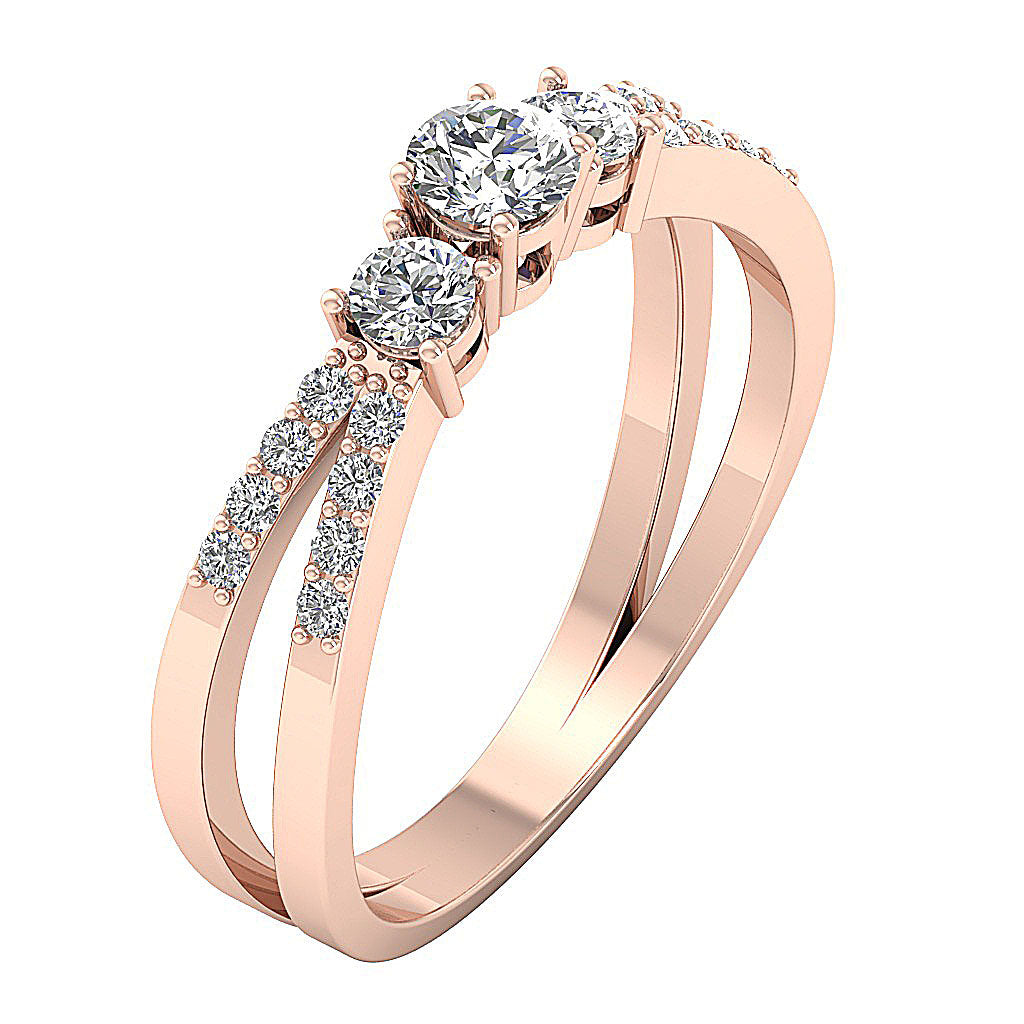
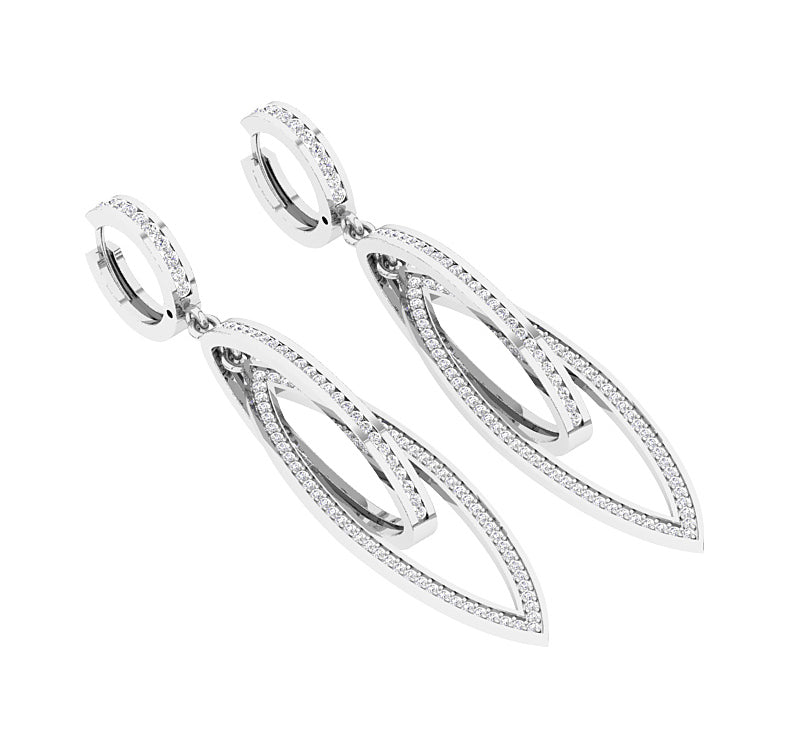
Some anniversary designs move beyond the traditional diamond band altogether. Open silhouettes, crossed forms, and twin-heart details introduce a more sculptural quality, making the ring more like a celebration in its own right.
Choosing the Right Diamond Coverage
How far the diamonds travel around the band is one of the most important choices for any wedding or anniversary ring.
A half-eternity design places diamonds across the visible upper section while leaving the underside in polished metal. This creates a refined balance between brilliance and practicality, particularly for someone who expects to wear the ring continuously.
A full-eternity design carries diamonds around the entire circumference, creating uninterrupted sparkle as the hand moves. The effect is more immersive, but the continuous setting also means the entire band experiences daily contact and cannot be resized as easily.
The choice depends on how the ring is expected to be worn. For a wedding band intended to remain on the finger every day, a half-set design can offer greater practicality. For an anniversary piece chosen primarily for its visual impact, the uninterrupted brilliance of a full-eternity band can feel especially fitting.
Why Choose Wedding & Anniversary Rings by Diamond For Good
Diamond for Good designs wedding and anniversary rings with the relationship between pieces, rather than each ring in isolation, in mind.
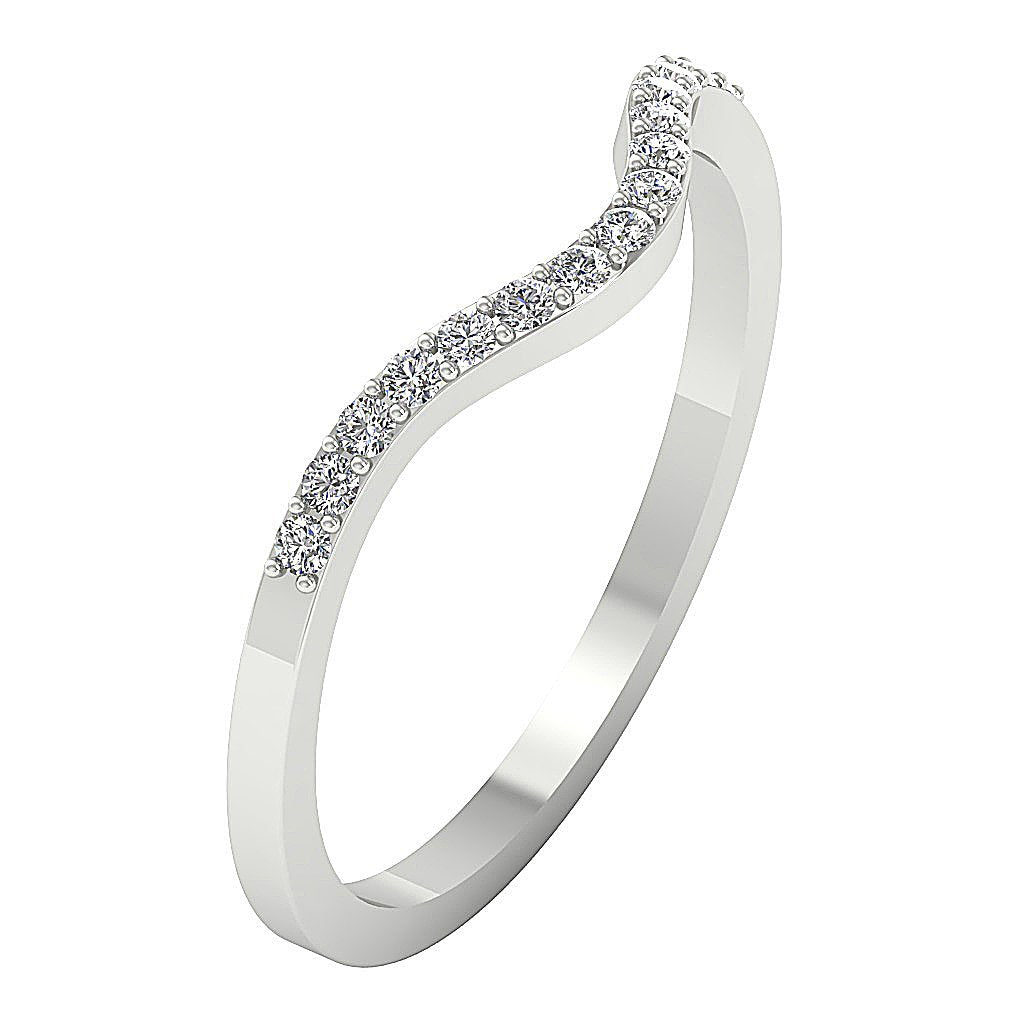
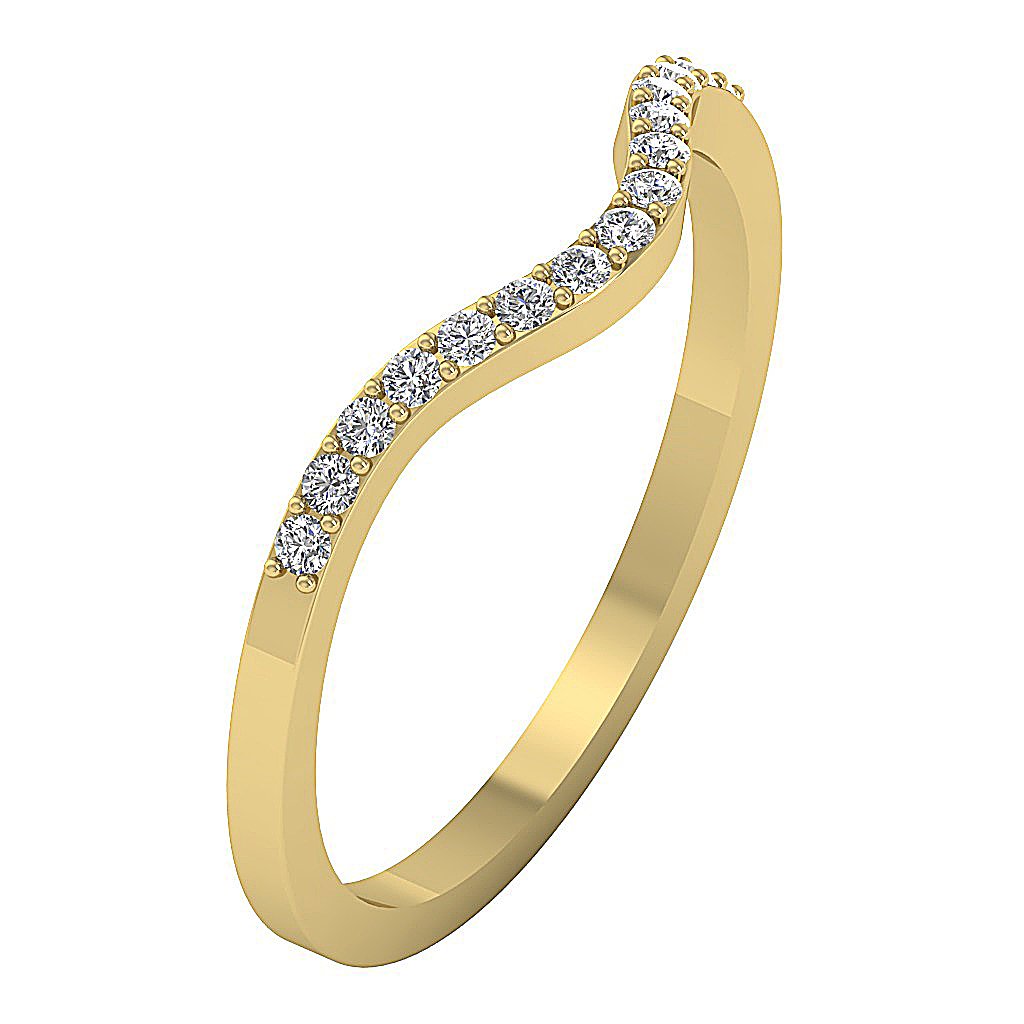
A wedding band can be selected to complement an existing engagement ring's proportions and setting. A straight profile works naturally beside a low-profile solitaire, while a contoured band can follow the outward curve of a halo or three-stone setting, creating a more seamless composition.
Anniversary rings allow more freedom. They can repeat the original wedding band's metal tone, echo its diamond style, or deliberately introduce a new element. The strongest pairings do not necessarily match perfectly. They share enough visual language to feel connected while allowing the newer ring to have its own identity.
With 14K and 18K gold available in yellow, rose, and white, alongside natural and lab-grown diamonds, the collection allows that relationship between old and new to be interpreted in different ways.
Wearing It Well: Styling Your Wedding & Anniversary Ring
Begin with the engagement ring when choosing a wedding band. The two pieces should feel as though they belong to the same composition rather than having been selected independently years apart. A curved band can trace the architecture of a halo or three-stone setting, while a straight band offers a quieter contrast beside a solitaire.
Scale matters when you are stacking multiple rings. An elaborate engagement ring benefits from a restrained wedding band, while a simpler centre stone can accommodate more diamond detail along the shank.
An anniversary ring is less bound by convention. One can wear it alongside the wedding set when the intention is to create one layered expression, or place it on the opposite hand when the anniversary deserves its own visual presence.
Marking a Milestone
A diamond anniversary ring has long been associated with significant wedding milestones, particularly the tenth and sixtieth anniversaries. Modern jewellery, however, is less concerned with rigid traditions. A diamond ring can mark any year that feels worthy of being remembered.
The design can carry that meaning in different ways. A delicate band may commemorate a quiet milestone, while a substantial eternity ring can give greater visual weight to a landmark anniversary.
There is also something particularly elegant about choosing a piece that acknowledges the original wedding jewellery without attempting to reproduce it. The first ring belongs to the beginning of the story. An anniversary ring belongs to everything the story has become.
Living With It: How to Care for Wedding & Anniversary Rings
Diamond-set bands have more surfaces and settings than a simple solitaire, giving soap, lotion, and skin oils more places to collect. Clean the ring weekly with warm water, mild soap, and a soft-bristled brush, working carefully along the full band and beneath the settings.
Have a jeweler inspect the ring once a year, paying particular attention to the smaller diamonds and their settings. On channel-set bands, a loosened stone may be difficult to notice without close inspection, making routine checks particularly valuable.
Avoid ultrasonic cleaning for pavé-set designs unless a jeweler confirms that the construction is suitable. Remove the ring before swimming, manual work, or activities involving repeated impact, and store it separately to minimise contact with harder jewellery.
One ring marks where the story began. Another celebrates how far it has travelled.