Designer Diamond Eternity Rings
The eternity ring is built around one of jewelry's most enduring forms: the unbroken circle. Ancient Egyptian jewellers used the ouroboros, a serpent consuming its own tail, to represent continuity and cycles without a visible beginning or end. Centuries later, diamonds took the place of the serpent, but the essential idea remained.
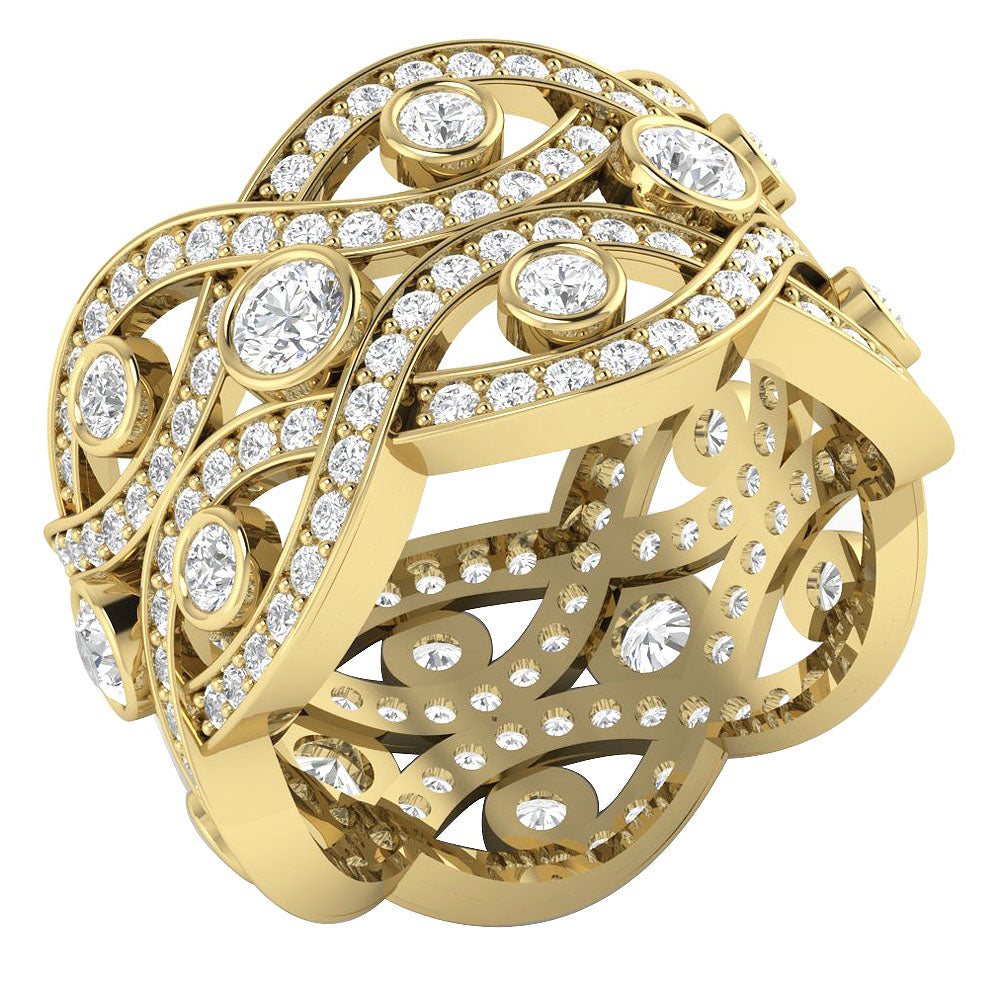
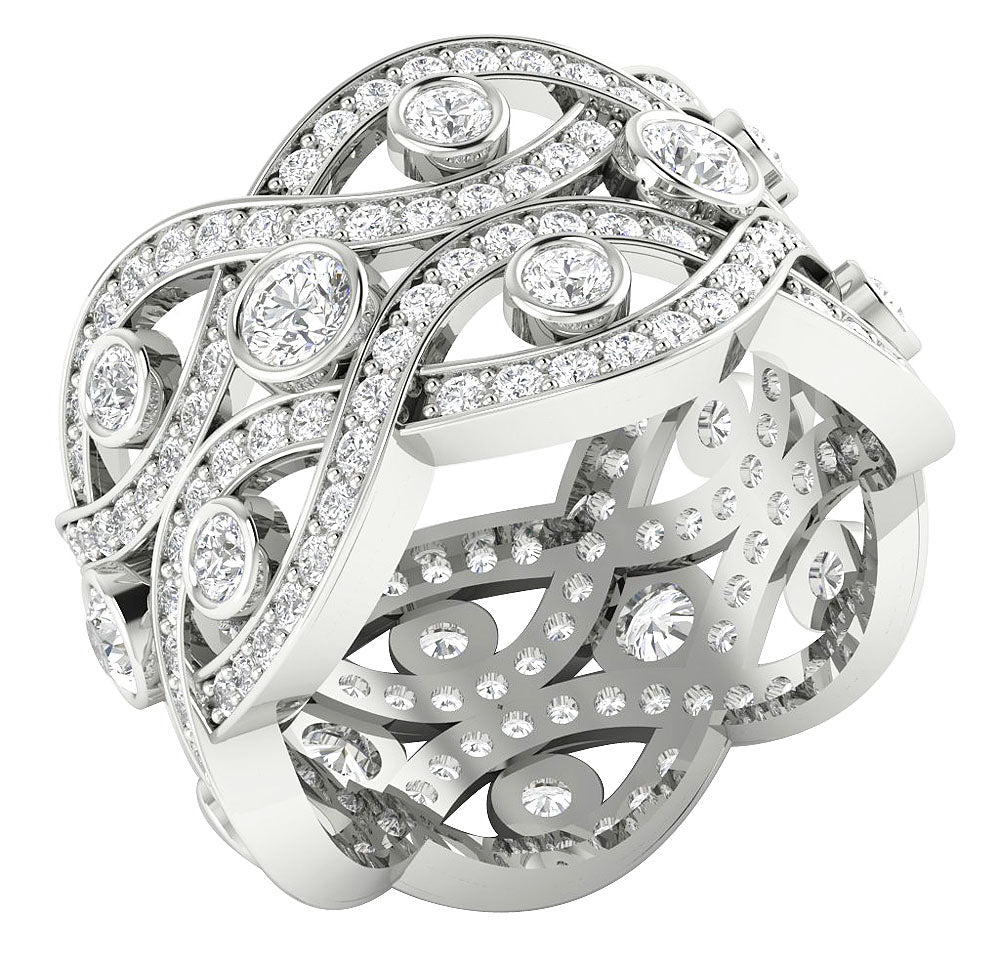
A designer eternity ring carries that symbolism into a more expressive piece of fine jewelry. Rather than relying solely on a continuous row of stones, it introduces architectural settings, intricate finishing, multiple rows, and contrasting metals to give the classic format a more distinctive presence.
How Designer Diamond Eternity Rings Are Crafted
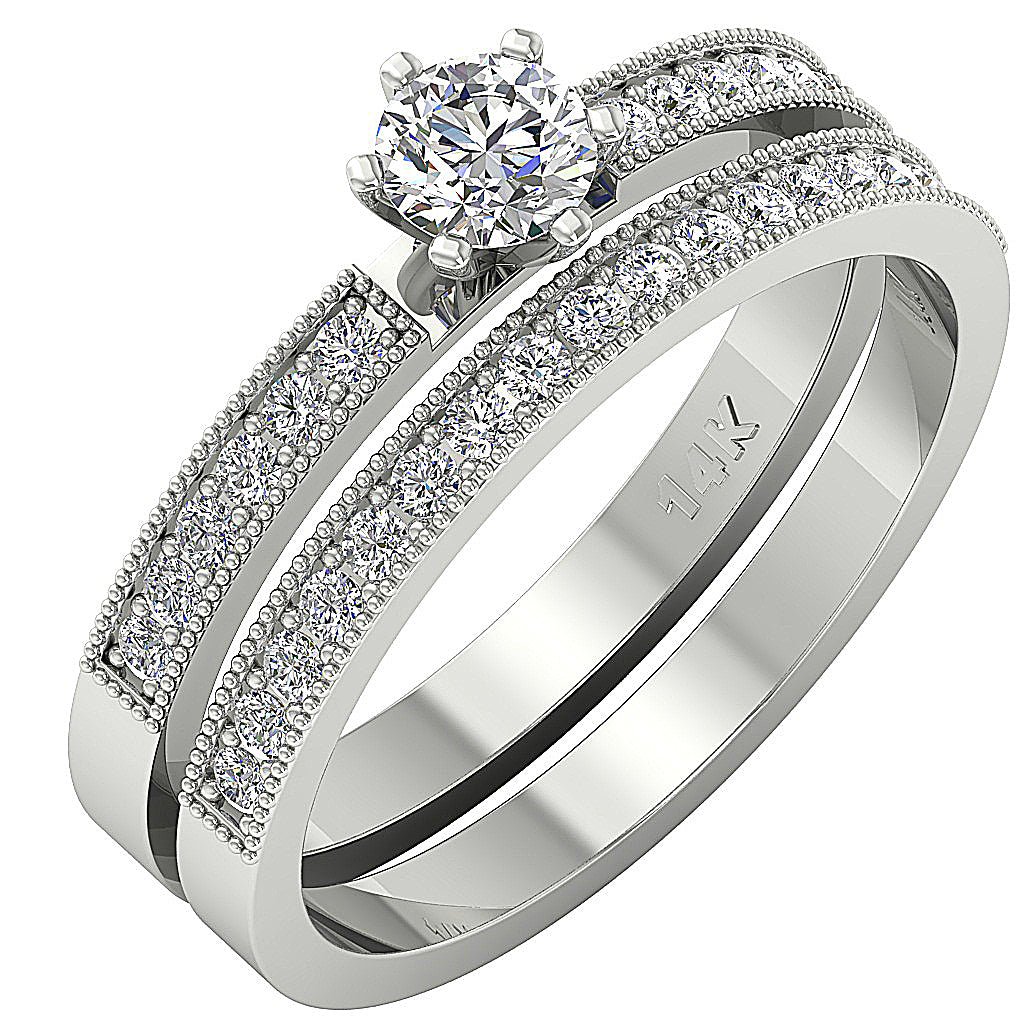
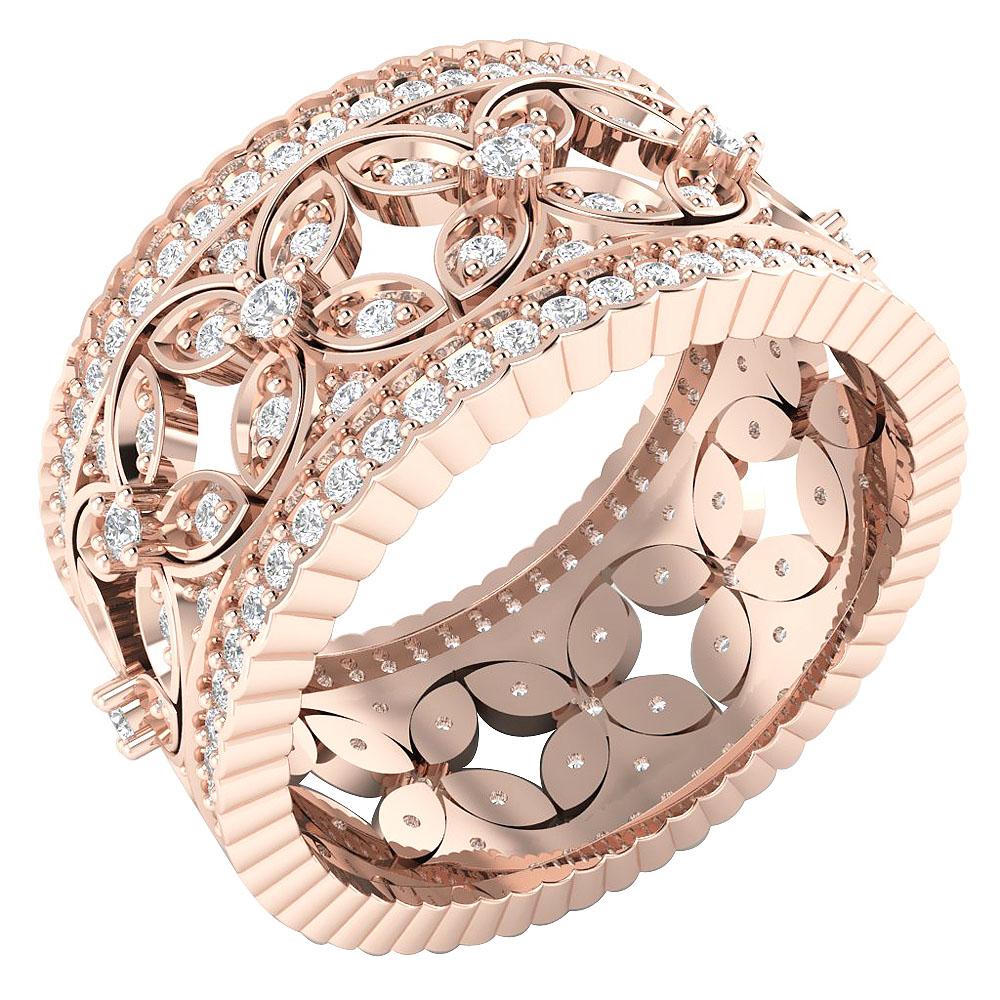
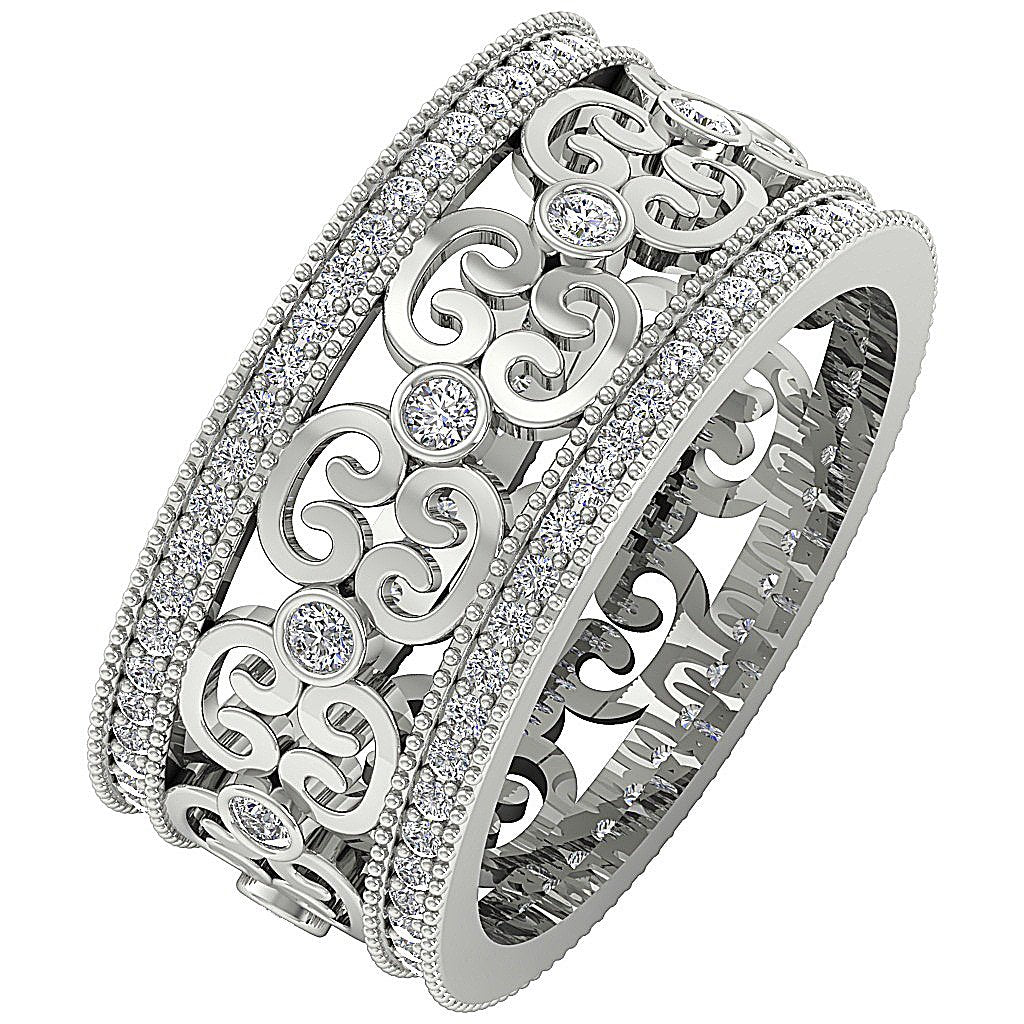
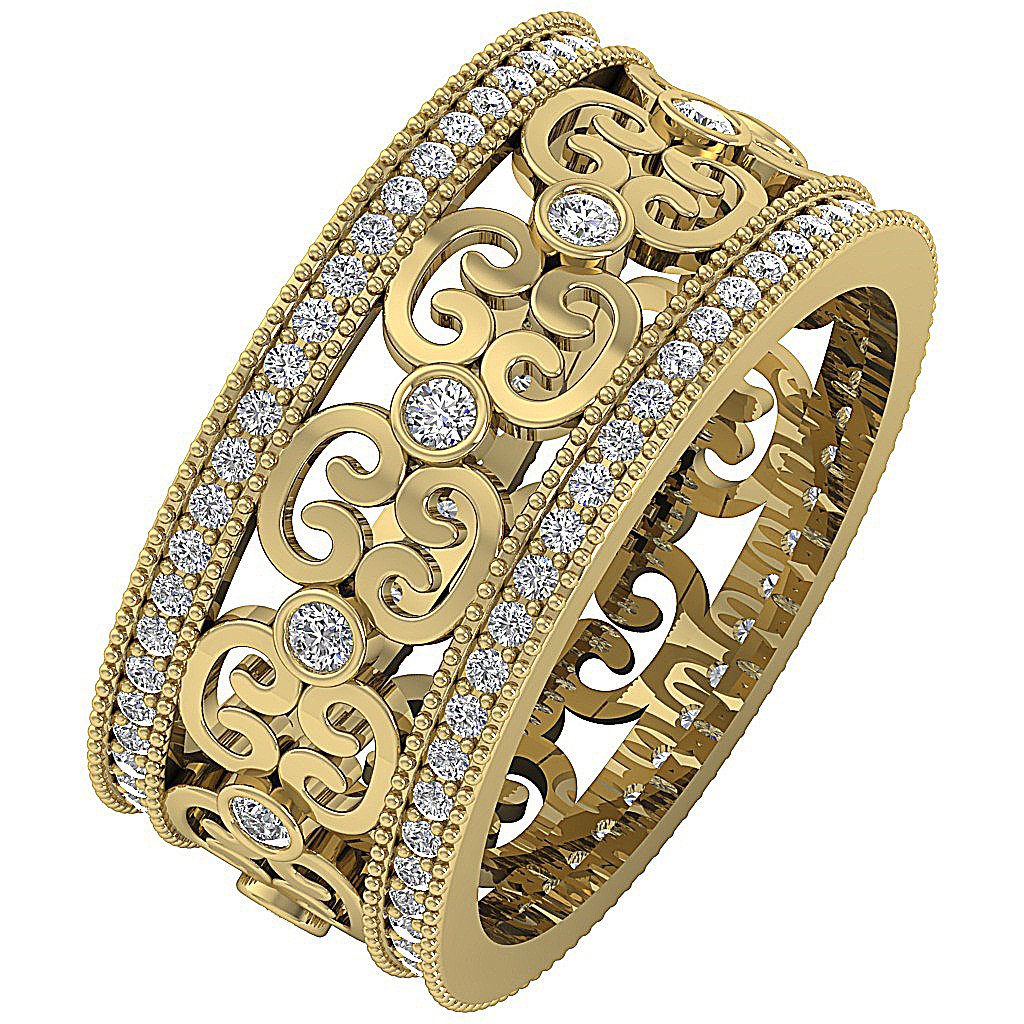
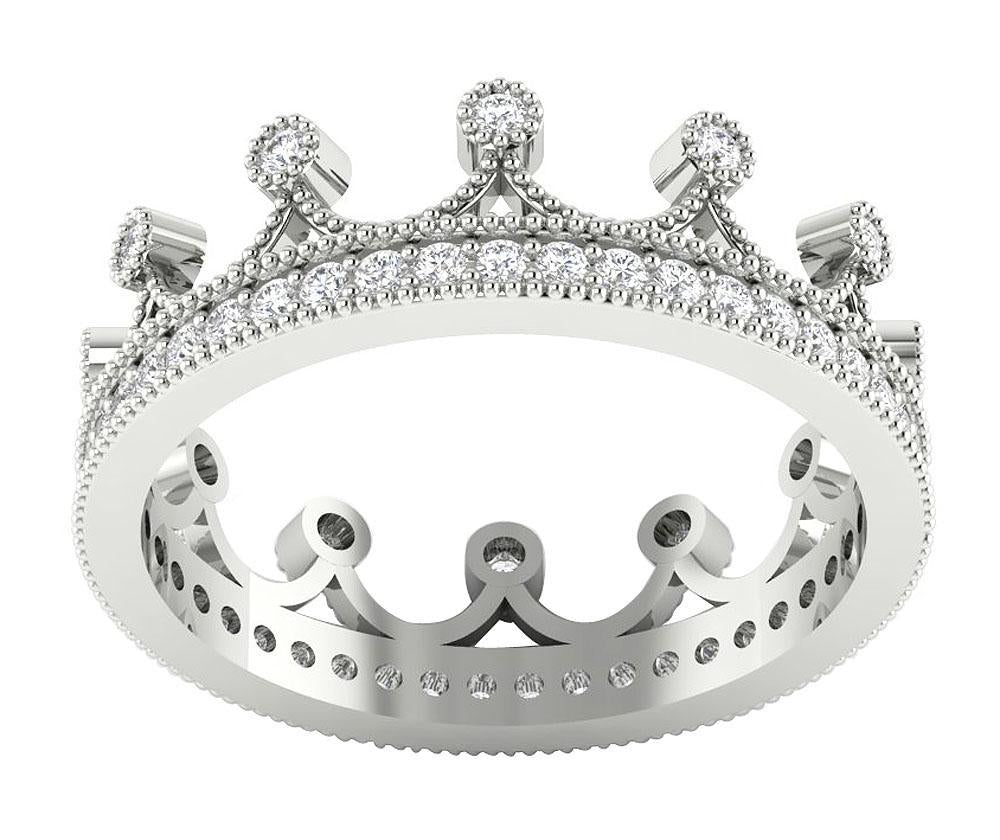
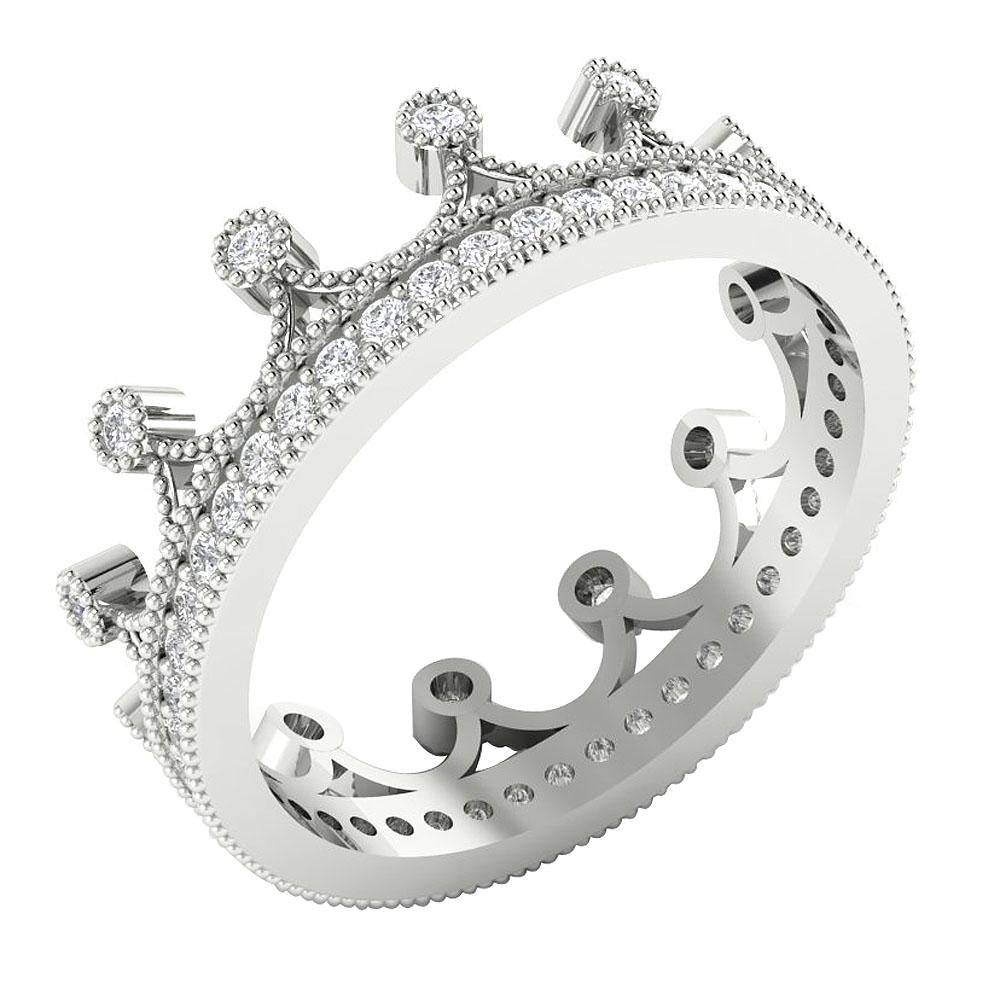
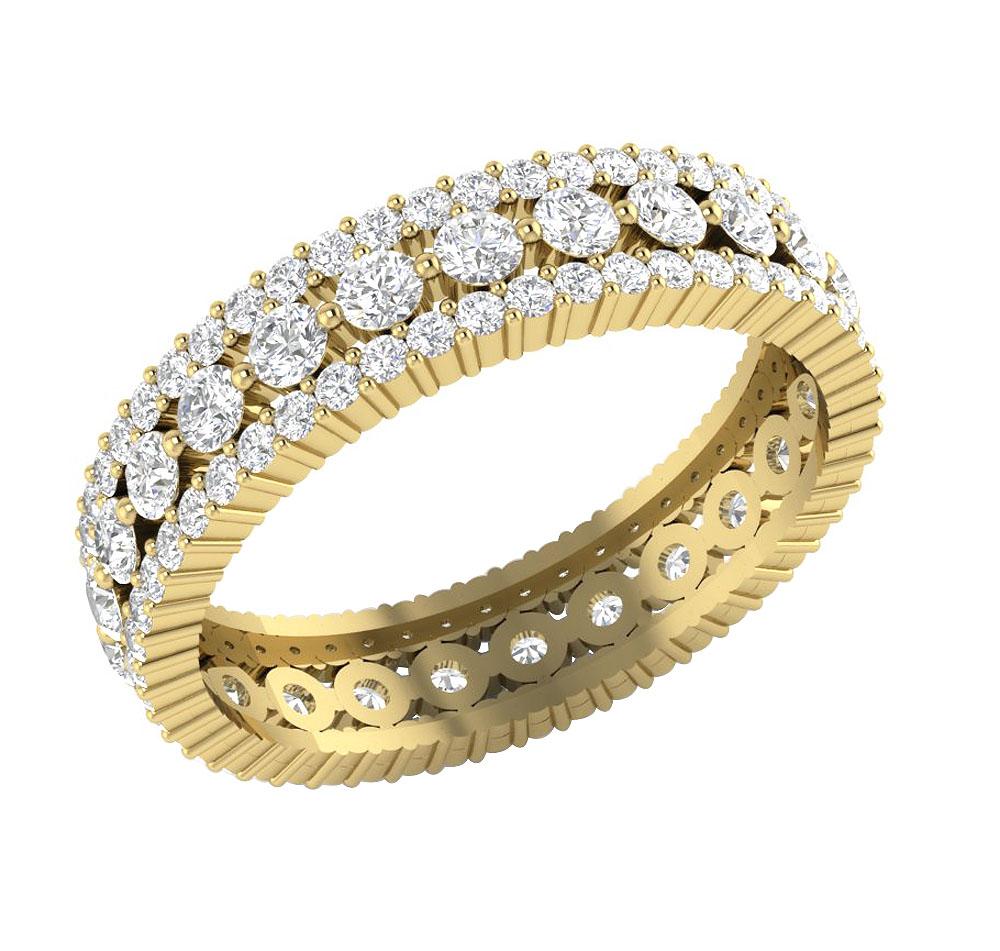
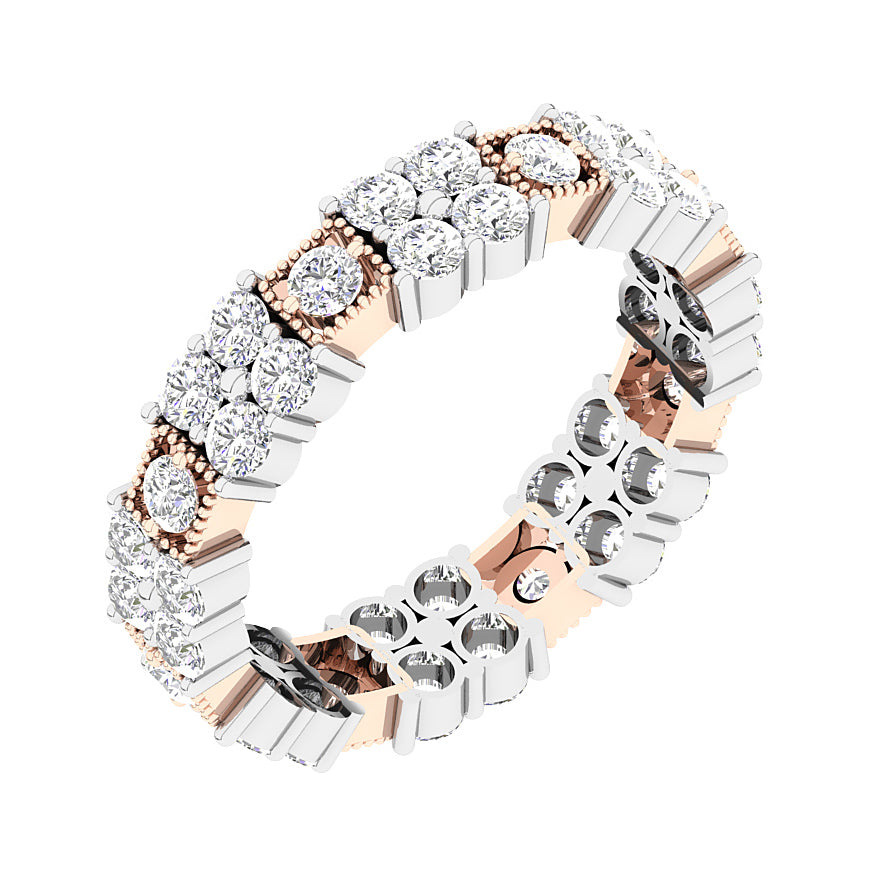
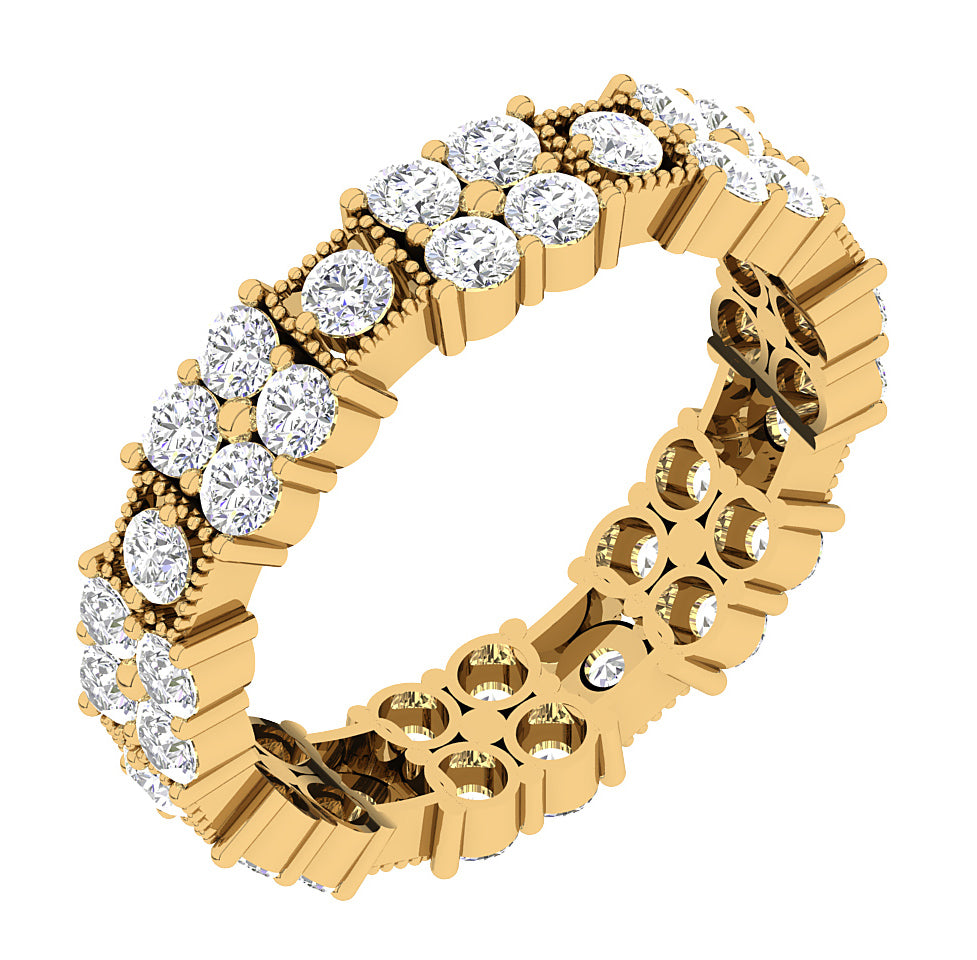
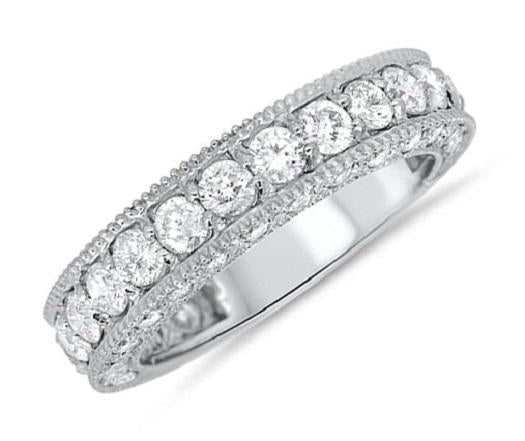
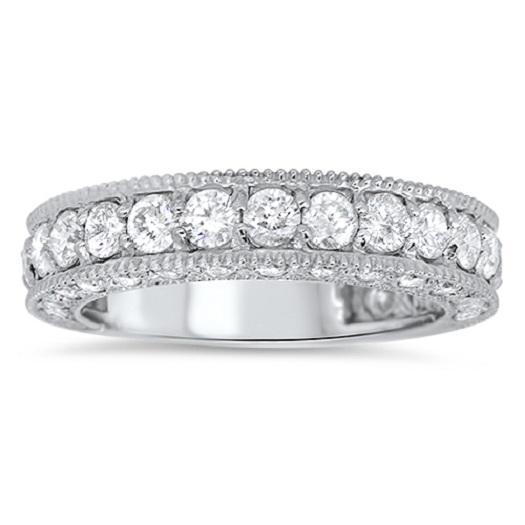
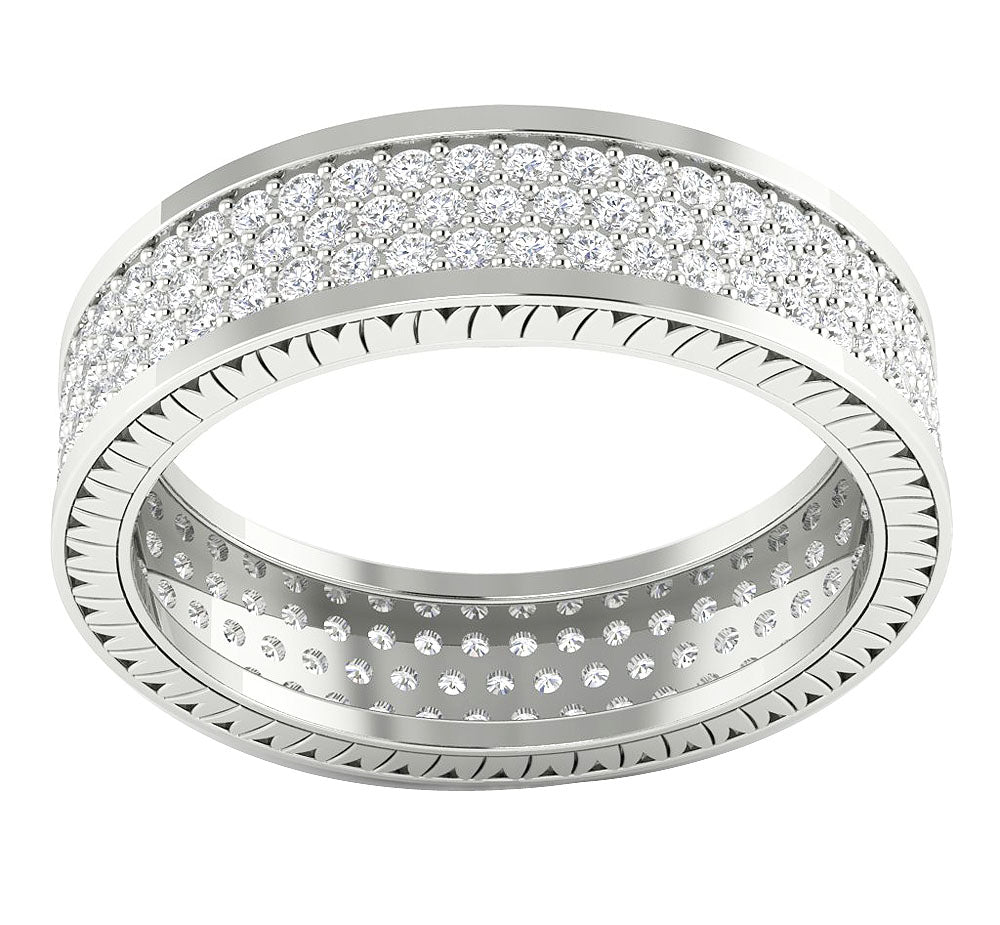
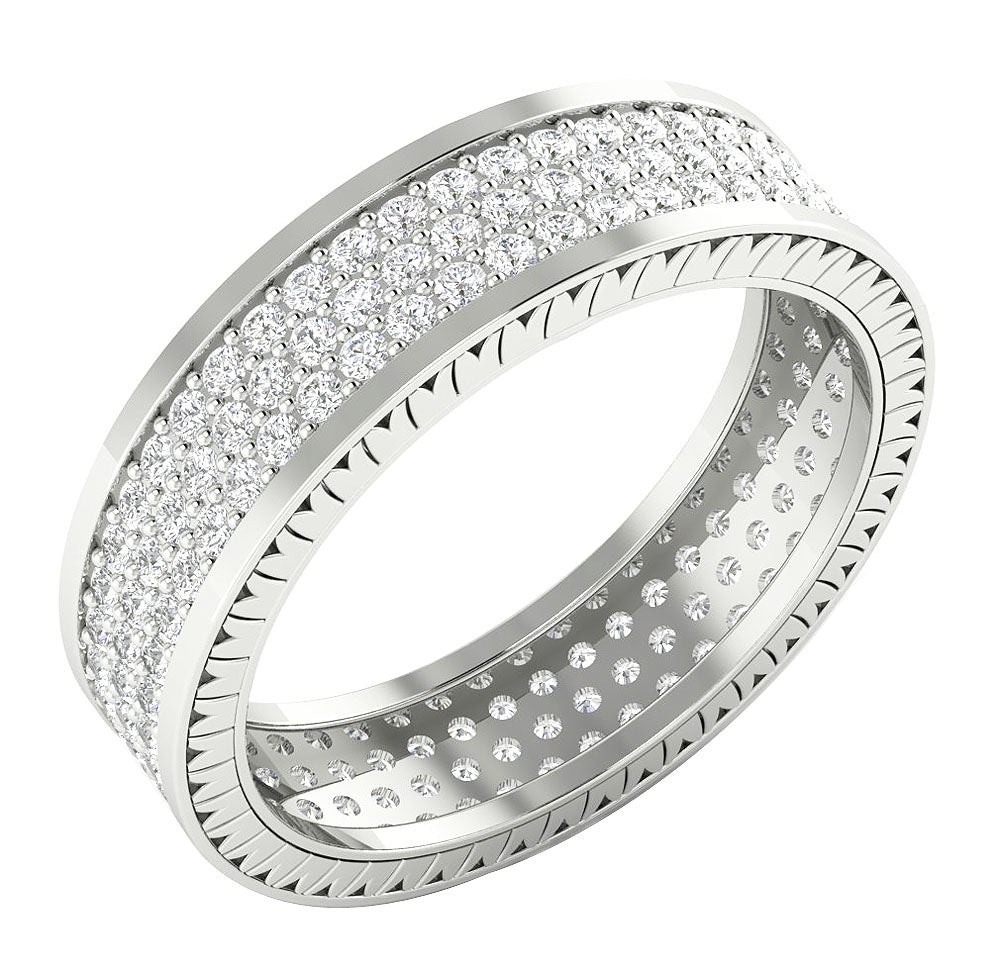
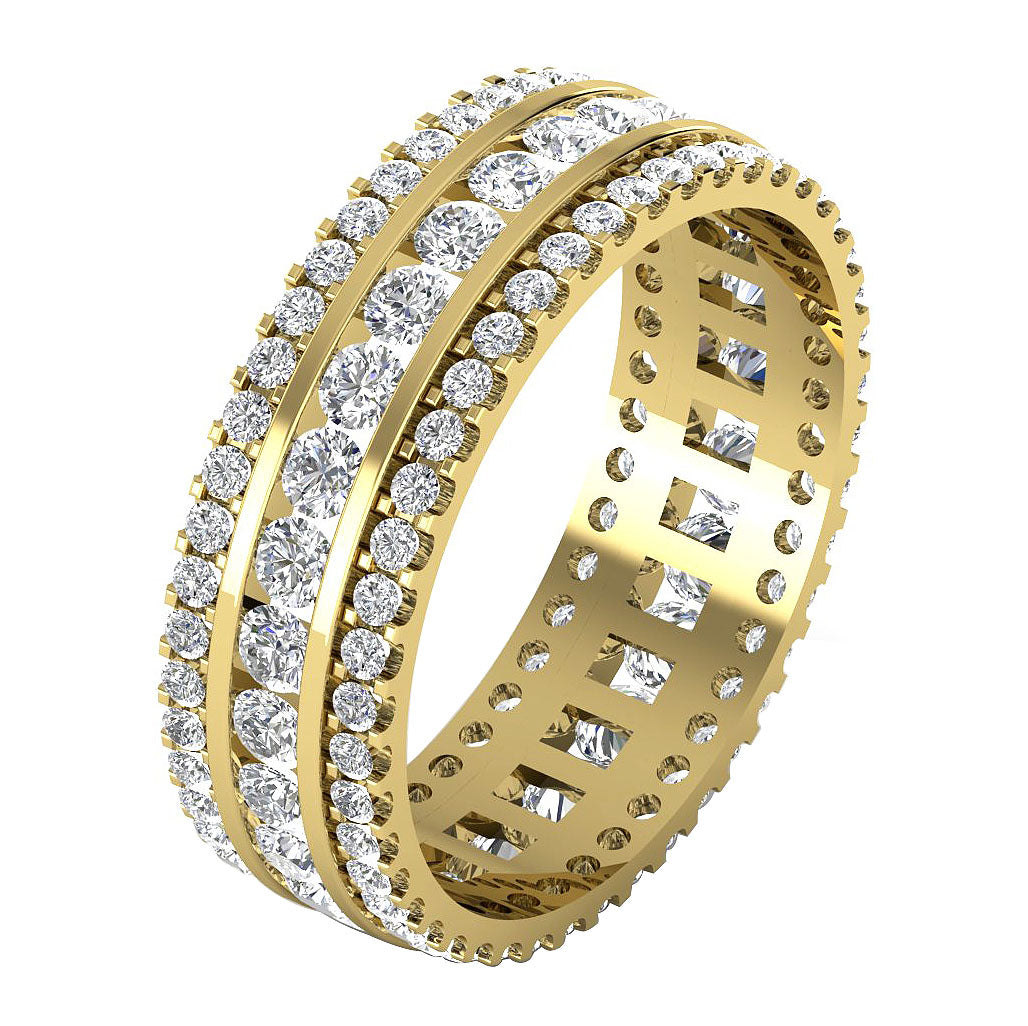
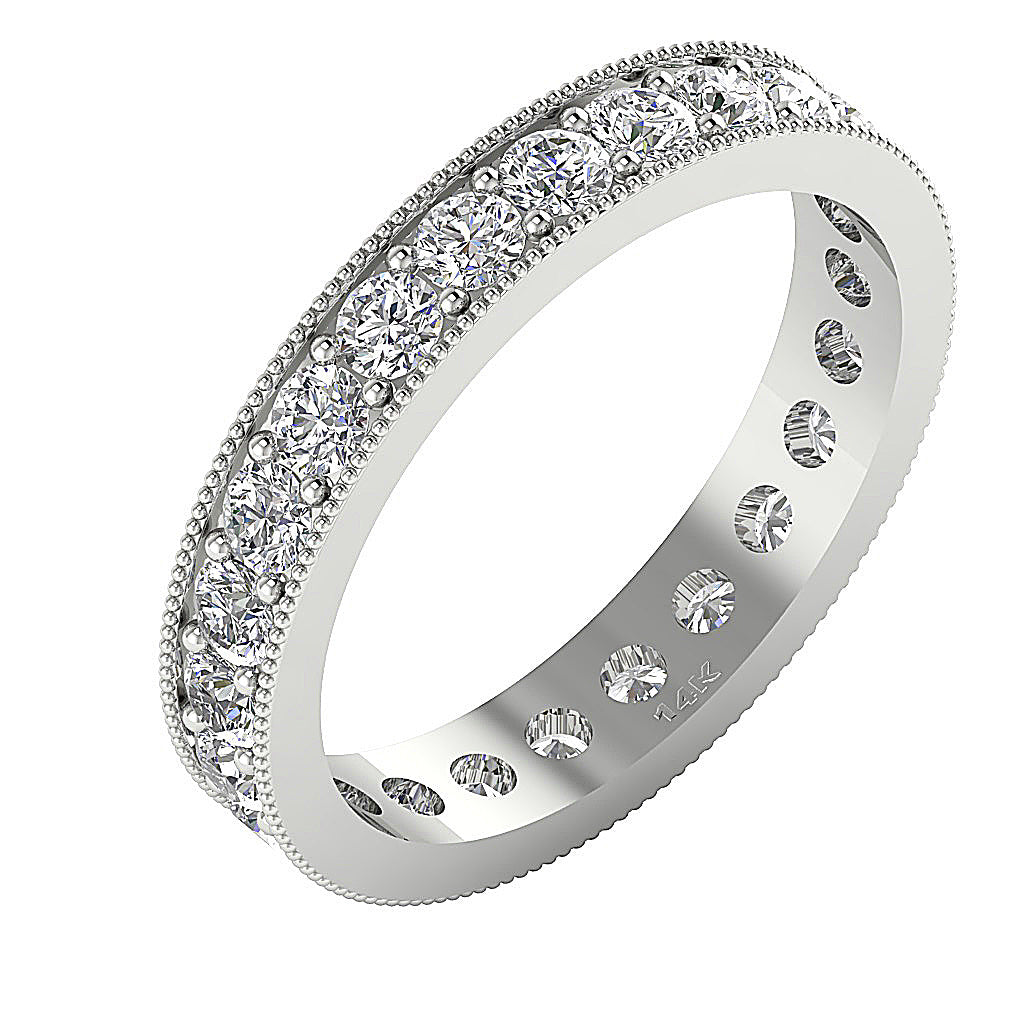
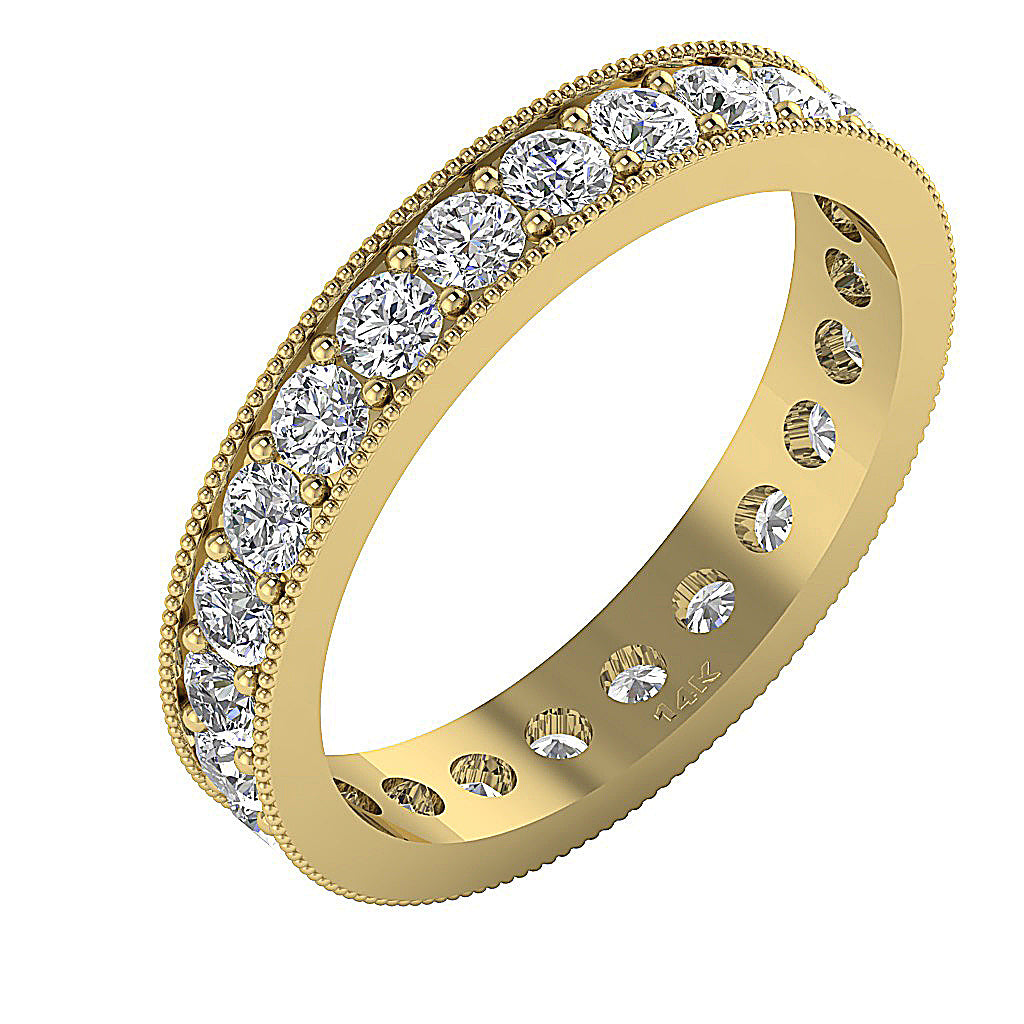
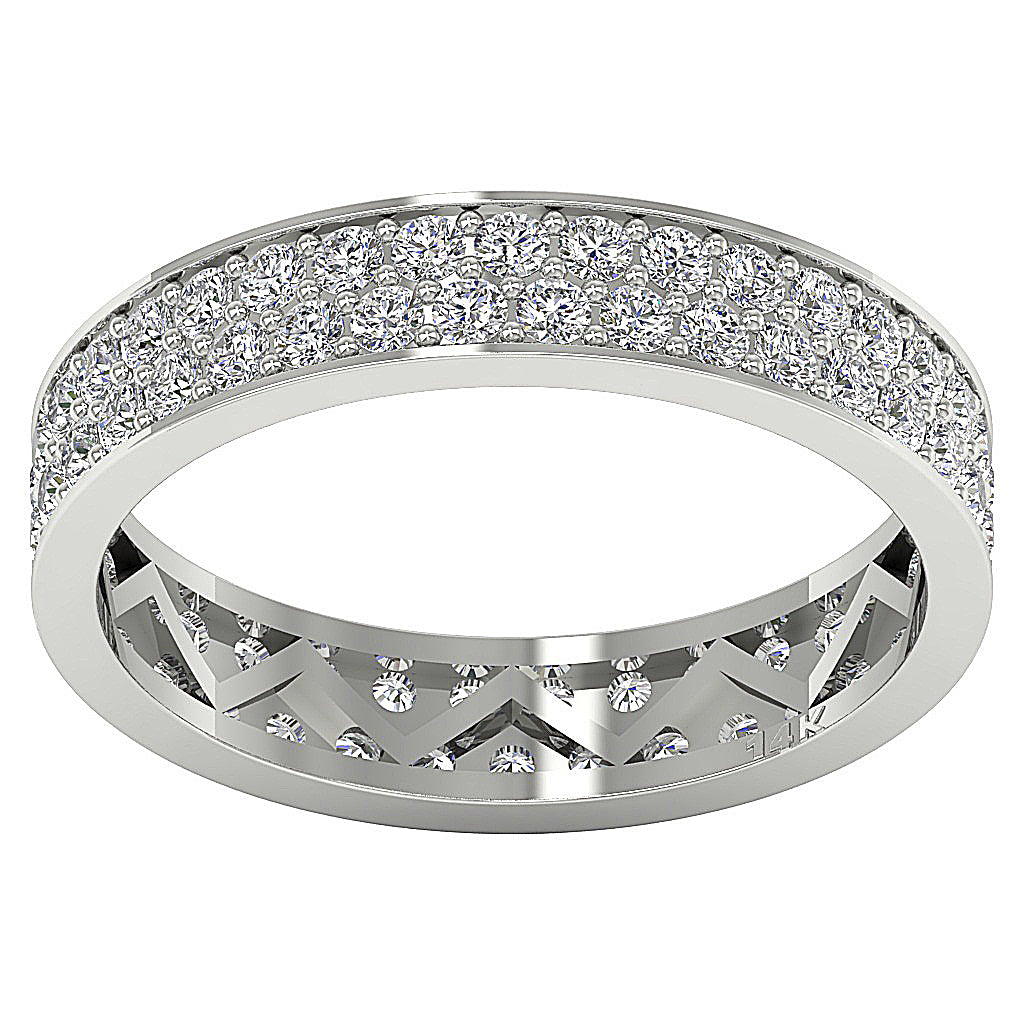
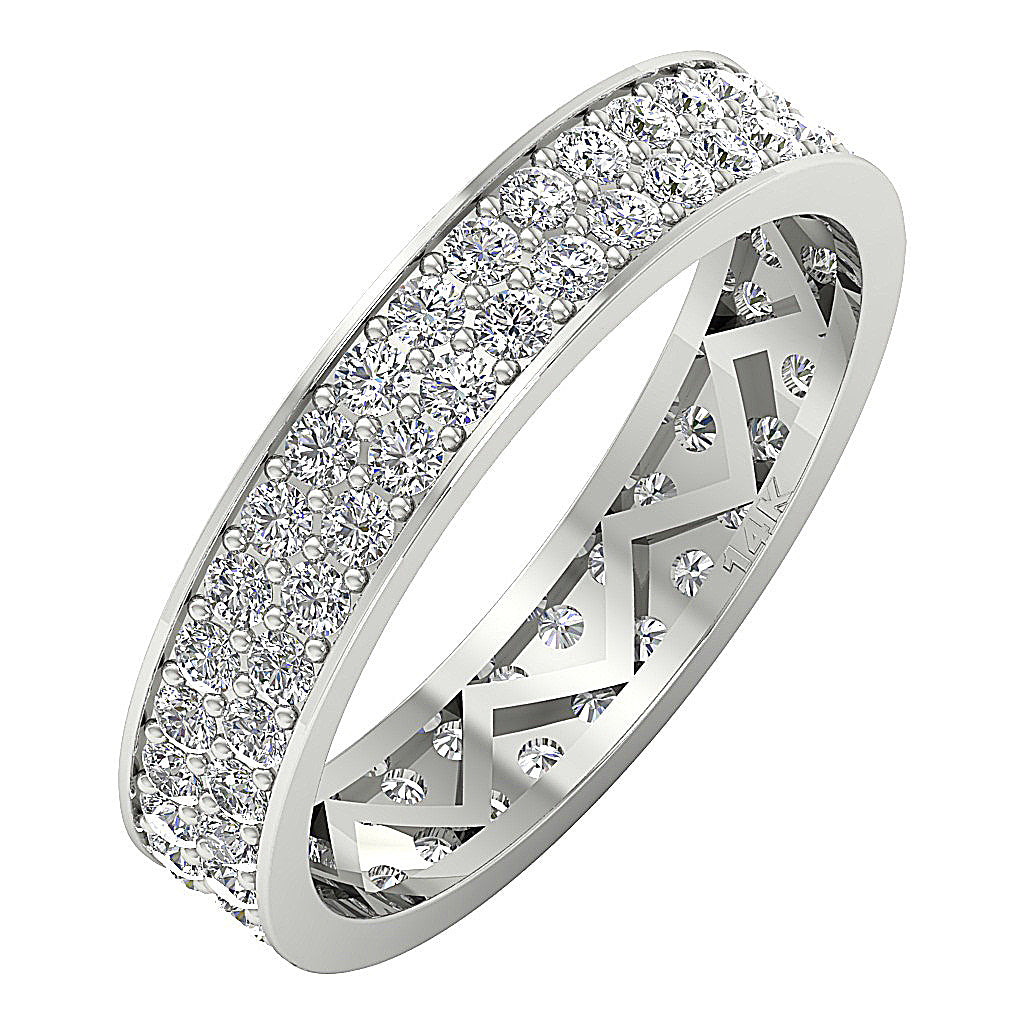
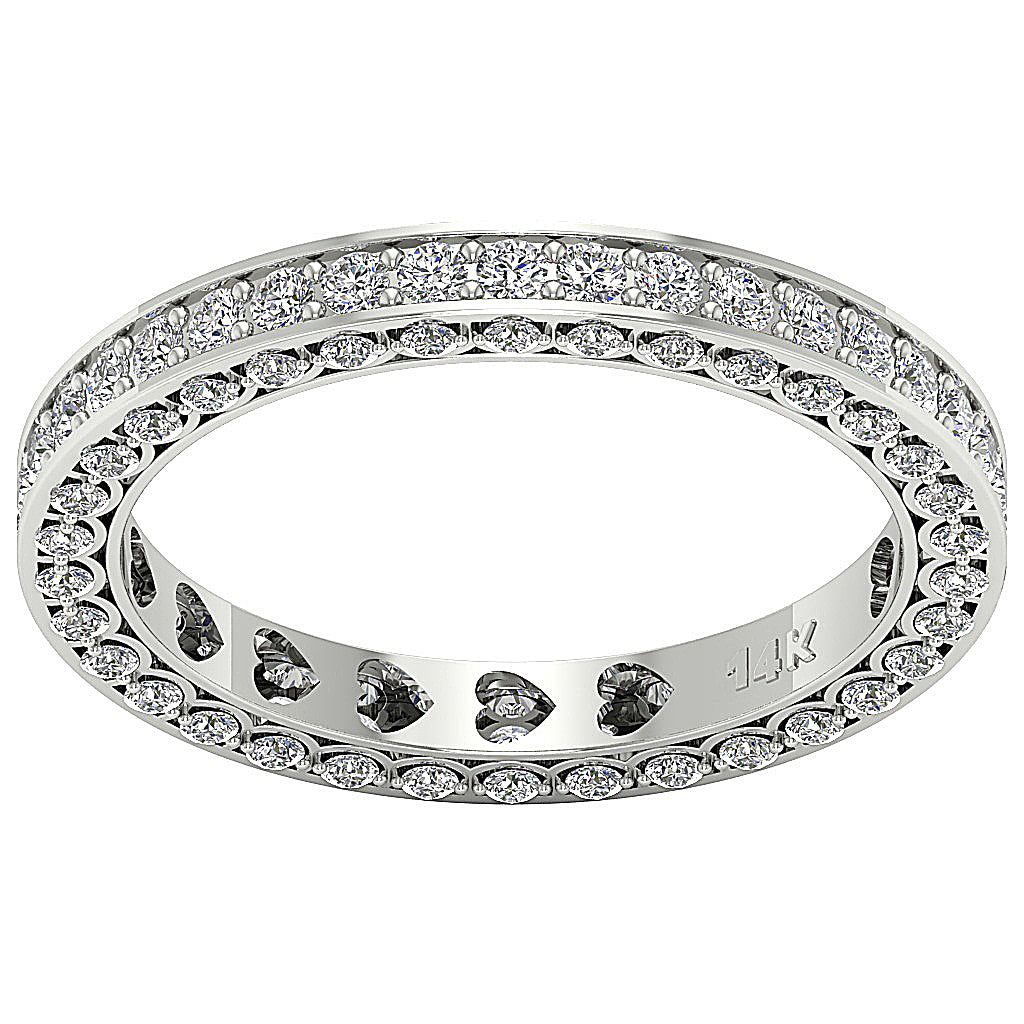
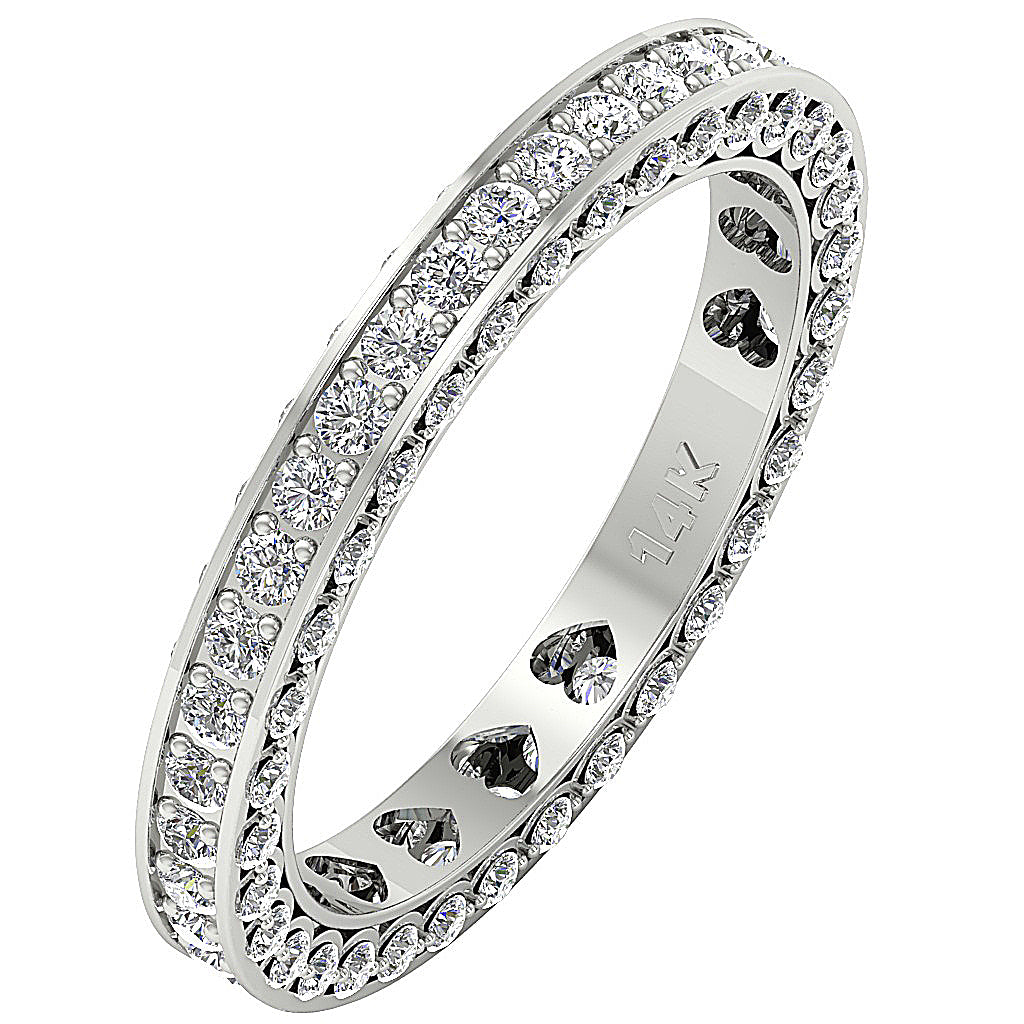
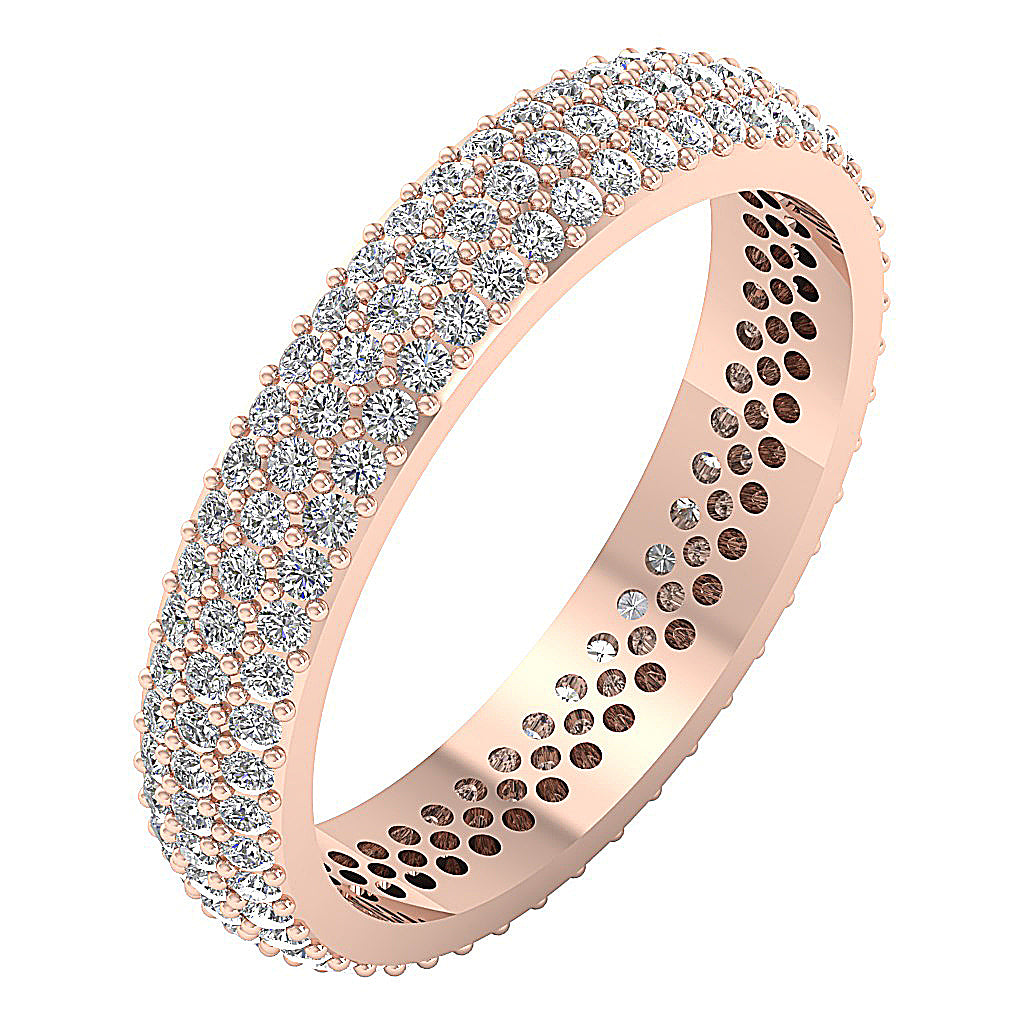
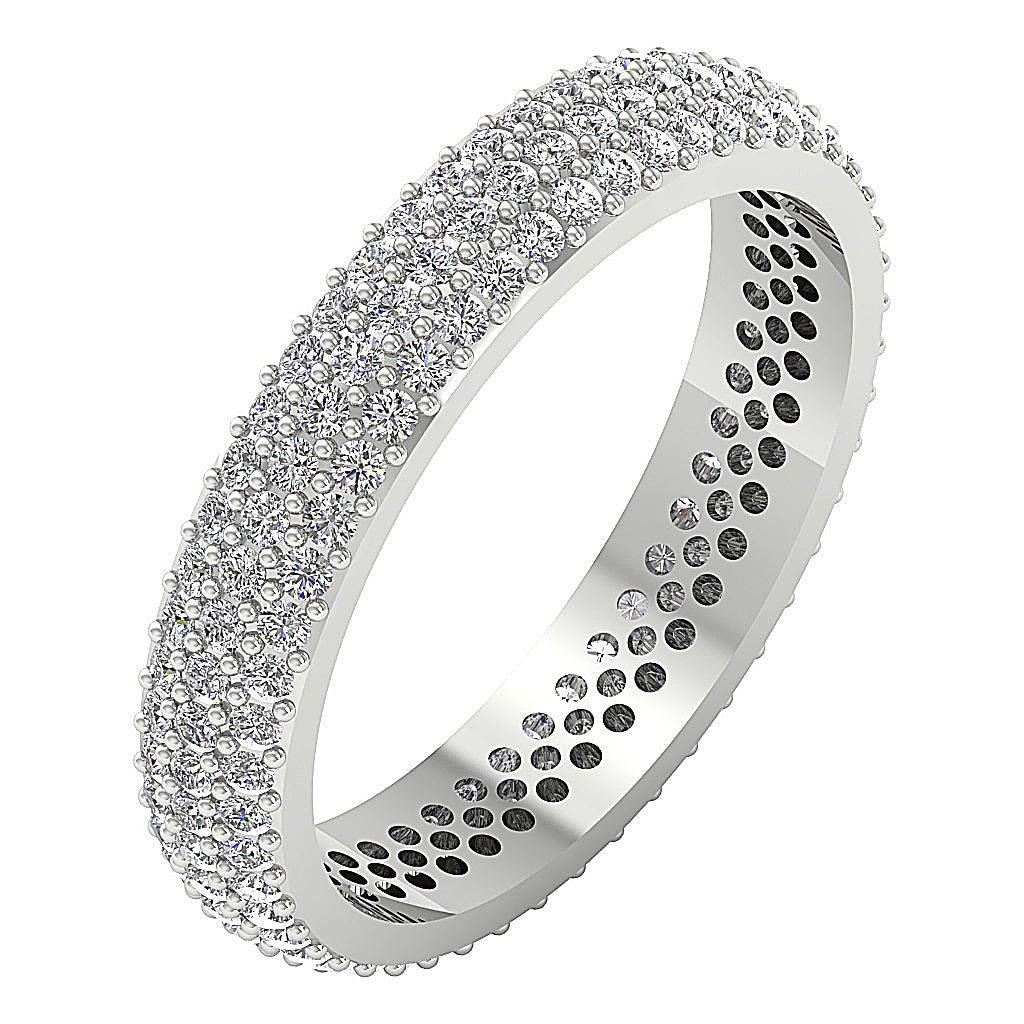
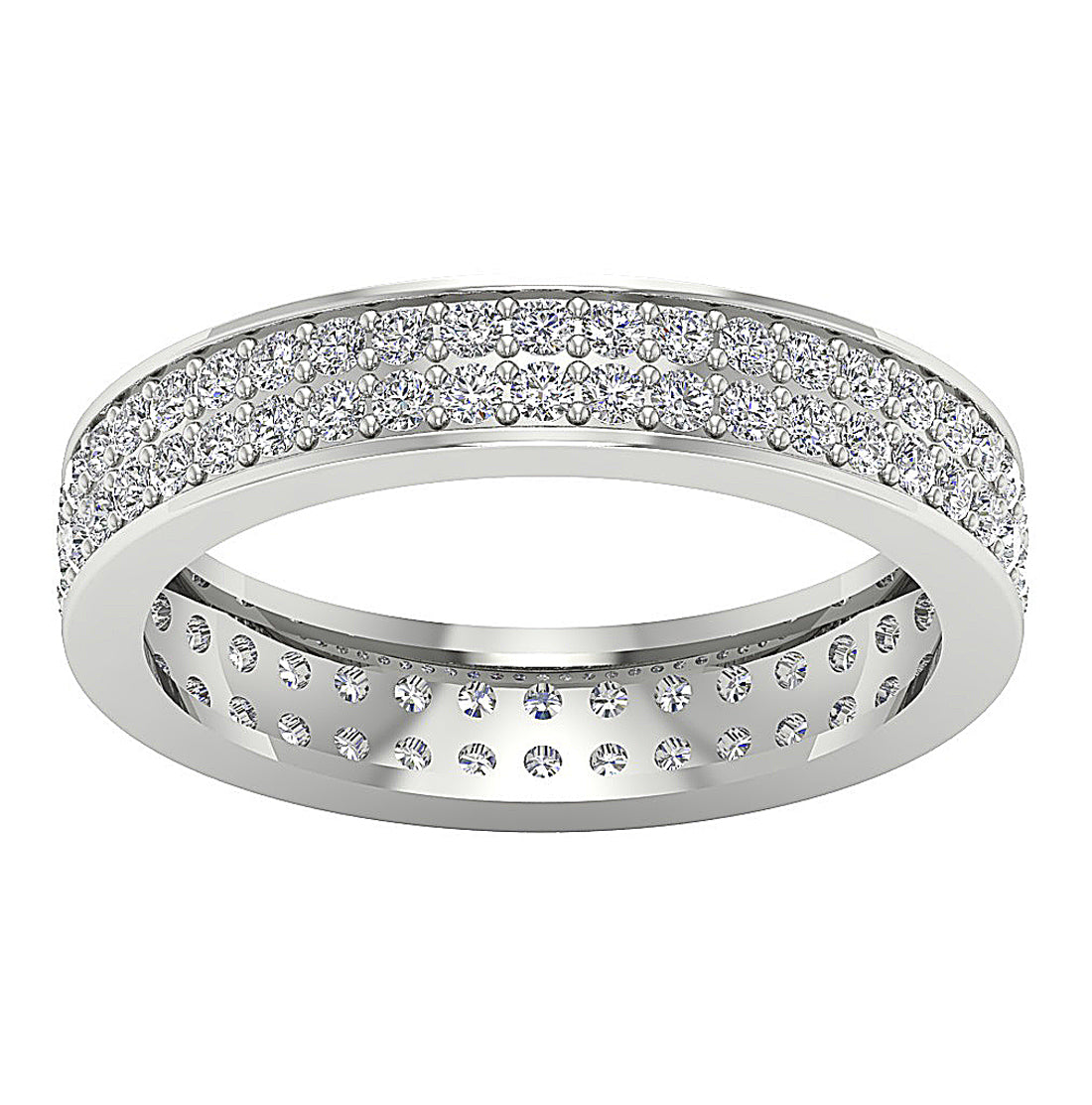
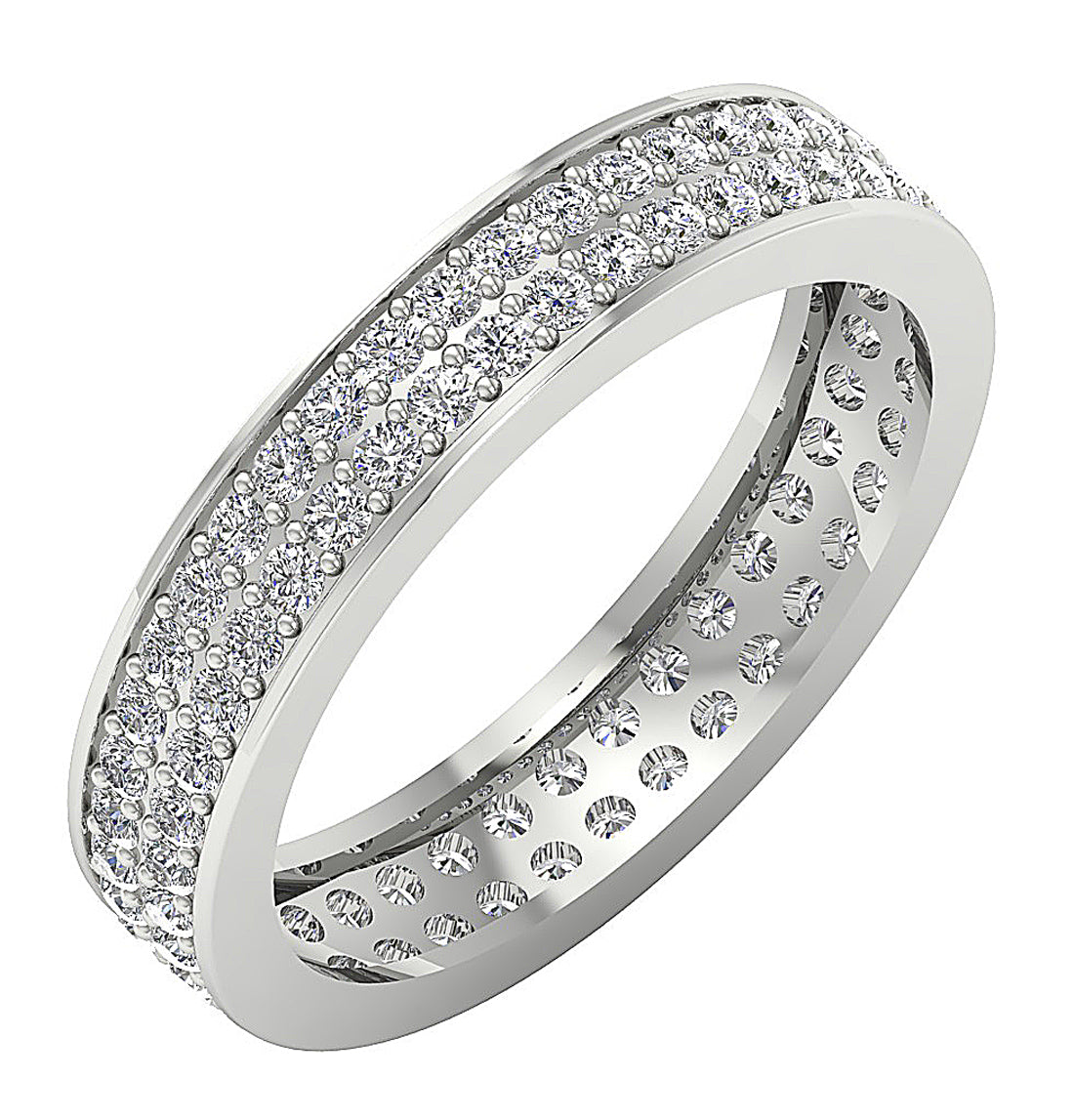
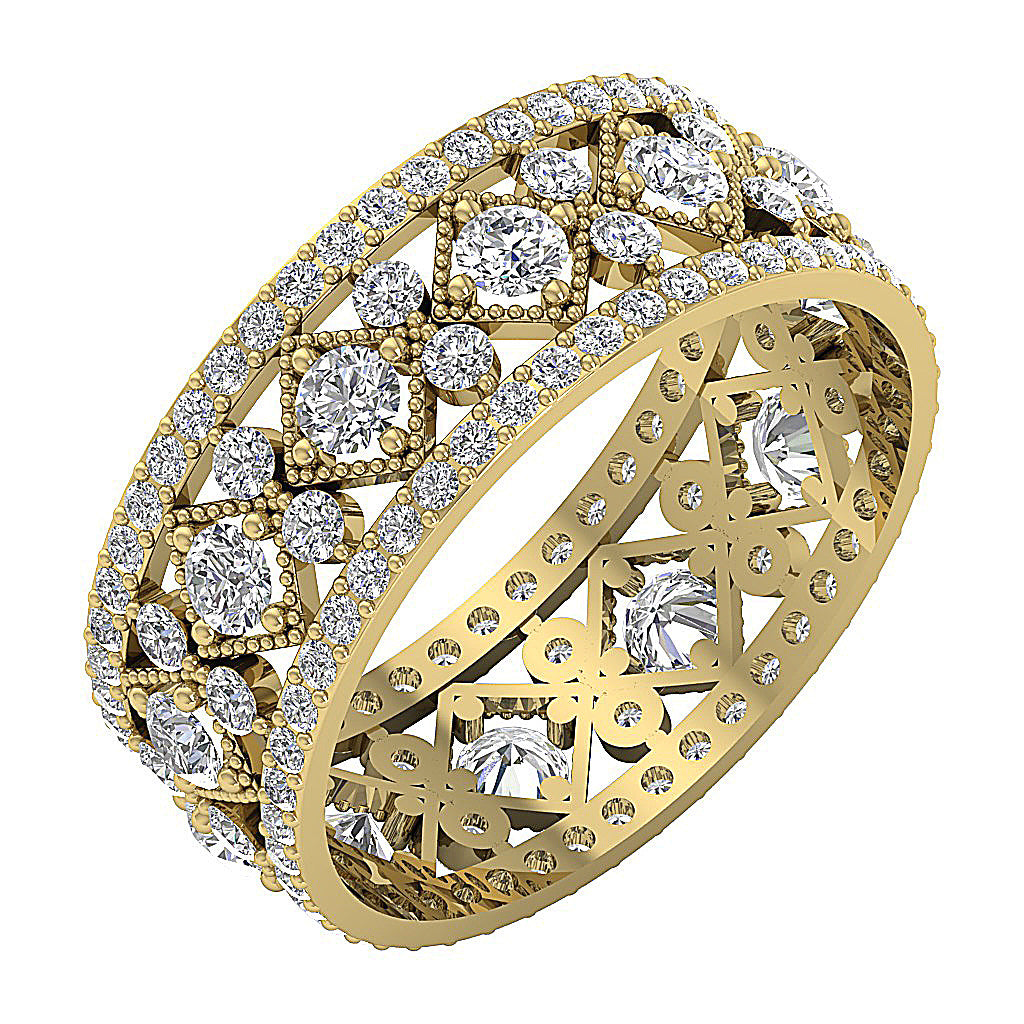
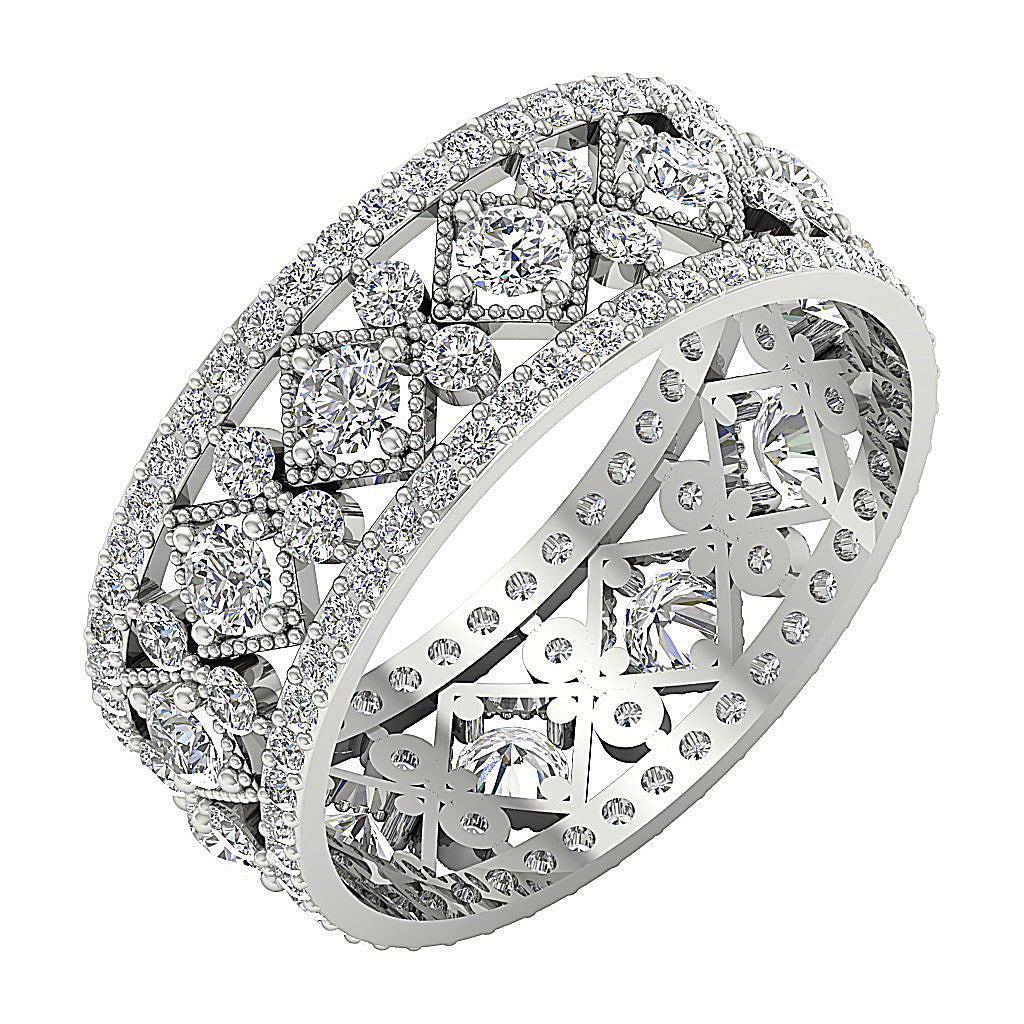
Diamond for Good's designer eternity collection builds greater detail into the traditional continuous band. Crown settings elevate diamonds slightly above the shank, allowing light to reach them from additional angles while giving the ring greater dimension. Milgrain edging introduces a delicate beaded border along the metal, recalling the fine finishing associated with historic jewelry craftsmanship.
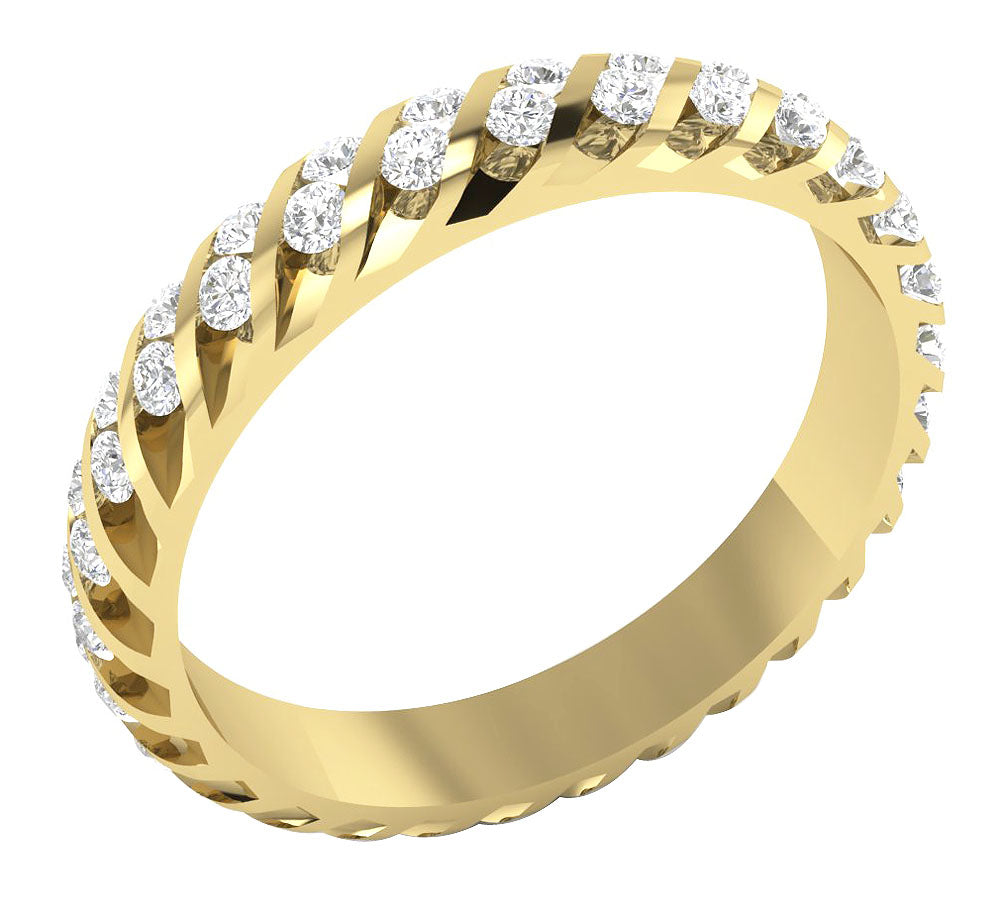
Two-tone designs take a more contemporary approach, combining different gold colours within the same band. Instead of relying on a single metal tone, the contrast becomes part of the design itself.
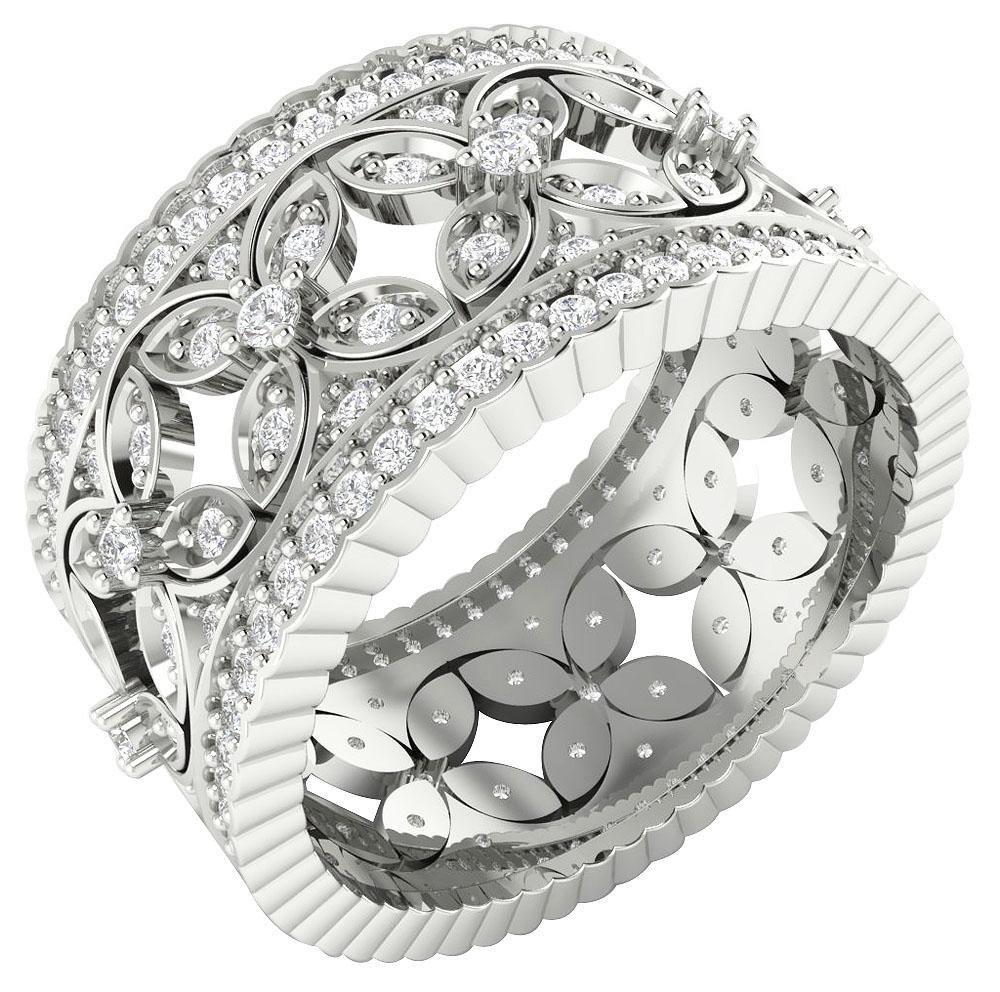
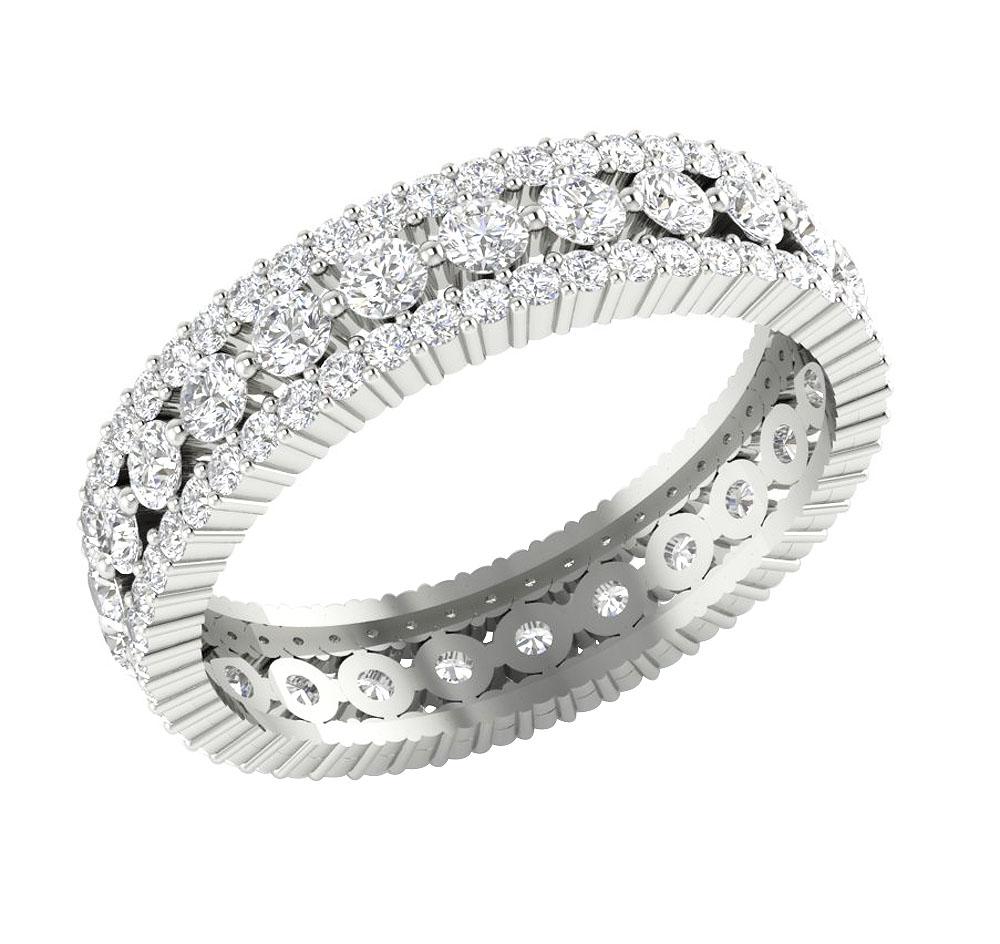
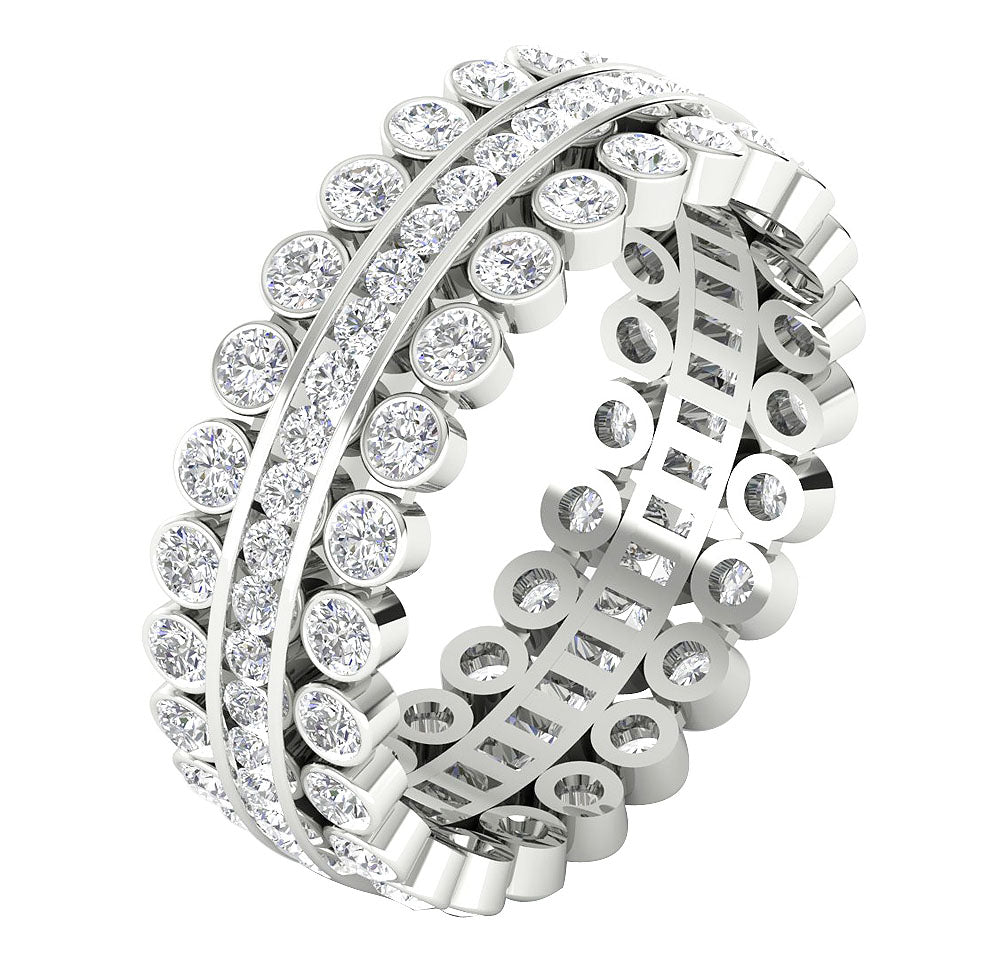
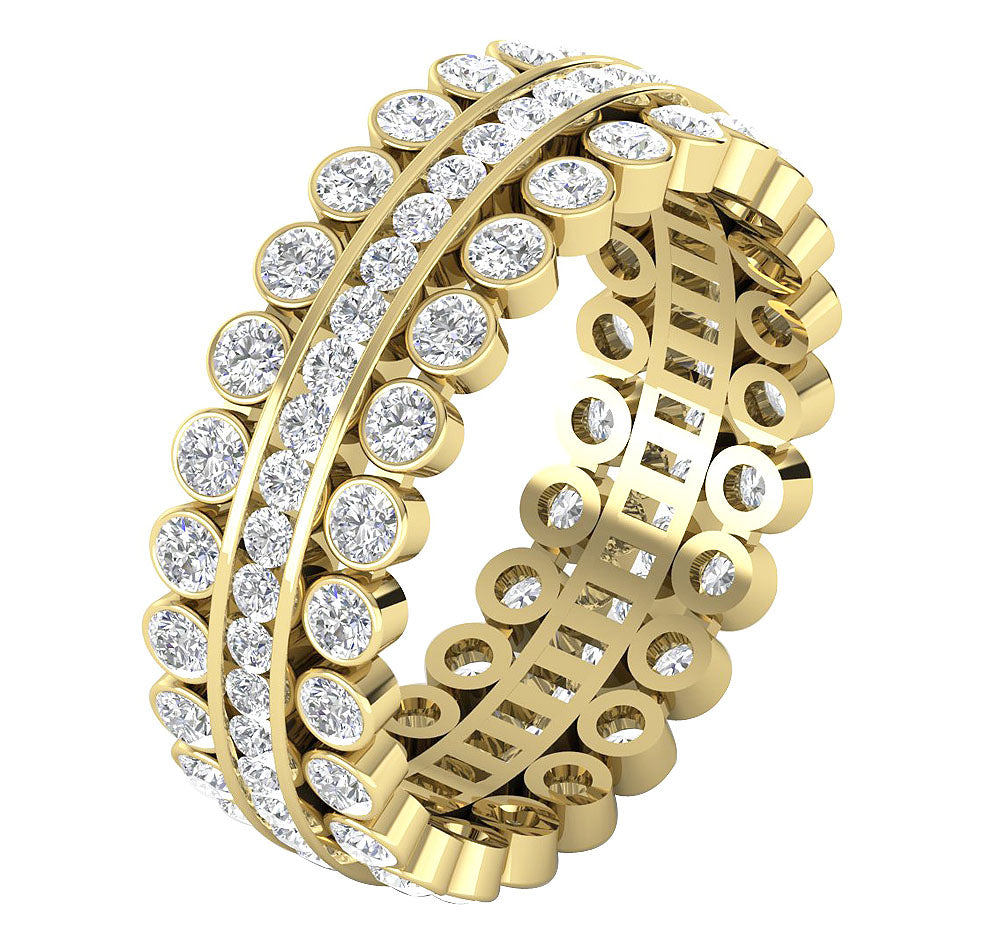
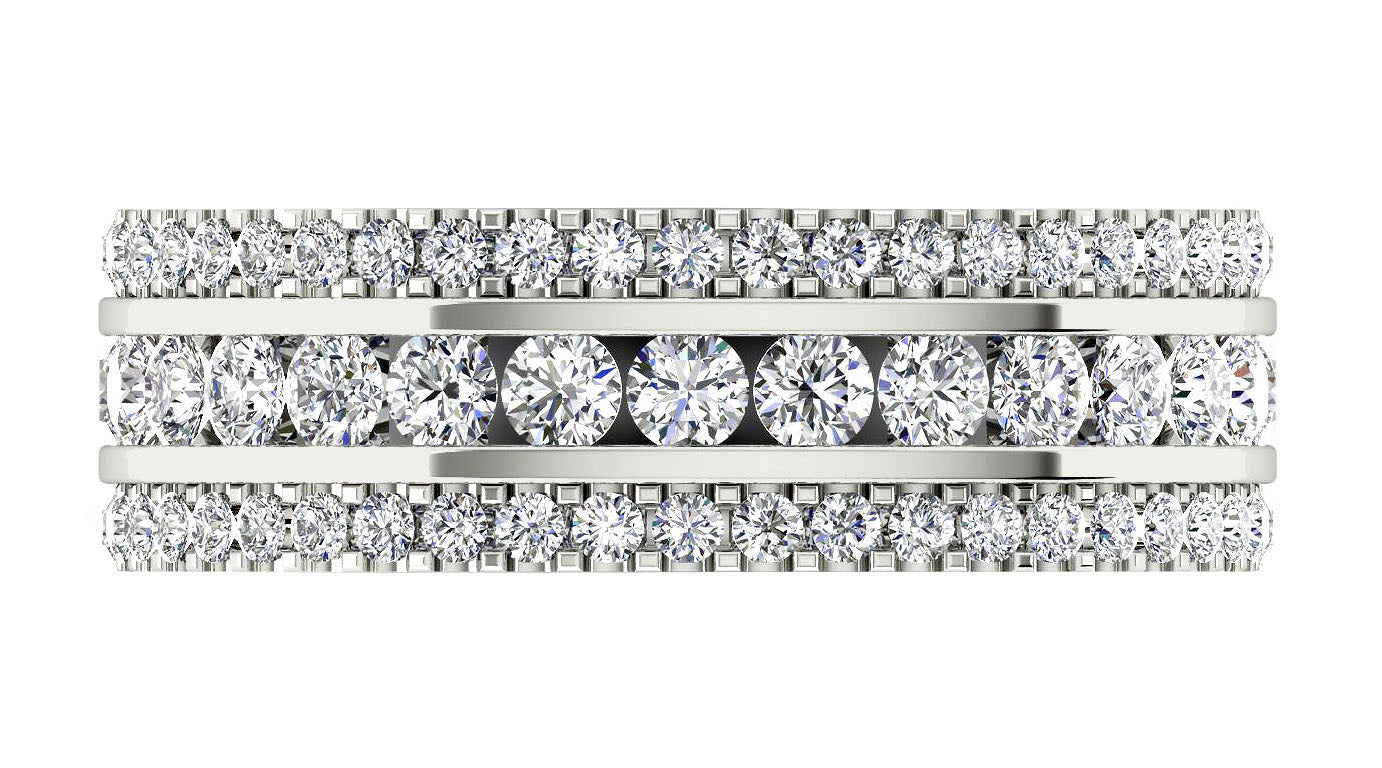
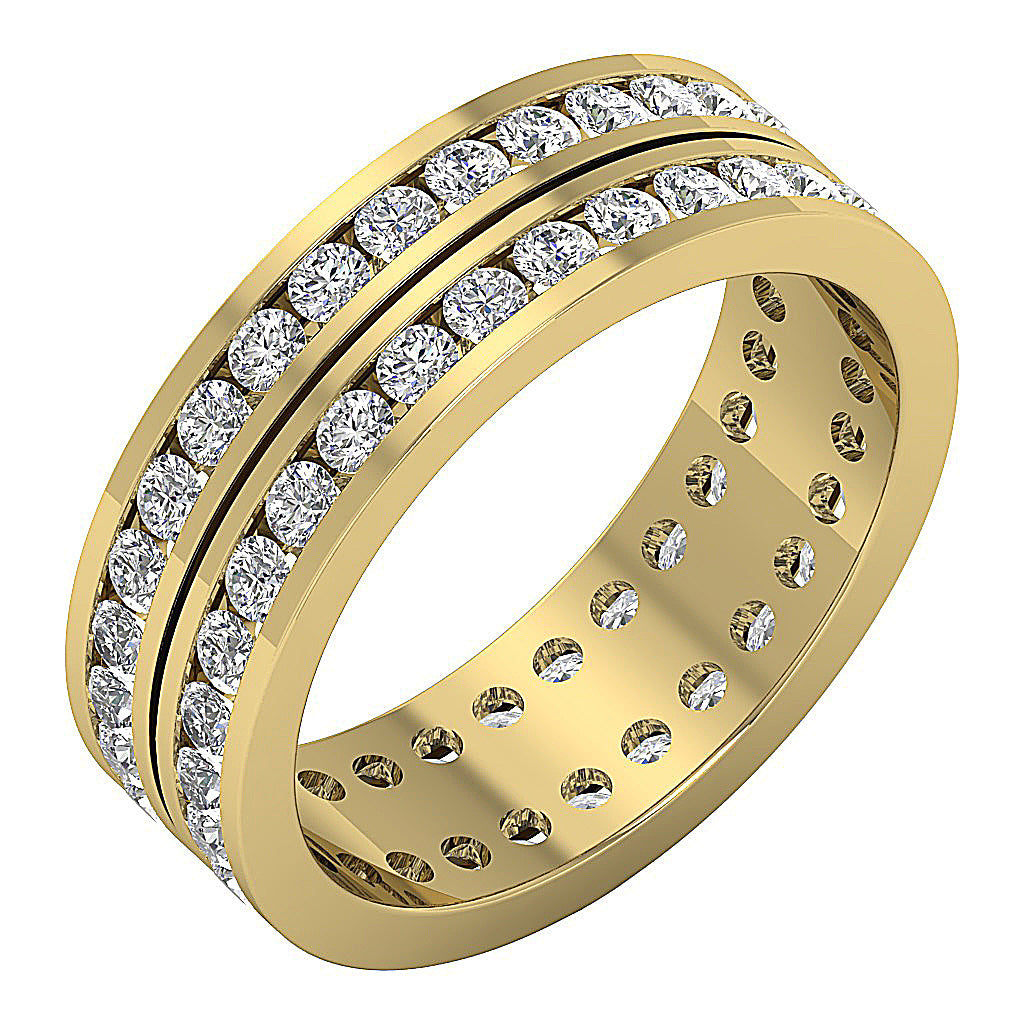
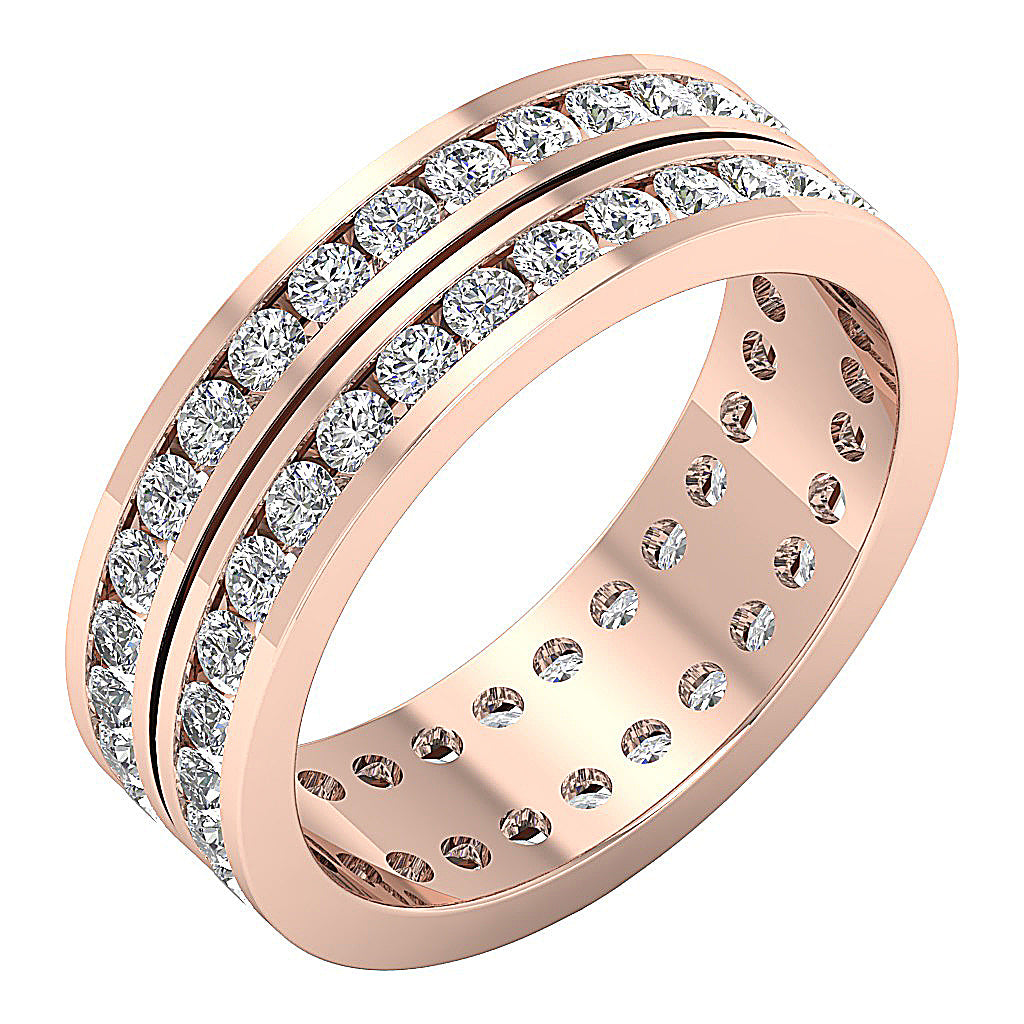
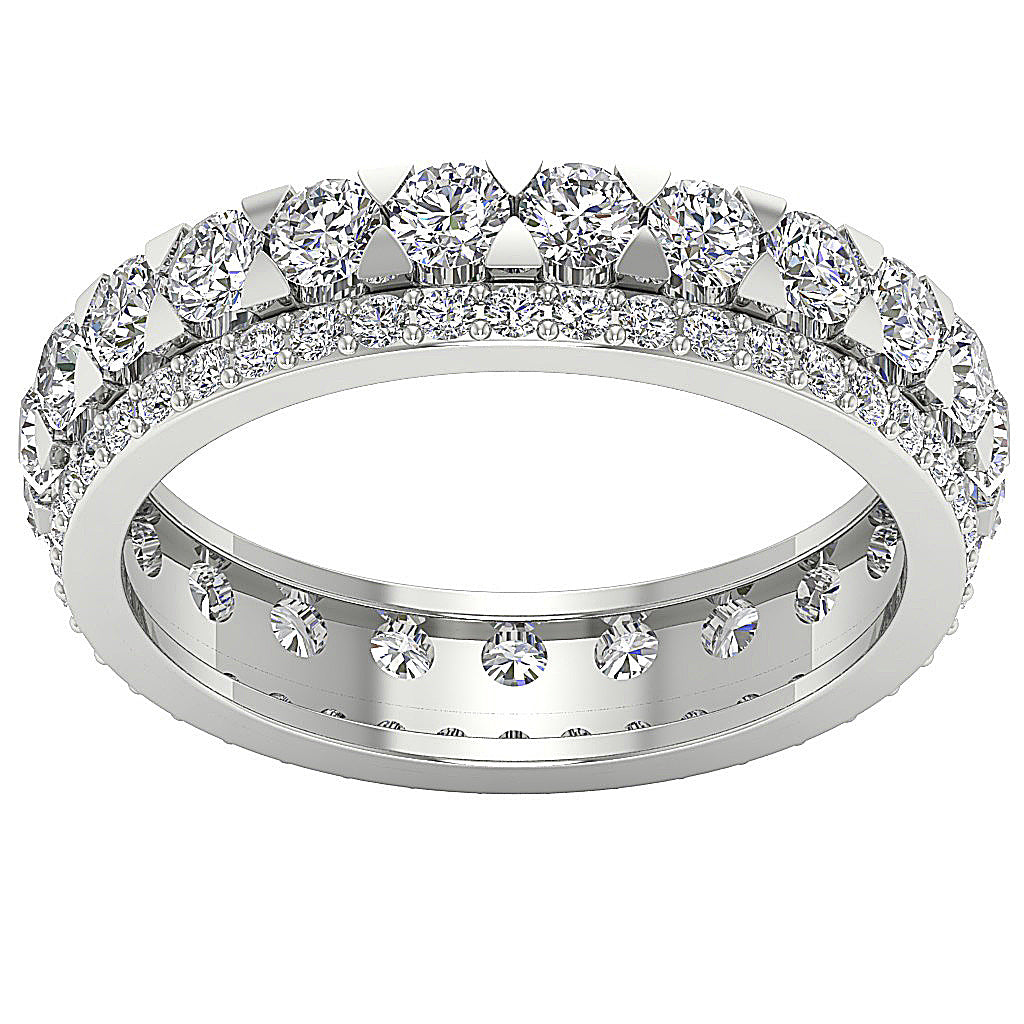
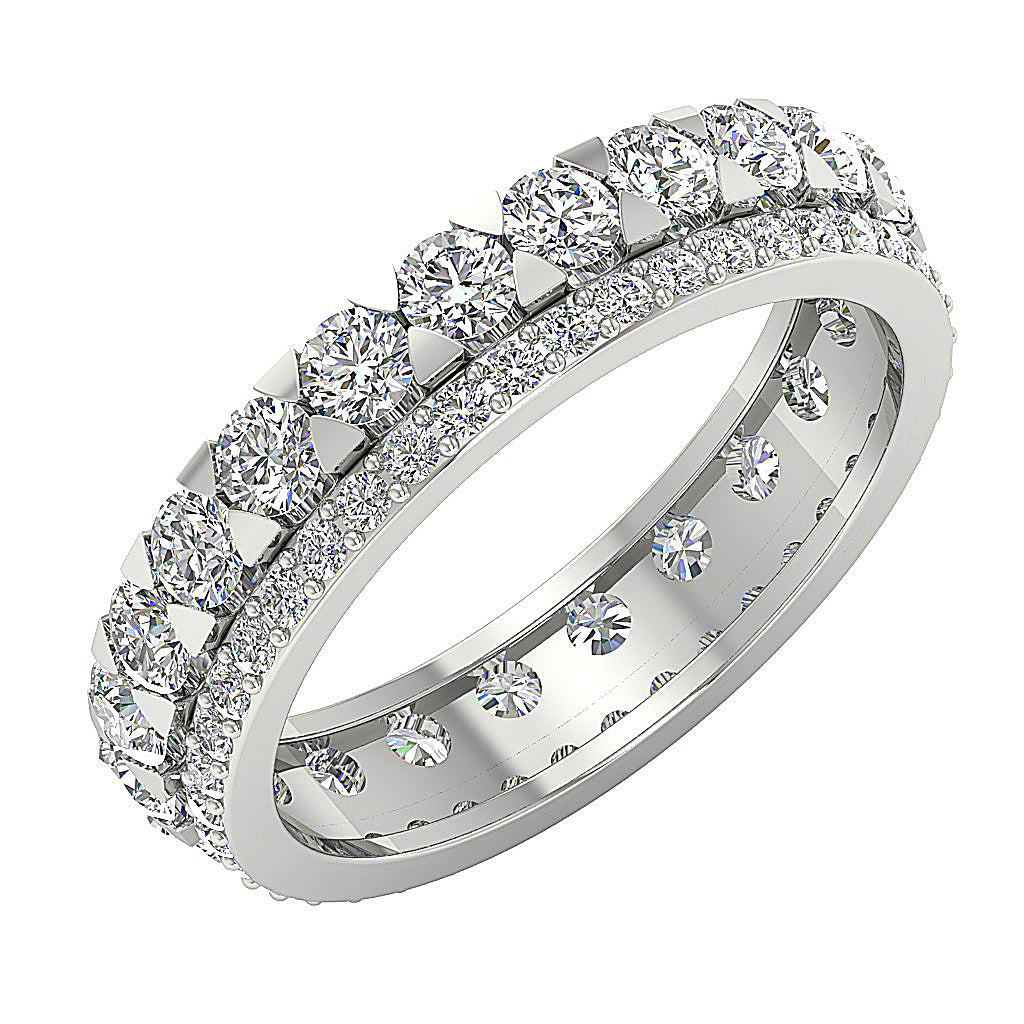
Multi-row construction adds another layer of visual impact. Two or three parallel rows of diamonds create considerably greater presence than a traditional single-row eternity band, while also increasing total diamond weight and the number of individual settings involved.
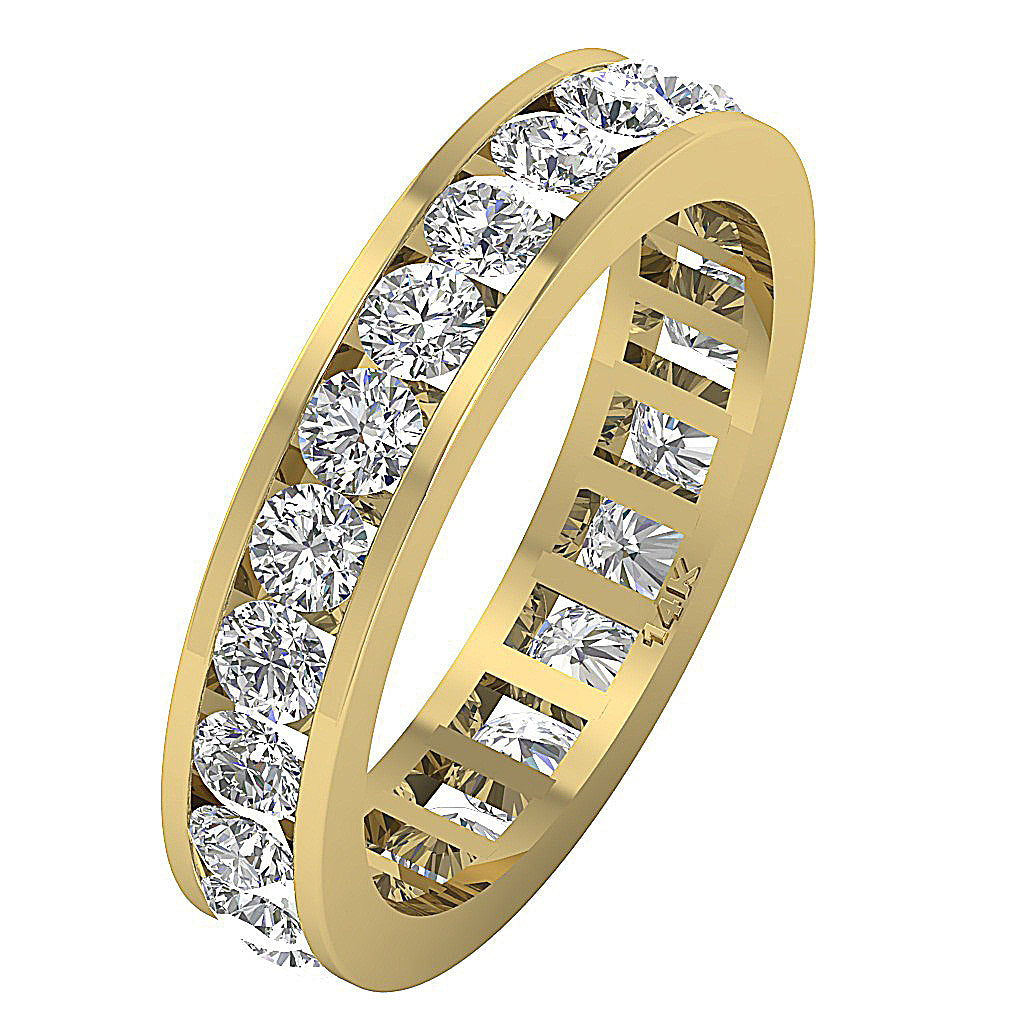
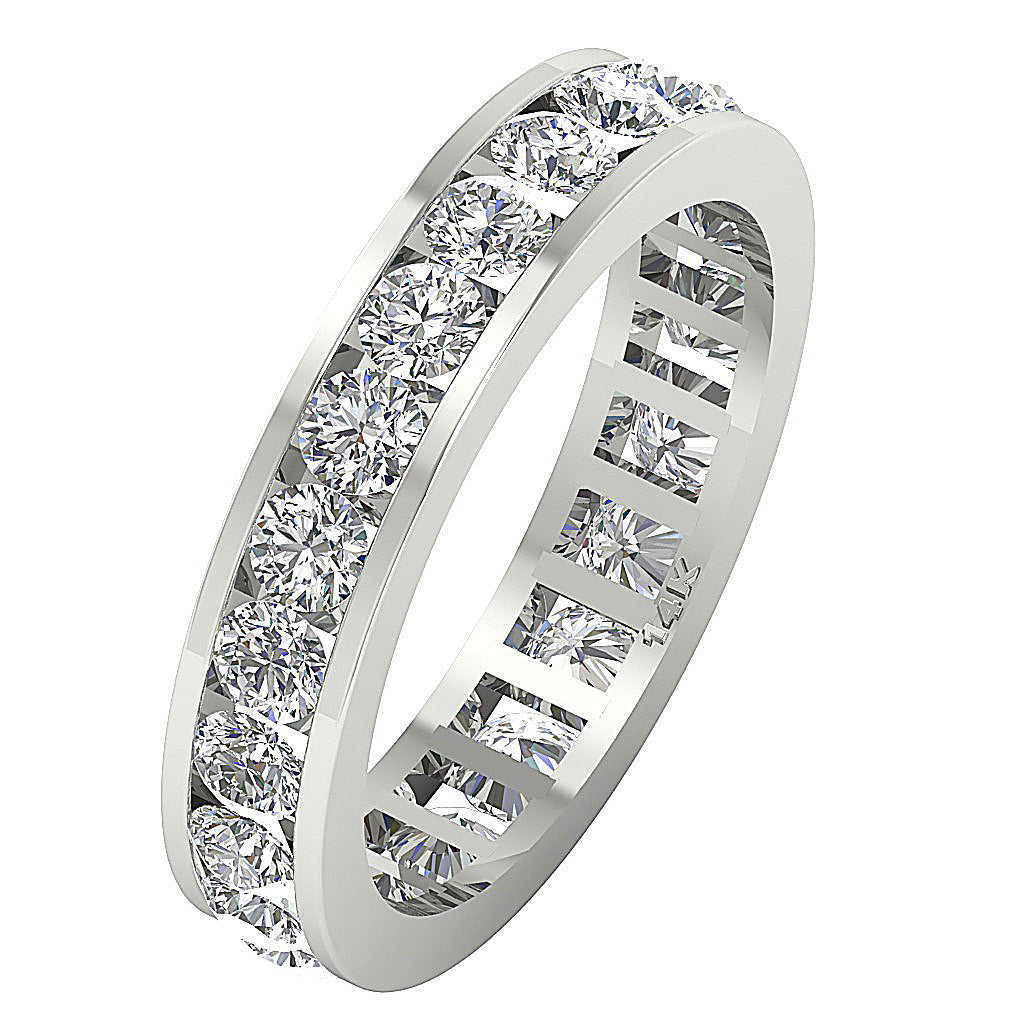
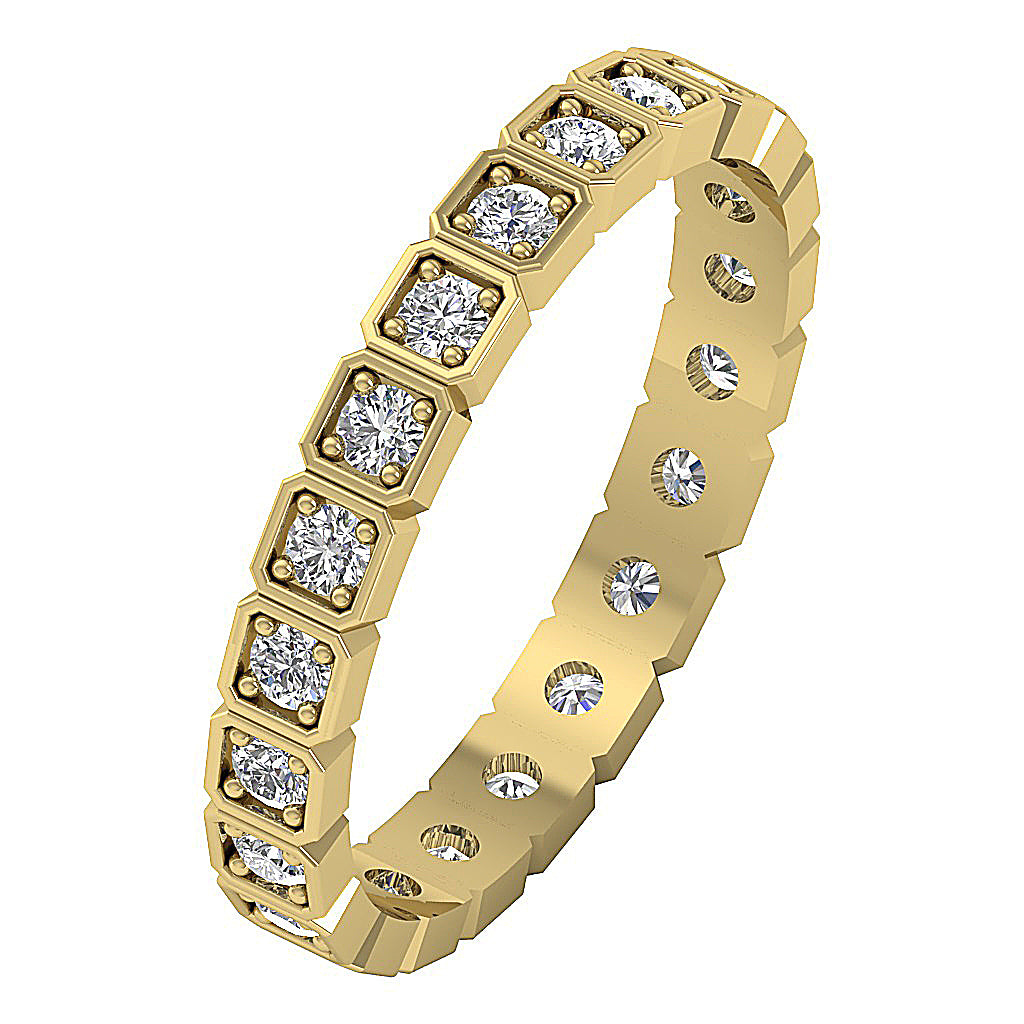
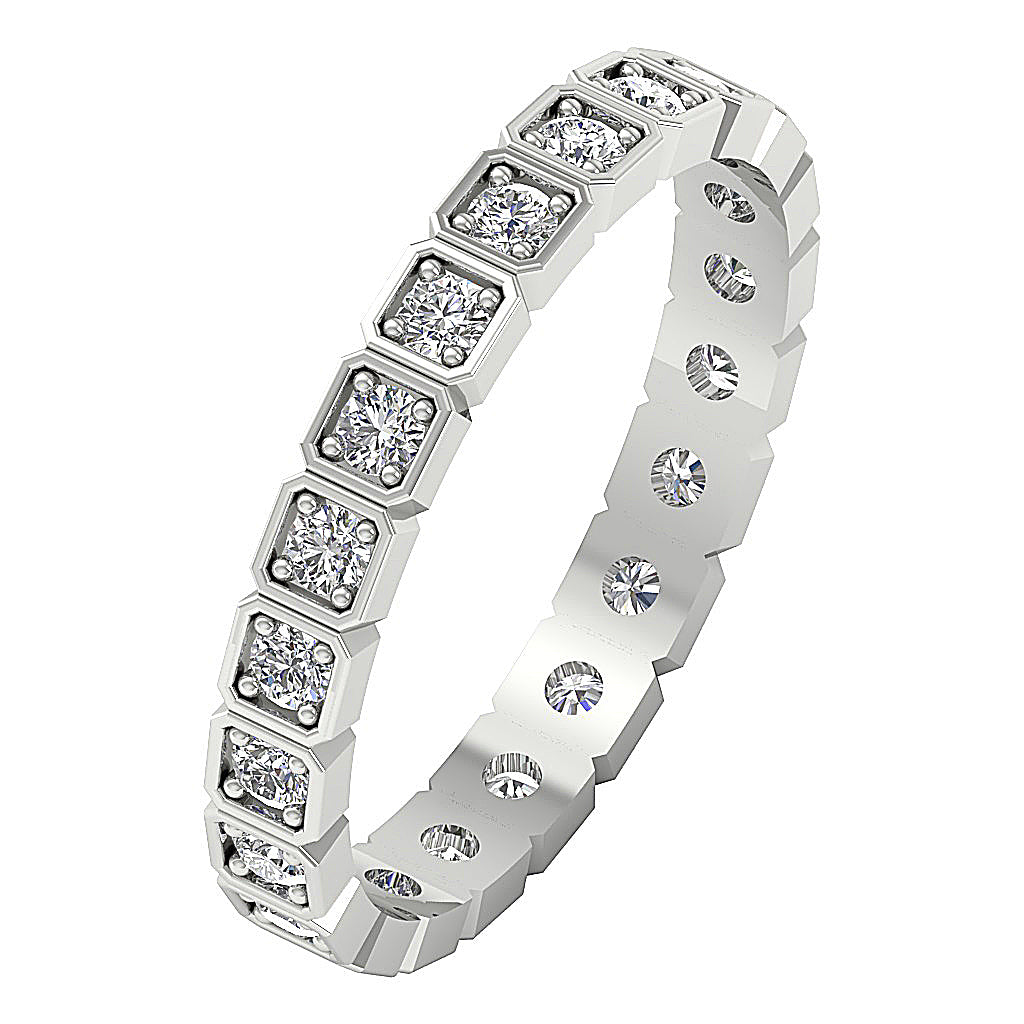
The collection features predominantly round diamonds in 14K and 18K gold across white, yellow, and rose gold. The result ranges from refined and understated to richly detailed statement jewelry, while retaining the continuous silhouette that defines an eternity ring.
Choosing a Setting for Designer Diamond Eternity Rings
Setting choice becomes particularly important when a ring carries a substantial number of diamonds.
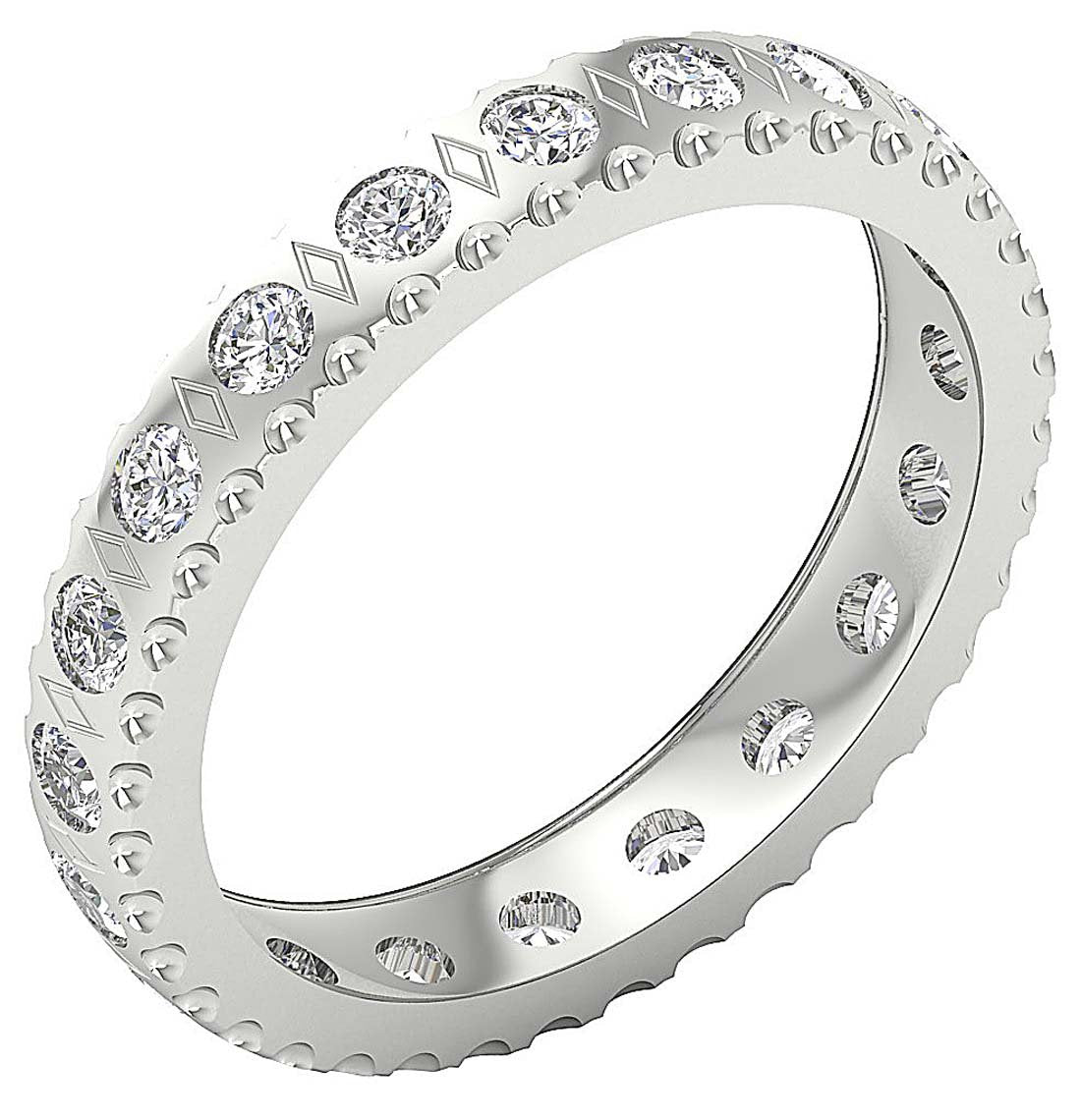
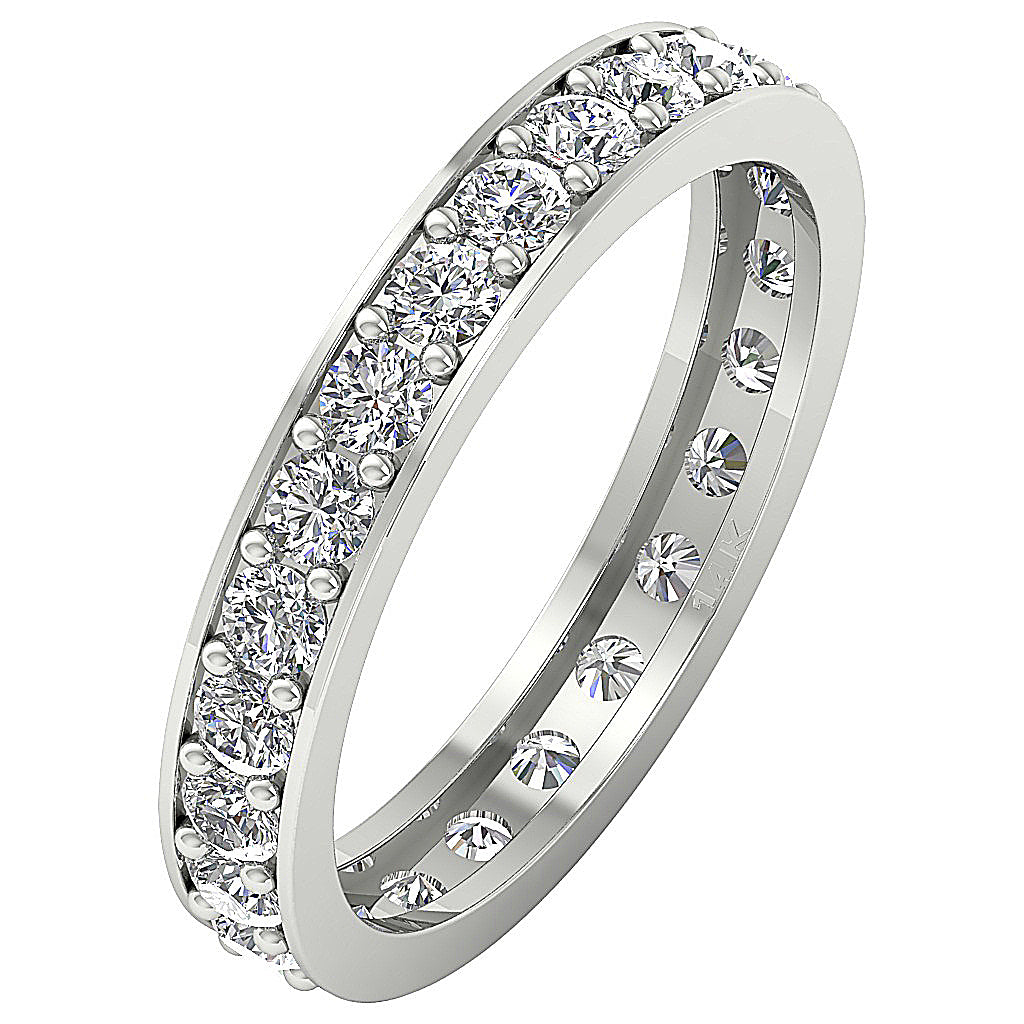
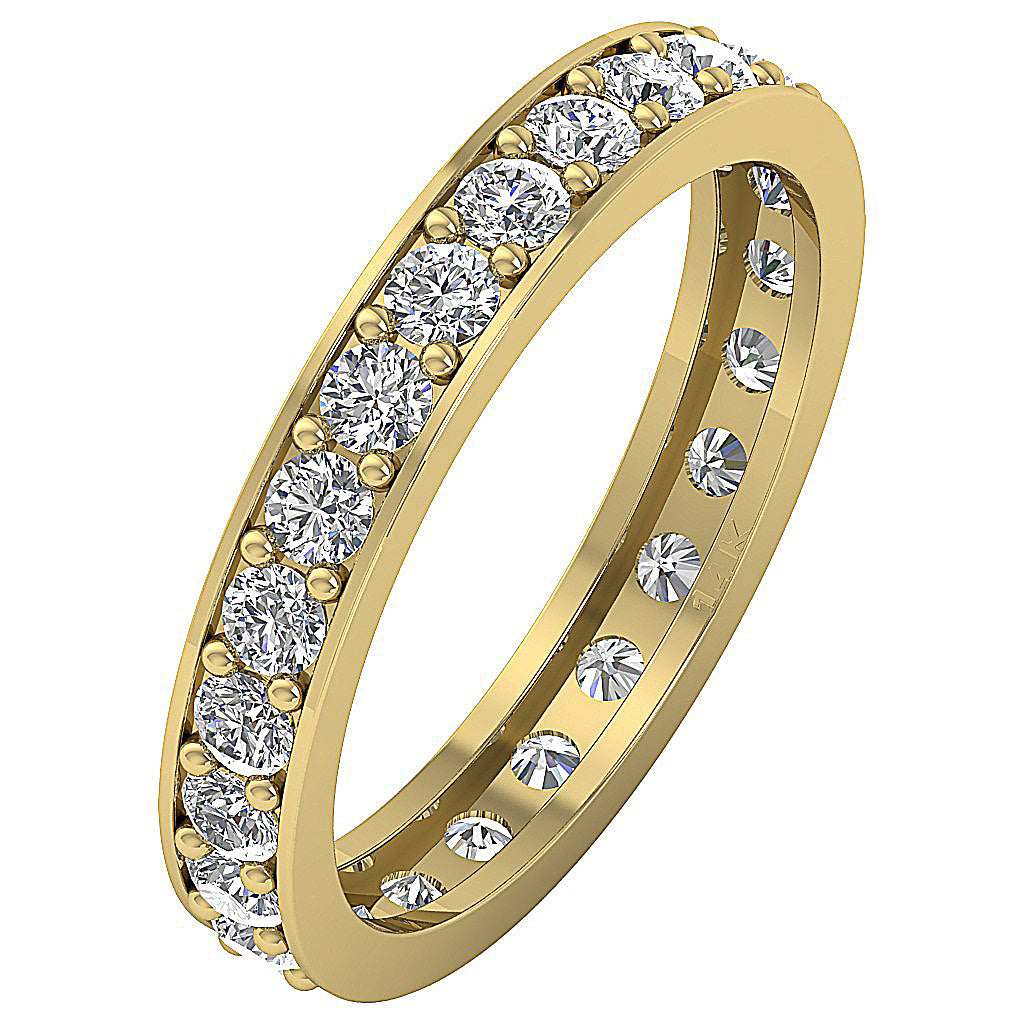
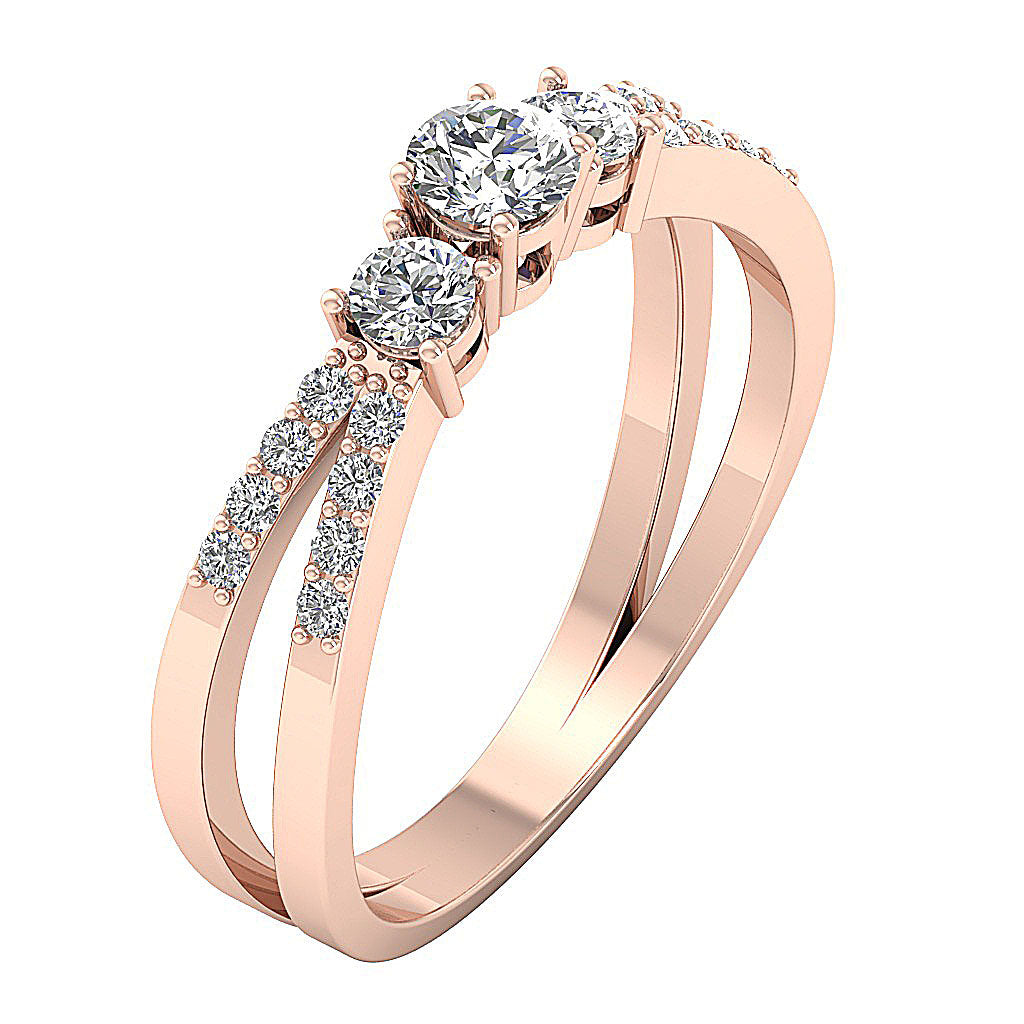
Prong settings expose more of each stone, allowing light to enter from multiple directions and creating pronounced sparkle. On a designer eternity ring, this open construction gives every diamond greater visual definition and suits pieces intended to be admired at close range.
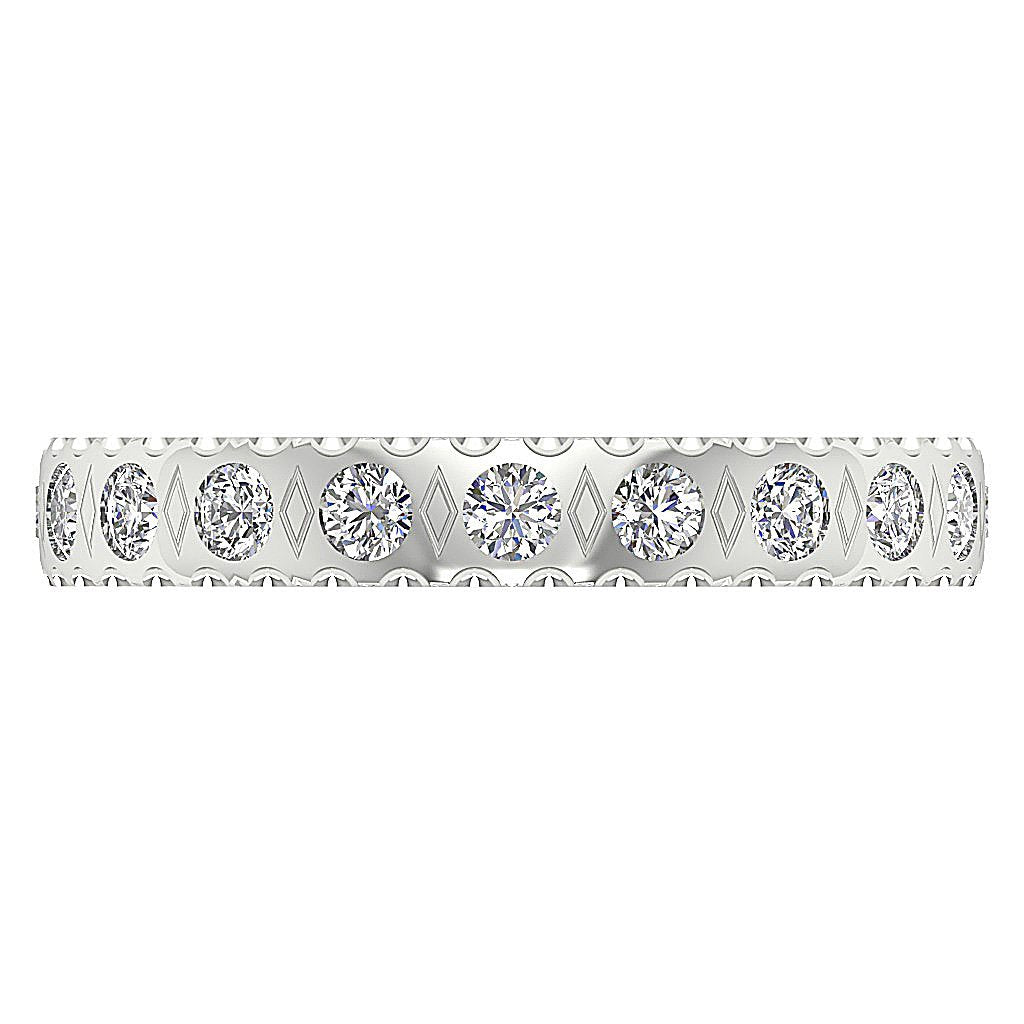
Bezel settings surround the edges of each diamond with metal, offering greater protection while creating a smoother, more sculptural surface. They make a practical choice for a heavily set ring intended for frequent wear.
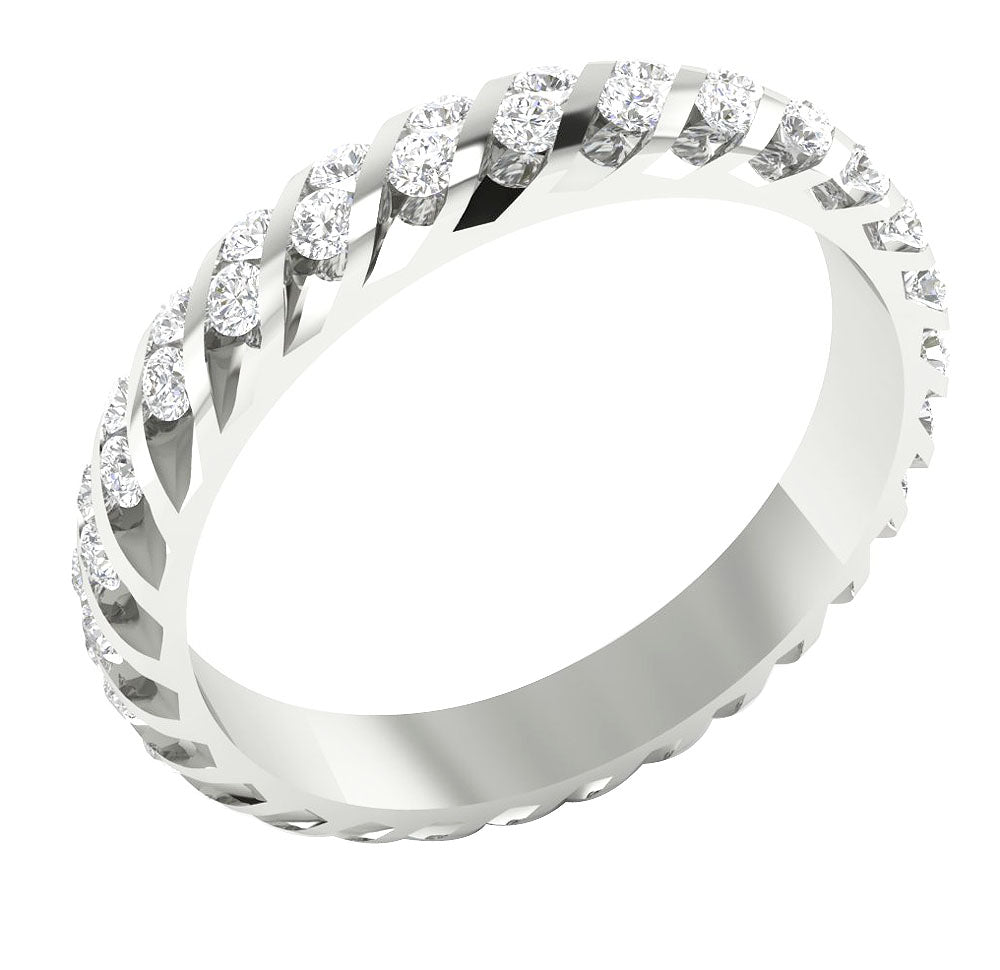
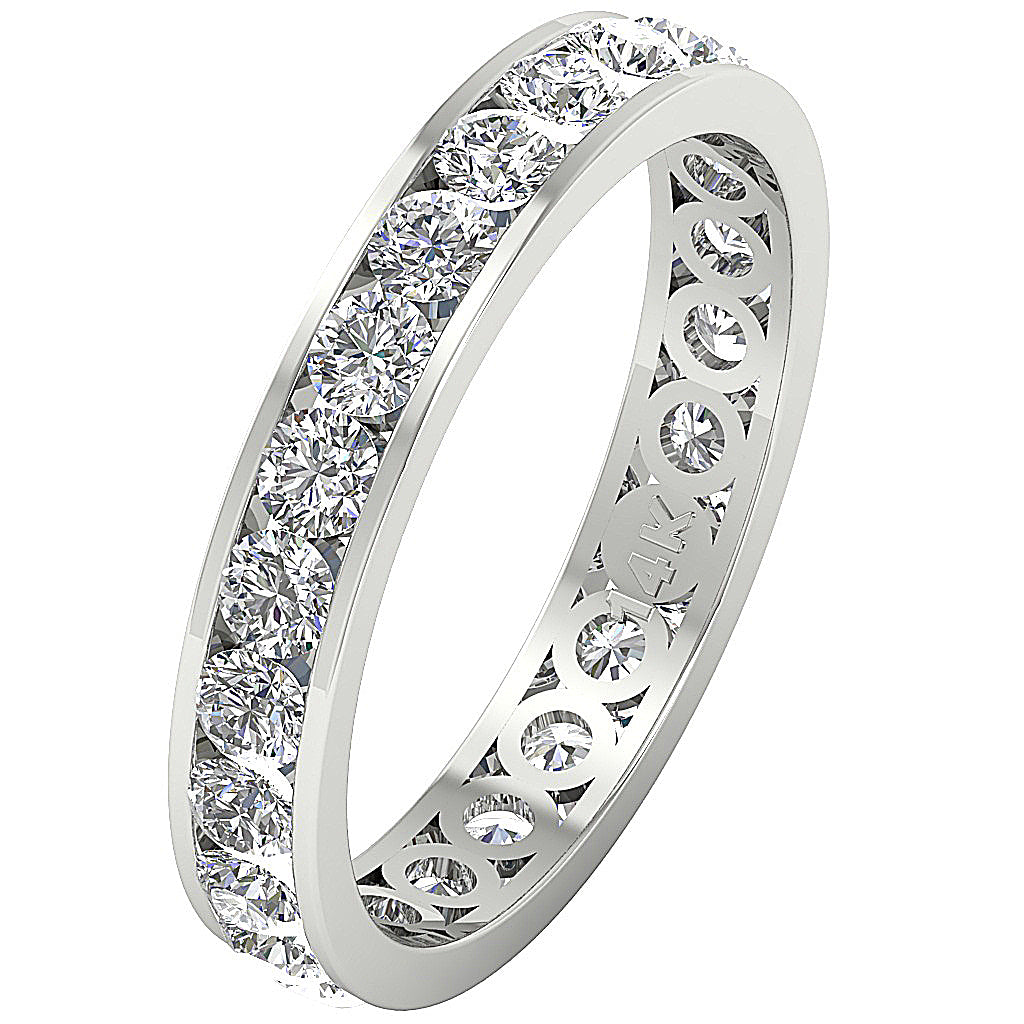
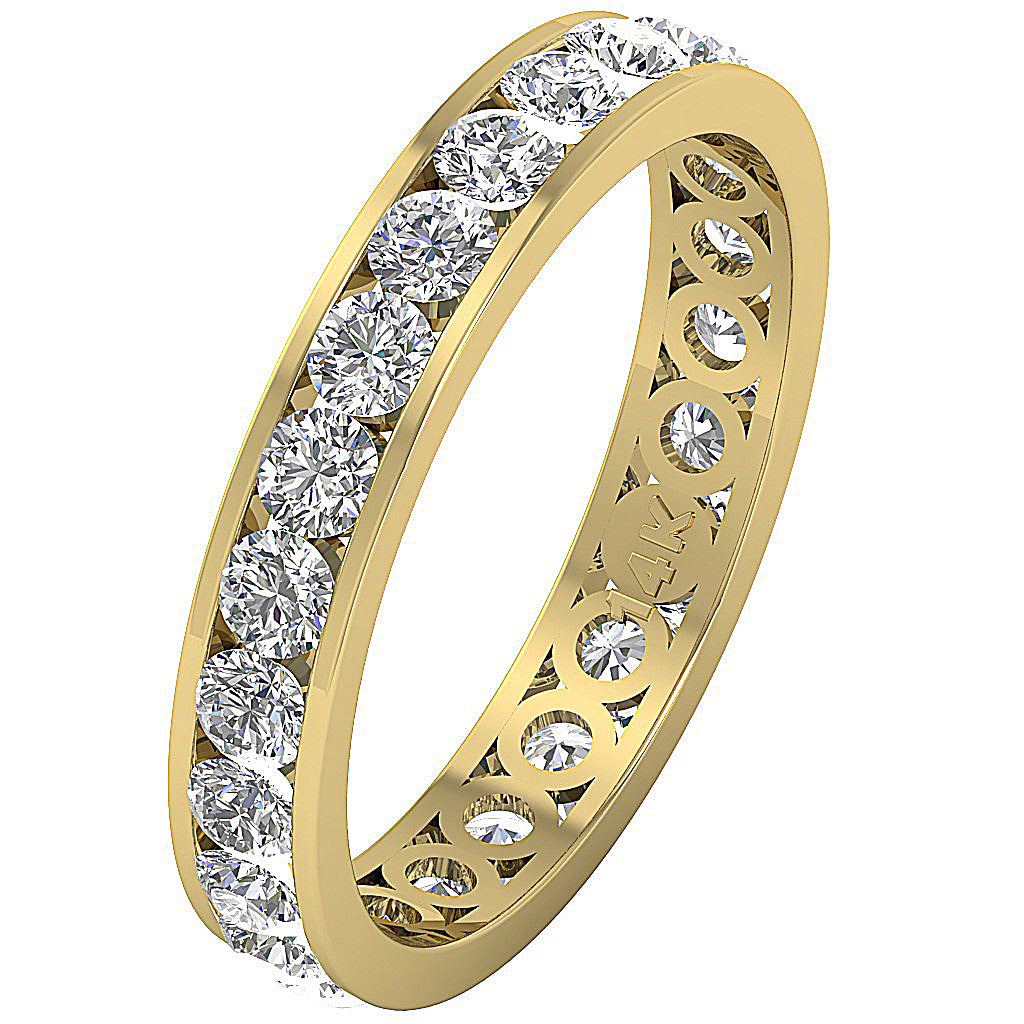
Channel settings work especially well across multi-row designs. The diamonds sit between parallel metal walls, keeping each row visually defined while providing additional protection around the stones.
The right setting therefore depends on more than appearance. Consider how often the ring will be worn, how much protection the stones require, and whether the desired effect is open brilliance, clean structure, or a balance between the two.
A Ring for More Than One Occasion
Designer eternity rings extend well beyond traditional wedding and anniversary jewelry.
The unbroken circle has long carried associations with continuity, making an eternity ring a meaningful choice for a milestone such as the arrival of a child. It can also commemorate a personal achievement, a significant anniversary, or another moment that deserves a lasting symbol.
There is equally no requirement for the ring to represent a particular occasion. A multi-row diamond eternity ring can function simply as a statement piece, chosen for its visual richness and craftsmanship rather than its symbolism.
Scale plays a significant role here. A single-row 14K eternity ring in a straightforward setting can feel refined enough for regular wear, while a multi-row design with milgrain detailing and 18K gold has the presence of a more substantial occasion piece.
The important consideration is whether the ring's scale feels appropriate to the moment and to the way it will ultimately be worn.
Pairing the Diamond Eternity Ring With an Existing Ring
A designer eternity ring will often become part of an established jewelry collection. This makes proportion, metal tone, and overall detailing important to take into consideration before choosing a design.
Matching the eternity ring's gold colour to an existing engagement ring or wedding band creates the most seamless effect. White gold keeps a diamond stack crisp and contemporary, yellow gold adds warmth and heritage, while rose gold introduces a softer contrast.
Matching is not always a must with diamond eternity rings. Two-tone eternity designs can bridge different metals particularly well. A band combining white and yellow gold, for example, can sit comfortably between a contemporary engagement ring and an older yellow gold piece.
A heavily detailed, multi-row eternity ring can overwhelm a delicate engagement ring, while a narrow designer band may disappear beside a substantial three-stone setting. Aim for complementary proportions rather than identical designs.
Living With It: How to Care for Your Designer Eternity Ring
The more elaborate the eternity ring, the more attention its maintenance requires. Multiple rows create additional surfaces where lotion, soap, and everyday residue can accumulate, while milgrain detailing can collect buildup more readily than a smooth metal edge.
Clean the ring weekly using warm water, mild soap, and a soft-bristled brush. Work carefully between every row of diamonds and along detailed metalwork rather than cleaning only the most visible surface.
Have a jeweller inspect the ring annually, checking crown prongs, individual stones, and channels separately. A designer eternity ring contains considerably more settings than a simple band, so a loose diamond can be harder to identify before it becomes a problem.
Avoid ultrasonic cleaning on delicate designs with extensive milgrain or open metalwork unless a jeweller confirms that the construction is suitable. Remove the ring before heavy manual work and store it separately from other jewelry to prevent unnecessary contact between raised details and harder materials.
An ancient symbol of continuity, refined into a ring designed to carry its meaning forward.