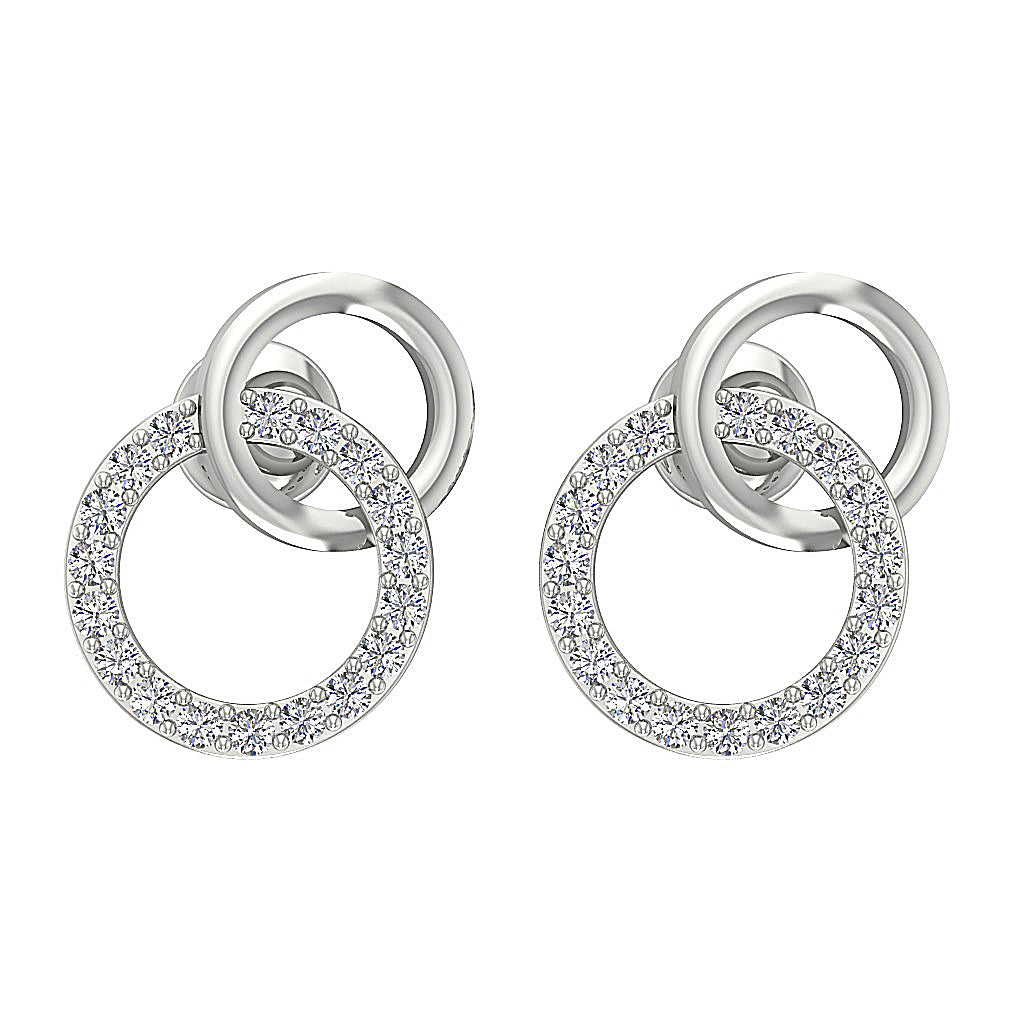
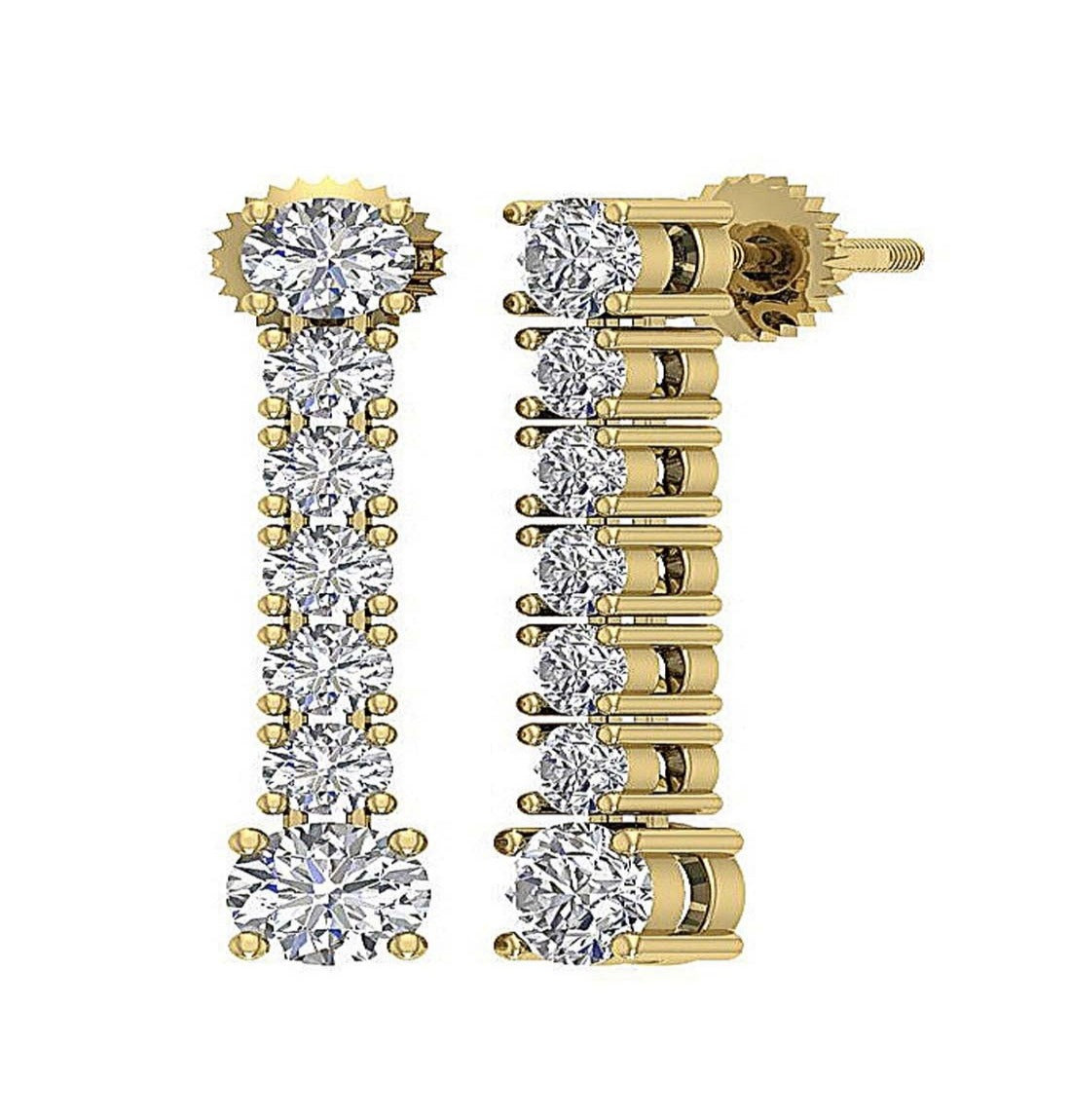
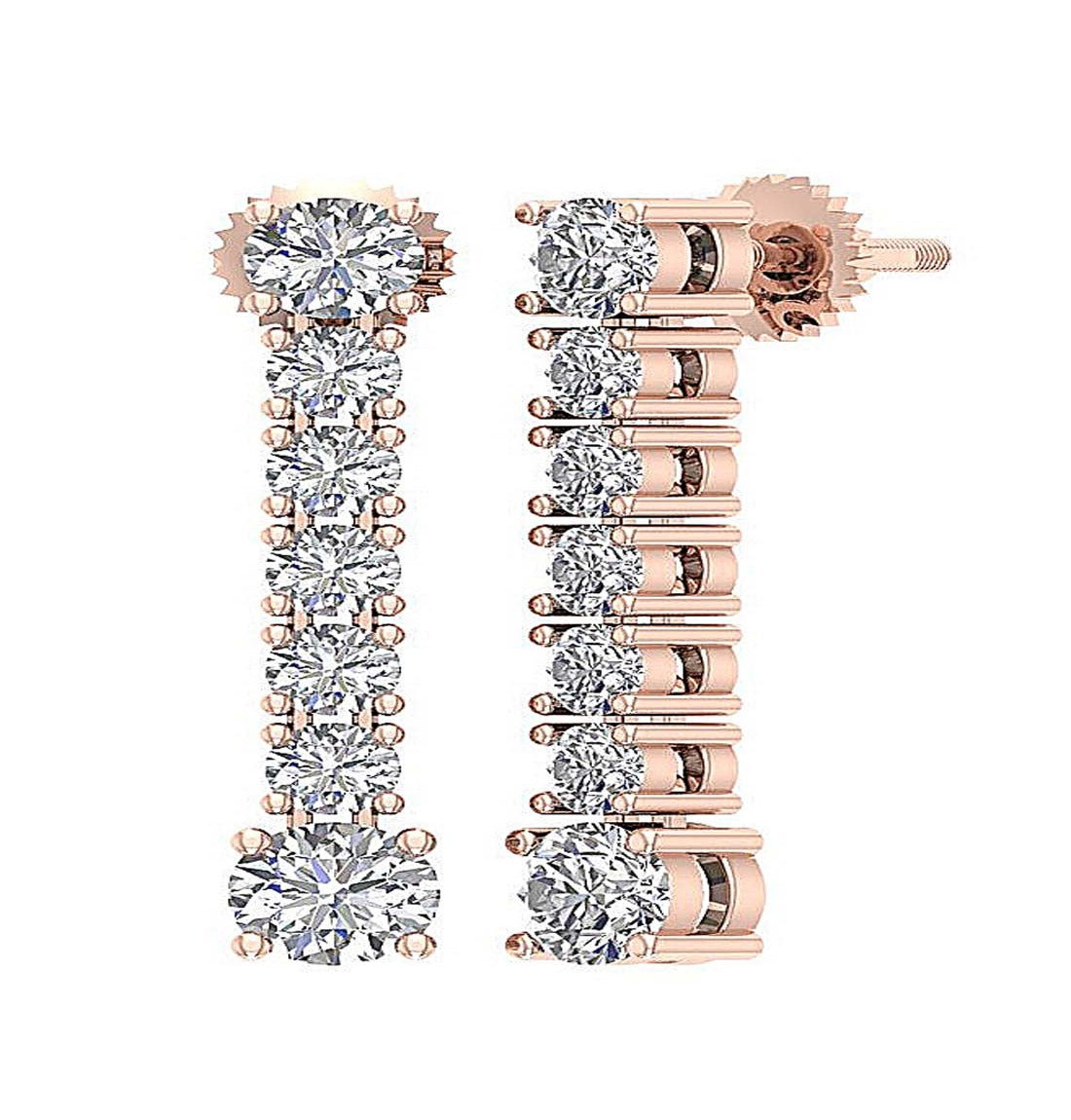
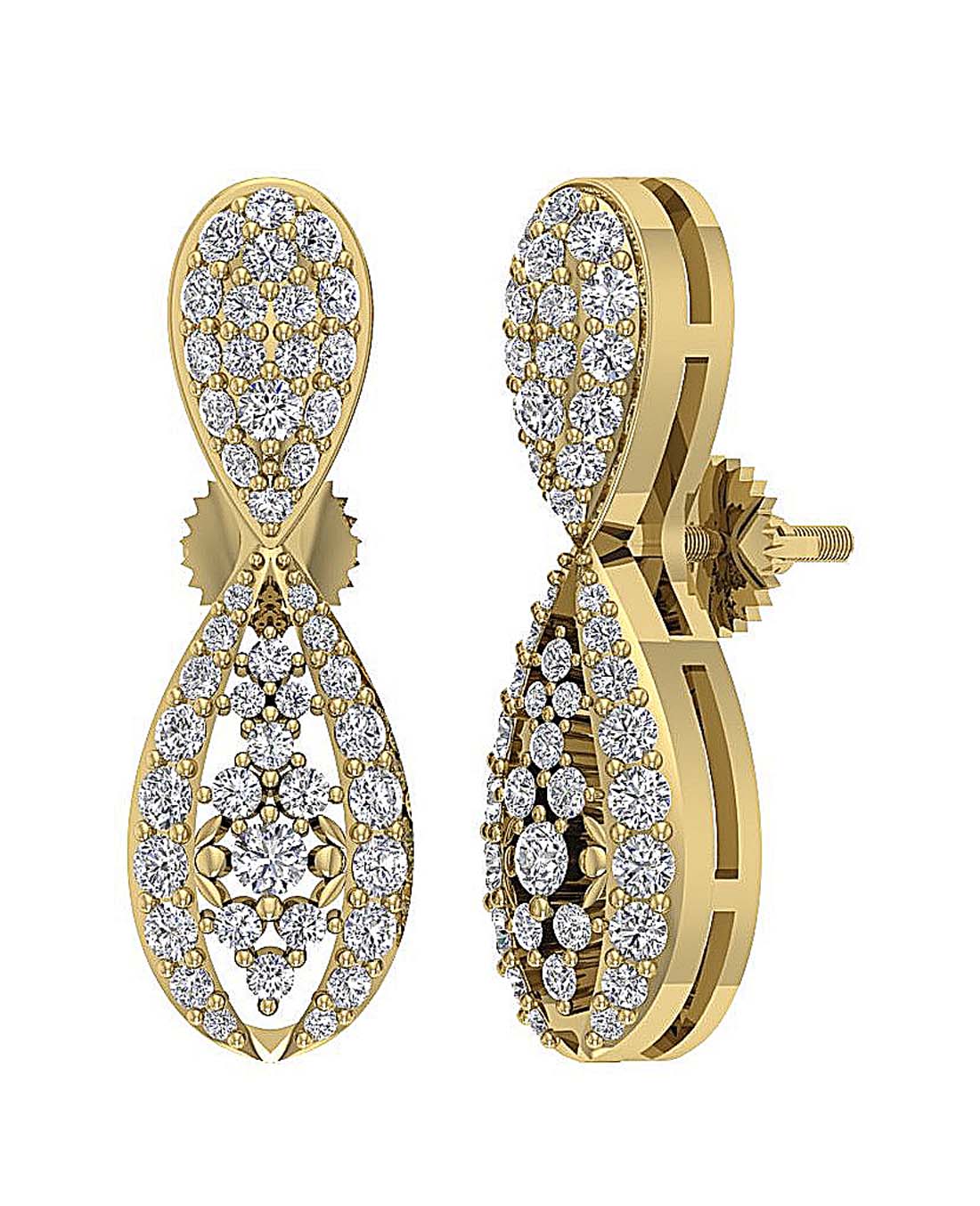
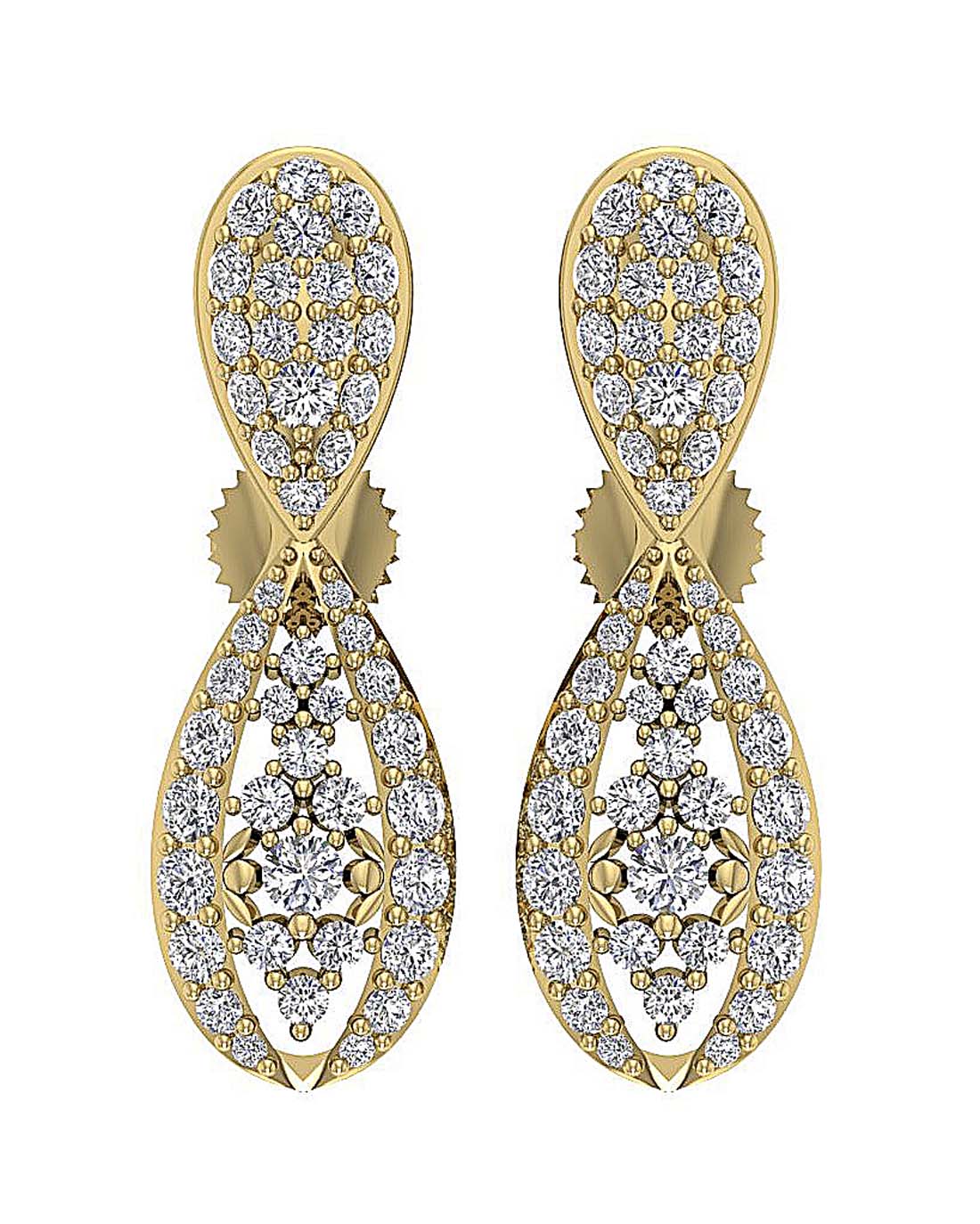
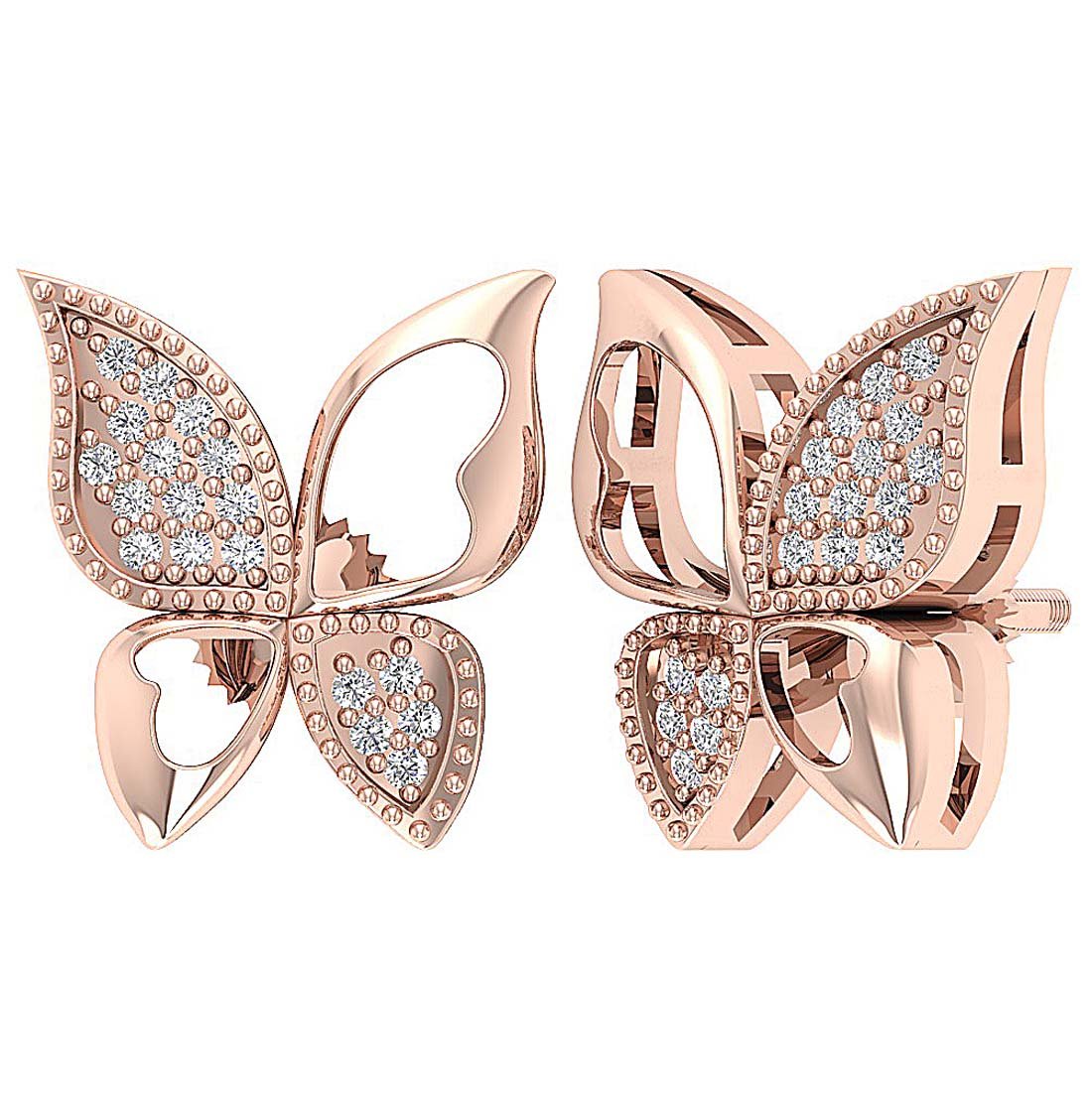
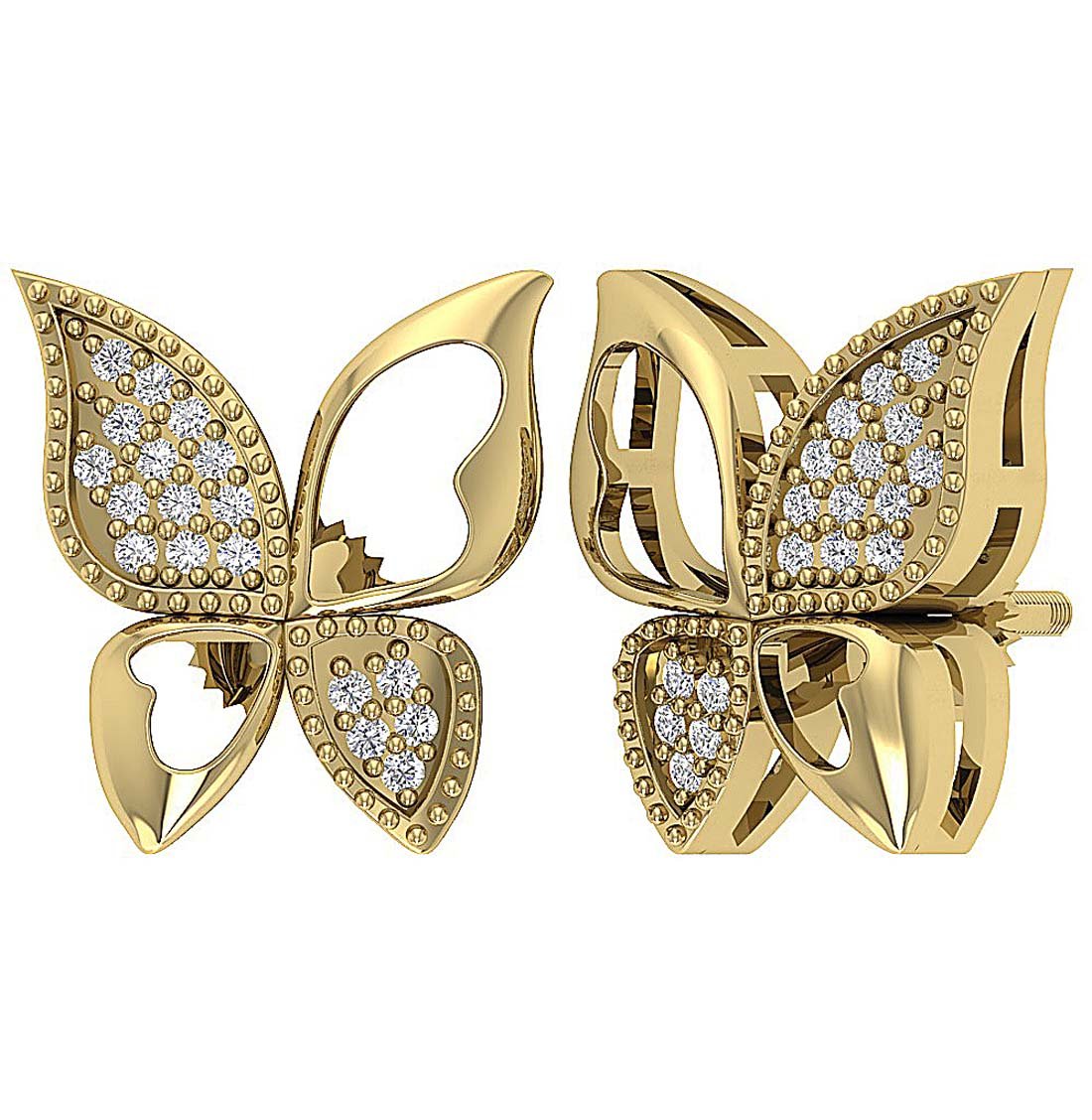
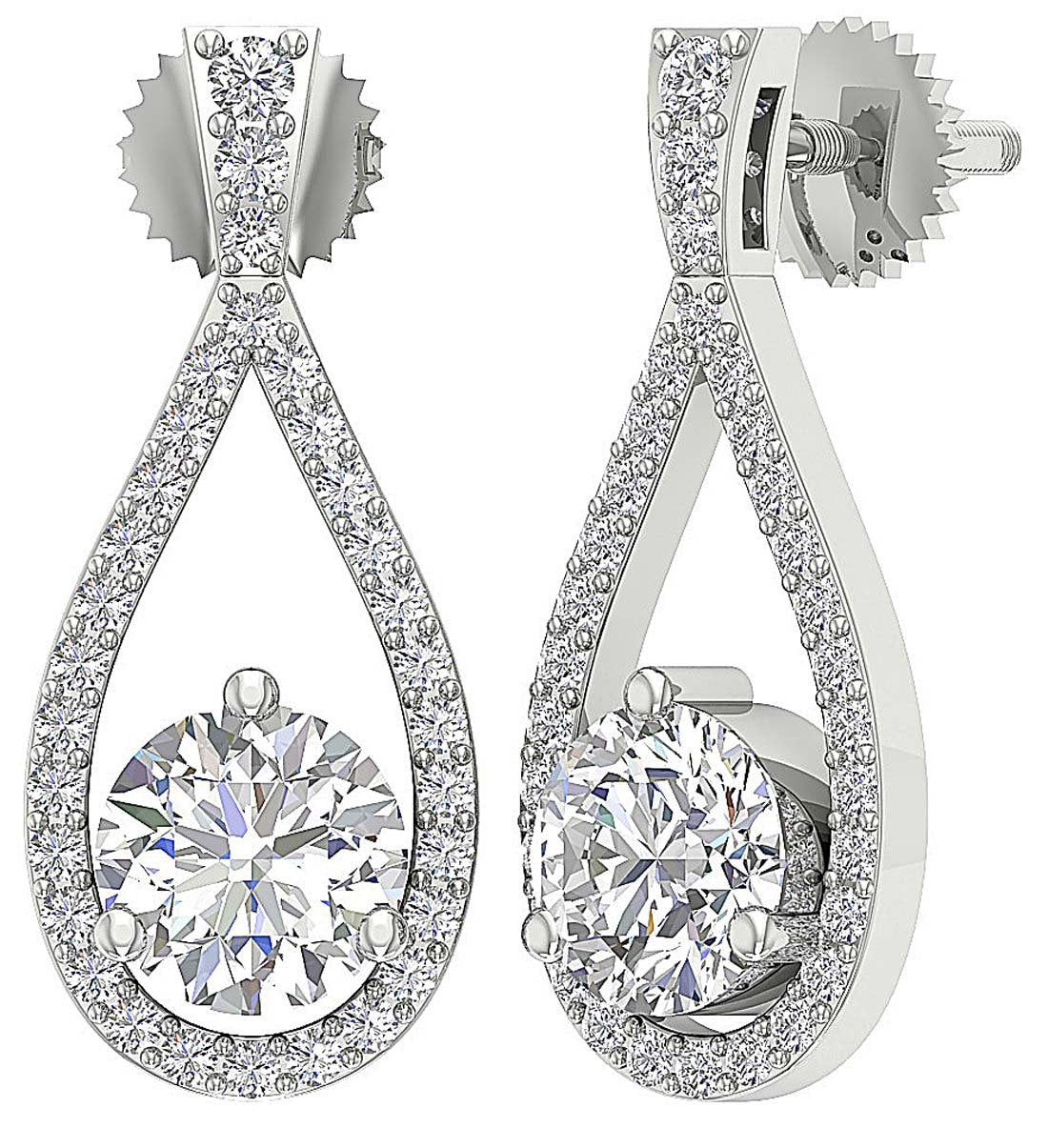
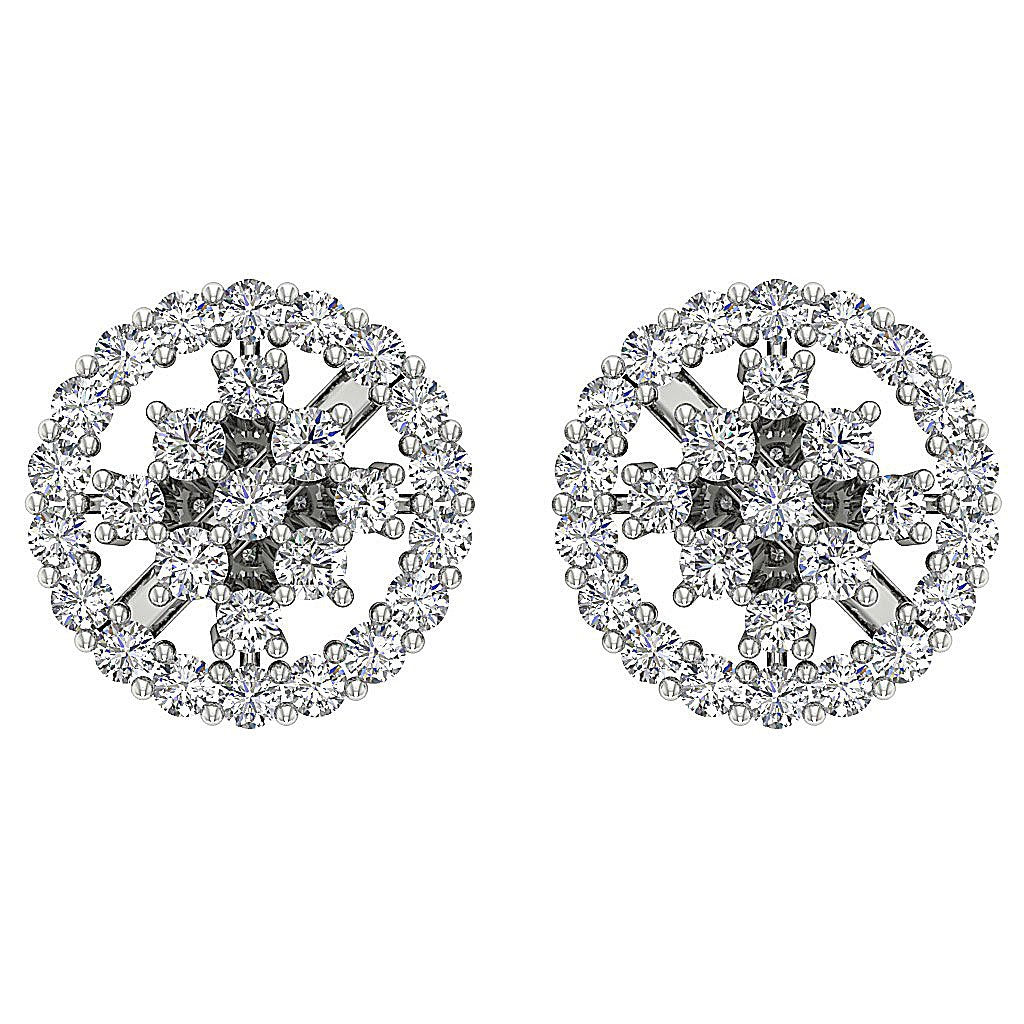
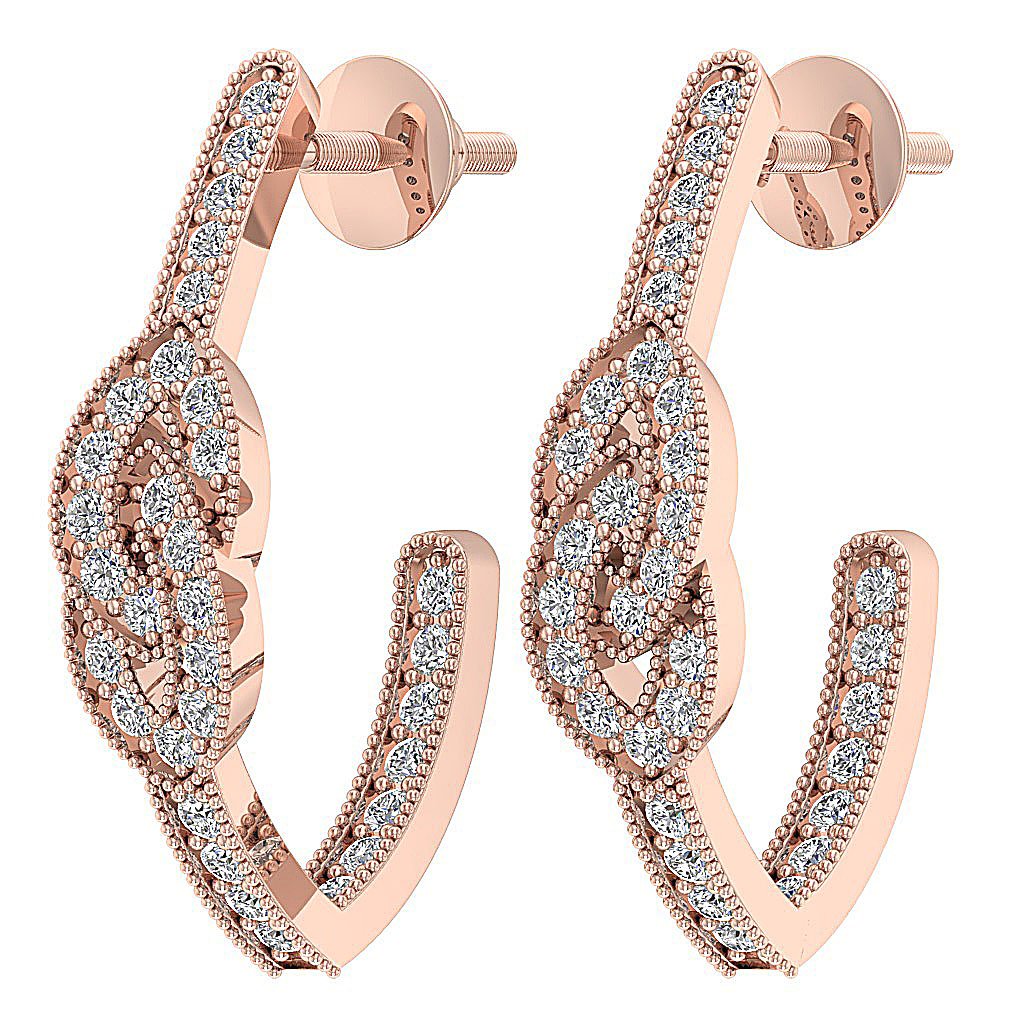
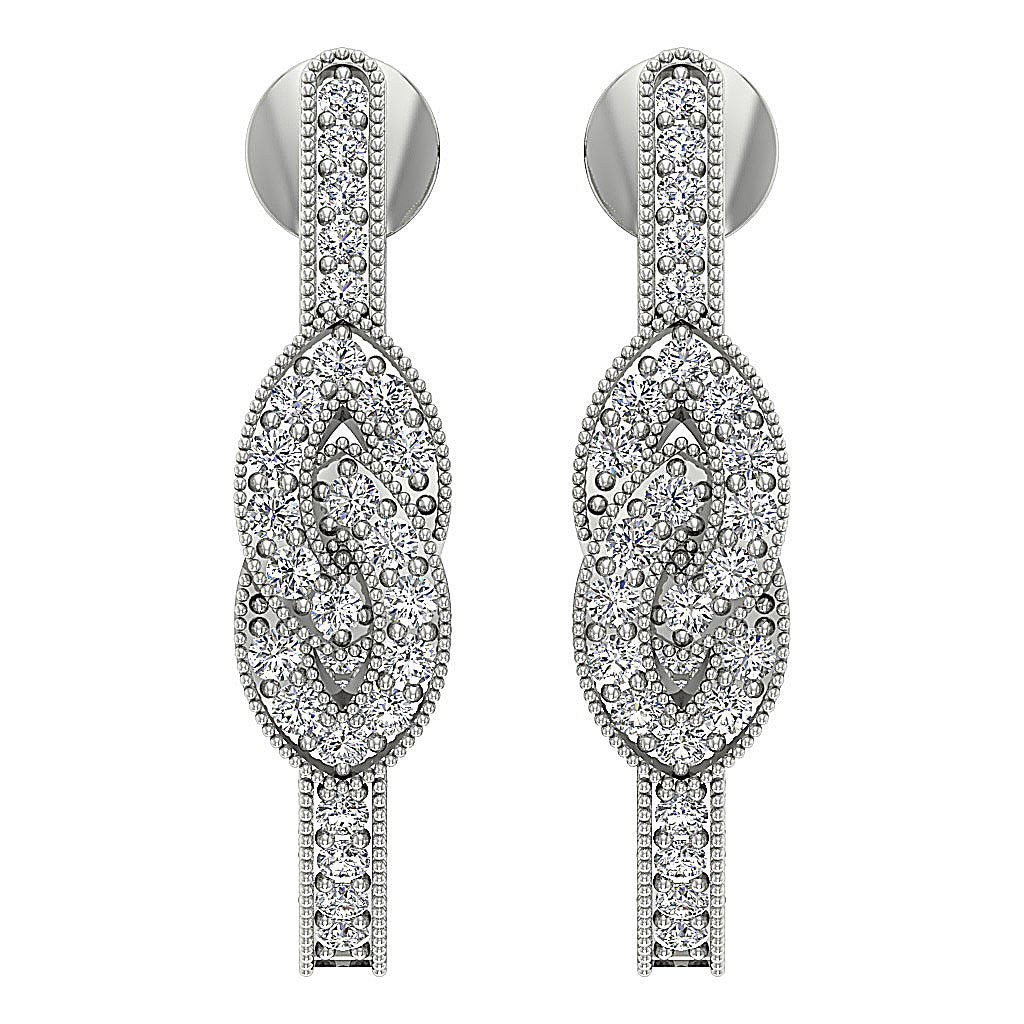
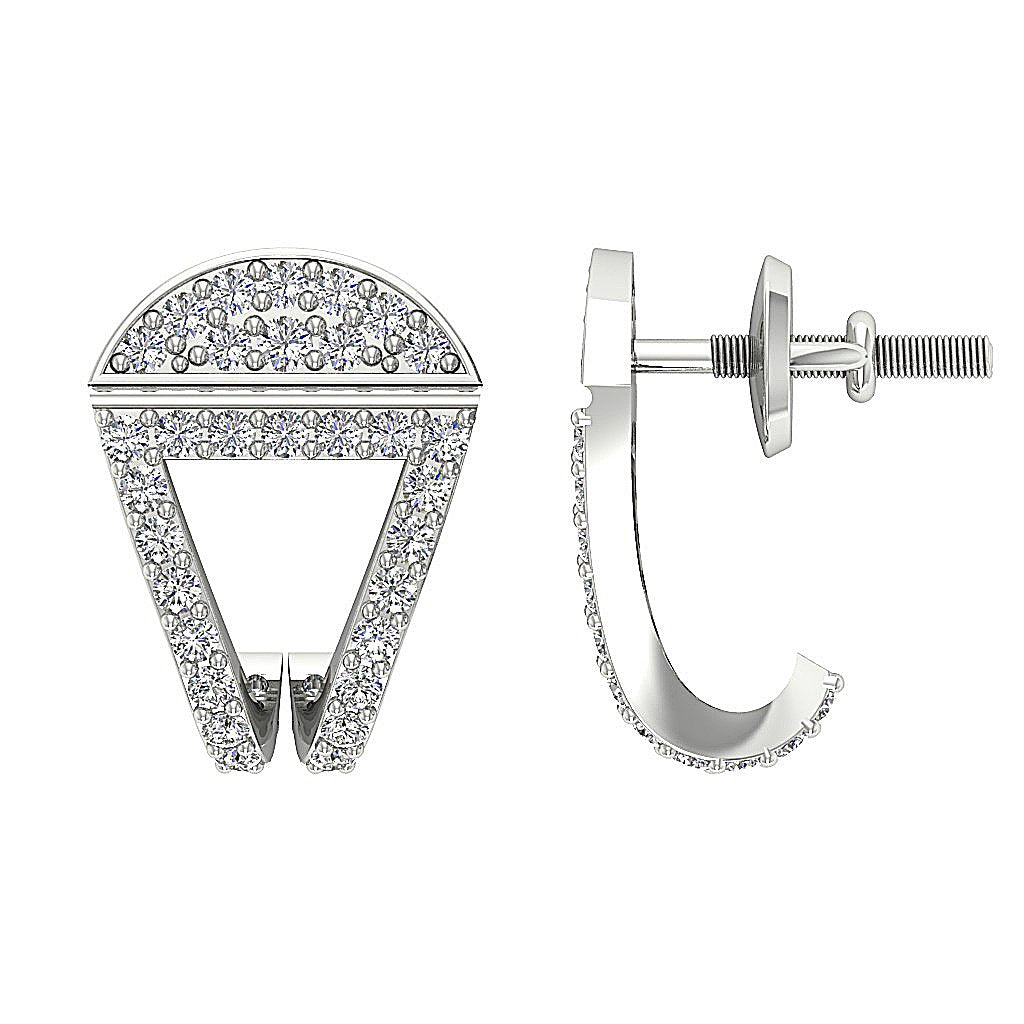
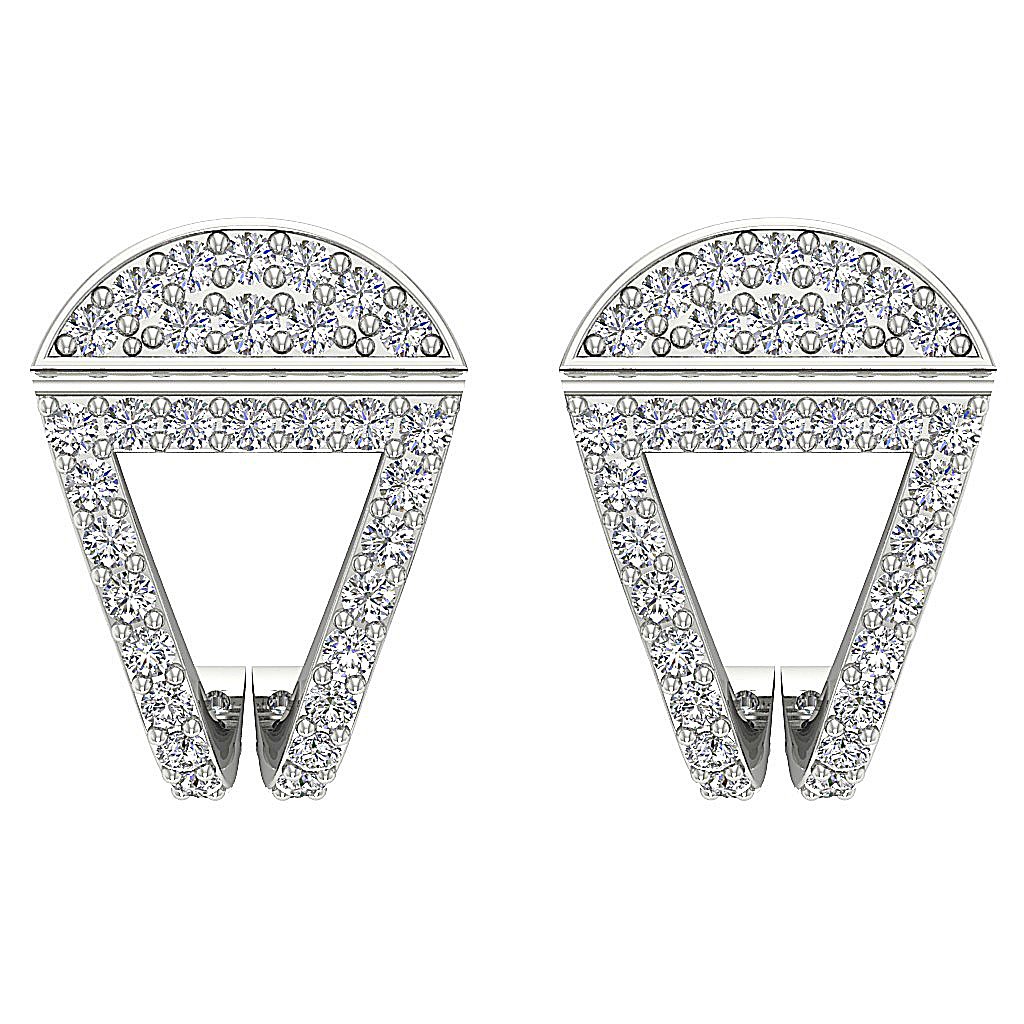
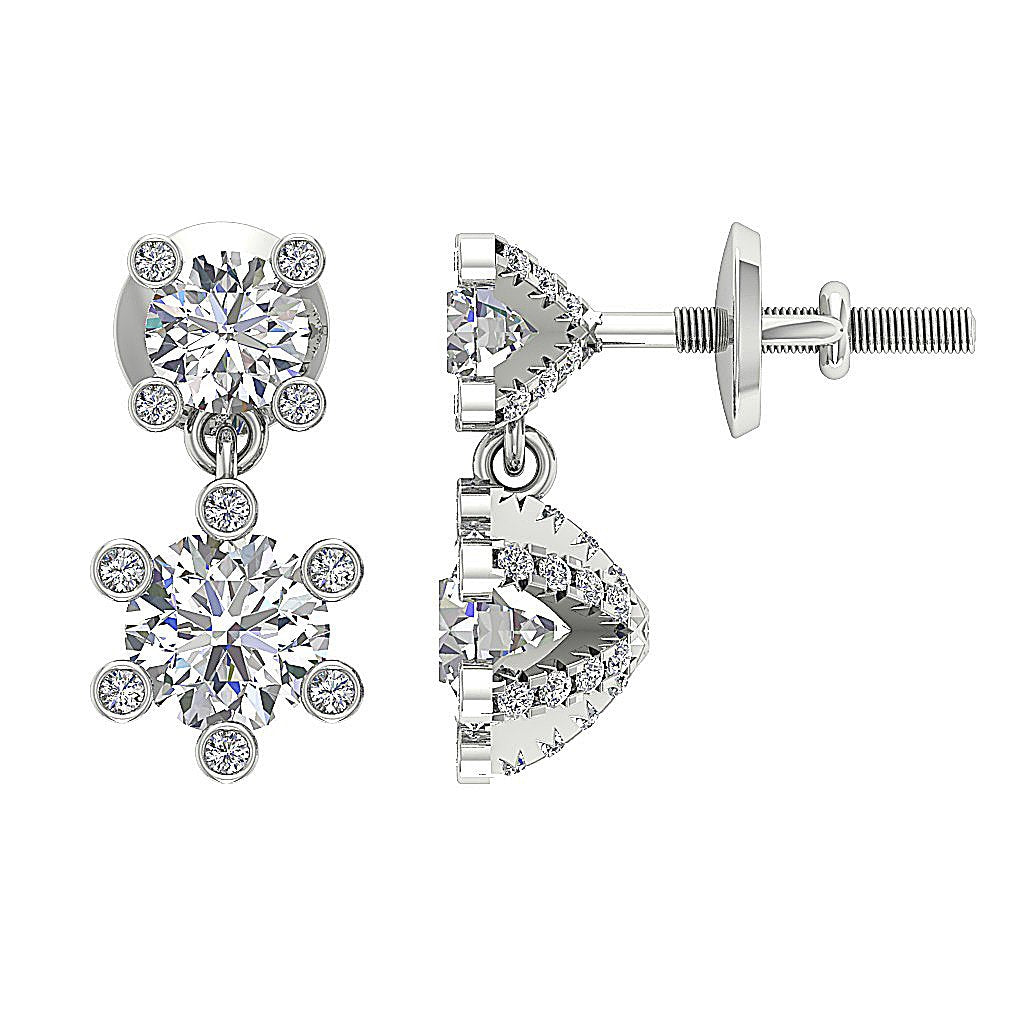
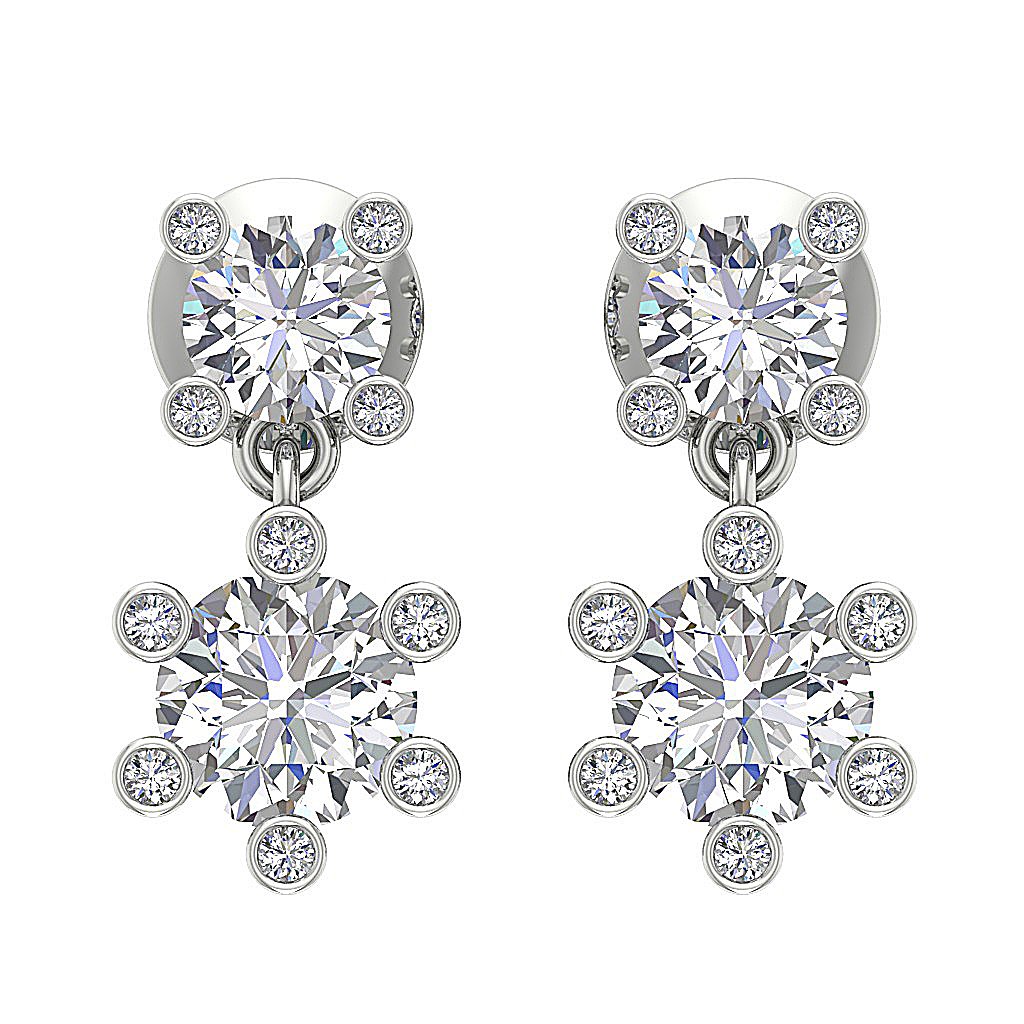
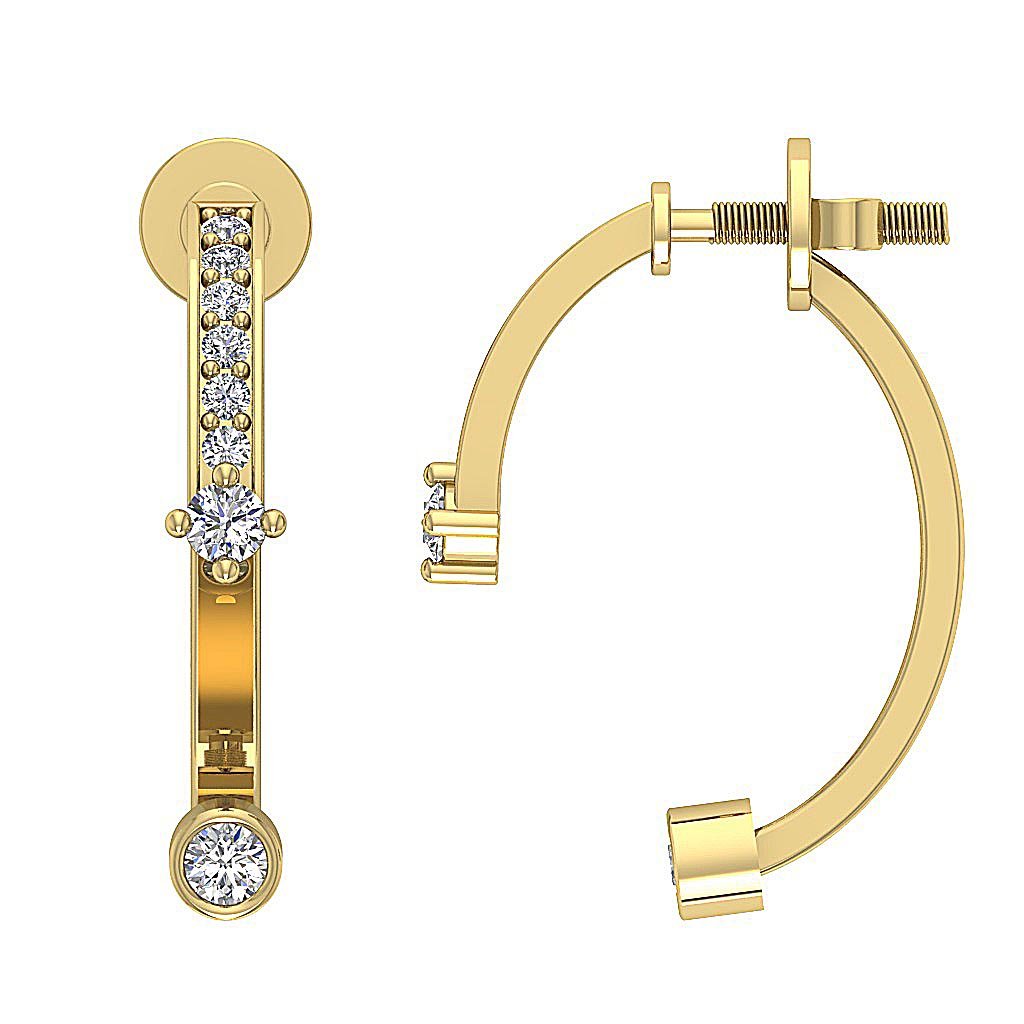
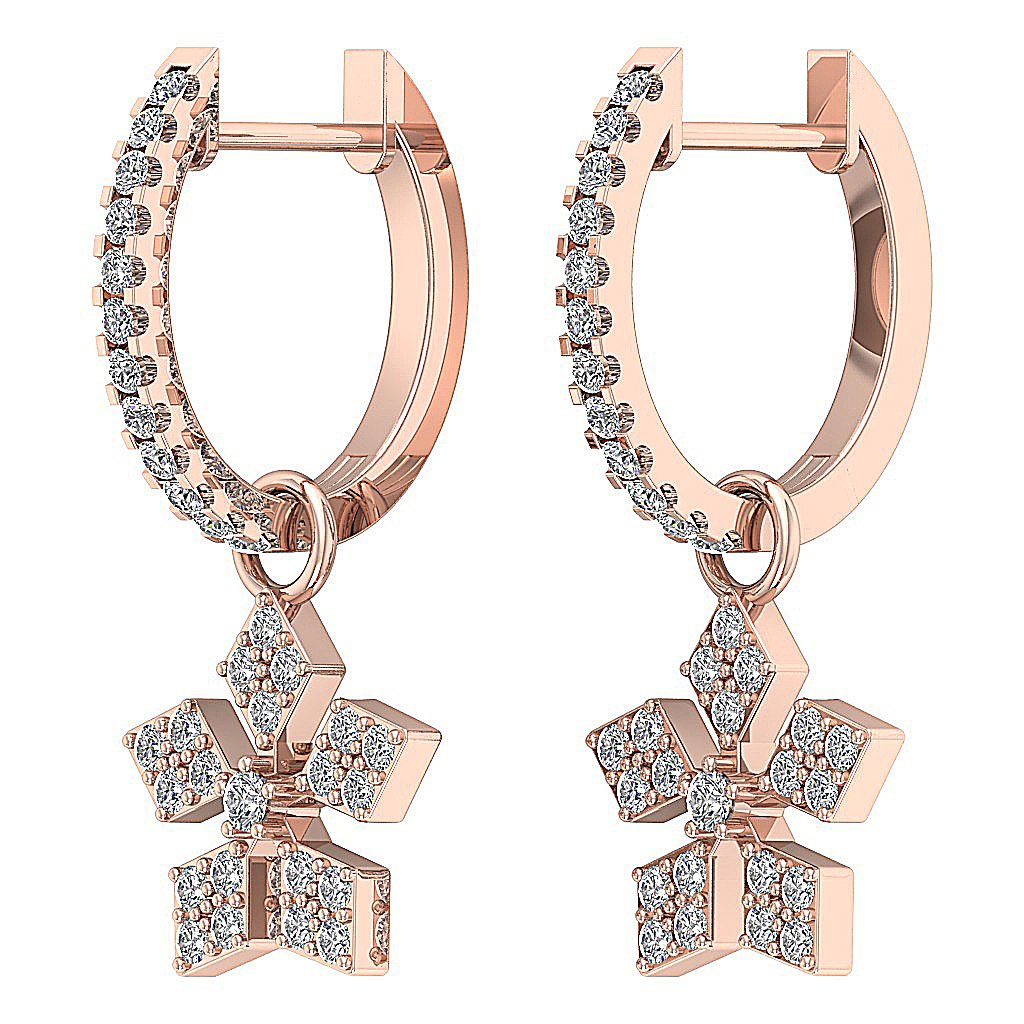
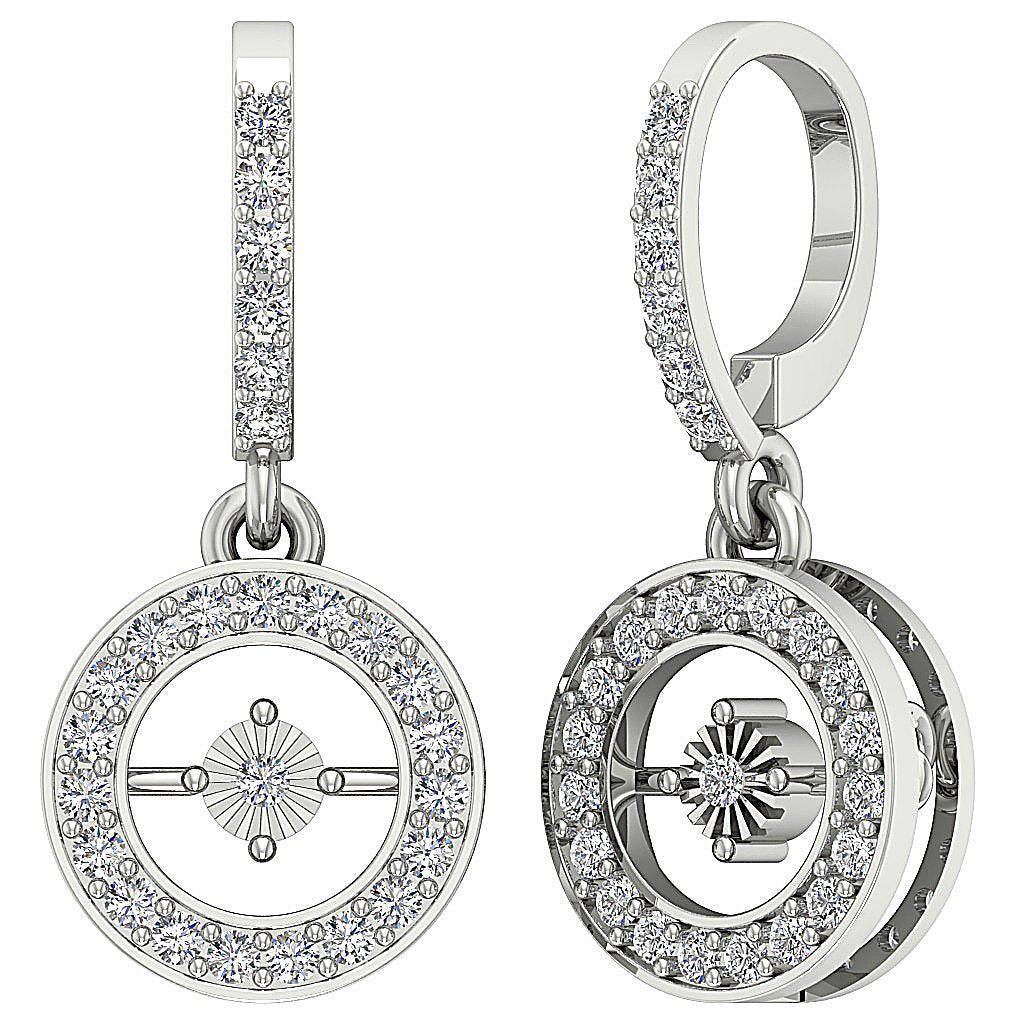
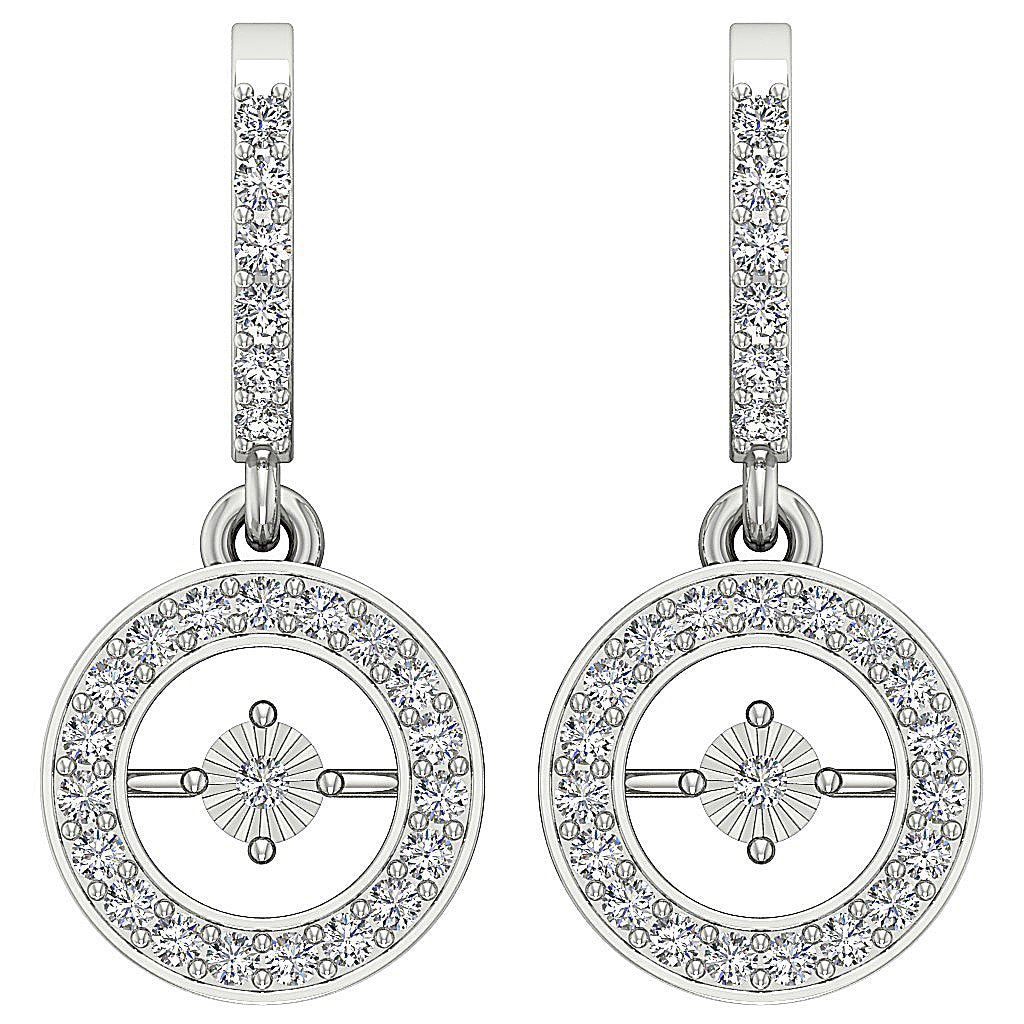
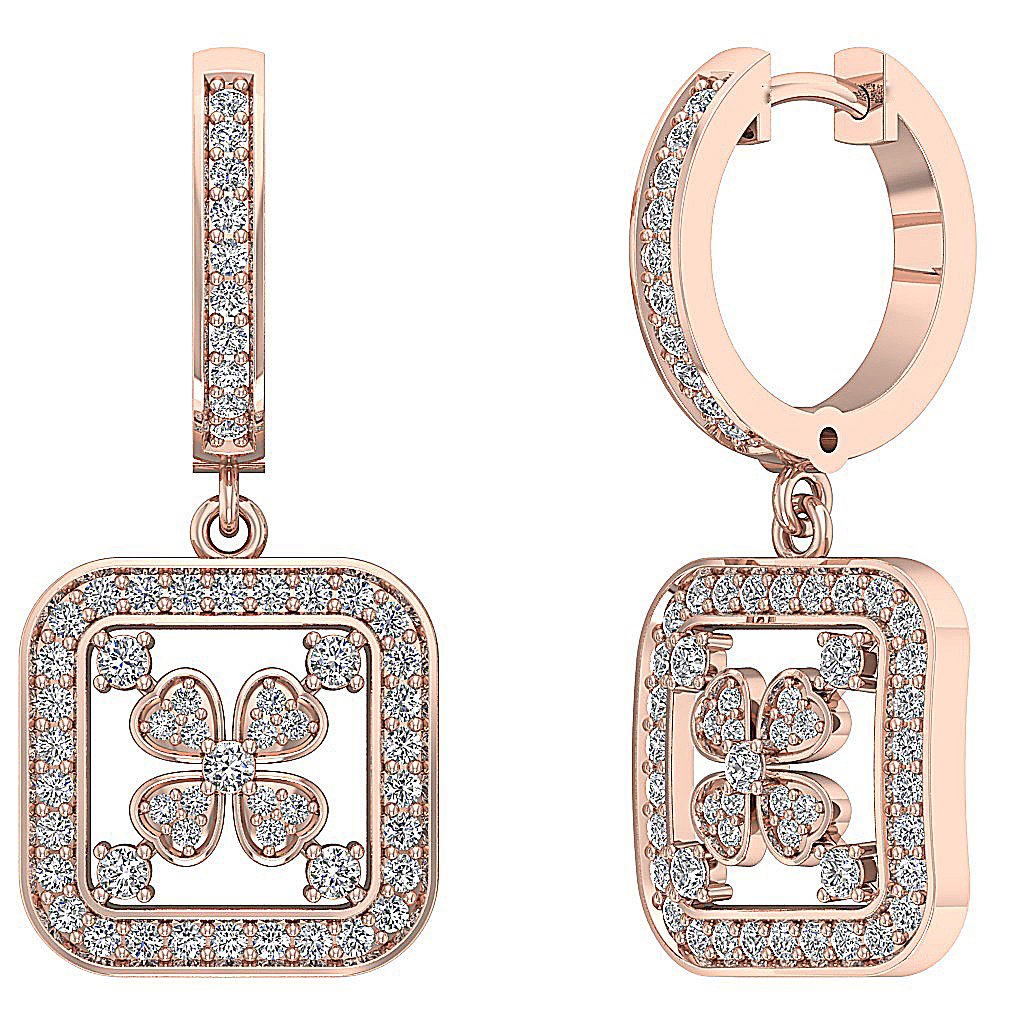
Designer Diamond Dangle & Chandelier Earrings
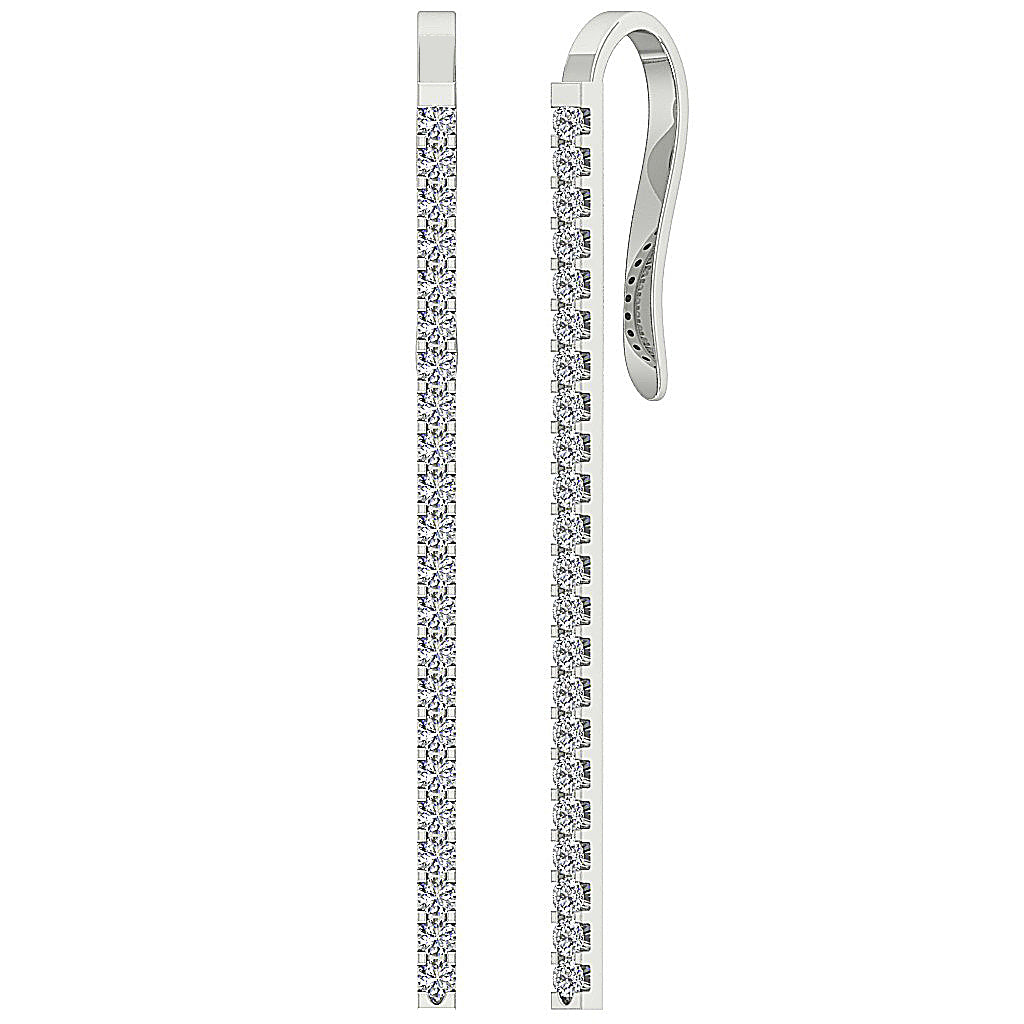
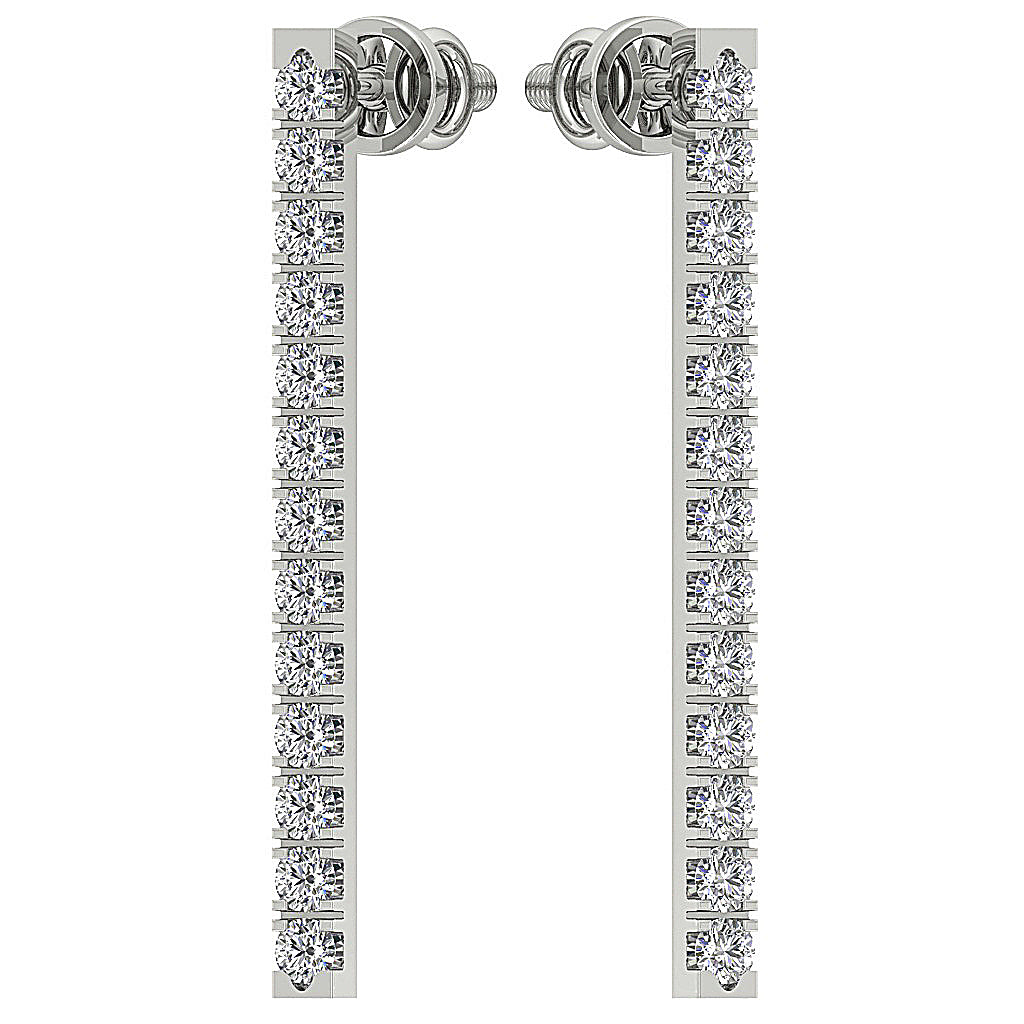
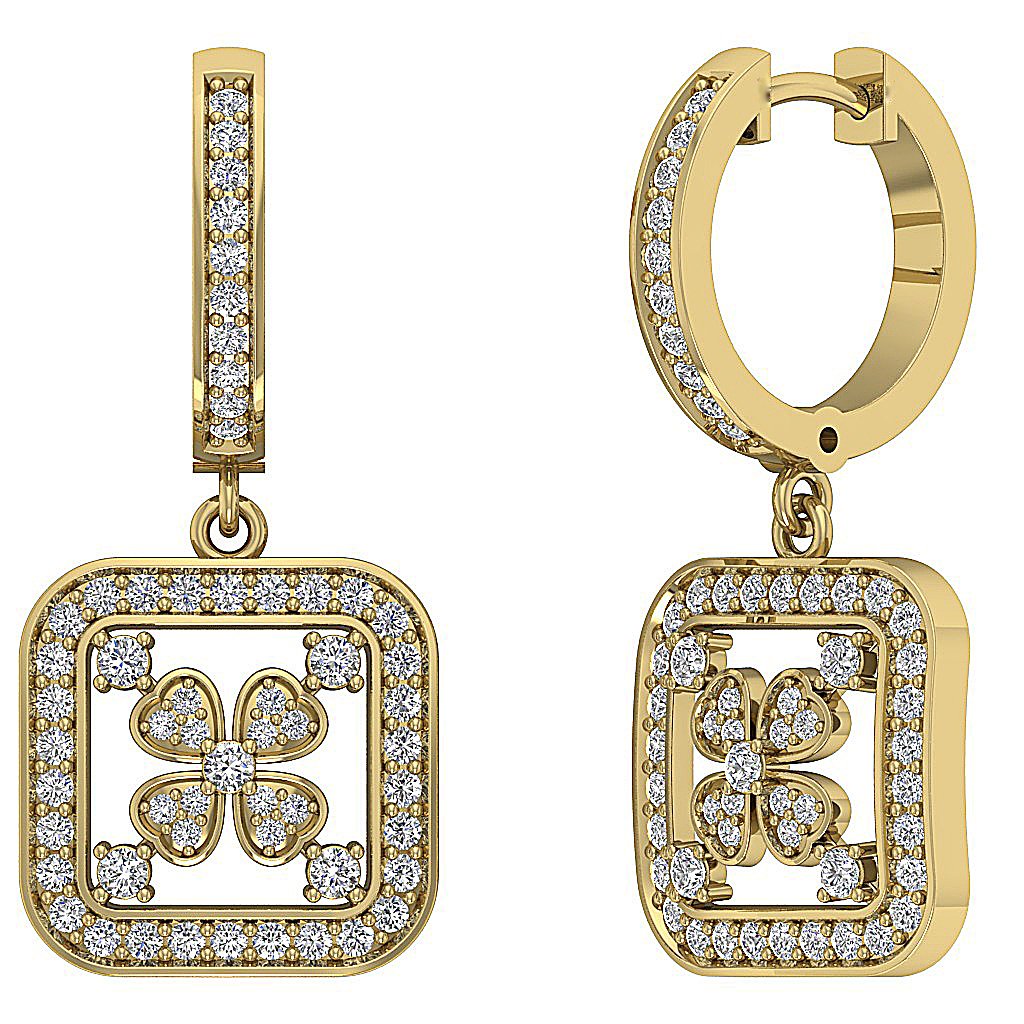
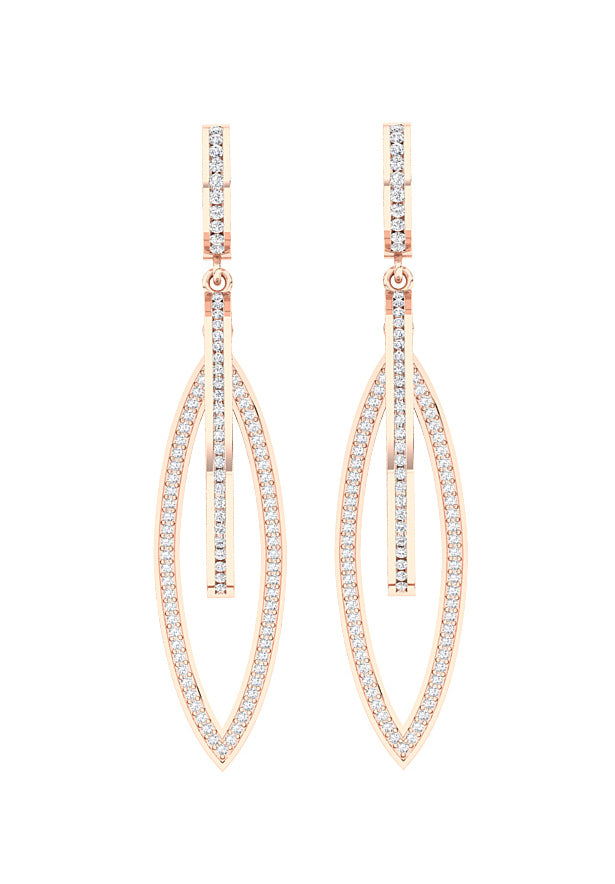
Designer diamond earrings, such as dangle and chandelier pieces, bring movement and vertical dimension to the jewellery worn around the face. Rather than sitting close to the earlobe or following a continuous pattern, these earrings extend downward, allowing diamonds to catch light as the wearer moves.
The styles share a sense of movement but differ in construction. At Diamond for Good, designer earrings can range from relatively delicate pieces to more substantial styles intended for formal occasions.
Understanding Designer Dangle and Chandelier Earrings
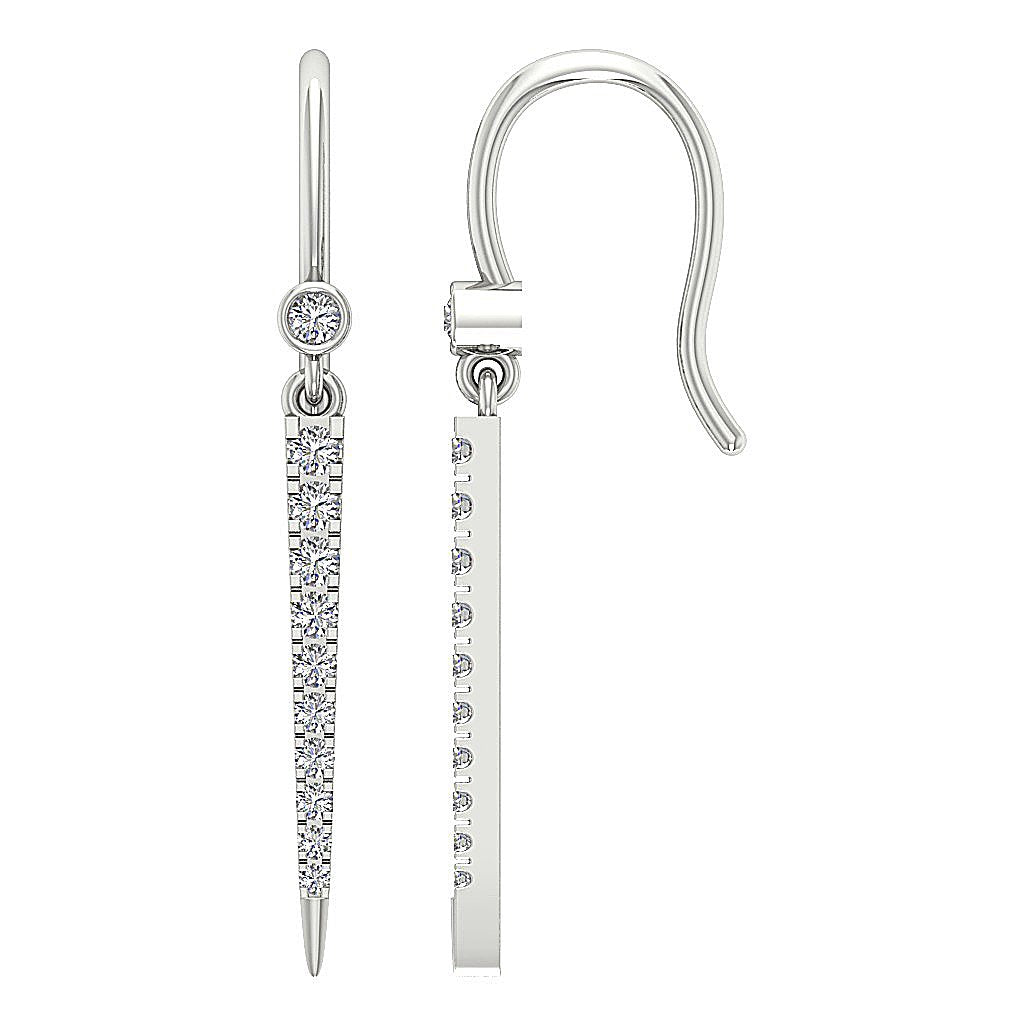
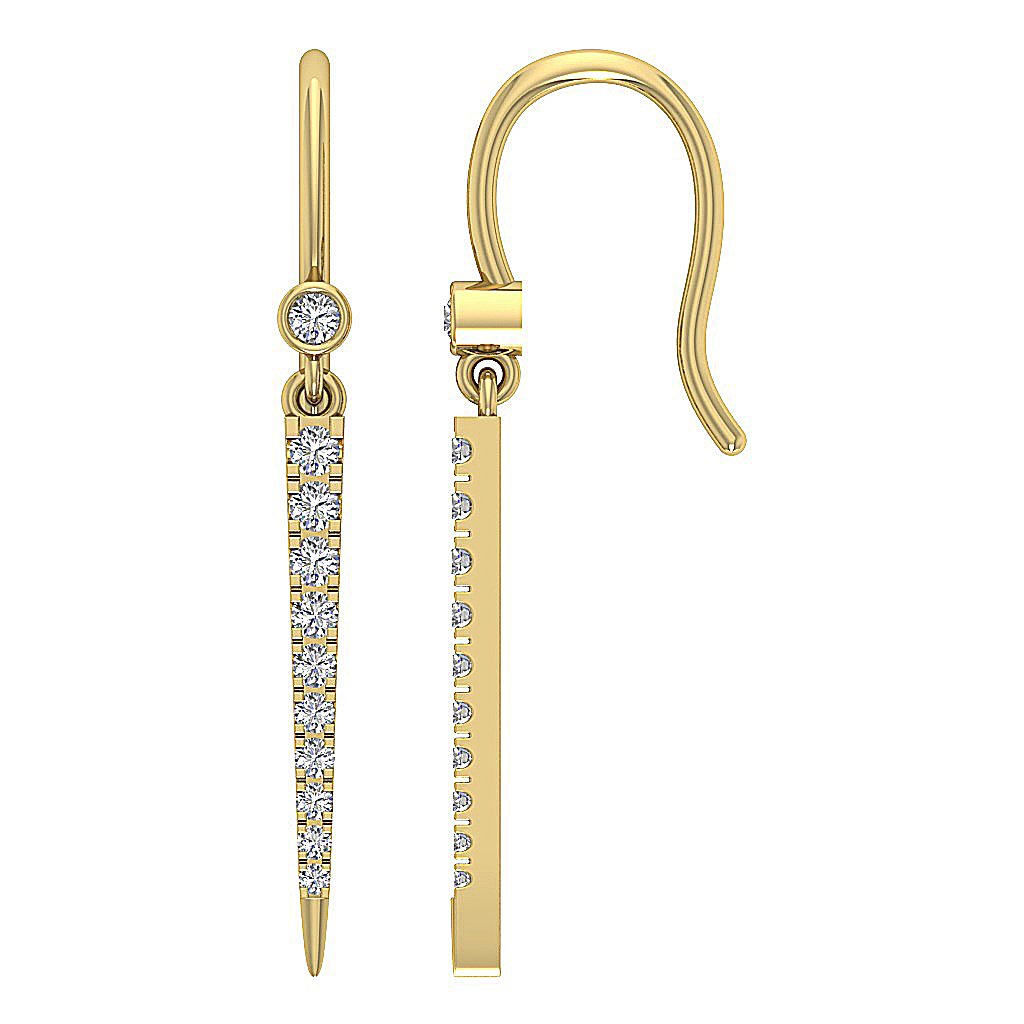
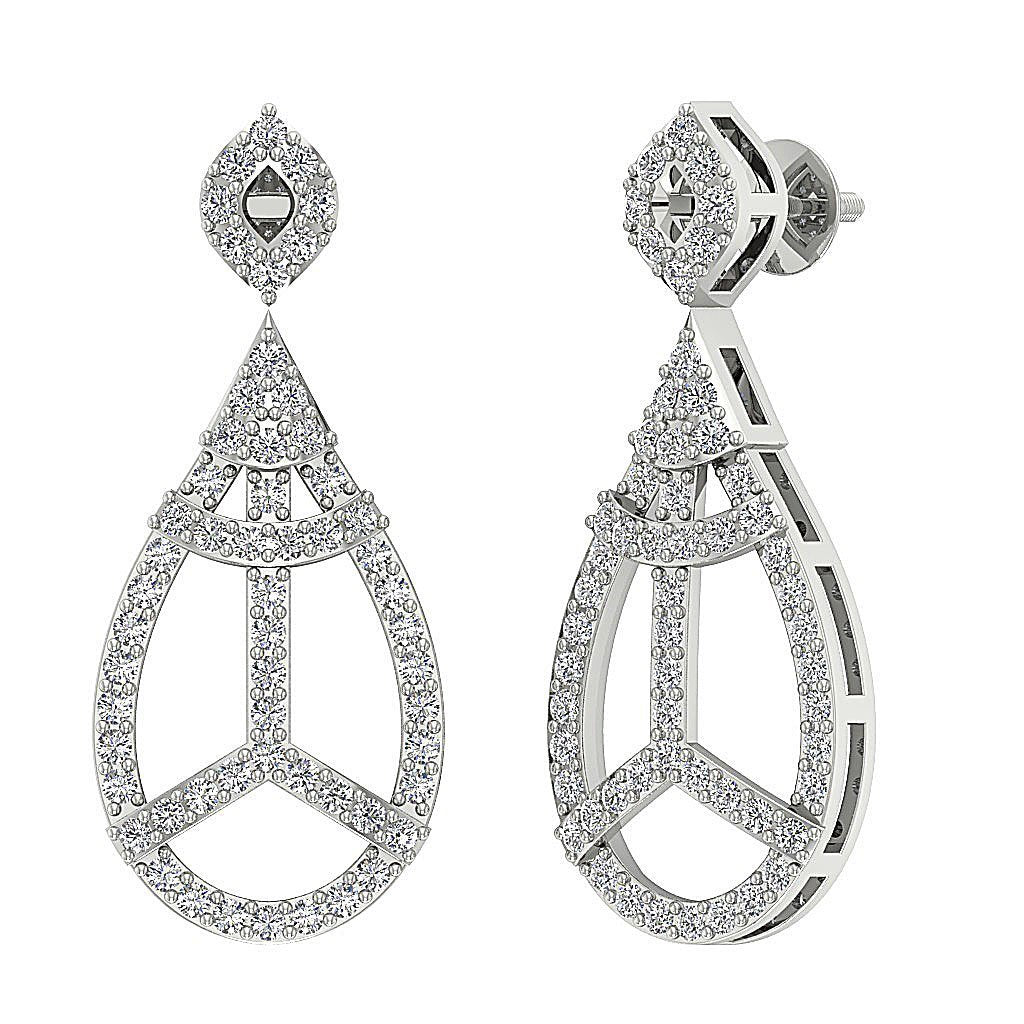
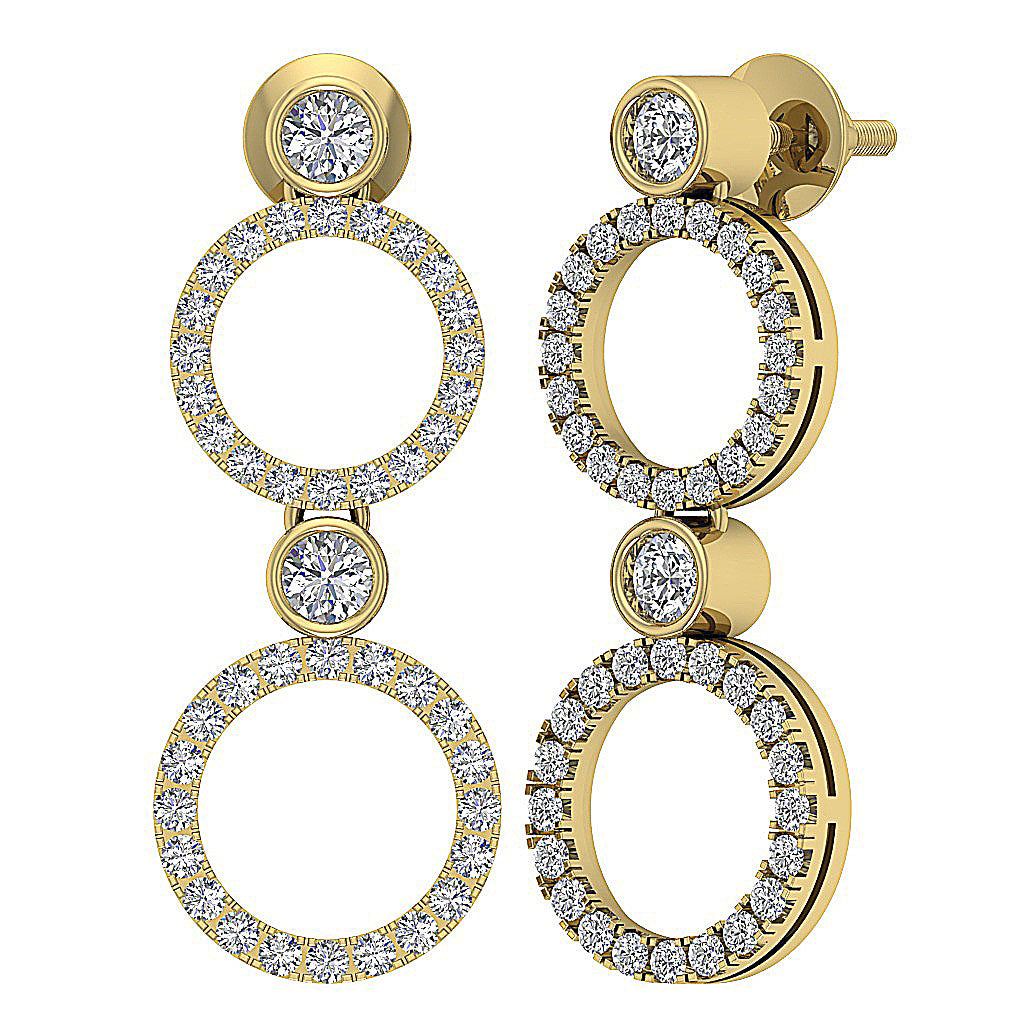
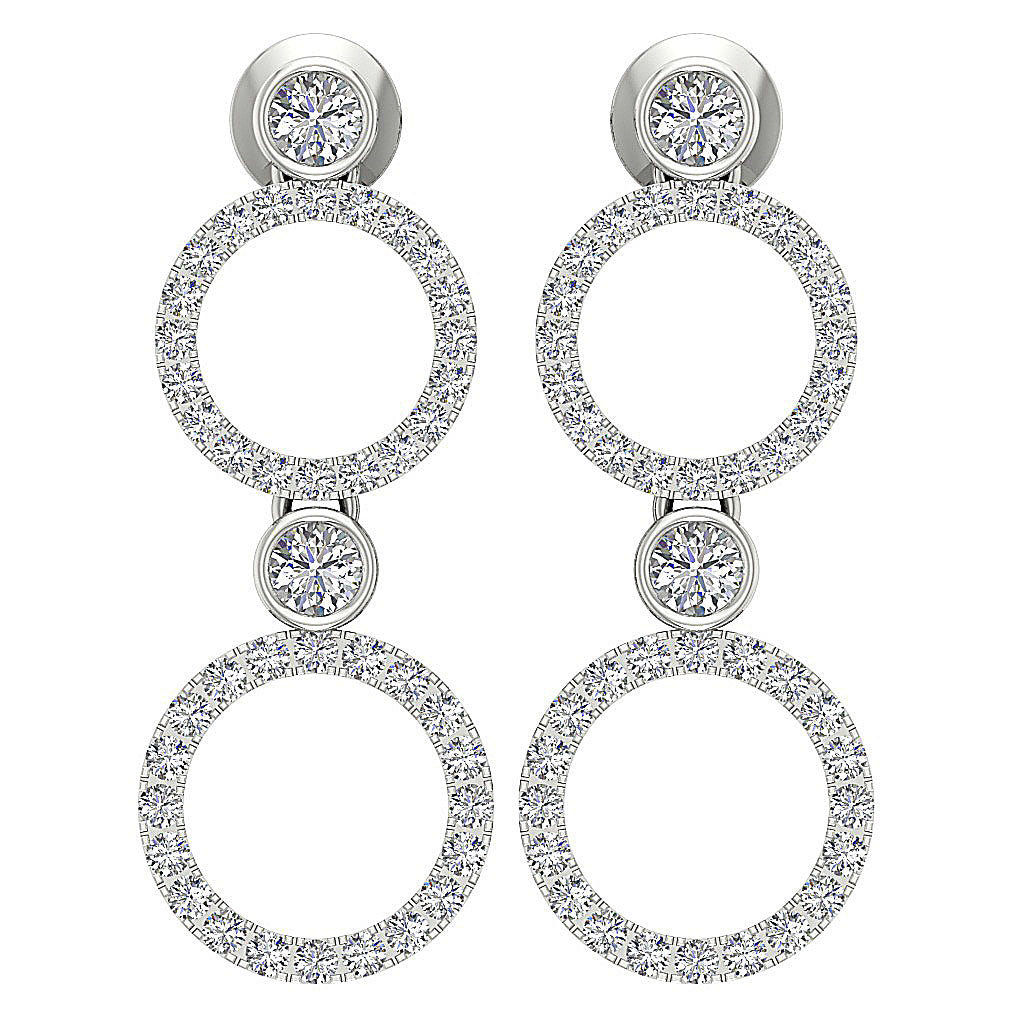
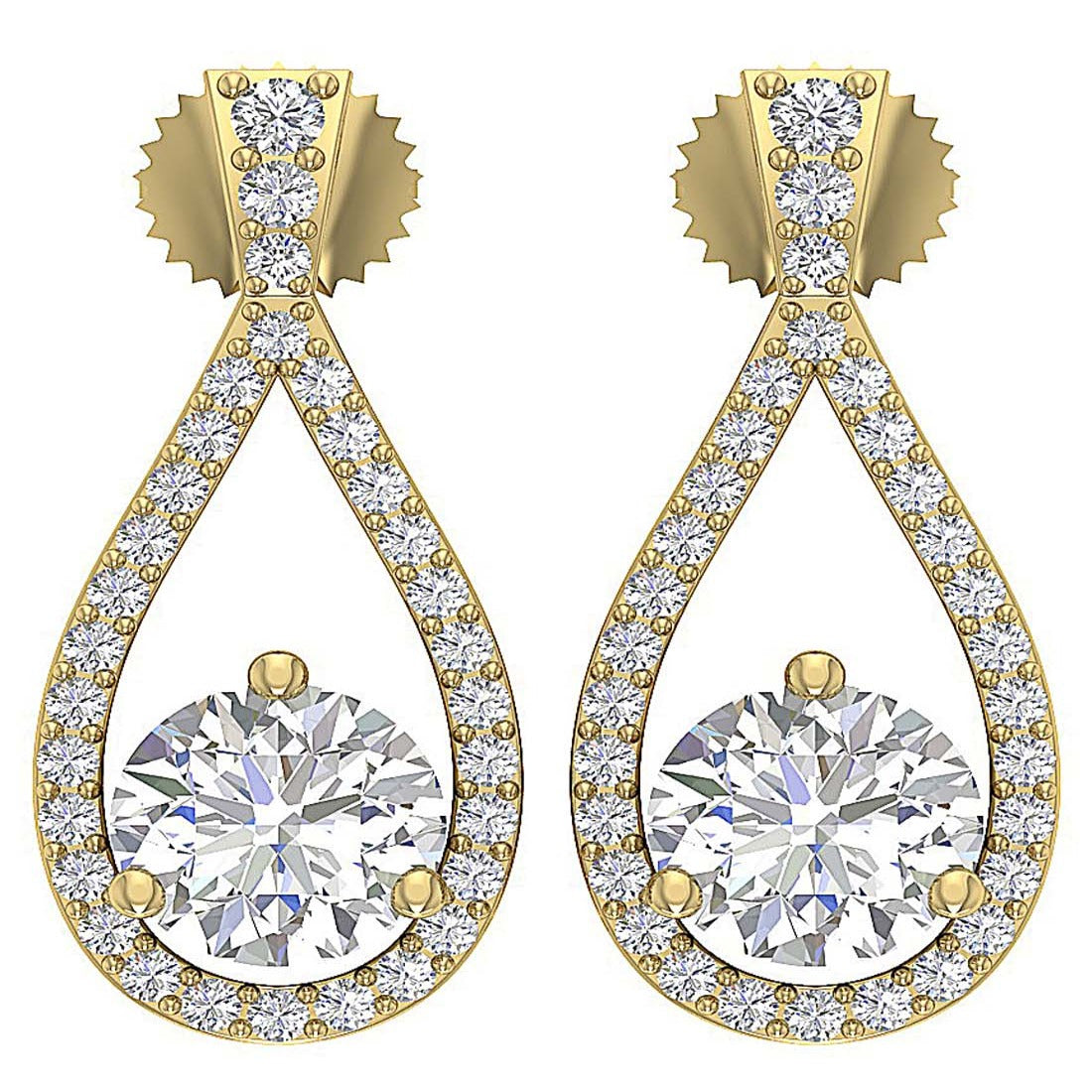
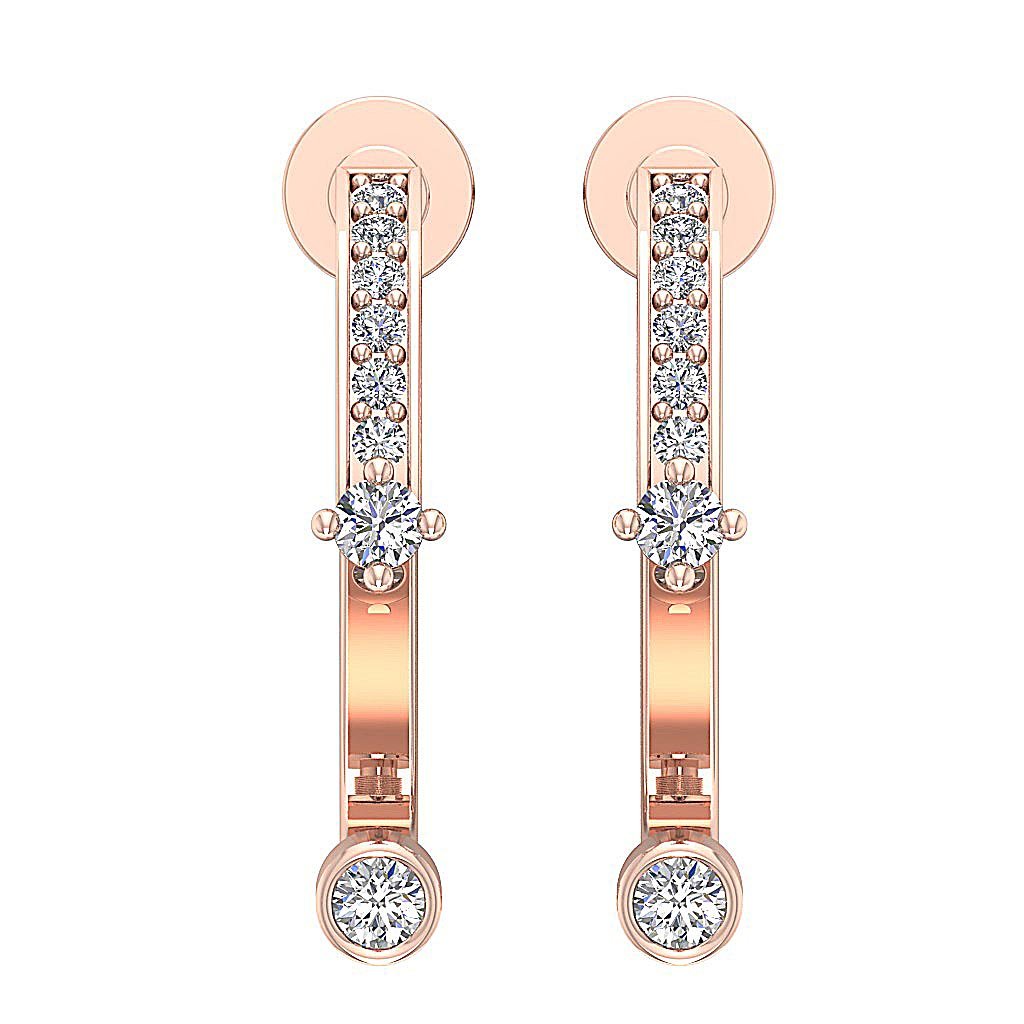
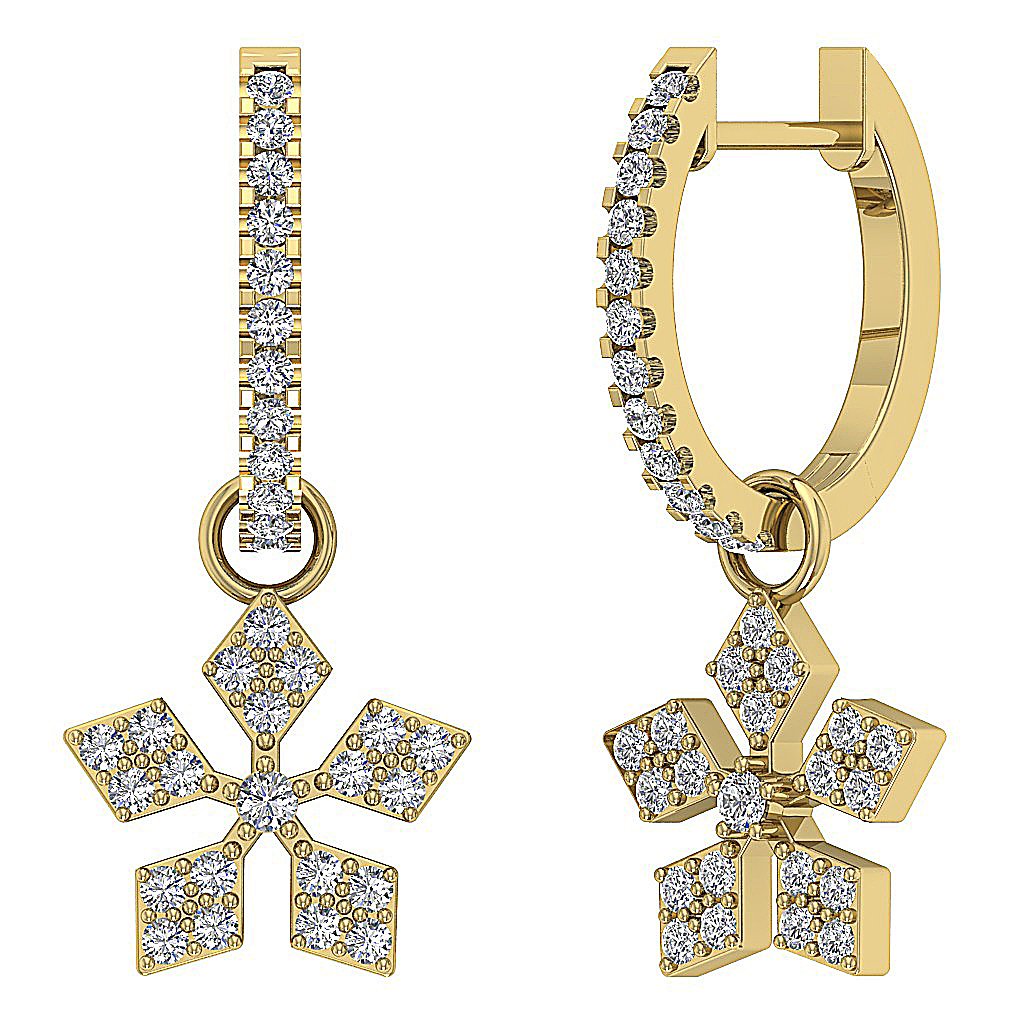
A diamond dangle earring generally has a drop that moves beneath the earlobe. The lower element may be a single diamond, a small cluster, a geometric form or a combination of connected stones.
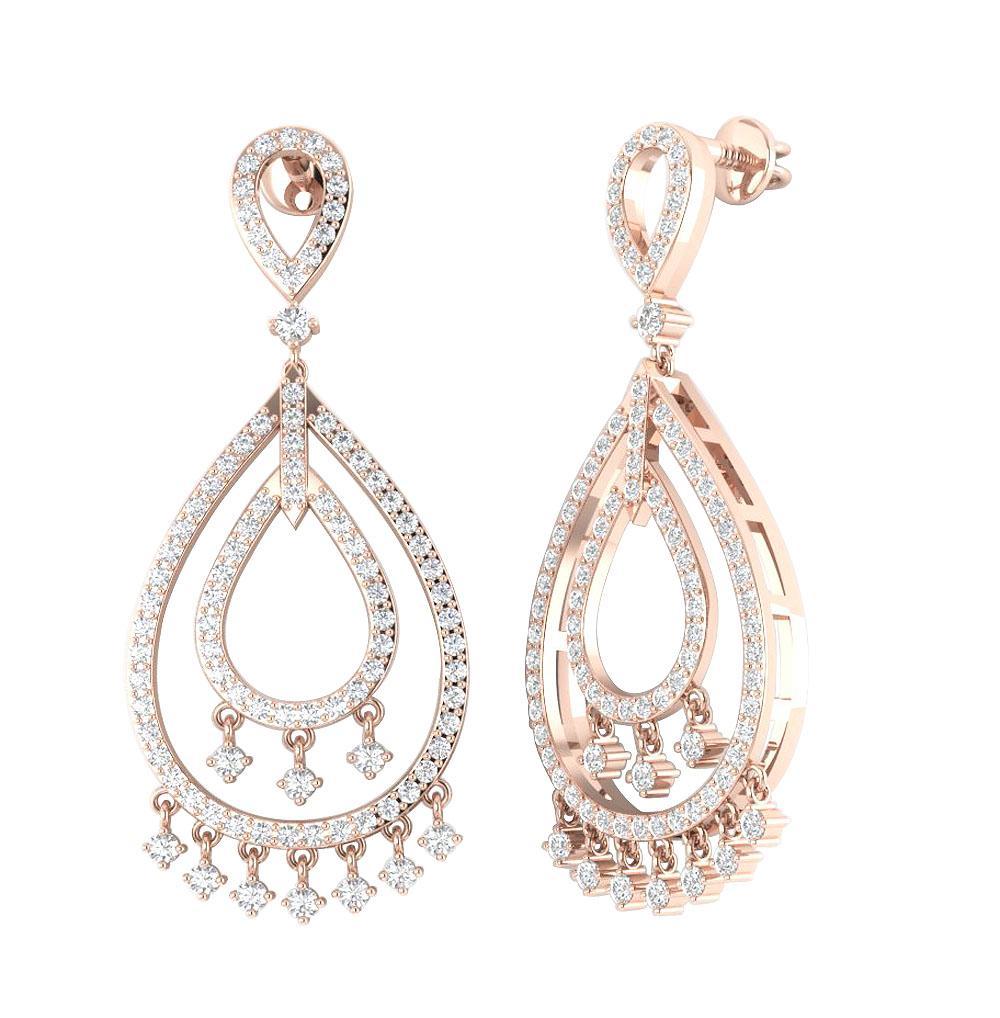
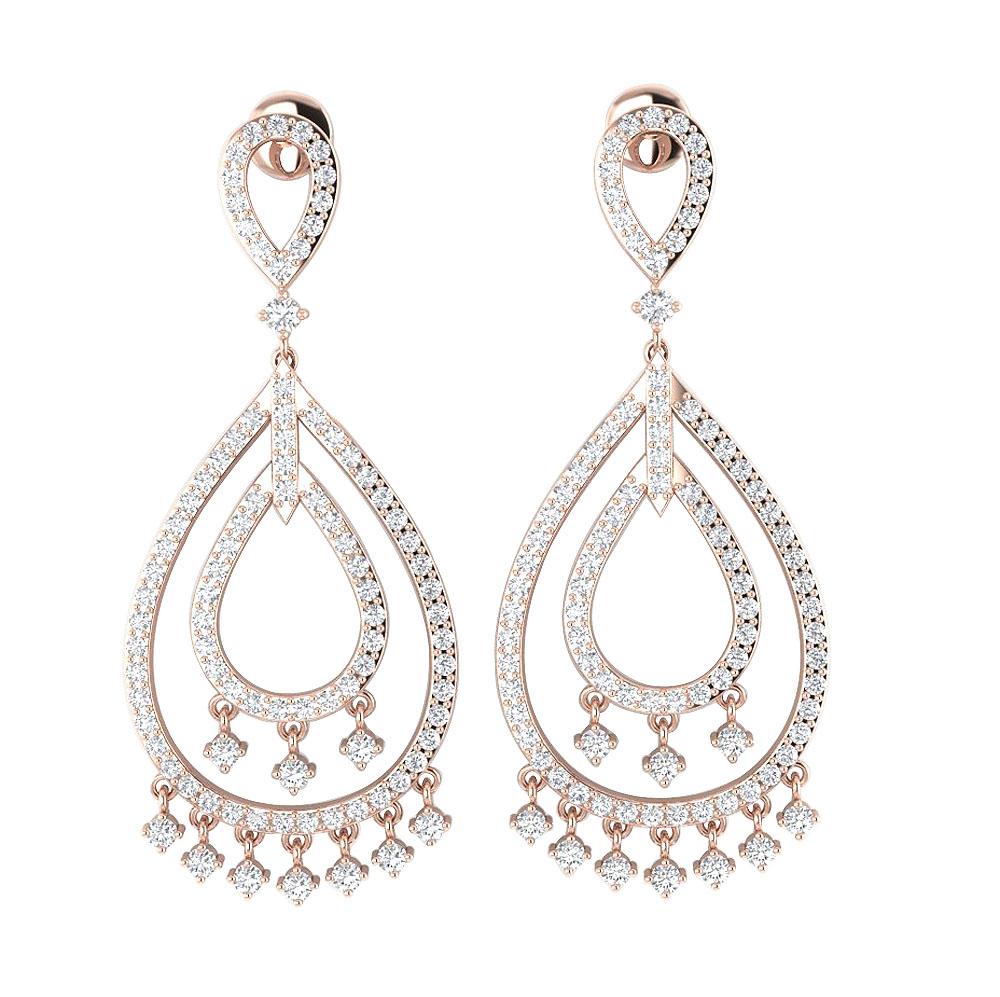
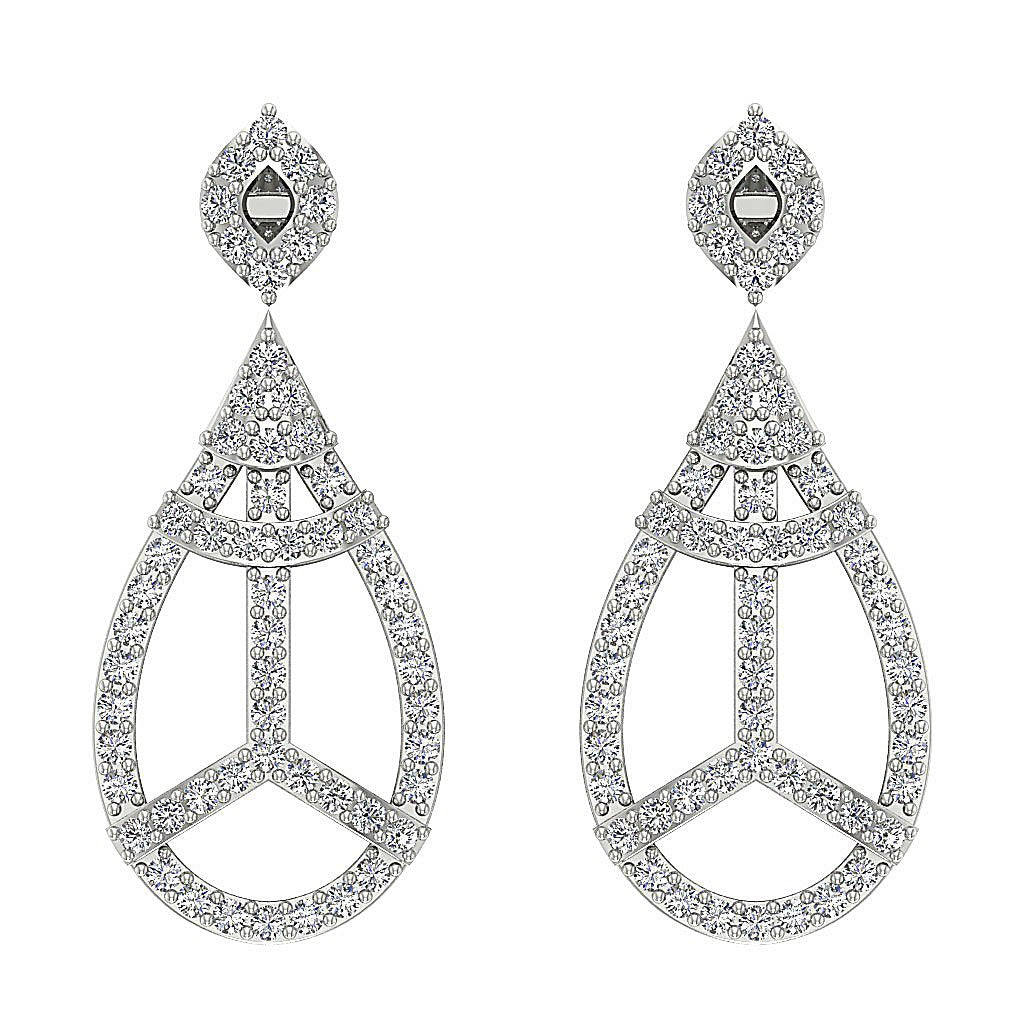
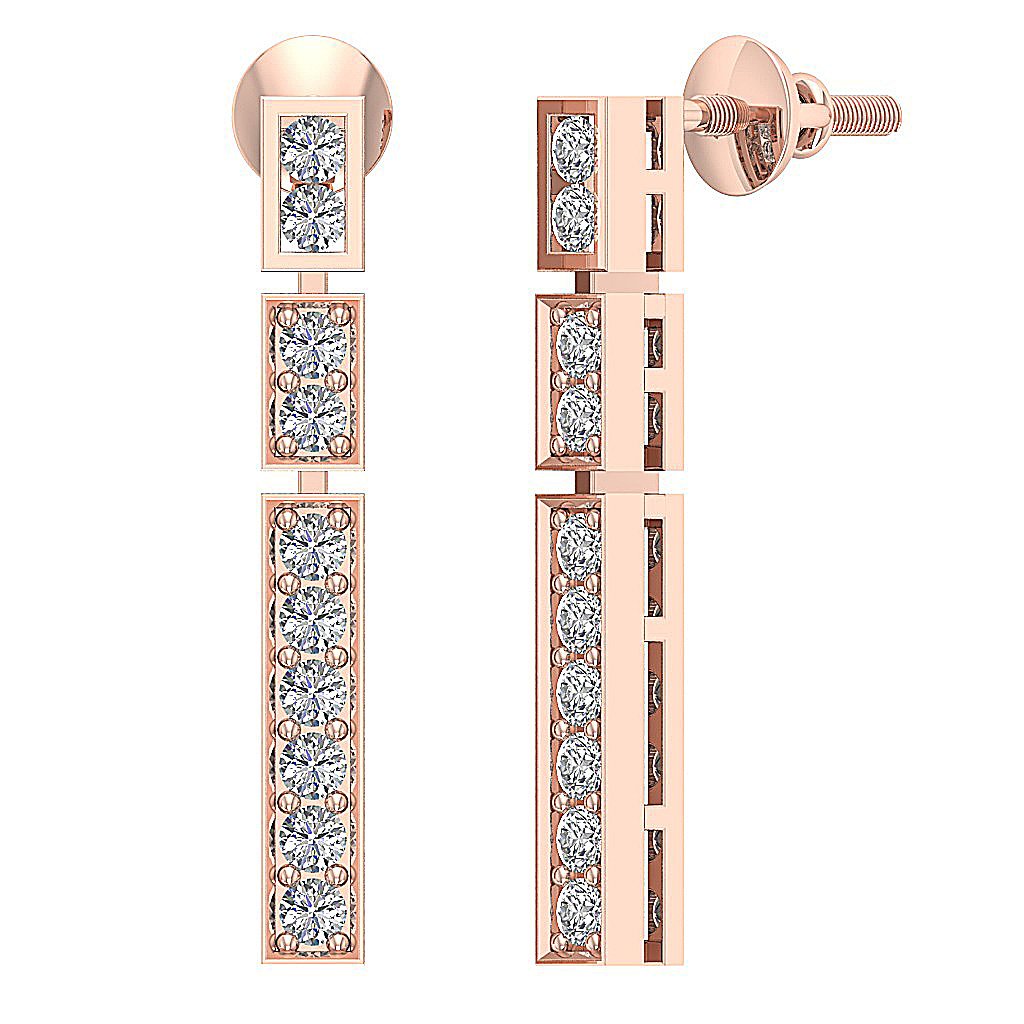
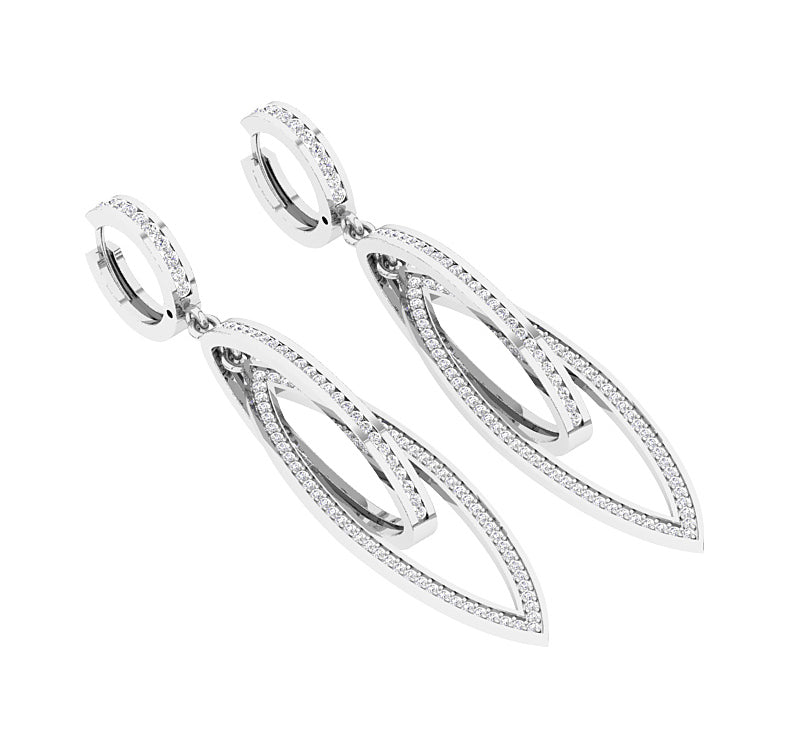
Chandelier earrings take the idea further. Their design typically expands or branches downward, creating multiple points of diamond detail and a broader visual shape. The additional layers give them a more decorative character and make them particularly suited to occasions where statement jewellery is appropriate.
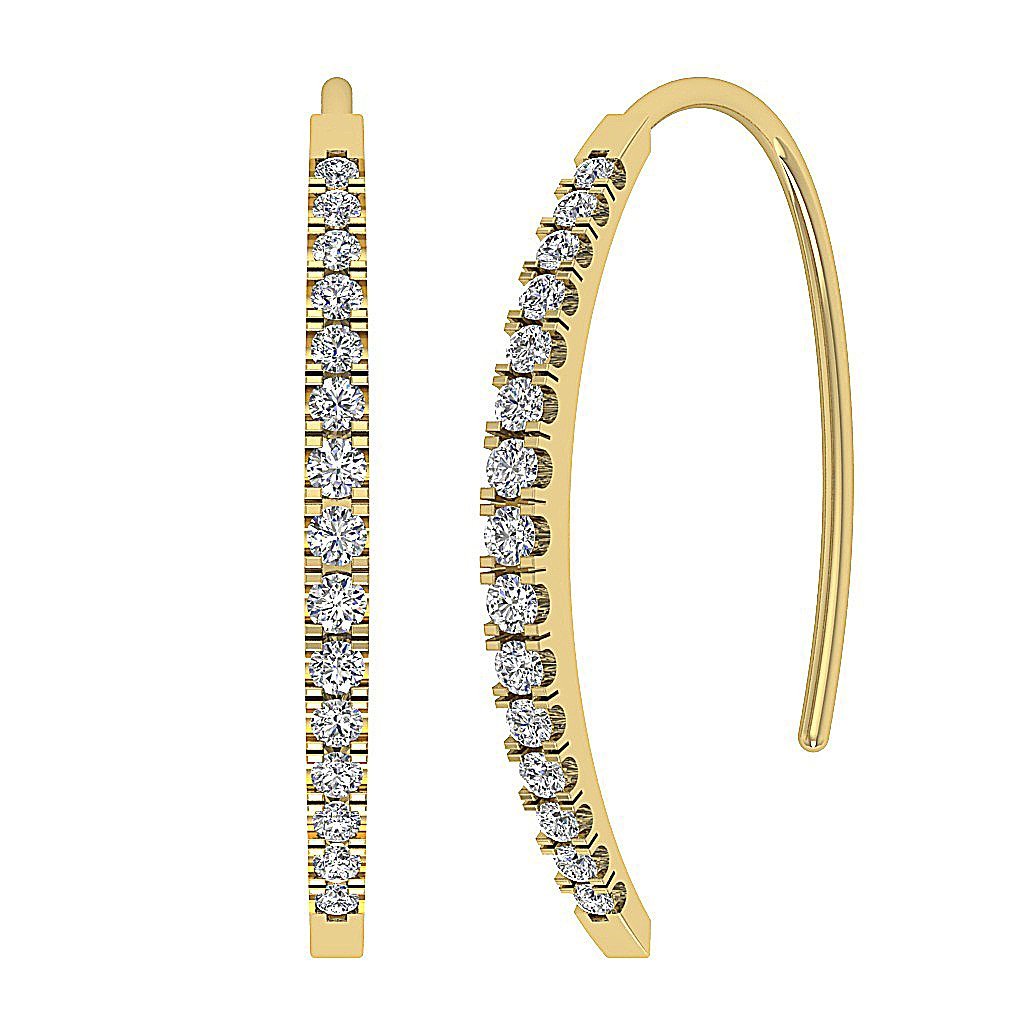
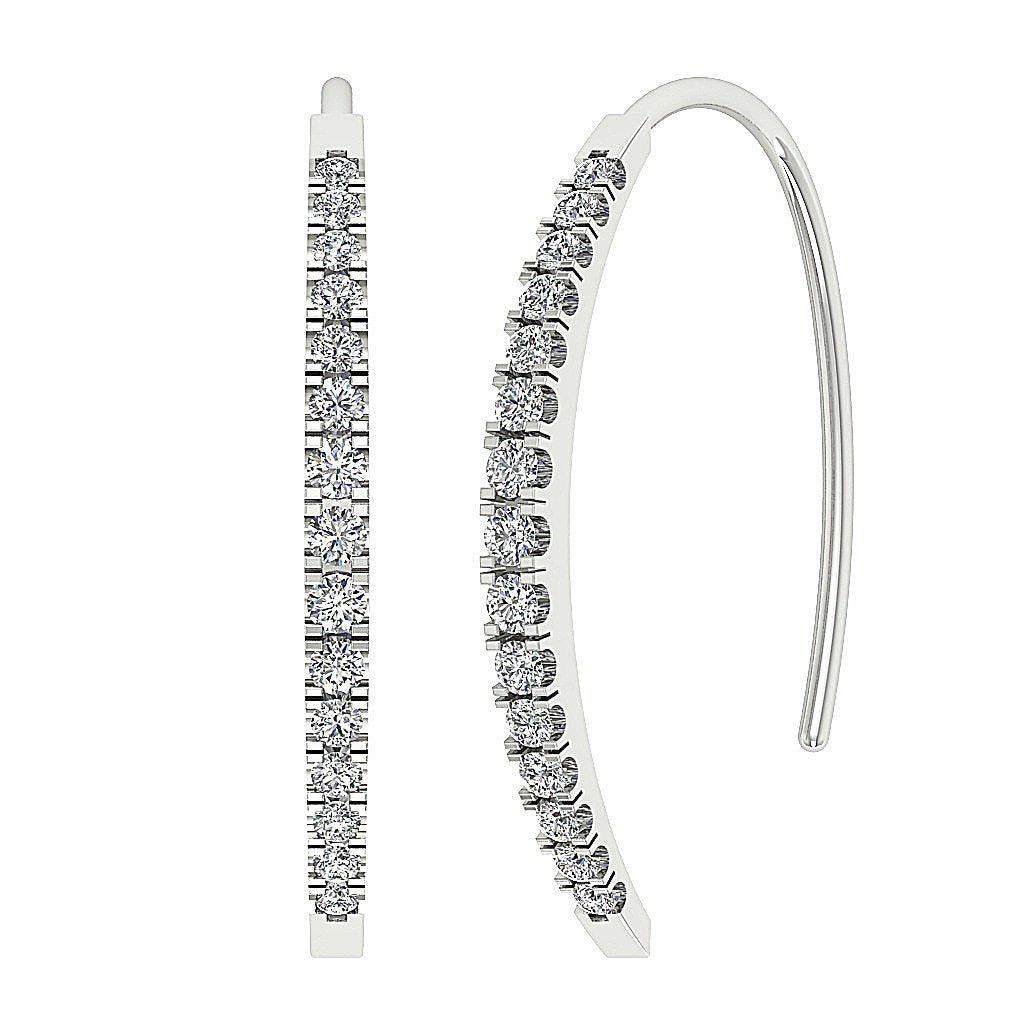
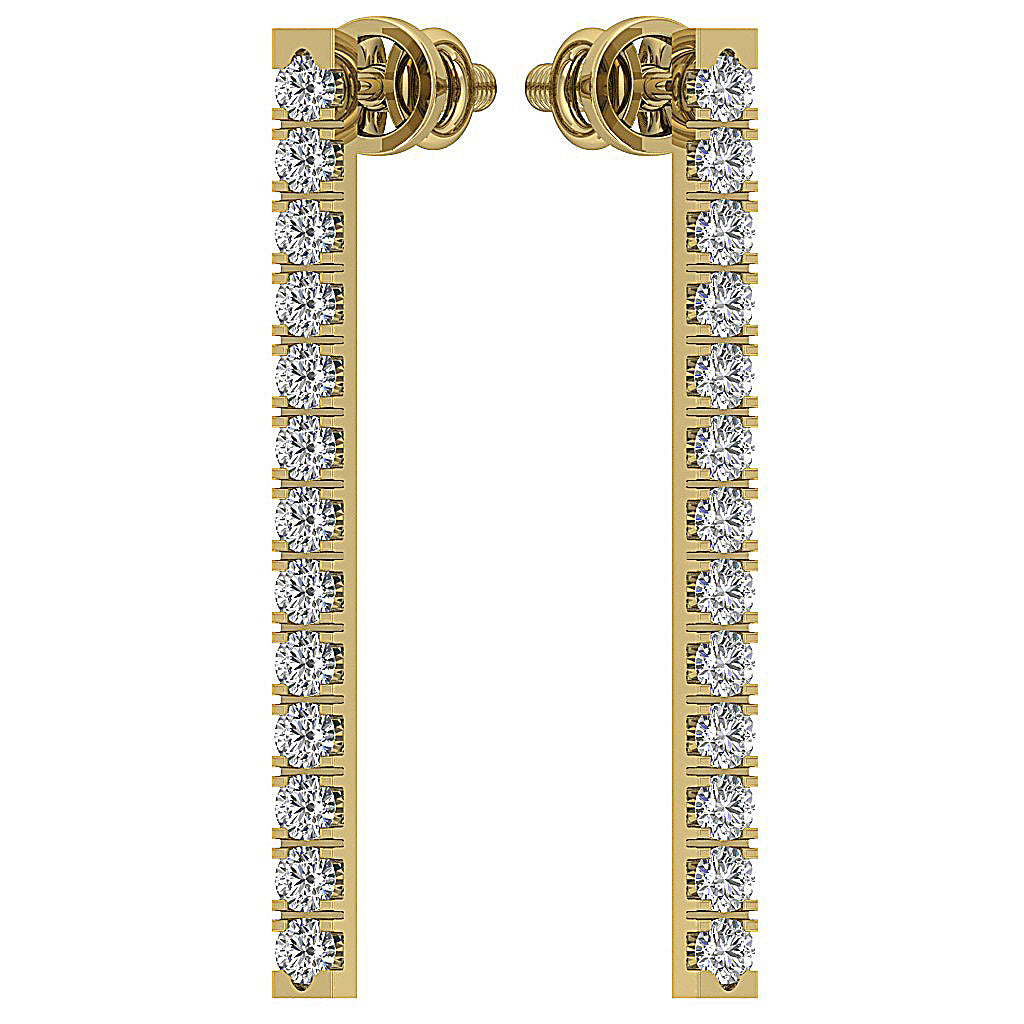
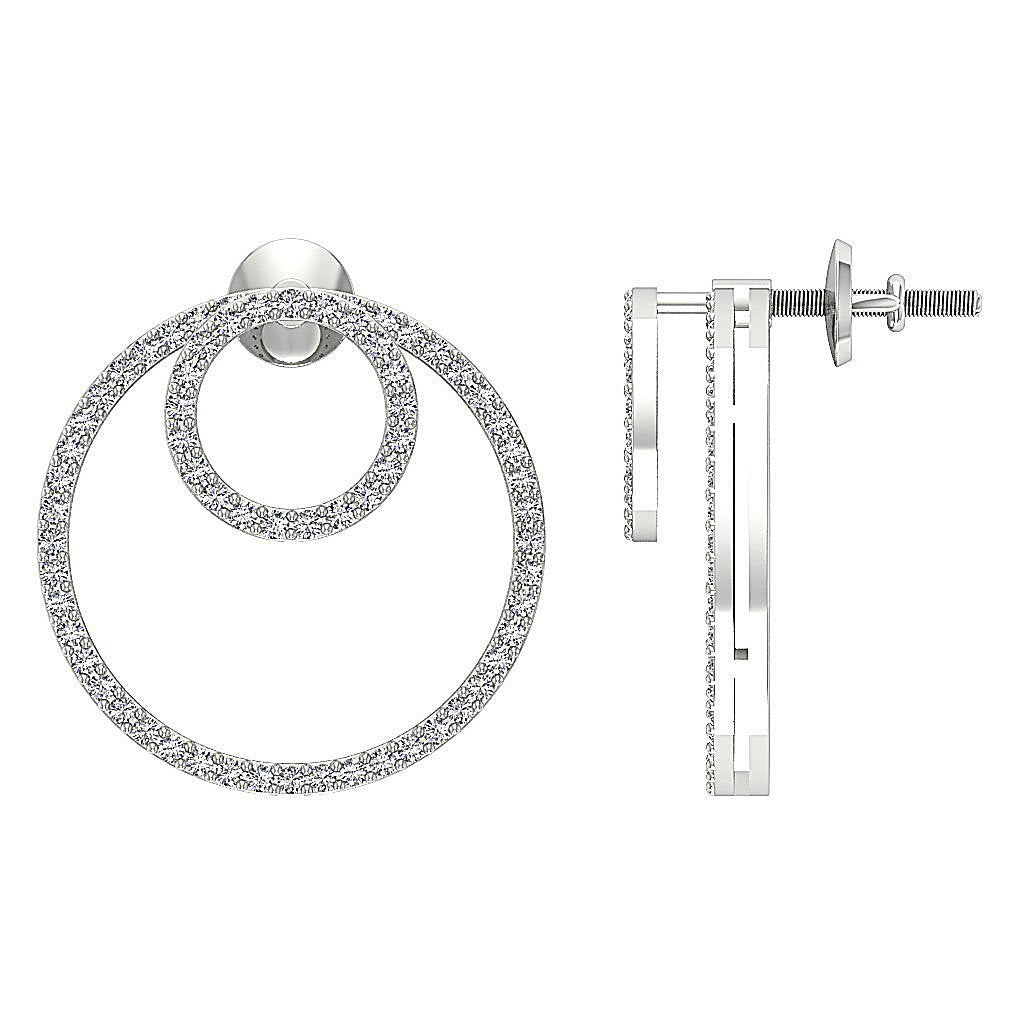
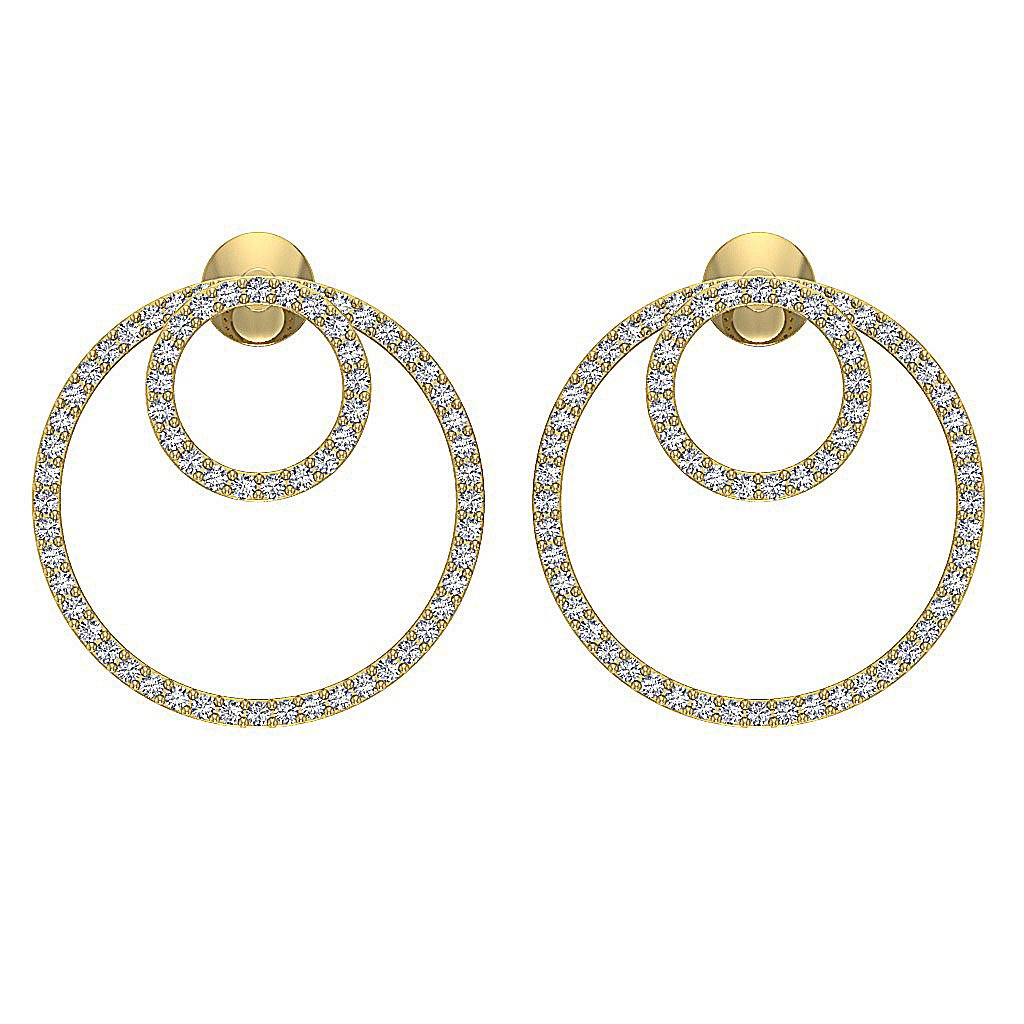
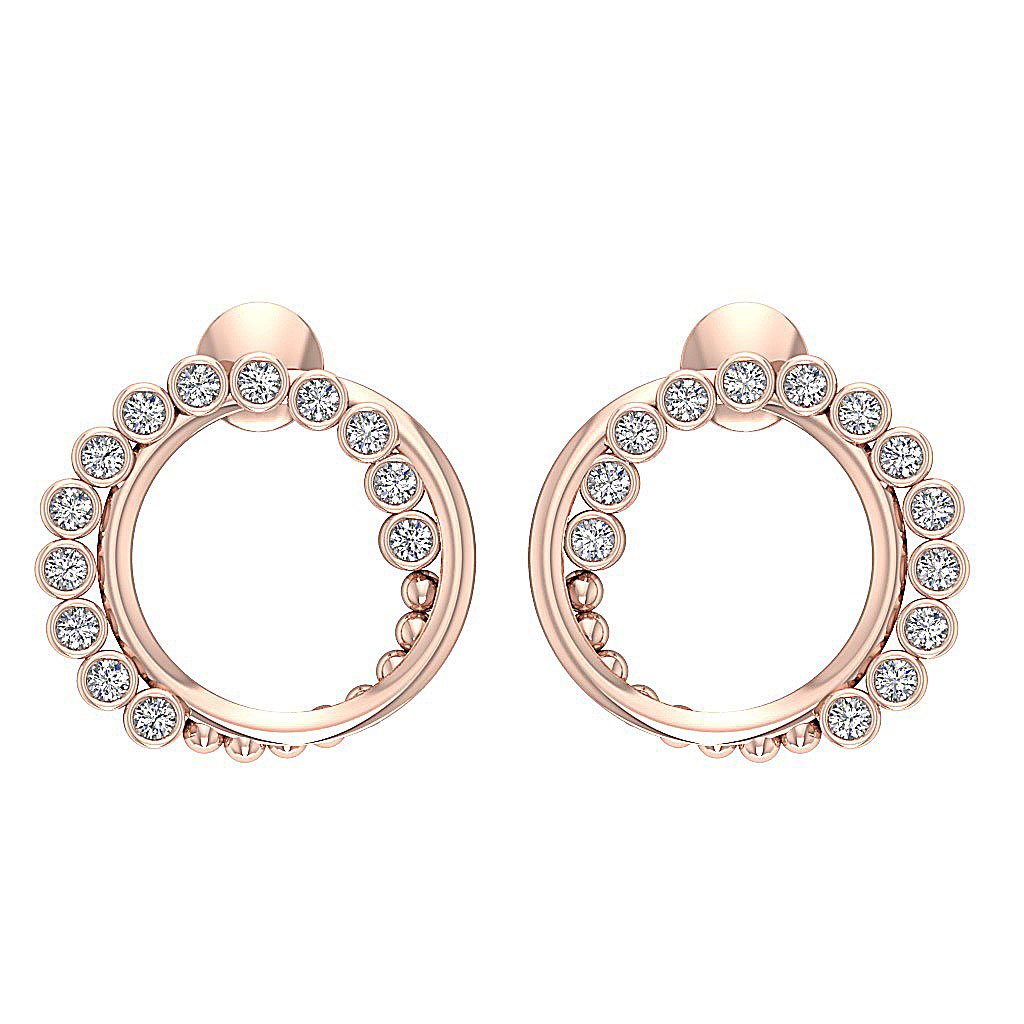
Diamond for Good's collection includes designer diamond dangle and chandelier styles with natural and lab-grown diamonds across different designs. These come in both gold options that range from refined everyday silhouettes to more elaborate occasion pieces.
Why Movement Matters in Diamond Earrings
The defining quality of a designer diamond earring is not simply its length or structure. Movement changes how the diamonds interact with light.
A stone positioned close to the ear may remain relatively stationary, while a suspended element can shift as the wearer turns their head or moves. Each change in angle can expose the diamond to light differently, creating intermittent flashes rather than a completely static point of sparkle.
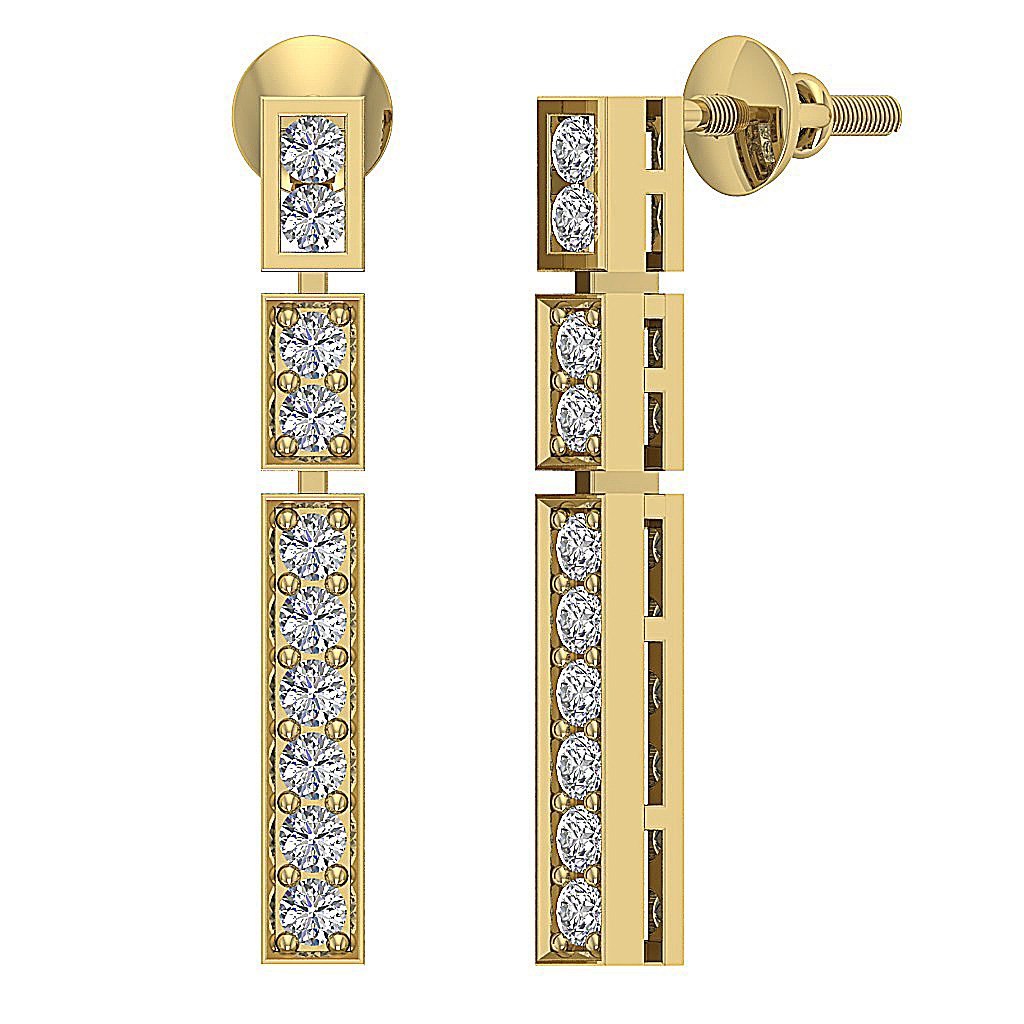
Longer or more articulated designs can introduce several moving elements, creating greater visual activity. Some pieces use multiple connected sections to create a layered effect, while simpler dangles allow one or two elements to provide the movement.
Choosing the Diamond Arrangement in Designer Diamond Earrings
The way diamonds are distributed across a design affects both its brilliance and visual rhythm.
A single larger diamond can create a clear focal point with relatively little visual complexity. Multiple smaller diamonds can instead create a sequence of points of light as the earring moves.
Chandelier designs often use graduated arrangements, creating a sense of progression and allows the eye to follow the earring from the lobe downward. Symmetrical arrangements tend to create a more formal appearance, while less uniform compositions can feel more contemporary and distinctive.
When comparing designs, consider whether you prefer the diamonds to read as individual stones or as a connected field of sparkle. The answer can significantly change the character of the same basic silhouette.
Choosing a Setting for Designer Diamond Earrings
The setting needs to balance diamond visibility with the support required by a moving earring.
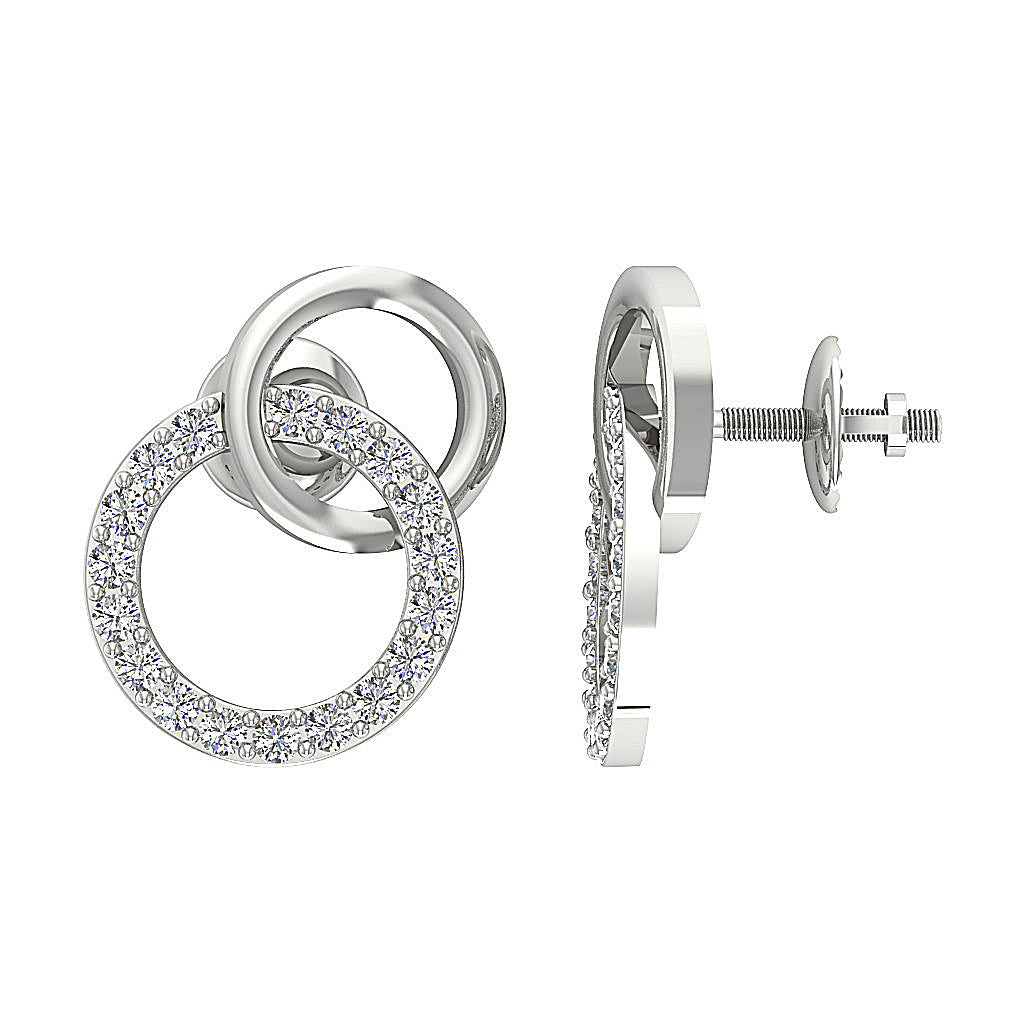
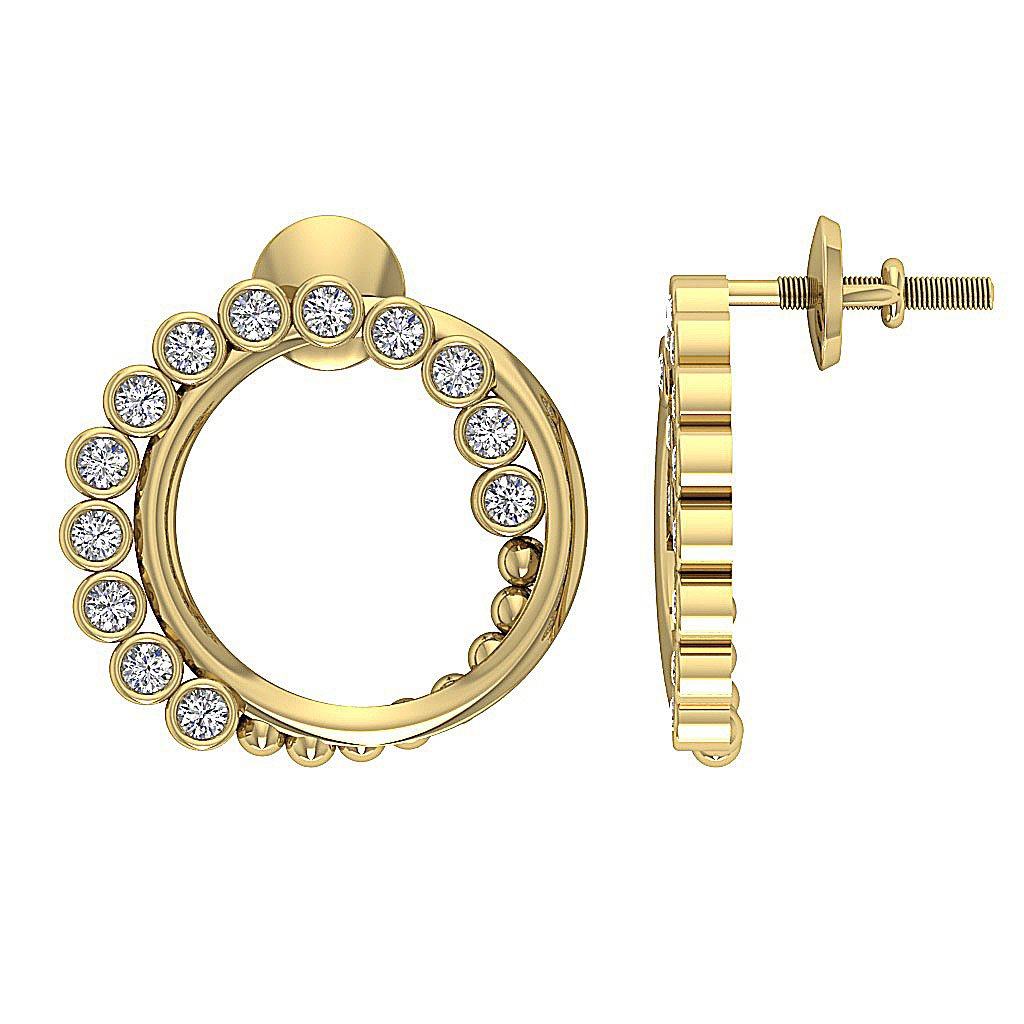
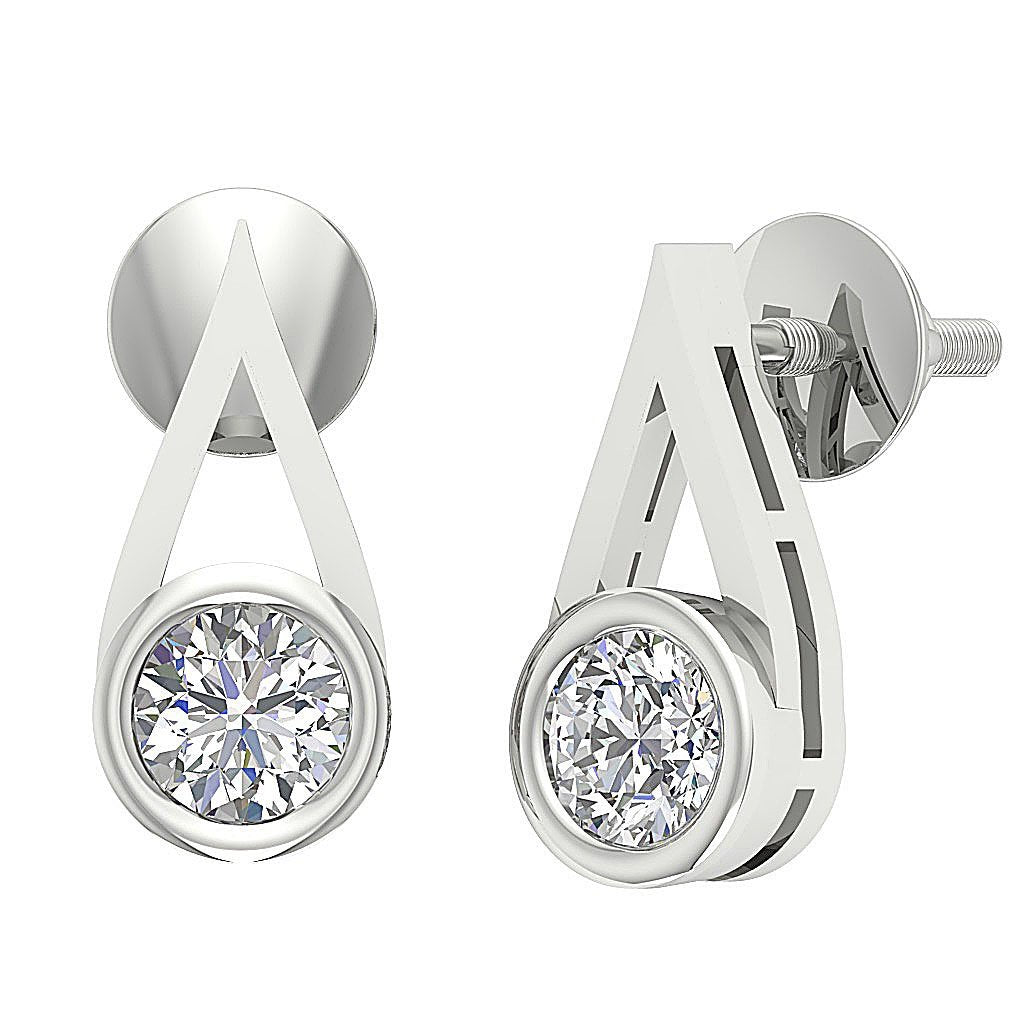
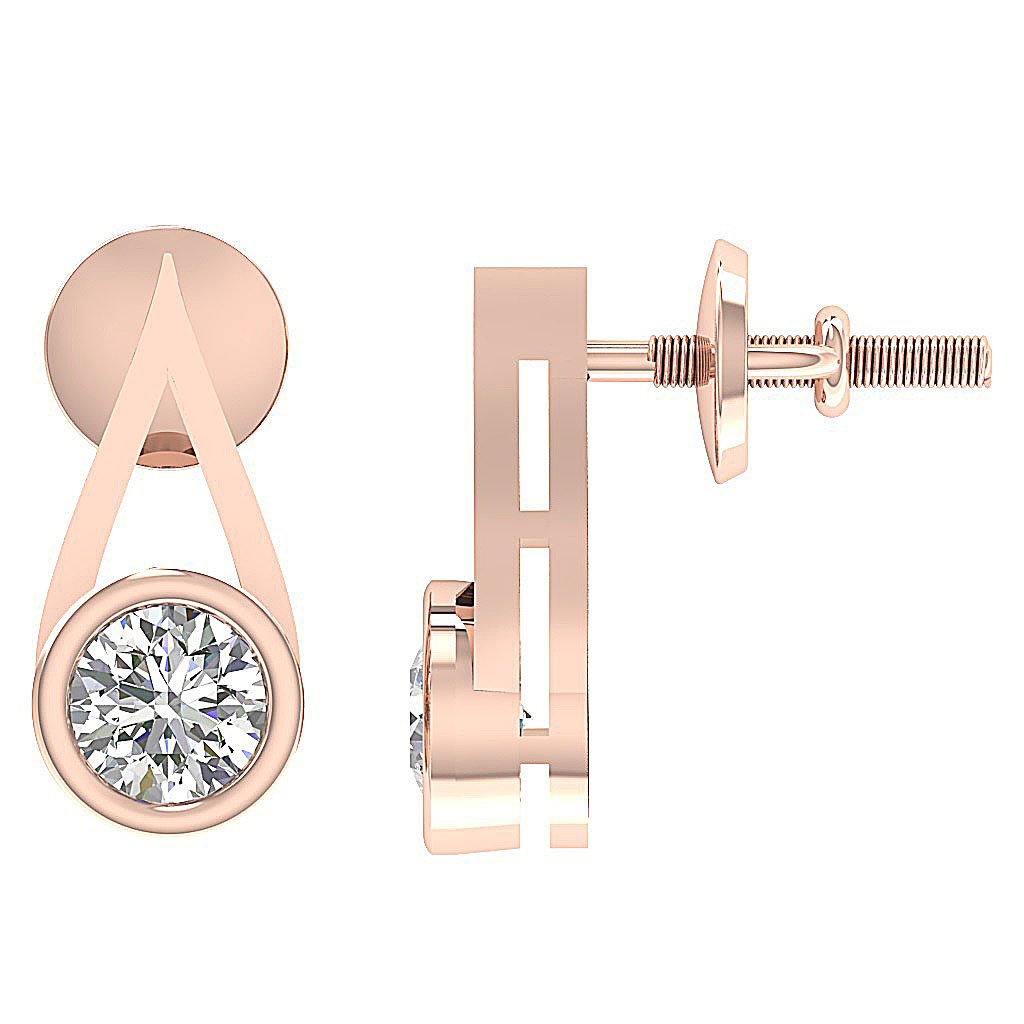
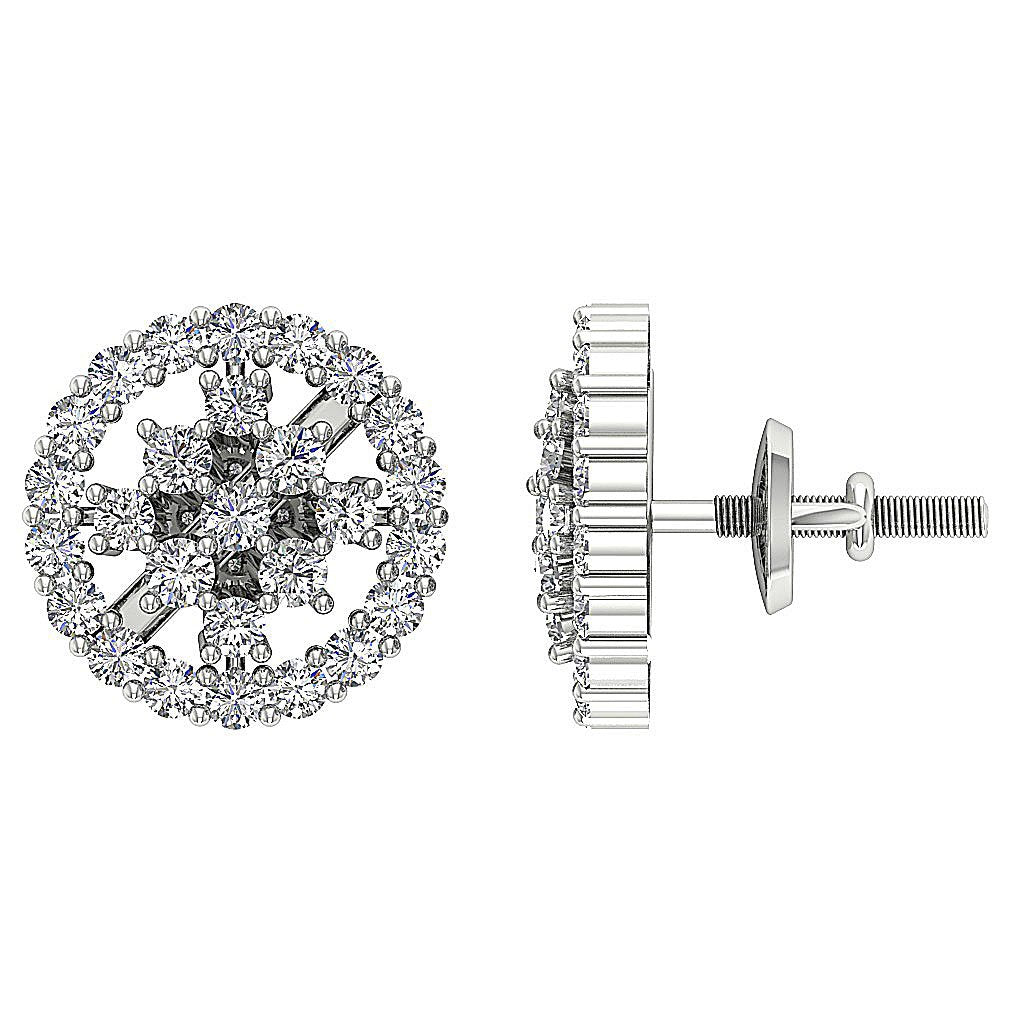
Prong settings expose more of the diamond, allowing light to enter around the stone and keeping the metal visually restrained. Bezel settings surround the edge of a diamond with metal, providing greater enclosure and creating a smoother outline. Pavé settings place smaller diamonds closely together, creating a more continuous surface of brilliance.
The appropriate setting depends on the construction of the earring and the balance between openness, sparkle and protection.
Styling the Designer Diamond Earrings
Designer earrings can introduce enough movement and sparkle to become the main jewellery feature without requiring an elaborate necklace.
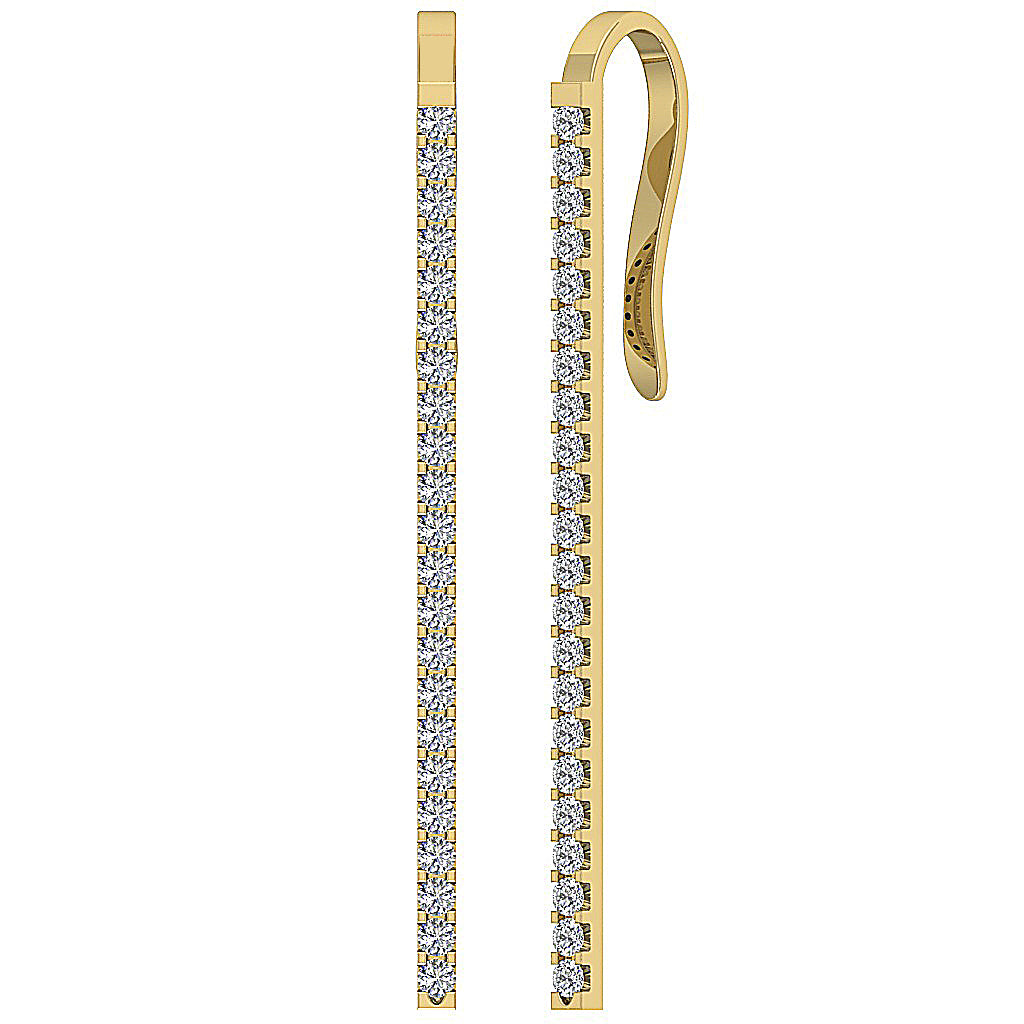
A simple pendant or open neckline can give shorter dangles enough visual space, while longer designs can work particularly well when the neckline is kept relatively clean. This allows the vertical line of the earrings to remain distinct.
Hair also affects how the earrings appear. Updos and swept-back styles expose more of the earring's length, while hair worn down can partially frame or conceal the design.
Choosing Between Natural and Lab-Grown Diamonds for Designer Earrings
Both natural and lab-grown diamonds can be used for designer earrings. The choice therefore comes down to the characteristics and priorities that matter most to the buyer rather than the construction of the earring itself.
Natural diamonds appeal to those who value geological origin and rarity. Lab-grown diamonds offer another option for buyers who want to allocate more of their budget toward diamond size, total carat weight or other characteristics.
For earrings containing multiple diamonds, consistency is particularly important. Matching the stones closely in colour and overall appearance helps the design maintain a cohesive look, especially when the diamonds are arranged across several tiers.
Considering Weight and Movement of the Earrings
The length and movement that make dangle earrings distinctive also make weight an important consideration.
A longer earring may contain more gold or diamonds, increasing the load on the earlobe. Chandelier designs can be particularly substantial when they use several tiers or dense diamond coverage.
If the earrings are intended for extended wear, consider the overall weight rather than judging comfort from their appearance alone. A well-balanced design can distribute its weight more effectively than one with a similar total weight concentrated far below the lobe.
The fastening should also be appropriate to the design. A secure closure helps keep a moving earring properly positioned and reduces the risk of accidental loss.
Living With It: Caring for Your Designer Diamond Earrings
Clean diamond dangle and chandelier earrings regularly using warm water, mild soap and a soft-bristled brush. Pay attention to the connections between moving elements, where dust, lotion and other residue can collect.
Because these earrings contain suspended or articulated sections, inspect the points where components connect. Small links, hinges and settings can experience repeated movement during wear.
Check the fastening before wearing the earrings, particularly for longer or heavier designs. If a connecting point appears weakened, a diamond feels loose or the closure no longer works securely, have the earrings inspected by a jeweller.
Store designer earrings separately where possible to prevent the hanging elements from becoming tangled with other jewellery.
Diamonds that do more than catch the light: dangle and chandelier earrings bring that light into motion, creating a silhouette that changes with every turn of the head.