Petite Wedding Bands
A petite wedding band makes its impression through proportion rather than scale. Typically measuring from just over 1 millimeter to around 9 millimeters in width, these bands are slender enough to wear alone yet refined enough to layer several together without overwhelming the hand.
Their appeal is not simply that they are delicate. A well-designed petite band brings a particular precision to jewellery: a narrower profile, carefully proportioned diamonds, and enough restraint to work beautifully beside an engagement ring, as part of a stack, or entirely on its own.
Built for a Finer Profile
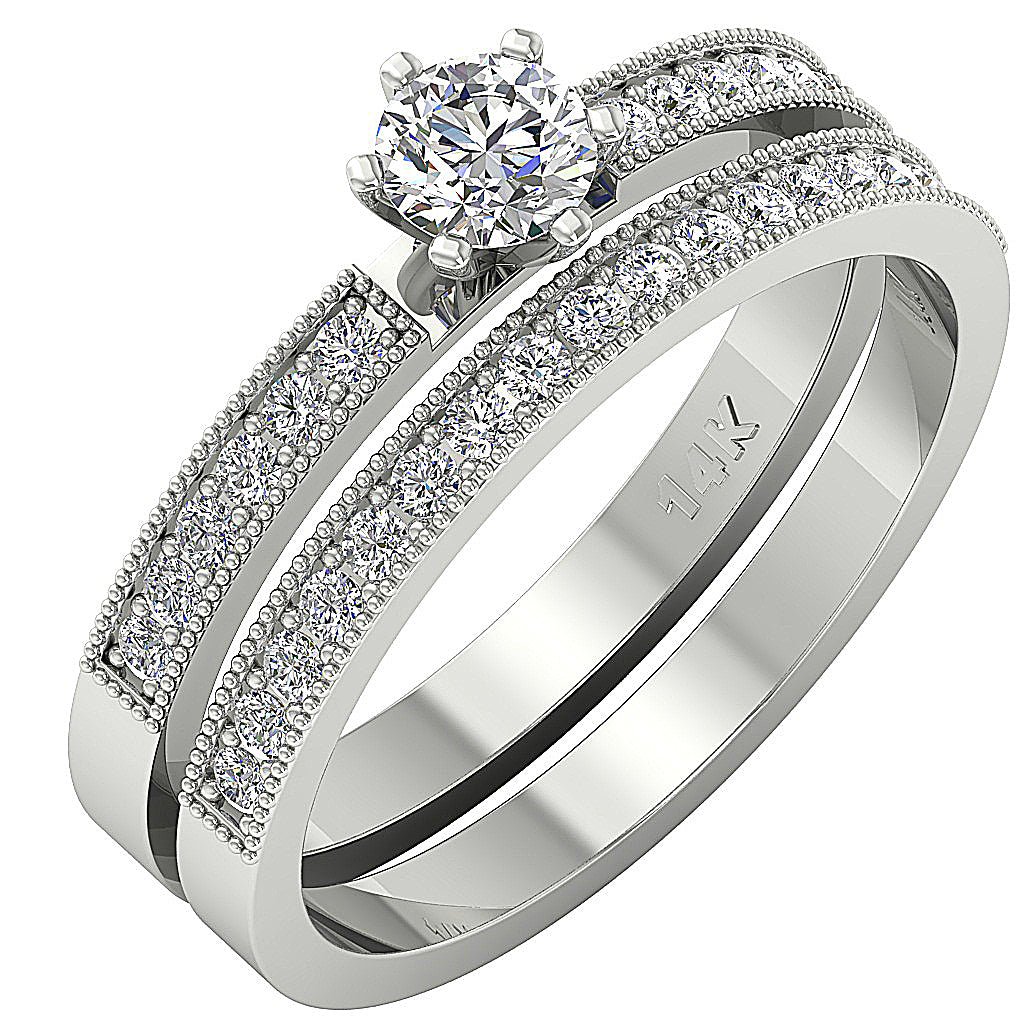
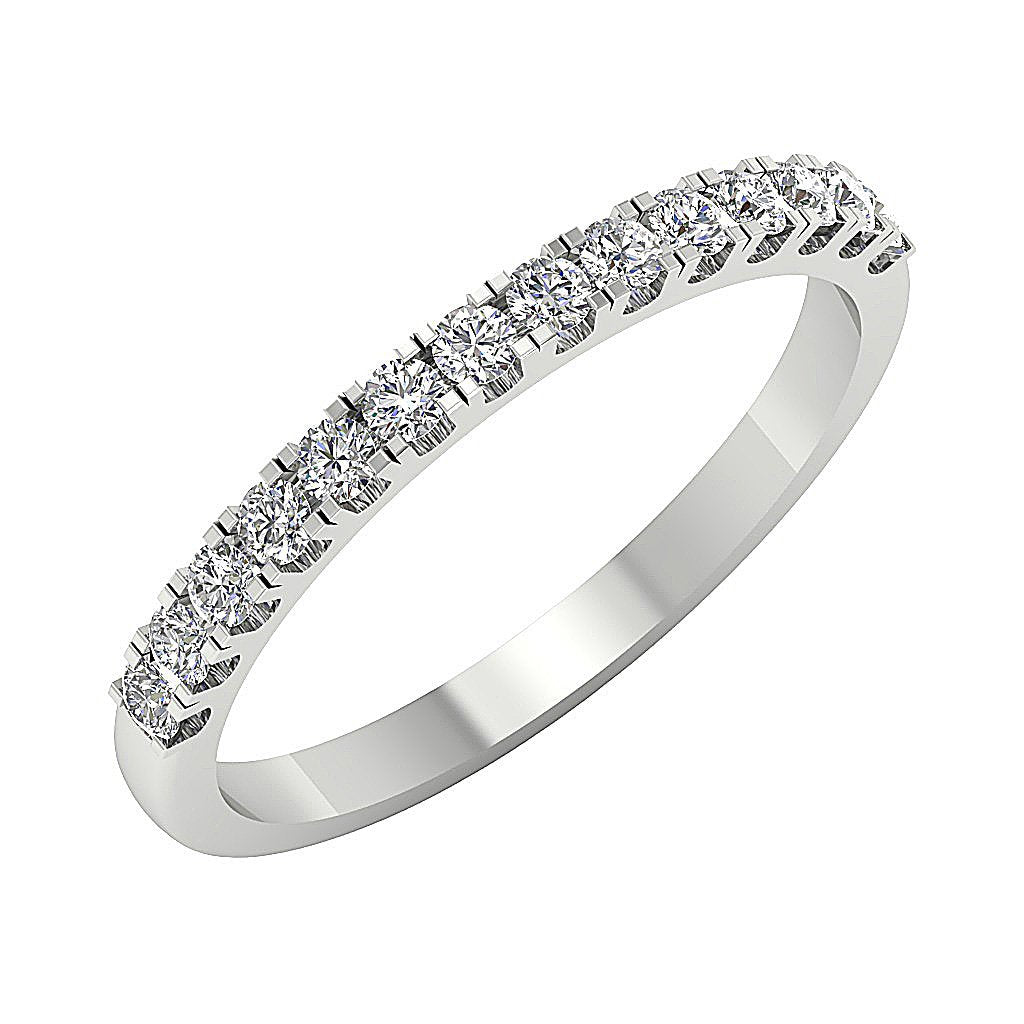
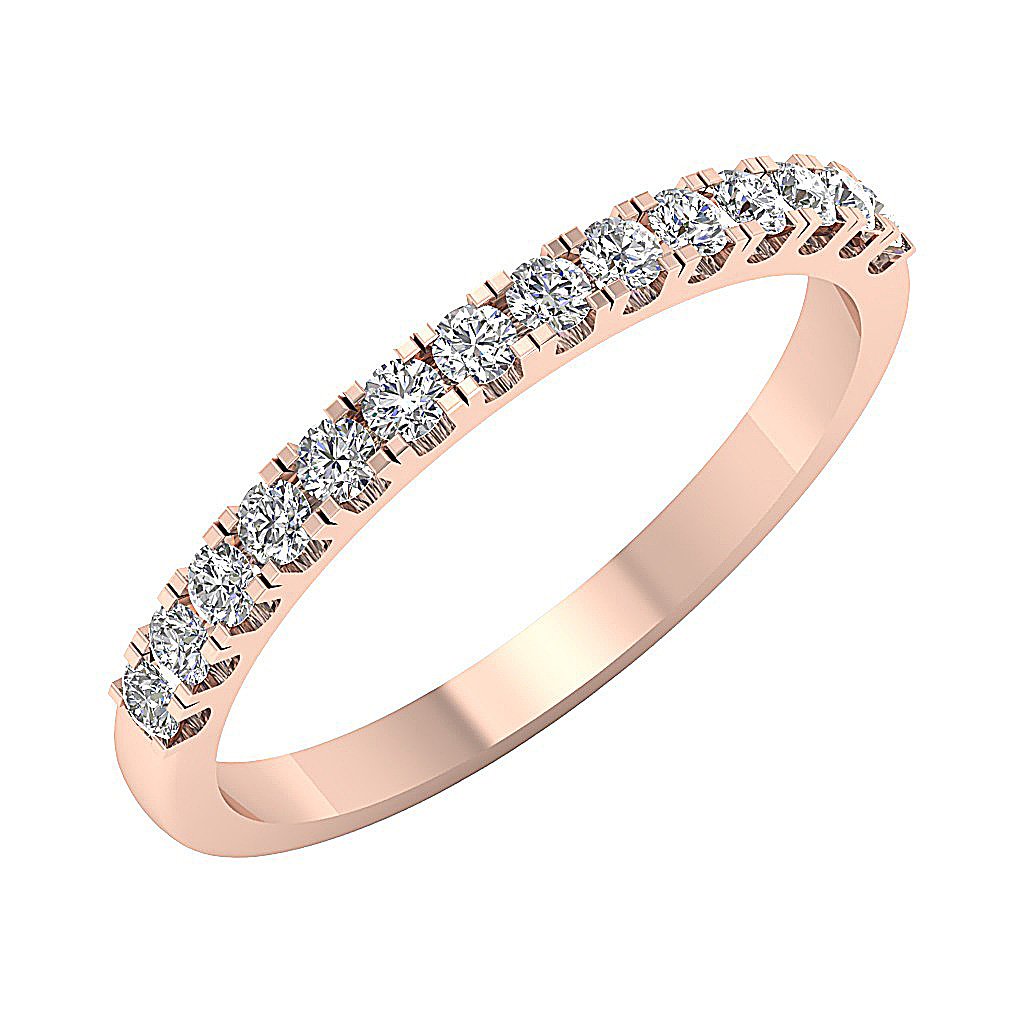
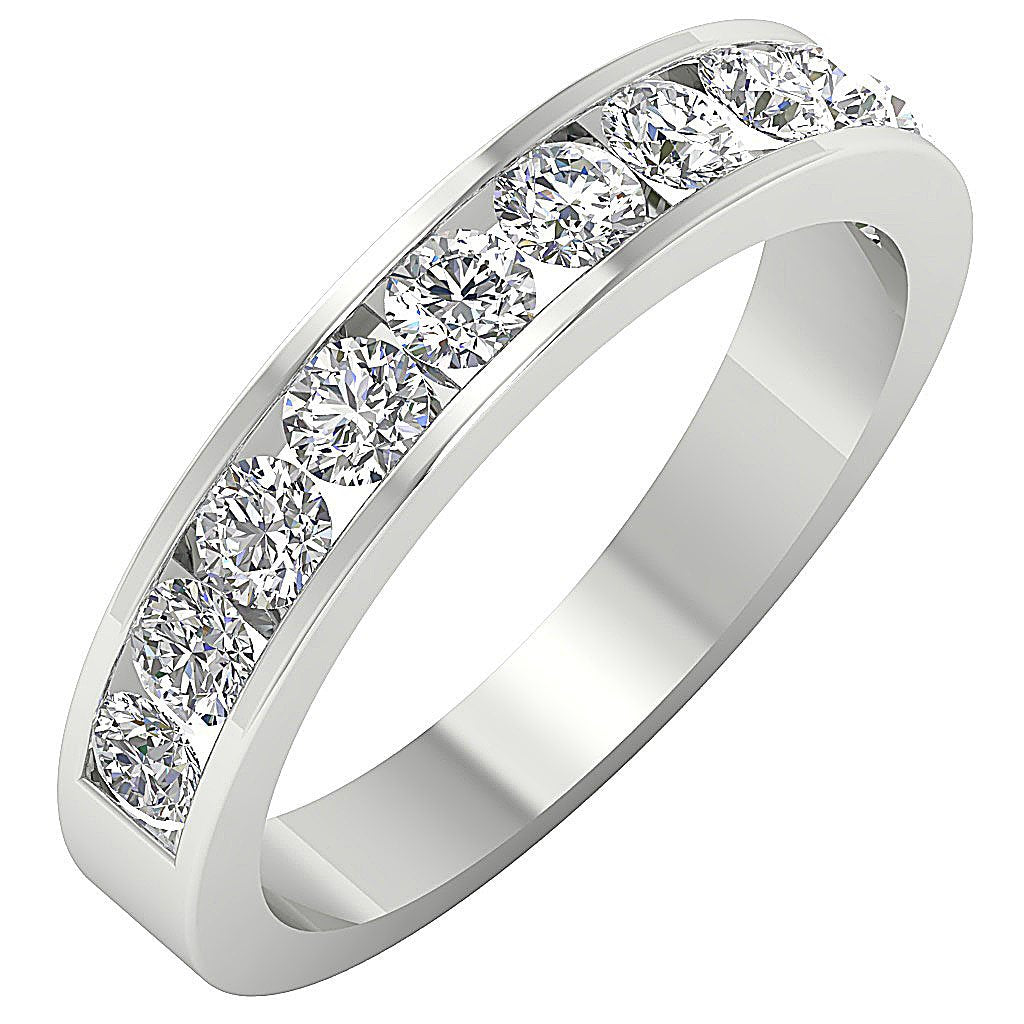
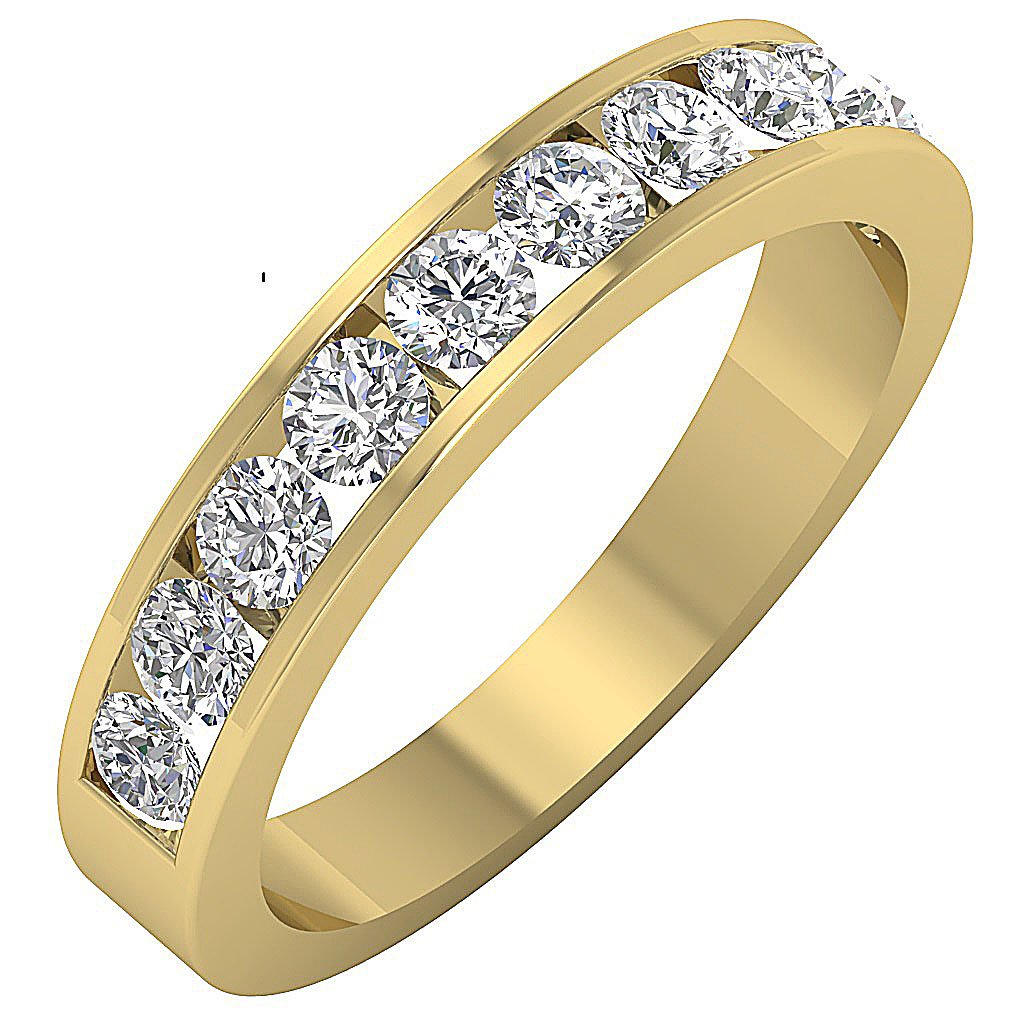
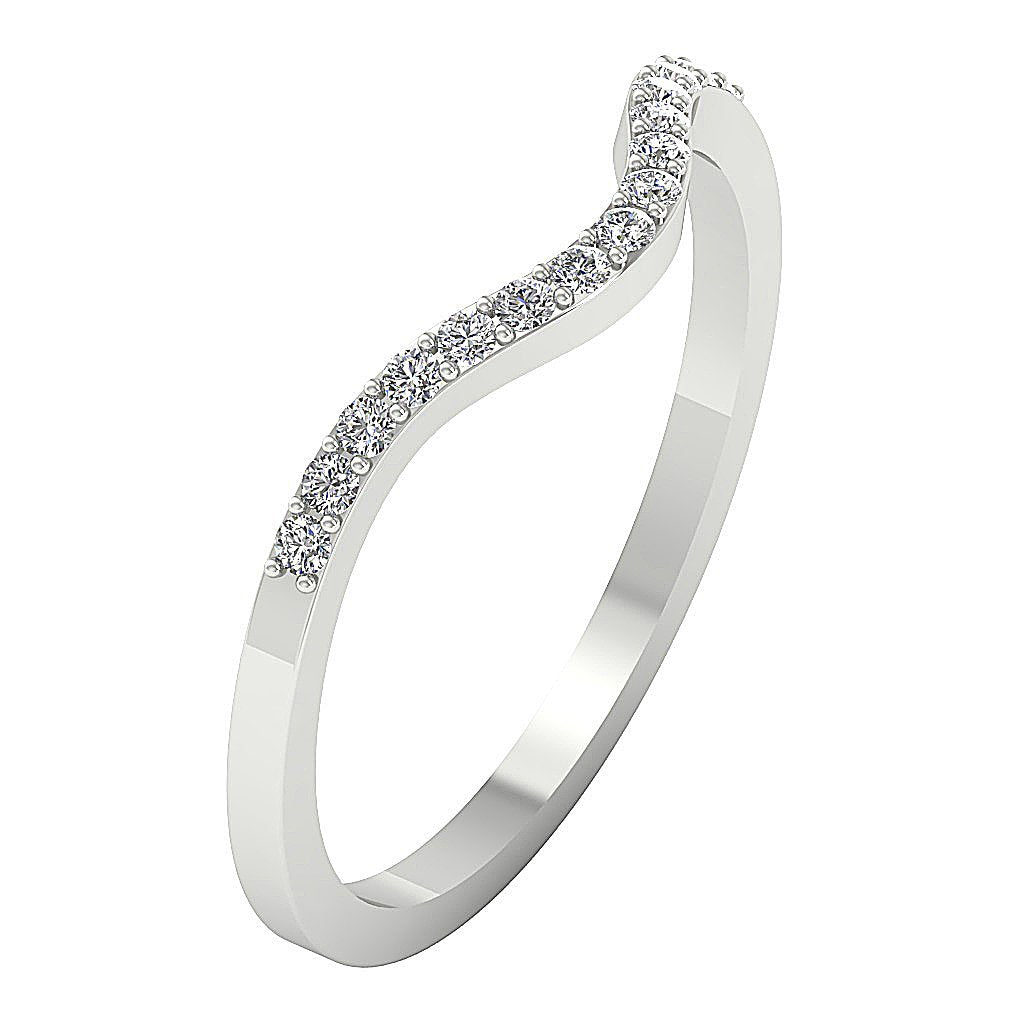
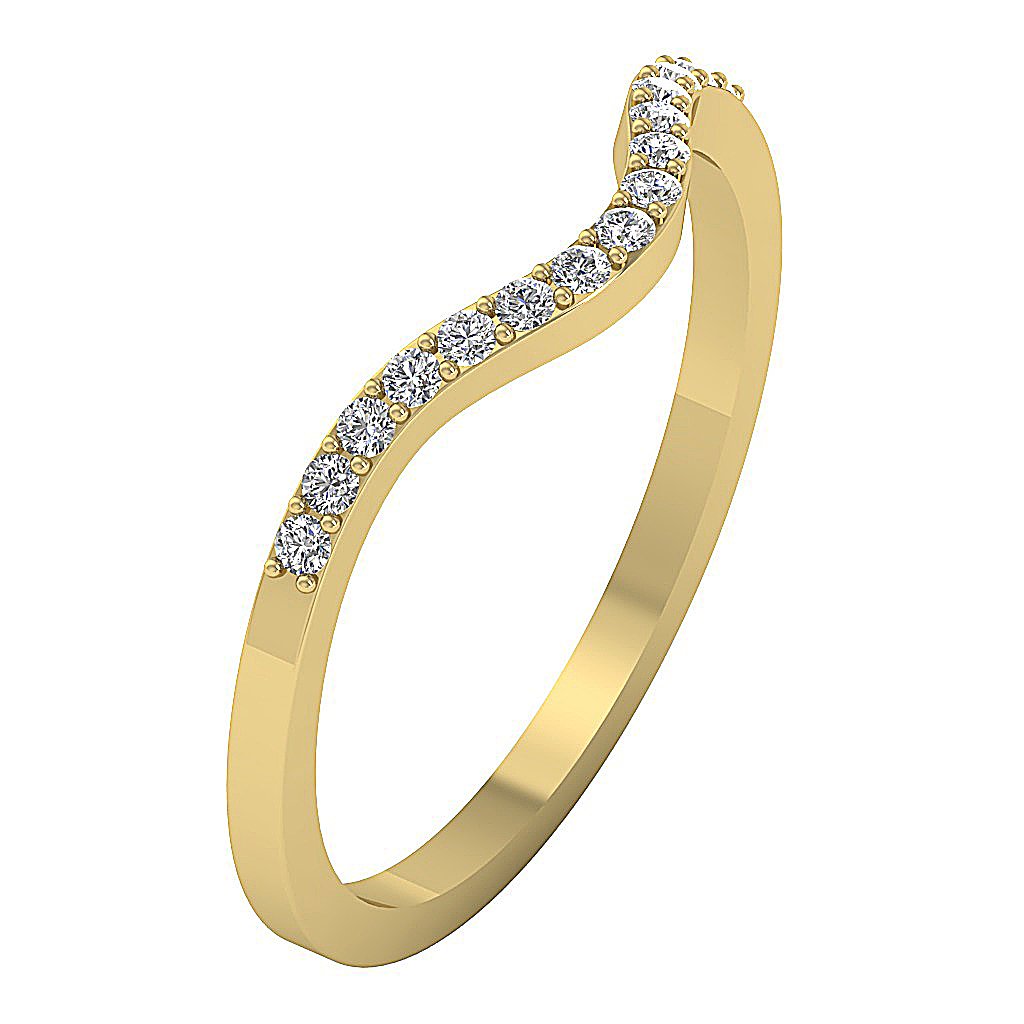
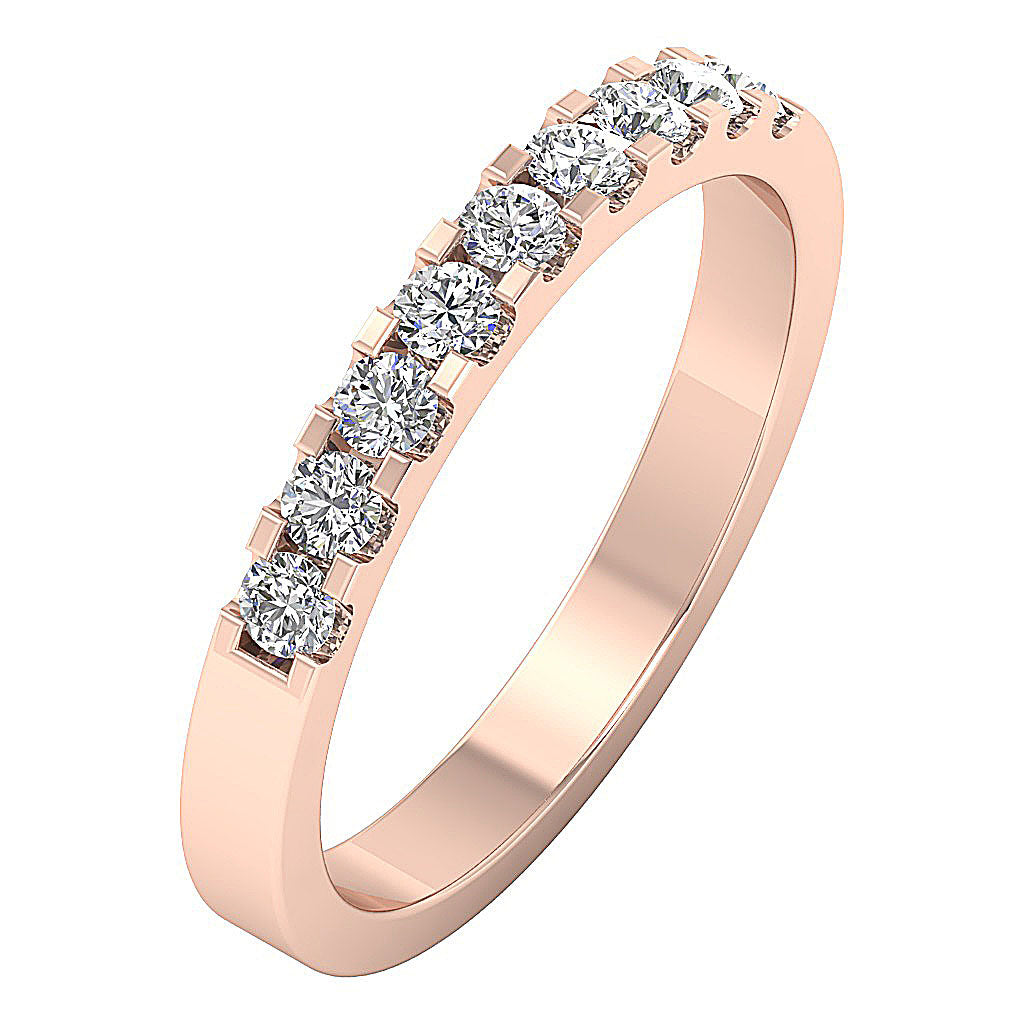
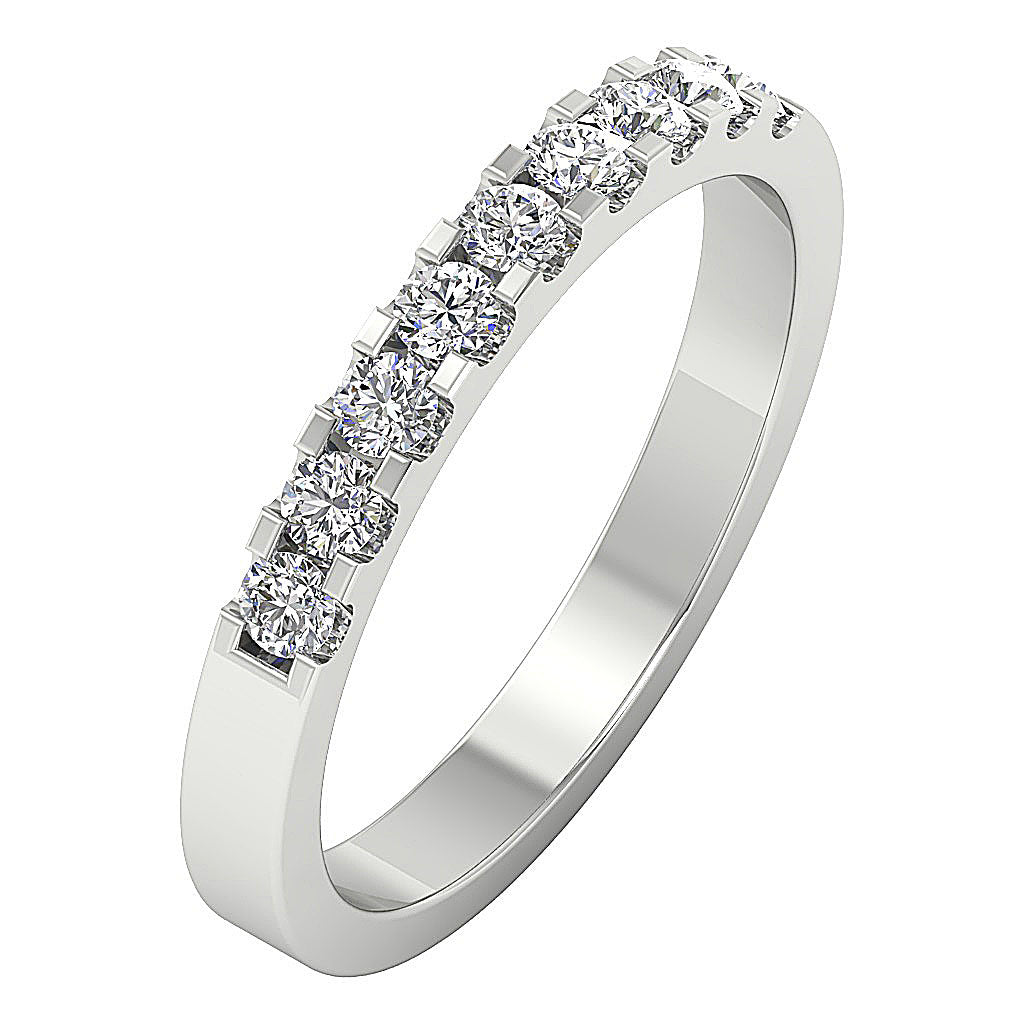
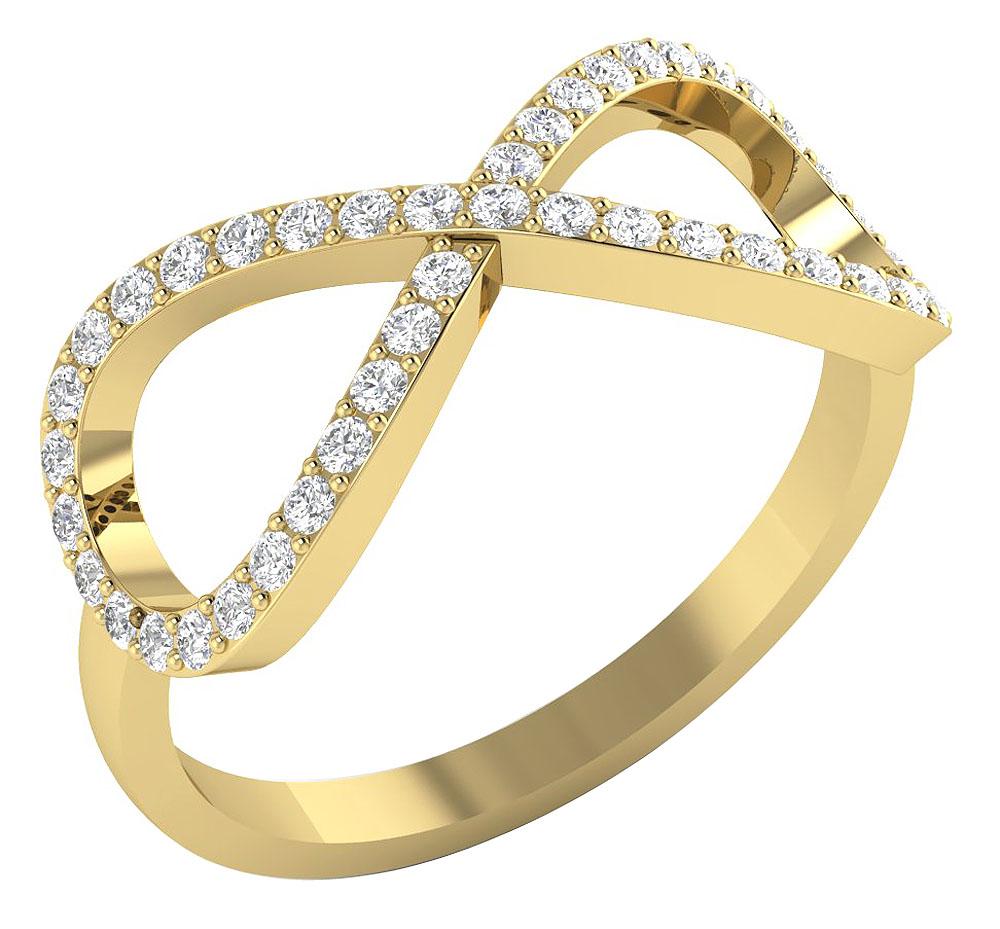
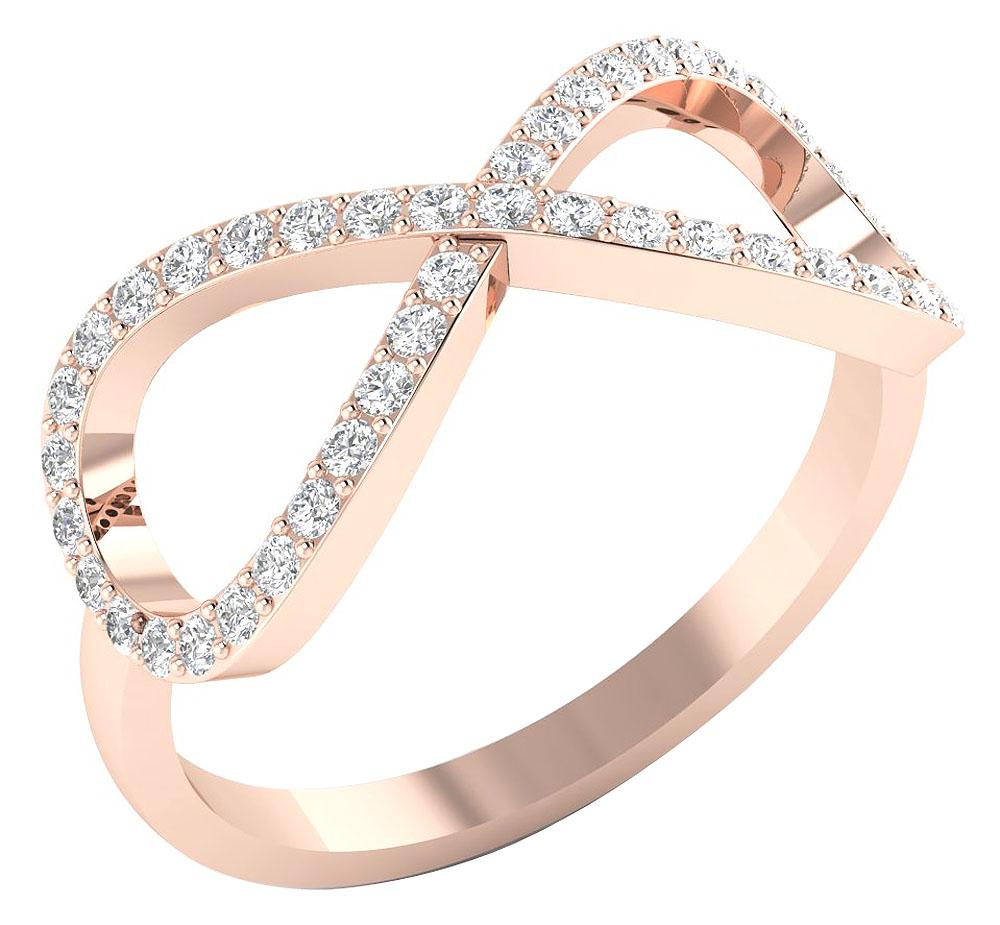
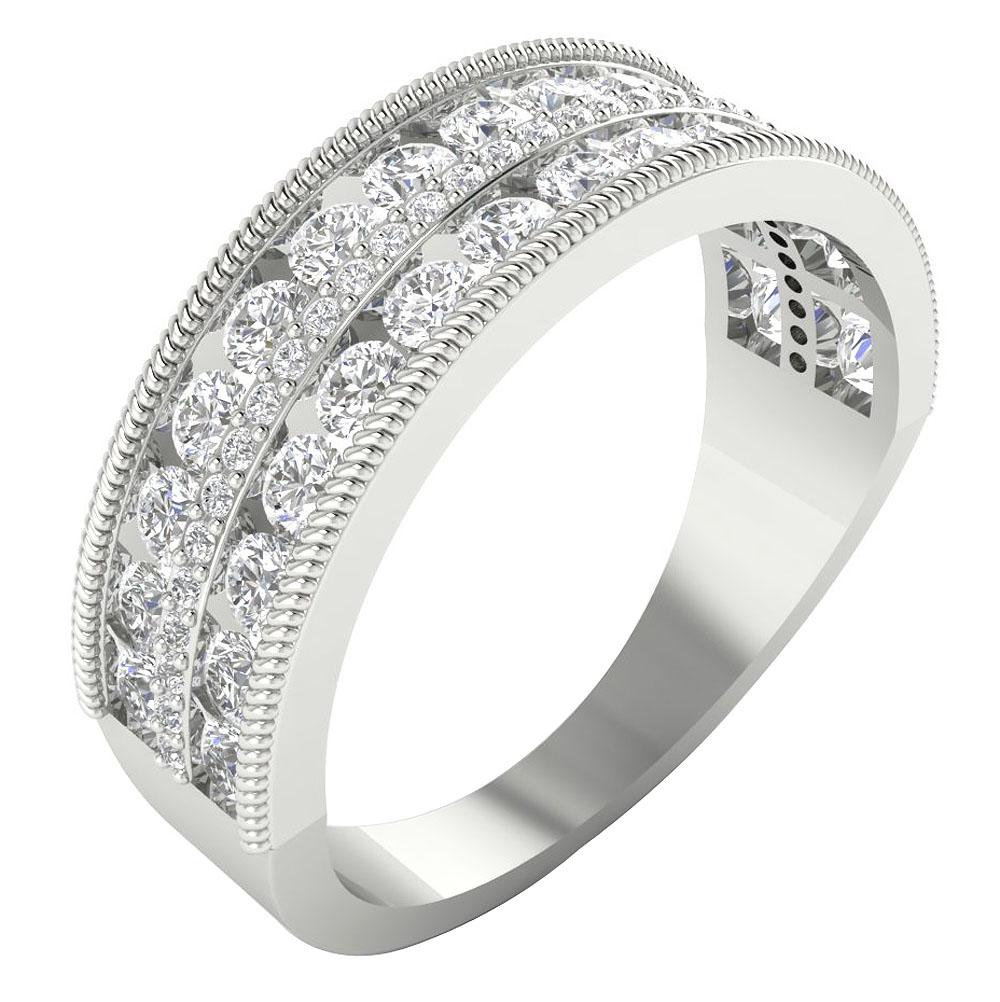
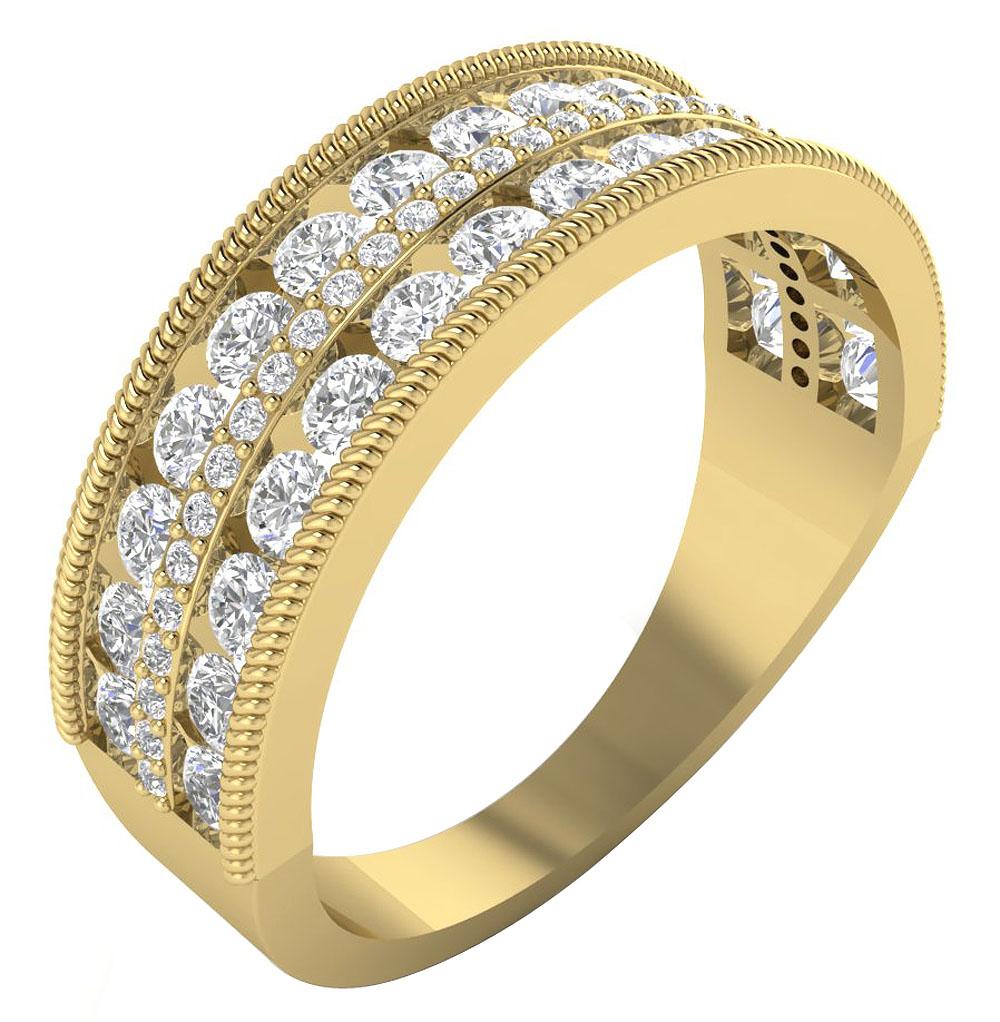
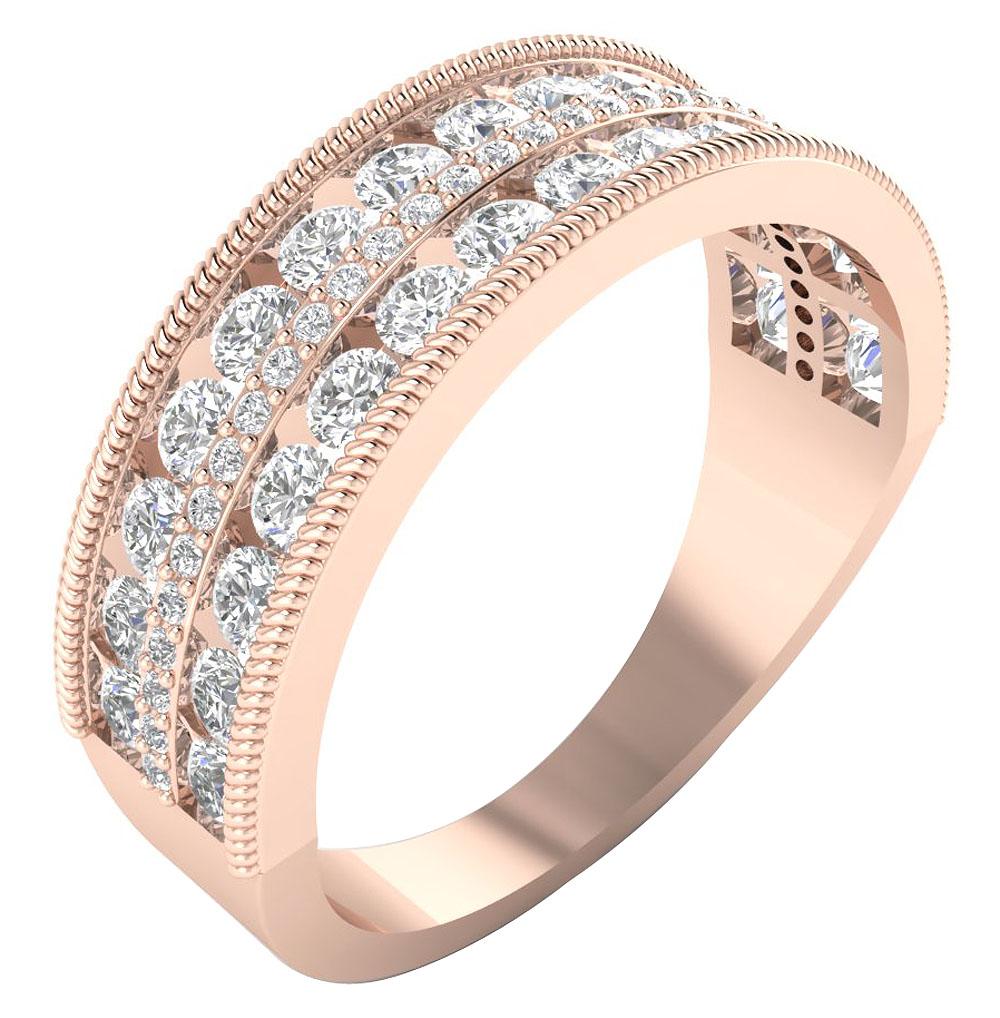
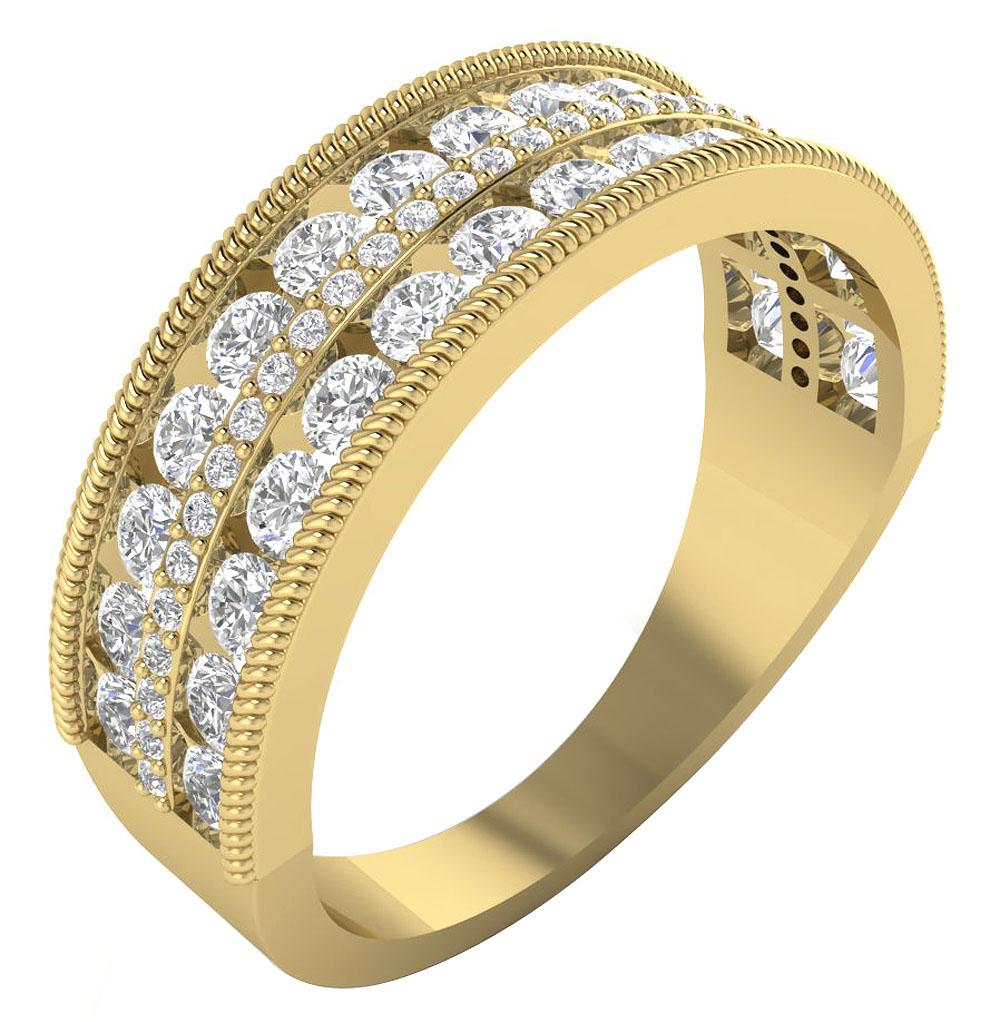
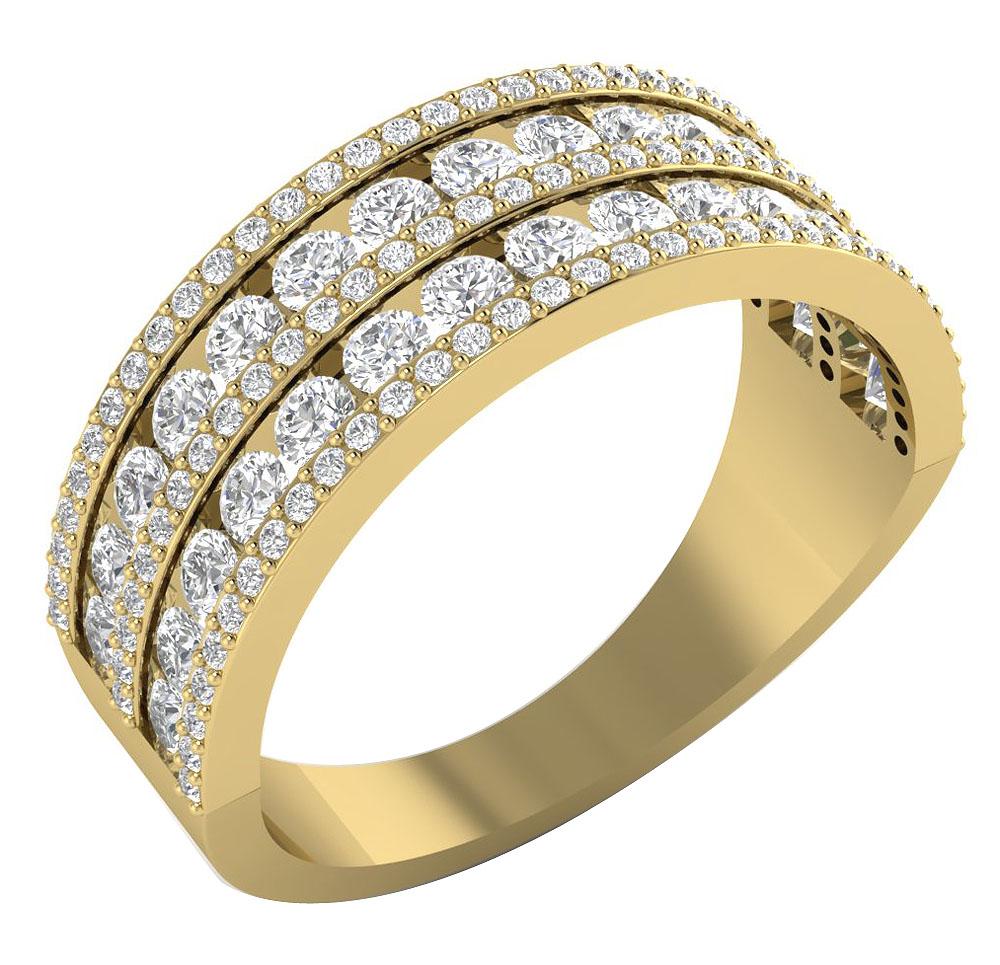
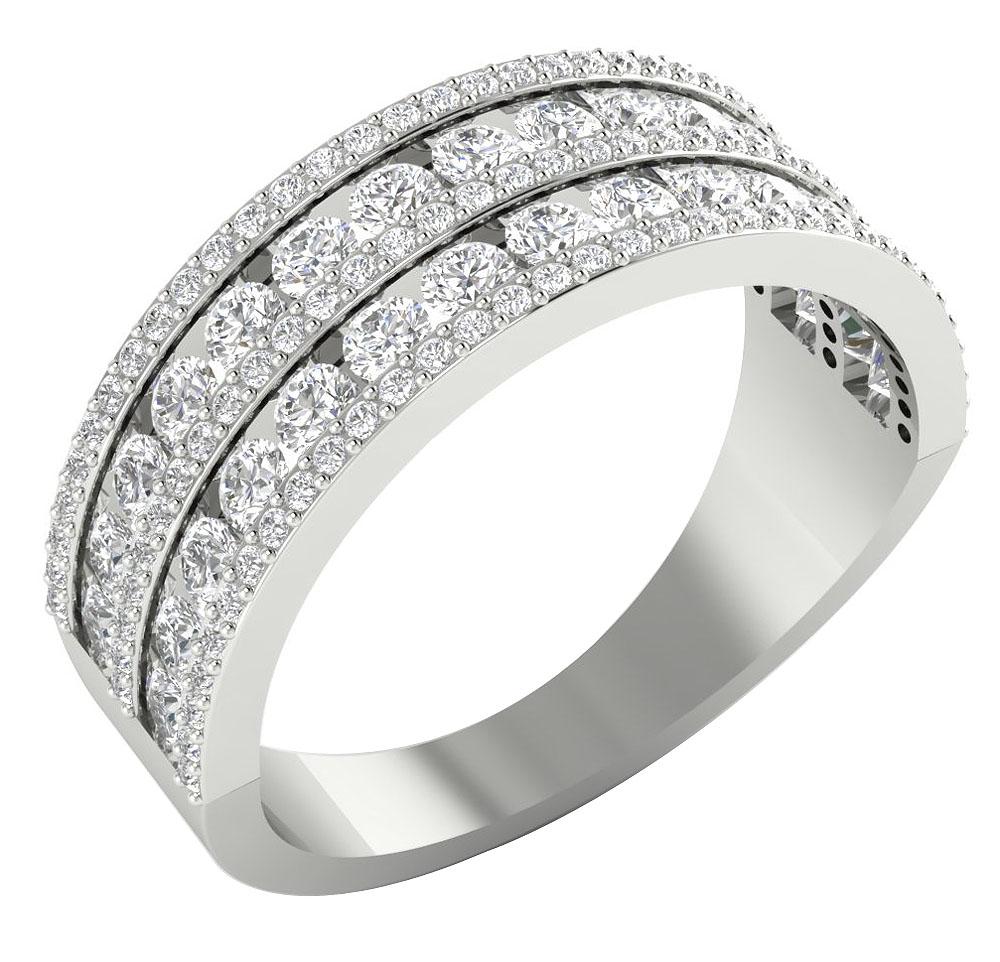
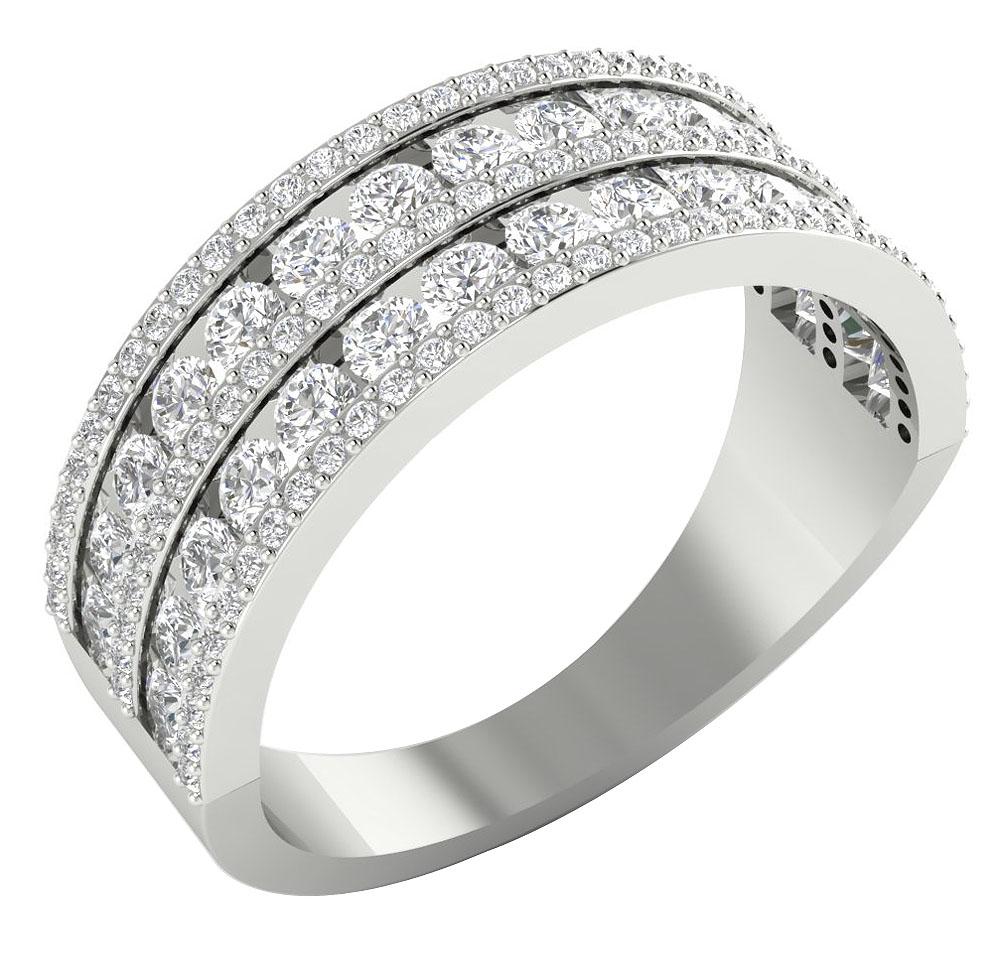
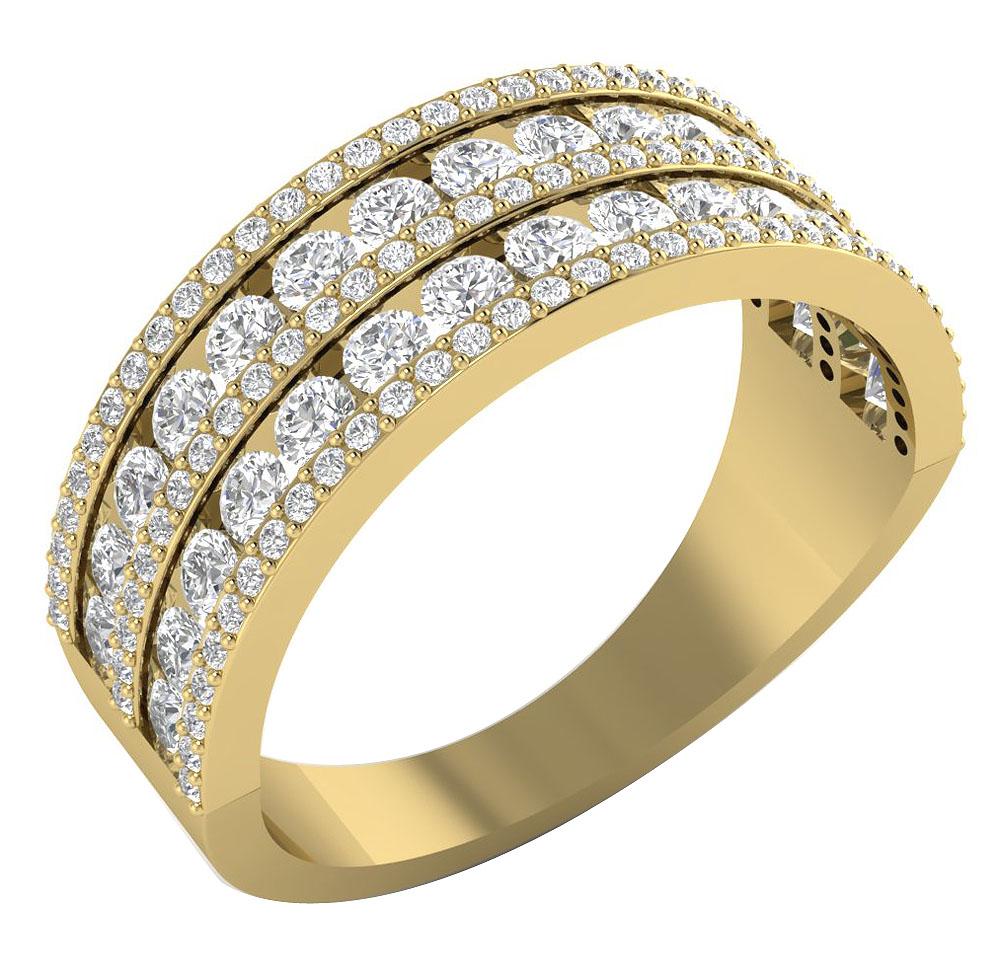
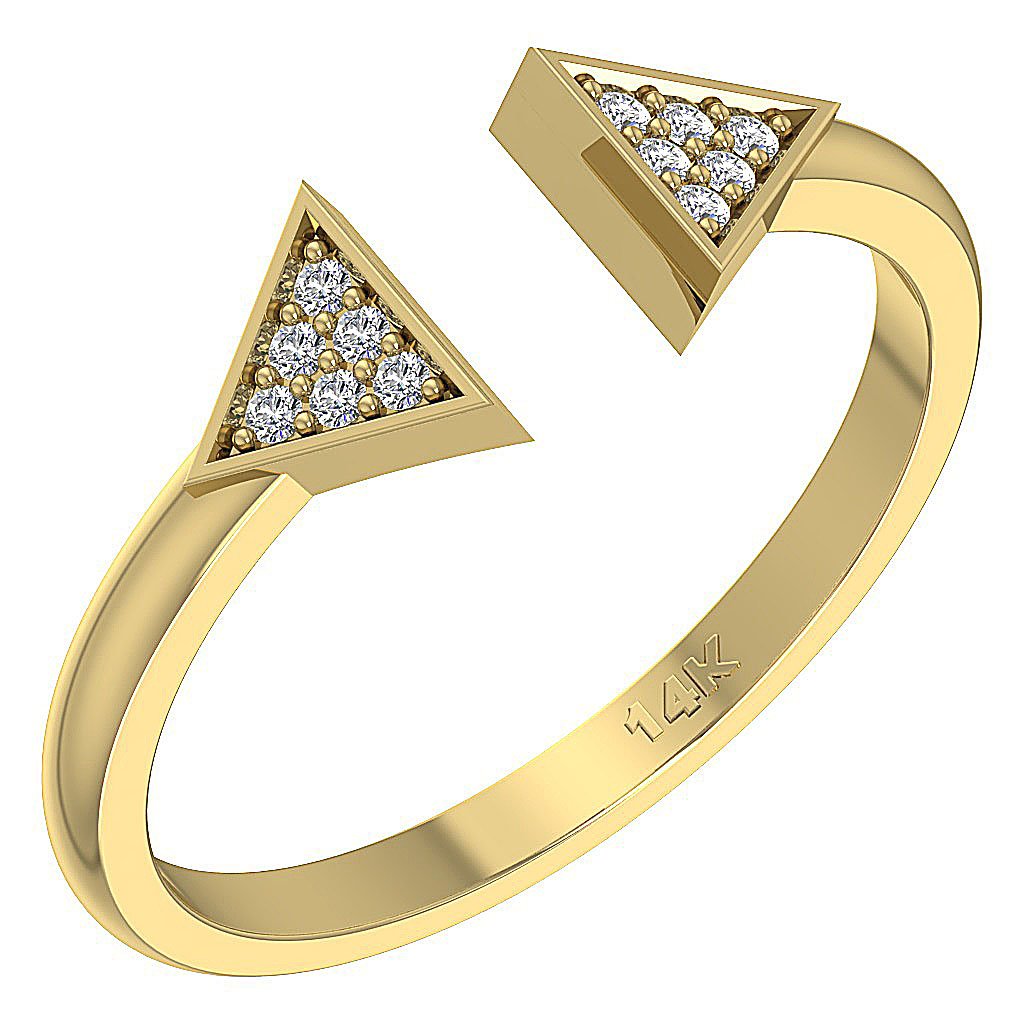
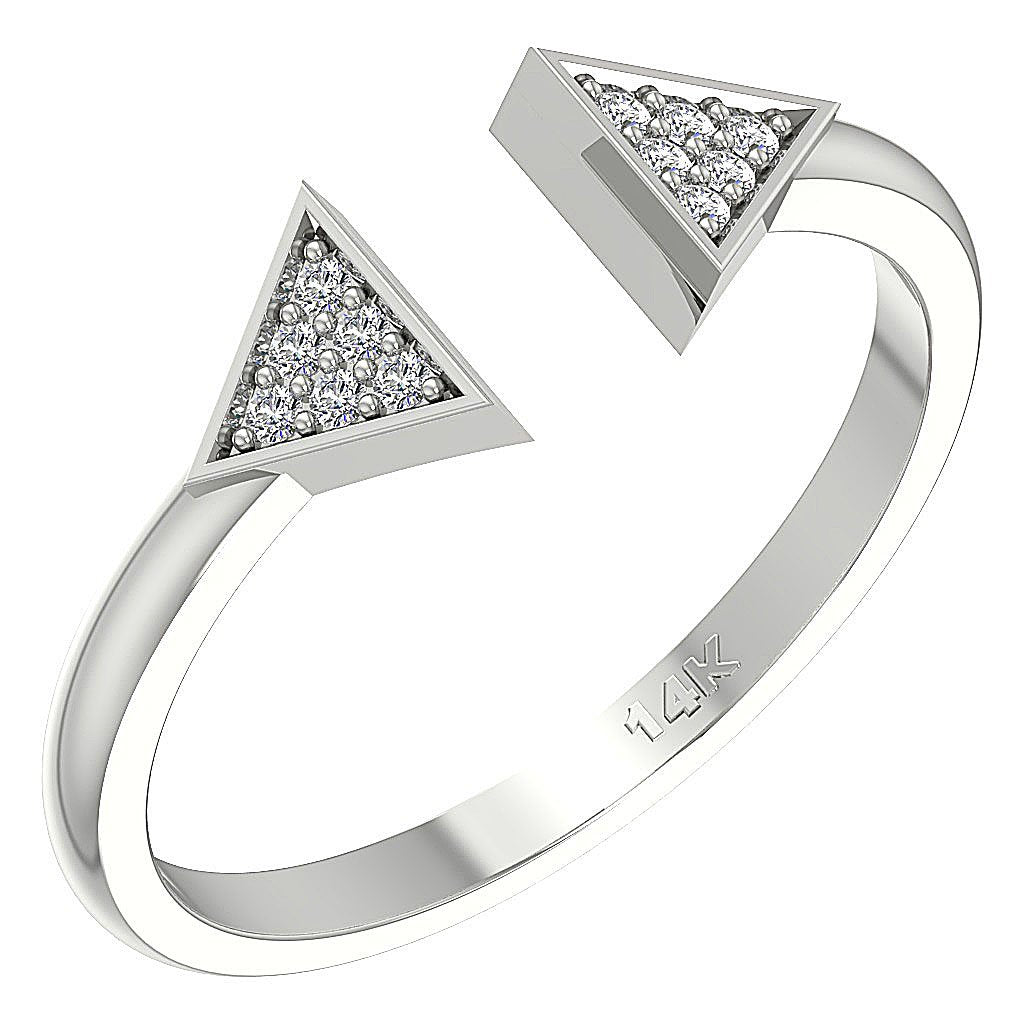
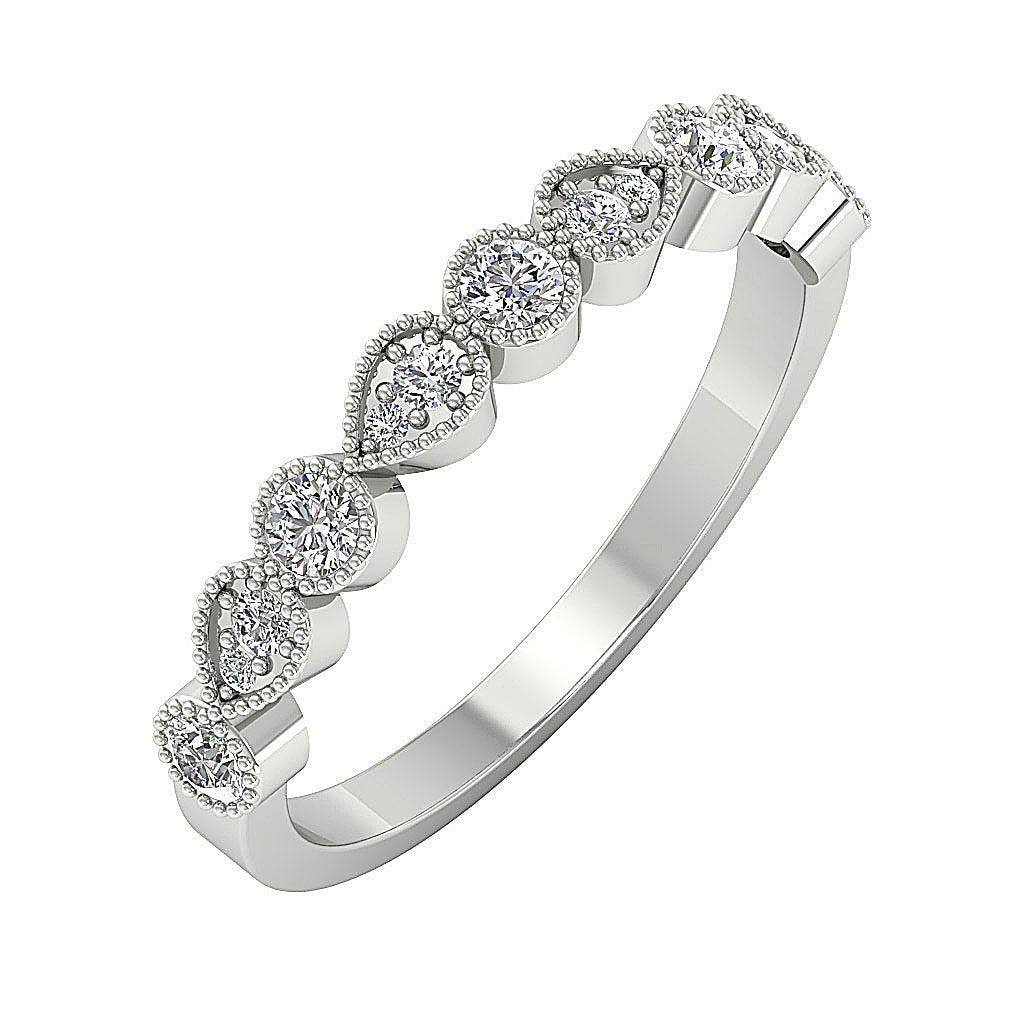
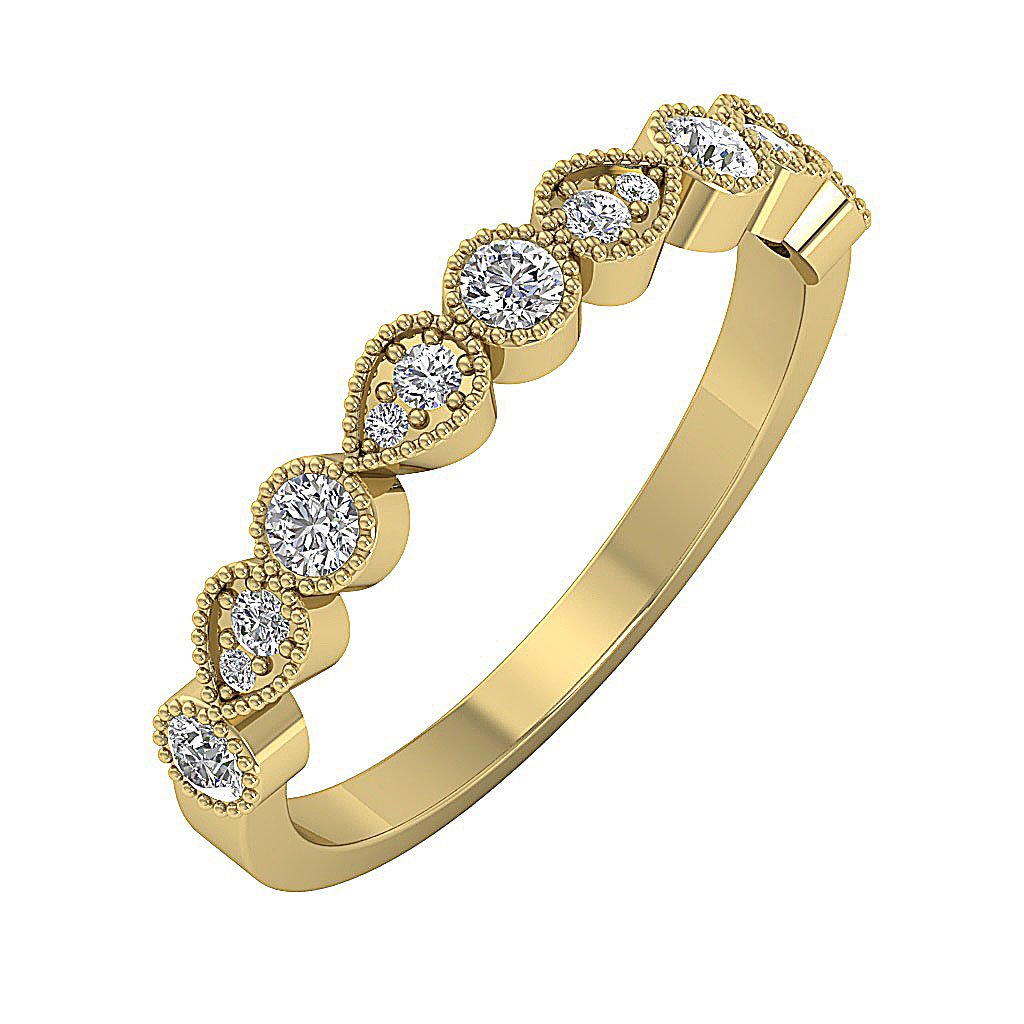
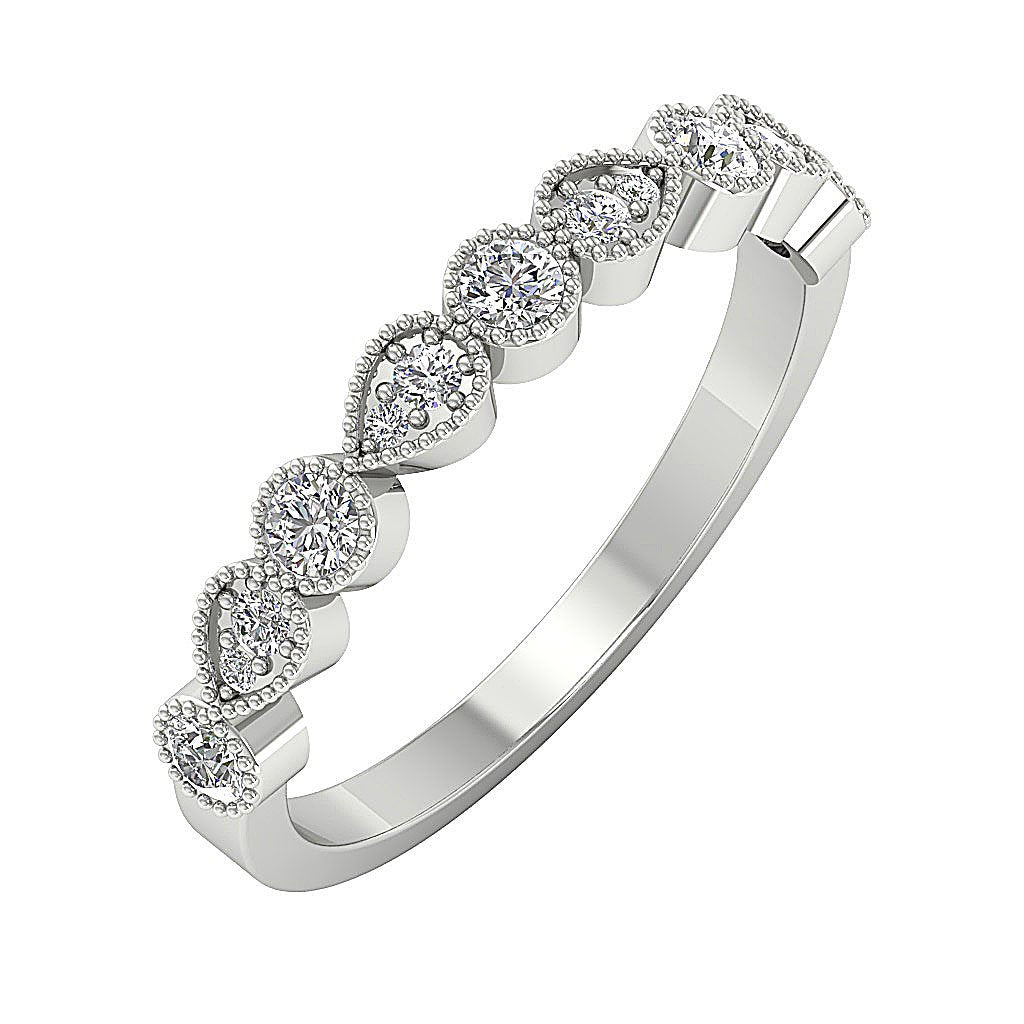
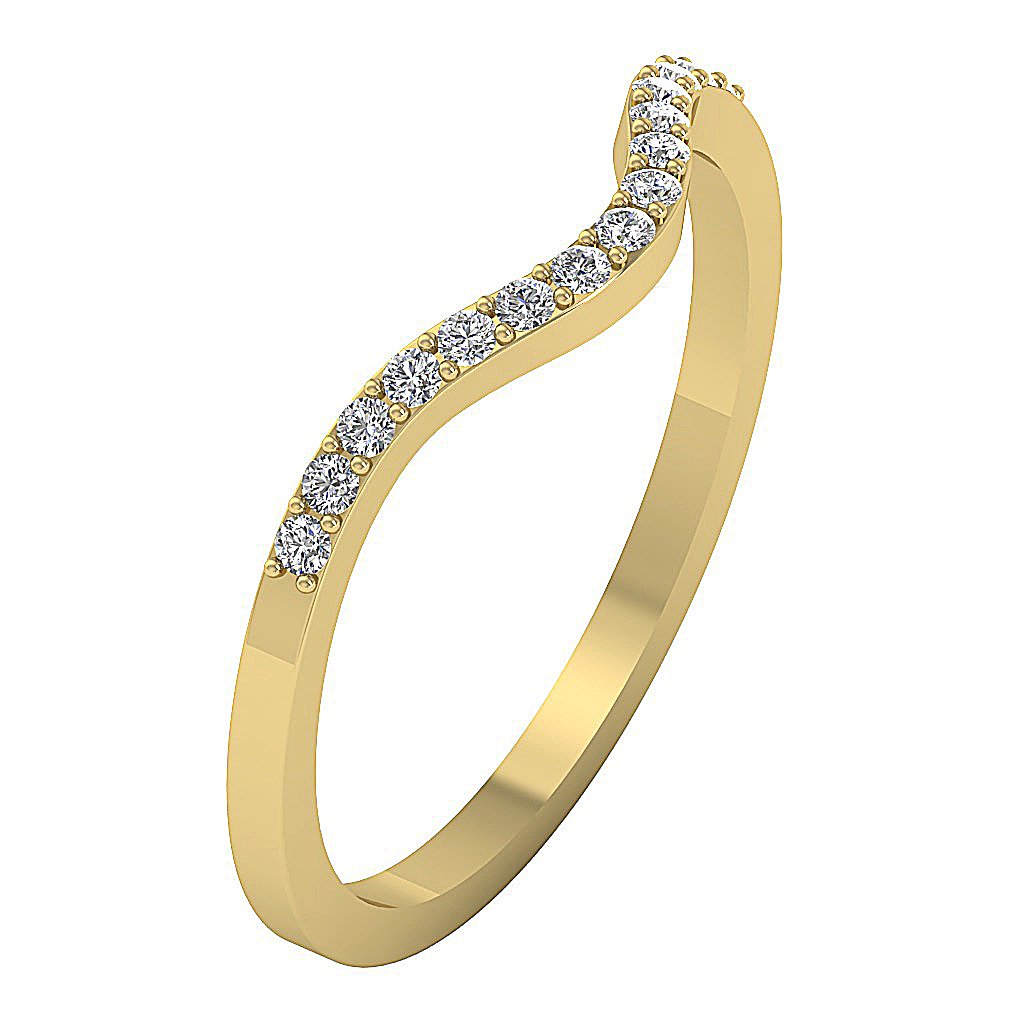
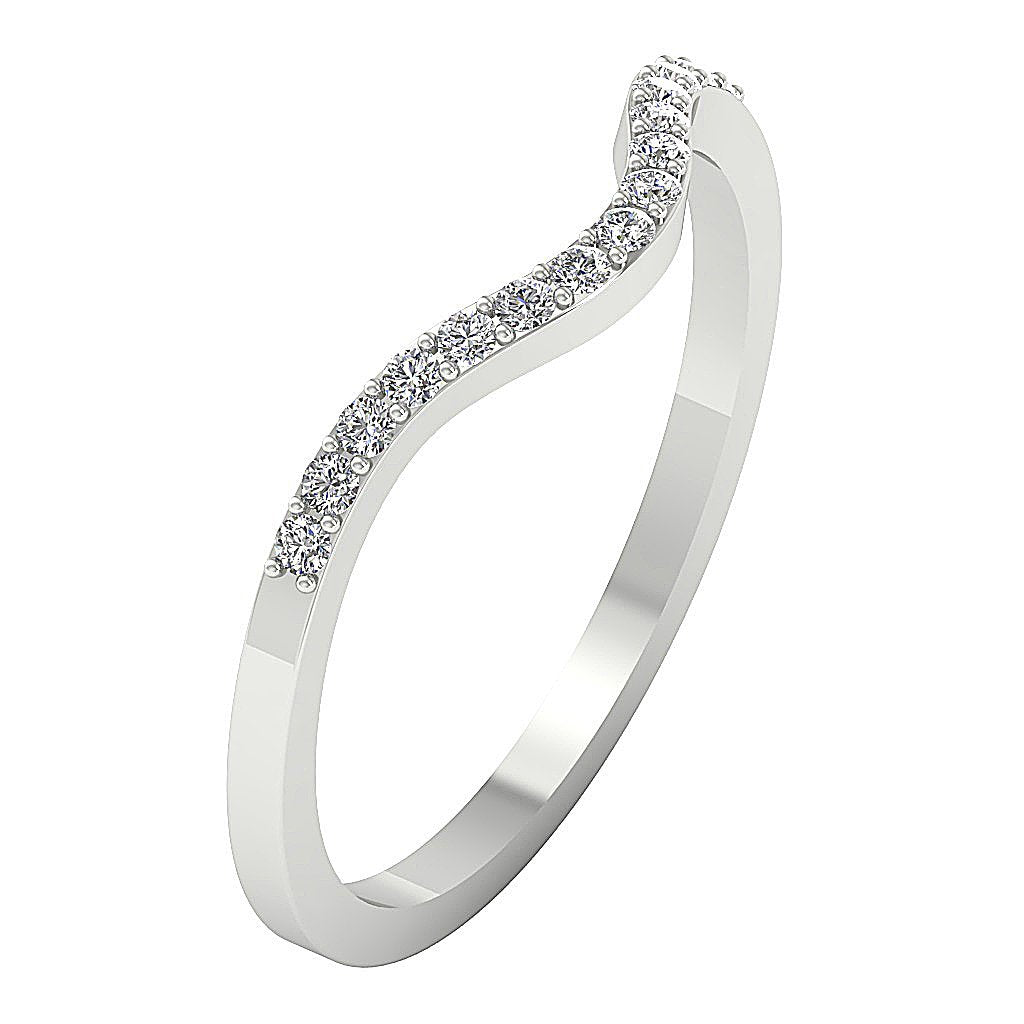
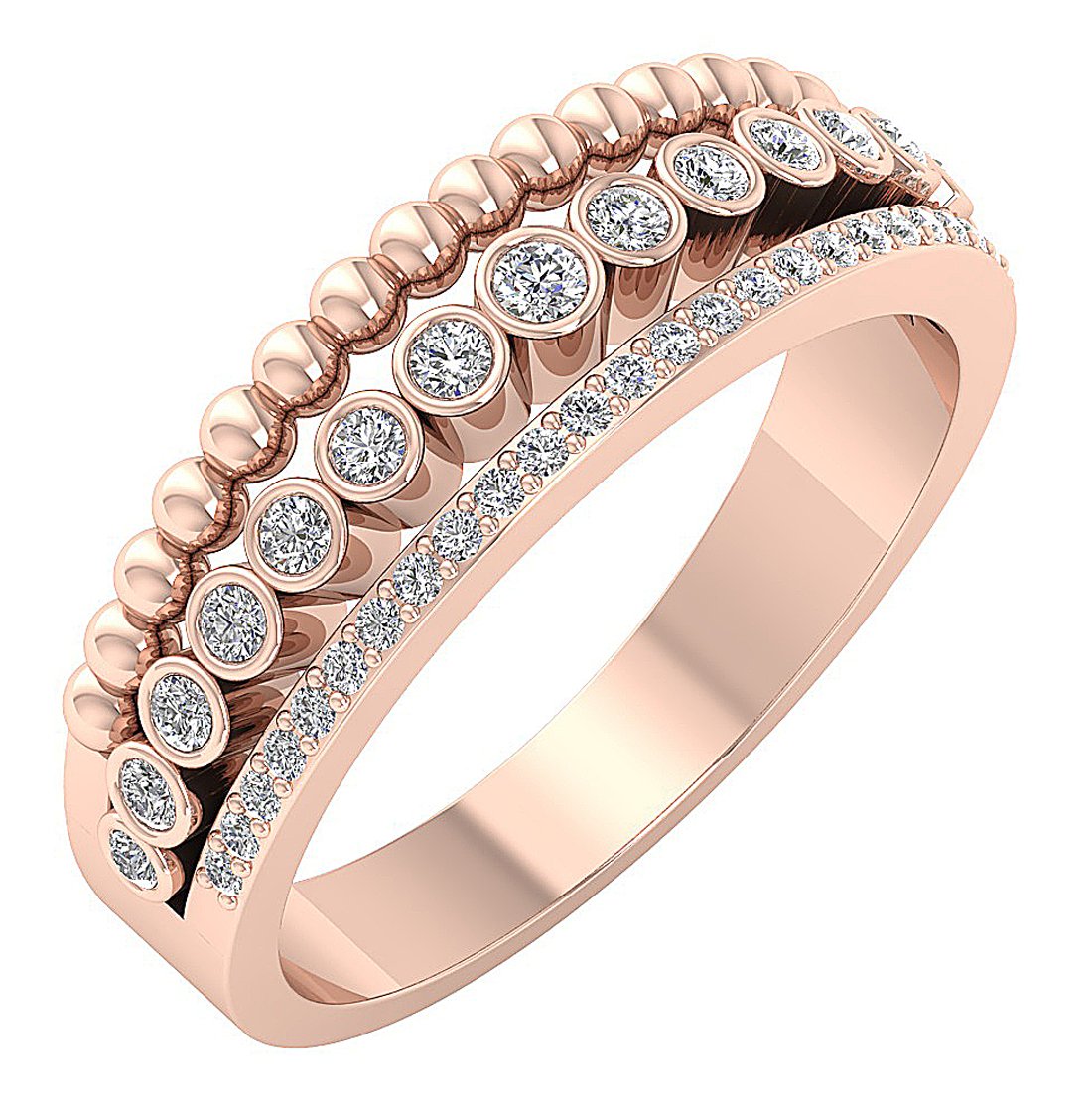
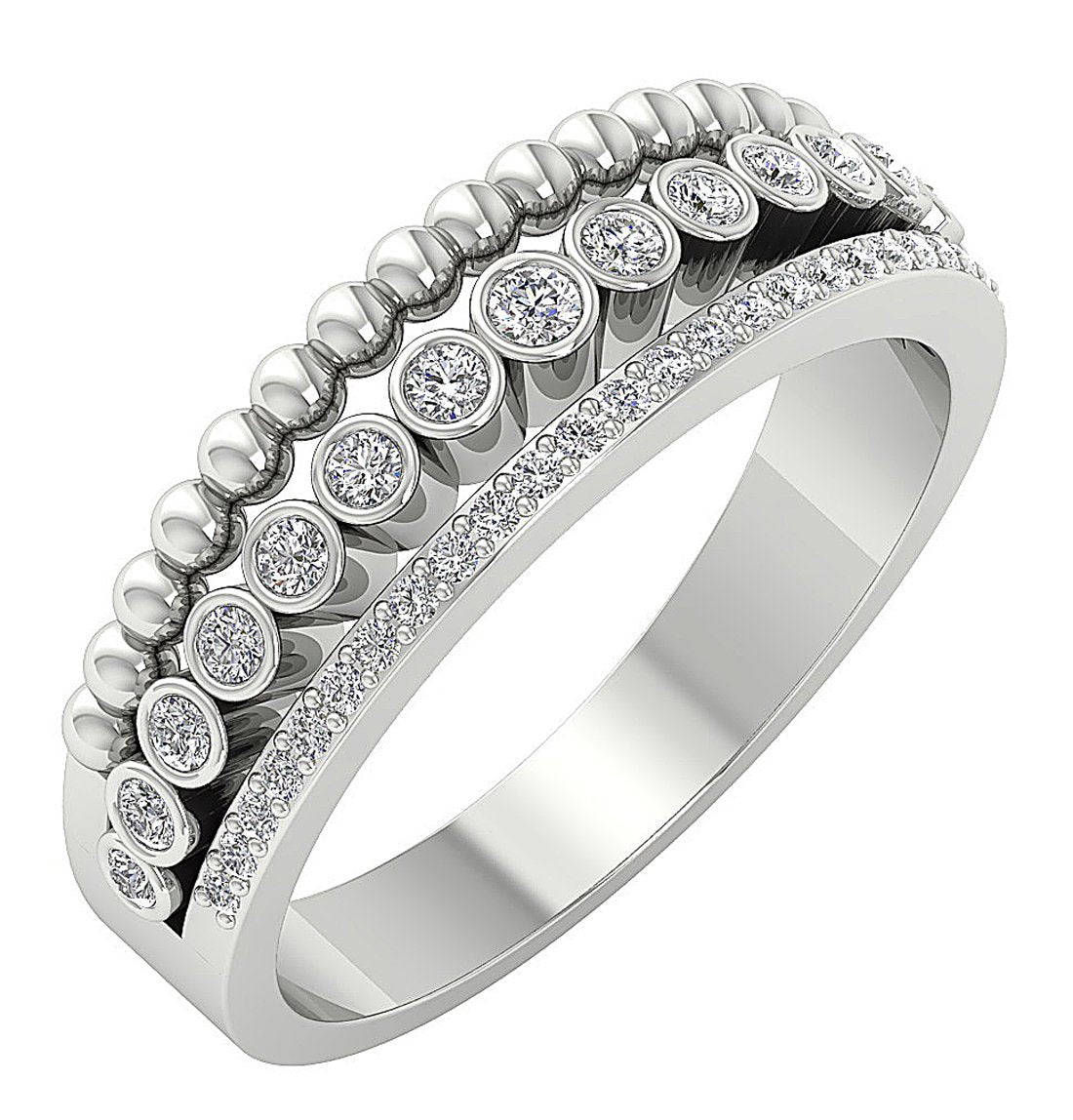
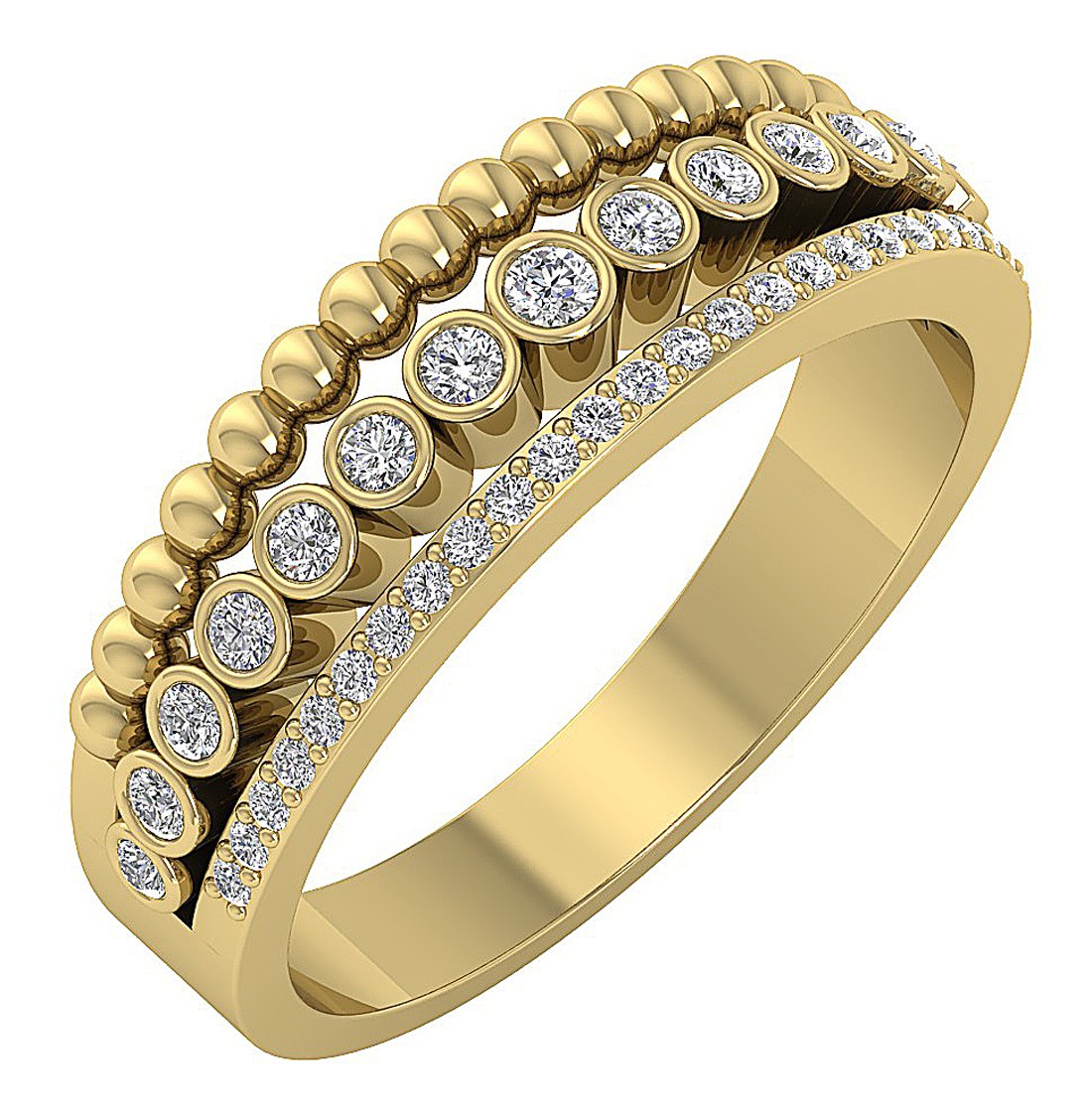
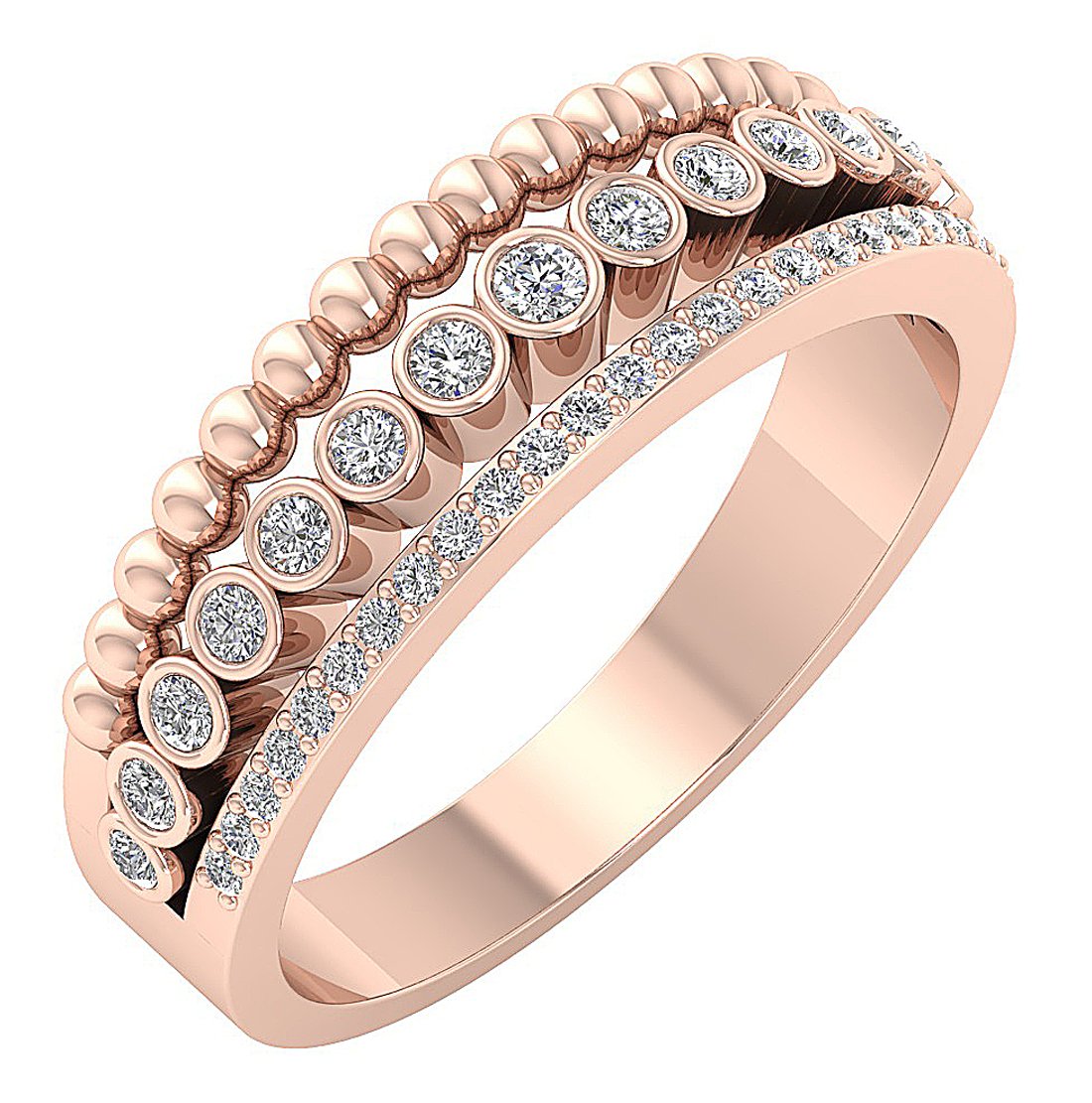
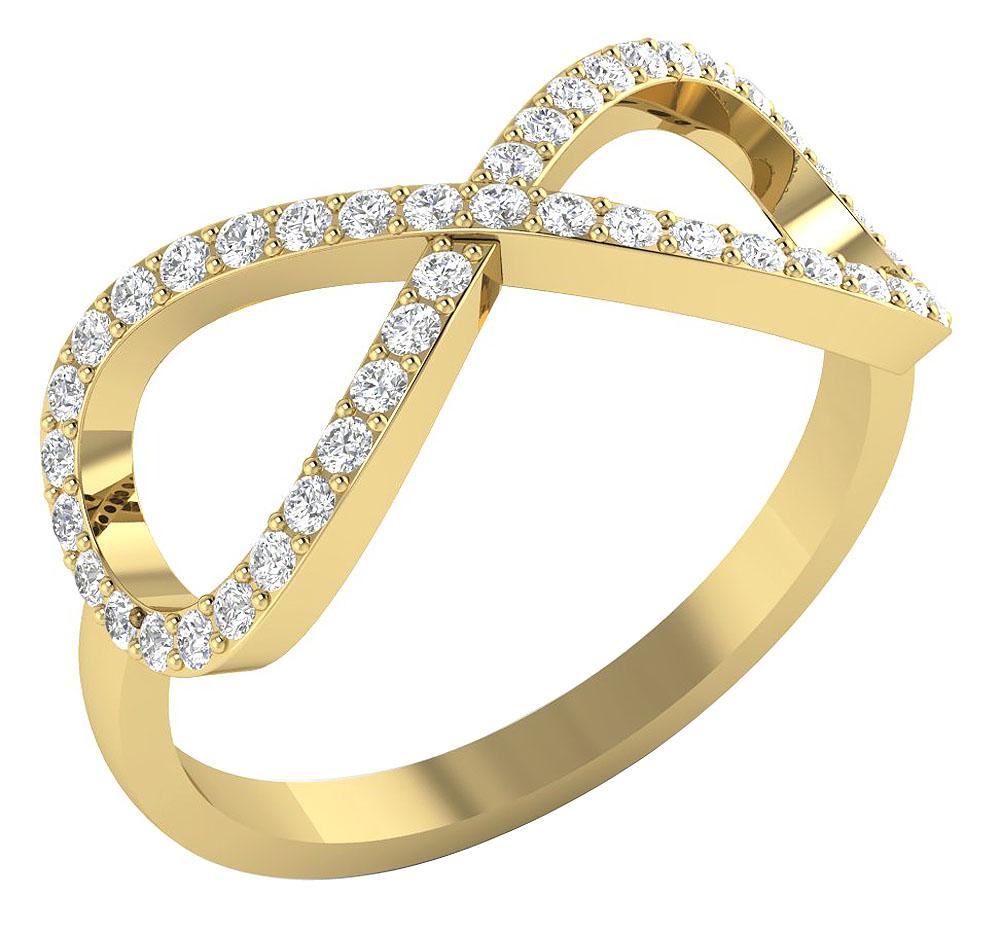
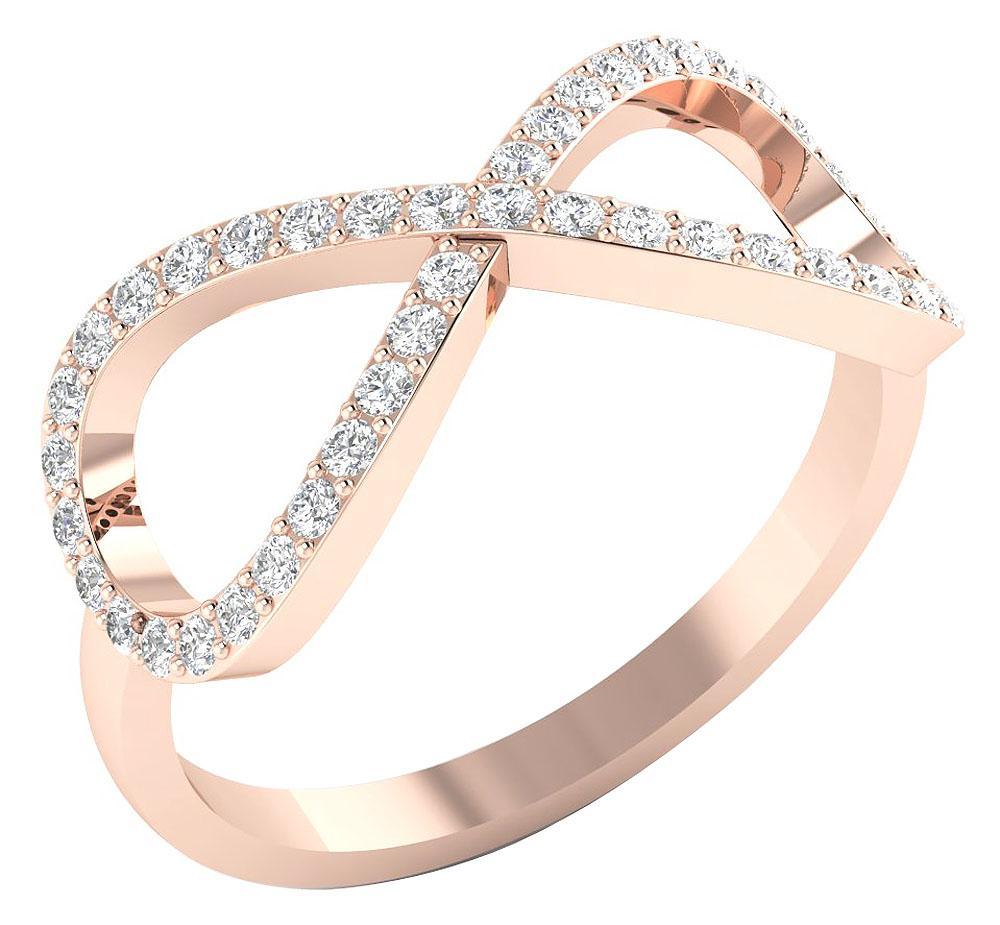
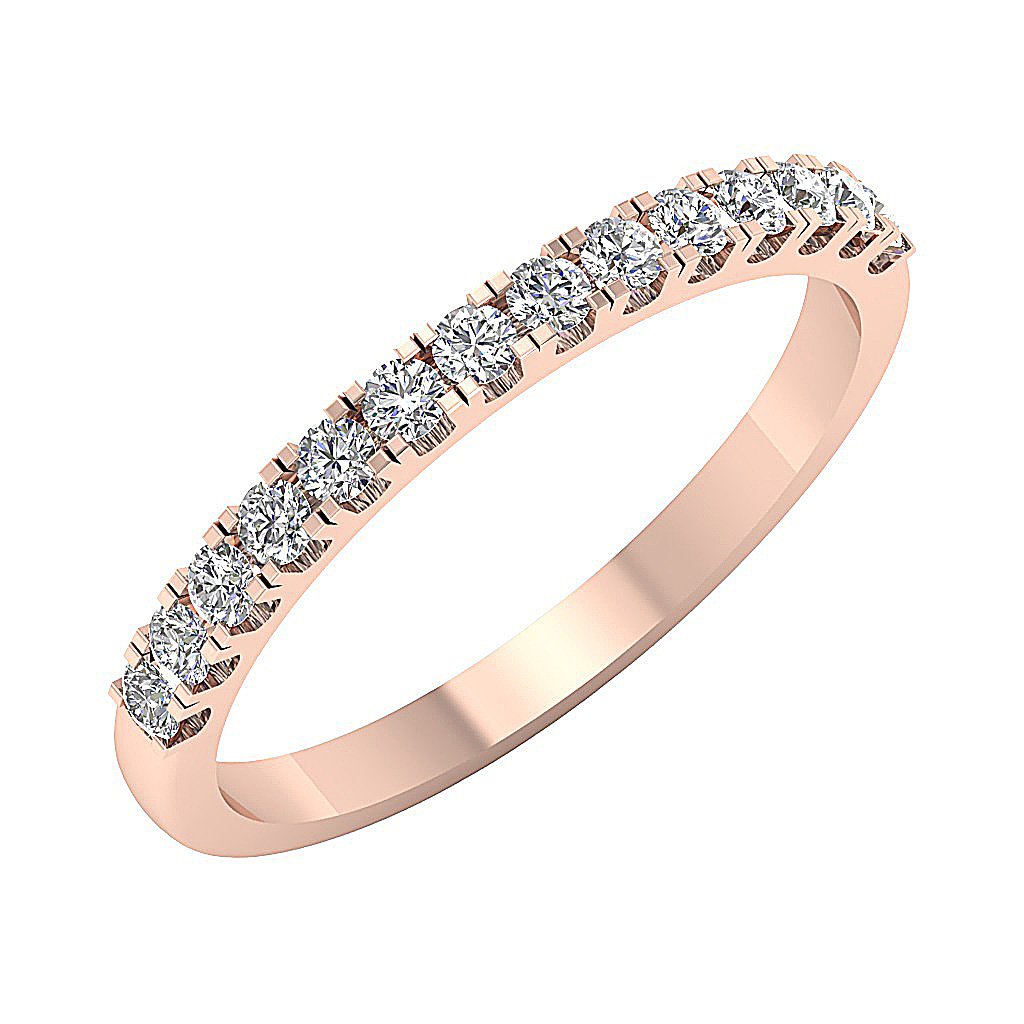
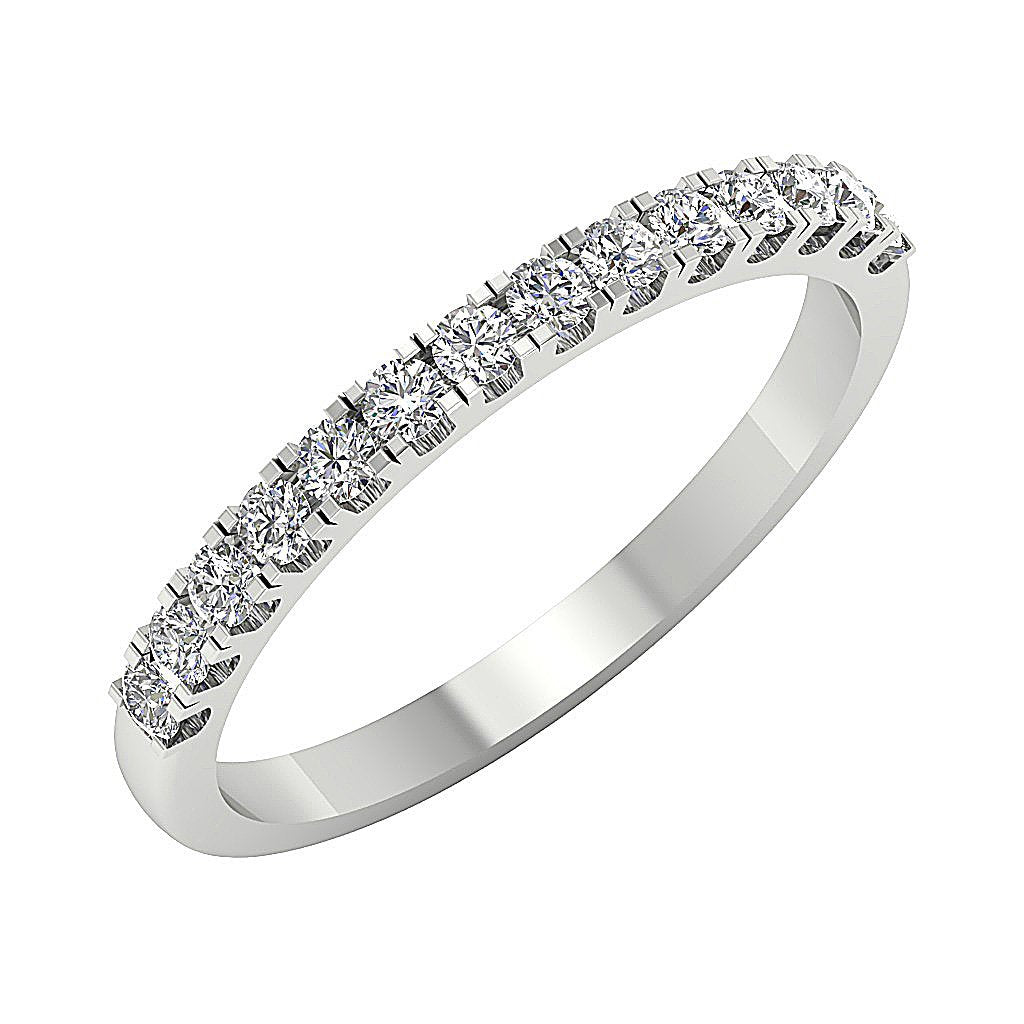
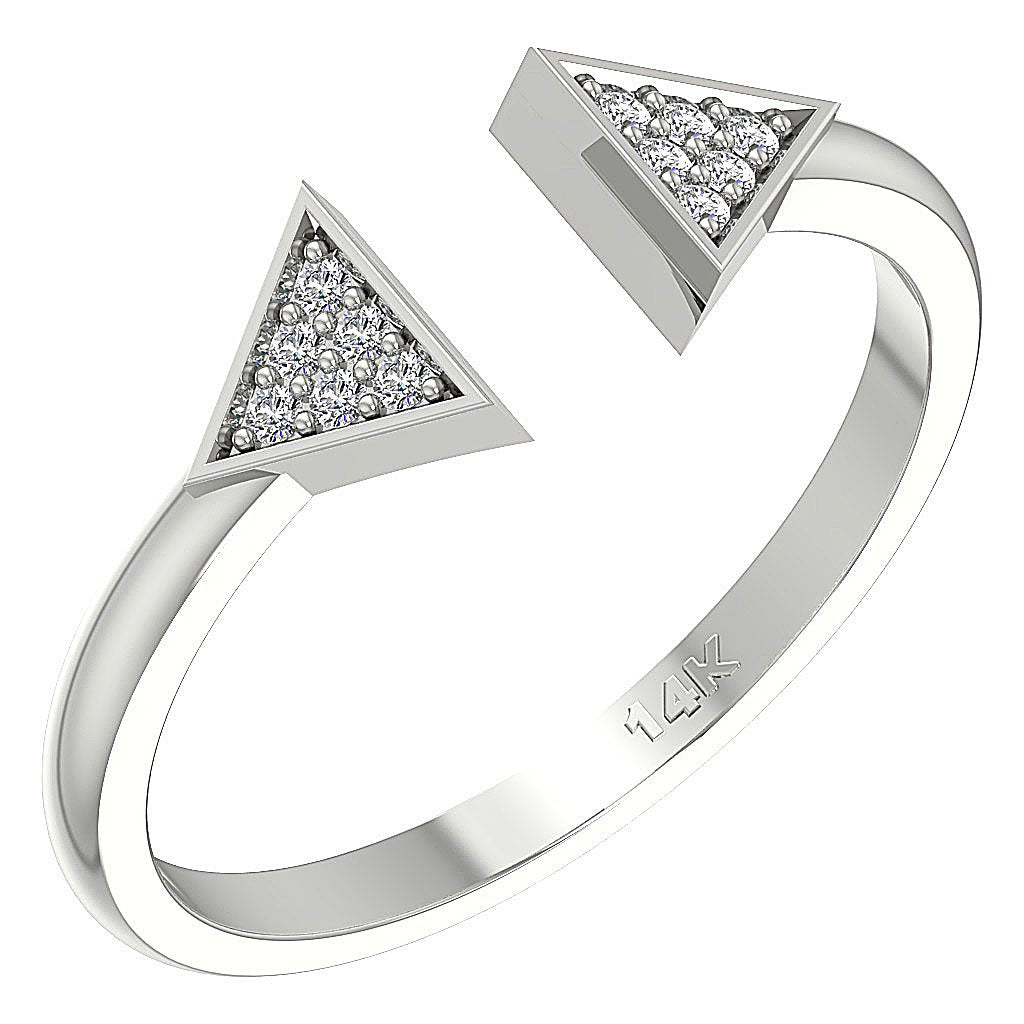
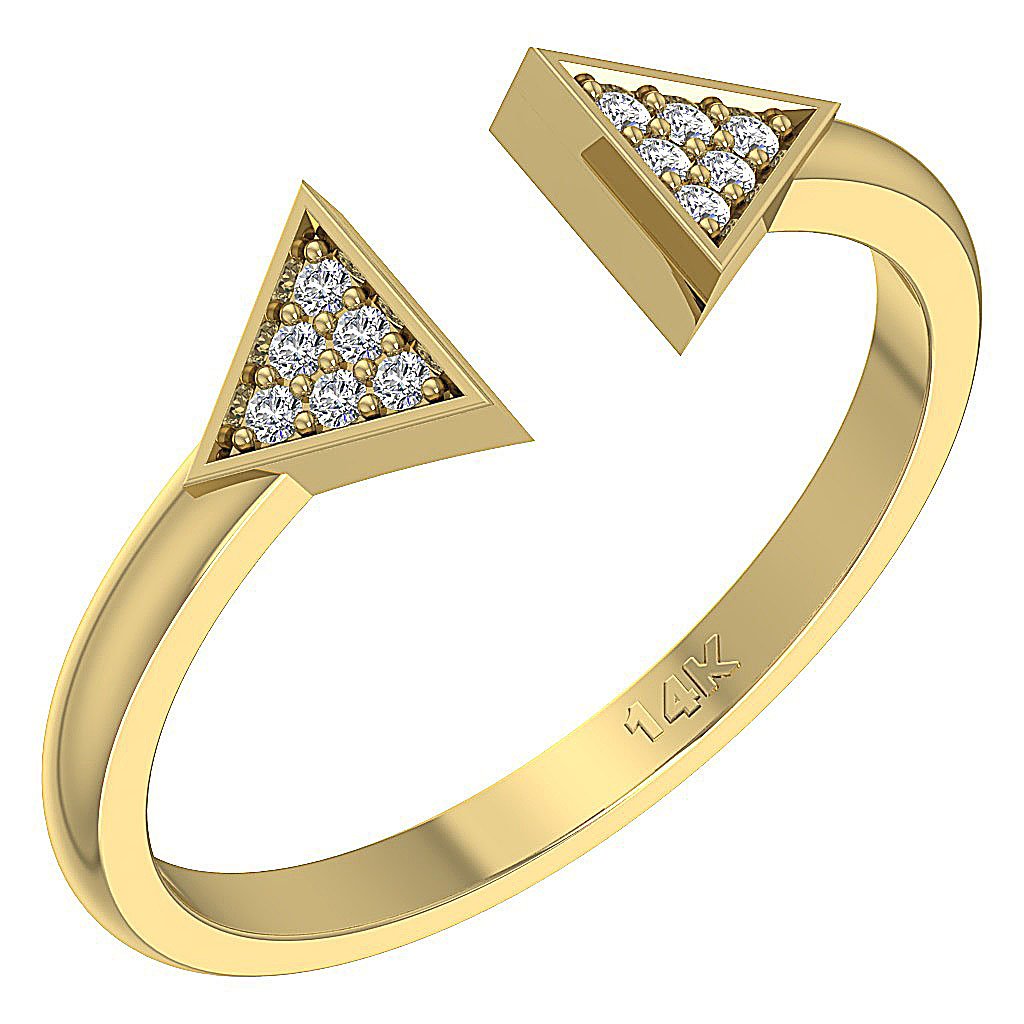
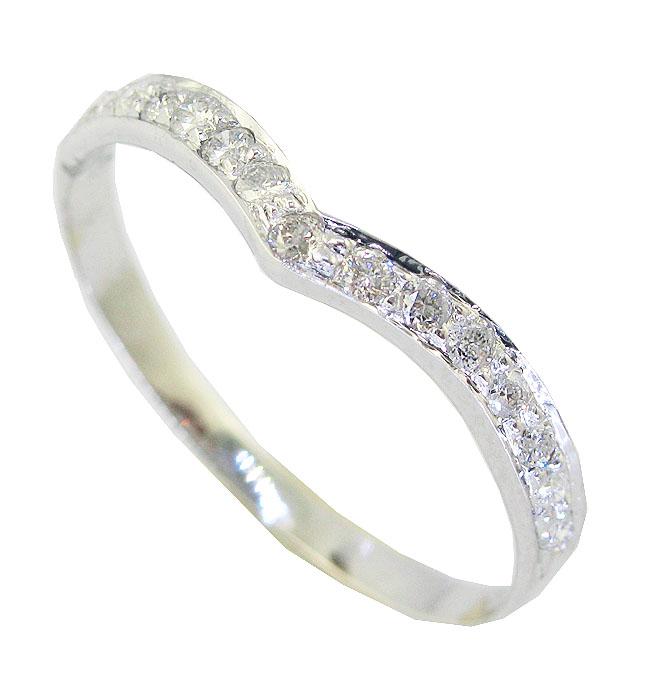
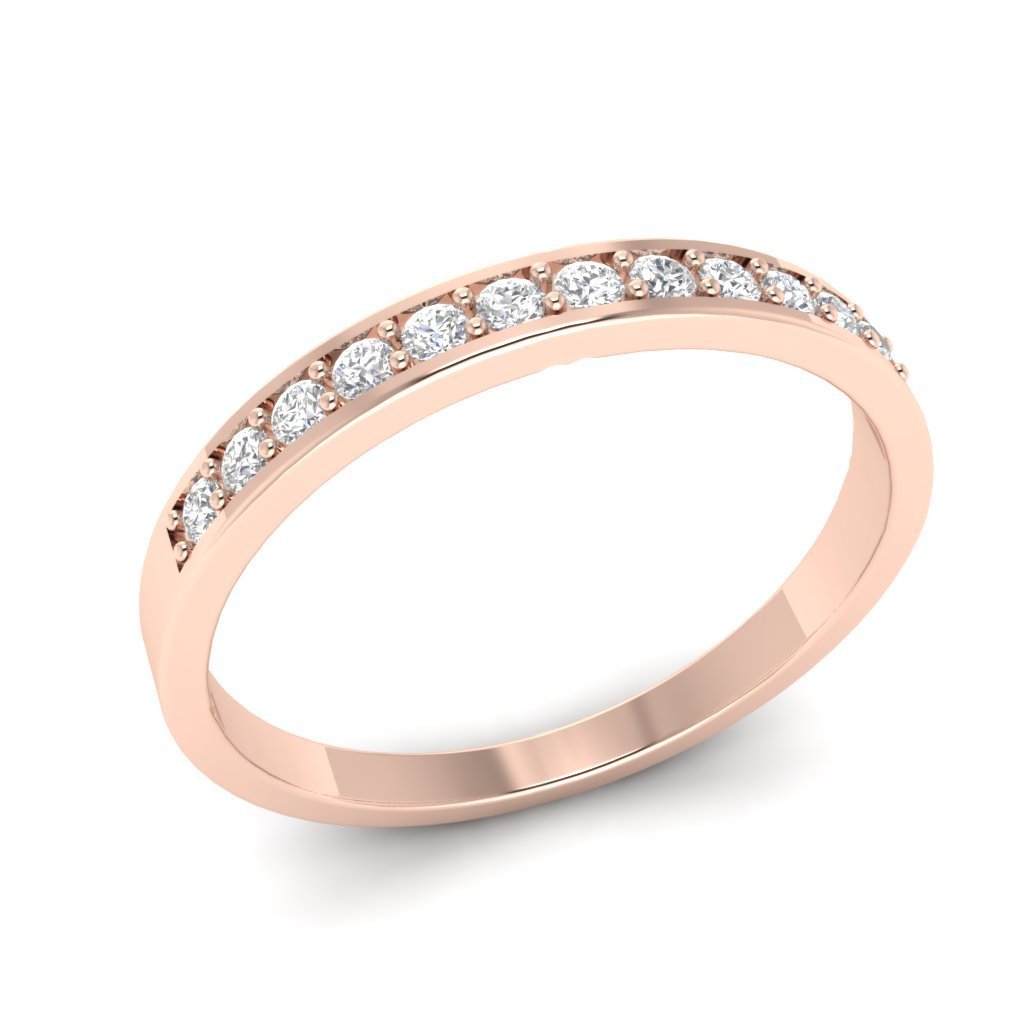
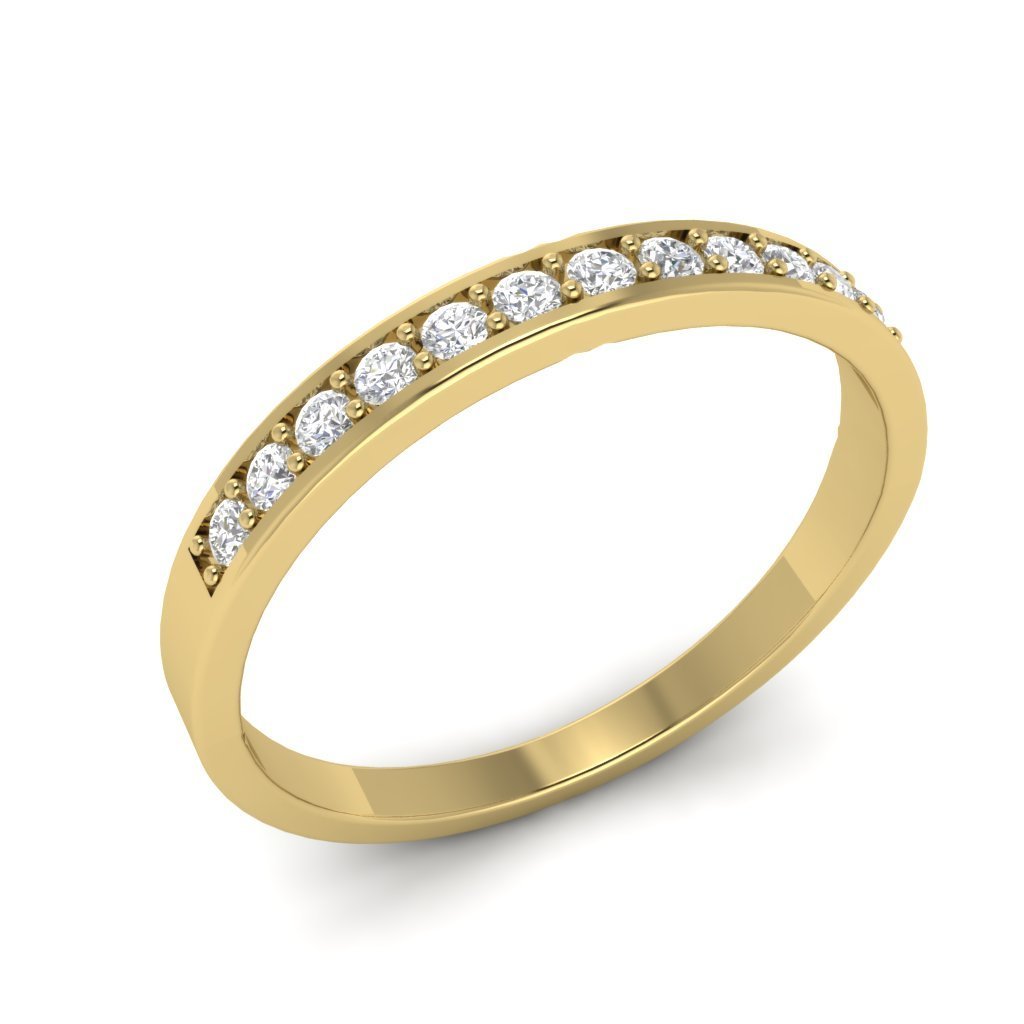
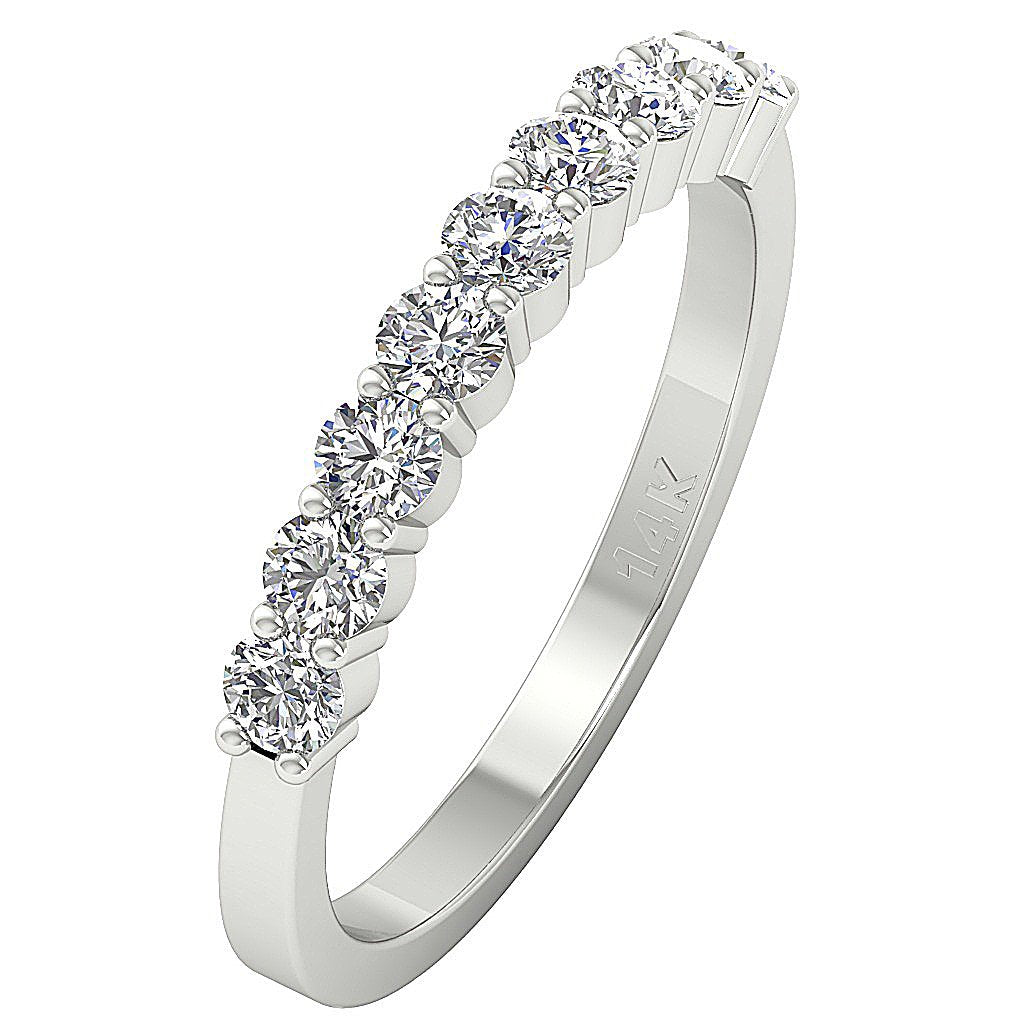
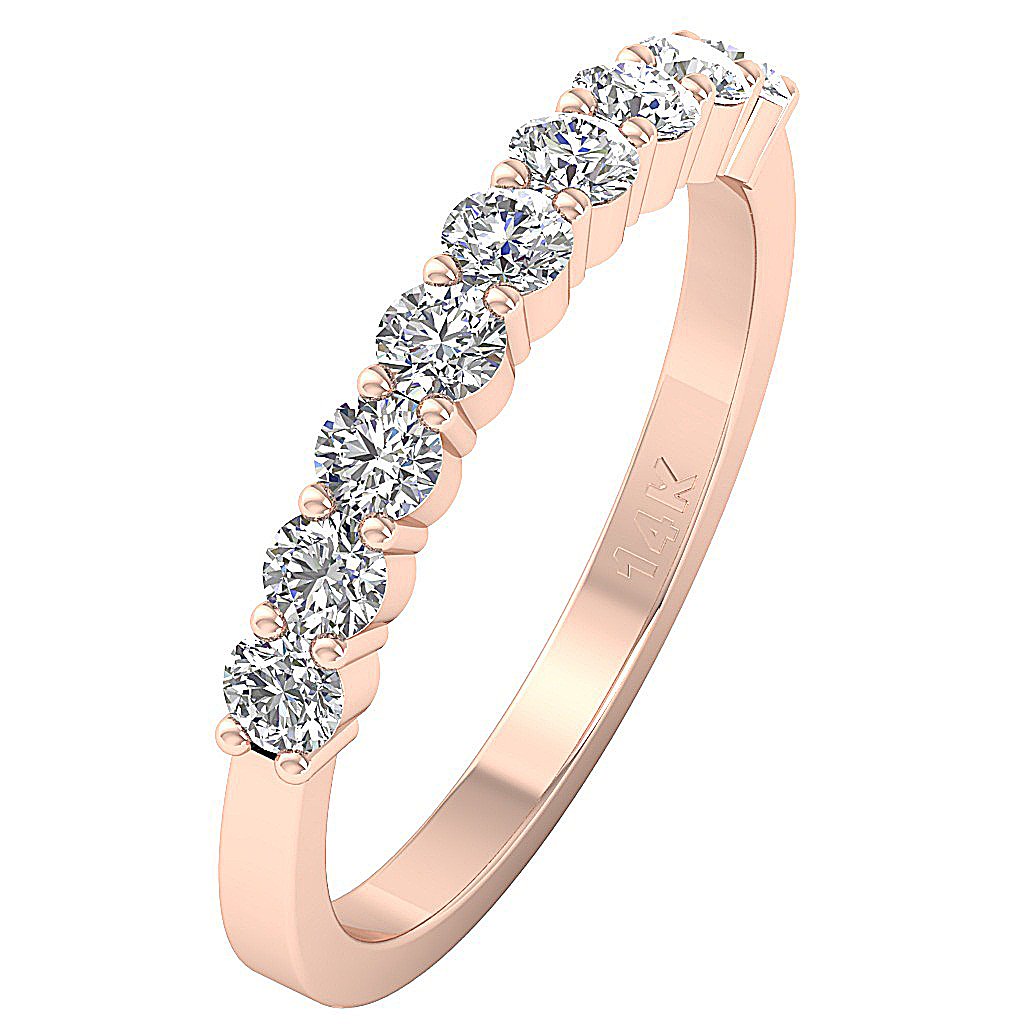
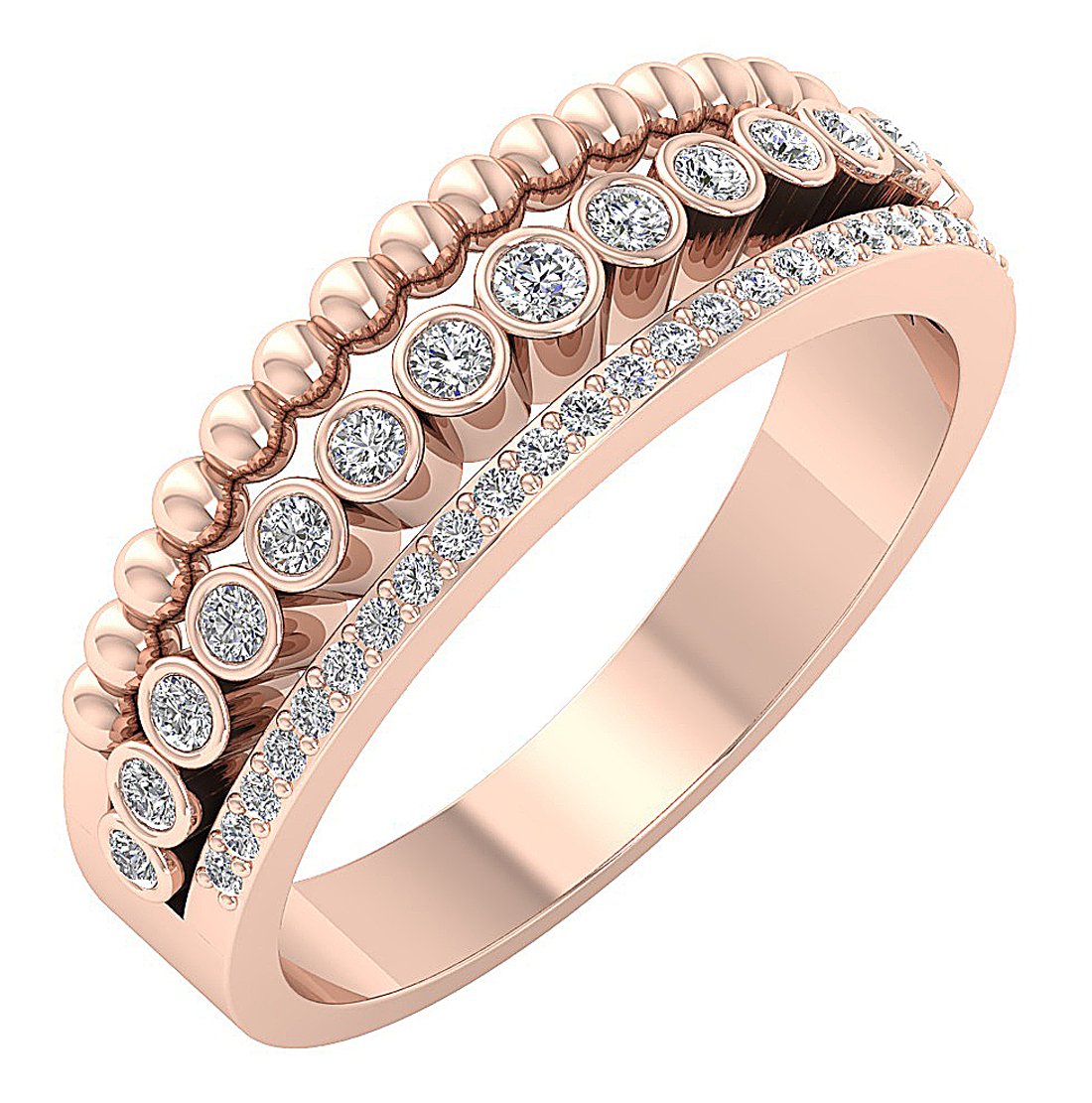
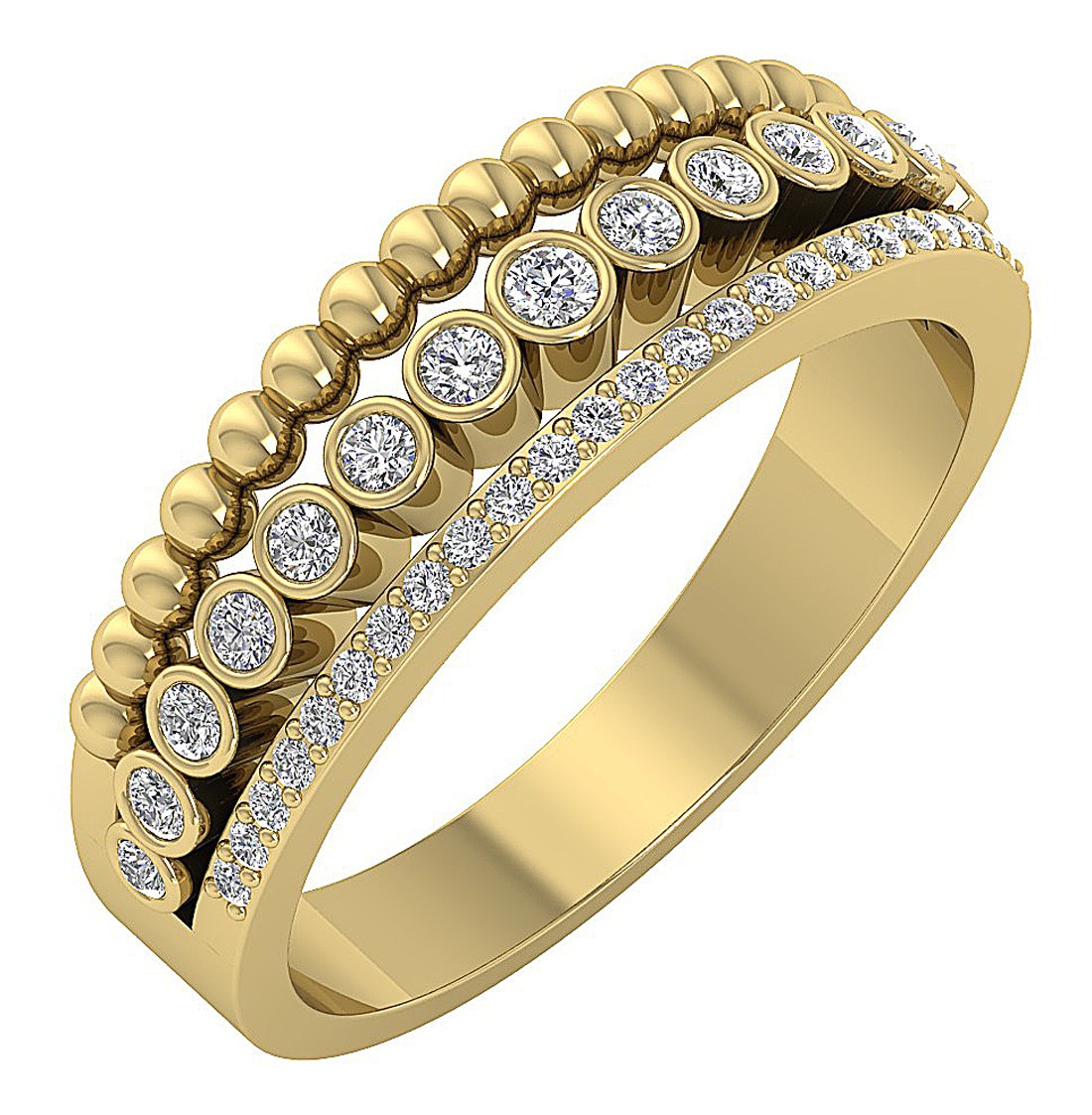
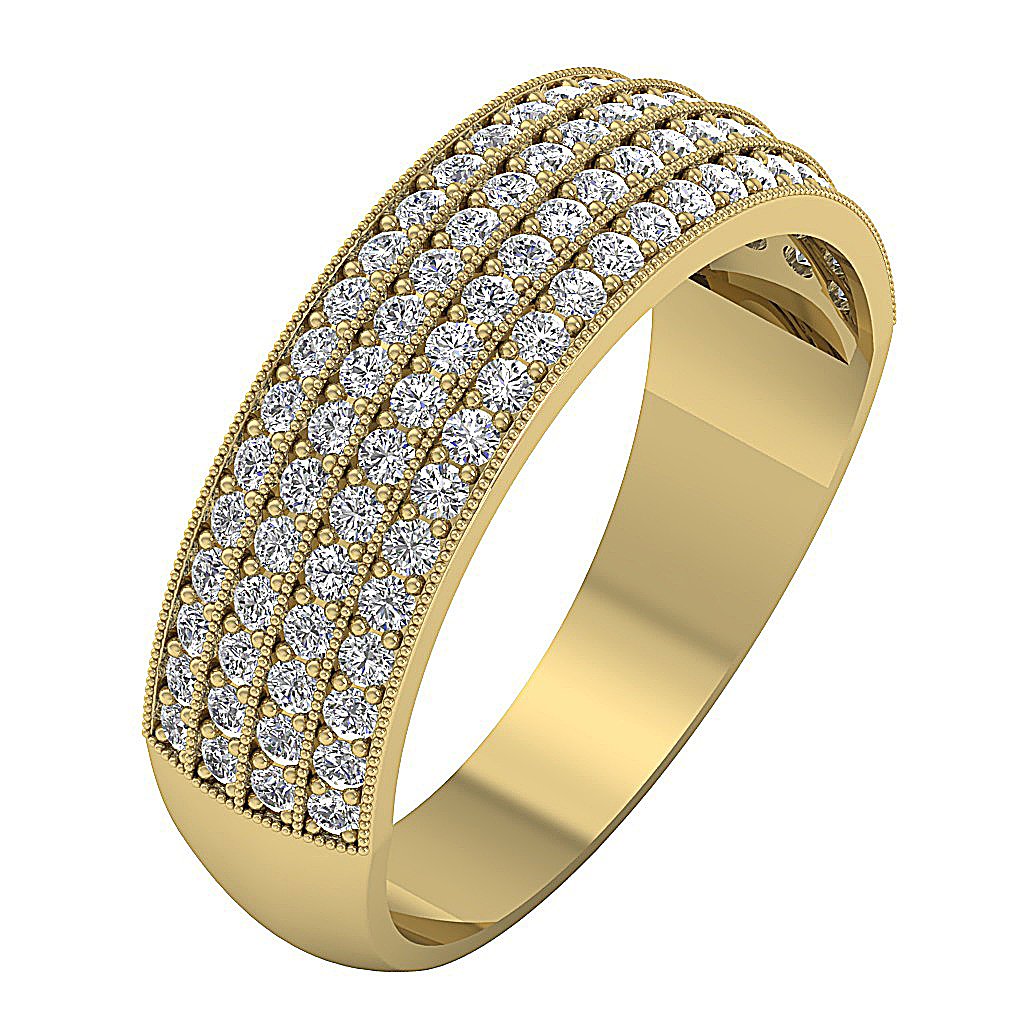
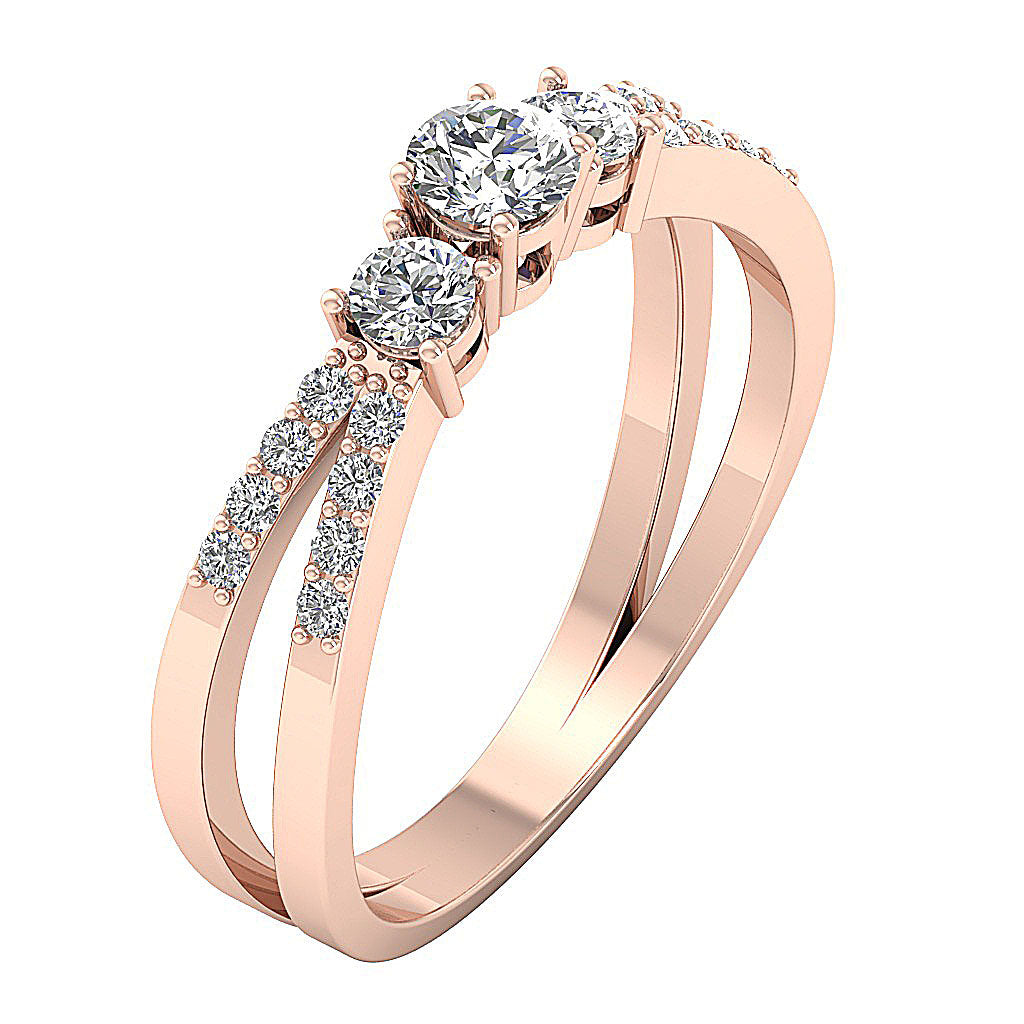
Diamond for Good's petite wedding bands feature natural round diamonds set in 14K gold in white, yellow, and rose gold. Designs include pavé, prong, channel, and bezel settings, each adapted to work within a slimmer band profile.
Working at widths around 1.35 millimeters leaves very little room for error. There is less metal along the shank to support each setting, making precision important in the construction of a petite diamond band.
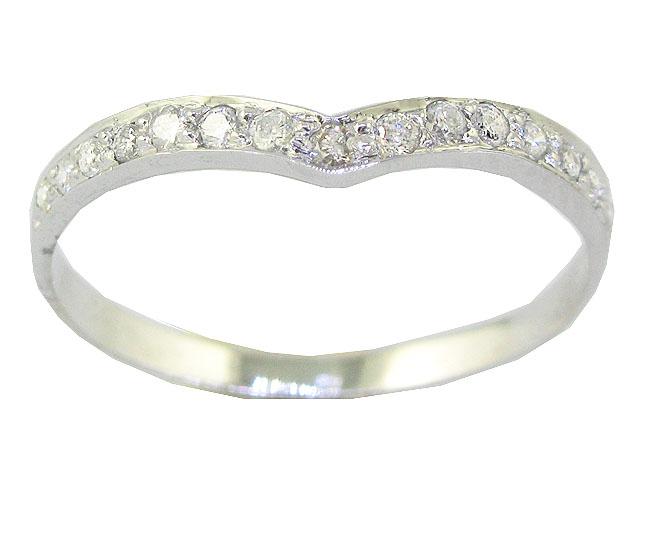
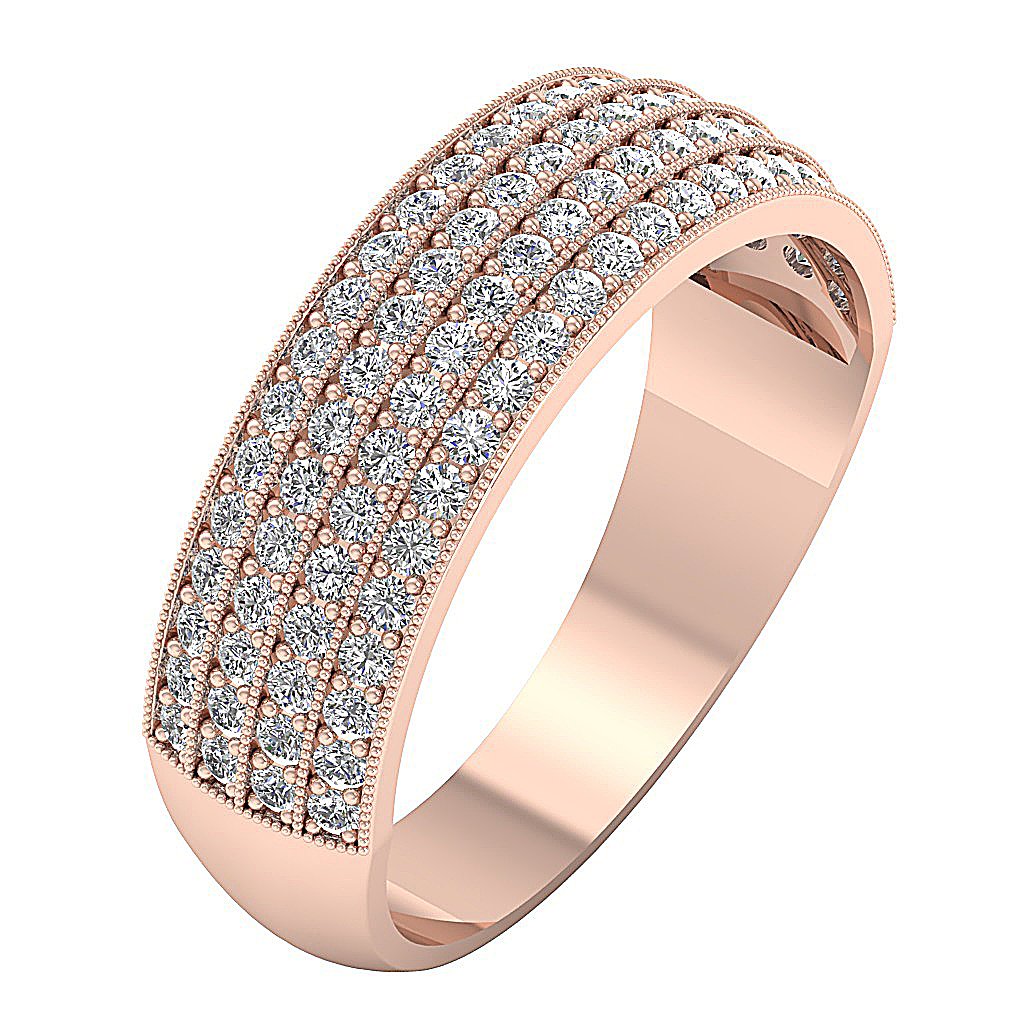
Pavé settings make especially efficient use of the available surface, placing numerous small diamonds closely together so that the metal recedes beneath the sparkle. Prong settings leave individual stones more visually defined, while channel and bezel settings enclose the diamond edges within the metal for a cleaner, more protected finish.
More Than Just a Supporting Role
A petite diamond band does not necessarily need an engagement ring beside it. Its restrained profile can make an elegant minimalist engagement ring for someone who wants visible diamond detail without a raised center stone or substantial setting.
A slim row of pavé diamonds in white gold, for example, creates a continuous line of light across the finger while maintaining a low profile.
This versatility makes petite bands particularly useful when building a jewellery collection. The same band can begin as an engagement ring, sit beside a wedding band later, and eventually become part of a larger anniversary or milestone stack. Its narrow proportions allow it to adapt without appearing out of place.
Choosing Carat Weight and Setting Together
On a petite band, diamond size and setting style should be considered together rather than separately.
A band carrying 0.20 carat total weight across numerous small pavé diamonds creates an almost continuous shimmer. The same total weight distributed among fewer, larger stones in a channel setting produces more distinct points of sparkle.
The proportion of diamond to metal also affects how the band reads from a distance. More closely spaced stones create a brighter, more continuous surface, while visible metal between stones introduces greater definition and structure.
Wearing It Well: How to Style Petite Wedding Bands
Petite wedding bands are naturally suited to stacking. Their narrow profiles allow two, three, or even four bands to sit together with considerably less visual and physical bulk than several wider rings would create.
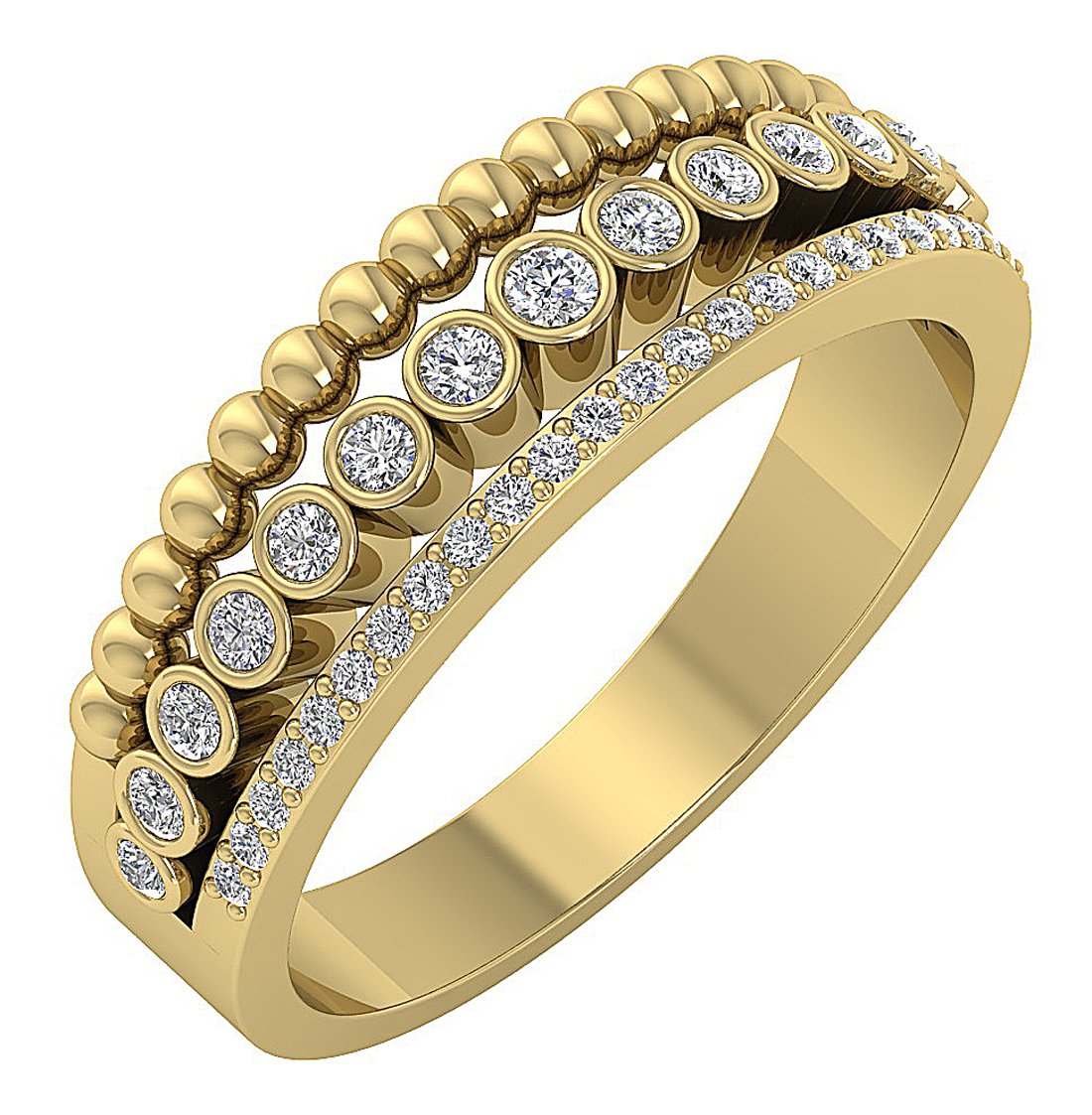
Having some texture can make a stack feel more deliberate. Pairing a pavé band with a polished plain band creates contrast, while several diamond-set bands together produce a more continuous ribbon of brilliance.
Metal choice can work in much the same way. Keeping the same gold tone across the stack creates a seamless, understated look. Combining white, yellow, or rose gold can introduce contrast, but the difference works best when it feels intentional rather than incidental.
A petite band that is too loose may rotate more noticeably on the finger, moving the diamonds away from their intended position. A ring that is too tight can feel restrictive because the narrow profile leaves less surface area to distribute pressure.
Accurate sizing is therefore especially important with delicate bands. The ideal fit should feel secure without creating pressure as the finger naturally changes size throughout the day.
Living With It: Taking Care of a Petite Wedding Band for Women
A petite band contains less metal to absorb everyday impact than a substantial ring, so it benefits from slightly more attentive care. Clean it weekly using warm water, mild soap, and a soft-bristled brush, working gently around the diamond line rather than applying heavy pressure.
For pavé-set bands in particular, avoid aggressive scrubbing. The setting contains numerous small stones supported by delicate amounts of metal, making gentle cleaning preferable to forceful brushing.
A professional inspection every six months is a sensible precaution for a very thin diamond band. A jeweller can check prongs, channels, and individual stone security before minor movement develops into a lost diamond or more extensive repair.
Remove the ring before activities involving repeated impact or heavy gripping, including manual work, exercise equipment, or tasks where the band may strike a hard surface. Store it separately from harder jewellery when not being worn.
Small in profile, exact in proportion, and versatile enough to become whatever the rest of the hand requires.