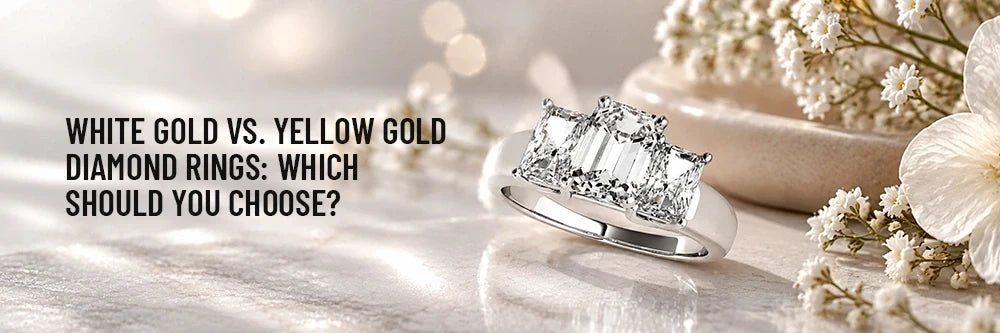
Metal choice is one of the first decisions in building a diamond ring, and it’s also one of the most personal. Unlike carat weight or clarity, there’s no technical grade that says one metal is objectively better than the other. White gold and yellow gold each bring a different look, a different maintenance routine, and a different relationship to the diamond sitting on top of them.
Understanding those differences makes the choice a lot less arbitrary than picking whichever one looks nicer in a single photo.
The Difference Between Yellow and White Gold
Pure gold is naturally yellow, soft, and too delicate for daily jewelry on its own, so both white and yellow gold jewelry are actually alloys, mixtures of pure gold with other metals that add strength and, in white gold’s case, shift the color entirely.
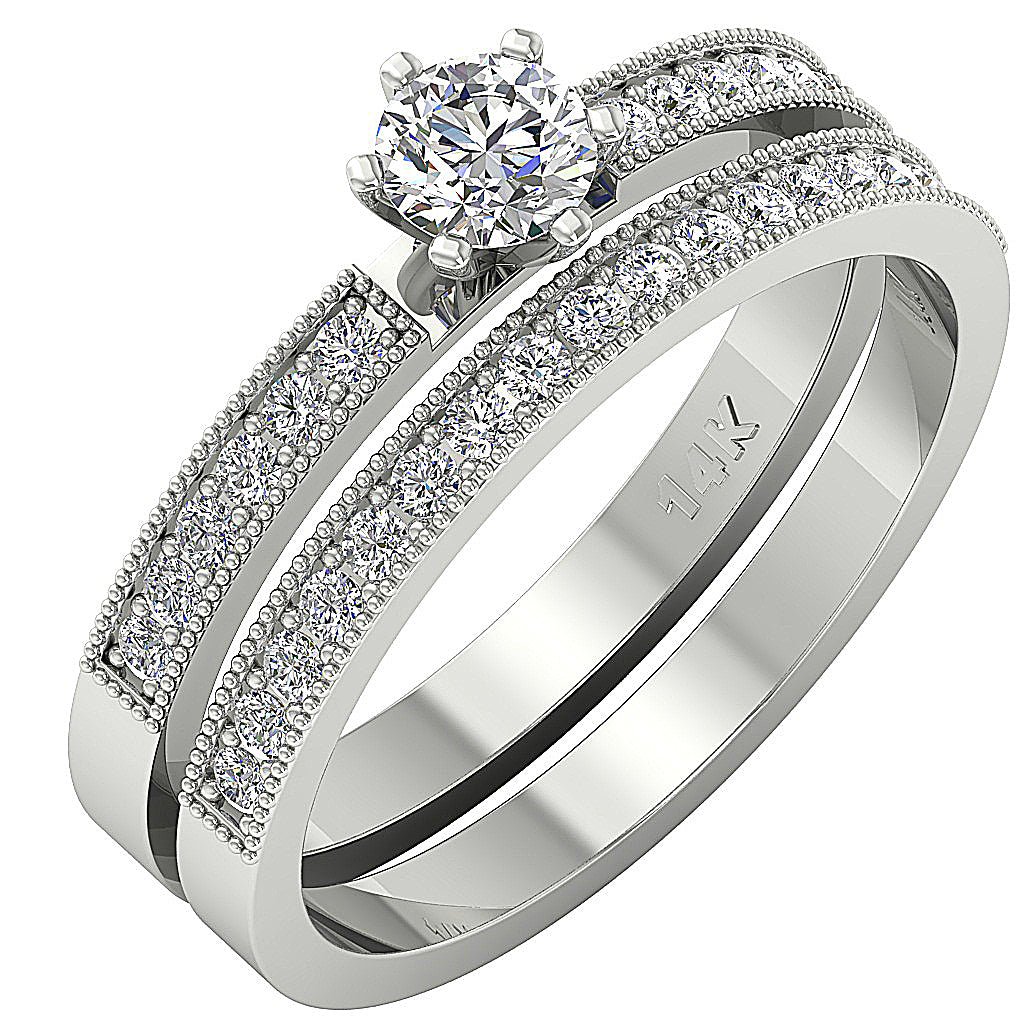
Yellow gold uses alloys like copper and zinc that preserve and slightly adjust gold’s natural warm tone. White gold uses alloys like palladium, nickel, or silver that neutralize gold’s yellow color, typically finished with a rhodium plating for extra brightness.
This means yellow gold is showing its true, natural alloy color at all times, while white gold’s bright white finish depends on a plating layer that can wear down owing to prolonged use. It’s a meaningful practical difference that goes beyond simple aesthetics.
Which Metal Requires More Maintenance
Yellow gold is the lower-maintenance option in almost every scenario. Because there’s no plating layer to wear away, yellow gold’s color stays consistent for as long as the ring exists, aside from normal scratching and the light surface wear any metal experiences. An occasional polish is typically all that’s needed to keep it looking bright.
White gold requires rhodium replating roughly every one to two years for a ring worn daily, since the plating gradually thins and reveals the warmer, slightly yellowish alloy underneath. While plating isn’t expensive or complicated and most jewelers offer the service for a modest fee, it is a recurring task that yellow gold owners simply don’t have to think about.
How Each Metal Affects Diamond Appearance
White gold’s cool tone tends to make a diamond’s color grade look slightly better than it would in yellow gold, since there’s no warm metal reflecting yellow tones into the stone. A diamond graded H or I, which carries a faint warmth visible mainly in comparison to higher grades, often reads whiter when set in white gold.
Yellow gold does the opposite, and for some diamonds, that’s actually a benefit rather than a setback. A diamond with a noticeable warm tint can look more intentional and less like a lower grade when set against yellow gold, since the metal’s own warmth makes the stone’s color feel like part of a cohesive palette rather than a flaw.
This is why some jewelers specifically recommend yellow gold settings for diamonds graded K or lower, sometimes called “warm white” diamonds, since fighting the stone’s natural tone with a stark white metal can actually draw more attention to the warmth rather than less.
Durability Differences Worth Knowing
At the same karat purity, white and yellow gold have broadly similar durability. The strength of the metal comes primarily from the percentage of alloy metal rather than which specific alloy is used.
Where the two diverge slightly is in day-to-day appearance under wear. Yellow gold shows scratches as a change in surface texture but retains its color, so a scratched yellow gold band still looks like yellow gold, just with a duller finish that a jeweler can polish out.
White gold shows scratches similarly, but because the rhodium layer is a separate, thin coating, scratches can wear through the plating in high-contact areas faster than the base metal would otherwise wear. This is mostly cosmetic and doesn’t affect the ring’s structural integrity, but it does mean white gold rings tend to need professional attention sooner to maintain their original appearance.
Style and Wardrobe Considerations to Keep in Mind
Beyond the technical differences, the decision often comes down to what someone already wears and what look they’re drawn to.
Yellow gold has moved firmly back into fashion after a long period where white metals dominated engagement ring trends, and it pairs naturally with warmer color palettes and vintage-inspired designs. It also tends to photograph with a softer, warmer glow, which some people specifically want for their engagement photos.
White gold pairs well with a more modern, minimal aesthetic and tends to disappear visually against the diamond itself, letting the stone take center stage rather than sharing visual weight with the metal. If someone already wears predominantly silver or white-metal jewelry and accessories, white gold will blend more naturally into an existing collection than yellow gold would.
Cost Differences Between the Two Metals
At the same karat weight and purity, yellow and white gold cost roughly the same, since the price is driven primarily by the gold content itself rather than the specific alloy metals used.
Where a cost difference can appear is in finishing. White gold’s rhodium plating adds a small amount to the initial cost and represents an ongoing expense over the life of the ring that yellow gold simply doesn’t carry.
If someone is budgeting for the total cost of ownership rather than just the upfront price, yellow gold has a modest long-term cost advantage, even though the difference is unlikely to be the deciding factor for most buyers.
Why Two-Tone Isn’t Really a Compromise But a Third Option
Rather than choosing strictly between white and yellow, some buyers land on a two-tone design that uses both metals deliberately, often white gold for the band and yellow gold prongs or vice versa.
This isn’t a hedge for someone who can’t decide. It’s a legitimate design choice with its own long history in fine jewelry, particularly in vintage and Art Deco-inspired pieces where contrasting metals were used specifically to highlight different parts of a setting.
A two-tone ring still carries some of white gold’s maintenance considerations wherever white gold appears in the design, but it can reduce the visible impact of rhodium wear since only part of the ring depends on the plating for its color.
If a person likes the idea of yellow gold’s warmth but isn’t ready to fully commit to it, or wants a ring that pairs equally well with silver and gold jewelry collections, two-tone is a third path rather than a fallback.
Can You Change Your Mind Later?
Somewhat. A yellow gold ring cannot be converted to white gold through plating, since rhodium plating over yellow gold produces an uneven, temporary result that wears off quickly and can look patchy.
A true metal change requires either remaking the setting or, in some cases, having a jeweler assess whether the existing piece can be reworked, which isn’t always possible depending on the design.
Rings can, however, be ordered with genuinely mixed-metal designs from the start, pairing a white gold band with yellow gold prongs or accents, or the reverse, which gives some of the visual variety of both metals without requiring a future conversion.
Why Trends Swing Between the Two
Metal preference has moved in fairly visible cycles over the past several decades. White metals, first platinum and later white gold, dominated engagement ring trends from the late 1990s through the mid-2010s, driven partly by a wave of minimalist, modern design and partly by celebrity engagement rings that popularized the look.
Yellow gold, once considered the default choice through most of the twentieth century, fell out of favor during that stretch before making a clear comeback in more recent years.
That resurgence has tracked alongside a broader shift toward vintage-inspired and Art Deco design influences, along with a general move away from strict minimalism in jewelry more broadly. Neither trend cycle reflects one metal being objectively better, only shifting taste, which is worth keeping in mind for anyone choosing a metal based partly on what looks current.
A well-made ring in either metal tends to outlast any single trend cycle, provided the choice is based on personal preference rather than what happens to be popular in a given year.
Wrapping Up
Neither metal is the objectively correct choice, only the one that fits a person’s maintenance tolerance, style, and the specific diamond going into the setting. Diamond for Good offers both white and yellow gold across its ring collection, making it straightforward to compare the same design in each metal before deciding.
Frequently Asked Questions
Does yellow gold make small diamonds look larger or smaller?
Metal color has minimal effect on perceived diamond size, which is driven mainly by carat weight, cut, and setting style. Yellow gold can make warmer-toned diamonds appear more intentional in color, but it doesn’t meaningfully change how large or small a stone looks.
Is rose gold a compromise between white and yellow gold?
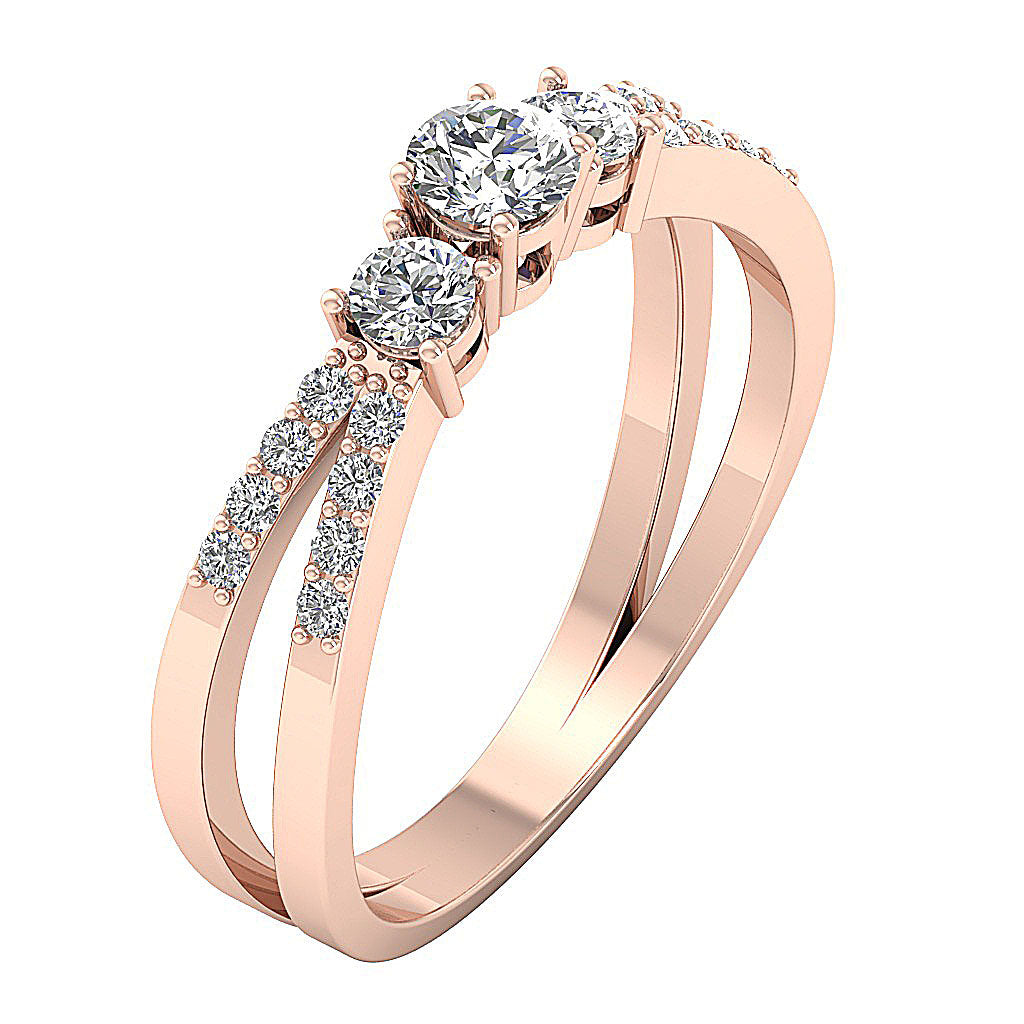
Rose gold is its own distinct option, made by alloying gold with copper for a pink tone, rather than a blend of white and yellow gold. It shares yellow gold’s low-maintenance durability without needing rhodium replating, similar to yellow gold.
Which metal is more popular for engagement rings right now?
White gold and platinum have historically led engagement ring sales in the U.S., though yellow gold has seen a significant resurgence in recent years, particularly among younger buyers drawn to vintage-inspired and more colorful jewelry trends.
Does one metal hold its resale value better than the other?
Resale value is driven primarily by gold content and market gold prices rather than color, so white and yellow gold hold value similarly at the same karat and weight. The diamond, not the metal color, is typically the bigger factor in overall resale value.

Leave a comment
This site is protected by hCaptcha and the hCaptcha Privacy Policy and Terms of Service apply.