
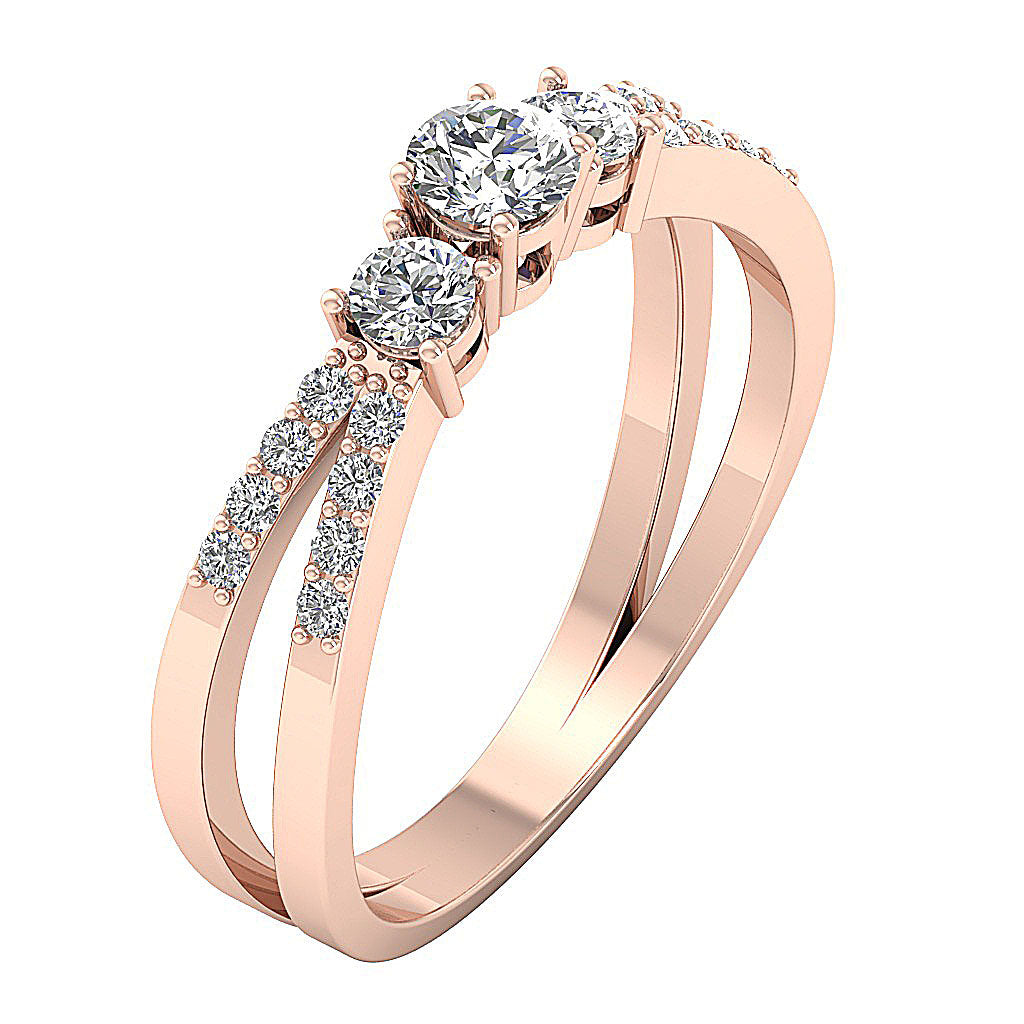
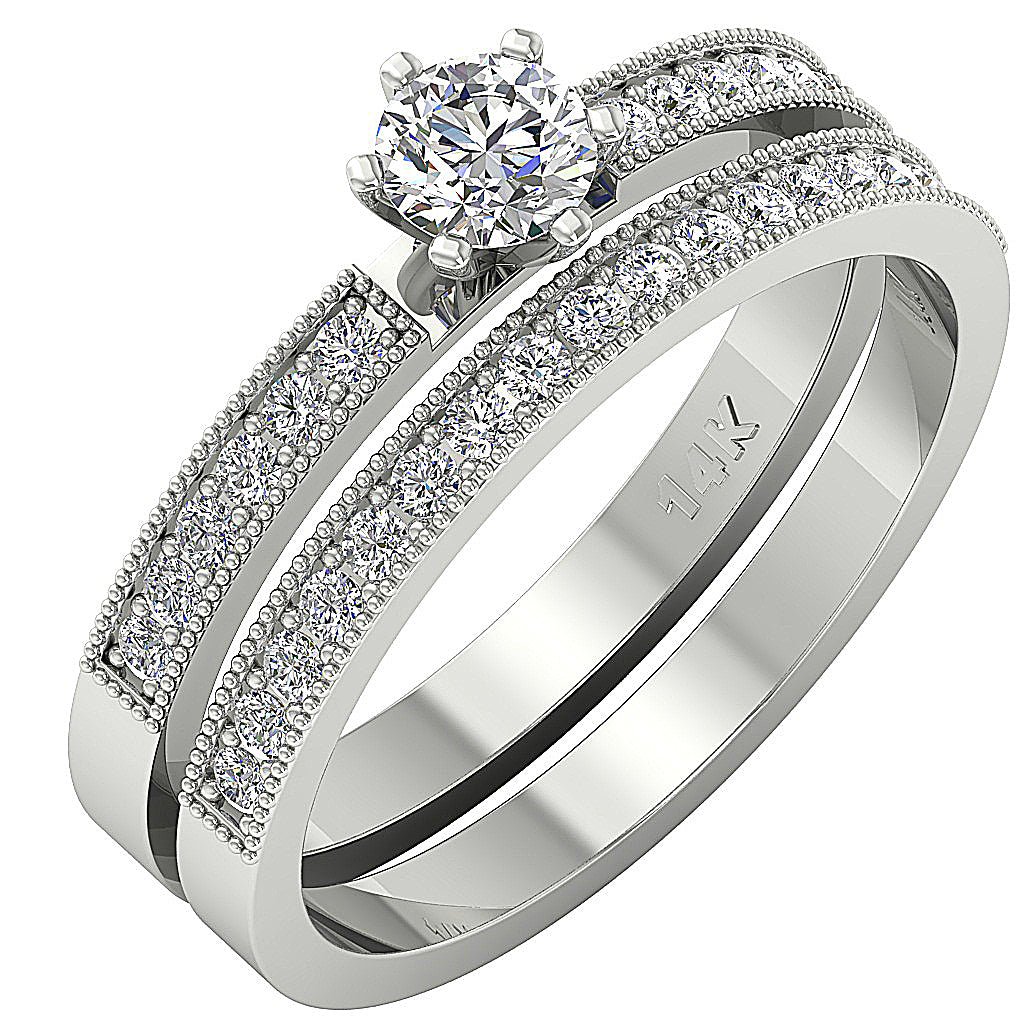
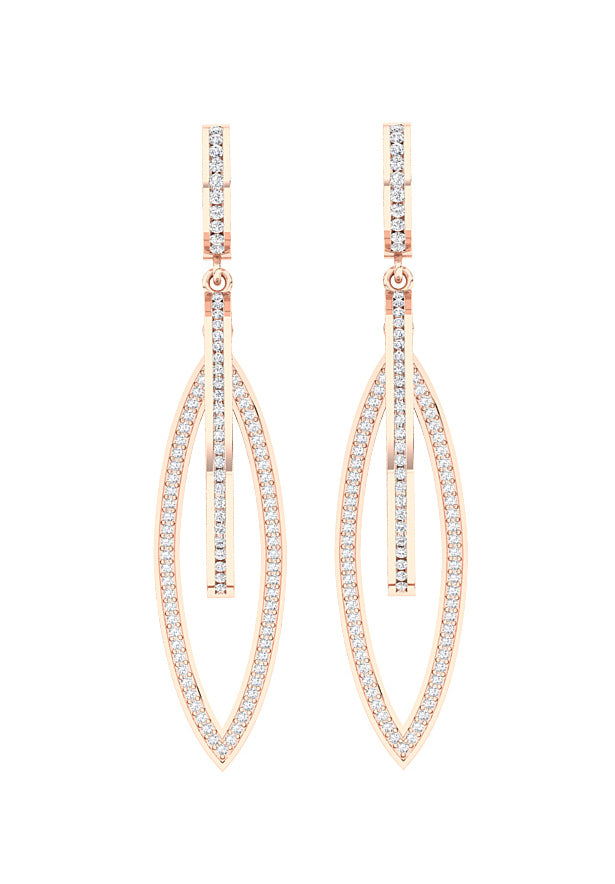
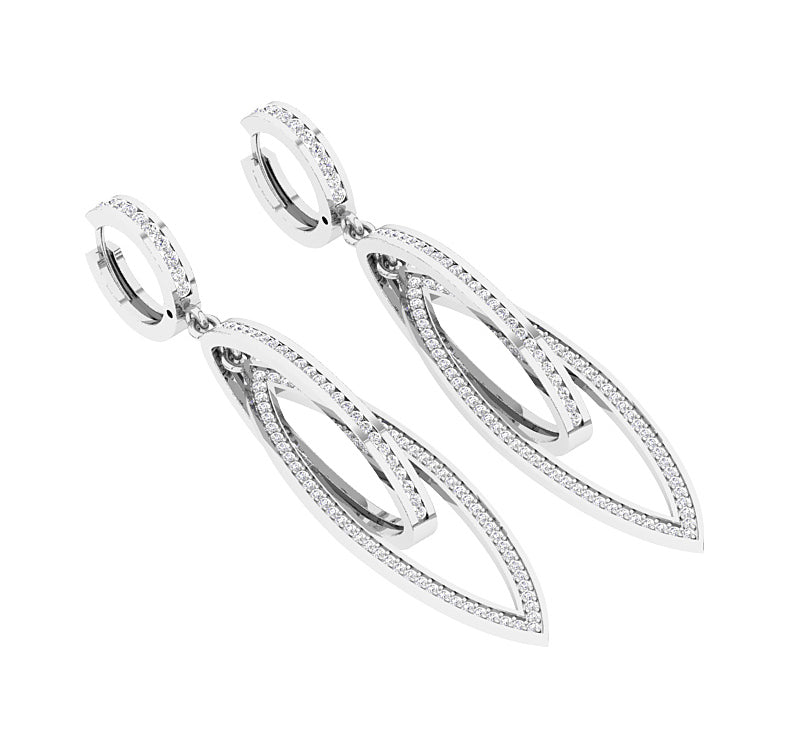
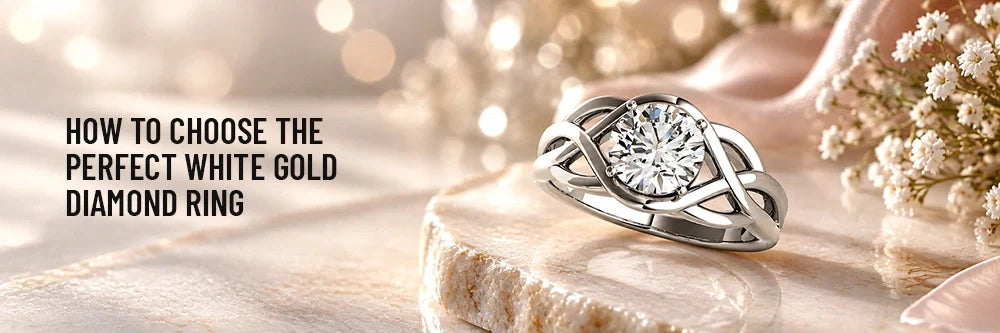
Gold is naturally yellow and is available as such in its purest 24k and 22k forms. However, modern jewellers are now offering contemporary pieces in 14k to 18k white gold. This alloy gives a clean, modern aesthetic while still retaining the properties of this precious metal.
White gold is the most popular metal choice for diamond rings sold in the United States, and it earns that popularity honestly. It has the bright, cool tone people associate with platinum at a fraction of the cost; it pairs well with nearly every diamond color grade, and it photographs beautifully.
Choosing the right white gold diamond ring, though, involves a few decisions that aren’t obvious until someone’s actually comparing options side by side.
What Is “White Gold”
Pure gold is yellow. White gold gets its color from alloying pure gold with white metals, typically palladium, nickel, silver, or a combination of these, which dilutes the yellow tone and produces a pale, silvery base metal.
Most white gold jewelry is then finished with a rhodium plating, a bright white metal in the platinum family, which gives it the icy, reflective finish most people picture when they think of white gold.
While rhodium is a tough metal to wear off, the plating can get thinner over years of regular use. This gradually reveals the slightly warmer, more yellow-tinted alloy underneath. This isn’t a defect. It’s normal, expected behavior for the metal, and it’s something every white gold ring owner eventually deals with.
14k vs. 18k White Gold: Comparing the Two Alloys
Gold purity is measured in karats, with pure gold being 24k. Because pure gold is soft and yellow, both 14k and 18k white gold blend it with other metals, but in different ratios. 14k gold is about 58 percent pure gold, while 18k gold is about 75 percent pure gold, with the remainder made up of the alloying metals that provide strength and color.
18k white gold has a slightly warmer undertone before rhodium plating, simply because it contains more of the naturally yellow pure gold. This warmer undertone is masked by the plating when new. 18k gold is valued for its higher gold content and slightly better hypoallergenic properties, though it comes at a higher price for the same design.
14k gold is harder and more scratch-resistant, thanks to its higher percentage of alloy metals, which makes it a common choice for rings worn daily and exposed to more wear. 14k suits people prioritizing durability and a lower price point, while 18k suits people who want higher gold purity and don’t mind a bit more required maintenance over time.
White Gold vs. Platinum: A Common Point of Confusion
White gold and platinum look nearly identical when new, which leads many first-time buyers to assume they’re interchangeable. They aren’t. Platinum is naturally white and doesn’t require rhodium plating, so it never needs replating to maintain its color.
It’s also denser and more resistant to loss of metal over time, since platinum wears by displacing rather than losing material, which is why platinum settings often show a soft patina rather than thinning prongs after years of wear.
Platinum typically costs significantly more than white gold, both because the raw metal is pricier and because it’s denser, meaning a platinum ring uses more metal by weight than the equivalent white gold design.
For most buyers, white gold offers the closest visual match to platinum at a meaningfully lower price, with the trade-off being the need for occasional rhodium replating, typically every one to two years depending on wear.
How White Gold Interacts With Diamond Color
This is one of the more practical, less discussed factors when it comes to choosing white gold.
Because white gold has a cool, bright tone, it tends to make lower color-grade diamonds look slightly better than they would in yellow gold, since the white metal doesn’t reflect warm tones into the stone. A diamond graded H or I in color, which might show a faint warmth in yellow gold, often appears whiter and cleaner when set in white gold or platinum.
This can be a meaningful budget lever. Rather than paying a premium for a higher color grade like F or G, choosing white gold and a slightly lower, more affordable color grade can produce a very similar visual result to a higher grade diamond in yellow gold, at a lower total cost.
Choosing a Setting Style That Suits White Gold
White gold’s cool, reflective surface pairs especially well with pavé and halo settings, where smaller diamonds surround or line the band, since the consistent white tone across metal and stones creates a seamless field of brilliance.
Solitaires in white gold also tend to emphasize the center stone’s brightness more than the same stone would appear in yellow or rose gold, since there’s no warm metal tone competing with the diamond’s own color.
Vintage-inspired and milgrain settings, which use small decorative beading along the metal’s edges, also read particularly well in white gold, since the fine detail catches light similarly to the diamonds themselves. Anyone drawn to an intricate, detailed setting rather than a simple, minimal band should specifically consider white gold for this reason.
Does Skin Tone Matter When Choosing the Color of Gold?
The old advice that certain metals suit certain skin tones better than others is largely a myth when it comes to white gold versus yellow or rose gold.
Skin undertone has more influence over which metal looks flattering against the hand, with cooler undertones often pairing comfortably with white gold’s icy brightness and warmer undertones sometimes finding it slightly stark by comparison.
What matters more is the ring’s contrast against a person’s typical wardrobe and other jewelry. Someone who wears mostly silver-toned watches and accessories will find white gold blends naturally into their existing collection, while someone who wears mostly gold-toned pieces might find white gold reads as slightly disconnected from everything else on their hands and wrists.
Maintenance Factors Worth Knowing Before You Buy White Gold Jewelry
Every white gold ring will eventually need rhodium replating, sooner for rings that see significant wear against rough surfaces or frequent hand washing with harsh soap. This is a routine, inexpensive service most jewelers offer.
People with nickel sensitivities should also ask specifically what alloy metals are used in a given white gold ring, since some white gold formulations use nickel while others use palladium-based alloys instead. Palladium white gold is generally the better choice for anyone with a known metal allergy, even though it can be slightly more expensive than nickel-alloyed white gold.
Between replatings, a soft cloth and mild soap and water go a long way toward keeping a white gold ring looking its best. Chlorine and harsh household chemicals can dull the rhodium finish faster than normal wear, so remove the rings before swimming in a chlorinated pool or doing heavy cleaning around the house.
Pairing White Gold with a Wedding Band
Anyone planning to wear an engagement ring alongside a wedding band should think about metal matching before finalizing the engagement ring purchase, since mismatched white metals can look surprisingly different side by side.
The simplest way to avoid this is by choosing the same metal for both rings from the start, or at a minimum, discussing the pairing with a jeweler who can show both metals together under the same lighting before a final decision.
If you are planning to stack multiple bands over time, sticking with one consistent white metal across the whole set tends to look more intentional than mixing pieces acquired separately over the years.
Wrapping Up
Choosing between 14k and 18k, deciding how often you’re willing to replate, and matching the metal to a diamond’s color grade all shape how a white gold ring looks and performs over years of wear. Diamond for Good’s white gold settings are available across a range of styles for anyone ready to compare these options directly.
Frequently Asked Questions
Does white gold turn yellow over time even with rhodium plating?
The rhodium layer wears thin gradually, revealing the warmer alloy underneath rather than turning fully yellow. Most people notice this as a subtle dulling rather than an obvious color shift, and a simple replating restores the original bright white finish.
Is white gold hypoallergenic?
Not automatically. White gold alloyed with nickel can trigger reactions in people with nickel sensitivities. Palladium-alloyed white gold is a better option for sensitive skin, so it’s worth asking a jeweler which alloy a specific ring uses before purchasing.
Can white gold be mixed with yellow or rose gold in one ring?
Yes, mixed-metal designs are increasingly popular, often using white gold for the main band and yellow or rose gold for accent details or a contrasting halo. This combination offers more design flexibility without requiring a fully single-tone piece.
Does white gold scratch more easily than platinum?
White gold, particularly 18k, is generally softer than platinum and can show scratches sooner. However, platinum actually displaces metal when scratched rather than losing it, which is why platinum develops a patina and benefits more visibly from occasional polishing.

Leave a comment
This site is protected by hCaptcha and the hCaptcha Privacy Policy and Terms of Service apply.