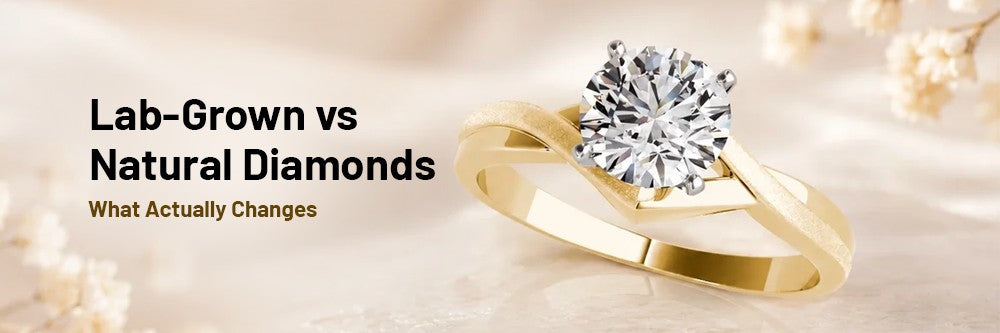
Every few years the jewelry world finds a new argument to have, and right now it is this one. Lab grown vs natural diamonds has split dinner tables, group chats and more than a few first dates. One camp insists origin is everything. The other says a diamond is a diamond.
A lab-grown diamond and a natural diamond are made of the same material. Almost everything around that material differs: where it begins, what it costs, what it carries with it, and what it says about the person wearing it.
The choice is less a verdict on taste than a statement of your own priorities, and those are yours to set.
Is a Lab-Grown Diamond a Real Diamond?
Yes. A lab-grown diamond is pure carbon arranged in the same cubic crystal structure as a mined stone. It has the same hardness, the same refractive index and the same fire. Both sit at 10 on the Mohs scale, the top of the chart, and both are graded by gemological laboratories on the same four factors: cut, color, clarity and carat weight.
Lab-grown diamonds are not the same as simulants. Cubic zirconia and moissanite are among the other materials that imitate a diamond and are often used in jewelry. These have a different chemical composition, crystal structure, refractive index, and hardness.
A lab-grown stone is not an imitation. It is a real diamond, grown above ground instead of dug out of it.
How Is a Lab Diamond Created?
Natural diamonds crystallize deep in the earth, roughly 150 kilometers below the Earth’s surface, under extreme heat and pressure. Volcanic eruptions and tectonic activities then carried them upward, closer to the Earth’s surface, putting them in a range that mines can reach. For most gem diamonds that happened over a billion years ago.
Lab-grown diamonds follow two main routes. High pressure, high temperature, known as HPHT, recreates the squeeze of the mantle around a tiny diamond seed. Chemical vapour deposition, or CVD, builds the crystal layer by layer from carbon-rich gas inside a vacuum chamber.
Weeks replace epochs, creating the same stone with the same mineral composition. The result is the same lattice, reached by a very different road.
Can Anyone Tell the Difference Between the Two Diamond Types By Eye?
No, and a jeweler with a loupe cannot either (anyone claiming otherwise is overstating their abilities). Separating the two diamond types takes specialist spectroscopic equipment.
That is why testing and assessment of lab-grown and natural original diamonds must be done in an independent laboratory. Their reports state the origin plainly, and many lab-grown stones carry a microscopic laser inscription that records the report number and the fact of laboratory growth.
Whichever origin you choose, buy a stone that comes with a certificate from an independent lab such as GIA or IGI, and read the origin line before you read anything else. A beautiful diamond with vague paperwork is a poor purchase.
Will Lab Grown Vs. Natural Diamonds Look Different On Your Hand?
This will happen only if the stones below to two different grades. Two stones with the same cut, color, clarity and carat weight look identical to any observer, whatever their origin. What changes the picture is quality and shape.
A well-cut round stone returns more light than a poorly cut one of the same weight, and elongated shapes such as oval, pear and marquise spread across more of the finger than a round stone of equal carat weight.
Warm metals like yellow and rose gold also flatter stones with a trace of color, so a slightly lower color grade can look deliberate in the right setting. Choose the cut first, the shape second, and the origin when everything else is equal.
What Does Each Diamond Type Cost, and Why?
Lab-grown diamonds cost a fraction of natural stones of comparable grade, and that gap has widened as production has scaled.
The reason behind this is simple. The same budget buys a larger stone, a higher grade, or both, and the money you do not spend can go toward the setting, the metal or something else entirely, like a deposit or a trip. Ask each seller to show you the grading report before you compare prices, so you know both stones are measured against the same standard.
However, this also has a factor that is important to cover. Lab-grown prices keep falling, so resale value is modest. Natural diamonds hold more value, although retail markups mean you will rarely recover what you paid.
Neither should be treated as an investment. Buy a diamond because you want to wear it for years, not because you expect it to behave like a savings account.
What about the Ethics and the Environment?
Mining disturbs land, uses water and energy, and has a documented history of human rights abuses in some regions. It has also paid for schools, clinics and jobs in producing countries such as Botswana, where diamond revenue carries real weight in the national economy.
Walking away from natural diamonds is a choice with consequences for those communities, and no one should pretend otherwise.
Lab-grown diamonds avoid the open pit but not the power bill. Growing a crystal takes a great deal of energy, so the footprint depends on the electricity behind it. Producers who run on renewables can make a strong case, and those who stay quiet about their energy source deserve a sharper question.
The same goes for natural stones: the Kimberley Process defines conflict diamonds narrowly, so ask for traceability, not just a reassuring phrase.
Which Origin Suits Diamond Engagement Rings Best?
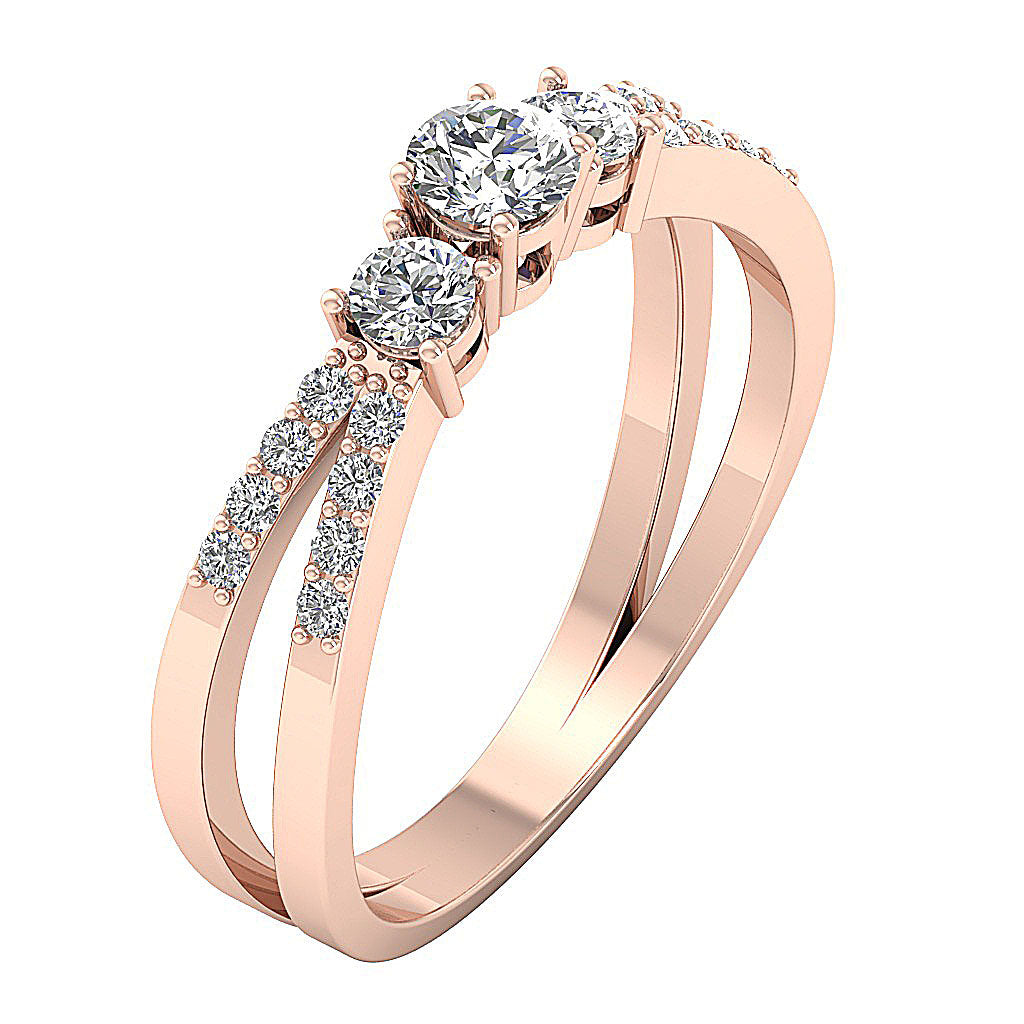
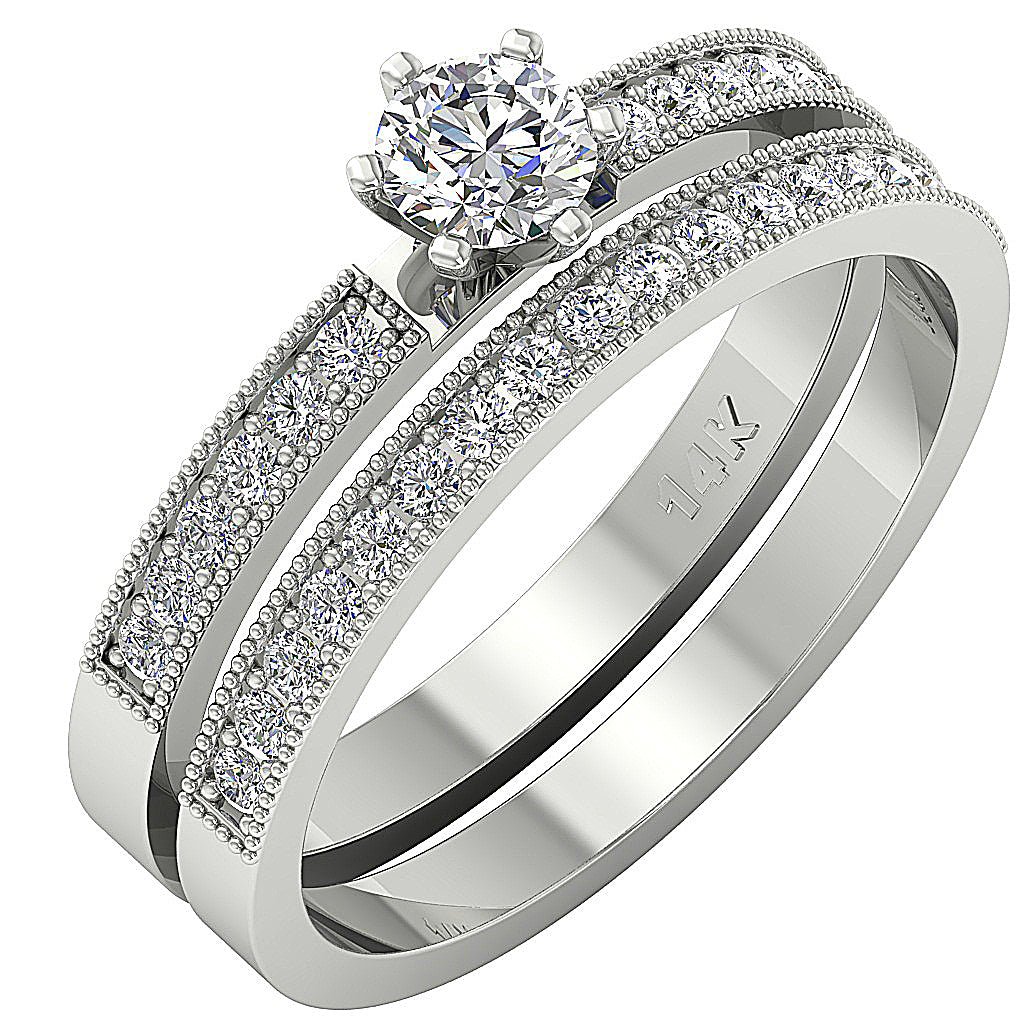
Plenty of people now choose lab grown diamond engagement rings, and the reasons are sensible. They want size and clarity without paying a premium for geological age. They do not feel a sentimental pull toward the earth. Or they would simply rather spend on a home, a degree or a year off than on a stone.
Natural diamonds suit a different set of values. If rarity moves you, if you like the idea of wearing something that took more than a billion years to arrive, or if you are choosing an heirloom for a family that will pass it on, natural is an excellent choice.
Engagement itself is also changing shape. People buy rings for each other, for themselves, and for partners who will never wear one. The stone should fit the person, not the script.
How Do You Choose Without Second-Guessing Yourself?
Start with three honest questions.
-
What does origin mean to you, if anything?
-
What would you rather do with the difference in price?
-
And in ten years, which choice will you still feel good about?
Then look at the stone, not the label. Cut drives sparkle more than any other factor, so prioritize a strong cut grade before you chase carat weight. Check the certificate. Ask where the diamond came from and how it was made. Ask what the return policy is, because a confident seller will not flinch at the question.
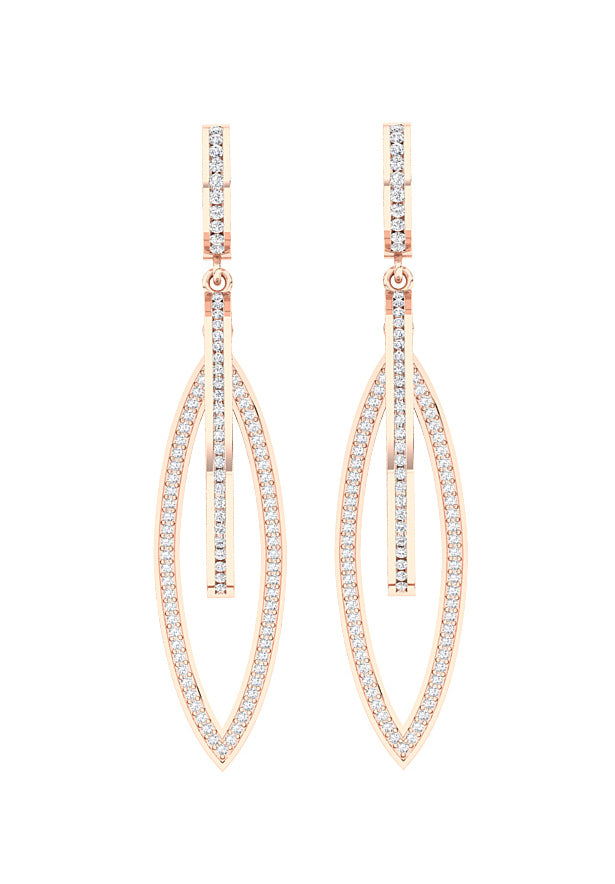
Compare natural and lab-grown pieces side-by-side, which lets you set two similar designs side by side and see how much the price moves while the sparkle stays put. Some buyers split the difference, choosing a natural center stone for a ring and lab-grown diamonds for everyday earrings.
What Will People Say When You Tell Them Which One You Chose?
Someone will have an opinion. A relative may call lab-grown stones fake, and a friend may call mined ones irresponsible. Both reactions say more about the speaker than about your ring. You do not owe anyone a defense of your values, although a single calm sentence helps.
Something like: this is a real diamond, grown in a lab, and I loved the idea of spending the difference elsewhere.
Or: this one is natural, and it means a lot to me that it is so old.
People tend to relax once you answer without apology. The ring will outlast the conversation, and the conversation will end sooner than you expect.
Wrapping Up: So What Actually Changes?
The origin changes. Price changes, often dramatically. Resale value changes, and so does the story you tell when someone asks about your ring. Those are real differences, and they deserve real weight.
Sparkle does not change. Neither does hardness, durability or the way a well-cut stone throws light across a room. Once you accept that, the lab grown vs natural diamonds debate gets quieter and the decision gets easier. Choose the stone whose story you are happy to tell, then wear it without apology.
At Diamond for Good, we carry exquisite pieces made from both lab-grown and natural origin diamonds, helping you find what you value in a piece of jewelry that you will treasure for years to come
Frequently Asked Questions
Do lab-grown diamonds last as long as natural diamonds?
They do. Both are pure carbon with a hardness of 10 on the Mohs scale, so a lab-grown diamond resists scratching and everyday wear exactly as a natural one does.
Do lab-grown diamonds hold their resale value?
Generally not well, because prices keep falling. Natural diamonds hold more value, though retail markups mean few buyers recover the purchase price, so choose a stone you plan to keep.
Is a lab-grown diamond more ethical than a natural one?
Neither is automatically more ethical. Lab-grown stones avoid mining but use significant energy, while natural stones support some mining communities. Ask every seller for traceability and energy or sourcing details.
Can I buy both natural and lab-grown pieces from one jeweler?
Yes. Diamond For Good offers both natural and lab-grown diamond jewelry, so you can compare similar designs directly and choose the origin that best suits your values and your budget.

Leave a comment
This site is protected by hCaptcha and the hCaptcha Privacy Policy and Terms of Service apply.