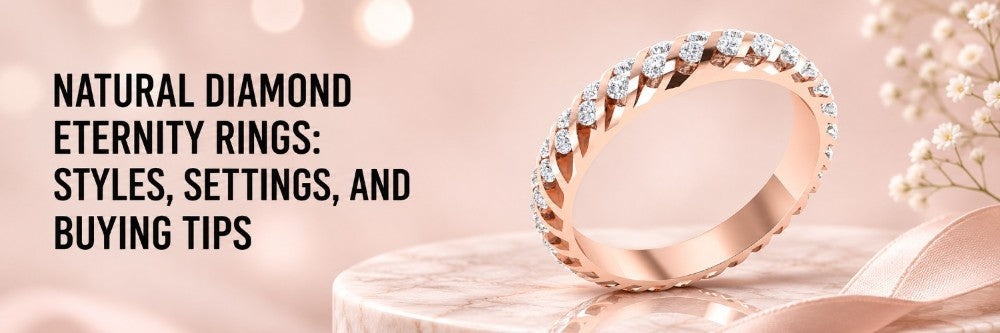
There is something quietly radical about a circle. It has no obvious beginning, no final point at which the eye can rest; it simply continues. In jewelry, the circular shape is associated with continuity, devotion, and the idea of time held in a single form. An eternity ring translates that symbolism into a line of diamonds, each stone meeting the next until the band becomes a complete visual sentence.
A natural diamond eternity ring is often chosen to mark a marriage, an anniversary, the arrival of a child, or a moment whose significance cannot be measured by a date alone. It can be a personal marker: a reminder of a promise made to oneself, a chapter completed or a life that has changed shape.
What makes the design enduring is its balance of repetition and individuality. The diamonds share a language, but no two natural stones are precisely alike. Their minute variations in crystal structure, inclusions, and light performance give the repeated pattern a human quality.
Full Eternity Rings, Half Eternity Rings, and the Space Between
The full eternity diamond ring carries stones around the entire circumference of the band. Turn the hand and the diamonds remain present; there is no plain section waiting to come into view. Its brilliance is immersive, and the continuous setting gives the ring a strong symbolic clarity. The design can feel substantial even when each individual diamond is modest in size.
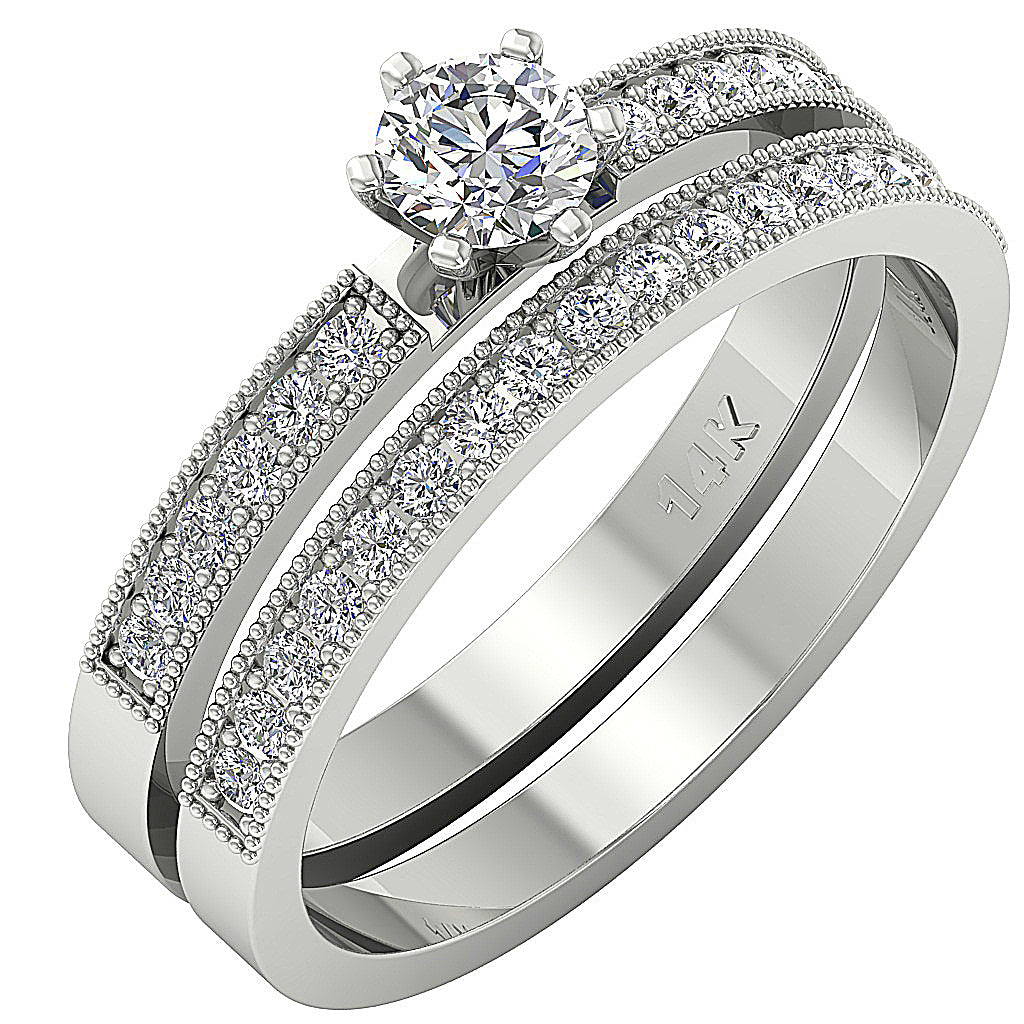
A half-eternity band places diamonds across the upper portion of the ring, leaving the underside in plain metal. This creates a softer balance between sparkle and simplicity. It may also feel more comfortable for people who prefer a smooth surface against neighboring fingers or who want the option of resizing, although resizing remains dependent on the precise construction and should always be discussed with a jeweler.
There are also three-quarter eternity designs, which extend the diamond line further around the finger without completing the circle. They occupy a useful middle ground: visually generous, but with a little more uninterrupted metal beneath the hand.
The choice is not a hierarchy. A full band is not inherently more meaningful than a half band, nor is a restrained design less luxurious than a more elaborate one. Consider how the ring will be worn, how it will sit beside other jewelry, and which silhouette feels natural on the hand.
Different Diamond Settings Available: The Architecture Behind the Sparkle
A diamond's setting is not simply a technical detail. It determines the rhythm of the band, the amount of metal visible, and the way light reaches the stones.
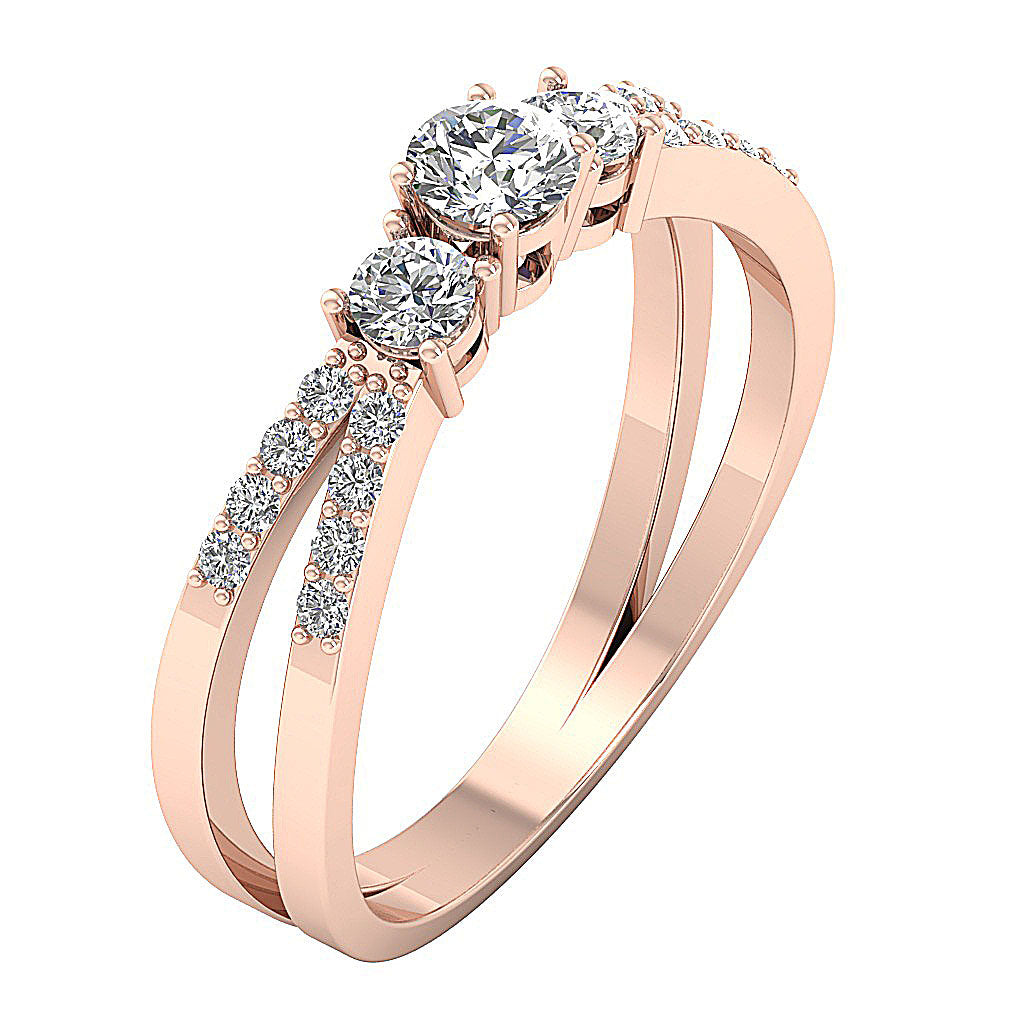
In a prong setting, small metal claws hold each diamond in place while leaving much of the stone exposed. The result is an airy, articulated line in which individual diamonds remain distinct. Prongs can lend a traditional eternity ring a delicate lift, although they need periodic inspection because everyday contact can gradually loosen settings.
A channel setting places diamonds between two parallel walls of metal. The stones sit in a clean, continuous track, producing a more streamlined surface. This architectural quality can be especially appealing to someone who prefers jewelry with defined lines and less visible separation between stones.
A pavé setting uses small diamonds set closely together, with tiny beads or prongs of metal holding them in place. The effect is a fine-grained shimmer, almost like light scattered across a surface. Bezel settings, by contrast, surround each stone with a rim of metal. They create a smooth outline and offer a protective edge, while giving the ring a more sculptural character.
No setting is maintenance-free. Prongs, channels, pavé details, and bezels each have their own considerations. Ask how the stones are secured, what routine checks are recommended, and whether the design can be serviced by the original maker.
How to Choose Diamonds With an Eye for Harmony
Carat weight describes a diamond's weight, not its visible diameter. In an eternity ring, total carat weight is distributed across multiple stones, so the number and size of diamonds both influence the final appearance. A band with many small stones may create a fine, continuous shimmer; fewer larger stones can produce a more pronounced rhythm.
Cut quality deserves particular attention. A well-proportioned round brilliant diamond can return light with lively contrast and brightness. In smaller stones, grading information may be presented differently from that of a single center diamond, but consistency across the band still matters. Ask whether the diamonds have been selected to create a coherent appearance in color, clarity, and cut.
Color is also affected by the metal. White gold can create a crisp, cool frame; yellow gold introduces warmth; rose gold brings a softer blush. The metal does not change a diamond's grade, but it influences the overall impression. Rather than choosing in isolation, view the diamond and setting together under more than one lighting condition.
Natural diamonds contain individual characteristics formed over geological time. Inclusions are not automatically flaws visible to the unaided eye; their position, size, and nature matter. A grading report, where provided, offers useful information, but seeing the stone and understanding the stated specifications remain important.
Metal, Proportion and the Reality of Daily Wear
An eternity ring is often imagined in a still photograph, yet its real life is movement: hands on a keyboard, fingers wrapped around a coffee cup, a coat pulled over the wrist, another ring brushing against it. Proportion matters because the band must belong to that life.
A narrow band can feel almost like a line of light, particularly when worn alone. A wider design has more presence and may become the central piece of a ring arrangement. When stacking, consider the profile of the engagement ring or wedding band beside it. A low-set eternity band may sit neatly against another ring; a raised setting can leave a gap or create contact between the pieces.
Gold alloys are available in different colors and karats. The karat indicates the proportion of pure gold in the alloy, not the quality of the diamond. Higher-karat gold contains more pure gold, while lower-karat options include a greater proportion of other metals. The best choice depends on the desired color, durability preferences, and care routine.
Fit deserves particular attention. A full eternity ring can be difficult or impossible to resize conventionally because diamonds continue around the band. Accurate sizing is therefore essential. Fingers also change slightly with temperature, activity, and time of day. Try a ring when your hands are at a comfortable, ordinary temperature, and ask the jeweler how the design should fit without feeling restrictive.
A More Thoughtful Way to Choose
The language of luxury is changing. A beautiful object is no longer defined only by rarity or price; increasingly, people want to understand the journey behind it, the materials used, and the standards that shaped its making. With natural diamonds, responsible sourcing is a subject worth approaching with clear questions rather than broad assurances.
Ask what information is available about the diamond's origin and chain of custody. Understand what a certificate does and does not establish. A grading report describes gemological characteristics; it is not, by itself, a complete account of sourcing or labor practices. Look for transparent information about supplier standards, human rights safeguards, and the jeweler's approach to responsible business.
The same care should extend to craftsmanship. Find out whether the ring can be inspected and serviced, how repairs are handled, and what documentation accompanies the purchase. A piece intended to mark a lasting moment deserves more than an attractive first impression.
Wrapping Up
The right natural diamond wedding band is the one whose design, comfort, and provenance you understand. It may be a full circle of light or a quieter line of stones across the hand. Its value lies not in how loudly it announces itself, but in how naturally it becomes part of your story.
Peruse Diamond for Good’s collection of brilliant diamond rings in full eternity and half eternity designs and find one that fits you perfectly.
Frequently Asked Questions
1. What is the difference between a full and half eternity ring?
A full eternity ring carries diamonds around the entire band, while a half eternity ring features stones across its upper surface, leaving the underside in plain metal for comfort.
2. Can a natural diamond eternity ring be resized?
Resizing depends on construction. Full eternity bands are particularly difficult to alter because diamonds encircle the shank; confirm sizing and future service options before purchasing the ring.
3. Are channel-set eternity rings suitable for everyday wear?
Channel settings create a streamlined profile that can protect diamond edges. However, regular professional inspections remain important because daily impacts may affect the security of any setting.
4. How should I choose the diamond quality?
Consider cut, color, clarity, and consistency across the stones, alongside documented specifications. View the ring in varied lighting and prioritize the appearance you genuinely enjoy wearing.

Leave a comment
This site is protected by hCaptcha and the hCaptcha Privacy Policy and Terms of Service apply.