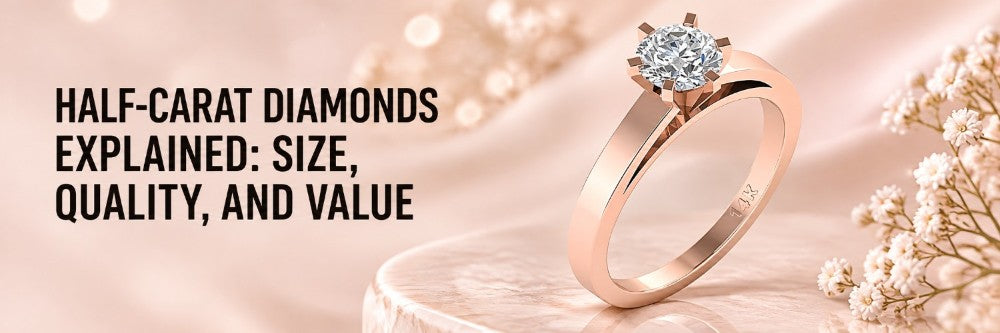
A diamond's carat weight is one of the first details people notice, perhaps because it appears so definitive. One carat equals 200 milligrams, so half a carat weighs 100 milligrams. Yet the number alone cannot describe how a diamond will look on the hand. A 0.50 carat diamond may feel delicate and bright, or appear more prominent than expected, depending on its shape, cut proportions and setting.
There is a particular appeal to this scale. A half carat can offer a clear center of attention without overwhelming the hand. It can be worn daily, sit comfortably within a simple setting and pair naturally with a wedding band. It is also a useful size to consider when balancing diamond quality, metal choice and the overall design.
The aim is not to treat half a carat as a compromise between smaller and larger stones. It is a distinct proportion with its own character. The right question is not whether it is enough, but whether it creates the presence and feeling you want.
What Does 0.50 Carat Actually Look Like?
Carat is a measure of weight, not diameter. In a round brilliant diamond, a well-proportioned half-carat stone often measures around five millimeters across, although exact dimensions vary. Fancy shapes can distribute the same weight differently: an oval may appear longer, a pear may create a tapered outline and an emerald cut may show a broader, more open face.
Depth is an important part of the equation. A diamond that carries more weight below the girdle may have a smaller face-up appearance than a stone with a shallower profile. This does not mean that shallow is always better; proportions must support the diamond's light performance and structural integrity. Measurements provide a more complete picture than carat weight alone.
The setting of the stone also changes perception. A slim band can make a center stone feel more prominent. A halo adds a surrounding outline and increases the overall visual footprint. A bezel creates a defined metal border, while a raised prong setting allows more of the diamond's edge to remain visible.
If possible, compare stones in person or through accurate imagery at the same scale. Look at the diamond on a hand, not only against a white background. The way it sits in relation to the finger is often more useful than an isolated product photograph.
The Four Cs of Diamond: How to Read Beyond the Headline Number
The four Cs, carat, cut, color and clarity, provide a framework for understanding diamond quality. They should be considered together rather than treated as four independent scores.
Cut is central to the visual life of a round brilliant diamond. Its proportions, symmetry and polish influence how light enters and returns to the eye. A well-cut half carat can appear lively and bright, while a poorly proportioned stone may look less animated even if its other grades are attractive. Fancy shapes do not always receive the same overall cut grade as round brilliants, so visual assessment becomes particularly important.
Color grading refers to how colorless the diamond is on the relevant scale. The differences between adjacent grades can be subtle, and the metal color may influence the overall impression. A diamond set in yellow gold can look different from one set in white gold, even when the stated color grade is identical.
Clarity refers to internal characteristics and surface features. Many inclusions are difficult to see without magnification, and their effect depends on size, position, number and contrast. Rather than paying automatically for the highest clarity grade, ask whether the stone appears clean to the unaided eye and whether any inclusion affects durability.
A grading report can help verify the stated characteristics. Understand which laboratory issued it and whether the report refers to the exact diamond being offered.
How the Shape and Setting of the Diamond Change the Story
Round brilliant diamonds remain popular because their faceting pattern is designed to create lively brightness and contrast. In a half-carat size, the round shape offers a familiar balance and can work with many settings. Oval diamonds create an elongated line across the finger, while pear shapes bring a gentle asymmetry. Princess cuts feel more geometric; emerald cuts reveal broad flashes and a quieter, more architectural appearance.
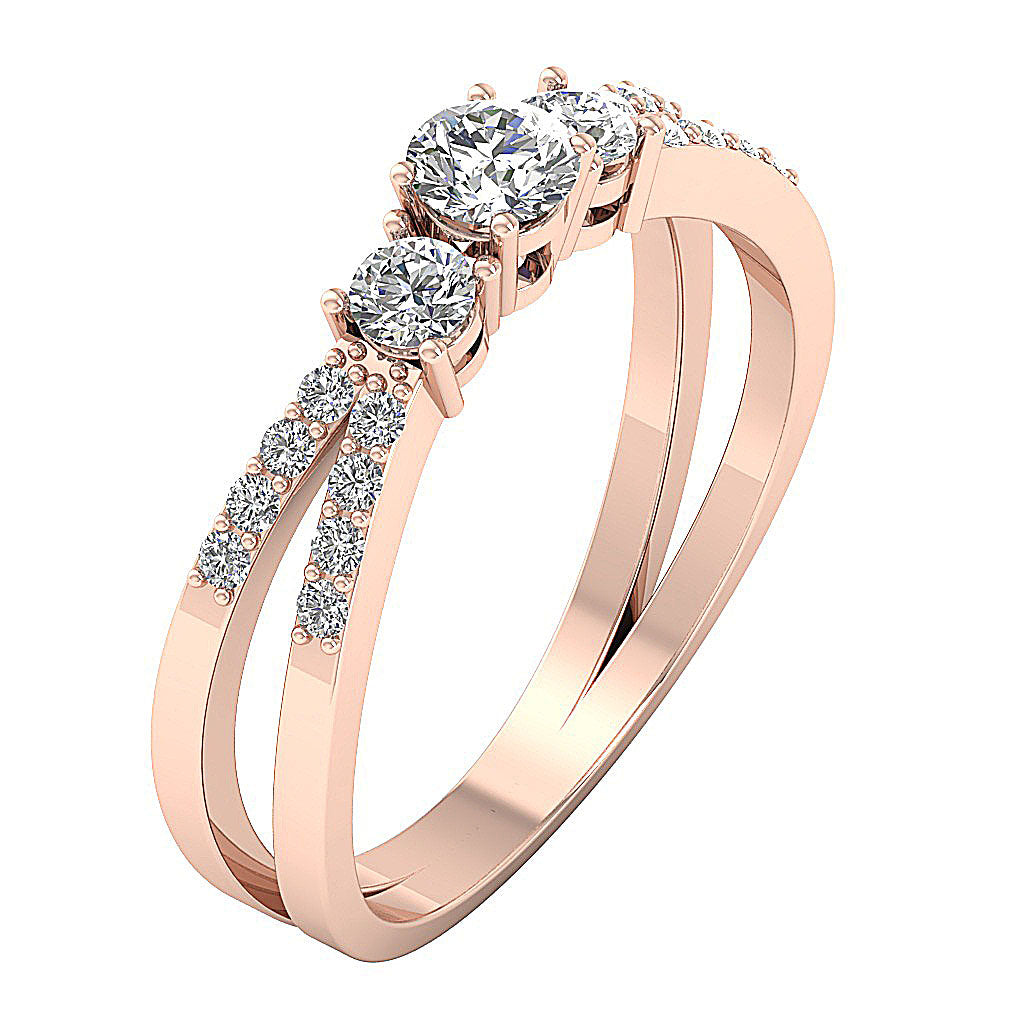
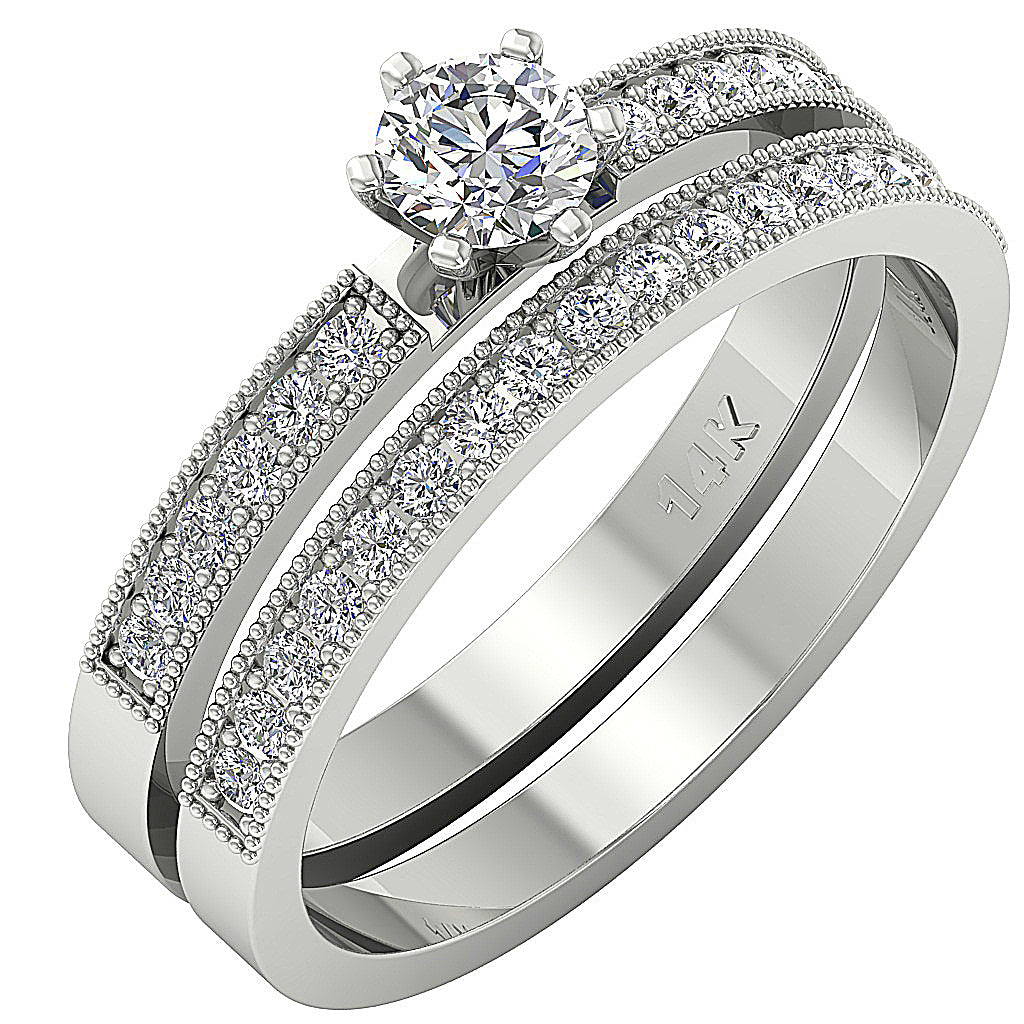
A solitaire setting gives the diamond uninterrupted attention. Four prongs create an open frame, while six prongs can give the ring a more traditional profile. A bezel surrounds the diamond with metal, creating a smooth edge and a modern silhouette. A halo adds smaller diamonds around the center, producing a more decorative effect.
The band itself influences the whole composition. A narrow shank can make the center diamond look larger by contrast, while a wider band can create a more substantial, contemporary presence. Pavé-set shoulders add a line of sparkle; a plain band keeps the design calm.
For a half carat diamond ring intended for daily wear, consider the height of the setting and how it interacts with clothing, gloves and neighboring rings. A beautiful profile should also be practical for the life it will accompany.
Why the Value of the Diamond Is More Than Price Per Carat
Diamond value is shaped by the relationship between the four Cs, the shape, the quality of cutting, the grading documentation and the market. Two half-carat diamonds can have noticeably different prices because their specifications and visual performance differ. A higher color or clarity grade may increase cost, but it does not automatically create a more beautiful stone to every observer.
Compare diamonds with similar measurements and grading details. Check whether the quoted weight is for the center diamond or the total carat weight of multiple stones. A ring advertised with 0.50 total carat weight may distribute that weight across a center stone and smaller accents, which will look different from a ring with a single 0.50 carat center diamond.
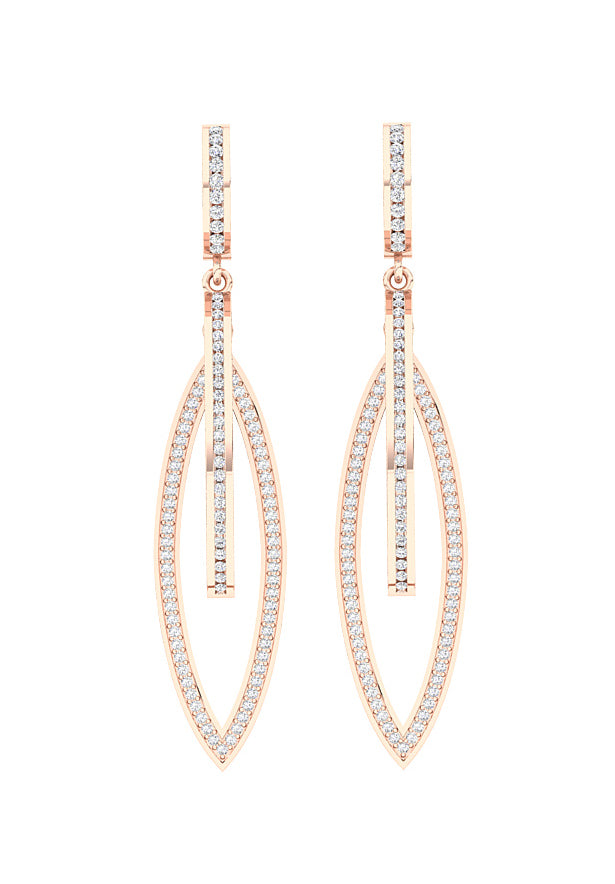
The metal and craftsmanship also contribute to the final price. Examine the finish, the security of the setting, the band dimensions and the quality of the clasp or other components if the diamond is part of a pendant or earring. Ask what aftercare is included and what future servicing may cost.
A good purchase is not necessarily the least expensive or the one with the most impressive grading language. It is the piece whose specifications, appearance and price make sense together.
Natural or Lab Grown: Understanding the Difference Between the Two
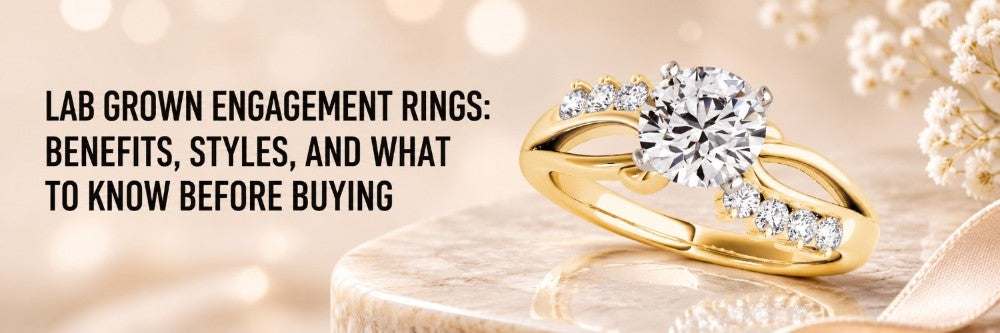
A half carat diamond may be natural or laboratory-grown. Both are diamonds with the same essential chemical composition and crystal structure, but they have different origins. Natural diamonds form within the Earth over geological time; lab grown diamonds are created through controlled technological processes.
Lab grown diamonds generally have lower prices than comparable natural diamonds, although the difference depends on market conditions and specifications. That can create flexibility in the overall design budget. Natural diamonds may appeal to people who value their geological origin or the particular meaning they attach to it.
Environmental and ethical claims require careful scrutiny. Laboratory production uses energy and materials, while natural diamond supply chains involve their own environmental and social considerations. Ask for specific information about origin, production and supplier standards. A grading report describes gemological characteristics; it does not independently establish the full social or environmental history of a stone.
The important thing is that the origin is clearly disclosed and that you understand what you are buying.
How to Choose the Right Diamond with Confidence
Begin with the way you intend to wear the diamond. A ring chosen for daily use may benefit from a secure setting and a profile that does not catch easily. A piece intended for occasional wear can allow more elaborate detailing. Consider hand proportions, preferred metal color and whether the ring will be worn alongside another band.
Compare the actual dimensions, not only the carat weight. Review cut, color and clarity, and ask to see the diamond in different lighting. Check the grading report and confirm that it matches the stone. Understand the metal specification, ring size, resizing limitations, warranty and repair process before making a decision.
Wrapping Up
A half carat diamond does not need to be defended against larger stones. Its appeal is in proportion: a measured point of light with enough presence to be noticed and enough restraint to become part of everyday life. Chosen carefully, it can feel complete in its own right.
Explore 14k and 18k gold jewelry using 0.5 carat diamond by Diamond for Good and find a delicate yet elegant piece that you love and cherish.
Frequently Asked Questions
1. How big is a 0.50 carat diamond?
A well-proportioned round 0.50 carat diamond often measures about five millimeters across. Exact dimensions vary with cut proportions, depth and shape, so compare measurements directly.
2. Is half a carat enough for an engagement ring?
Half a carat can create an elegant, wearable center stone. Whether it feels right depends on personal preference, finger proportions, setting design and the presence you want.
3. Does cut matter more than carat weight?
Carat measures weight, while cut influences light performance and appearance. A well-cut diamond can look lively and balanced, making cut an important consideration alongside weight.
4. What should I compare when buying a half carat diamond?
Compare measurements, cut, color, clarity, grading documentation, setting and price. Confirm whether 0.50 carat refers to the center stone or total diamond weight.

Leave a comment
This site is protected by hCaptcha and the hCaptcha Privacy Policy and Terms of Service apply.