Men's Diamond Rings: Style, Craftsmanship, and Everyday Wear
A woman's ring is often chosen to be looked at. A man's ring is chosen to be lived in, across a keyboard, a toolbox, a gym bag, a steering wheel, without asking much attention along the way. That difference in expectation shapes nearly every decision that follows, from width to finish to how the diamonds are held in place.
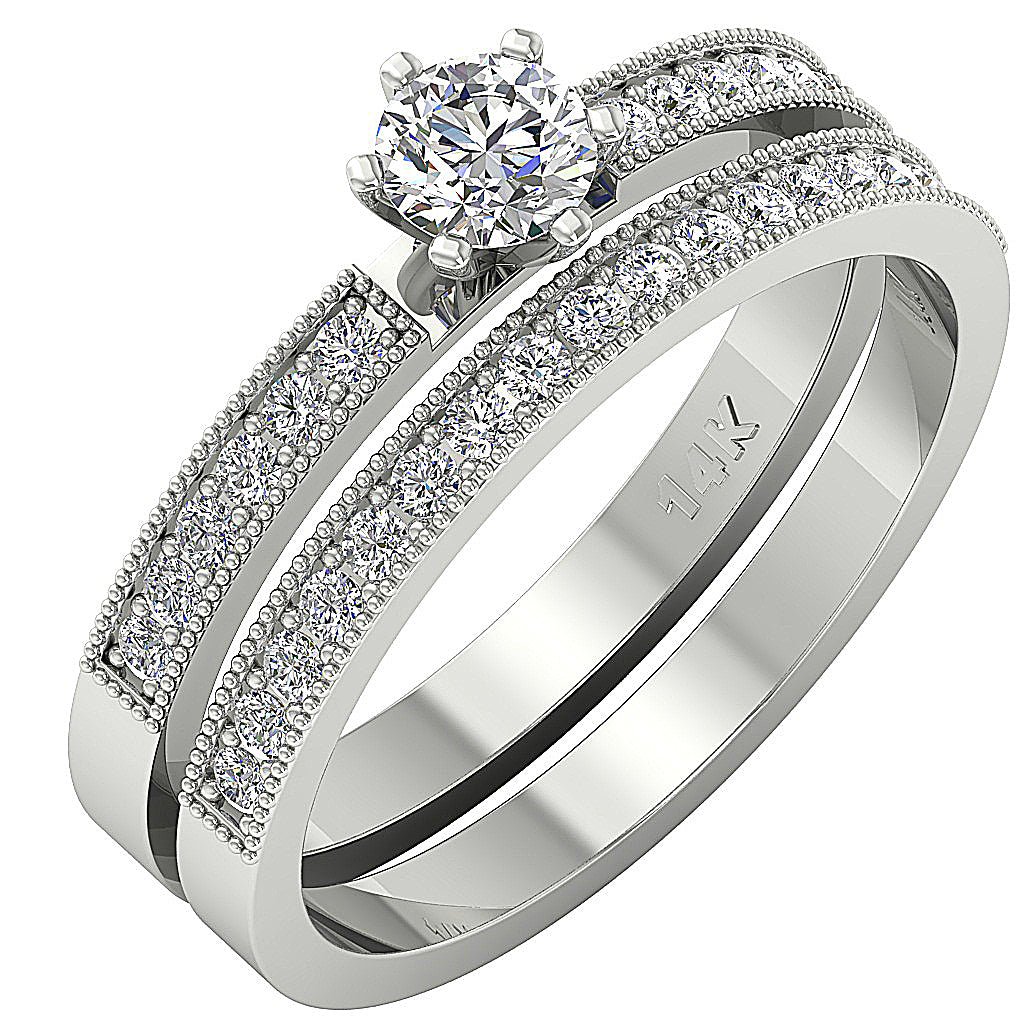
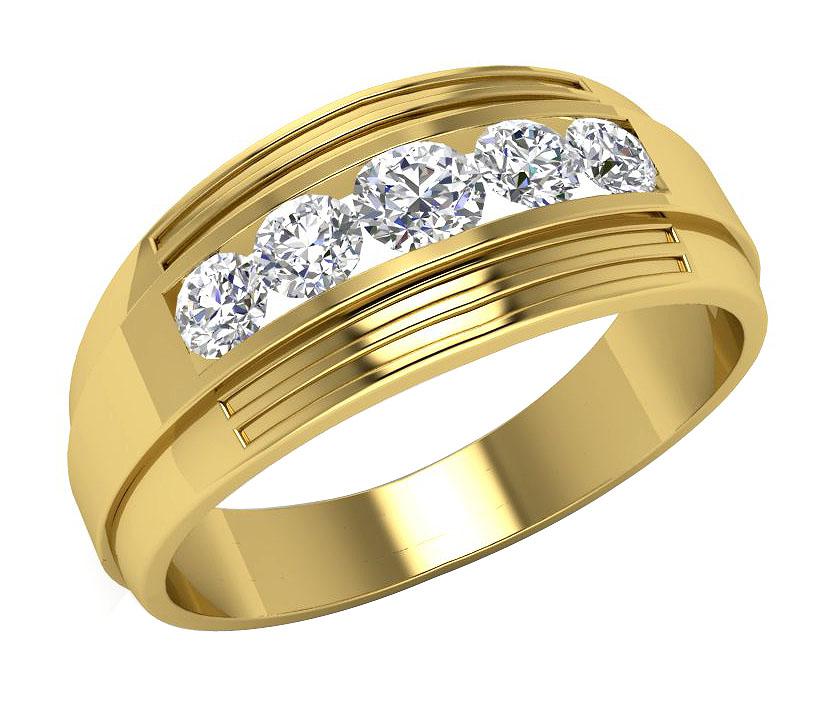
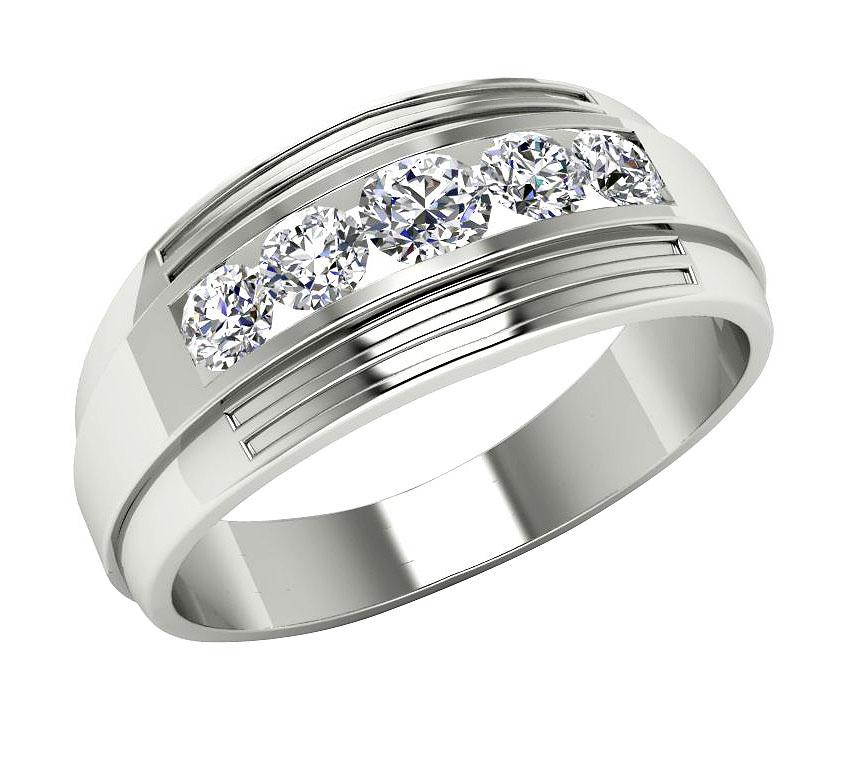
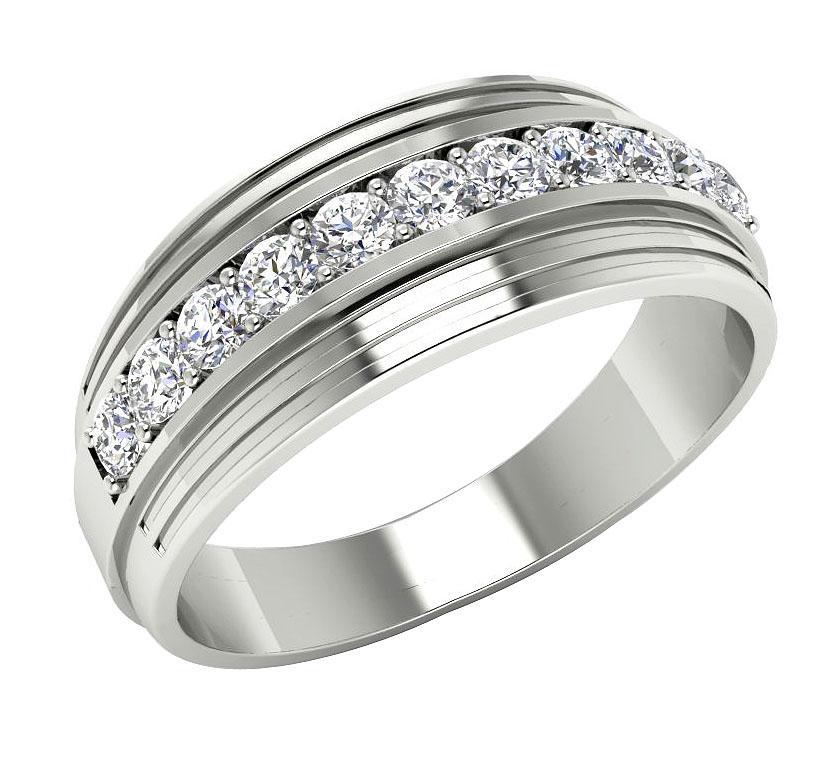
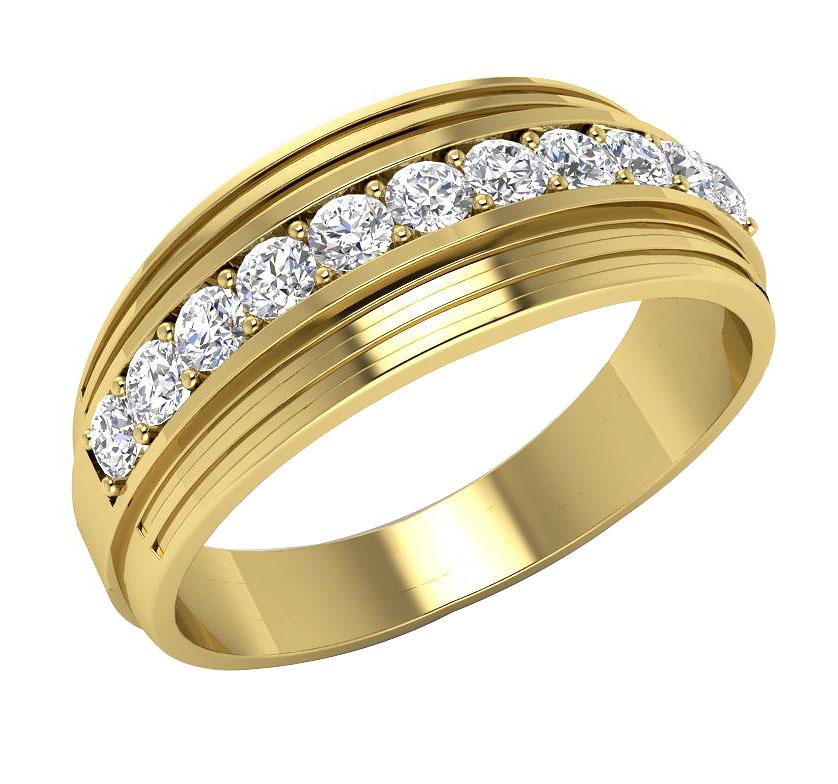
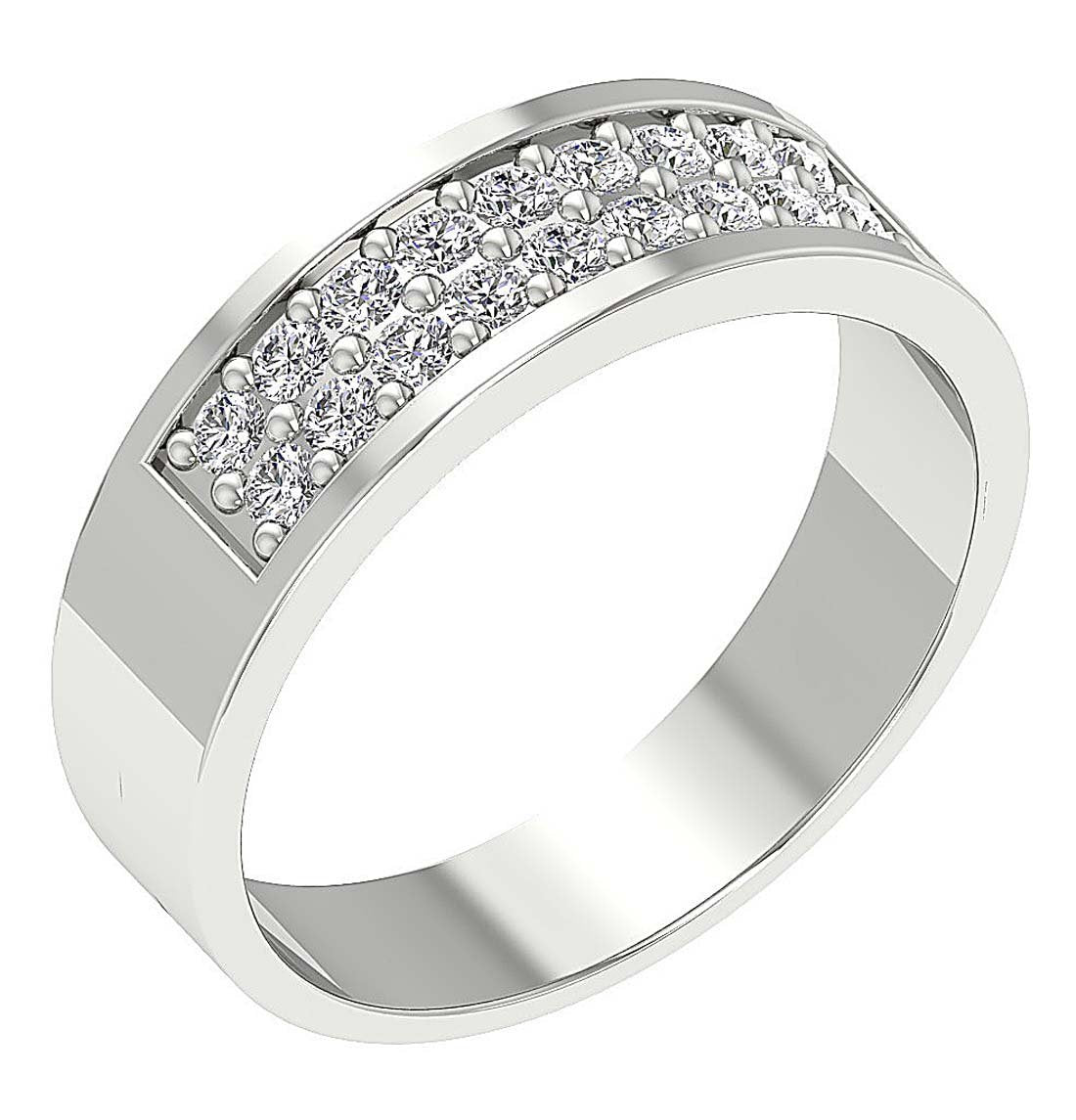
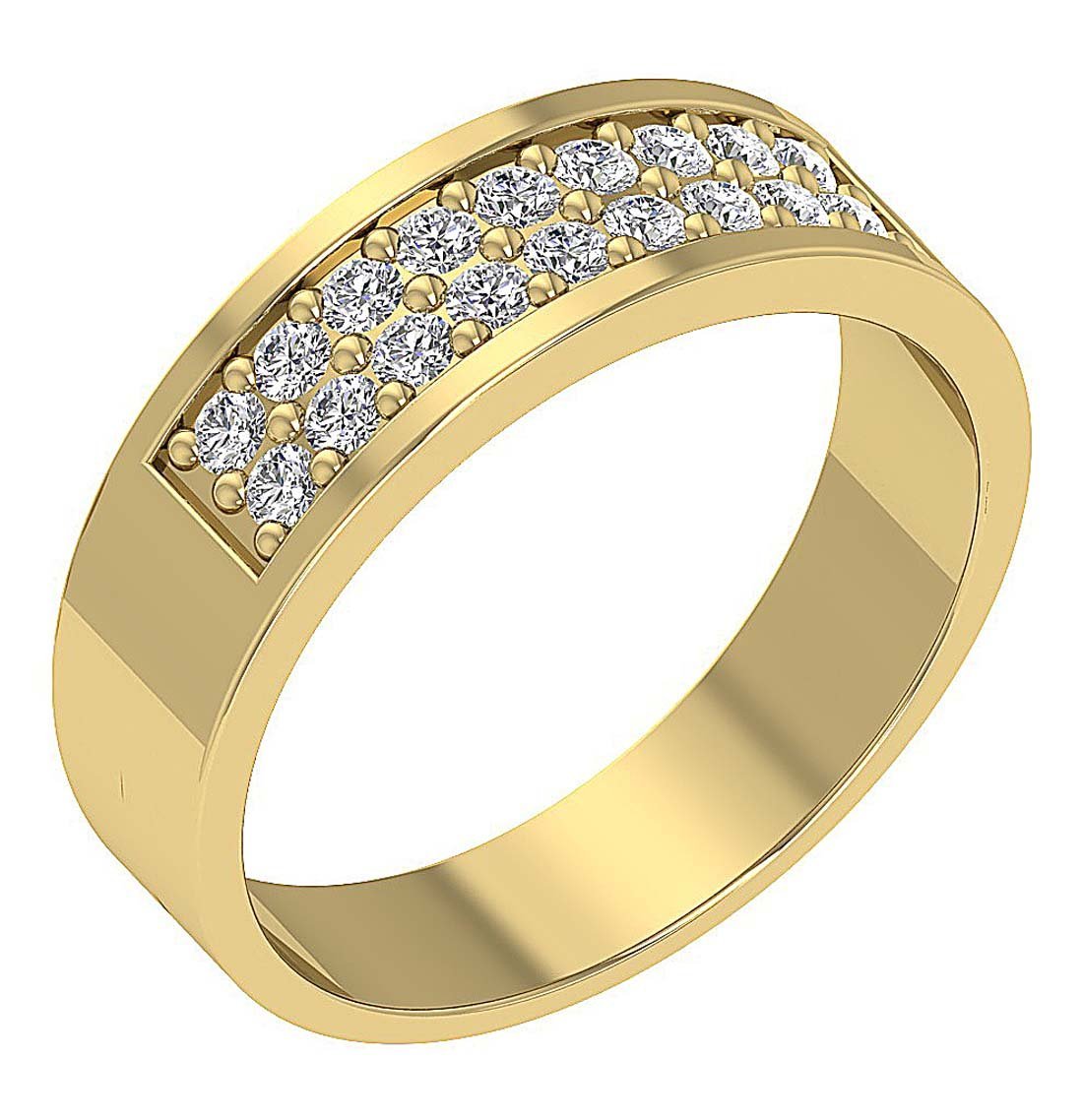
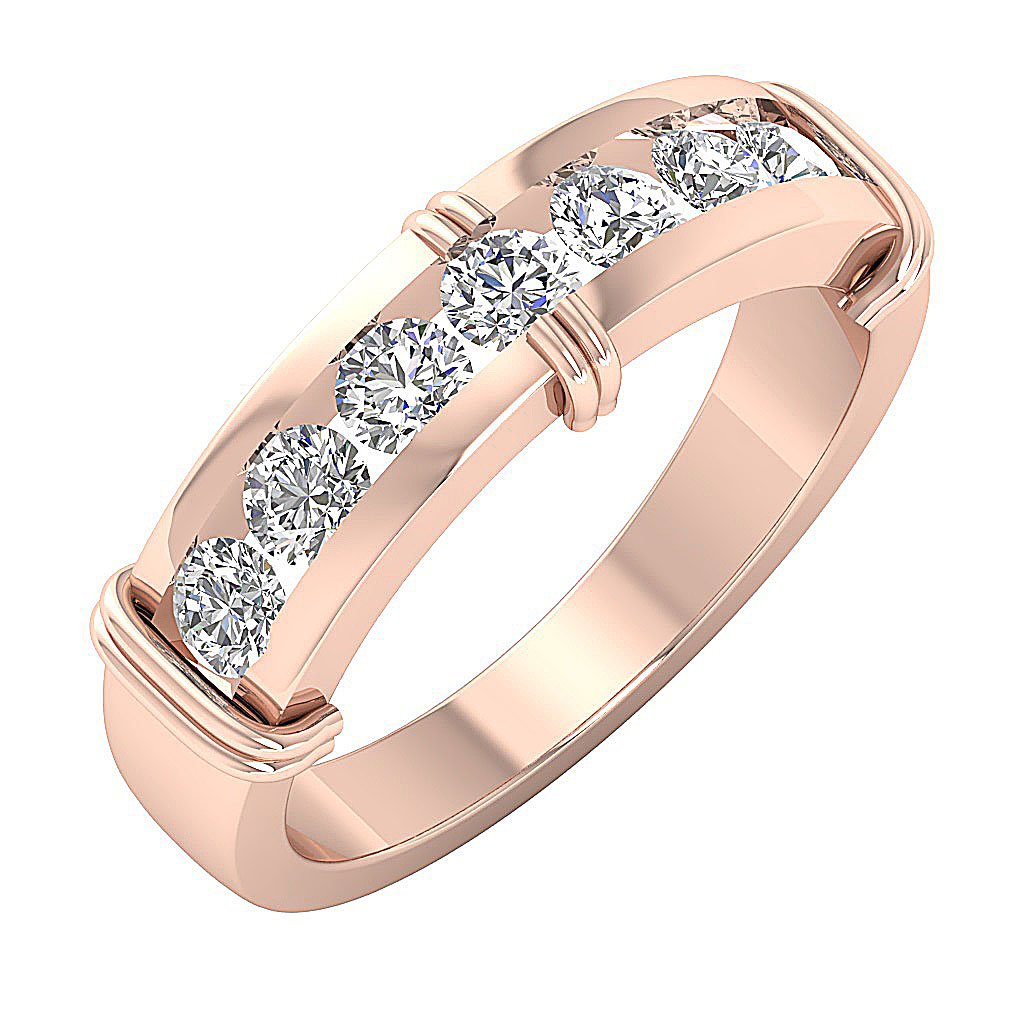
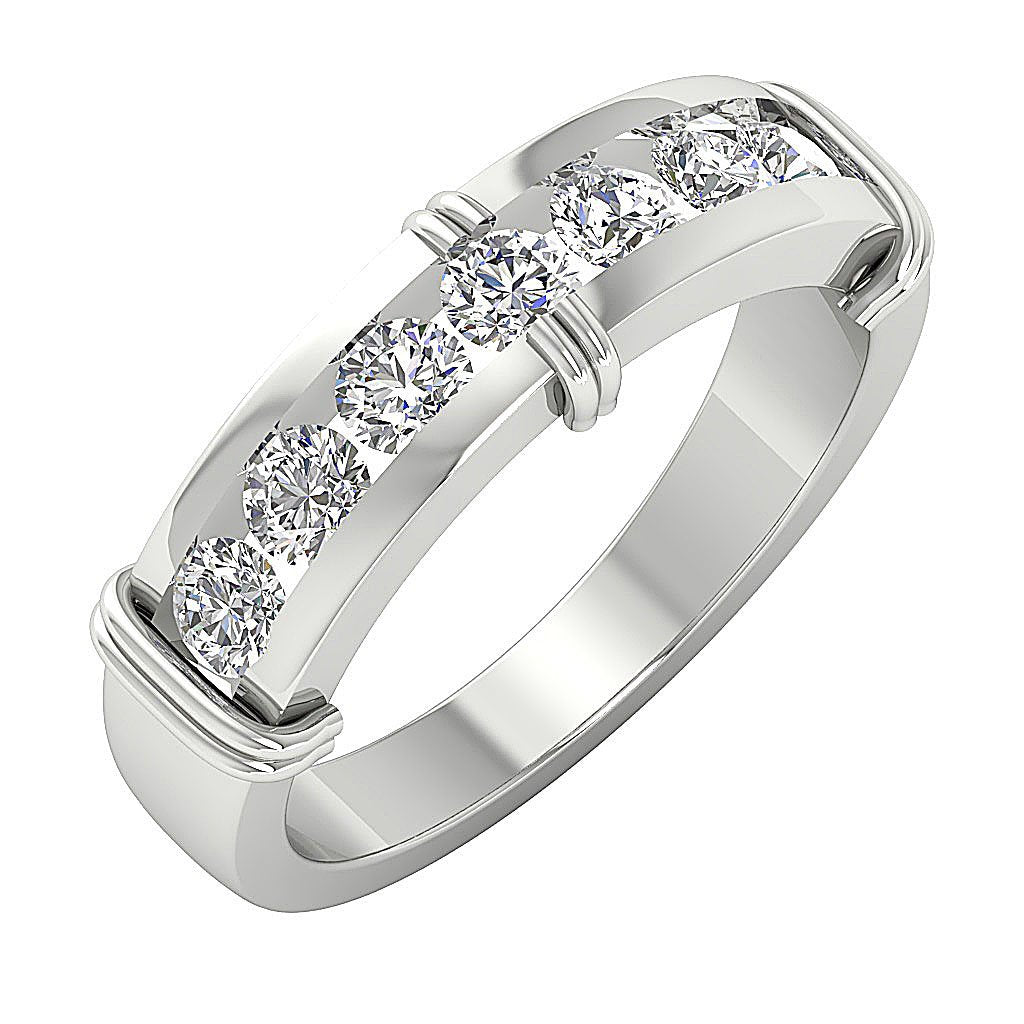
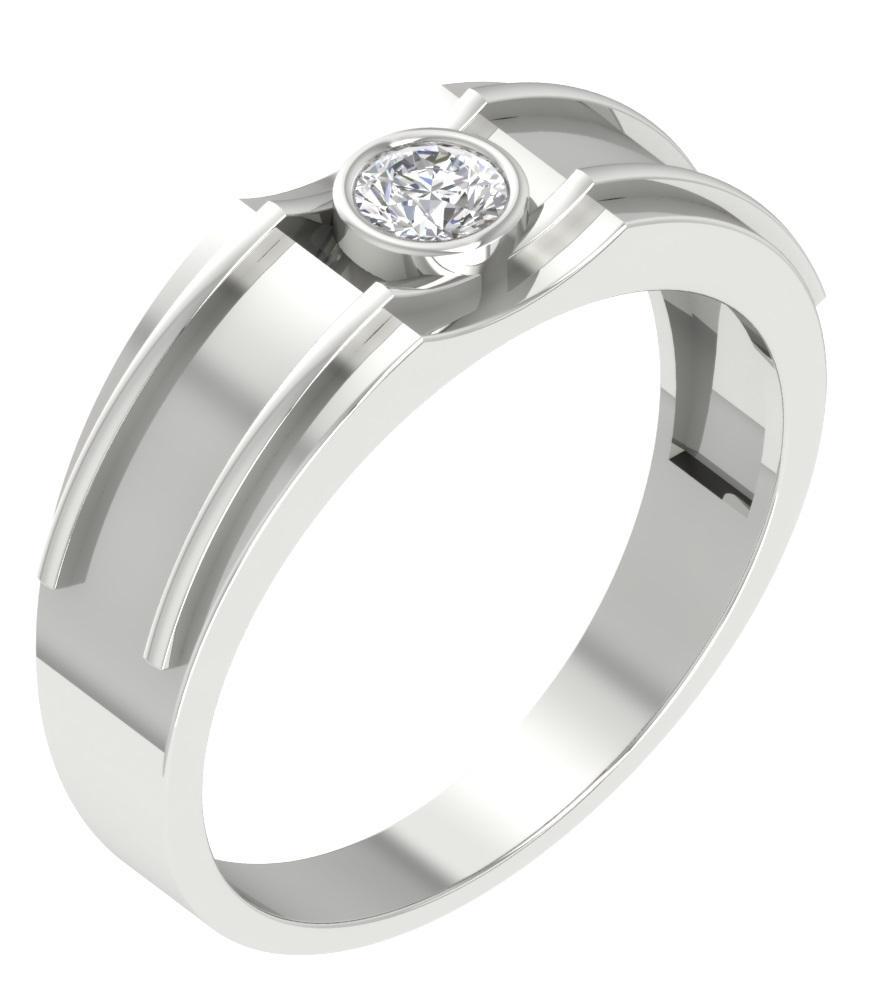
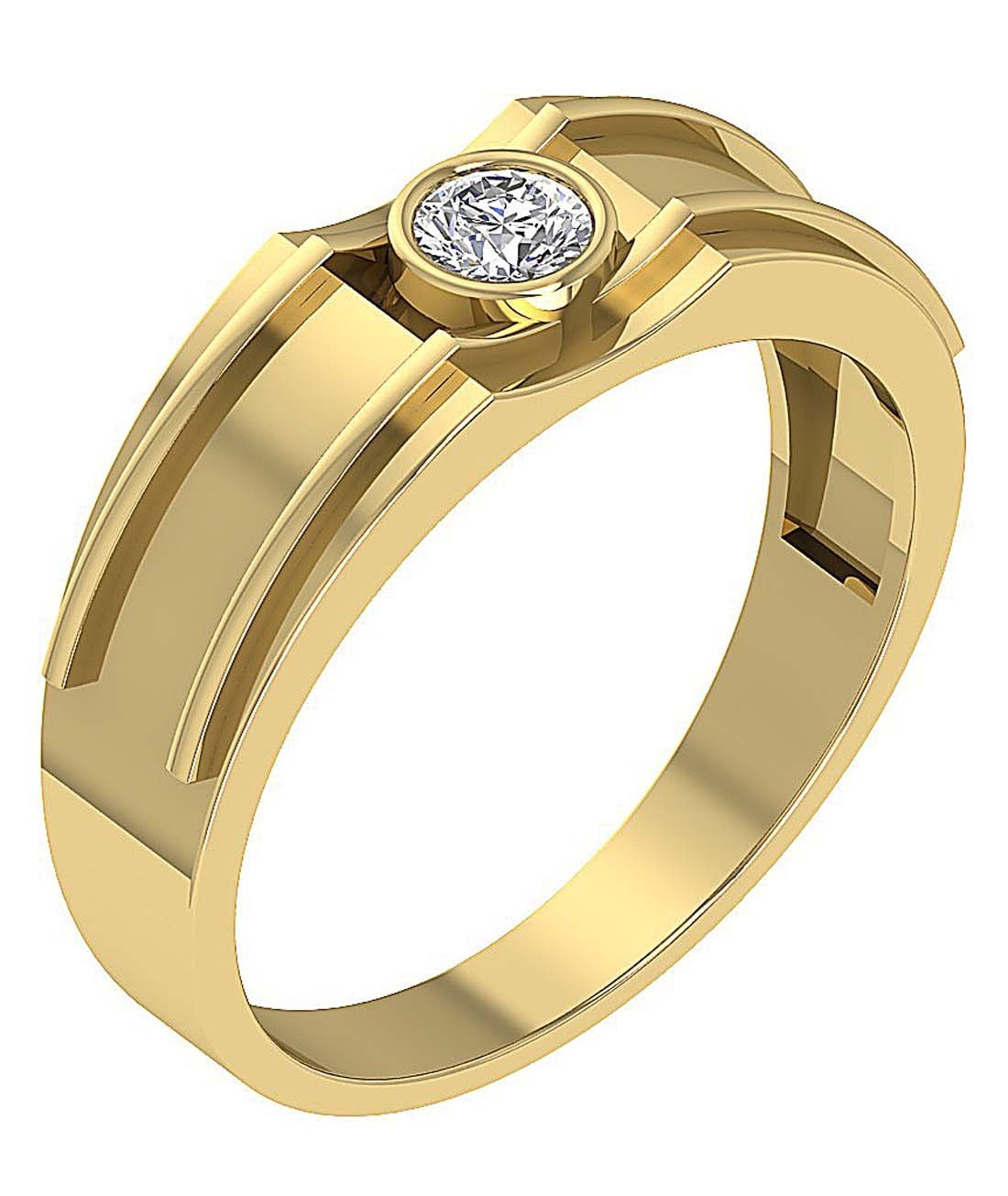
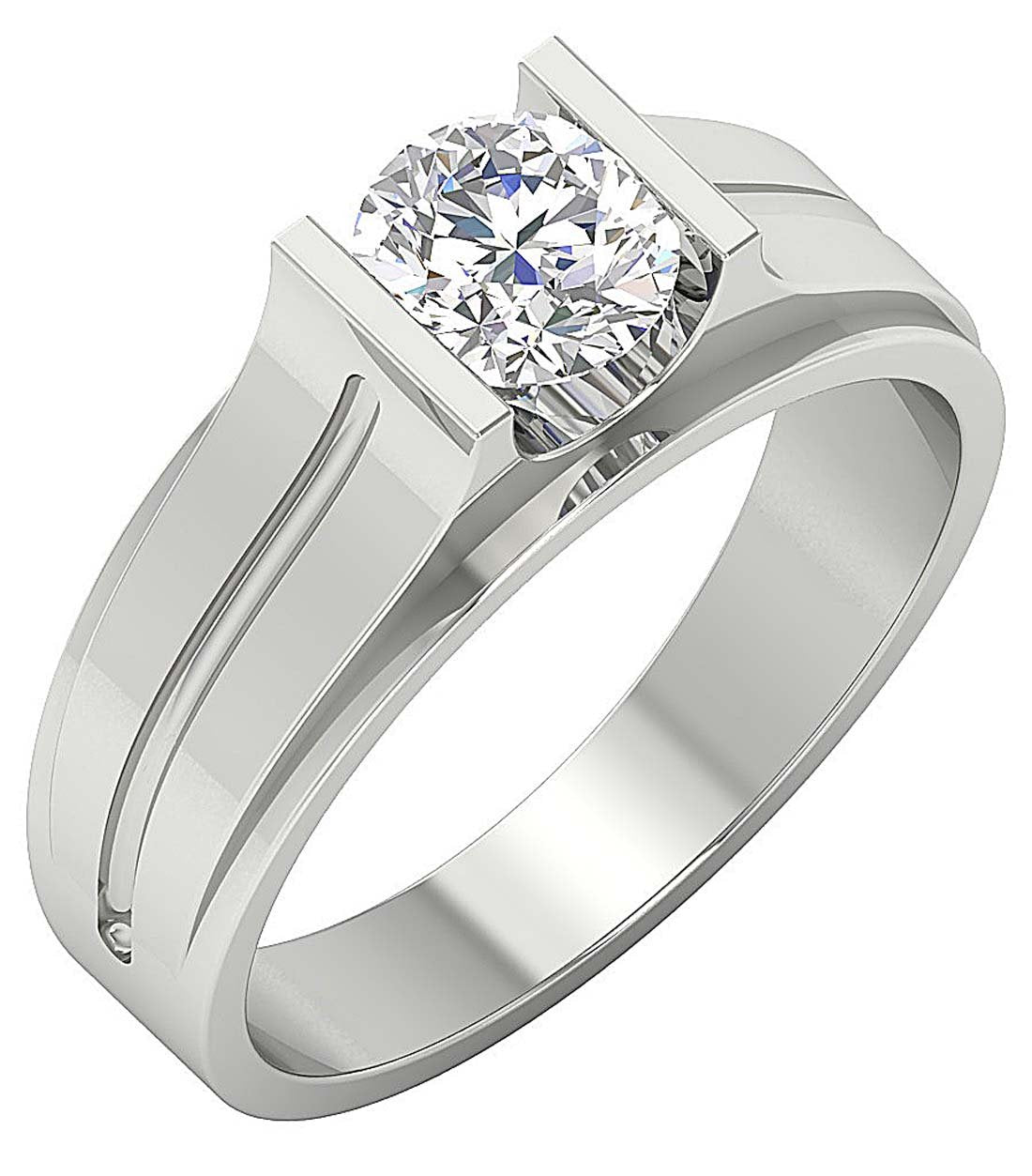
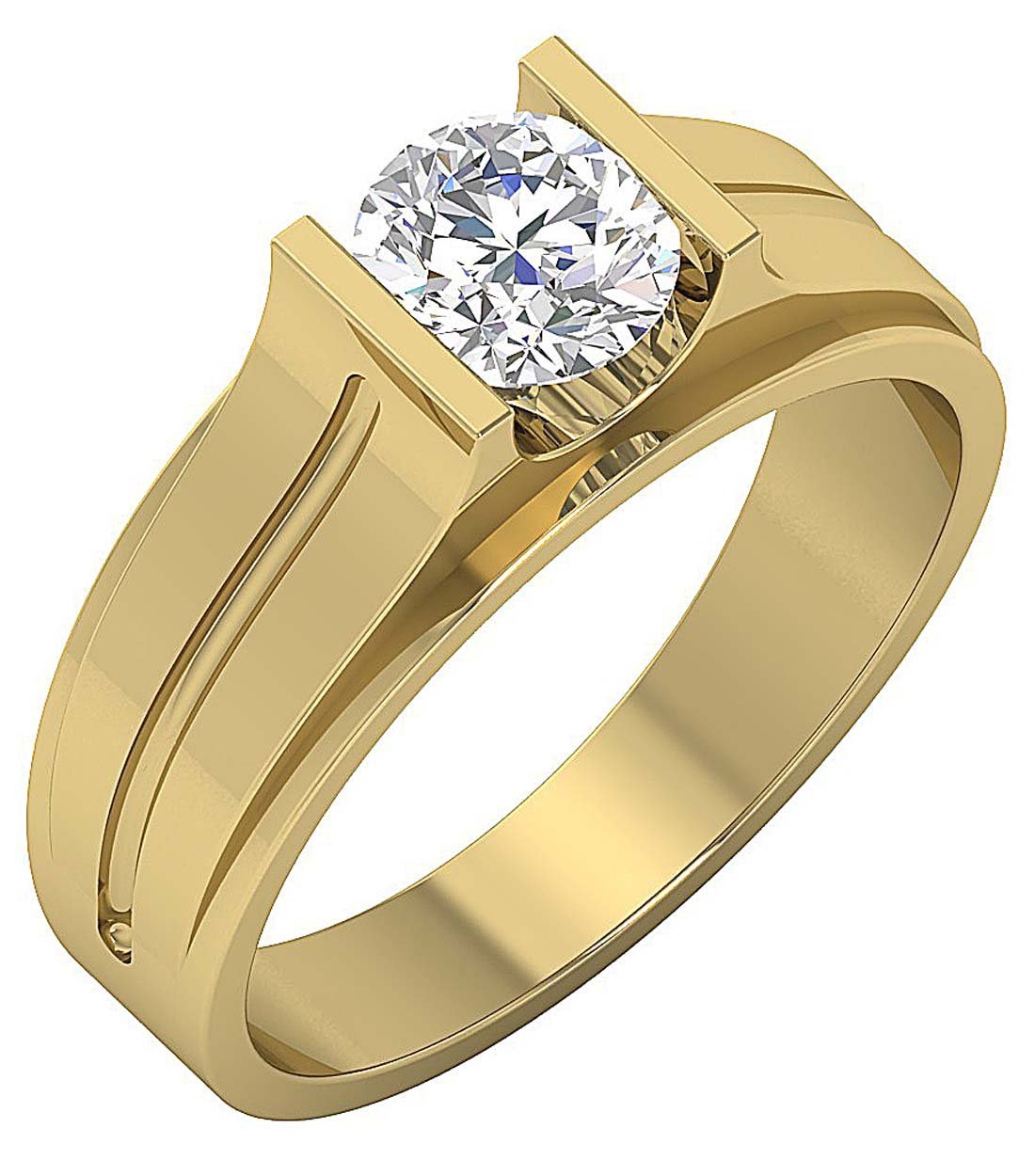
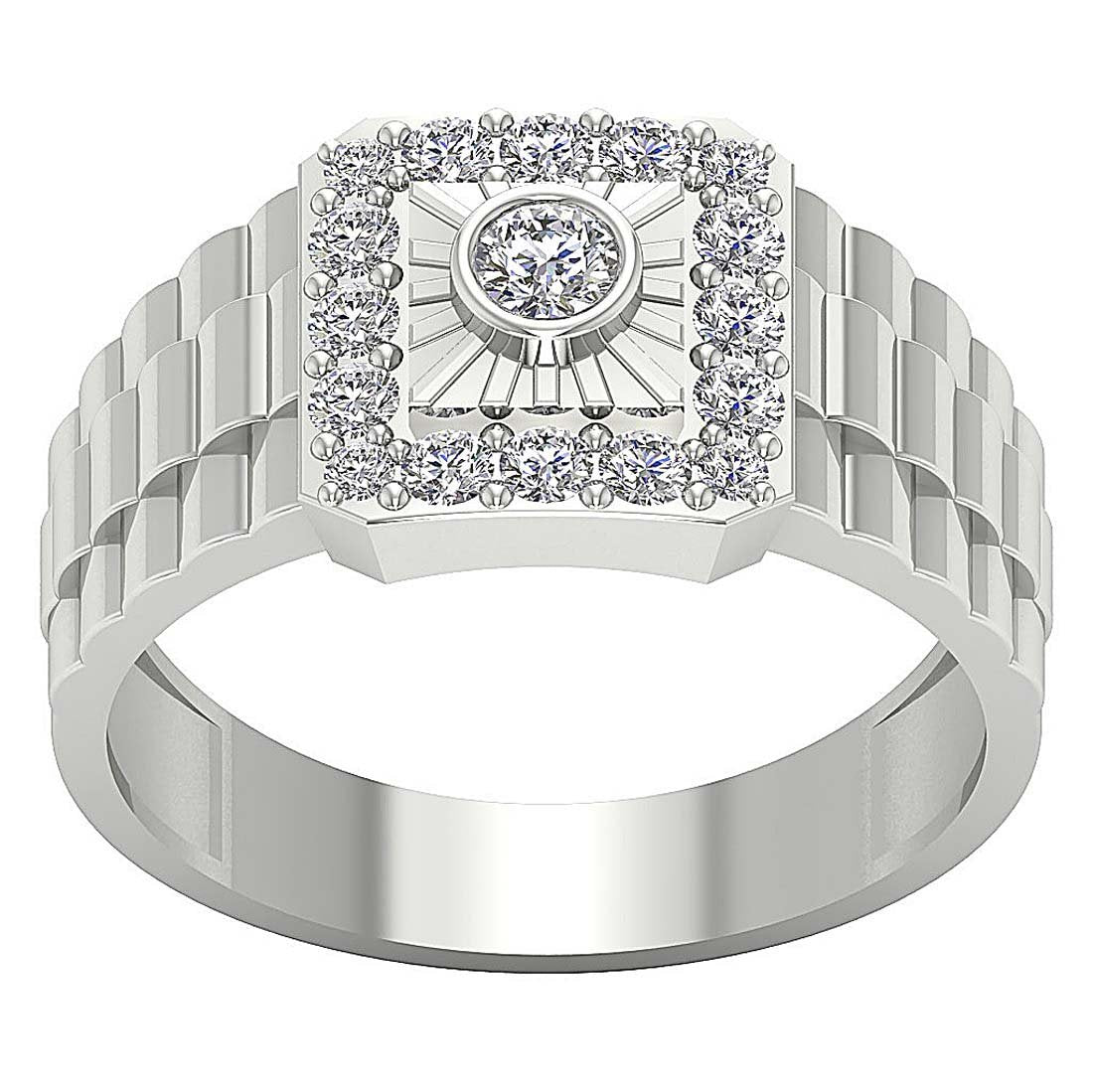
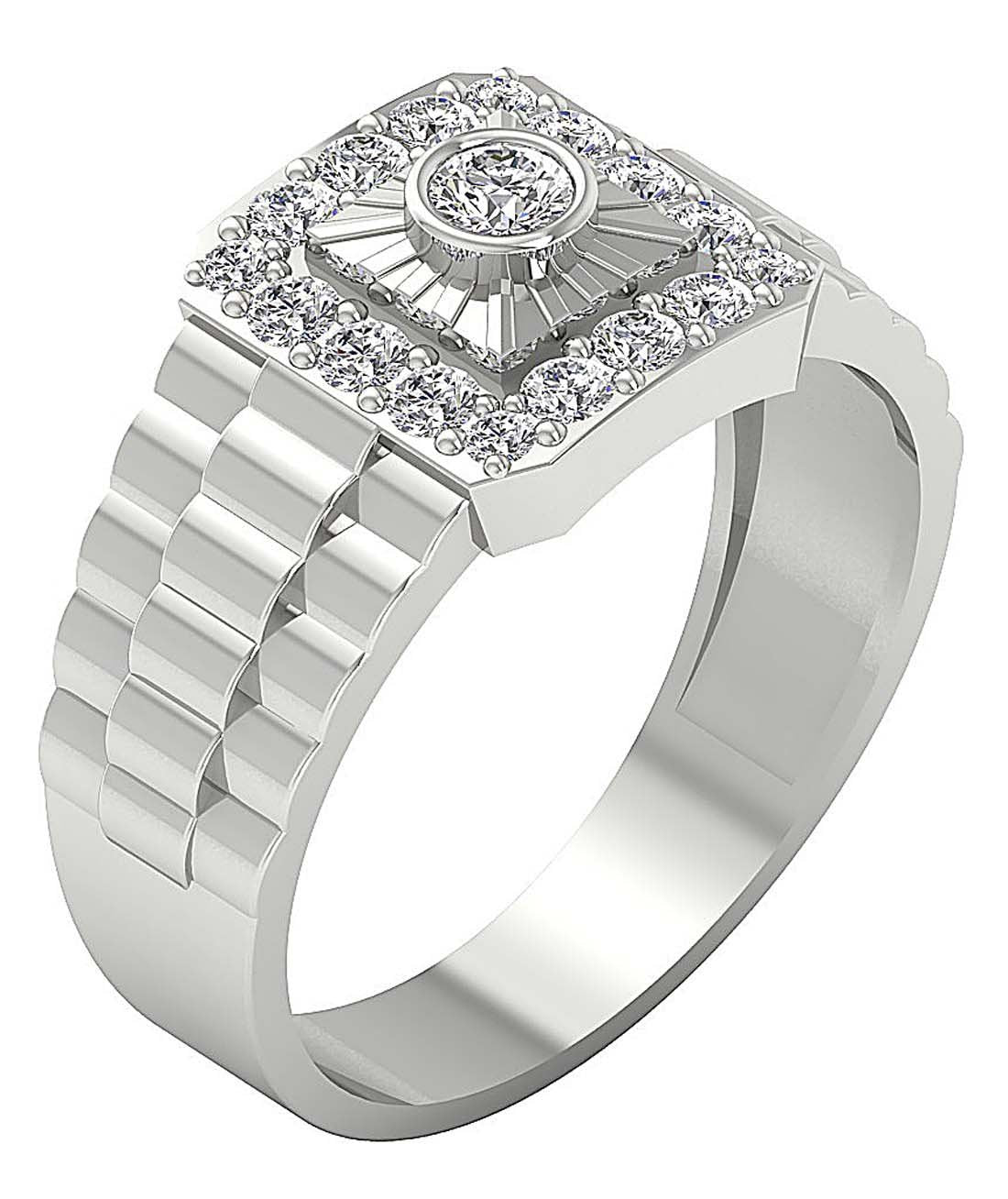
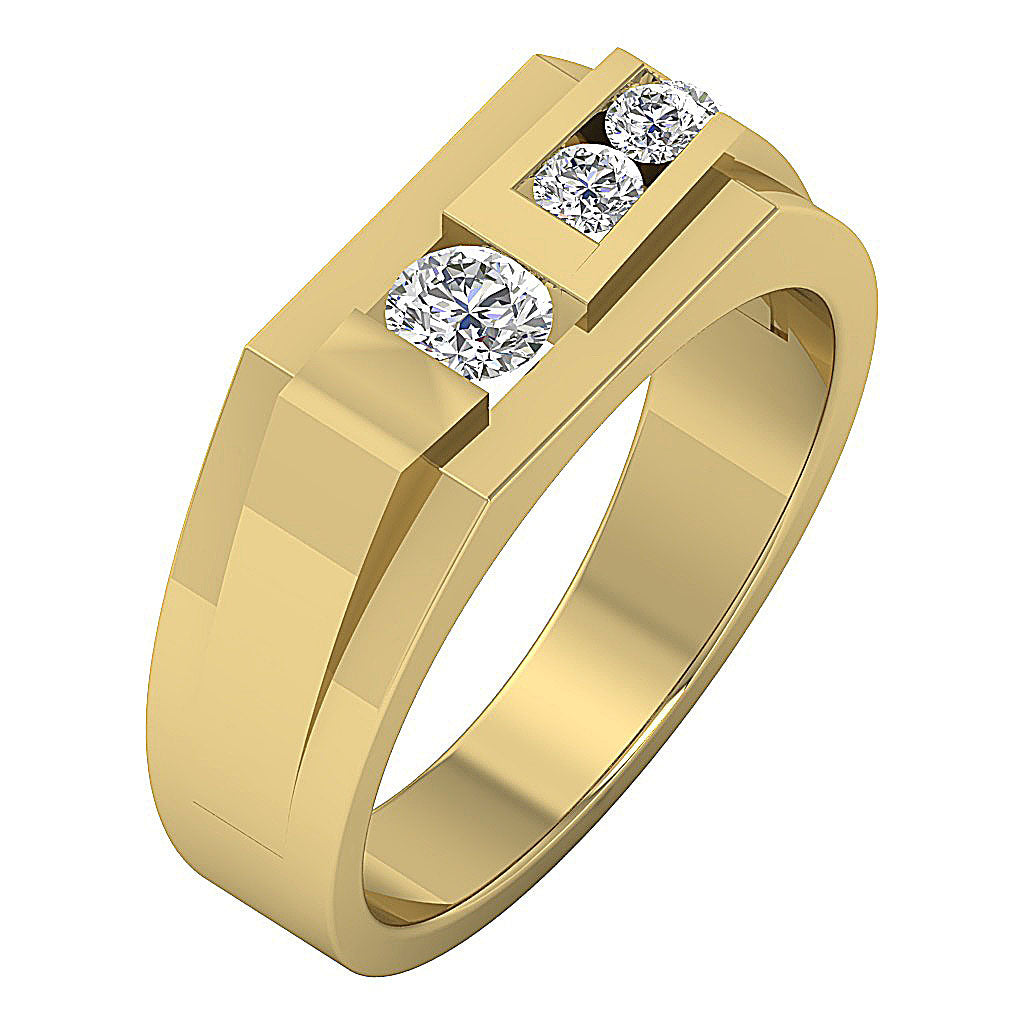
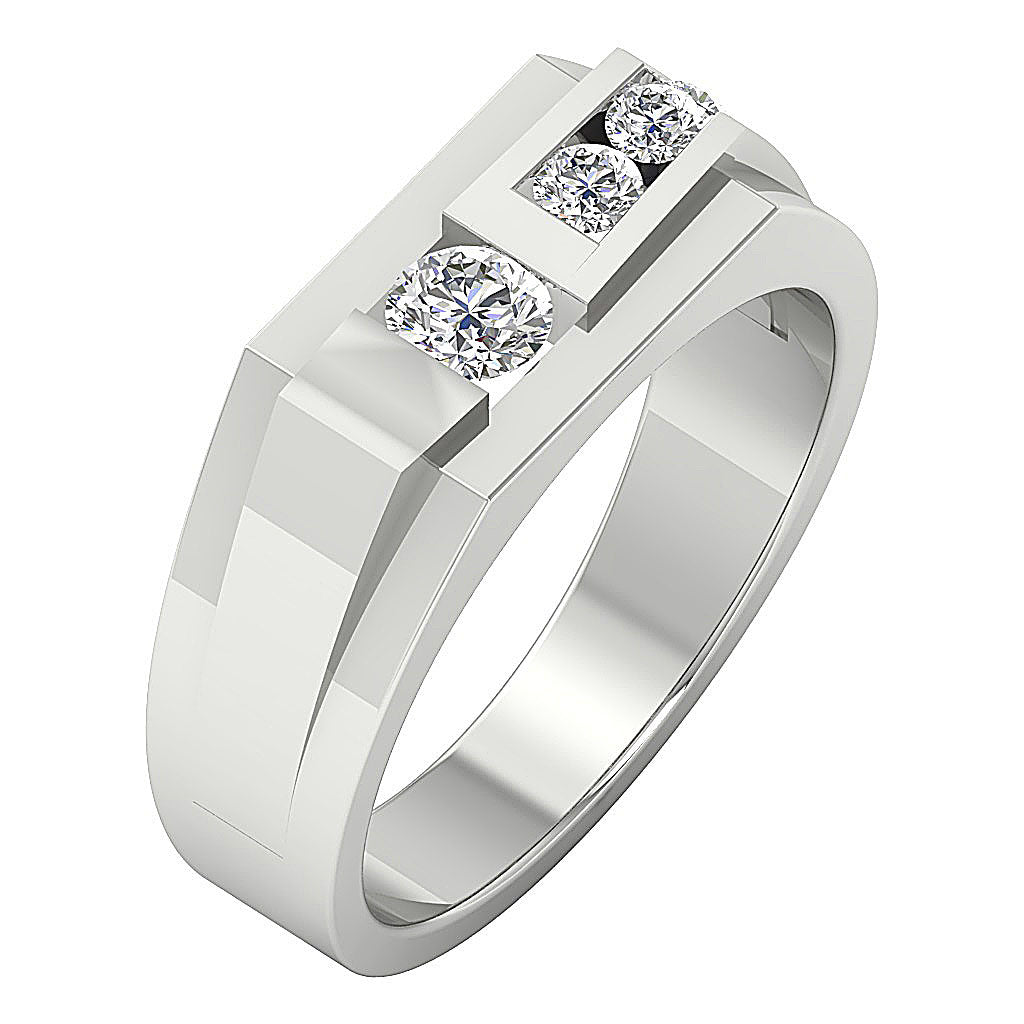
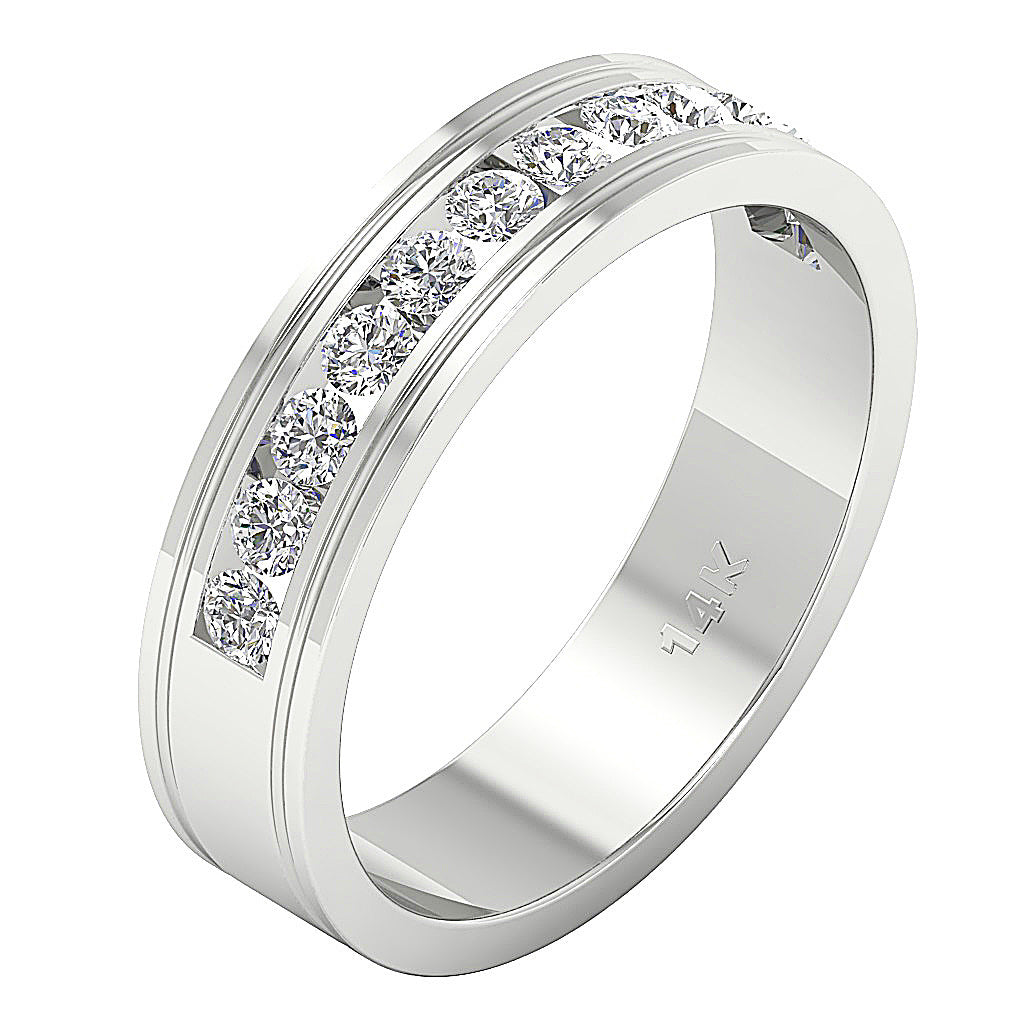
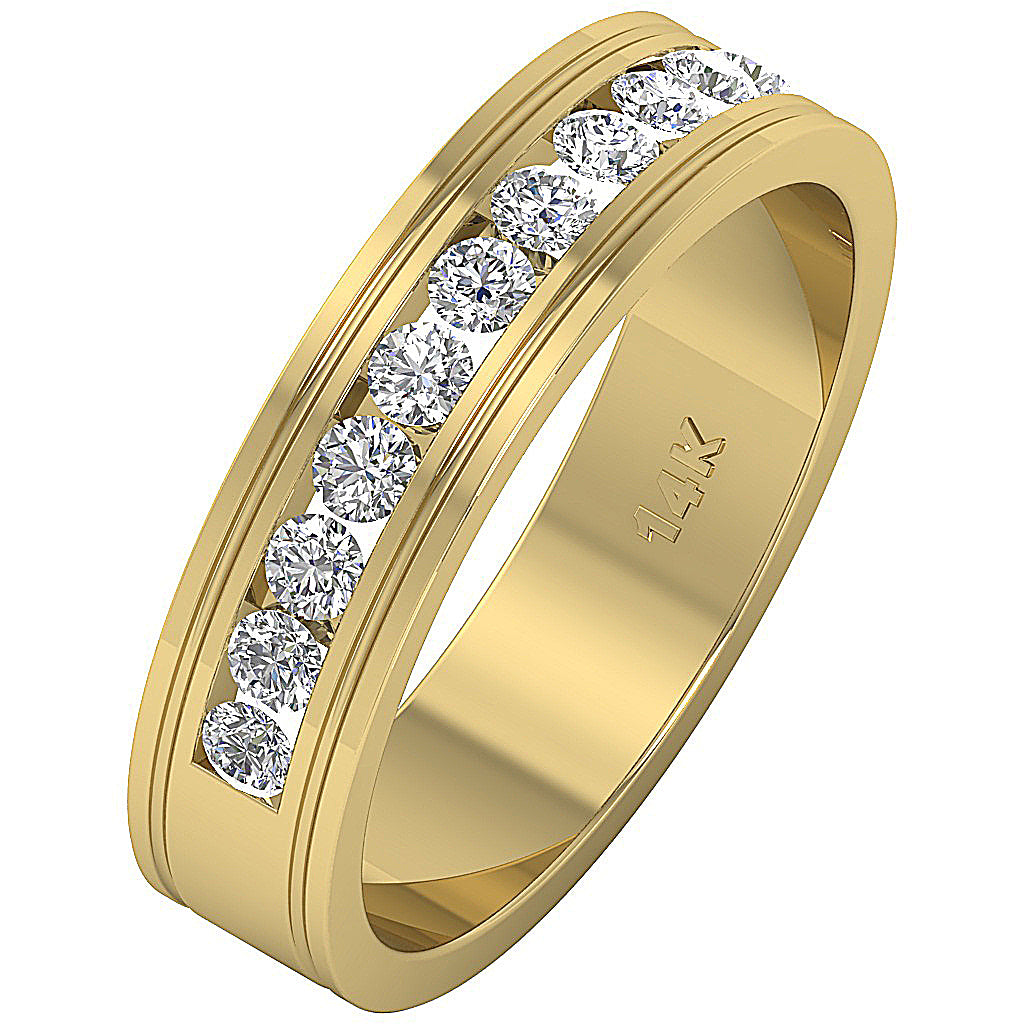
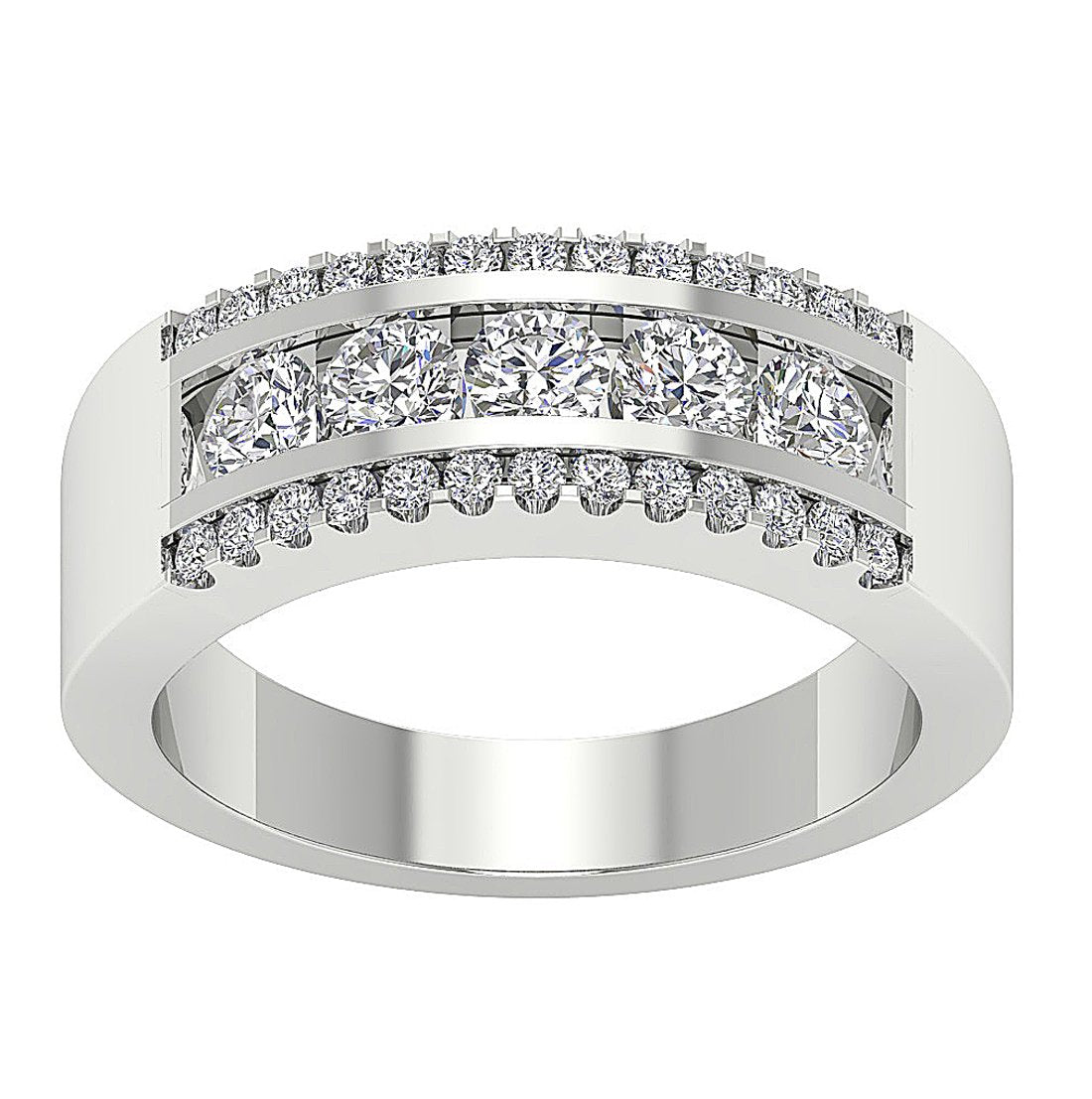
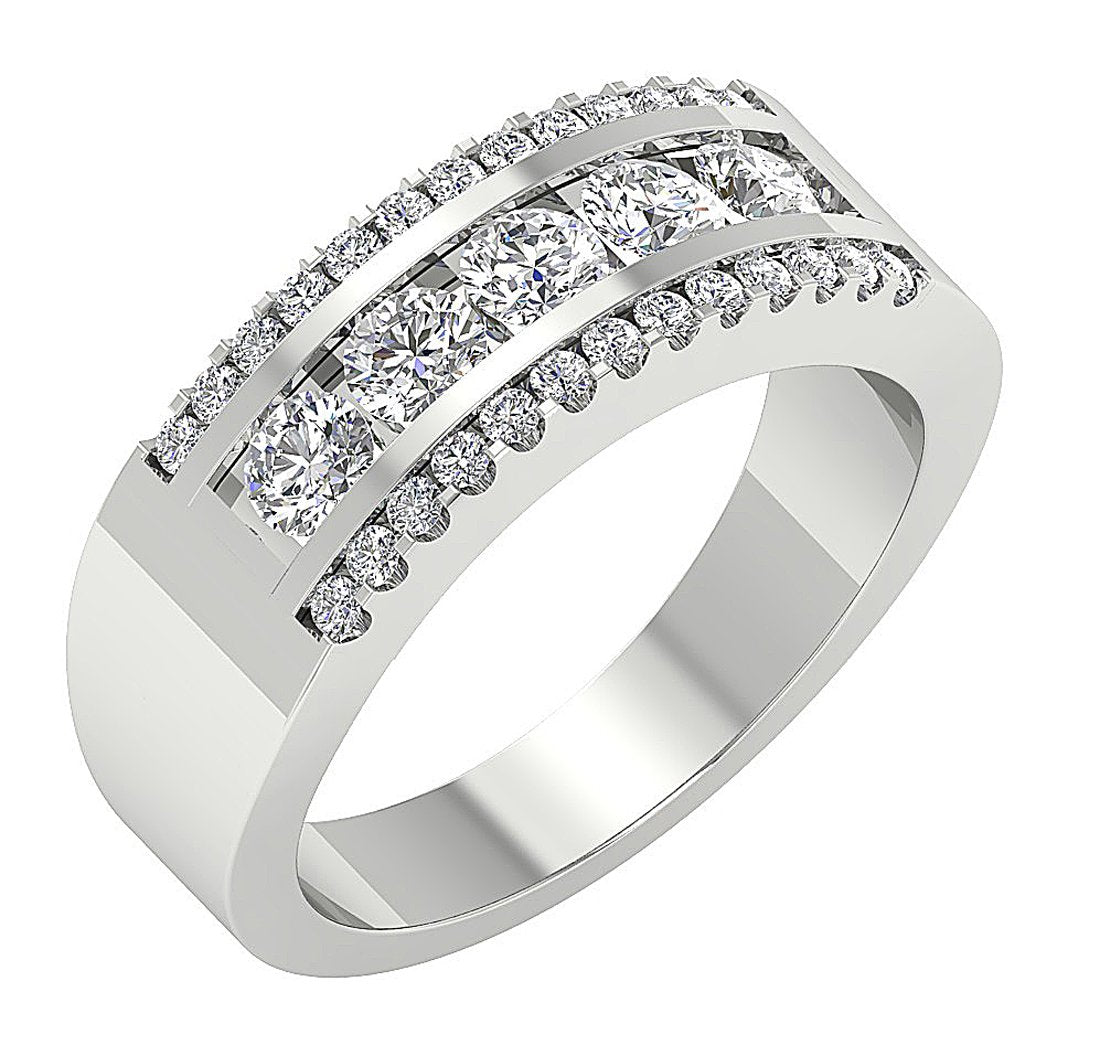
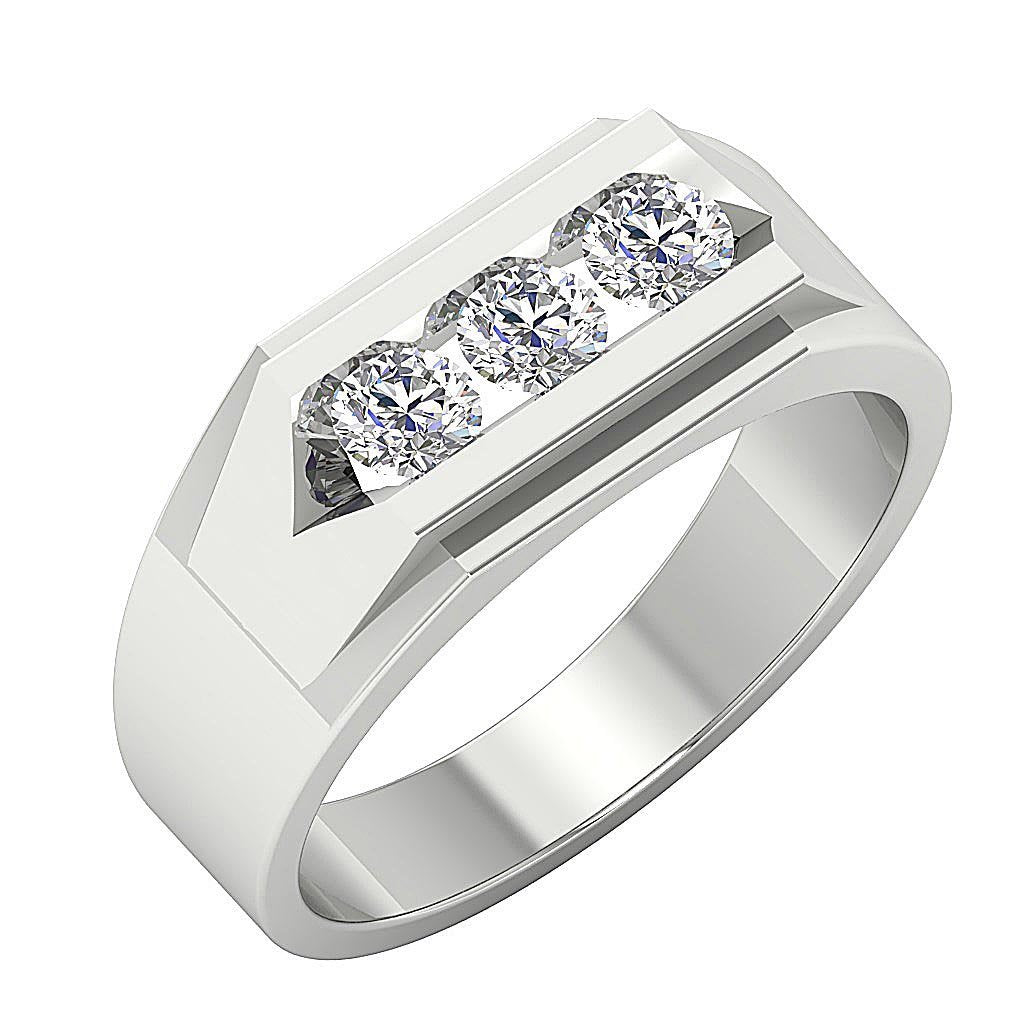
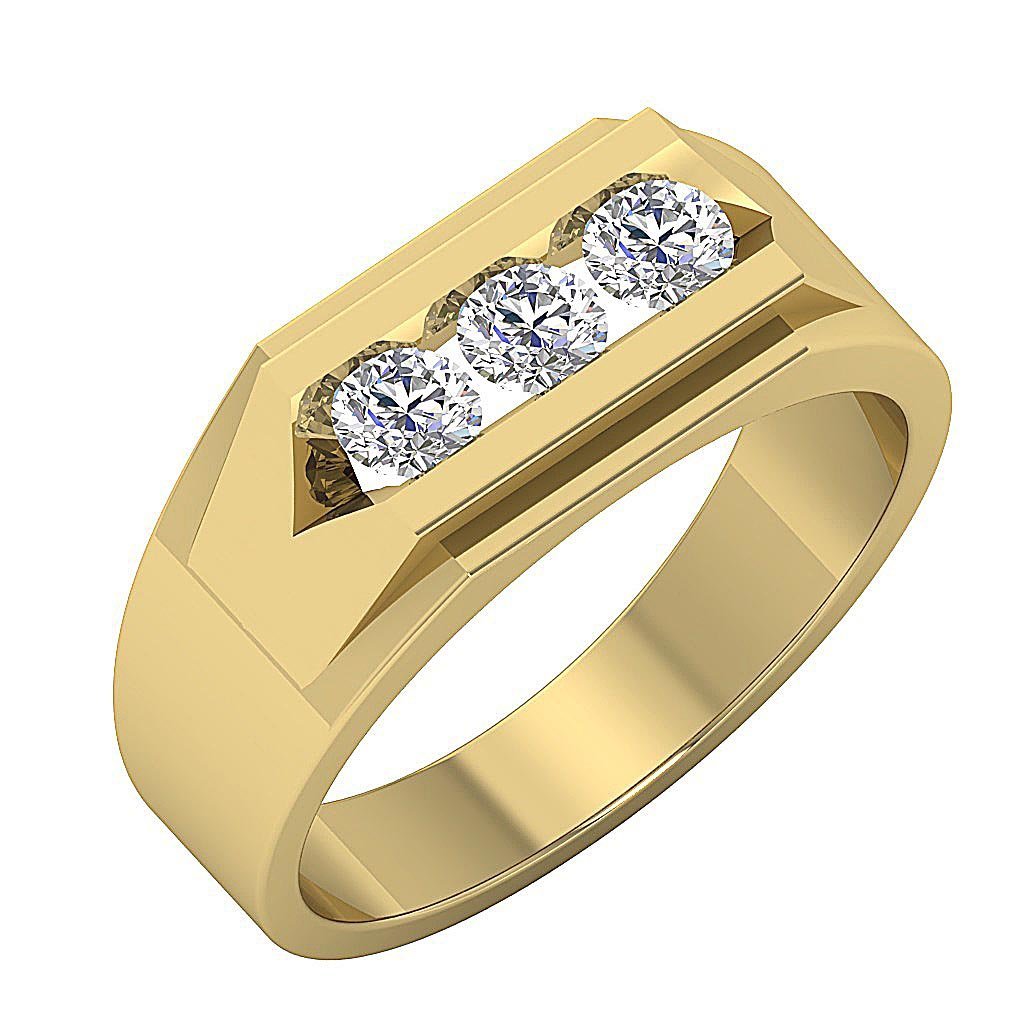
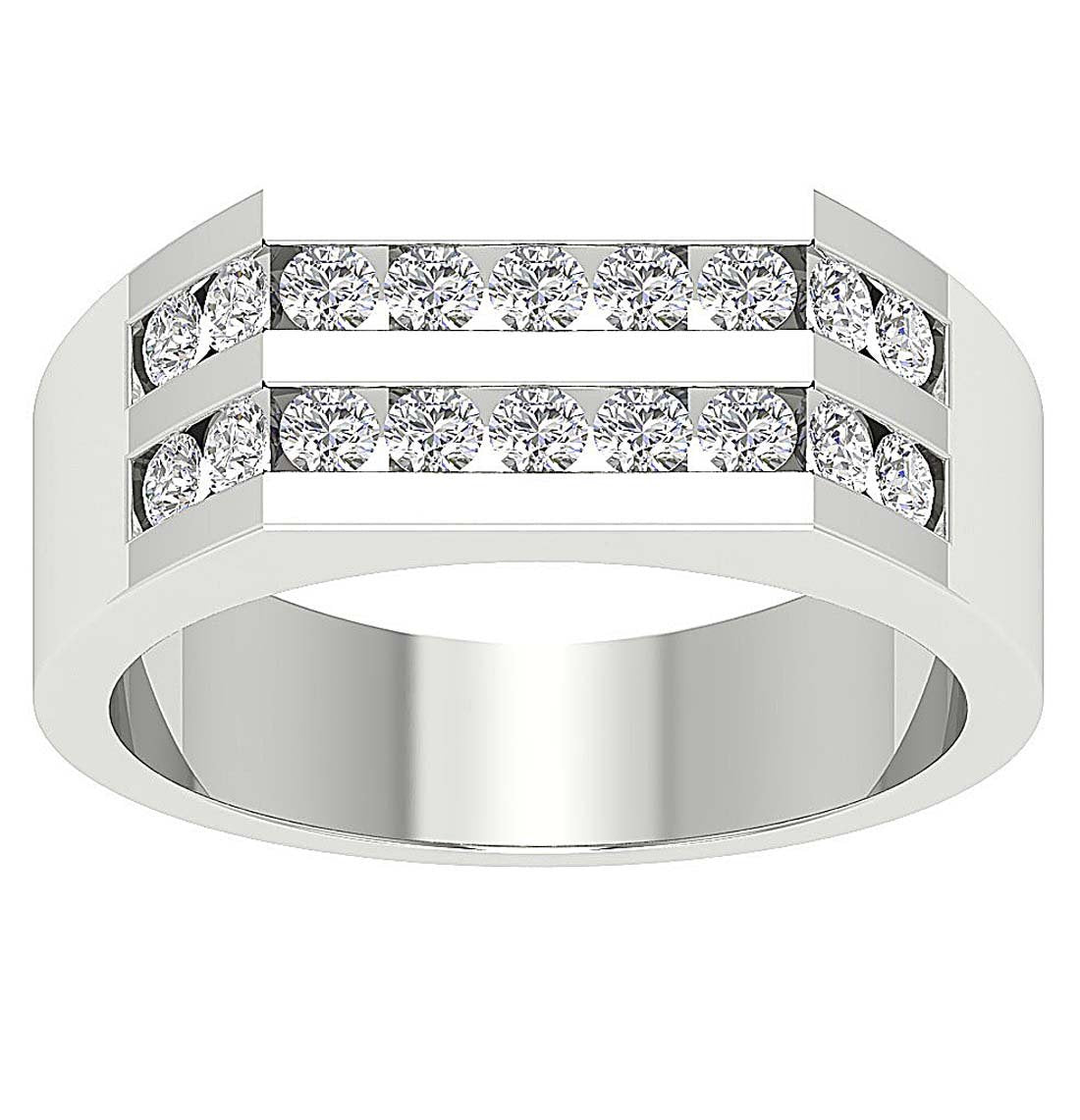
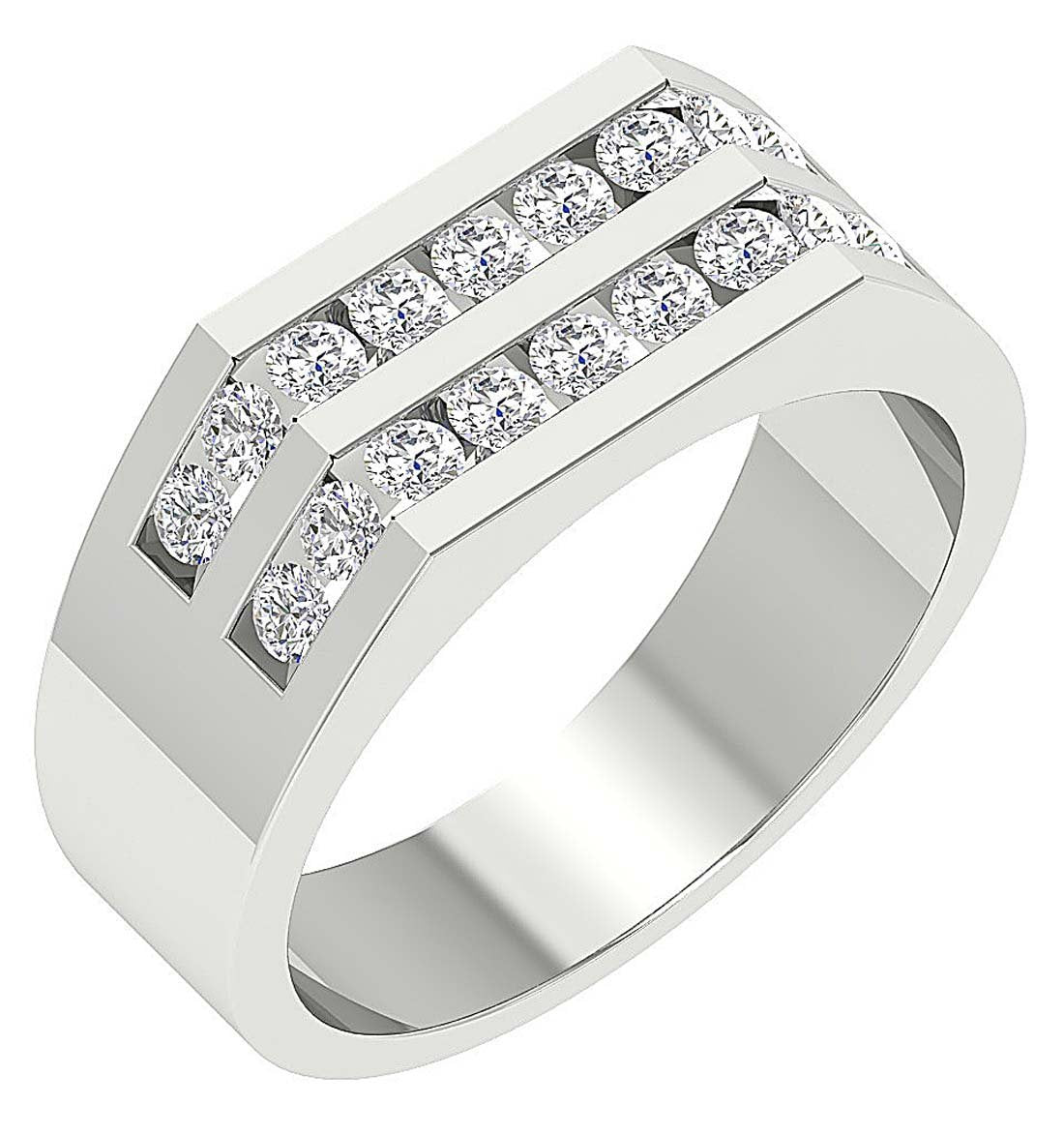
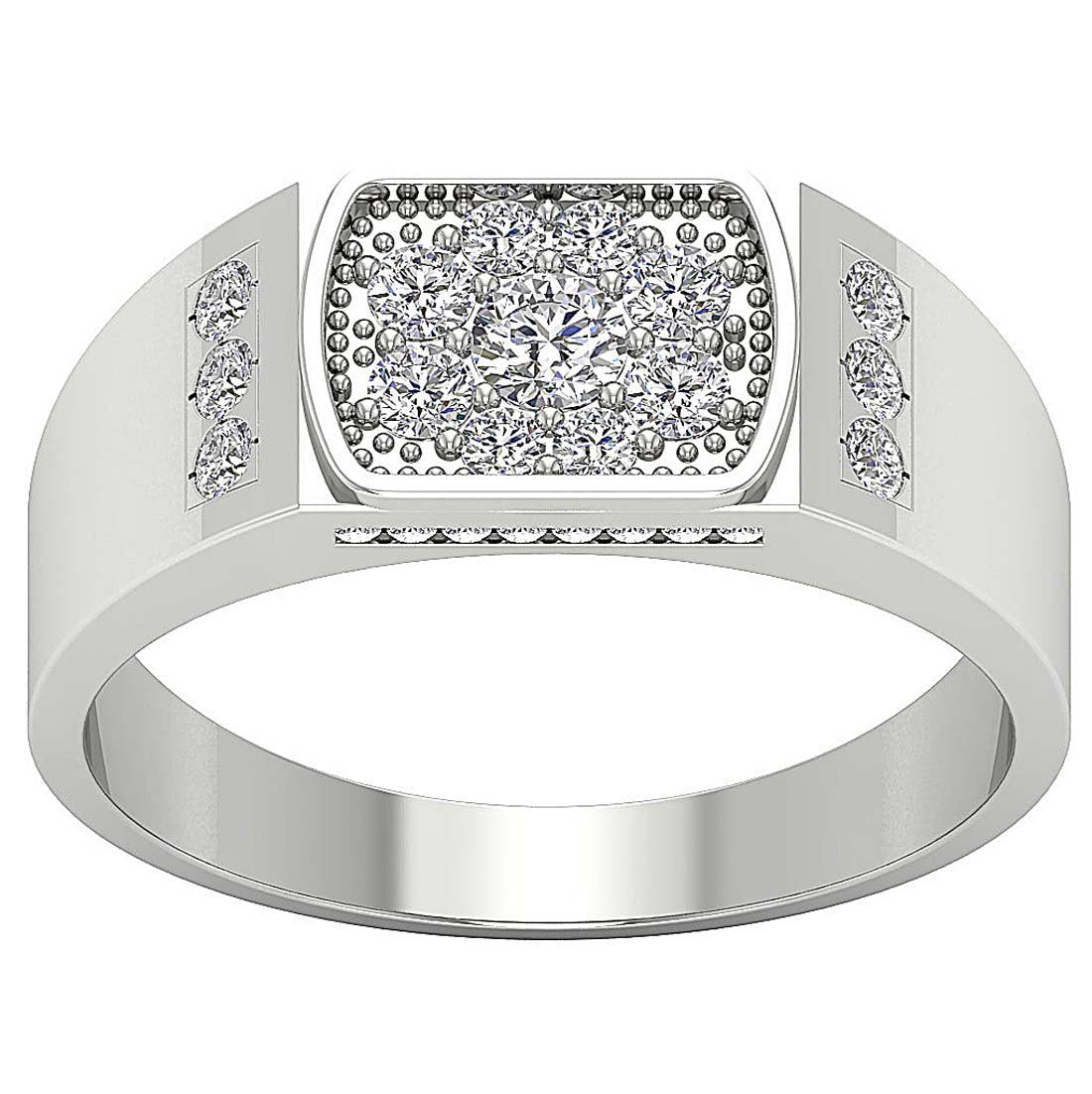
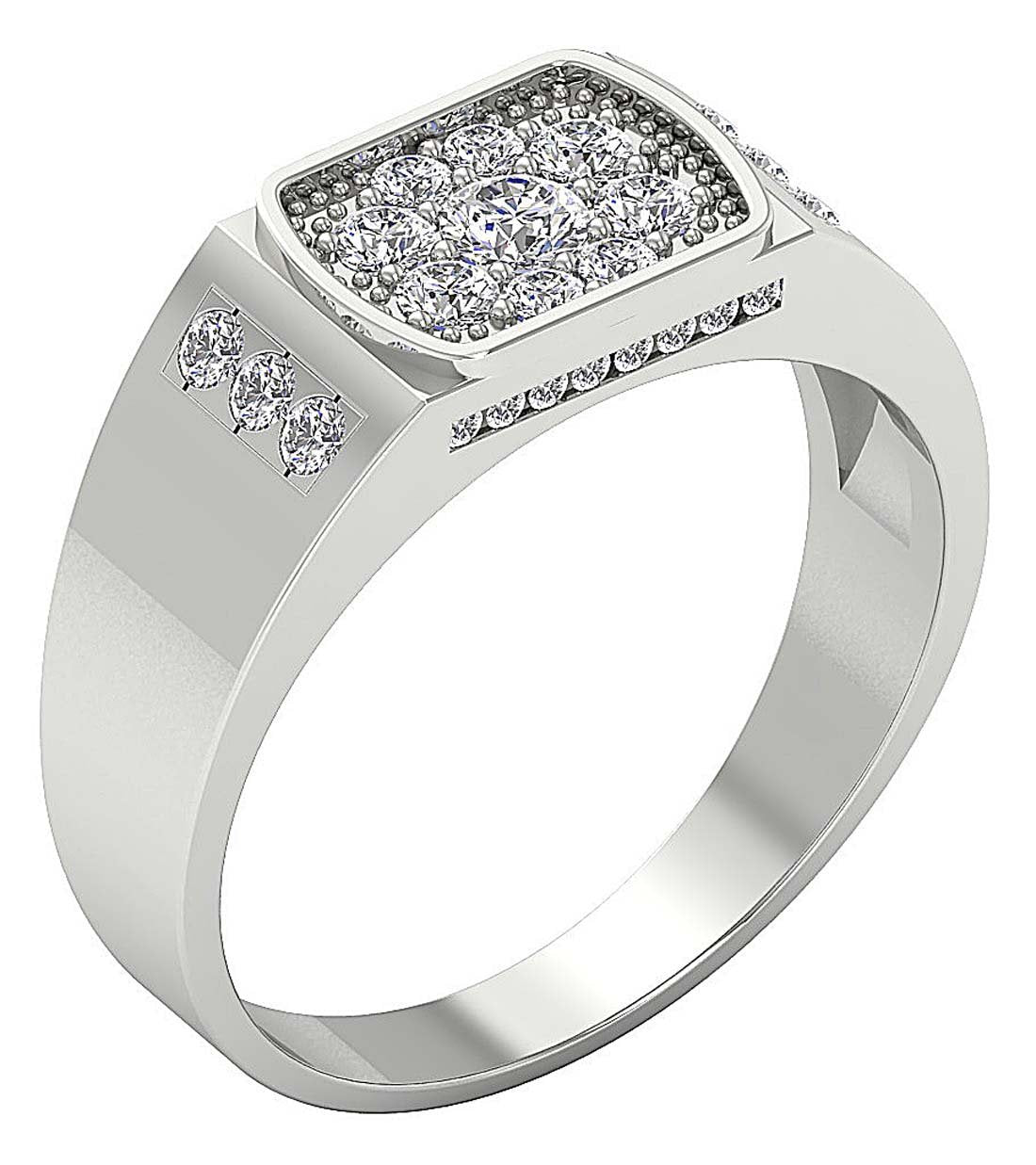
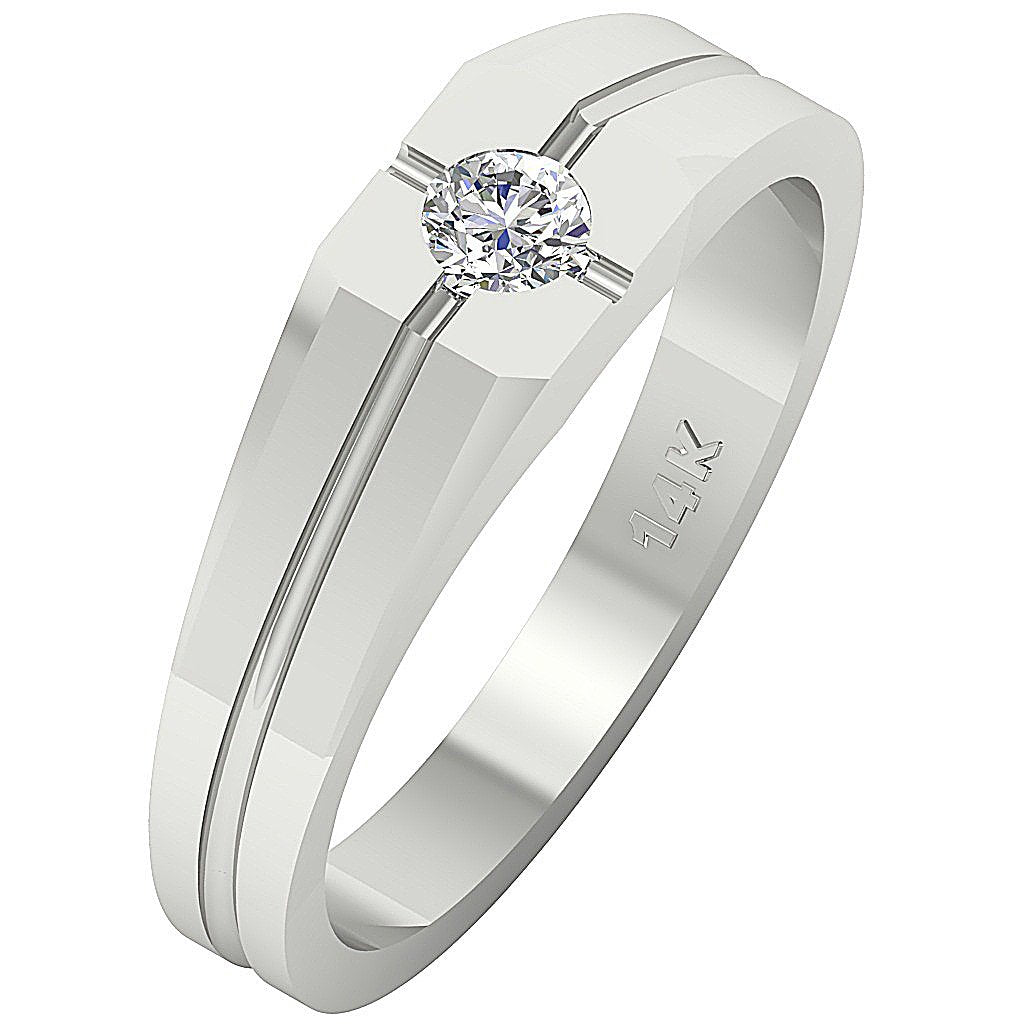
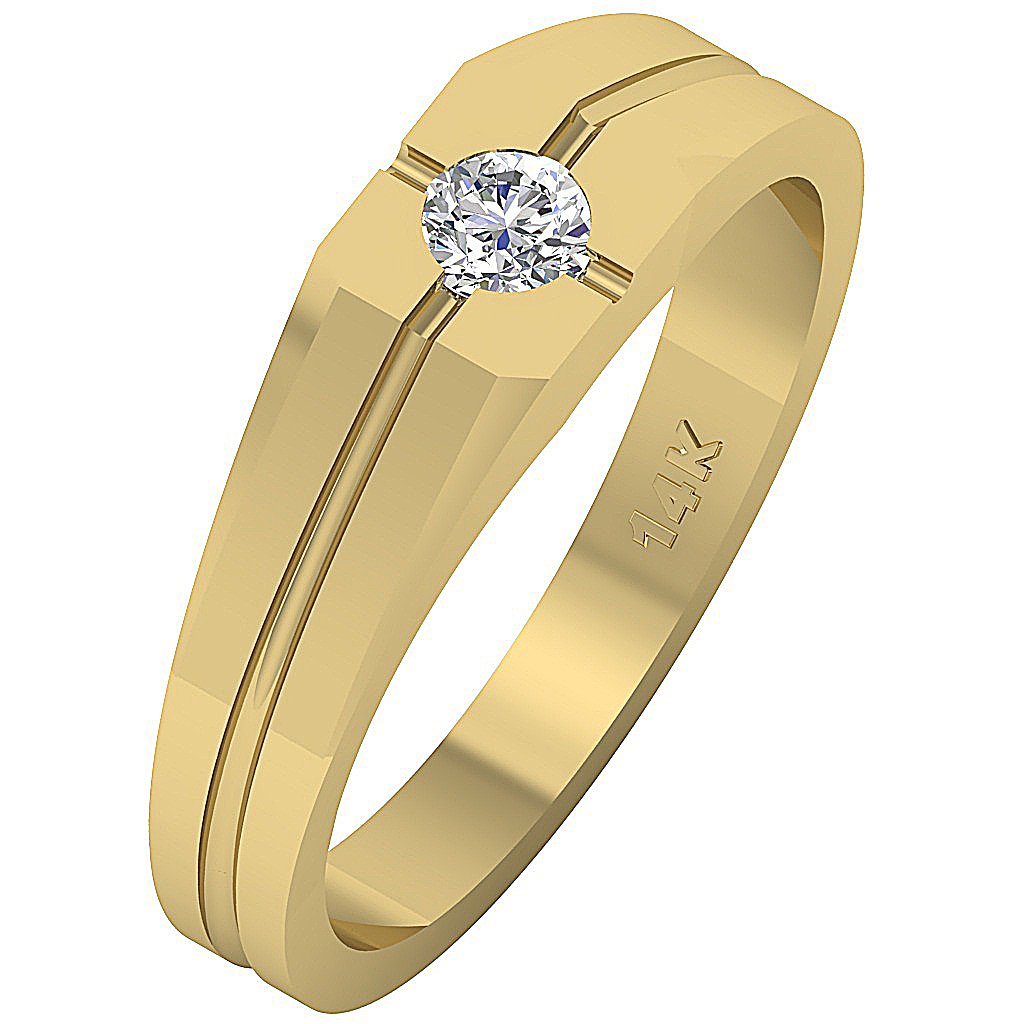
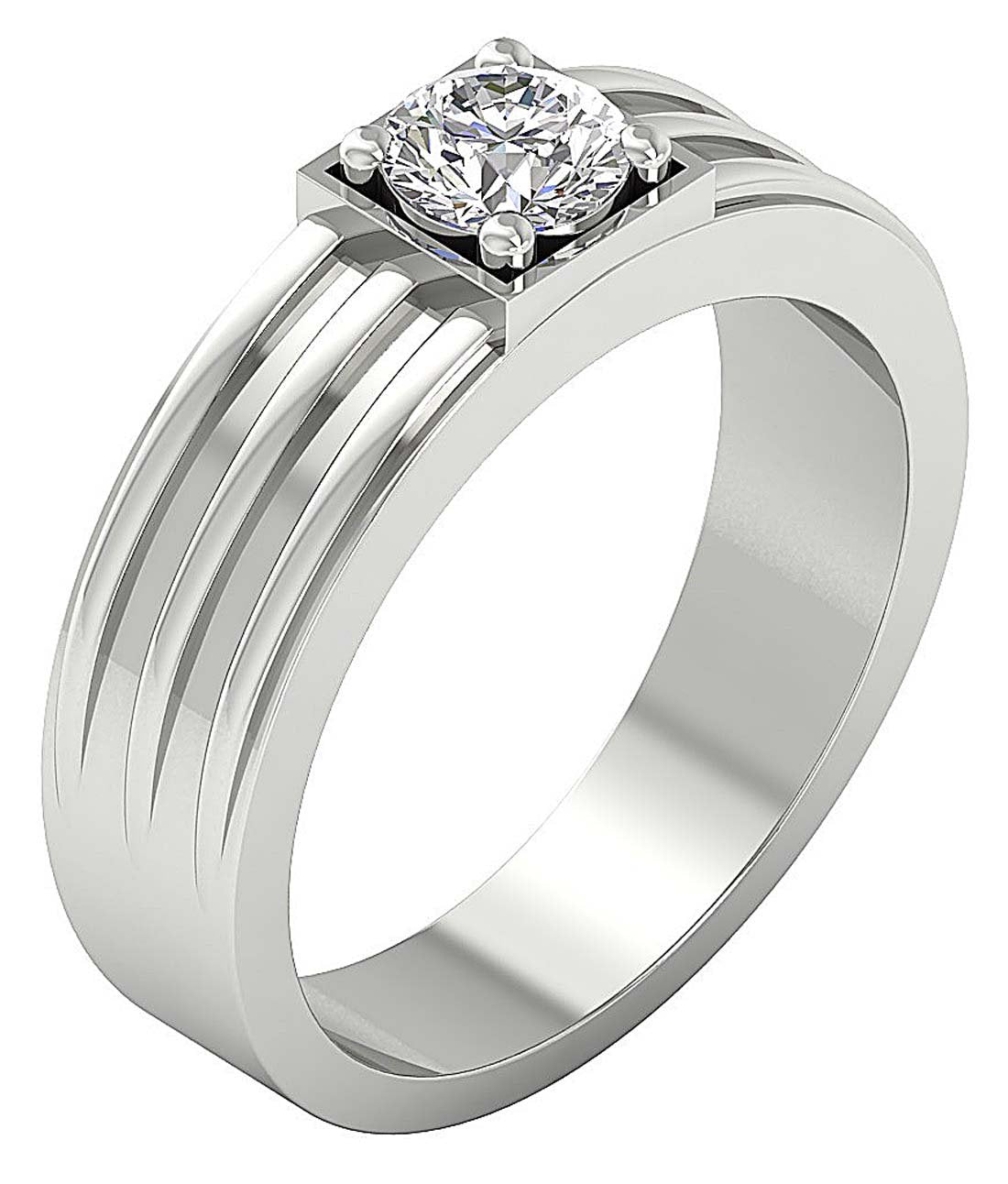
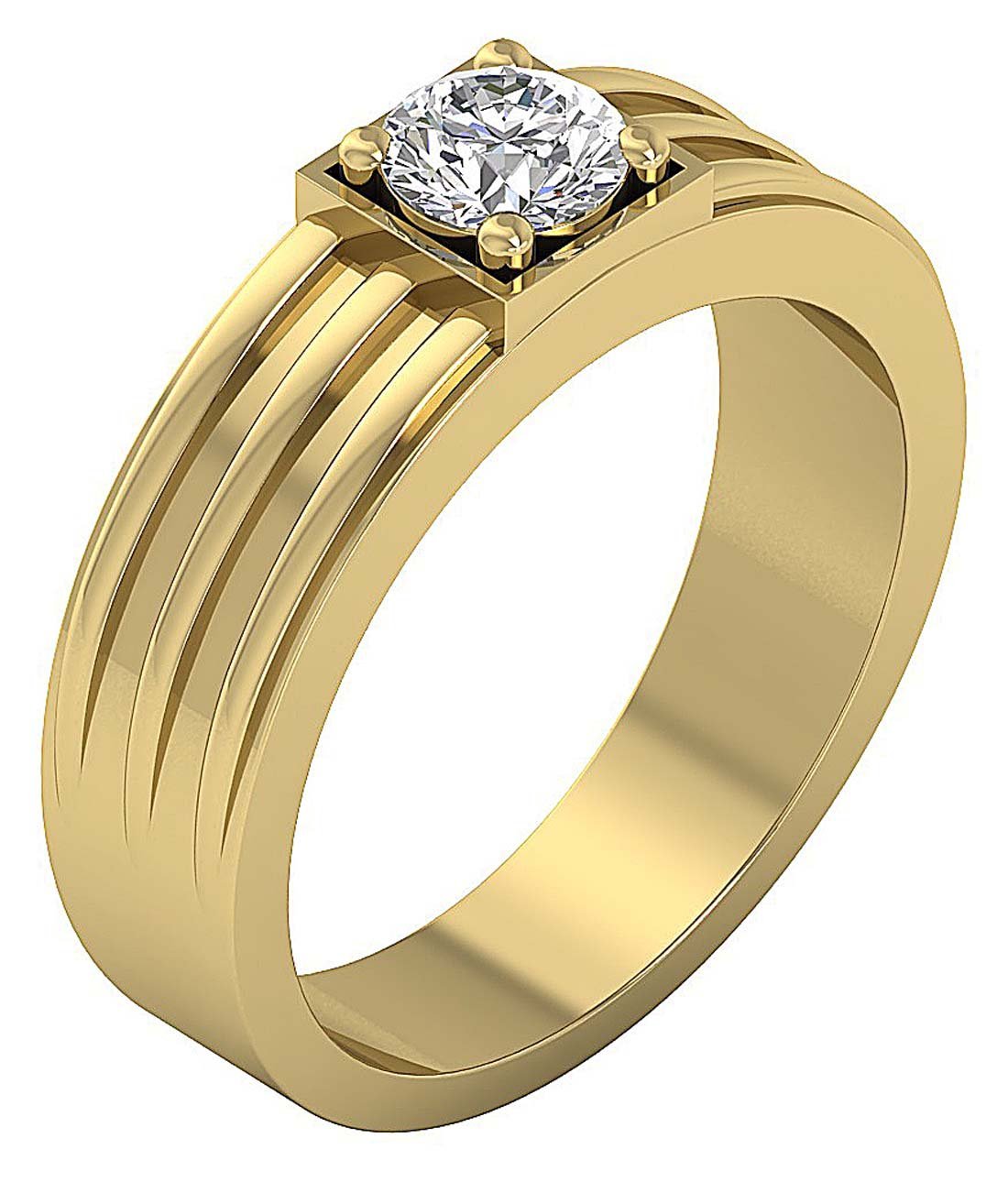
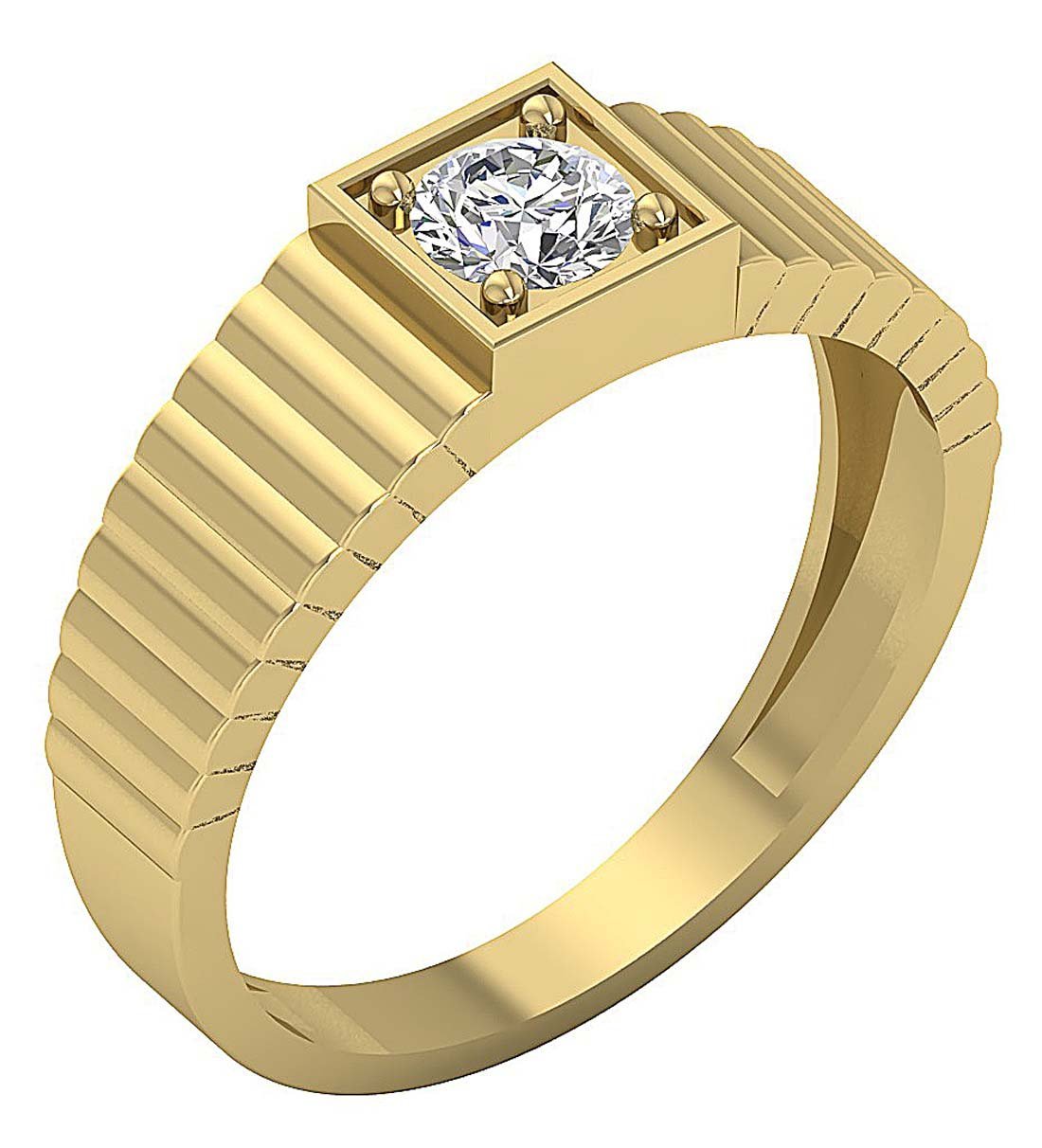
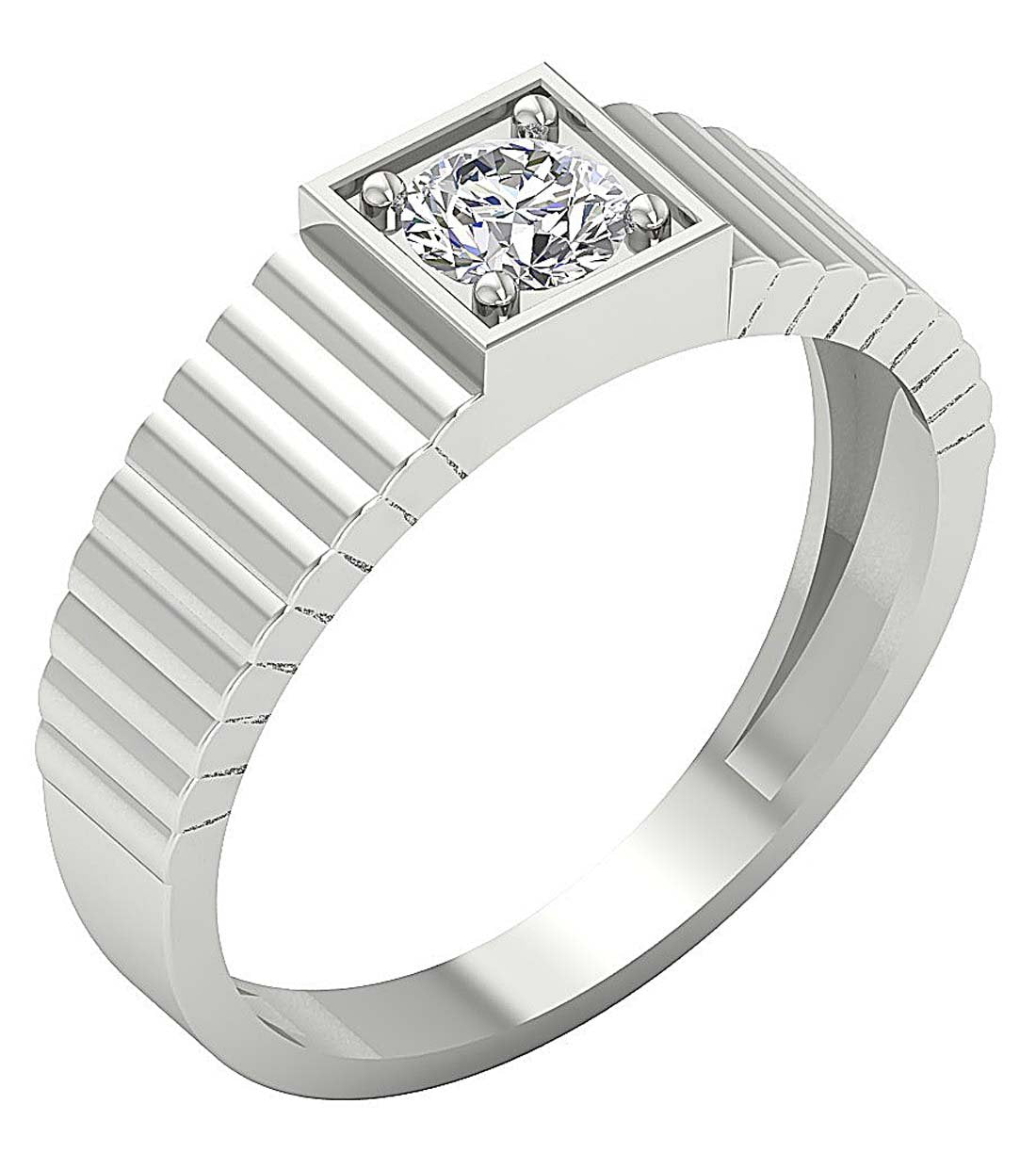
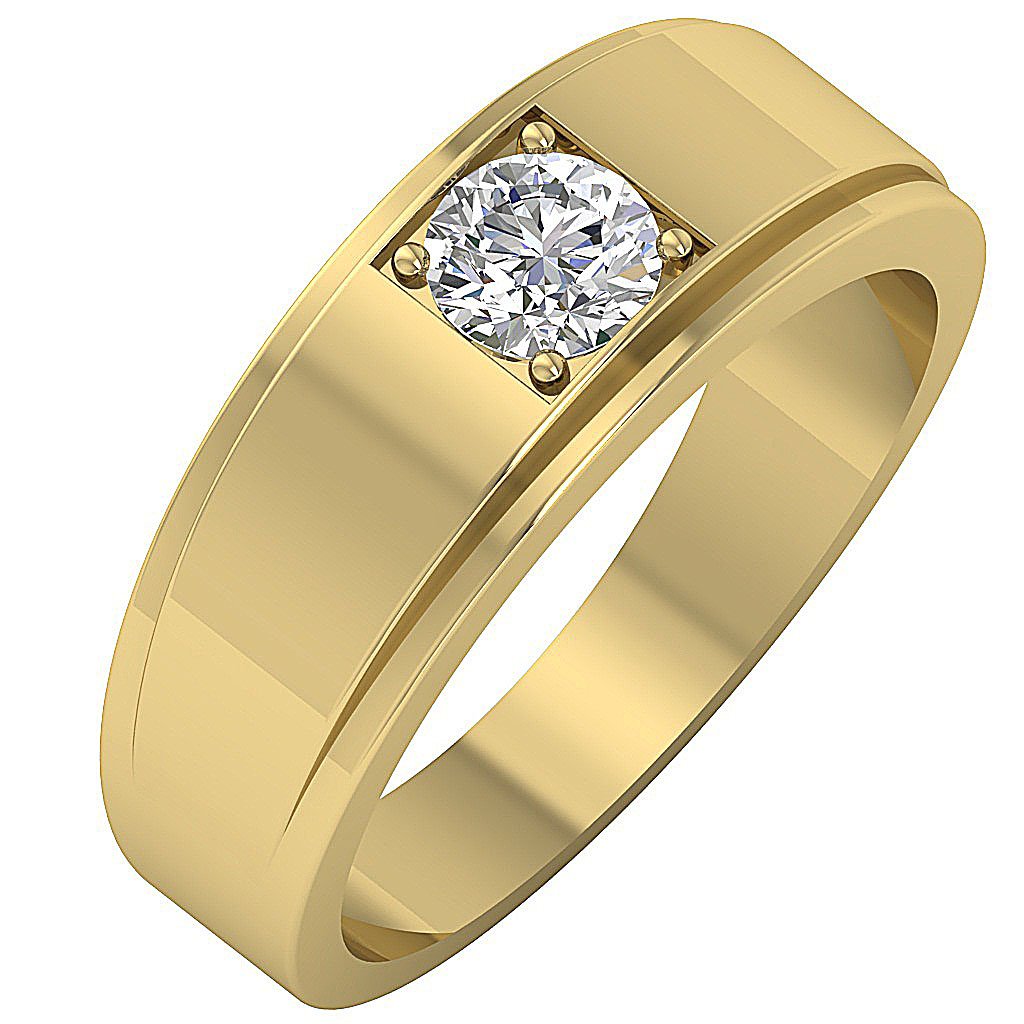
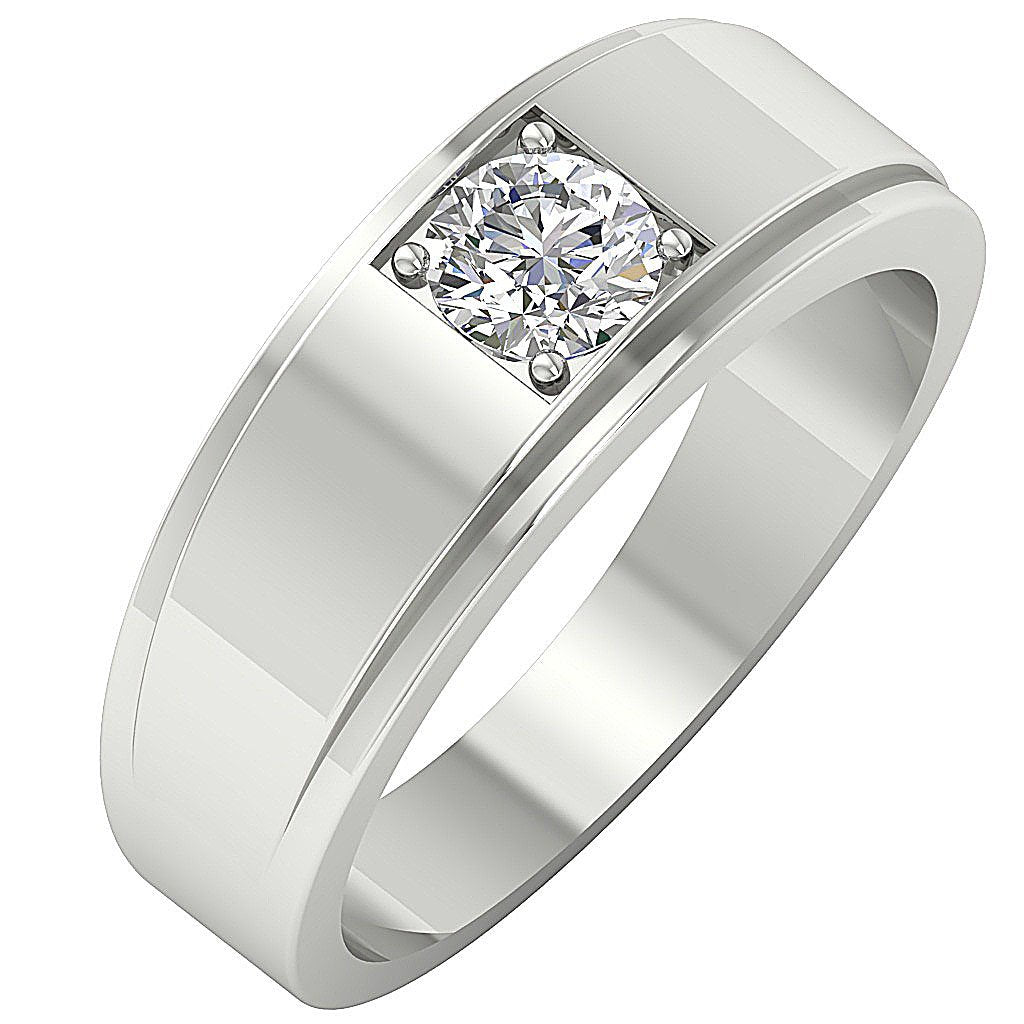
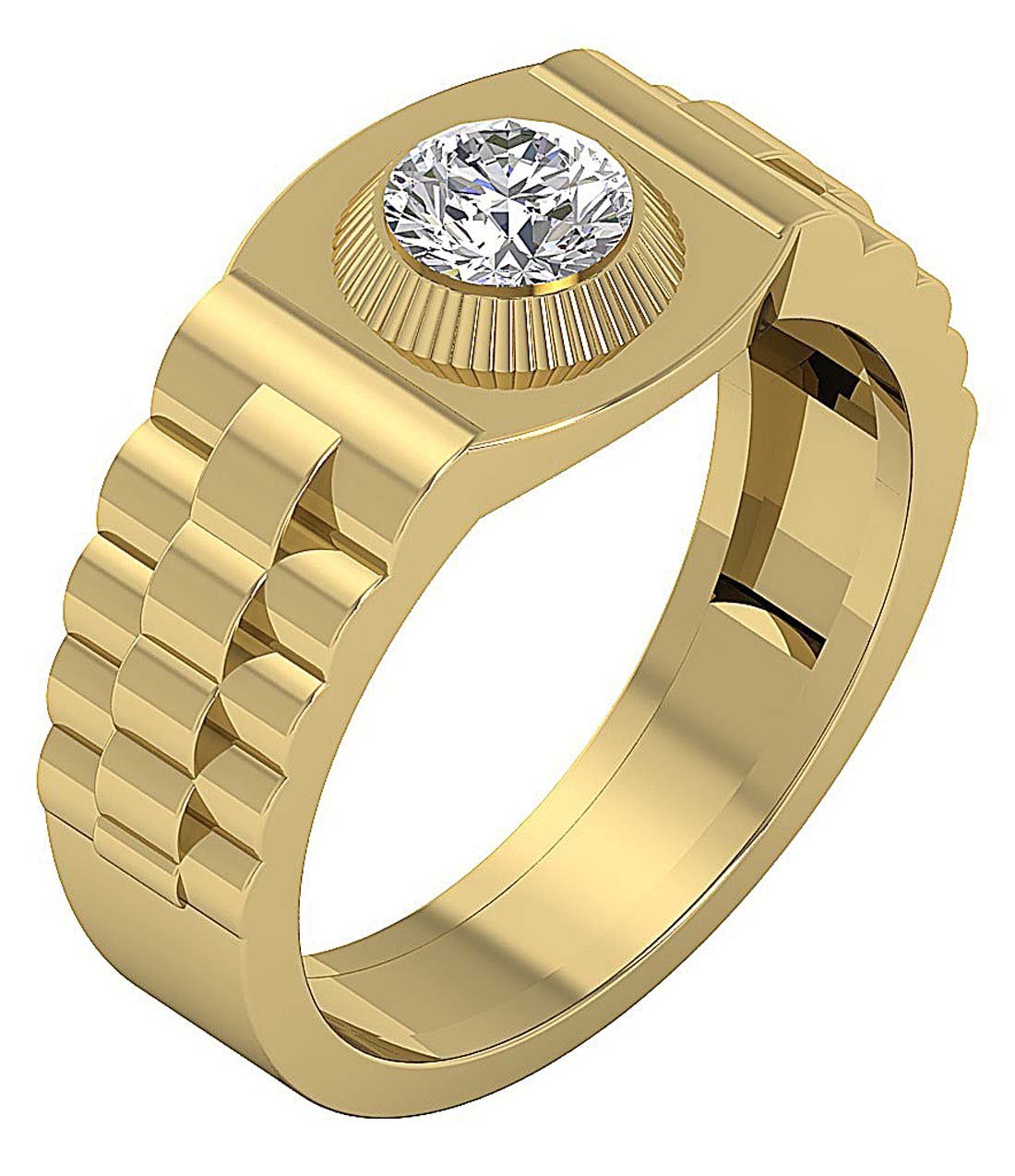
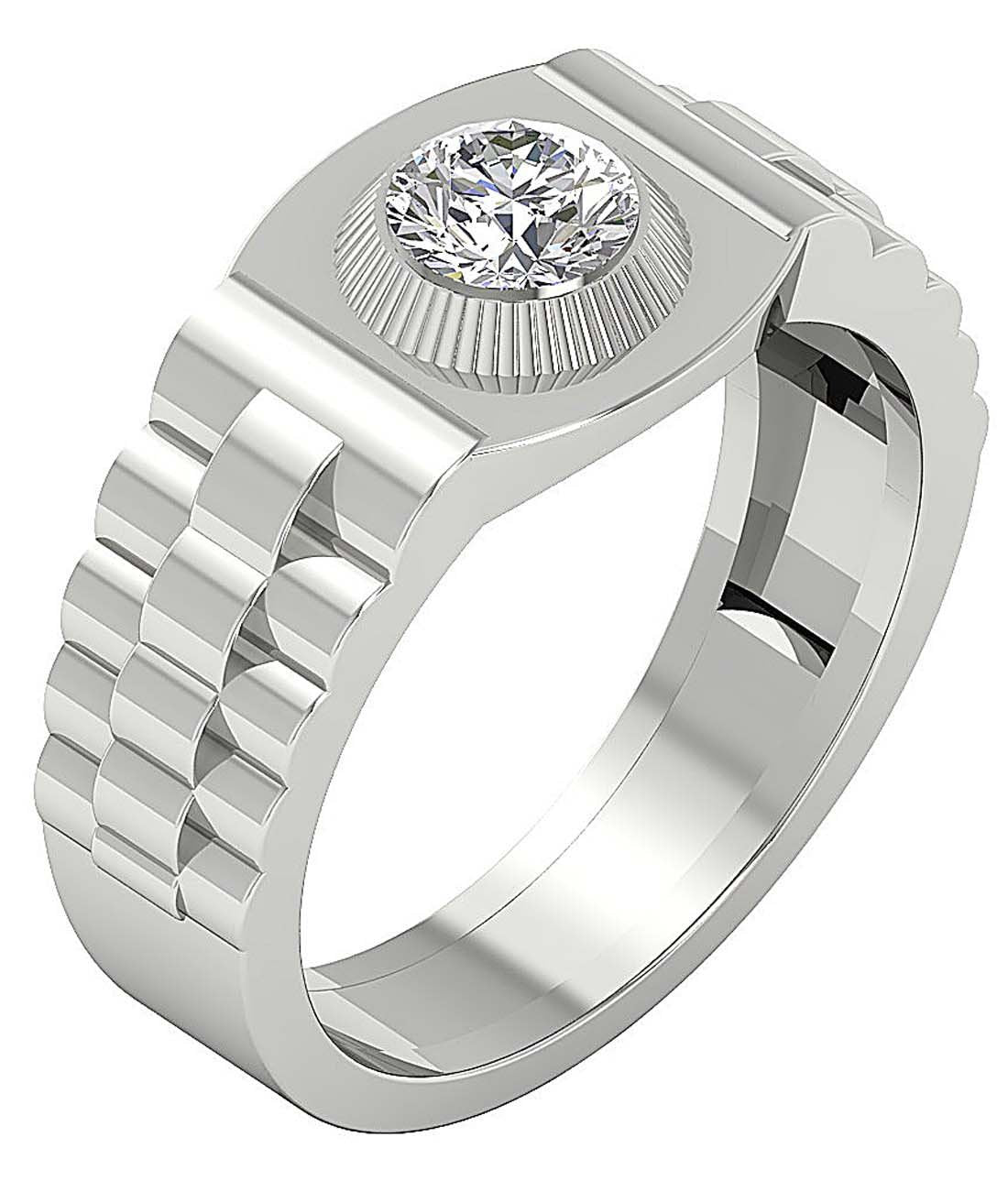
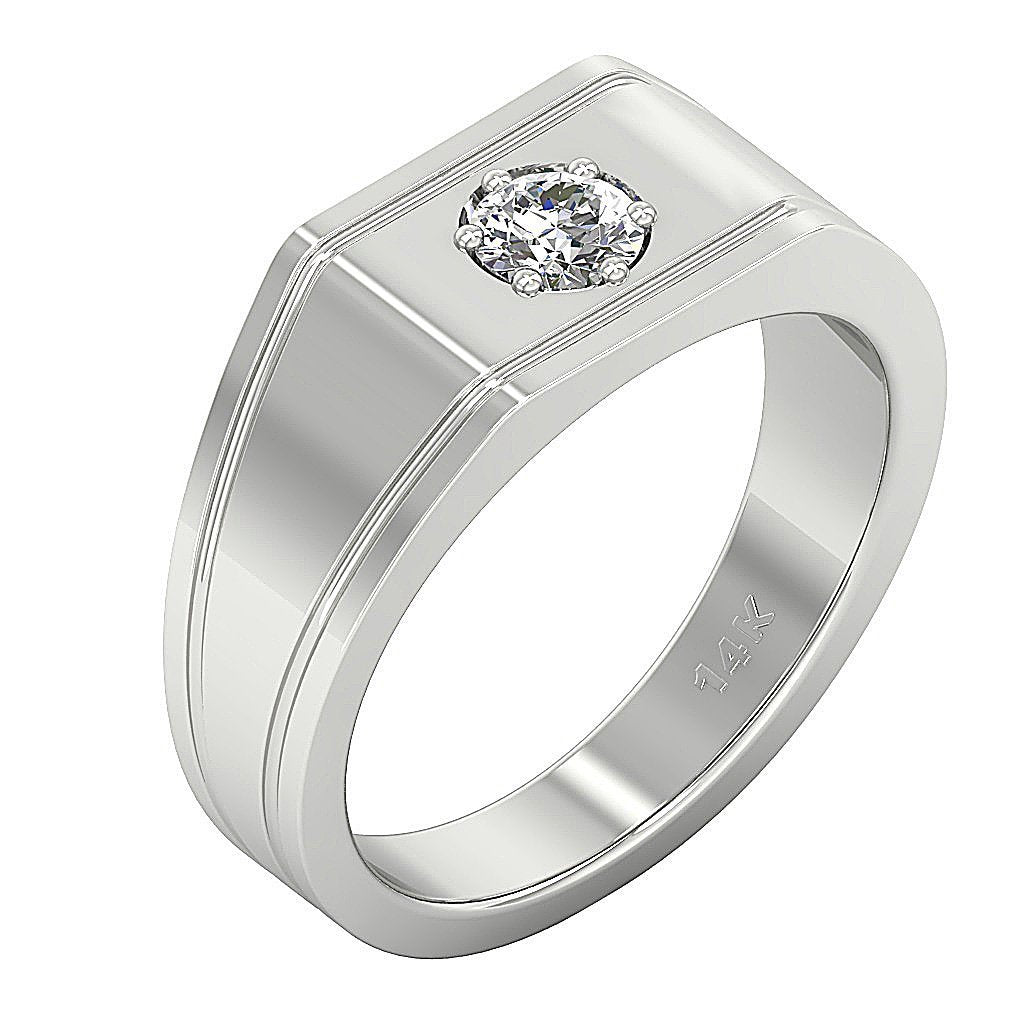
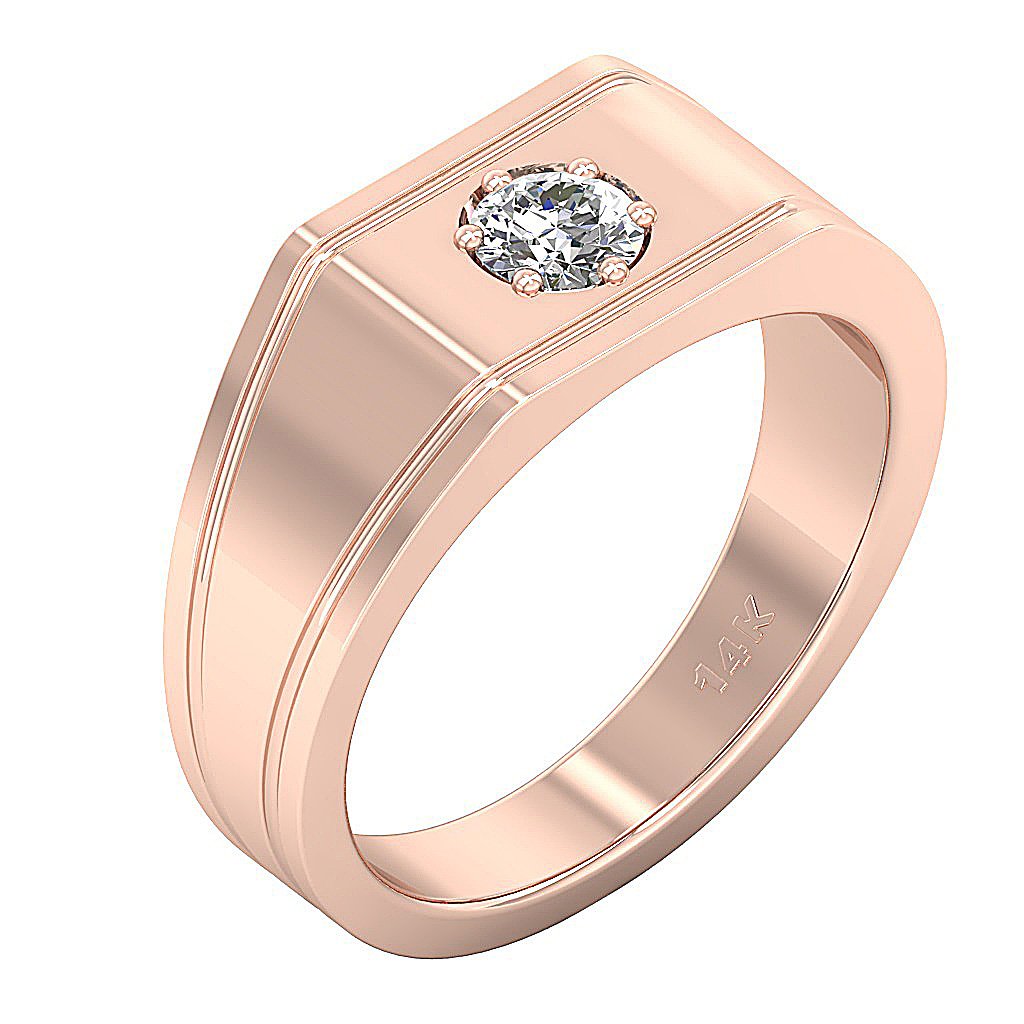
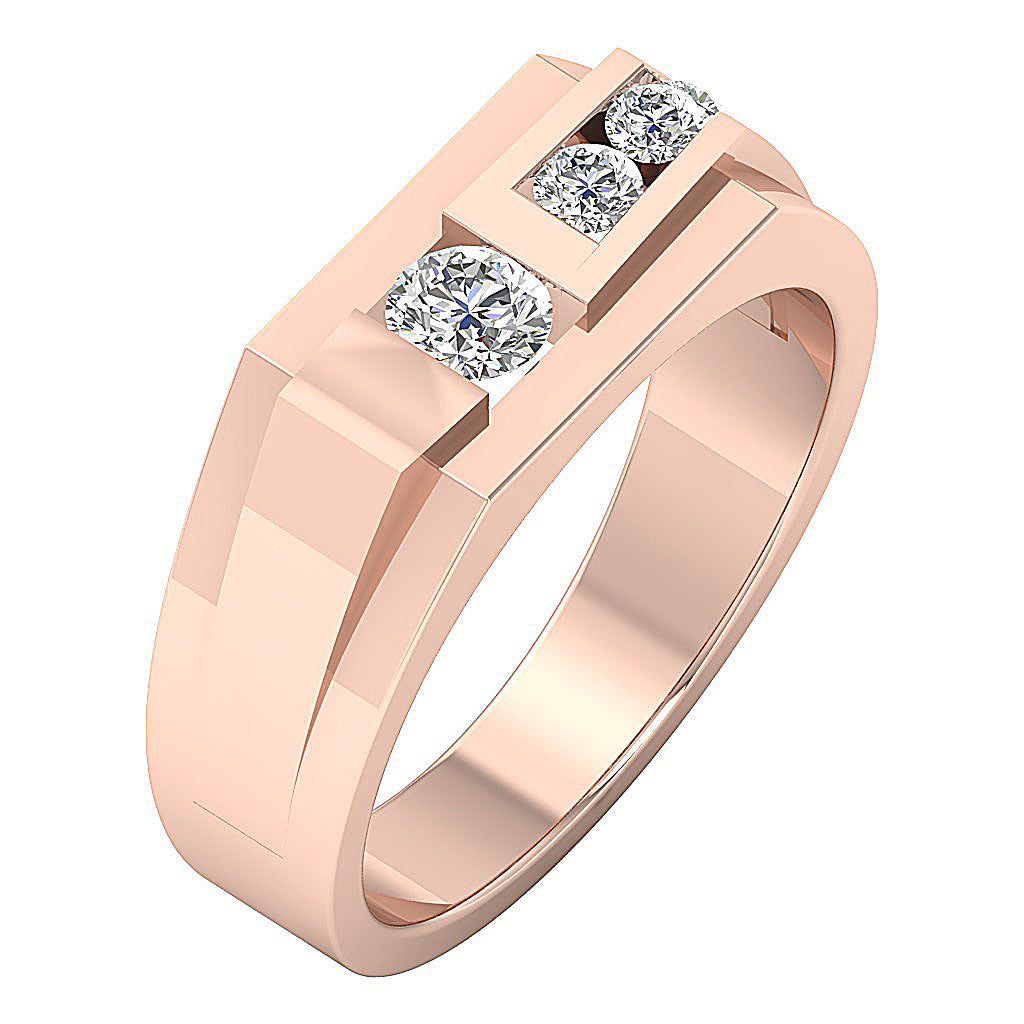
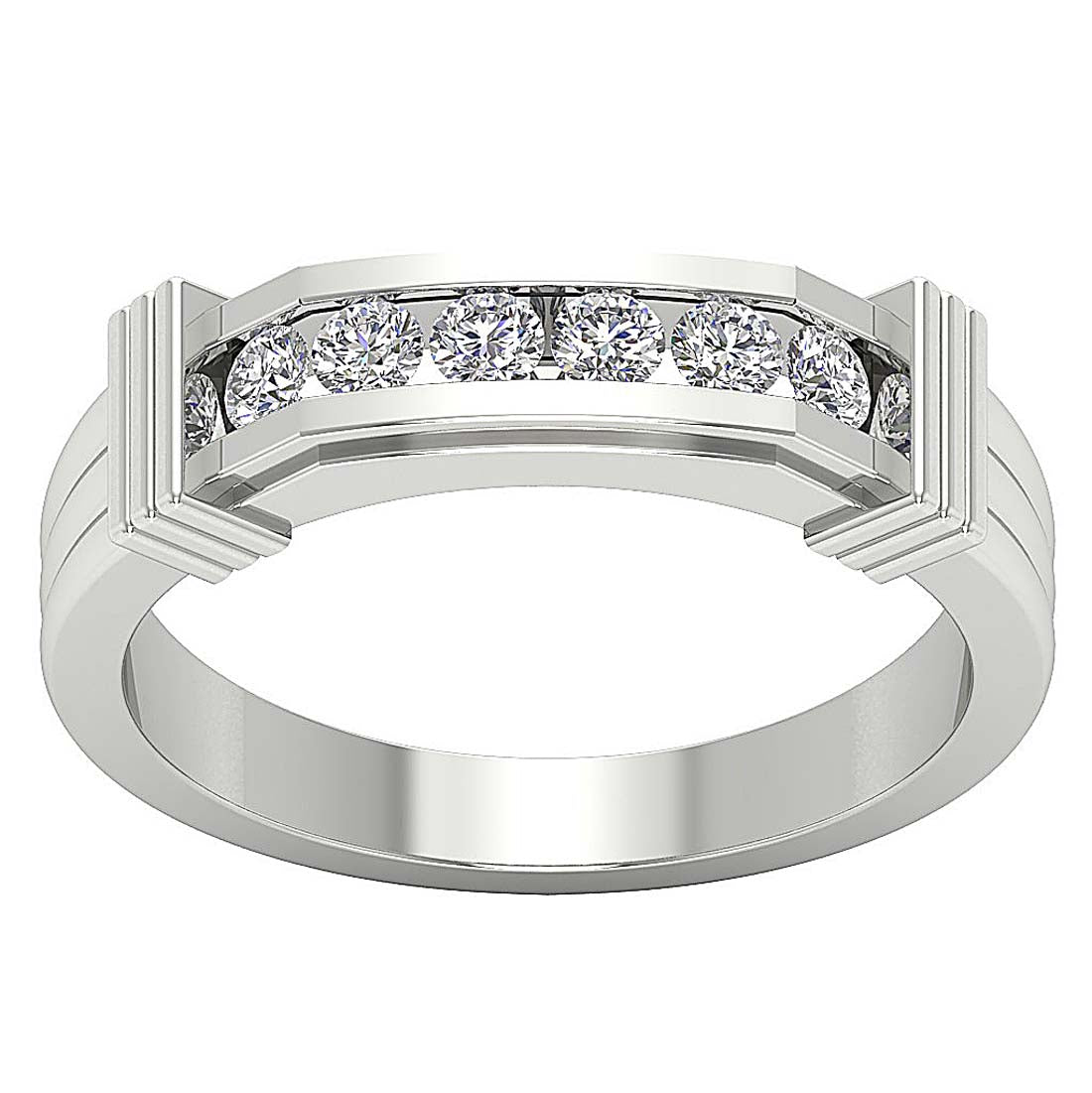
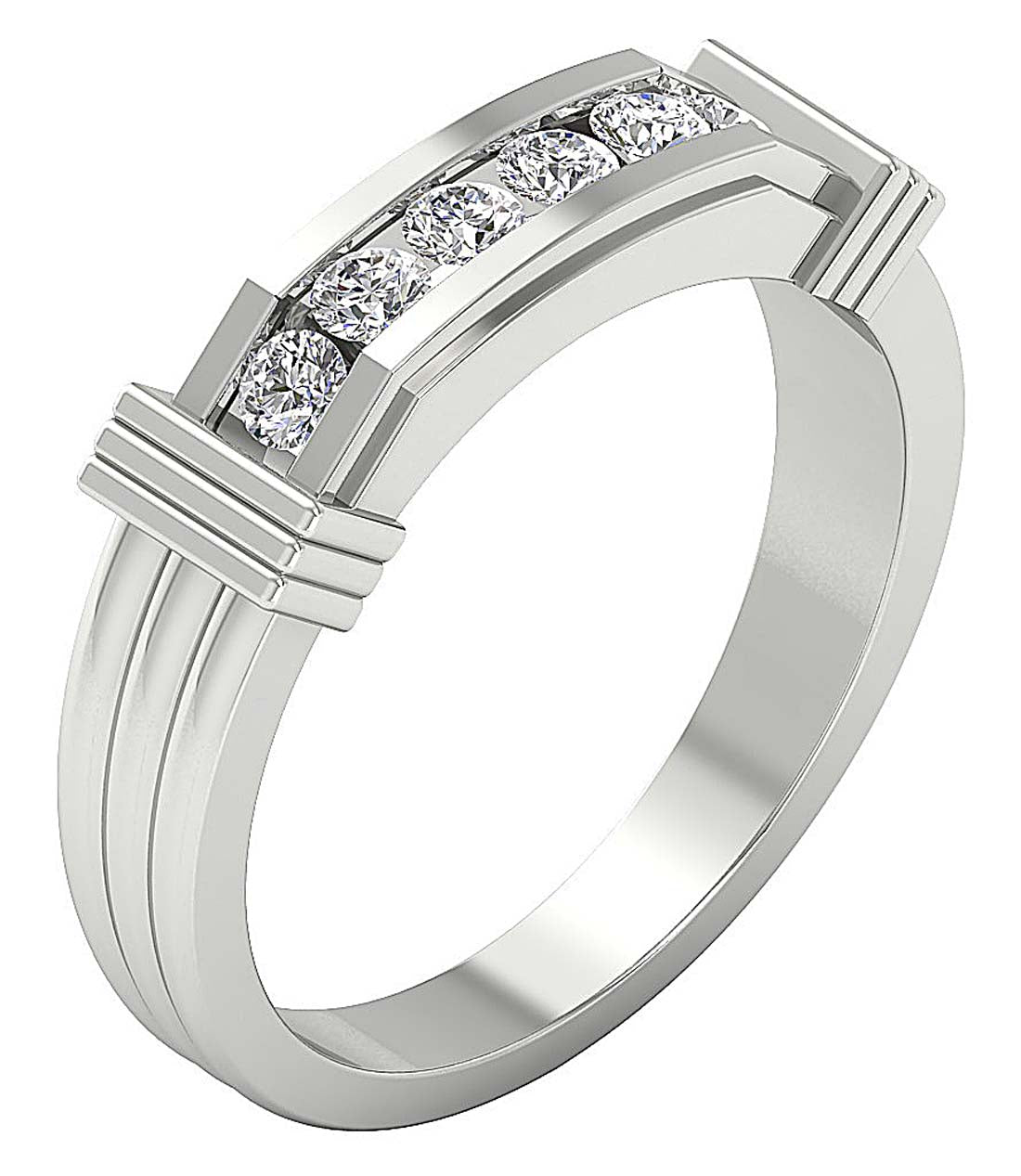
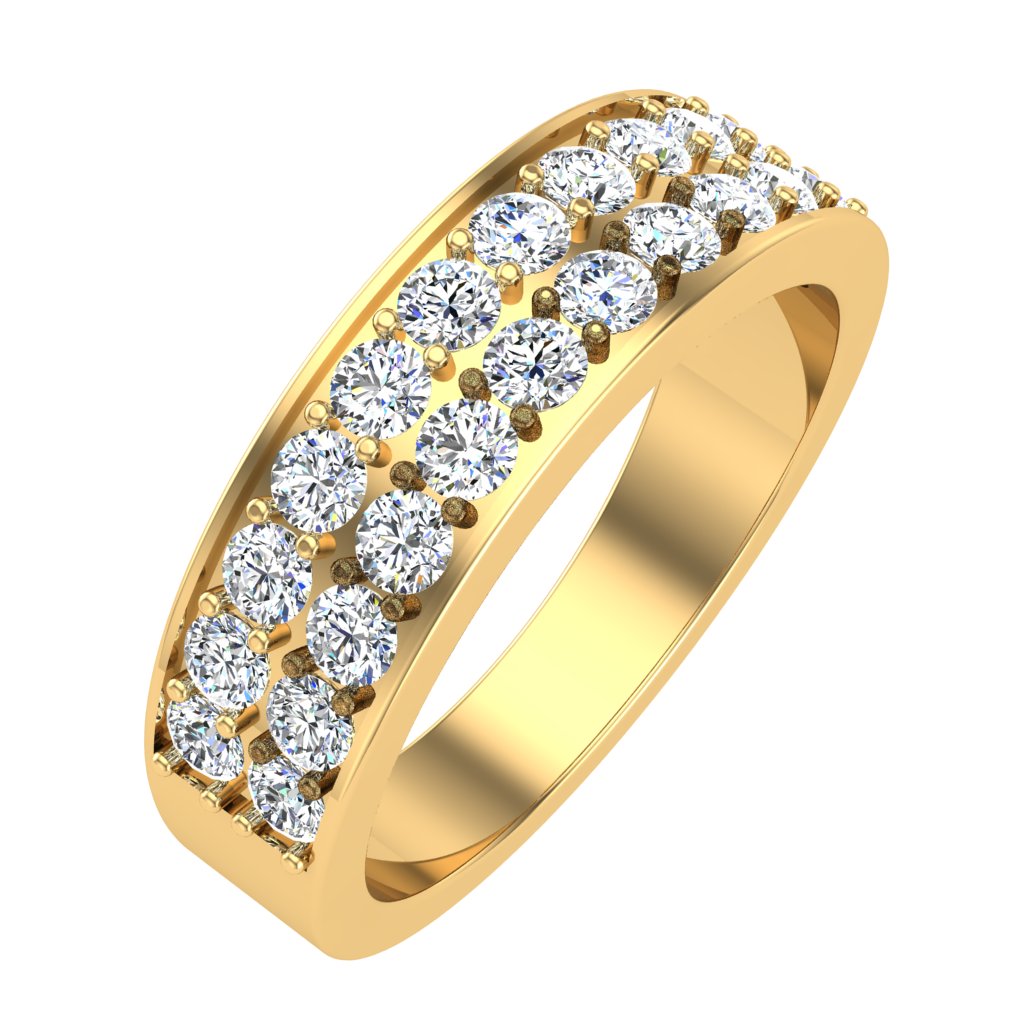
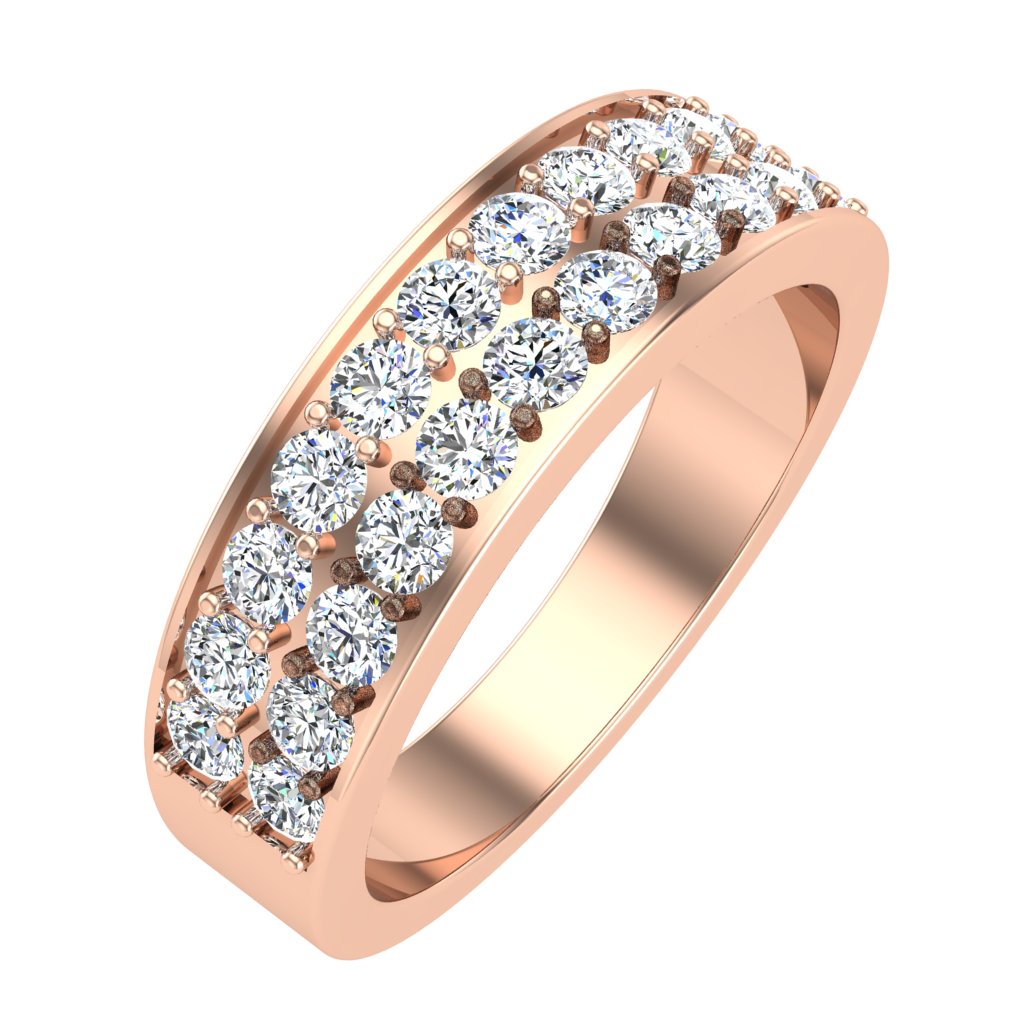
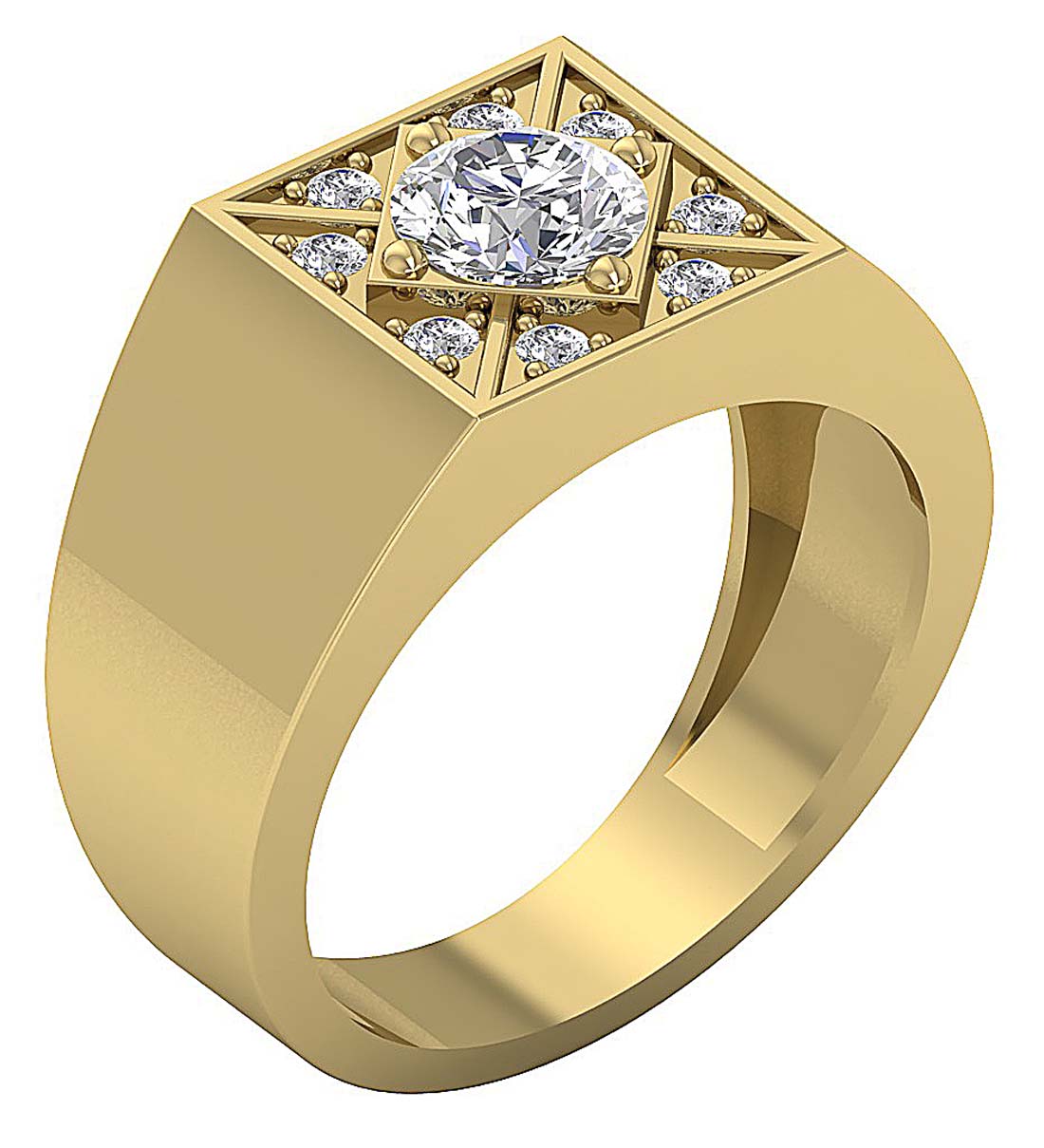
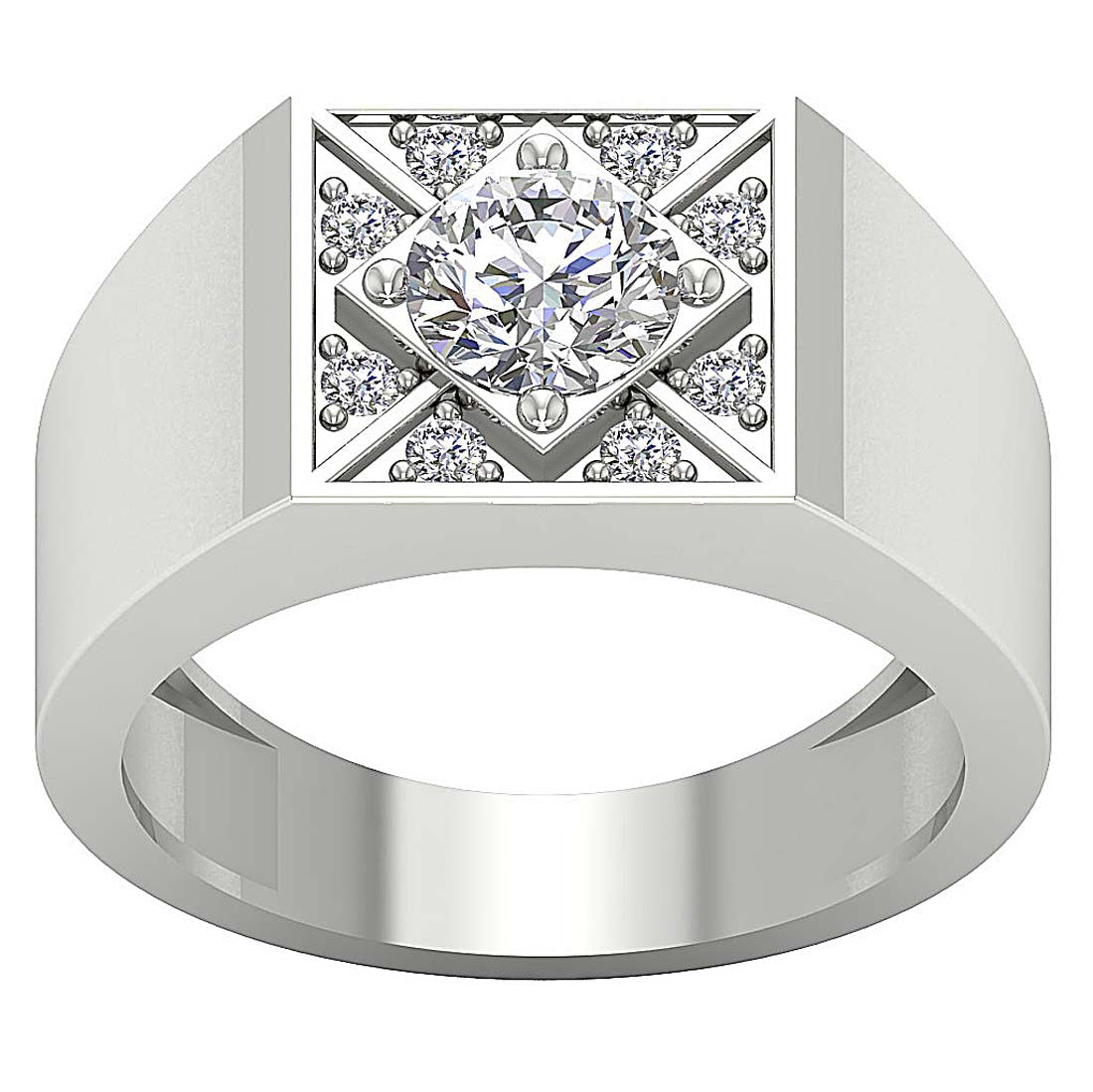
The collection runs from channel-set wedding bands to bezel and bar-set solitaires, with widths from a slim 6.35 millimeters to a substantial 11.85 millimeters, in 14K or 18K gold, white, yellow, or rose.
Sizes run 7 through 14, wider than most women's collections, since a man's hand carries proportionally more presence and a ring has to hold its own against it. Clarity ranges from I1 through VVS1, chosen less for magnification and more for how a stone reads across a room.
A channel-set band all but disappears into the hand at rest, then catches light unexpectedly at the wrong angle in conversation. A bezel or bar-set solitaire announces itself more plainly. Neither approach is the safer choice by default. The right one depends entirely on the hand wearing it.
Choosing a Ring That Fits the Life Around It
Match width to hand size honestly. A narrow band on a larger hand reads as an afterthought. A wide band on a smaller hand can overwhelm the finger rather than complement it.
Favor channel or flush settings if the hand does real physical work. Diamonds sit level with the metal, which means nothing to catch on a wrench, a rope, or a doorframe repeatedly through the day.
Consider a comfort-fit interior regardless of width. The rounded inner edge slides on and off more easily and wears less aggressively against the finger over years of daily use.
Choose a finish deliberately, not by default. A brushed or matte surface hides small scuffs far better than a high polish, which shows every mark within weeks of daily wear.
Account for finger size changing with temperature and activity. A ring fitted in winter can sit noticeably tighter by midsummer, worth mentioning at the point of sizing rather than discovering later.
Looking After a Man's Diamond Ring Through Actual Daily Use
A man's ring meets more friction, heat, and direct impact than almost any other piece of fine jewelry worn regularly, which changes how it should be maintained.
Remove it before manual work, weightlifting, or anything involving repeated grip, since channel and bar settings, while more durable day to day, can still loosen under sustained direct pressure. Clean it every two to three weeks with warm water, a drop of mild soap, and a soft brush, paying attention to the channel or bezel edge, where skin oil and metal dust from daily contact settle unevenly.
Have the setting inspected annually, more often for a ring rarely removed, since channel-set diamonds that shift are harder to spot early than a stone in an open prong setting. Store it away from other jewelry when not worn, since a bar or bezel edge can mark softer pieces resting against it.