The Diamond Earring Works Harder Than You Think
A ring can rest quietly at your side. An earring sits in constant view, framing every conversation you have, every photograph taken from the front. It is the piece most likely to be noticed first and remembered longest, which chooses between a stud and a hoop rather less trivial than it first appears.
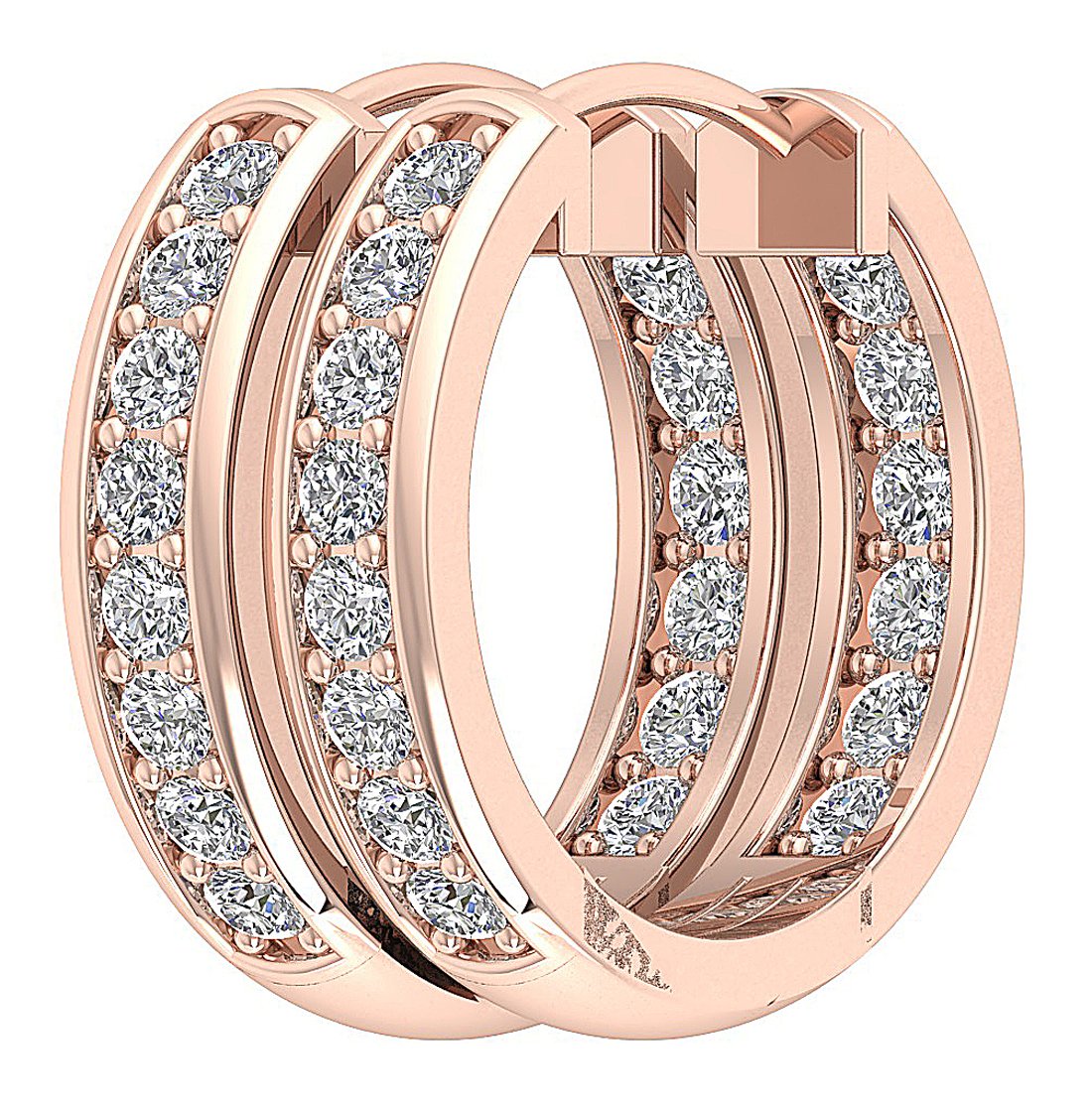
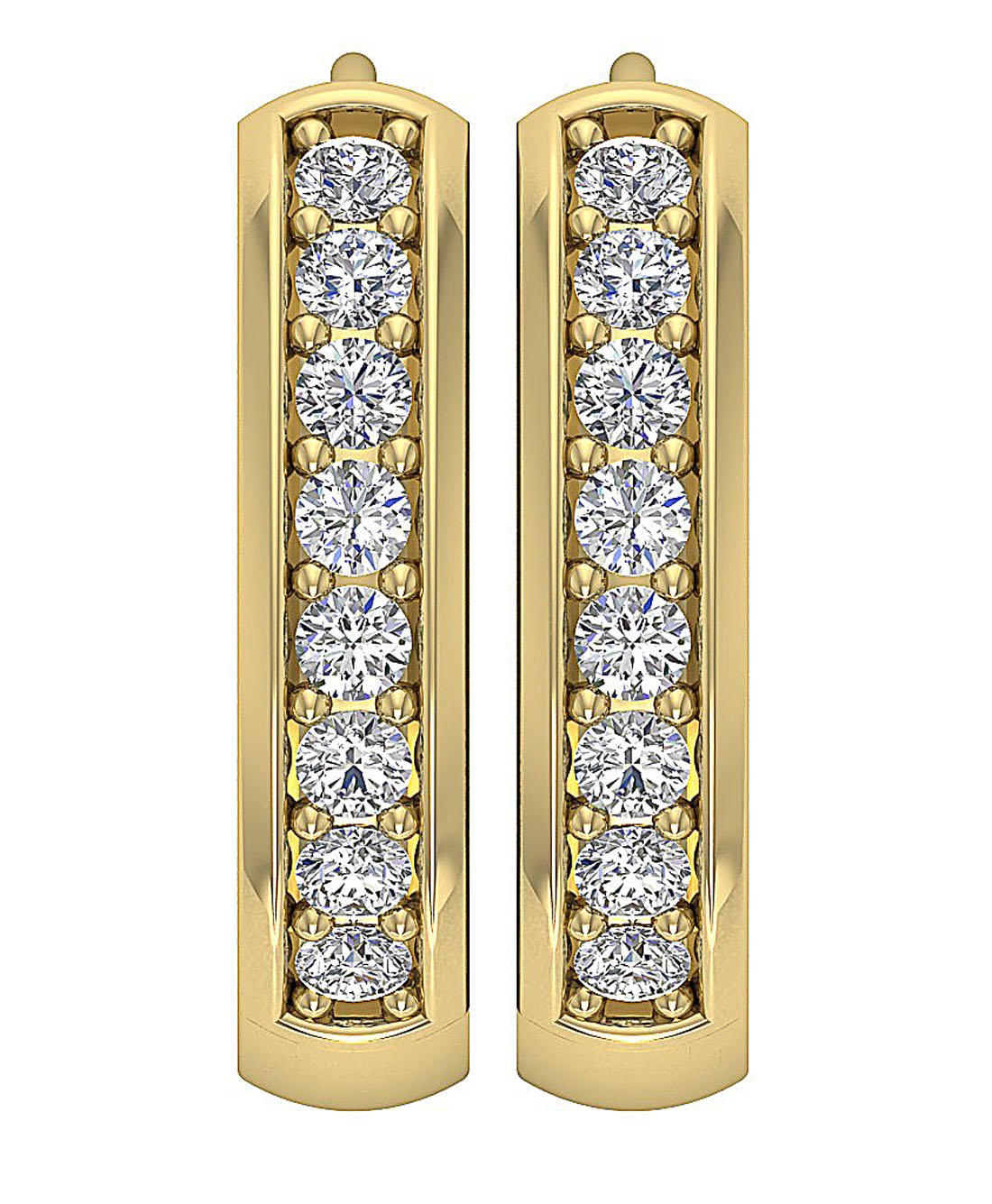
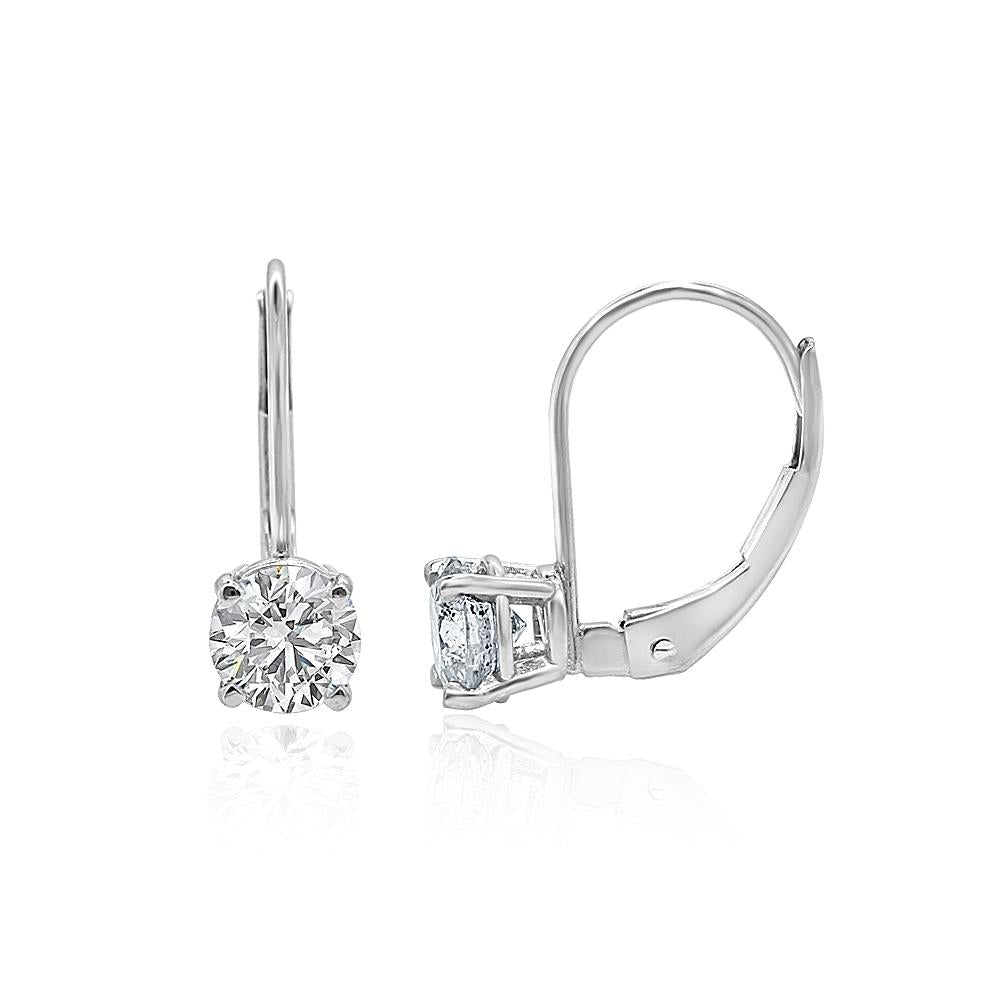
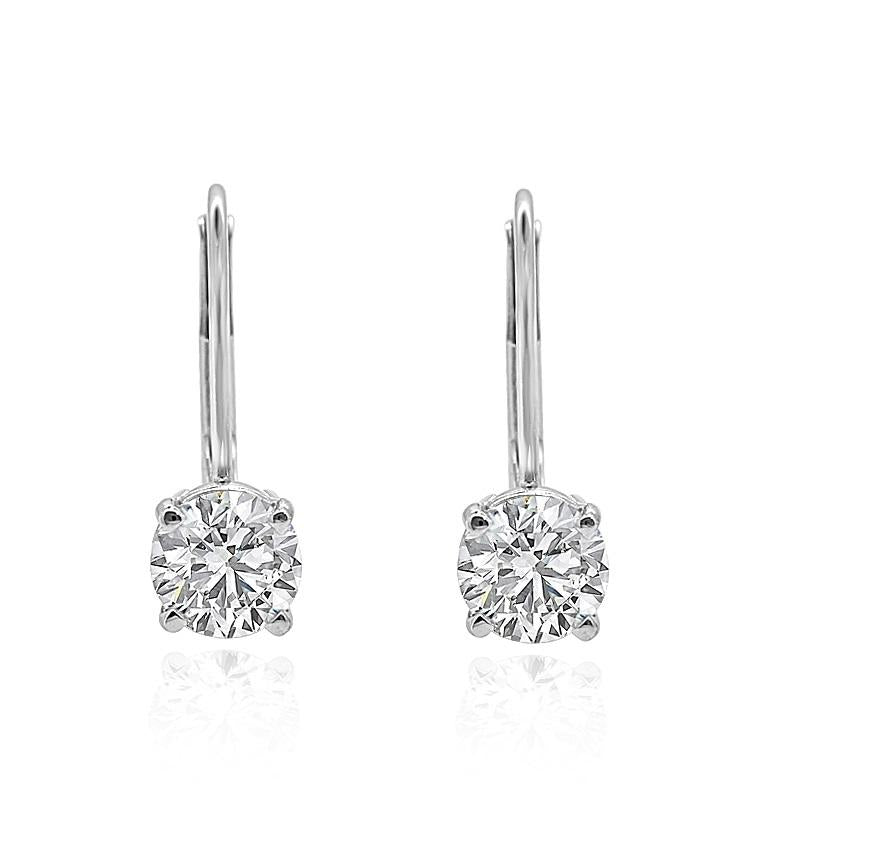
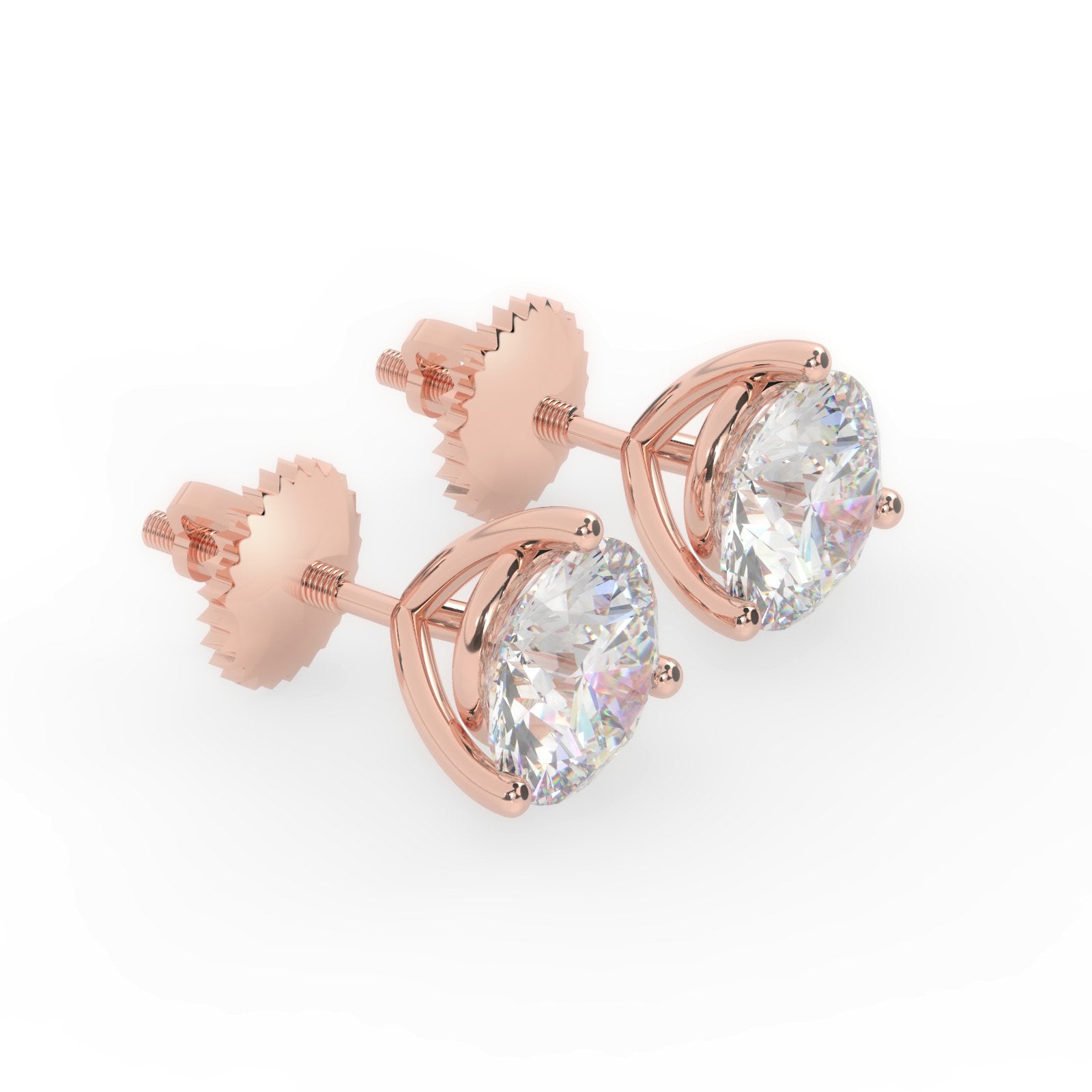
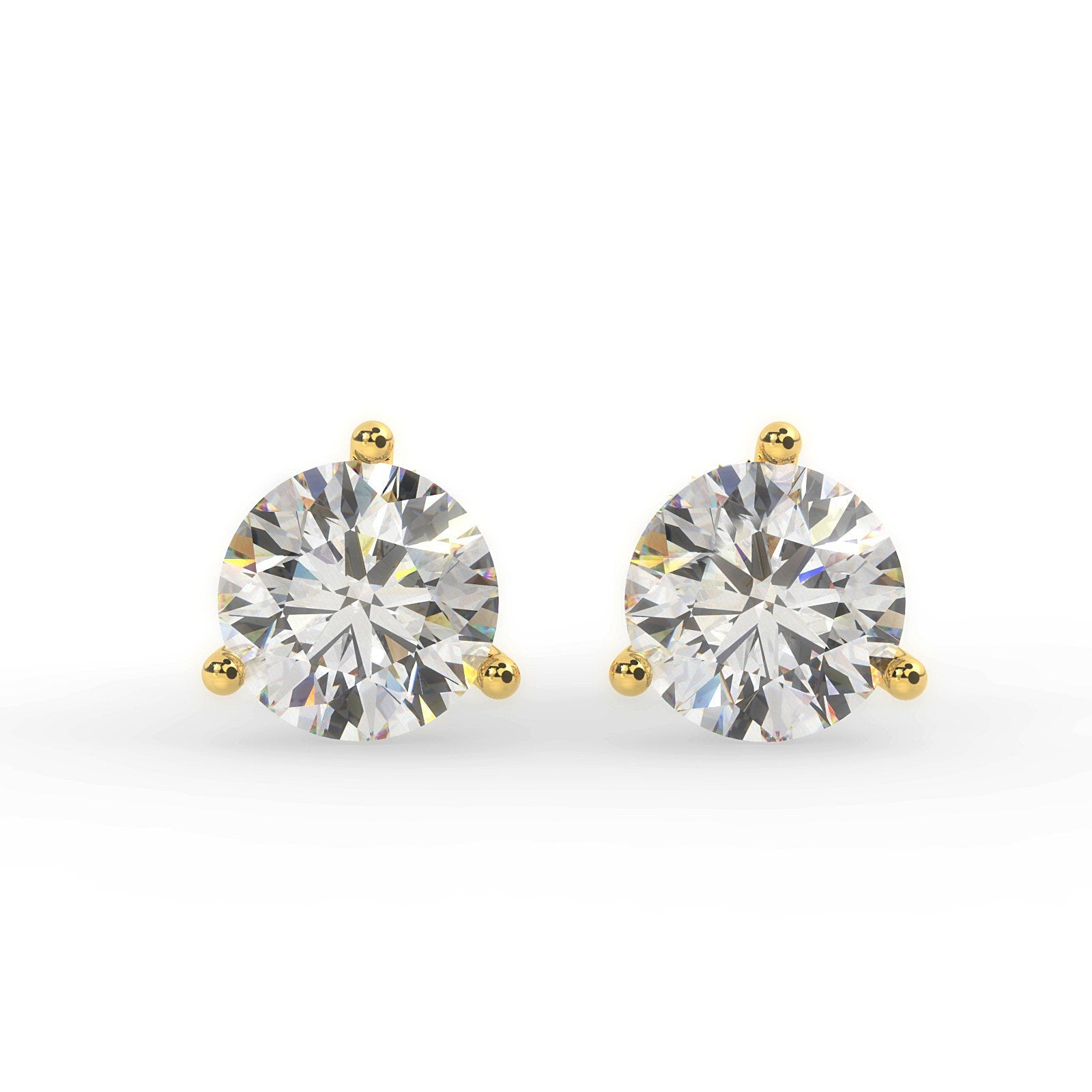
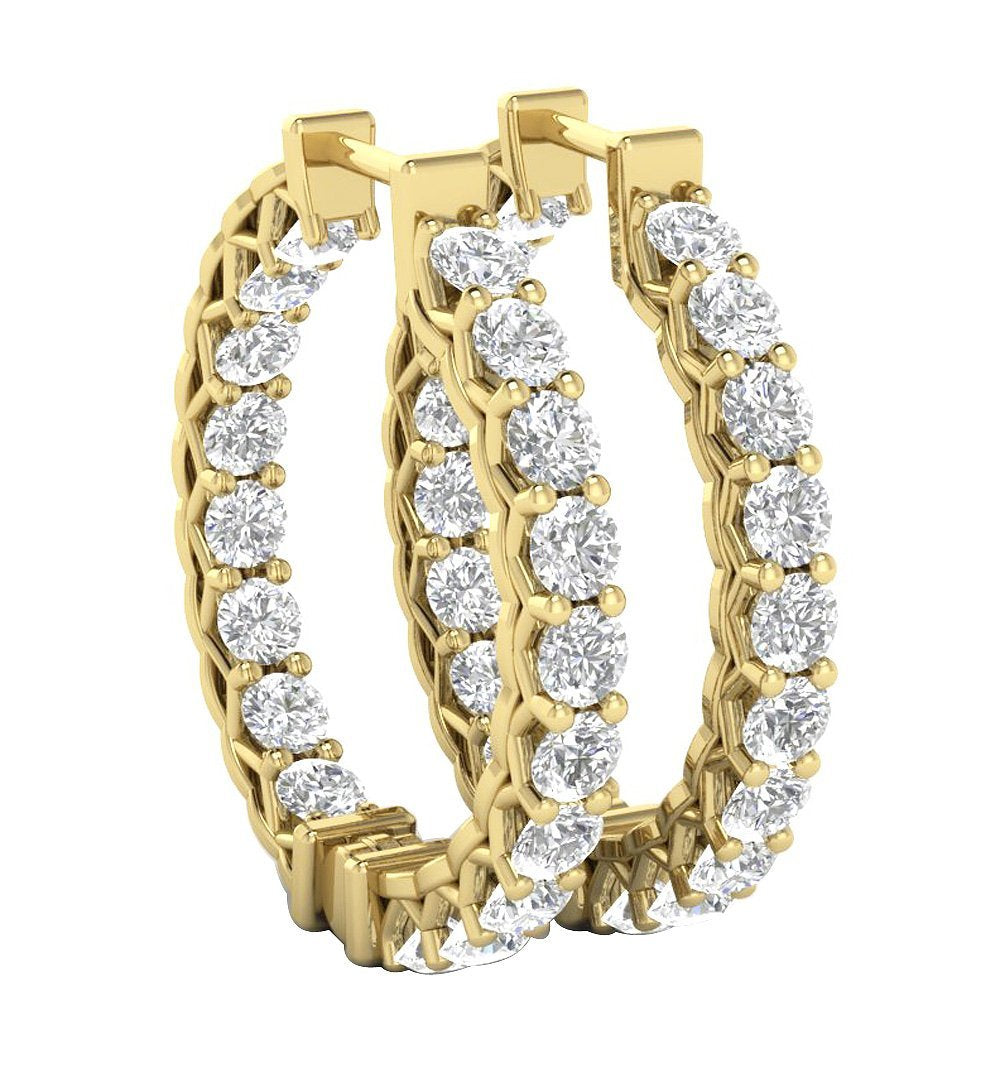
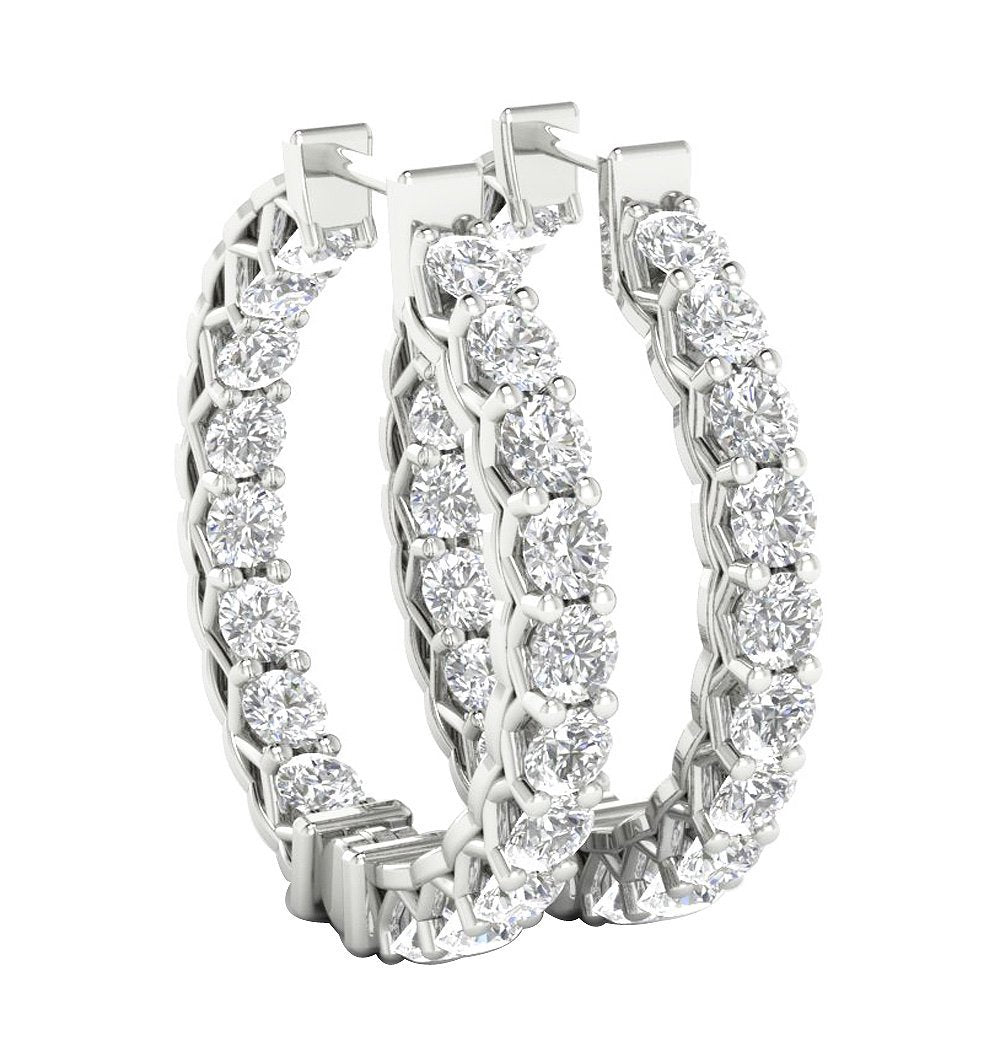
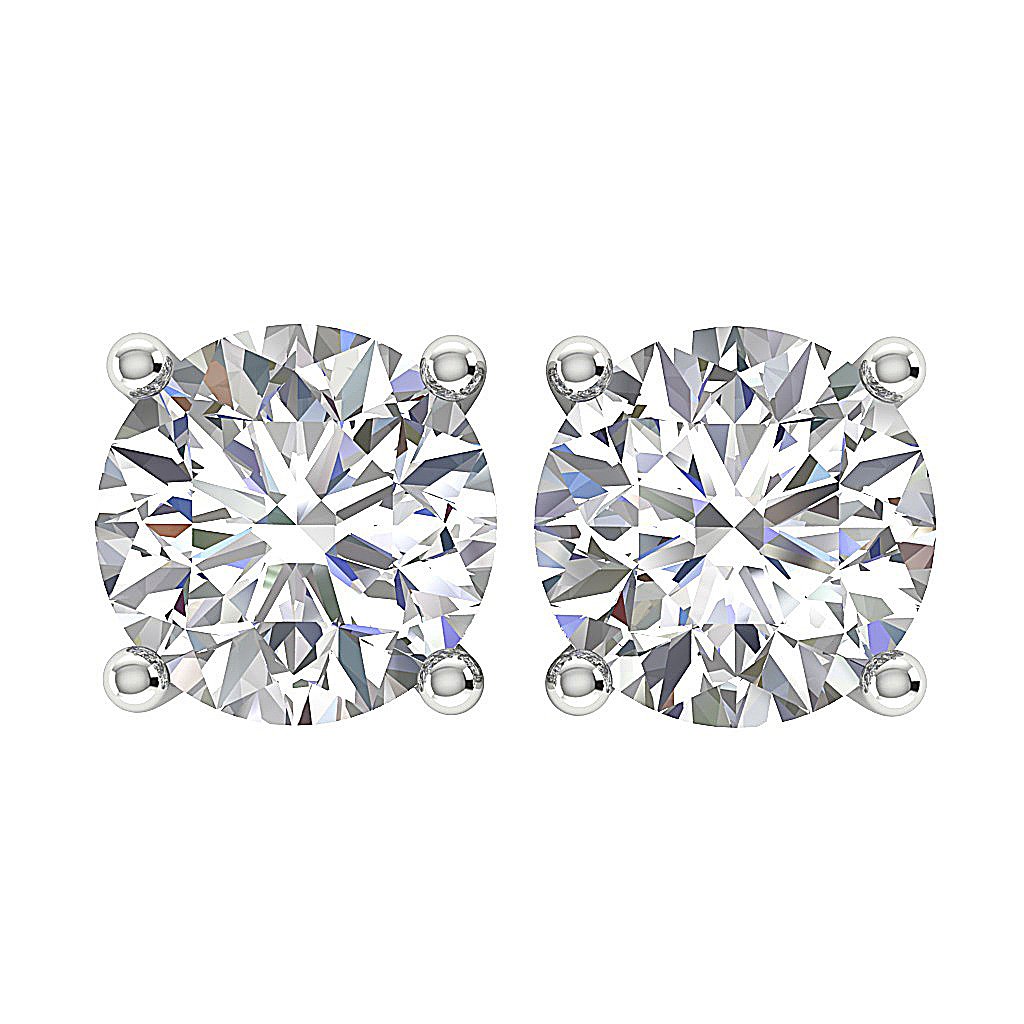
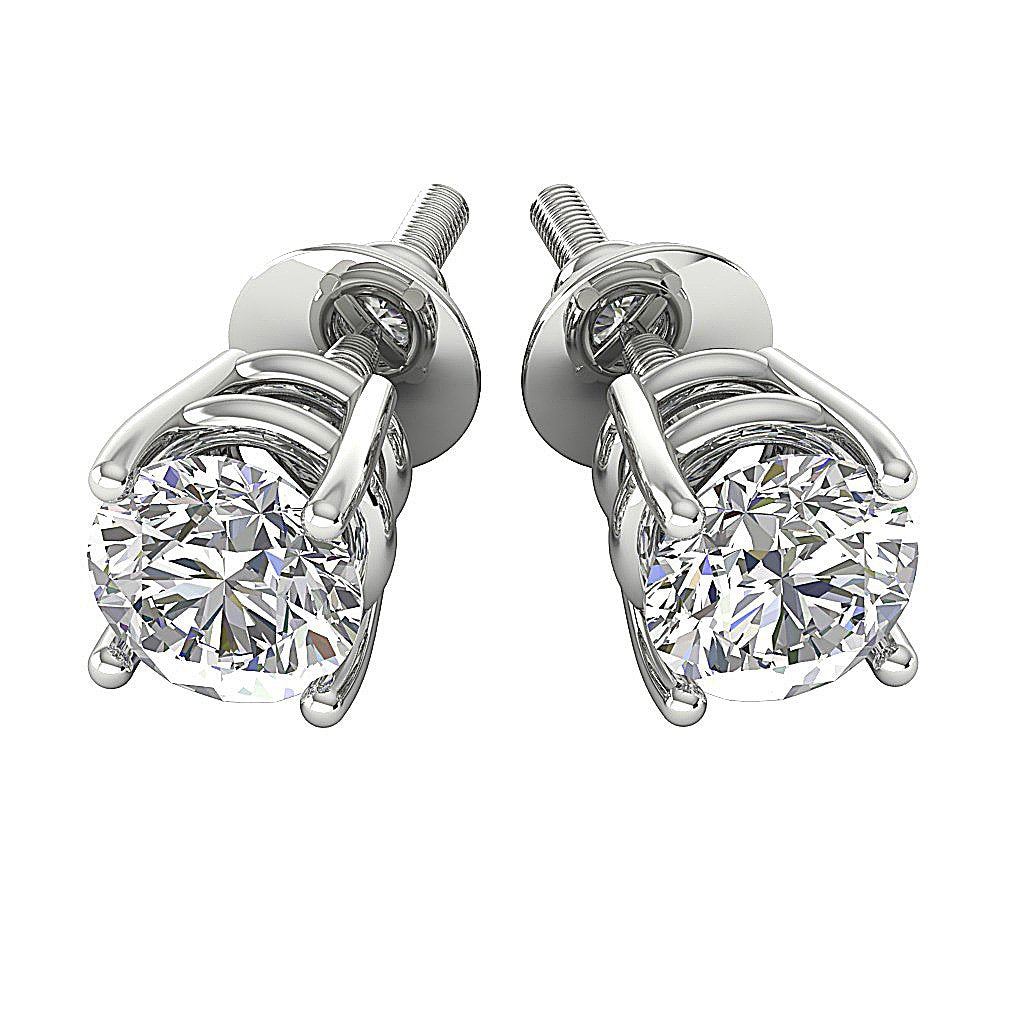
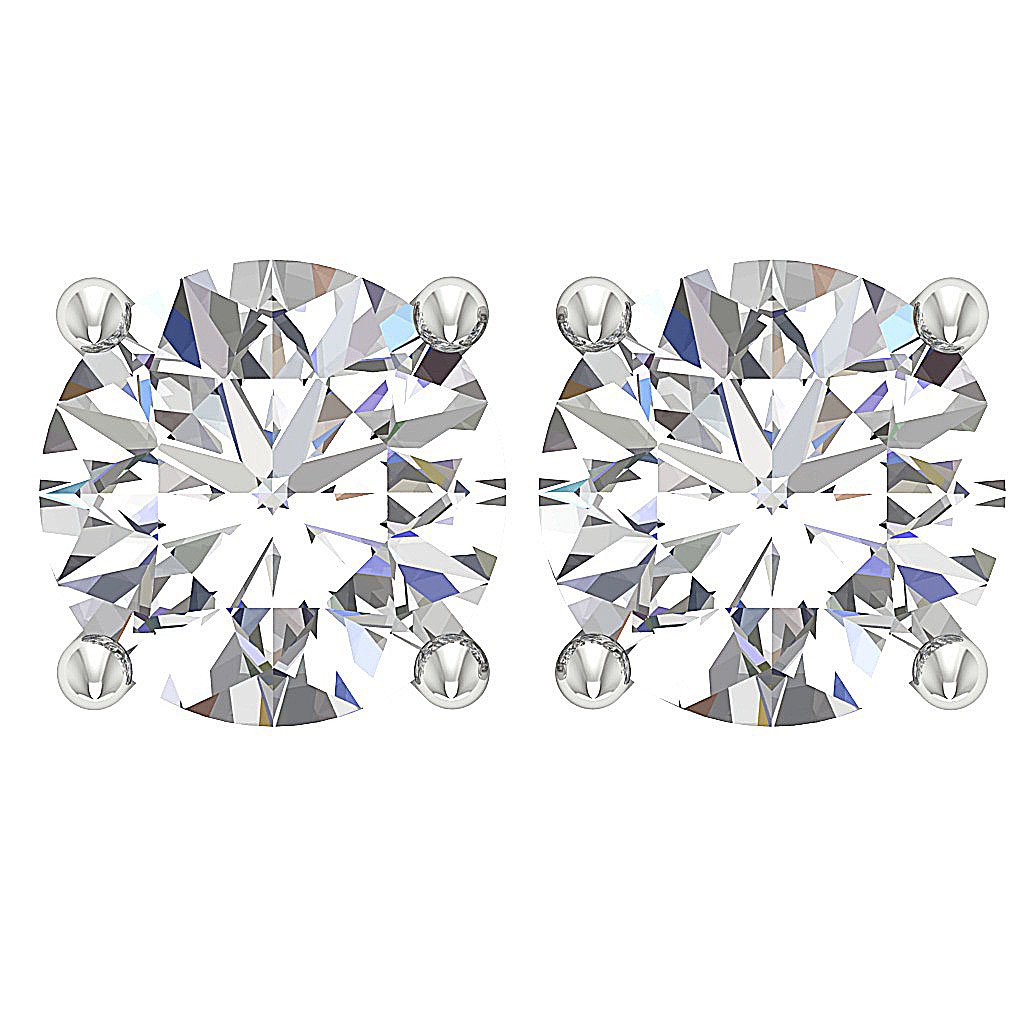
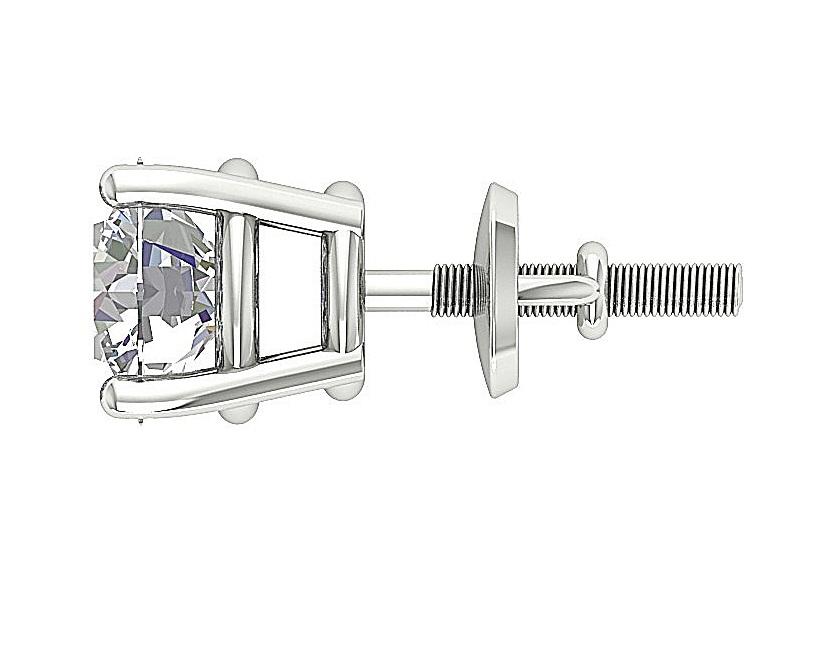
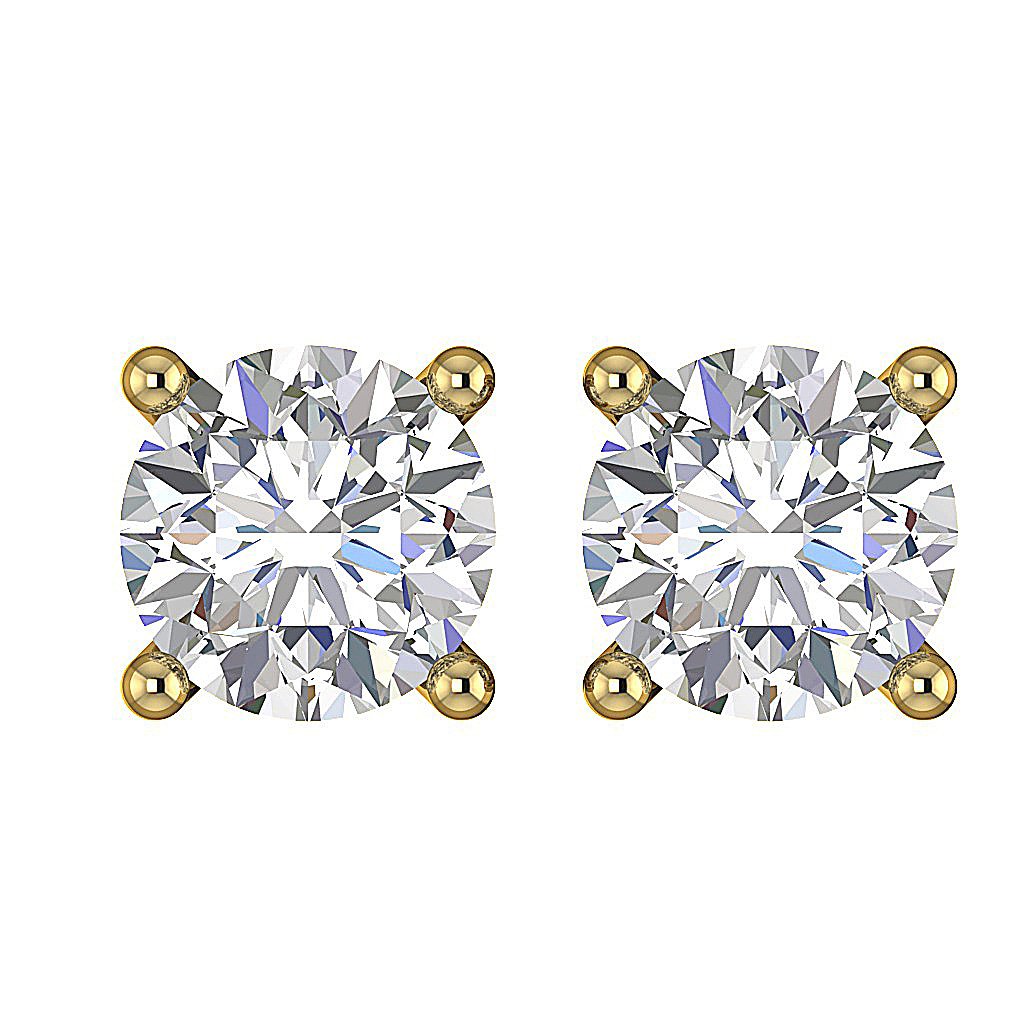
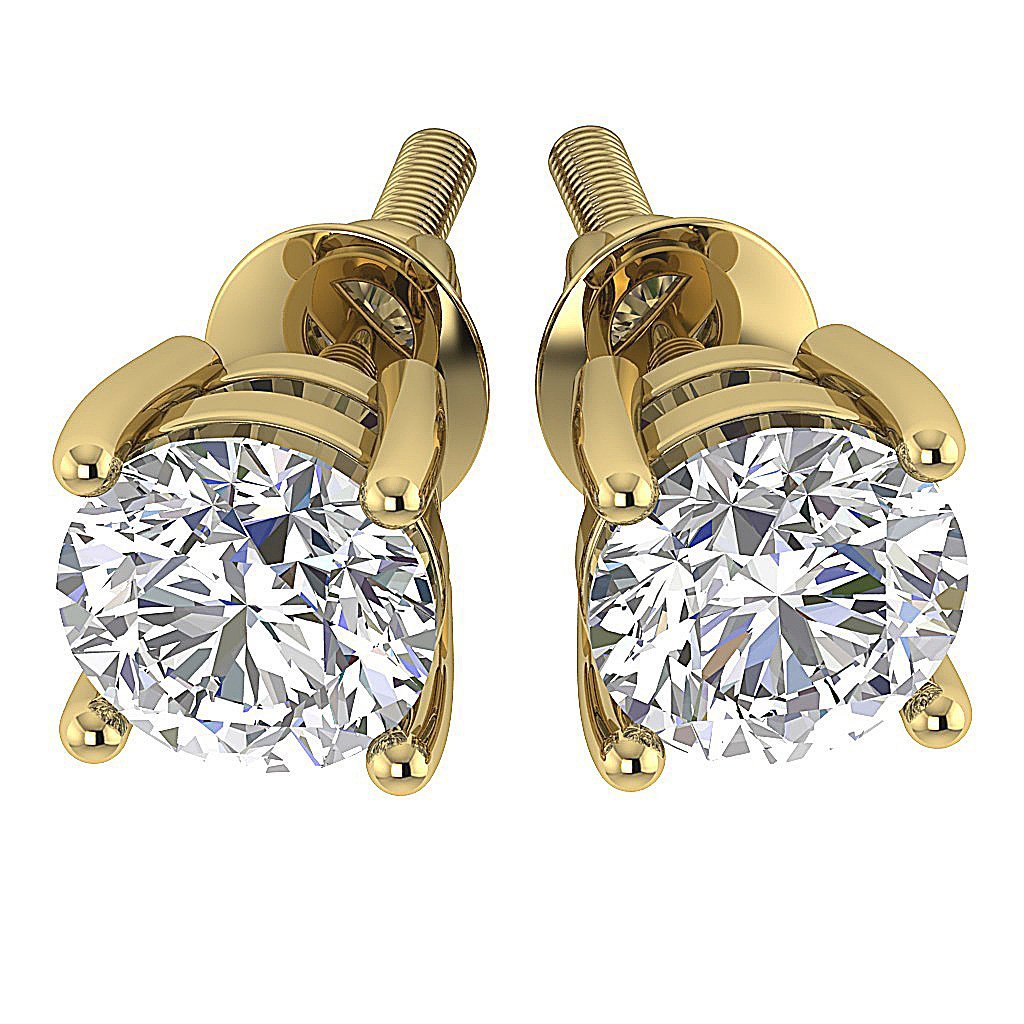
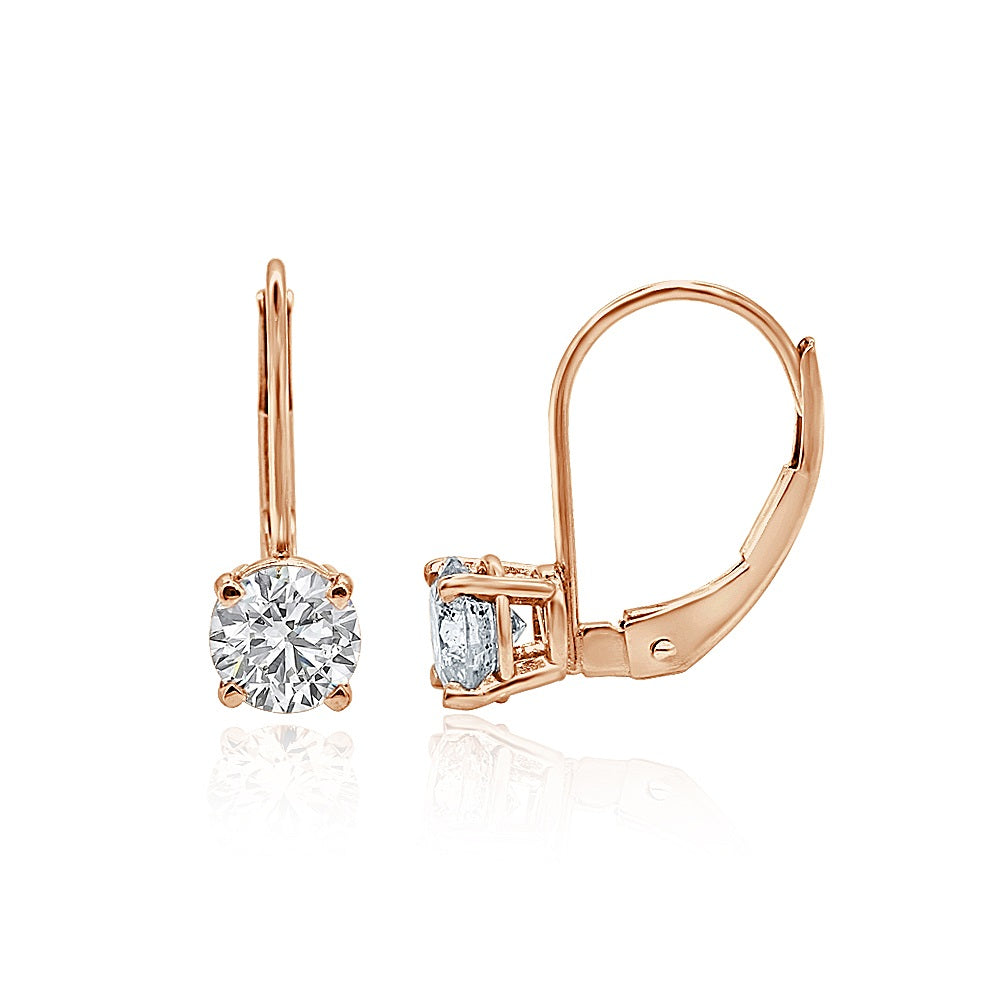
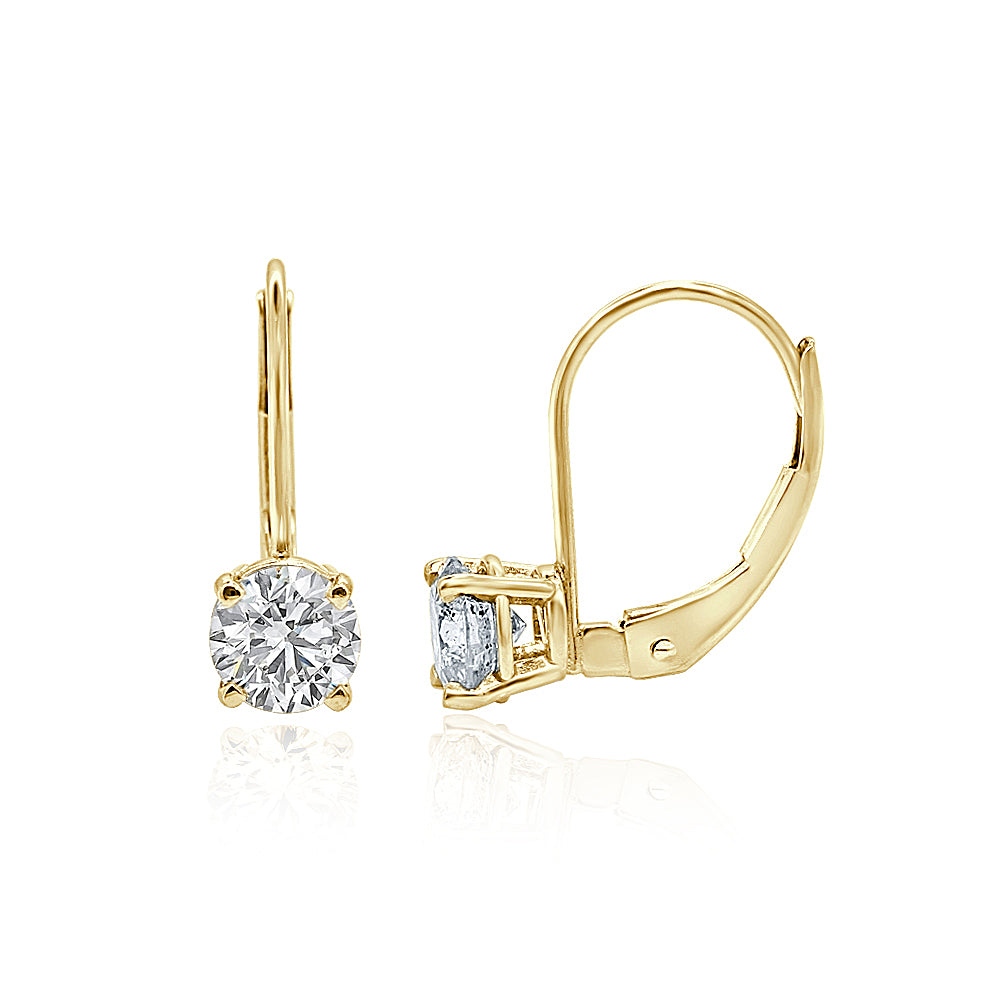
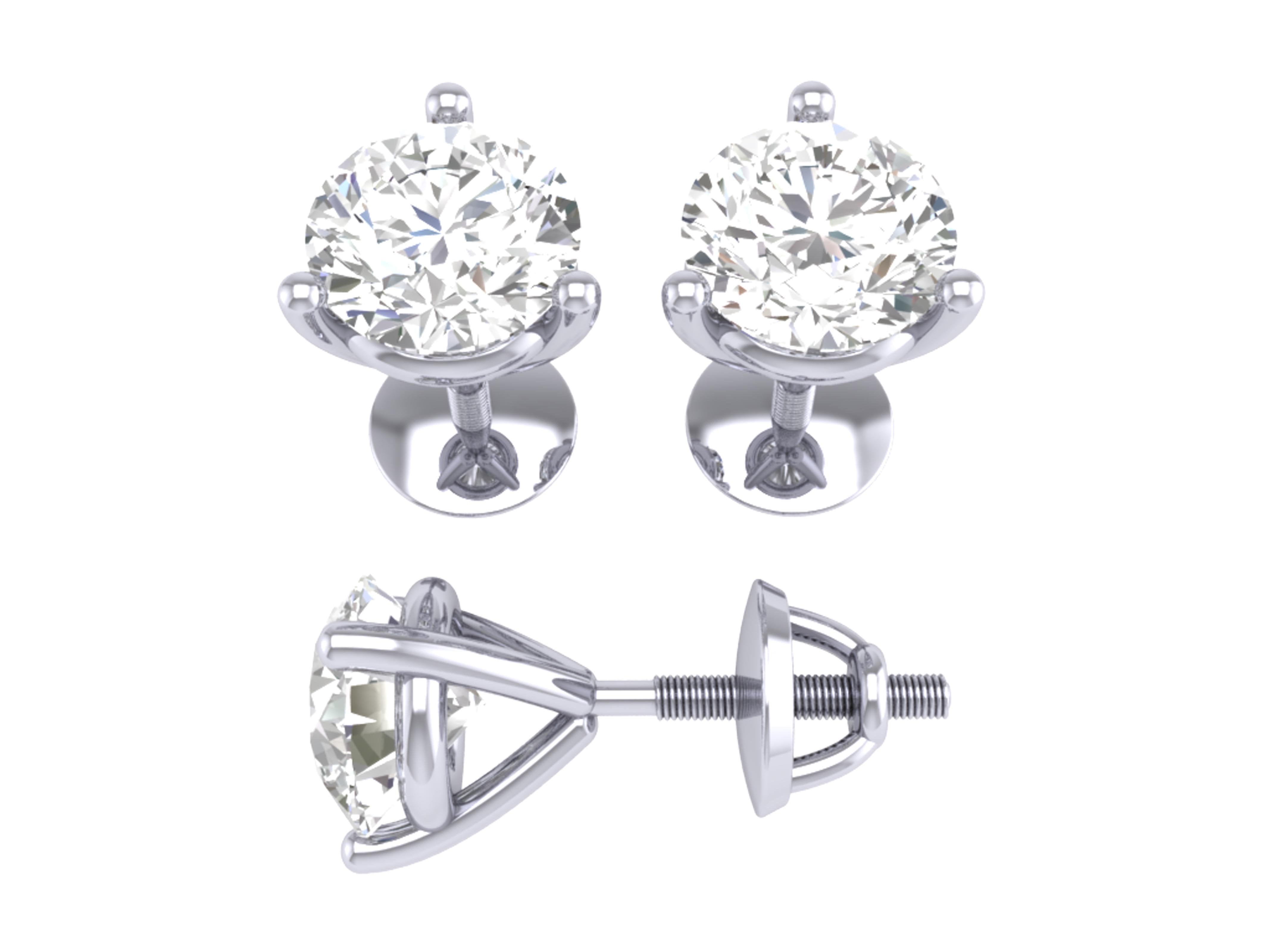
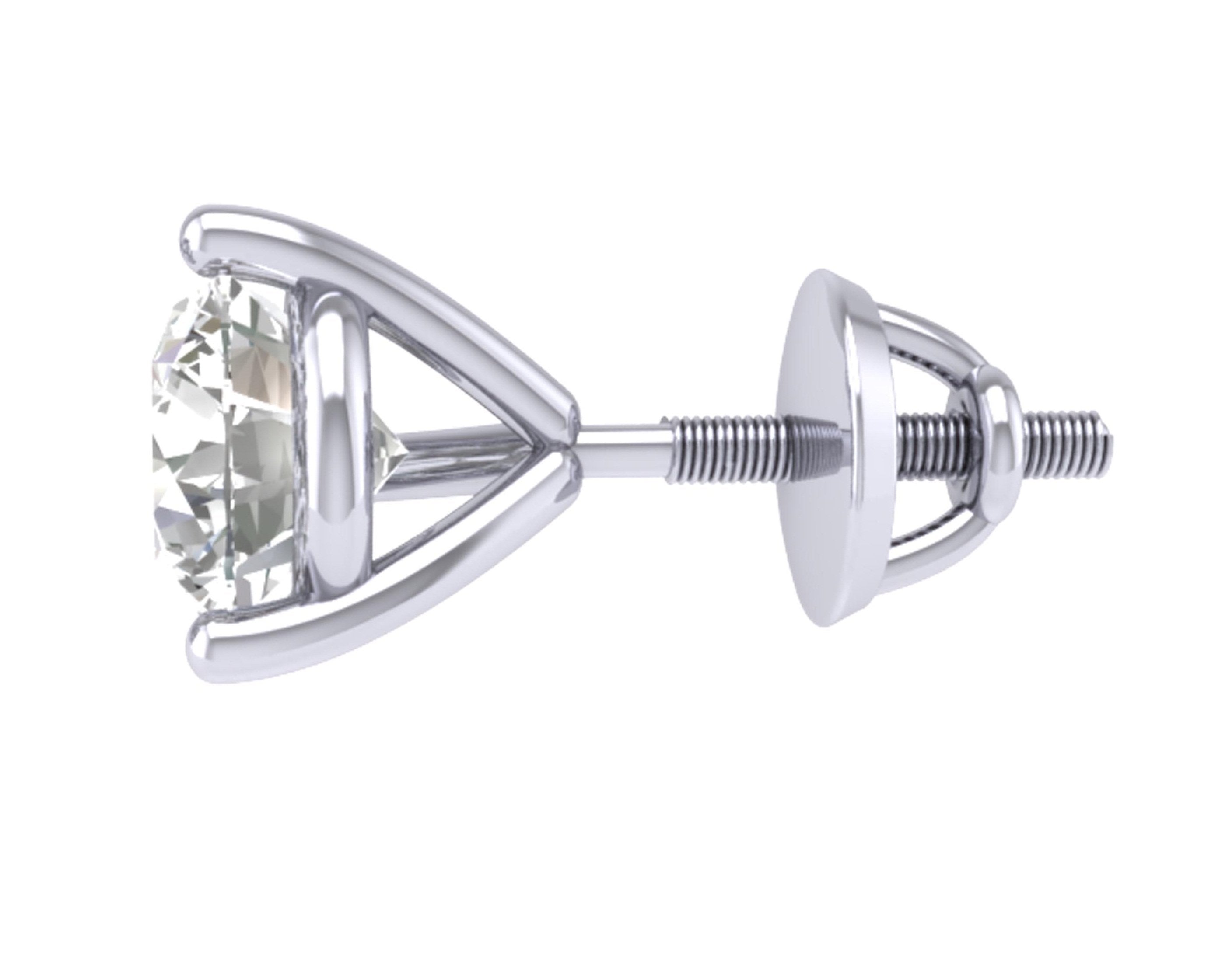
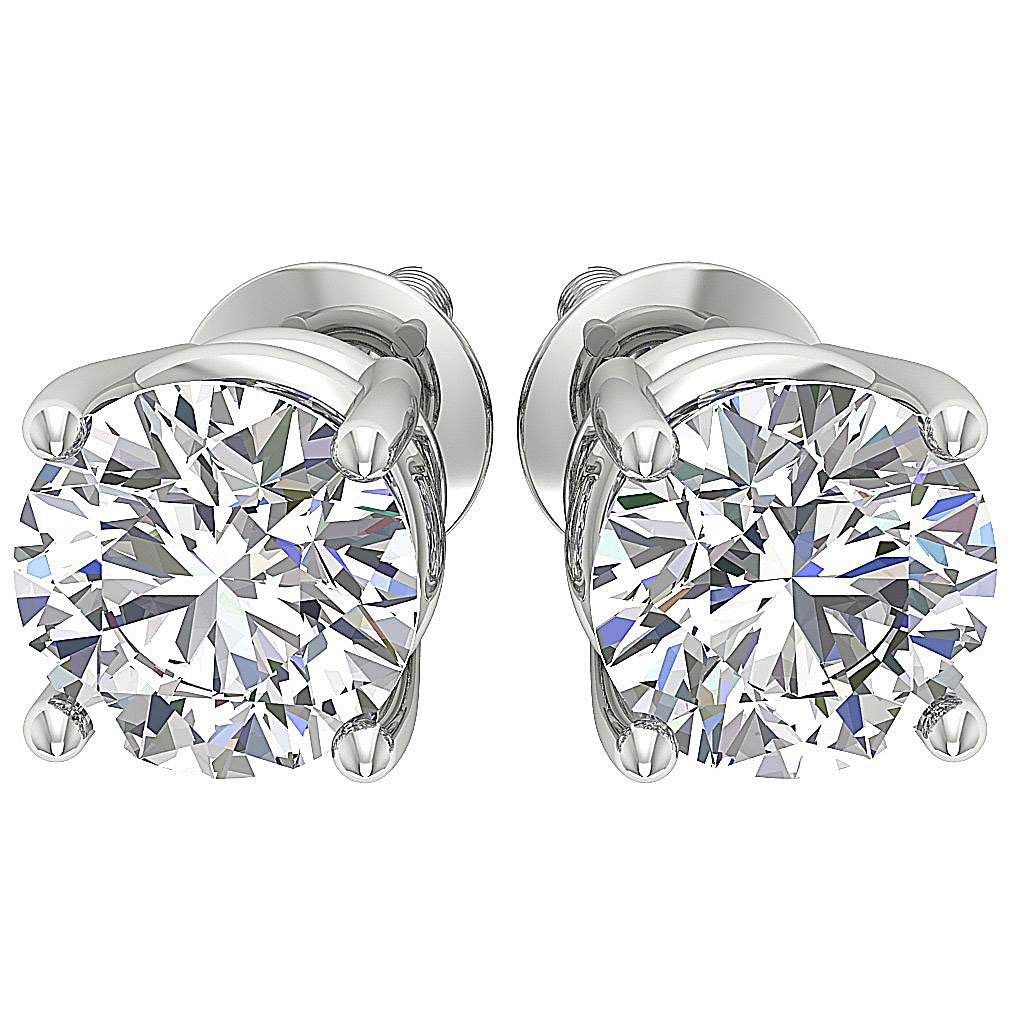
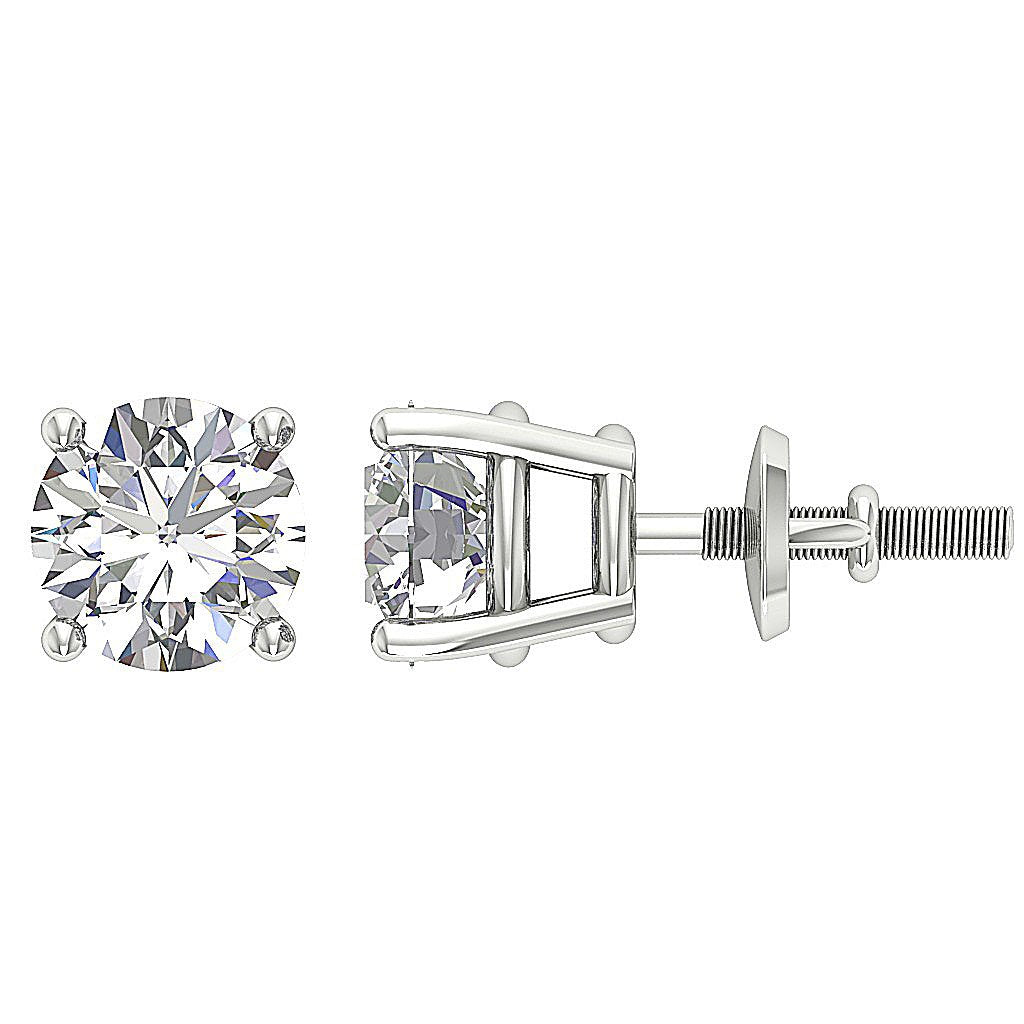
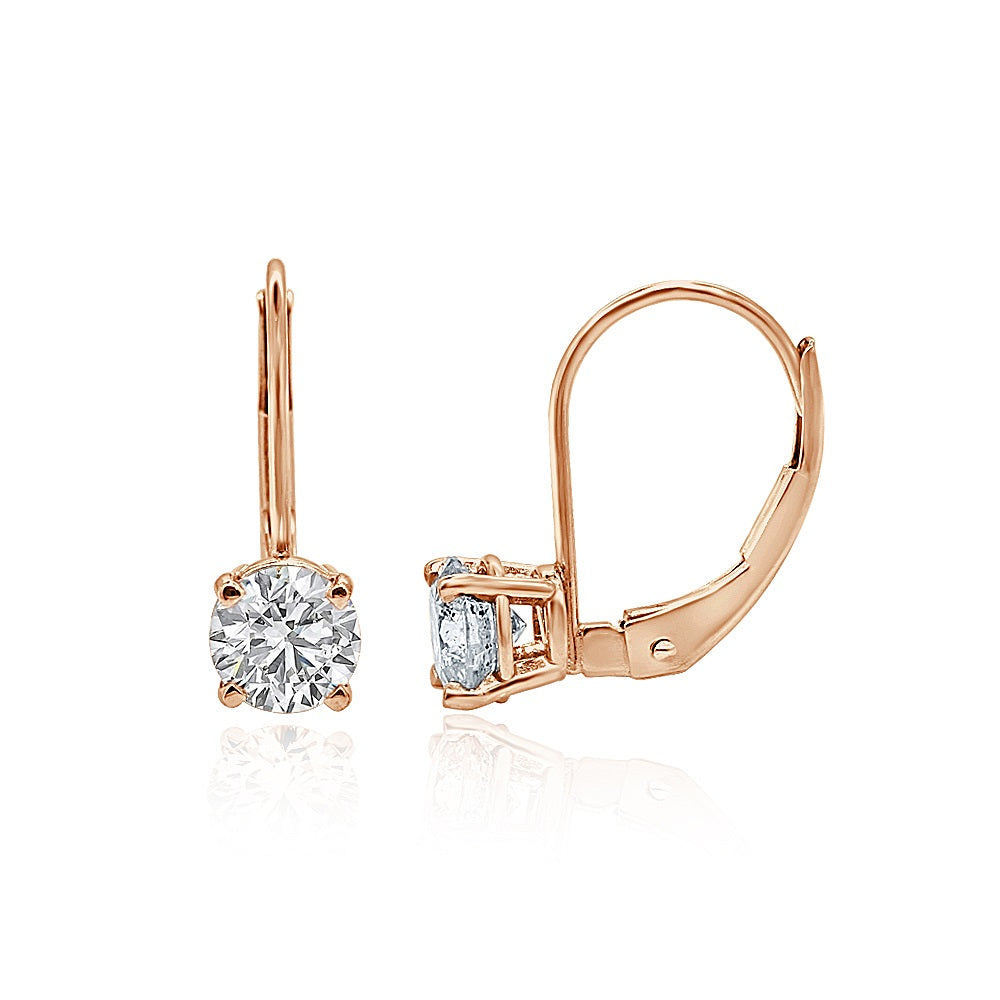
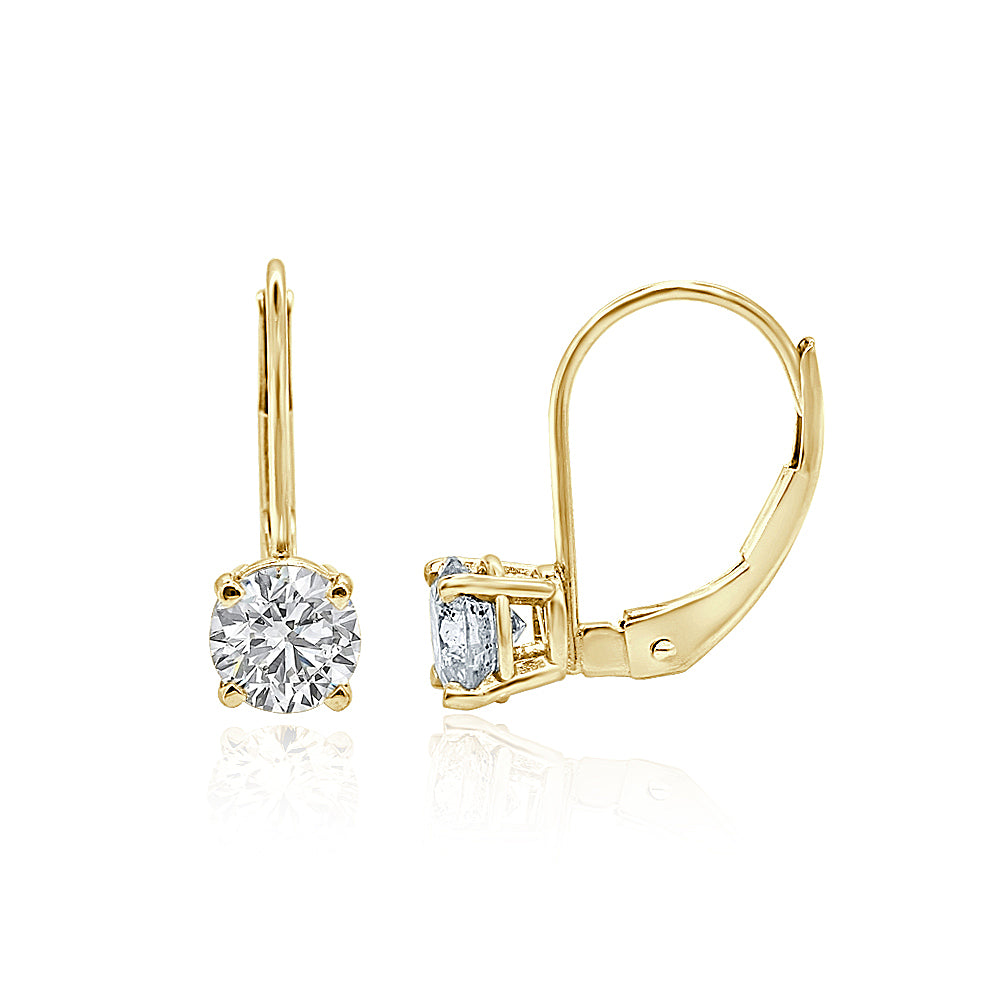
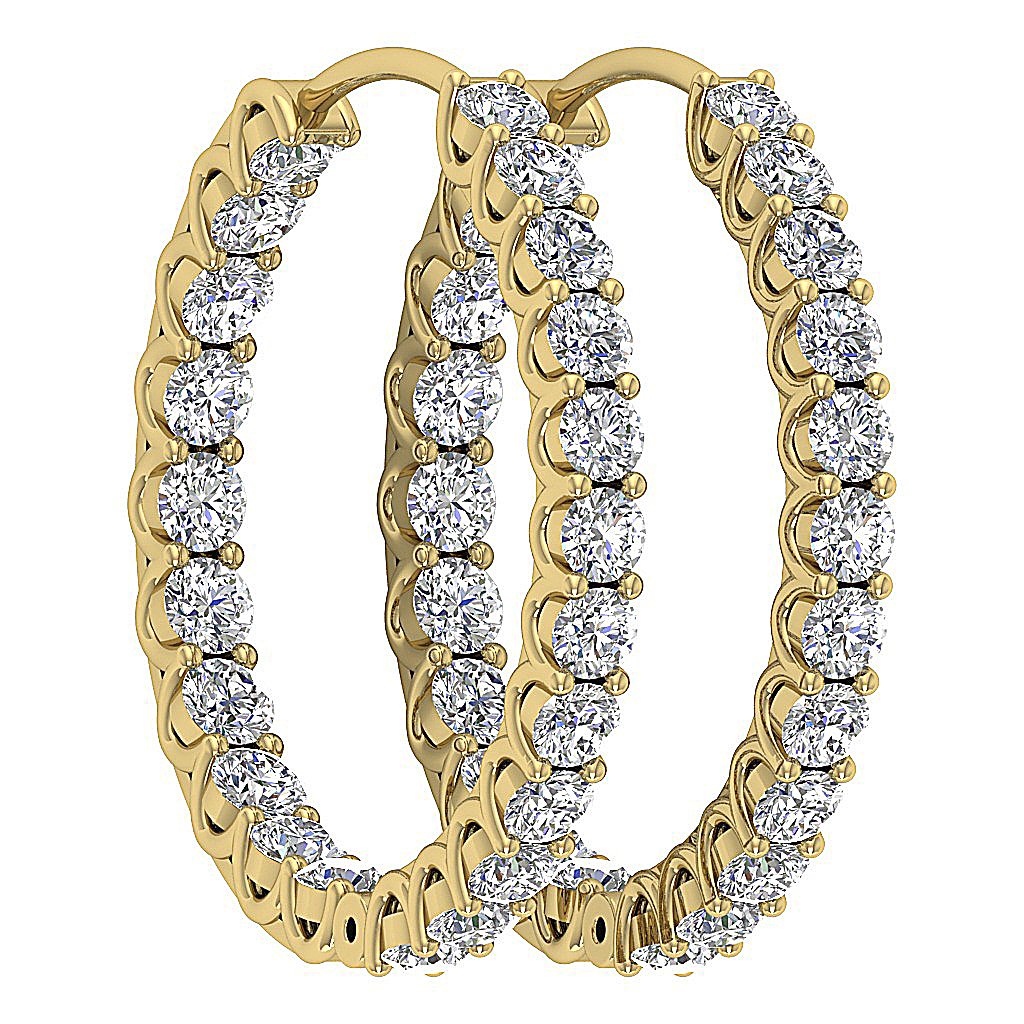
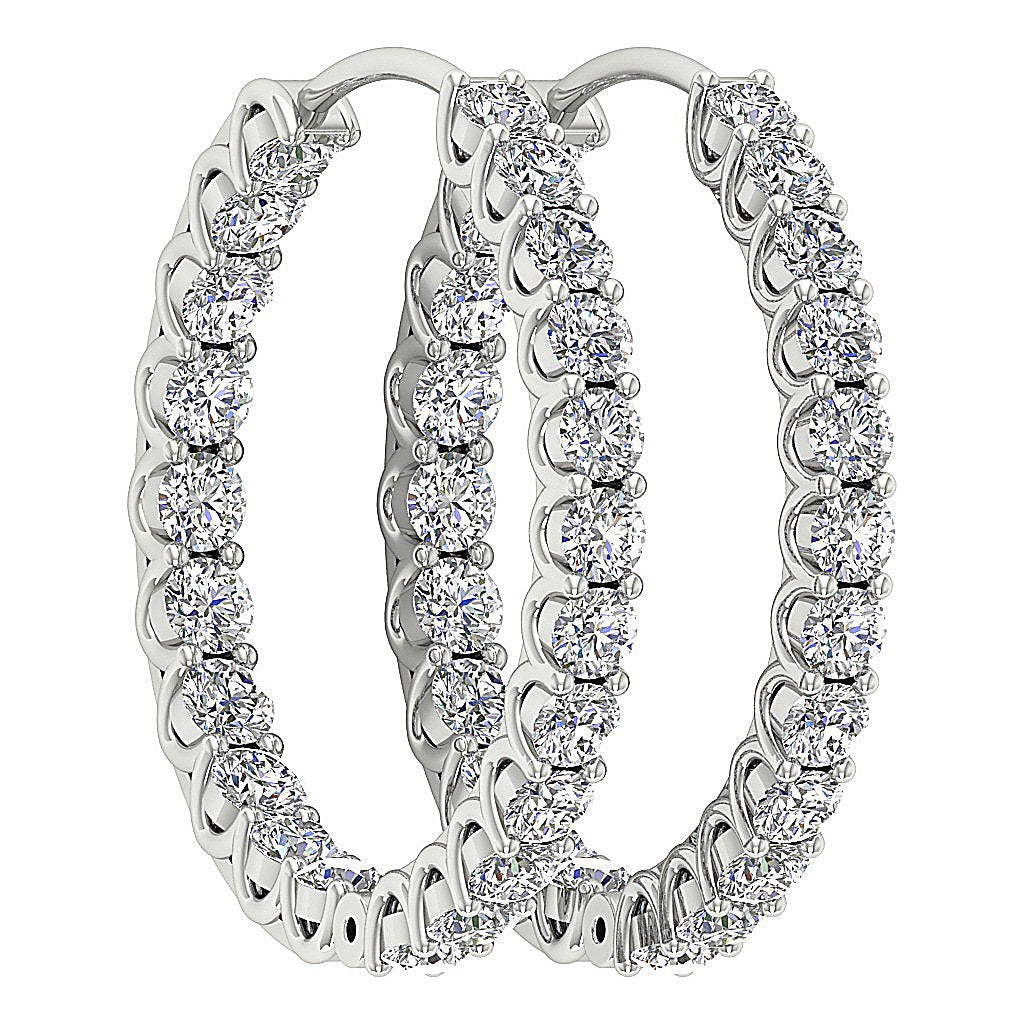
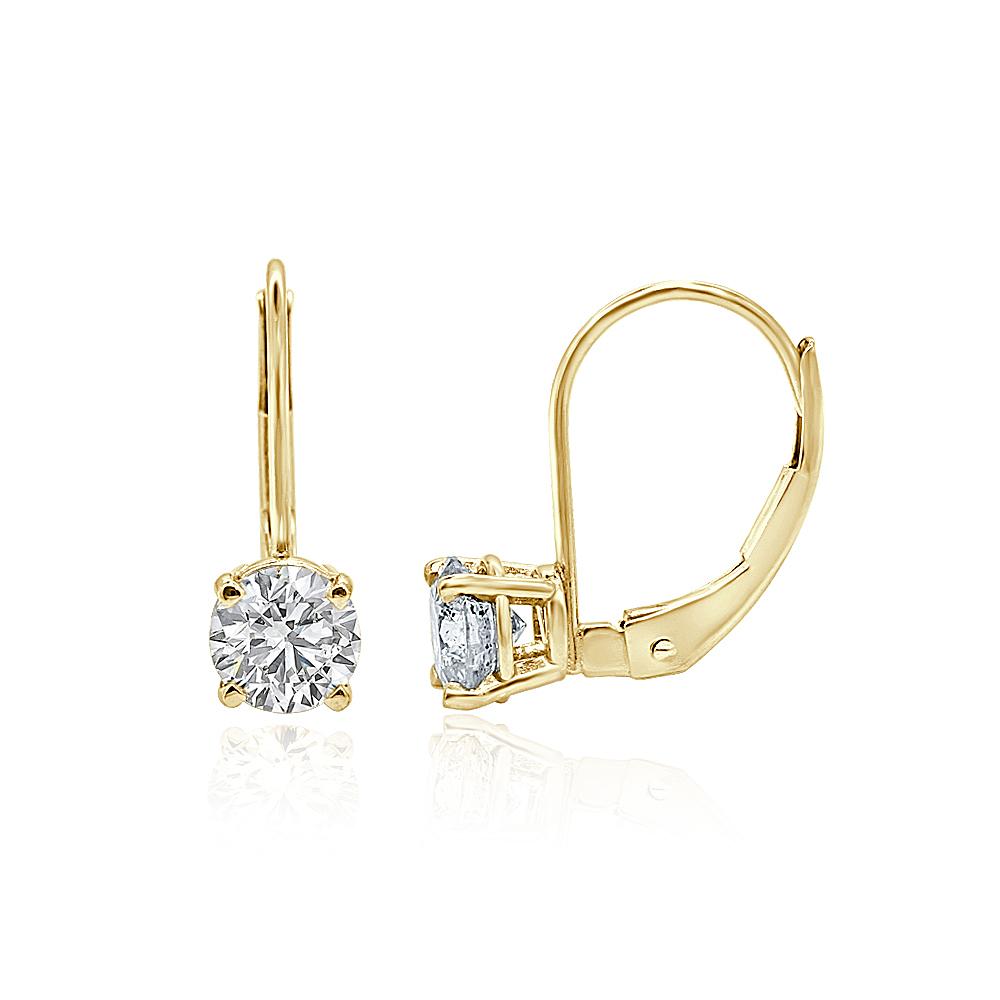
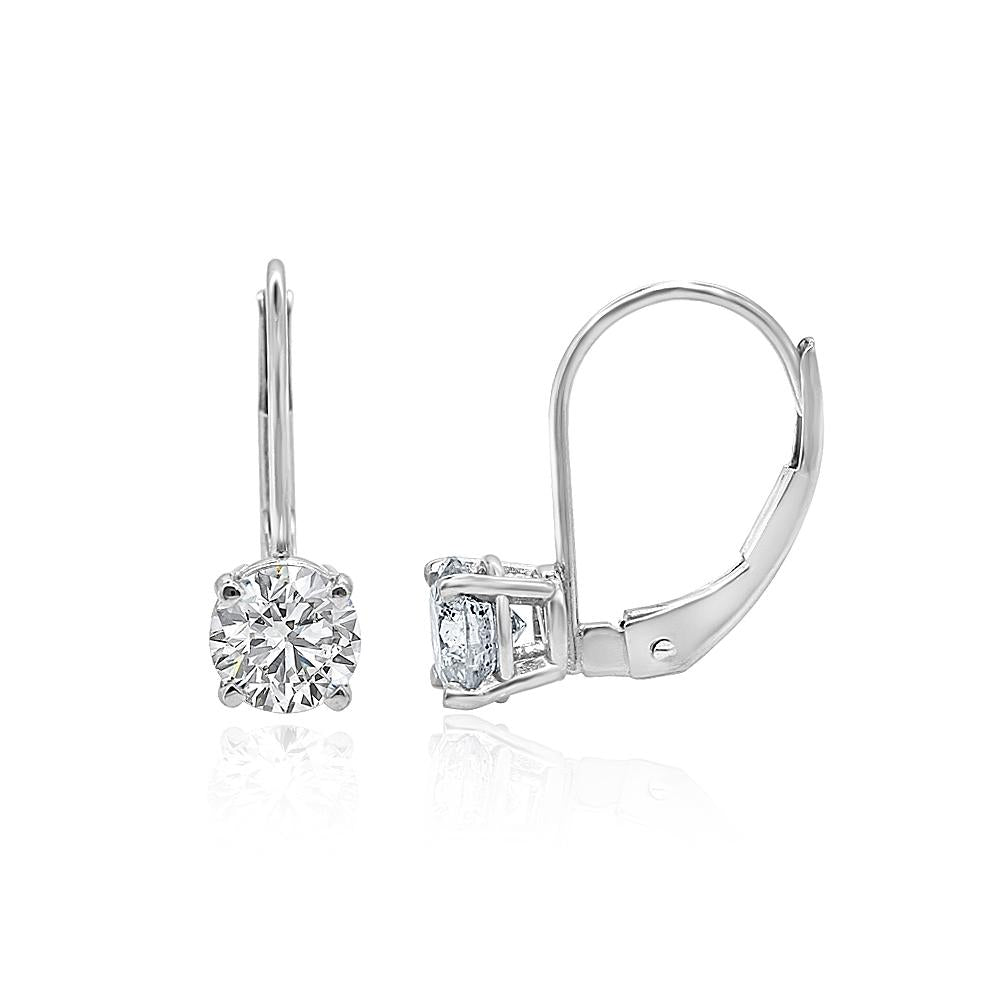
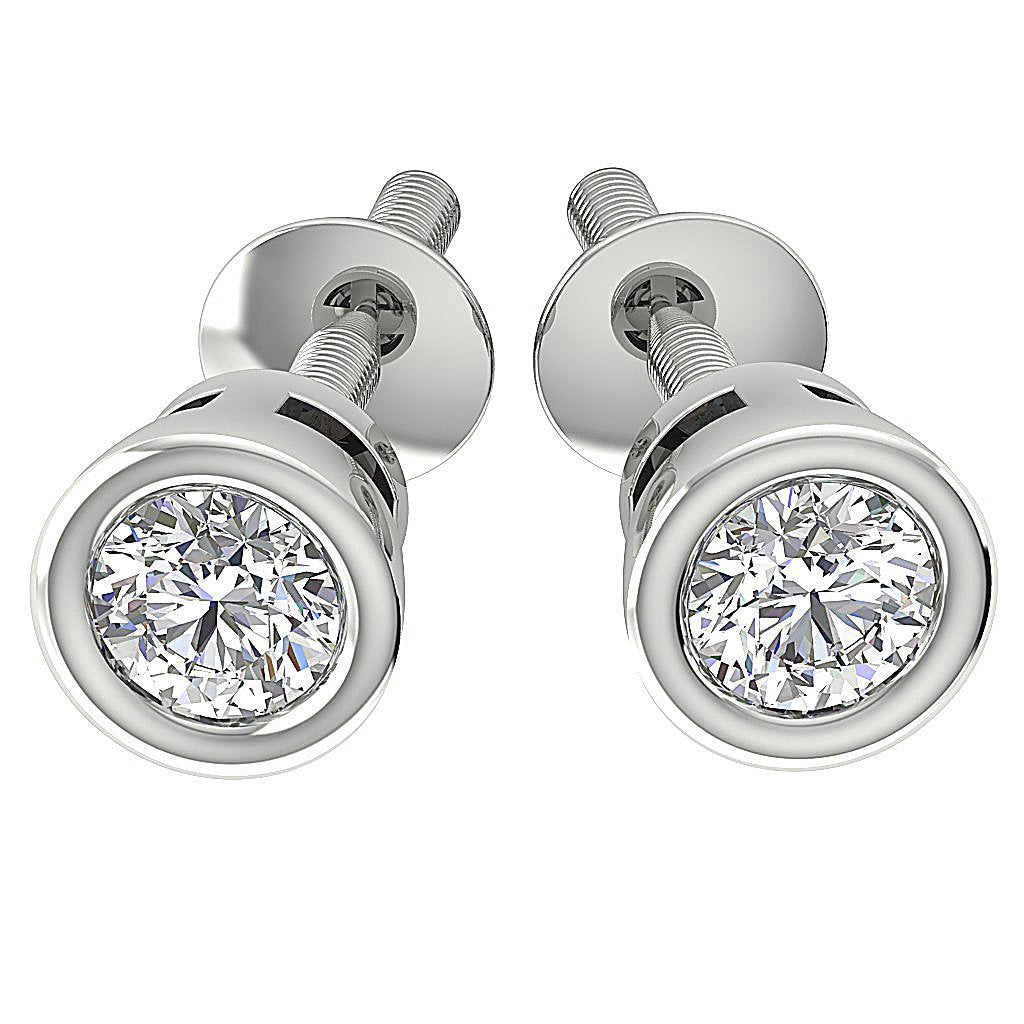
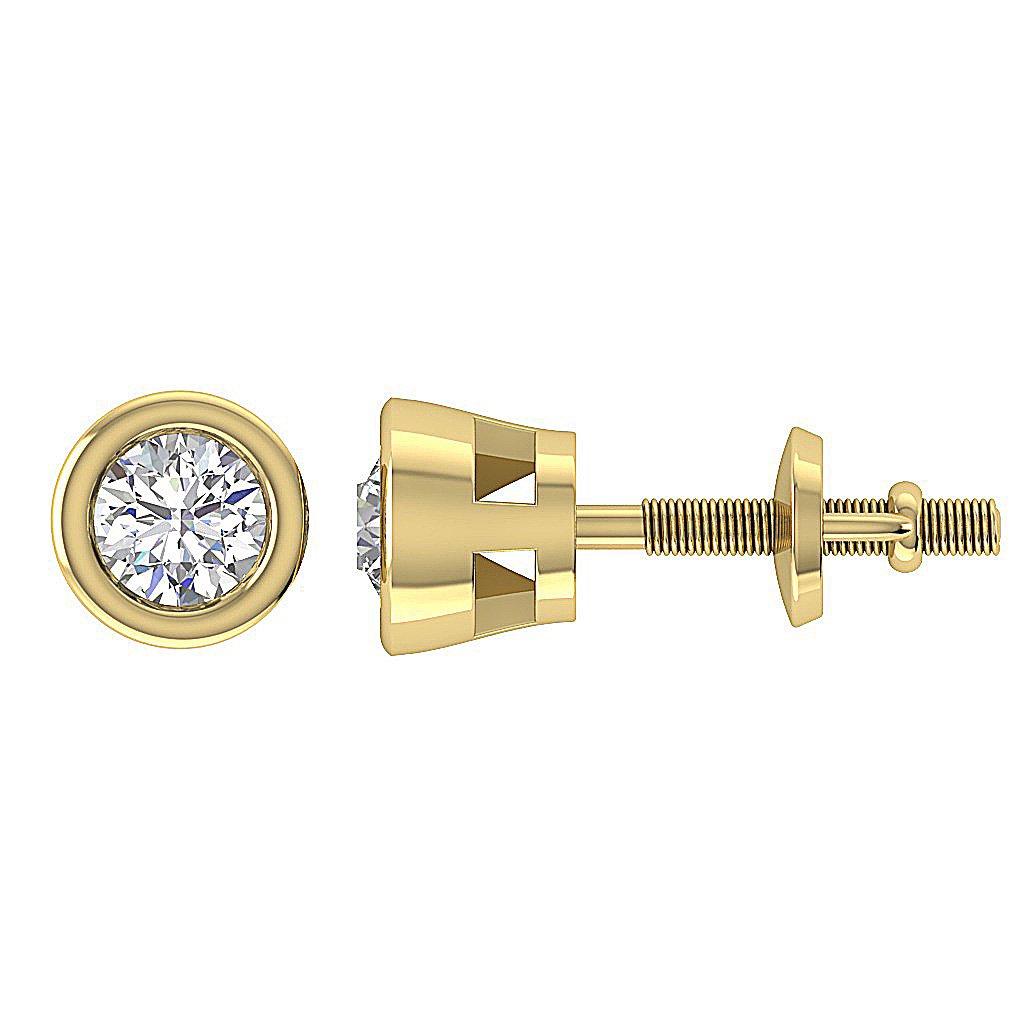
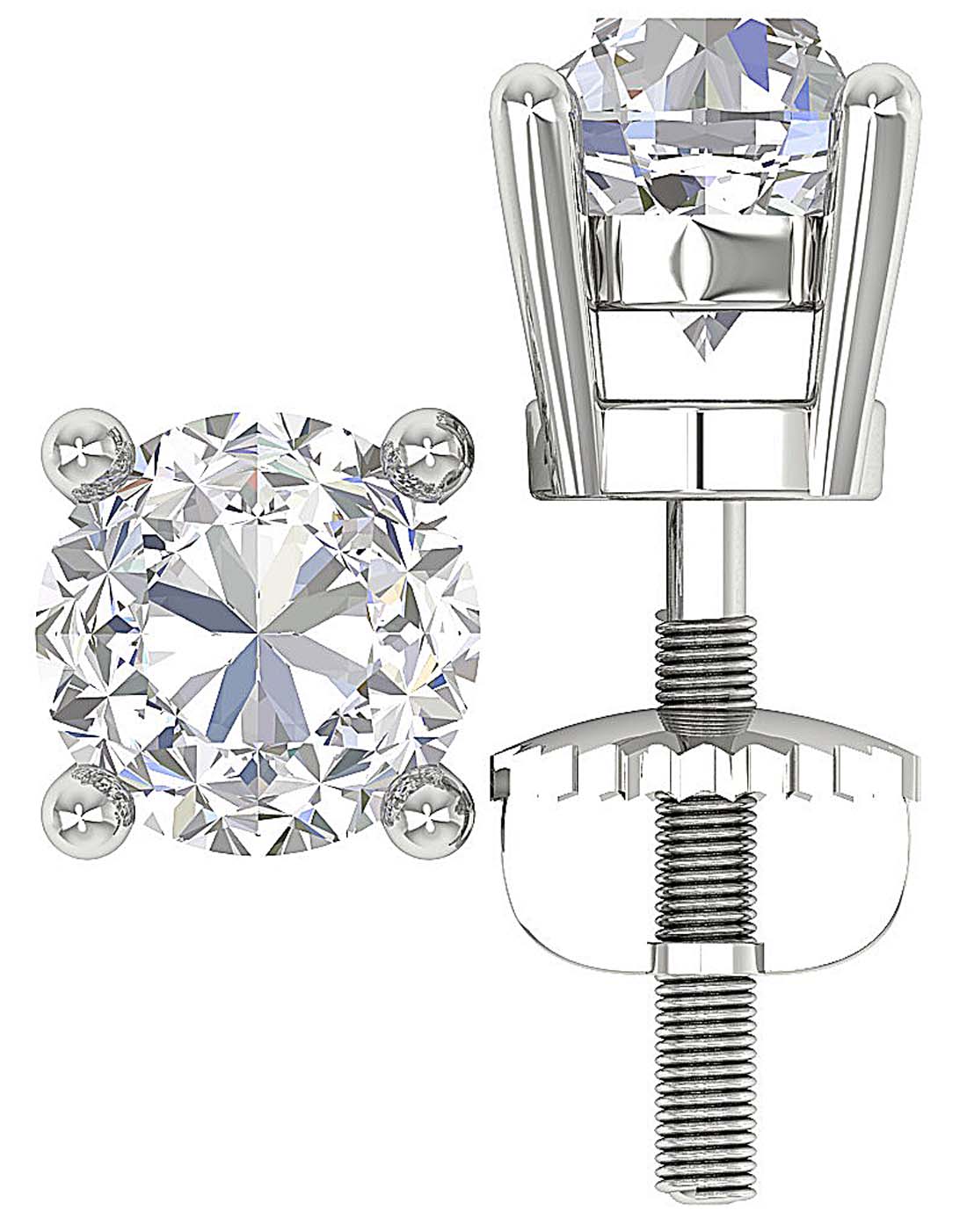
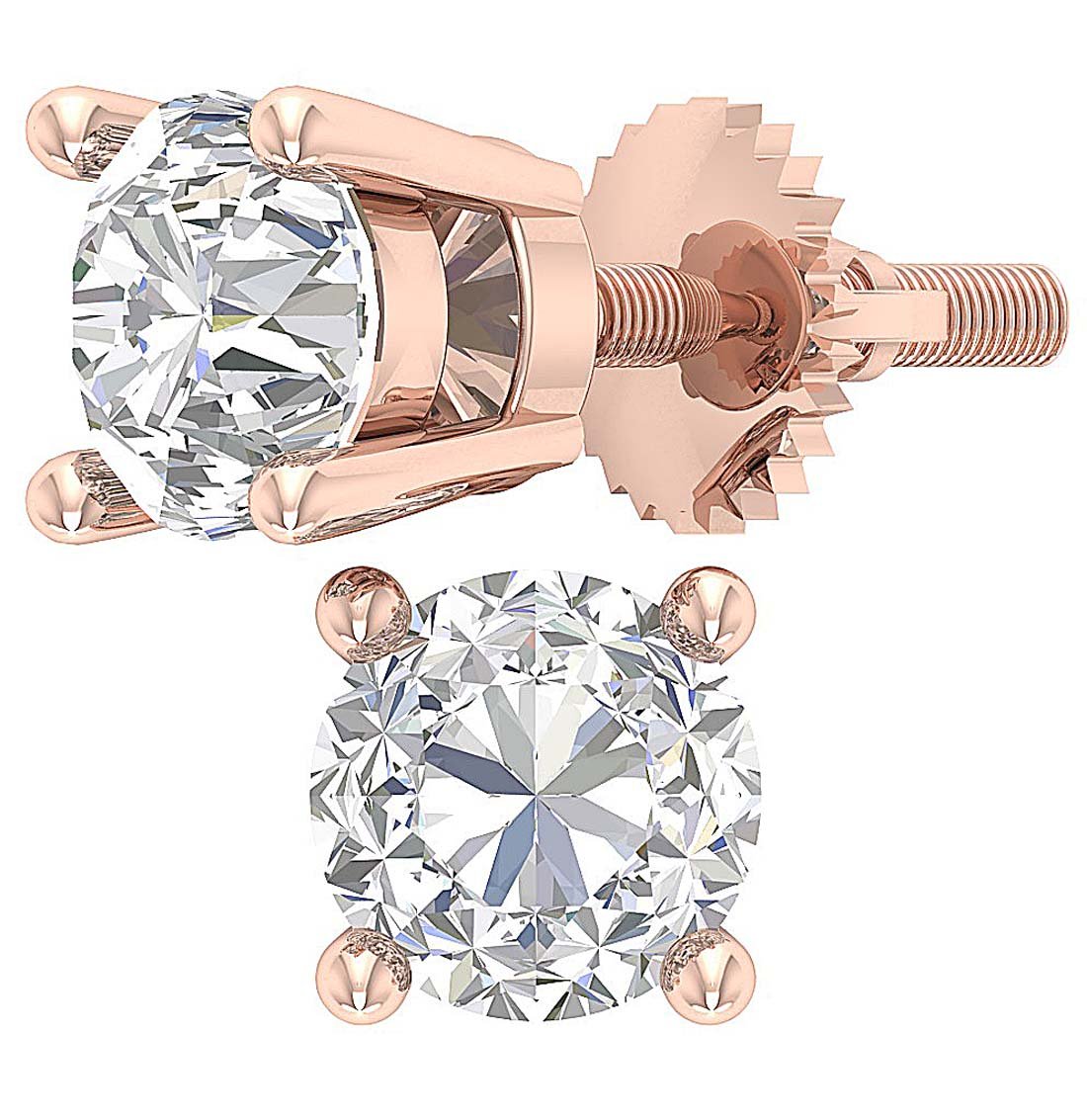
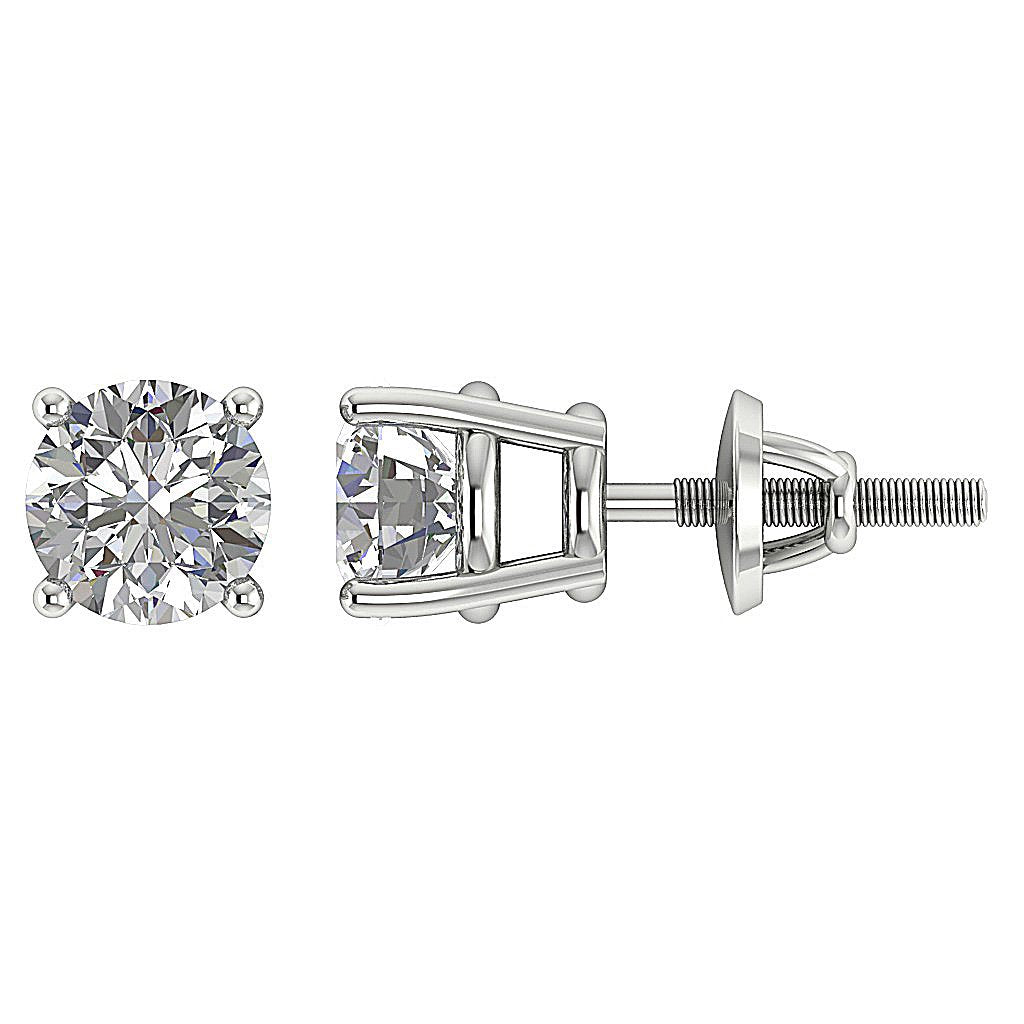
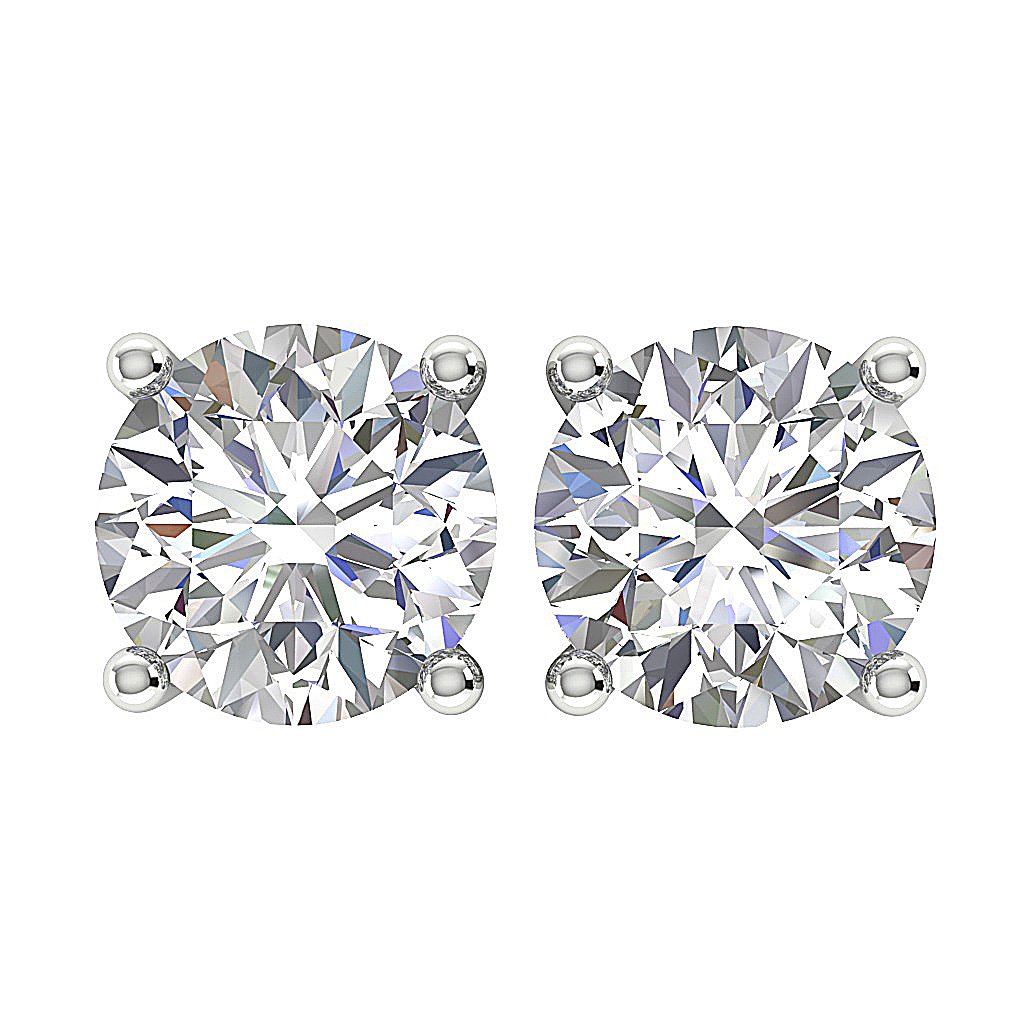
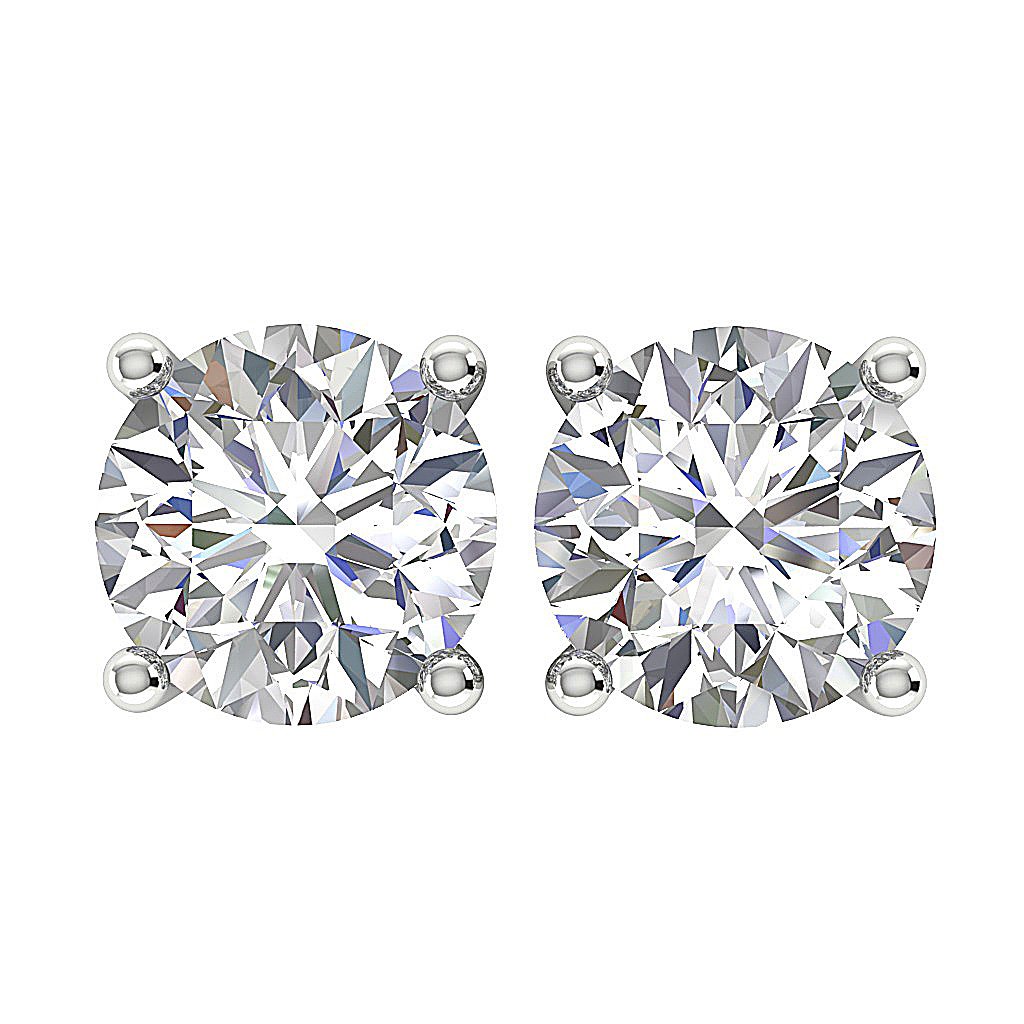
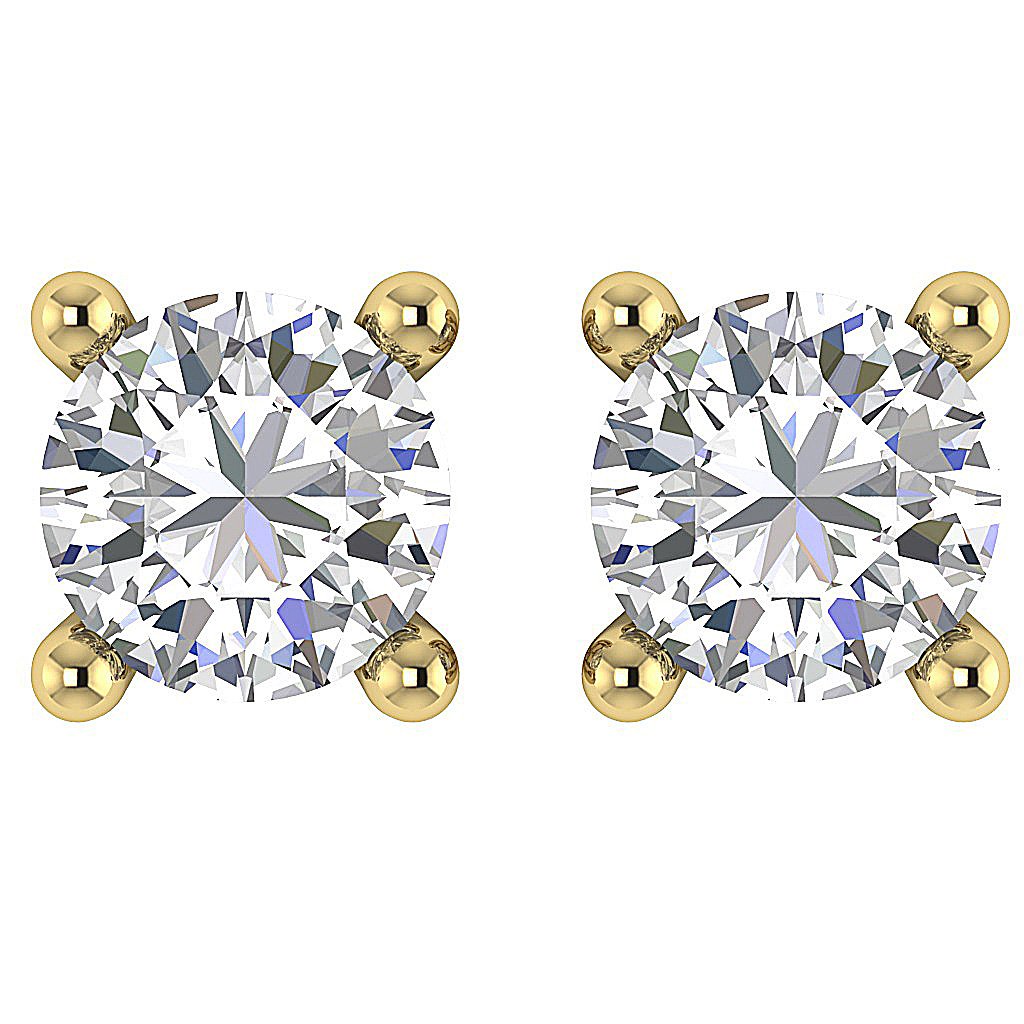
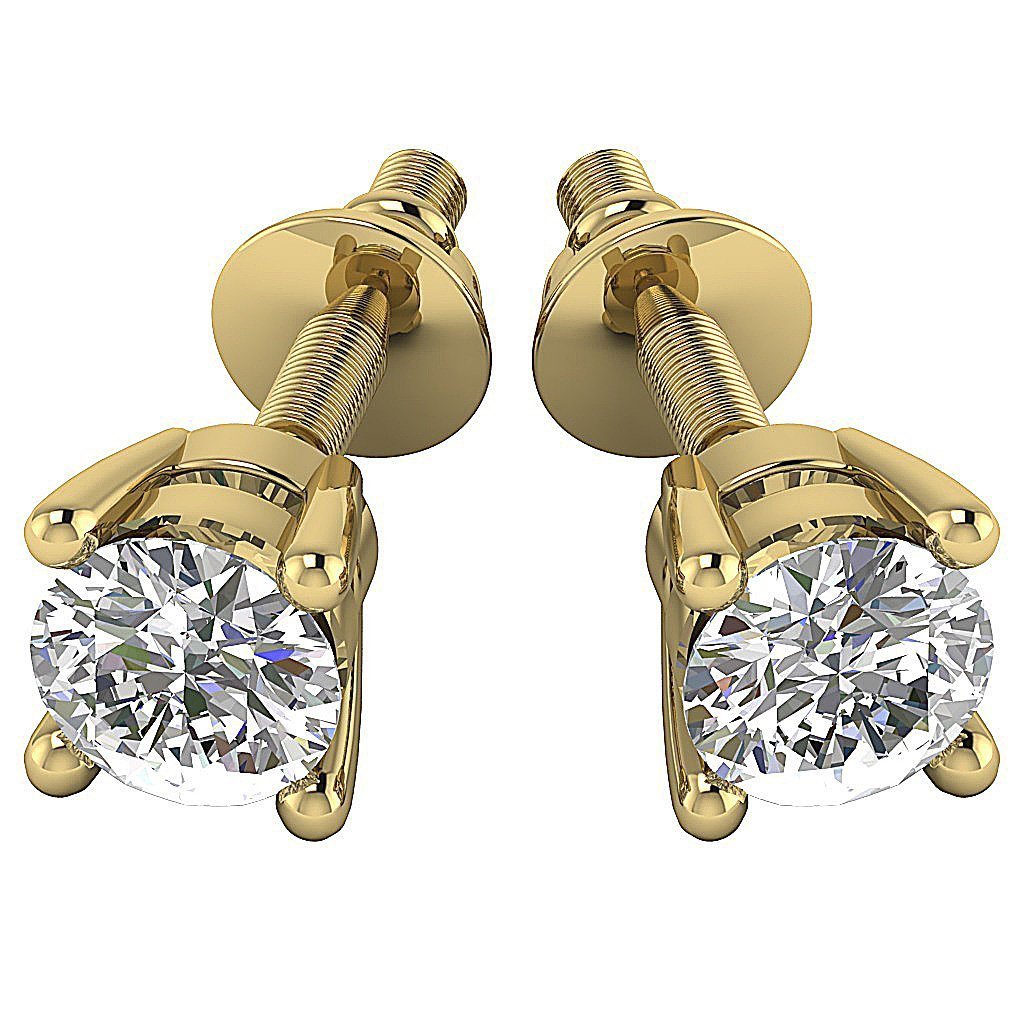
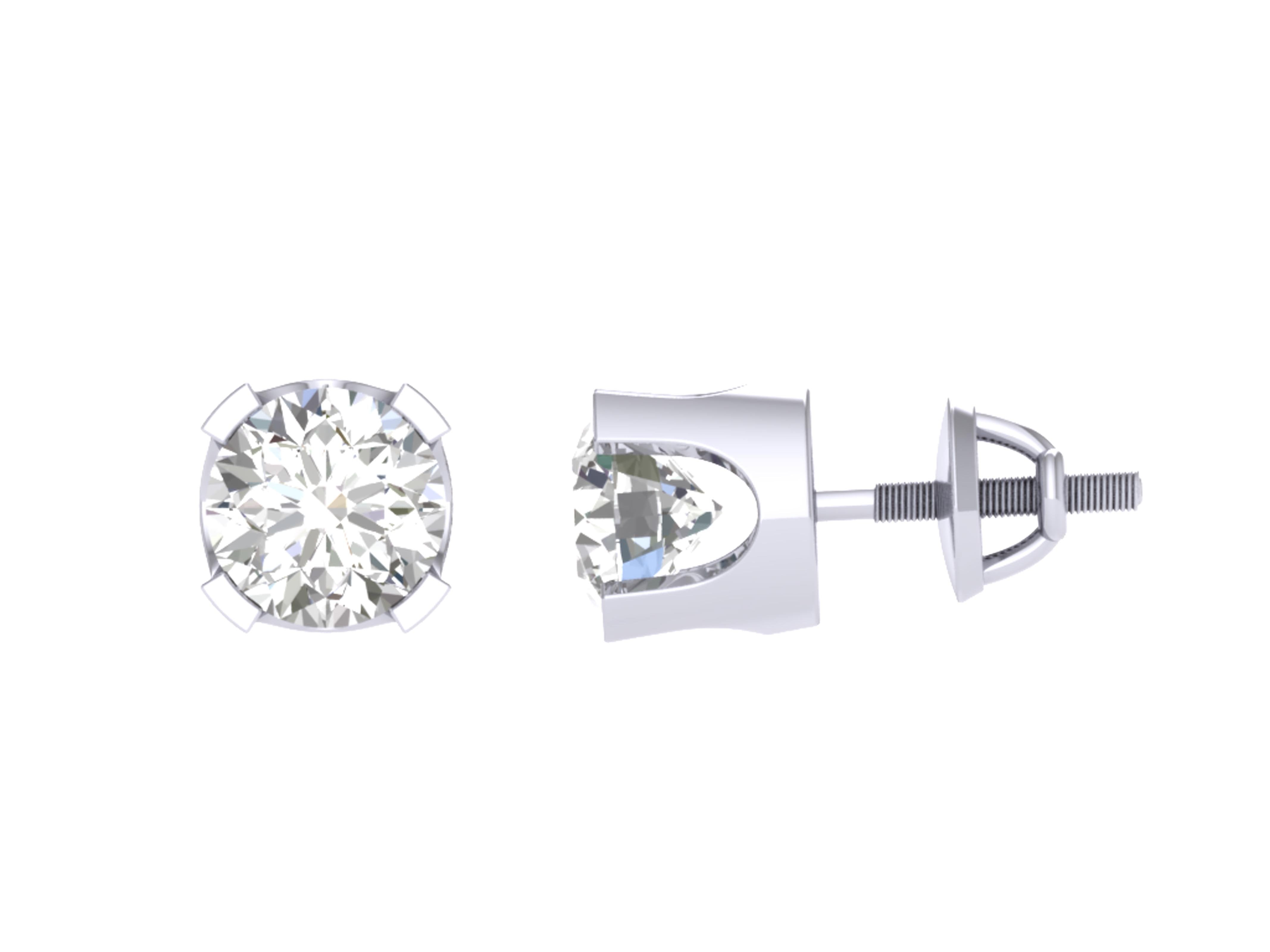
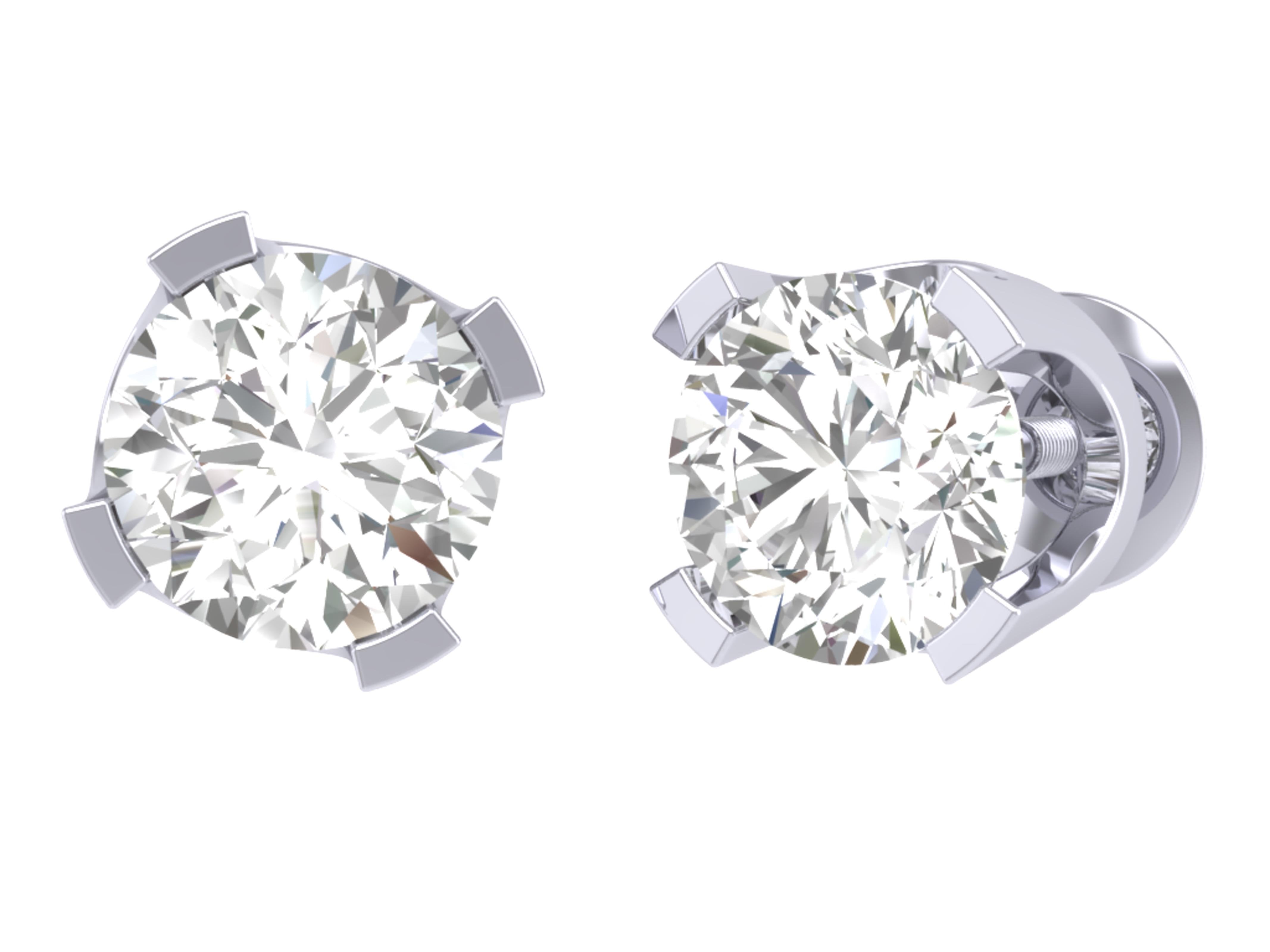
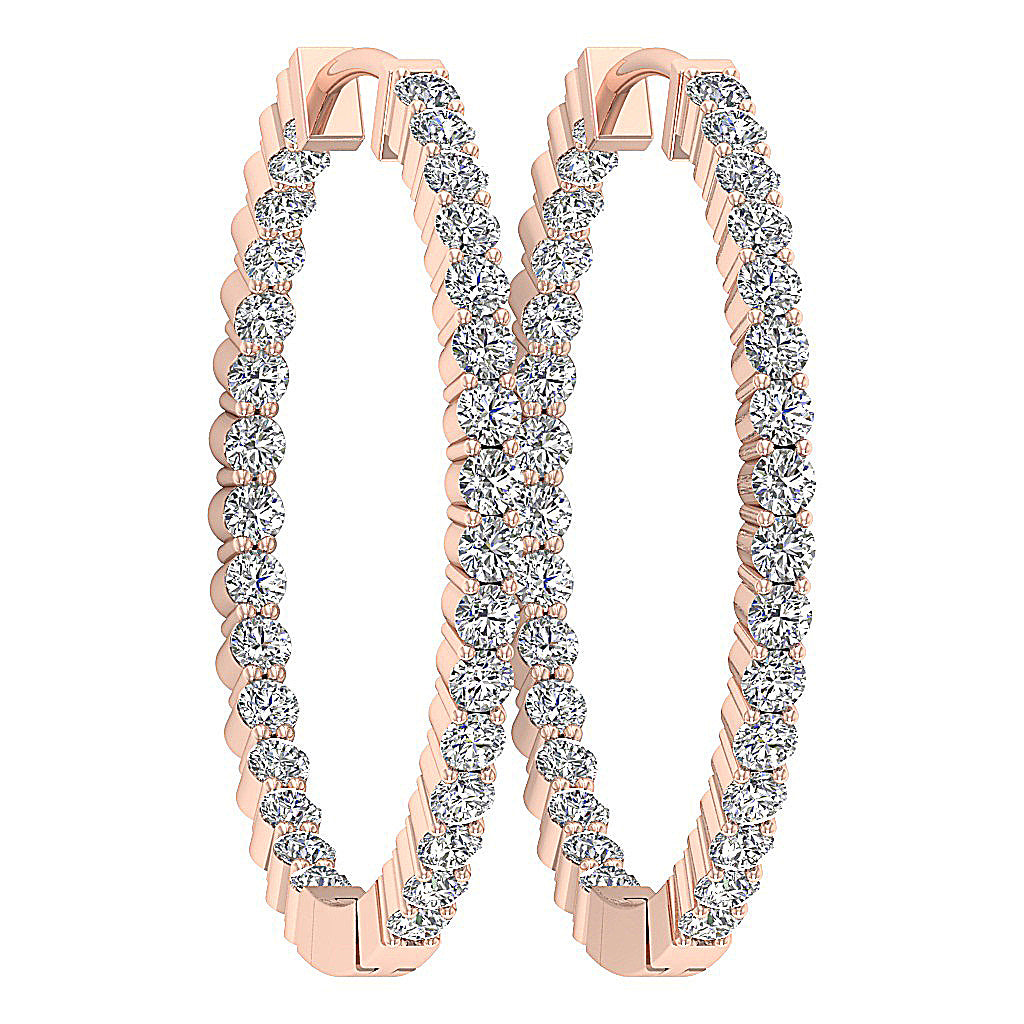
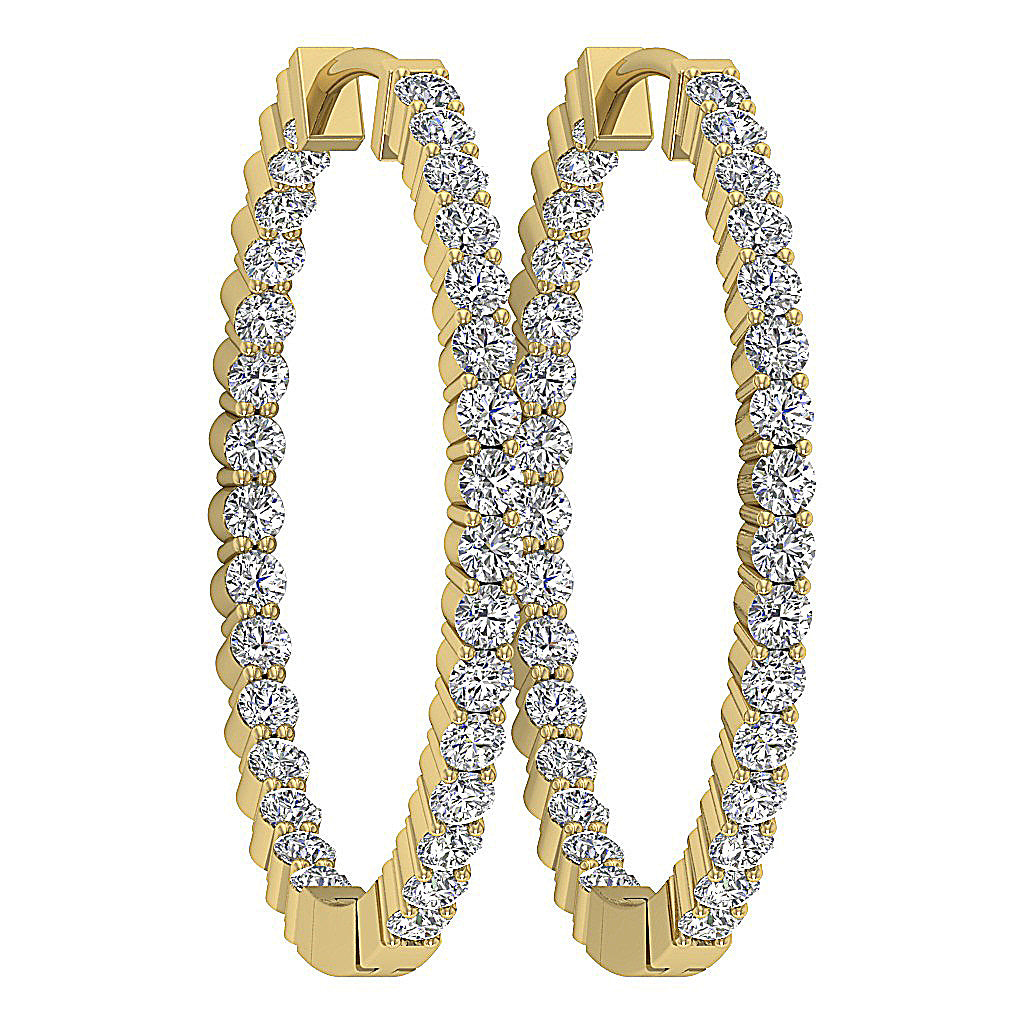
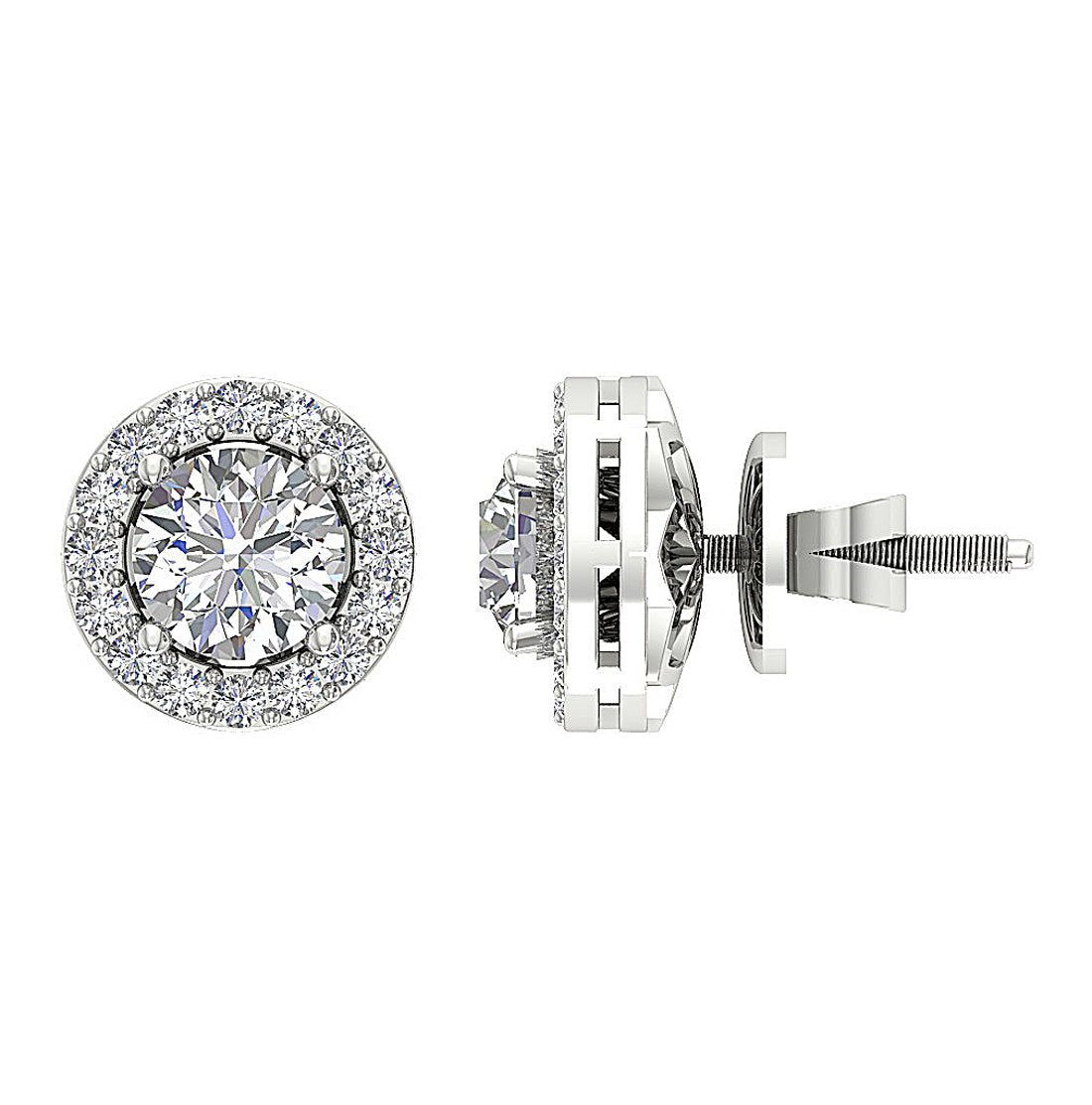
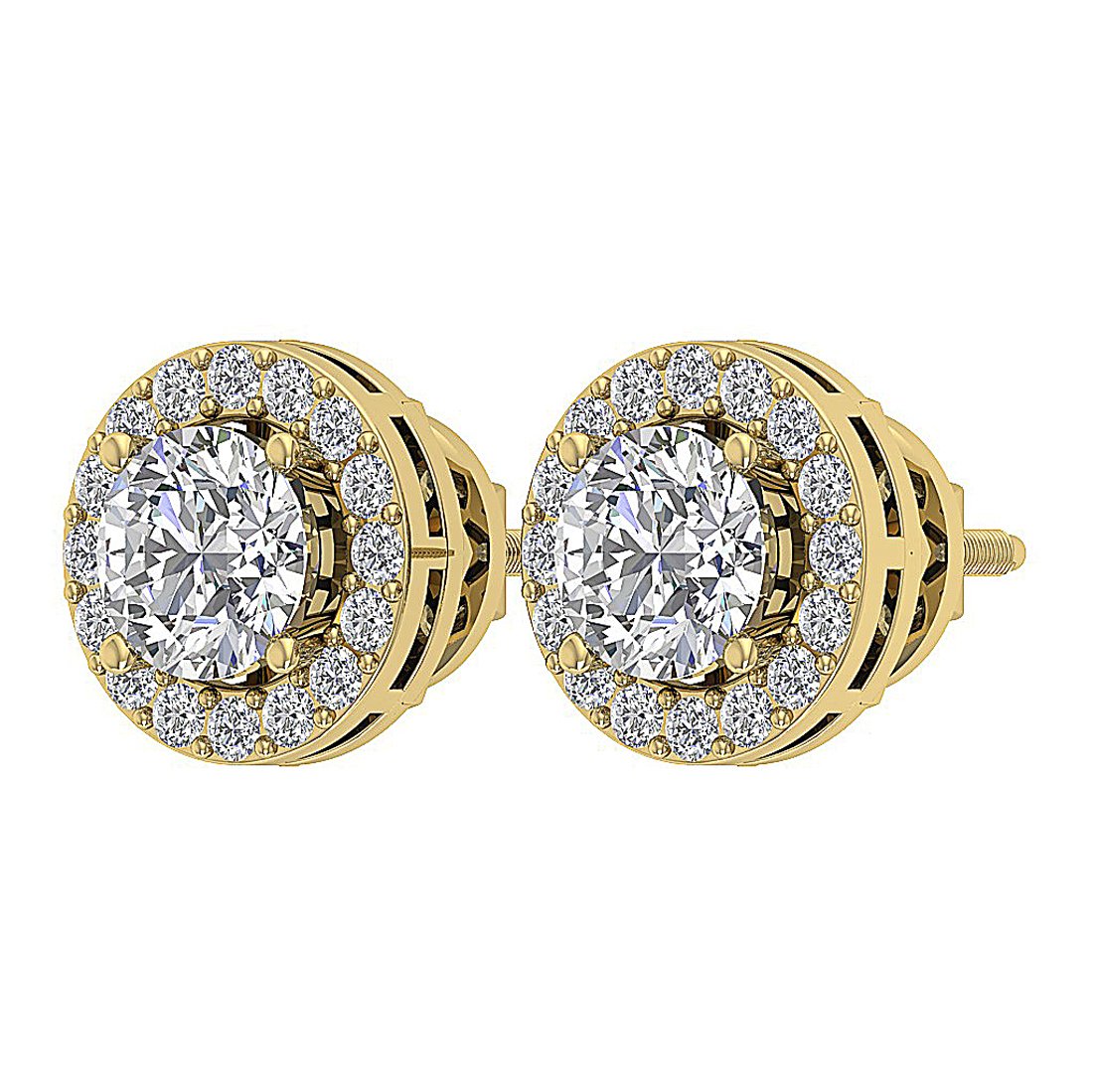
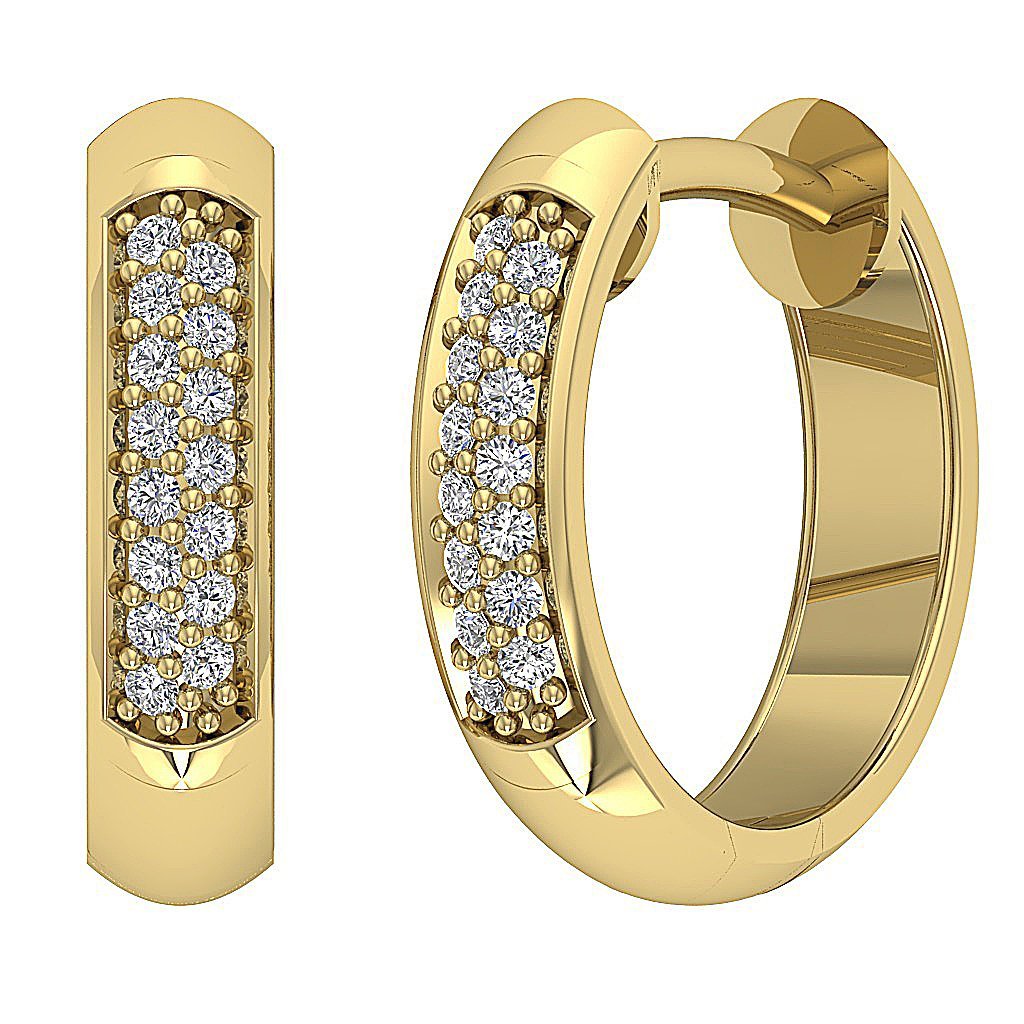
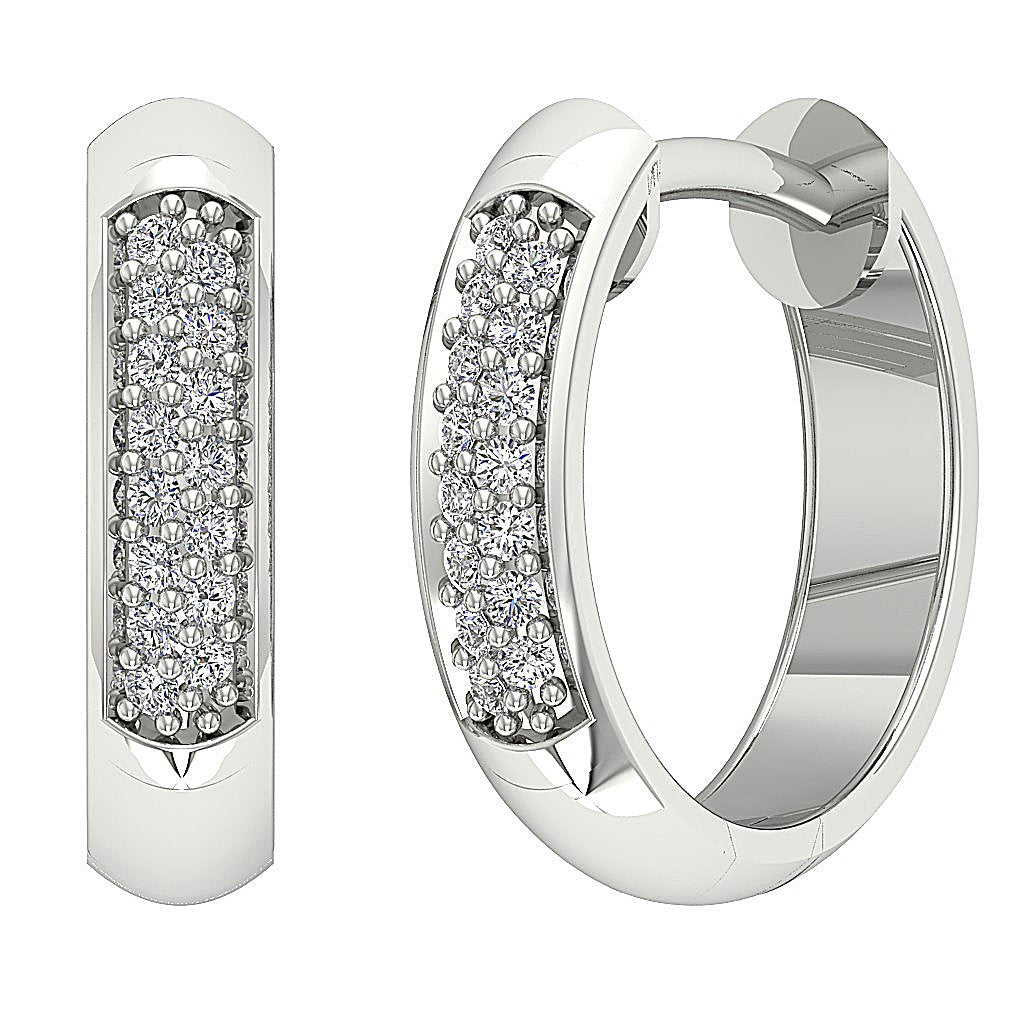
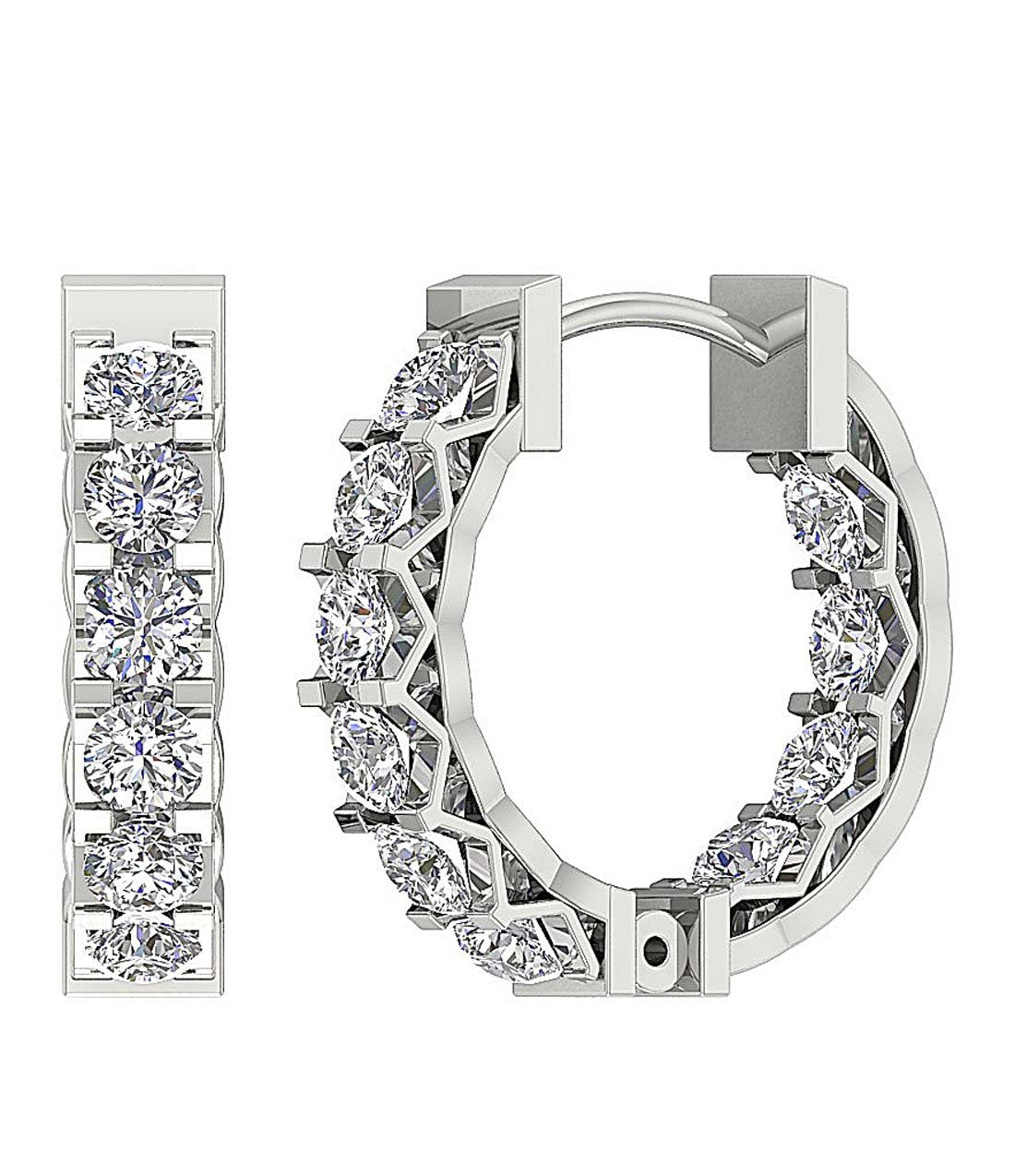
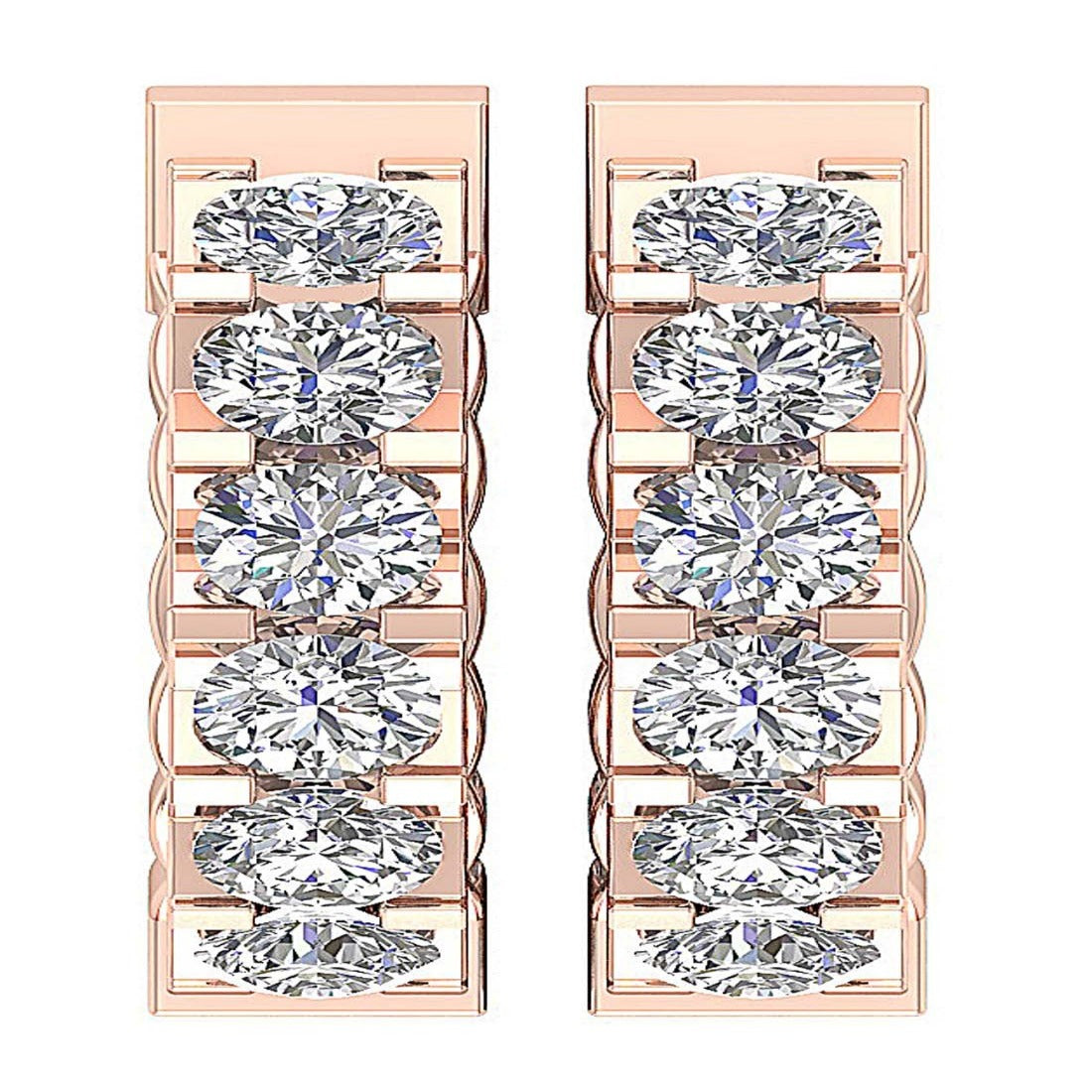
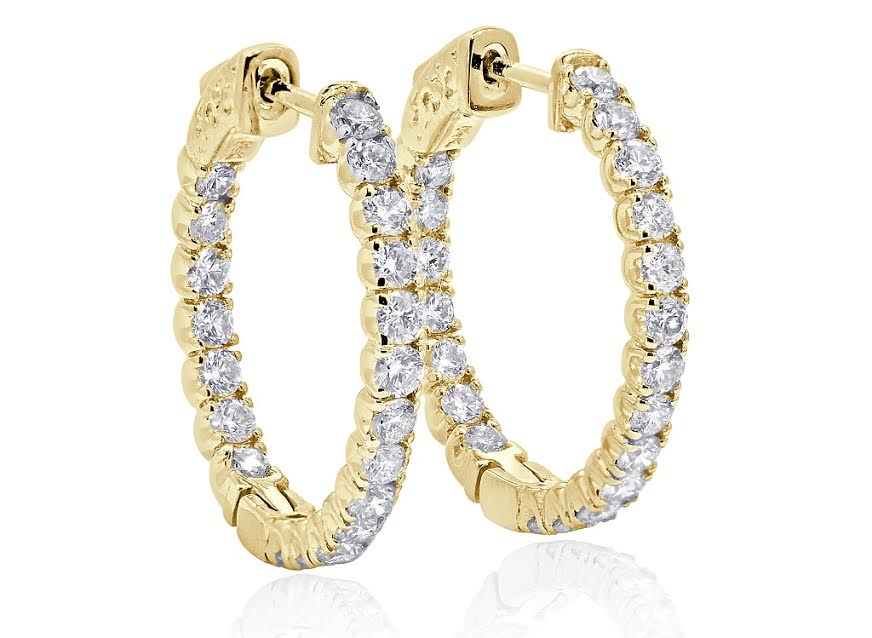
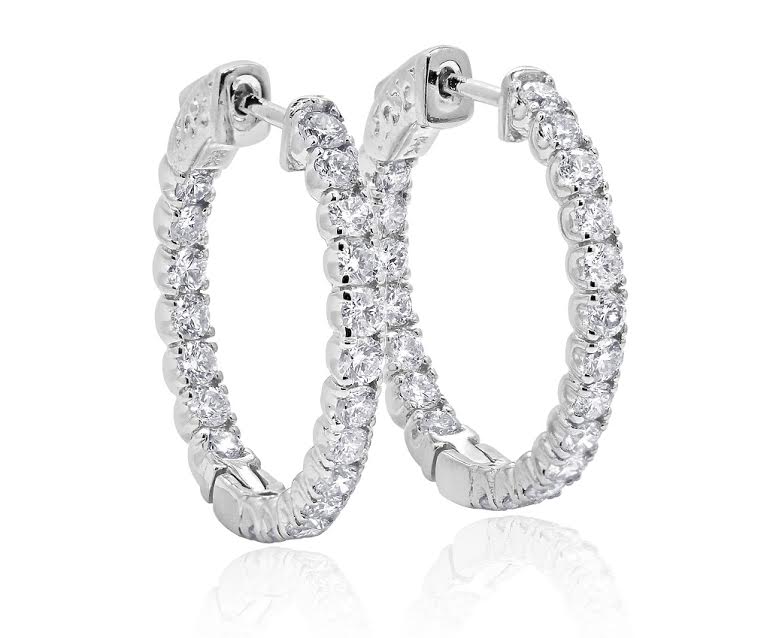
The range spans solitaire studs in martini and bezel settings, lever-back and screw-back designs built for security, and inside-outside hoops finished with diamonds along both edges. Removable jacket studs convert a simple solitaire into something considerably more decorative for evening. Each is set in 14K or 18K gold, white, yellow, or rose, with clarity ranging from I1 through VVS1 depending on how much visible brilliance a piece is asked to carry.
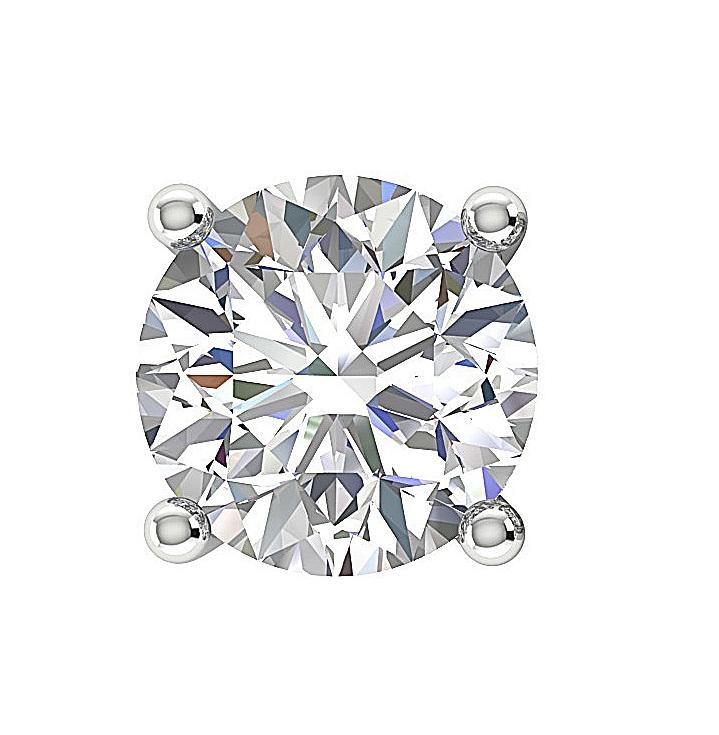
Small hoops are an everyday habit. Large hoops announce themselves the moment you enter a room. Somewhere between the two sits the solitaire stud, a piece so quietly versatile it rarely leaves the ear at all, through work, weddings, and everything ordinary in between.
Choosing Diamond Earrings for the Way You Actually Live
Match the backing to your day, not just the design. Screw backs hold firmly through long hours and are the safer choice for travel. Lever backs open and close with a click, faster to manage but with a slightly higher chance of slipping loose.
Let hoop size follow your hairstyle. Hair worn down suits a smaller hoop that catches light without catching strands. Hair pulled back gives a larger hoop the room to actually be seen.
Consider your second and third piercings separately from your first. A heavier stud sits comfortably in a well-healed lobe, while newer piercings do better with something lighter until the site has fully settled.
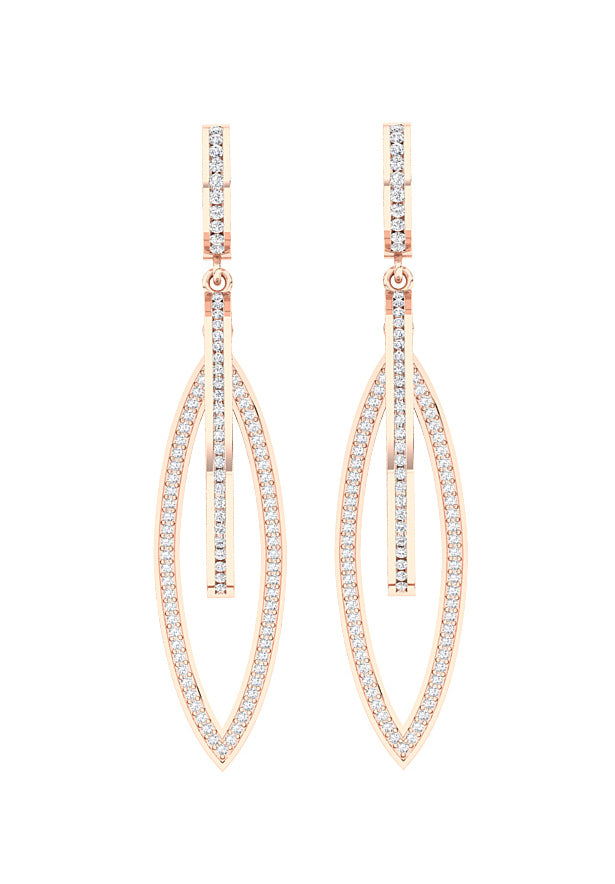
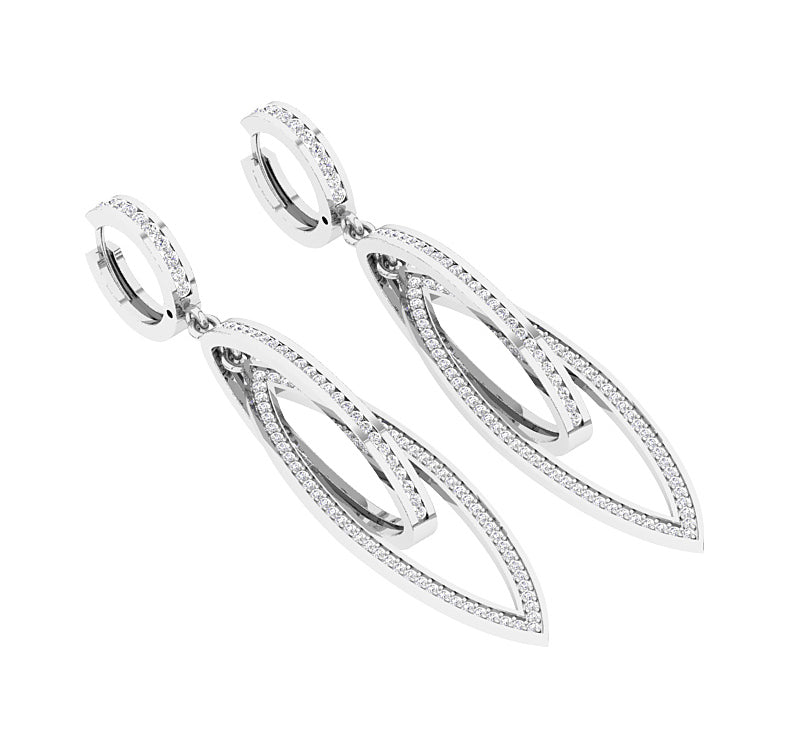
Save the chandelier or dangle earring for occasions with real ceremony. Its movement draws the eye in a way a stud simply does not, which is precisely why it does not belong in daily rotation.
Think about symmetry only up to a point. Two ears rarely match in size or shape exactly, and a good jeweler accounts for that rather than pretending otherwise.
Caring for Diamond Earrings, Which Touch Skin More Than Any Other Piece
Earrings sit directly against skin for hours at a stretch, which means they collect oil, product, and everyday residue faster than a ring or a pendant ever will.
Wipe posts and backs with a damp cloth after each wear, since buildup here is what irritates skin, not the metal itself. Clean the diamond and setting weekly with warm water, a drop of mild soap, and a soft brush worked gently around the prongs. Remove earrings before applying perfume, hairspray, or lotion, since these settle into small settings faster than almost anywhere else on the body.
Check screw backs and lever backs periodically for looseness; the mechanism wears slightly with use, long before the diamond itself shows any sign of it. Store studs and hoops separately from larger pieces, since a tangled chain or bracelet can bend delicate posts out of shape.