Diamond Bracelets: A Part of Every Treasured Jewelry Collection
A ring rests in relative safety. A bracelet meets doorframes, desks, and steering wheels dozens of times a day, all while carrying just as much diamond weight as anything worn on the hand. Building one that survives that life, without ever looking like it was built for survival, is the entire discipline.
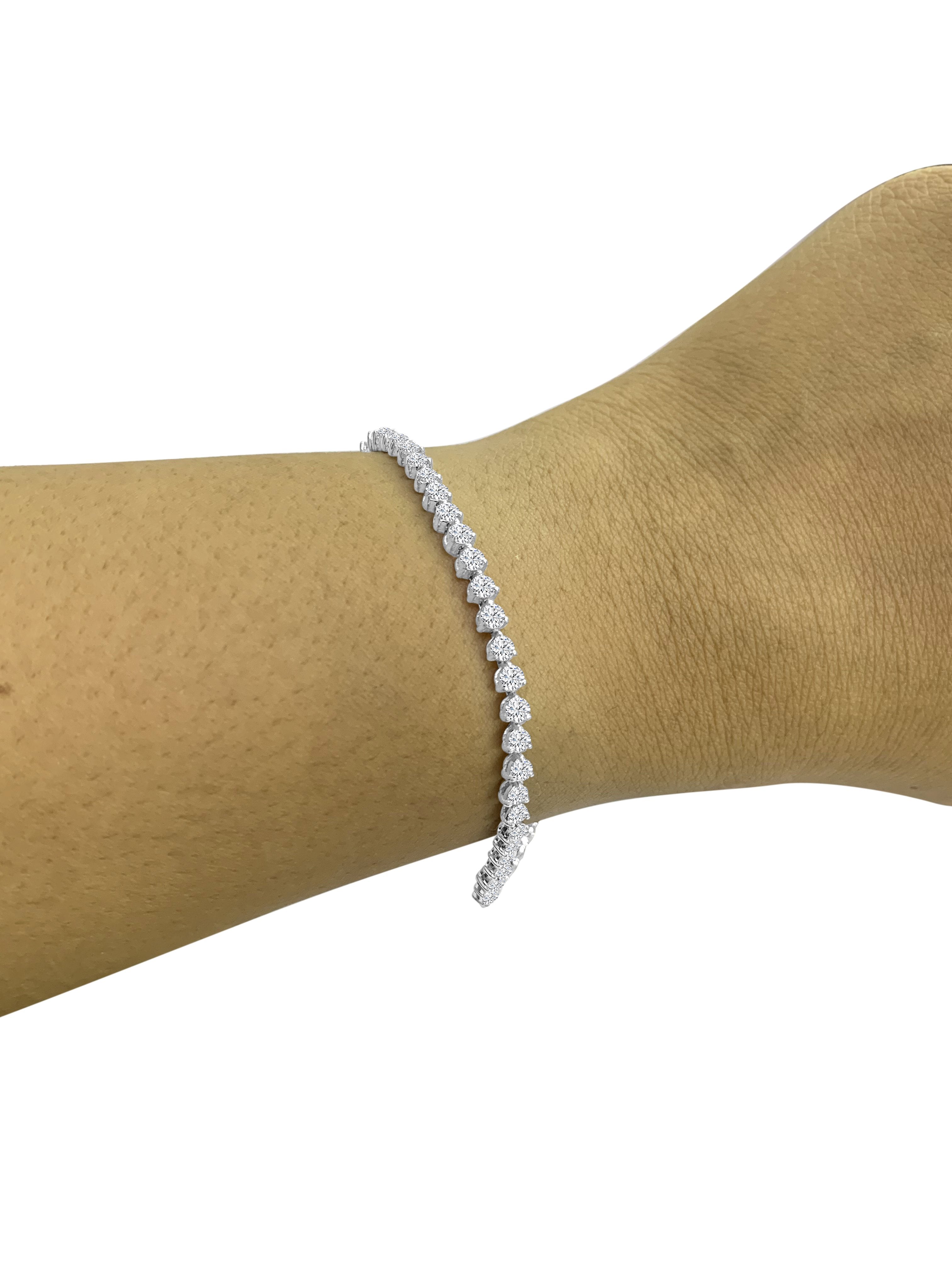
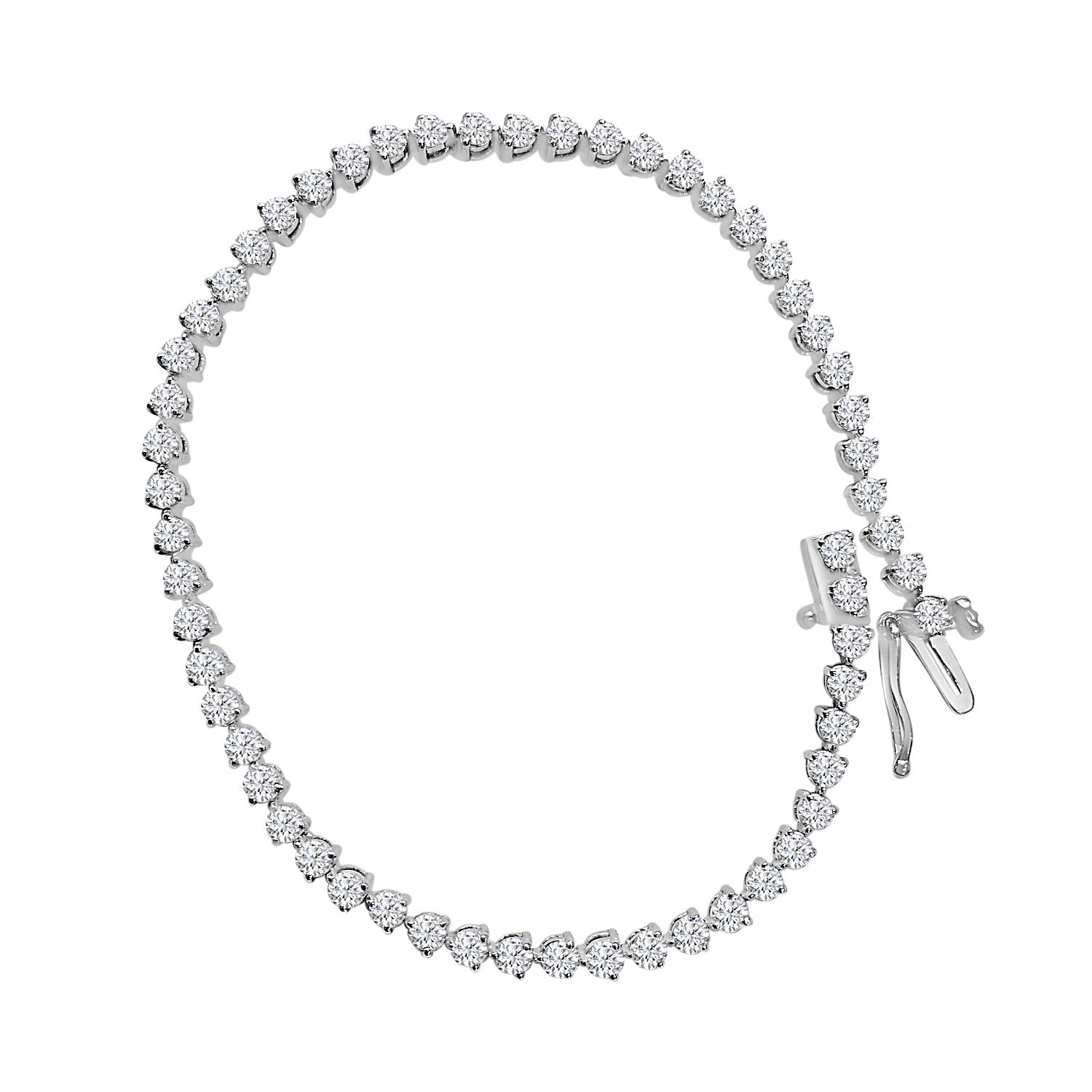
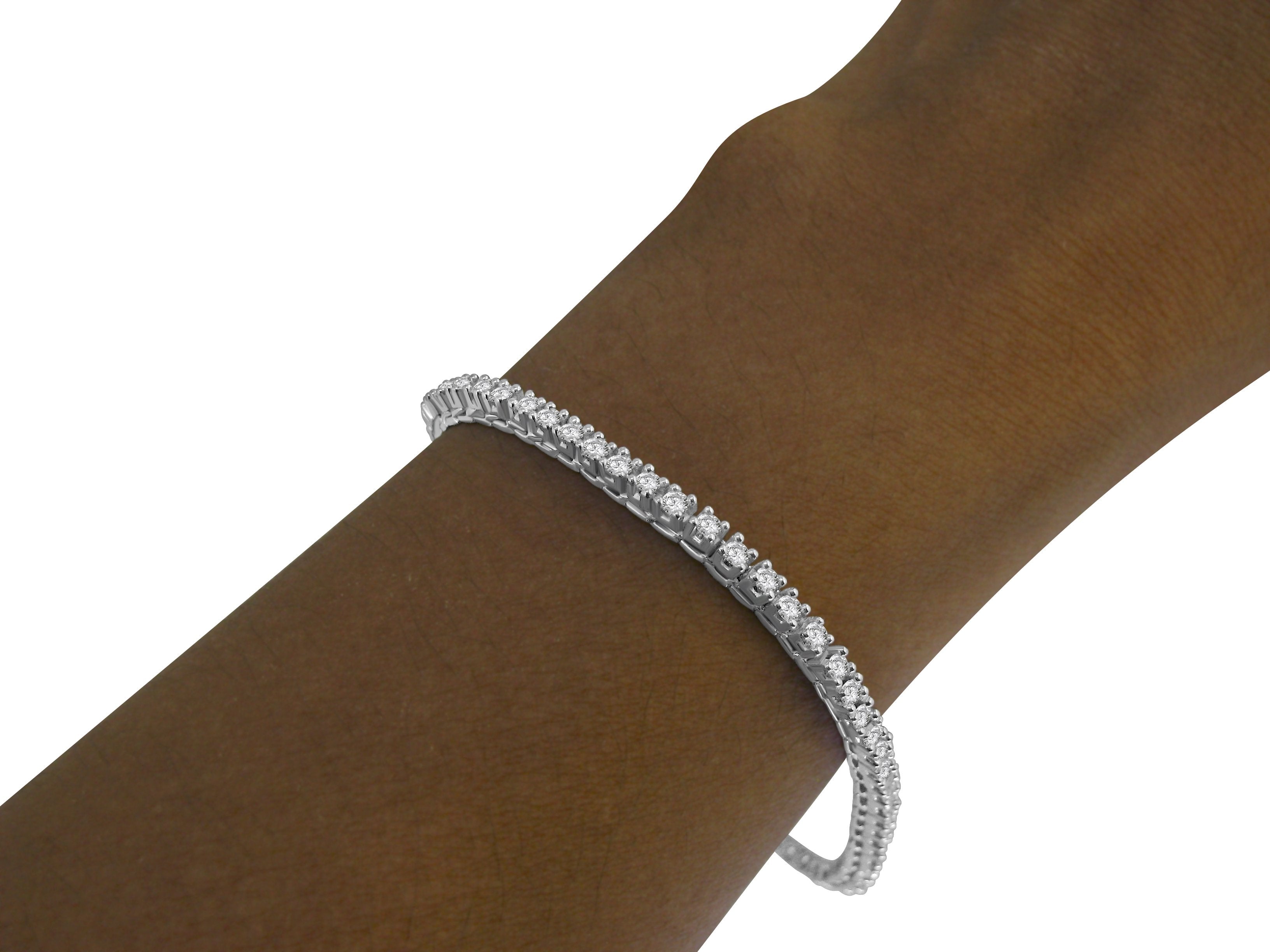
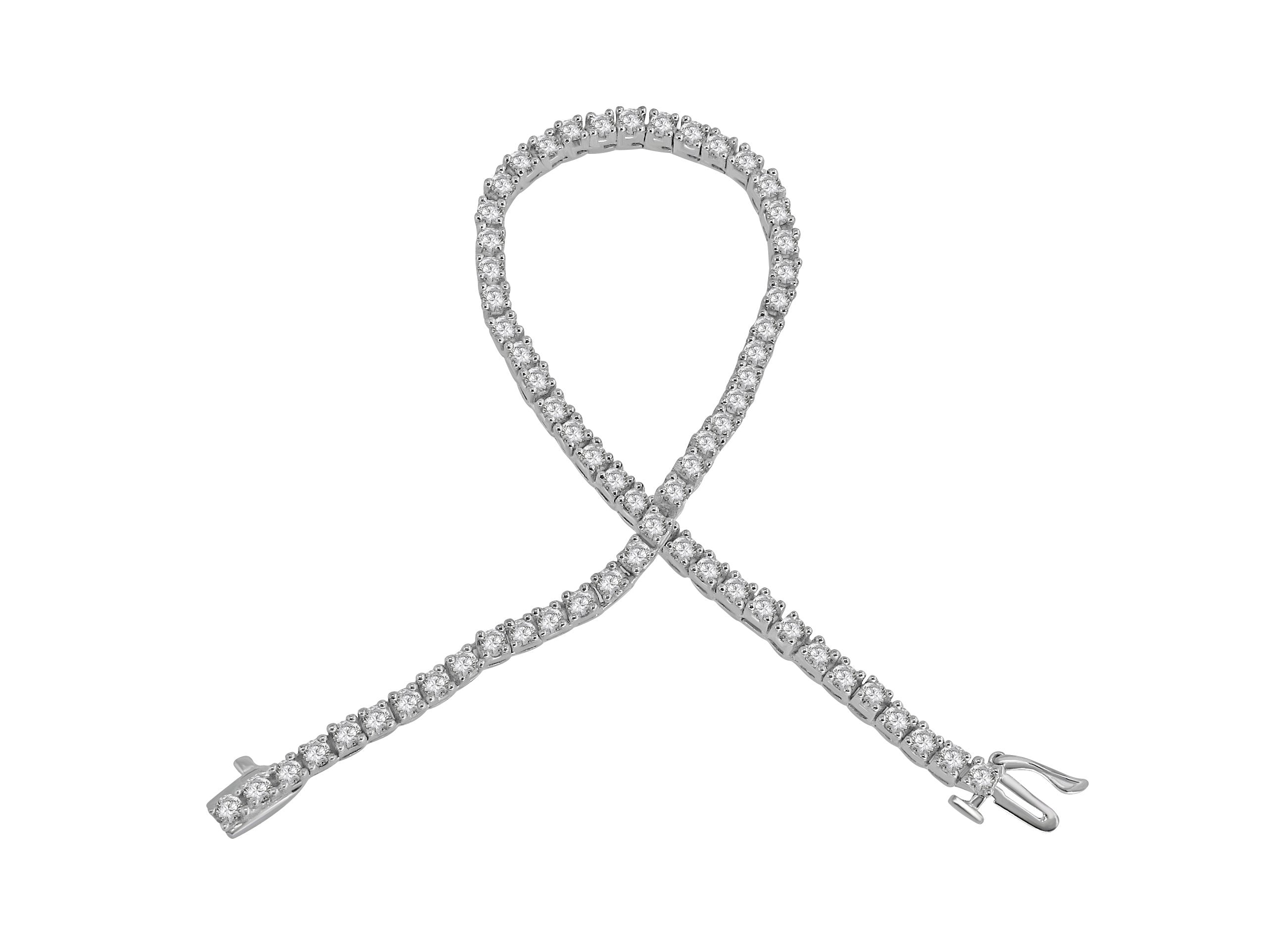
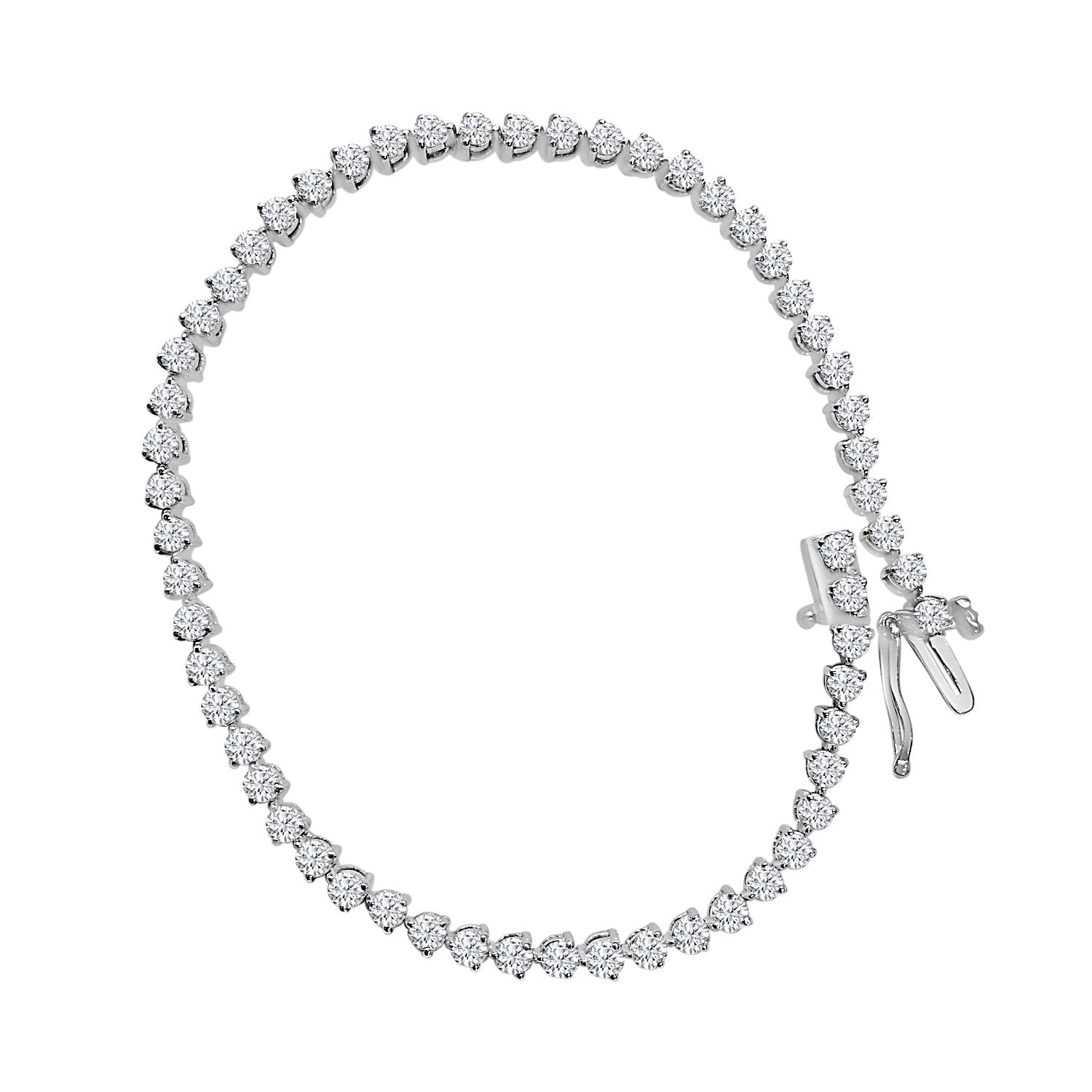
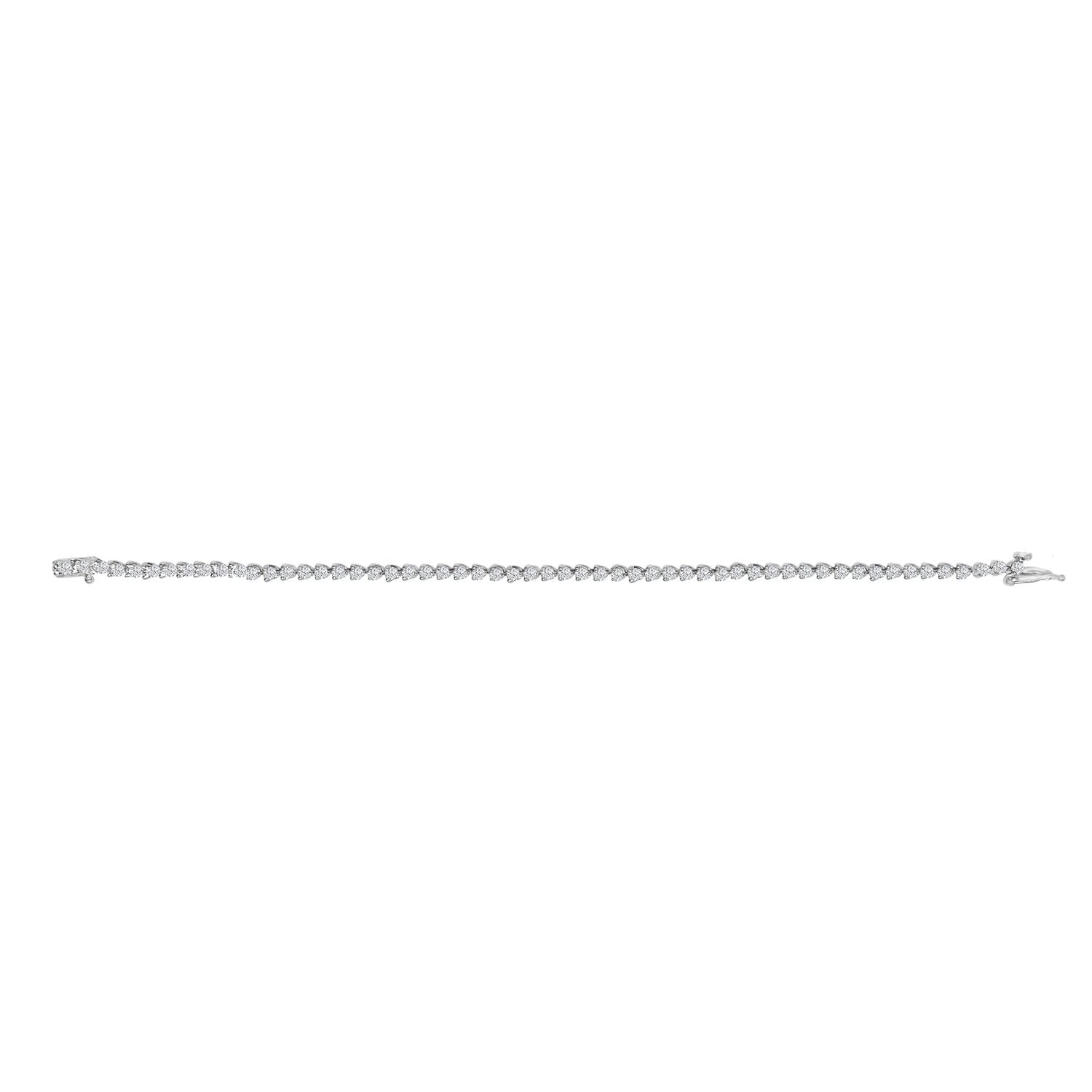
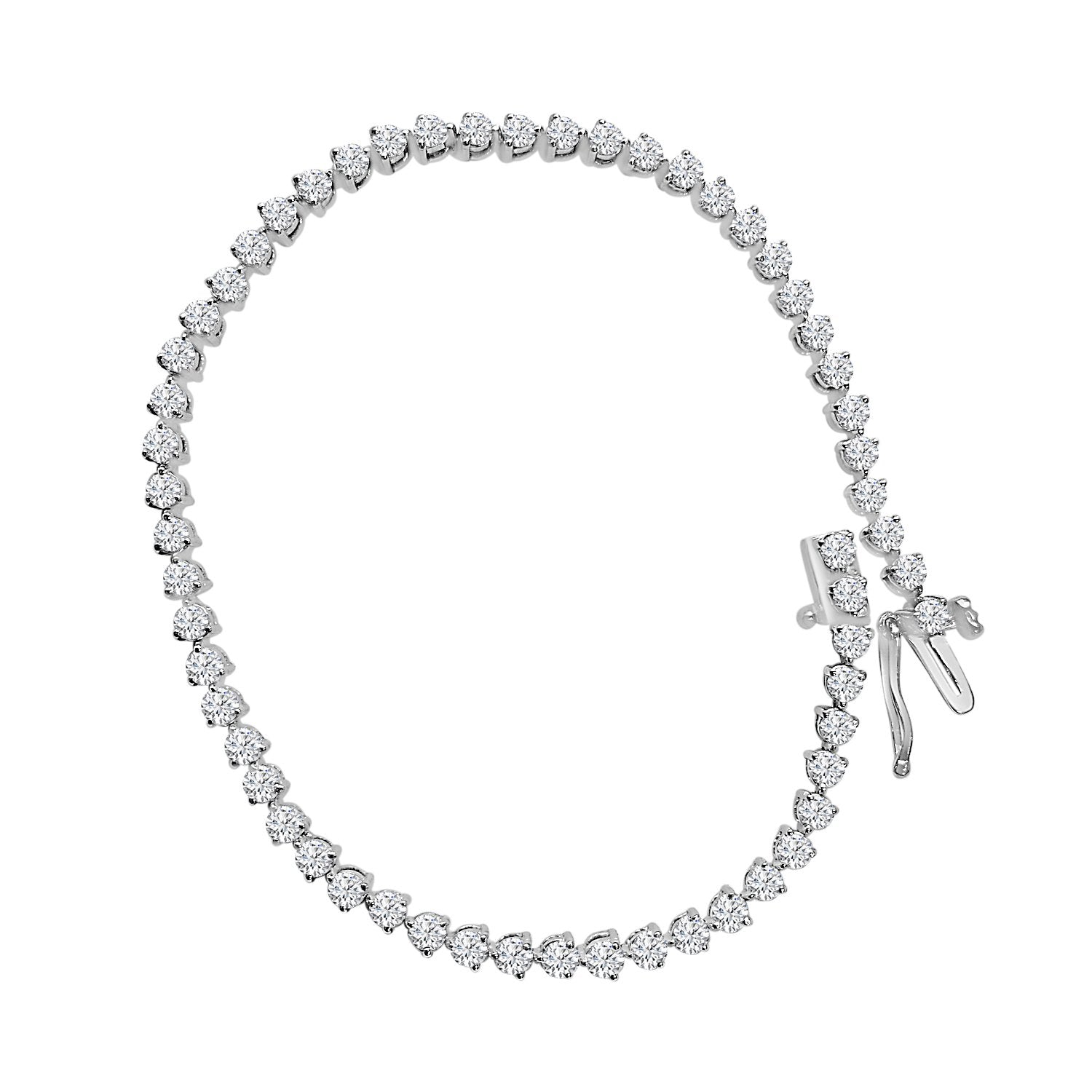
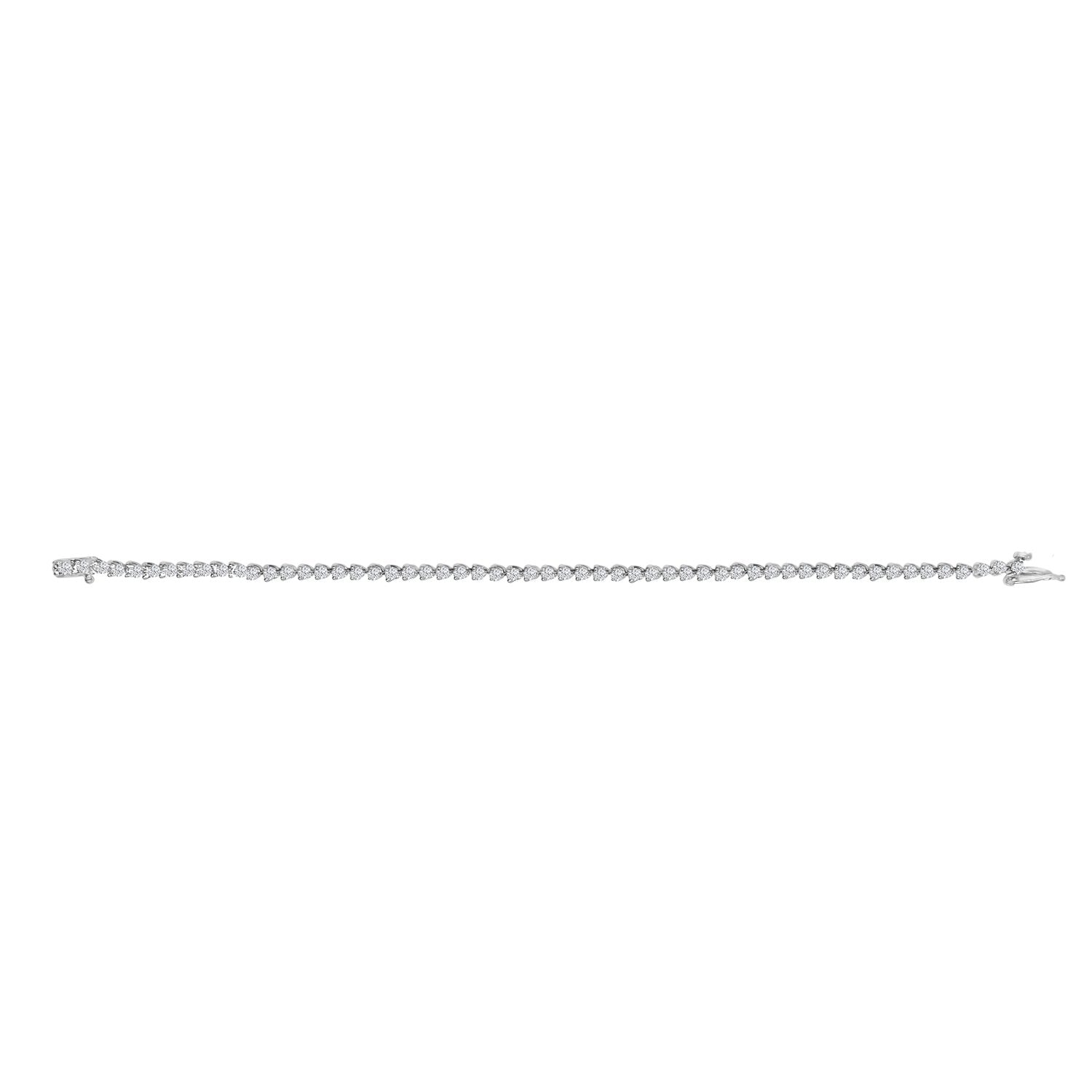
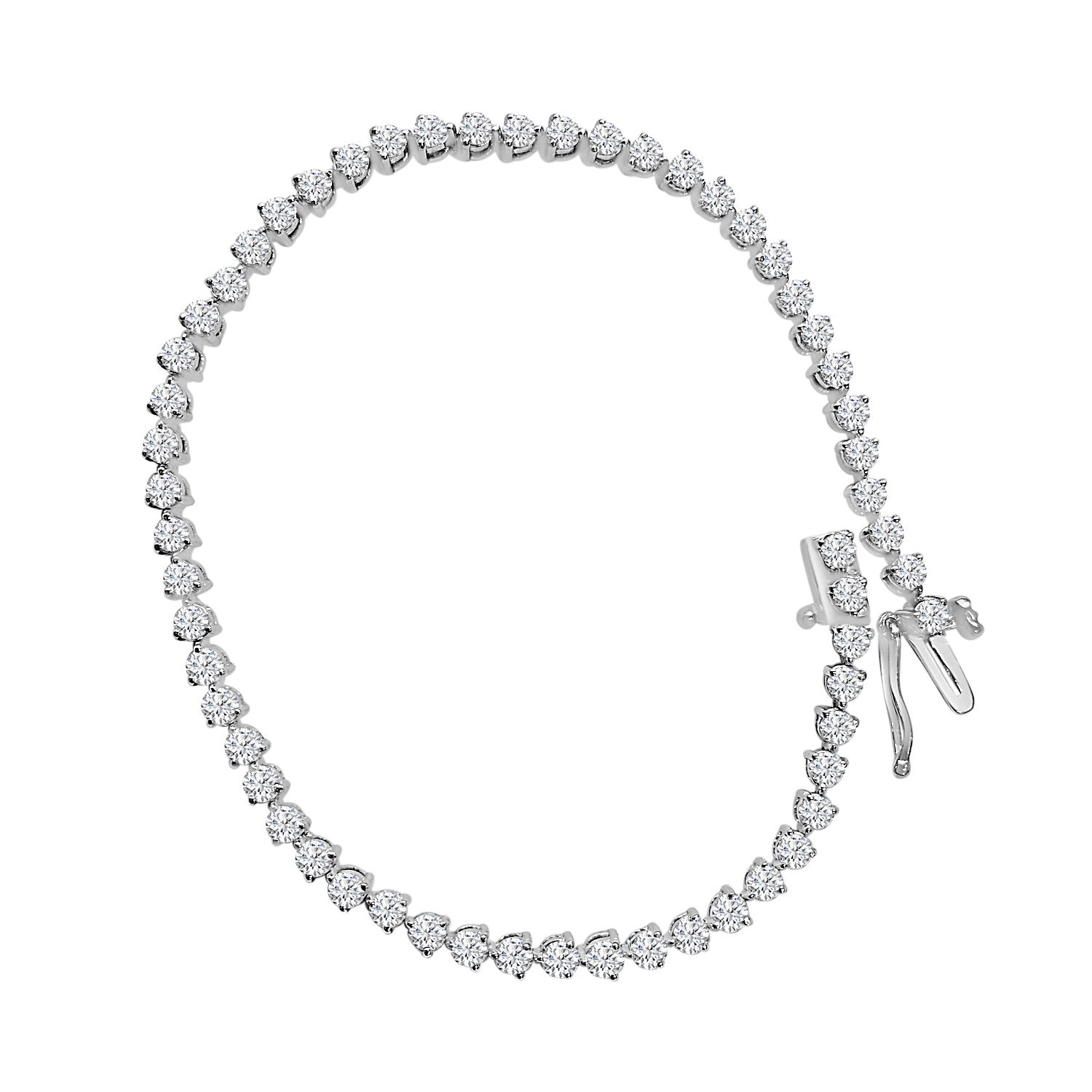
The edit runs from tennis bracelets, diamonds set continuously along a fine line of prongs or pavé, to bangles that open at a hinge or slide on whole, some finished with a double halo, others channel or bezel set for a cleaner profile.
Designer bracelets sit somewhere between the two, structured but not rigid. All are worked in 14K or 18K gold, white, yellow, or rose, with clarity from I1 through VVS1 depending on how much light a piece is meant to throw.
A tennis bracelet reads as quiet luxury, a continuous line rather than a single focal point. A bangle, rigid or hinged, has more presence and less flexibility, both in how it moves and in how it must be sized.
Choosing and Wearing a Diamond Bracelet Well
Measure the wrist before the bracelet, not after. A tennis bracelet should sit loosely enough to slide one finger beneath it, while a rigid bangle needs to clear the widest part of the hand to go on at all.
Consider your dominant hand separately. A bracelet worn on the hand you write and reach with meets more impact over a year than one worn on the other, which affects how often it needs inspection.
Choose a box clasp with a figure-eight safety over a simple lobster clasp for anything with real diamond weight. The added mechanism costs a little convenience and buys a great deal of security.
Layer bangles by weight, not just width. A heavier, more structured bangle anchors a stack, while slimmer pieces move more freely around it rather than competing with it.
Think about what already lives on that wrist. A watch or a stack of thin bands changes how a tennis bracelet sits and how often it catches on a cuff, worth trying before committing to a size.
Caring for a Diamond Bracelet Through Years of Daily Contact
A bracelet touches more surfaces in a single day than a ring or a pendant touches in a week, which means its clasp and chain wear faster than its diamonds ever will.
Wipe the piece down after wear with a soft cloth, removing the hand lotion and everyday grit that accumulate along a chain far more visibly than on a solitaire. Clean the diamonds every few weeks with warm water, mild soap, and a soft brush, paying particular attention to the underside of a tennis bracelet's line setting, where residue collects unseen between stones.
Have the clasp and safety chain inspected once a year without fail, since a tennis bracelet is more often lost through clasp failure than through a stone coming loose. Store bangles and bracelets flat or on a jewelry roll rather than tangled in a drawer, since a rigid bangle can scratch a softer chain resting against it.