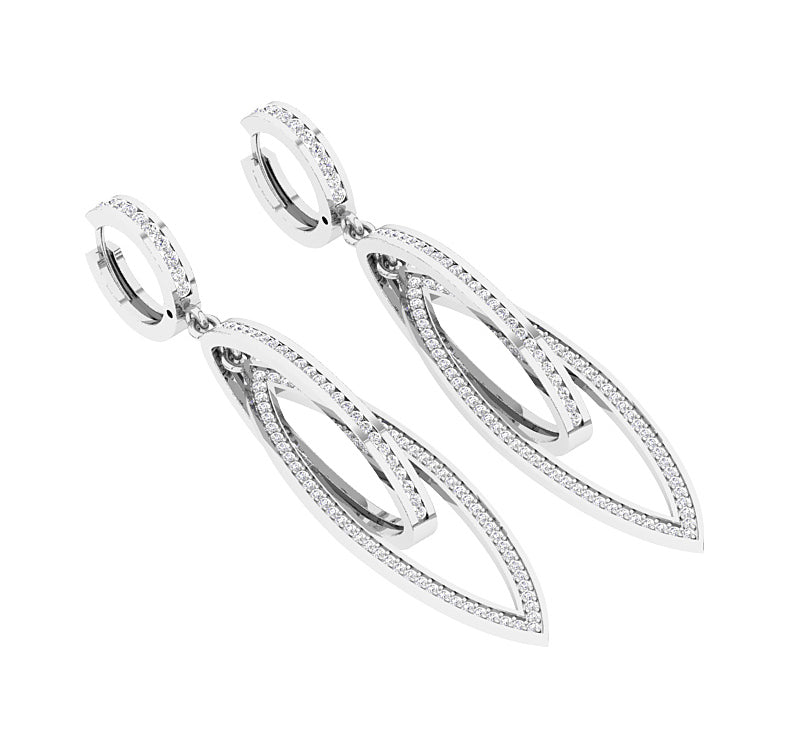
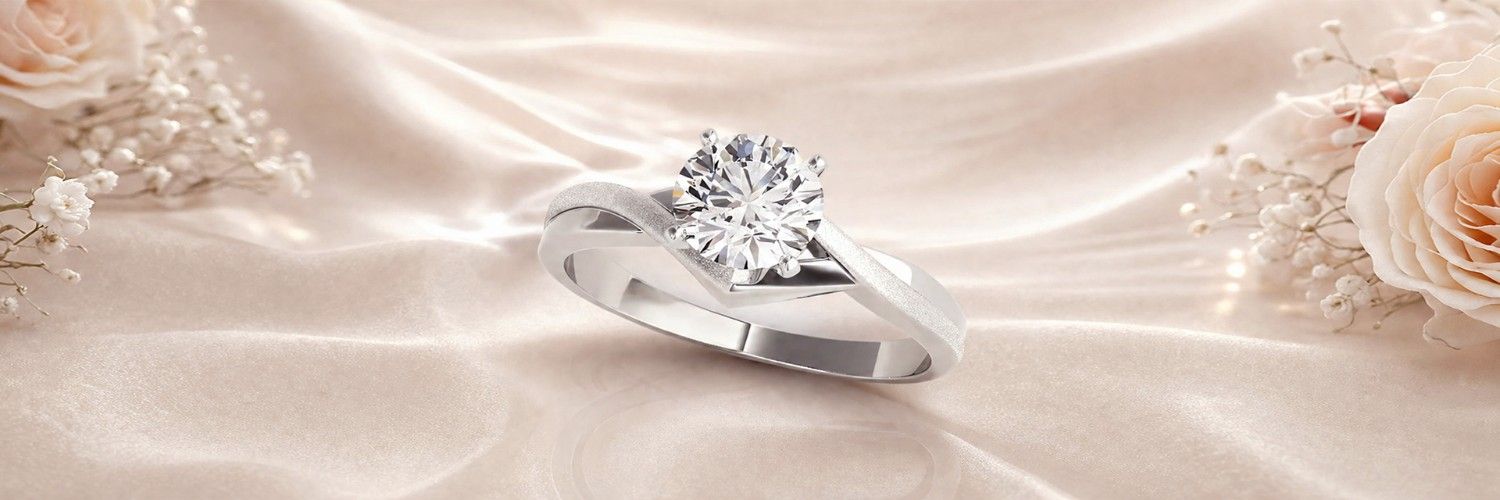
Someone always asks it at the jewelry counter: will this hold its value? It's a fair question. A ring is sentimental, but it's also a valuable purchase, and people want to know what they're actually getting.
The honest answer involves rarity, certification, and market demand, not marketing claims. With natural diamonds being one of the rarer, more expensive gemstones, they are often an investment and something people wish to turn into an heirloom.
Here's what genuinely affects real diamond value, and why natural stones tend to outlast the alternatives.
What Determines a Diamond's Resale Value?
Resale value comes down to four things: rarity, quality, certification, and demand. A diamond with a recognised grading report from GIA or AGS will always resell more predictably than an uncertified stone. After all, buyers pay for proof, not promises.
Second, market demand matters just as much as the diamond itself. Classic shapes like round and oval hold interest across generations. Trend-driven cuts can lose appeal quickly, which affects what a buyer is willing to pay years later.
Third, a rarer, more sought-after stone will always be more valuable than regular clear diamonds that weigh less than one carat.
How Do Natural Diamond Rings Compare to Alternatives?
Lab-grown diamonds are chemically identical to natural ones, but their prices behave differently. This happens because lab-grown diamonds can be produced continuously and the supply keeps growing. As a result, their prices have dropped sharply over the past several years.
Natural diamonds are finite, which supports steadier pricing.
Retail prices for lab-grown diamonds have fallen year over year as production scales up. That trend affects resale directly. A lab-grown diamond bought today may cost less to replace by resale time, which limits what buyers will pay.
|
Stone Type |
Supply |
Typical Resale Pattern |
|
Natural diamond |
Finite, mined |
Holds value more predictably over time |
|
Lab-grown diamond |
Continuously produced |
Prices have declined as supply increases |
|
Moissanite or cubic zirconia |
Unlimited, manufactured |
Minimal resale value |
Why Does Rarity Give Natural Diamond Rings an Edge
Every natural diamond took roughly one to three billion years to form. That timeline cannot be replicated or scaled. Limited supply, paired with steady demand, is the basic economic reason why natural stones tend to outperform manufactured alternatives at resale.
This doesn't mean every natural diamond appreciates. Most retail jewelry, natural or lab-grown, sells for less than its purchase price on the secondary market. Natural stones simply tend to depreciate more slowly and hold a higher floor value.
Mining output has also become more tightly controlled in recent years, as major producers work to stabilize prices. Less new supply, combined with steady demand, tends to protect value better than unlimited manufacturing.
How Does Certification Affect Real Diamond Value
An independent grading report removes guesswork for the next buyer. It confirms carat weight, cut quality, color, and clarity in writing. Rings sold without documentation are harder to value accurately and often sell for less, regardless of quality.
Keep the original certificate somewhere safe, along with any appraisal documents. This paperwork is important if you plan to ever resell, insure, or pass the ring down. It speeds up the process and supports a fair valuation from any buyer or insurer involved.
Is a Natural Diamond Ring Truly a Good Investment
This depends on your definition of an investment. A natural diamond ring is not a liquid financial asset like a stock or bond. Most jewelry sells below retail price on the secondary market, and diamonds don't generate income while you own them.
What natural diamonds do offer is more consistent value retention than most alternatives. If long-term value matters to you, alongside the emotional meaning, that consistency is worth factoring in. A well-cut, certified natural diamond ring is generally the more defensible choice on this specific point.
Treat any diamond purchase primarily as a piece of jewelry you'll wear and love. Its potential to hold value is a reasonable secondary consideration, not the main reason to buy. A financial advisor can speak to true investment options.
Does Timing Affect When You Should Sell
Diamond prices shift with the broader economy, much like other luxury goods. Selling during high demand periods, such as before major holidays, can bring slightly better offers from dealers and private buyers.
There's no perfect moment to sell a natural diamond ring. Most owners sell for personal reasons, not market timing. Still, getting a fresh appraisal before selling helps you understand current value rather than relying on the original purchase price.
What Can You Do to Protect a Ring's Value Over Time
A few habits make a real difference when it comes to preserving resale value later.
Keep the certification and original purchase receipt together
Have the ring professionally cleaned and inspected once a year
-
Choose classic shapes and settings over highly trend-driven designs
-
Insure the ring at its appraised value, and update that value periodically
-
Avoid DIY repairs; use a jeweler for resizing or prong repair
Small maintenance habits protect both the diamond and its documented history. Both matter when it's time to sell, insure, or pass the ring down to someone else.
Wrapping Up: A Kind of Value Worth Wearing
A natural diamond ring won't outperform your retirement account. It shouldn't be bought expecting that. What it offers instead is steadiness, a kind of value that holds up better than most alternatives over time.
That steadiness lives inside a piece you'll actually wear every day, not a certificate tucked in a drawer. If you'd like to see what that looks like, Diamond For Good's collection is a good place to start.
Frequently Asked Questions
How much does a natural diamond ring typically resell for compared to its purchase price?
Most rings resell for 20 to 50 percent of the original retail price. The exact figure depends on quality, the grading, size, and weight of the stone, certification, the metal used, and current demand.
Does diamond size affect resale value more than cut quality?
Diamonds are chosen for their sparkle. As a result, cut quality usually matters more. A smaller, well-cut natural diamond often resells better than a larger stone with poor proportions and weak sparkle.
Do colored diamonds hold value differently than colorless ones?
Rare colored natural diamonds, such as fancy yellow or pink, can hold or increase in value. Extreme scarcity drives this, unlike most colorless stones.
Does the setting or metal affect a ring's resale value?
The diamond drives most of the value. Precious metals like platinum or gold add some resale worth, but settings are typically valued separately from the stone.
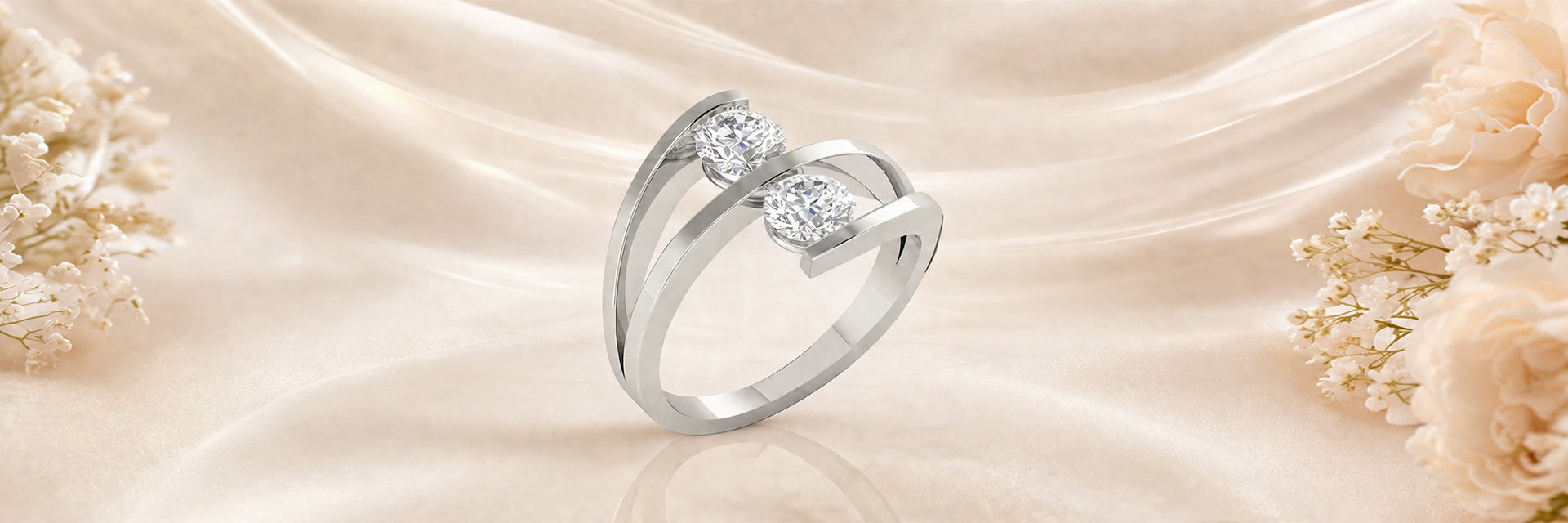
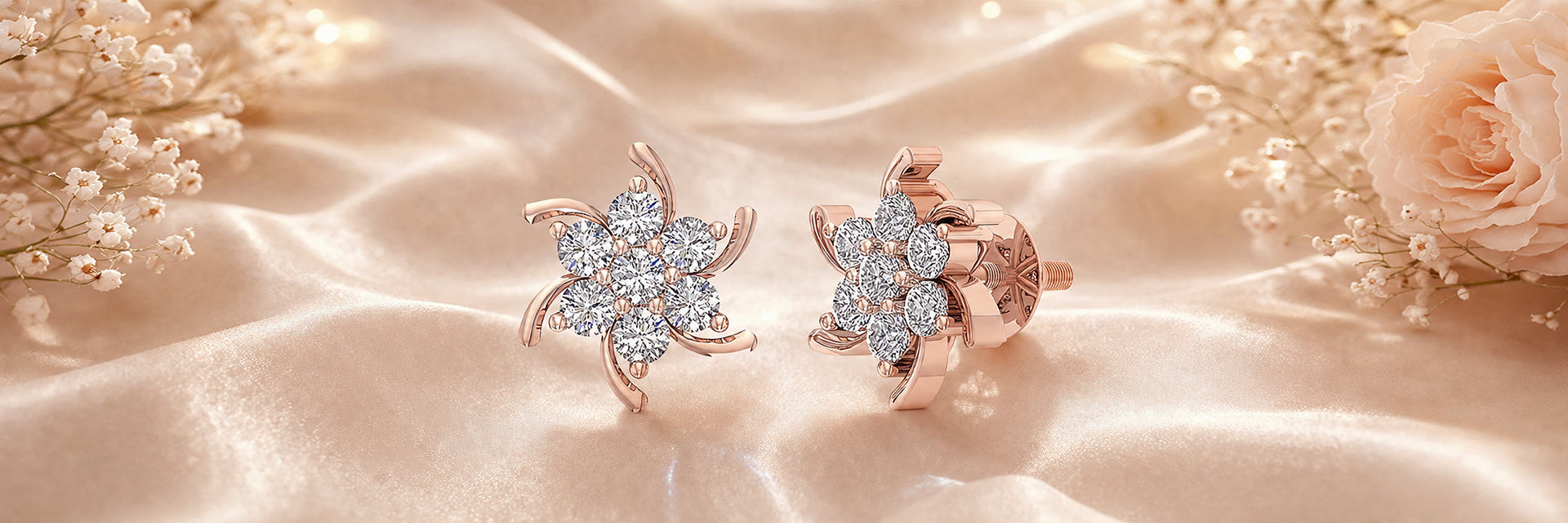

Leave a comment
This site is protected by hCaptcha and the hCaptcha Privacy Policy and Terms of Service apply.