You have decided to gift yourself or a loved one a natural diamond ring. Now comes the hard part of understanding what you are planning to buy. Always remember, a natural diamond ring is a lifetime purchase, not an impulse buy.
Between carat weight, cut quality, and certification, the terminology can feel like its own language. Considering what diamond jewelry costs, the entire process of choosing the right ring to completing the purchase can feel daunting.
This guide breaks down what matters, what doesn't, and how to buy a natural diamond ring you'll love wearing.
What Makes a Diamond “Natural”?
Diamonds are a natural allotrope of carbon, similar to graphite. This is the same graphite that is used in pencil leads, graphite drawing sticks, and even batteries.
A natural diamond forms in the earth over one to three billion years, under intense heat and pressure. In contrast, lab-grown diamonds are chemically identical but created in a facility within weeks. Both are real diamonds. The difference is their origin story, not the composition.
To the naked eye, they both look the same. However, natural diamonds contain trace impurities, distinct microscopic growth patterns, internal graining lines, and, at times, natural inclusions. As a result, all natural diamonds have their own personality.
Where Should You Start When Shopping for a Natural Diamond Ring?
Start with budget, not what diamond size you want. Jewelers typically suggest spending what feels right for your circumstances, not a fixed percentage of income. Once you set your budget, then it's time to explore how far it stretches across shape, size, and setting.
Next, think about the wearer's daily life. Someone who works with their hands may want a lower profile setting. They might also prefer a round, oval, or princess cut stone instead of a marquise, pear, or radiant cut stones which have a dramatic look but can get caught on things. Someone drawn to bold jewelry might prefer a larger center stone. These small details shape which natural diamond ring feels right in the end.
What Are the 4Cs, and Which One Matters Most?
The 4Cs (cut, color, clarity, and carat) determine a diamond's beauty and price. Of the four, cut has the biggest impact on how a diamond sparkles. A well-cut smaller diamond often looks better than a poorly cut larger one.
|
4C |
What It Means |
What to Prioritize |
|
Cut |
How well the diamond is faceted and proportioned |
Prioritize highly; it drives sparkle |
|
Color |
Graded D (colorless) to Z (light yellow tint) |
Near-colorless (G-J) offers strong value |
|
Clarity |
Internal or surface characteristics, called inclusions |
Eye-clean grades (VS2-SI1) are usually enough |
|
Carat |
The diamond's weight, not its size alone |
Balance against budget and finger proportion |
What Diamond Shape Should You Choose?
Round brilliant diamonds offer the most sparkle and suit almost any setting. Oval and cushion shapes appear larger per carat than round stones. Emerald and asher cuts show off clarity, since their broad facets reveal inclusions more easily. Marquise and radiance cuts are more brilliant than others, showing off a dramatic effect.
Shape also affects price. Round diamonds typically cost more per carat than fancy shapes, because more rough material is lost during cutting. If your budget is fixed, an oval or cushion cut ring can stretch it further without losing visual size.
Sourcing and Authenticity: Things to Check Before You Purchase
Before choosing a natural diamond ring, it's equally important to understand where it comes from and how its quality is verified. Knowing what to check before buying helps you make a confident, informed purchase with complete peace of mind.
How Does Sourcing Come Into Play When You Buy a Natural Diamond Ring?
Most natural diamonds sold today are tracked under the Kimberley Process, which restricts trade in conflict diamonds. It is always important to ask your seller how they verify origin. Always get a clear answer from your seller, not a vague assurance.
Traceable sourcing documentation should accompany the ring, not just the loose stone. Some retailers go one step further, tracing diamonds to a specific mine or region.
This level of transparency costs more to maintain. But it also gives buyers confidence about where their diamond actually came from. For a purchase this personal, that clarity is worth asking for.
How Do You Know a Natural Diamond Ring Is Genuine?
Ask for a grading report from an independent lab, such as GIA or AGS. The certificate lists the diamond's exact measurements, grade, and any treatments. A reputable seller of natural diamond rings will provide this without hesitation.
How Do You Buy Natural Diamond Rings Online Safely?
Reputable retailers selling natural diamond rings online offer high-resolution imagery, video of the actual stone, and a written return policy. Check for a grading report before you buy. A clear return window, often 14 to 30 days, protects you if the ring doesn't feel right in person.
Which Ring Setting Protects a Natural Diamond Best?
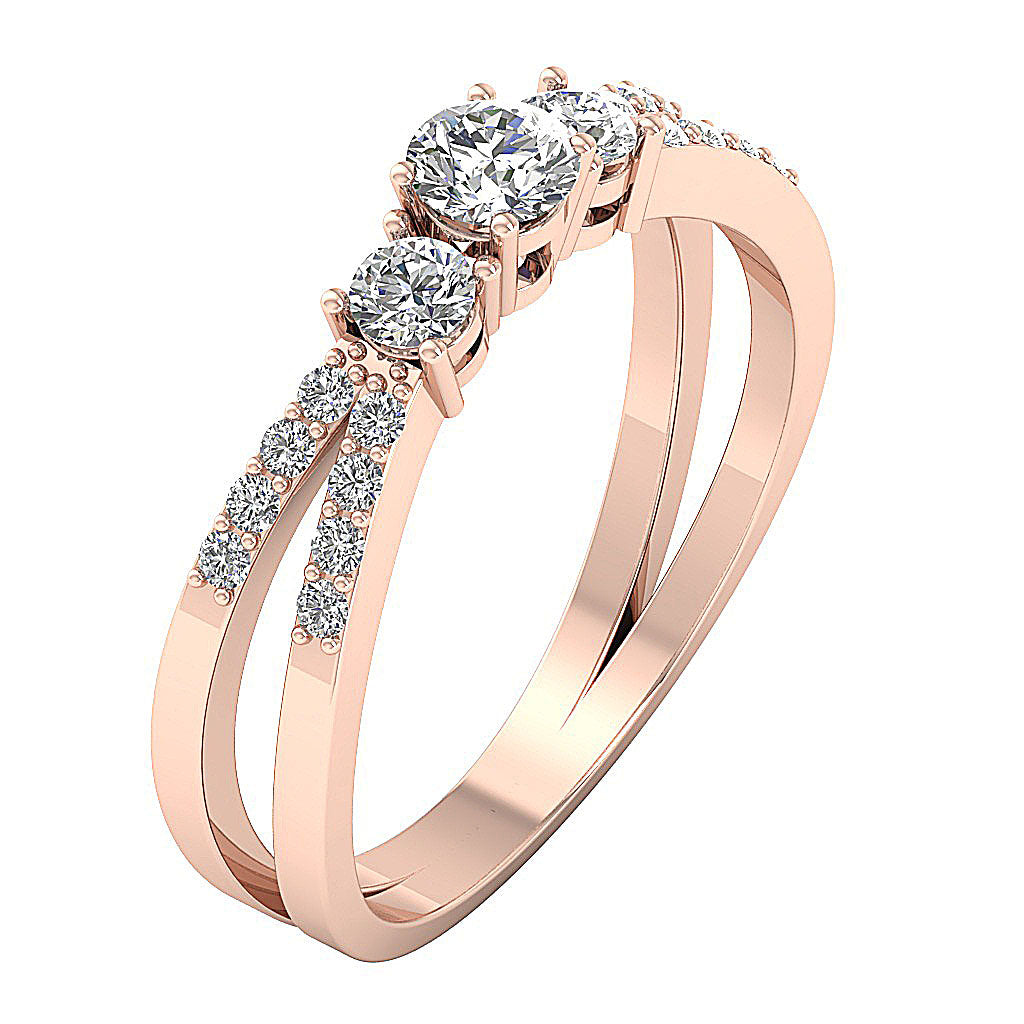
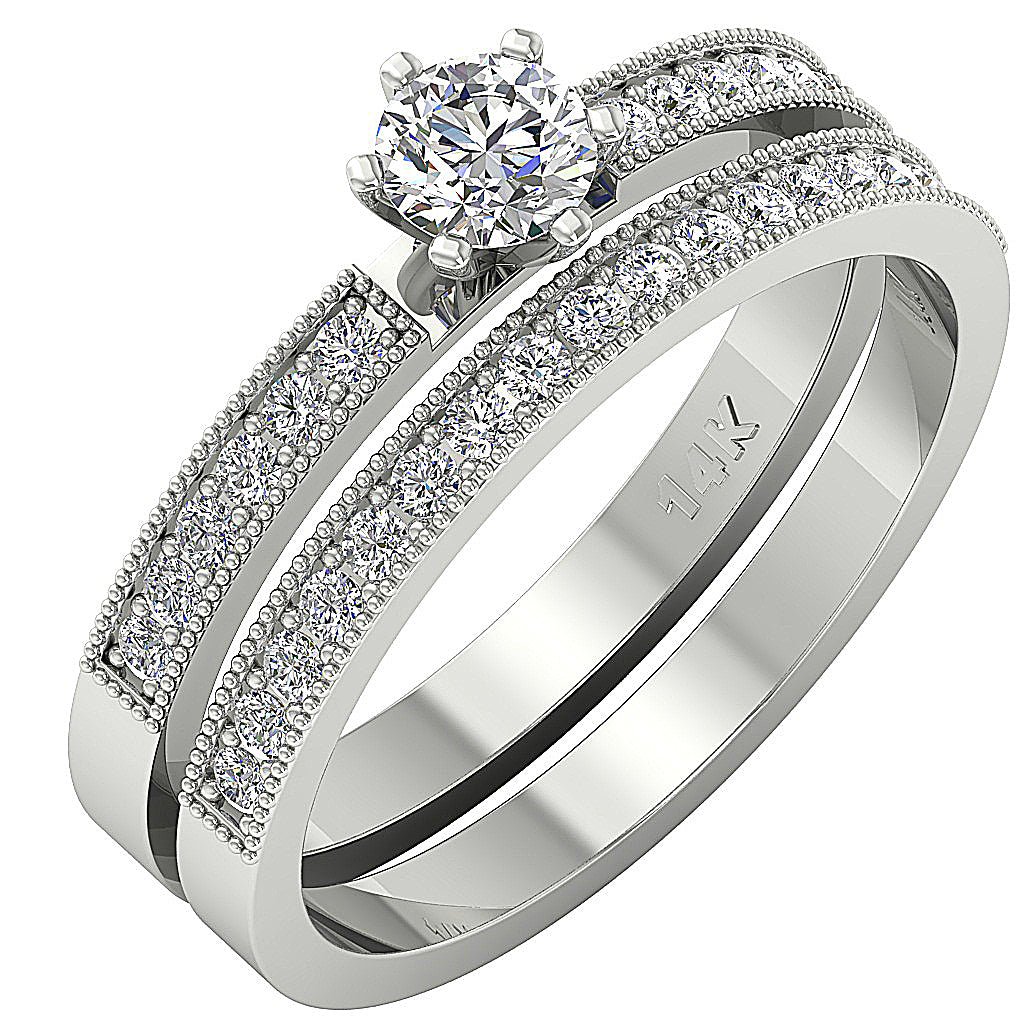
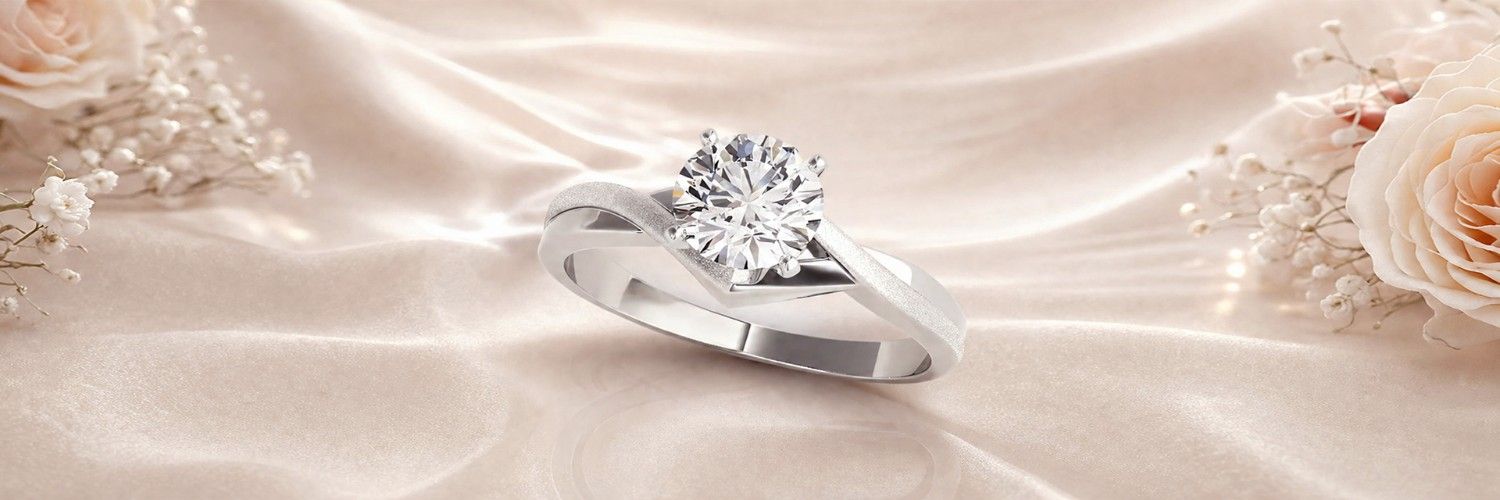
Prong settings show off more of the stone but leave edges slightly exposed. Bezel settings wrap metal around the diamond for extra protection, useful for active lifestyles. Halo settings add smaller stones around the center, making it look larger.
Popular setting styles include:
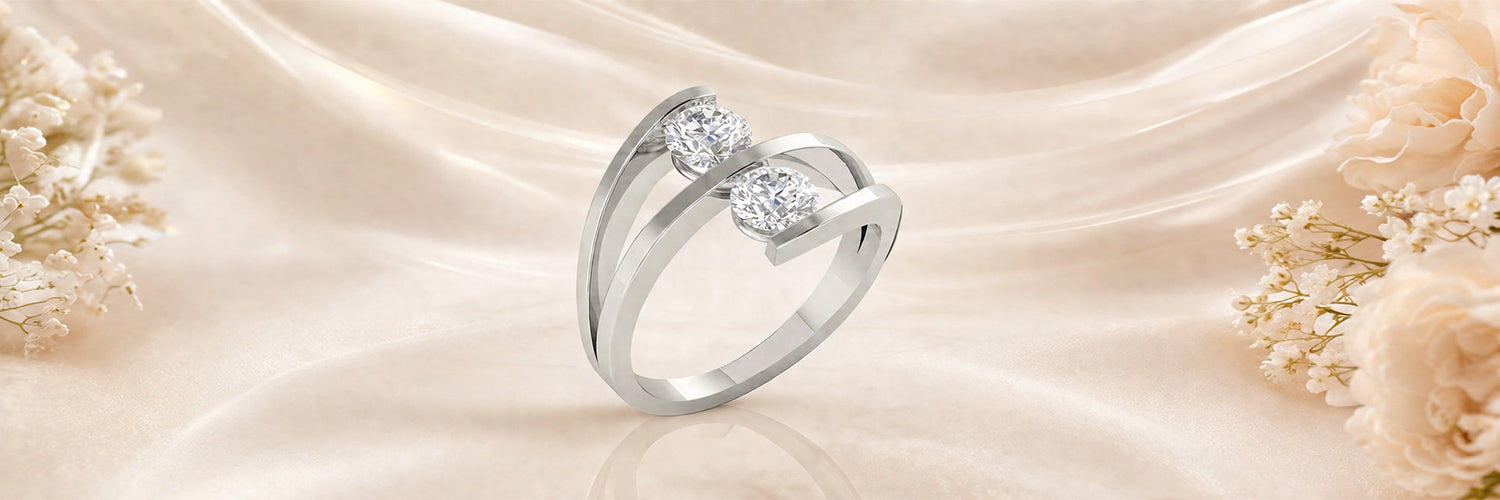
Solitaire: classic and minimal, keeps full attention on the diamond
Halo: smaller stones encircle the center diamond for added sparkle
Three-stone: represents past, present, and future, and adds visual width
Vintage-inspired: milgrain edging and filigree detail for an heirloom feel
What Should You Budget Beyond the Ring Itself?
Factor in resizing, insurance, and cleaning when planning your purchase. Many jewelers include a free resize within the first year. Insurance typically runs one to two percent of the ring's value annually, worth considering for a natural diamond ring.
A professional cleaning once or twice a year keeps the diamond's sparkle consistent. Some jewelers offer this free for life on rings they sell. It's a small detail, but one that adds real value over the years.
Wrapping Up: A Ring Worth Choosing Carefully
A natural diamond ring should feel personal, not just correct on paper. Focus on cut quality, ask for certification, and pick a setting that fits how you live. When you're ready to look closer, Diamond For Good's collection is worth a visit.
Frequently Asked Questions
What metal pairs best with a natural diamond ring?
Platinum and white gold both suit colorless diamonds, while yellow gold tends to complement diamonds with a warmer tone. It is also important to account for your skin tone. Silver and white gold work best for cool undertones, while yellow and rose gold work best for warm undertones.
What's the price difference between a natural diamond ring and a lab-grown one?
Natural diamonds generally cost more than lab-grown diamonds of similar size and quality. Lab diamonds are manufactured using a process that is carefully controlled but straightforward. Natural stones take far longer to form and are rarer to mine.
Can a natural diamond ring be resized after purchase?
Yes, most rings can be resized by a size or two without damaging the setting. However, heavily pavéd bands sometimes have limits since the stones placed on the band can get loose/displaced.
Do natural diamonds hold their value over time?
Yes. Well-cut, certified natural diamonds tend to hold value better than uncertified stones, though resale prices vary by market and demand.

Leave a comment
This site is protected by hCaptcha and the hCaptcha Privacy Policy and Terms of Service apply.