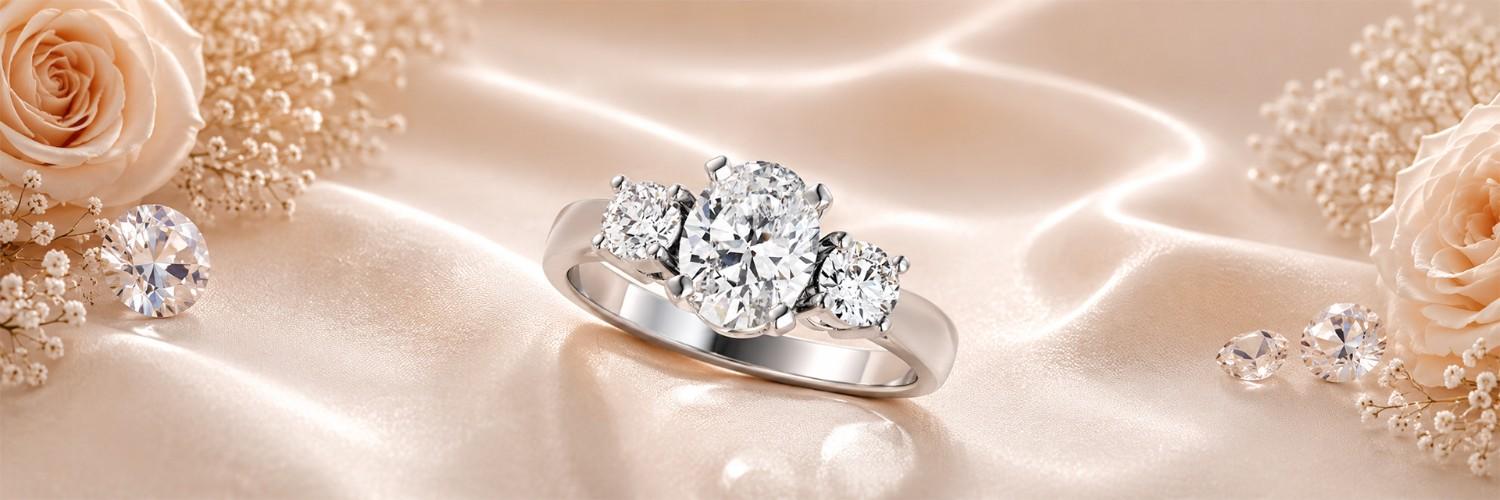
Choosing an engagement ring has never offered more possibilities. Alongside diamonds that formed naturally underground over billions of years, couples can also choose diamonds grown through modern technology. Both possess remarkable brilliance, exceptional hardness, and timeless beauty, and carry the same weight of meaning that's made diamonds the go-to symbol for commitment.
The lab-grown vs natural diamonds conversation isn't really about looks. It's about origin, rarity, how you think about long-term value, and what actually matters to you personally. Some people are drawn to the sheer improbability of a natural diamond, the idea that something took billions of years to exist. Others care more about the design flexibility and lower price that lab-grown options open up.
Neither answer is the "right" one. The right ring matches your priorities and the story you're actually telling.
Understanding the Difference Begins with Their Origin
Every comparison between these two starts in the same place: how each diamond actually came to exist.
Natural diamonds form deep underground, under extreme heat and pressure, over billions of years. Geological forces bring them to the surface, and that process is what makes each one genuinely rare. Their history predates humans by a wide margin, and that history is baked into what the stone is.
Lab-grown diamonds are made in controlled environments using technology that recreates the same conditions found underground, producing the same crystal structure, chemistry, and physical properties as a diamond pulled from the earth.
To the eye, they look the same. Chemically, they are identical. Even trained professionals need specialized equipment to tell one from the other.
But their origin means every natural diamond comes with its own history, while all lab-grown diamonds are manufactured for their brilliance. It's also what drives rarity, pricing, and how much meaning any given buyer attaches to the stone.
Comparing Factors That Matter Most to Buyers
Nobody weighing lab-grown vs natural diamonds is really deciding on one factor alone. Most people are balancing beauty, rarity, budget, long-term thinking, and what the diamond actually means to them.
Appearance
Natural and lab-grown diamonds behave the same way visually. Cut well, either one throws real brilliance, and without specialized testing, you're not going to spot the difference by eye.
Rarity
Natural diamonds are rare because of geology, a process that took billions of years and can't be repeated on demand. Lab-grown diamonds require serious technology to make, but can be produced as demand grows, which makes them fundamentally more available.
Price
Lab-grown diamonds typically cost less than a natural diamond of the same size and grade. Better production methods and wider availability have pushed that price gap further over time, which lets buyers get a bigger stone or a more elaborate setting for the same money. Natural diamonds carry the cost of their rarity and the complexity of sourcing them responsibly.
Long-Term Value
Neither type of diamond should be treated purely as an investment. Lab-grown pricing is still settling as production scales up, while natural diamonds have historically held demand better because supply is genuinely limited. Certification and buying from a trustworthy jeweler matter more than trying to predict the market.
Emotional Significance
For a lot of people, a natural diamond's appeal is the improbability of it, the geological timeline, the connection to family legacy. Others like that a lab-grown diamond is a product of actual innovation, and appreciate what that accessibility buys them: a bigger or more detailed design. The right choice is whichever one reflects your story.
Why Many Couples Continue to Choose Natural Diamond Rings
Natural diamond rings have marked the big moments for generations. Part of the appeal is simple brilliance. The bigger part is the story: a diamond that started forming underground billions of years before anyone was around to want it.
That rarity gives every natural diamond its own character. No two stones formed the same way, which makes each one genuinely singular, not just marketed that way. A lot of couples also like the sense of continuity a natural diamond offers: a ring bought today can become a real heirloom later, carrying family memories forward while keeping the meaning it had on day one.
Rarity, history, and emotional weight together are why natural diamonds still hold their place as the classic choice for anyone who wants their ring to mean something specific.
When Lab-Grown Diamond Engagement Rings May Be the Better Choice
For some buyers, lab-grown diamond engagement rings simply line up better with what they actually want.
On a set budget, a lab-grown diamond can get you a larger center stone or a more elaborate setting without blowing past what you planned to spend. Others just like the design freedom that comes with newer cuts and proportions.
They also tend to appeal to first-time buyers who care more about visual impact, or who'd rather put extra budget into custom work or precious metal.
This isn't tradition versus its replacement. It's a second real option for couples whose priorities point somewhere different. The best choice is the one that actually reflects what you want.
Questions Worth Asking Before You Decide
Good decisions here start with real questions, not a straight comparison chart.
Does the rarity of a naturally formed diamond matter to you personally, or does a bigger stone within budget matter more? Is this ring meant to become a family heirloom someday, or is your focus really on the moment it's marking right now?
Think about how much you actually care about long-term value, craftsmanship, and the diamond's backstory, along with the day-to-day life of the person wearing it and what design will still look right after whatever's trending now has faded.
Answer these questions honestly, and the right answer tends to show up on its own.
Beyond the Diamond: The Ring Still Defines the Experience
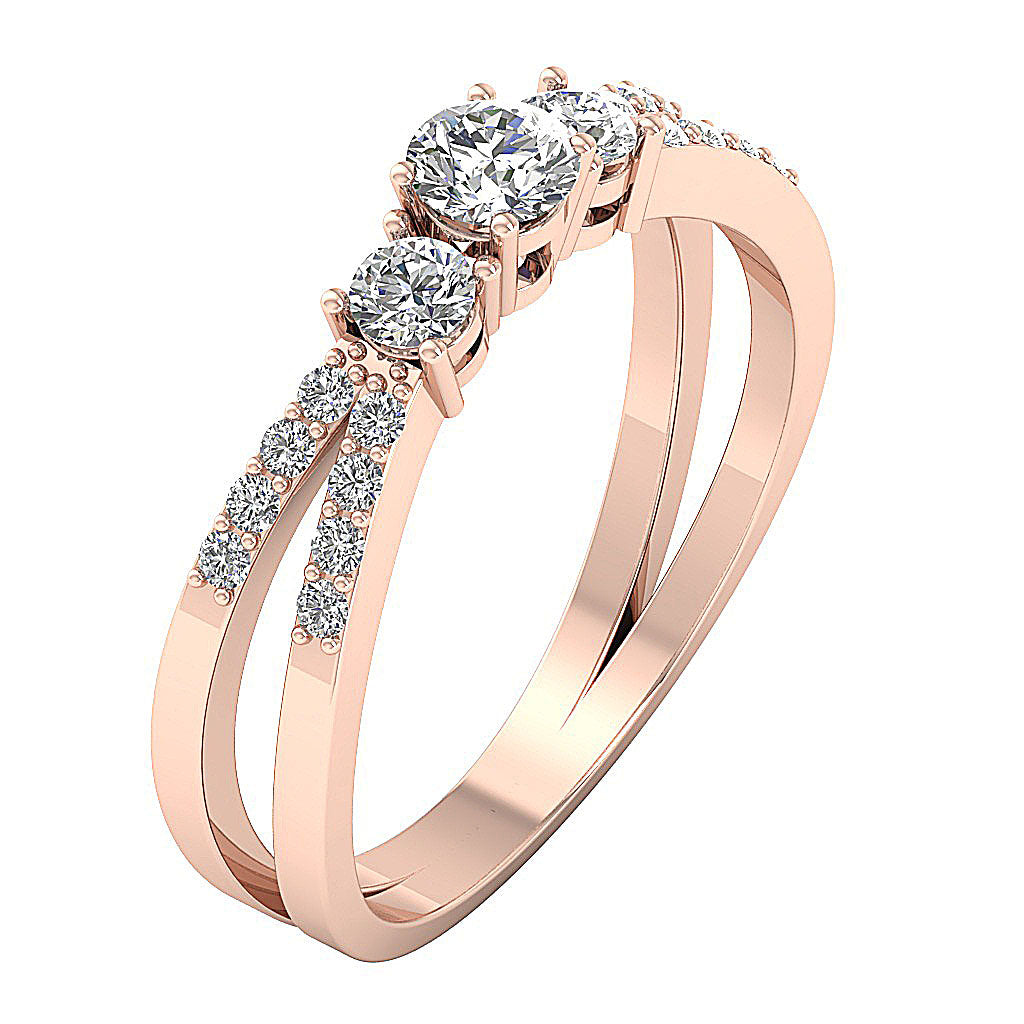
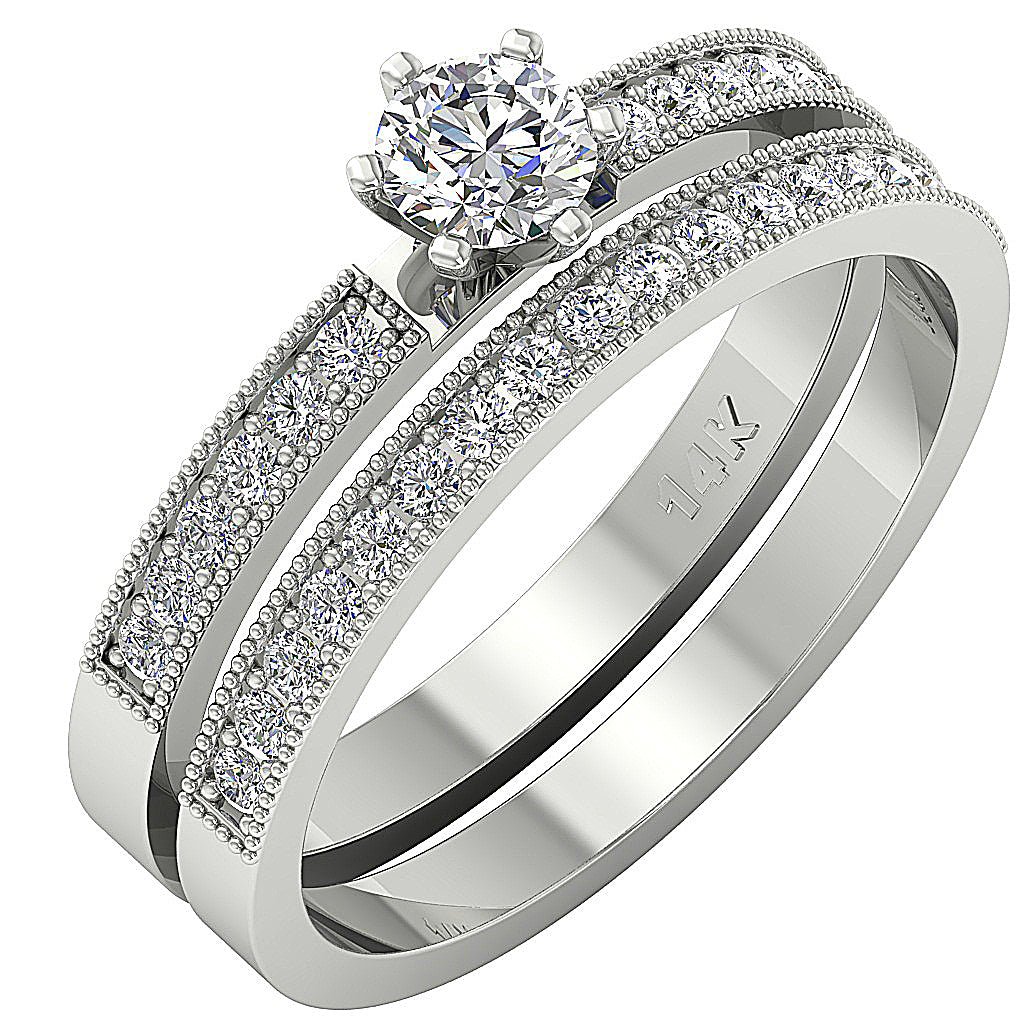
The diamond's origin matters, but the ring as a whole is what actually gets worn and remembered. Real craftsmanship, a thoughtful setting, well-finished metal, and everyday comfort shape what it's like to wear an engagement ring for years.
A properly balanced setting lets the diamond show its brilliance while staying secure through daily wear. Natural or lab-grown, it's the attention to detail in the setting that turns good materials into something worth wearing for the rest of your life.
Making a Choice You'll Appreciate for a Lifetime
An engagement ring should reflect what you actually value, not whatever's currently popular.
Figure out what matters most to you, insist on real craftsmanship, and work with a jeweler who's upfront about sourcing and provides trusted certification. Confidence here doesn't come from following the crowd. It comes from knowing the ring you picked actually represents your relationship.
Years from now, the memories attached to the ring will matter far more than whatever comparison shaped the purchase. The best choice is simply the one that still feels right every time you look at it.
Wrapping Up
The lab-grown vs natural diamonds question was never about crowning one option universally better. It's about knowing what actually matters to you, whether that's the sheer rarity of a naturally formed stone or the accessibility and flexibility that comes with a lab-grown one.
Whichever direction you go, an engagement ring earns its real value through the love and memories attached to it, not the debate that shaped the purchase. Real craftsmanship, thoughtful design, and trusted quality are what make a ring worth keeping.
Ready to find the ring that's right for your story? Explore expertly crafted engagement rings on Diamond for Good, natural and lab-grown alike, and choose the one that actually fits the future you're building.
Frequently Asked Questions
Do lab-grown and natural diamonds age differently?
No. Both have the same hardness and durability, so they maintain their beauty in the same way when properly cared for and professionally cleaned over time.
Can lab-grown and natural diamonds be used in the same jewelry collection?
Yes. Many collectors own both. Each serves different preferences and occasions, allowing a jewellery collection to reflect individual style rather than a single approach to diamond selection.
Is certification important for both natural and lab-grown diamonds?
Yes. Independent certification confirms a diamond's authenticity, key characteristics, and gives you real confidence in its authenticity and grading, regardless of how it was formed.
Should I prioritize the diamond or the ring design?
Ideally, both should be considered together. A beautifully crafted setting, quality metalwork, and balanced proportions are just as important as selecting a diamond that reflects your priorities.

Leave a comment
This site is protected by hCaptcha and the hCaptcha Privacy Policy and Terms of Service apply.