
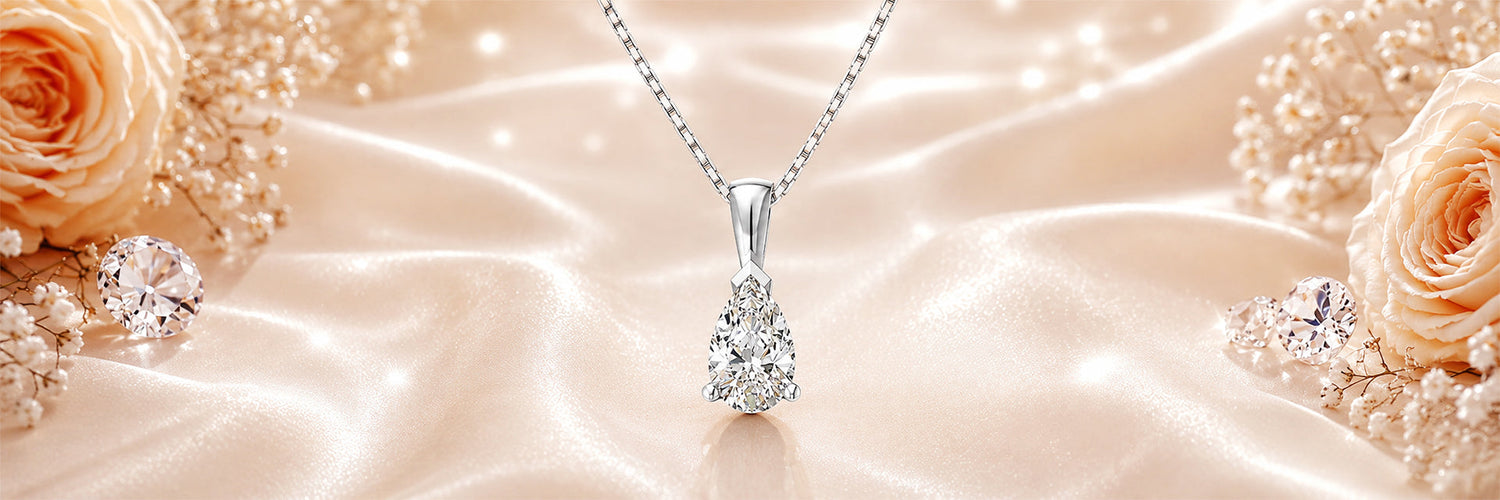
A diamond pendant elevates an outfit without making it look like you are trying too hard. It doesn't need scale or drama to register. It just sits at the center of things, catching light and adding a note of polish that wasn't there a minute ago.
Picking the right diamond pendant is less about finding a pretty design and more about finding one that actually fits your life. A piece that looks perfect at a black-tie dinner might feel wrong at your desk on a Tuesday, while a well-chosen classic can move from a morning meeting to a wedding without missing a beat.
Get the craftsmanship, proportion, and personal style right, and a diamond pendant stops being just another piece of jewelry. It becomes the thing you reach for without thinking, worn for years, holding onto memories long after whatever was trendy when you bought it has stopped mattering.
A Diamond Pendant Is More Than a Necklace
A diamond pendant has an odd talent: it manages to be both quiet and memorable at once. It is never the centre of attention, but still makes whoever's wearing it look a little more finished.
Unlike pieces you save for special occasions, a well-chosen pendant tends to become part of ordinary life. It shows up on regular days as easily as big ones, and picks up sentimental weight the longer you wear it.
Design shapes how it reads. A simple solitaire is quiet by nature; more detailed settings bring more visual weight without losing the elegance. Worn alone or layered with other pieces, a pendant ends up saying something about your style rather than following whatever's in fashion.
The pendants worth keeping are the ones that still make sense decades later, carrying more meaning with every year you've worn them.
Start with the Neckline, Not the Pendant
Good styling starts with proportion, not the pendant. Figure out the neckline first, then let the pendant follow.
V-Necklines: A V-neck already draws a clean line, and a chain that follows it just continues that line. A pendant resting inside the V keeps the look balanced and pulls the eye toward the center.
Round or Crew Necklines: These tend to look better with a slightly longer chain, which keeps the pendant from feeling boxed in and gives the diamond room to be the focal point.
Strapless and Sweetheart Necklines: These necklines are basically built for a well-proportioned pendant. Sitting at the center, the diamond adds polish without fighting the line of the garment.
Collared Shirts: A pendant works under an open collar for something subtler, or over a buttoned shirt for a more modern look, as long as the proportions make sense.
High Necklines: A longer chain adds vertical movement that plays well with a higher neckline. Rather than crowding the outfit, it stretches the look and keeps things feeling considered.
None of this is a hard rule. The point is dressing cohesively, when the clothing and jewelry work with each other.
Matching the Pendant to the Occasion
The same pendant can deliver a different aesthetic depending on where you wear it. Thinking about the occasion first is what keeps a look feeling effortless instead of overdone.
Everyday Wear: Daily jewelry is about versatility: clean lines, sensible proportions, brilliance that doesn't demand attention.
Professional Settings: Work calls for something polished, not loud. A delicate pendant adds quiet sophistication without pulling focus from the rest of a professional wardrobe.
Celebrations and Evening Events: Evenings can handle more flair. A slightly larger diamond or a more detailed setting catches shifting light well and gives formal attire a real focal point.
Weddings and Formal Occasions: Classic designs are still the safest, best choice for milestone events. A timeless pendant adds elegance without competing with the dress or other jewelry.
Meaningful Gifts: Diamond pendants have long marked birthdays, anniversaries, and graduations. Their staying power is what makes them gifts that keep meaning something after the occasion has passed.
Why Solitaire Diamond Pendants Never Go Out of Style
Few pieces of fine jewelry have the staying power of a solitaire diamond pendant. Built around a single natural diamond, its appeal comes from restraint, letting the craftsmanship and the stone's brilliance do the talking.
Its versatility is hard to match. A solitaire diamond pendant works with casual clothes, holds its own in a professional wardrobe, and fits just as well at a wedding or a formal evening out. It doesn't chase trends. It just adapts to whatever stage of life you're in.
The clean shape also makes it easy to layer. Worn alone, it's a timeless focal point. Paired with other chains at different lengths, it becomes part of a larger, curated look without losing its own identity. It works at any age and fits nearly any occasion, which is why the solitaire remains one of the smarter long-term investments in fine jewelry.
Choosing the Right Chain for Your Diamond Pendant Necklace
The pendant might be the centerpiece, but the chain does just as much work in making a diamond pendant necklace feel like one cohesive piece instead of two separate purchases.
Chain length changes how the pendant sits against different necklines: shorter chains frame the collarbone, while longer ones add movement and suit higher necklines or layered looks. Thickness needs to stay proportional to the pendant. A delicate chain keeps the diamond as the focal point, while a bolder chain can carry a larger or more detailed pendant without looking flimsy.
Metal color also shapes the overall feel: platinum reads crisp and modern, while yellow and rose gold bring warmth. If you like layering, complementary lengths and slightly different textures add depth without crowding the main pendant.
Comfort still matters most. A well-made chain should feel secure and balanced enough that you forget you're wearing it.
Design Details That Make a Lasting Difference
The best diamond pendants show their quality in details that matter well after the trend cycle has moved on. A well-cut natural diamond throws real brilliance, and a carefully built setting lets that show without sacrificing security, whether it's held by claws or a bezel.
The chain-to-pendant ratio matters too. A well-balanced design hangs naturally and keeps the diamond sitting at the right length, all day. Good metal finishing, a dependable clasp, and careful polishing add up to something that holds up. Where it's available, independent certification adds confidence in the diamond's authenticity.
Choosing a Pendant You'll Love for Years, Not Seasons
The jewelry people keep for decades is rarely picked to match a single season. It just becomes part of daily life, quietly present for whatever's happening.
When you're choosing a diamond pendant, think about how it fits with your existing wardrobe, your other jewelry, and the occasions you actually show up to most. A timeless design stays just as relevant years down the line as it is right now.
As anniversaries and family milestones pile up, a well-chosen pendant collects memories no trend can compete with. It stops being a purchase and becomes something closer to an heirloom, valued as much for what it's seen as for how it's made.
Wrapping Up
The right diamond pendant is the one that fits both the person wearing it and the life they're actually living. Get the neckline, occasion, craftsmanship, and personal style working together, and the result feels effortless instead of forced.
Whether you're drawn to the simplicity of a solitaire diamond pendant or something with more detail, real craftsmanship and natural diamonds are what keep a piece looking right long after trends move on.
Ready to find the pendant you'll actually wear for years? Explore a collection built on craftsmanship and lasting design, and choose a piece meant to be passed down rather than replaced.
Frequently Asked Questions
Can I wear a diamond pendant every day?
Yes. A well-made diamond pendant with a secure setting and a durable chain holds up fine for daily wear, staying comfortable and elegant whether it's an ordinary day or something bigger.
What pendant size looks most elegant for everyday wear?
A modestly sized pendant usually offers the most versatility. It works with both casual and formal outfits while keeping the diamond's brilliance as the actual focal point.
Should my diamond pendant match my earrings exactly?
Not necessarily. Coordinating metal tones creates harmony, but the pieces don't need to match exactly. Complementary designs often look more natural and put-together than a matched set.
Can a diamond pendant become a family heirloom?
Yes. A well-made natural diamond pendant combines materials and design built to last, which makes it a realistic piece to pass down rather than something bought for one occasion.

Leave a comment
This site is protected by hCaptcha and the hCaptcha Privacy Policy and Terms of Service apply.