An engagement ring marks the beginning of a shared future. It’s not chosen for a single moment. It's chosen for every ordinary Tuesday that follows. While its beauty may catch the eye, its true value lies in the story it carries.
Most couples start their search assuming a beautiful natural diamond engagement ring has to cost a fortune. In reality, a well-chosen diamond, set with real craftsmanship and a design that suits the wearer, can feel just as extraordinary at any budget.
The most memorable rings aren't necessarily the biggest ones in the room. They are beautifully proportioned, expertly crafted, and chosen with intention. Understanding what shapes a diamond's beauty, from cut to certification, means you can invest with confidence in something that still matters in thirty years.
What Actually Determines the Price of a Natural Diamond Engagement Ring?
A diamond's value comes from rarity, craftsmanship, and proportion working together, and that's where any honest engagement ring buying guide has to start: the Four Cs.
The cut lays the foundation of a diamond’s brilliance. Precision cutting lets light move through the stone the way it should, which is where the sparkle comes from. Even a modestly sized diamond can appear extraordinary when its cut is exceptional.
Color refers to the stone's natural tint. Higher colour grades are prized for their crisp, luminous appearance, while near-colourless diamonds often offer remarkable beauty and excellent value.
The clarity refers to the natural characteristics formed during the diamond's creation deep within the earth. Most inclusions are microscopic, which is why an eye-clean diamond is such a smart middle ground.
Carat refers to weight, rather than size. Two diamonds at the same carat weight can look different depending on their proportions and cut precision.
A diamond’s shape influences its value too. The Round Brilliant remains highly sought after for light performance, while Oval, Pear, Cushion, Emerald, and Princess cuts each bring their own presence.
The diamond is only part of the equation. Setting, metal, finishing, and certification all shape the ring, and what it will still be worth to the people who inherit it.
Set Your Budget Before You Start Shopping
The most thoughtful engagement rings begin not with a price tag, but with a clear sense of purpose. More people now set a budget that reflects their financial priorities rather than outdated traditions, allowing the purchase to feel both meaningful and comfortable.
Knowing your number early changes how you shop. Chasing the largest diamond possible is rarely the smartest move; an excellent cut and graceful proportions usually leave a bigger impression than raw carat weight.
Leave room, too, for resizing, insurance, and a wedding band that will sit next to this ring for the rest of its life.
Getting the Most Out of Every Budget
At entry-level budgets, the right diamond can hold real presence, as long as cut takes priority over size. A smaller center stone with an exceptional cut throws more light than a bigger one cut for yield. A classic solitaire keeps it as the obvious focal point, and Oval or Pear shapes read larger than their carat weight suggests.
At mid-range budgets, couples often trade carat weight for a stronger color grade or better cut. This makes the ring look better proportioned. A halo rings the center stone in smaller diamonds for added brilliance; a pavé band adds sparkle along the shank.
At premium budgets, the conversation shifts from size toward rarity and craftsmanship that doesn't get rushed. Larger diamonds paired with top-tier cut grades show a depth of brilliance hard to describe until seen in person. Rare shapes and bespoke settings push a ring past "fine jewelry" into heirloom territory, where hand-finished details are built to outlast trends.
Which Diamond Shape Offers the Best Value?
There's no single shape that offers the most value. It depends on how you prioritize brilliance, visual size, or personal style. The Round Brilliant remains the benchmark for sparkle. Oval and Pear diamonds create the illusion of a larger stone through their elongated shape.
Cushion cuts bring rounded corners and a softer, romantic look, while Emerald cuts favor clean lines and sophistication over maximum sparkle. Princess cuts read modern, with sharp lines and serious brilliance, while Radiant cuts combine brilliance, sophistication, and versatility.
Rather than chasing whatever's "best" on paper, choose the shape that feels like the person who's going to wear it.
Choosing the Right Setting to Enhance Your Diamond
A setting isn't just there to hold the diamond in place. It shapes how the whole ring reads.
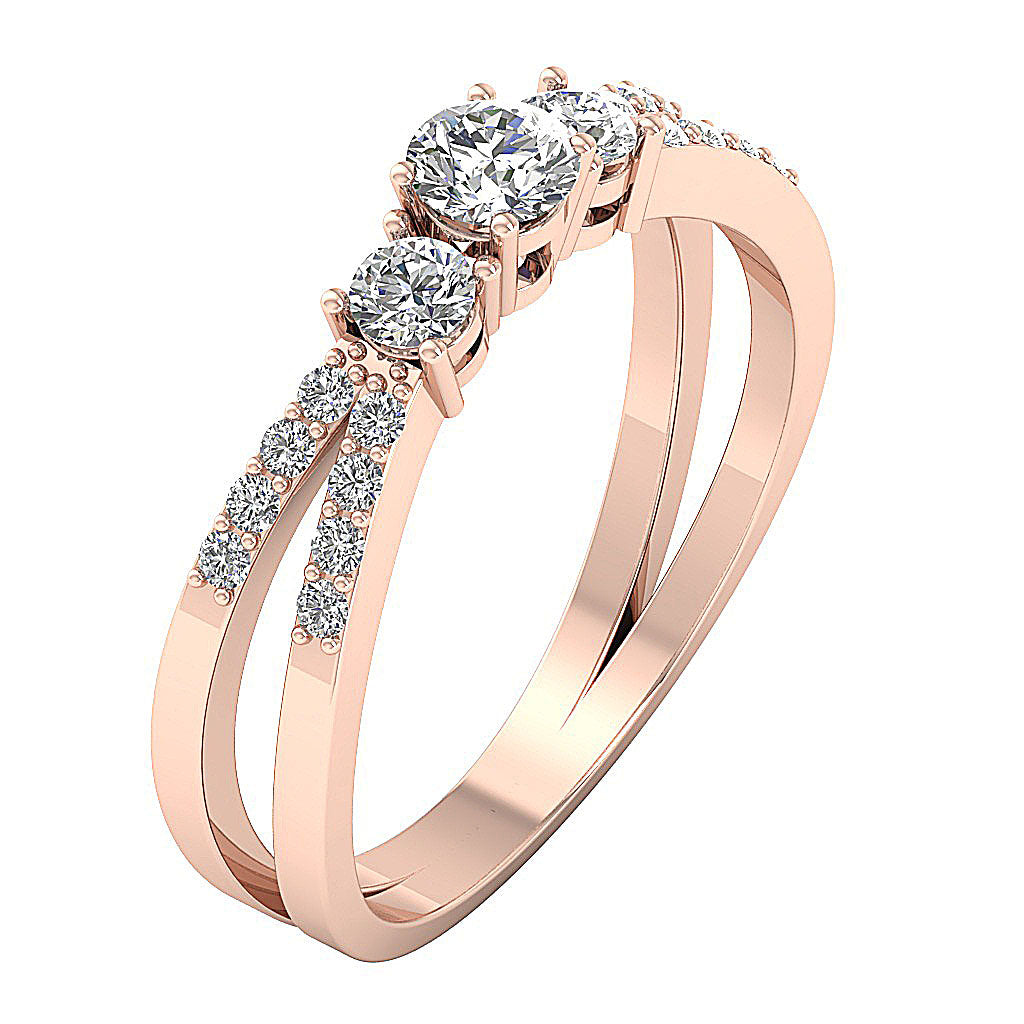
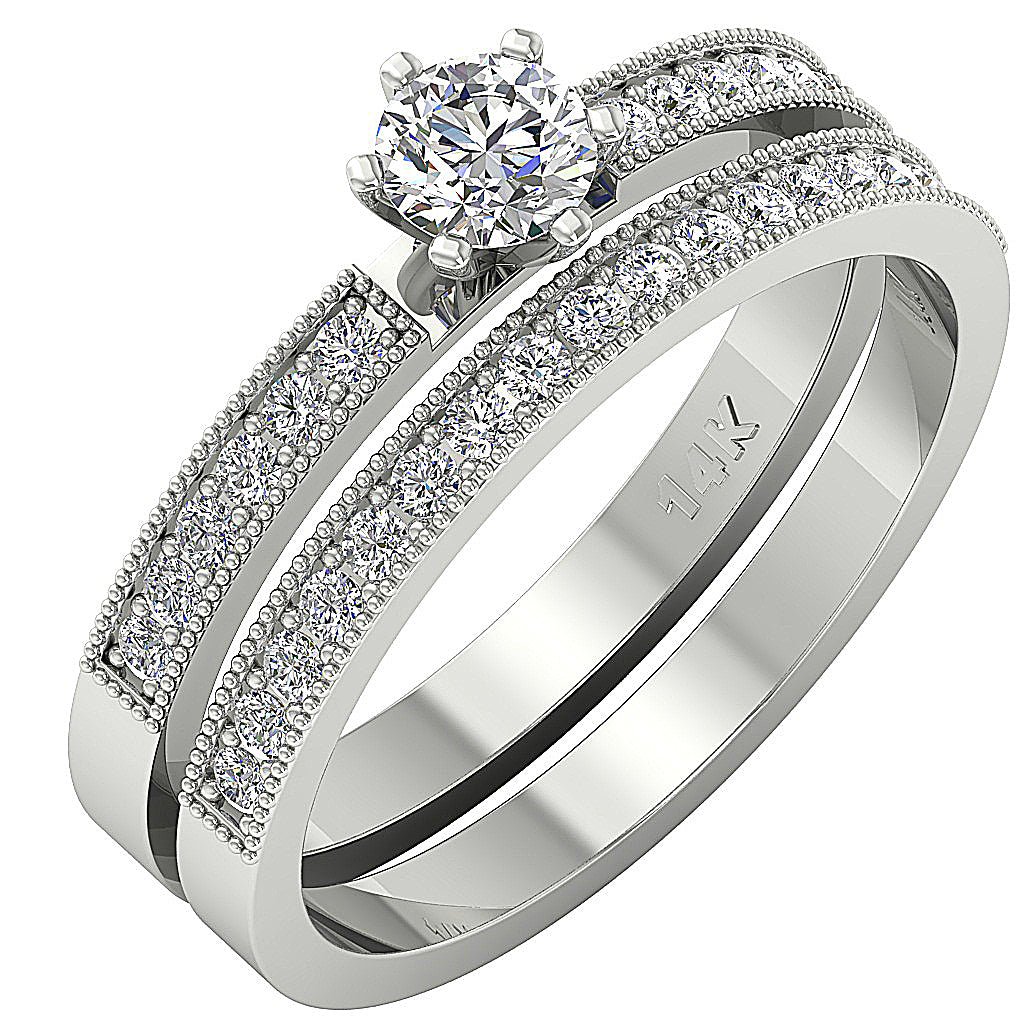
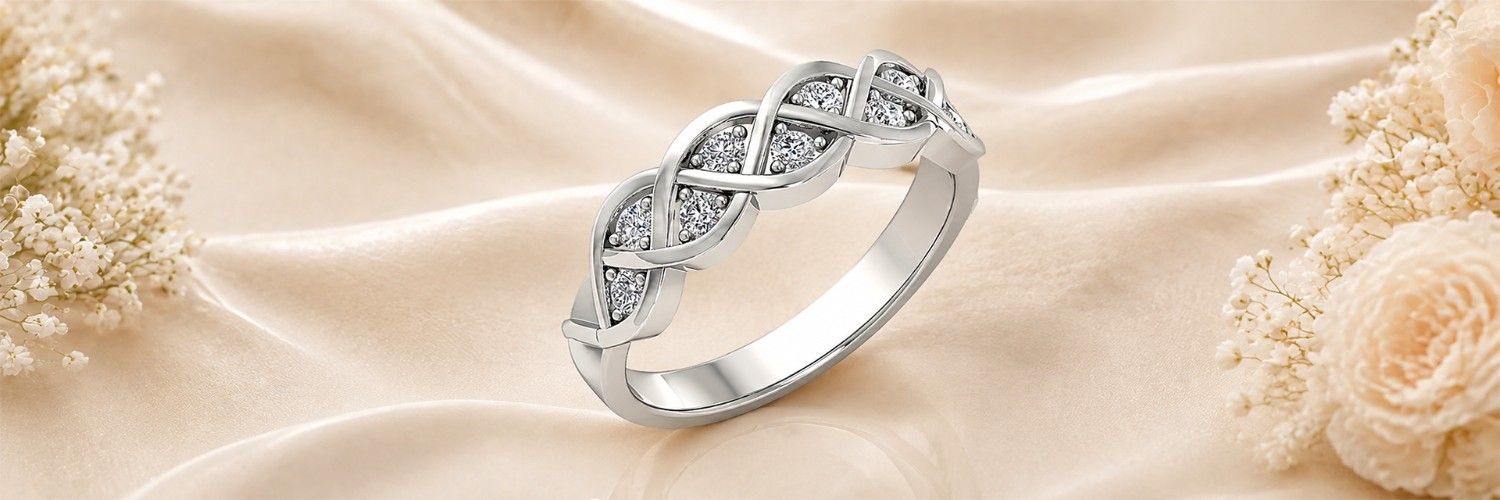
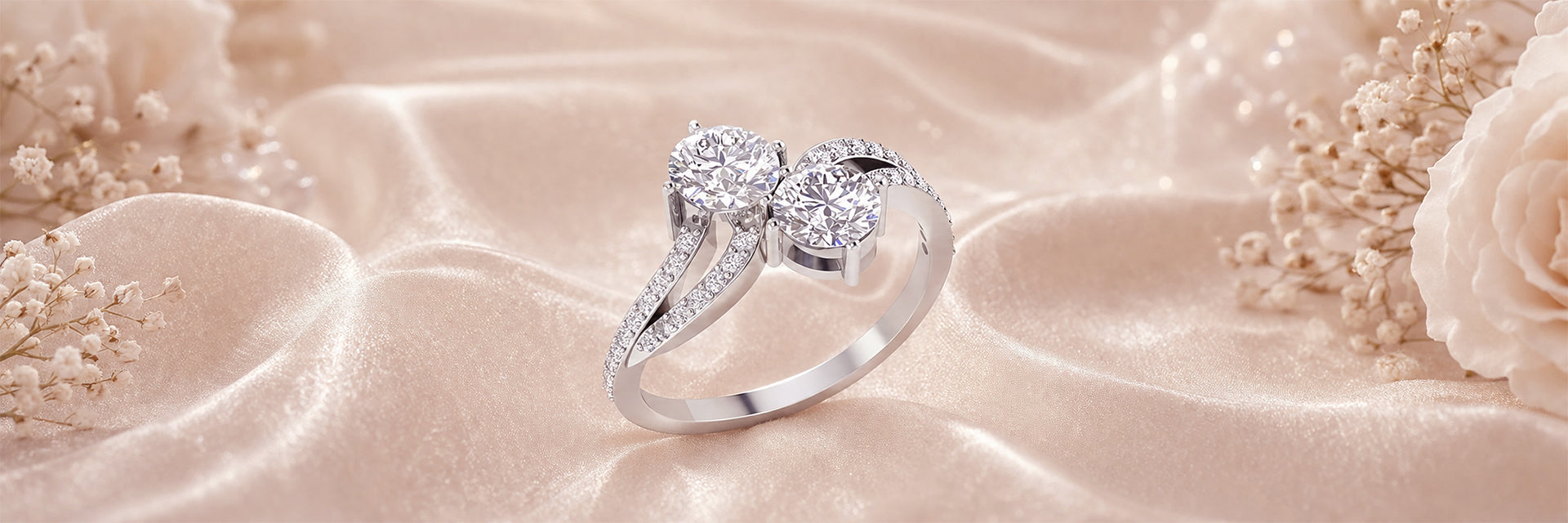
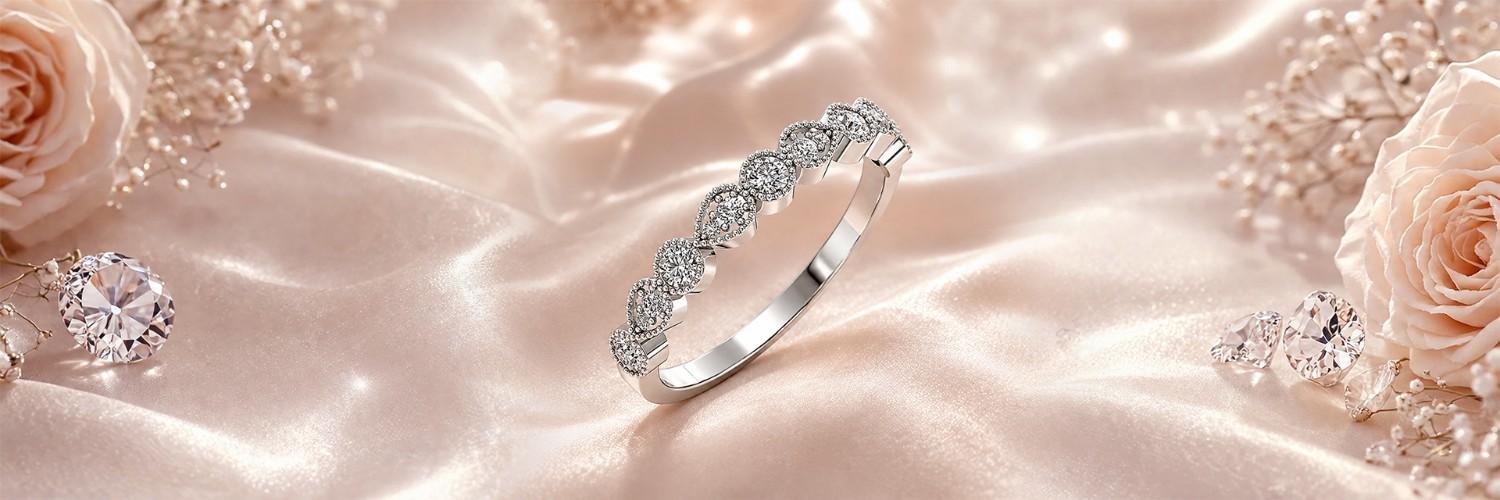
A solitaire is elegant and lets the diamond own the moment completely. A halo setting wraps it in accent stones for added sparkle, while a hidden halo does the same job with more restraint. Three-stone settings stand for past, present, and future. Pavé bands introduce continuous brilliance across the ring. Bezel settings wrap the diamond in polished metal for a cleaner look with added everyday protection.
The finest diamond engagement rings achieve harmony between the diamond and its setting, ensuring every element works together to create a piece that feels effortless, elegant, and enduring.
Why Certification Matters When Buying a Natural Diamond
Confidence starts with knowing exactly what you're buying. An independently certified natural diamond gives you complete clarity about the qualities that make each stone unique. A grading report lays out the diamond's cut, color, clarity, and carat weight against recognized international standards.
The documentation also supports long-term value by offering reliable documentation for insurance, future appraisals, and family estate planning. Certification isn't paperwork for its own sake. It's how you buy with confidence instead of hope.
A Beautiful Ring Is One That Feels Personal
The rings people remember longest were never chosen to match a trend. They were chosen because they felt unmistakably like the person wearing them.
The right ring should fit how it will actually be worn, day after day, comfort and durability mattering just as much as brilliance. Years from now, anniversaries and ordinary Tuesdays will add meaning no grading report could capture.
The finest ring is not necessarily the rarest or the largest. It is the one that tells your story with authenticity and grace.
Wrapping Up
Choosing a natural diamond engagement ring comes down to thoughtful decisions, not the size of the check you're willing to write. When cut, craftsmanship, design, and certification come together, beauty stops being about budget at all.
The right ring is the one that feels like it belongs to your story, reflecting your style and the life you're about to build together. It will catch the light in every photo, but its real value comes from what it collects over the years that follow.
Ready to find the one that feels like yours? Explore the collection on Diamond for Good, built on authenticity and lasting craftsmanship, and start the search for a ring meant to become part of your family's story.
Frequently Asked Questions
Is a larger diamond always the better choice?
Not necessarily. A diamond with an exceptional cut often reads more brilliant than a bigger stone with a weaker cut. Proportion and craftsmanship usually matter more than size on their own.
Which metal works best for diamond engagement rings?
Platinum holds up well over decades and keeps a naturally white finish. Yellow, white, and rose gold each bring their own character, and the right one comes down to your style.
What's the difference between a halo and a hidden halo setting?
A halo surrounds the center stone with visible accent diamonds, adding brilliance and visual size. A hidden halo tucks that same ring of diamonds underneath the center stone, so the sparkle shows only from certain angles.
Do I need a certified diamond if I'm buying from a trusted jeweler?
Certification is worth having regardless of where you buy. It gives you an independent record of the diamond's quality, which matters for insurance, resale, and any future appraisal.

Leave a comment
This site is protected by hCaptcha and the hCaptcha Privacy Policy and Terms of Service apply.