Three Stone Rings
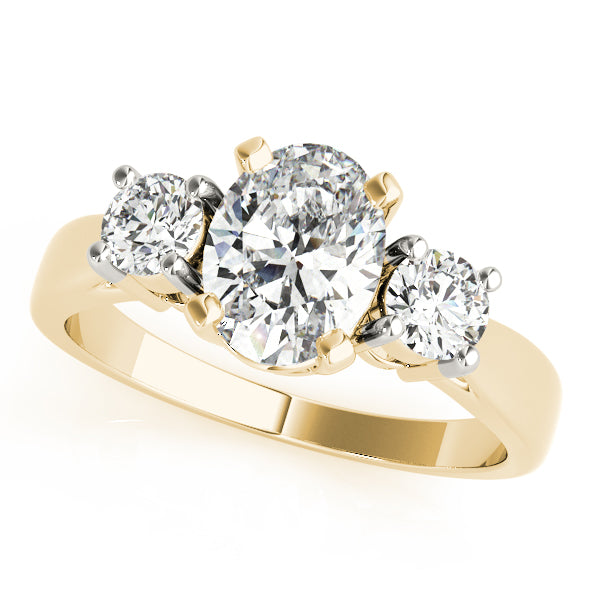
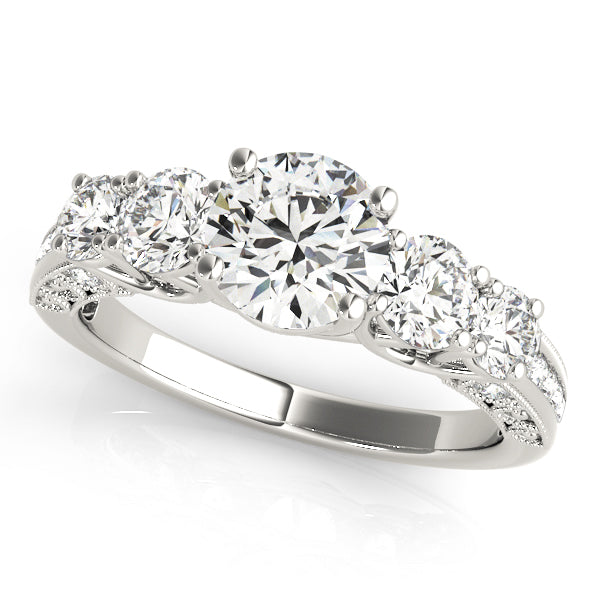
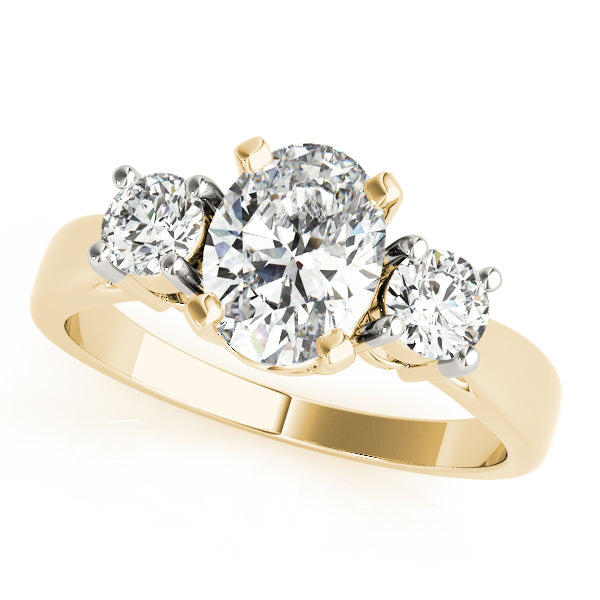
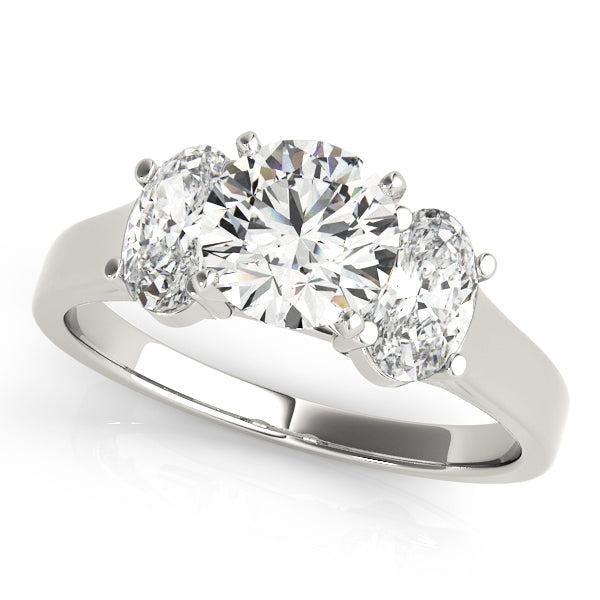
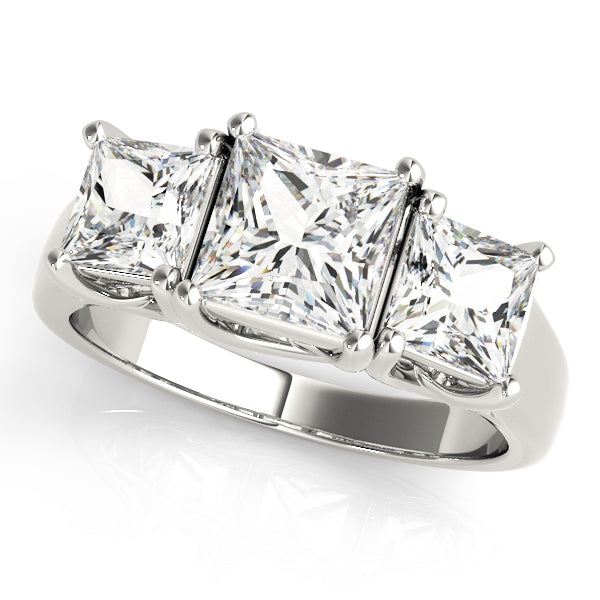
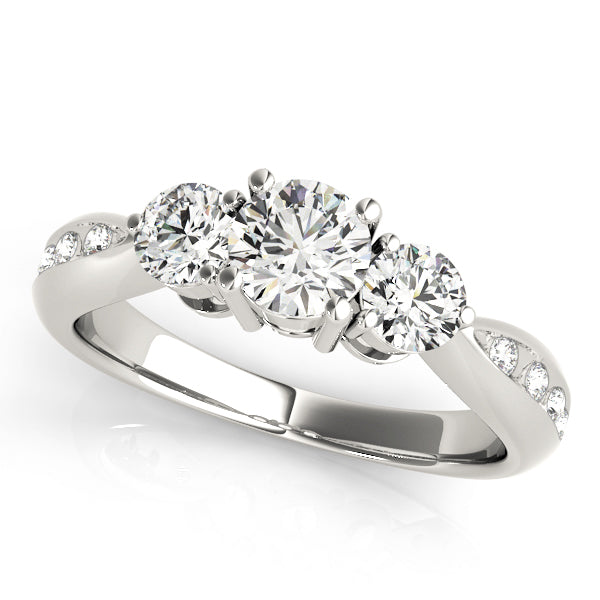
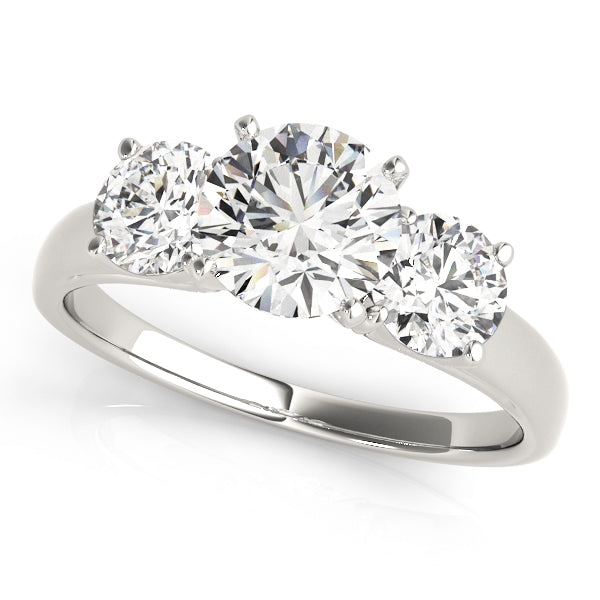
Three stones set in a line catch light differently than one ever could. Brilliance comes from three separate points instead of a single source, and it spreads across the finger rather than concentrating at its center. The three-stone ring format dates to the late nineteenth century, and it has stayed popular for a reason that has little to do with symbolism: three smaller, well-matched diamonds can carry more visual presence than a single stone of the same total weight.
How the Proportions Work in Three Stone Rings
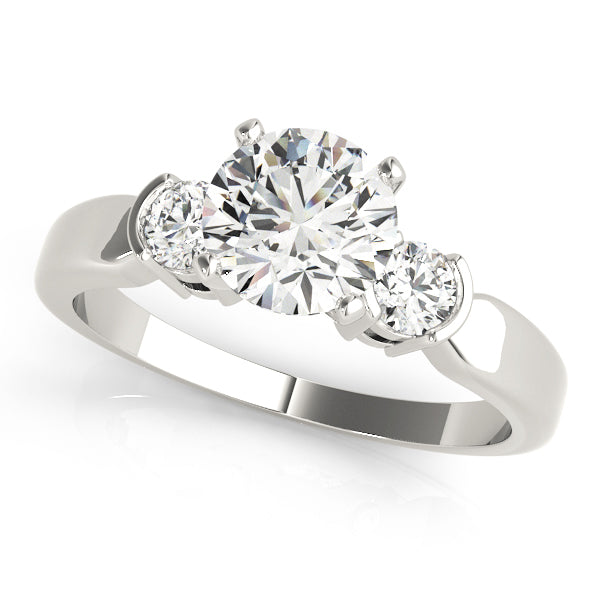
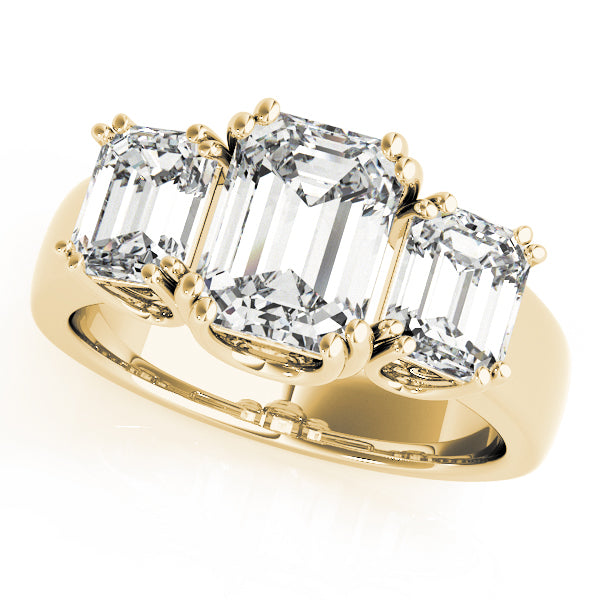
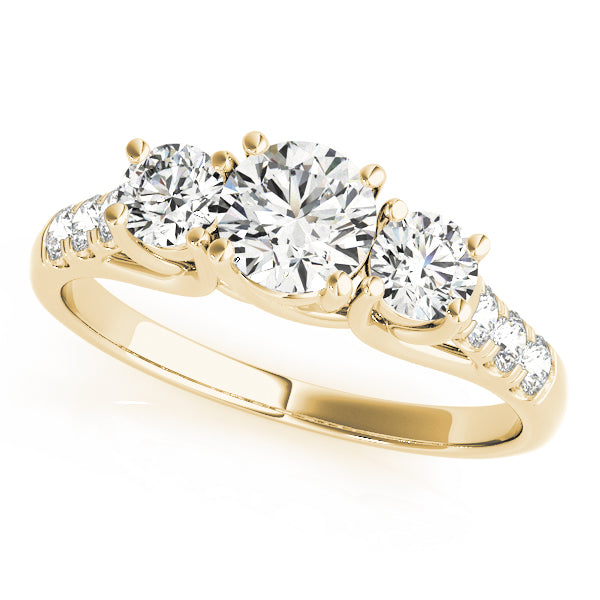
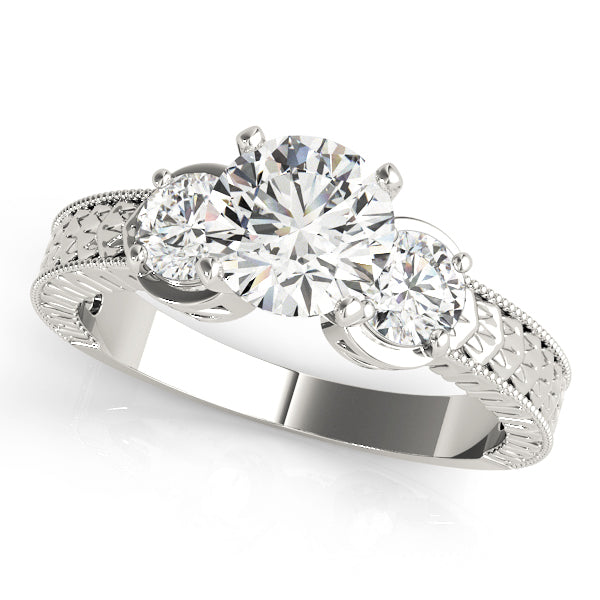
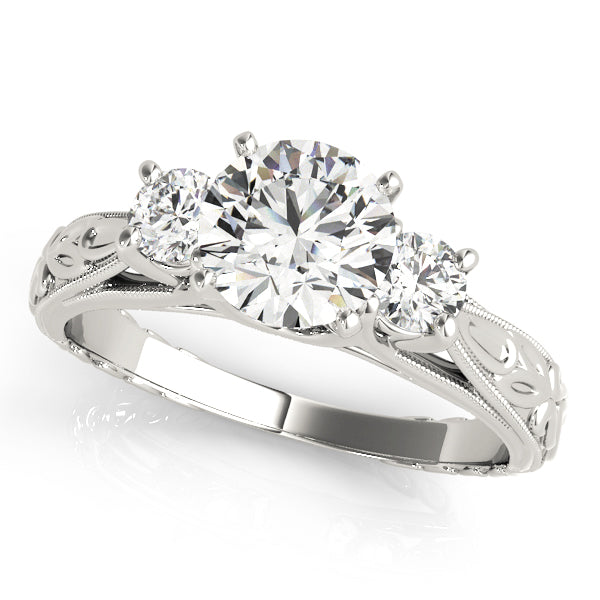
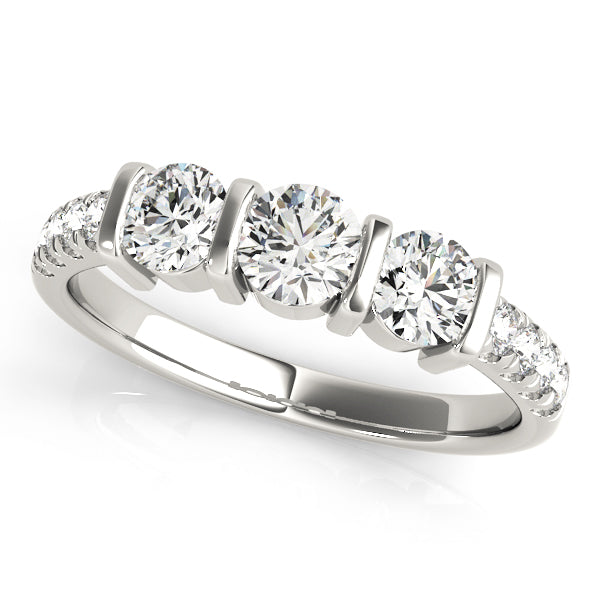
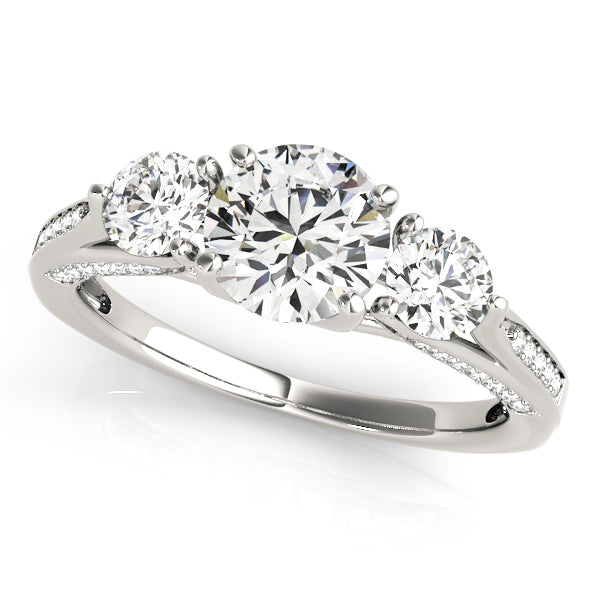
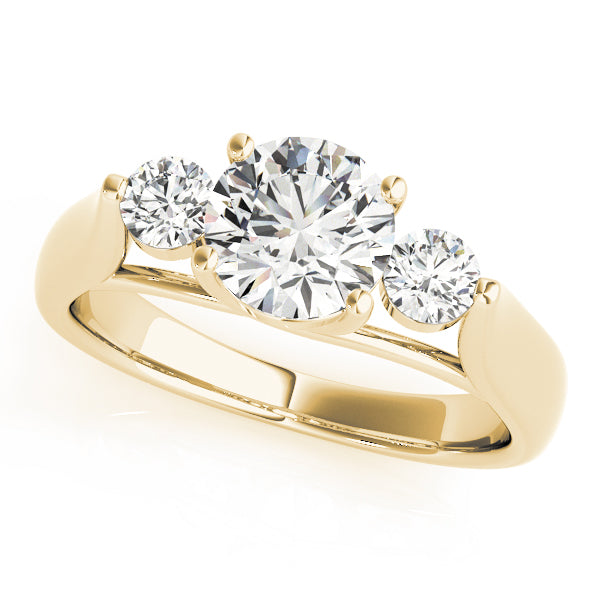
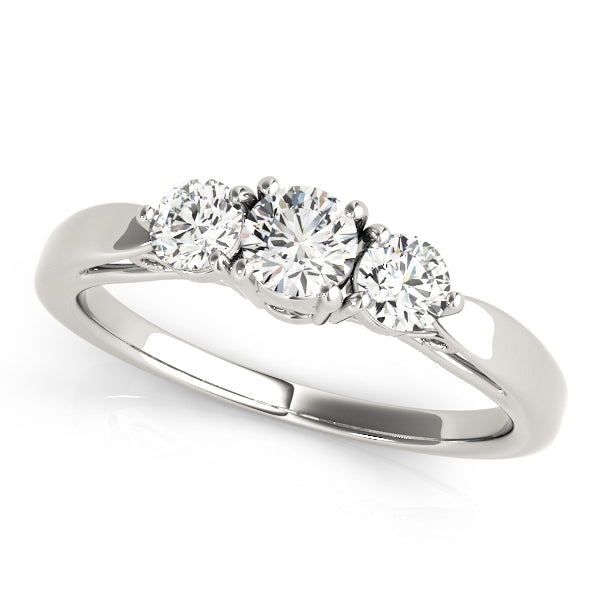
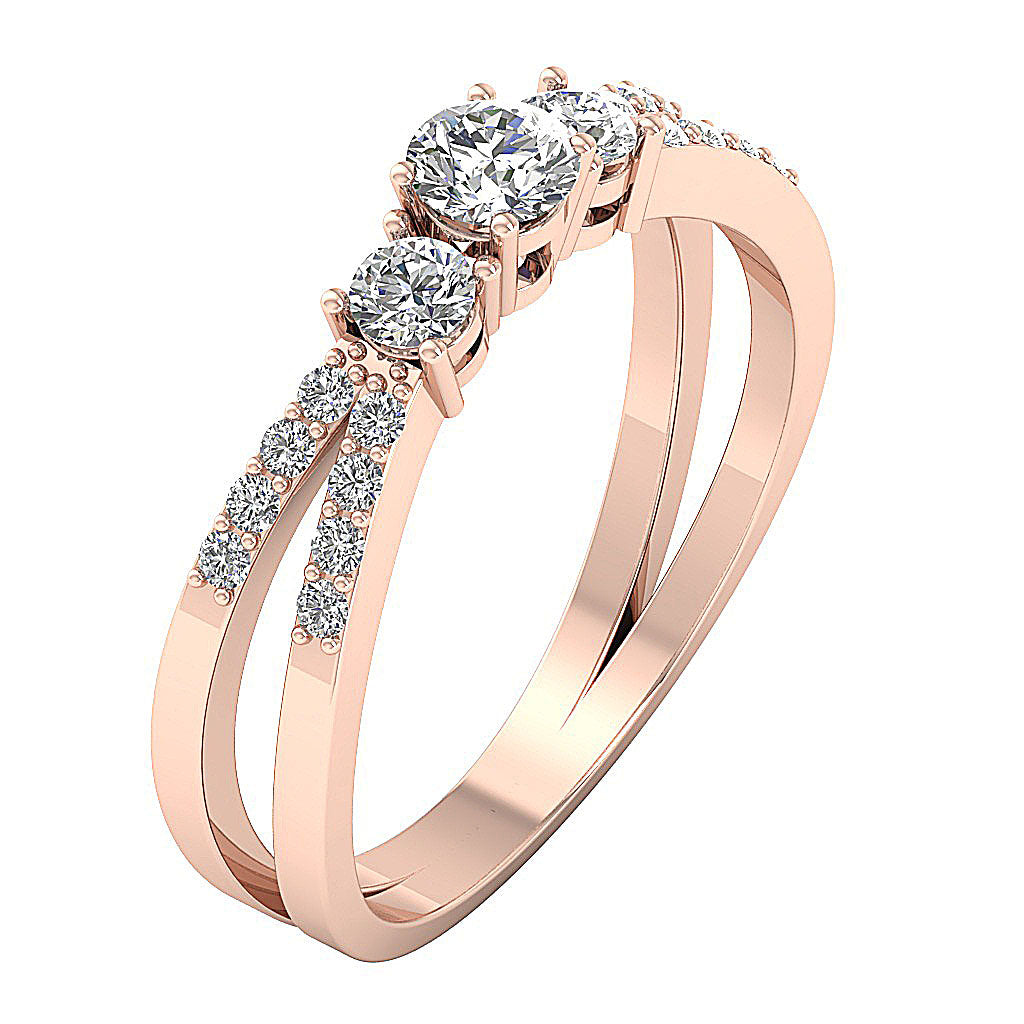
Diamond for Good pairs a center diamond with two flanking stones, typically seventy to eighty percent of the center stone's size. Side stones too close to the center in size flatten the whole hierarchy. Too small, and the center starts to look isolated instead of supported. Getting that ratio right is most of what separates a three-stone ring that reads as considered from one that just looks assembled.
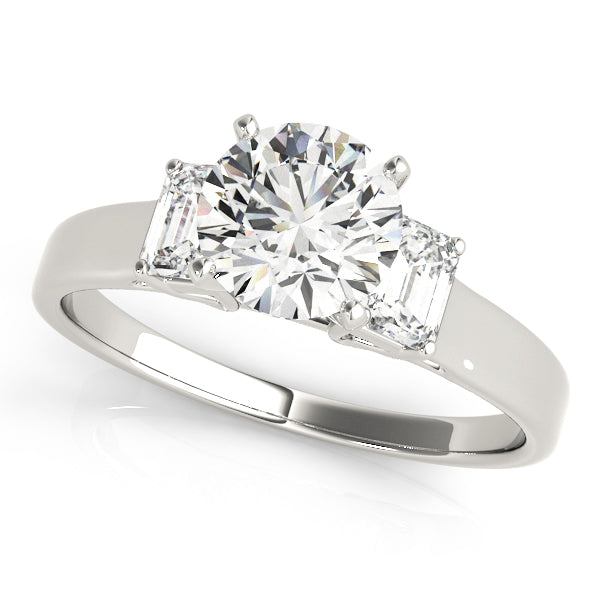
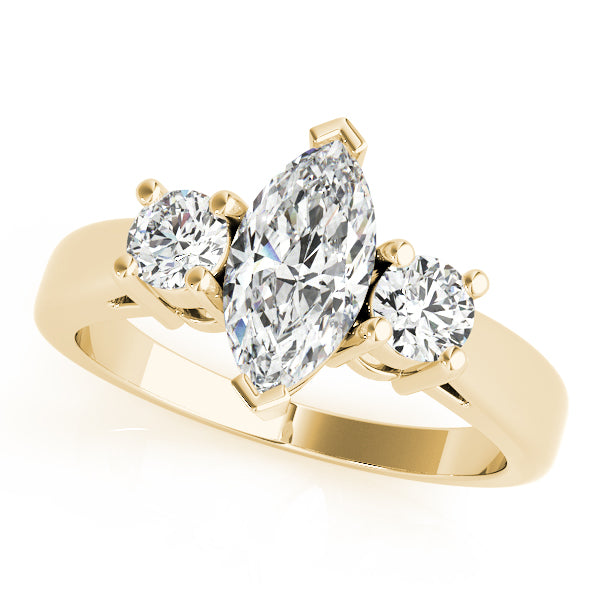
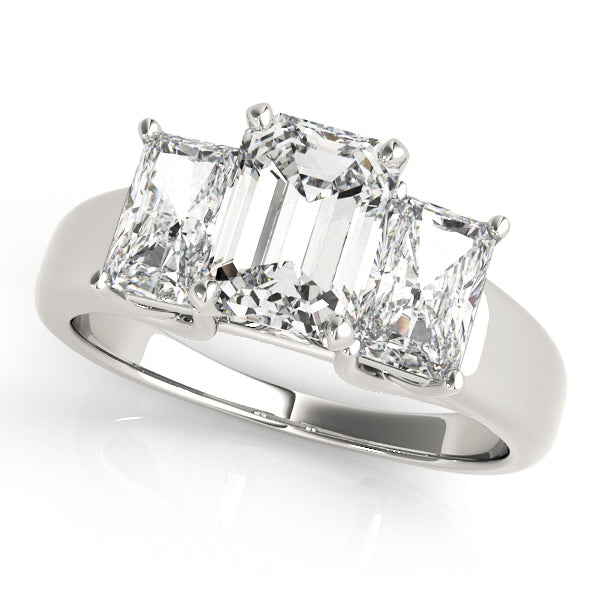
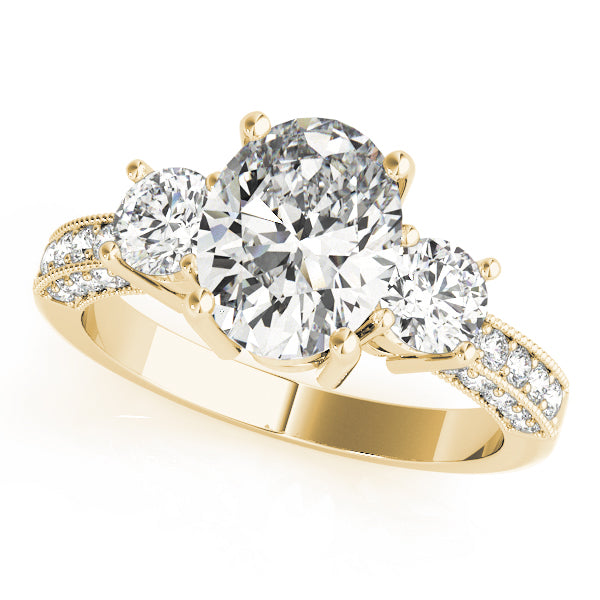
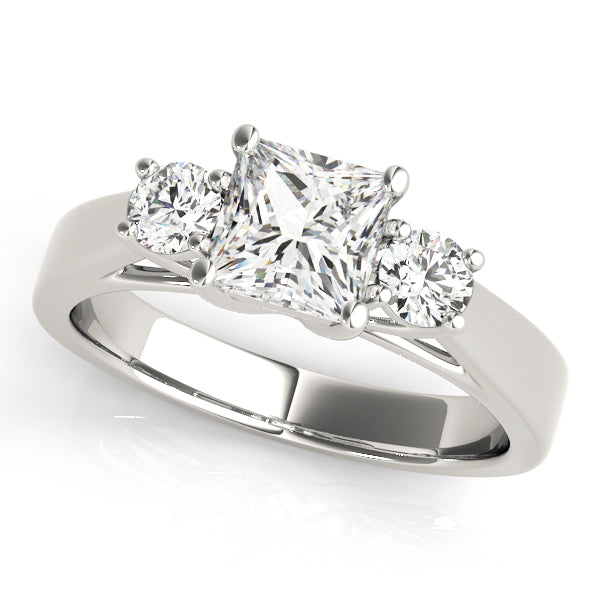
Center stones are available in round, oval, or emerald shapes, set in 14K or 18K gold, in yellow, rose, or white. Both natural and lab-grown diamonds are available throughout the collection. Side stones can either echo the center shape or contrast with it on purpose. Total carat weight is listed across all three stones, not just the center stone.
Side stones are matched to the center diamond in cut and color, not pulled loosely from adjacent inventory. This intentional matching is what makes three stones read as one coherent piece under changing light, rather than three diamonds that happen to share a band. Every setting is inspected across all three mounts before it ships, not only at the center.
What The Three Stone Rings Ask of Their Wearer
A three-stone ring reads fuller and more architectural than a solitaire of the same carat weight, without needing a larger center stone to get there. What it asks in return is comfort with visual weight spread across the finger instead of concentrated in one spot. It photographs and moves differently on the hand, a difference that becomes obvious the moment you compare the two styles side by side.
The interpretations attached to this format, past and present and future, or friendship and love and fidelity, came after the design itself. The three-stone shape was originally chosen for how it distributes light, and the meaning layered on top of that later. Both readings coexist without any real conflict between them.
Wearing It Well: Styling Your Three-Stone Ring
Keep the band beneath a three-stone ring plain. The setting already carries visual complexity, so a second stone-set piece just competes with structure that should stand on its own. Consider the hand it will sit on: three stones in a line read more elongated than a single round solitaire of equal weight, which tends to suit shorter fingers particularly well.
Account for the side stones' cut before committing to daily wear. Emerald or baguette side stones have sharp corners that catch more easily on fabric than rounded ones do. It is a small difference day to day, but a real one over years of actual use.
Living With It: How to Care For Your Three Stone Ring
Three settings on the ring mean three points where a prong can loosen instead of one, which makes yearly inspection more important here than with a solitaire.
Have a jeweler check all three settings individually, since a loose side stone is easy to miss in everyday wear. Clean with a soft-bristled brush, warm water, and mild soap, paying particular attention to the metal bridges between stones, where residue collects unseen.
Skip ultrasonic cleaning on any ring with pave detailing along those bridges, since vibration hits the thinnest parts of the setting first. Store the ring flat rather than on edge, so all three settings stay clear of contact with other pieces.
One ring, three points of light, one story that reads however the wearer chooses to read it.