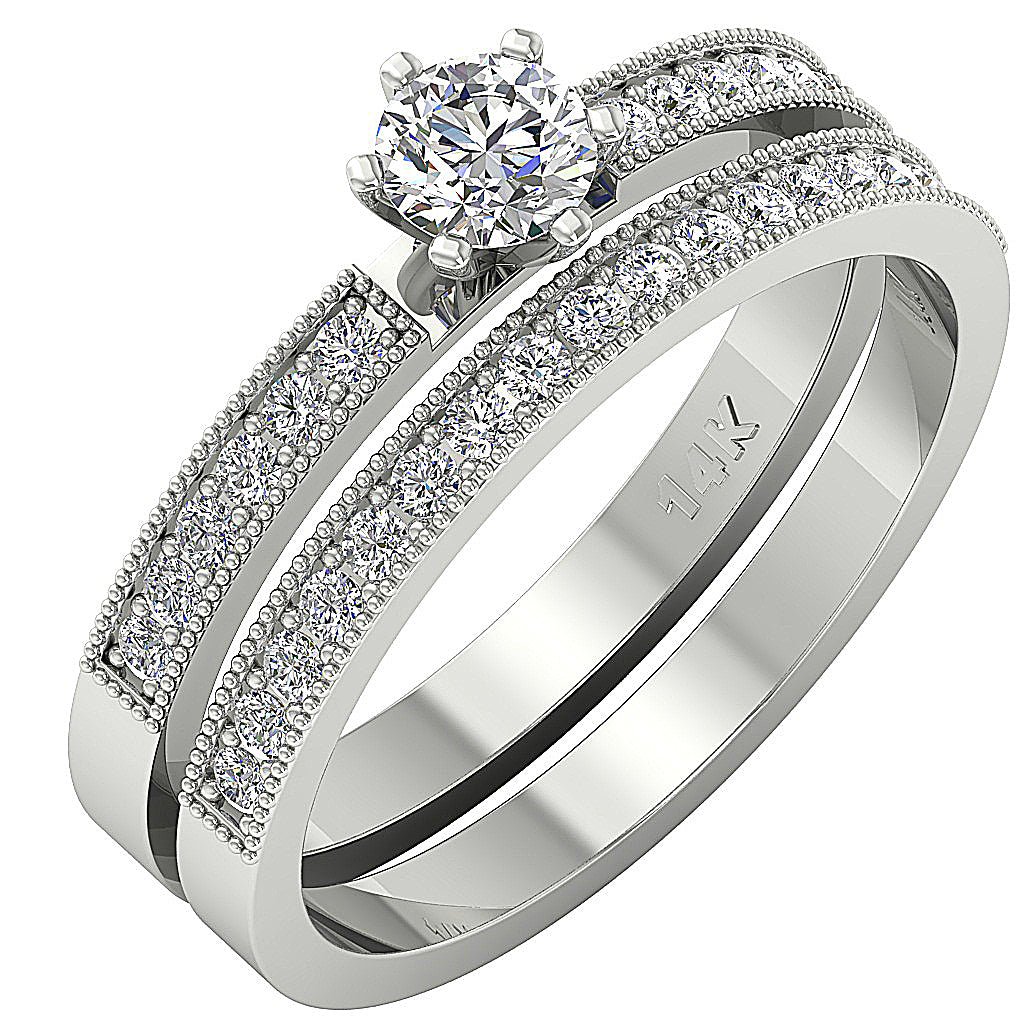
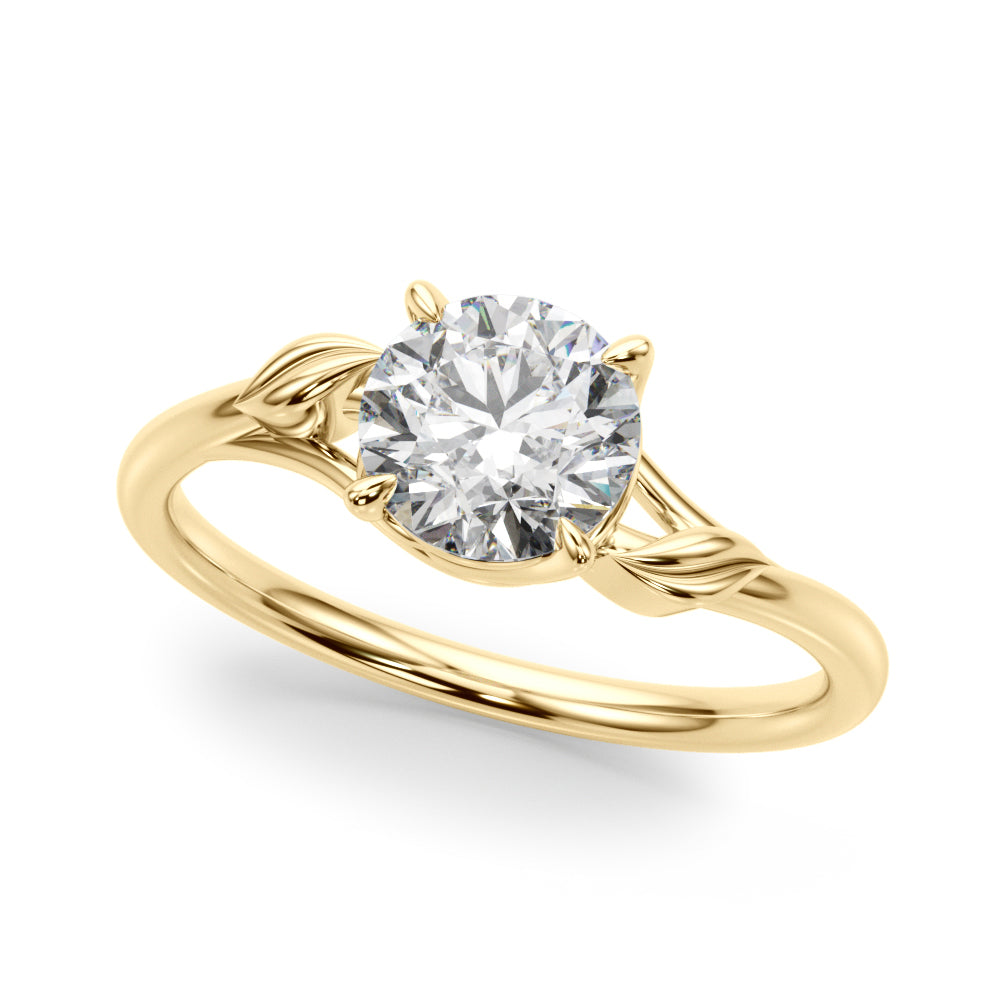
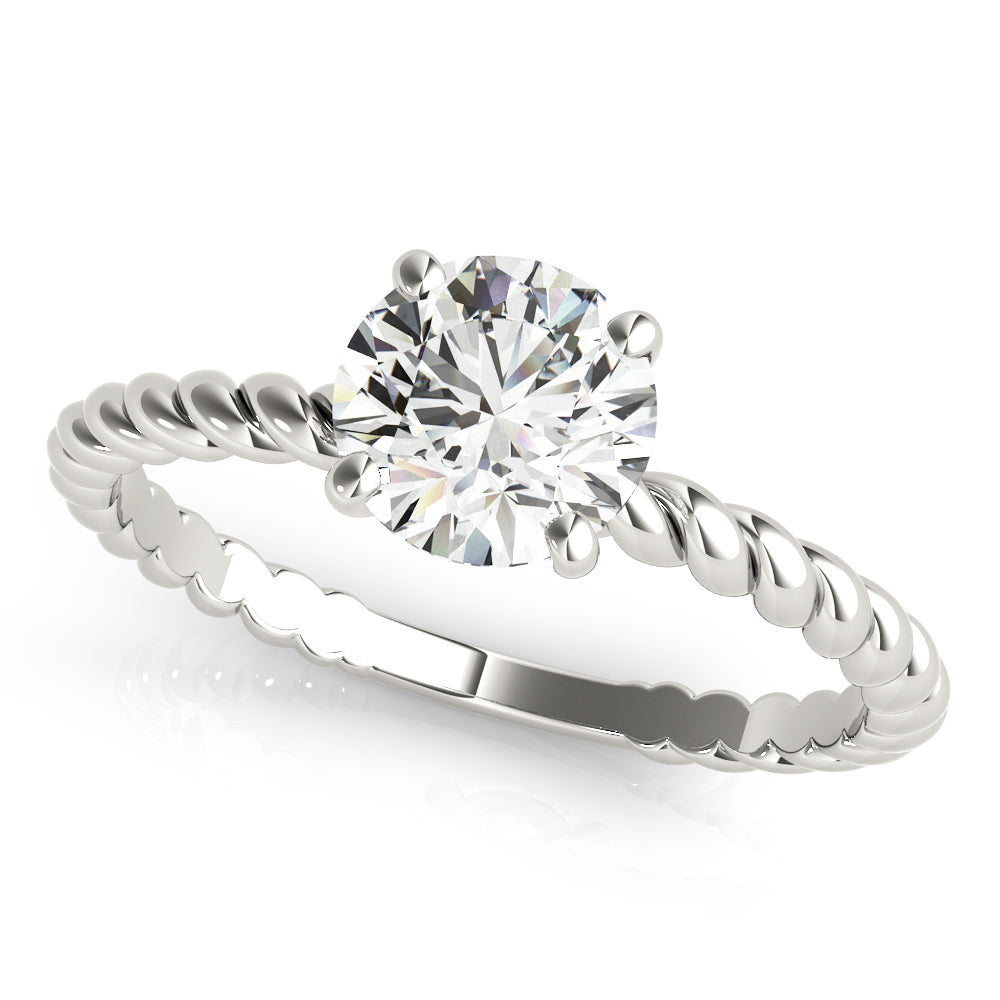
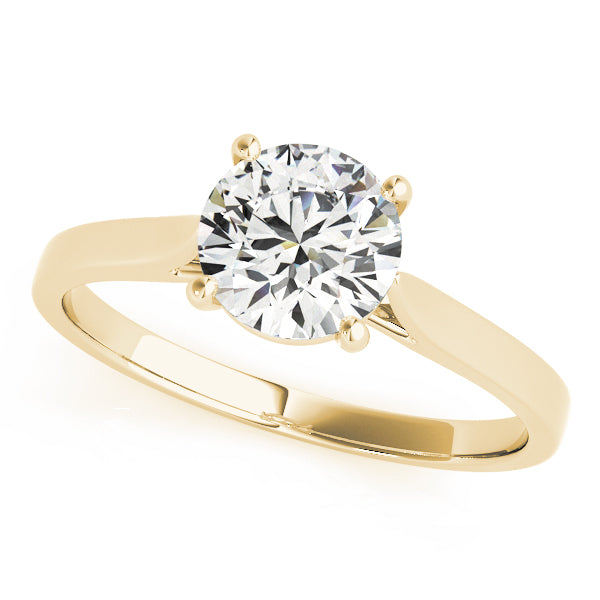
Solitaire Diamond Rings
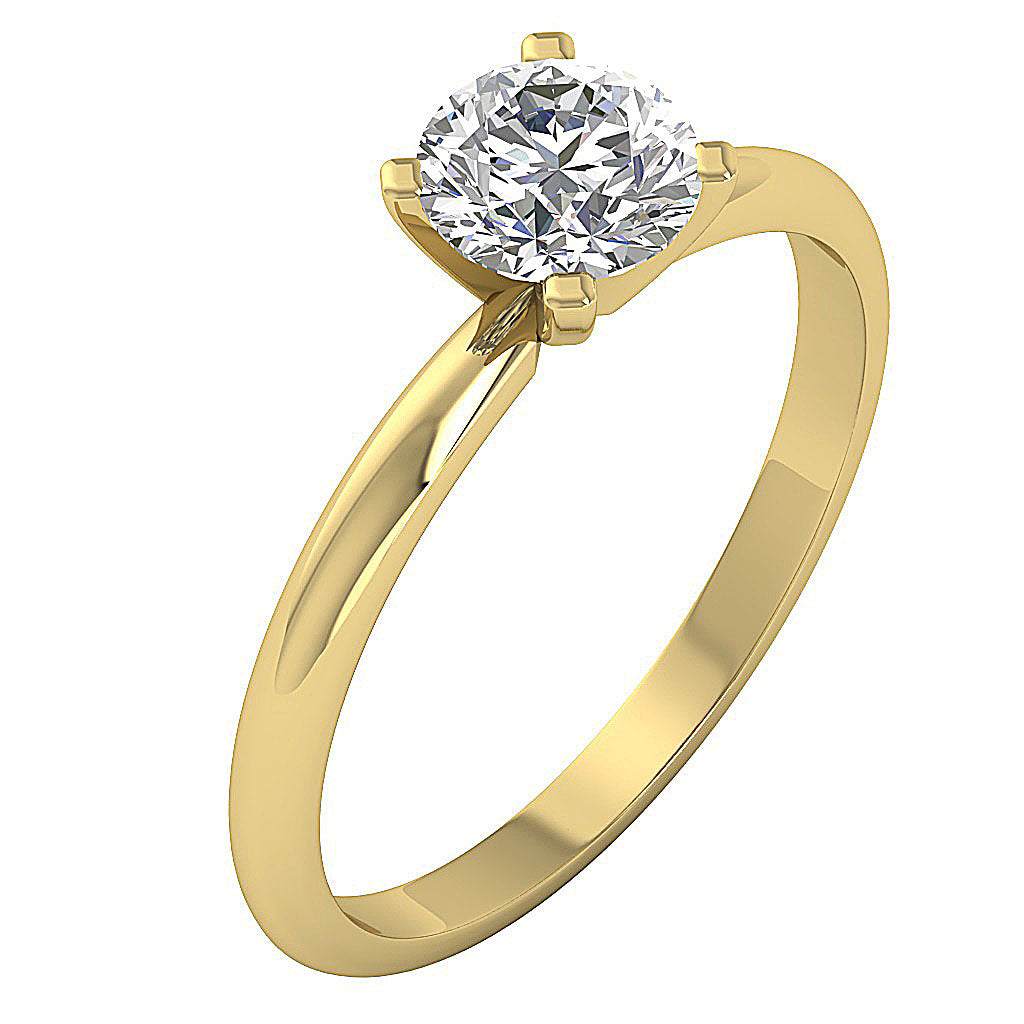
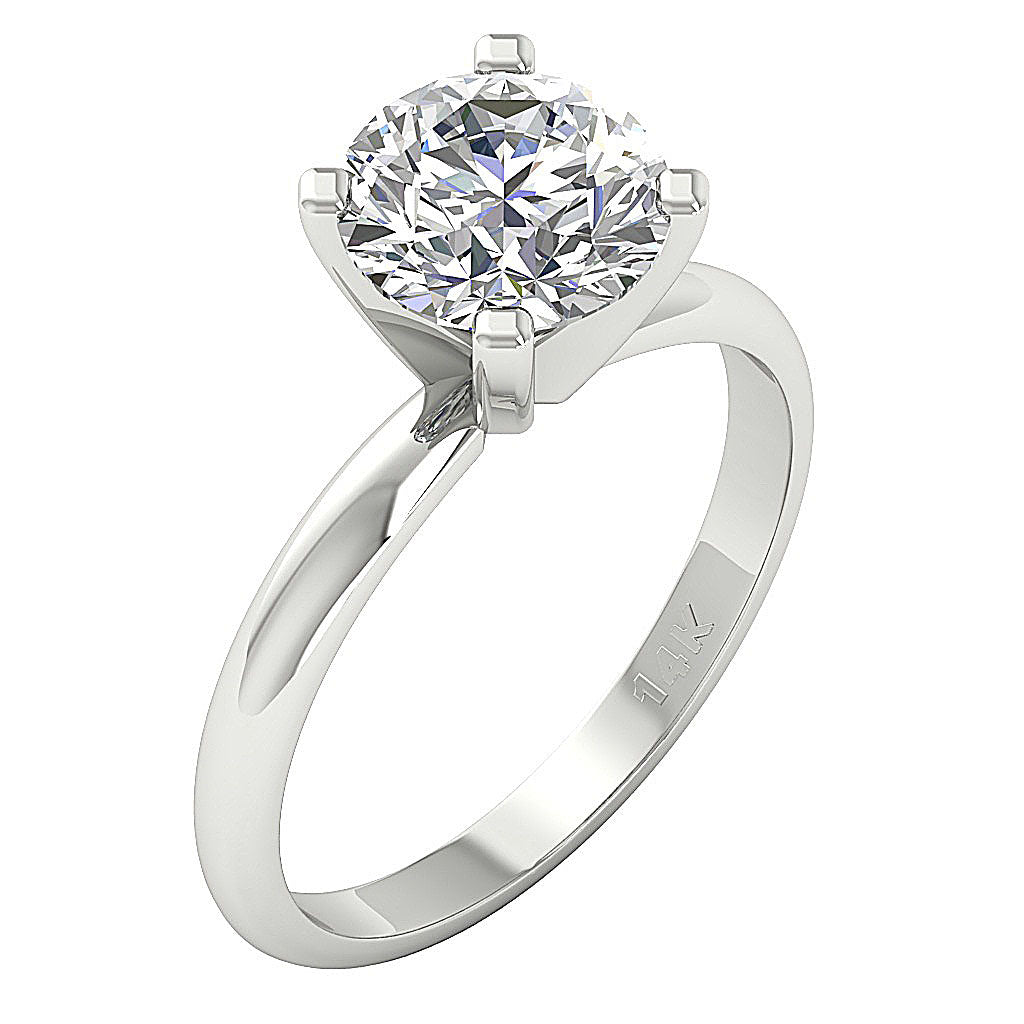
A solitaire ring keeps one promise: a single diamond, held in clear light, with nothing else asking for attention. There is no ring of smaller stones to flatter an average cut or a halo borrowing size it did not earn. This is why solitaires have outlasted every trend since the late 1800s, and why it still opens most engagement conversations today.
Because the setting cannot hide behind other stones, it must be meticulous. The choice of band width, mount height, and prong count changes how the diamond looks. A wider band makes a modest carat weight look more substantial. A low-set mount is more subtle, but better suited to hands wearing other rings.
The Craft Behind Every Solitaire
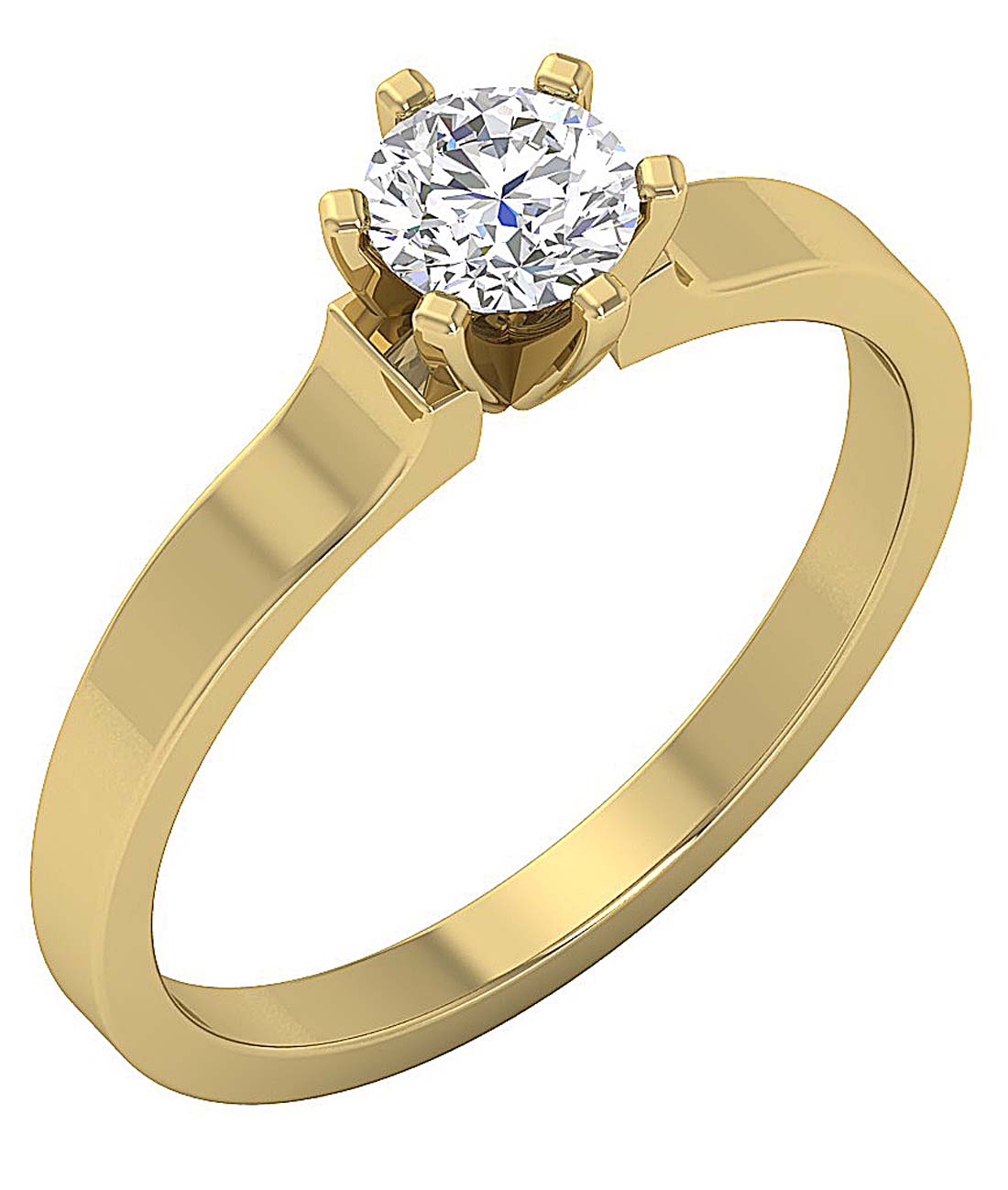
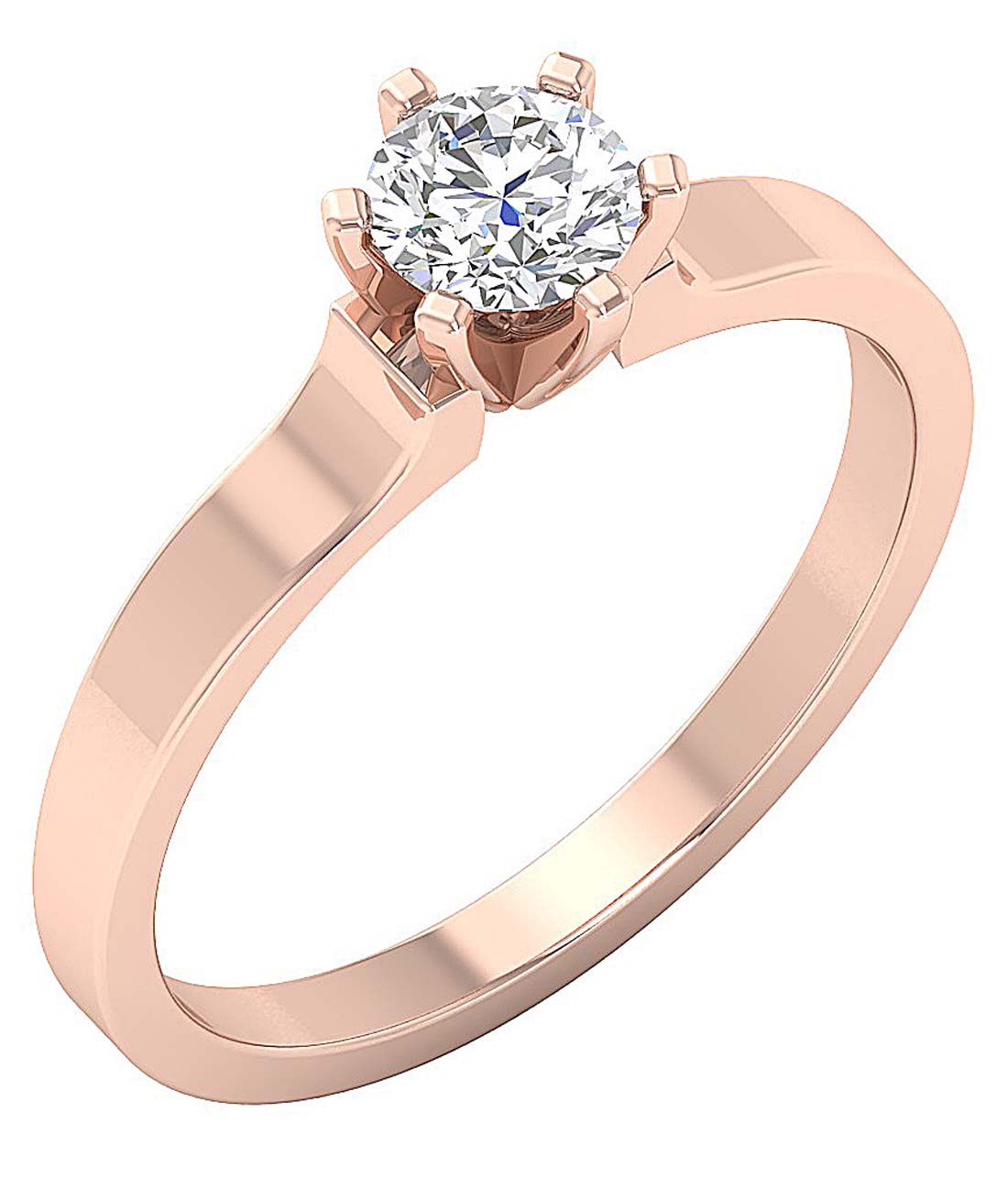
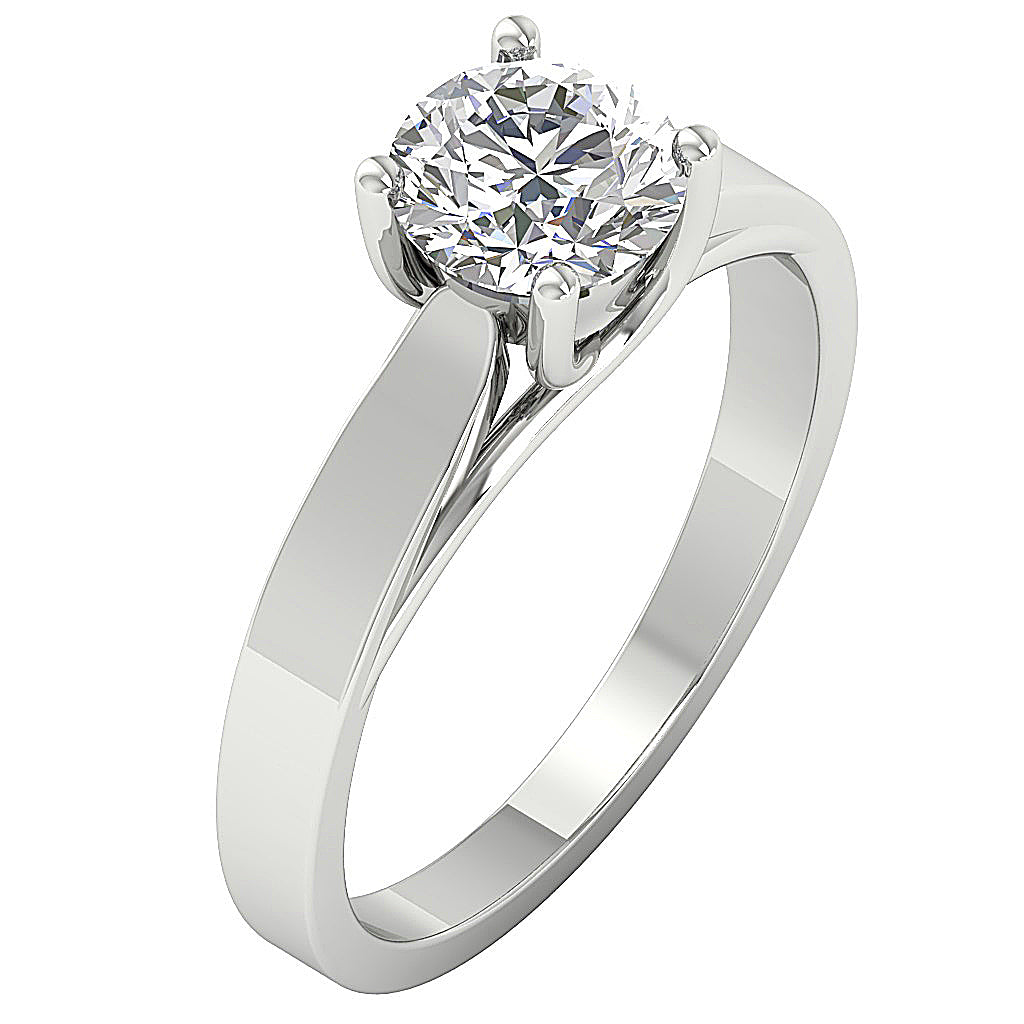
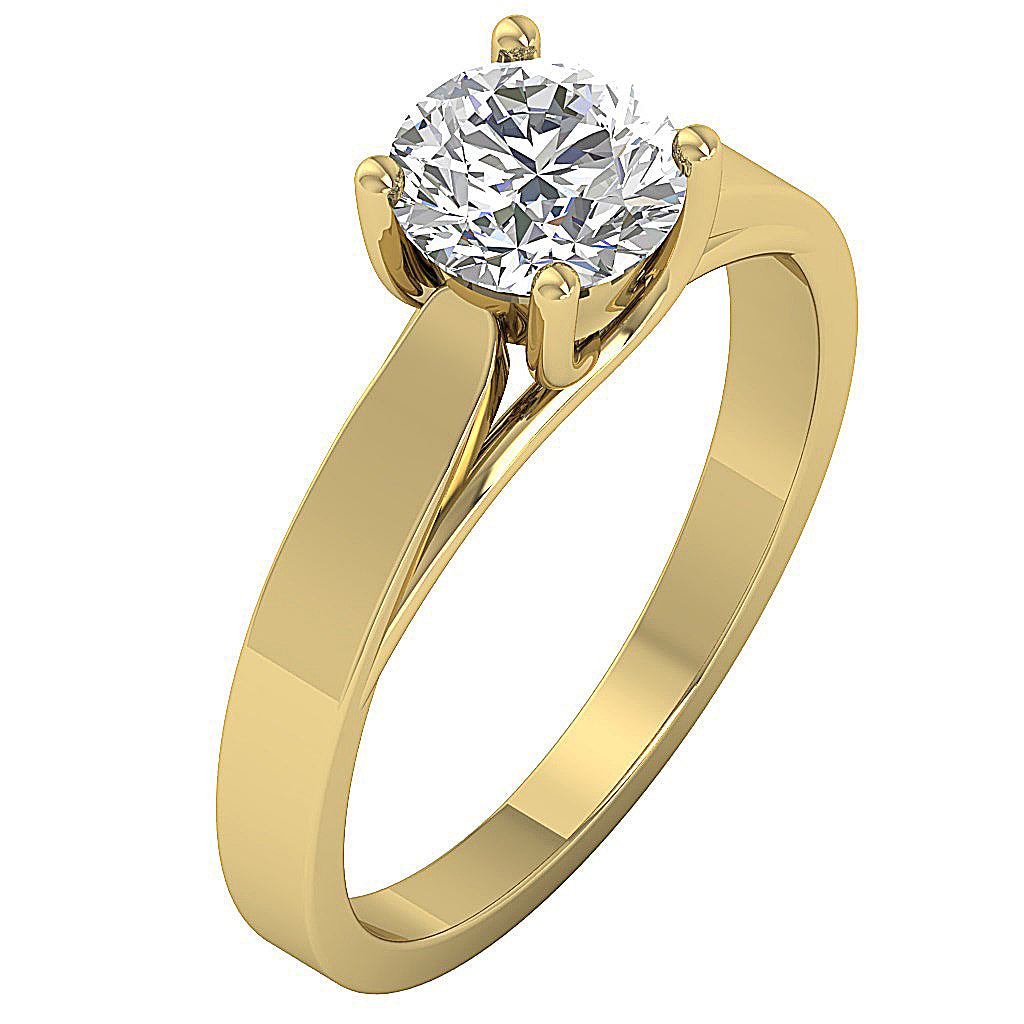
Diamond for Good builds each solitaire around the stone first, not the other way round. Round, princess, emerald, and cushion cuts sit at the center. Each solitaire diamond ring is available in earth-mined or lab-grown diamonds, set into 14K or 18K gold in yellow, rose, or white.
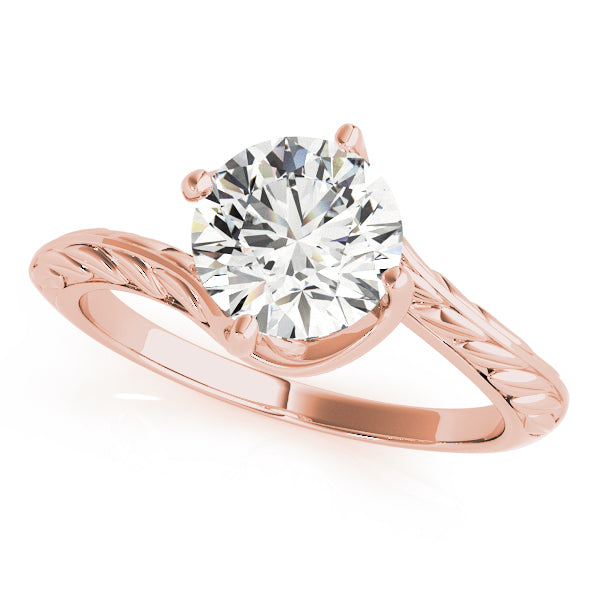
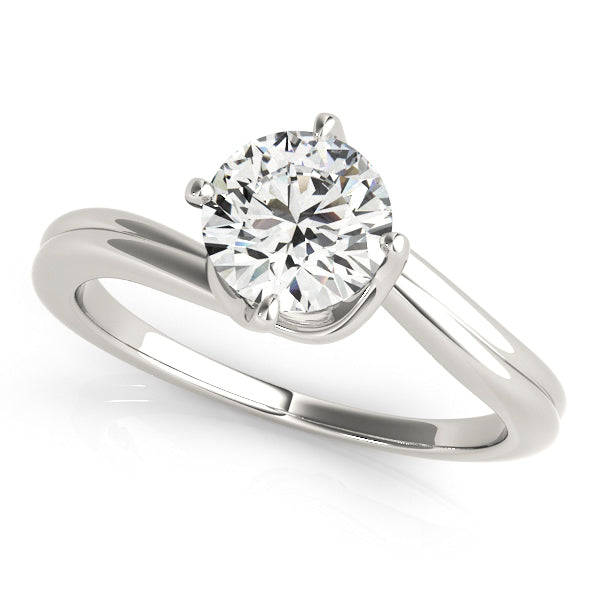
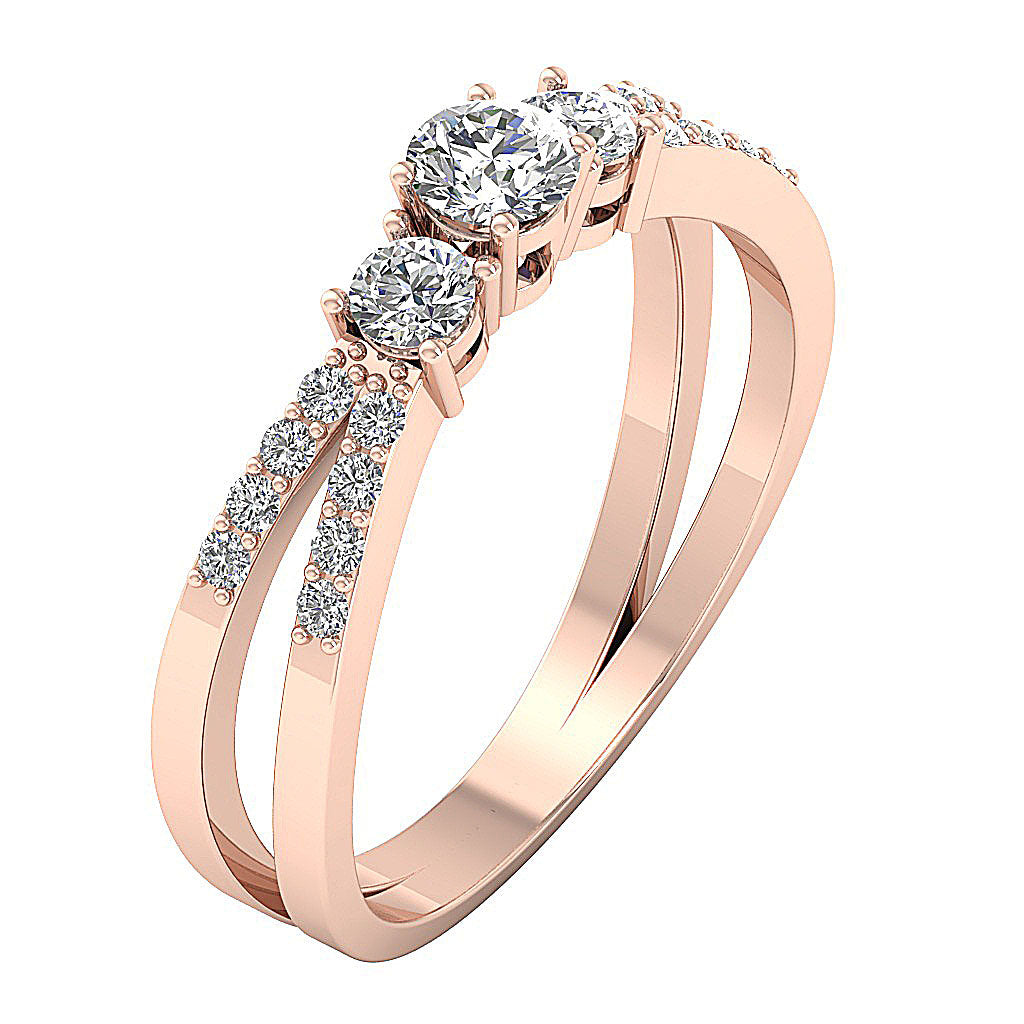
Some bands stay plain and polished, allowing the stone to carry the whole design. Others take on a twisted shank, a bypass silhouette, or filigree lifted from vintage jewelry. Every ring’s cut, color, and clarity are judged on its own merits. There is no cluster of smaller diamonds available to average out a poorly cut center stone.
Choosing a Setting
The setting decides how the diamond wears, not just how it looks.
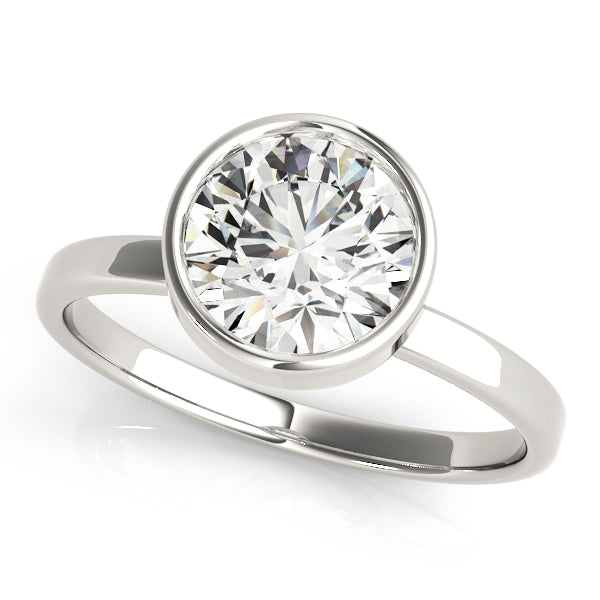
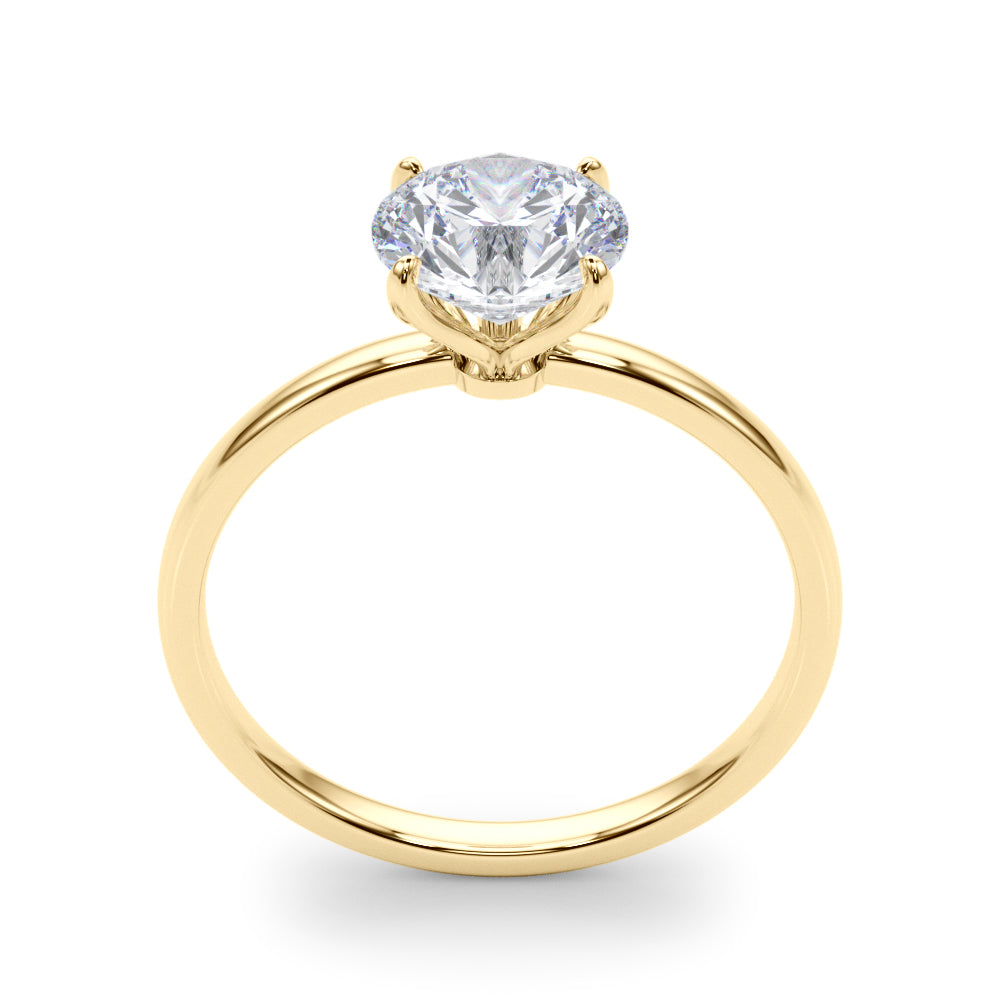
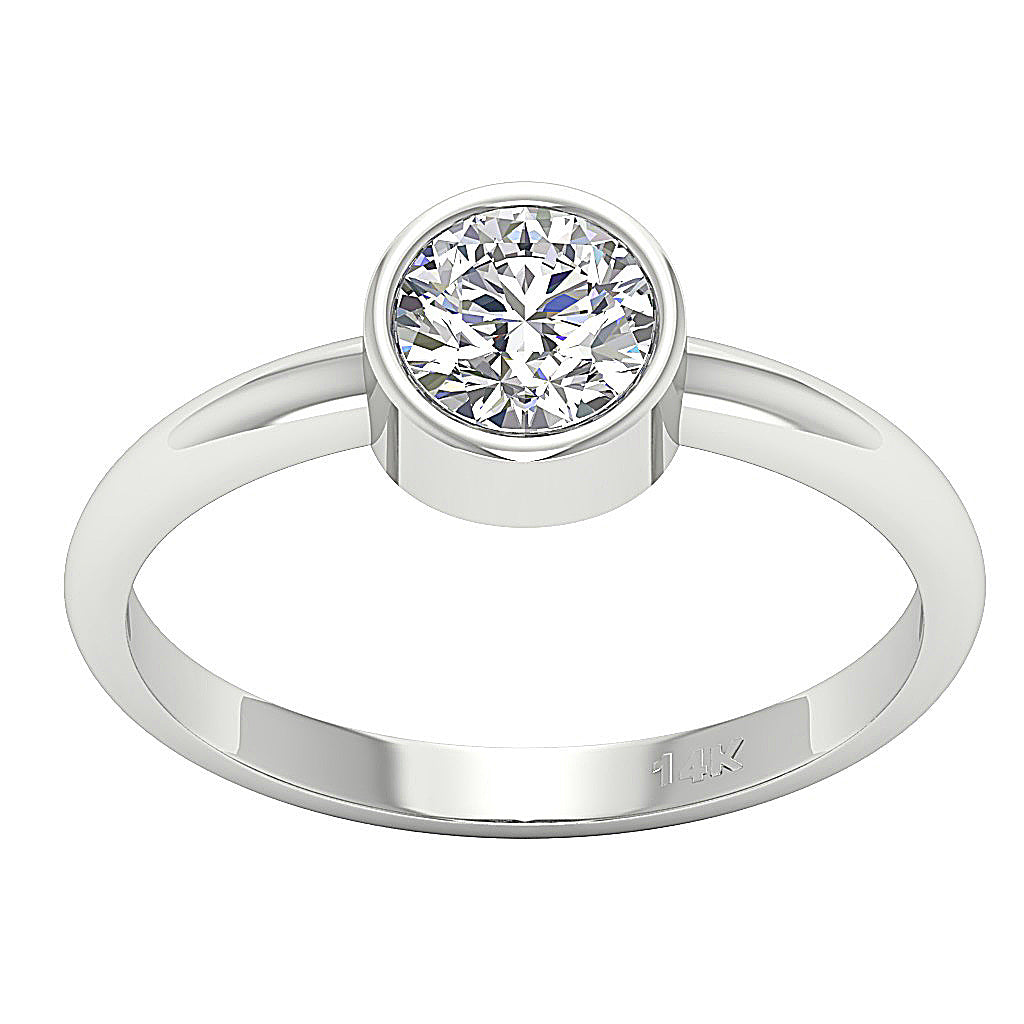
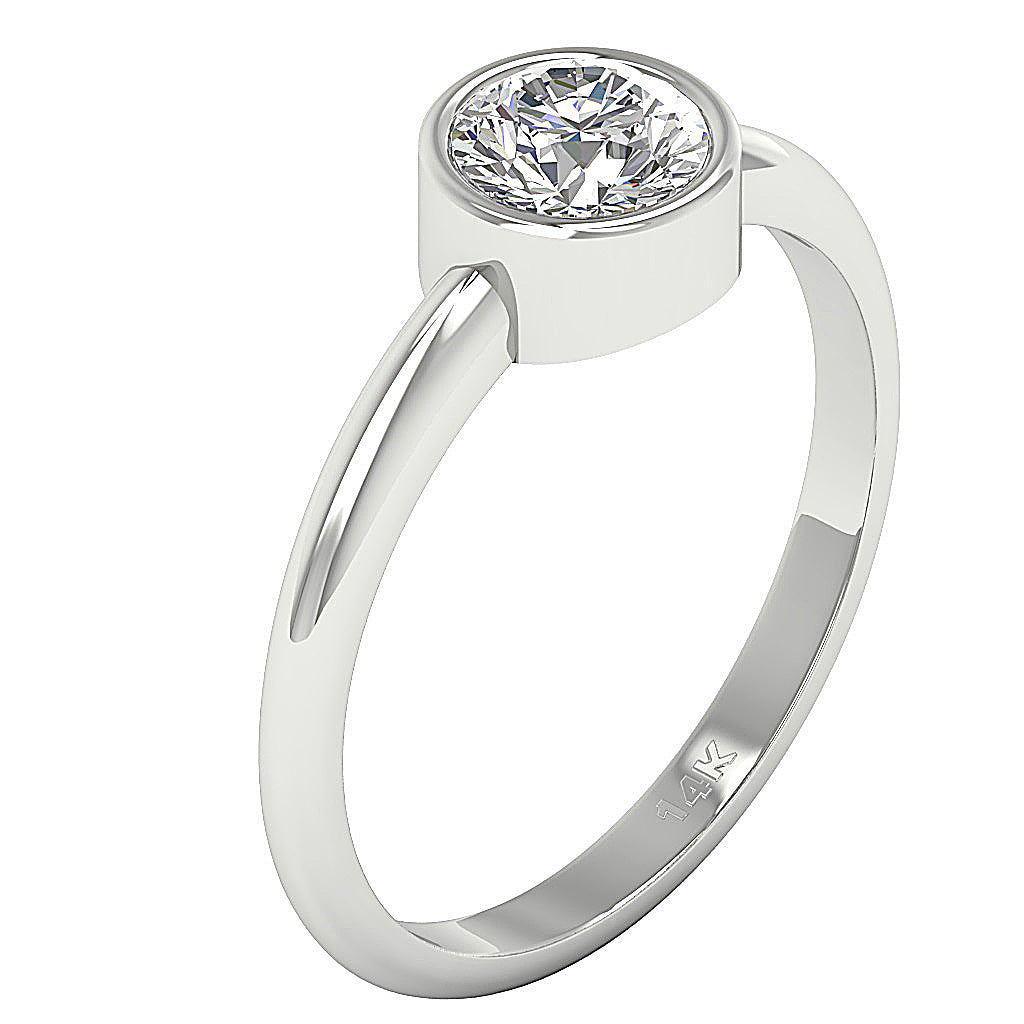
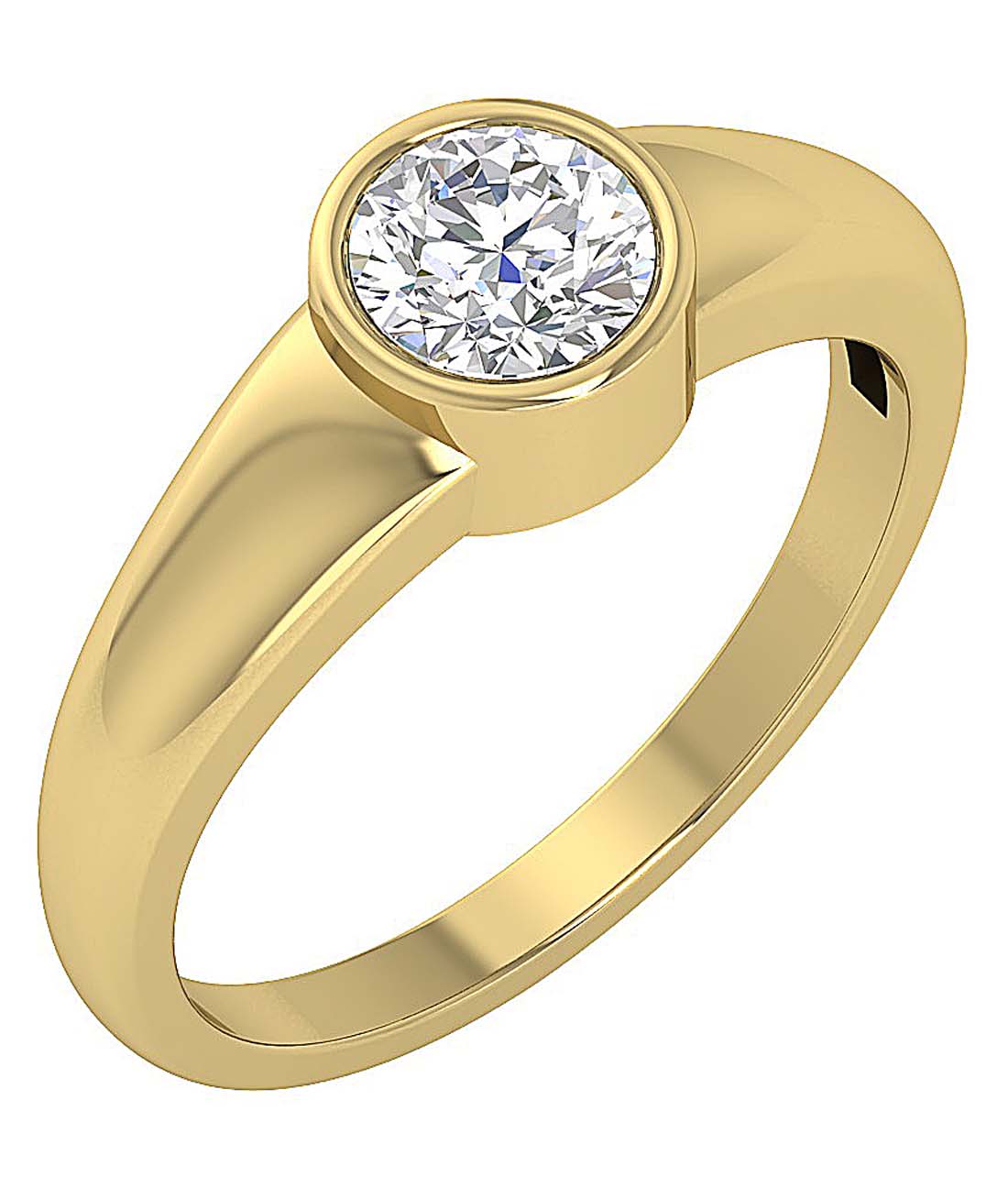
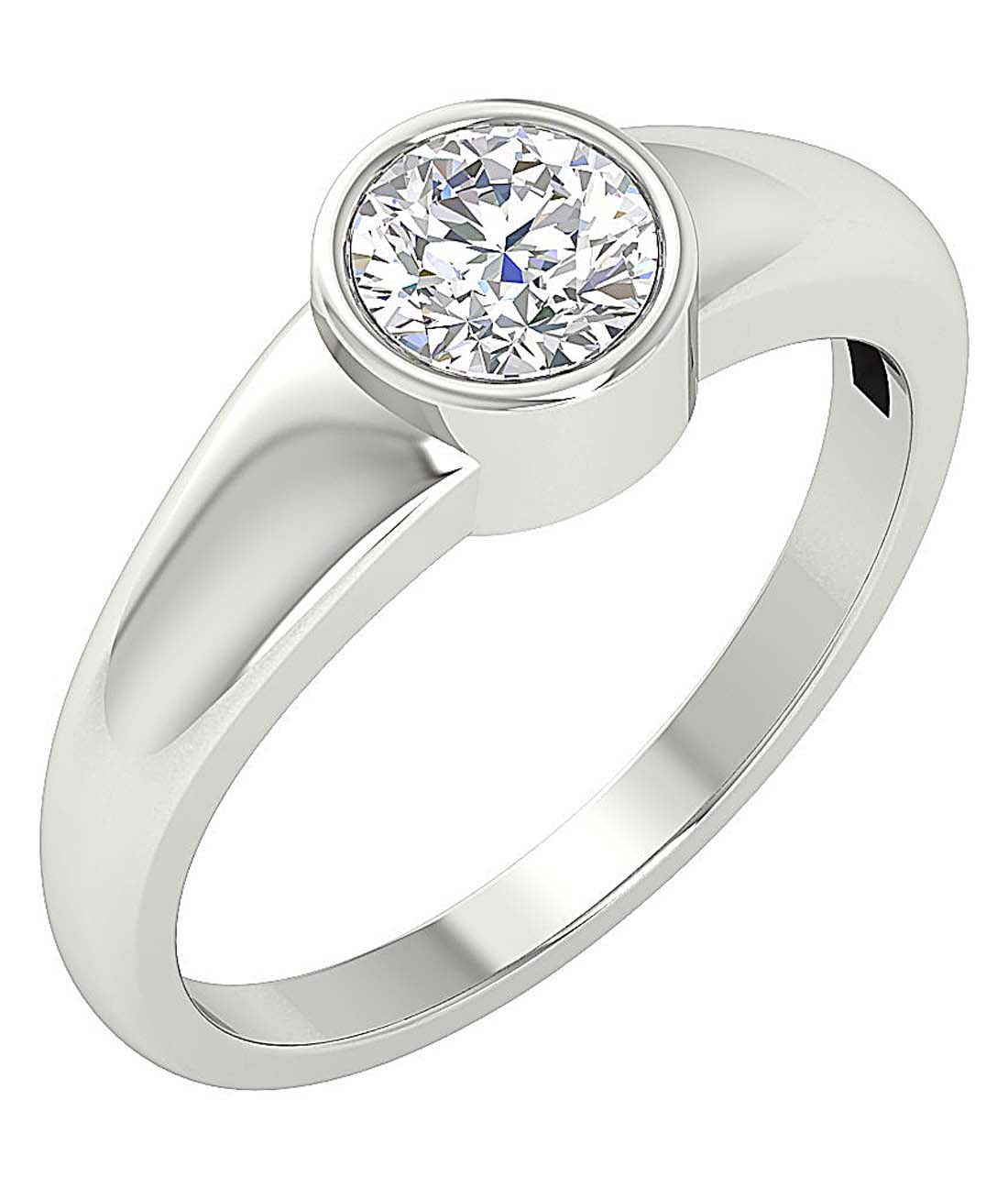
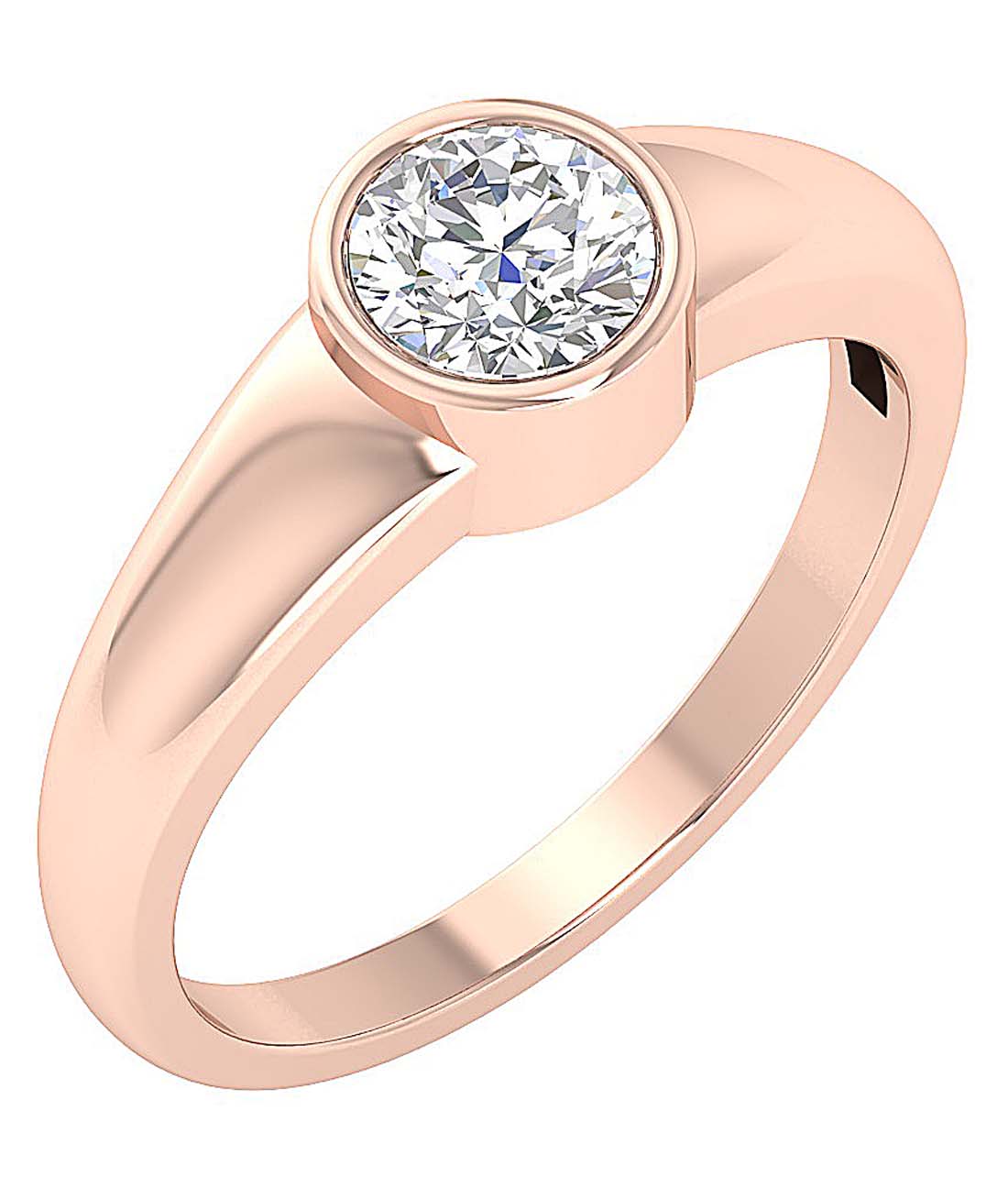
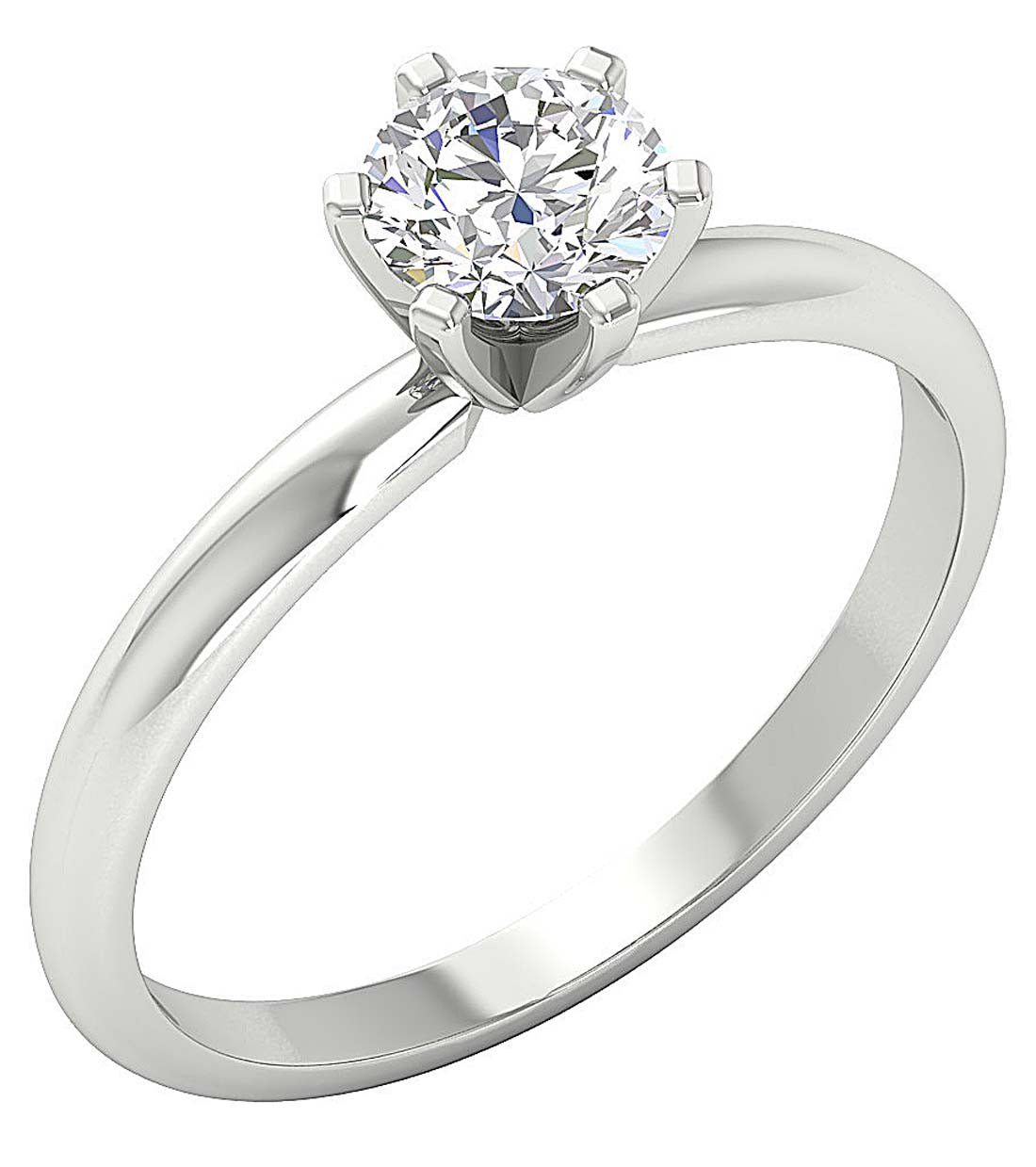
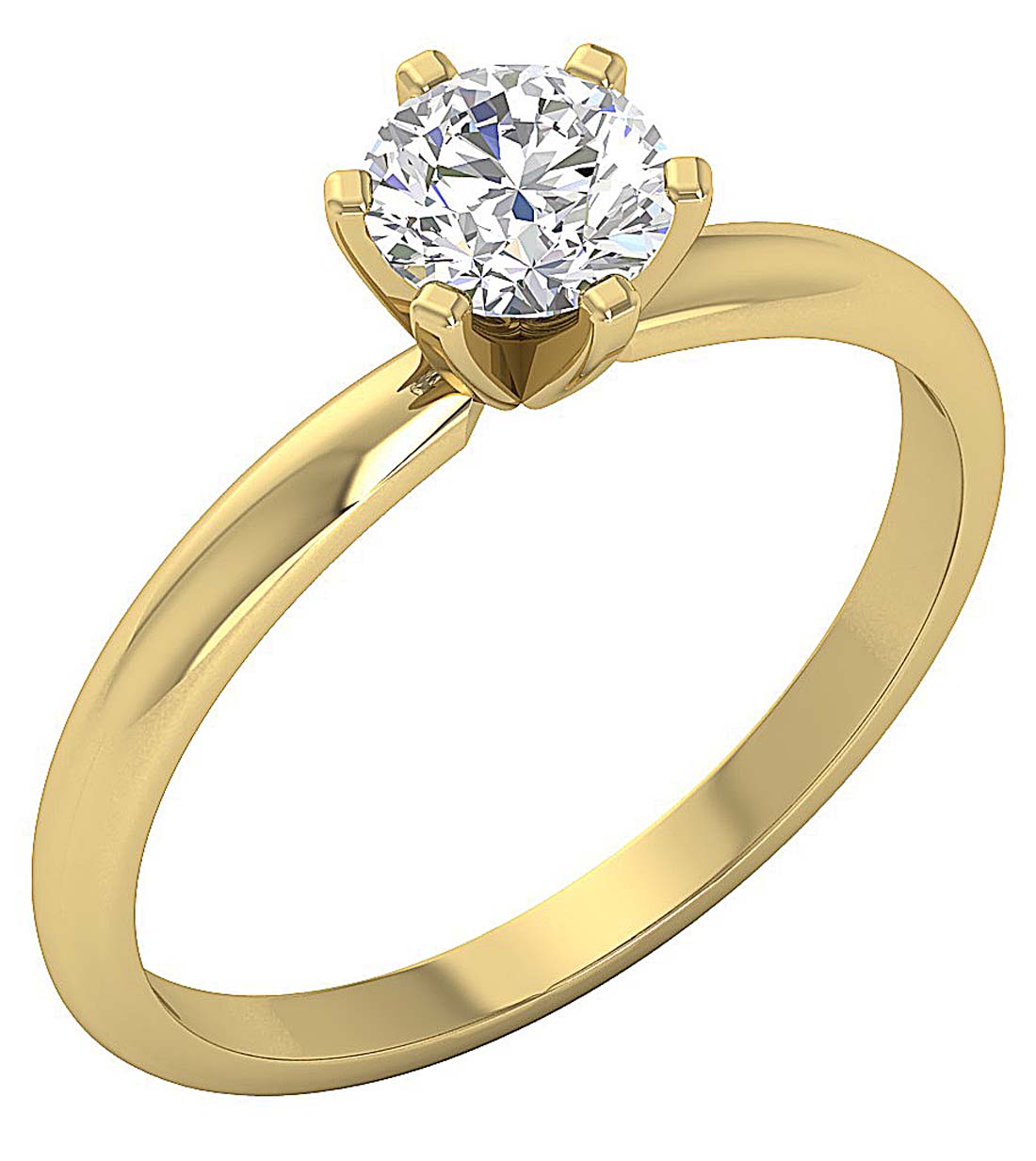
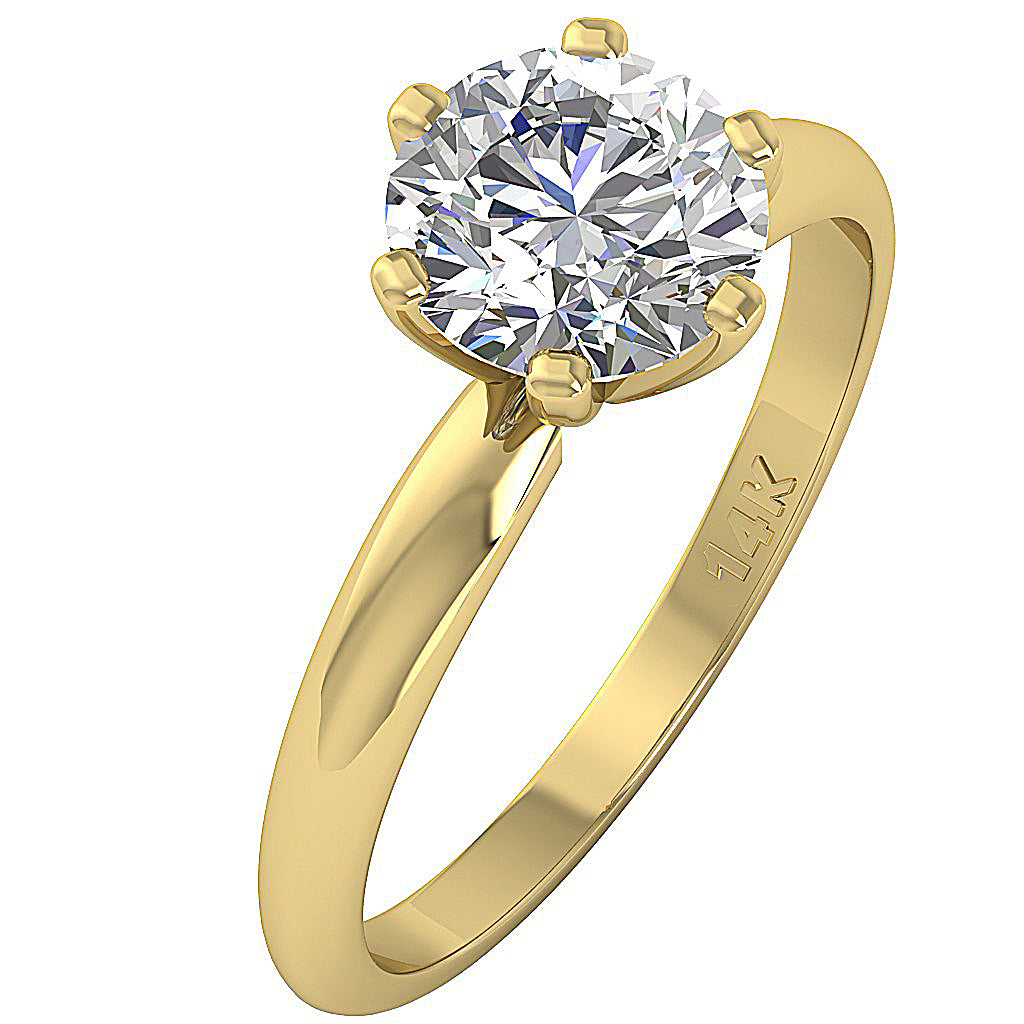
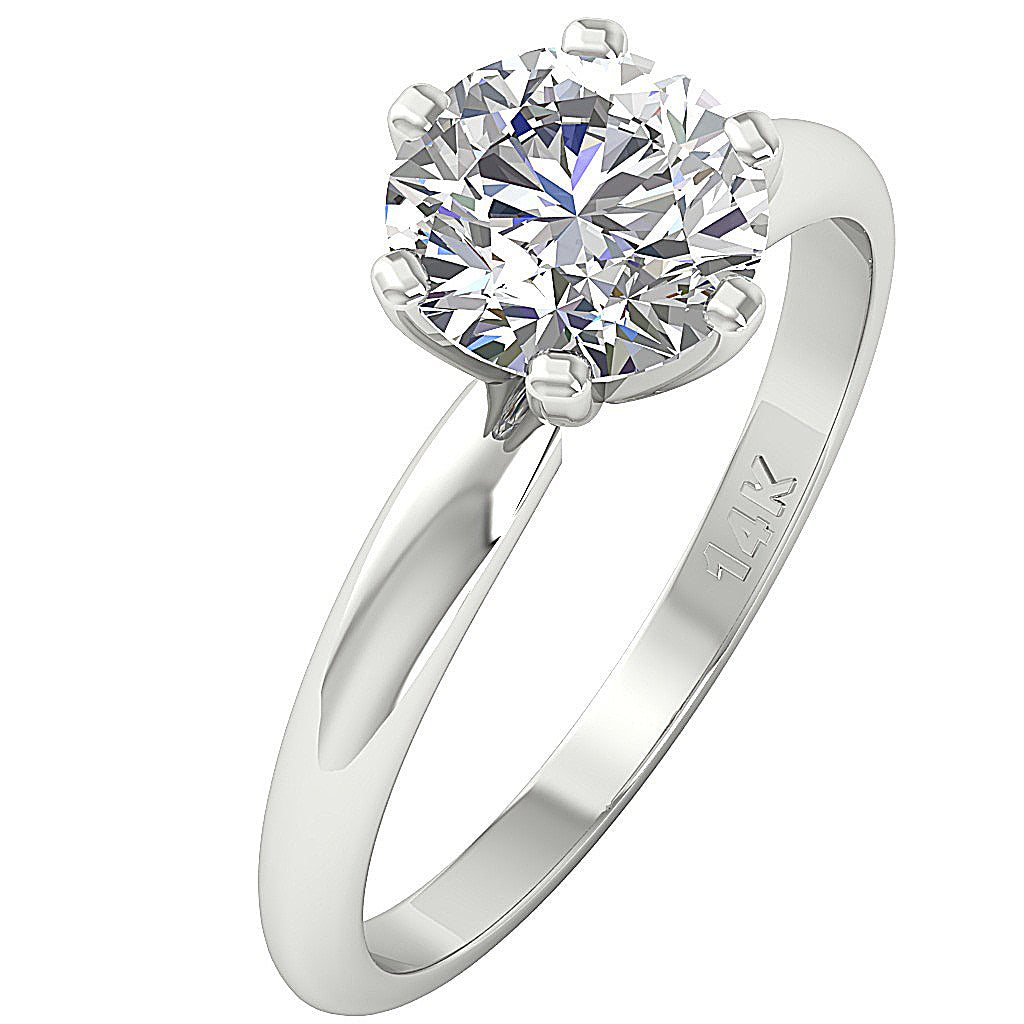
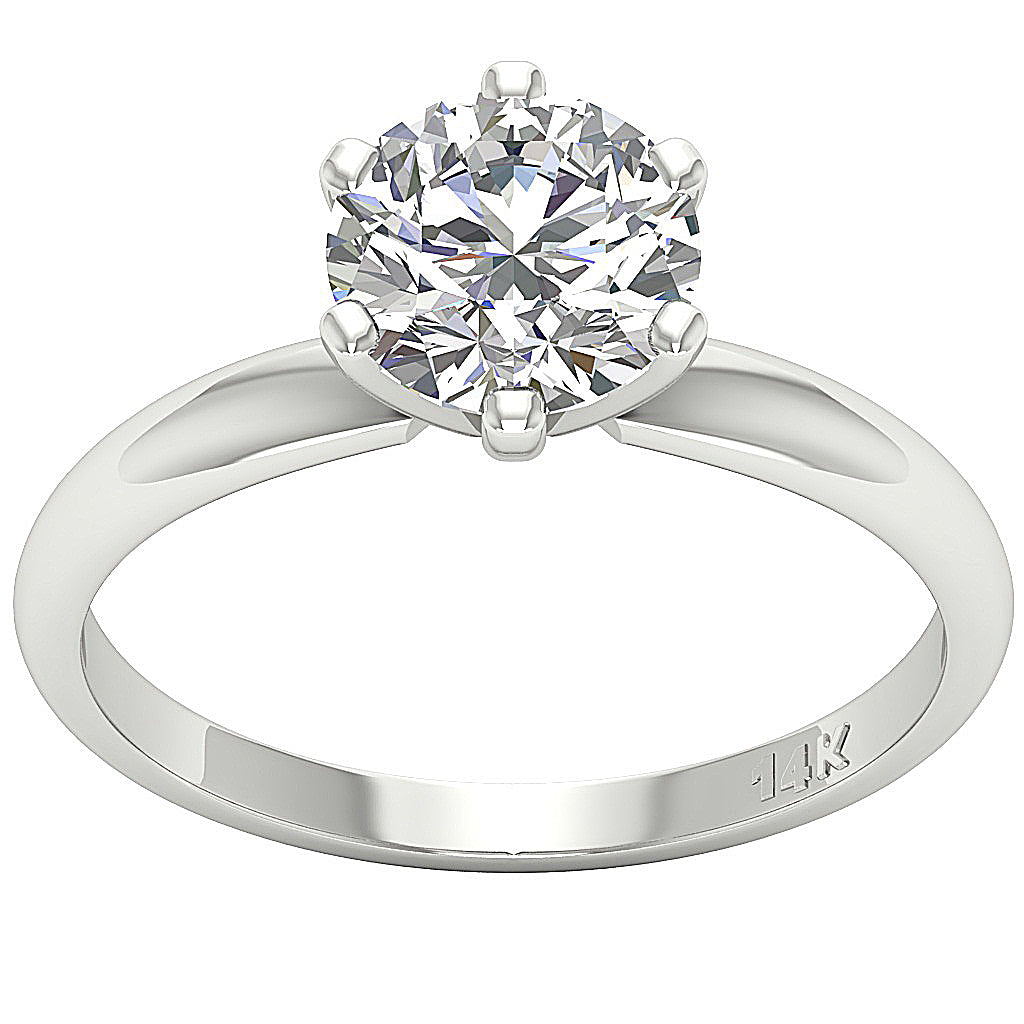
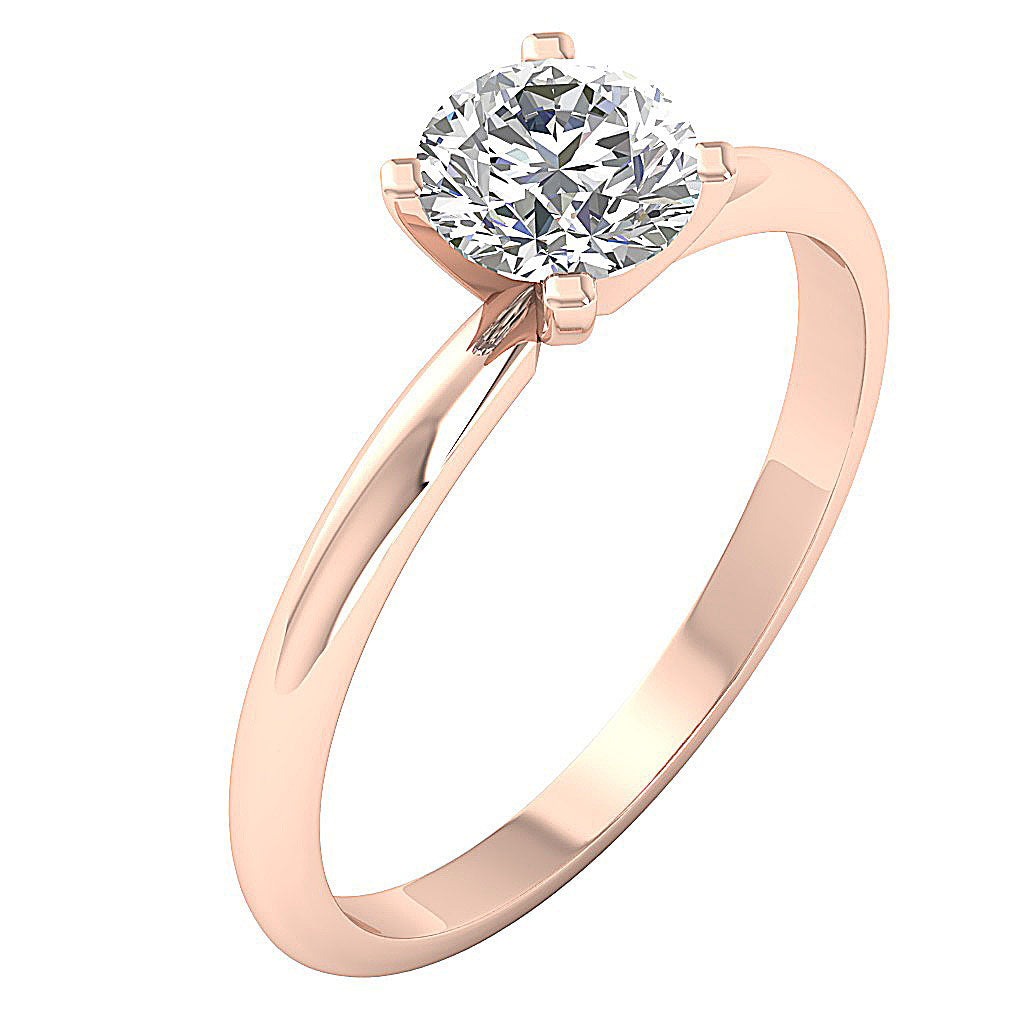
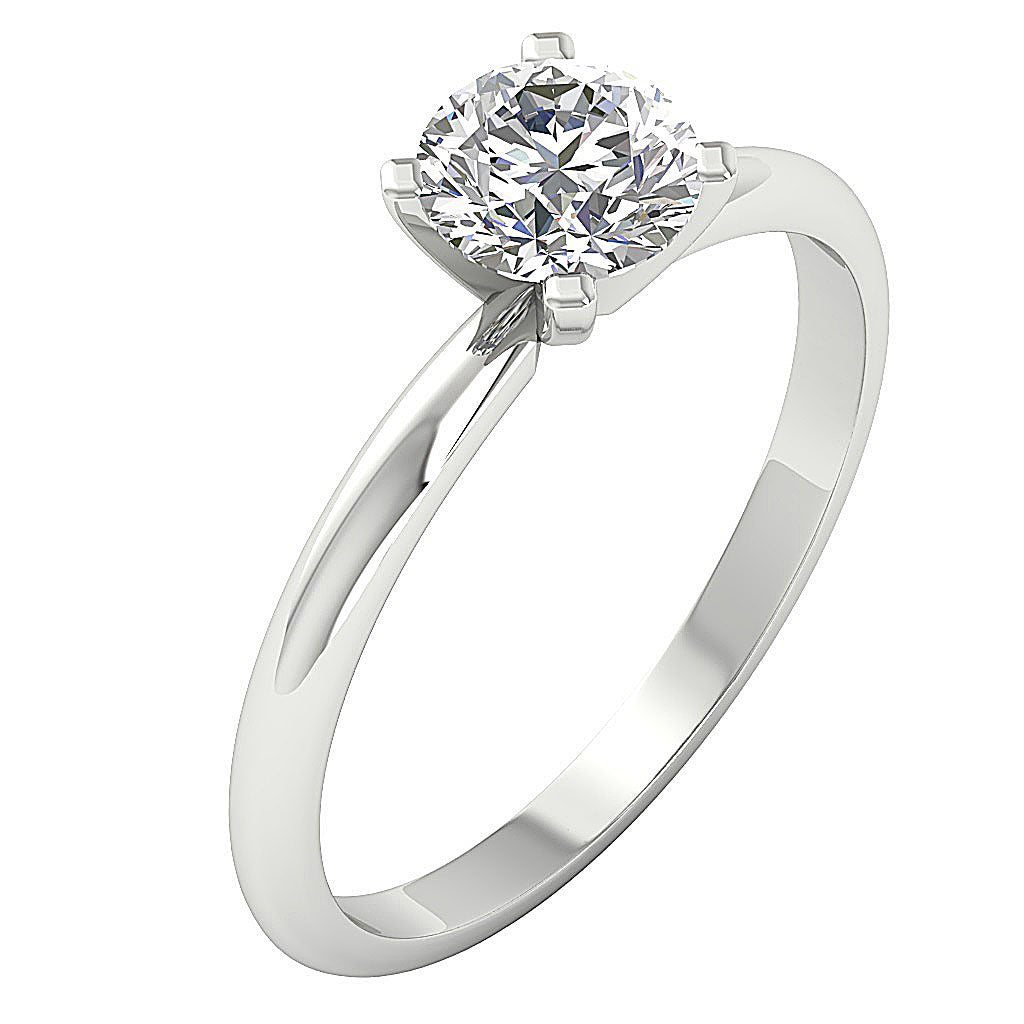
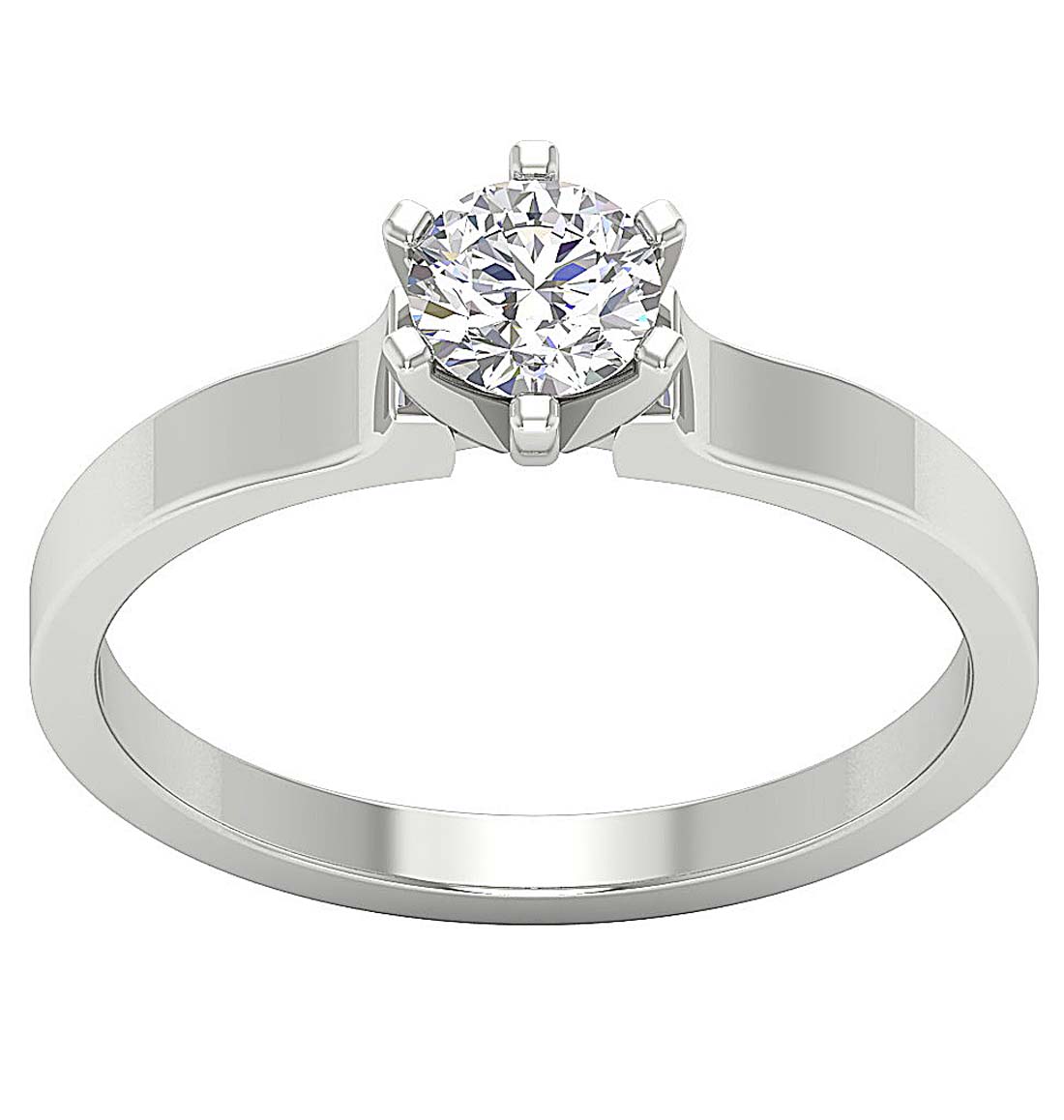
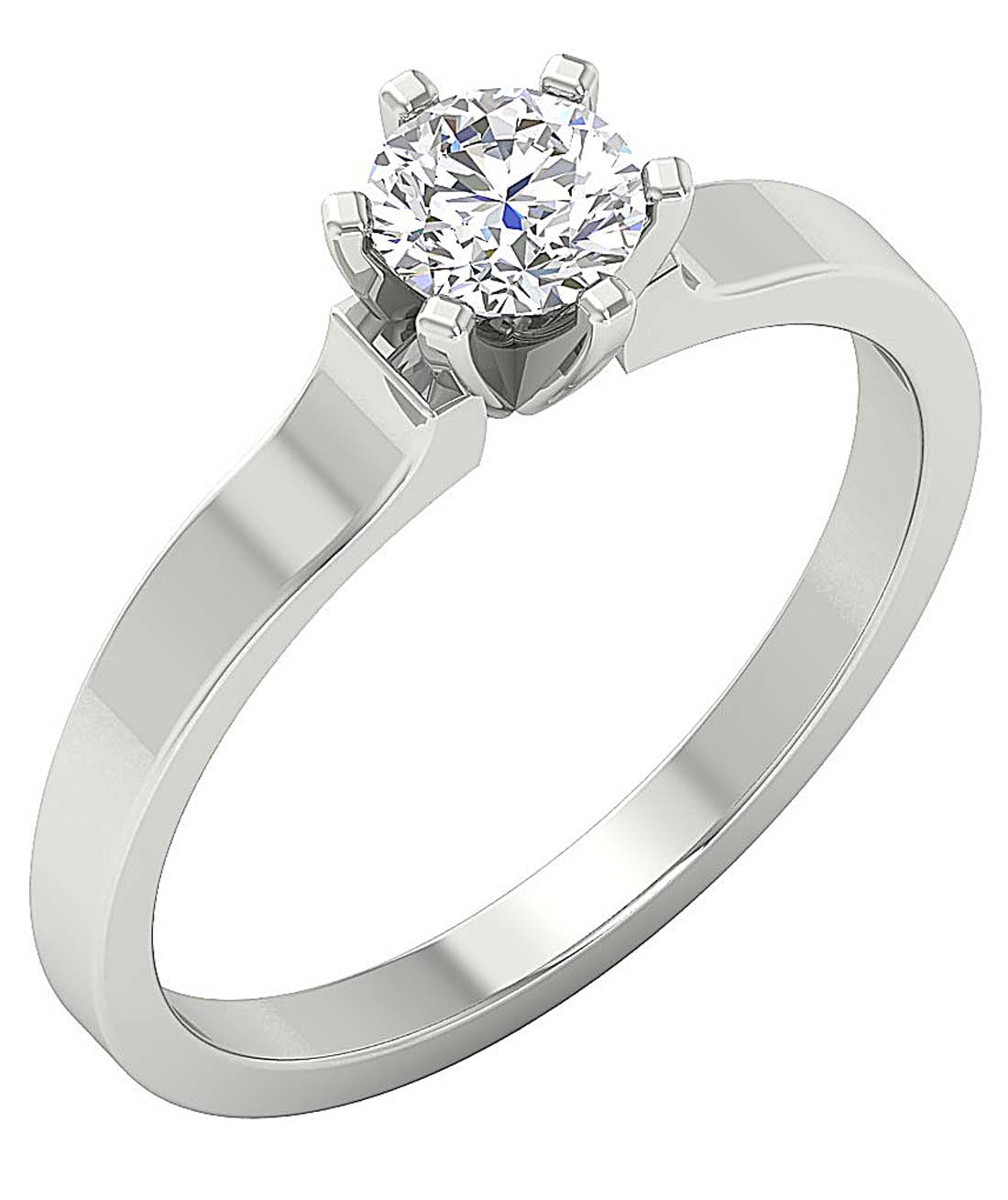
A six-prong mount raises the stone higher and lets in light from every angle, at a small cost to protection. Four prongs show more diamond and less metal, a quieter read for those who want the stone, not the setting, to do the talking. Bezel and half-bezel settings wrap the diamond's edge in metal entirely.
Solitaire diamond rings are built for hands that see daily wear, from kitchen counters to gym bags to long flights. One choice of setting is not objectively better than another. They simply suit different lives, and knowing which one matches yours makes the rest of the decision easy.
Wearing It Well: Styling Your Solitaire Diamond Ring
A solitaire works well when worn with restraint. Slide a slim eternity band beside a six-prong setting, and the two catch light differently without competing. A bezel-set stone, already contained by design, sits comfortably next to a slightly wider band that echoes its solidity.
Keep the metal consistent with whatever else sits on the hand day to day. Two different shades of metal can be worn together, but only when one is more prominent, and they both complement each other.
Consider the shape of the finger before the shape of the stone. An elongated oval or marquise cut reads longer on a shorter finger. A round or cushion cut holds its own beside other rings without disappearing into them.
Living With It: Caring for Your Solitaire Diamond Ring
A single stone shows every mark of daily life, so a little upkeep goes a long way. Because the diamond is the only stone on the band, any dulling at the surface is immediately visible.
Clean the setting weekly with warm water, a drop of mild dish soap, and a soft-bristled brush. Be sure to work beneath the stone where oils from skin and lotion settle unnoticed. Rinse thoroughly and dry with a lint-free cloth before the ring goes back on the hand.
Prongs can loosen gradually through vibration and small daily impacts. This change often goes unnoticed. A jeweler should check the setting once a year, examining each prong tip individually rather than just testing the mount as a whole.
Always take the ring off before manual work, exercise, or swimming, since chlorine and repeated impact. Store it separately from other jewelry, since a diamond is hard enough to scratch softer metals and stones without meaning to.
Choosing Your Diamond
Carat weight reads differently on a solitaire than on a design surrounded by smaller stones. Without a halo or pavé shoulders to borrow the look of extra size, a solitaire's carat weight is exactly what it appears to be.
This makes proportion worth checking first: how the band width relates to the stone, and how the setting height sits on the finger itself. A diamond that photographs beautifully online can still sit differently in person.
One diamond. One setting. A choice that has held its shape for over a century, and one that still says exactly what it means to.