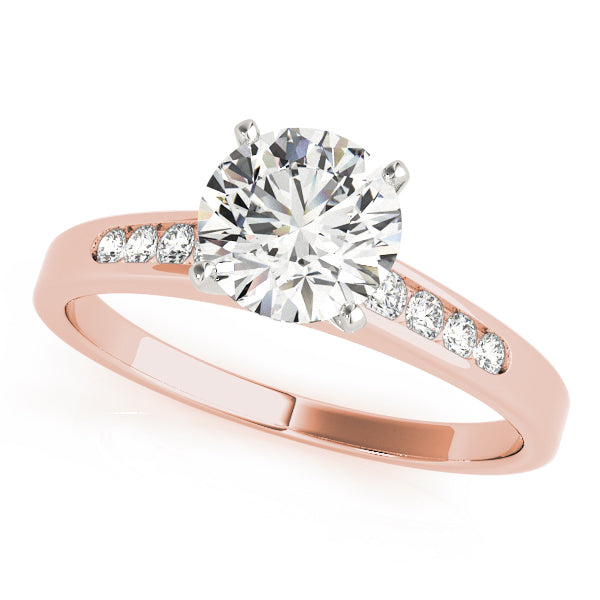
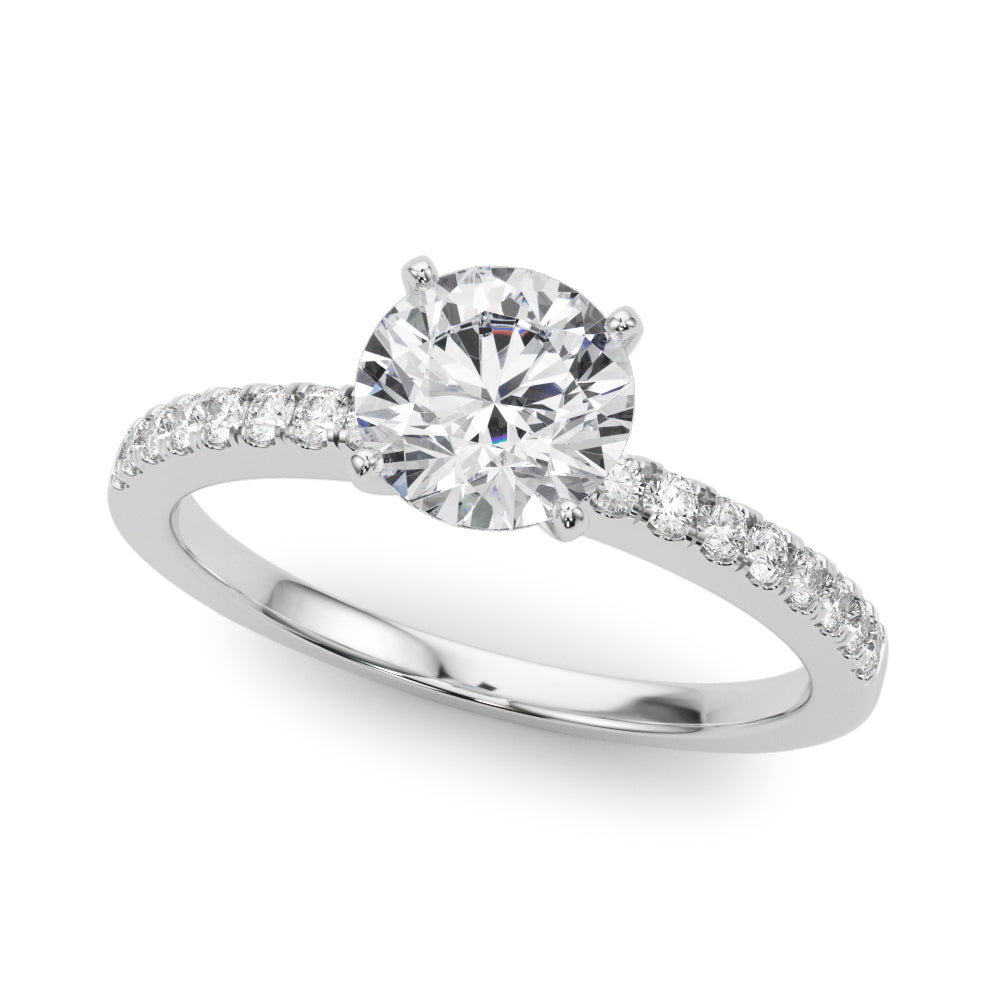
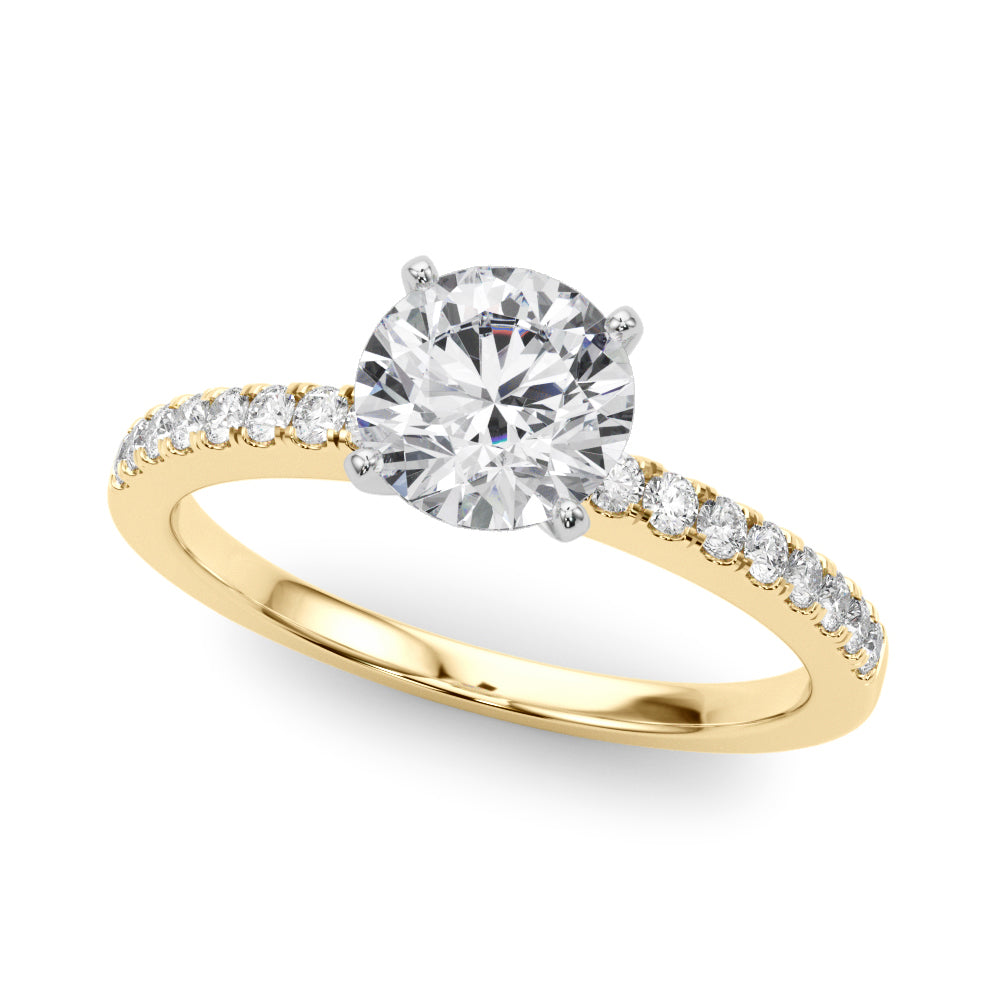
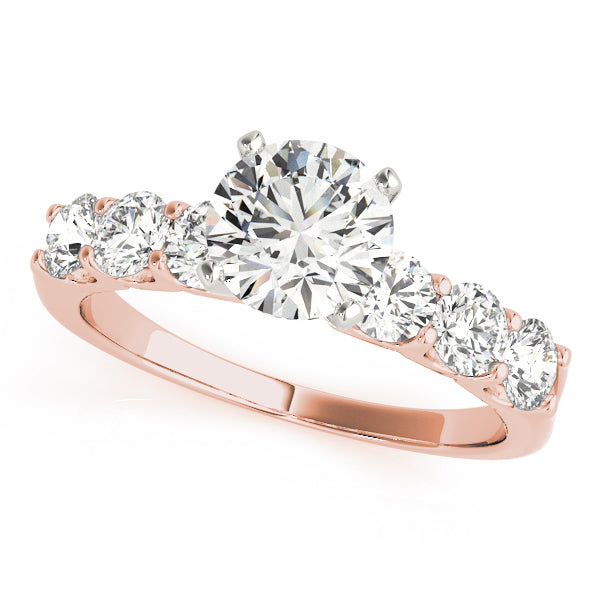
Lab-Grown Diamonds

Lab-Grown Diamonds

Affordable Sparkle that Lasts Forever
.

Filters

Sort by:

294 products

Save 71%
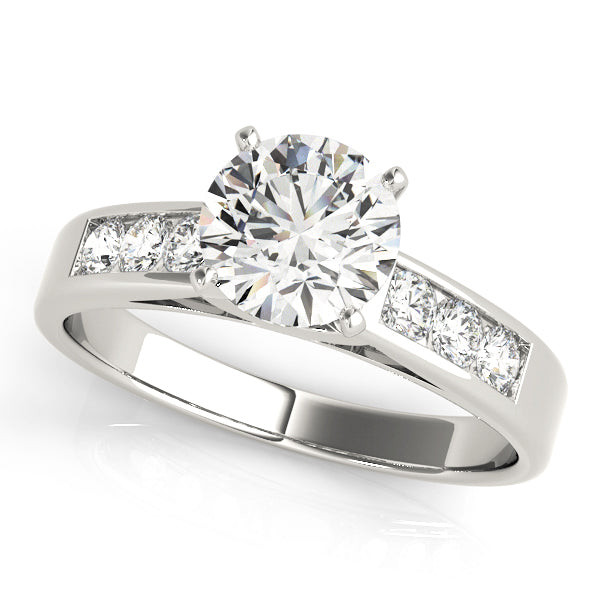
DesignerSolitaire14kWhiteGoldRingProngSetSideViewDesignerSolitaireRingSet14kWhiteGold
Color
Save 71%
DesignerEngagementRing14kWhiteGoldProngSetSideViewDesignerWeddingRing14kWhiteGold
Color
Save 71%
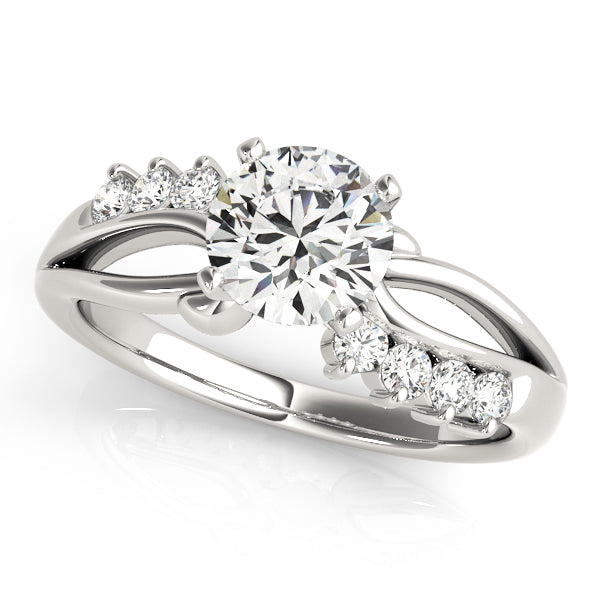
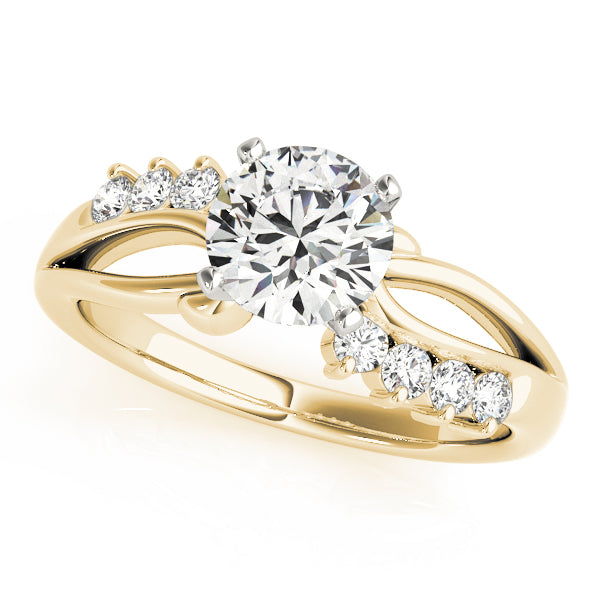
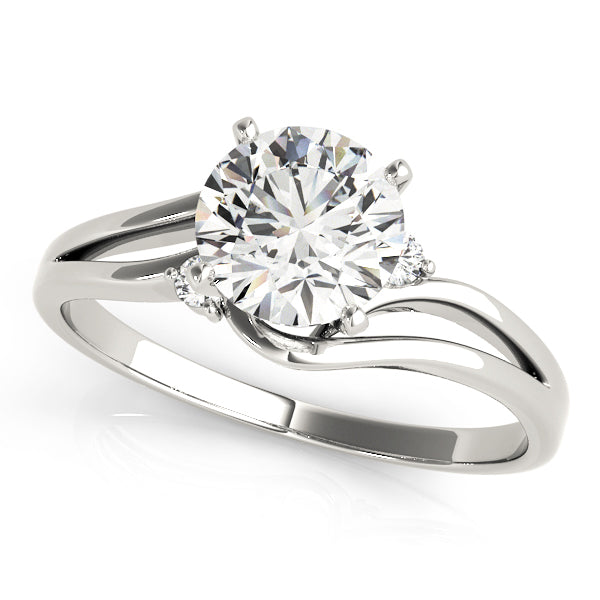
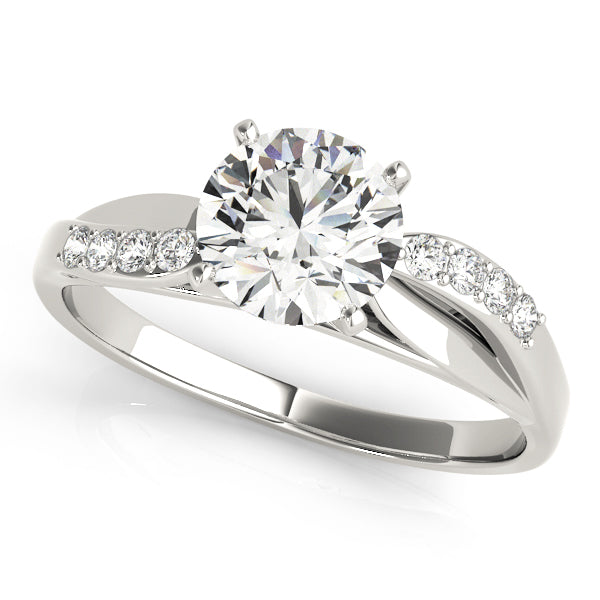
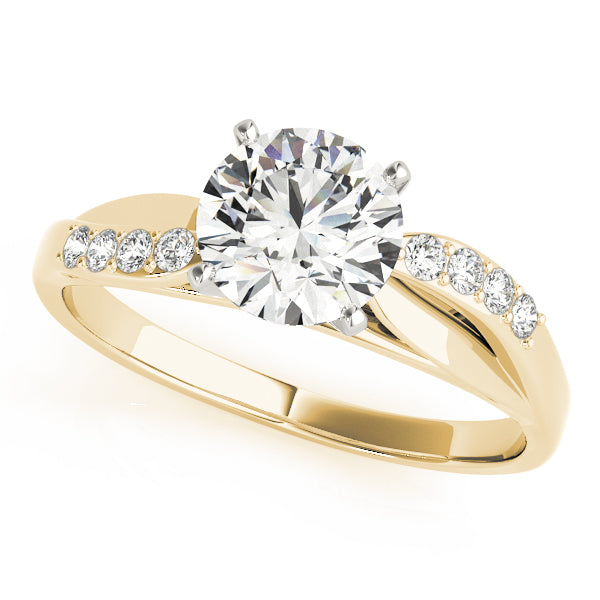
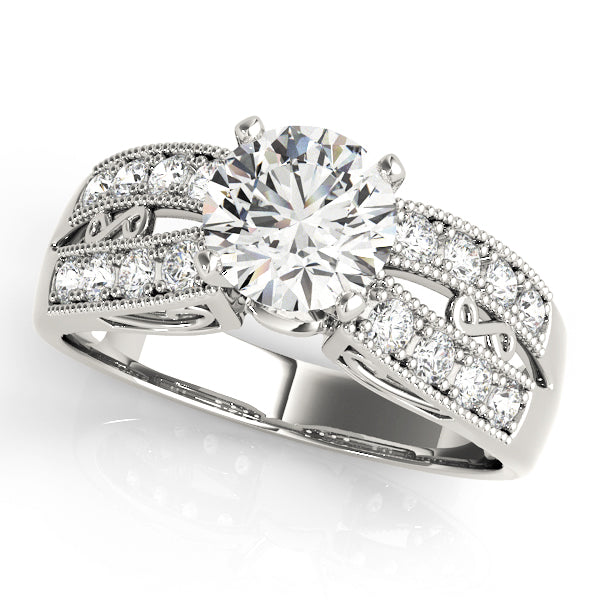
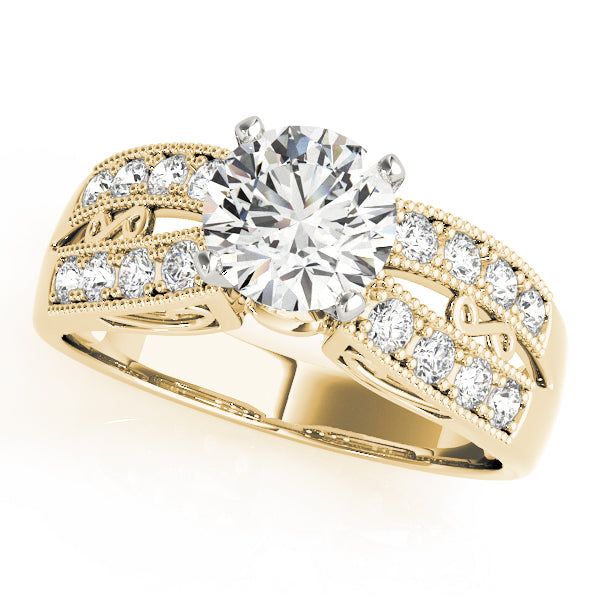
Front view of an eco-friendly round diamond flowing silhouette statement ring in 14K white gold.Front view of a round cut lab grown diamond bypass split shank engagement ring in 14K yellow gold.
Color
Save 71%
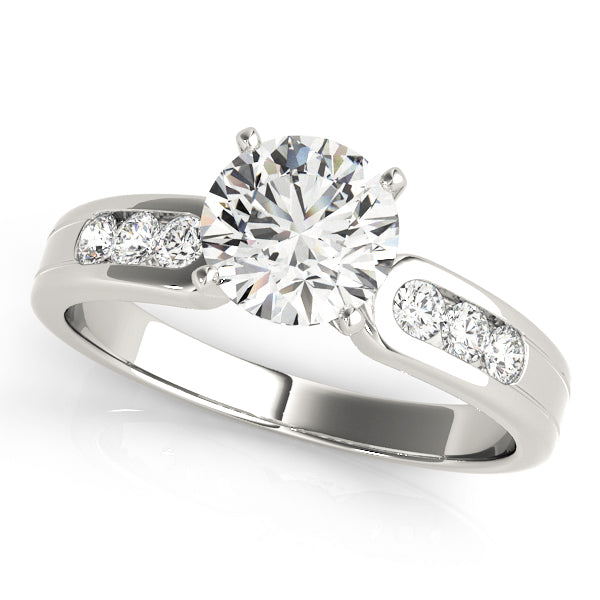
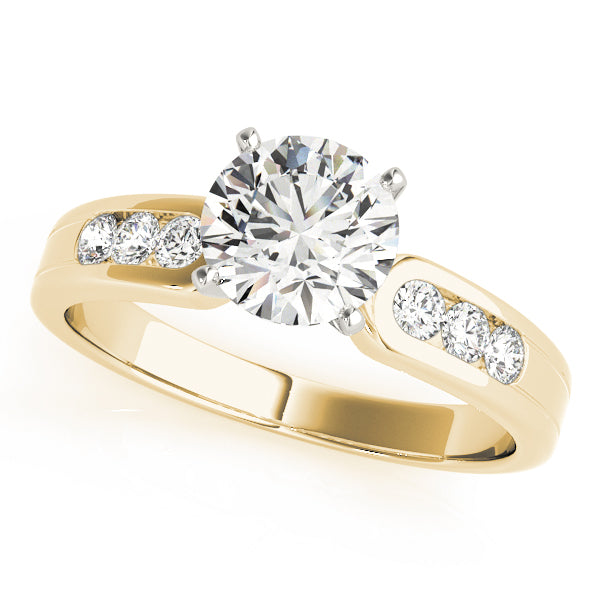
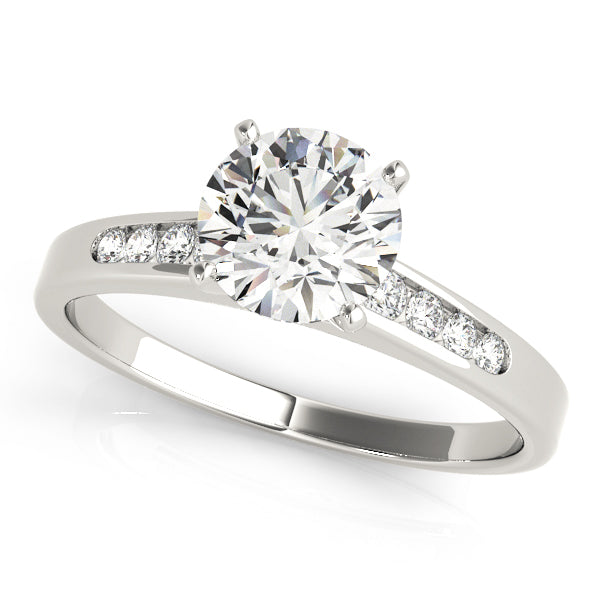
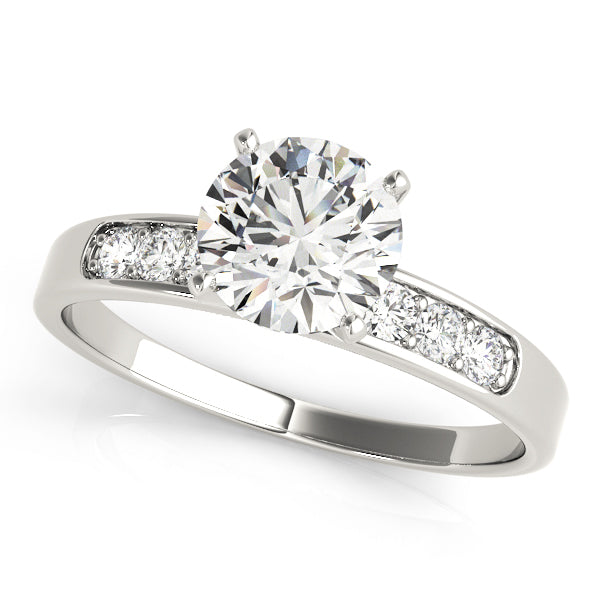
classic-cathedral-round-diamond-solitaire-ring-white-goldround-brilliant-cut-diamond-cathedral-ring-channel-set-yellow-gold
Color
Save 71%
VintageSolitaireRing14kYellowGoldDesignerSolitaireRingRoundDiamond14kWhiteGold
Color
Save 71%
DesignerEngagementRingRoundDiamond14kWhiteGoldSideView14kYellowGoldDesignerSolitaireRing
Color
Save 71%
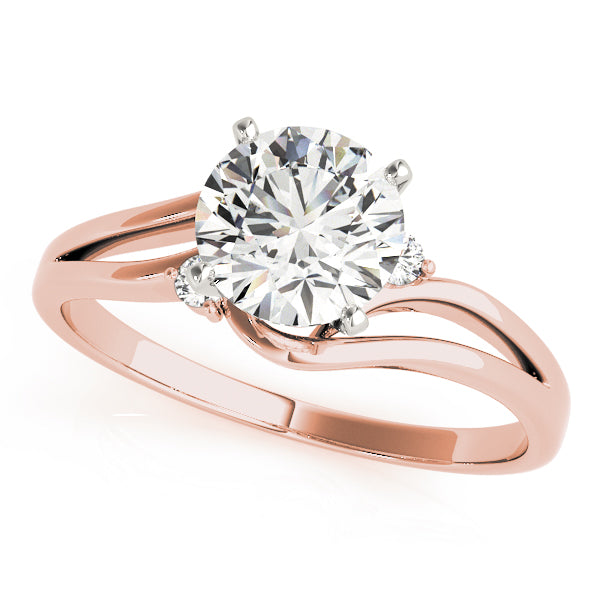
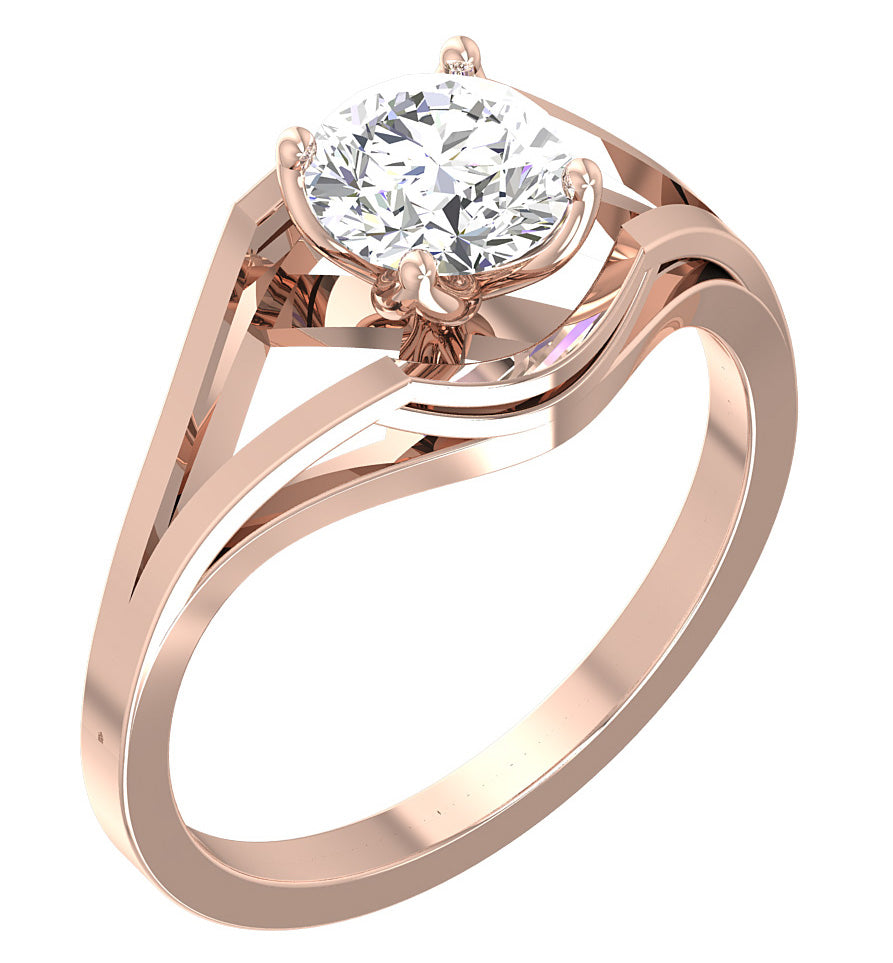
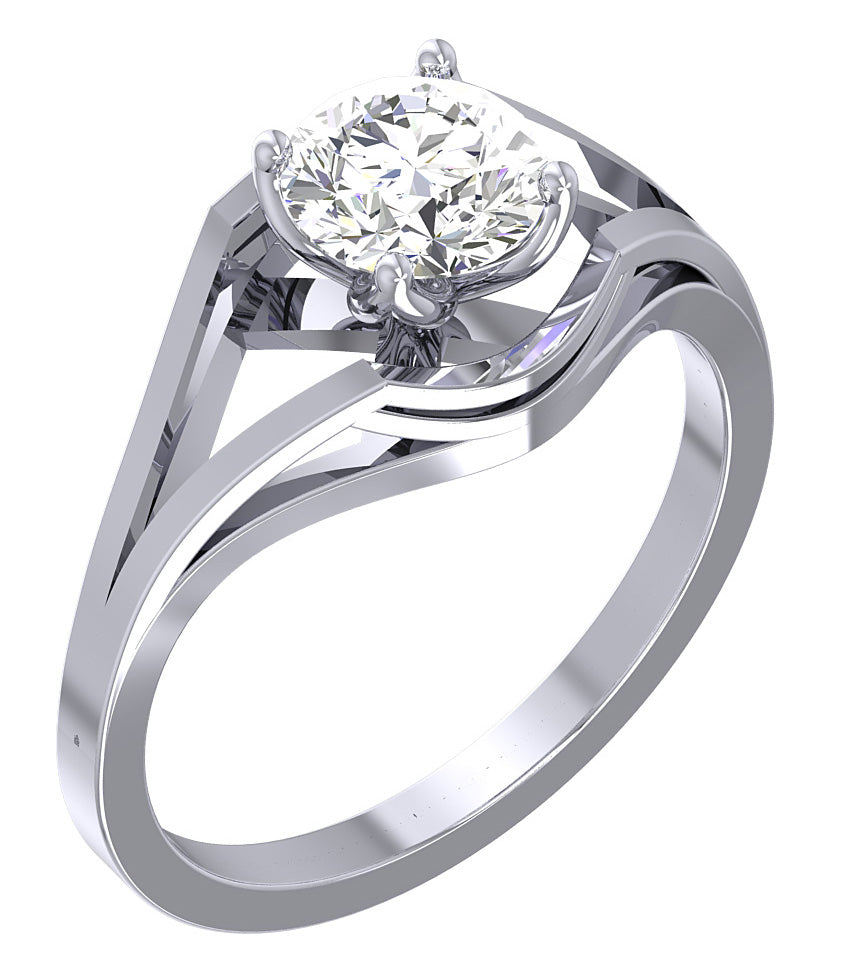
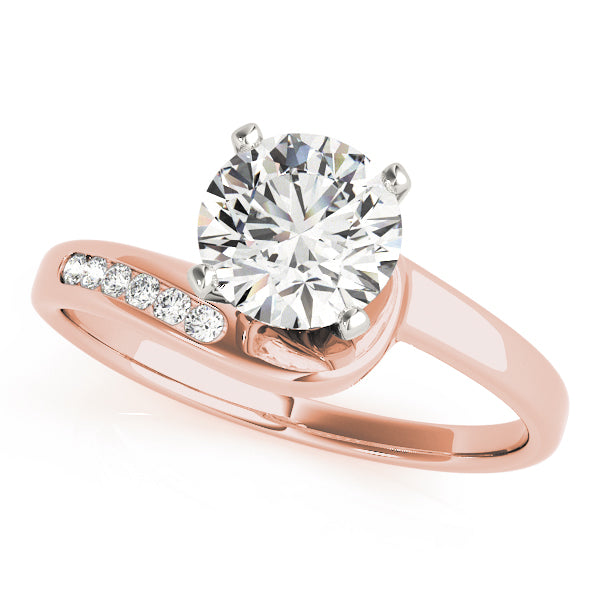
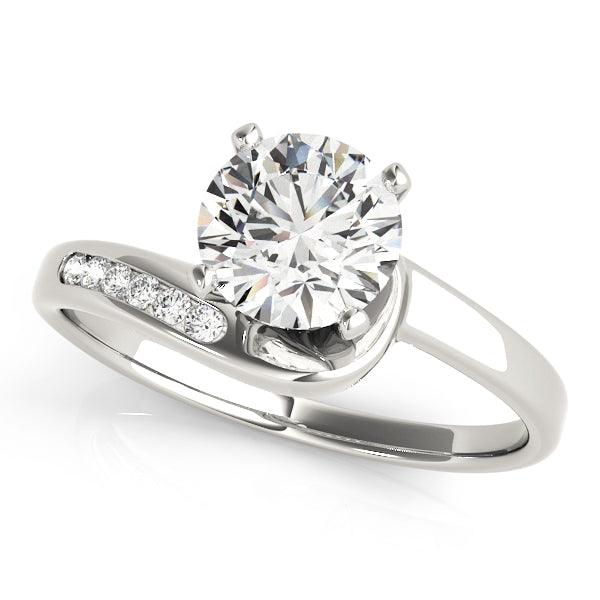
Front view of round diamond flowing silhouette solitaire ring in 14K white gold.Front view of a brilliant round lab created diamond wave ring with two side accents in 14K rose gold.
Color
Save 71%
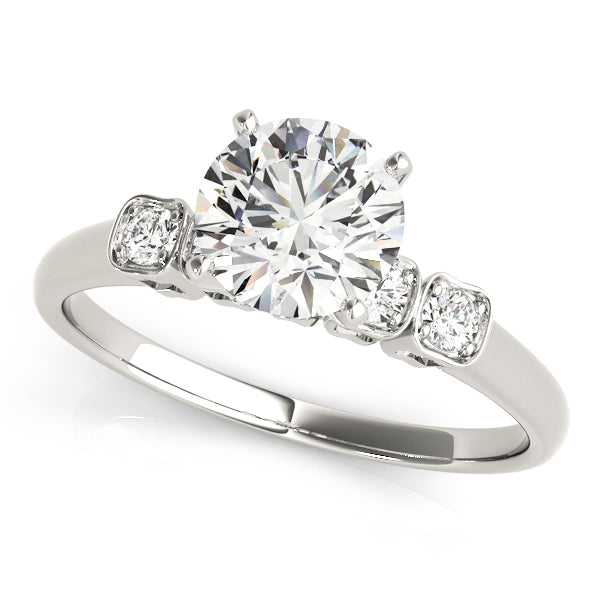
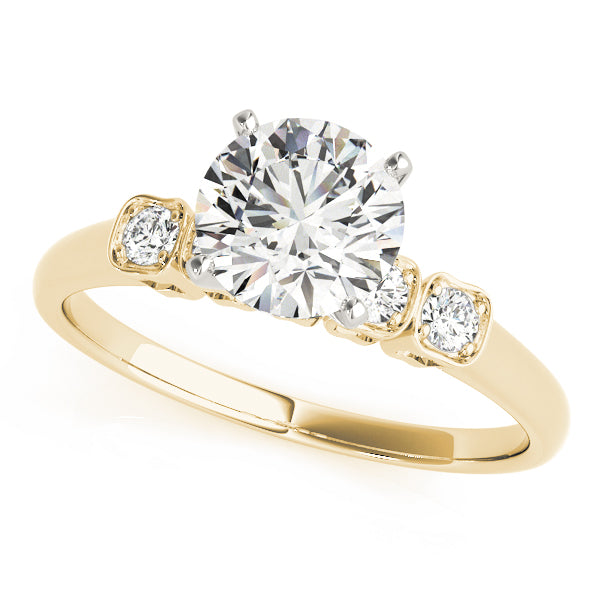
White gold round lab grown diamond accent ring.Yellow gold round lab diamond three-stone engagement ring.
Color
Save 71%
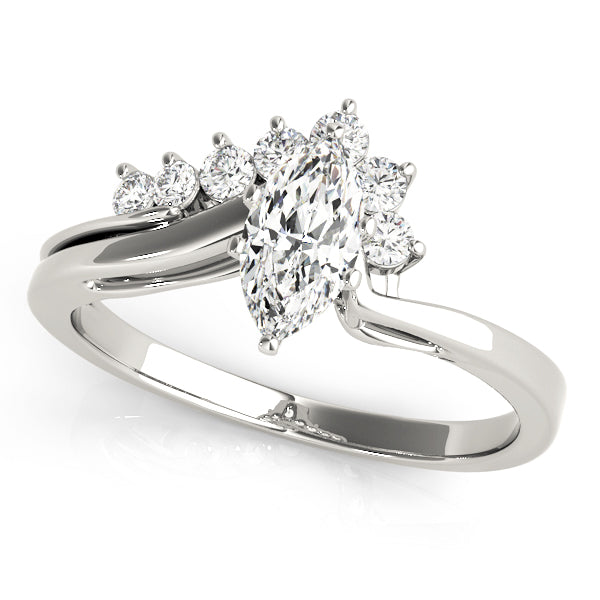
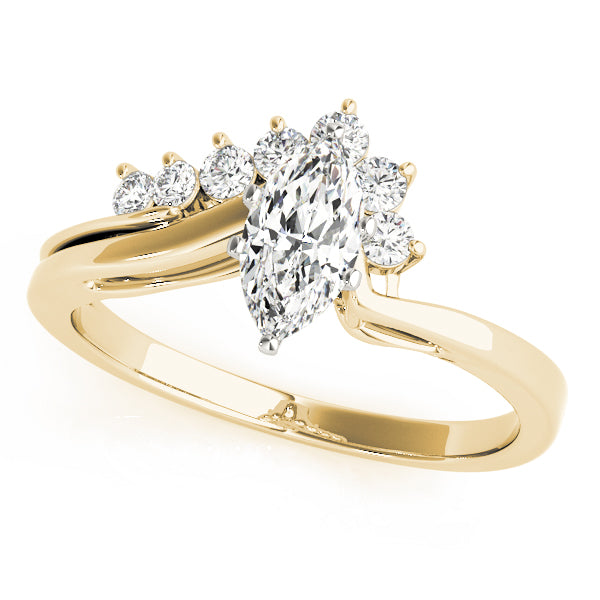
Front view of a marquise cut eco-friendly diamond tiara engagement ring in 14K white gold.Front view of a marquise cut lab grown diamond asymmetric crown ring in 14K yellow gold.
Color
Save 71%
14kRoseGoldEngagementRingDesignerWeddingRingRoundDiamond14kWhiteGold
Color
Save 71%
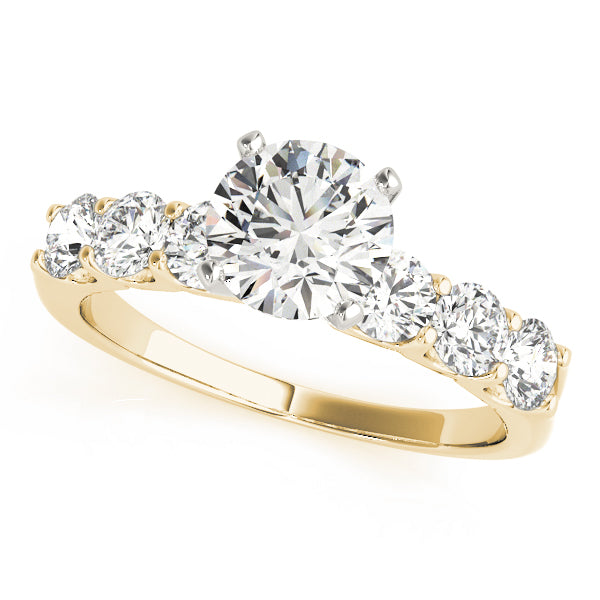
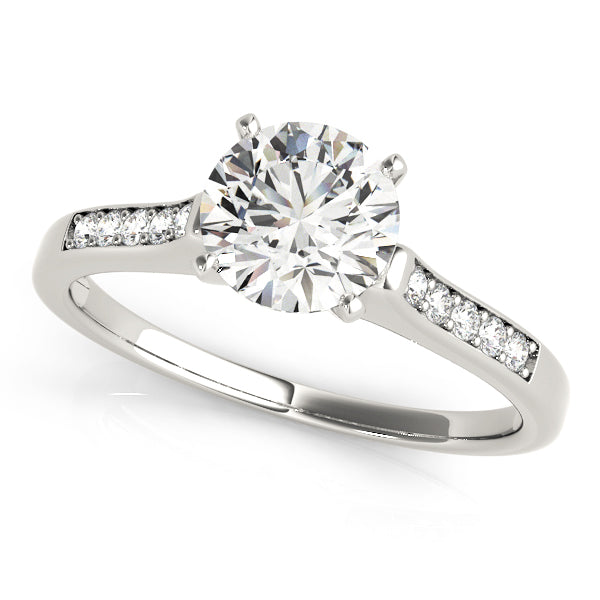
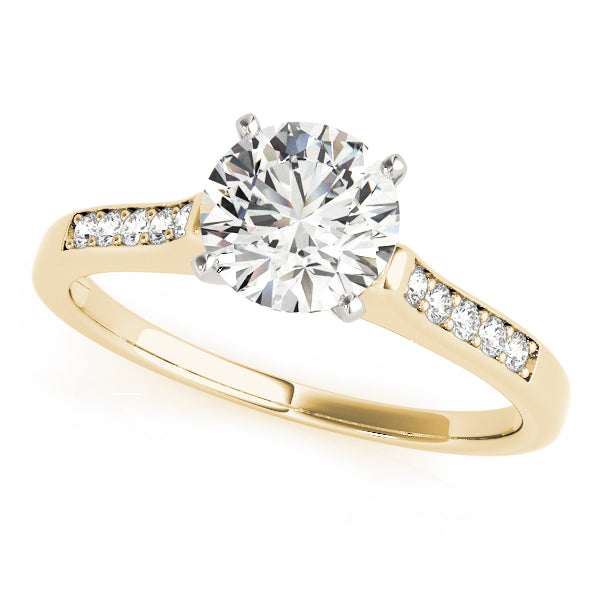
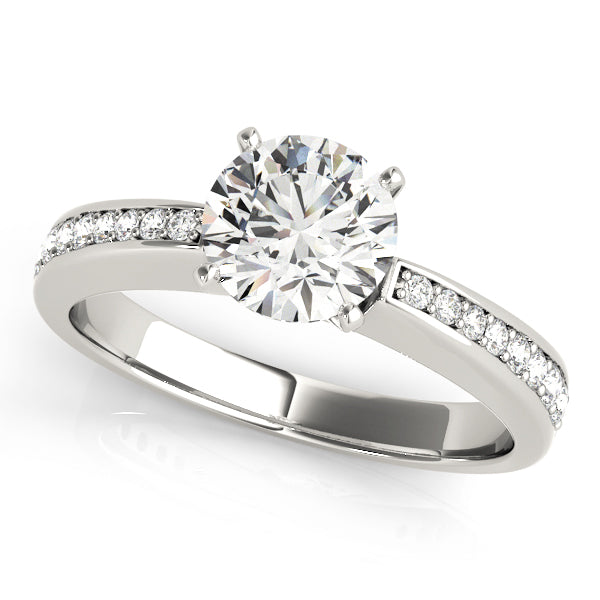
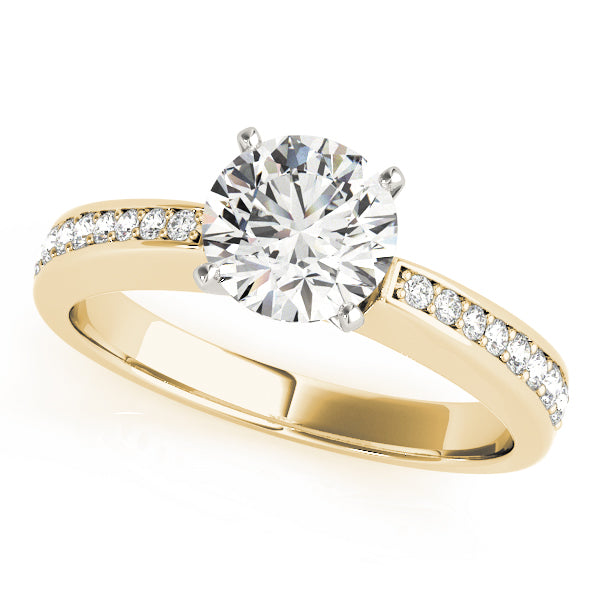
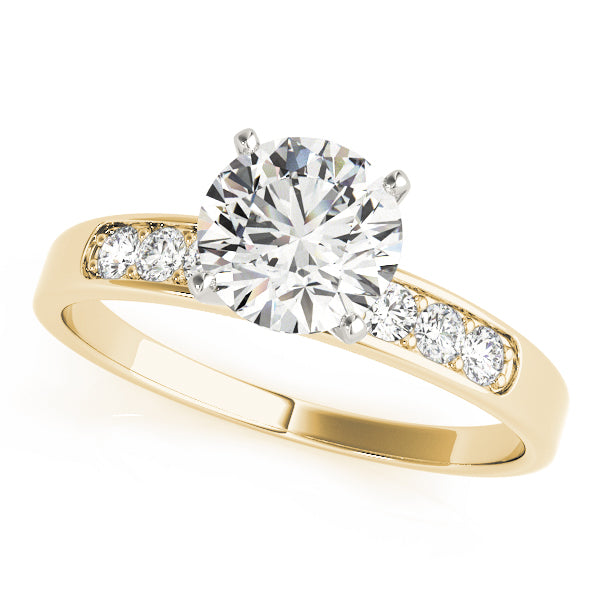
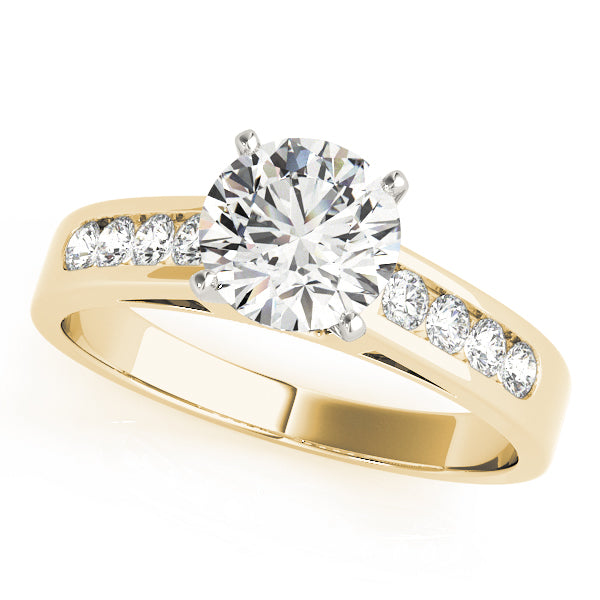
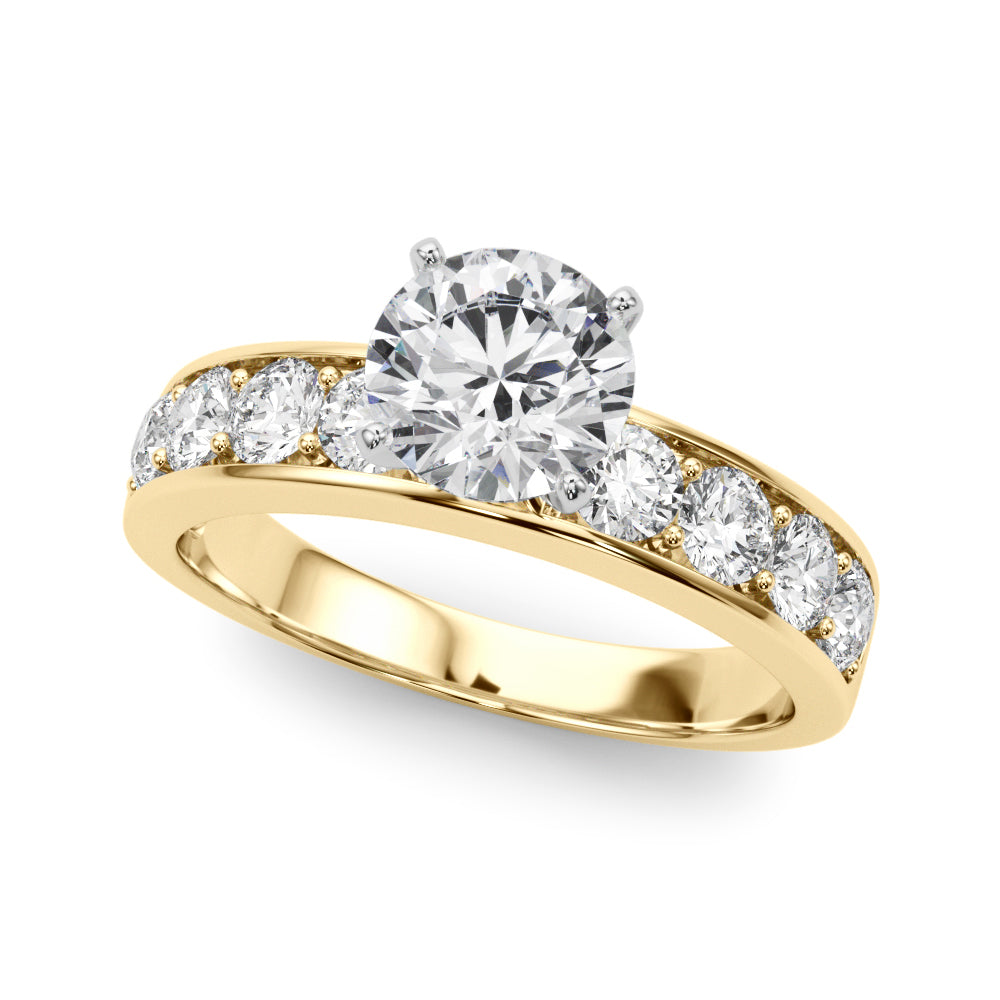
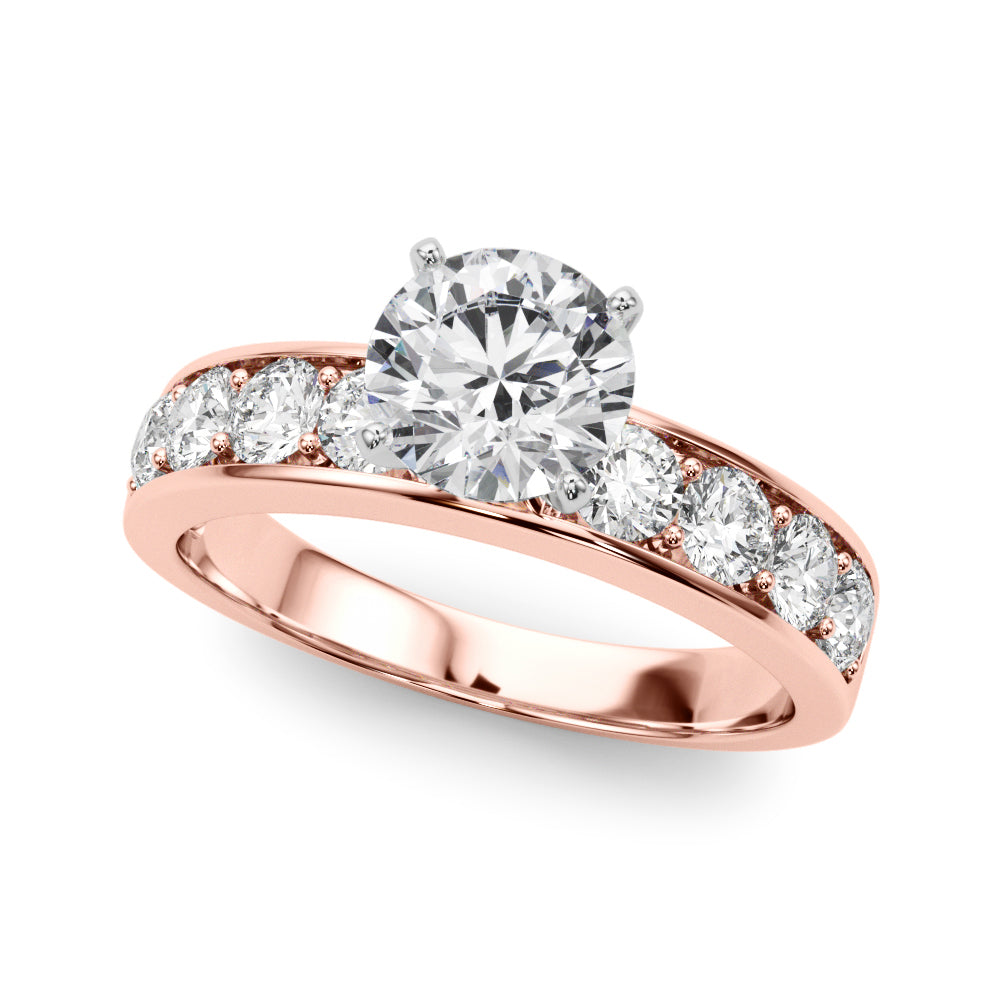
Round cut diamond engagement ring with channel-set diamond band in 14K yellow gold, top view.Classic round brilliant diamond ring featuring a channel-set band in white gold
Color
Save 71%
DesignerEngagementRingRoundDiamond14kWhiteGoldSideView14kYellowGoldDesignerSolitaireRing
Sale price$2,239.99 Regular price$7,840.00
Color
Save 71%
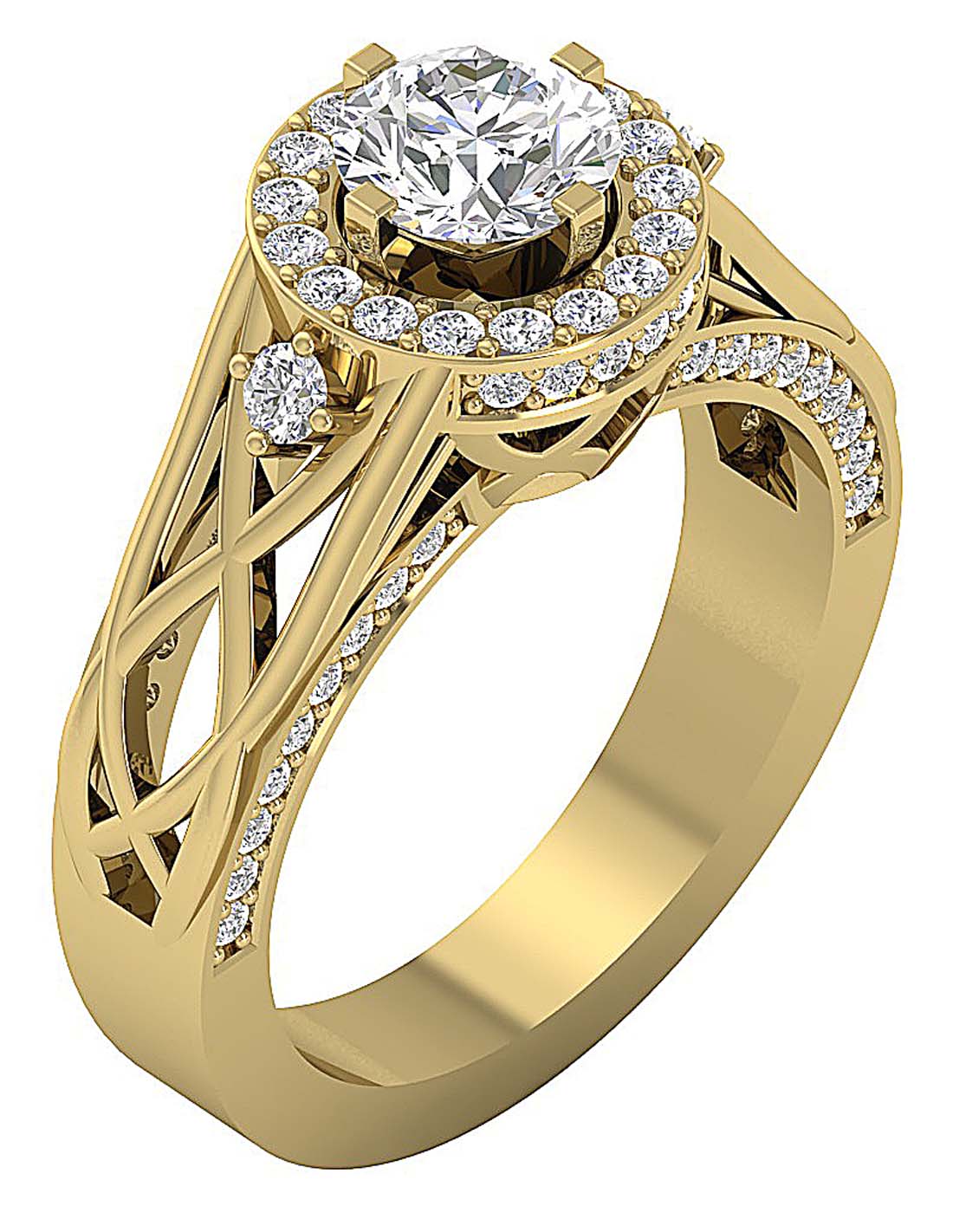
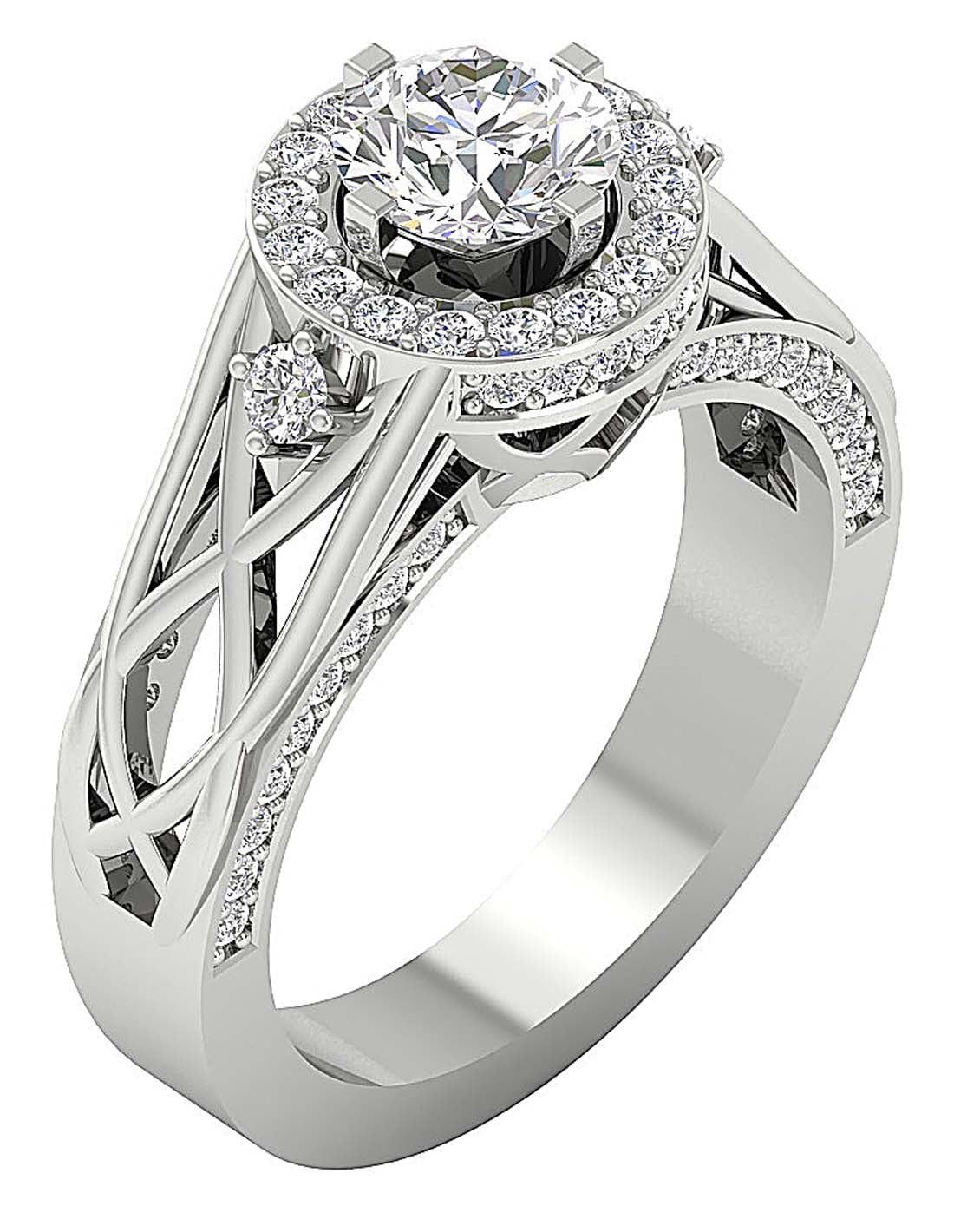
round diamond split shank solitaire ring in 14K white gold.Front view of a round cut lab grown diamond twisted criss cross engagement ring in 14K yellow gold.
Color
Save 71%
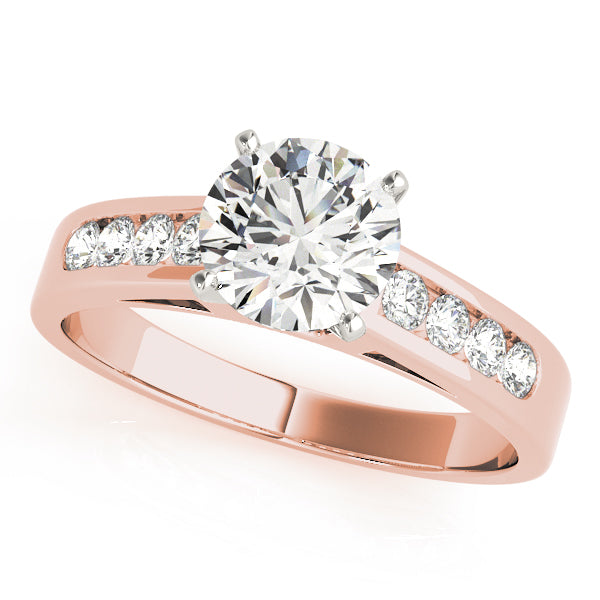
Classic round brilliant lab grown diamond solitaire accent ring in 14k white goldRound cut lab created diamond cathedral engagement ring on a sleek tapered channel set rose gold band
Color
Save 71%
Top perspective view of a stunning white gold engagement ring featuring a round center diamondtop view of a classic round cut diamond engagement ring in yellow gold with a pavé diamond band.
Color
Save 71%
Rose gold round lab diamond ring with scalloped prong band.Yellow gold round lab diamond shared prong engagement ring.
Color
Save 71%
Front view of a brilliant round lab created diamond asymmetric pave accent ring in 14K rose gold.Front view of an eco-friendly round diamond spiral solitaire ring in 14K white gold.
Color
Save 71%
Detailed angled perspective view of a 14k white gold engagement ringbrilliant round cut lab-grown diamond in a secure 4-prong setting
Color
Save 71%
Angled top view of white gold round diamond ring.top view of yellow gold round diamond ring.
Color
Save 71%
Elegant 14K white gold lab diamond solitaire ring14K yellow gold lab grown diamond engagement ring featuring a brilliant round solitaire center
Color
Save 71%
Premium round cut lab created diamond engagement ring in 14k rose goldAngled front view of round brilliant cut lab grown diamond engagement ring in yellow gold
Color
Save 71%
Top view of a round cut diamond engagement ring in yellow goldTop view of a round brilliant cut diamond engagement ring crafted in rose gold
Color
Save 71%
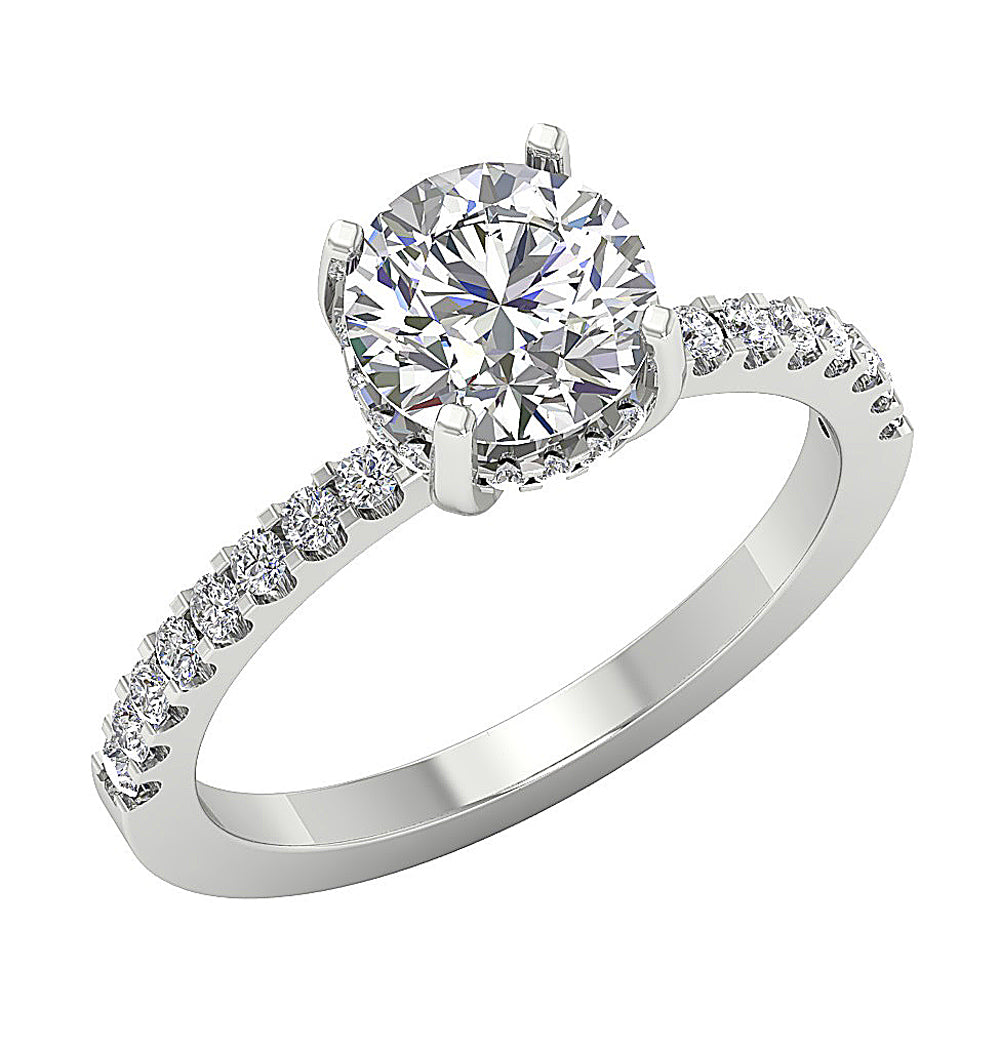
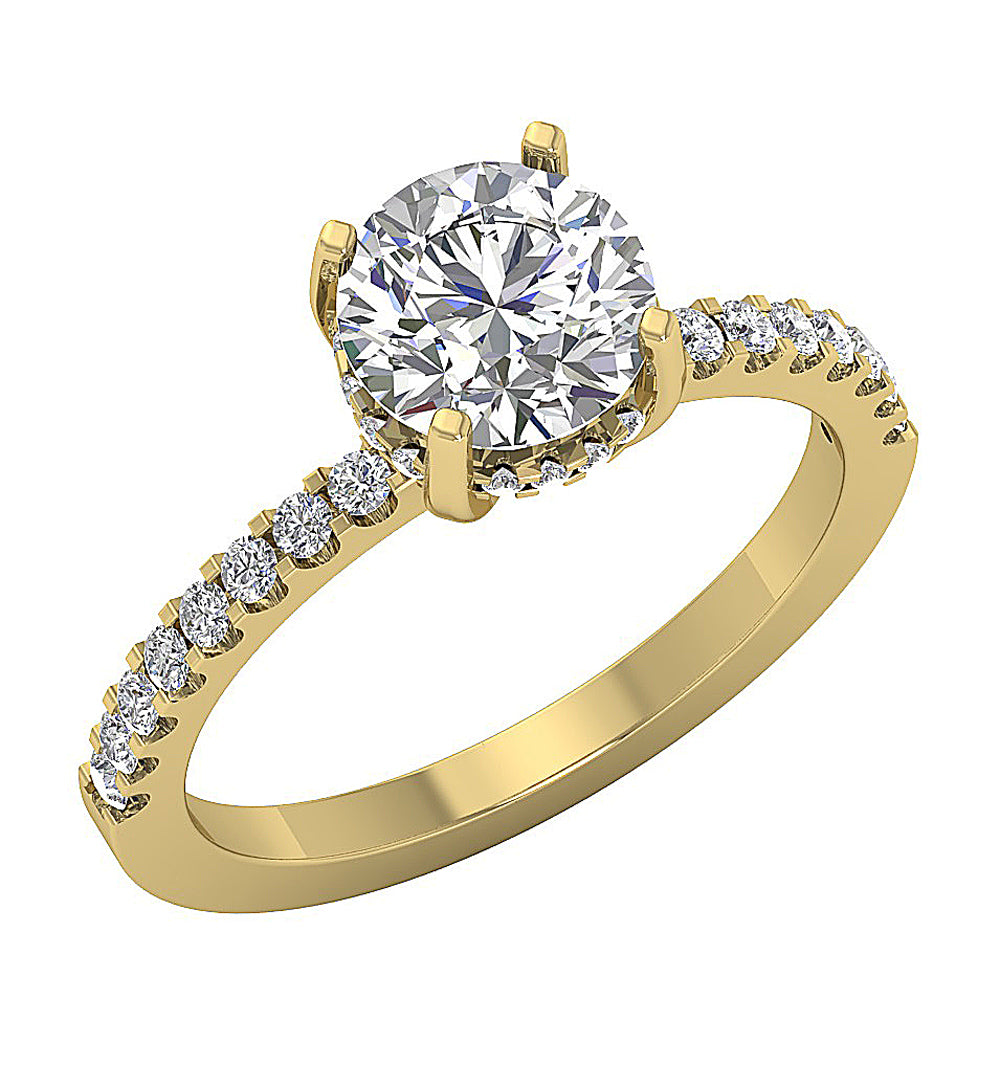
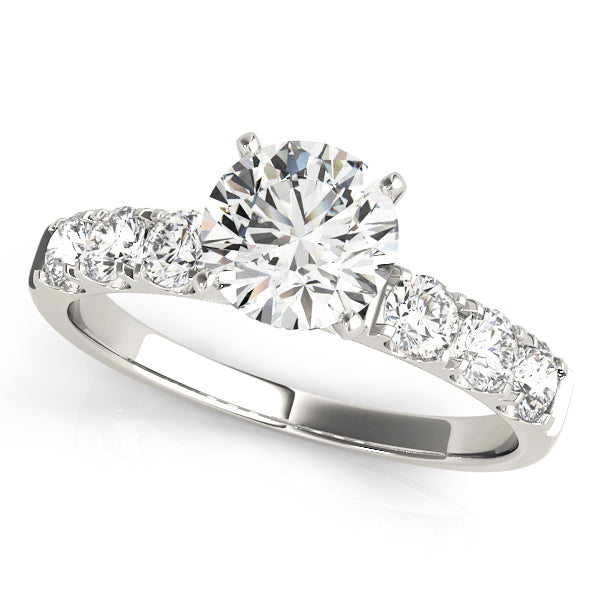
White gold round lab grown diamond classic engagement ring.Yellow gold round lab diamond shared prong engagement ring.
Color
Save 71%
Timeless Round Lab Grown Diamond Vintage Style Solitaire Accent Ring in 14k White GoldRound Lab Grown Diamond Engagement Ring in 14k Yellow Gold
Color

Lab-Grown Diamonds, Judged on Their Own Merits

A diamond has always been carbon under pressure, arranged with unusual patience. What has changed is where that pressure comes from. A lab-grown diamond forms in a controlled chamber over weeks rather than in the earth over billions of years. The result, atom for atom, is the same crystal structure, the same hardness, the same fire in the light.

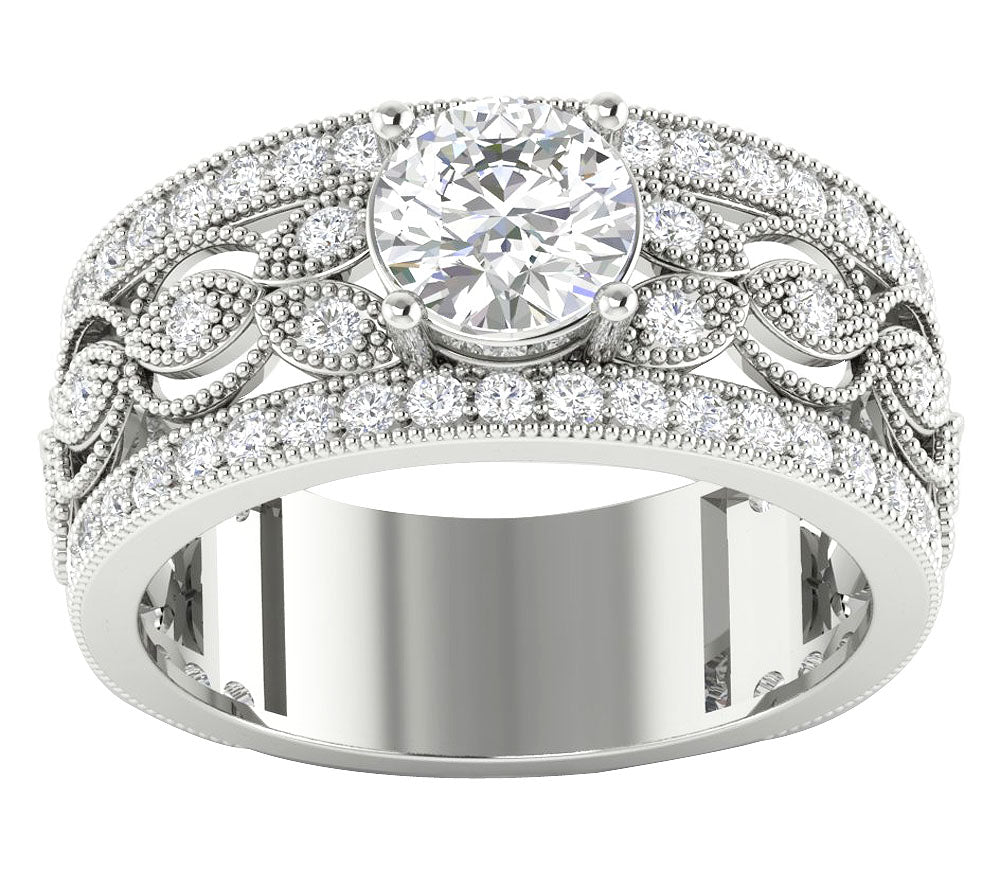
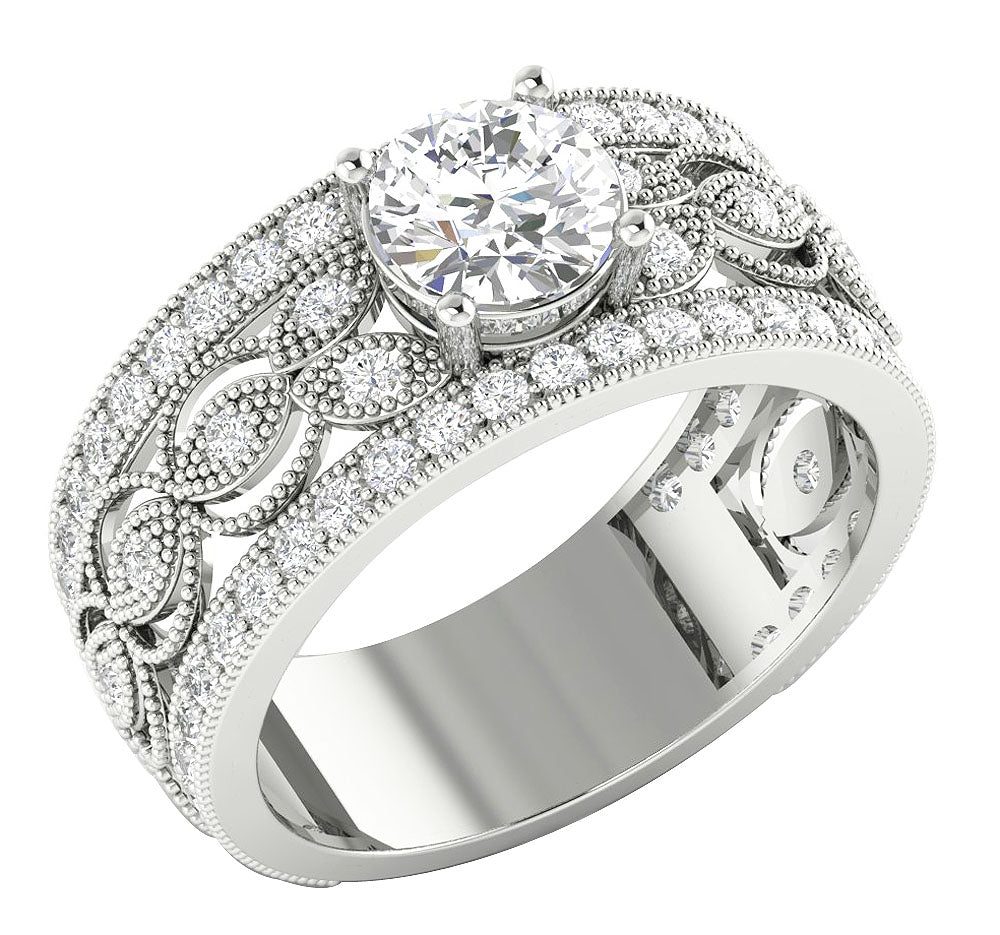
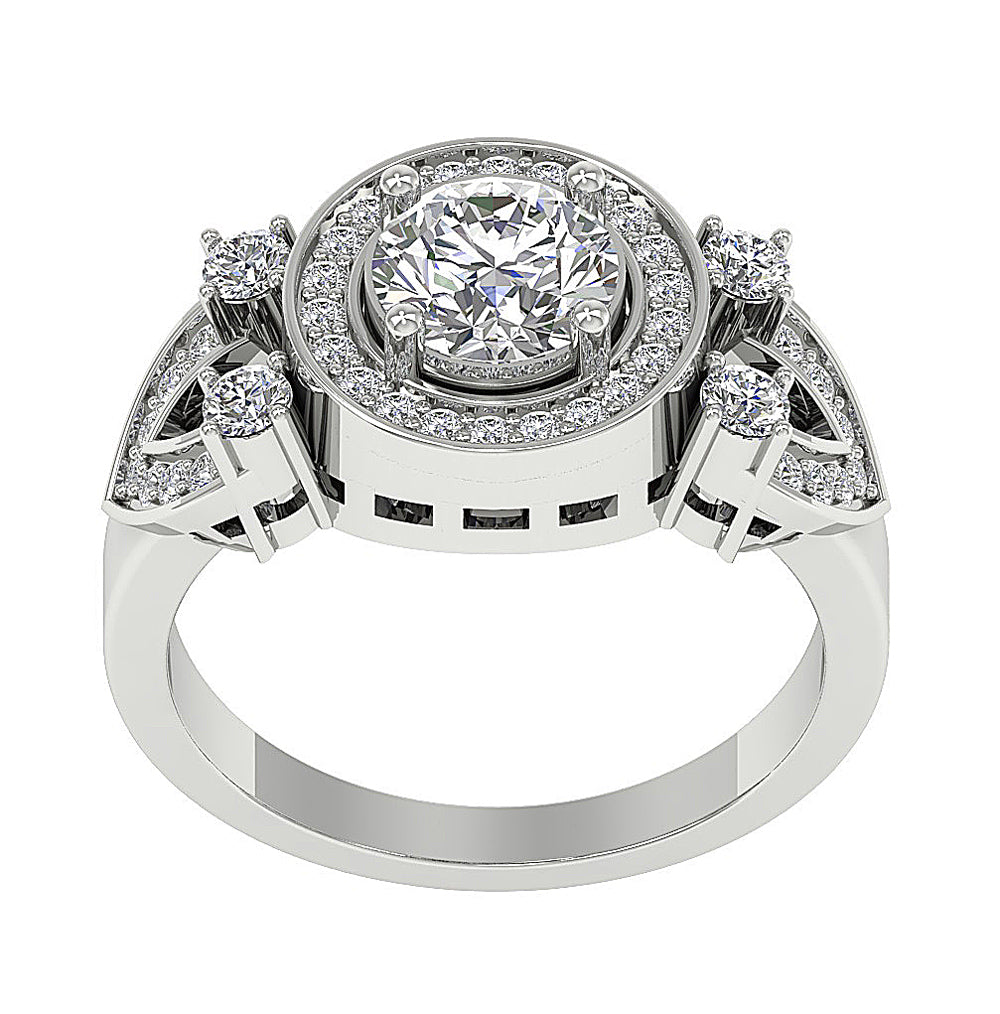
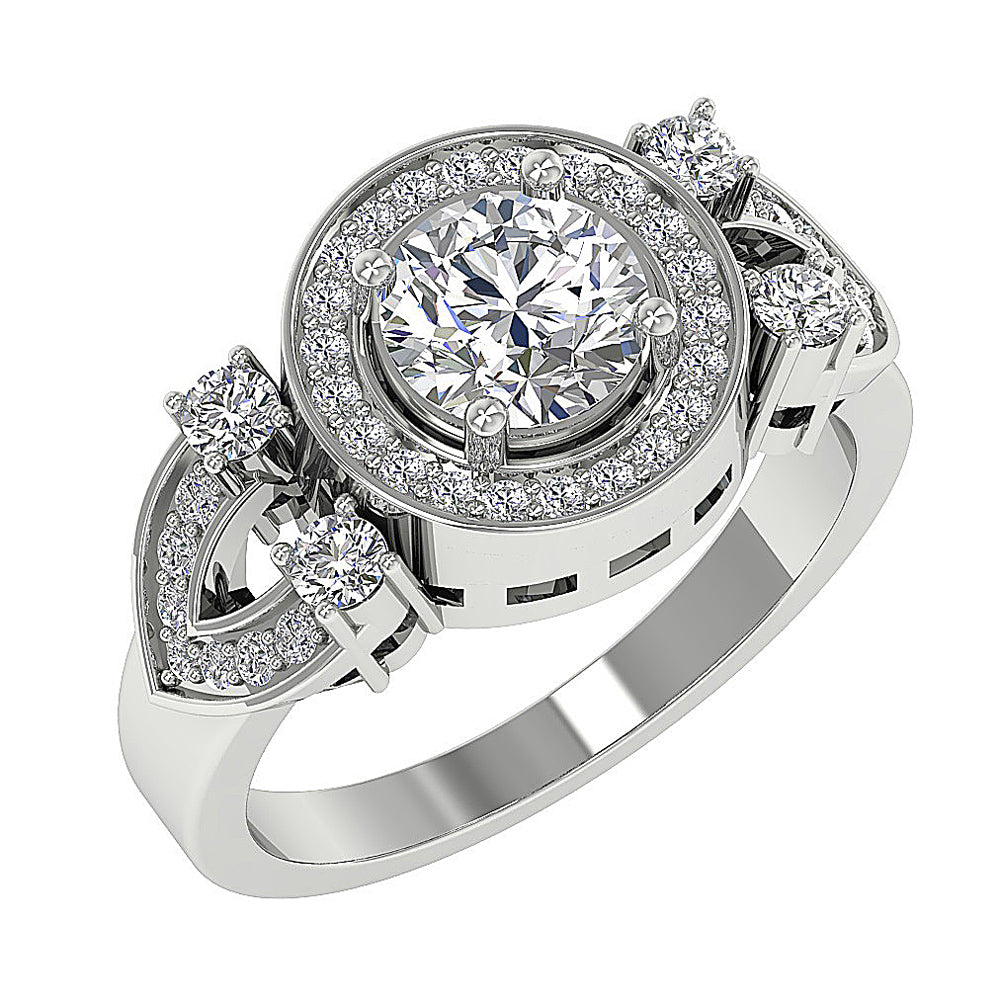
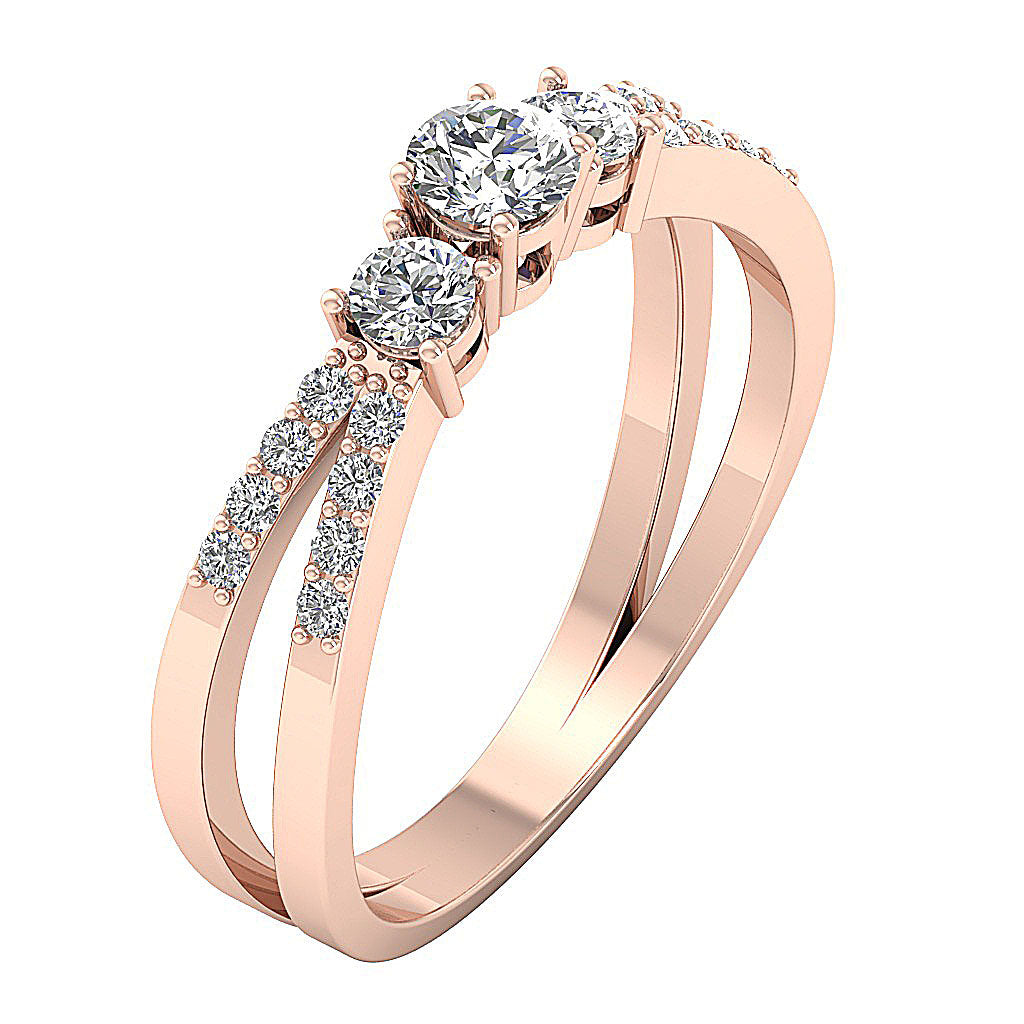
The collection spans round, oval, cushion, emerald, princess, radiant, marquise, and heart shapes, most commonly set as one or two carat centers in solitaire, halo, accent, twisted, and three-stone designs. Each stone sits in 14K or 18K gold, yellow, white, or rose, and arrives with certification confirming its origin plainly rather than leaving the question to chance. 

A lab-grown diamond typically costs considerably less than a natural one of equivalent size and clarity, which tends to open up a larger stone, a higher clarity grade, or simply more room in the budget for the setting itself. None of that changes what the stone is asked to do on the hand.

Choosing a Lab-Grown Diamond with Confidence

Look for certification before anything else. IGI and GIA both grade lab-grown diamonds using the same cut, color, clarity, and carat standards applied to natural stones, and a report from either removes any guesswork.

Let the savings work toward size or clarity, not just a lower total. A lab-grown diamond often allows a full clarity grade higher, or a noticeably larger center stone, for what a comparable natural diamond alone would cost.

Choose the cut with real attention, since it affects brilliance more than any other factor. A well-cut lab-grown diamond in a lower clarity grade can outshine a poorly cut stone with a far more expensive grade on paper.

Consider color grade with the setting in mind. Yellow gold forgives a warmer color grade easily, while white gold and platinum-toned finishes show color more readily, which may be worth an upgrade.

Ask about growth method only if it genuinely matters to you. HPHT and CVD are the two primary methods used today, and while they can influence certain internal characteristics, neither produces a diamond less real than the other.

Caring for a Lab-Grown Diamond, Identically to Any Other

A lab-grown diamond scores a full ten on the same hardness scale as a mined one, which means the entire care routine that applies to natural diamonds applies here without exception or asterisk.

Clean it every week or two in warm water with a drop of mild soap and a soft brush, working gently around the setting where residue collects unseen. Rinse thoroughly and dry with a lint-free cloth, and skip the ultrasonic cleaner on pieces with pavé or delicate prongs, where vibration works settings loose gradually over time.

Keep the certification paperwork somewhere safe alongside any appraisal, separate from the piece itself. It matters for insurance and resale in exactly the way a natural diamond's paperwork would, and losing it is far more common than losing the stone.
Frequently Asked Questions