Diamond Heart Pendants
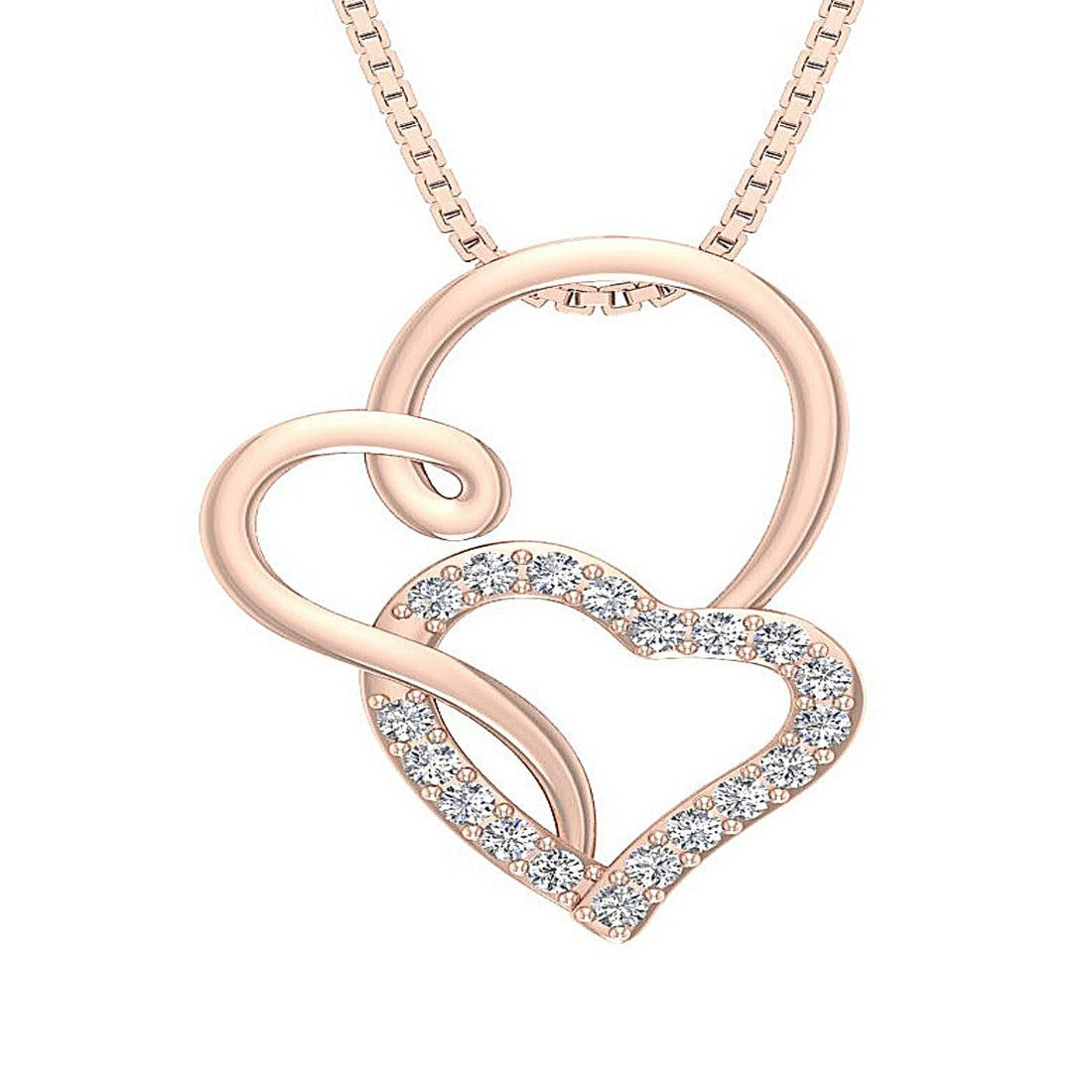
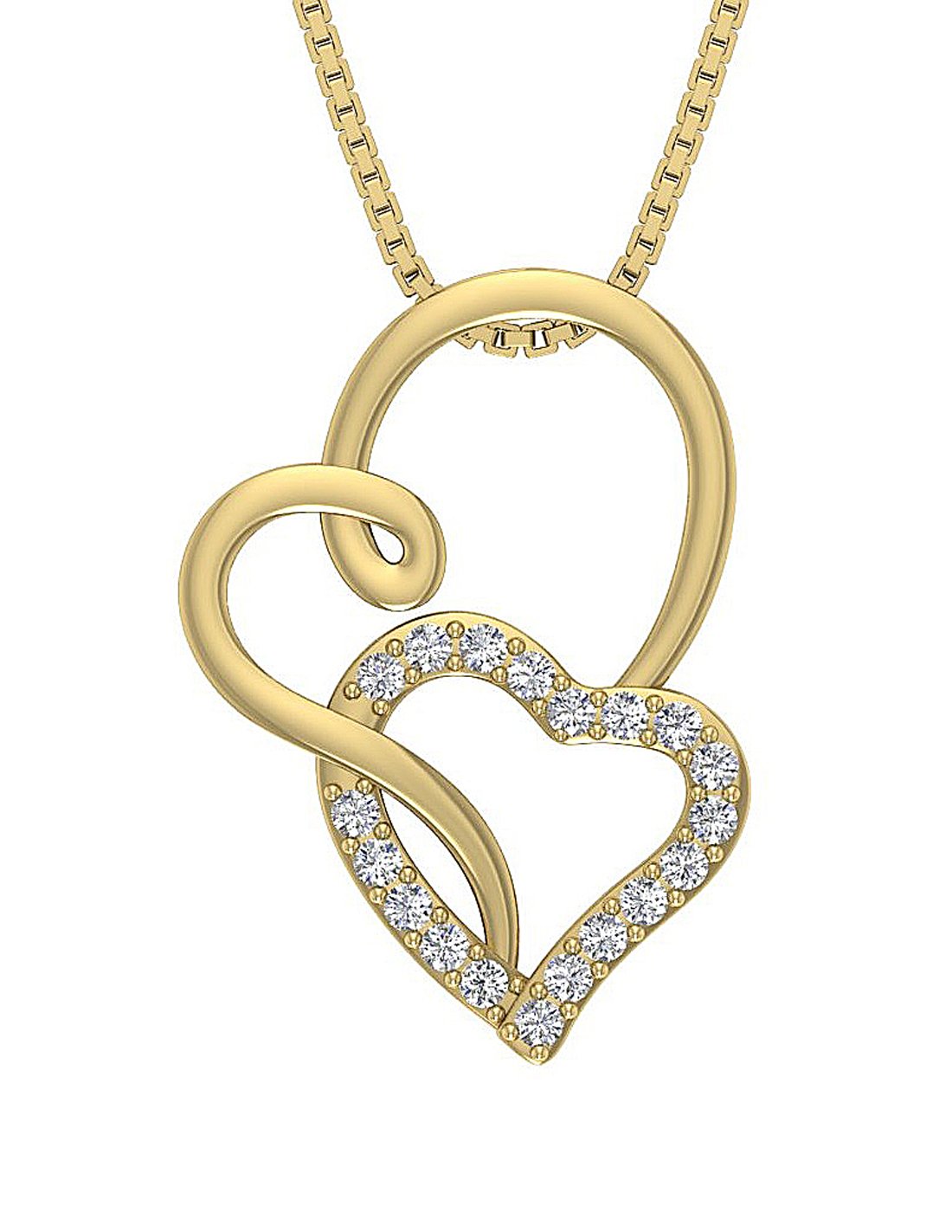
A heart diamond pendant combines one of jewelry's most recognisable symbols with the enduring appeal of a natural diamond. The heart shape immediately suggests affection and connection, while the diamonds and gold give the design a more refined presence.
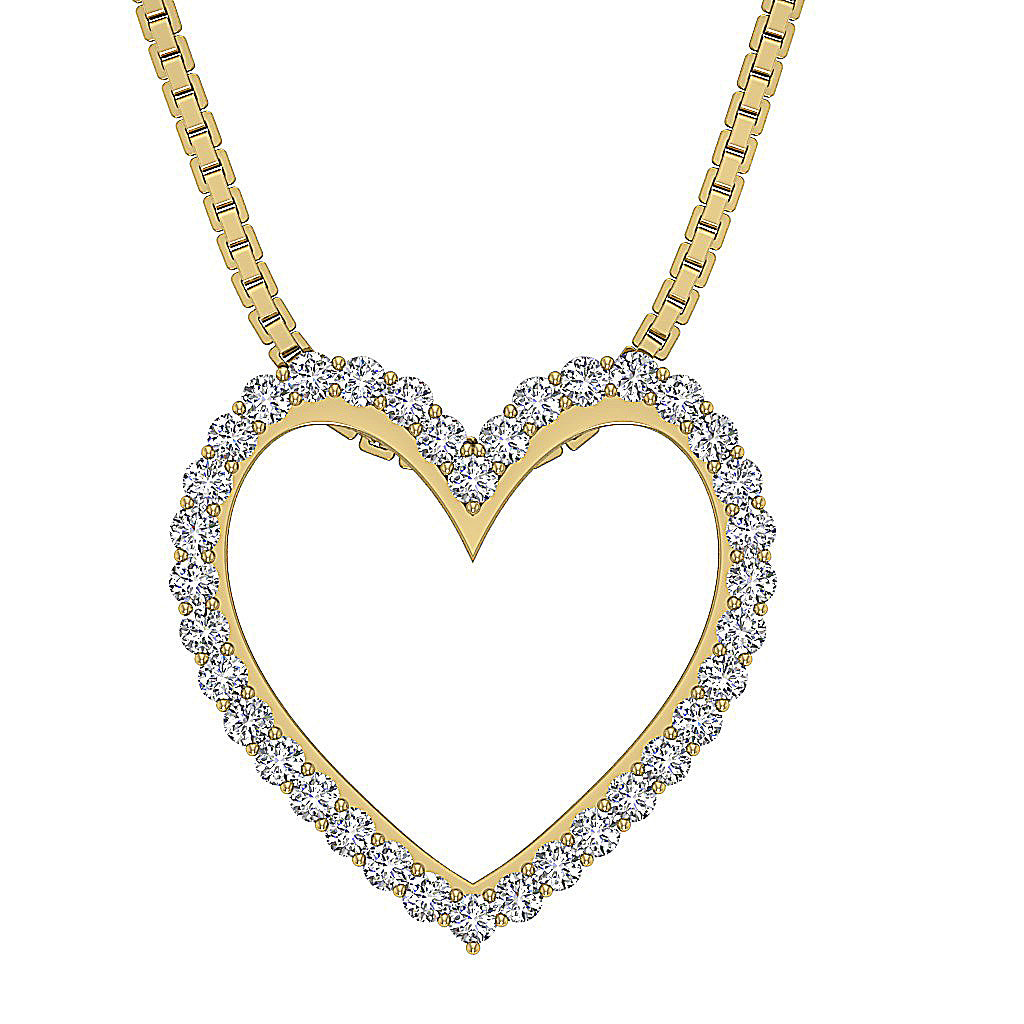
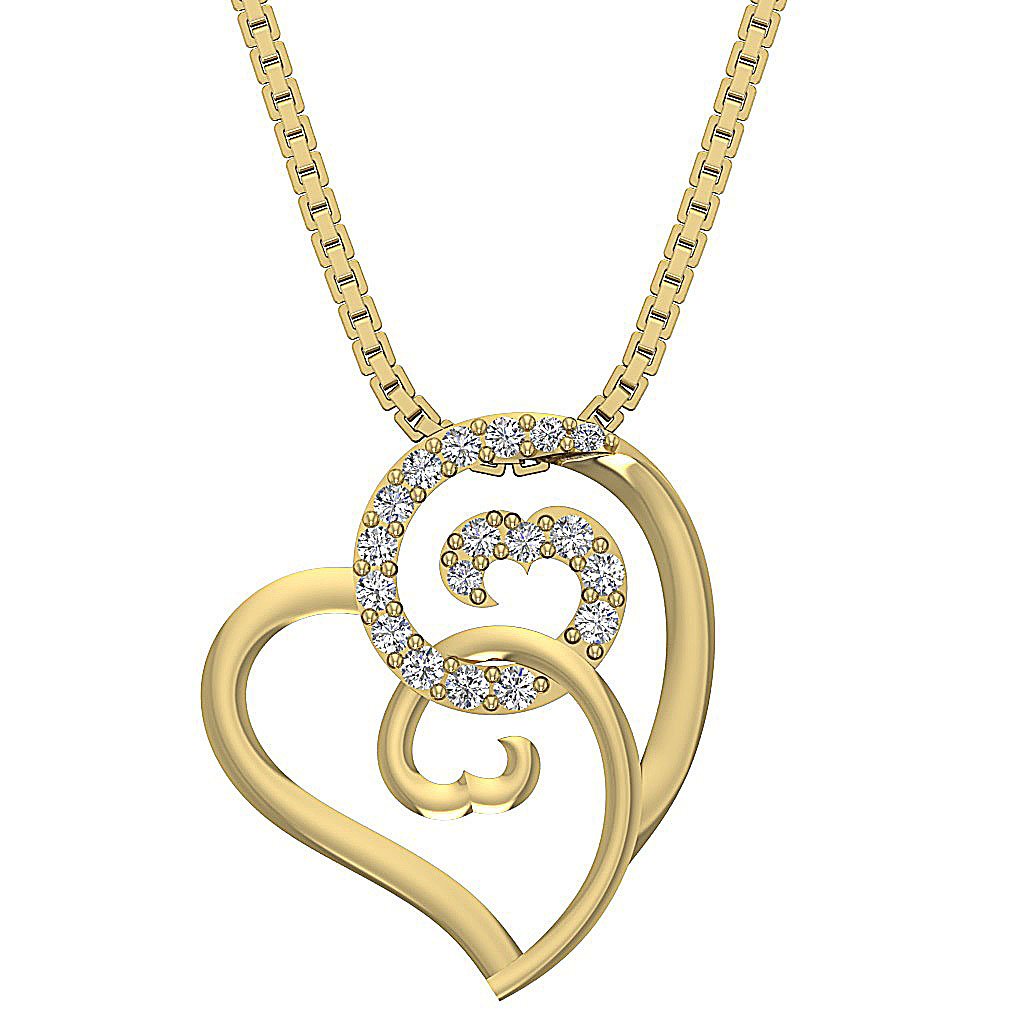
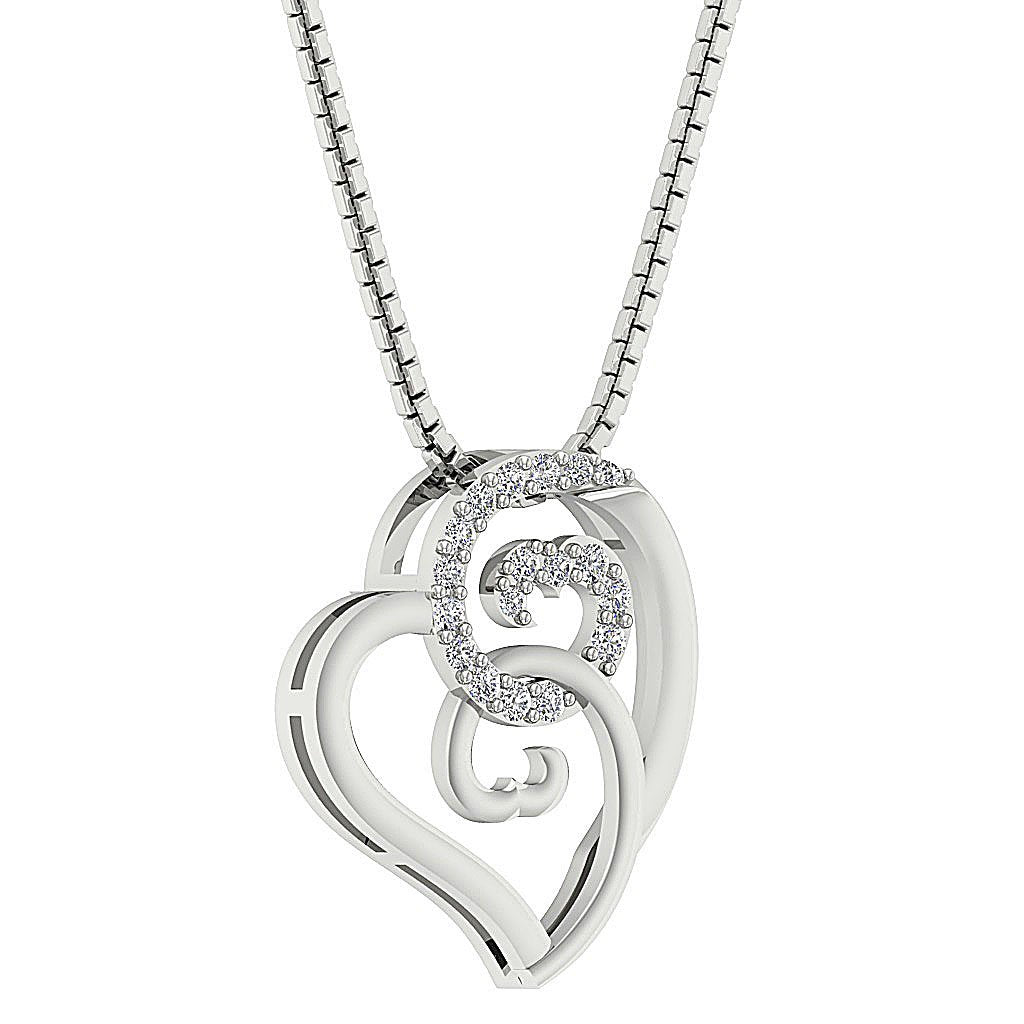
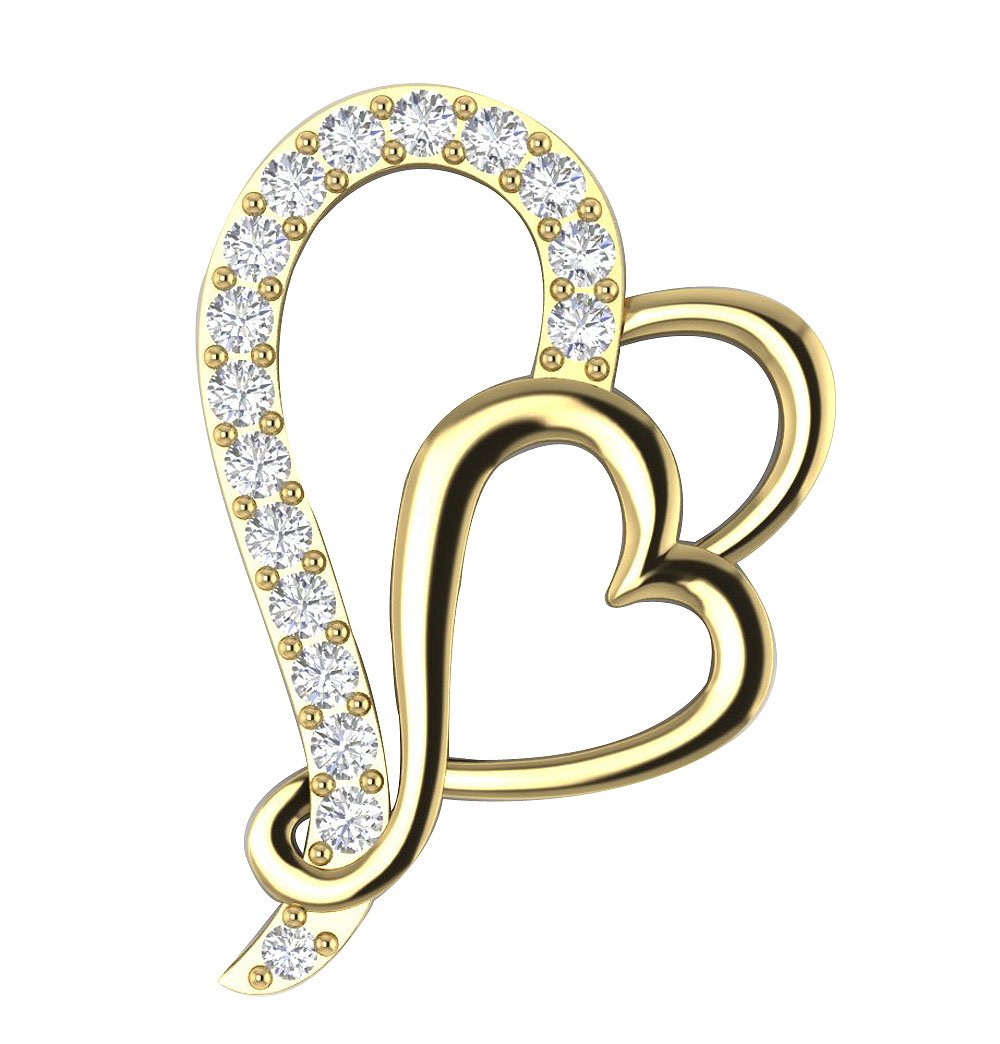
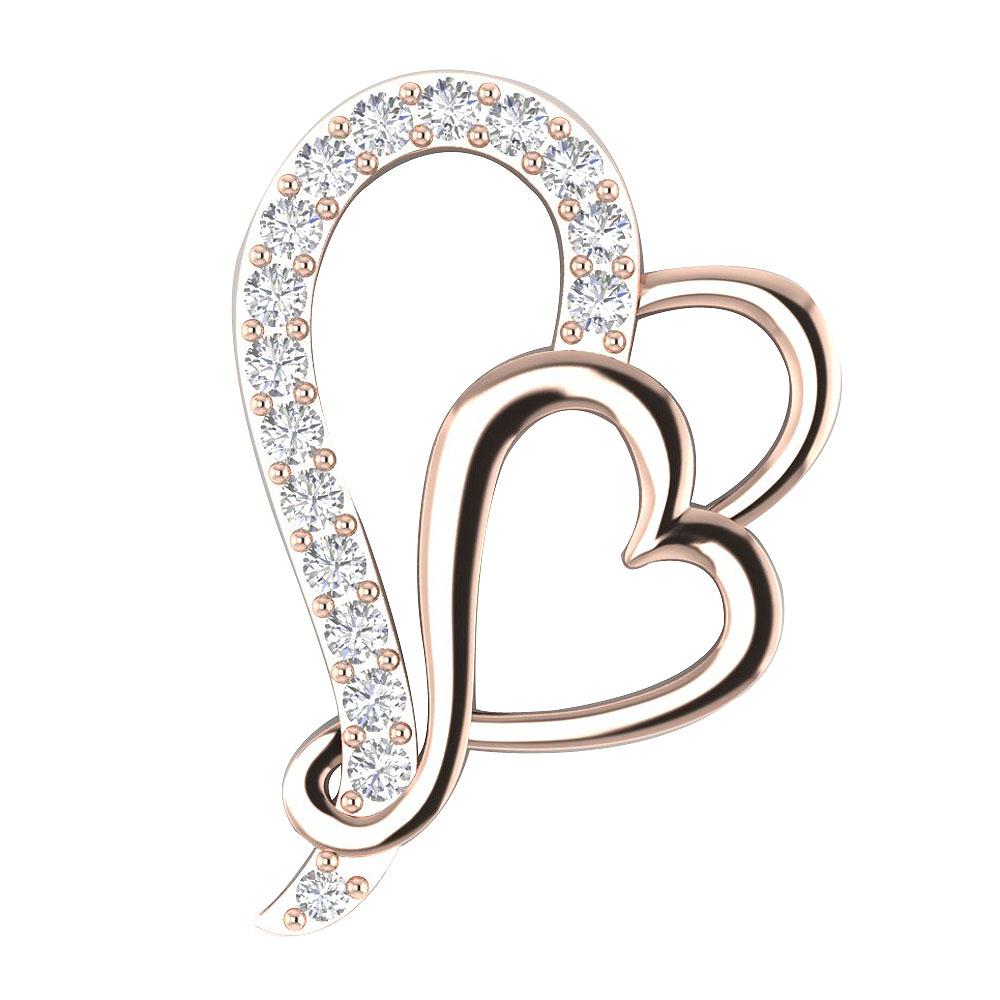
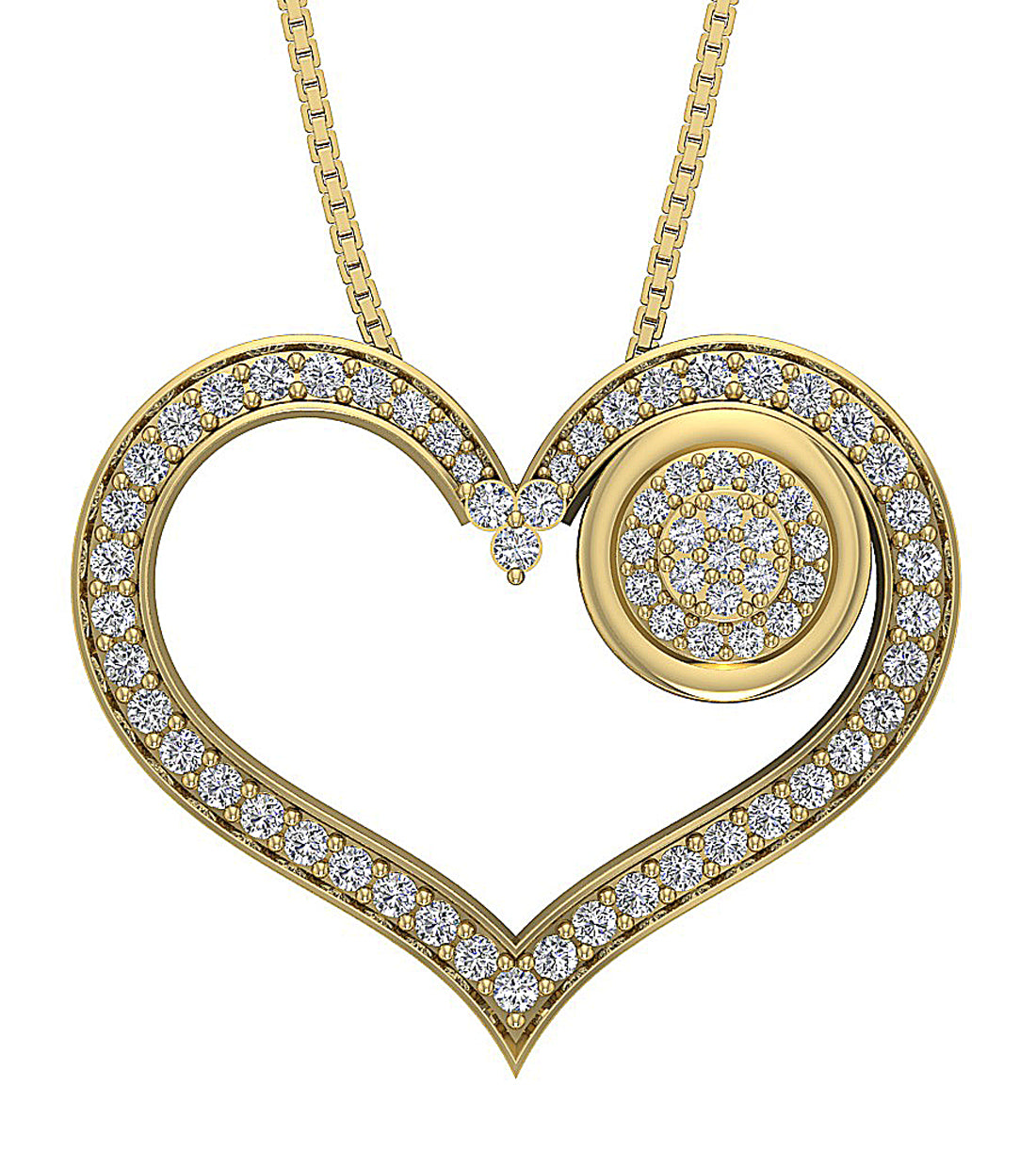
Unlike a solitaire pendant, where the stone itself creates the primary shape, a heart pendant can use diamonds to define the outline, fill the form or create a focal point within it. This gives the silhouette room to range from delicate and understated to more elaborate.
What a Diamond Heart Pendant Represents
The heart is naturally associated with love and affection, making it an intuitive choice for a meaningful piece of jewelry. A diamond heart pendant can therefore become a reminder of a relationship, an important person or a particular moment.
Its symbolism can extend beyond romantic relationships. It can represent family, friendship, self-love or a connection that holds personal significance.
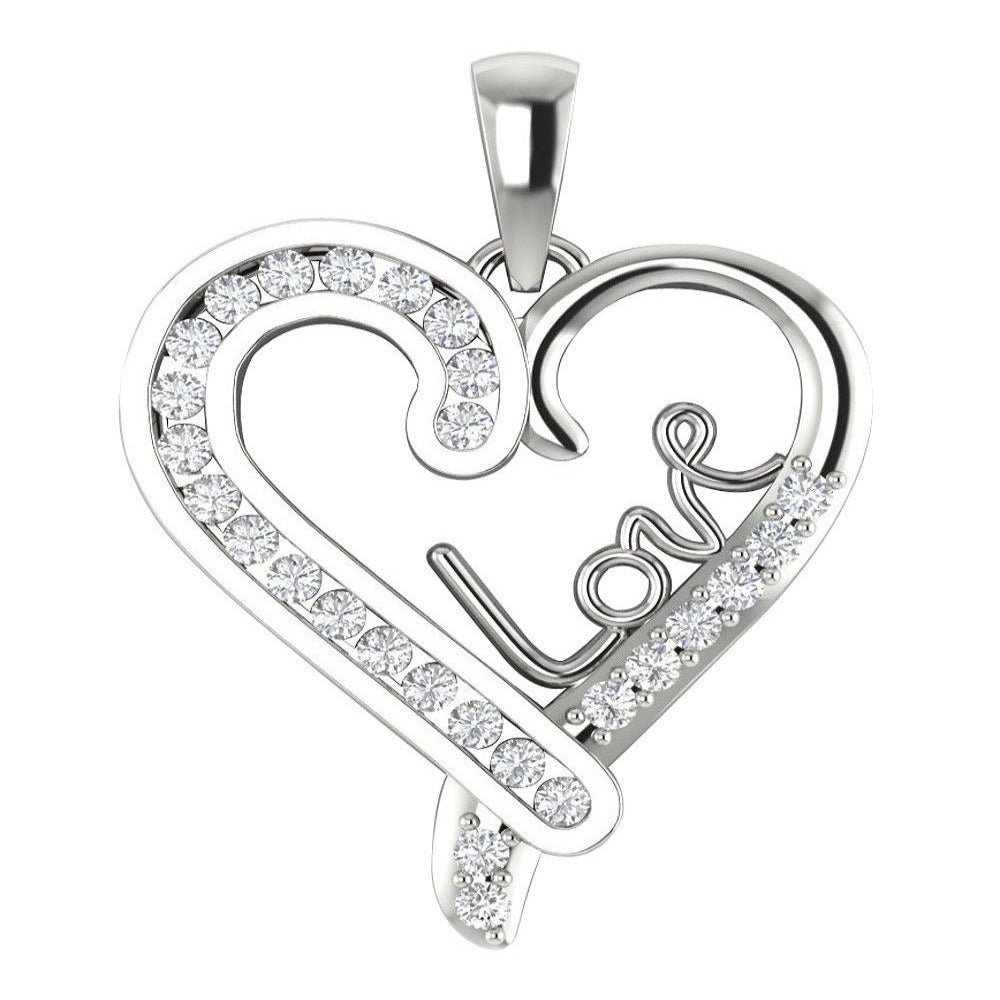
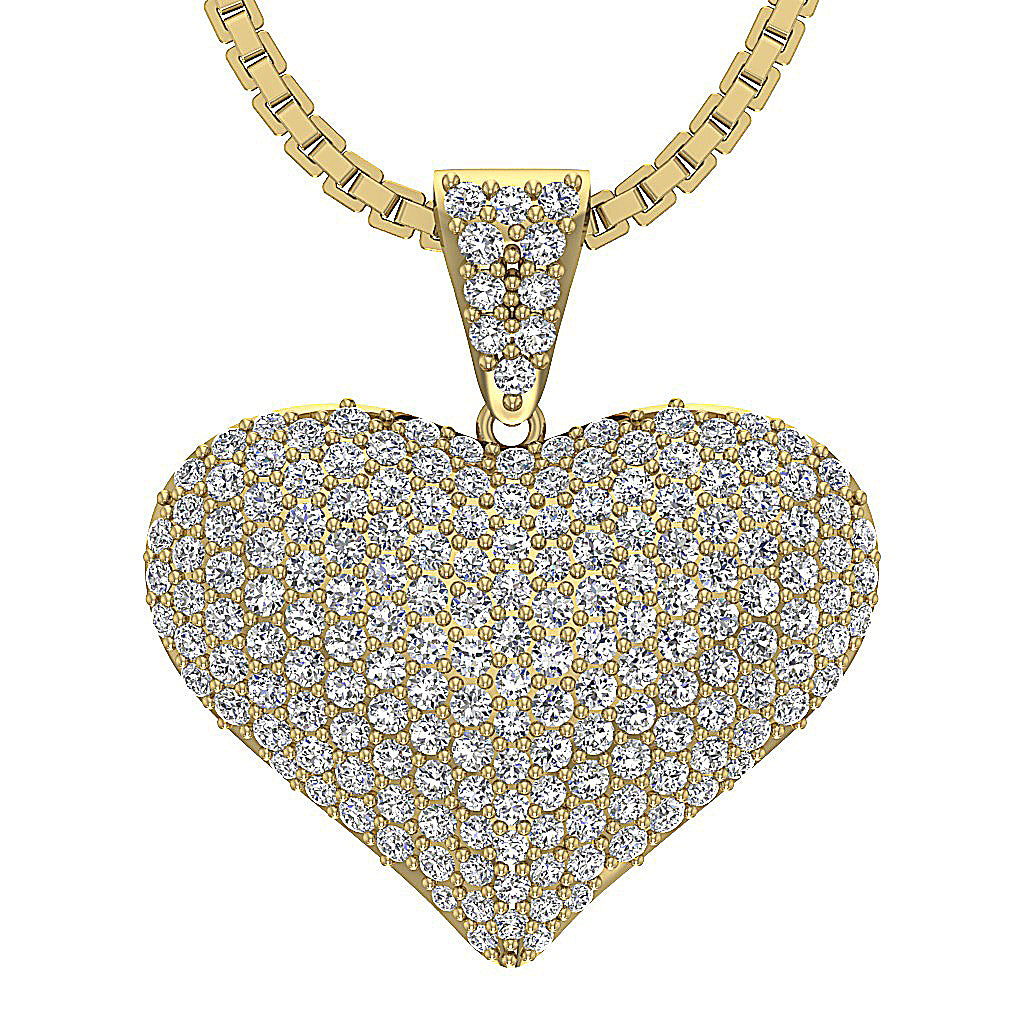
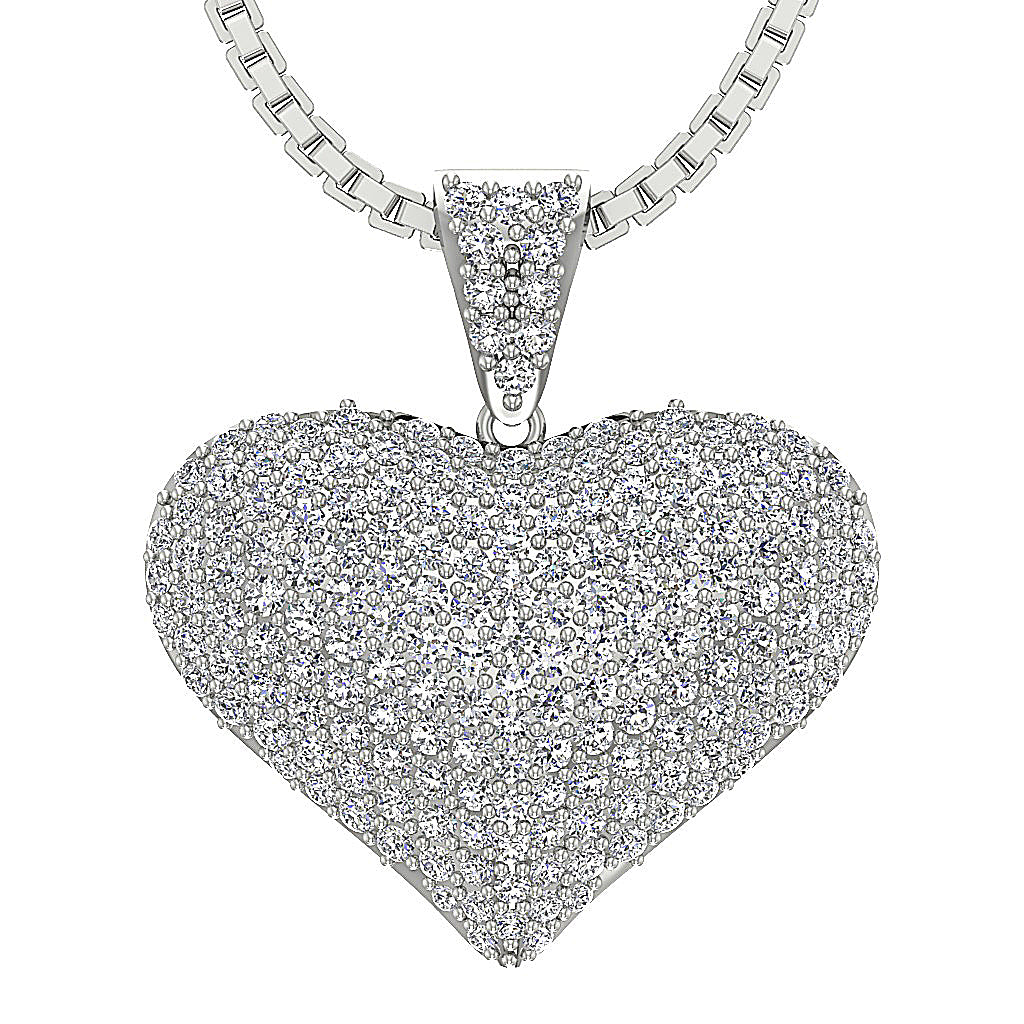
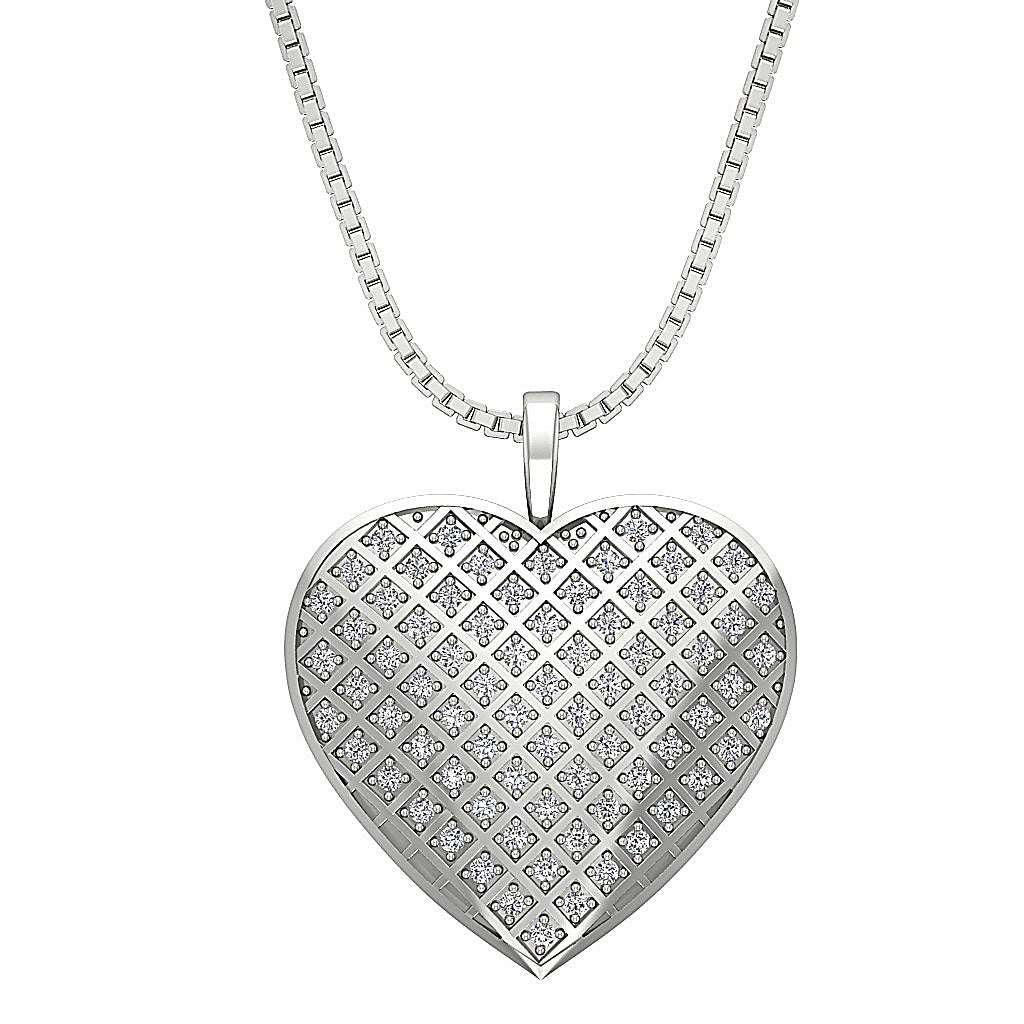
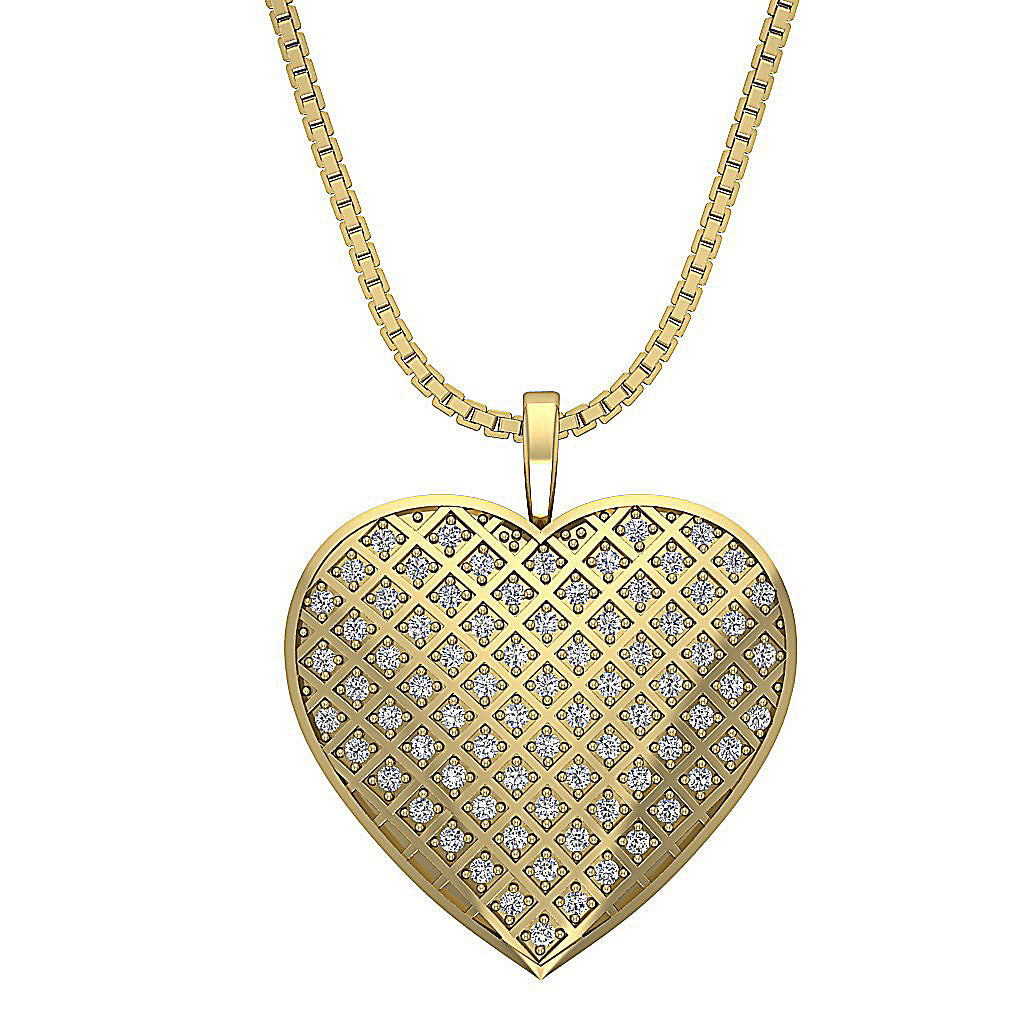
Diamond For Good's natural diamond heart pendants are designed around this distinctive silhouette, using natural diamonds set in gold across different proportions and styles.
Choosing the Right Heart Shape
Not every heart-shaped pendant creates the same visual impression.
A compact heart with rounded curves can feel softer and more traditional. A more elongated design creates a stronger vertical line and may appear more contemporary.
The proportions of the upper curves and central indentation also influence how clearly the heart shape is recognised. A well-defined silhouette should remain identifiable without requiring excessive size or decoration.
Choosing the Diamond Arrangement, Pendant Size, and Setting
The way diamonds are incorporated into the heart determines how the design balances symbolism and sparkle.
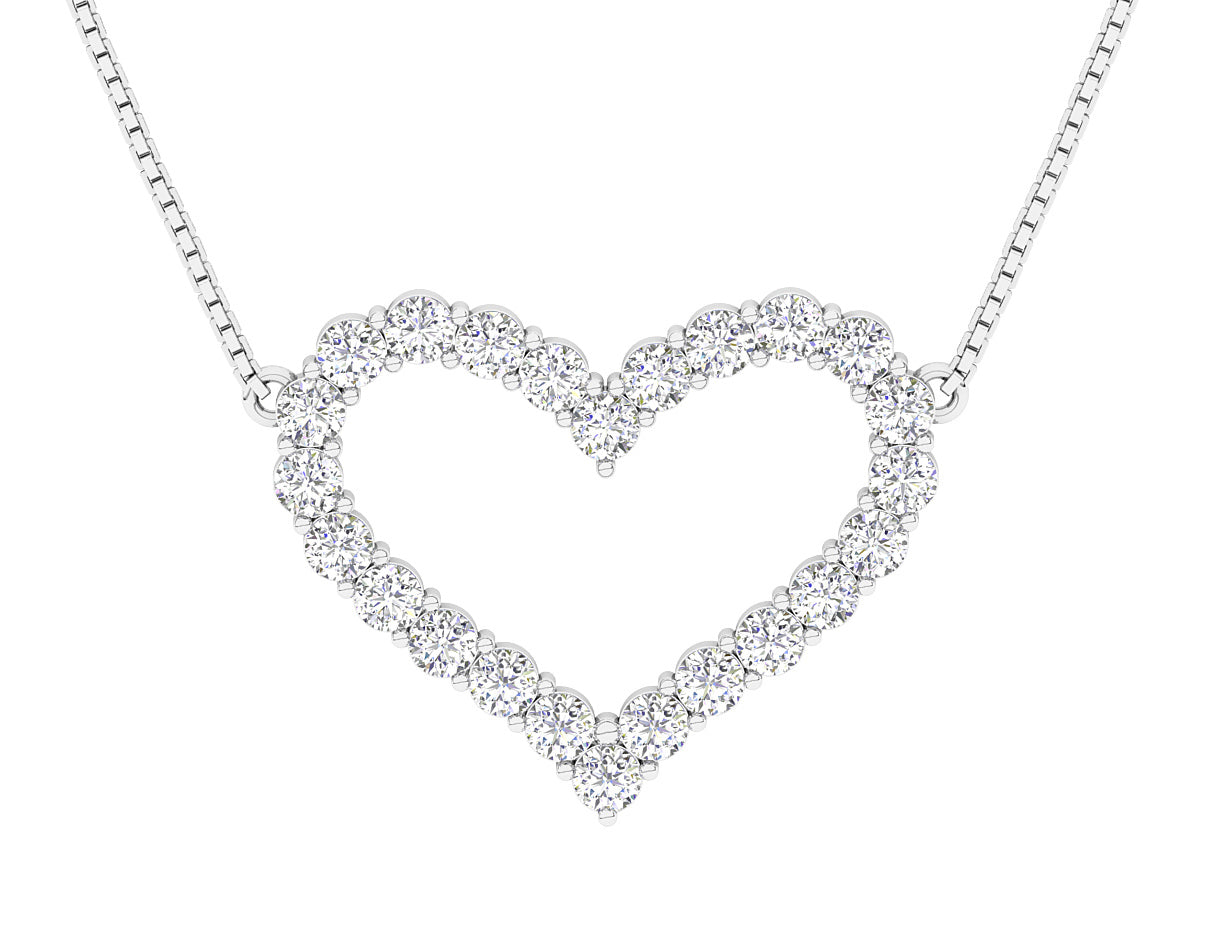
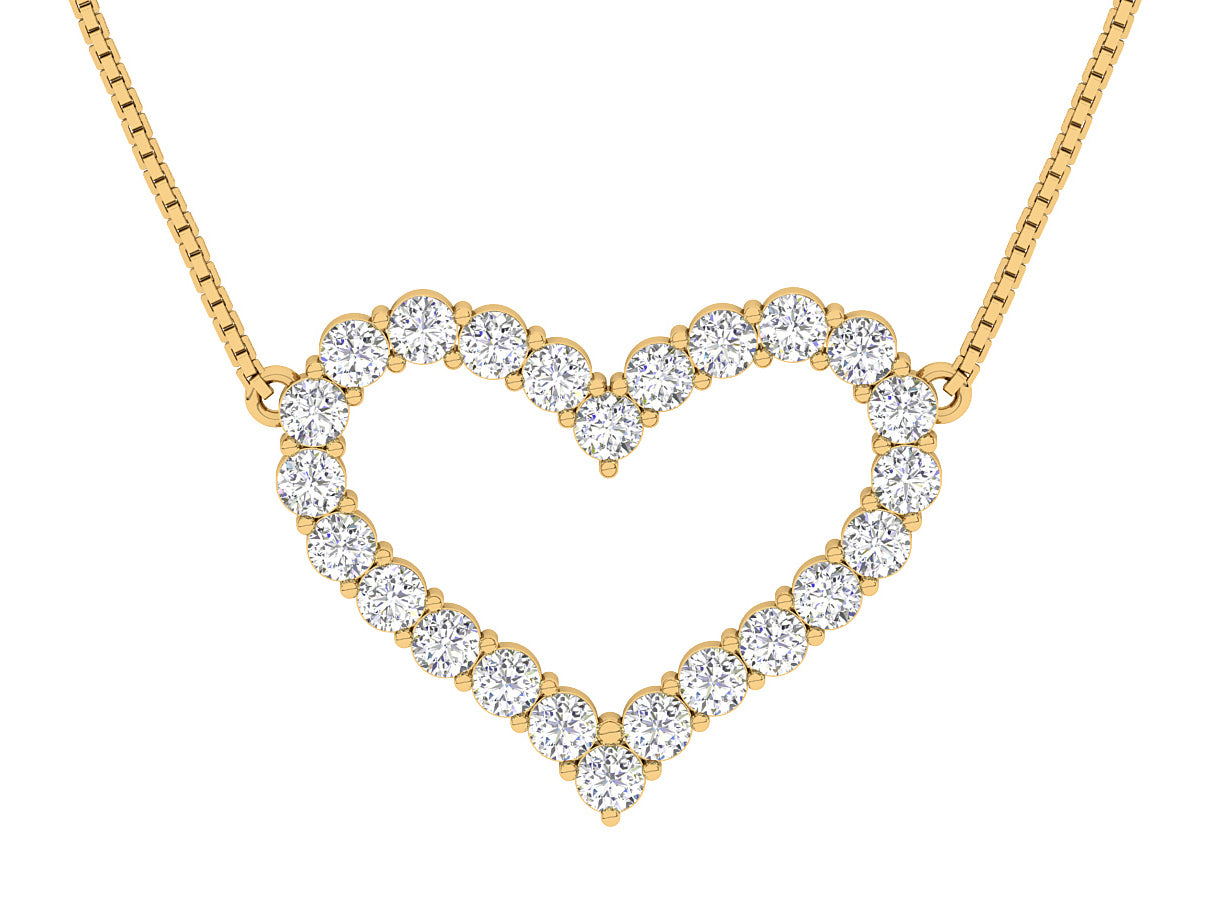
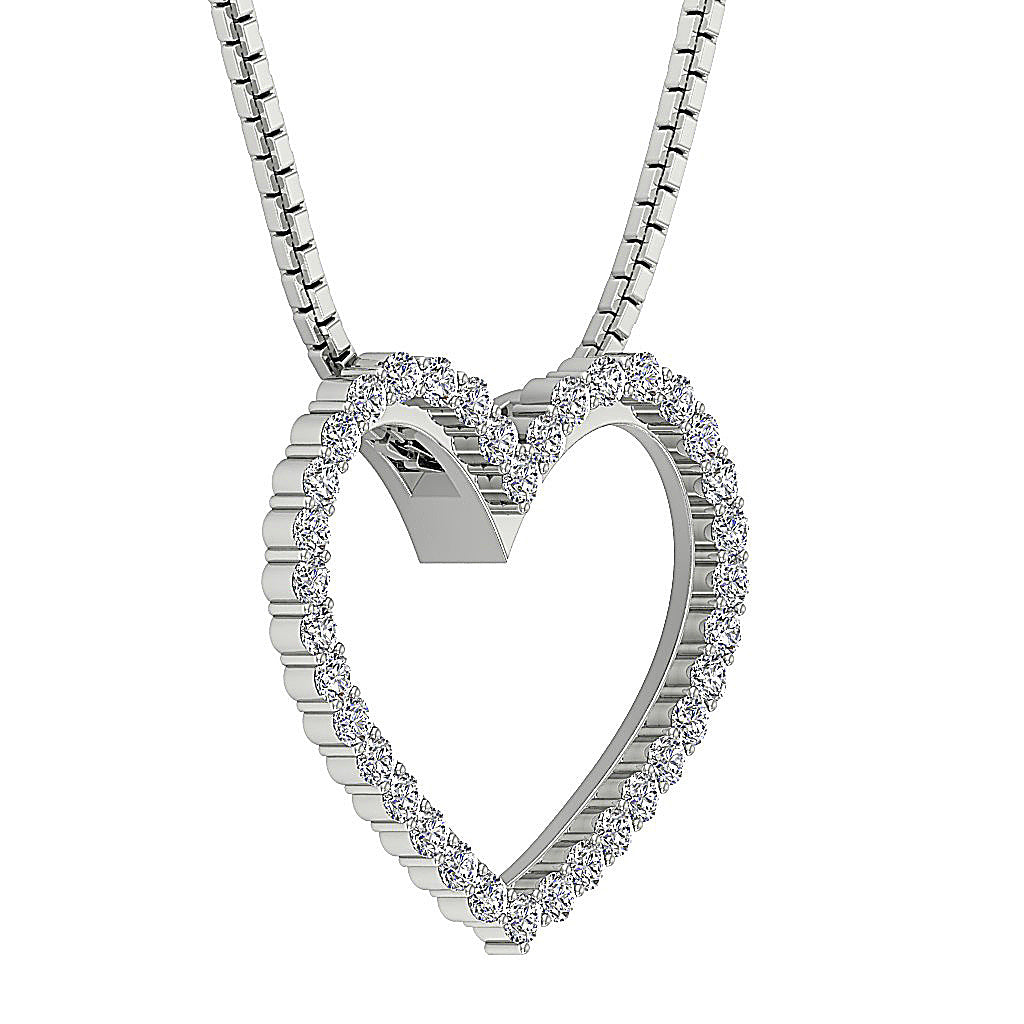
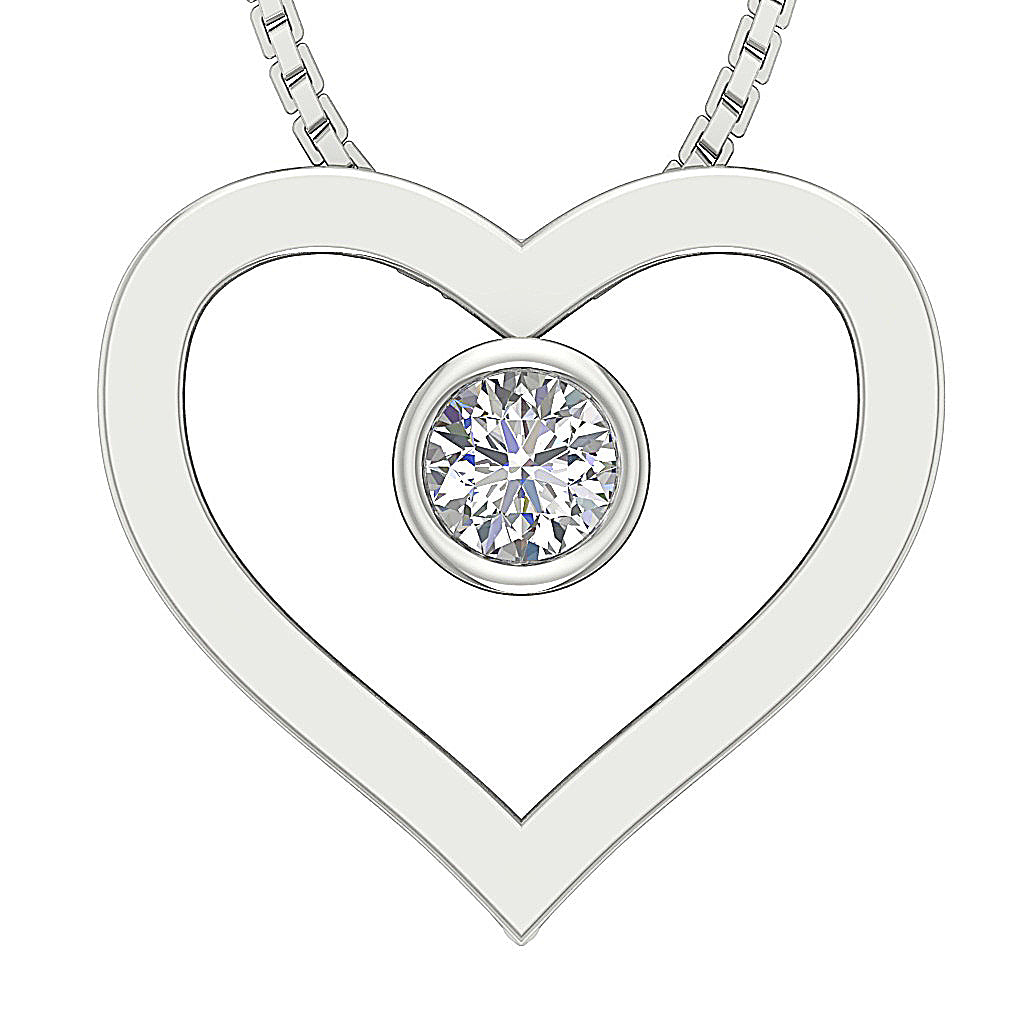
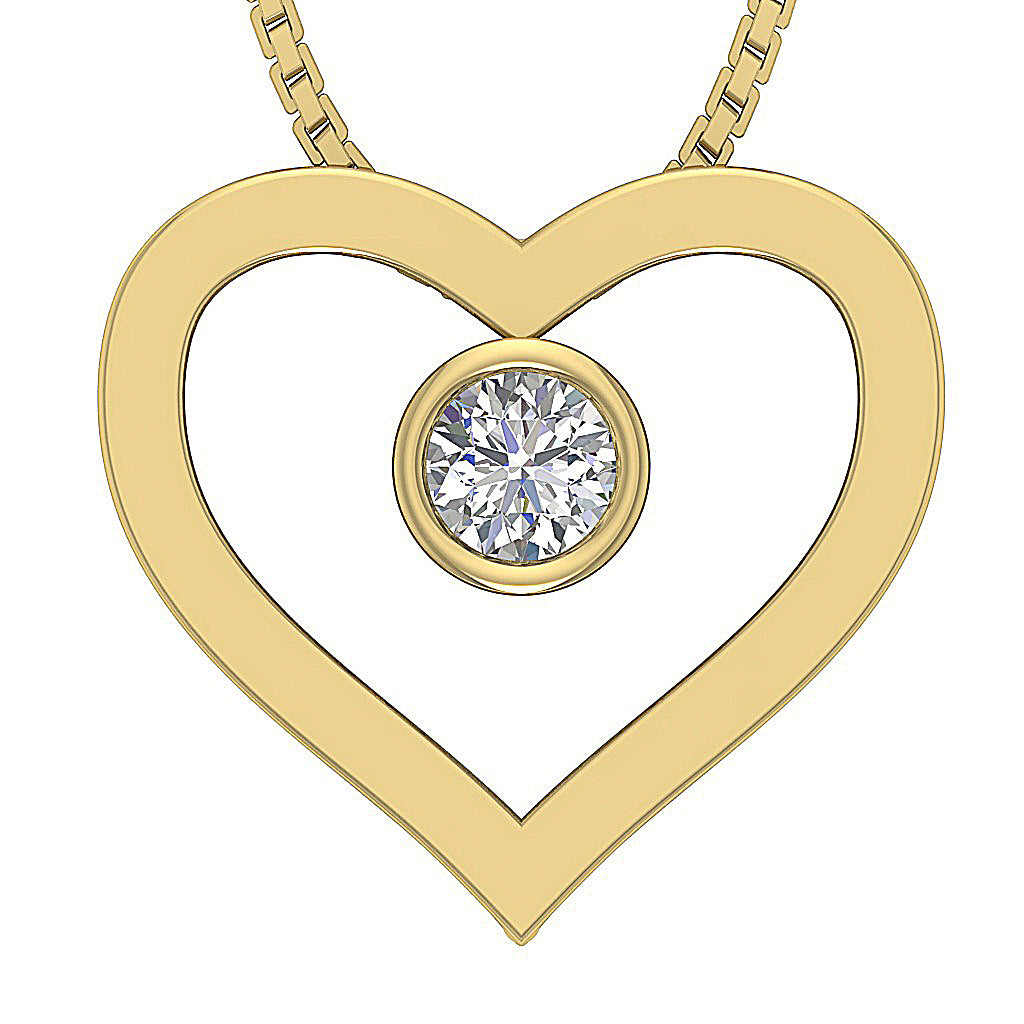
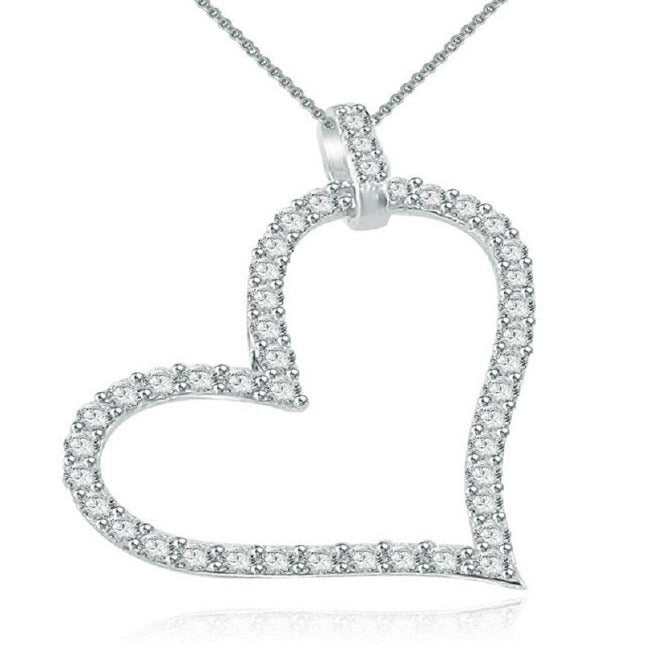
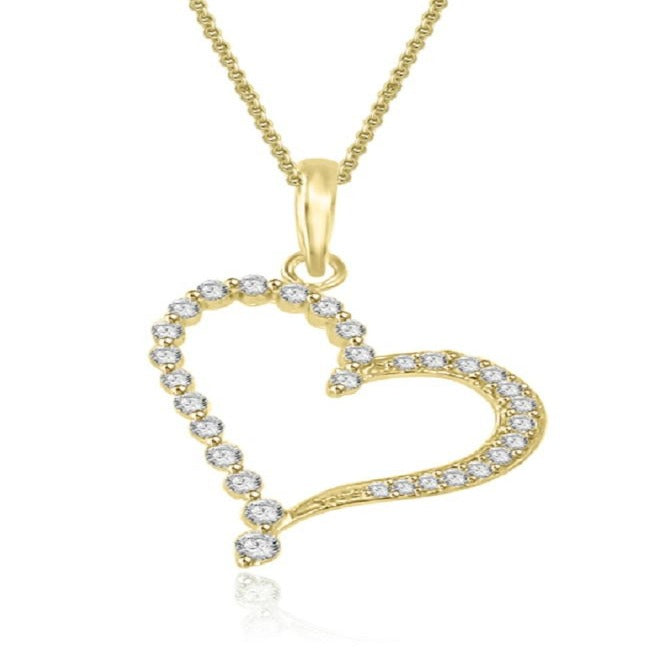
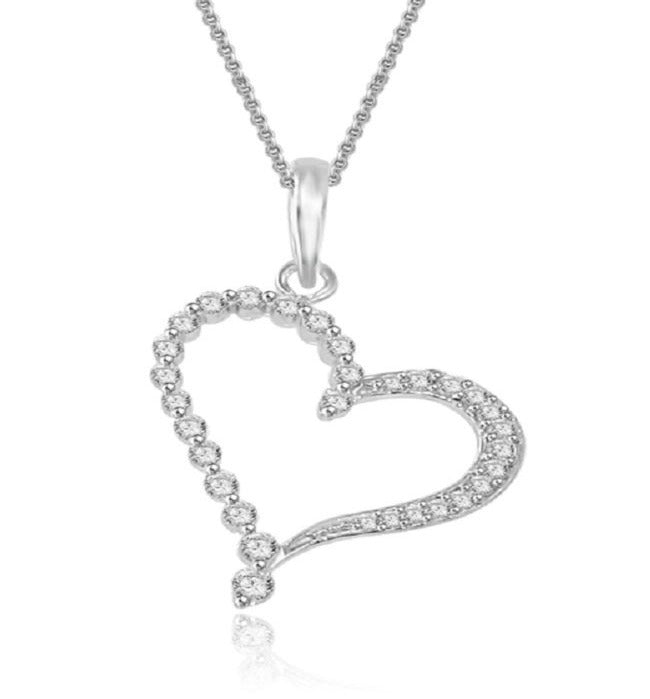
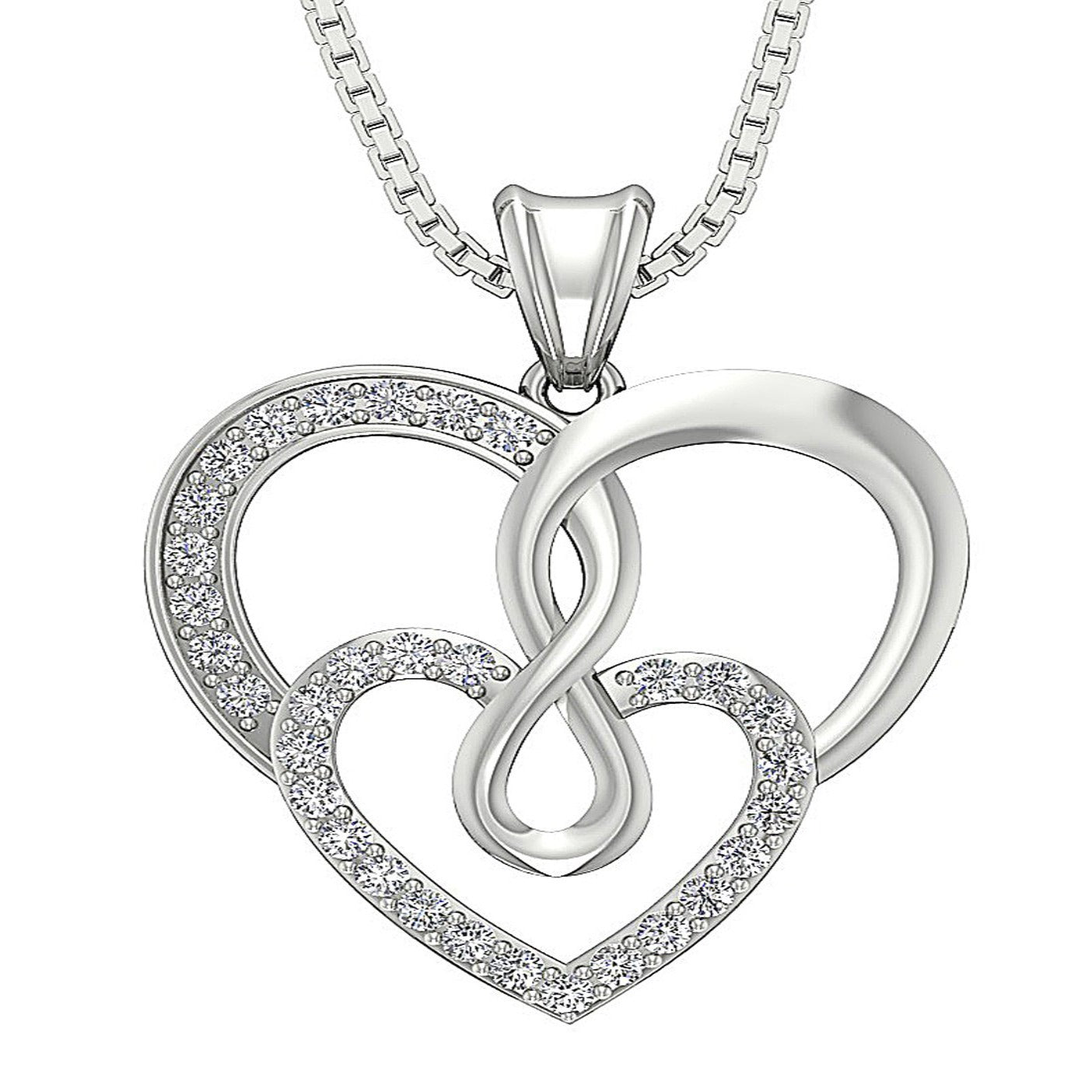
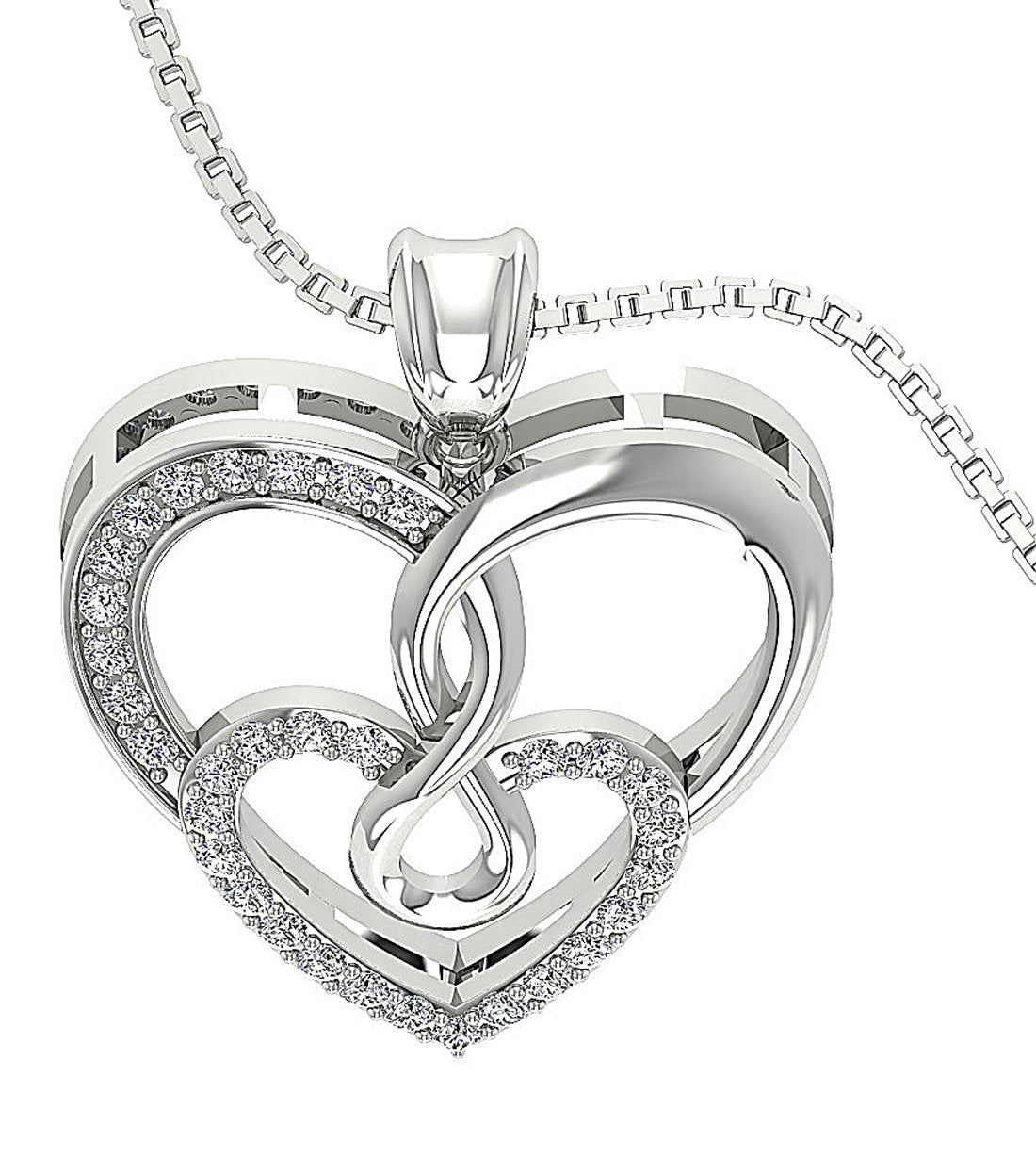
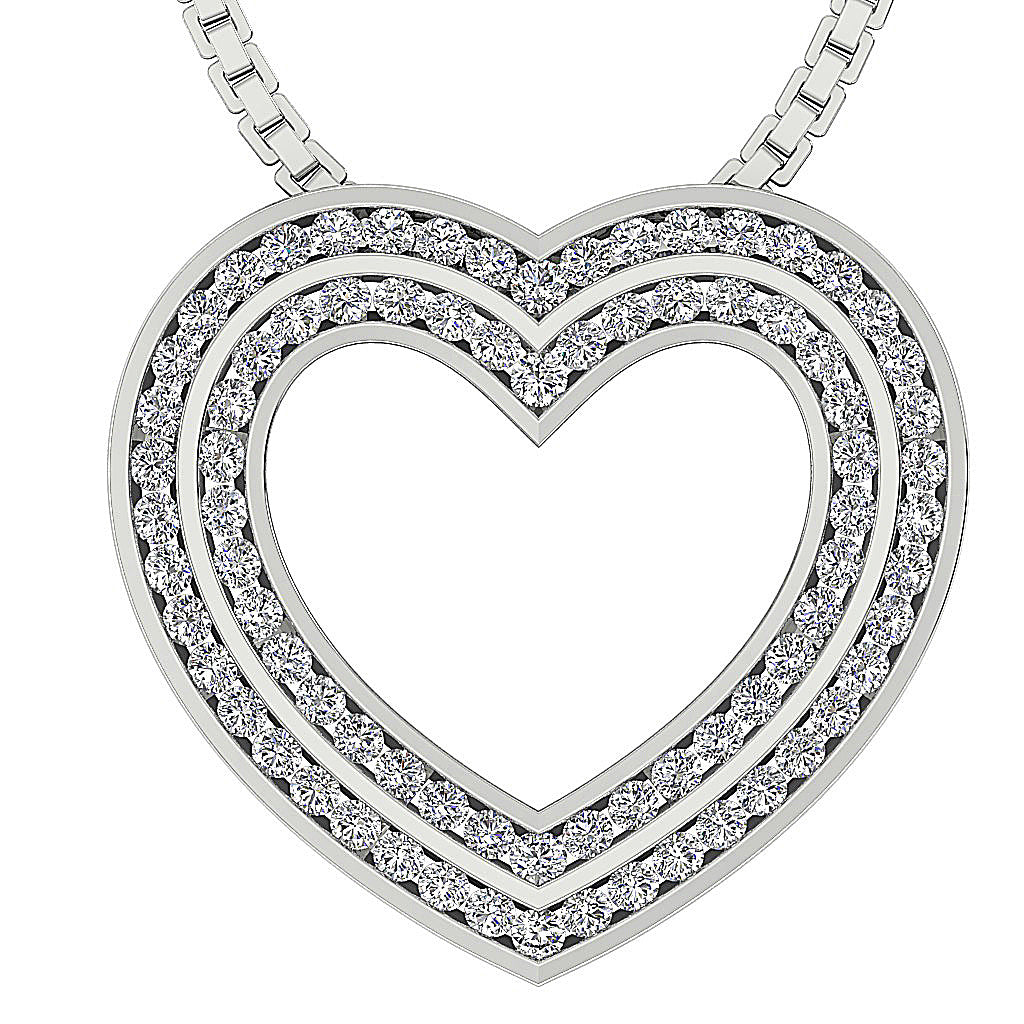
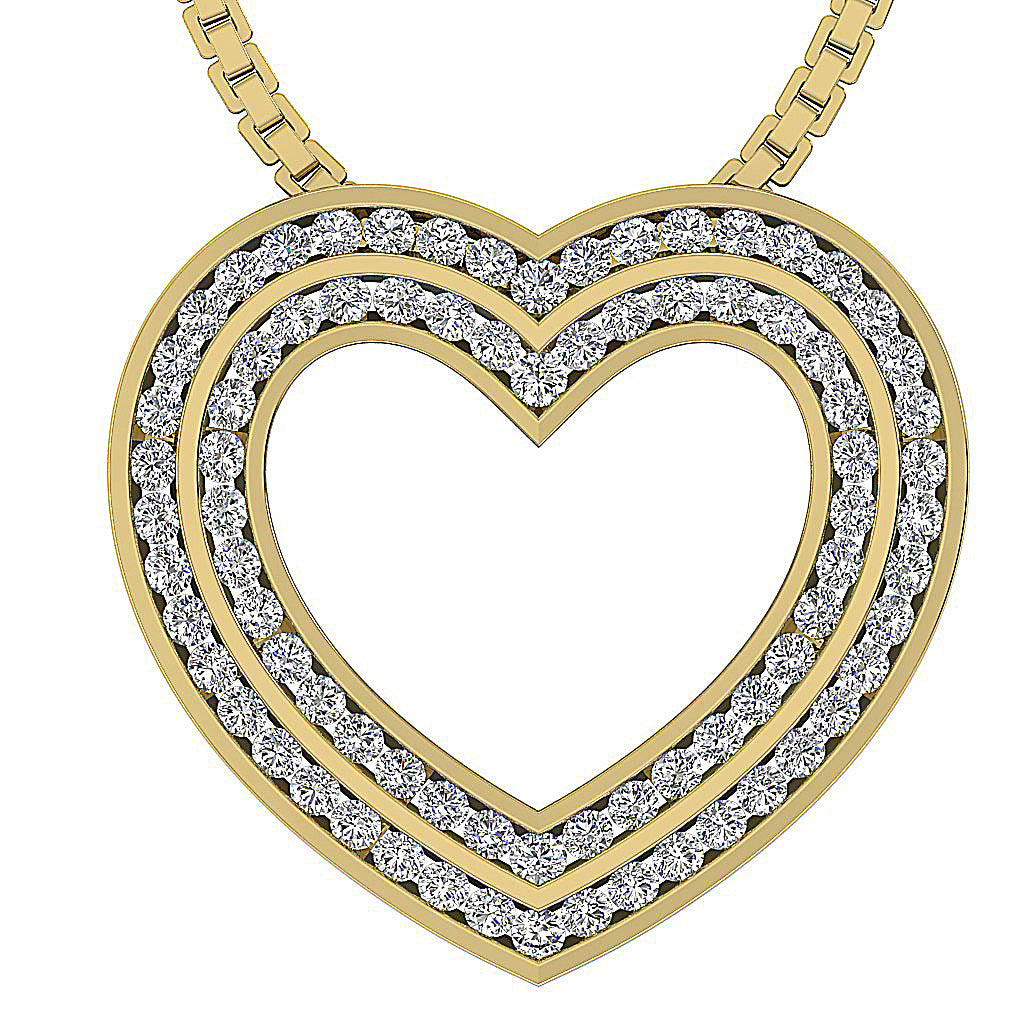
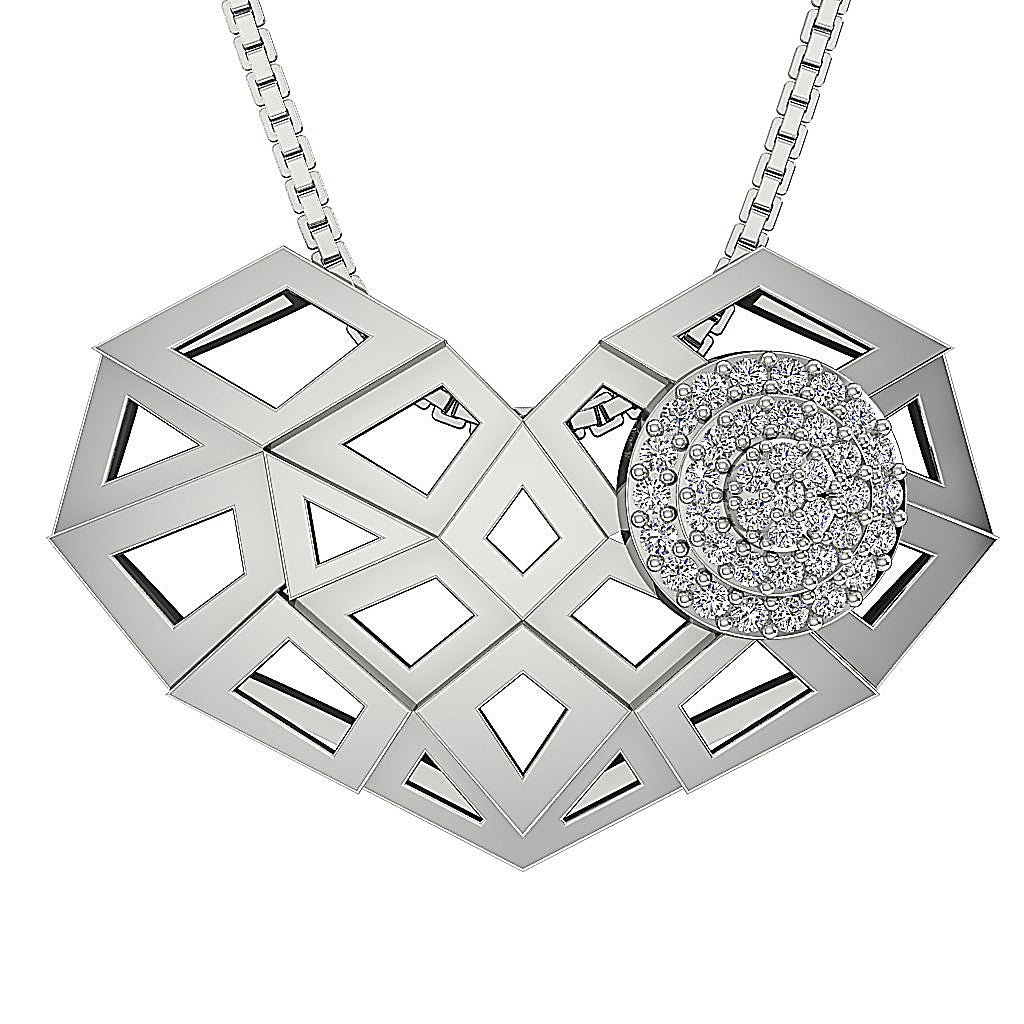
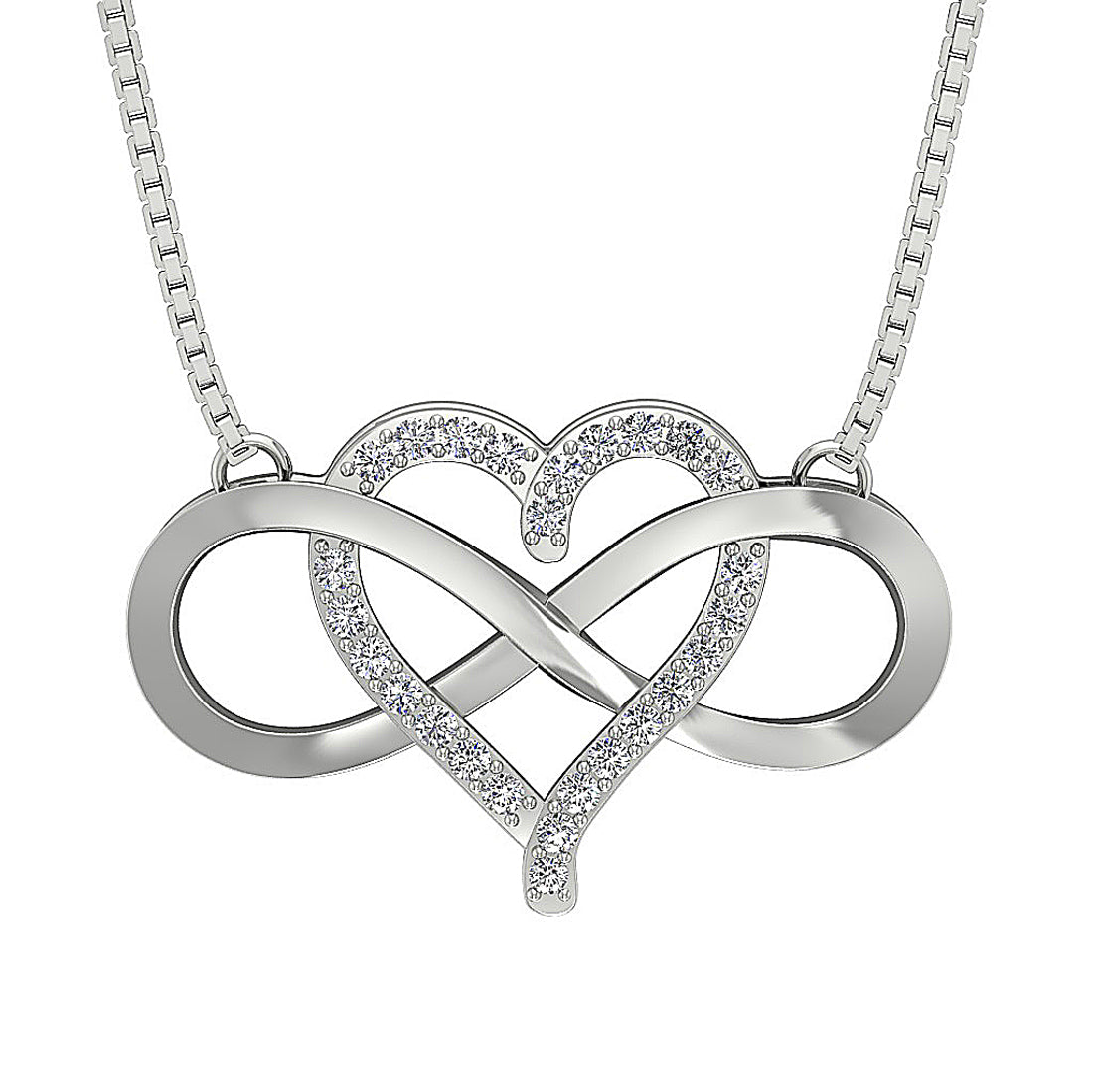
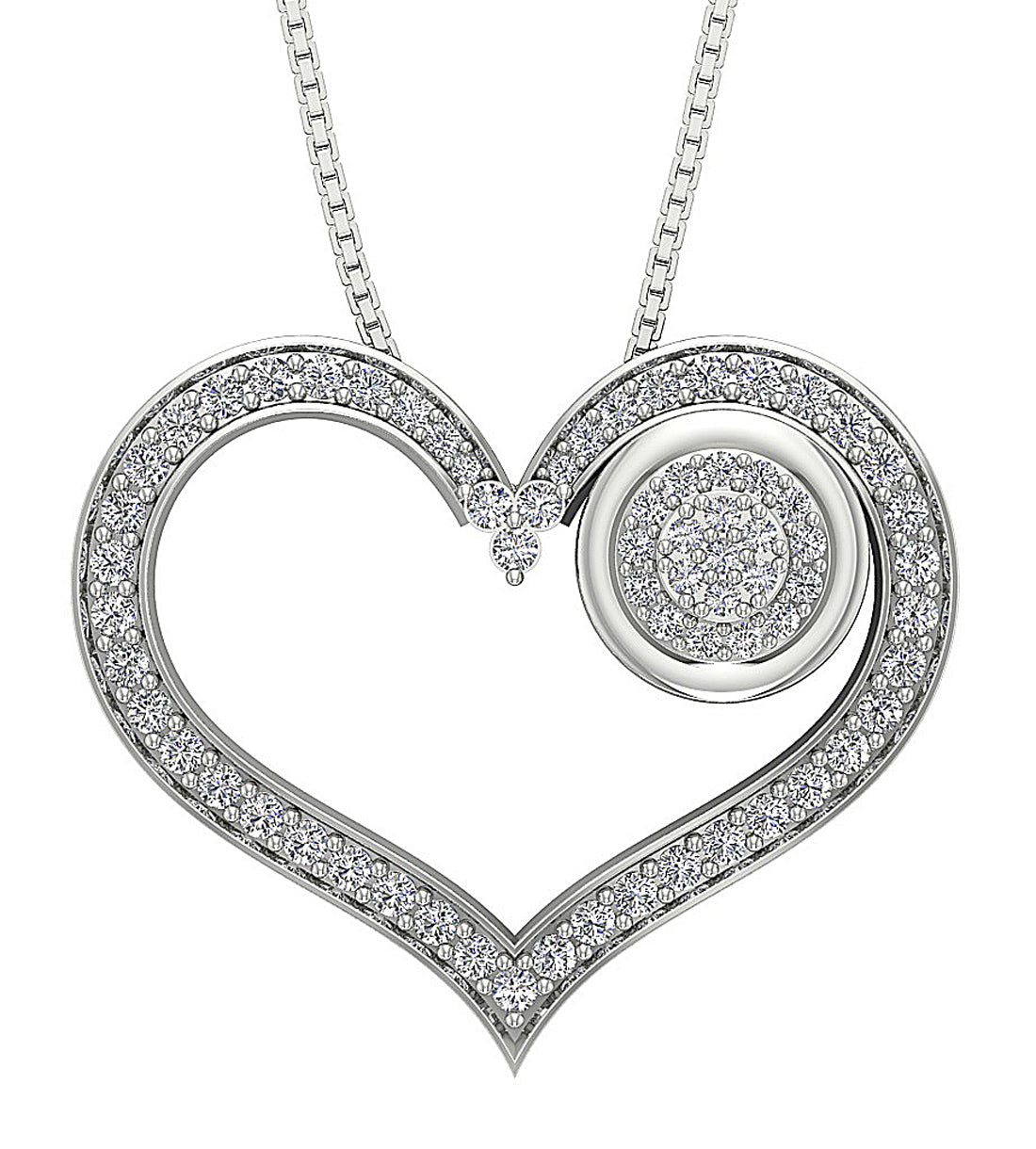
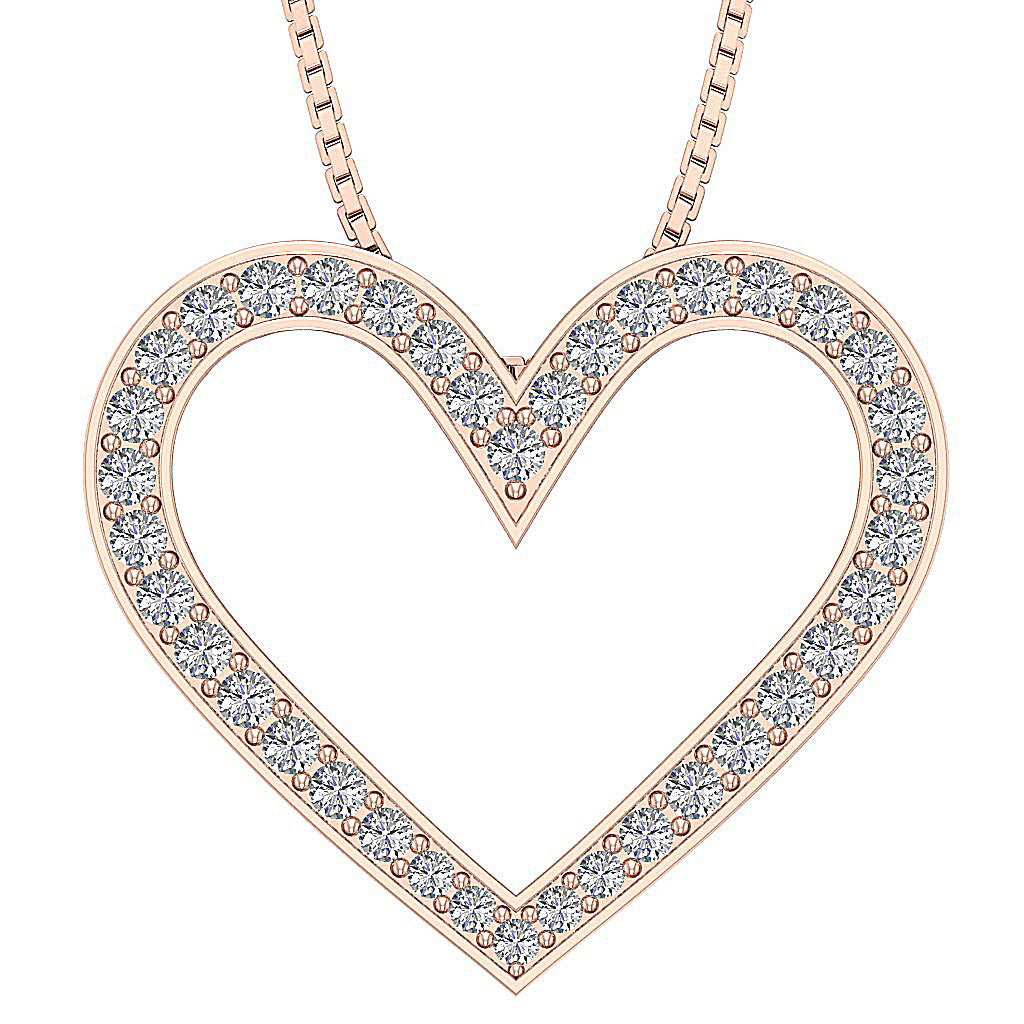
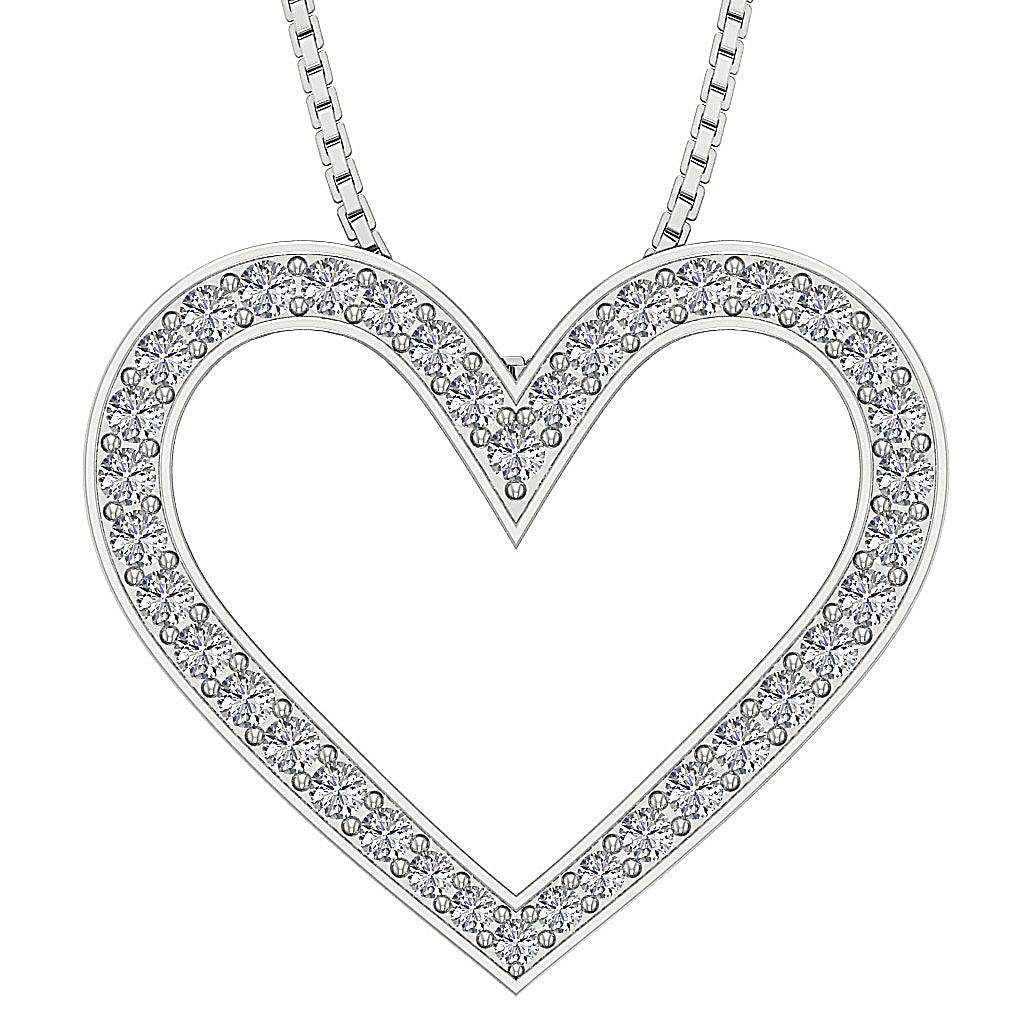
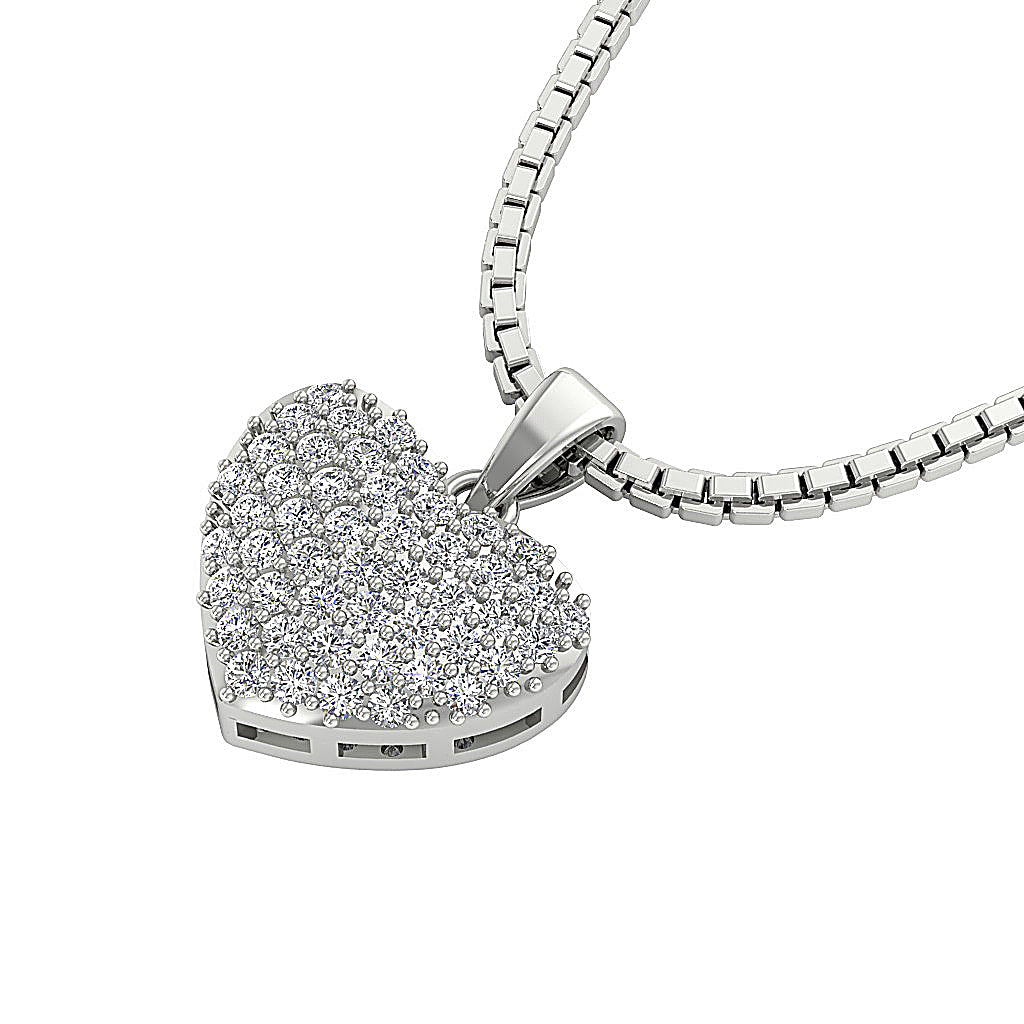
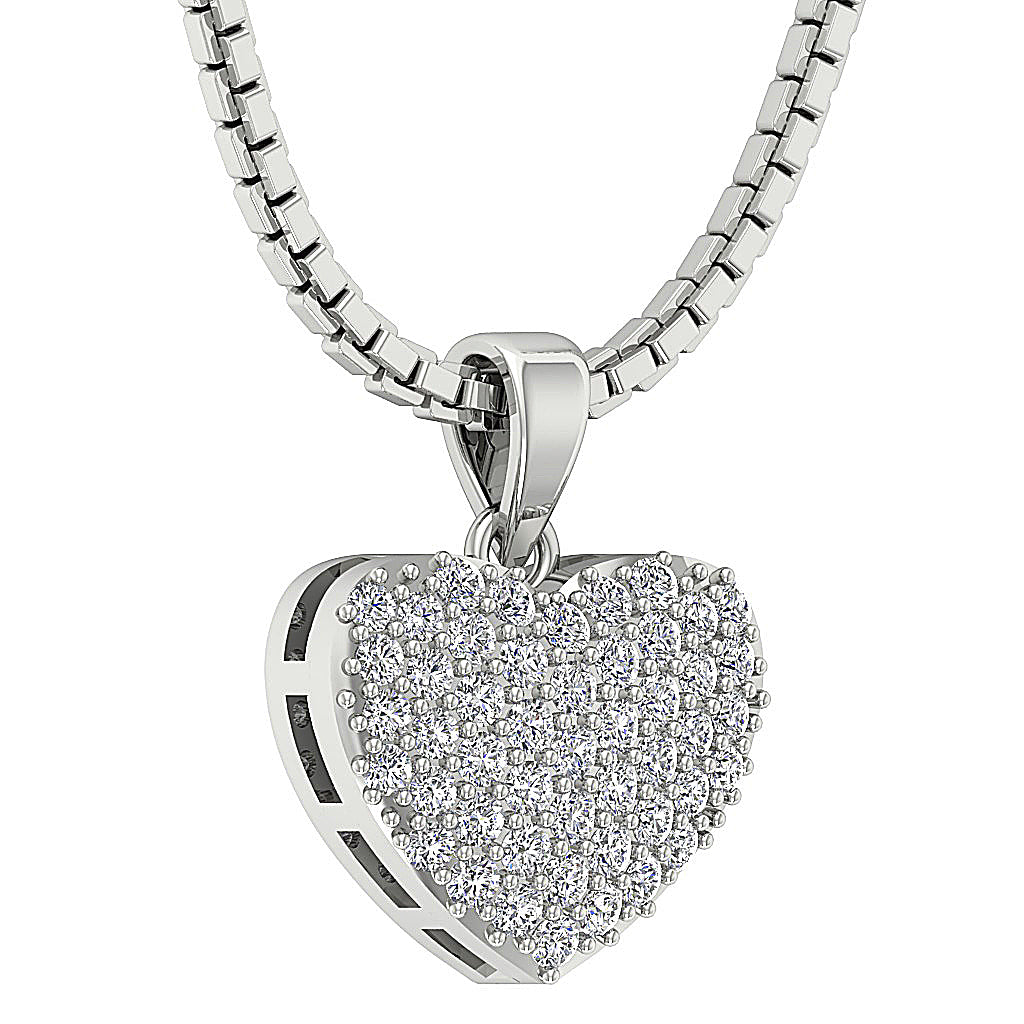
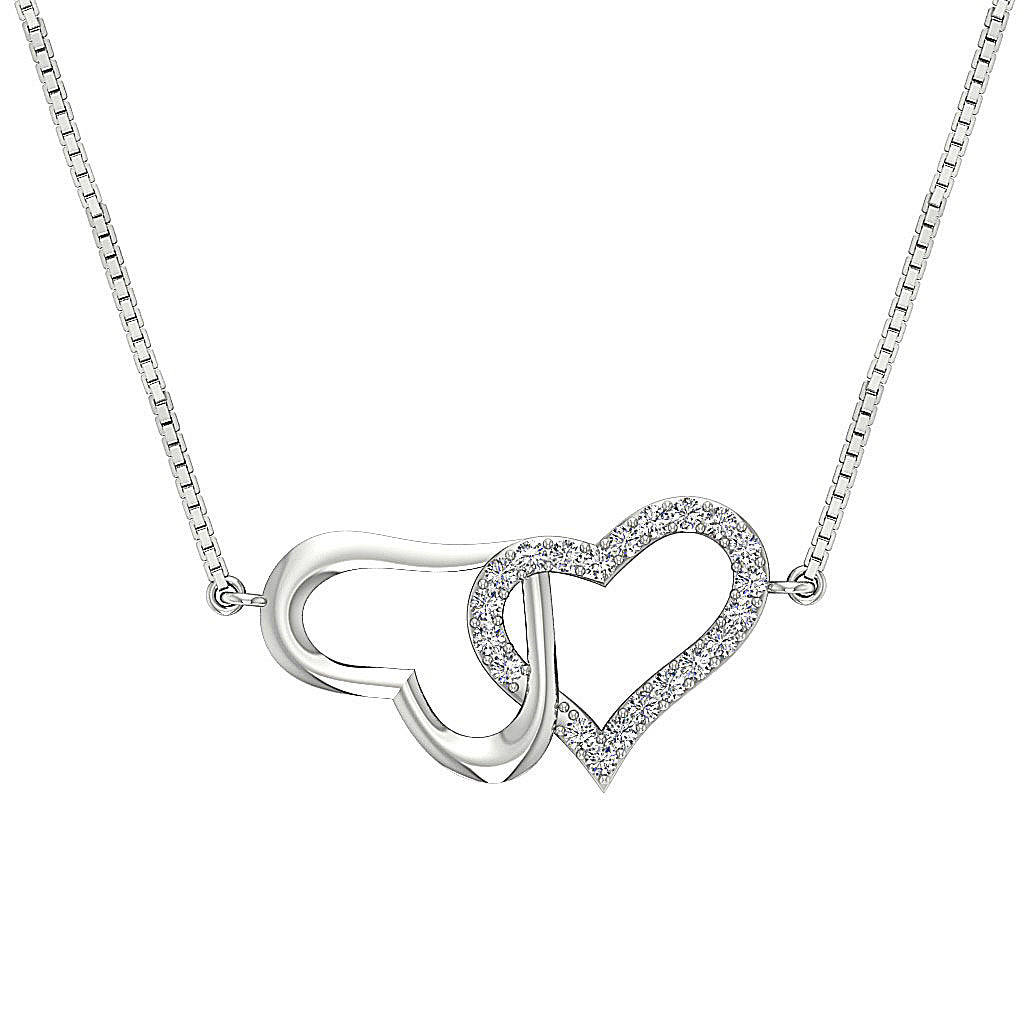
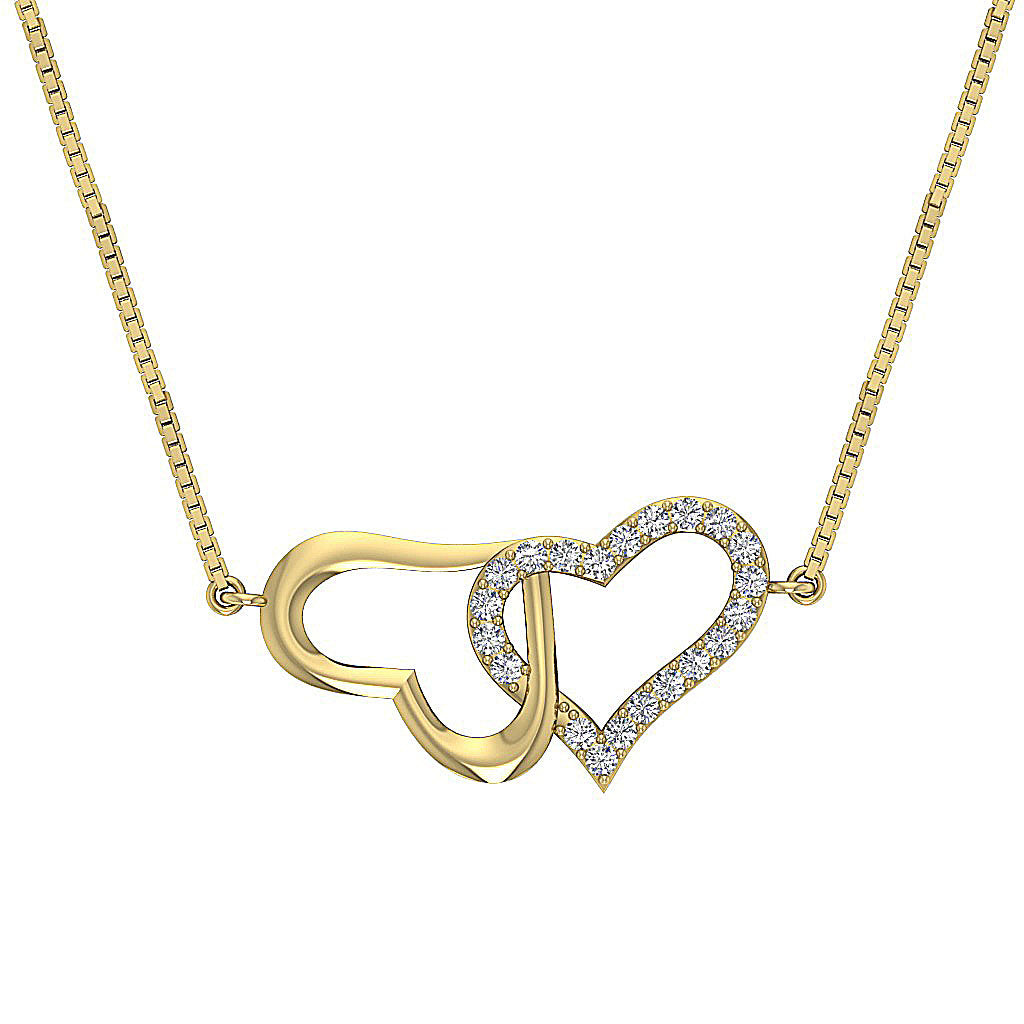
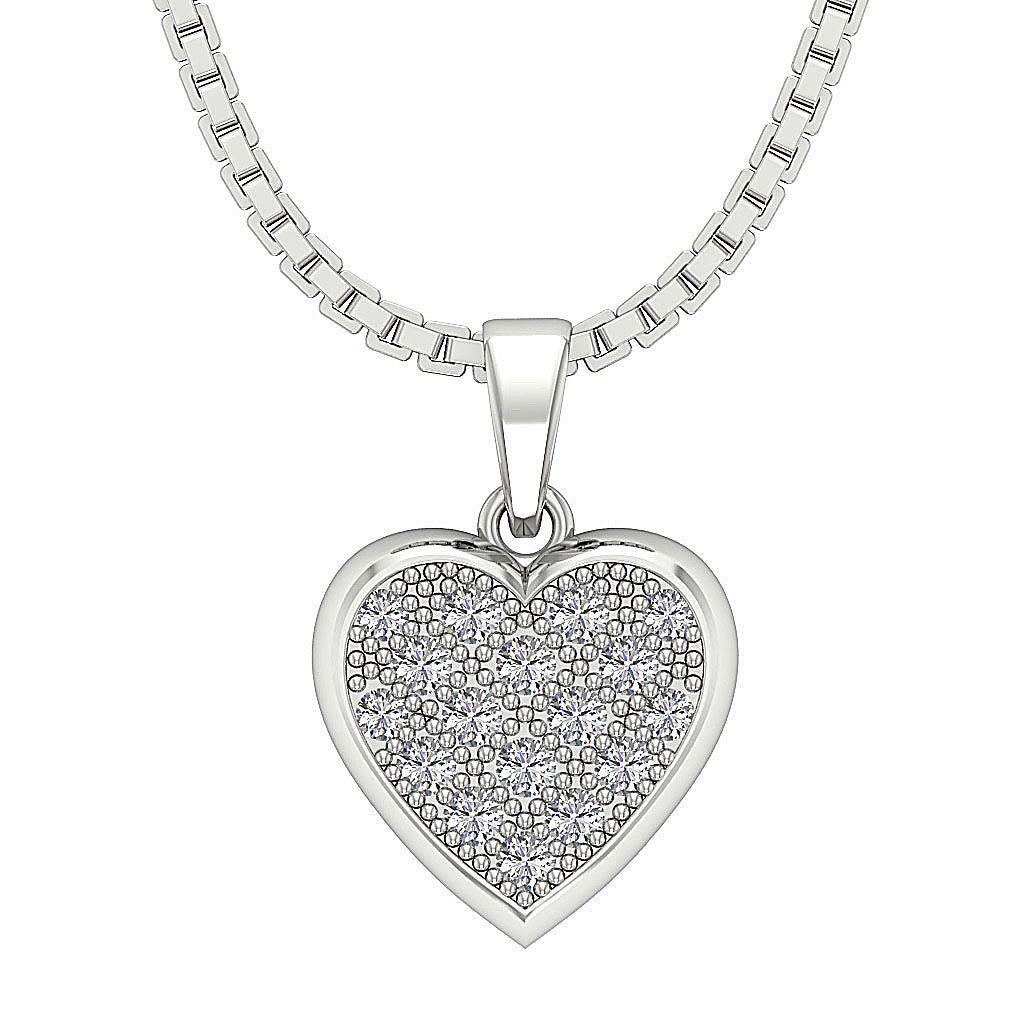
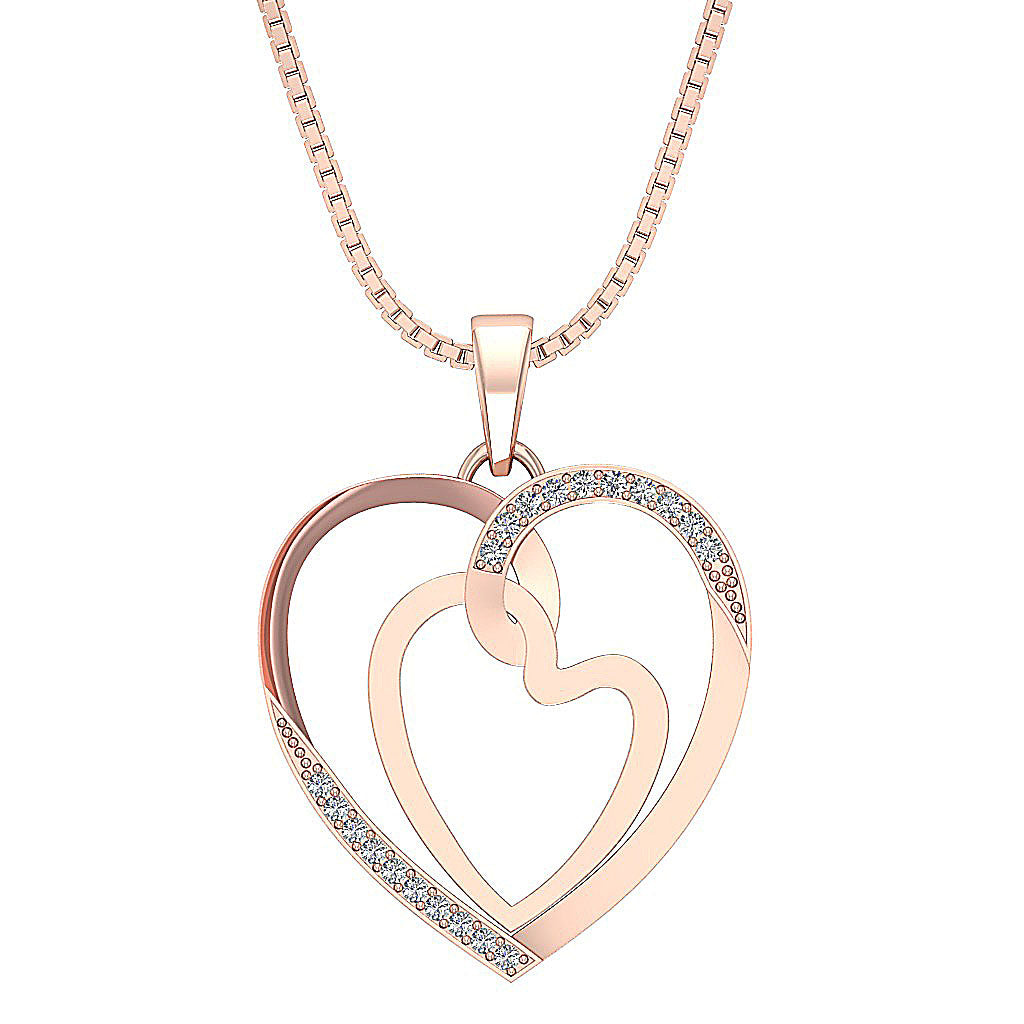
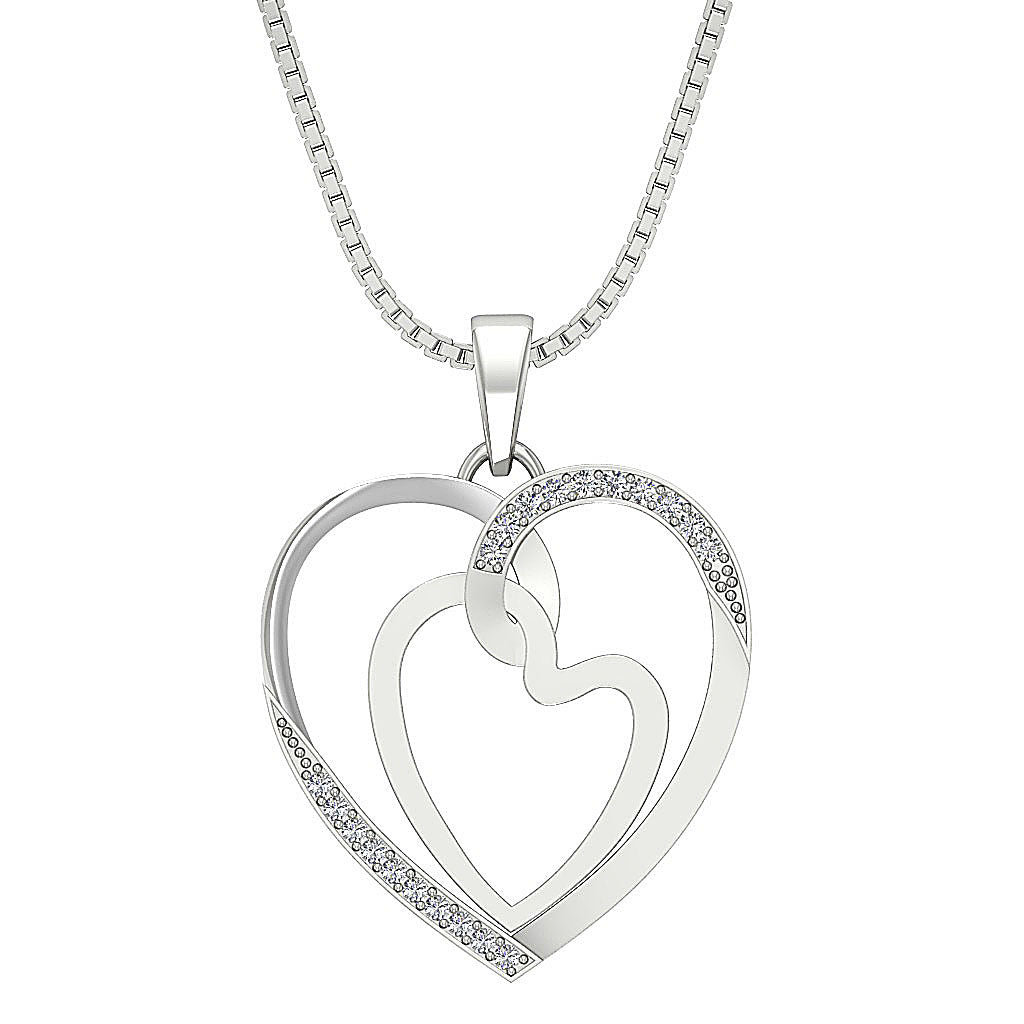
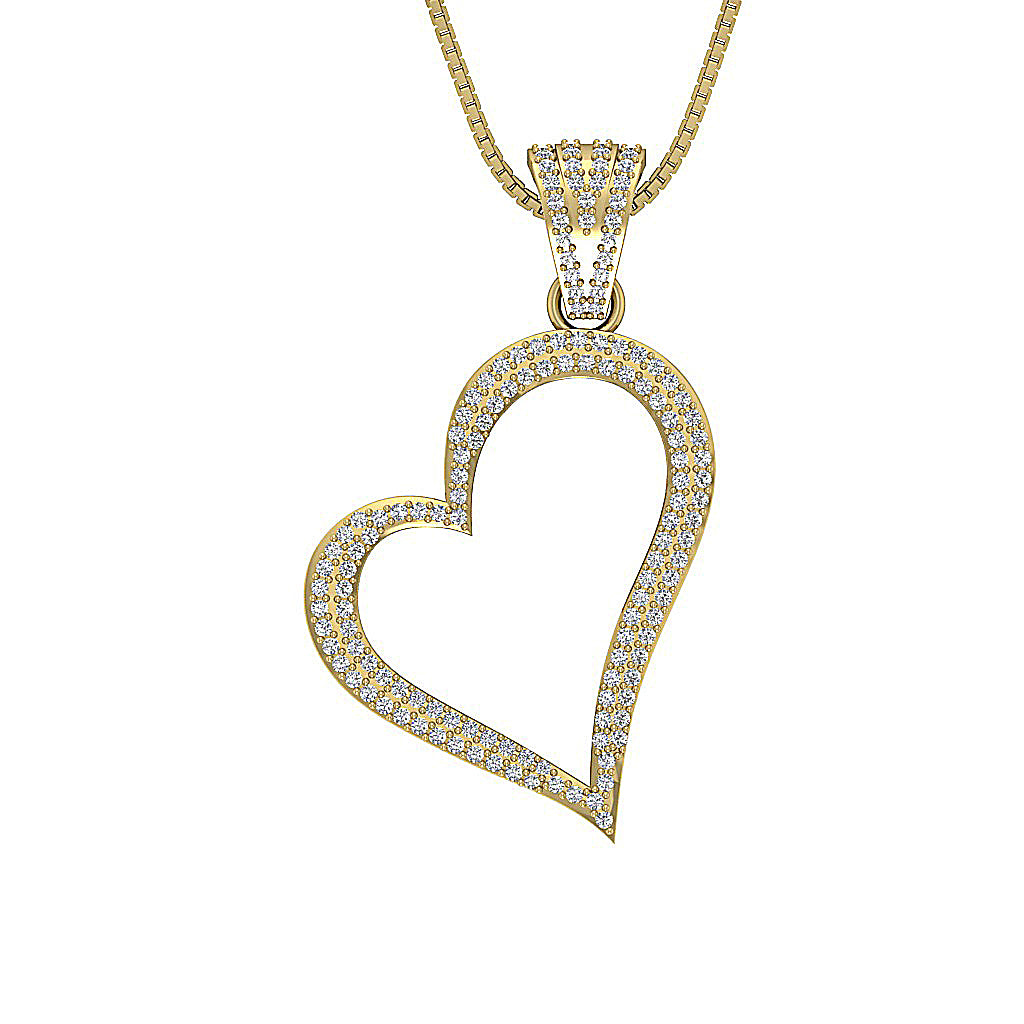
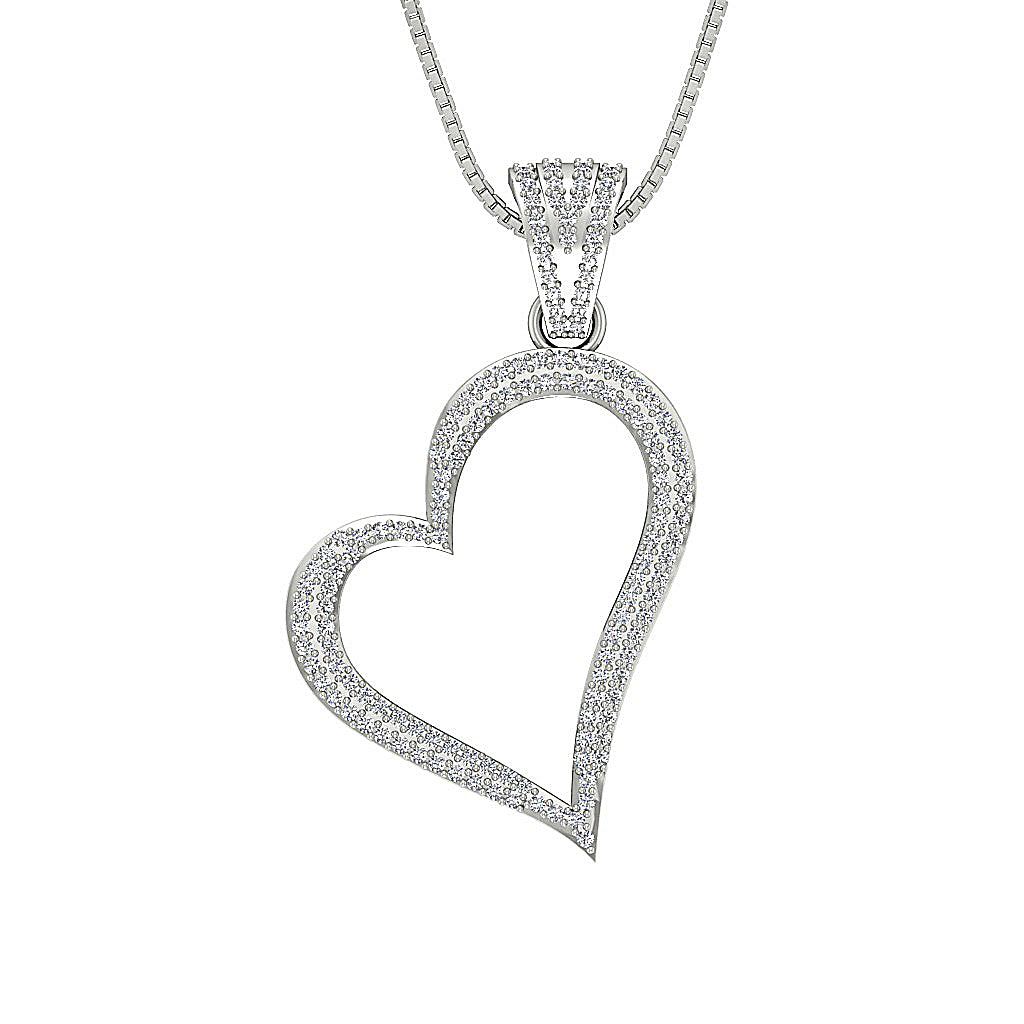
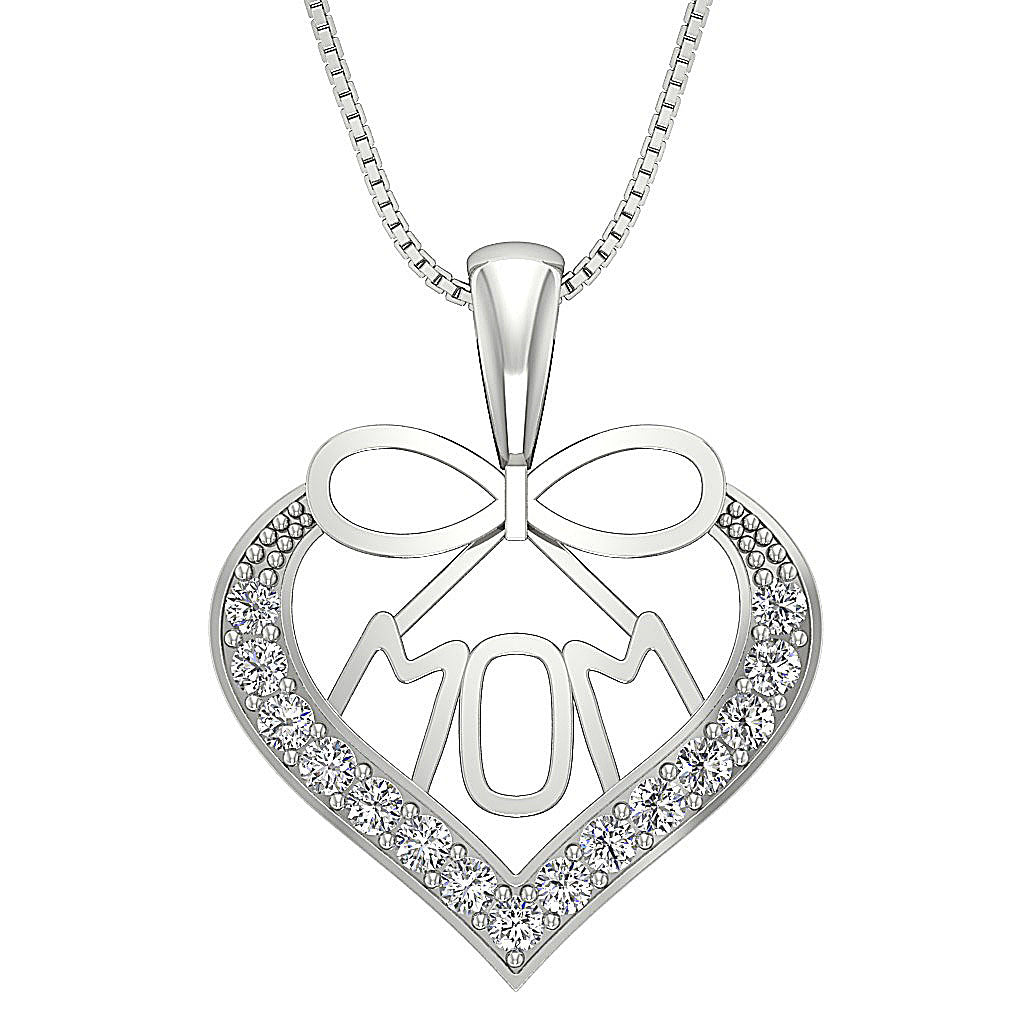
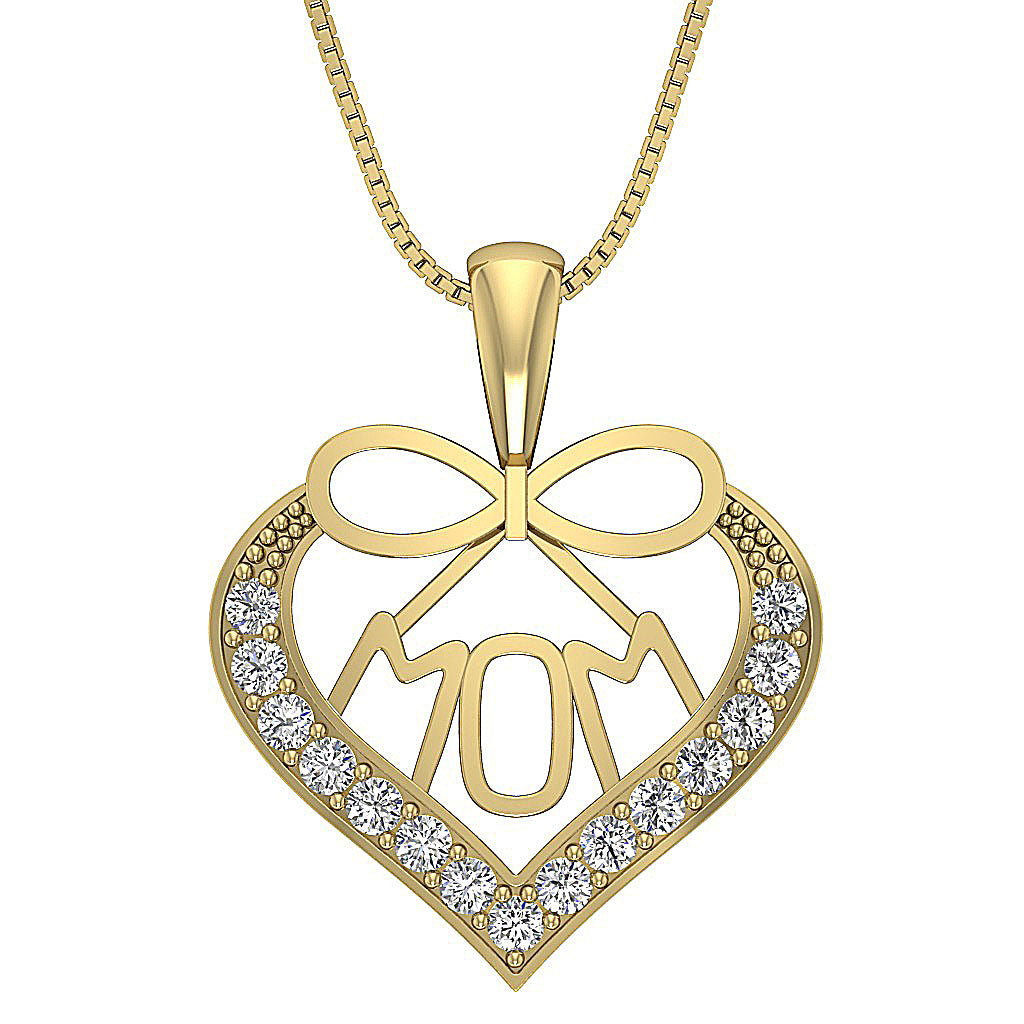
A diamond-set outline can leave the centre relatively open, allowing the heart shape to remain light and defined, for a more delicate appearance. A more densely set design can create a stronger field of brilliance, making the pendant more substantial and decorative. Some designs can use a central diamond or concentrated cluster as a focal point to create visual hierarchy within the heart.
A heart pendant can be delicate or more pronounced depending on its overall dimensions and diamond coverage.
Smaller designs can sit neatly against the collarbone and work particularly well for everyday wear. Larger hearts create greater visual presence and can become a stronger focal point when worn alone.
The setting affects both the appearance of the diamonds and the definition of the heart's outline.
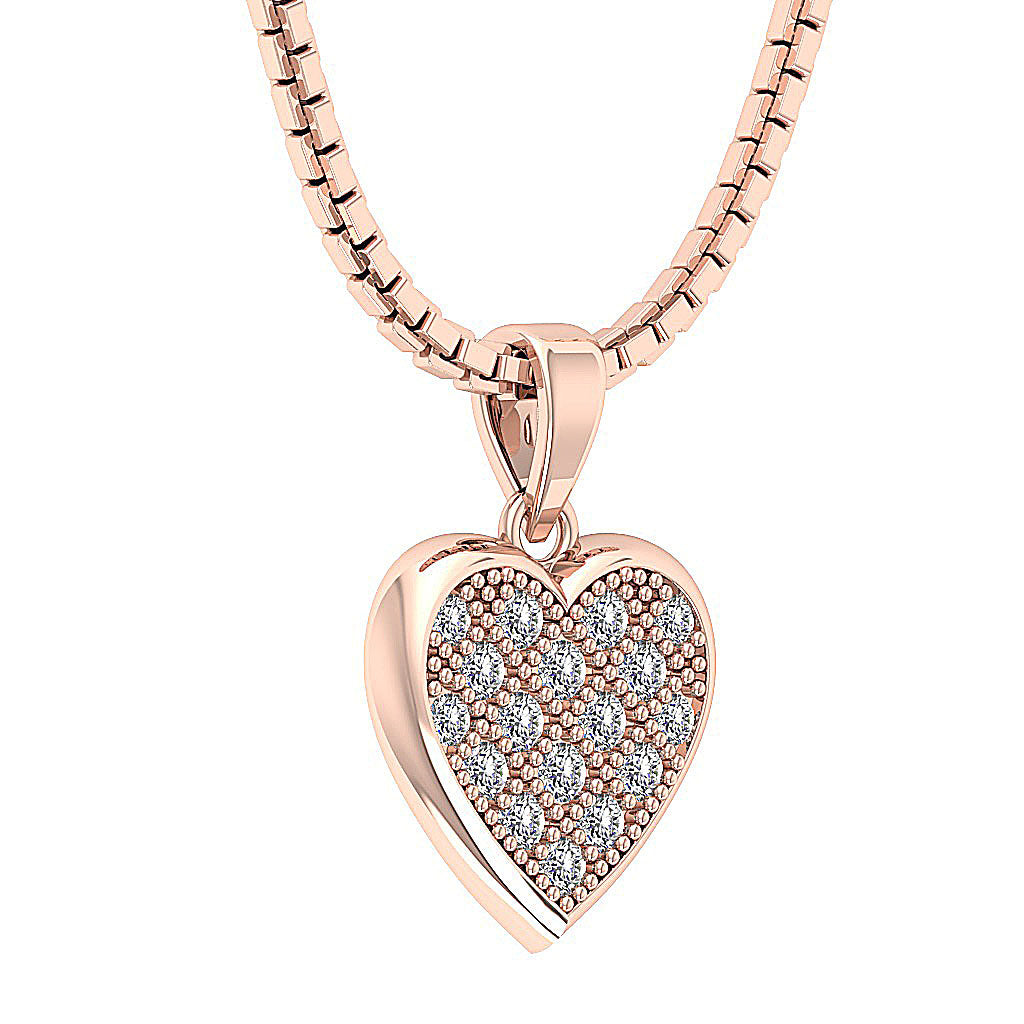
Prong settings expose more of each diamond for a lighter, more open effect. Bezel settings surround the edges of the diamonds with metal, producing a smoother outline. Pavé arrangements place smaller diamonds closely together, creating a more continuous surface of brilliance.
Choosing the Gold Color for Diamond Heart Pendants
Gold provides the framework for the heart and can influence how strongly the diamonds contrast against the pendant.
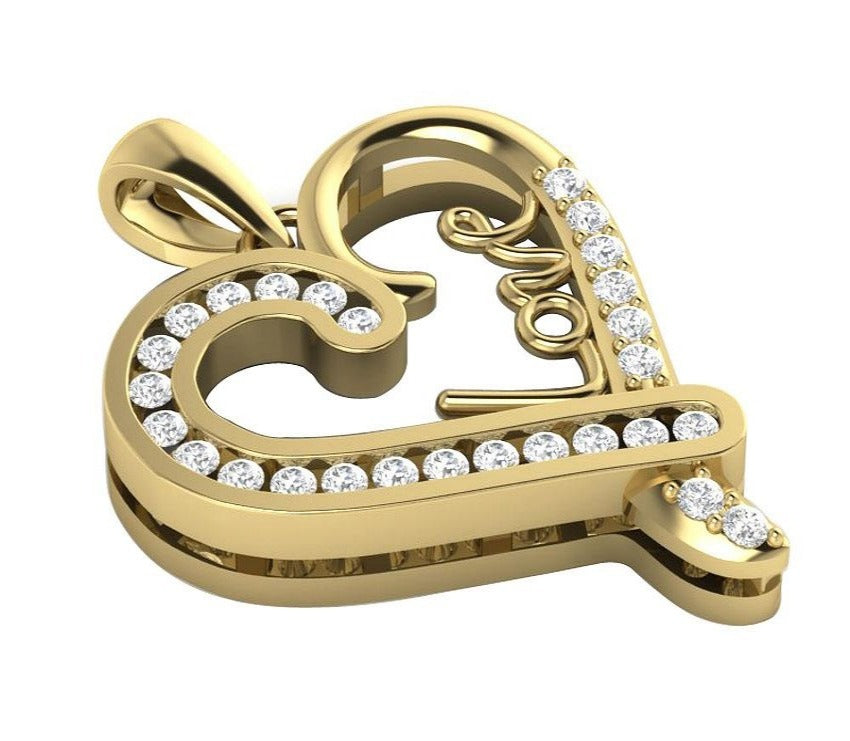
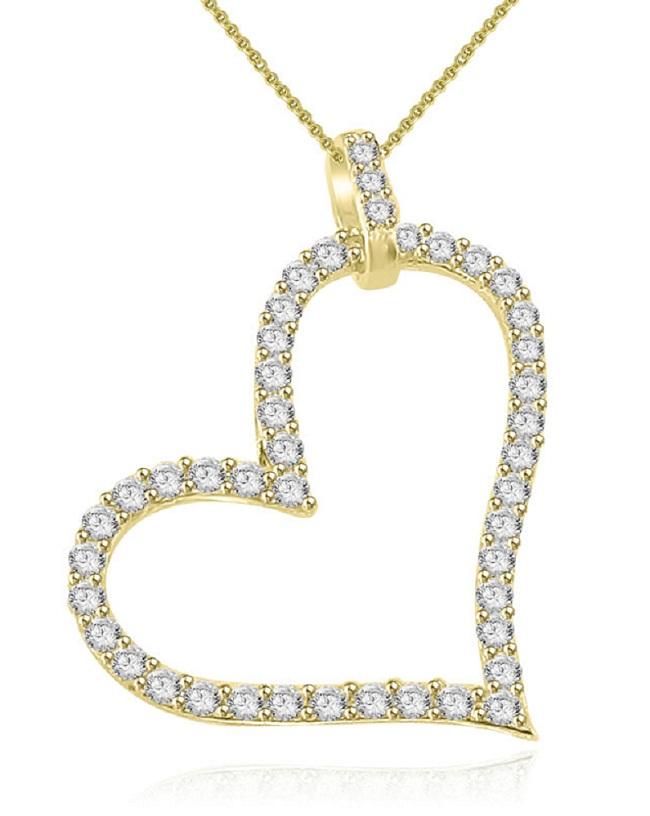
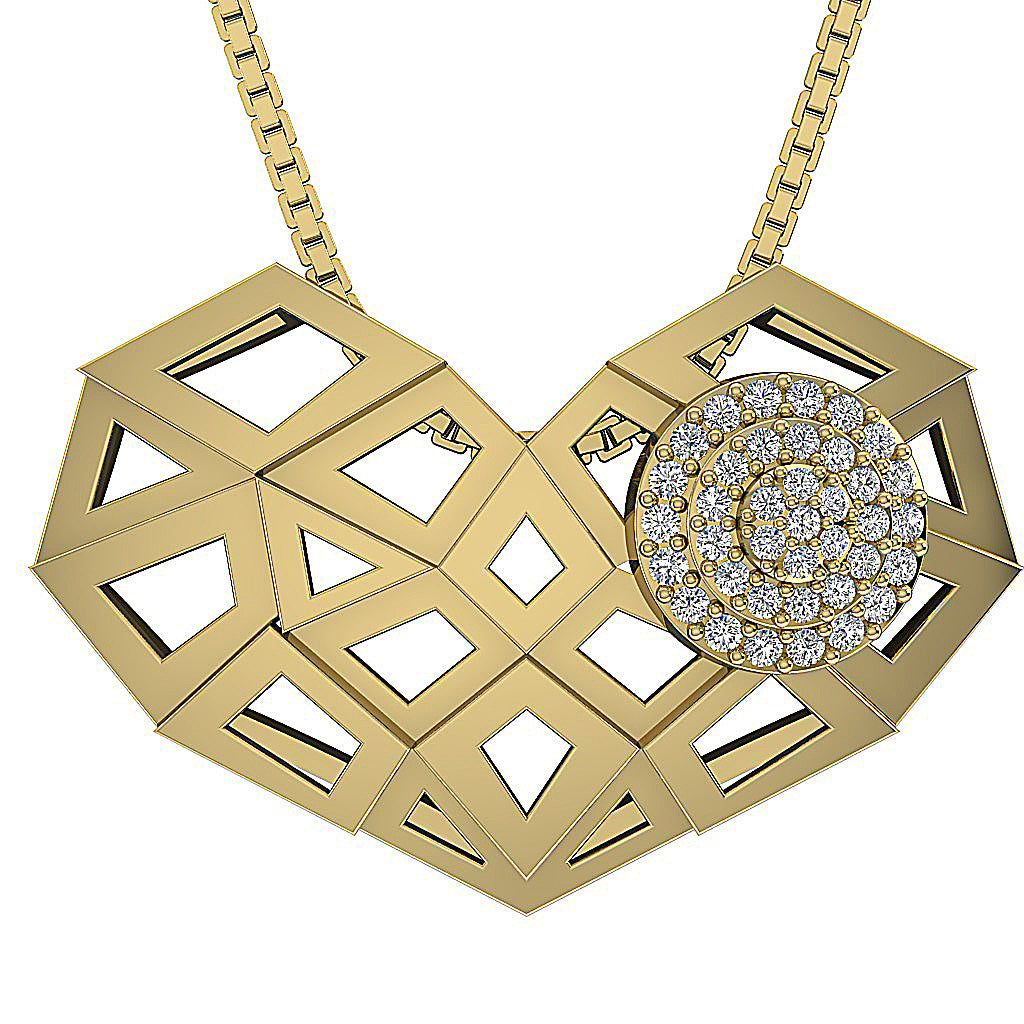
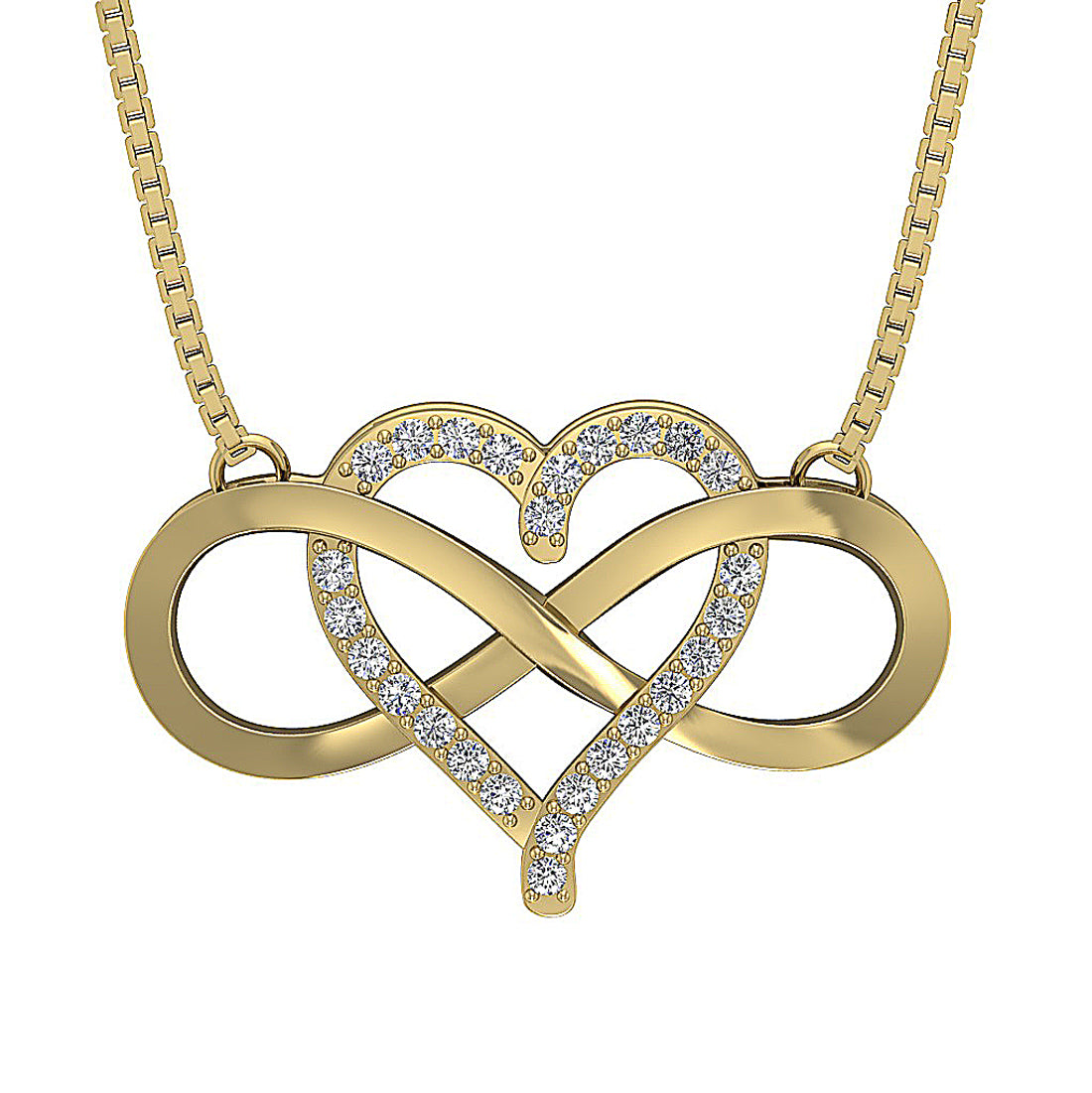
White gold, with its cooler palette, keeps the visual emphasis on the stones and gives the heart a clean appearance. Yellow gold makes the metal more visible, helping define the shape. Rose gold gives a traditional heart motif a more contemporary feel.
When choosing the metal, consider the recipient's existing jewelry. Matching the gold color can make the pendant easy to incorporate into their collection, while a contrasting metal can create a more distinctive piece.
Natural vs. Lab-Grown Diamonds: What to Consider
Natural diamonds are formed naturally within the Earth over geological timescales. For buyers who specifically value natural origin, a heart pendant provides a way to combine that preference with a highly personal jewelry motif. In contrast, lab-grown diamonds are made under controlled conditions and offer the same physical characteristics at a budget.
The diamond characteristics remain important regardless of the pendant's symbolism. Cut influences how effectively the stones interact with light, while color and clarity contribute to their overall appearance.
If the design contains several natural diamonds, visual consistency is worth considering. Stones that are closely matched in color and brightness allow the heart to read as one cohesive form.
Wearing a Heart Pendant Every Day
A smaller heart pendant can work naturally as part of an everyday jewelry rotation. Its recognisable shape gives a simple outfit a personal detail without requiring a large amount of visual weight. It can be worn alone or alongside small diamond earrings, rings and bracelets.
A larger heart may be more suited to occasions where the necklace is intended to become a focal point. However, the distinction is not absolute. Personal style and comfort ultimately determine how frequently a particular pendant is worn.
For regular wear, pay attention to the chain and fastening as well as the pendant itself. A secure connection is particularly important for a necklace intended to remain in frequent rotation.
Living With It: Caring for a Diamond Heart Pendant
Clean a natural diamond heart pendant regularly with warm water, mild soap and a soft-bristled brush. Work carefully around the individual diamonds and the inner curves of the heart, where residue can collect.
If the pendant has multiple settings, inspect the stones periodically for movement or signs of wear. The smaller diamonds around the outline can be harder to notice if a setting becomes loose.
Check the chain, clasp and pendant connection as well. These components experience repeated movement and should remain secure.
Store the necklace separately when possible. Keeping it away from other chains can reduce tangling, while a dedicated jewelry compartment can help prevent unnecessary contact with other pieces.
A heart shaped by diamonds, softened by gold and left open to mean whatever connection matters most to the person wearing it.