DIAMOND RINGS ONLINE

DIAMOND RINGS

Discover Handcrafted Rings That Redefine Luxury

.

Filters

Sort by:

654 products

On sale
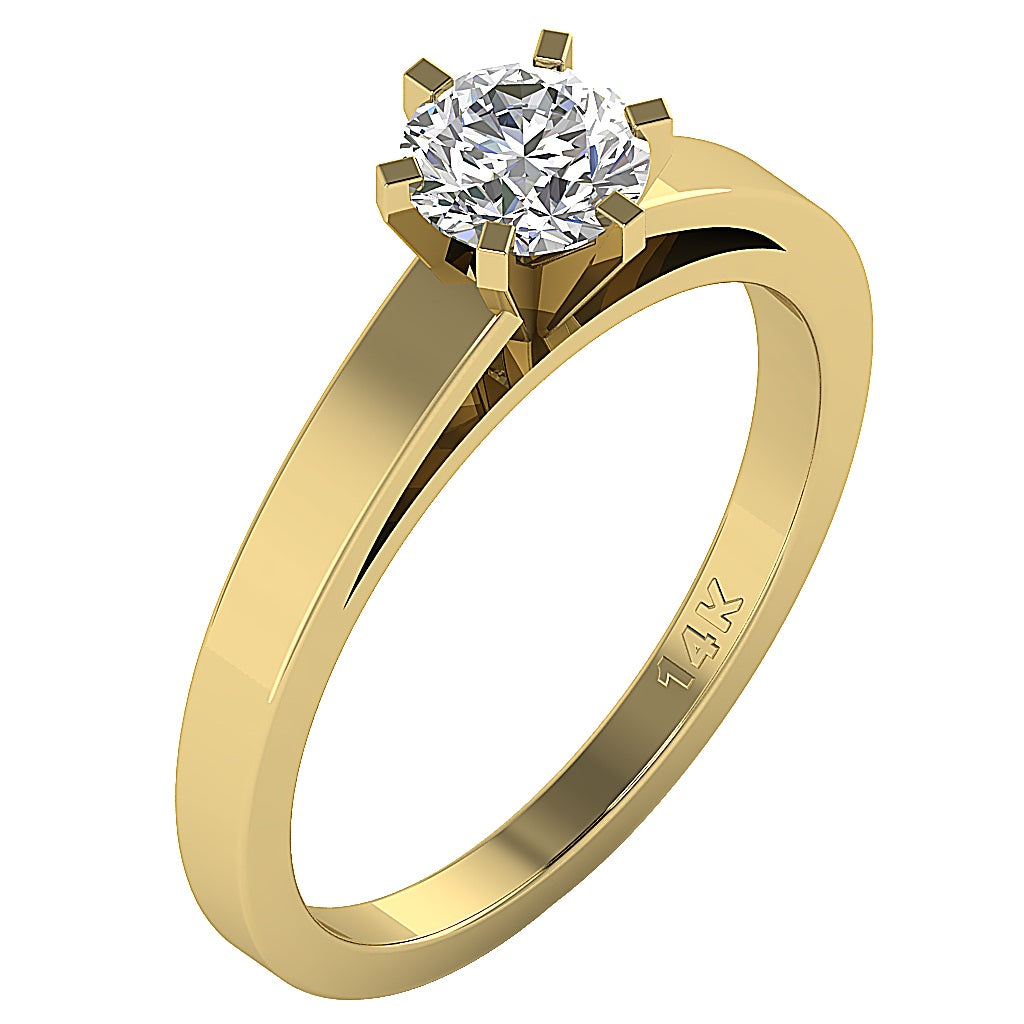
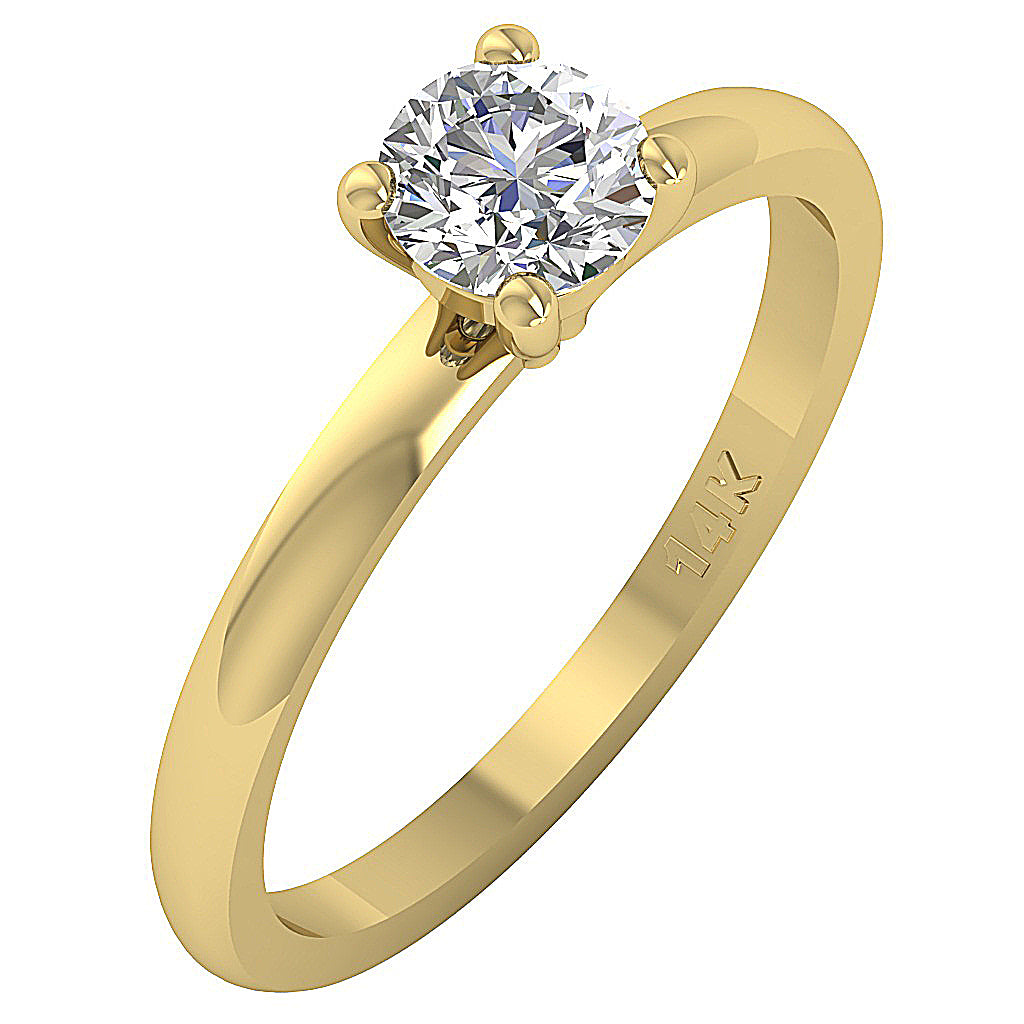
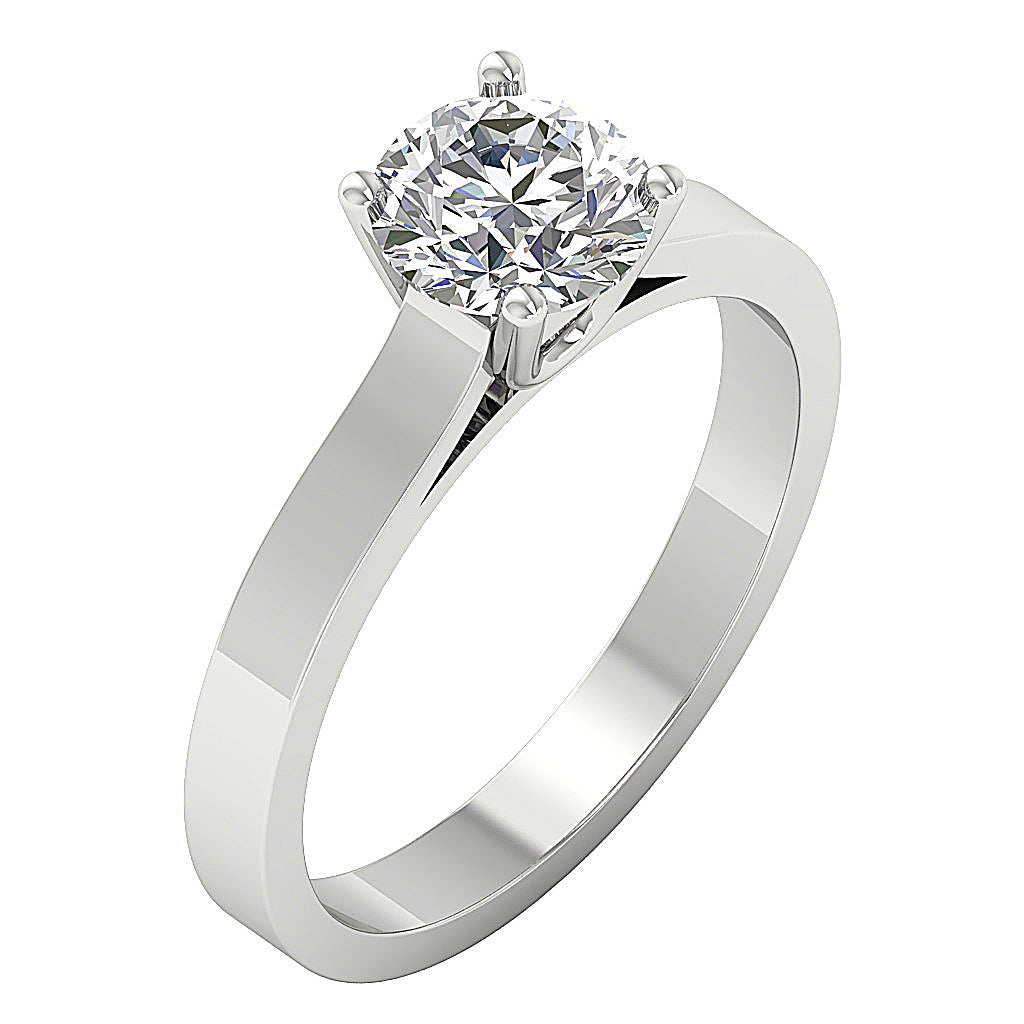
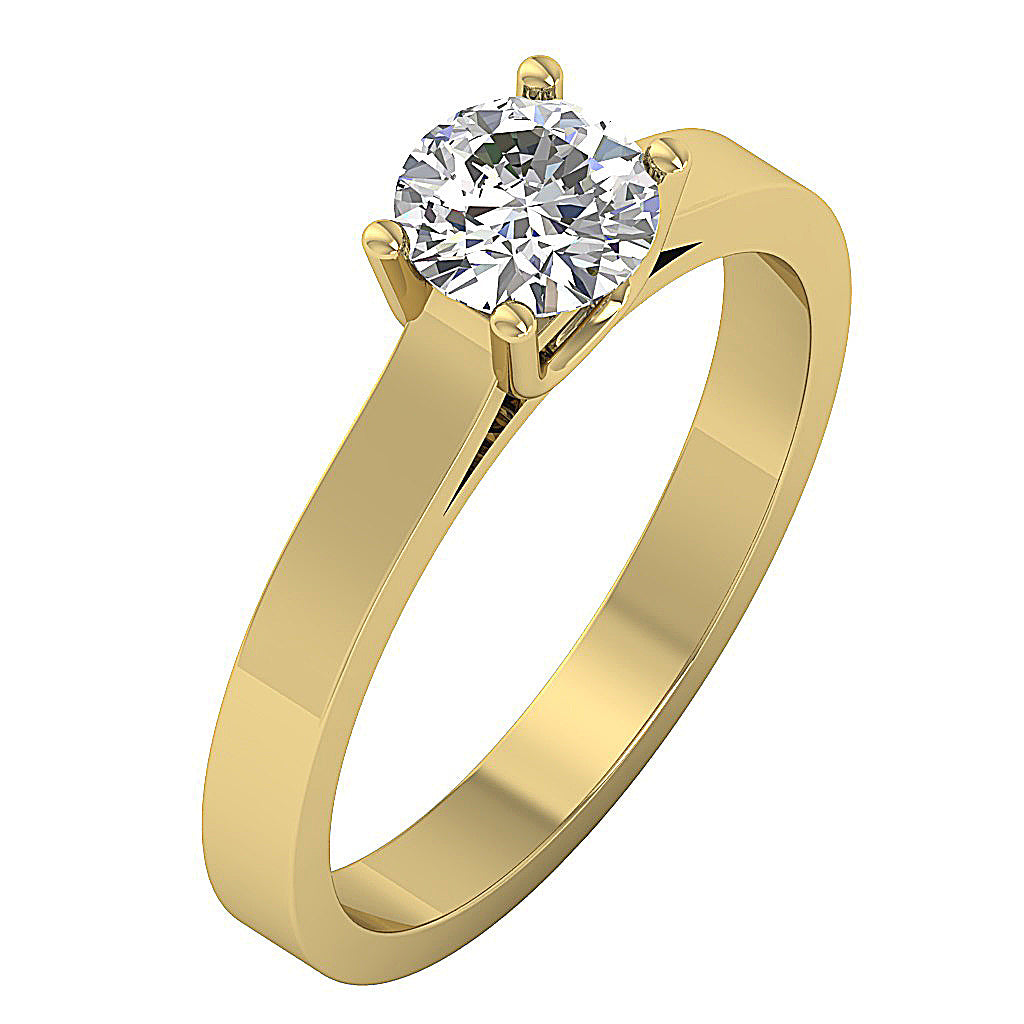
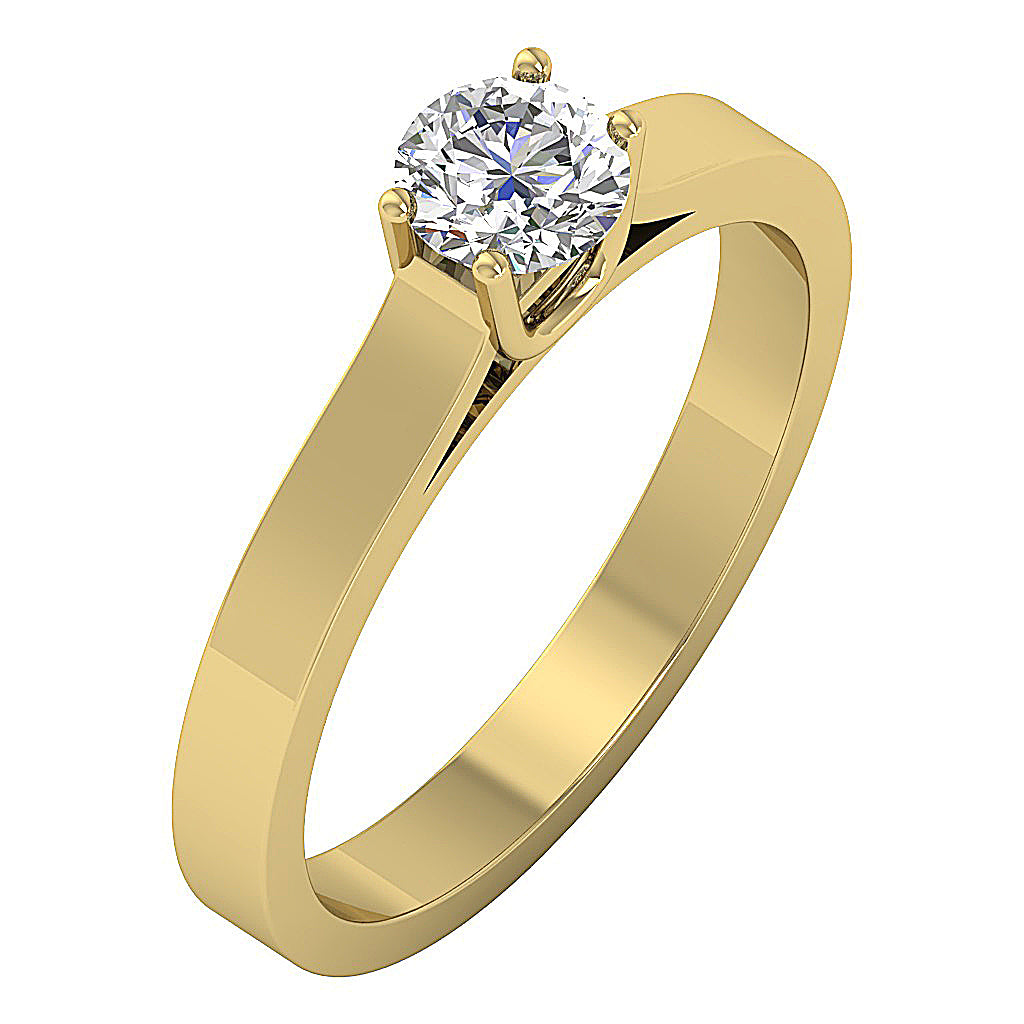
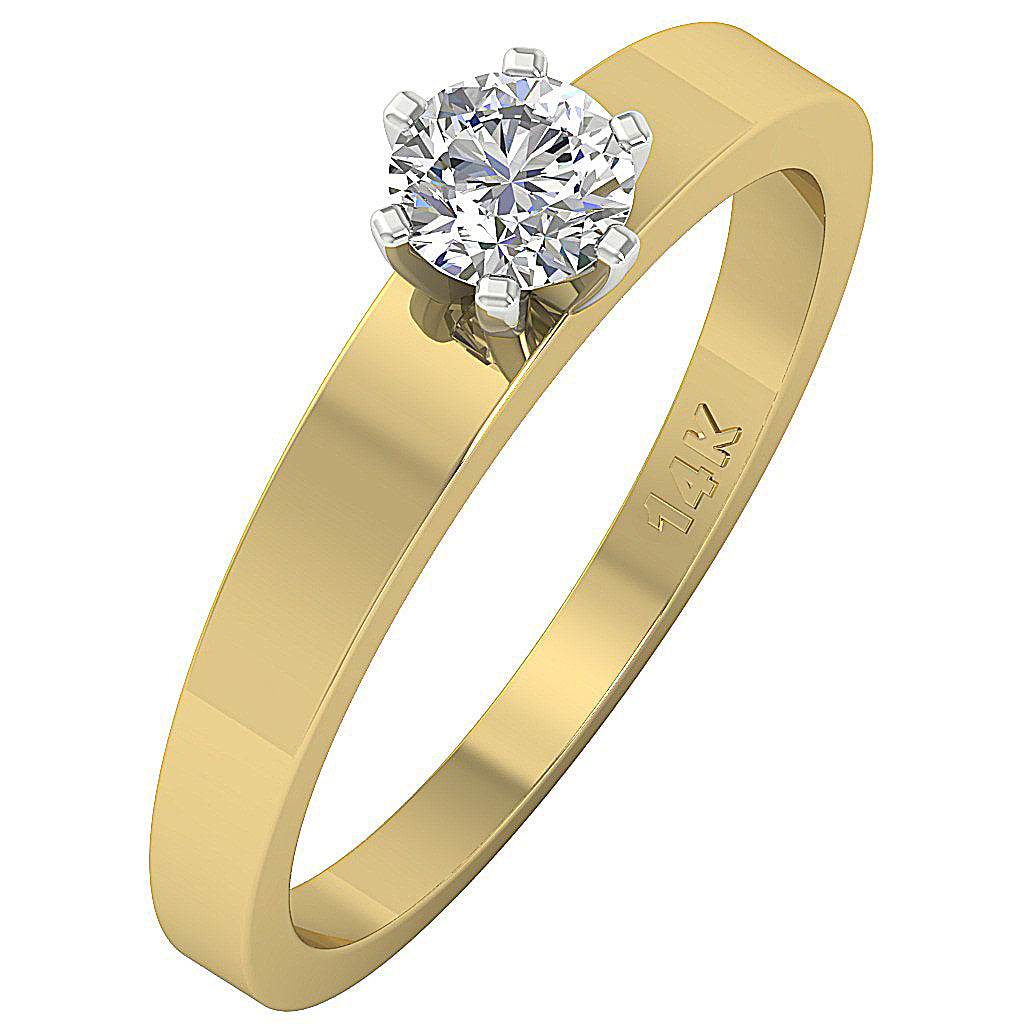
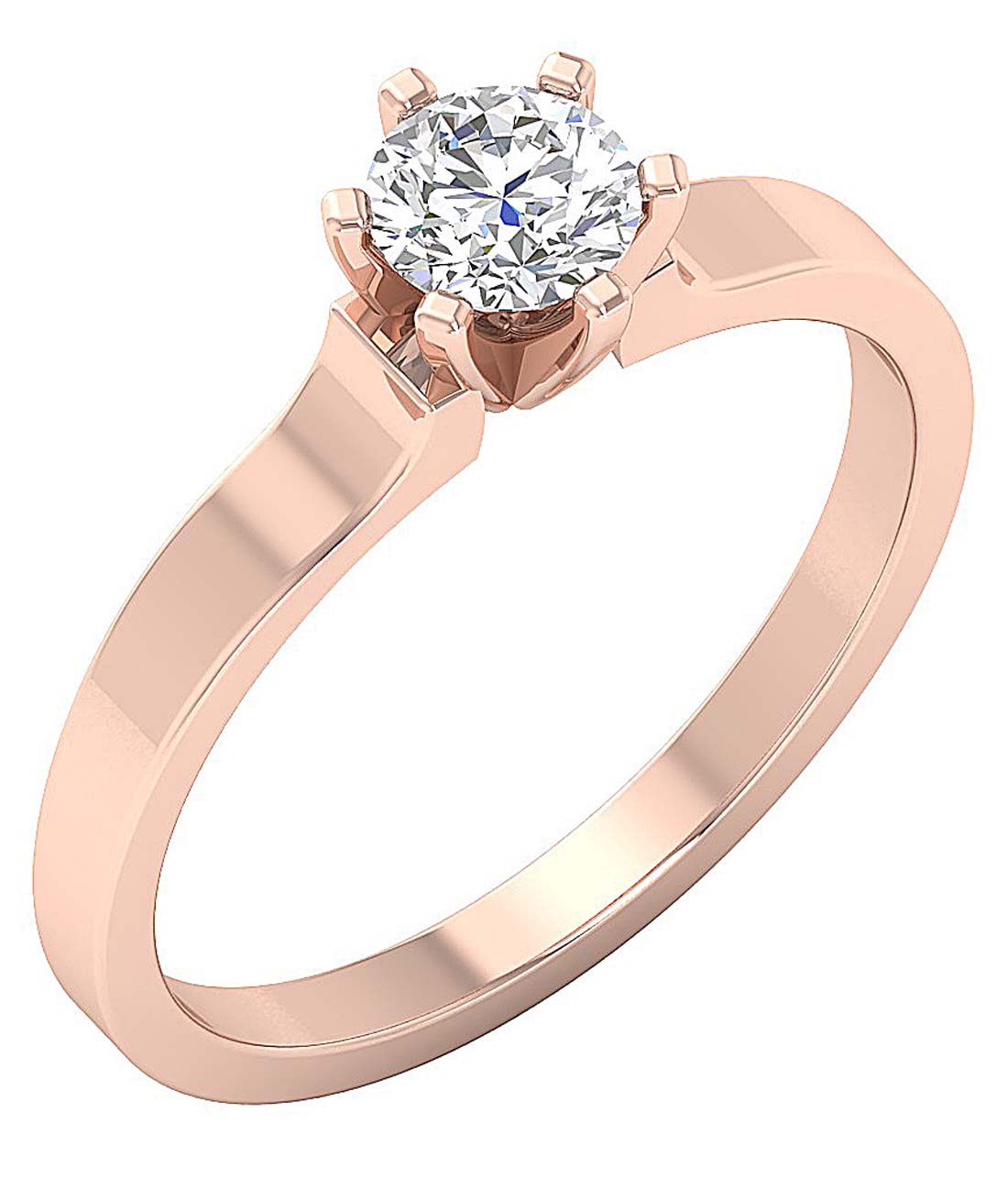
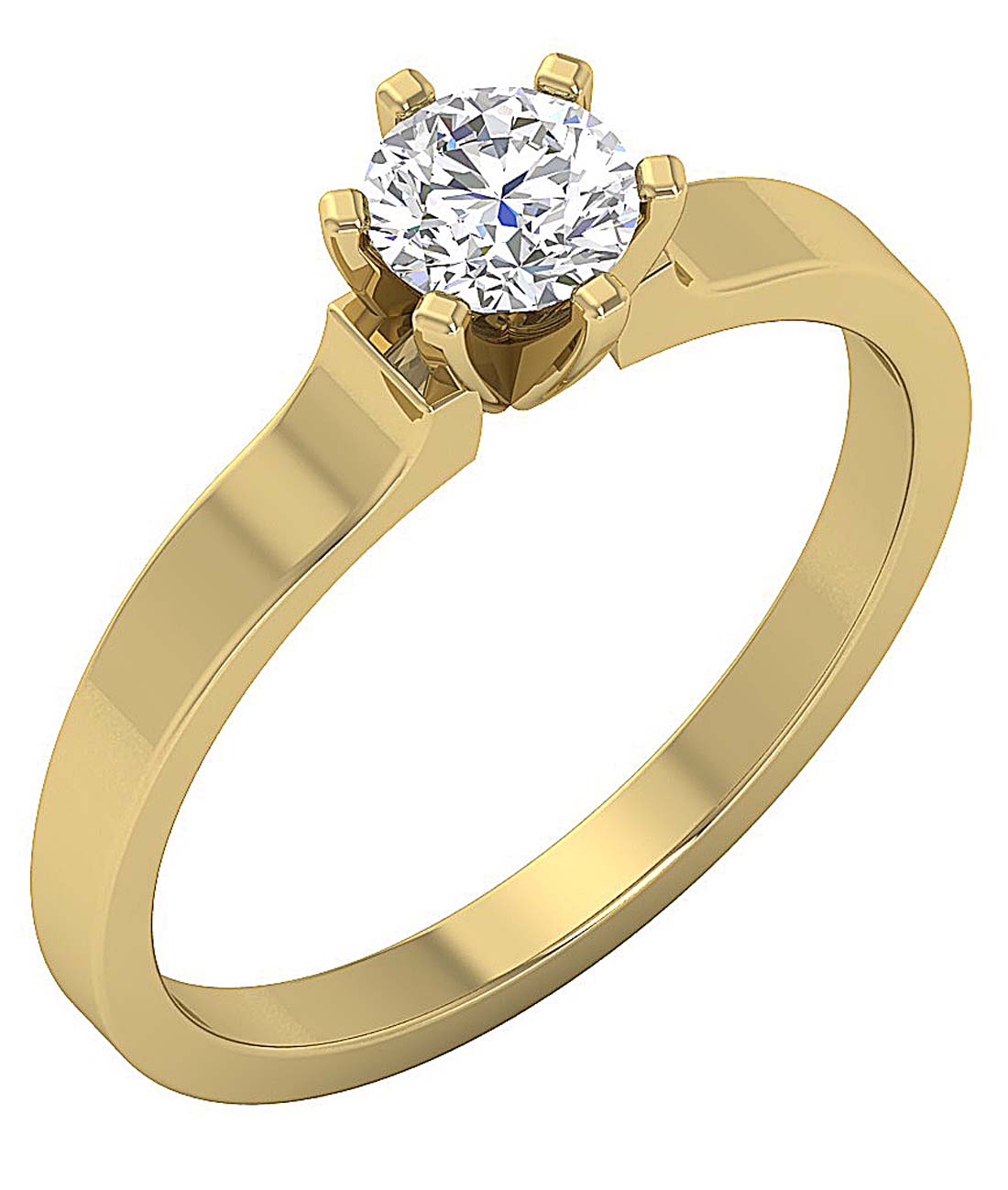
14K Yellow Gold Royal Solitaire Ring with 3.00ct Lab Diamond4.00 Carat VS F Lab Diamond in 14K Rose Gold Hexa-Prong Setting
Color
On sale
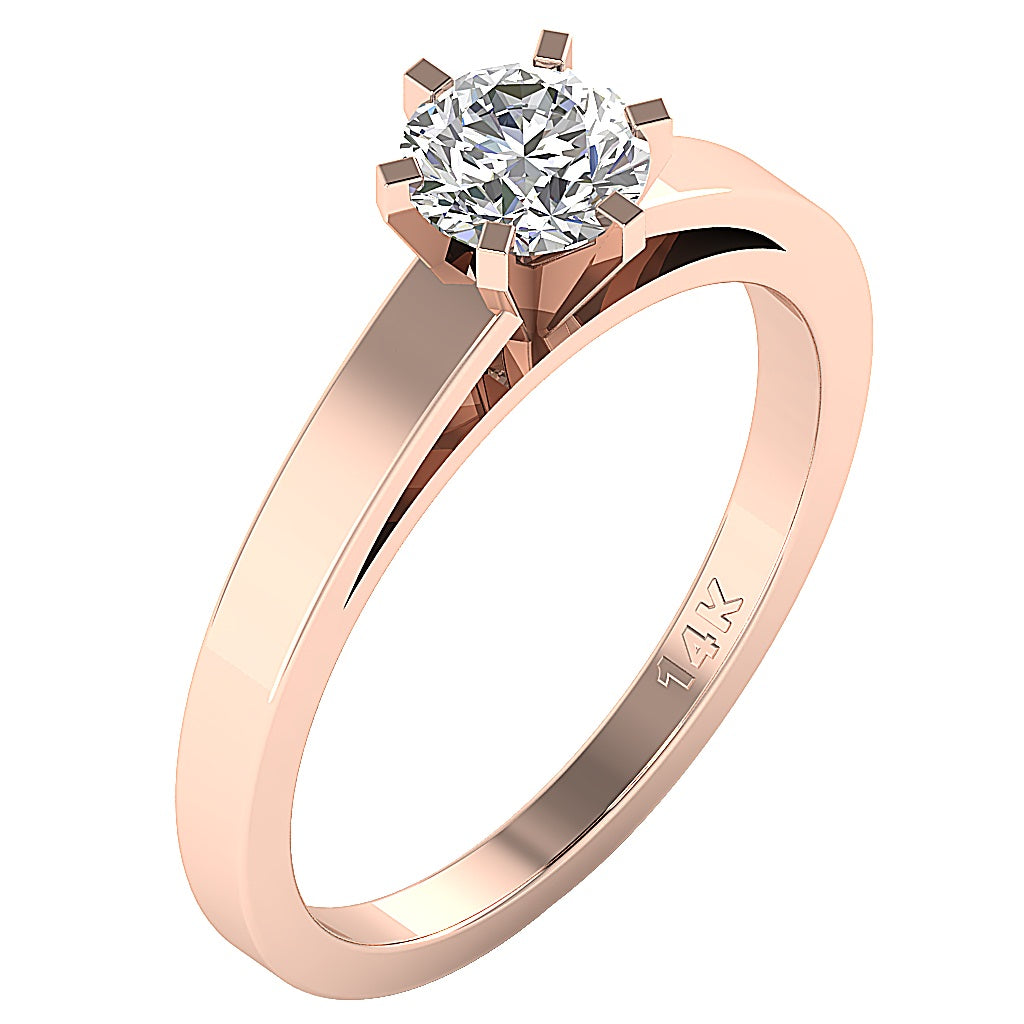
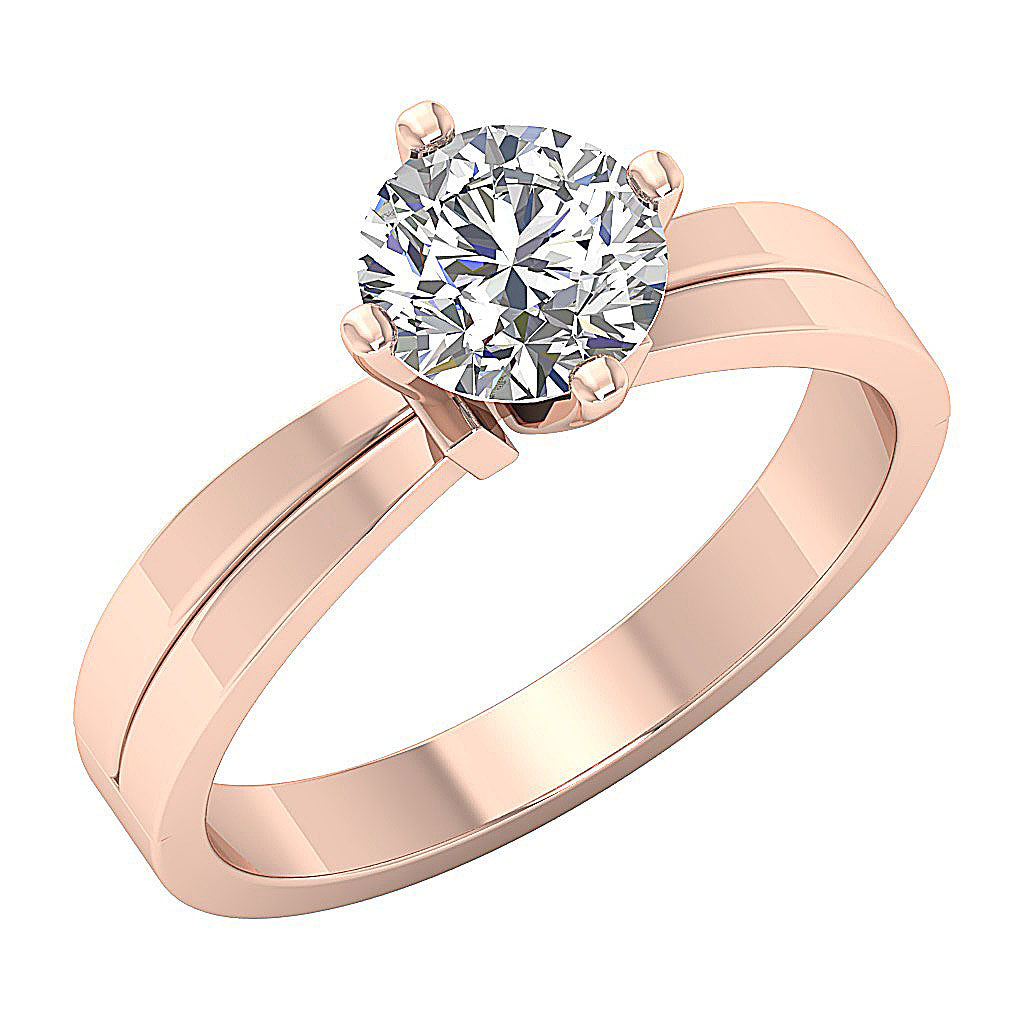
4.00 Carat VS F Lab Diamond in 14K Rose Gold Hexa-Prong Setting4.00 Carat VS F Lab-Grown Diamond in 6-Prong 14K Gold Crown Setting
Color
On sale
Close-up showing the fire and brilliance of a 4.00ct VS-F lab diamond4.00 Carat VS F Lab-Grown Diamond in 6-Prong 14K Gold Crown Setting
Color
On sale
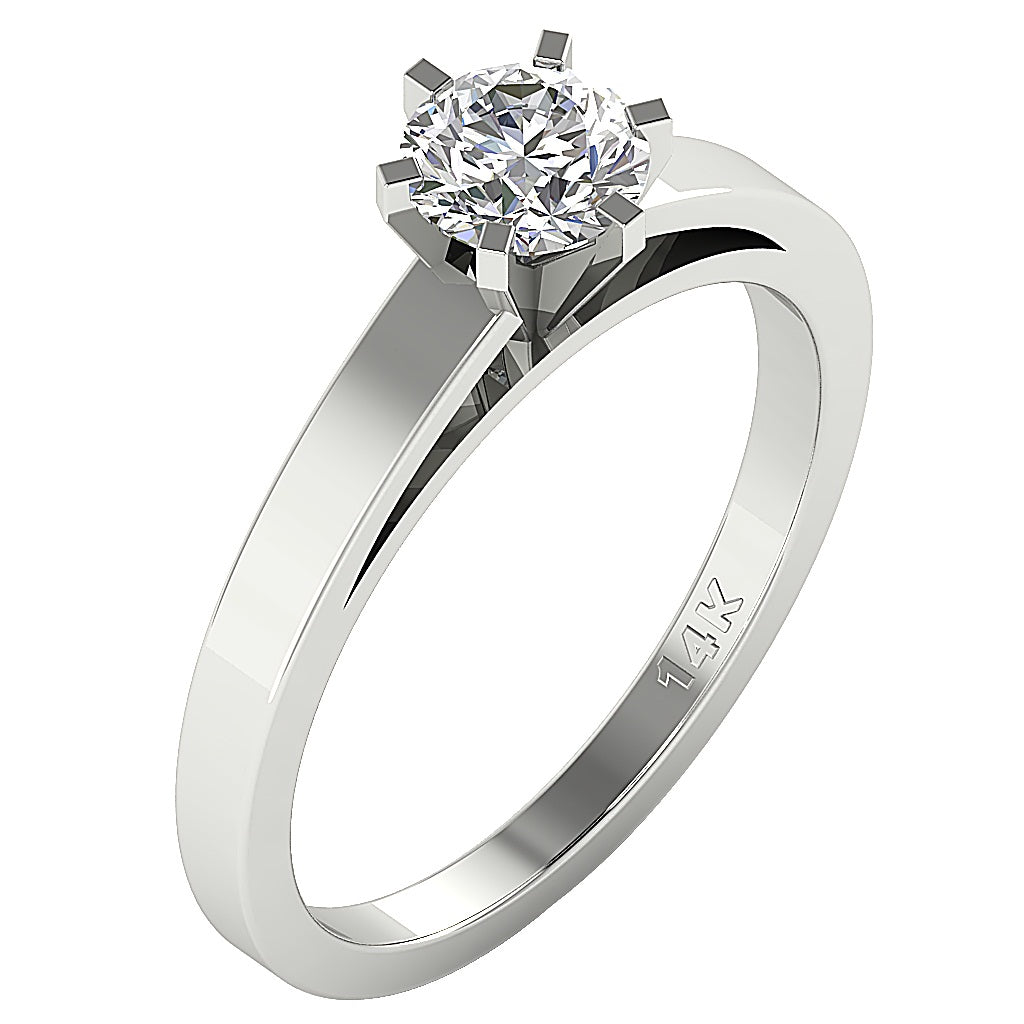
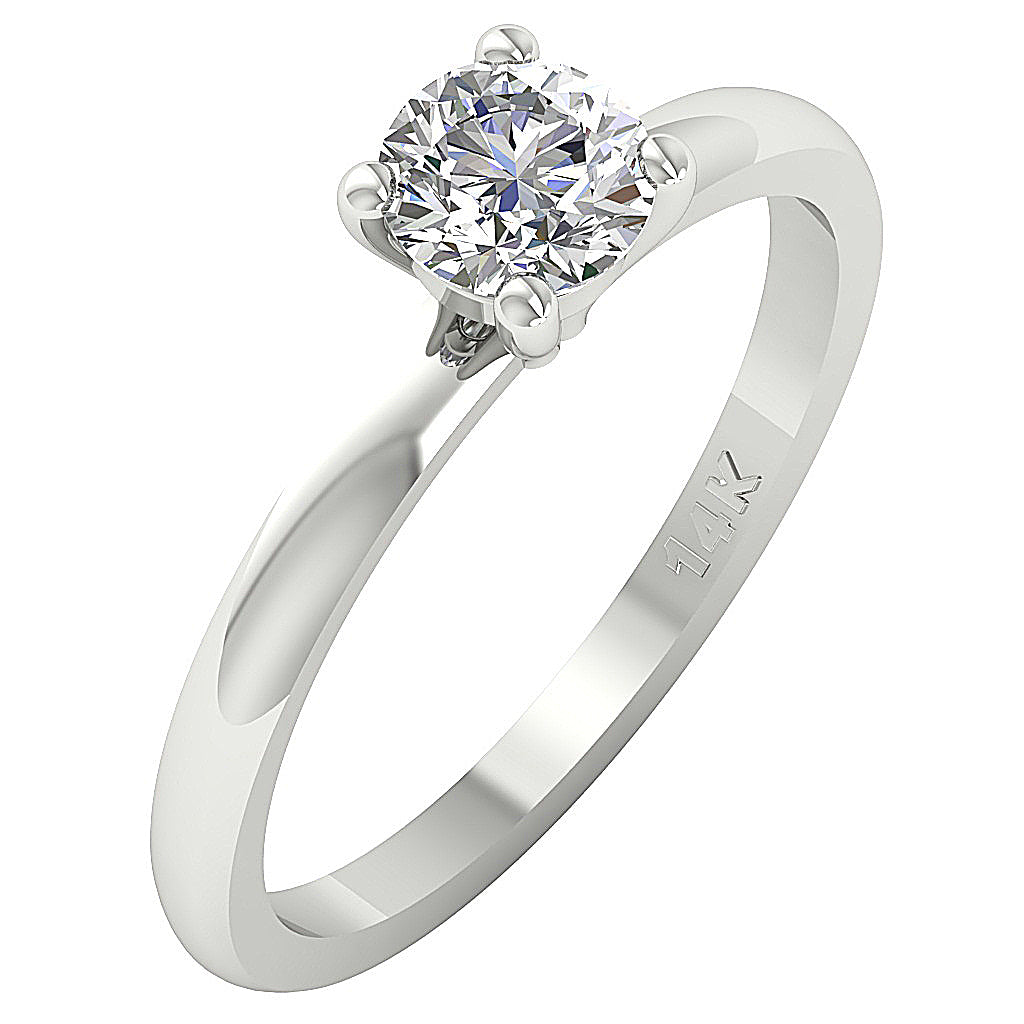
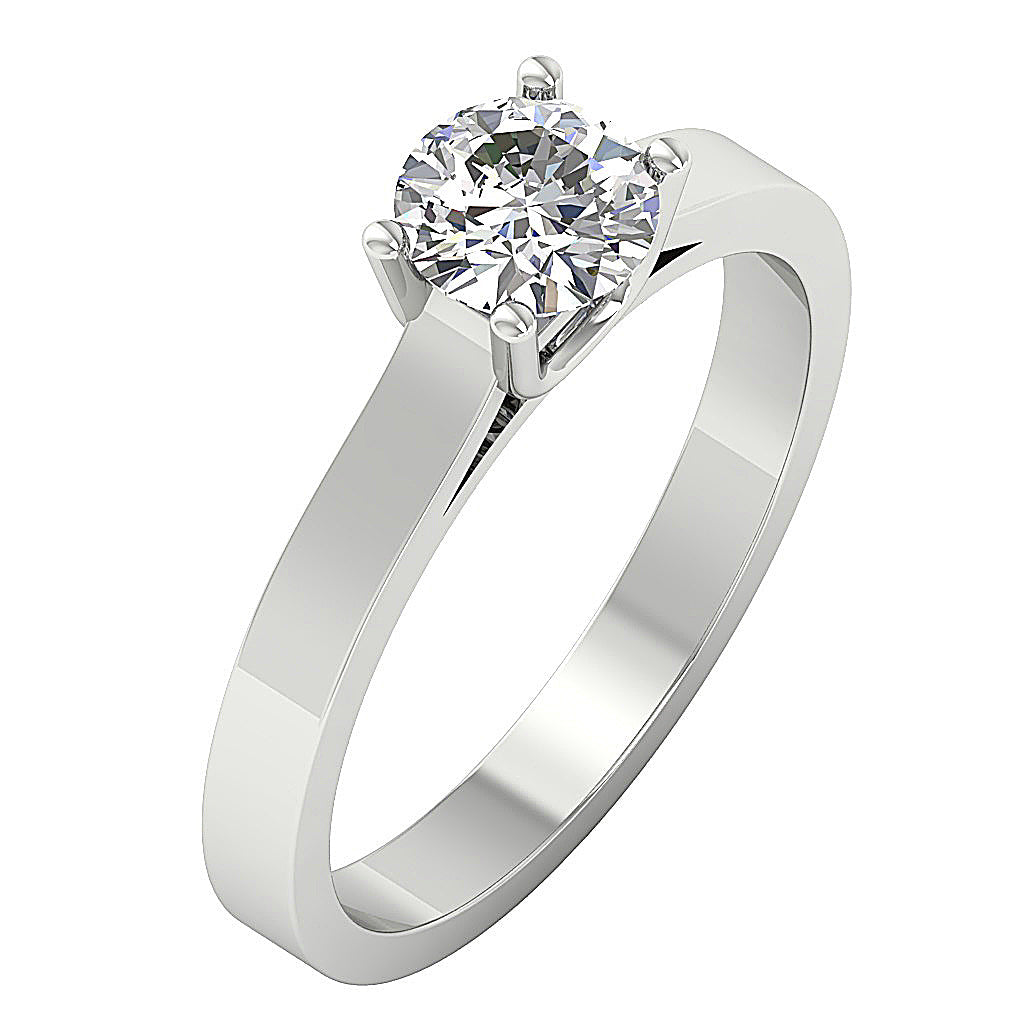
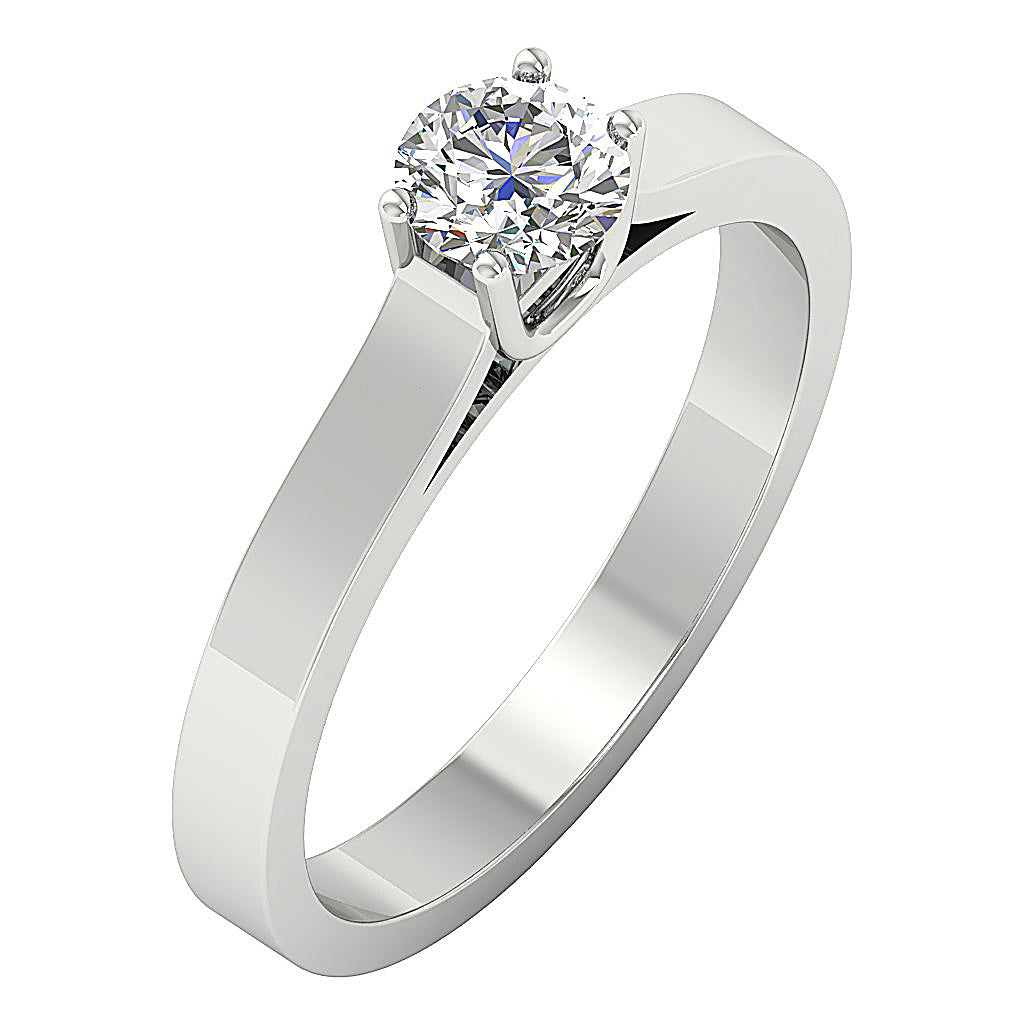
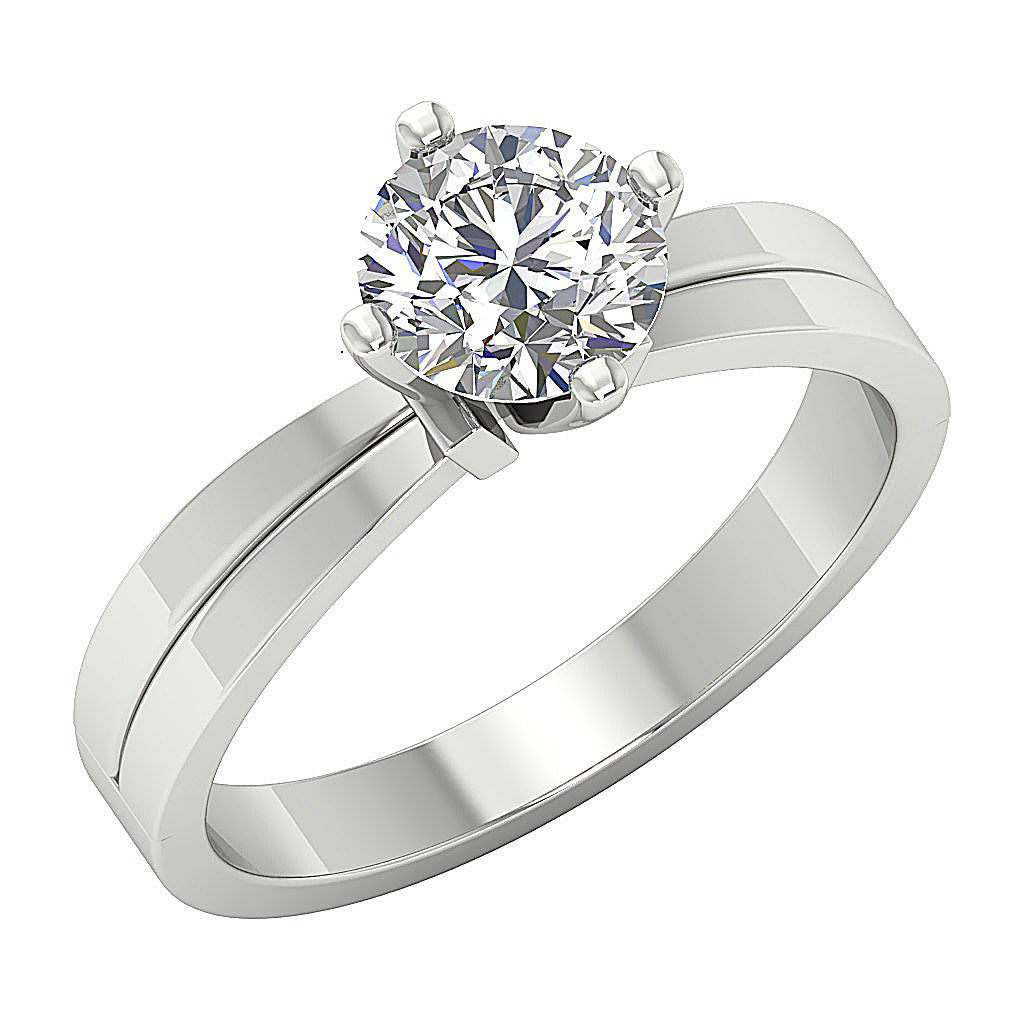
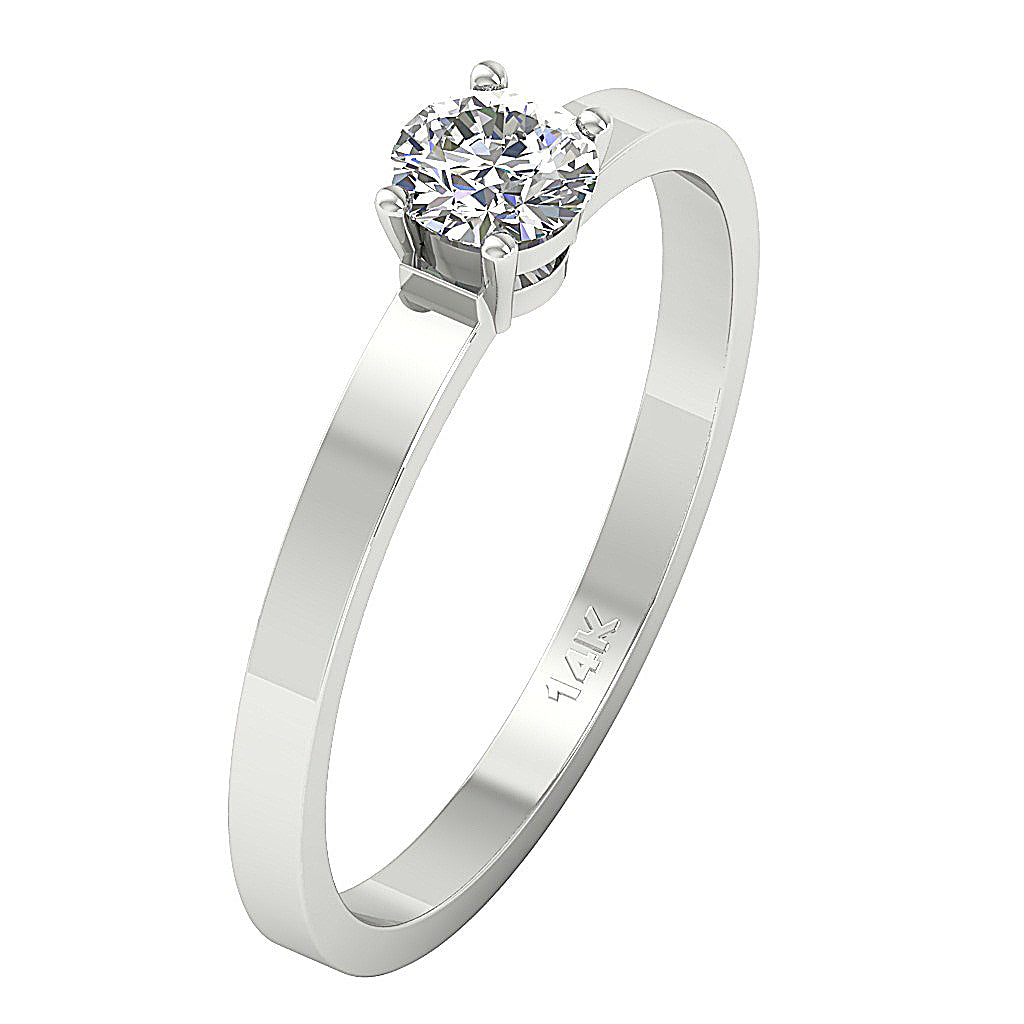
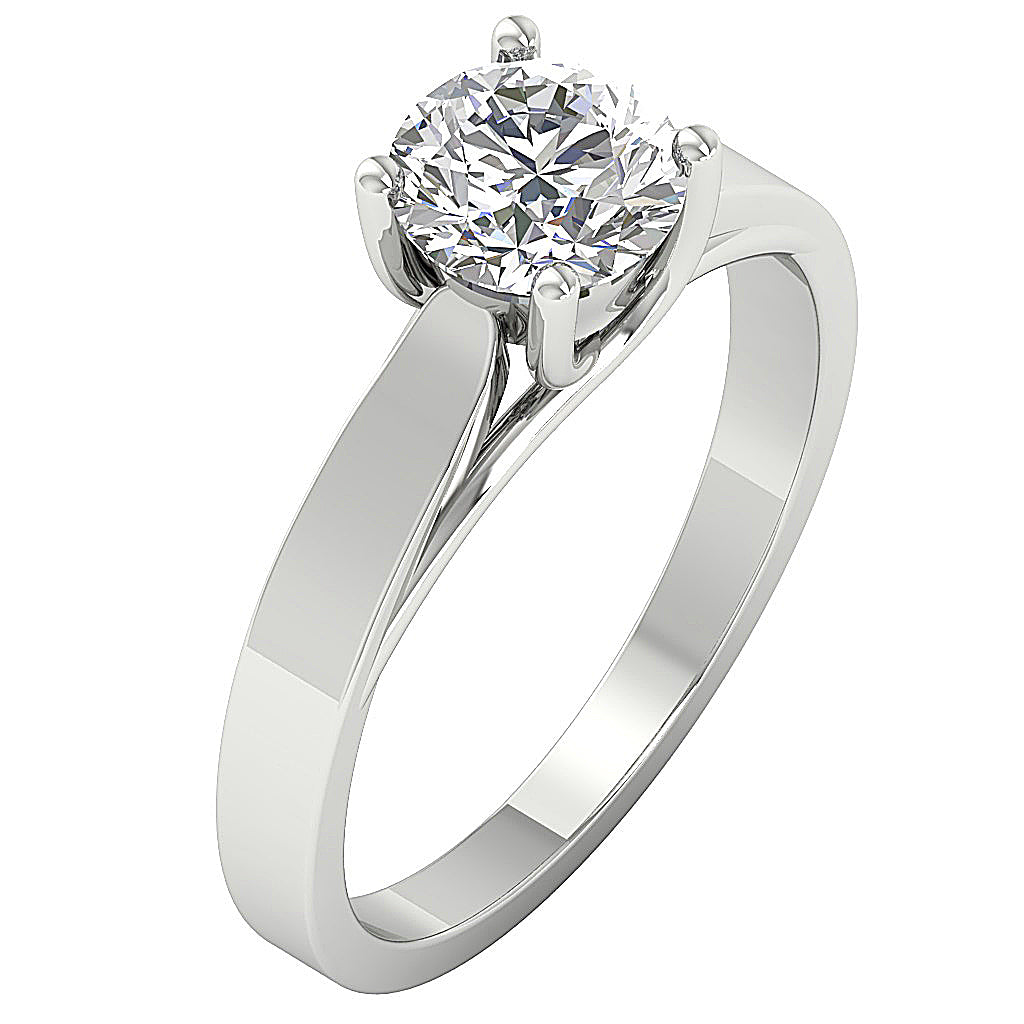
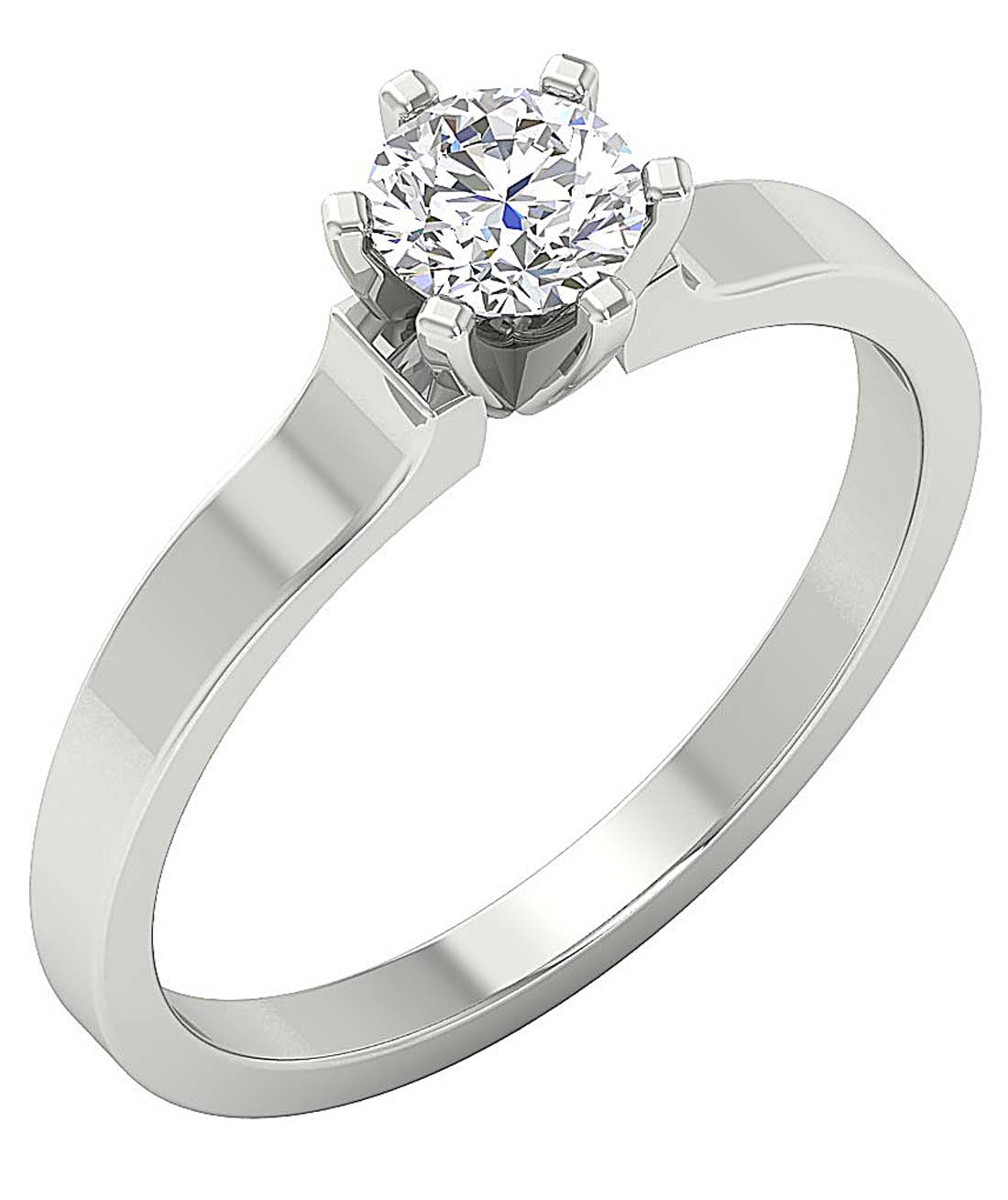
3.00ct VS F Lab Diamond in 14K Yellow Gold Sovereign Band4.00 Carat VS F Lab-Grown Diamond in 14K White Gold
Color
On sale
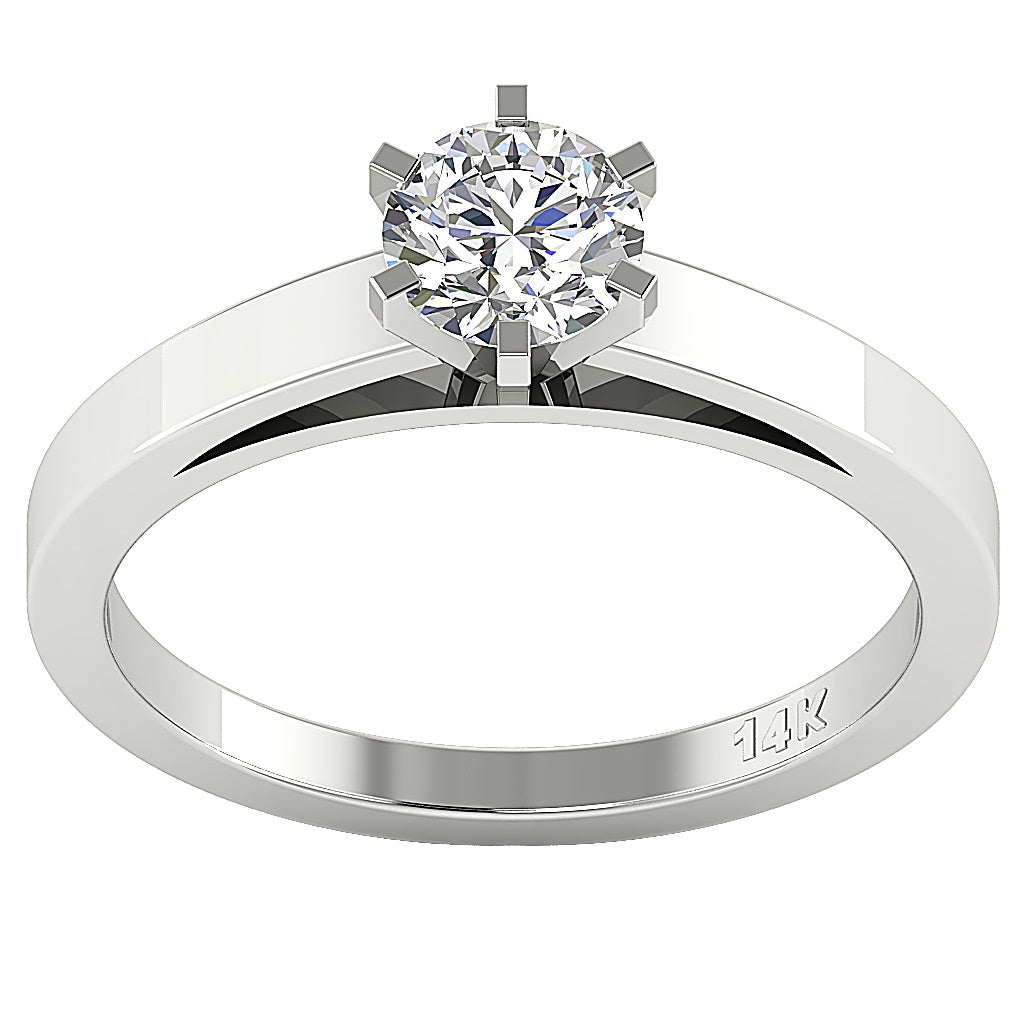
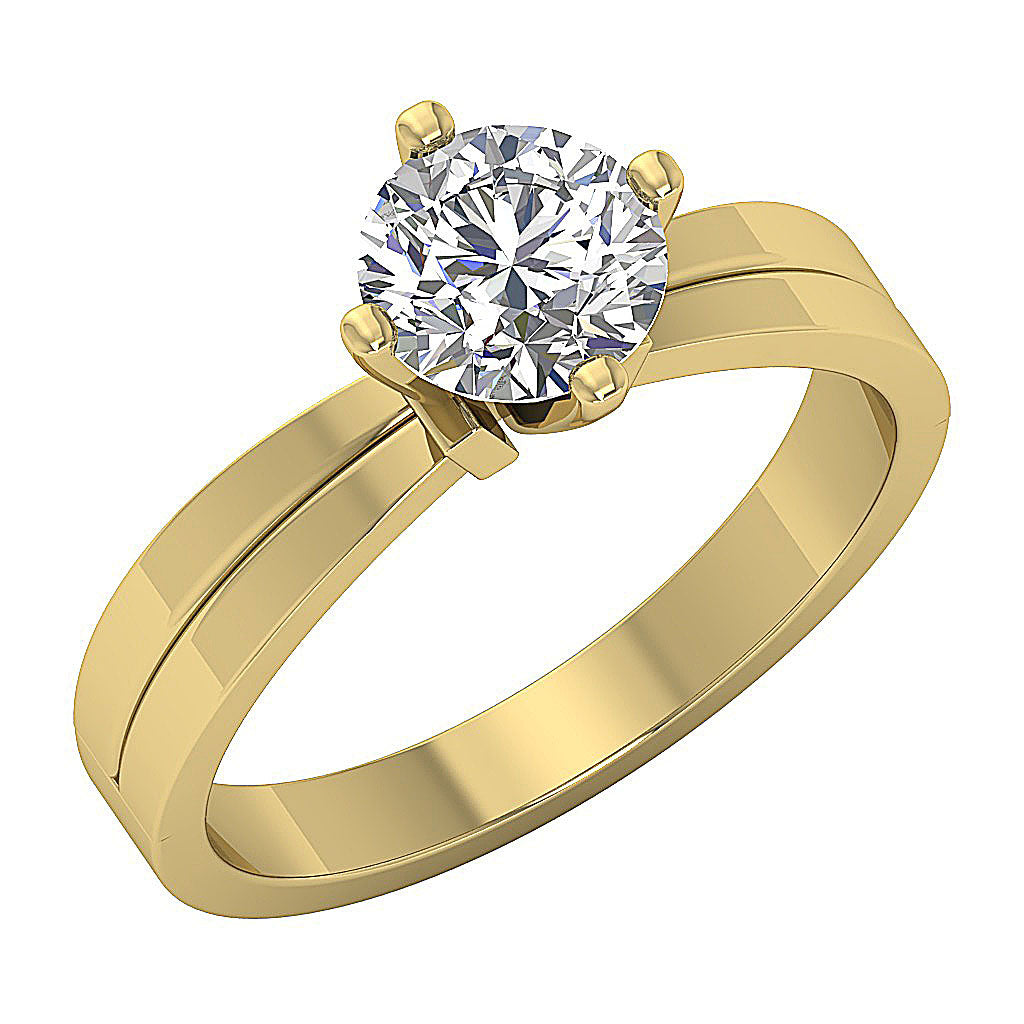
4.00 Carat VS F Lab-Grown Diamond in 14K White Gold3.00ct VS F Lab Diamond in 14K Yellow Gold Sovereign Band
Color
On sale
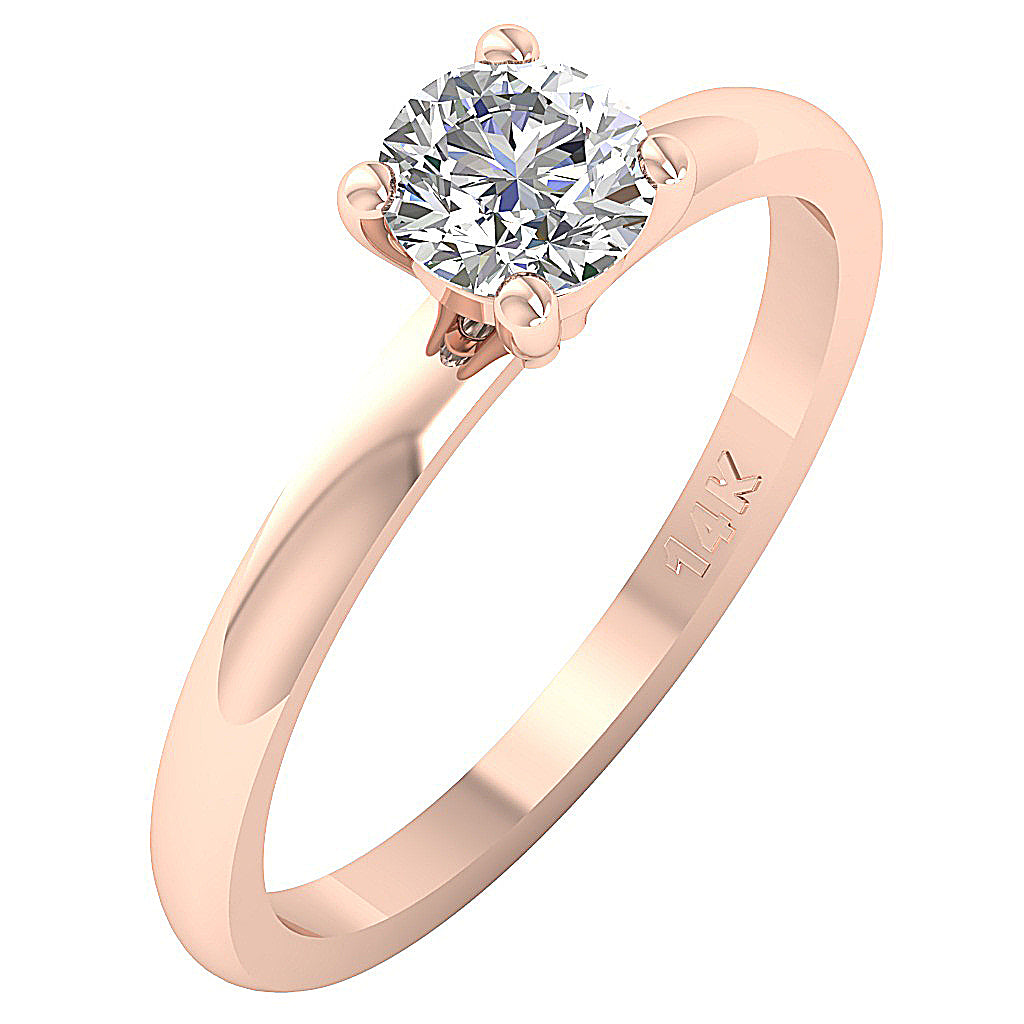
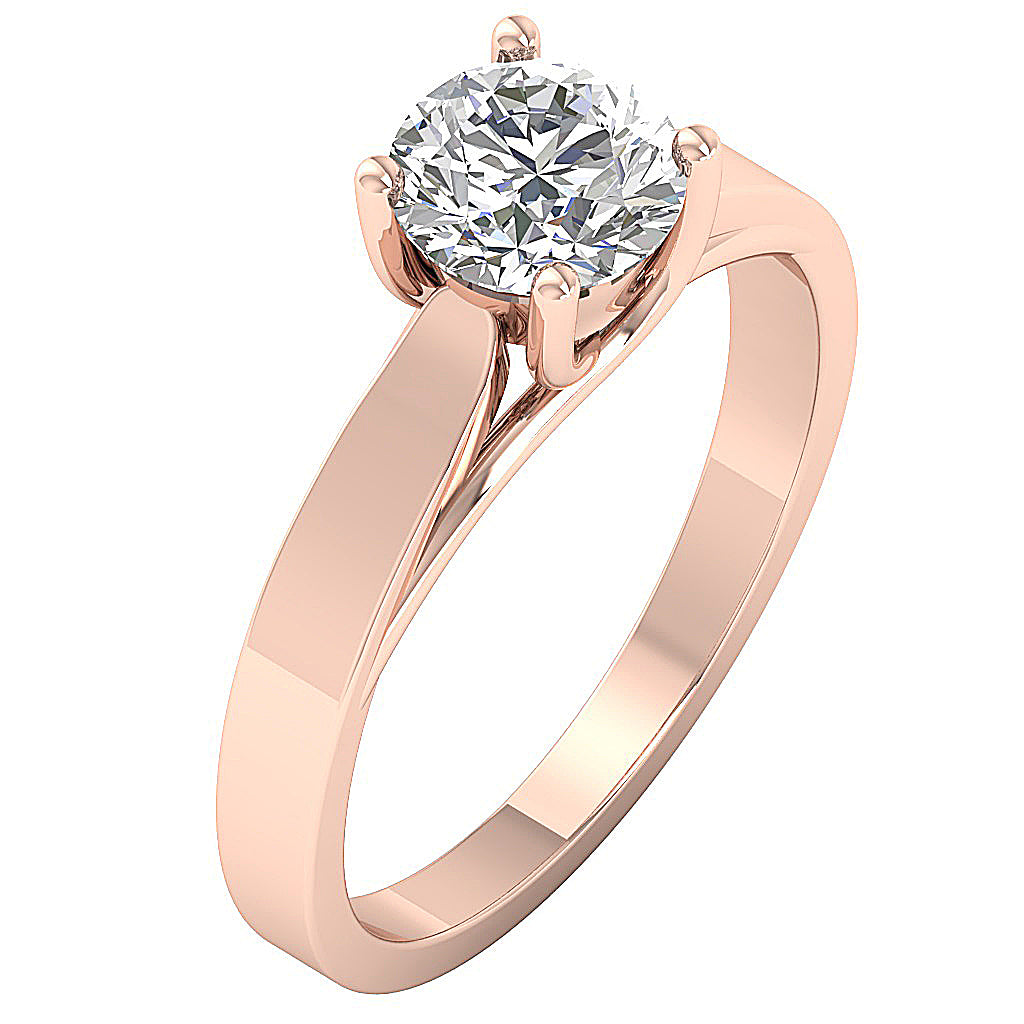
4.00ct Round Brilliant Lab Diamond in 14K Rose Gold4.00 Carat VS F Lab-Grown Diamond in 14K White Gold
Color
On sale
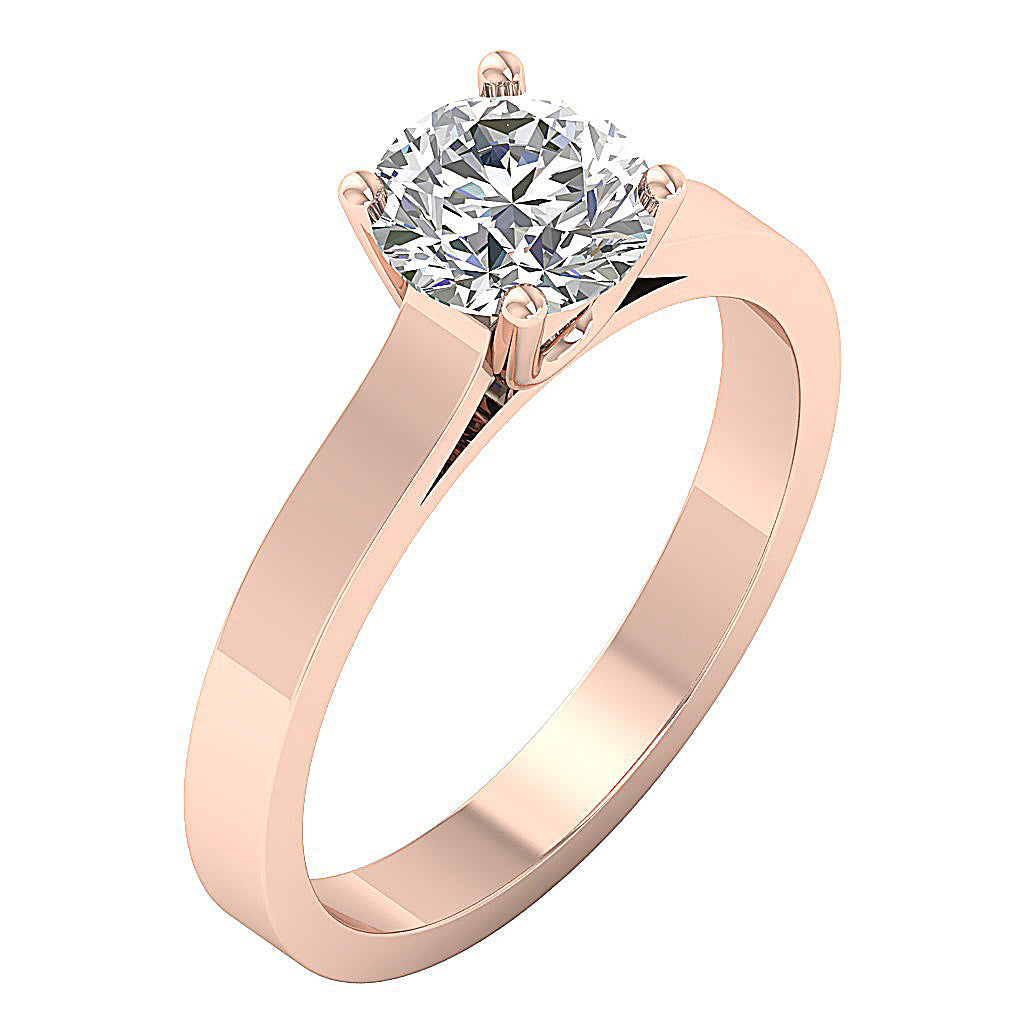
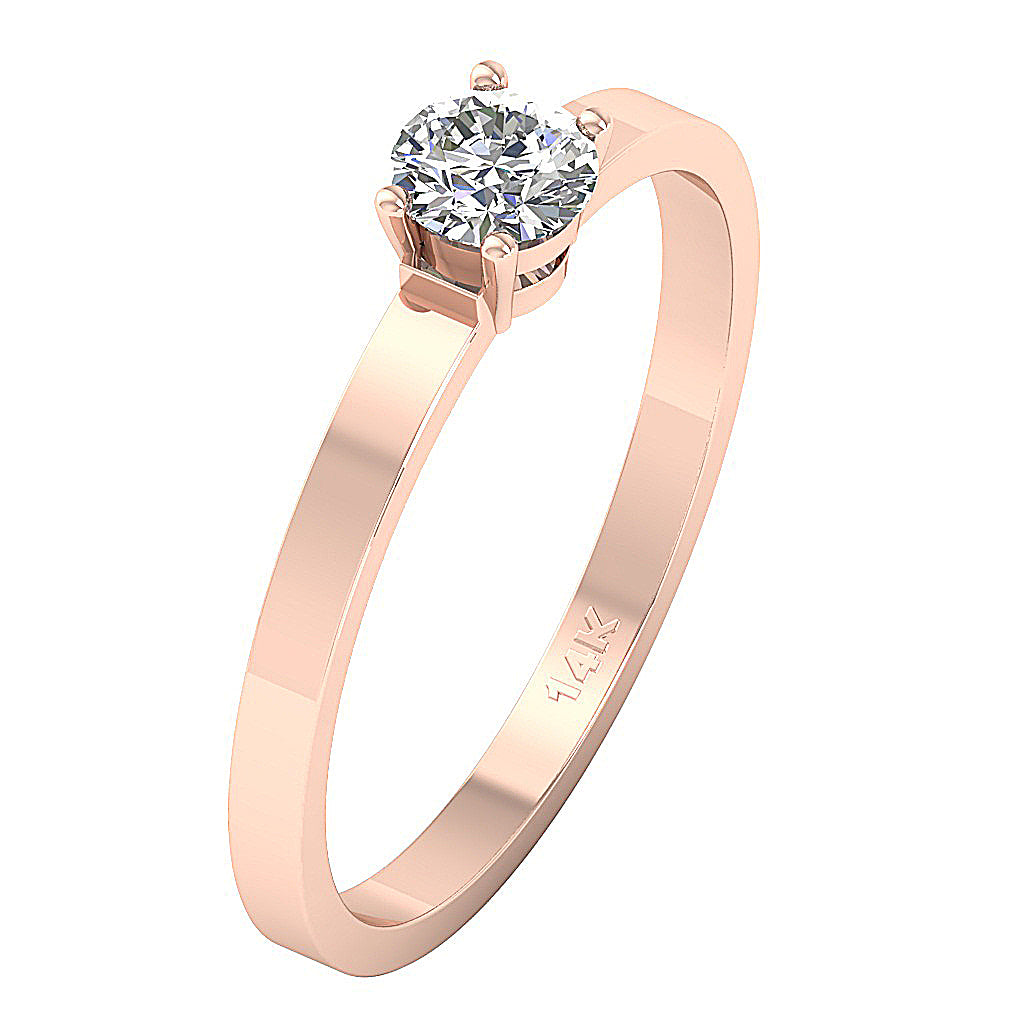
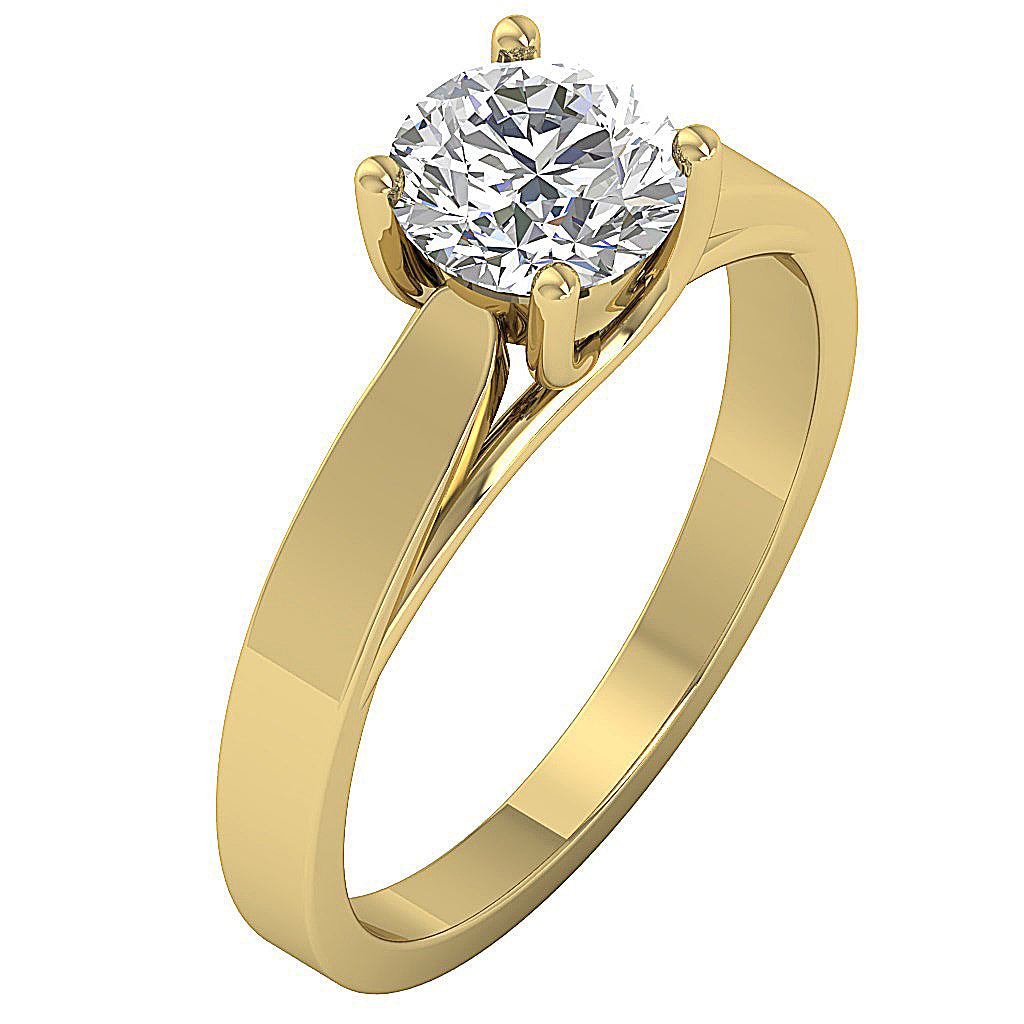
4.00 Carat VS F Lab Diamond in Romantic 14K Rose GoldHigh-profile 4-prong basket setting for large lab diamonds
Color
On sale
Stunning 2.00ct lab-grown diamond in 14K yellow gold setting2.50 Carat VS F Lab-Grown Diamond Solitaire Ring in White Gold
Color
On sale
Side view of 4-prong basket setting lab diamond ringRound brilliant lab-grown diamond in 14K yellow gold band
Color
On sale
Massive 4.00 Carat VS-F lab-grown diamond on a 14K gold tapered band.Side profile view of a high-set 3.50ct diamond showing the tapered shank.
Color
On sale
Extreme close-up of the VS-F clarity of a 4.00ct lab-grown diamond.Side profile view of a high-set 3.50ct diamond showing the tapered shank.
Color
On sale
Front view of a 4-prong lab-grown diamond ring in 14K gold.Side view showing the elegant tapered band and 4-prong setting.
Color
On sale
3.50 Carat Round Lab Diamond in 14K Yellow Gold SettingSide profile of a 4-prong high-set basket for 4.00ct diamond
Color
On sale
Close-up of the meticulous eagle-prong work on a high-carat solitaire.High-profile side view of a 4ct diamond in a 4-prong eagle setting.
Color
On sale
High-profile side view of a 4ct diamond in a 4-prong eagle setting.Massive 4.00 Carat VS-F Lab Grown Diamond on 14K Gold Flat Band.
Color
On sale
Majestic 4.00 Carat Round Brilliant Solitaire in 14K GoldHigh-profile 6-prong architectural setting for 3.50ct diamond
Color
On sale
High-profile 6-prong architectural setting for 3.50ct diamondMajestic 4.00 Carat Round Brilliant Solitaire in 14K Gold
Color
On sale
Majestic 4.00 Carat Round Brilliant Solitaire in 14K GoldHigh-profile 6-prong architectural setting for 3.50ct diamond
Color
On sale
Blushing rose gold 4-prong engagement ring for a modern brideExtreme close-up of VS clarity F color diamond's inner fire
Color
On sale
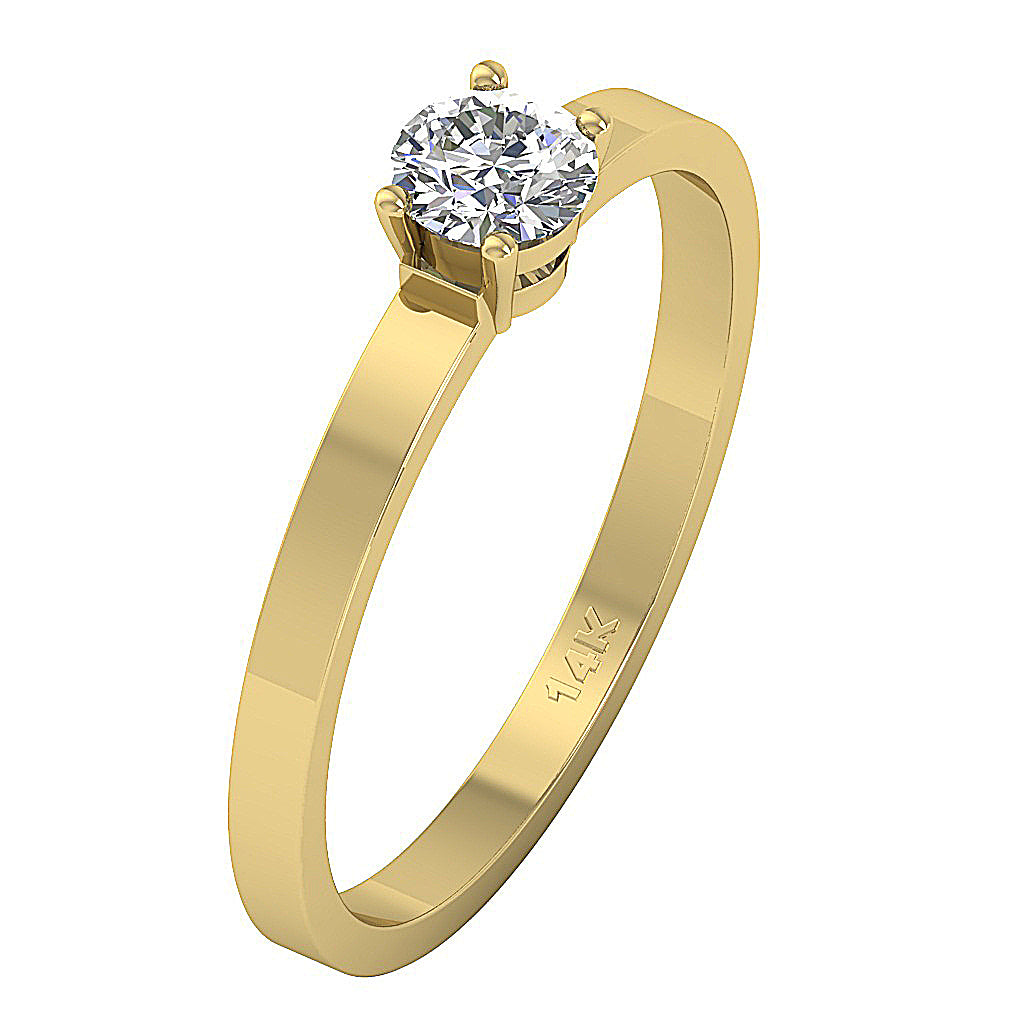
Warm 14K yellow gold band holding a 3-carat solitaire diamondExtreme close-up of VS clarity F color diamond's inner fire
Color
On sale
Extreme close-up of VS clarity F color diamond's inner fireWarm 14K yellow gold band holding a 3-carat solitaire diamond
Color
On sale
Large VS F lab diamond solitaire ring in 14K rose goldMassive 4.00 carat lab diamond engagement ring in 14K gold
Color
On sale
3.50 carat lab-grown diamond solitaire in 14K yellow gold bandMassive 4.00 carat lab diamond engagement ring in 14K gold
Color
On sale
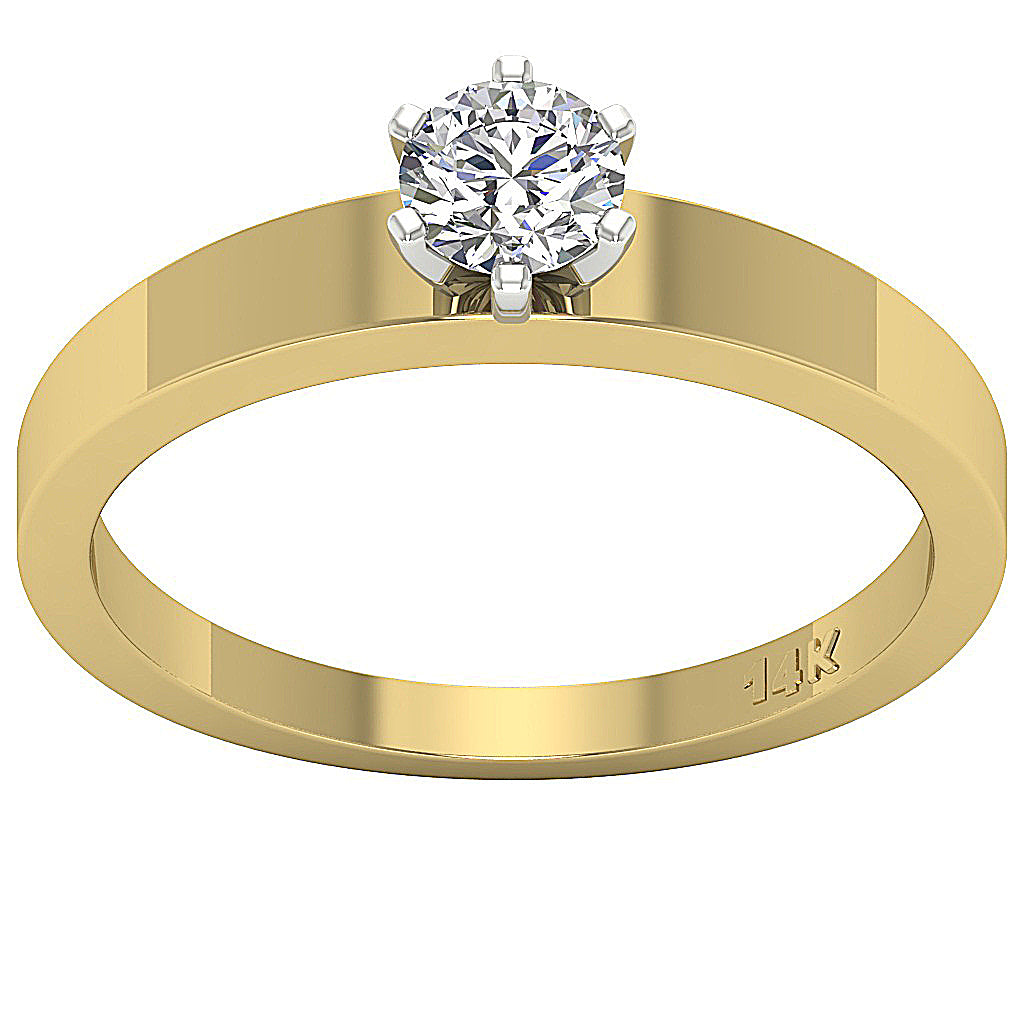
3.00 carat VS F lab grown diamond solitaire ring top viewMassive 4.00 carat lab diamond engagement ring in 14K gold
Color

Diamond Rings: Timeless Jewellery for Every Day and Occasion

A diamond ring is not framed and hung on a wall. It is worn to the office, and to the sink while you do the dishes. Of everything you own, it is asked to do the most, and to complain the least. The setting, then, is not a decorative choice. It is an engineering one, dressed beautifully.

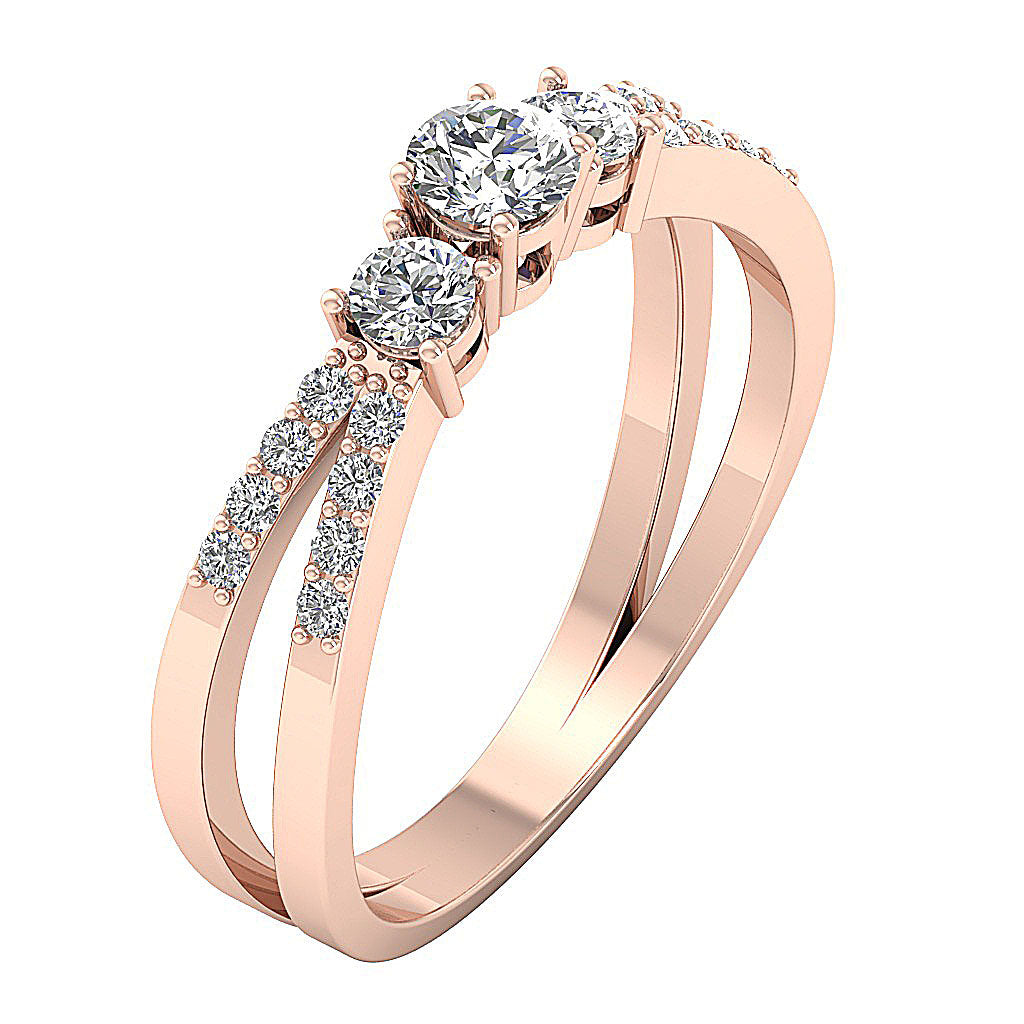
The collection moves through solitaires, halos, three-stone settings, and forever-us two-stone designs, each built around a natural or lab-grown diamond chosen for how it behaves in ordinary light, not just under a jeweler's lamp. Round, oval, cushion, emerald, and marquise cuts are set in 14K and 18K gold, in yellow, rose, or white, so the metal answers to the wardrobe rather than the other way round.

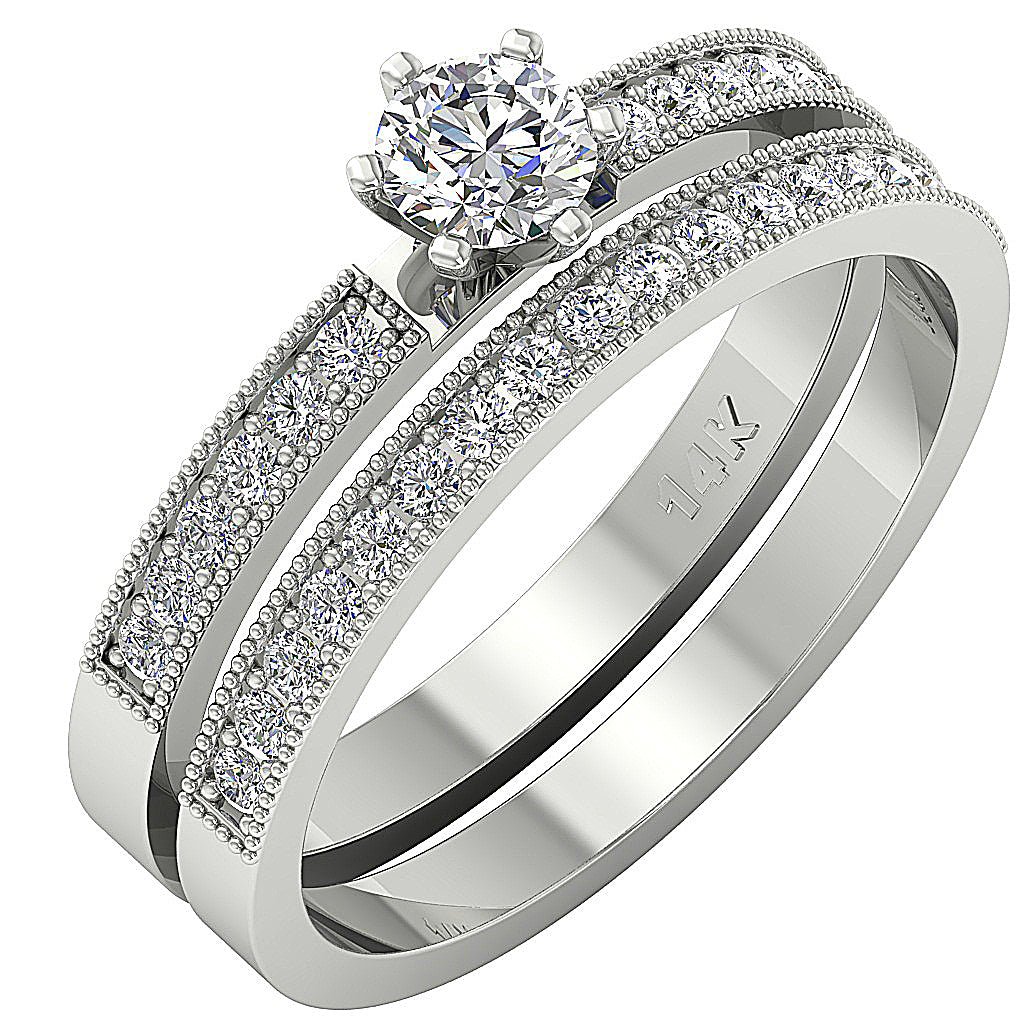
Bridal sets bring the ring and its band together from the start, a quiet convenience for anyone who would rather not match two purchases made a year apart. Vintage-inspired designs carry milgrain edges and filigree, the kind of detail that rewards a second look.

What matters, in the end, is not the size of the stone but whether it feels chosen, deliberately, for the hand it sits on.

How a Diamond Ring Should Be Worn

Stack with restraint. A slender eternity band beside a solitaire adds light without competing for it, provided the metals agree with one another.

Let the cut set the mood. Emerald and radiant cuts carry an architectural coolness that suits minimal styling. Round and cushion cuts, gentler at the edge, sit comfortably among more ornate pieces.

Consider the hand before the ring. Oval and marquise silhouettes lengthen the finger. A halo lends a smaller center stone the visual weight of a larger one, without adding a single carat.

Choose the metal for the hour, not the season. Yellow gold reads warmest by daylight. White gold and platinum-toned finishes hold their composure best after dark, and photograph with far less compromise.

Mind what the hand already wears. A signet or a stacking band changes the calculation. A lower profile keeps the diamond from arguing with its neighbors.

The Discipline of Caring for a Diamond Ring

A diamond's hardness is not the same as indestructibility. Lotion, chlorine, and the quiet accumulation of everyday grime dull its brilliance long before the stone itself is at risk.

Clean it every week or two, in warm water with a drop of mild soap and a soft-bristled brush, working carefully beneath the stone where residue collects unseen. Rinse thoroughly and dry with a lint-free cloth. An ultrasonic cleaner is best avoided on pieces with pavé or an older setting, since its vibration loosens prongs gradually, without any visible warning.

Remove the ring before the gym, the garden, or the sea. Store each piece on its own, in a lined box, since a diamond is hard enough to mark another without meaning to. A jeweler should examine the prongs once a year, more often for a ring that rarely leaves the hand.

Frequently Asked Questions