Ask five jewelers about the price of lab-grown diamonds, and you'll get five different numbers. That's not a scam; it's a market still finding its footing after years of steep declines. The real figure depends on more than most people expect.
This guide breaks down current lab-grown diamond price data and how it stacks up against natural stones. It's one of the biggest shifts in jewelry right now, and it's reshaping how people budget for an engagement ring.
What Is the Average Price of Lab-Grown Diamonds Right Now
A well-cut, certified 1-carat lab-grown diamond typically runs between $700 and $1,500 in 2026, depending on color and clarity. Entry-level stones can sit near the bottom of that range. Premium D-color, VVS-clarity stones land closer to the top.
Carat weight moves the price fast. A 2-carat lab-grown diamond often costs three to four times as much as a 1-carat stone. Larger rough material is simply harder to grow cleanly.
How Does the Price of Lab-Grown Diamonds Compare to Natural Diamonds
This is where the real story lives. A natural 1-carat diamond currently averages around $4,200 to $4,600 at retail, depending on quality. That puts lab-grown diamonds at roughly 70 to 90 percent less than natural stones of comparable size and grade.
|
Diamond Type |
1-Carat Price (approx.) |
Typical Price Compared to Natural |
|
Lab-grown diamond |
$250 to $600 |
Approx. 85% - 90% less than natural |
|
Natural diamond |
$3400 to $4500 |
Baseline |
The gap doesn't stay flat as size increases. Natural diamonds get exponentially rarer at larger carat weights. That price difference widens further at 2 and 3 carats than it does at 1 carat.
Why Have Lab-Grown Diamond Prices Dropped So Much
Production is the short answer. Lab-grown diamonds can be grown continuously in controlled facilities, and manufacturing capacity has expanded fast since 2020. More supply, competing directly for the same buyers, pushed prices down year after year.
Since 2020, lab-grown diamond prices have fallen by more than 70 percent at the retail level. Natural diamonds are finite and mined, which has kept their decline far more modest over the same stretch.
Are Lab-Grown Diamond Prices Still Falling in 2026
Natural diamond prices have softened too, though far less dramatically. Industry price indices showed roughly an 11 percent decline for 1-carat natural stones through 2025. Cautious retail spending and lab-grown competition both played a role.
The steep annual drops appear to be slowing. Industry pricing trackers reported the smallest quarterly declines since lab-grown diamonds entered the market. Premium stones may be nearing a production-cost floor.
That doesn't mean prices will bounce back. Most analysts expect them to stabilize rather than rise, since manufacturing capacity remains high and keeps meeting demand.
What Determines the Price of a Lab-Grown Diamond
Cut, color, clarity, and carat still drive price, exactly as they do with natural stones. Certification from IGI or GIA matters too, since graded stones sell more predictably and typically resell at a fairer price.
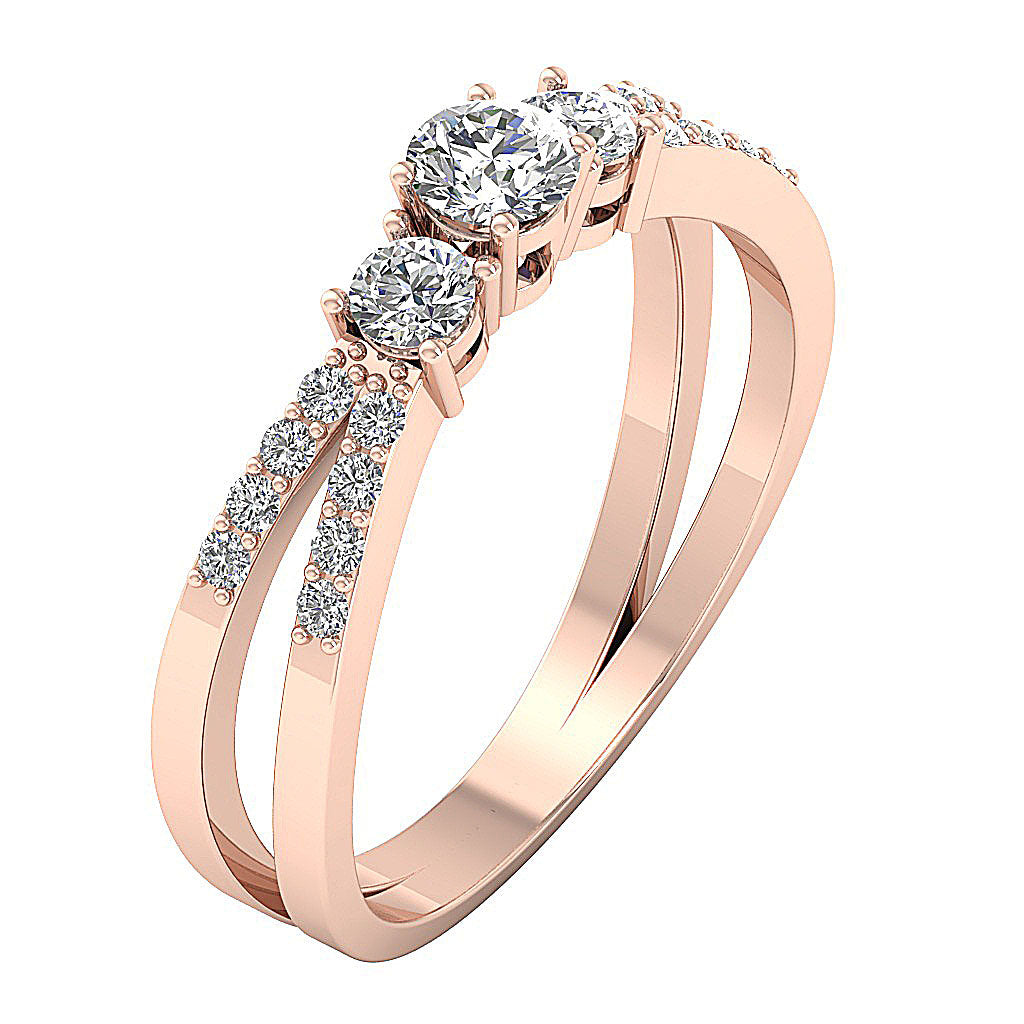
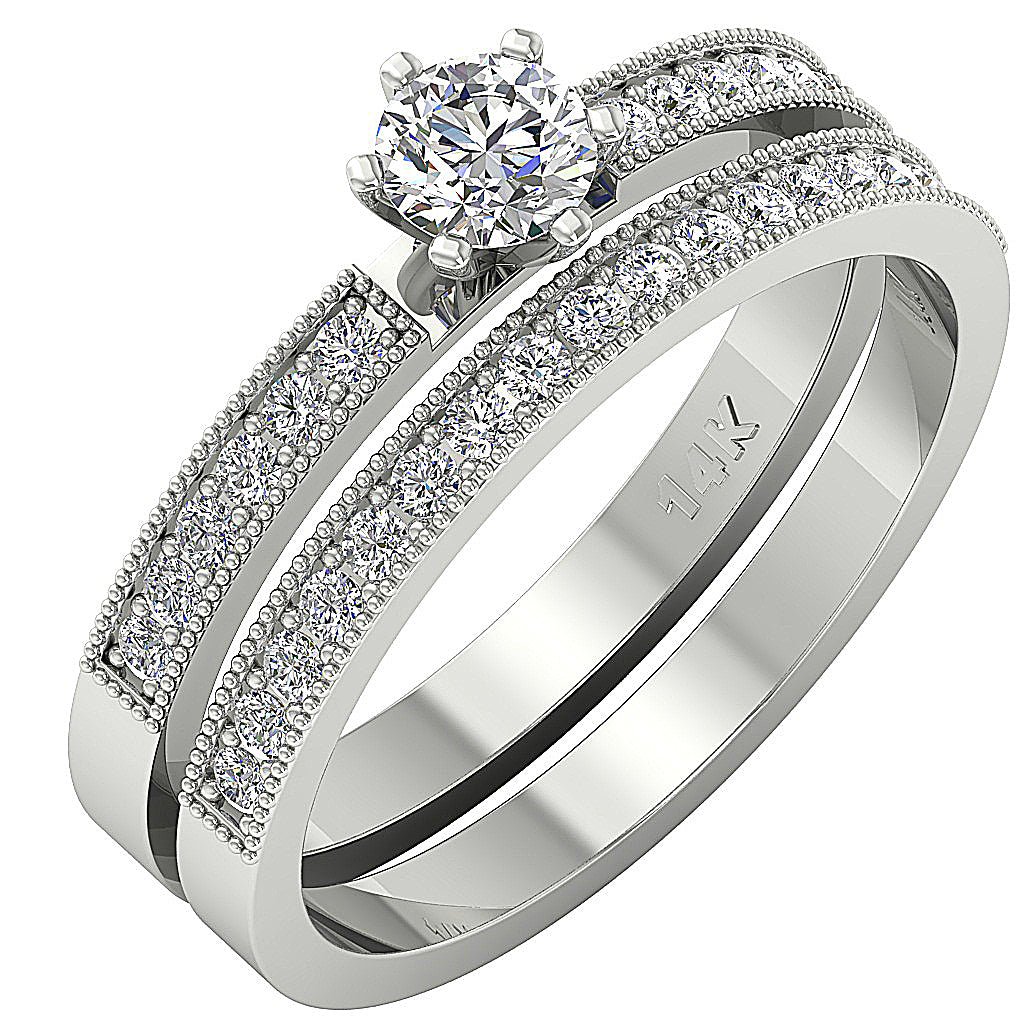
Retailers price finished rings differently than loose stones, since setting and metal add cost on top. At Diamond For Good, finished lab-grown rings in the one-carat-plus range are commonly listed with significant markdowns from list price. That mirrors the downward pricing pressure seen industry-wide.
Shape affects cost as well. Round brilliant lab-grown diamonds usually cost more per carat than fancy shapes like oval or cushion. More rough material is lost during cutting.
Do Lab-Grown Diamonds Hold Their Value
Not especially well, and it's worth being honest about that. Because production keeps expanding, today's lab-grown diamond often costs less to replace by resale time. That limits resale offers.
Natural diamonds tend to hold value more predictably, since supply is limited and mining output has grown tightly managed lately. If resale matters to you, weigh that against the upfront savings.
How Can You Avoid Overpaying for a Lab-Grown Diamond
Compare prices across at least three retailers before buying, since markup varies more with lab-grown stones than with natural ones. A wide price gap for the same specs usually points to certification differences or retailer margin, not stone quality.
Always confirm the certificate number directly with IGI or GIA rather than trusting a retailer's in-house grading alone. In-house certificates sometimes over-grade clarity by a grade or two, which inflates the perceived value of the stone.
Which Should You Choose for Value: Lab-Grown or Natural
If your priority is size and sparkle per dollar, lab-grown diamonds are hard to beat. The same budget buys a noticeably larger or higher-quality stone than a natural equivalent would allow.
If your priority is long-term resale value or rarity, a natural diamond ring remains the steadier choice. Neither option is wrong. It comes down to what you actually want the diamond to do for you.
Wrapping Up: The Bottom Line on Lab-Grown Diamond Pricing
The price of lab-grown diamonds has changed the entire conversation around buying a diamond ring. Whether that shift favors you depends on what you value more, upfront savings or long-term value retention.
Diamond For Good carries both natural and lab-grown options, so you can compare them side by side before deciding.
Frequently Asked Questions
Are lab-grown diamonds real diamonds?
Yes. Lab-grown diamonds share the same chemical composition, hardness, and optical properties as natural diamonds. The only difference is where and how they formed.
Does a lab-grown diamond need a certification report?
Yes. A report from IGI or GIA confirms the diamond's grade and origin in writing. It protects you when buying, insuring, or reselling the stone.
Can you tell a lab-grown diamond apart from a natural one by eye?
No. Both are visually and chemically identical. Specialized lab equipment is required to distinguish them, which is why certification matters so much.
Is a lab-grown diamond a good choice for an engagement ring?
It can be, especially for buyers prioritizing size and budget. Just weigh the lower resale value against the upfront savings before deciding.


Leave a comment
This site is protected by hCaptcha and the hCaptcha Privacy Policy and Terms of Service apply.